1/10
Over sink kitchen lighting ideas to illuminate your basin area
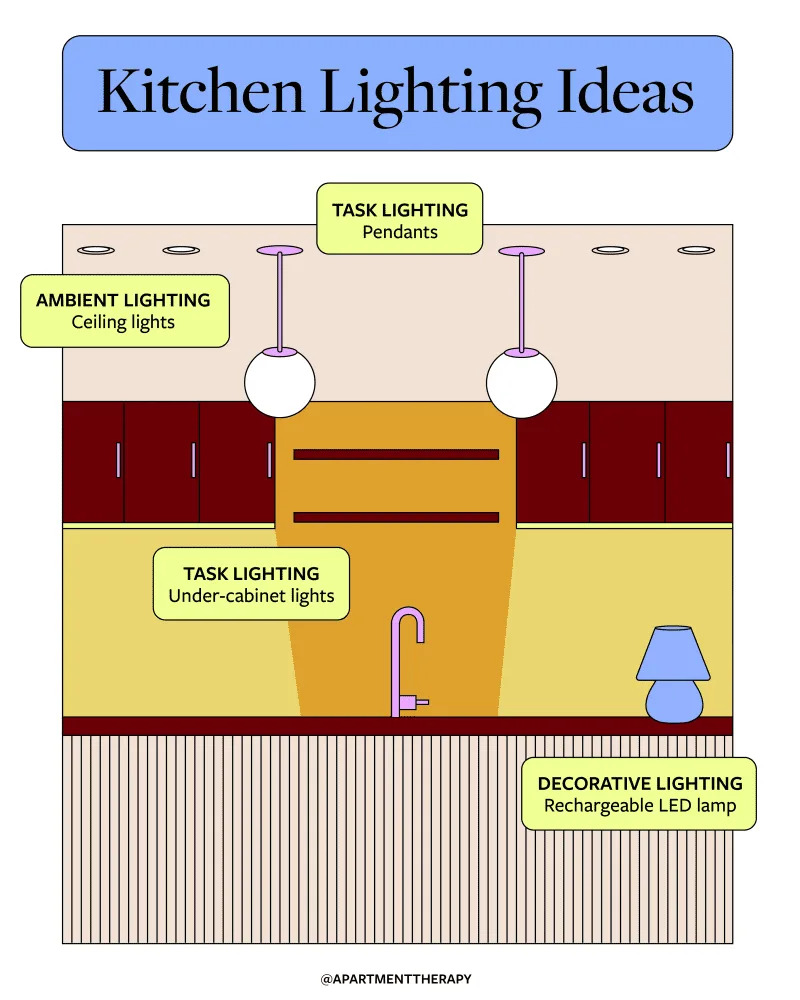
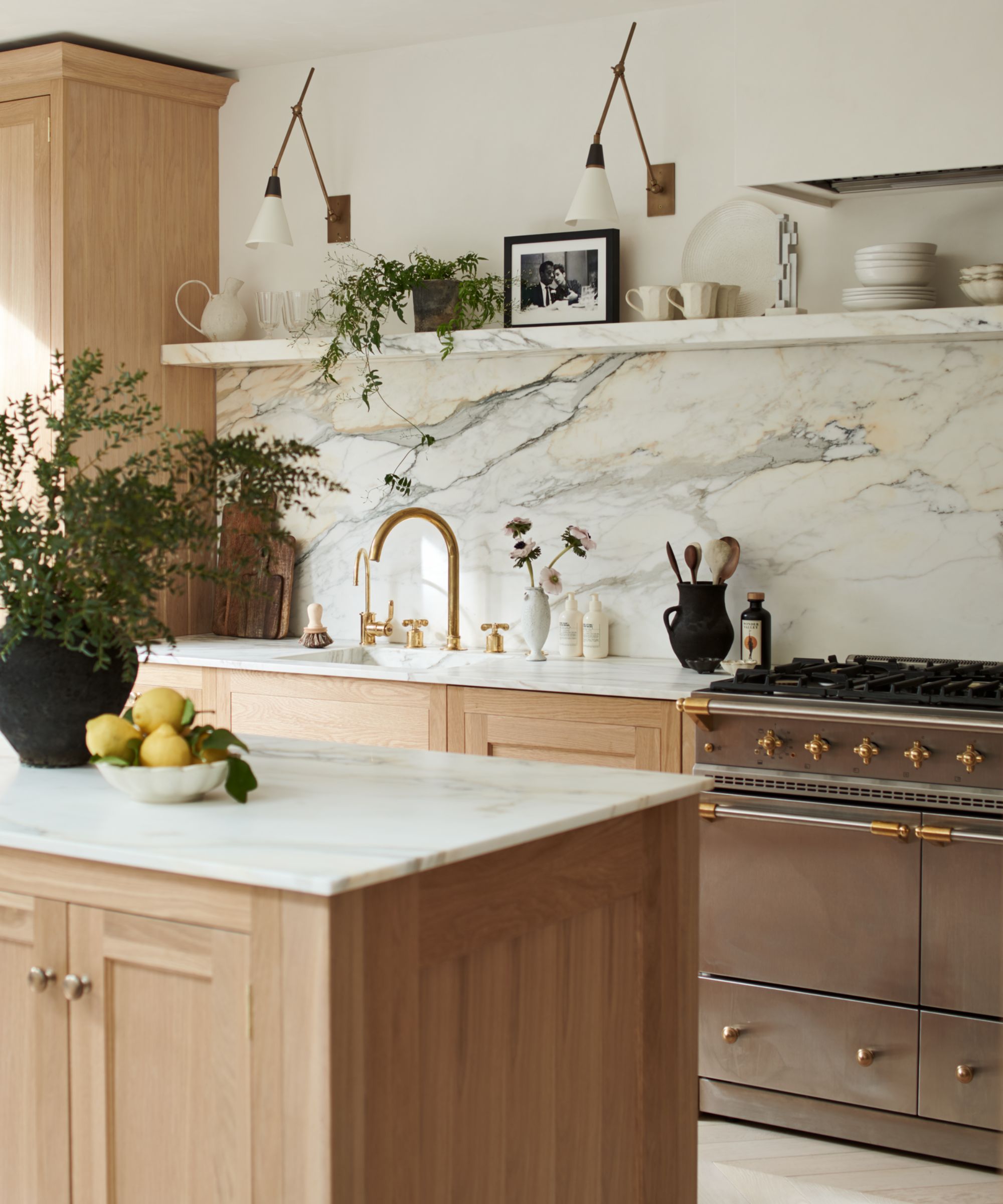
The kitchen sink is a high-traffic area in any home, constantly used for tasks like cleaning dishes, washing hands, and rinsing produce. Therefore, dedicated over-sink kitchen lighting is crucial for both functionality and aesthetics. While general kitchen lighting plays a role, the sink area specifically benefits from task lighting. Key considerations include the height and size of light fixtures to avoid obstruction and ensure adequate illumination without creating shadows. Professional advice emphasizes finalizing the kitchen layout before planning lighting, ensuring fixtures complement the overall scheme and do not impede views, especially if a window is present above the sink.
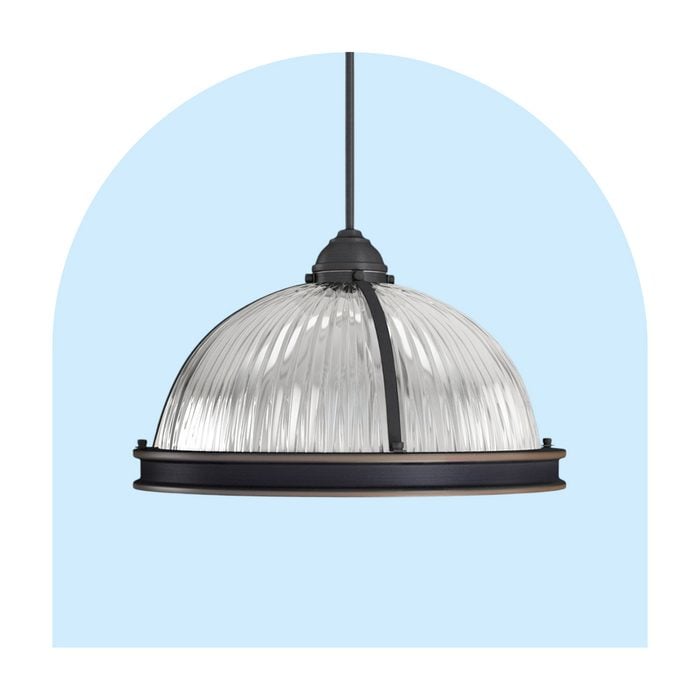
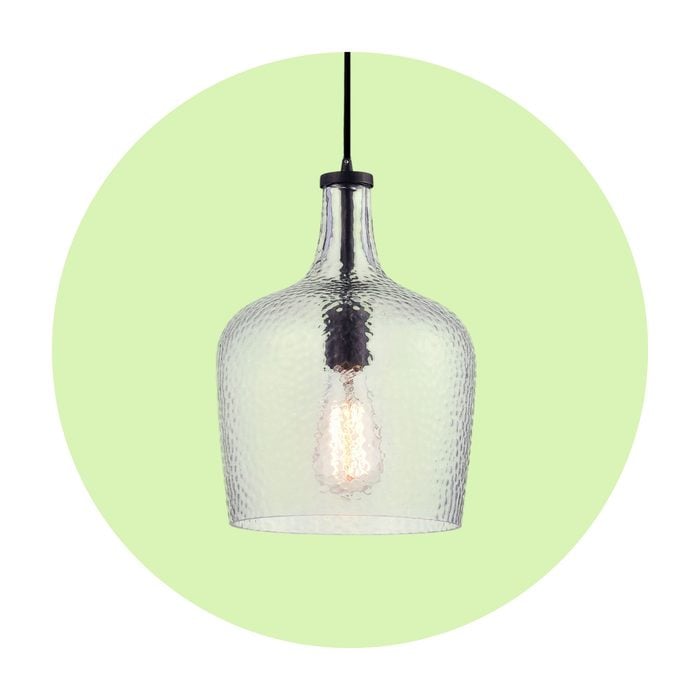
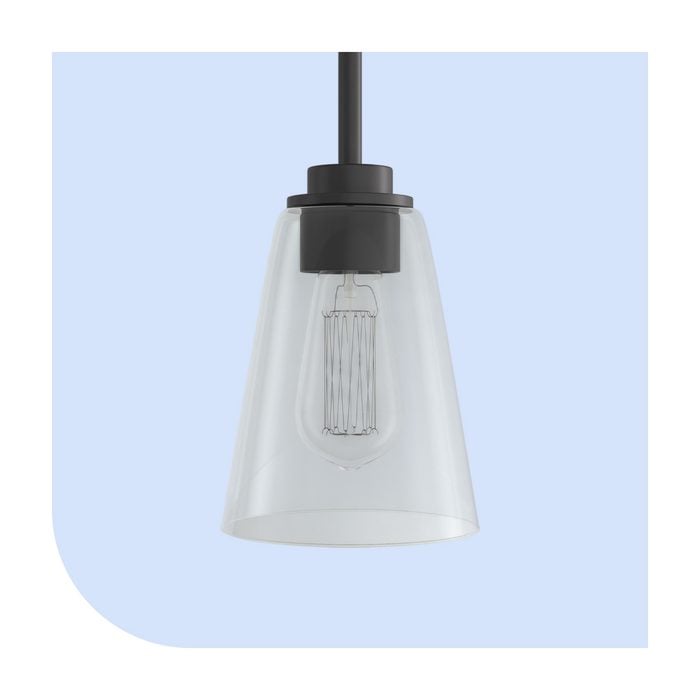
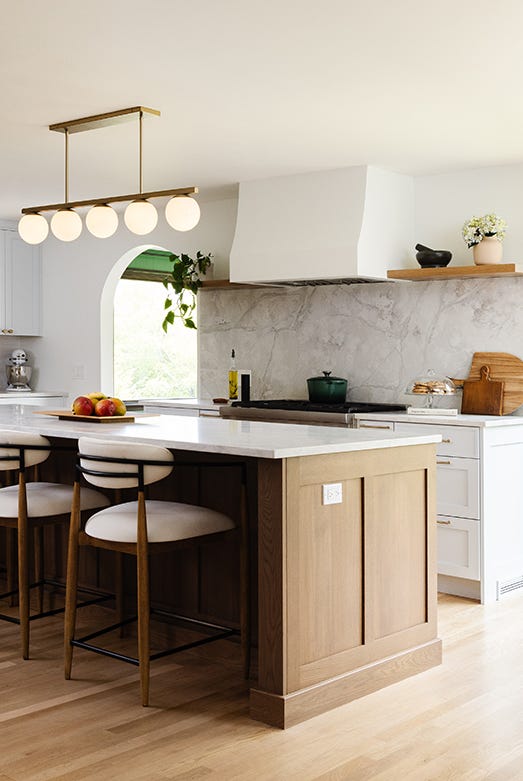
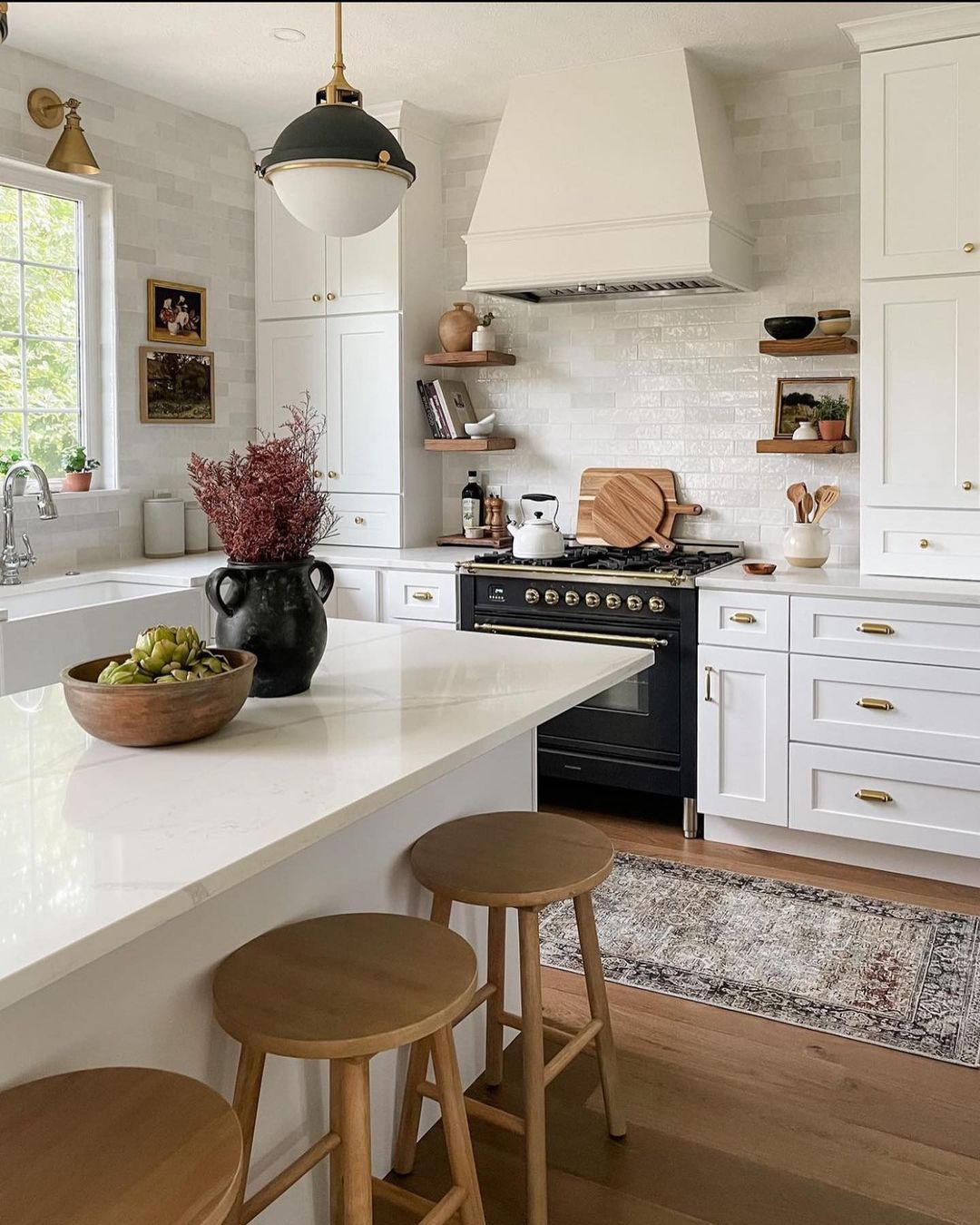
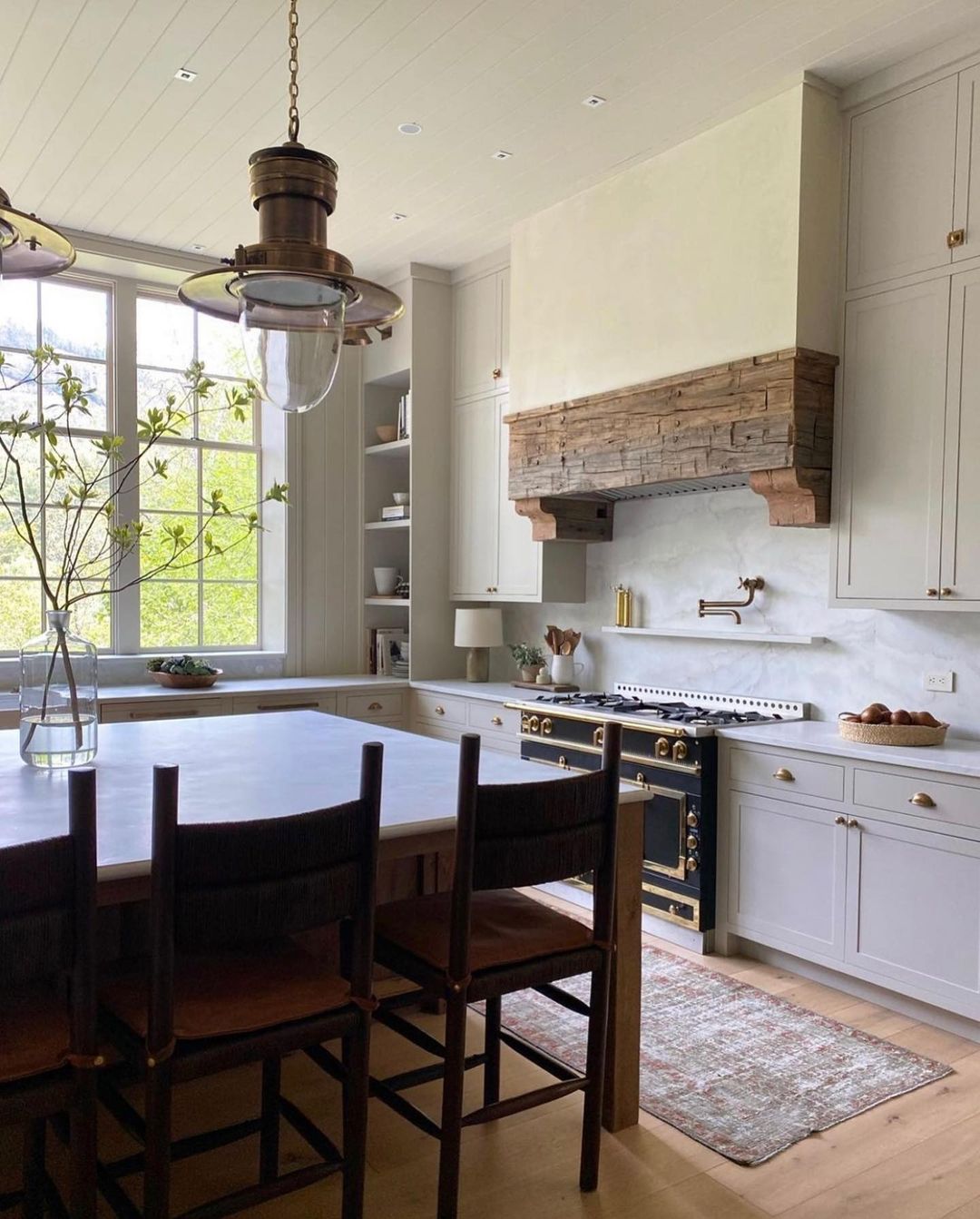
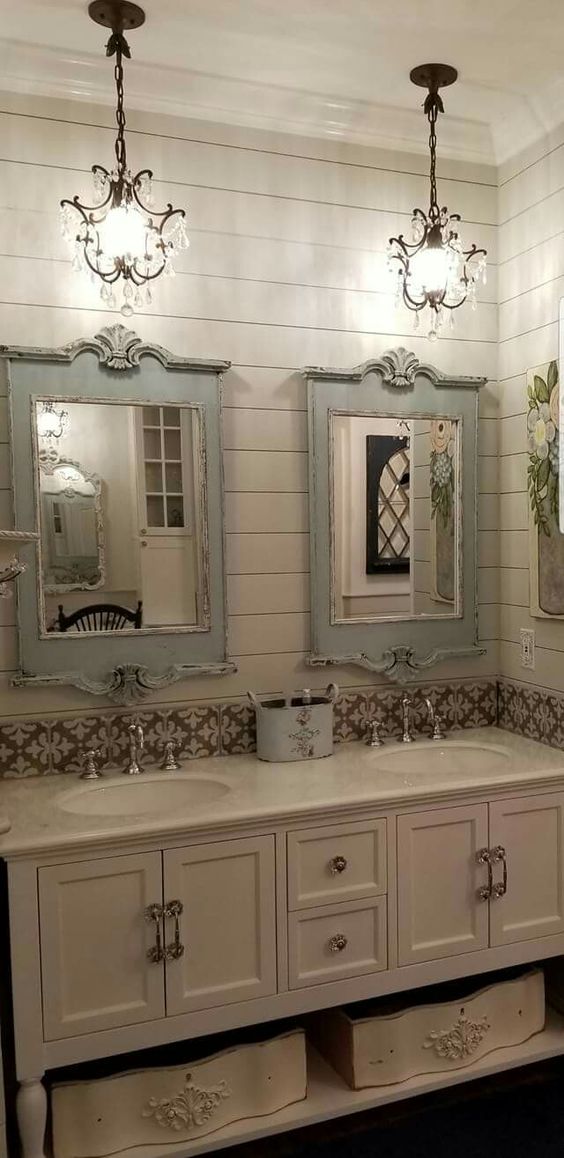
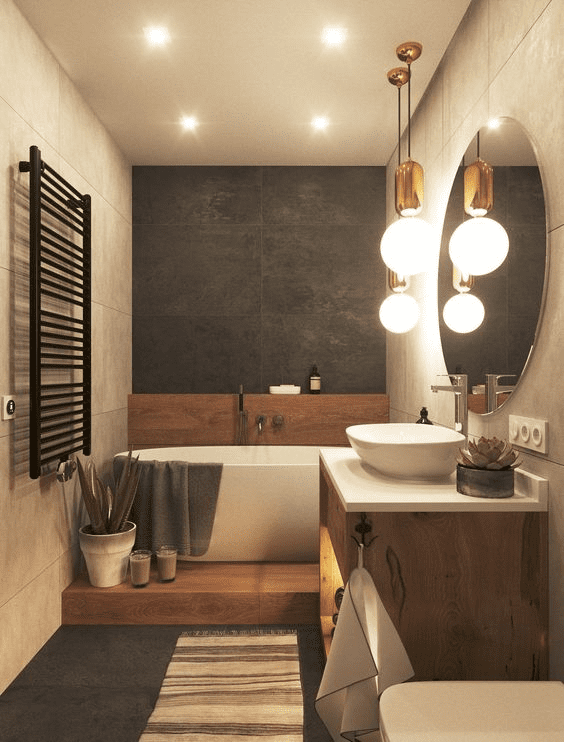
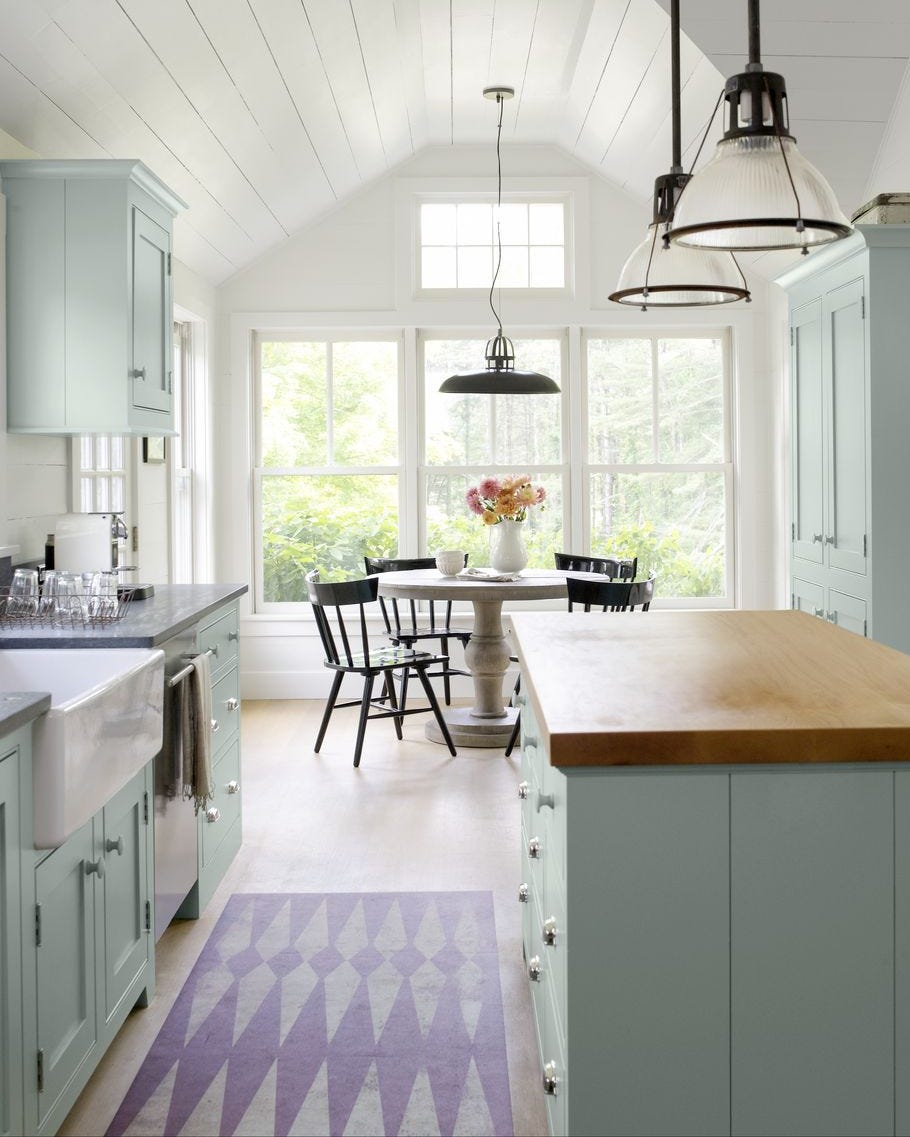
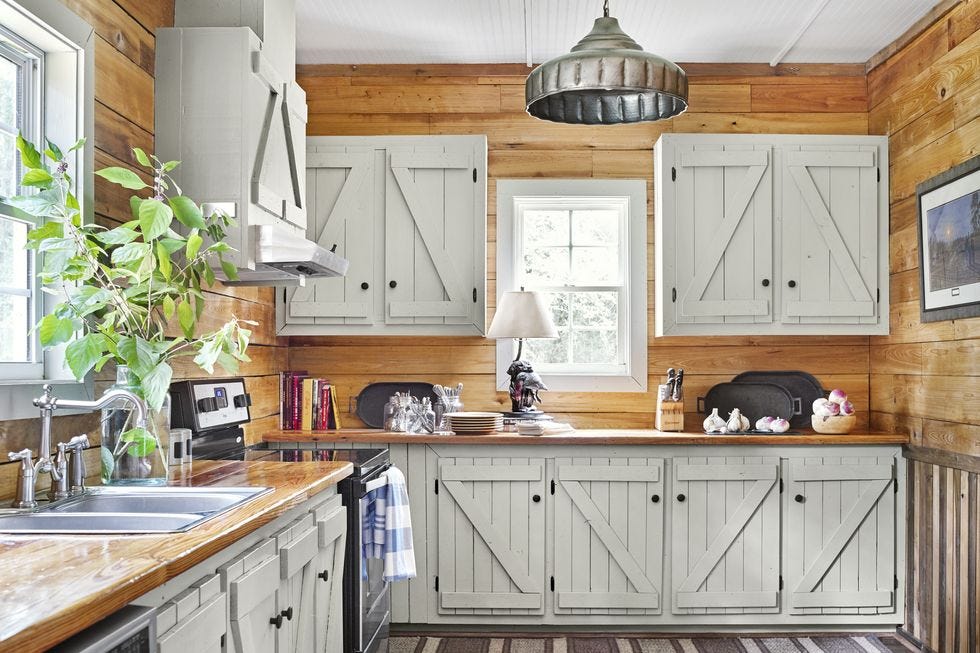
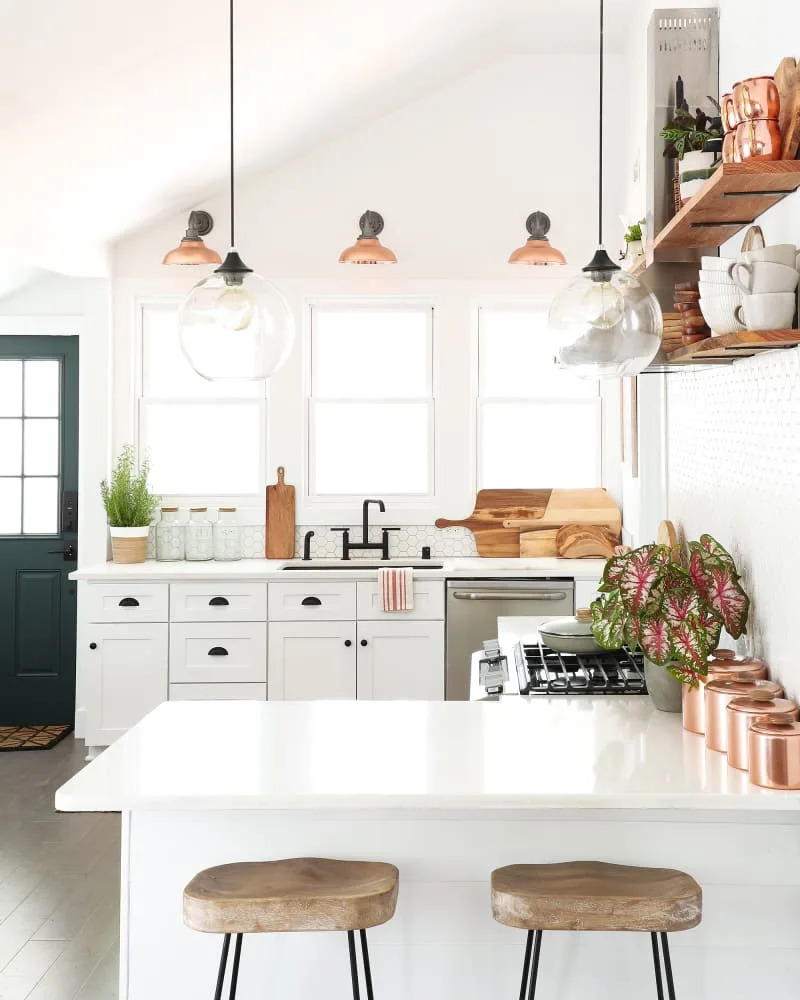
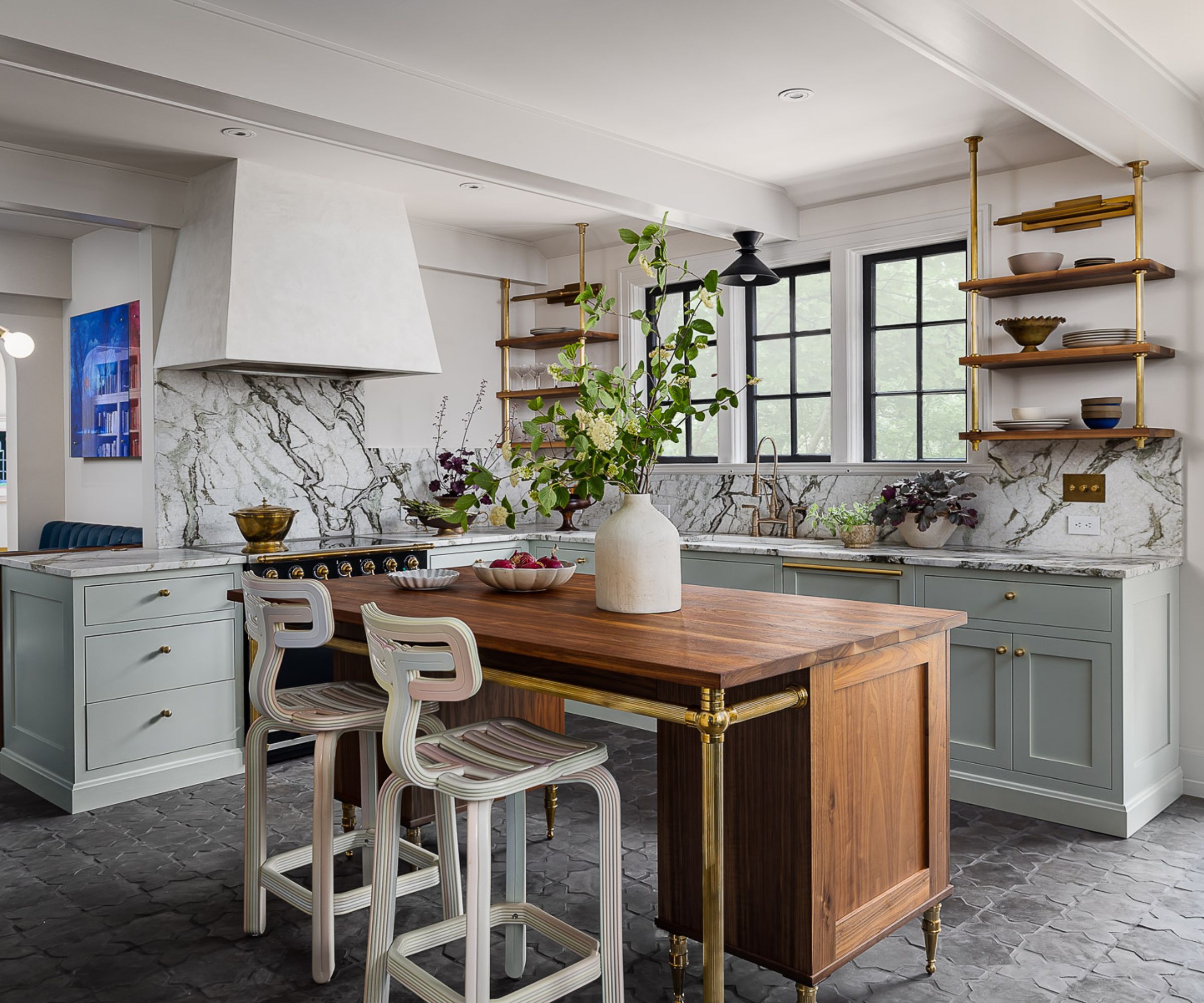
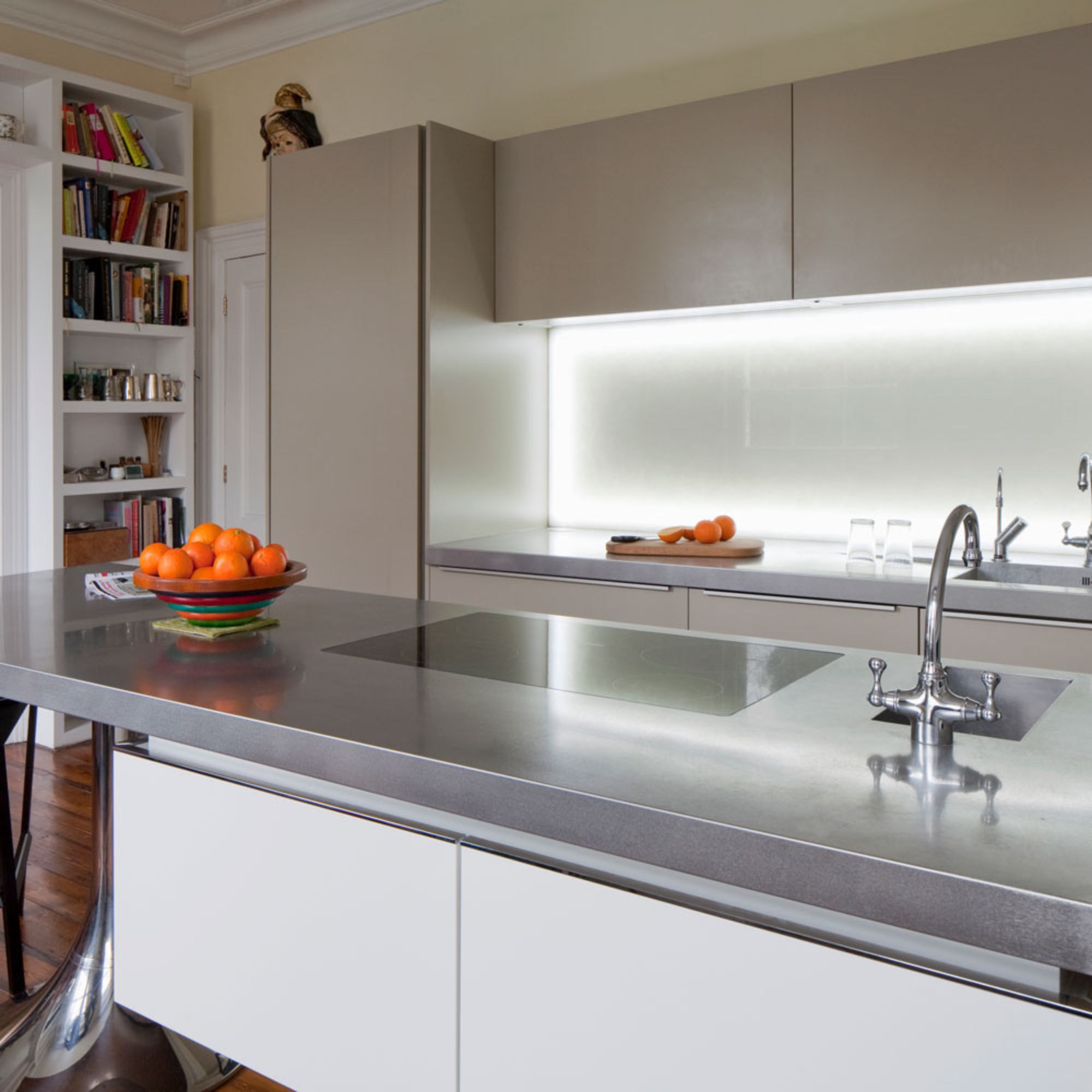
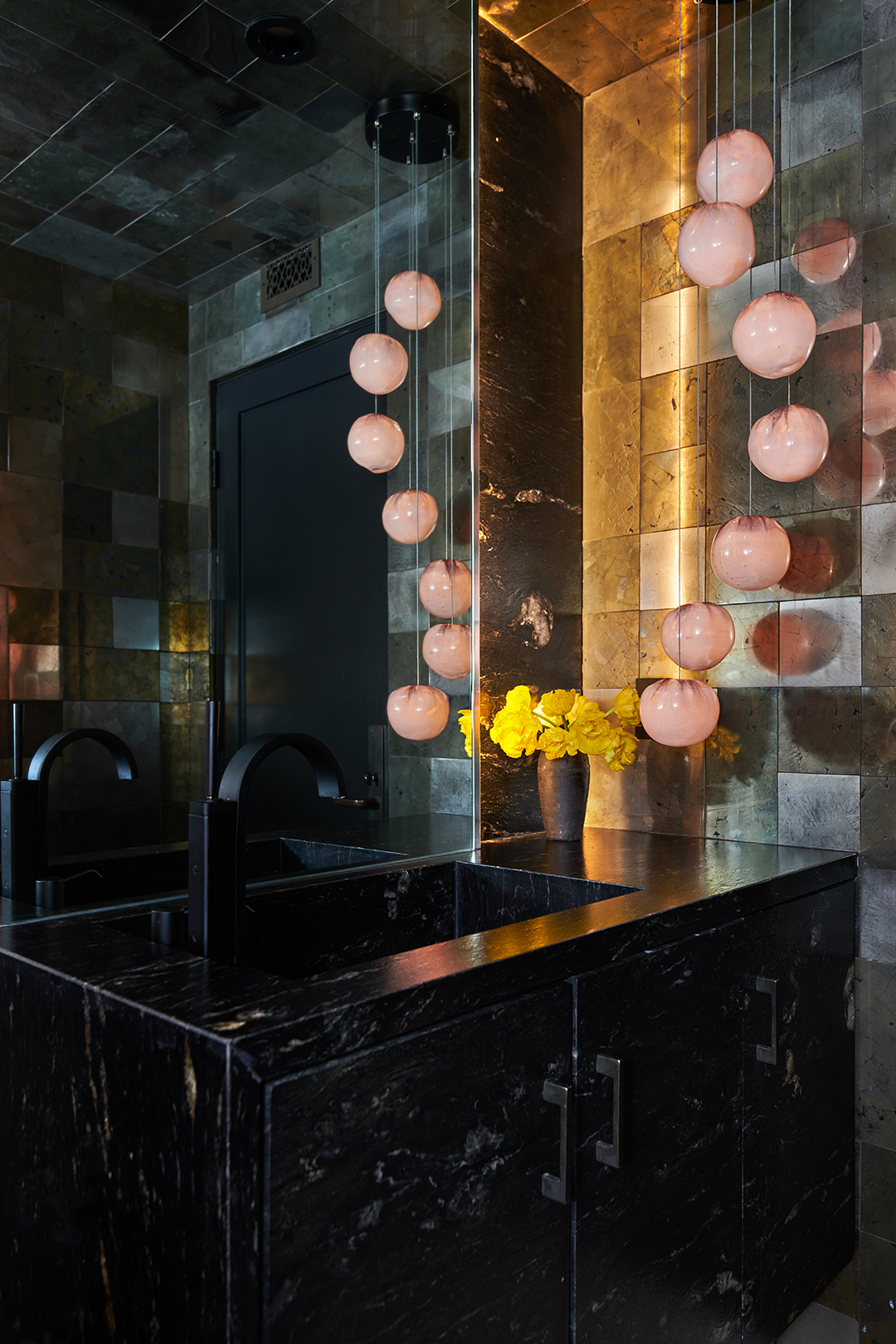
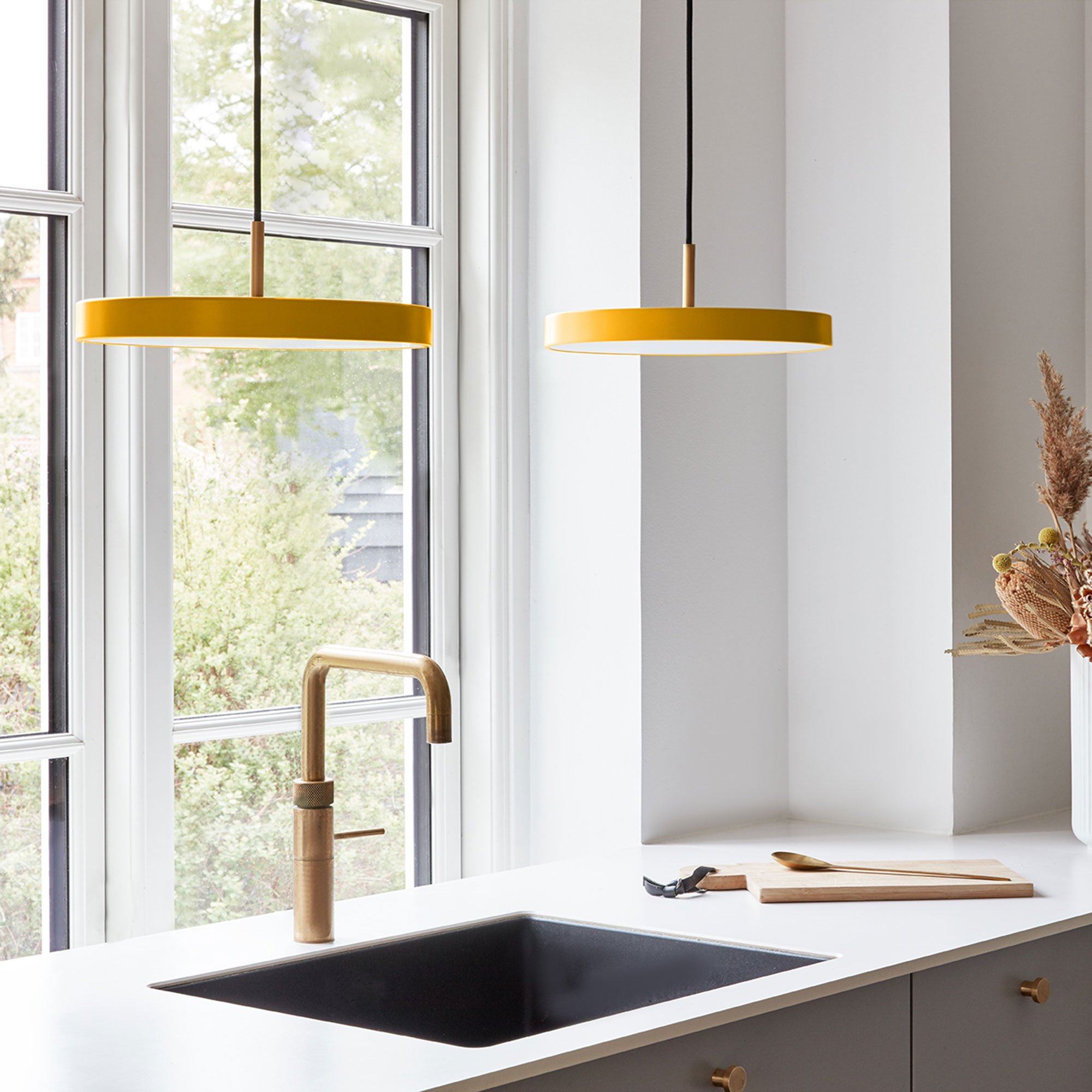
Several lighting approaches can enhance the sink area. Slimline designs are recommended for sinks positioned in front of windows, providing necessary task lighting after dark without blocking natural light or outdoor views during the day. Elevating pendant lights high above the sink can widen the illuminated area and reduce concerns about proximity to water, though ensuring sufficient brightness remains important. Backlit splashbacks offer a dual benefit of ambient mood lighting and functional task lighting, especially if dimmable. A single, bold pendant can serve as both a statement piece and an effective task light, with color and pattern choices reflecting the kitchen's decor.
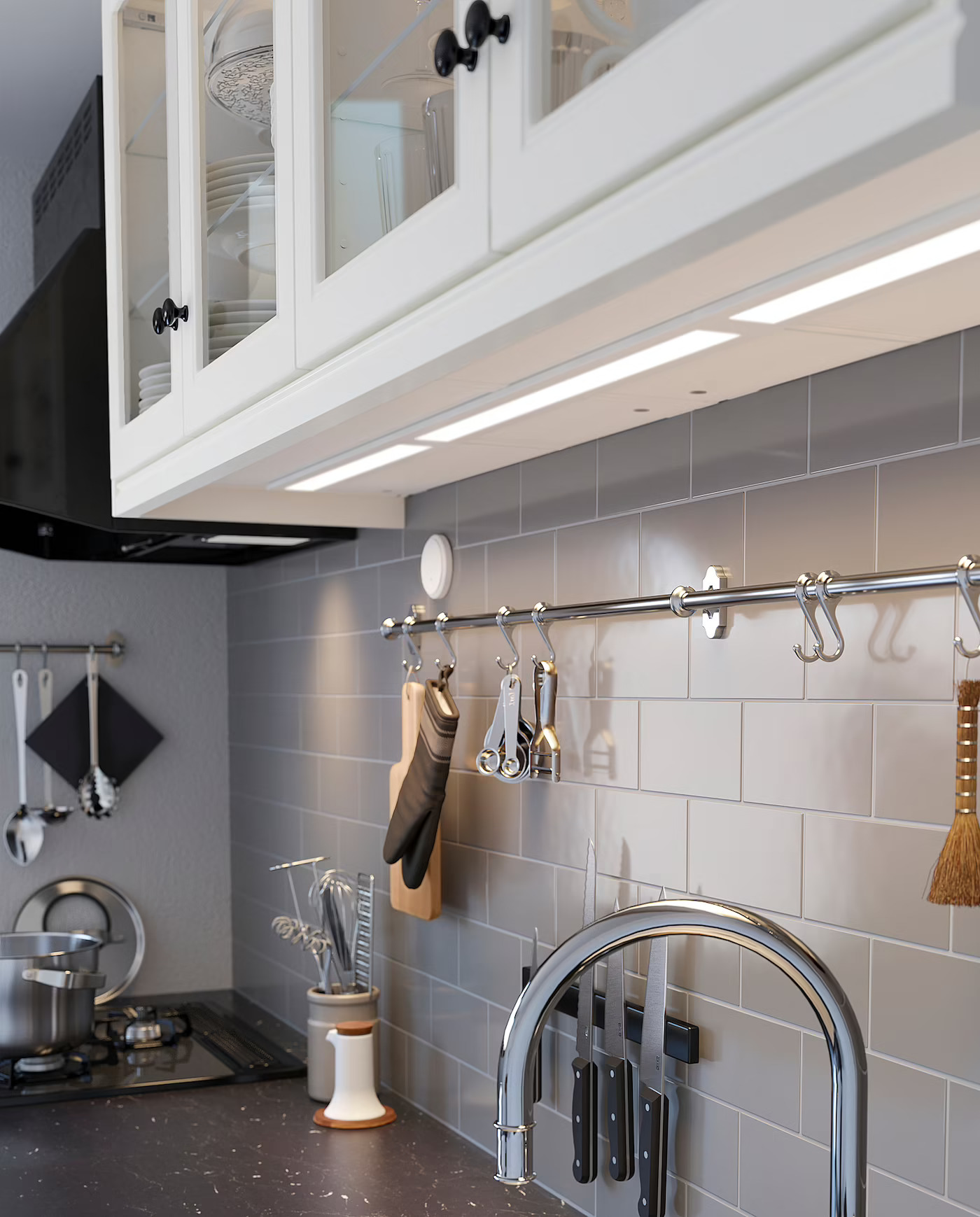
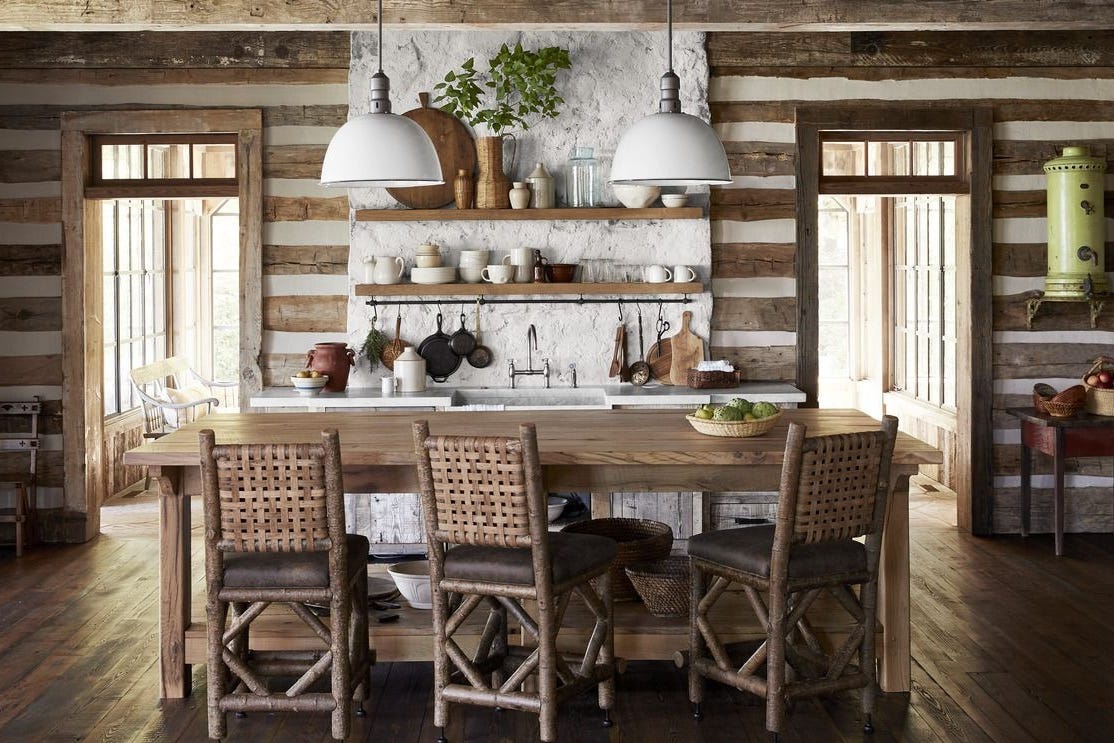
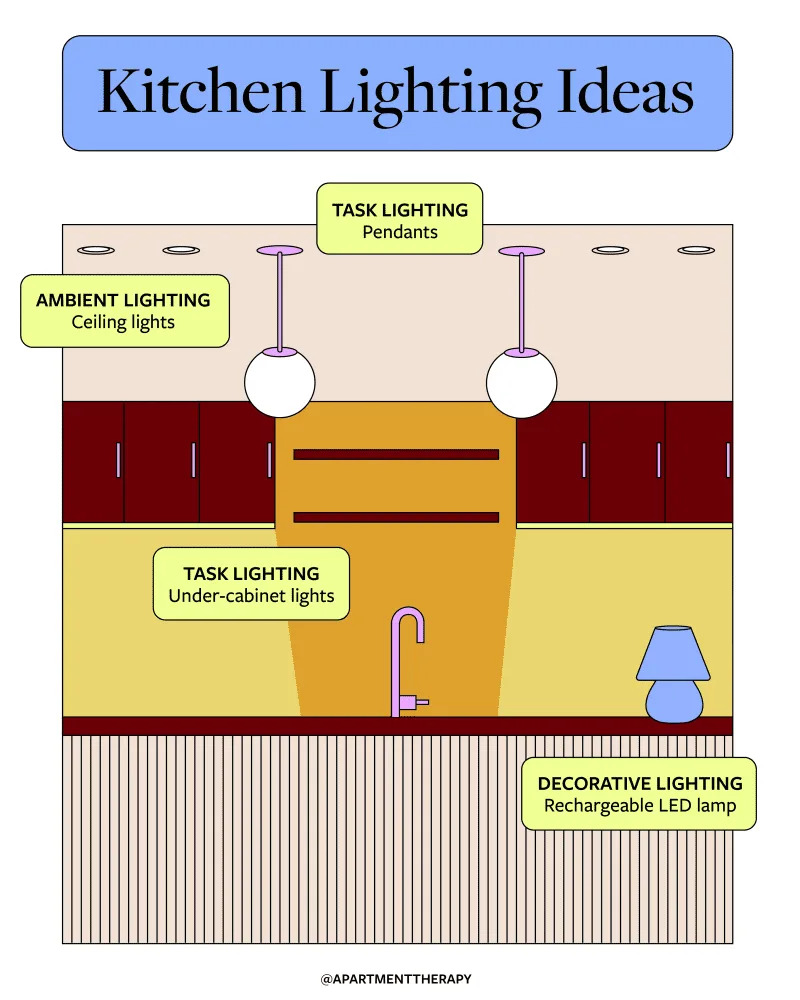
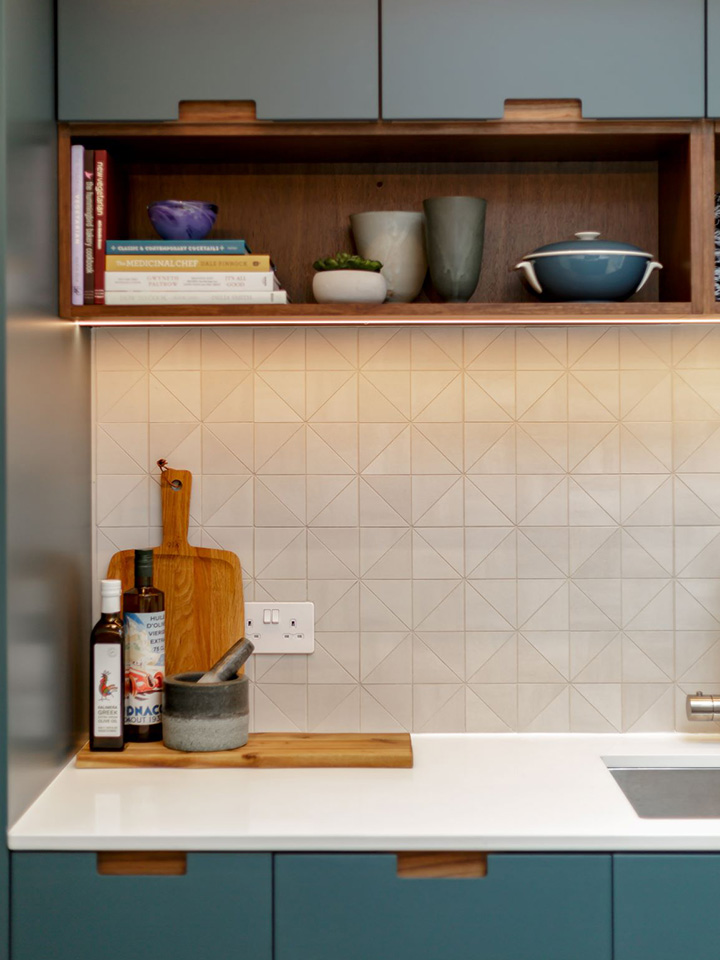
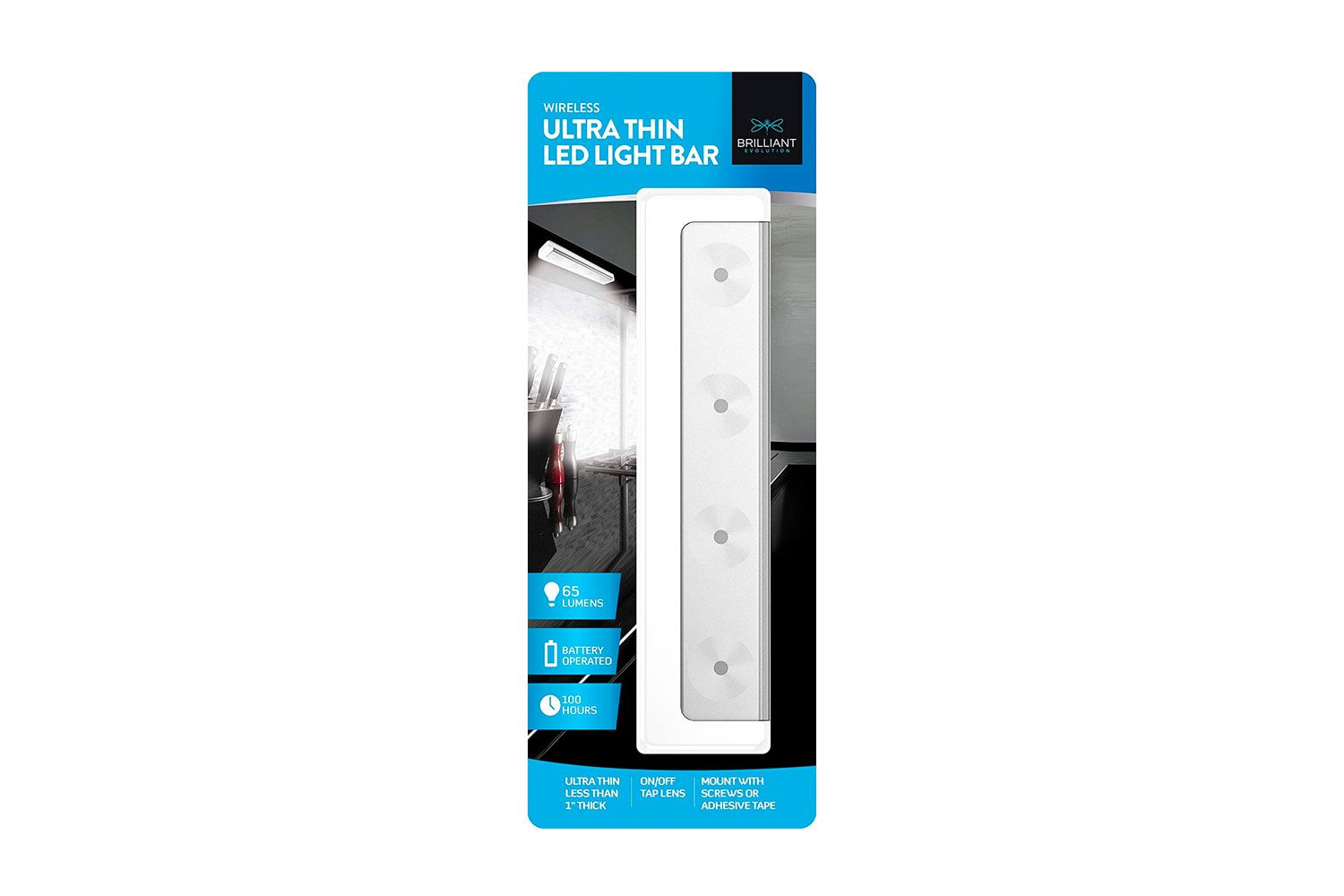
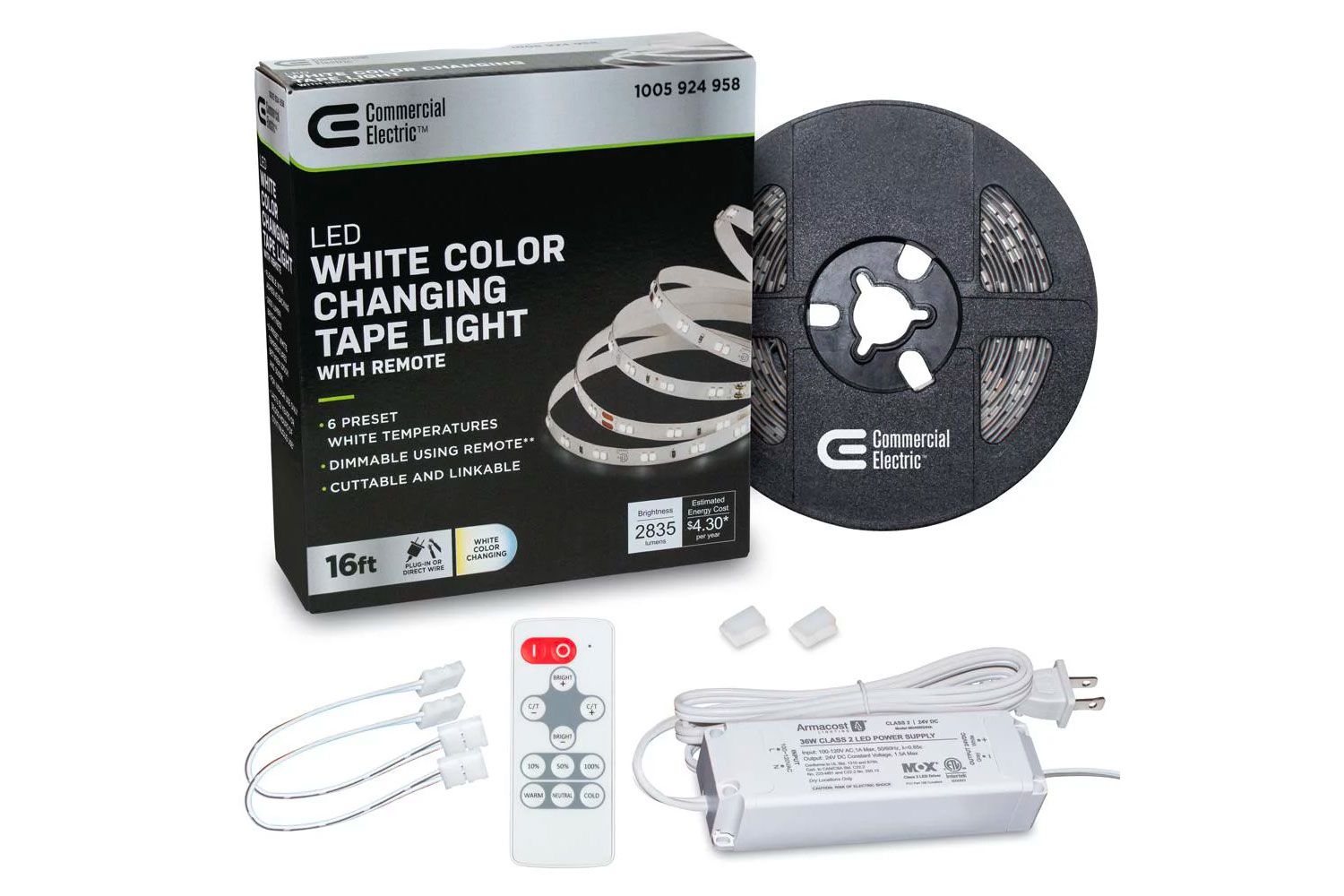
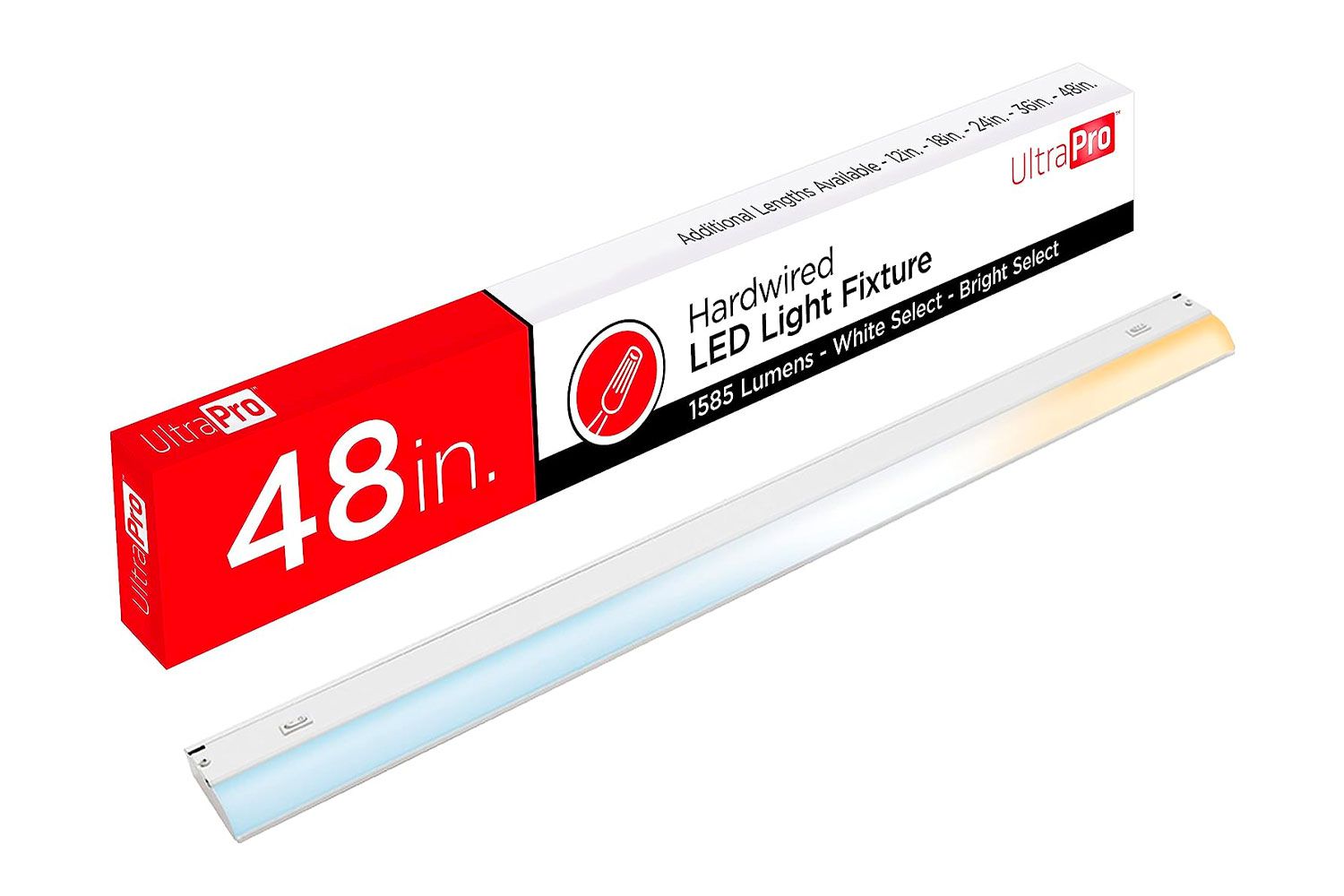
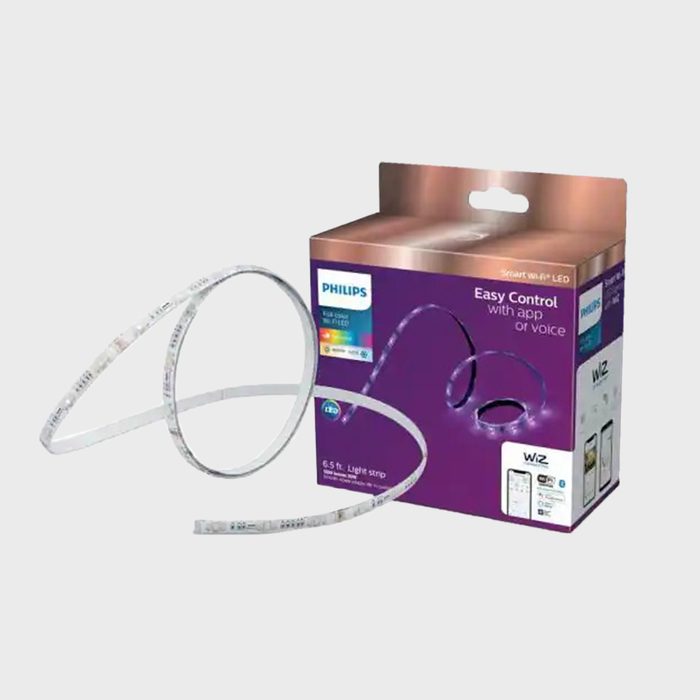
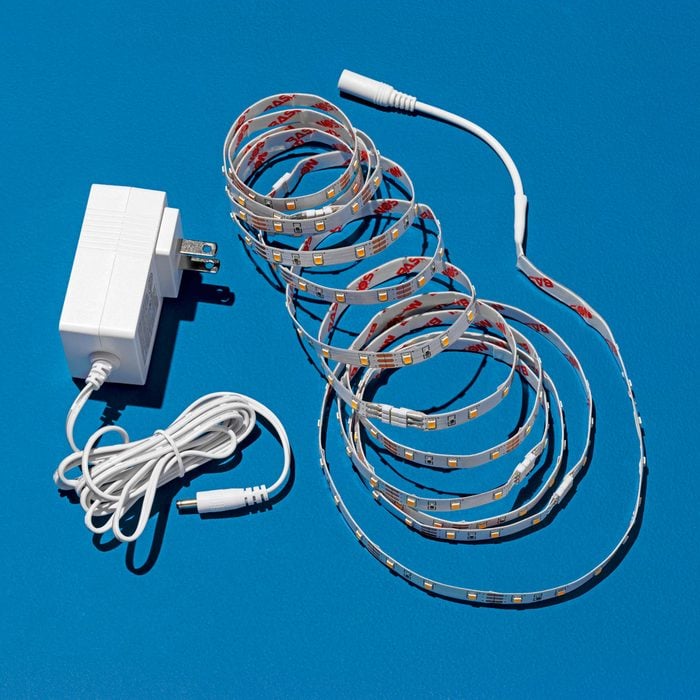
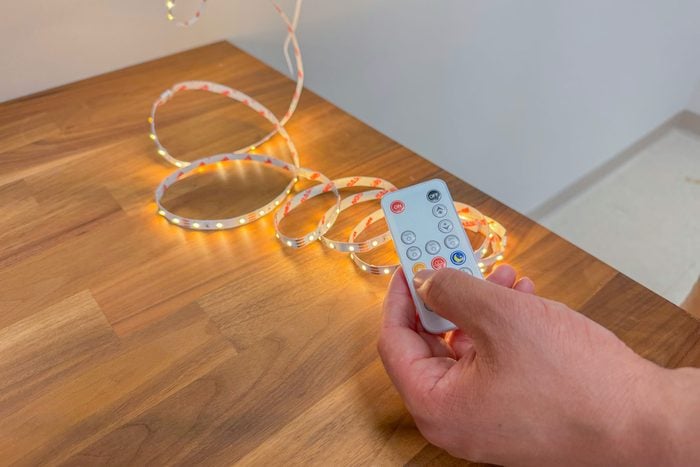
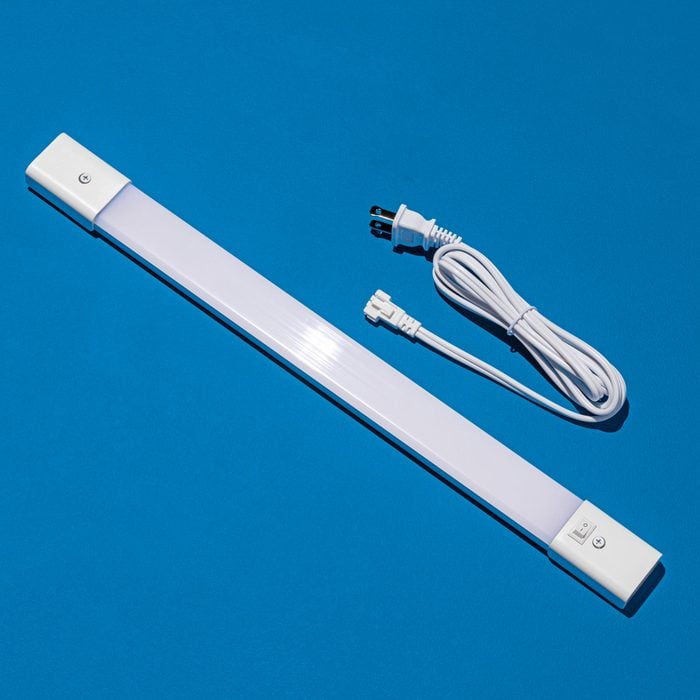
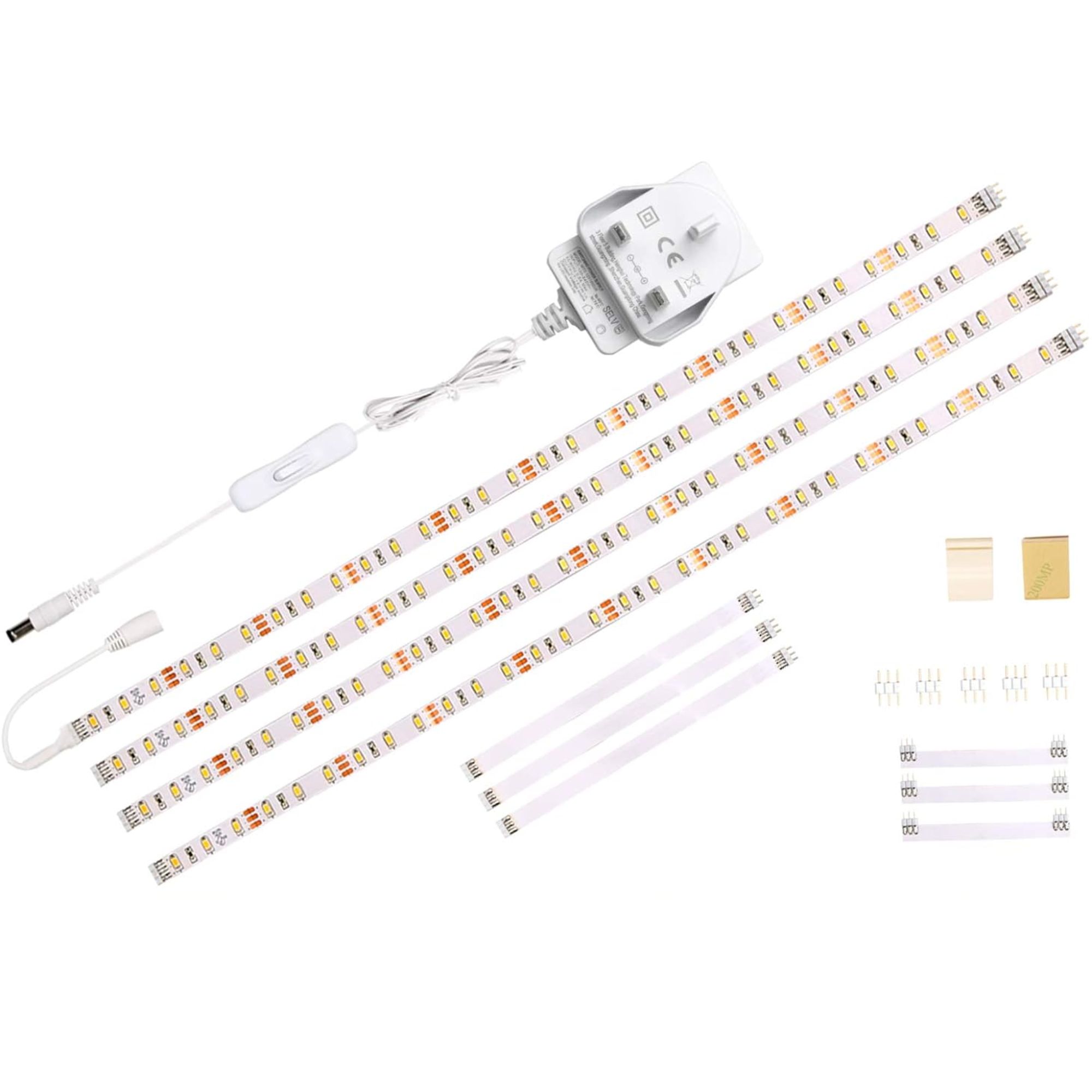
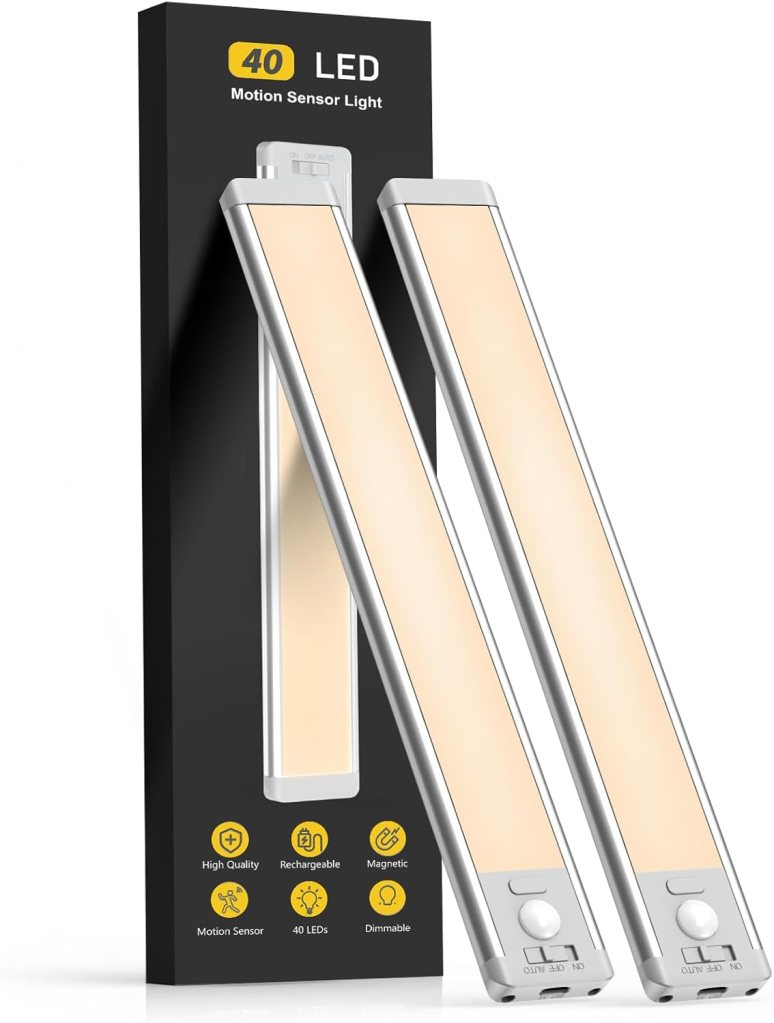
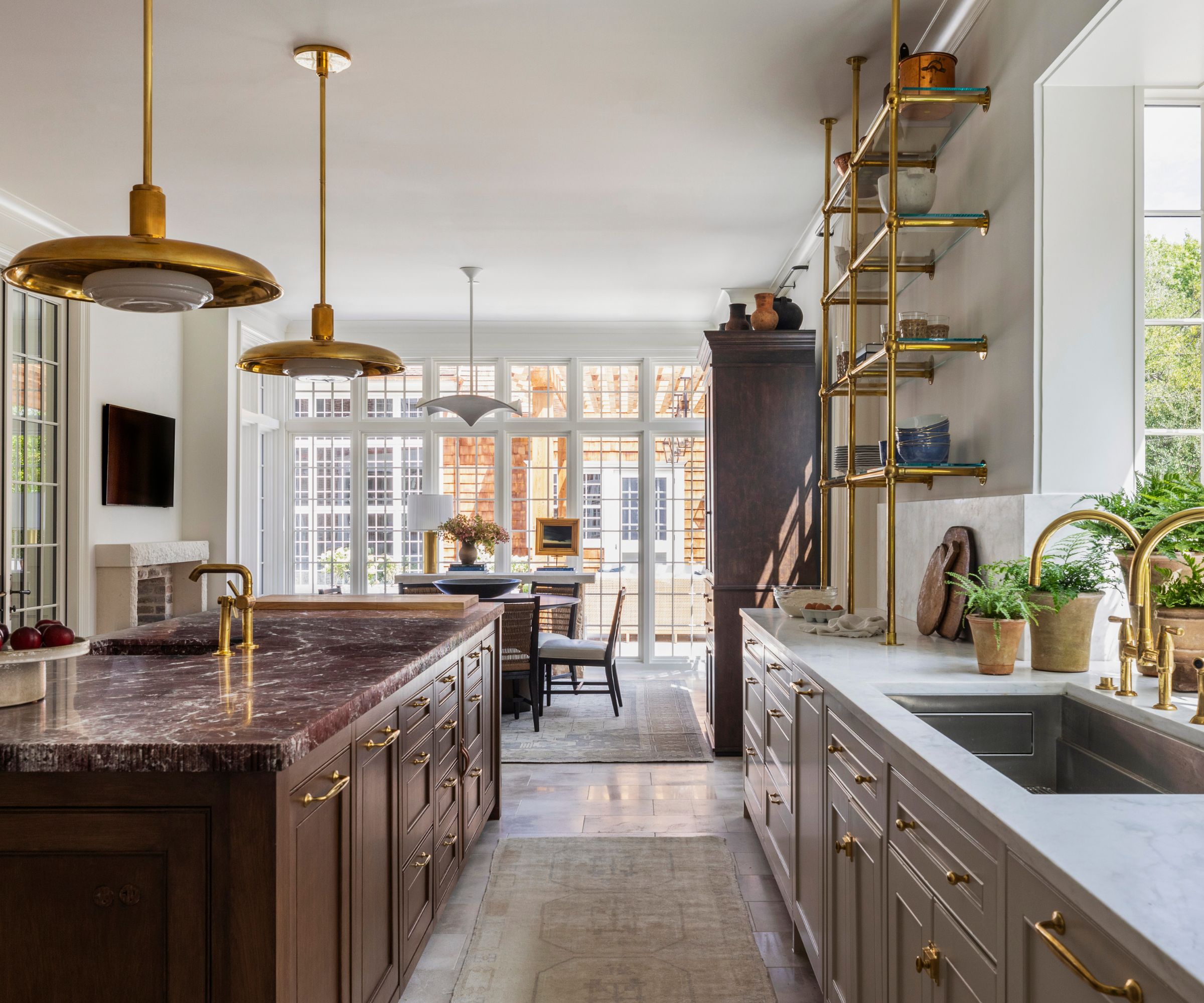
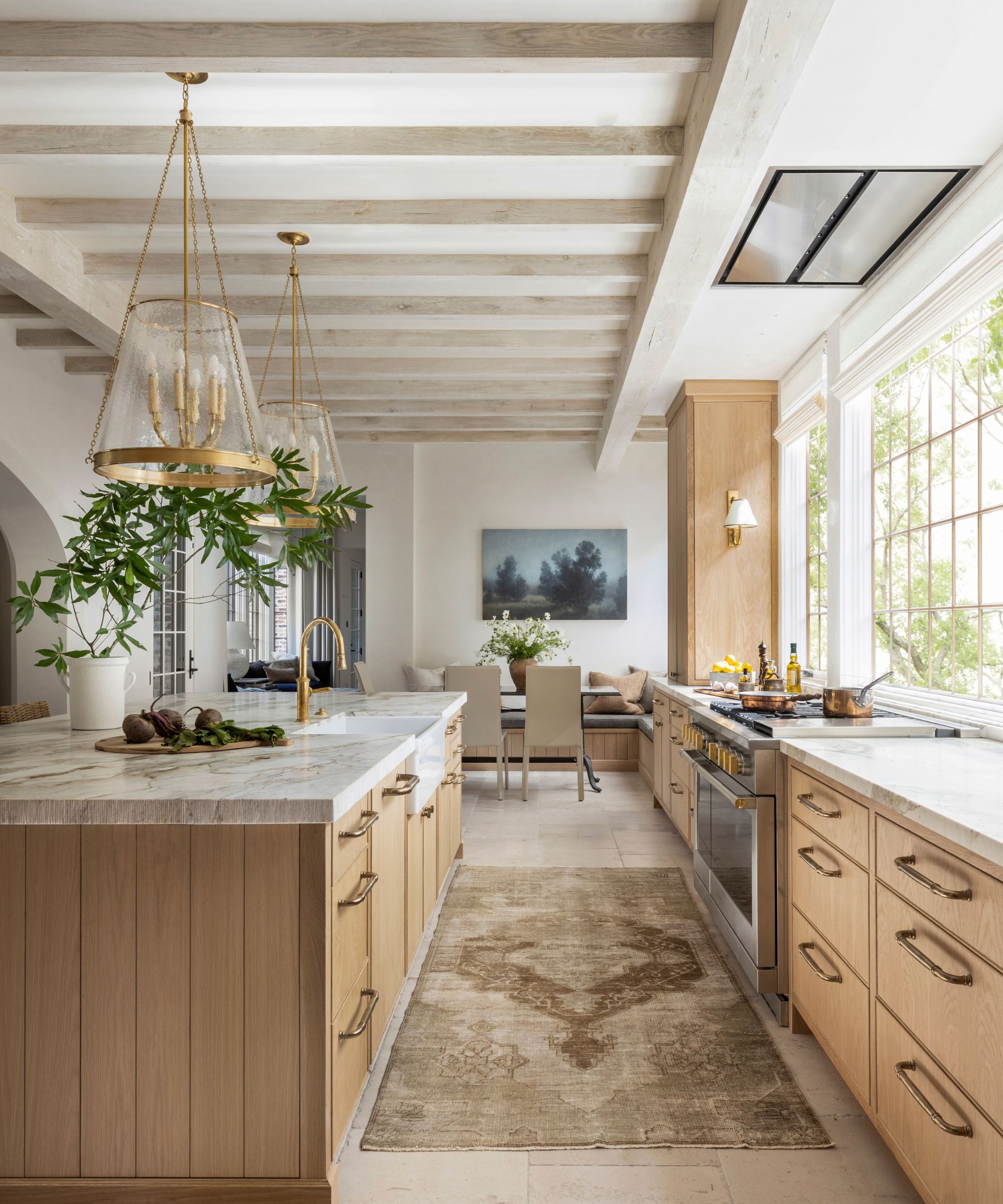
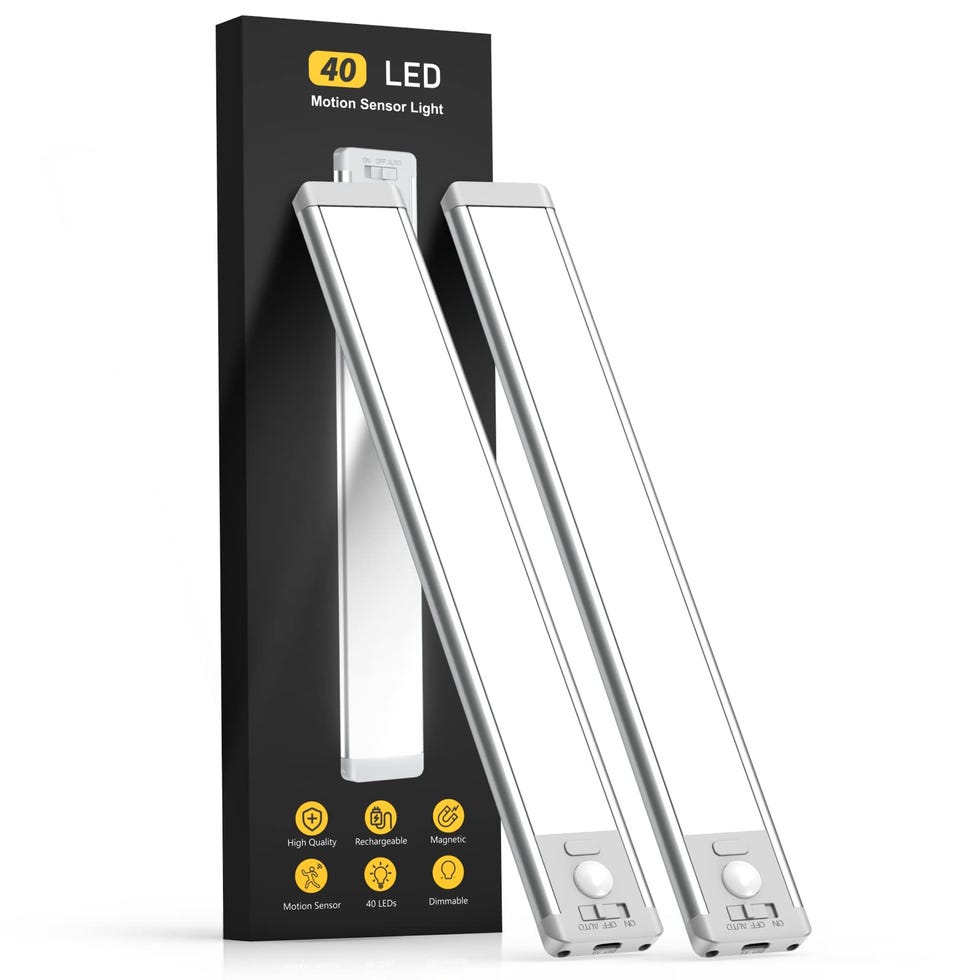
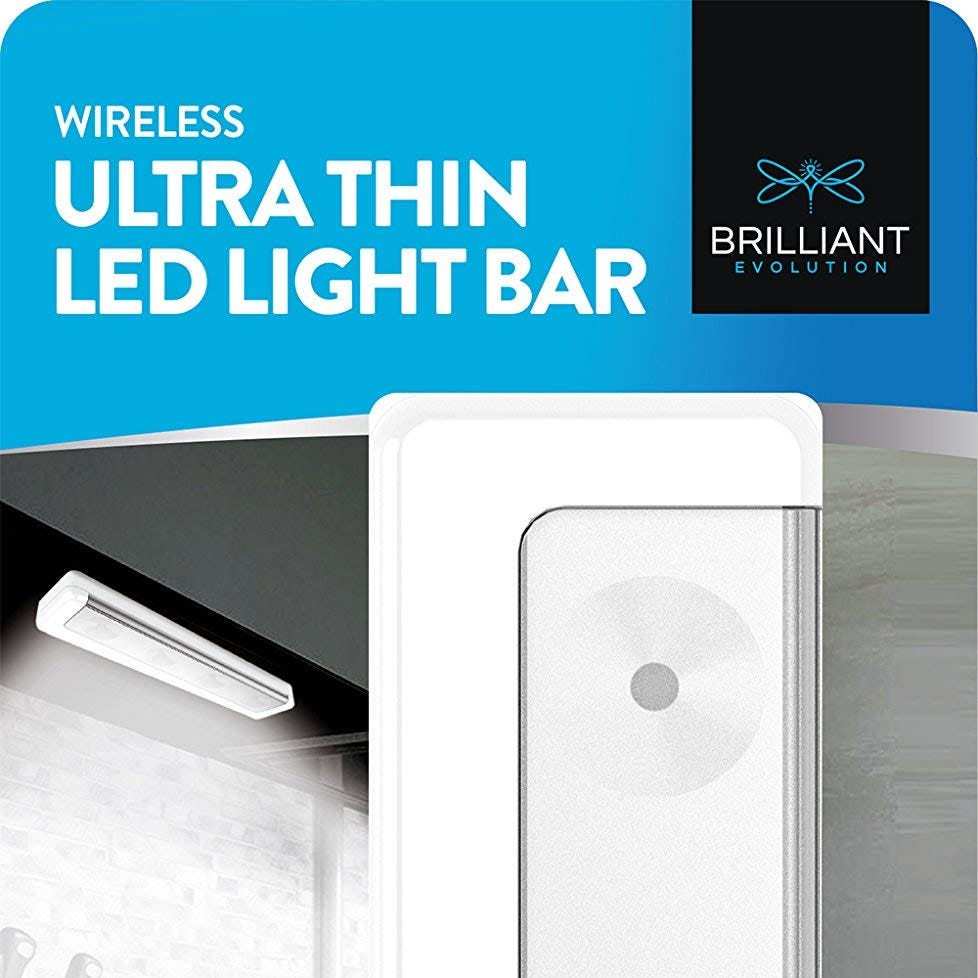
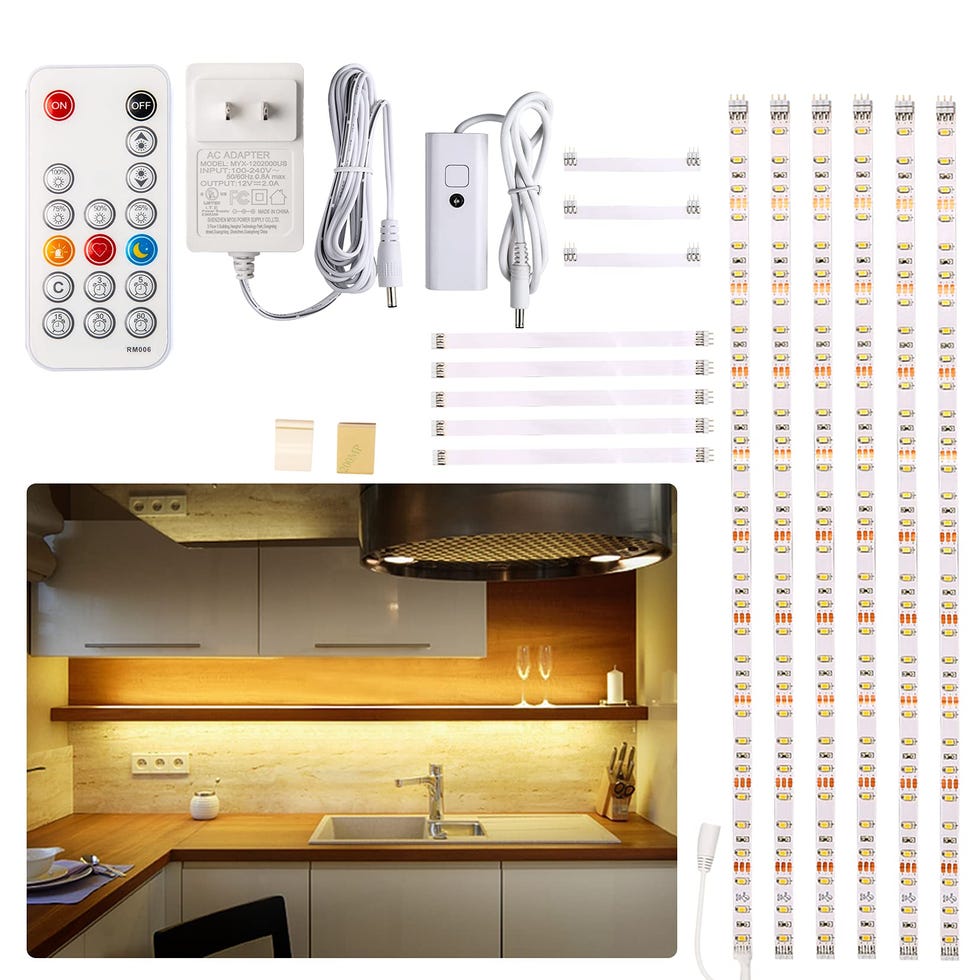
To counter shadows often created by leaning over the sink, strip lighting installed under overhead shelving is highly effective, providing even illumination from below. For sinks located on kitchen islands, classic pendant lights are a popular and practical choice, offering both task lighting and a design element. Guidelines suggest hanging island pendants 12-20 inches below an 8-foot ceiling, with an additional 3 inches for every extra foot of ceiling height. Spotlights integrated into the bottom of shelves above the sink also deliver focused task lighting that remains discreet when not in use.
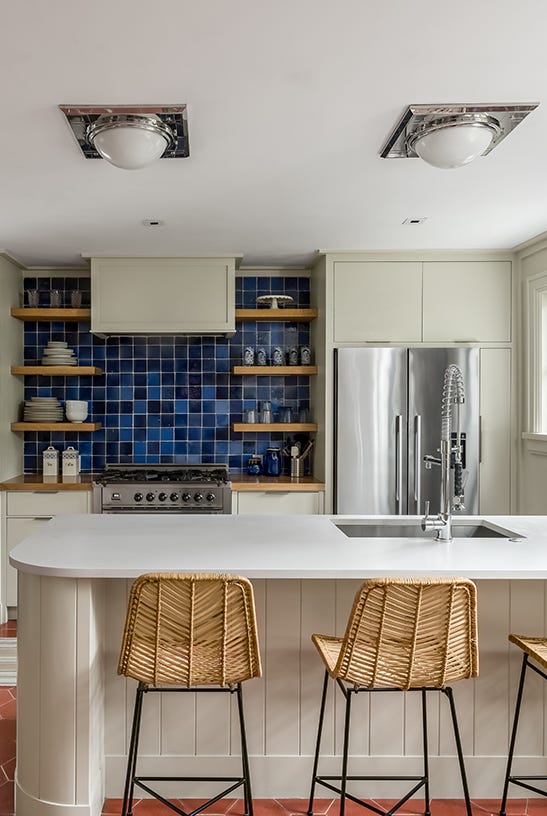
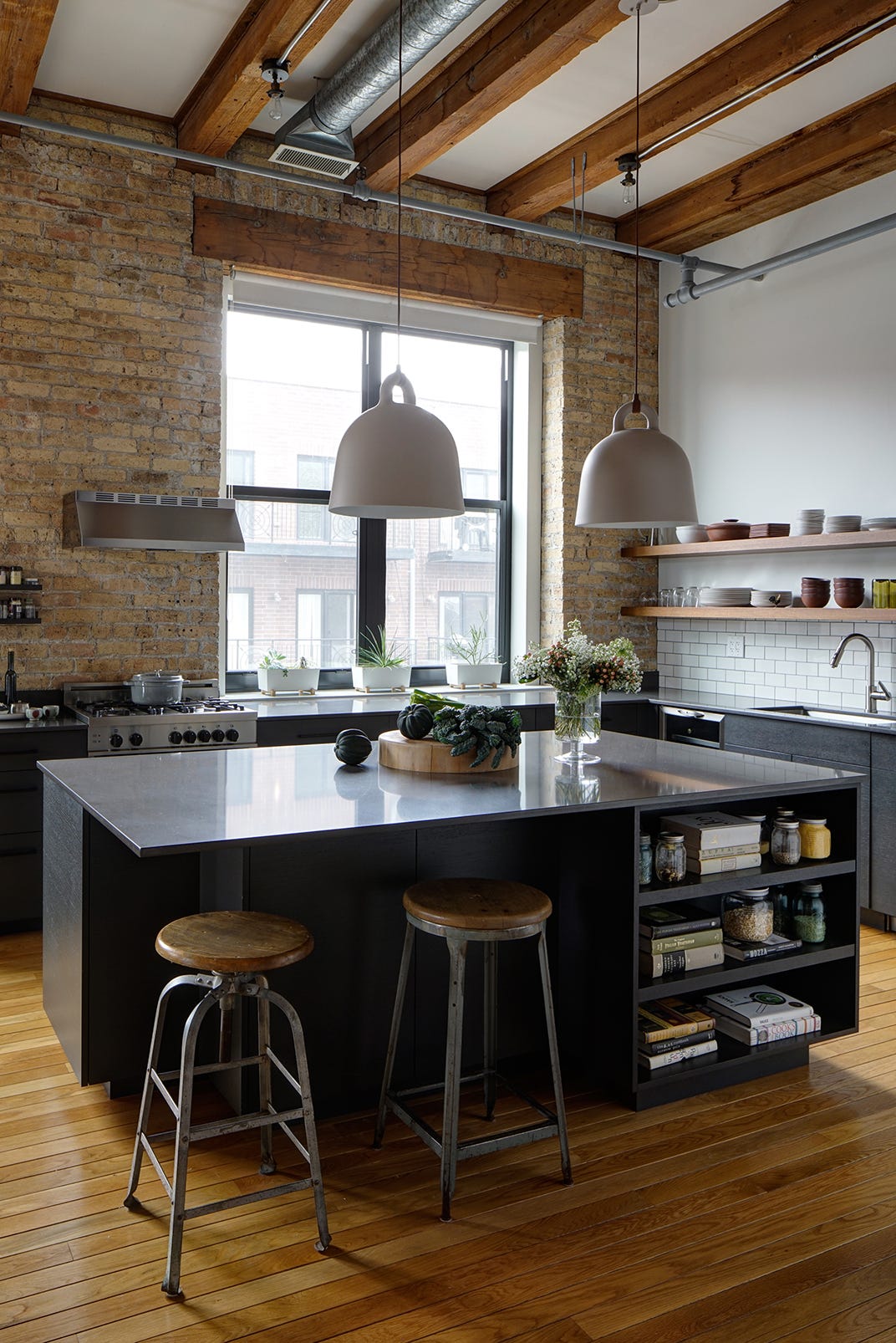
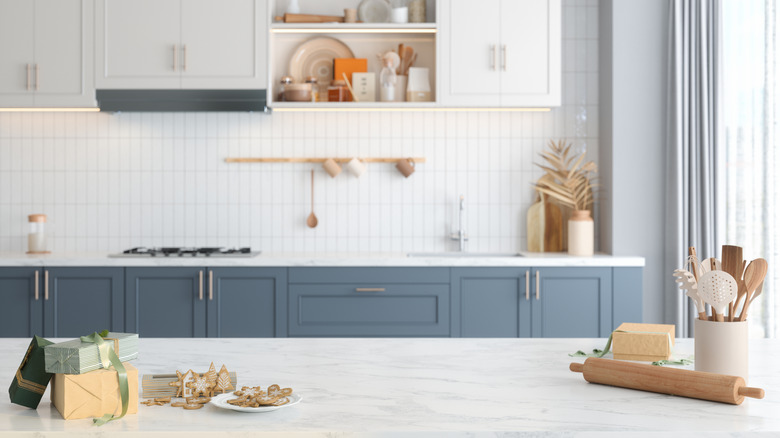
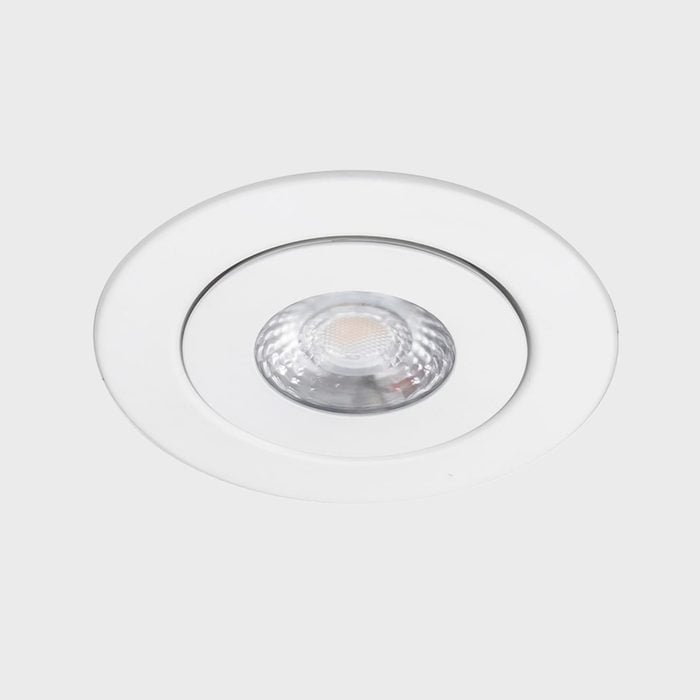
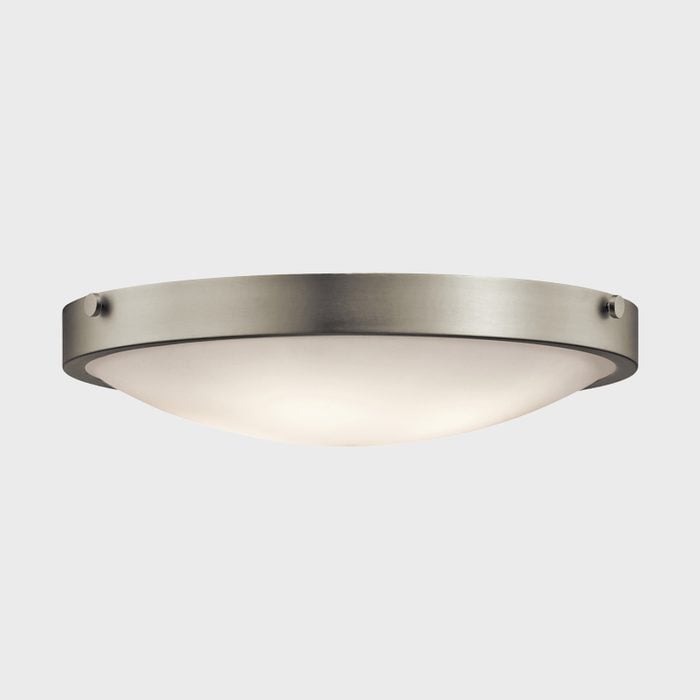
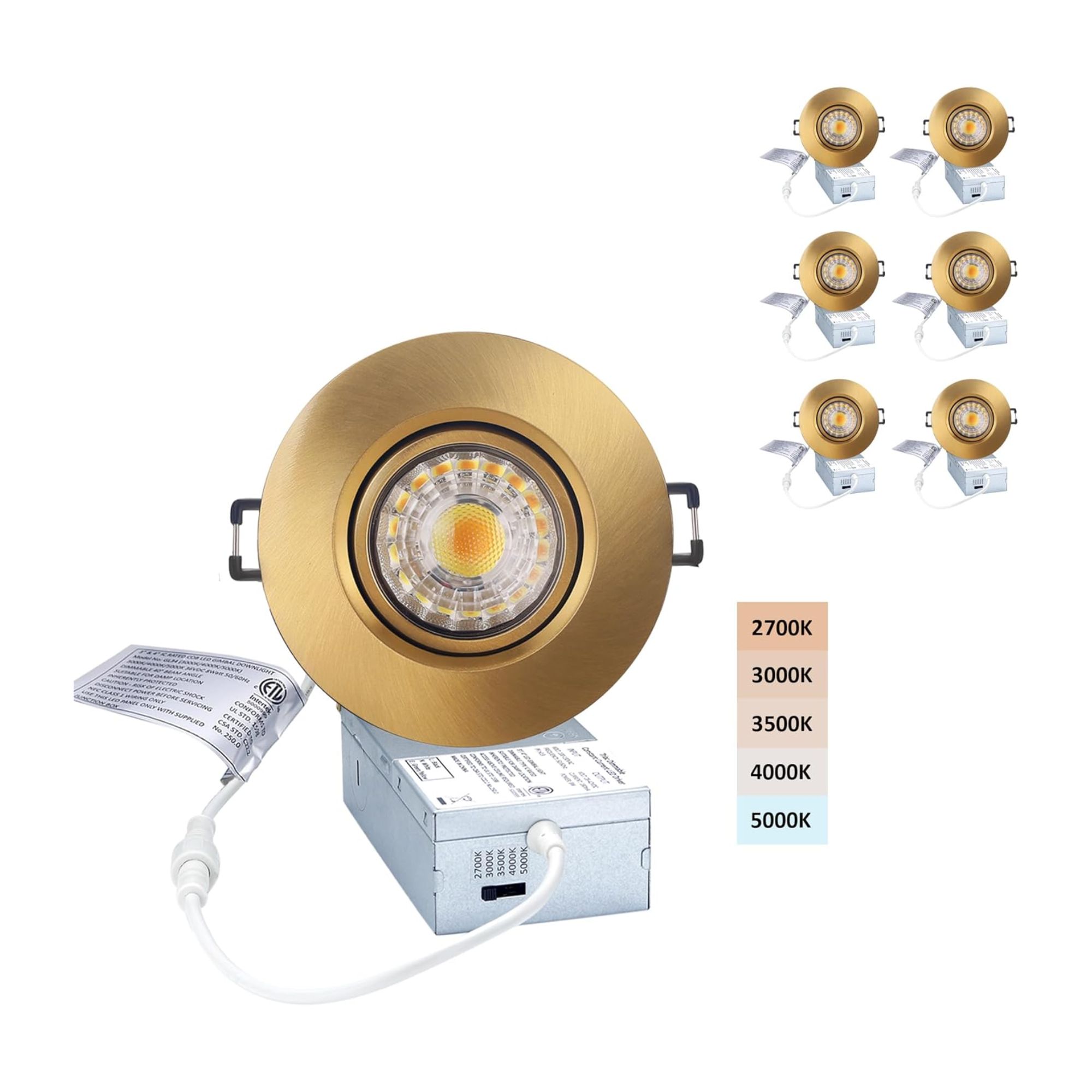
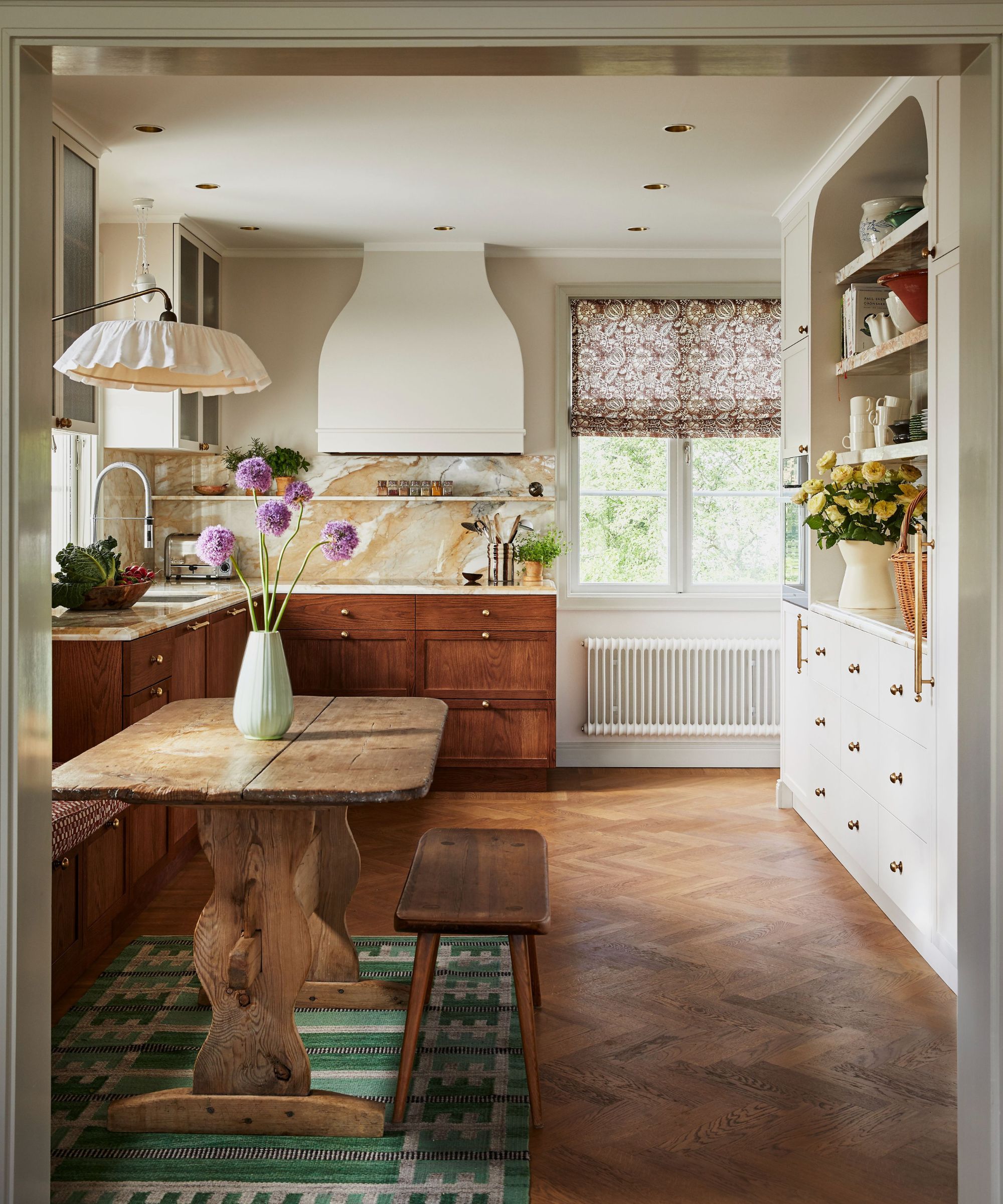
In kitchens with lower ceilings, flush-mounted spotlights are an ideal solution, offering adjustable brightness through dimmers for various needs, from focused task work to creating a relaxed ambiance. Conversely, for higher ceilings, oversized pendants can make a significant style statement. Choosing light-diffusing or naturally gapped materials for these large fixtures, or incorporating bright white or metallic interiors, maximizes light distribution. Combining linear LED strip lighting with ceiling spotlights can effectively minimize shadows and provide flexible lighting control, allowing adjustment of brightness as required.
Regarding safety, while IP-rated lights are not strictly required for over-sink areas, it is generally advised to keep light fixtures at least 60cm away from water sources. Similarly, avoiding direct placement over hob areas prevents grease accumulation and heat damage. The choice of light type, whether pendant, spotlight, or linear strip, ultimately depends on personal interior design preferences and the specific architectural features and lighting requirements of the kitchen space.
#KitchenLighting #SinkLighting #TaskLighting #KitchenDesign #HomeDecor #InteriorLighting #PendantLights #Spotlights #StripLighting #KitchenRemodel #KitchenLighting #SinkLighting #TaskLighting #KitchenDesign #HomeDecor #InteriorLighting #PendantLights #Spotlights #StripLighting #KitchenRemodel
0 comment in total
 No comments yet
You may also like
Over Kitchen Sink Lights & Fixtures to Illuminate Your Space

Brighten Up Your Kitchen With These Pretty Lighting Ideas
8 Best Kitchen Light Fixtures
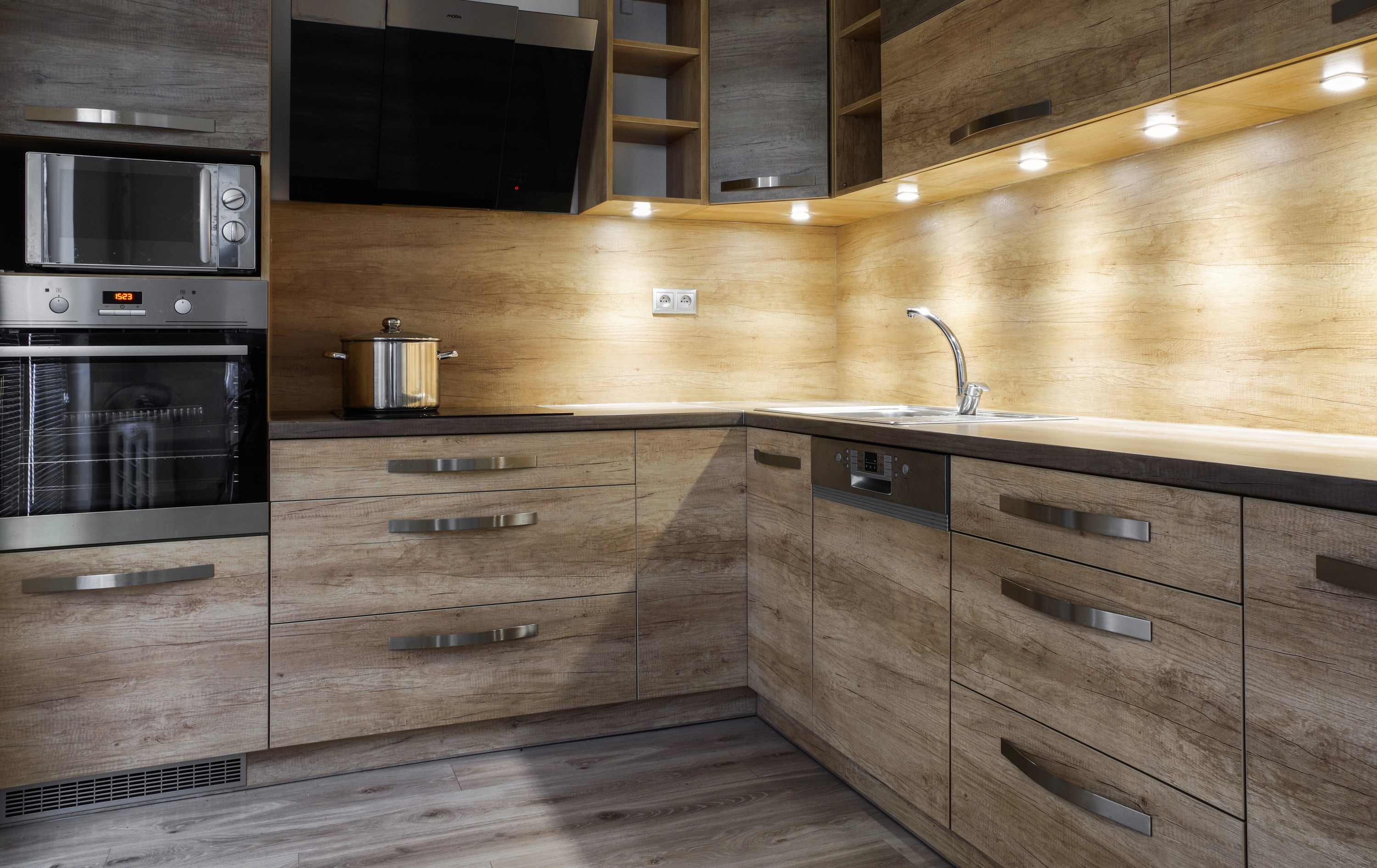
These Easy-to-Install Under-Cabinet Lights Will 'Elevate the Vibe of Your Kitchen' for Less Than $20

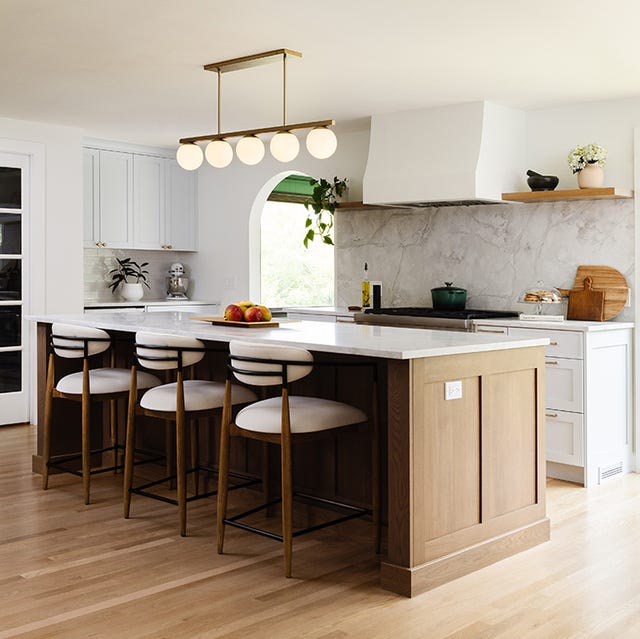
Try These Kitchen Lighting Ideas to Brighten Your Space

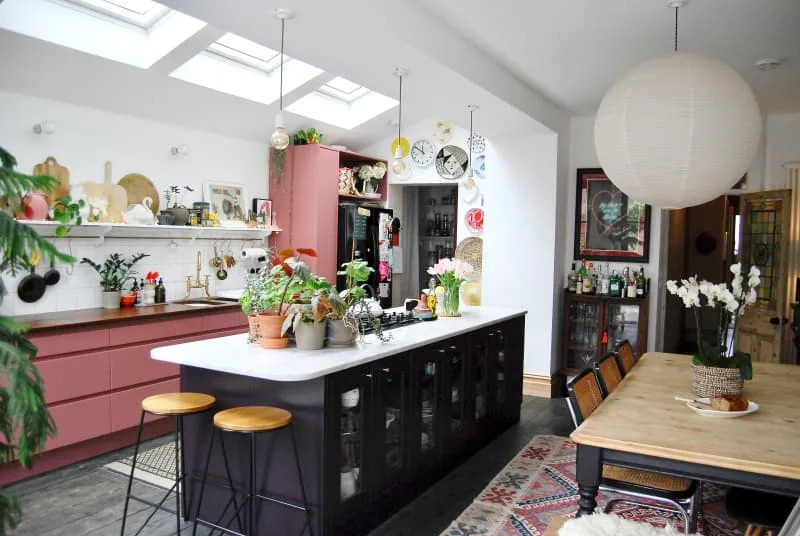
15 Creative Kitchen Lighting Ideas That Put Plain Ceiling Lights to Shame
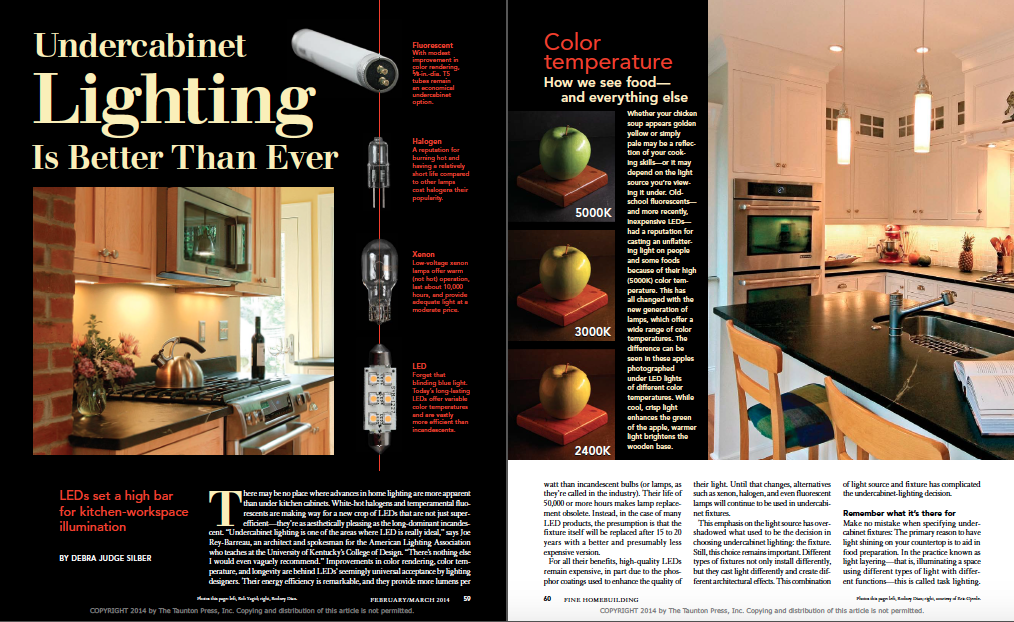
Undercabinet Lighting Is Better Than Ever

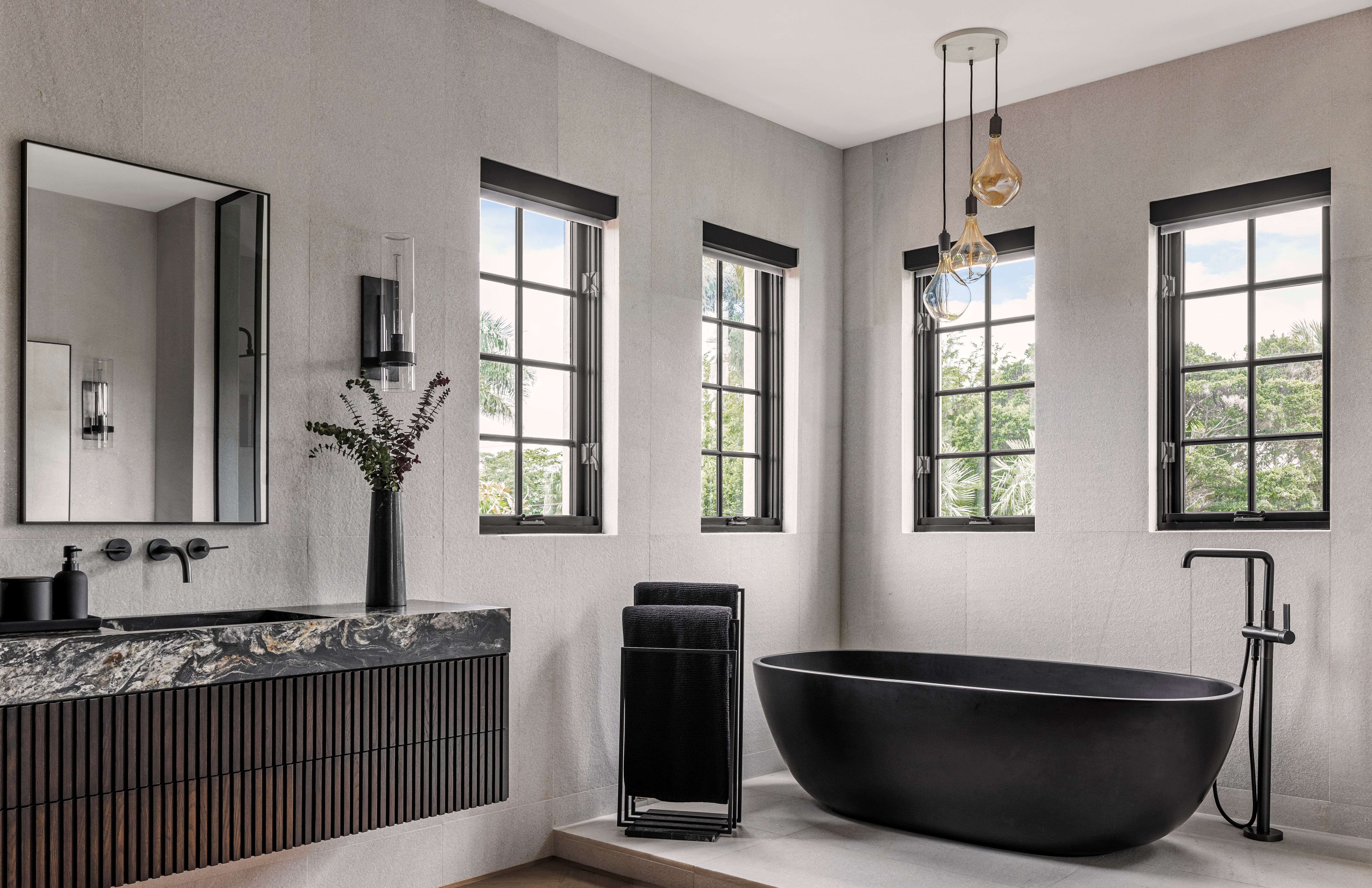
10 of the most beautiful bathroom lighting ideas that will totally elevate your space

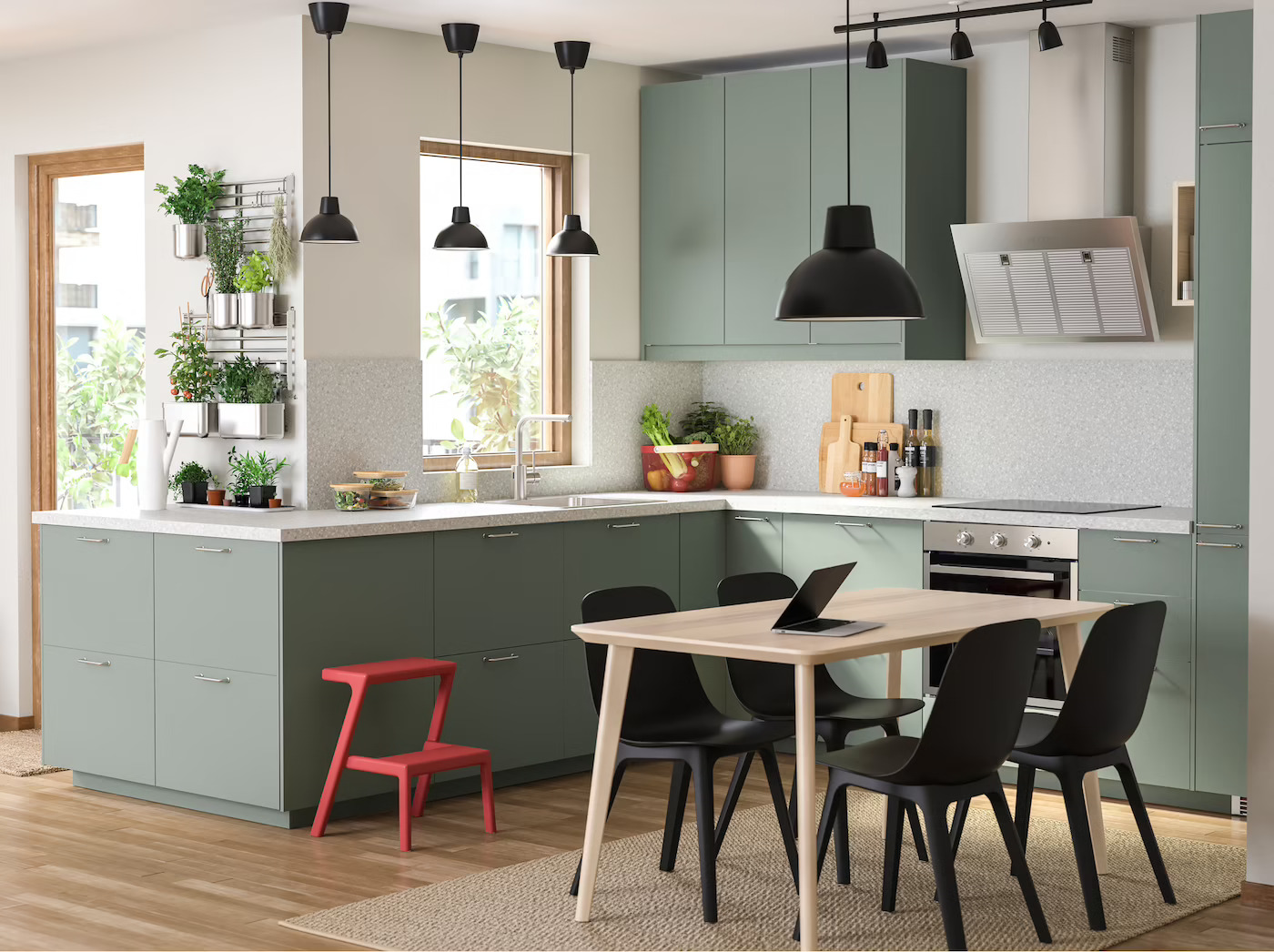
8 clever ways to light kitchen counters for super bright results

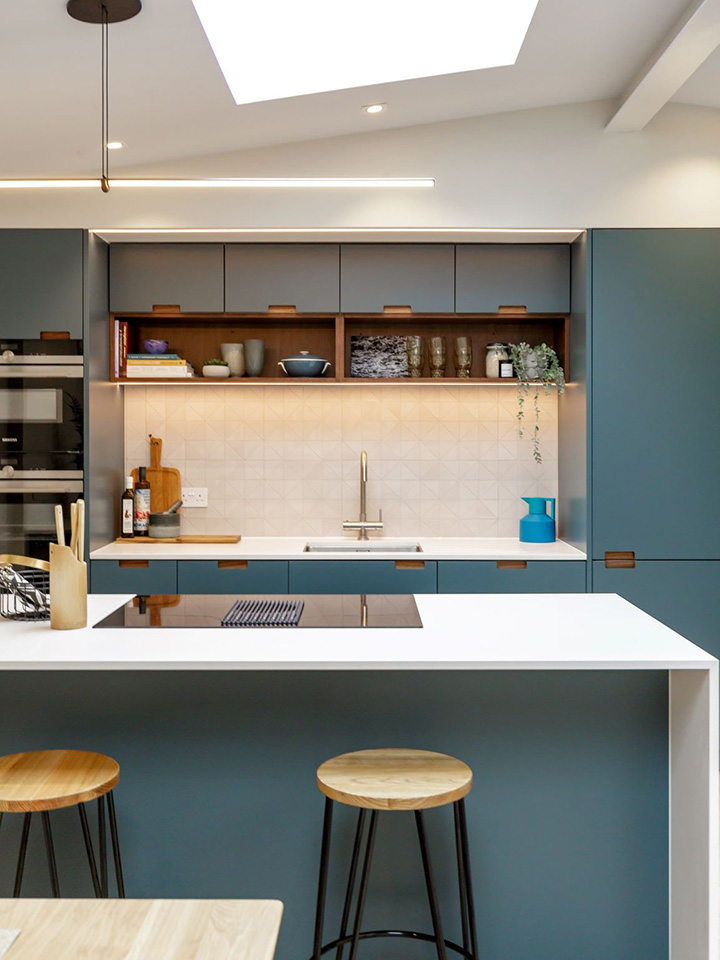
The Best Under-Cabinet Lighting Has Nearly 4K Positive Reviews
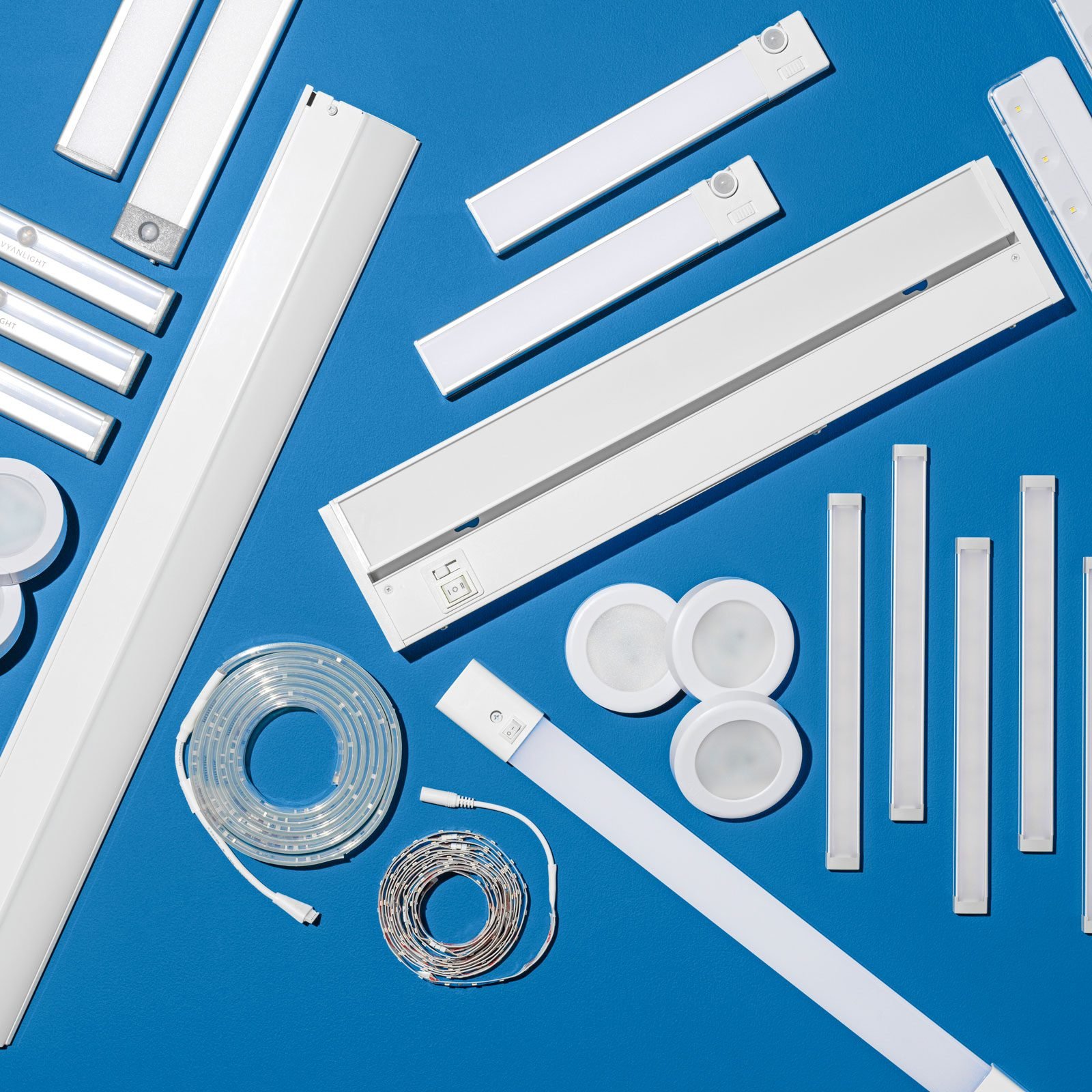
10 Best Under Cabinet Lighting
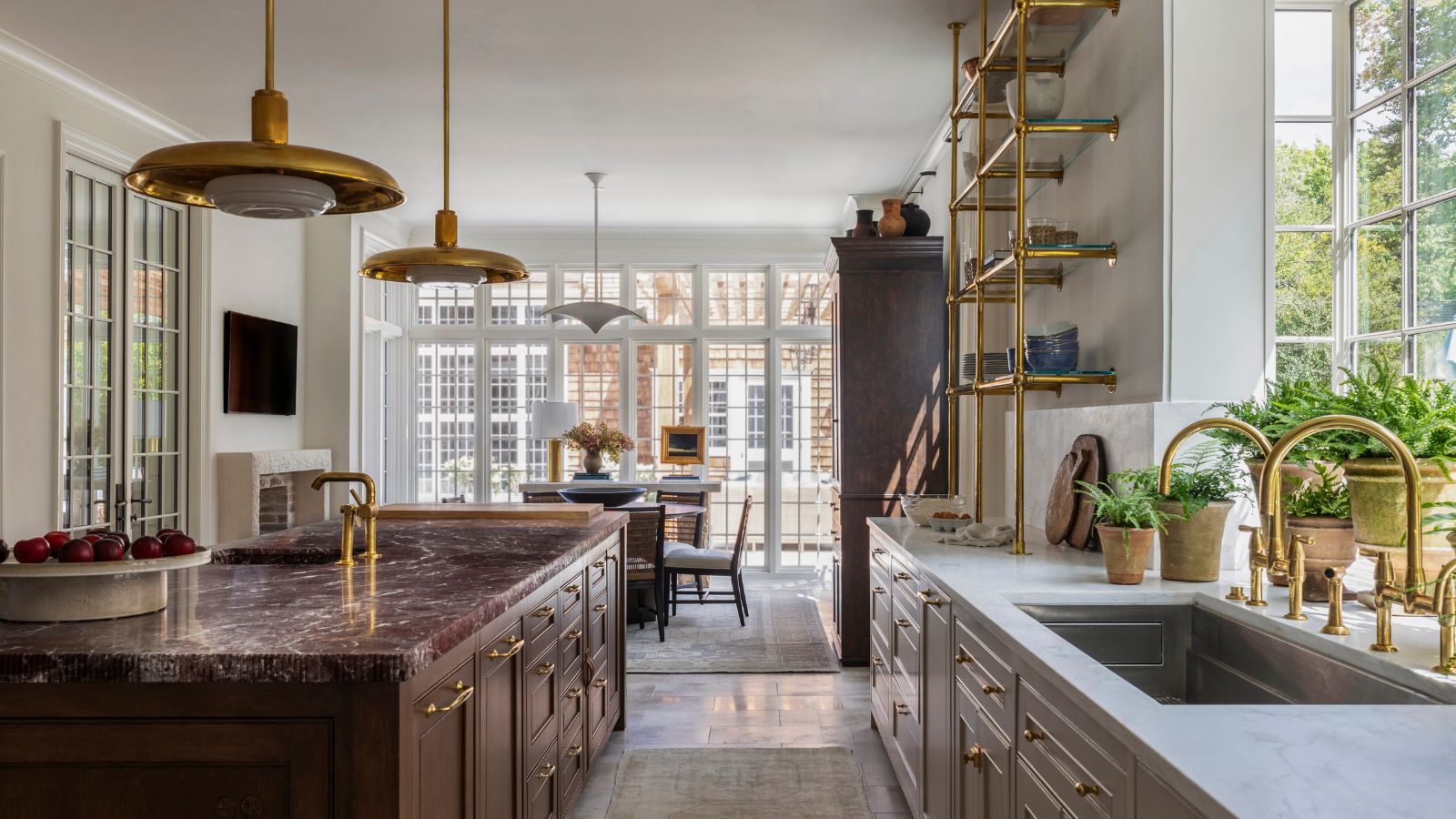
The Kitchen Lighting 'Rule Of 3' Will Instantly Make Your Space Look Expensive – And Designers Swear By It For A Perfectly Layered Scheme

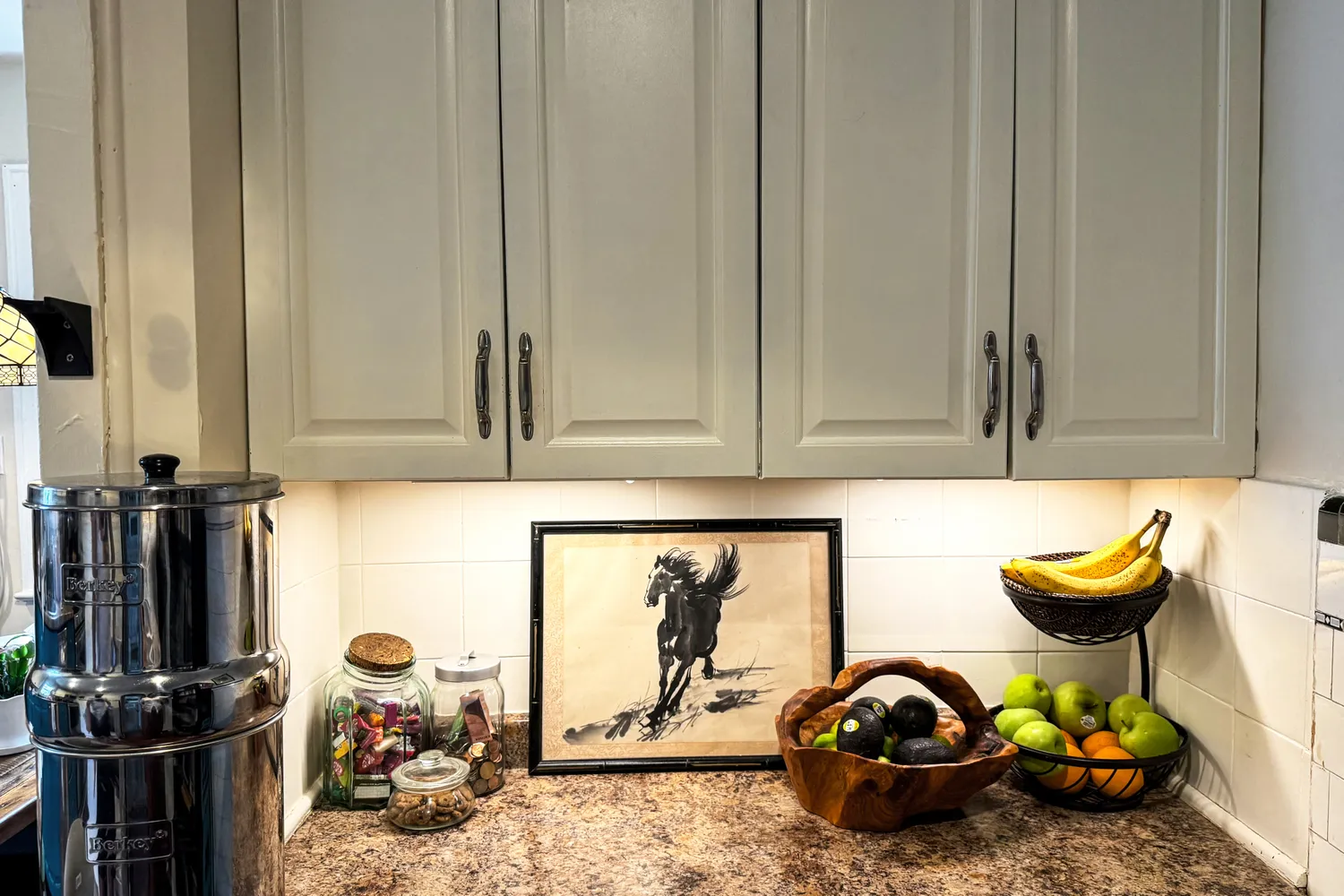
The 7 Best Under‑Cabinet Lighting Options for Bright, Functional Kitchens
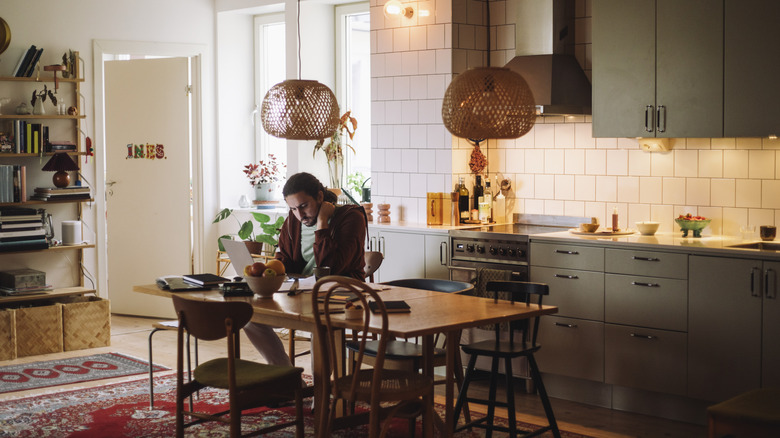
17 Best Creative Lighting Ideas For Your Kitchen

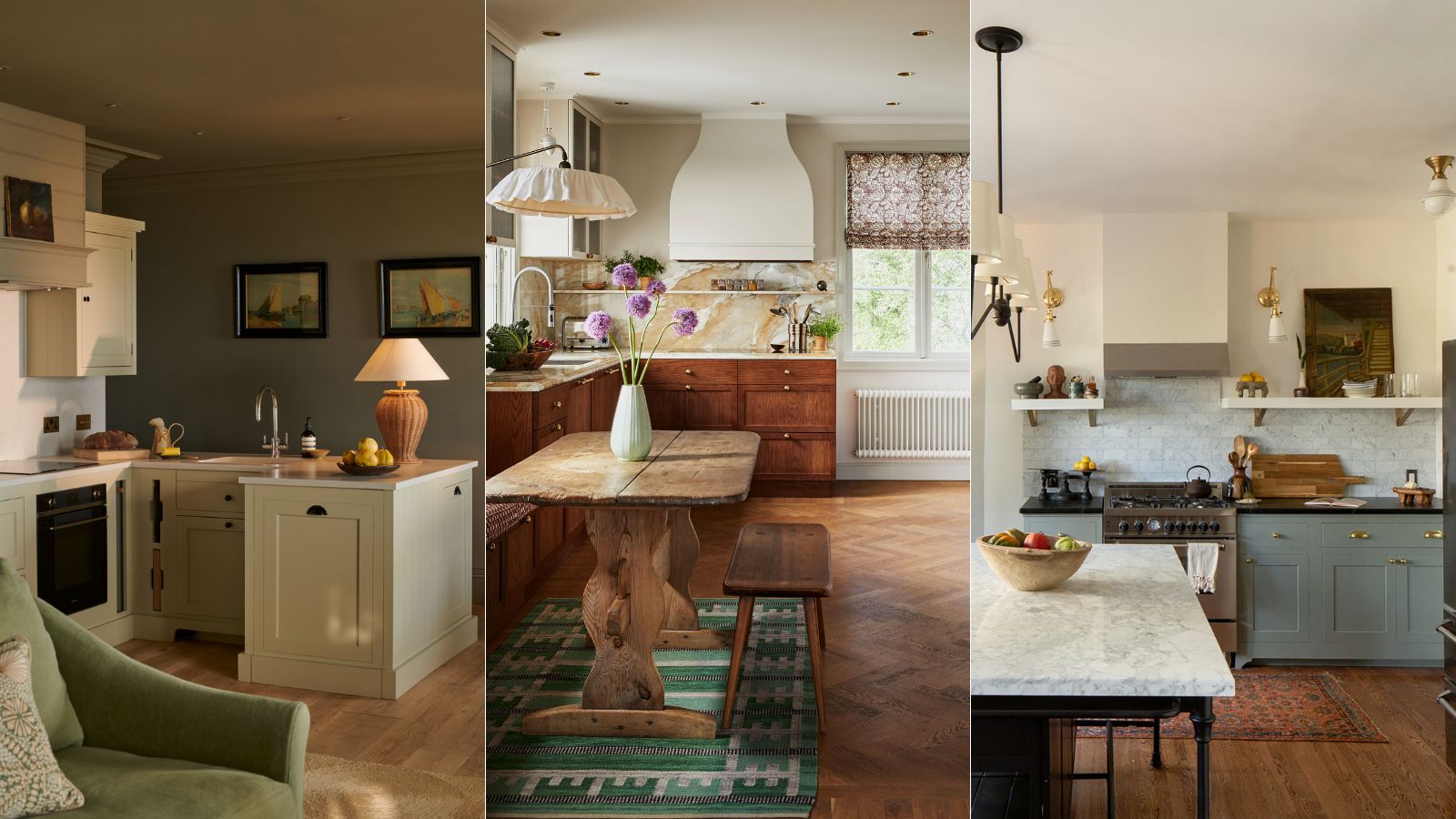
Why I regret using recessed lights in my kitchen remodel
Under-Cabinet Lighting Is the Easiest Upgrade Your Kitchen Needs
Bathroom light ideas for your home
We Tested Under-Cabinet Lights—These Will Instantly Upgrade Your Kitchen


Fred Sirieix's clever and affordable lighting solution instantly elevates a kitchen – designers say it's a 'must-have'
Kitchen cabinet lighting: 8 ideas for a beautifully illuminated space