1/5
Kitchen Windows With Shelves — How Designers Use This Trick for Extra Storage and Style
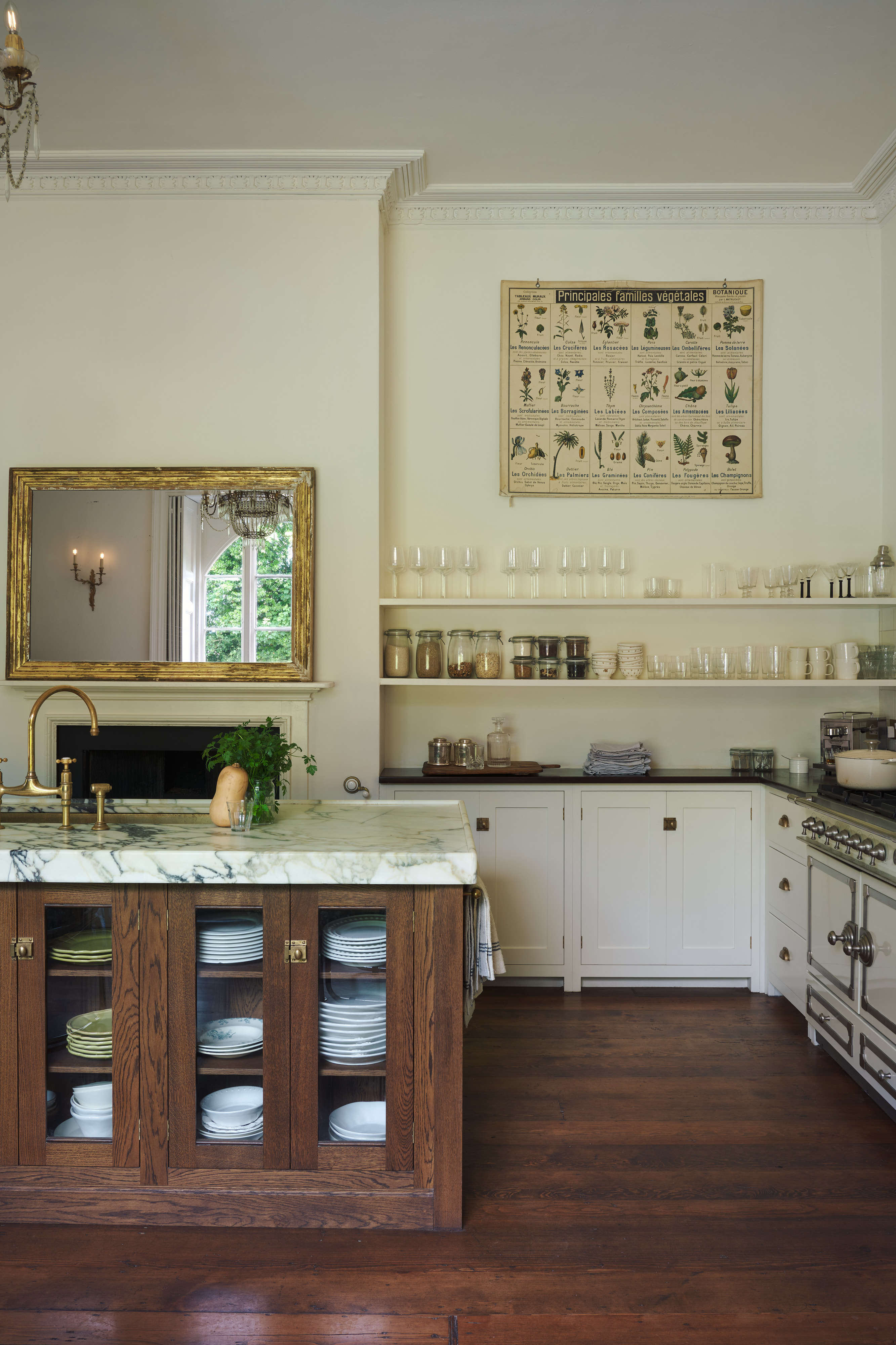
Designing a kitchen involves balancing practicality, such as storage solutions, with aesthetic appeal. While traditional kitchen design often emphasizes keeping windows clear for views and natural light, incorporating shelves across kitchen windows is presented as a clever design solution that offers both additional storage and style. This approach challenges conventional wisdom but can be highly effective in certain spaces.
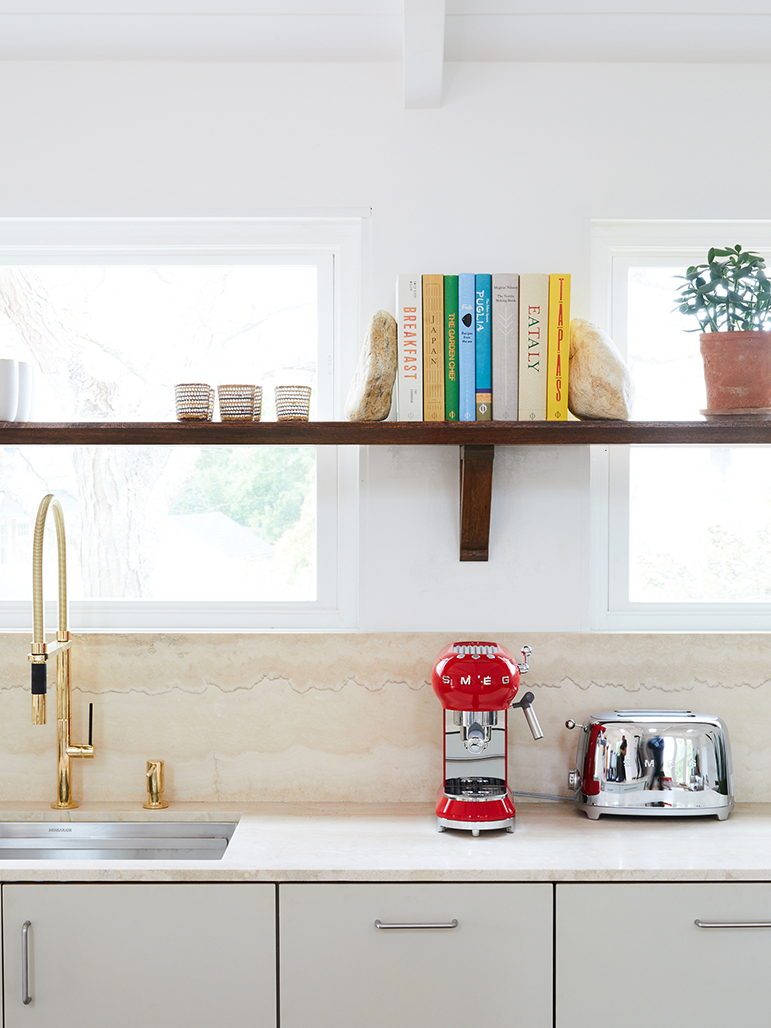
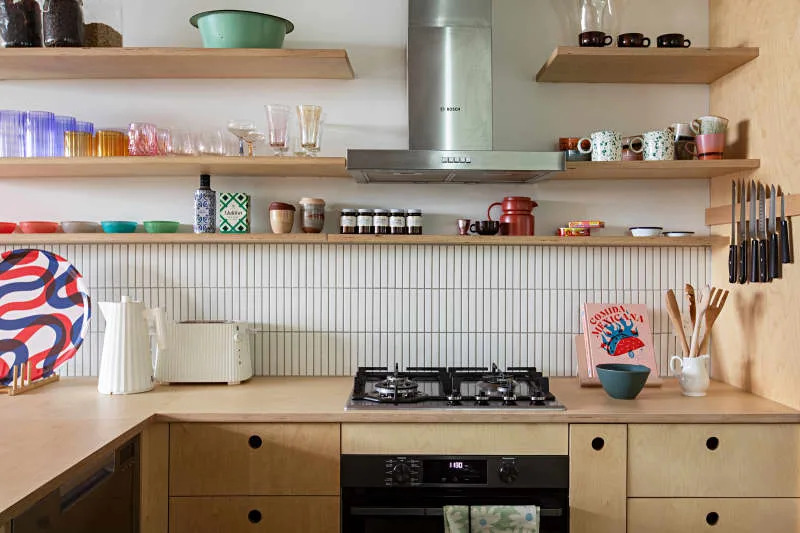
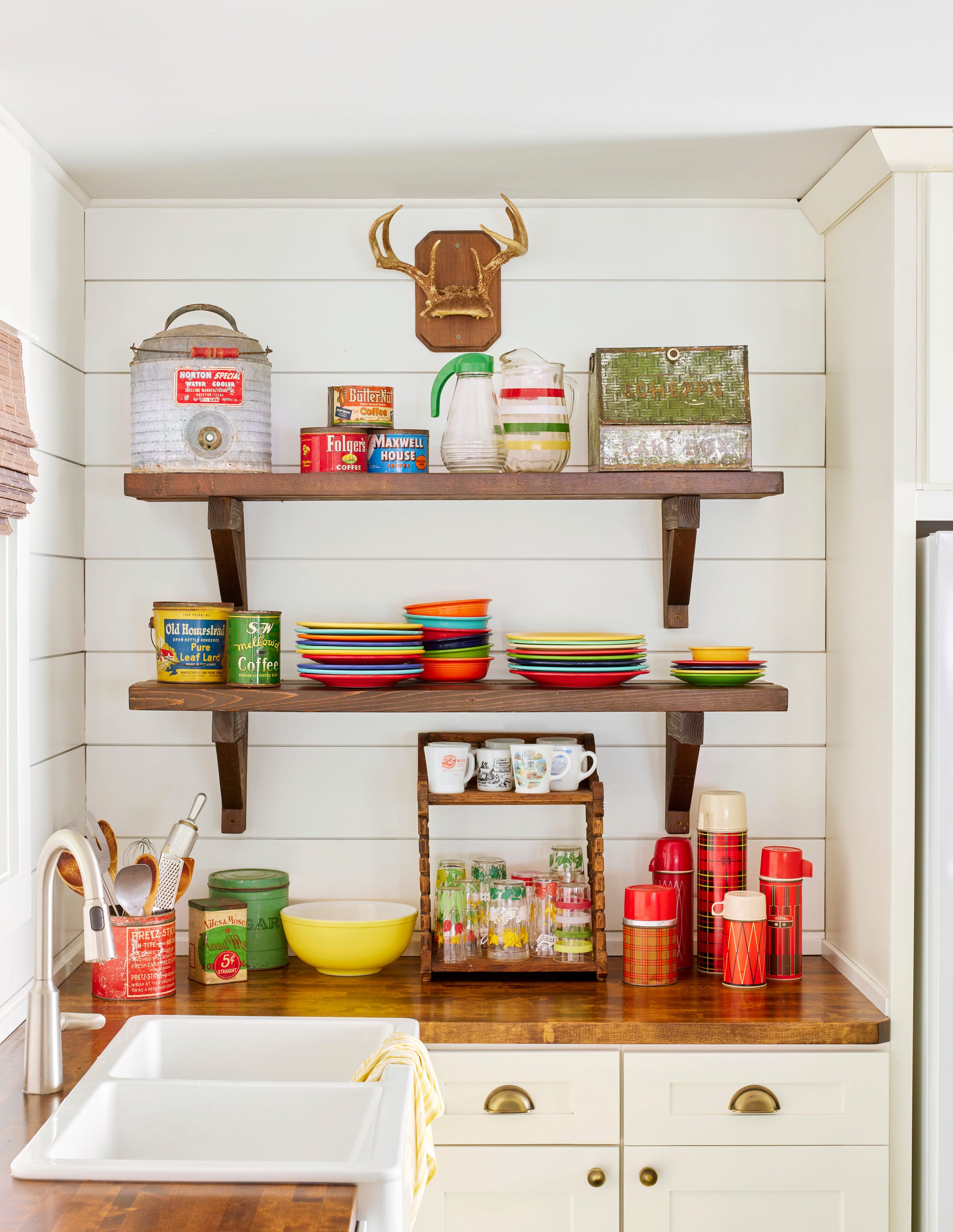
Several benefits are associated with installing shelves across kitchen windows. They provide the advantage of natural light and airflow while offering easy access to dishes and glasses. This solution is particularly beneficial in kitchens where sacrificing a window for upper cabinetry is not ideal. Open shelving, in general, has gained popularity as it prevents the space from feeling bulky and top-heavy, especially in open-concept kitchens where upper storage might be limited due to window placement. Editor Hugh Metcalf suggests that such shelves, particularly with reflective surfaces, can actually enhance light distribution within a room, acting similarly to architectural light shelves by bouncing light further into the space and potentially reducing harsh glare.
However, there are also drawbacks to consider. Shelves can obstruct views and may accumulate dust, which becomes more noticeable when sunlight streams through the window. This design choice often necessitates foregoing traditional window treatments, though the shelves themselves can offer some privacy. This approach is likened to any open shelving system, requiring regular dusting and careful curation of displayed items to maintain visual appeal from both inside and outside the home. Practical installation considerations are also important; designers advise planning bracket placement carefully to avoid voiding window warranties or damaging the window structure.
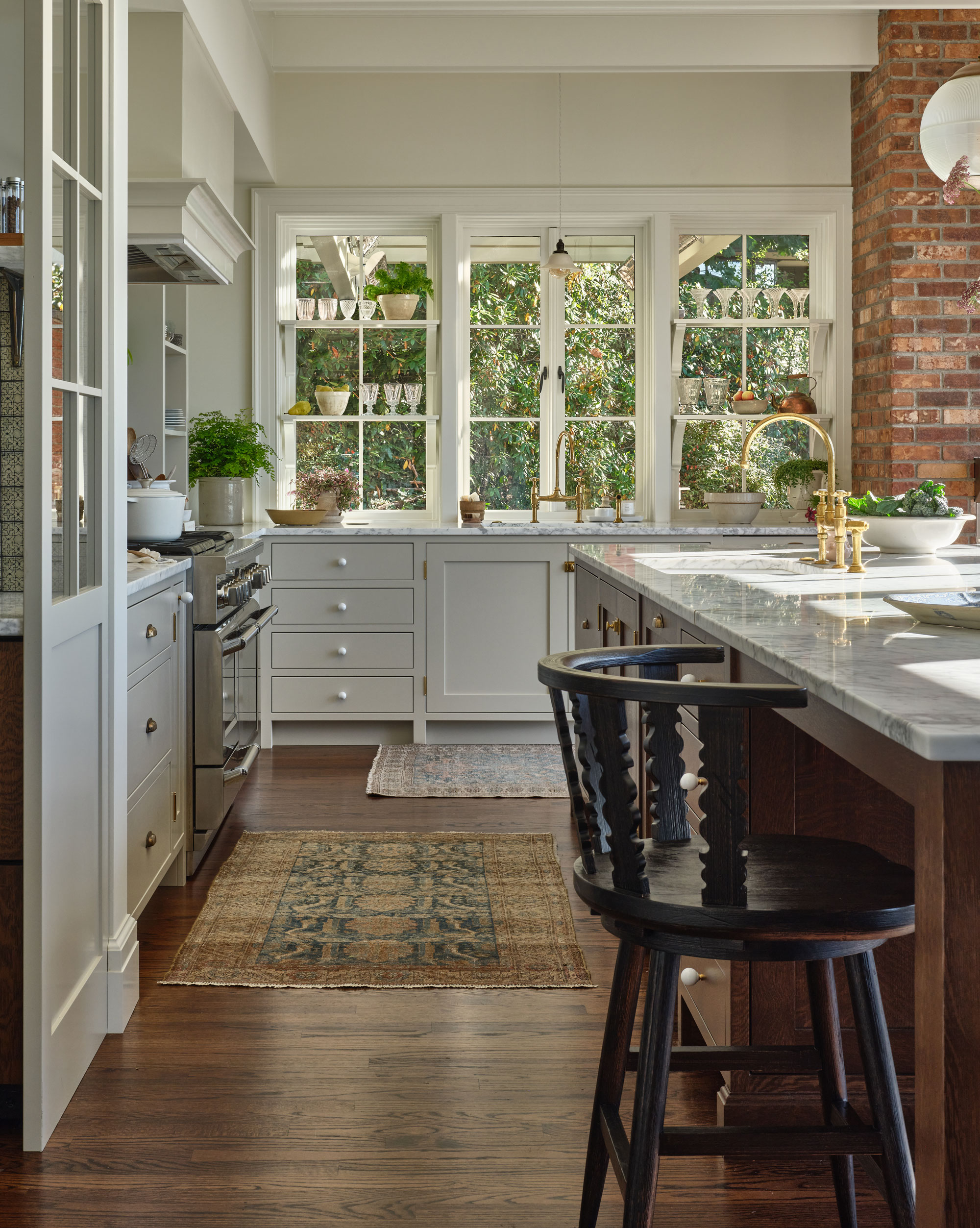
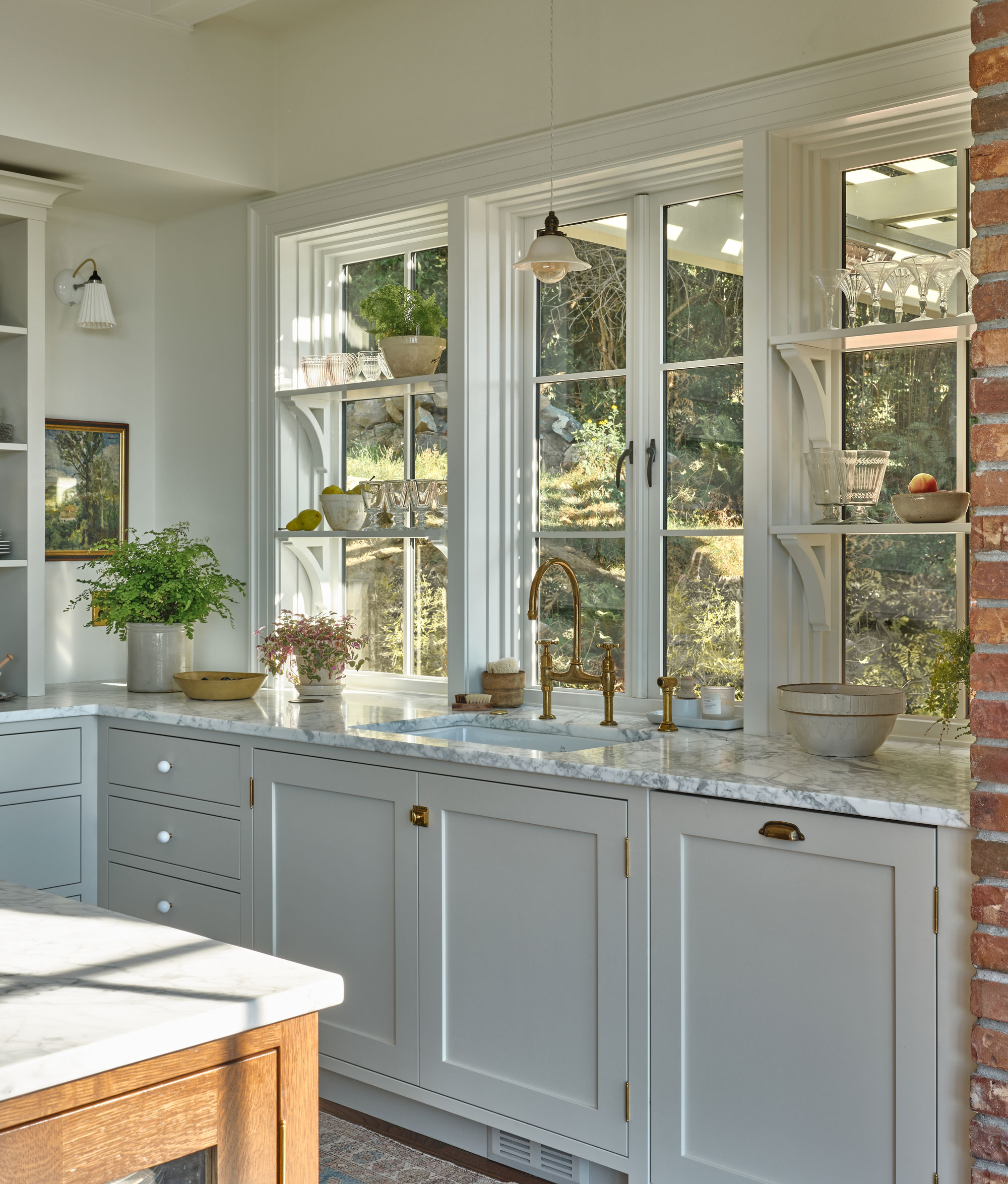
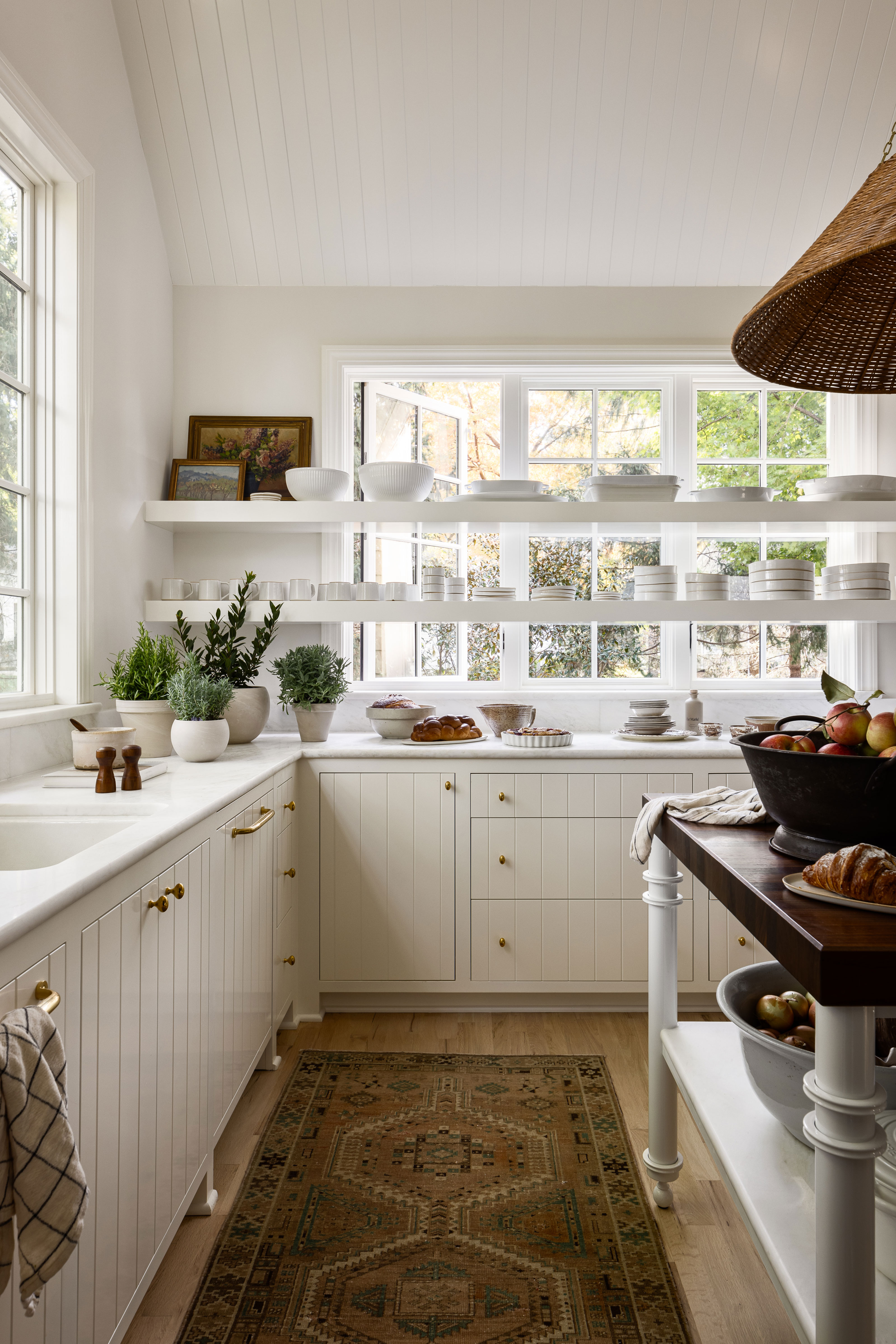
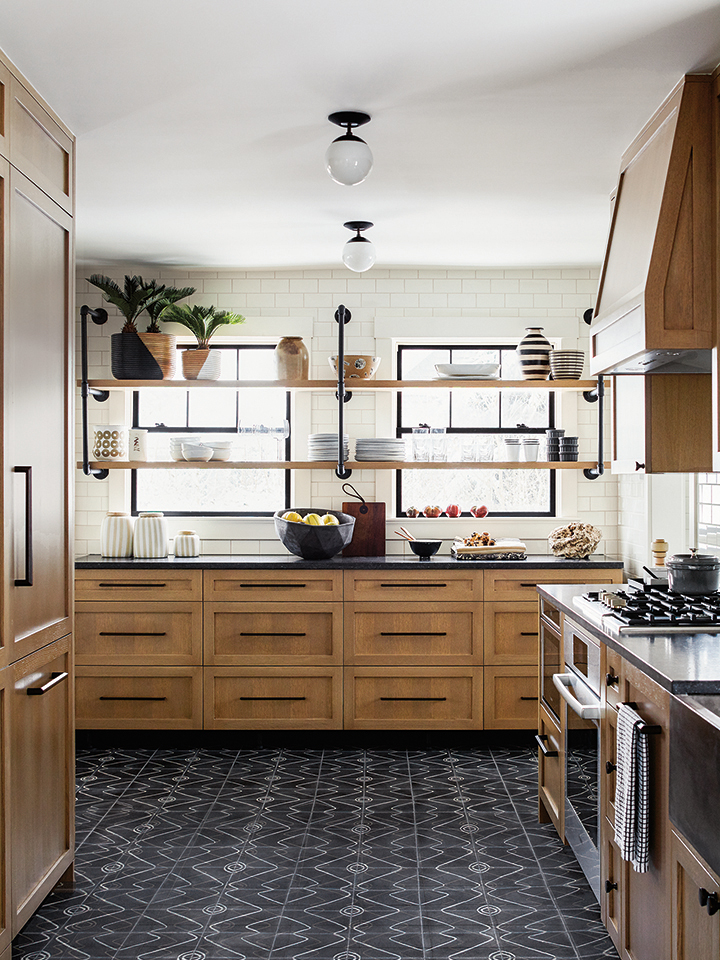
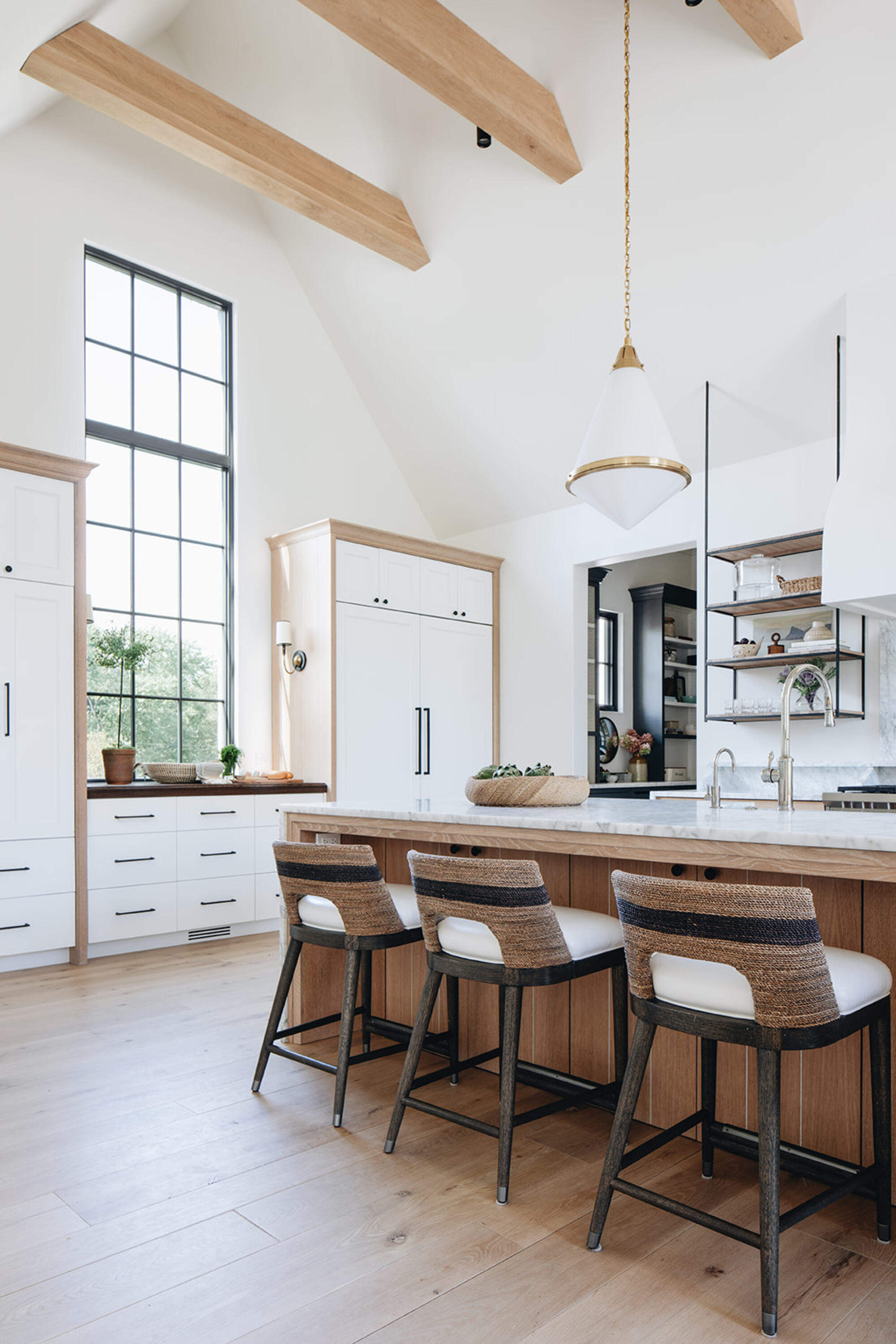
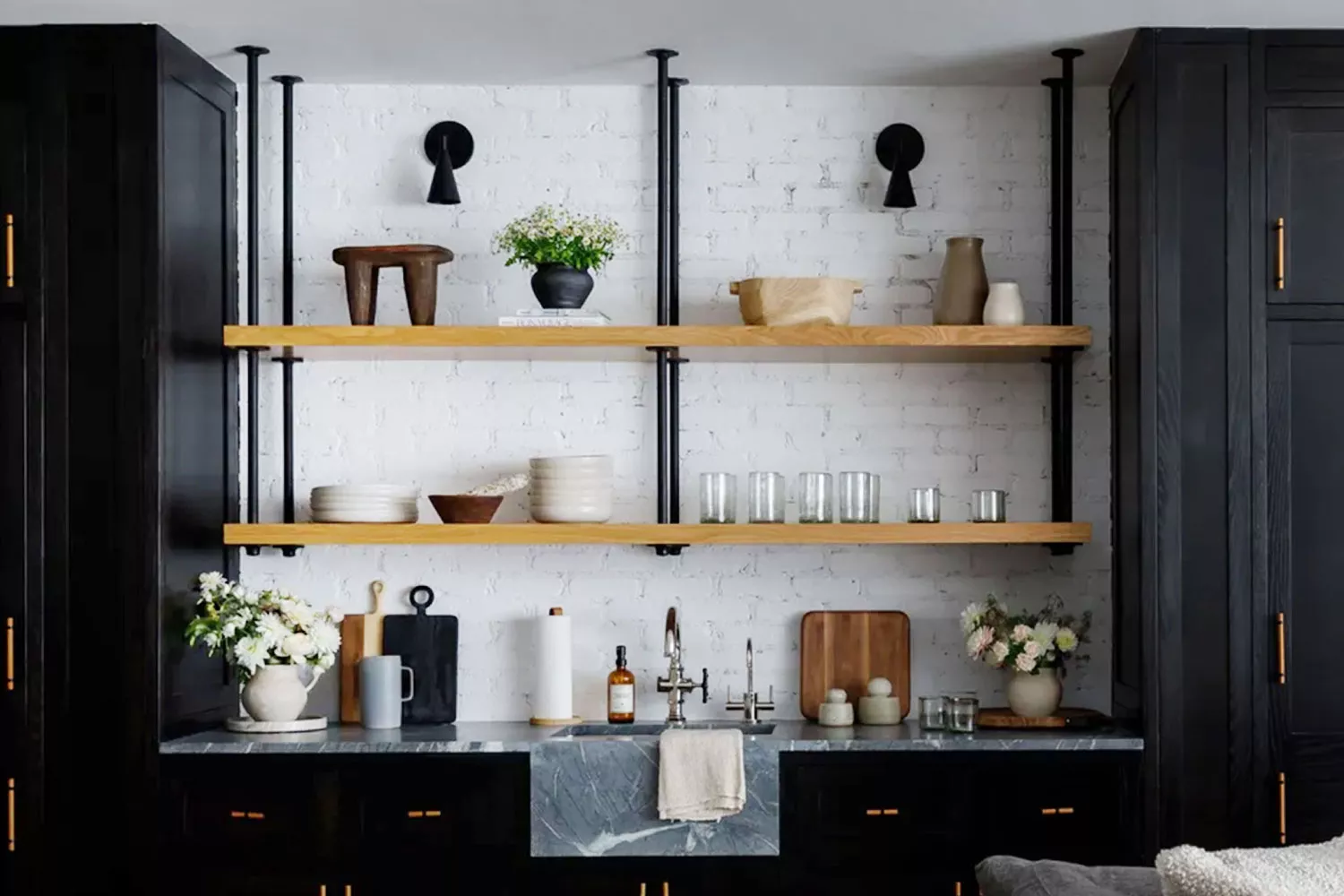
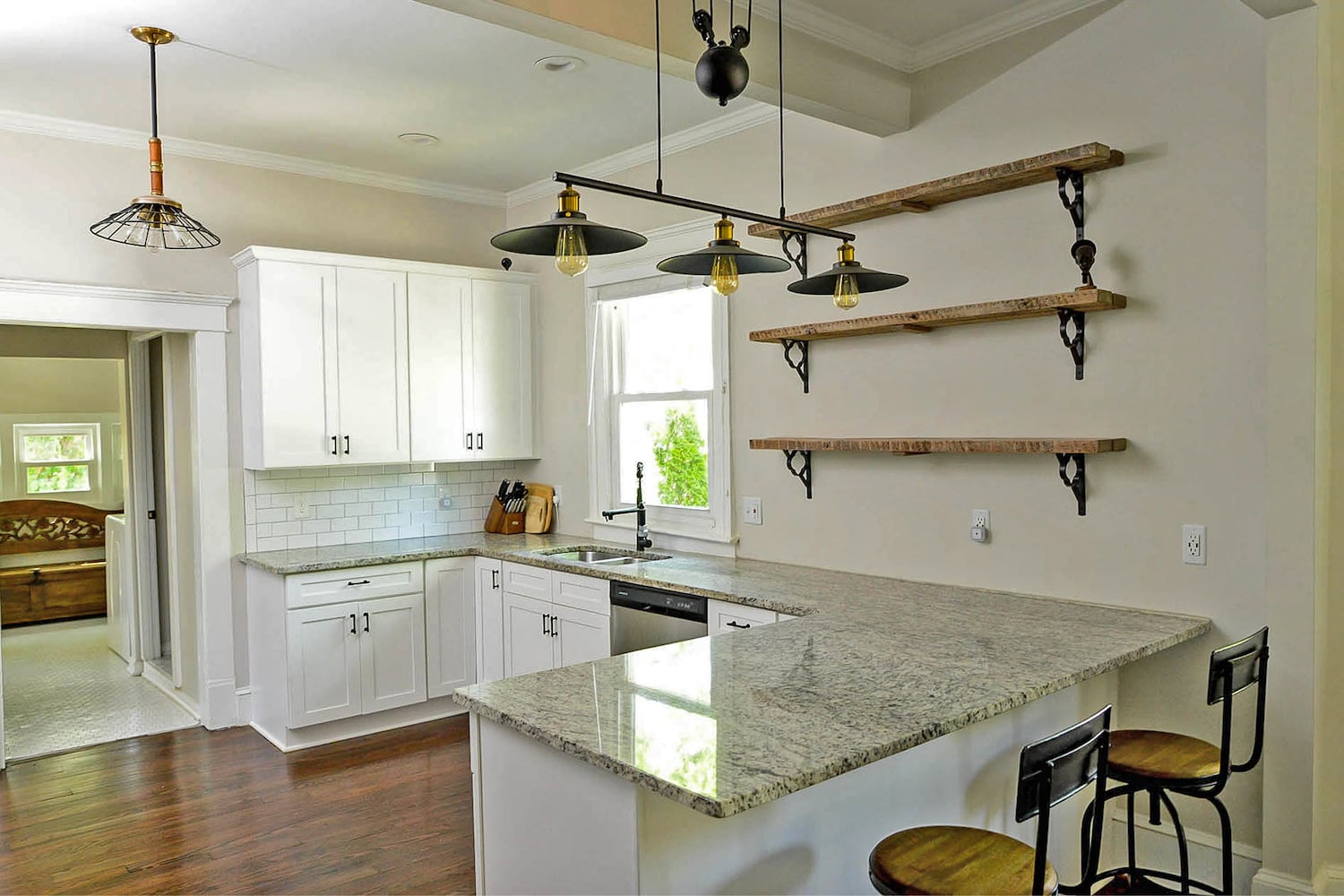
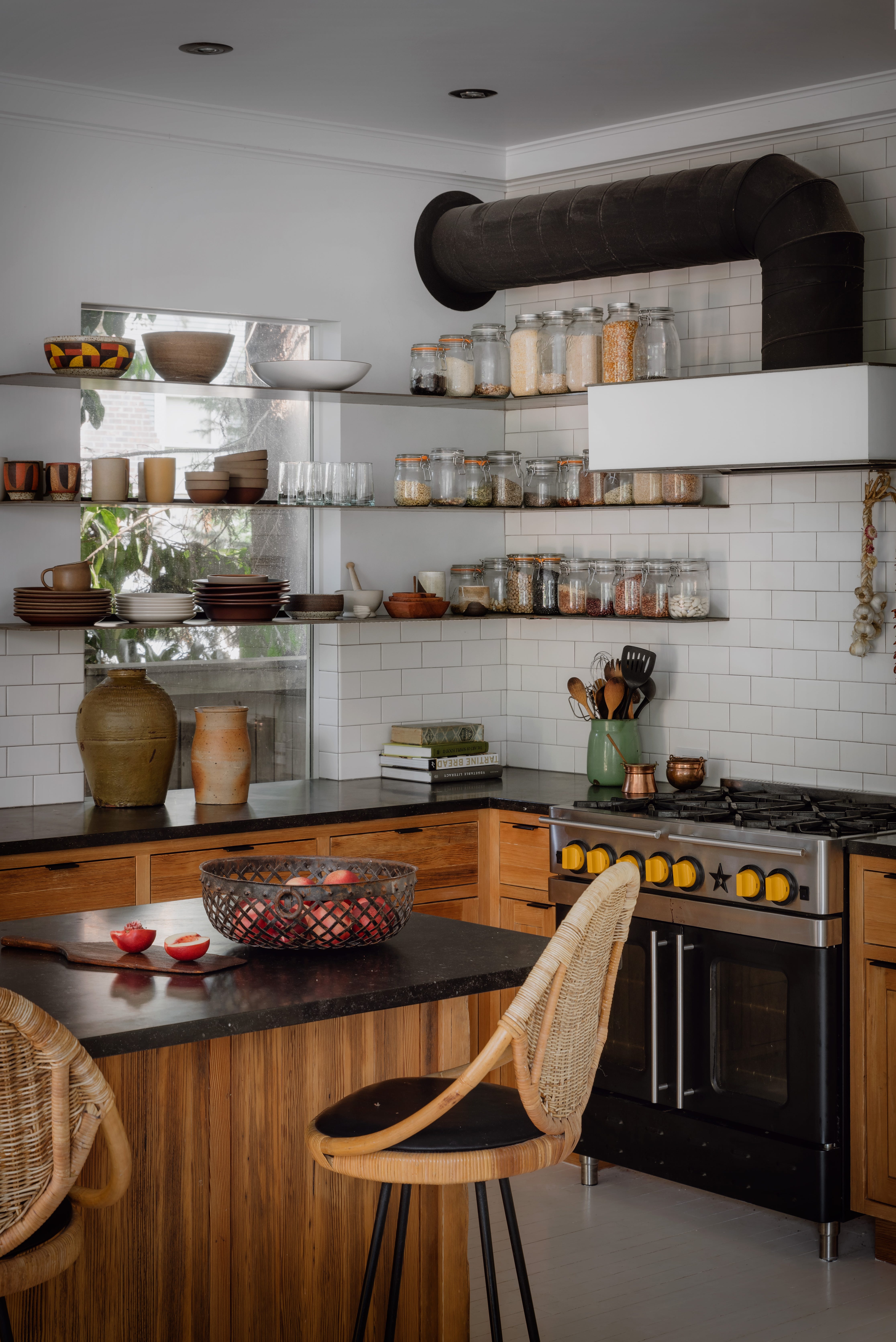
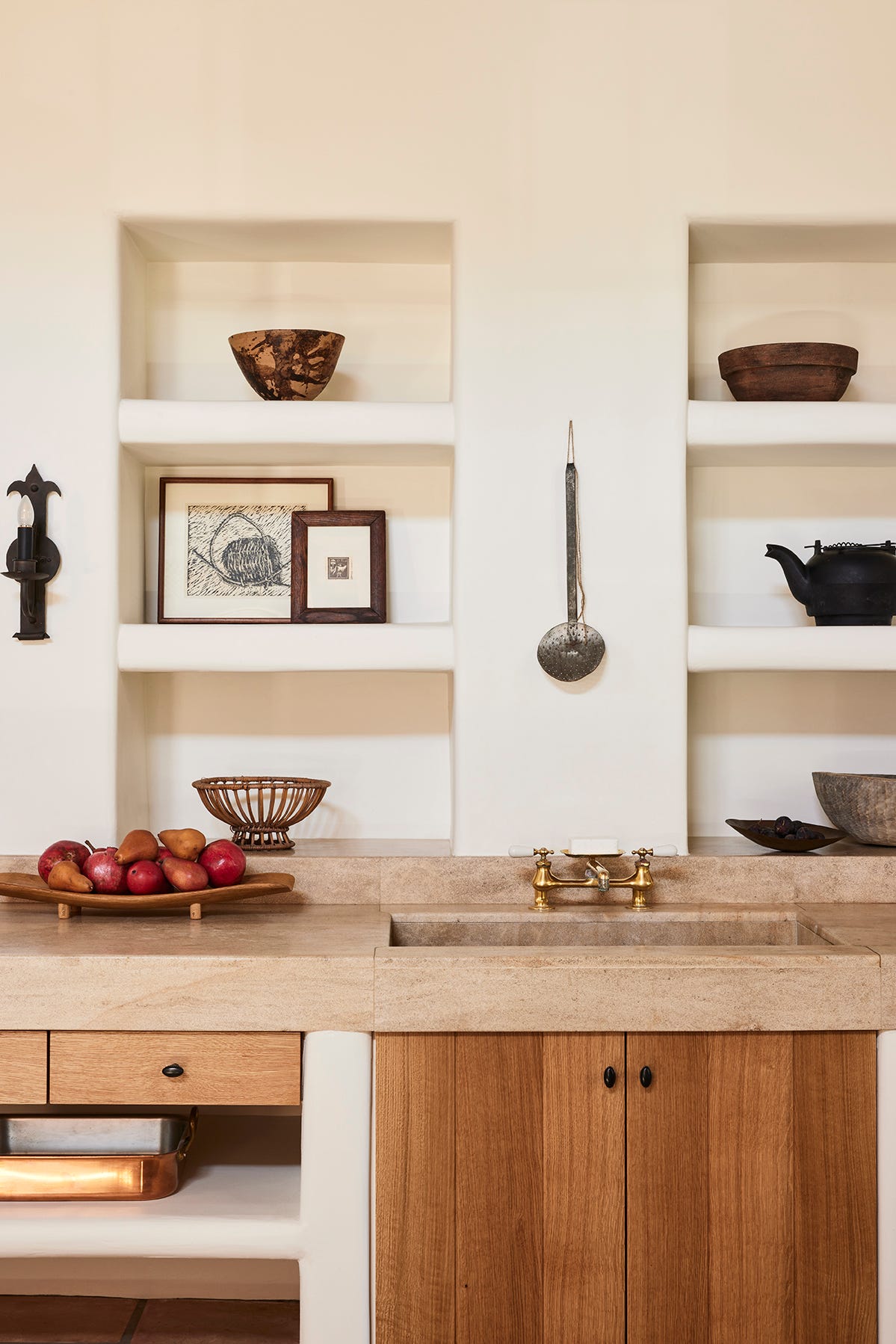
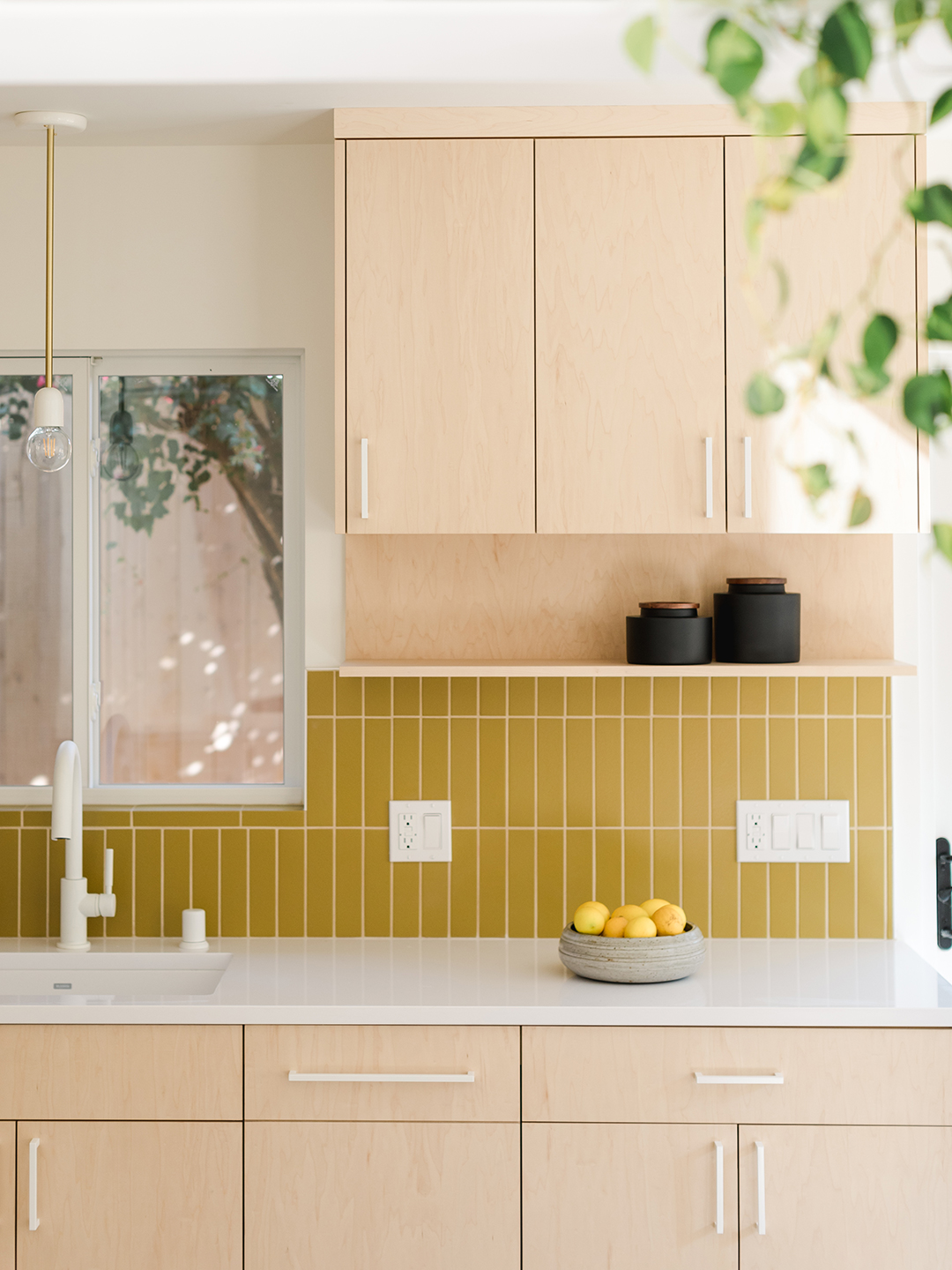
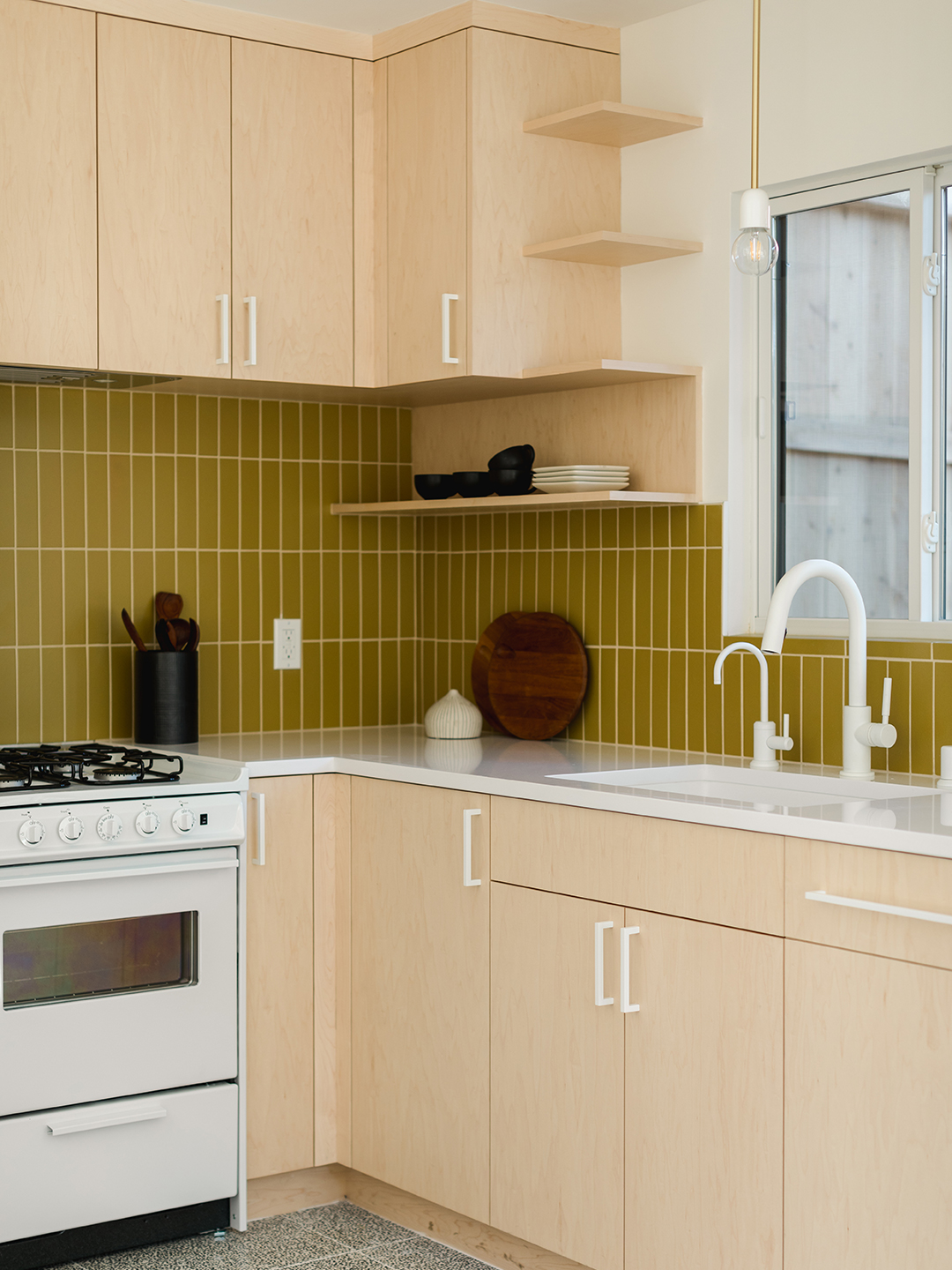
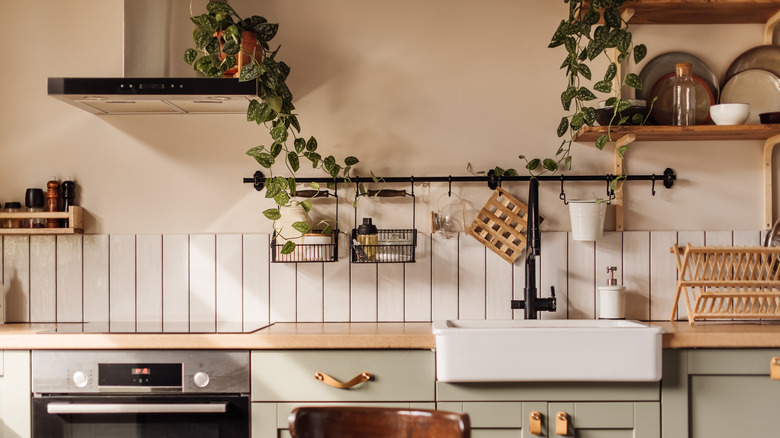
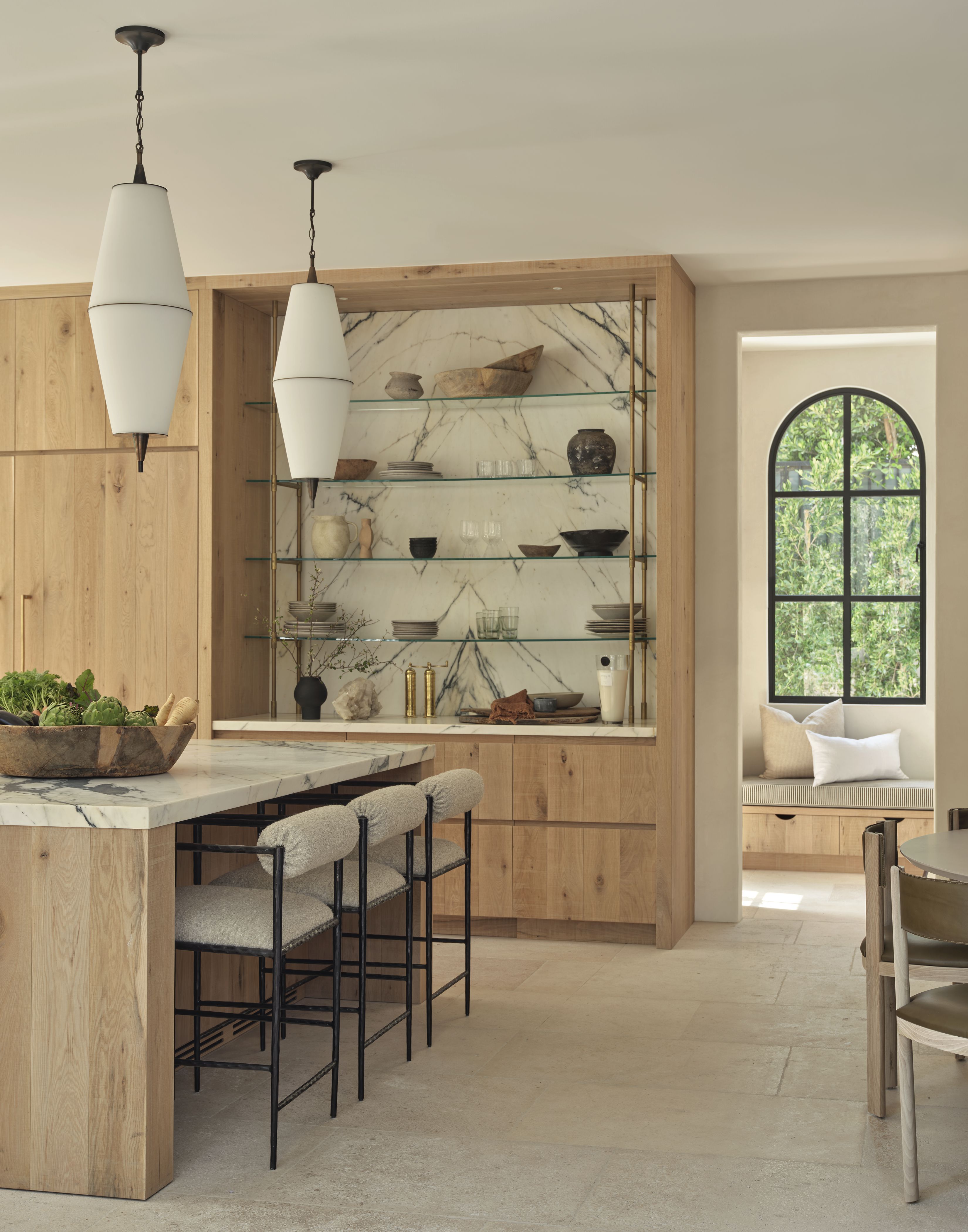
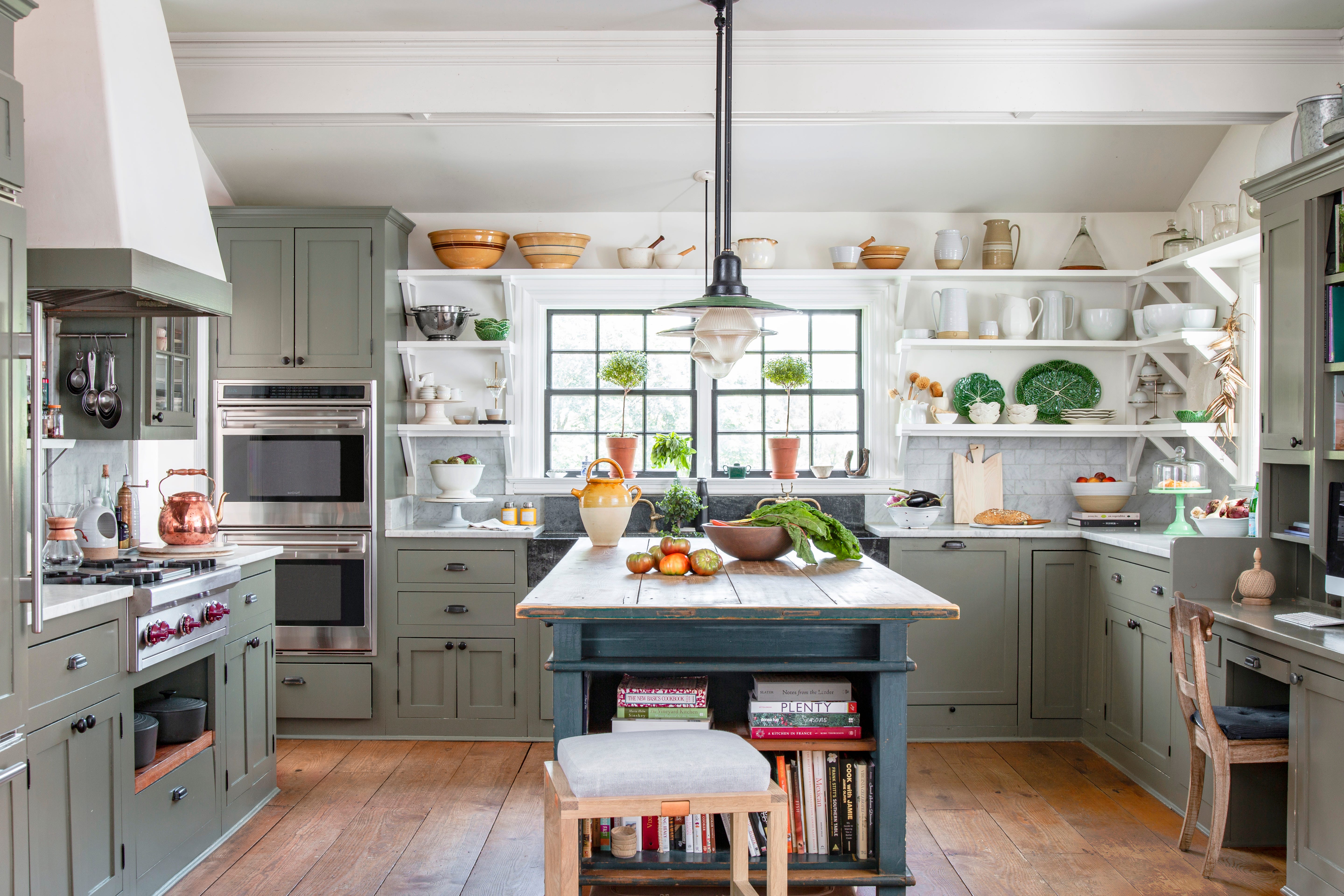
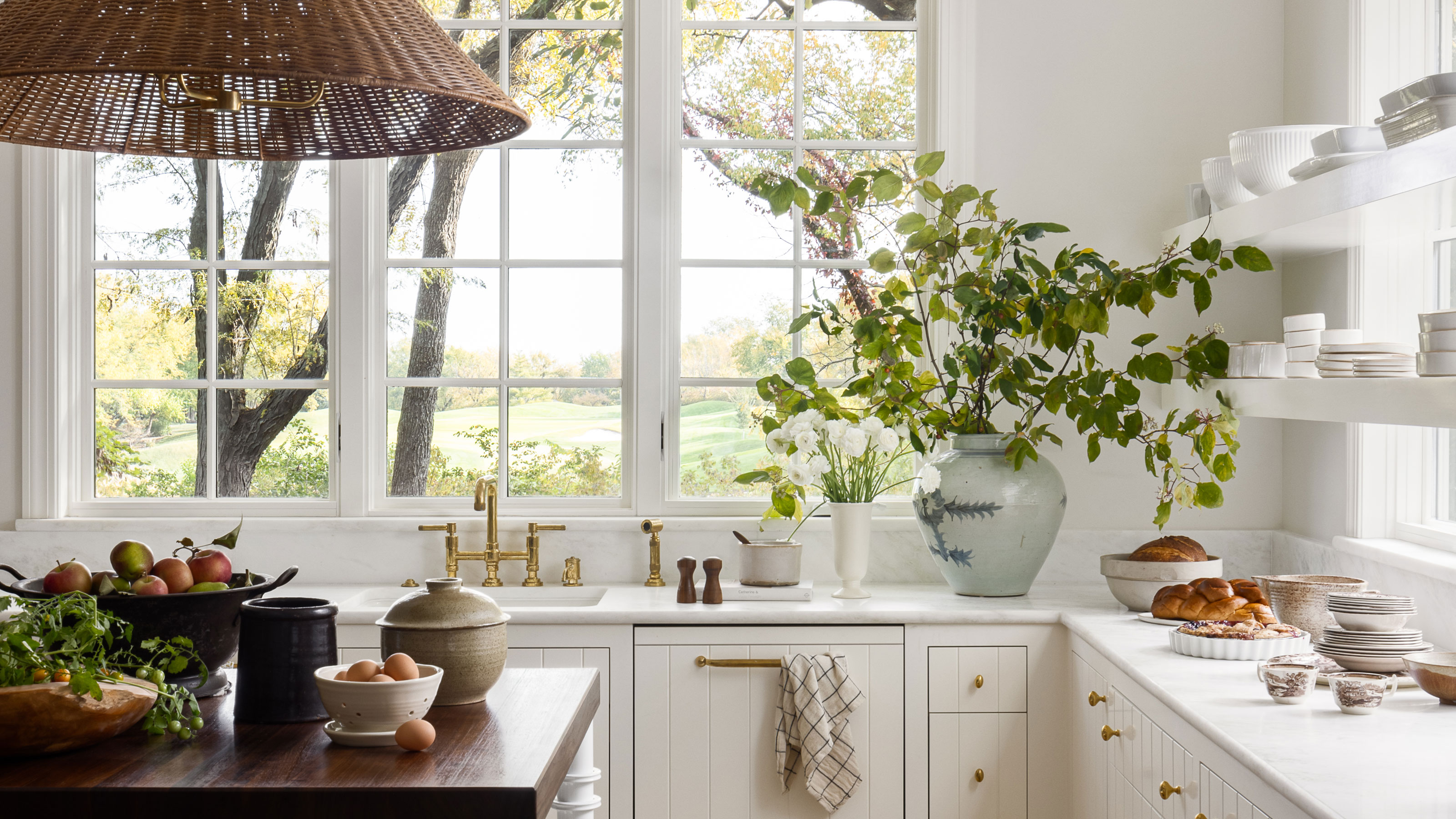
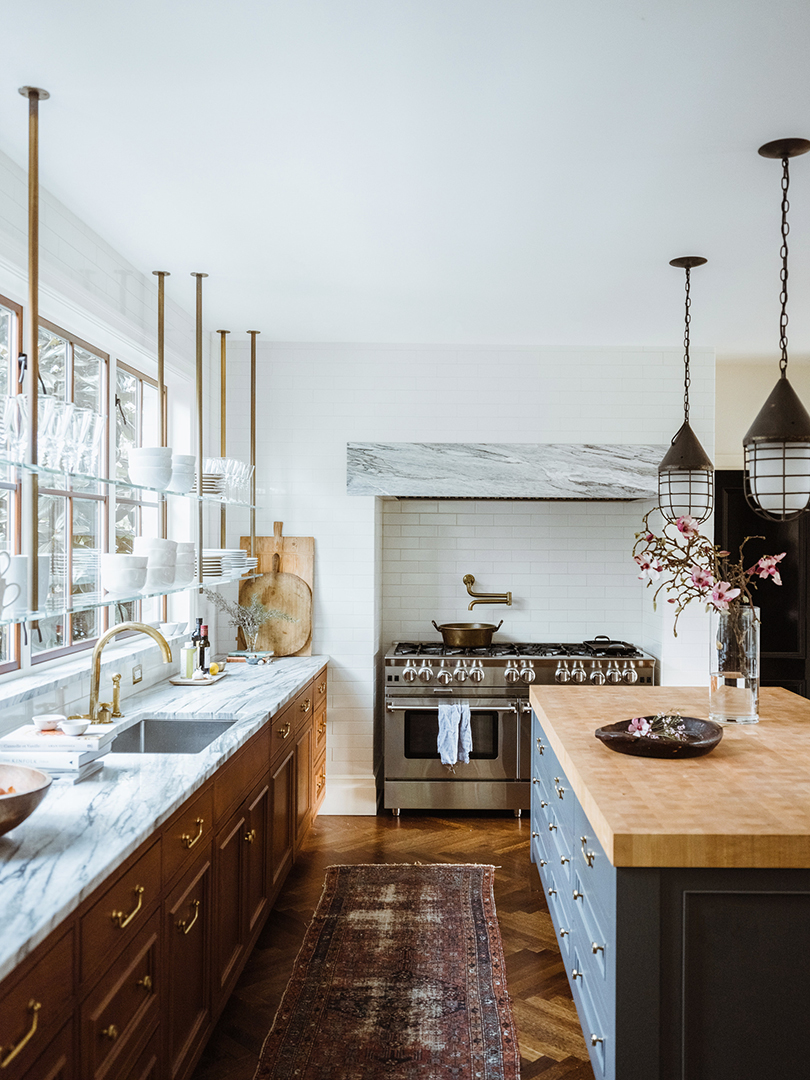
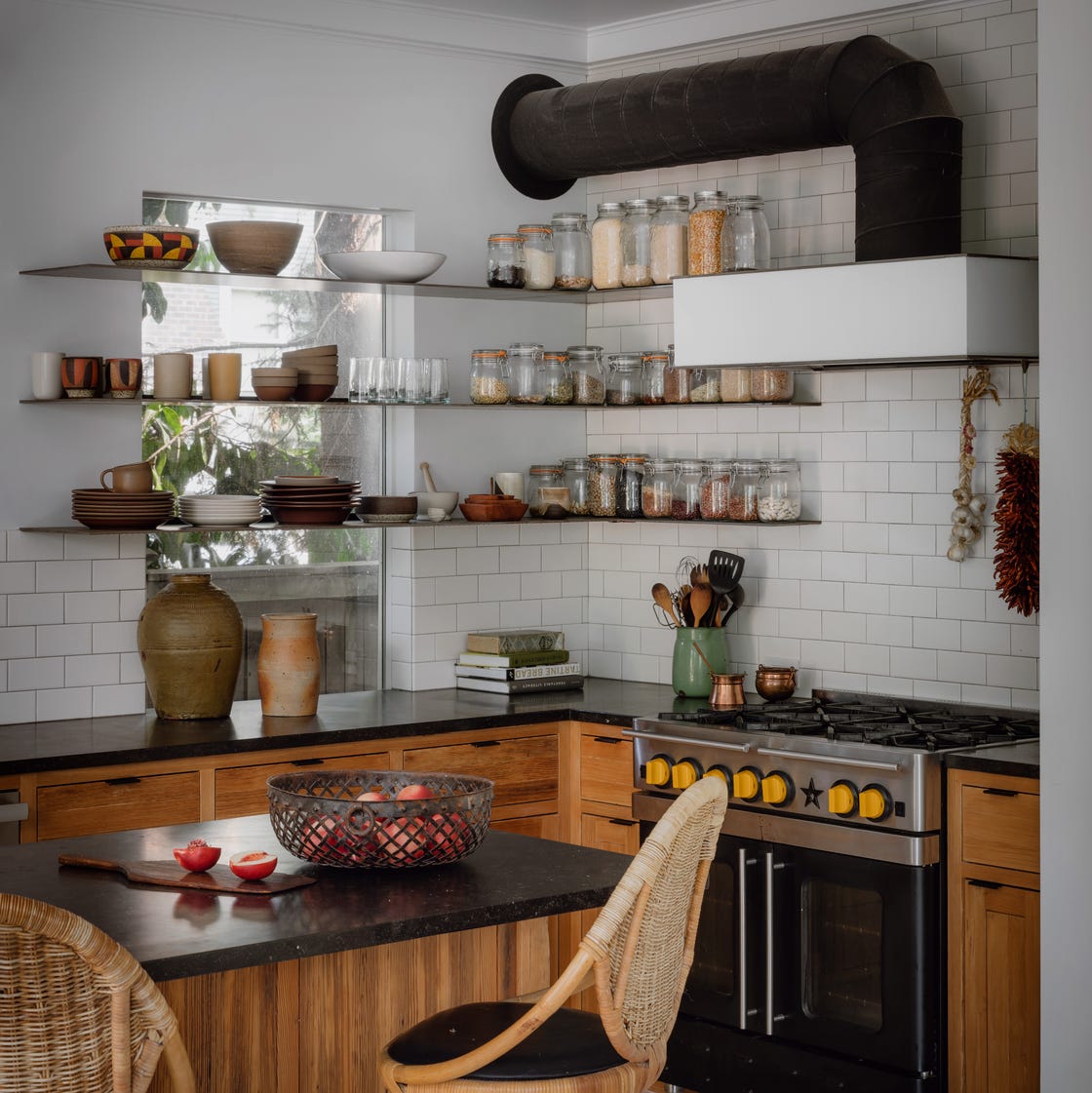
The article outlines various methods for integrating shelves into kitchen windows. One method involves embedding shelves directly into the window surrounding, as demonstrated by designer Lisa Staton. In one project, shelves were integrated on either side of the kitchen sink, utilizing deeper shelves for increased storage and decorative glassware without entirely blocking light. Another approach, showcased by Kobel + Co, involves installing floating shelves that span the entire window and are fixed into the walls rather than the window frame. This method was used in a renovation to preserve natural light and scenic views while displaying a client's dishware collection, making the shelves a focal point.
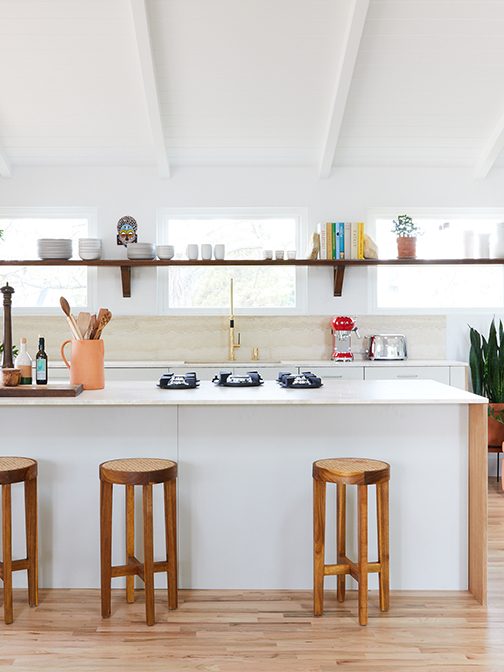
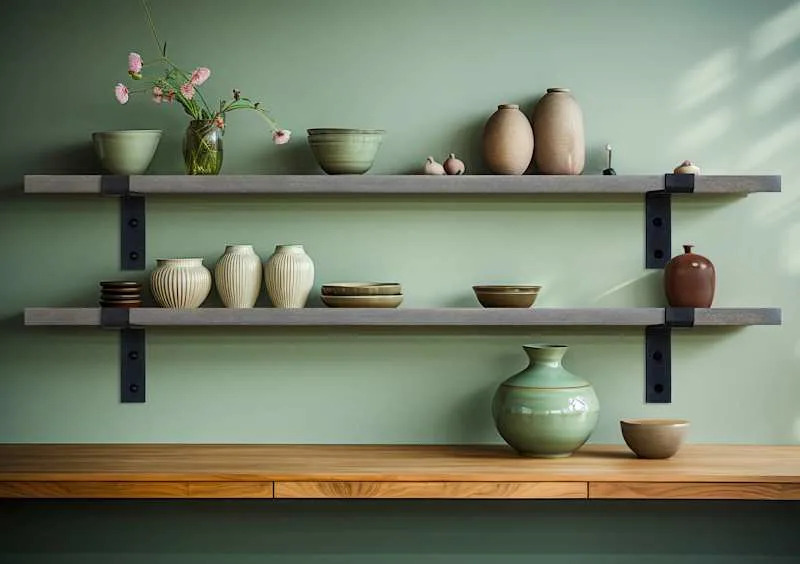
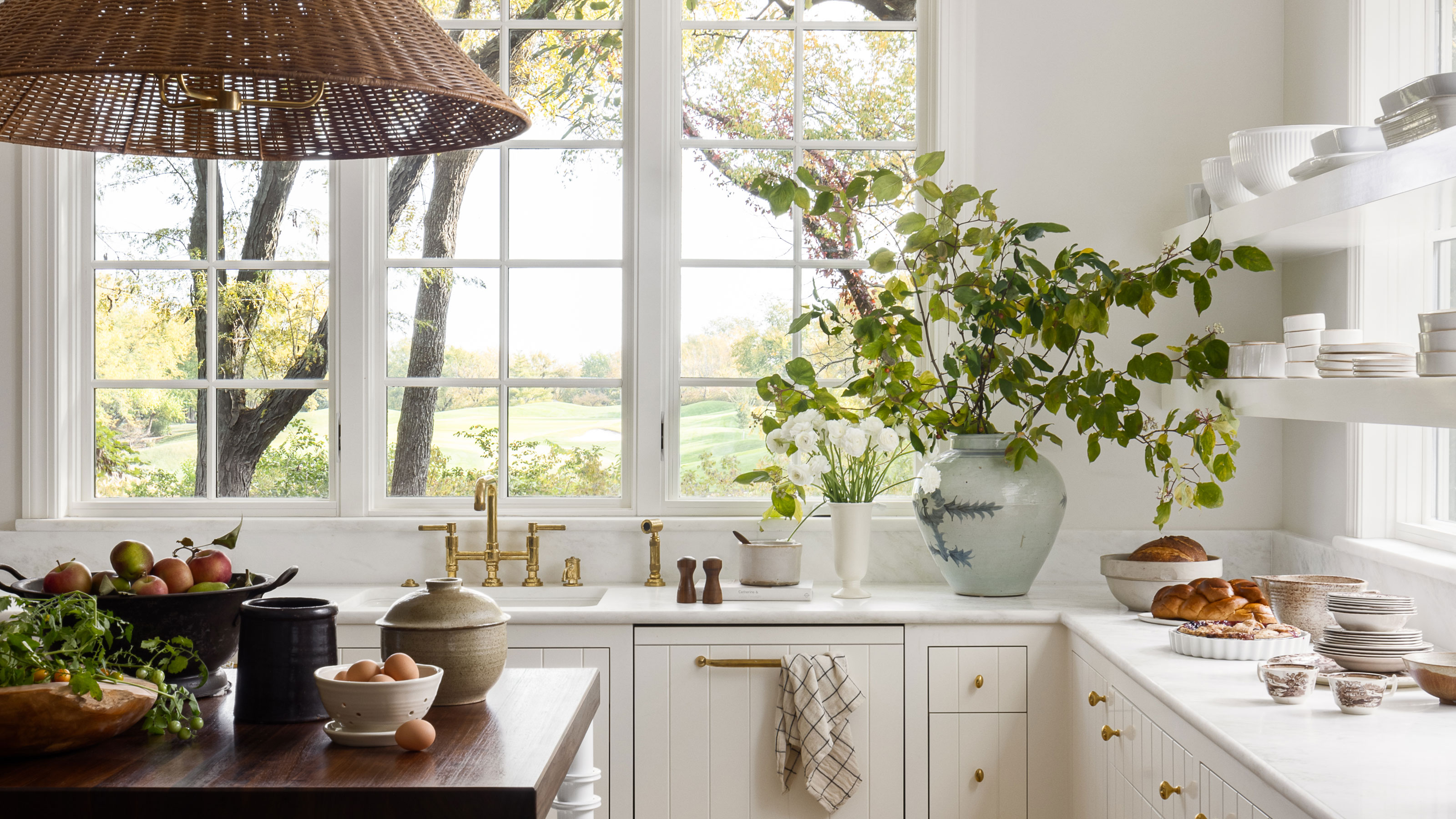
A third design option emphasizes using fine, sleek shelving to minimize obstruction of views and light. Lisa Staton's design highlights how invisible fixings can streamline these shelves, maintaining the outward view while providing practical storage. For items displayed on these shelves, the recommendation is to choose aesthetically pleasing objects like glassware, as it allows light to pass through and avoids making the space feel visually heavy. While glassware can show dust more readily, other suitable items include stacks of plates, houseplants, and coffee mugs. The article concludes by listing several product examples that would be ideal for display on such shelves, including textured pasta plates, sets of mugs, and decorative planters, emphasizing how light from the window can accentuate their features.
#KitchenDesign #KitchenStorage #WindowShelving #HomeDecor #InteriorDesign #NaturalLight #DesignSolutions #OpenShelving #KitchenDesign #KitchenStorage #WindowShelving #HomeDecor #InteriorDesign #NaturalLight #DesignSolutions #OpenShelving
0 comment in total
 No comments yet
You may also like
Kitchen Windows With Shelves — How Designers Use This Trick for Extra Storage and Style

Stunning kitchen cabinet organization designs you can put in your home
You Don’t Have to Choose Between Open Shelving and Upper Cabinets
The Classic Kitchen Design Trend That Might Never Go Out Of Style

We Found a New Place for Your Open Kitchen Shelving—The Window

Rita Ora has taken a side in the ongoing open shelving vs wall cabinet debate – and it's easy to recreate
Designers Say They Secretly Hate This Popular Kitchen Design Trend

5 design tips for installing a servery window in your kitchen

5 Kitchen Window Mistakes to Avoid, According to an Architect — Some May Seriously Surprise You
32 Organized Kitchen Shelving Ideas That Make Even Small Kitchens Feel Surprisingly Efficient

Maximize Your Kitchen Space With These Open Shelving Ideas

Are Open Kitchen Shelves Still in Style? This Interior Designer Told Us to Ditch Them — Here's Why
21 Kitchen Shelving Ideas for When You Don't Want to Keep Everything Hidden Away
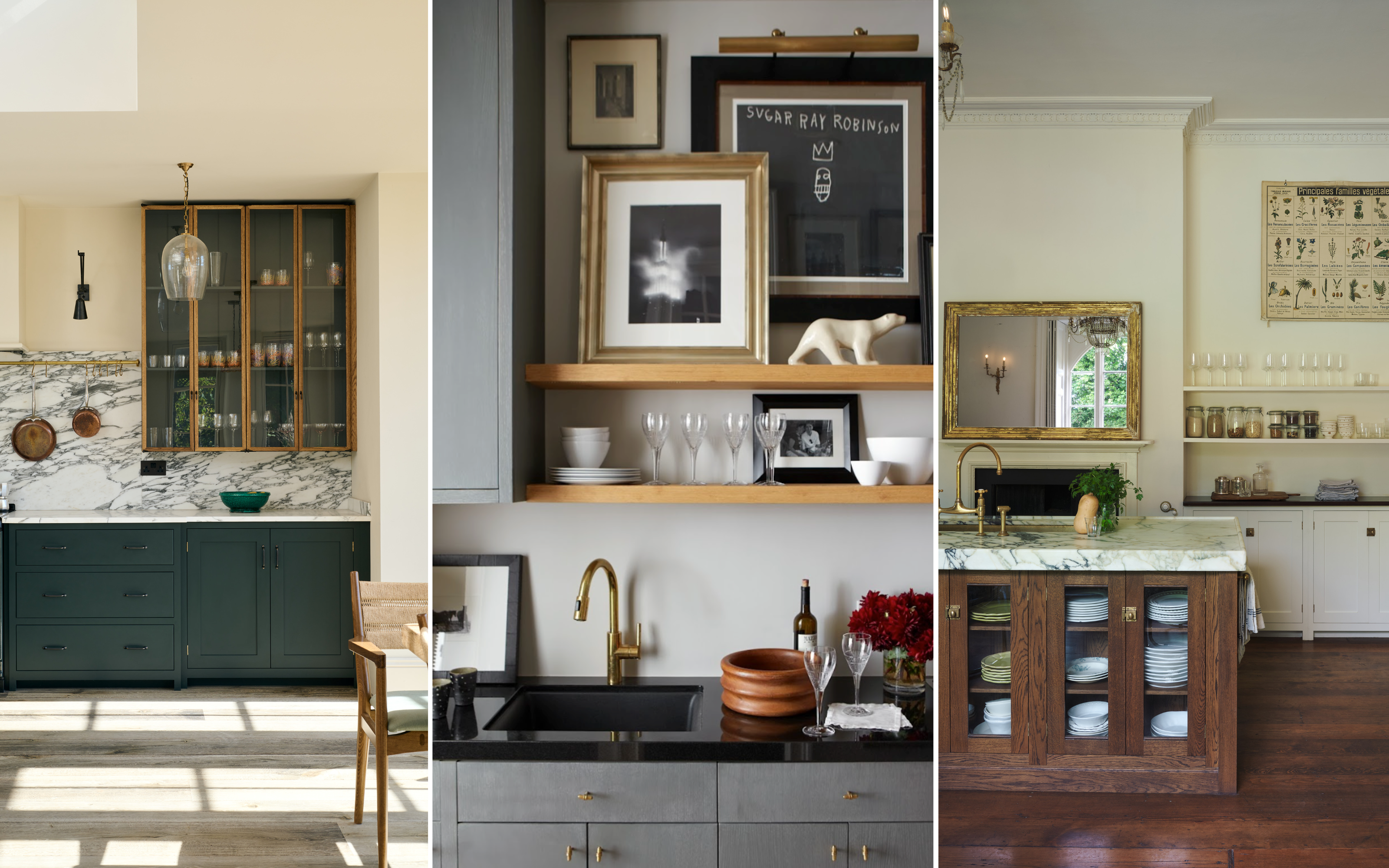
9 designer-approved ways to turn your kitchenware into decor that deserves to be seen

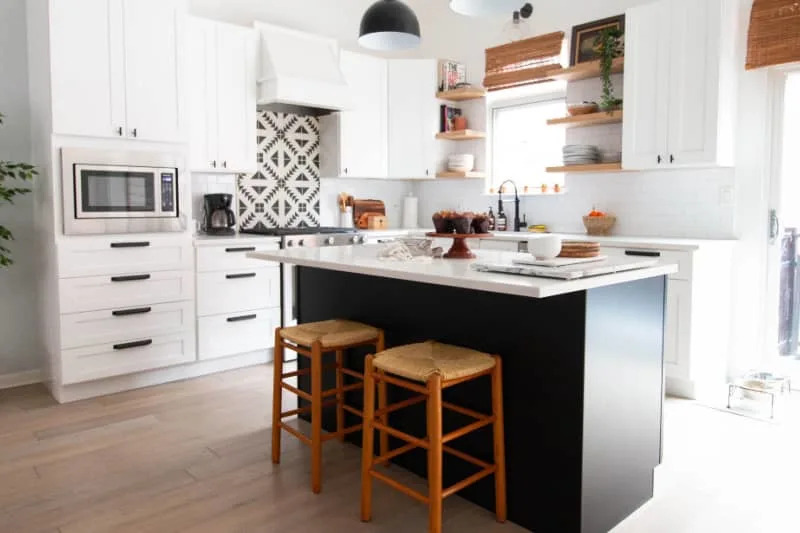
Upper Kitchen Cabinets Are on Their Way Out in 2025 — Here’s What’s Replacing Them
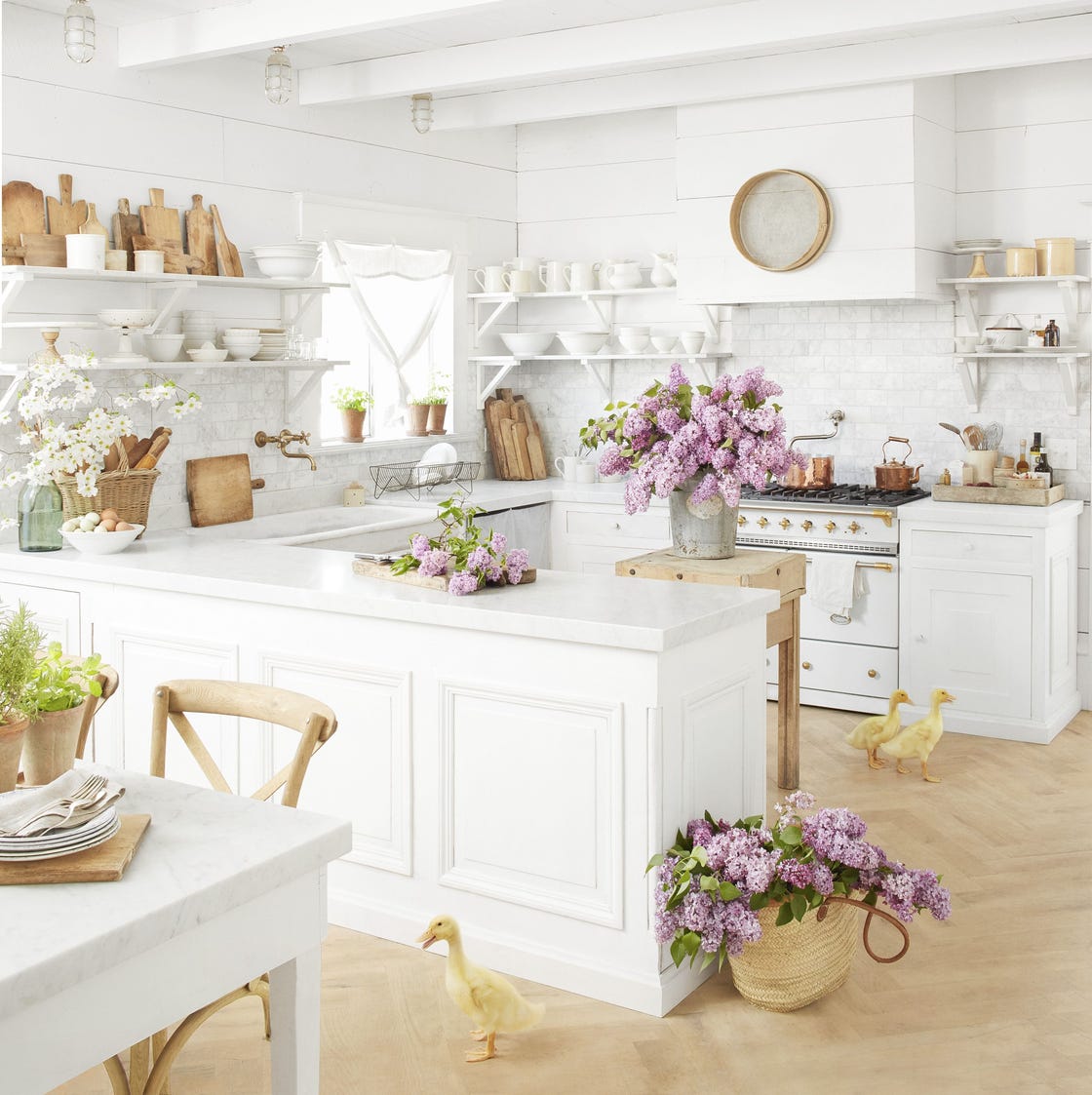
Yes, Open Shelving in a Kitchen Can Be Stylish and Functional
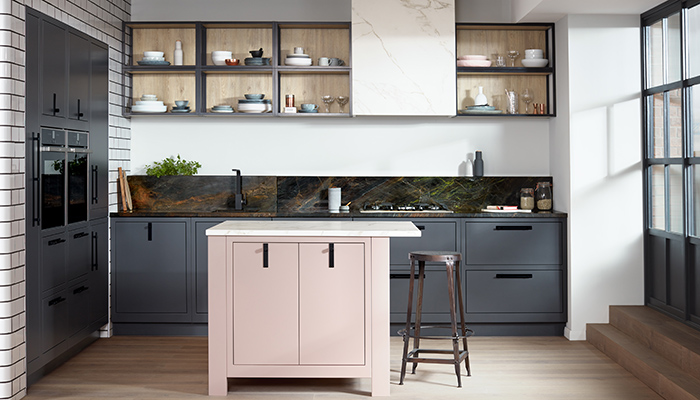
Wall cupboards are out of favour – so what do consumers want instead?
28 Open Shelving Ideas That'll Inspire You to Ditch Those Kitchen Cabinet Doors

14 Genius Ideas For The Awkward Space Above Your Kitchen Cabinets
Open Kitchen Shelves Are Losing Their Appeal—Here's What to Use Instead, According to Interior Designers