1/2
Kitchen cabinets are costly. Don’t make them trendy
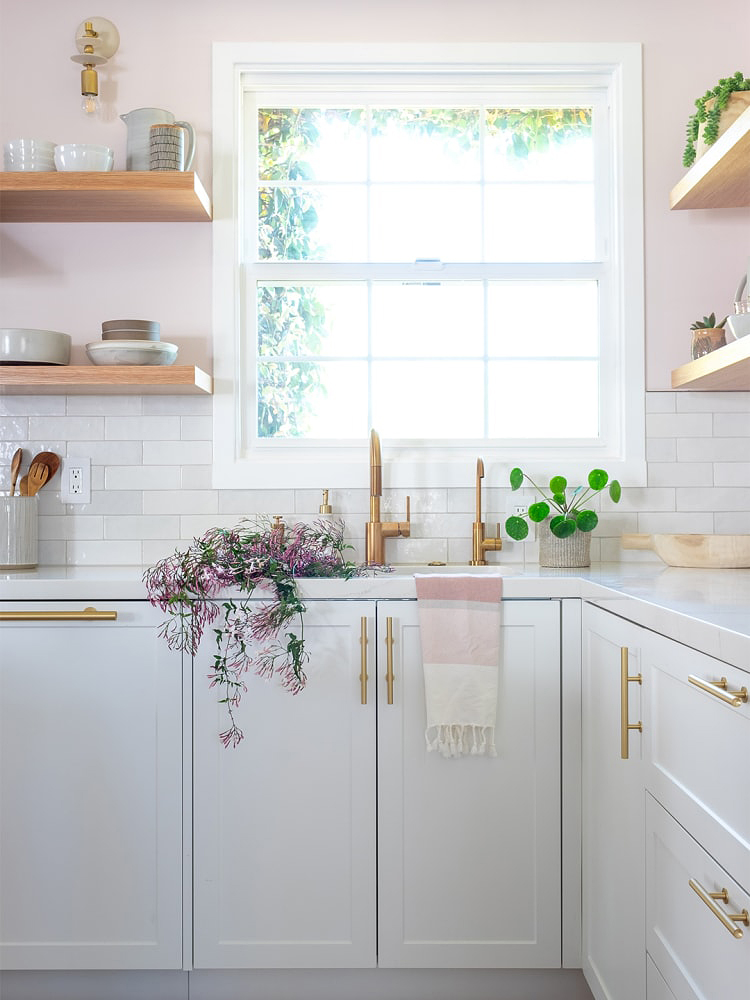
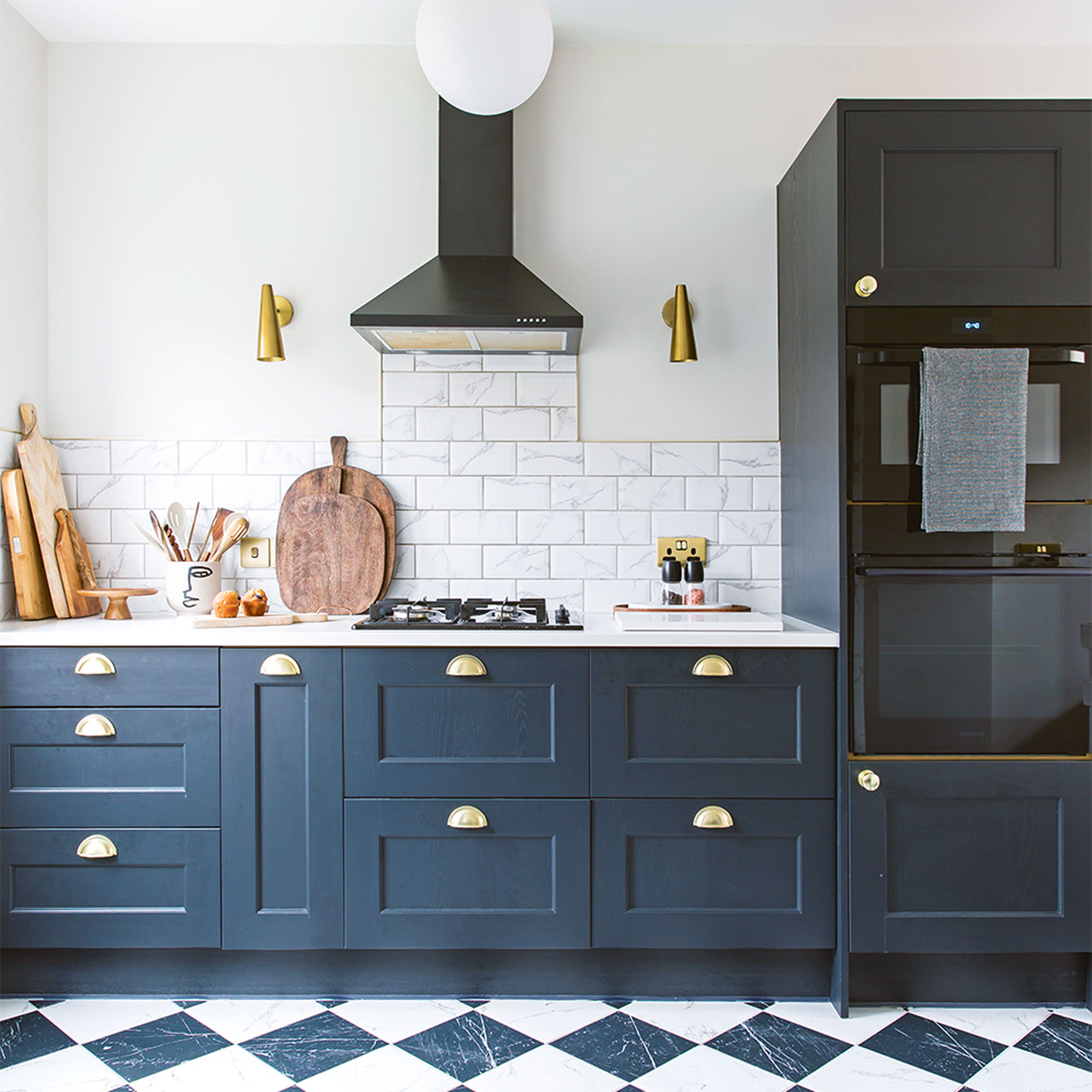
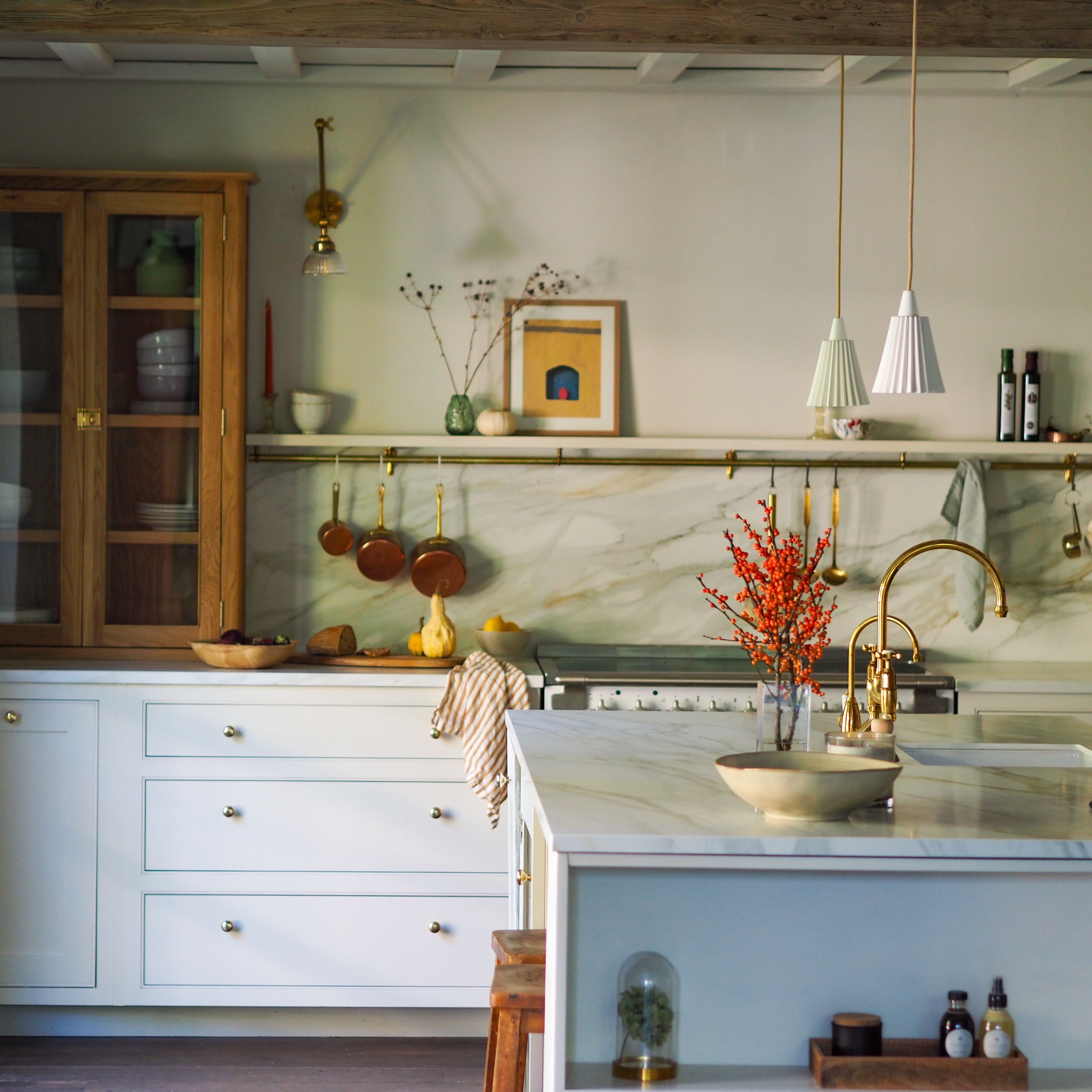
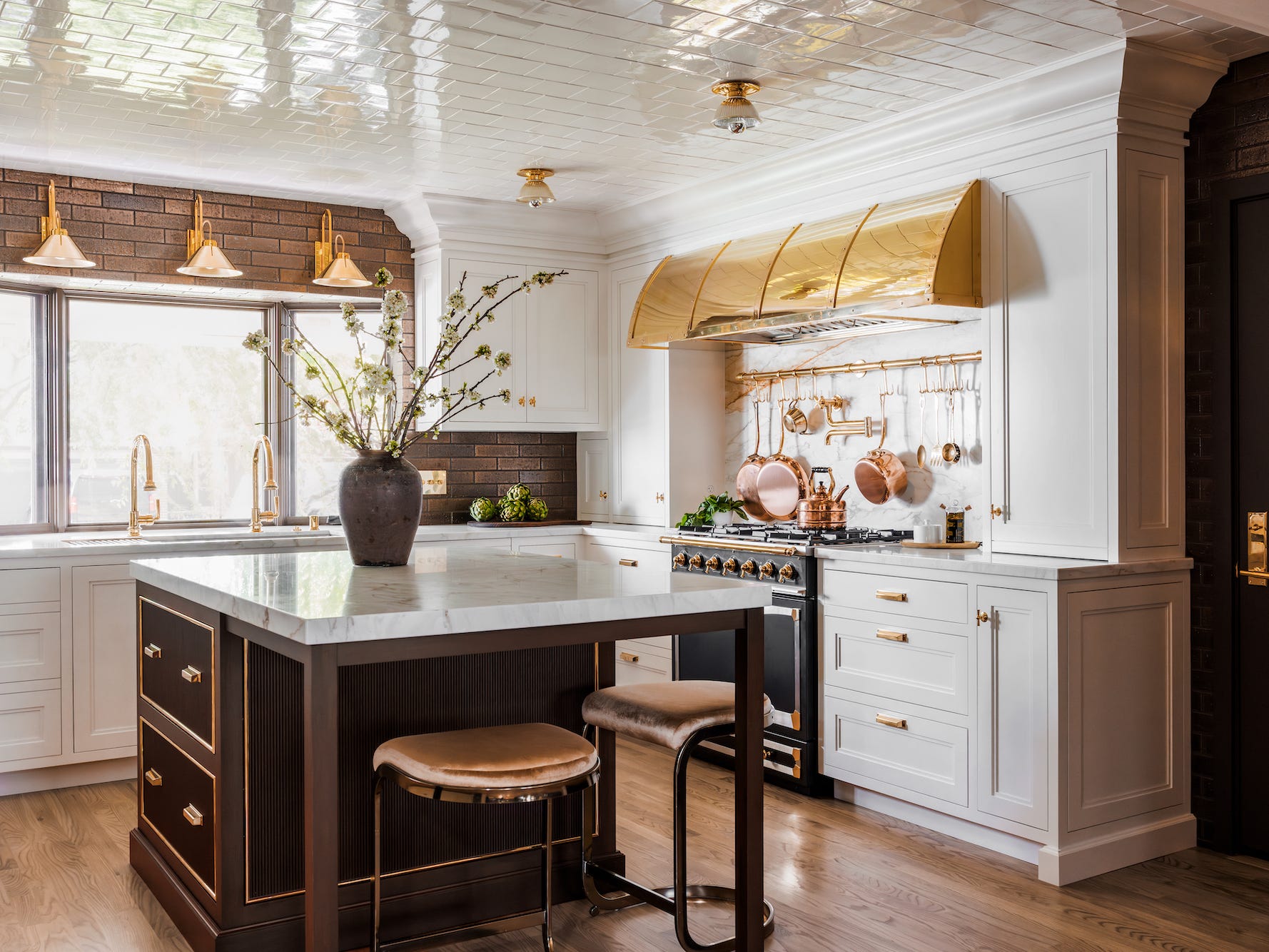
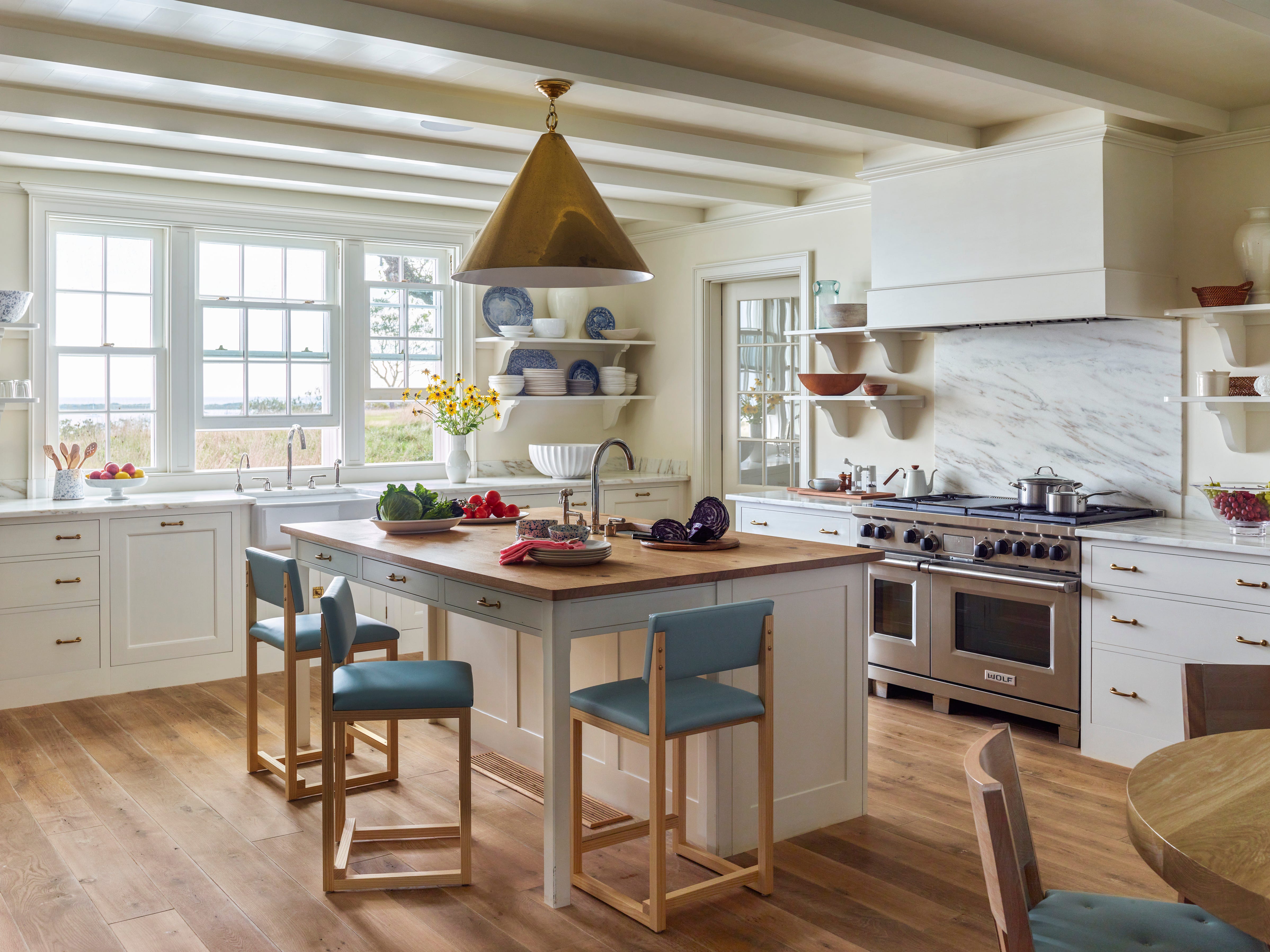
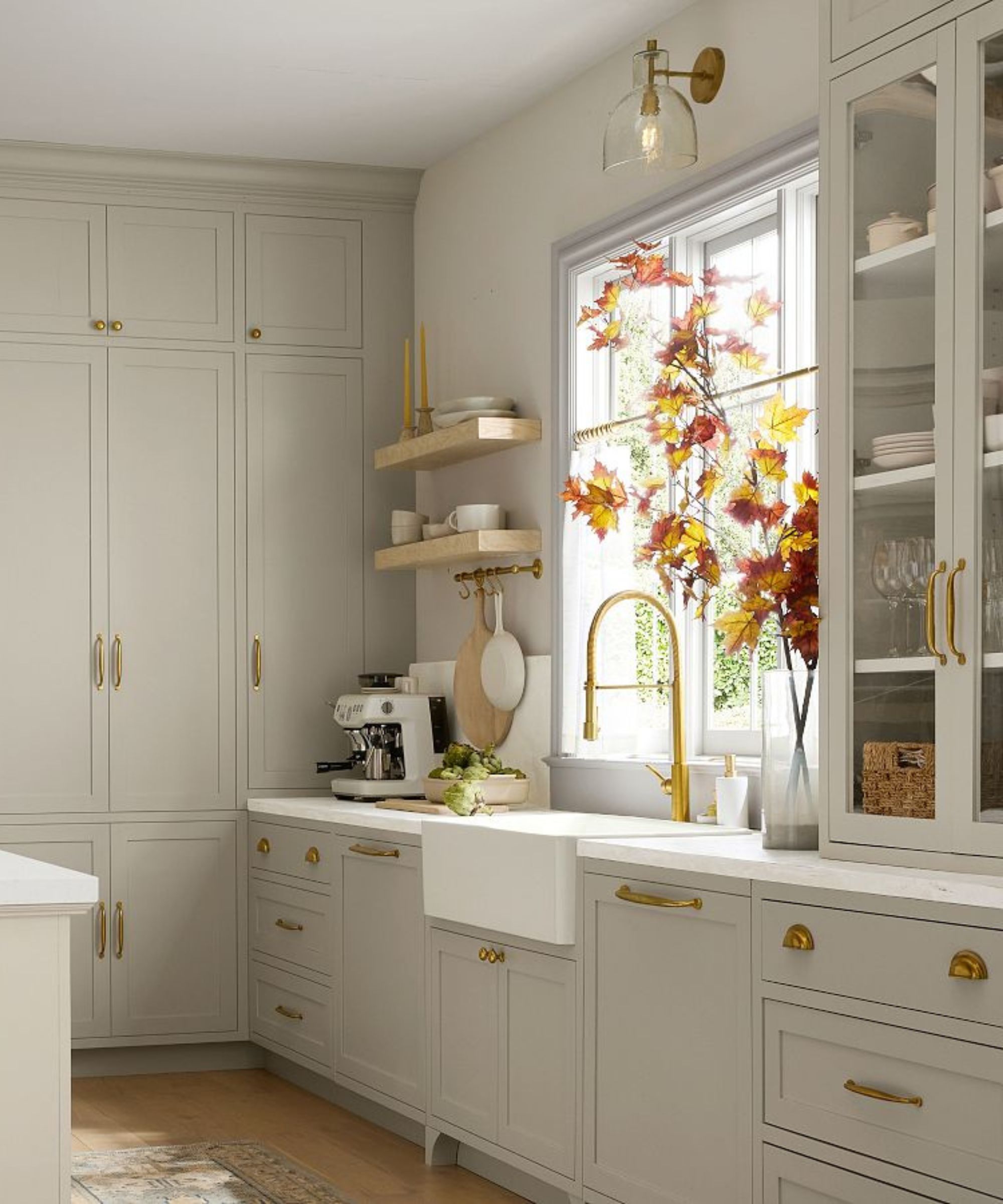
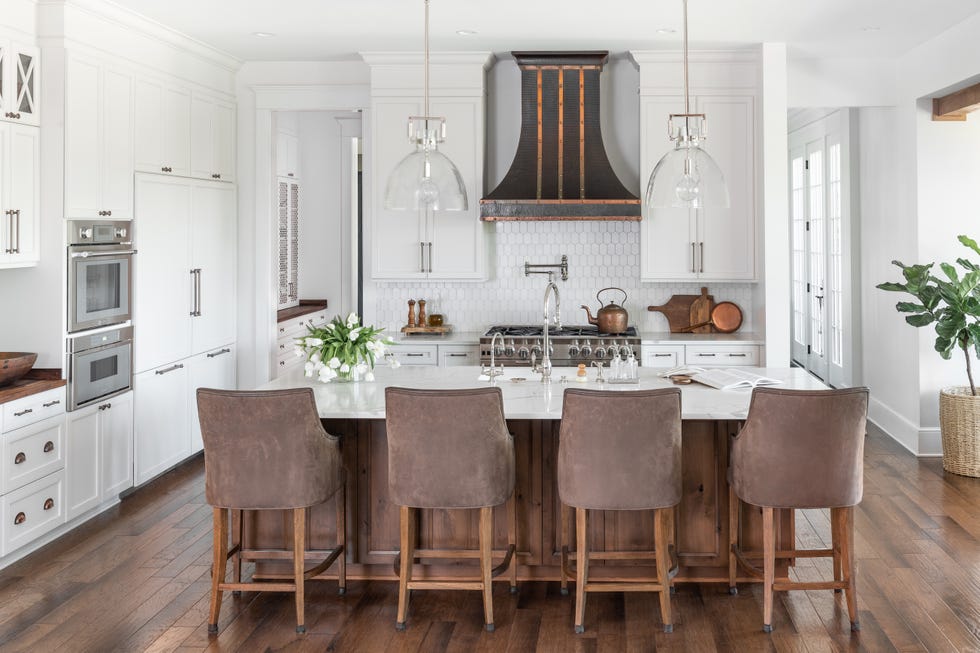
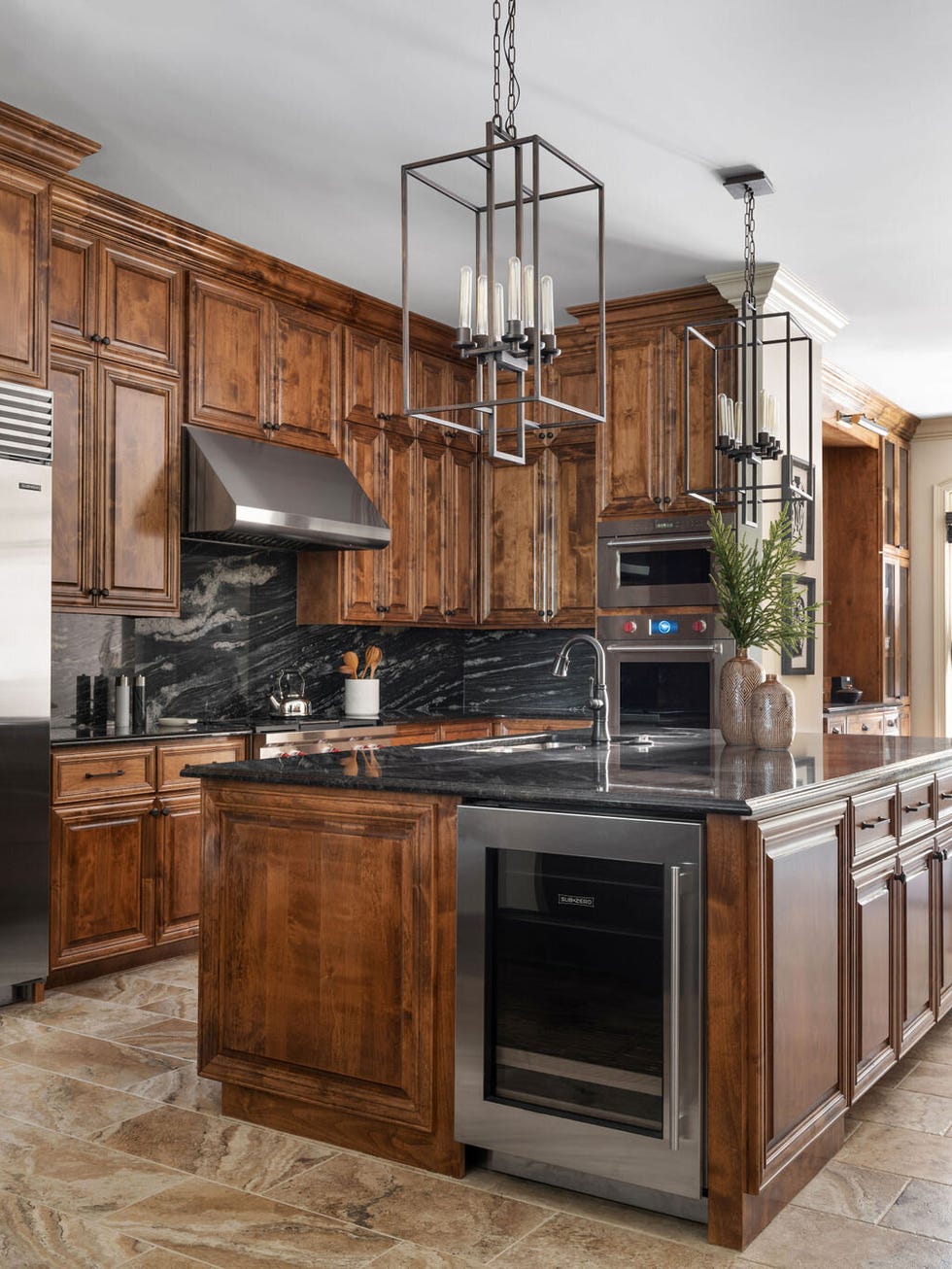
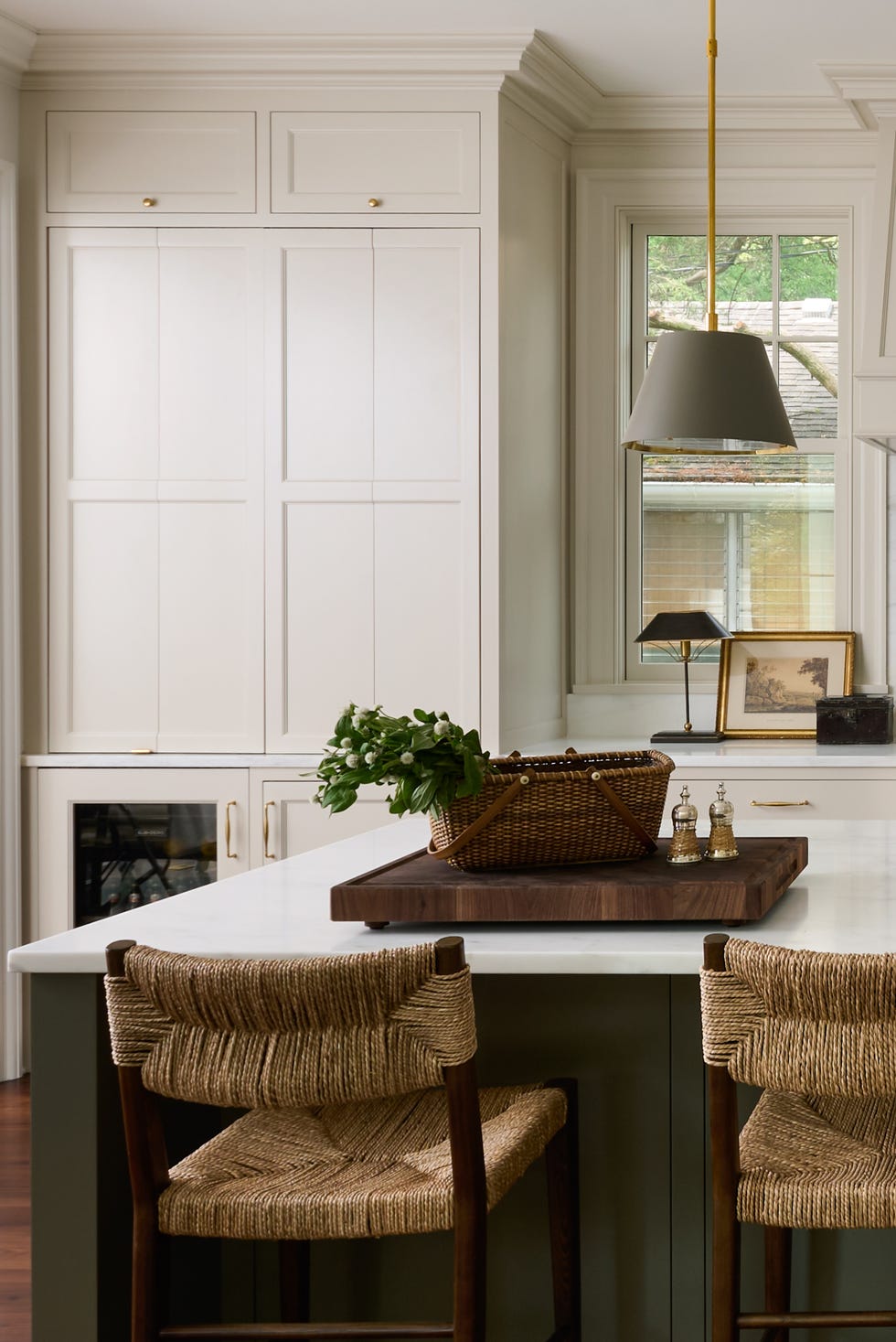
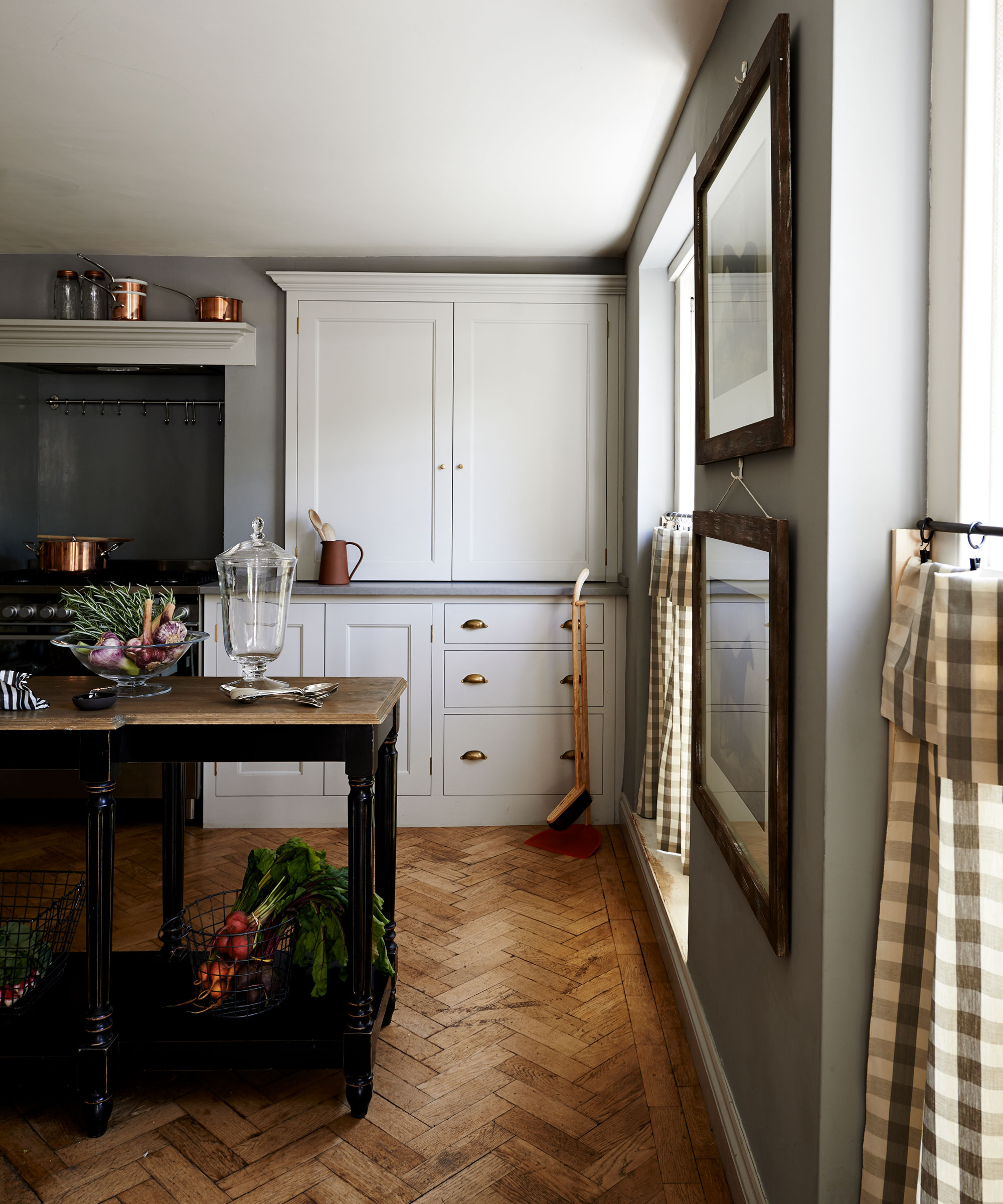
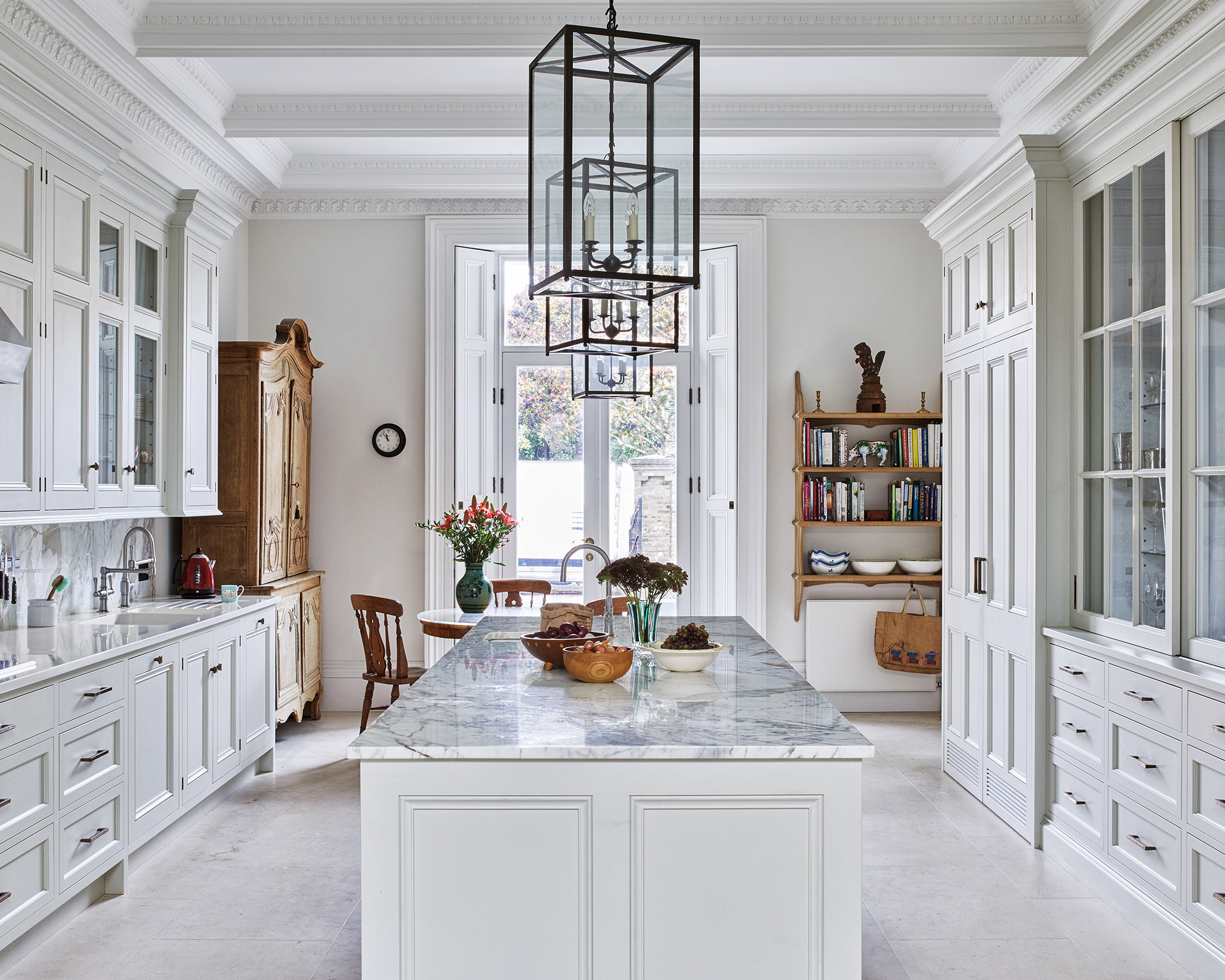
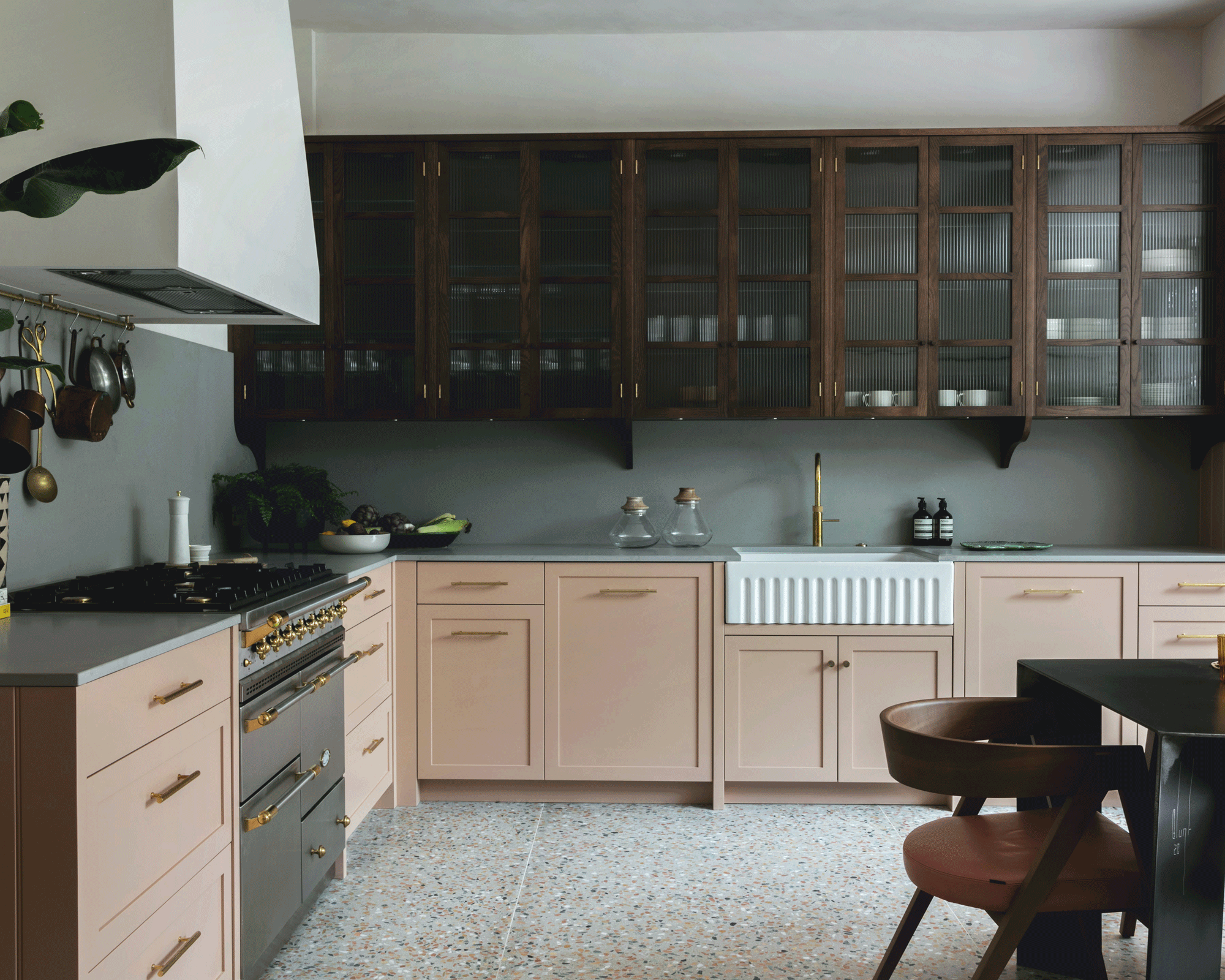
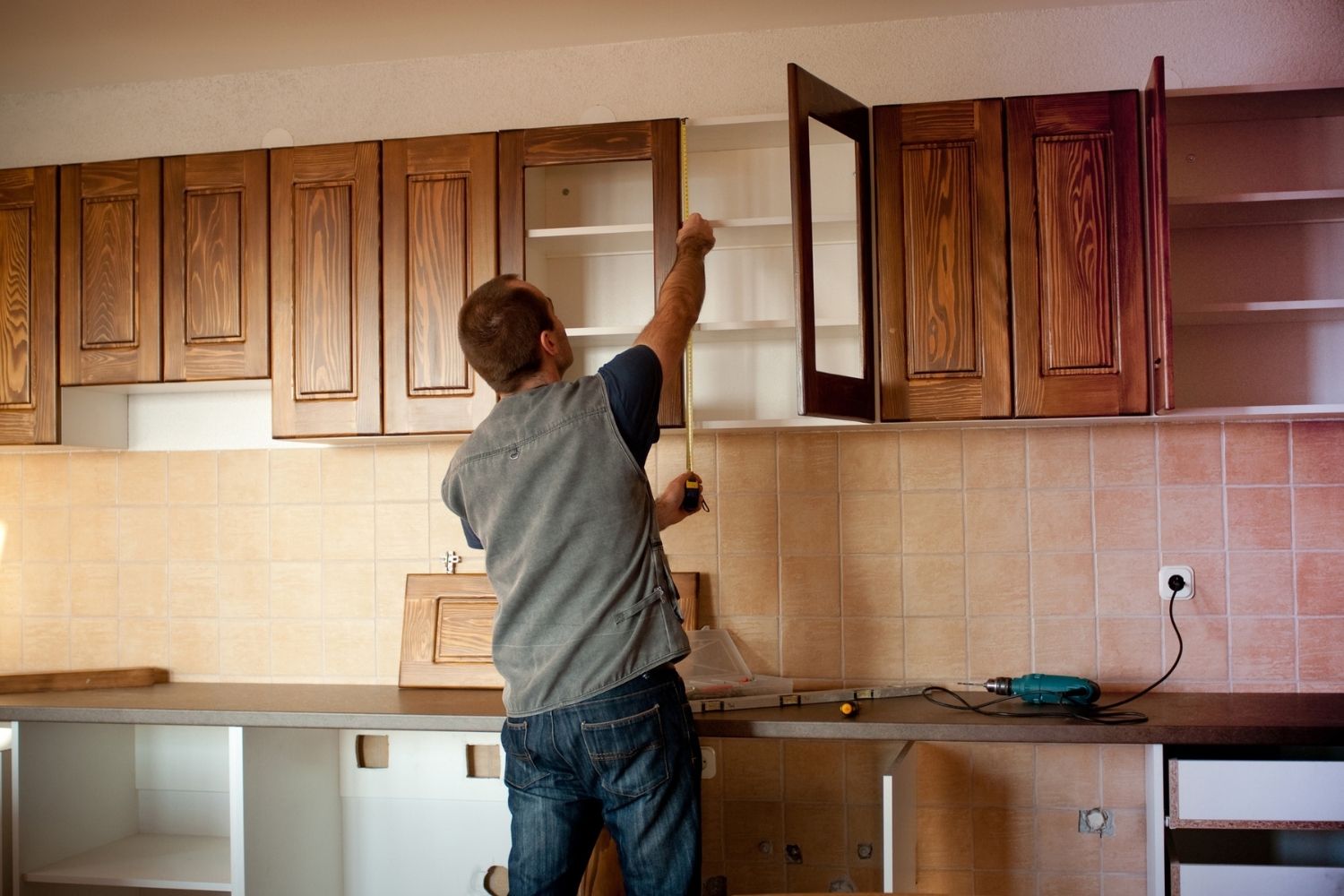
Remodeling a kitchen is a significant investment, with cabinets potentially accounting for up to 30% of the total cost. Therefore, when selecting kitchen cabinets, it is crucial to prioritize timelessness over fleeting trends to ensure the design remains appealing for years to come. Barbara Miller, design director for Neil Kelly, emphasizes this approach, noting that while colors and trends are tempting, a kitchen's aesthetic should endure. White cabinets, for instance, have consistently remained popular since Neil Kelly began remodeling homes in Portland in 1947, with their appeal spanning across different styles and hardware choices.
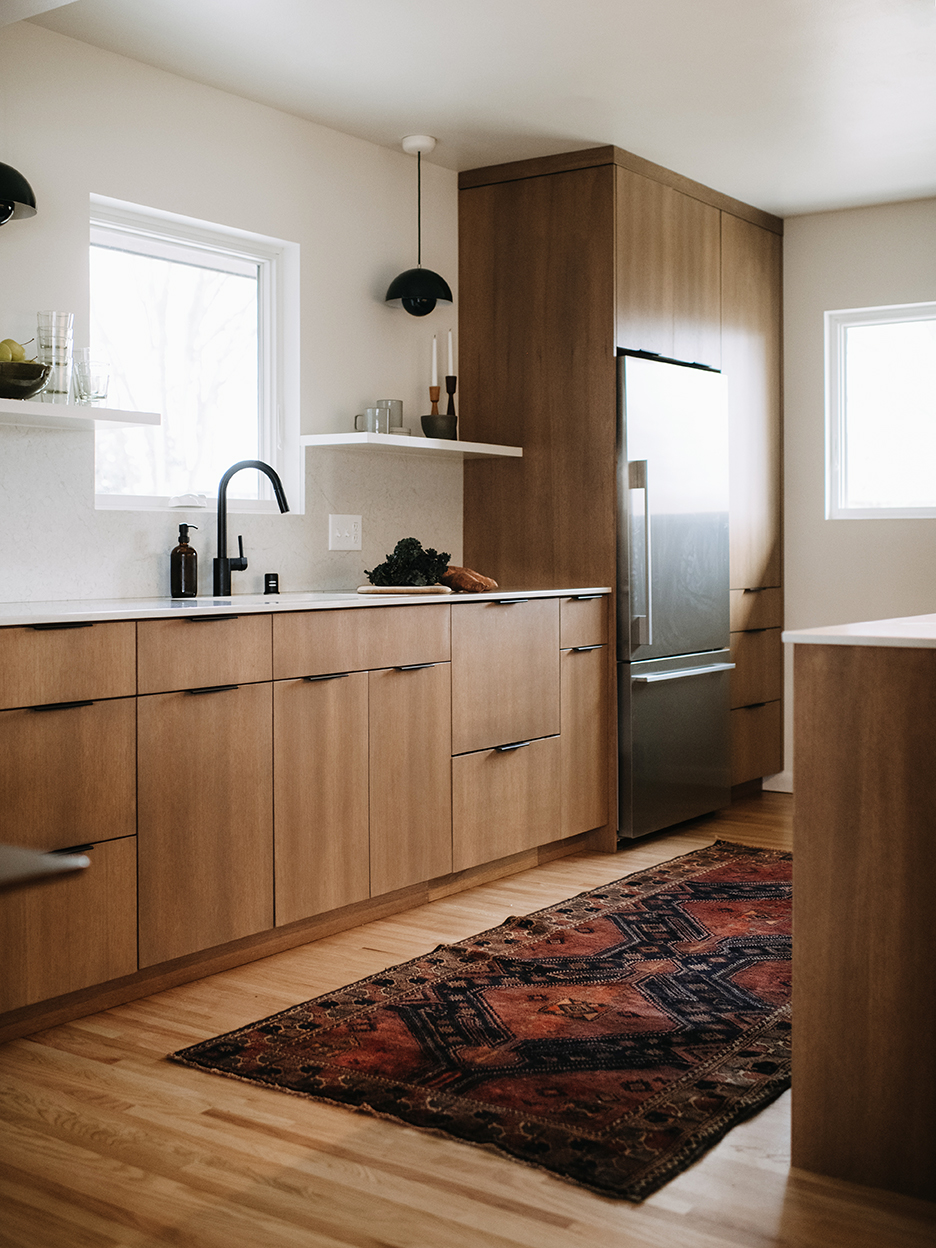
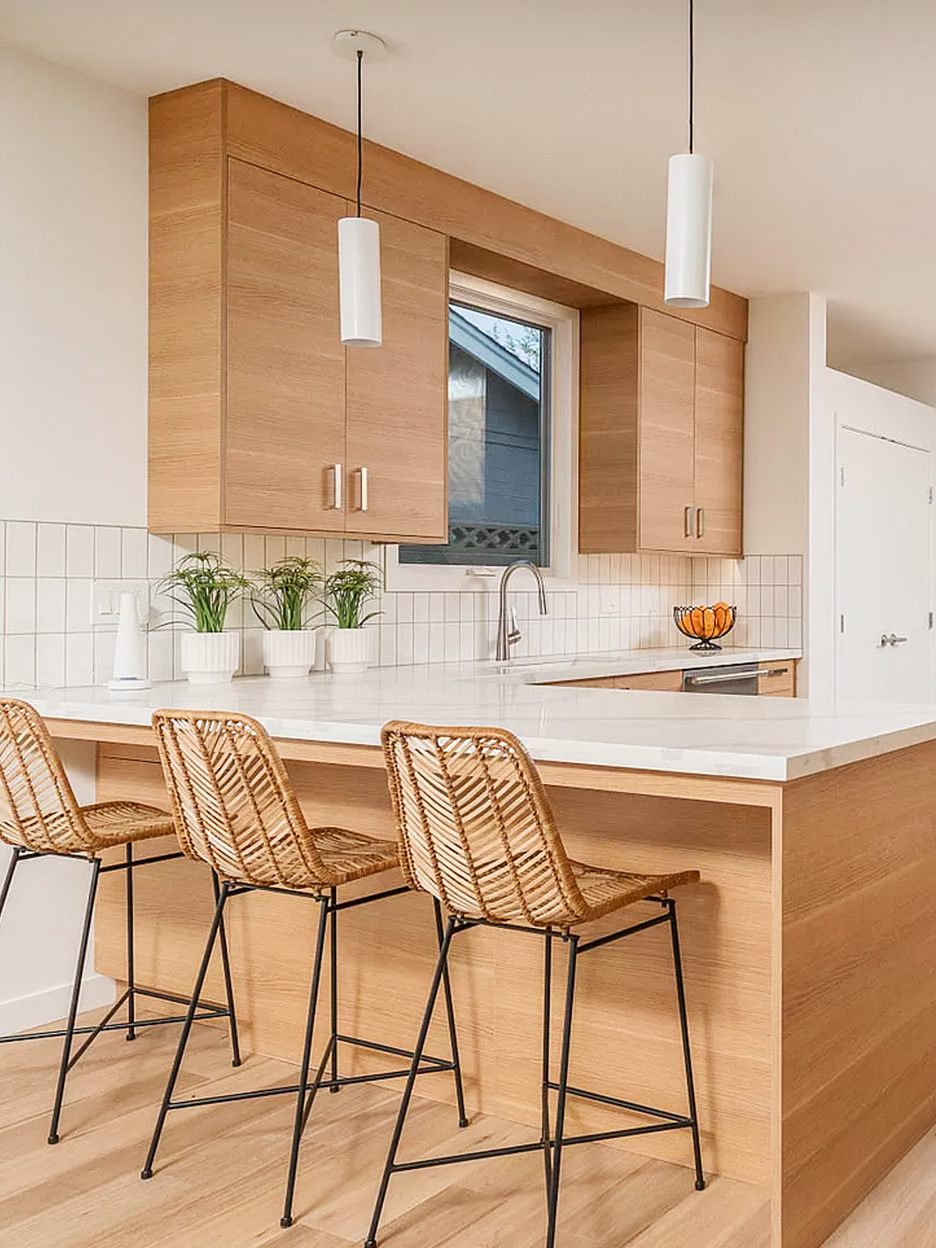
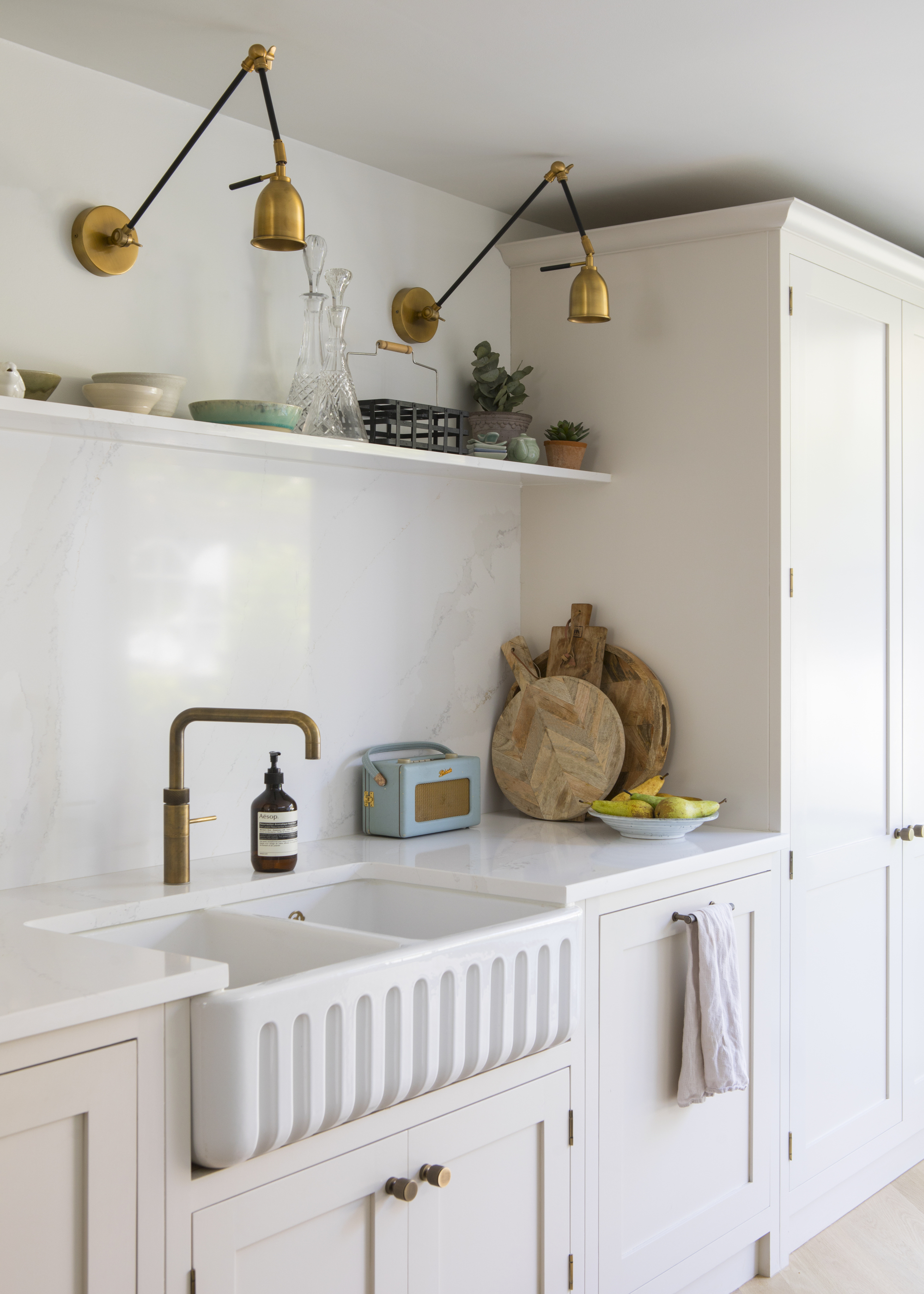
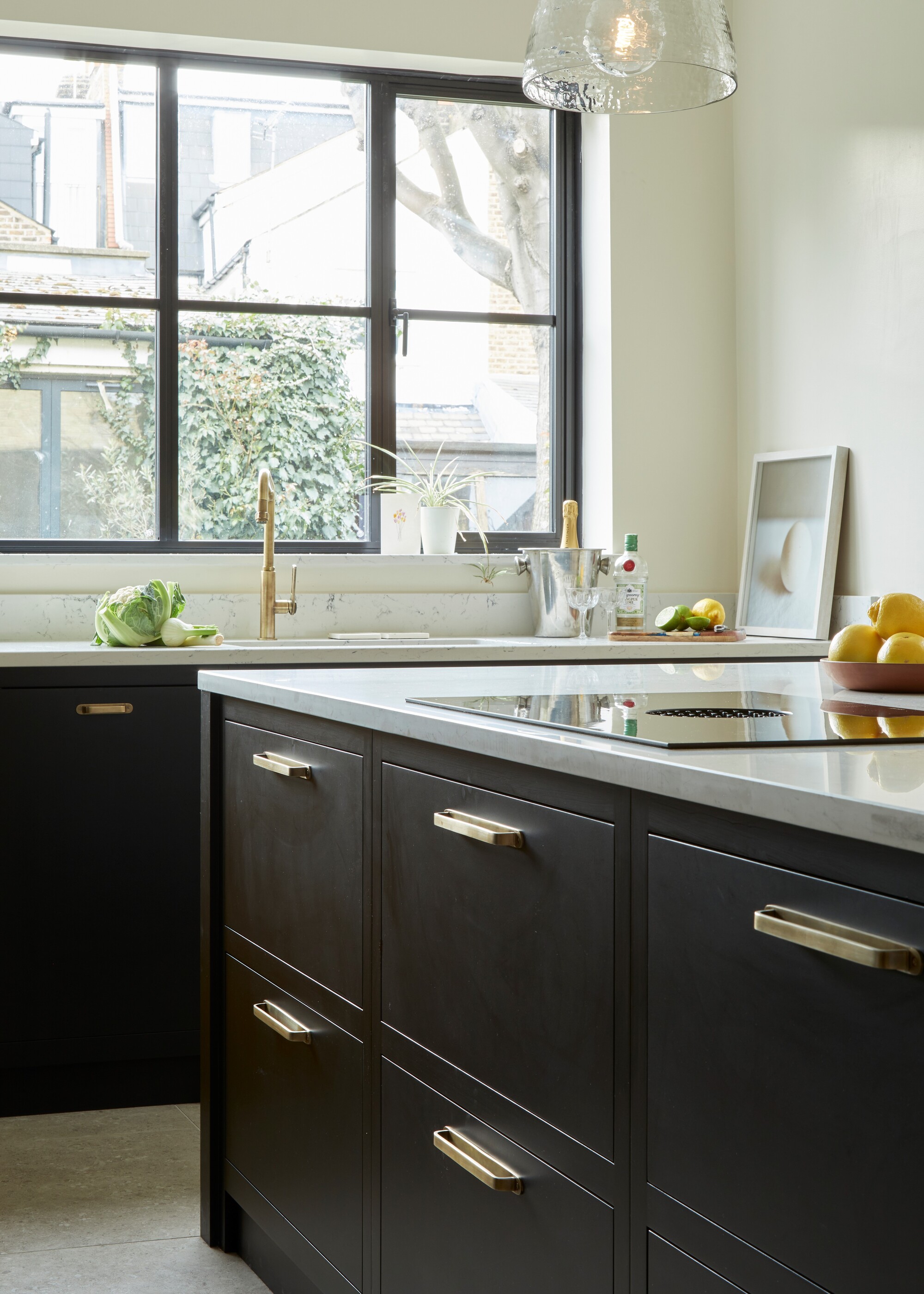
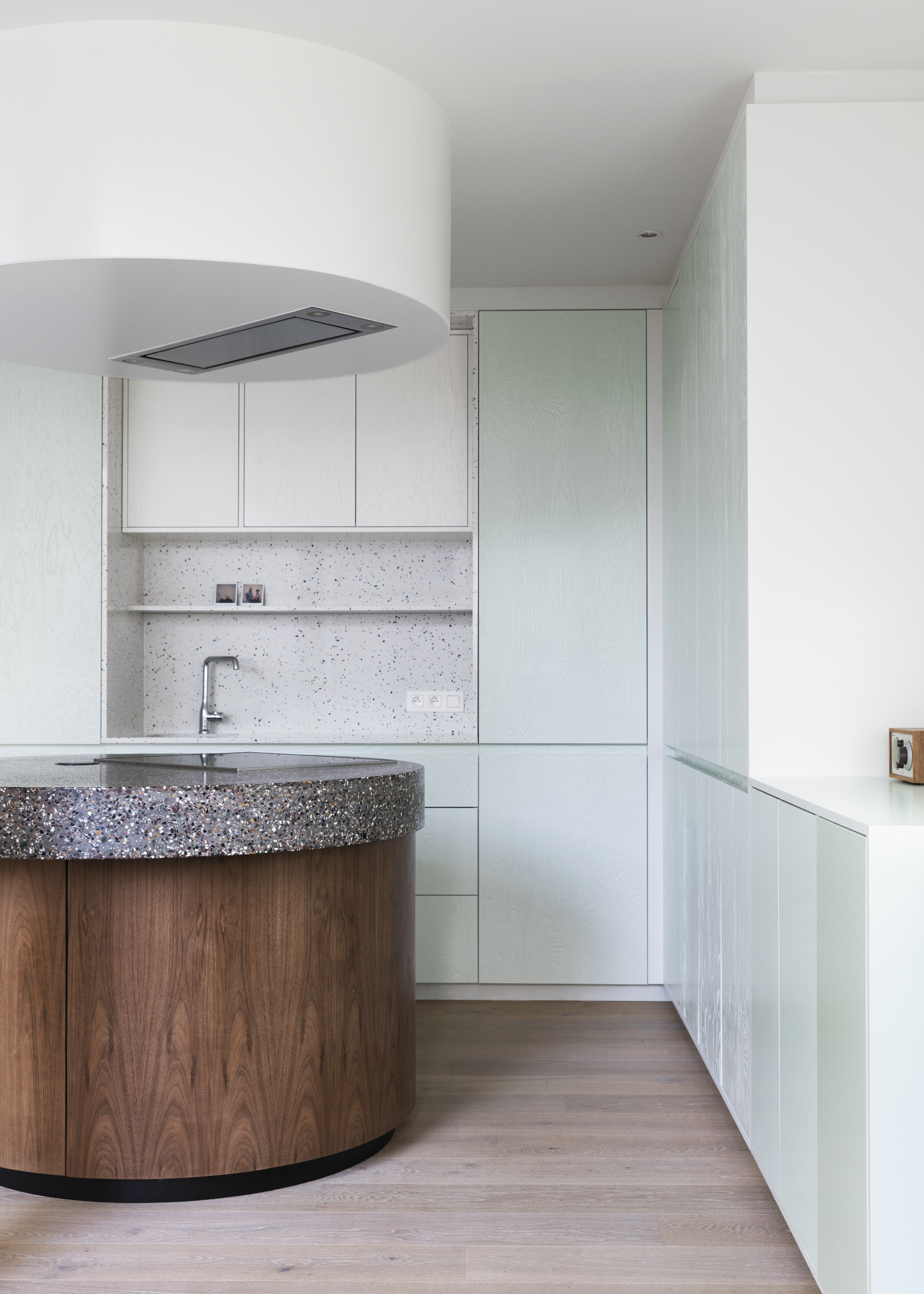
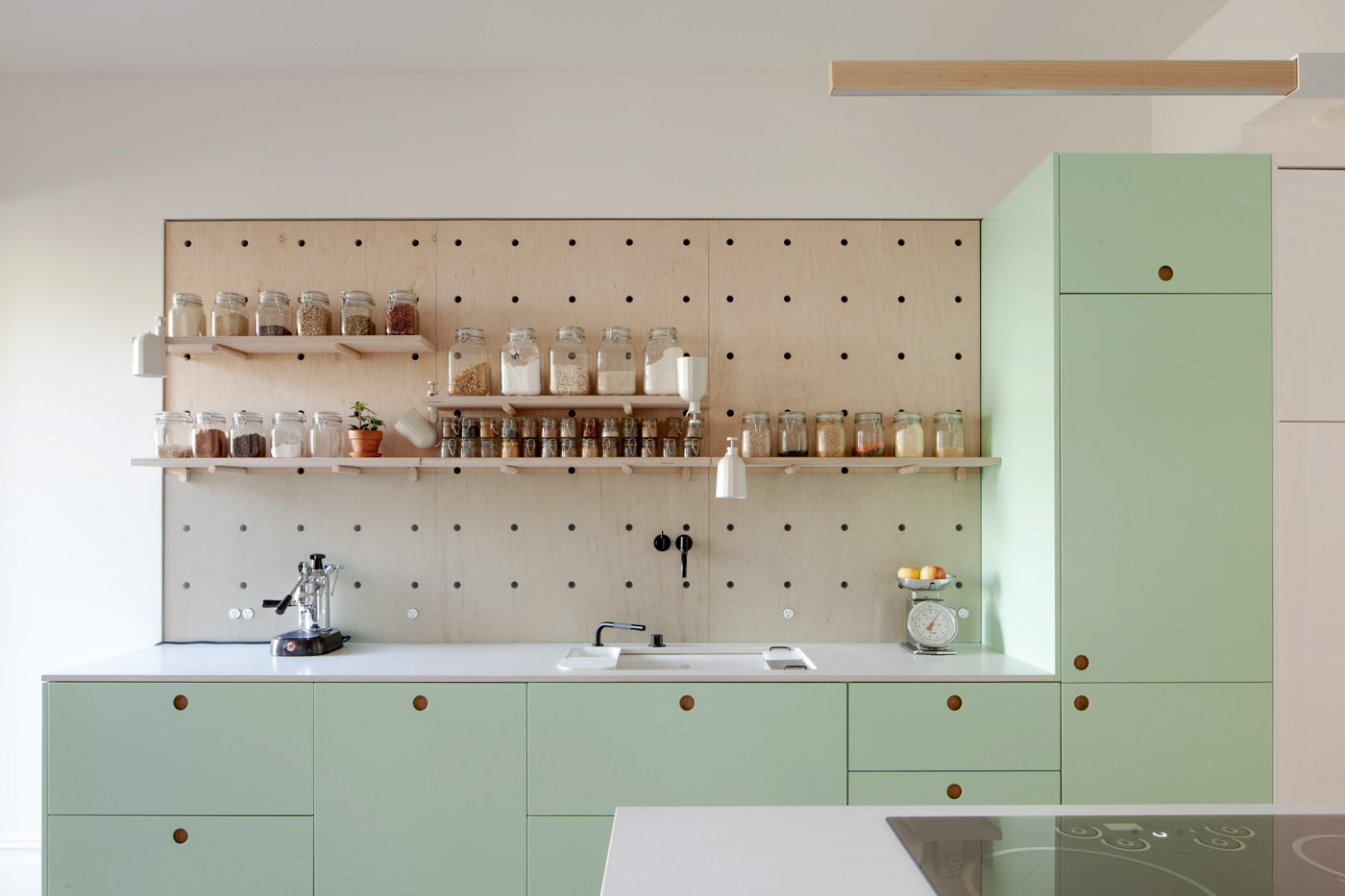
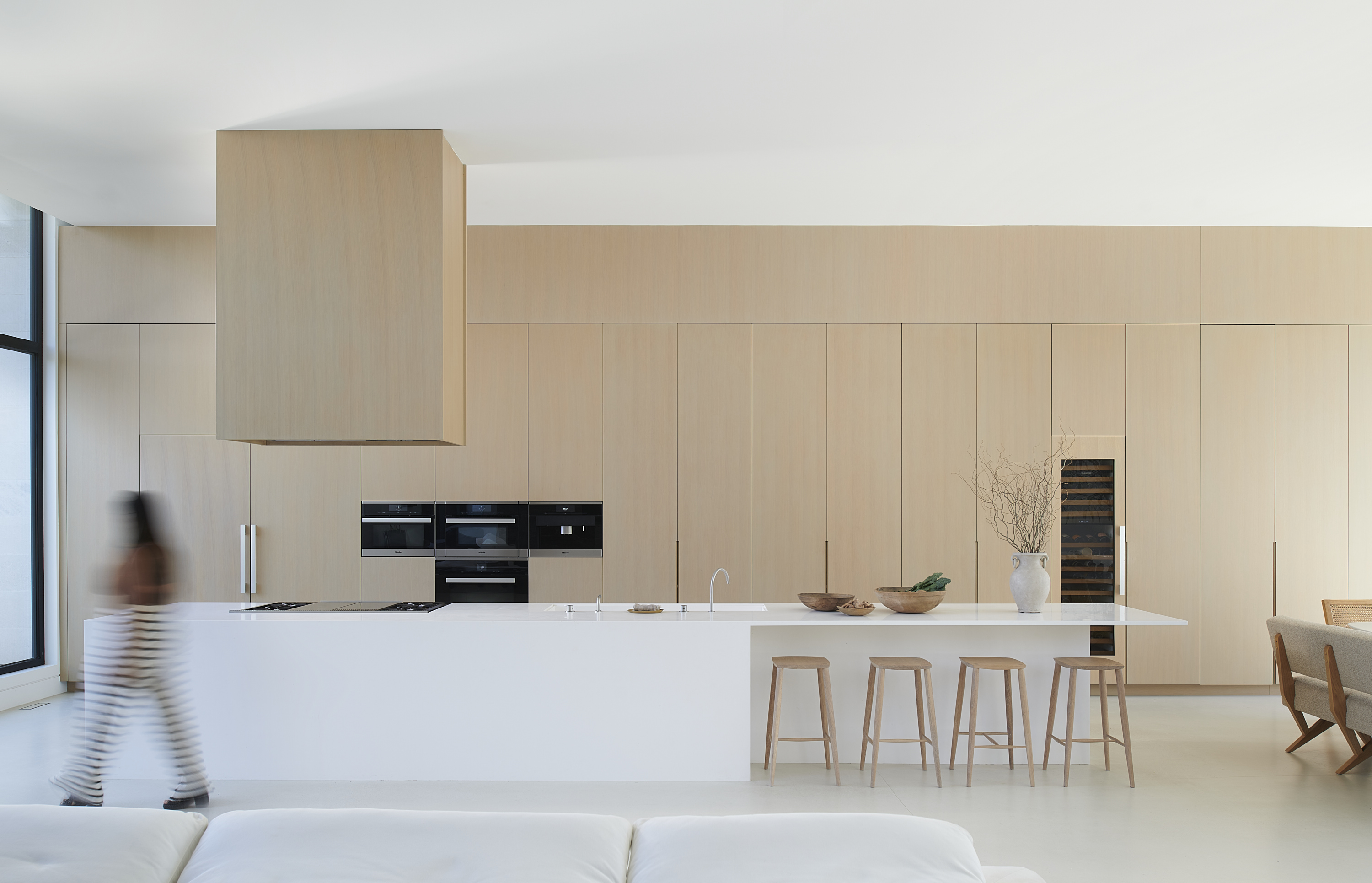
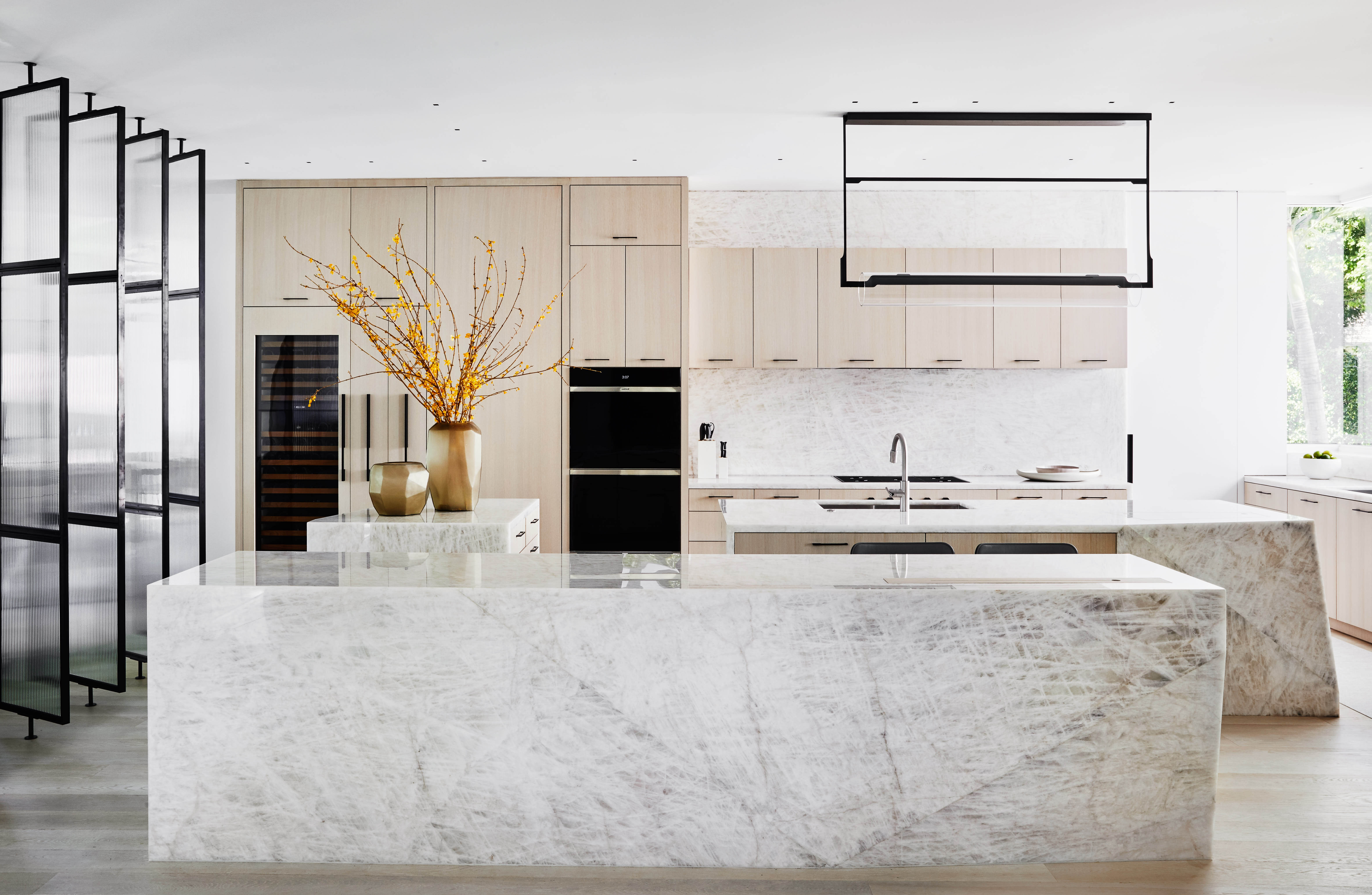
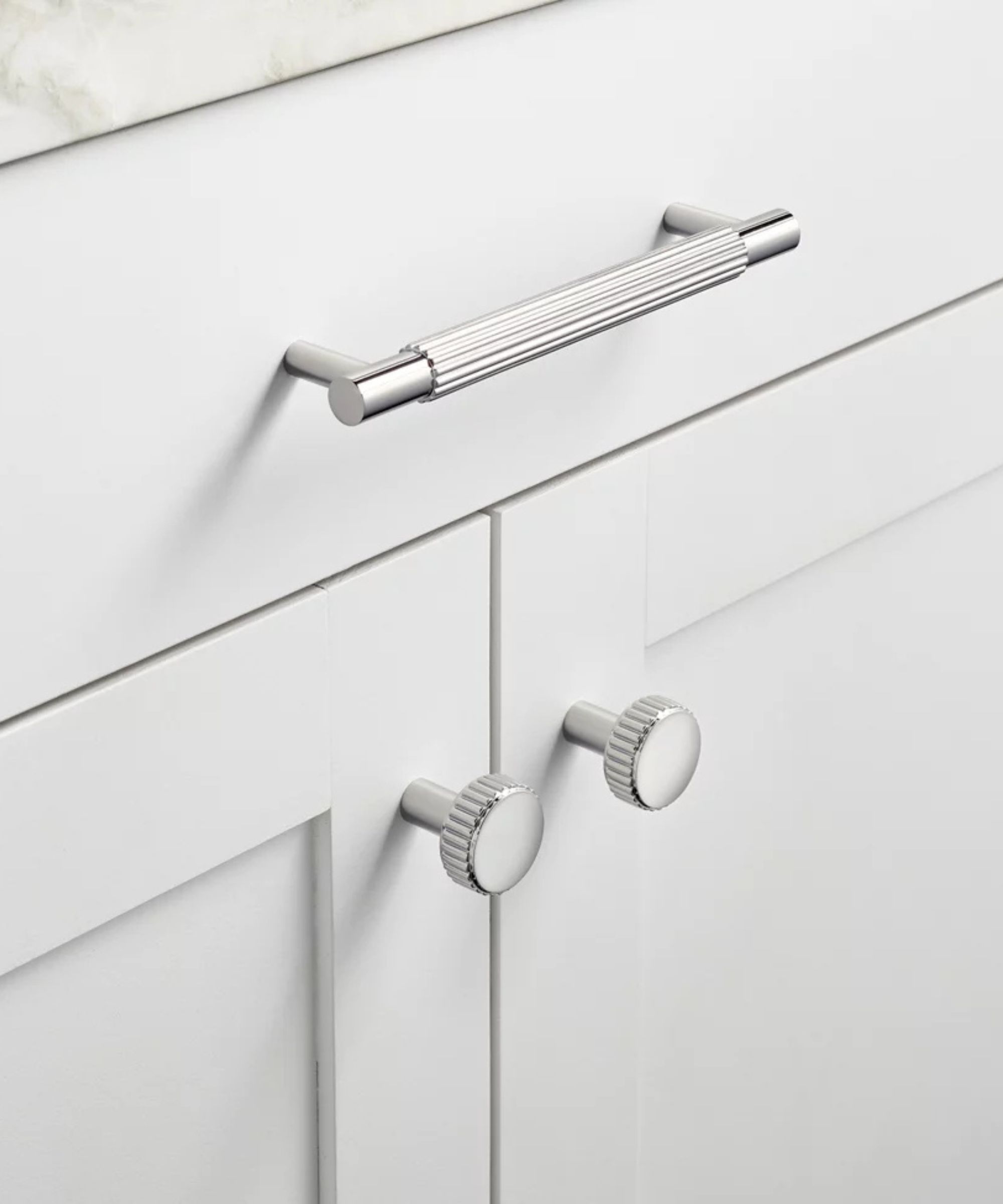
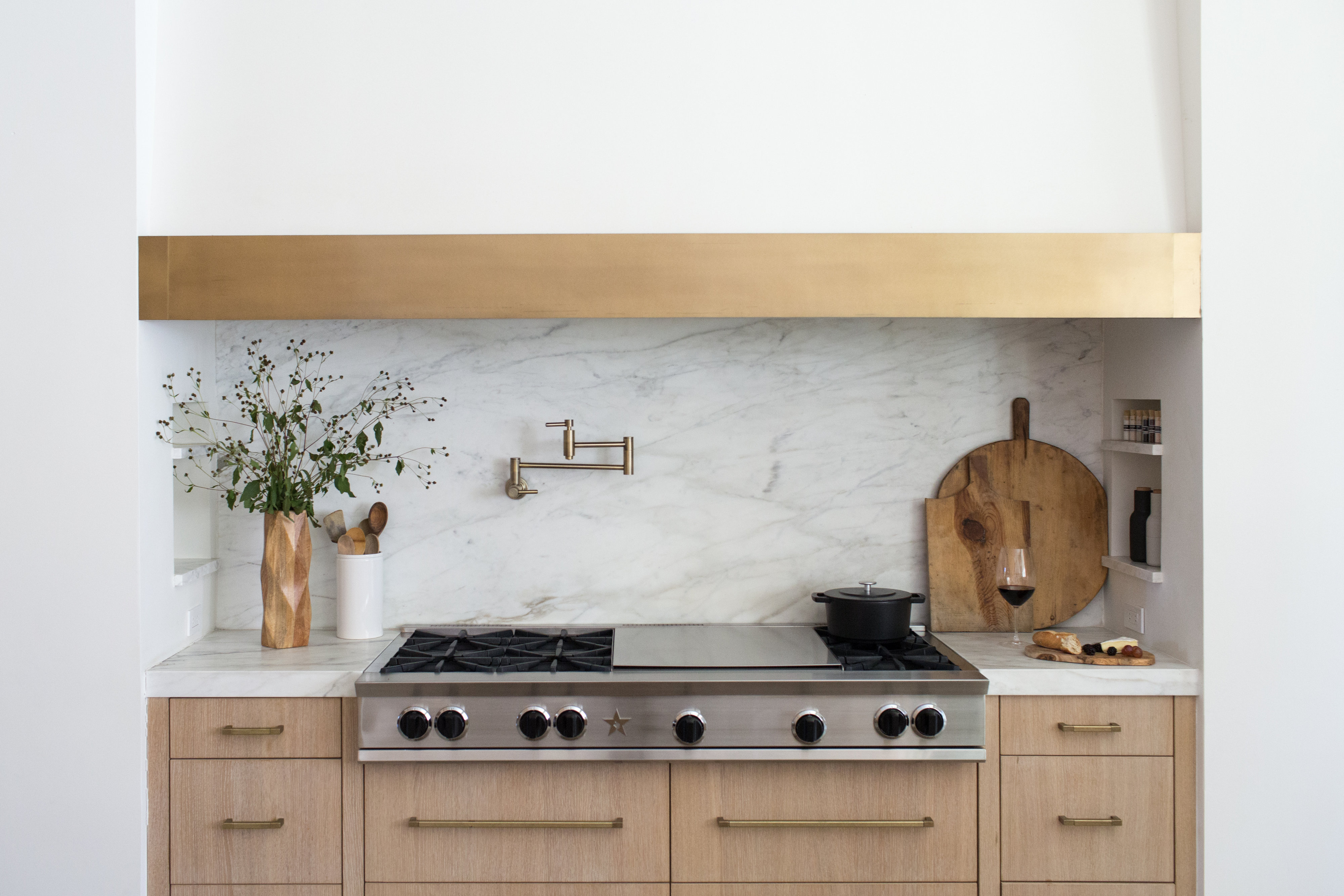
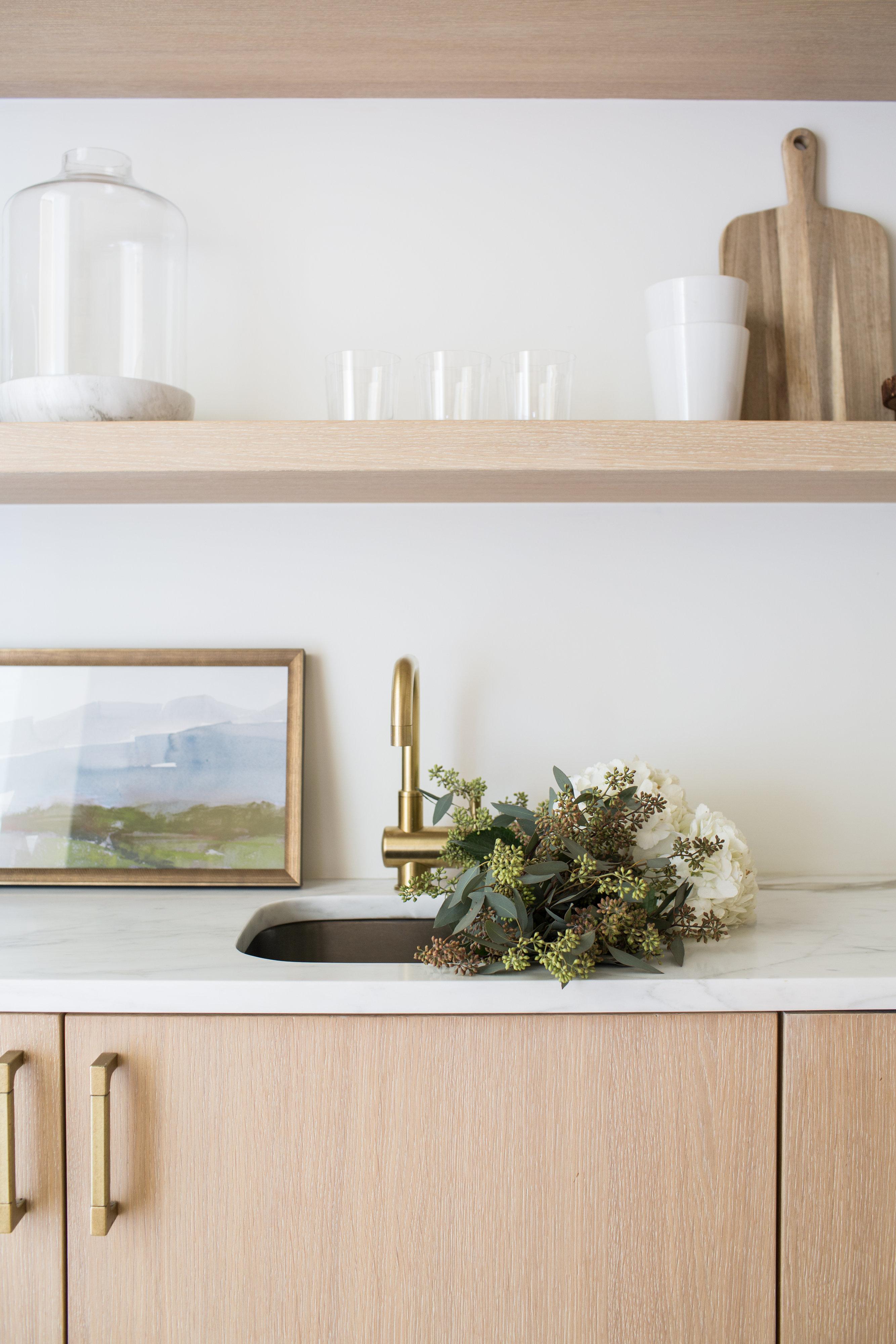
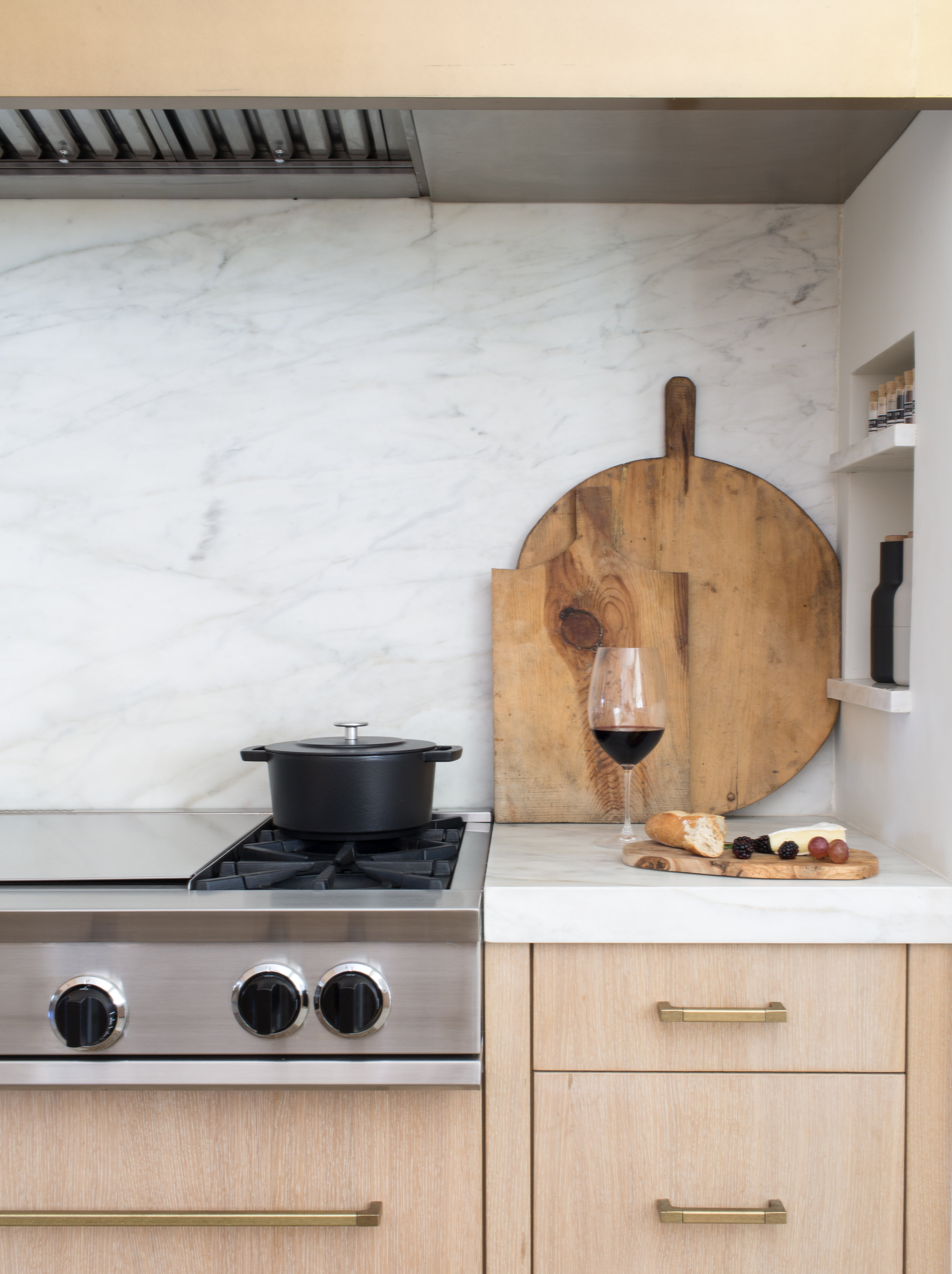
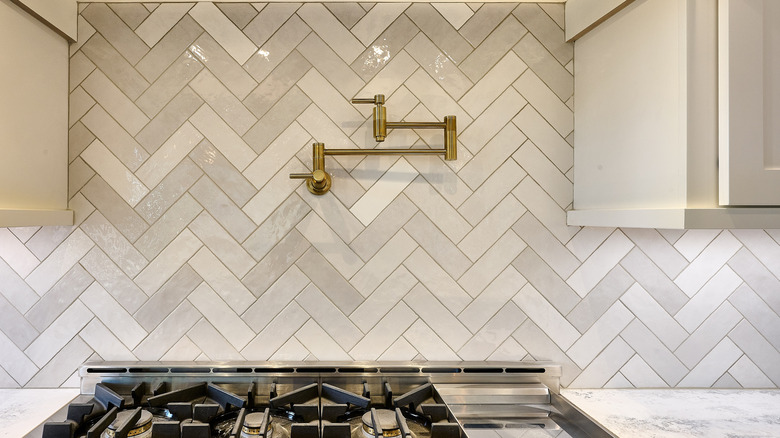
A timeless kitchen design often involves aligning key elements with the architectural style and era of the house. For example, a Colonial Revival home would benefit from traditional cabinets, a midcentury design would be complemented by sleek, flat-panel cabinet doors, and a Northwest ranch style would suit transitional wood-toned cabinets. Opting for neutral materials and colors for cabinetry and large surfaces provides a versatile foundation. Personal expression can then be introduced through easily changeable elements like wall color, knobs and pulls, and light fixtures. A new pendant light, for instance, can modernize a kitchen without requiring an extensive overhaul.
When considering a kitchen remodel, homeowners often inquire about the possibility of retaining existing cabinets. Cosmetic upgrades are viable if the current design and layout remain functional and aesthetically pleasing. However, several factors necessitate replacing cabinets. The quality of existing cabinets is paramount; a peeling finish on old cabinets indicates that new paint will likely also peel. Additionally, the prominent grain of woods like oak, while refinishable with a darker stain, will still show through paint, making a perfectly smooth finish difficult to achieve.
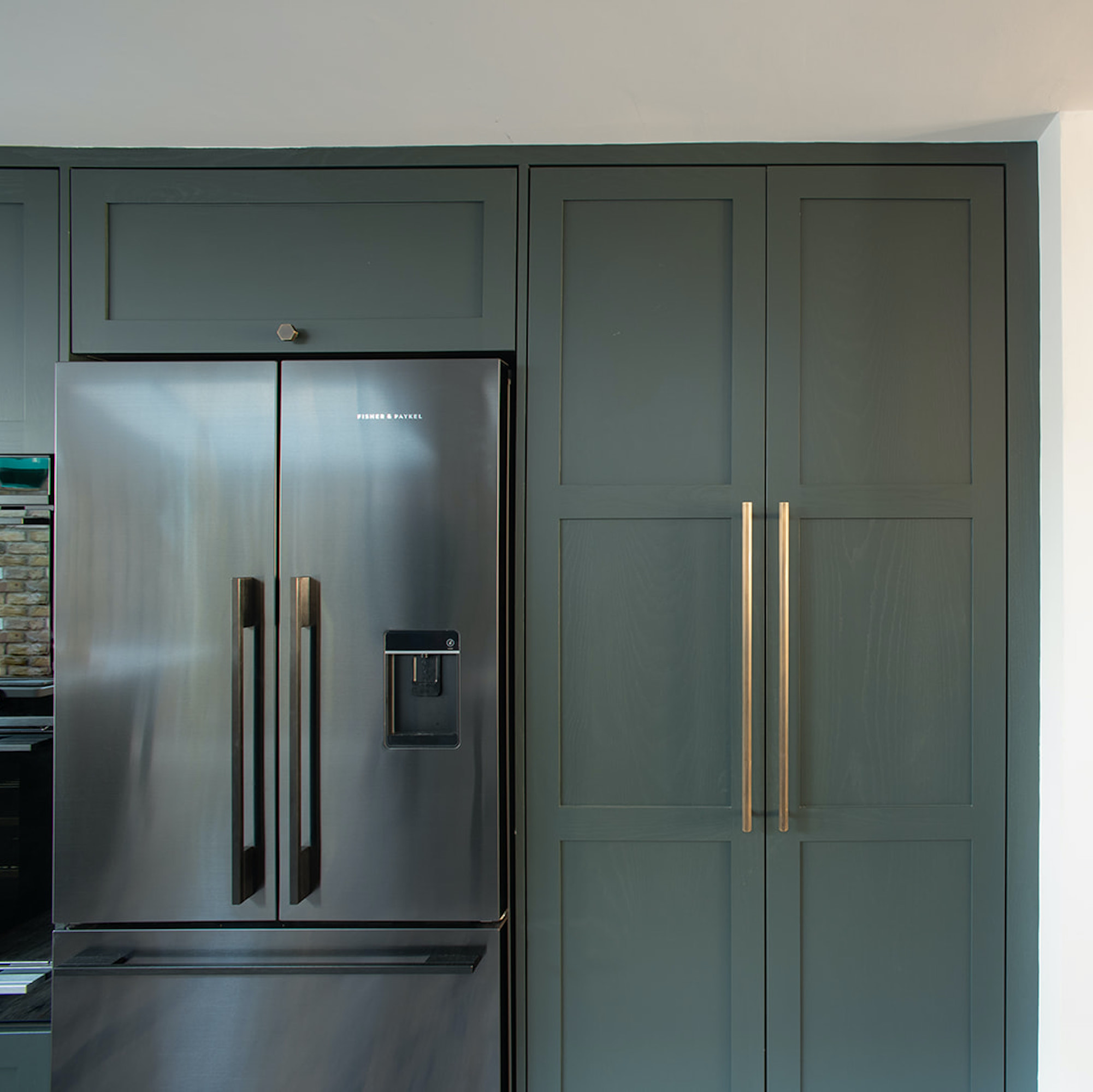
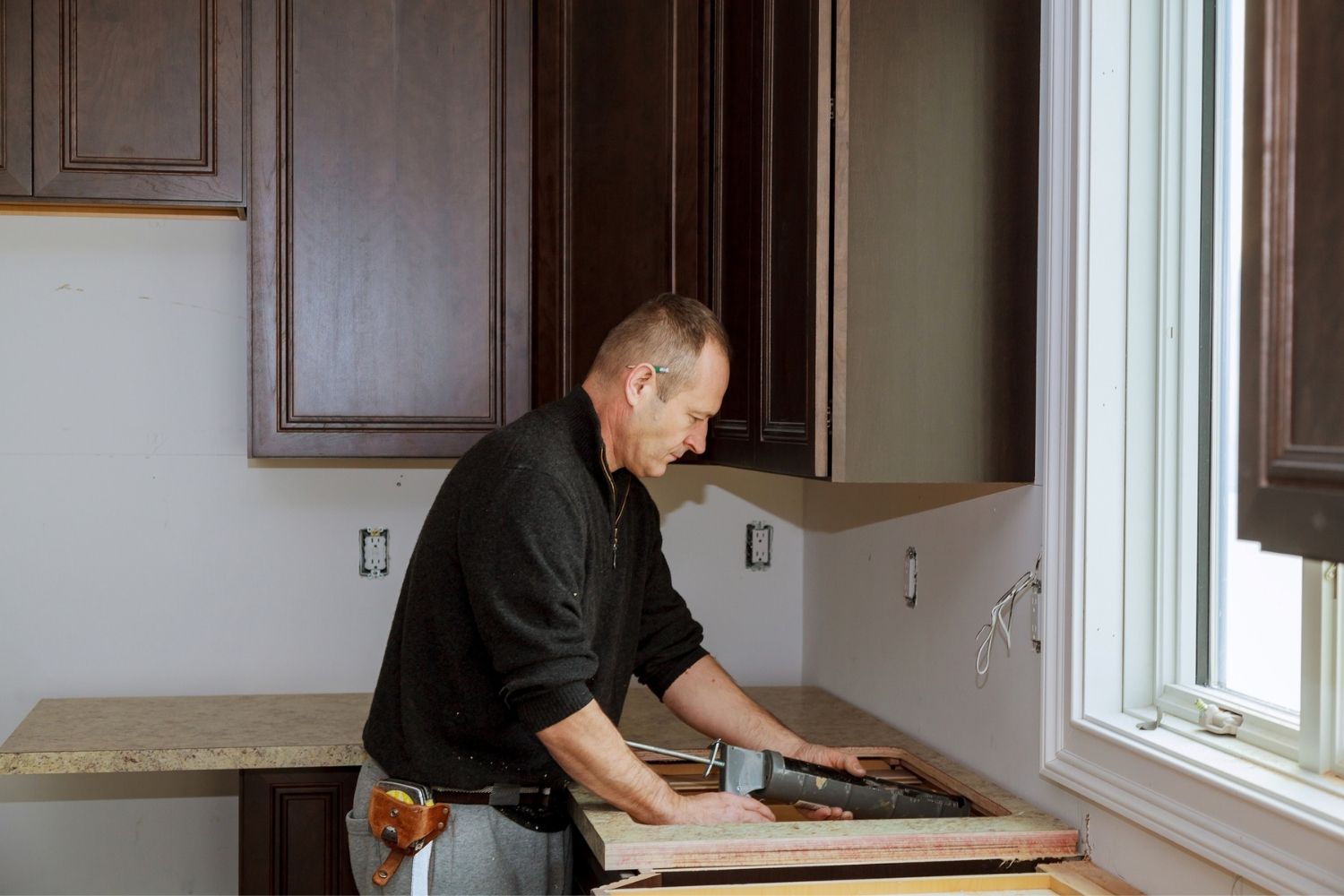
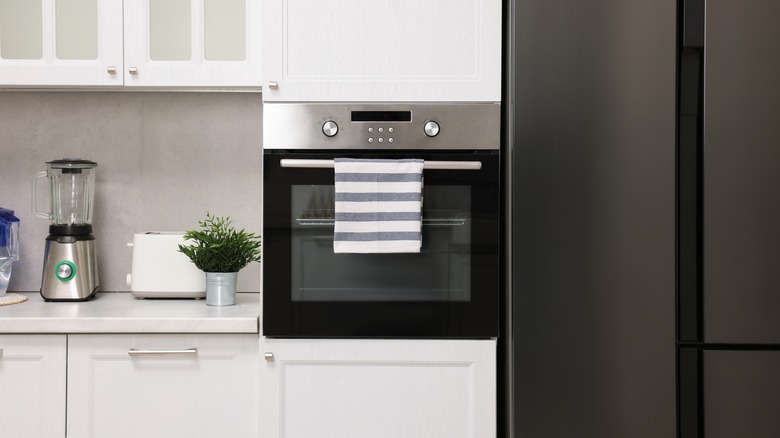
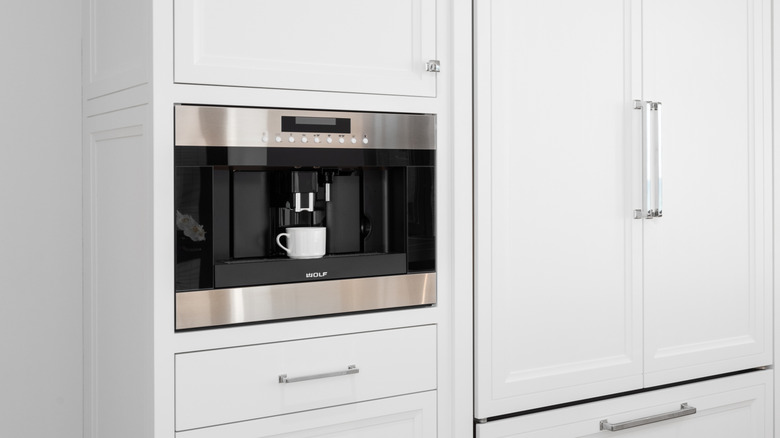
Changes in appliance sizes over time can also trigger a cabinet replacement. If a broken appliance, such as an oven or a downdraft ventilation system, cannot be replaced with a new unit that fits the original space, and cabinet modifications are insufficient, new cabinets become necessary. Furthermore, if existing cabinets were designed to accommodate specific features like large soffits, and the homeowner desires to utilize that space for taller cabinets or to integrate pull-out pantries or relocate cooktops, complete cabinet replacement may be unavoidable if matching new pieces to the old is impossible.
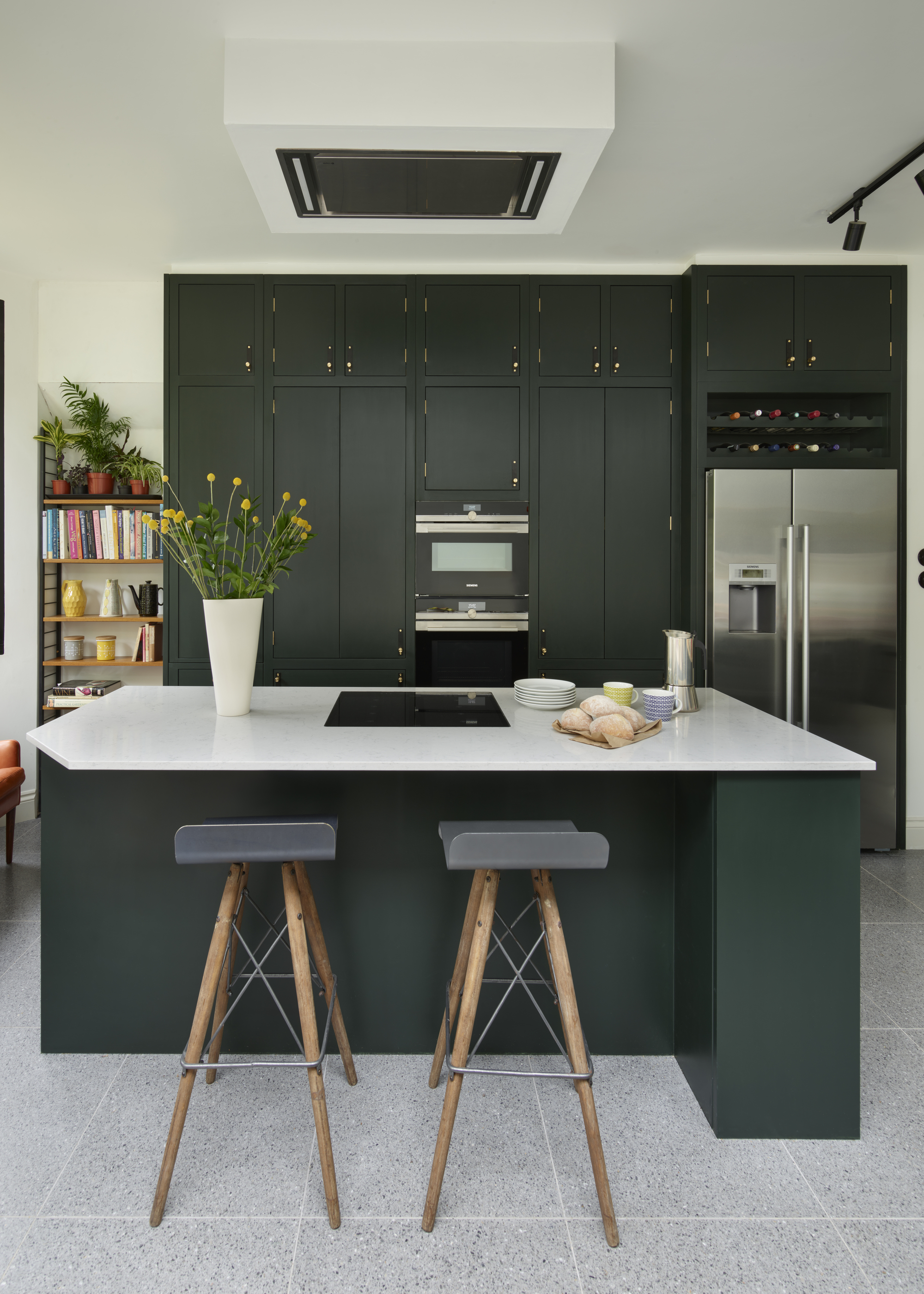
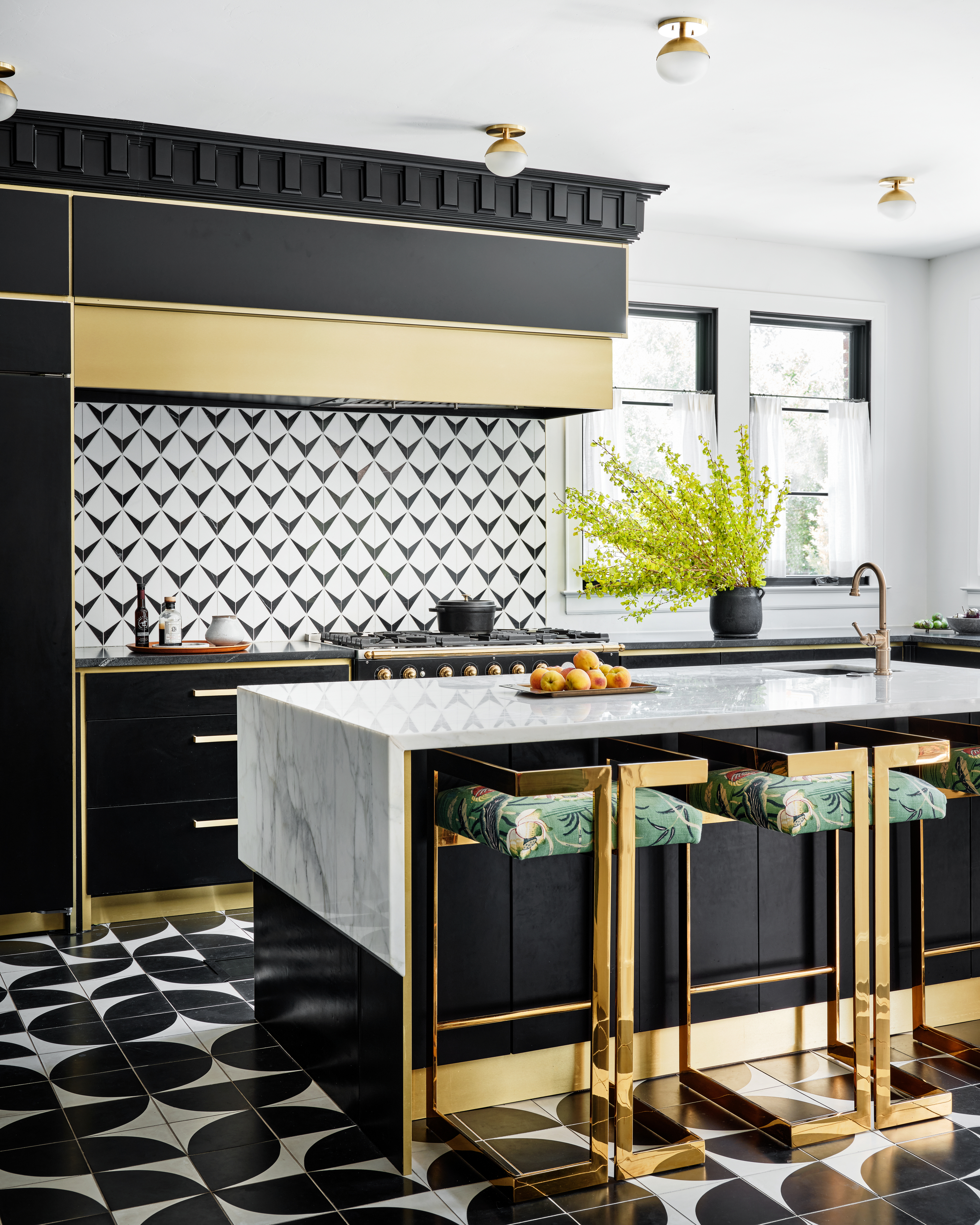
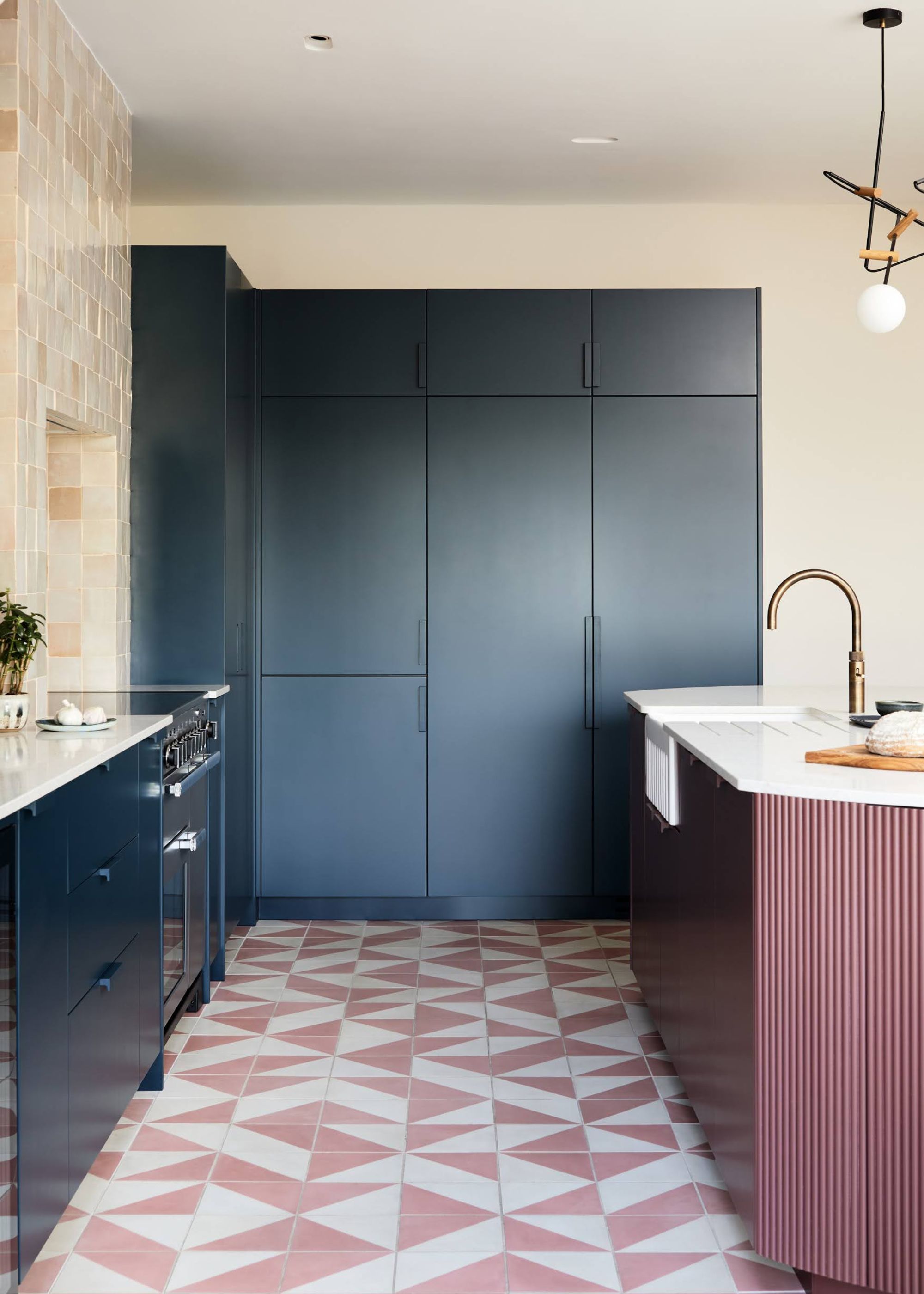
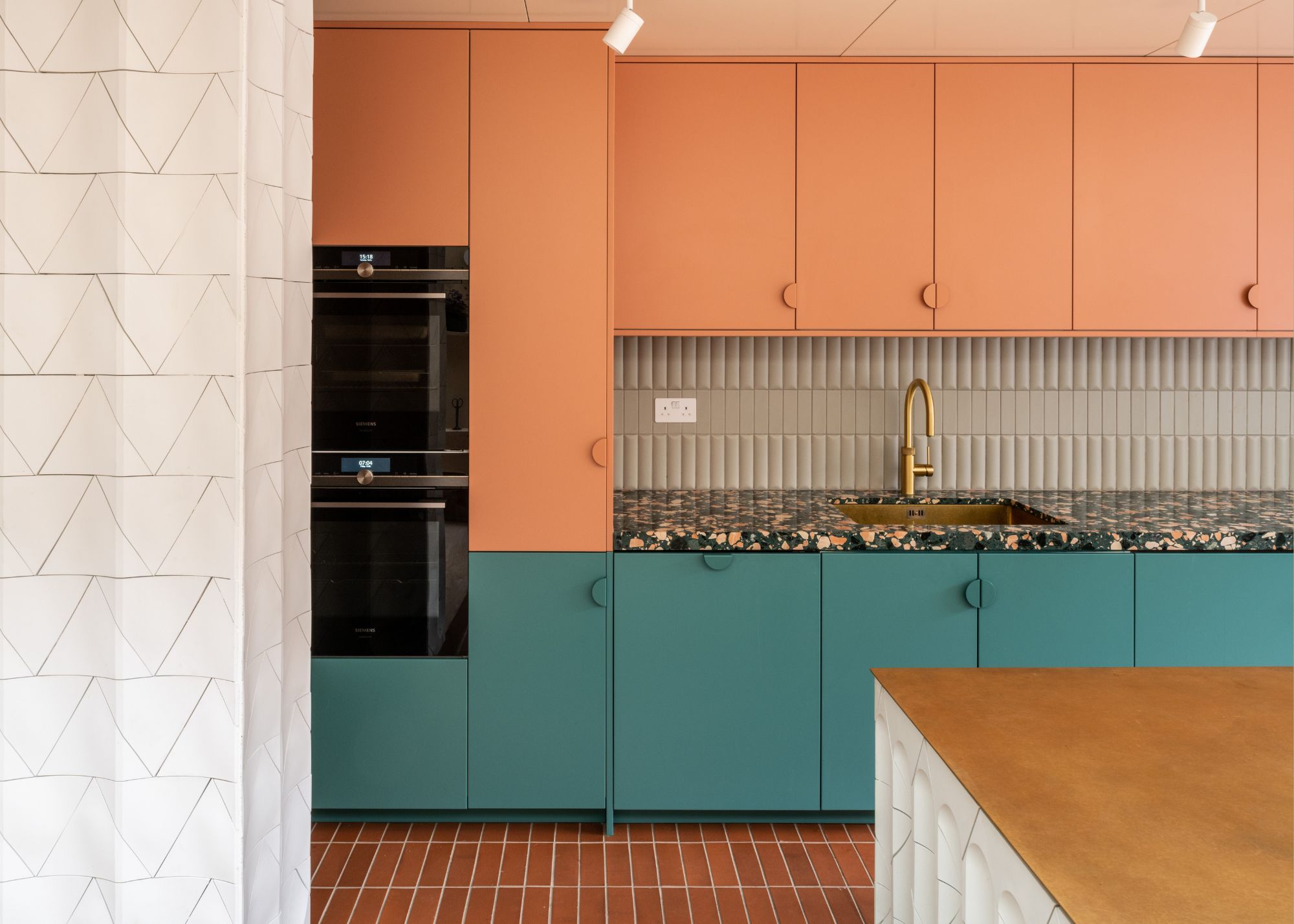
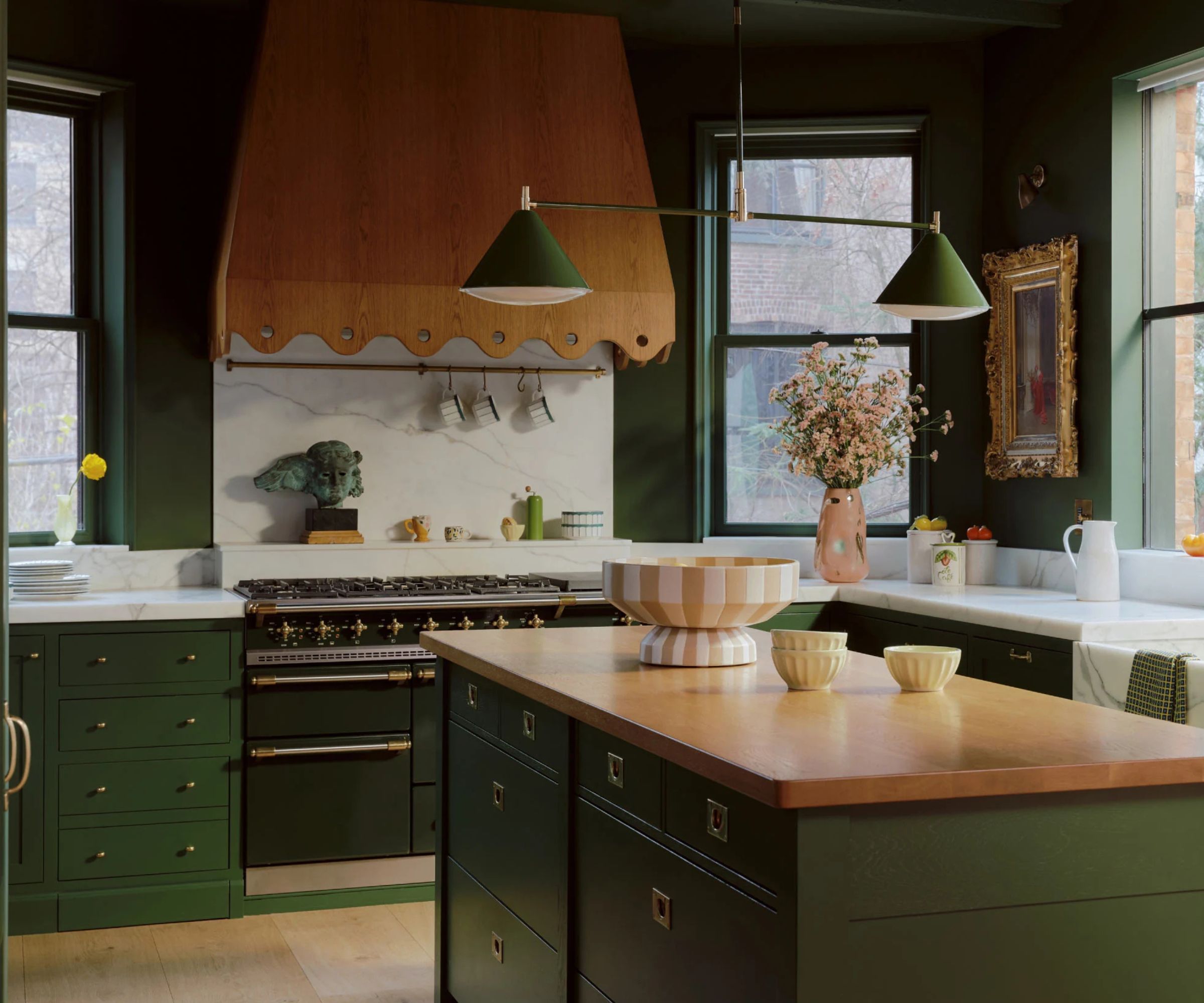
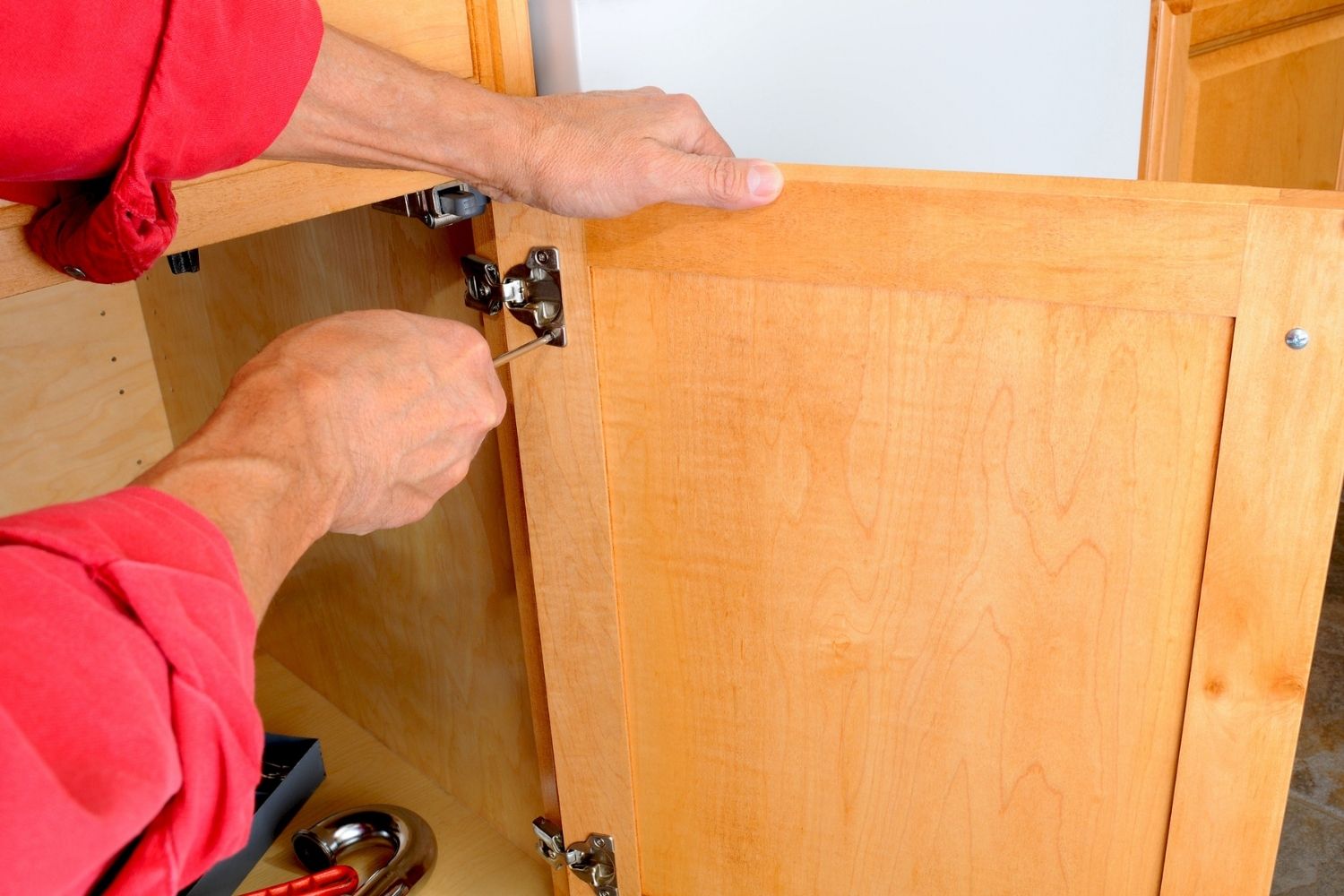
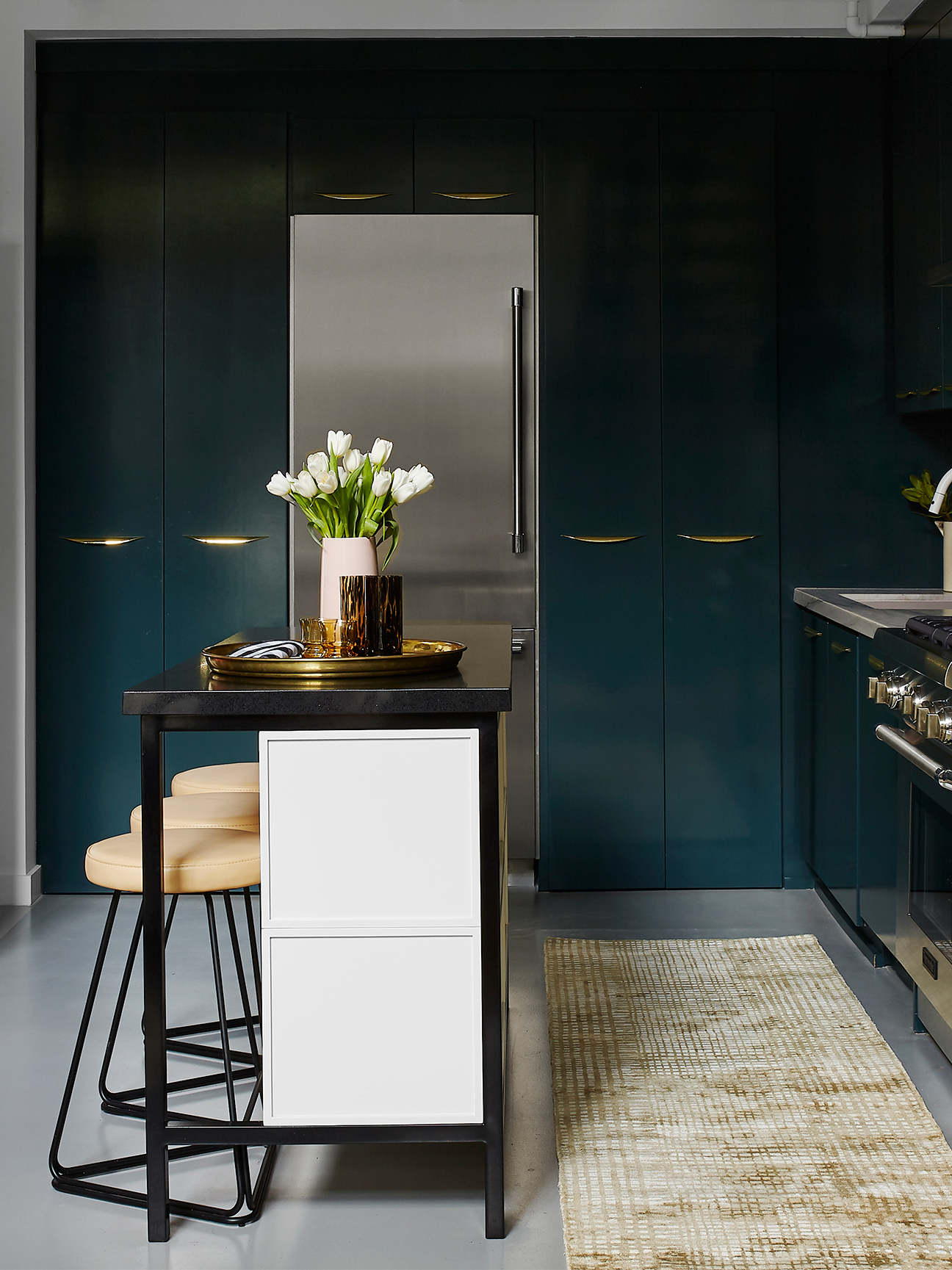
While "face frame" and overlay cabinets can be refreshed with new doors and drawers to cover edges, Miller advises caution. If modifications become too extensive, exceeding 50% of the cost of new cabinets, it is often more cost-effective to invest in entirely new units. Current trends include modern, high-gloss cabinets in vibrant colors like deep green, blue, or red ovens. However, Miller recommends sticking to neutral cabinets and appliances for homeowners planning to resell their property within a decade. For clients intent on bold colors, she suggests solid wood cabinets, which can be repainted to a neutral white for resale. The key is to assess the future modifiability and effort required for changes, ensuring the chosen kitchen design remains smart and timeless.
A webinar hosted by Neil Kelly's home design and product experts is scheduled to provide further ideas and advice on kitchen design and remodeling, offering a free resource for those considering such projects.
#KitchenRemodel #CabinetDesign #TimelessDesign #HomeRenovation #InteriorDesign #KitchenTrends #HomeImprovement #KitchenCabinets #KitchenRemodel #CabinetDesign #TimelessDesign #HomeRenovation #InteriorDesign #KitchenTrends #HomeImprovement #KitchenCabinets
0 comment in total
 No comments yet
You may also like
Kitchen Renovations Can Be Expensive, But Your Cabinets Don’t Have to Be
7 clever hacks to make kitchen cabinets look expensive – and fake the stealth wealth look
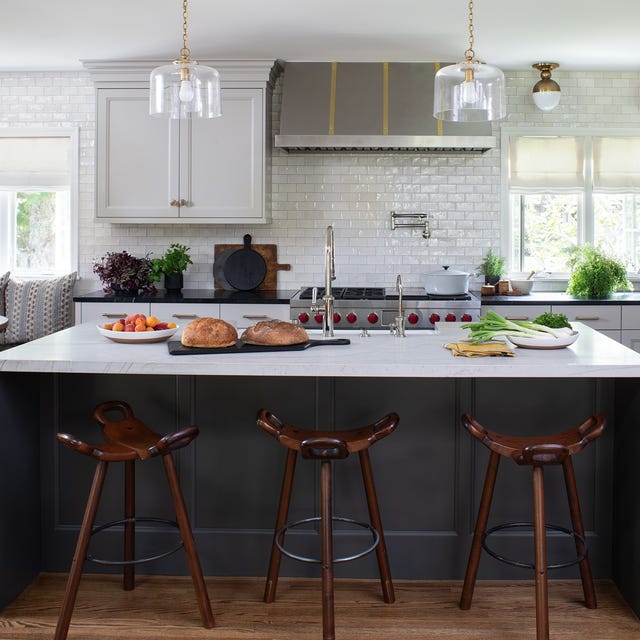
Designers Reveal the Surprising Kitchen Cabinet Trend That's Taking Over

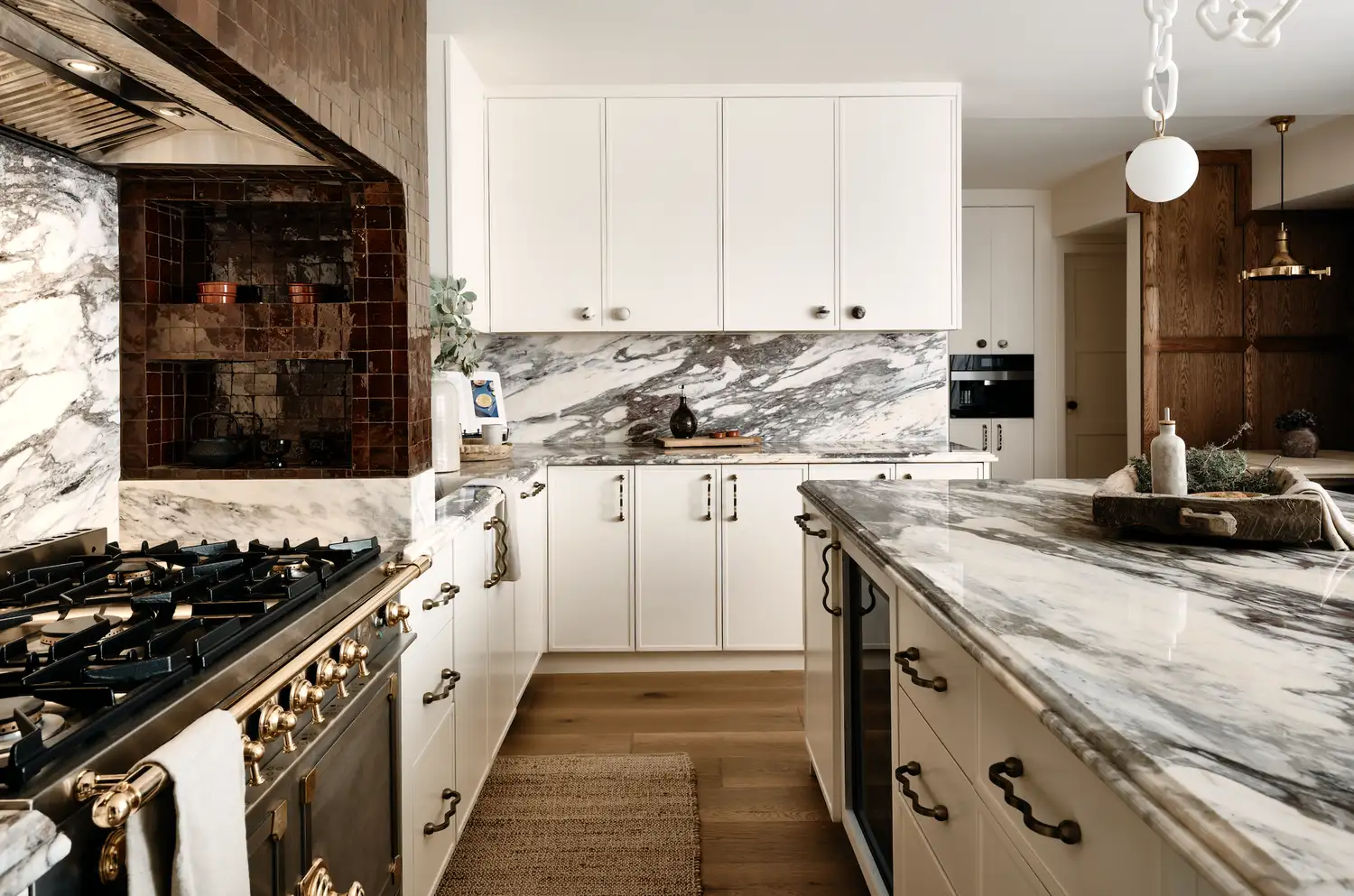
This Budget-Friendly Kitchen Cabinet Trend Will Transform Your Space, According to Designers

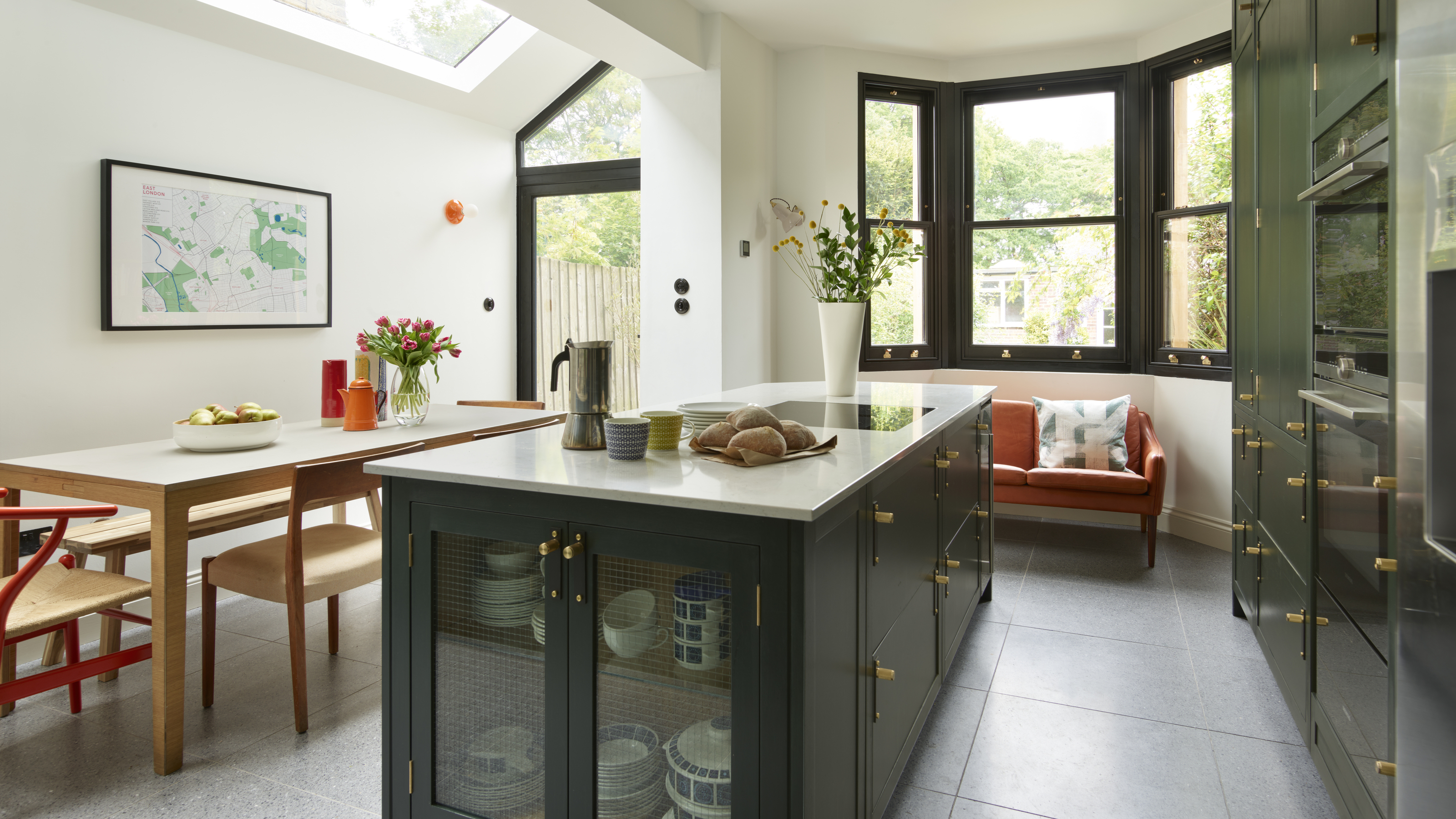
5 Kitchen Cabinet Details That Will Make Your Home Look More Expensive

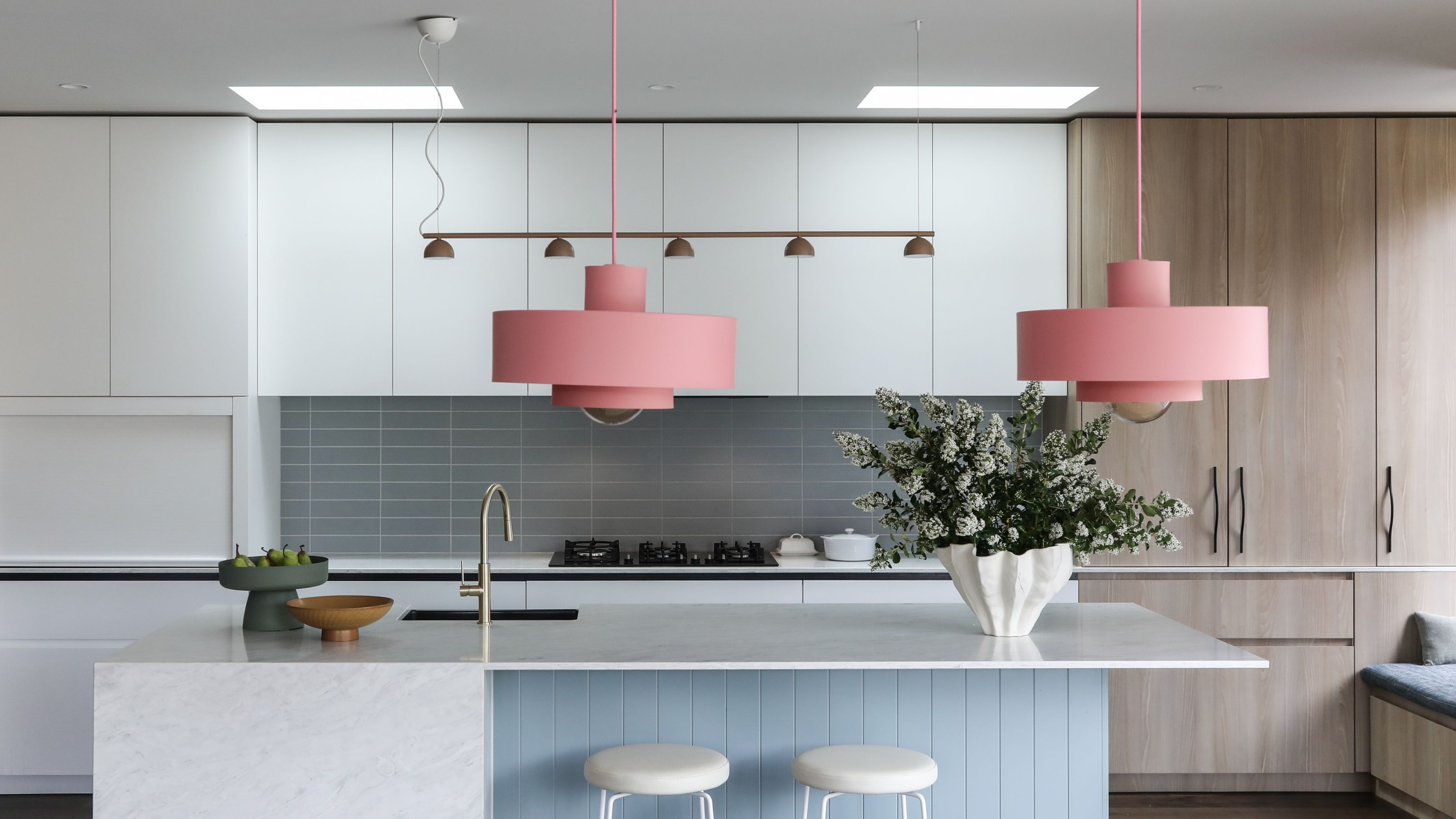
5 Kitchen Cabinet Details to Avoid If You Don't Want Your Space to Look Old-Fashioned
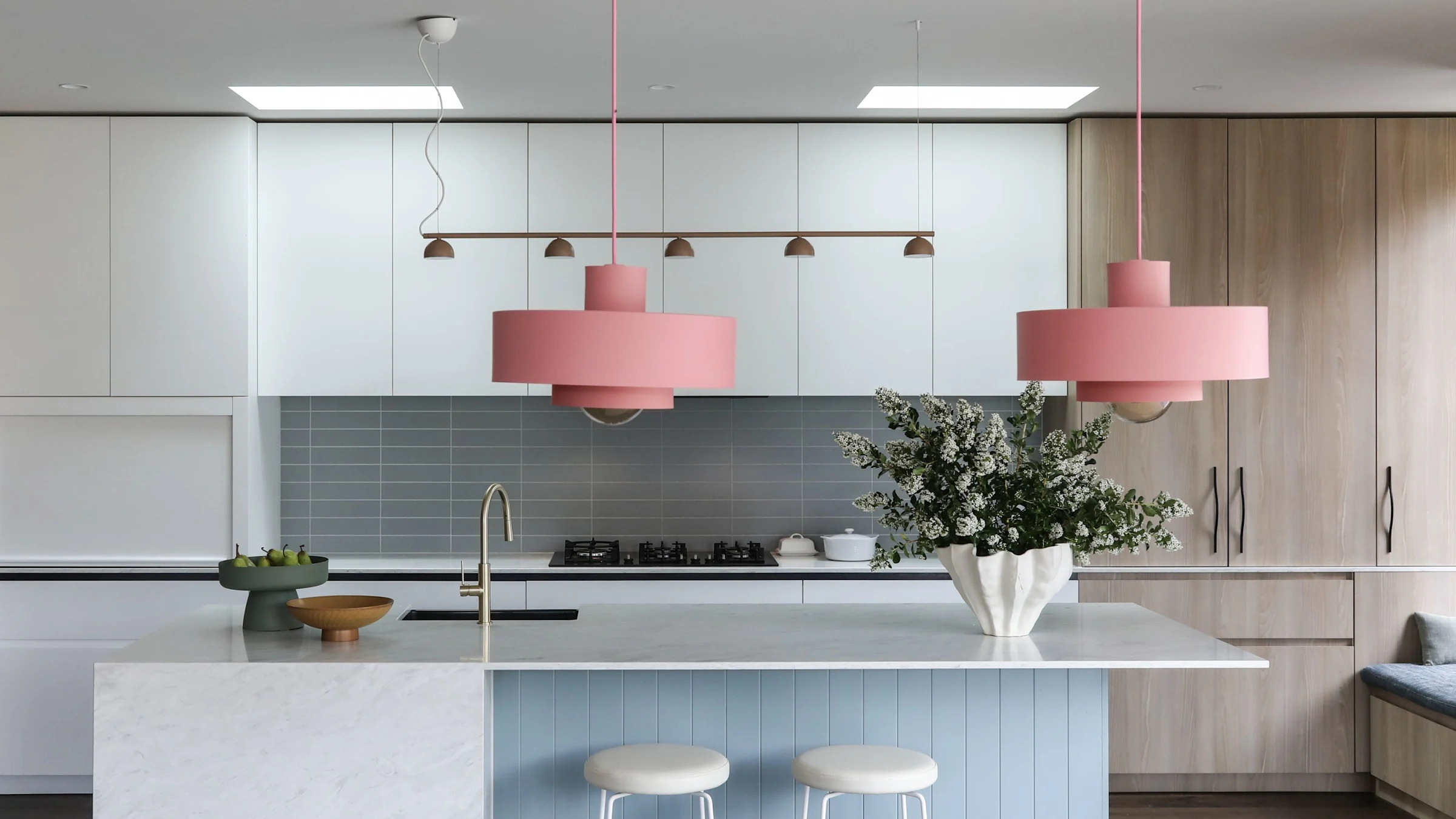
5 Kitchen Cabinet Details to Avoid If You Don't Want Your Space to Look Old-Fashioned


HGTV’s Mike Holmes Says Cheap Kitchen Cabinets Will Cost You More in the Long Run

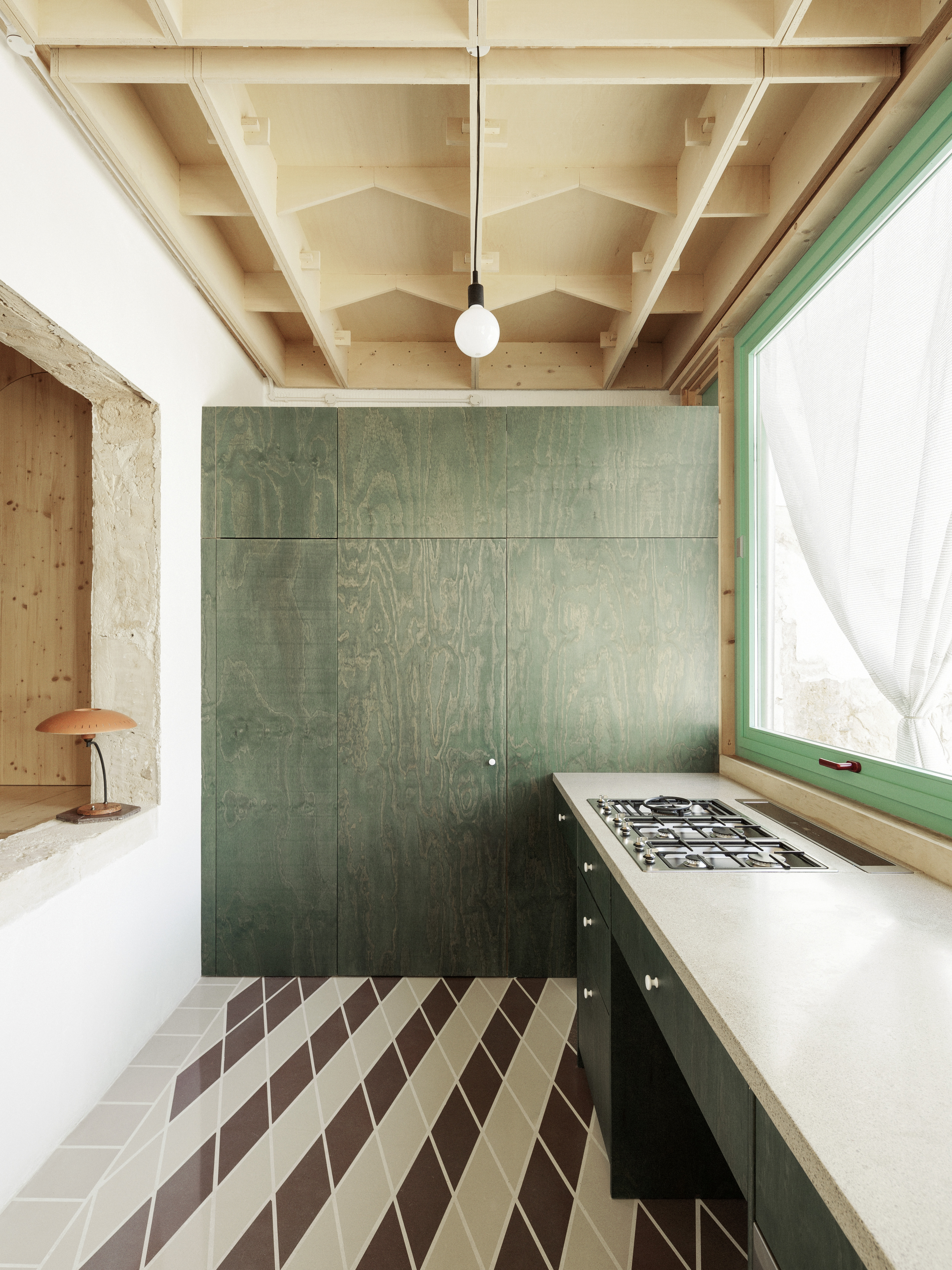
Good News: This Kitchen Cabinet Trend Is Also Insanely Affordable

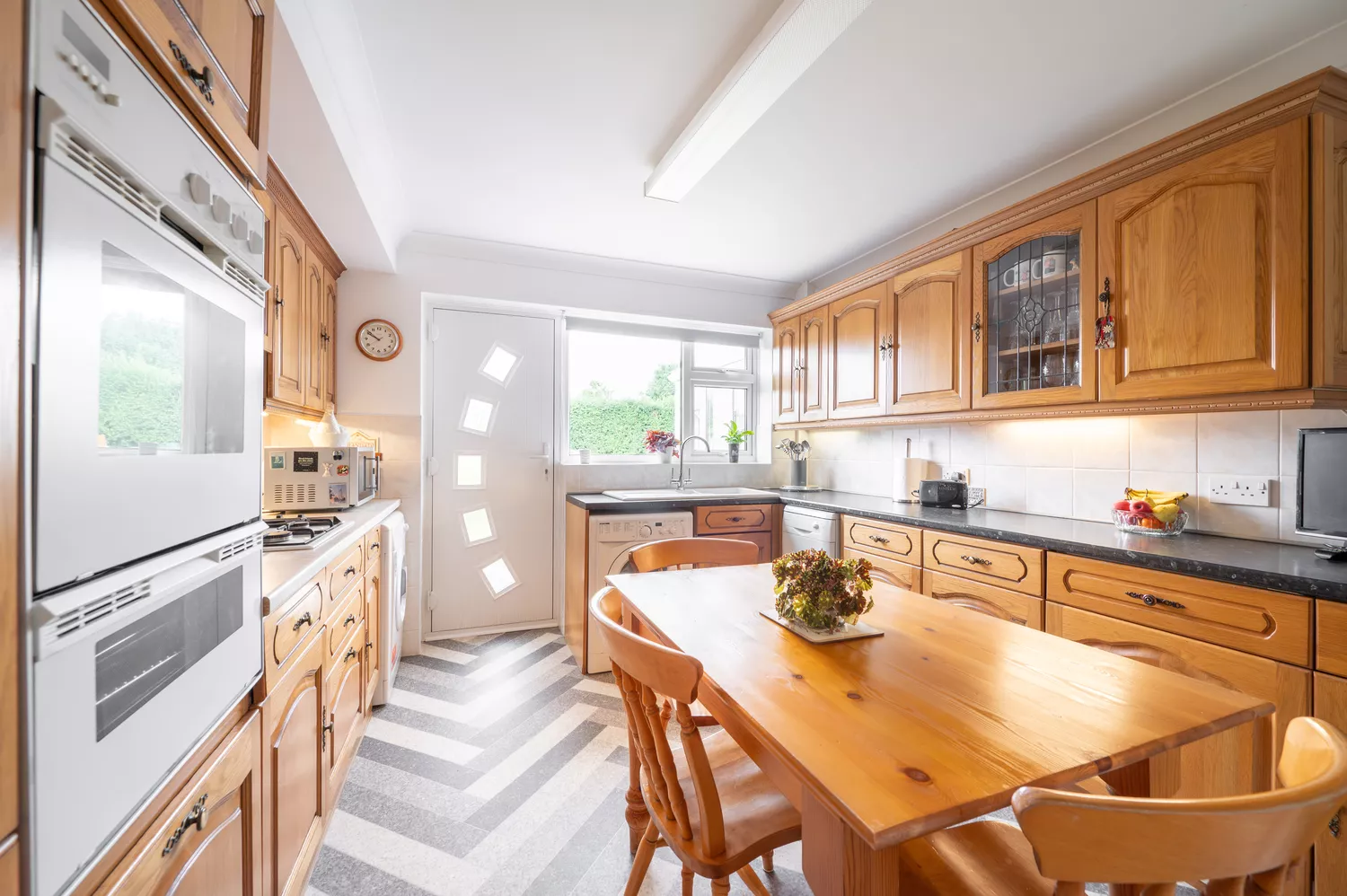
5 Tricks That Make Your Dated Kitchen Cabinets Look Expensive, According to Designers

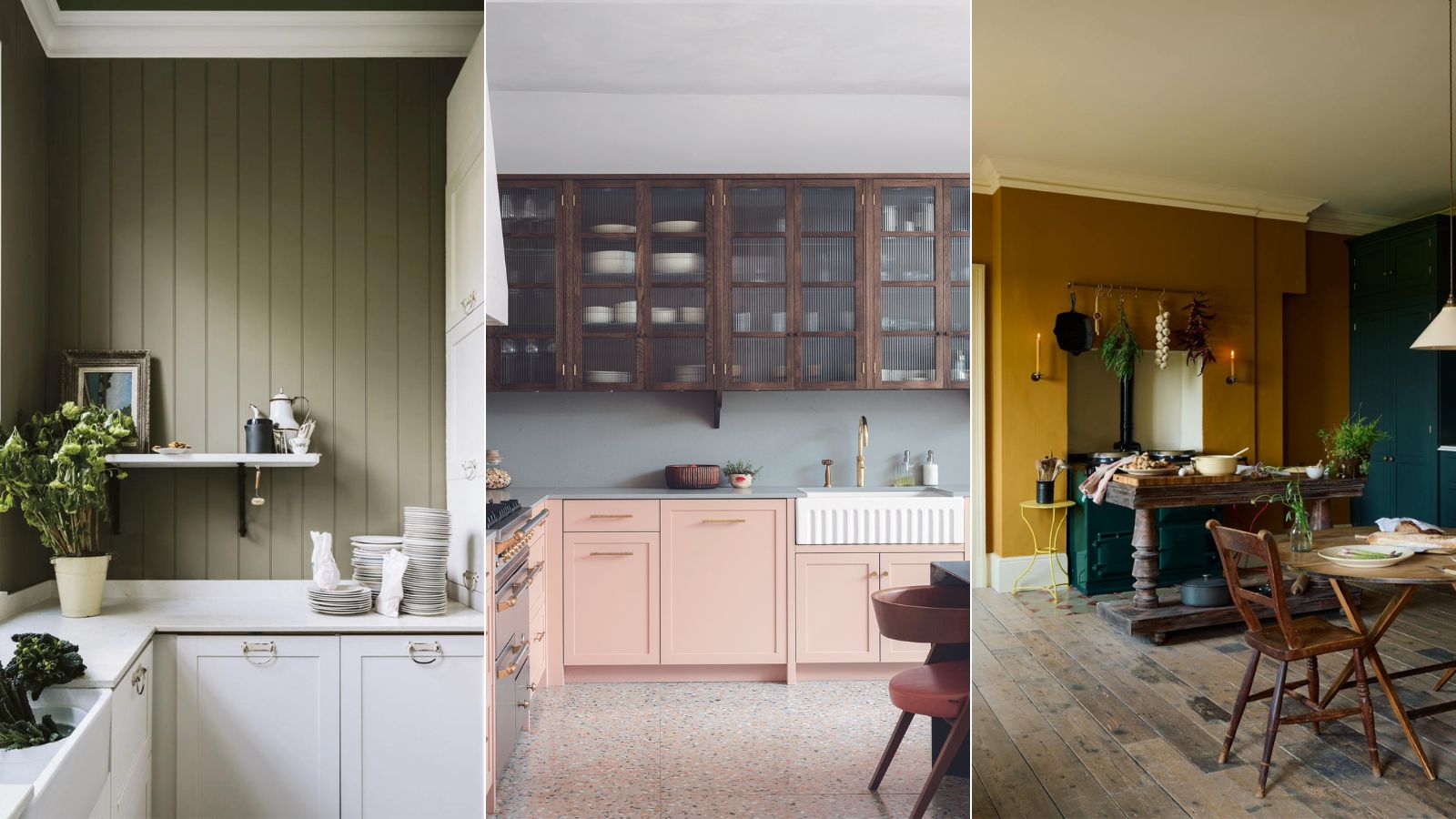
5 outdated kitchen cabinet color trends to avoid if you don't want your kitchen to look unfashionable, say designers

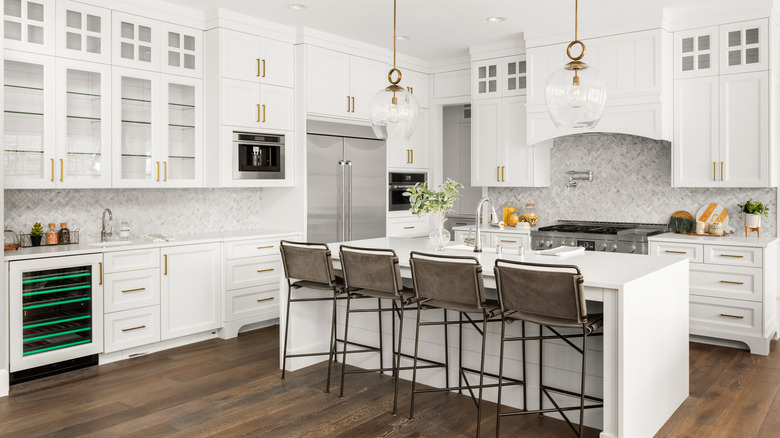
6 Pricey Kitchen Upgrades That Aren't Worth It

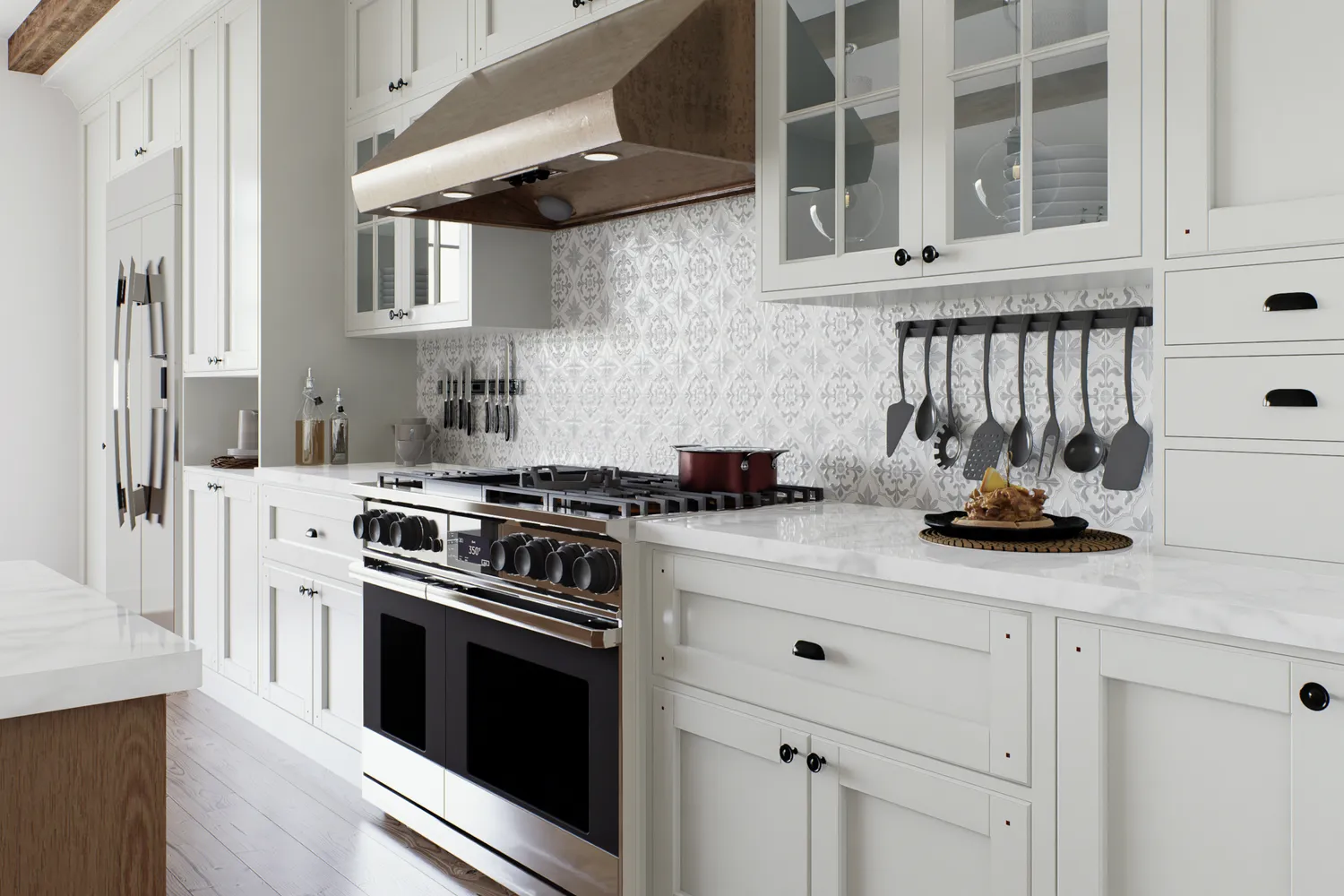
4 Kitchen Cabinet Trends That Are More Trouble Than They’re Worth
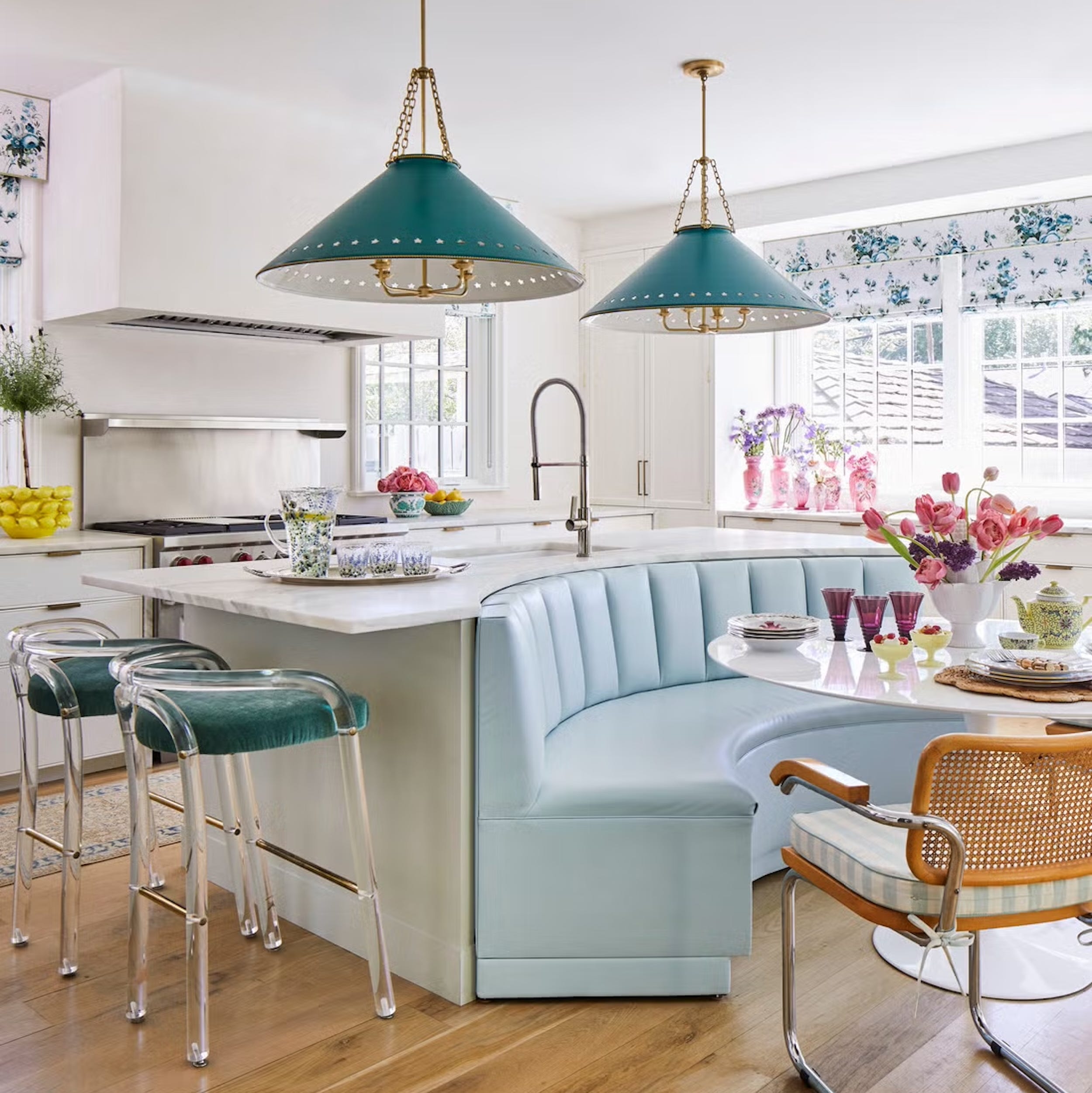
5 Ways to Make Your Kitchen Look Instantly More Expensive, According to Designers

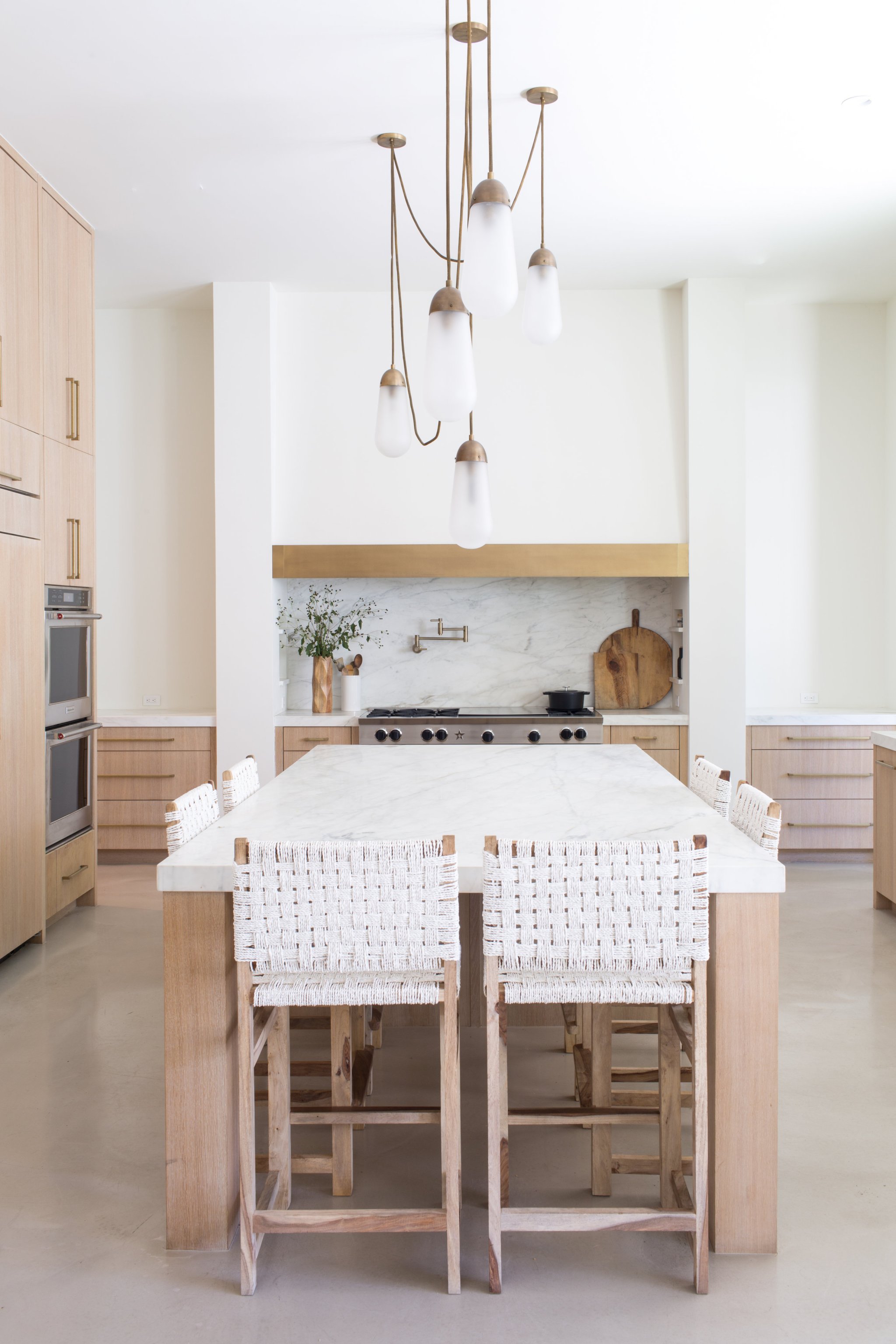
This Designer Isn’t a Fan of Upper Kitchen Cabinets—Here’s Why
Cabinet Hardware Trends To Give Your Kitchen An Upgrade On A Budget
6 details interior designers are choosing for kitchen cabinetry to make cooking spaces look more expensive
Sourced by Homes & Gardens: Where to Buy Kitchen Hardware That is Elevated, Functional, and Suits Every Budget
What Is the Cost of Kitchen Cabinets?
This Type of Kitchen Cabinet Is on the Rise