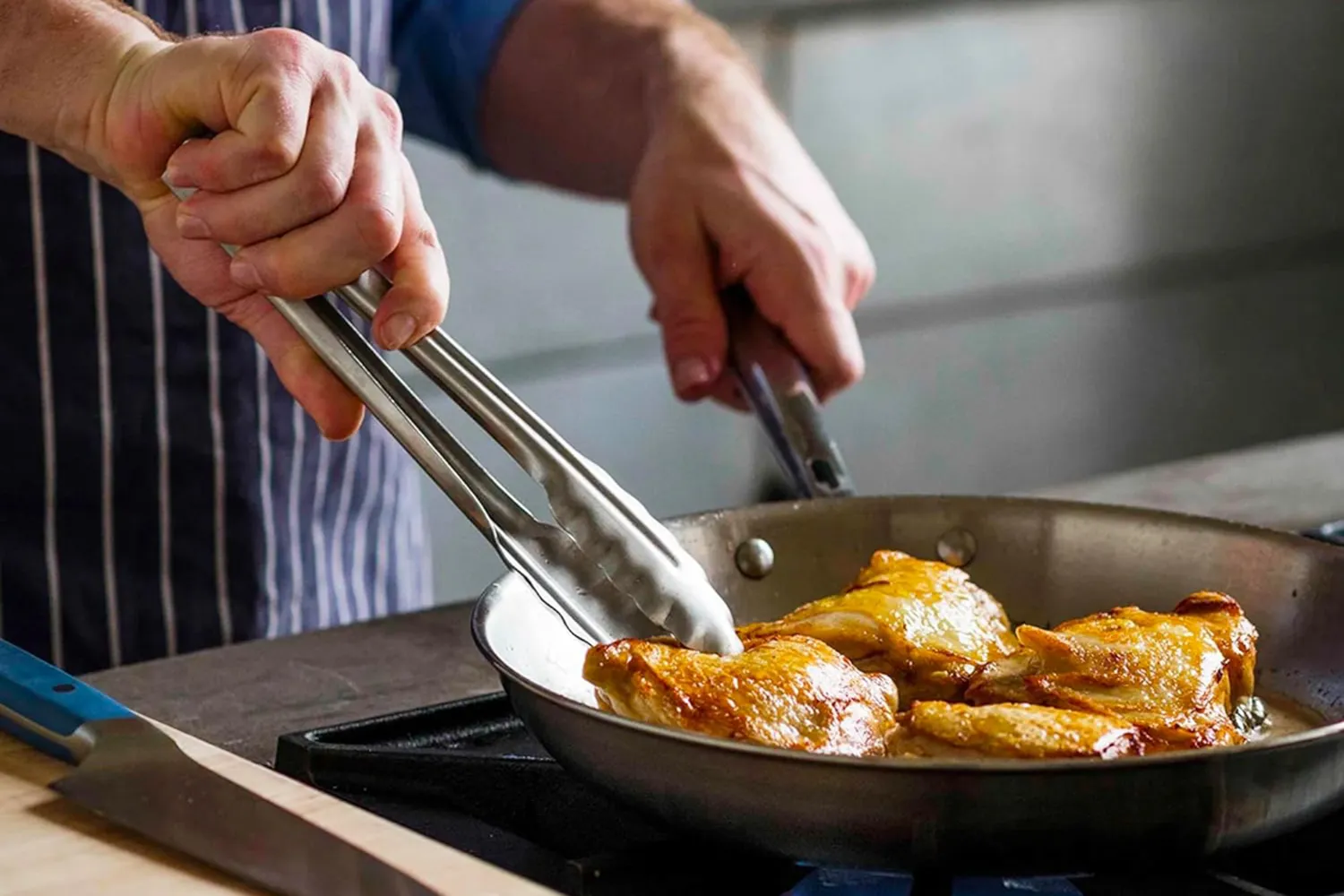
I’m a Public Health Expert, and These Are the 5 Plastic Kitchen Tools to Avoid at Amazon Prime Day
The article discusses the health implications of using plastic kitchen tools and recommends alternatives. It highlights that plastic tools can release microplastics and chemicals into food, posing risks to human health. The author, a public health expert, emphasizes the importance of making plastic-free swaps in the kitchen to mitigate exposure to microplastics and safeguard health. The recommendations cover five main categories of plastic kitchen tools to avoid and suggests safer alternatives, many of which are available for purchase on Amazon, especially during events like Amazon Prime Day.
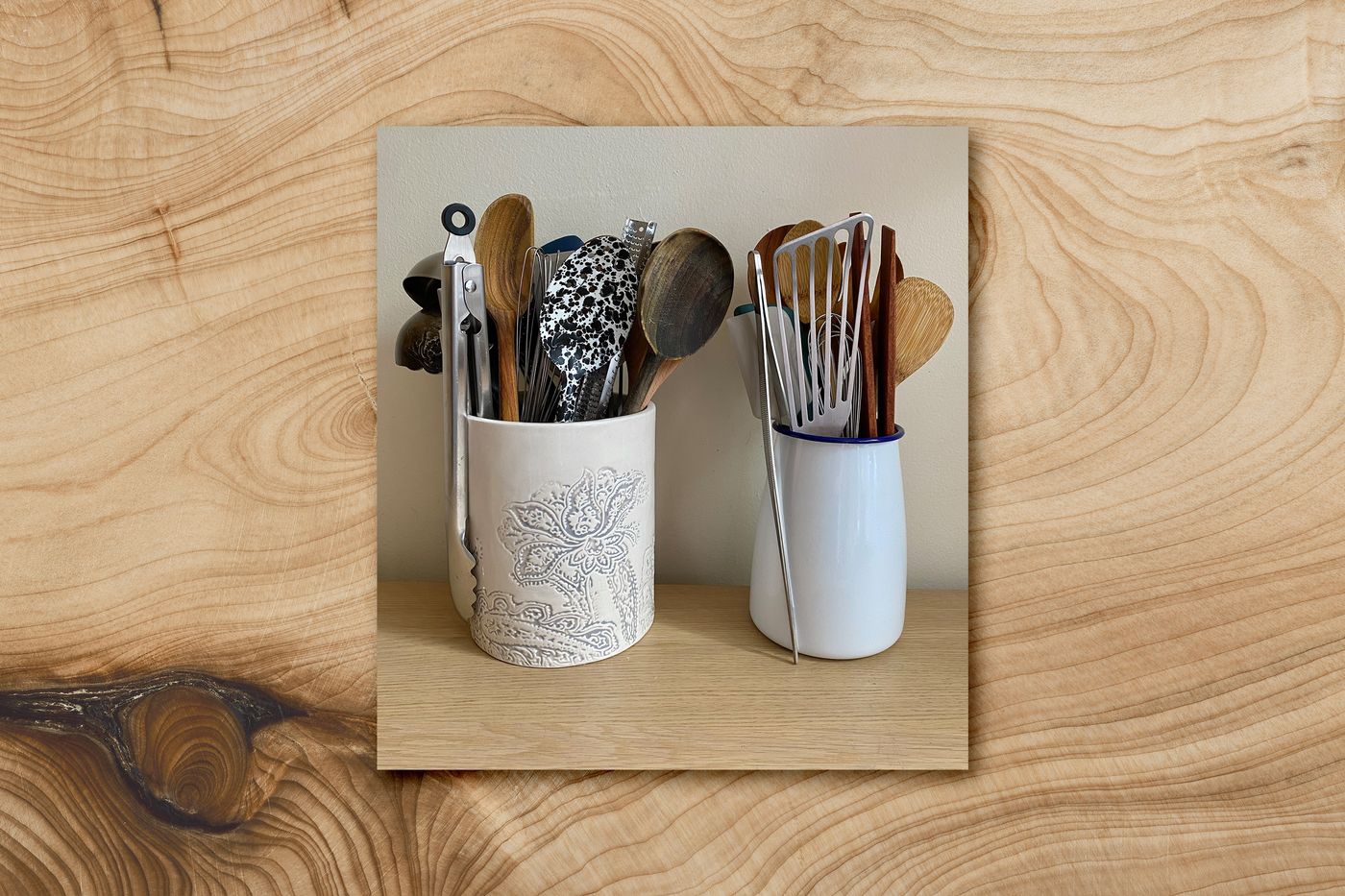
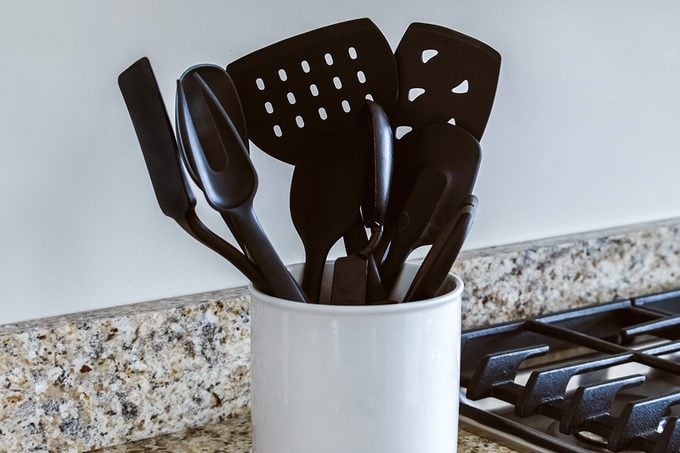
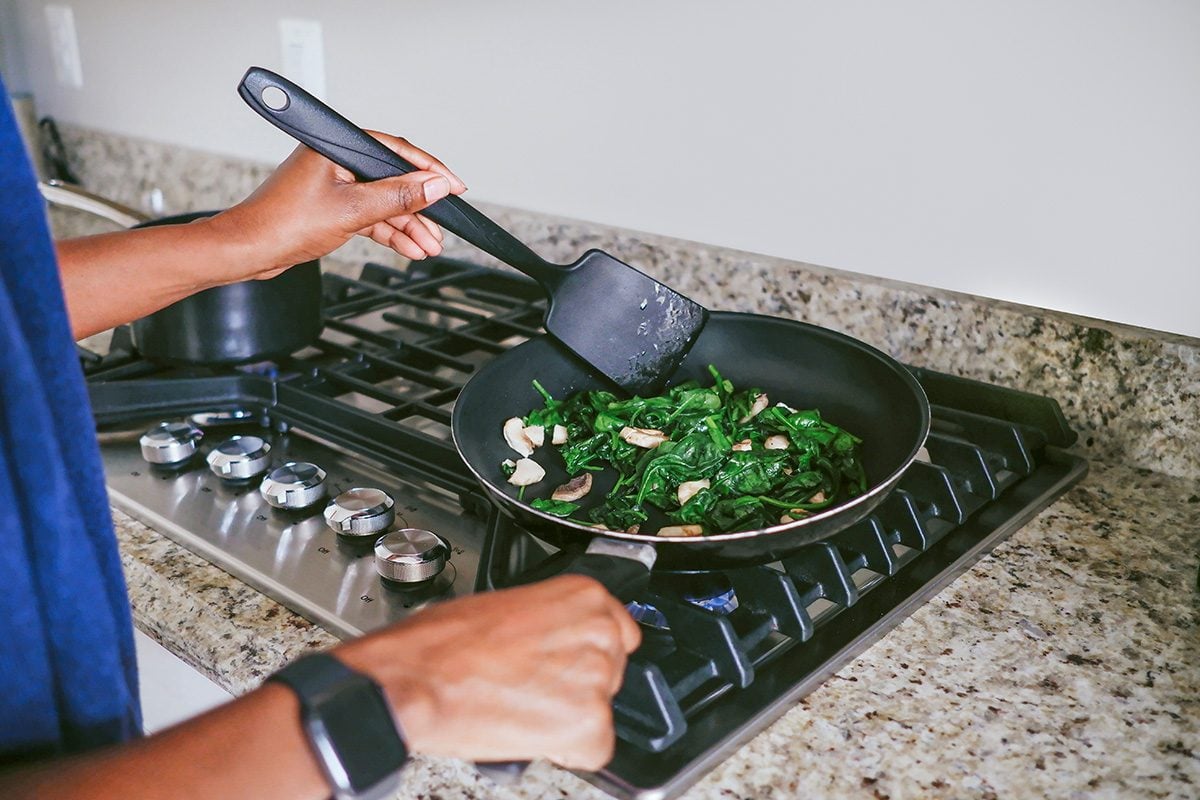
The first category addressed is black plastic kitchen utensils. The author points out that these are frequently made from recycled electronics, potentially containing flame retardants and phthalates that can leach into food when exposed to heat. The recommended alternatives include utensils made from wood, silicone, and stainless steel. Specific product suggestions are provided, such as a GIR silicone set for its unibody construction and high-quality silicone, and options for wooden and stainless steel sets. For wooden tools, the advice is to choose 100% hardwood to avoid formaldehyde-heavy glues found in some bamboo products.
Next, the article advises against plastic cutting boards. Research indicates that plastic cutting boards can shed microplastics into food as they are cut and scored. While acknowledging that plastic boards might still be used for preparing meat due to ease of sanitization, the author strongly advocates for wooden cutting boards for other food preparations. Hardwood or end-grain wooden boards are suggested, with a particular mention of hinoki, a soft Japanese cypress, as a favored material due to its gentleness on knives. Several wooden cutting board options are listed, including Shun Cutlery, Caraway, and John Boos.
The third area of concern is plastic takeout containers and Tupperware for food storage. The article states that heating or storing food in plastic, especially common takeout containers, has been linked to disrupting gut, heart, and cardiovascular health. Glass storage containers are presented as the superior alternative, being more durable, resistant to staining and warping, and often designed to withstand thermal shock, allowing them to move from freezer to microwave without releasing harmful particulates. Brands like Anchor Hocking and Caraway are mentioned for their glass and ceramic storage systems.
Following this, Teflon cookware is highlighted as a product to avoid. The appeal of Teflon's nonstick properties is acknowledged, but the article explains that its polytetrafluoroethylene coating can chip and release micro- and nanoplastics into food with extended use, heat exposure, and damage from sharp utensils. Safer alternatives for cookware include cast iron, carbon steel, ceramic nonstick, and stainless steel. Cast iron is praised for developing nonstick properties over time, while stainless steel, carbon steel, and ceramic nonstick options are also presented as effective and safer choices. Specific products like the Misen 5-Ply Stainless Steel Frying Pan and Matfer Bourgeat Black Carbon Steel Frying Pan are recommended.
Finally, the article cautions against plastic-based reusable kitchen towelettes. Some brands achieve stain resistance or longevity through the use of PFAS, or “forever chemicals,” which are harmful. Consumers are advised to check labels for PFAS-free certifications or opt for kitchen towels made from plant-based materials such as cotton or cellulose. Swedish Wholesale dishcloths, made from plant-based cloth, are cited as a durable and absorbent option. The article concludes by providing a comprehensive list of recommended non-plastic kitchen tools and links to specific products on Amazon, emphasizing that these swaps are particularly timely given potential deals during Prime Day.
#PublicHealth #KitchenTools #PlasticAlternatives #Microplastics #NonToxicCooking #FoodSafety #SustainableKitchen #AmazonPrimeDay #PublicHealth #KitchenTools #PlasticAlternatives #Microplastics #NonToxicCooking #FoodSafety #SustainableKitchen #AmazonPrimeDay
0 comment in total
 No comments yet
You may also like
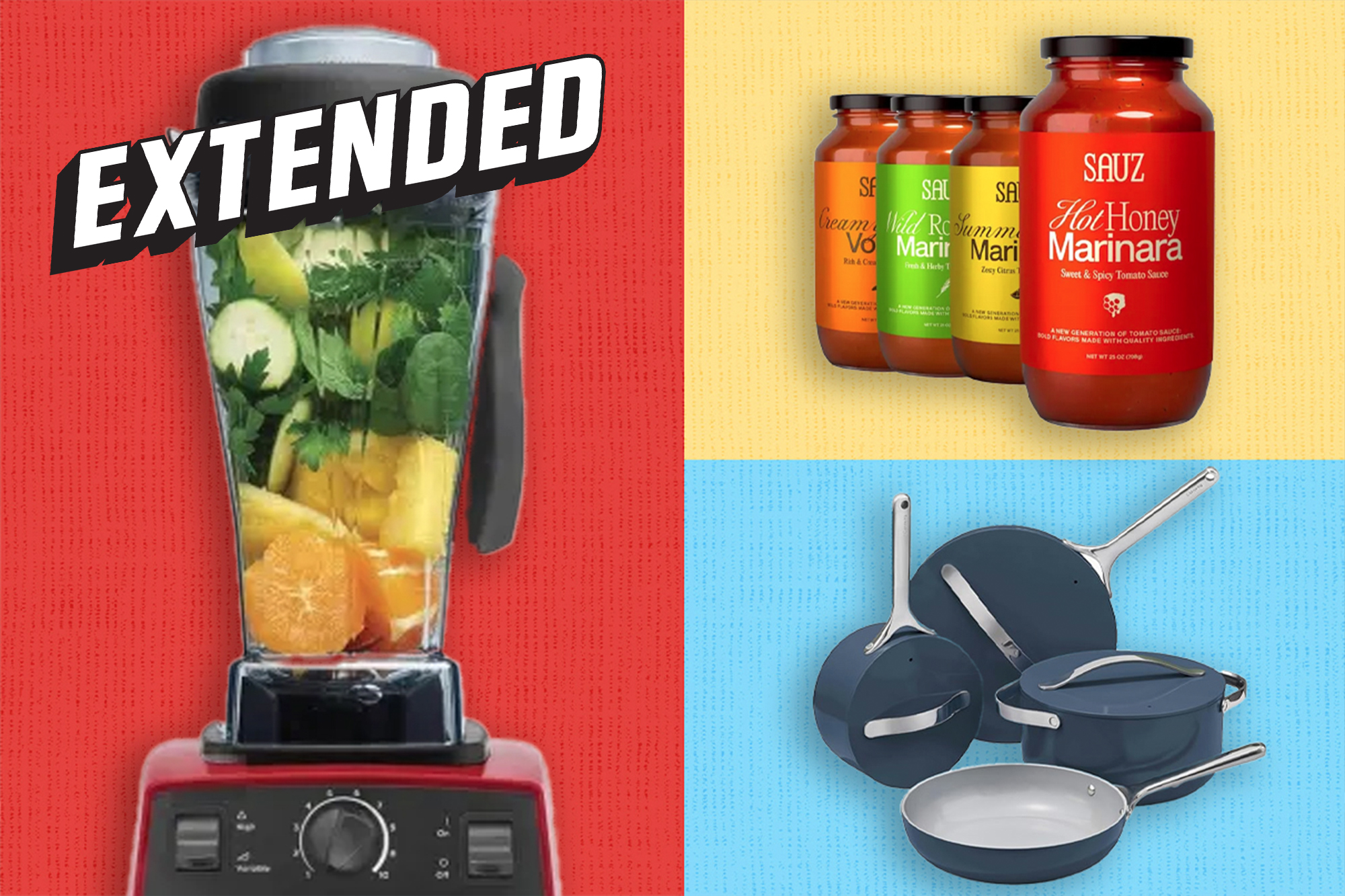
Prime Day’s leftovers are still sizzling: Shop 40+ extended kitchen deals
Amazon Just Launched A Ton Of New Home Products That You'll Want To Know About

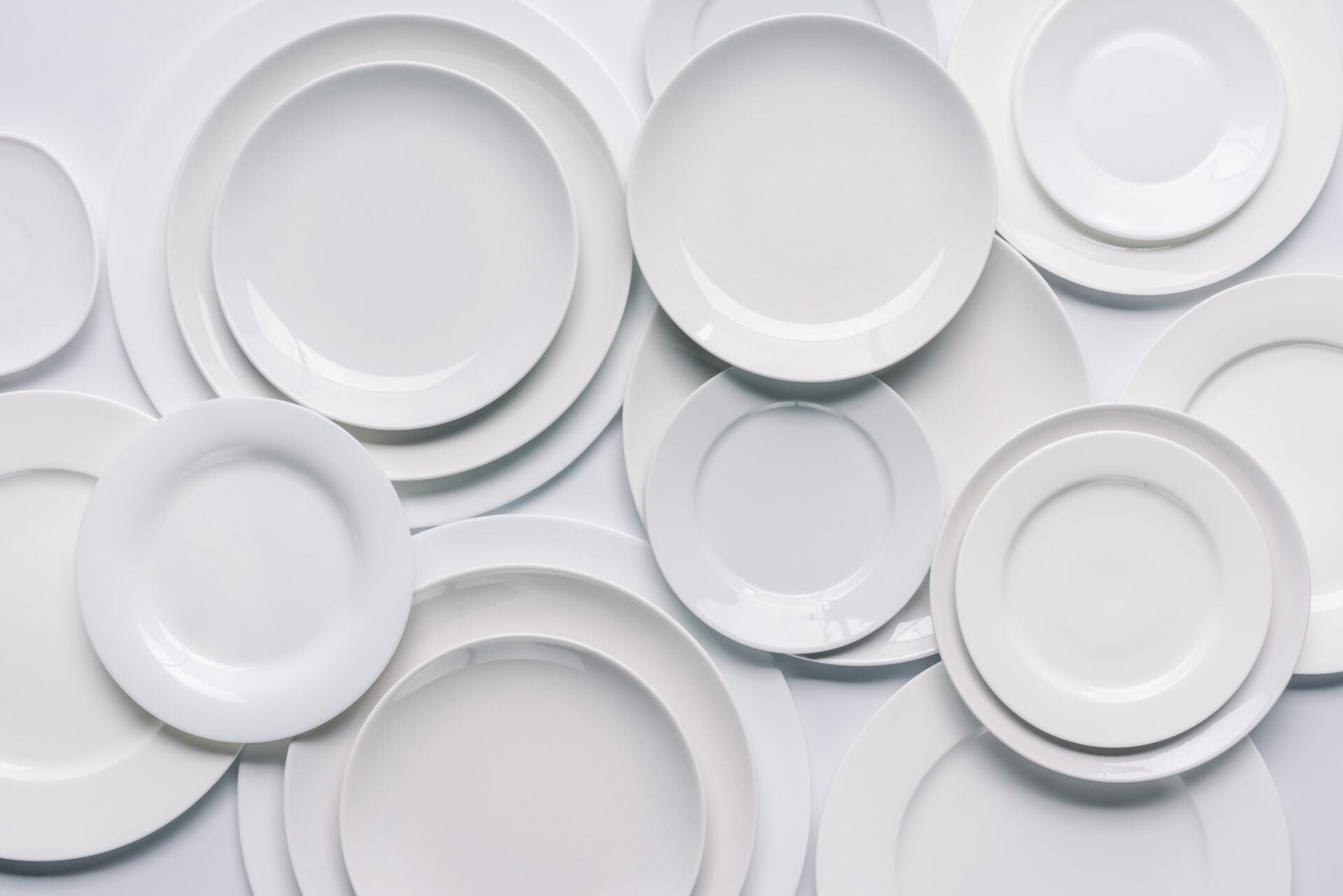
Safest Dishes to Use at Home — Non-Toxic Dinnerware Guide 2022

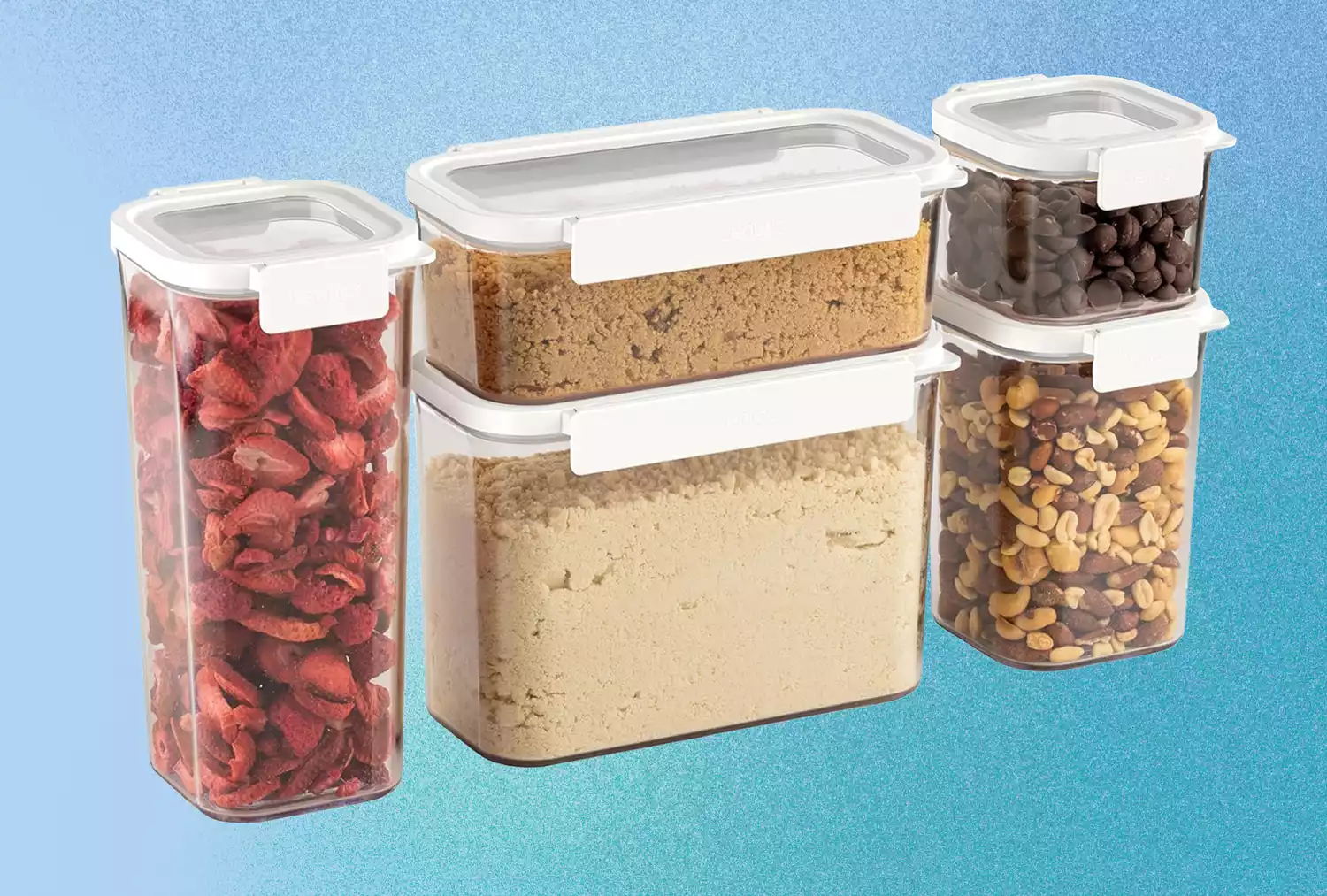
I Went Weeks Without Using Plastic in My Kitchen—Here Are My Go-To Products for an Organized Pantry

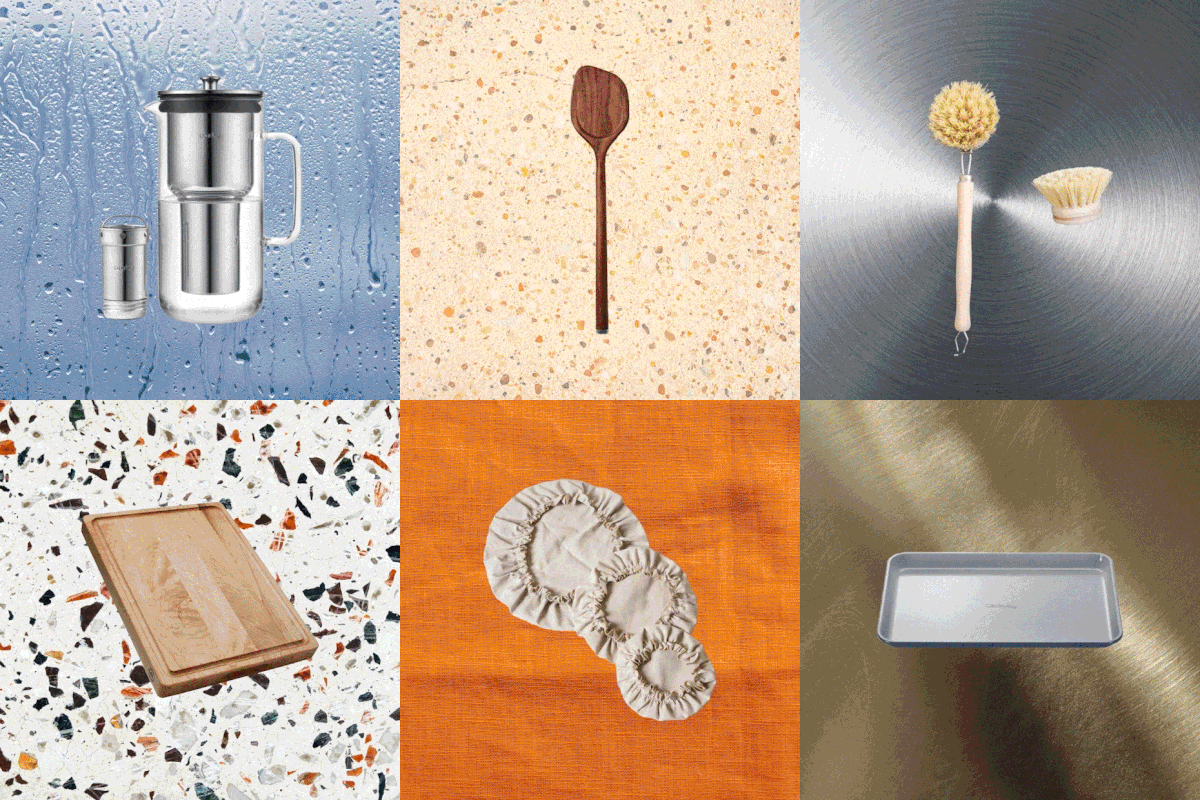
Welcome to Plastic-Free Kitchen Week
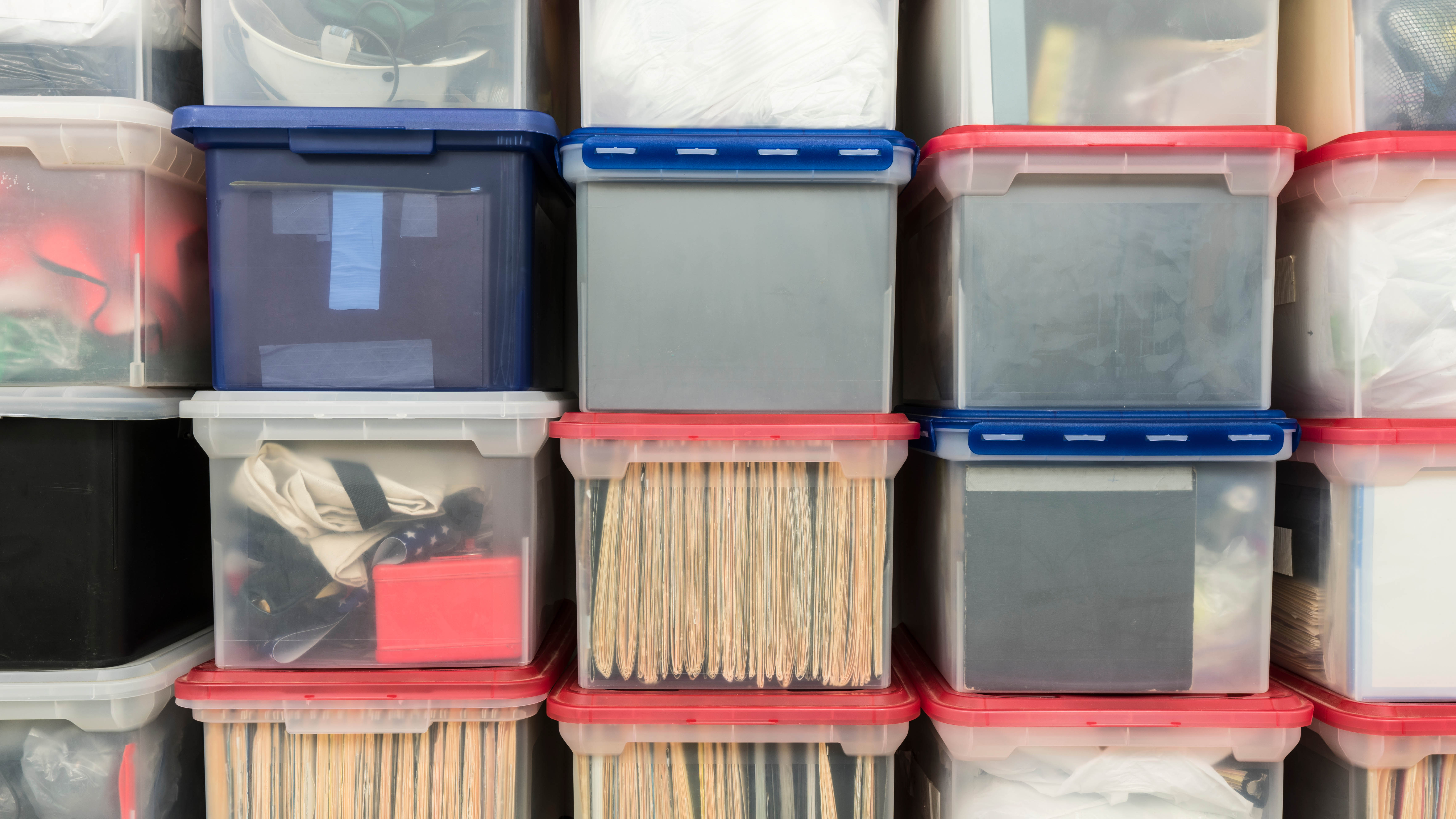
7 things you should never store in plastic containers

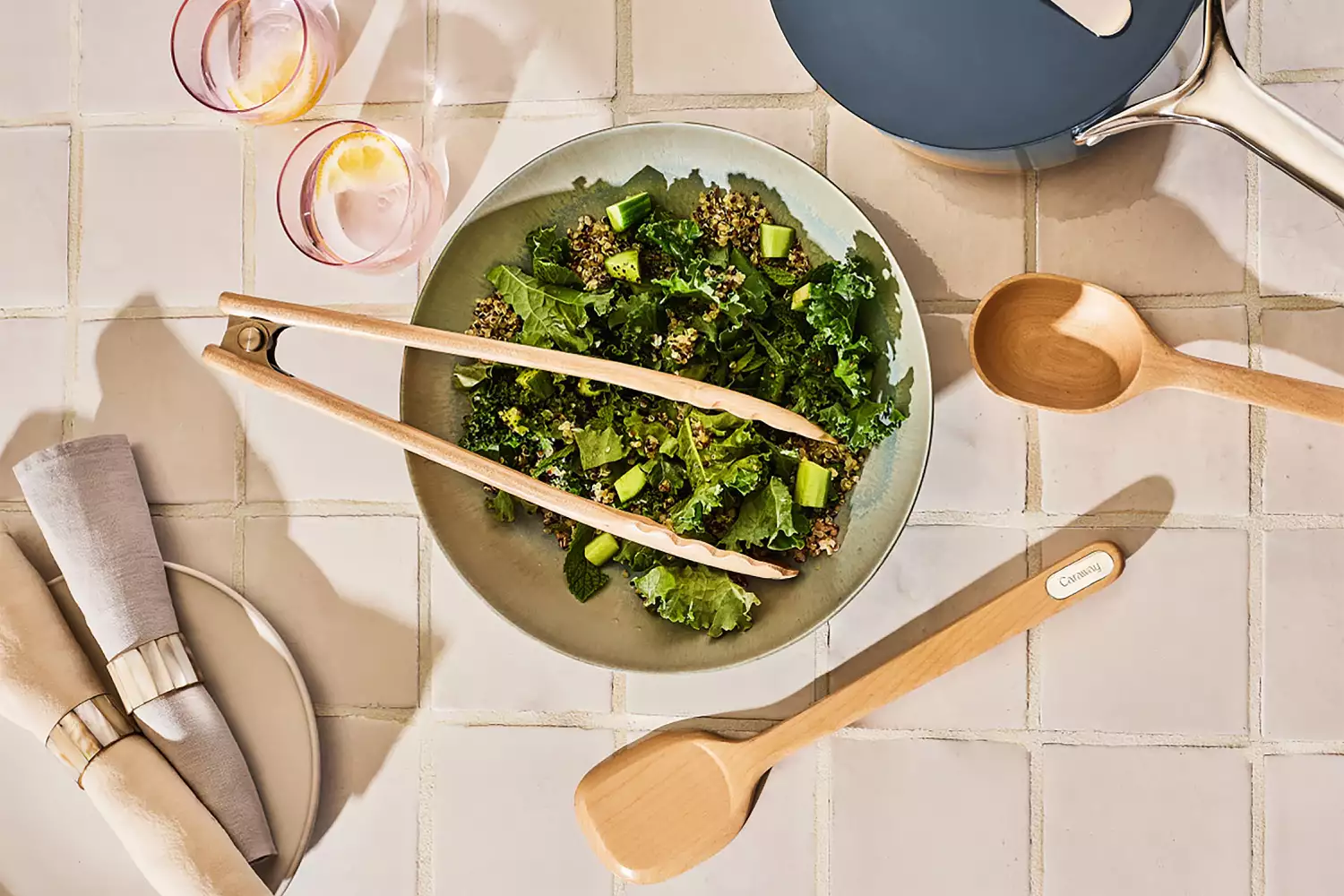
Rachael Ray Replaces This Kitchen Tool Every Week — and You Should, Too
You Don’t Need Plastic Organizers to Tidy Up Your Kitchen


12 W&P Silicone Stretch Lids for $12

The Great Black Plastic Spatula Panic | The Strategist
Amazon Shoppers Keep Snapping up These 9 Trending Kitchen Gadgets, Starting at $8
Update! Prime Day Alert: 15 Home Decor-Related Amazon Storefronts to Follow for Curated Deals
Why It May Be Time to Ditch Your Black Plastic Kitchen Utensils

It’s My Job to Shop for Kitchen Items, and These Are My Favorite Amazon Finds of the Month
20 Kitchen Tools and Gadgets Chefs Swear You'll Regret Buying

15 Life-Changingly Useful Kitchen Products You Should Know About
10 Things Pro Organizers Are Shopping for Amazon Prime Day

I'm spending my $50 Amazon birthday gift card on 4 kitchen cabinet essentials to instantly tidy up the chaos

12 Underrated Amazon Kitchen Tools You’ll Wish You Bought Sooner, All $15 or Less