1/11
Ikea room divider ideas – 9 clever ways to arrange your space
This article explores ten versatile and functional methods for dividing a bedroom into two distinct areas without compromising on style. These techniques, tried and tested by interior designers, offer solutions for maximizing space, creating privacy, or zoning different activities within a single room. The approaches range from simple and temporary fixes to more permanent architectural changes.
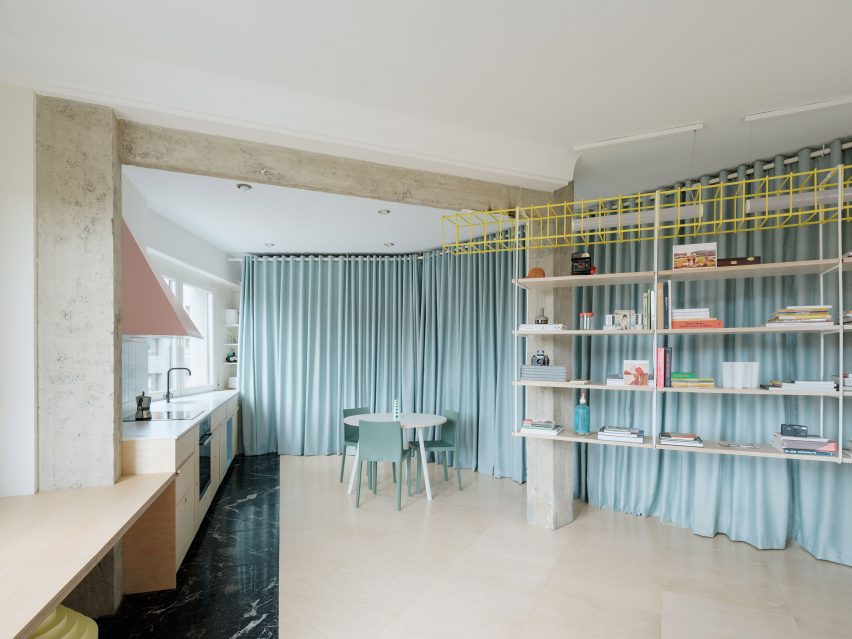
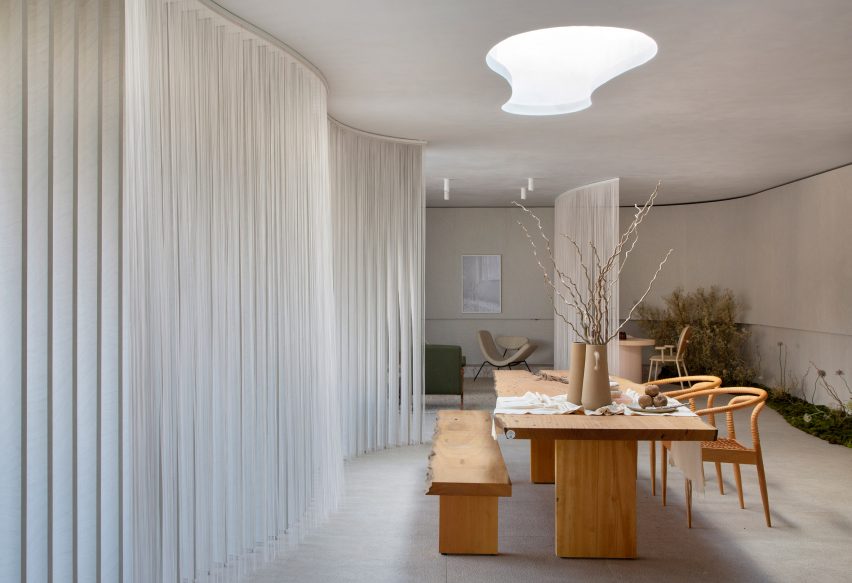
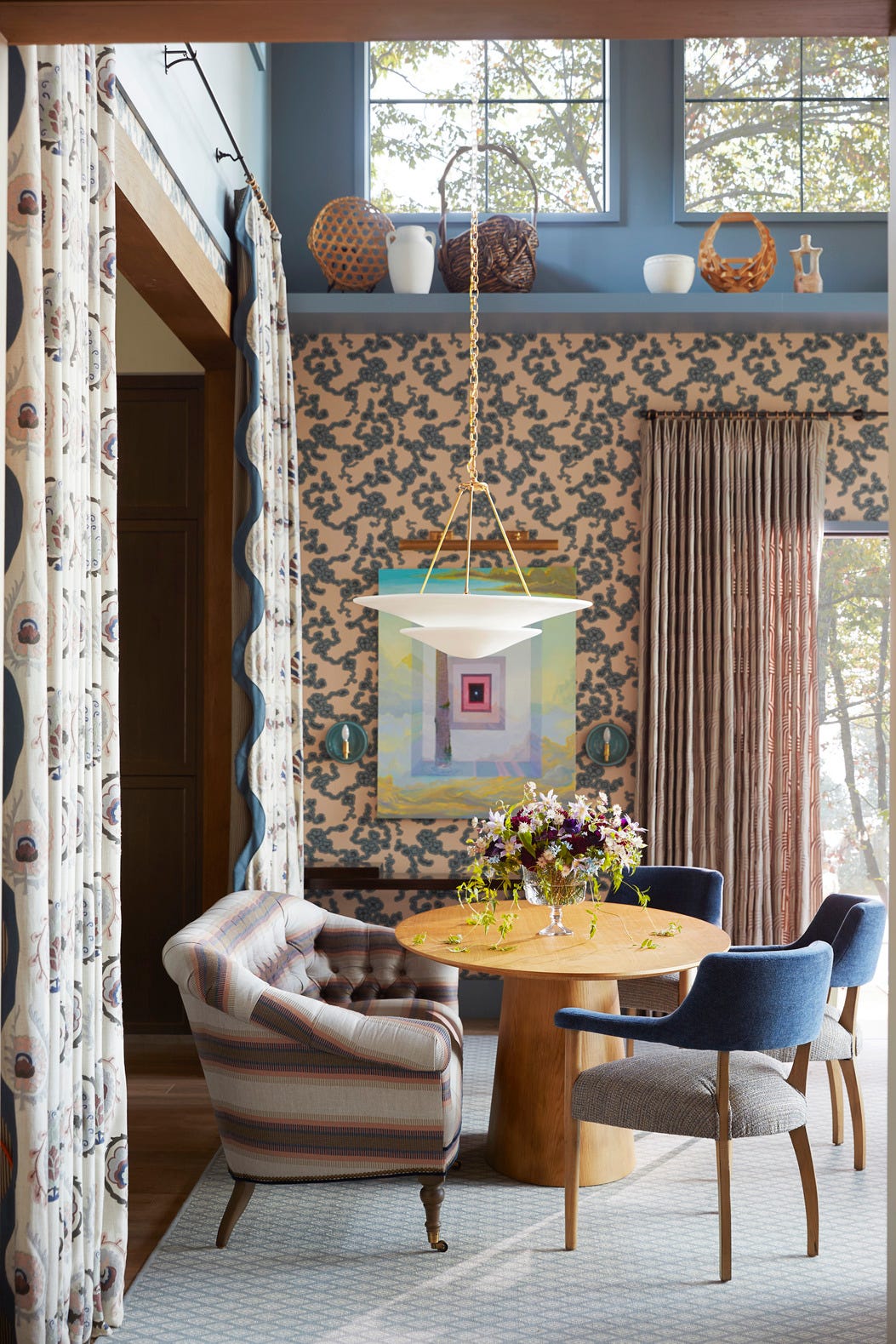
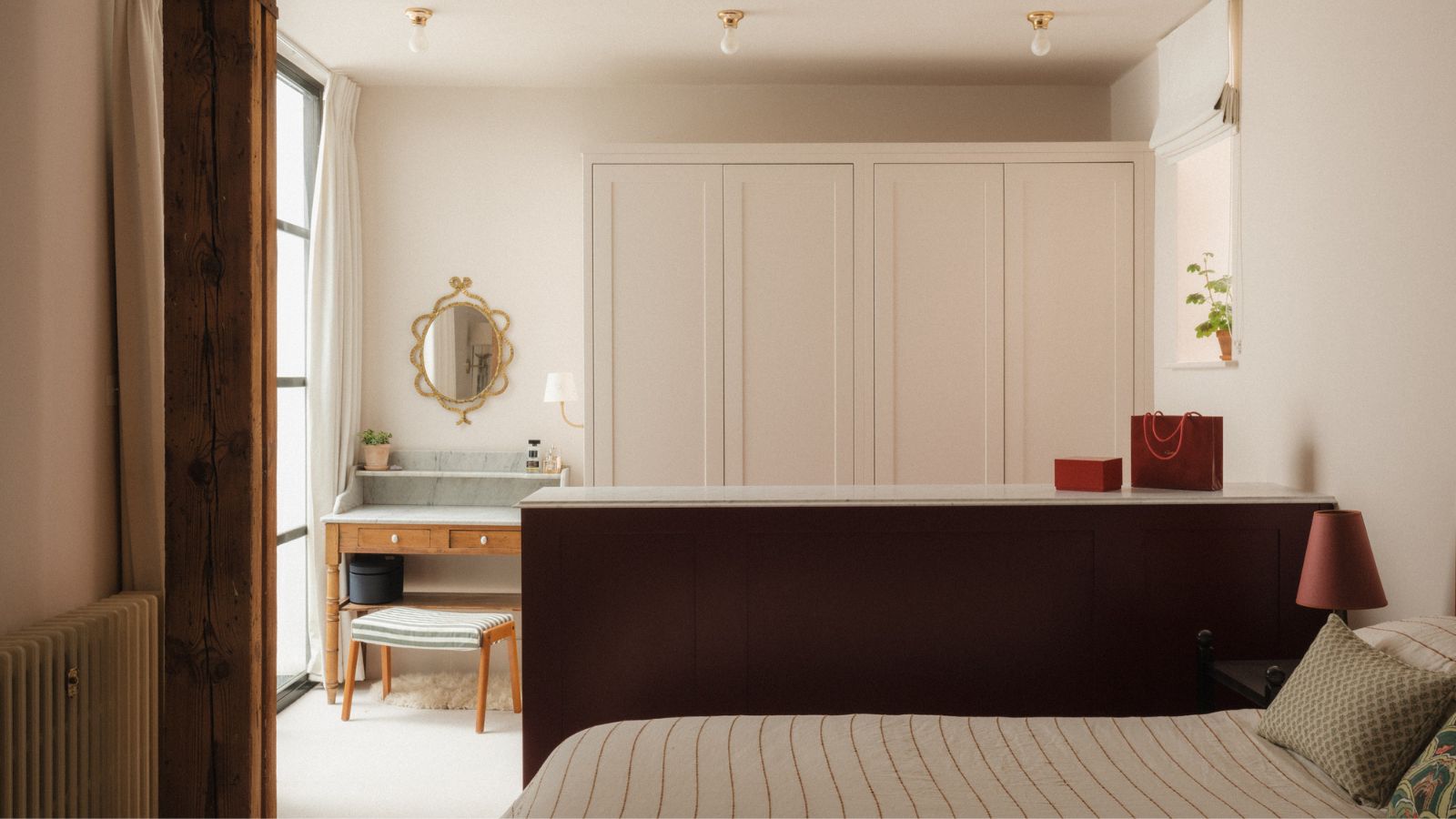
One of the most straightforward methods discussed is using curtains or drapery. Curtains can effectively create a designated sleep sanctuary or hide areas like closets or vanity spaces, providing privacy and controlling light. Kati Curtis, an interior designer, emphasizes that textiles can serve as soft, romantic, yet strong thresholds when structural walls are not feasible. Another technique involves strategic use of stud walls behind a bed. These can be full or half walls, framing the bed and separating the sleeping area from a dressing zone. Designers suggest using contrasting paint colors or impactful wallpaper on these walls to create a visual division. Helen Shaw of Benjamin Moore highlights that multiple paint shades can create distinct zones while maintaining harmony.
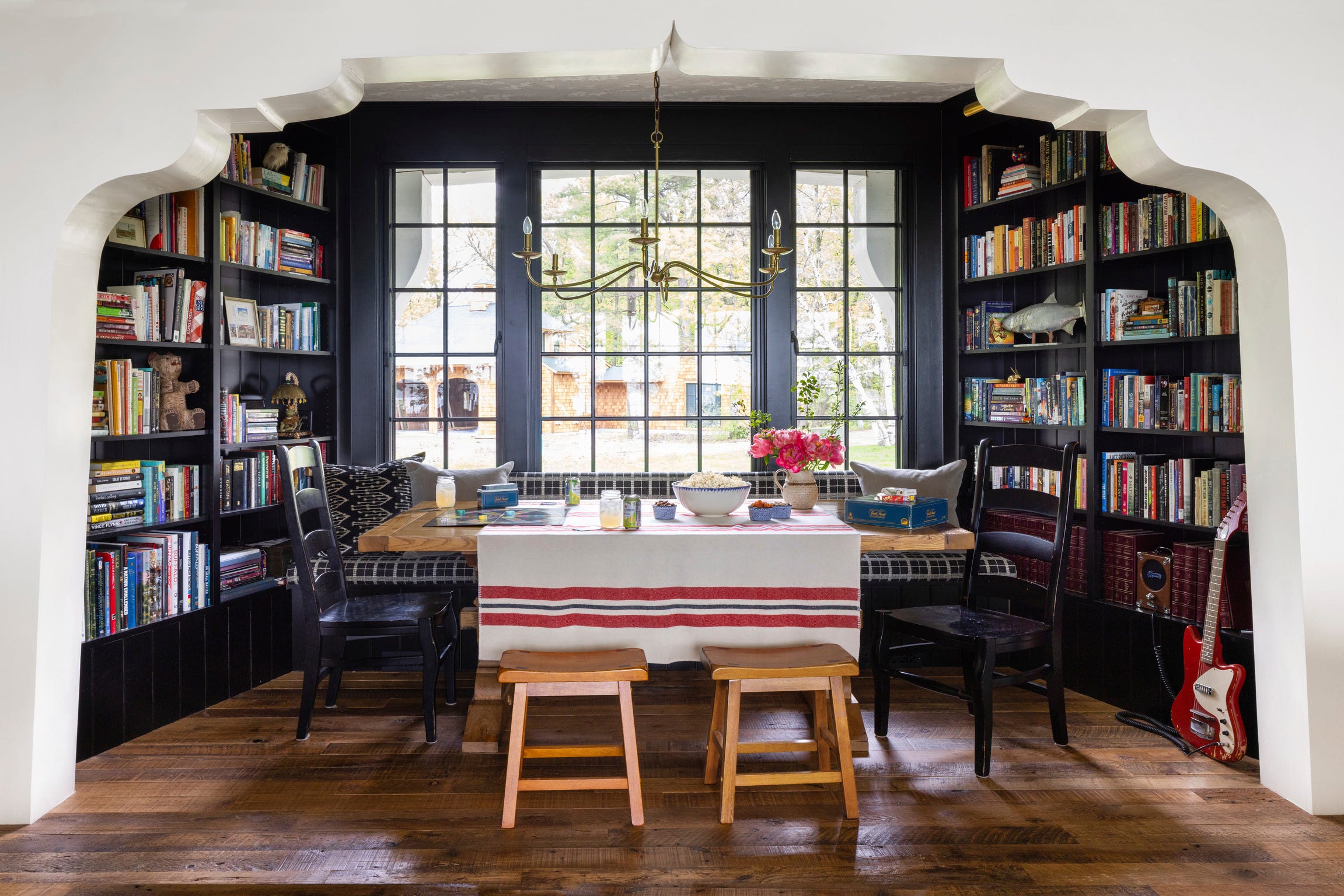
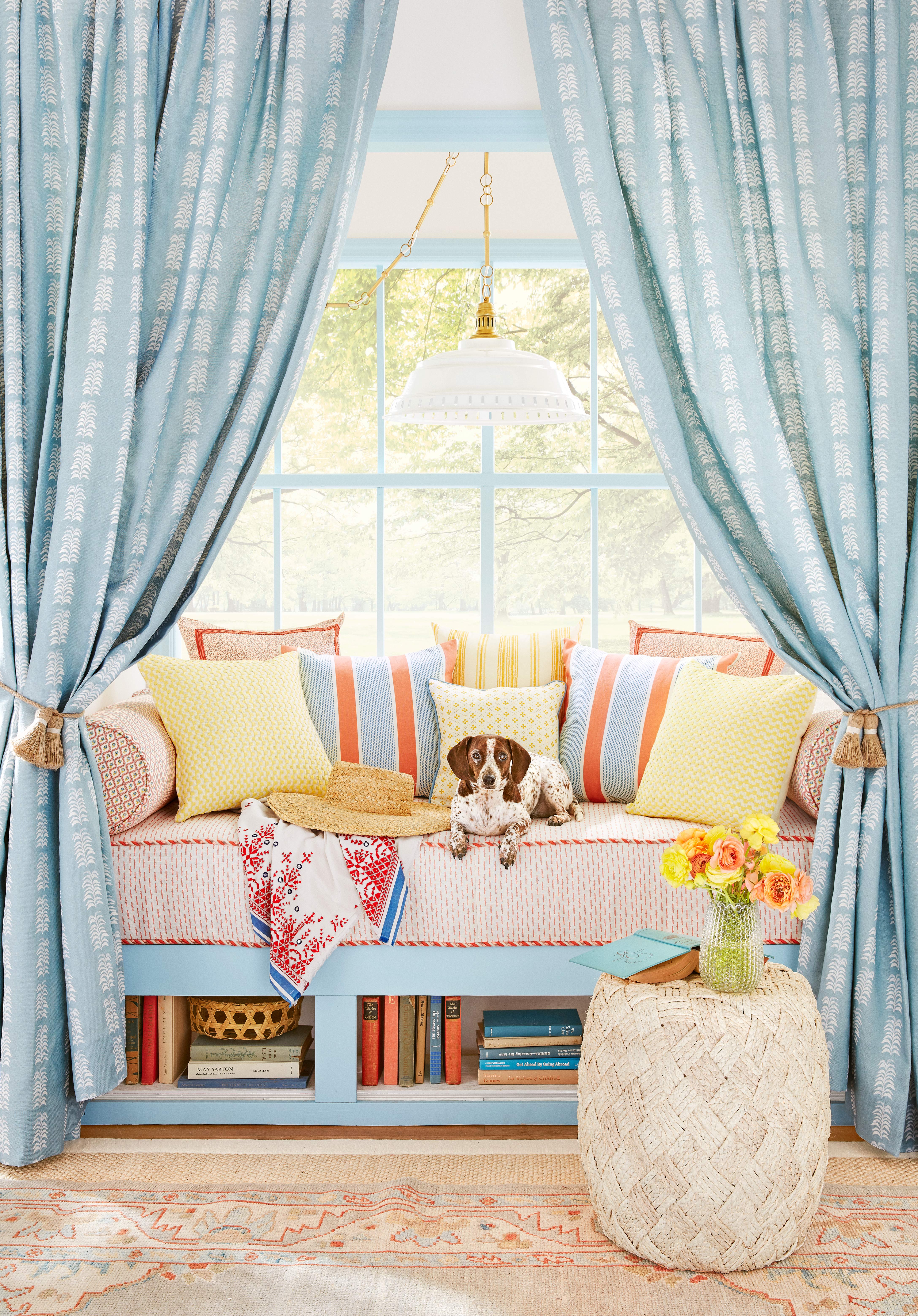
Creating a niche bed is presented as an excellent solution for smaller rooms, maximizing floor space by tucking the bed into a corner, often under a window. Adding a curtain to the niche can further define a private sleep space, leaving the rest of the room open for other purposes. Smart styling and layout are also crucial, especially when physical divisions are not possible. Thoughtful furniture placement, layered textiles, and differentiated styling can make each section of a shared bedroom feel like a private retreat, separating spaces without actual physical barriers. For instance, varying bed frame styles and using side tables can delineate individual zones.
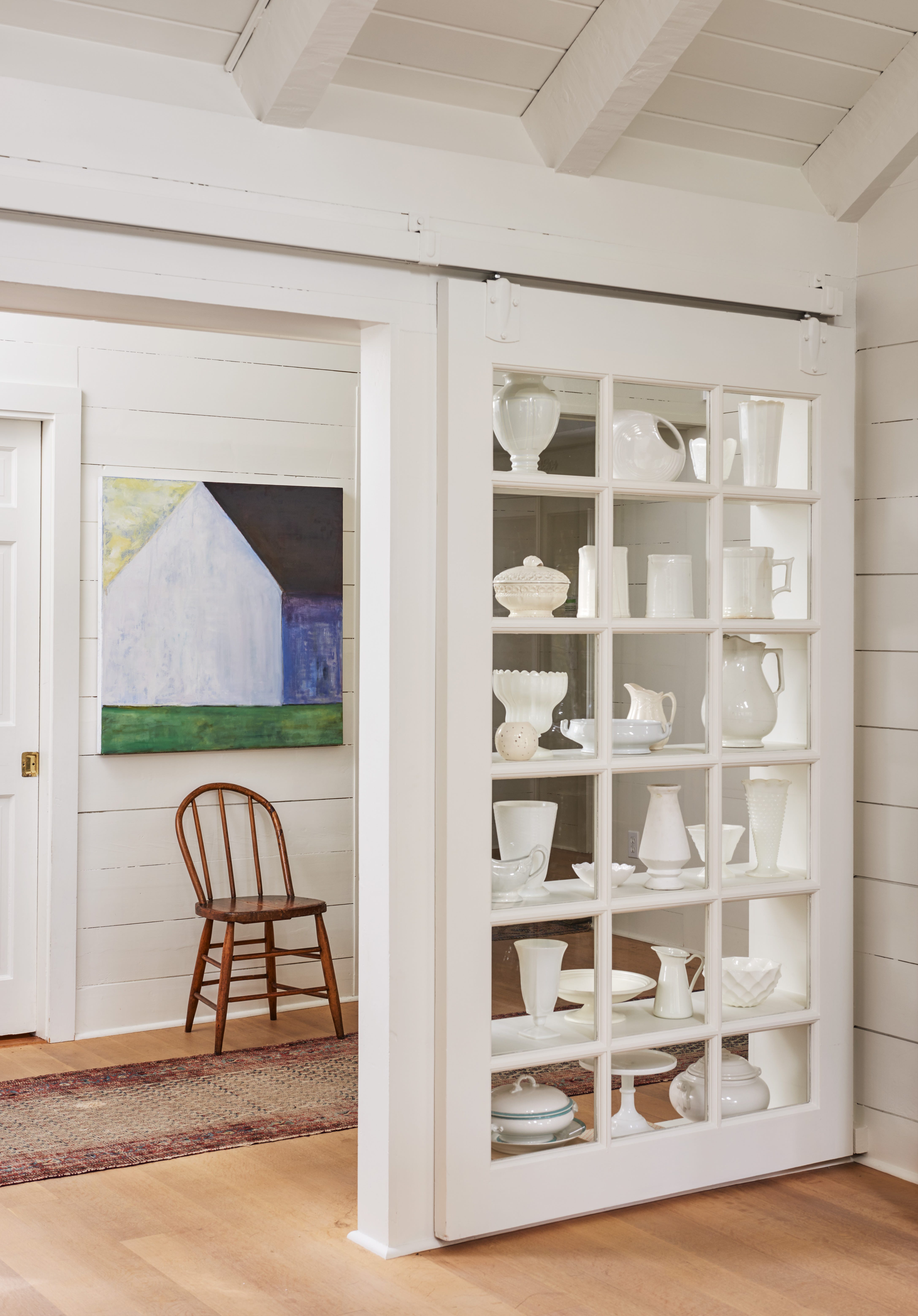
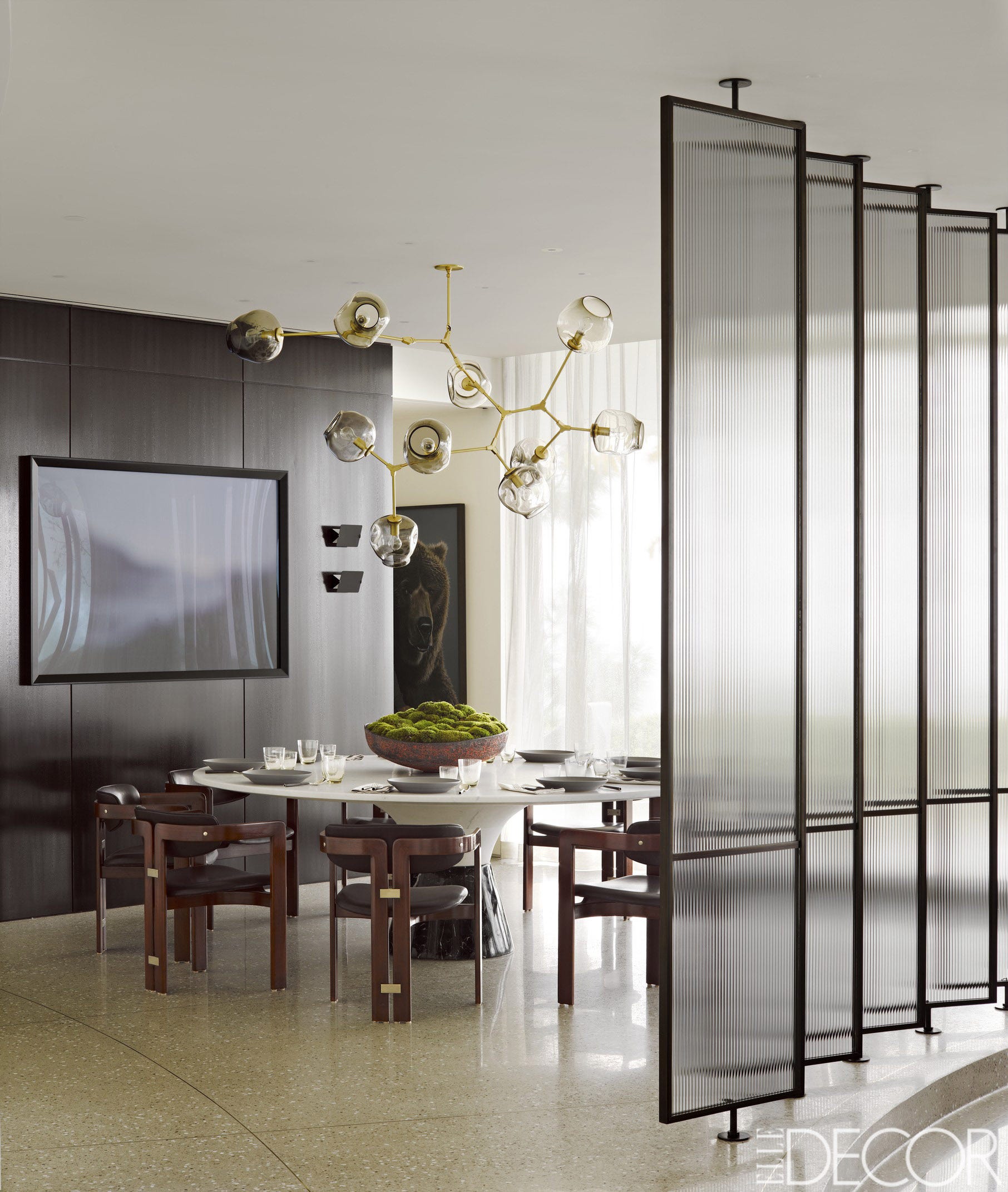
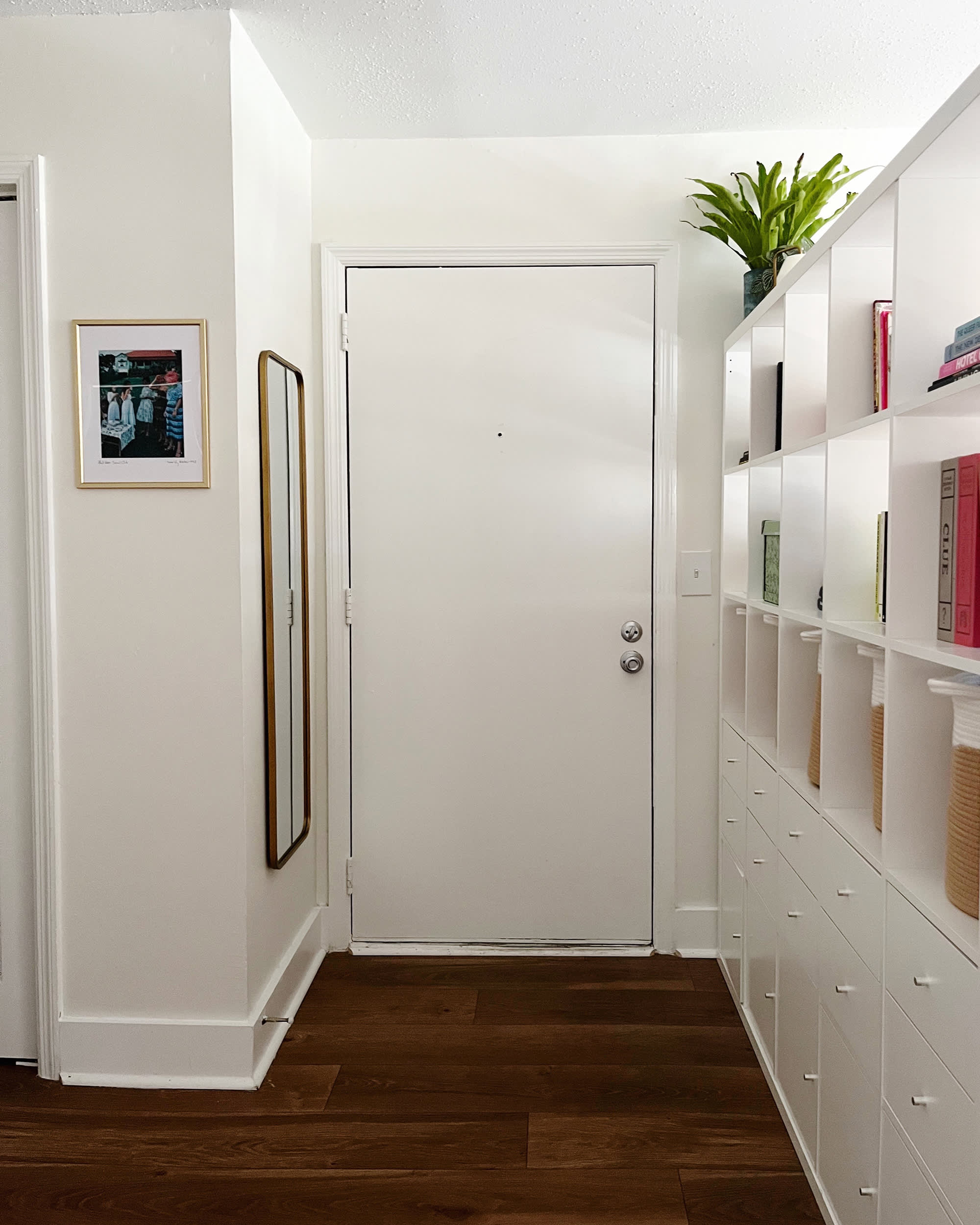
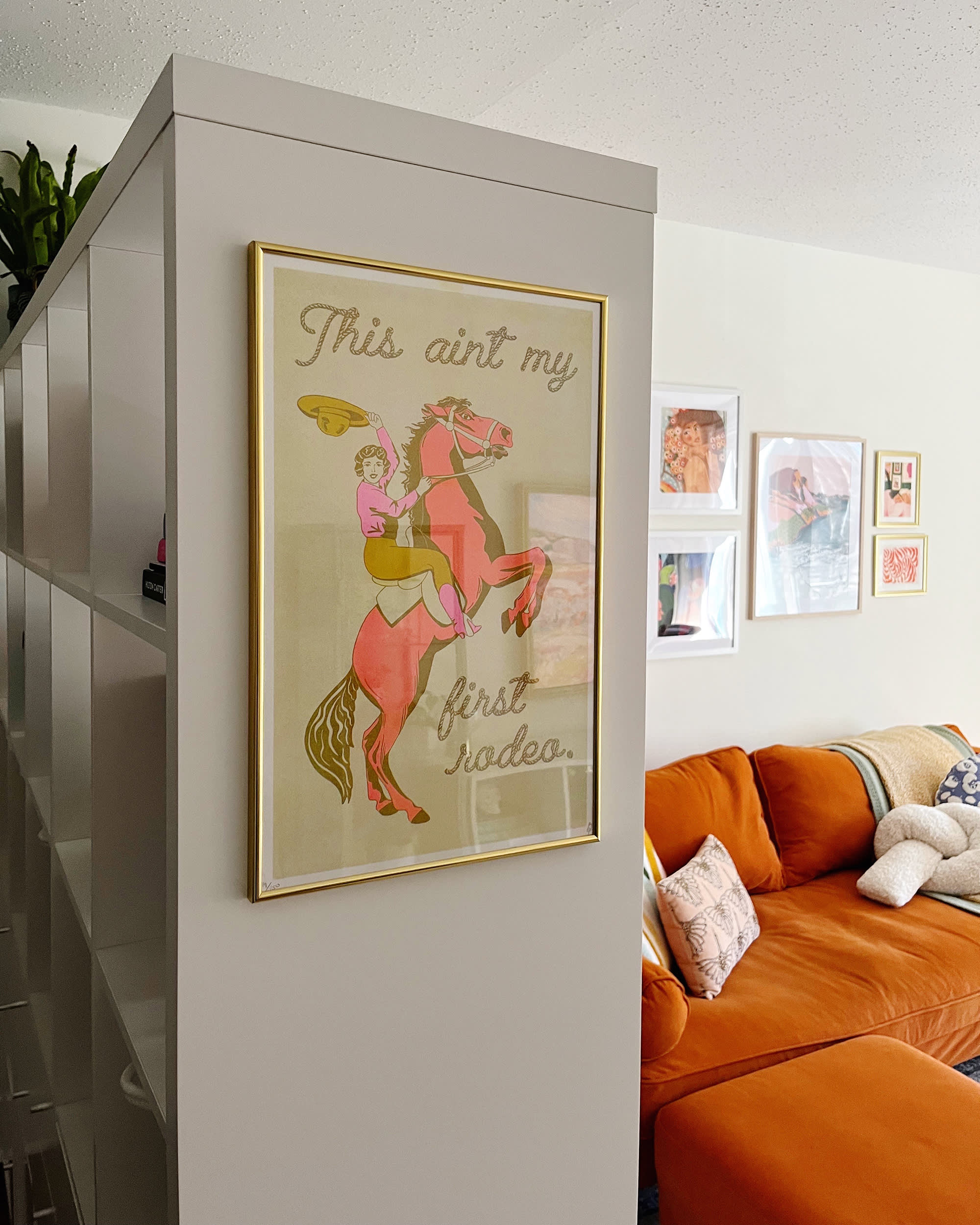
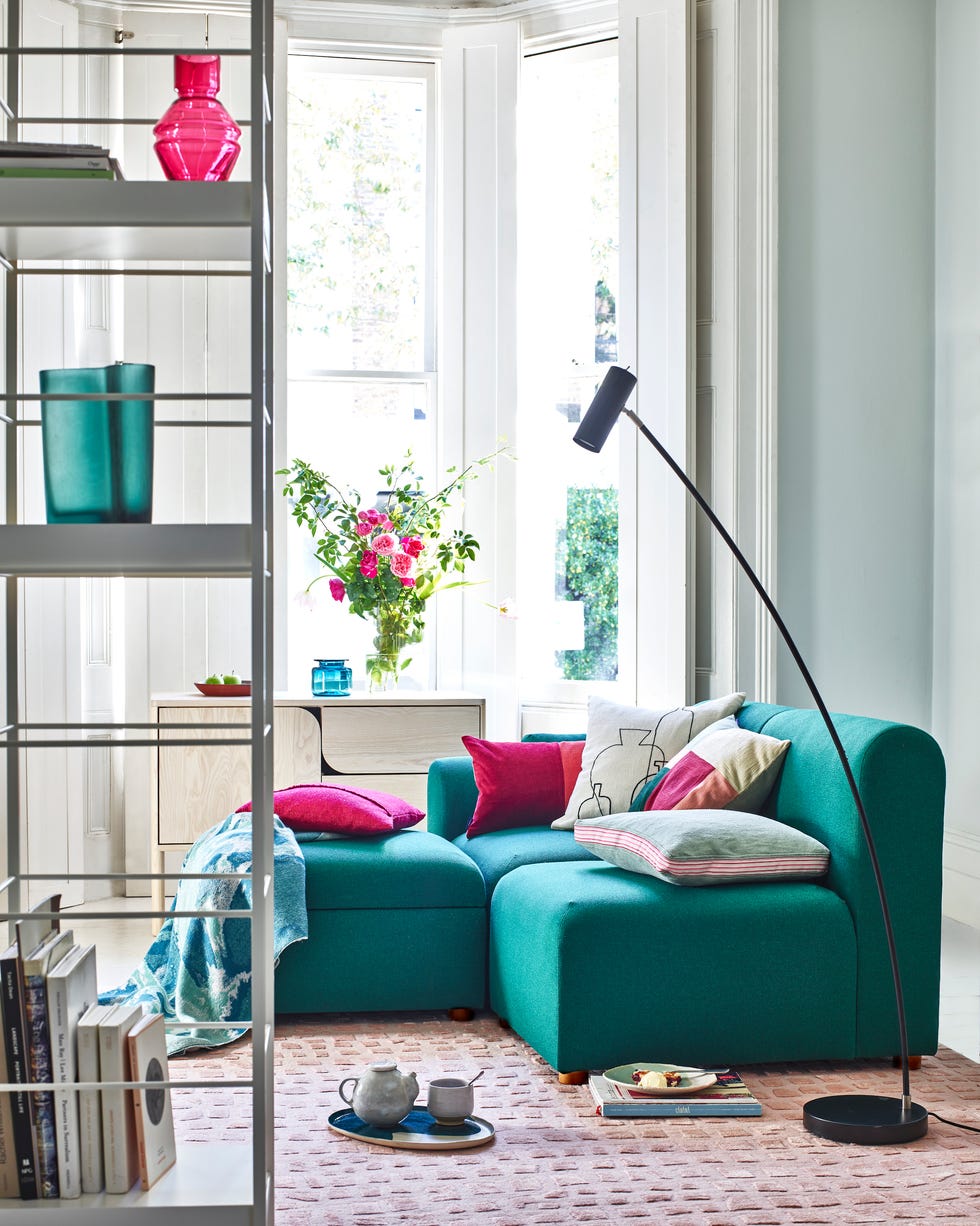
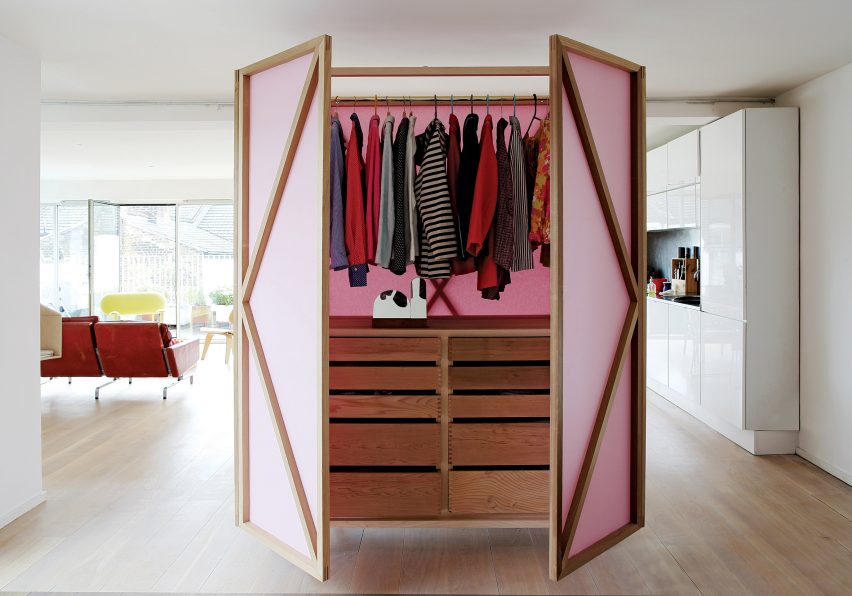
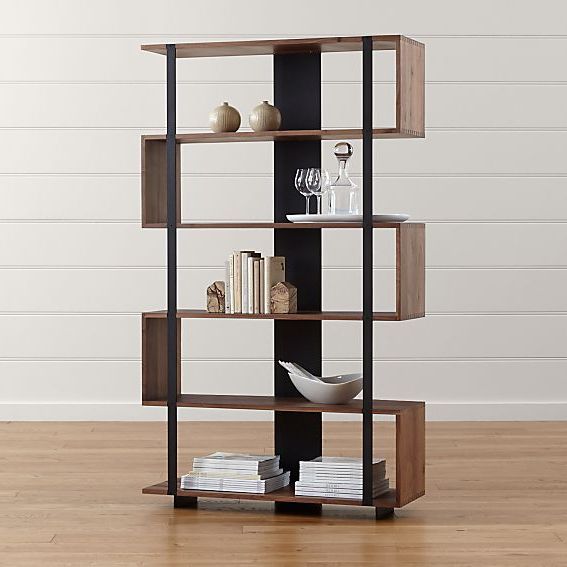
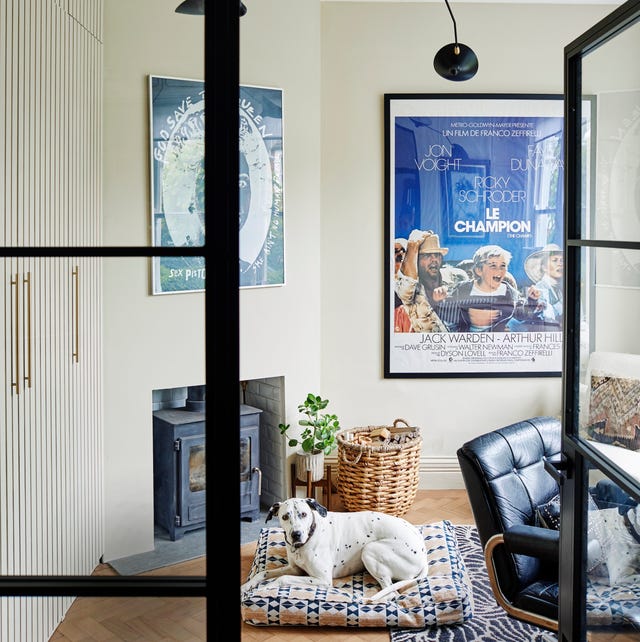
Another practical approach involves using low-profile furniture or taller pieces like wardrobes as partitions. Leanne Kilroy, founder of Good Bones, explains how converting clothing storage into partitions can separate dressing and sleeping areas, making the sleeping space cozier and keeping potential clutter out of sight. This method can also enhance the view from the bed by avoiding a wall of wardrobes. For more permanent and modern solutions, installing internal glazing, such as Crittall doors, is recommended. This allows light to flood the room while providing a clear distinction between two spaces. Louise Wicksteed from Sims Hilditch notes that linen curtains can be added for privacy when needed.
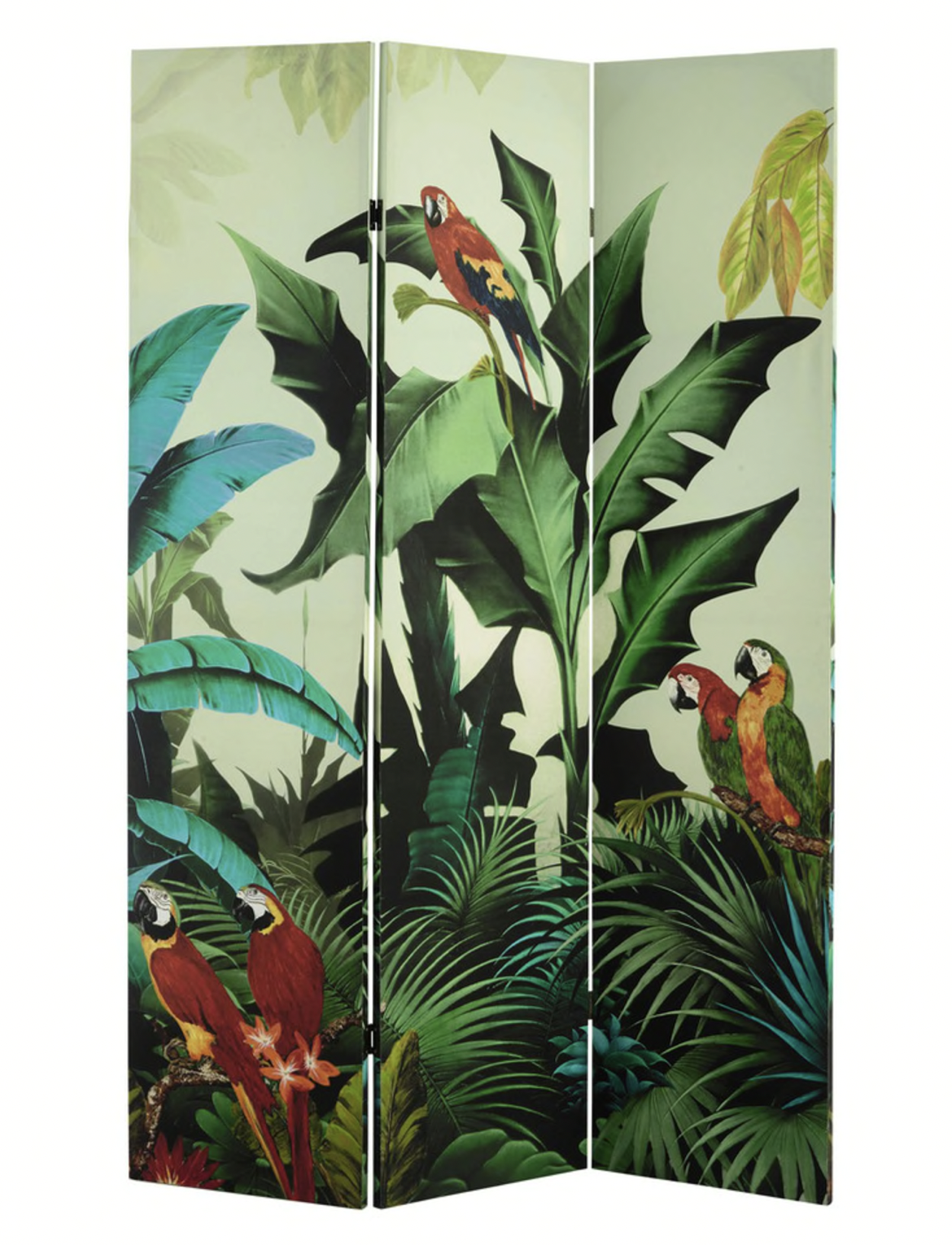
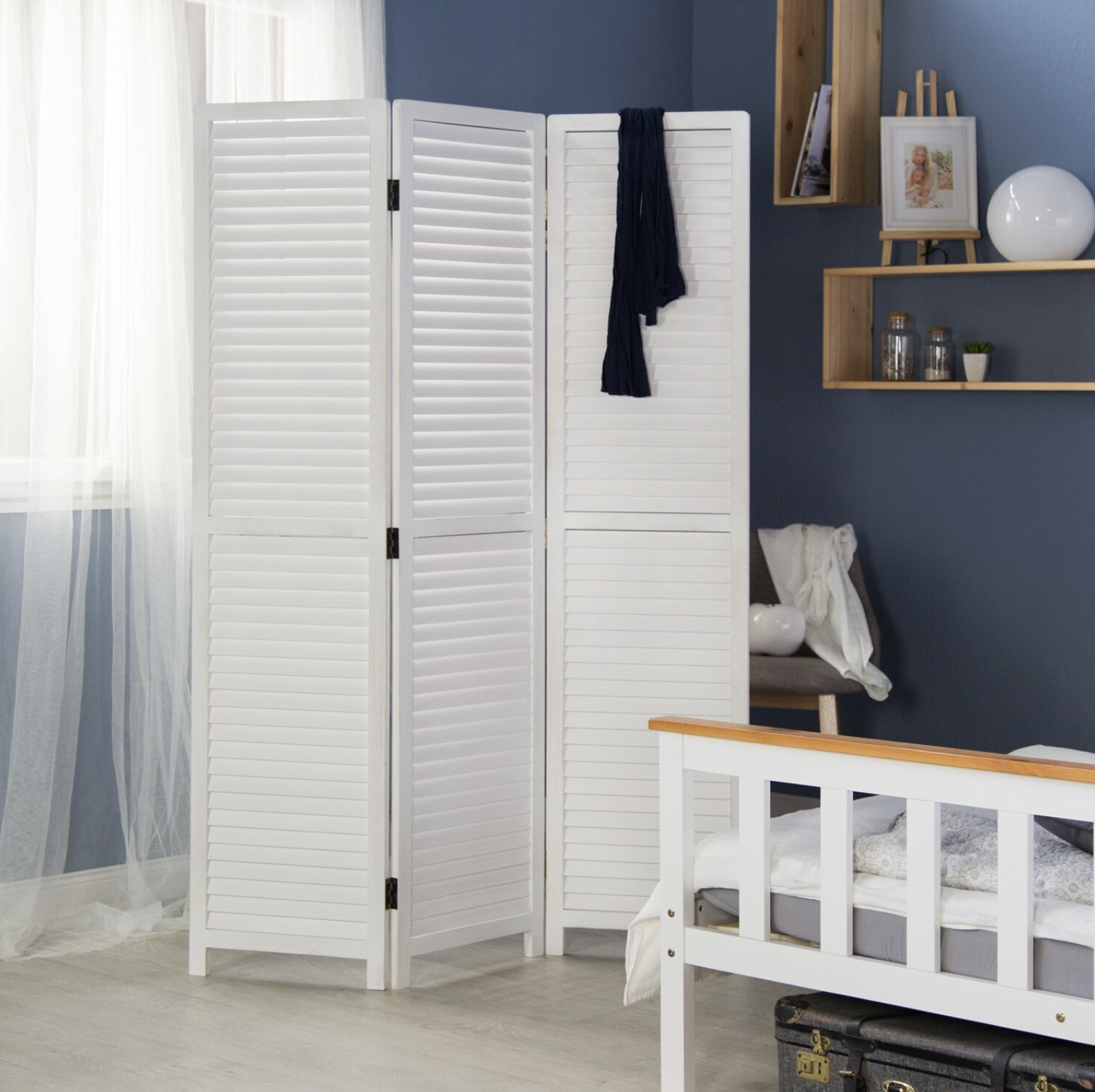
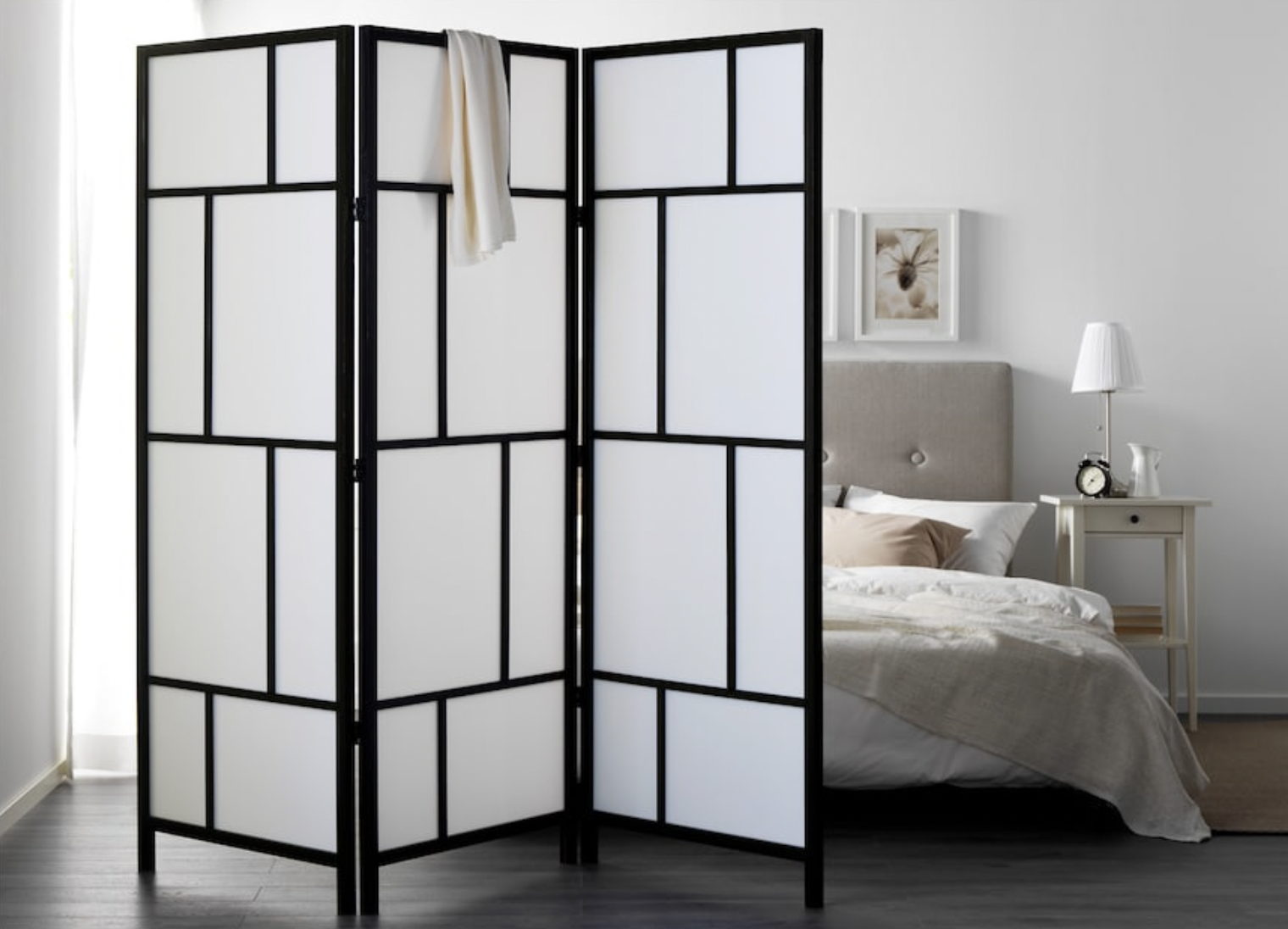
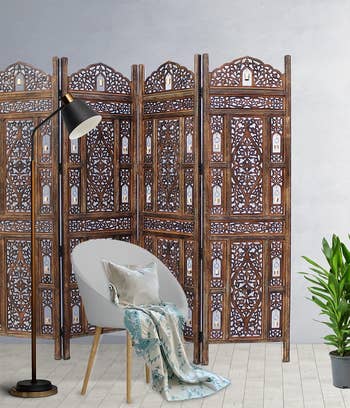
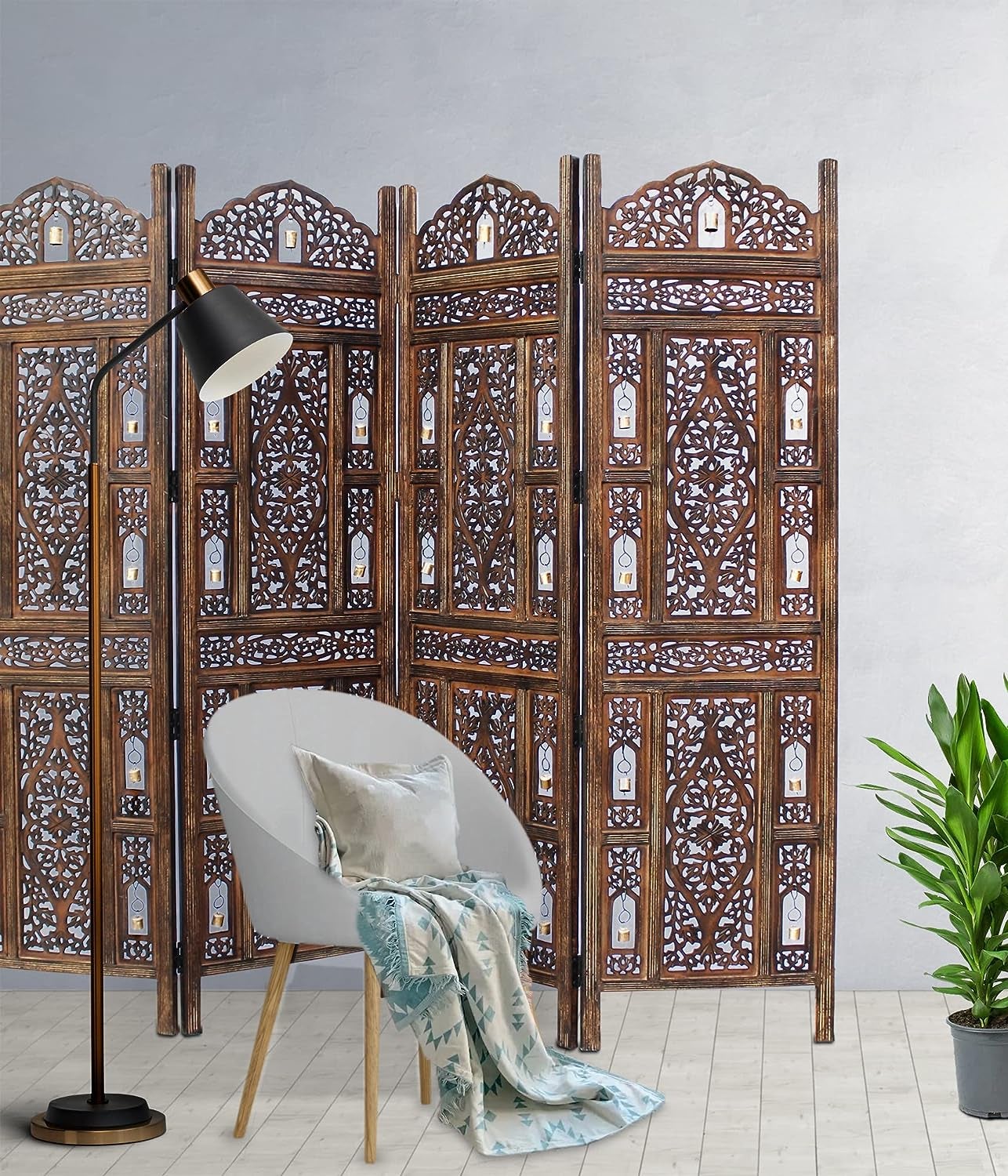
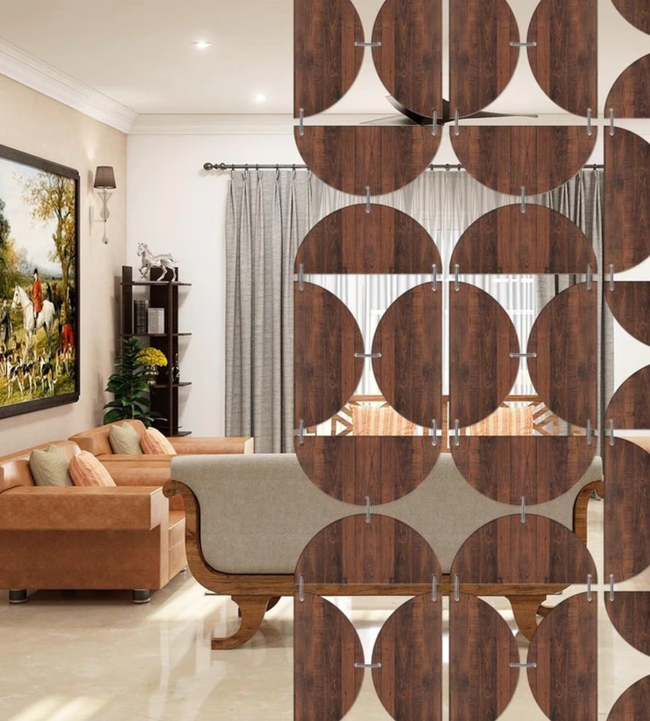
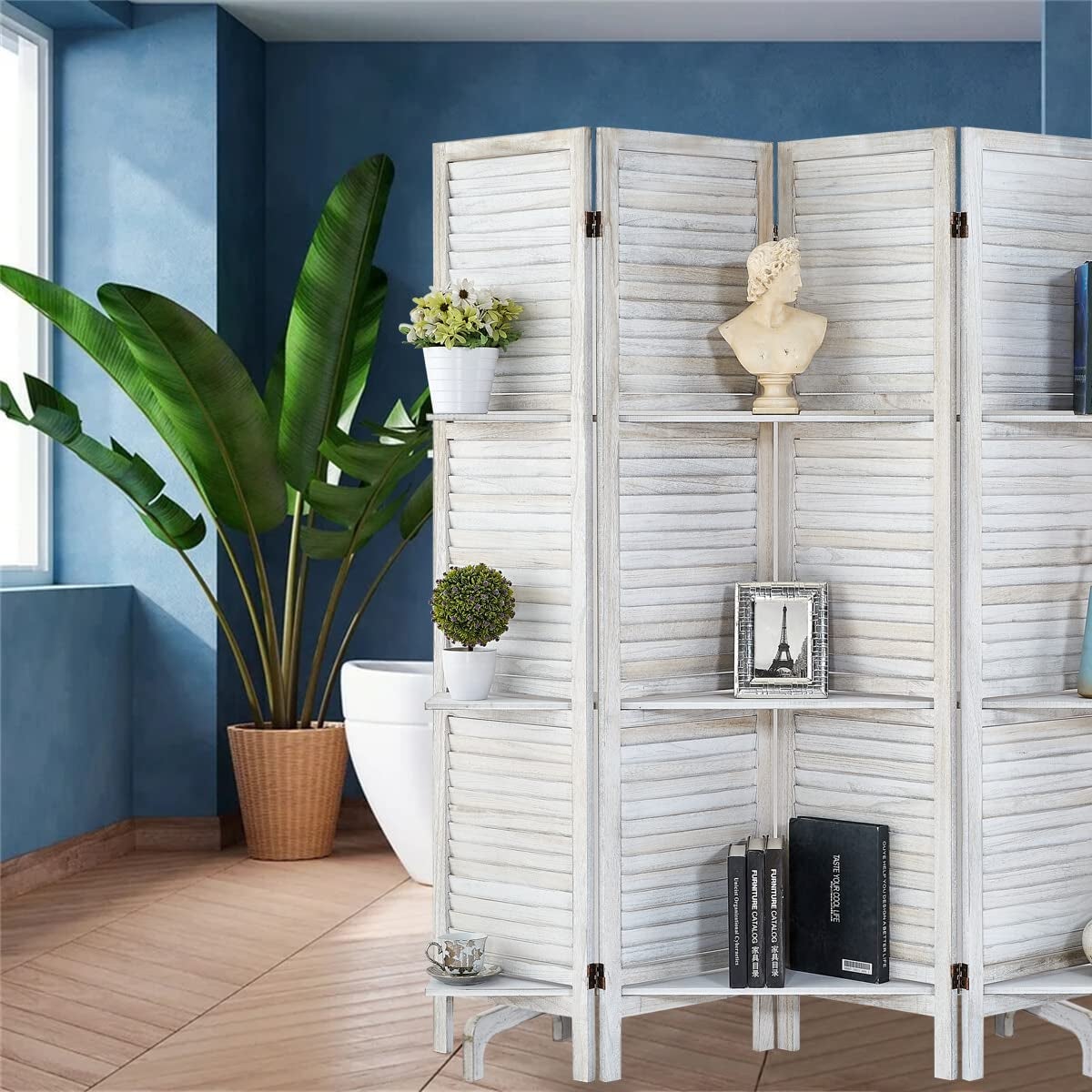
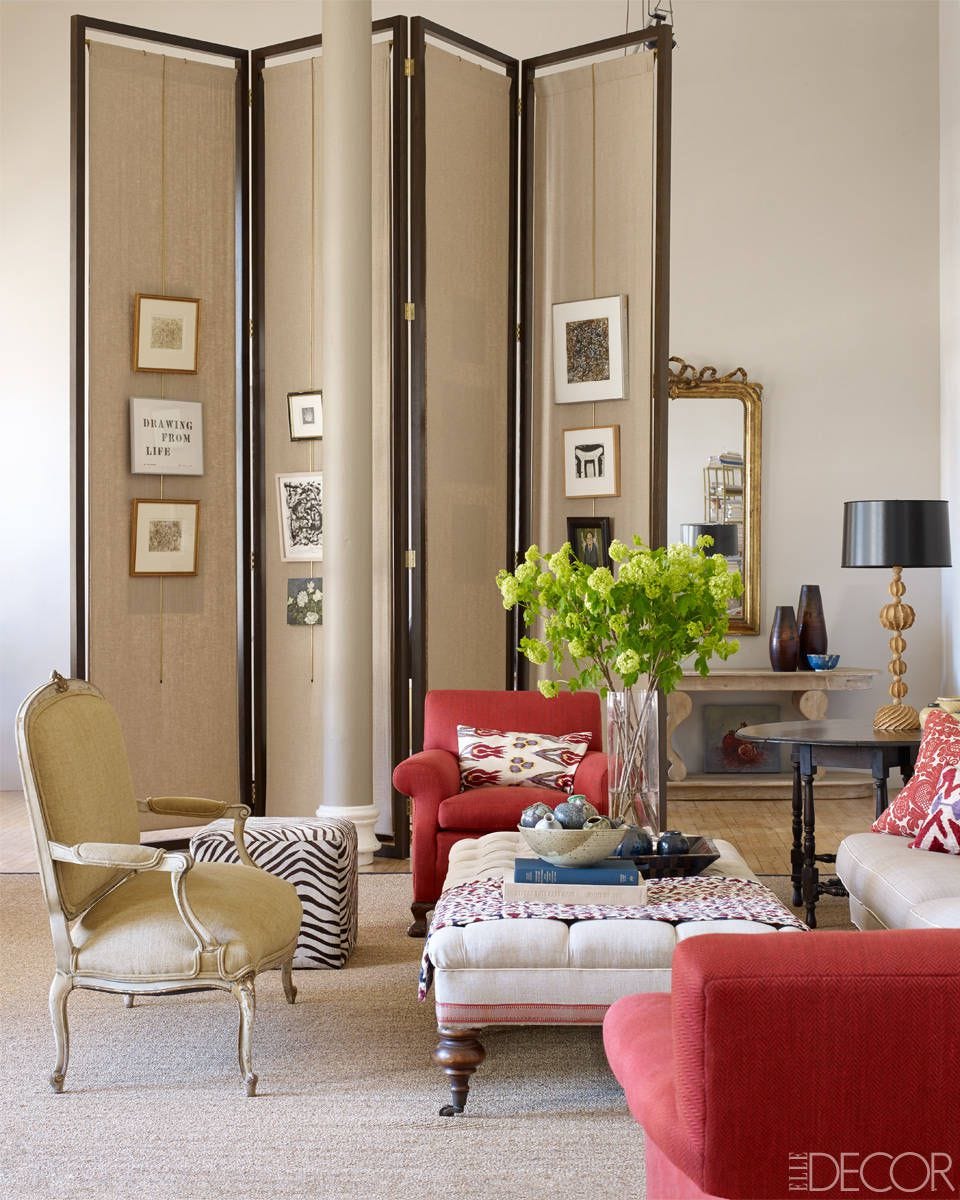
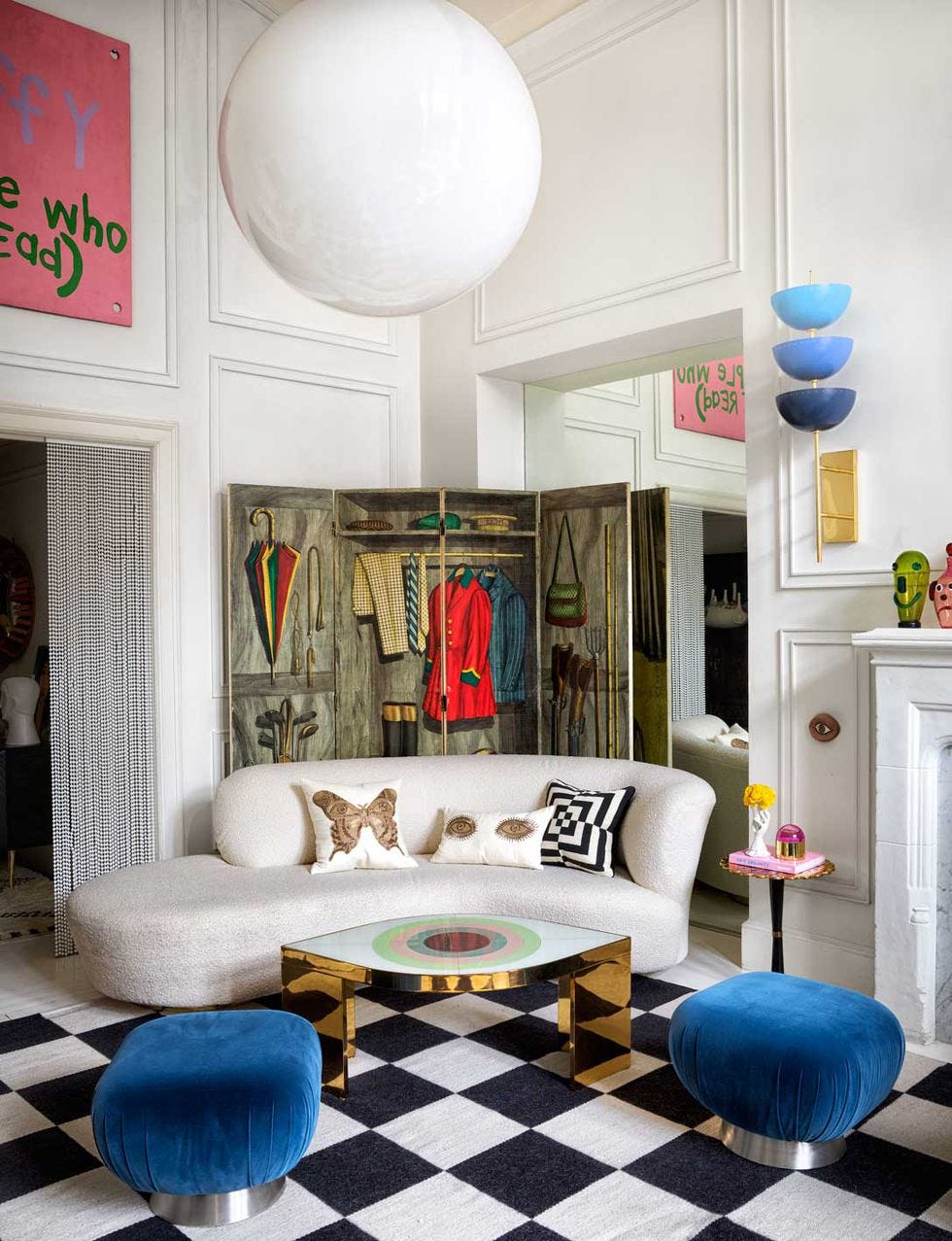
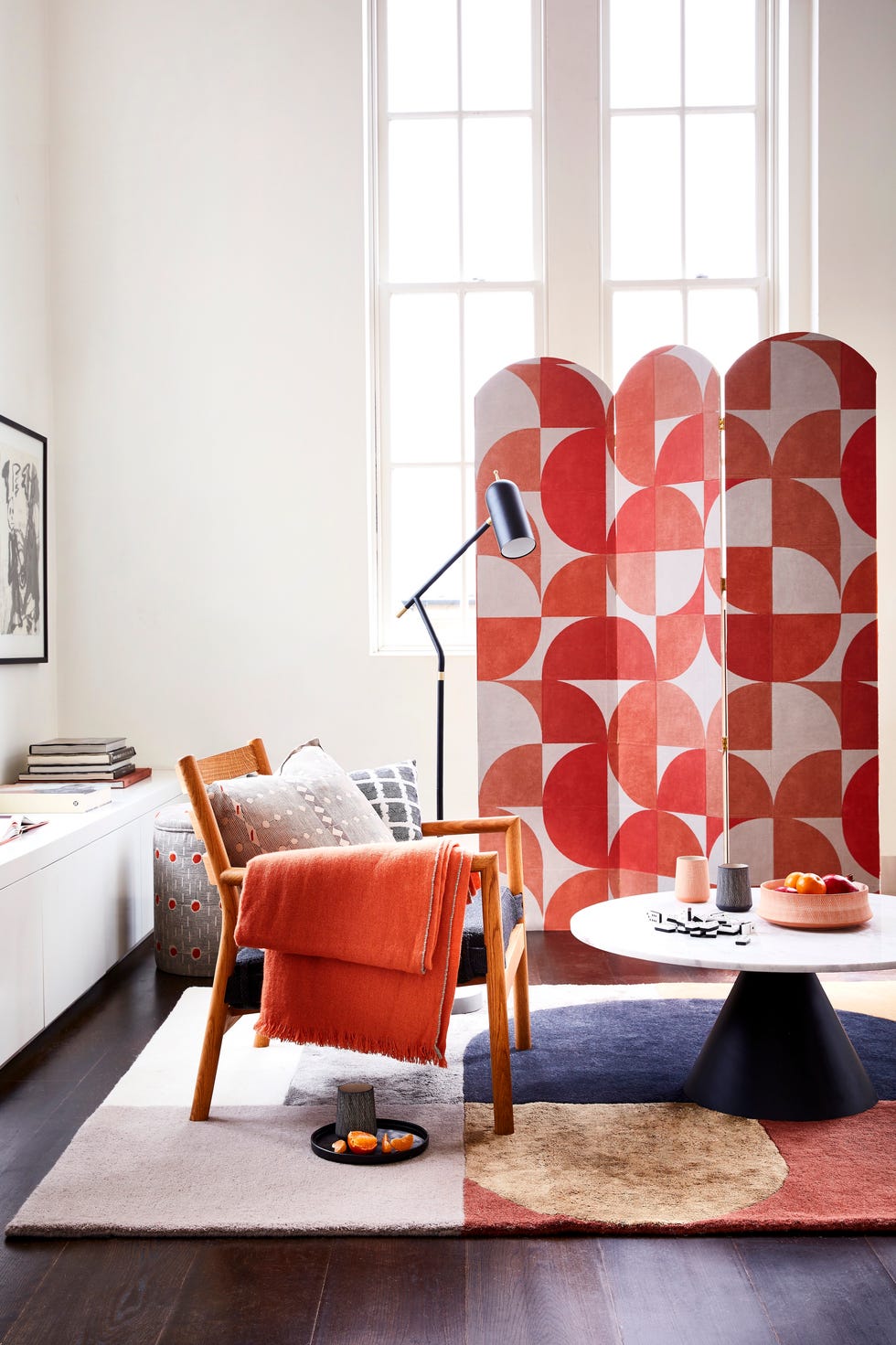
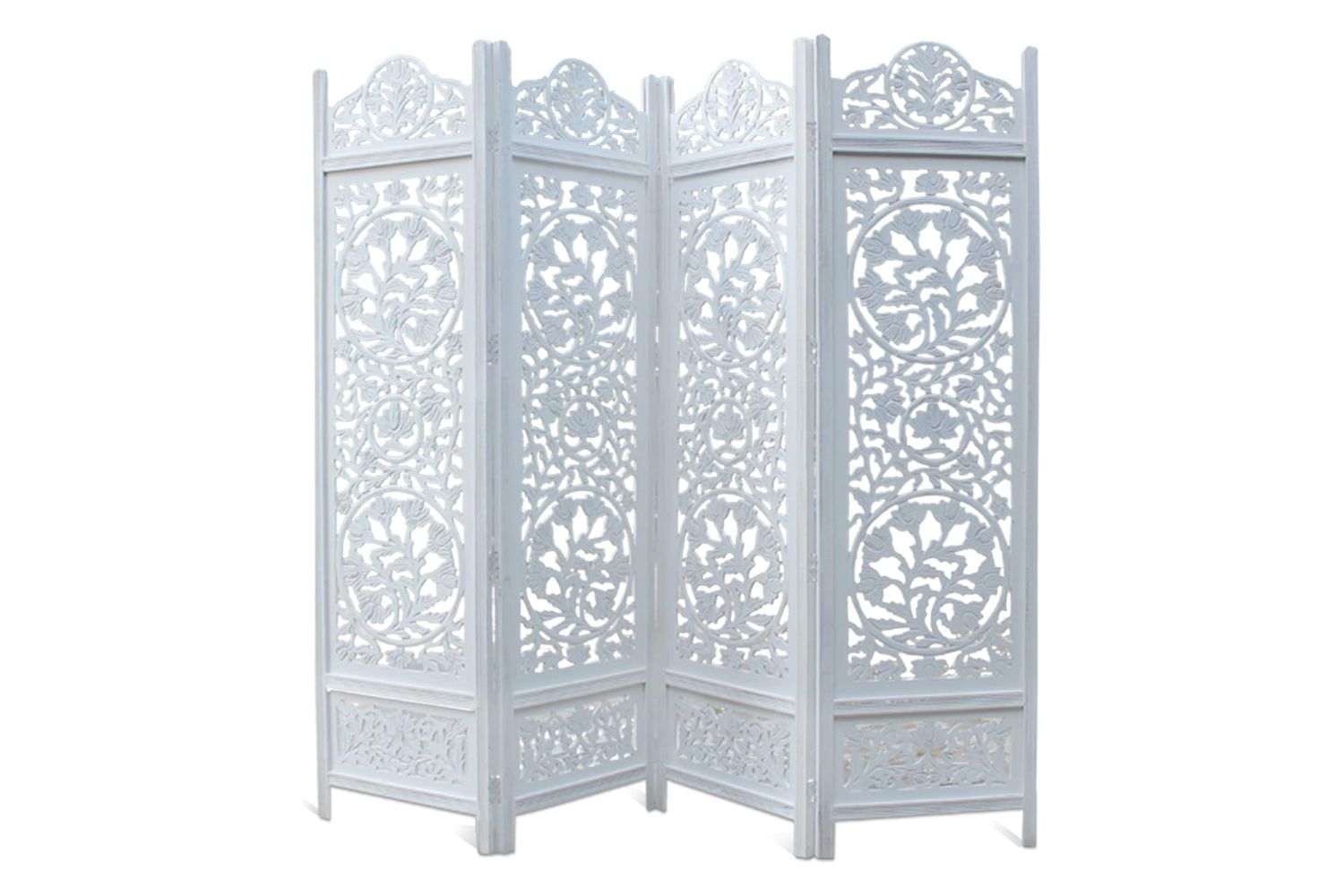
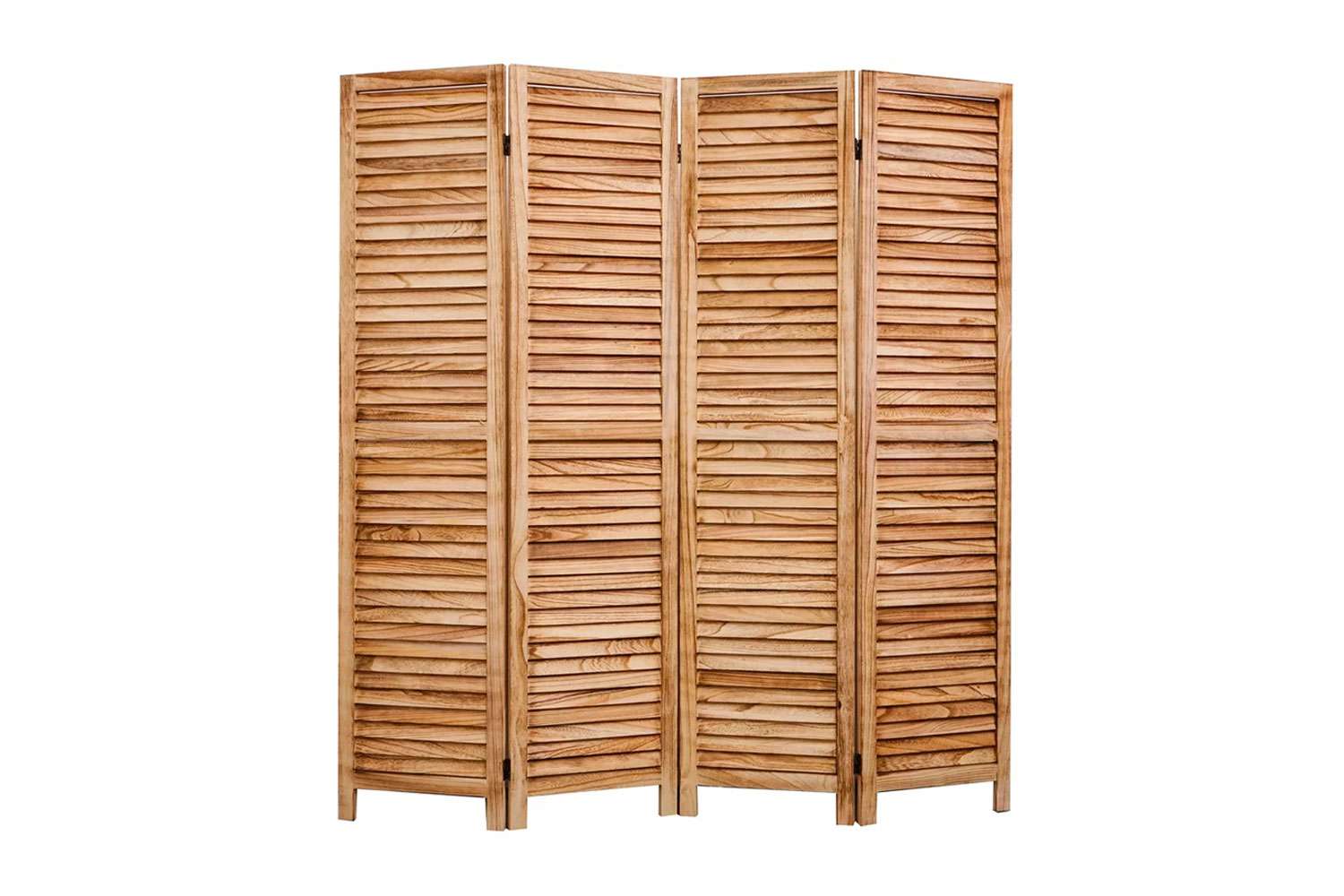
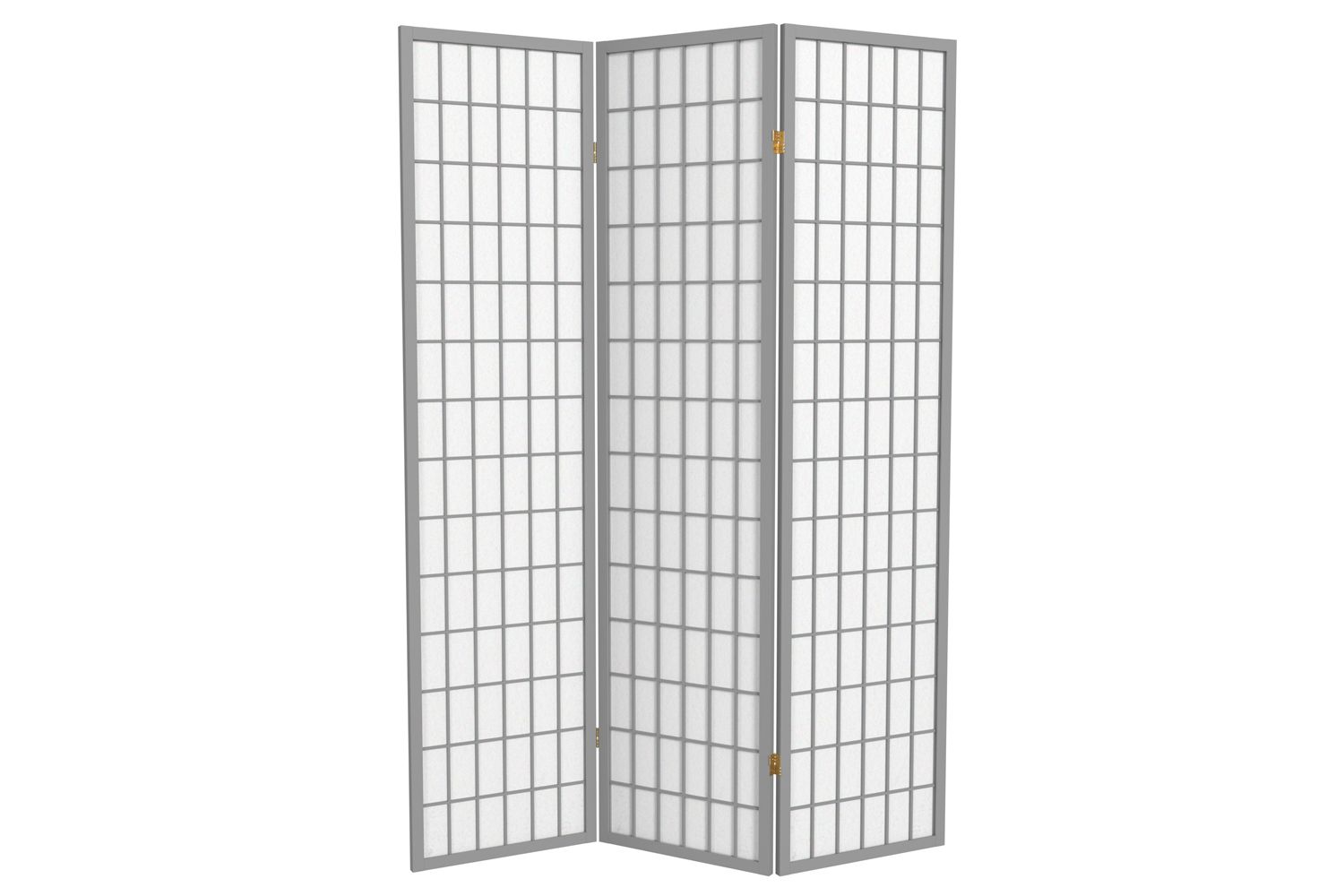
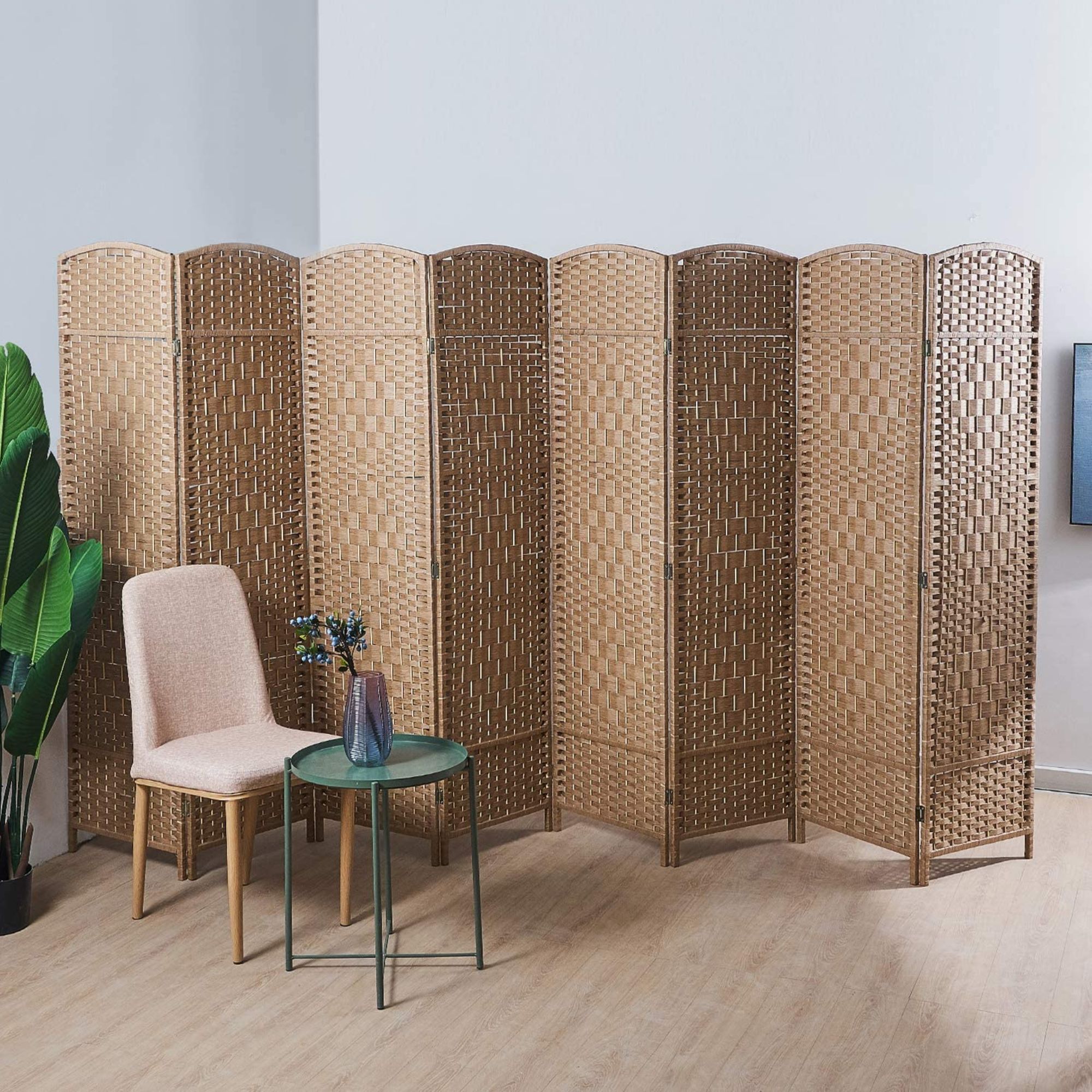
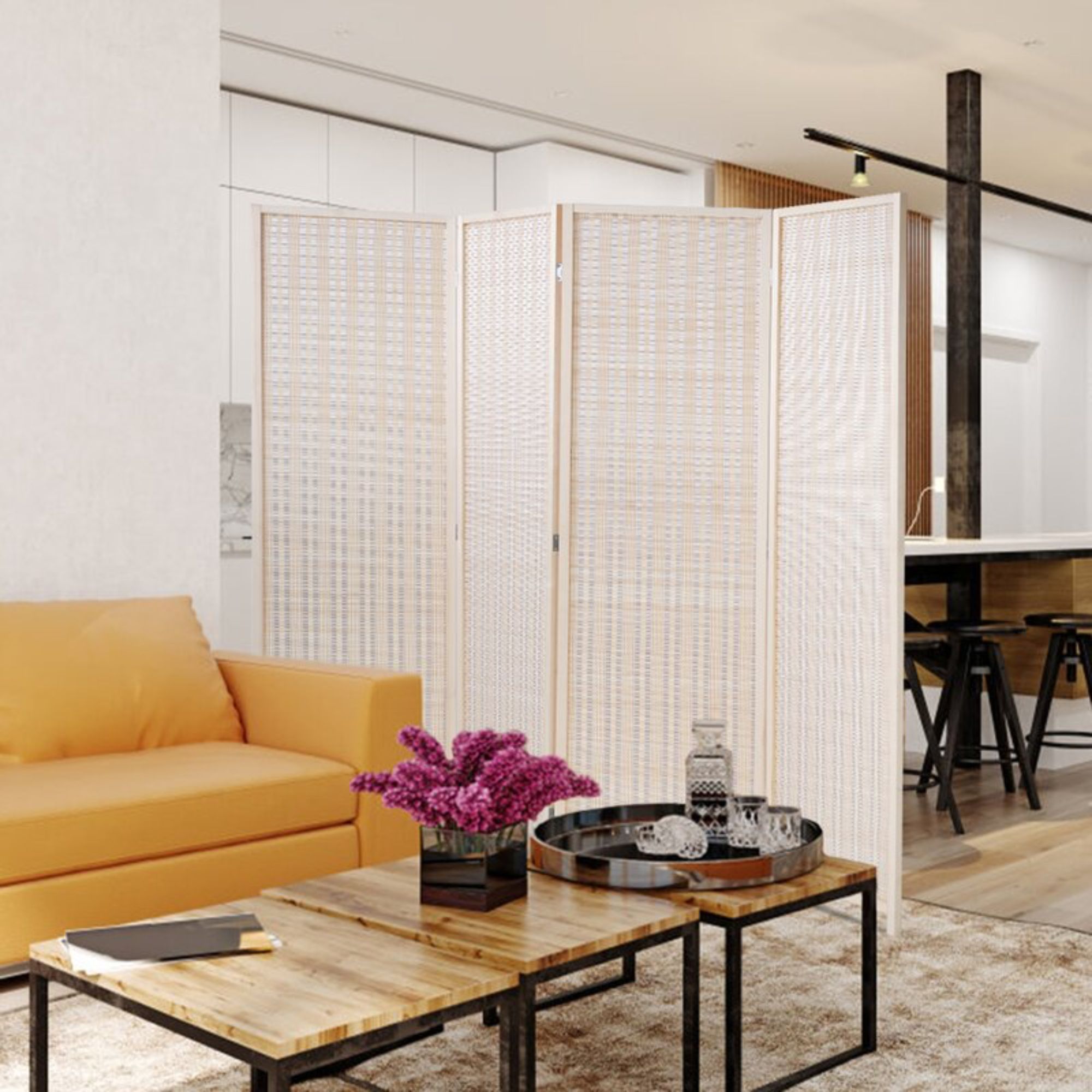
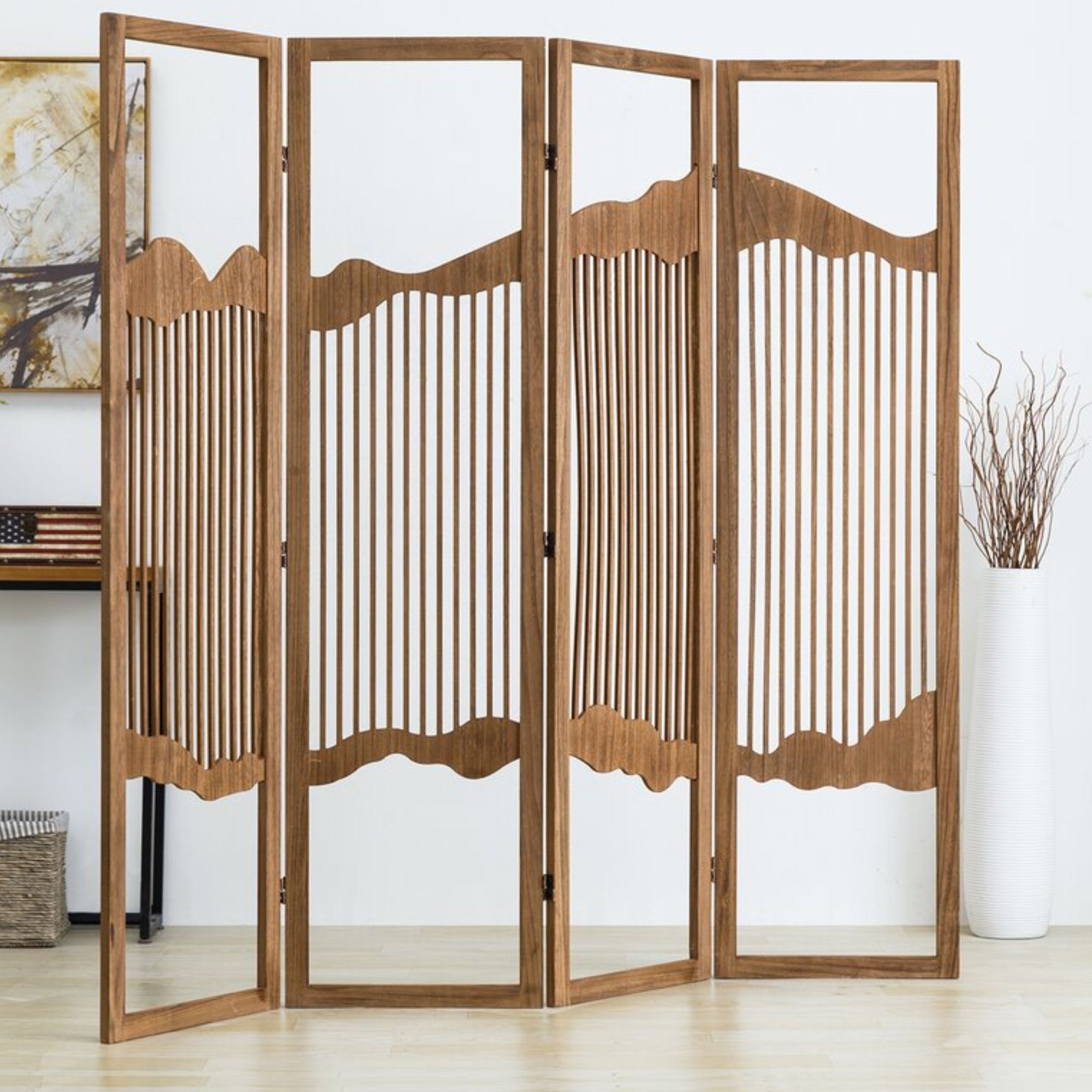
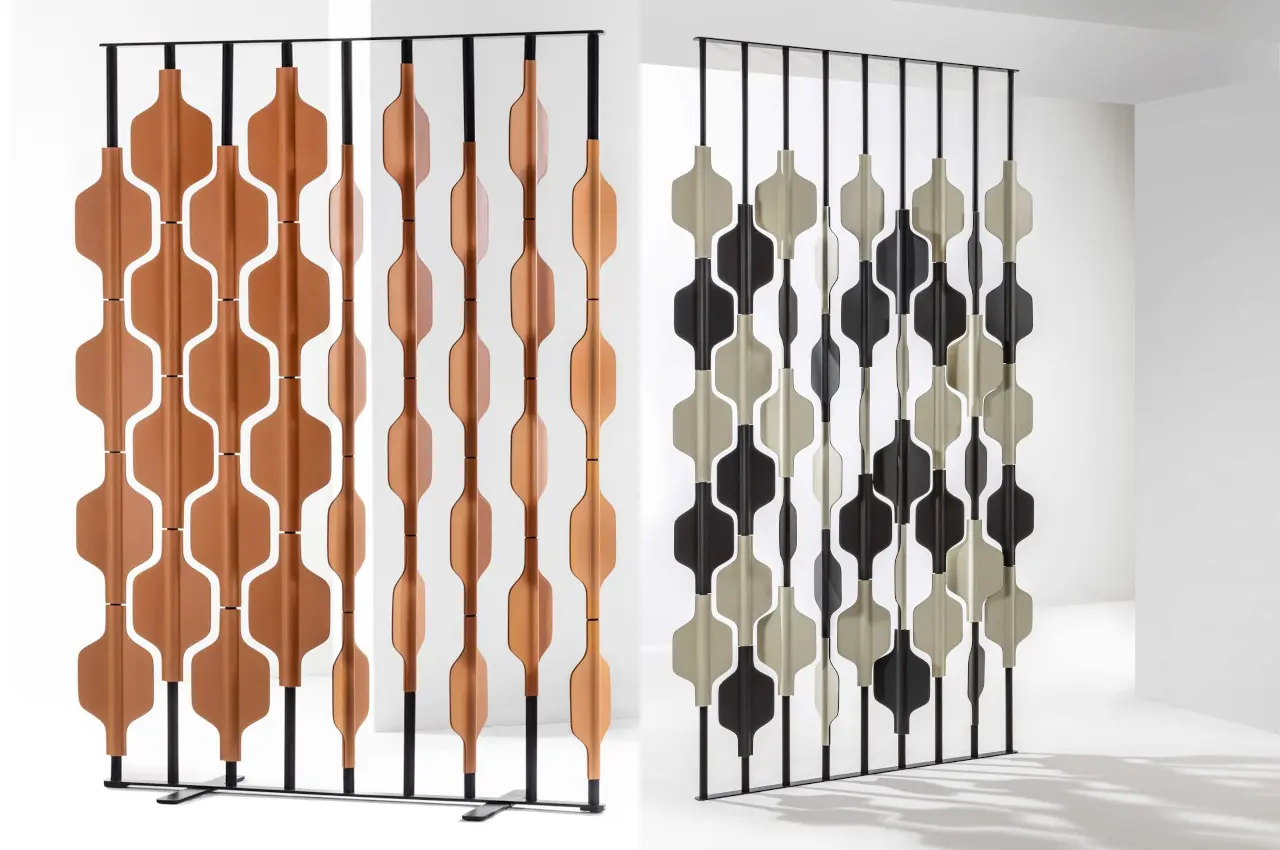
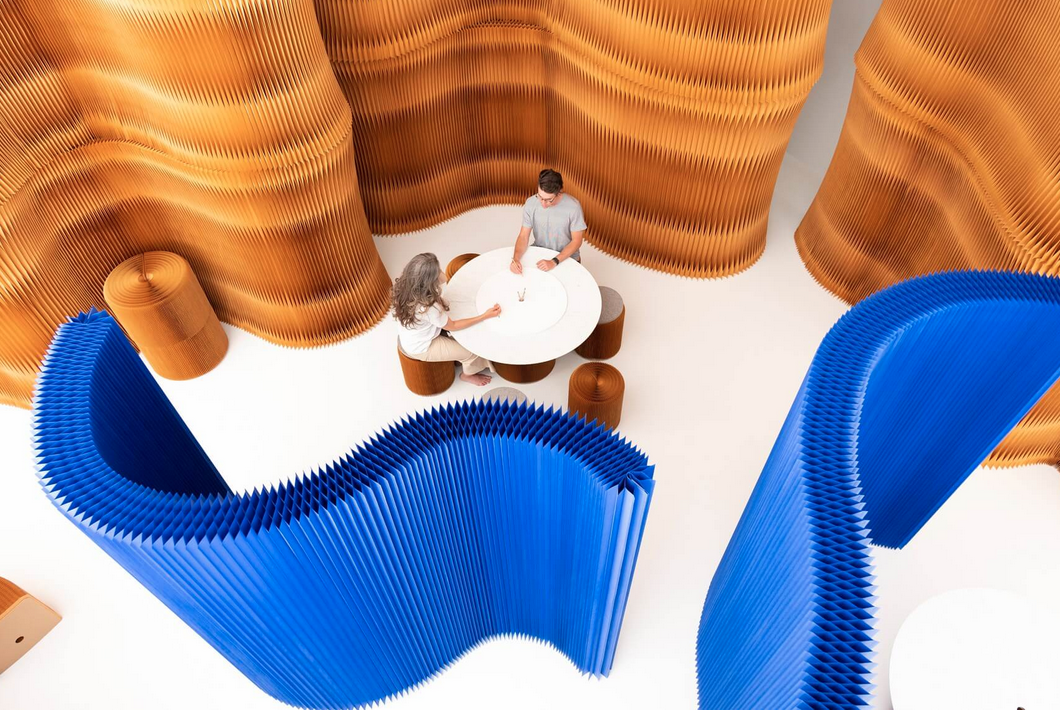
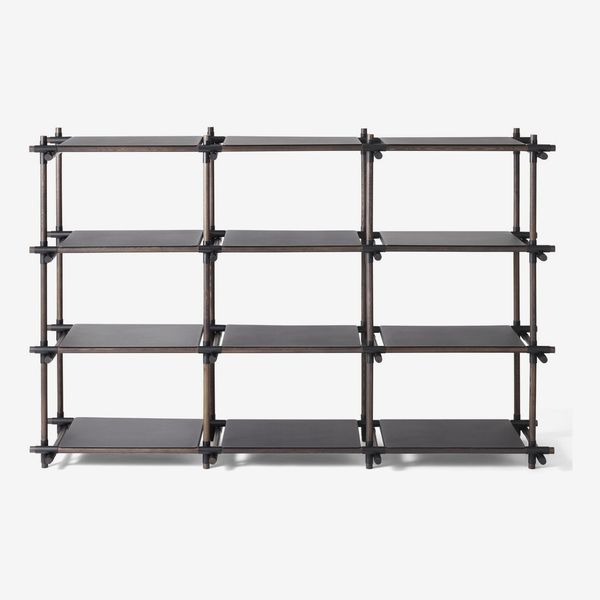
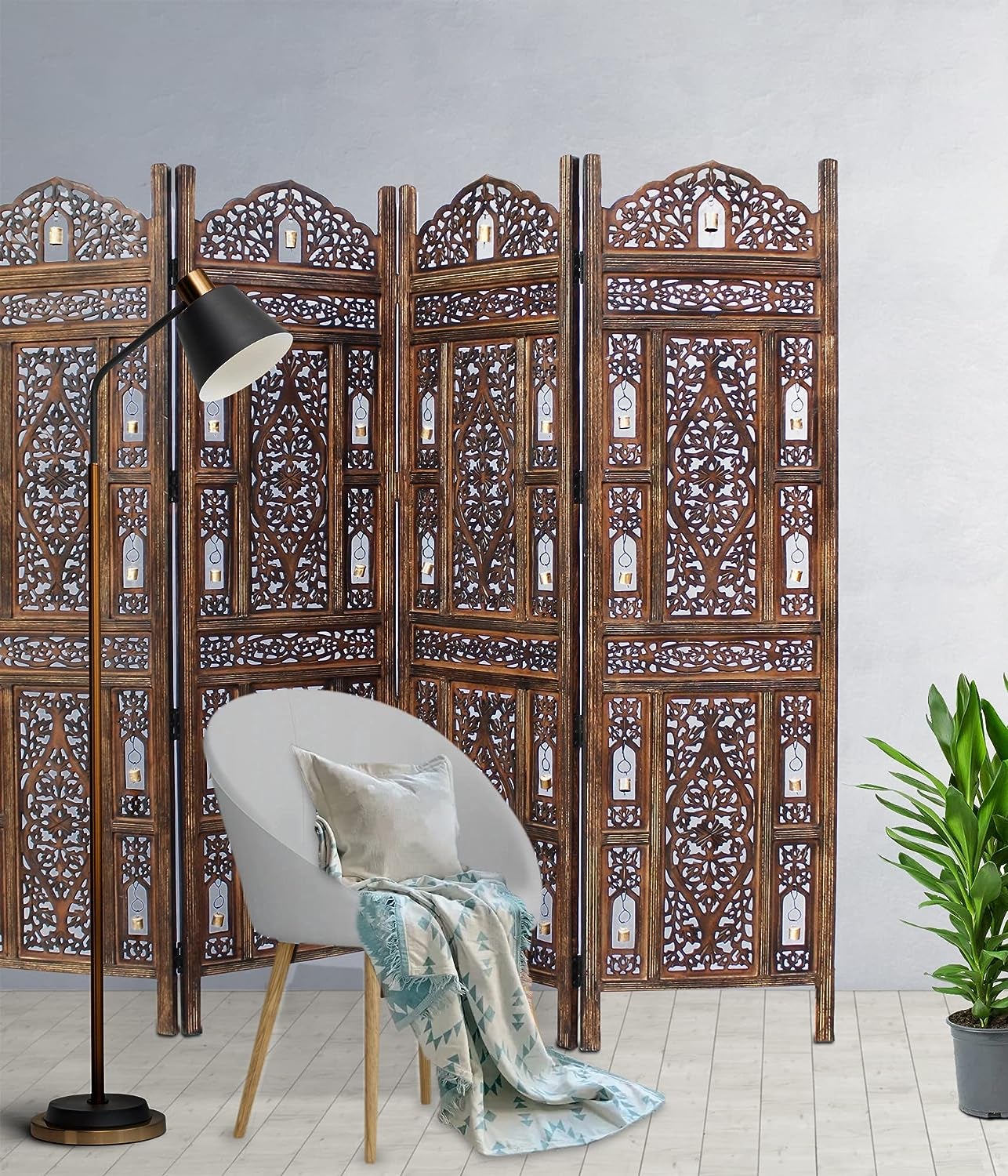
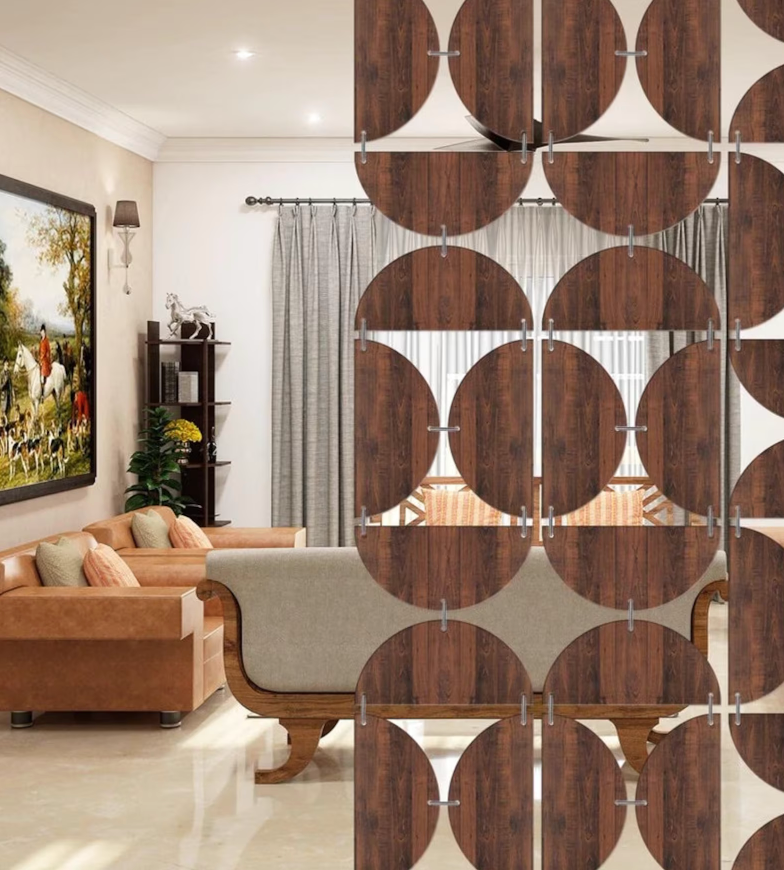
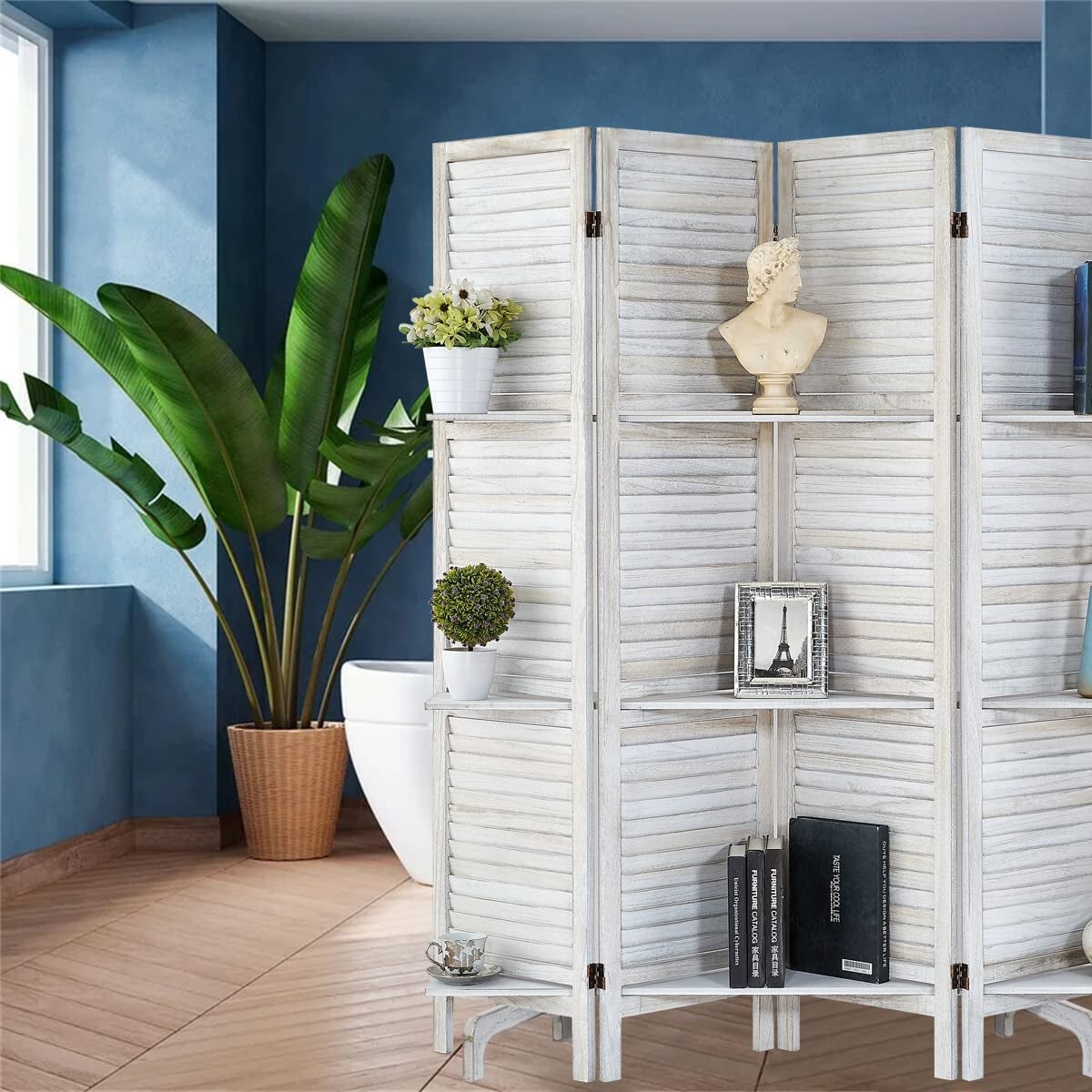
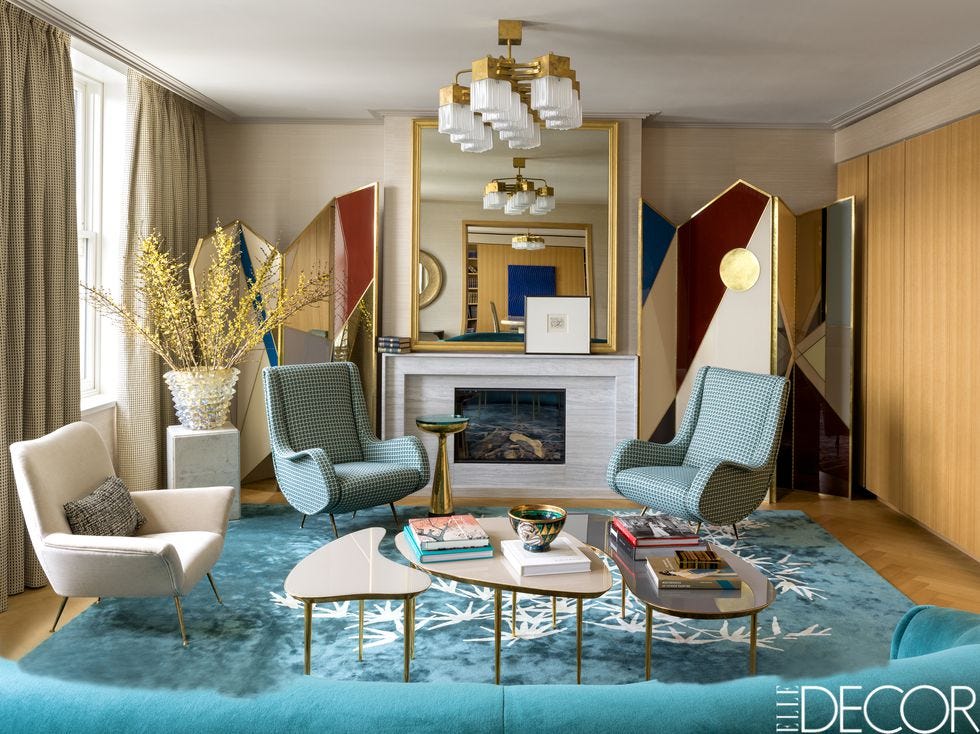
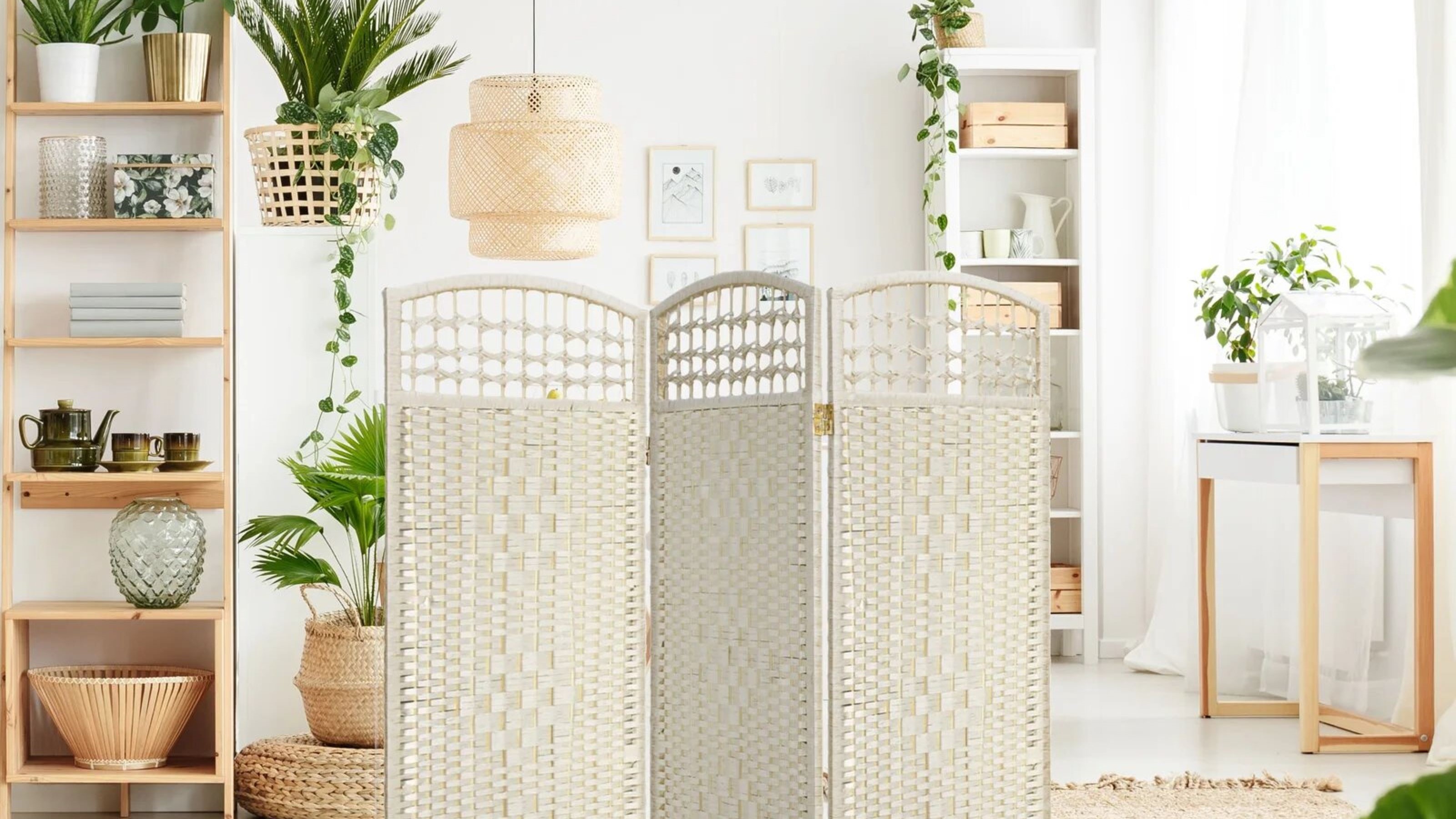
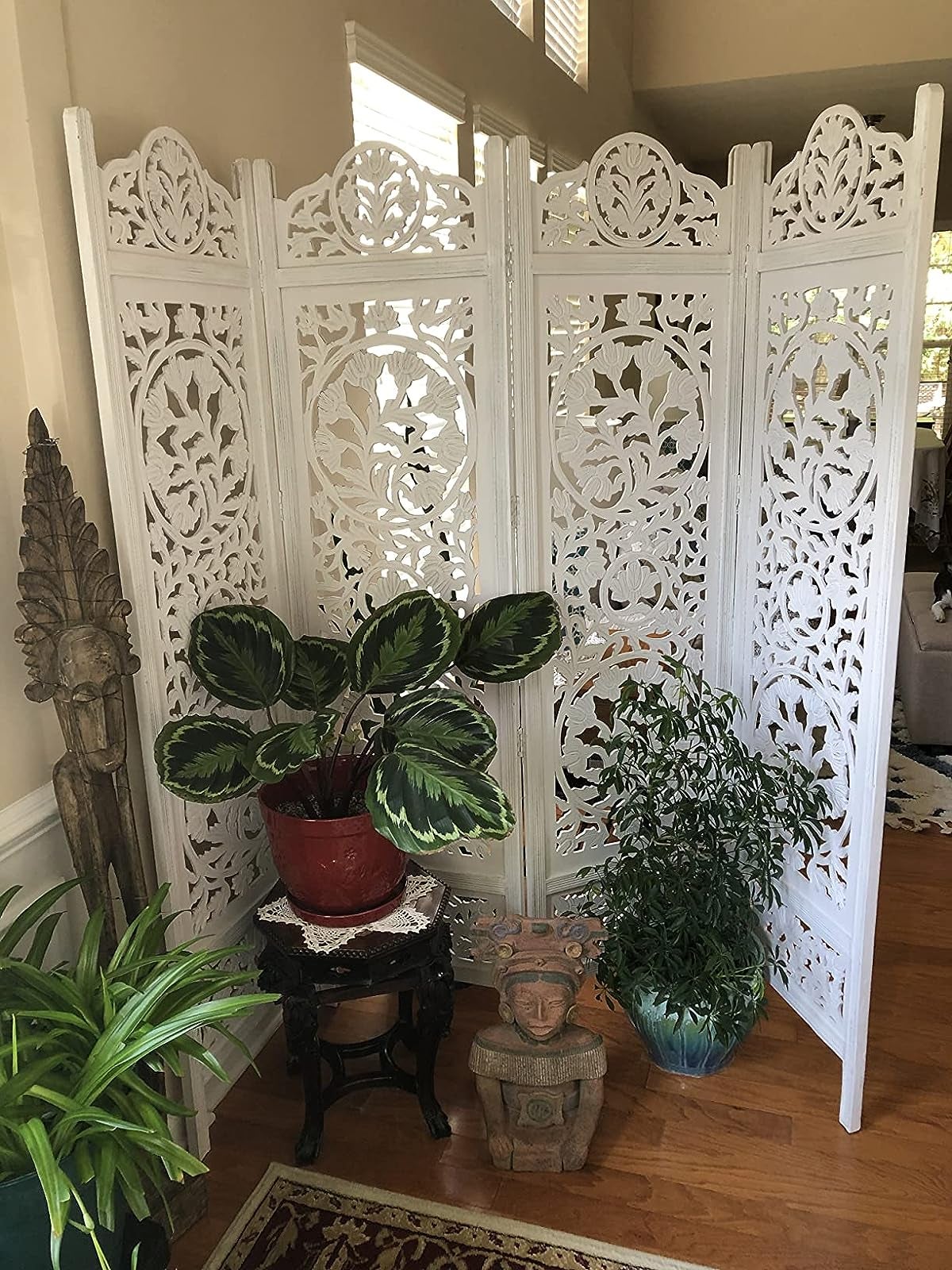
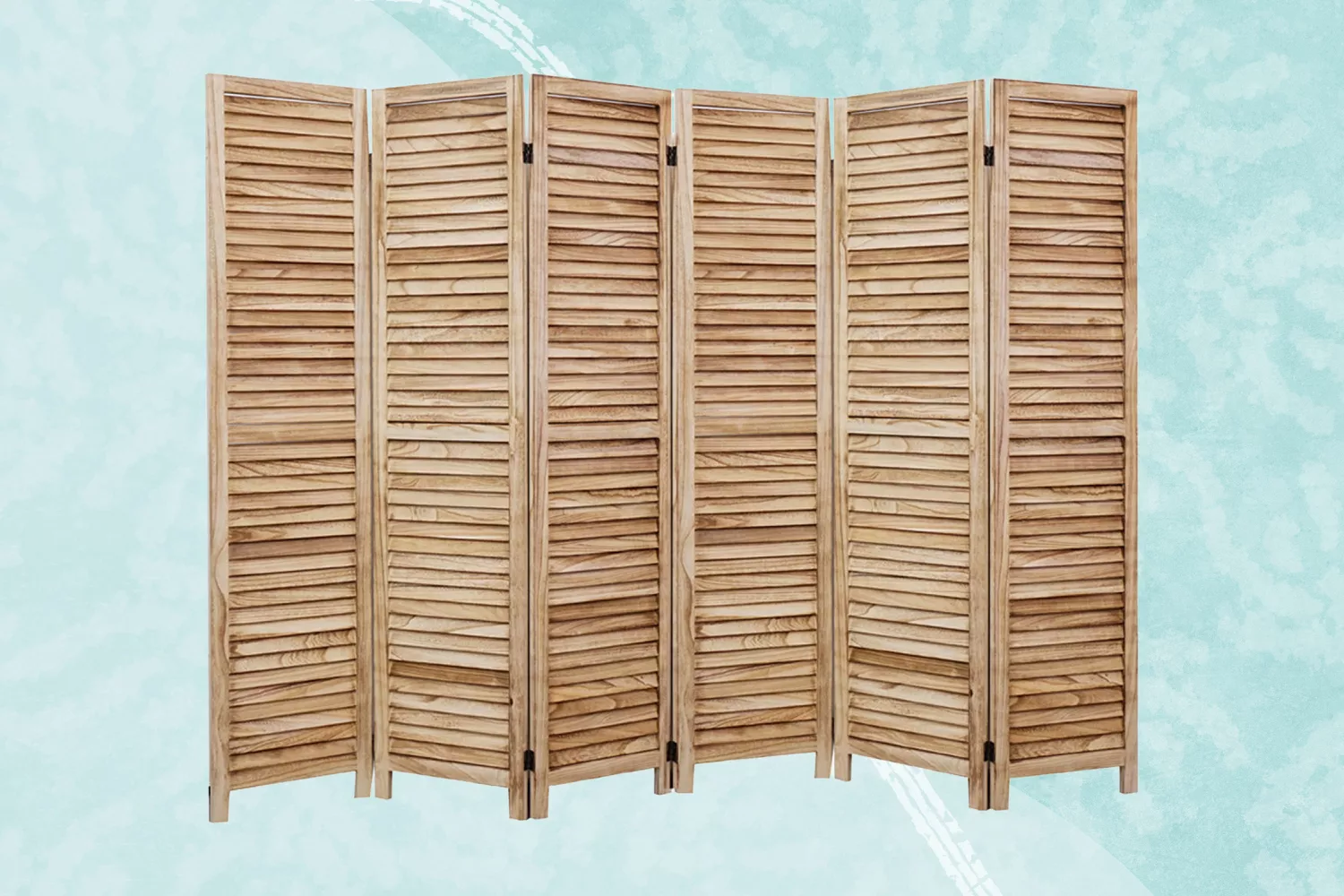
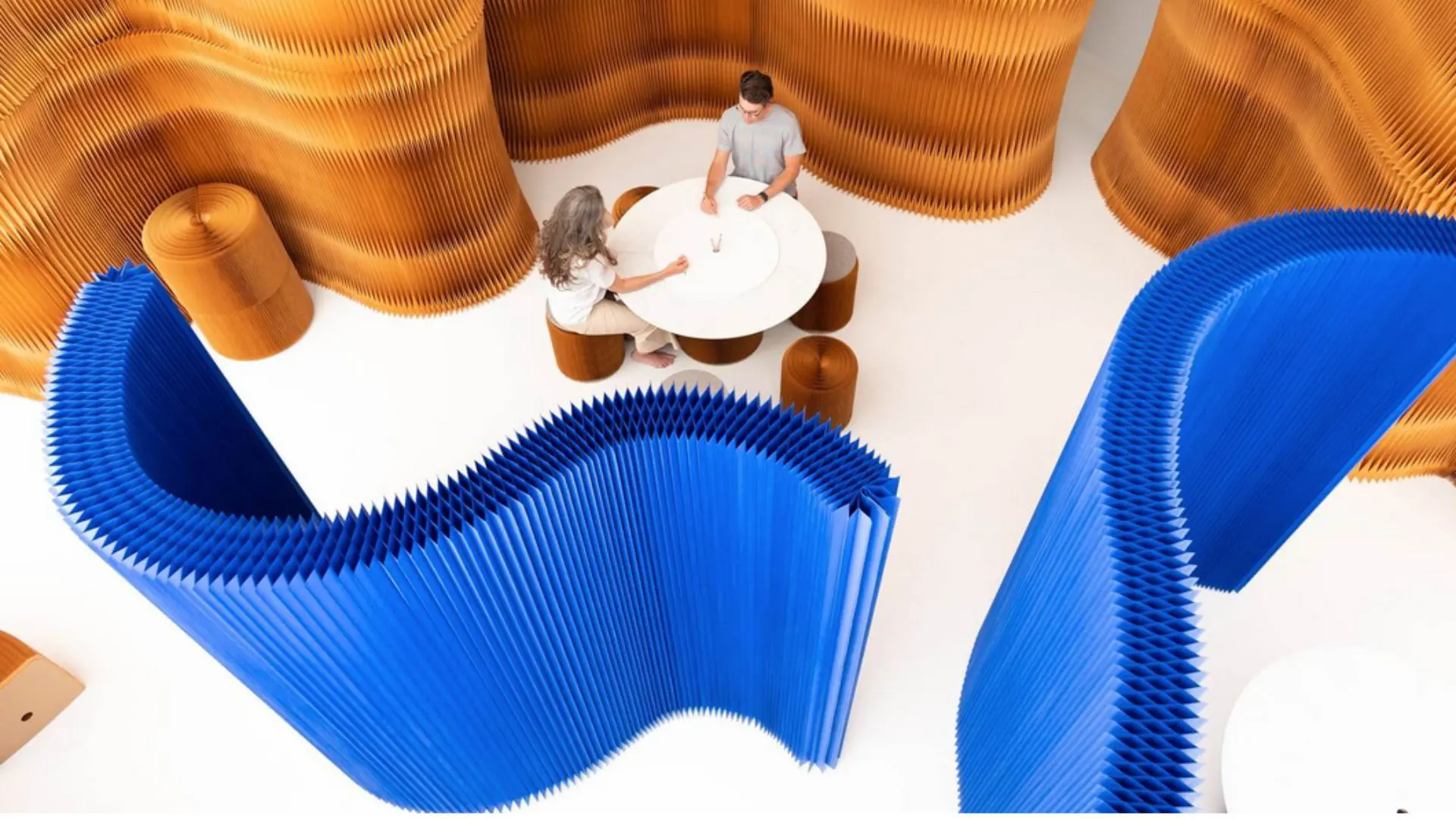
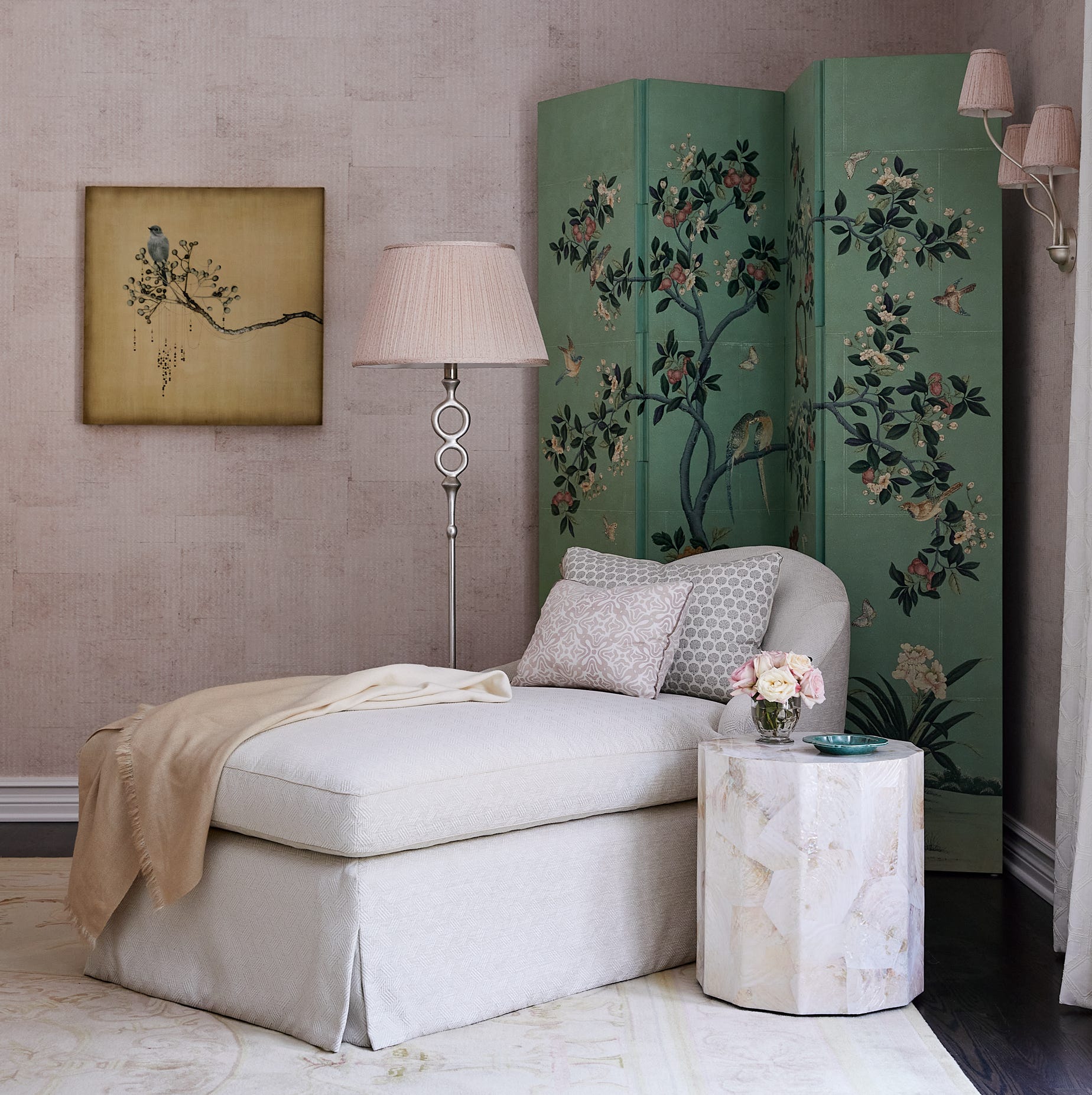
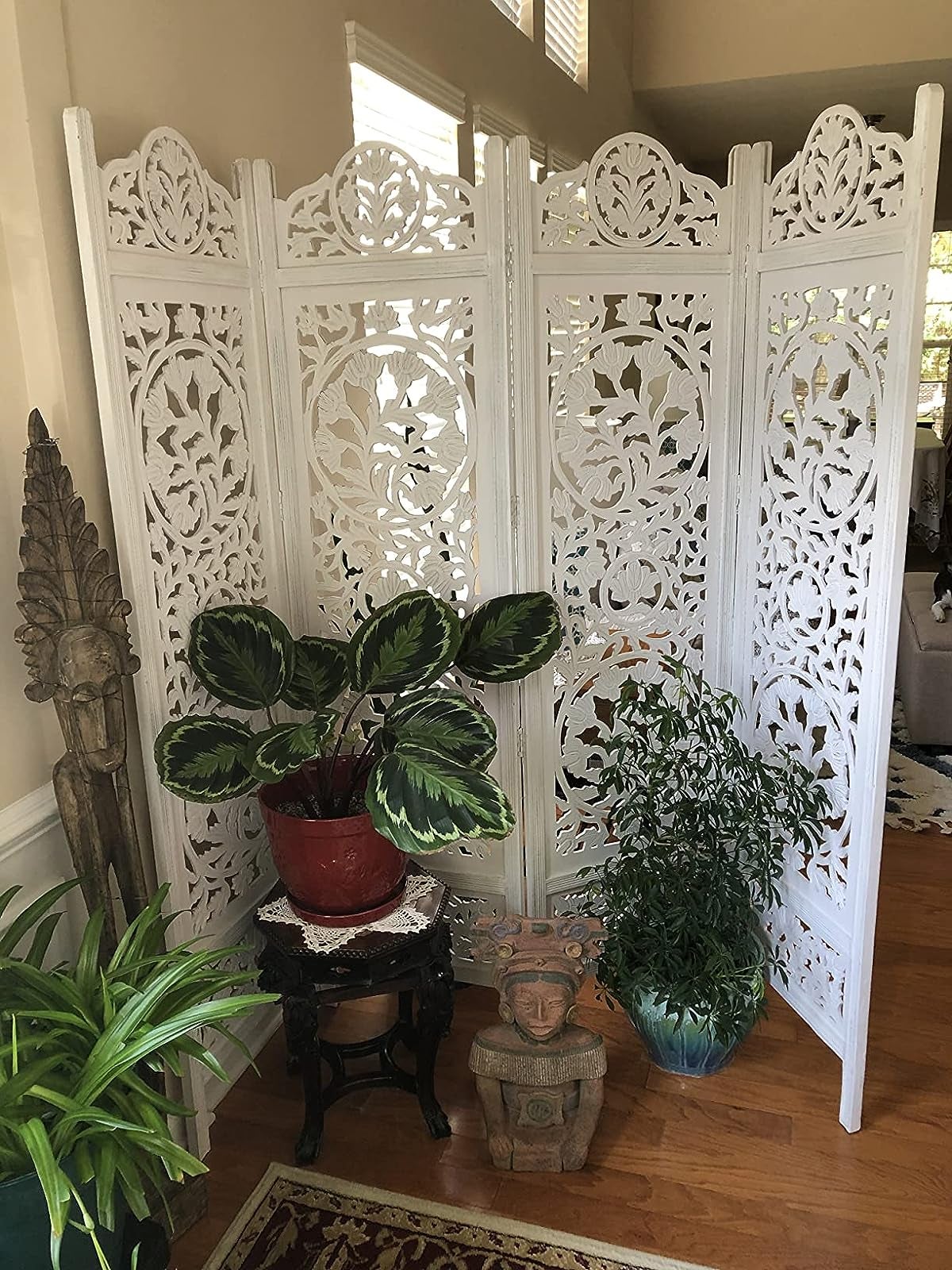
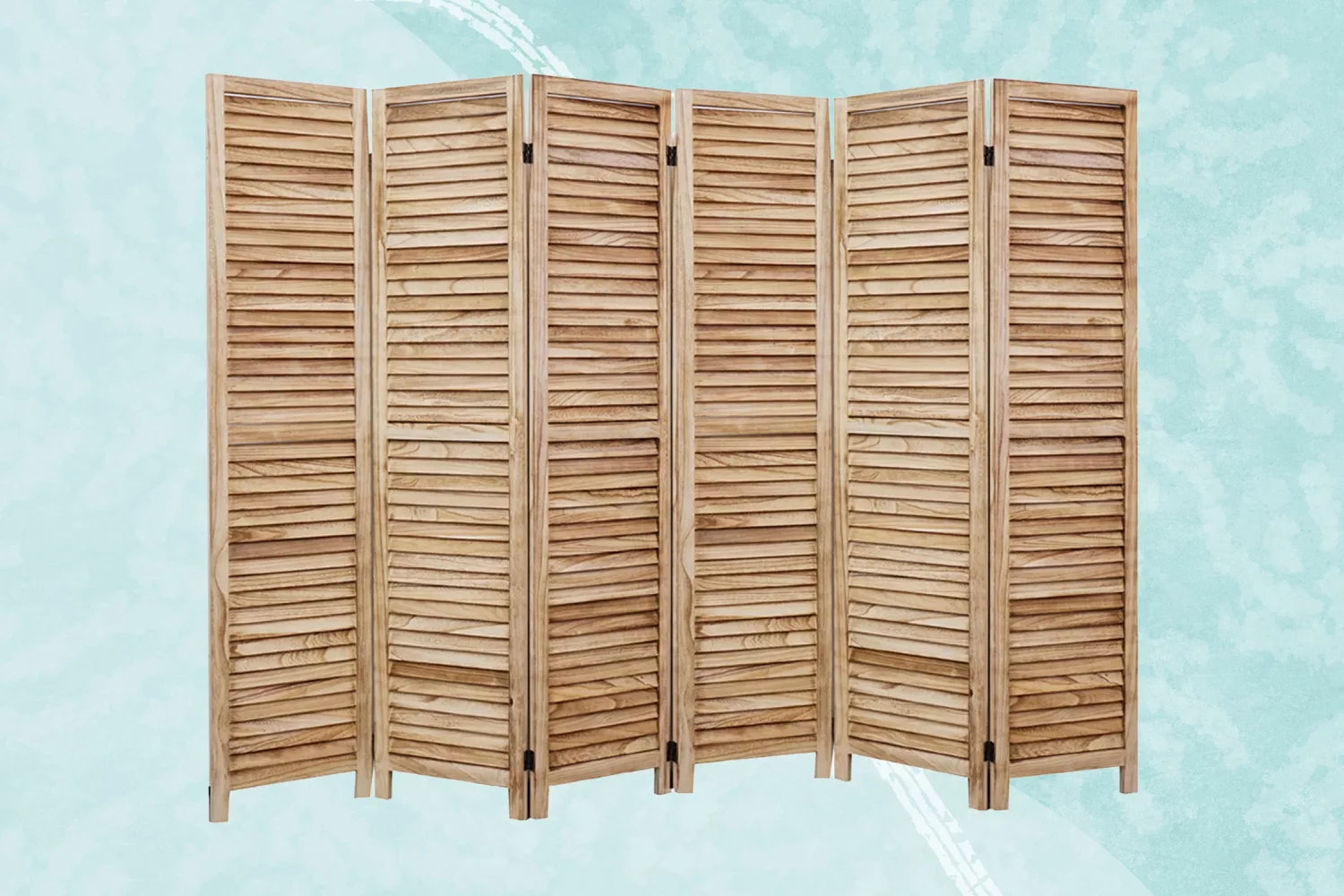
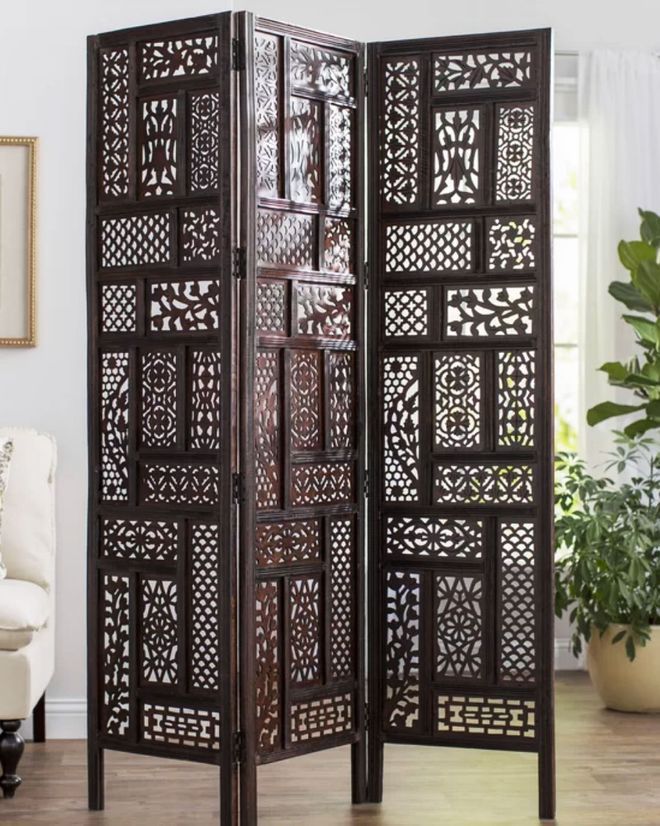
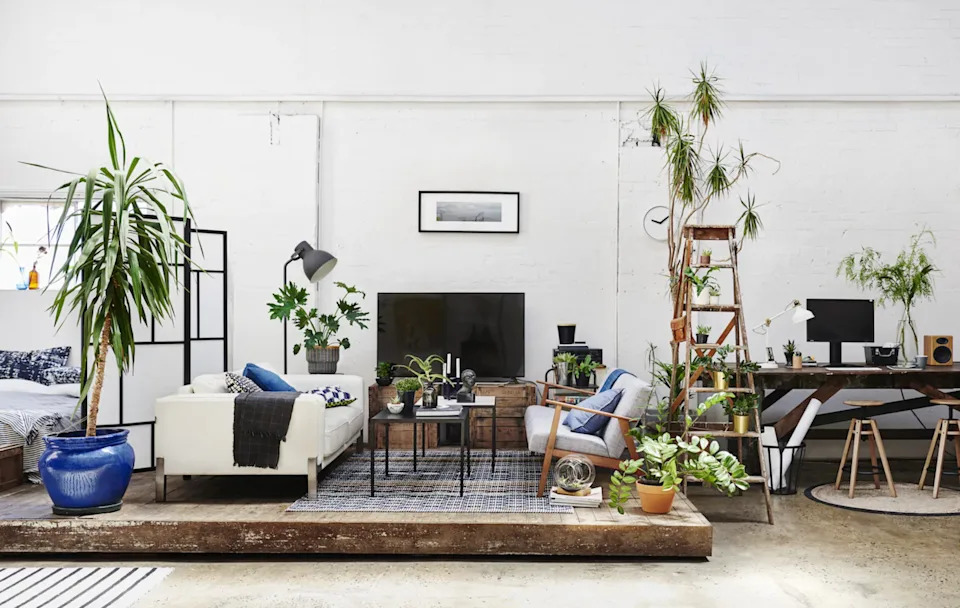
Building a solid wall is the most definitive way to create two entirely separate rooms, suitable for different occupants or contrasting activities, such as a child's bedroom and a play area. Interior designer Kati Curtis notes that while walls create boundaries, the design within each space gives it soul. Finally, the article discusses creating a secluded work nook within a bedroom, an increasingly popular need due to remote work. Fabric curtains can quickly separate a bed from a desk area, promoting a better work-life balance. Lightweight and portable screens are also highlighted as versatile options for temporary division, easily moved or stored to adapt to changing needs. These screens come in various styles, offering both functionality and aesthetic appeal.
#BedroomDesign #RoomDividers #InteriorDesign #SpaceMaximization #HomeDecor #FunctionalLiving #SmallSpaceSolutions #BedroomDesign #RoomDividers #InteriorDesign #SpaceMaximization #HomeDecor #FunctionalLiving #SmallSpaceSolutions
0 comment in total
 No comments yet
You may also like
The Most Clever Room Divider Ideas
These Room Divider Ideas Will Transform Your Home in an Instant

9 folding room dividers for renters and roomies who want their own space

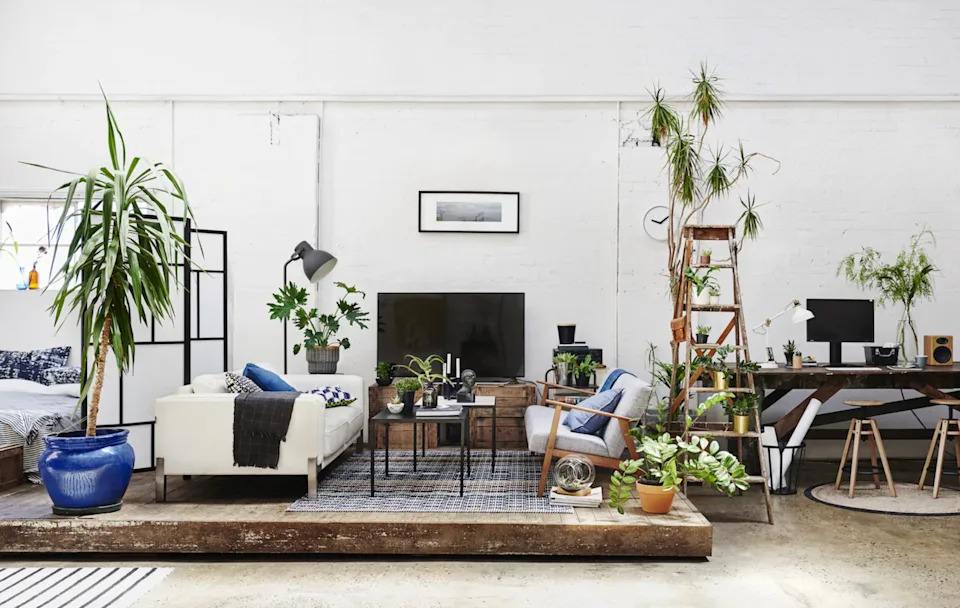
16 room divider ideas – innovative ways to zone an open plan space

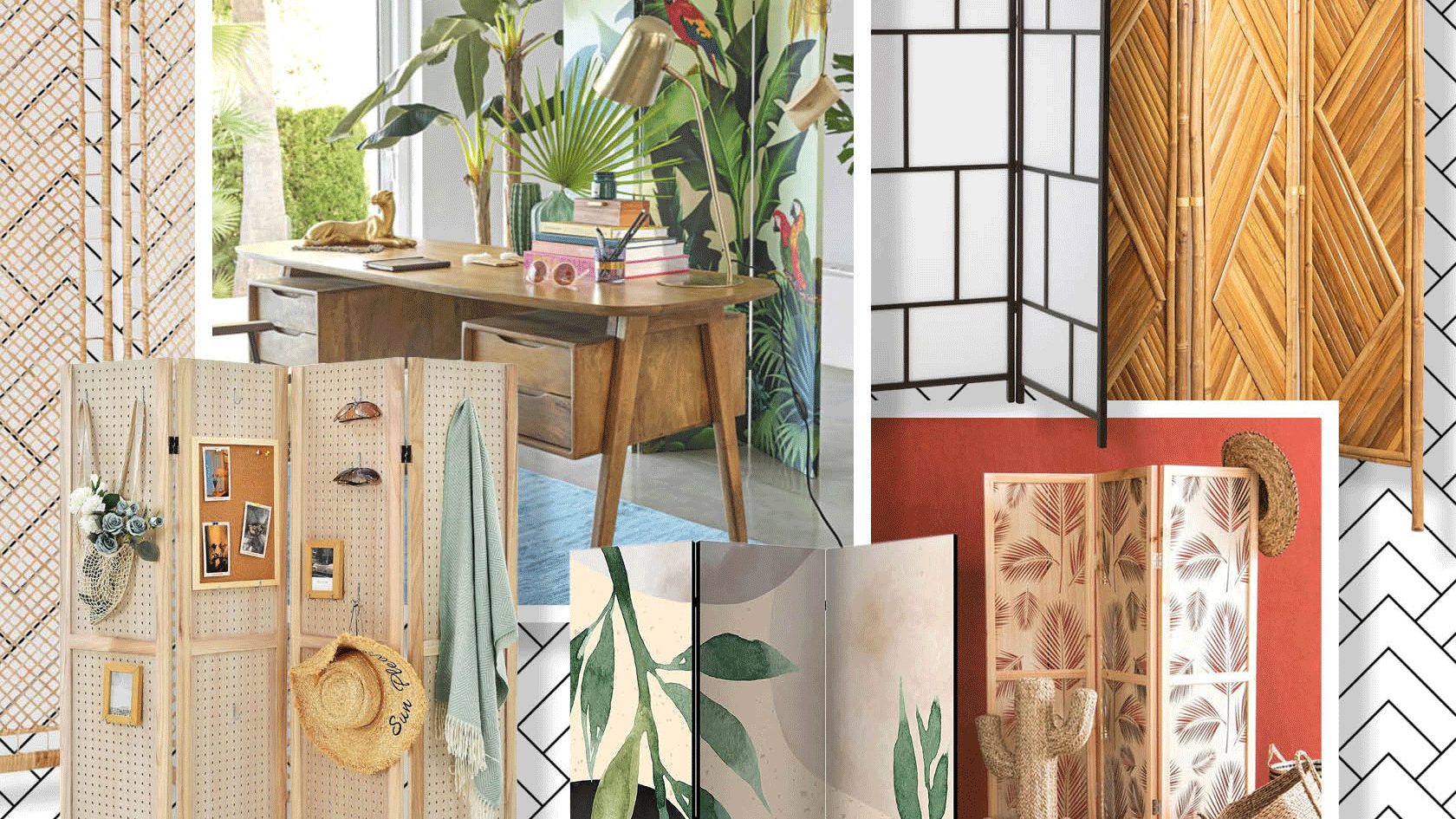
Transform small spaces with the help of these 9 clever and chic room dividers
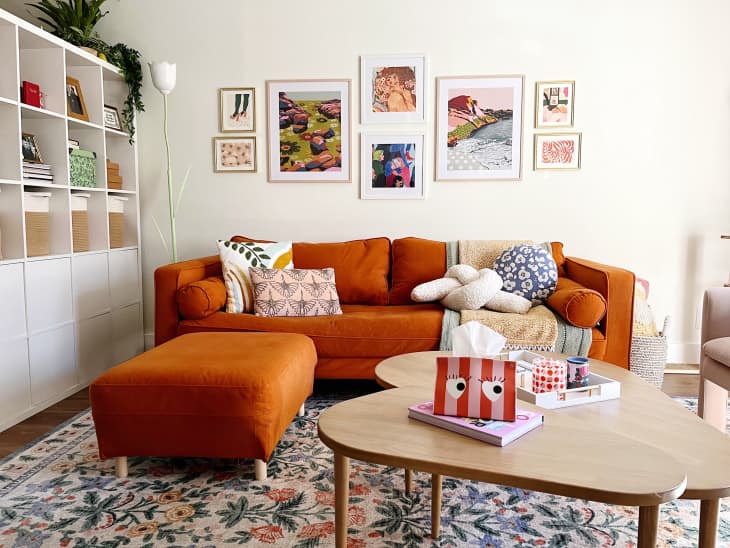
I’m Blown Away by This Sneaky Space-Dividing IKEA Hack (That Only Cost $200!)
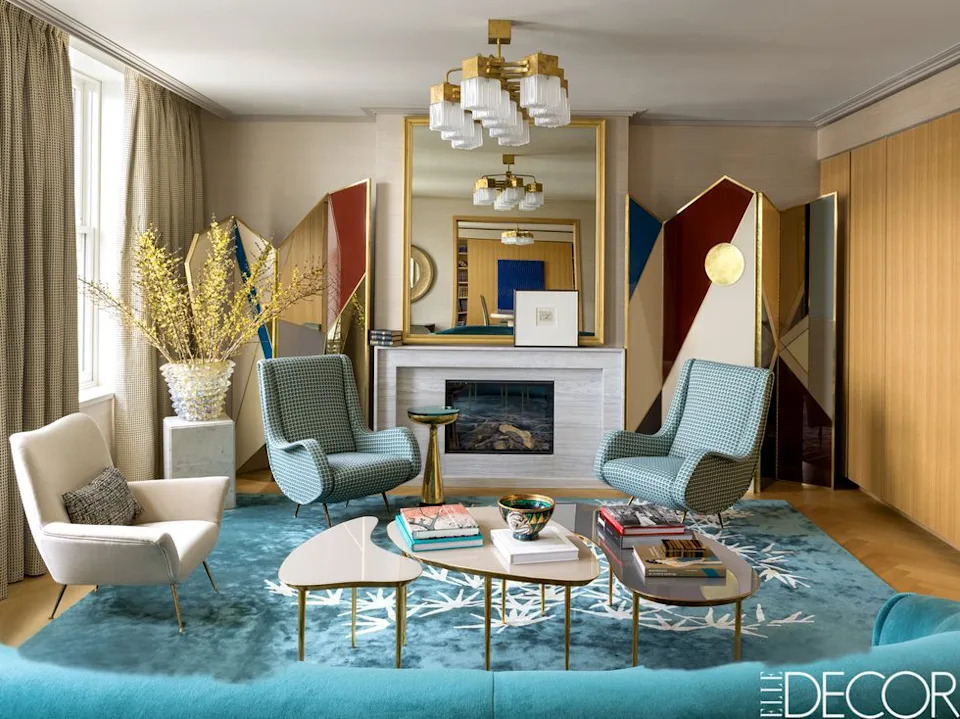
These Room Divider Ideas Will Transform Your Home in an Instant
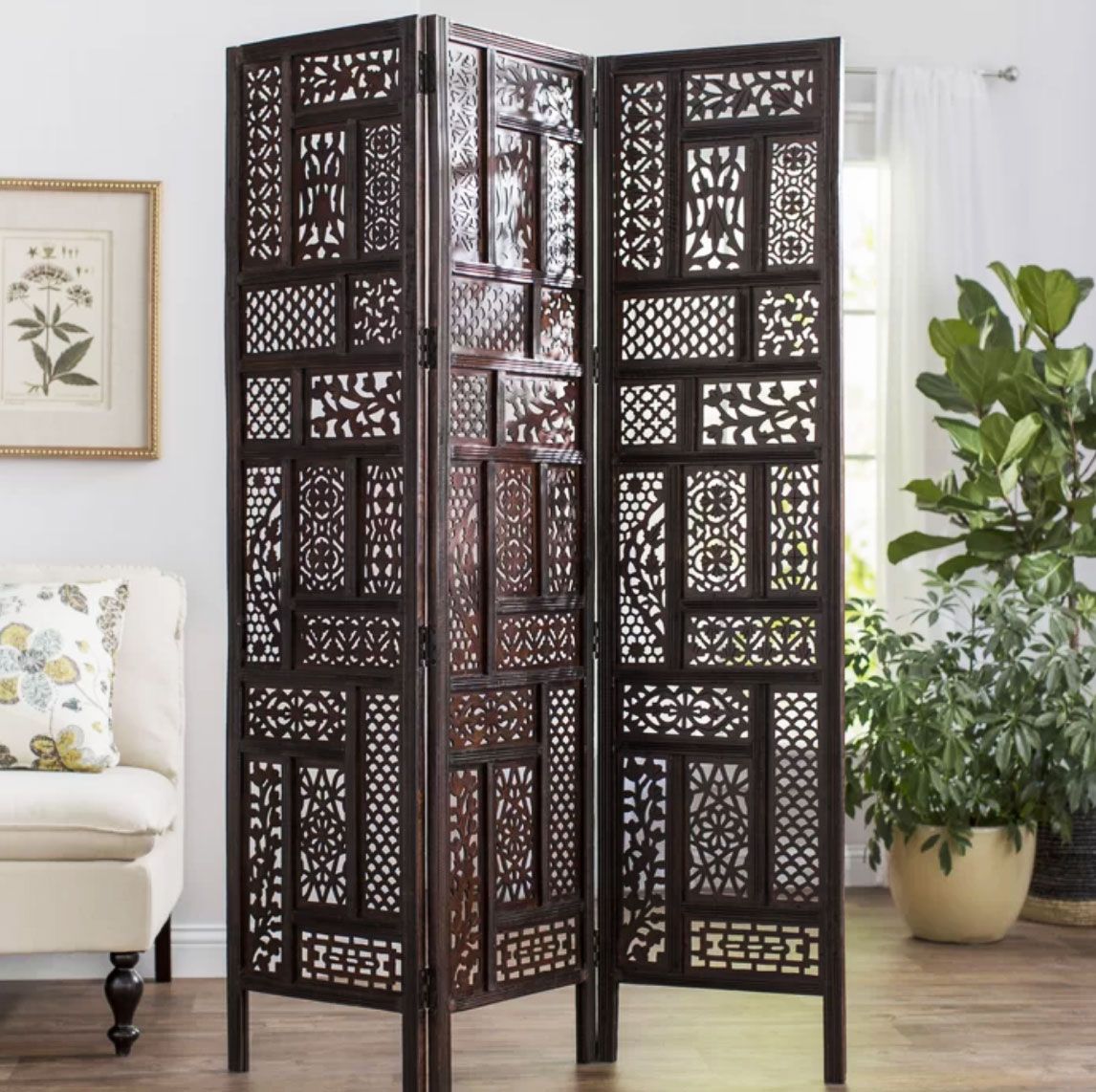
The Best Room Dividers, According to Interior Designers
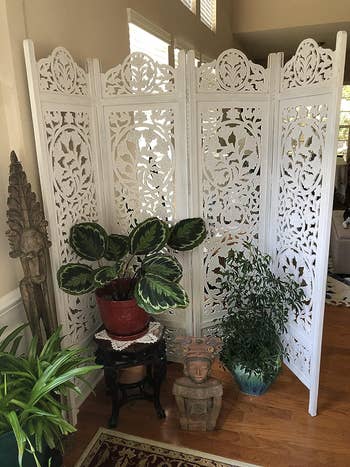
37 Room Dividers So You Can Easily (And Stylishly) Separate Your Space
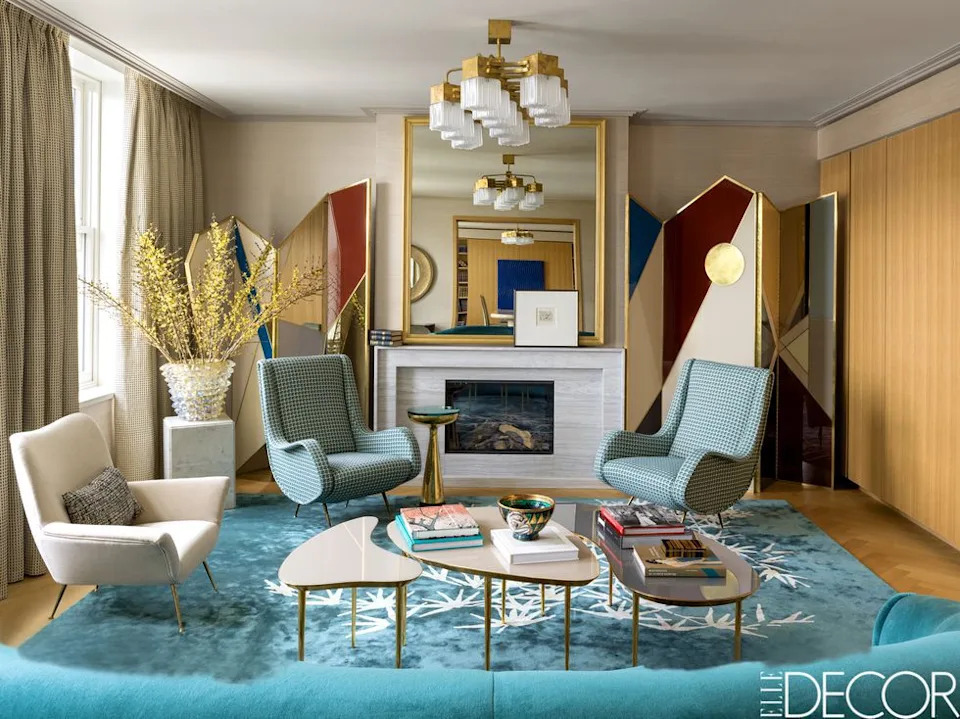
These Room Divider Ideas Will Transform Your Home in an Instant
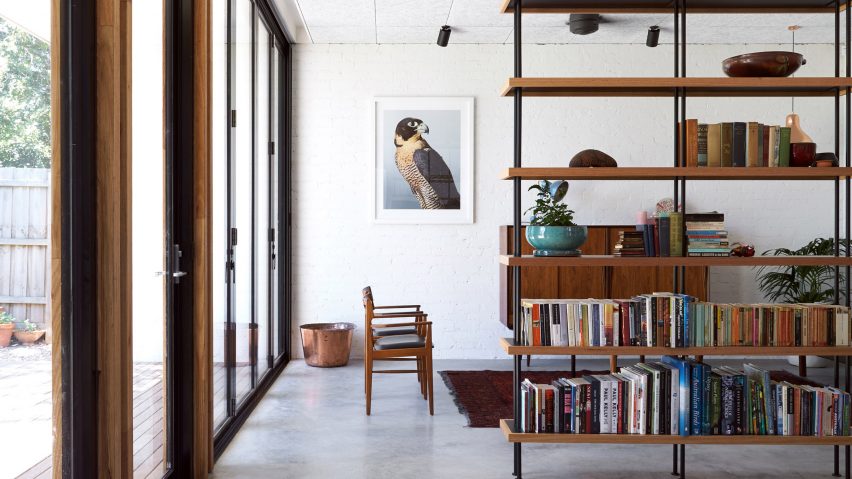
Ten interiors that use innovative room dividers instead of walls

30 Room Dividers So You Can Easily (And Stylishly) Separate Your Space
Our Favorite Room Dividers for Flexible, Functional Spaces
Room divider ideas: 12 stylish ways to divide a room

Enjoy these 5 creative space dividers for small and big rooms

This Is the GENIUS Way Designers Completely Transform a Space—Without a Renovation
35 Room Dividers So You Can Easily (And Stylishly) Separate Your Space
Separating Your Space? 16 Room Dividers to Try

The best room dividers, according to interior designers
16 room divider ideas – innovative ways to zone an open plan space