How To Organize Your Closet When You Have Too Many Clothes
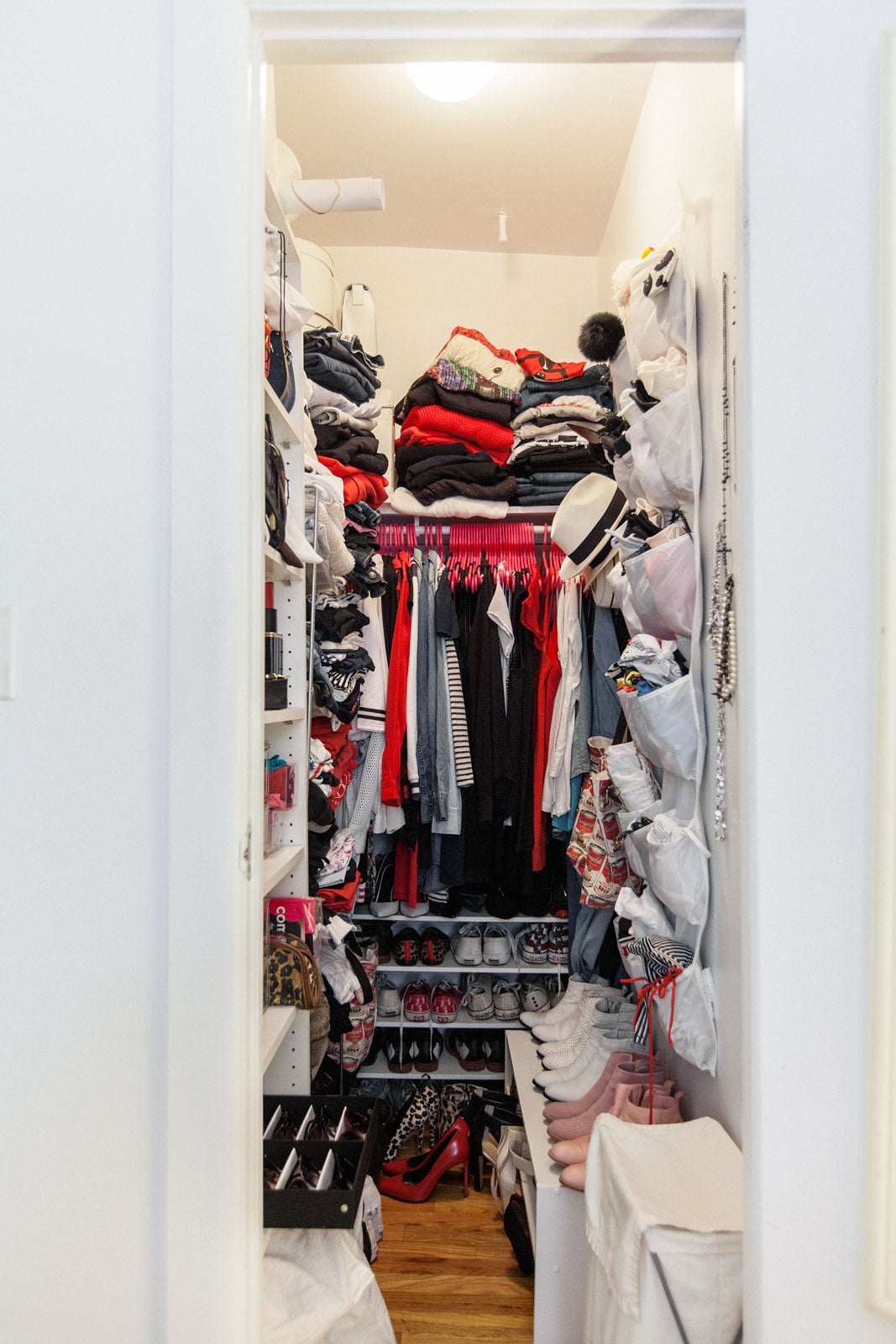
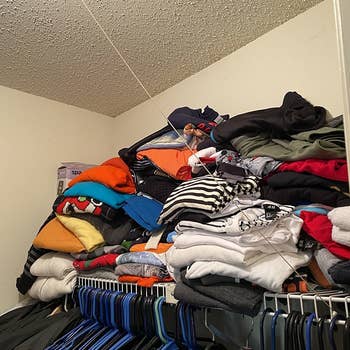
This article provides practical strategies for organizing a closet that contains a large volume of clothing, moving beyond the minimalist approach to offer solutions for individuals who prefer to retain their wardrobe. The core message emphasizes maximizing existing space and exploring alternative storage solutions rather than strictly advocating for purging. The primary advice includes a periodic but gentle purging process, where items are evaluated for condition, fit, and usage, with broken hangers and old dry-cleaning bags being immediate discards. This initial step aims to reduce immediate clutter without demanding extensive removal of cherished items.
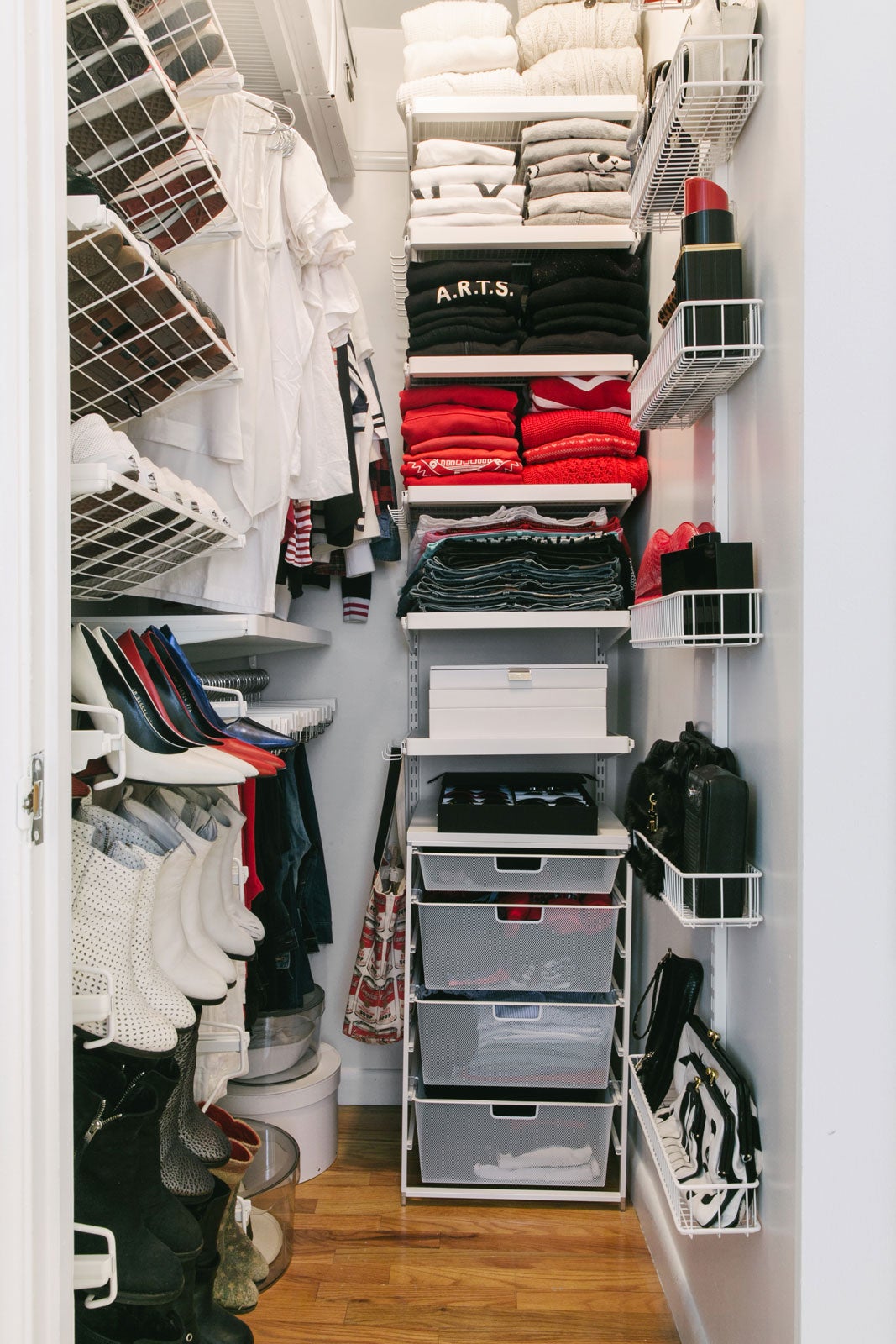
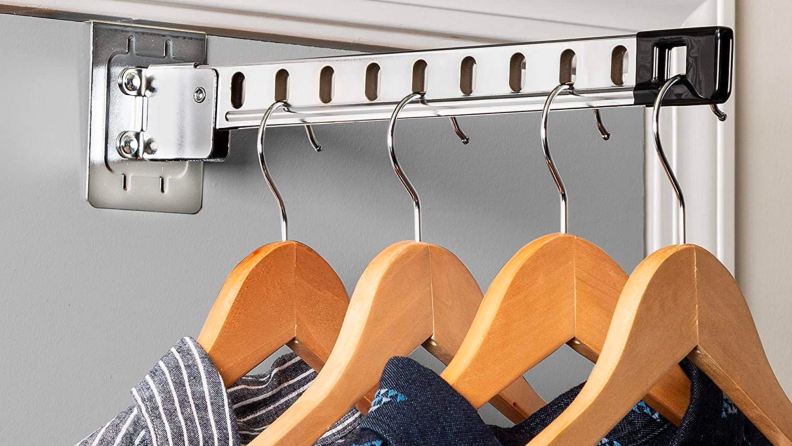
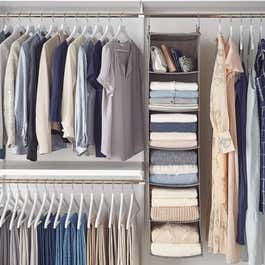
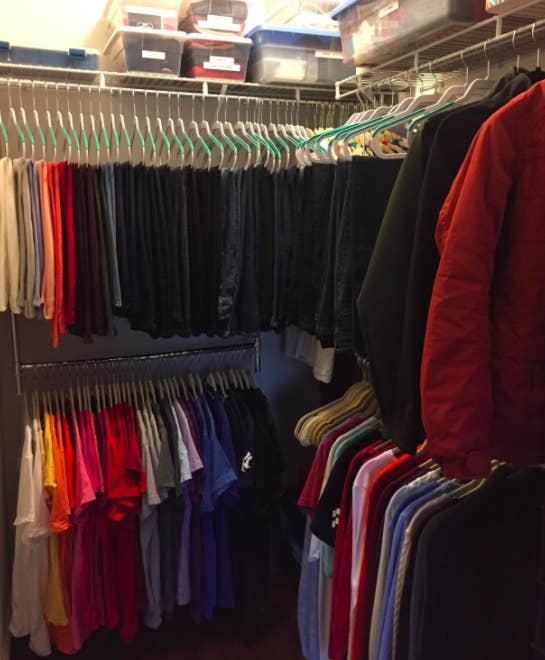
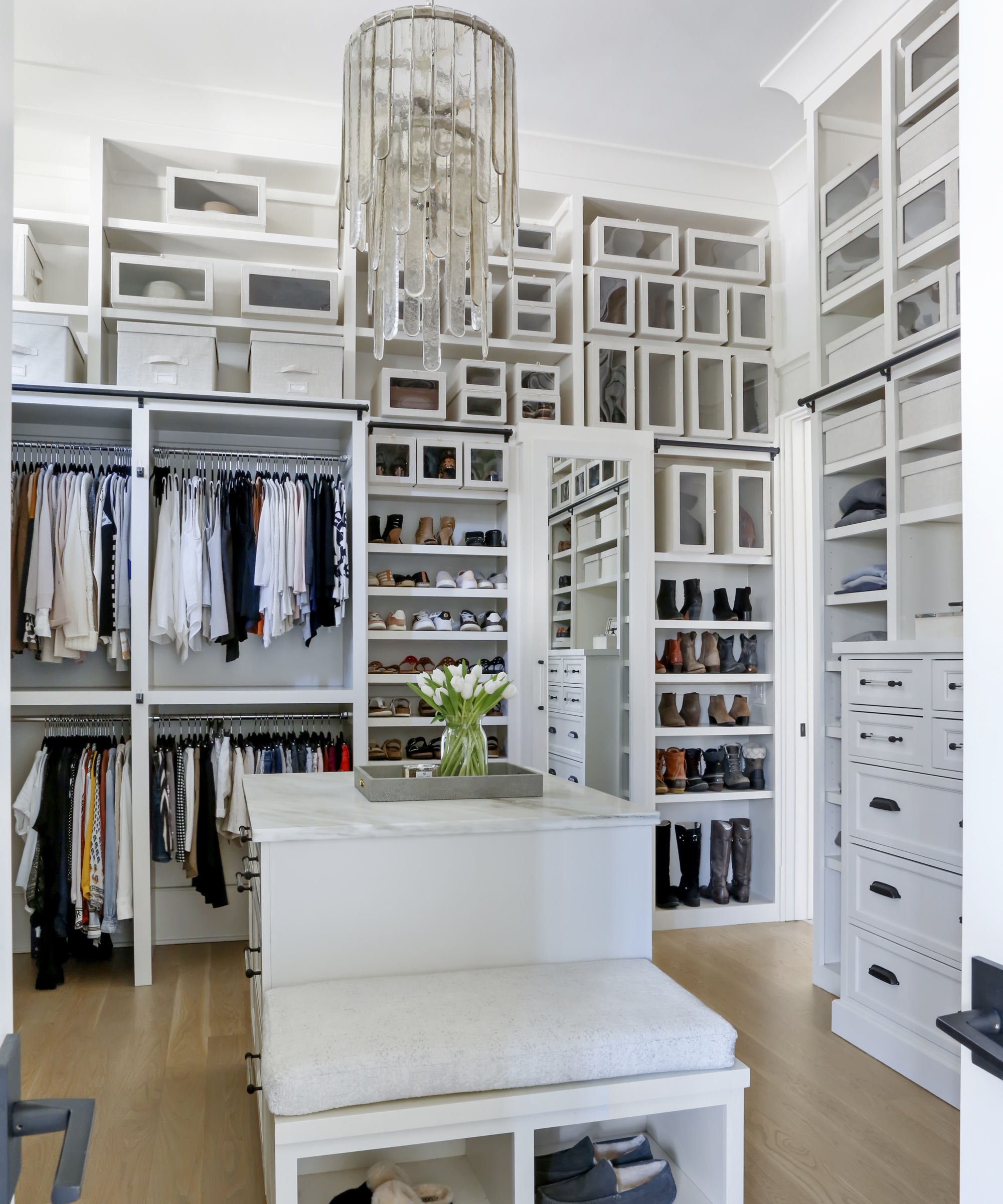
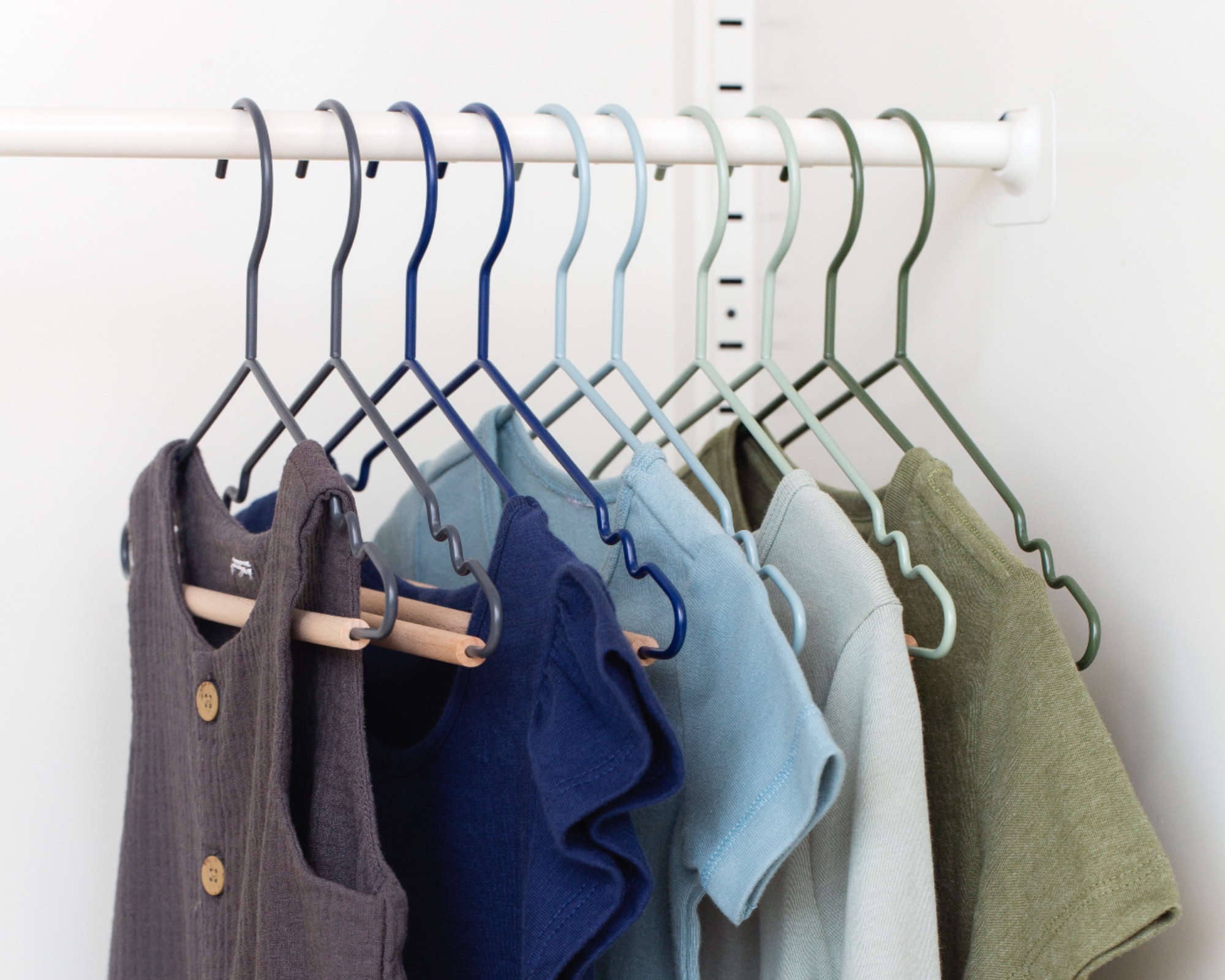
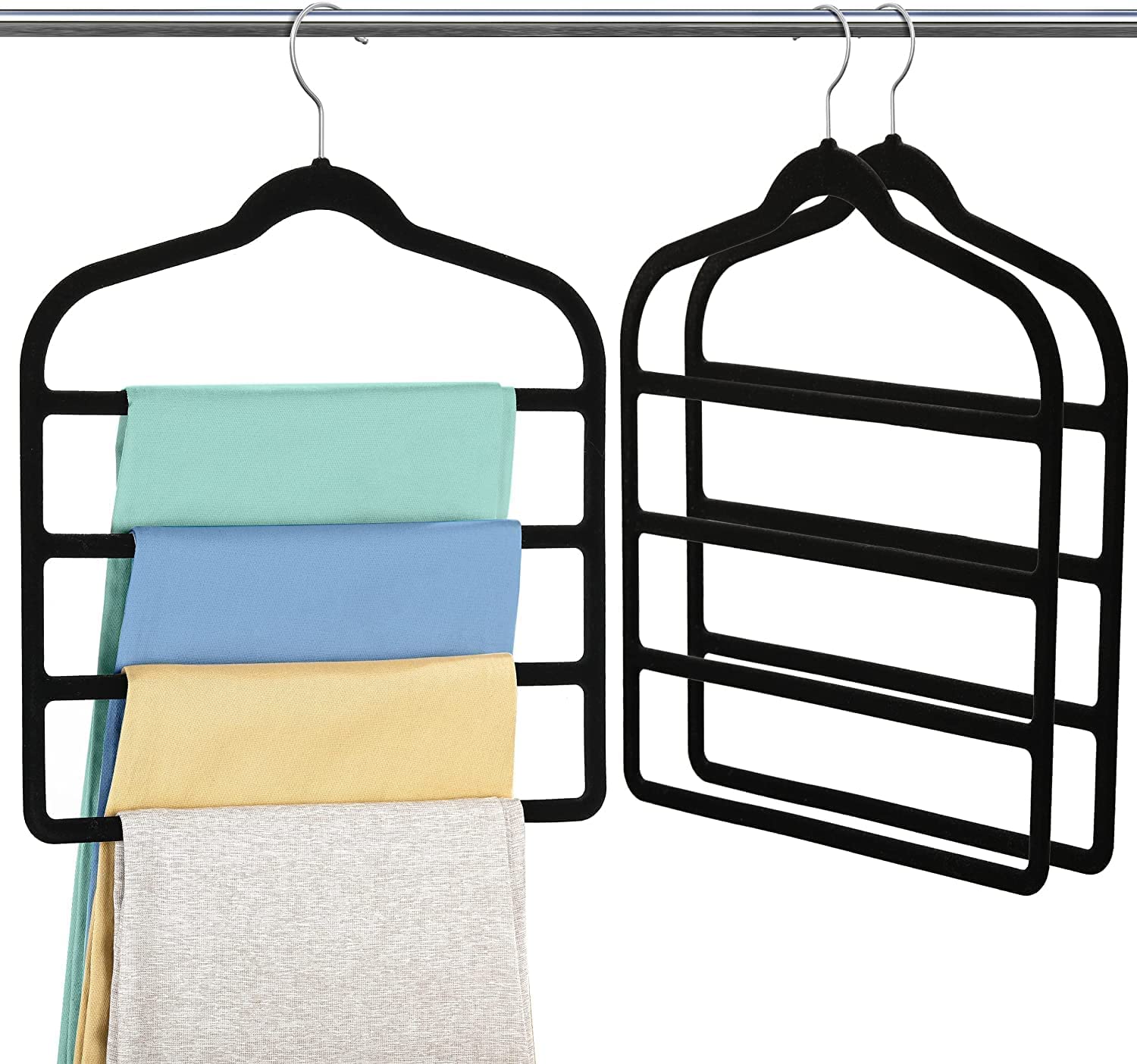
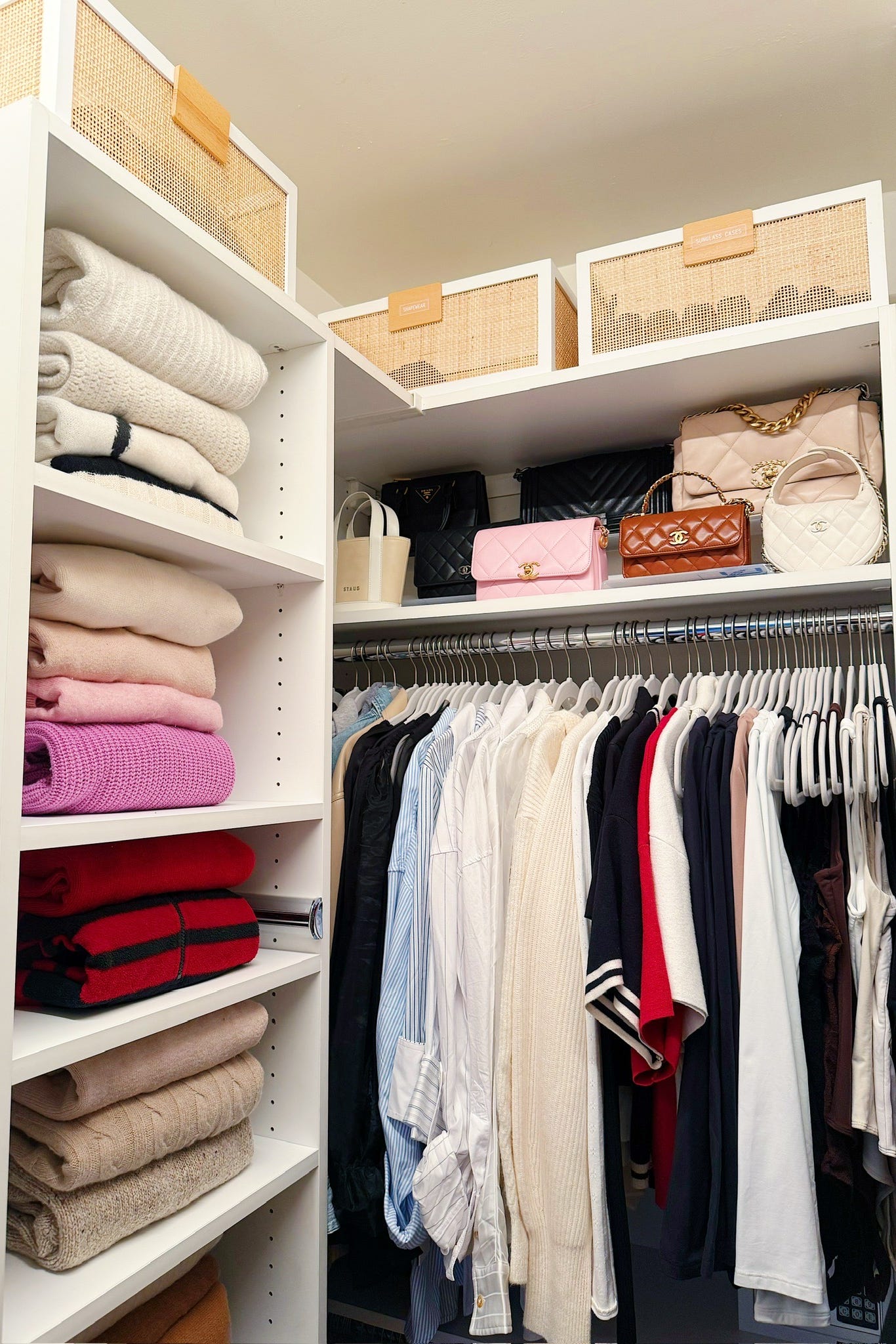
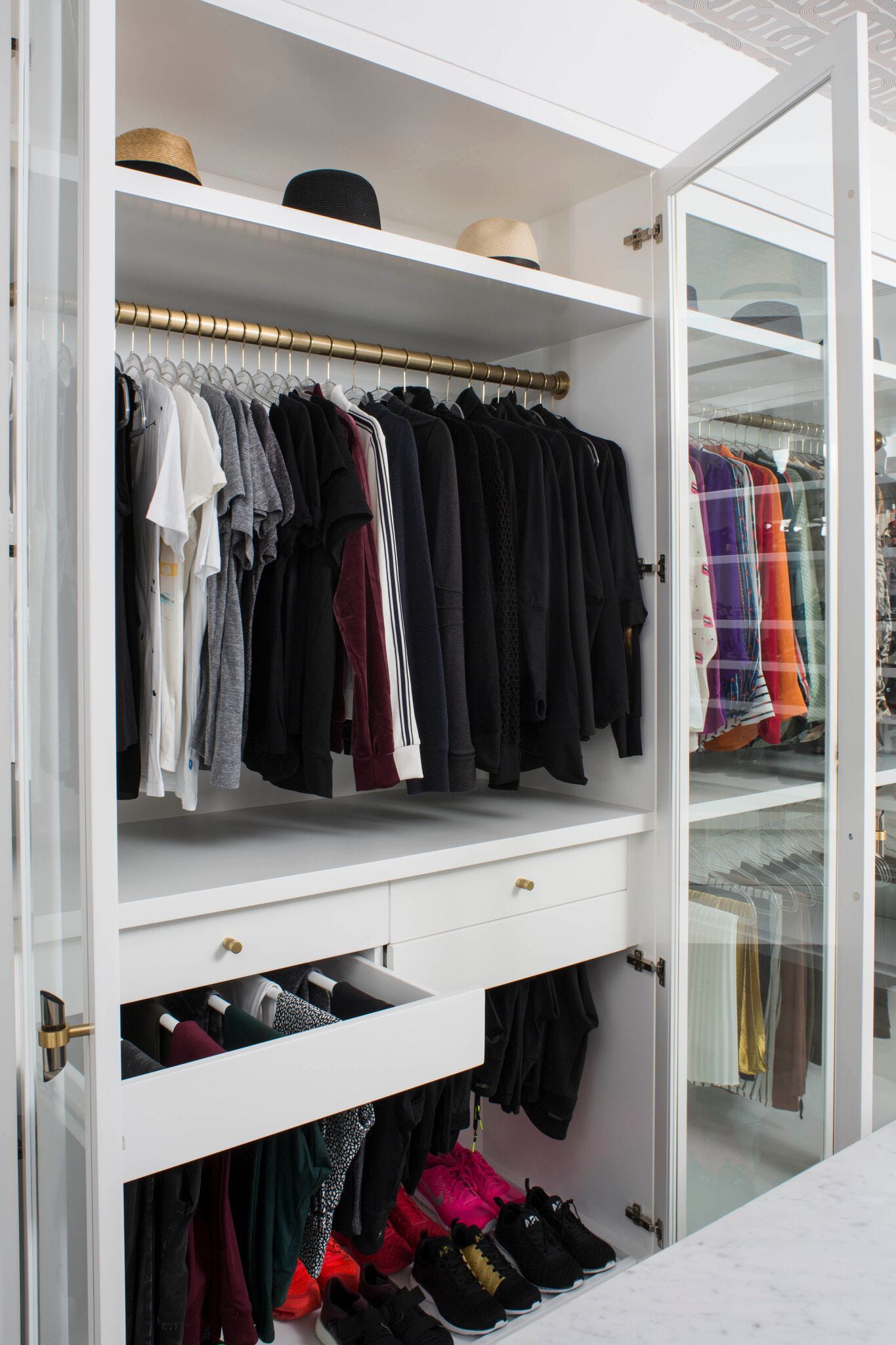
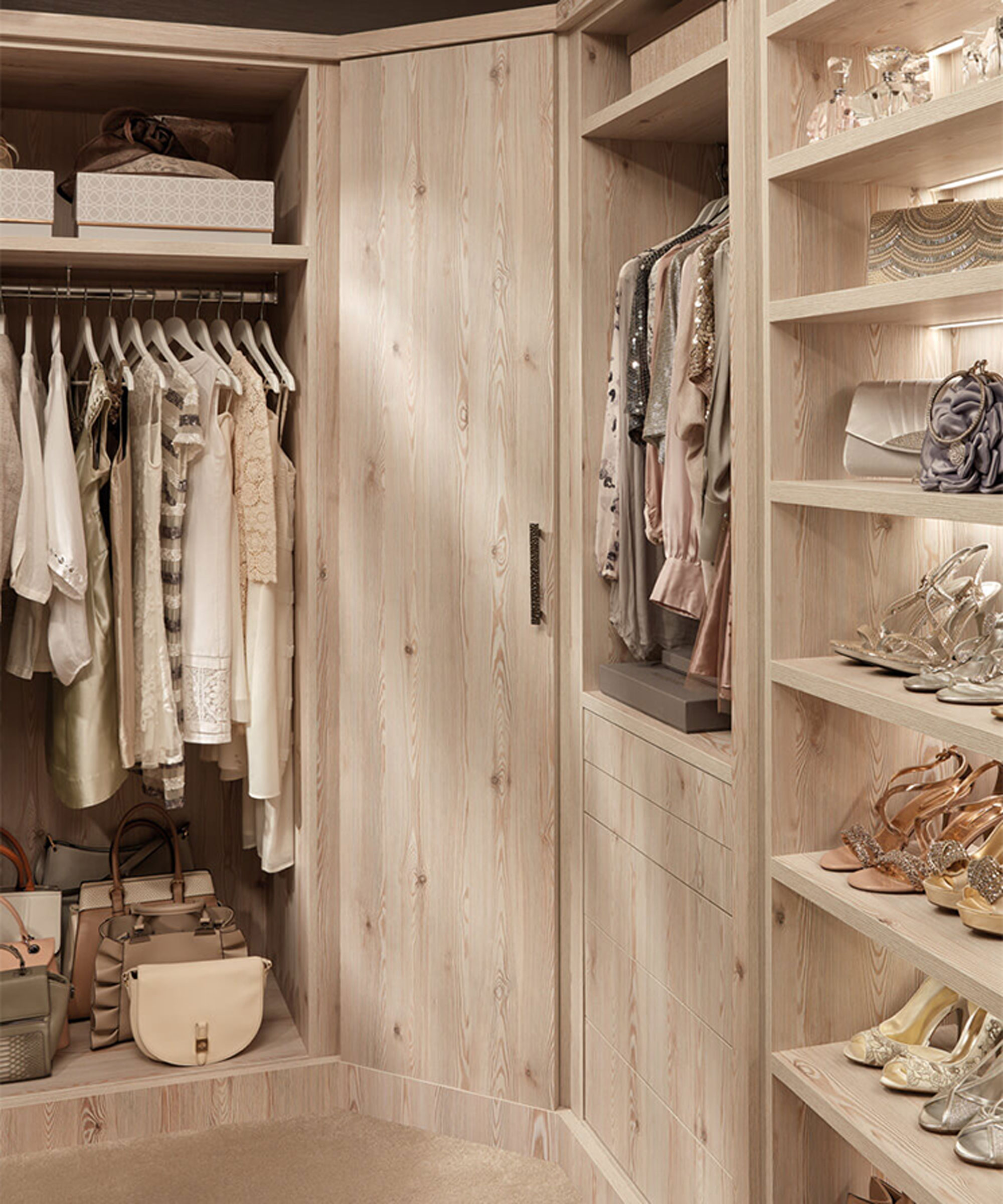
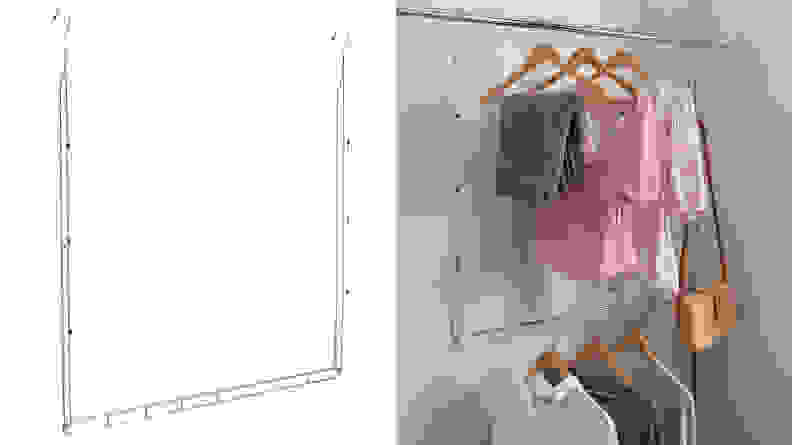
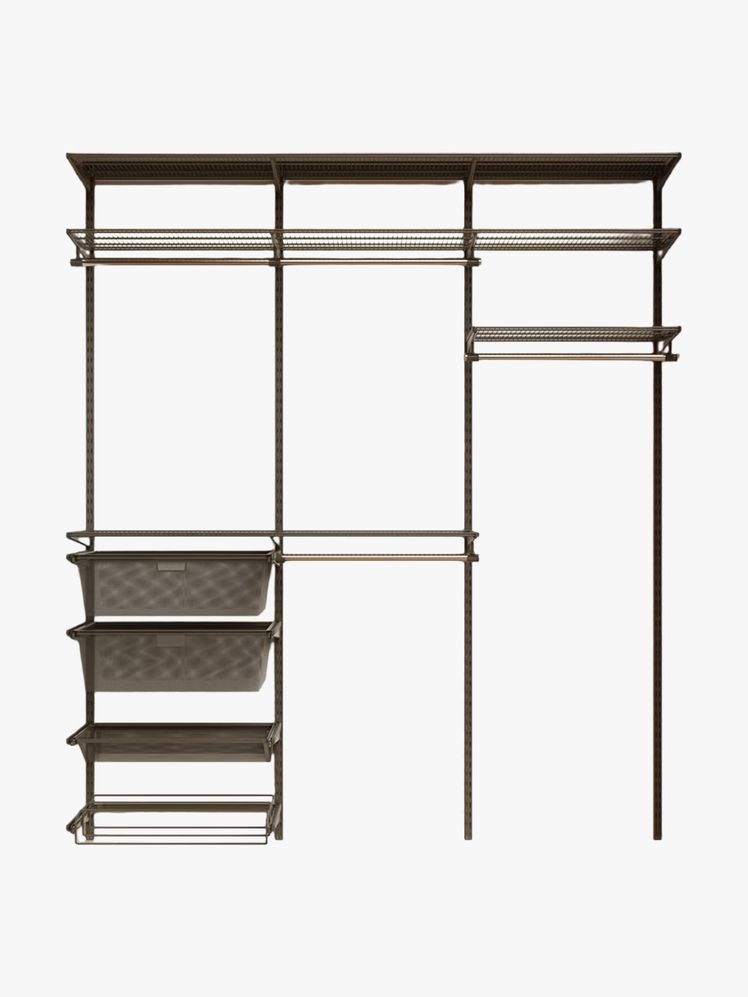
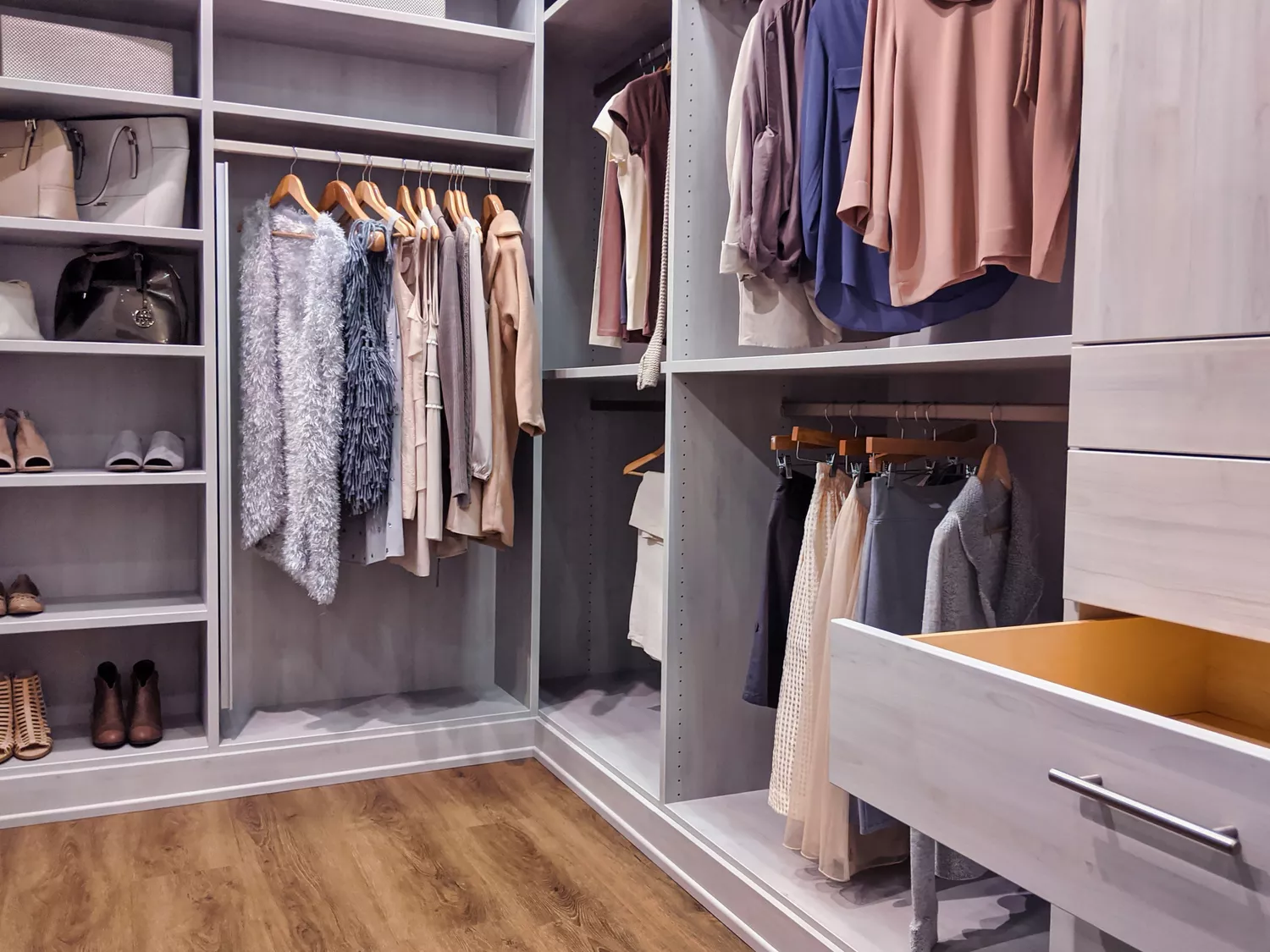
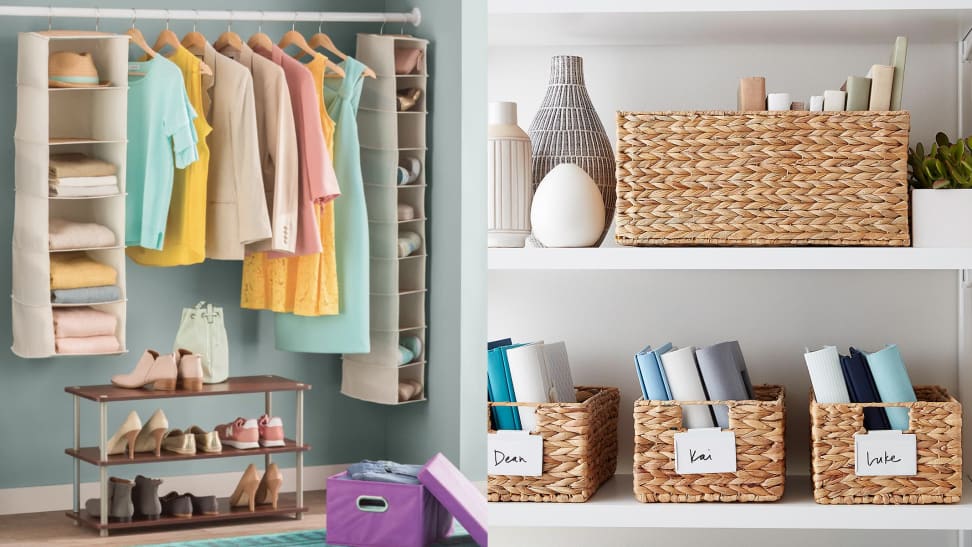
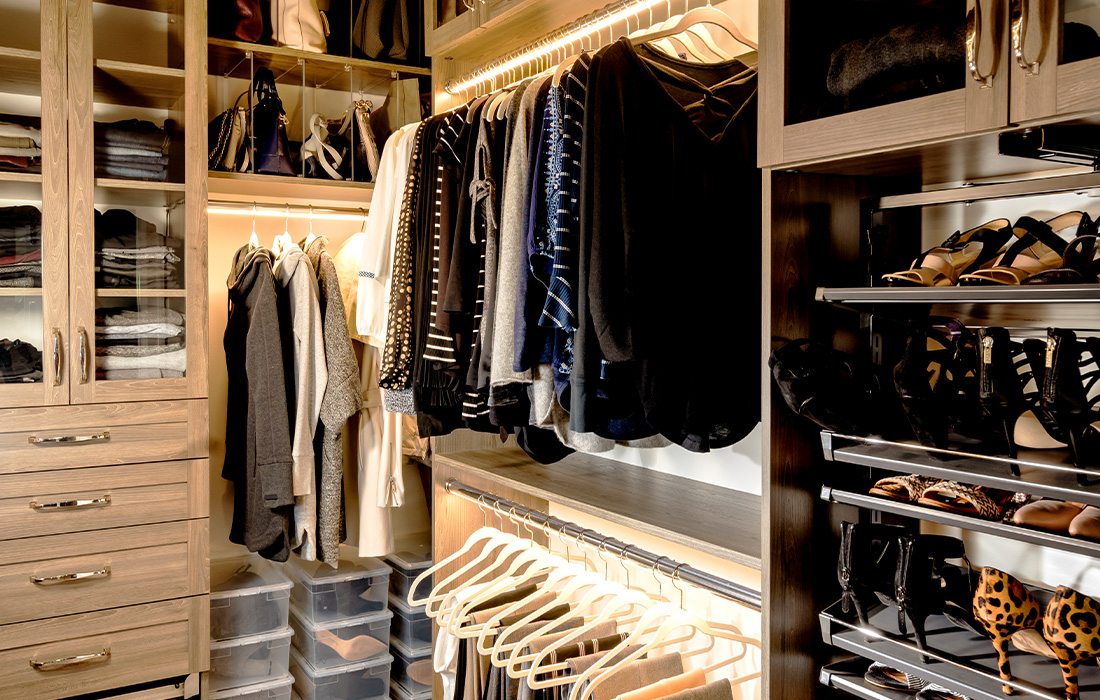
Key to optimizing closet space is the intelligent use of shelving and hanging areas. The article suggests that many closet shelves are adjustable, allowing users to reconfigure their closet layout to better suit their storage needs, and recommends adding extra shelves if feasible, especially for renters. Furthermore, a crucial recommendation involves installing a second closet bar. By converting a single long-hang space into a double-hang area, significantly more clothing can be accommodated. This maximizes vertical space, which is often underutilized in standard closet designs.
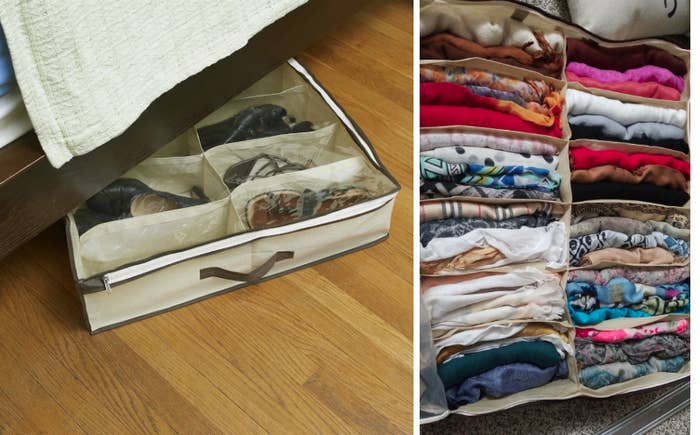
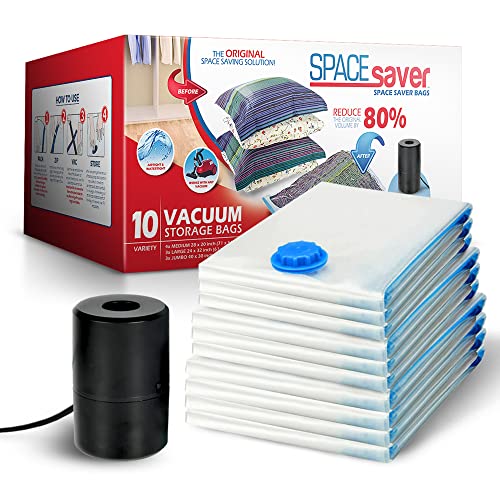
Categorization plays a vital role in maintaining an organized closet. The article advises grouping similar items, such as winter jackets with other winter jackets, to simplify locating specific garments and to better assess what items are owned or needed. Seasonal rotation is also highlighted as an effective method for managing space, allowing out-of-season clothing to be stored away, thus freeing up prime closet real estate for current wear.
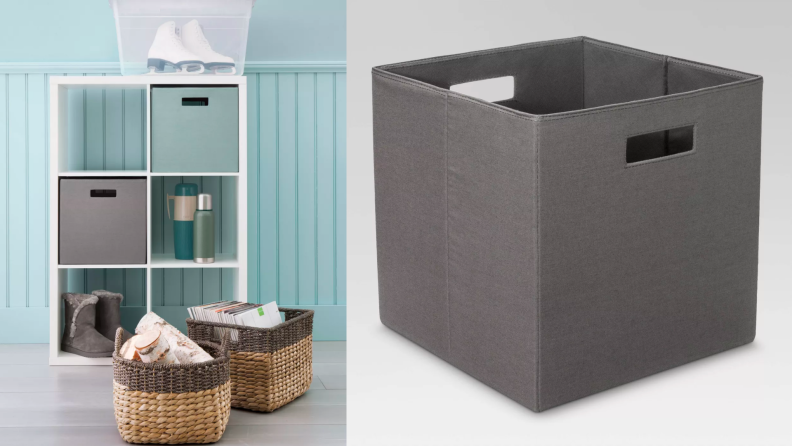
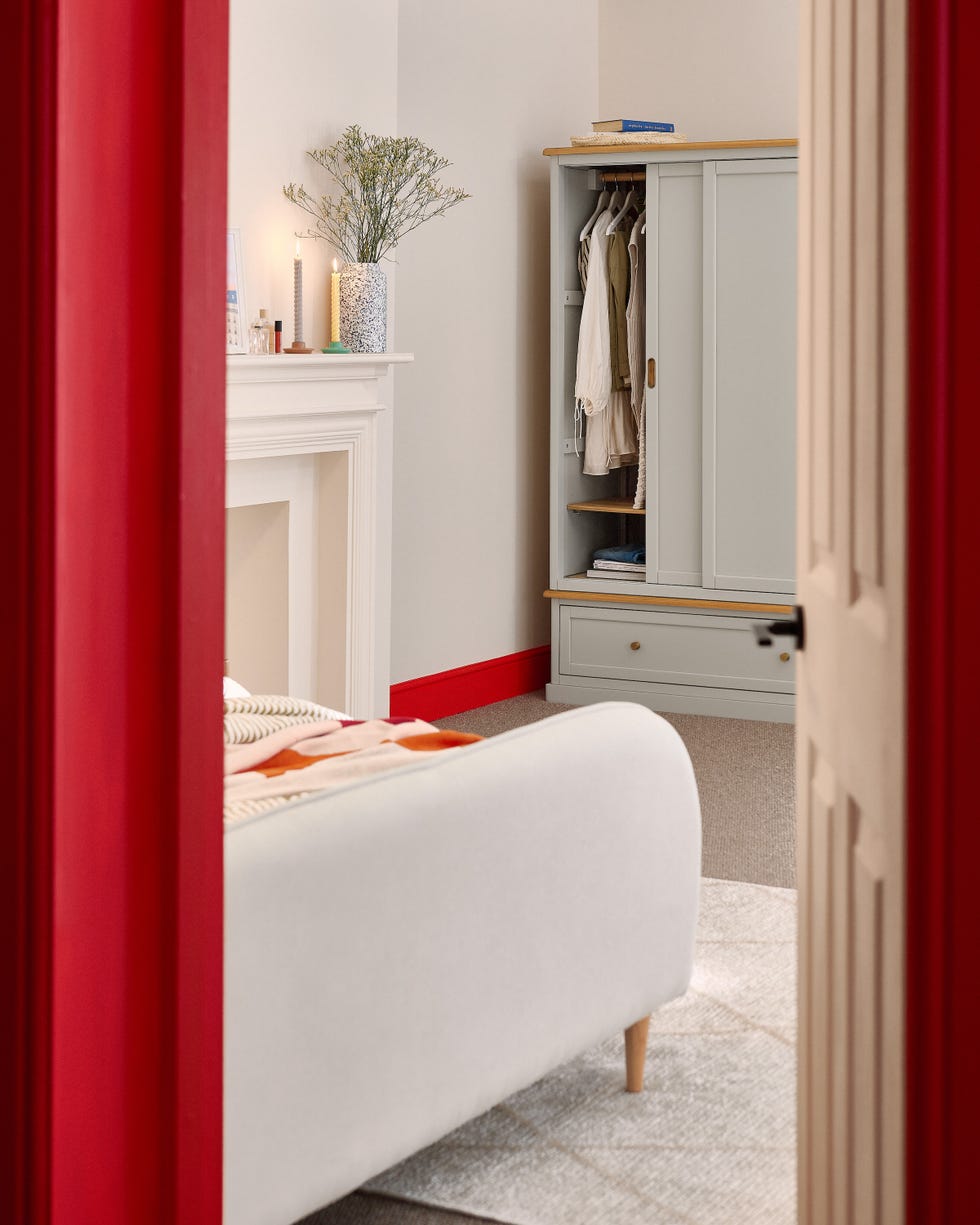
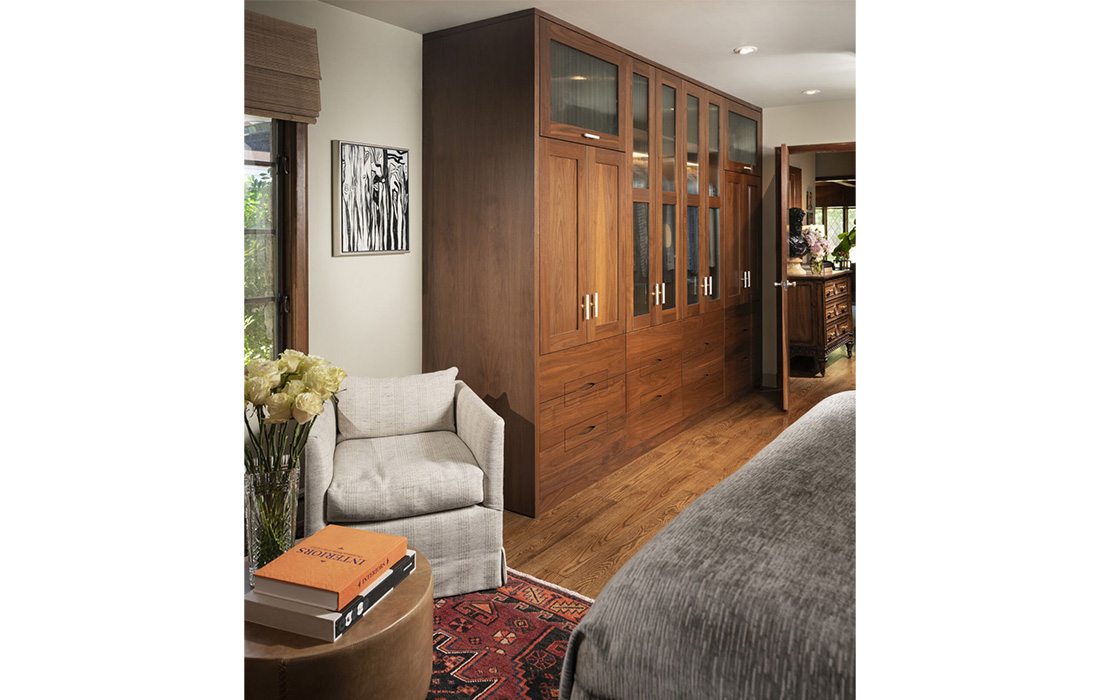
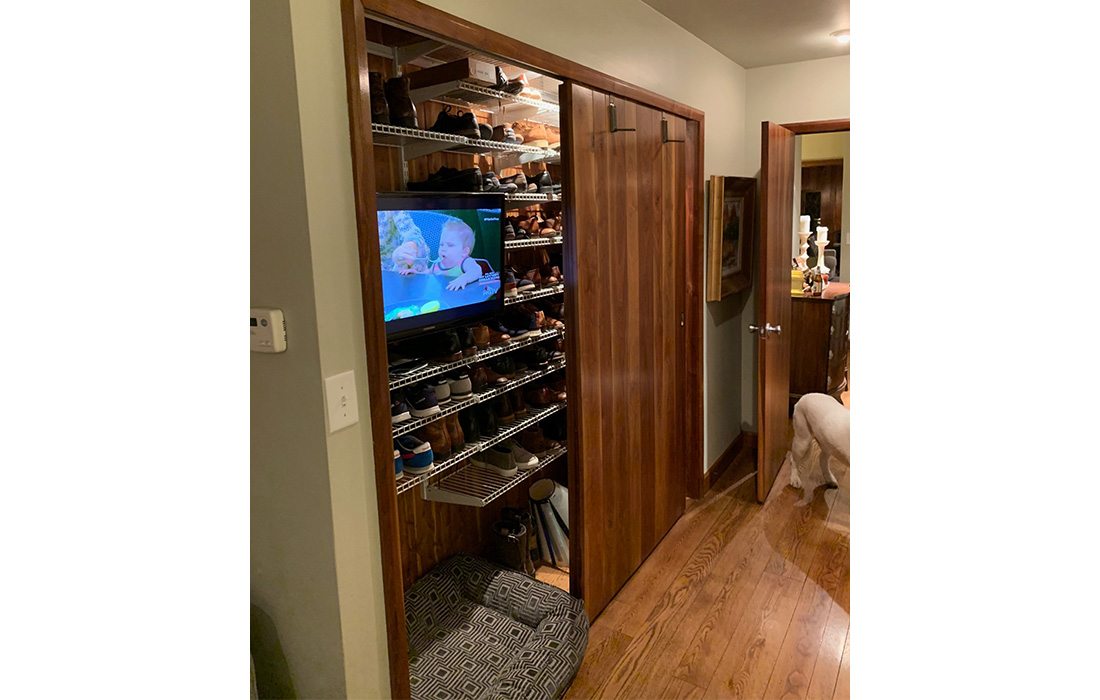
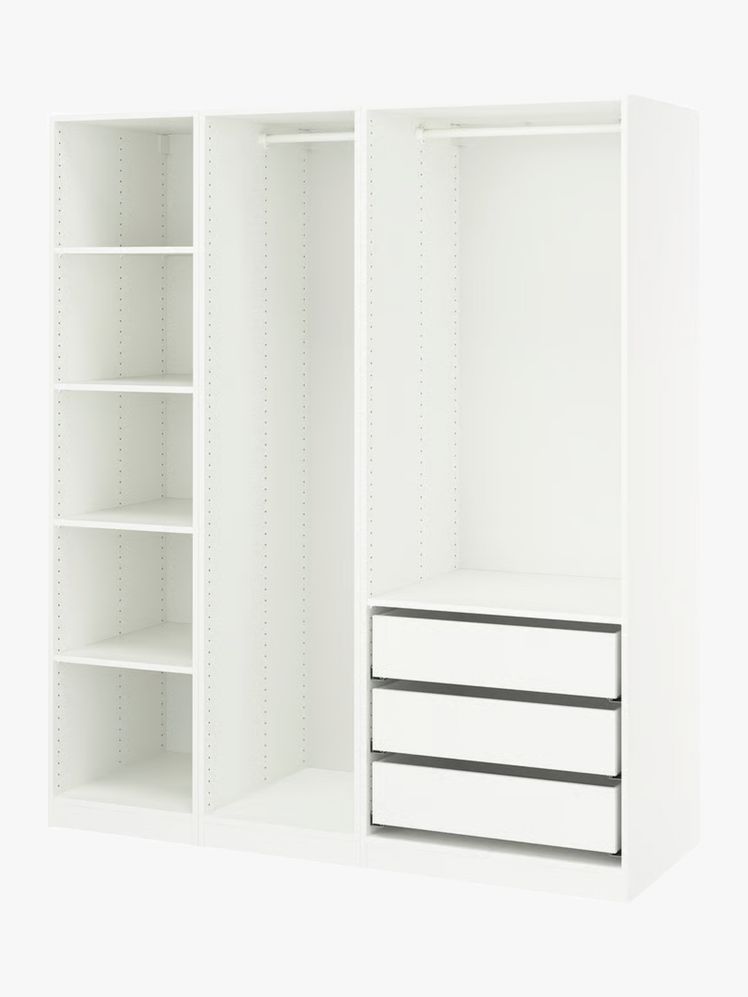
Beyond the primary closet, the article encourages exploring other storage options within the home. Underutilized spaces like guest room closets or spare sections of a child's closet can serve as valuable overflow areas for infrequently accessed items, such as formal wear or costume party outfits. For those with extra bedroom space, investing in an armoire is presented as a less expensive alternative to building a new closet, providing additional dedicated storage.
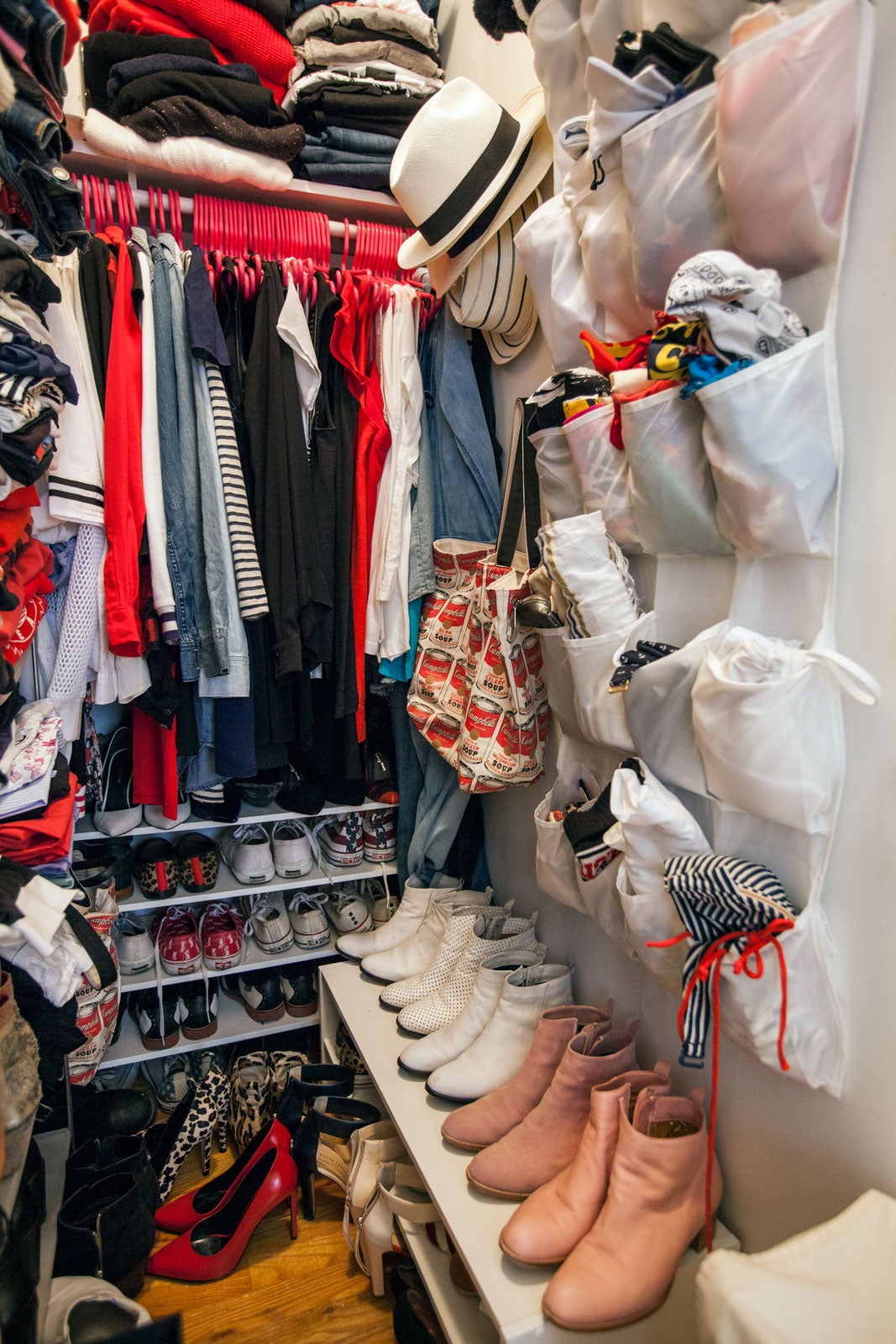
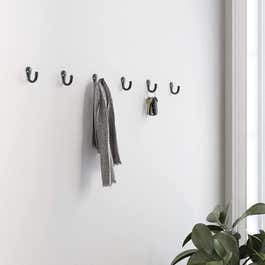
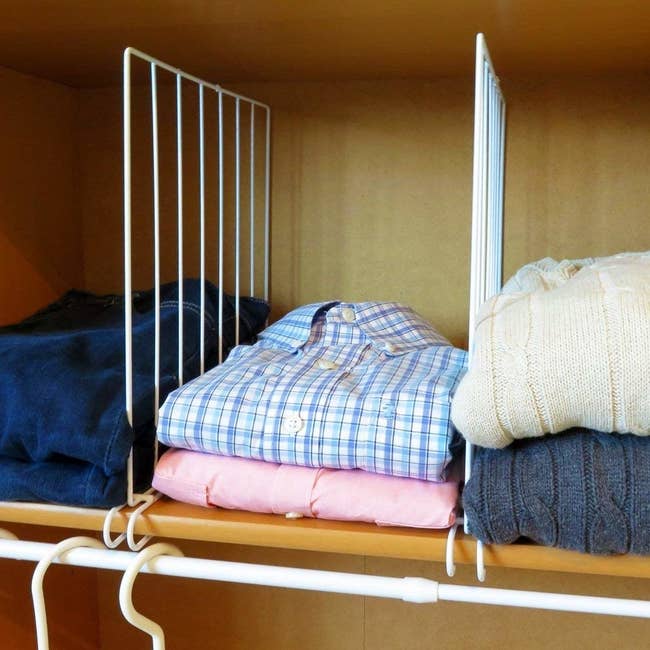
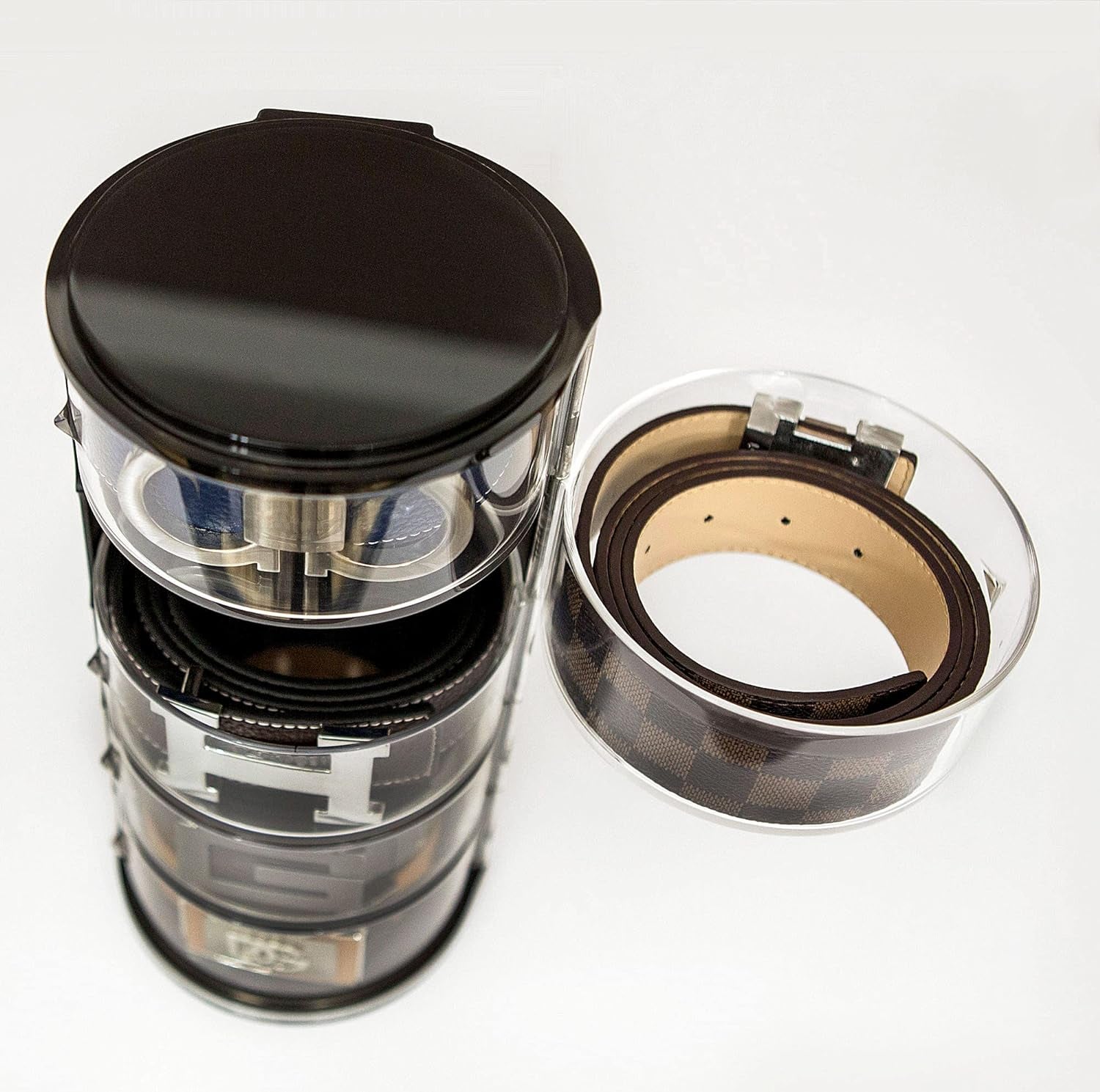
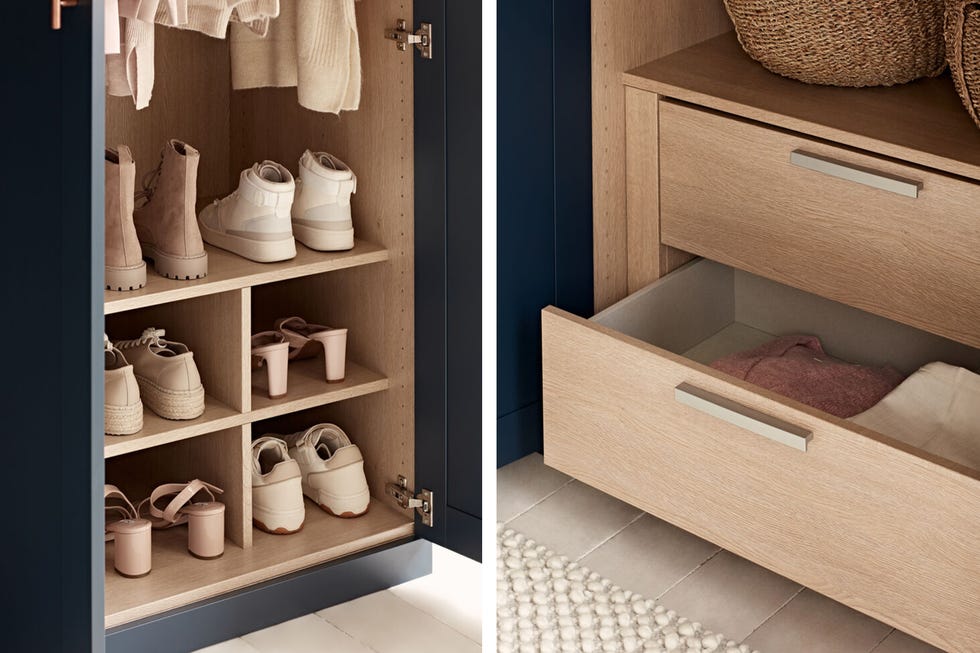
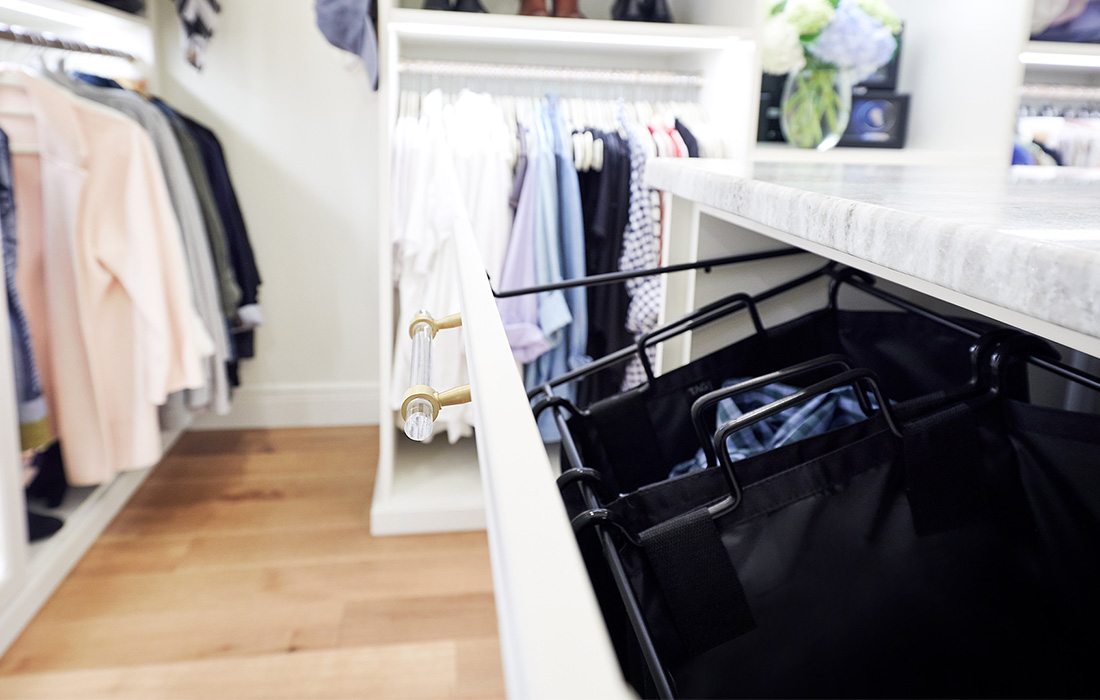
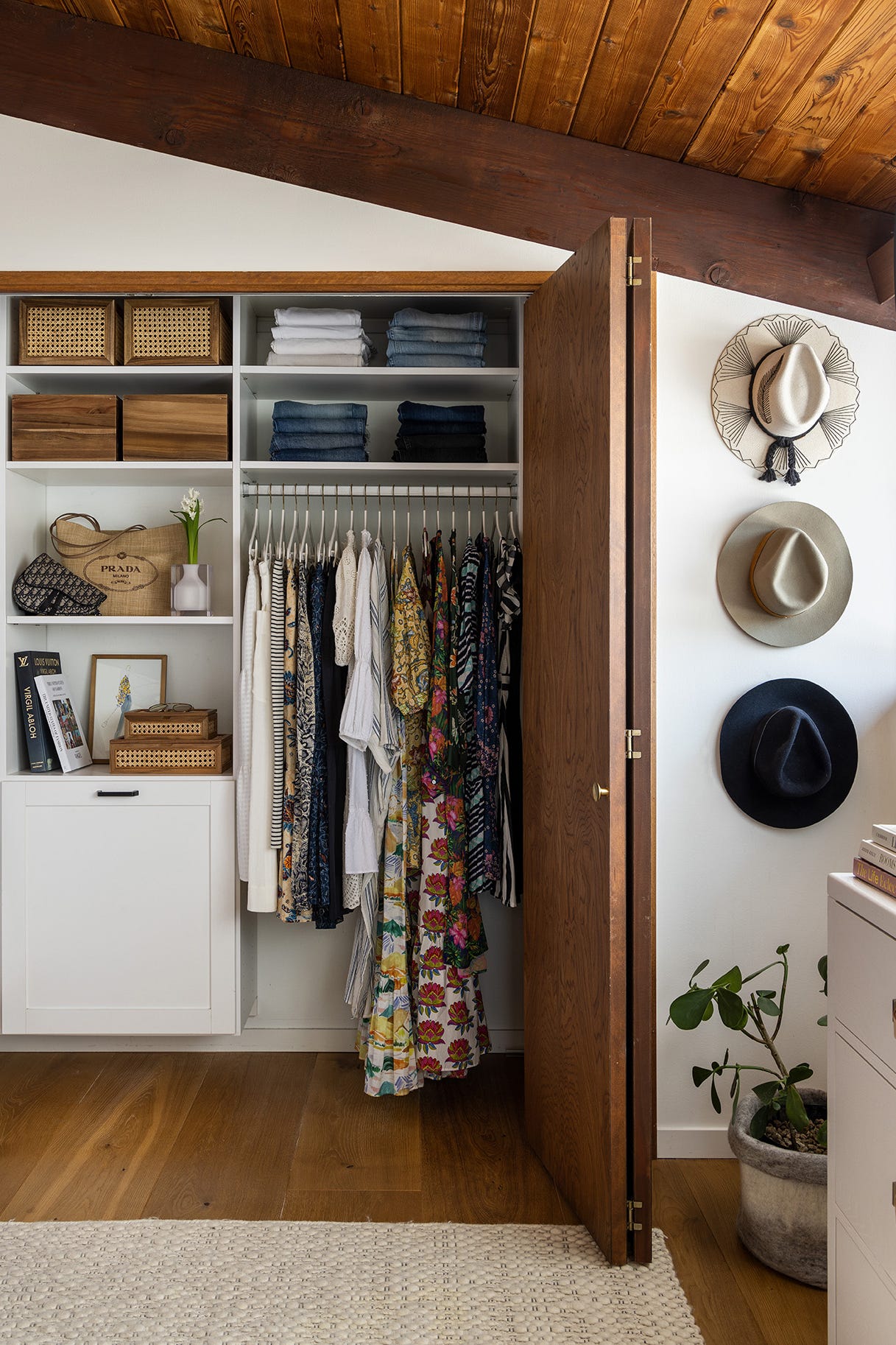
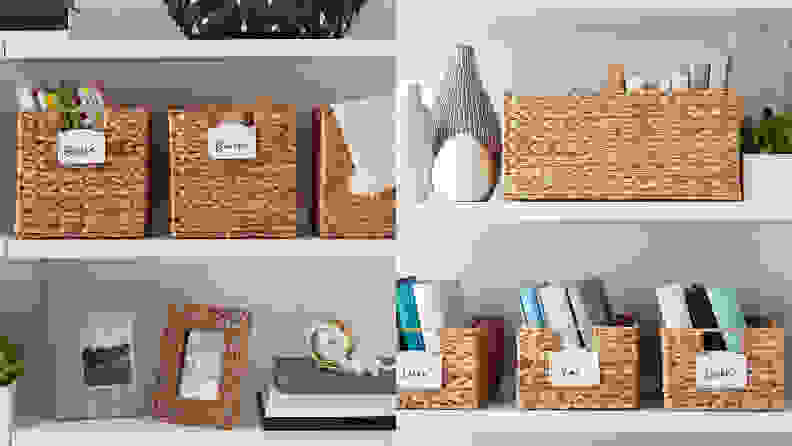
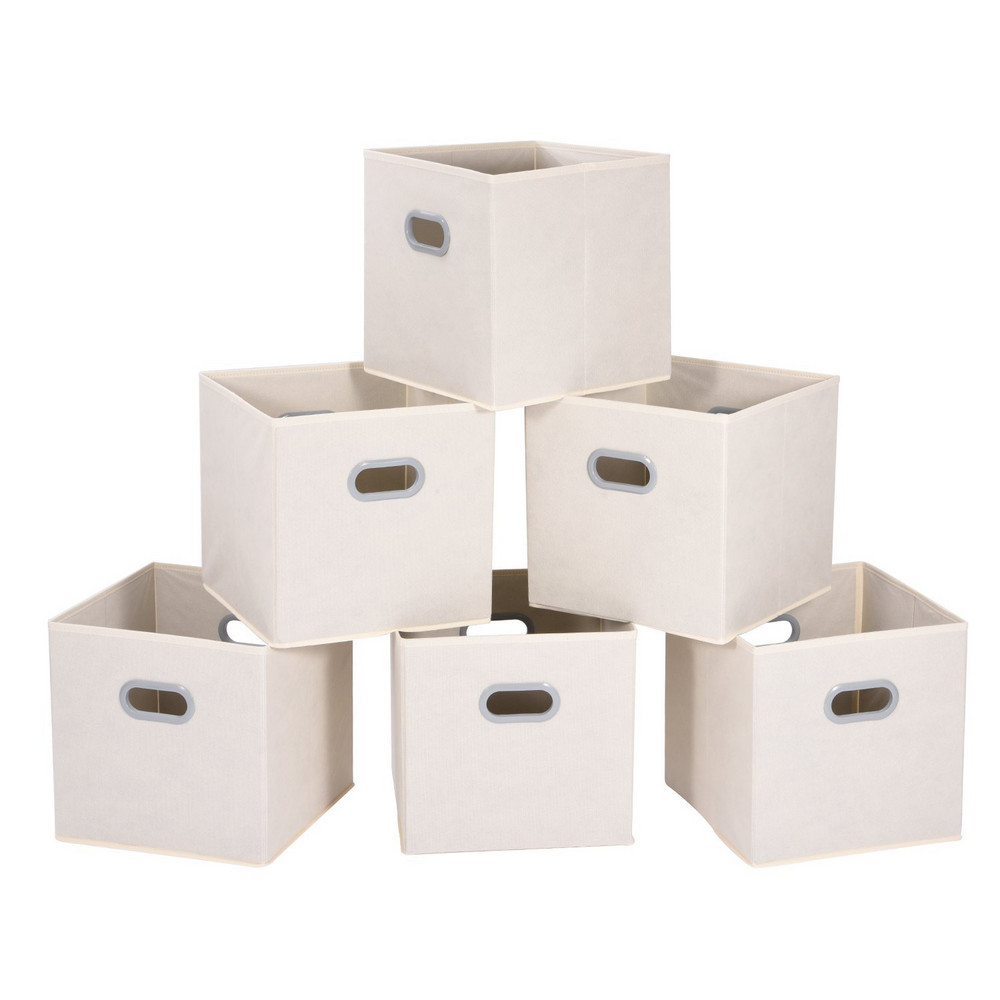
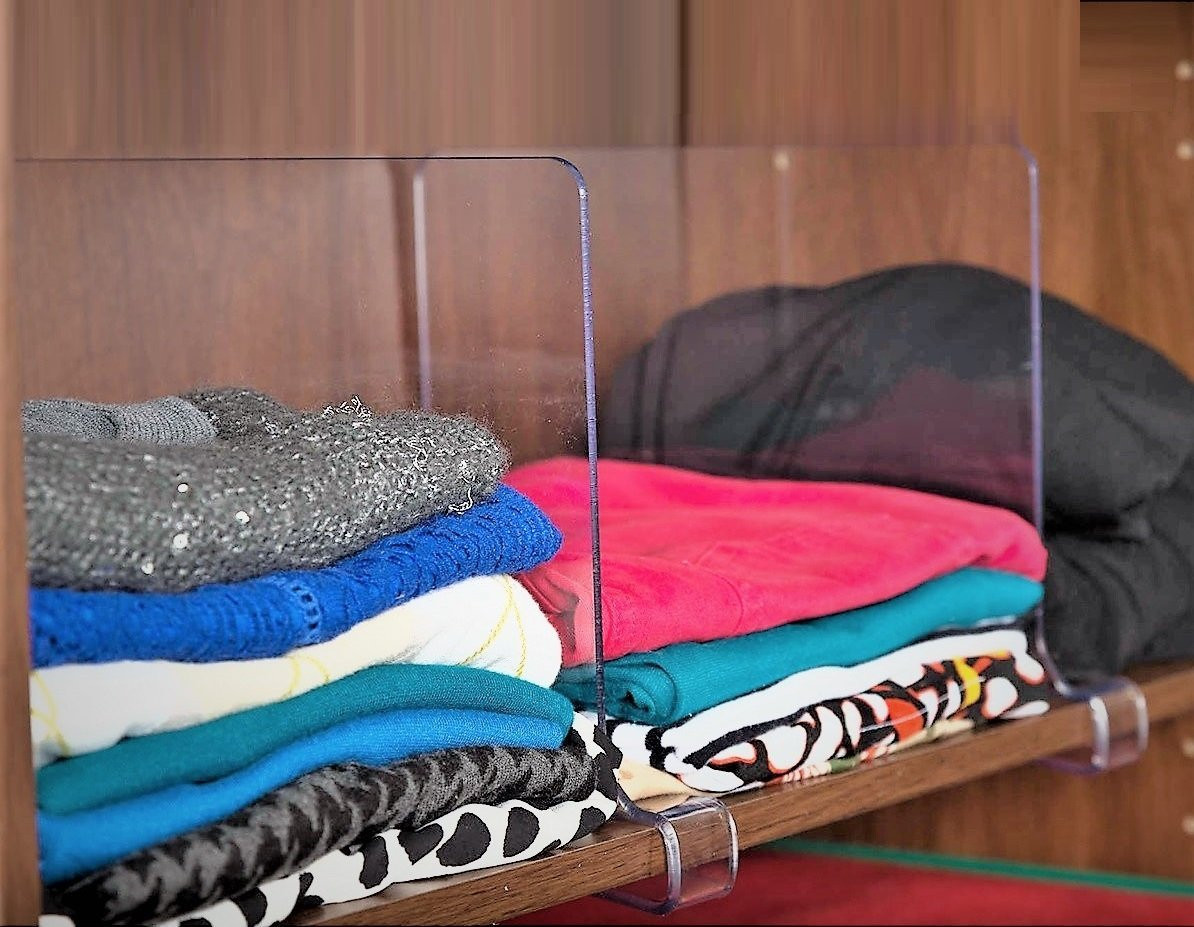
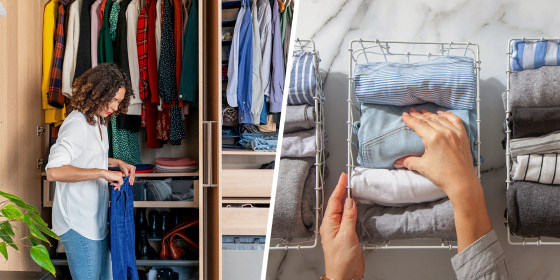
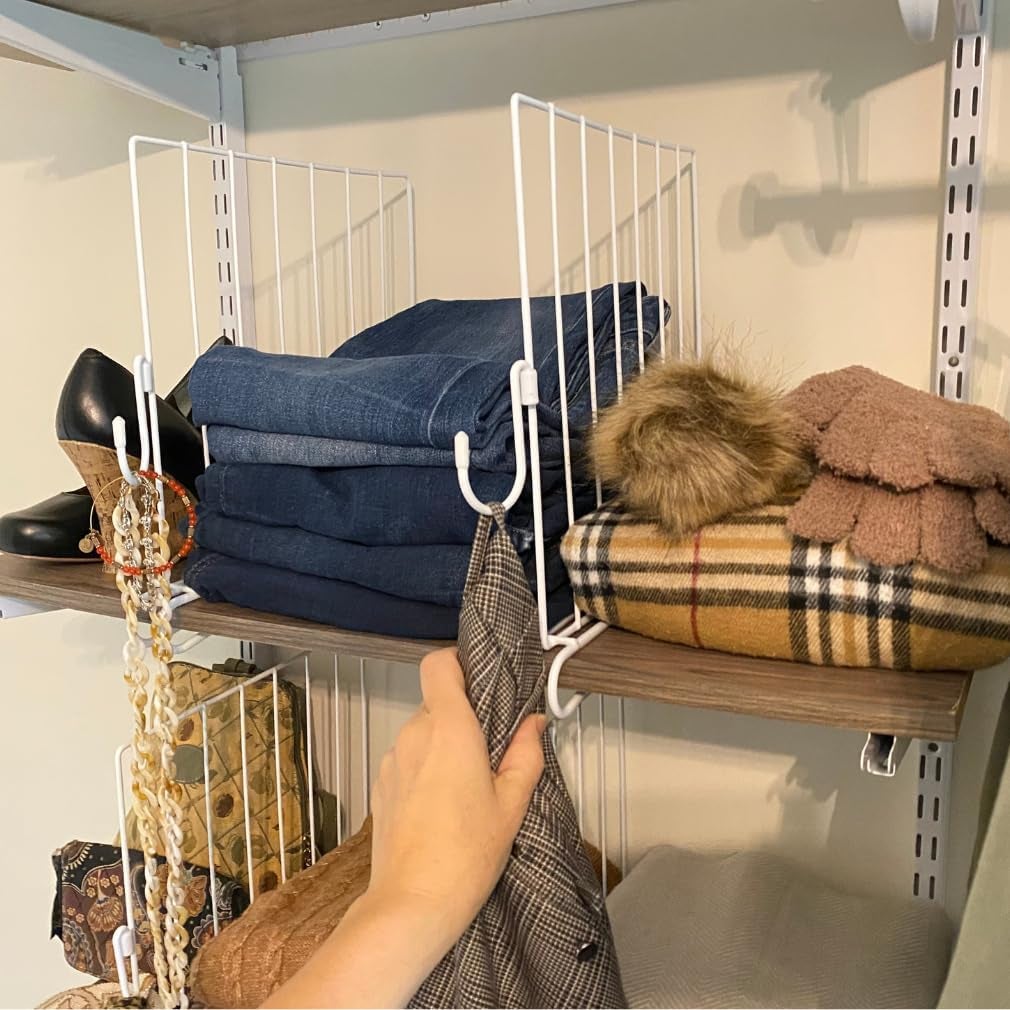
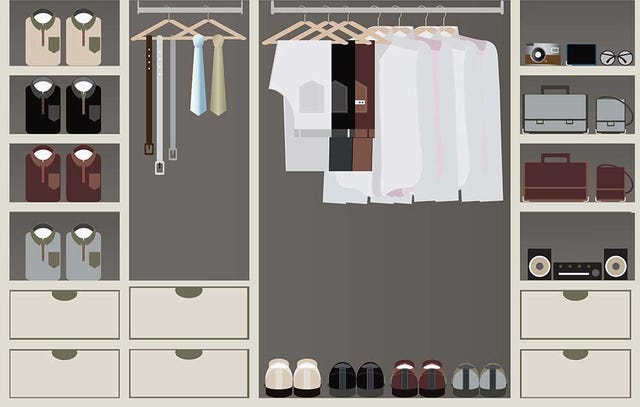
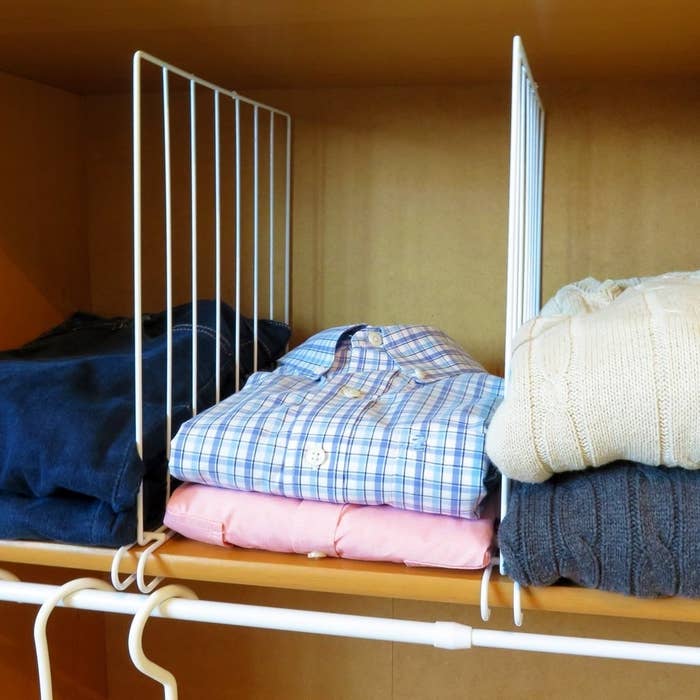
Finally, the article suggests that not all clothing needs to be hung in the closet. Folding items that are less prone to creasing, such as jeans and sweaters, and storing them in drawers with shelf dividers, can free up hanging space for more delicate garments like blouses, skirts, and dresses. The use of open wall space for accessories like hats, belts, and handbags, and the incorporation of coat or hat racks in other areas of the home, further expand storage possibilities, ensuring that even with an extensive wardrobe, organization remains achievable.
#ClosetOrganization #HomeOrganizing #StorageSolutions #Decluttering #WardrobeManagement #SpaceSaving #InteriorDesign #HomeImprovement #ClosetOrganization #HomeOrganizing #StorageSolutions #Decluttering #WardrobeManagement #SpaceSaving #InteriorDesign #HomeImprovement
0 comment in total
 No comments yet
You may also like

How To Organize Your Messy, Crowded Closet

21 Ways To Organize Your Clothes If You Can’t Bring Yourself To Downsize Your Wardrobe


7 of the best space saving hangers to organize your closet

6 Fashion Designers Spill Their Secrets to a Clutter-Free Closet
The best ways to organize your closet, according to a pro
If Your Closet Is A Total Horror Show, These 30 Things Will Turn It Into An Organized Dream Come True
35 Tips That'll Finally Organize Your Closet Once And For All
14 genius things you need to organize your closet

Expert tips for organizing a closet and maximizing storage space
The Smartest Way to Organize Your Closet
How to Make the Most of Your Closet Space
5 Closet Systems That Will Prevent Clothes From Piling Up

25 Things To Help You Finally Organize Your Overflowing Closet
7 things the most organized people have in their closets – and what they always do first

These Genius Closet Hacks Will Transform Your Morning Routine Forever

10 Must-Haves For an Organized Closet
The Best Solutions for Organizing a Closet of Any Size
How To Declutter Your Wardrobe Like A Pro: Expert-Approved Tips And Easy Storage Hacks


6 warning signs it is time to quickly reorganize your closet and make stressful mornings easy to navigate again
How to Organize Your Closet in 6 Easy Steps