How To Choose The Right Coffee Table Size And Shape, According To A Designer
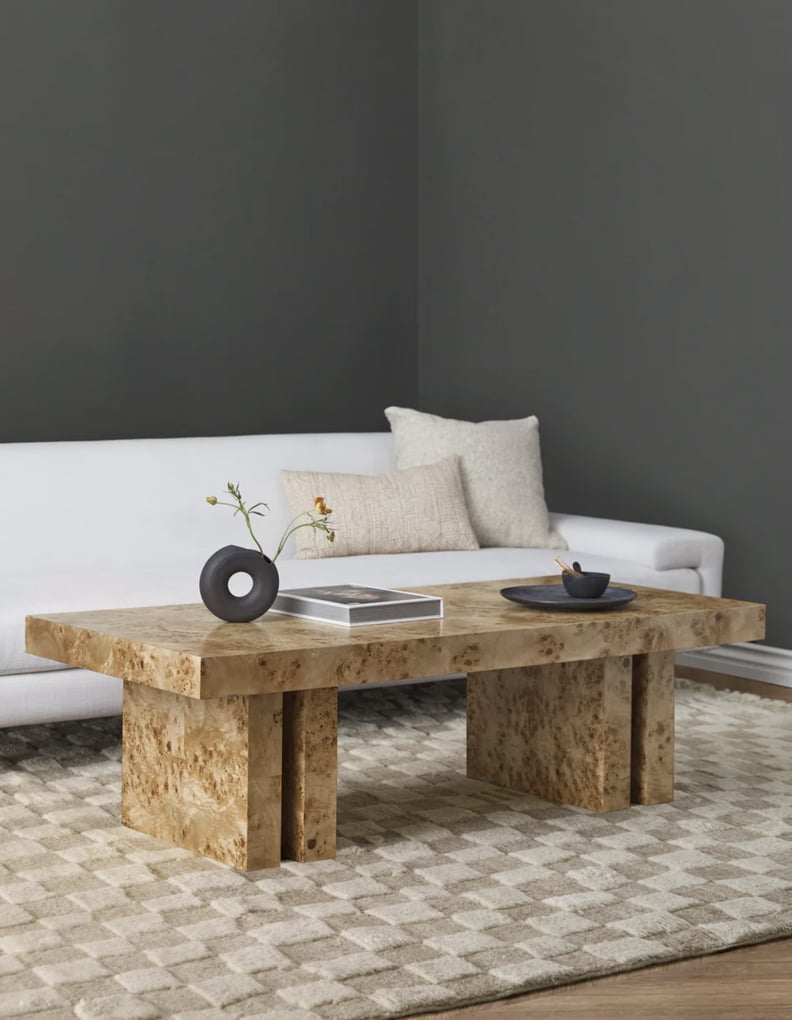
Choosing the correct coffee table for a living space is considered an art rather than an exact science, according to interior designer Ellie Christopher. While there isn't a single perfect coffee table for every room, selecting one that is too small is a common decorating mistake. An undersized coffee table fails to provide adequate space for drinks and comfortable footrest, and it can also visually imbalance the seating area. Christopher suggests that an oversized coffee table is generally preferable to an undersized one, though caution is advised against going excessively large, which could make the table appear disproportionate.
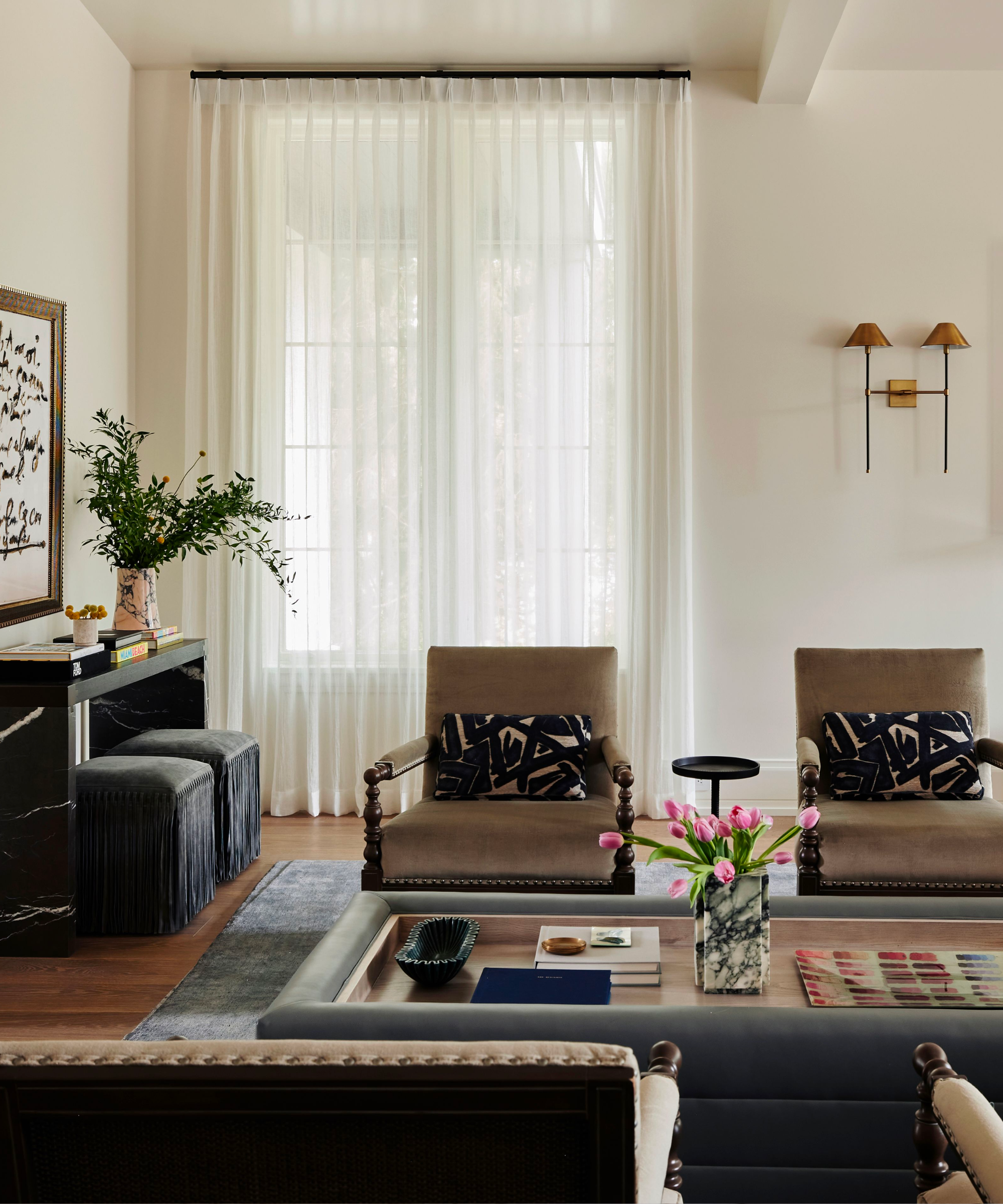
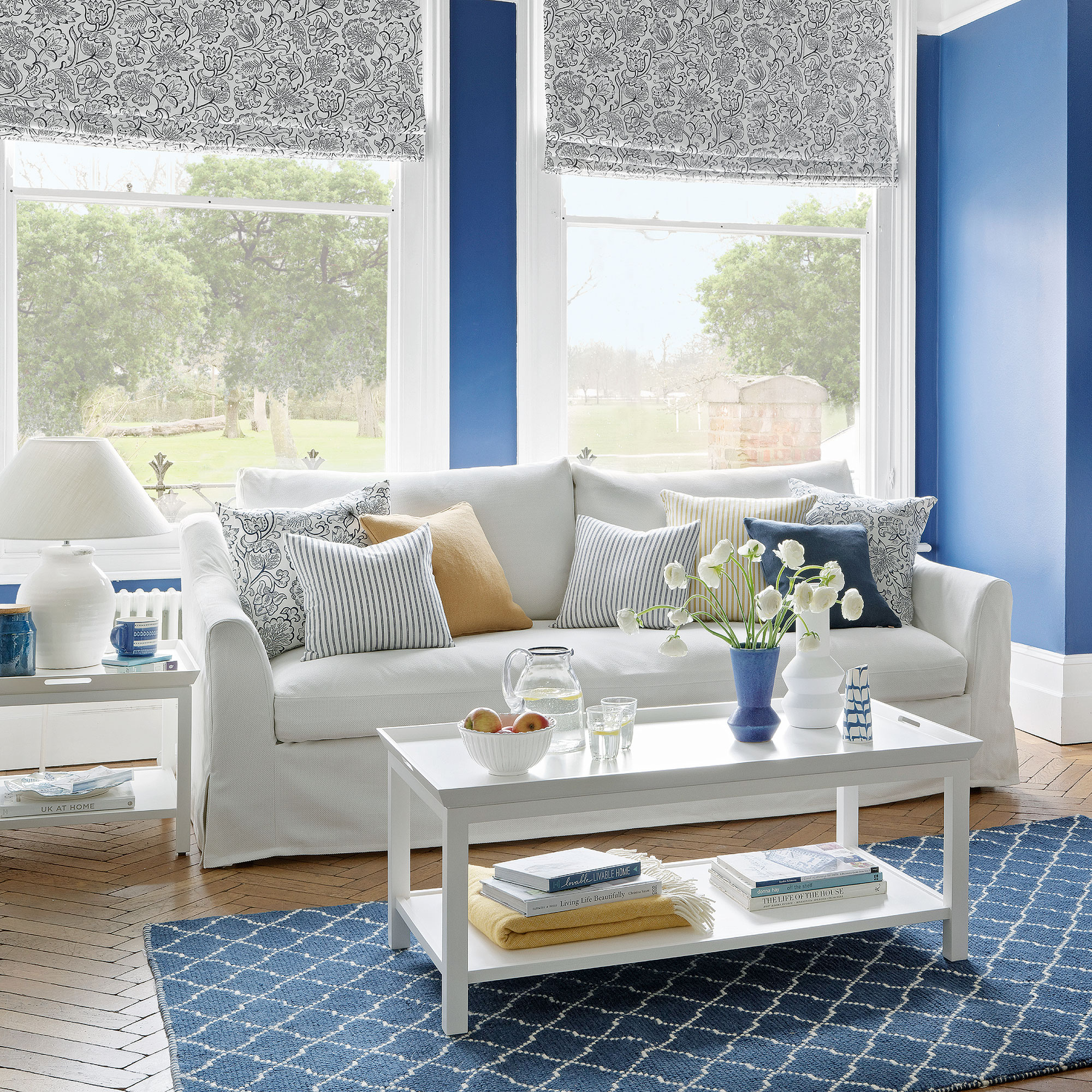
To determine the appropriate coffee table size, Christopher recommends a 'rule of two-thirds.' For an average 8-foot-long sofa, the coffee table should ideally be around two-thirds its length, which translates to approximately 64 inches or just over 5 feet. Similarly, if armchairs are positioned alongside the coffee table, its width should be about two-thirds the width of those chairs, maintaining visual harmony and functional accessibility.
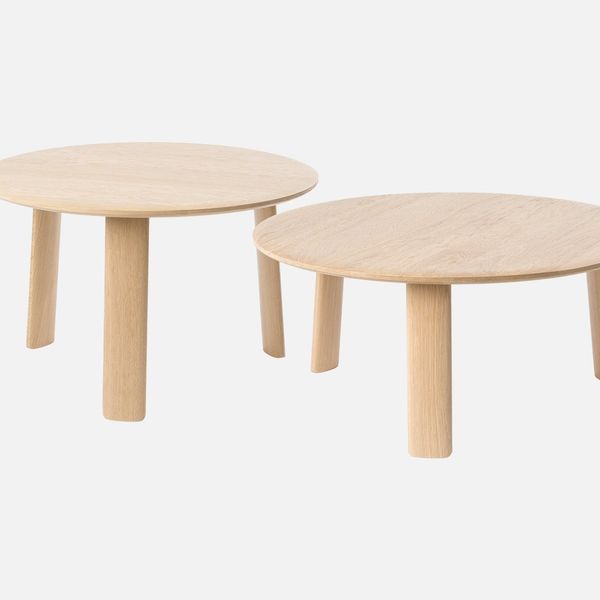
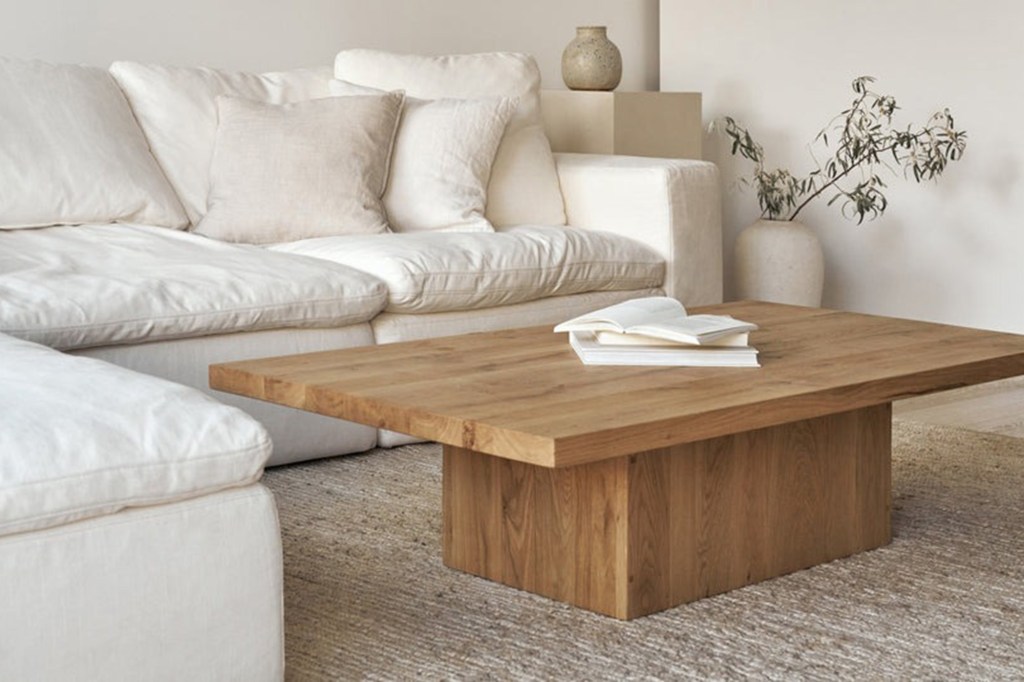
Regarding coffee table height, a key guideline is to ensure it is not taller than the seat height of the adjacent sofa or chairs. Most sofas and seats typically measure between 17 to 18 inches tall, so a coffee table should be either the same height or slightly shorter, generally about 2 inches below the seat cushion's top. This ergonomic consideration allows for comfortable foot resting. An exception to this rule applies to formal or antique coffee tables, which may have taller legs and are intended primarily for aesthetic display rather than functional use. In such cases, pairing them with taller-backed sofas or chairs can help balance the overall height.
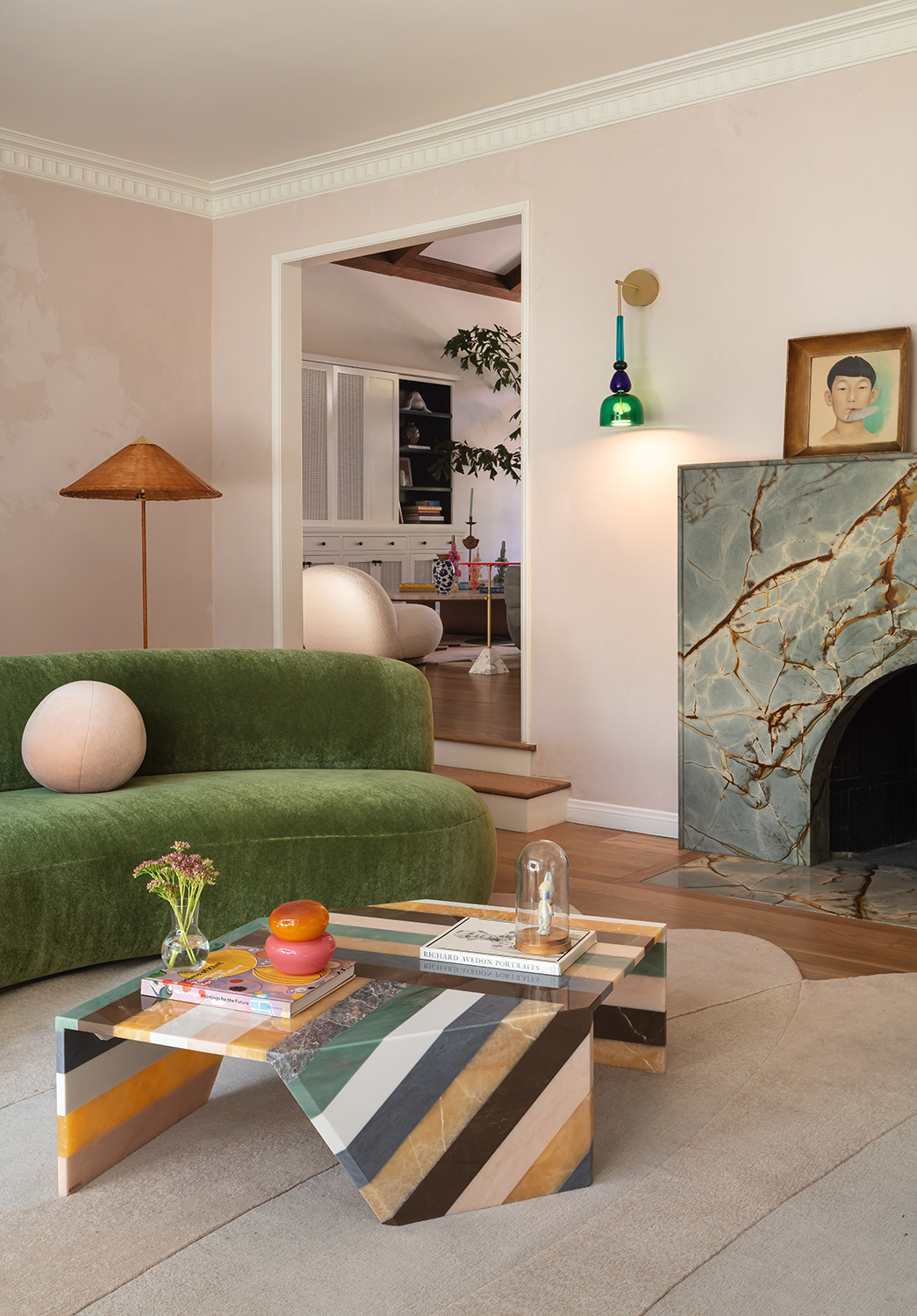
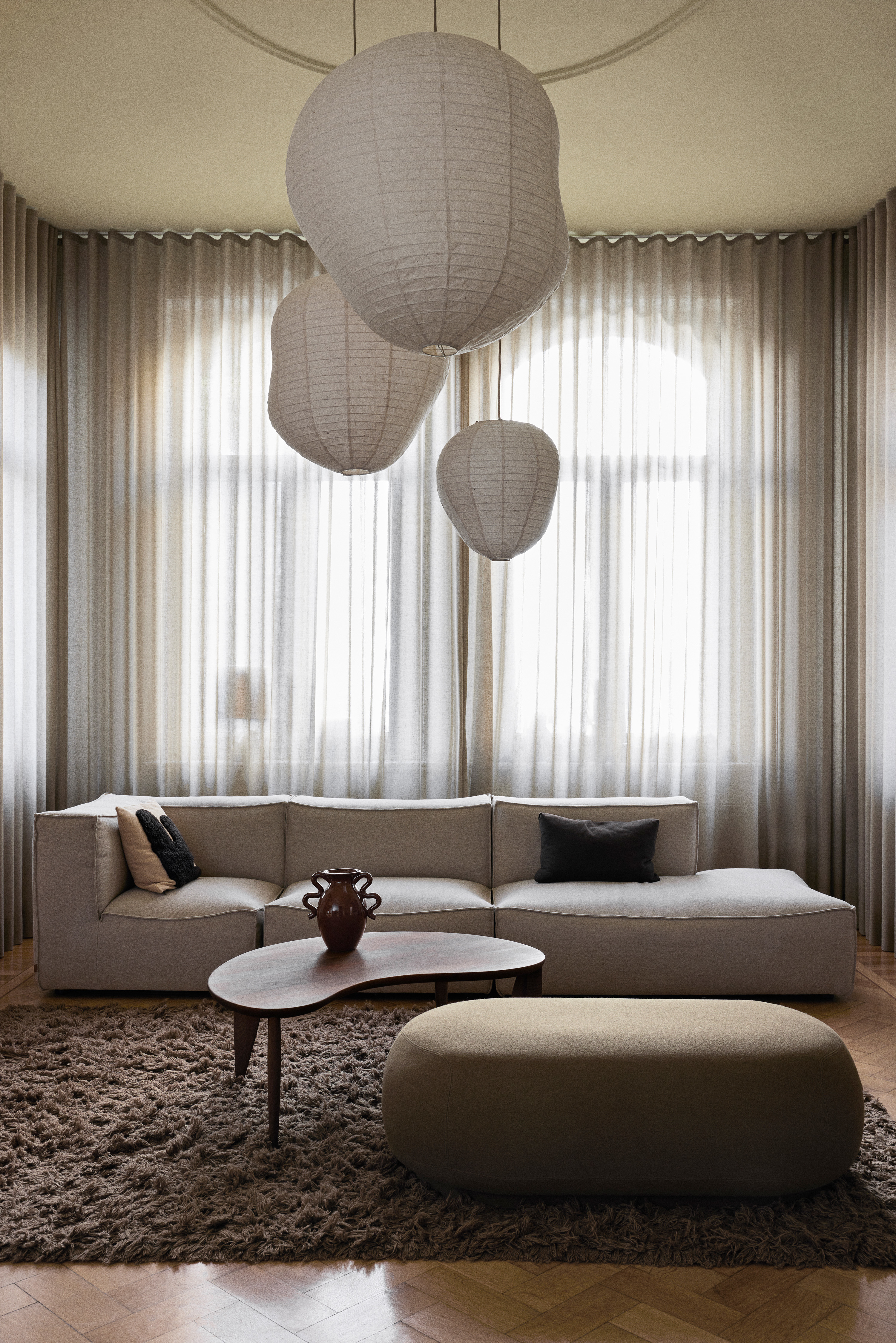
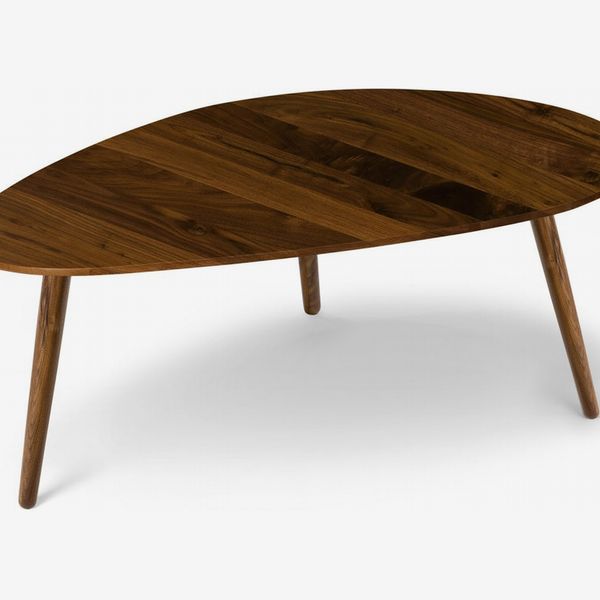
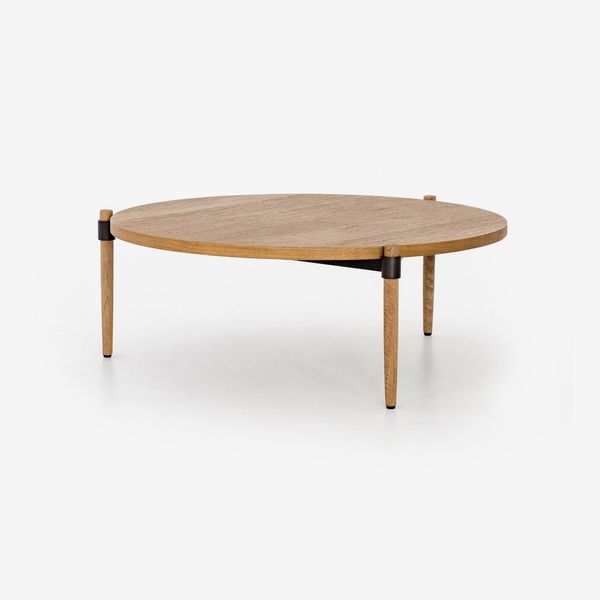
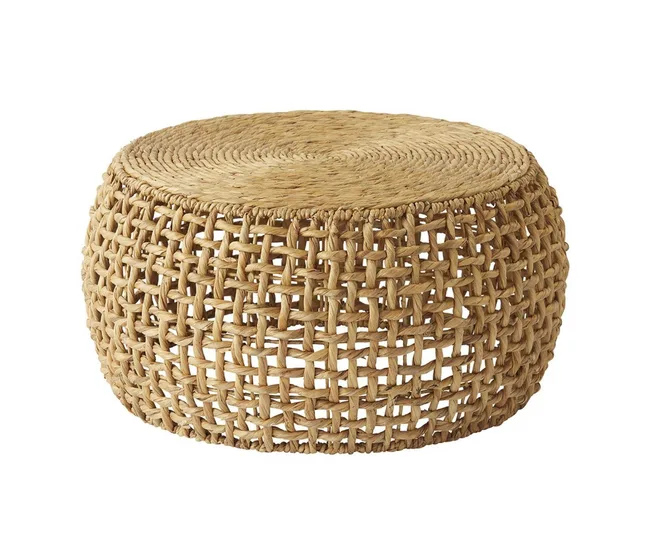
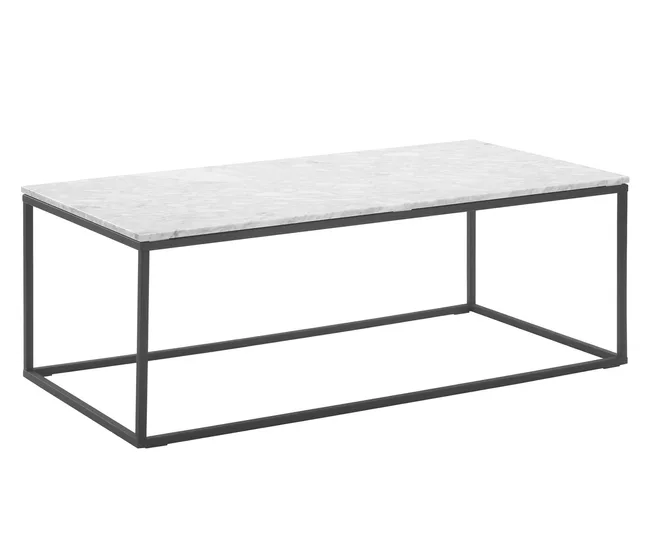
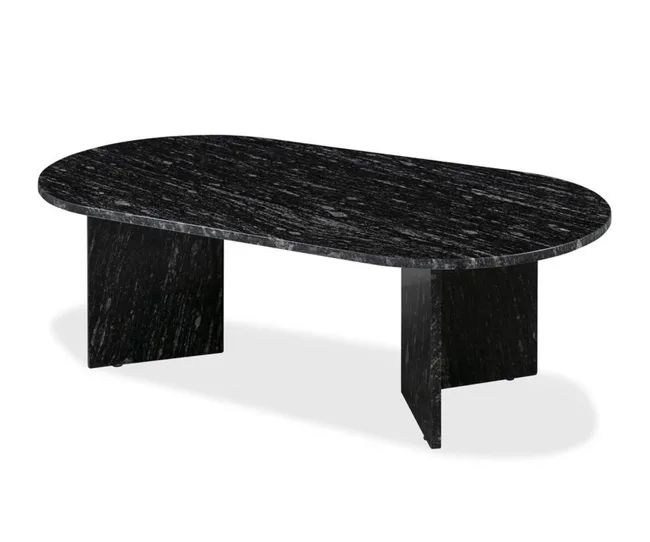
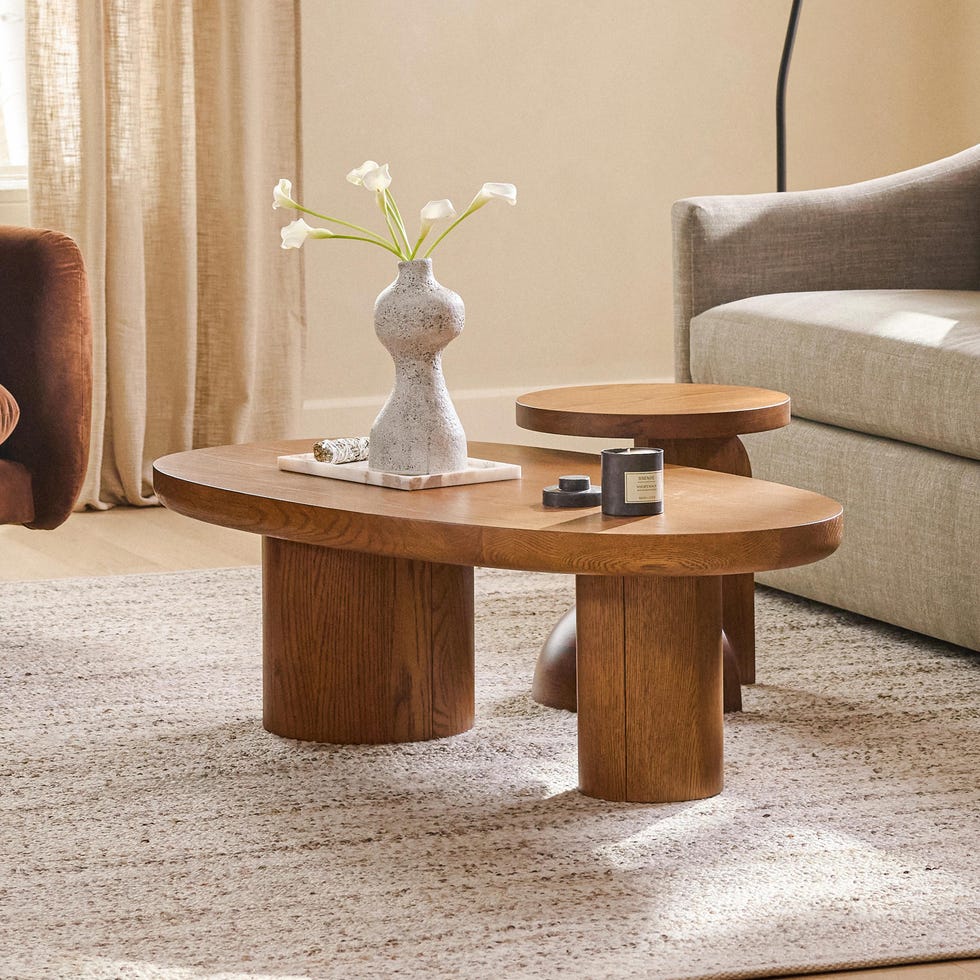
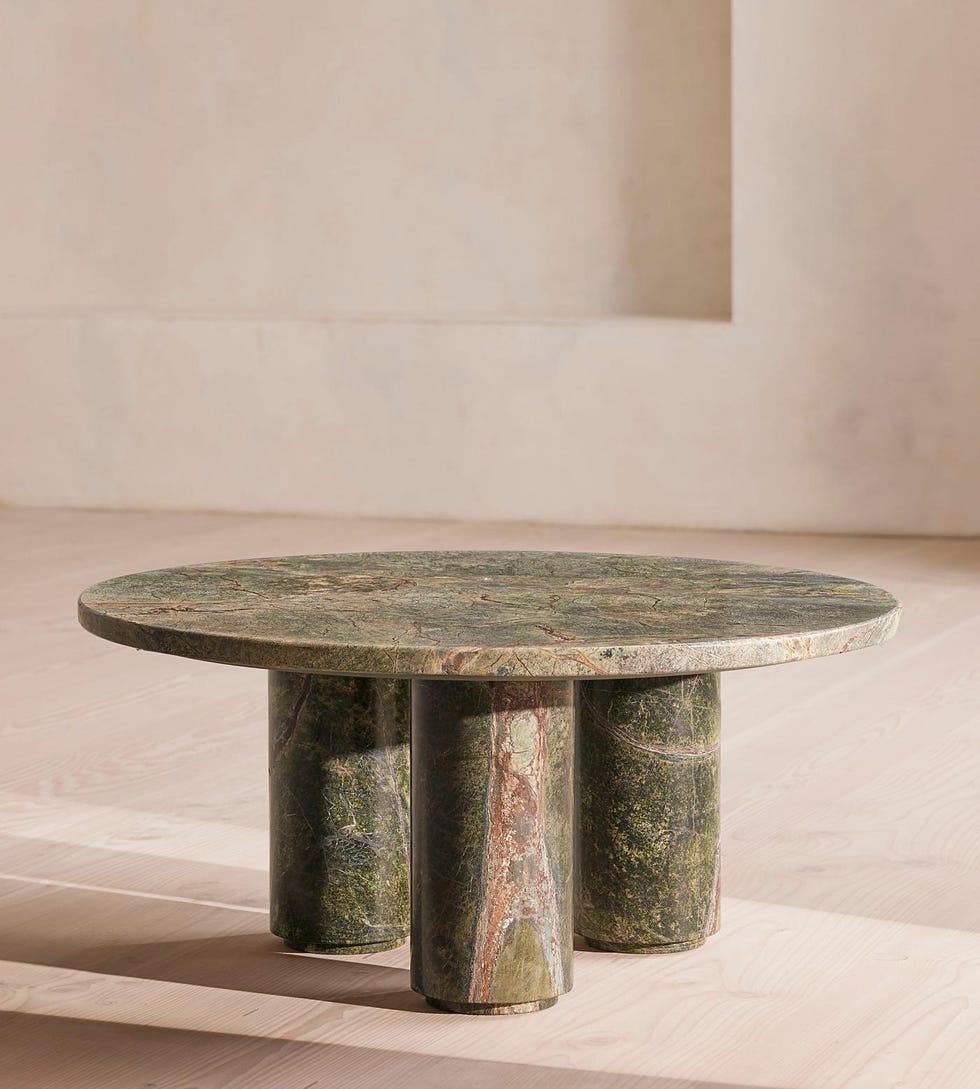
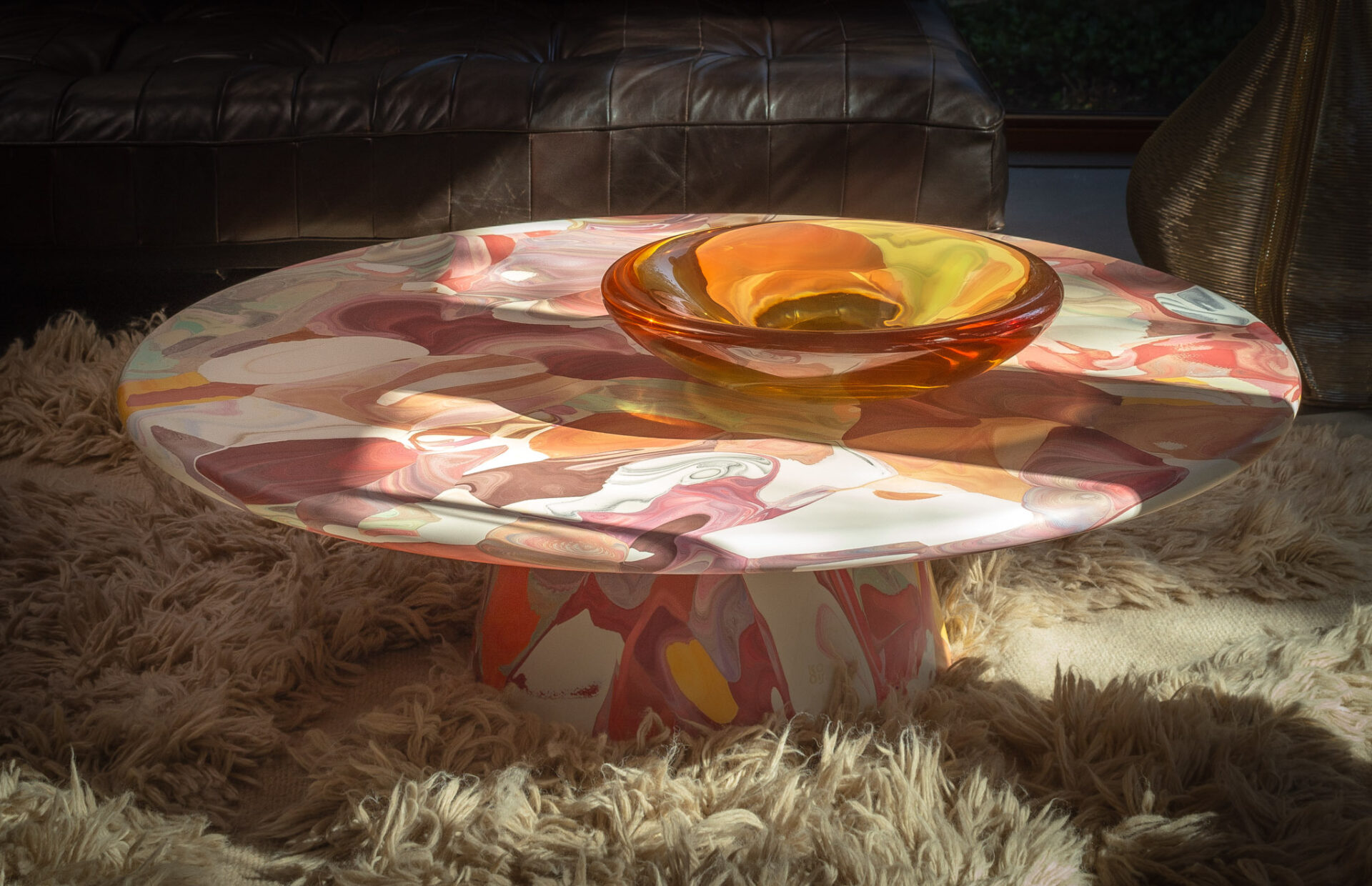
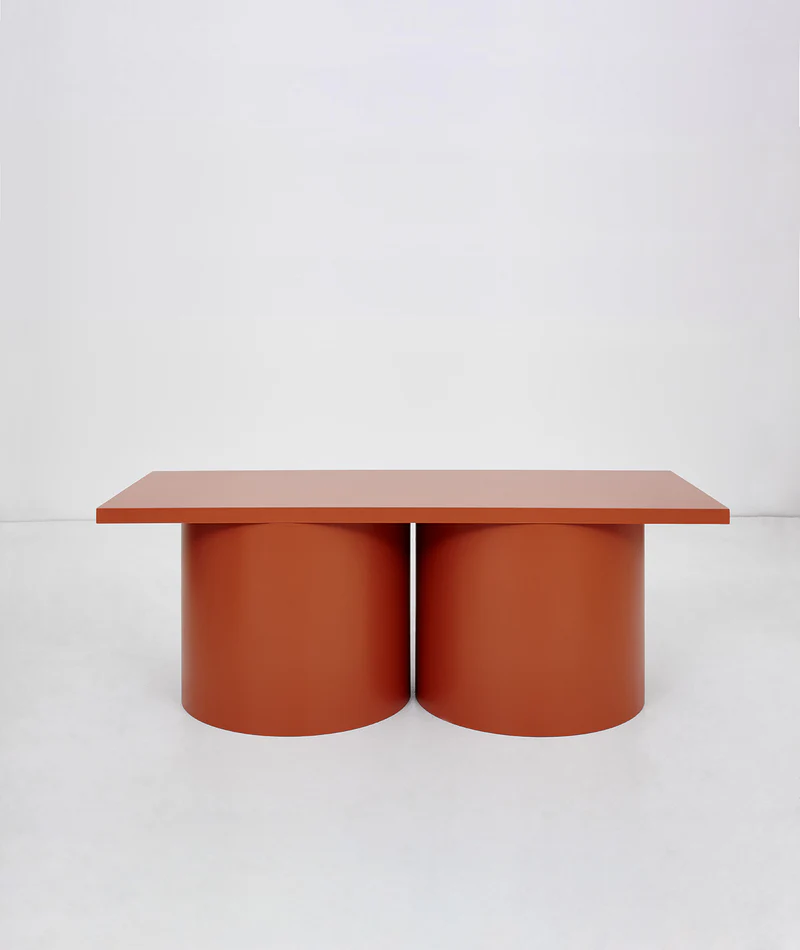
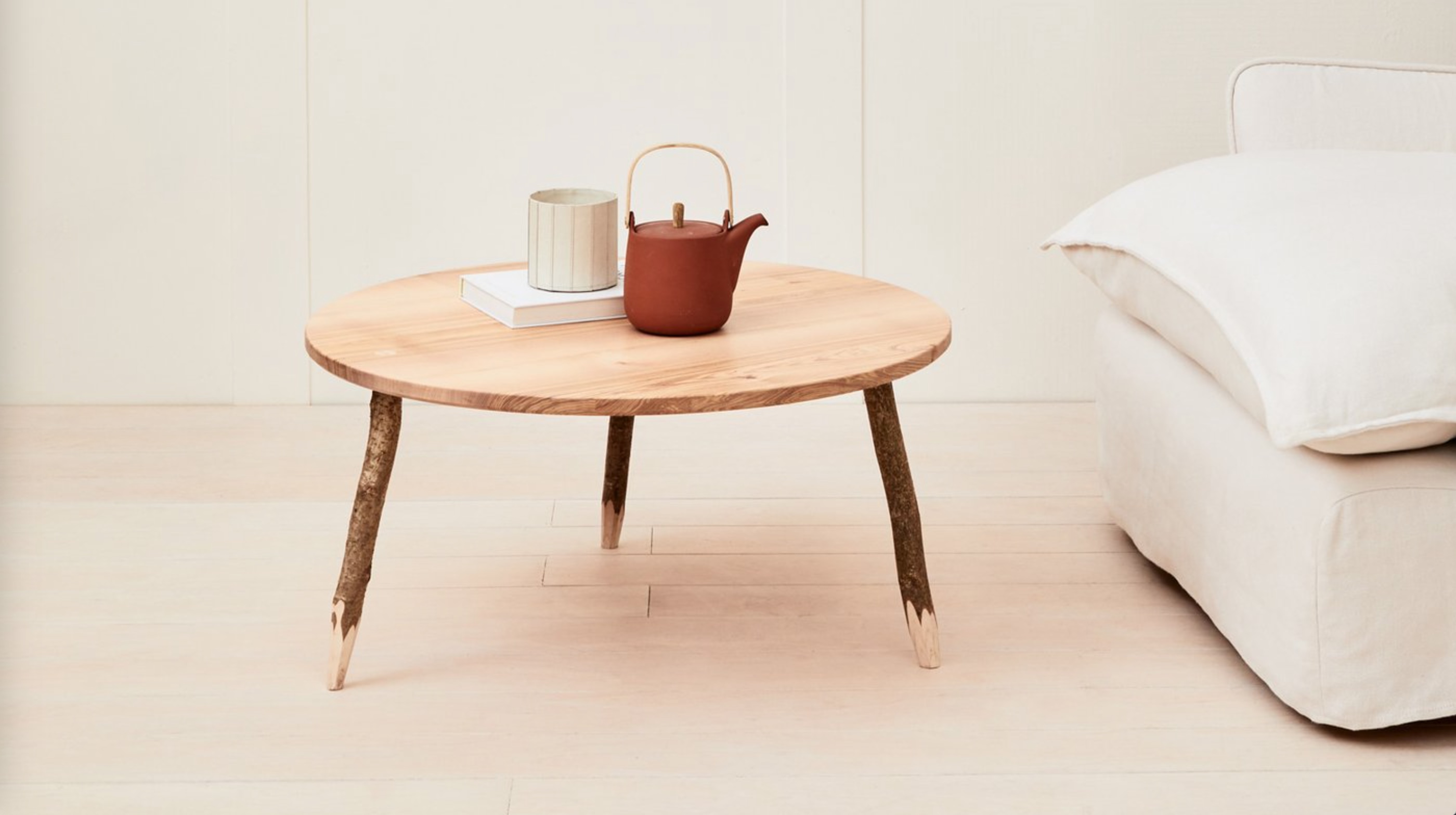
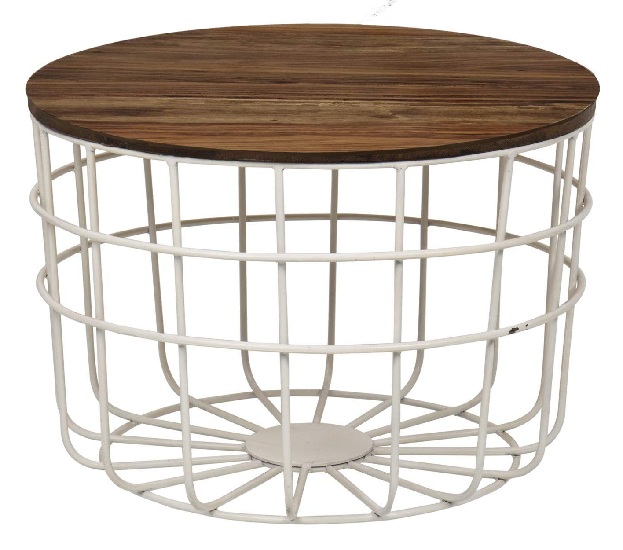
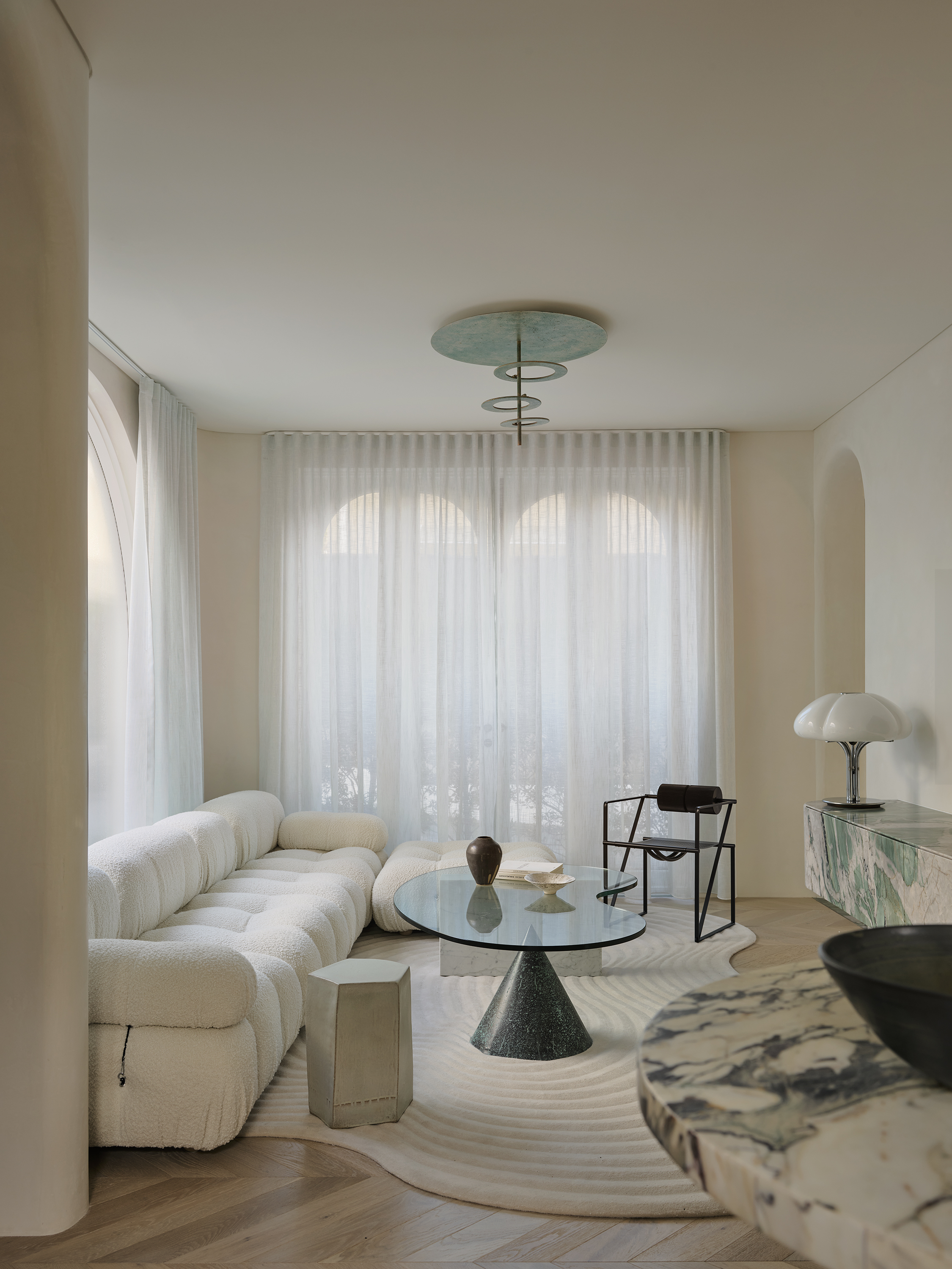
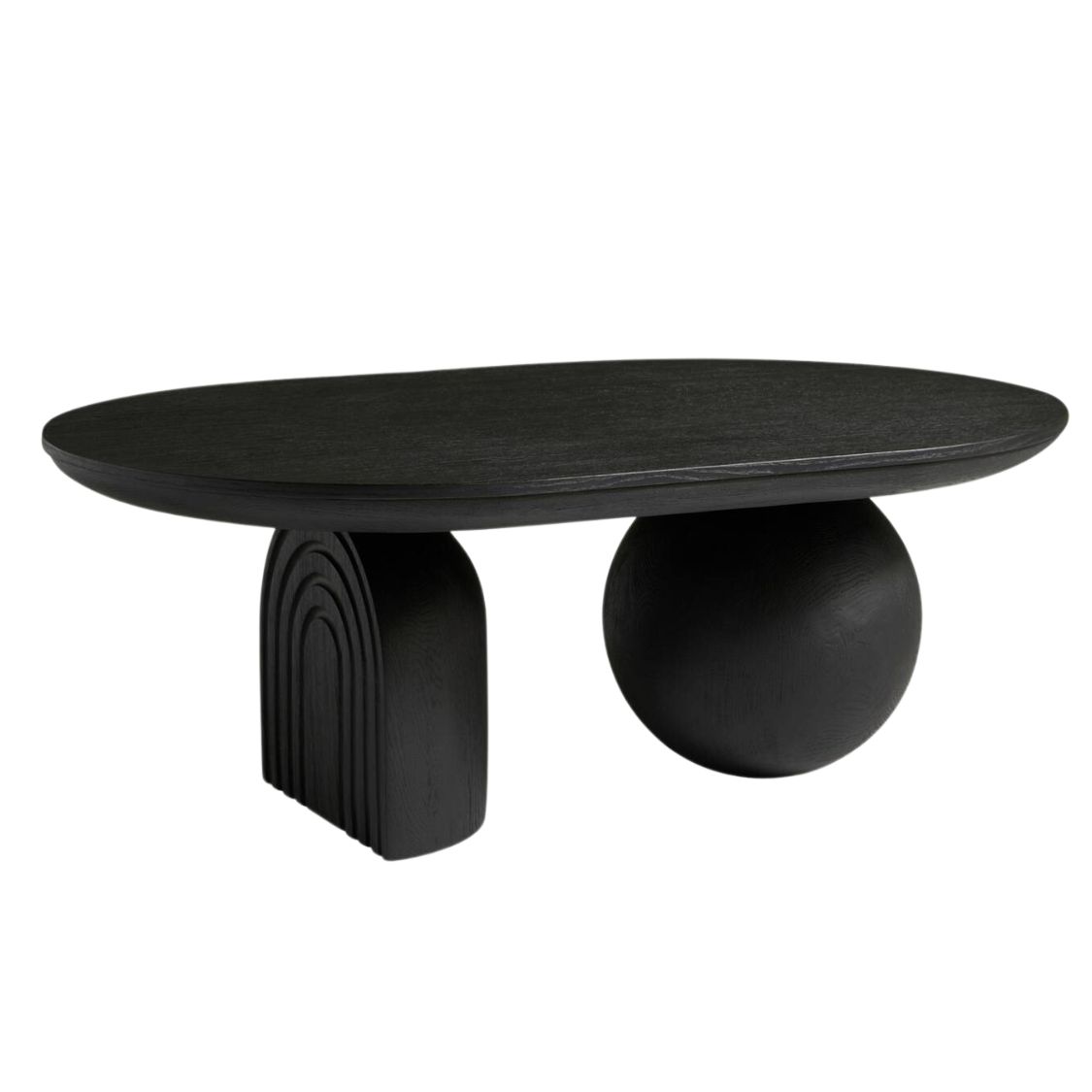
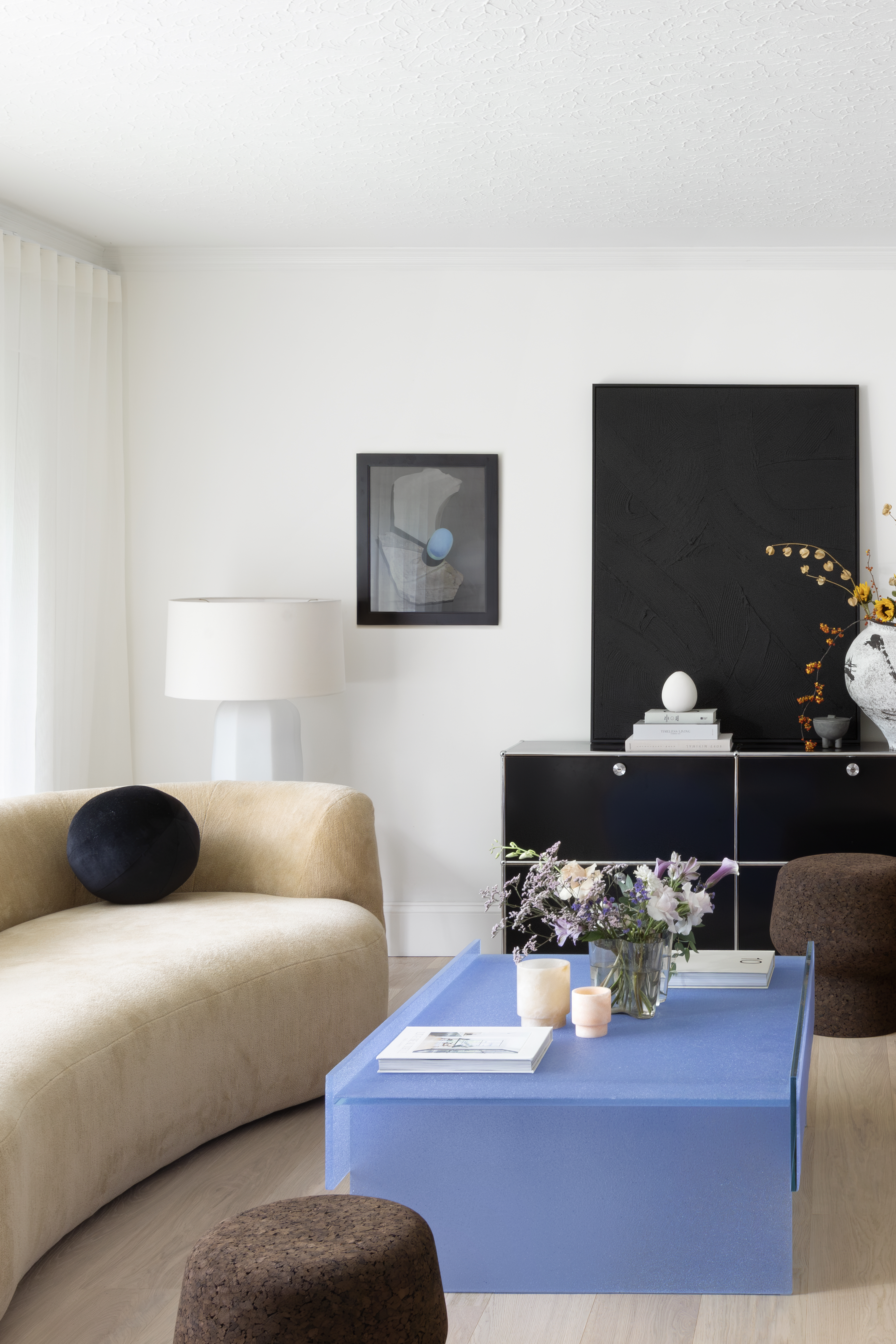
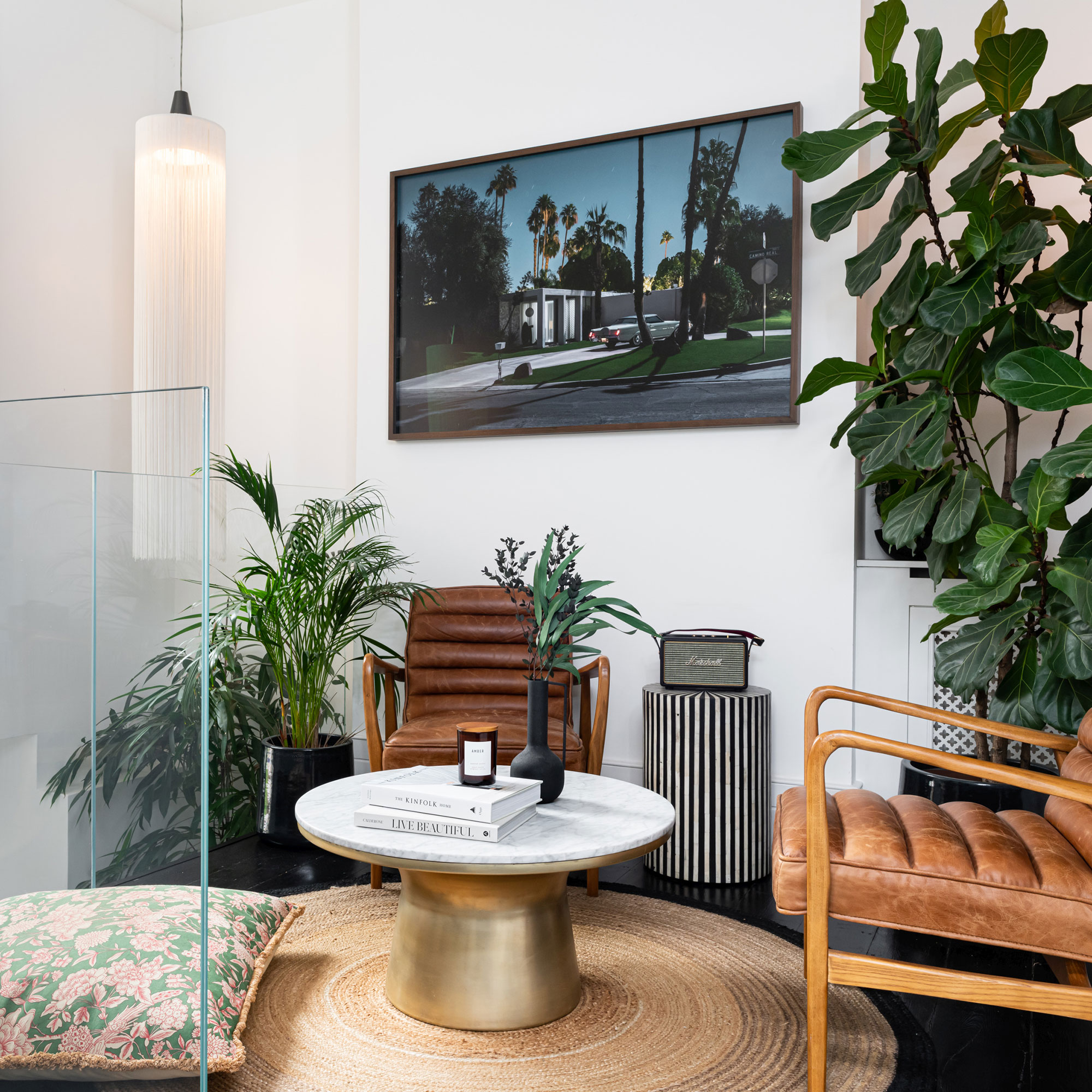
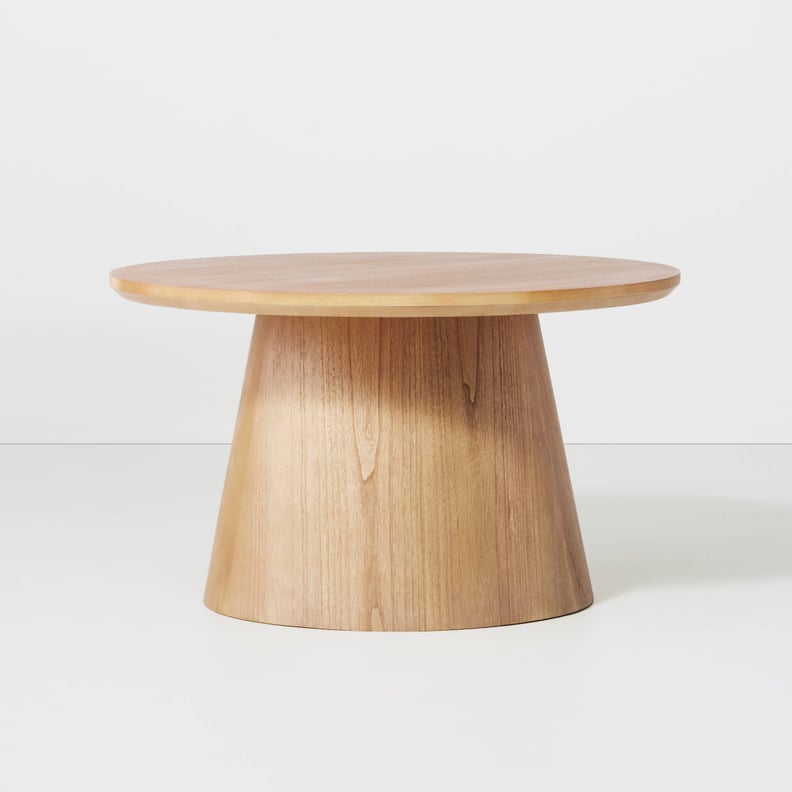
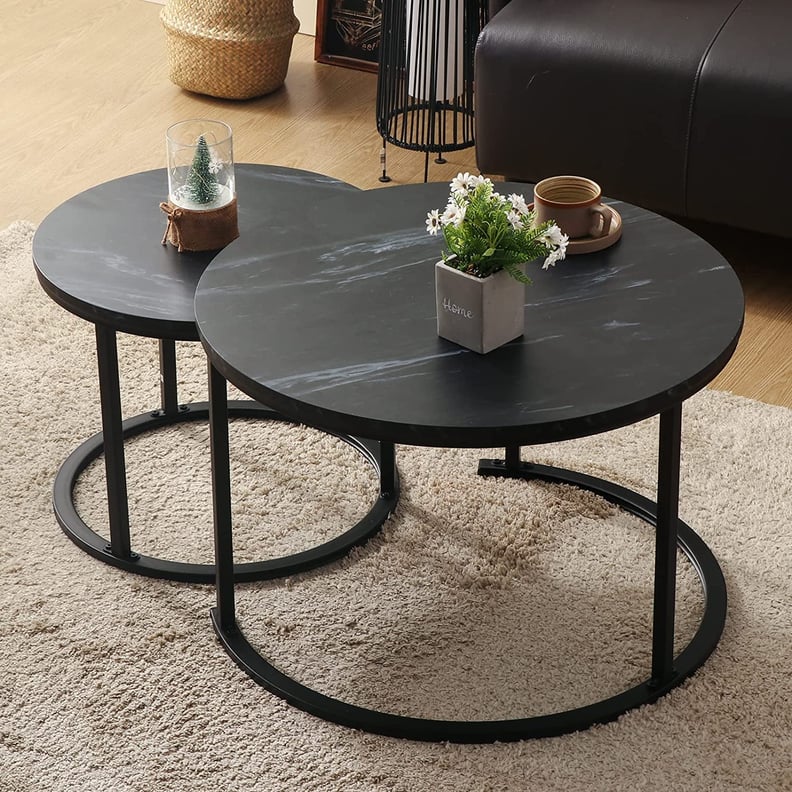
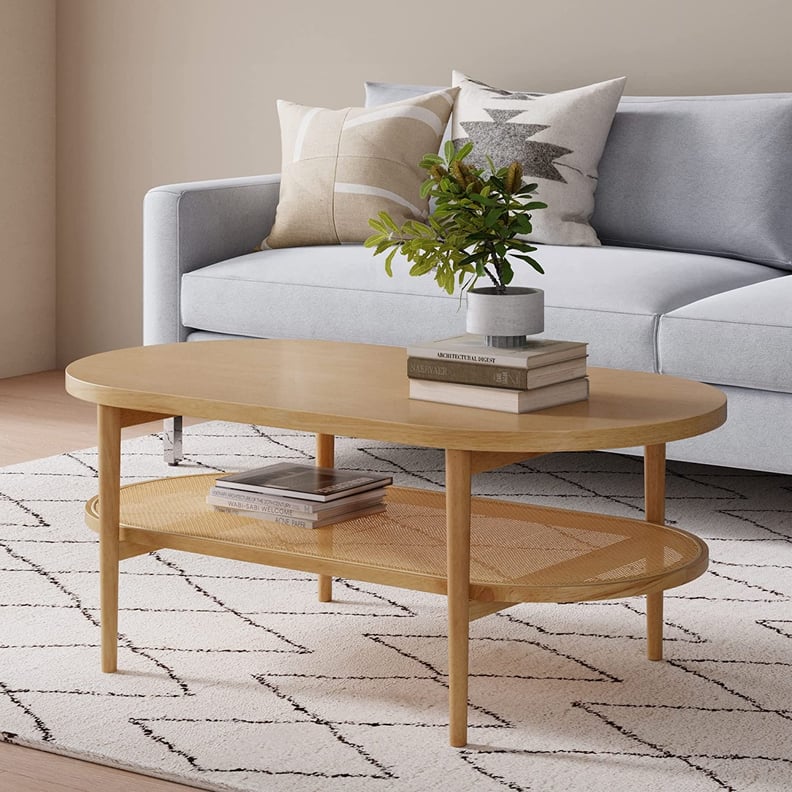
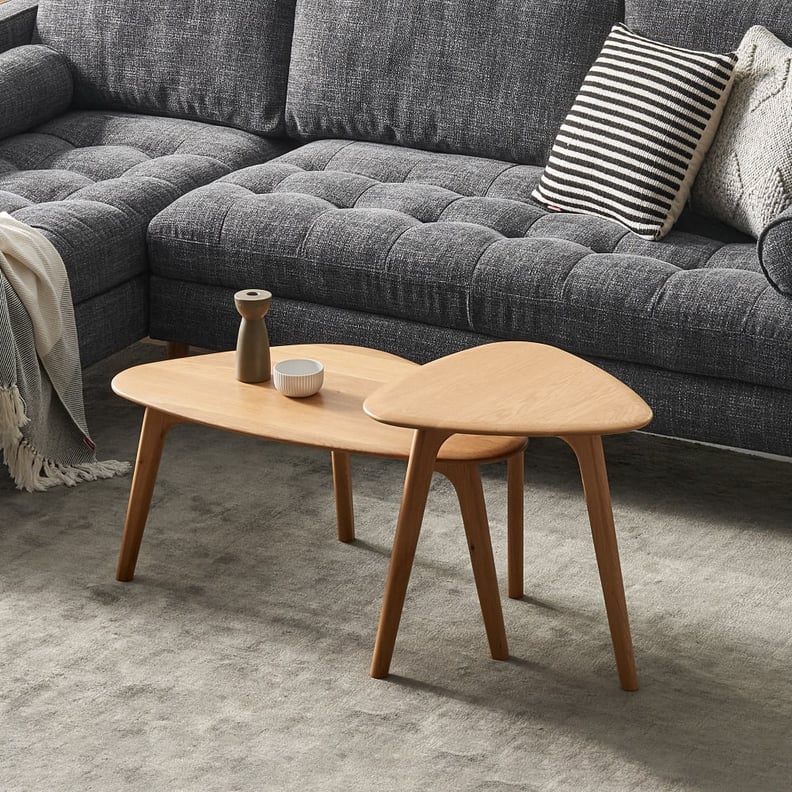
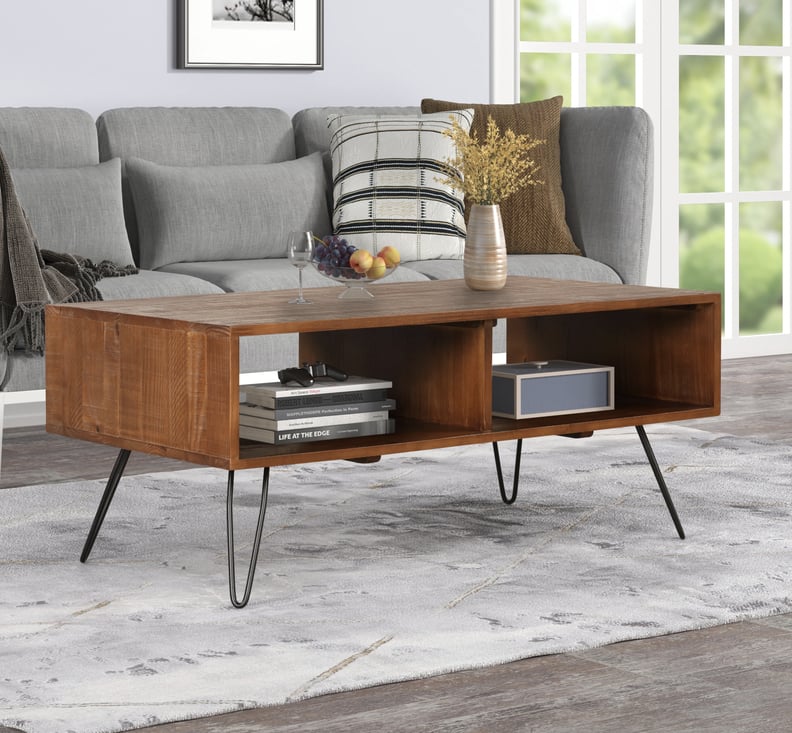
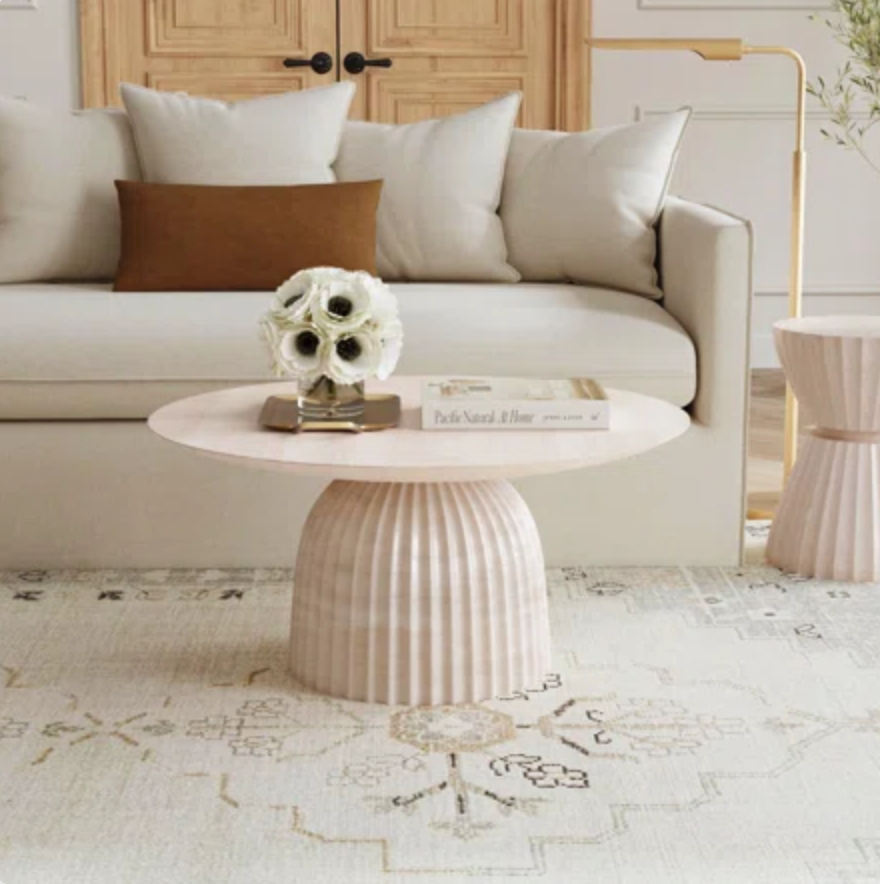
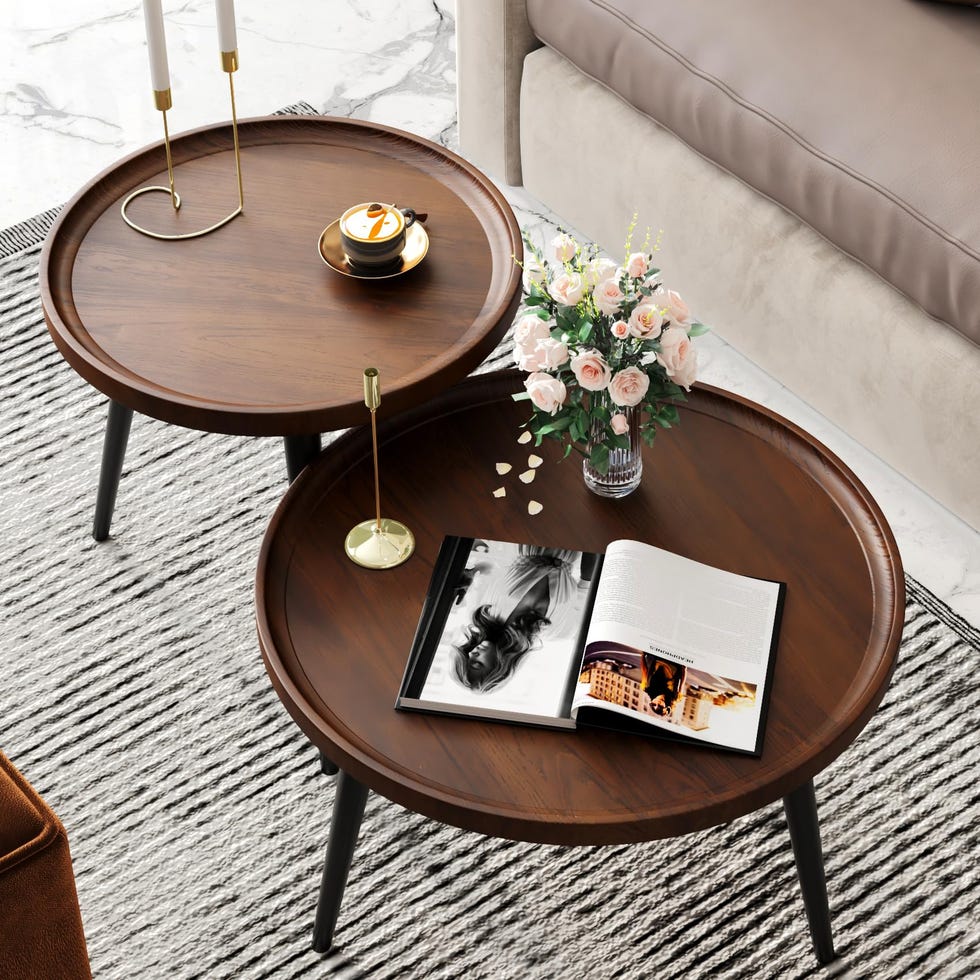
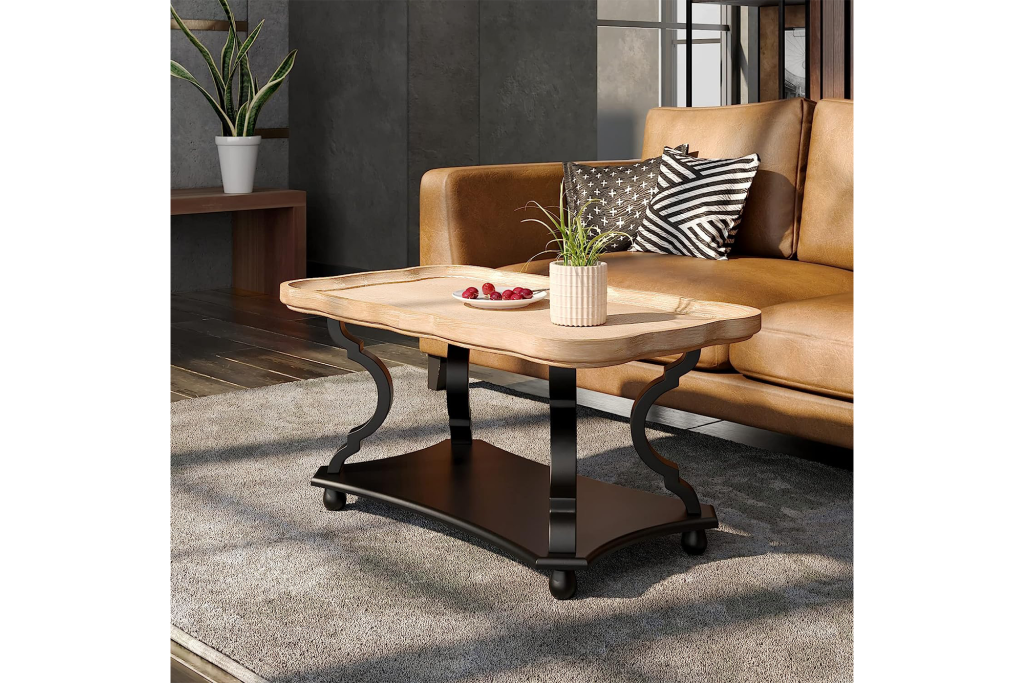
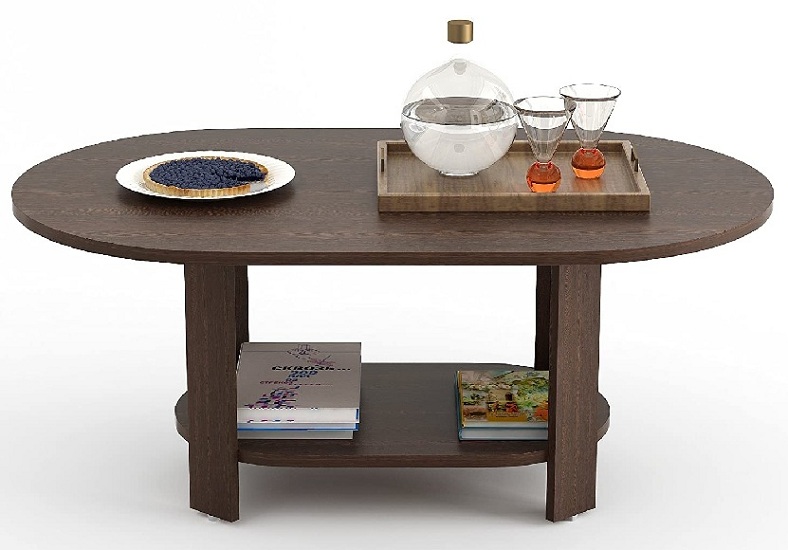
For the coffee table's shape, Christopher advises selecting a shape that contrasts with the predominant square or rectangular forms of upholstered furniture like sofas and armchairs. For instance, if the seating is rectilinear, a circular or oval coffee table can introduce visual interest and break up the angularity. Conversely, if the existing furniture features rounded or ornate designs, a more angular or geometric coffee table can provide a pleasing contrast and balance. This approach ensures that the coffee table serves as a distinct design element rather than blending redundantly with other furniture.
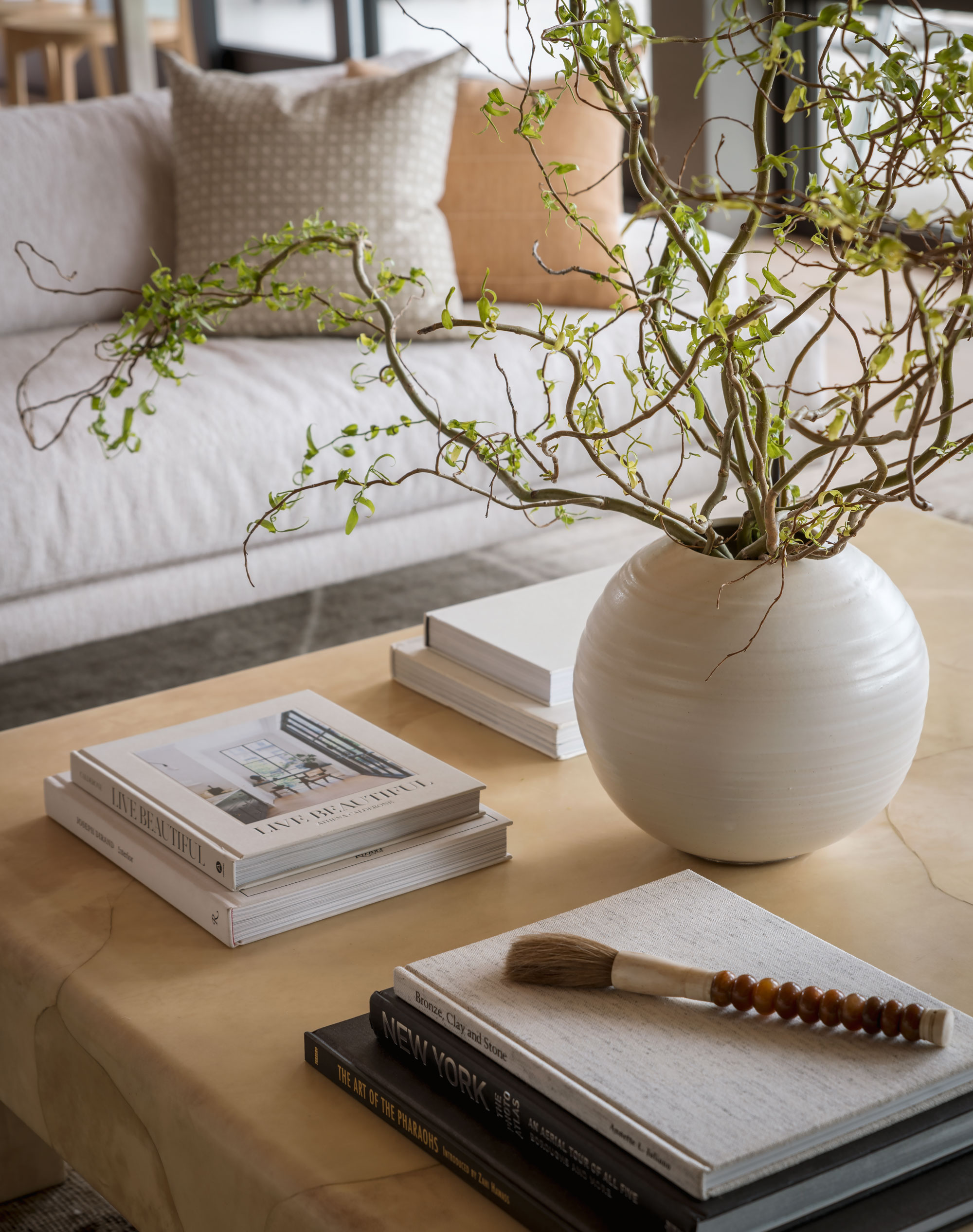
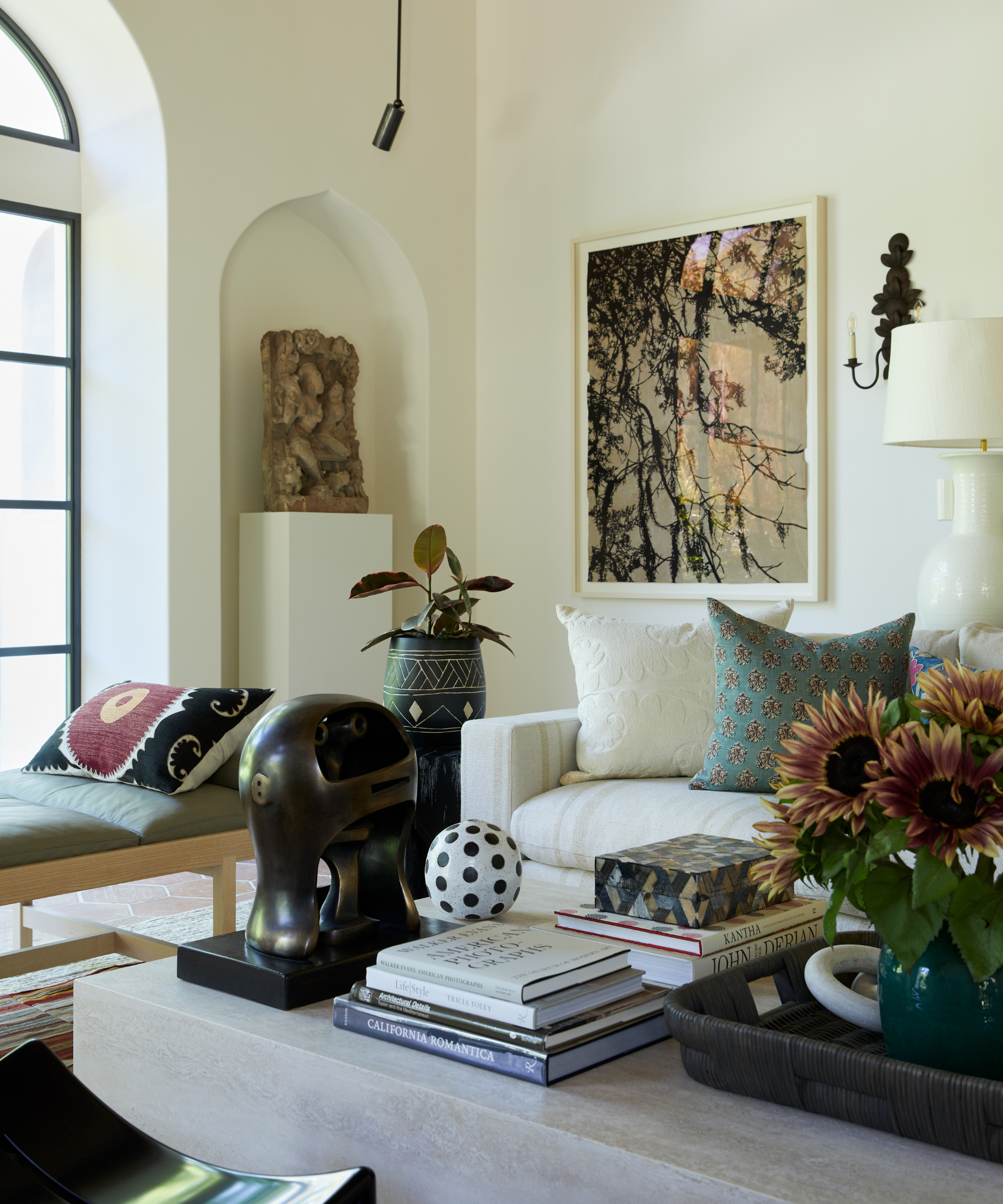
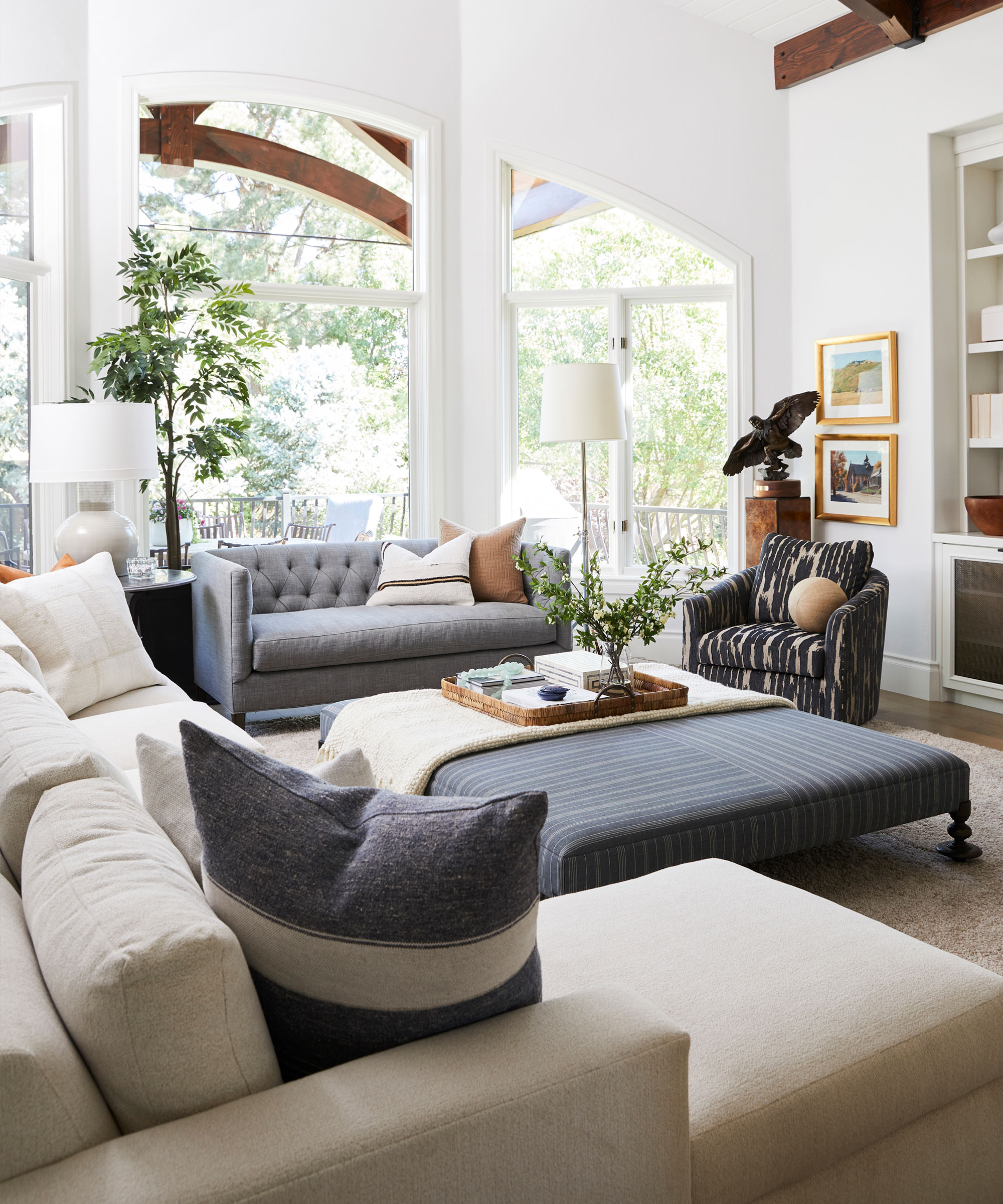
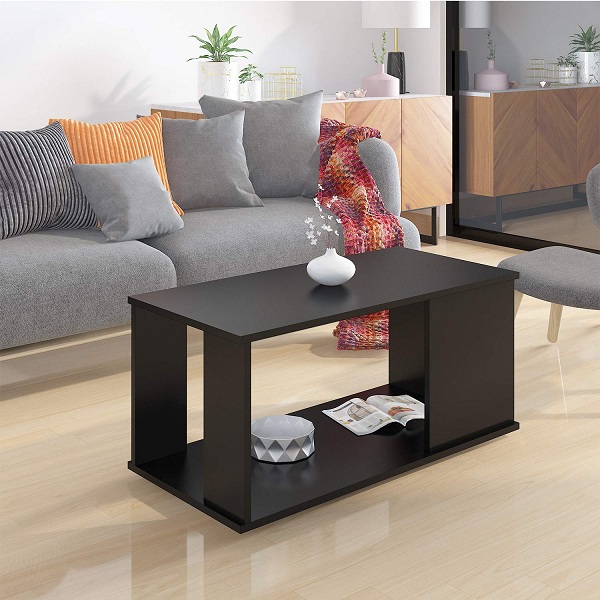
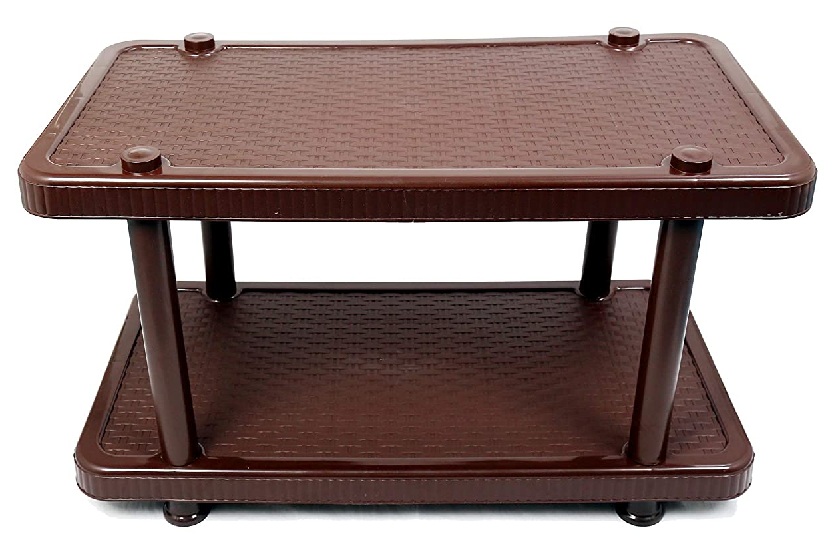
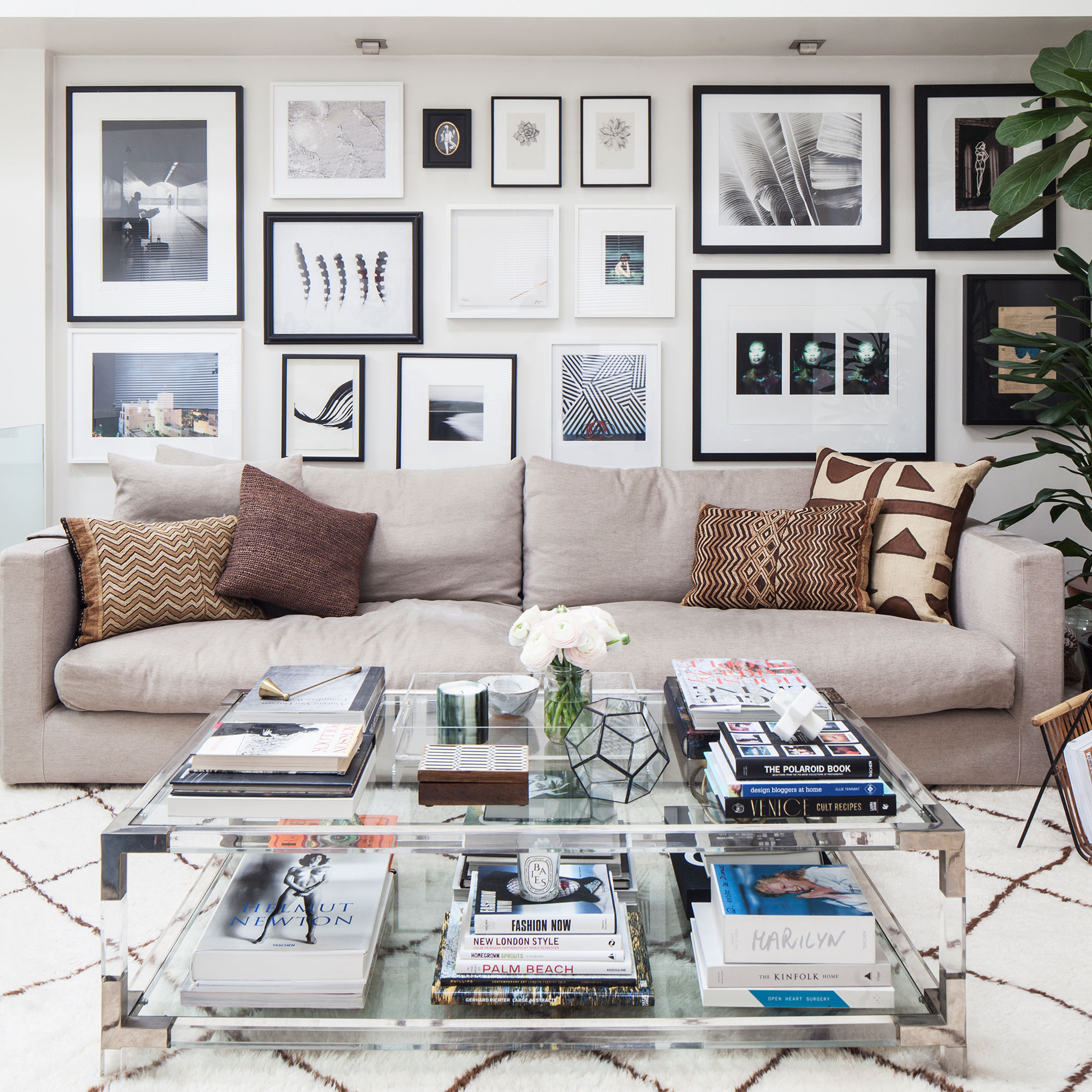
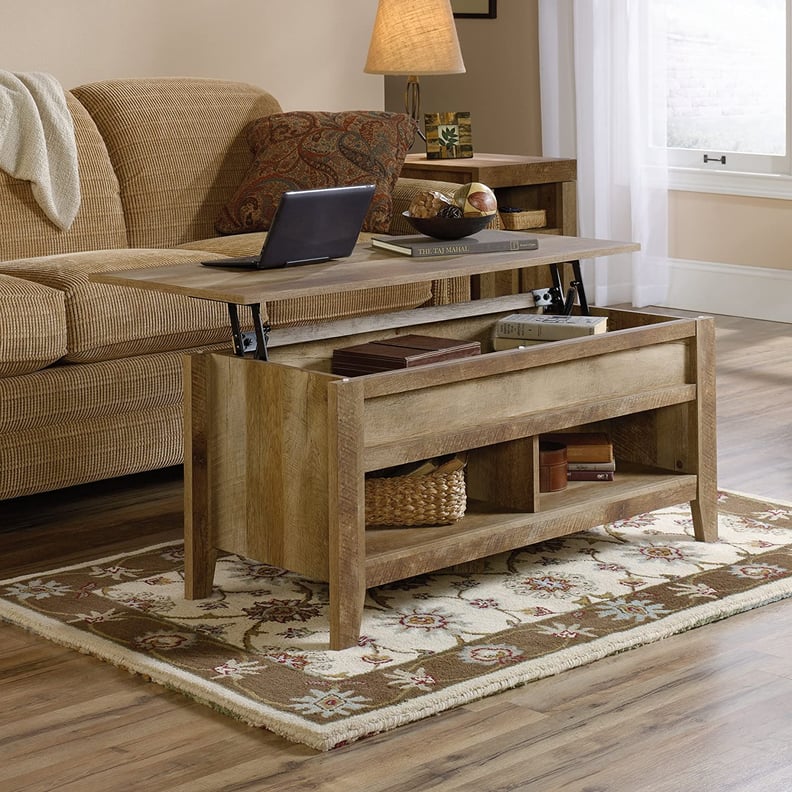
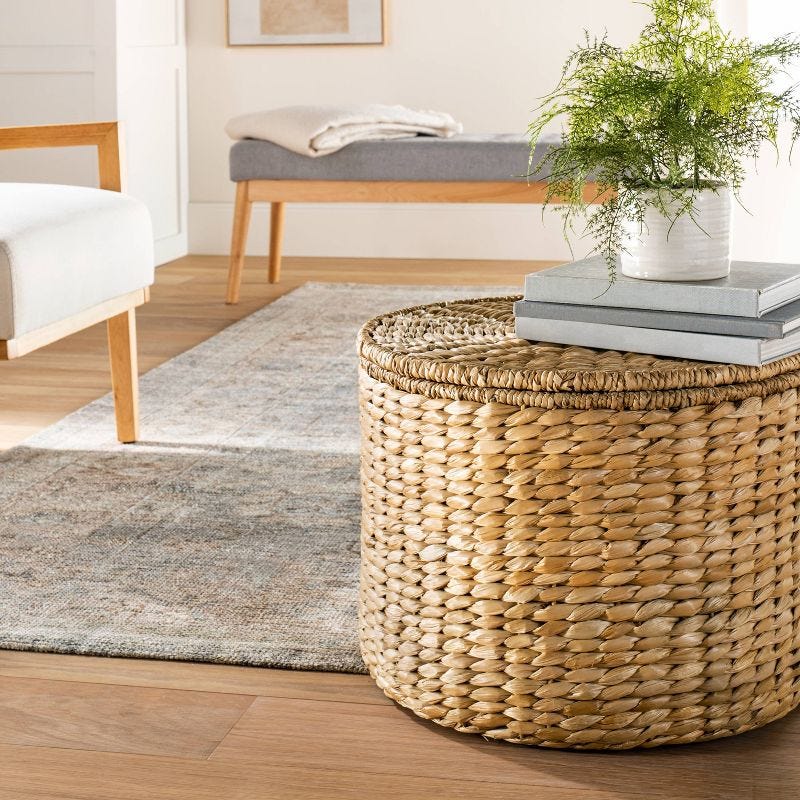
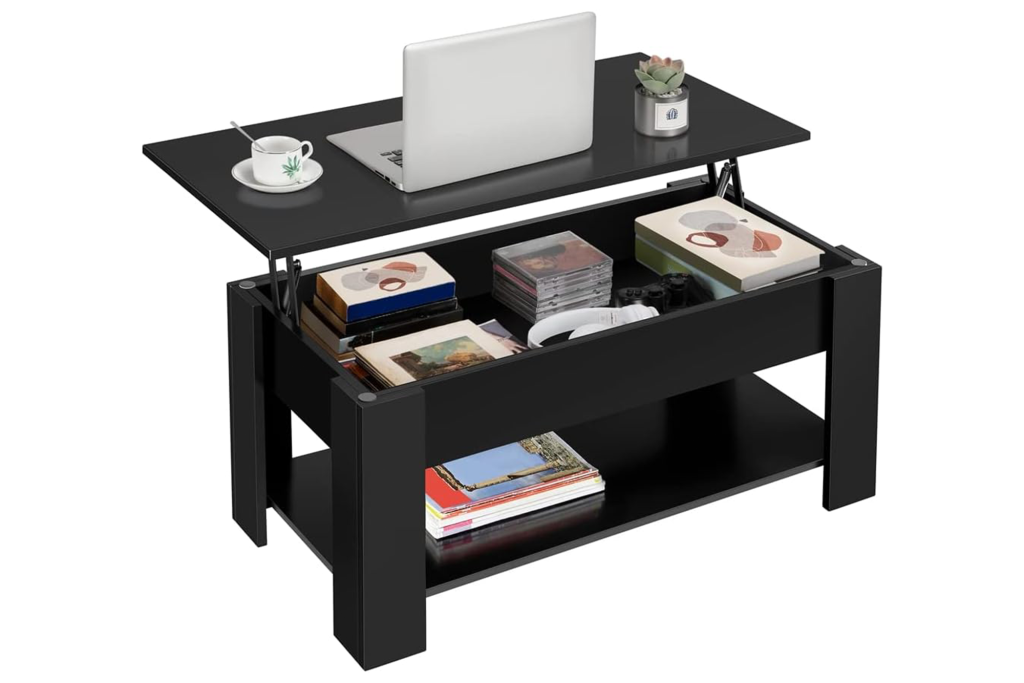
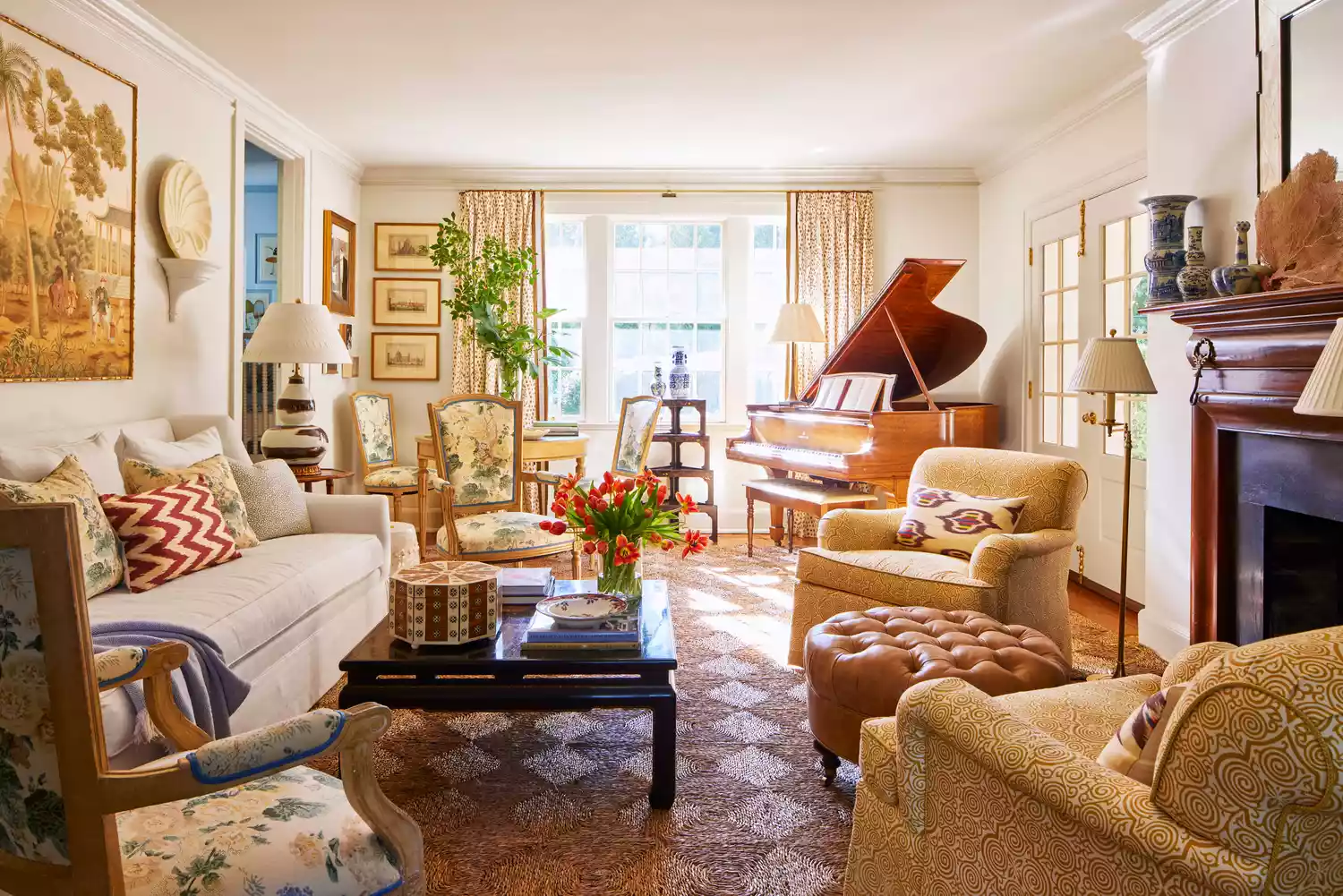
Optimal placement of the coffee table is also crucial. Christopher suggests maintaining a distance of 18 to 24 inches from the sofa or chairs. However, this measurement can be flexible depending on the room's scale. In larger spaces, it might be suitable to position the coffee table further away and use additional smaller drink tables closer to the seating. This allows the main coffee table to function more as a decorative display surface for items like vases and coffee table books, rather than solely for drinks or footrests. When decorating the coffee table, a common practice is to use a tray to organize items, especially on ottomans, and incorporate elements such as coffee table books, vases, decorative bowls, candles, and personal trinkets. The 'rule of three' is a design principle recommended for arranging decor, where items are grouped in odd numbers to create visual appeal without appearing cluttered. Various types of coffee tables include ottomans for extra seating or small stools for compact spaces, and trunks or low chests for storage. Material choices range from wood, metal, and marble to plastic, glass, and upholstered fabric, with the selection depending on room decor and lifestyle, particularly avoiding breakable materials in homes with children or pets.
#CoffeeTable #InteriorDesign #HomeDecor #LivingRoom #FurniturePlacement #DesignTips #HomeStyling #EllieChristopher #CoffeeTable #InteriorDesign #HomeDecor #LivingRoom #FurniturePlacement #DesignTips #HomeStyling #EllieChristopher
0 comment in total
 No comments yet
You may also like
5 Common Coffee Table Mistakes You’re Probably Making, According to the Professionals

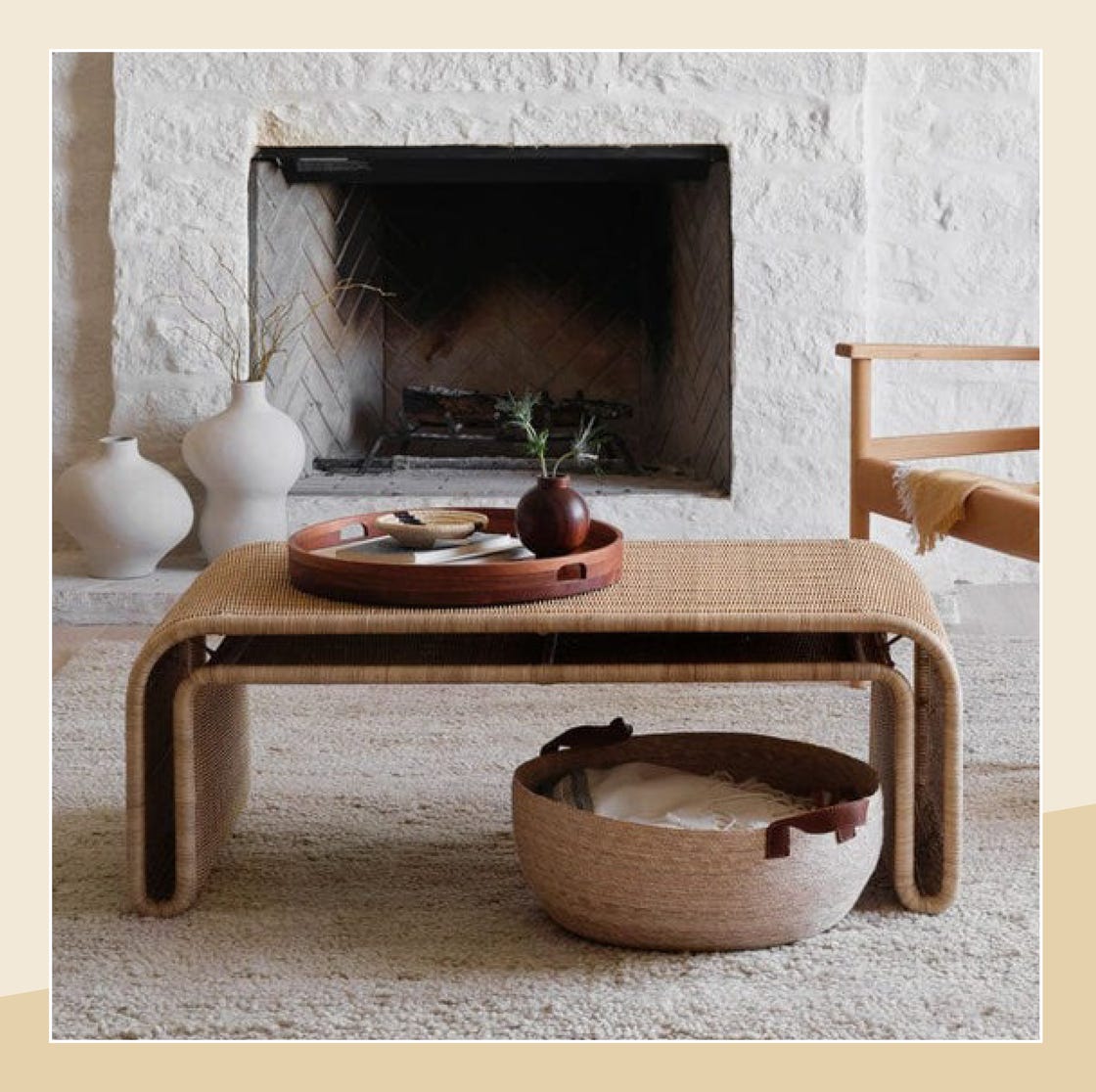
11 Small Coffee Tables That Make a BIG Impact, According to Interior Designers

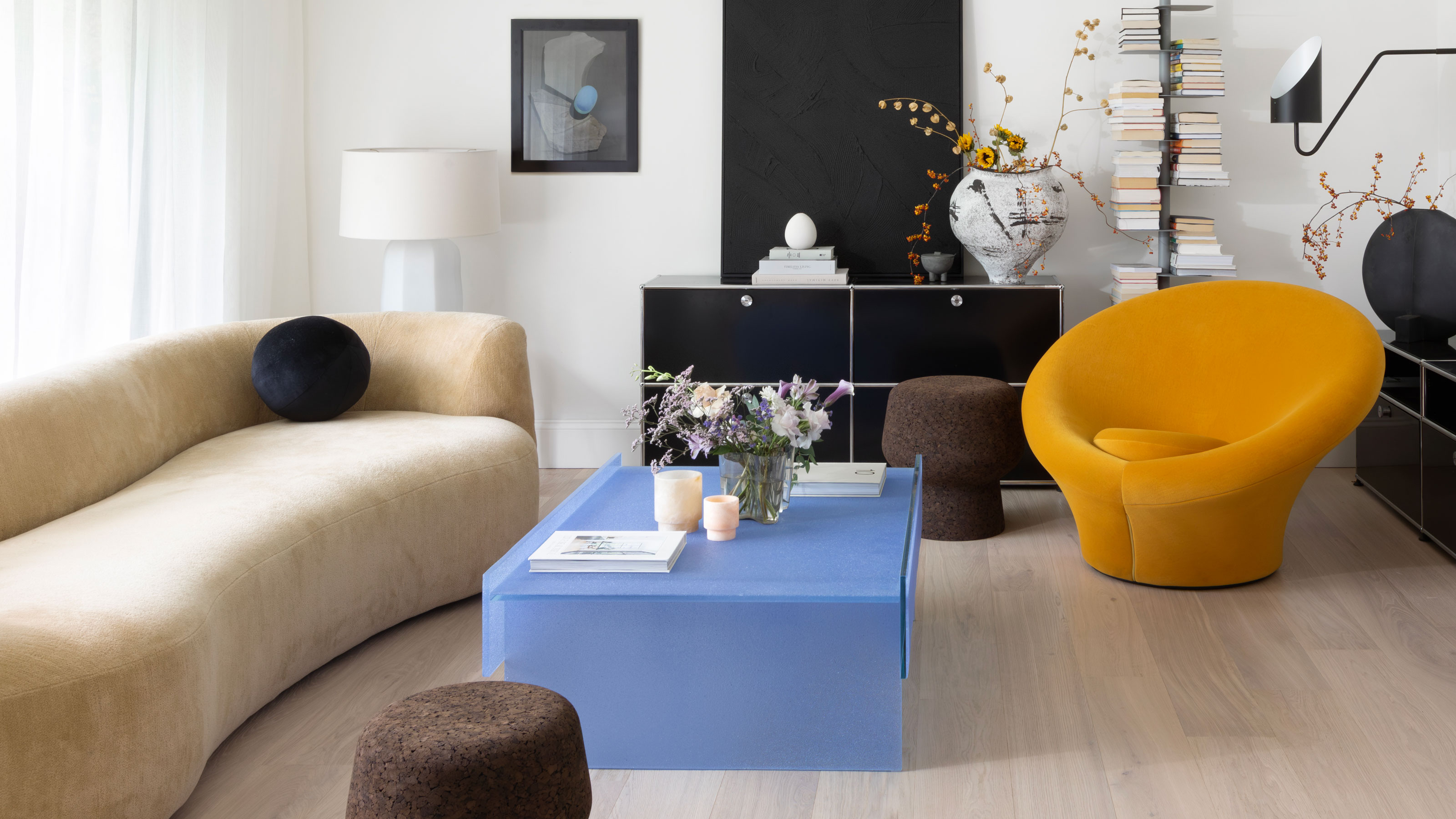
Coffee Table Trends — 9 Designer Styles That Resonate With the Mood of 2025, and How to Get the Look
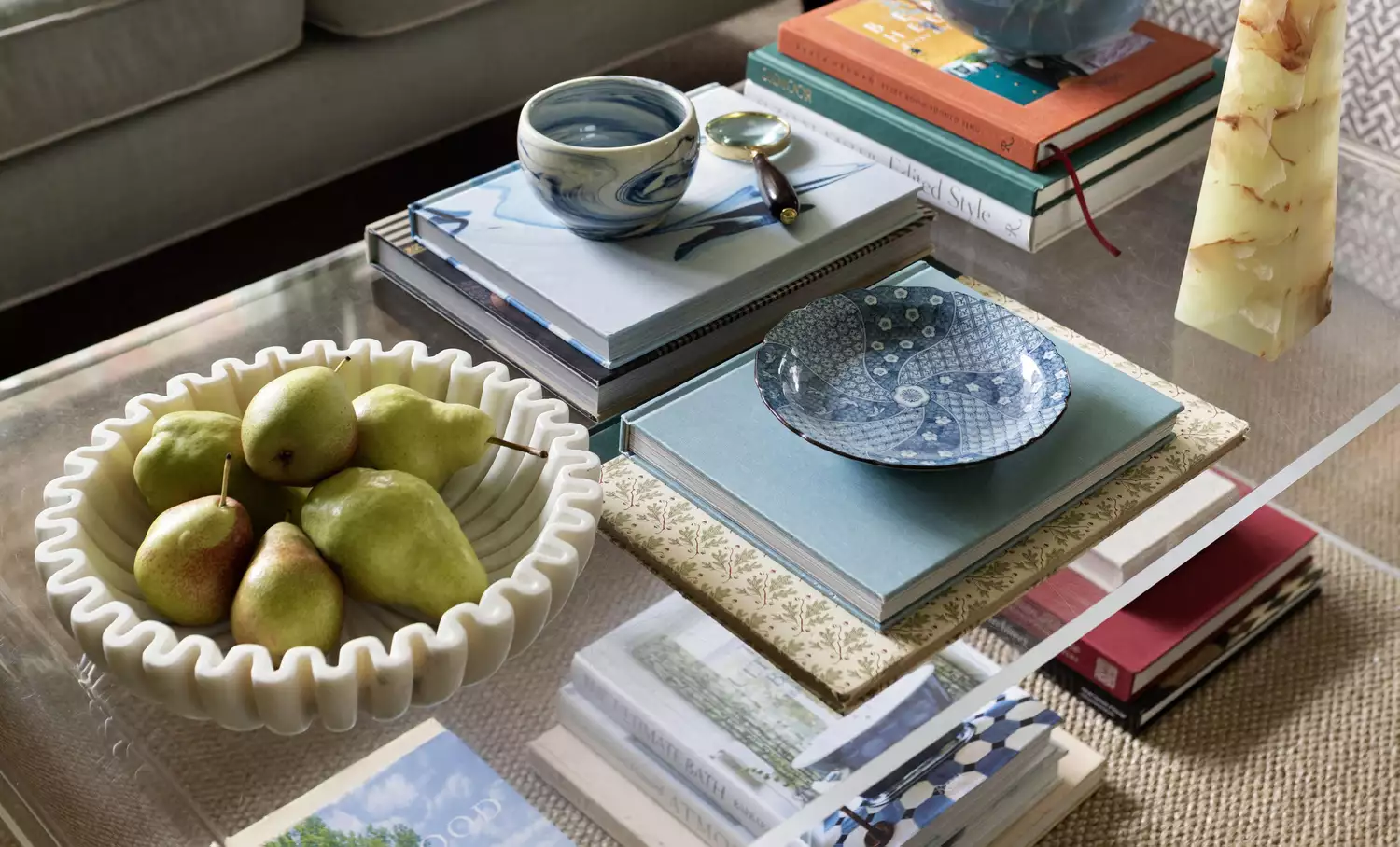
How To Arrange And Style Coffee Table Books, According To Designers
The 23 Very Best Coffee Tables
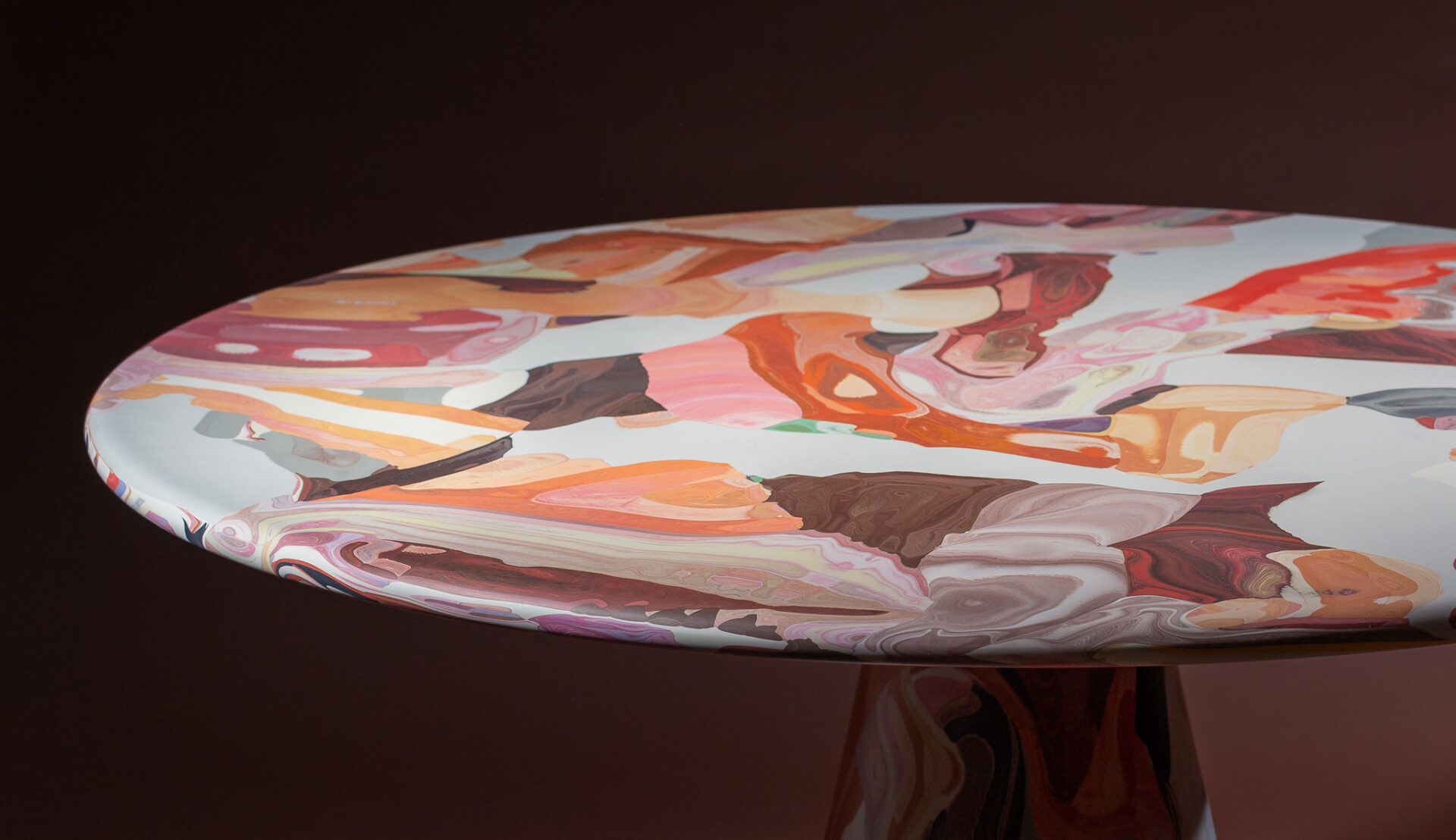
Gather round! The best coffee tables for design lovers, from the colourful to the sculptural

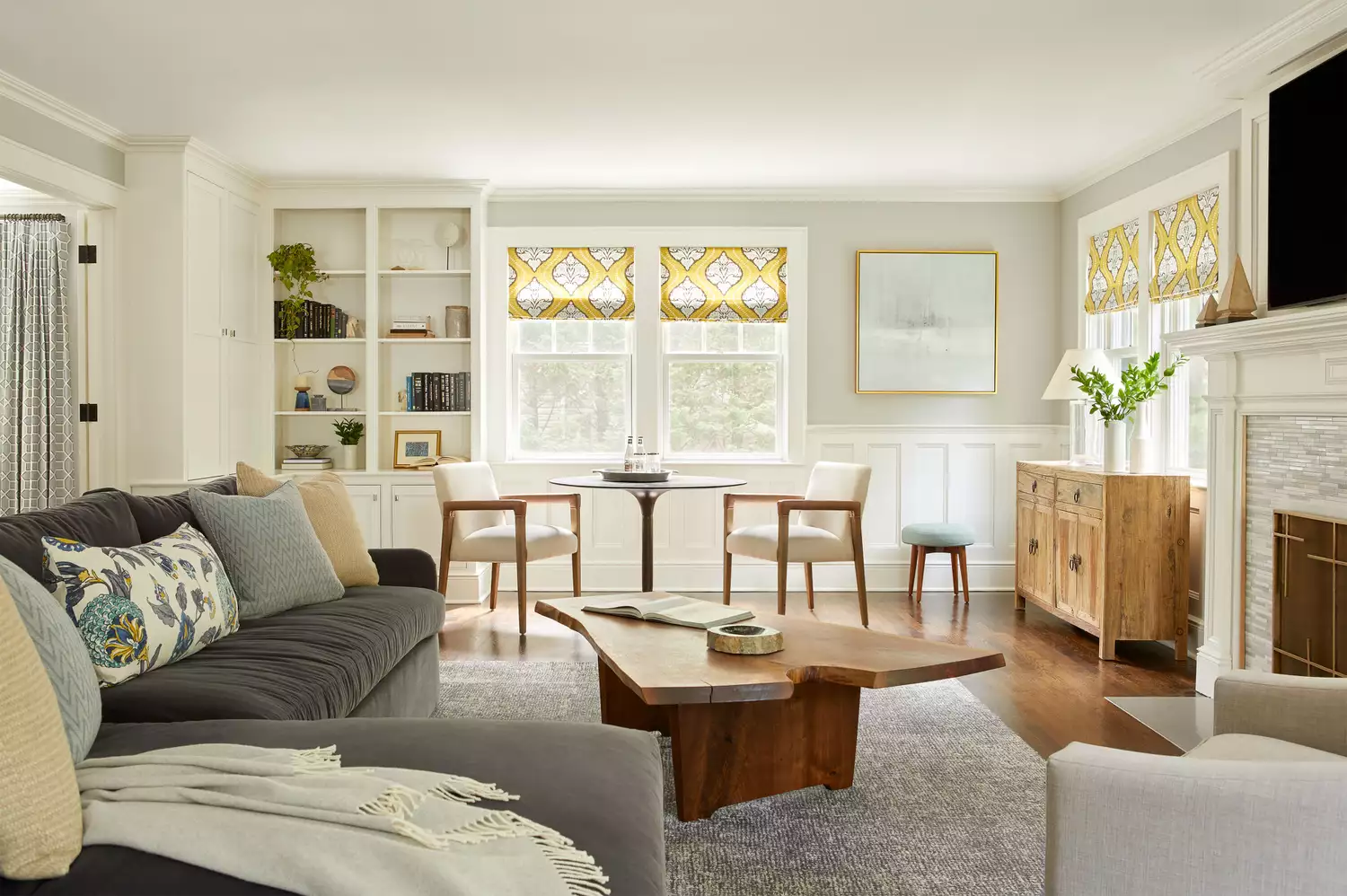
We Asked Interior Designers About Their Favorite Coffee Tables—Here Are Their Picks
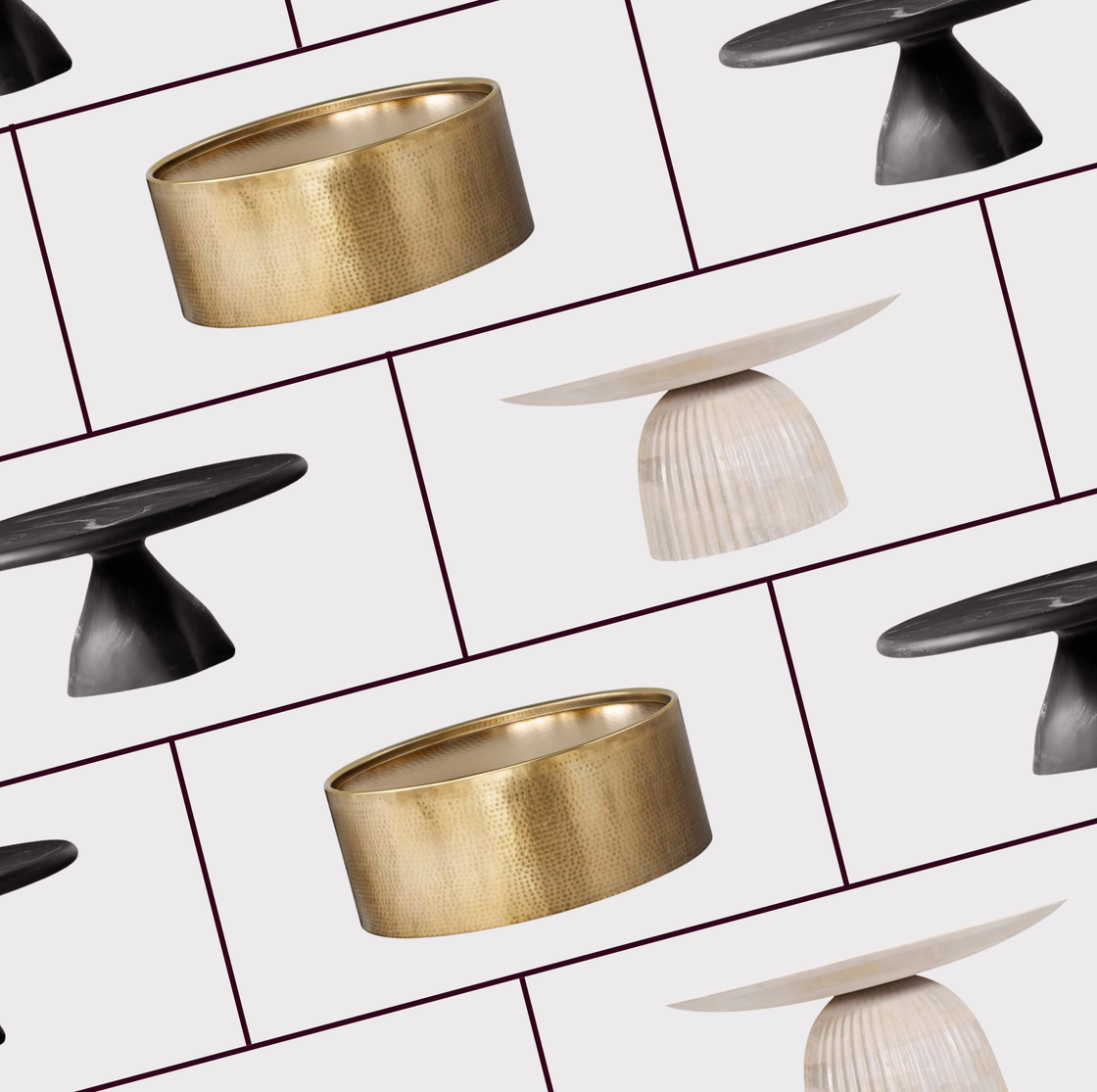
These Editor-Approved Coffee Tables Are Perfect for Small Spaces
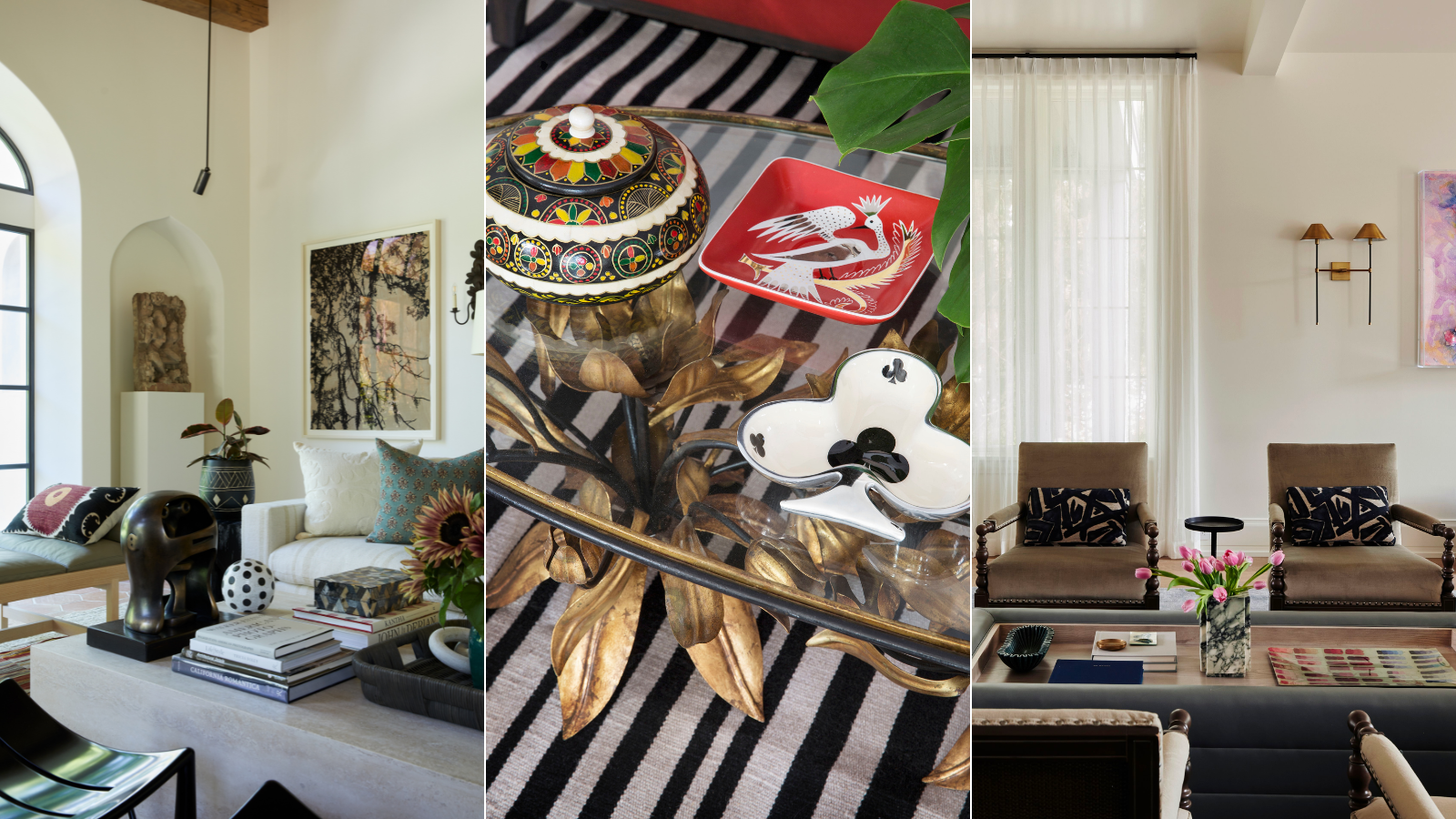
5 coffee table mistakes you should always avoid, according to interior designers

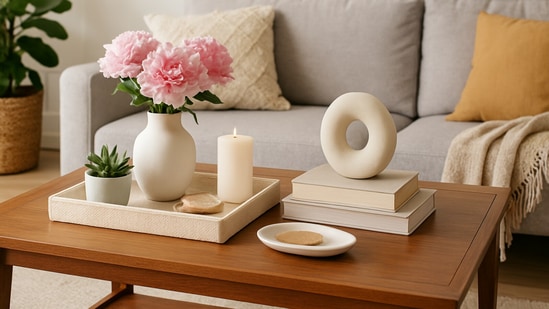
How to style your coffee table: Expert tips on balance, greenery, textures and decor ideas | Hindustan Times

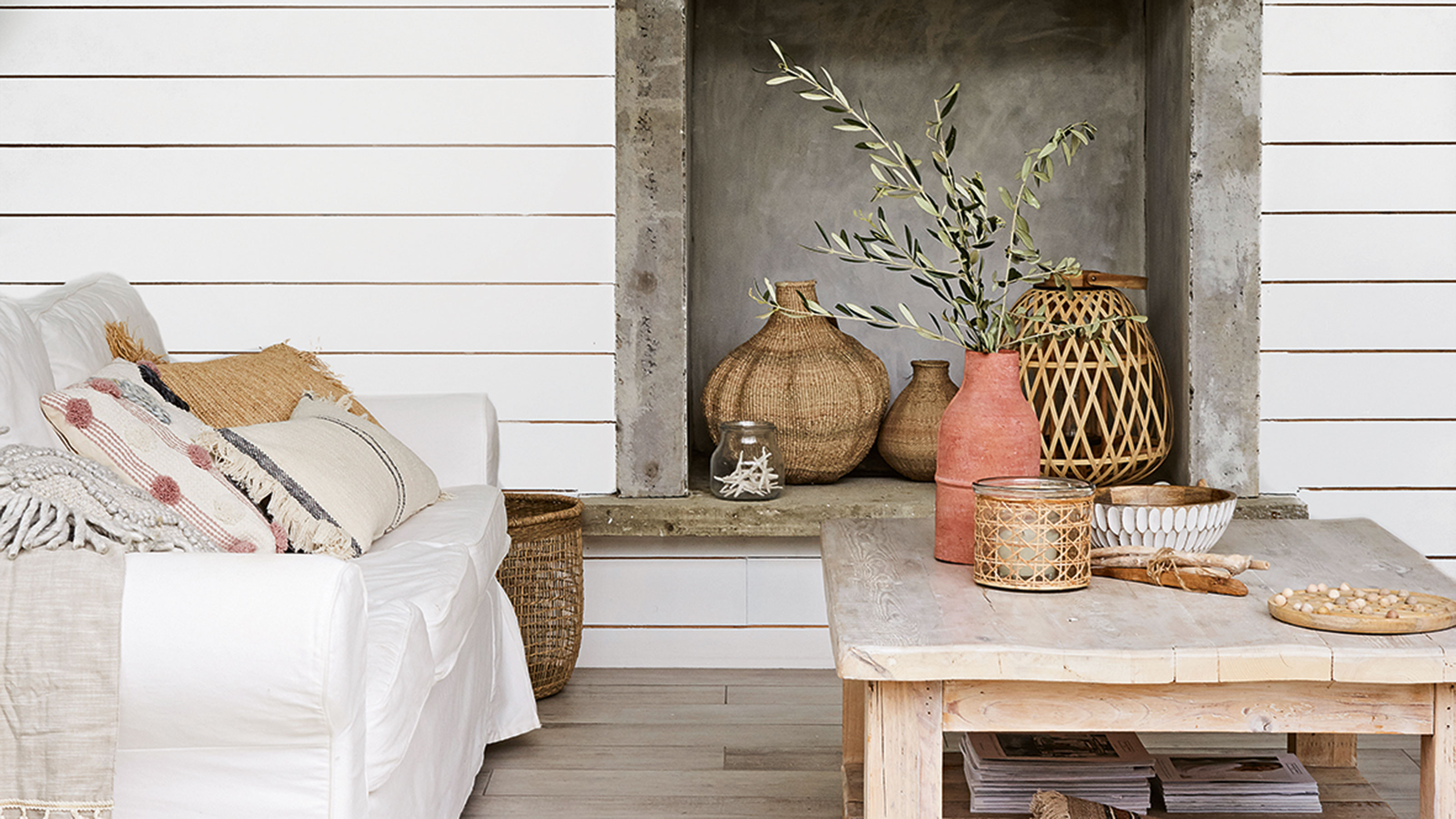
5 things stylists always do when styling a coffee table
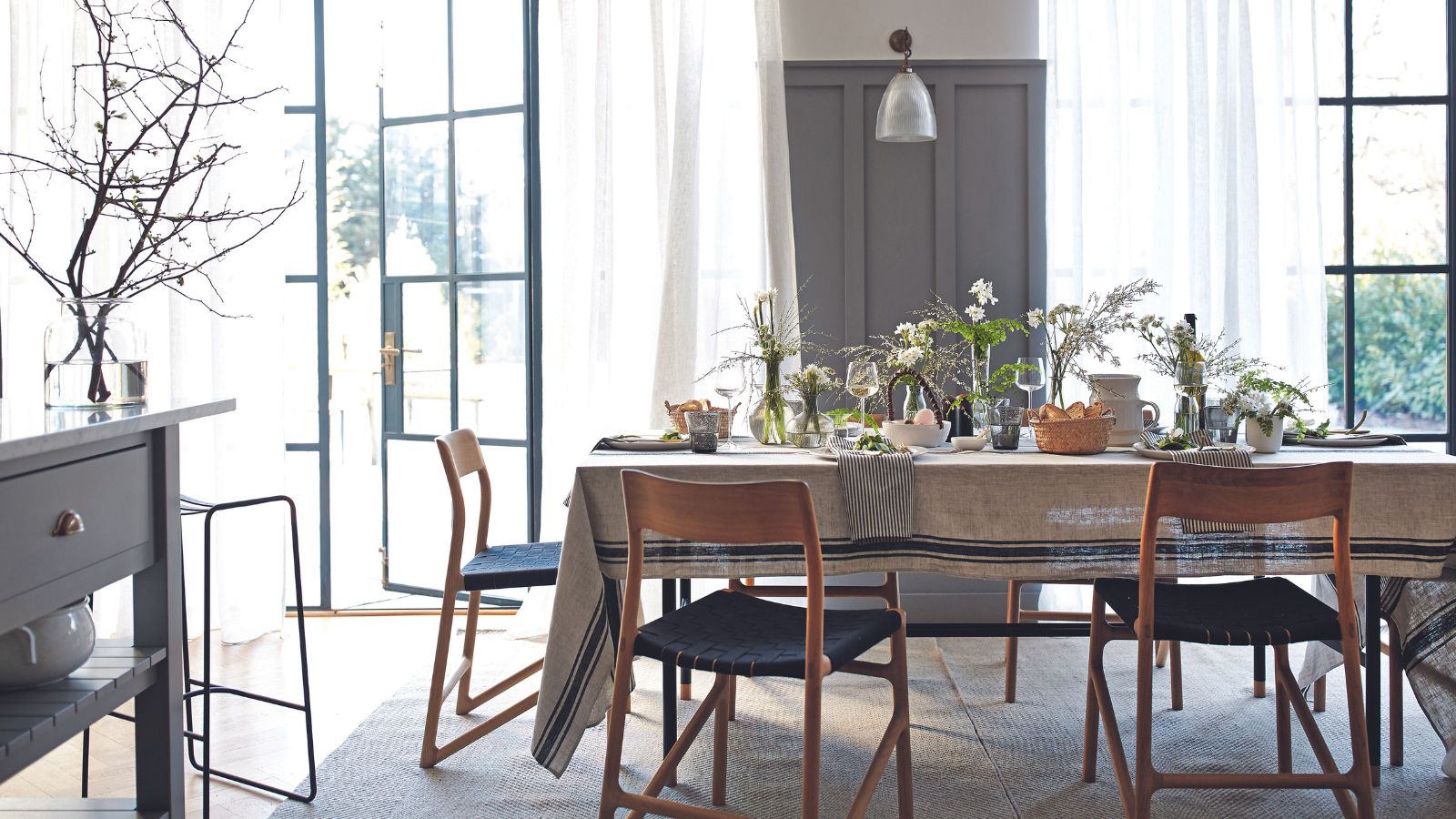
Round vs rectangular dining room tables – which one is best for your space?
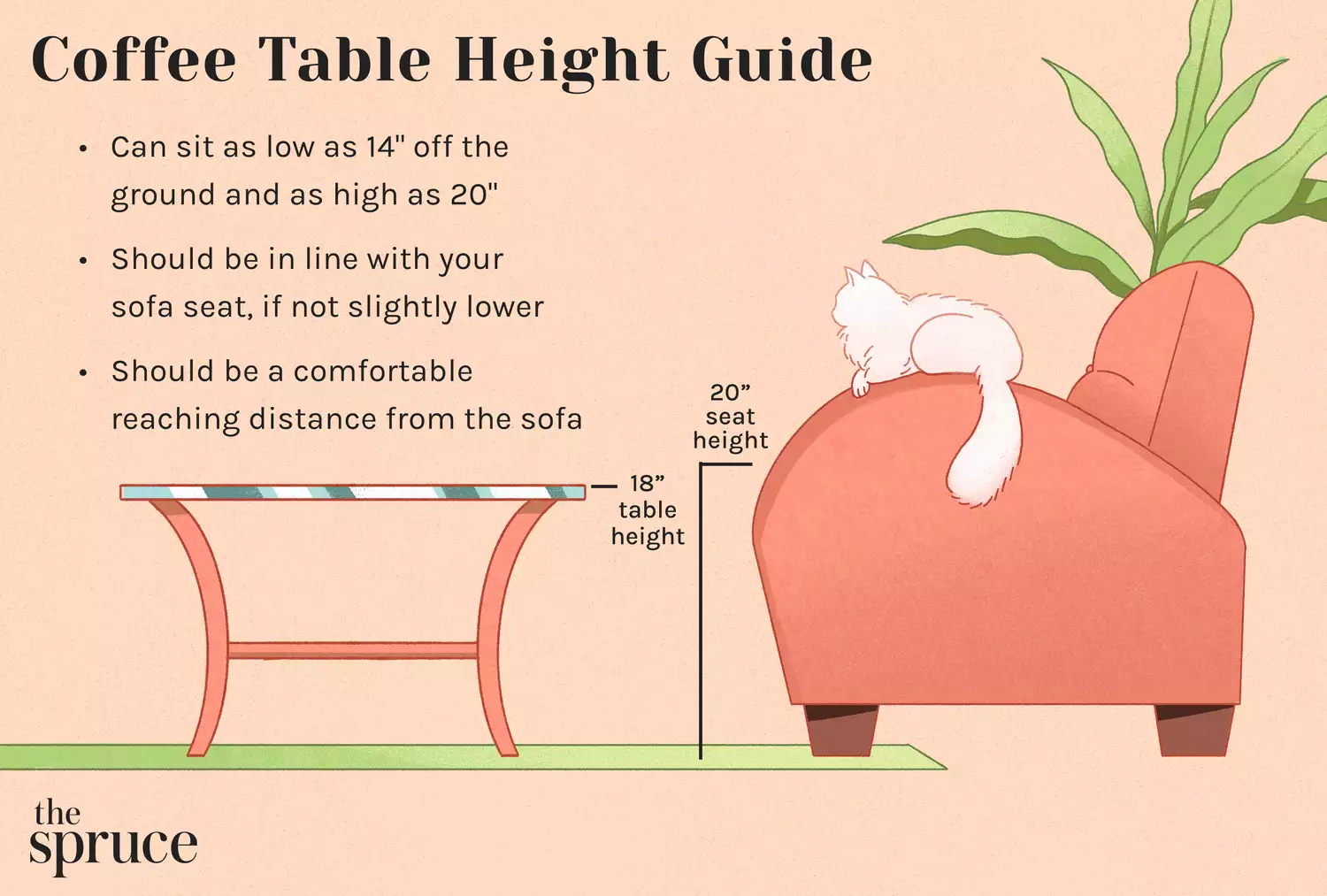
How Tall Should Your Coffee Table Be? How to Choose the Right Size for Any Room

20 Stylish And Latest Coffee Table Designs In 2025

11 Chic Coffee Tables Perfect For Small-Space Living
The 16 best coffee tables for every budget and style in 2023

10 of the best coffee tables to suit every style

11 Must-Have Coffee Table Books Every Design Lover Needs

17 Coffee Tables That Are Perfect For Every Home Aesthetic and Budget

Shopping Guide: Coffee Tables (Published 2016)