1/5
How '90s interior design software laid the foundation for today's life sims
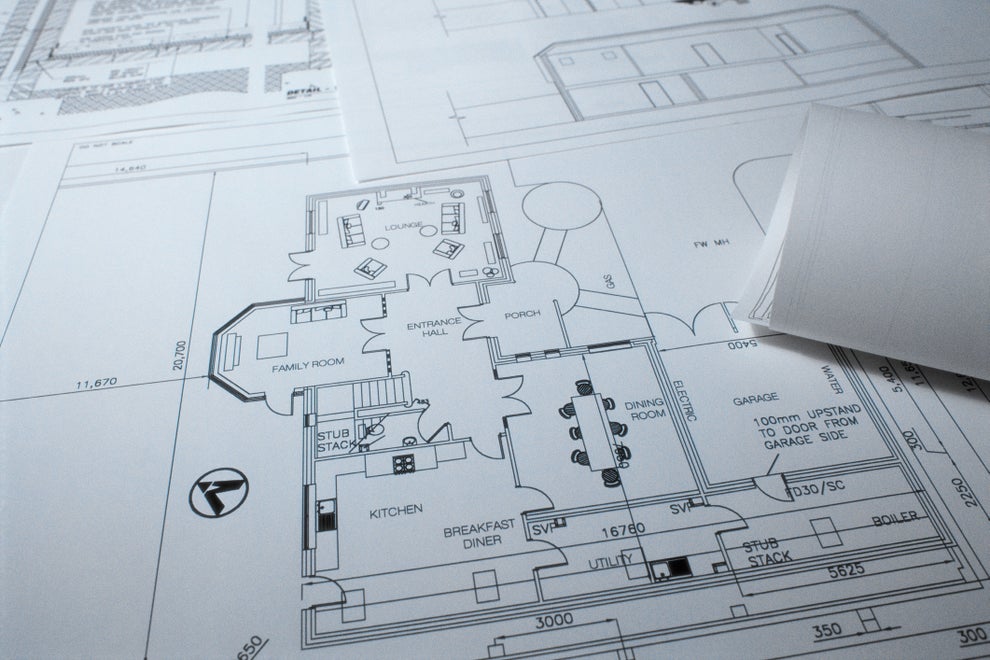
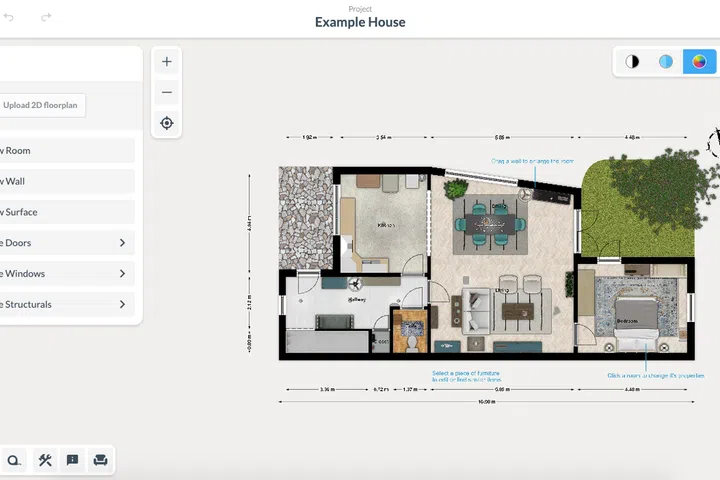
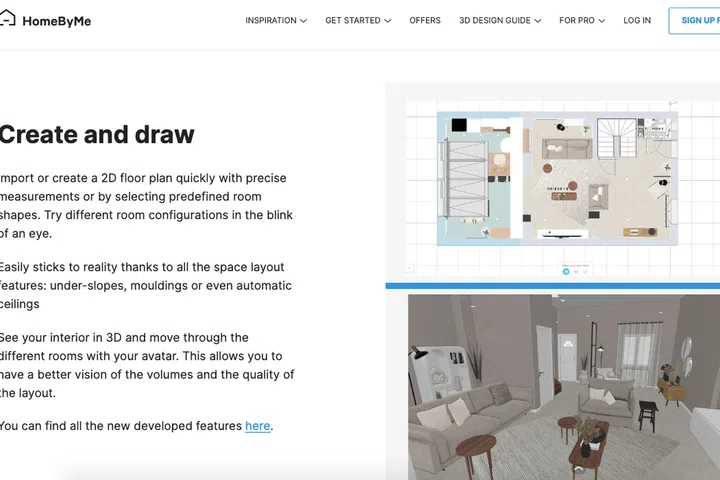
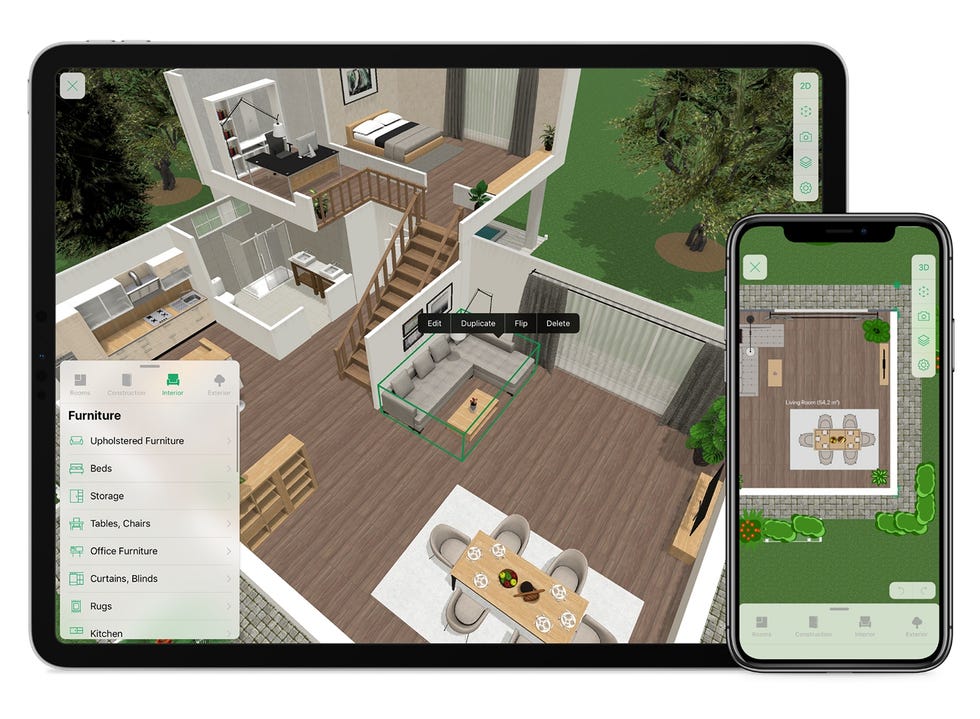
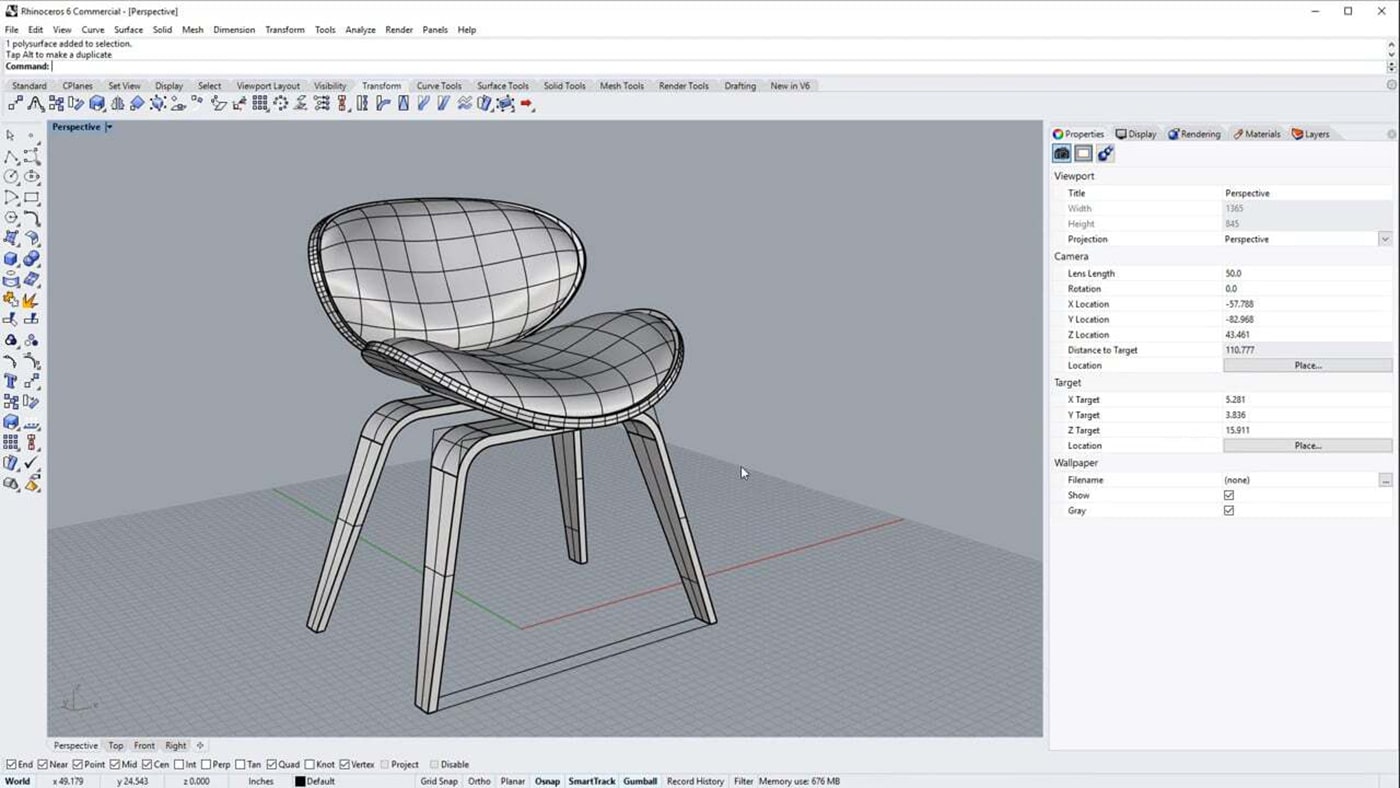
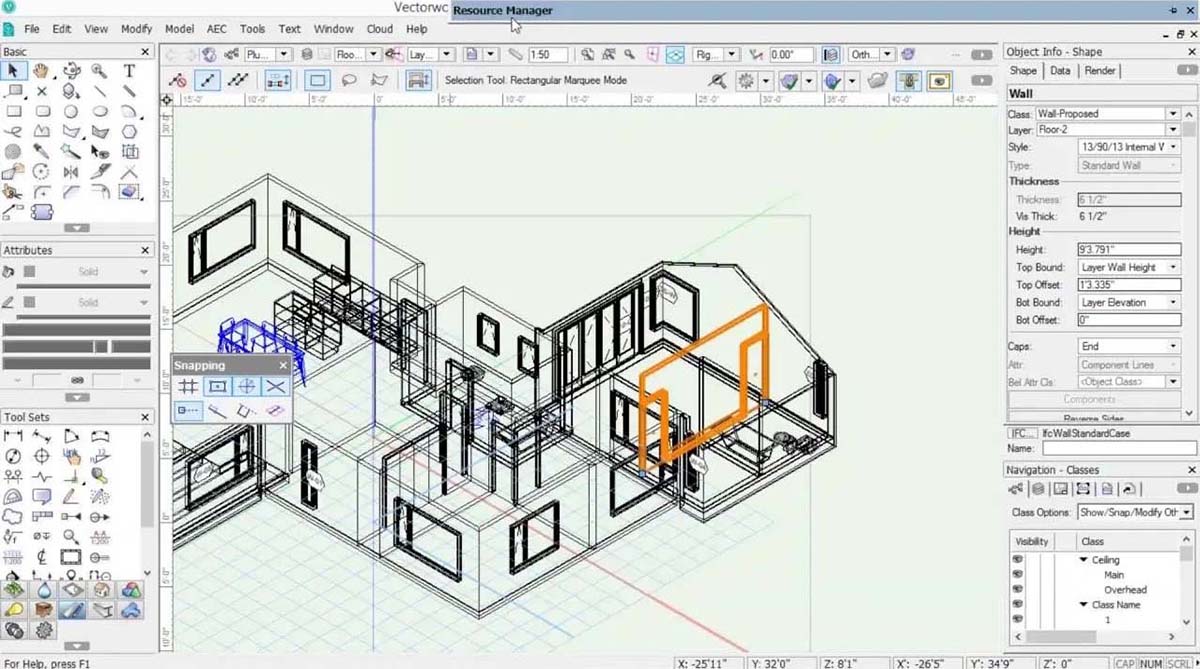
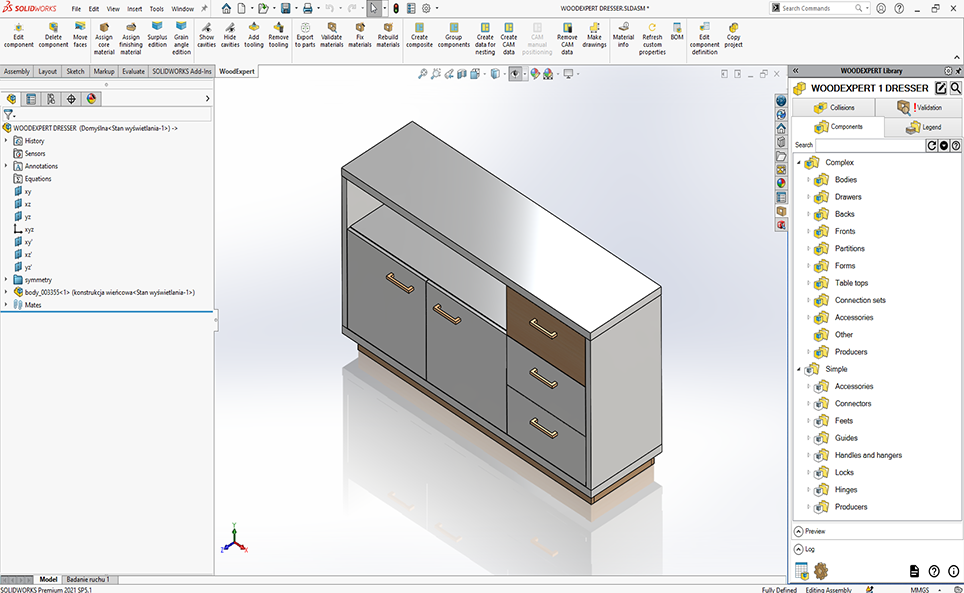
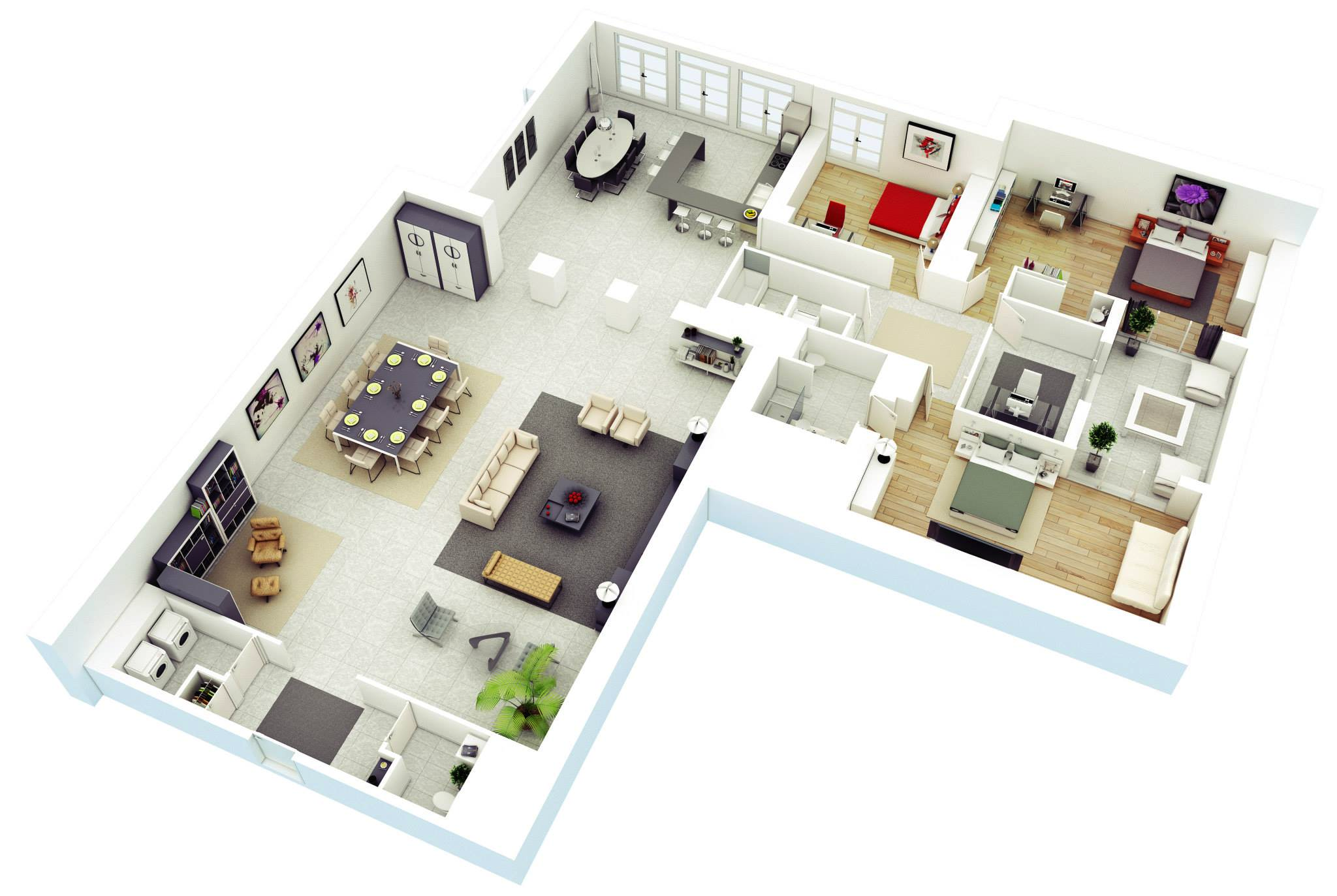
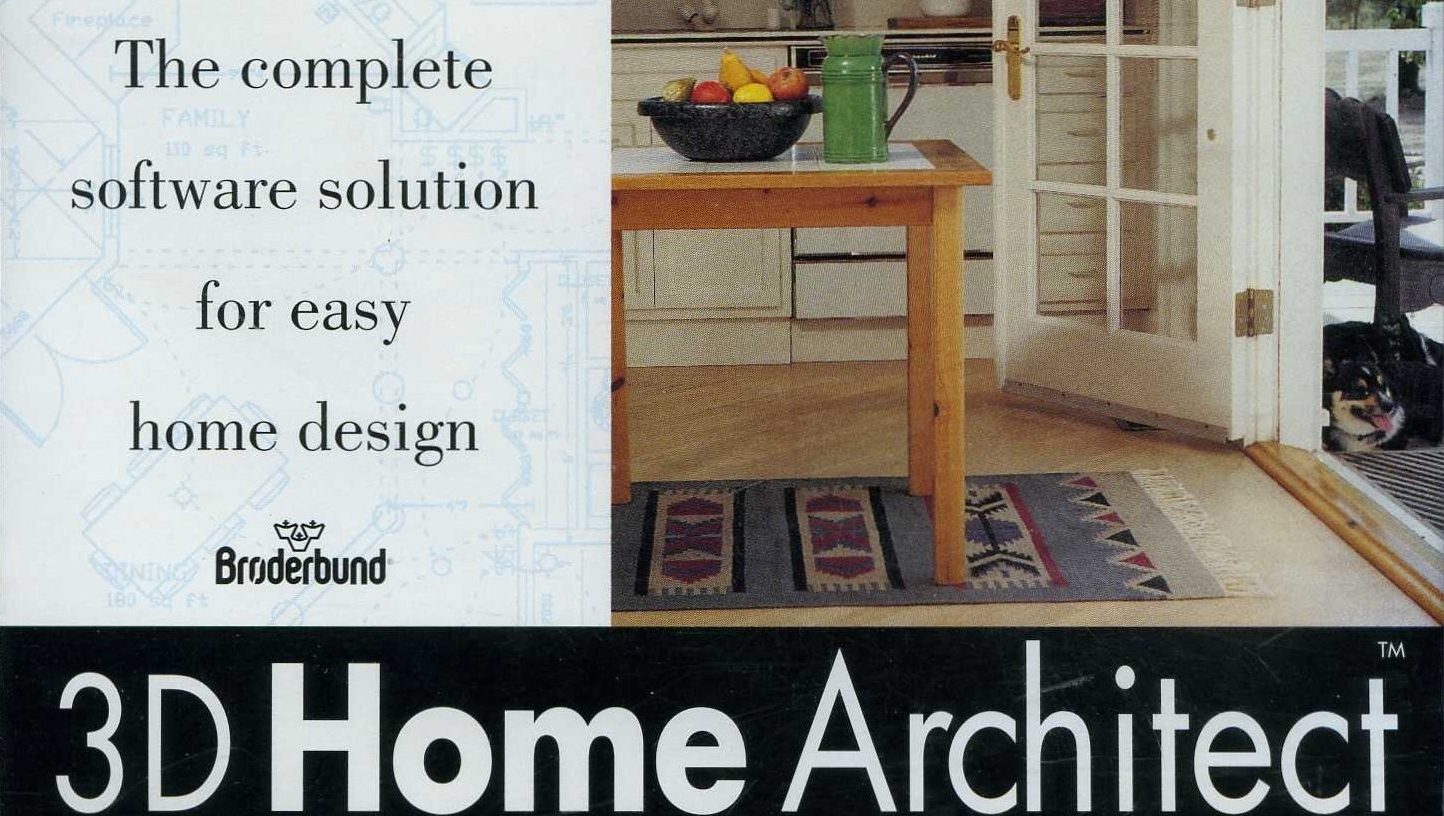
The article explores the often-overlooked influence of 1990s 3D home design software on the development of modern life simulation games. It highlights how these early consumer-oriented CAD programs, initially intended for home renovation and redecoration, inadvertently fostered a generation of gamers and game designers with a foundational understanding and appreciation for digital interior design and space management. The author recounts personal experiences with Broderbund's '3D Home Architect' from 1994, noting how the software, despite its rudimentary graphics, offered an unrestricted digital environment for creative architectural and interior design experimentation, a stark contrast to physical toys like Barbie Dream Cottage. This early exposure to manipulating digital spaces without real-world limitations proved to be a formative experience, laying the groundwork for later engagement with complex life simulation games.
Dr. Laine Nooney, an expert in the historical, cultural, and economic analysis of the videogame and home computing industries, emphasizes the cultural significance of these 1990s programs. Nooney explains that in an era when home computers were not yet ubiquitous, software like '3D Home Architect' served as a "cultural appeal," prompting users to envision how computing could expand and enhance their lives. This period was characterized by a push to convince households that a home computer was a desirable and essential tool for the future, with design software playing a role in demonstrating practical applications beyond professional use. These programs allowed users to engage with digital spaces in a novel way, fostering a sense of being part of a technological advancement.
The narrative traces a lineage from these early home design tools to the emergence of more focused simulation games from Maxis, such as 'SimTower,' which introduced a psycho-spatial element by requiring players to consider the placement of amenities for the well-being of virtual inhabitants. This progression culminated in the release of 'The Sims' in 2000, a game that brought interior design and spatial psychology to the forefront. Sophie Mallinson, a current simulation game designer at Maxis, shares a similar childhood experience, having been captivated by free CD-ROM demos of home design software that accompanied her mother's home decor magazines. For Mallinson, these programs were essentially games, allowing her to create imaginative spaces and backstories for imaginary characters, an experience that directly influenced her later passion for 'The Sims.'
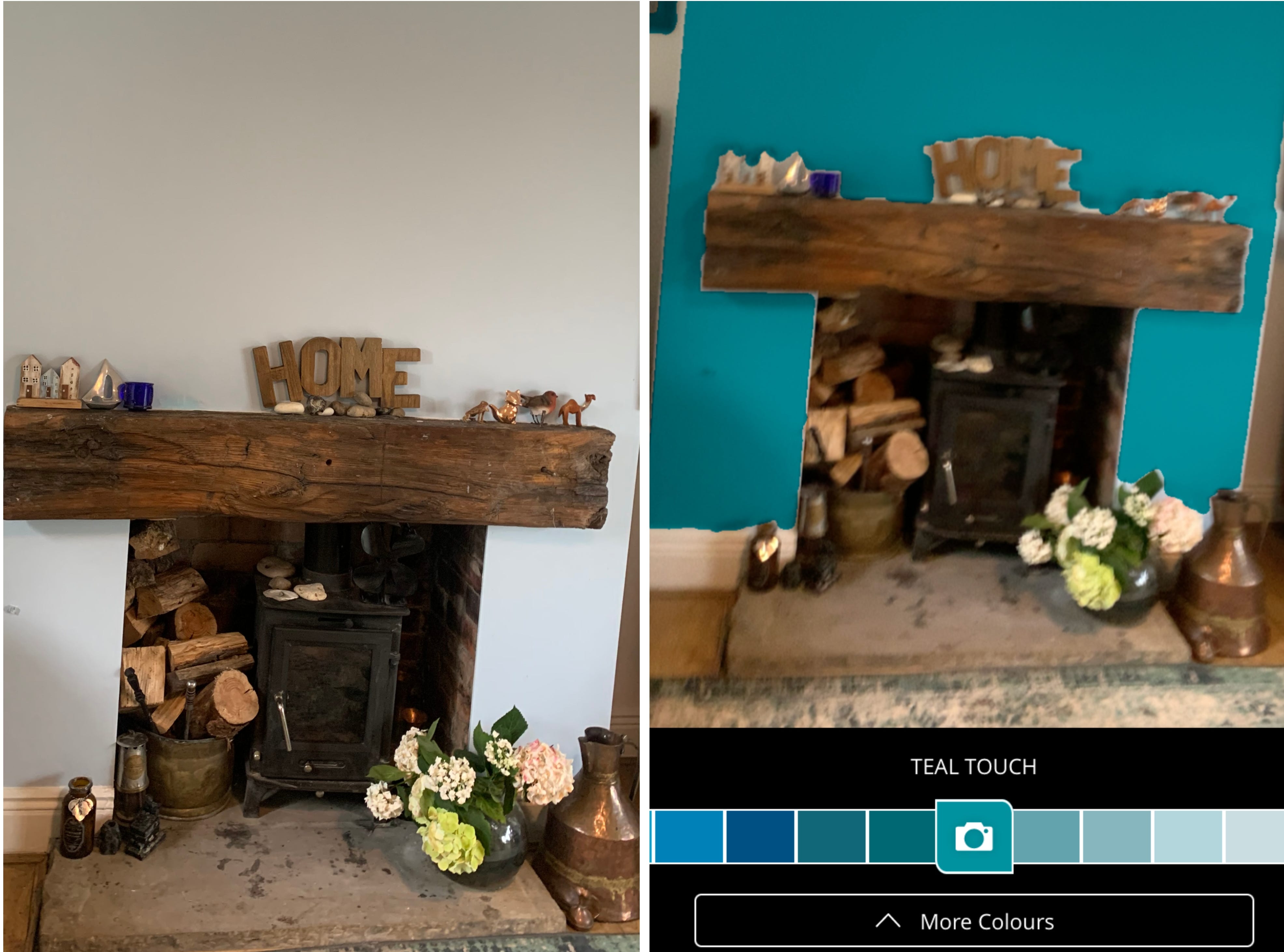
Mallinson's professional work at Maxis involves integrating core architectural and home design components into gameplay. She recently used 'The Sims 4' to plan renovations for her own home, illustrating the full-circle journey from childhood play with design software to adult application in a game setting. The article concludes by lamenting the lack of academic research into the profound impact of these early 3D home design programs. Dr. Nooney suggests that these programs were among the first "sandbox" 3D rendering tools accessible to average home computer users and that drawing rigid lines between games and other software types hinders a comprehensive understanding of computing history. The ongoing relevance of these concepts is further underscored by the return of similar tools in augmented reality applications offered by modern furniture and home decor retailers, demonstrating the enduring appeal of digital spatial design.
#LifeSimulationGames #InteriorDesignSoftware #90sTechnology #CADPrograms #GameDevelopment #GamingHistory #TheSims #Maxis #PCGaming #LifeSimulationGames #InteriorDesignSoftware #90sTechnology #CADPrograms #GameDevelopment #GamingHistory #TheSims #Maxis #PCGaming
0 comment in total
 No comments yet
You may also like
3DVIA

’90s Fashion is Back—But What About ’90s Interiors? Here’s What Designers Say

21 "Outdated" Home Design Trends That Are Sooo Much Better Than Modern-Day Trends

5 interior design apps to help you decorate your NYC apartment
Interior Designers Say the 1990s Are Back—Here’s How to Capture the Look


Beyond Aesthetics: How Tech is Redefining Interior Design
Like it or Not, 90s Décor Is Back and in Homes Everywhere, According to Interior Designers
10 useful furniture design software for your personalized design solutions

Are the '90s the Next Big Thing in Interior Design?

People Are Revealing The "Outdated" Home Design Trends That Are Wayyy Better Than Modern Trends

10 DIY Home Renovation Apps (Free)

The Influence of AI in the Interior Design Industry
How to design your home with real-life size plans

16 "Outdated" Home Design Trends That Are Wildly Better Than Modern-Day Trends
The Top 10 Trends In Home Design For 2023. Plus, 10 That Are Officially Done!
10 Interior Design Trends to Watch in 2025

11 Home Design Trends That Need A Major Revival In 2024 To Infuse Some Personality Back Into Our Homes
The Zeitgeist Edit — The Design Moments an Editor Is Talking About in November

16 Best Free Home and Interior Design Apps, Software and Tools

Virtual Interior Design Services