Here's How to Incorporate Industrial Farmhouse Style In Your Home
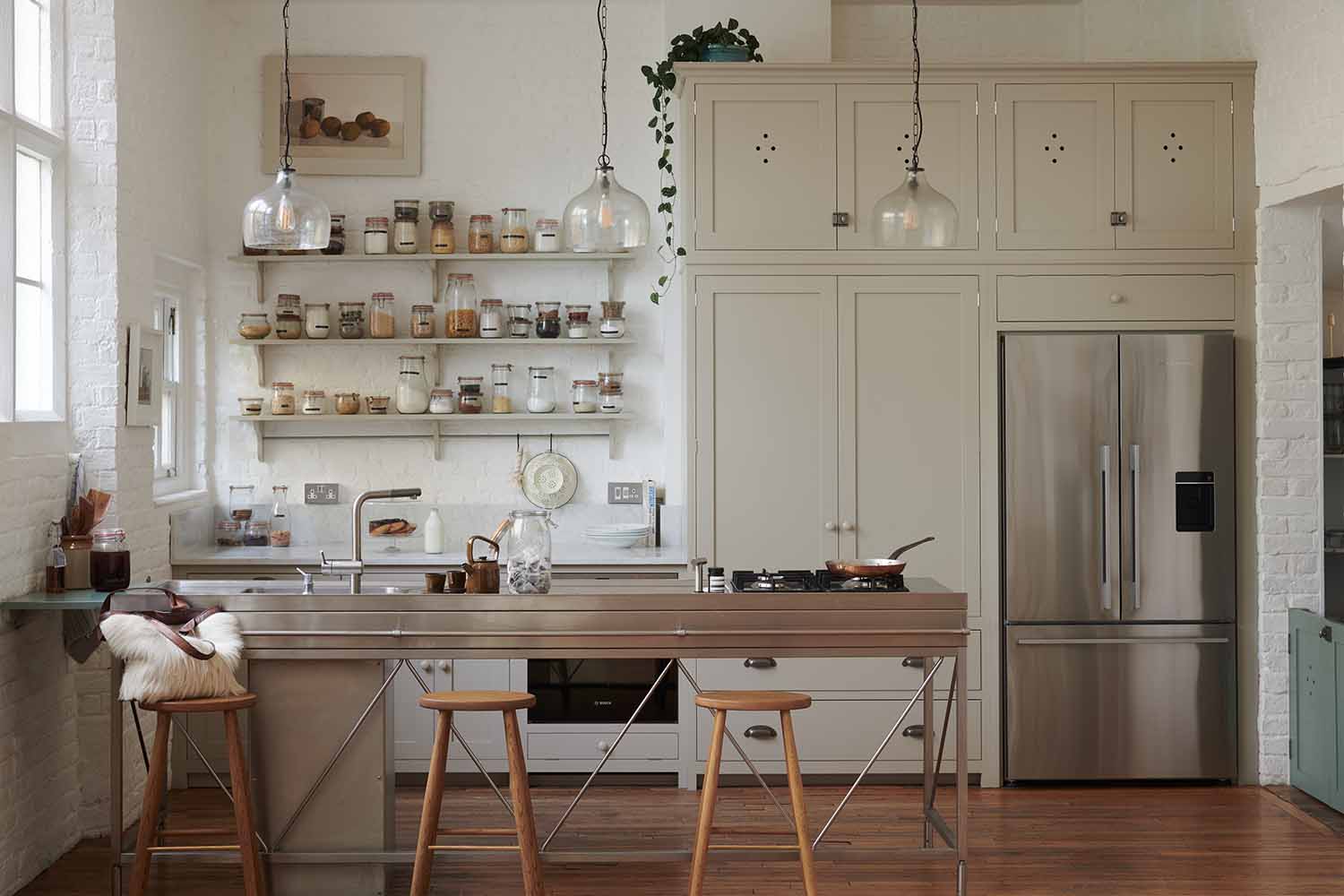
Industrial farmhouse style is a popular interior design aesthetic that harmoniously blends elements from both industrial and modern farmhouse trends. This hybrid approach balances contrasting features such as hard and soft textures, old and new furnishings, and cold and warm finishes to create living spaces that are both current and possess a timeless, traditional quality. Unlike modern farmhouse interiors, which often feature white walls and light wood, industrial farmhouse incorporates darker tones and textured finishes like reclaimed wood and metal.
The style draws its roots from a nostalgic appreciation for both agricultural and industrial histories. Modern farmhouse, popularized by figures like Joanna Gaines, offers a somewhat generalized take on traditional farmhouse aesthetics found in the U.S. and Europe, creating an idealized image of rural life. Industrial style, on the other hand, emerged from the aesthetics of the Industrial Age, gaining popularity with the conversion of old warehouses and factories into trendy urban homes and offices. While modern farmhouse can sometimes appear overly quaint, and pure industrial design can feel sterile, the combination of these two styles creates a pleasing balance that contributes to its enduring mainstream appeal.
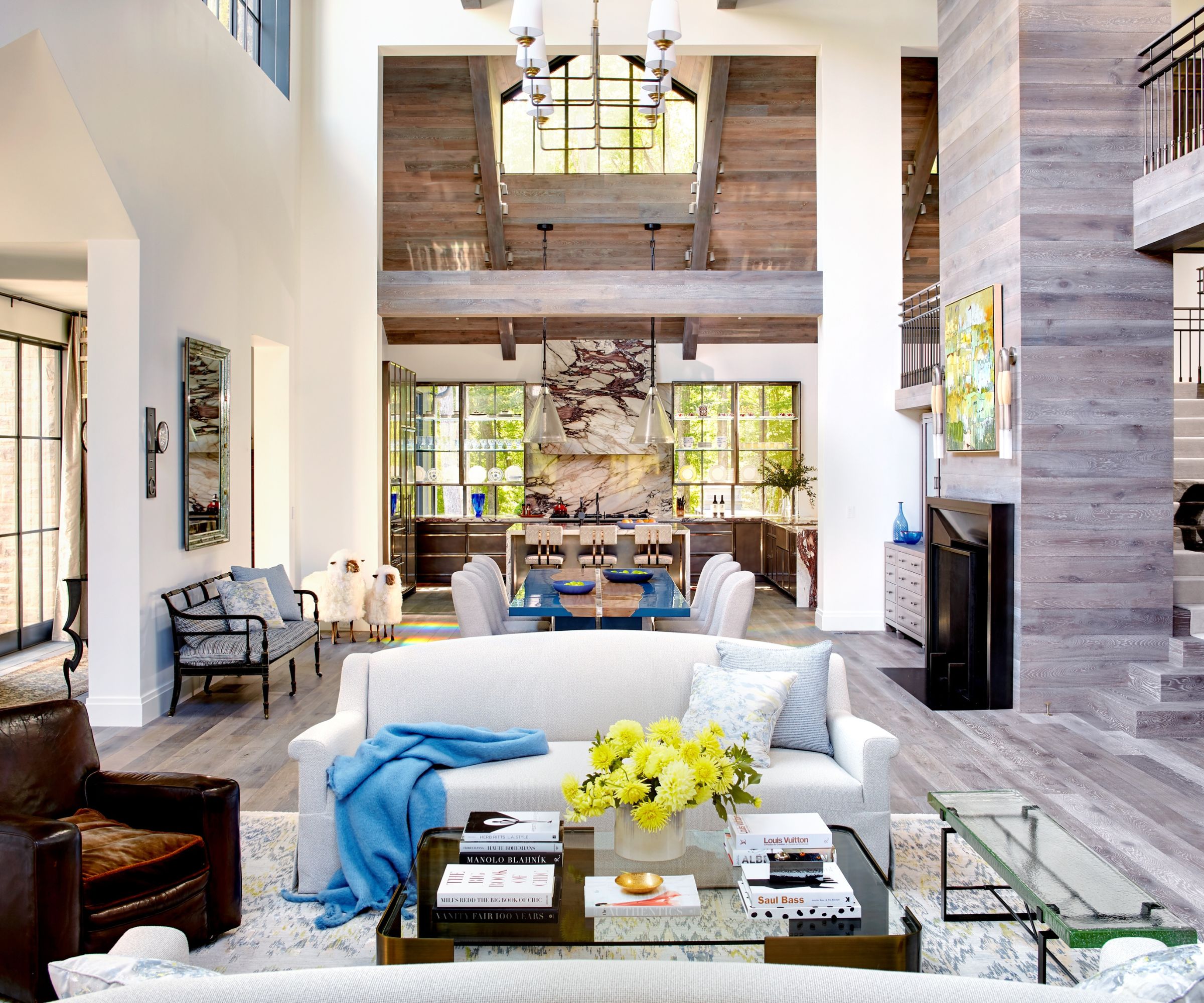
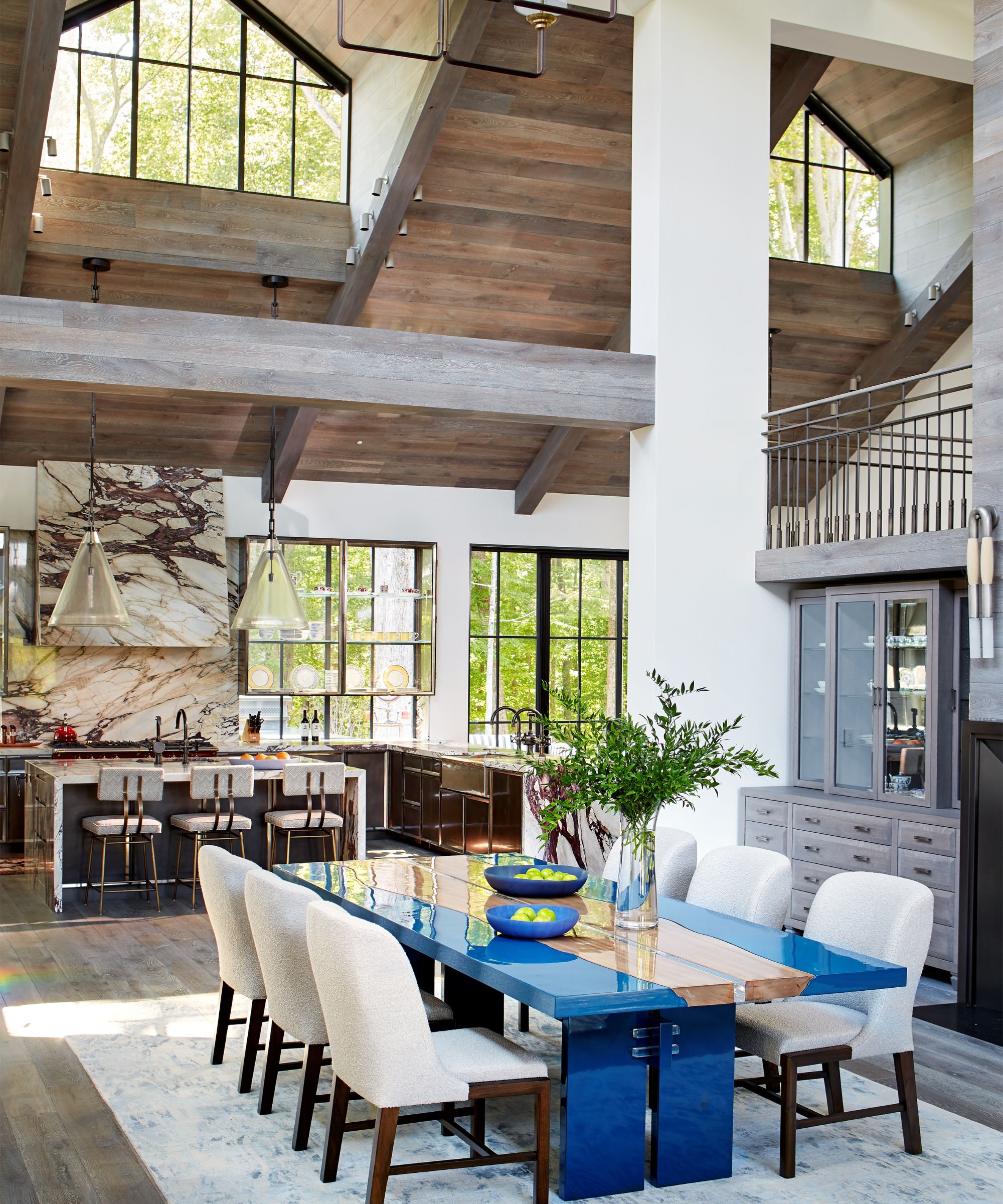
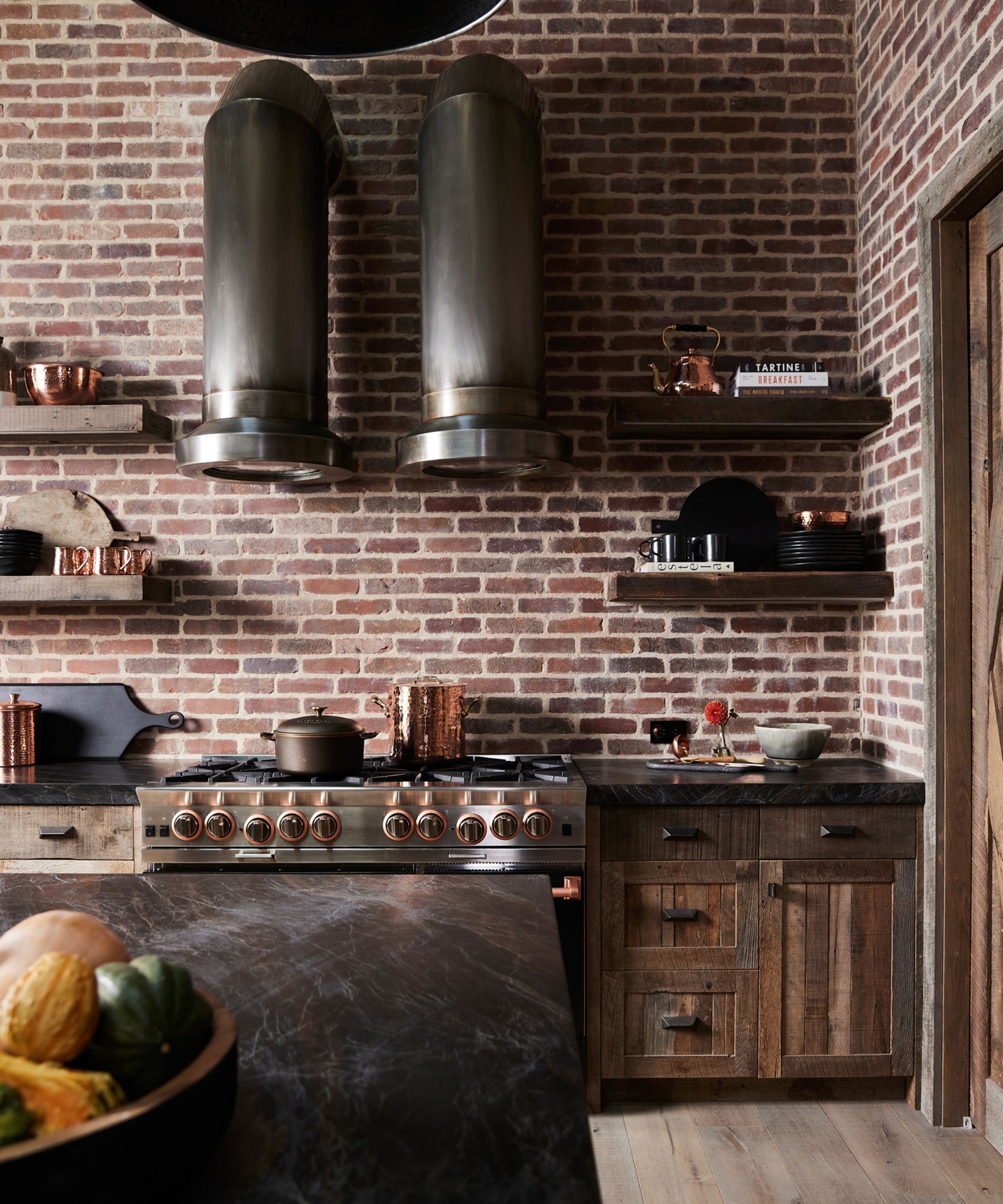
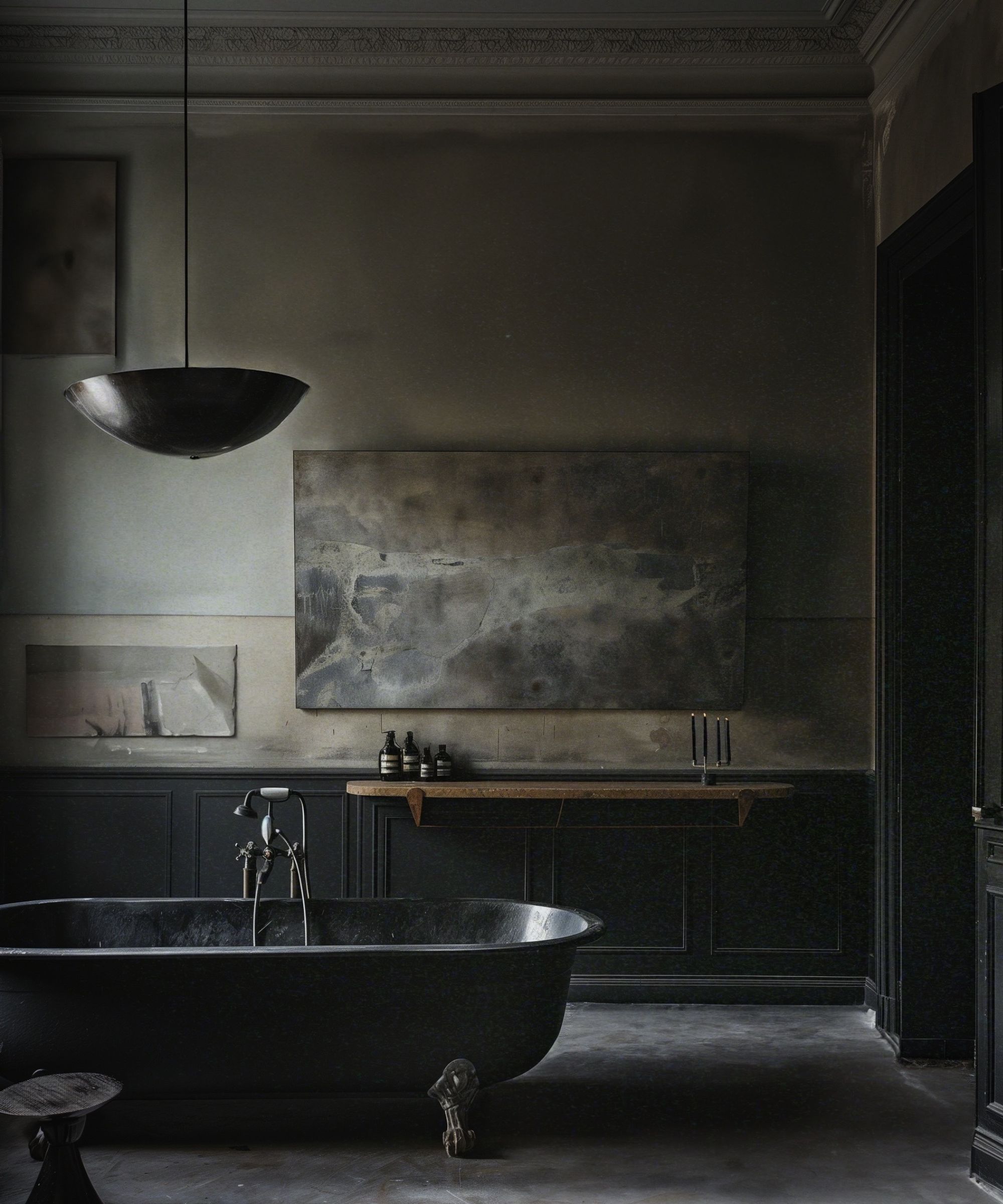
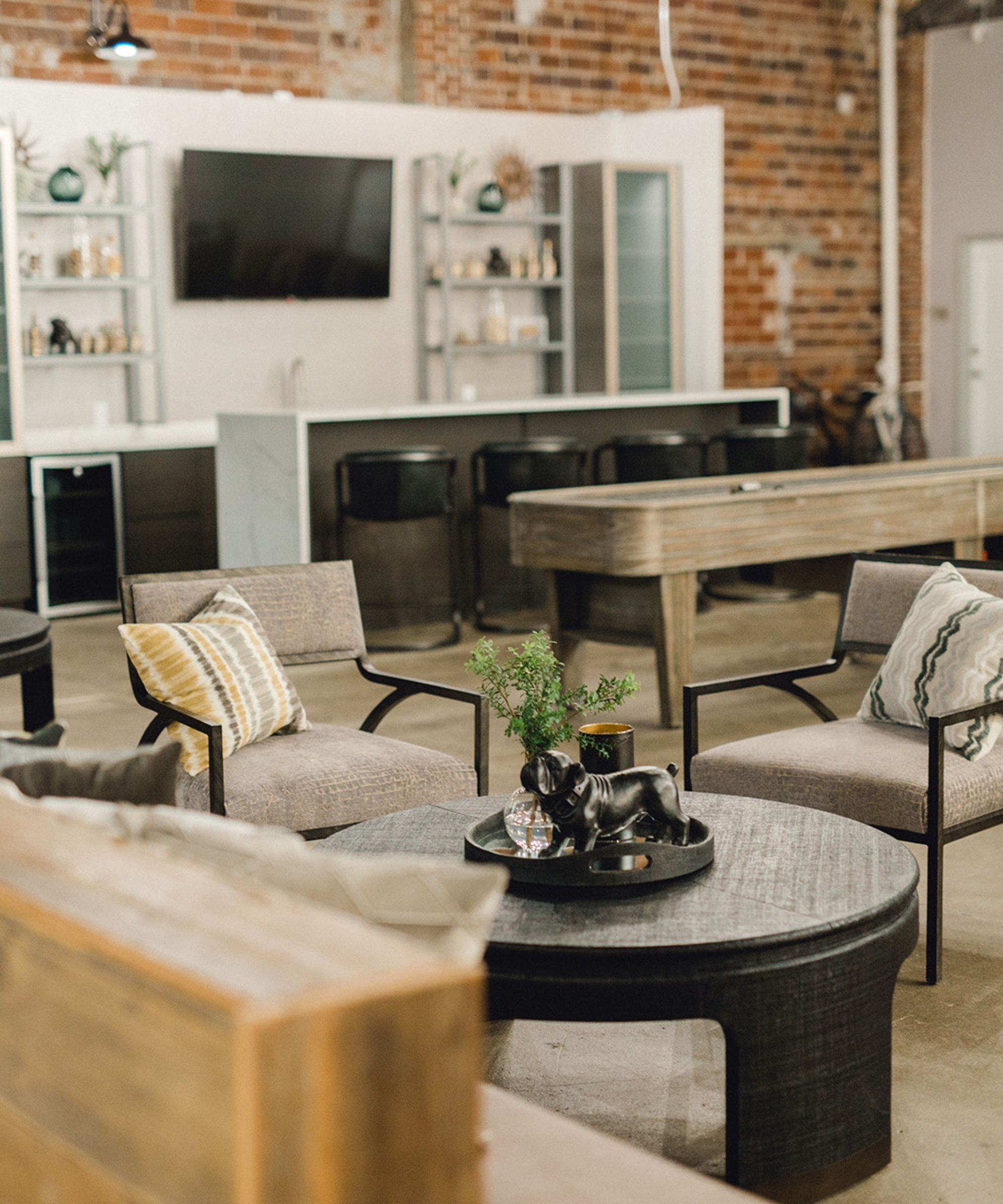
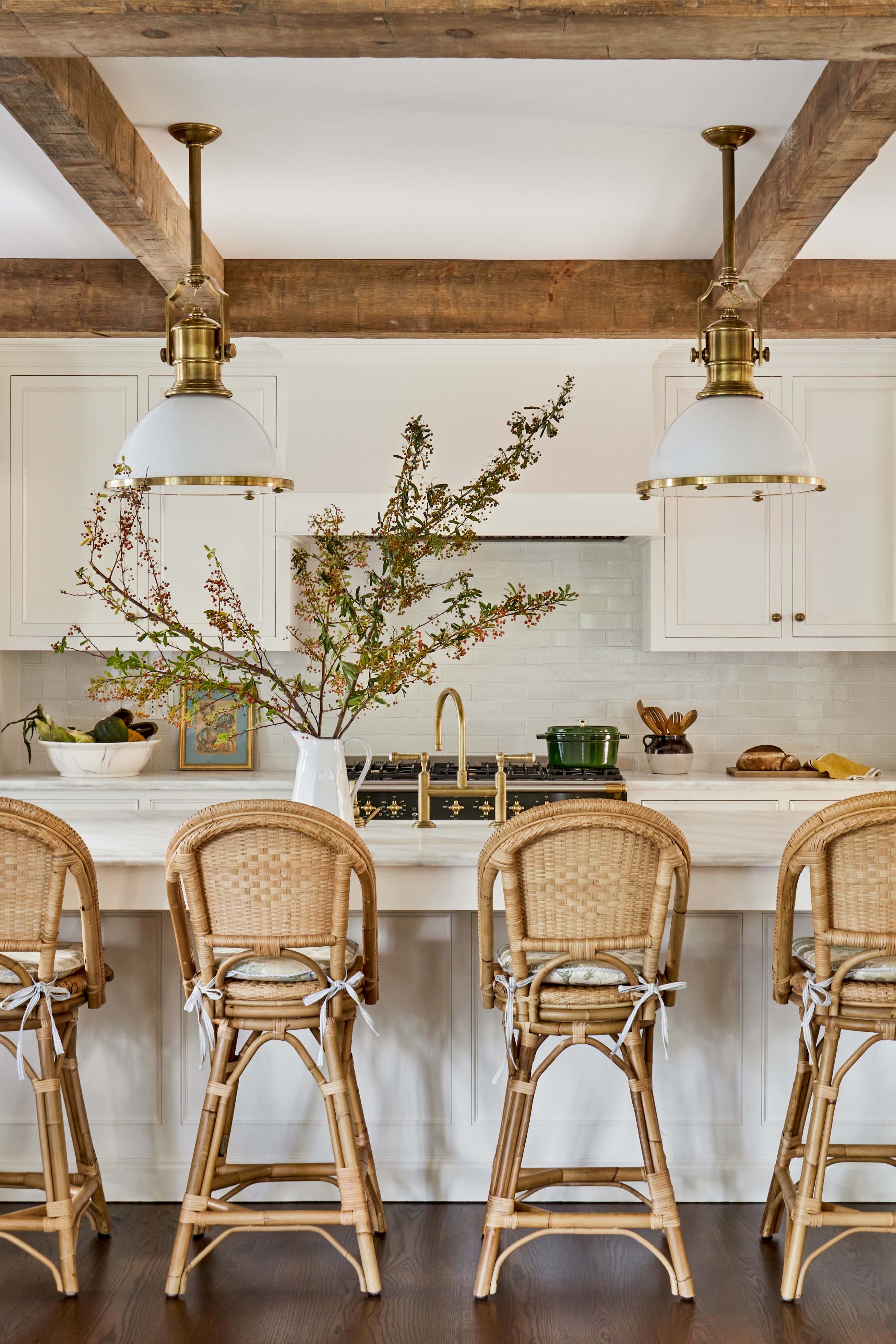
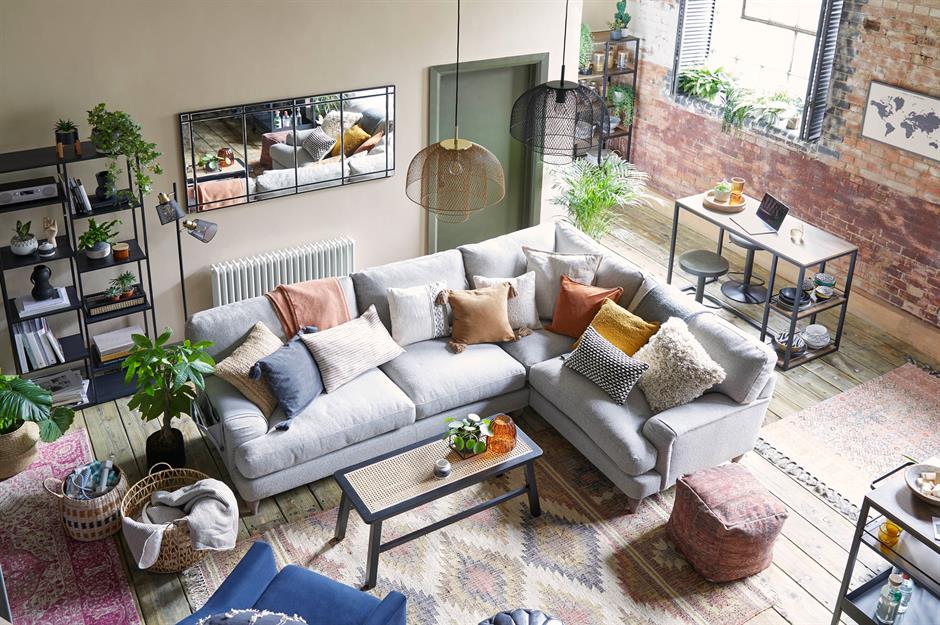
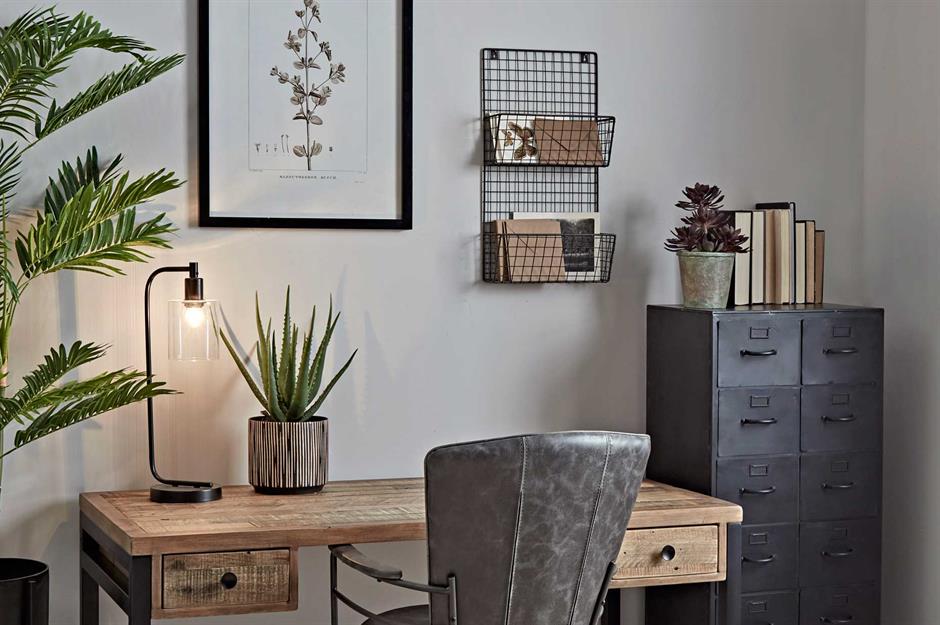
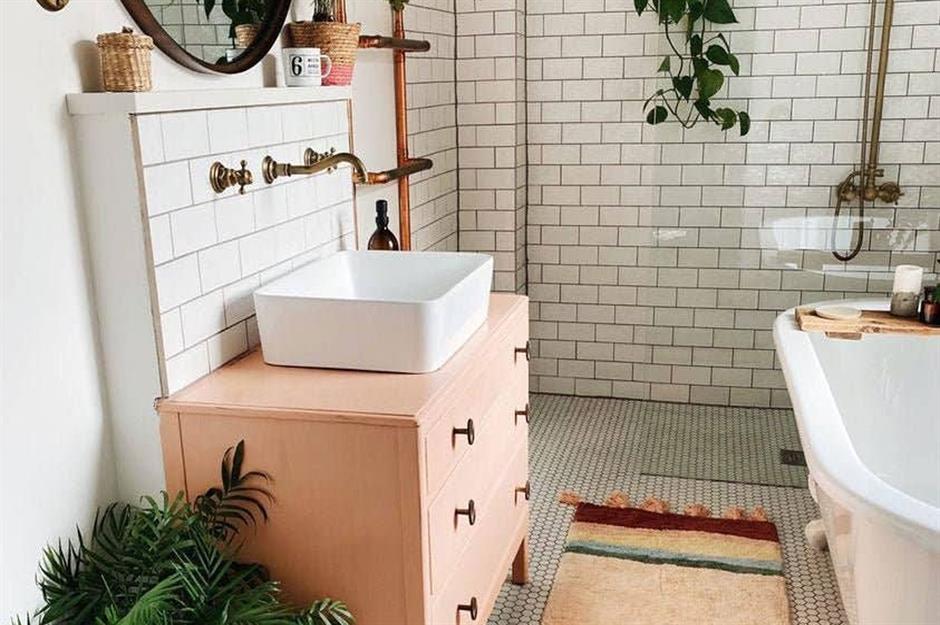
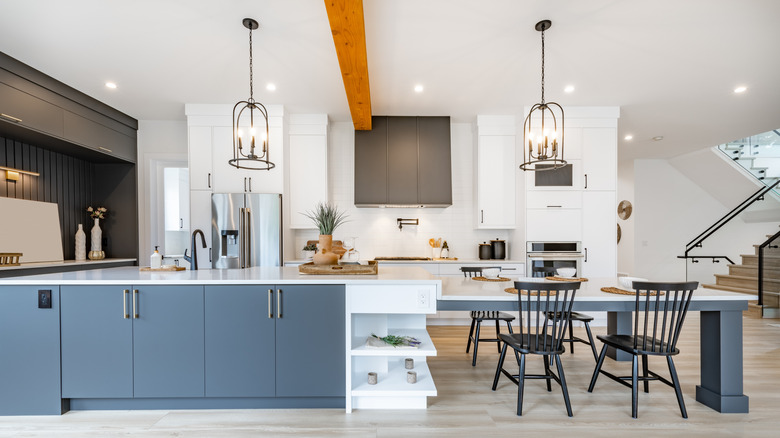
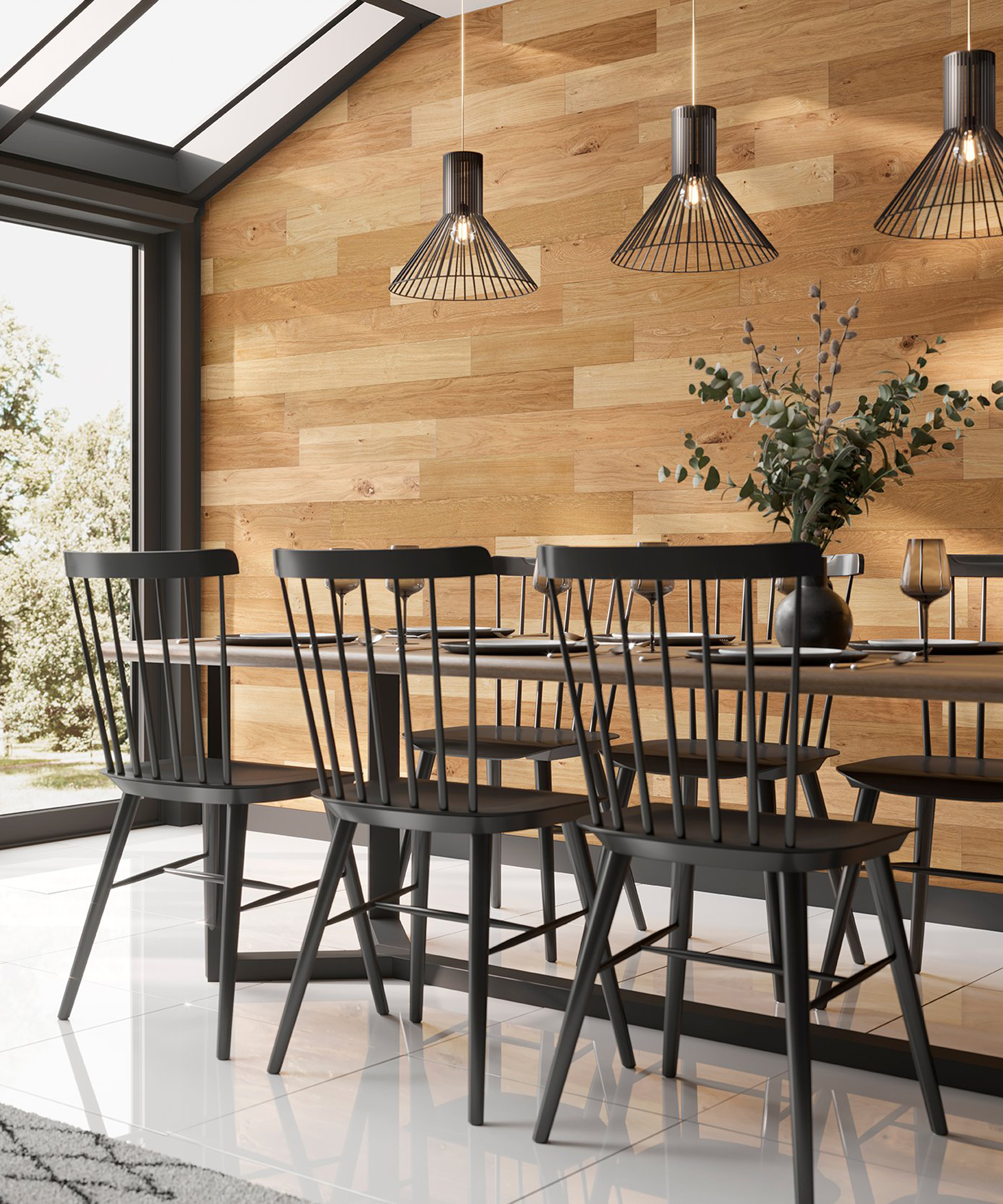
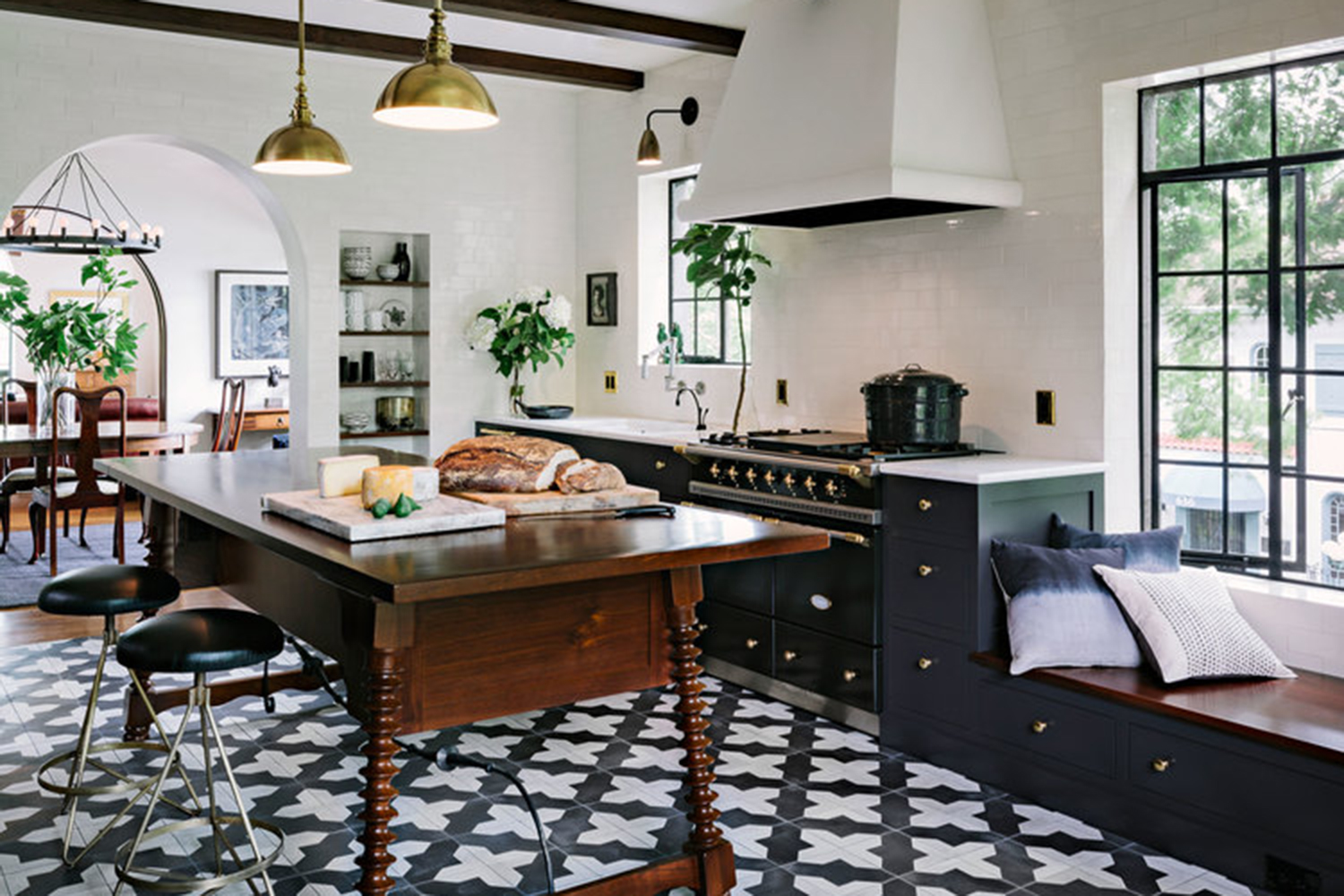
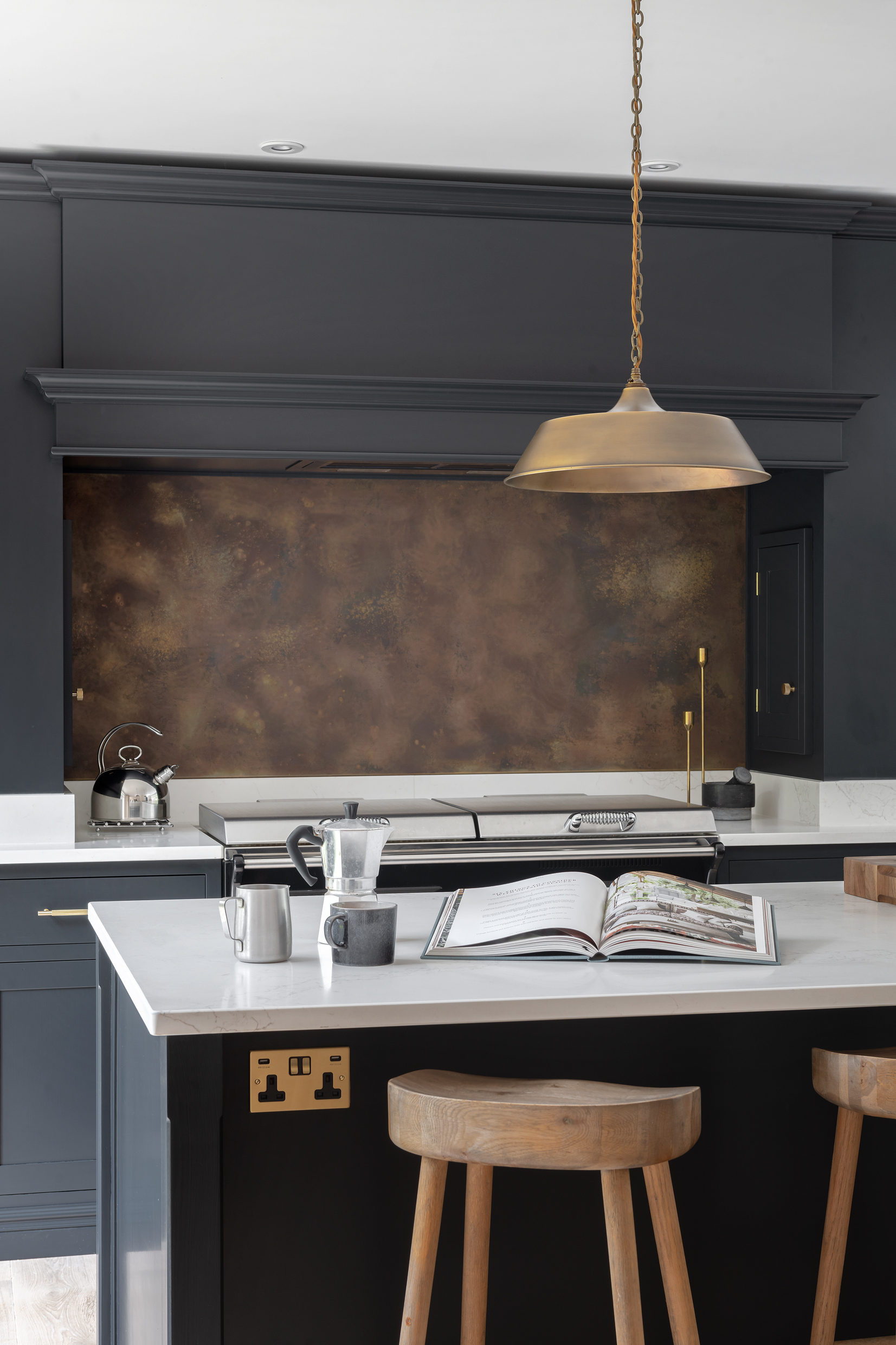
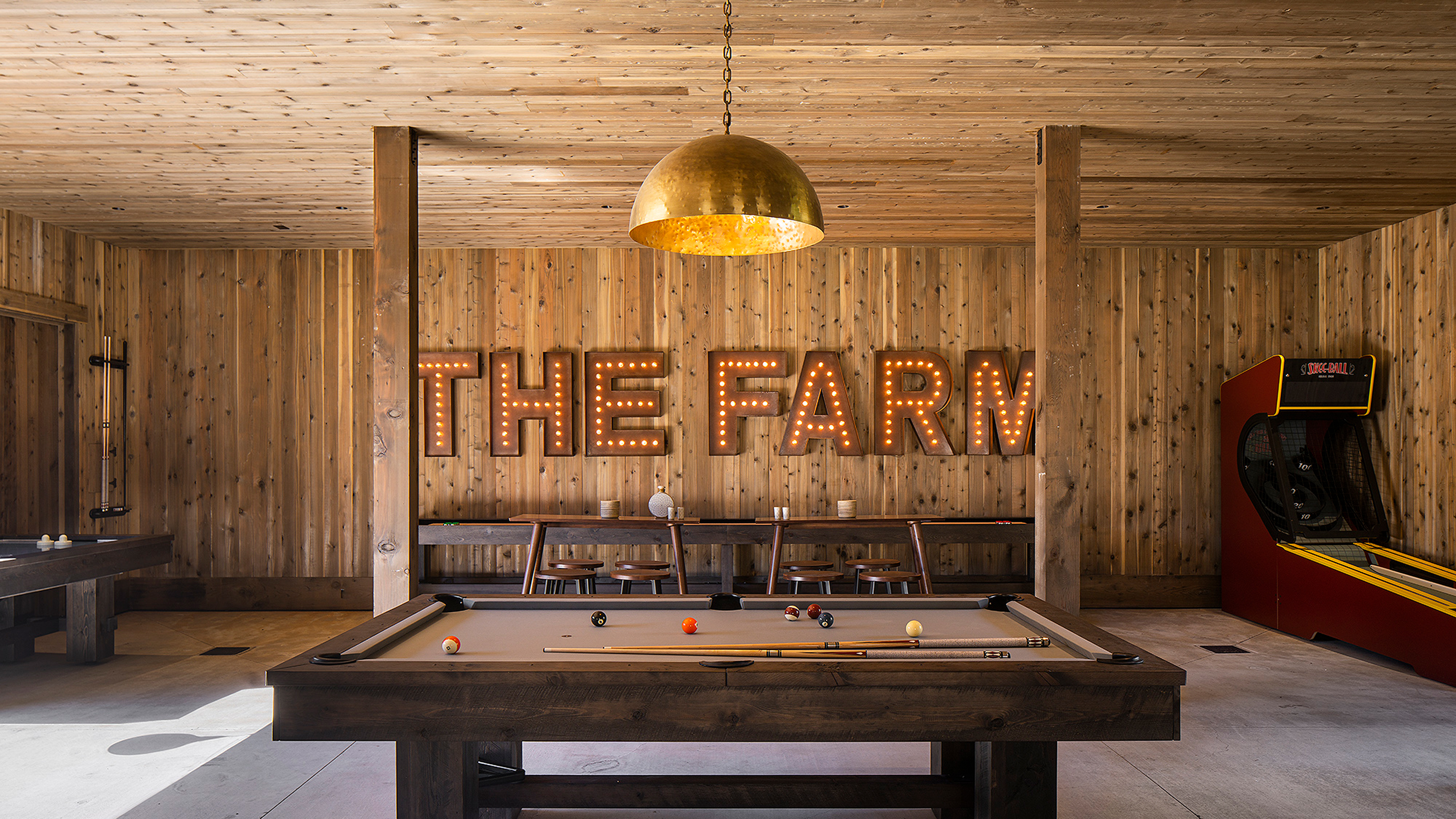
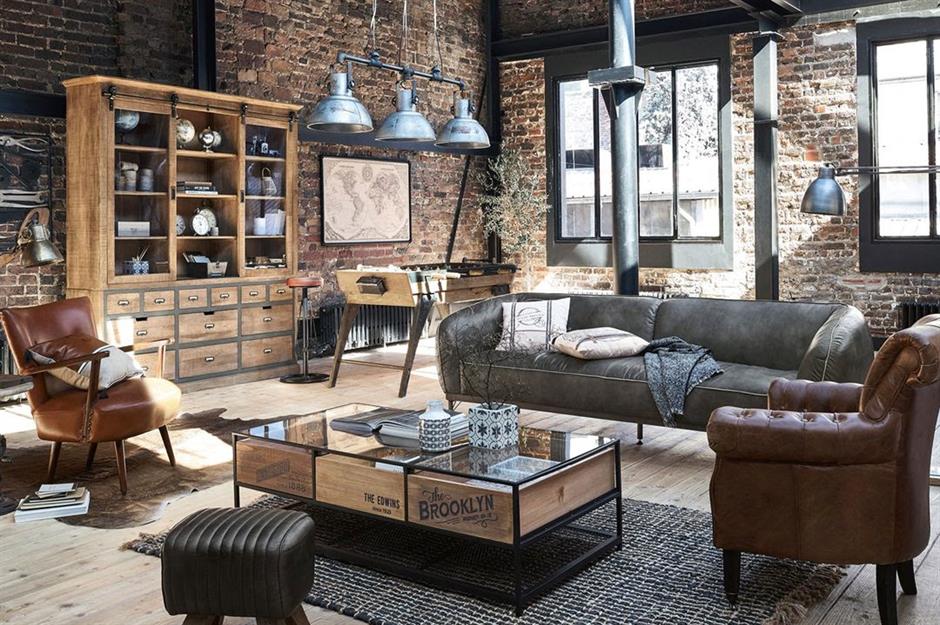
Key industrial elements include a focus on raw materials such as brick, metal, glass, concrete, and hardwood. Architecture, fixtures, and decor in this style prioritize simple, strong, clean lines. Exposed piping, ductwork, wiring, and structural components are often integral to the aesthetic, rather than concealed. Existing features like exposed brick walls, rustic wood ceiling beams, large metal-grid windows, or polished concrete floors are preserved and highlighted. Materials frequently exhibit a weathered, distressed, or worn patina, celebrating their age. For newer constructions, reclaimed or specially treated materials are used to replicate an aged appearance. The color palette tends to be neutral, featuring darker shades of black, brown, and gray. Subway tiles, a common element in both styles, are given an industrial edge with dark grout. Fixtures typically come in black metal, oil-rubbed bronze, or copper finishes.
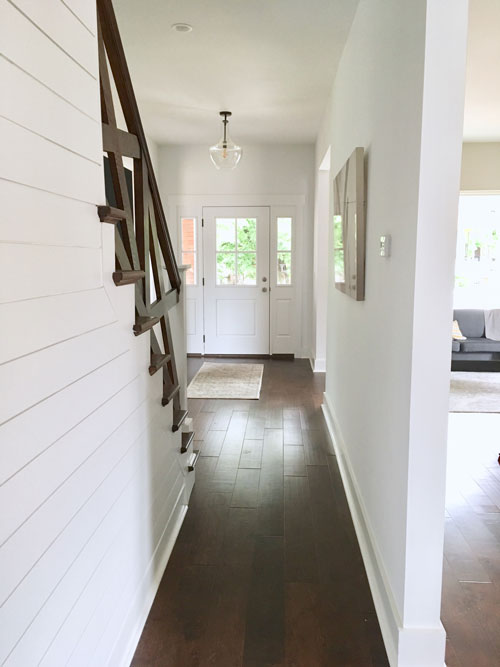
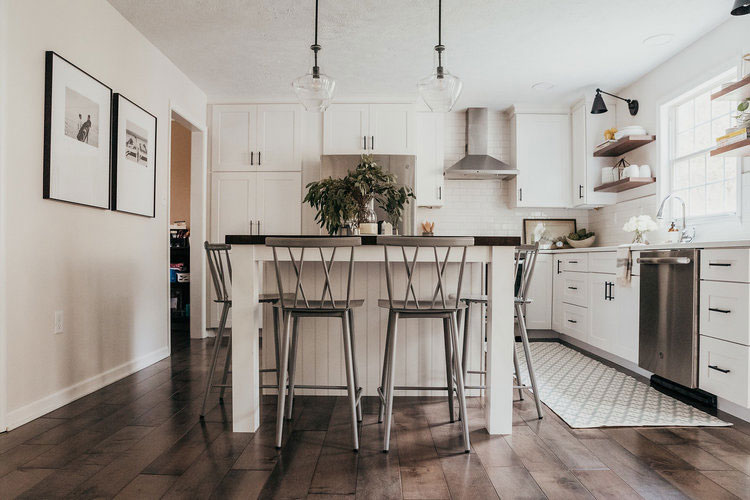
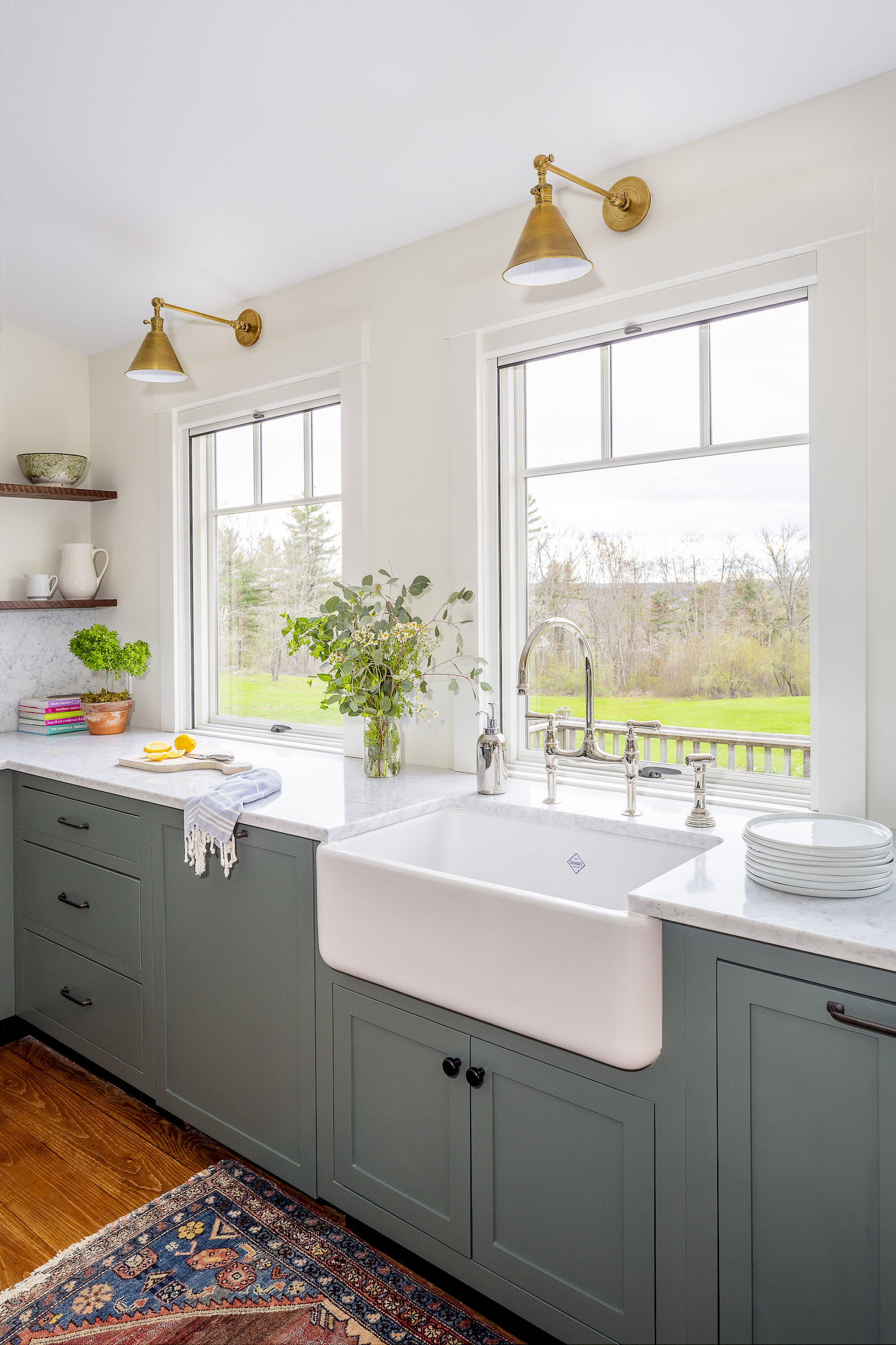
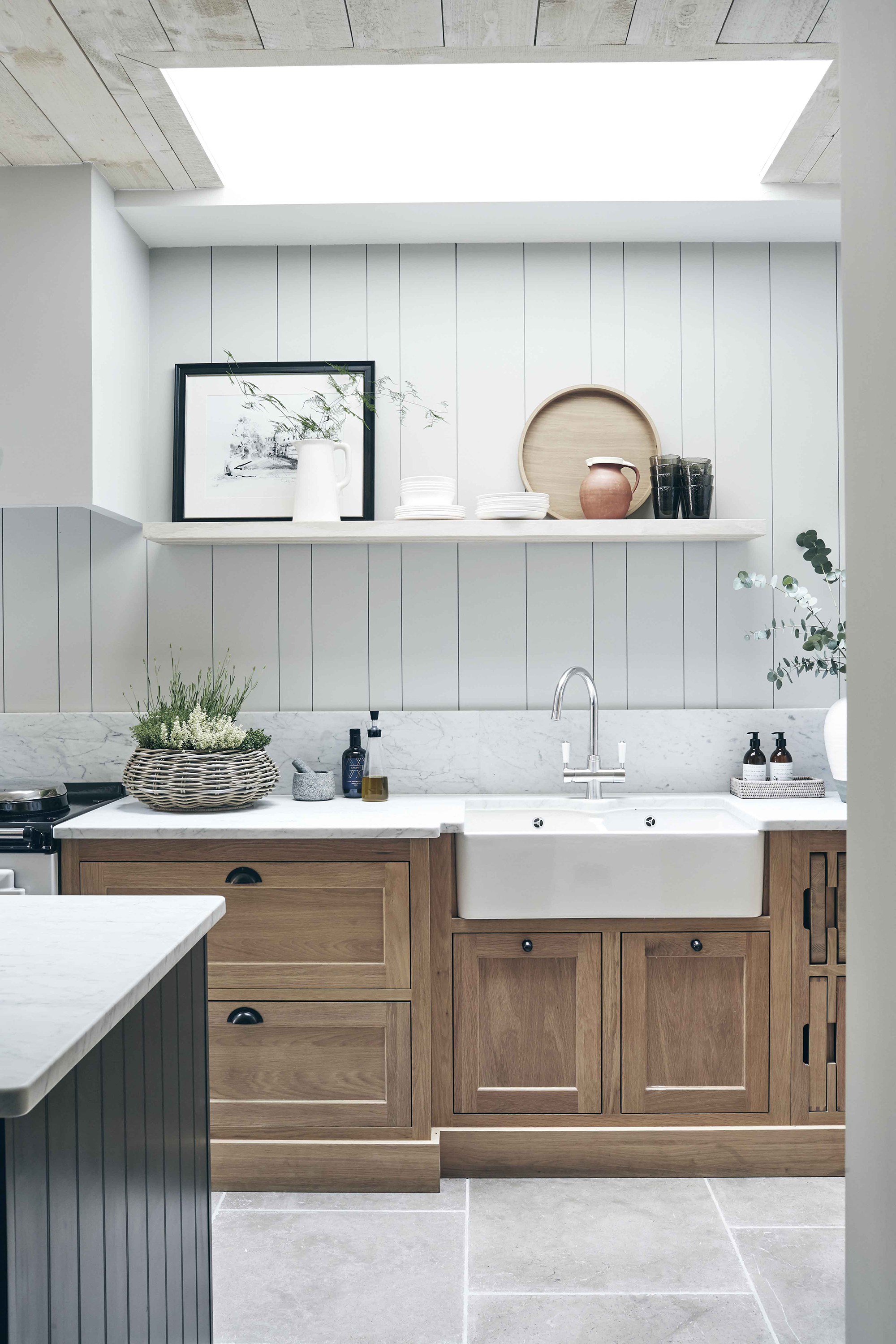
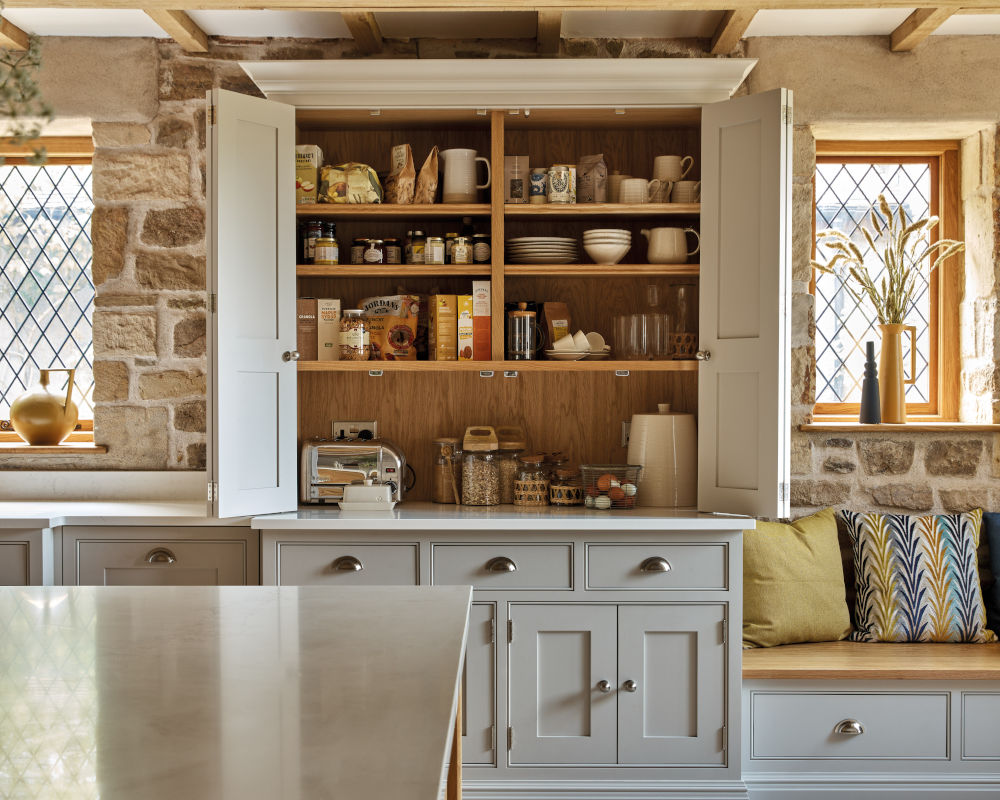
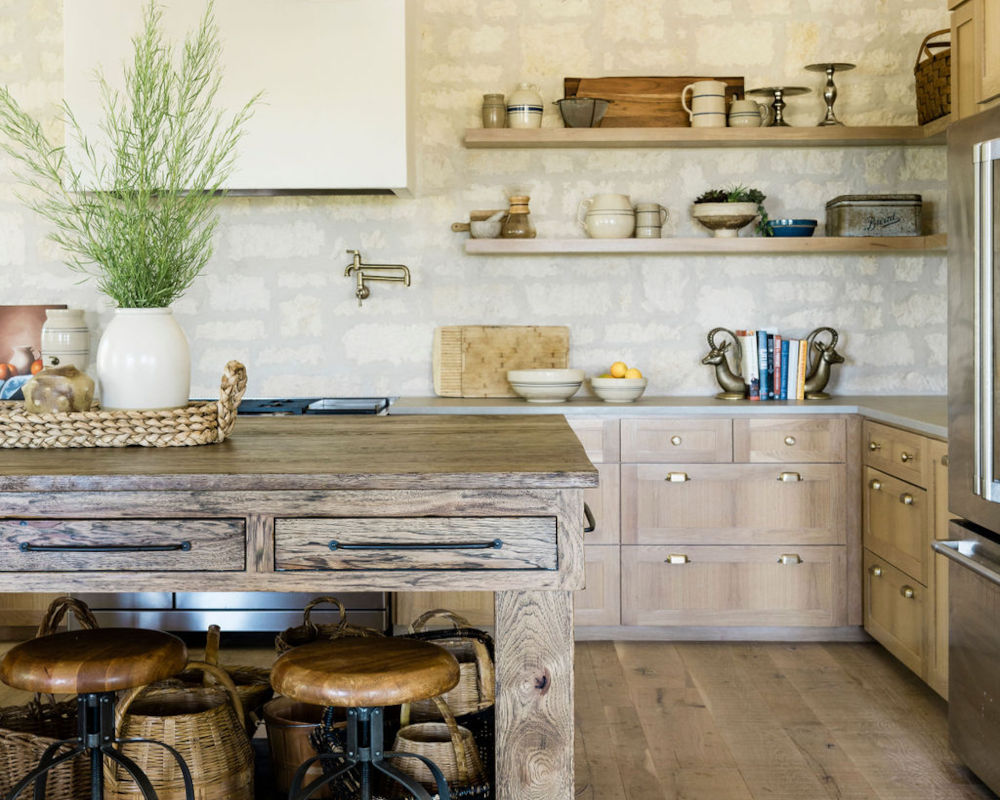
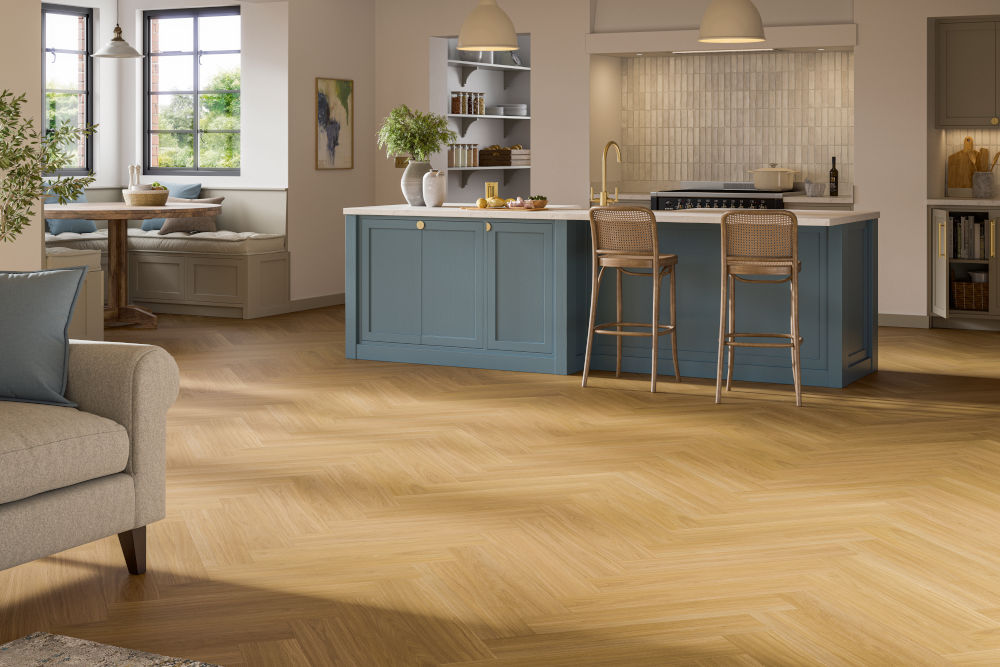
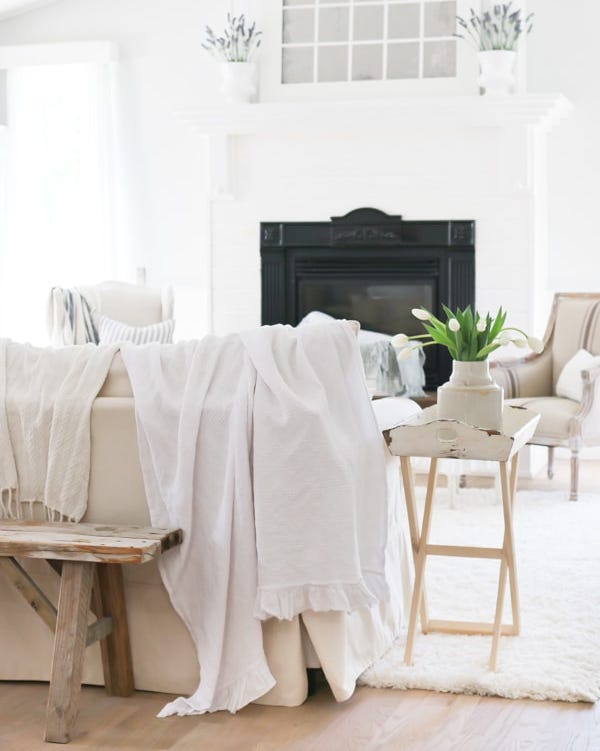
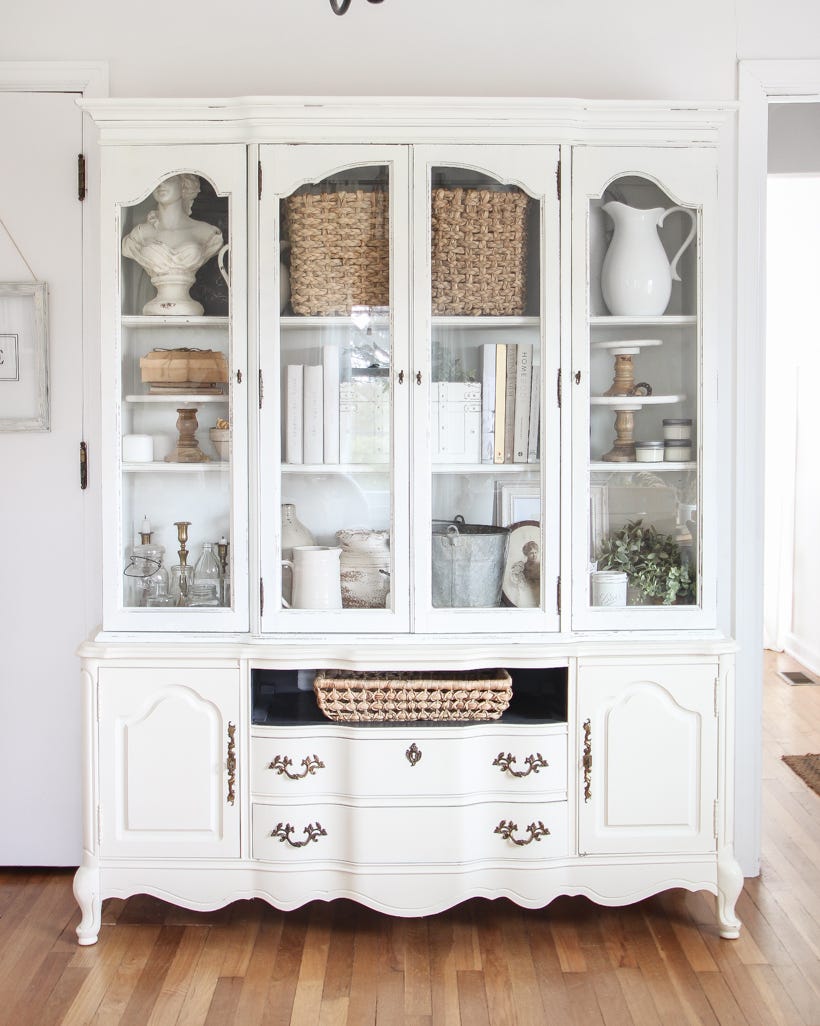
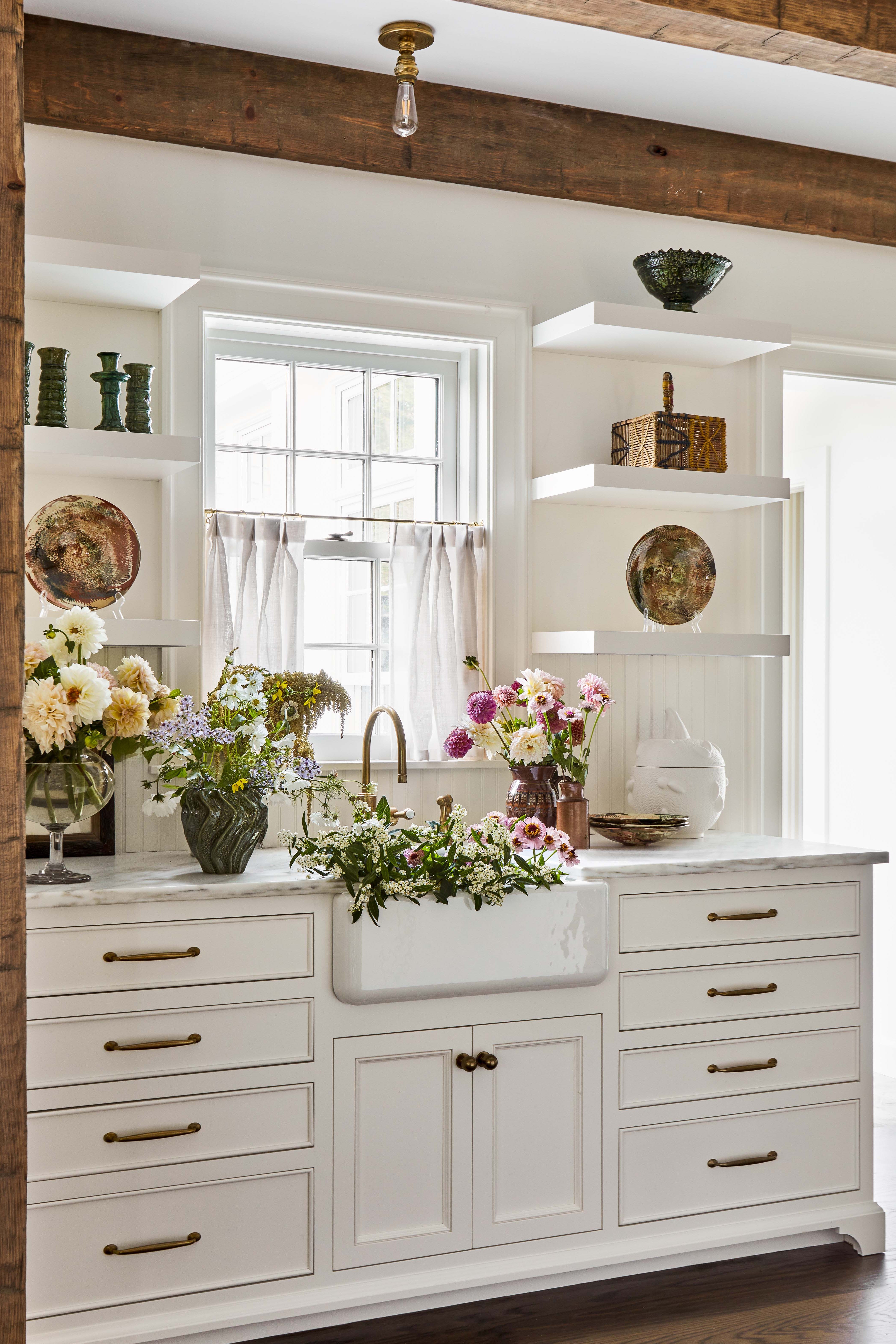
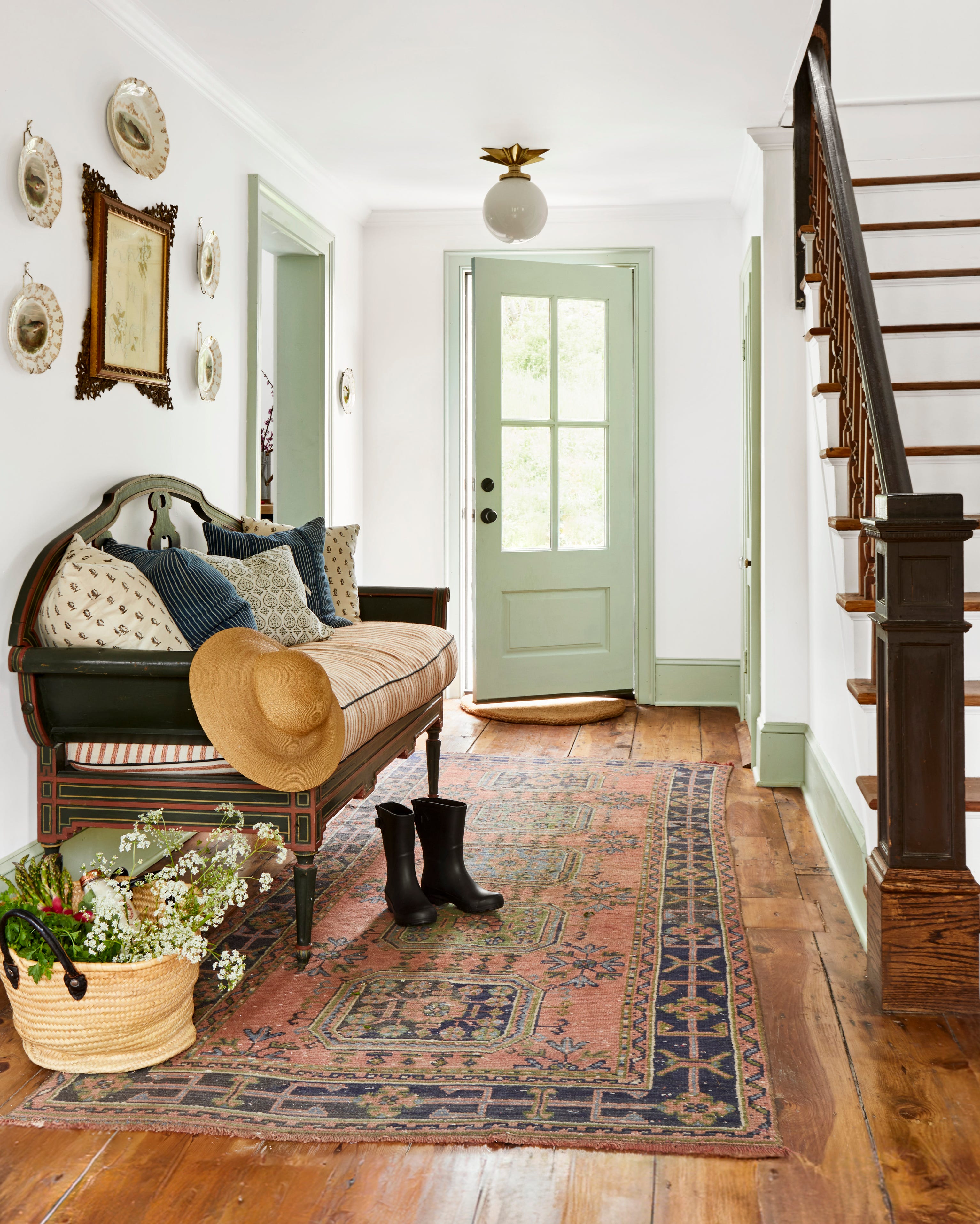
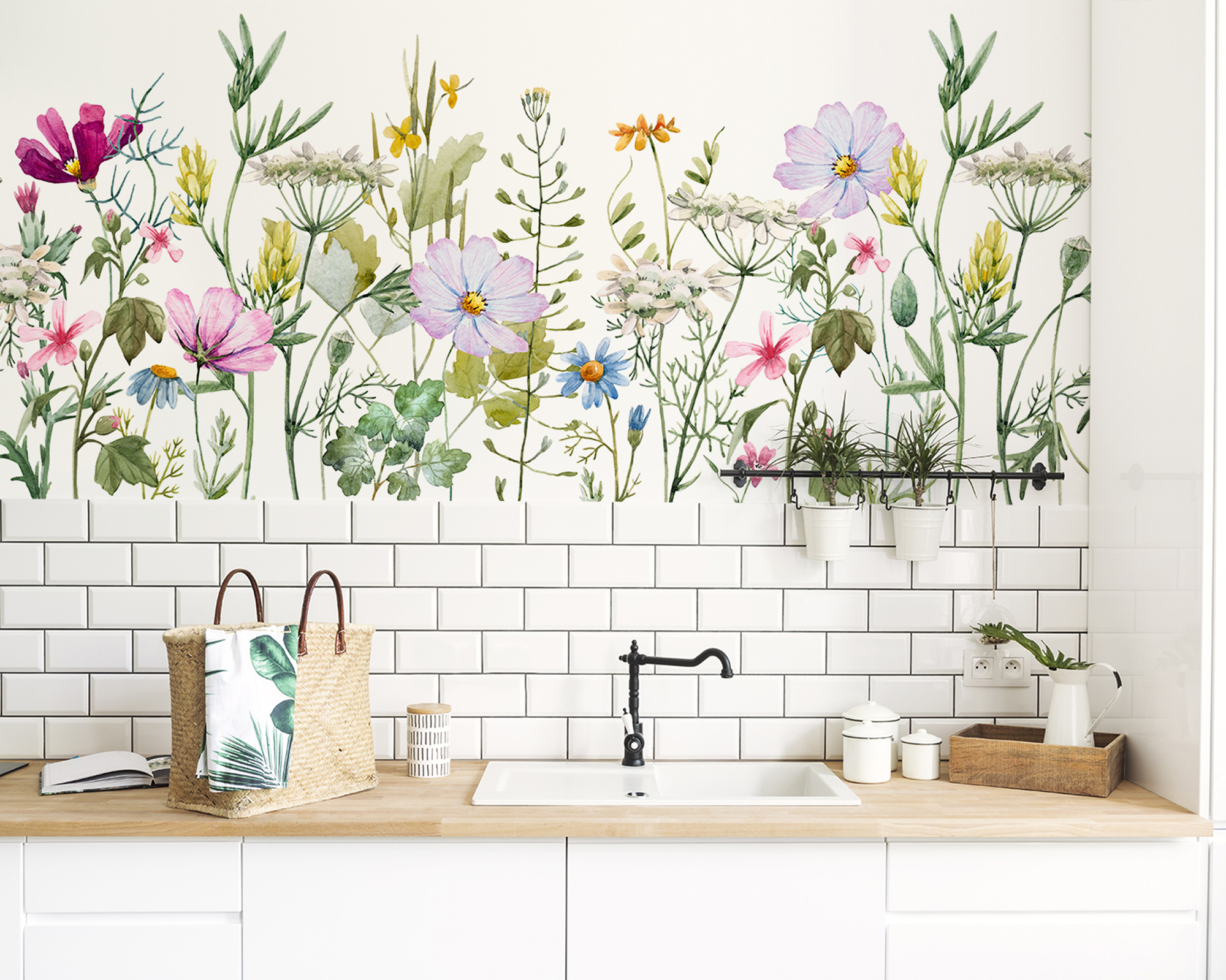
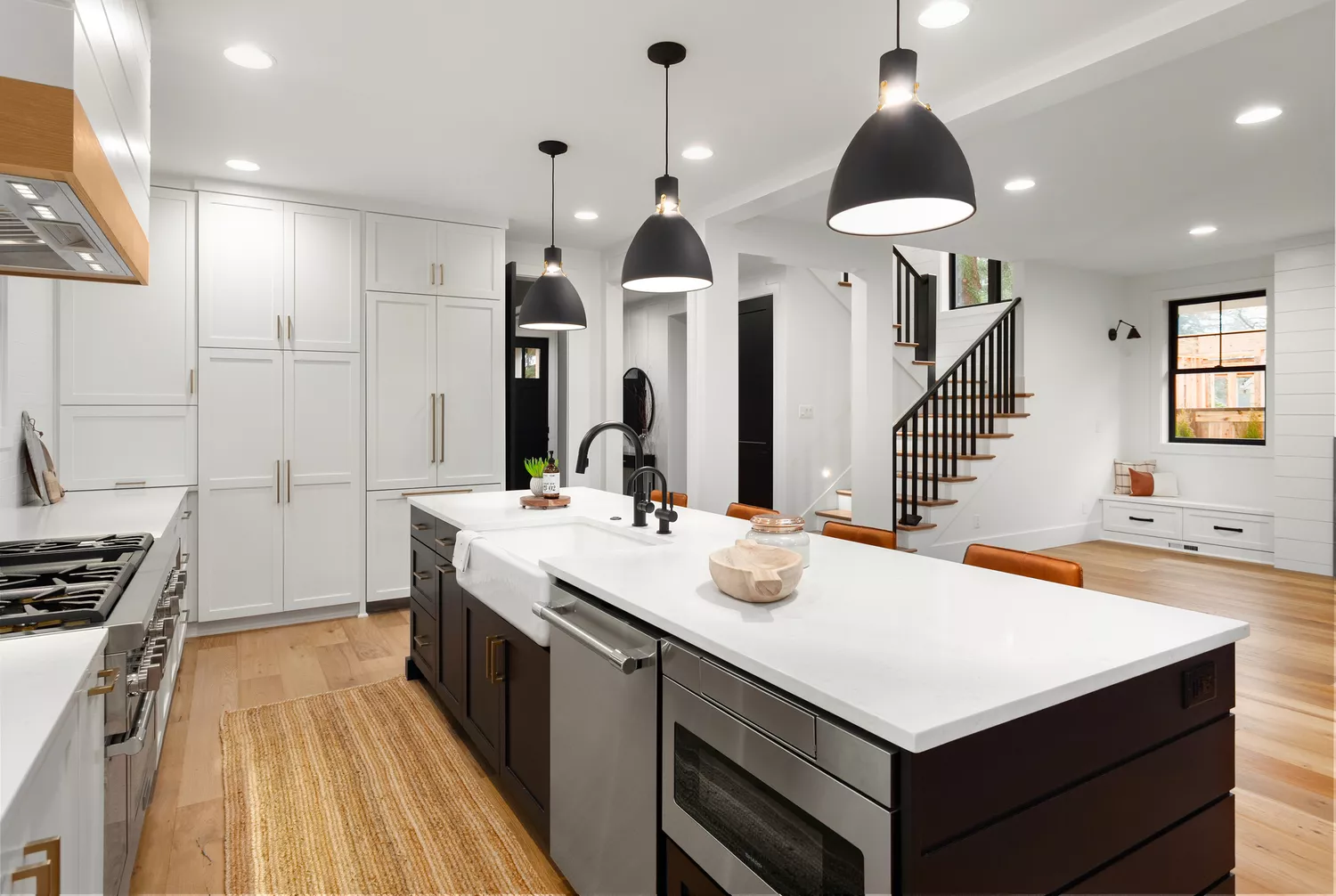
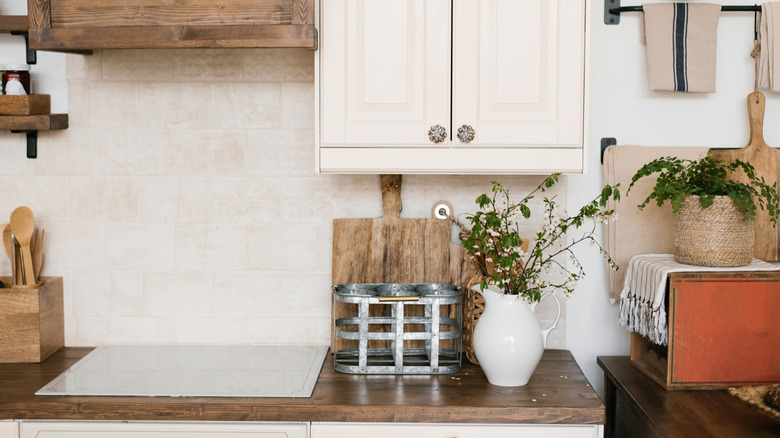
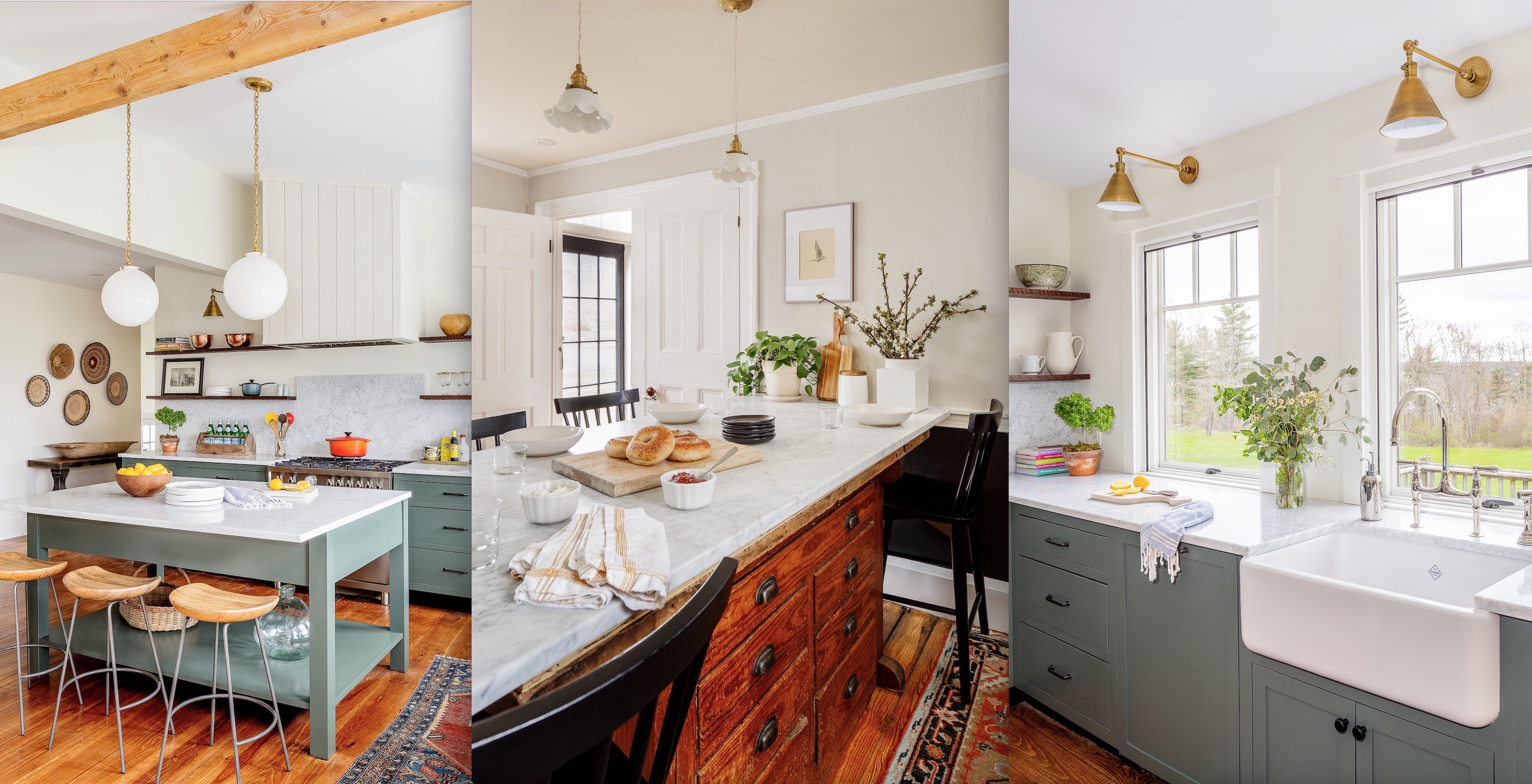
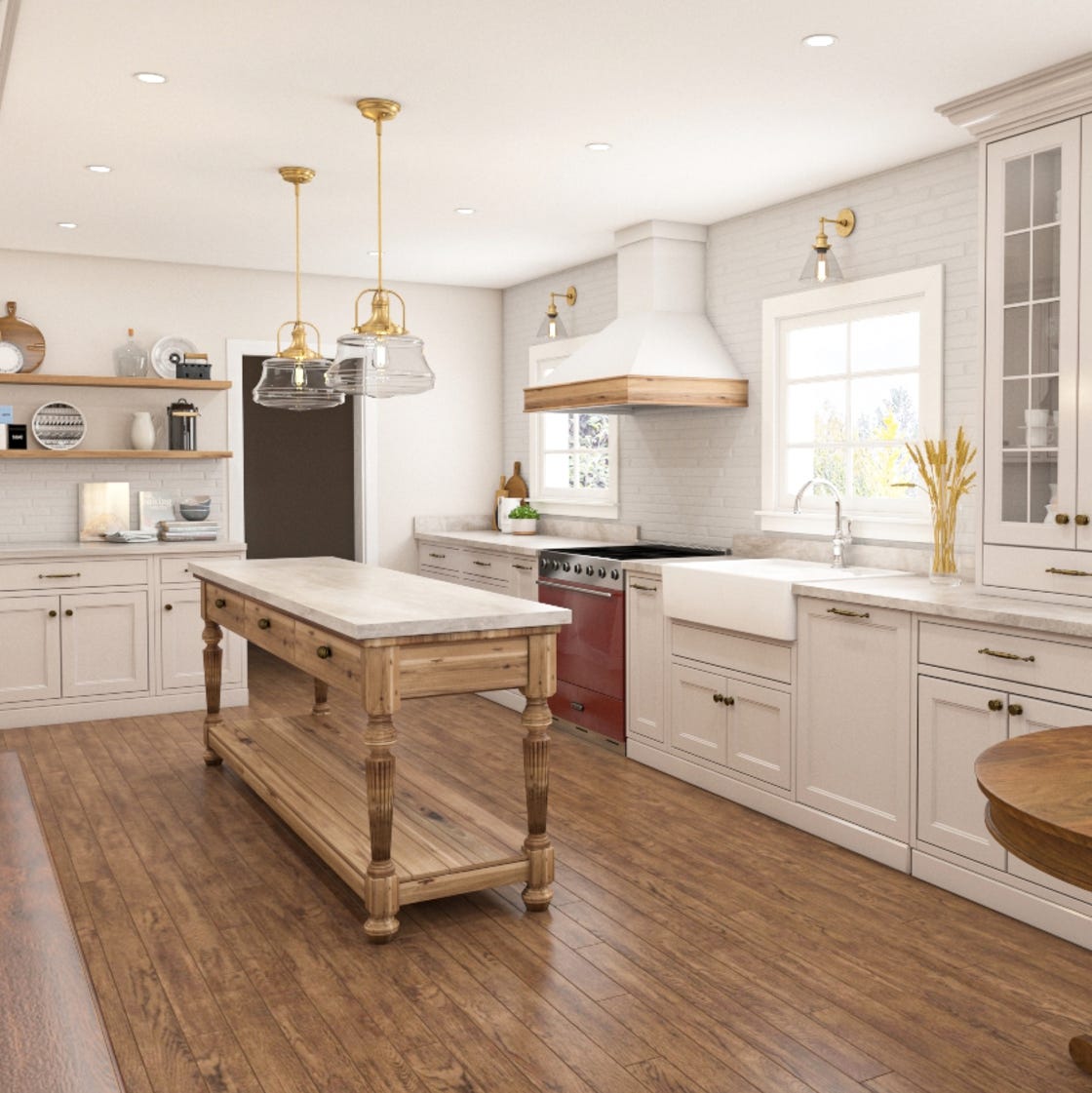
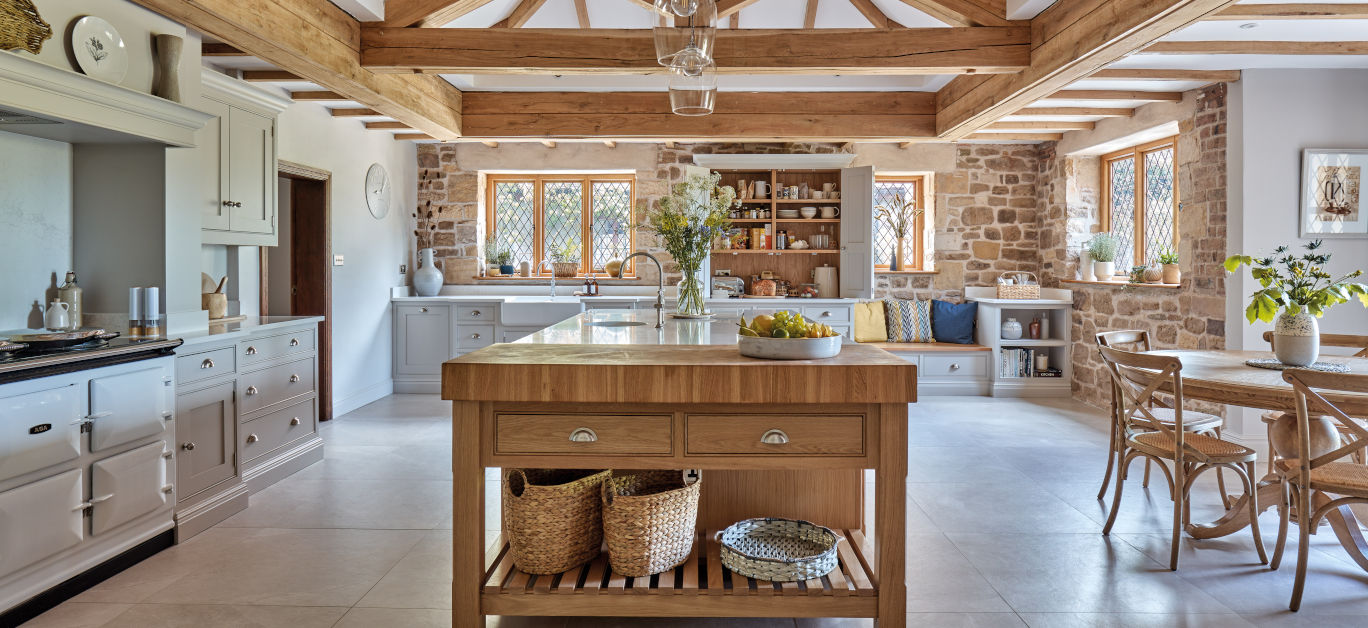
Modern farmhouse elements are characterized by natural materials like wood, stone, cotton, rattan, and linen, with predominantly white or neutral color schemes including cream, beige, or gray. Typical features in bathrooms and kitchens include white subway tile walls, marble countertops, stainless steel appliances, white Shaker-style cabinets, shiplap walls, and farmhouse sinks. Reclaimed, salvaged, and weathered materials and finishes are incorporated to evoke an authentic farmhouse feel. Interiors often feature vintage, antique, or reproduction accessories such as farm signs, wrought iron objects, and decorative kitchen tools.
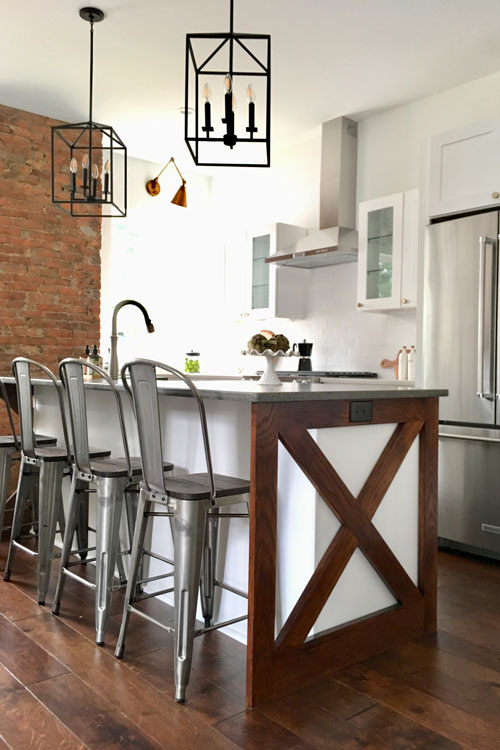
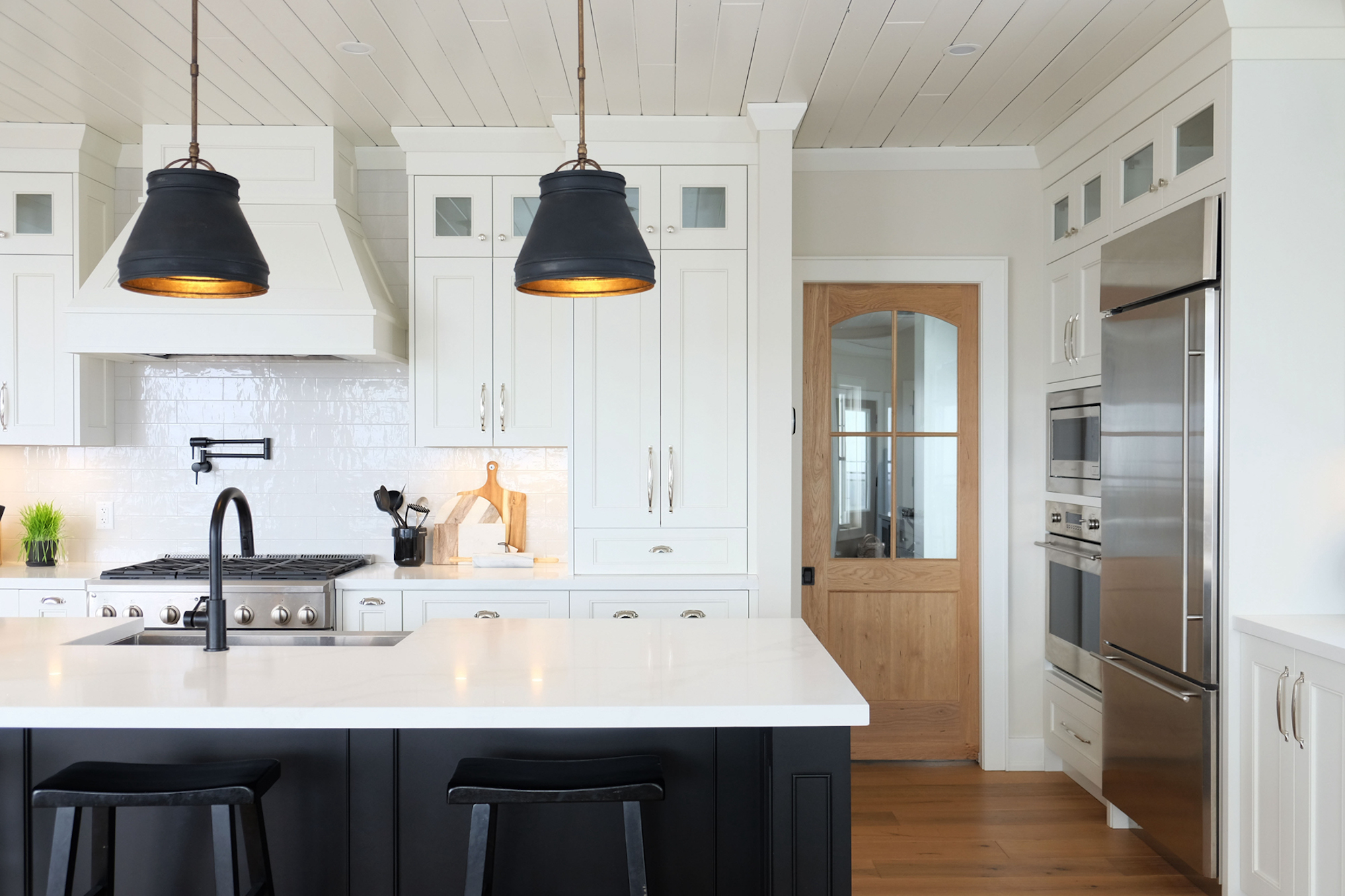
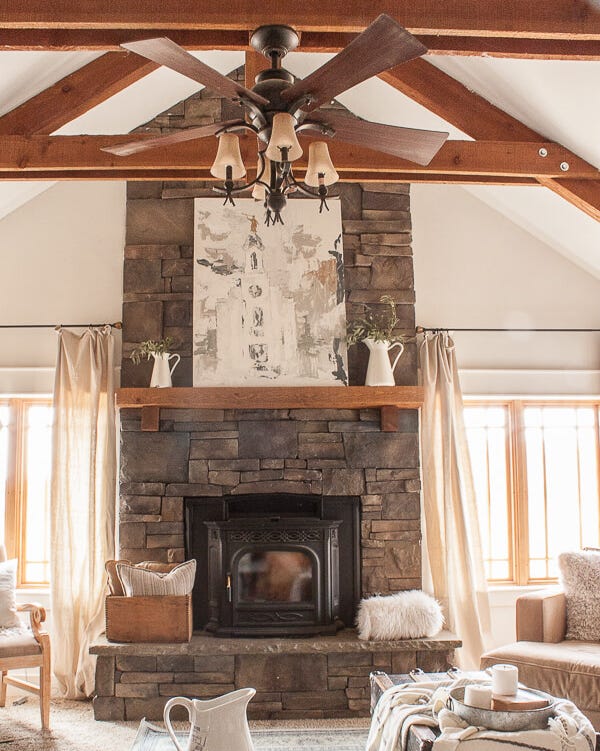
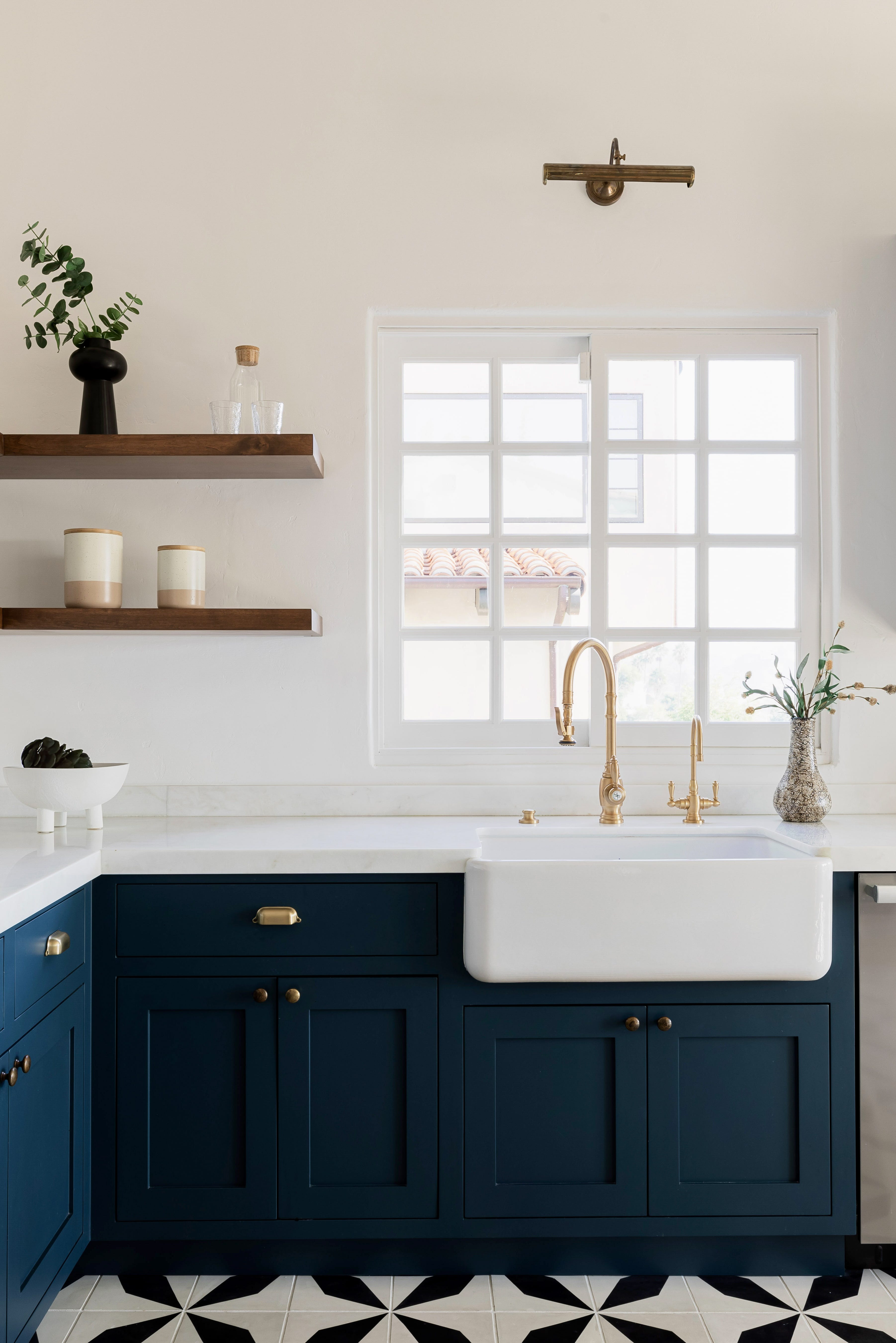
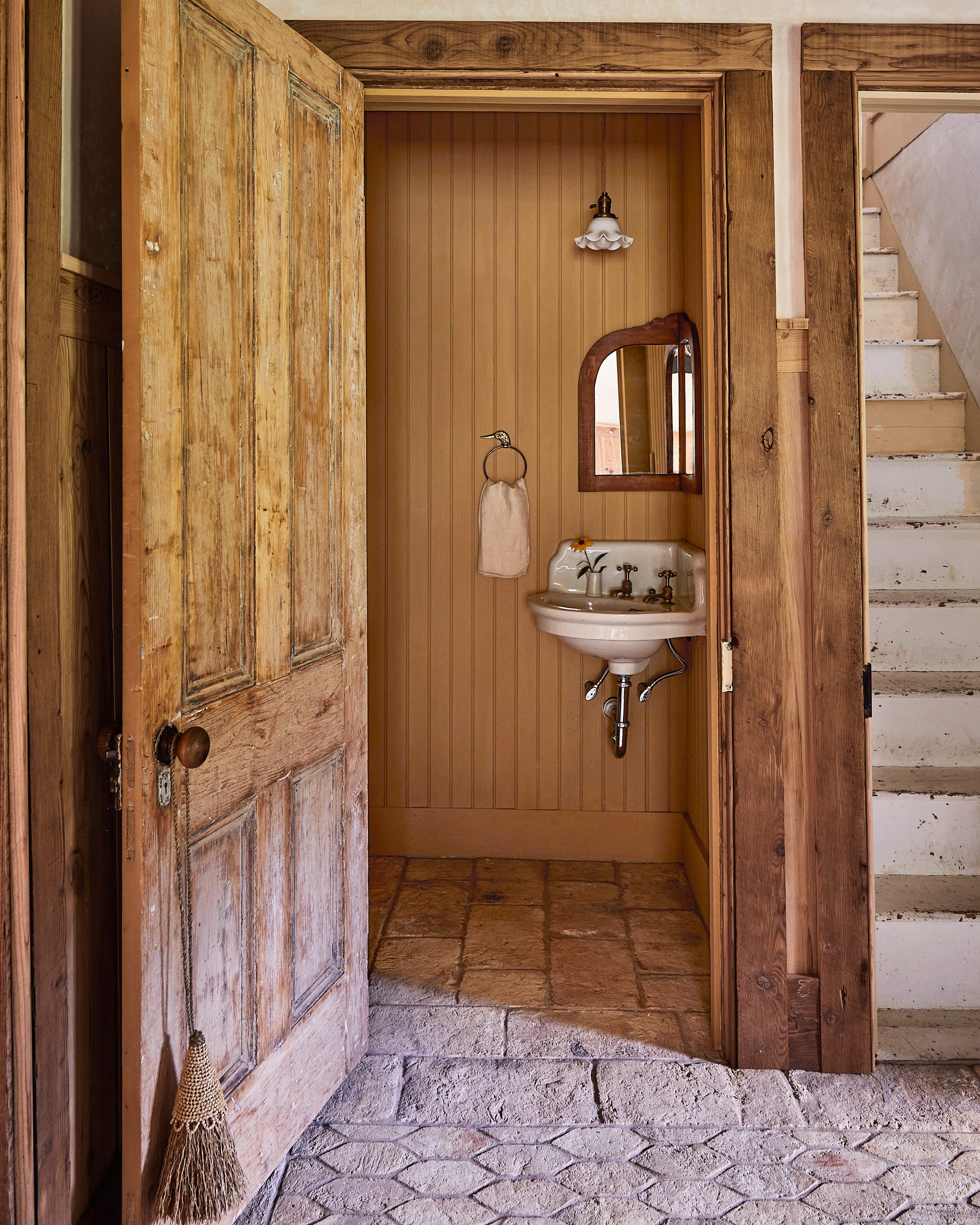
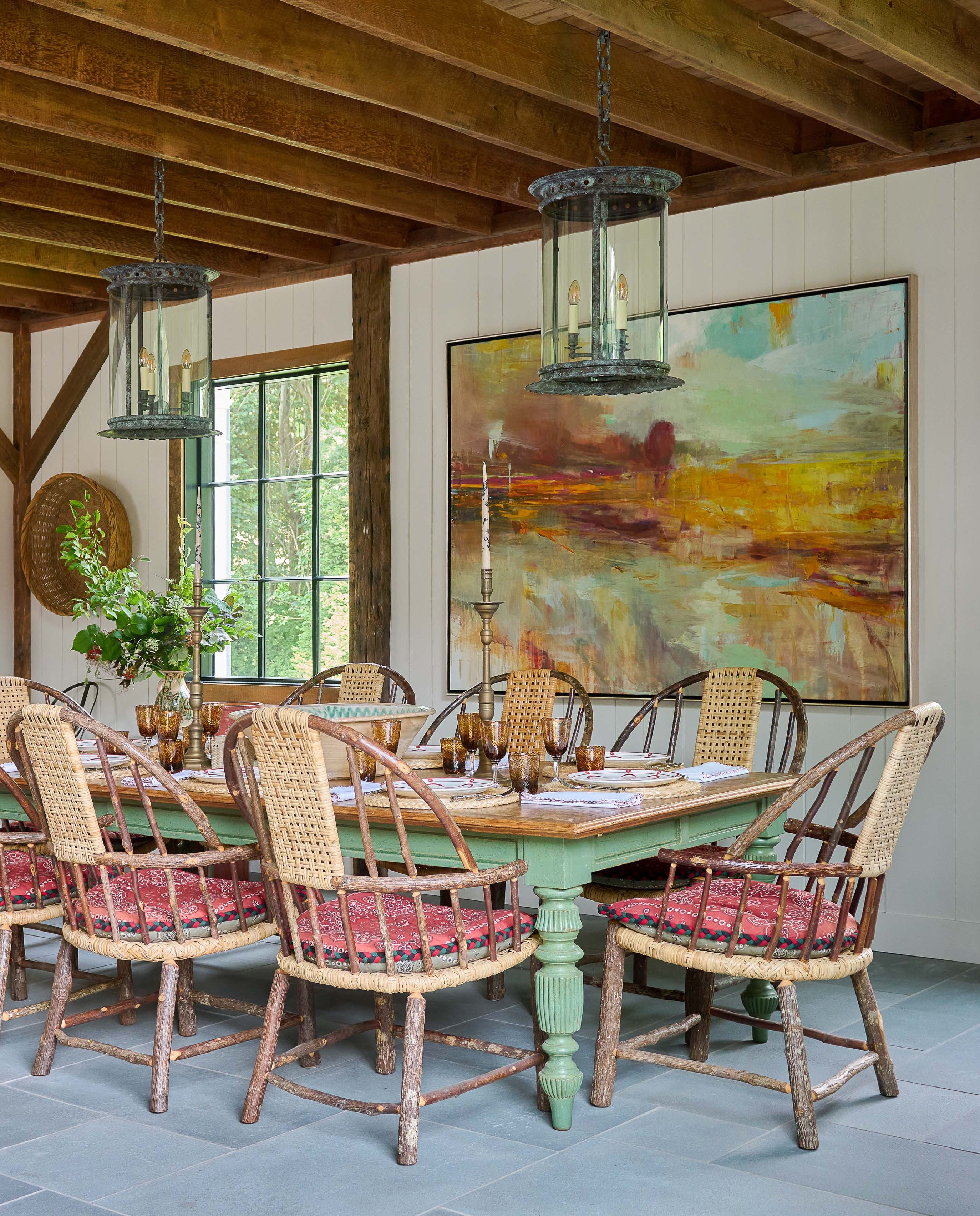
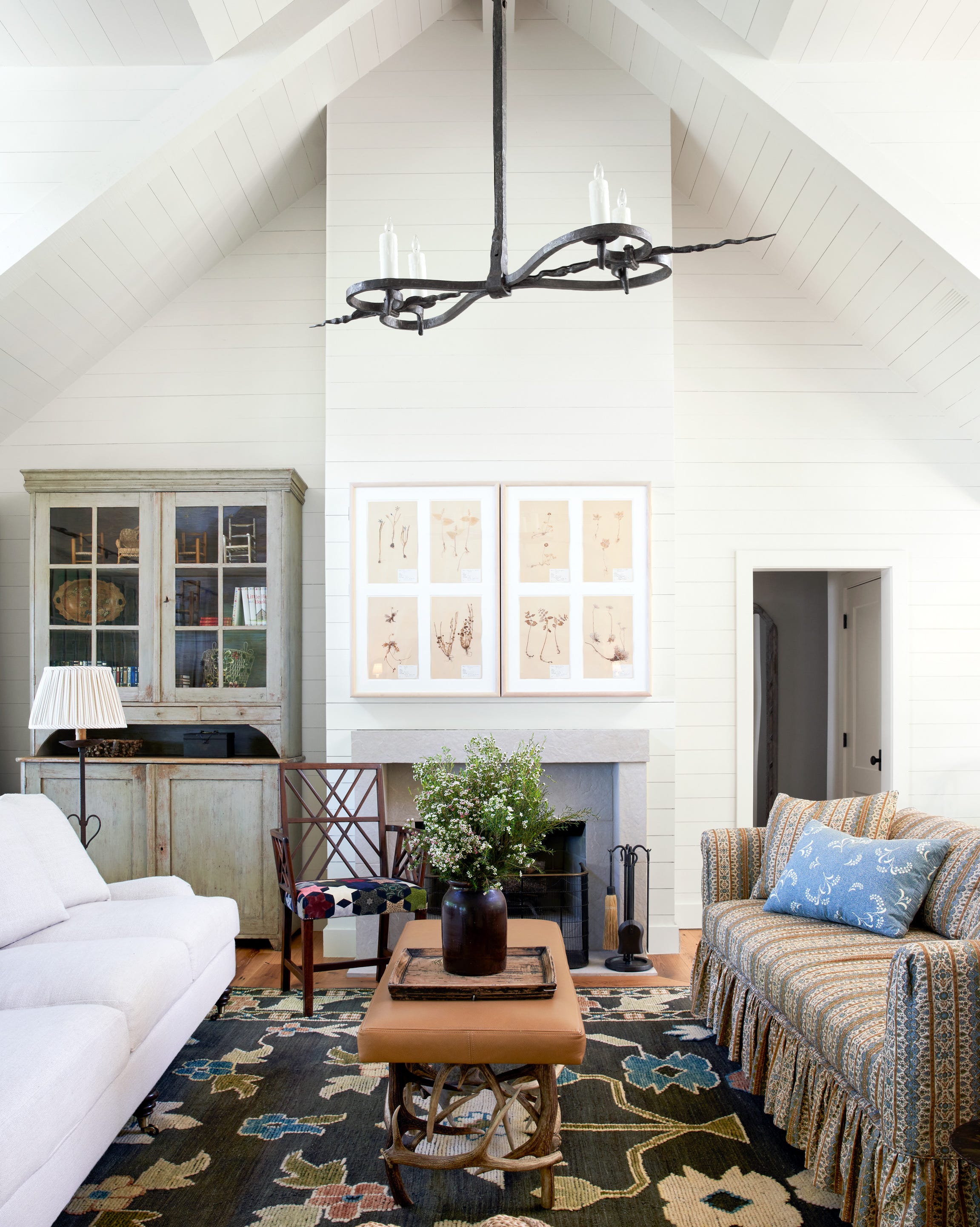
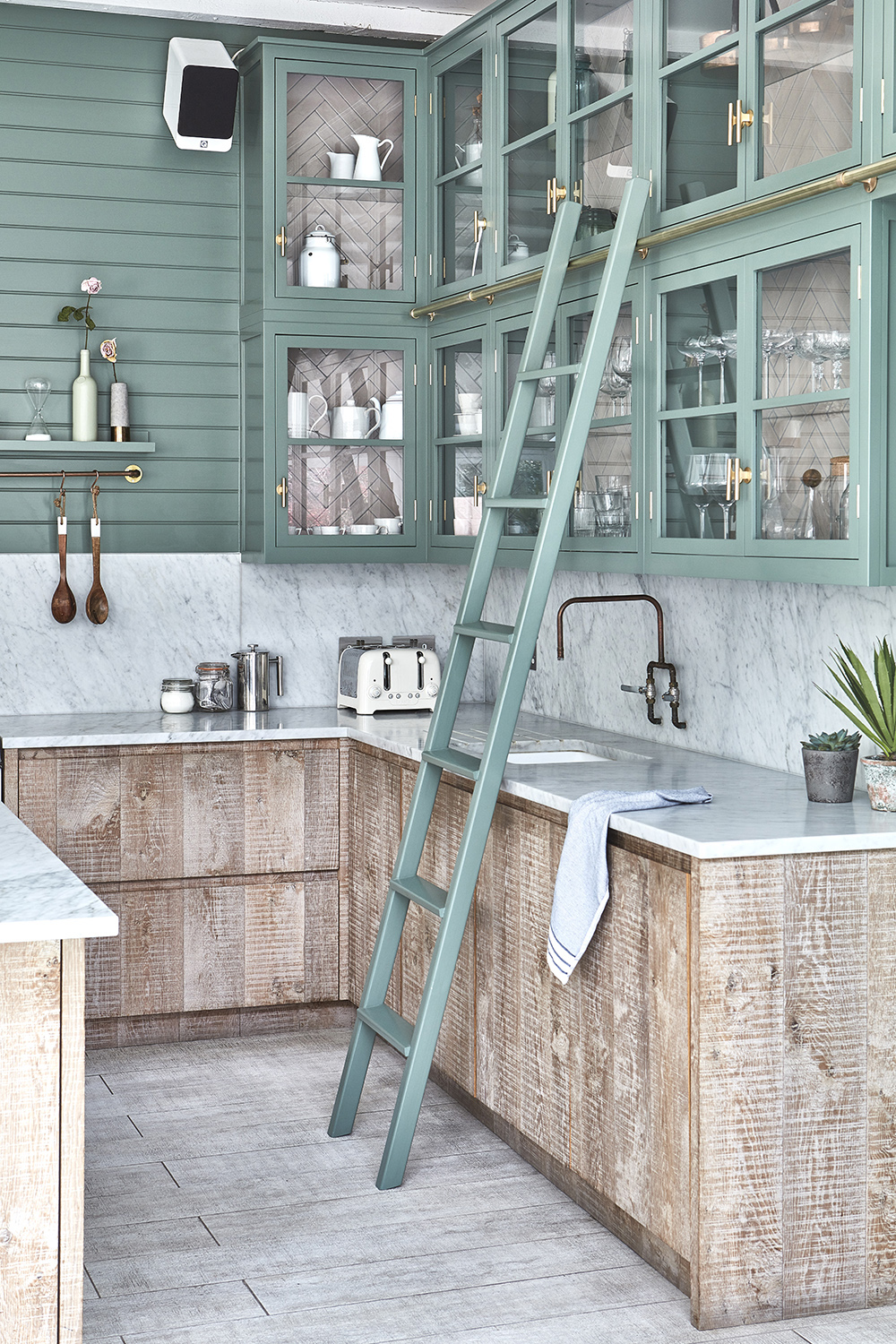
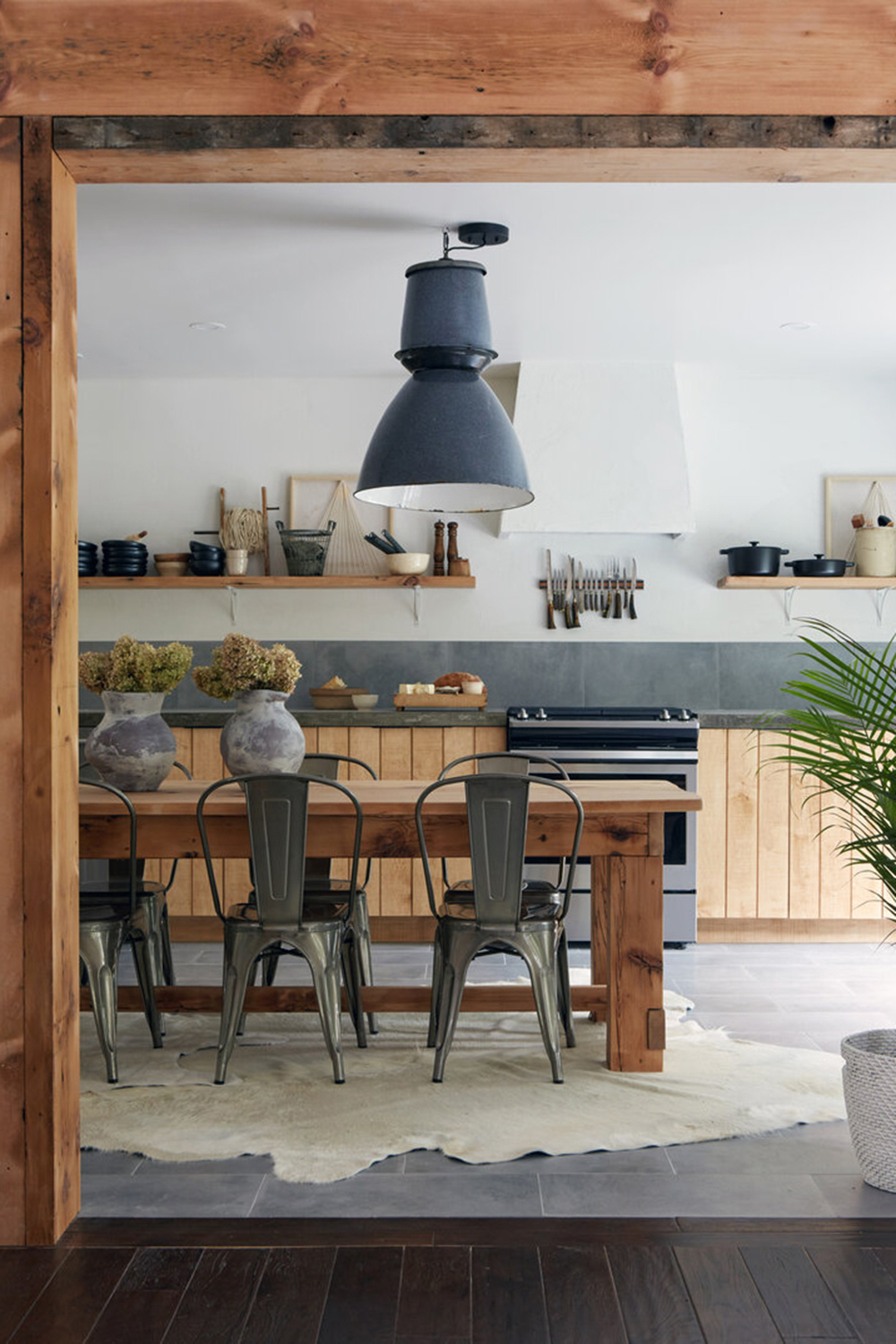
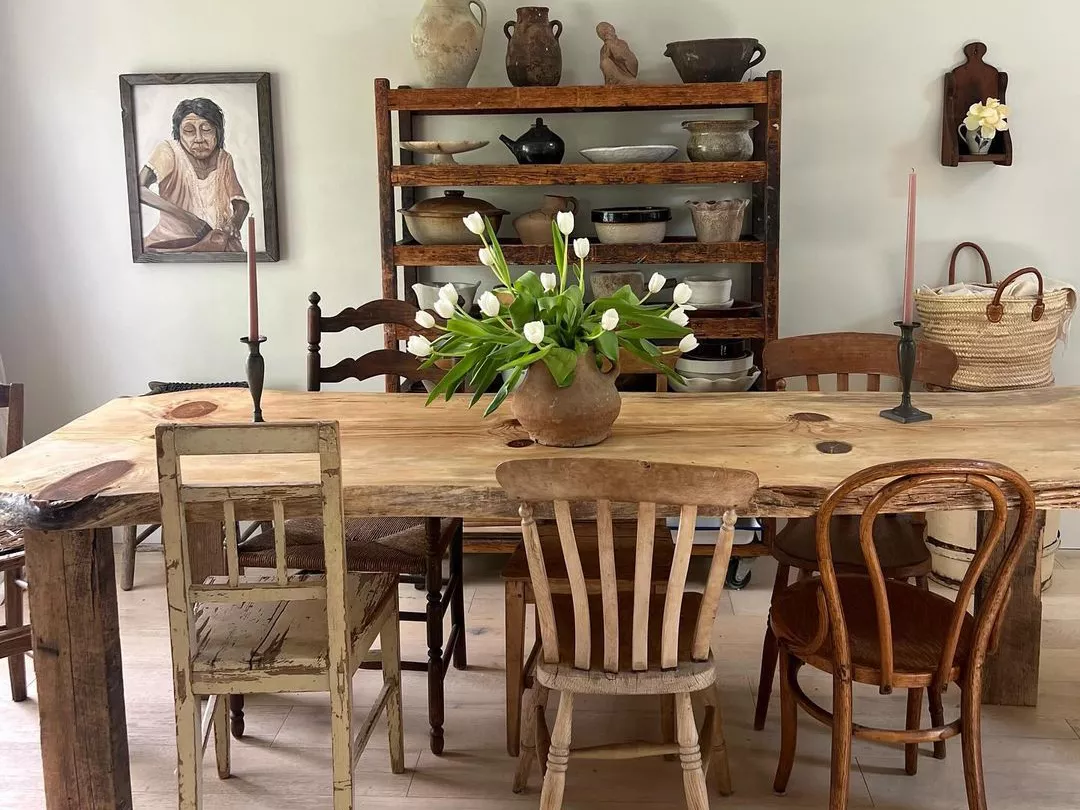
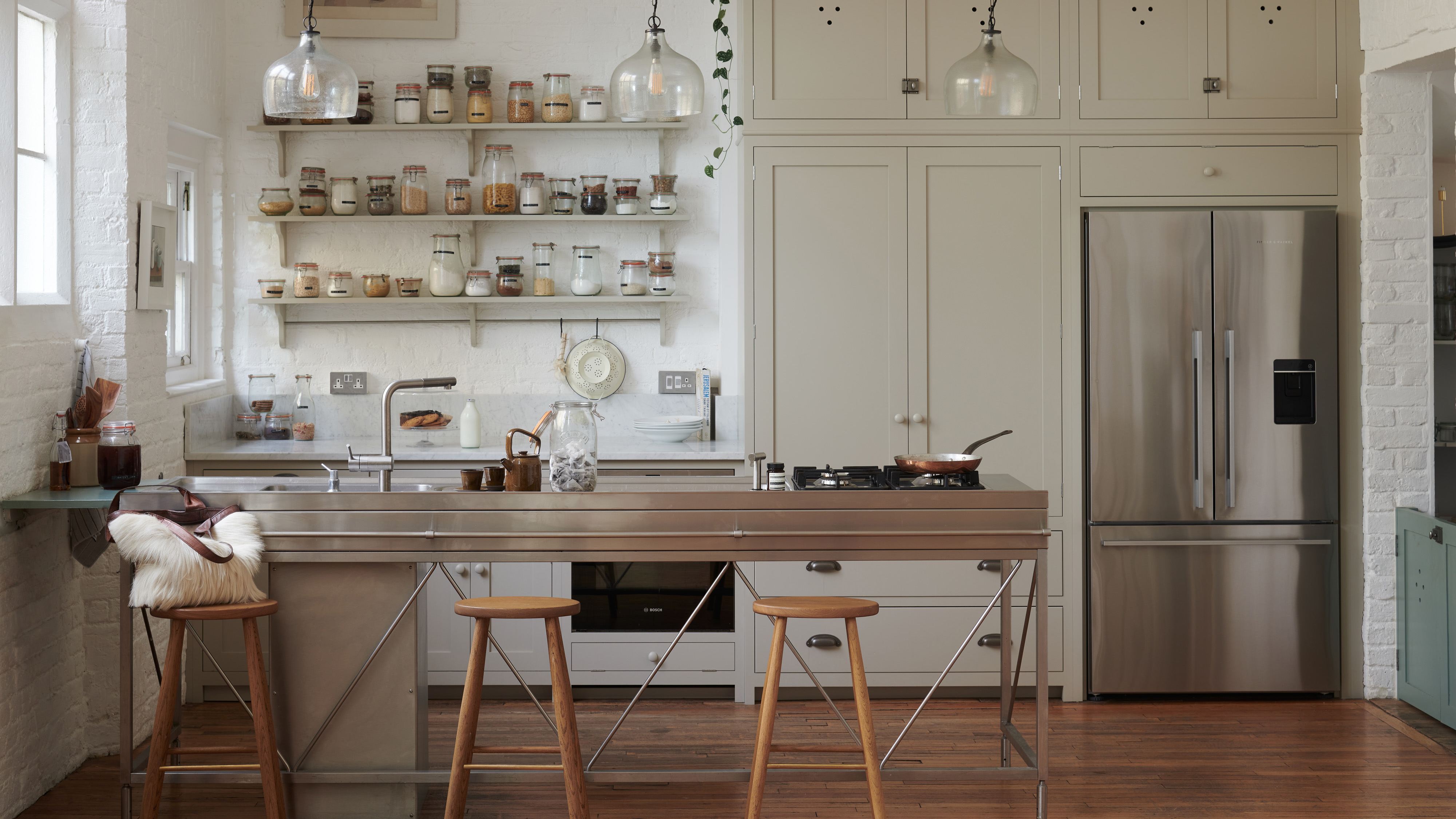
Achieving industrial farmhouse style involves creating a pleasant balance between its two core aesthetics. These spaces tend to be fairly minimalist, offering enough detail to be engaging and comfortable while maintaining a cohesive, stylized look. One effective approach is to mix contrasting materials; for instance, an industrial loft with exposed brick or piping can be warmed by adding a rustic oak wide-plank reclaimed wood floor. A farmhouse sink, particularly in concrete or brushed steel, can bridge the gap between styles in an industrial setting. Surrounding a rustic wood farm table with industrial French metal Tolix-style chairs also creates an effective contrast. Preserving and highlighting original architectural features is crucial.
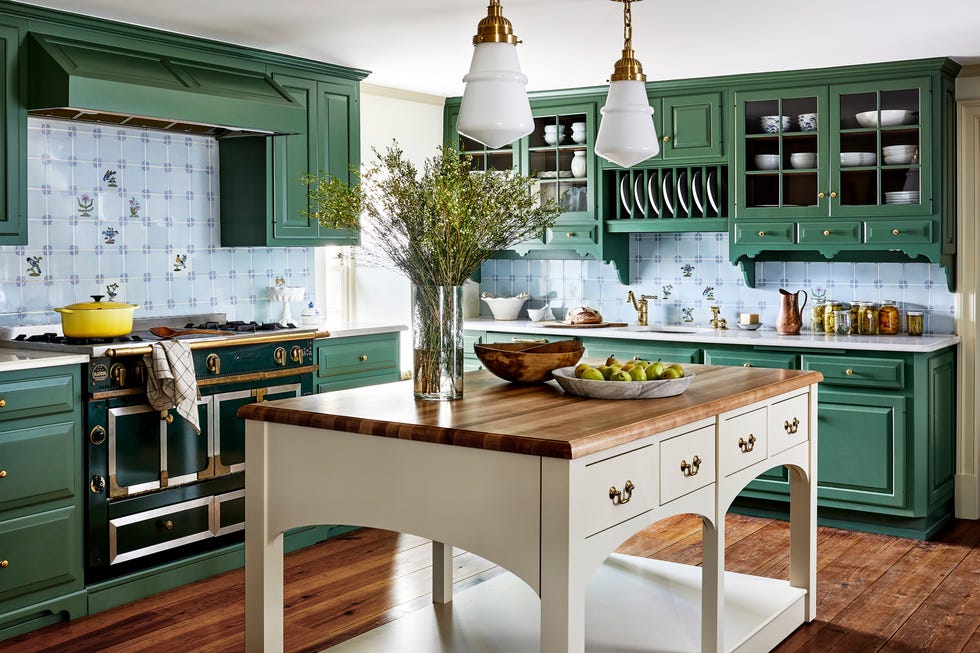
Blending old and new finishes is another key strategy. The style's popularity has led to a proliferation of industrial and farmhouse-inspired materials and products, from trompe l’oeil tiling to antique plumbing fixture reproductions and various farmhouse sinks. To introduce an industrial touch to a modern farmhouse scheme, consider painting lower cabinets or a barn door in matte black. Adding dark metal brackets to wood open shelving or updating stainless steel fixtures with oil-rubbed bronze or black finishes can also enhance the look. Industrial lighting with exposed Edison bulbs and visible wiring, along with reproduction black metal frame windows or partitions, further contribute to the aesthetic, nodding to the industrial past while feeling contemporary. Finally, styling with carefully selected vintage accessories, such as old metal signs, Mason jar vases, woven or metal baskets, and industrial tools, can reinforce the design inspiration without appearing kitsch. The style primarily uses neutral colors like white, black, and gray, with variations such as beige, cream, forest green, or taupe, and occasionally bold accents in red, yellow, or green. Industrial farmhouse distinguishes itself from modern farmhouse by leaning more rustic and less sleek, incorporating darker wood tones, earthier colors, and a more well-worn patina.
#IndustrialFarmhouseStyle #HomeDecor #InteriorDesign #ModernFarmhouse #IndustrialDesign #RusticDecor #DesignTrends #ReclaimedMaterials #NeutralColorPalette #IndustrialFarmhouseStyle #HomeDecor #InteriorDesign #ModernFarmhouse #IndustrialDesign #RusticDecor #DesignTrends #ReclaimedMaterials #NeutralColorPalette
0 comment in total
 No comments yet
You may also like
Natural and industrial elements combine in this contemporary farmhouse home

Industrial-style interiors are trending – here's how to get the sleek and stylish look
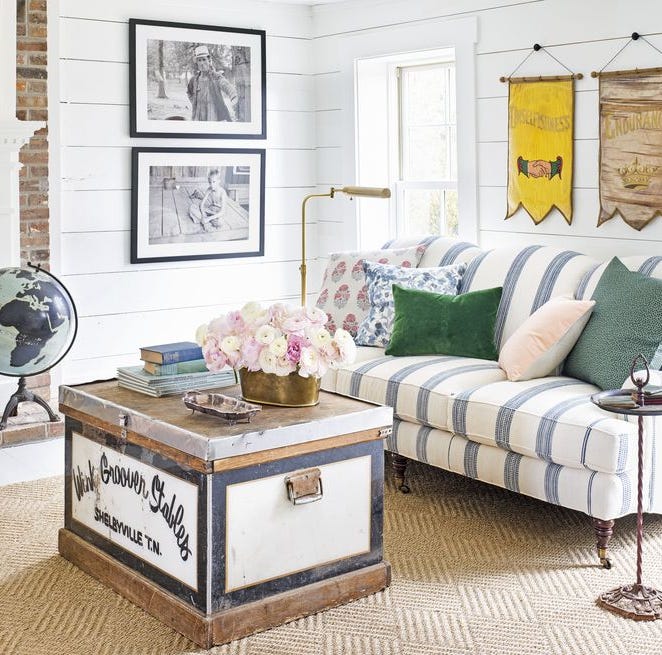
Our Favorite Farmhouse Décor Ideas for Your Dream Country Home
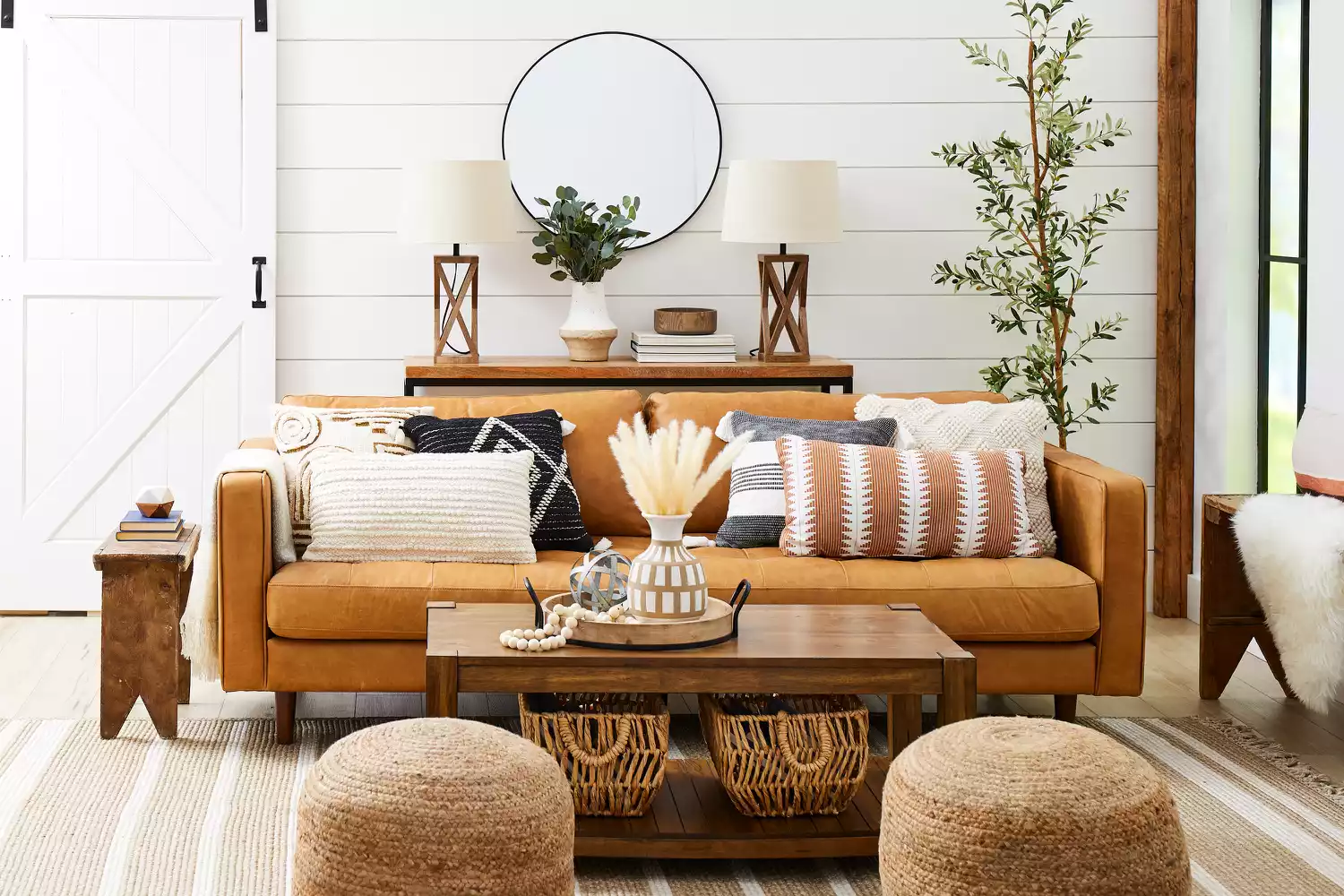
All About Modern Farmhouse Style
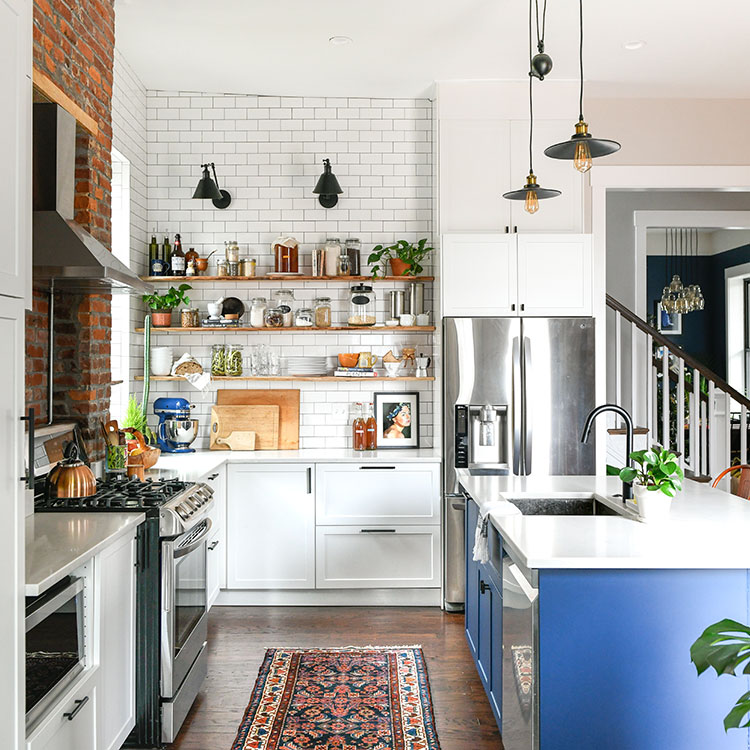
Home How-To: The Making of a Modern Farmhouse Kitchen

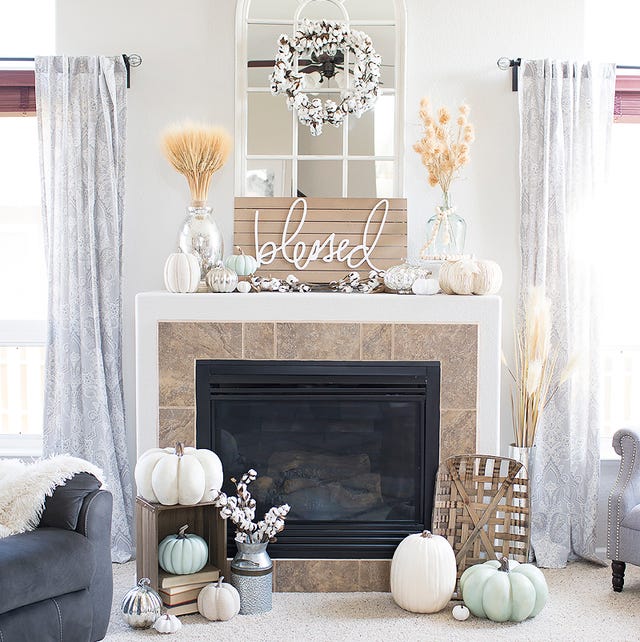
Transform Your Living Room into a Cozy Farmhouse Space

The Outdated Farmhouse Kitchen Is Getting An Industrial Upgrade

23 farmhouse decor ideas that hug your home in cozy authenticity

How do I make my kitchen look farmhouse? 12 elements experts always include
Is Farmhouse Design Still Trendy? What Designers Want You to Know
Modern farmhouse flooring - 10 ways to add rustic charm to your home from the ground up

Modern farmhouse kitchen ideas – how to achieve a country look even if you live in the city
6 Tips for Creating a Cozy, Charming Farmhouse Look
35 Farmhouse Kitchen Ideas That'll Add Endless Charm to Your Home

6 Farmhouse-Style Trends Designers Secretly Wish We’d Retire
Industrial kitchen ideas – how to incorporate the edgy trend into livable spaces
Design inspiration: How to create a farmhouse-style kitchen

Industrial decorating ideas for every room | loveproperty.com
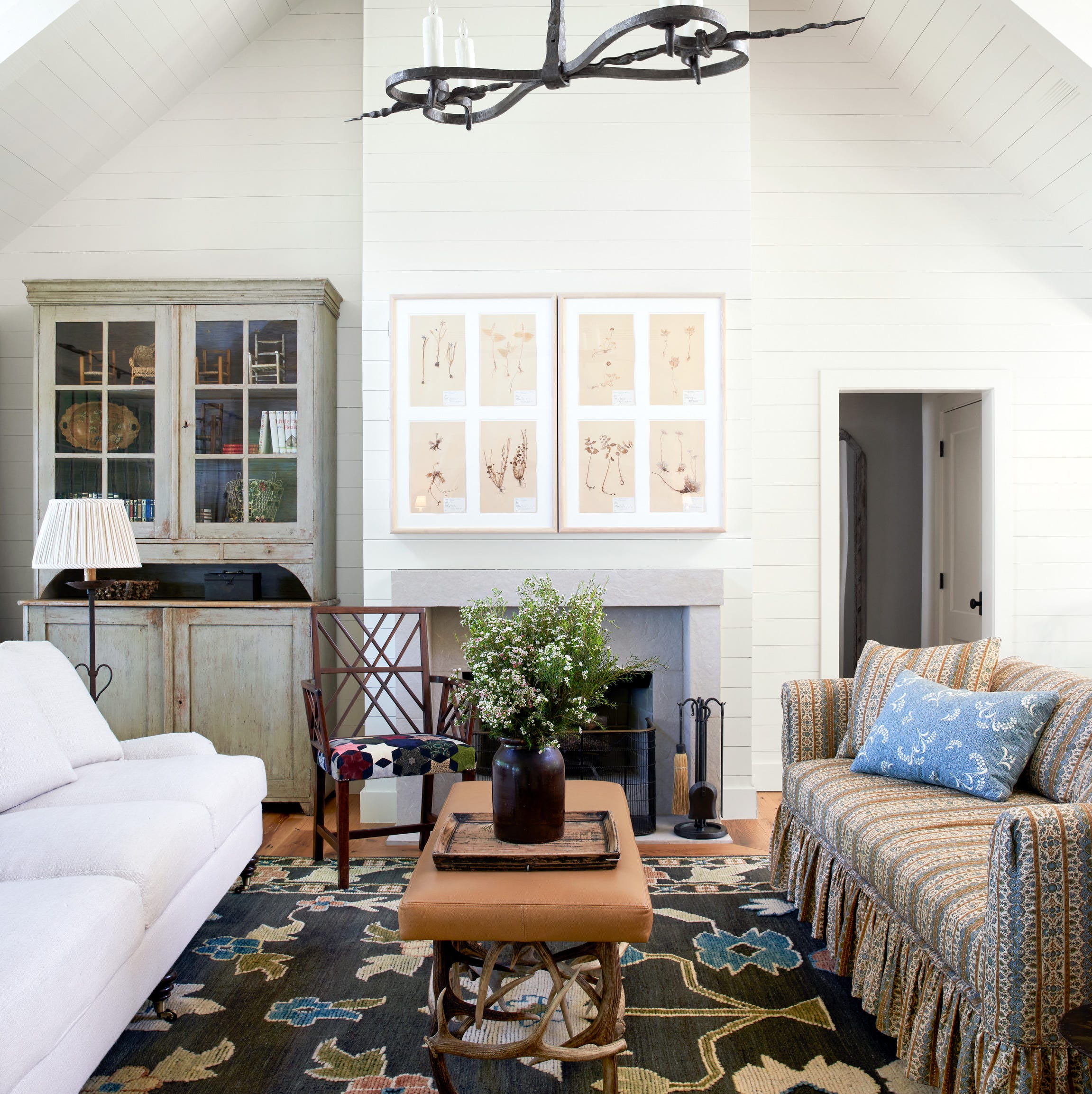
This One Trick Will Make Your Modern Farmhouse Look Less Dated
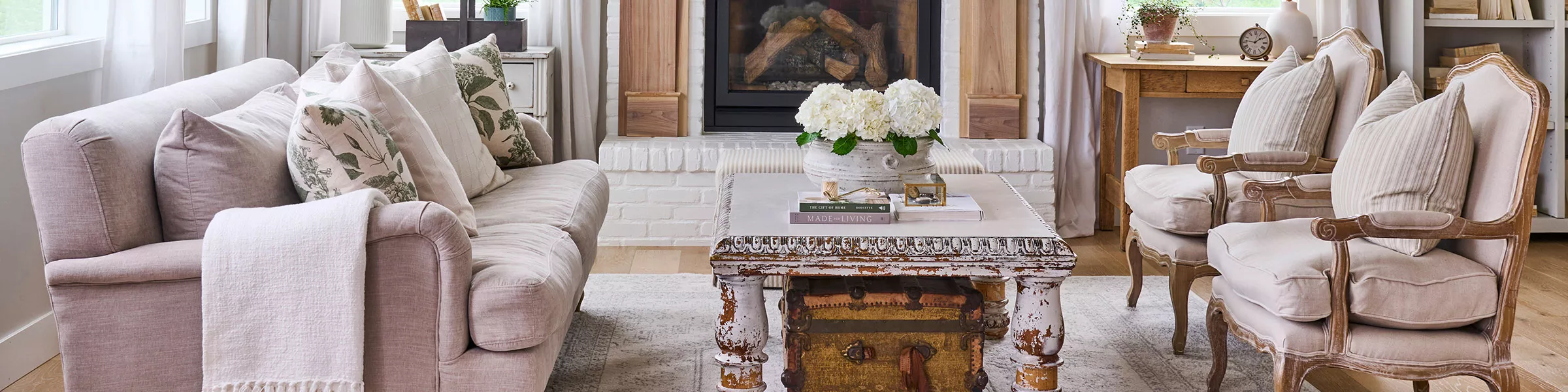
Farmhouse Decorating and Design Ideas