Gallery of Paul Clemence Captures Ingenhoven Architects’ Kö-Bogen II and Its Landmark Green Facade - 1
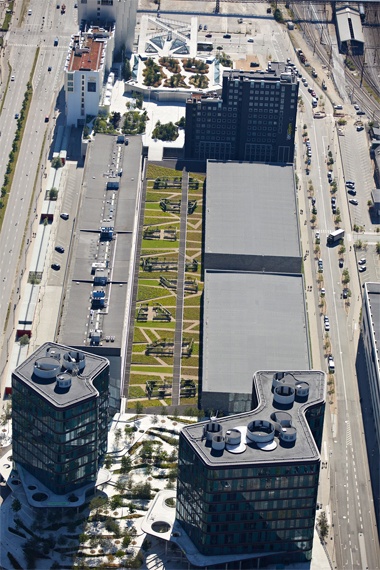
Paul Clemence has documented Ingenhoven Architects' Kö-Bogen II, an architectural project renowned for its extensive green facade, situated in Dusseldorf, Germany. This project features Europe's largest green facade, covering approximately 8,000 square meters with over 30,000 hornbeam hedges. The dense, natural cladding is a deliberate design choice aimed at enhancing the urban climate, reducing the urban heat island effect, regulating humidity, absorbing carbon dioxide, filtering pollutants, and fostering biodiversity. The facade's greenery is meticulously designed to change with the seasons, offering a dynamic visual experience throughout the year.
The Kö-Bogen II complex, comprising two main buildings, is strategically located in the heart of Dusseldorf's inner city, forming a gateway to the Königsallee. It is integrated into a larger urban redevelopment plan initiated in 2013, which involved relocating a major road underground to create space for a new urban park, the Hofgarten. This redevelopment aimed to reconnect the city center with its green spaces and improve the overall urban environment. The project is seen as a significant step towards creating a more sustainable and livable urban landscape, aligning with the principles of green architecture and urban ecology.
The design of Kö-Bogen II reflects a deep commitment to environmental sustainability and urban integration. The hornbeam hedges, selected for their resilience and ability to retain leaves throughout winter, provide a constant green presence. The vertical distribution of these plants mitigates the effects of solar radiation and contributes to natural cooling. This innovative approach to facade design not only serves an aesthetic purpose but also offers tangible ecological benefits, demonstrating how architecture can actively contribute to environmental stewardship in dense urban settings.
Photographer Paul Clemence's work emphasizes the building's interaction with its surroundings and its unique green skin. His images highlight the texture, scale, and seasonal variations of the facade, capturing the essence of Ingenhoven Architects' vision. The project challenges conventional urban development by prioritizing ecological benefits alongside architectural form and function. It serves as a model for future urban projects seeking to incorporate natural elements to combat climate change and improve air quality.
Kö-Bogen II stands as a prominent example of 'supergreen' architecture, a concept advocated by Ingenhoven Architects that integrates ecological principles into every aspect of design. The building's sustainable features extend beyond its facade, incorporating energy-efficient systems and materials. The project aims to create a healthier, more comfortable environment for its occupants and the surrounding community, while simultaneously promoting ecological balance. Its impact on the urban landscape is significant, offering a refreshing contrast to traditional glass and steel structures and encouraging a broader adoption of green building practices in urban regeneration efforts.
#PaulClemence #IngenhovenArchitects #KöBogenII #GreenFacade #Dusseldorf #SustainableArchitecture #UrbanGreenery #EnvironmentalDesign #HornbeamHedges #PaulClemence #IngenhovenArchitects #KöBogenII #GreenFacade #Dusseldorf #SustainableArchitecture #UrbanGreenery #EnvironmentalDesign #HornbeamHedges
0 comment in total
 No comments yet
You may also like
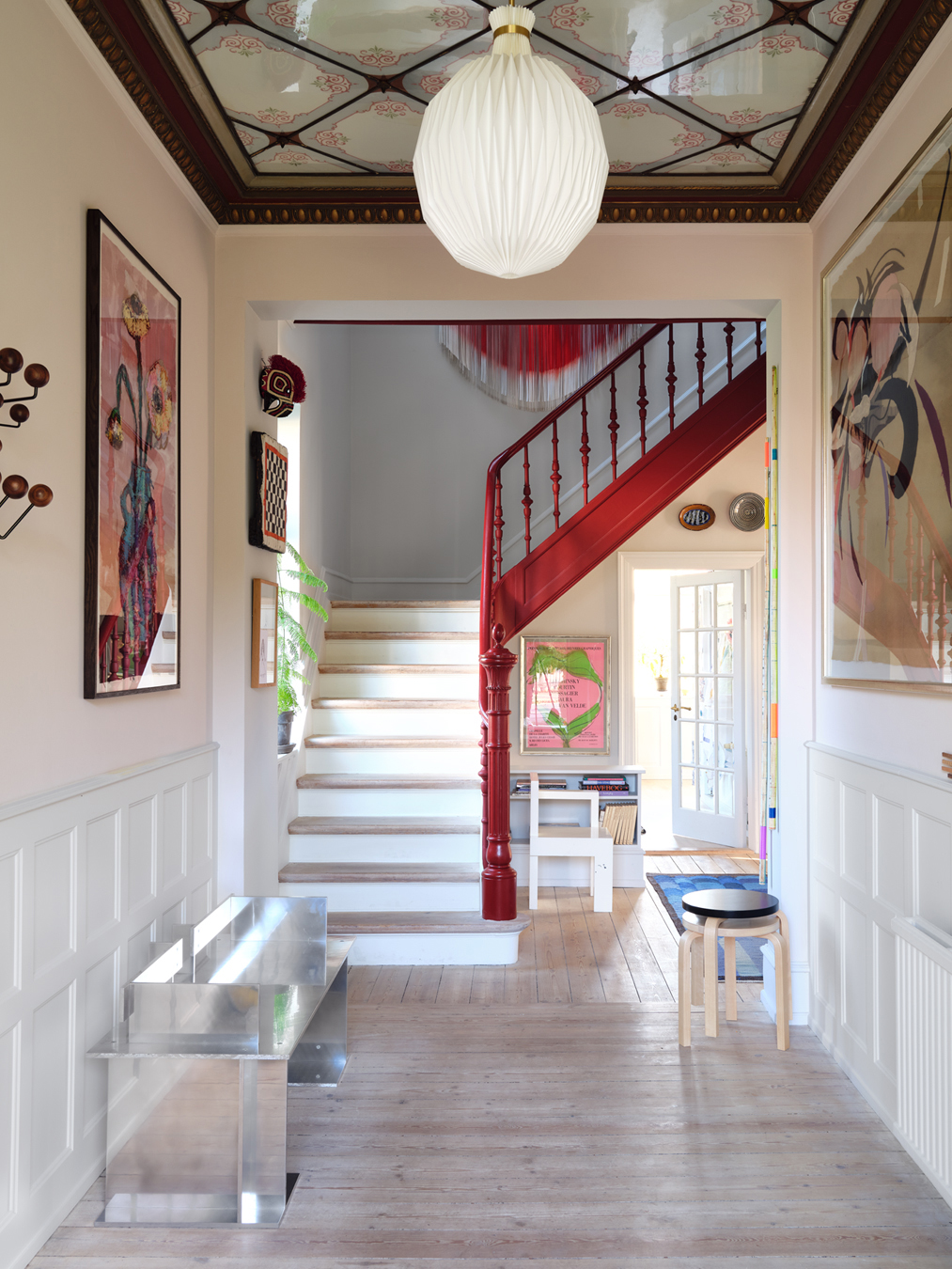
This Copenhagen Fashion Designer Wakes Up Every Morning to a Patterned Glass Ceiling

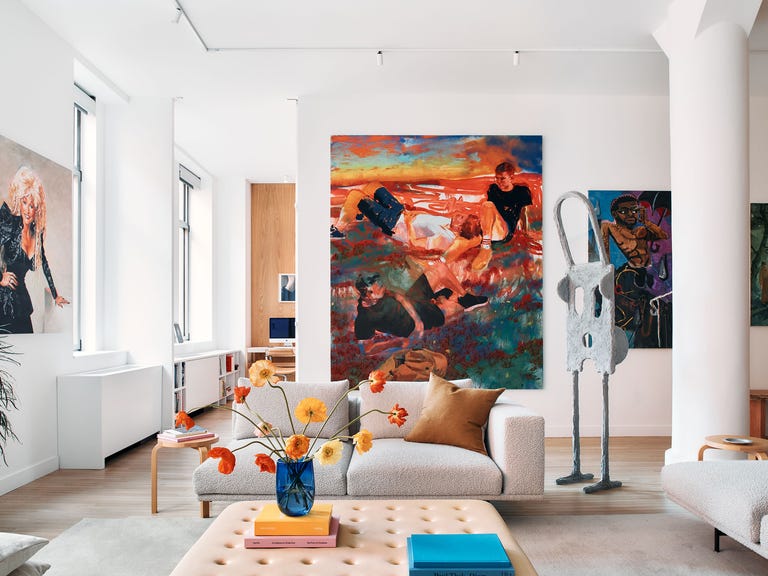
With 100 Artworks on Display, This New York Loft Takes Wall Real Estate Seriously

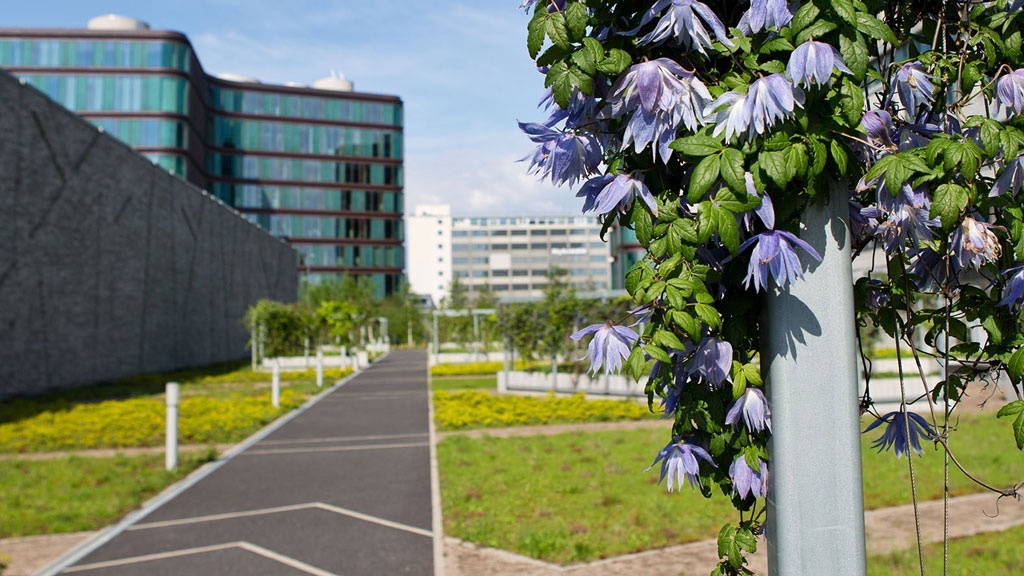
Danish National Archives Green Roof Garden (Rigsarkivets grønne taghave)
Copenhagen's Distinct Architecture Knit into Color-Blocked Urban Landscapes by Jake Henzler

Private Brussels Residence Vertical Garden & Greenroof
step inside KPF's beaux-arts inspired supertall skyscraper at 520 fifth avenue
Would You Live in this Ultra-Modern Brooklyn Home?
Cobalt Glassworks adds more luster to an East Side gem
Portland interior designer George Covin