Does Your Cooking Constantly Set Off the Fire Alarm? This Often-Overlooked Kitchen Appliance Might Be the Problem
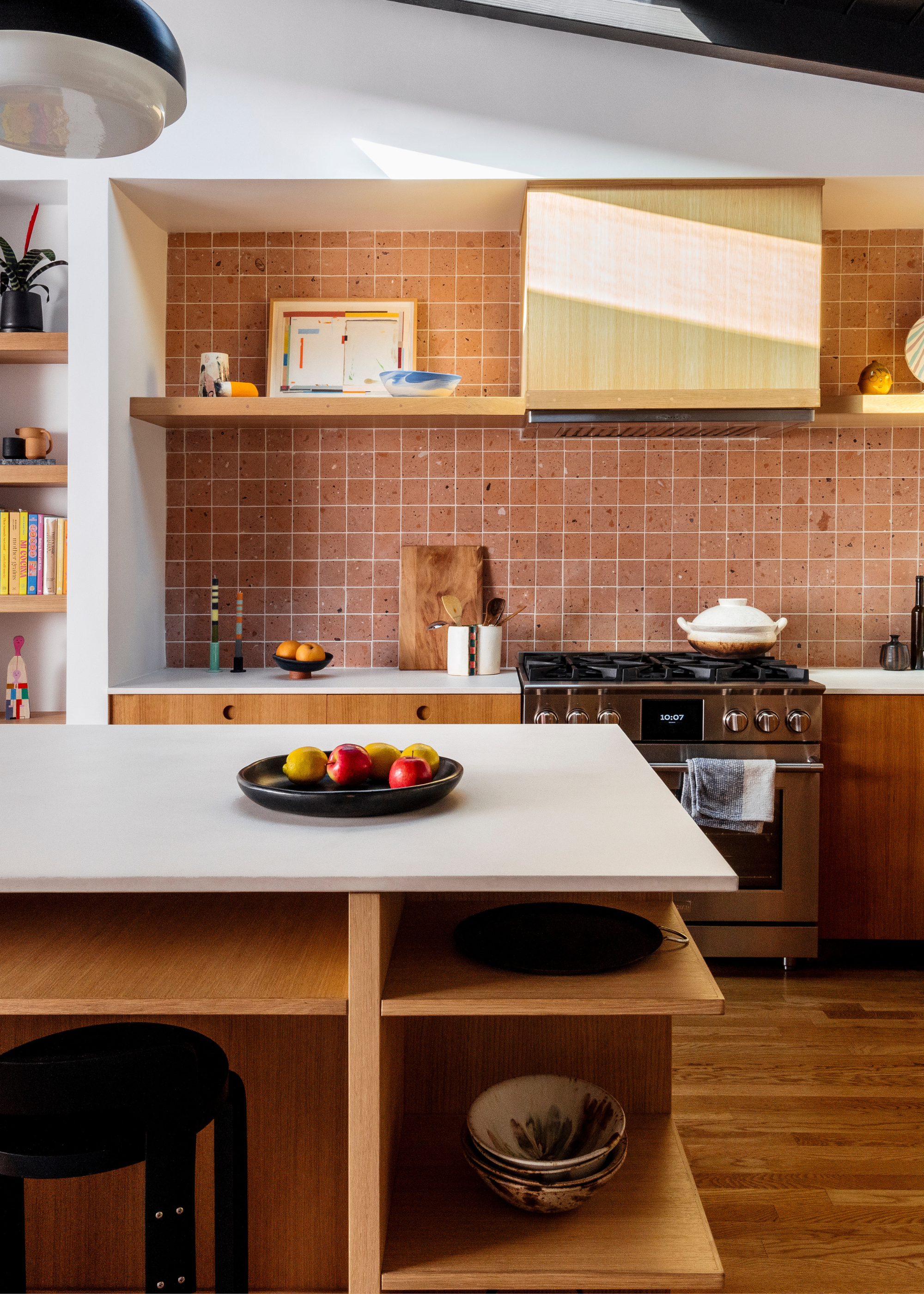
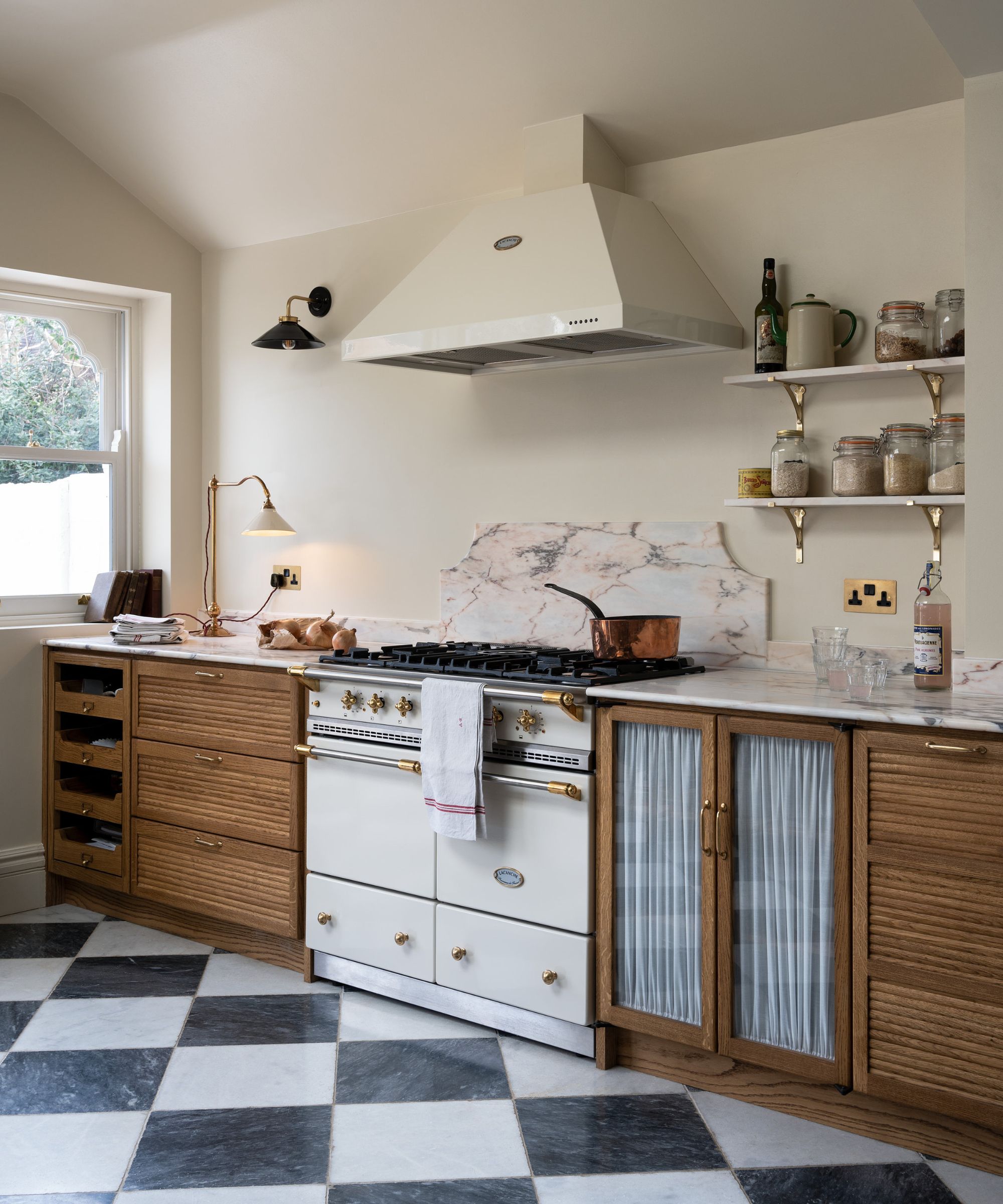
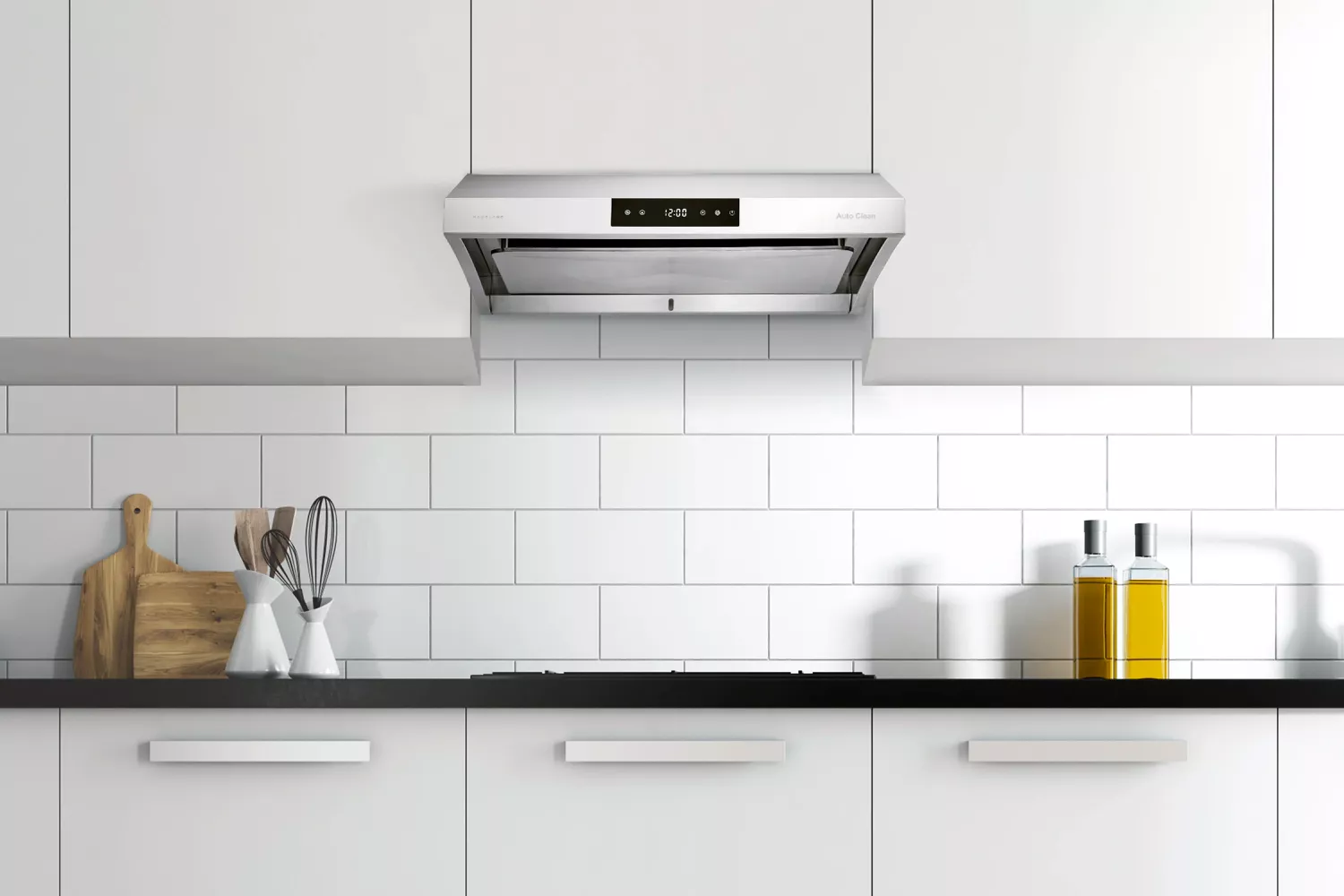
The selection of an appropriate range hood is crucial for maintaining a clean and clear kitchen environment, effectively mitigating lingering smells, grease accumulation, and smoke generated during cooking. More robust than standard kitchen fans or air purifiers, range hoods are designed to extract heat, grease, cooking odors, and smoke from the kitchen air. A primary consideration in range hood selection is its 'capture area' above the cooking surface, which must be adequate to allow the blower to effectively capture and filter airborne contaminants before expelling them. Beyond functionality, range hoods also serve as a significant aesthetic element in kitchen design, impacting the overall visual appeal of the space.
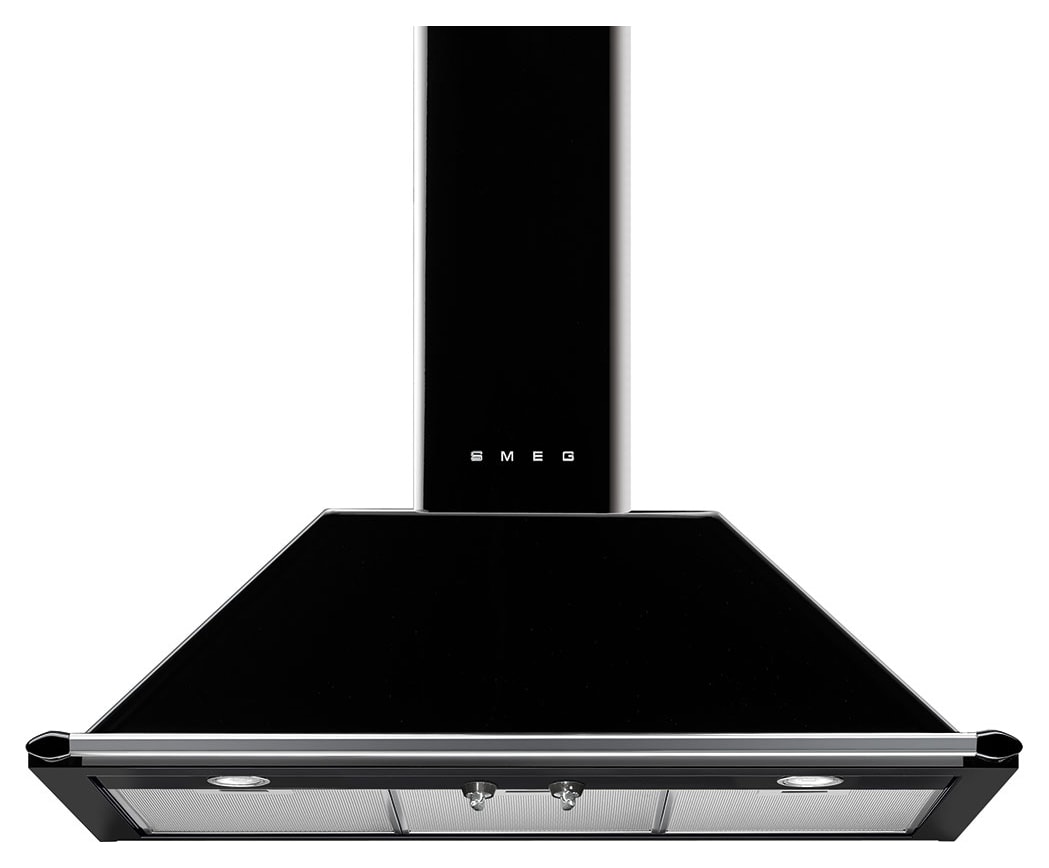
Several factors influence the choice of a range hood, including its mount type, noise level, and the existing or planned ducting infrastructure. Mount types vary, with common options being wall-mounted, under-cabinet, ceiling-mounted for island or peninsula stovetops, and insert hoods that integrate seamlessly into cabinetry. Each type addresses different kitchen layouts and design preferences. The vent type—ducted or ductless—is another critical decision. Ducted range hoods vent air to the outside, offering superior performance but requiring outdoor ducting installation, which can be complex and costly if not already present. Ductless hoods, conversely, recirculate filtered air back into the kitchen, are generally easier to install, and are more energy-efficient, though their filters require regular replacement.
Airflow capacity, measured in cubic feet per minute (CFM), dictates a hood's power to extract air. The necessary CFM largely depends on the type and power of the cooking range; gas stoves, for instance, typically demand higher CFM ratings due to increased production of smoke and pollutants. As a general guideline, an electric stove requires at least 100 CFM per foot of width, while gas stoves need about 100 CFM per 10,000 BTUs. Fan speed settings are also important, allowing users to adjust airflow based on cooking intensity and the amount of smoke or odors produced. Multiple speed options provide greater control over kitchen ventilation.
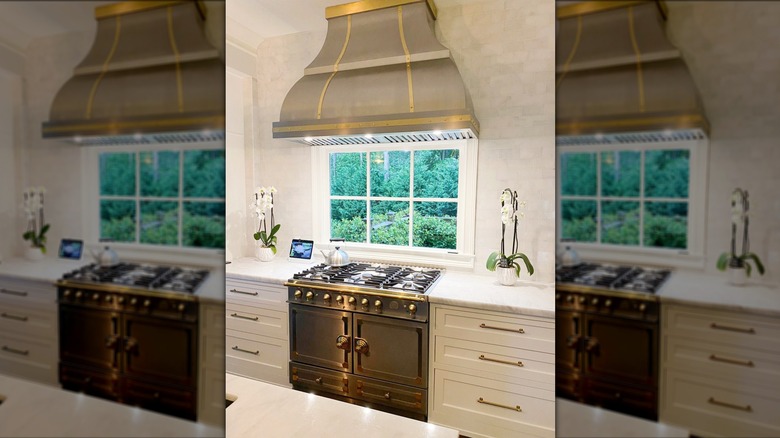
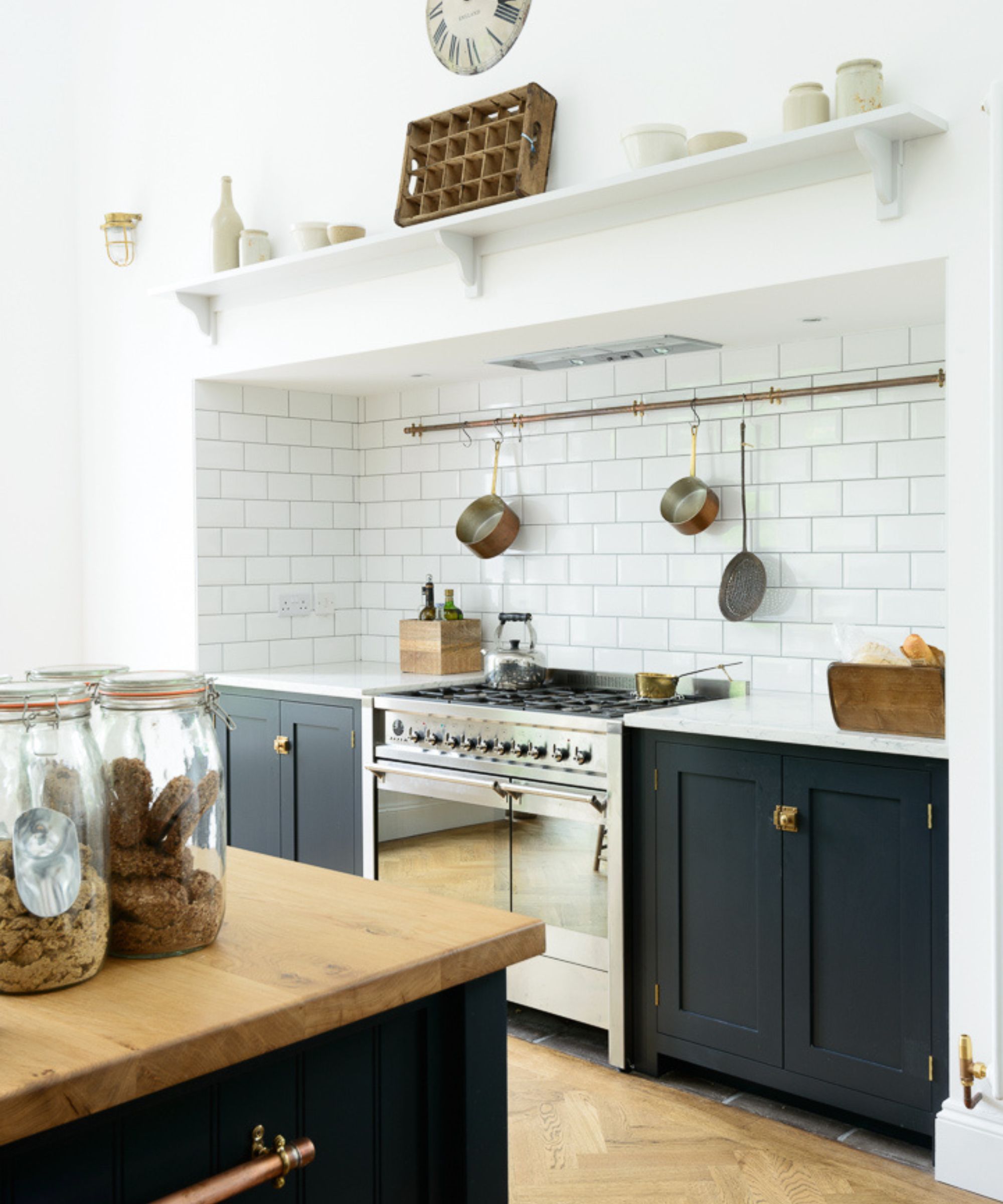
Installation height is typically recommended to be between 30 and 36 inches above the burners, though local building codes may impose specific requirements. The width of the range hood should generally match the width of the stove for optimal performance. However, for higher mounting positions, a wider hood may be necessary to enhance capture efficiency and often contributes to a more balanced aesthetic. While installing a range hood can be a DIY project for those with electrical and ventilation system knowledge, complex models or specific kitchen configurations may necessitate professional installation. Convertible range hoods offer flexibility, allowing them to function as either ducted or ductless units by adding or removing a specific filter, making them adaptable to different installation scenarios. These considerations collectively guide the selection of a range hood that effectively meets both the functional and aesthetic demands of a modern kitchen.
#RangeHoods #KitchenVentilation #HomeAppliances #KitchenDesign #CookingEfficiency #AirQuality #KitchenUpgrade #InteriorDesign #ApplianceReviews #RangeHoods #KitchenVentilation #HomeAppliances #KitchenDesign #CookingEfficiency #AirQuality #KitchenUpgrade #InteriorDesign #ApplianceReviews
0 comment in total
 No comments yet
You may also like
Don’t Even Think About Having a Fire at Home Without This One Essential Product

A Kitchen Torch Is More Useful Than You Think — We Burned Countless Crème Brûlées to Find the Best Ones

The 5 Best Gas Stoves and Ranges of 2026 | Reviews by Wirecutter


The Kitchen Detail You've Been Overlooking That Can Have A Major Impact

The 5 worst places to put a microwave in a kitchen, according to experts

It’s My Job to Shop for Kitchen Items, and These Are My Favorite Amazon Finds of the Month

How to Properly Babyproof a Fireplace

I Tried the Tesla of Induction Stoves. It Could Be the Future. | Reviews by Wirecutter

The kitchen gadgets people swear by — You’ll wonder how you ever cooked without them

This Is the #1 Mistake to Avoid When Using an Air Fryer, According to TikTok

Cooker Hoods

Range cookers are replacing kitchen islands as the heart of the home – here's how to style one in any scheme


Minimalist Fire Safety Concept That Belongs in the Modern Kitchen

Where To Place Your Carbon Monoxide Alarms

6 Mistakes With Your Kitchen Stove's Feng Shui to Avoid

The Best Electric Ranges for a Functional and Stylish Kitchen

6 places you should never put your air fryer in your kitchen, according to appliance experts
If you can see your kitchen stove from your front door, you need to change that – here's why
This Forgotten Kitchen Feature Is Popping Up More and More


Worried About Your Gas Stove? Here’s What to Do. | Wirecutter