1/6
Artist Chris Schanck Wants to Transform Your Living Room Into Something Otherworldly
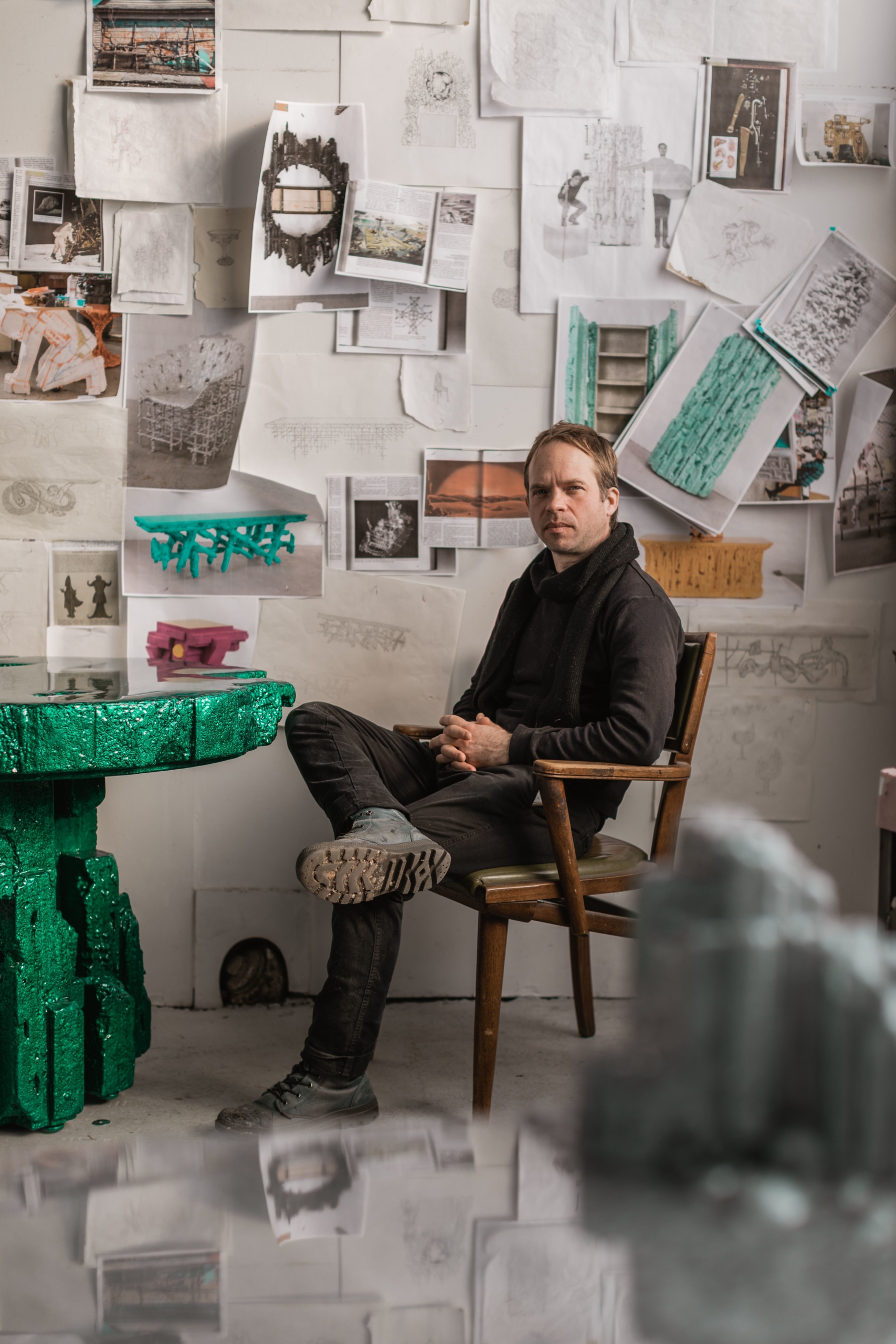
This blog post features an interview between sculpture artist Nikita Gale and artist Chris Schanck, focusing on Schanck's functional sculptures and his exhibition "Shuddering" at Reyes Finn Gallery in Detroit. Schanck's work, characterized by clashing colors, bulky shapes, and transformed junkyard materials, reimagines furniture like chairs and cabinets into otherworldly objects. These pieces reflect his relationship with his native city, Detroit, and its industrial landscape, blending elements of 1980s aesthetics with science fiction.
Schanck discusses the inspiration behind his unique approach, highlighting a collaboration with his mother on a chandelier. He explains how his mother, Carol, was his first art teacher and mentor, and how his artistic practice, initially diverging into more conceptual work during his time at SVA, eventually led him back to a collaborative project with her to bridge the gap that had grown between them. He notes that his early conceptual work, involving found objects and temporary installations, surprisingly mirrored his mother’s intuitive process of collaging available materials.
The conversation delves into the universal appeal of furniture as a starting point for artistic exploration. Schanck emphasizes that objects like chairs are universally understood, and this familiarity allows him to build upon them, adding decorative elements that alter the viewer's physical and emotional experience. He illustrates this with a poignant story about his grandmother's hospital-issued wheelchair, which his mother transformed with ribbons and lace into something comforting, demonstrating how emotional and physical well-being can converge in art.
Schanck also explores the concept of ancestral memory and its influence on his work, particularly drawing inspiration from ancient geological formations in caves. He hypothesizes a Jung-like genetic memory of living in such spaces and aims to introduce this "strangely familiar past" into contemporary domestic landscapes through his designs. This idea connects to his fascination with landscape and how his immediate environment shapes his creative process.
The artist describes how living in Detroit, and specifically his neighborhood, has profoundly impacted his art. He observes the material culture of his community, where generational handiwork, repairing homes, and elaborate gardening infrastructures made from salvaged materials are common. He notes how residents collect and bind disparate elements to create functional yet visually chaotic structures. This observation led him to appreciate the intentionality and purpose behind what might initially appear as disarray, inspiring him to rethink his own relationship with materials.
Schanck reflects on the piles of discarded furniture and objects that appear on Detroit streets each spring and summer. Initially viewing them as mere garbage, he later reinterpreted them as symbols of transition and human stories—whether signifying upward mobility or difficult life changes like eviction. This perspective allows him to see these items not as waste, but as imbued with history and a "residual energy" from their past lives, which he then reanimates in his art. The conversation concludes with Schanck recounting a vivid childhood memory of delivering newspapers with his father, enduring the nausea caused by ink fumes, and how this experience parallels the uncomfortable, yet necessary, stages of the creative process—a metaphorical "mental throwing up" required to push past old ideas and create something new.
#ChrisSchanck #NikitaGale #FunctionalSculptures #DetroitArt #InteriorDesign #FoundObjects #ContemporaryArt #CreativeProcess #ArtExhibition #ChrisSchanck #NikitaGale #FunctionalSculptures #DetroitArt #InteriorDesign #FoundObjects #ContemporaryArt #CreativeProcess #ArtExhibition
0 comment in total
 No comments yet
You may also like

Nine creatives designing dreamy renderings
Home & Design | Art + Soul
32 Products For The Person Whose Home Style Could Best Be Described As “Eclectic”

4 Things In Your Living Room Guests Notice Immediately
How to transform your home with art
Inside Interior Stylist Olga Naiman's Brooklyn Apartment

5 apps that can help you create a room you will love


Smart Solutions Make This Sophisticated Conservatory Sing

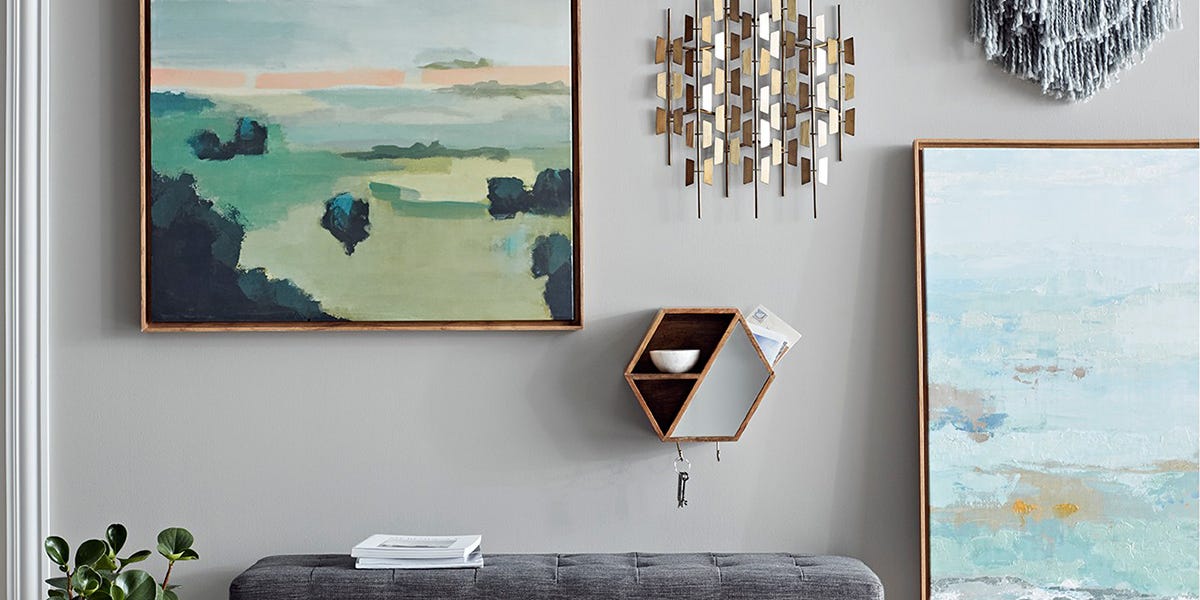
3D Wall Art Literally Adds Dimension to Your Space
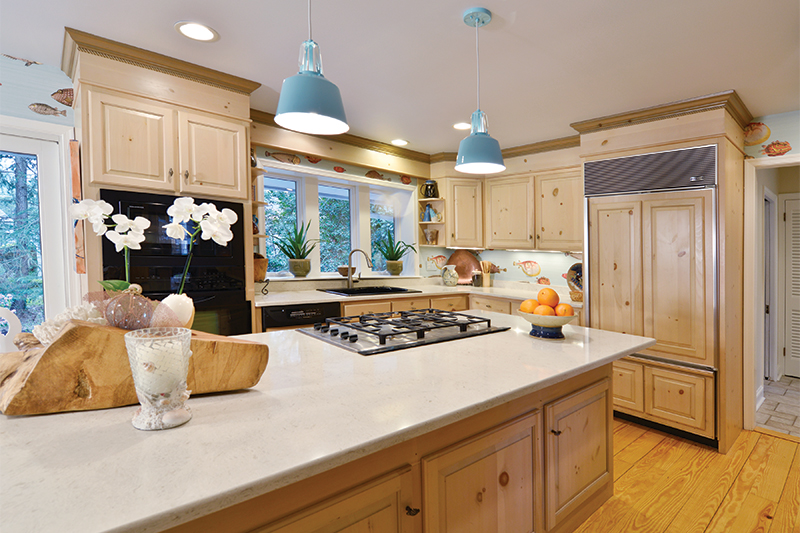
Peek Inside a Dreamy Designer Show House
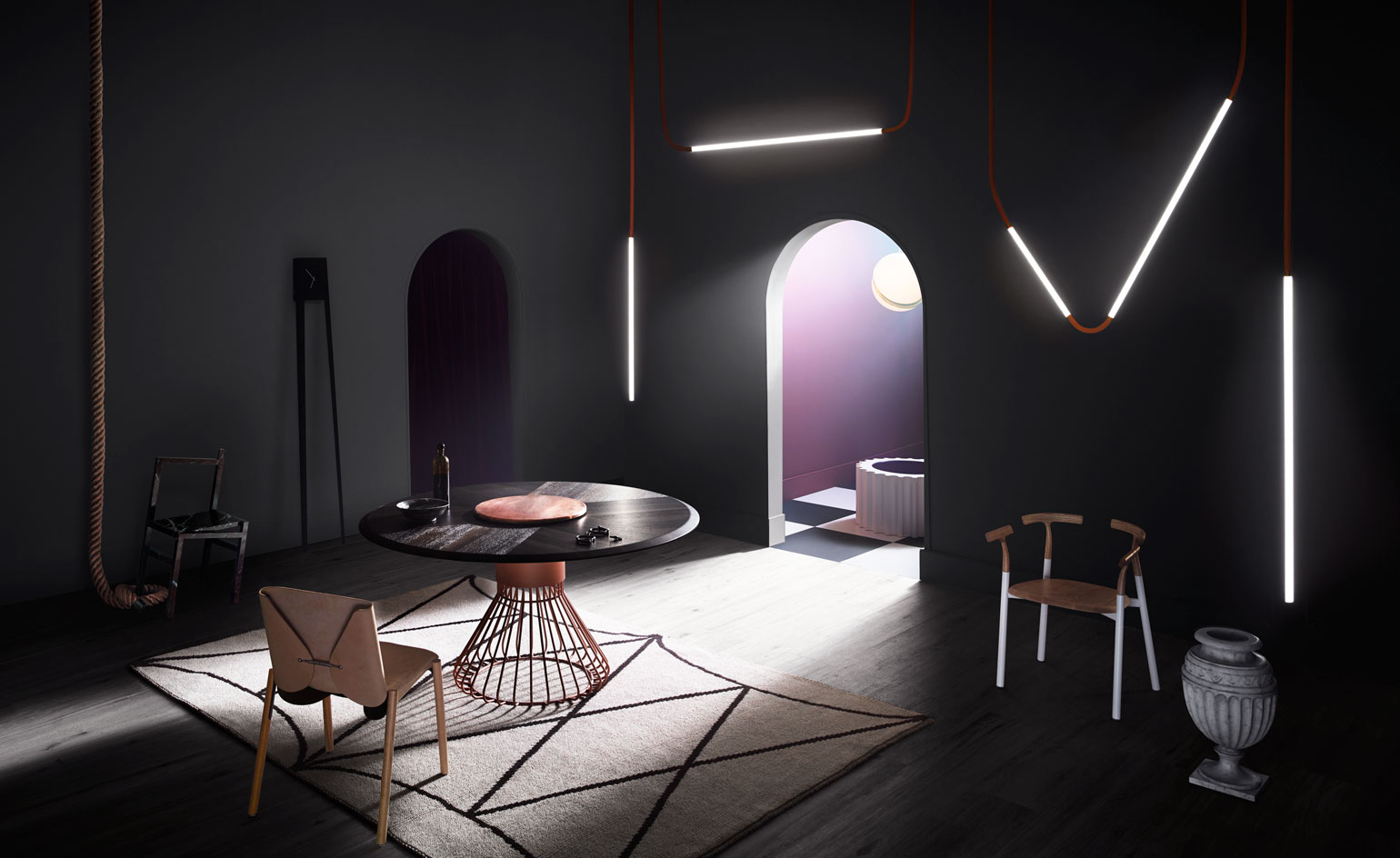
Black magic: we're escaping to a better place with illusions of grandeur

Meet Shaniece Jones
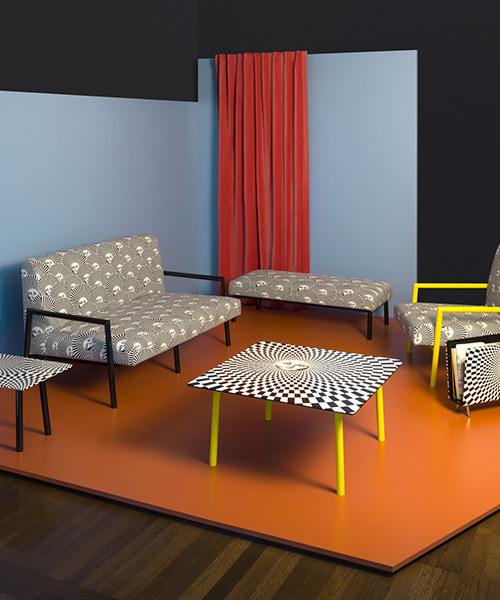
fornasetti unveils five 'unusual living rooms' as proposals for fantastical interior settings
How to Outfit a Weirdcore Bedroom Full Of Mushrooms and Slime Green
New: Visionary Showroom Can Help Make Your Home Renovation Dreams a Reality
See How a Designer Embraced a Love of Contrasts to Transform a Bedroom
Kit Kemp Talks How to Bring Color, Calm and Mythical Creatures into Your Room

Preview: Squeakross Combines Nonograms With Interior Decorating

This Designer's Clever Trick Will Transform Any Open-Concept Living Space
Murals Have Moved In