1/11
All the Ways You Can Riff on Basic Square and Rectangular Tile
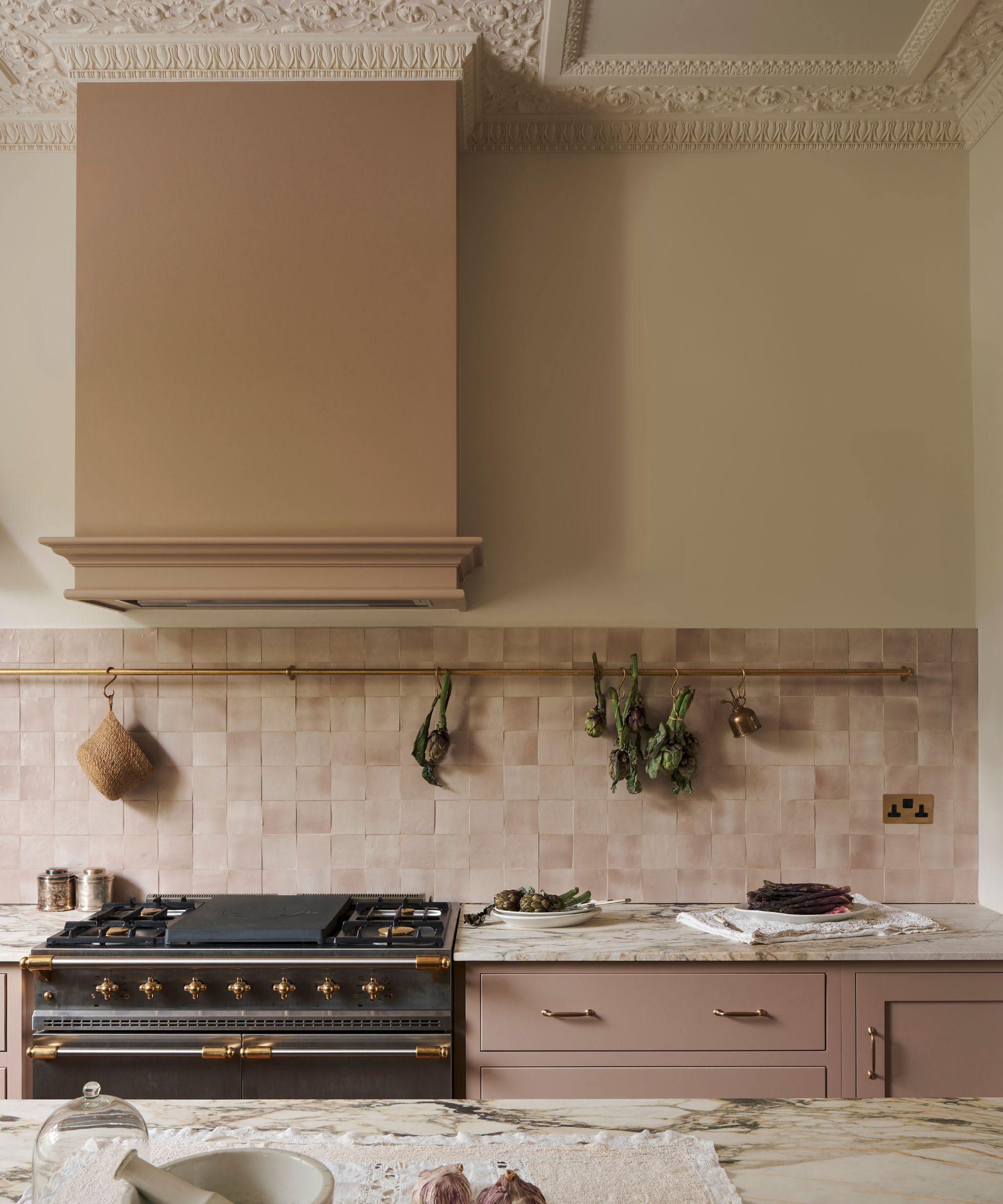
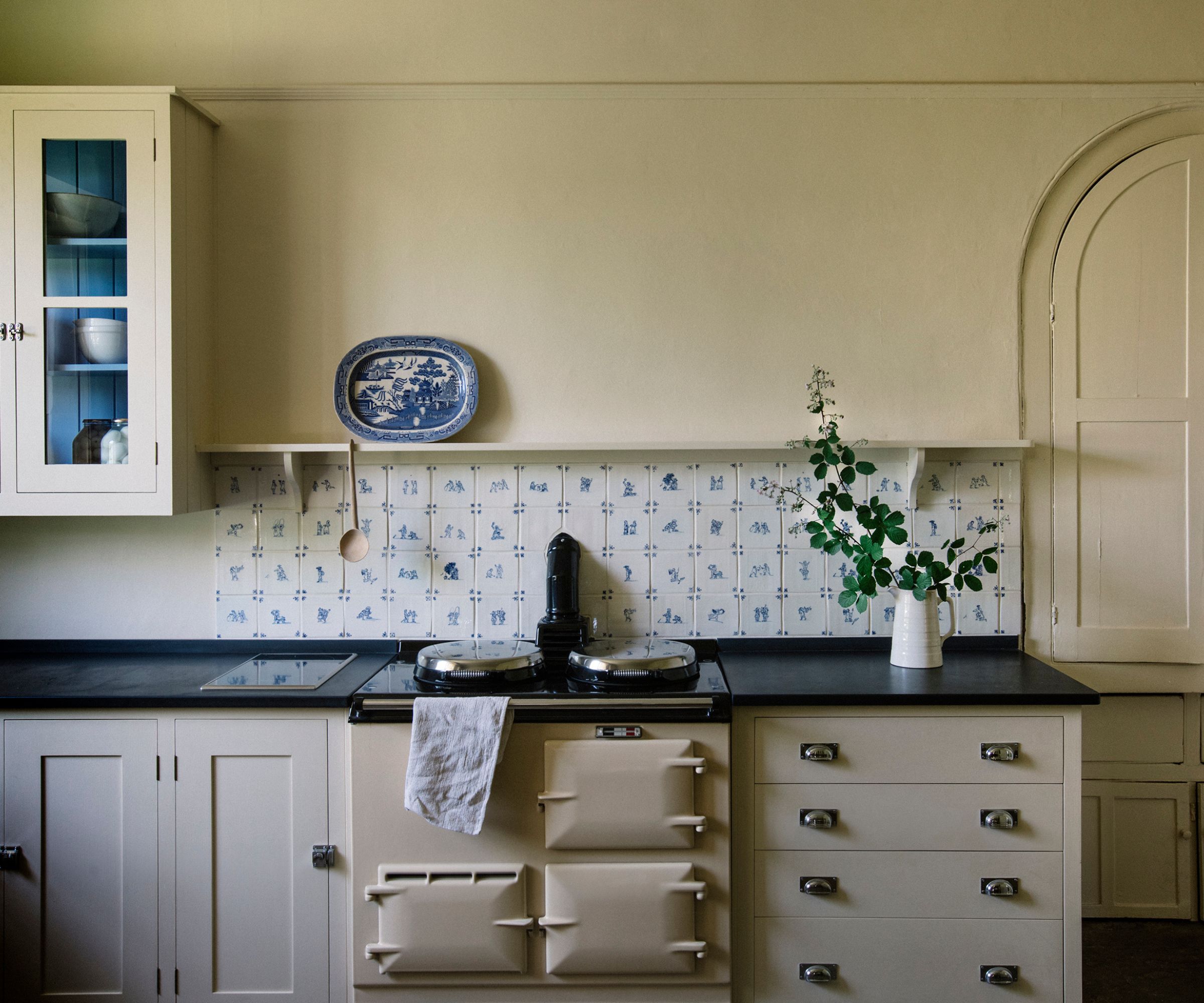
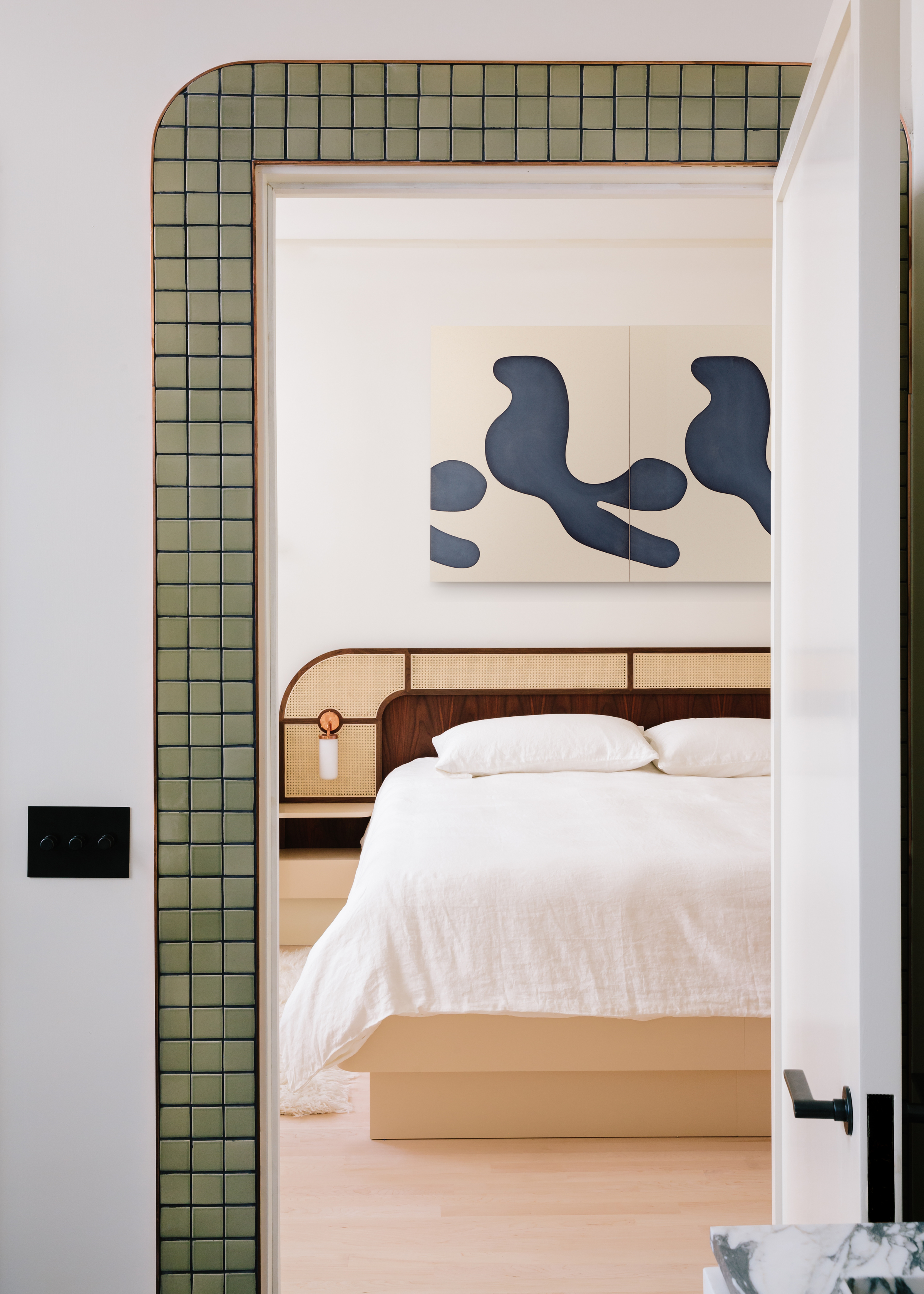
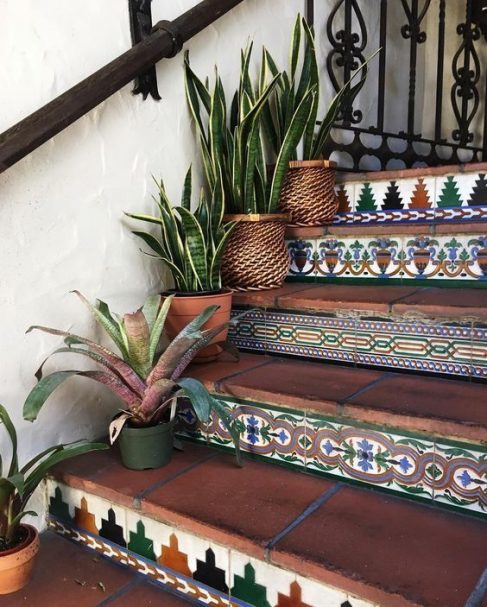
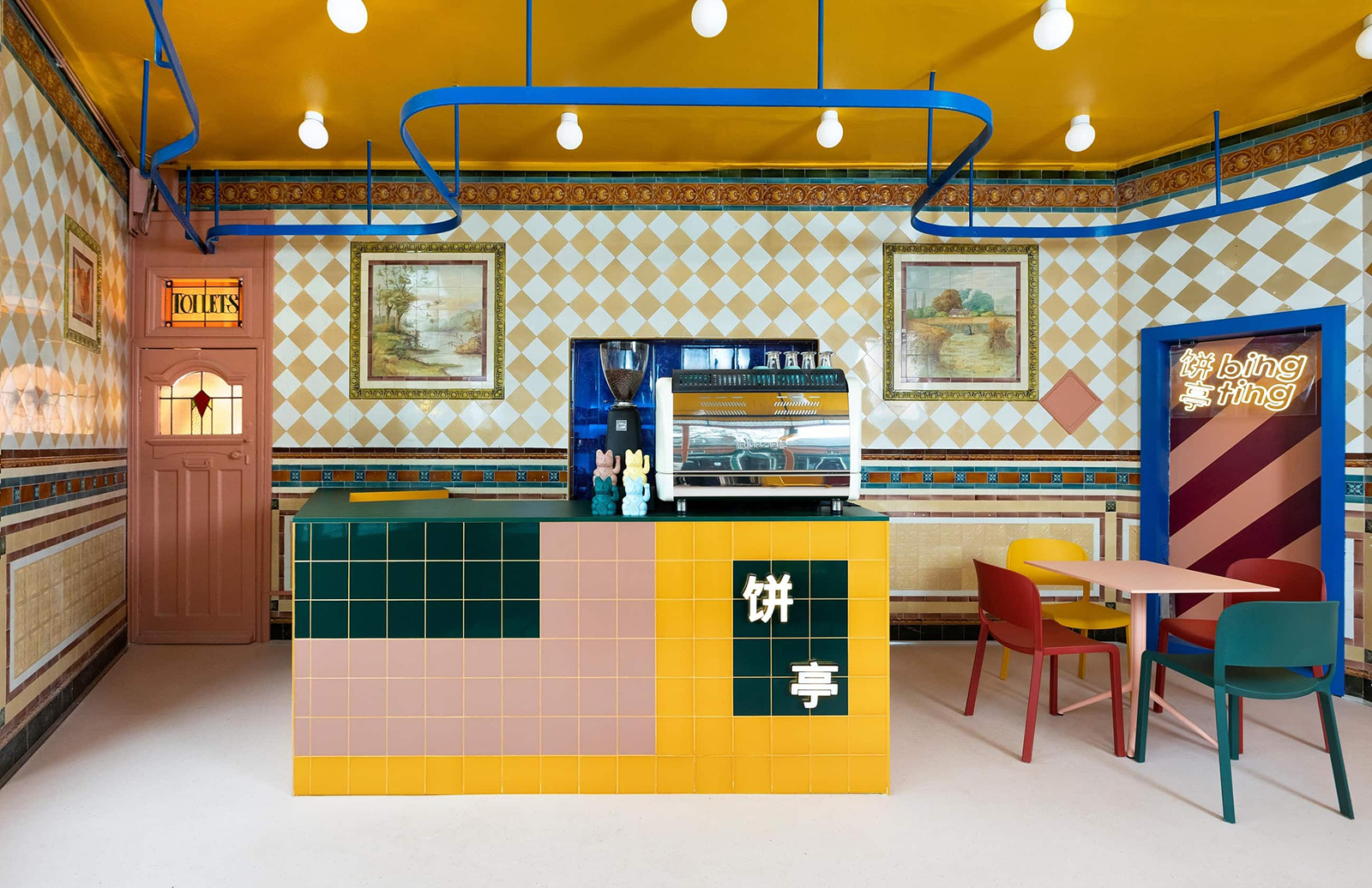
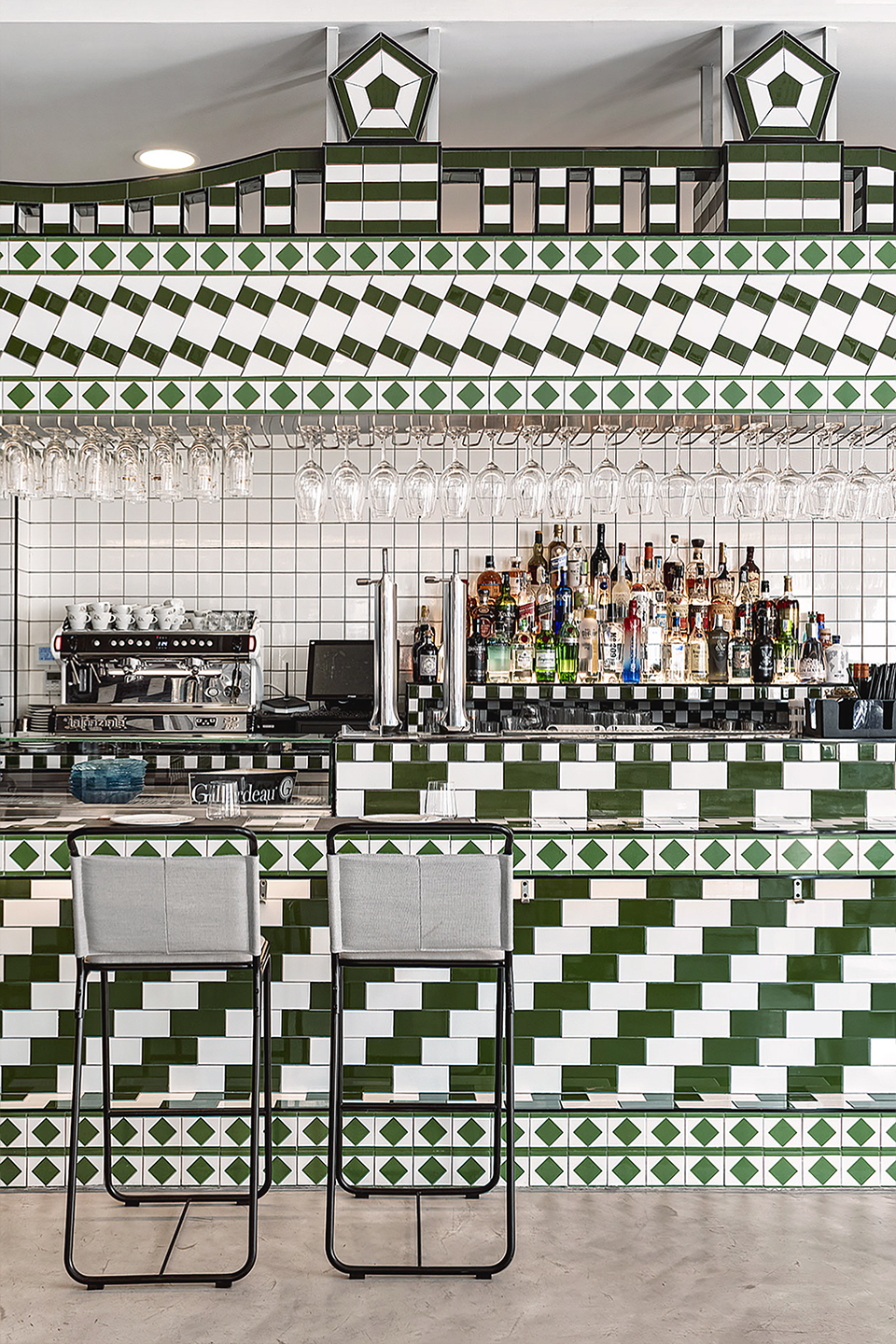
The design possibilities for basic square and rectangular tiles are vast, extending far beyond simple arrangements. An exemplary illustration of this creativity can be found at La Sastrería, a restaurant in Valencia, Spain, where more than 15 distinct tile patterns adorn various surfaces, including walls, window trims, and countertops. Masquespacio, the design firm behind the interior, estimates the extensive use of diverse patterns. This intricate yet harmonious mix draws inspiration from the detailed architectural facades prevalent in the beachfront Canyamelar-Cabanyal neighborhood where the restaurant is located. A closer examination of these complex designs reveals that they are fundamentally composed of simple square and rectangular shapes.
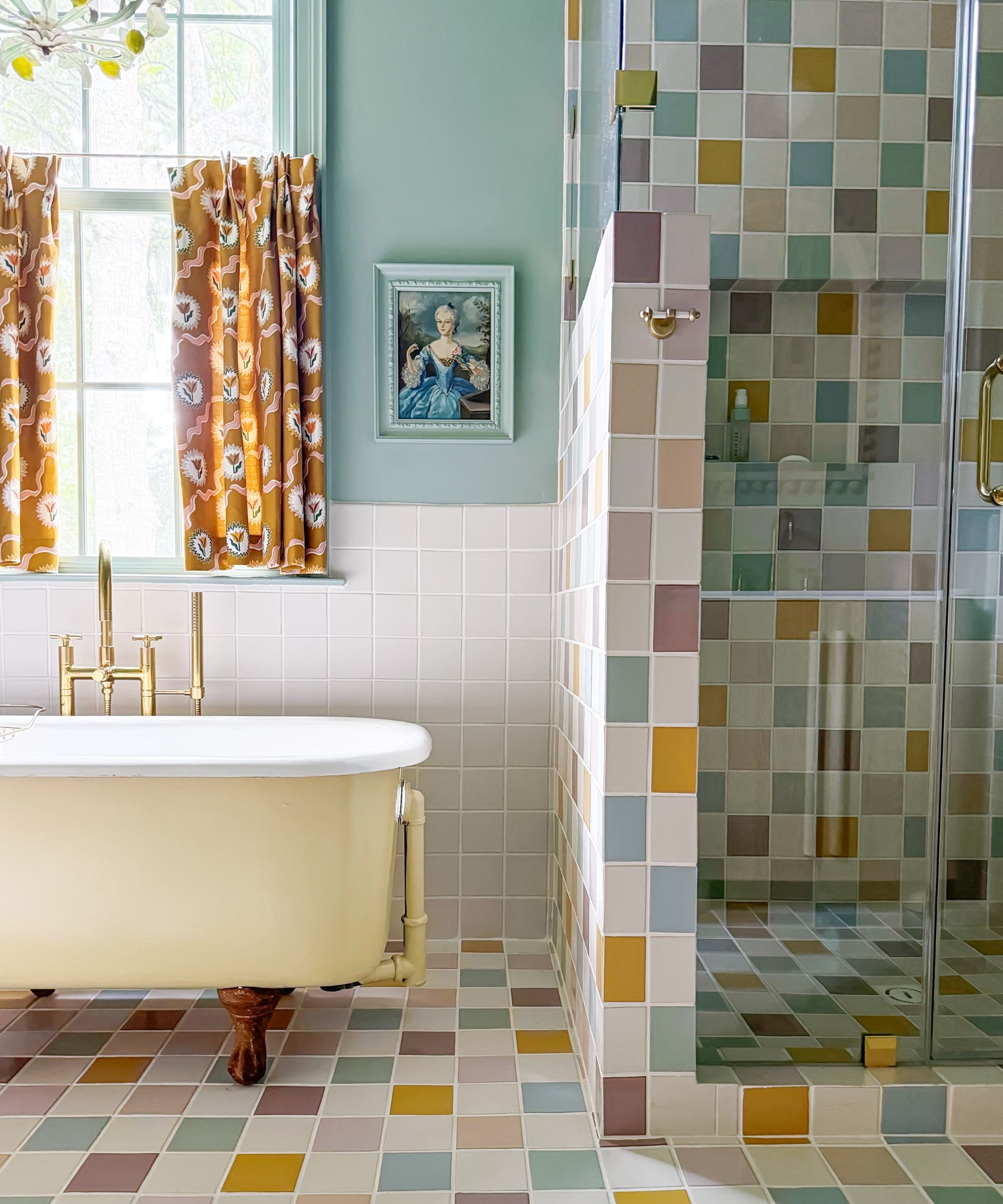
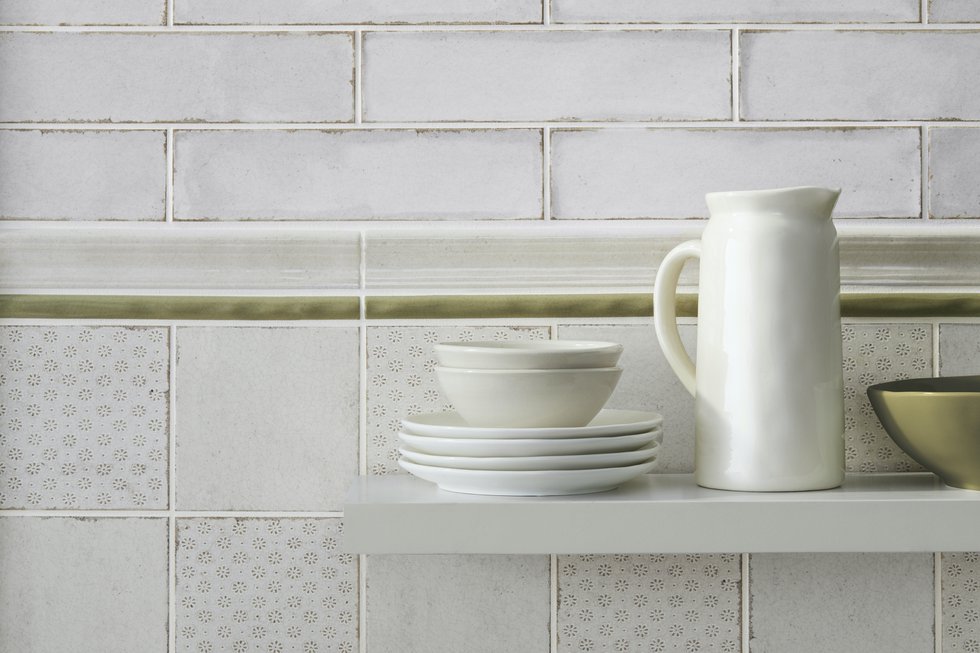
The key to achieving such dynamic and varied aesthetics lies in subtle manipulations: slight adjustments in shape orientation, variations in the ratio of colored to white subway tiles, or changes in scale. These small alterations can transform classic stripes and contemporary checkerboard patterns, imbuing them with renewed vitality. The distinction between a mundane and a visually striking arrangement often comes down to mere centimeters. Replicating a similar mélange of tile patterns in a home setting encourages imaginative design without necessarily incurring significant costs. For instance, standard 3-by-6-inch subway tile typically ranges from $7 to $13 per square foot, excluding the cost of sealant and grout. Furthermore, compelling designs do not require a multitude of colors; often, just two hues are sufficient to create an impactful setup.
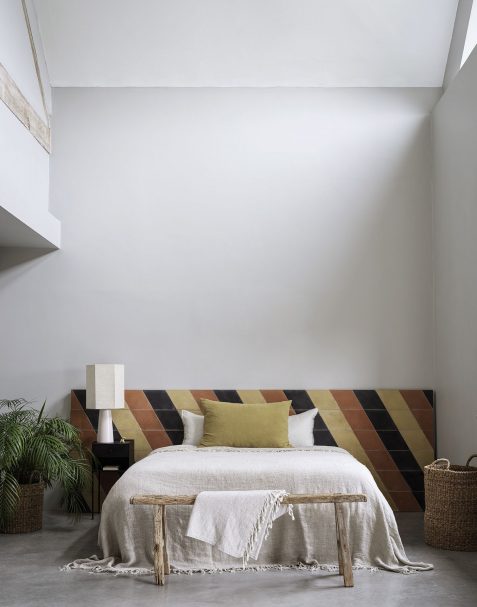
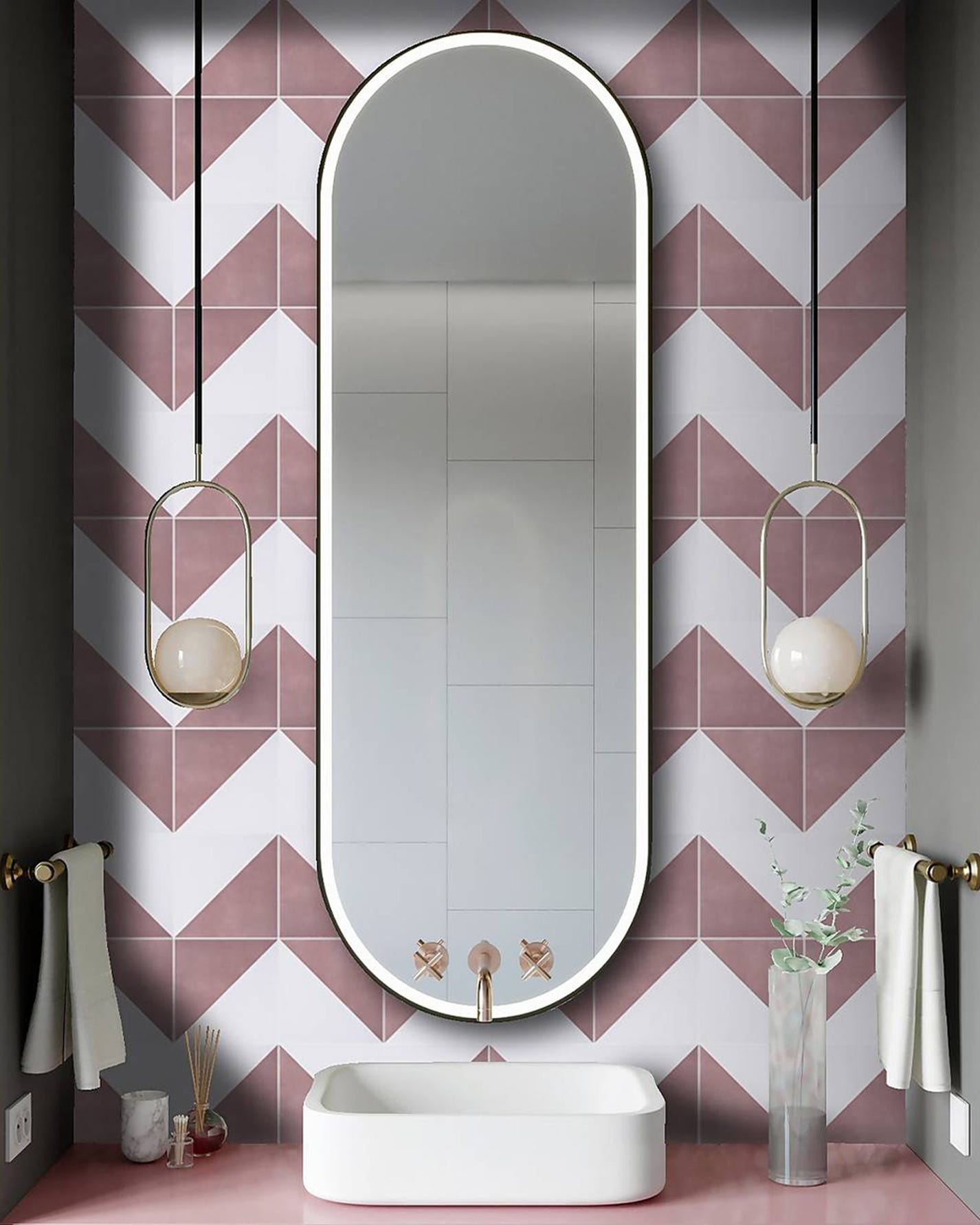
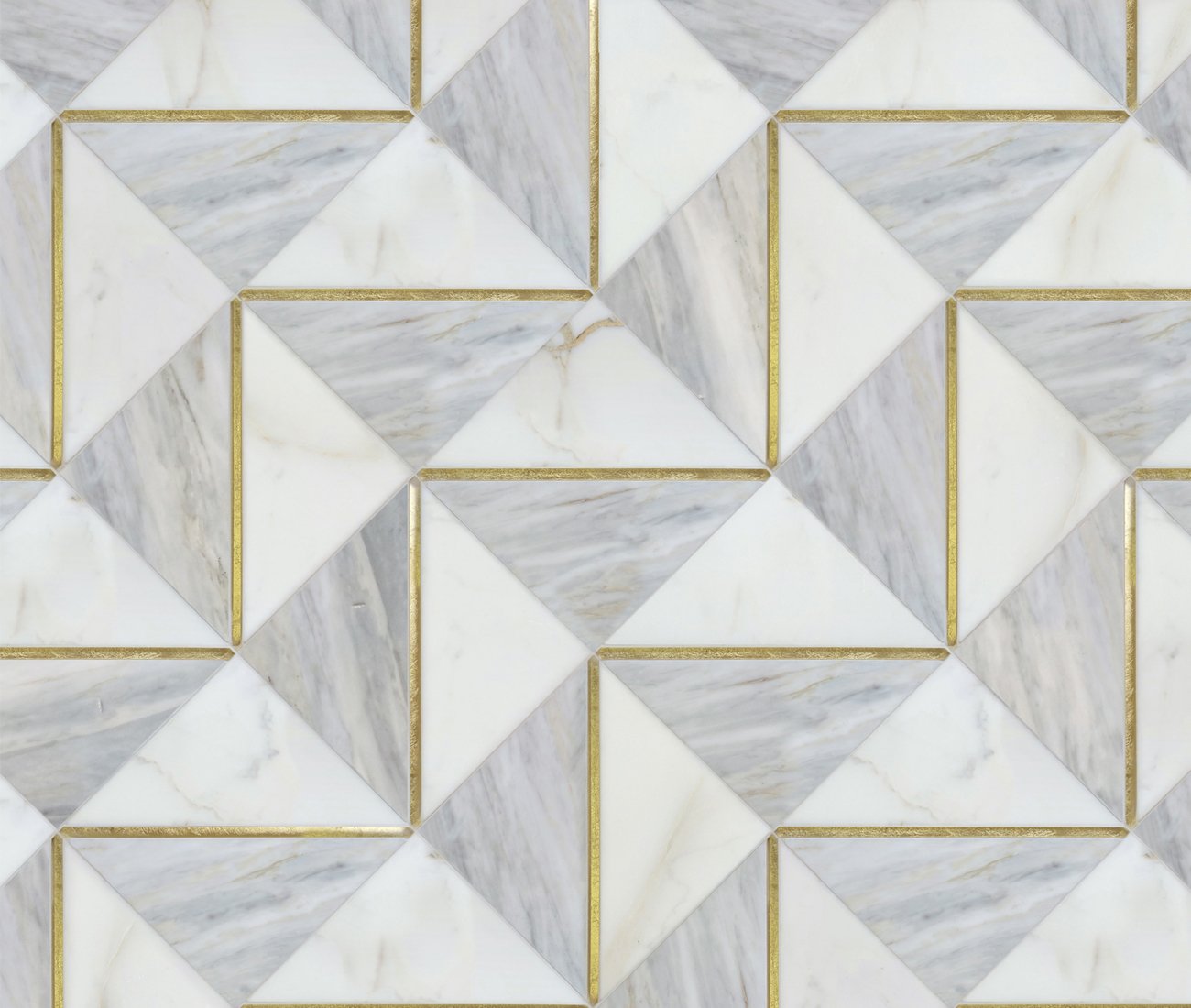
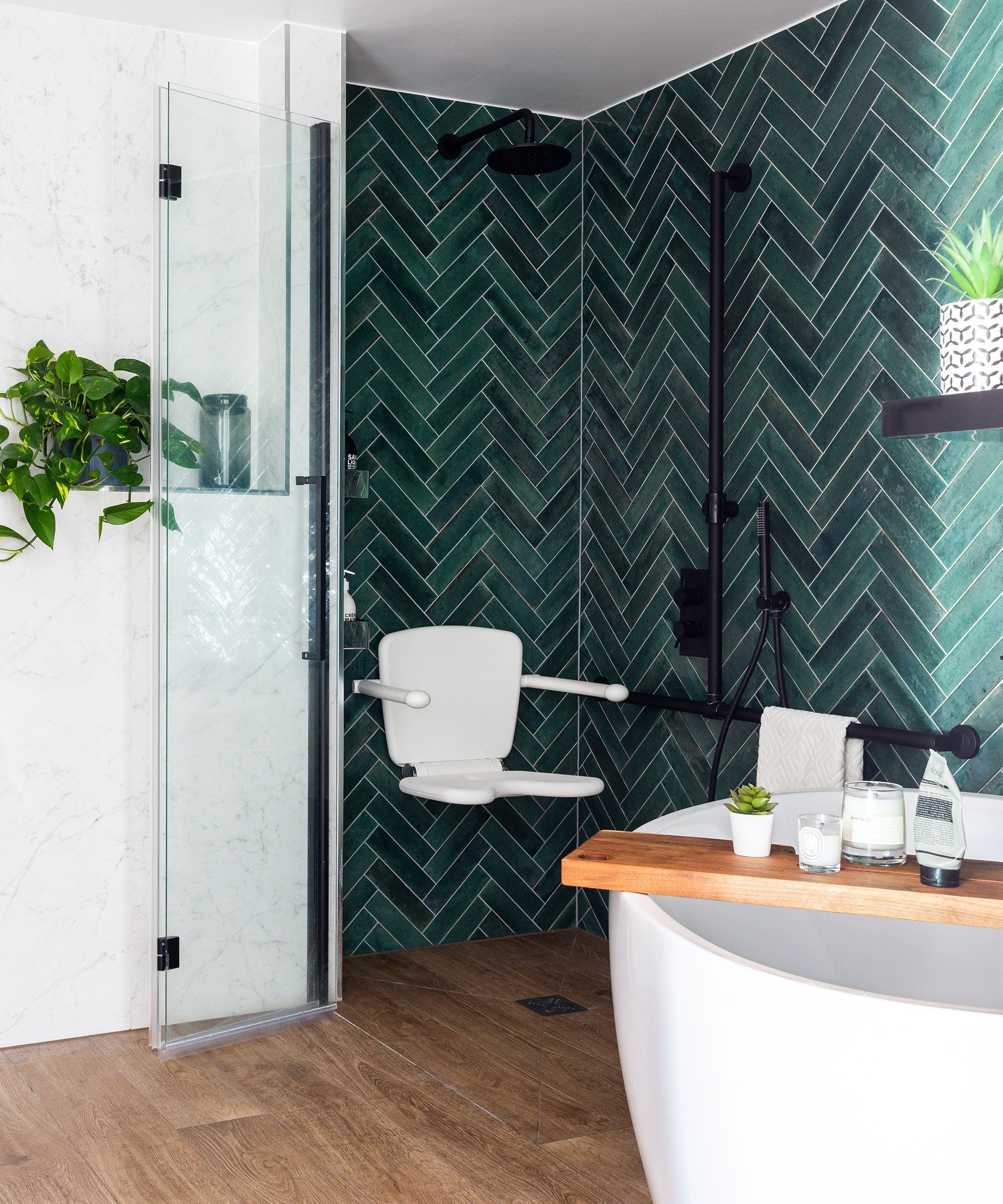
This article outlines several artful arrangements for square and rectangular tiles, categorized into "Shape-Shifters" and "The Classics, With a Twist." The "Shape-Shifters" section explores how tilting tiles can create optical illusions and guide the eye along unexpected paths. Examples include "The Crooked Crew," which uses staggered rectangles to create an effect of receding into space, utilizing classic field tiles in soft white and jade. "The Hidden Gem" involves twisting square tiles and surrounding them with triangles to form diamond patterns, using Cursive Triangle and Square Tiles in soft teal and ghost. "The Wall Climber" employs 45-degree angles, such as Bread & Butter Tile in kiwi and cream, to produce a fun-house effect despite requiring more cuts. Finally, "The Border Line" suggests outlining diagonal patterns with a straightforward 1-to-1 border, using Hanley Tile in forest and snow.
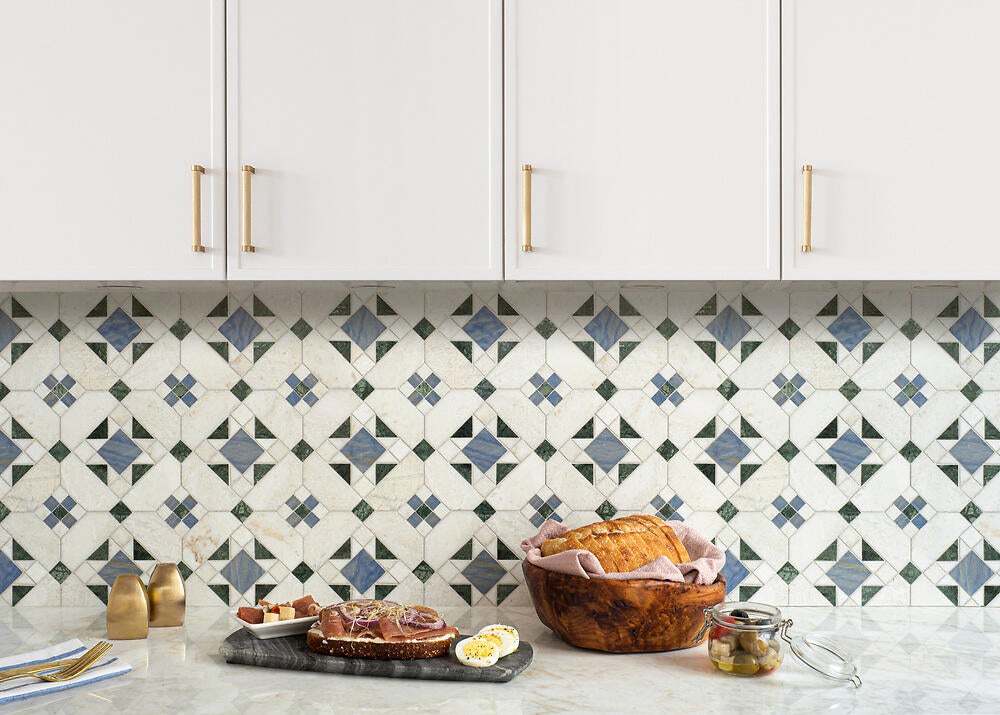
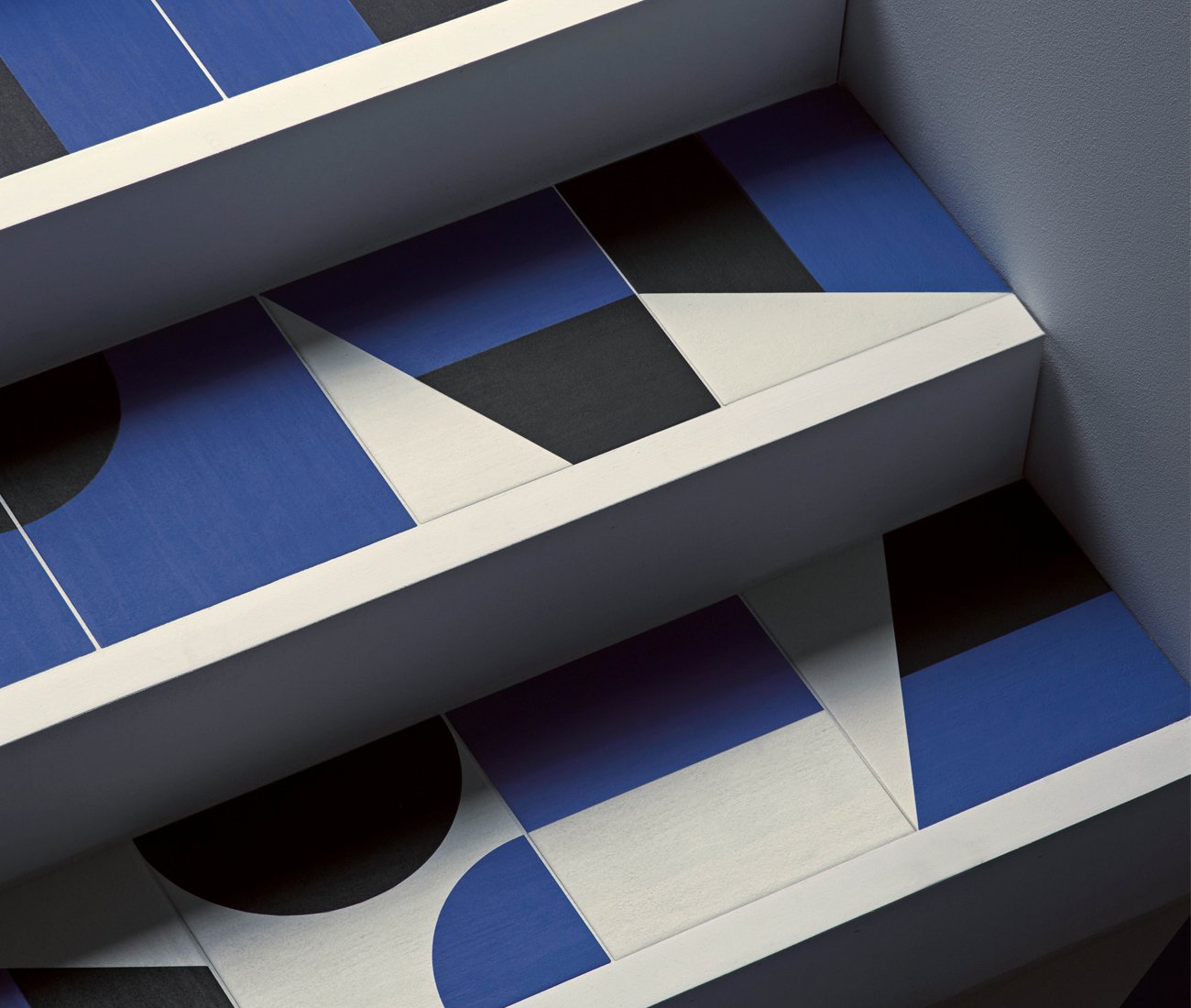
The "The Classics, With a Twist" section reinterprets traditional patterns like checkerboard and stripes. "The Pac-Man" design involves placing a white square between every horizontal row of four colored tiles to create a mazelike effect, exemplified by Portmore Glazed Ceramic Tile in white and green. "The Fine Line" uses solid columns of Laguna Polished Concrete Tile in alabaster and jet black to make ceilings appear taller. "The Little Check" places small, intricate checkerboard patterns next to larger, graphic squares, as demonstrated with Zellige Tile in sea salt and scribes ink. Lastly, "The Big Check" showcases a supersize grid using Sheeted Tile in whitewash and crater lake, highlighting its trendy appeal and ease of installation for DIY enthusiasts. These examples collectively demonstrate that with a little creativity, basic tile shapes can achieve a wide array of sophisticated and engaging visual effects.
#TileDesign #InteriorDesign #HomeRenovation #DIYHome #PatternPlay #Masquespacio #DesignInspiration #TilePatterns #TileDesign #InteriorDesign #HomeRenovation #DIYHome #PatternPlay #Masquespacio #DesignInspiration #TilePatterns
0 comment in total
 No comments yet
You may also like
7 ways to use with square tiles in kitchens and bathrooms

9 of the Most Creative Ways to Decorate Your Home With Tiles — Ideas That Will Change How You Think About Tiling

Tile countertop ideas – 10 ways to embrace the look
From Ceramic to Zellige, the Best Kind of Tile for Every Project
Tile Style: Four Ways to Dress Up Your Home
5 new ways to use tiles as decor rather than flooring

Tile Style

24 bathroom tile ideas to add impact and transform your space
Goodbye subway tiles, every stylish kitchen and bathroom has replaced rectangles with squares – I am on board, as are many interior designers
Cure Your White Subway Tile Fatigue With These Artful Rectangles
Kitchen wall tile ideas – bring color, pattern and style to vertical surfaces
Unique Ways to Up Your Outdoor Design Game With Patterned Tile
14 Timeless Tile Layout Patterns To Consider For Your Next Renovation
New ways with tiles: 15 creative ideas for using tiles at home

Surprising ways interior designers are using tiles
6 Elegant Tile Trends to Inspire a Home Refresh
Tile patterns: 15 smart designs to add style to every room

7 timeless tile designs to try in any room

Tiles To Turn Your Floor Into a Work of Art


These Fresh-Faced Tile Designs Reimagine Retro-Mod and Geometric Motifs