



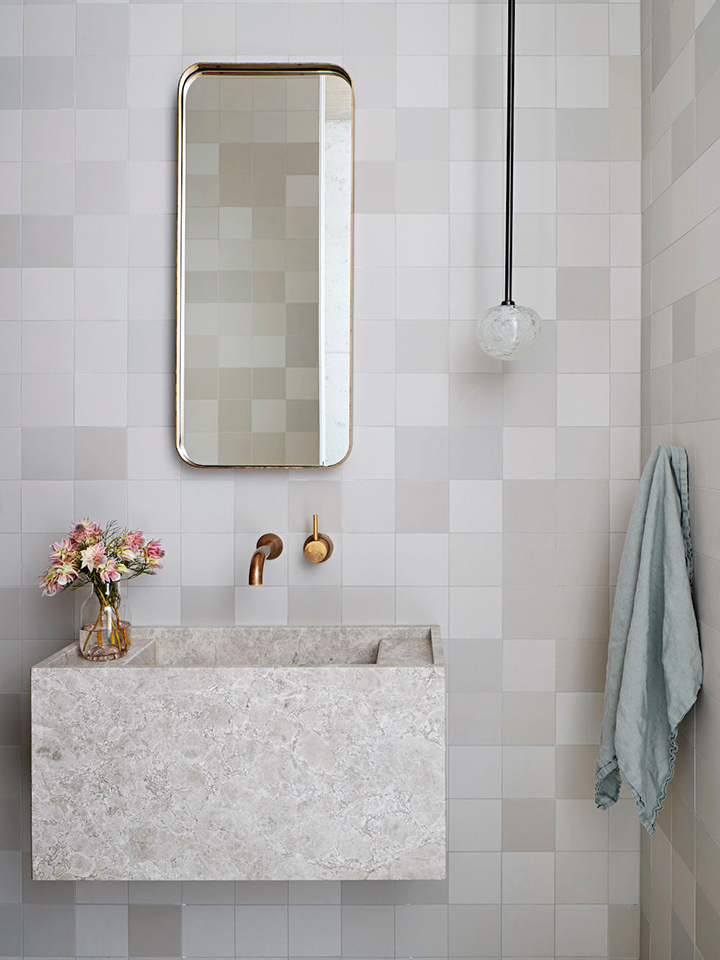
From Ceramic to Zellige, the Best Kind of Tile for Every Project
Selecting the appropriate tile for a space involves careful consideration of both aesthetic preferences and functional requirements. This guide aims to simplify the decision-making process by demystifying seven popular tile materials: ceramic, porcelain, cement, glass, zellige, natural stone, and terrazzo. Each type offers distinct characteristics, making them suitable for different applications and design visions.
Ceramic tile, a common and versatile option, is ideal for those who enjoy customizing designs due to its wide range of colors and shapes. Its glazed surface facilitates easy maintenance, requiring only a simple spray with household cleaner. Moreover, budget-friendly ceramic options are readily available. However, its porous nature makes it susceptible to moisture damage, rendering it unsuitable for consistently wet areas. Porcelain, a more durable variant of ceramic, is a low-maintenance choice often used both indoors and outdoors. It boasts water resistance and does not require sealing, unlike natural stone. Many factories also repurpose porcelain waste into new products, enhancing its sustainability. While practical and versatile, porcelain may not offer the 'old-world' character sought by some.
Cement tile provides a contemporary yet rustic appeal with its smooth, matte finish and inherent strength. Each tile is uniquely crafted, leading to slight shade variations that contribute to its charm. Its concrete composition ensures longevity, and it develops a rich patina over time. Nevertheless, cement tile demands diligent maintenance, including proper sealing before and after grouting to prevent staining. Harsh chemicals should be avoided in favor of neutral-pH cleaners, and occasional refinishing might be necessary to maintain its appearance. Glass tile introduces shimmer and sparkle to any area, frequently employed in mosaic displays and backsplashes. It is an eco-conscious choice, often made from recycled content, and is simple to clean with standard window cleaners. However, its fragility means it cannot be drilled without shattering, and its slippery surface makes it unsuitable for flooring.
Zellige tile, originating from Morocco, embodies handcrafted tradition. Its distinct imperfections, such as color variations and chipped edges, are integral to its unique appeal. The rich hues and glossy finishes contribute to its growing popularity in design. While it can dramatically enhance any room, zellige is sensitive to freeze-thaw cycles and acidic or alkaline cleaning agents, requiring gentle cleaning with a soft cloth or sponge. Natural stone, encompassing materials like slate, marble, and onyx, offers timeless luxury. Formed over millions of years, each piece is unique due to natural variations. While adding significant opulence, natural stone comes with a higher price point and requires meticulous upkeep, including sealing and immediate cleaning of spills to prevent staining, pitting, and cracking. Terrazzo, a man-made material, blends chips of marble, granite, glass, and shell to create a distinctive, speckled finish. It is highly versatile and durable, offering a nearly limitless array of aggregate and color combinations for a personalized look. The main drawback is the extended time required to produce samples due to its customizability.
Ultimately, understanding the pros and cons of each tile type, alongside expert advice, empowers individuals to make informed decisions that balance aesthetic desires with practical considerations for their home projects.
#TileMaterials #BathroomTile #CeramicTile #PorcelainTile #CementTile #GlassTile #ZelligeTile #NaturalStone #Terrazzo #TileMaterials #BathroomTile #CeramicTile #PorcelainTile #CementTile #GlassTile #ZelligeTile #NaturalStone #Terrazzo
 No comments yet