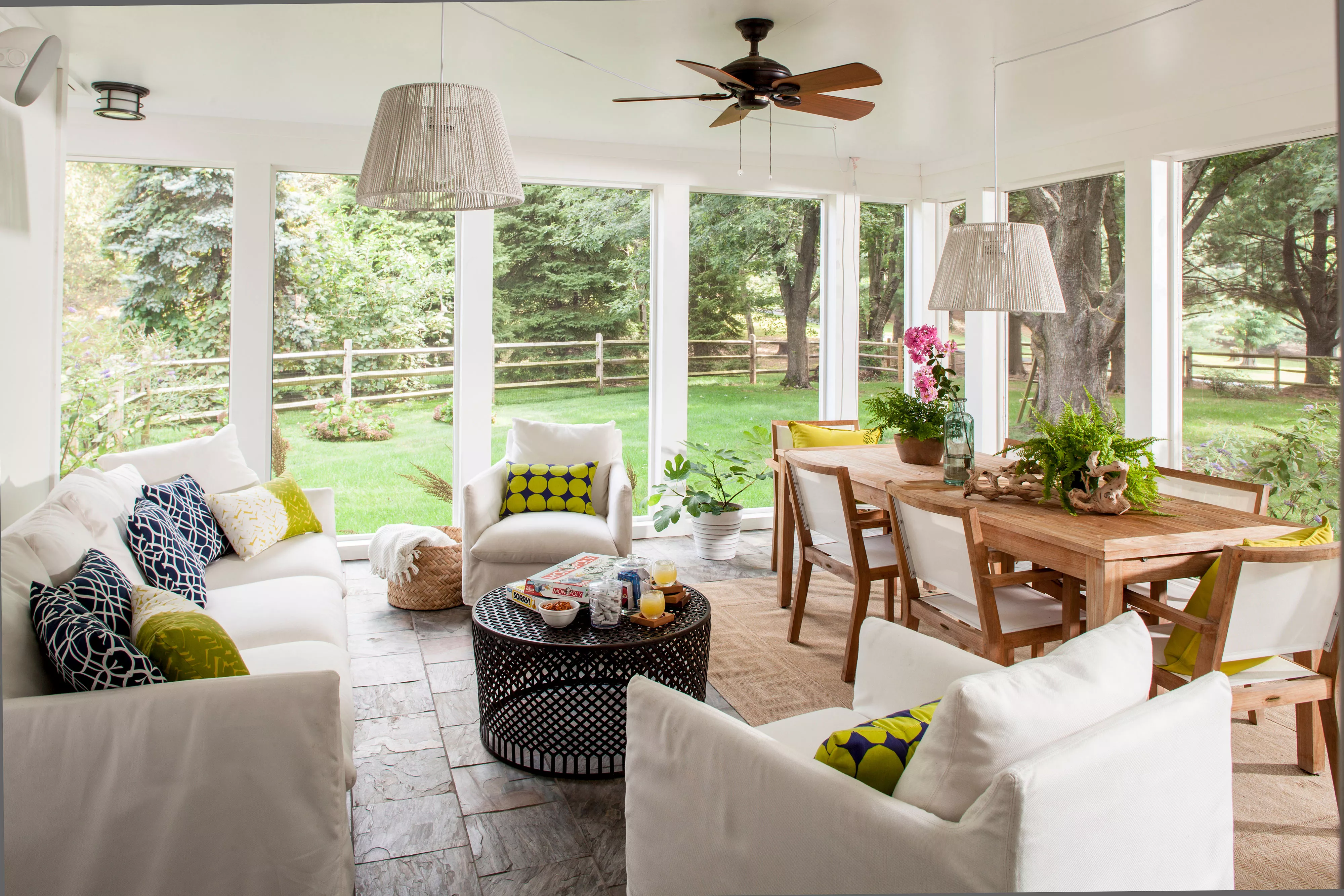
A Lanai Is the Perfect Porch Style for Outdoor Entertaining—Here's How to Design One
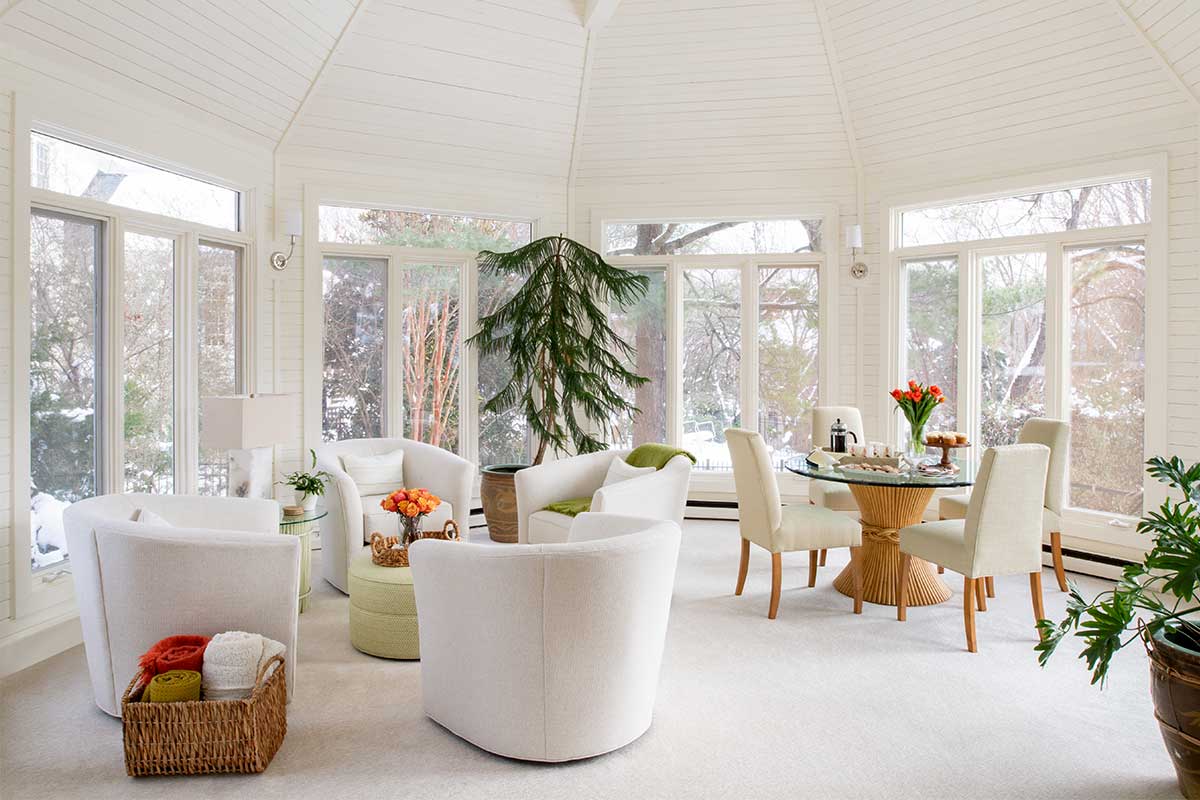
A lanai is an open-air exterior room, typically attached to the back of a property, providing an indoor-outdoor entertaining space. It is often found on the ground floor and may feature screens or windows to protect against elements like weather or insects. The term originates from the Hawaiian island of Lanai, where this architectural feature has been a fixture since the 1800s. Although initially coined in Hawaii, the popularity of lanais has expanded to various warm climates across the continental U.S., including Florida and Southern California. These structures are considered an extension of the home, frequently utilized as an additional living area or for entertaining guests.
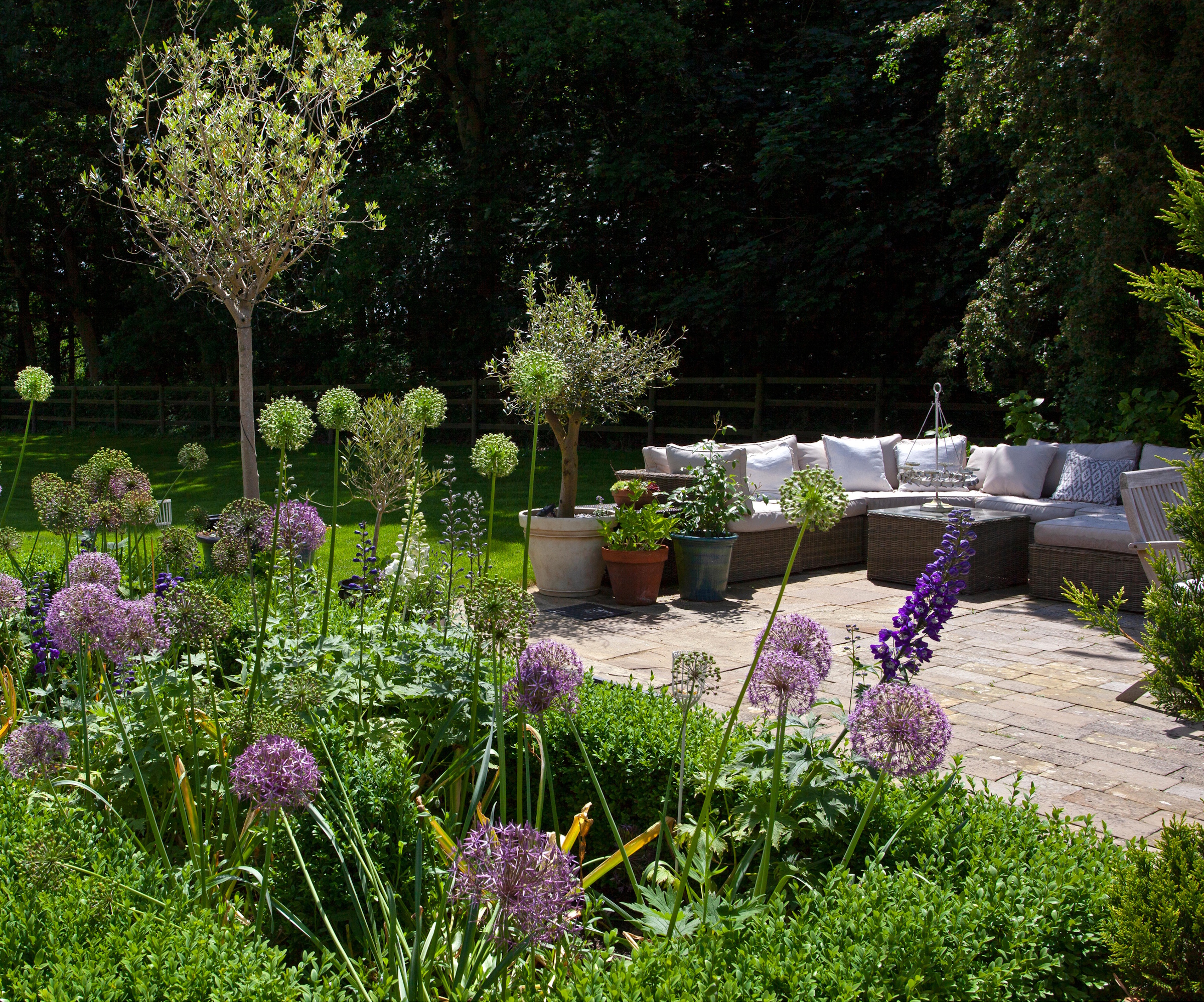
While lanais share similarities with porches and patios, distinct characteristics set them apart. Porches are typically located at the front of a property and may have a roof but are mostly open, except for the back wall shared with the house. Patios, on the other hand, are generally open-air spaces without a roof. Verandas are often only partly covered. A lanai uniquely combines an inside-outside feel, offering a more integrated experience between the home's interior and the natural surroundings.
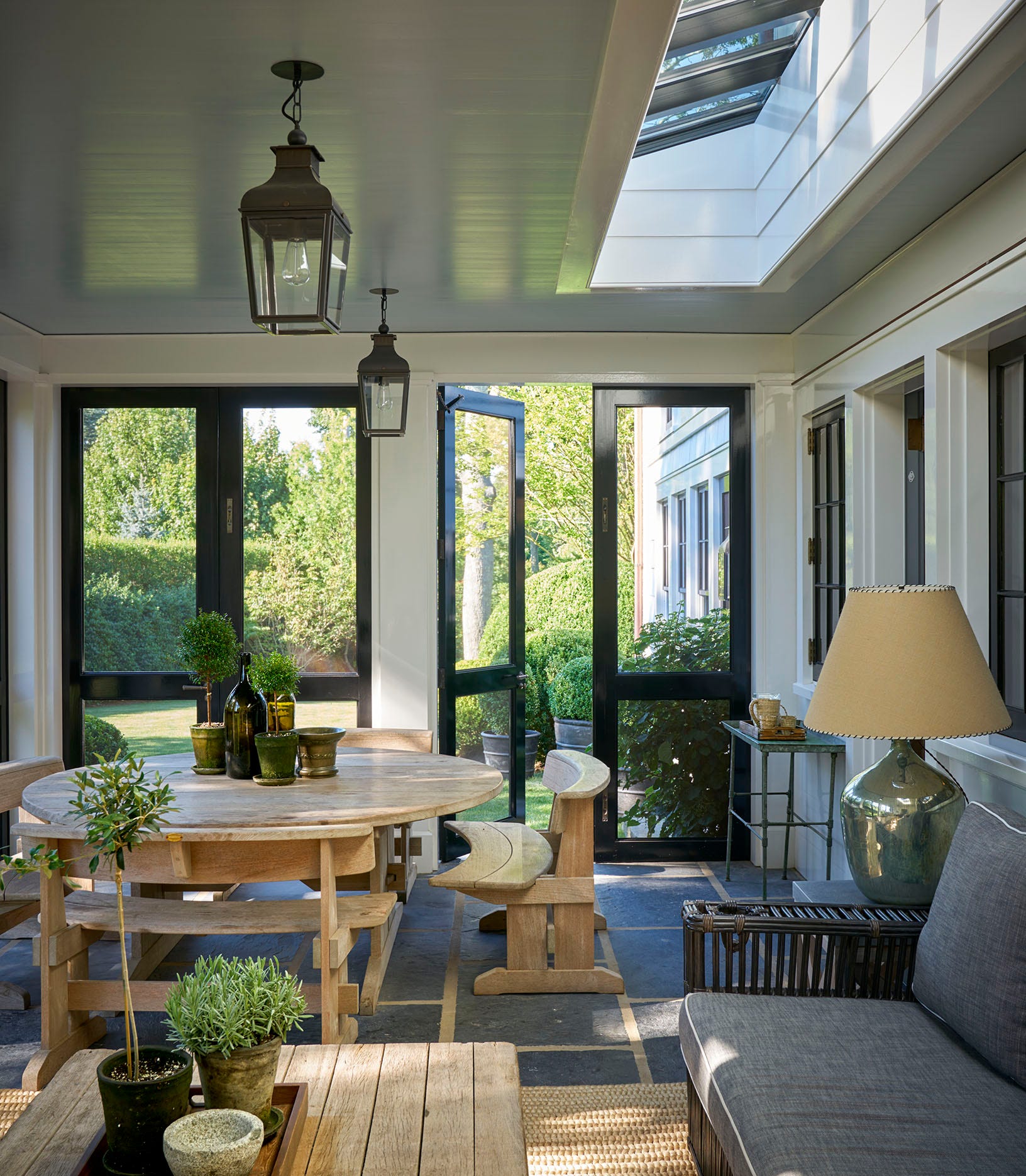
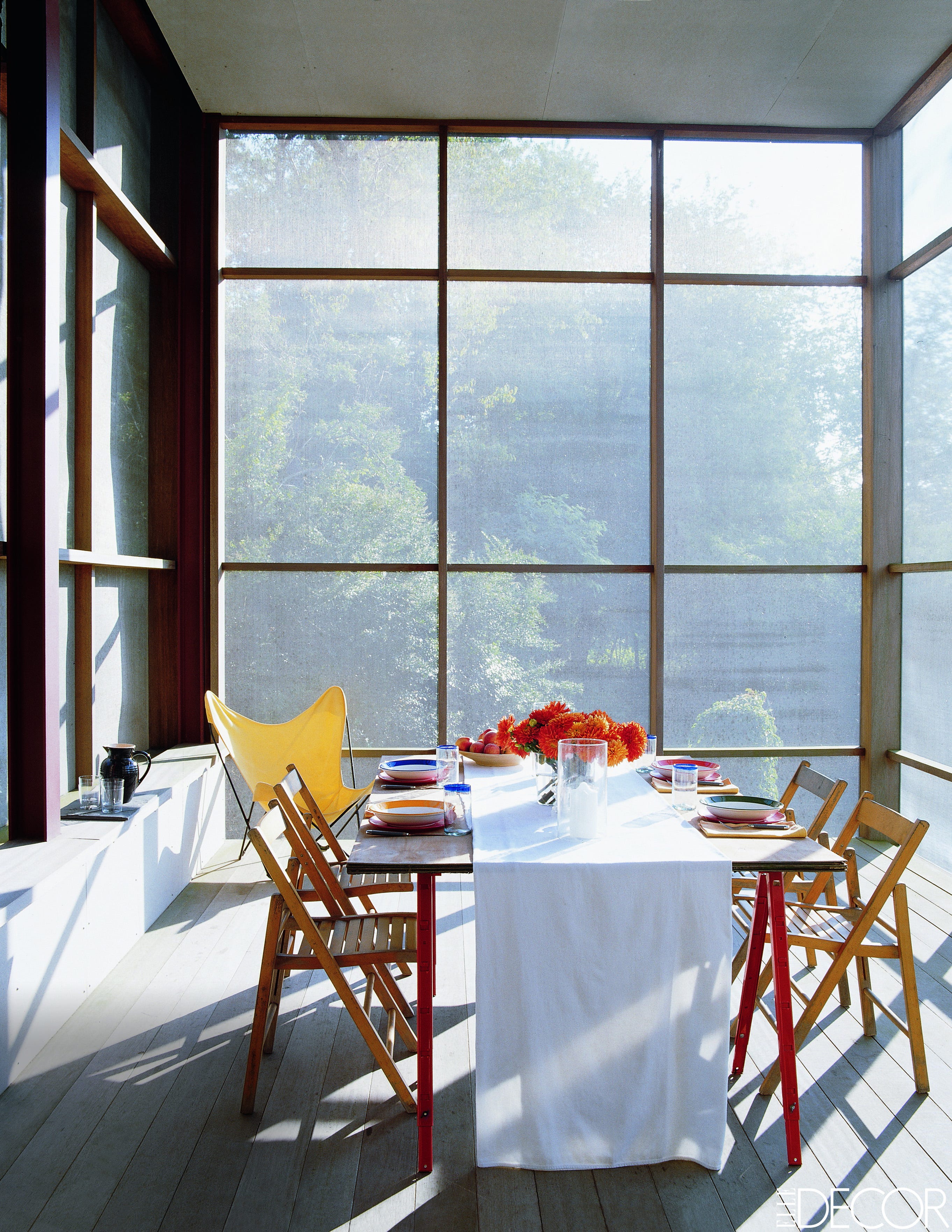
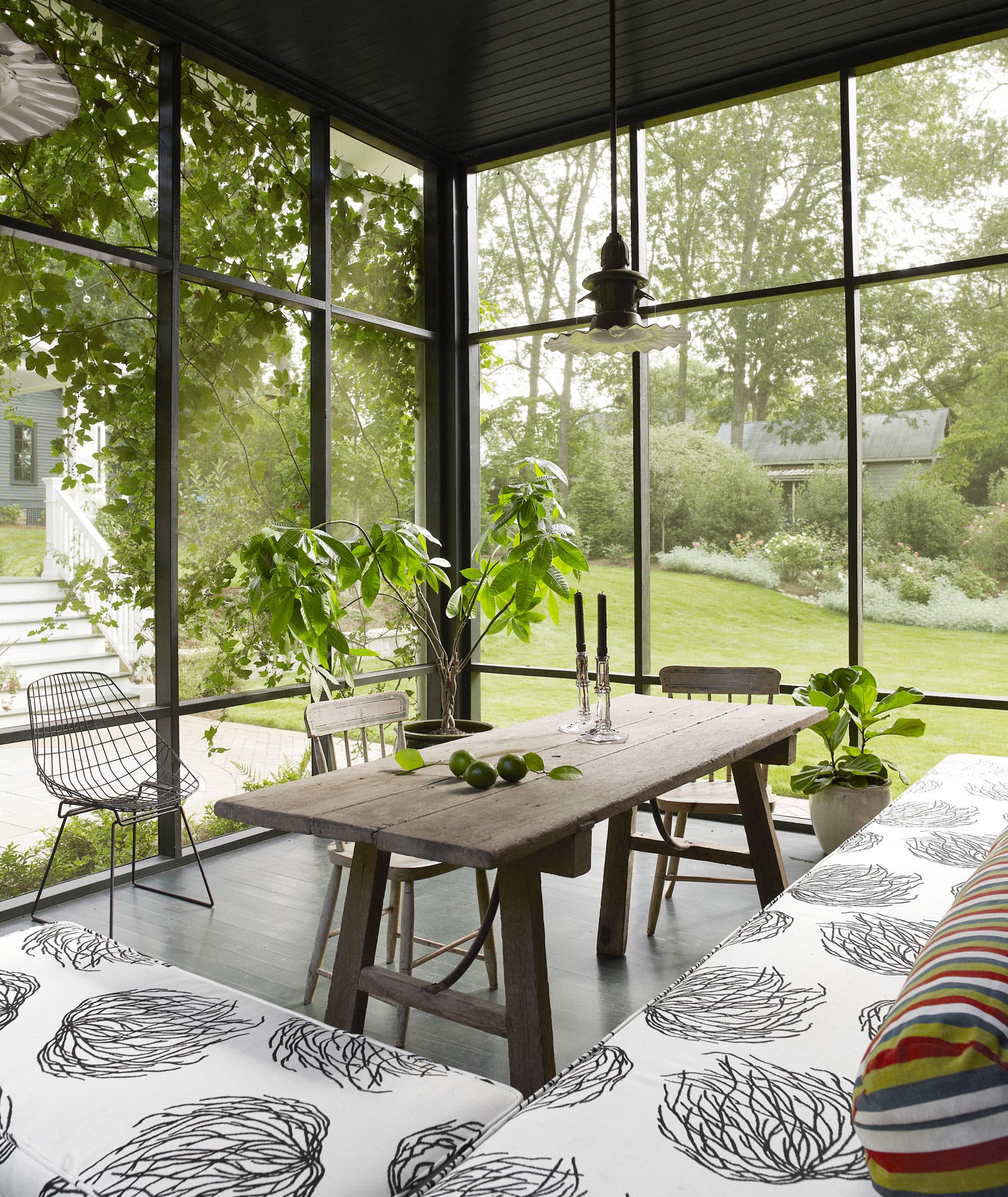
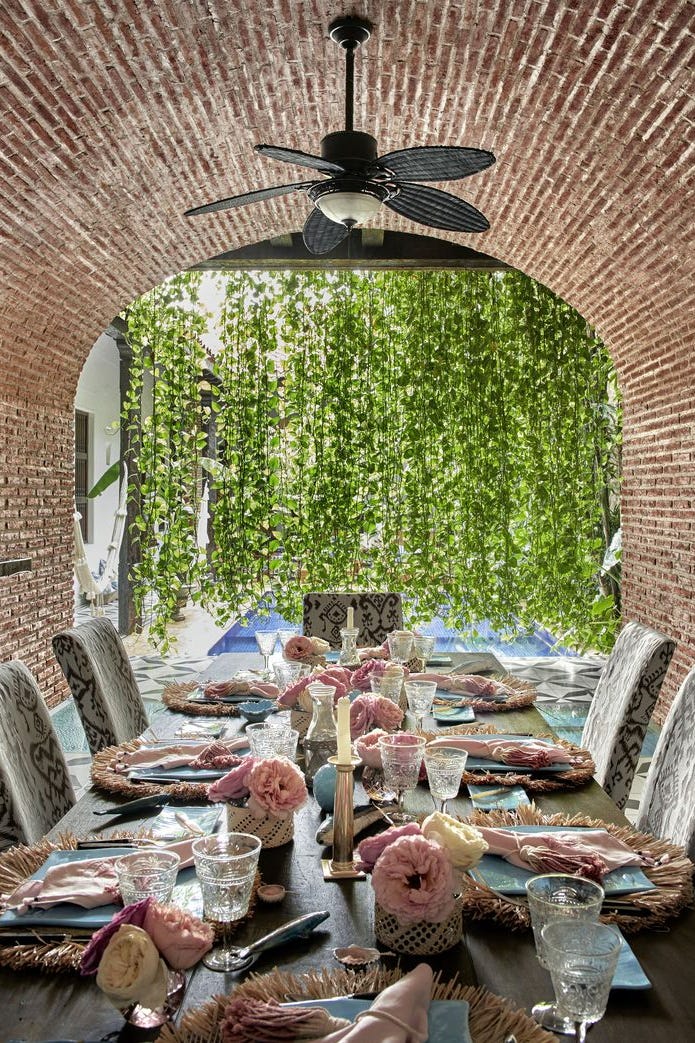
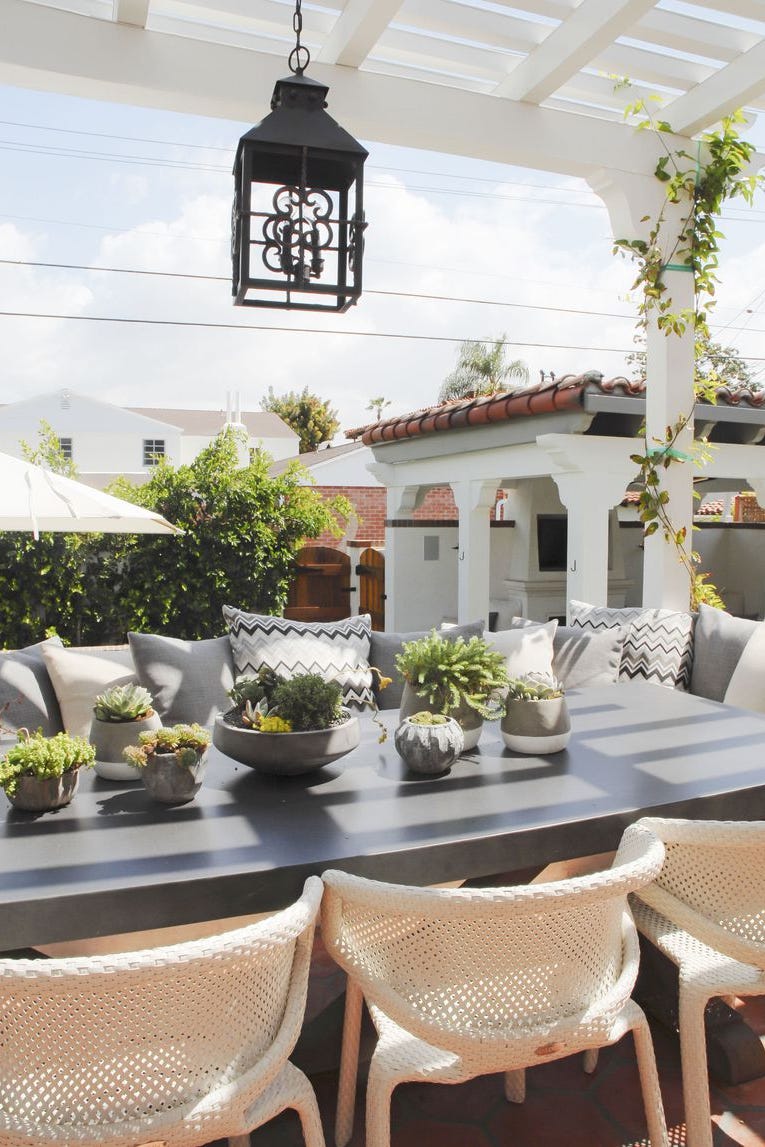
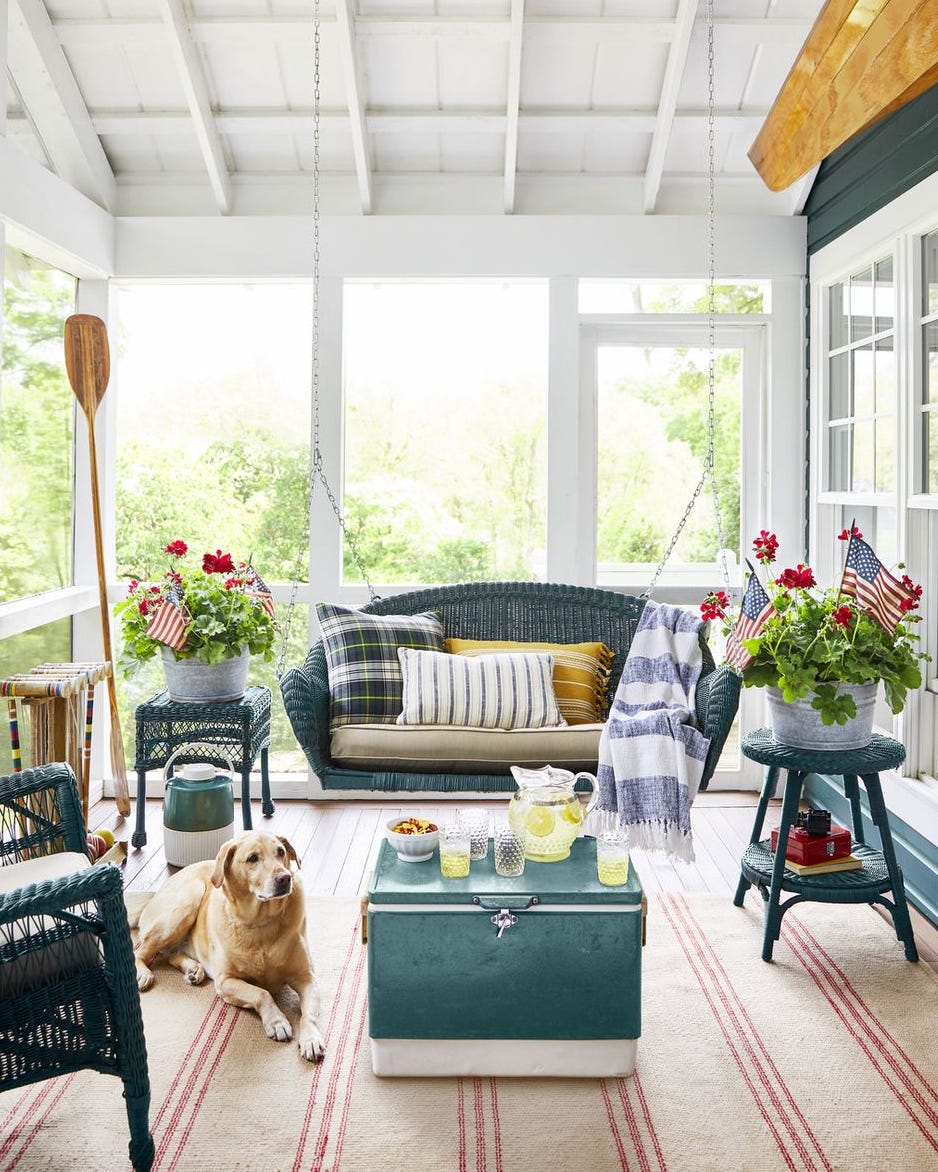
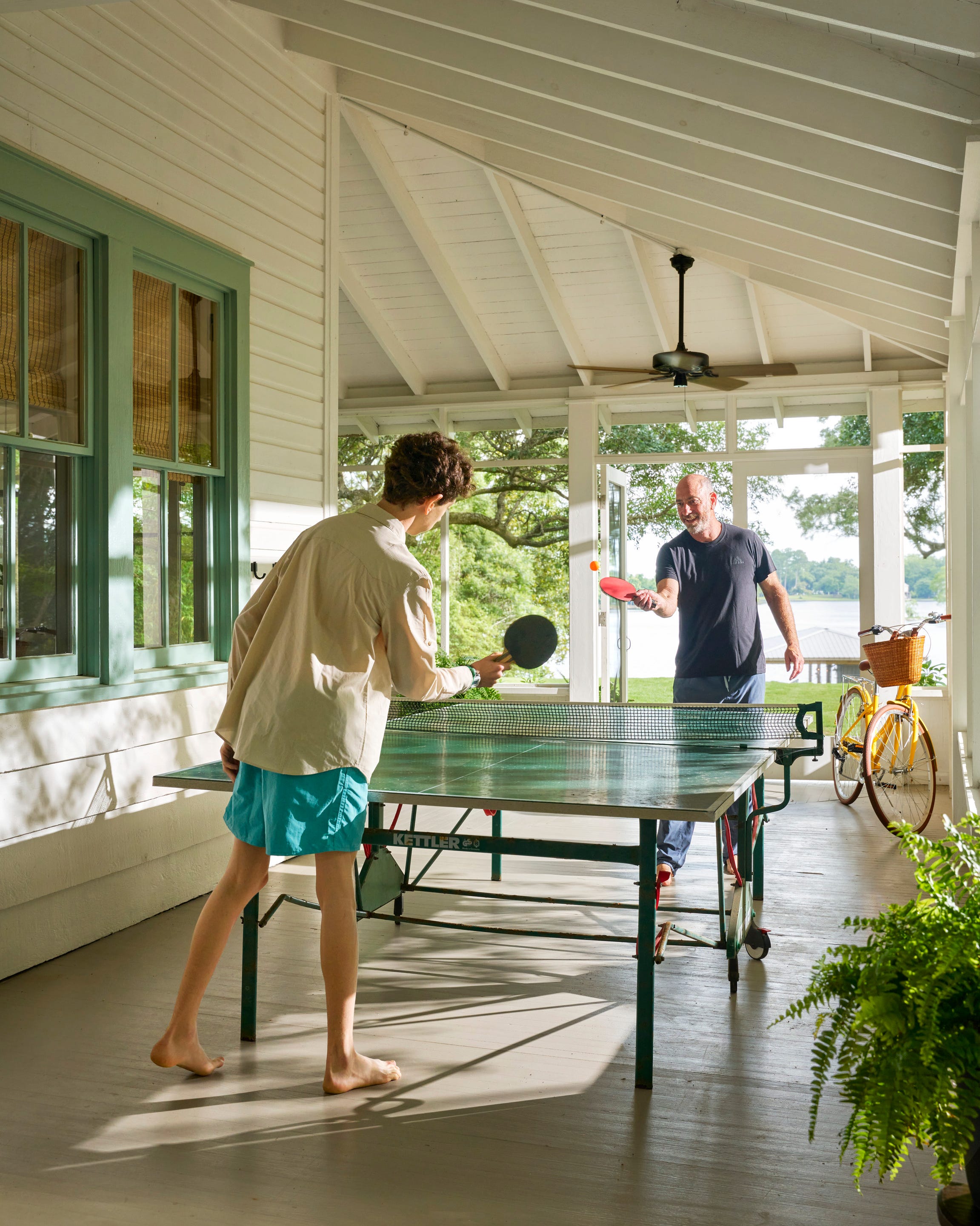
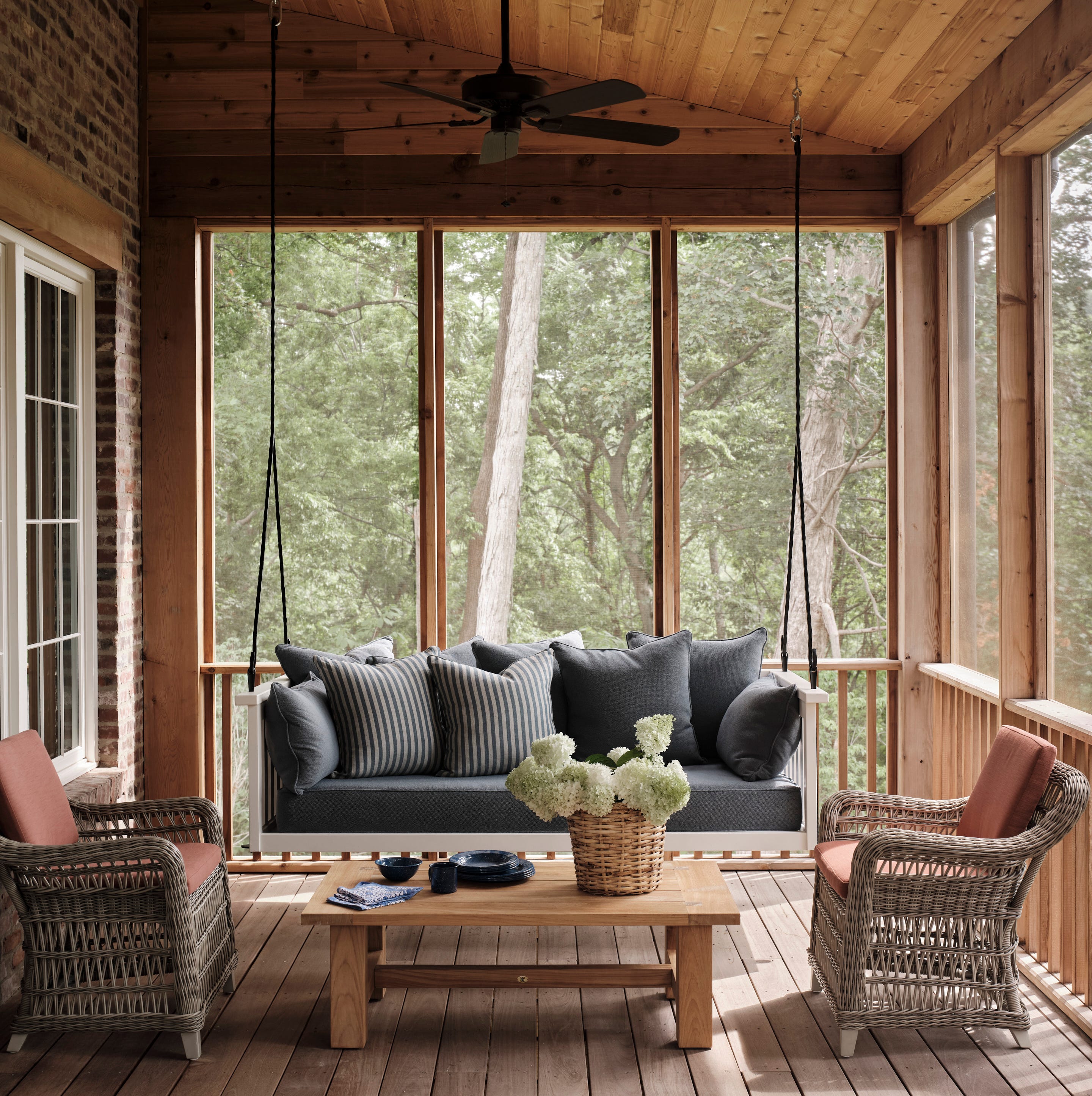
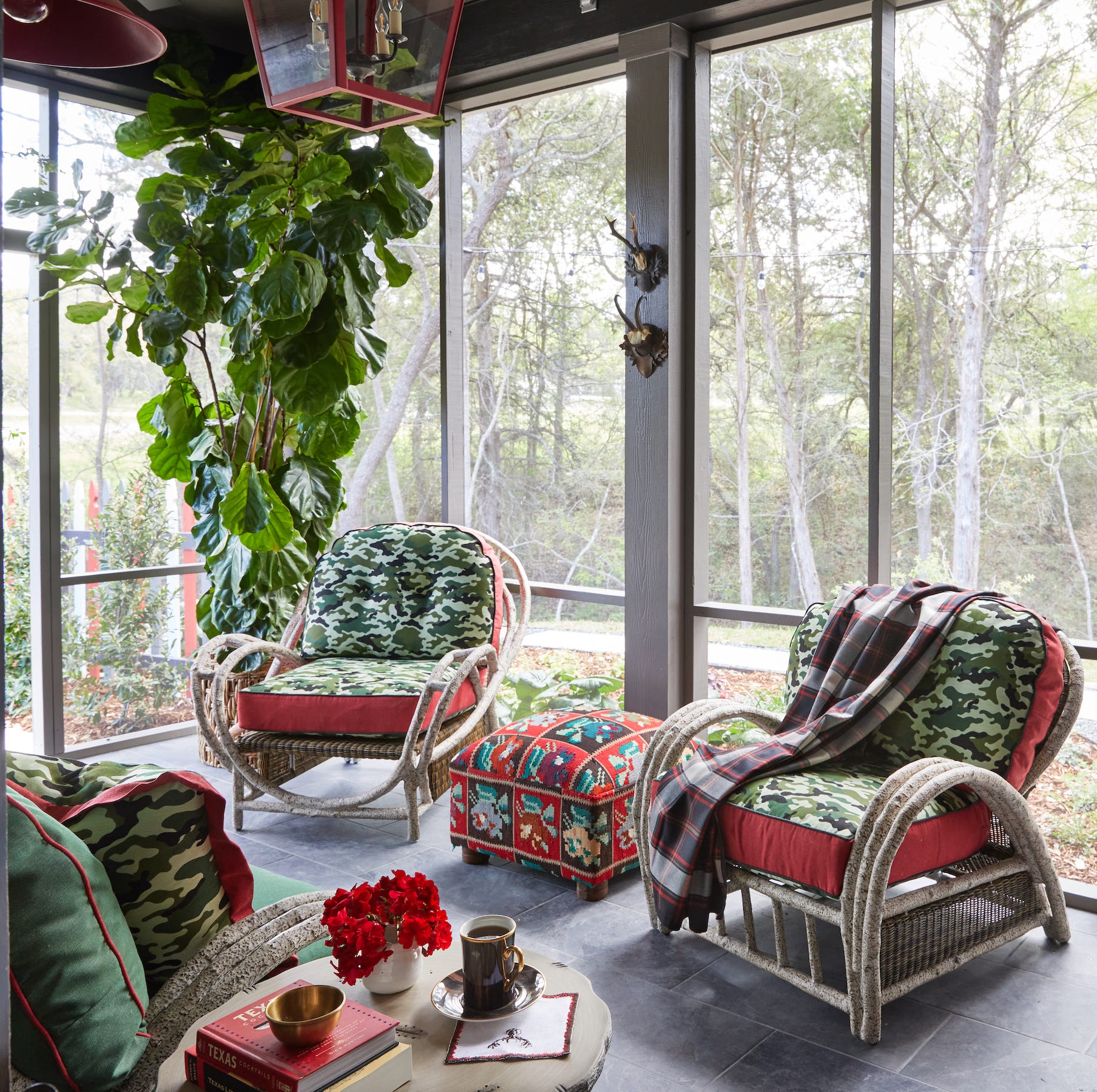
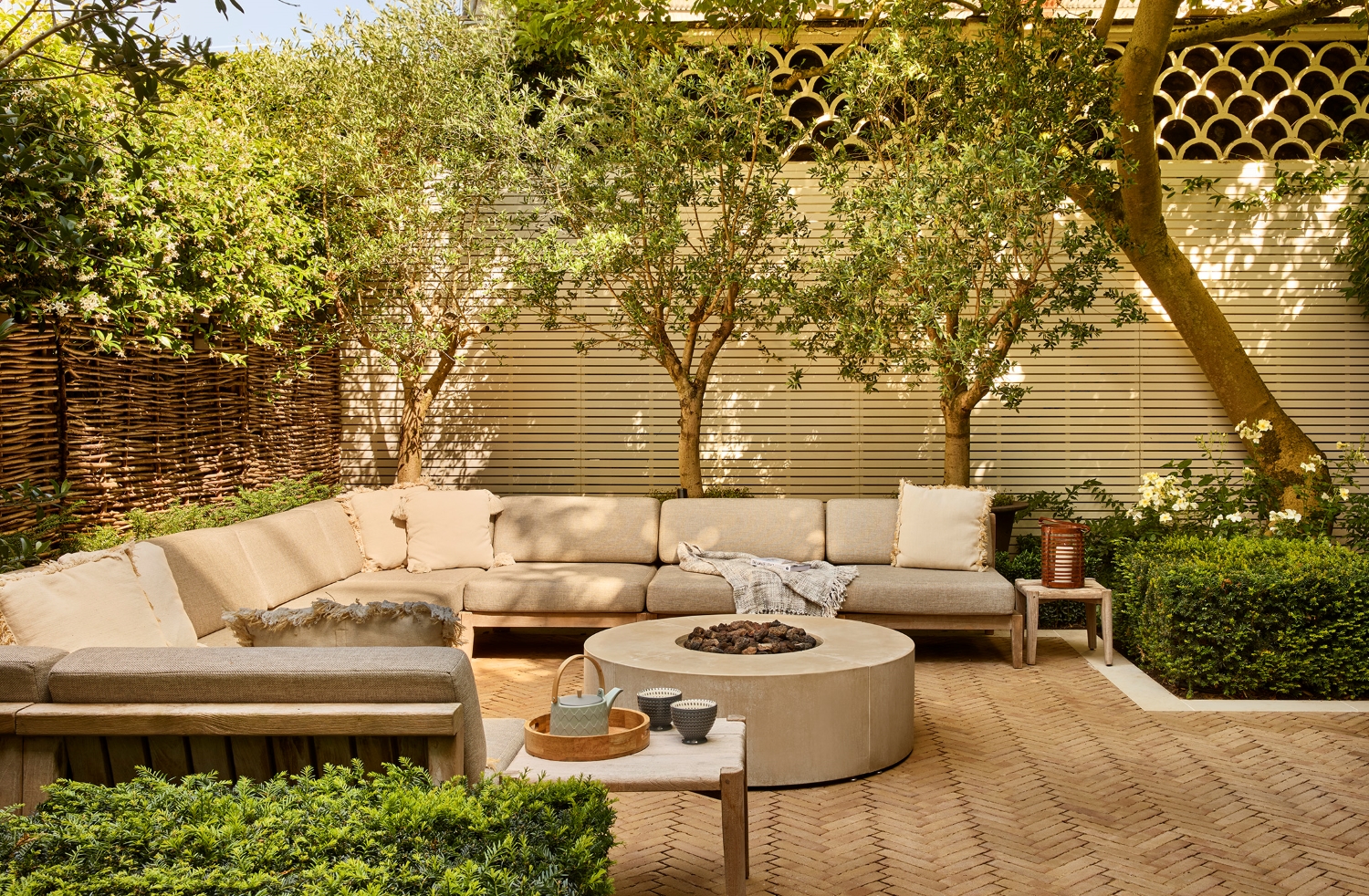
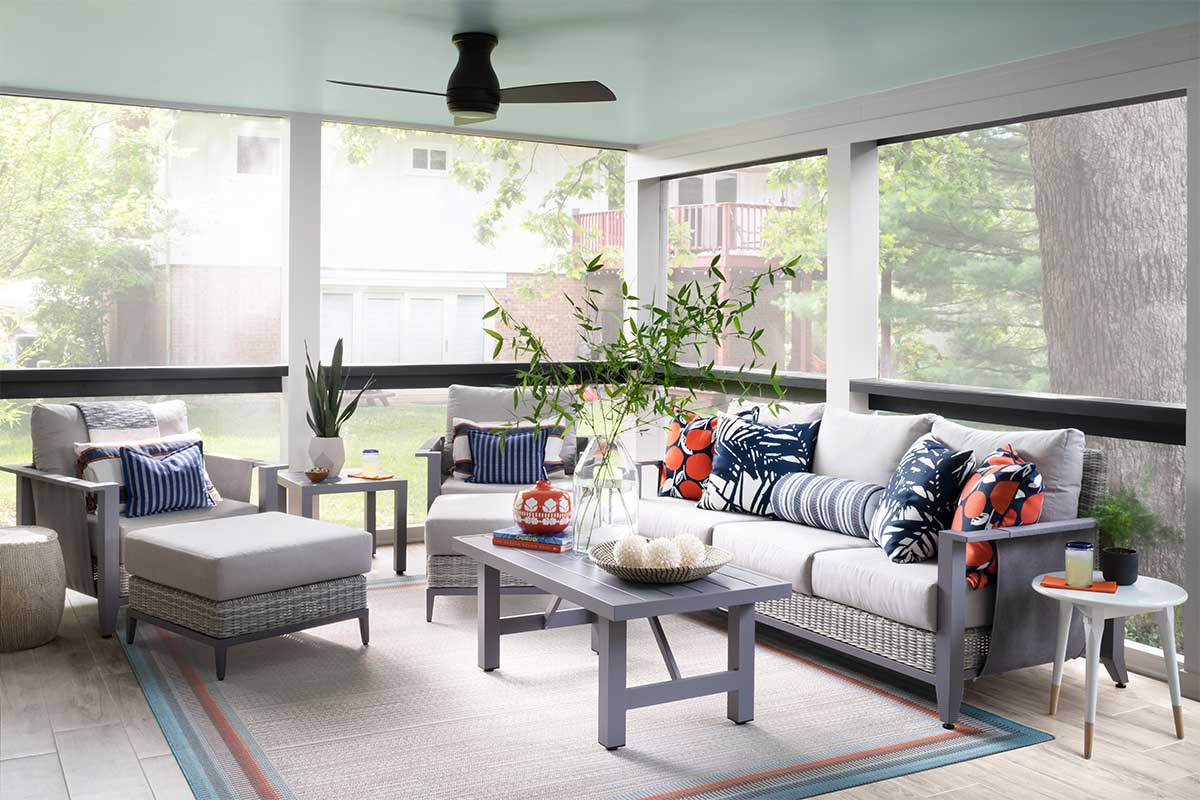
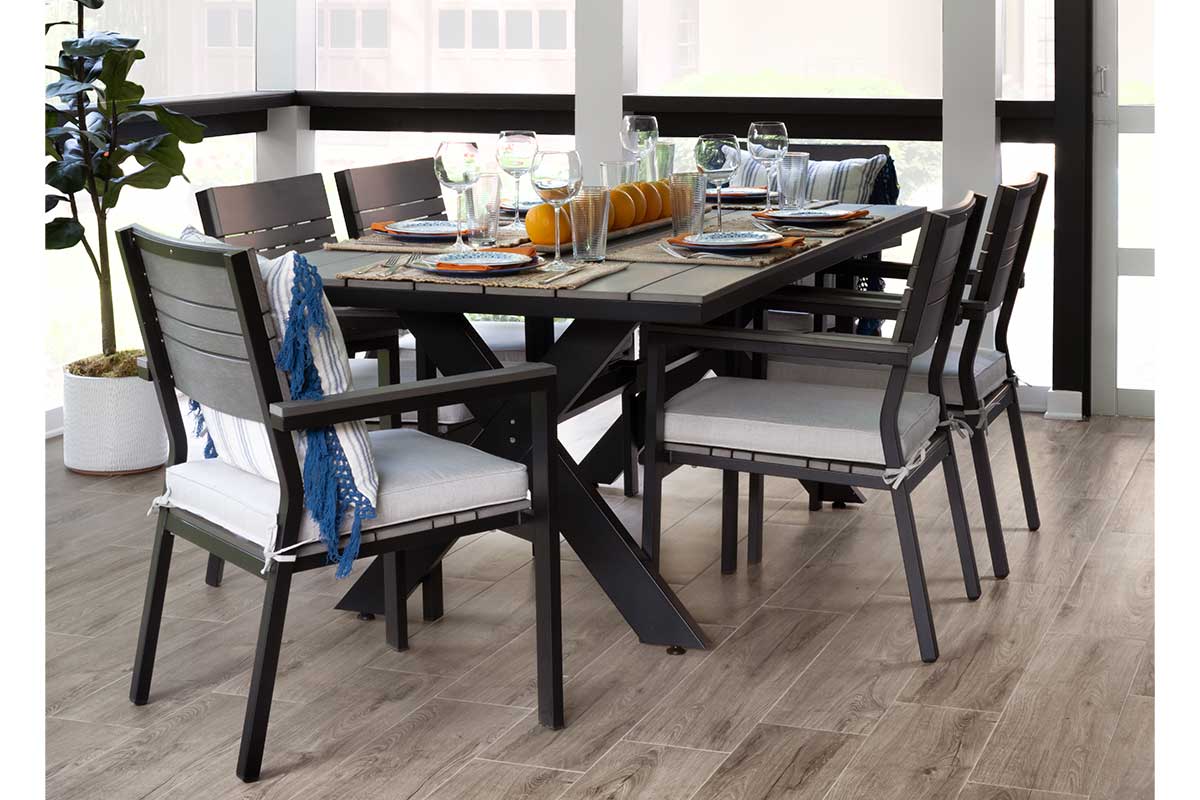
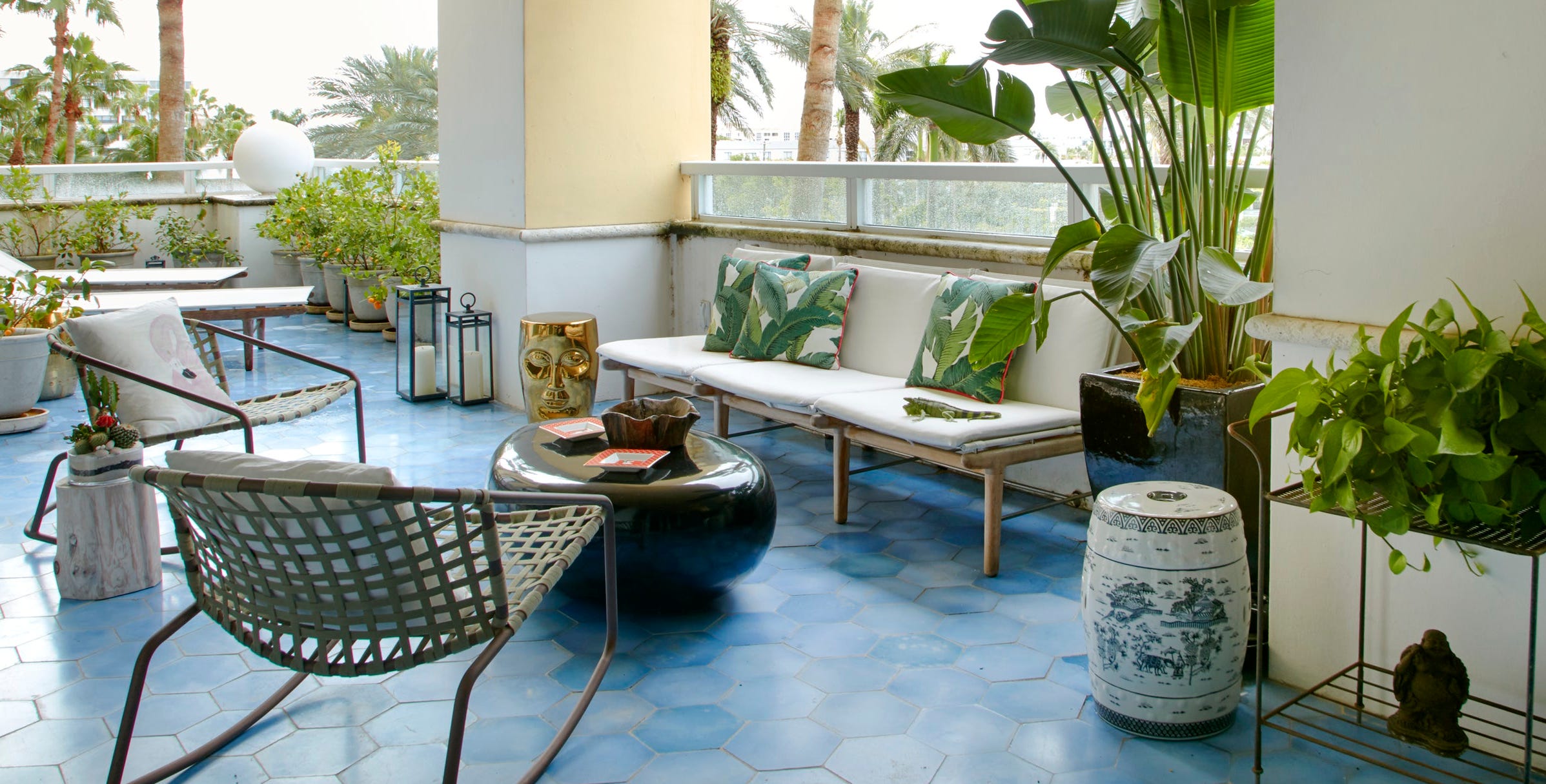
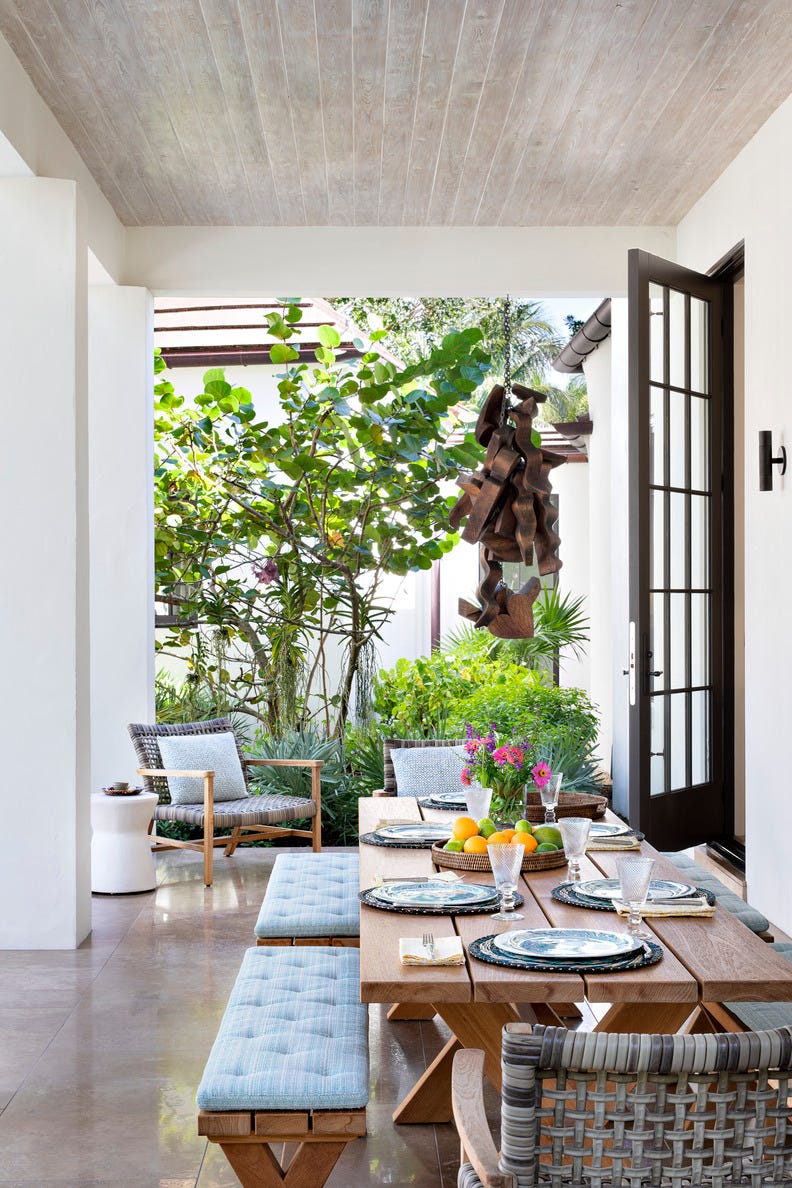
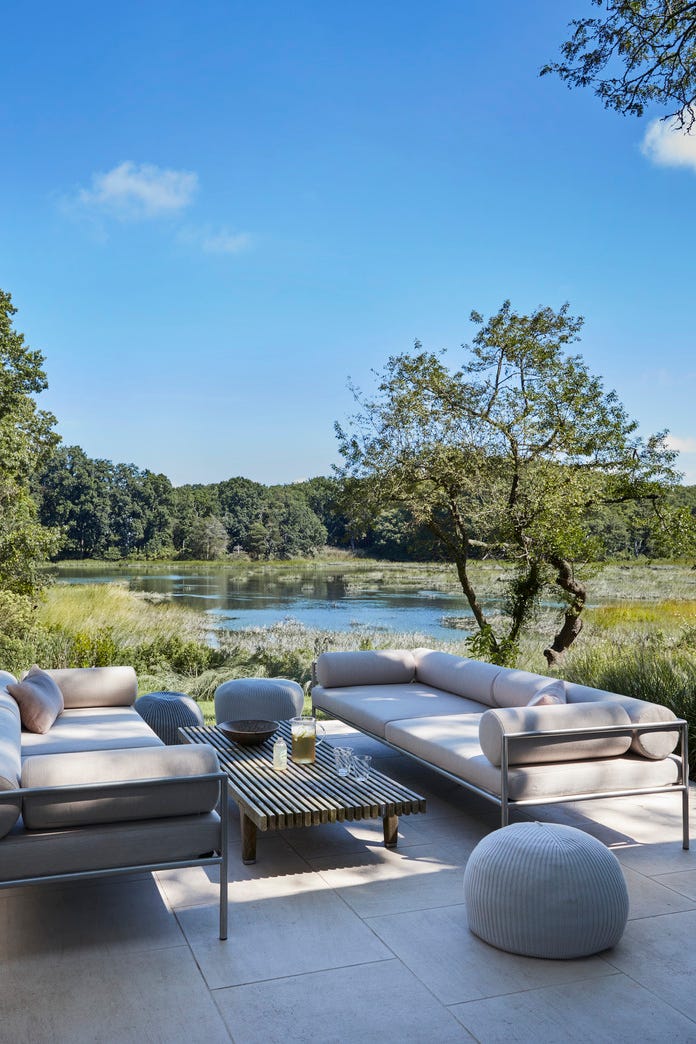
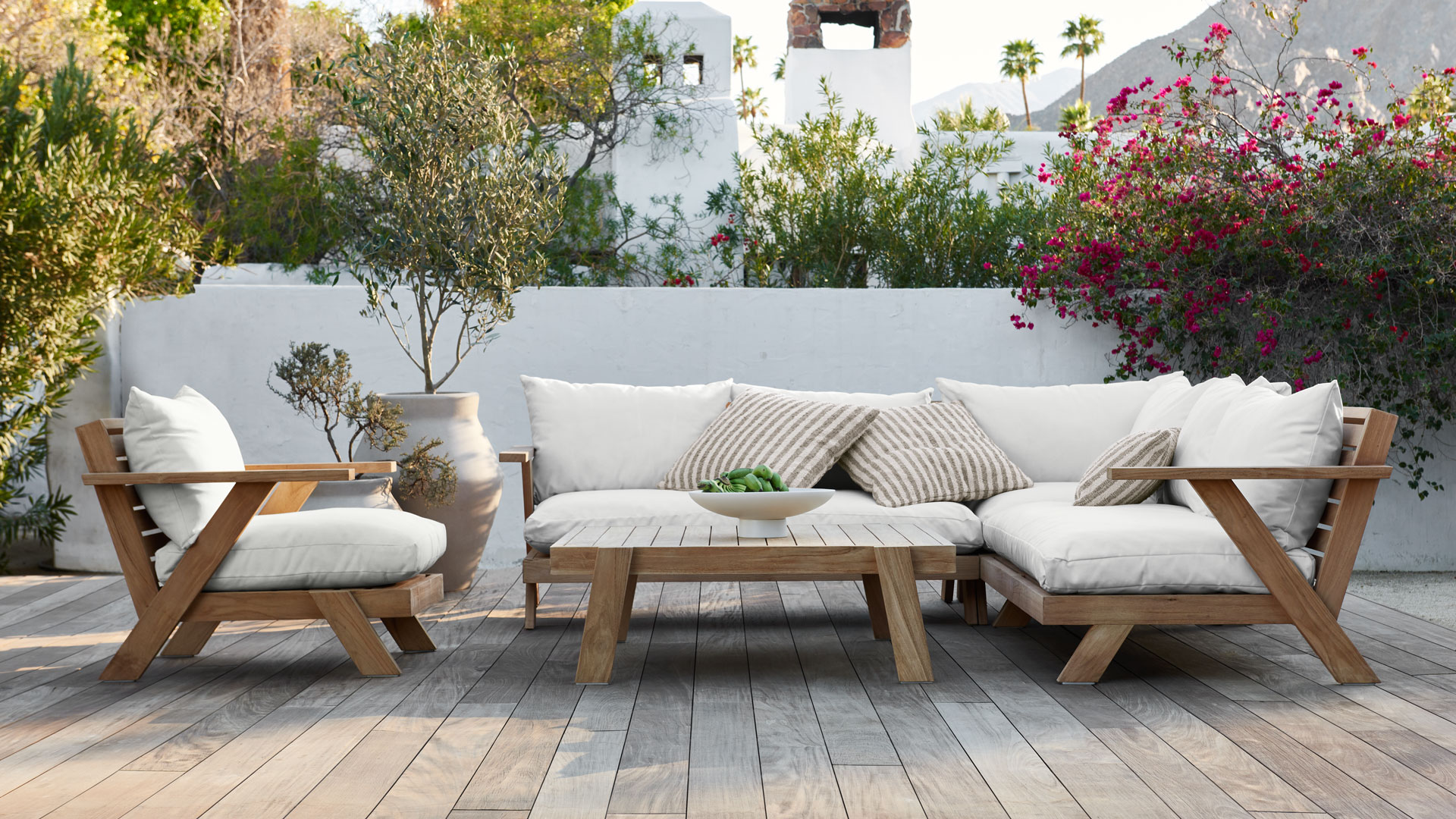
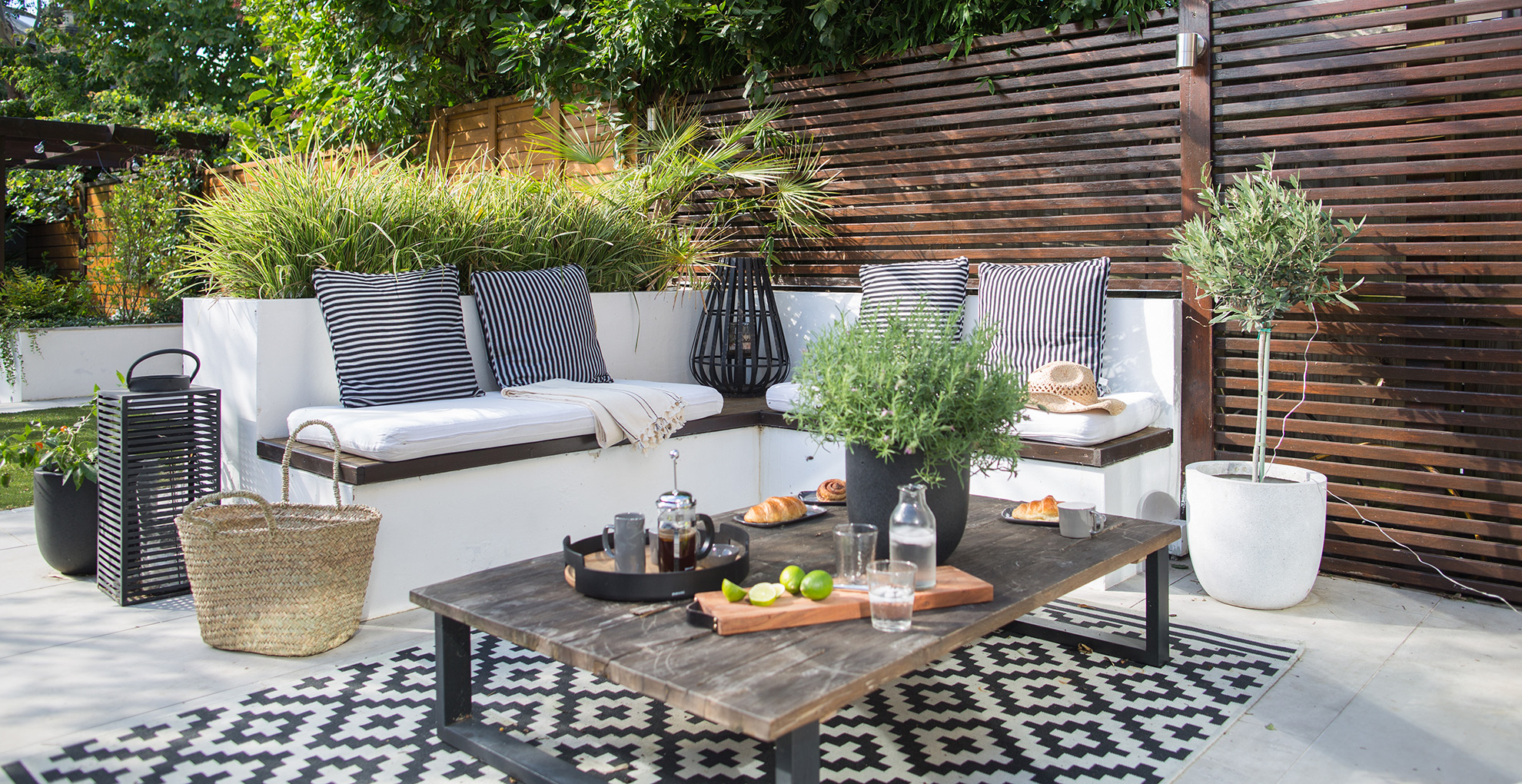
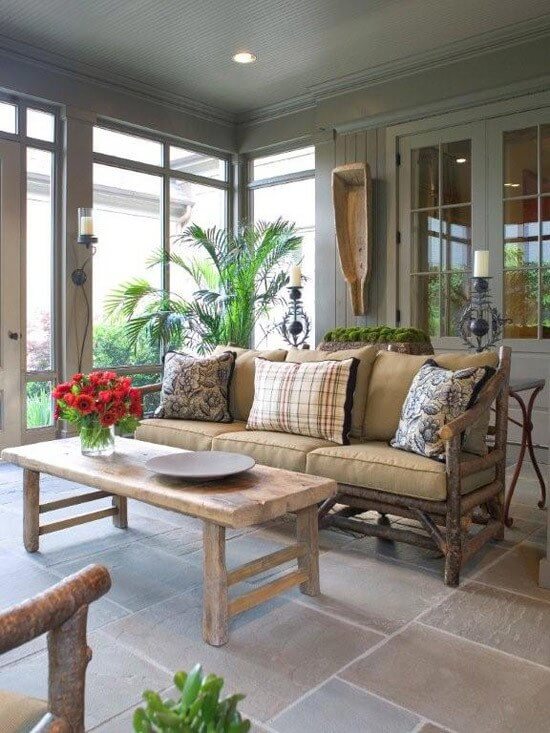
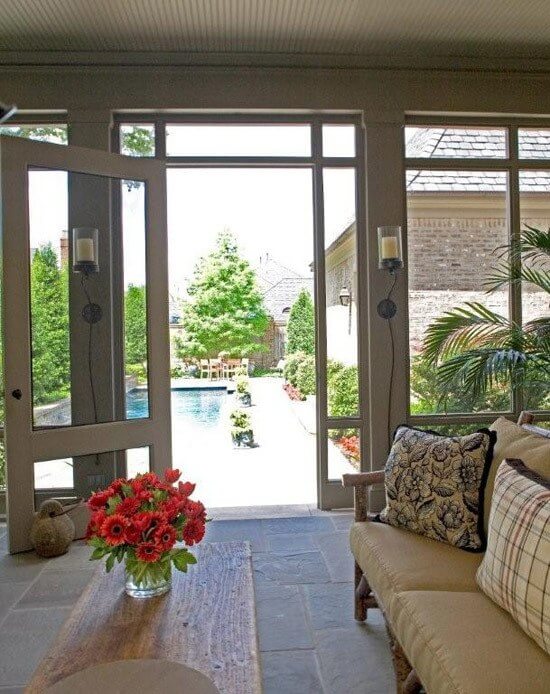
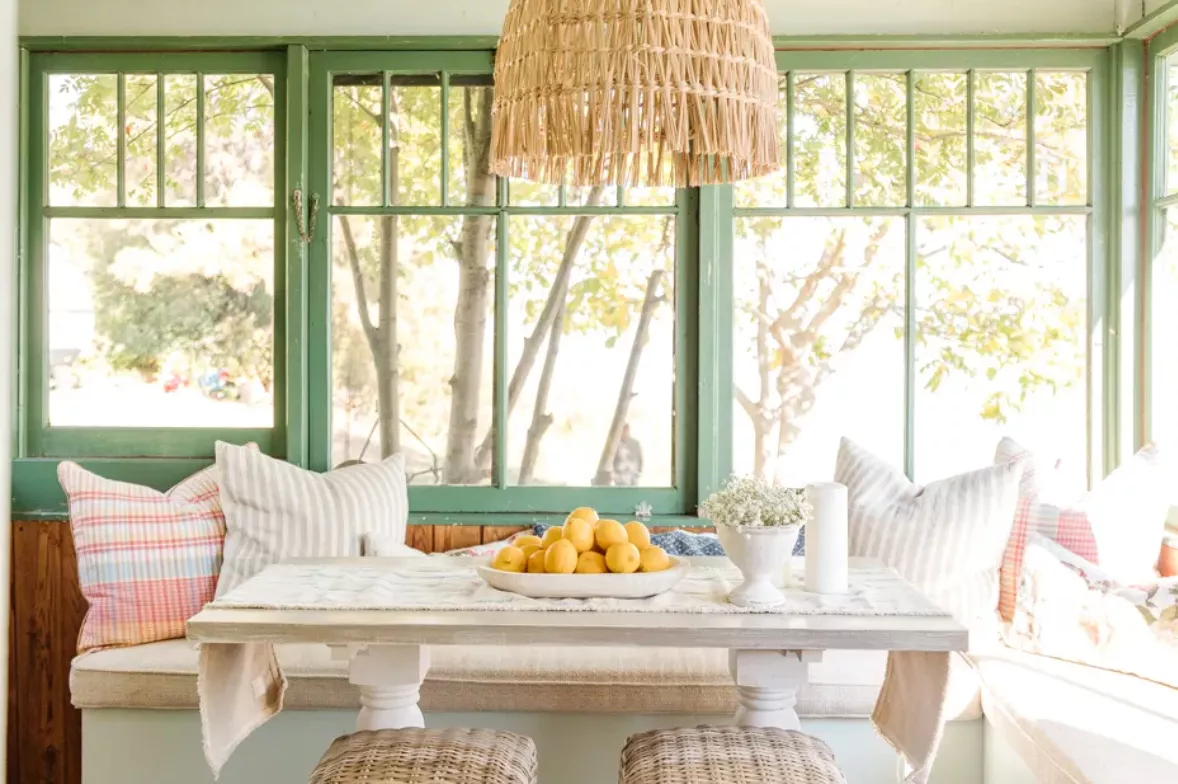
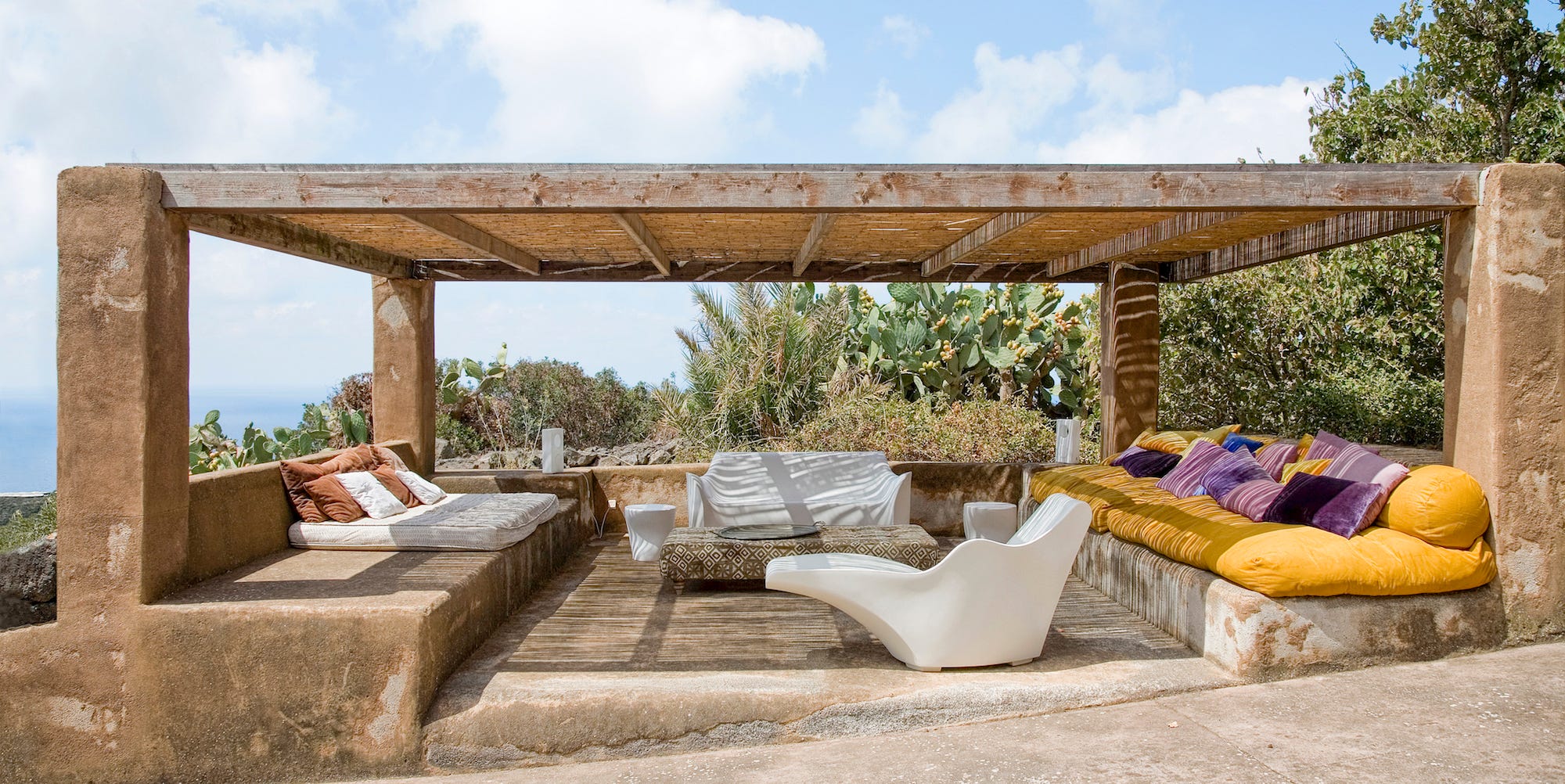
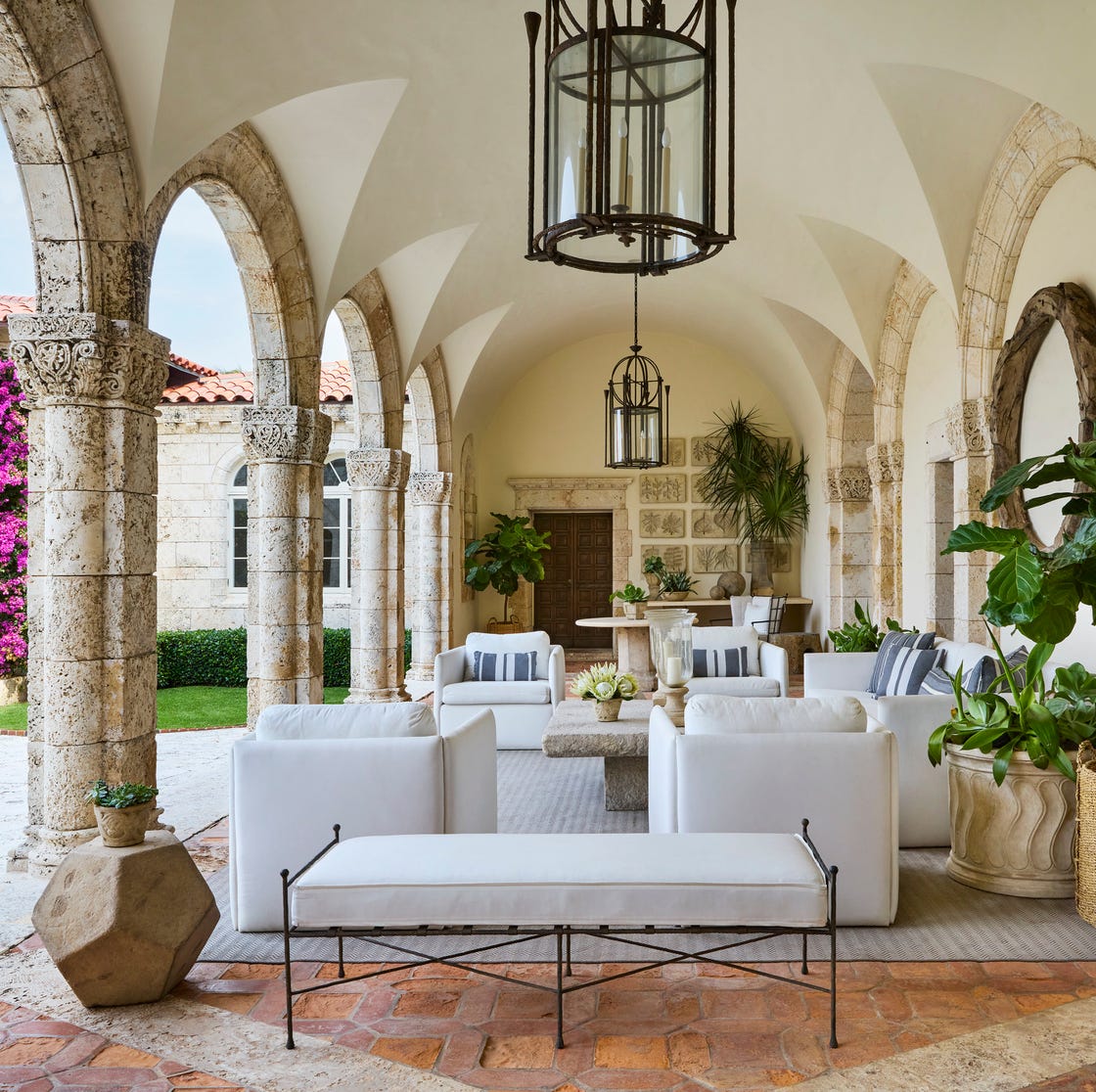
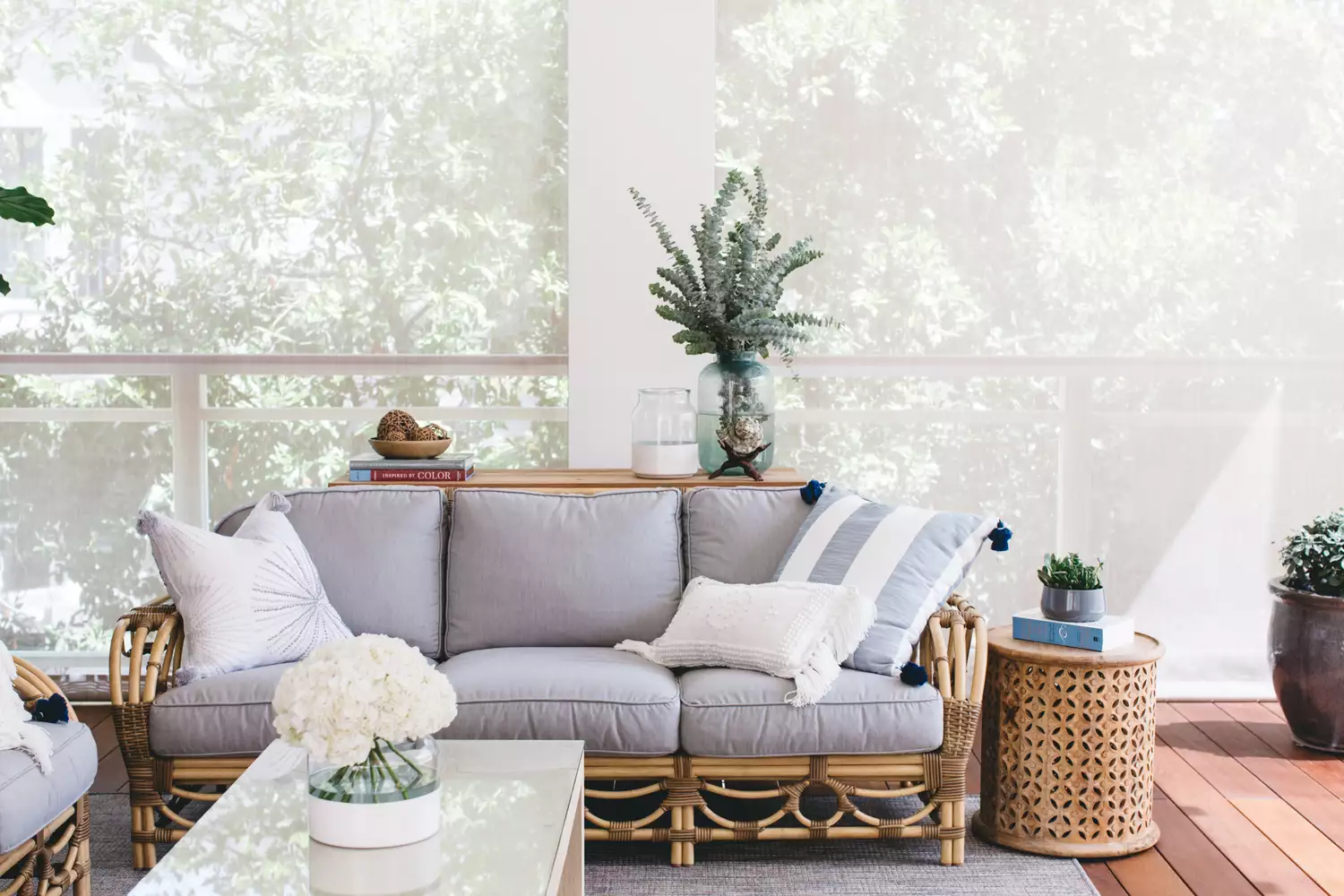
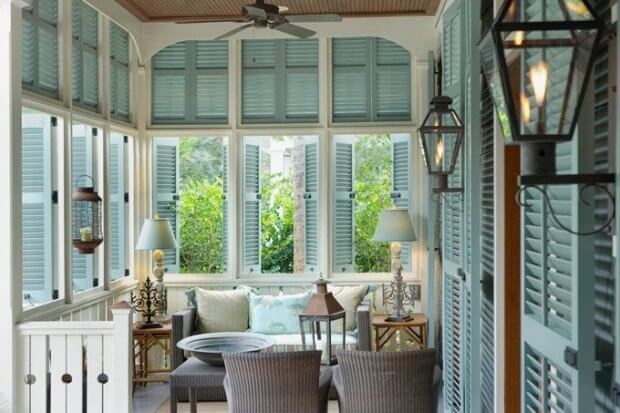
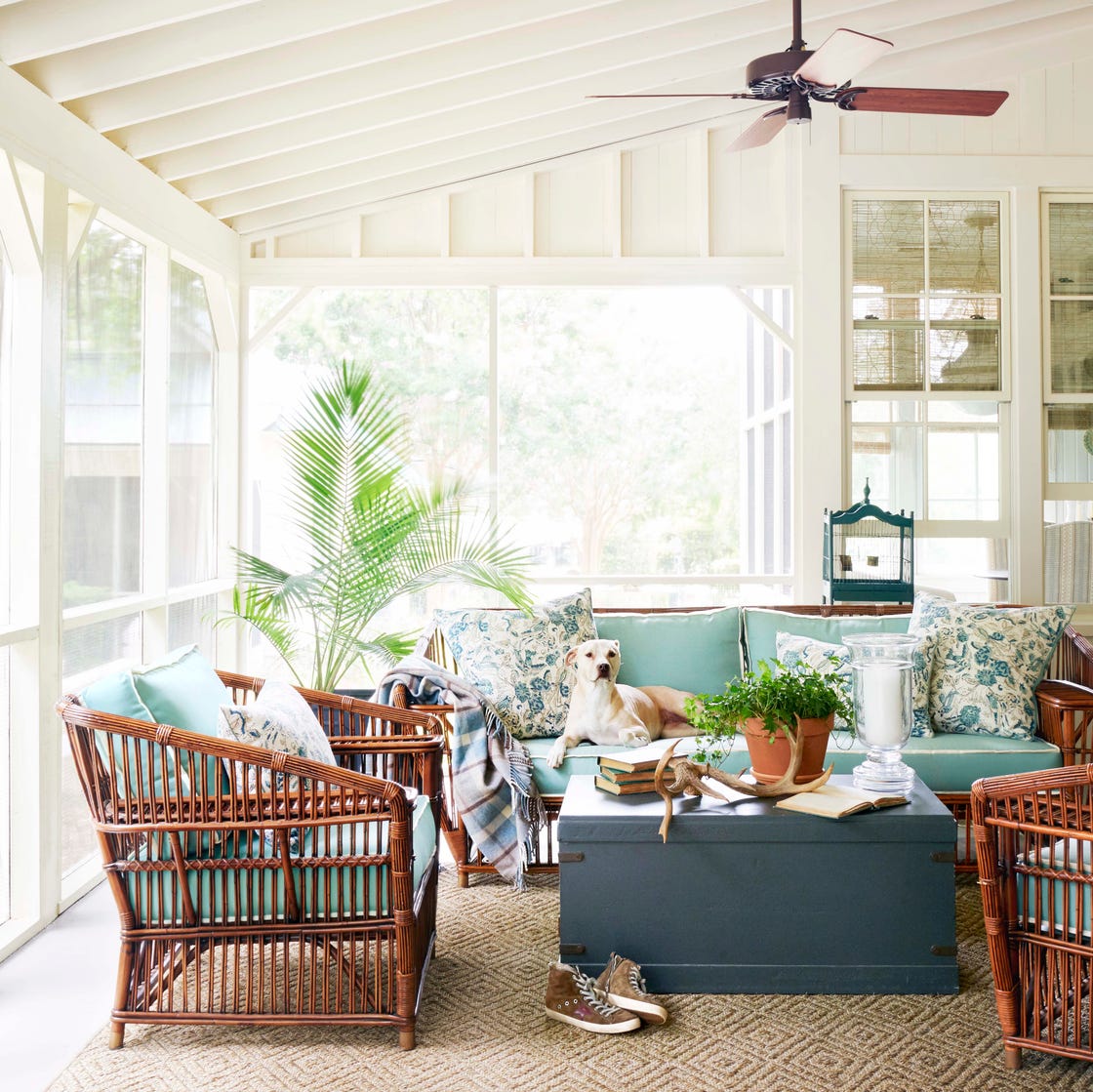
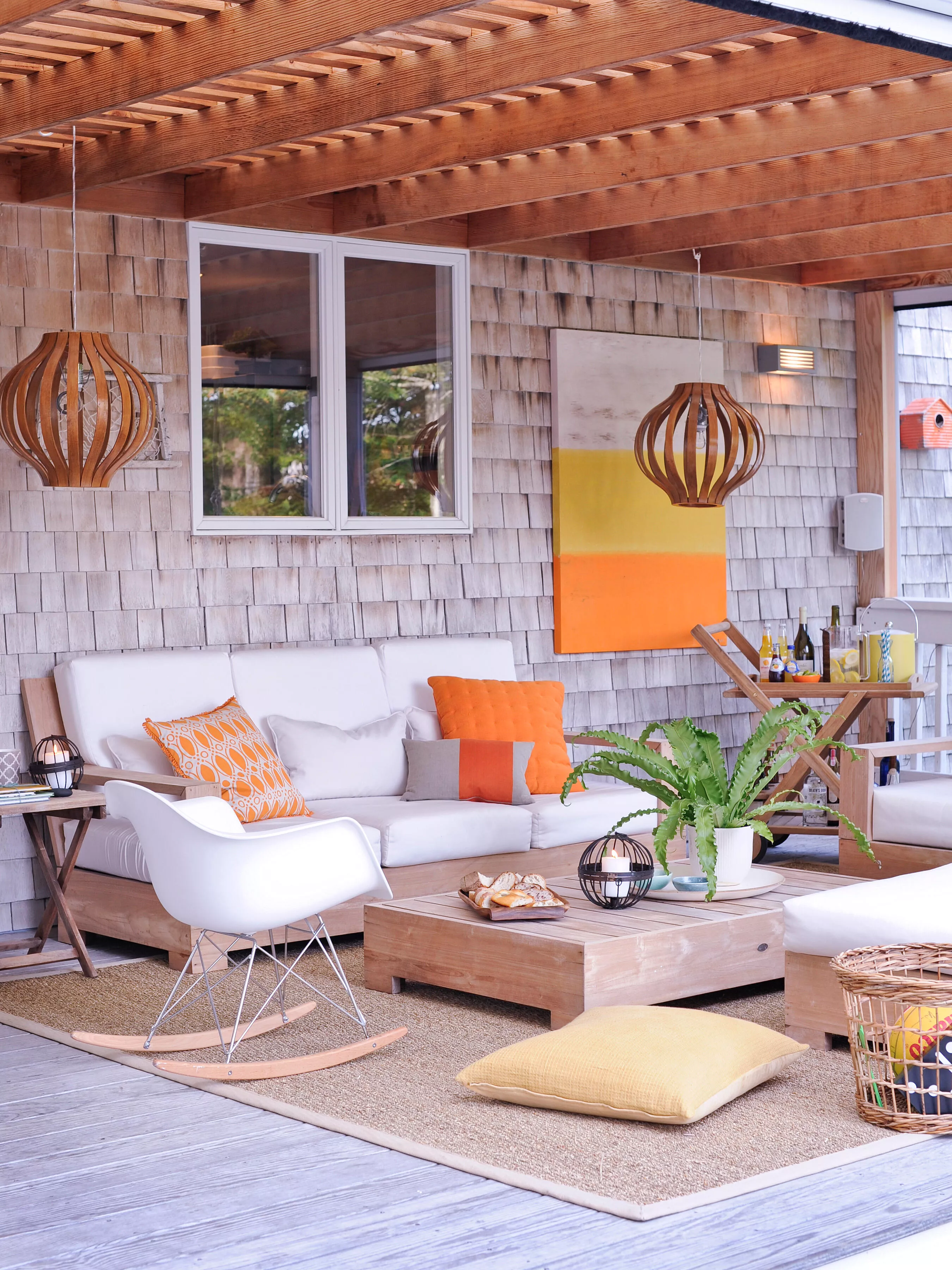
When designing a lanai, comfort should be a primary consideration. It is envisioned as a space for conversation and relaxation, often furnished with large, cushioned chairs or couches, and a table for food or drinks. The inclusion of a ceiling fan is advisable, particularly in hot climates, to ensure the space remains comfortable and prevents stuffiness. Screens are a practical addition, offering an indoor-outdoor feel while providing protection. For enhanced versatility, screens that can be lowered and raised offer the option to completely open the space to the outdoors, though this may involve a significant investment.
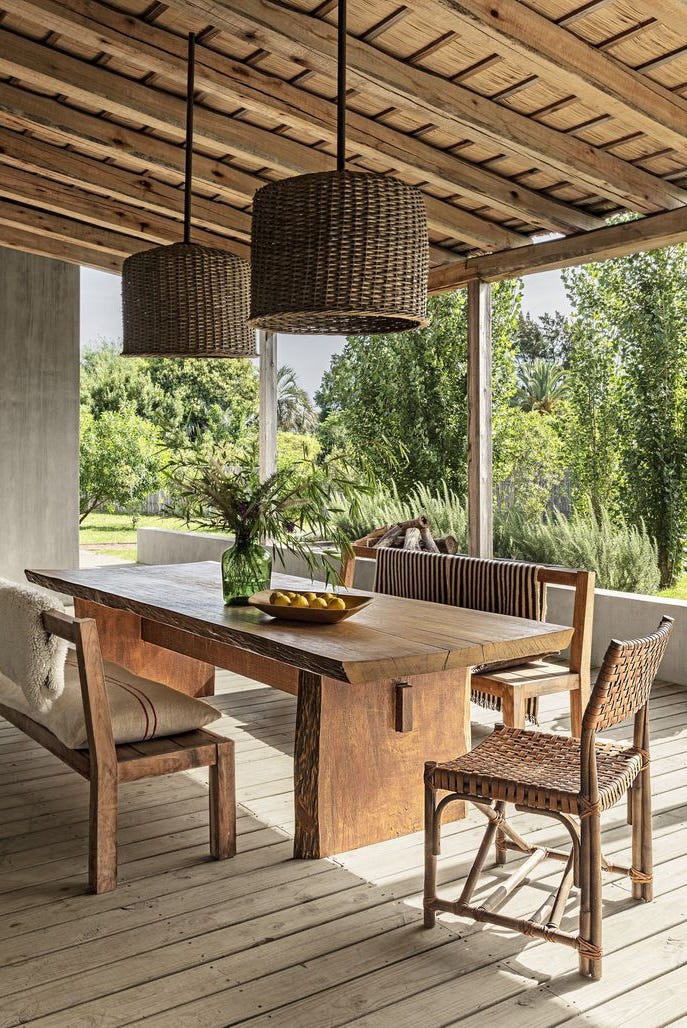
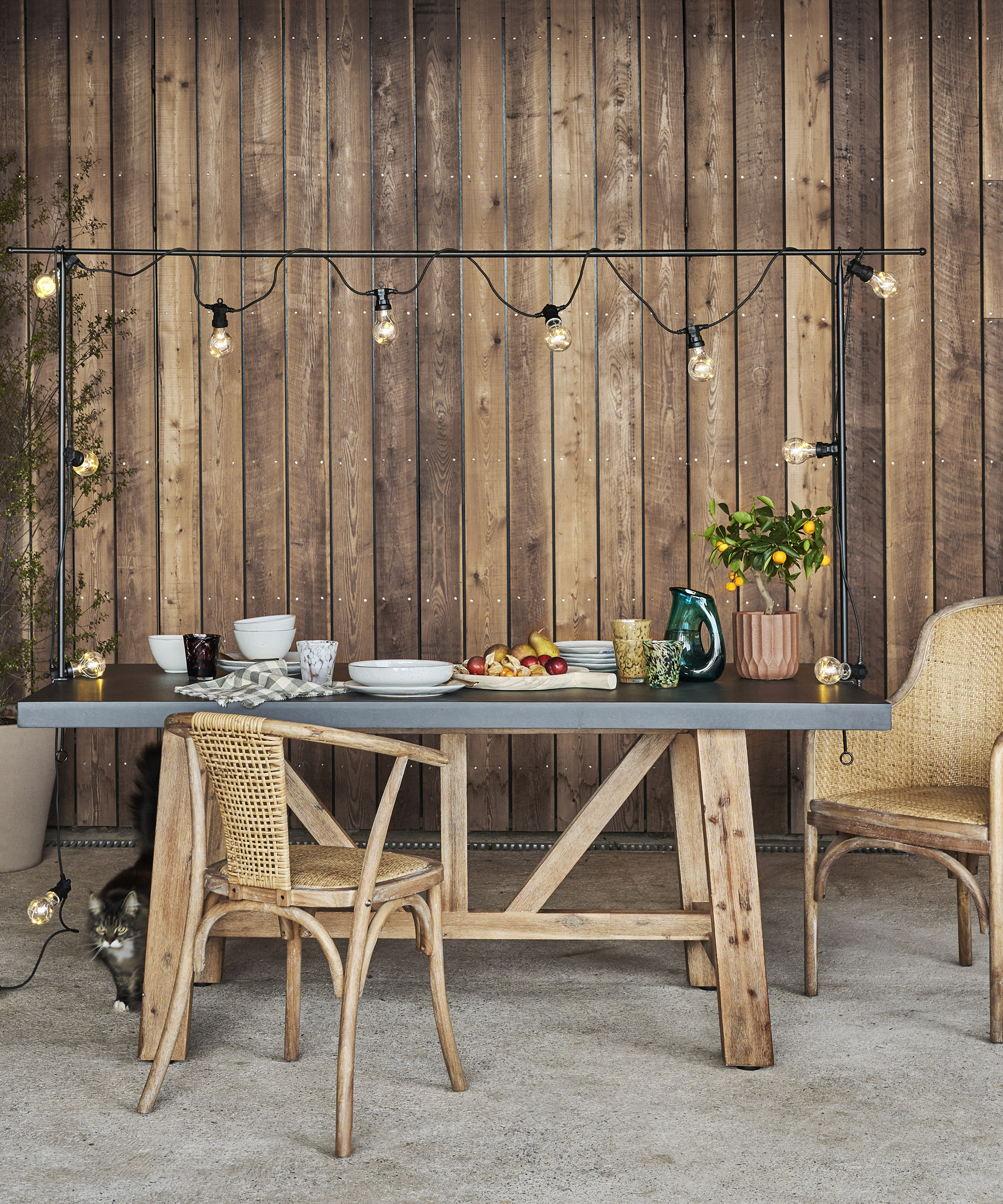
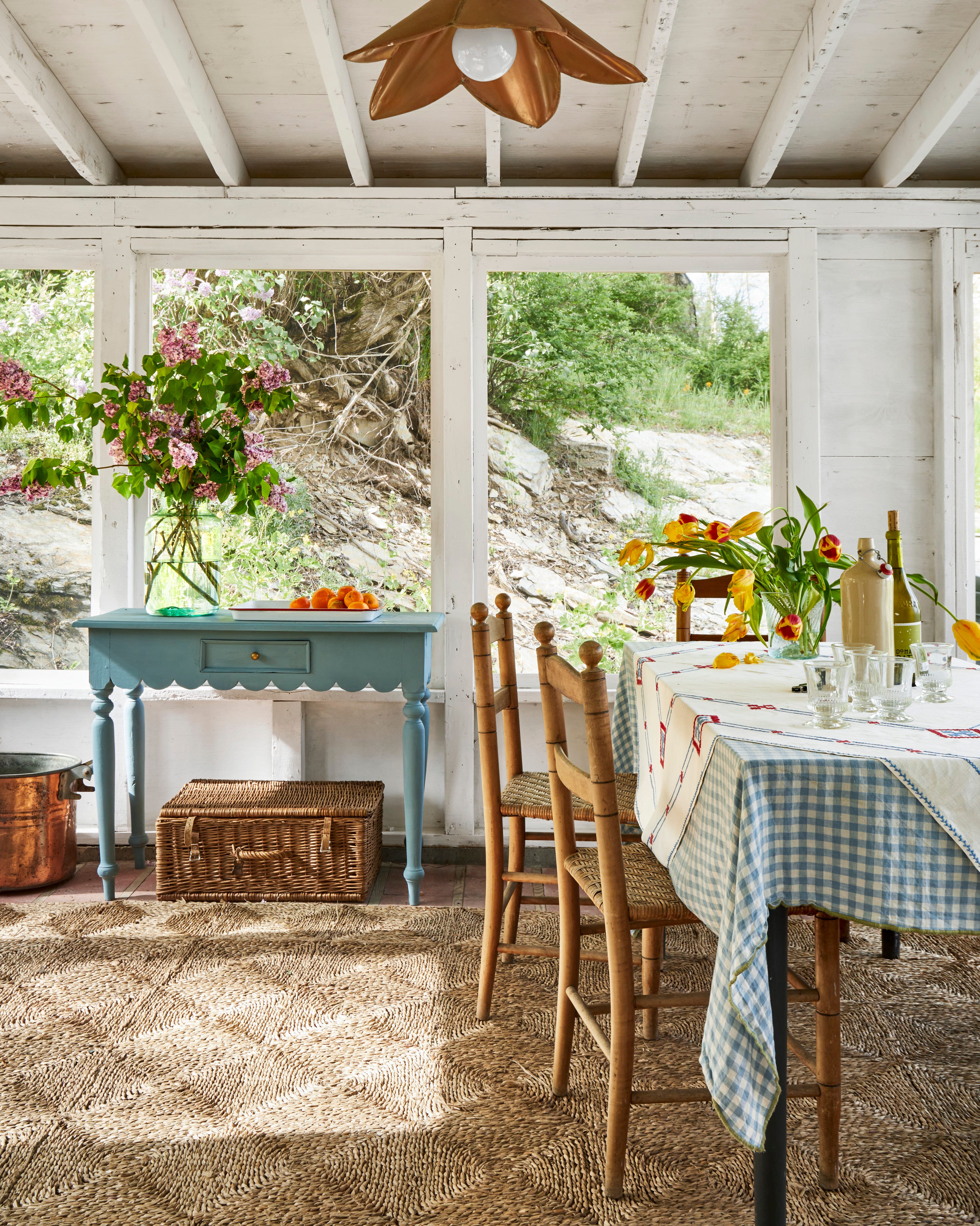
Selecting appropriate furniture is crucial for a lanai. Any furnishings placed in this area must be capable of withstanding outdoor conditions, especially in regions prone to rain, humidity, and temperature fluctuations. Materials and fabrics should be robust enough to endure heat, moisture, and varying temperatures to ensure durability and longevity. The functionality of the lanai should also align with how the space will be used. For those who enjoy alfresco dining or wish to have their morning coffee outdoors, the layout and furnishings should support these activities.
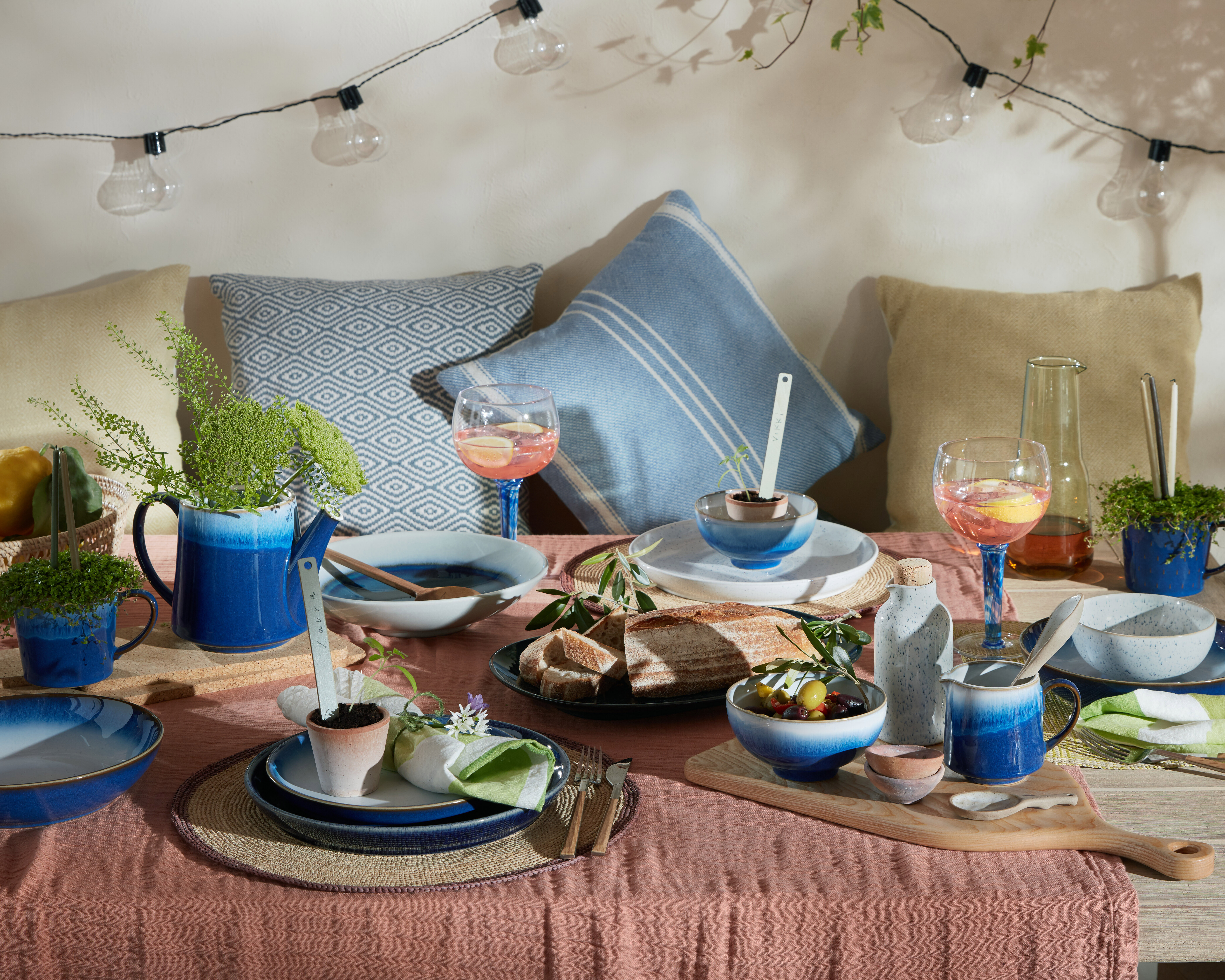
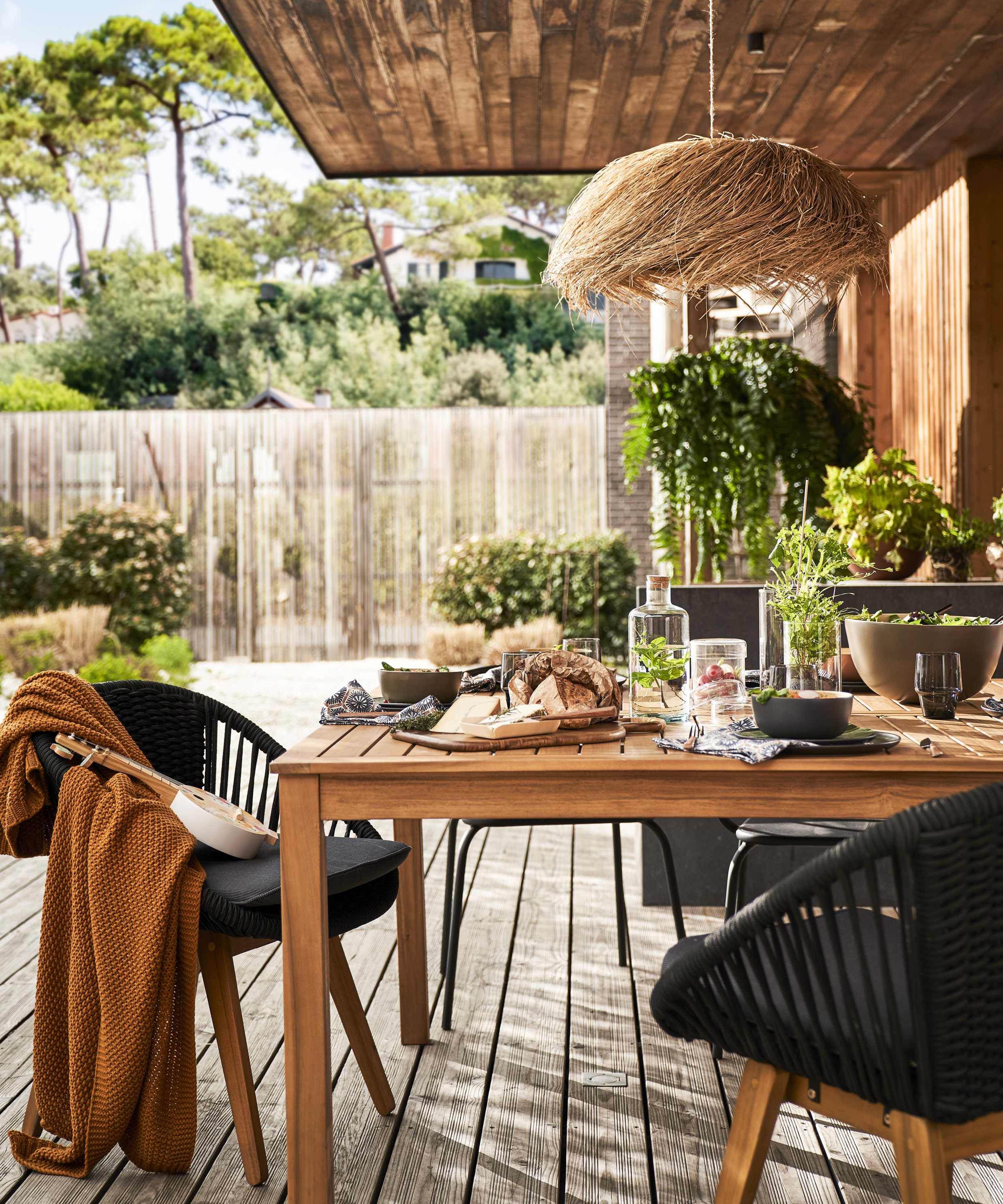
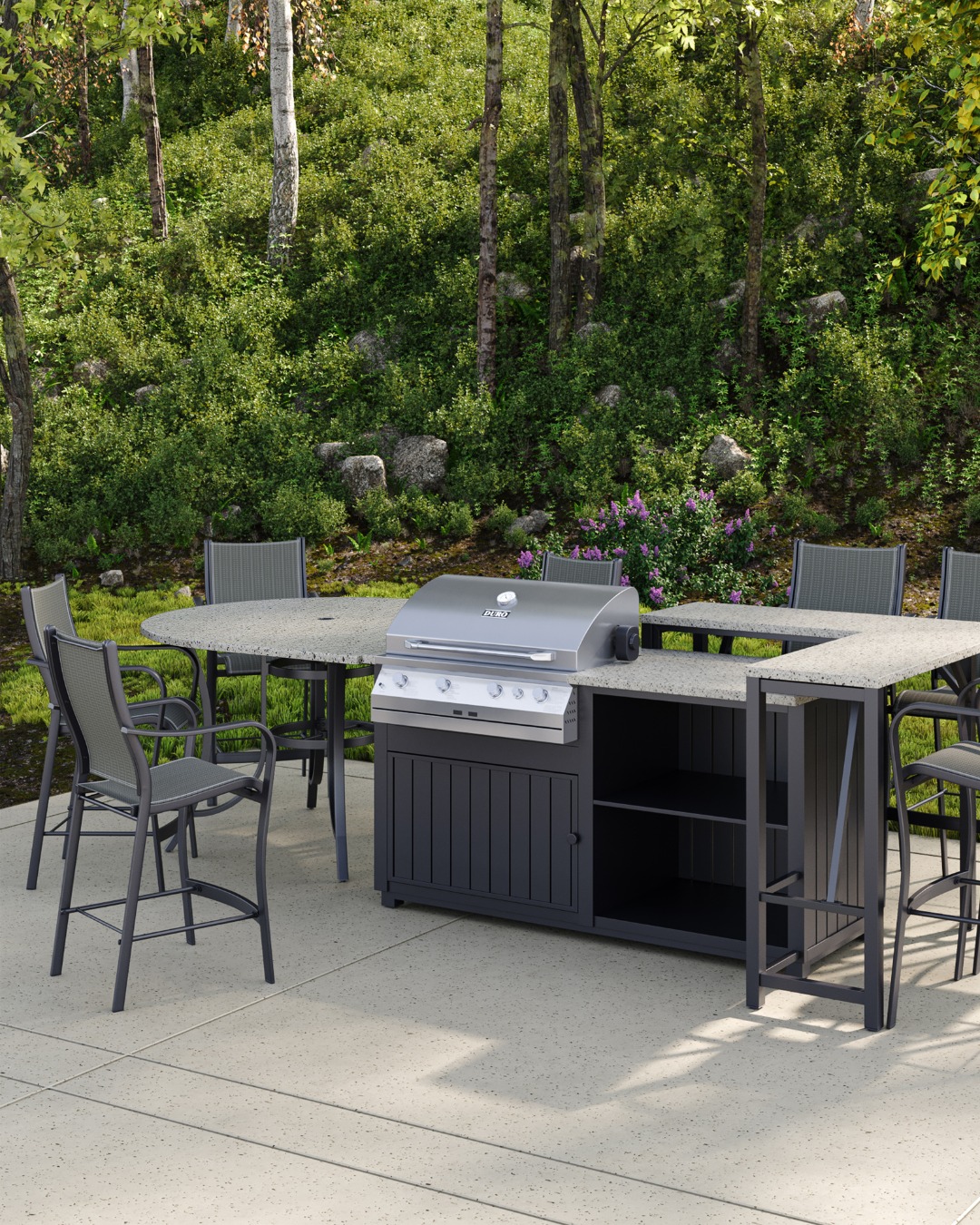
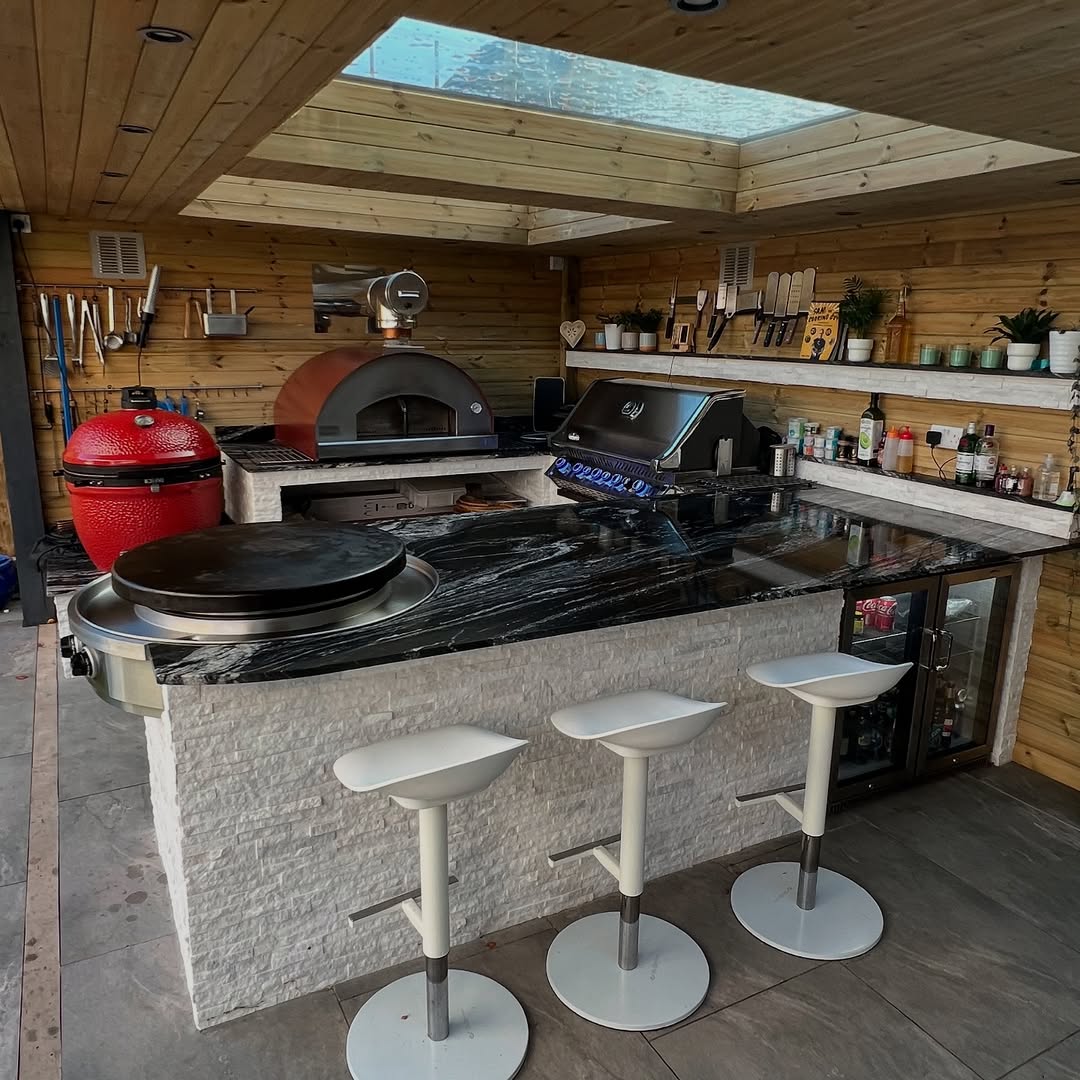
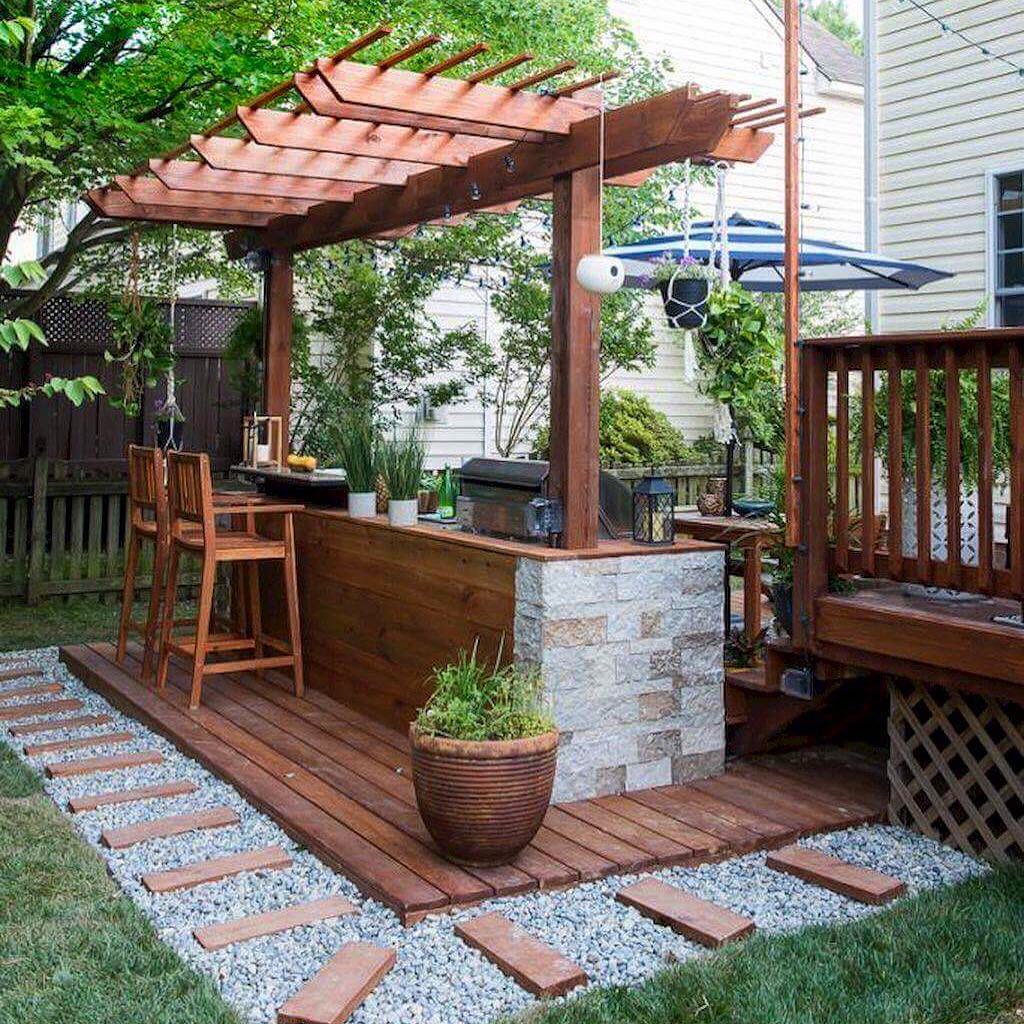
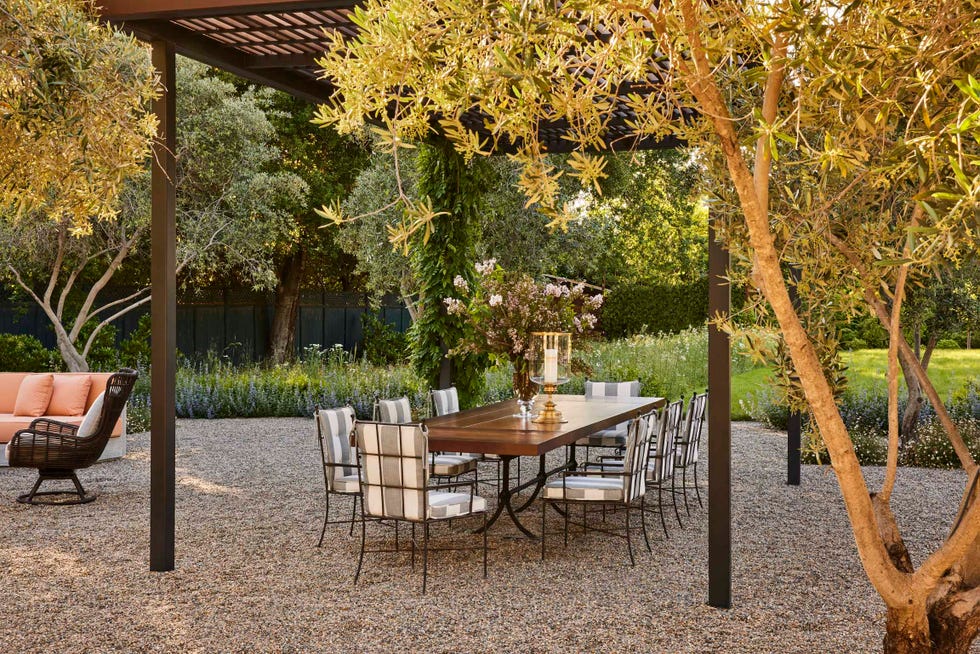
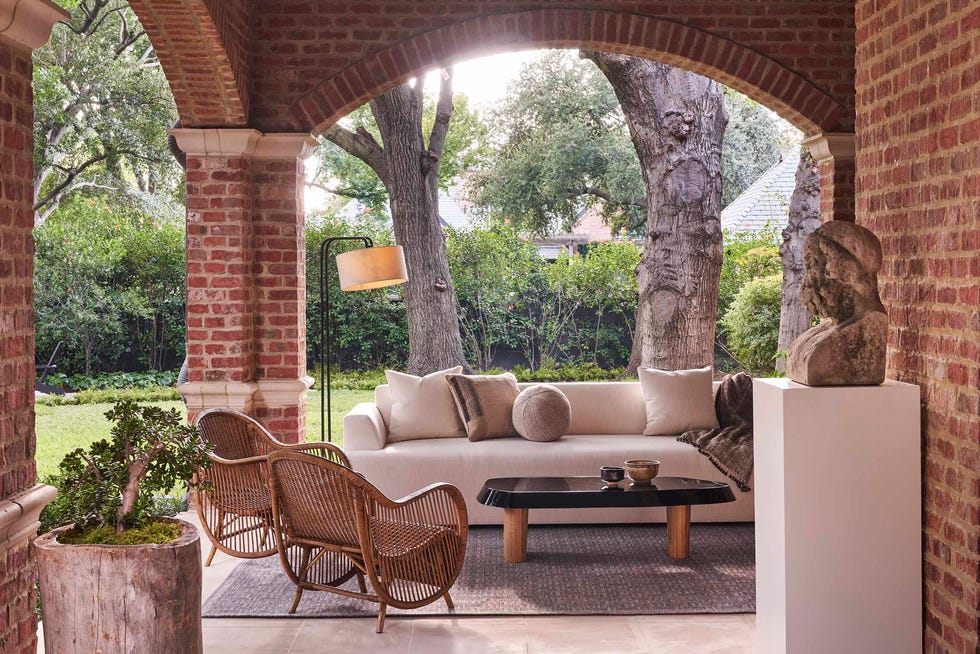
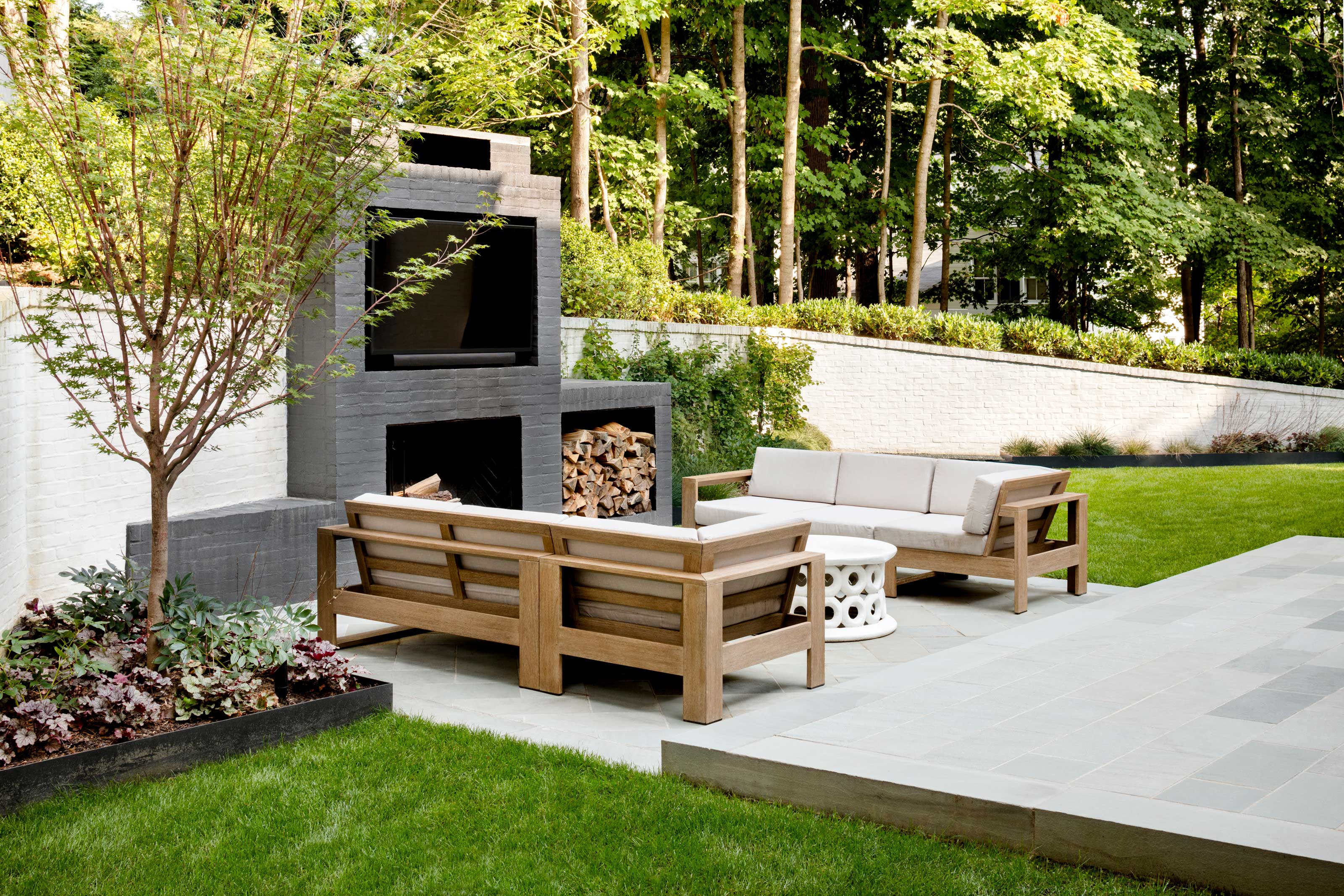
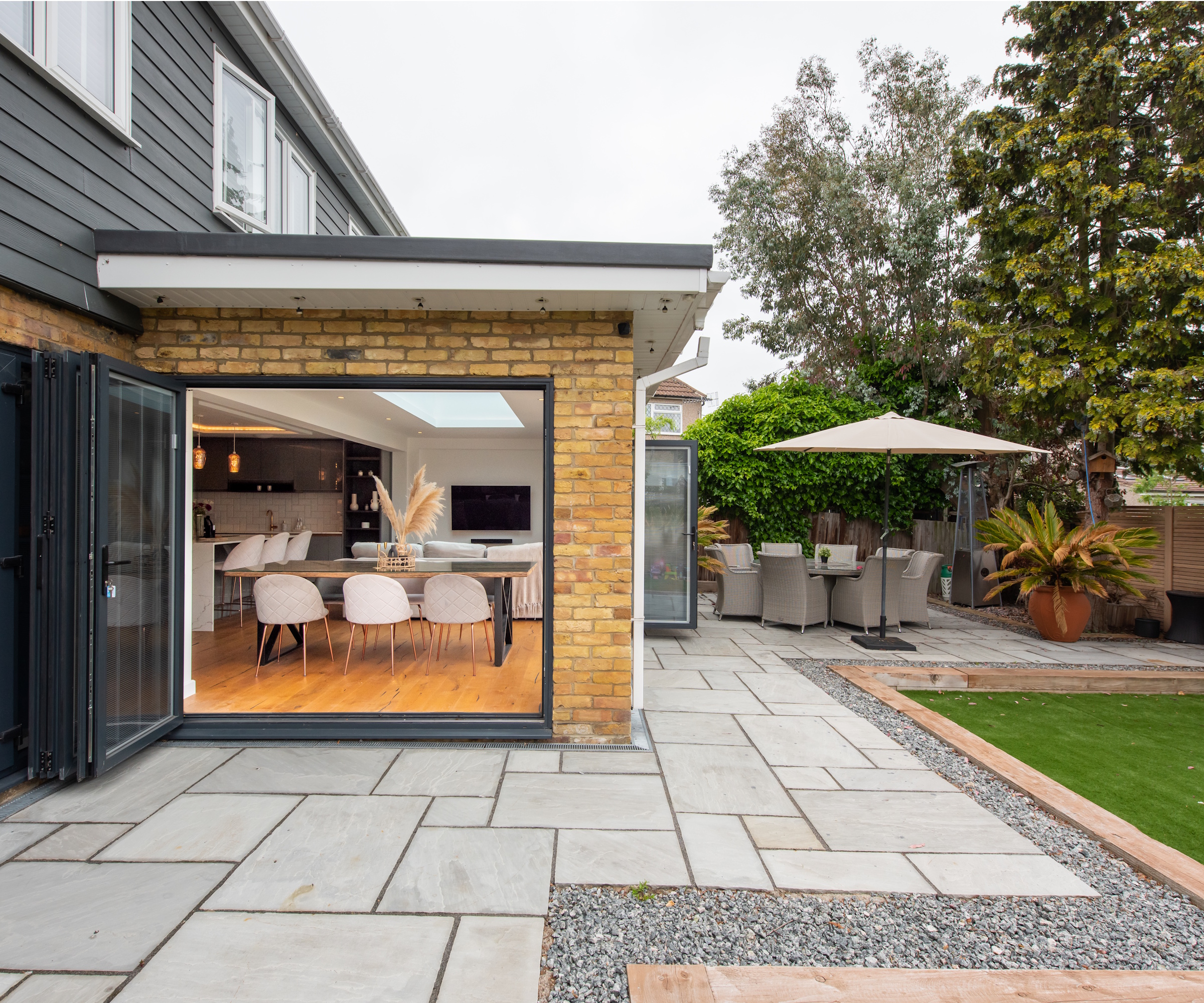
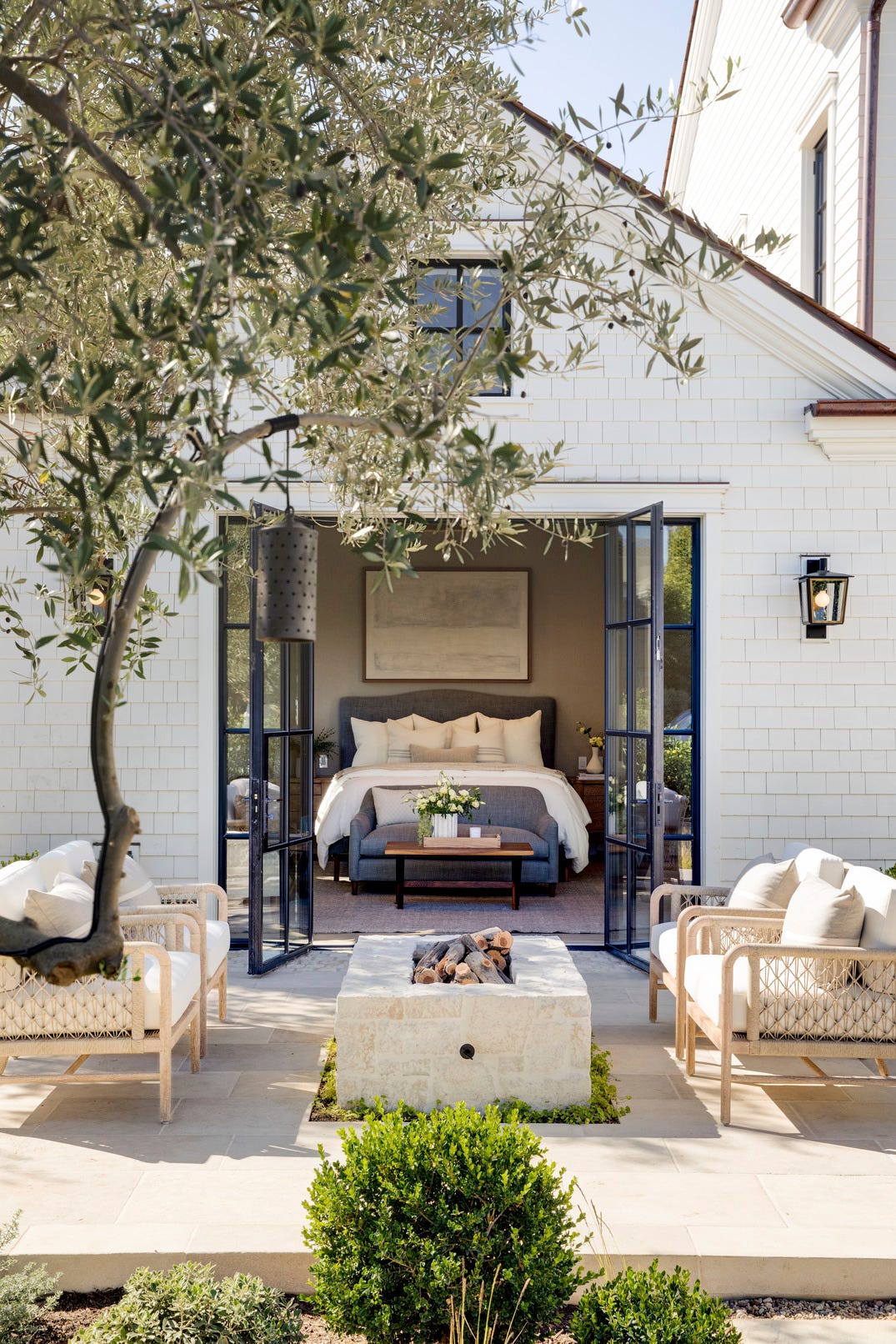
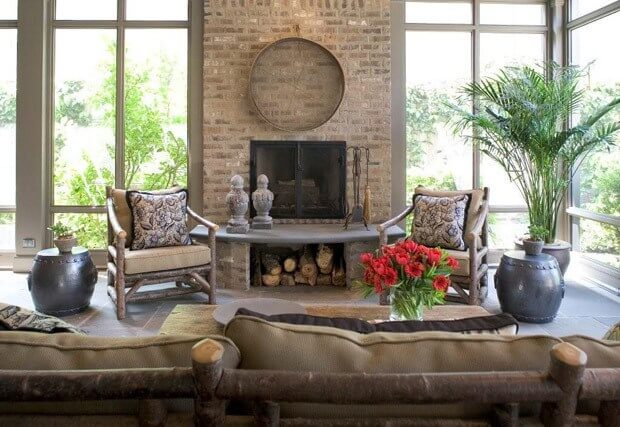
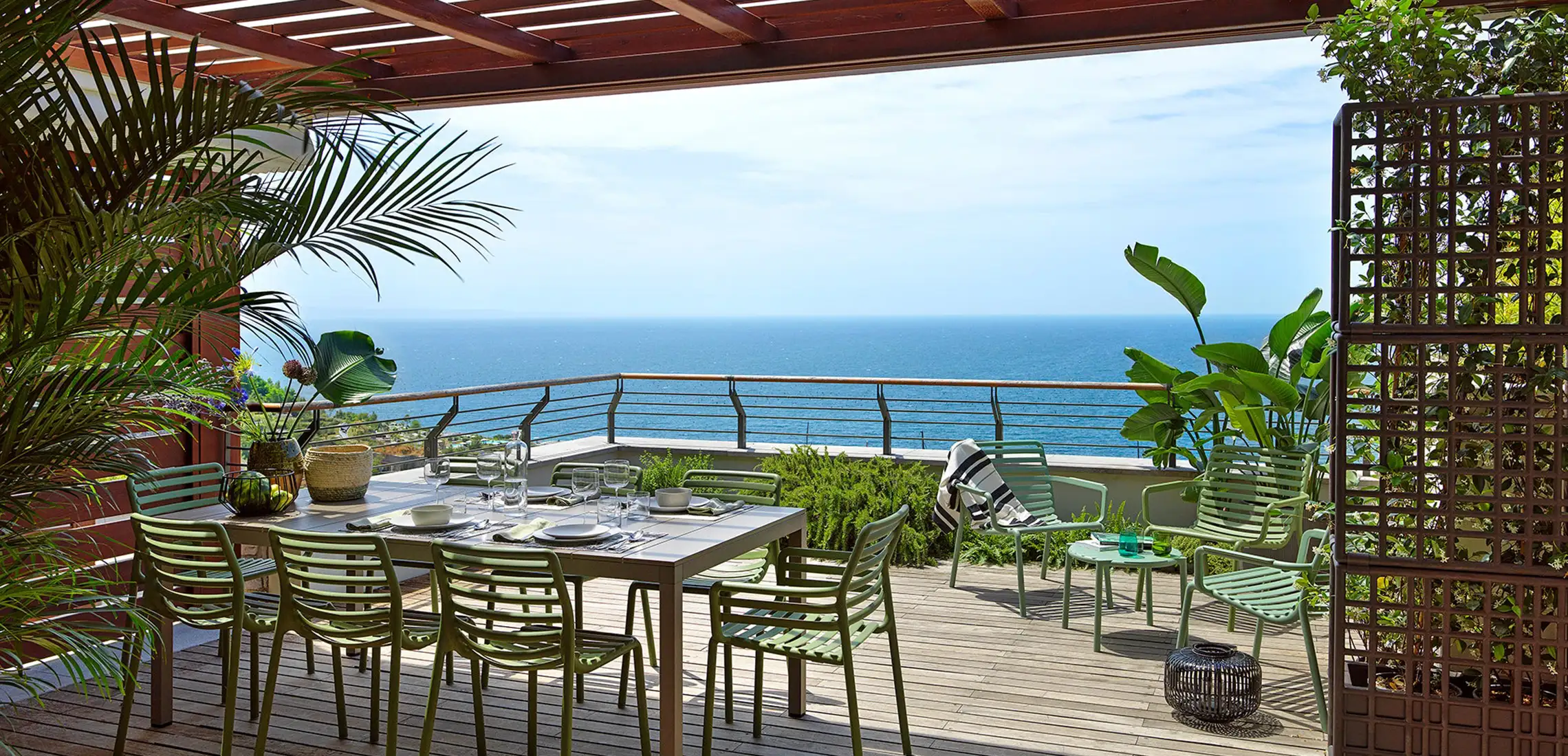
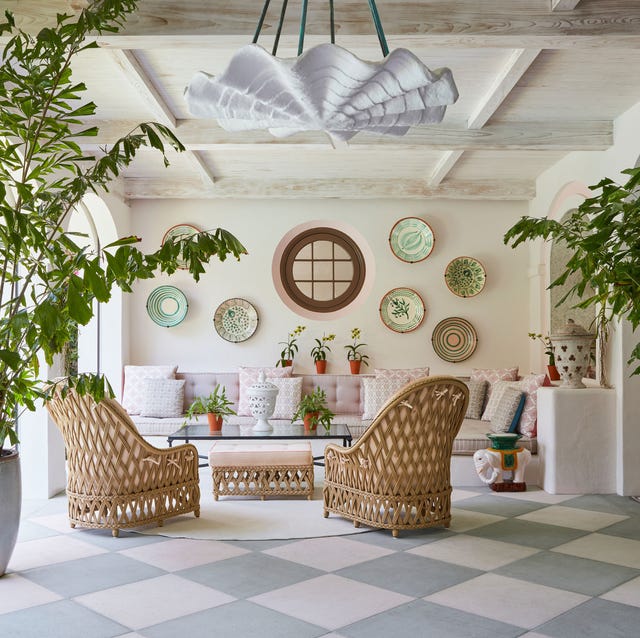
Similarly, if the lanai is intended for entertaining, its design should accommodate guests, perhaps with ample seating for cocktails or family dinners. Incorporating elements such as a large outdoor dining table, comfortable sofas, rattan armchairs, or even an outdoor television mounted above a built-in fireplace can effectively extend the home’s living space. These design choices allow the lanai to contribute valuable square footage without necessitating major interior renovations. The ultimate goal is to create a functional and inviting outdoor area that seamlessly integrates with the home and enhances the overall living experience.
#LanaiDesign #OutdoorEntertaining #HomeImprovement #ExteriorDesign #PorchIdeas #WarmClimateLiving #ArchitecturalFeatures #PatioFurniture #IndoorOutdoorLiving #LanaiDesign #OutdoorEntertaining #HomeImprovement #ExteriorDesign #PorchIdeas #WarmClimateLiving #ArchitecturalFeatures #PatioFurniture #IndoorOutdoorLiving
0 comment in total
 No comments yet
You may also like
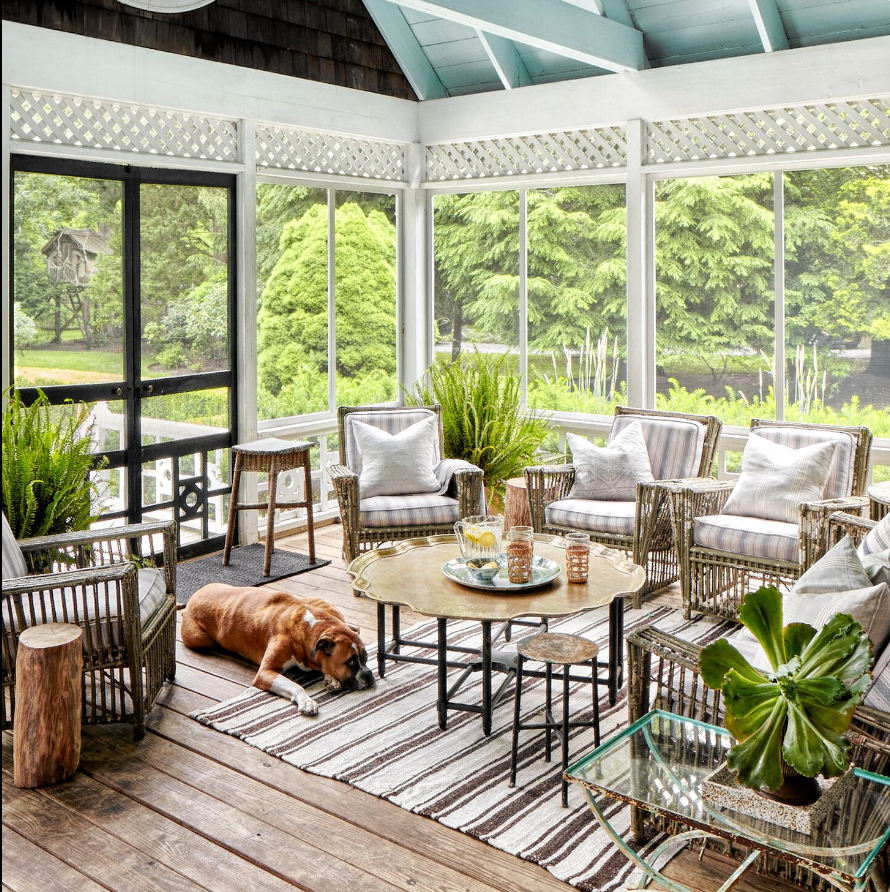
15 Lovely Screened-In Porch Ideas for the Ultimate Summer Hangout

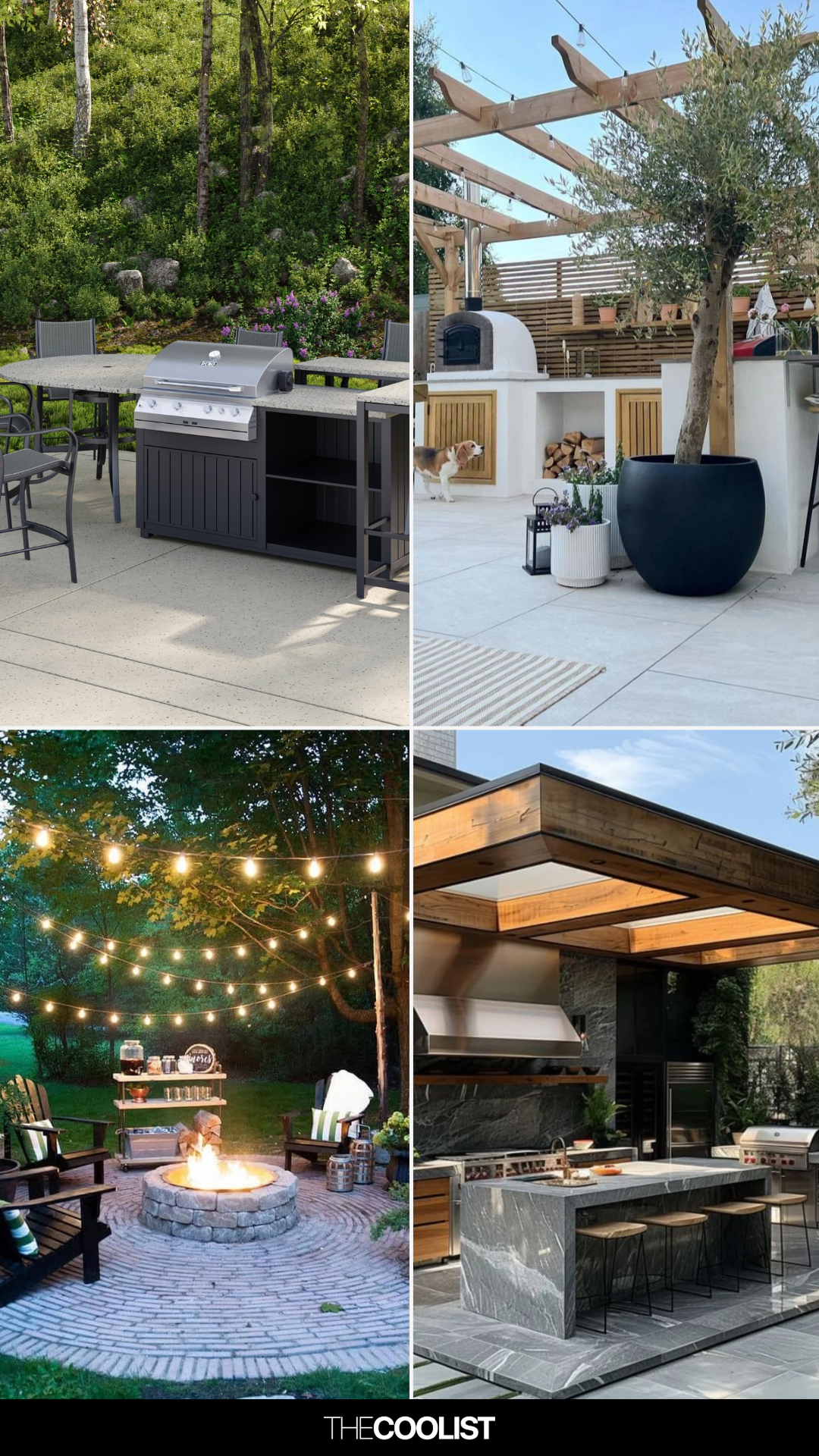
26 Outdoor Patio Bar Ideas That Turn Your Patio Into the Perfect Spot for Weekend Hangouts

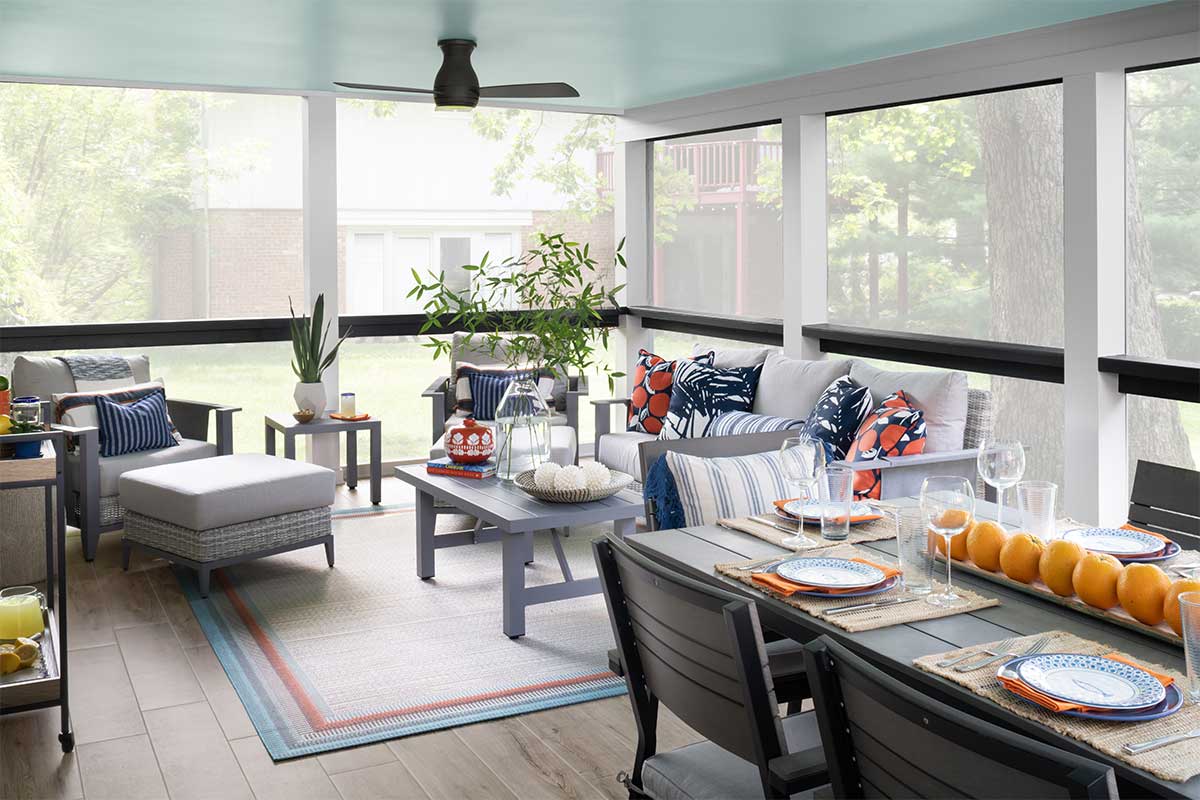
4 local interior designers create porches for all seasons
These Dreamy Screened-in Porches Are The Antidote to Summer Heat

These Gorgeous Outdoor Rooms Will Inspire Your Summer Entertaining Prep
These Will Be the 6 Biggest Porch and Patio Trends for 2025

45 Outdoor Living Rooms That Will Make Your Indoor Living Room Jealous

Our Editor’s Picks From Remarkable Outdoor Living
Outdoor dining ideas: 16 ways to create the perfect al fresco entertaining space

Building a Screened-in Porch, Deck, or Balcony
8 clever L-shaped patio ideas designers say are guaranteed to transform your outdoor living space

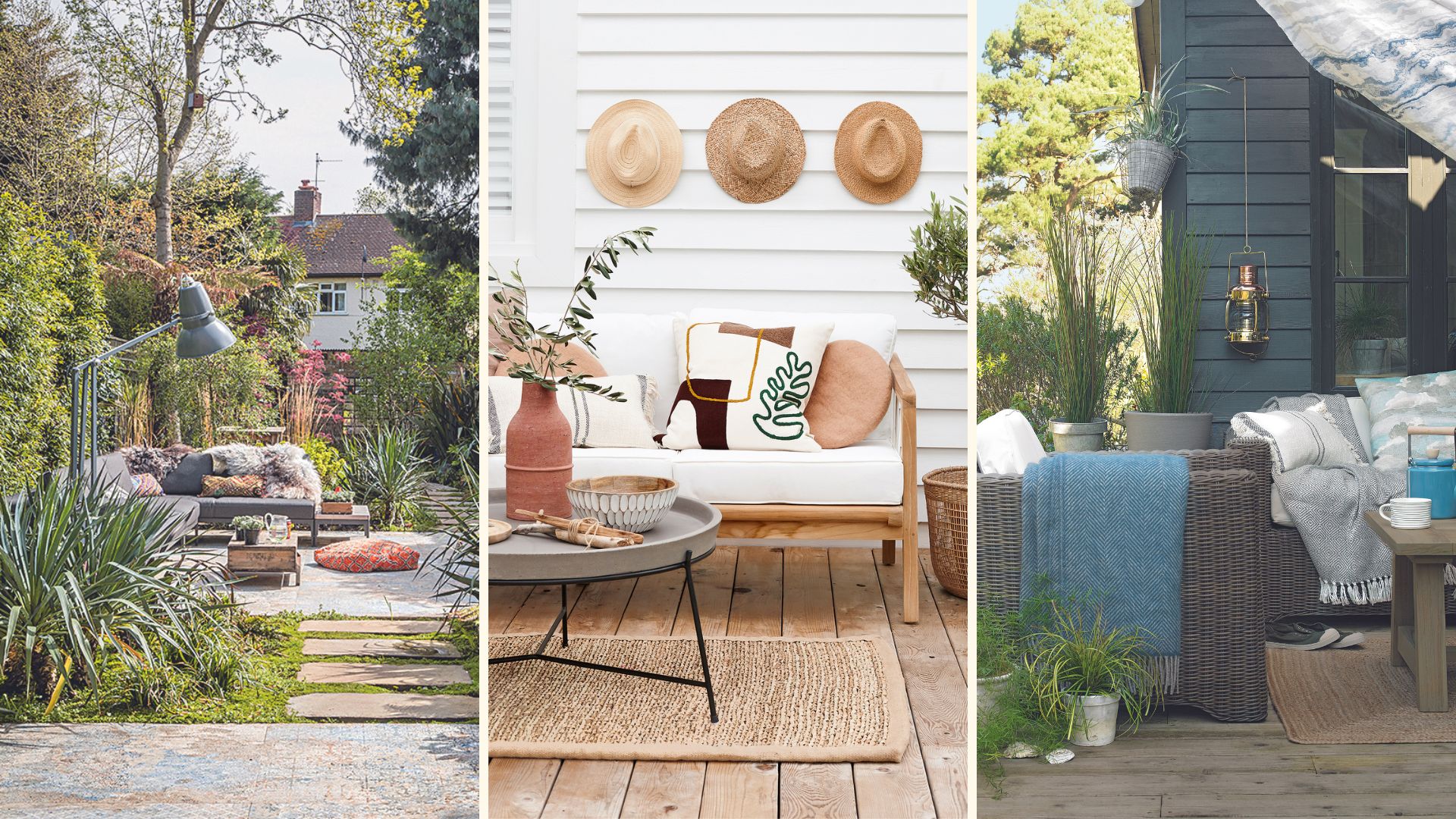
Outdoor living room ideas: 15 ways to maximise any outdoor space

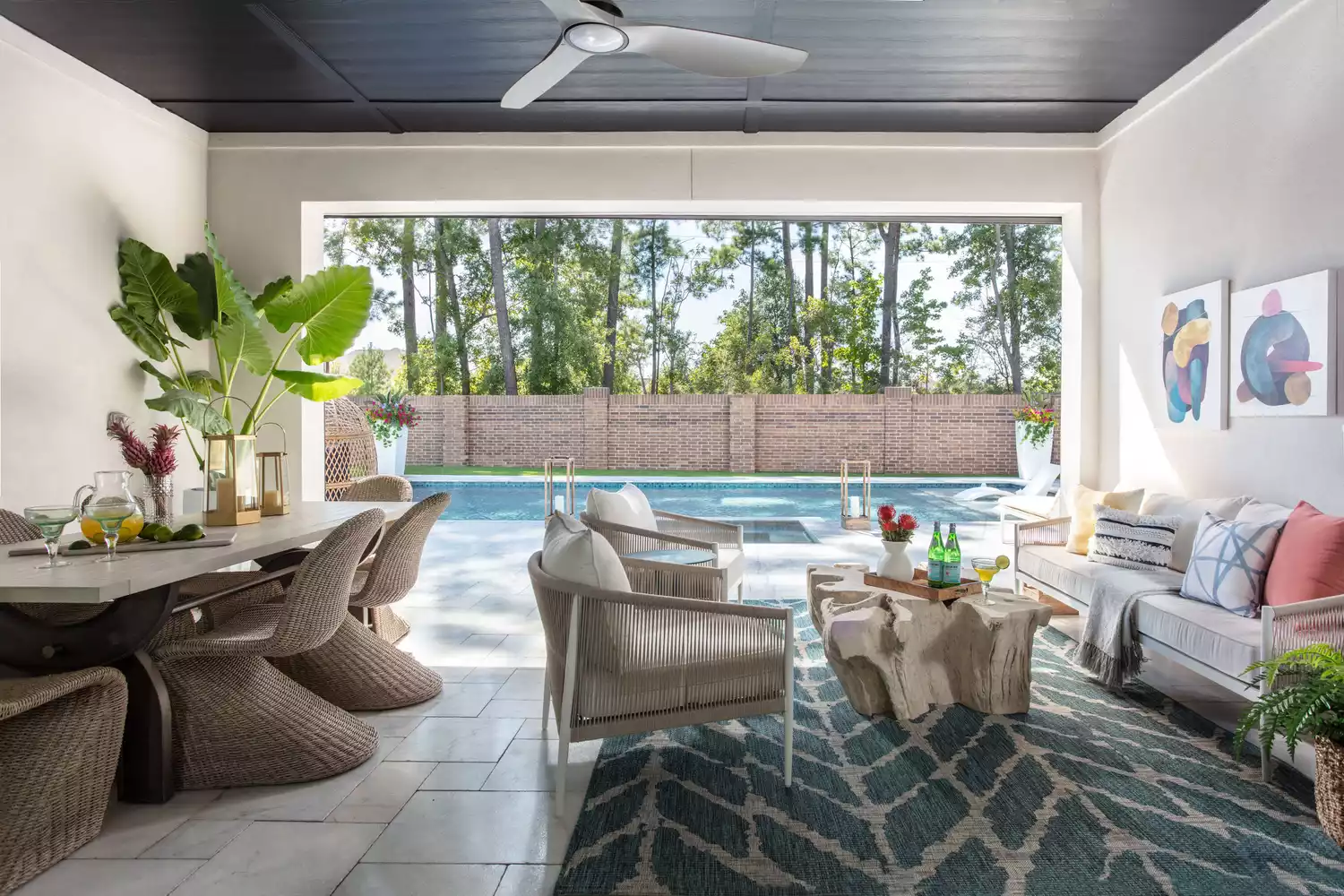
What Is a Lanai vs. a Porch, Patio, or Veranda?

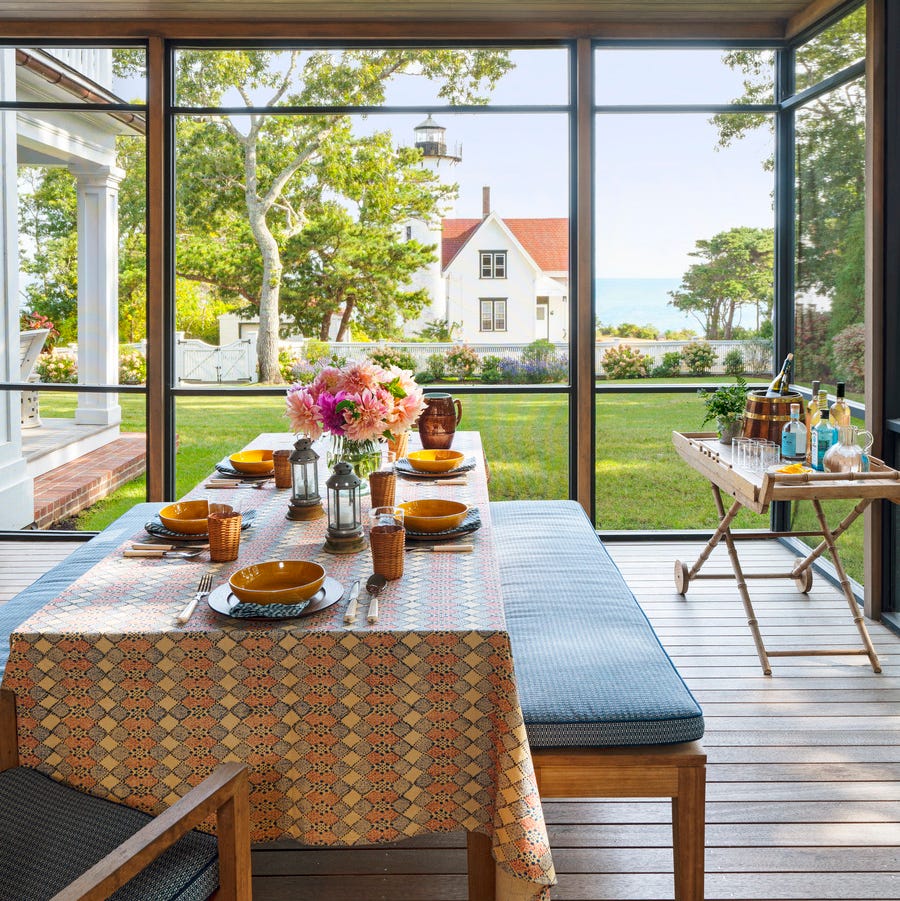
These 30 Screened-In Porch Ideas Are Designed for Effortless Alfresco Lounging
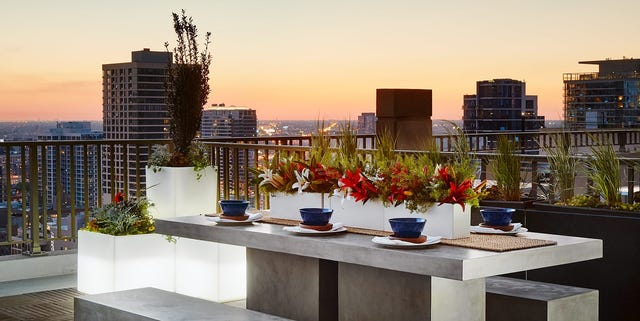
The 20+ Luxury Terraces and Rooftops of Your Summer Party Dreams
Beautiful Southern Porches

23 Screened-In Porch Ideas That Will Make Your Home the Ultimate Retreat
11 Ways to Ensure Your Outdoor Entertaining Area Is Perfect for Hosting Guests — And Is Used Well Into the Evening

Creative Patio Ideas That'll Make You Embrace Alfresco Living

6 Outdoor Room Design Tips for an Entertaining and Relaxing Space