A Guide to Using and Collecting Flower Frogs
Flower frogs, often discovered in antique shops and flea markets, are intriguing objects with a rich history, recognized by their diverse shapes, colors, and designs, all featuring holes for flower stems. These tools, crafted from materials like lead, pottery, glass, and bronze, were designed to be placed at the bottom of a vase or bowl, submerged in water, to firmly secure flower arrangements, particularly those with challenging stem placements. The functionality of these openings, which hold the flower stems, is the primary purpose of every flower frog. This article delves into the origins, types, collectibility, and usage of these decorative yet utilitarian items, drawing insights from floral design and collecting experts.
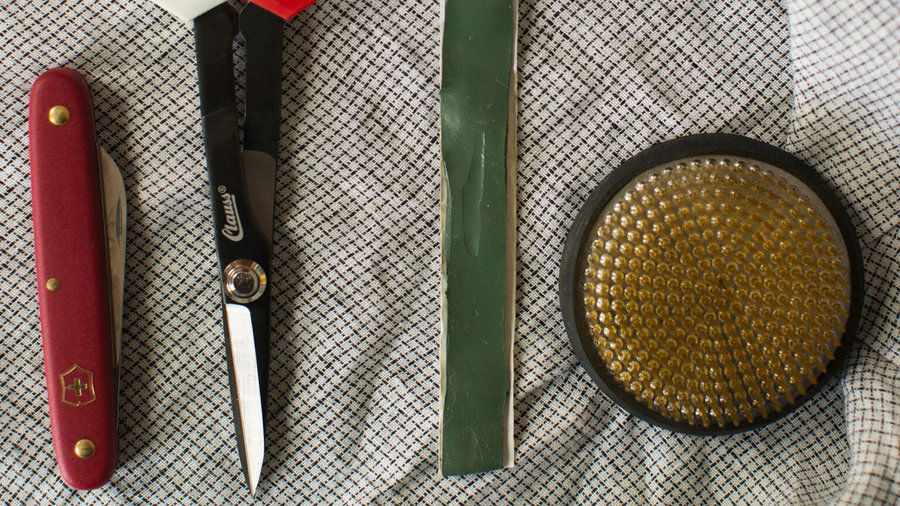
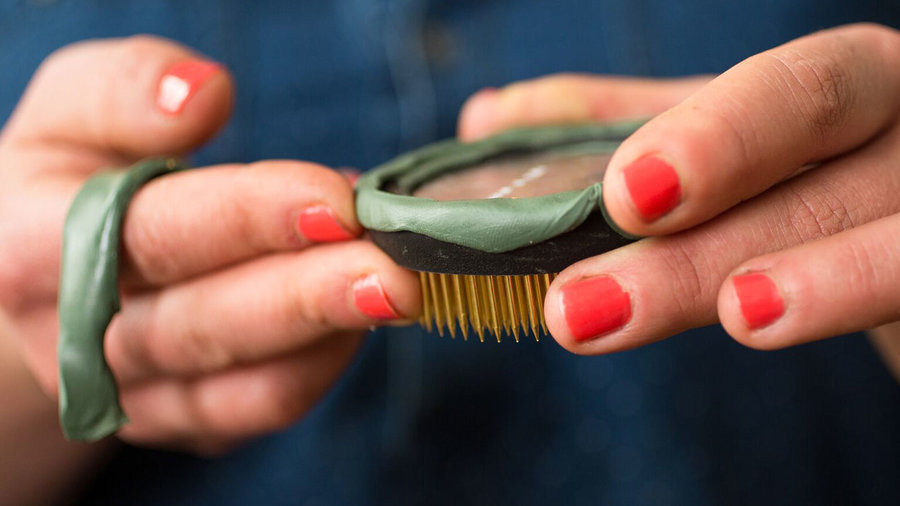
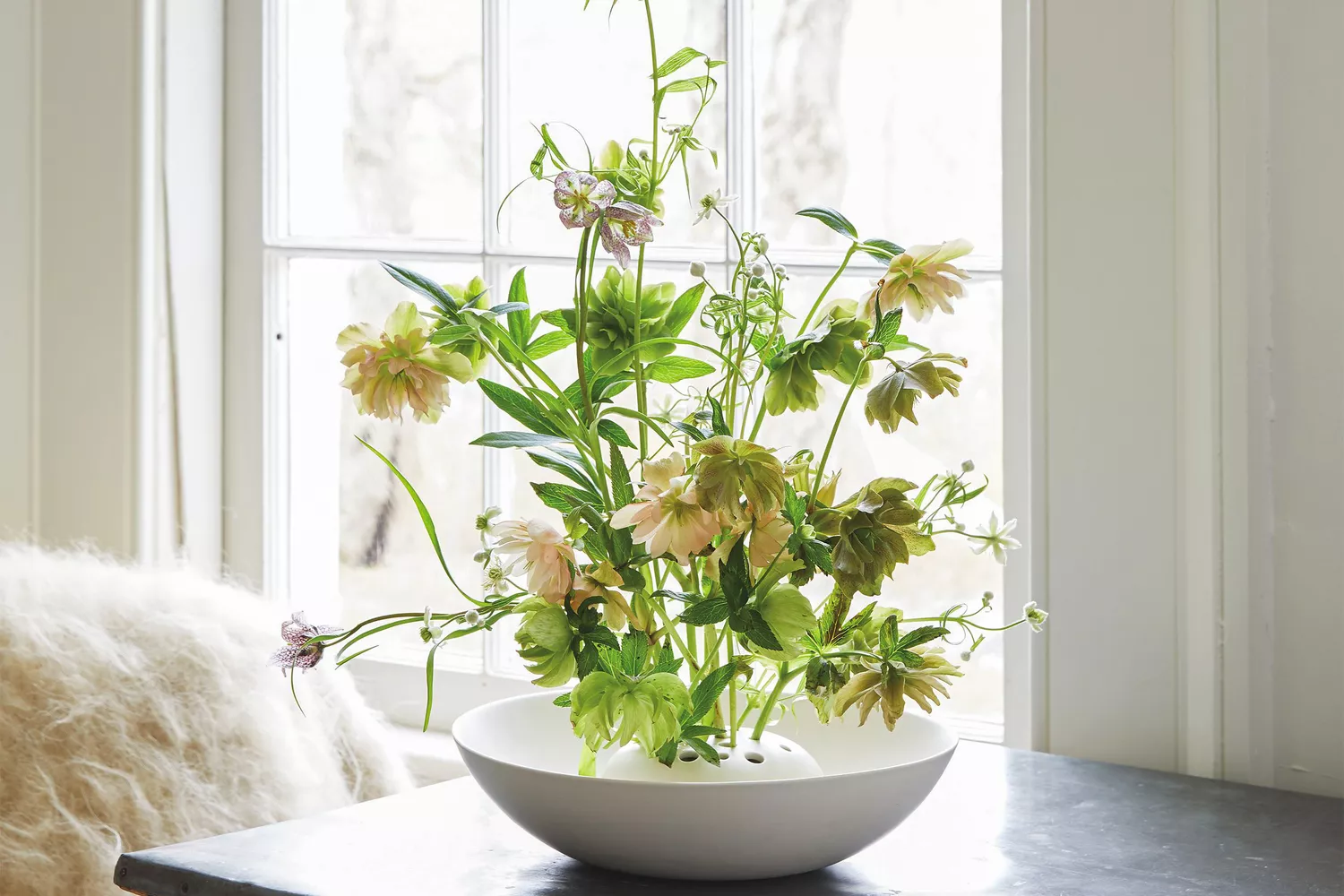
The history of flower frogs can be traced back to the 14th century, with their earliest known use in the Japanese art of flower arrangement, known as ikebana. This ancient technique, which emphasizes the strategic placement of a limited number of perfect blooms, necessitated a holder to keep stems in position. Early Japanese versions were made of iron and evolved into various forms, including crabs, turtles, and elaborate openwork designs, as well as pincushions, or kenzan (meaning "needle mountains"). In ikebana, the frog itself was often an integral part of the aesthetic, visible within the shallow water of a low, flat bowl.
The origin of the term "flower frog" remains a topic of discussion among experts. While modern ikebana literature may use the term, it is not a traditional Japanese appellation. A widely accepted theory, a form of plausible folklore, suggests the name originated because the device "sits in water." This idea may have emerged in the late 1870s during a period of intense American interest in Japanese culture, when Americans observed ikebana arrangements featuring underwater flower holders and began playfully referring to them as frogs.
Flower frogs come in various styles, distinguished by their material and shape. Common types found in antique markets today include round glass and metal iterations. Specific categories include glass flower frogs (available in clear, amber, and green), metal pincushion flower frogs (kenzan), metal hairpin flower frogs, metal cage flower frogs, ceramic flower frogs, and plastic flower frogs. The most sought-after and valuable flower frogs today often resemble the ornate Japanese models, characterized by elaborate designs, sometimes featuring an attached figurine, such as an artistically posed dancing lady perched among the stem-holding holes. These figural frogs, popular between 1910 and 1930, were inspired by dancers like Isadora Duncan and Loïe Fuller, showcasing long hair and flowing Art Nouveau drapery. They became a favored table decoration for the American middle class, admired for their artistic appeal and practical utility in flower arranging.
While basic, pincushion-shaped flower frogs are functional and accessible, serious collectors seek out the more ornamental examples produced between 1880 and 1940. The value of these collectibles can range significantly, from inexpensive wire sculptures to Art Deco dancing girls priced at hundreds of dollars. The ability to distinguish between a mere knickknack and a valuable flower frog often comes down to recognizing the presence of the stem-holding holes. The "dancing ladies" are particularly prized by collectors, representing the pinnacle of this collecting field. These graceful figures, produced by numerous potteries and glass companies in the U.S., Germany, Japan, and Czechoslovakia, exhibit considerable variety. Flower frogs and their accompanying bowls from renowned American art potteries like Cowan, Roseville, Rookwood, or Weller are also highly coveted, with prices ranging from $50 to $600 based on rarity, condition, and aesthetic appeal. Some popular Cambridge Glass Company dancing ladies have even been given affectionate names by collectors, such as Bashful Charlotte. Beyond dancing ladies, other figural frogs depict animals like dolphins, mermaids, herons, goldfish, turtles, and actual frogs, made from various materials.
Flower frogs offer both aesthetic appeal and practical function, making them a unique collectible. They can be displayed decoratively on a shelf, much like milk glass or bud vases, or actively used to create stunning floral arrangements. Their utility makes them a practical acquisition, transforming from charming curios into functional tools when filled with flowers. Using them is straightforward: they are placed at the bottom of a bowl or vase, and flower stems are inserted into their pins or holes. While the market for flower frogs has seen increased activity, prices for common varieties remain relatively low, with wire frogs often found for a few dollars. More valuable pieces, including dancing ladies, can still be discovered at reasonable prices, offering collectors the thrill of the hunt for these overlooked yet wonderful objects.
#FlowerFrogs #CollectingAntiques #FloralArrangement #Ikebana #HomeDecor #VintageCollectibles #ArtNouveau #ArtDeco #GardeningTools #FlowerFrogs #CollectingAntiques #FloralArrangement #Ikebana #HomeDecor #VintageCollectibles #ArtNouveau #ArtDeco #GardeningTools
 No comments yet
How to forage for and arrange wildflowers
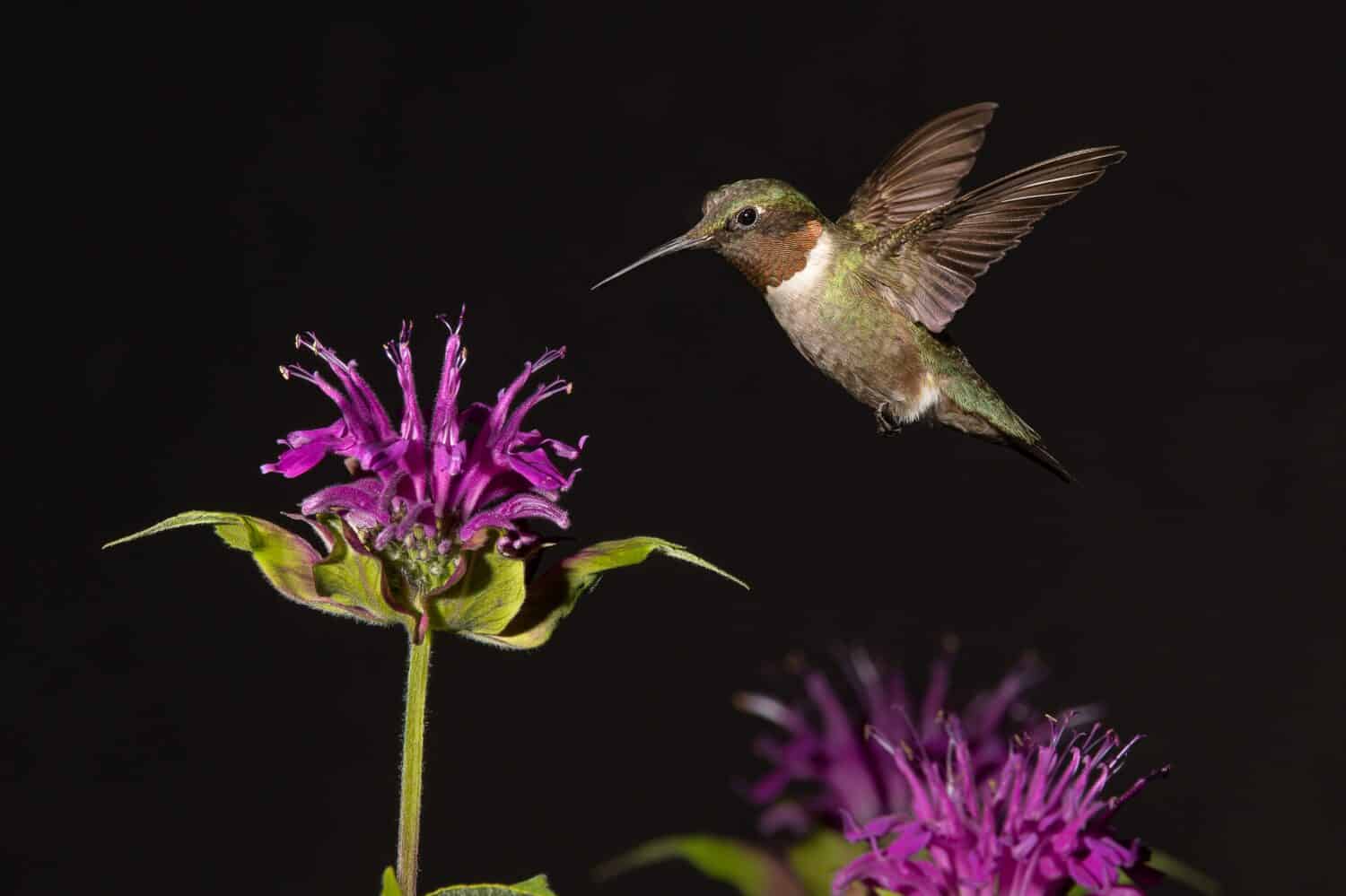
11 Beautiful Purple Flowers and Plants That Attract Hummingbirds
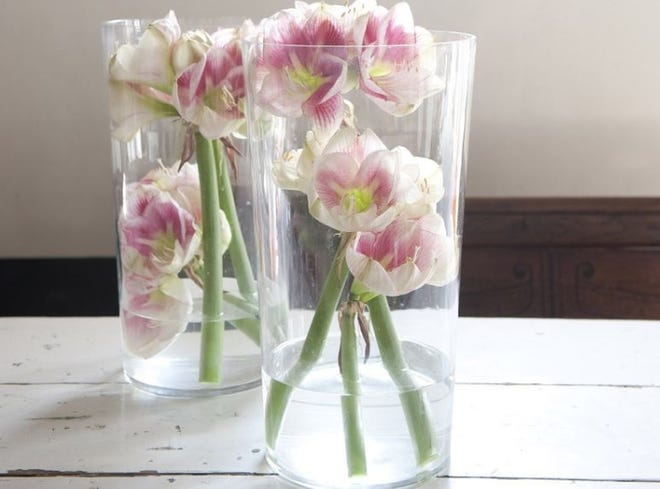
Tips for recycling flowers, pots and vases
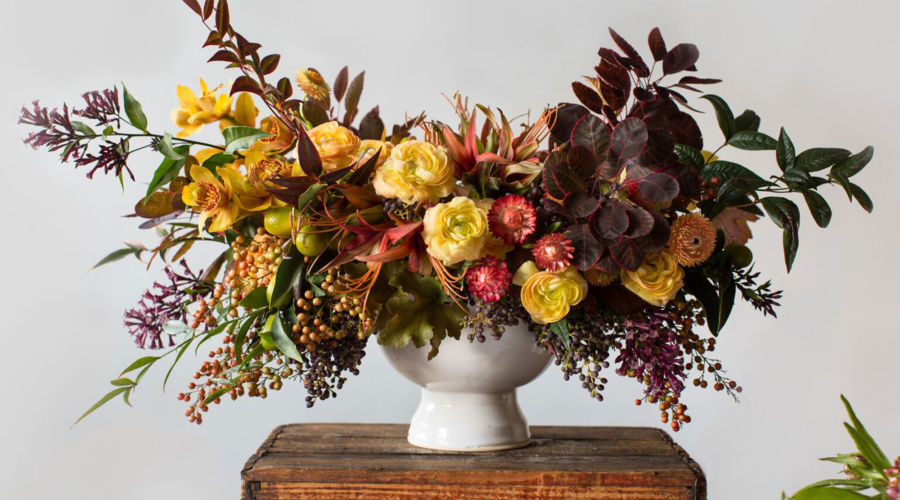
This DIY Fall Floral Arrangement Is an Instant Show-Stopper
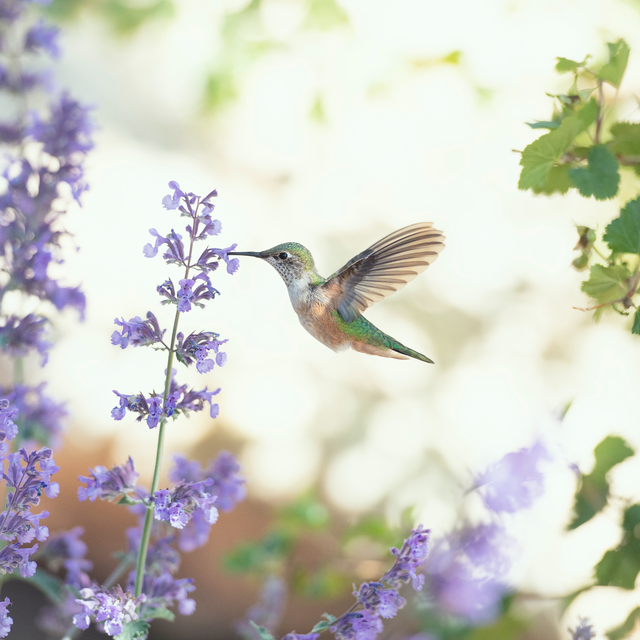
These Colorful Flowers Will Attract Hummingbirds to Your Yard

How to make cut flowers last longer – 7 expert tips for getting the most out of your bouquet

How To Press Flowers in 2 Minutes or Less! (+ DIY Pressed Flower Keepsake Frames)
The Unexpected Place A Southern Florist Finds His Best Arrangement Materials
Turn Your Garden Into a Butterfly Oasis with These Plants
Purple Flowers That Hummingbirds Find Irresistible
Flowers in vases will last 'few days' longer if placed in 1 unusual place in home