1/10
8 Types of Textured Kitchen Doors That Are on Trend
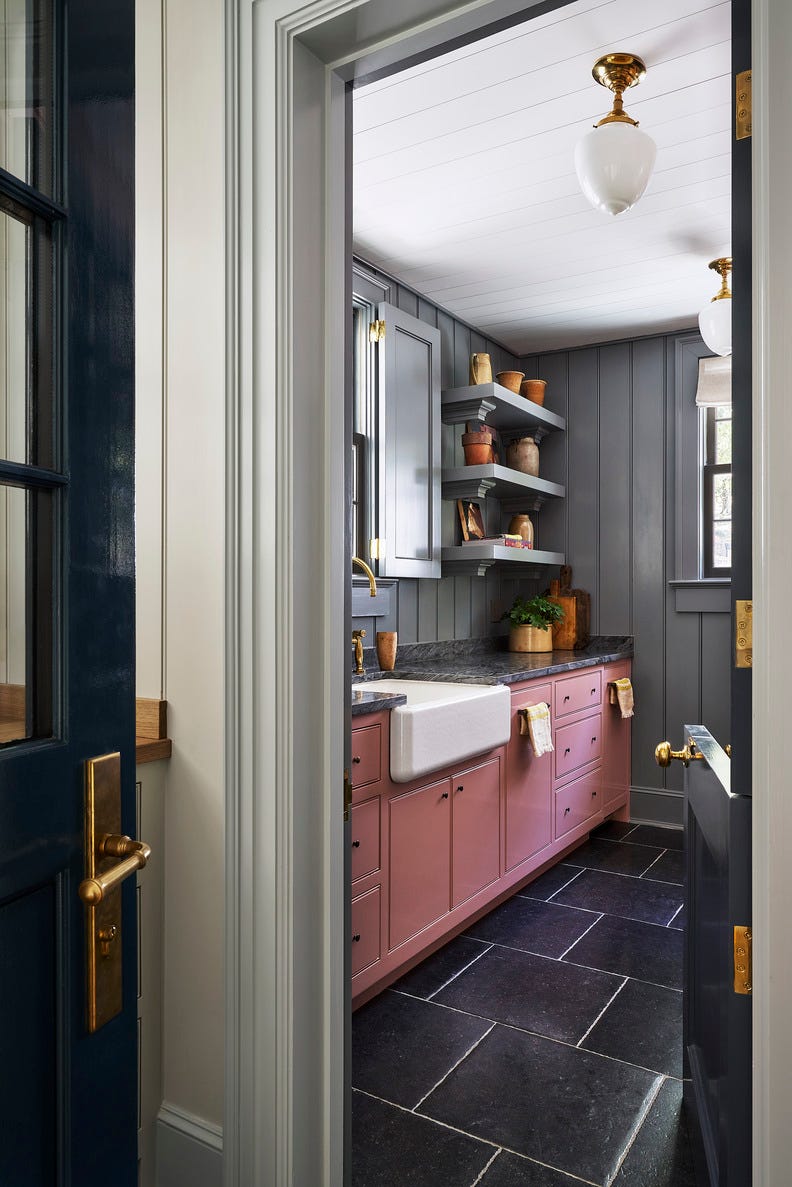
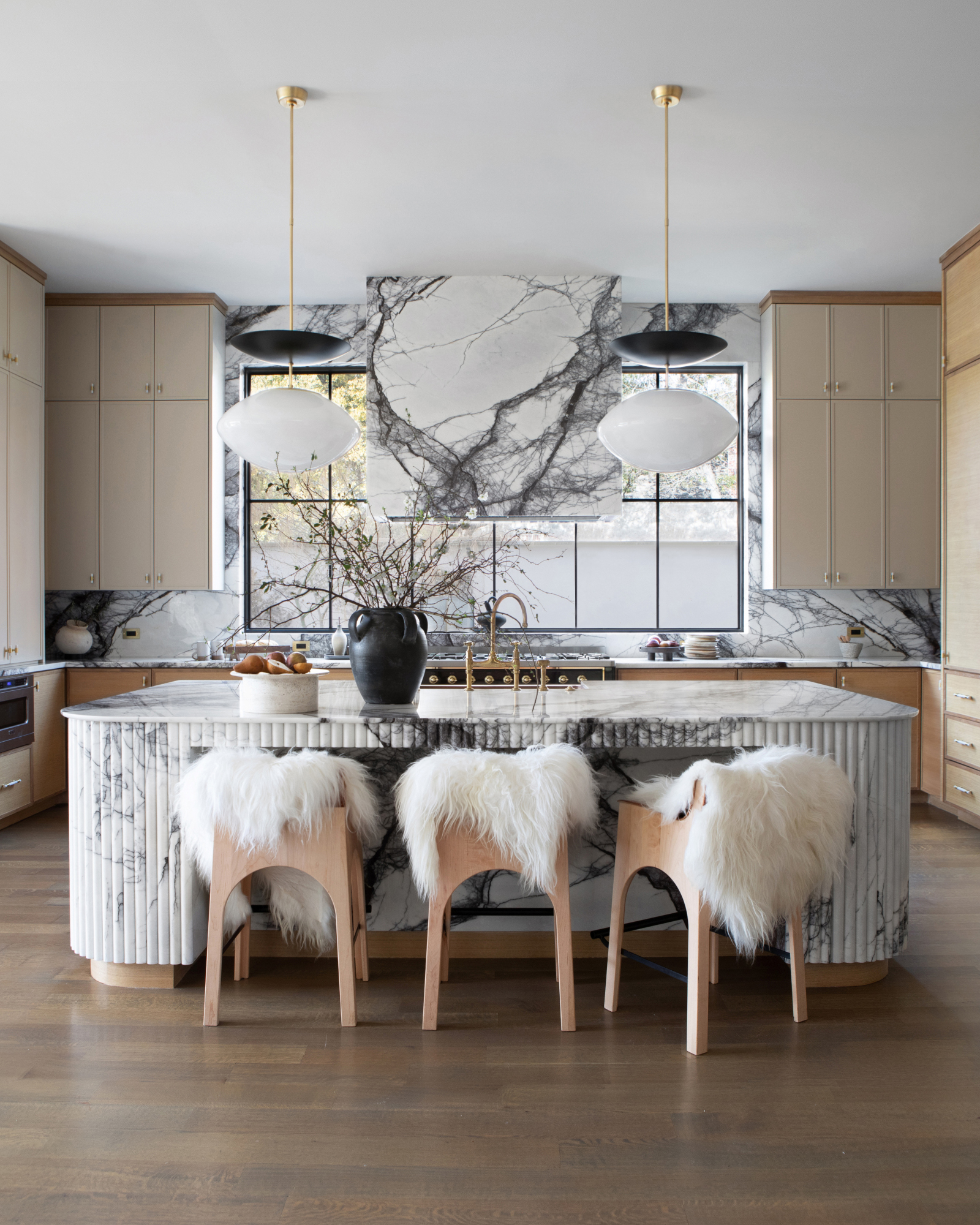
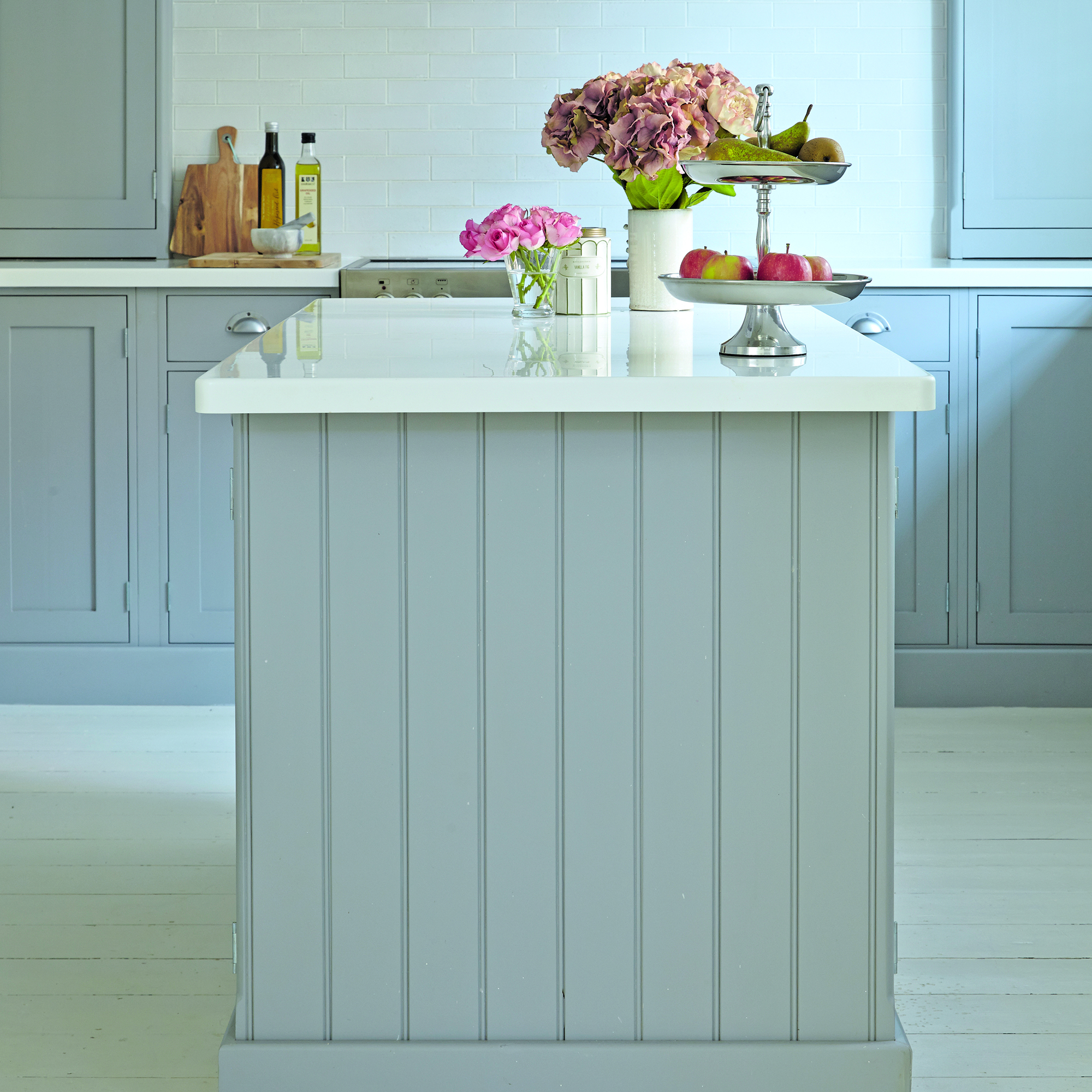
The selection of kitchen door textures is a critical element for creating depth, warmth, and character in a kitchen, moving beyond simple matte or glossy finishes. Experts emphasize that texture prevents a kitchen from appearing flat, inviting touch and adding subtle storytelling to the space. Beyond aesthetic appeal, textured doors offer practical advantages by softening daily wear and tear, disguising fingerprints, and adding visual interest without relying heavily on color or pattern.
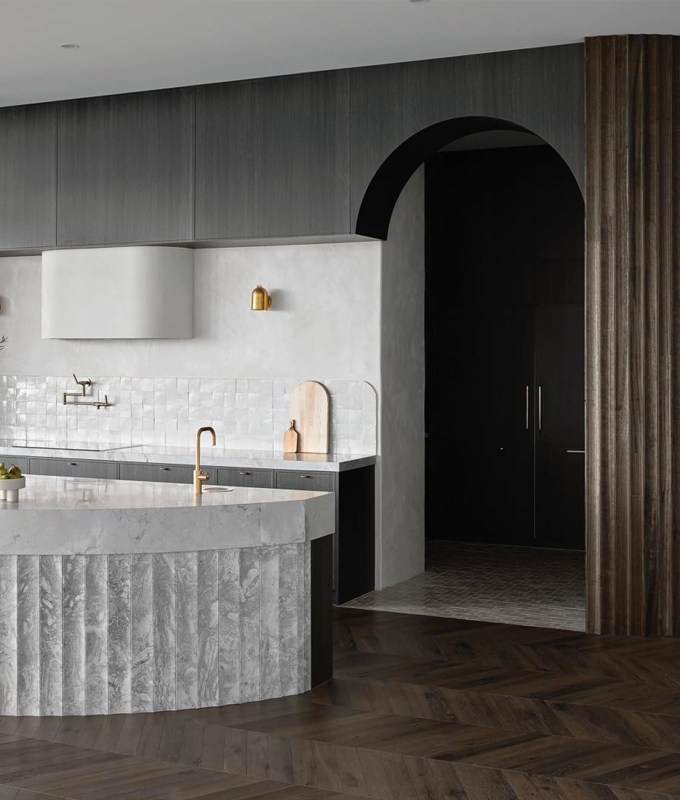
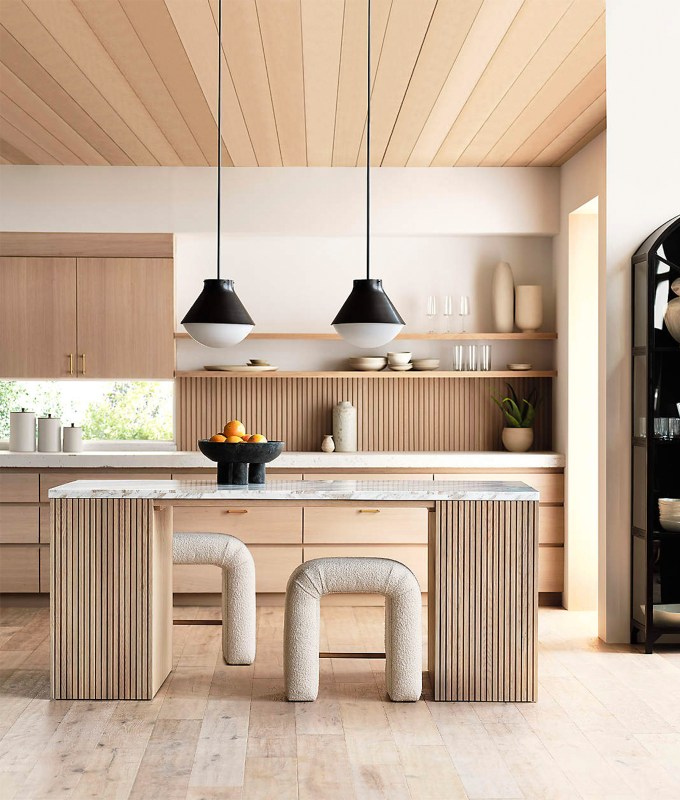
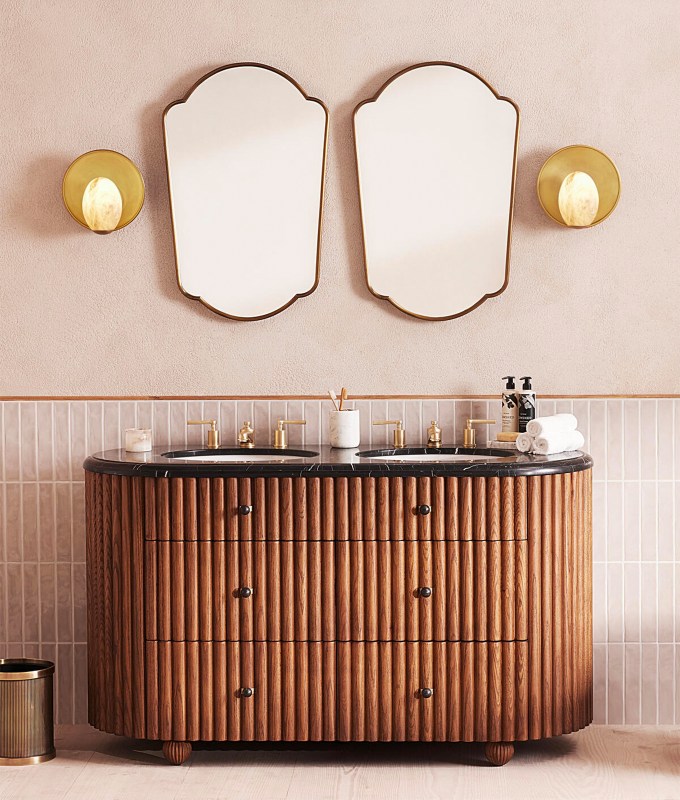
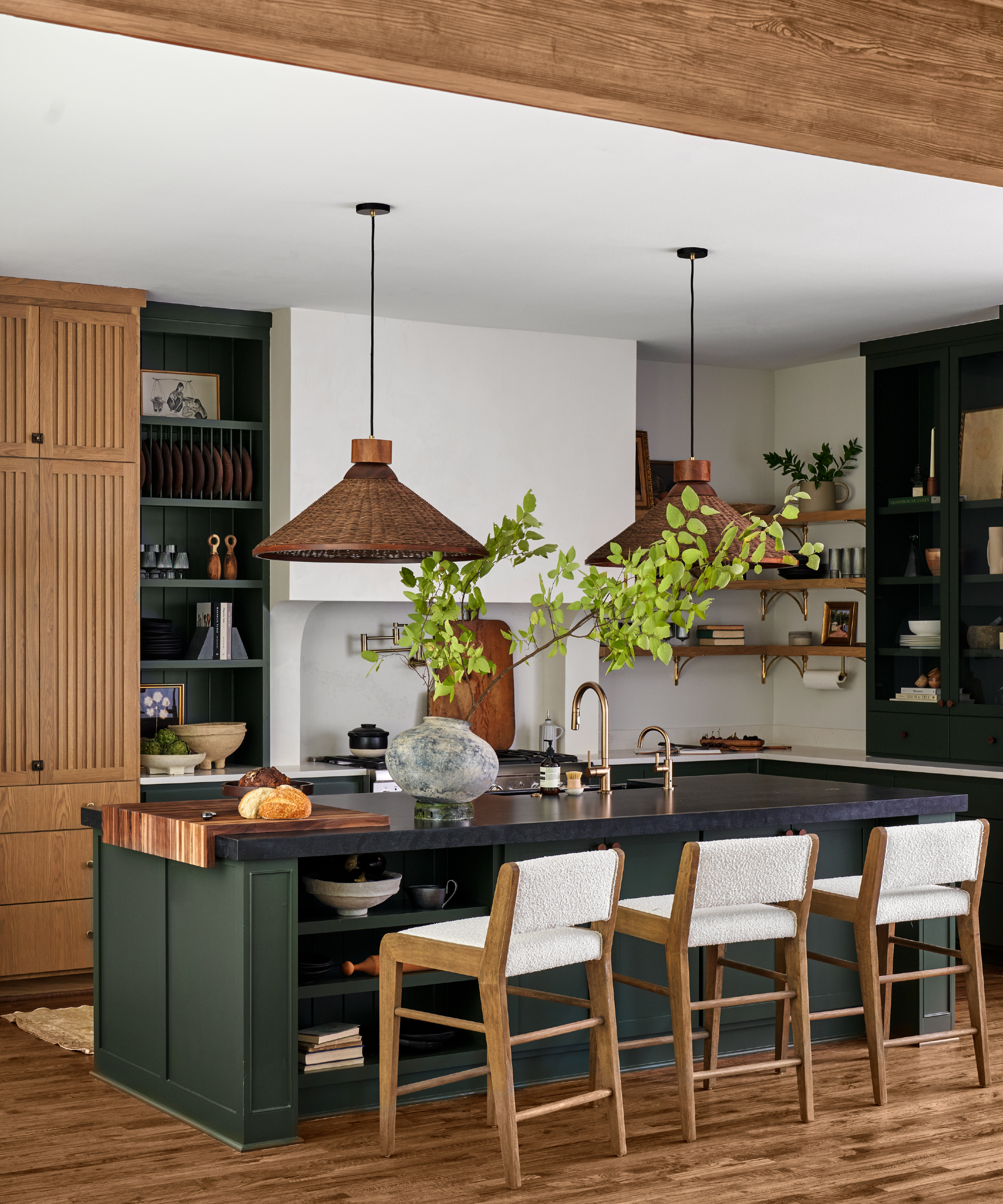
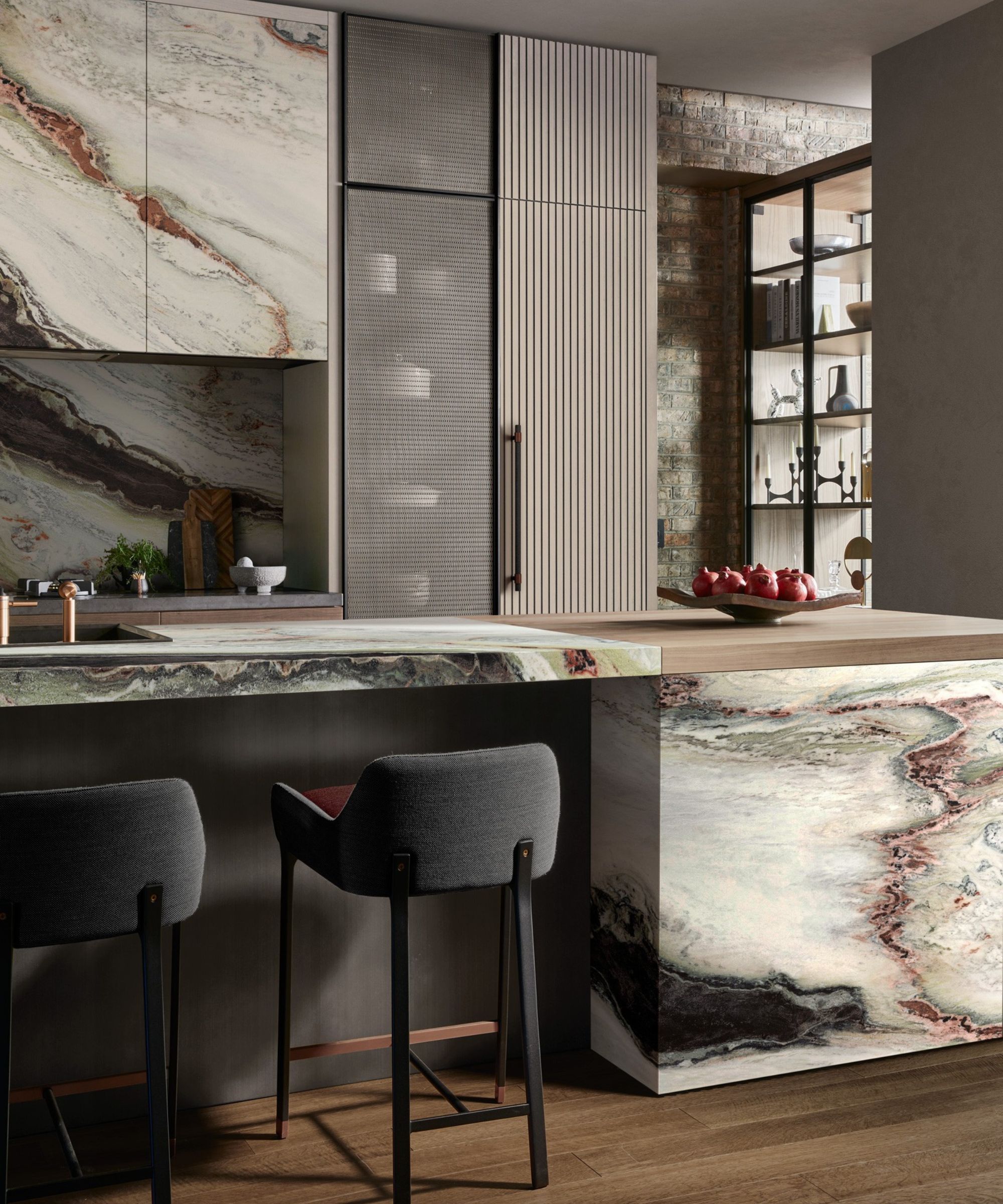
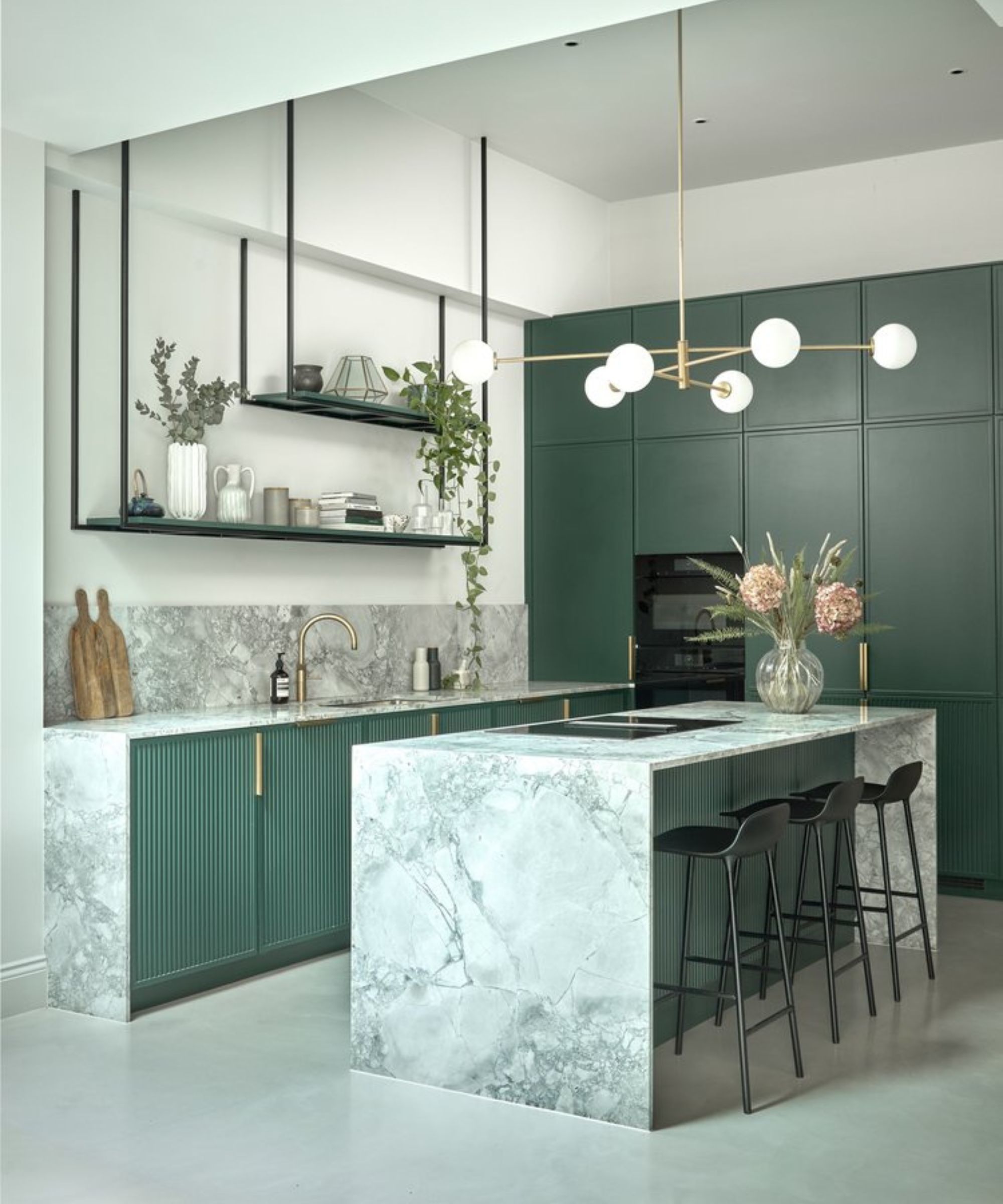
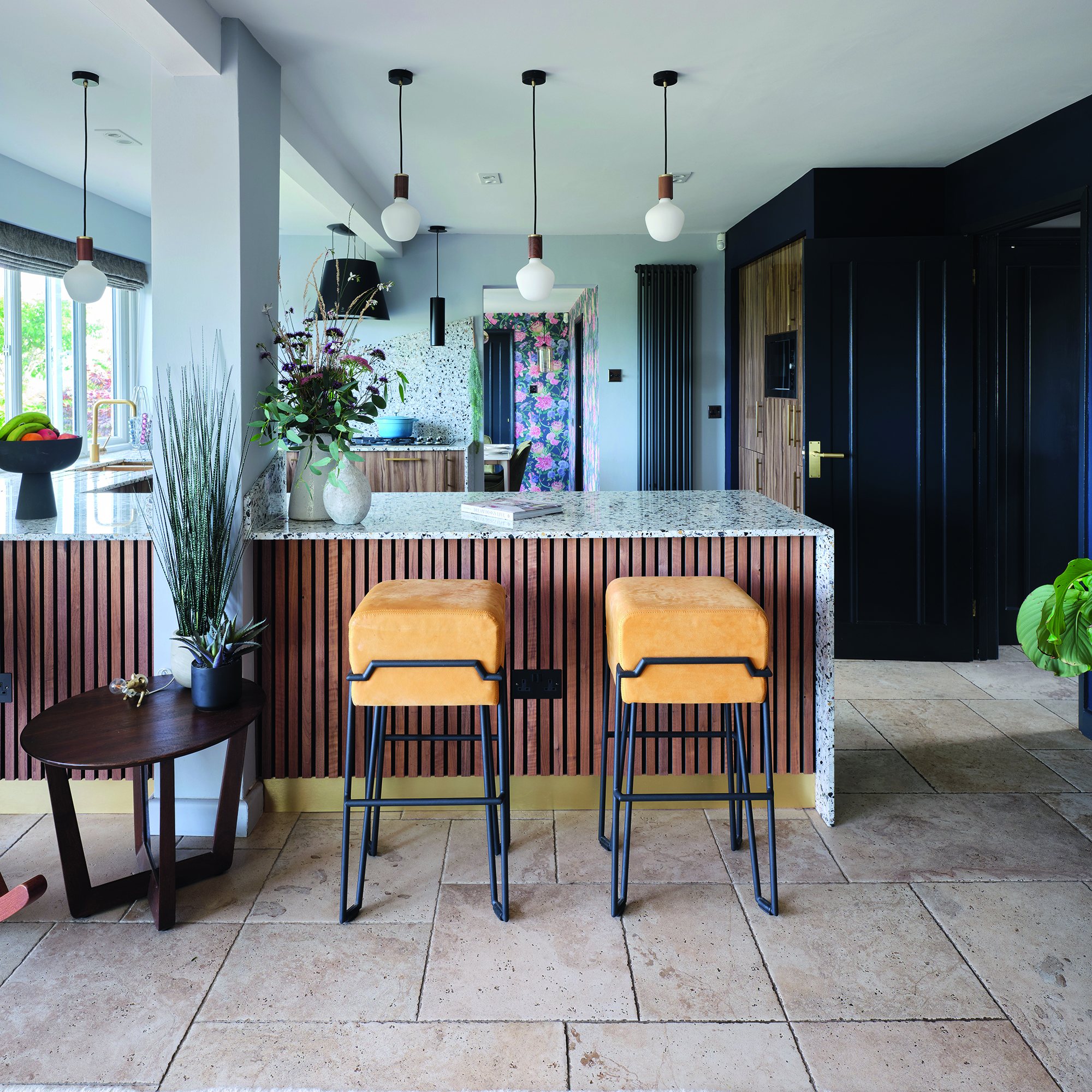
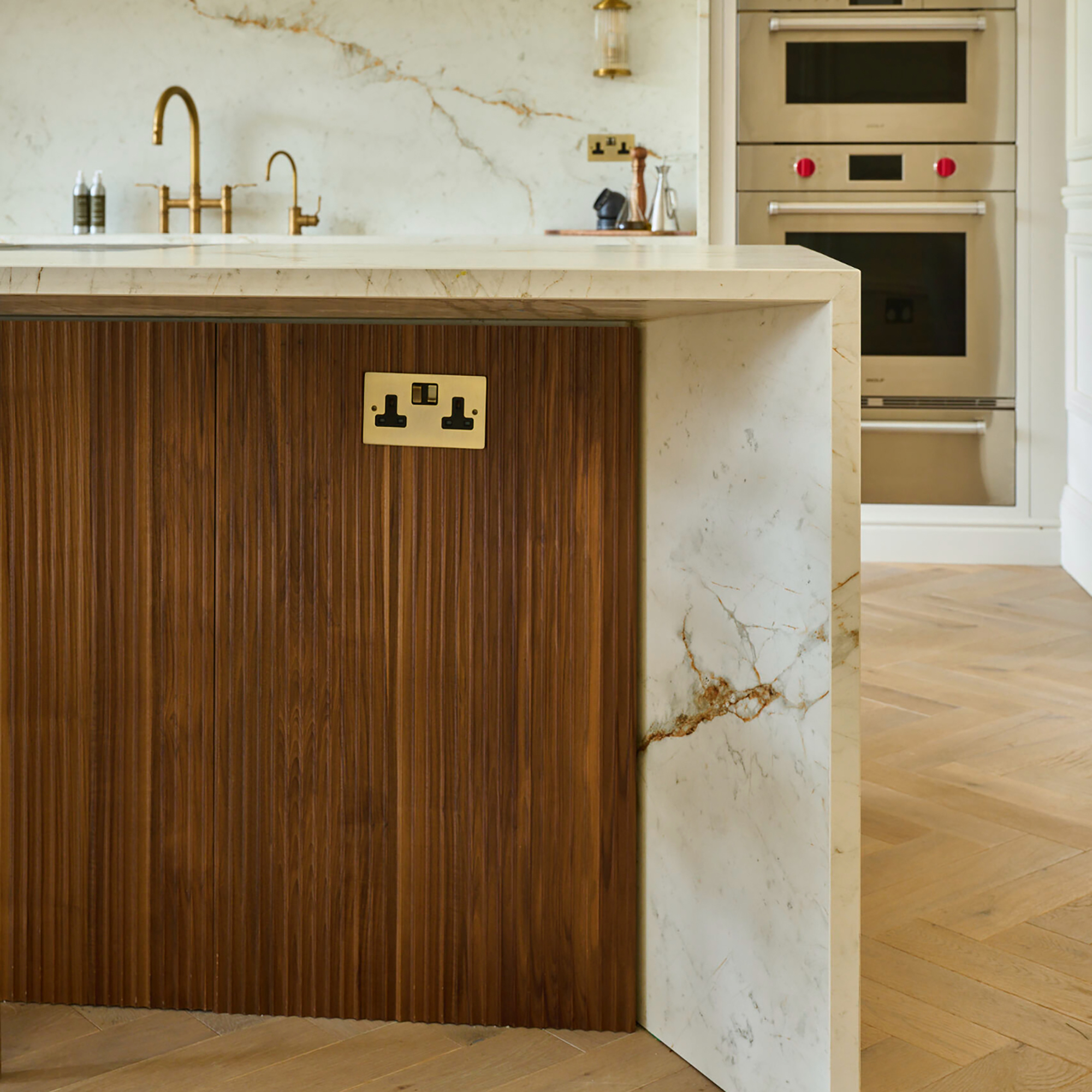
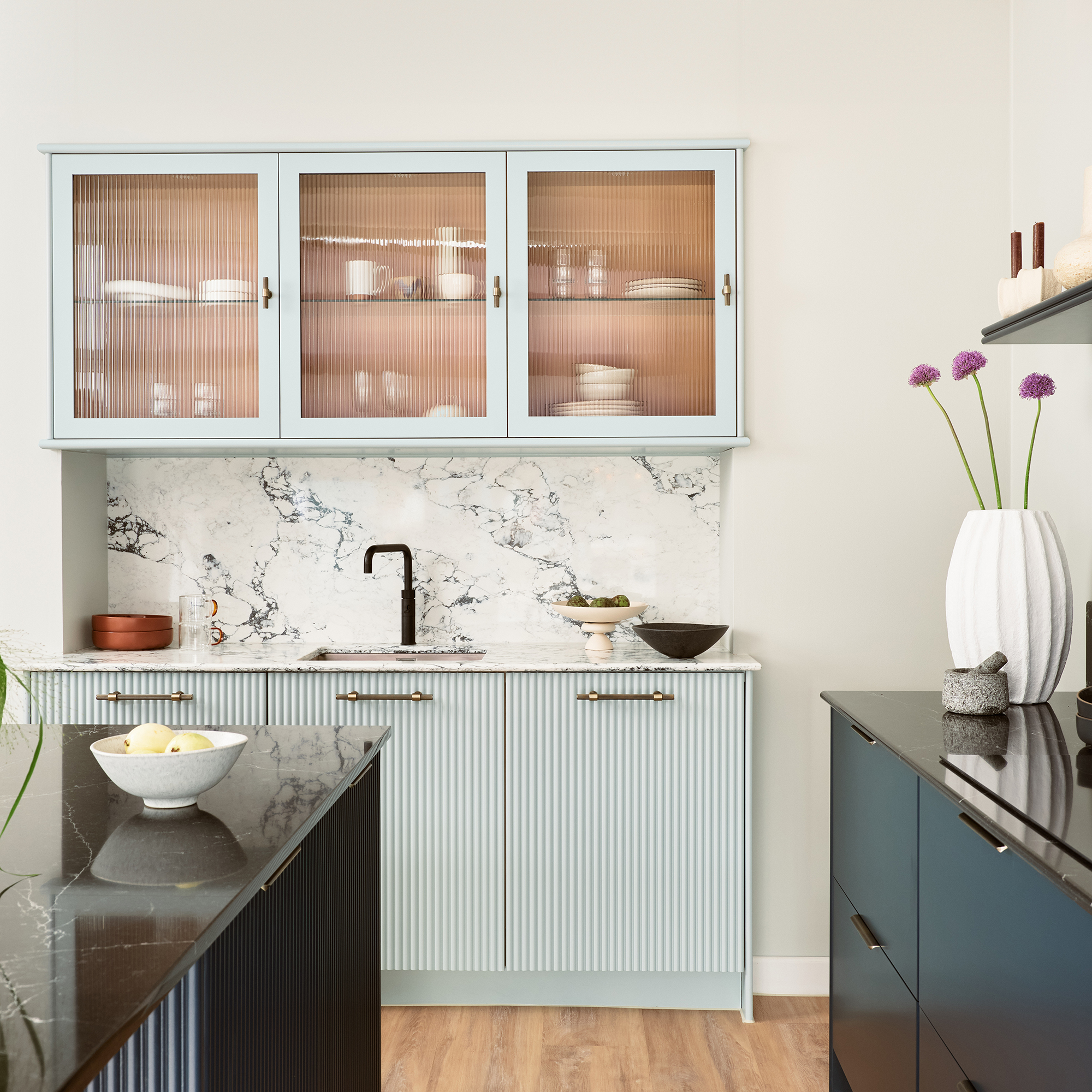
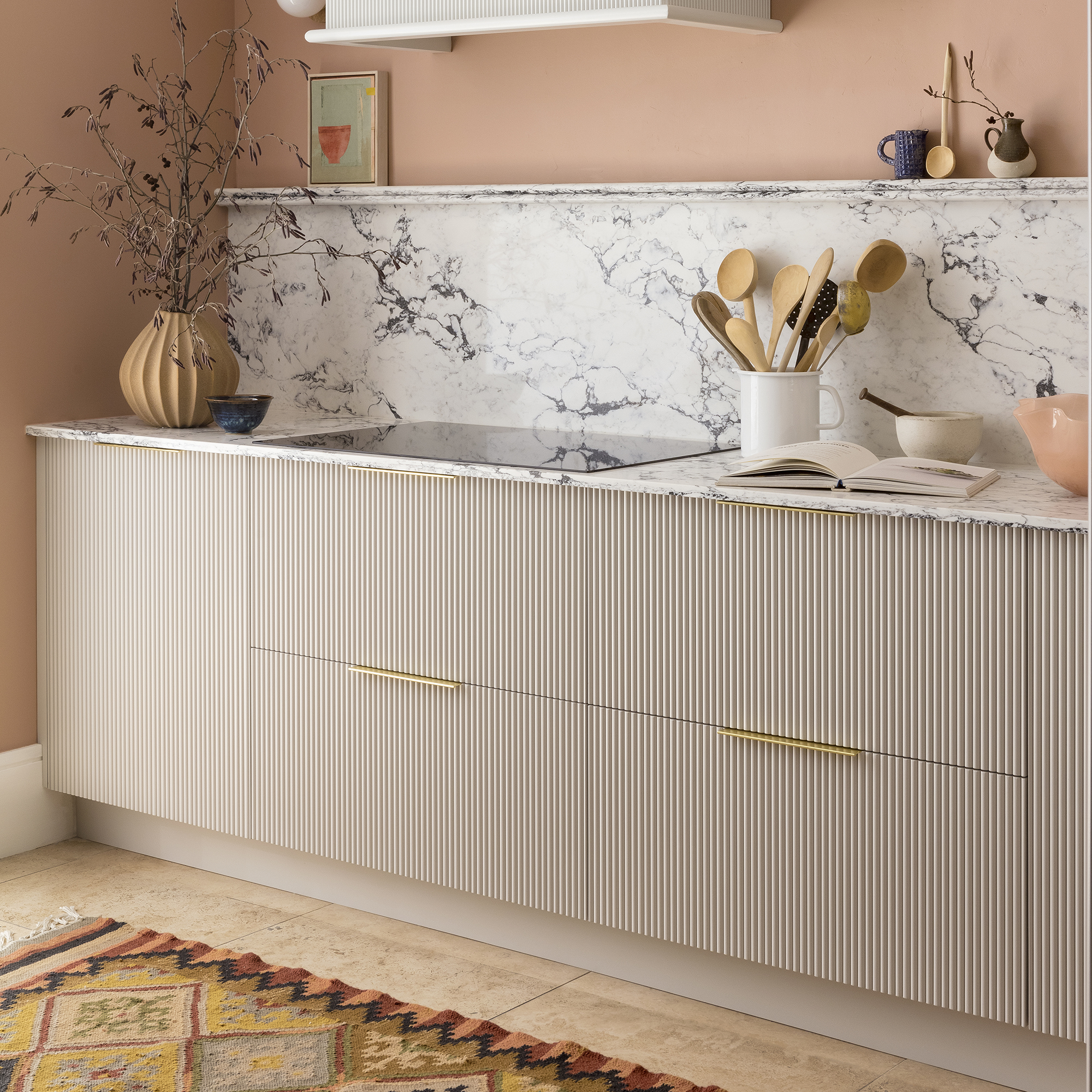
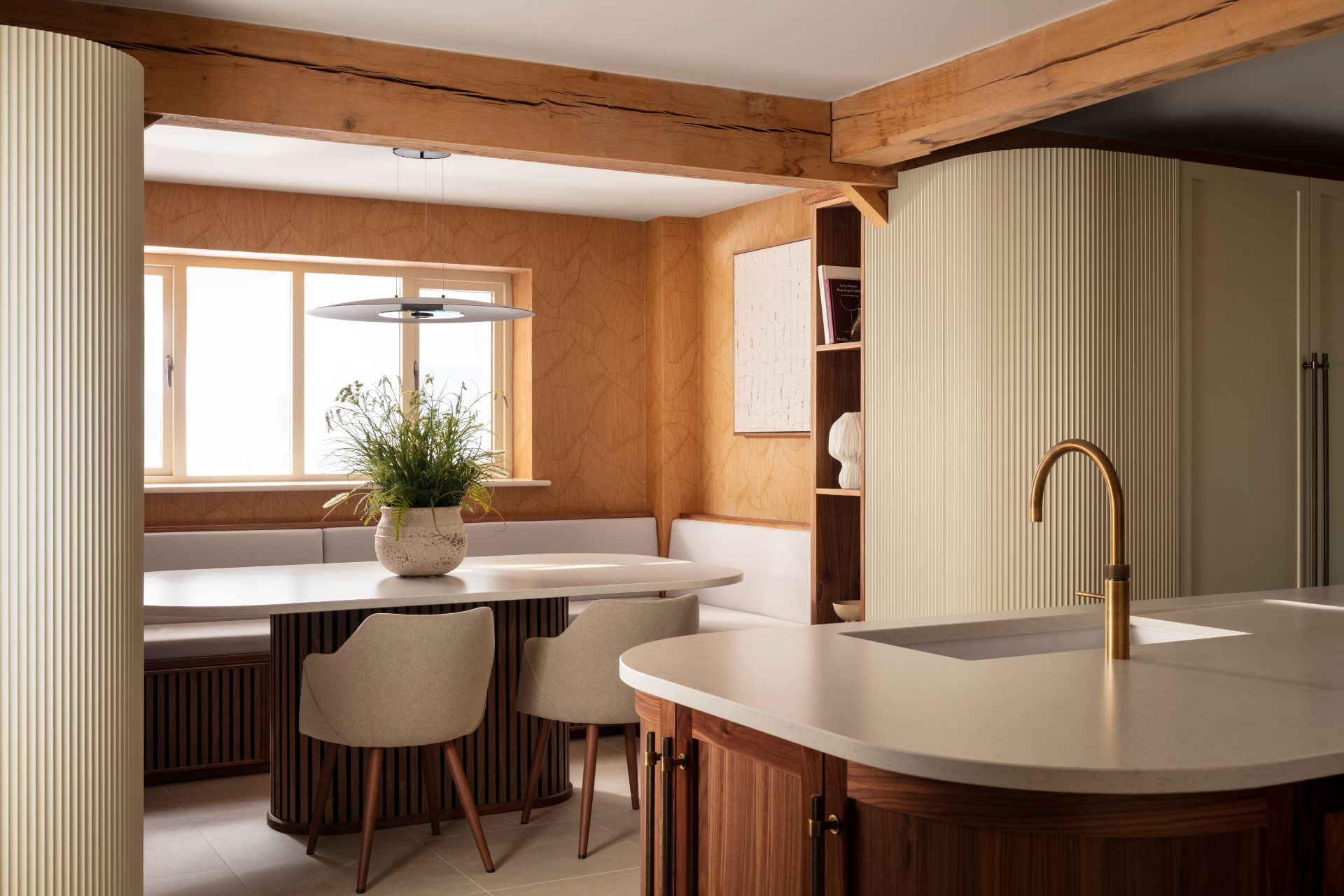
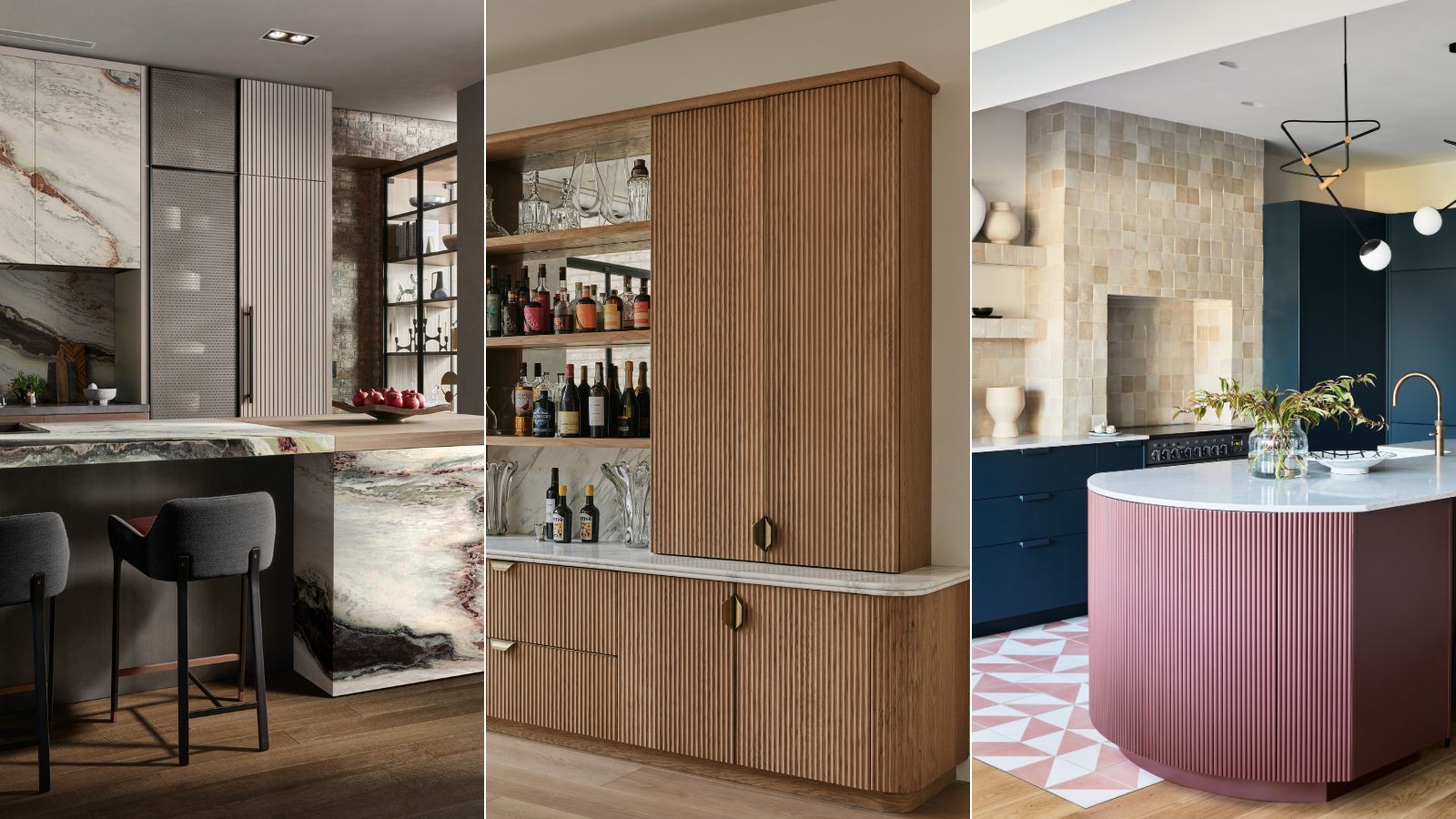
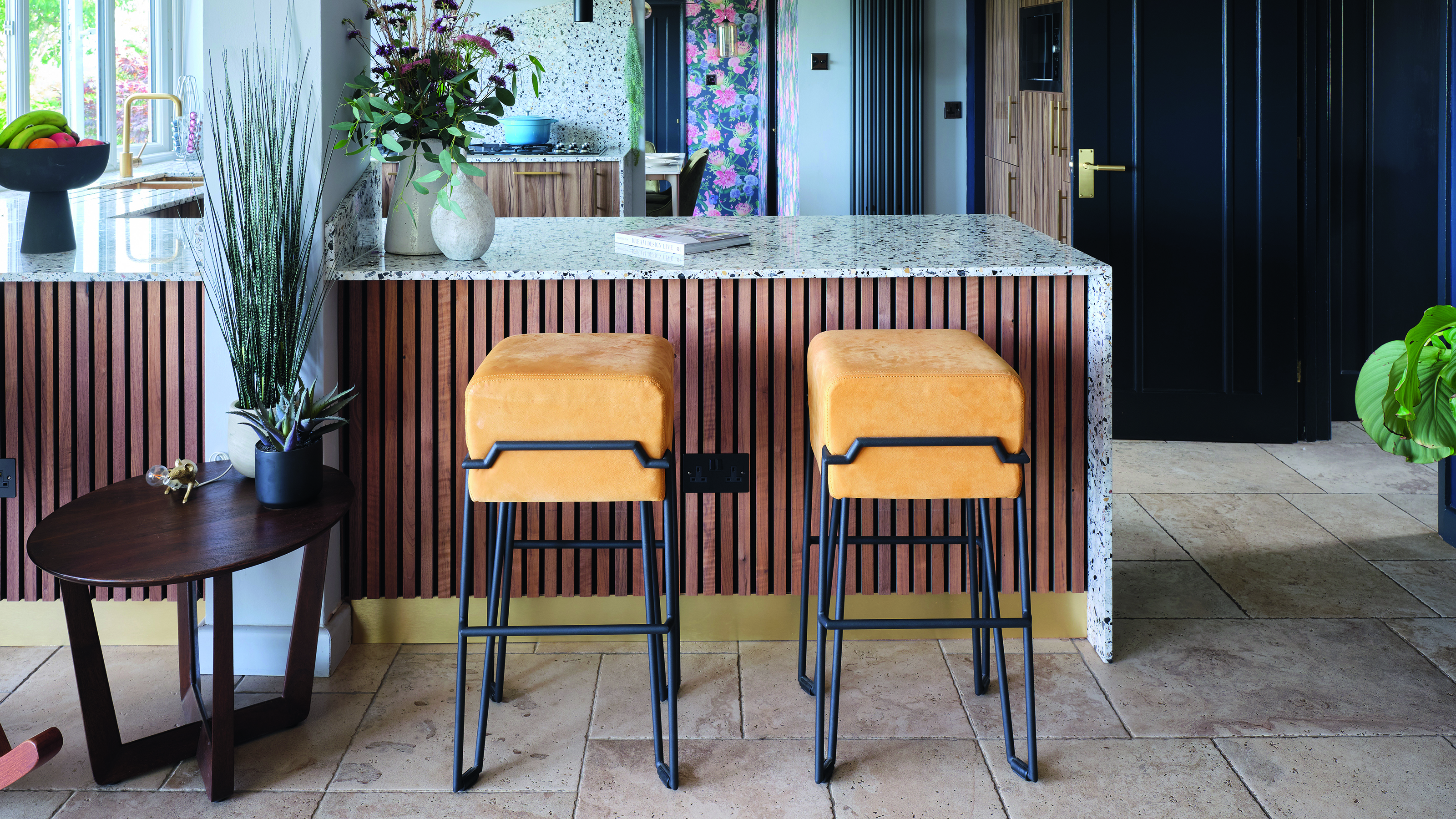
Fluted timber doors are highlighted as a standout trend for 2026, offering depth, warmth, and architectural interest to minimalist kitchens. These doors provide a modern yet handcrafted feel, integrating well with contemporary design and the Japandi decor trend. Reeded glass cabinets are another significant trend, serving as a sophisticated alternative to traditional glass-fronted cabinets. This texture offers privacy while still allowing light, adding an architectural detail. Designers suggest incorporating a bold color behind reeded glass for a playful distortion of objects and a pop of color that is softened by the glass.
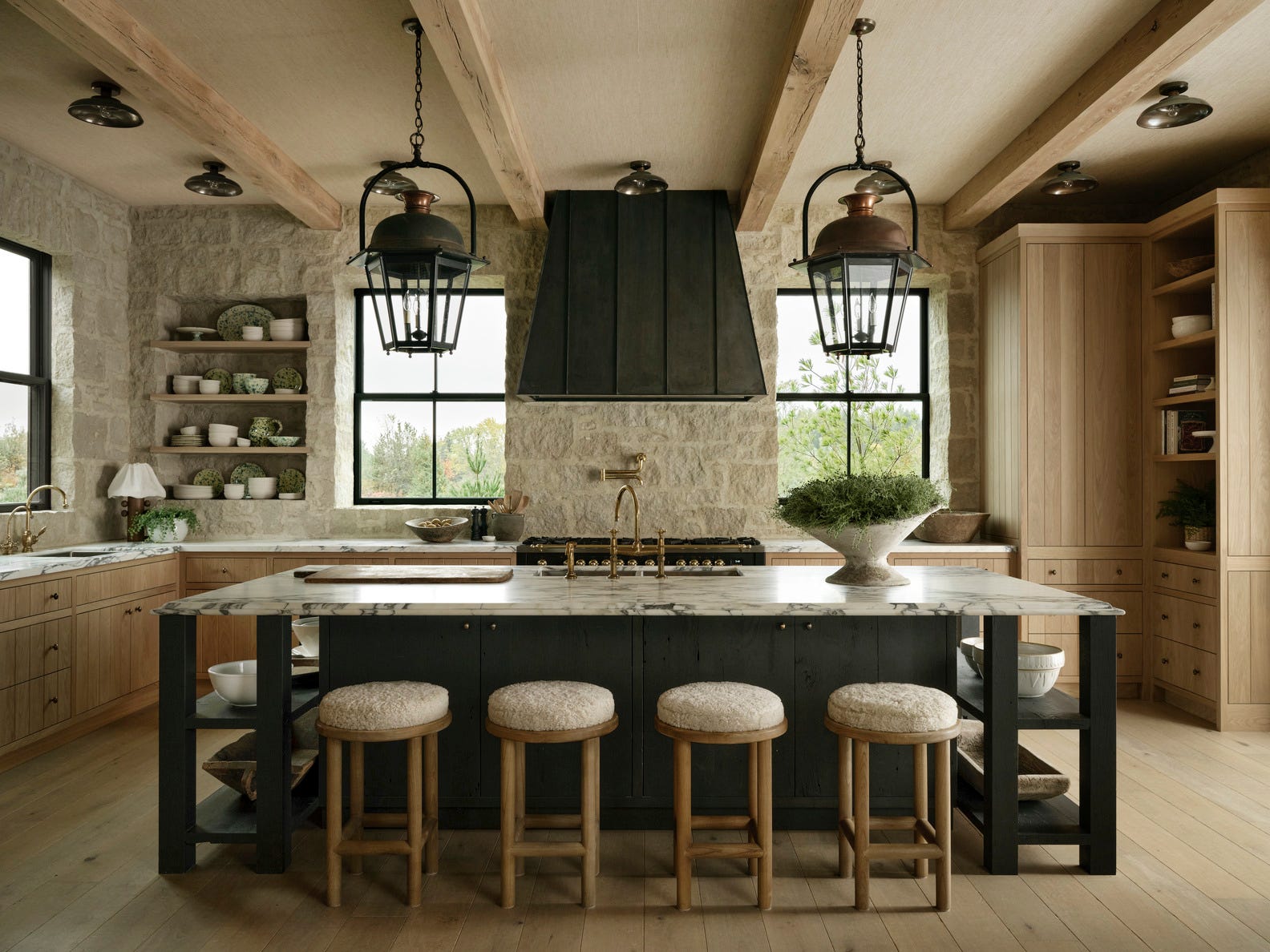
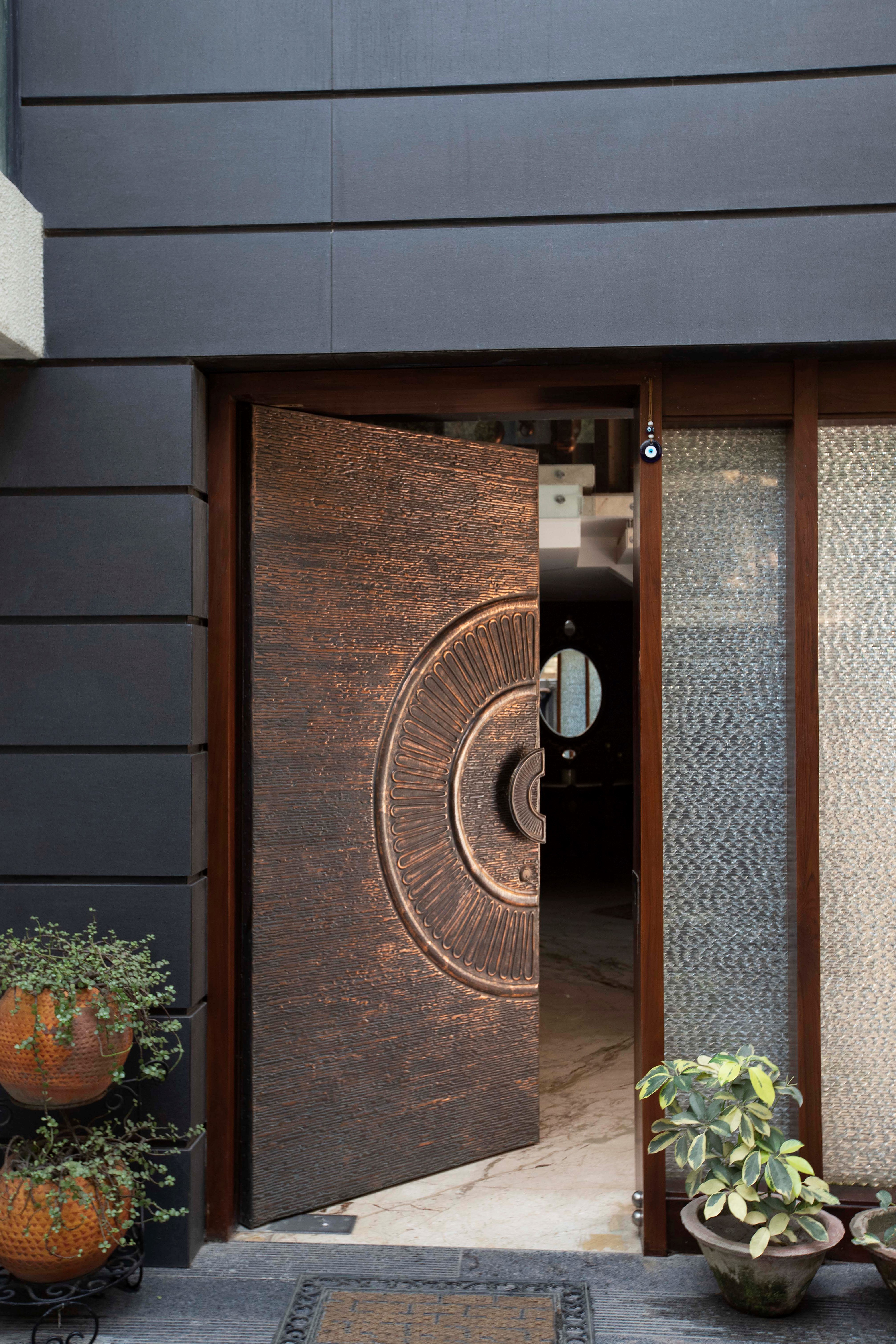
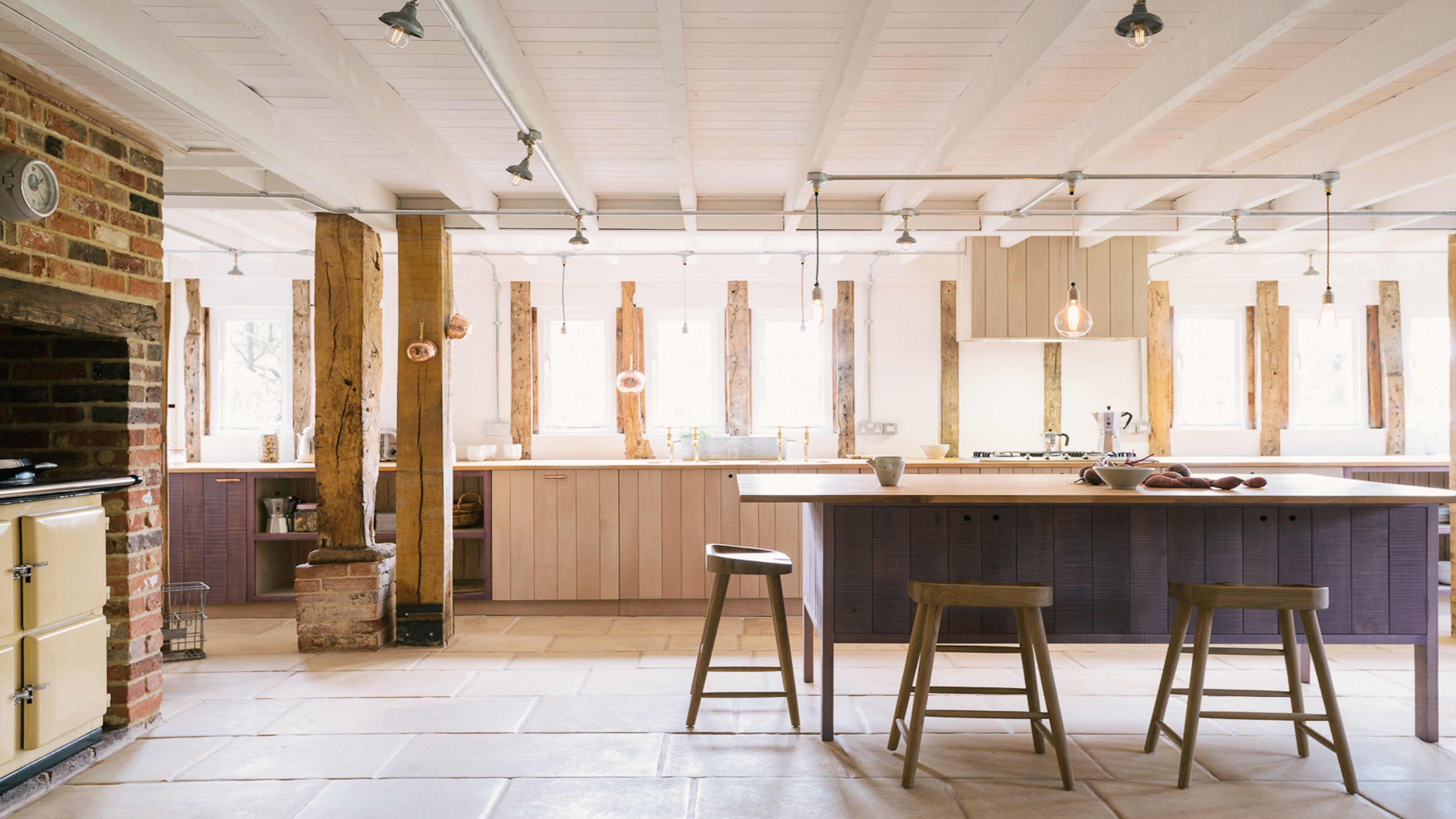
Sawn timber fronts are recommended for a modern rustic aesthetic. This finish mimics the look of old, hand-cut timber but with a clean, understated modern feel. Sustainable timbers like beech and ash, stained with colored dyes that allow the wood's texture to remain visible, contribute to a tactile finish. Metallic doors, in copper, brass, and old gold, are presented as a way to create a striking kitchen. Various metallic textures—brushed, patinated, polished, or hammered—can add layers of visual interest, particularly when used as focal points on island units and combined with wood or natural stone.
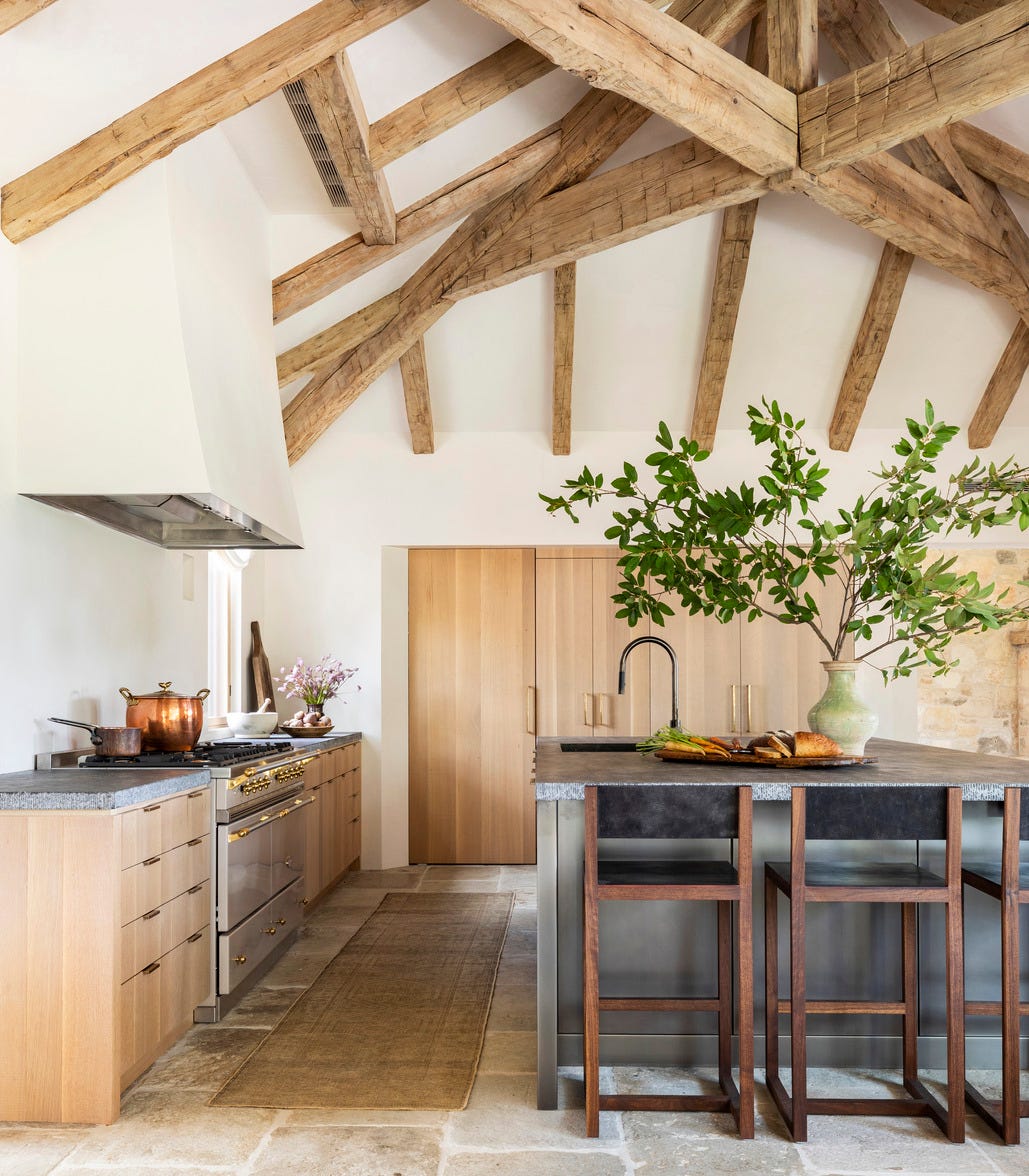
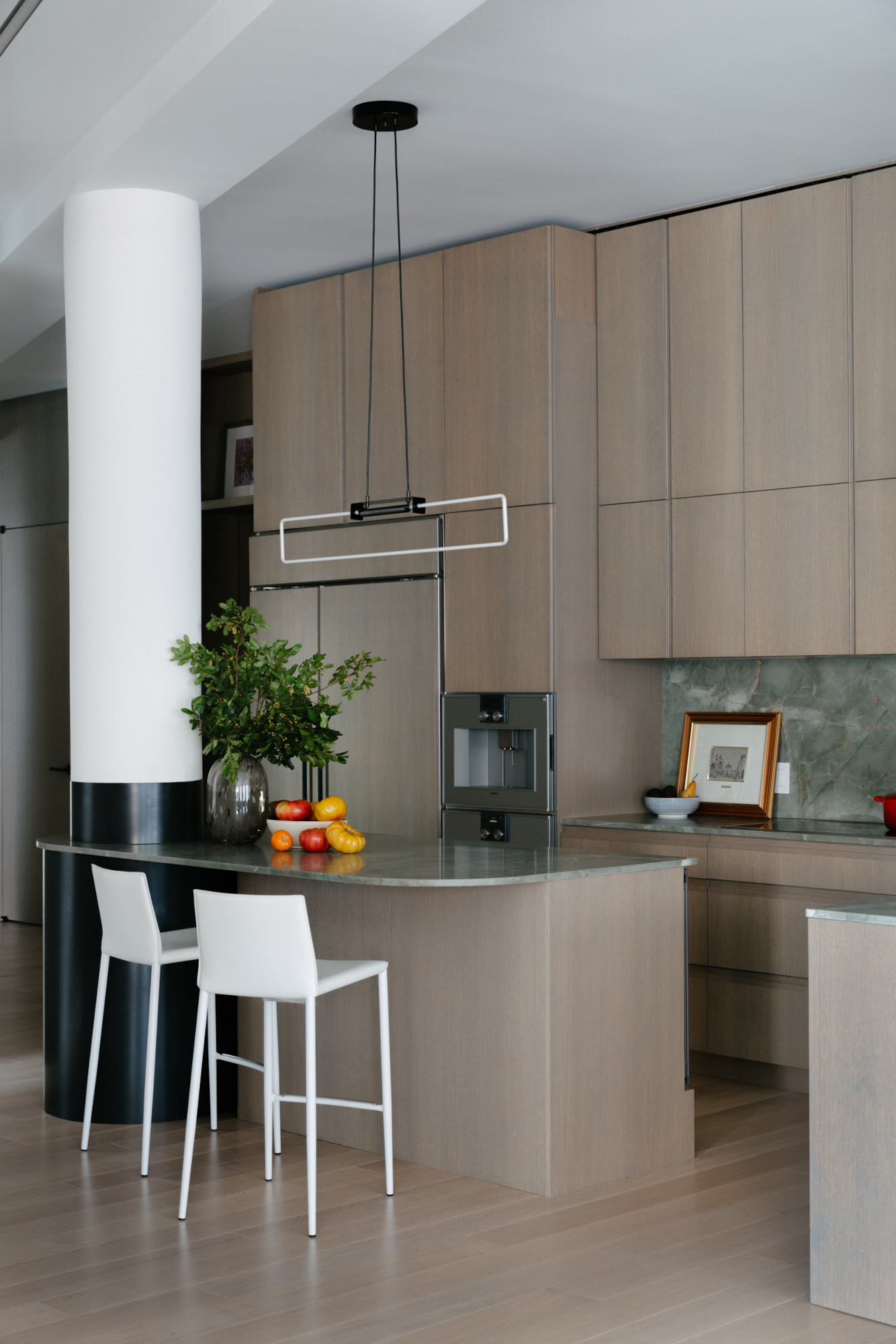
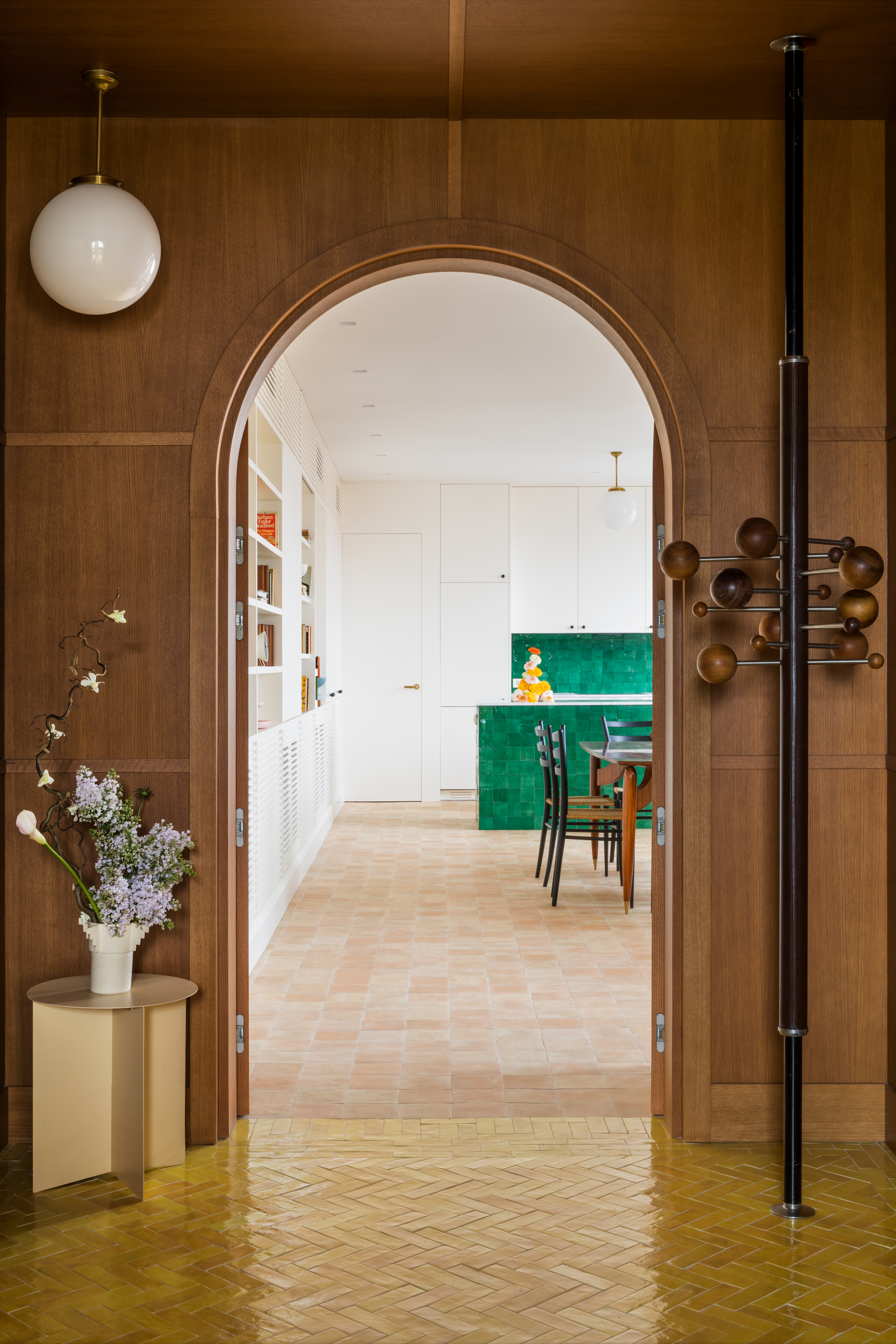
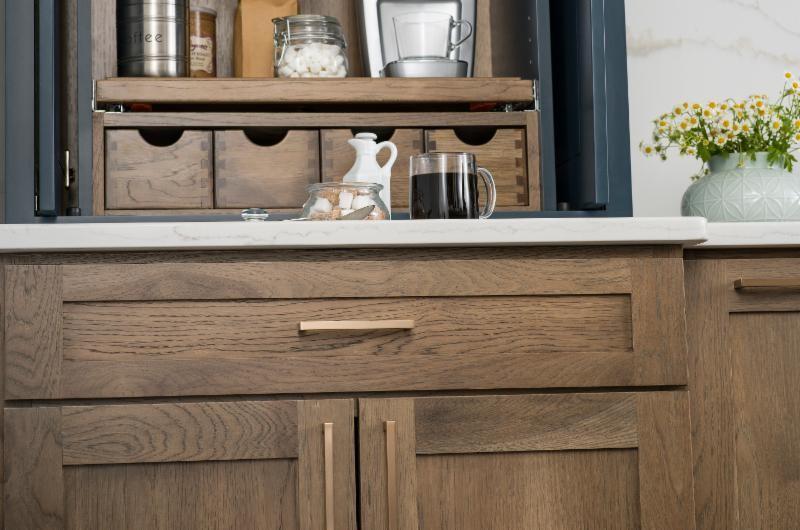
Stained wood cabinets offer an organic and warm yet modern finish. Oak, when stained, naturally carries more texture, providing a crafted look that contrasts with smoother painted cabinetry. This approach brings depth and detail without overwhelming the overall design, with pigments absorbed into the wood to maintain visible grain and texture. Mesh panels, often crafted from brass in diamond, mesh, or lattice designs, are noted for their refined, bespoke feel and ability to add a heritage texture to both classic and modern kitchens. These panels break up solid cabinetry, offering a subtle polished sheen and significant texture, especially when backlit.
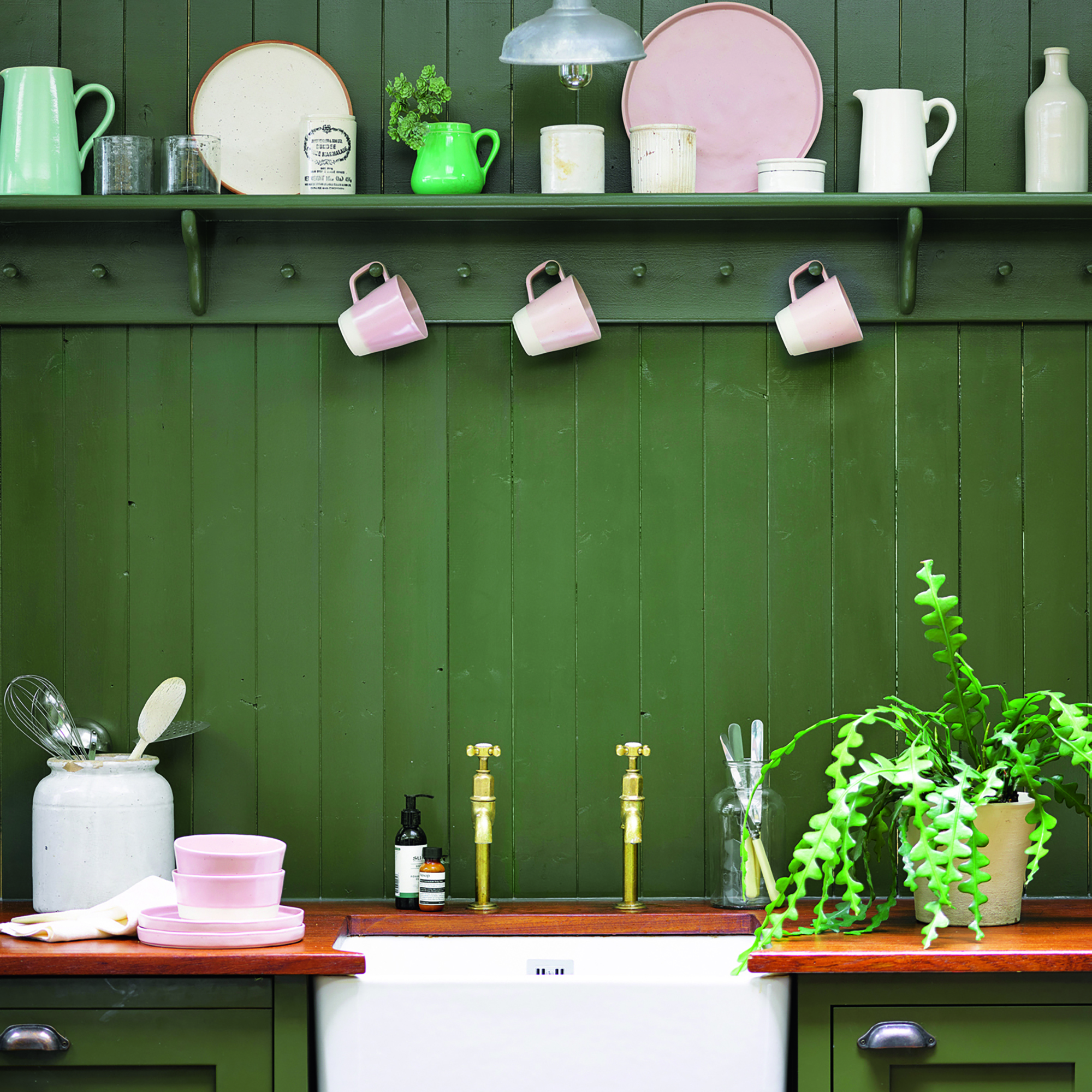
Bespoke textures allow for extensive customization, ranging from dark wood kitchens with rippled glass and smooth porcelain panels to brass inlays and mirrored interiors. This enables designers to tailor textures to specific schemes and personal tastes, using materials like leathered faux snakeskin panels offset with satin brass inlays. Finally, reeded backboards are introduced as a way to add subtle texture and color to open shelving or glass-fronted cabinets. This design trick allows for a splash of color and texture without committing to an entire island or run of cabinets, combining subtle texture with unexpected kitchen color ideas.
#KitchenDesign #TexturedDoors #KitchenTrends2026 #FlutedTimber #ReededGlass #SawnTimber #MetallicDoors #StainedWood #MeshPanels #KitchenDesign #TexturedDoors #KitchenTrends2026 #FlutedTimber #ReededGlass #SawnTimber #MetallicDoors #StainedWood #MeshPanels
0 comment in total
 No comments yet
You may also like
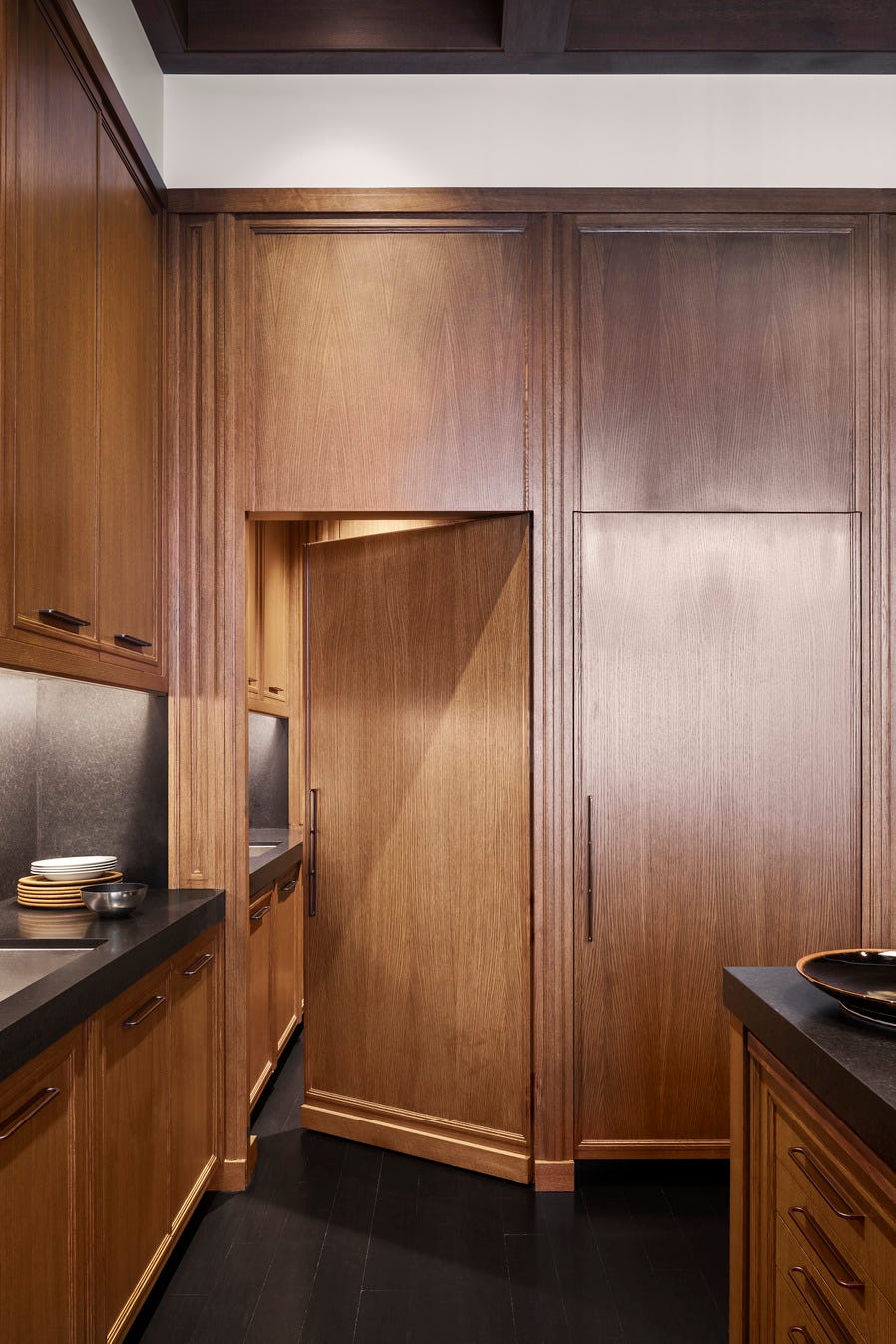
16 Unique Pantry Door Ideas That'll Immediately Upgrade Your Kitchen

These Kitchen Tile Trends Will Transform Your Backsplash and Countertops in 2025

Designers love this beautiful new tile trend for mixing gloss and matte together – here's how to get it right
Kitchen island trends – 8 shapes, materials and finishes designers are choosing for elevated spaces
The Kitchen Trend We Called in 2021 Is Finally Going Mainstream, So Prepare to See It Everywhere
Kitchen island trends – 8 shapes, materials and finishes designers are choosing for elevated spaces
Are Fluted Kitchens Still On Trend?
8 Most Popular Interior Design Styles You Should Know

8 Latest Wooden Door Designs With Pictures In 2023

29 Kitchen Door Decor Ideas That Will Make You Look at Your Door Completely Differently

Kitchen window curtain ideas – 10 looks rich in texture and style

11 Front Door Trends That Set the Tone for a Classy Home — Materials, Colors and Styles Architects Love Now
16 Kitchen Curtain Ideas To Add Texture And Style To Your Space
Fluted kitchen cabinets are the trending way to add texture and interest to your space – here's how to get the look
10 Modern Front Doors We are Loving Right Now
Fluted cabinets are set to be a huge kitchen trend in 2025 - this is how to make texture work in your cooking space
Best paint for kitchen cabinets: 8 paints for cupboard doors

"Wallpapered Doors" Are Trending — And It's the Answer to Making Your Home's Storage Look Beautiful
Kitchen panelling is trending - here are 8 ways to achieve this affordable but luxury look
Textured, character-rich wood offers relief from white