1/5
8 beautiful things about Japanese homes that are worth emulating
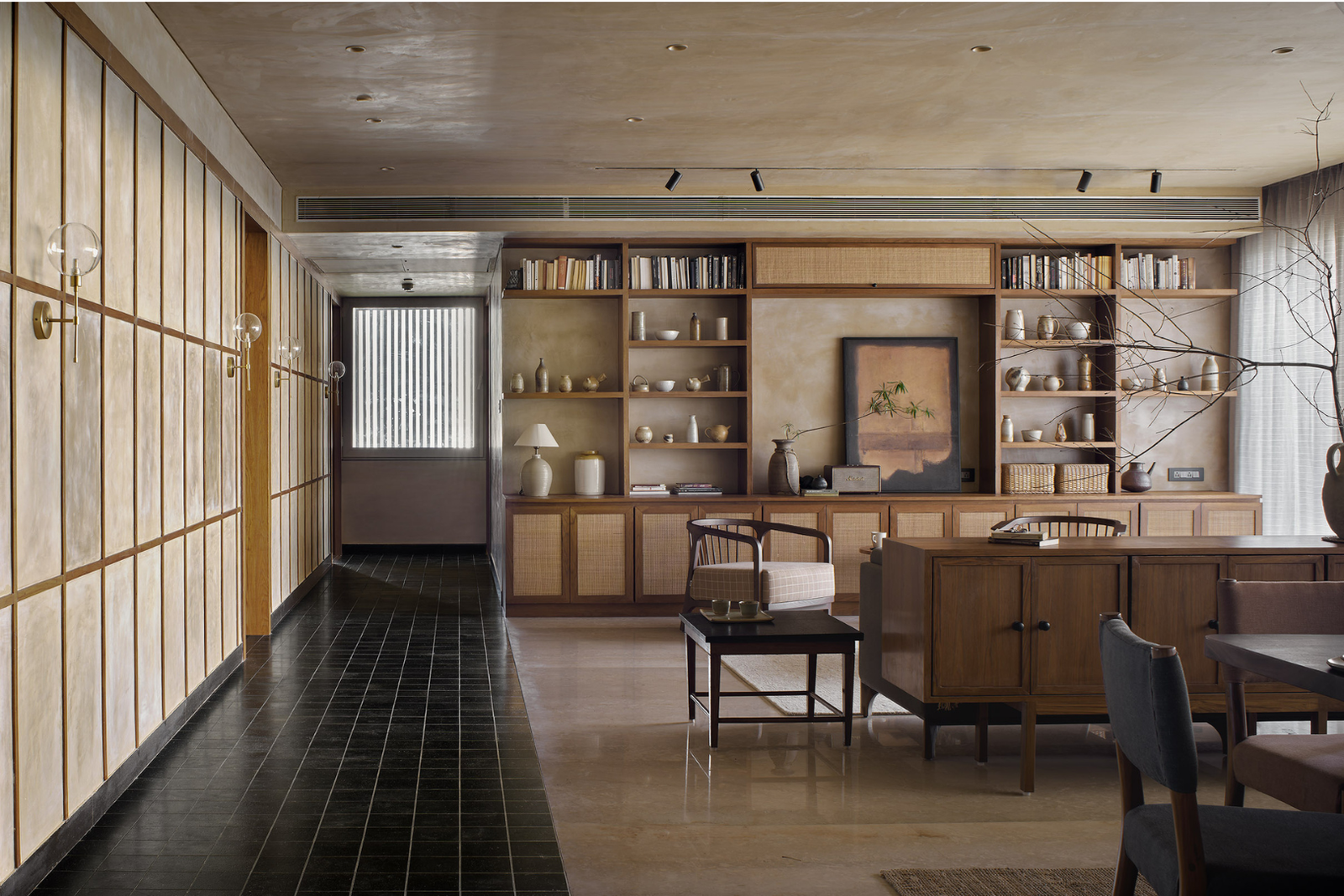
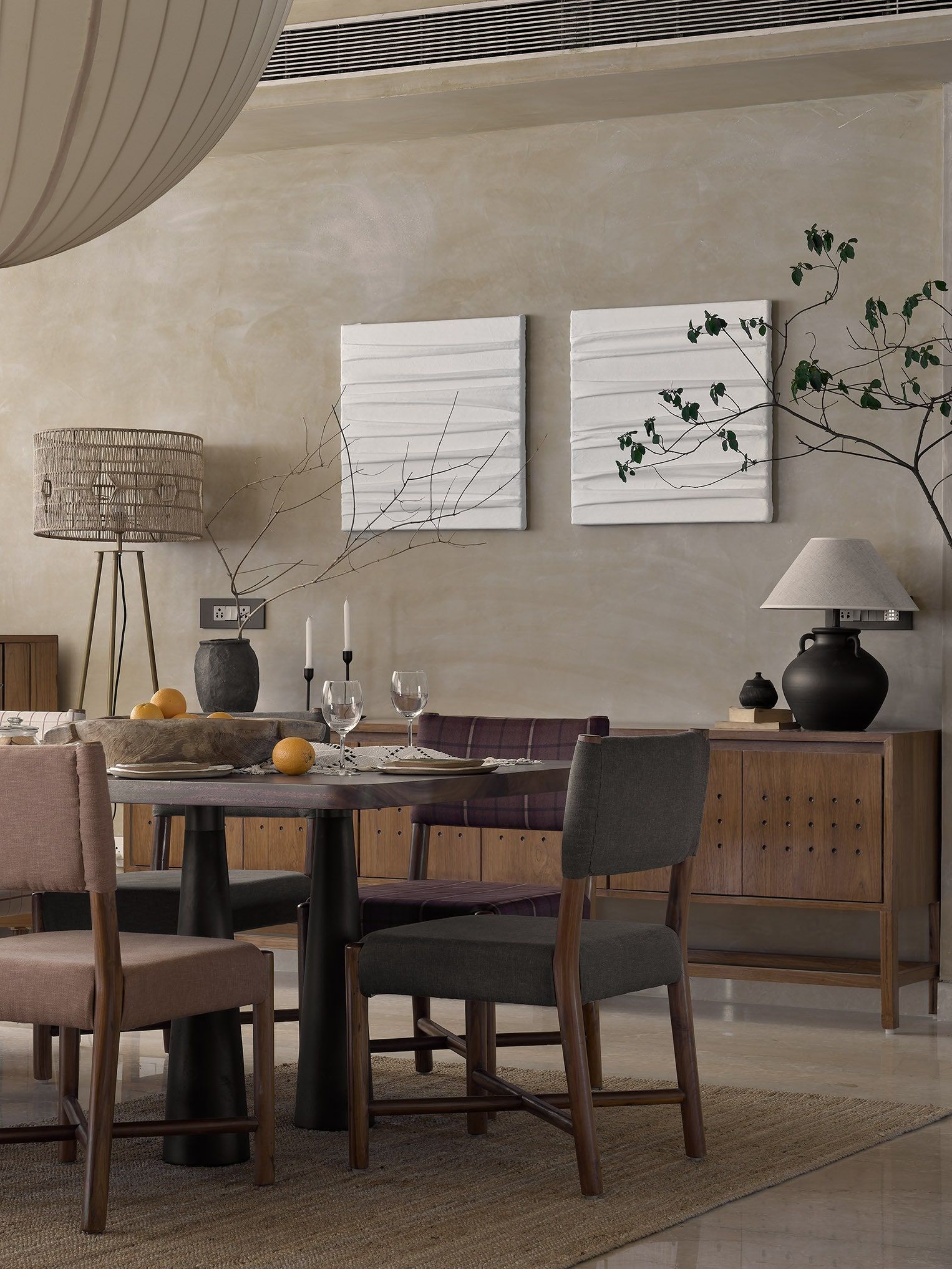
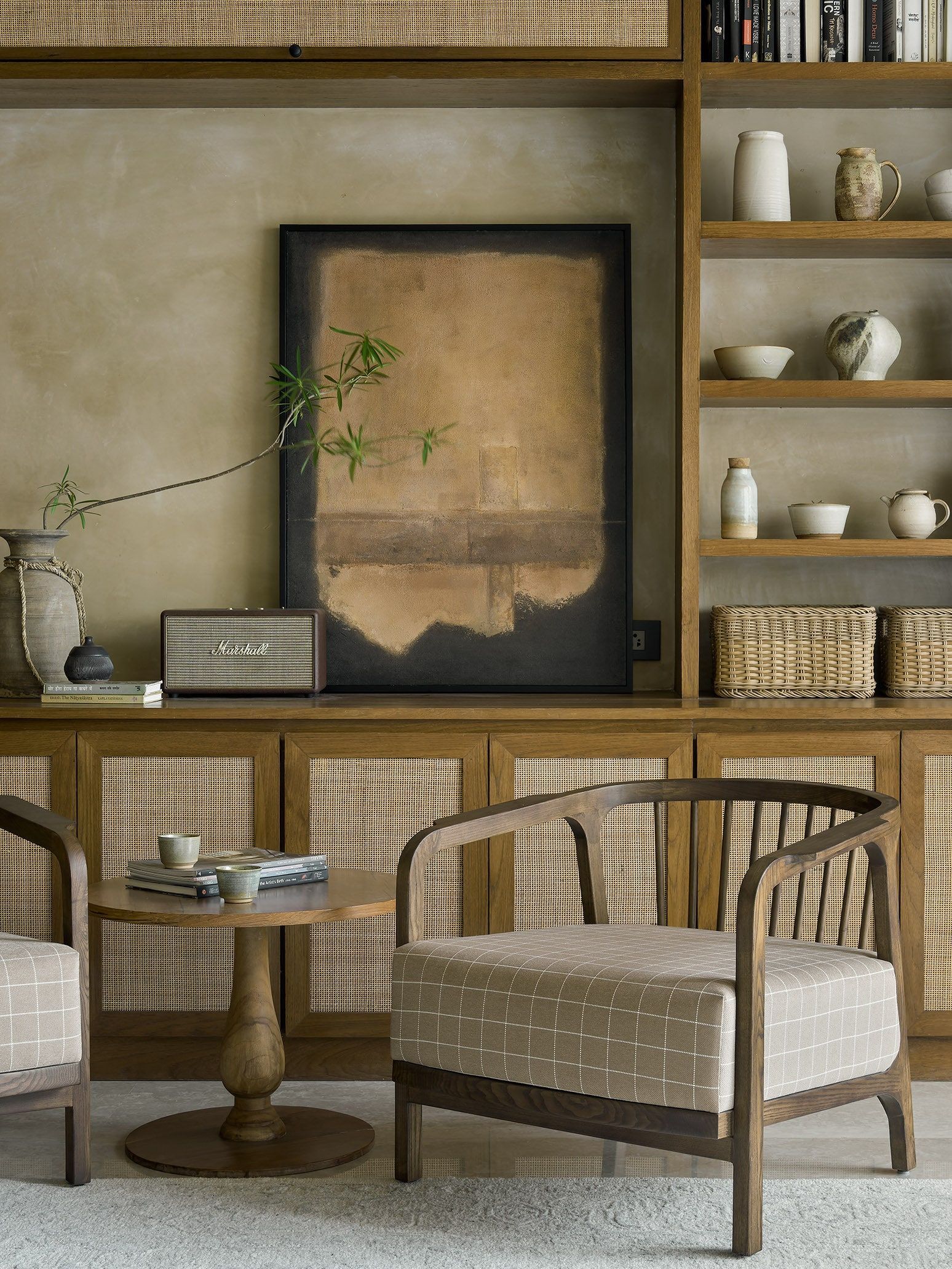
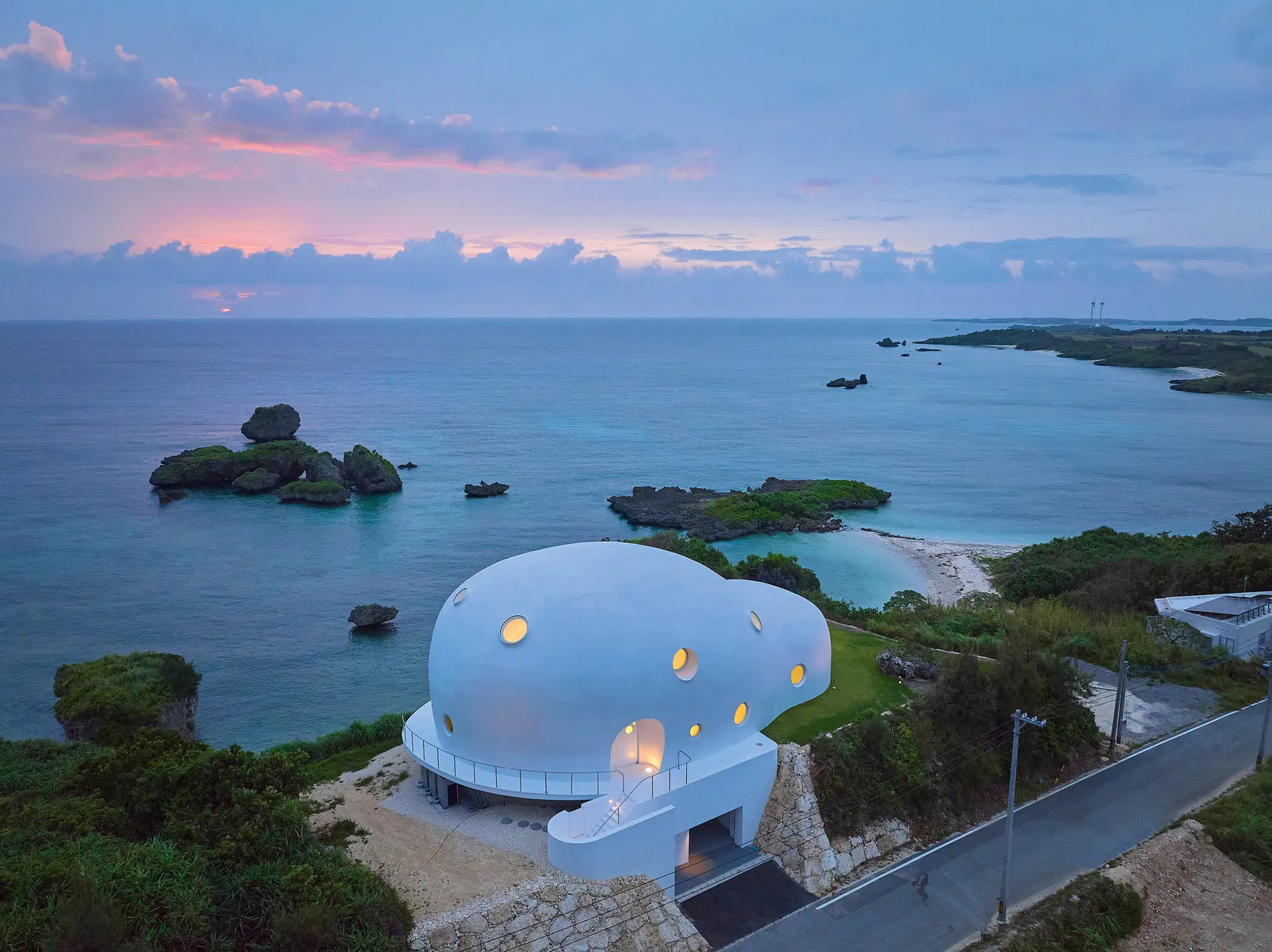
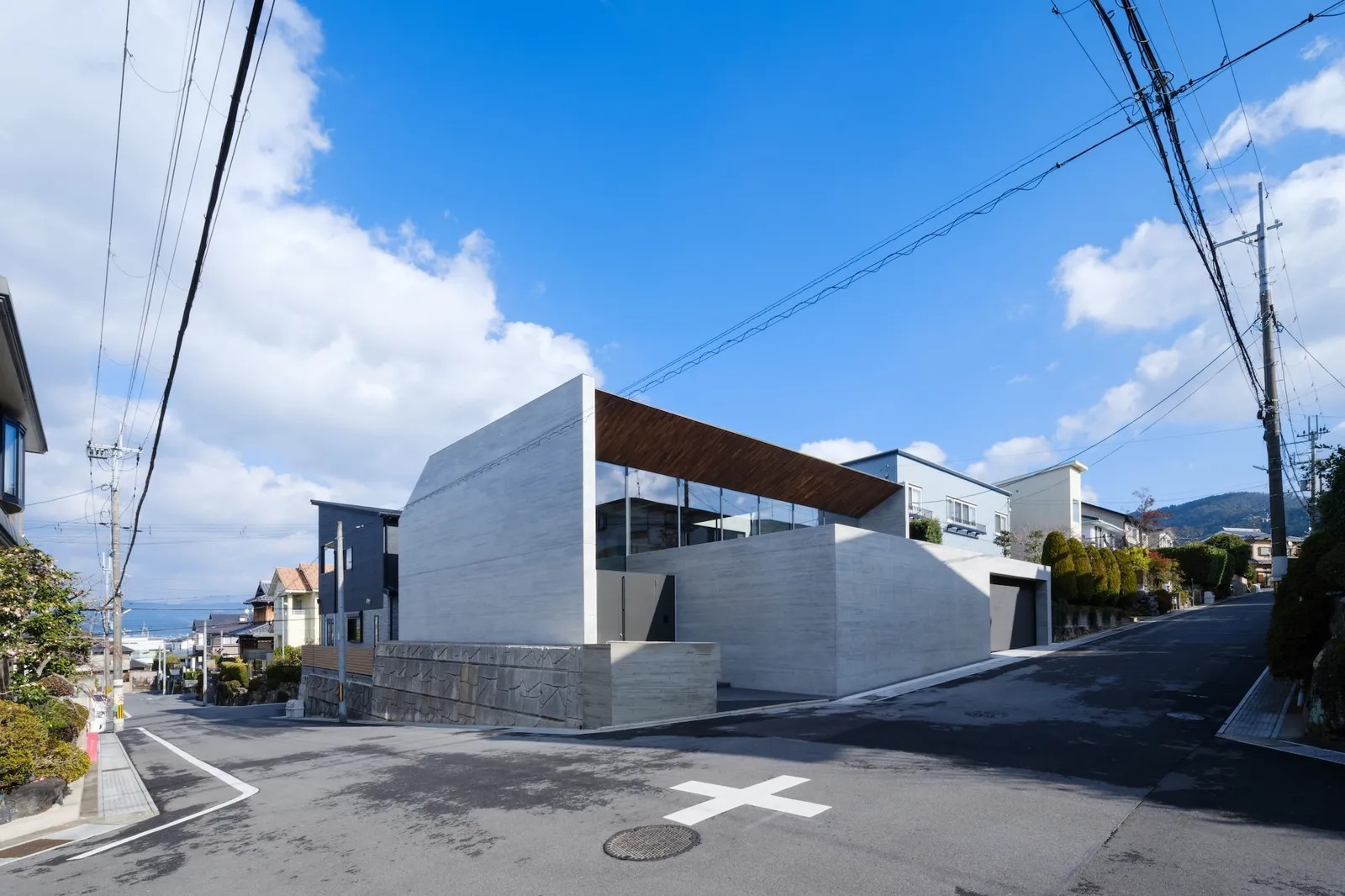
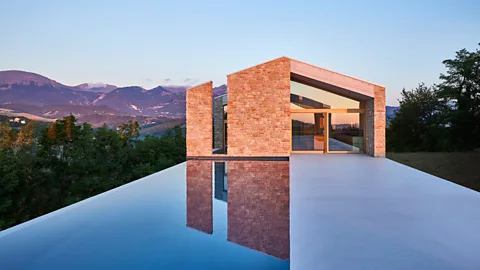
Japanese homes are often celebrated for their distinctive aesthetic and functional design principles. This article explores eight key elements of Japanese home design that can be adapted and incorporated into Indian households to enhance their living spaces. These elements highlight a focus on natural materials, spatial efficiency, and a connection with nature, all contributing to a serene and comfortable environment.
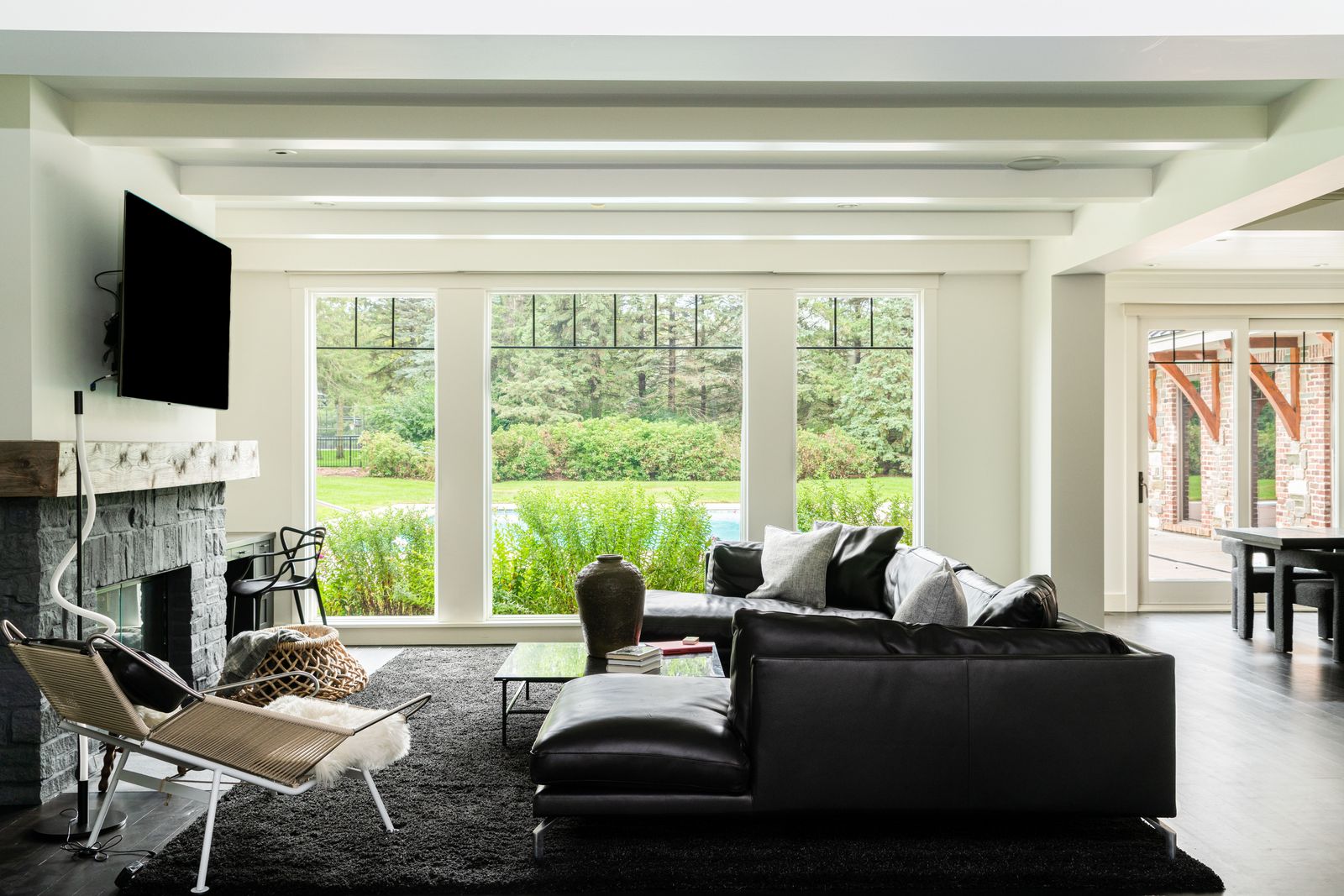
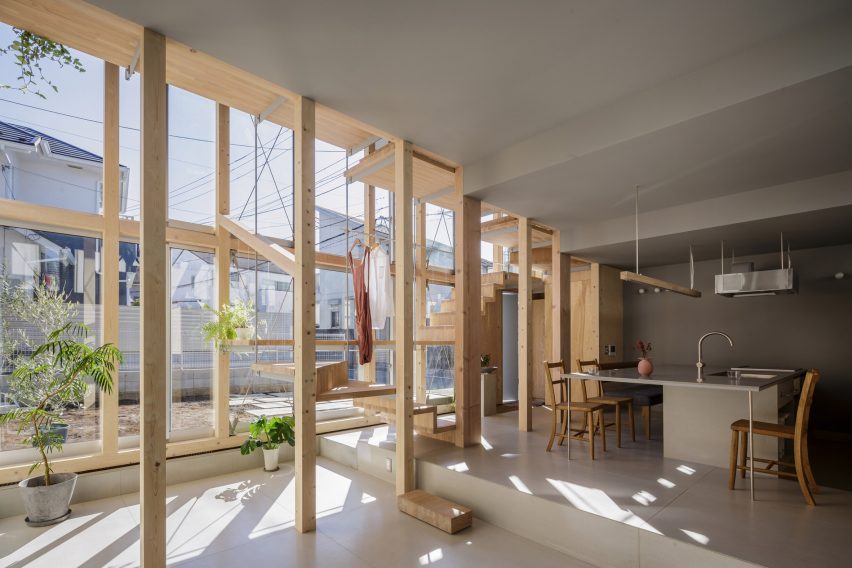
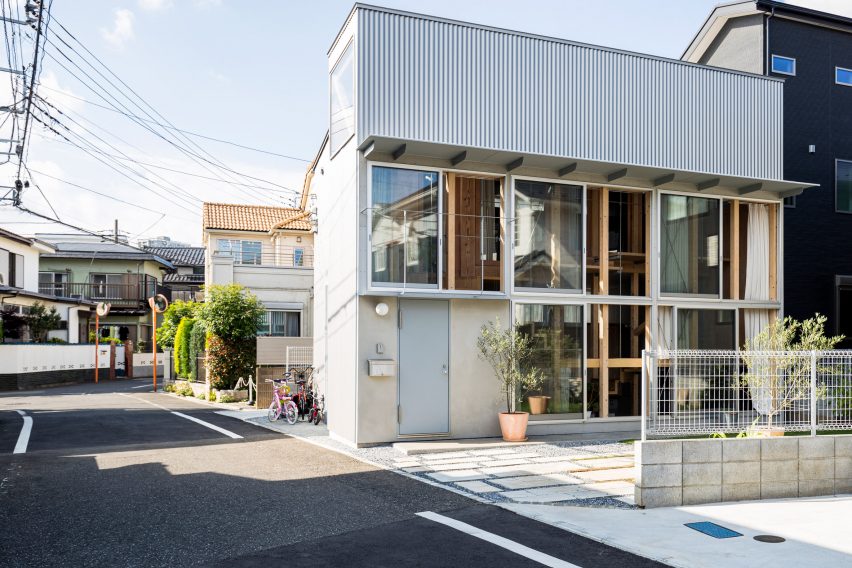
One prominent feature is the use of Tatami mats, which are traditional Japanese flooring elements made of woven rush. These mats offer a soft and visually appealing surface. Similar to the 'Chatais' once common in India, Tatami mats can introduce warmth and texture, making a space more inviting and comfortable underfoot. Another core principle of Japanese home design is the maximization of natural light. Traditional Japanese homes are engineered to allow ample sunlight, fostering a bright and airy atmosphere. Emulating this approach in Indian homes can promote a positive energy flow and reduce the reliance on artificial lighting during the day.
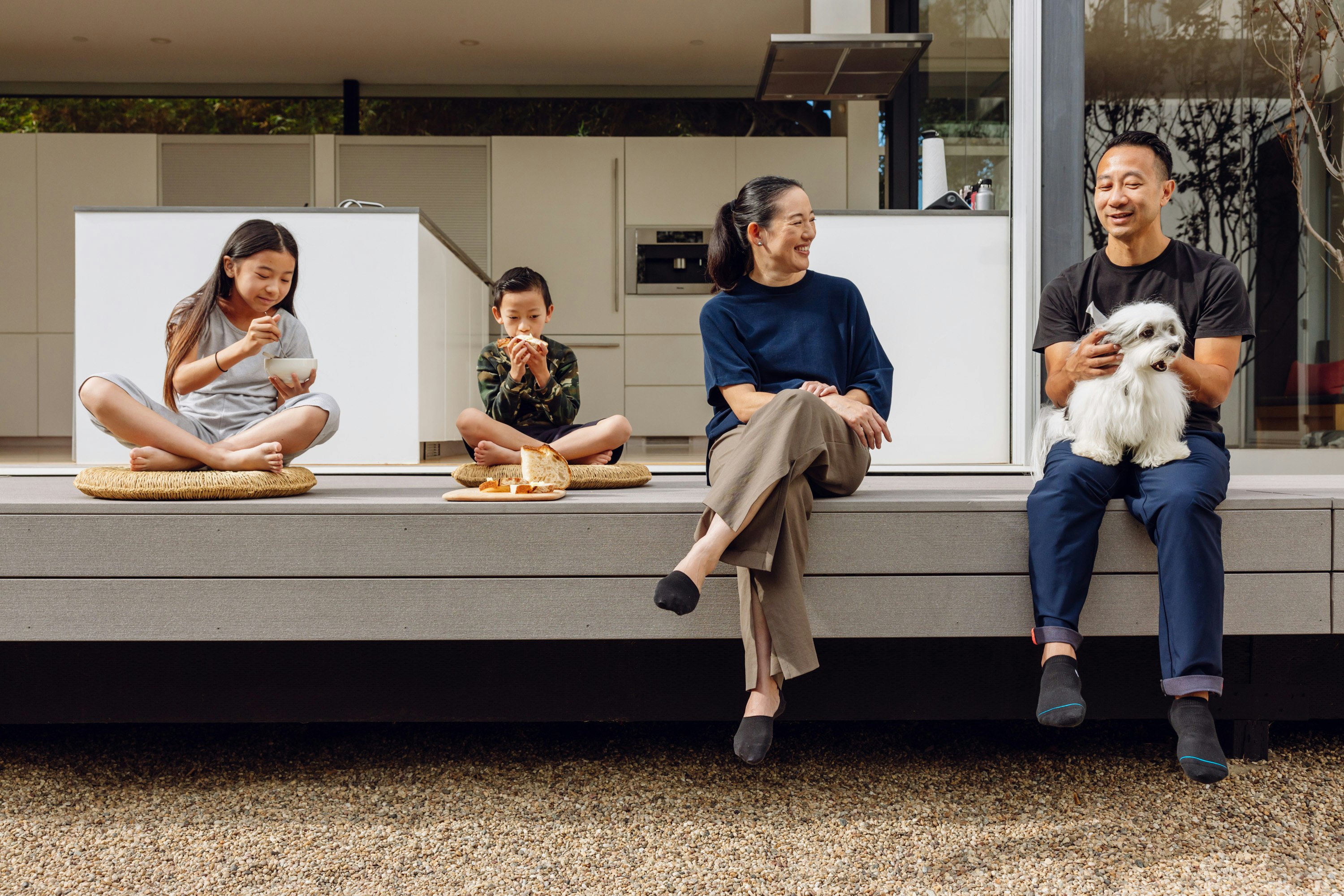
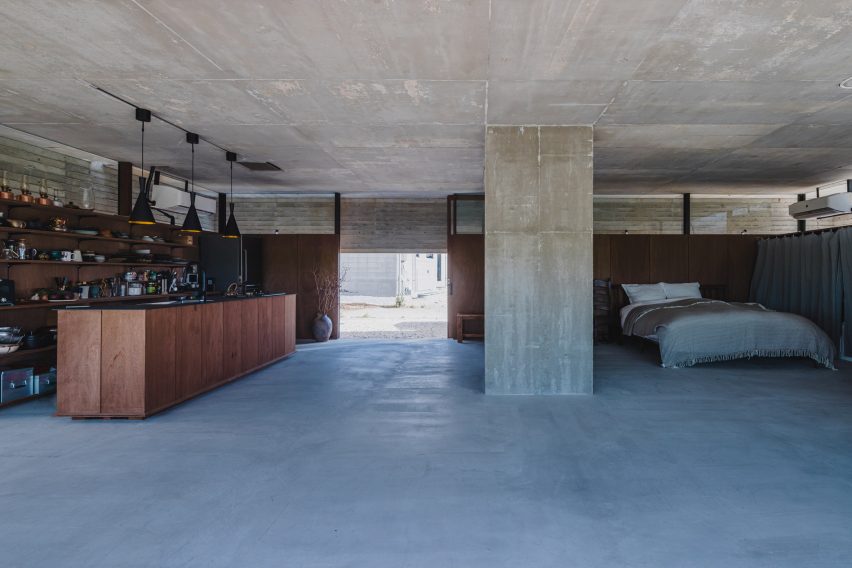
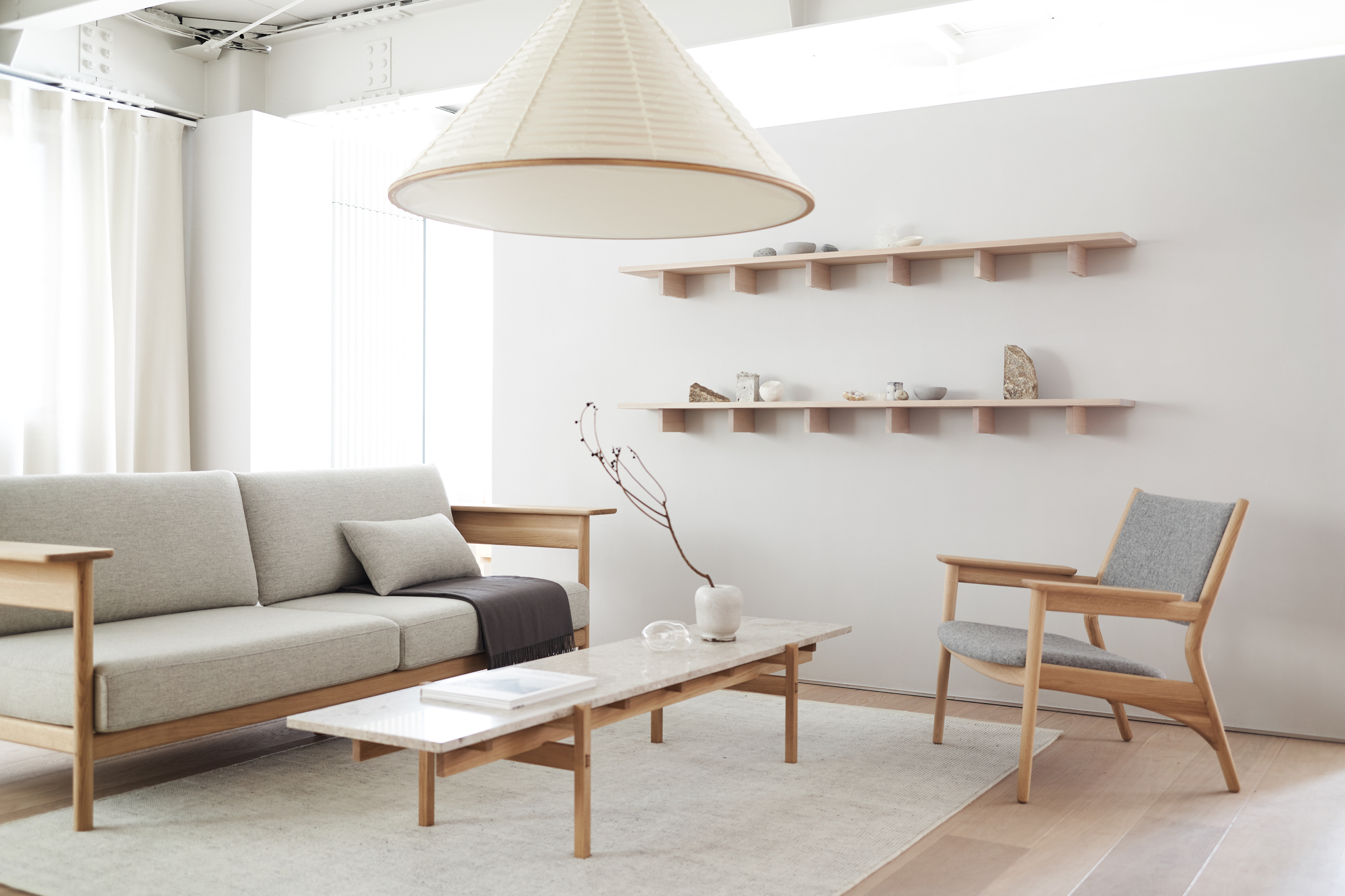
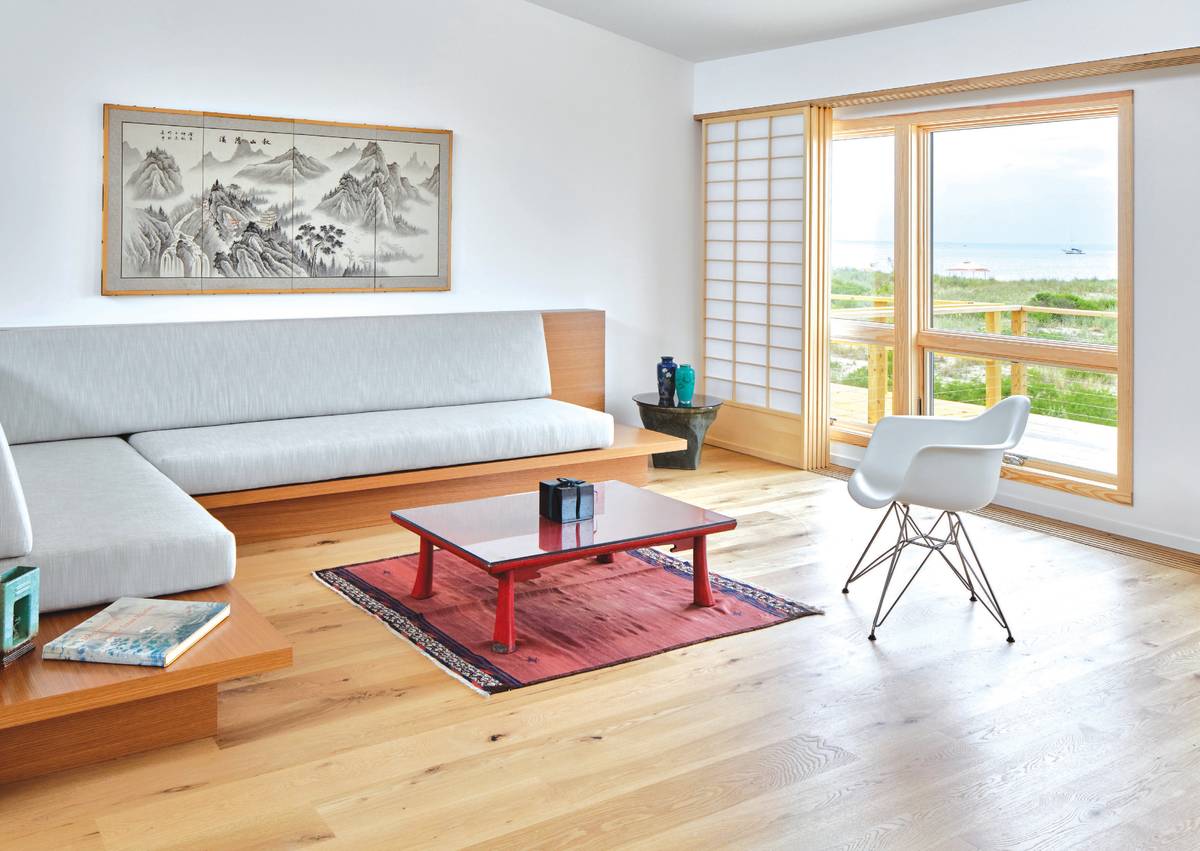
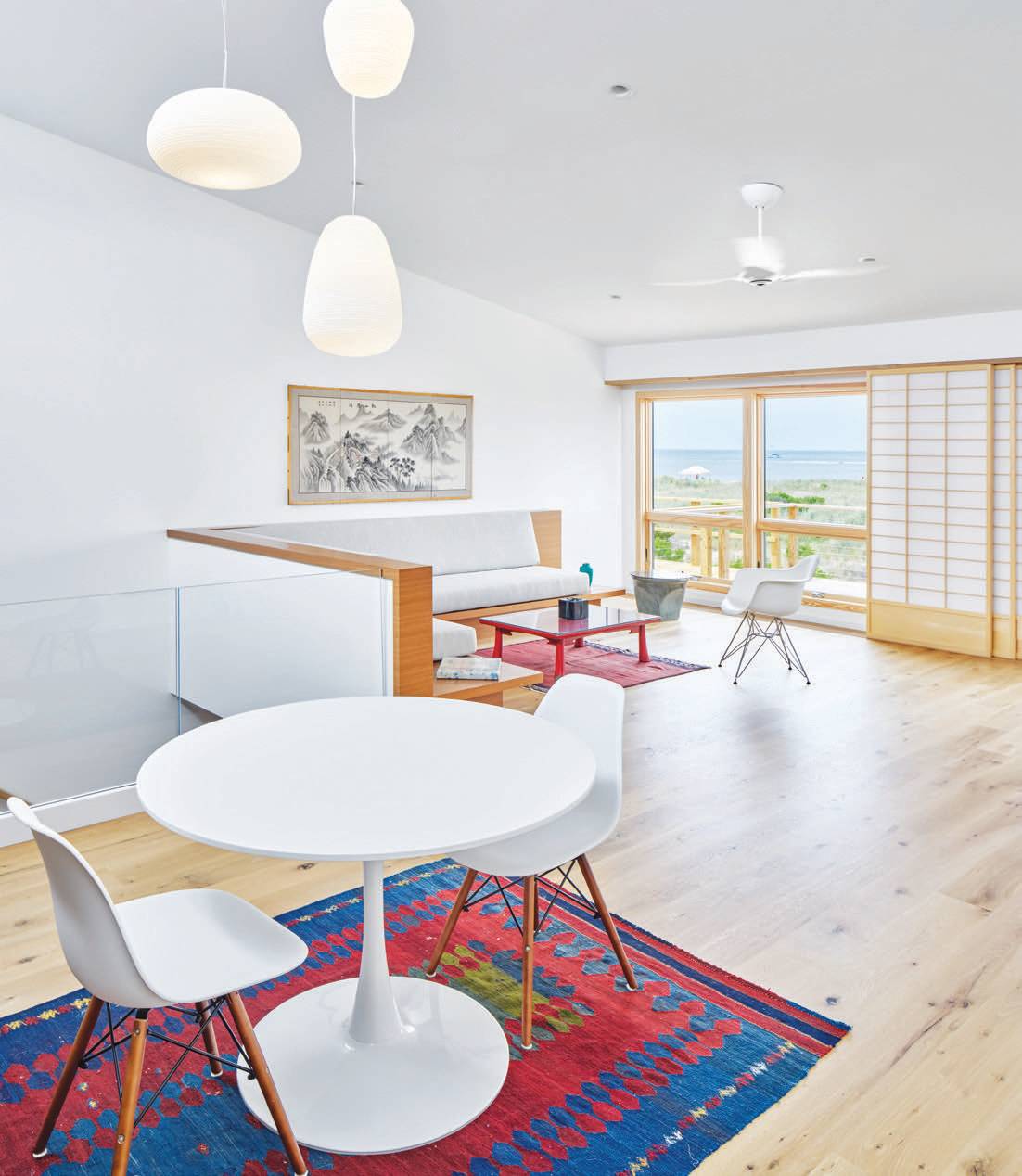
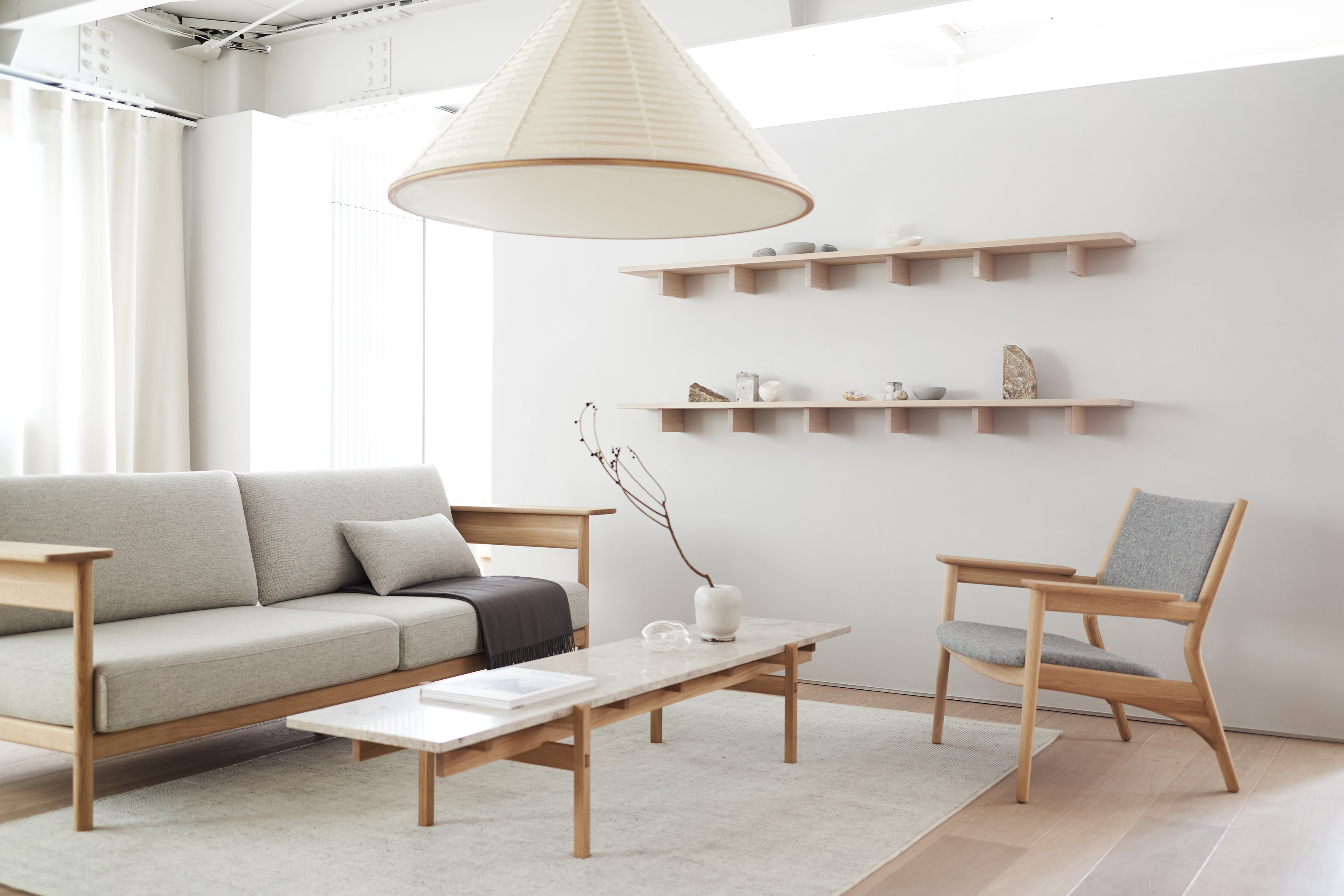
Minimal decor is a hallmark of Japanese interior design. This approach emphasizes a clean, uncluttered environment, allowing the space itself to breathe and feel more expansive. In contrast to the increasing clutter often found in Indian homes, adopting a minimalist philosophy can lead to more organized and calming living areas. Furthermore, Japanese homes frequently incorporate low-lying furniture, such as floor cushions, low tables, and futons. This style creates cozy and intimate seating arrangements, encouraging a return to traditional floor-sitting customs that are part of India's cultural heritage.
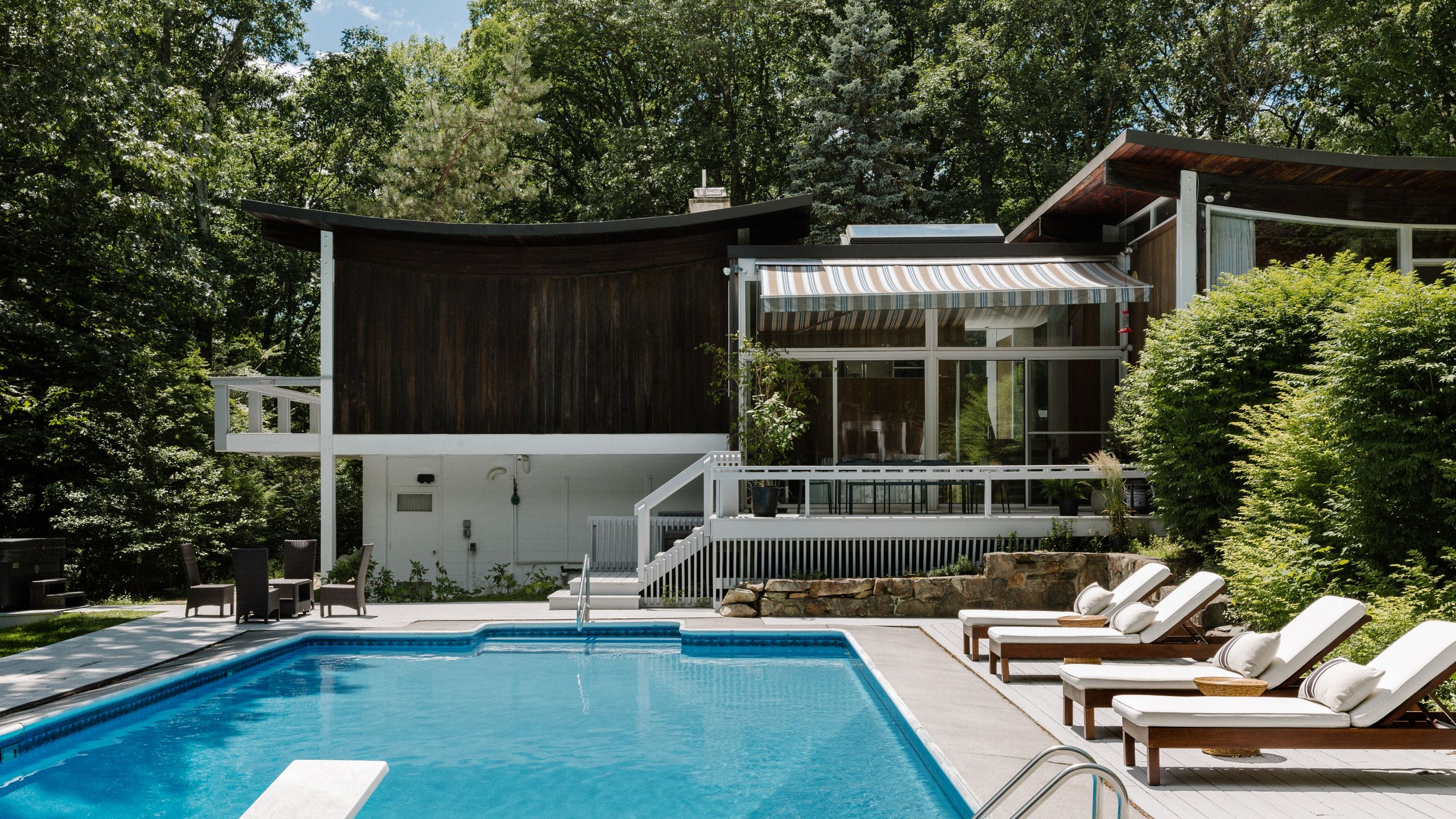
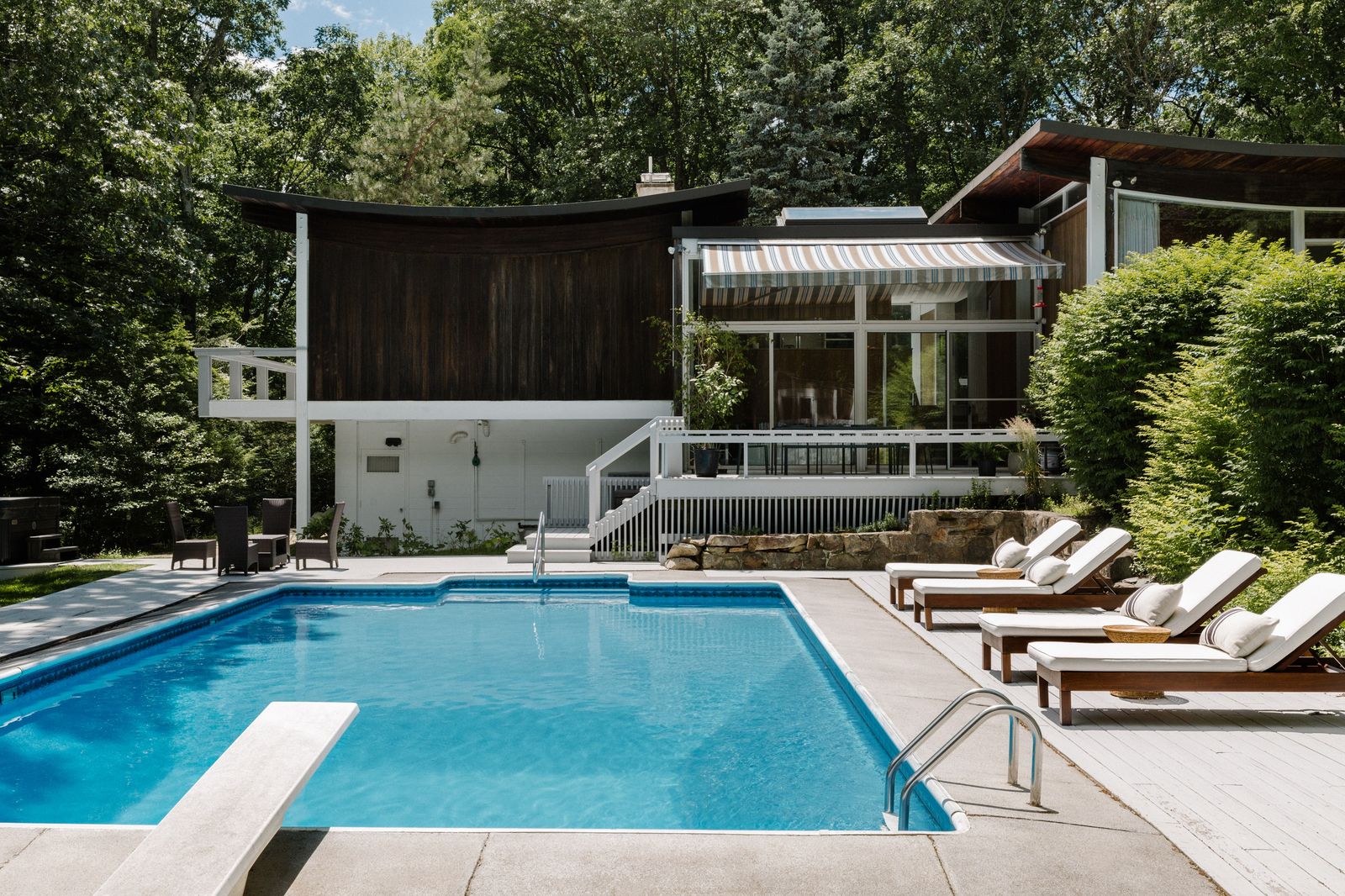
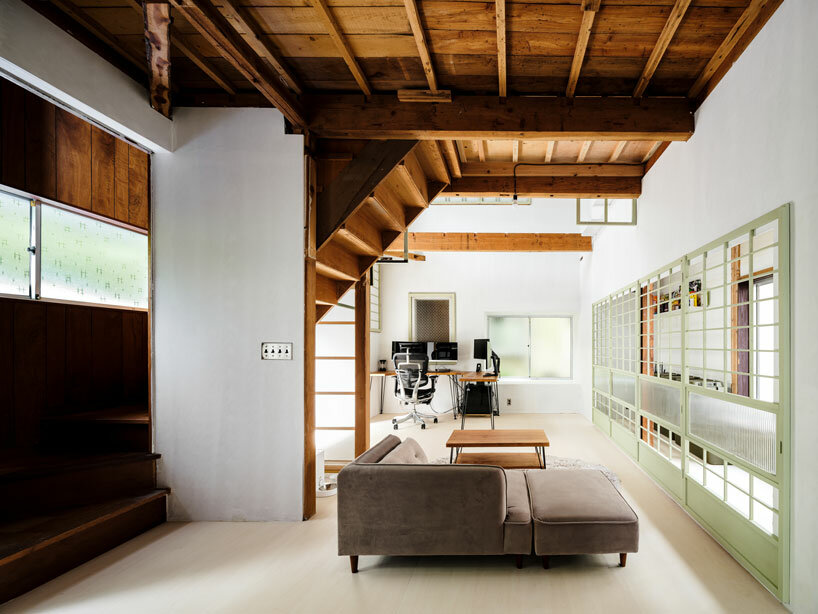
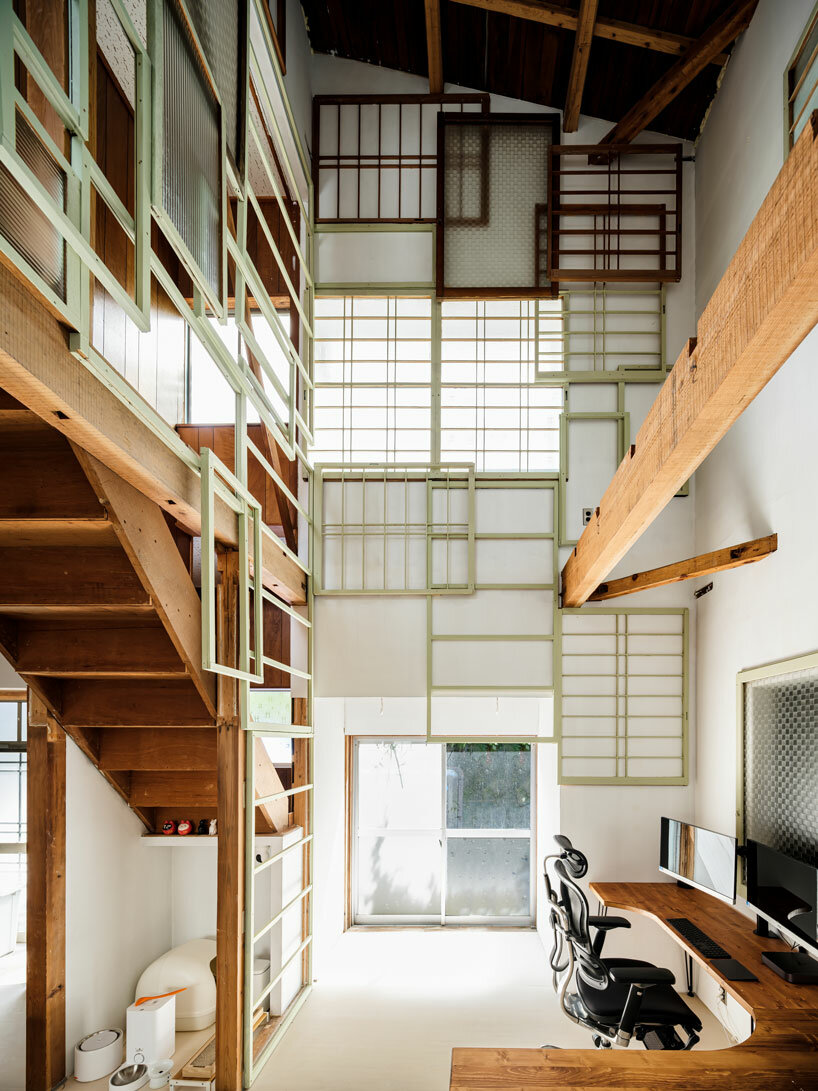
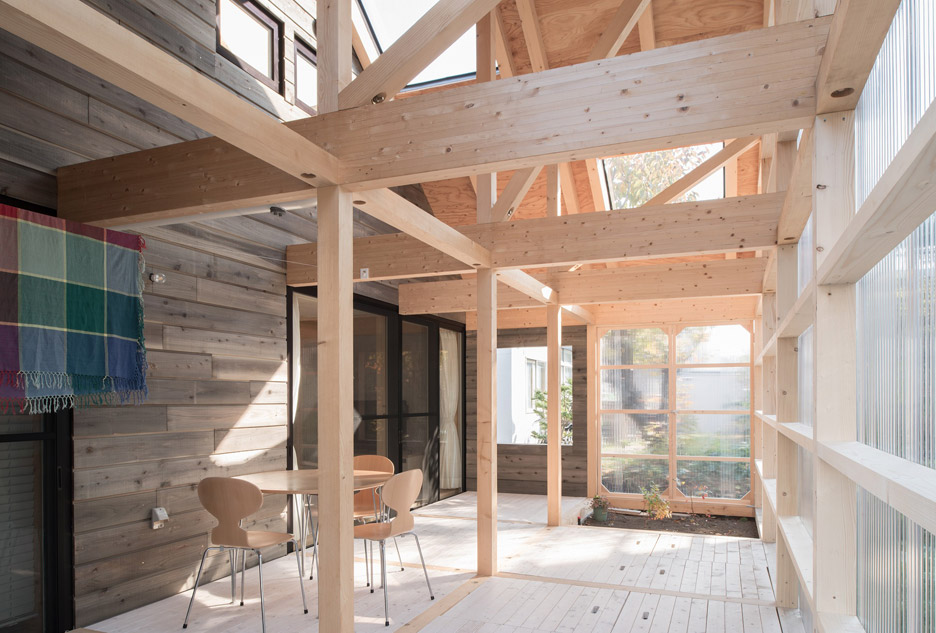
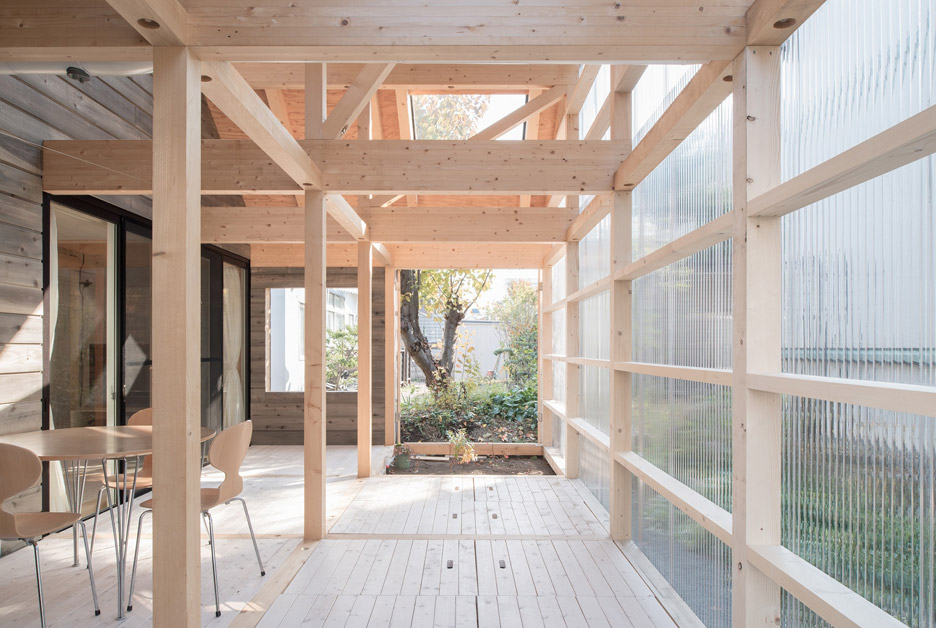
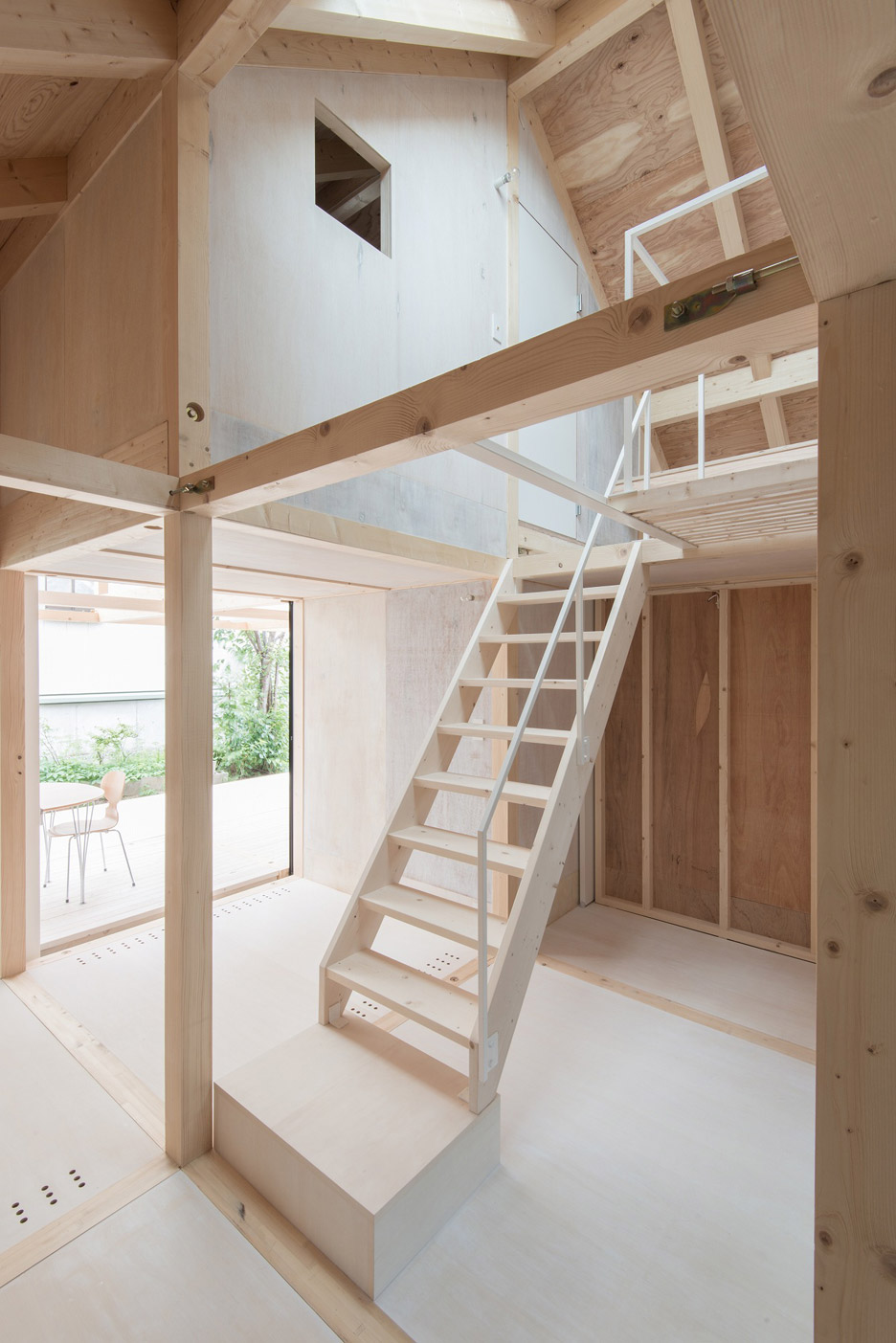
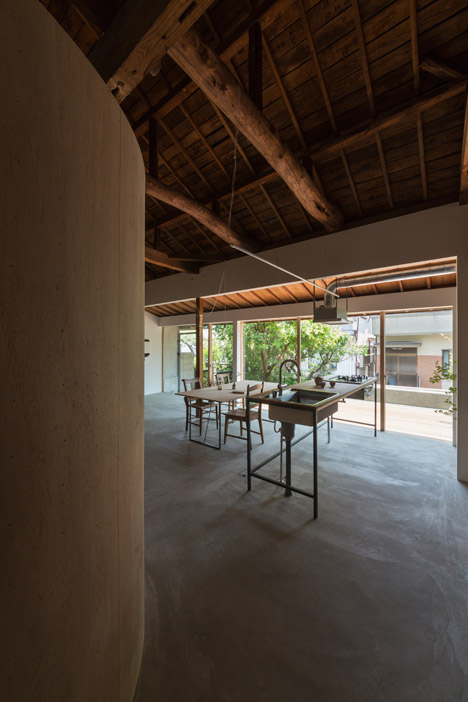
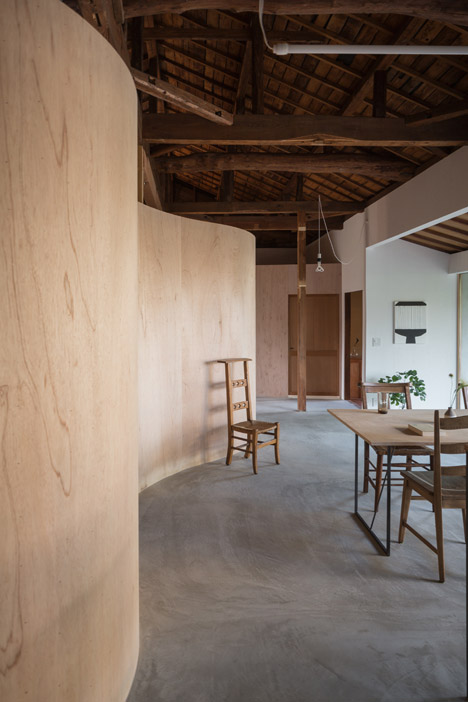
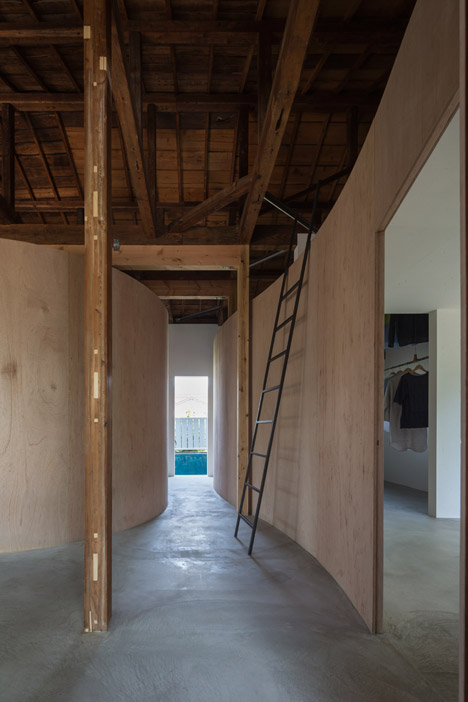
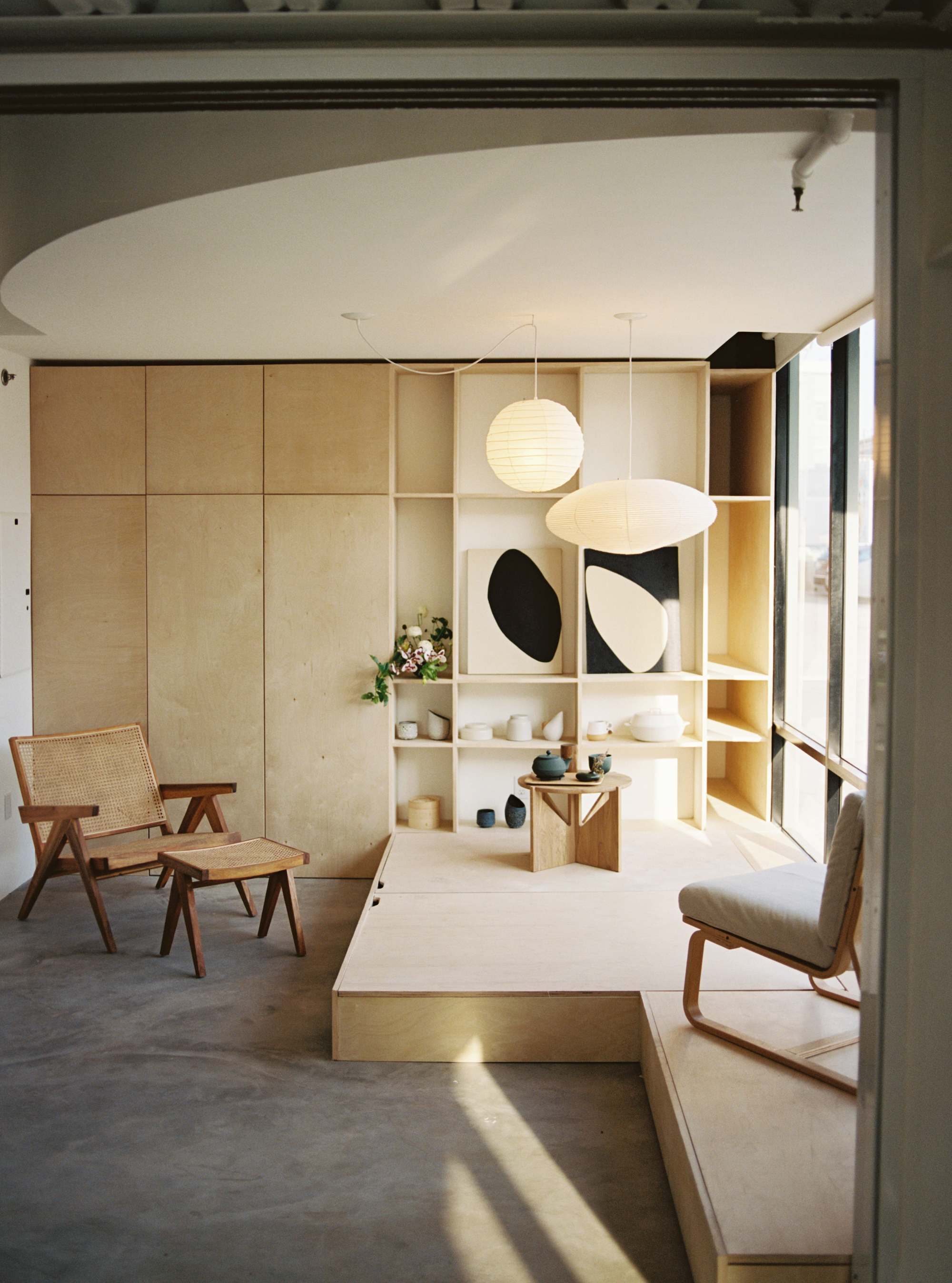
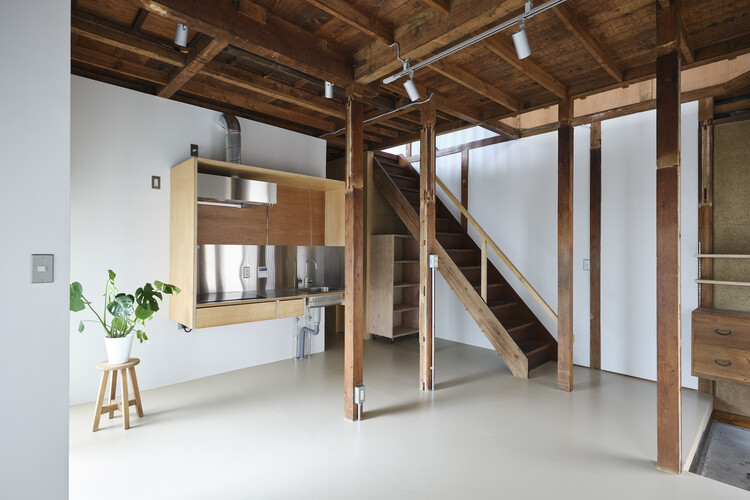
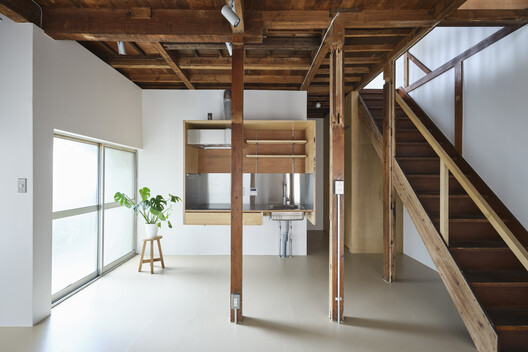
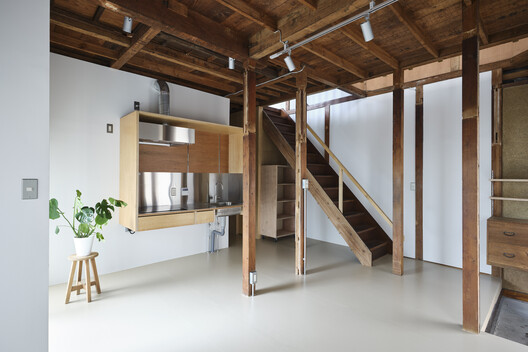
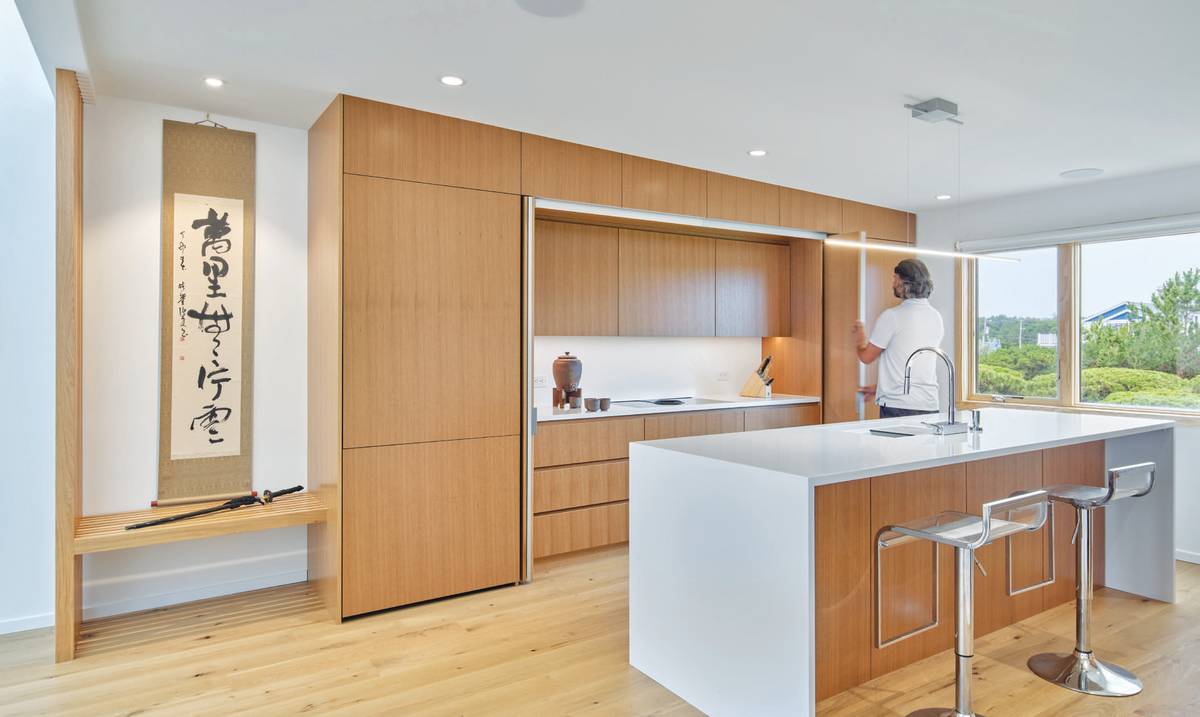
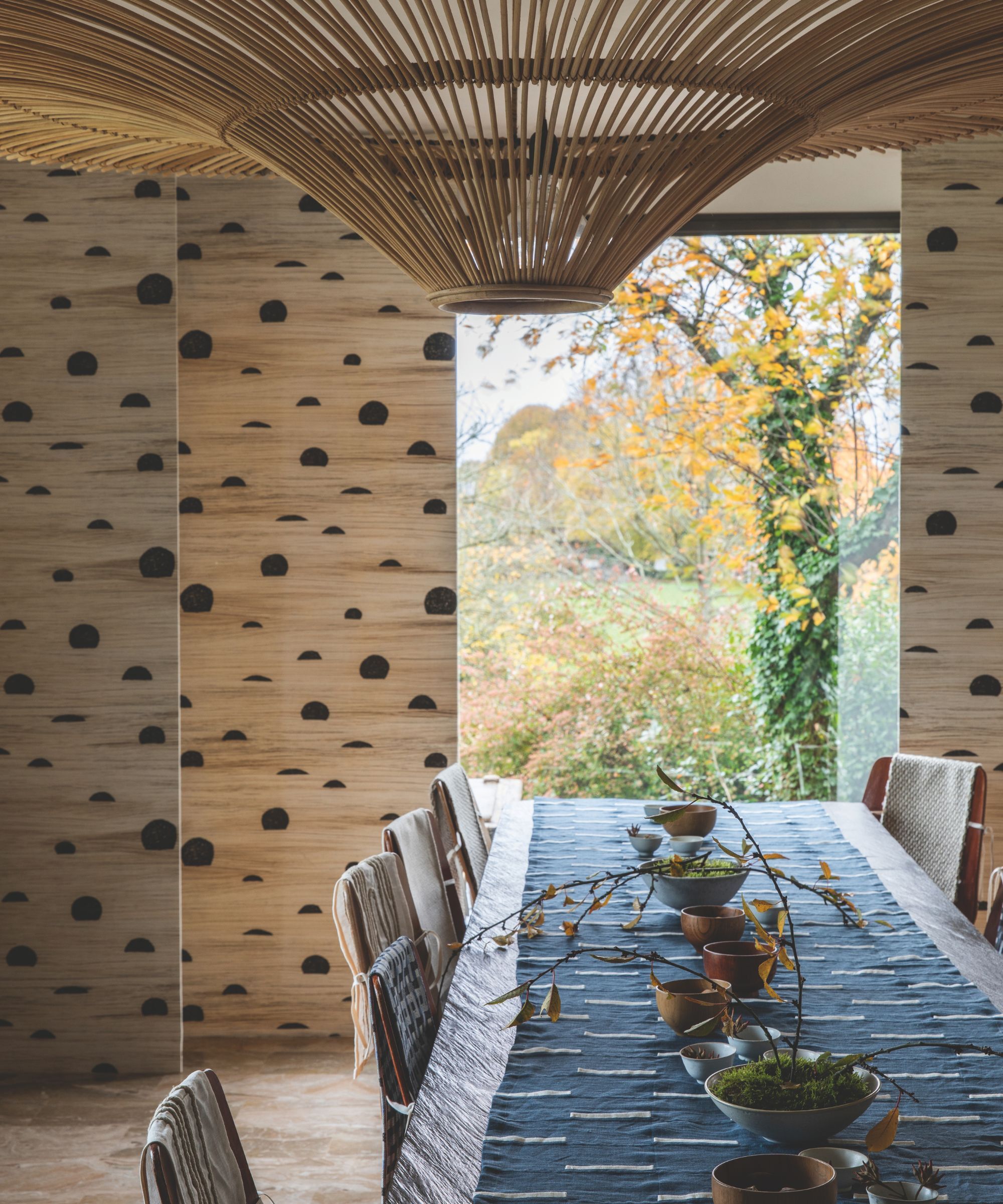
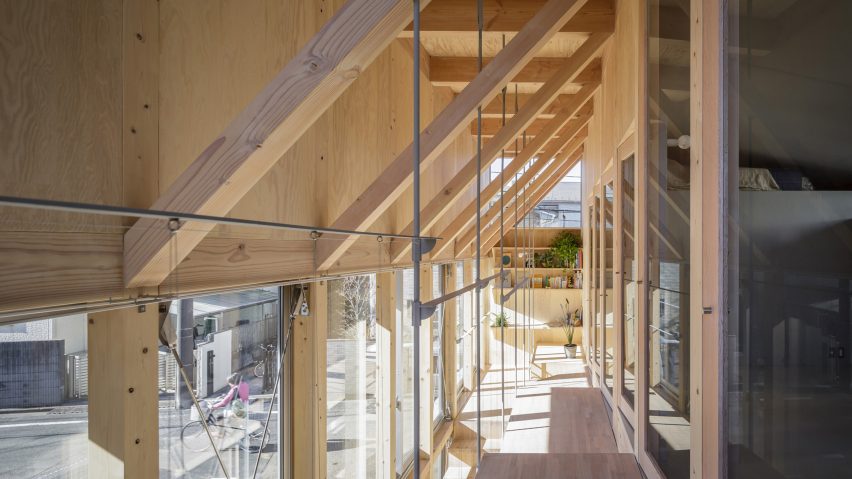
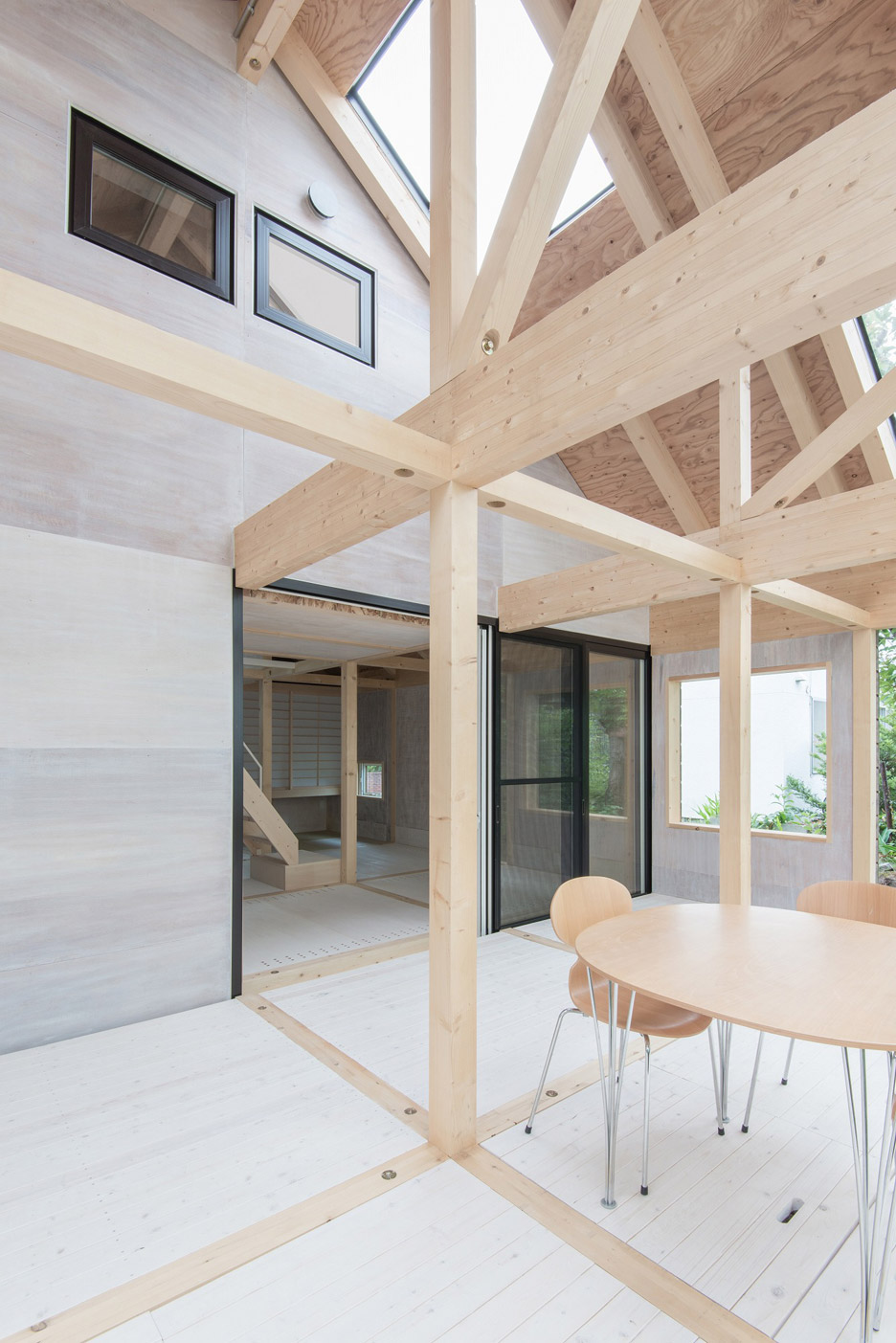
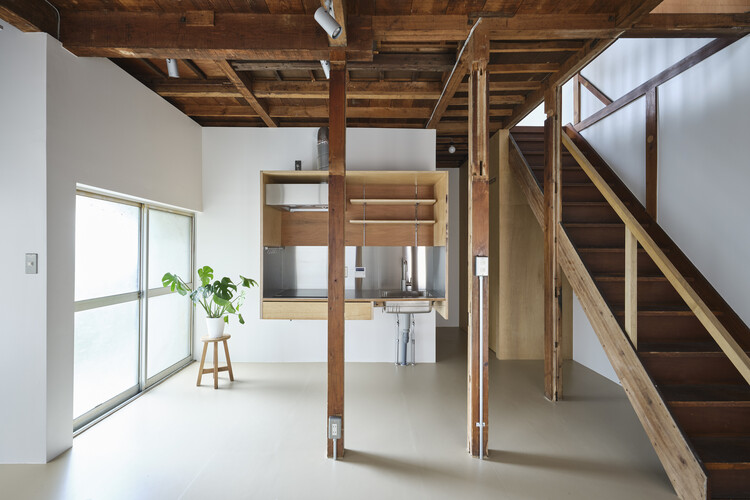
Woodwork is a significant element in Japanese architecture, visible in floors, ceilings, and structural components. The pervasive use of wood adds natural beauty and warmth to interiors, creating a harmonious and organic feel. Indian homes can benefit from integrating more wooden elements to achieve a similar aesthetic and connection to nature. Many Japanese homes also feature a designated 'Zen space,' a quiet area for meditation, contemplation, or simply finding peace. In the face of increasing urban noise and stress, incorporating such a space in Indian homes can provide a much-needed sanctuary for mental well-being.
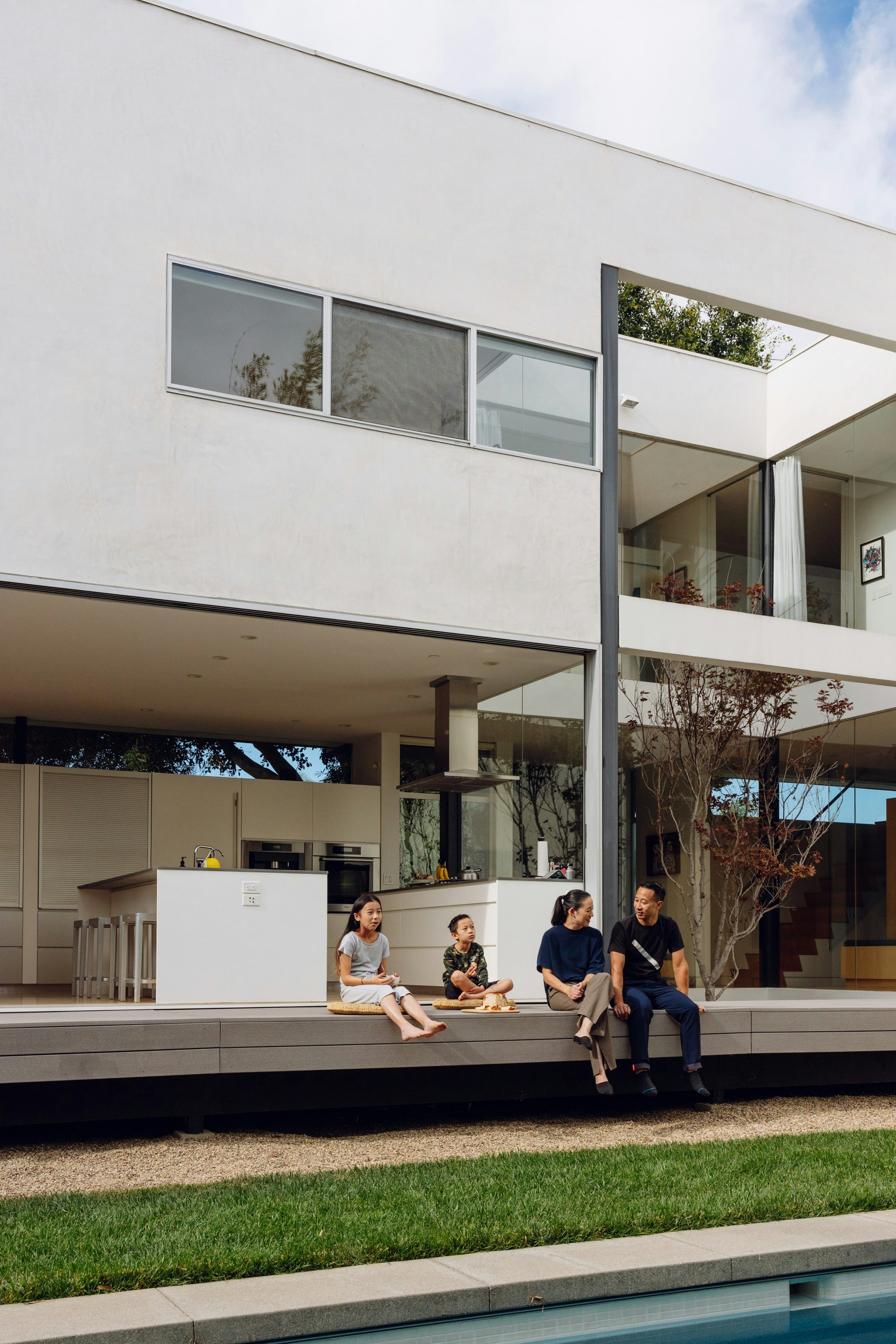
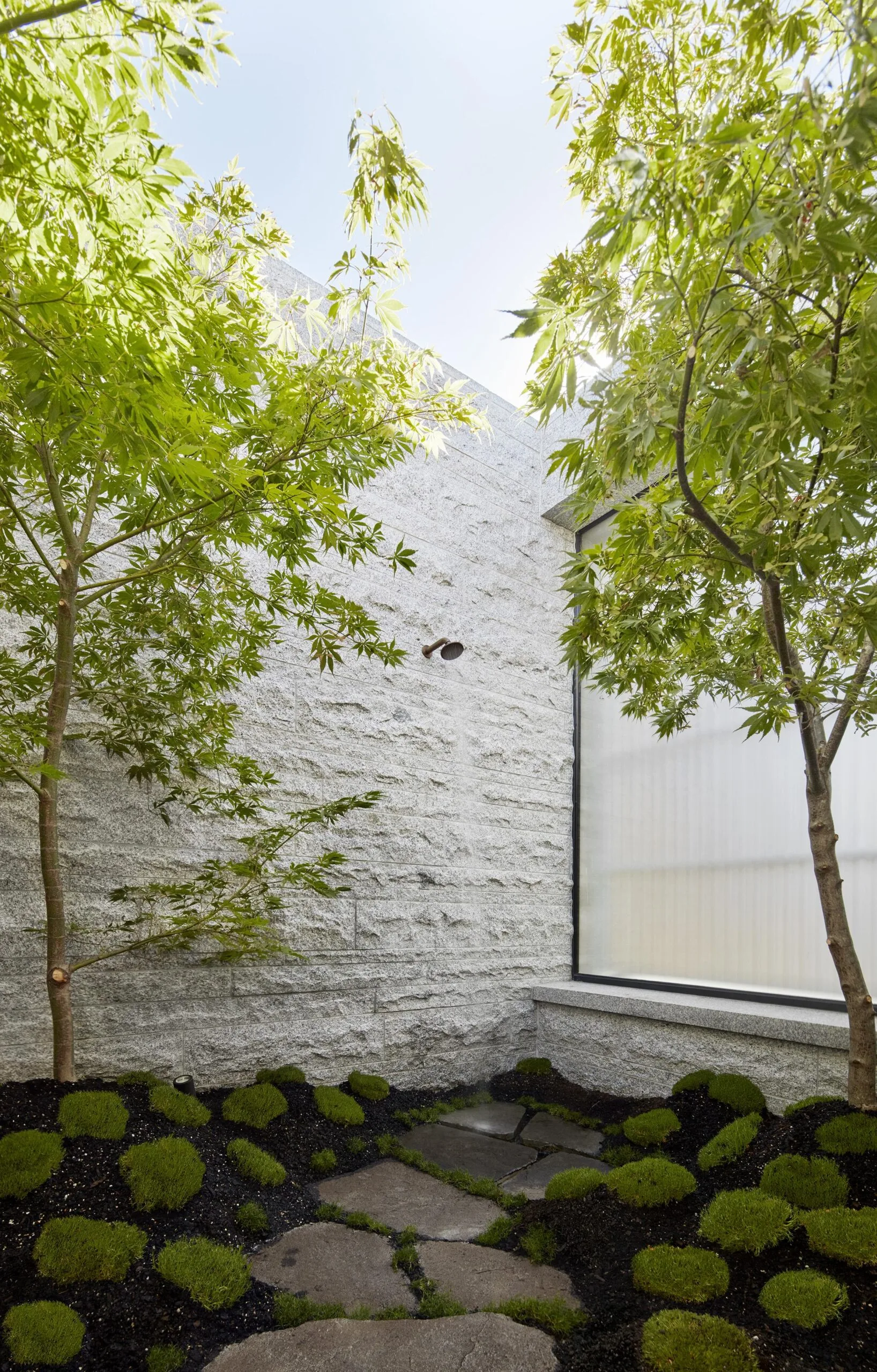
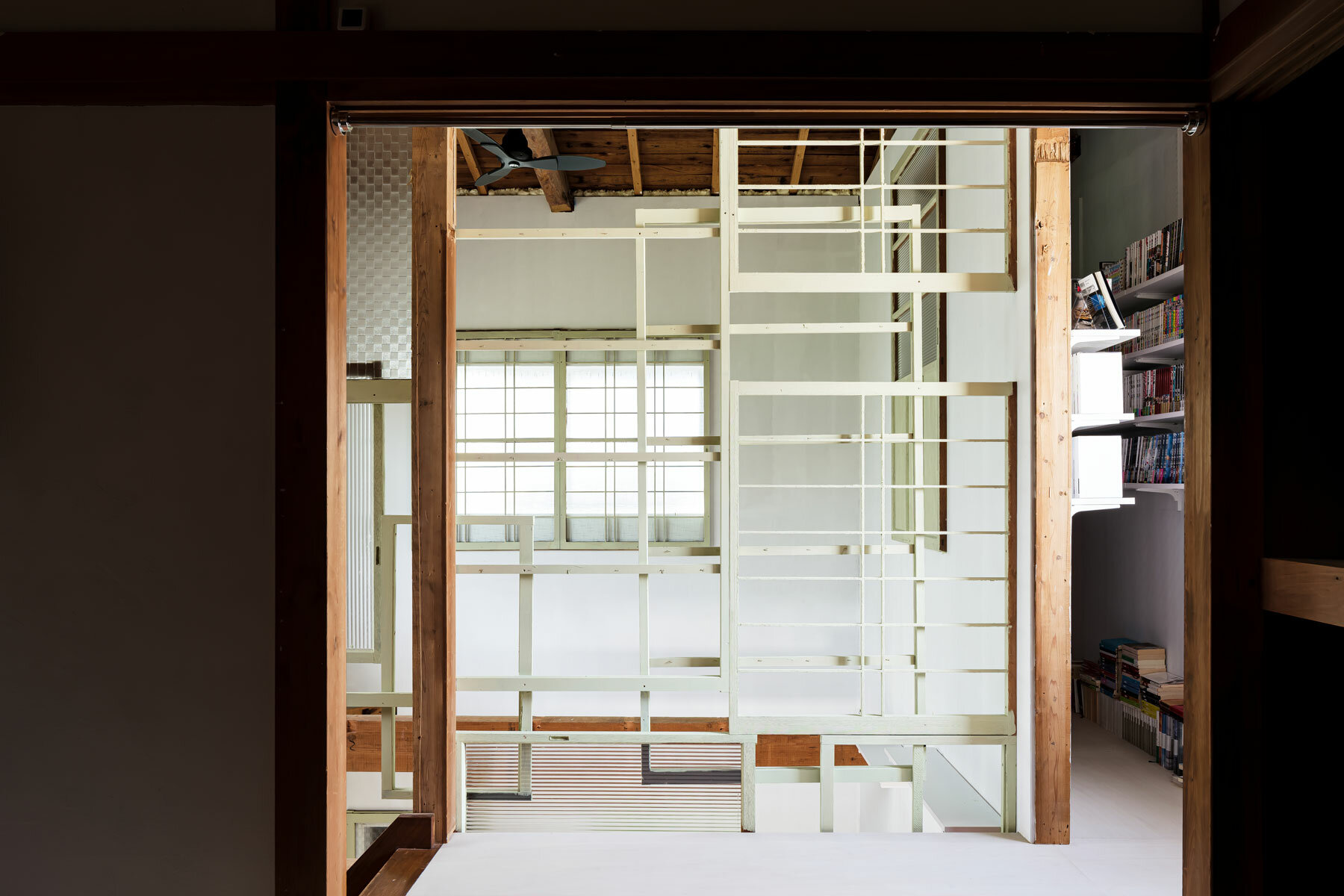
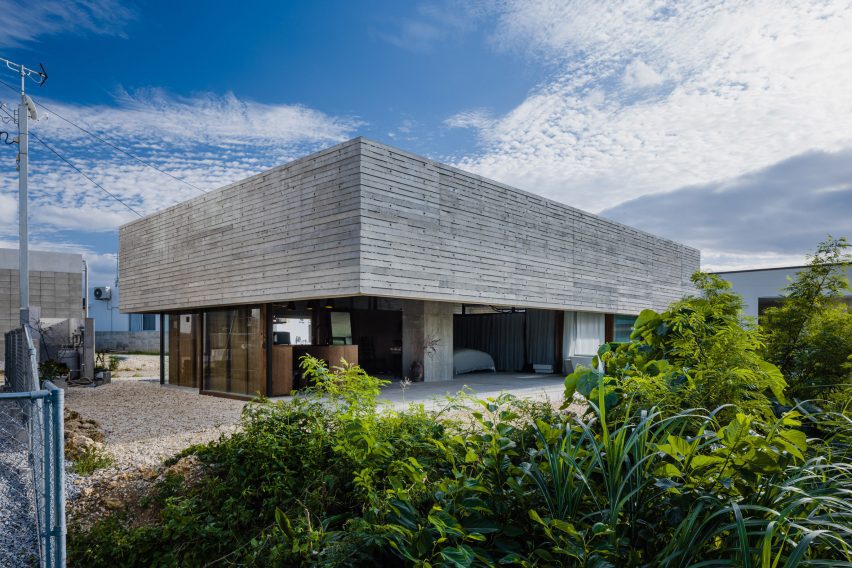
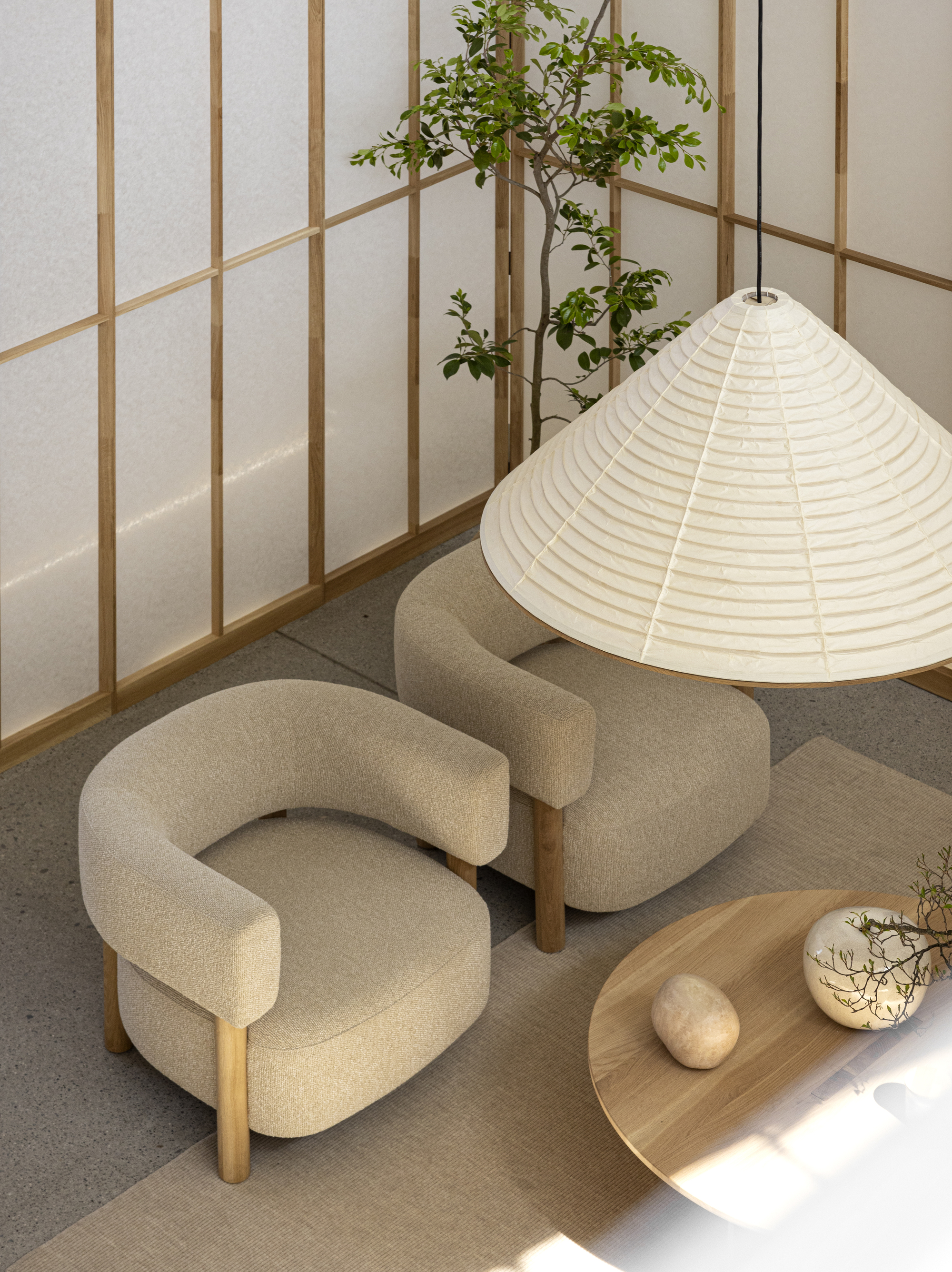
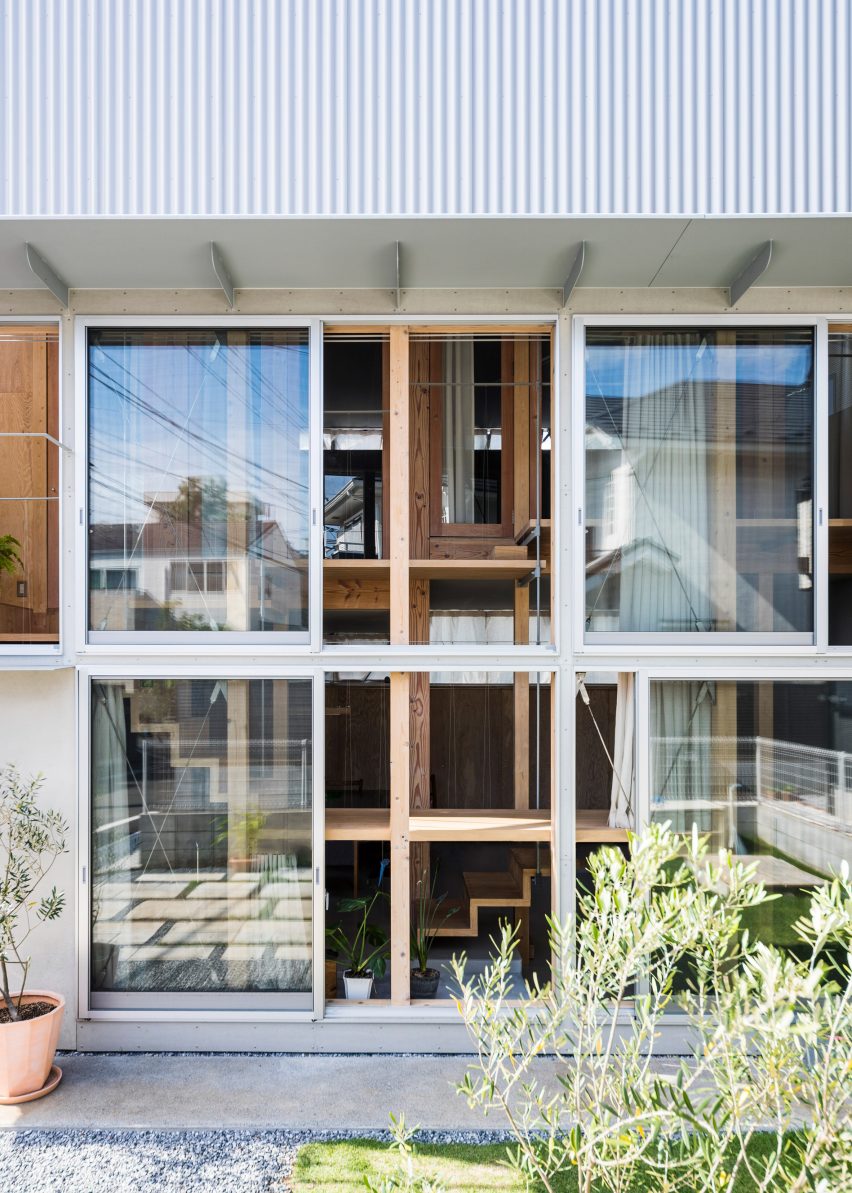
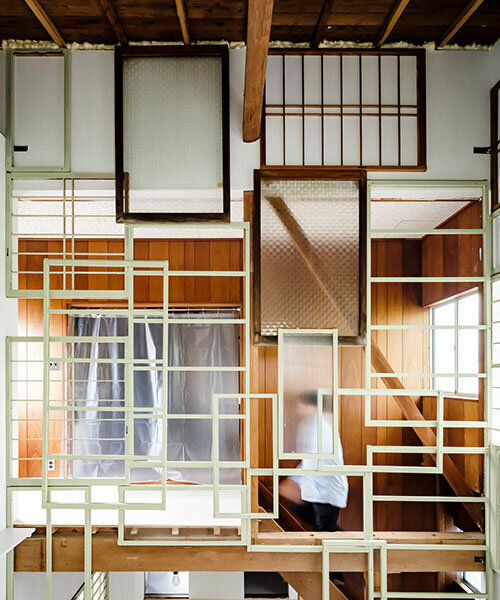
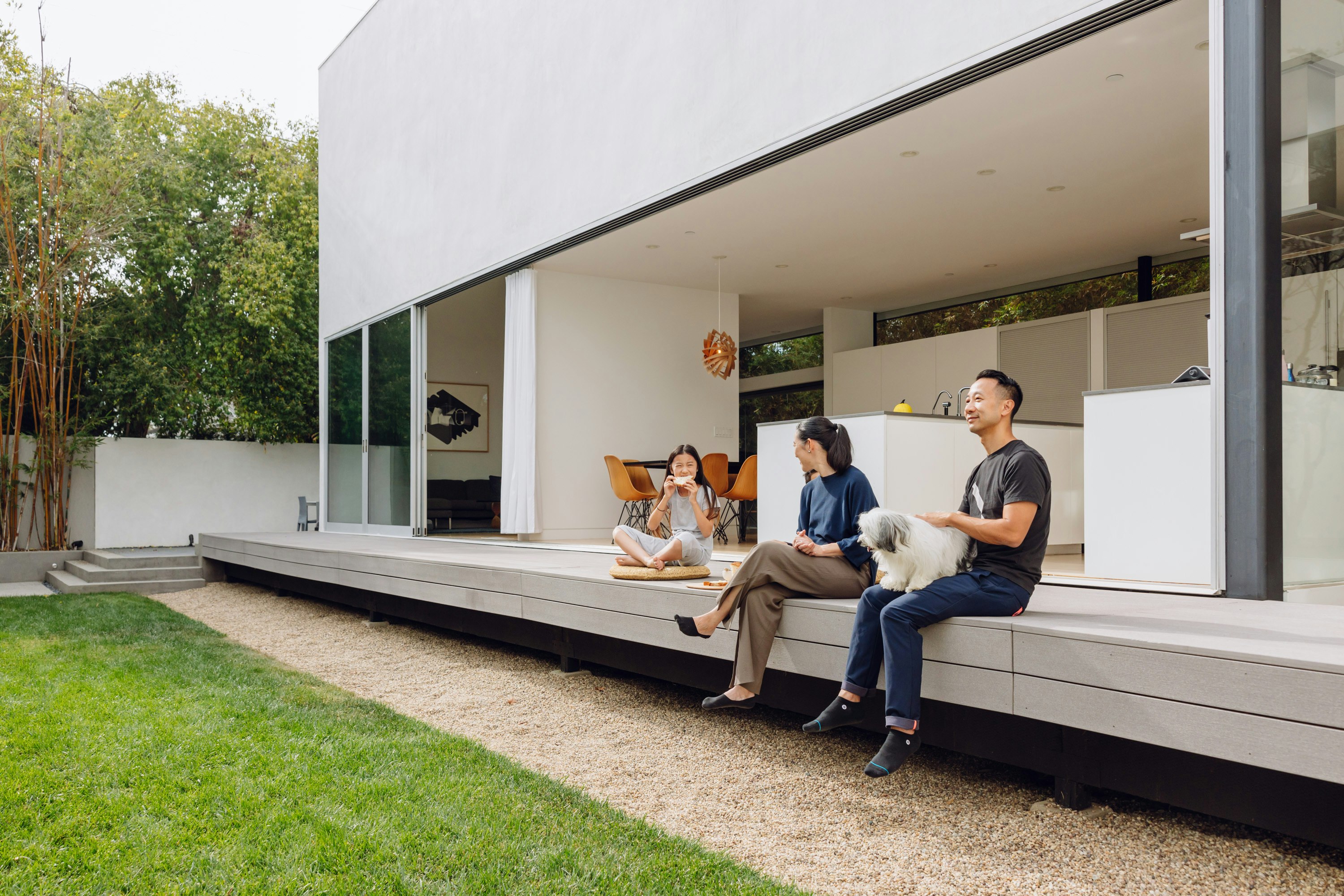
Sliding doors, known as fusuma or shoji, are a practical and aesthetic feature in traditional Japanese homes. These doors enhance accessibility and, with their translucent panels, allow light to diffuse through the house even when closed. Implementing similar sliding door systems can optimize space and light in Indian residences. Finally, Japanese homes excel at blurring the lines between indoor and outdoor spaces. This is achieved through indoor plants, meticulously maintained gardens, and the extensive use of natural materials like wood. This strong connection with nature contributes to a tranquil, pleasant, and harmonious living environment, a quality that can significantly enhance Indian homes by integrating more natural elements and green spaces.
#JapaneseHomes #HomeDesign #InteriorDecor #MinimalDecor #NaturalLight #TatamiMats #ZenSpace #Woodwork #SlidingDoors #JapaneseHomes #HomeDesign #InteriorDecor #MinimalDecor #NaturalLight #TatamiMats #ZenSpace #Woodwork #SlidingDoors
0 comment in total
 No comments yet
You may also like
5 homes that bring serene Japanese-inspired design to life

The best Japanese houseplants to create a zen, serene space in any room

Tato Architects updates a traditional Japanese house with a curved plywood interior
25 Chic Japandi Living Room Ideas That Could Be Straight Out of a Tokyo Loft
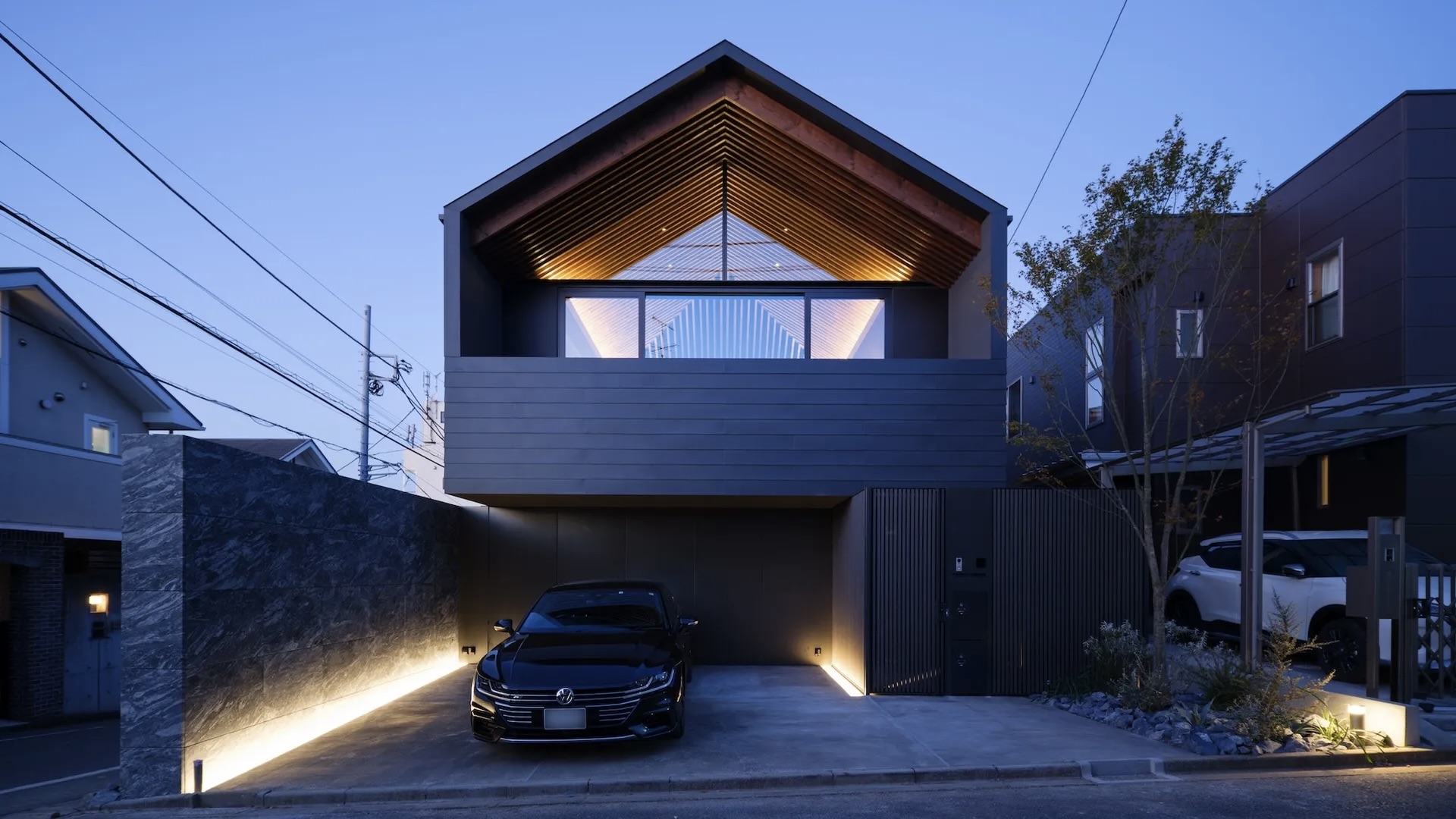
Wallpaper's favourite Japanese houses

Eight of the world's most remarkable homes
7 Japanese real estate inspired bathroom decor ideas for a calm and mindful home
A Lewes Townhome Pays Homage to Japan’s Serenity

Tour 5 Japanese-Inspired Modern Homes That Embody Contemporary Elegance

7 Japanese-style gardens to inspire and delight

Single concrete column supports One-Legged House in Japan
The Rise of Japanese-Inspired Interiors: Why Calm, Craft, and Simplicity Are Redefining Modern Design

5 Best Japanese-Inspired Home Accessories Designed To Bring Nature & Tranquility Indoors

repurposed window frames in green pastel add a splash of brightness to OTA's house in japan
5 Design Rules Japanese-Style Living Rooms Always Follow — "This Approach Makes Any Home So Calming"

Staircase is a social space in Tokyo house by Kiri Architects
A Minimalist Home Full of Clever Design Tricks Appears to Levitate Above the Earth

Timber-framed home by Yoshichika Takagi has attic bedroom and translucent sunroom
House in Sumida / ROOVICE

double-level foyer puts modern twist on traditional japanese doma in house in itama