1/6
6 Outdoor Kitchen Countertop Options
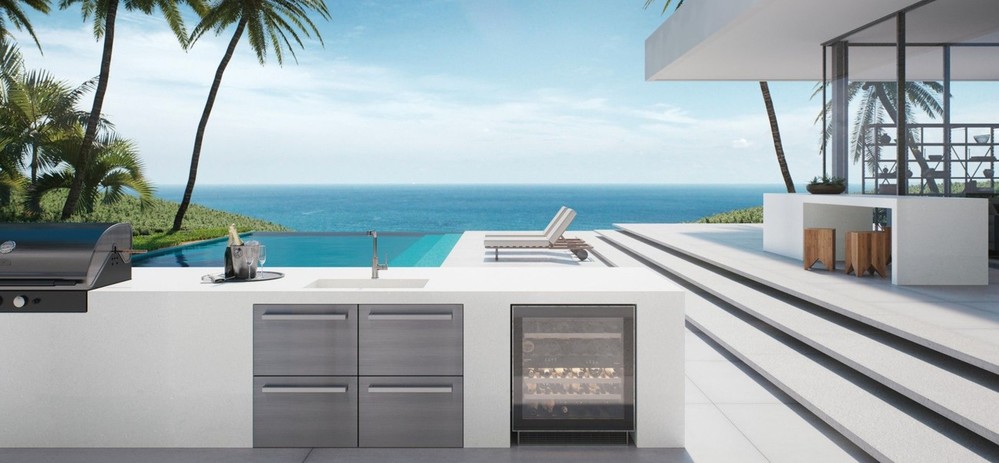
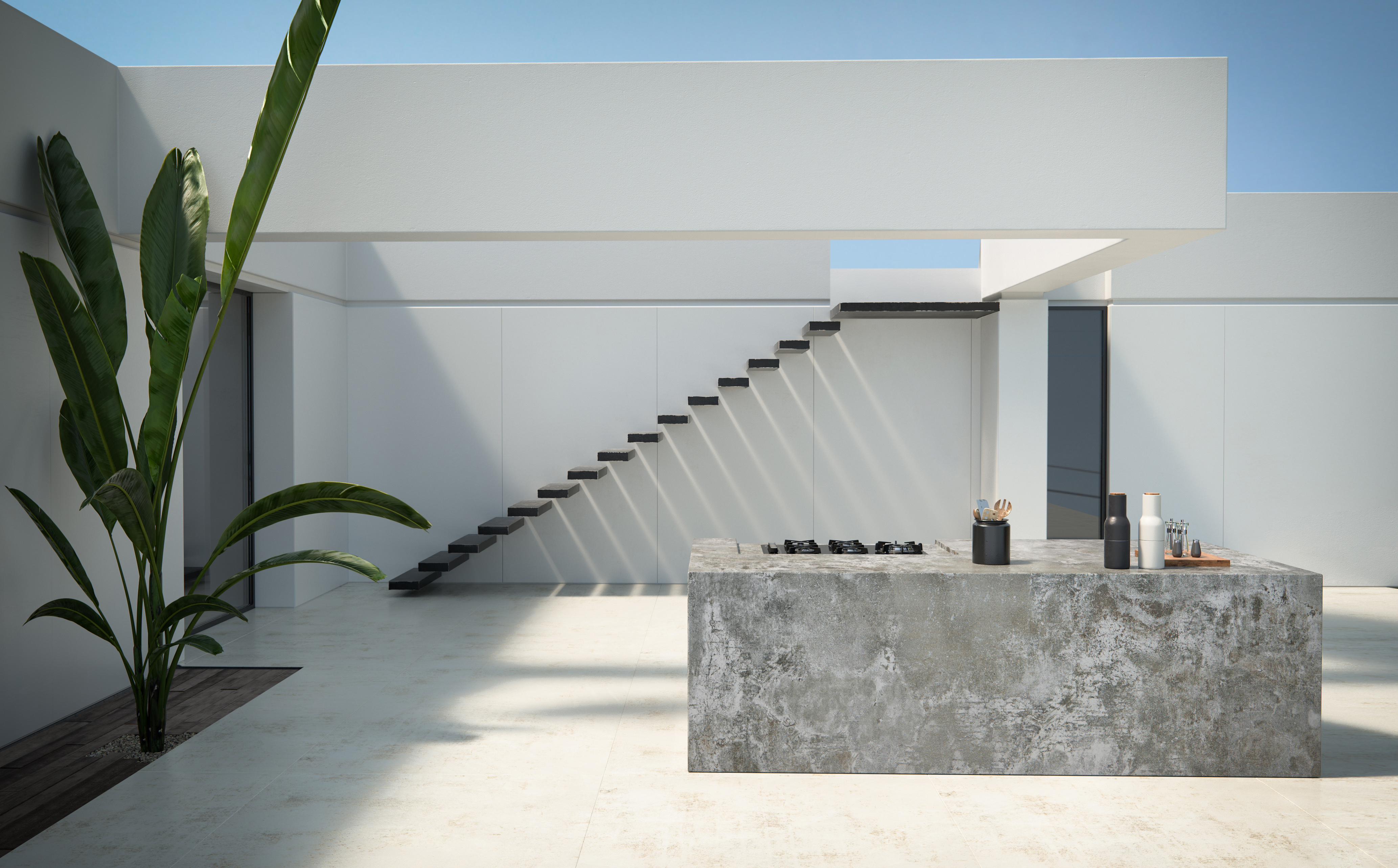
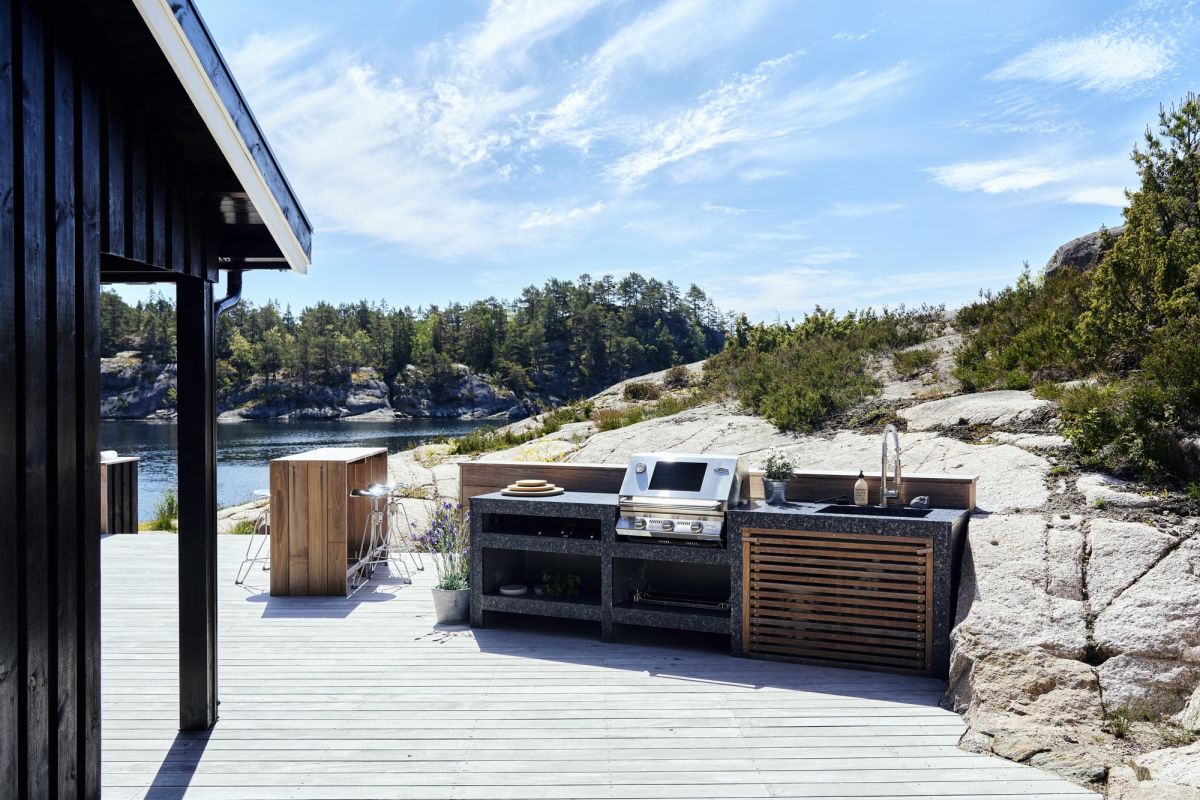
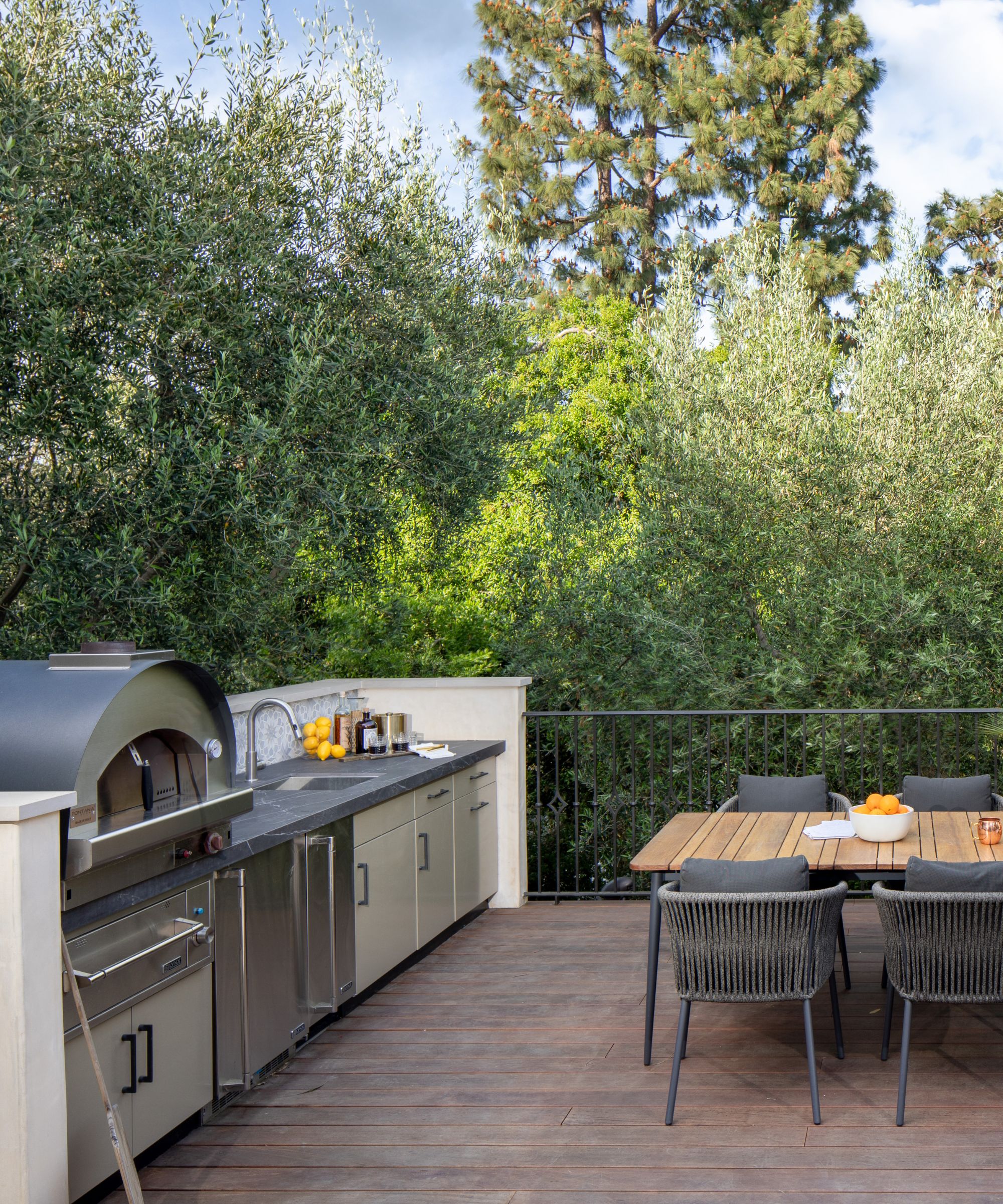
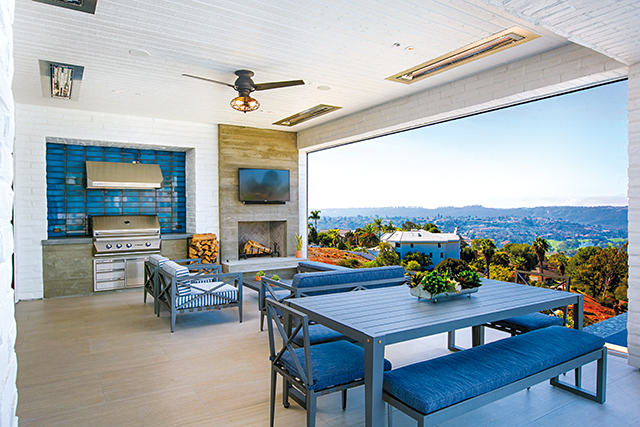
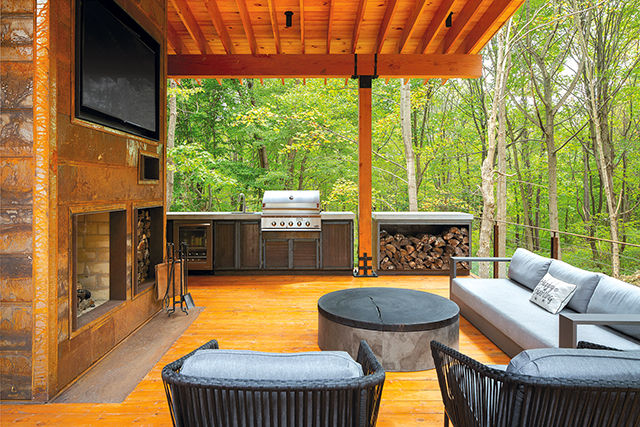
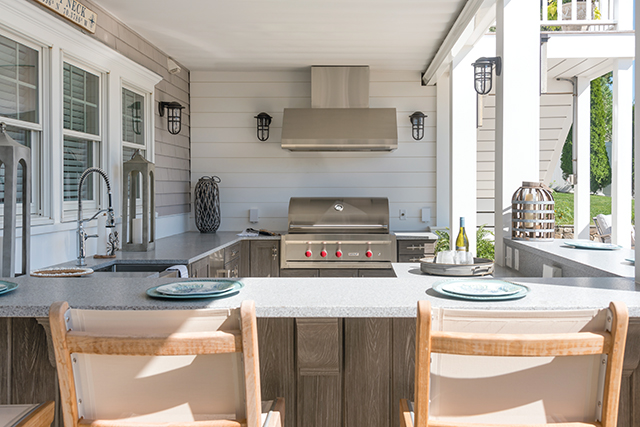
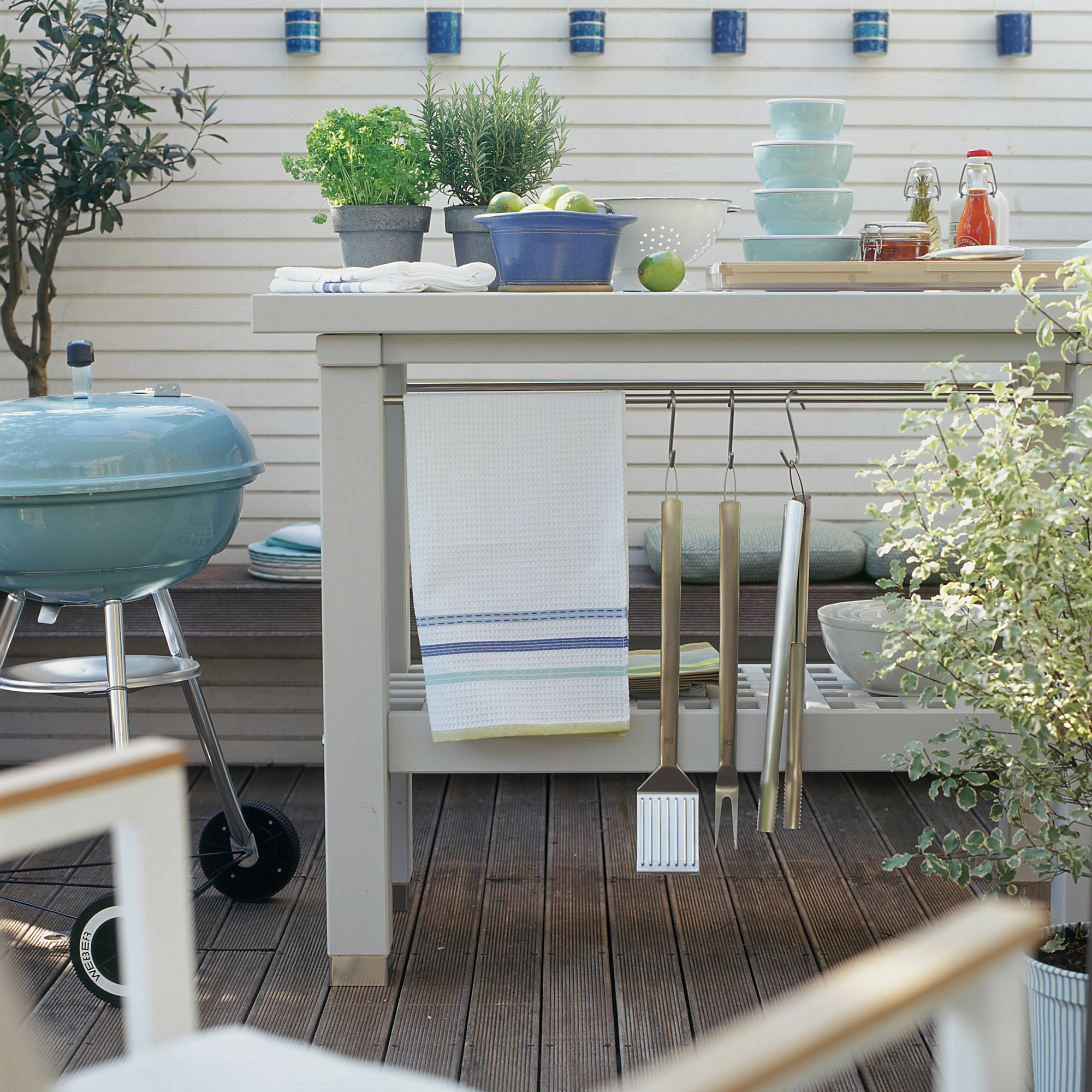
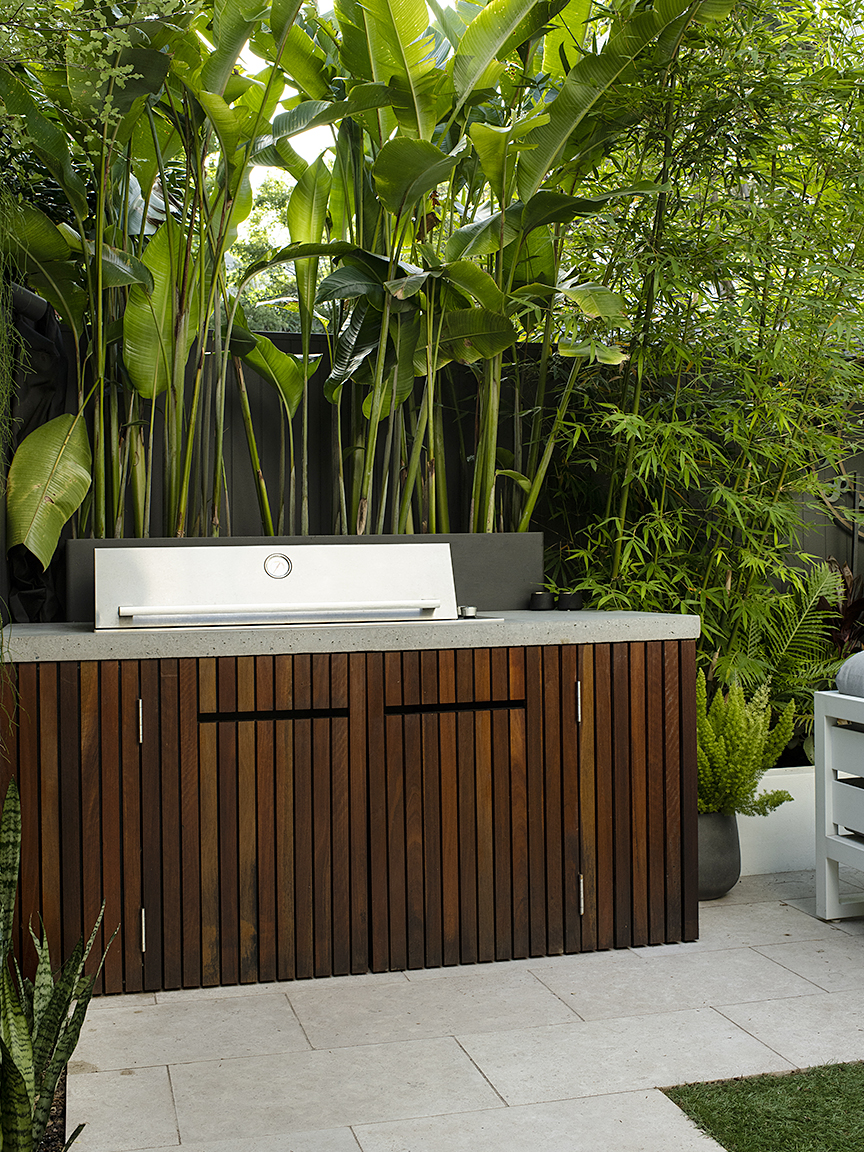
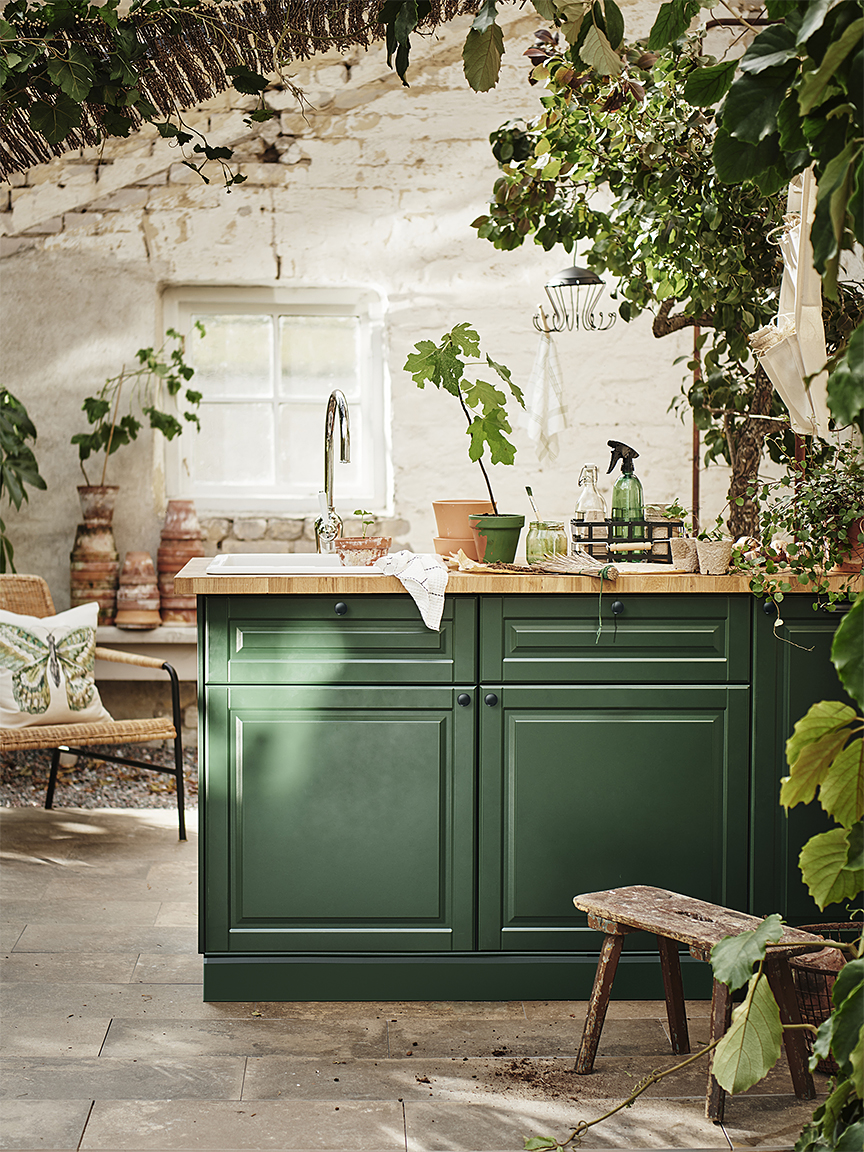
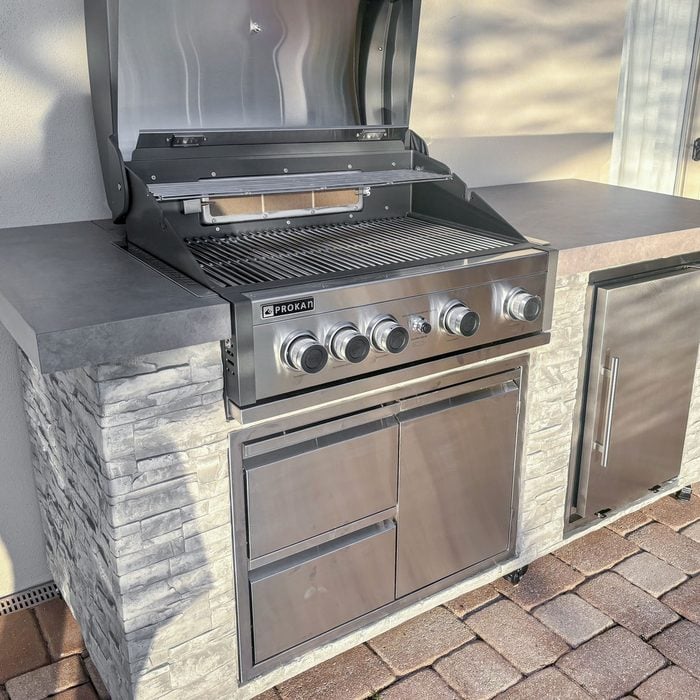
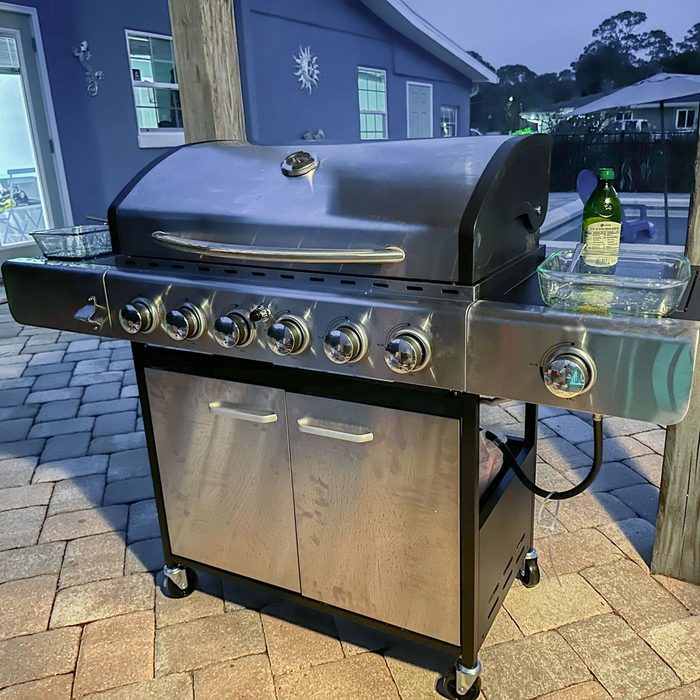
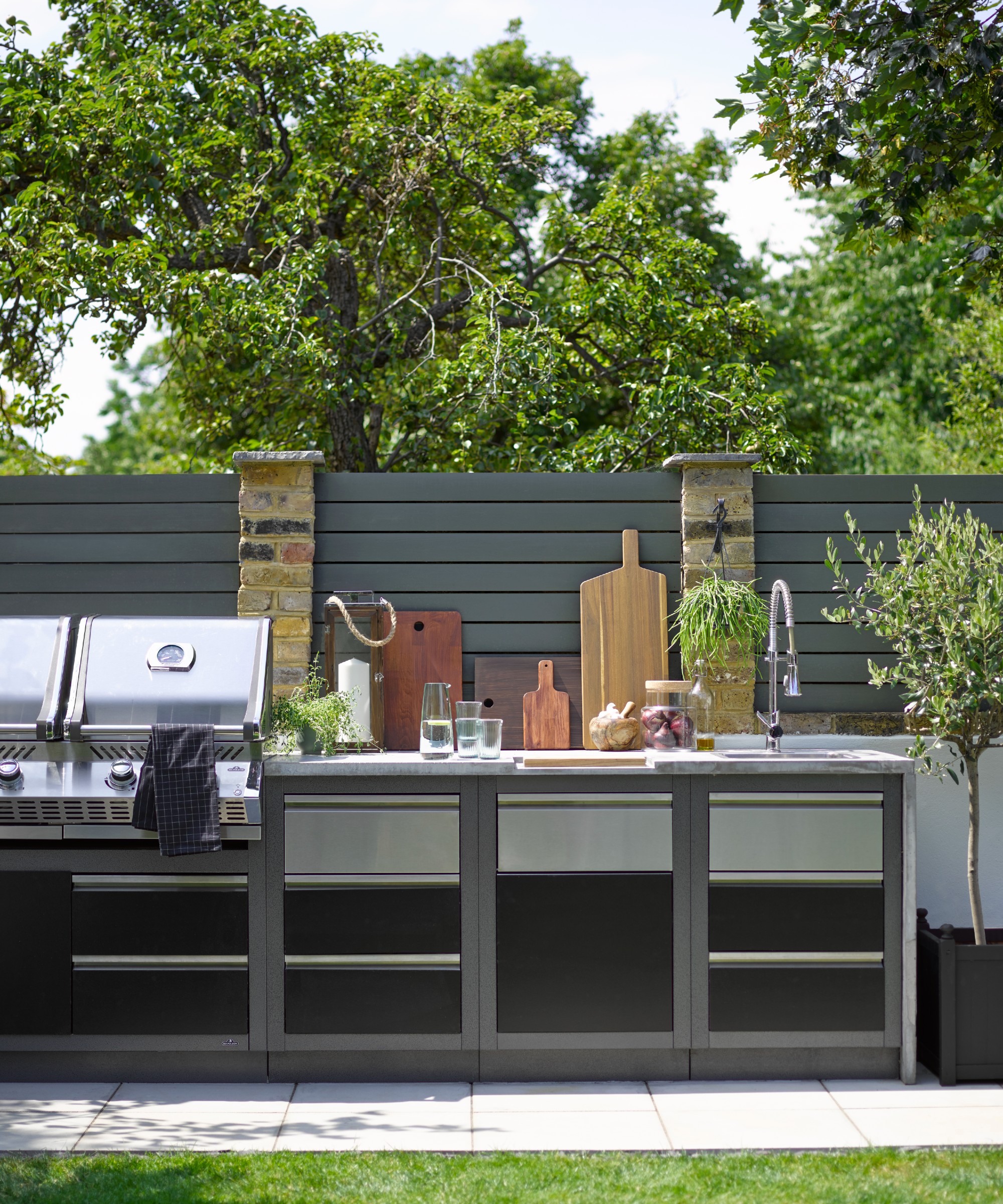
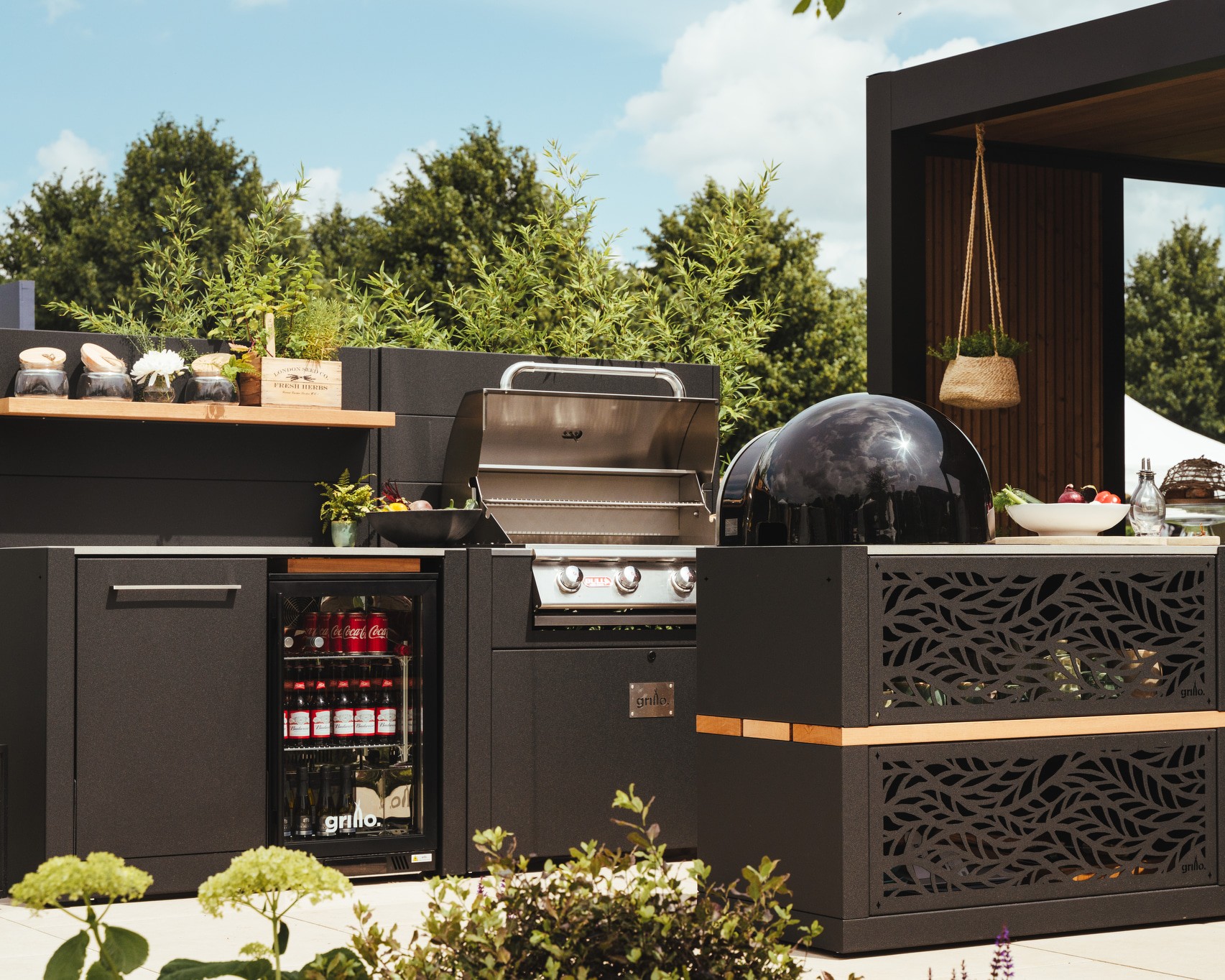
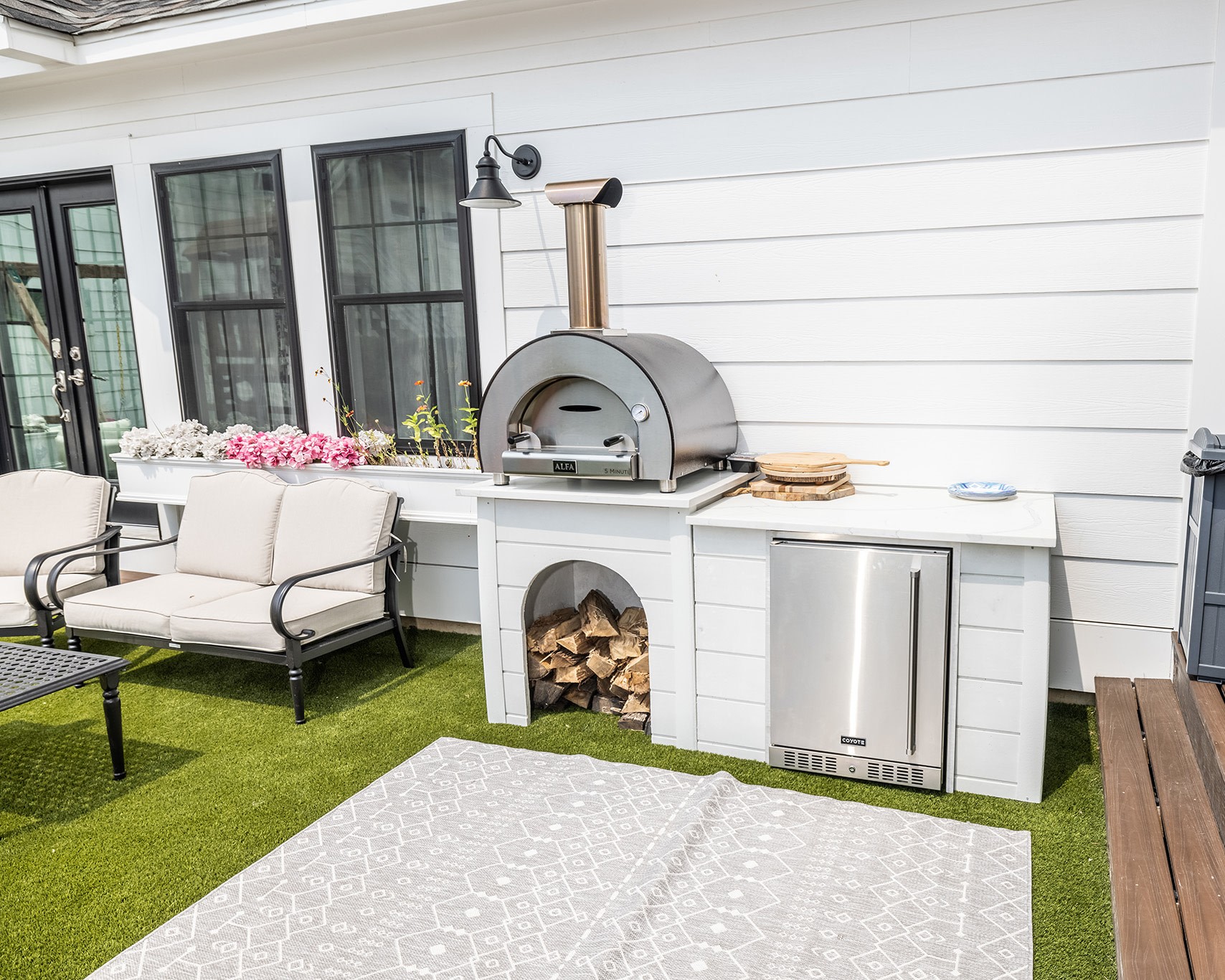
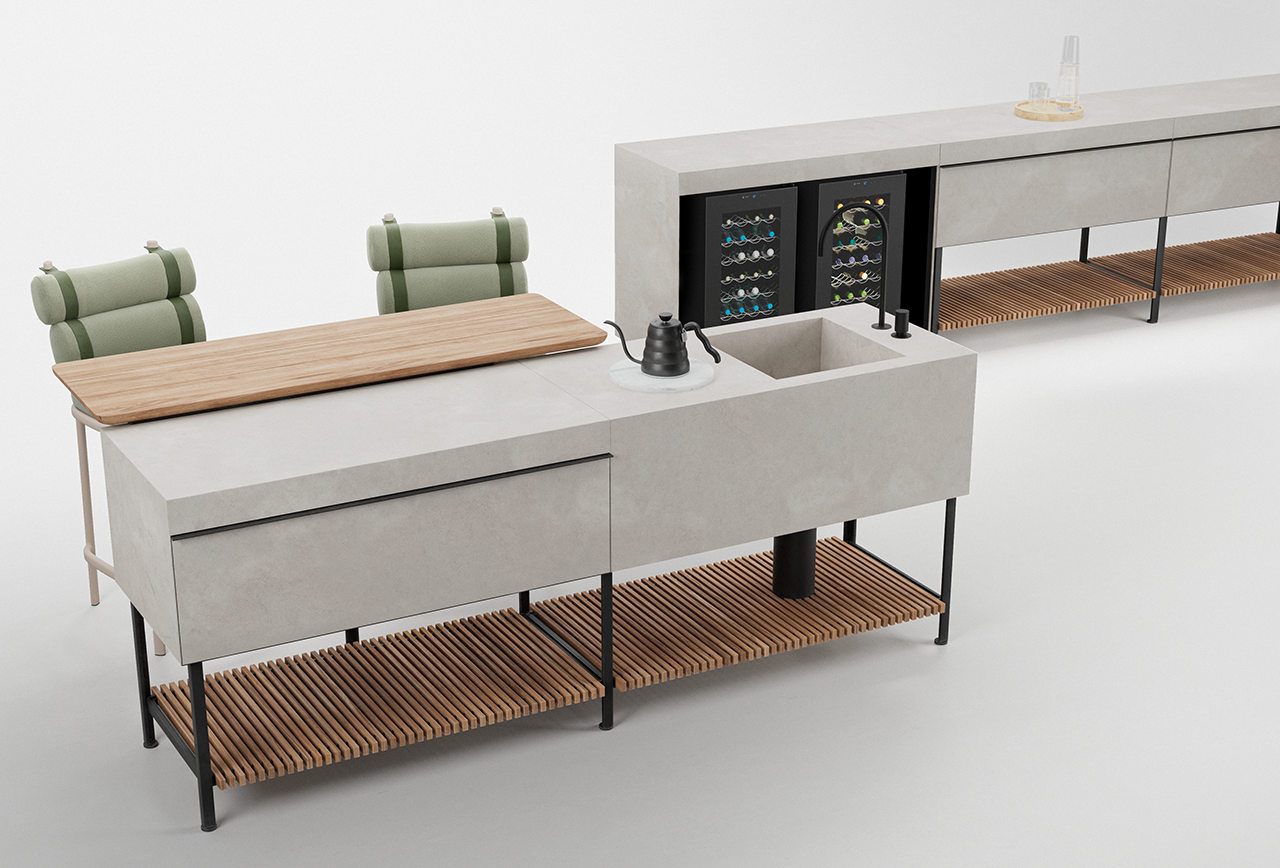
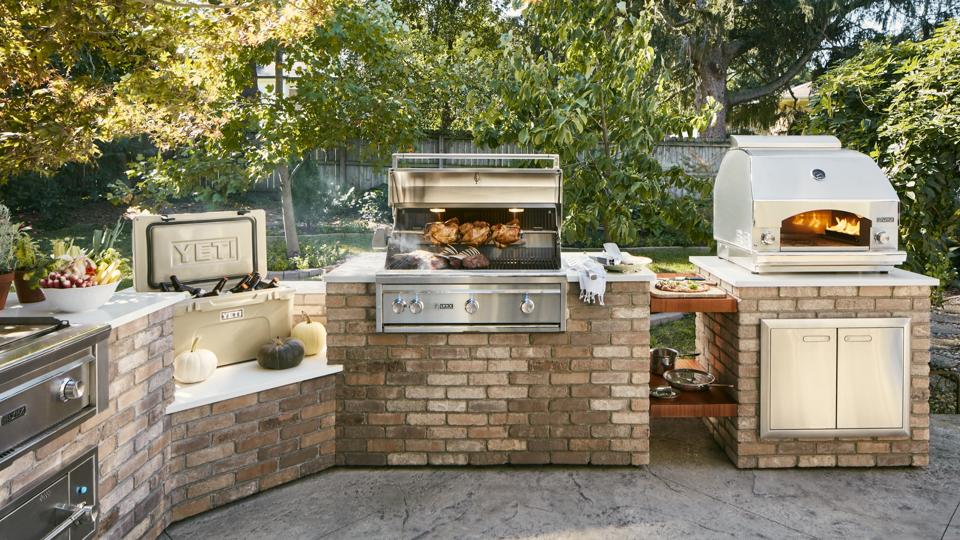
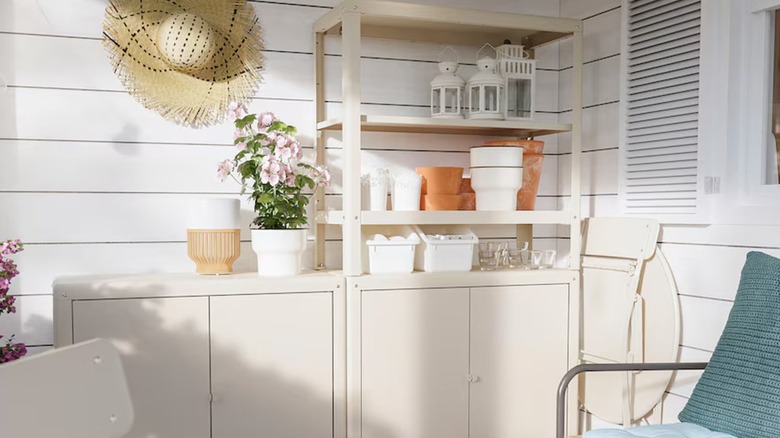
Outdoor kitchen countertops are a crucial element in designing an outdoor living space, offering opportunities for socializing and family gatherings. The selection process requires careful consideration of several factors, including climate, aesthetics, durability, ease of cleaning, food safety, maintenance, and cost. Experts Sylvia Fountaine, a professional chef, and Ben Neely, owner of Riverbend Homes, emphasize the importance of these considerations. Climate plays a significant role, as intense sunlight can fade and stain certain materials, while freezing and thawing cycles in cold climates can cause cracks. Stainless steel, for instance, can become extremely hot in direct sun.
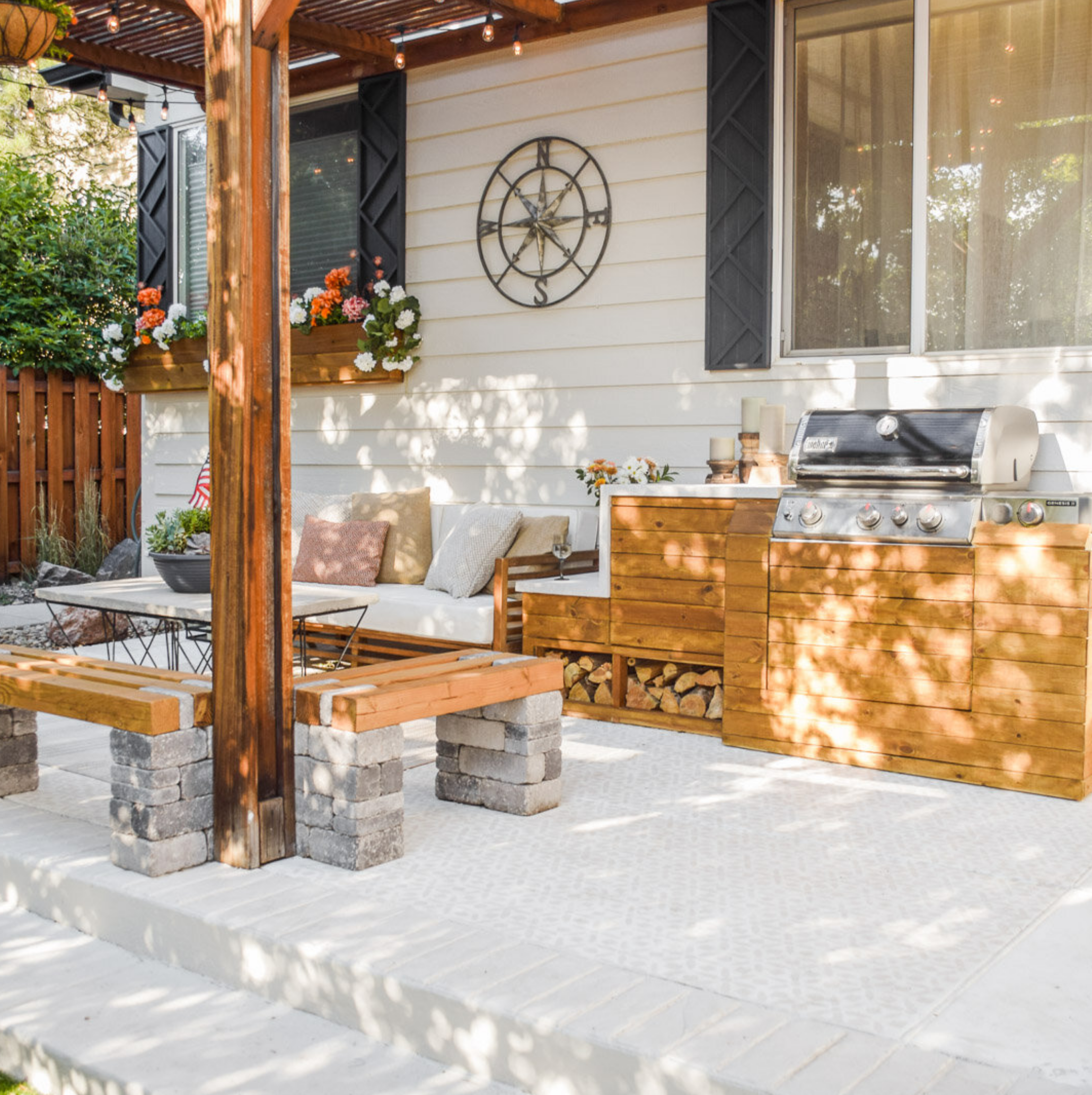
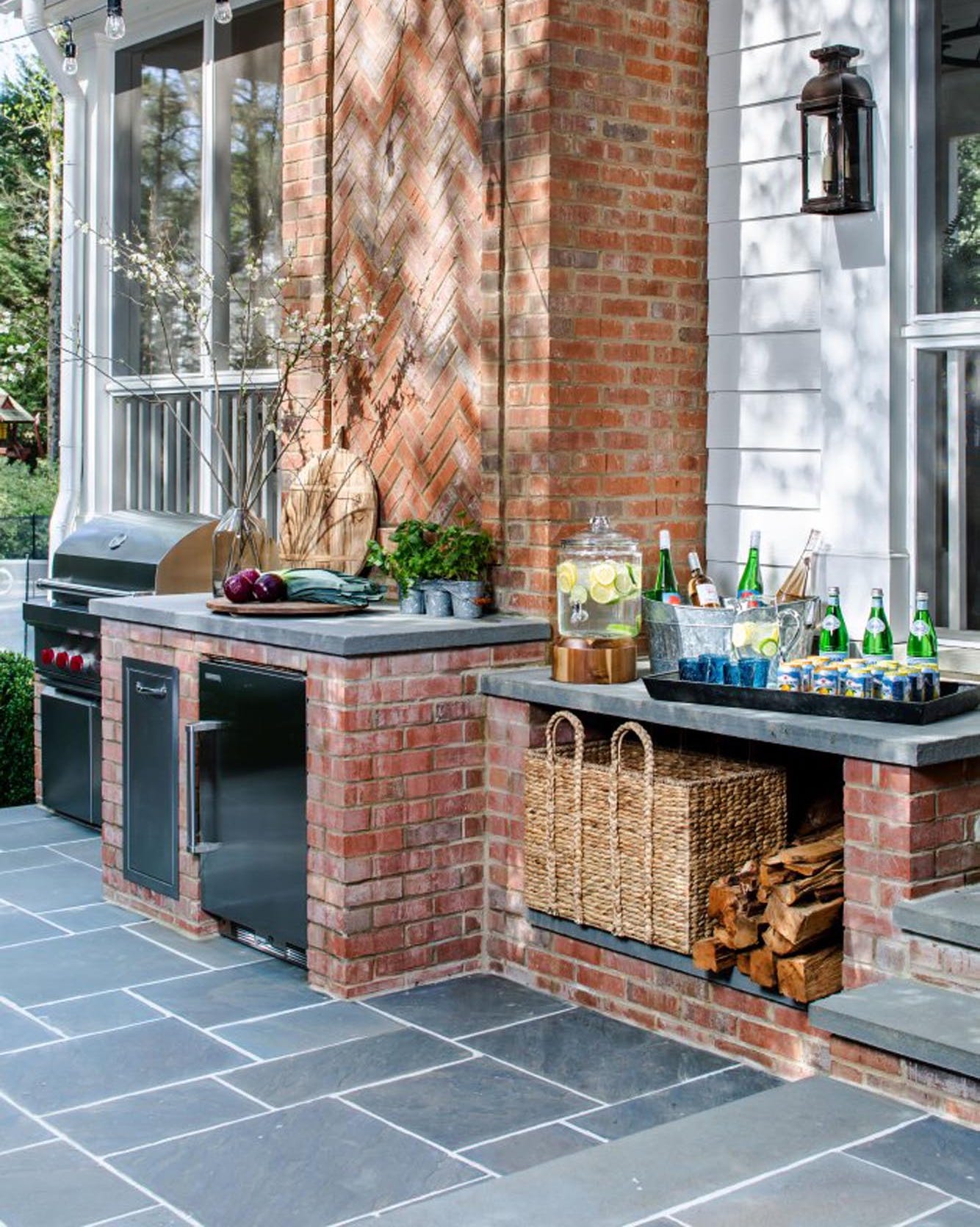
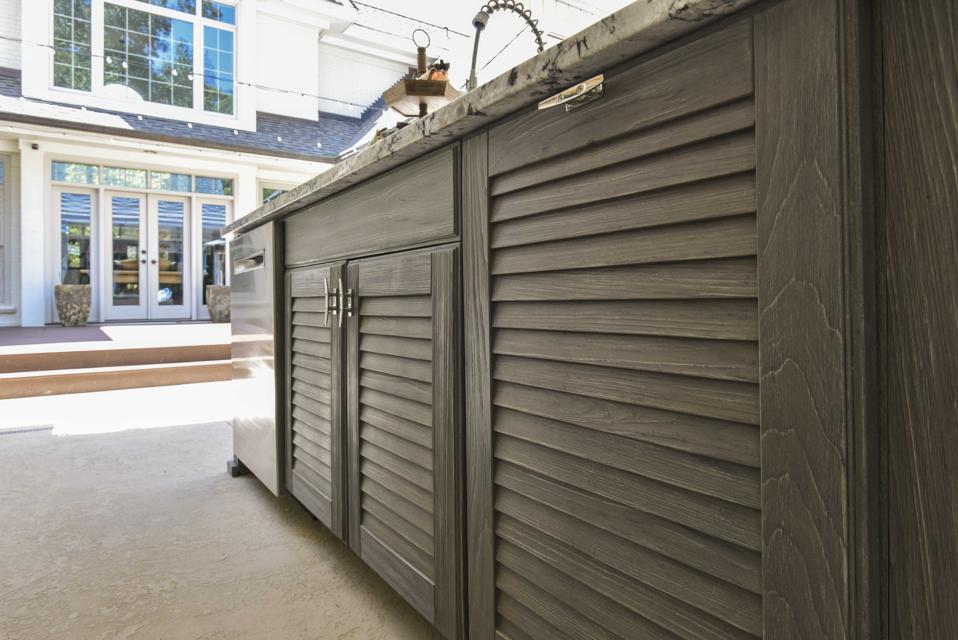
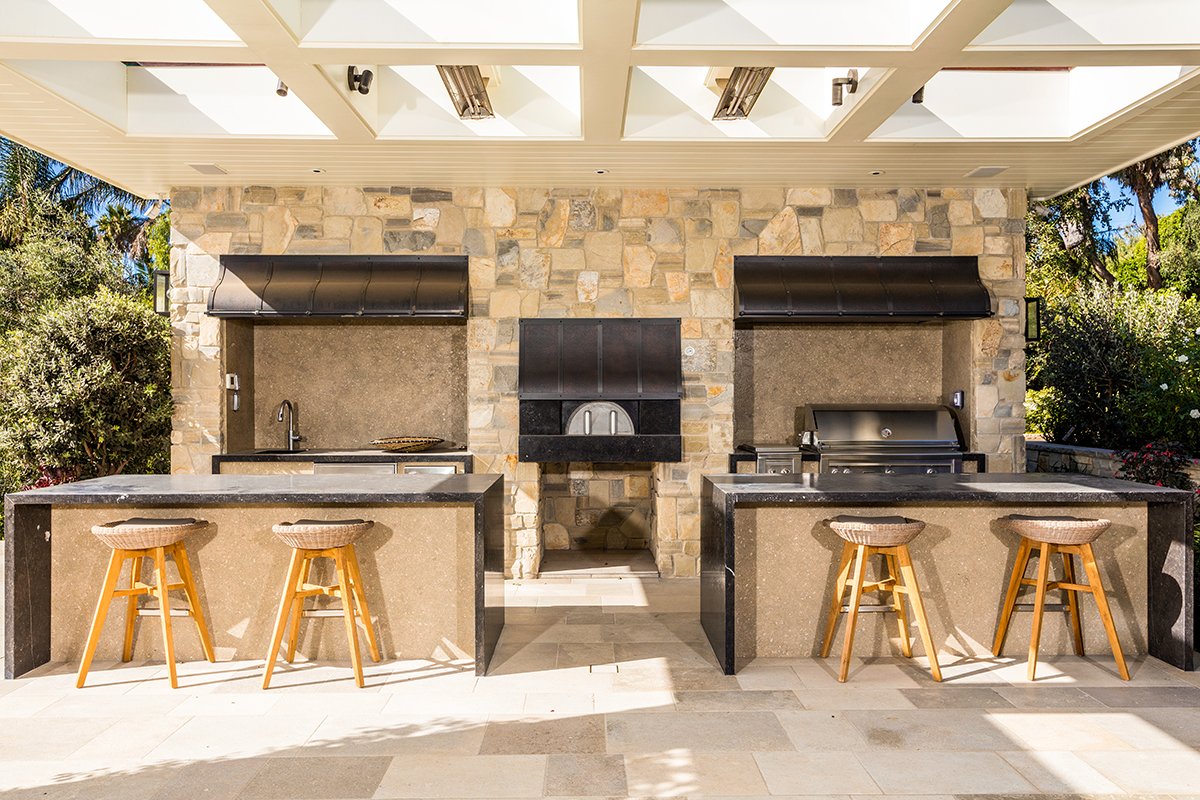
Aesthetics are also vital, ensuring the countertop complements the existing outdoor decor. For instance, stone countertops integrate well with masonry structures. Durability depends on the intended use; a countertop for general food prep will have different requirements than one used for gardening projects. Ease of cleaning is paramount, with non-porous materials like stainless steel, granite, and soapstone being easier to sanitize than porous surfaces like tile grout or unsealed concrete. Food safety is a critical concern, as porous materials can harbor bacteria, making cutting boards essential on such surfaces. Maintenance involves regular sealing for porous materials, an added cost and inconvenience. Finally, cost varies widely, with tile being the cheapest and quartz among the most expensive. While budget-friendly options save upfront, long-term costs for repairs and resealing should be factored in.
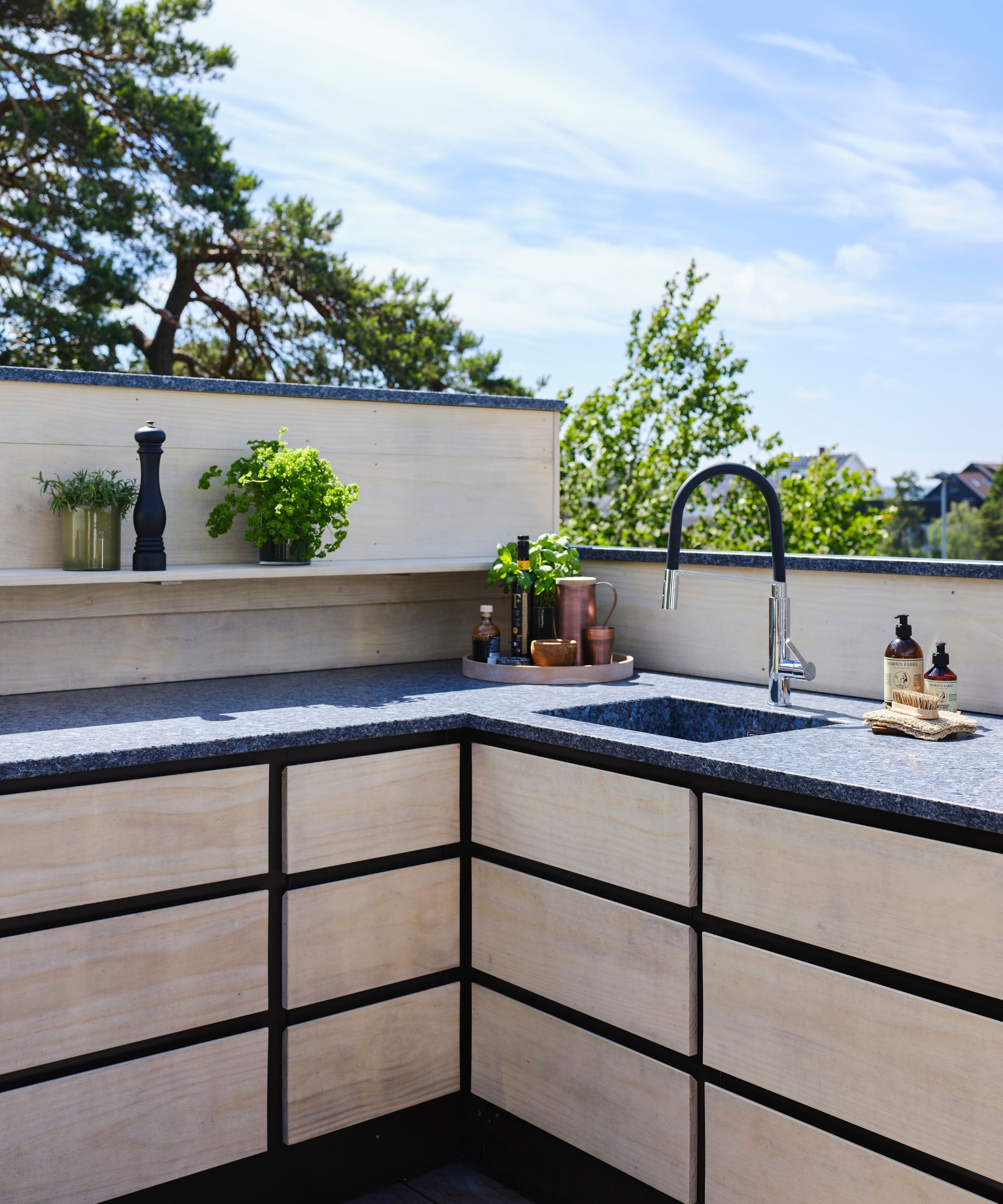
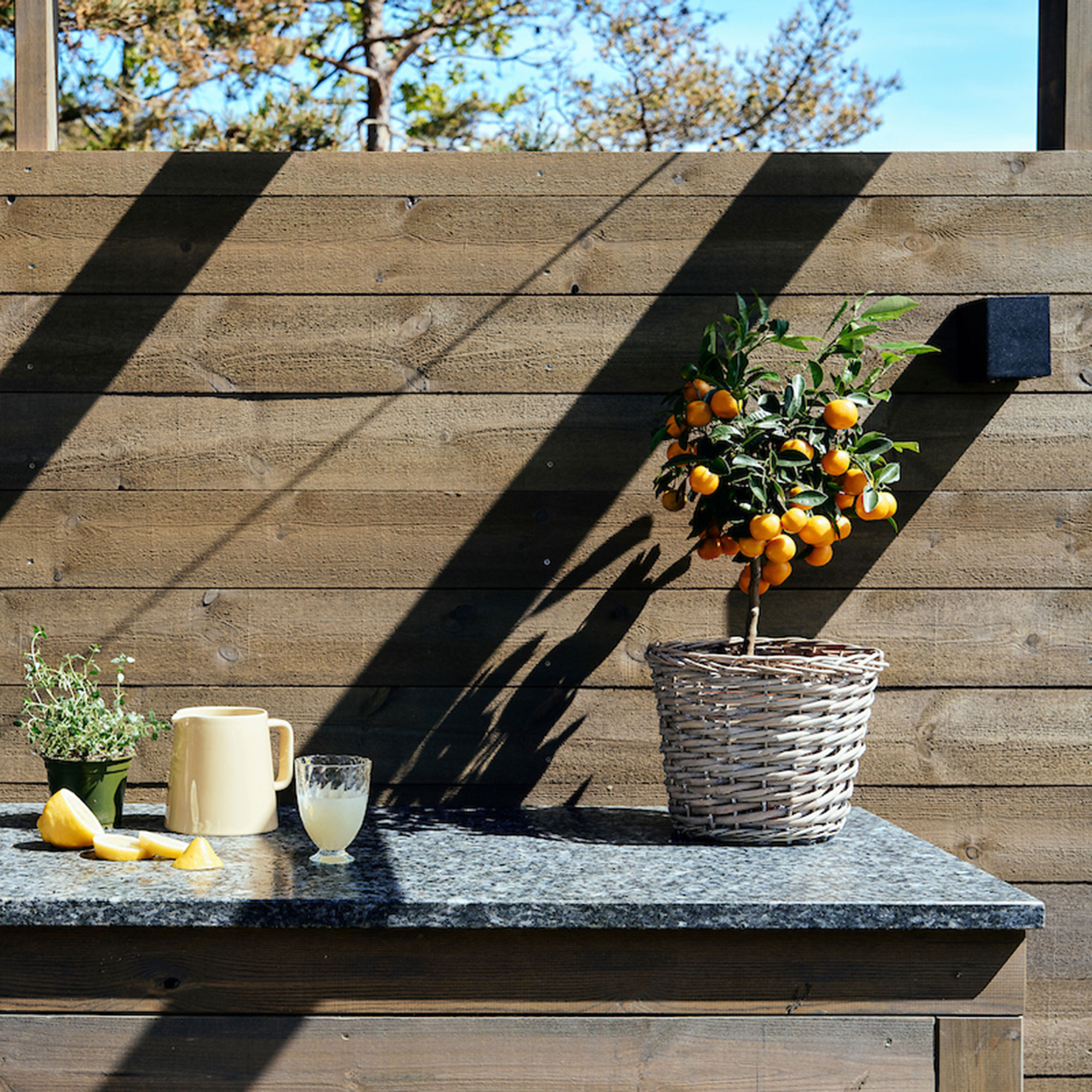
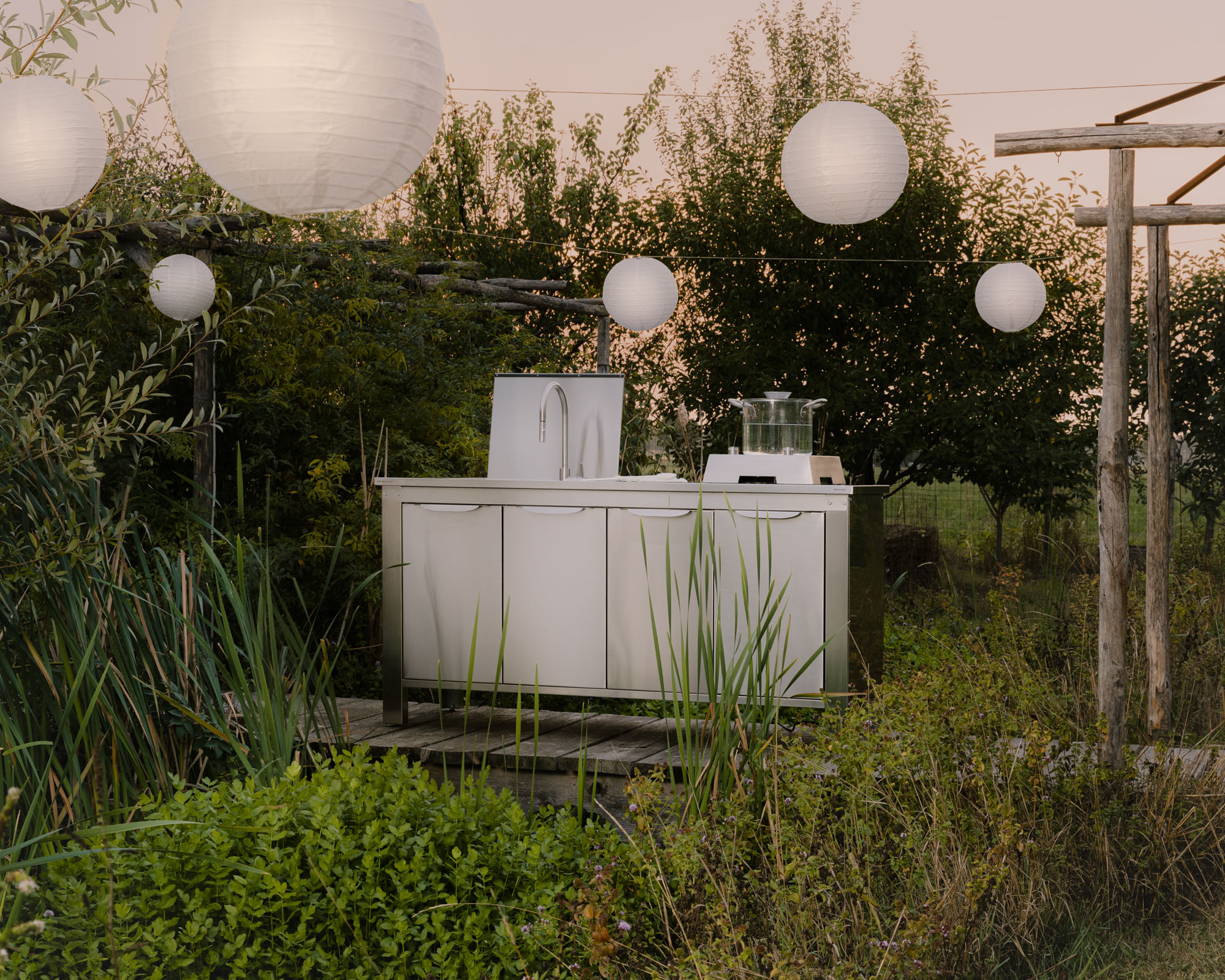
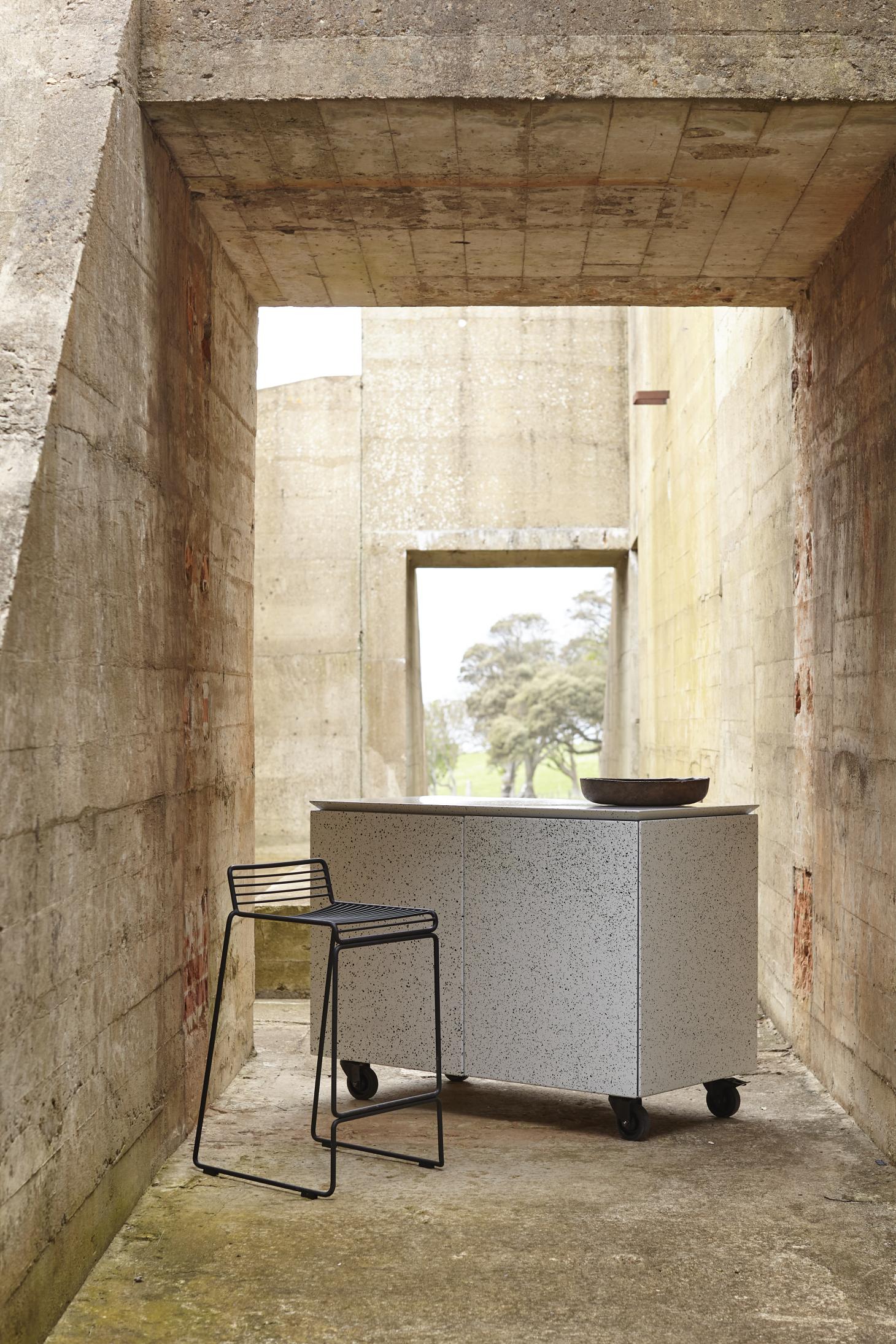
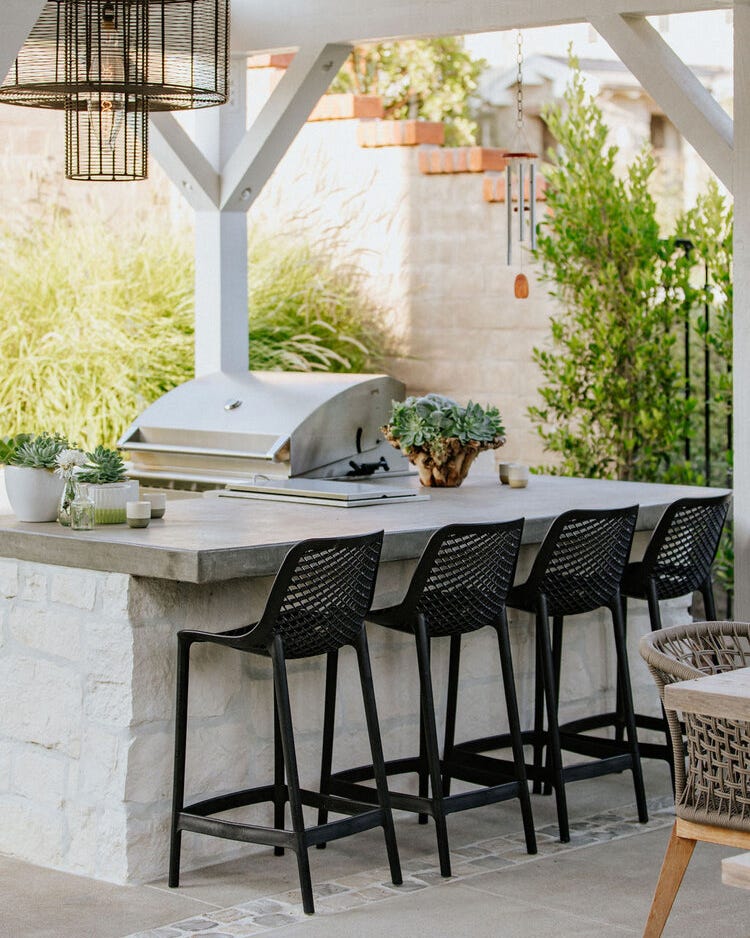
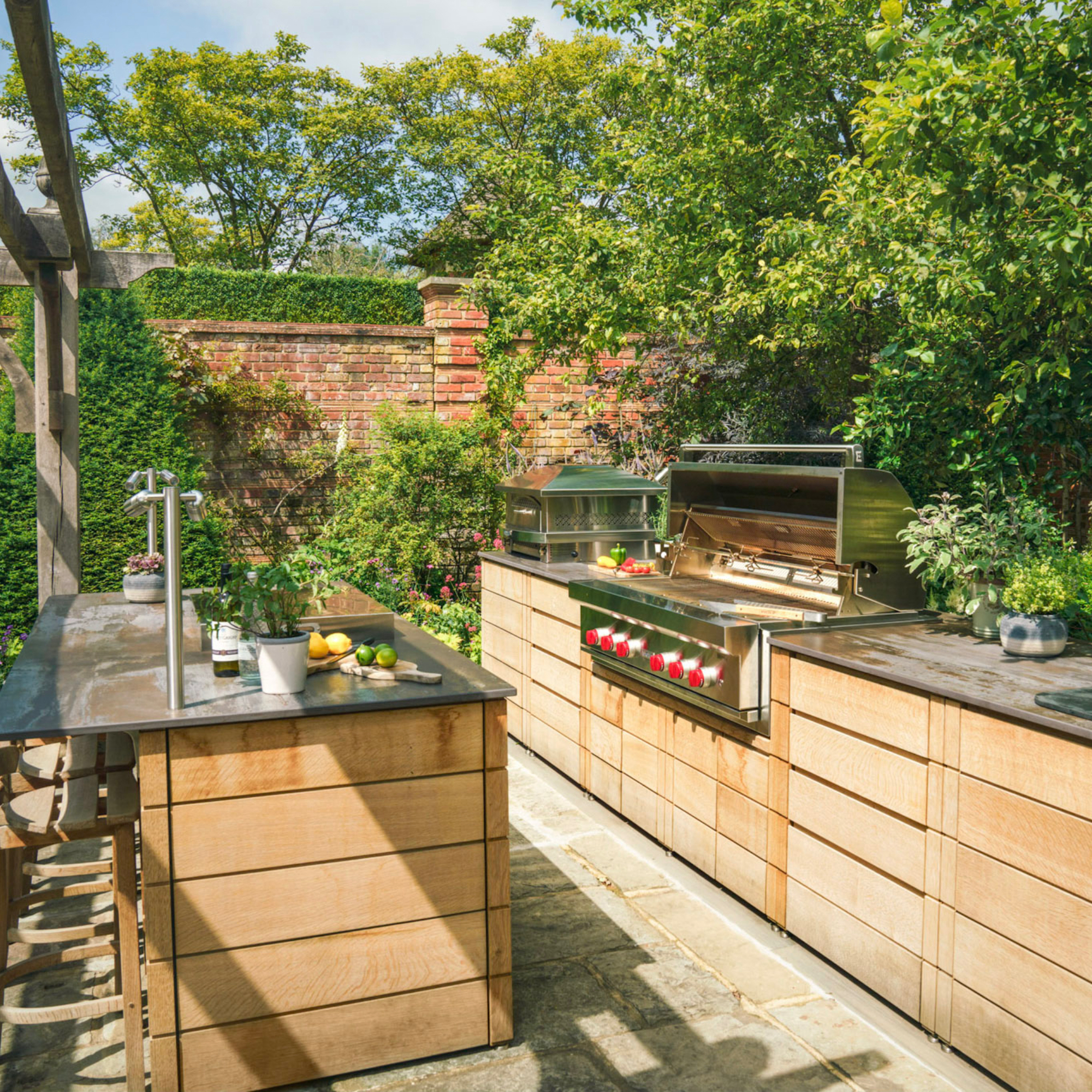
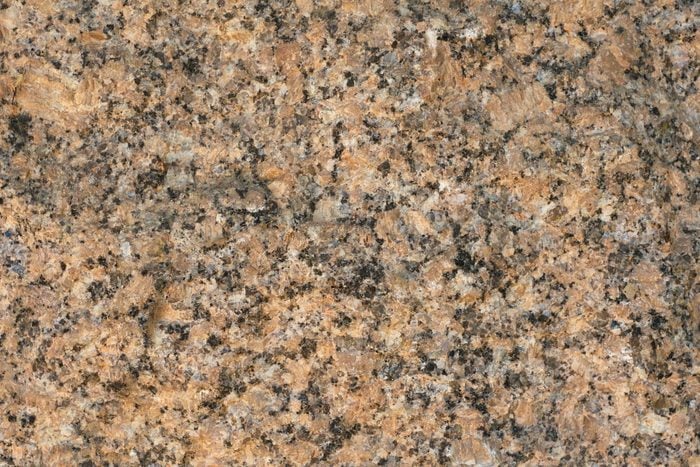
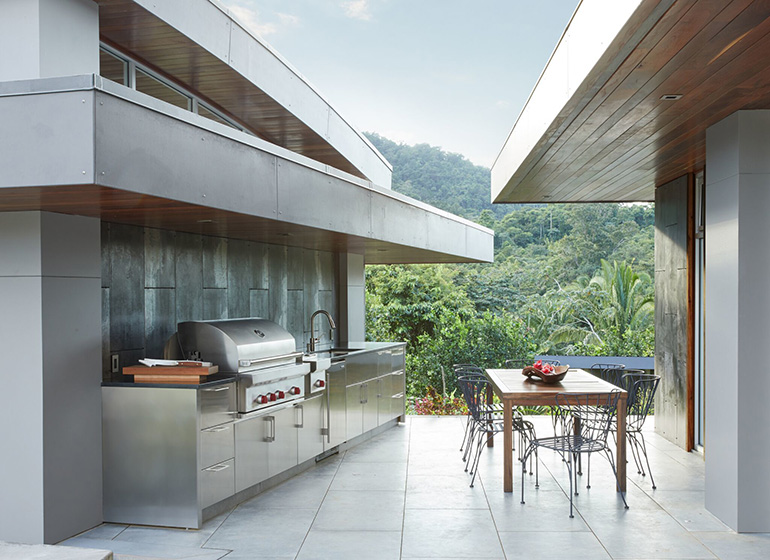
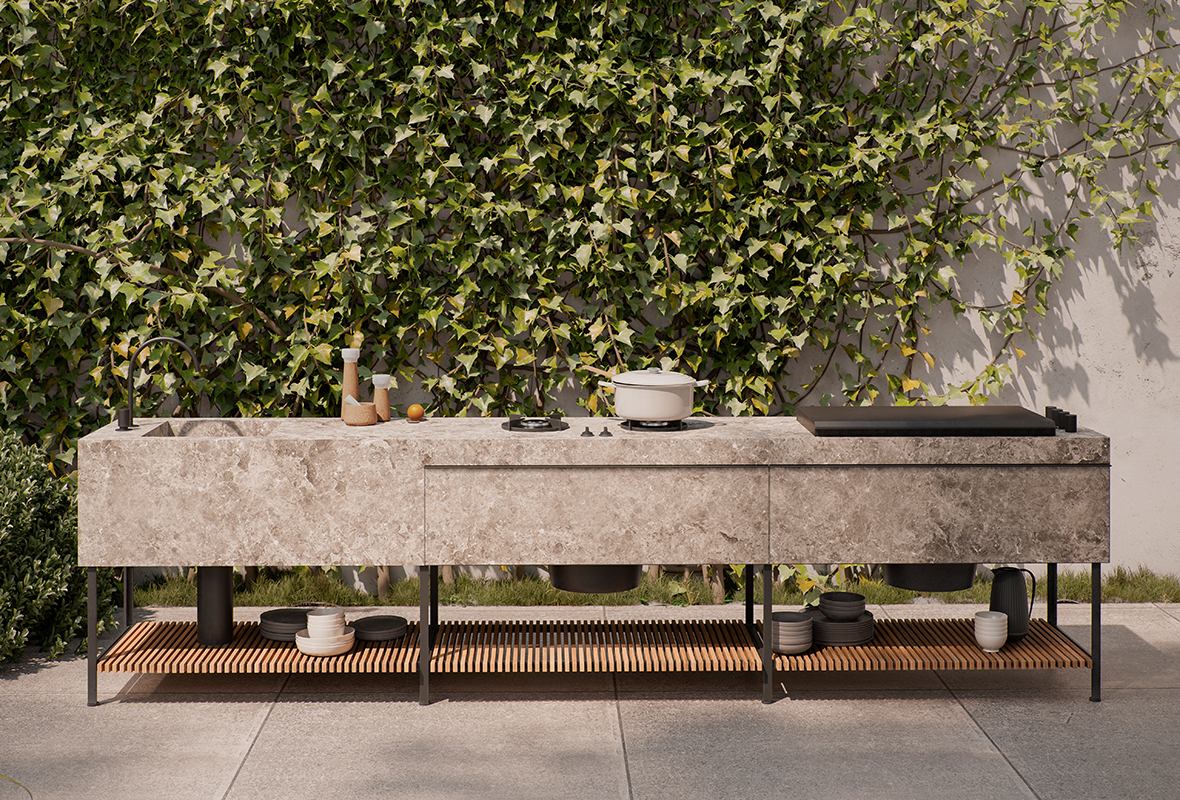
Six popular outdoor kitchen countertop materials are compared: granite, quartz, concrete, stainless steel, tile, and soapstone. Granite, an igneous rock, is highly recommended for its durability against stains and elements, though it is heavy and expensive. It resists prolonged sun and moisture exposure and is easy to sanitize, available in various colors and patterns. However, it can get hot in direct sunlight and is challenging to install. Quartz, an engineered material, is durable, non-porous, and available in many colors, offering a modern look. Its drawbacks include yellowing in direct sunlight, vulnerability to cold, high cost, and difficult installation.
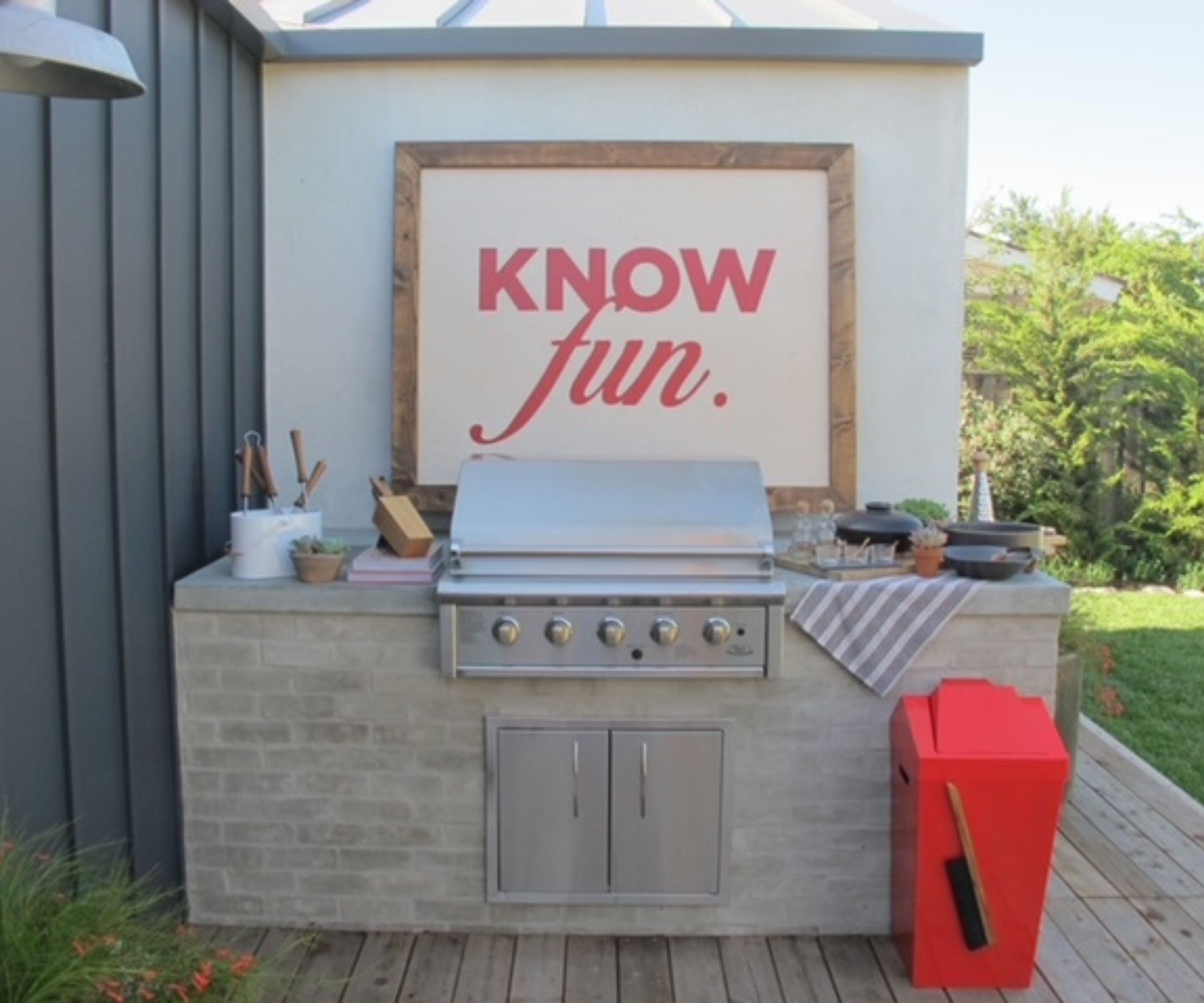
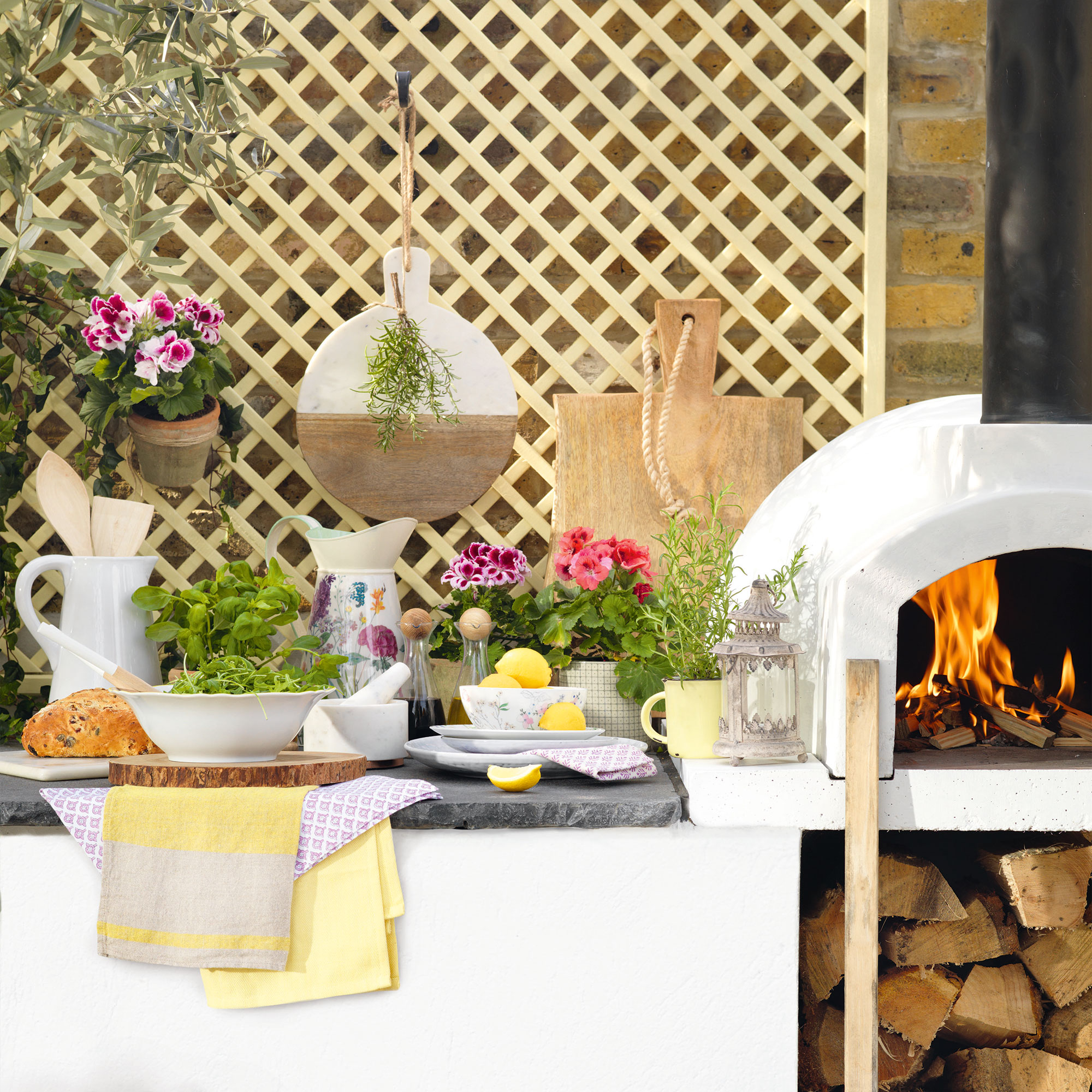
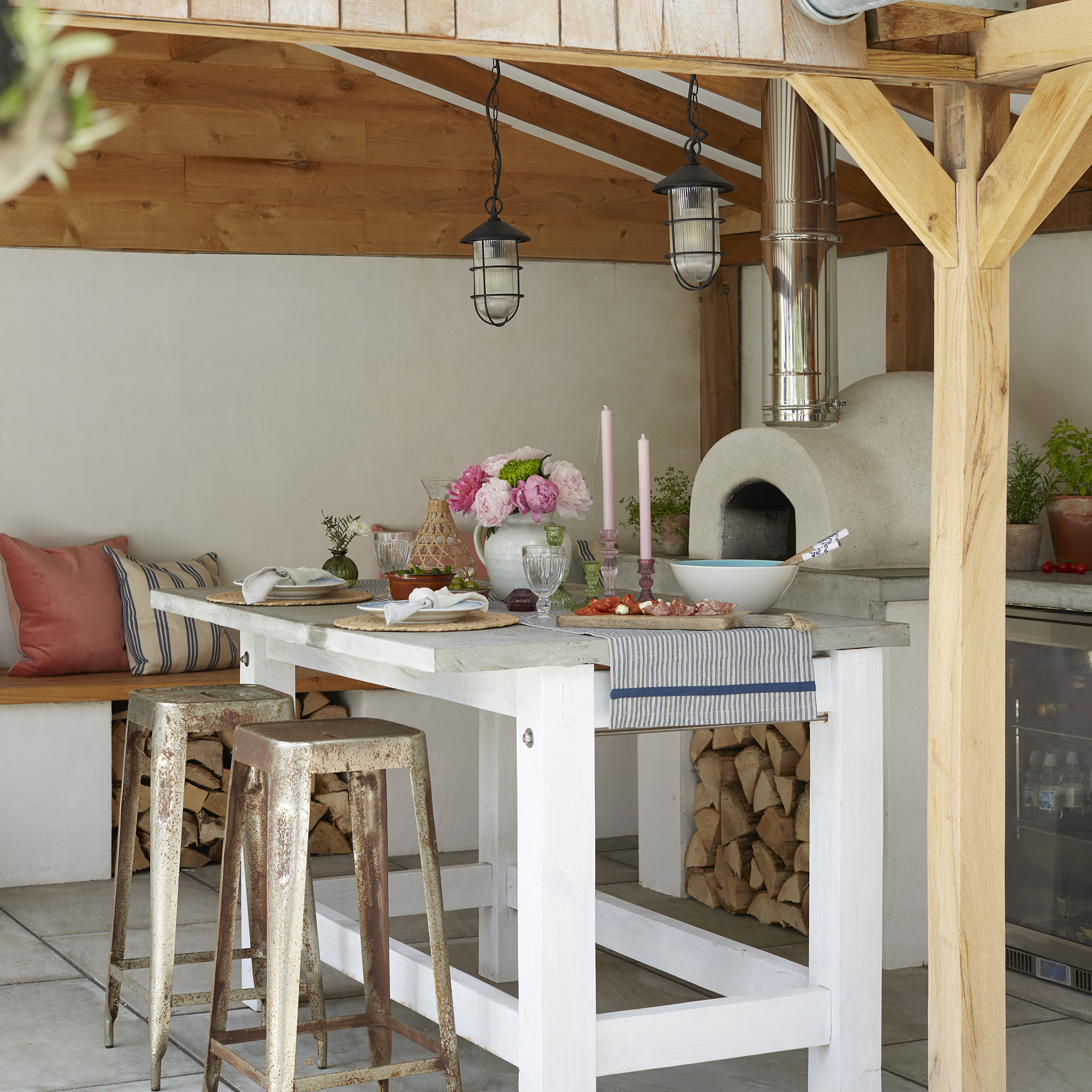
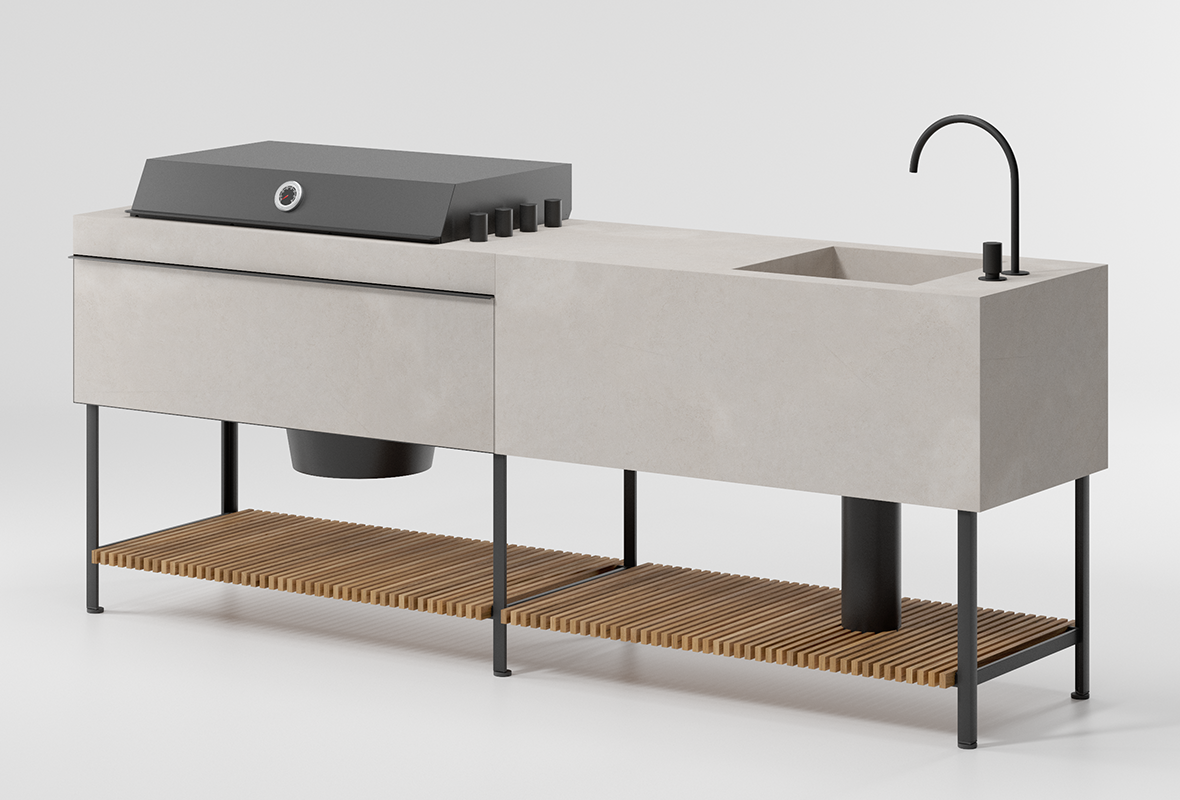
Concrete countertops are a mid-range option, praised for their ability to stay cool and relatively simple repair. However, they crack over time, are porous, and require sealing. Stainless steel is a food-safe, modern option, easy to clean and install for experienced DIYers. Its disadvantages include potential rusting in wet climates, heat retention in sunlight, vulnerability to scratches, and high cost. Tile, the most affordable option, allows for creative designs but has porous grout that is hard to clean and susceptible to cracking in freeze/thaw cycles. Soapstone, a dense metamorphic rock, resists stains and moisture without sealing and tolerates heat well, creating a dramatic dark look. Its softness, however, makes it prone to scratches and fragile during installation.
General maintenance tips for outdoor countertops include weekly cleaning with mild soap, regular sealing (annually for most stone), protection from harsh elements with covers, and using trivets for hot items. Affordable options like tile and concrete offer cost-effective solutions, while granite is generally considered the best for its balance of durability and low maintenance when properly sealed. The article also features insights from Chef Sylvia Fountaine and Ben Neely of Riverbend Homes, underscoring the importance of informed material selection for a functional and enjoyable outdoor kitchen.
#OutdoorKitchen #CountertopMaterials #HomeImprovement #DIYProjects #KitchenDesign #MaterialDurability #FoodSafety #HomeRenovation #OutdoorKitchen #CountertopMaterials #HomeImprovement #DIYProjects #KitchenDesign #MaterialDurability #FoodSafety #HomeRenovation
0 comment in total
 No comments yet
You may also like
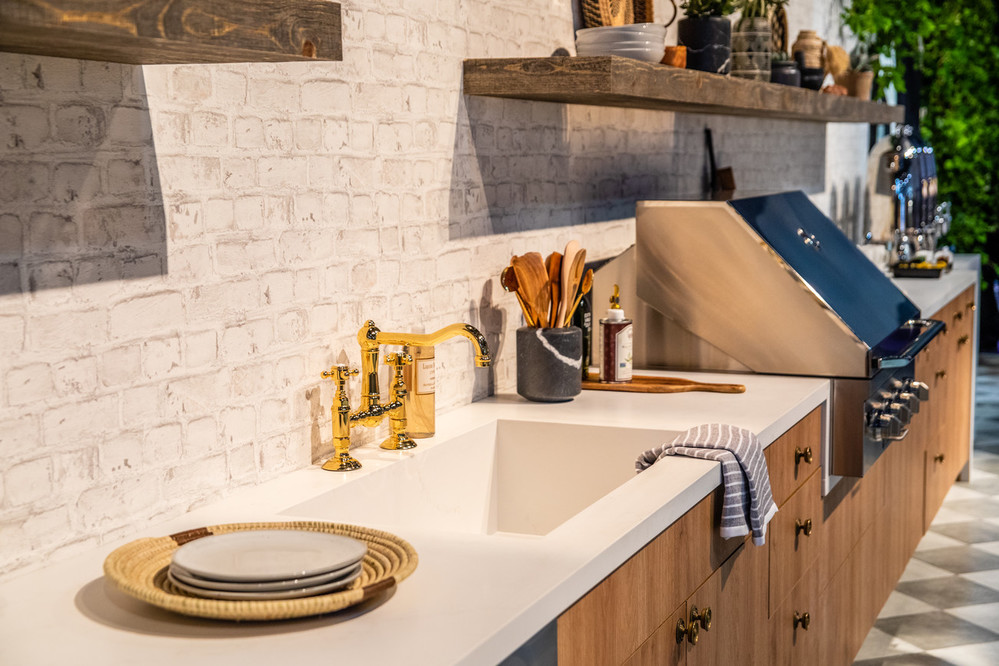
Outdoor Kitchen Countertop Ideas - The Materials, Designs and Expert Advice You Need

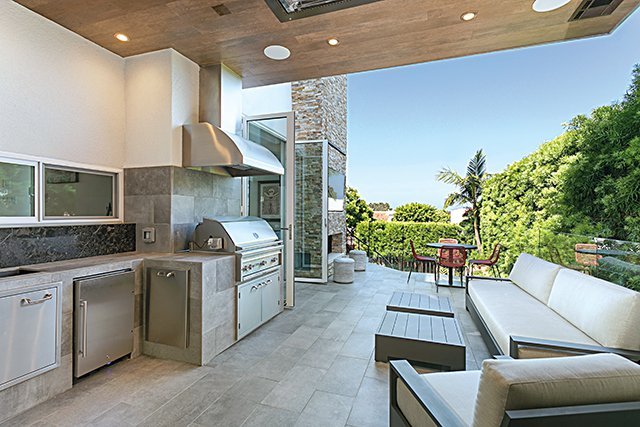
Inside Out

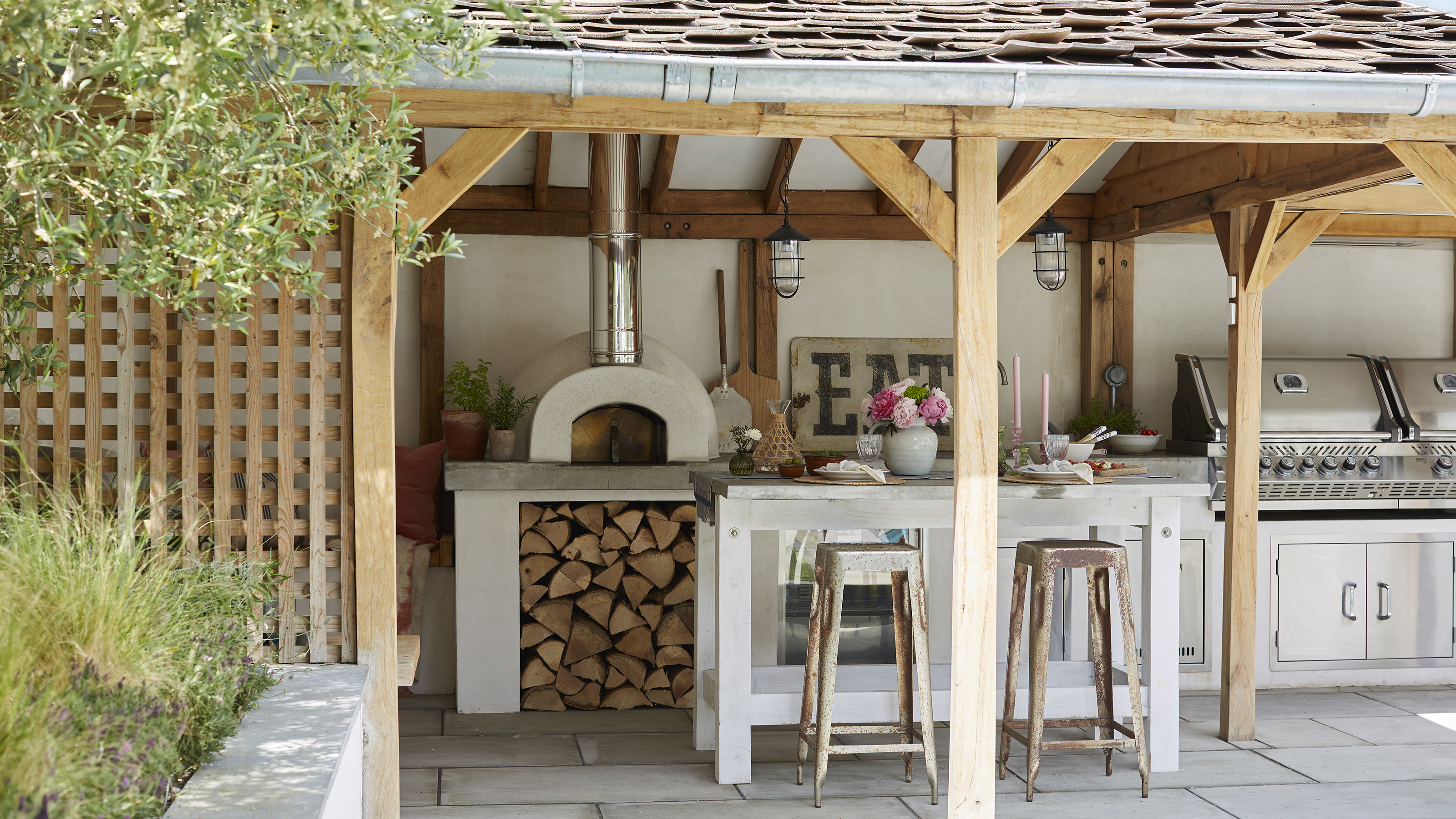
5 outdoor kitchen island ideas to take alfresco cooking and dining up a notch
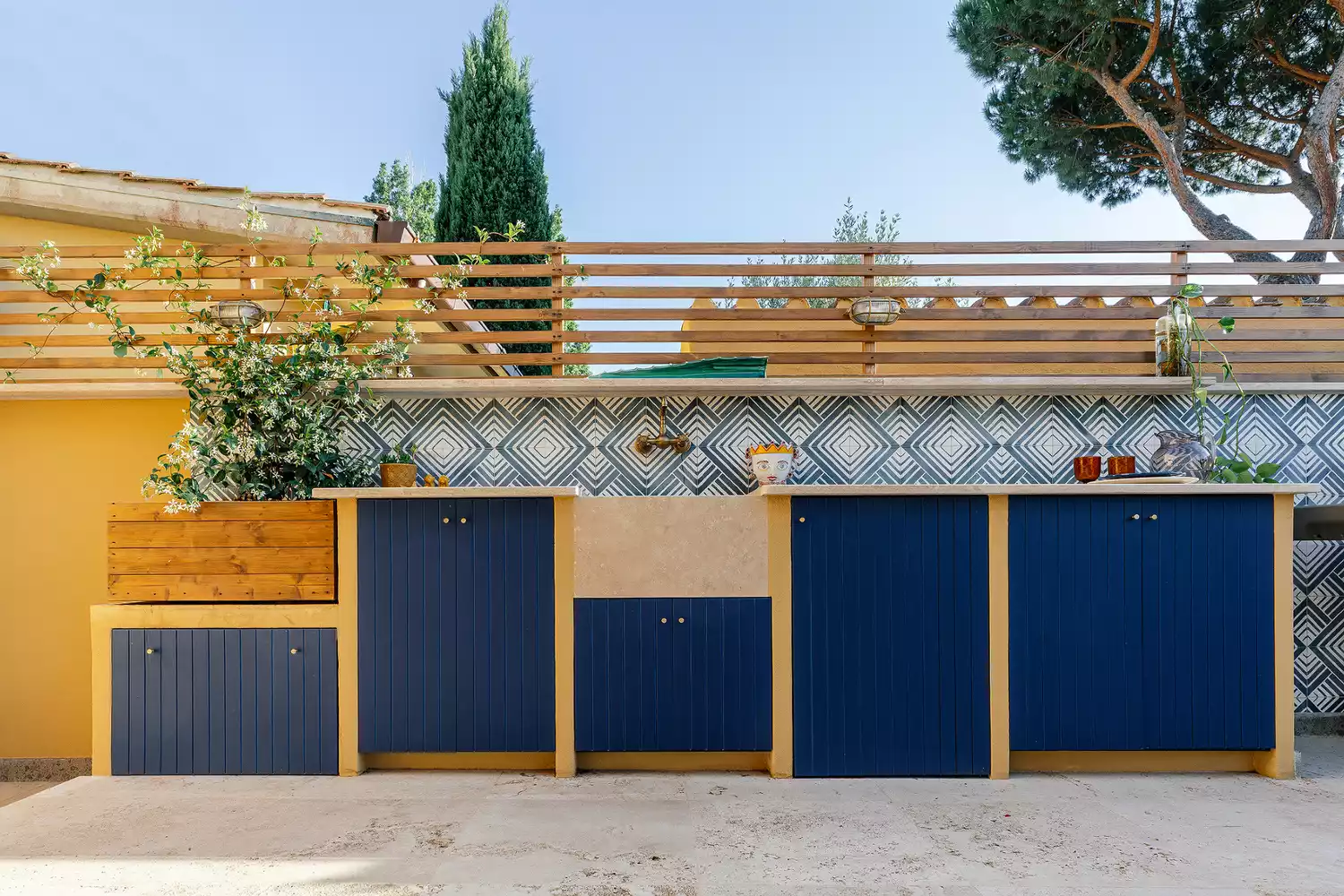
15 Outdoor Kitchen Plans With Cost-Effective Accents

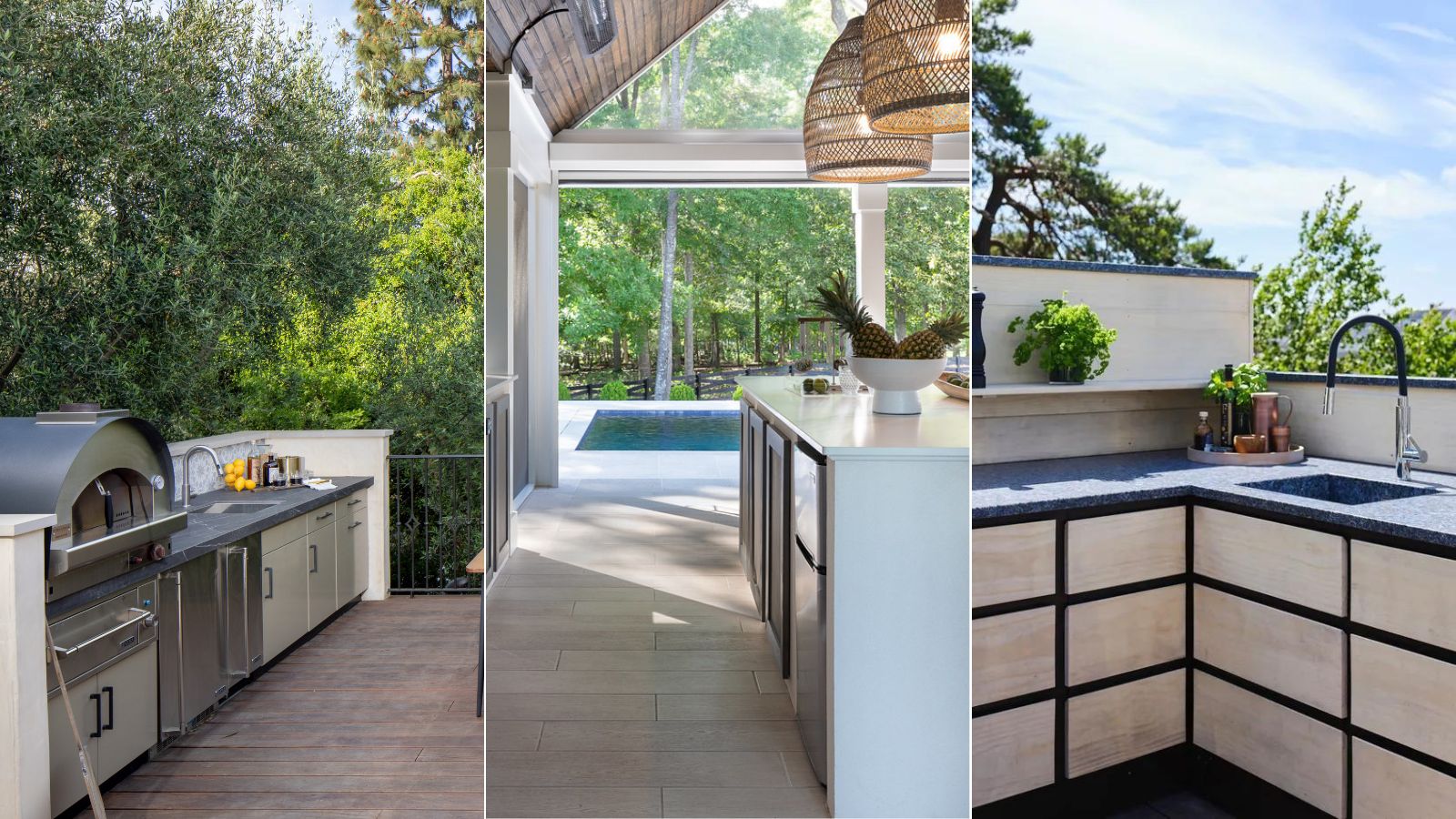
What are the best countertops for an outdoor kitchen? 5 materials that are stylish and practical

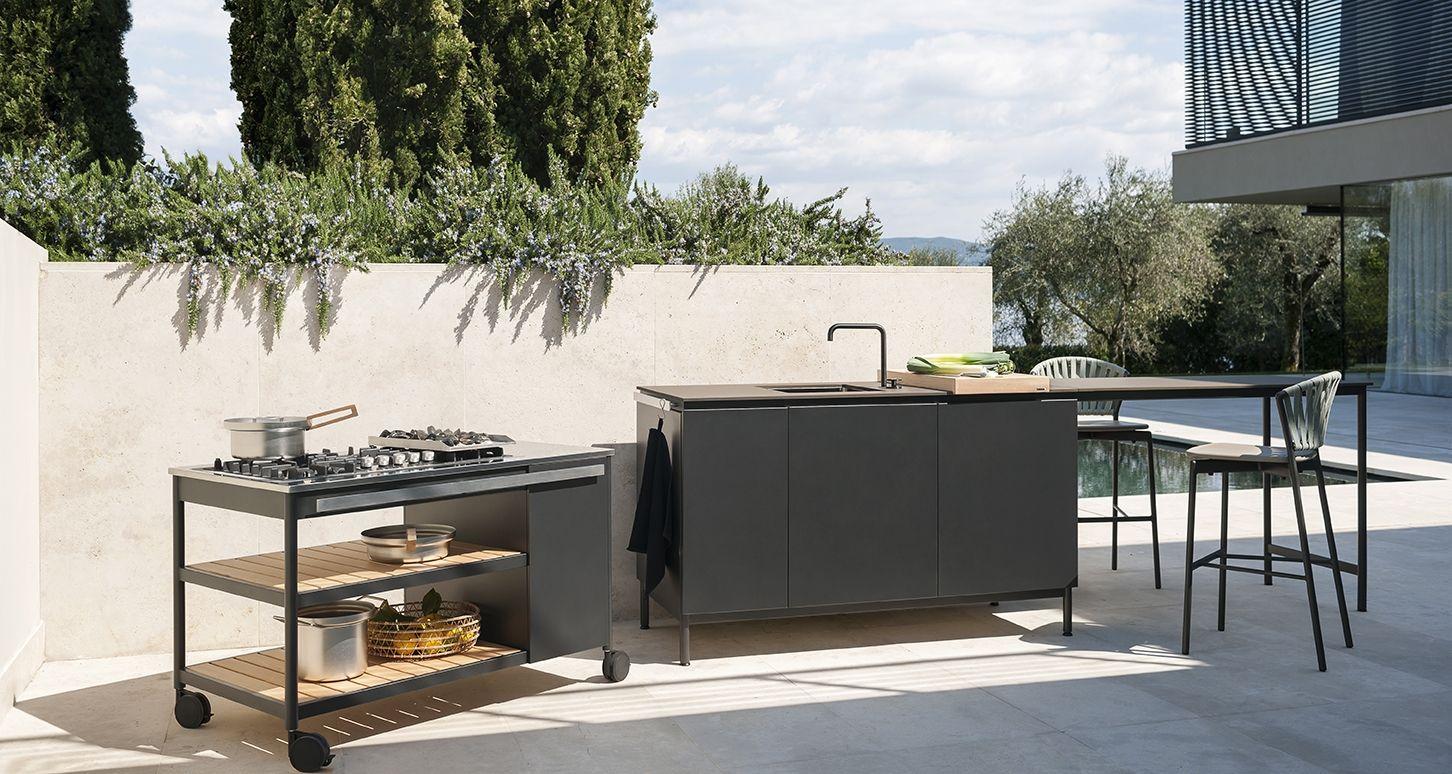
Outdoor kitchen ideas to elevate your summertime dining

Outdoor Kitchens By The Numbers

Up Your Outdoor Entertaining With the Base Kitchen
Outdoor countertop ideas to finish your alfresco kitchen to perfection
Outside Entertainment
9 Outdoor Kitchen Cabinet Setups That Rival Their Indoor Counterparts

Experts Share New Outdoor Kitchen Ideas And Trends

15 Covered Outdoor Kitchen Ideas for Every Season and Style
Check Out These Outdoor Kitchen Ideas for Any Budget

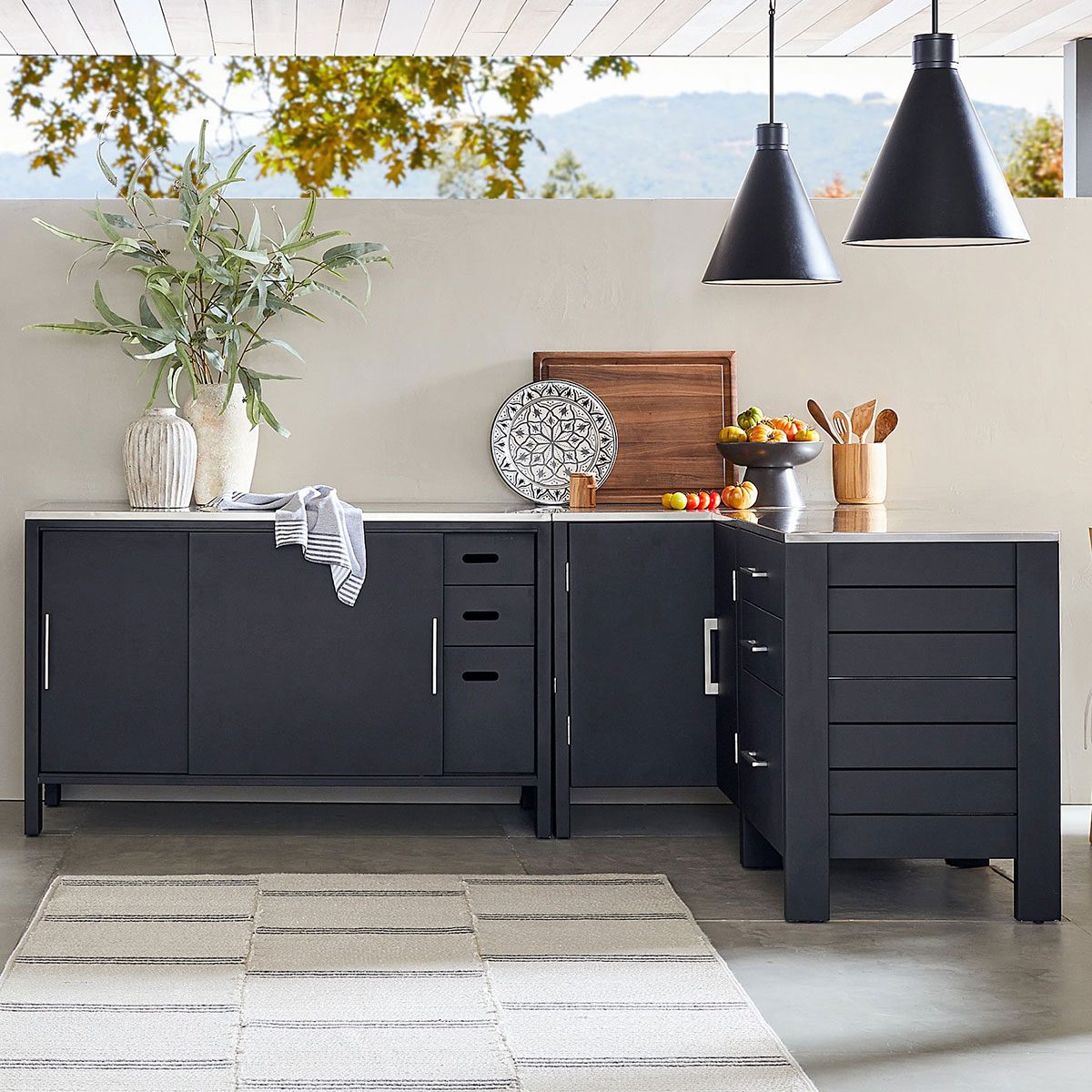
The 7 Best Outdoor Kitchen Kits for Backyard Cooking
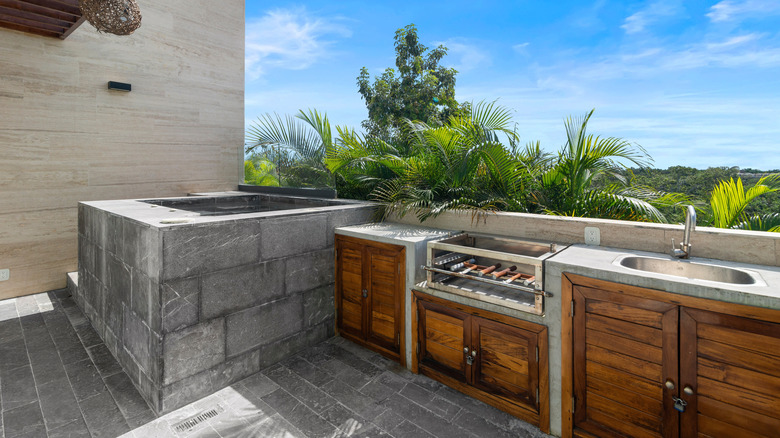
The Most Highly Recommended Waterproof Storage Cabinets For Outdoor Kitchens
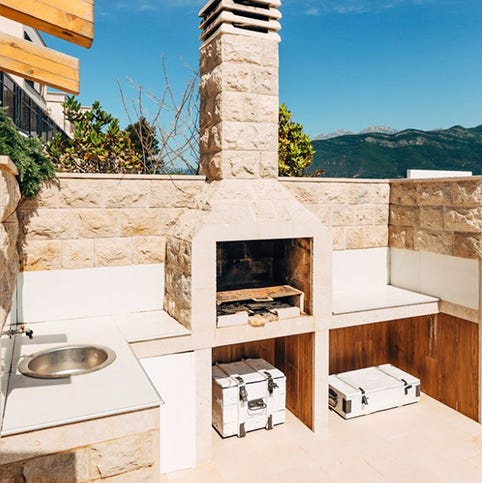
Upgrade Your Backyard and Enjoy the Warm Weather With These Outdoor Kitchen Ideas

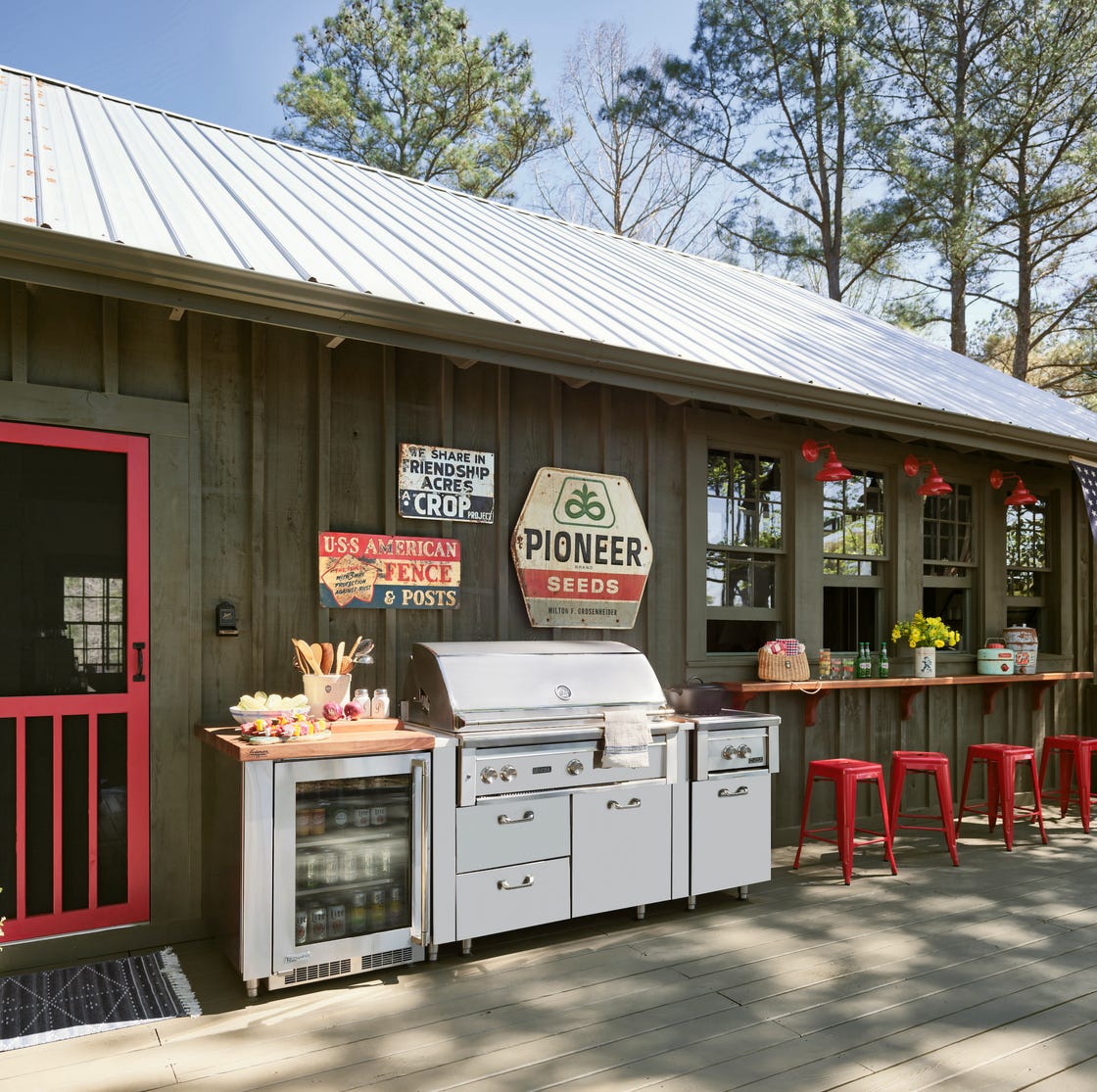
These Outdoor Kitchen Ideas Will Have You Eating Outside All Year Long
27 outdoor kitchen ideas – DIY, modular and small space designs for all backyards

24 Unforgettable Rustic Outdoor Kitchen Ideas That Guests Will Talk About All Year