1/7
6 Clever Designs That Get Your Dish Drying Rack Off Your Counters — It Will Free You From Counter Clutter in a Small Kitchen, While Looking Good
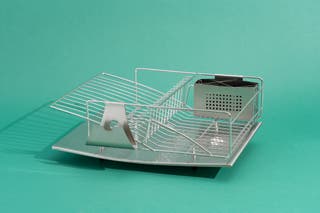
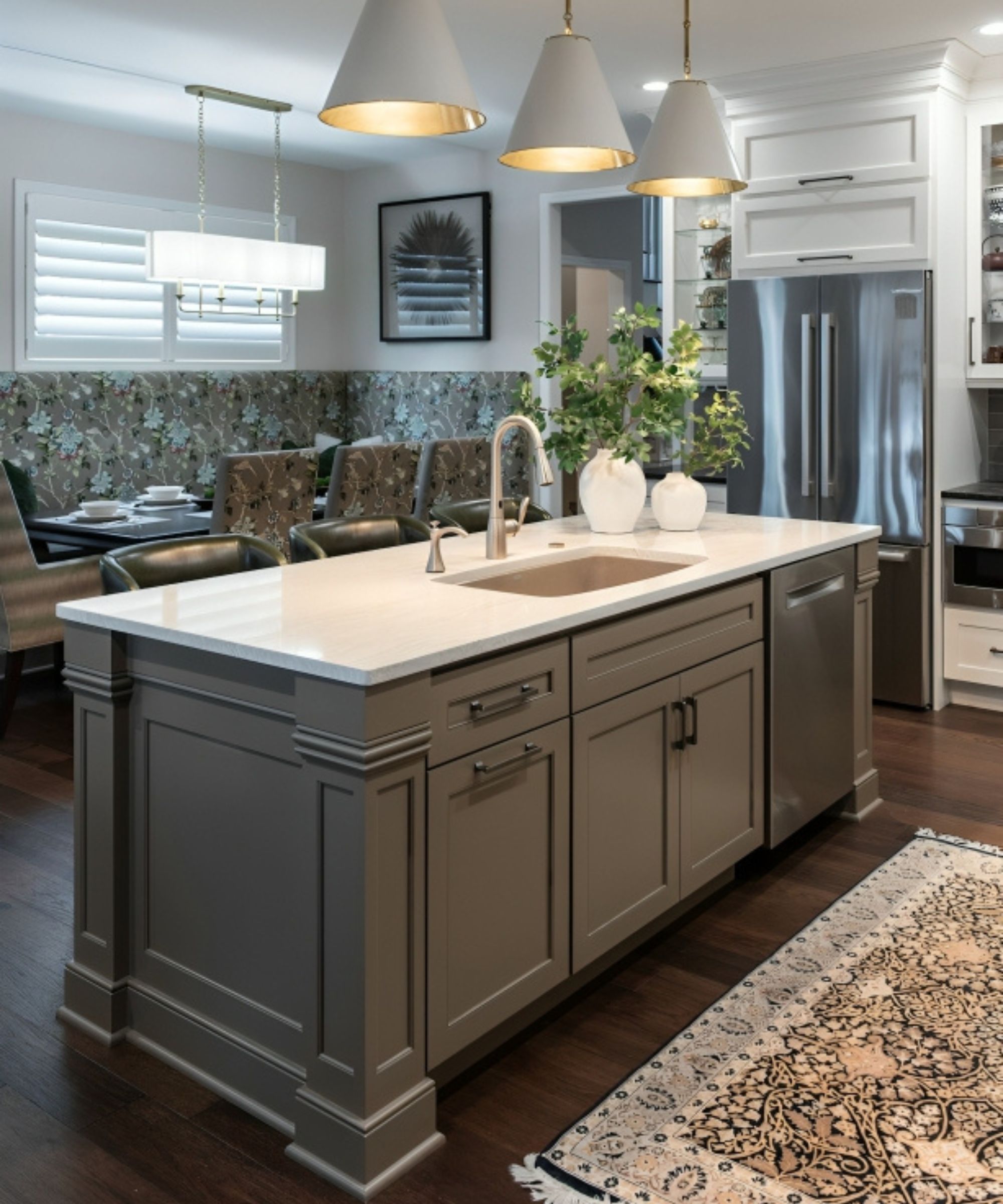
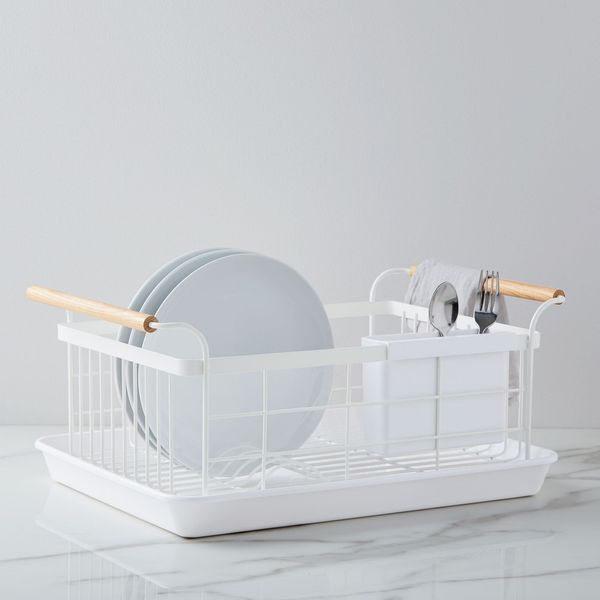
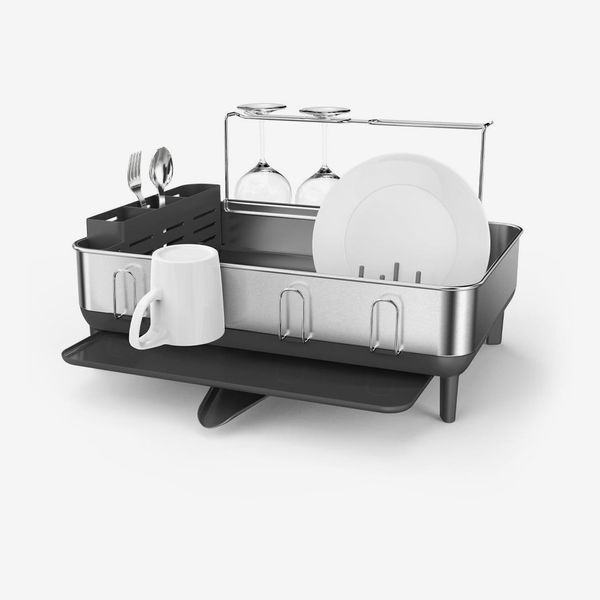
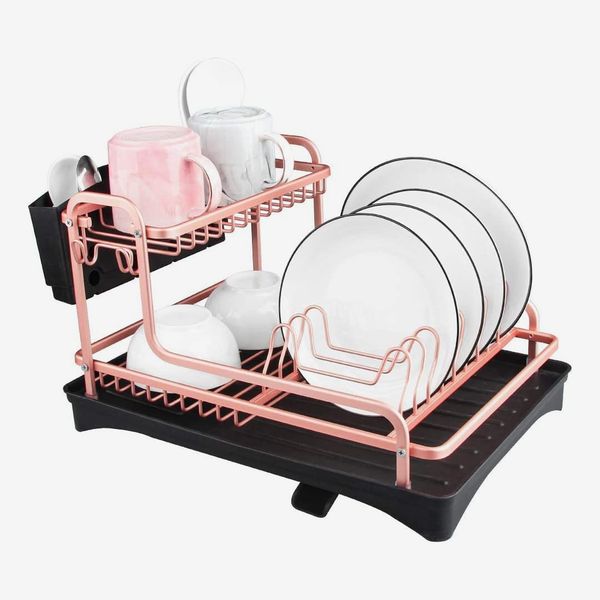
Overcrowded countertops are a common challenge in small kitchens, with dish drying racks often being significant contributors to clutter. Interior designer Mark Lewis highlights that removing the dish rack from the worktop is an effective strategy to free up valuable space, making the kitchen feel more expansive and functional. The article explores six innovative design solutions to integrate dish drying spaces discreetly and stylishly into the kitchen environment, moving beyond the traditional plastic rack next to the sink.
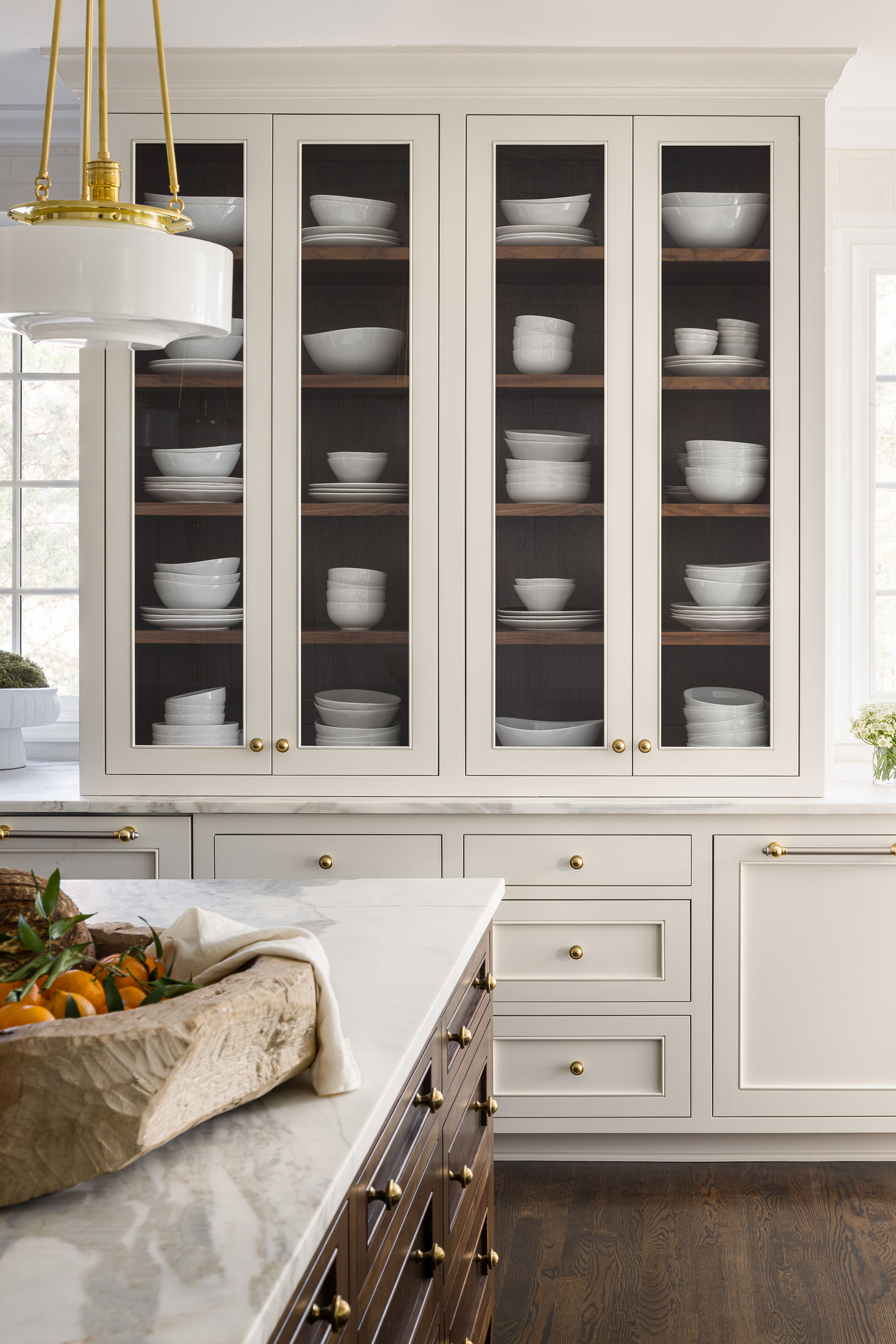
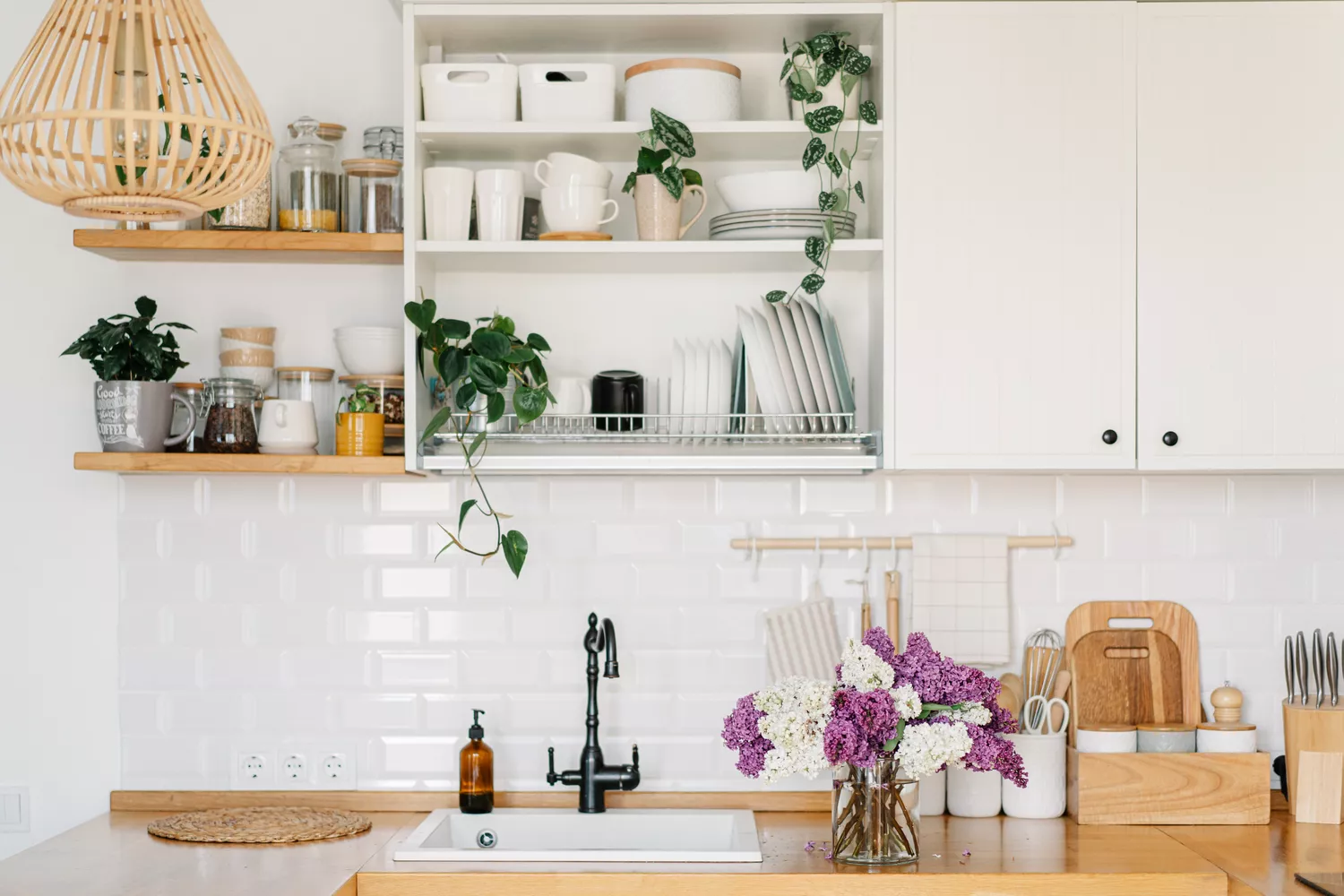
One approach is to stash the drying rack inside a cupboard. This method, inspired by Italian and Scandinavian kitchen designs, involves placing a wall cabinet directly above the sink with an open base and an integrated drying rack. This allows dishes to drip directly into the sink, maintaining a tidy countertop. However, it requires consistent maintenance to prevent limescale buildup, especially in hard water areas.
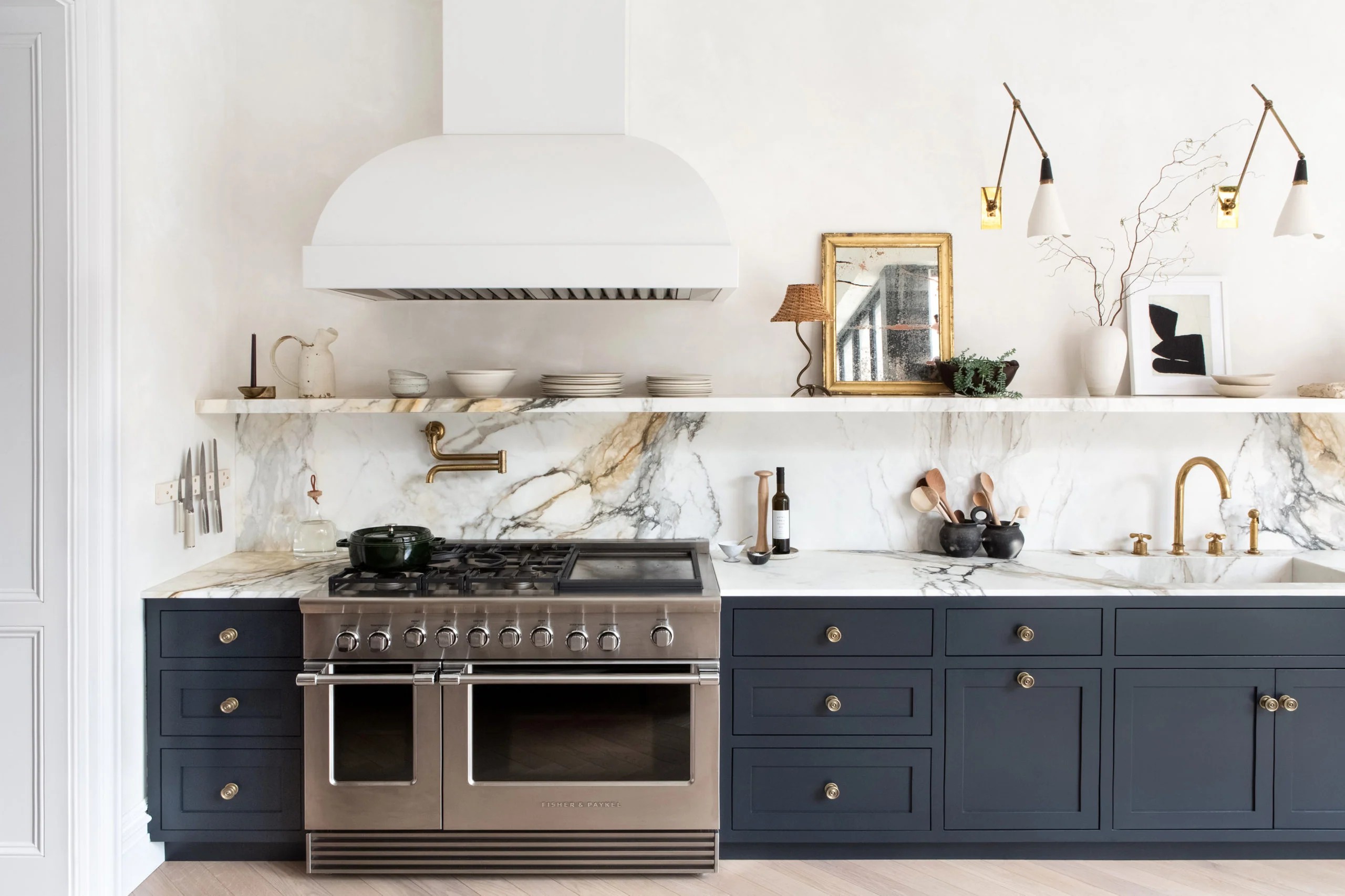
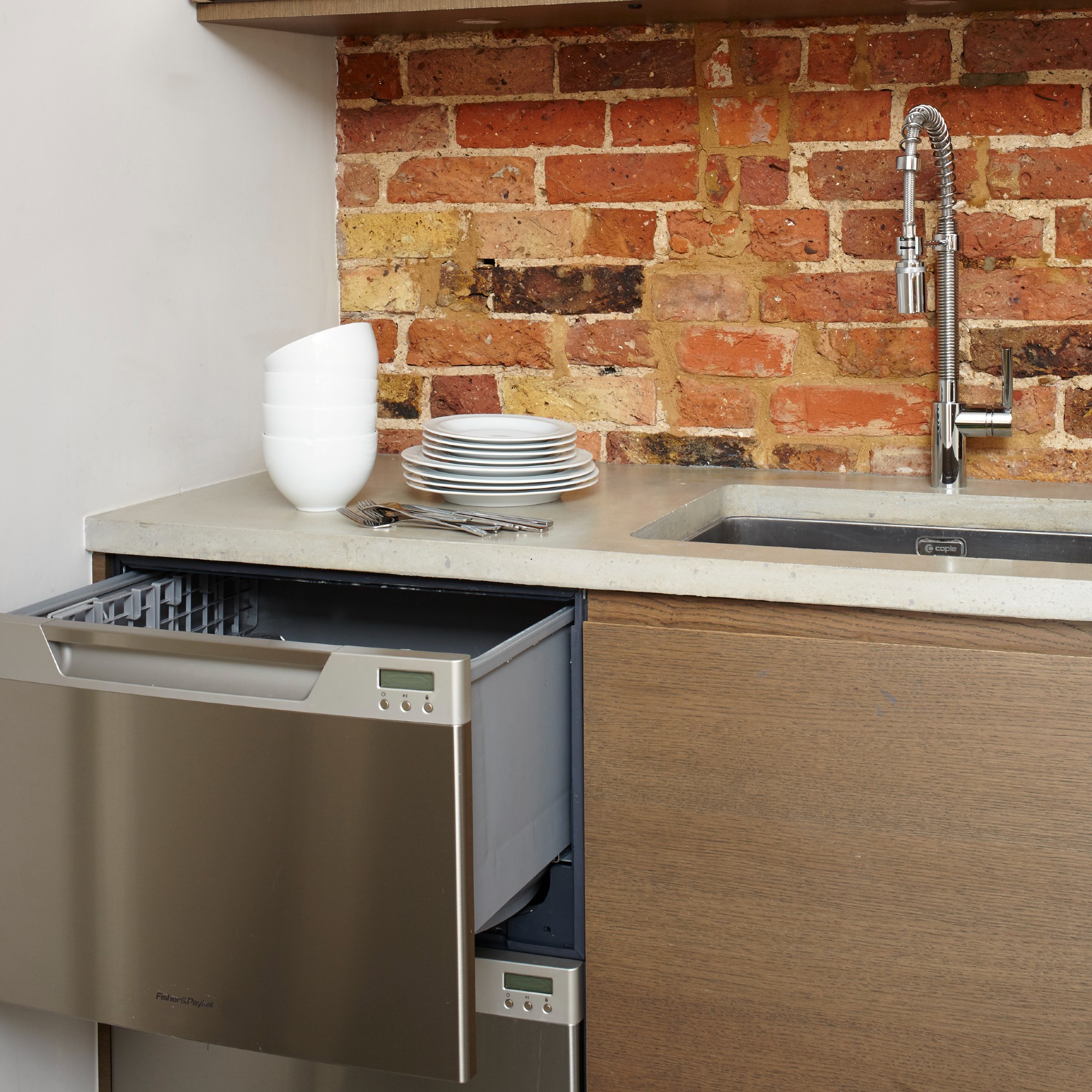
Another clever solution involves using dishwasher drawers, particularly effective for smaller households. A double-drawer dishwasher system, like those from Fisher & Paykel, allows for a rotational system where clean and dirty dishes move between drawers, eliminating the need for dishes to accumulate by the sink. In some instances, one drawer can even serve as a daily drying rack, providing extra capacity when entertaining guests.
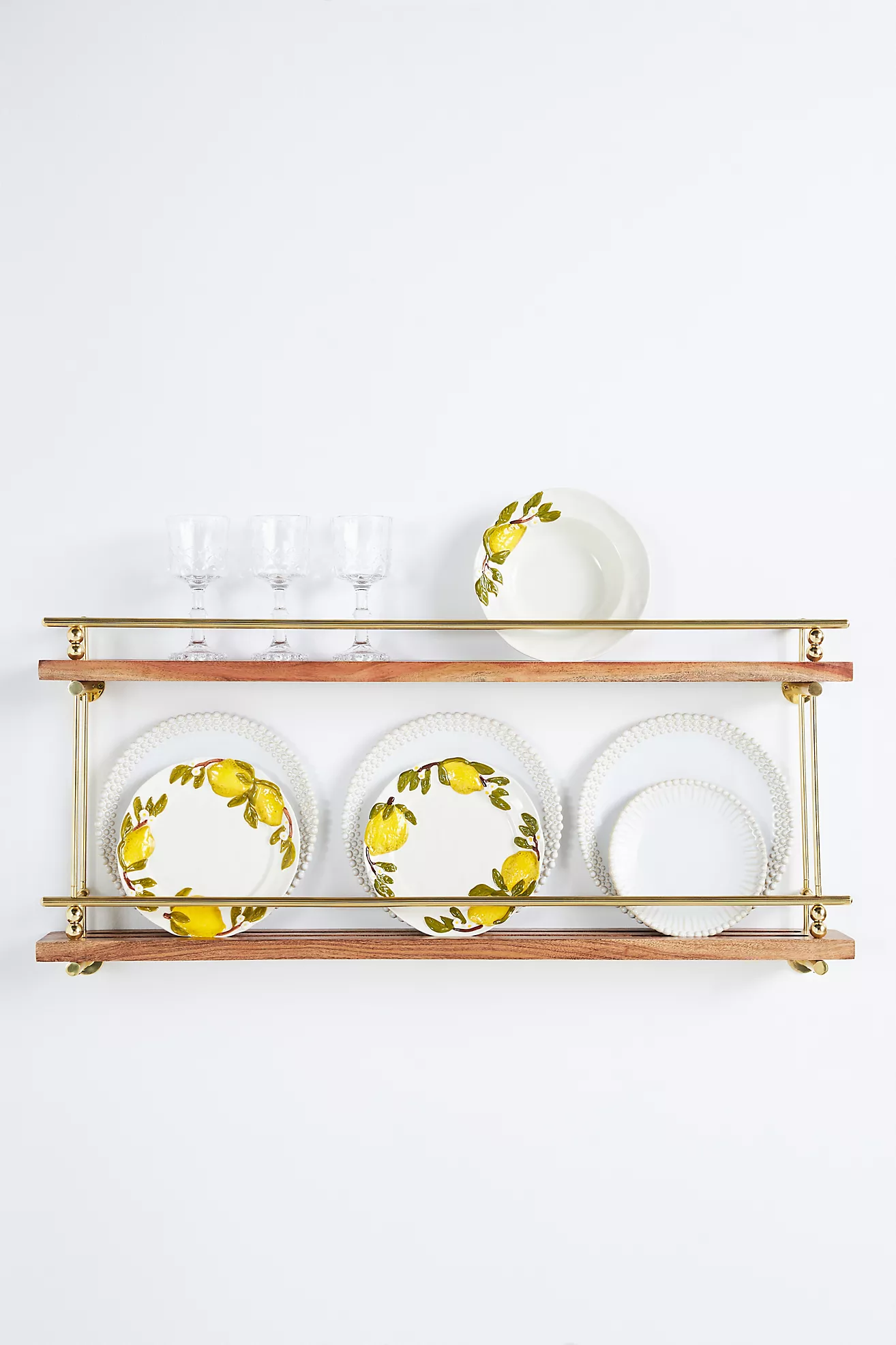
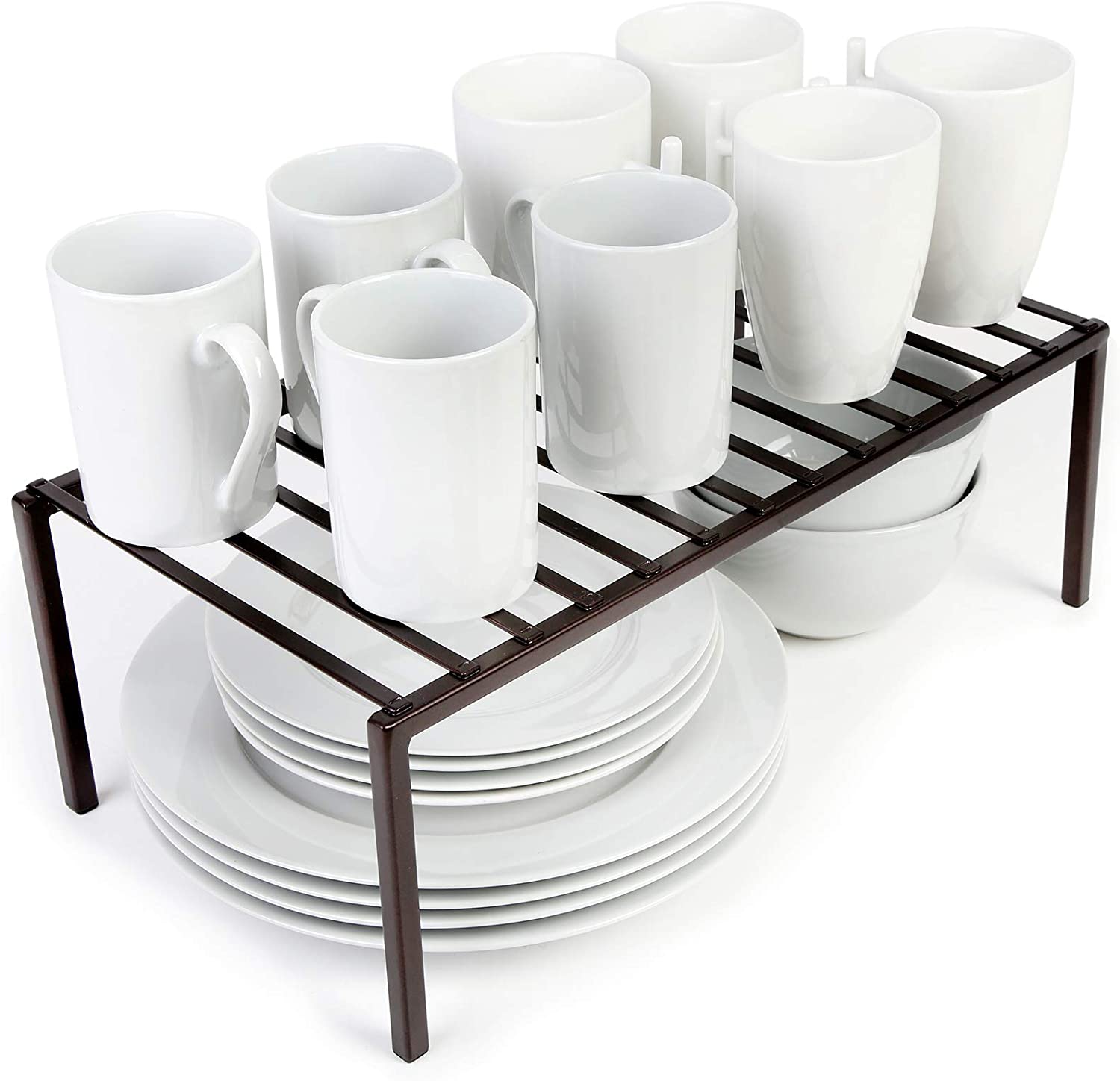
Modular shelving offers a decorative and practical alternative. By installing a stylish shelf above the sink, homeowners can create a multi-functional space. For example, the top shelf can hold plants for aesthetics and air purification, while a lower mesh shelf can act as a drip-dry station for cups and glassware. Opting for scratch, corrosion, and tarnish-resistant materials like PVD stainless steel ensures durability and ease of cleaning.
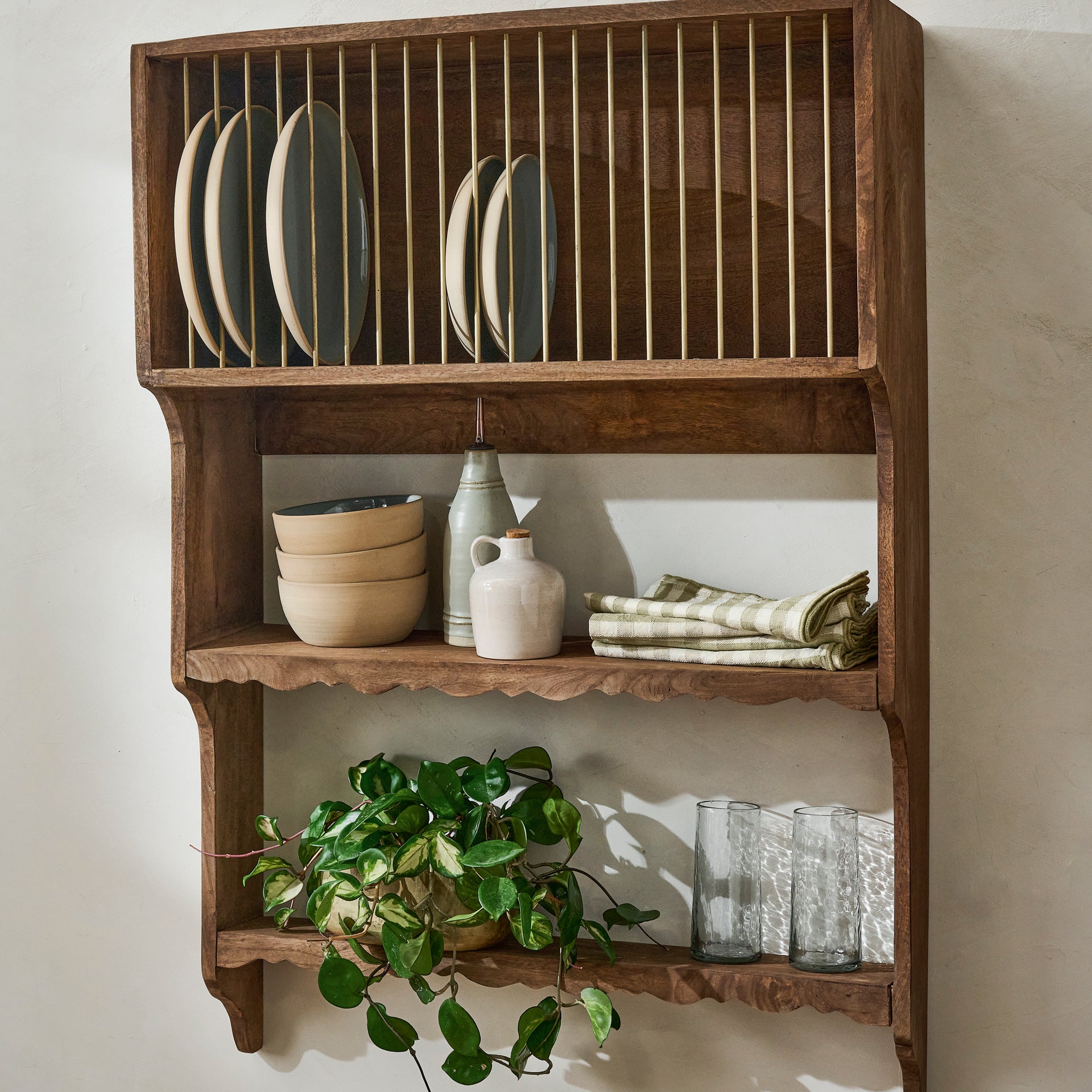
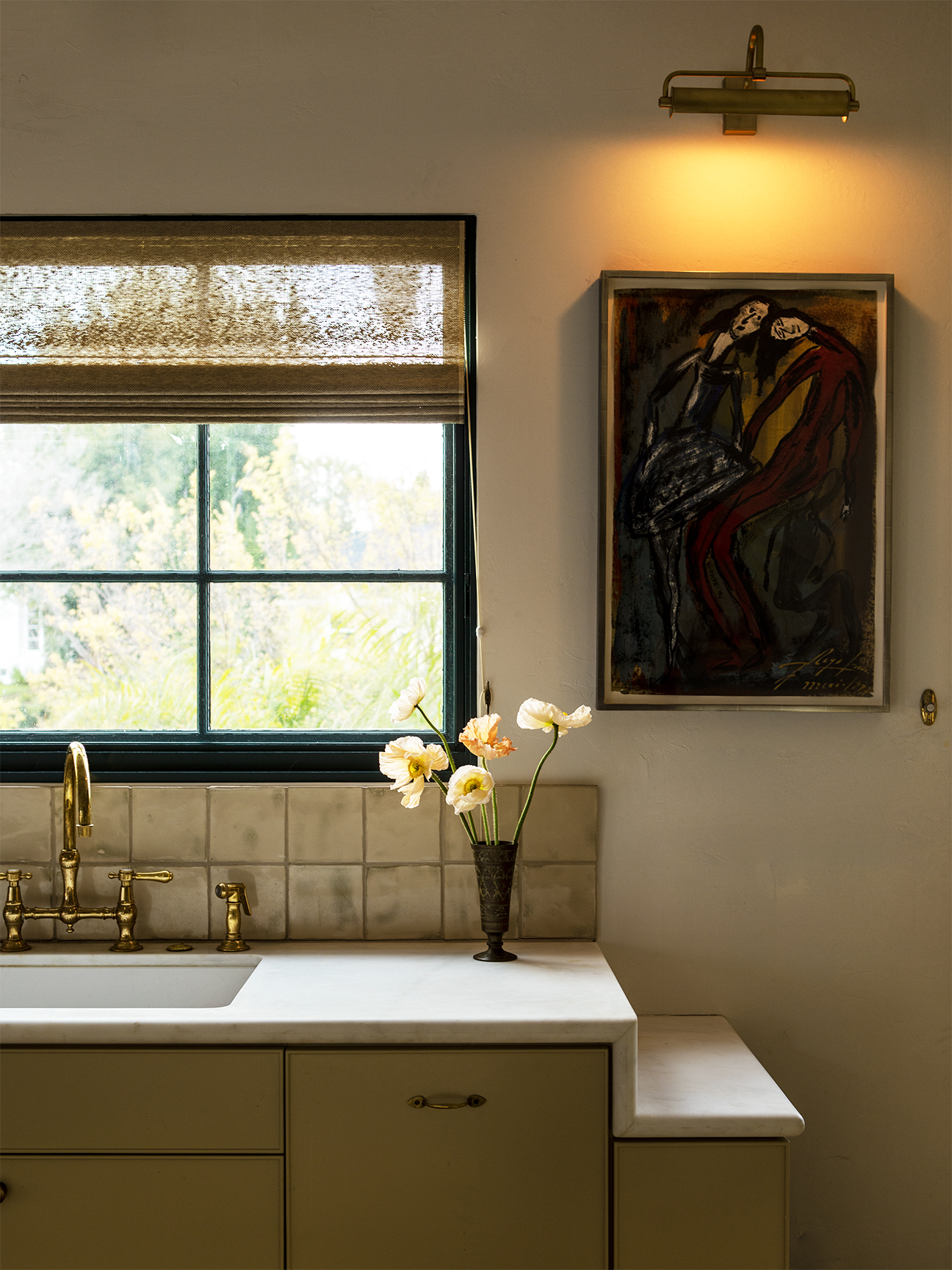
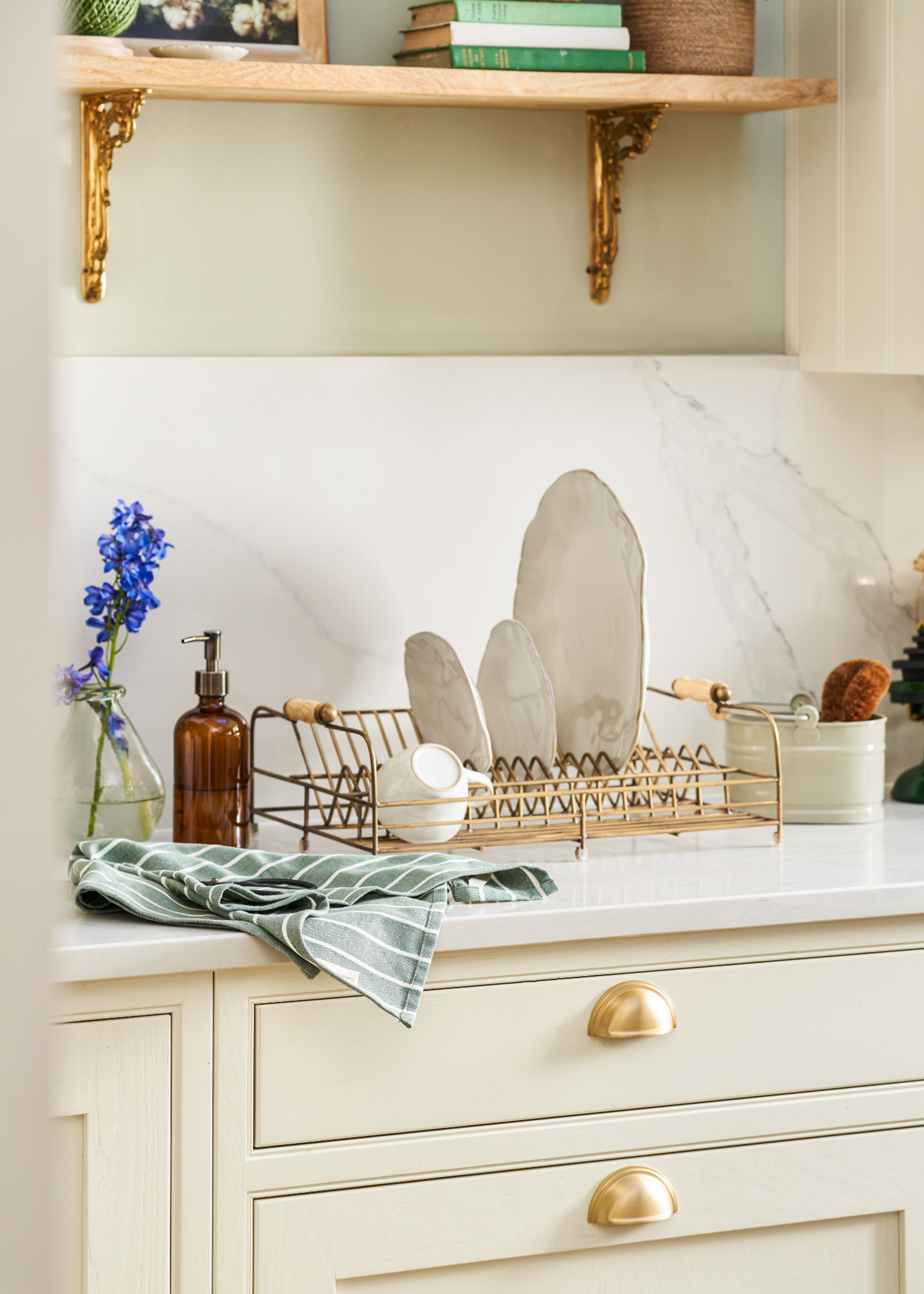
For a vintage or rustic aesthetic, a wall-hung rack made from materials like sand-cast bronze can serve as both a drying and display area. These bespoke racks are designed to develop a natural patina over time, adding character. The key is proper positioning, typically around 55cm above the sink, to ensure both practicality and visual harmony.
Multifunctional sinks, also known as Workstation Sinks, integrate drainers directly into the sink bowl. These designs often include roller mat-style drainers that can be deployed when needed and stored away, or feature dual bowls, with one designated for washing and the other for drying. While effective, these sinks may occupy more space and limit simultaneous drying capacity compared to freestanding racks, and require comfort with working within the sink area.
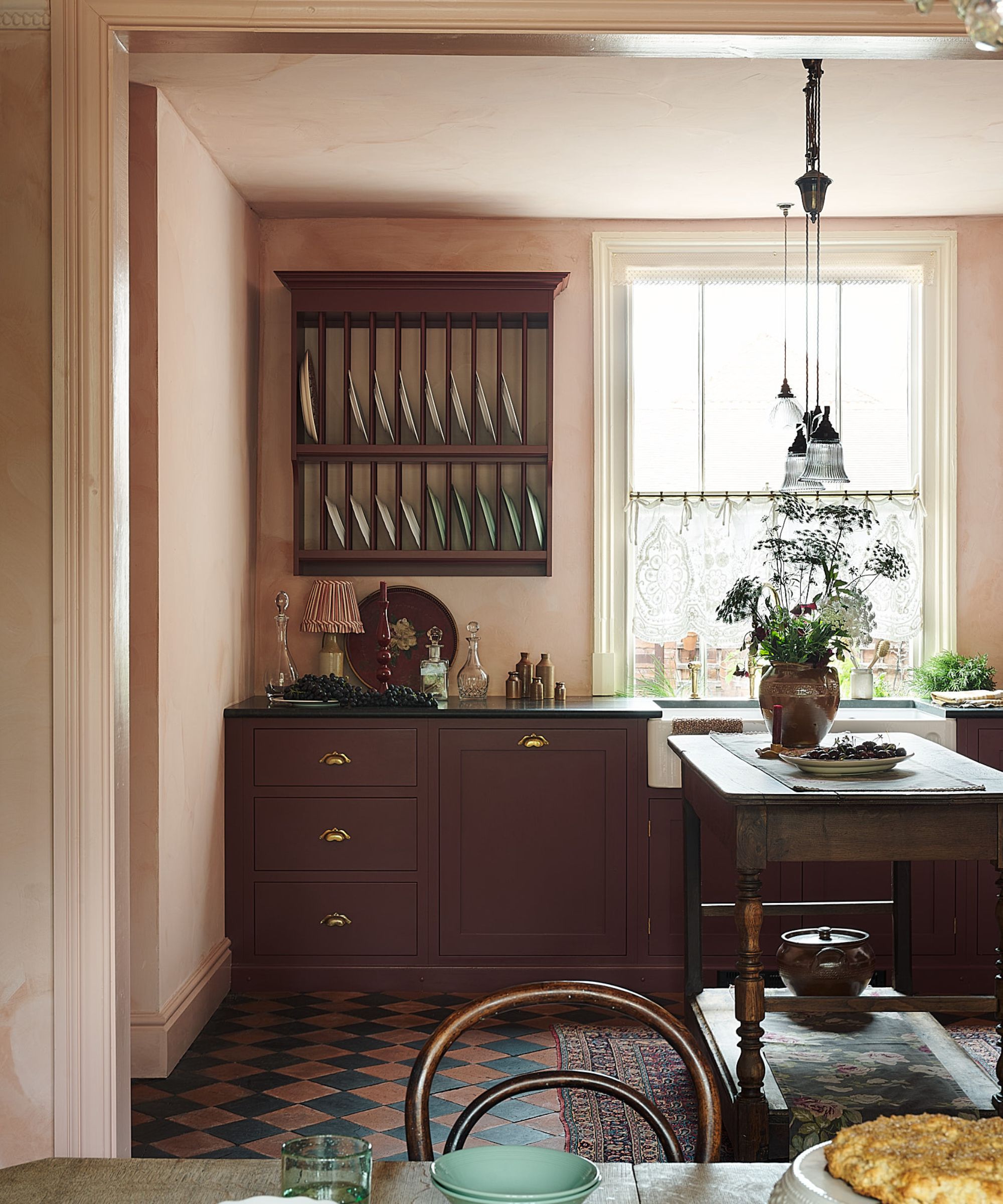
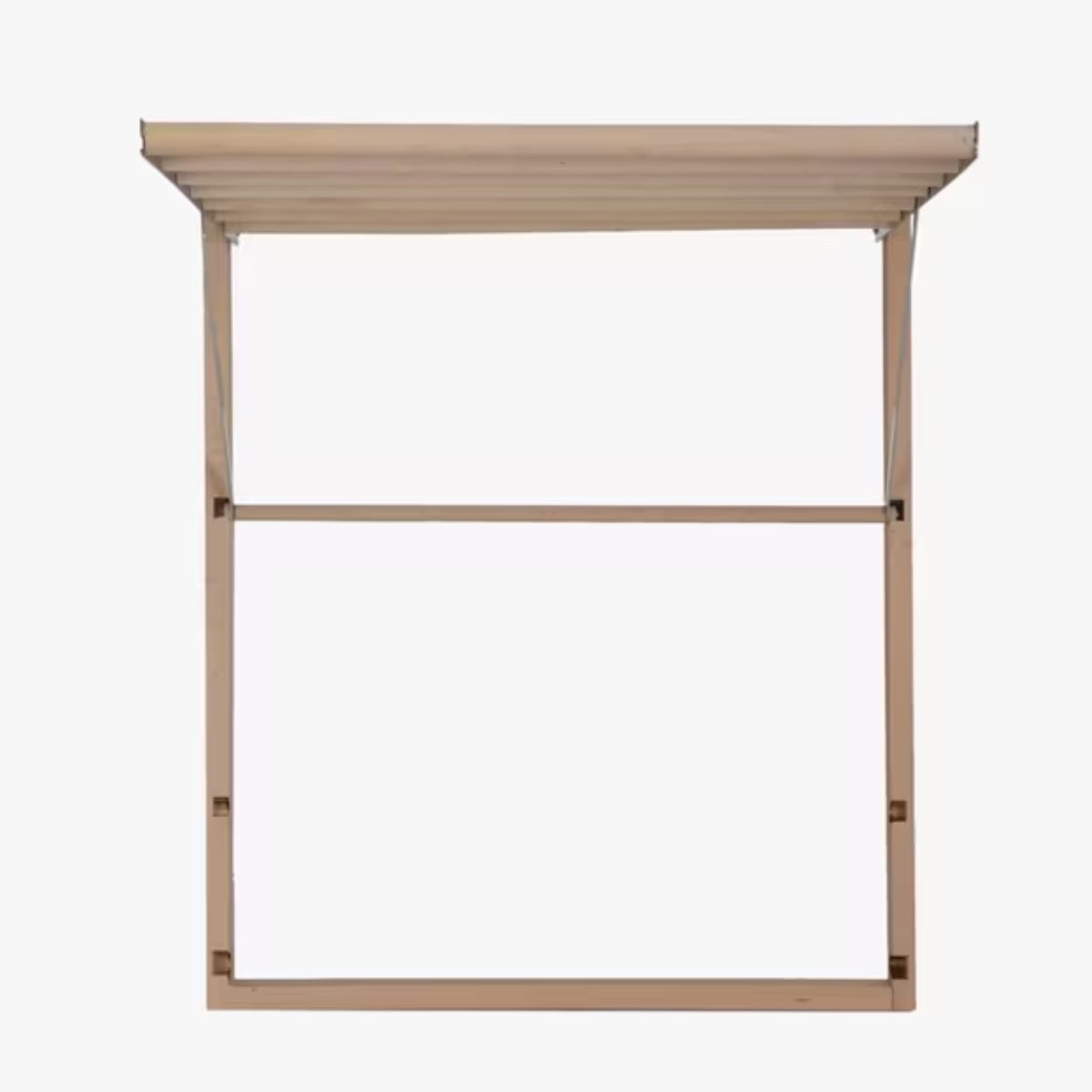
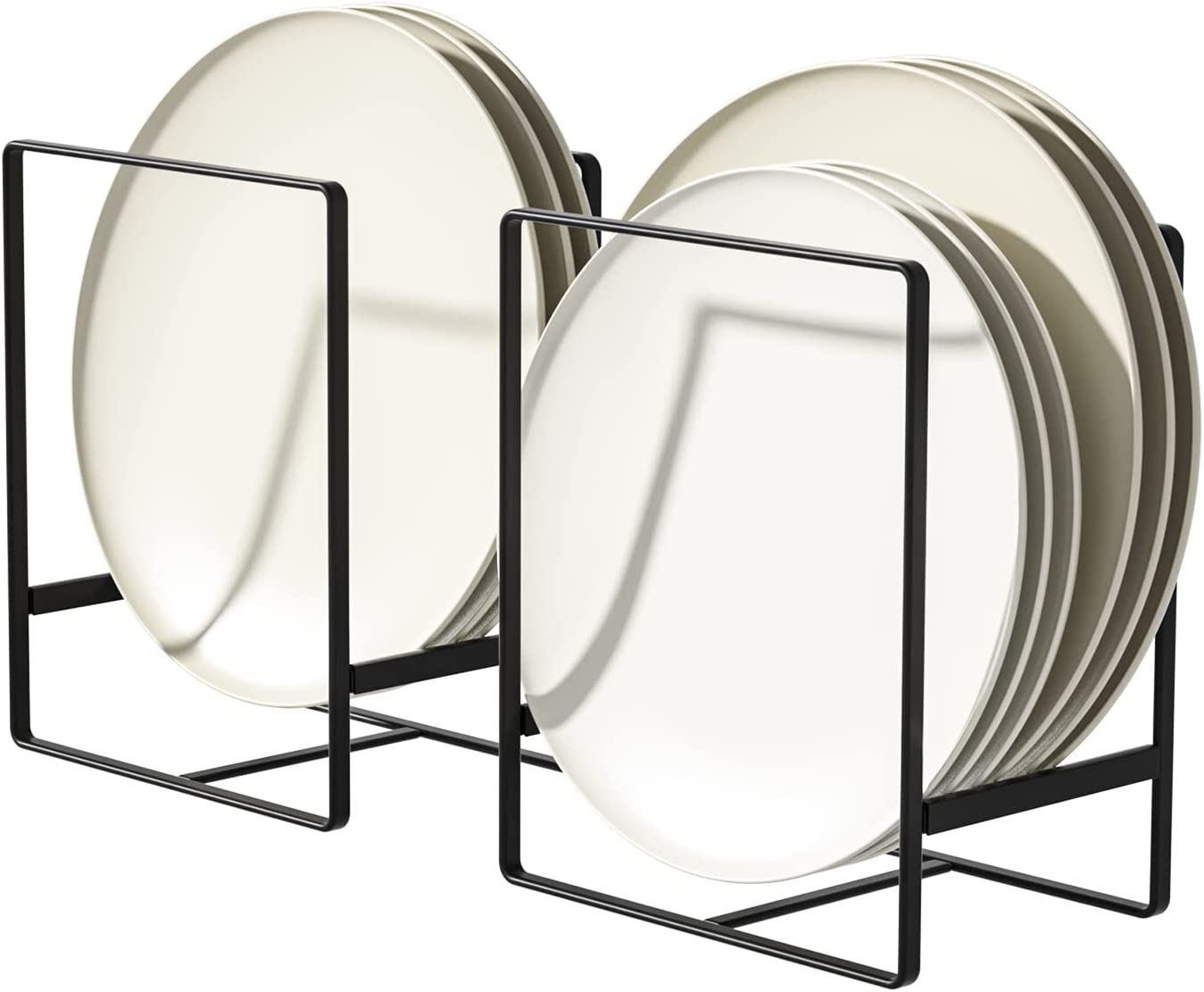
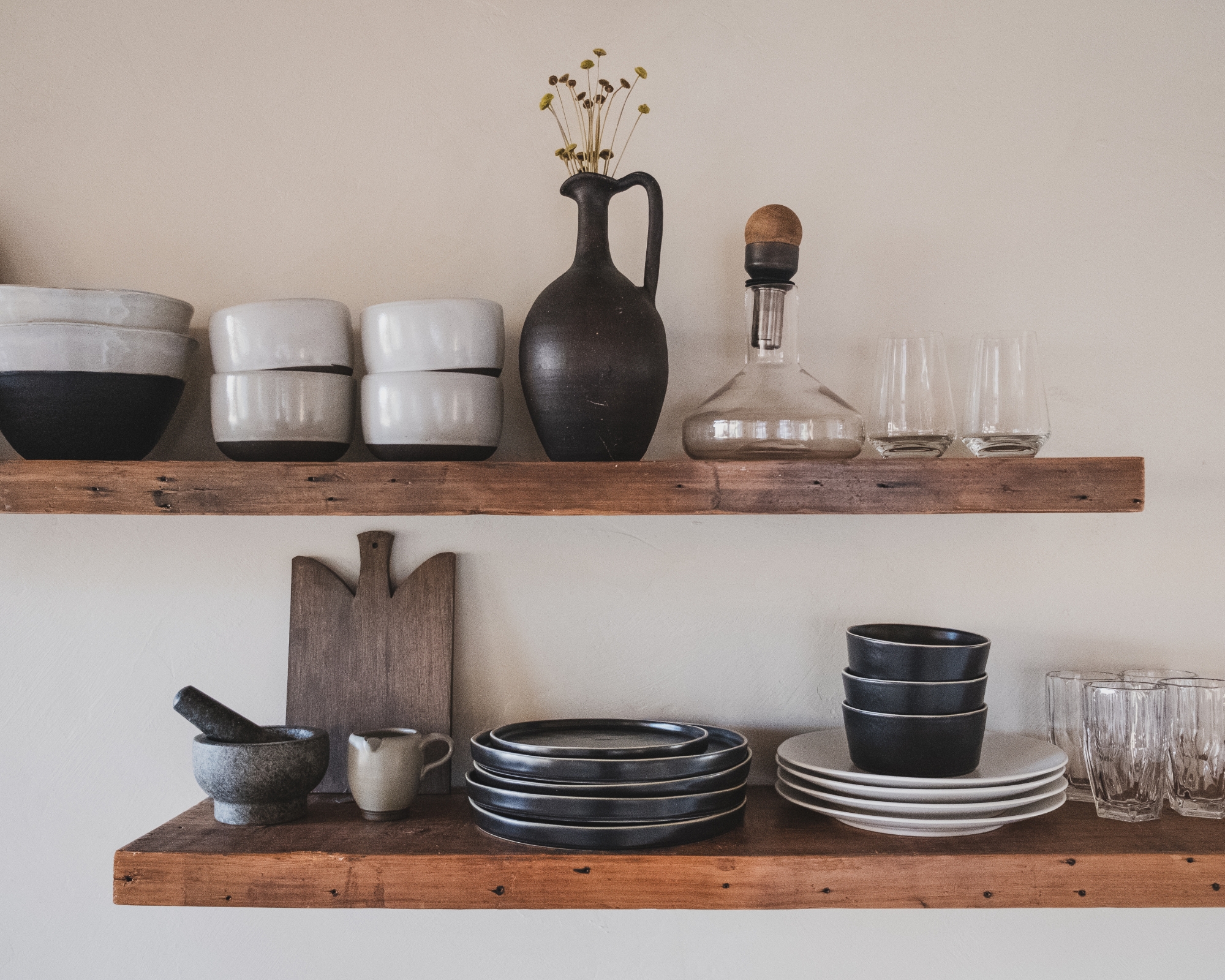
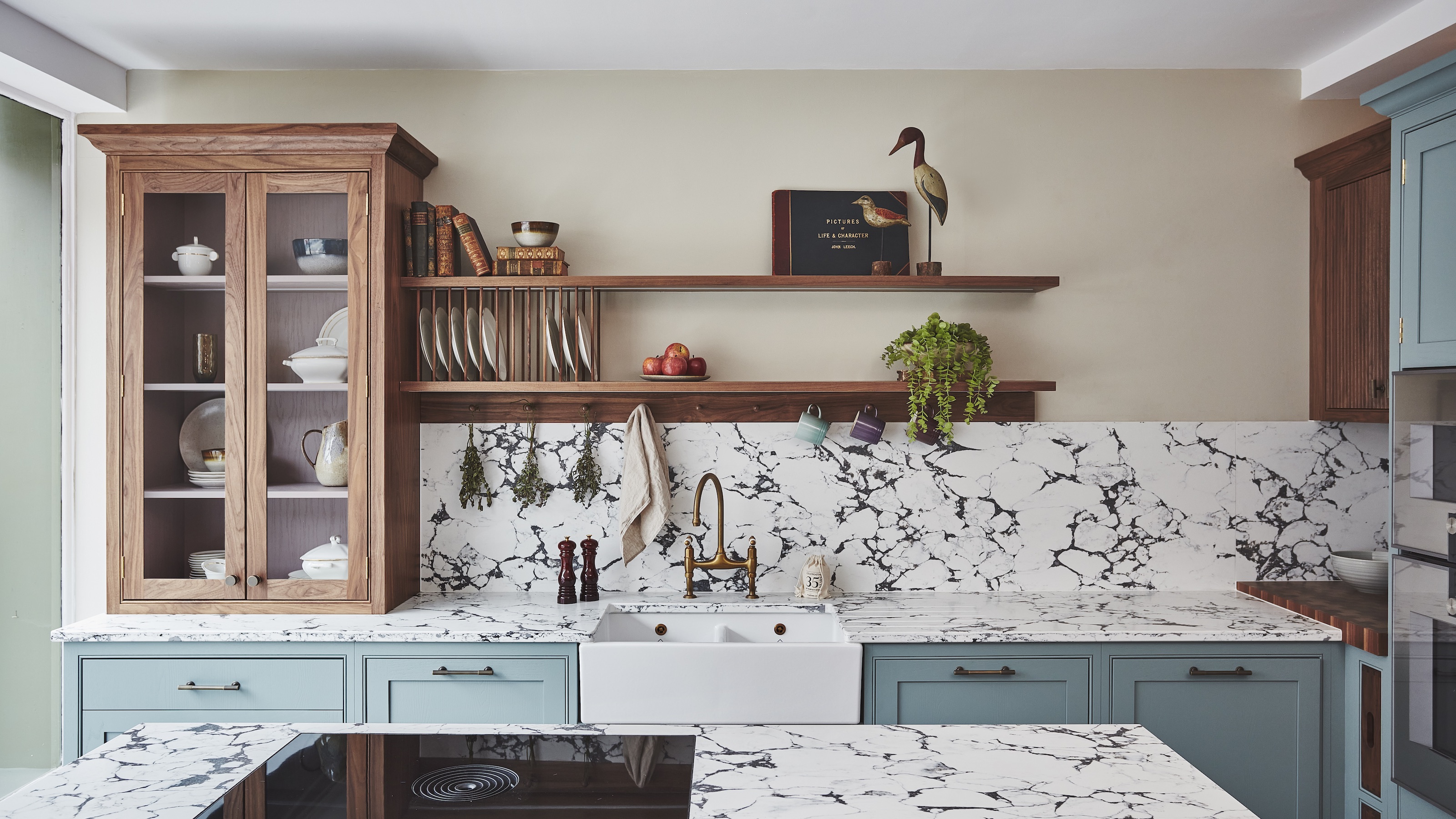
Finally, an open plate rack installed above the sink provides a practical way to utilize vertical space for both drying and storing plates. This method streamlines the wash-up routine by eliminating a step and can also serve as a display area for decorative ceramics. These integrated solutions collectively aim to reduce visual clutter and enhance kitchen tranquility, making daily routines more seamless and efficient.
#SmallKitchenDesign #CountertopStorage #DishDryingSolutions #KitchenOrganization #IntegratedKitchen #SpaceSavingIdeas #KitchenAppliances #HomeDecor #SmallKitchenDesign #CountertopStorage #DishDryingSolutions #KitchenOrganization #IntegratedKitchen #SpaceSavingIdeas #KitchenAppliances #HomeDecor
0 comment in total
 No comments yet
You may also like

The Best Dish Drying Racks for Tidy Counters and Bone-Dry Plates
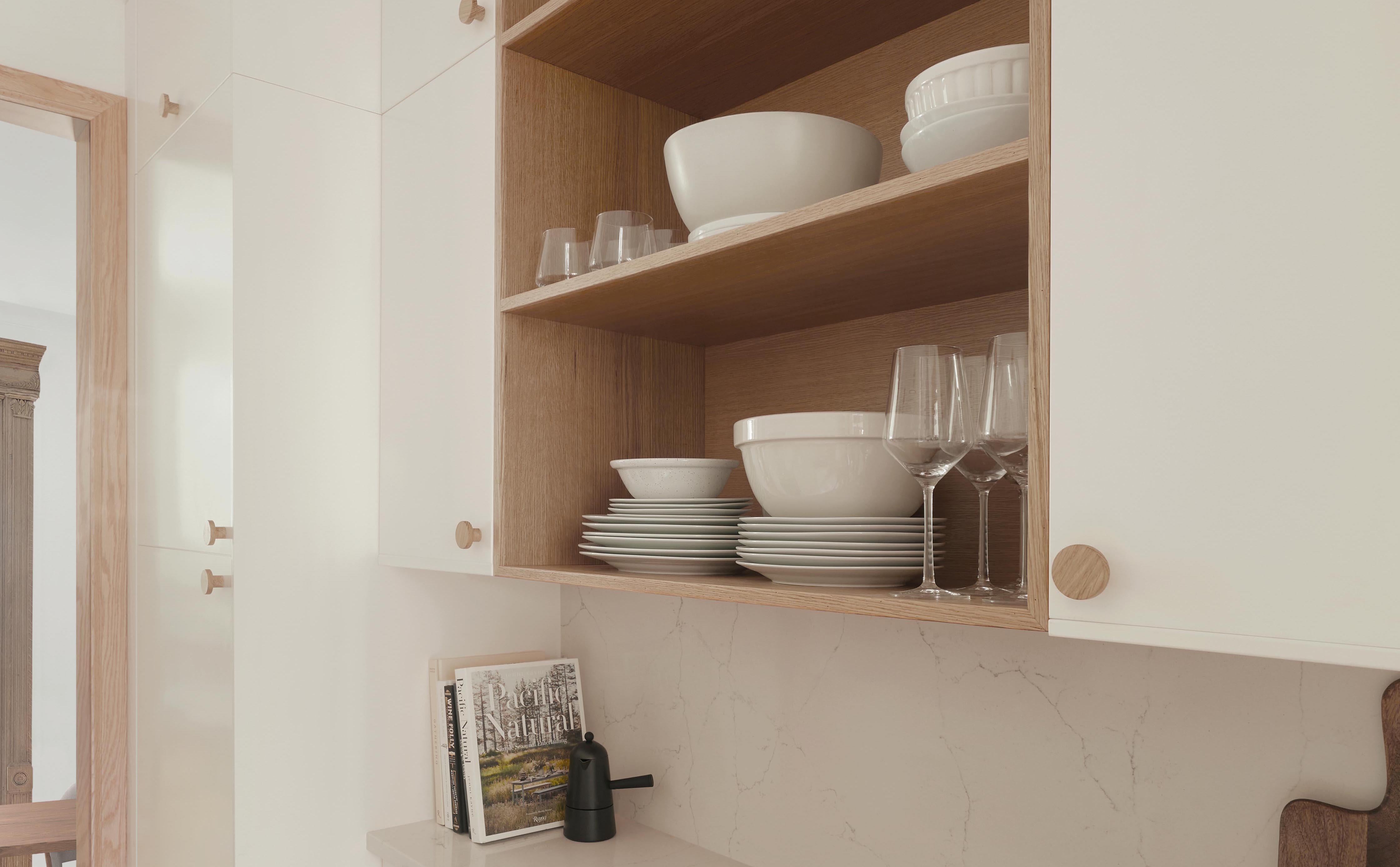
8 tricks for organizing your dishes that professional declutterers always implement in kitchen storage
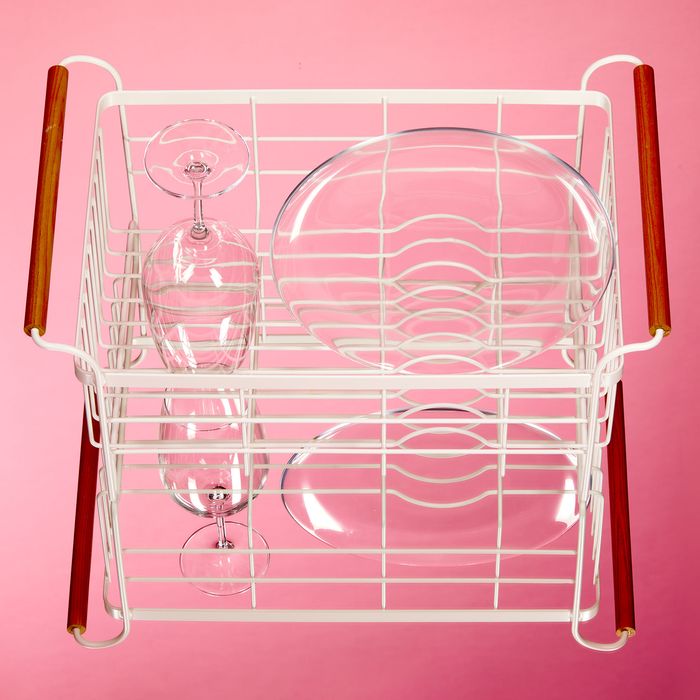
The 11 Very Best Dish Racks
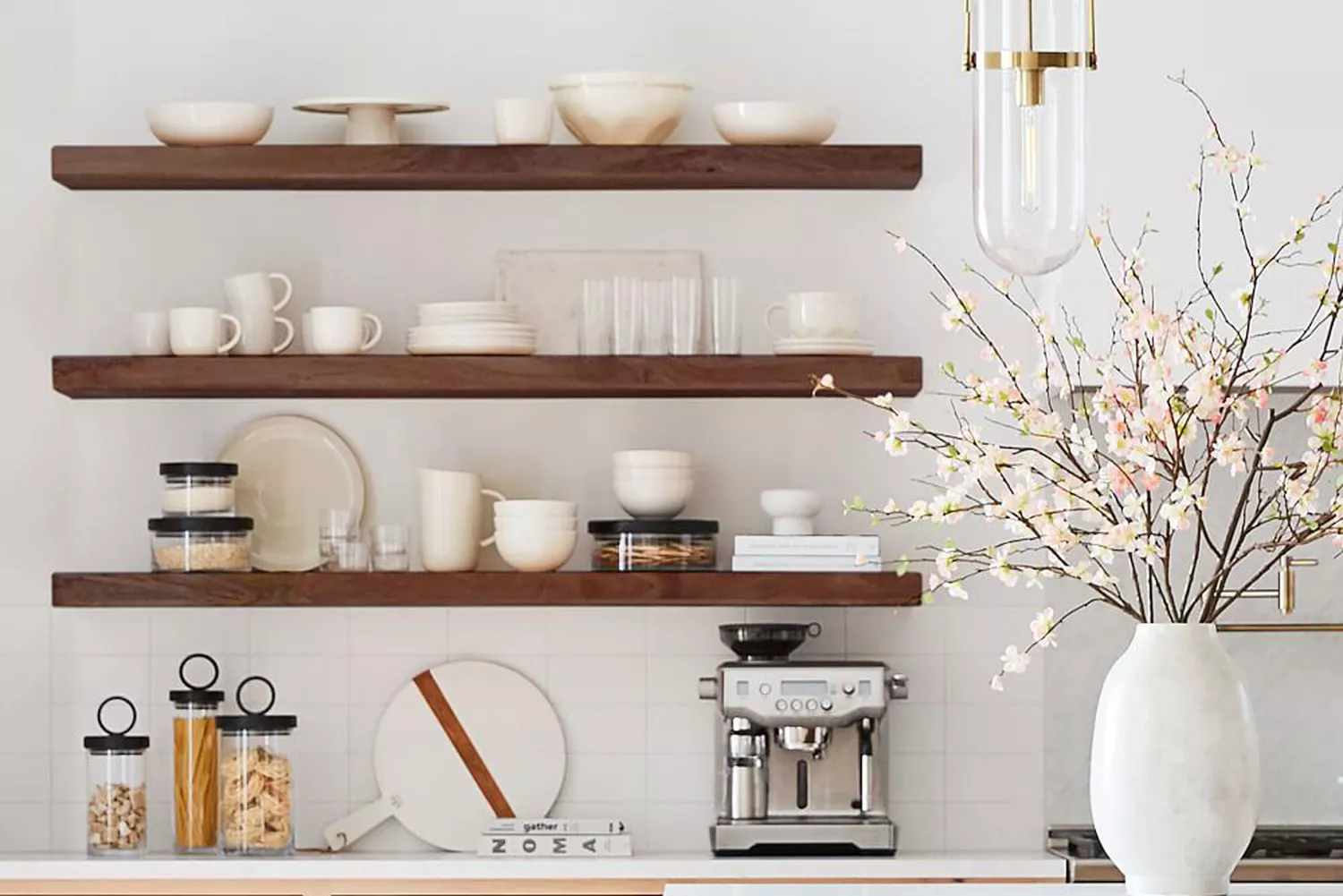
Clean Up Countertop Clutter With These Designer-Approved Floating Shelves

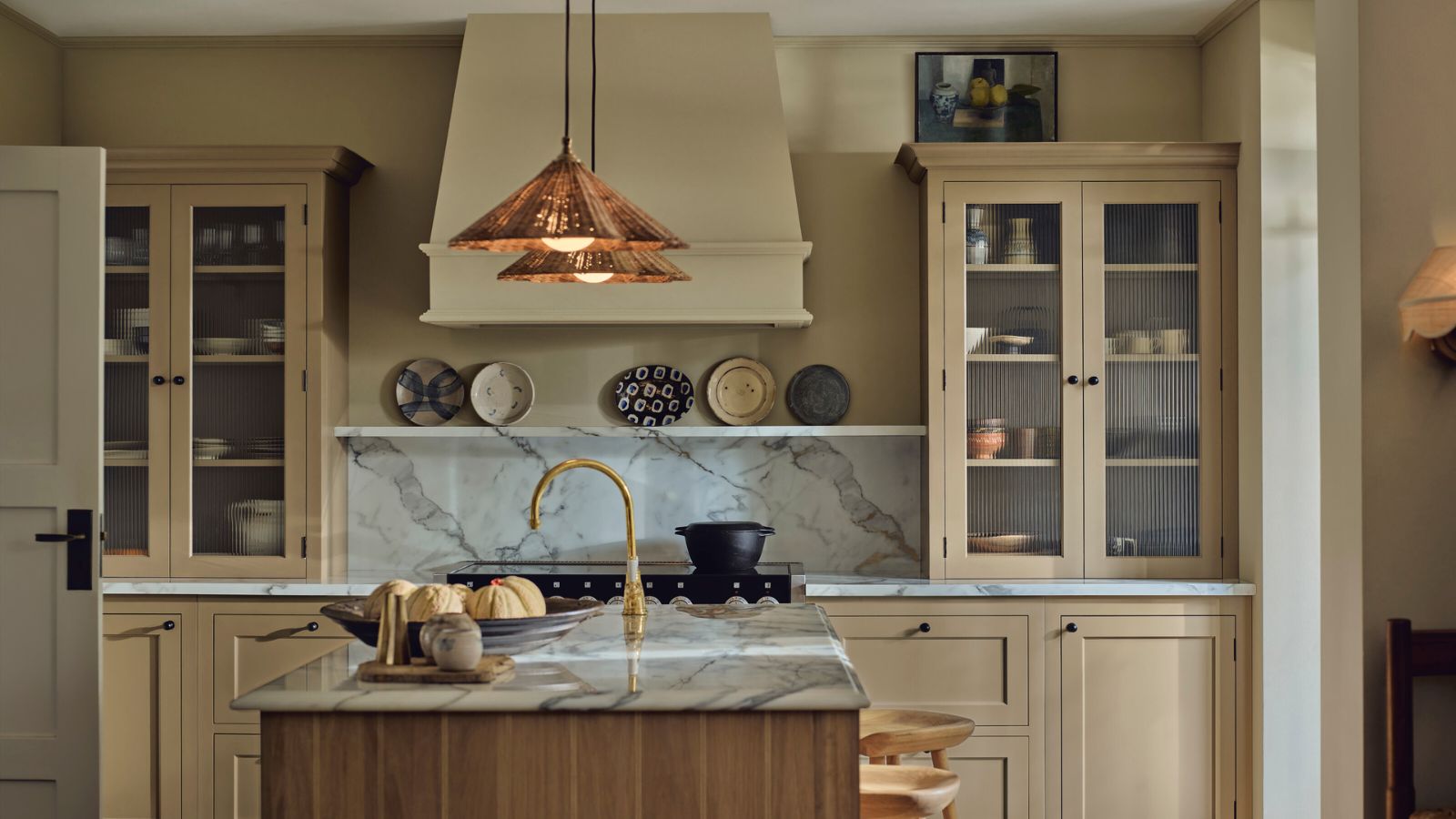
5 Stylish Ways Designers Store Plates To Keep Your Drying Rack Clutter-Free


This might be my favorite ever small kitchen – a pull-out countertop is among its cleverest space-saving ideas
Finnish Dish Drying Cabinets Are the Genius Kitchen Feature You’ll Want Next
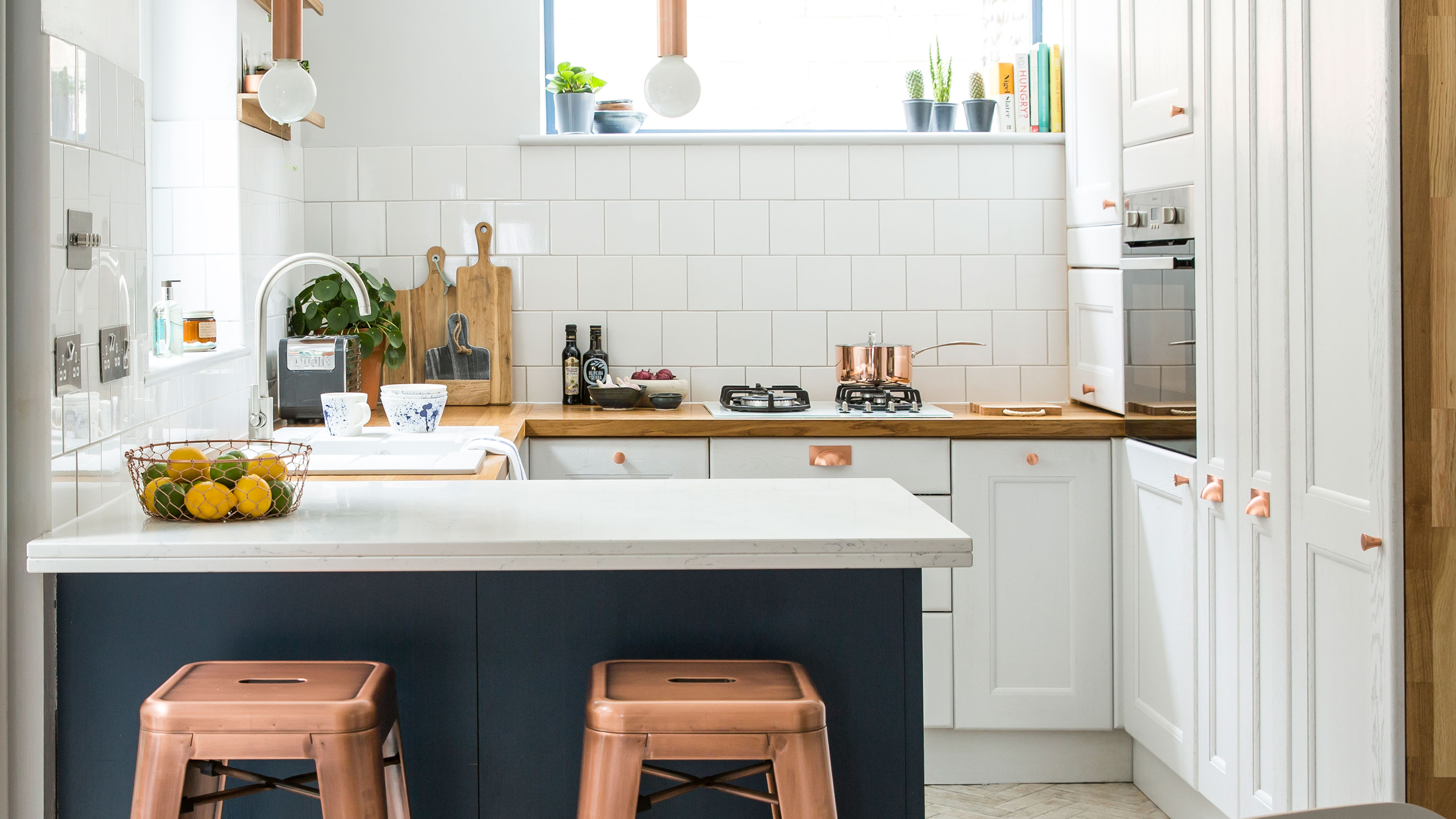
Where to put a dishwasher in a small kitchen - 5 tricks for a practical and ergonomic space
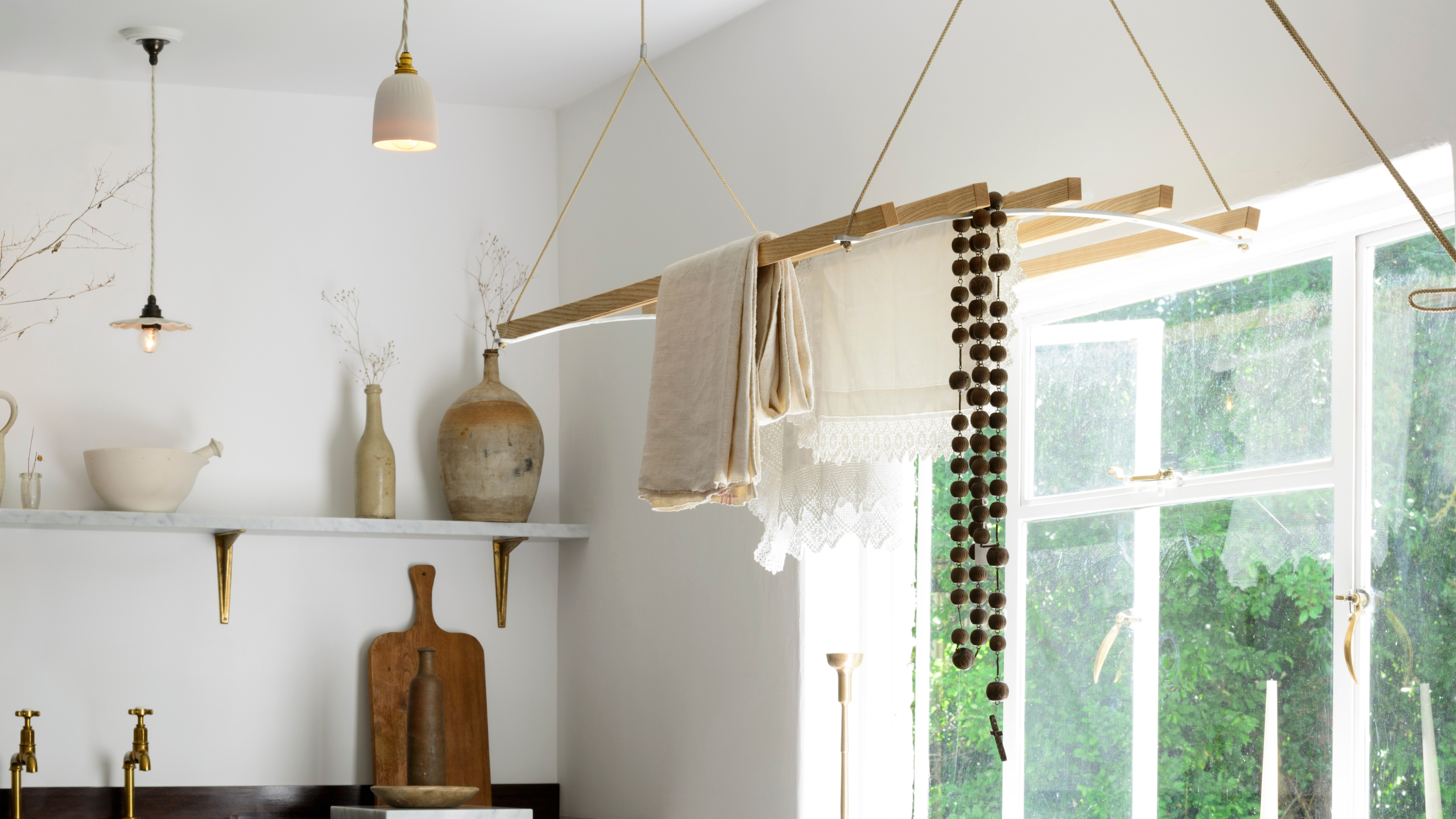
6 Genius Ways to Design a Drying Rack Into Your Utility Room — So You're Not Always Tripping Over Wet Laundry

Get Rid of Yucky Puddles Around Your Kitchen Sink — These Dish Drying Mats Keep Things Tidy
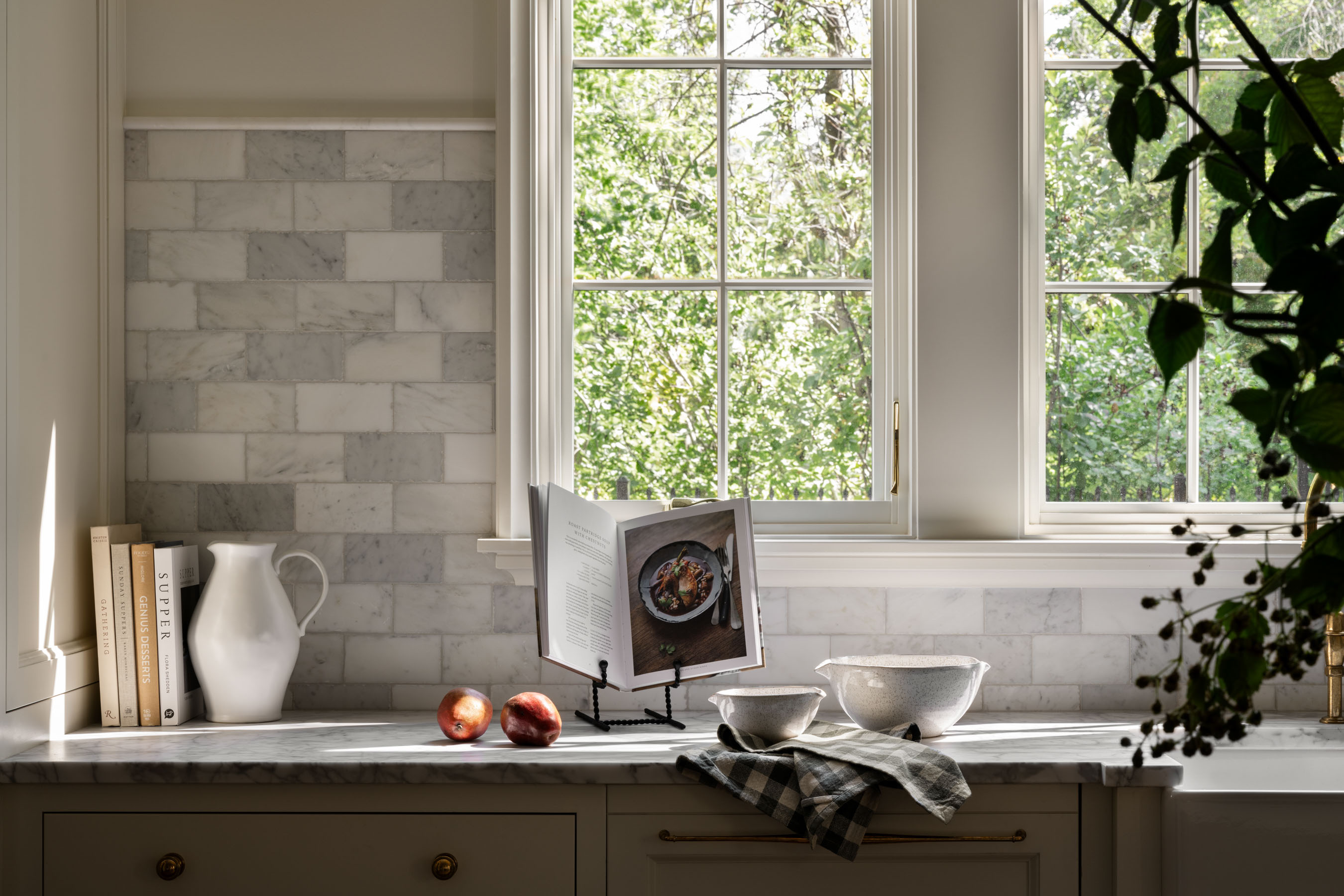
5 Things You Shouldn't Keep on Your Countertops if You Want an Uncluttered, Minimalist Kitchen
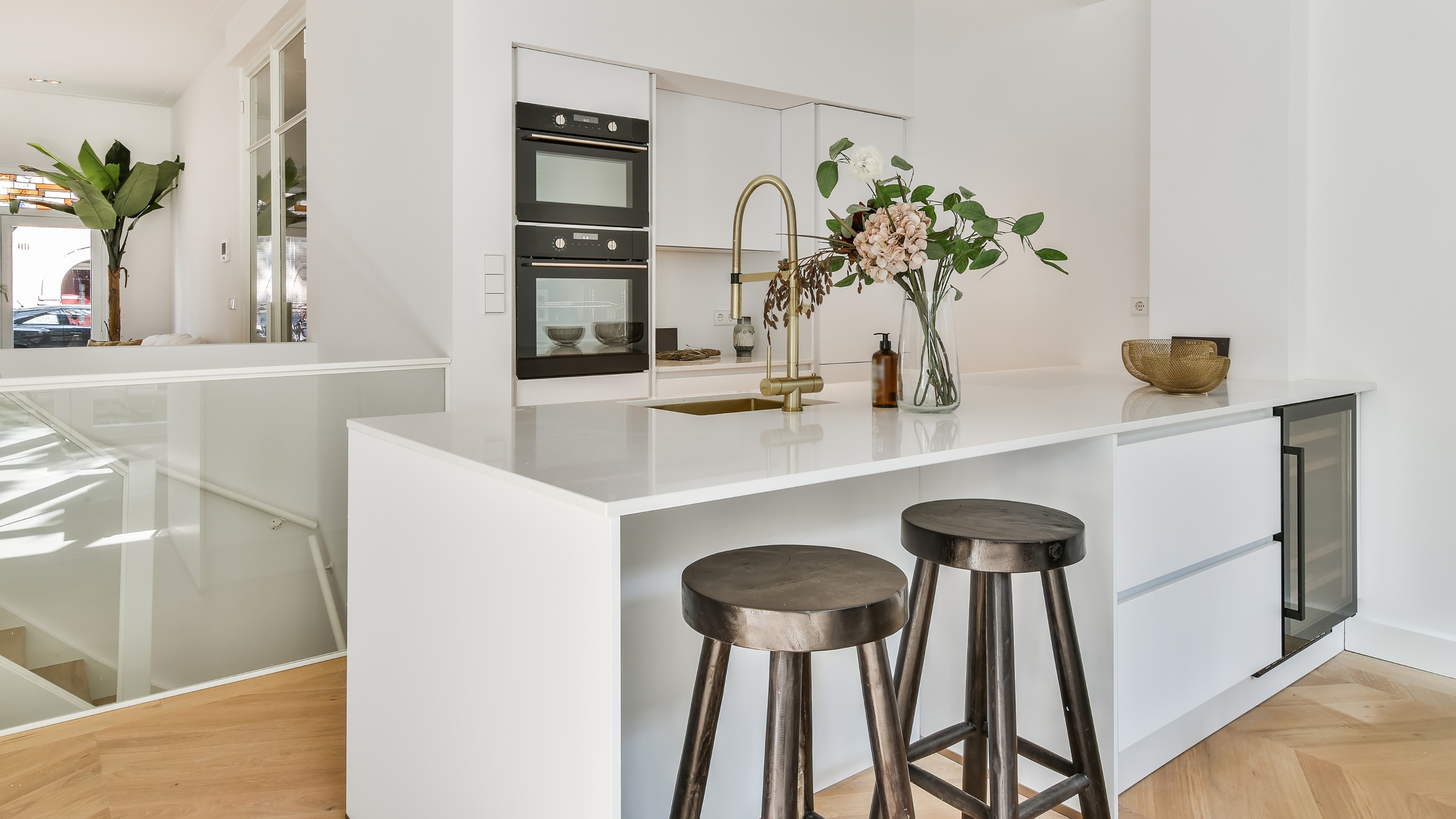
10 ways to declutter a small kitchen

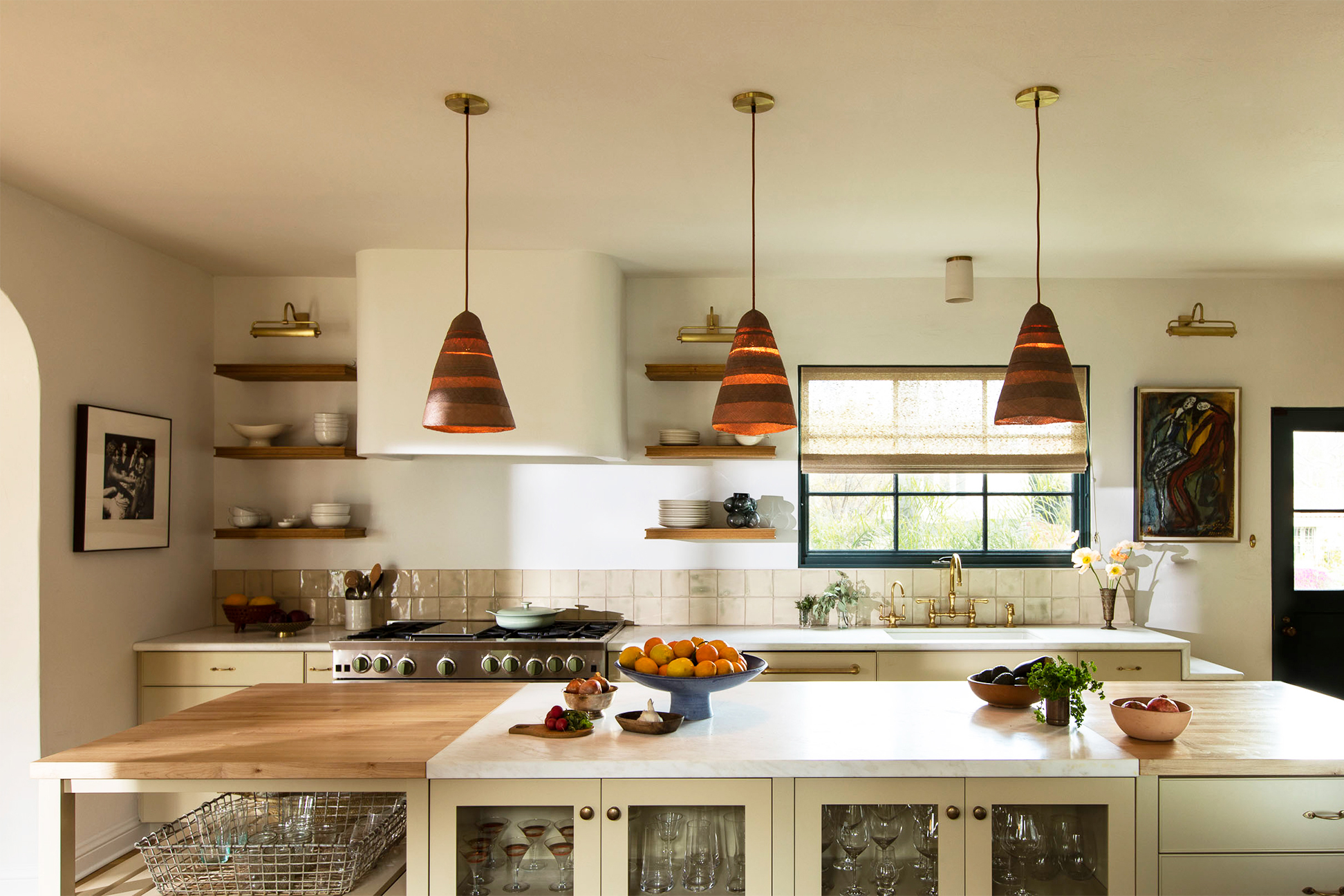
Cluttered Kitchen Counters Are a Non-Issue With This Clever Feature

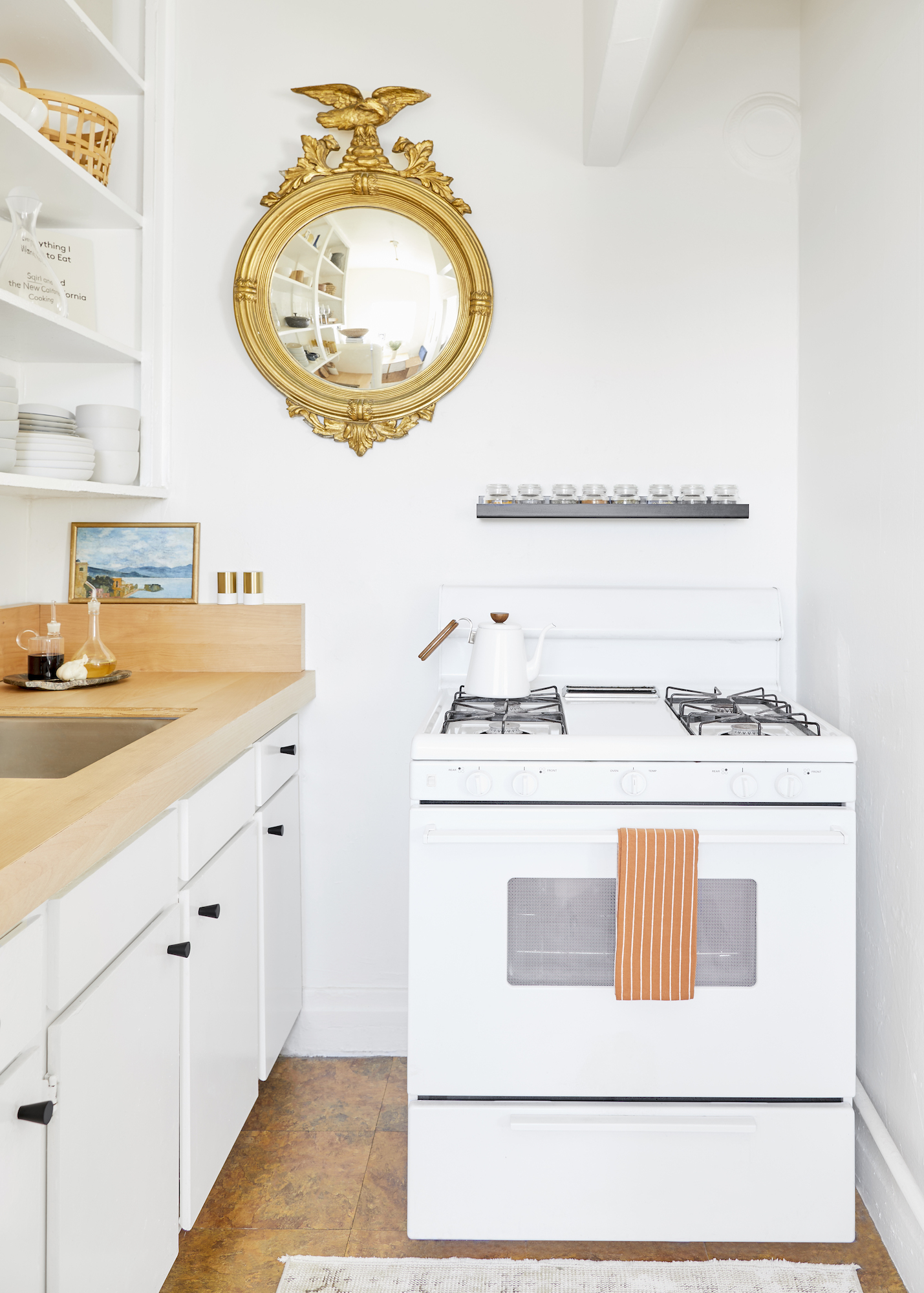
You Don’t Need a Sprawling Kitchen When You Have These Designer Tricks
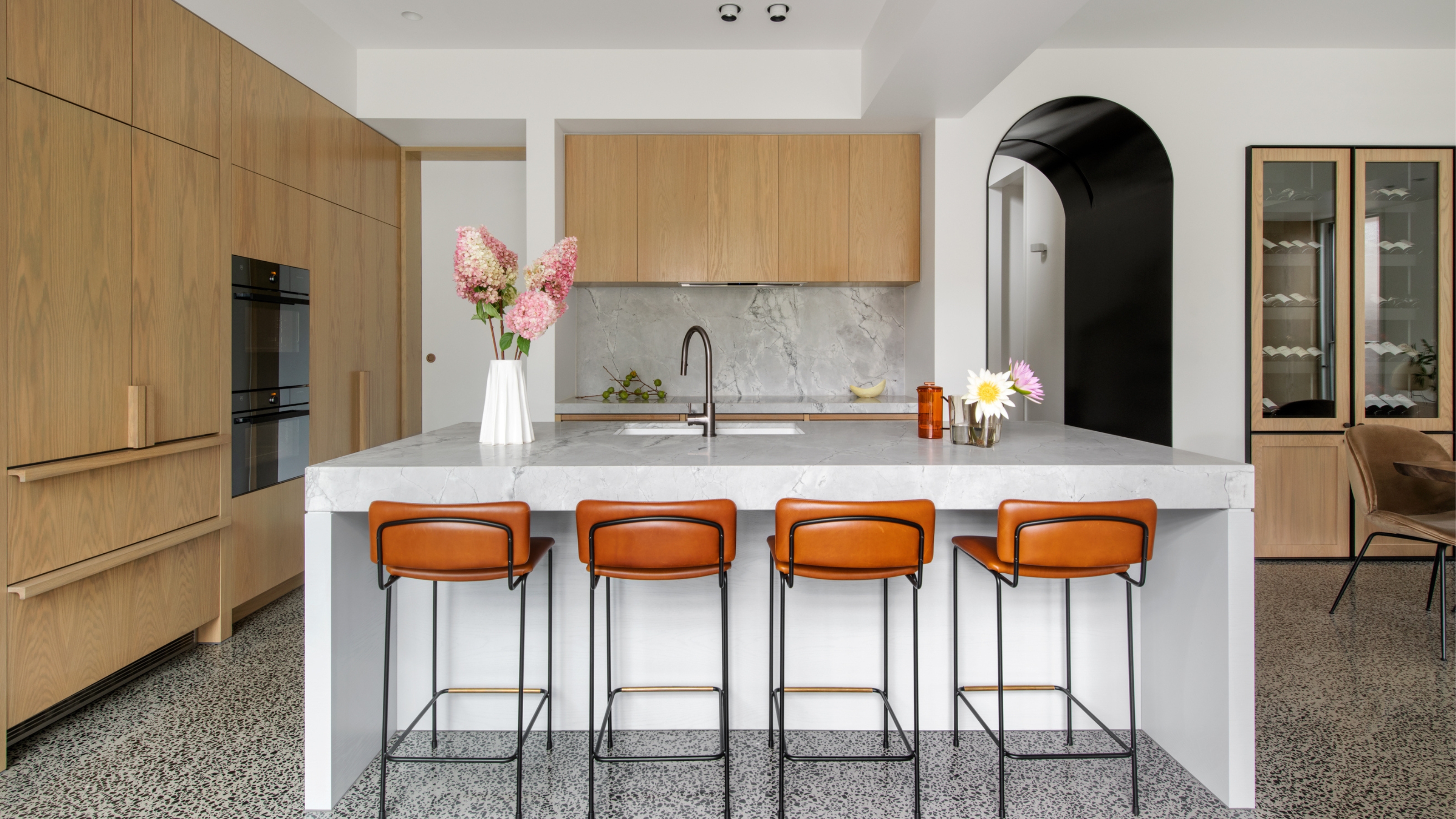
5 Pieces of Decor You Need to Remove From Your Kitchen Today — "They're Bulky and Eyesores," Say Designers
Your Kitchen Called, It Wants These 10 Space-Wasters Gone—Try These Pro-Loved Organizers Instead


The Best Dish Racks to Keep Your Plates Organized and Countertop Dry

A simple trash can swap eliminated odors and saved vital floor space in my tiny kitchen – and it's now on sale
8 Things You Should NEVER Keep On Your Kitchen Counter
8 Laundry Room Drying Rack Ideas to Make Life Easier