1/8
Tiny Living Room? These 10 Small-Space Solutions Will Transform Your Home
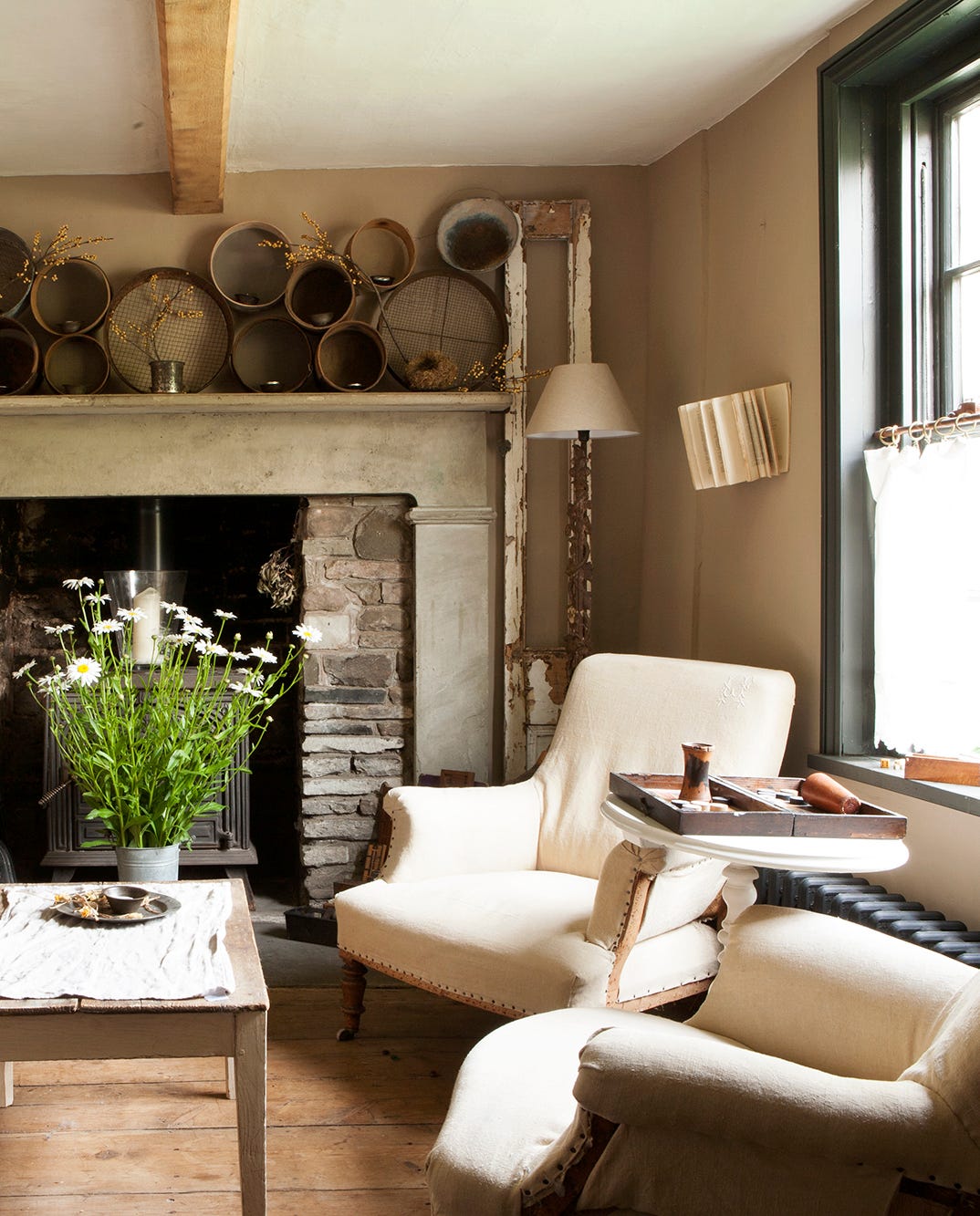
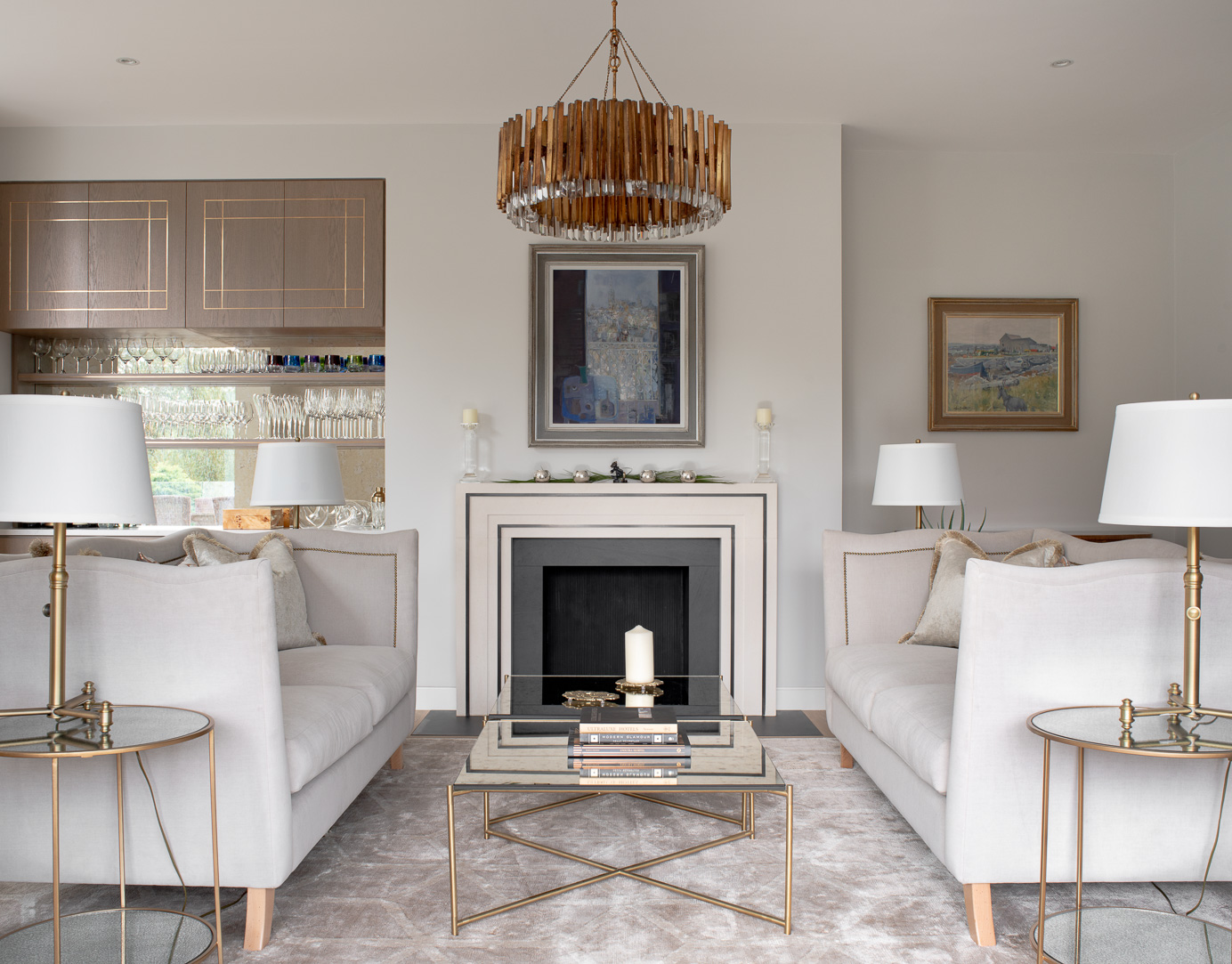
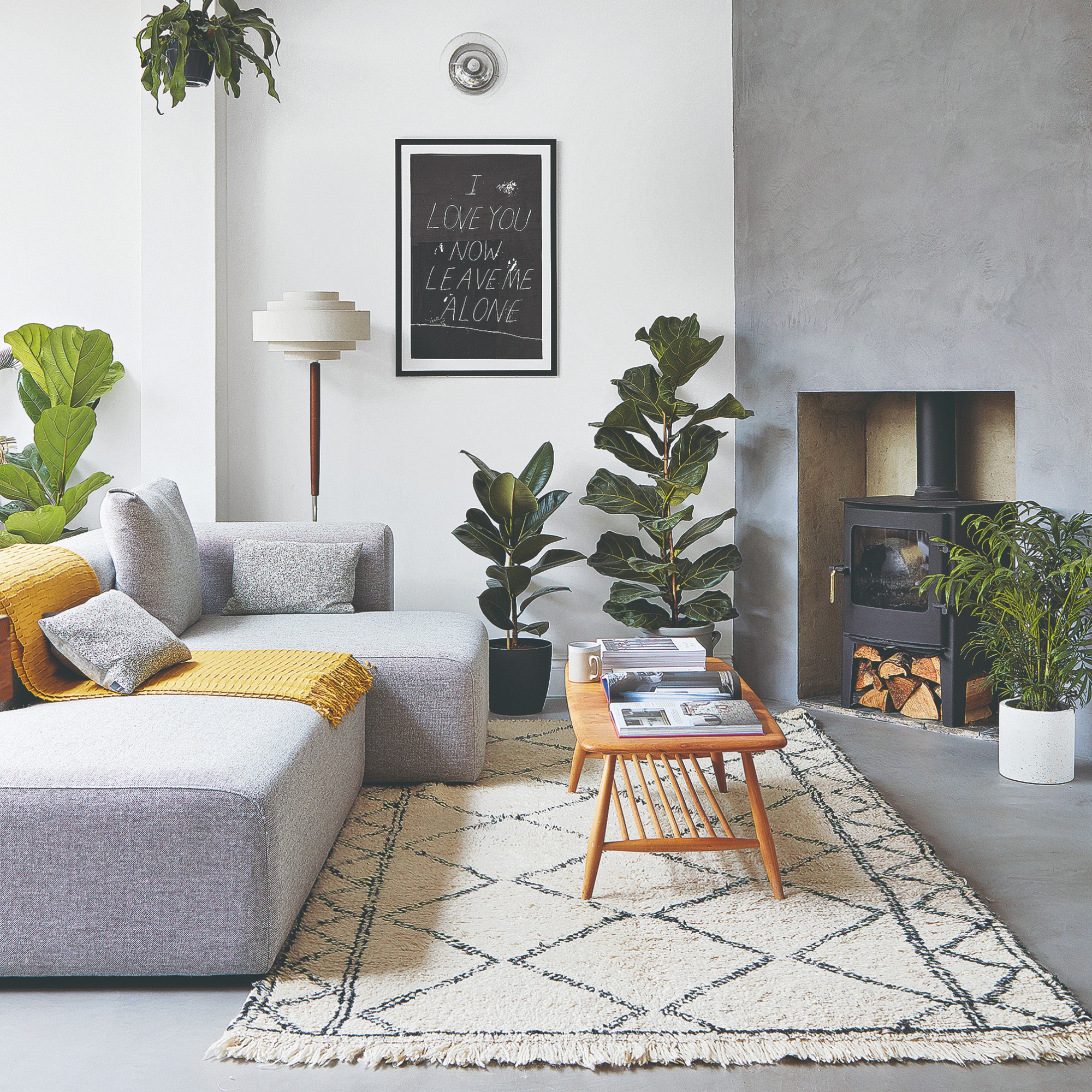
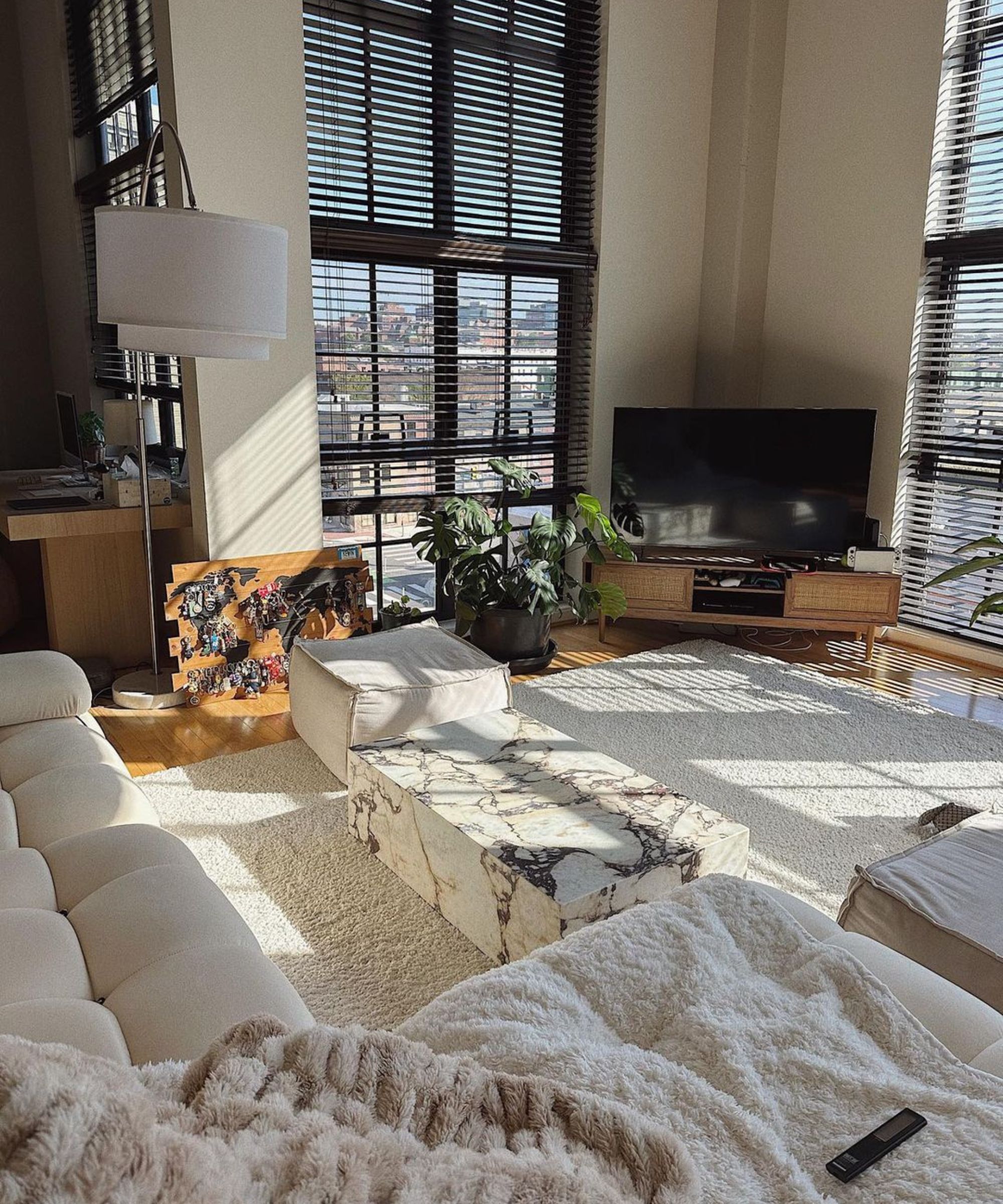
The article explores various design strategies to maximize space and functionality in small living rooms. It begins by highlighting the common challenge of feeling overwhelmed by limited space and reframing it as an opportunity for creative interior design. The author emphasizes that while many people fall into predictable living room layouts, space constraints can encourage innovative solutions. Interior designer Regan Baker stresses the importance of considering function, flow, and proportions in compact rooms, aiming to create inviting and comfortable environments despite size limitations.
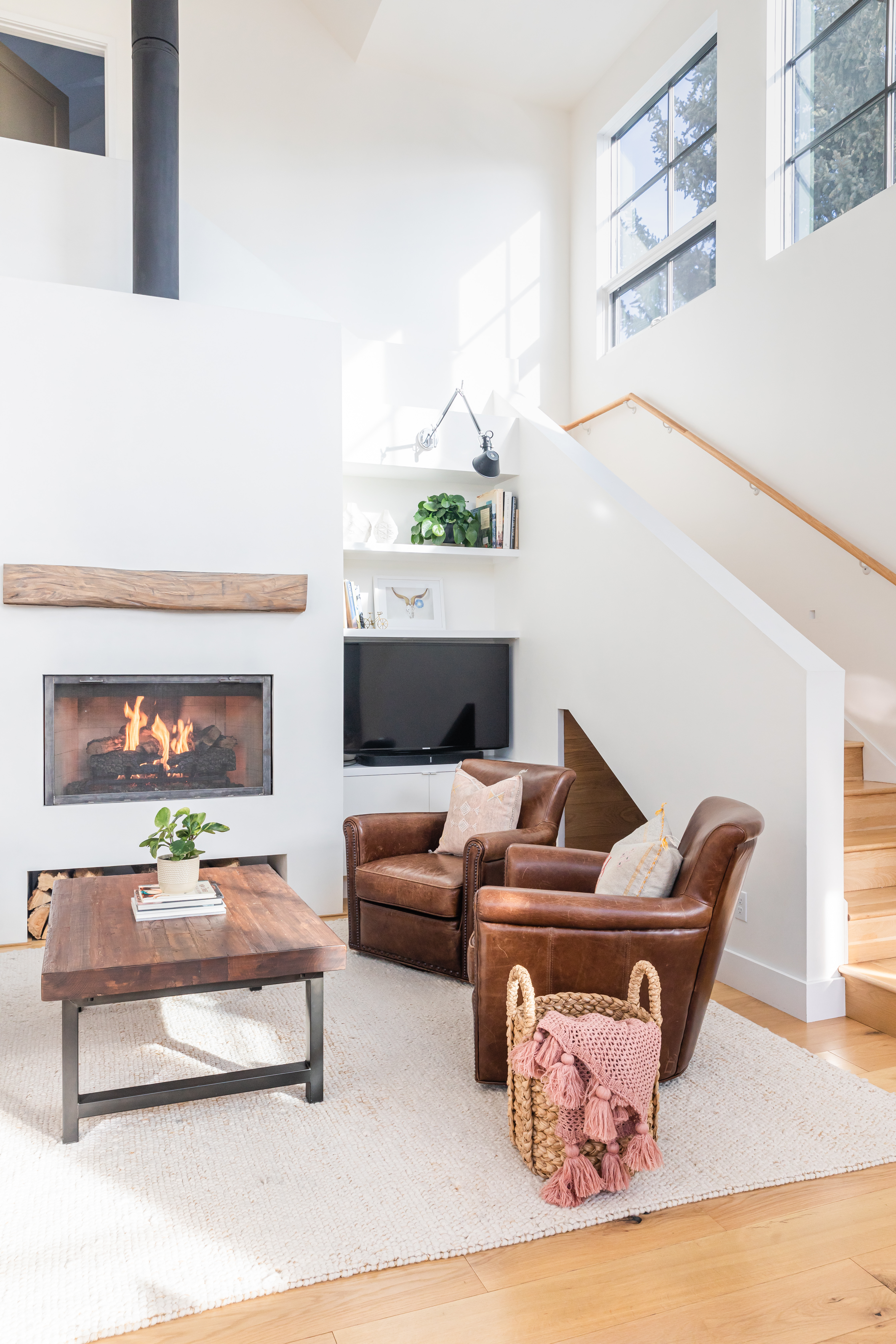
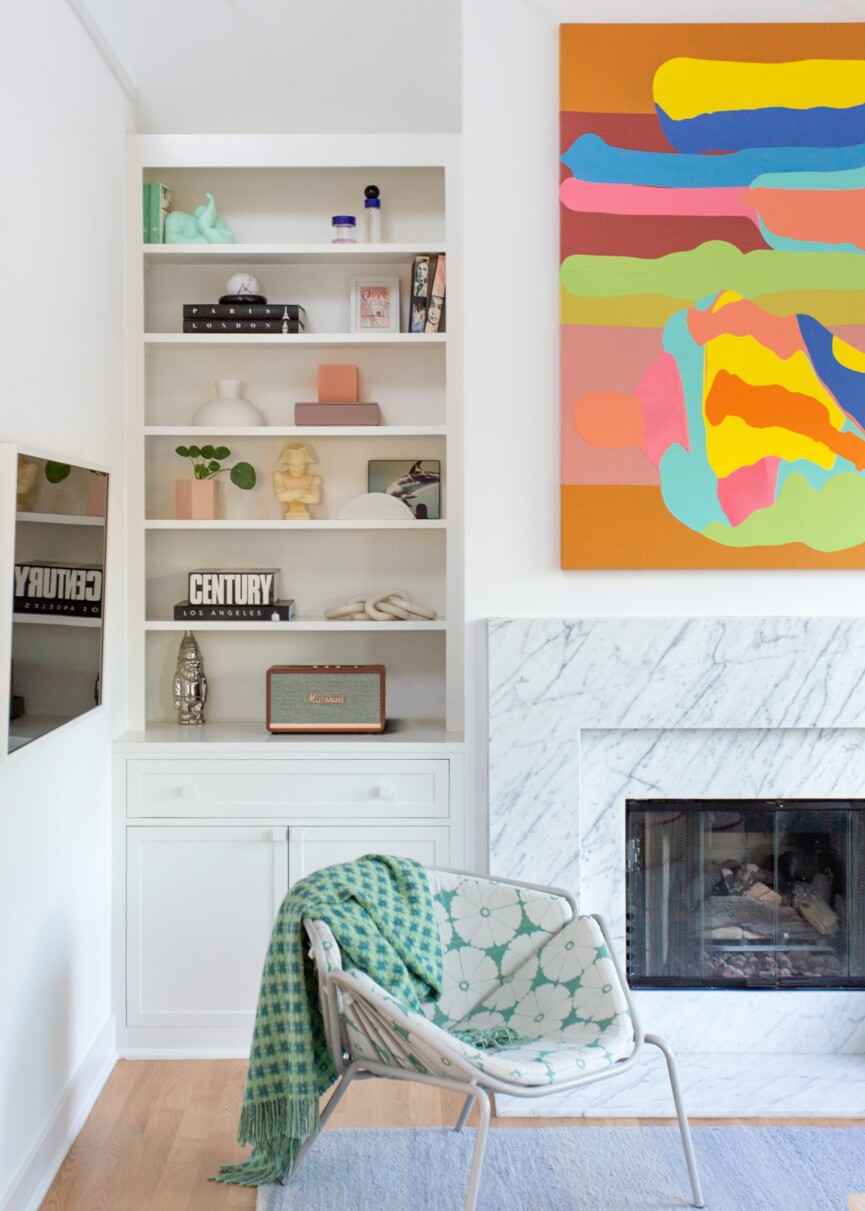
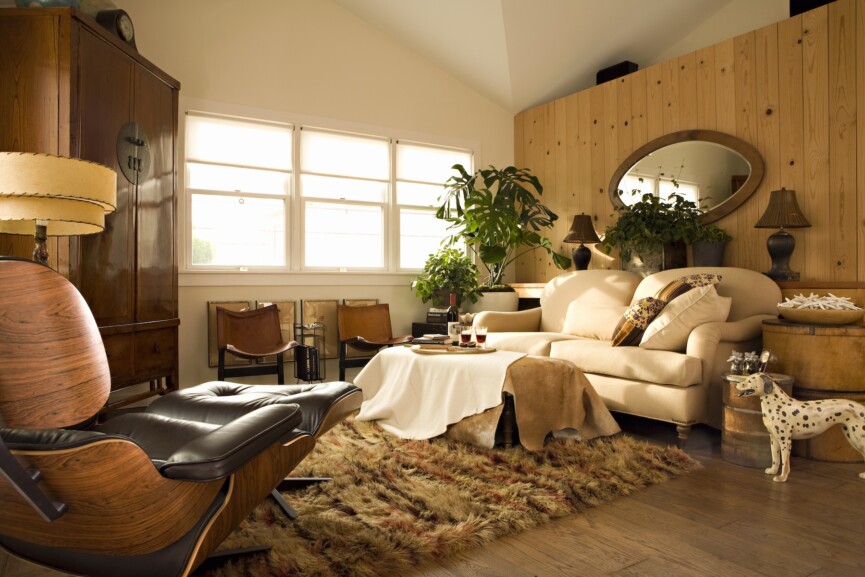
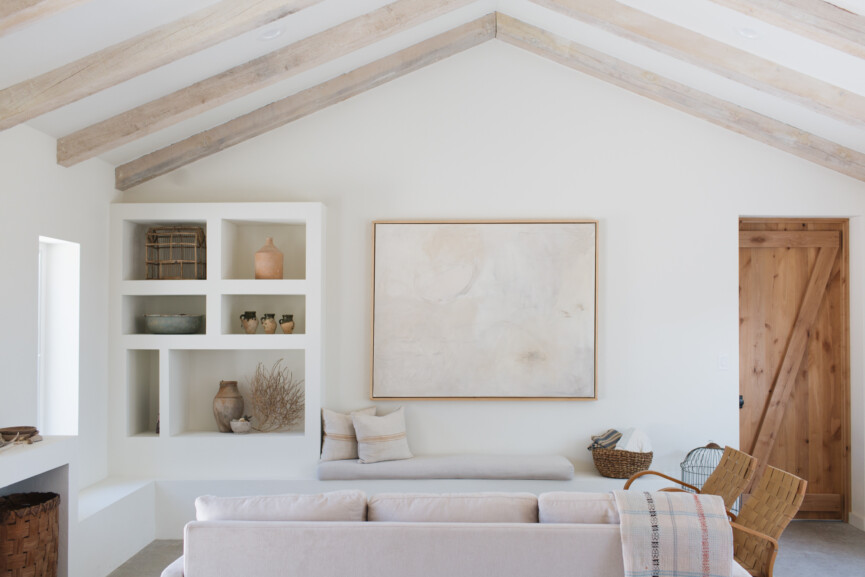
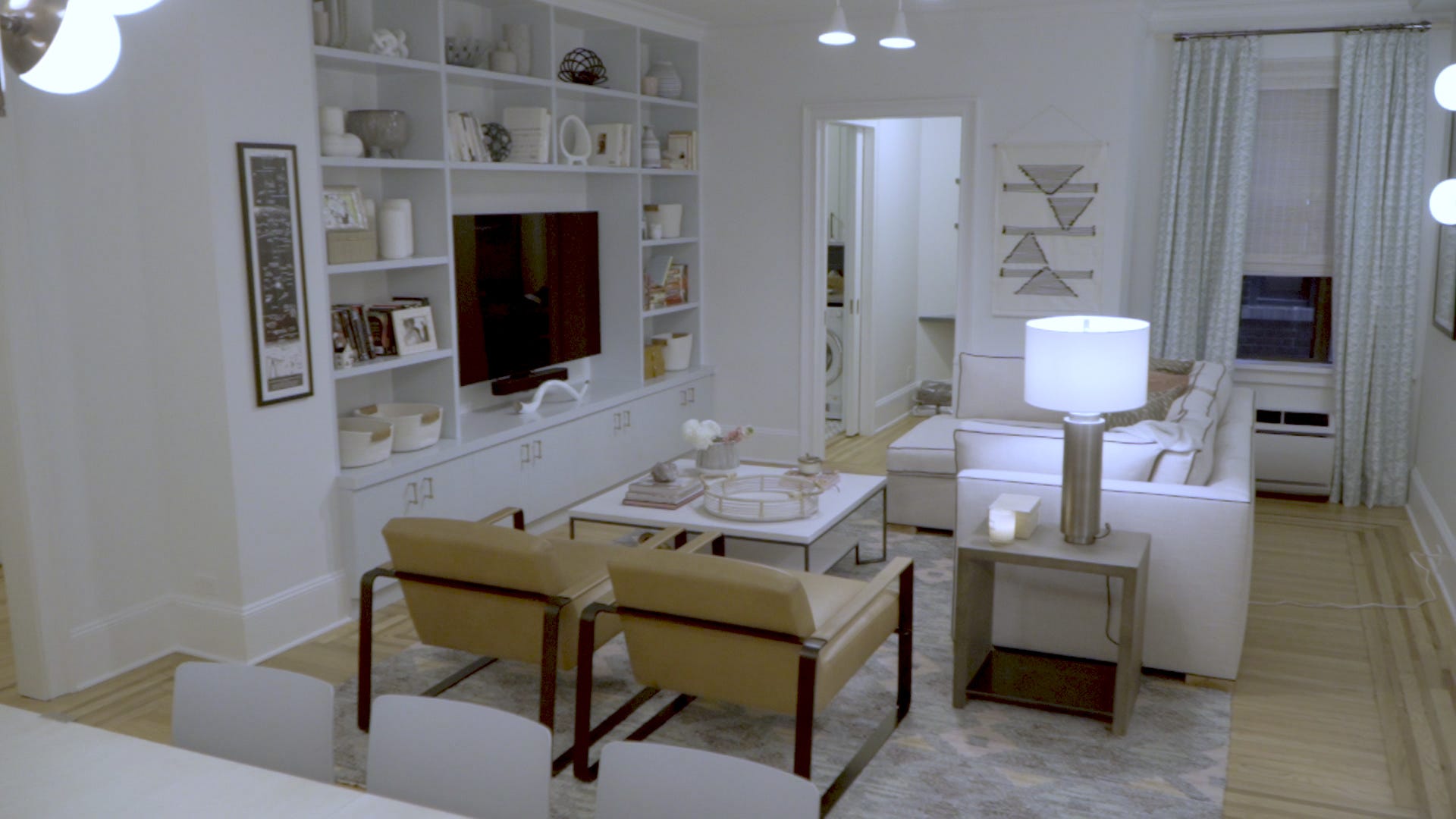
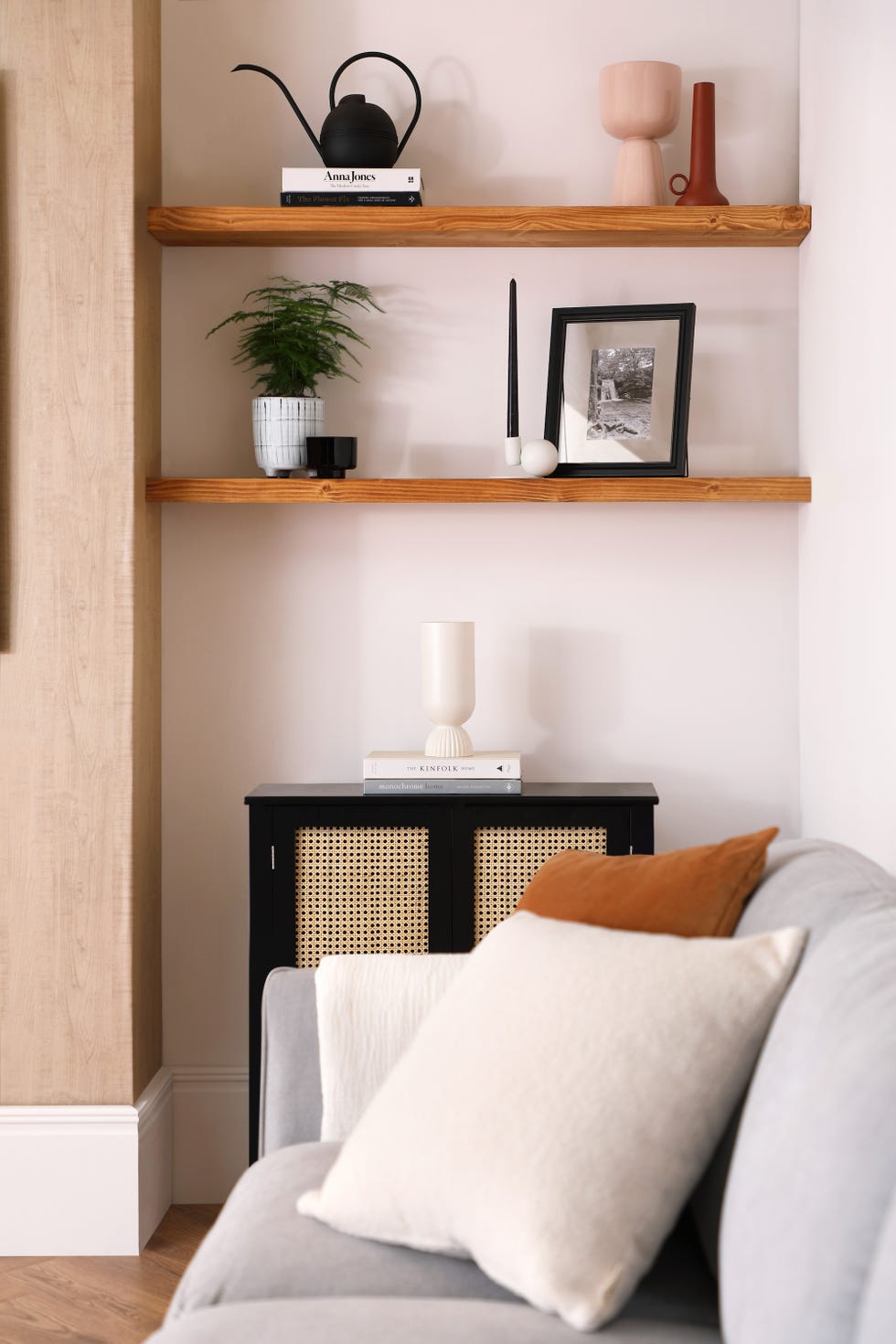
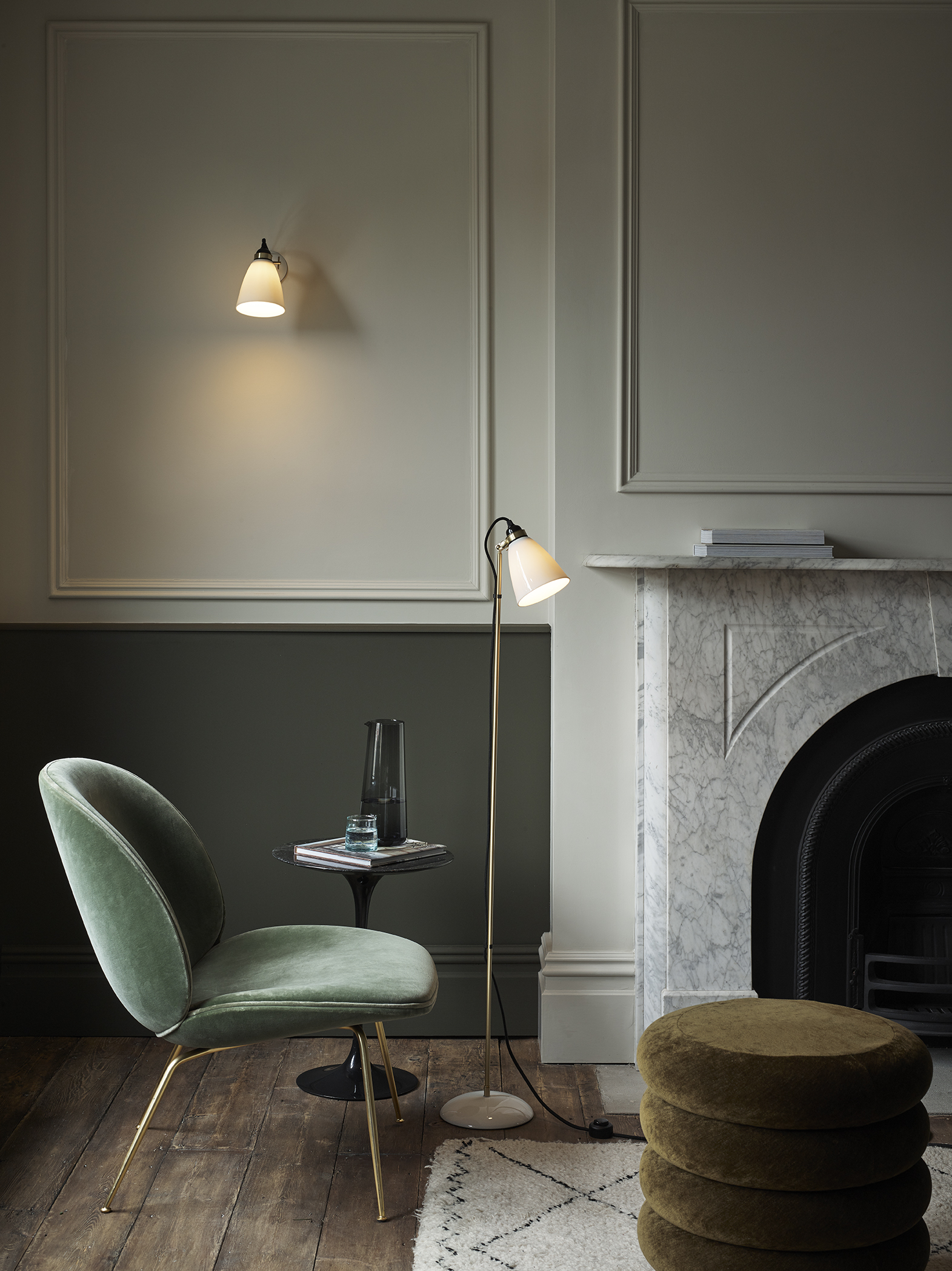
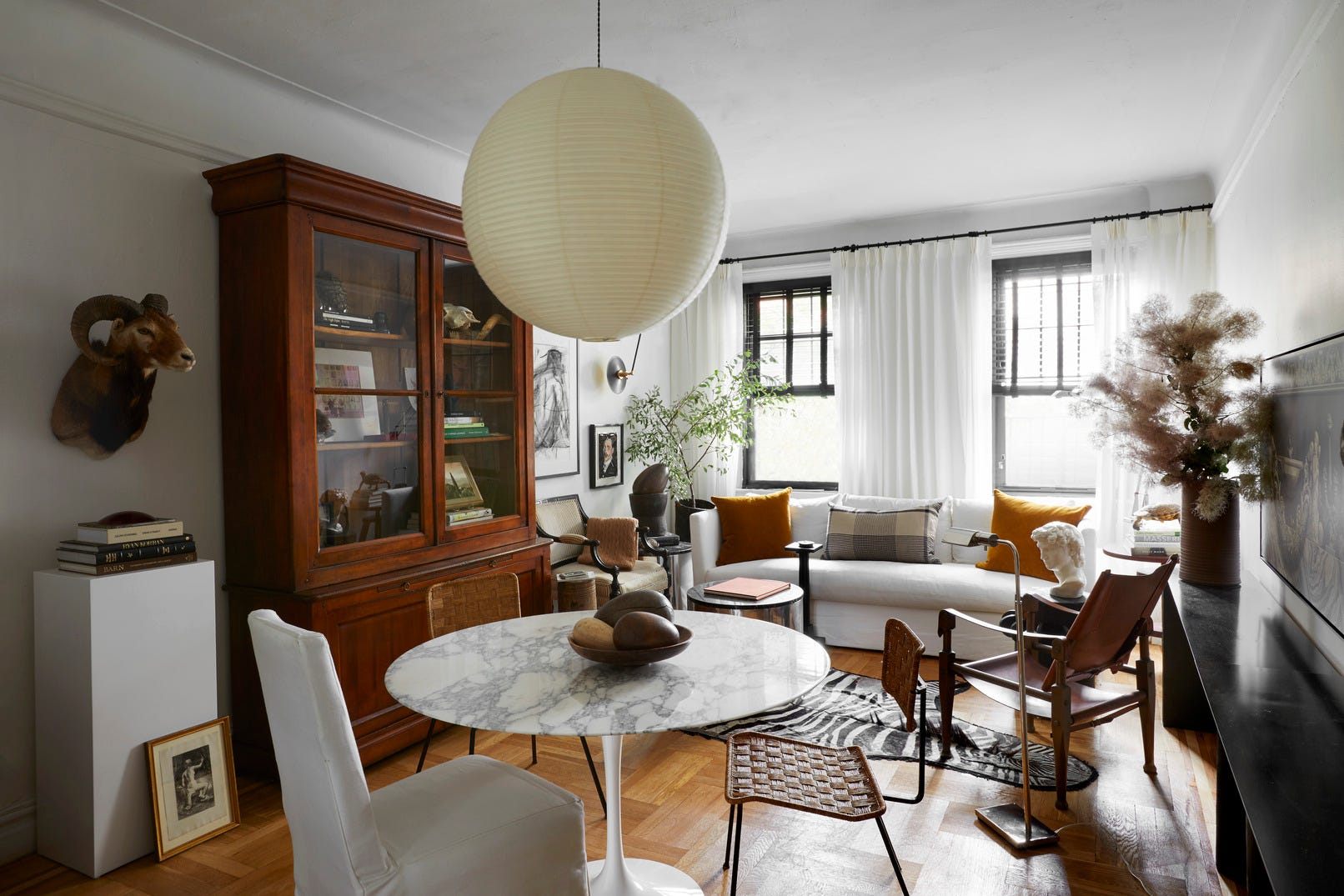
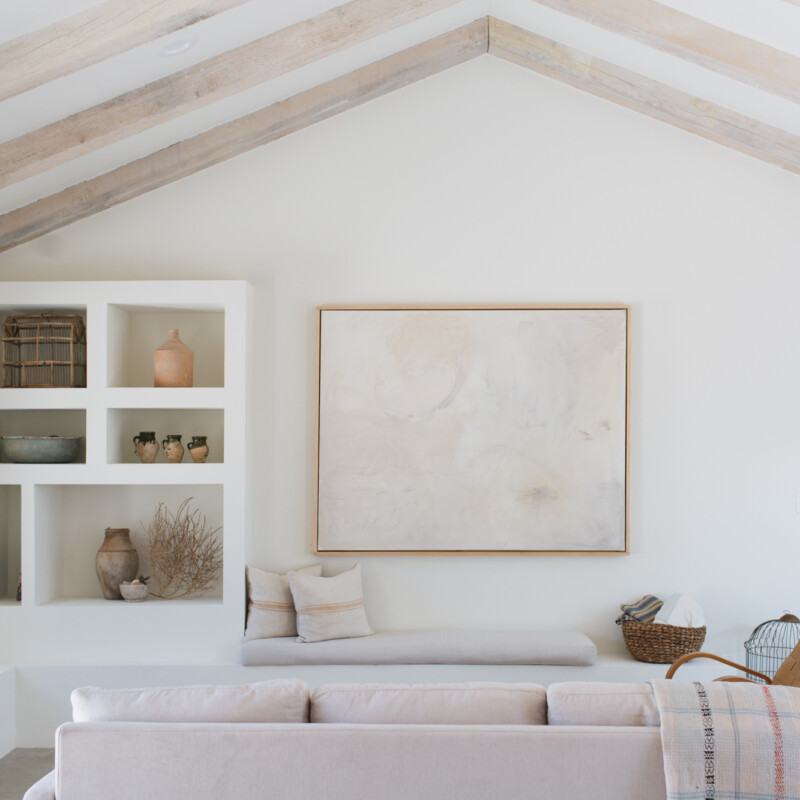
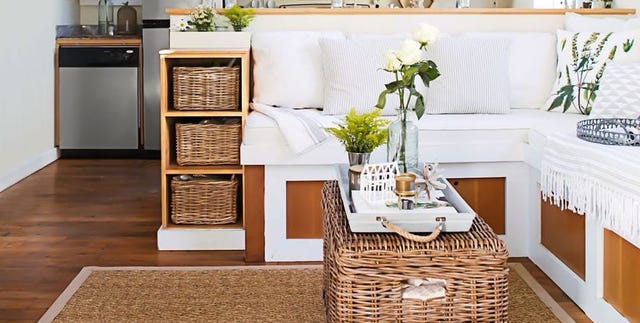
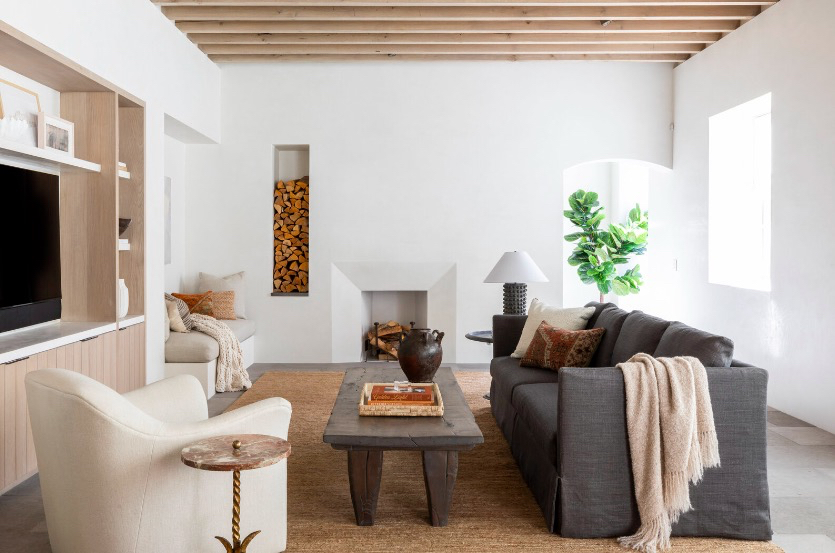
One key recommendation is to embrace built-ins, drawing inspiration from architect Frank Lloyd Wright's functional designs. Built-in shelving not only provides practical storage but also integrates seamlessly into the room, adding texture without overwhelming the space. Another crucial tip is to honor every anchor piece of furniture. Karen Harautuneian of Hub of the House Studio advises selecting furniture that is both comfortable and usable, suggesting a focus on essential items like a sofa, ottoman, and armoire, and building the rest of the design around them.
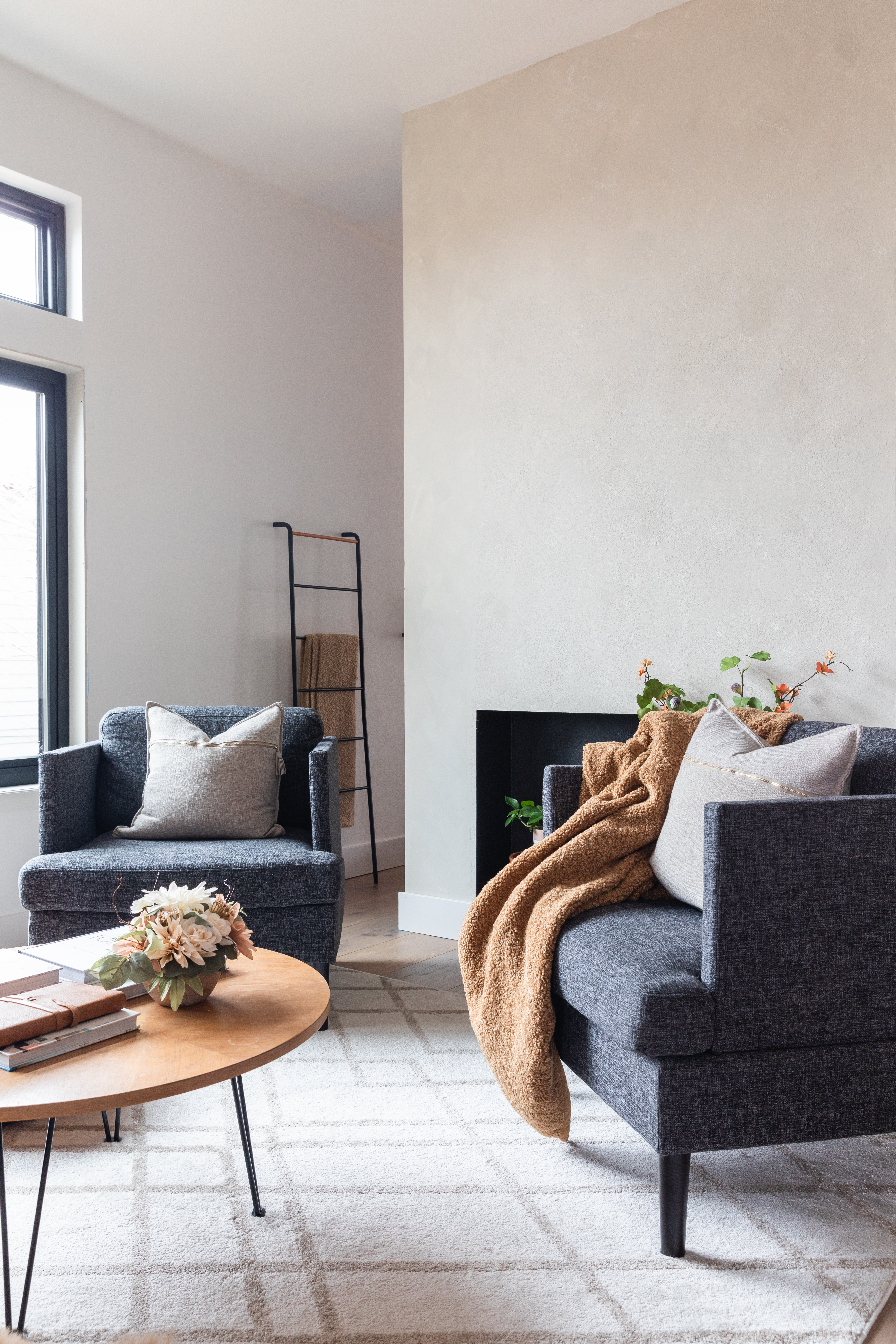
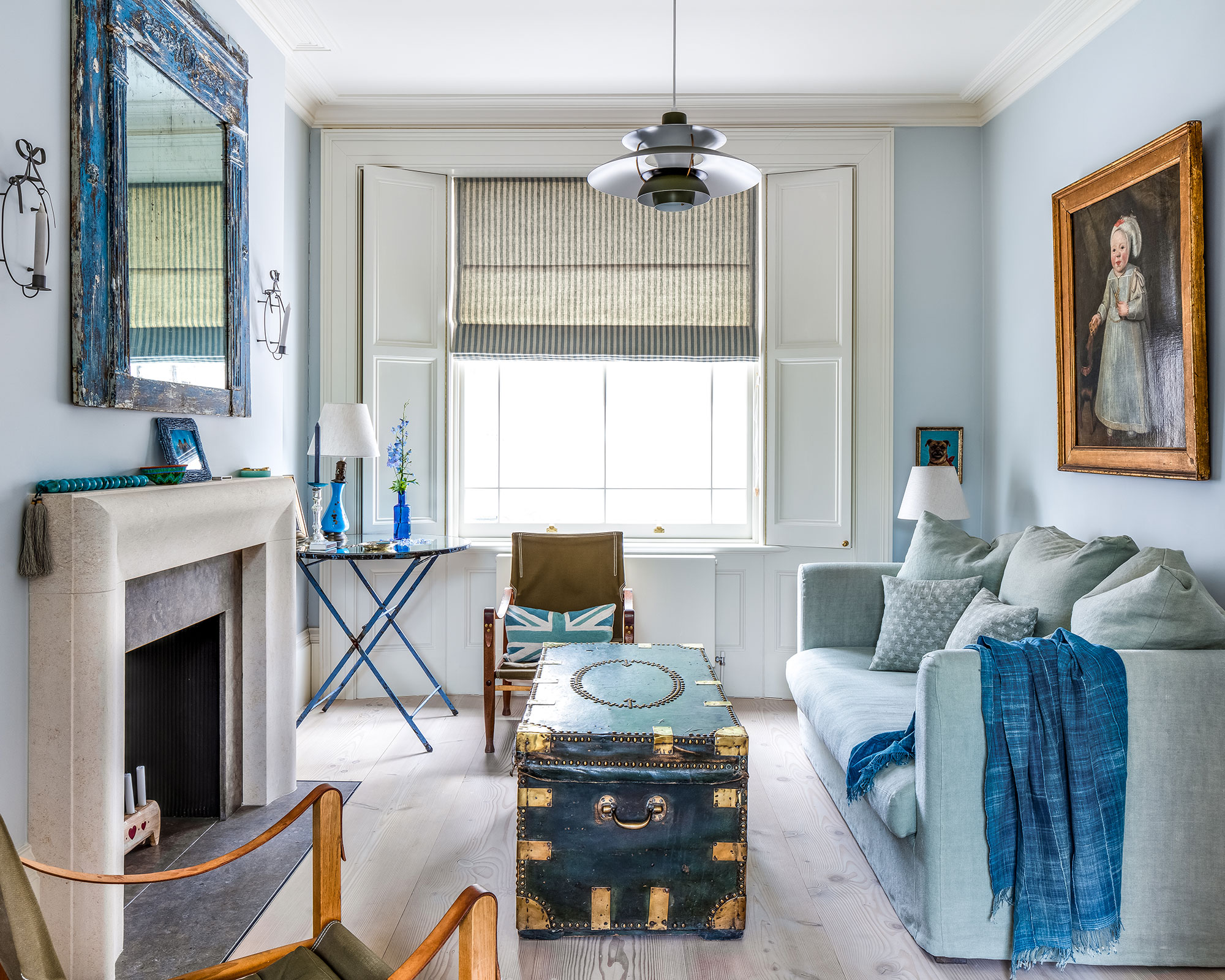
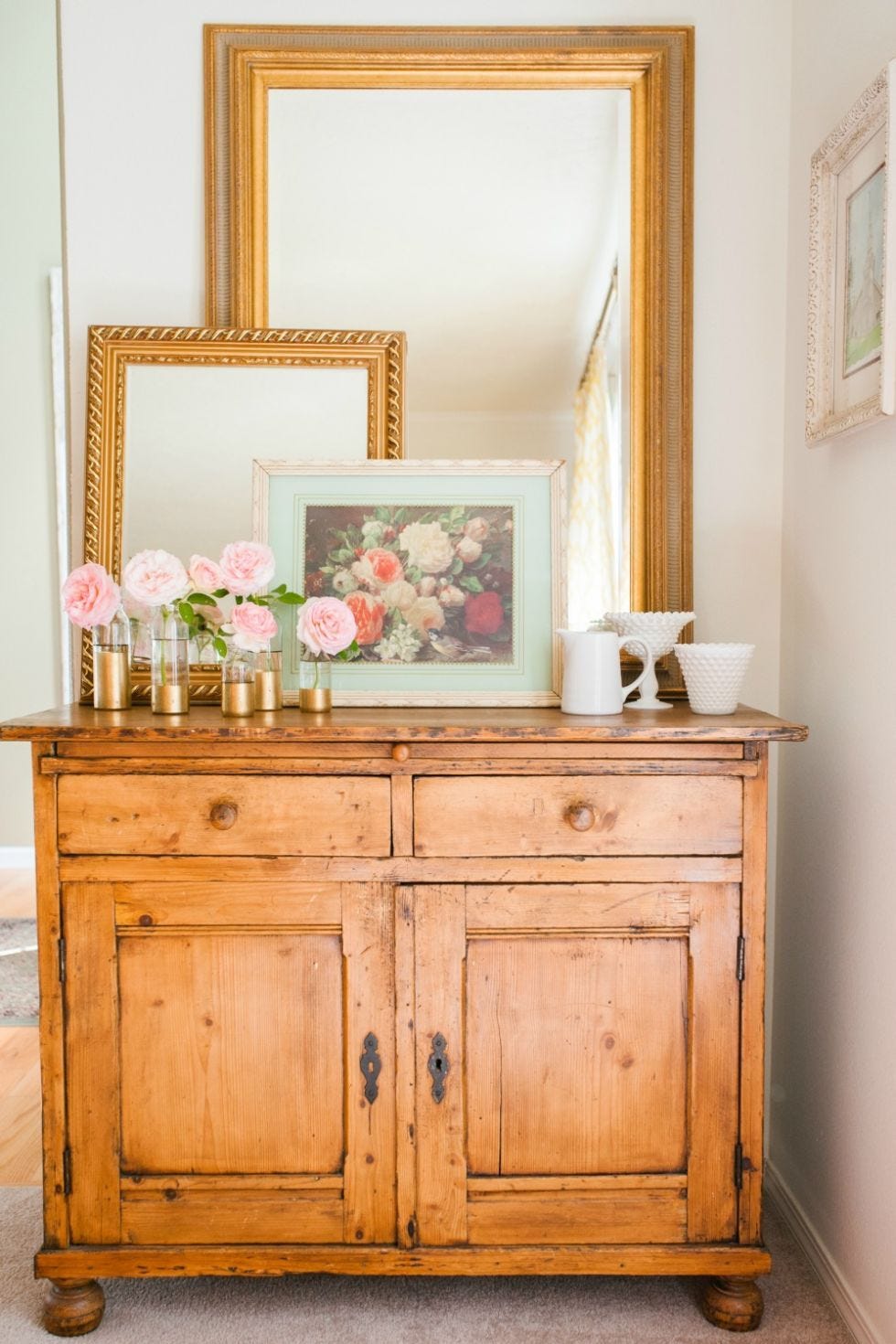
Designers also advocate for encouraging flow with less furniture. A common mistake is overcompensating for small spaces with too many items, which can make a room feel cramped. Instead, the article suggests rethinking additional tables and valuing negative space as a design element. A simple color palette is also recommended, with Harautuneian preferring natural tones to maintain an uncomplicated and cohesive look. While simplicity is key, concentrated and rich tones can be used as long as they flow and complement each other.
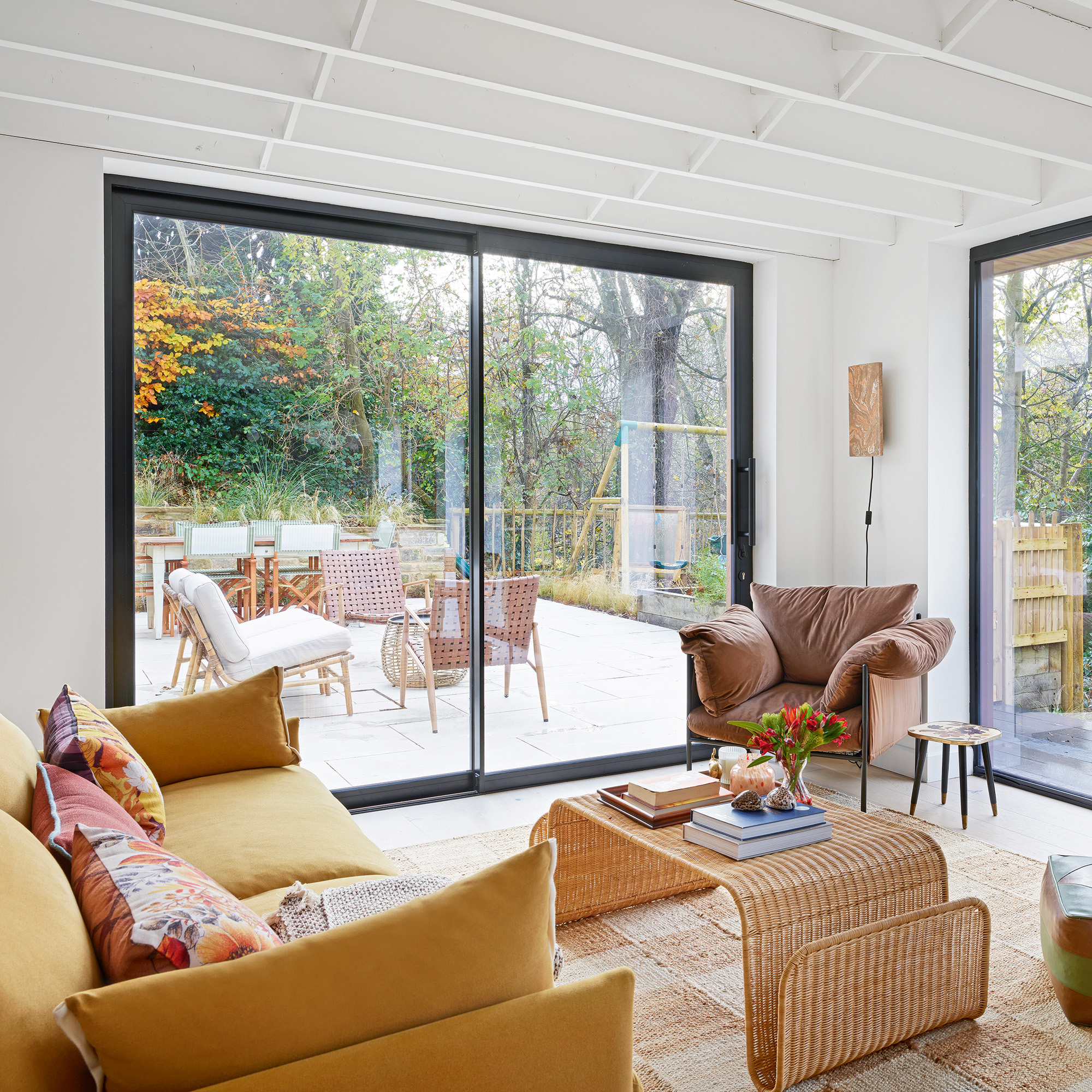
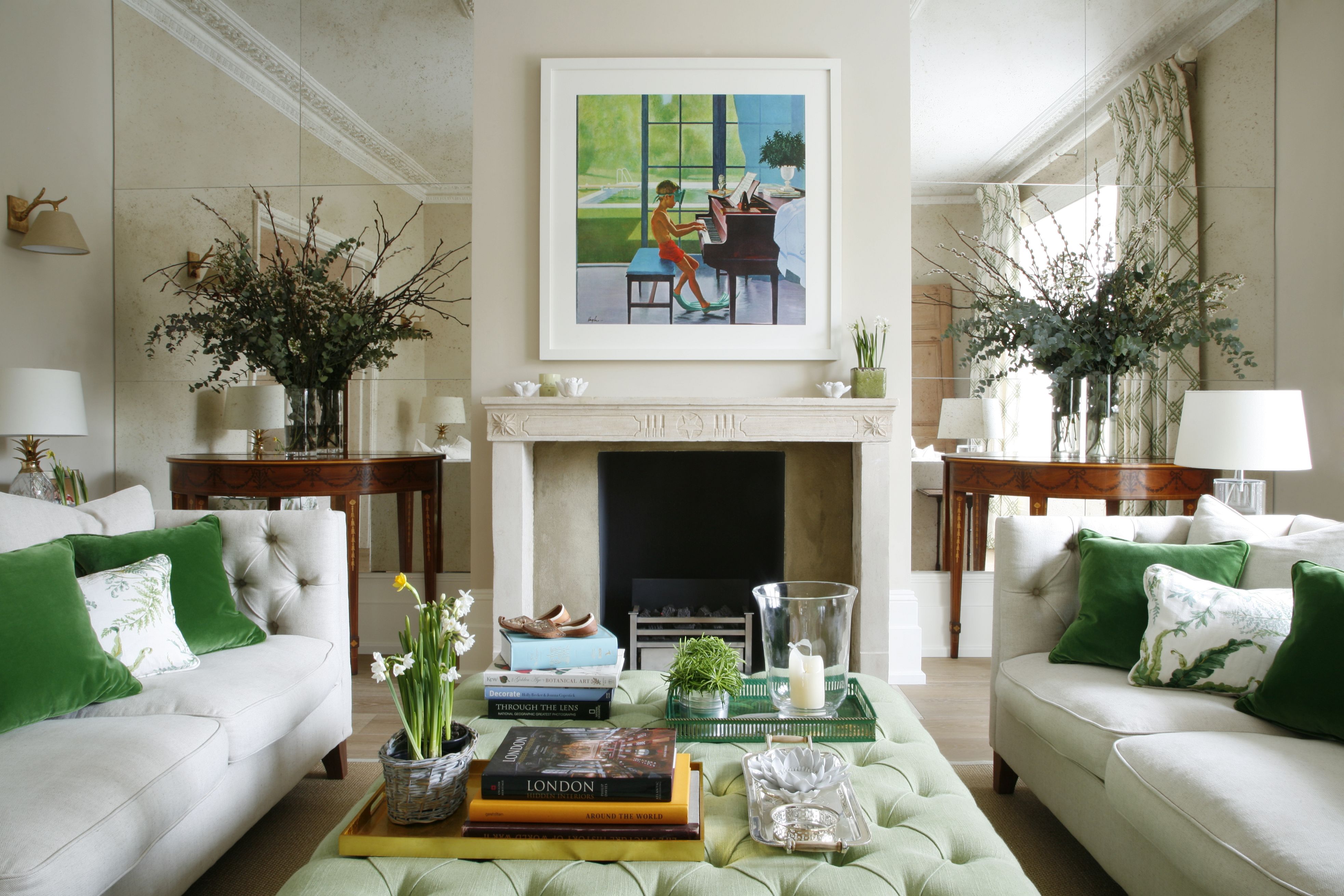
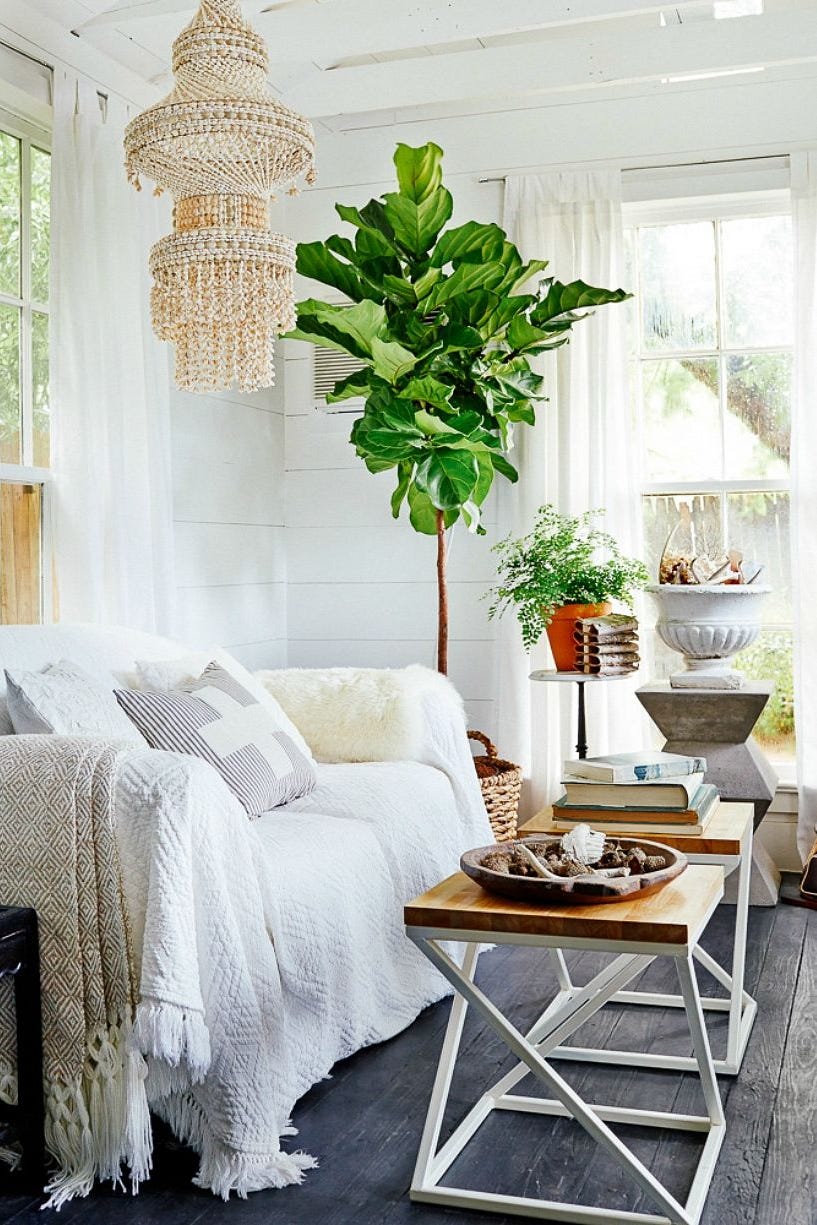

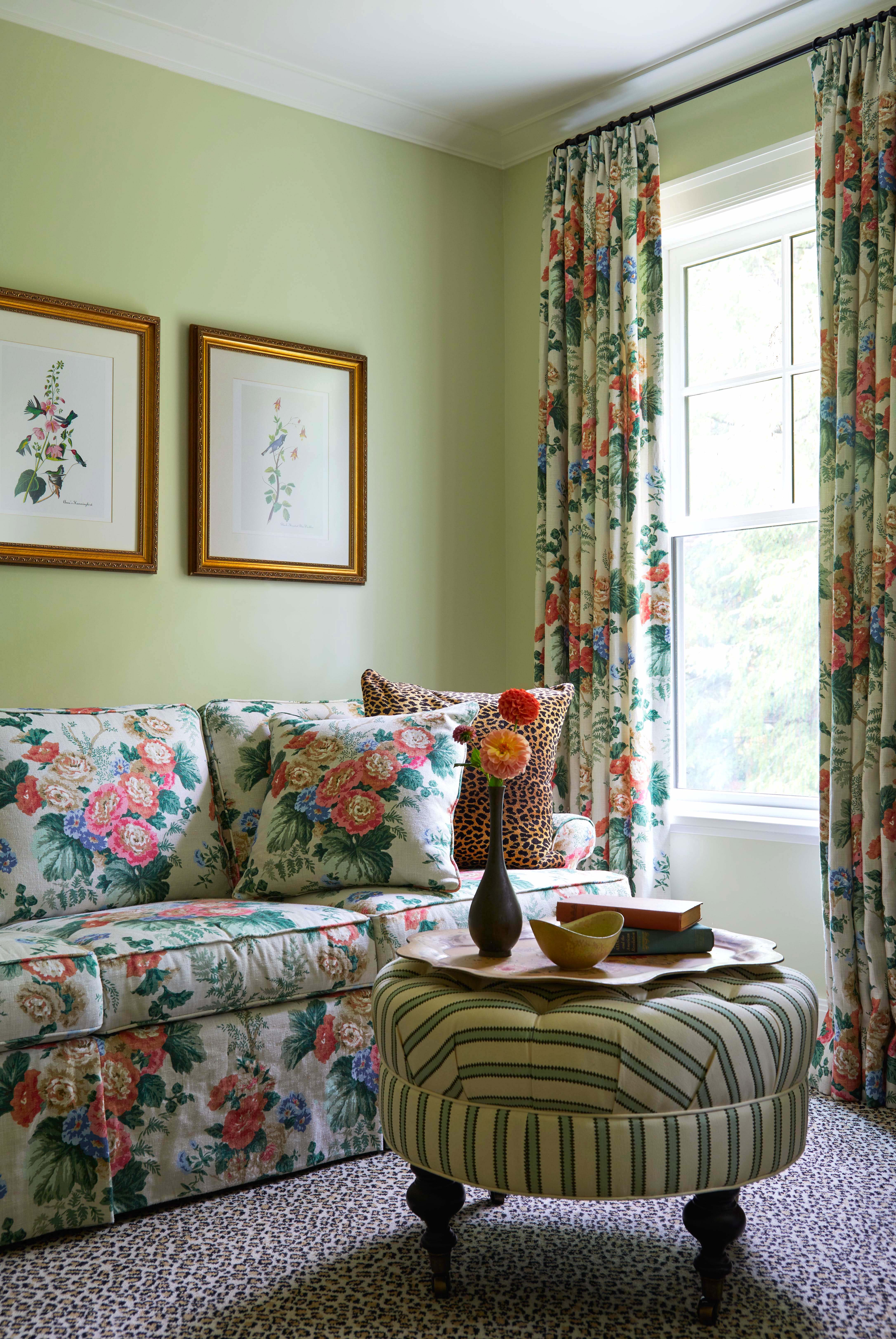
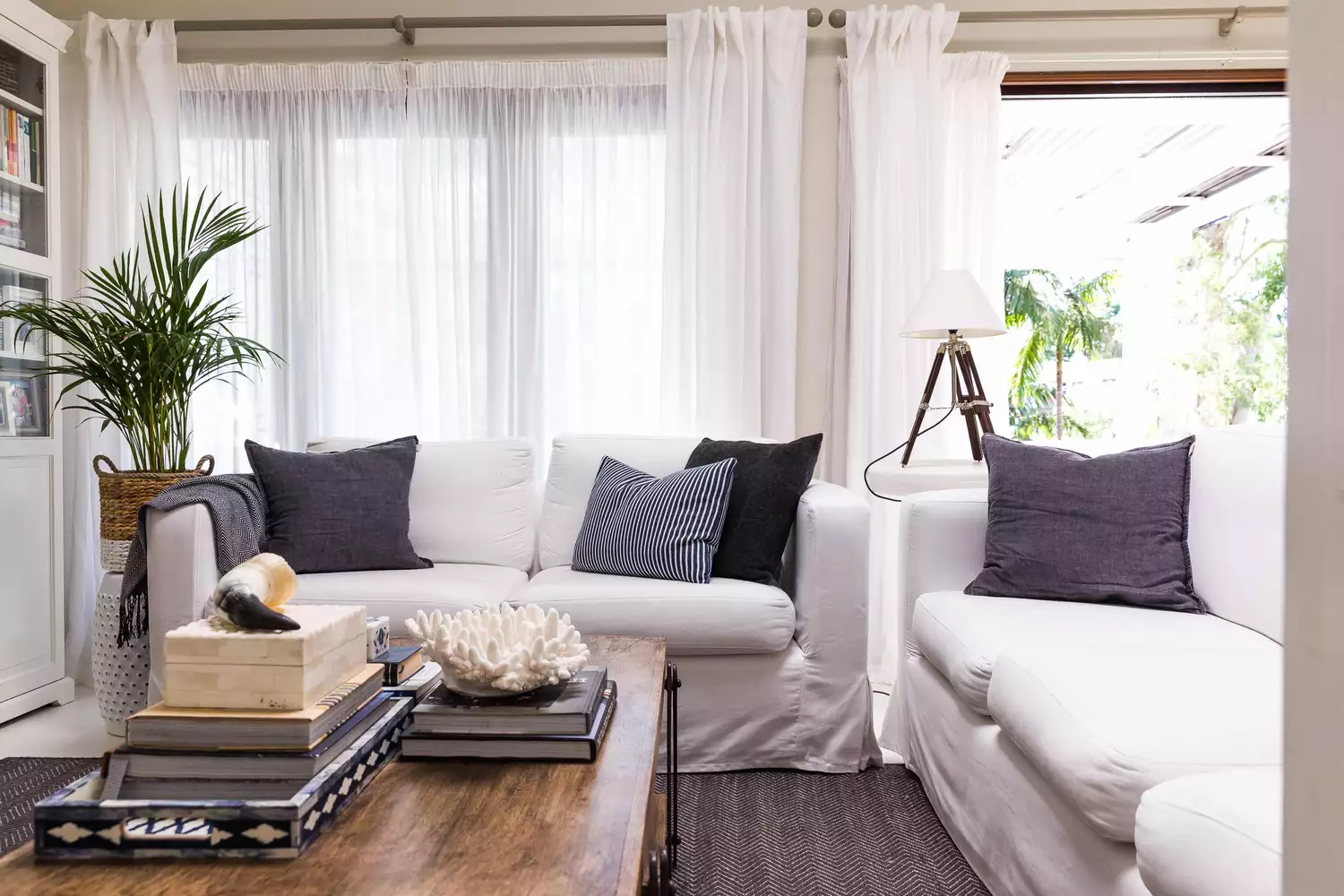
Effective planning is presented as imperative for a well-designed small living room. Amy Youngblood, principal designer at Amy Youngblood Interiors, advises carefully planning the layout to ensure proper flow and scale, which can prevent costly furniture mistakes. She suggests using drawing or design software to visualize the space. Incorporating stunning, floor-to-ceiling sheer drapes is another tip, as they add height to a room and allow natural light to brighten the space, making it feel larger.
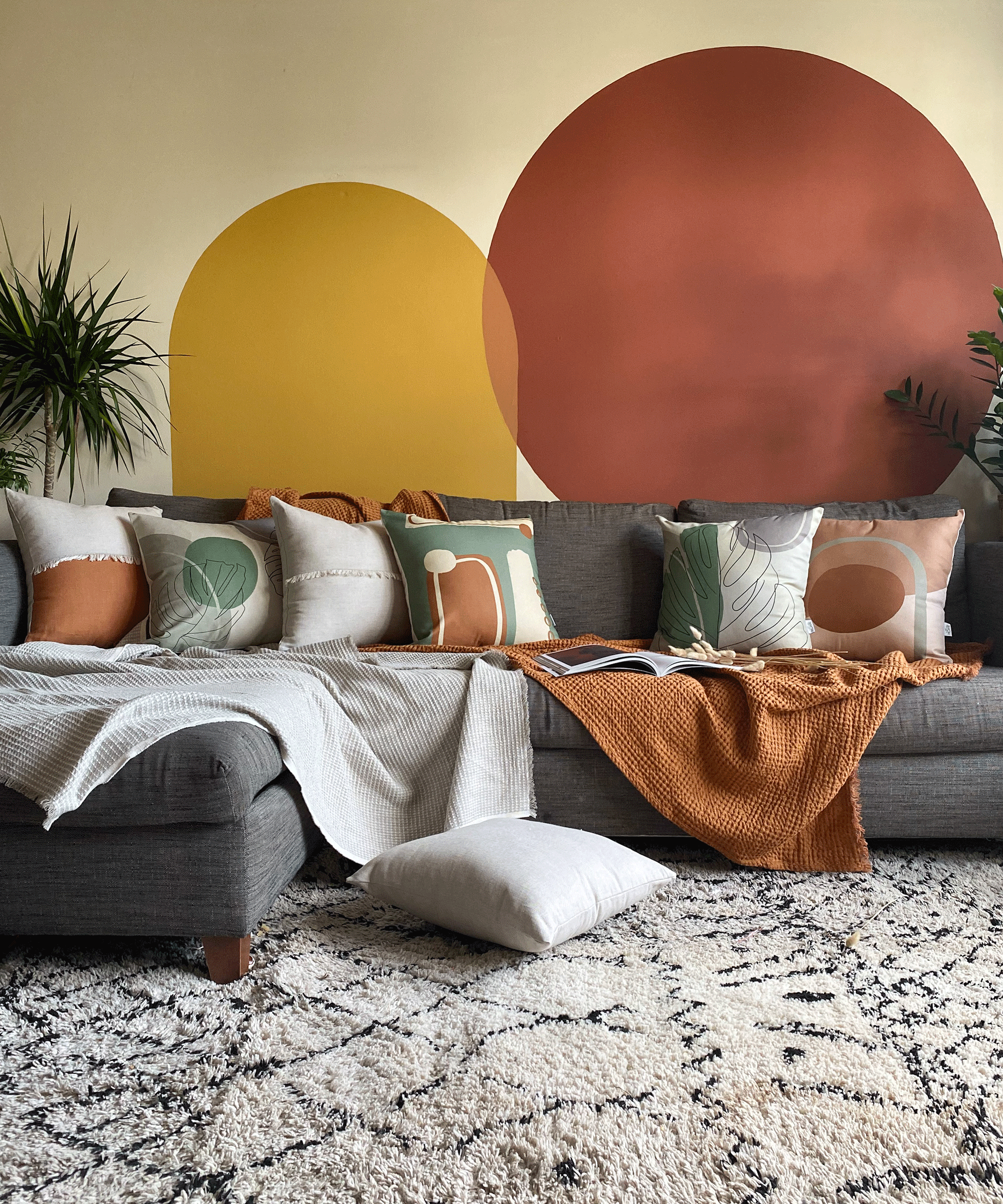
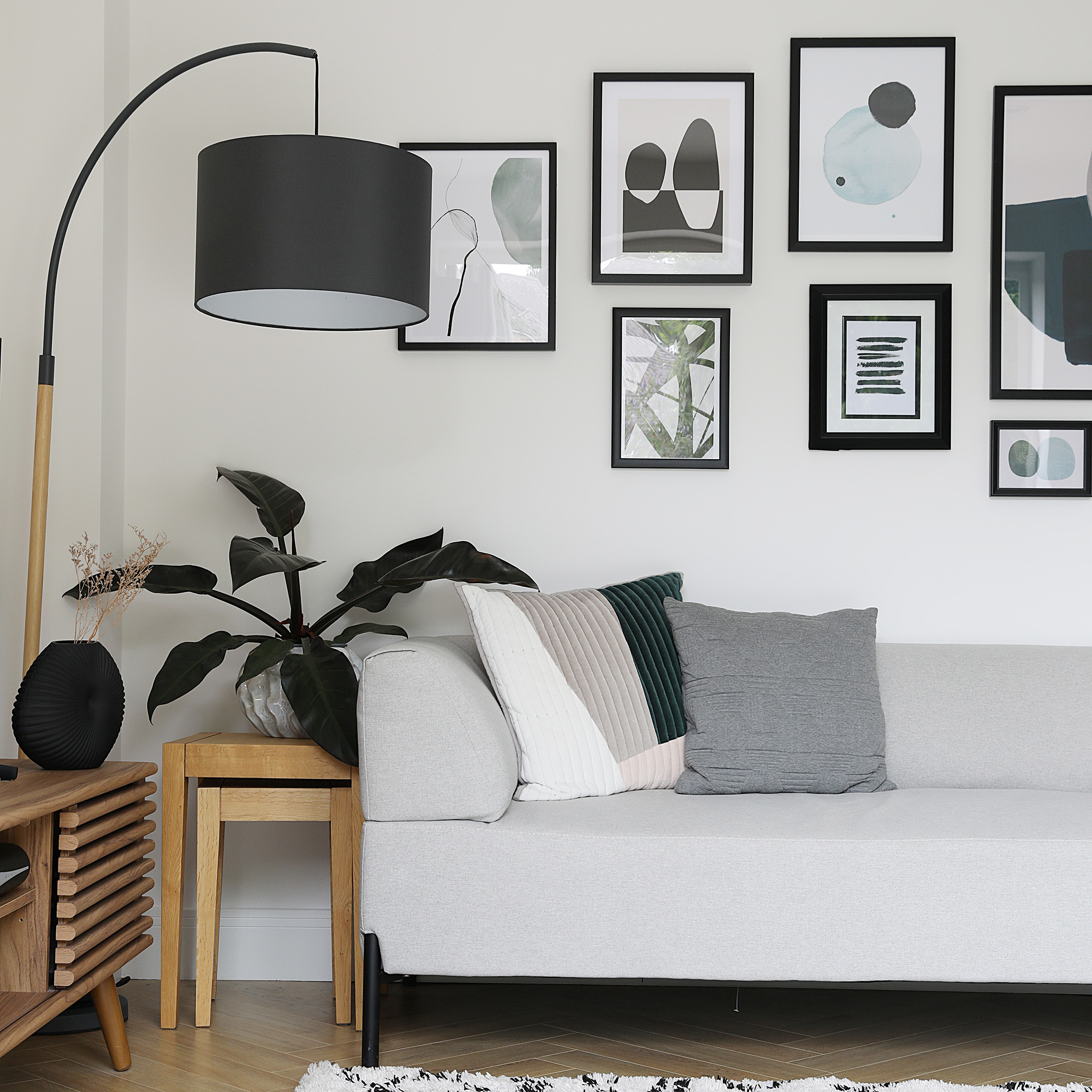
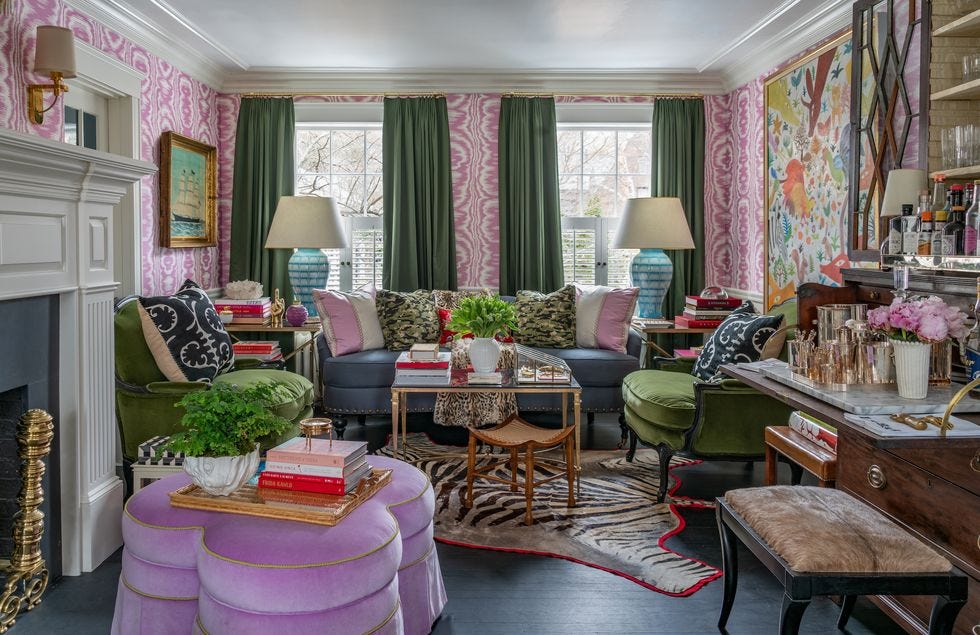
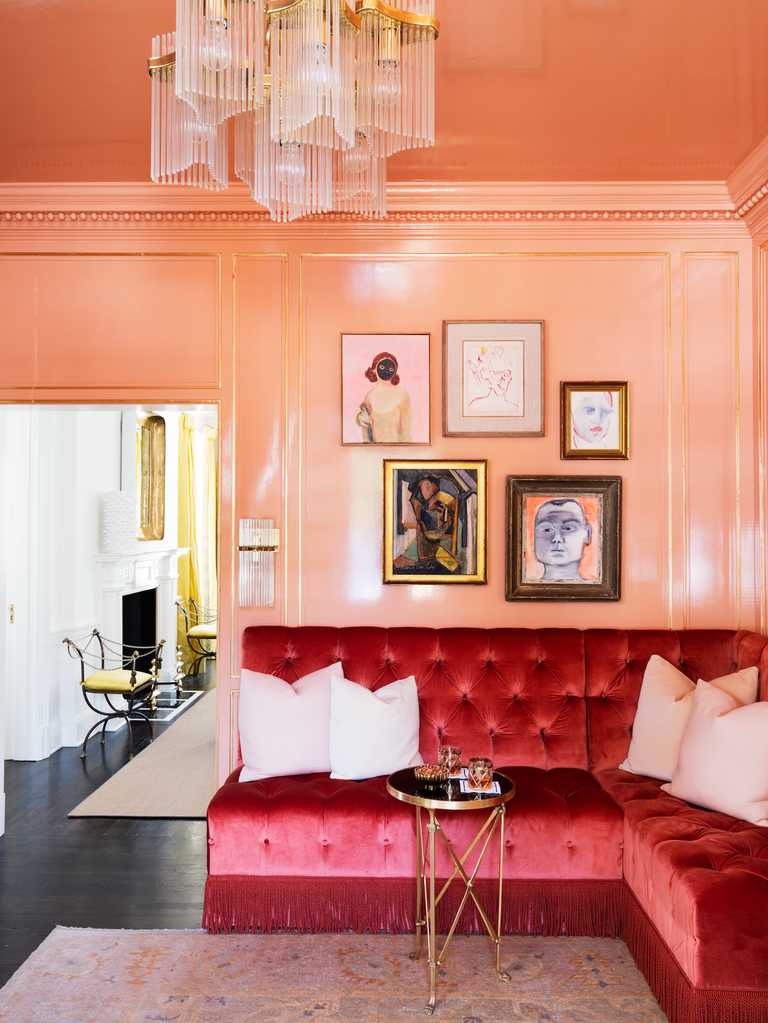
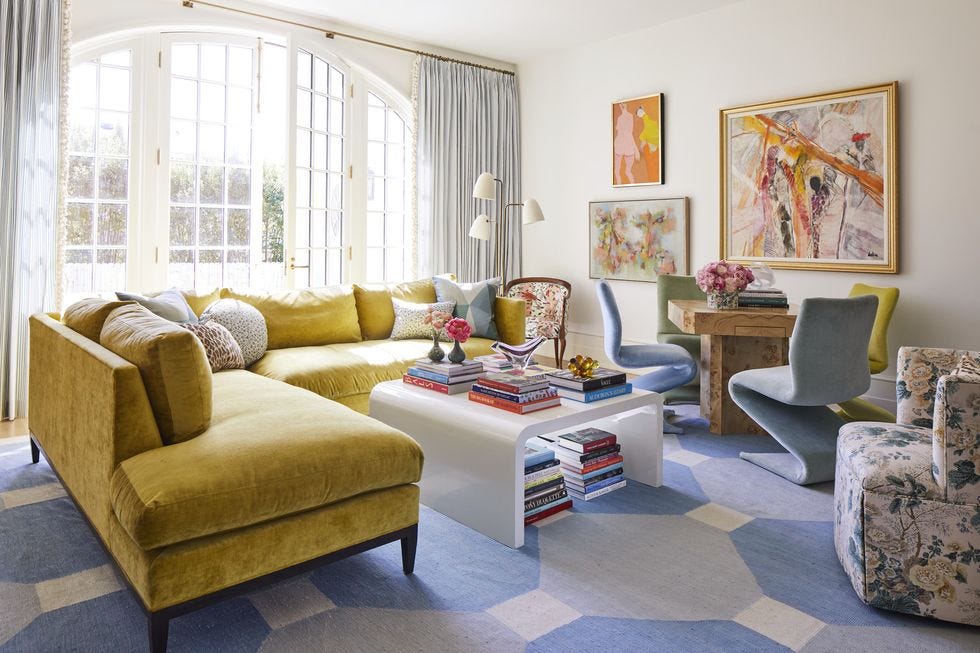
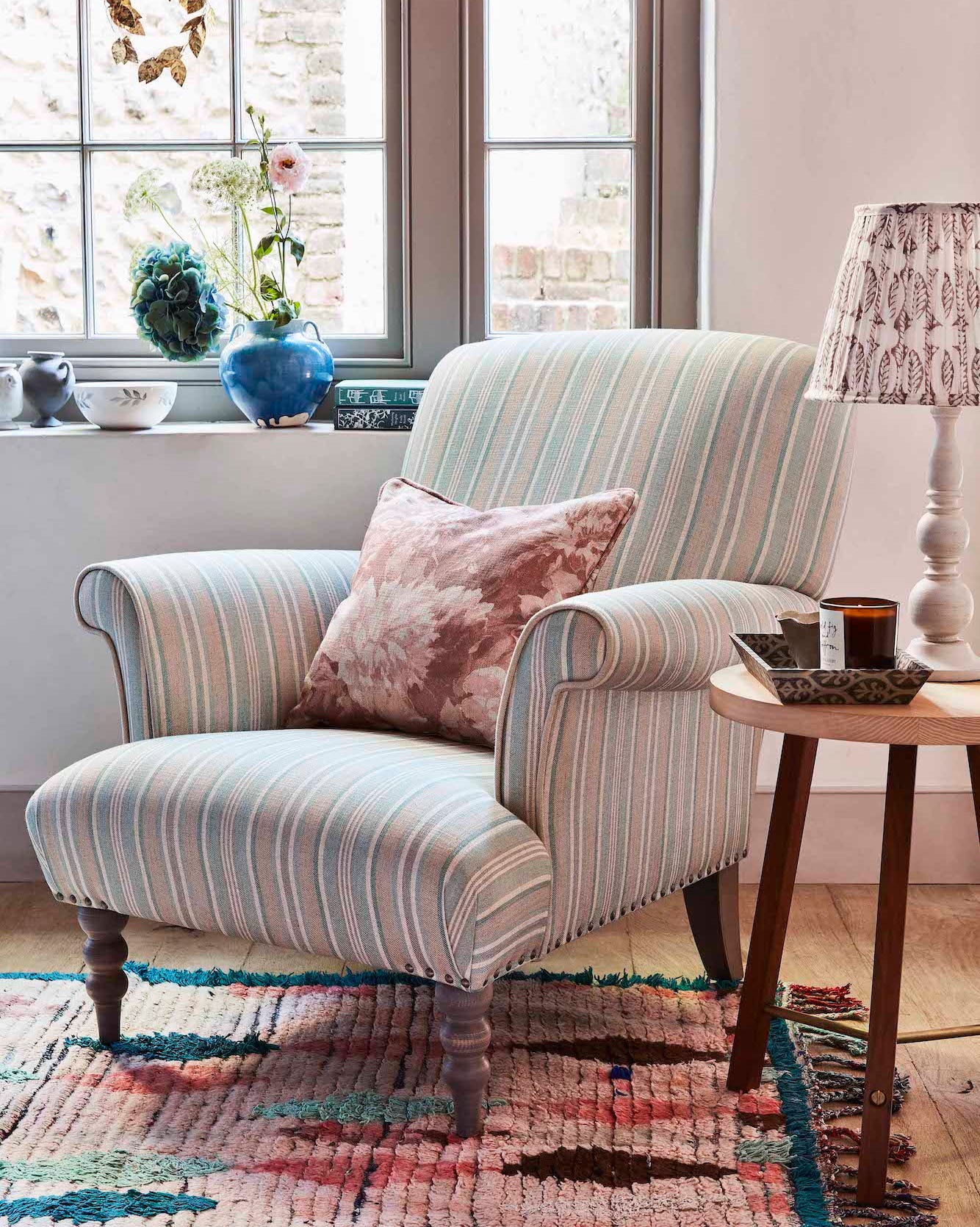
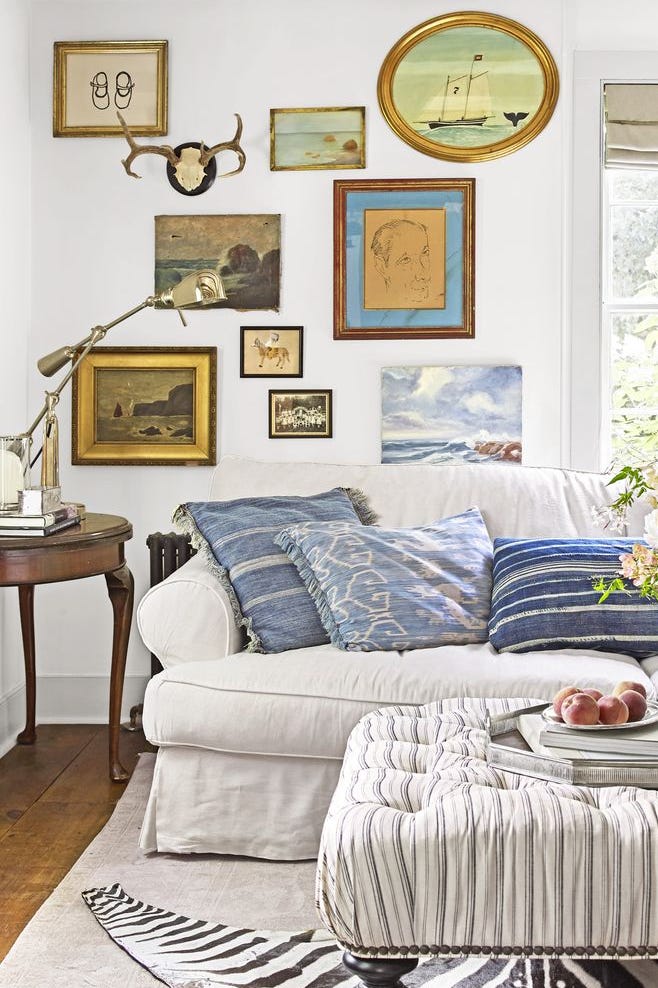

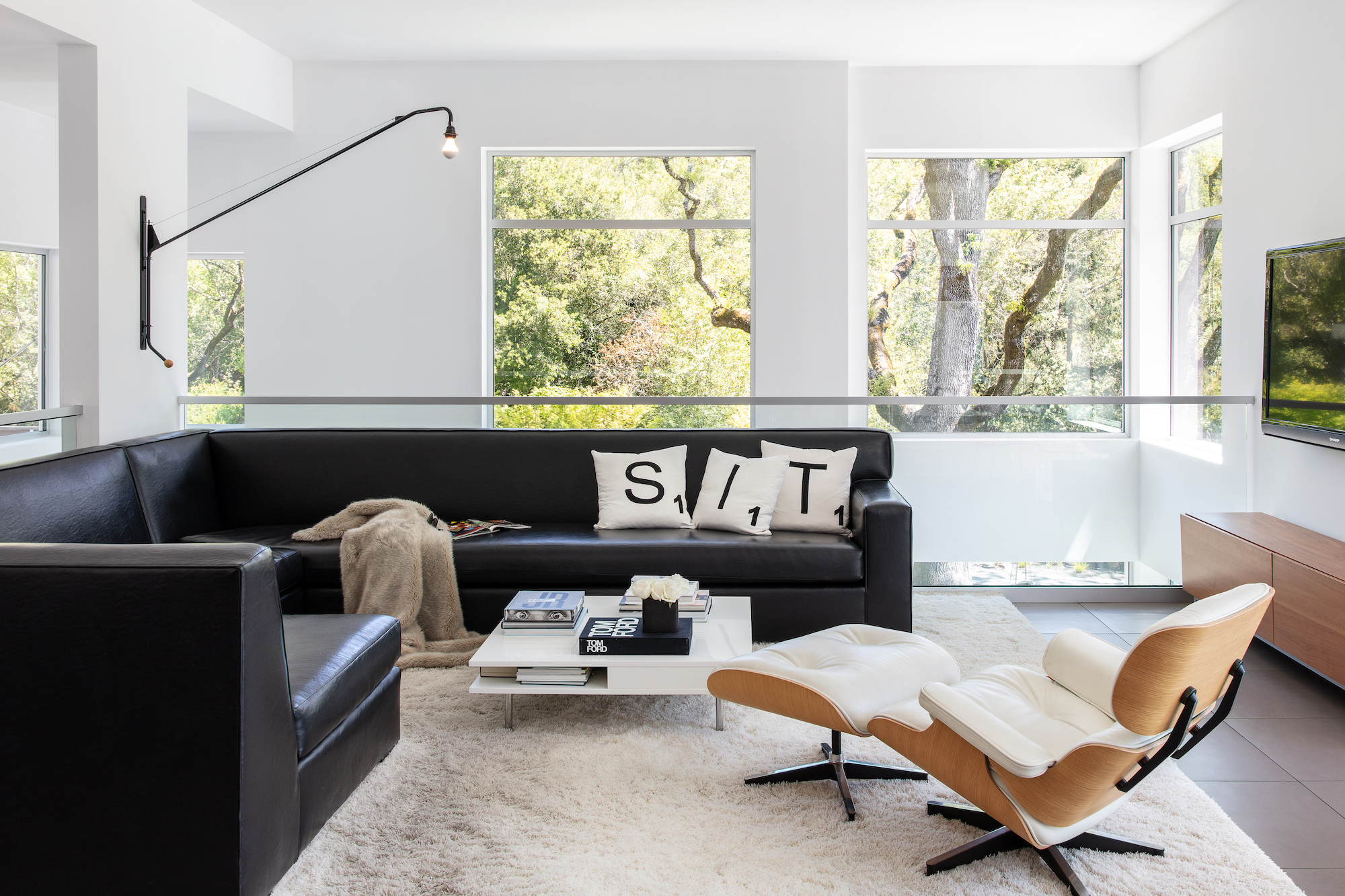
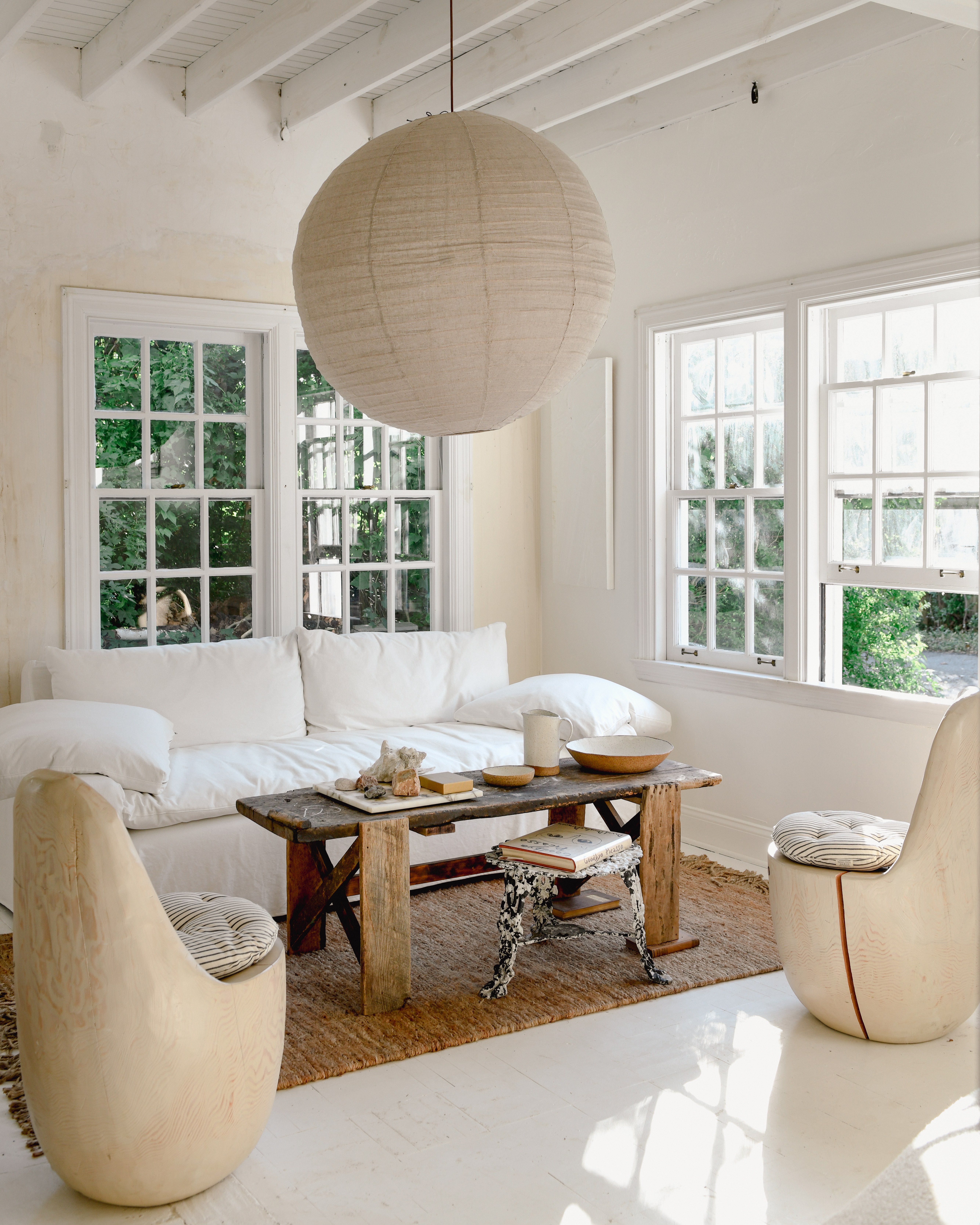
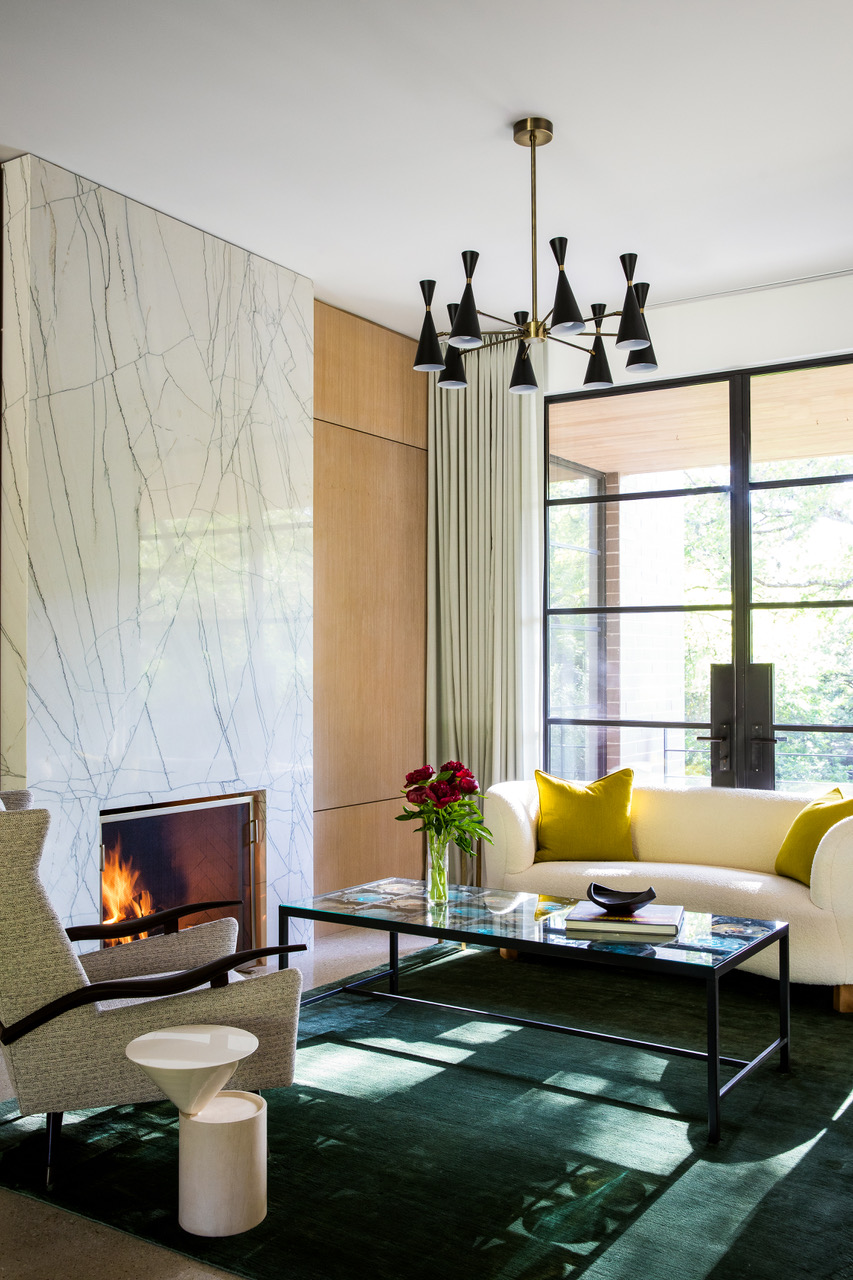
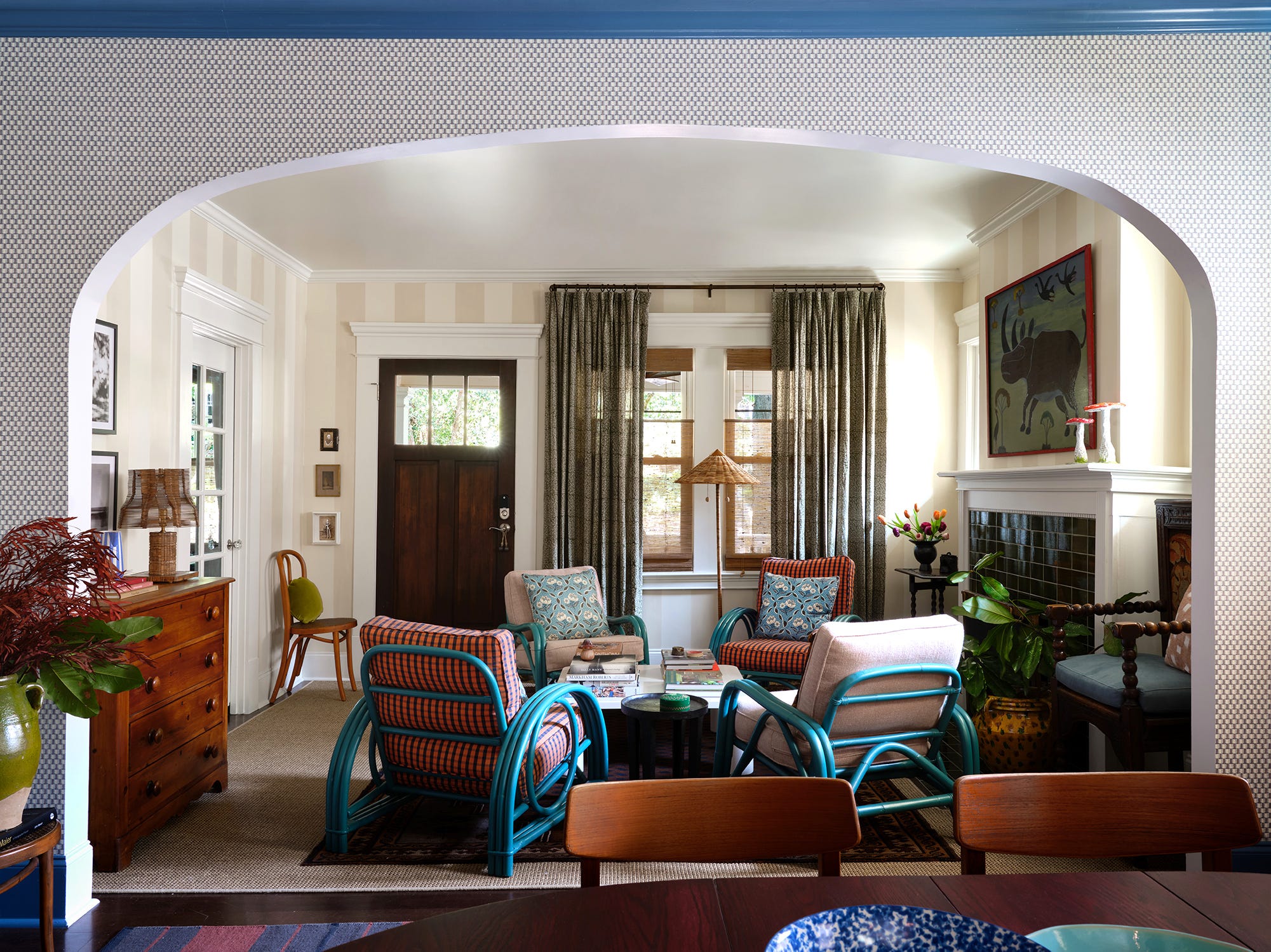
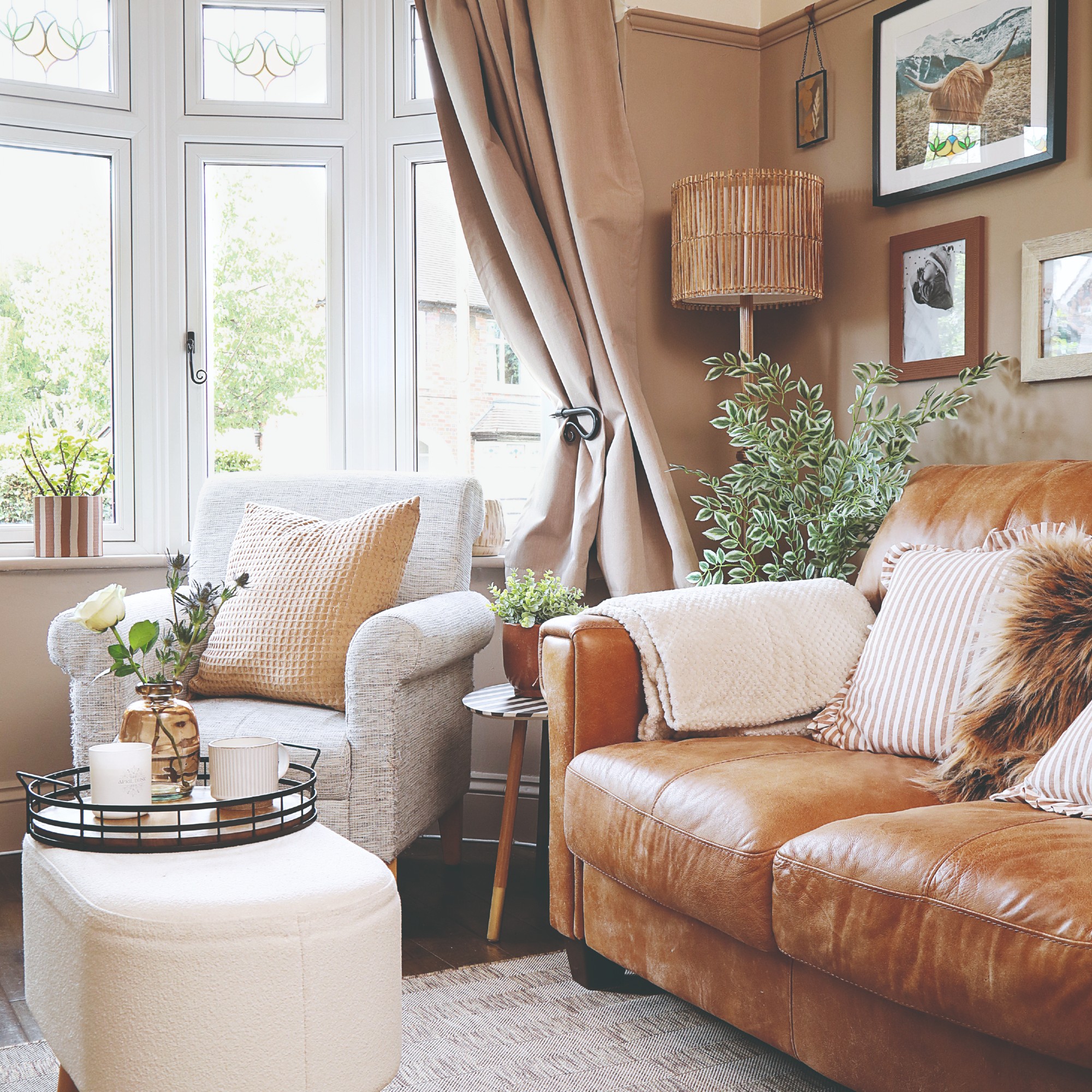
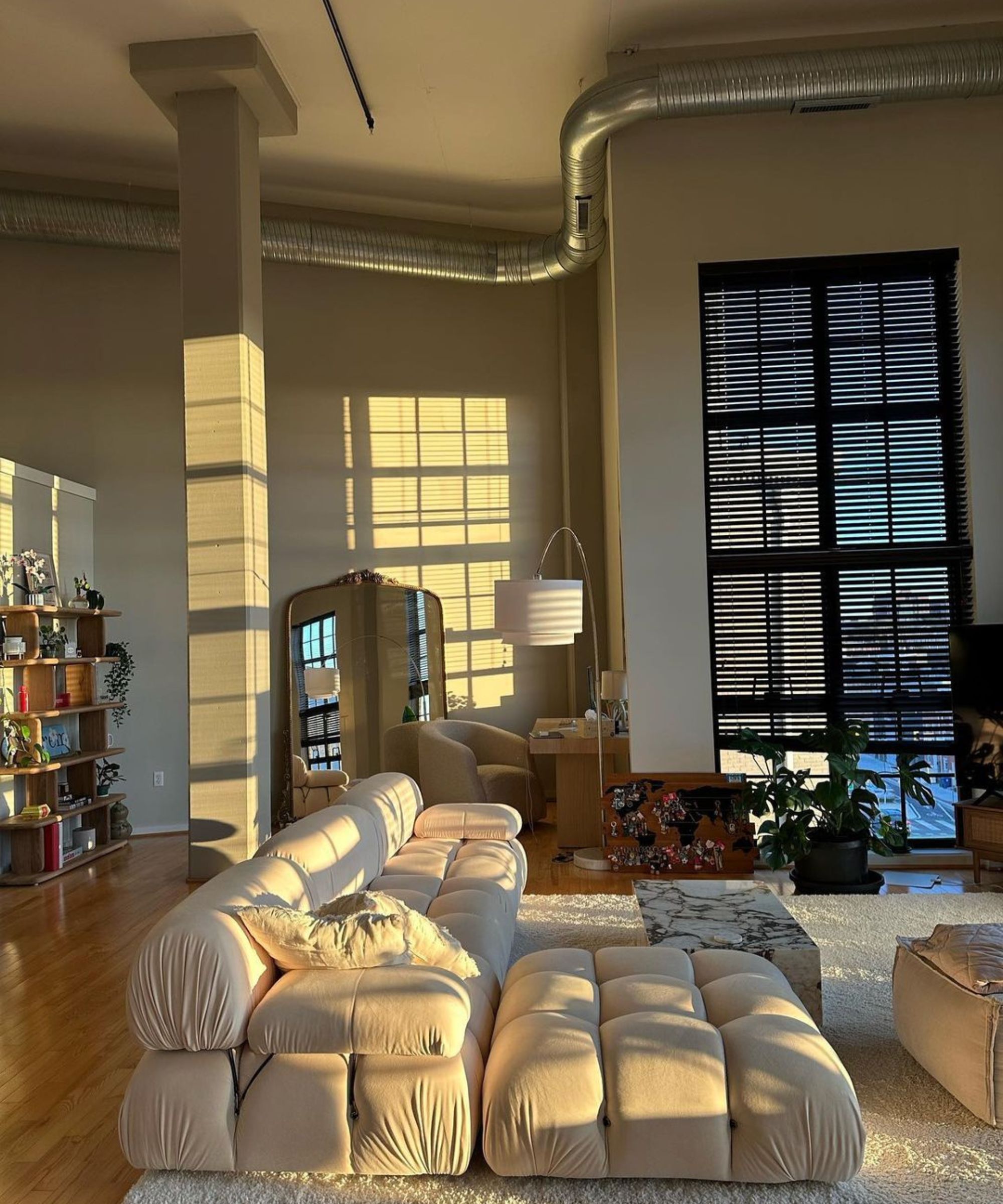
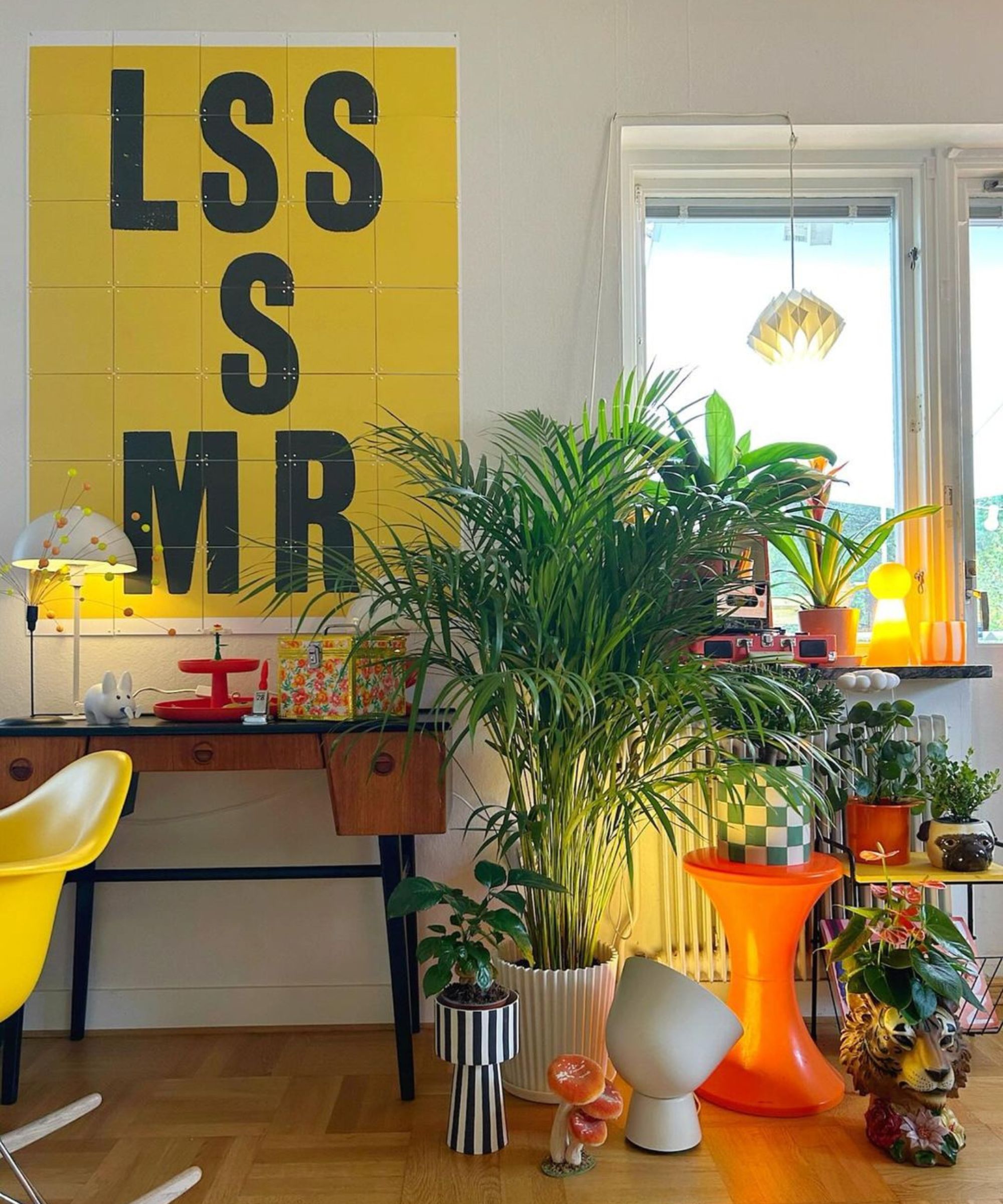
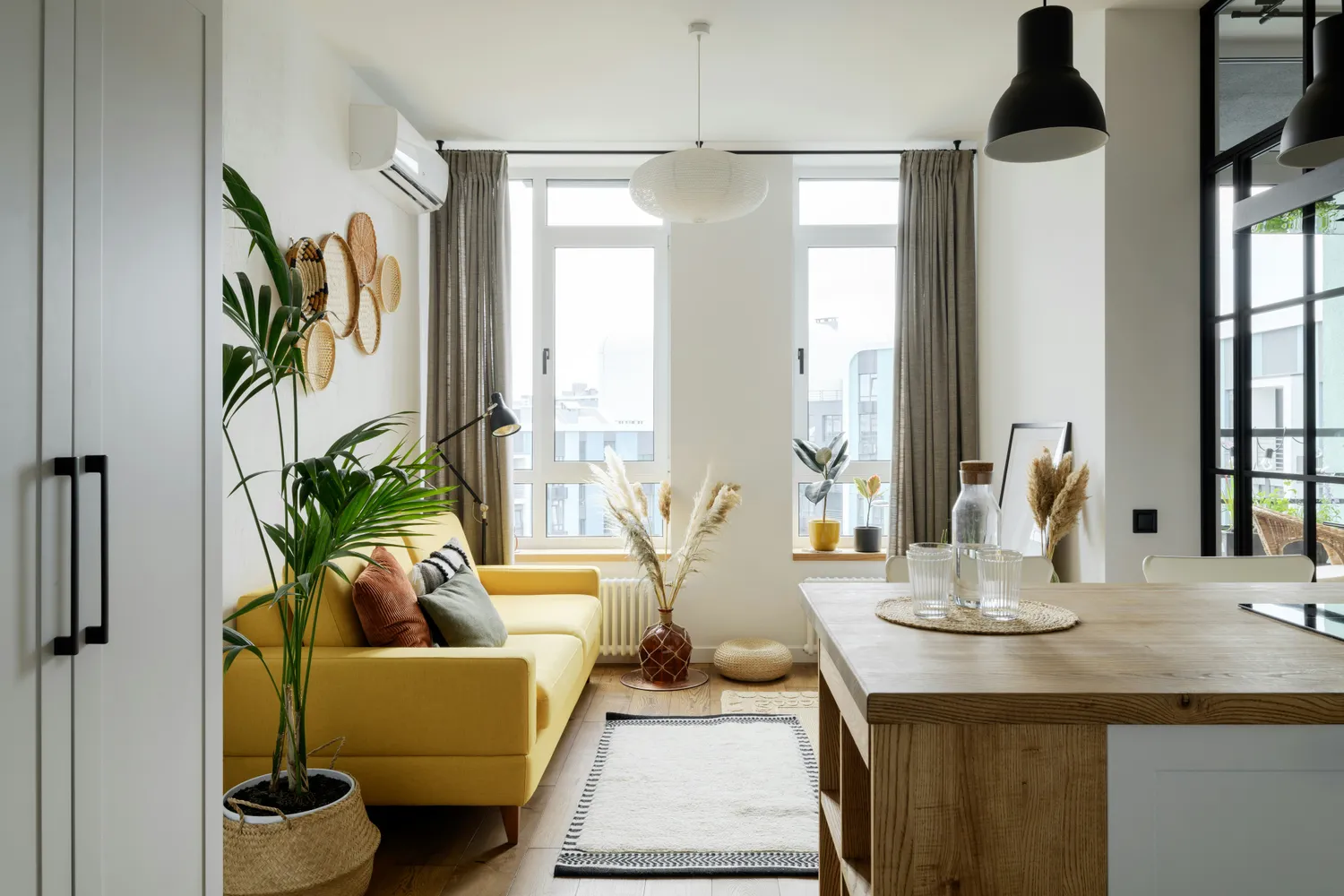
Multi-functionality is highlighted as a core principle for modern small-space design. Every large piece of furniture should serve a dual purpose, such as poufs that function as ottomans and can be stored under a coffee table, or built-in bookshelves that double as desks. Maximizing seating and lighting is crucial, with Youngblood suggesting multi-purpose seating arrangements and Baker recommending layered lighting to support different activities within the living room. Thinking outside the traditional sofa box is encouraged; instead of a large sectional, a medium or small sofa, or even lounge chairs, can create better flow. Finally, adding concentrated doses of color through artwork, pillows, and accessories can introduce vibrancy without making the room feel smaller, as suggested by Amy Youngblood and exemplified by Regan Baker's use of yellow accents. #SmallSpaceSolutions #InteriorDesign #LivingRoomIdeas #HomeDecor #DesignTips #SpaceMaximization #ReganBakerDesign #AmyYoungbloodInteriors #HomeStyling
0 comment in total
 No comments yet
You may also like
10 small living room layout ideas to make you rethink your set up

18 Small Living Room Design Ideas Worth Copying in Your Own Home

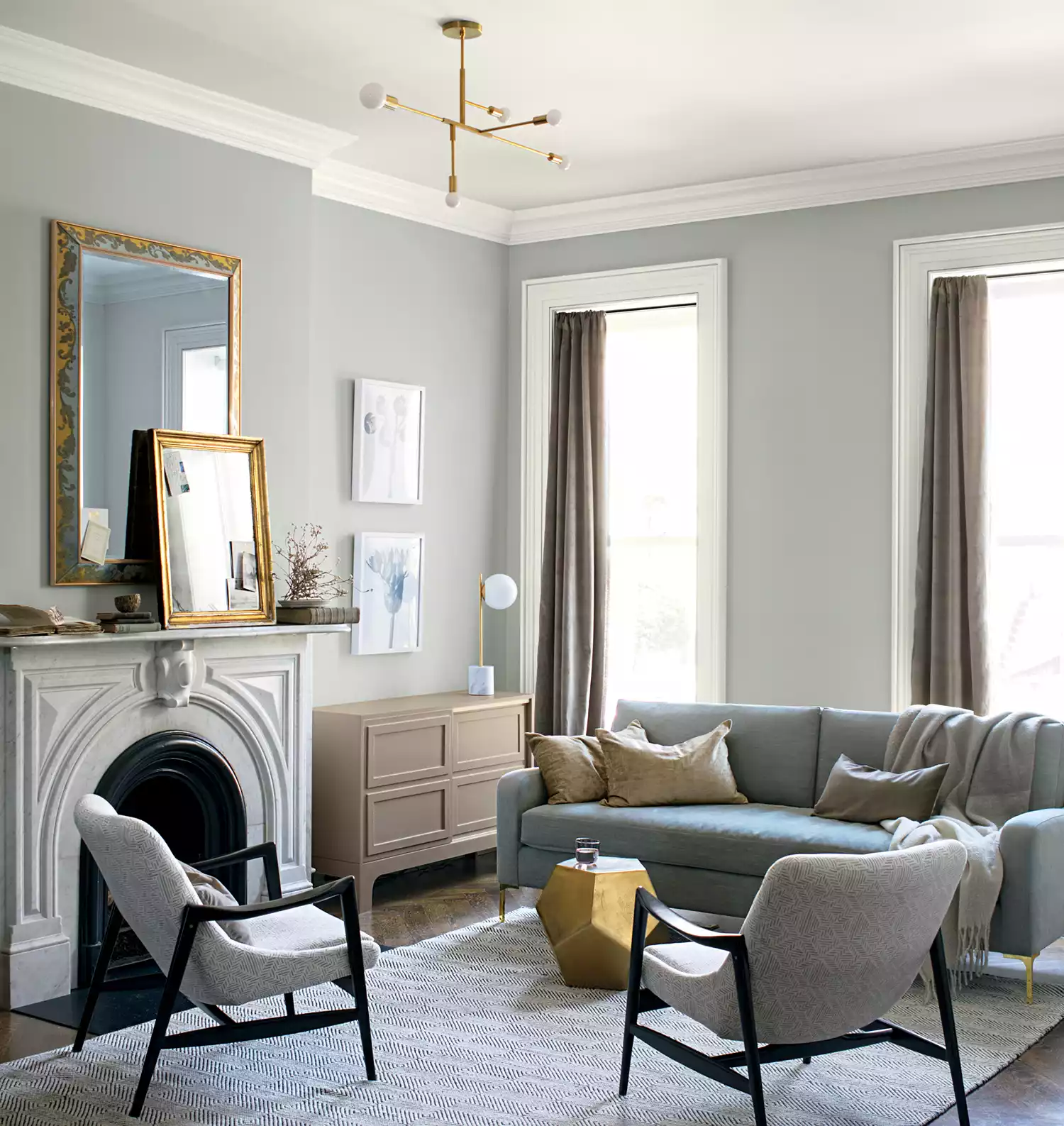
15 Small Living Room Decor Ideas That Won't Sacrifice Your Style

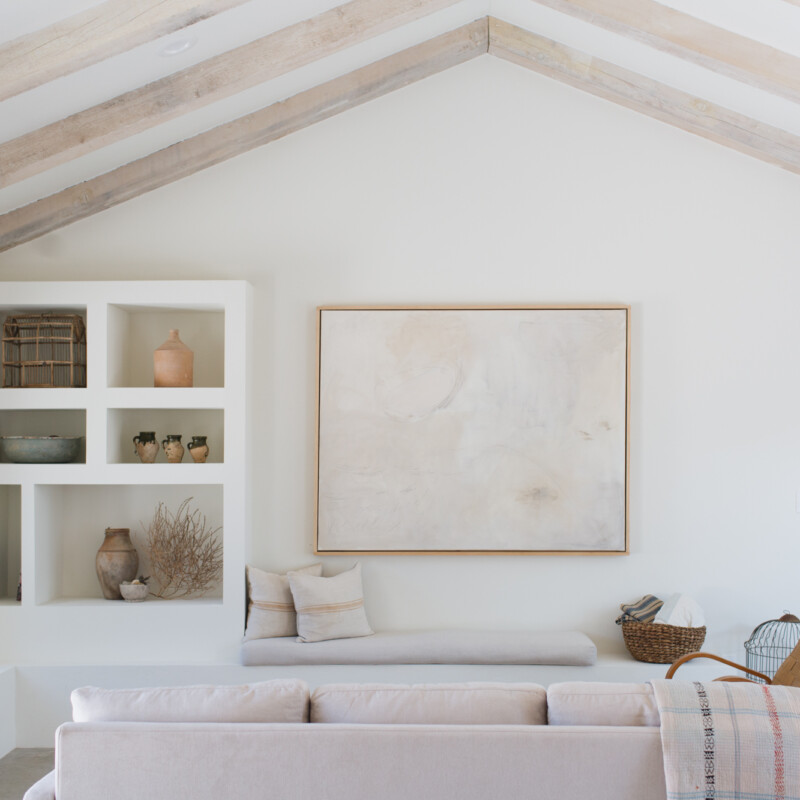
13 Small Living Room Ideas Interior Designers Swear By

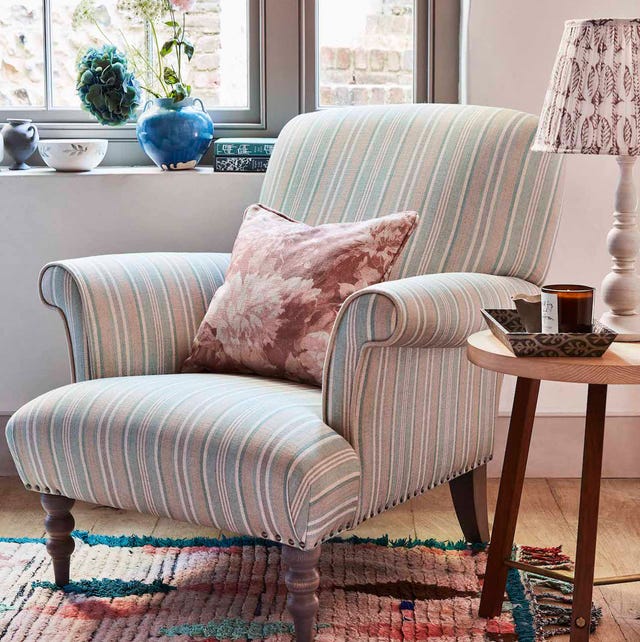
The Top 10 Small Living Room Ideas From Interior Designers
Design tips and tricks for decorating a small living room
5 Things That Make Your Living Room Look Small—and How to Fix Them
32 Styling Tricks That Will Make Your Small Living Room Feel Bigger and Better

57 small living room ideas to make your petite living space look bigger and more stylish
24 Genius Small Apartment Living Room Ideas That Instantly Make Your Space Feel Bigger
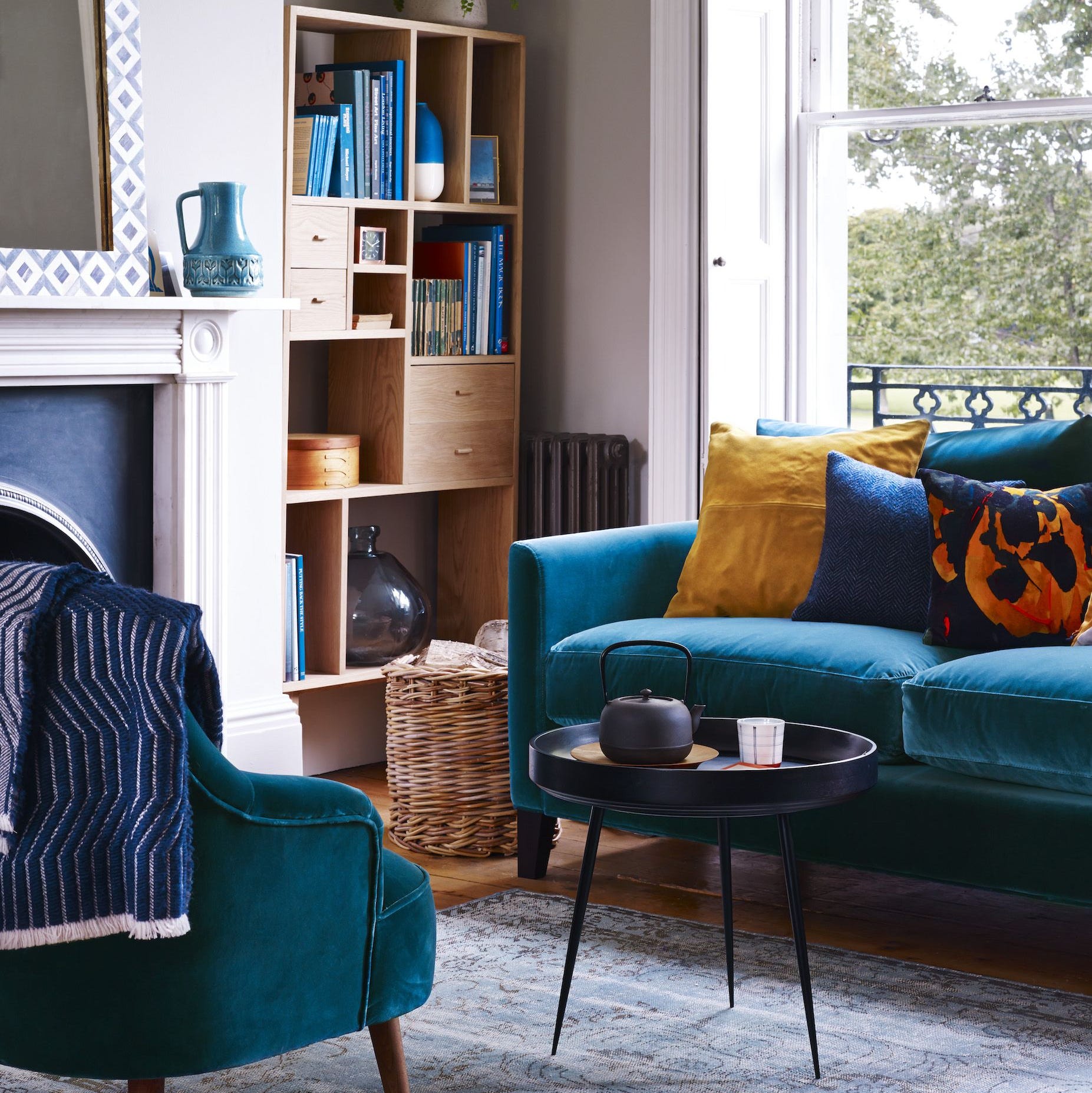
How to make your living room look bigger: 7 tips to fool the eye

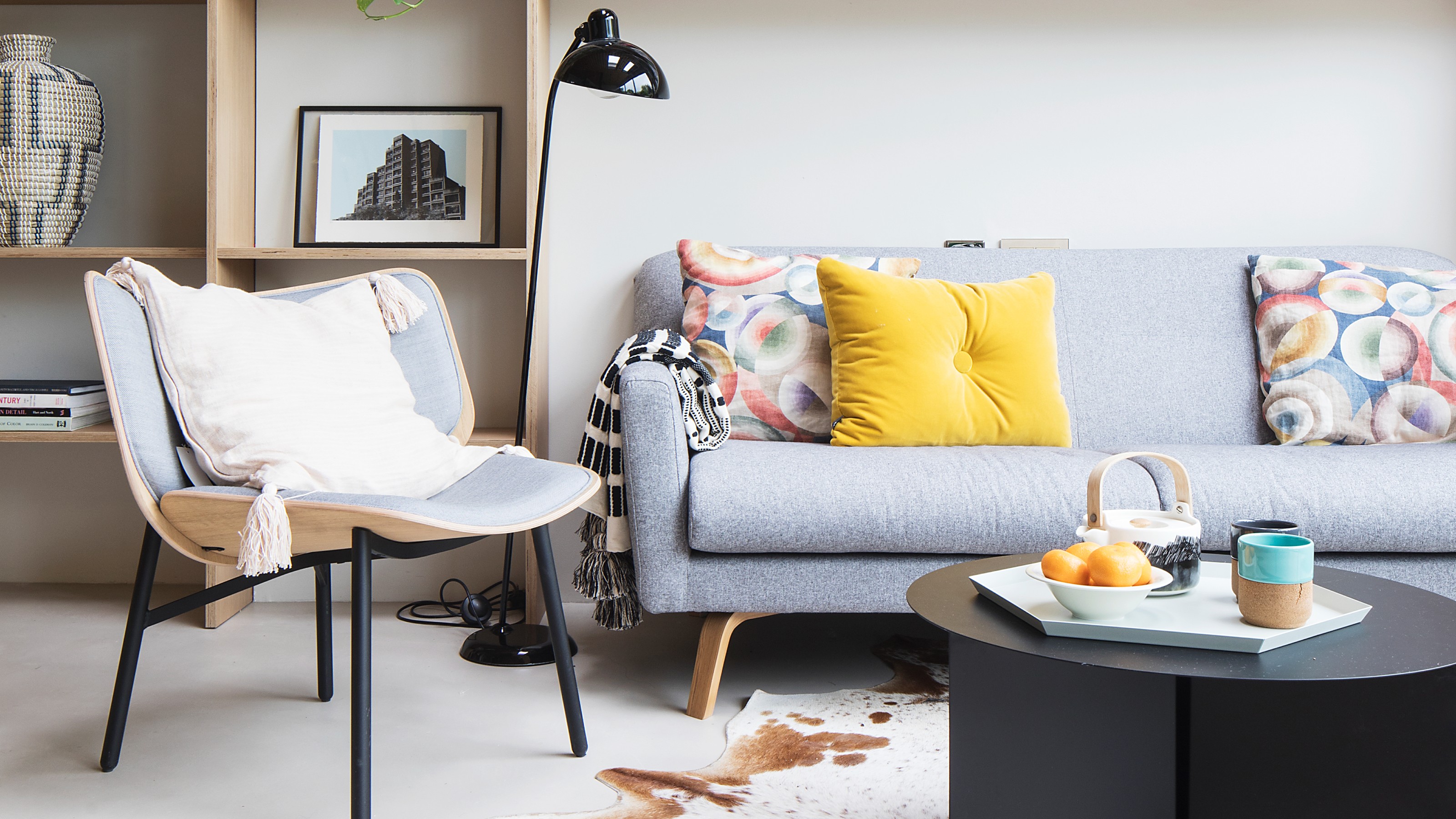
I asked 8 interior designers what you shouldn’t put in a small living room – these 3 things kept coming up
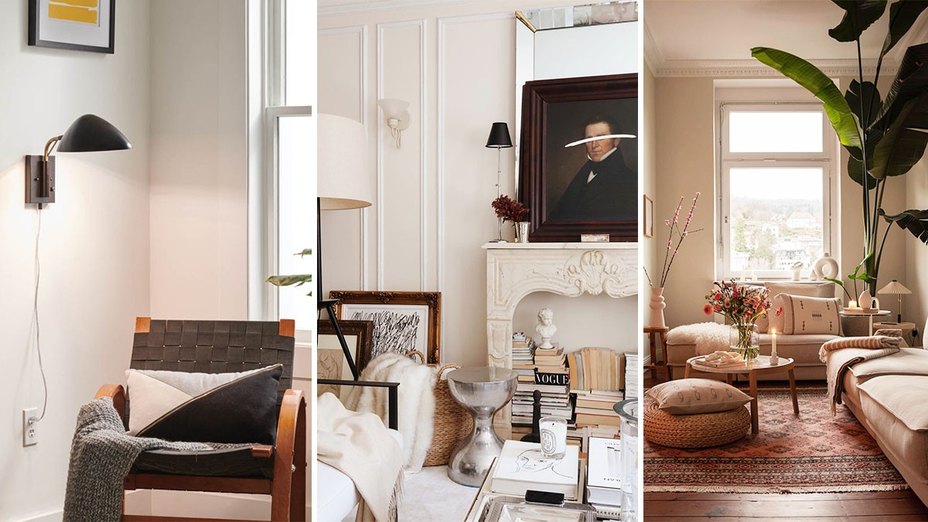
5 Stylish Space-Saving Solutions for Your Living Room We Found on Instagram
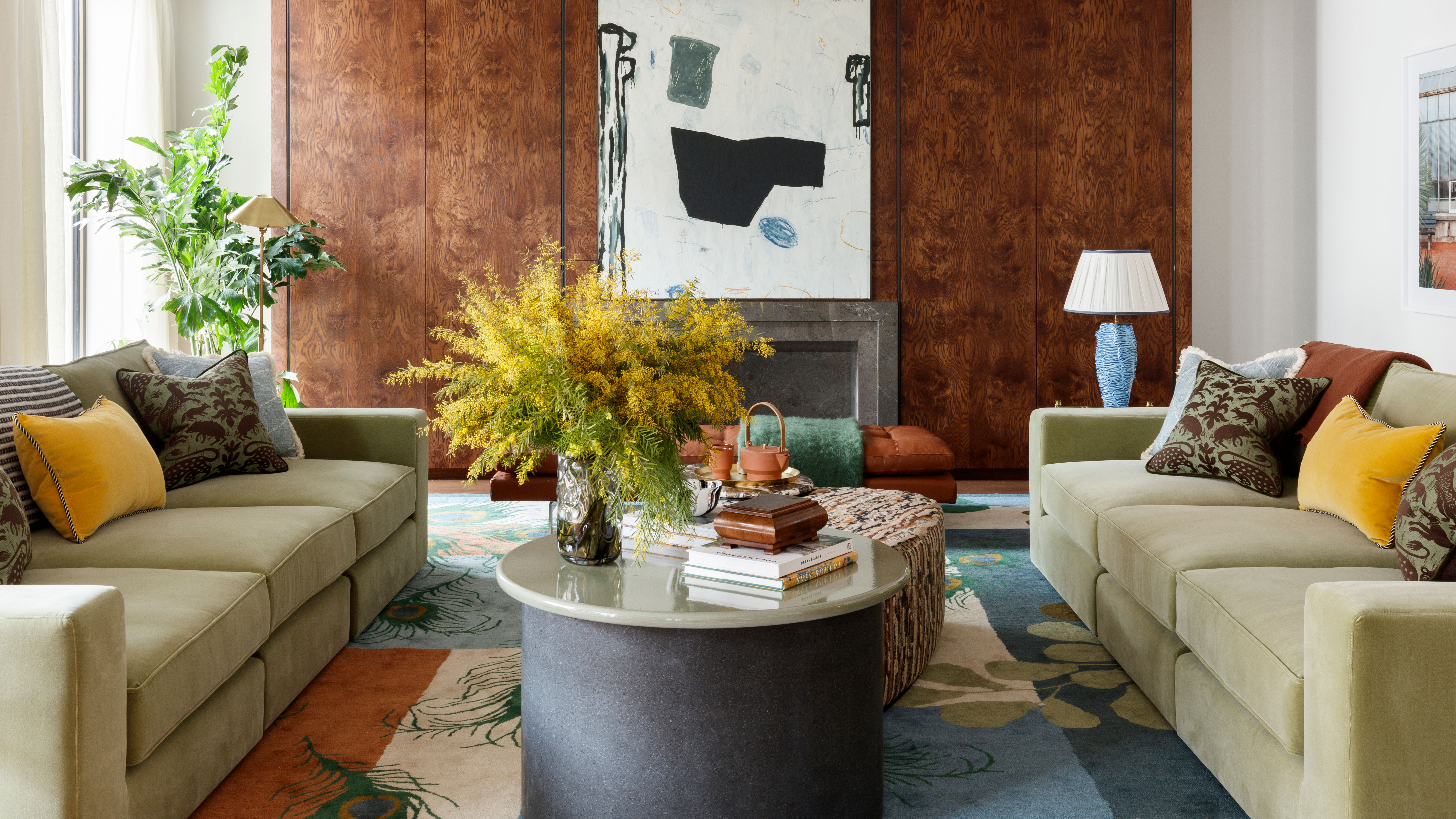
Small living room ideas – 38 clever ways to plan and decorate a compact space

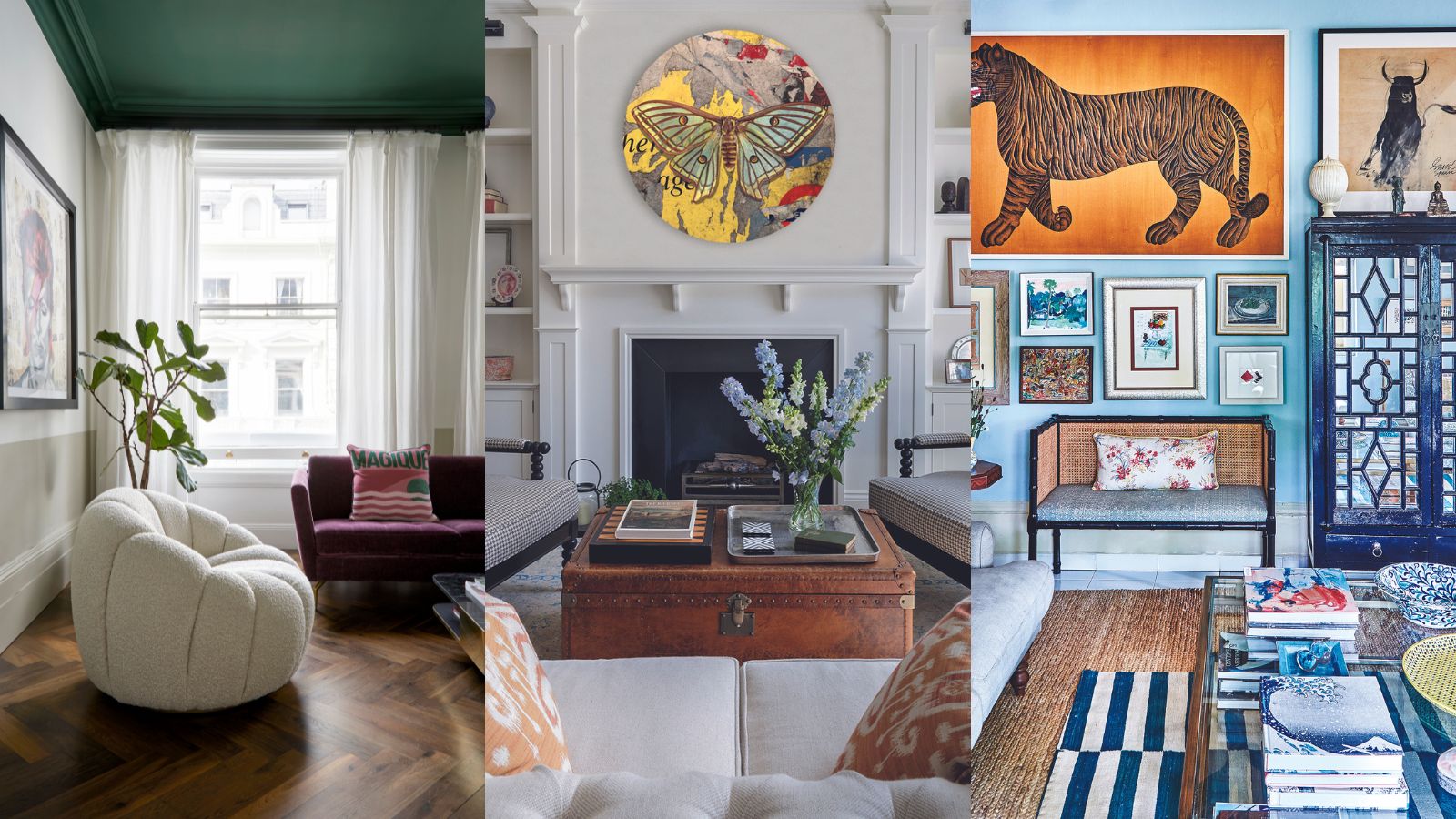
Small modern living room ideas – 9 ways to add a contemporary influence to a tiny space
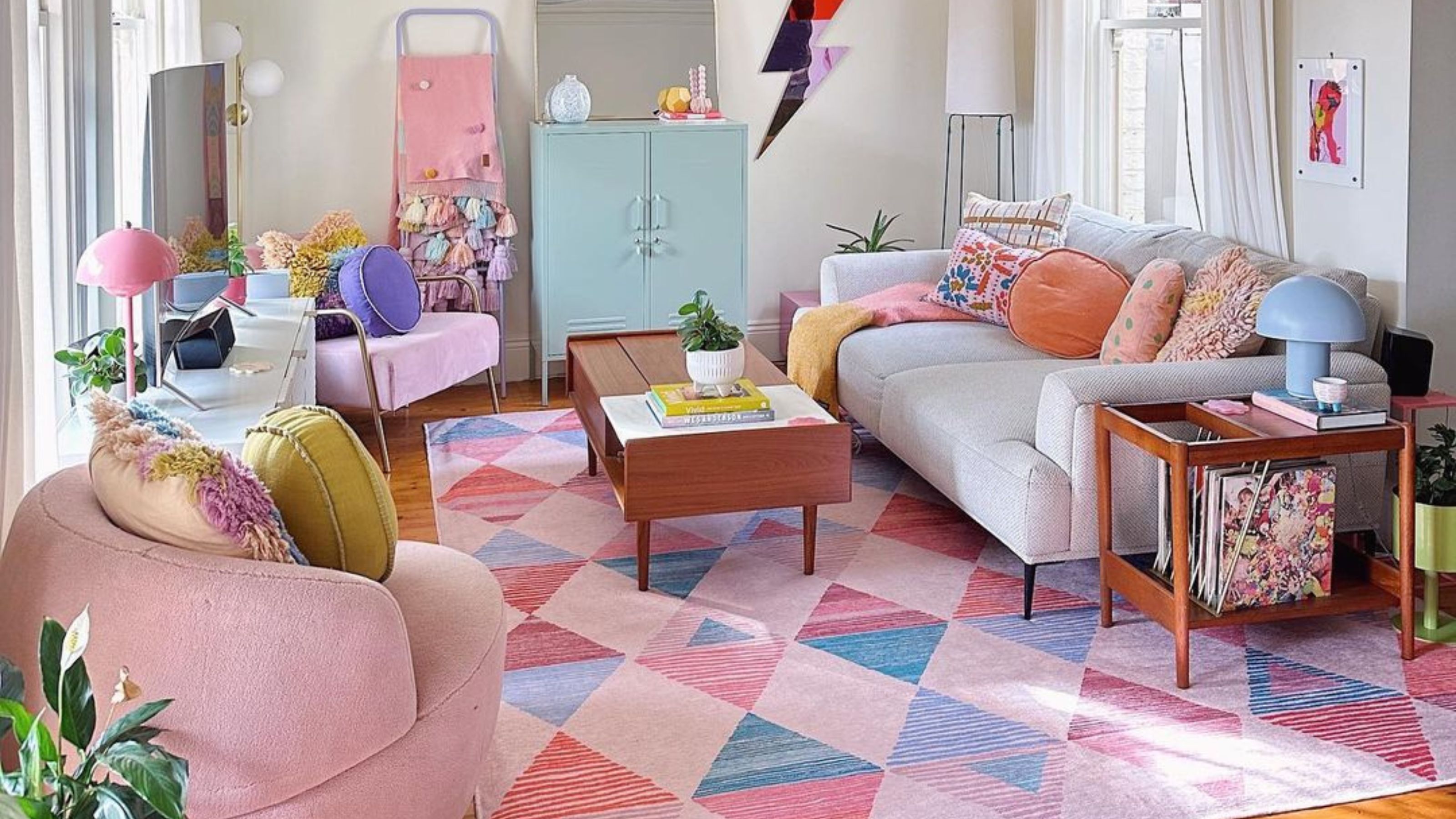
6 furniture items that will make a living room look bigger, according to design experts

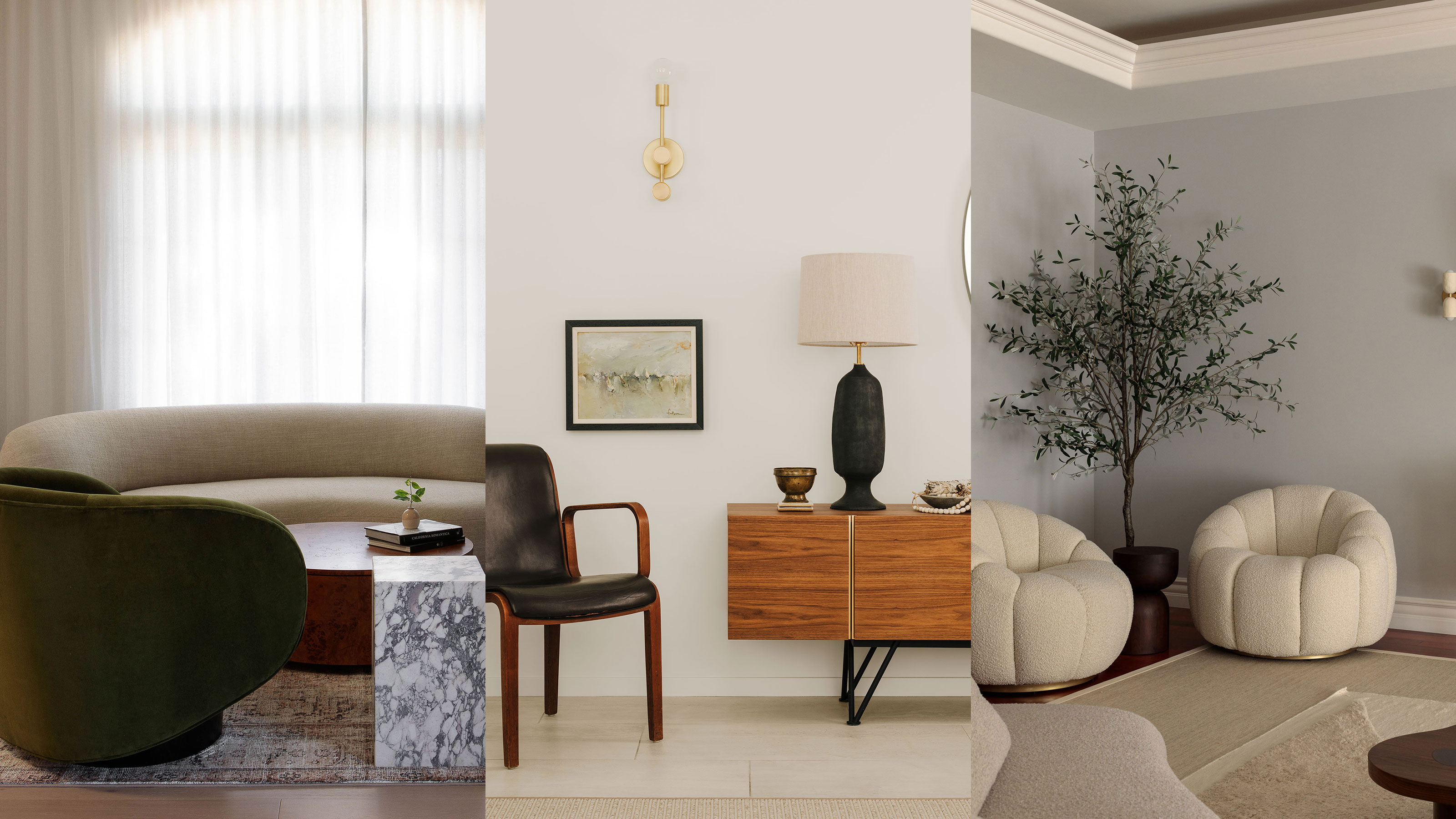
7 gorgeous minimalist small living room ideas — say bye-bye to bland

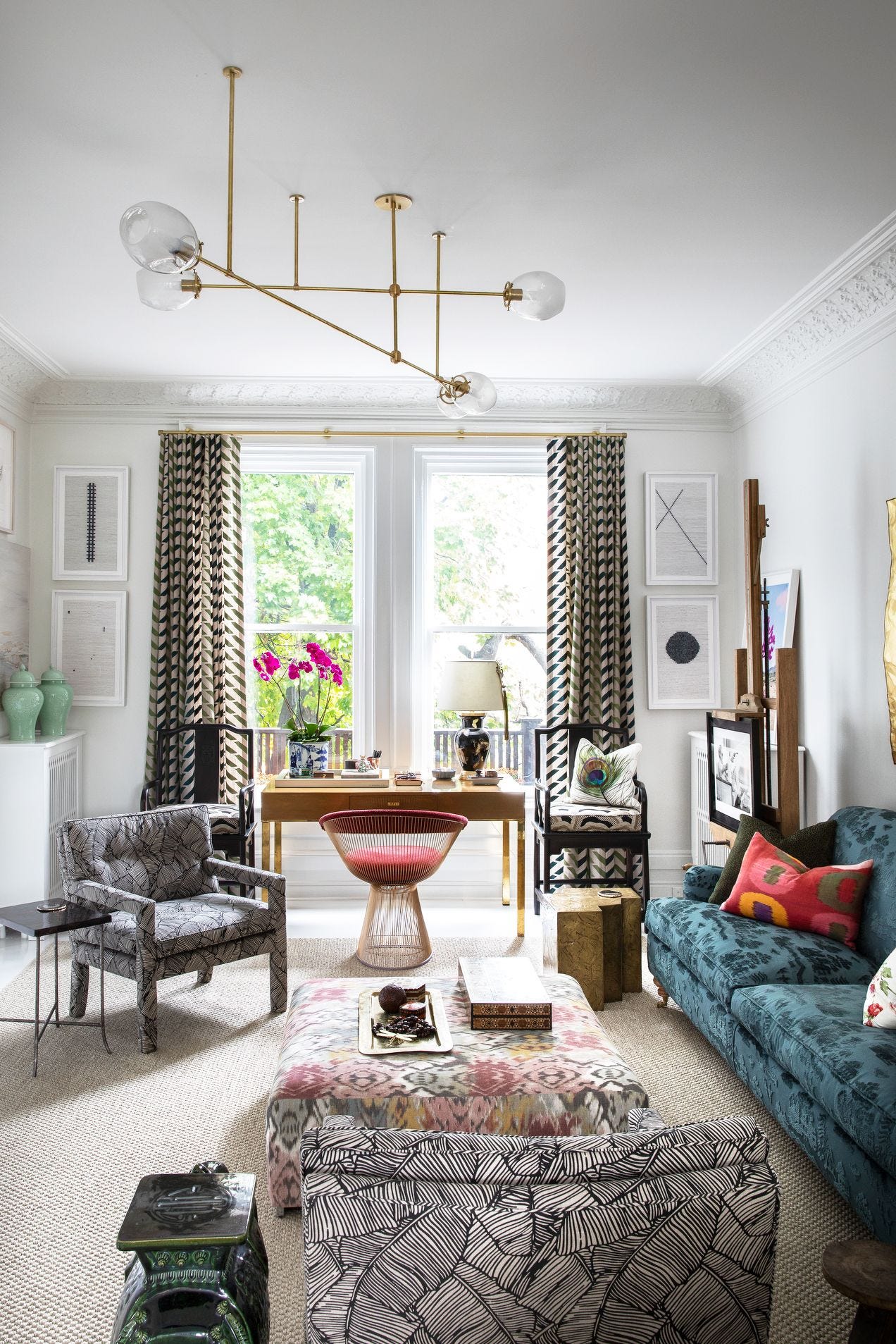
Small Room Ideas - Decorating Small Spaces
How to simplify a small living room – 10 designer approved tips for instantly more calming decor

My Mom Made One Tiny Tweak to My Living Room and Made It Feel 10 Times Bigger