
1/6
What Season Are You? Everything You Need to Know About Color Analysis
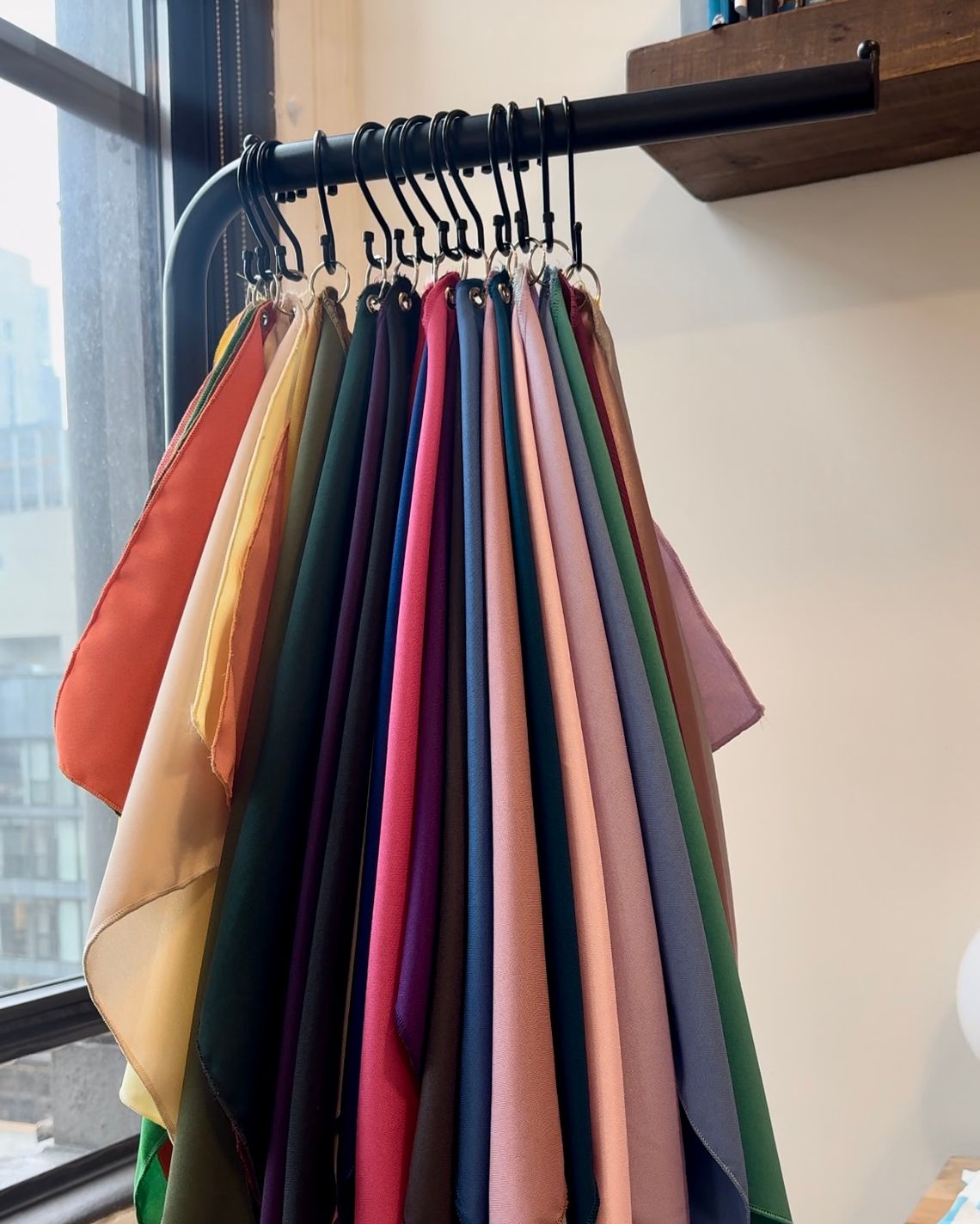
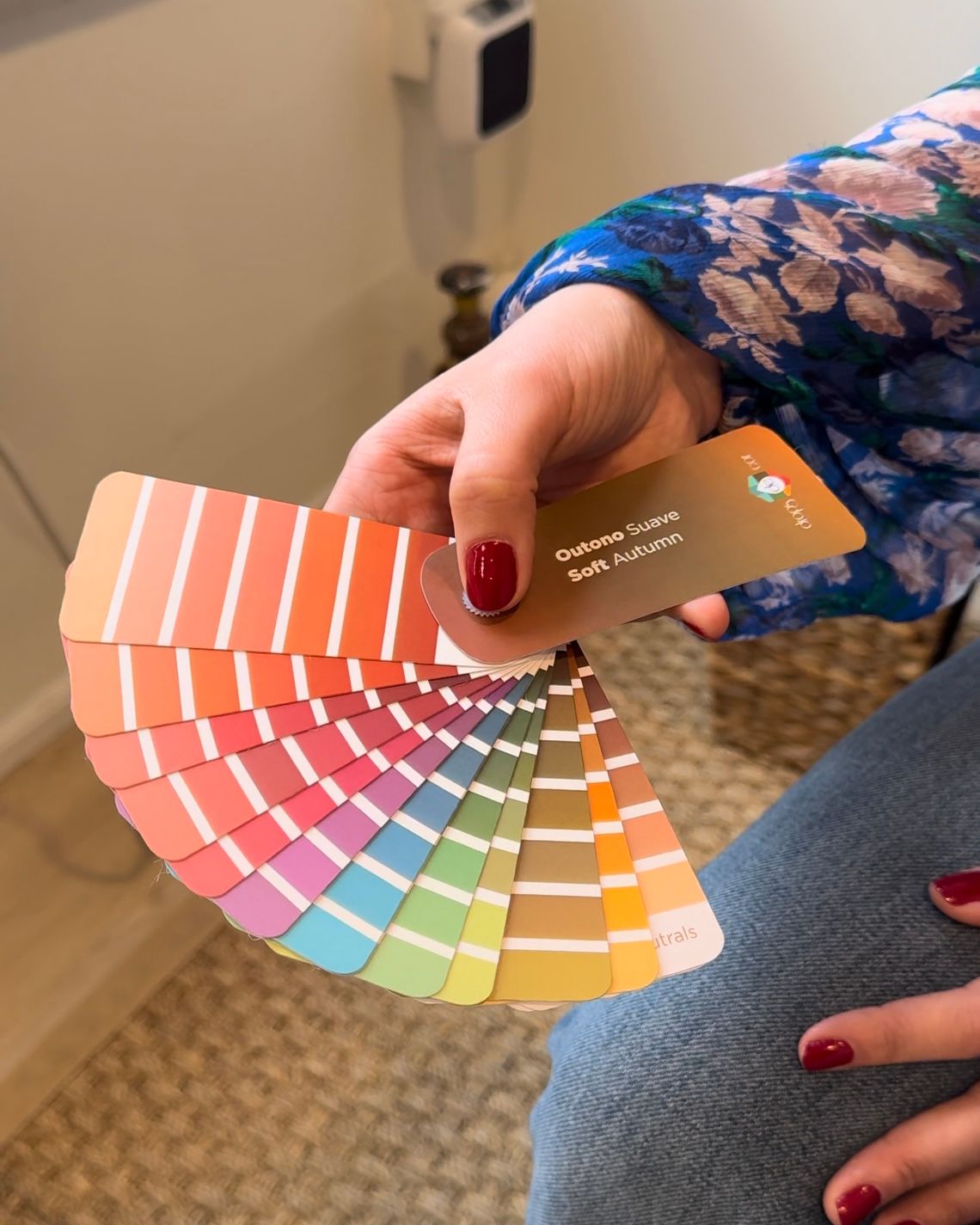
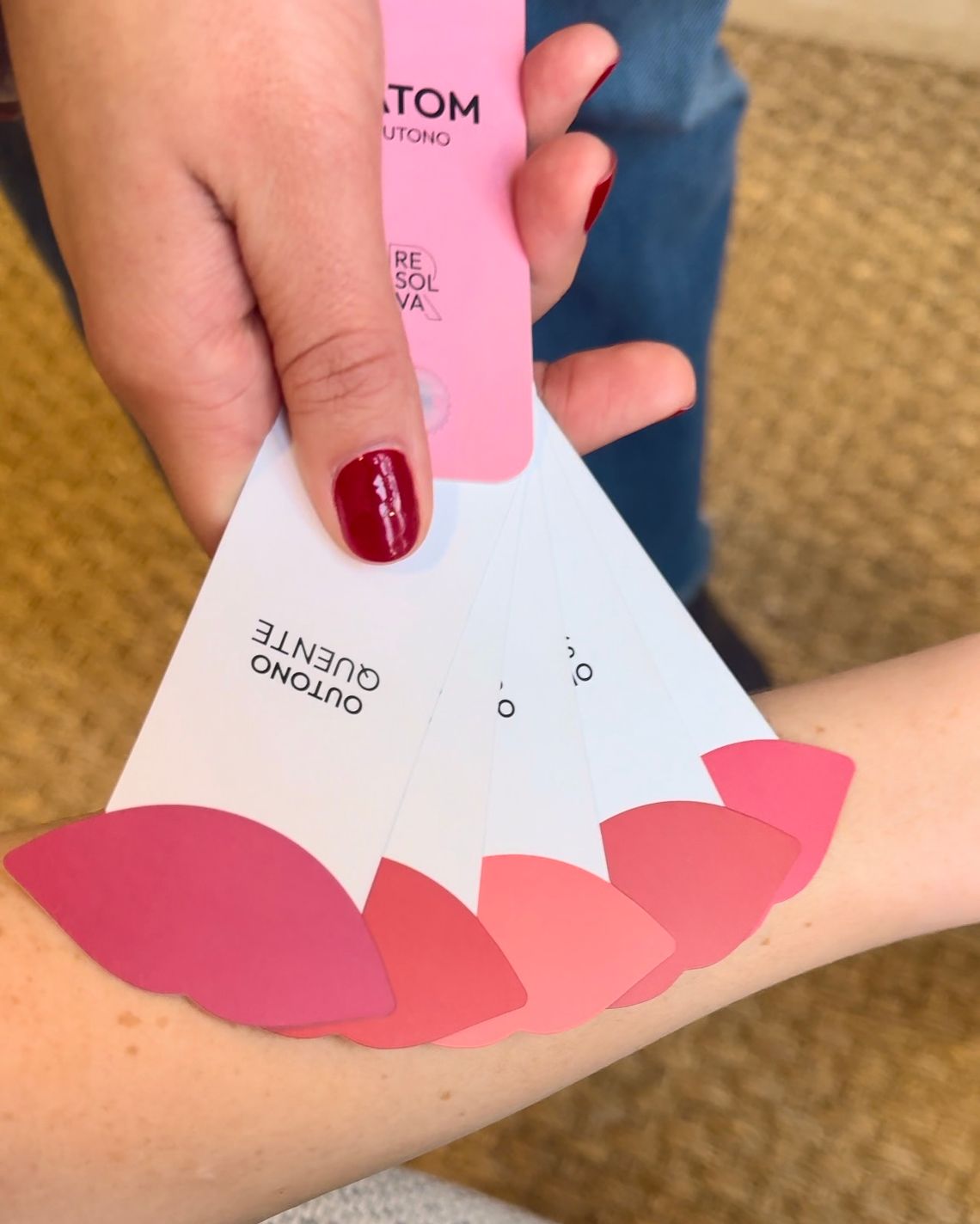
Color analysis is a practice that helps individuals identify the colors that best complement their natural features, including skin tone, hair color, and eye color. This technique, which has seen a resurgence in popularity, aims to reduce decision fatigue when getting dressed and enhance one's natural beauty by selecting a wardrobe palette that harmonizes with personal coloring. The foundation of modern color analysis traces back to the 1980s bestseller "Color Me Beautiful," which categorized individuals into four main seasons: Spring, Summer, Autumn, and Winter.
The core principle of color analysis involves determining whether an individual has warm or cool undertones. Warm seasons (Spring and Autumn) are characterized by yellow-based tones, while cool seasons (Summer and Winter) are identified by blue-based tones. To discover one's undertone, a common method is to examine the veins on the wrist in natural light. Bluish or purplish veins typically indicate cool undertones, whereas greenish veins suggest warm undertones. Digital tools, such as the Neutone app, also offer assistance in this assessment.
Beyond undertones, color analysis considers contrast and chroma. Contrast refers to the difference in lightness and darkness between skin, eyes, and hair. High contrast, often seen in Winter and some Spring types (e.g., fair skin with dark hair), is complemented by bold, contrasting hues. Low contrast, common in Summer and Autumn types (e.g., medium skin with brown hair and eyes), benefits from softer, tonal palettes. Chroma distinguishes between soft and clear colors: soft seasons (Summer and Autumn) are enhanced by muted tones, while clear seasons (Winter and Spring) look best in vibrant, bold shades.
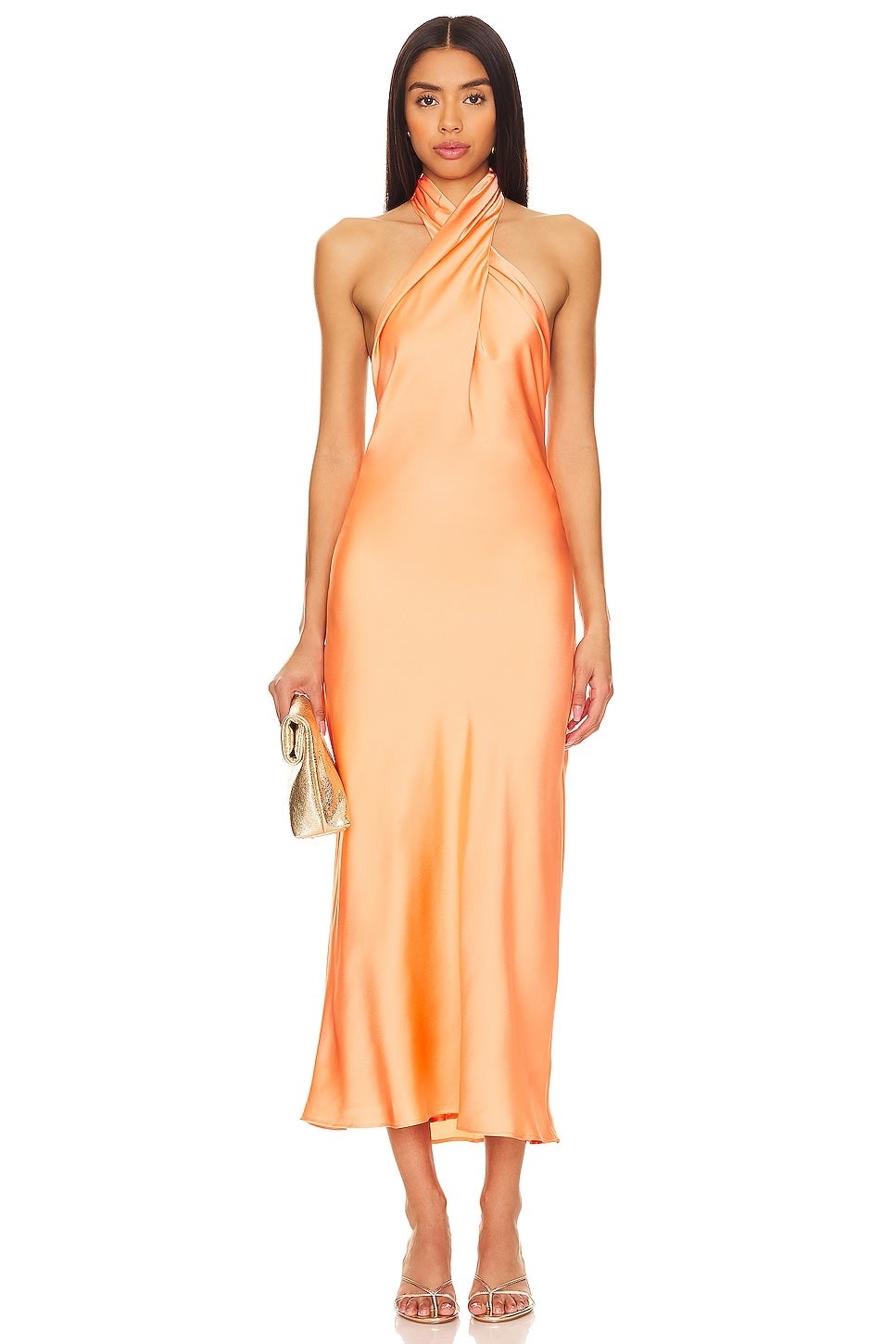
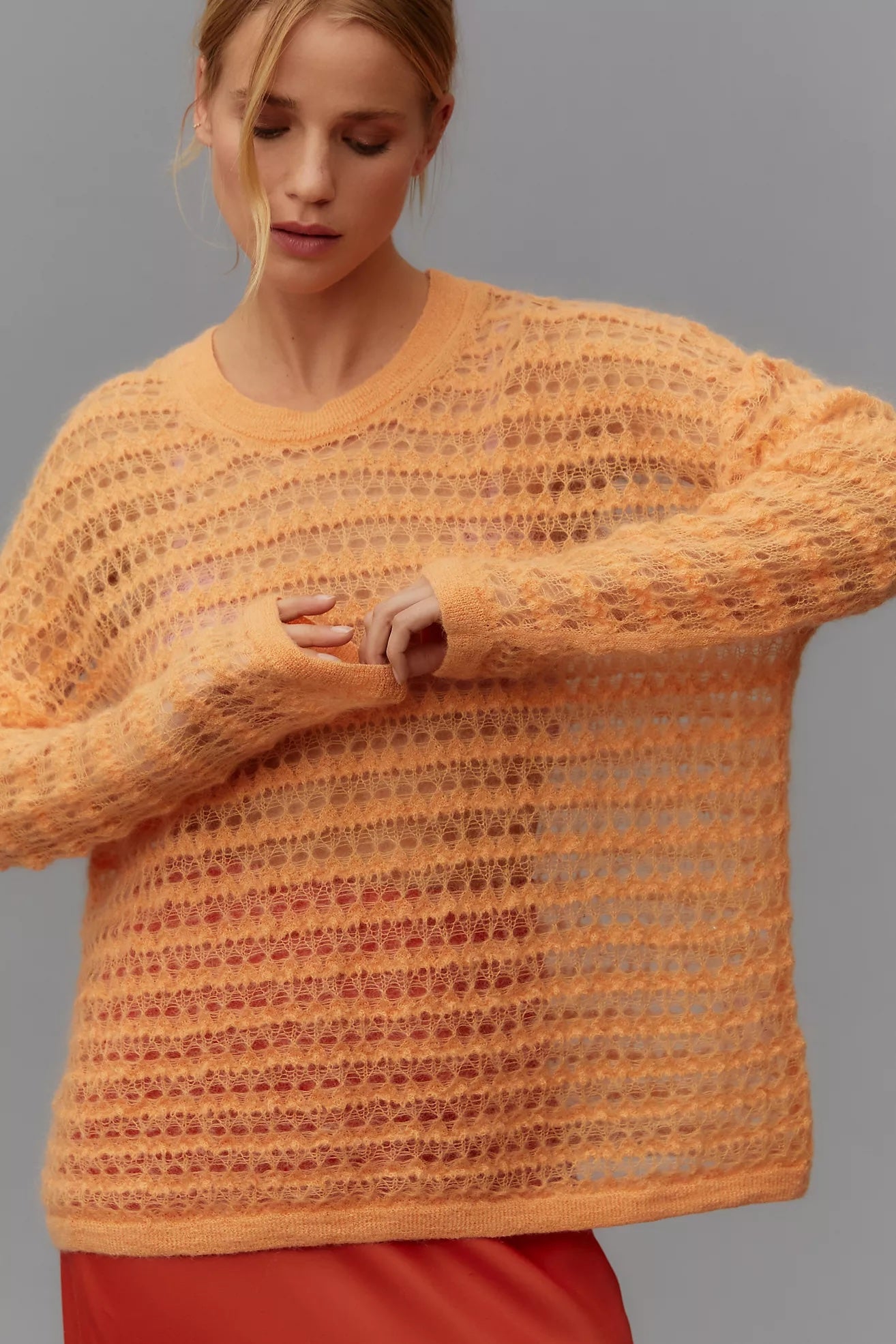
Each season has specific characteristics and corresponding color palettes. Springs, who typically have warm undertones and high contrast, often have light, warm-toned hair and fair to medium skin. They are complemented by vibrant and warm colors like coral, peach, sunny yellow, and mint green, and tend to look best in gold, brass, or copper jewelry. Celebrities like Jessica Chastain and Rihanna are often cited as examples of the Spring type.
Summers, with cool undertones and low contrast, often have light or ash-blonde hair, light skin, and cool-toned eyes. Their ideal palette consists of soft, pastel, and muted cool colors such as lavender, soft pink, and powder blue, and they are typically enhanced by silver or white gold jewelry. Emily Blunt and Barbara Palvin represent the Summer season.
Autumns possess warm undertones and low contrast, featuring warm hair colors, warm-toned eyes, and medium to dark skin. Rich, earthy colors like deep rust, olive green, warm browns, and mustard yellows flatter them, and they are best suited for gold and bronze jewelry. Jennifer Lopez and Beyoncé are examples of Autumns.
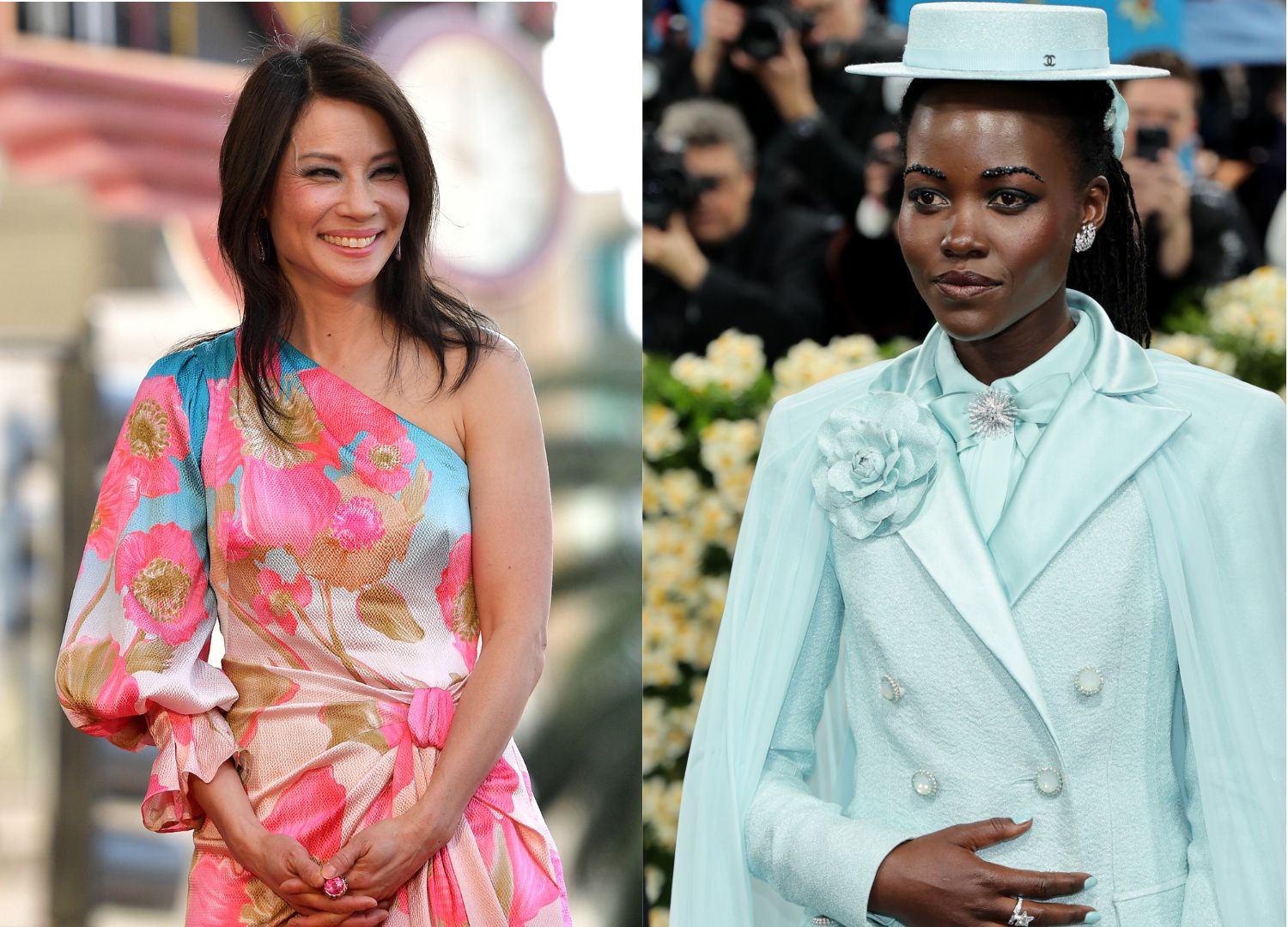
Winters are characterized by cool undertones and high contrast, often having dark hair, fair skin, and bright or deep eye colors. They shine in bold, high-contrast color combinations, including deep jewel tones, pure whites, and black, with silver or white gold jewelry being most complementary. Selena Gomez and Lupita Nyong’o are prominent examples of the Winter type.
While these seasonal classifications provide a useful guide, the article emphasizes that color analysis is a tool for personal exploration rather than a rigid rulebook. Individuals are encouraged to experiment with colors that make them feel confident and beautiful, regardless of strict adherence to their determined season. The ultimate goal is to discover shades that enhance one's natural radiance and personal style.
#ColorAnalysis #Fashion #StyleGuide #WardrobeEssentials #PersonalColor #BeautyTips #SeasonalColors #FashionTrends #ColorAnalysis #Fashion #StyleGuide #WardrobeEssentials #PersonalColor #BeautyTips #SeasonalColors #FashionTrends
0 comment in total
 No comments yet
You may also like
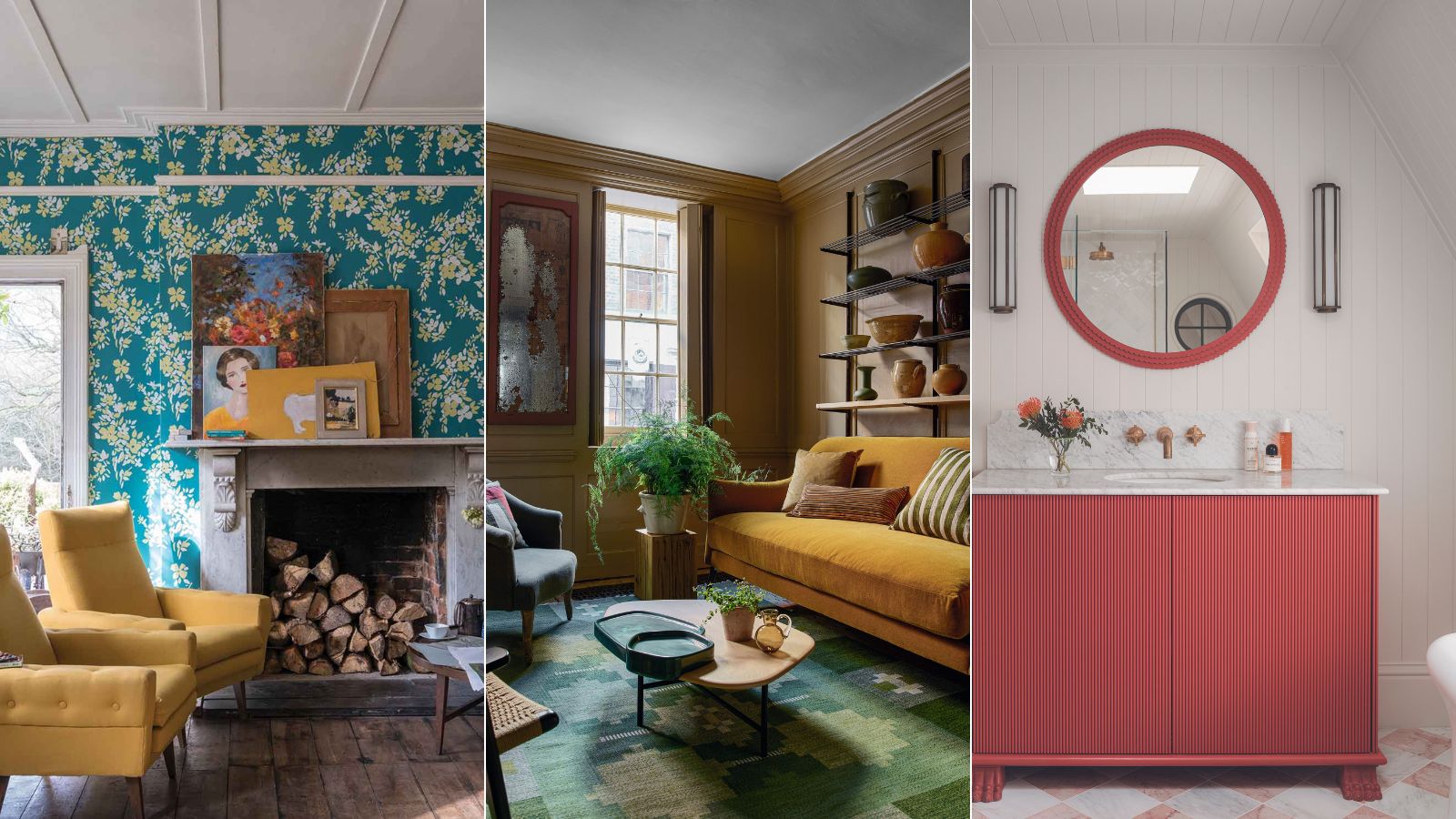
Seasonal color analysis in interior design – should your ideal palette influence the shades you choose for your home?

A Guide to Every Color of the Year for 2025 (So Far)

What is Color Forecasting? Experts Explain How to Map Trends |

Getting Your Colors Done Isn't Just for Your Wardrobe—How to Use Them in Your Home
My Professional Color Analysis Told Me I Can Still Wear All Black

Compare All the Paint Colors of the Year for 2023

What Not to Wear

2025 Colors of the Year, and How to Use Them
A Guide to All the Pantone Colors of the Year and What They've Represented
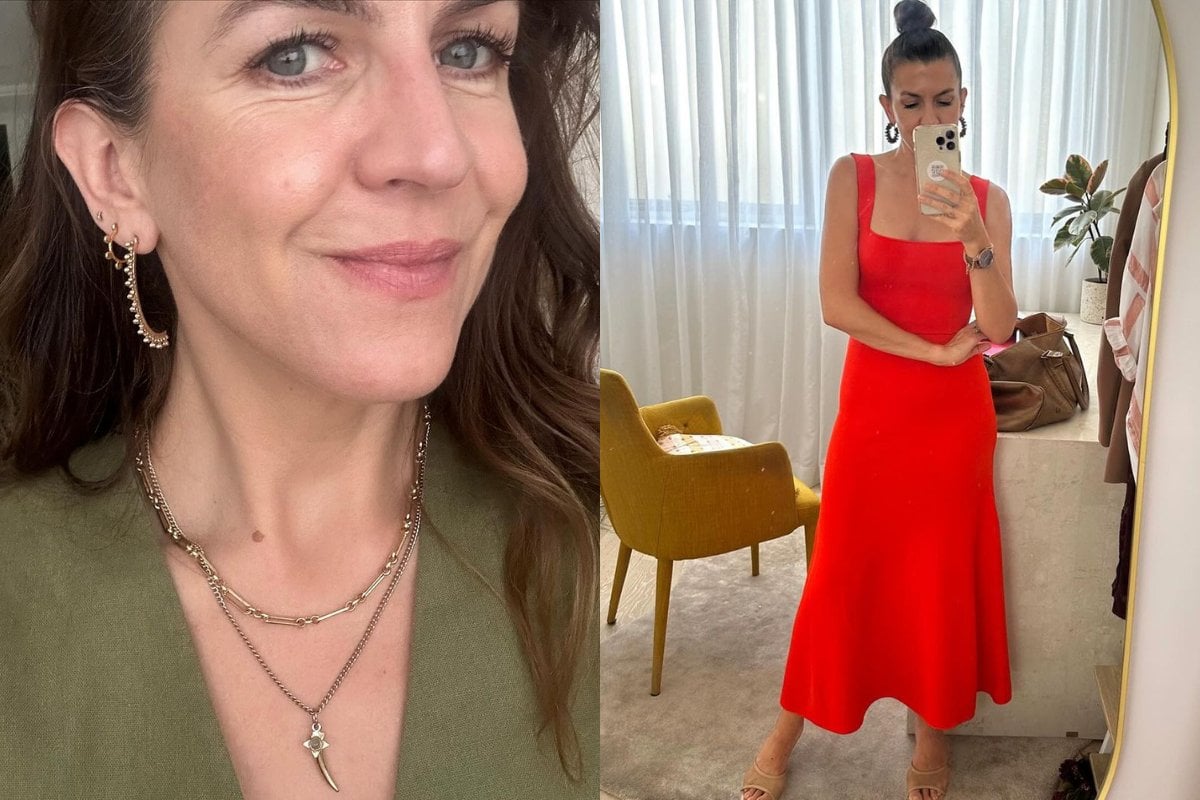
'I'm a colour analysis expert and finding out your 'season' will completely change how you shop.'
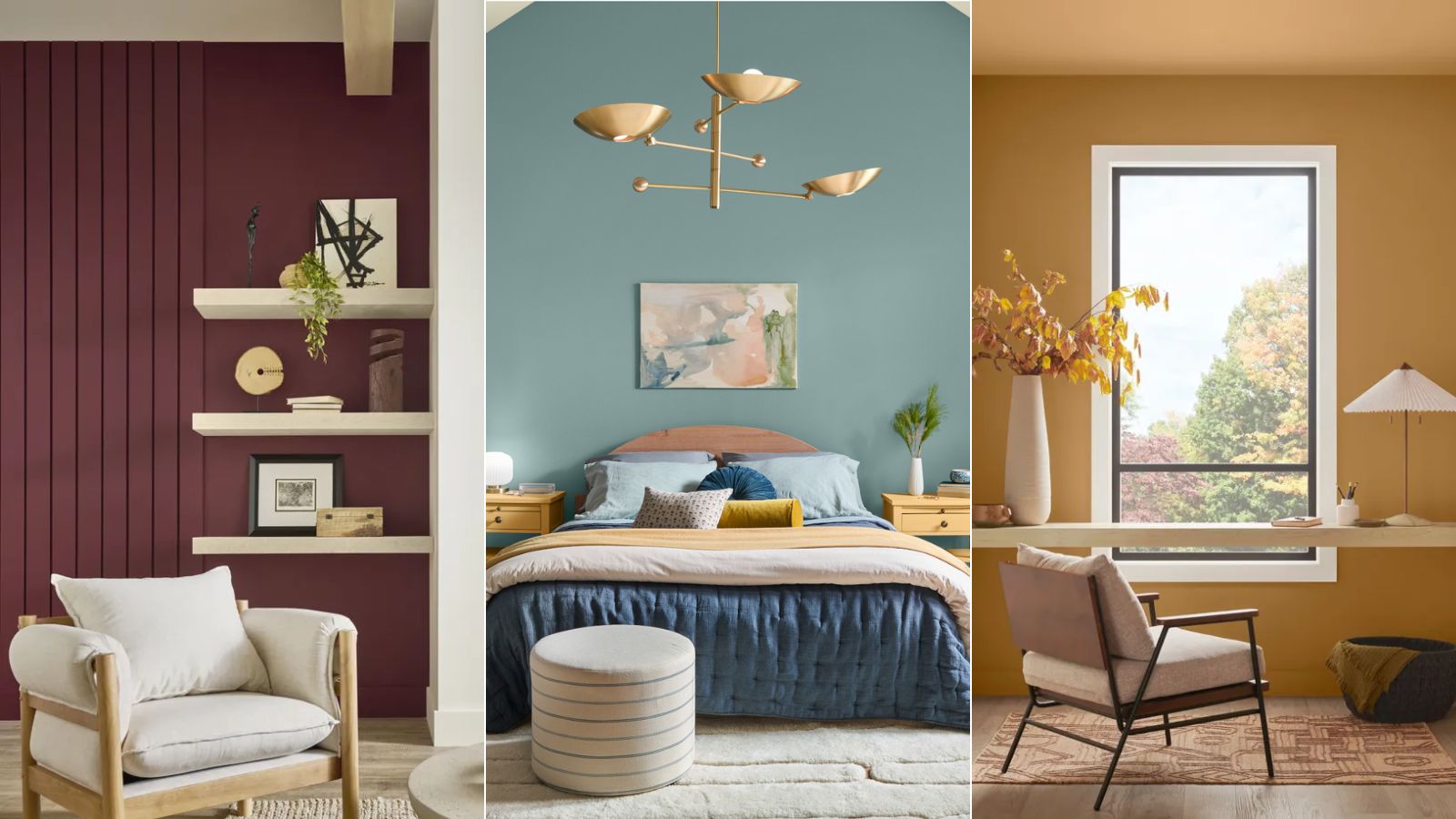
Colors of The Year – get to know every shade revealed by leading paint brands for 2025
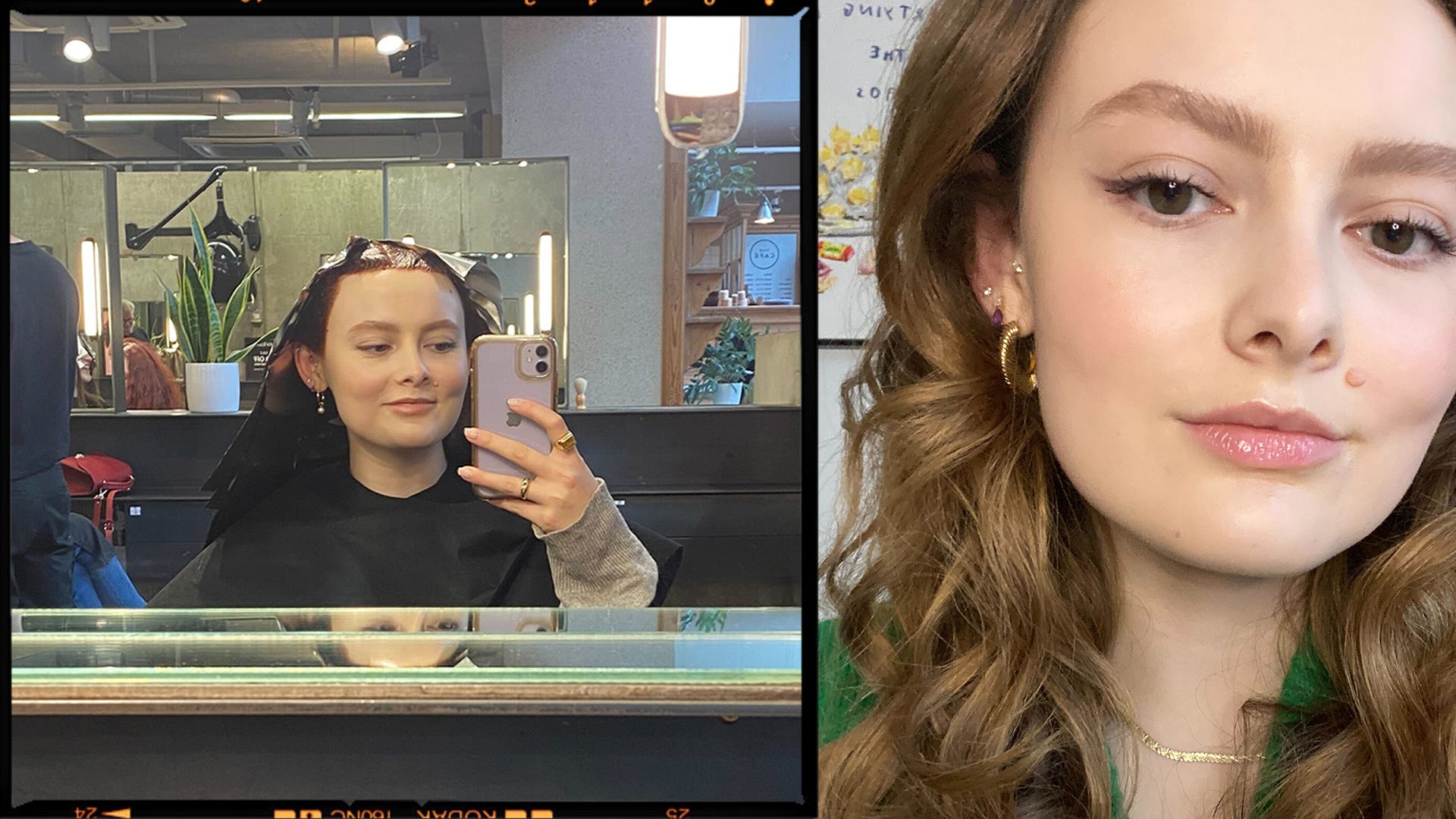
"I tried TikTok’s viral colour analysis technique to find my perfect hair shade, and this is what happened…"
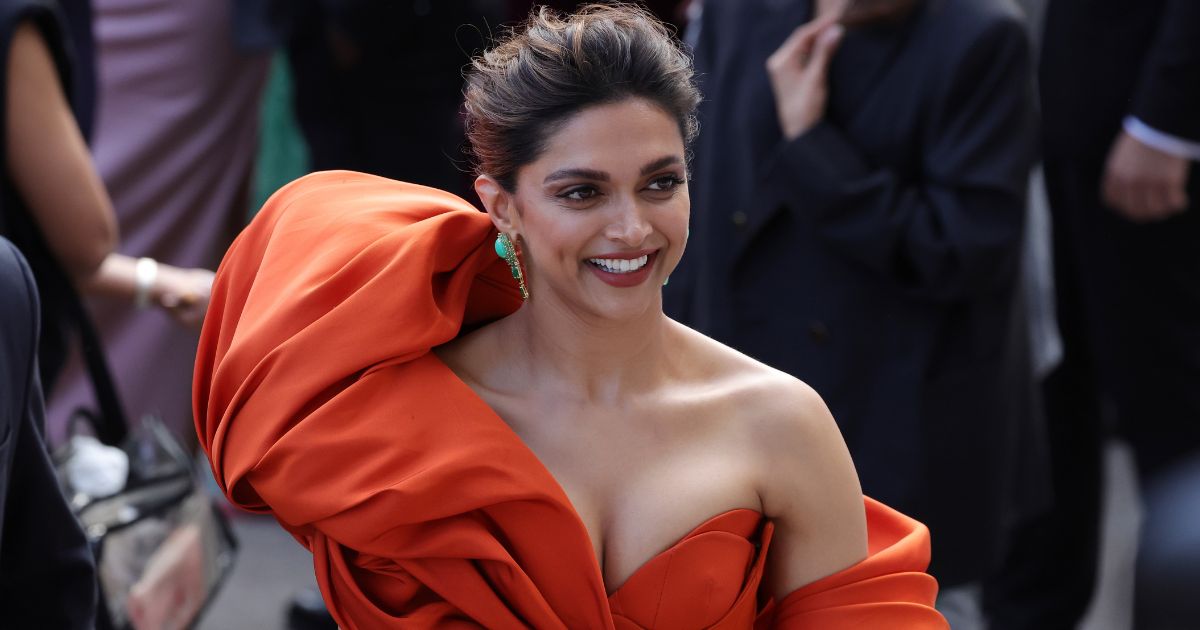
Colour analysis by season: Spring, characterised by warmth and liveliness
Your Birth Month Color Could Be the Key to a Truly Unique Home – Discover Every Shade From January to December and the Meaning Behind Each One
2024 Fashion Colour Trends To Brighten Up Your Wardrobe

Every Pantone Color Of The Year For The Last Decade

Wondering what colour suits me? Our experts reveal the most flattering shades to suit you all year round

Homes With This Color Inside Are Worth More


Review: TikTok-Viral Personal Color Analysis in Seoul, South Korea
I spent $130 to get my colors professionally analyzed and learned I've been wearing the wrong shades my entire life