1/5
How the IT girl went from bold to beige: What has drawn us toward a quieter life?
The concept of the 'It girl' has undergone a significant transformation, shifting from the bold, rebellious, and party-centric figures of the 2000s to a more subdued, clean-living, and domestically-focused ideal prevalent today. This evolution is explored through a comparison of prominent figures from both eras, examining the cultural factors that have influenced this change.
In the 2000s, 'It girls' such as Lindsay Lohan, Paris Hilton, Britney Spears, and Nicole Richie epitomized a lifestyle characterized by public partying, rule-breaking, and a glamorous, albeit often chaotic, image. These celebrities frequently appeared in tabloids due to legal troubles and late-night escapades, yet they maintained a strong influence on fashion, beauty, and even linguistic trends. Their public image, often involving designer clothes, luxury accessories, and a defiant attitude, conveyed an idea that coolness was synonymous with a certain level of daring and excess. Even instances like Lohan styling her court-ordered ankle monitor contributed to this perception of rebellious chic. This era also saw the rise of figures like Alexa Chung and Kate Moss, who popularized a grunge-inspired, messy aesthetic, further cementing the notion that a bold and untamed spirit was central to being an 'It girl'.
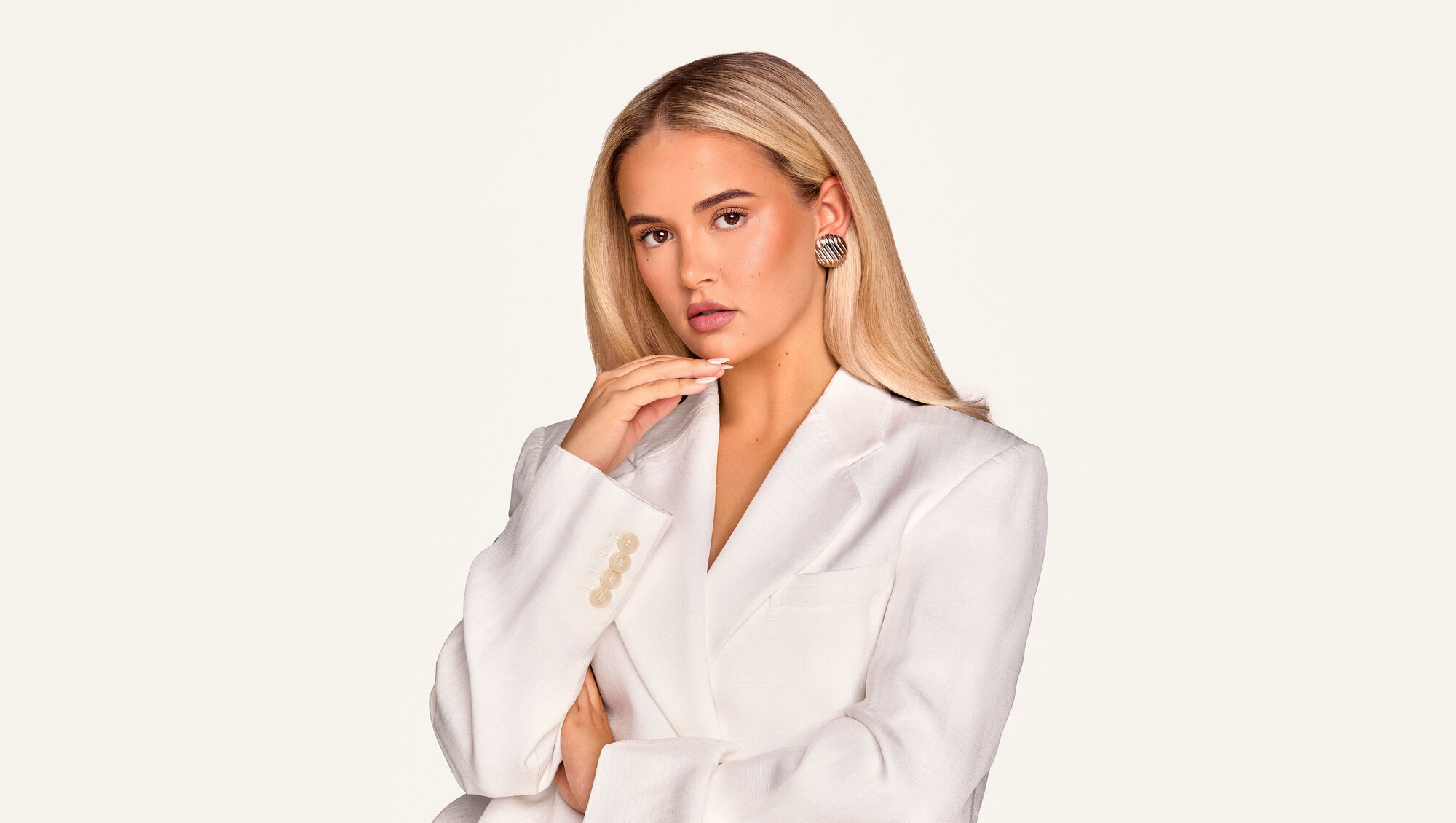
In stark contrast, the contemporary 'It girl' is exemplified by influencers such as Molly-Mae Hague. Her brand is built on a foundation of simplicity, sophistication, and a 'clean-girl' aesthetic. Hague, a mother and businesswoman, showcases a lifestyle that prioritizes home-making, neutral color palettes, minimalist fashion, and a focus on wellness. Her public persona avoids alcohol and excessive partying, instead emphasizing self-care routines, sophisticated clothing choices, and the nurturing of her family life. This shift is evident in her recent documentary, which portrays her navigating a public breakup by focusing on her child, grandmother, and personal growth, rather than seeking solace in a party scene. Her aspirations, such as a quiet, intimate wedding at home, further illustrate a departure from the ostentatious displays favored by her predecessors. The commercial success of her clothing brand, Maebe, which sells out rapidly despite a relatively private public life, underscores the appeal of this new, quieter 'It girl' image.
The driving forces behind this cultural shift are multifaceted. Social media platforms have empowered individuals to cultivate their own narratives and build direct connections with their audiences, reducing the reliance on traditional media outlets that once thrived on sensationalism. This direct engagement allows influencers to present a more curated and often idealized version of their lives, catering to an audience that may be seeking different role models. Experts like Lynn Hunter, founder of Hunter Media Group, note a significant change in content creators' focus, with a growing emphasis on exploration, outdoor activities, and wellness. The rise of sober curiosity, the decline of traditional nightlife, and an increased awareness of mental health and well-being have contributed to a cultural preference for healthier, more balanced lifestyles. Gen Z and millennials, in particular, are showing a reduced interest in alcohol consumption and a greater inclination towards community-based, sober activities. This collective desire for a quieter, more wholesome existence has made figures like Molly-Mae Hague relatable and aspirational. She embodies an achievable ideal of success, ambition, and contentment within a domestic and calm setting, offering a 'simple life' that resonates with many in an increasingly complex world.
#ItGirl #SocialMediaInfluence #CulturalShift #LifestyleTrends #CelebrityCulture #MollyMaeHague #CleanGirlAesthetic #WellnessMovement #ItGirl #SocialMediaInfluence #CulturalShift #LifestyleTrends #CelebrityCulture #MollyMaeHague #CleanGirlAesthetic #WellnessMovement
 No comments yet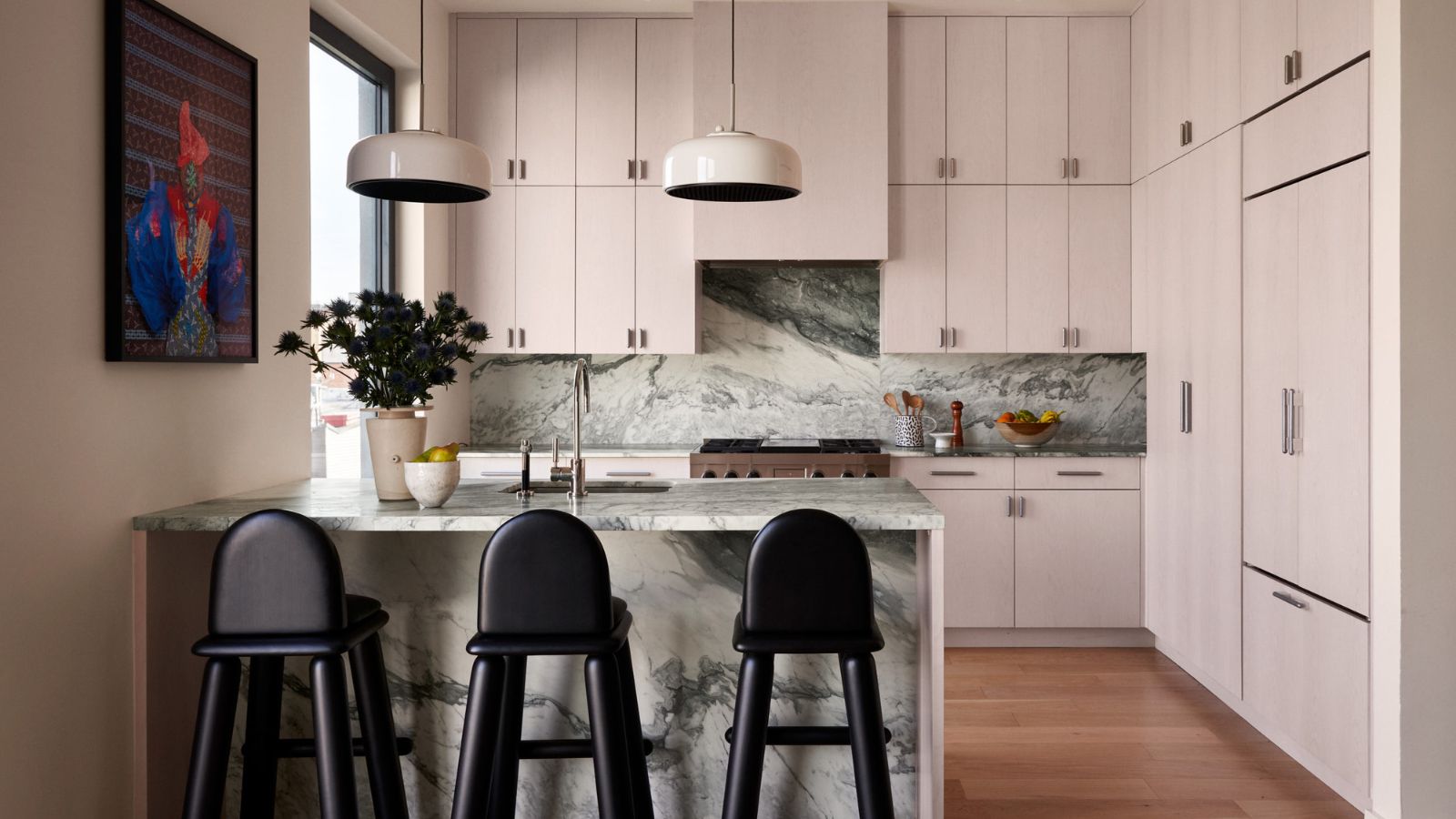
How a once 'hard-edged' apartment was transformed into a 'soft and playful' home
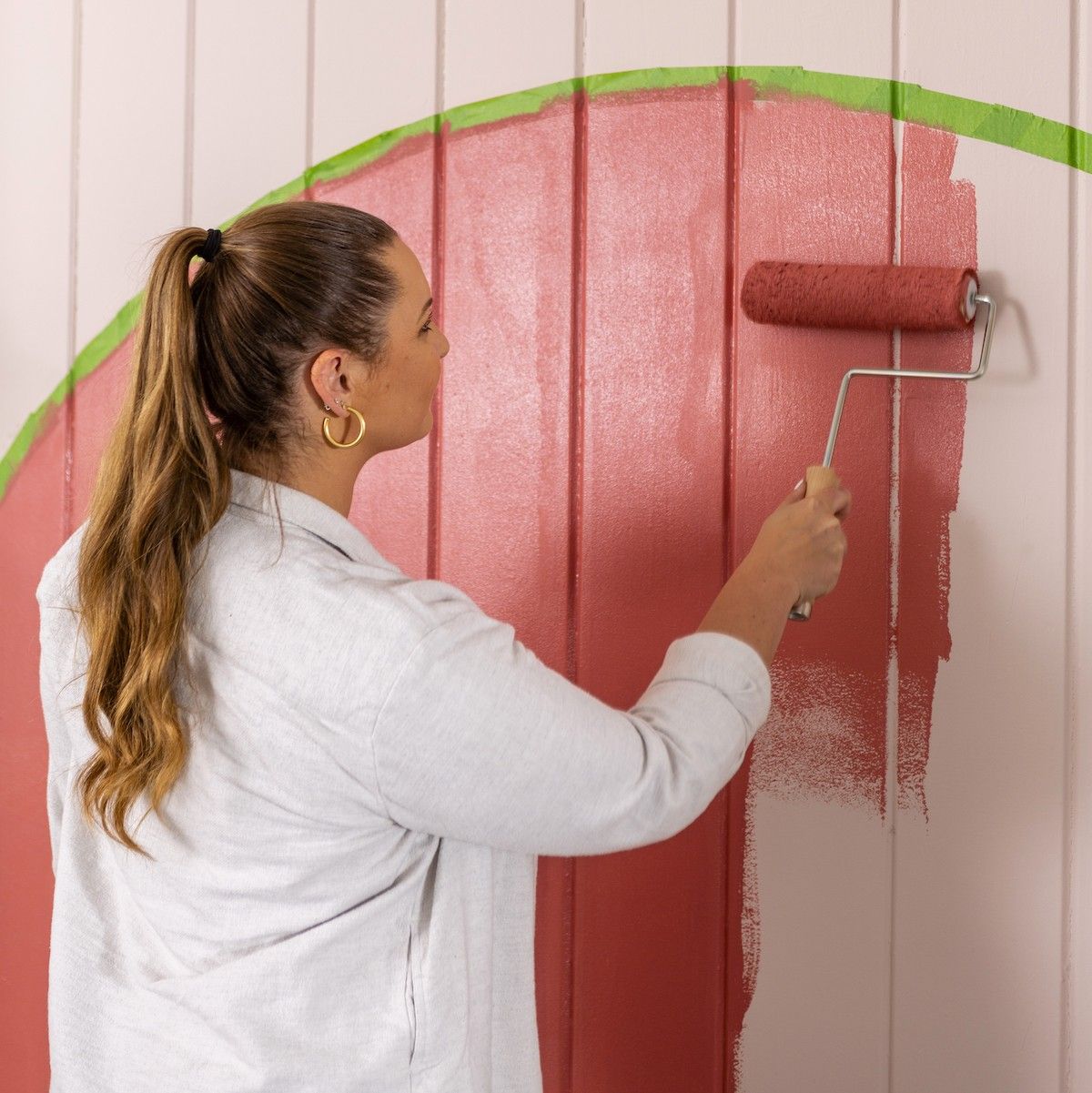
We're Finally Leaving The "Sad Beige Aesthetic" Behind