Unpacking the Beige Kids Decor Controversy Rocking the Internet
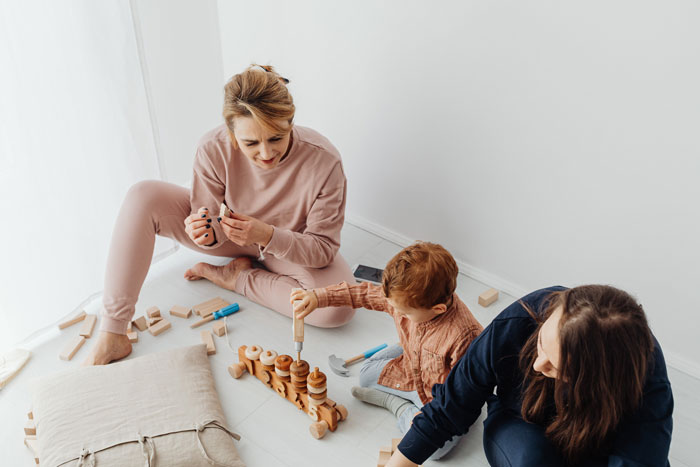
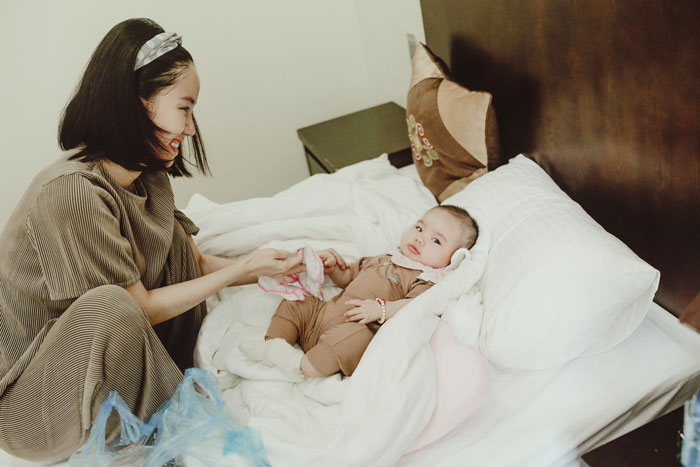
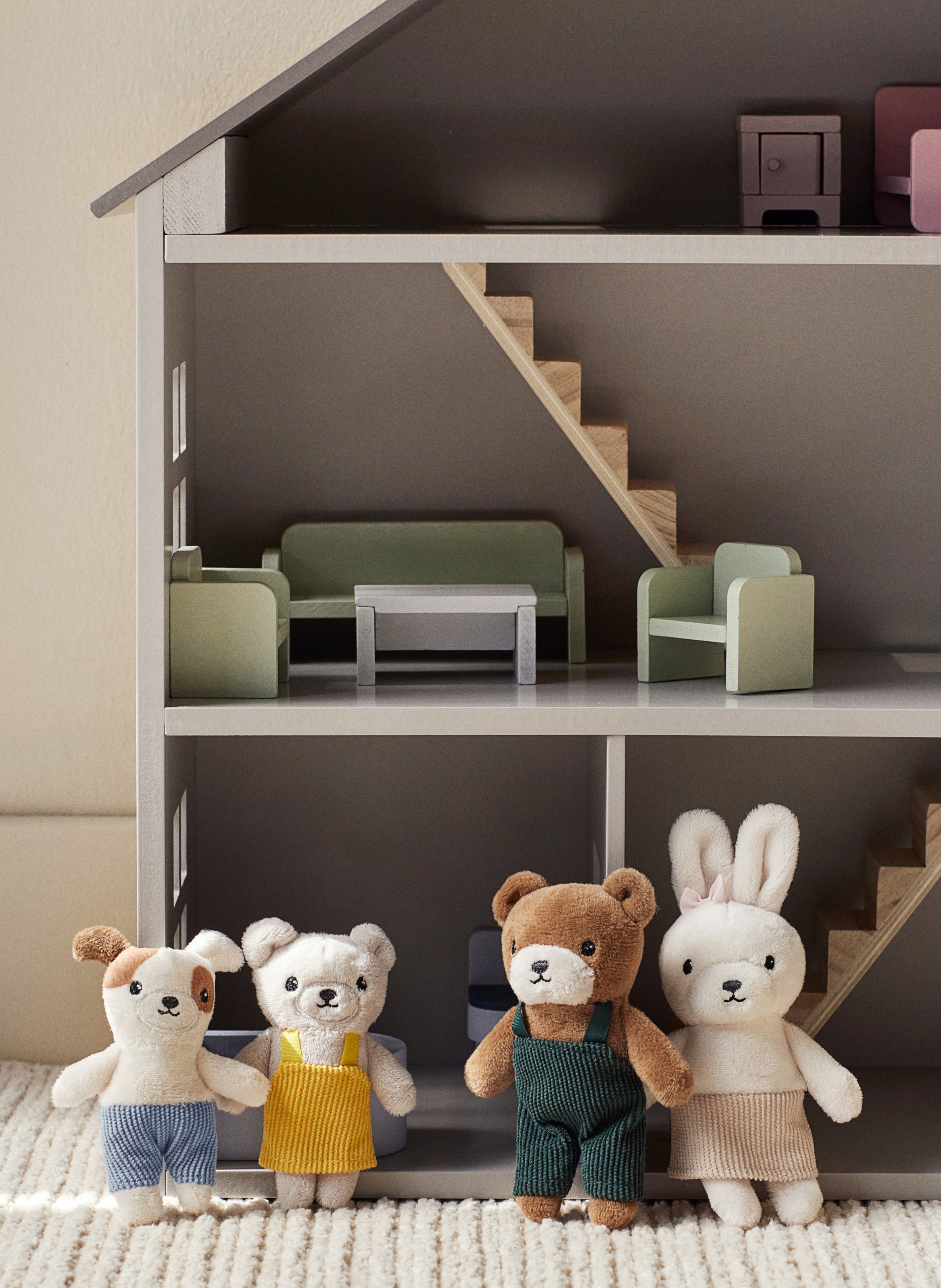
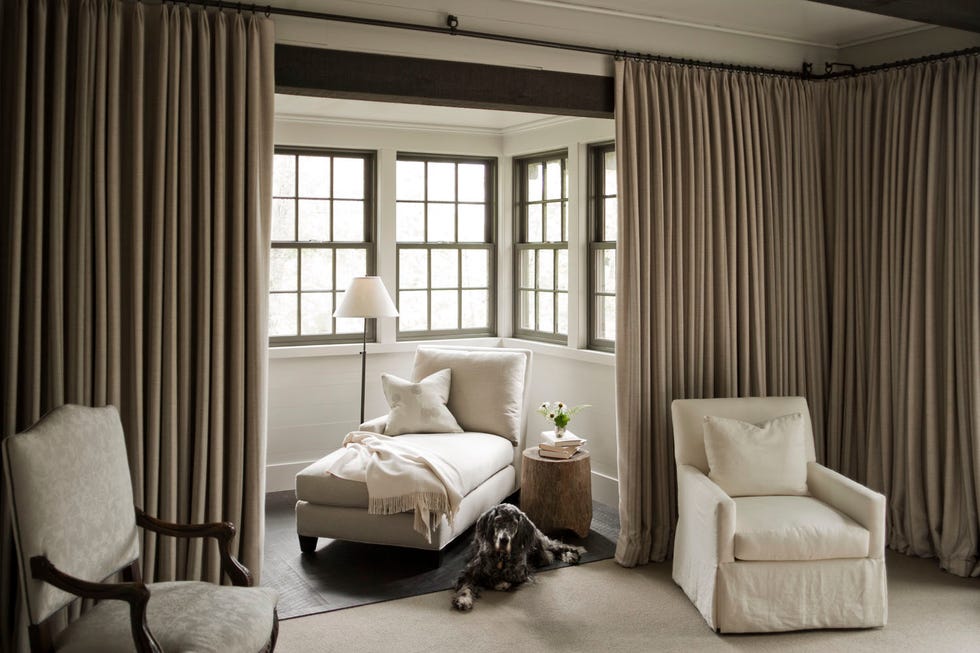
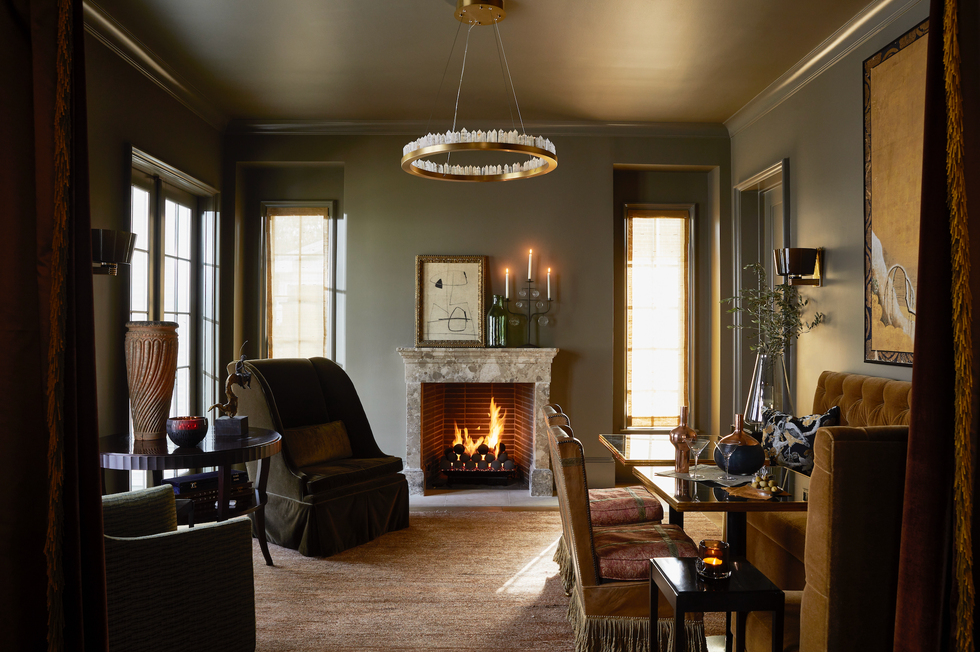
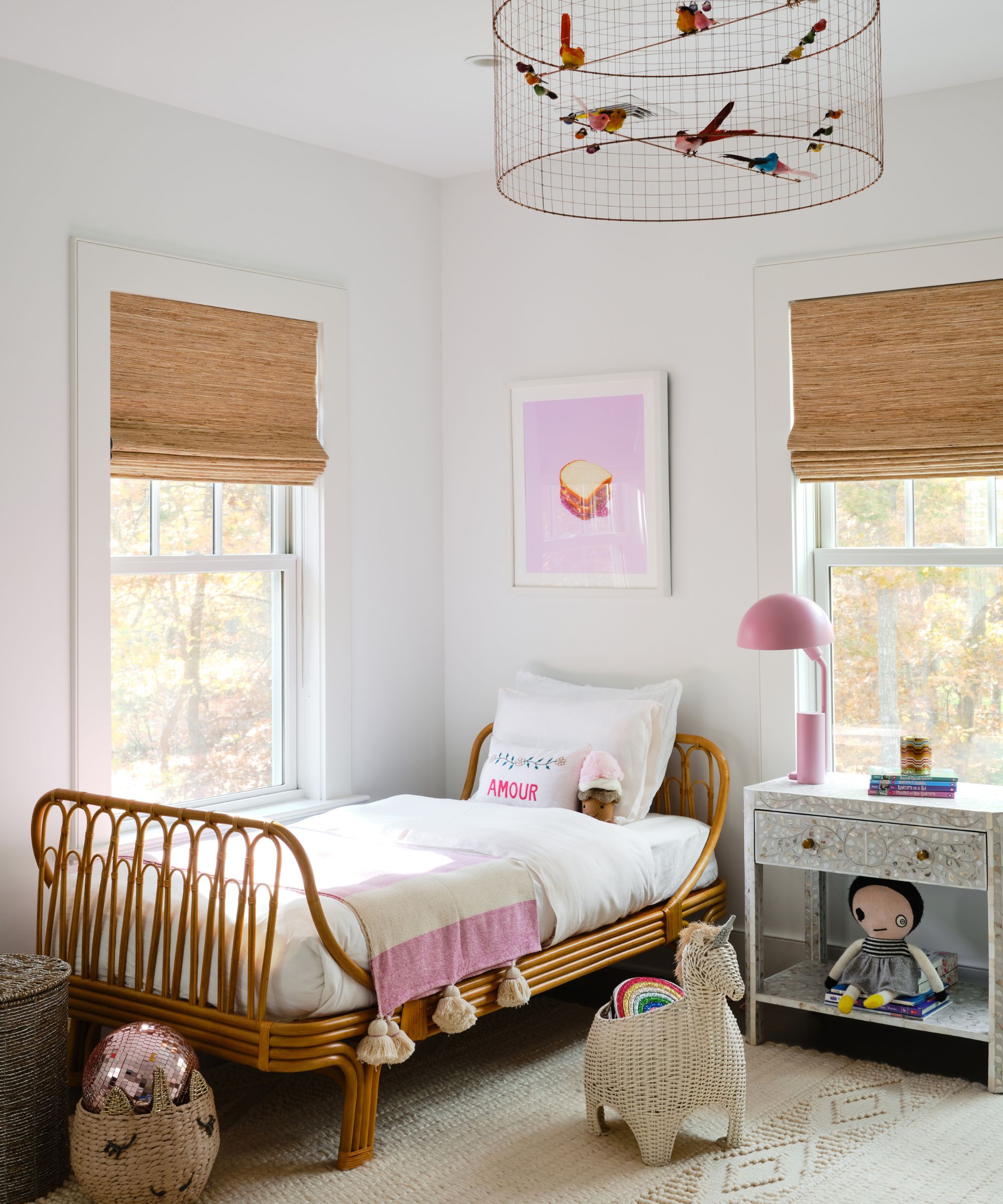
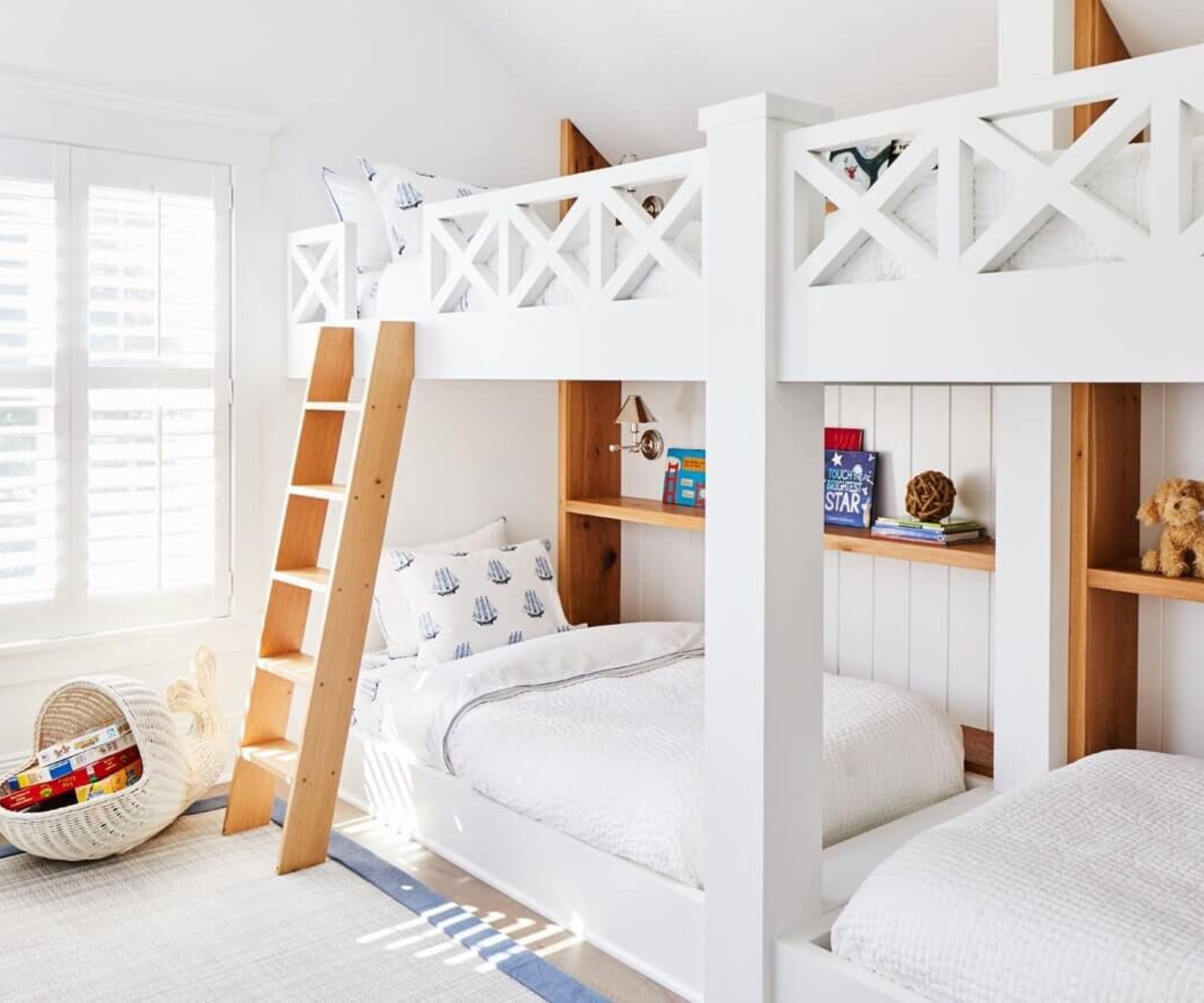
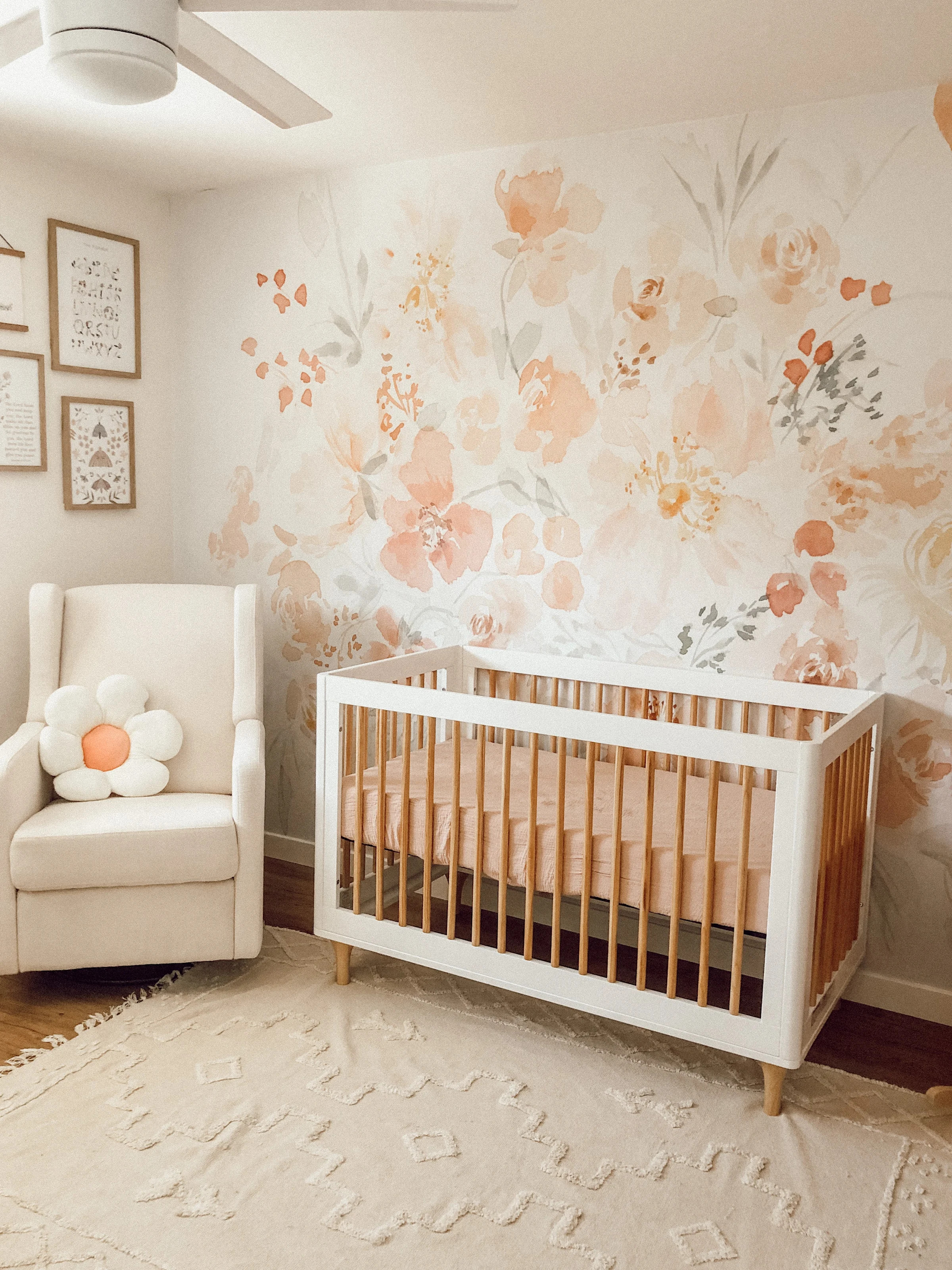
The article discusses the ongoing debate surrounding the use of neutral or "beige" decor and toys in children's spaces, a trend that has gained popularity among some parents but has also sparked significant online controversy. This trend involves incorporating muted color palettes, often shades of beige, white, and gray, into nurseries and children's play areas, and choosing toys made from natural materials like wood with minimal color. The popularity of this aesthetic is attributed to a desire among parents for children's products that align with their home's overall design, eliminating the need to hide away toys.
Sebastian Brauer, senior vice president of product design for Crate & Barrel and Crate & Kids, highlights the commercial demand for such items. He notes that customer insights and market studies indicate a preference among parents for quality, sustainable toys that can be seamlessly integrated into adult living spaces. Crate & Kids, for instance, introduced wood toys in 2018 and has since observed a 49% year-over-year increase in searches for natural wood finishes in toys and accessories, suggesting a strong consumer interest in this style.
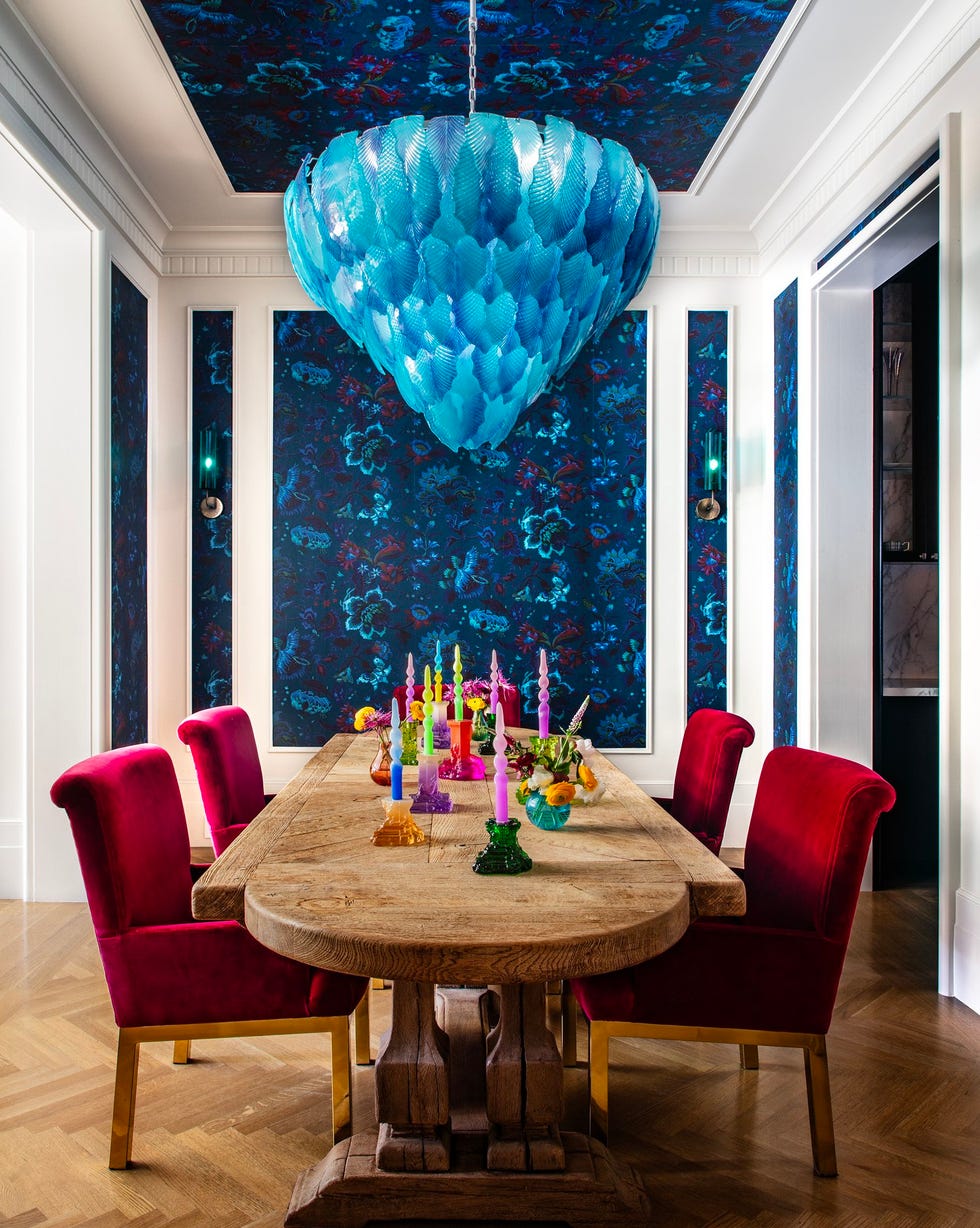
However, this design choice has been met with criticism, with some detractors labeling parents who adopt neutral palettes as "sad beige moms." The core argument against beige kids' decor is that it prioritizes adult aesthetic preferences over a child's developmental needs. Critics suggest that a lack of vibrant colors might hinder a child's cognitive development, particularly in areas related to learning and recognition. The internet debate often frames this as a conflict between adult taste and childhood enrichment.
Jamie Anderson, a licensed professional clinical counselor supervisor and clinical program director at Pediatric Partners, offers a nuanced perspective on the controversy. She clarifies that the issue is not as simple as black and white, or in this case, beige. While acknowledging the important role color plays in a child's understanding of the world and its impact on memory and recognition, Anderson emphasizes that a neutral home environment does not necessarily deprive children of color exposure. She points out that children encounter colors through various external sources such as books, daycare, and outdoor experiences. Furthermore, she argues that children from economically diverse backgrounds without access to numerous colorful toys, or those with visual impairments, can still develop into well-adjusted individuals, indicating that a colorful home environment is not the sole determinant of healthy development.
Ultimately, the discussion revolves around balancing parental aesthetic preferences with perceived developmental needs of children. While the beige decor trend reflects a shift in consumer demand towards more integrated home aesthetics, experts suggest that a child's exposure to color extends beyond the immediate home environment, mitigating concerns about developmental stifling.
#BeigeKidsDecor #ParentingTrends #ChildDevelopment #InteriorDesign #NurseryDecor #ProductDesign #ChildrensToys #BeigeKidsDecor #ParentingTrends #ChildDevelopment #InteriorDesign #NurseryDecor #ProductDesign #ChildrensToys
0 comment in total
 No comments yet
You may also like
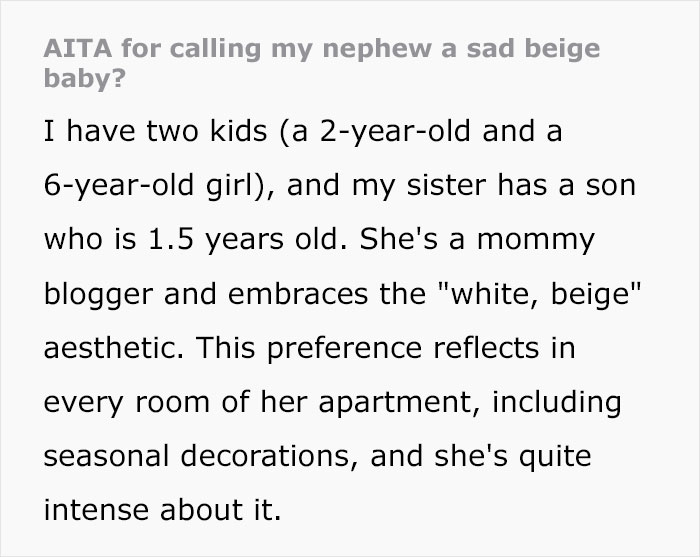
Woman Doesn’t Understand Why Her Sister Got So Heated Over Her Calling Her Kid A “Sad Beige Baby”

This Very "Controversial" Color Is About To Be Everywhere Again

This Month in Cool Things for Kids: Playfully Painted Beds, Pint-Size Suitcases, and More


Controversial post about organising cutlery kicks off heated debate

The Controversial “Wallpaper Box” Trend is DIVIDING the Design Community

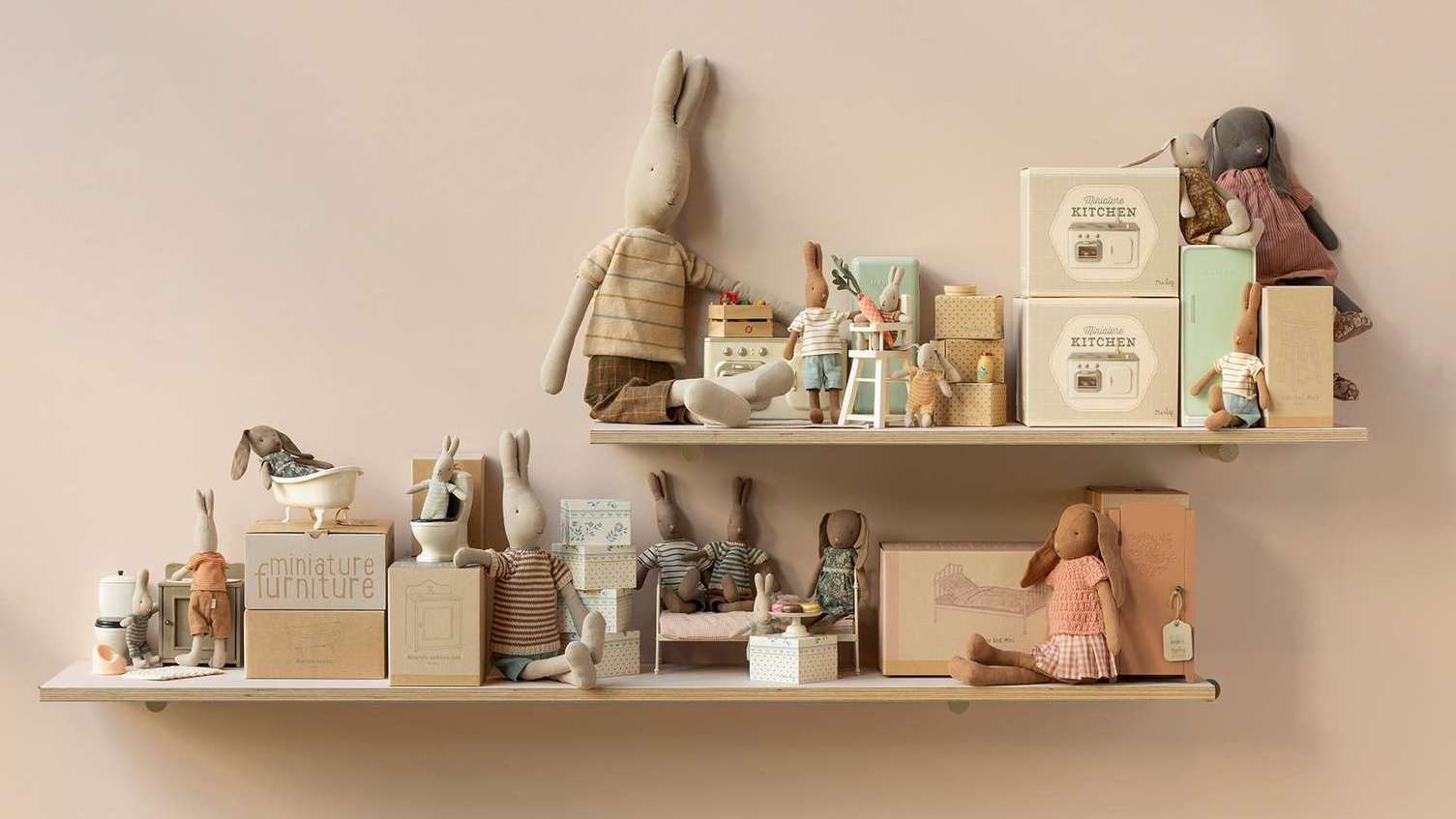
11 decorative toys for kids’ bedrooms and playrooms
Reddit Is Freaking Out Over This Tablecloth Debate—Here's What Design Experts Say
To Flip or Not to Flip: Have Antique Furniture Revamps Gone Too Far?

She Jokingly Called Her Sister’s New Kid A “Sad Beige Baby” And Now They’re Feuding

Reddit Is Freaking Out Over This Tablecloth Debate—Here's What Design Experts Say
The Controversial Kitchen Trend the Design World Is Buzzing Over
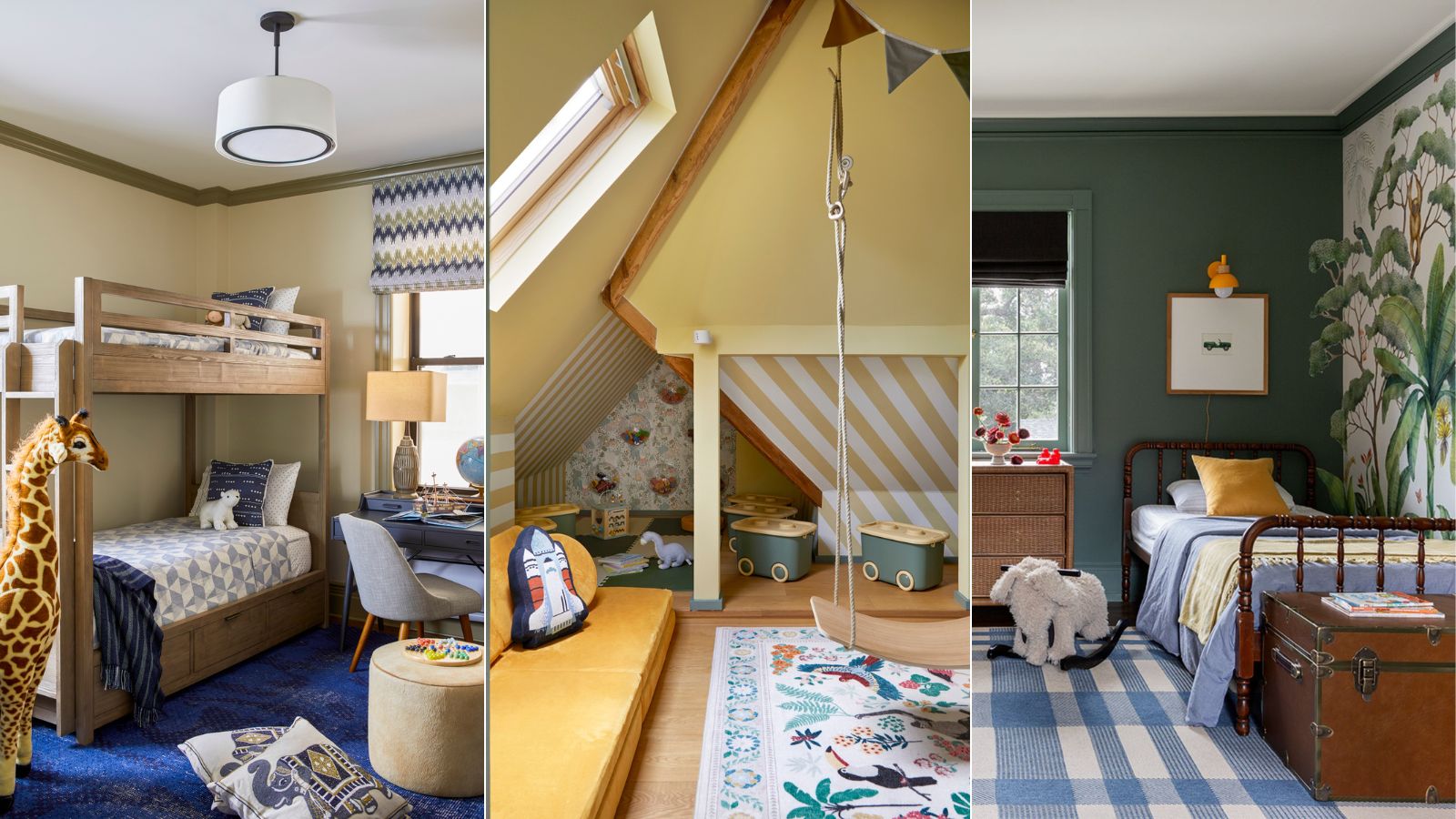
Here are all the most common mistakes to avoid when decorating a kids' bedroom according to interior designers
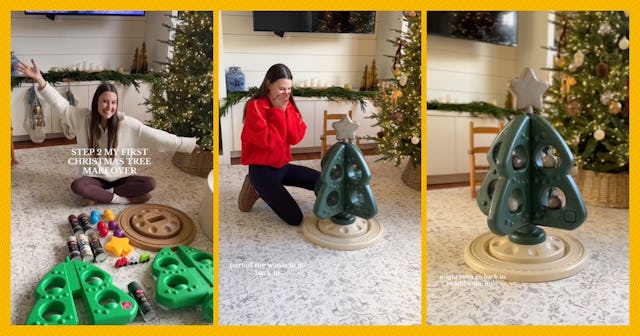
The Internet Is Raging Over This Mom’s “Sad Beige” Christmas Tree Toy Makeover

“Bedscaping” Is the VIRAL Design Trend Taking Over Your Social Feed
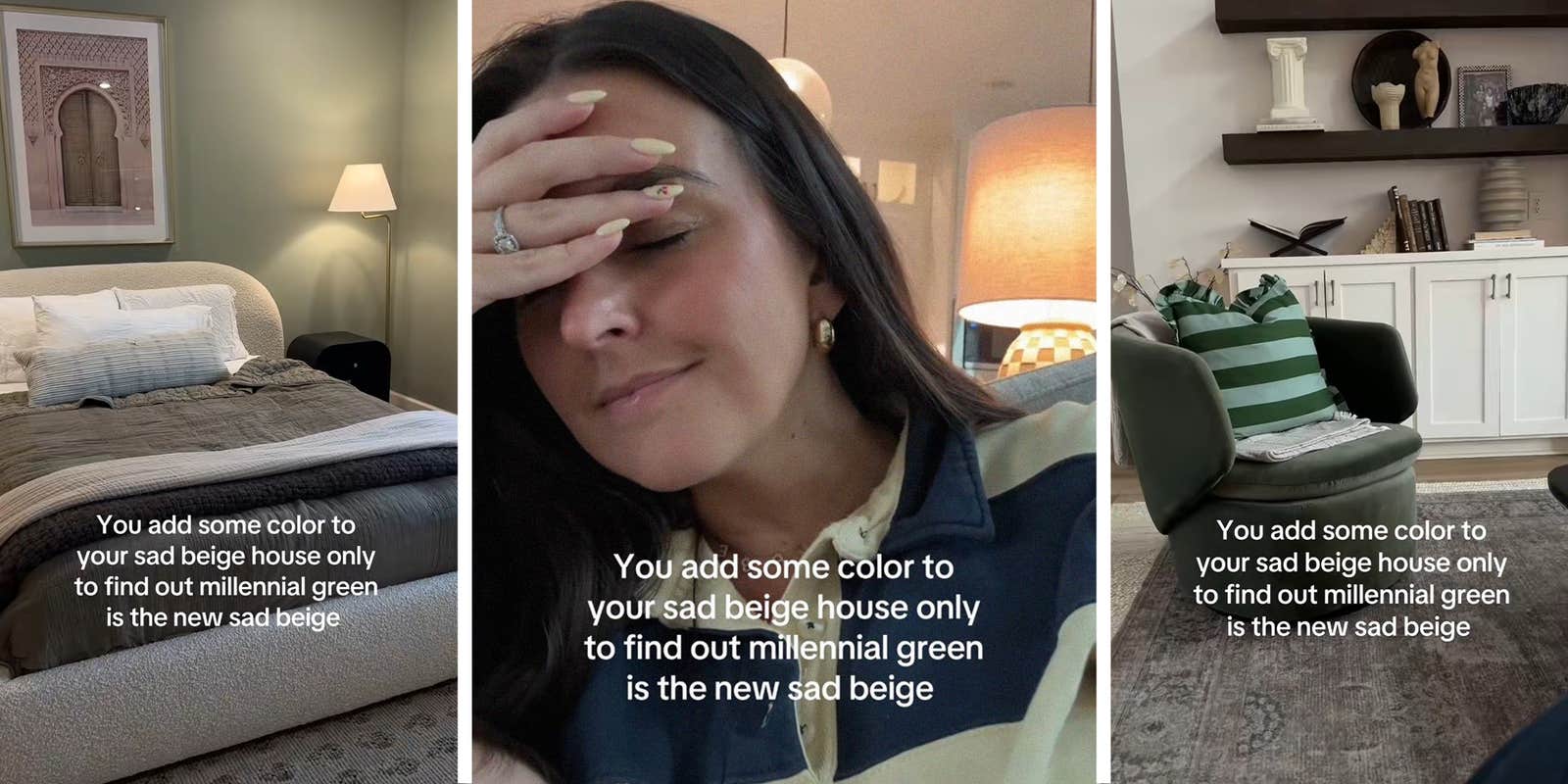
Is millennial green the new ‘sad beige’?
This surprising color trend is having a comeback

This Controversial Home Layout Has DIVIDED the Design World
The Design World Is DIVIDED on This Controversial Curtain Styling Trend
These Cozy Throw Blankets Went Viral Online, And We Get The Hype
The Internet Is Fighting Over "Wall Chapstick"