1/8
7 things you might be forgetting to clean in your bedroom
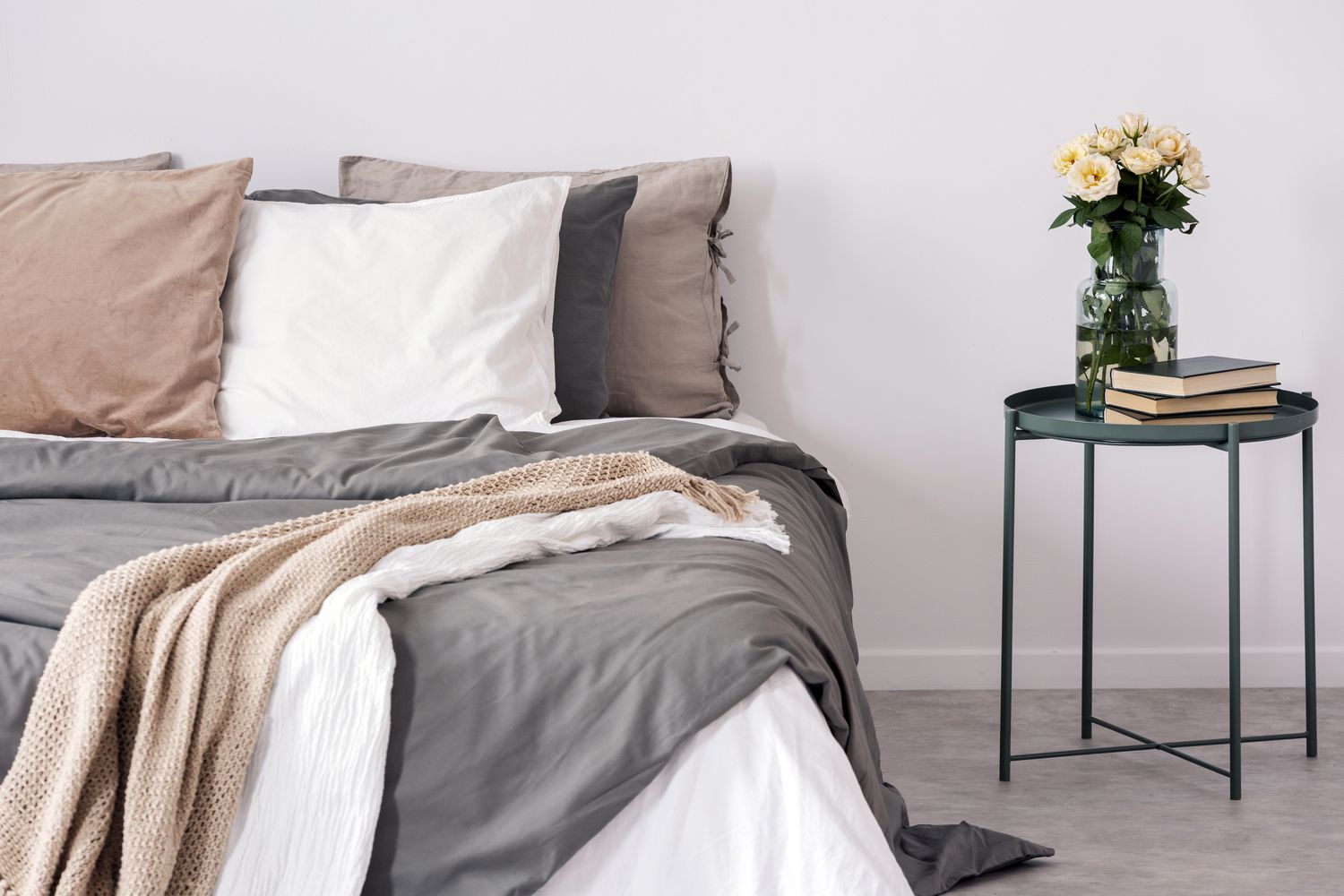
The article highlights seven frequently overlooked areas in the bedroom that require regular cleaning to maintain good air quality, prevent allergens, and ensure overall hygiene. Expert cleaners emphasize that despite being a place for rest, bedrooms accumulate significant amounts of dust and bacteria. Addressing these forgotten spots is crucial for a seasonal refresh and improved well-being.
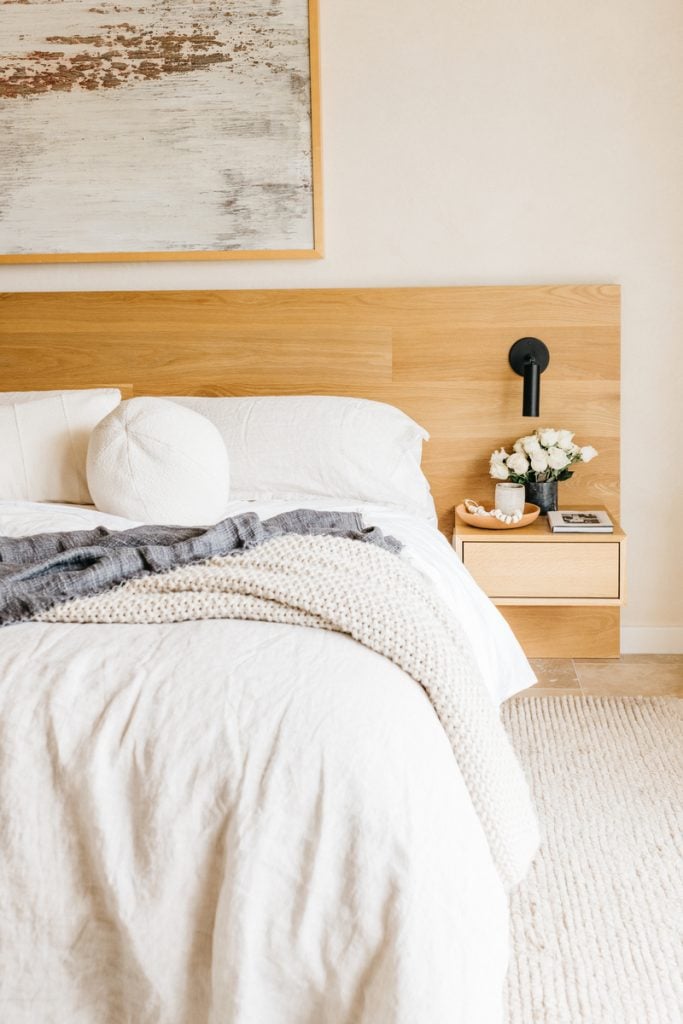
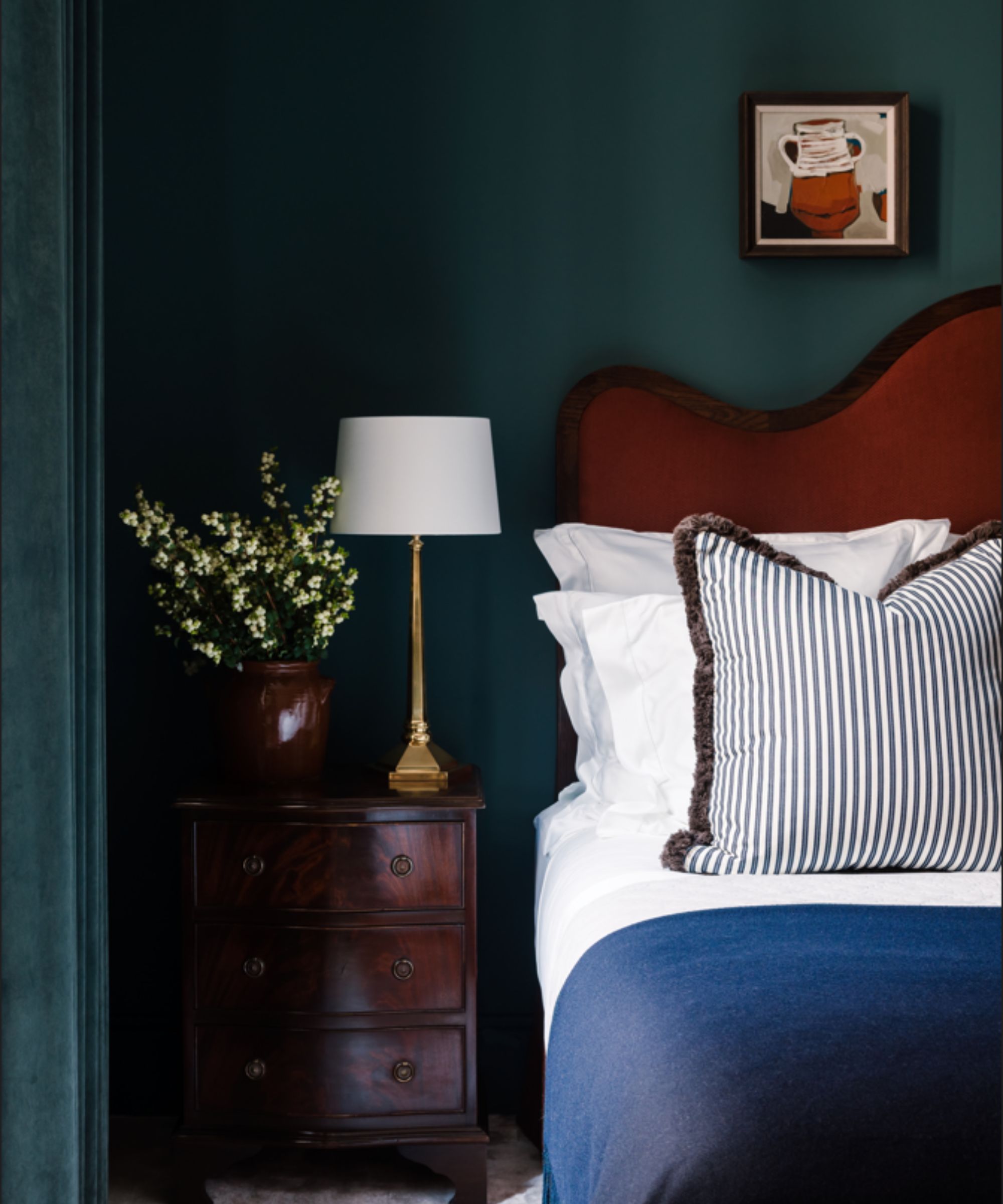
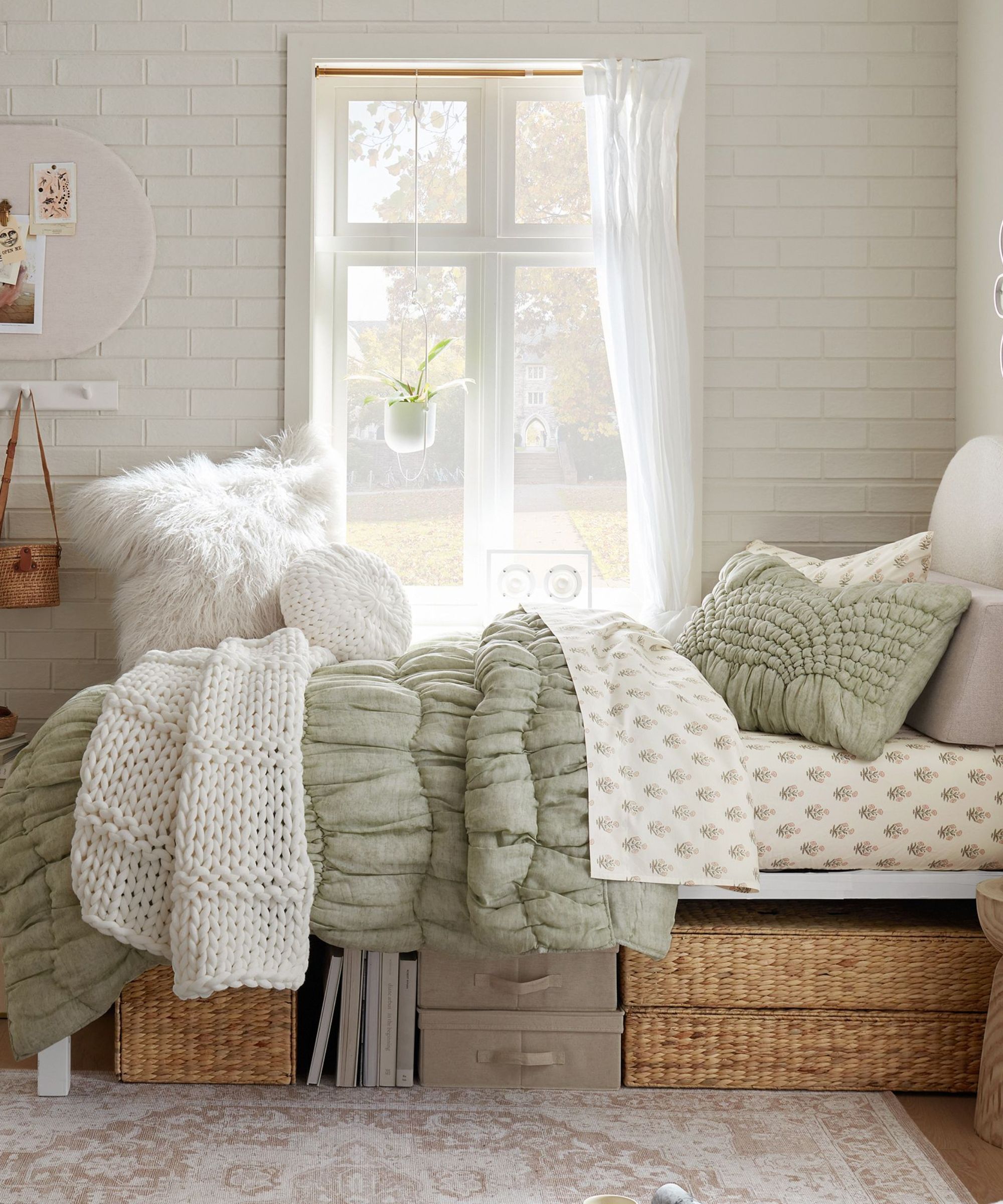
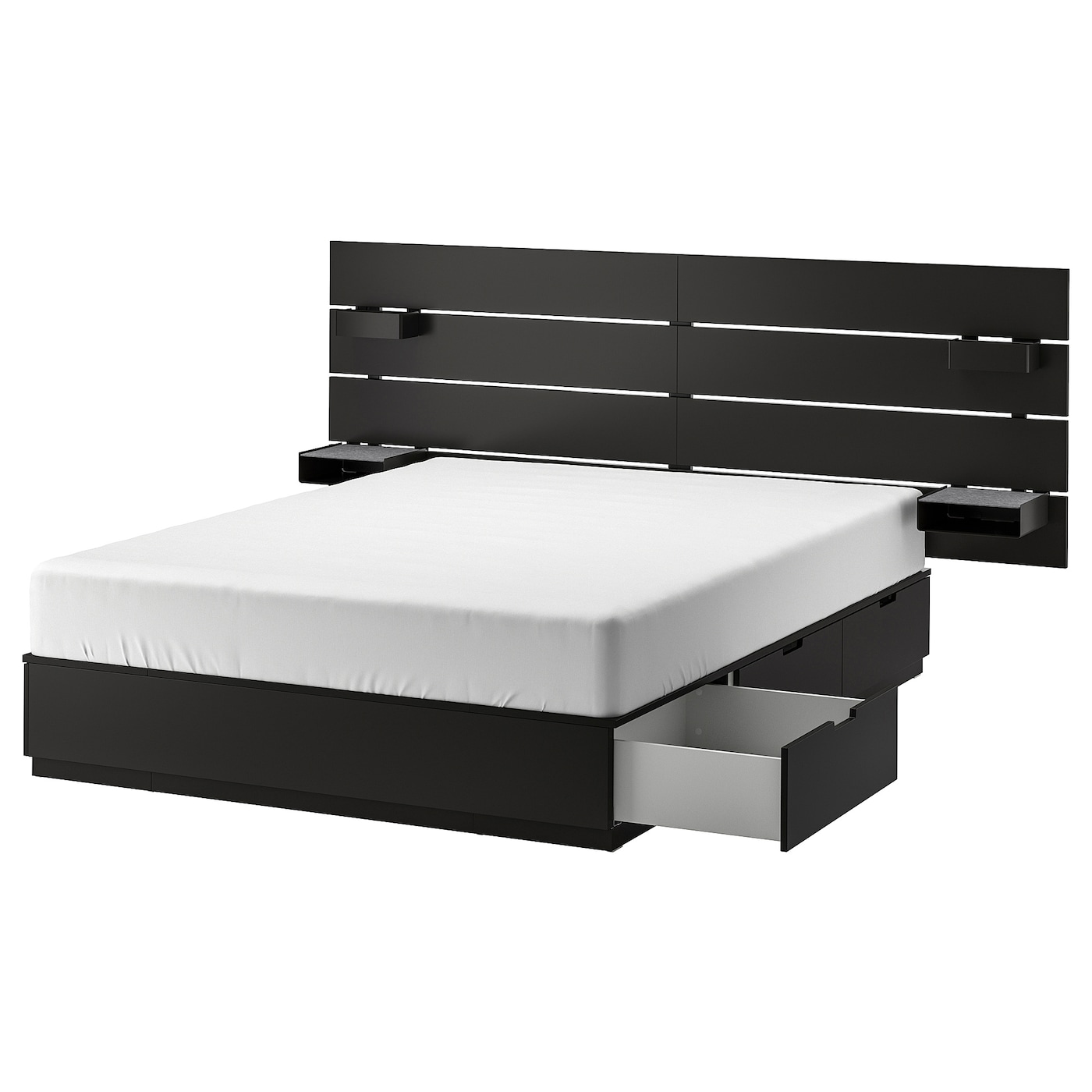
The first area mentioned is under the bed. Alicia Sokolowski, a cleaning and laundry expert, recommends removing all stored items, vacuuming thoroughly with a crevice tool, and wiping the floor with a damp microfiber cloth and gentle cleaner. Karina Toner, another cleaning expert, adds the importance of cleaning the bed frame and headboard to prevent dust accumulation and improve air quality. For upholstered headboards, she suggests vacuuming and using a fabric freshener spray, or a homemade non-toxic spray with essential oils.
Next, light switches are identified as high-touch areas often neglected. Alicia advises dampening a microfiber cloth with a natural all-purpose cleaner and gently wiping the surfaces, ensuring the cloth is only slightly damp to protect electrical components. This practice helps remove fingerprints and smudges, leaving switches clean and shiny.
Baseboards, though not requiring daily cleaning, should be addressed regularly, ideally monthly. The recommended method involves dusting with a microfiber cloth or vacuum brush attachment, followed by wiping with a damp cloth and a gentle cleaning solution to remove scuffs and grime. Tools like a reusable damp duster are suggested for efficient cleaning.
Lampshades, particularly fabric ones, can trap dust, pollen, and pet hair, subtly affecting air quality. Karina suggests using a lint roller first, then a dry microfiber cloth to remove residual dust, and finally a damp microfiber cloth for deeper cleaning. For stains, a mild soap solution is recommended, while plastic or glass shades can be cleaned with an all-purpose cleaner.
Pillows are another critical item often forgotten in cleaning routines. Experts advise washing pillows every three to six months, not just pillowcases, as they can become breeding grounds for bacteria. It is important to check laundry symbols, use a mild, fragrance-free detergent, and dry thoroughly to prevent mold and mildew. Dryer balls can help maintain shape and fluffiness and speed up drying.
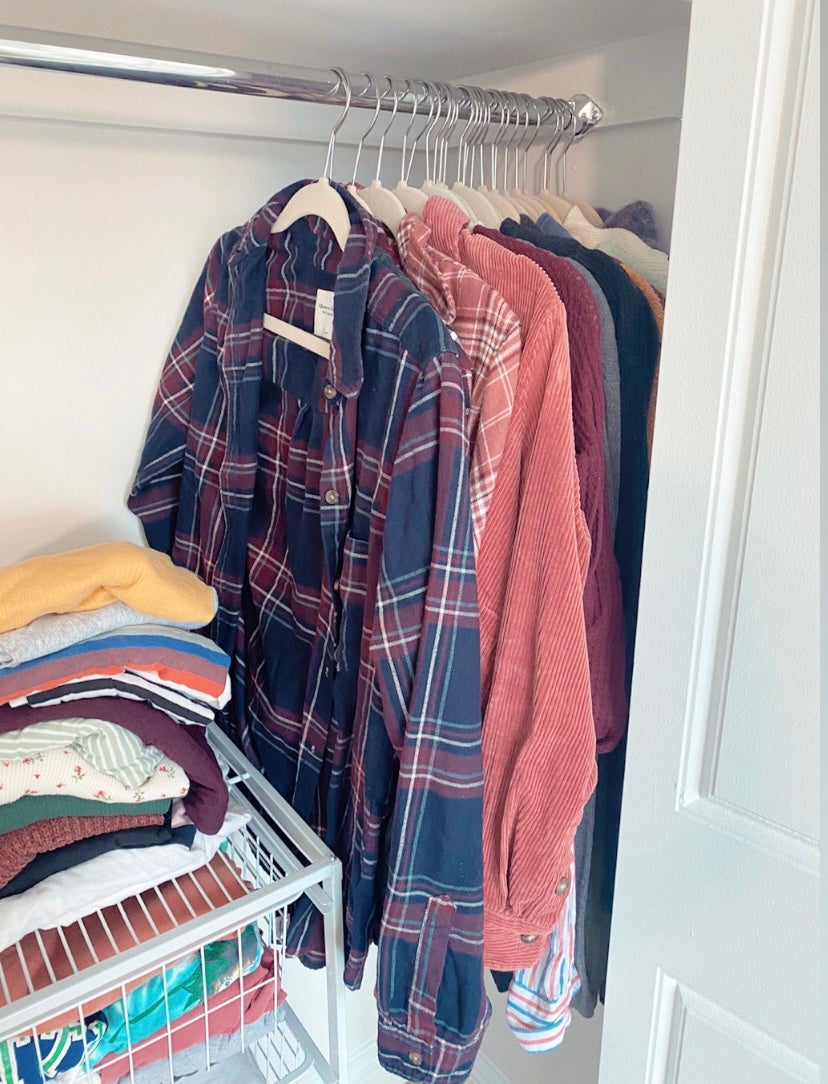
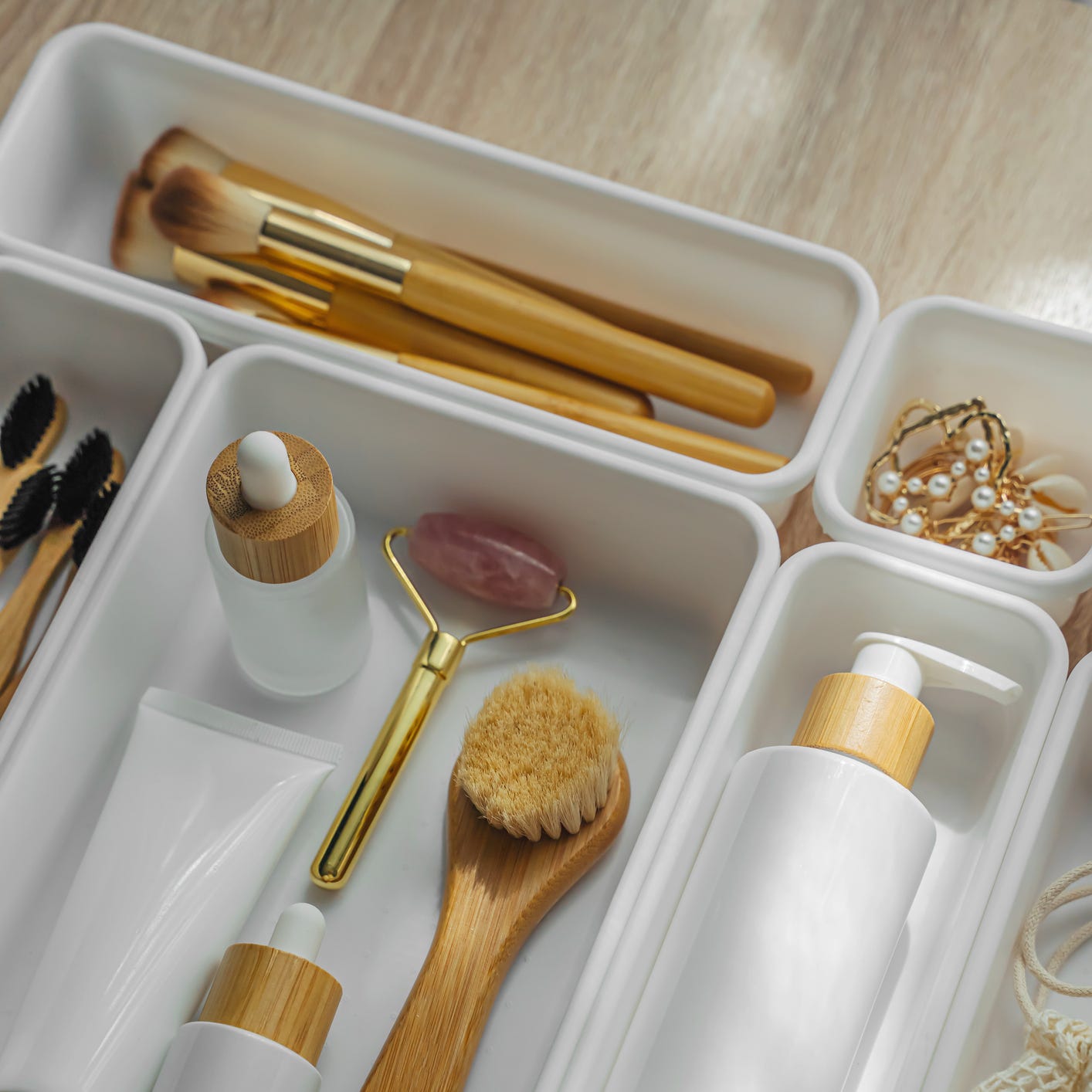
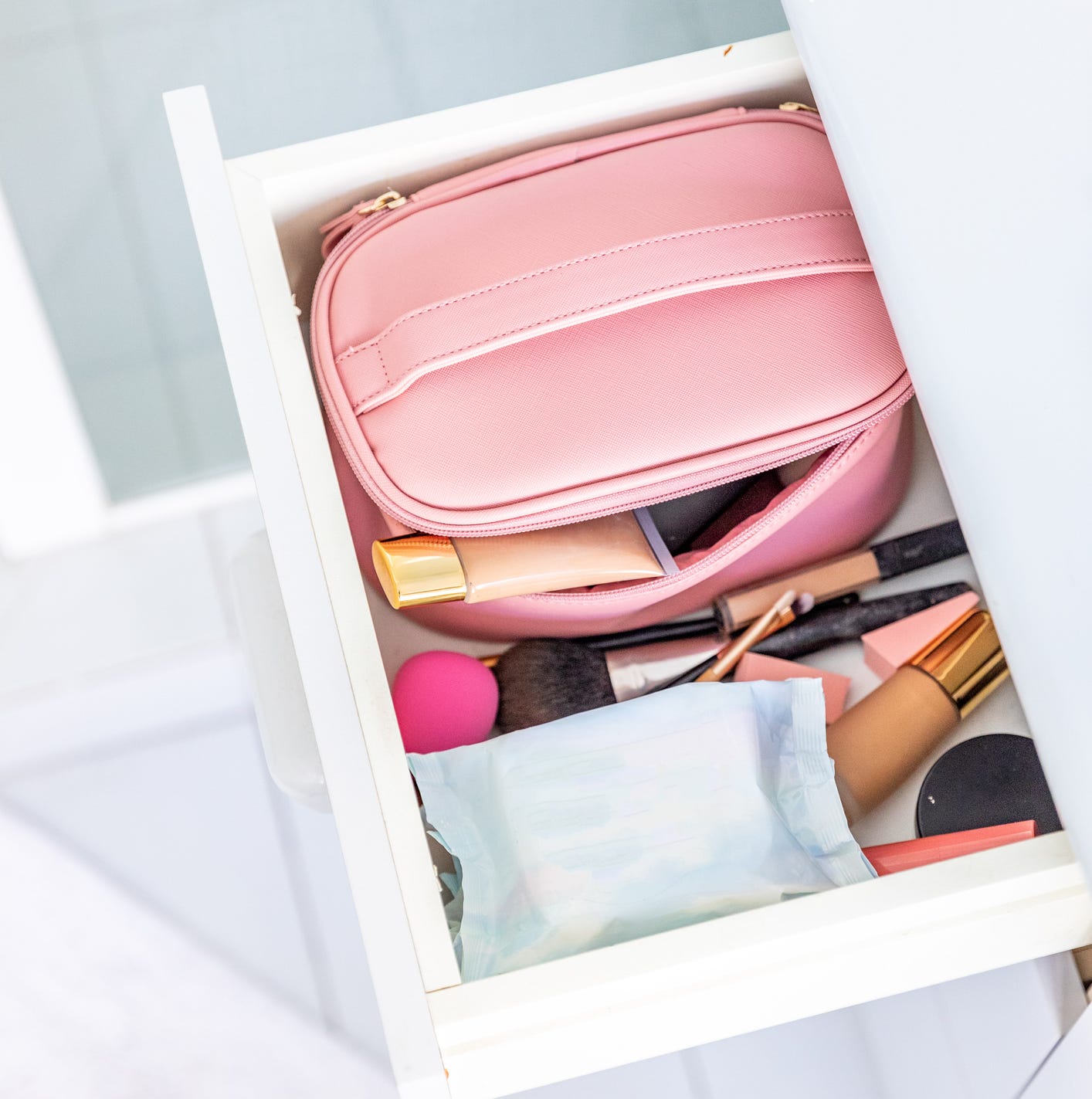
Closet shelves and drawer interiors, used daily, quickly gather dust, dirt, and bacteria. The cleaning process involves emptying them, decluttering unwanted items, vacuuming with a handheld device, and wiping surfaces with a damp cloth and mild cleaning solution. Allowing them to dry completely before returning items is essential. Karina suggests using washable drawer liners to simplify future cleaning efforts.
Finally, cleaning the mattress is highlighted as crucial for sleep hygiene and fresh bedroom odors, although it is often postponed. Alicia explains that it doesn't have to be a tedious task. She recommends vacuuming the mattress surface to remove dust mites, sprinkling baking soda, letting it sit for 30 minutes, and then vacuuming again. Steam cleaning can also effectively kill bacteria, but it should not be used on memory foam mattresses due to potential material warping.
The article also mentions the "20-minute cleaning rule" as a practical approach for tackling forgotten cleaning tasks: clean for 20 minutes, take a 10-minute break, and repeat as needed.
#BedroomCleaning #HomeHygiene #DustControl #CleaningTips #MattressCare #PillowCleaning #Decluttering #BedroomCleaning #HomeHygiene #DustControl #CleaningTips #MattressCare #PillowCleaning #Decluttering
0 comment in total
 No comments yet
You may also like
5 Things to Banish From Your Bedroom for a Fresh, Clean Start

39 Things To Make Every Corner Of Your Bedroom A Little More More Organized


5 Things Wellness Experts Always Have in Their Bedrooms to Keep a Calm Space and Mind


These Common Styling Mistakes Are Making Your Bedroom Feel Messy (Even When It's Clean)

6 things you should never forget to clean in a hallway

6 Things People With Relaxing Bedrooms Always Have in Them
10 Things You Should Toss From Your Bedroom ASAP, According to Professional Organizers

8 of the biggest small bedroom layout mistakes designers see time and time again


How to clean a bedroom: daily, weekly and deep-clean tasks

Decluttering Your Bedroom? Don’t Throw Out These 6 Surprising Things, Pros Say
From fluffy towels to medicine cabinets: 9 things professional organisers never keep in the bathroom


9 Things Professional Declutterers Won’t Keep In Their Bathroom


8 things to get rid of in your bedroom, according to professional organizers

7 of the worst bedroom layout mistakes and how to avoid them

10 Bedroom Decor Mistakes Keeping You From Your Best Sleep Ever

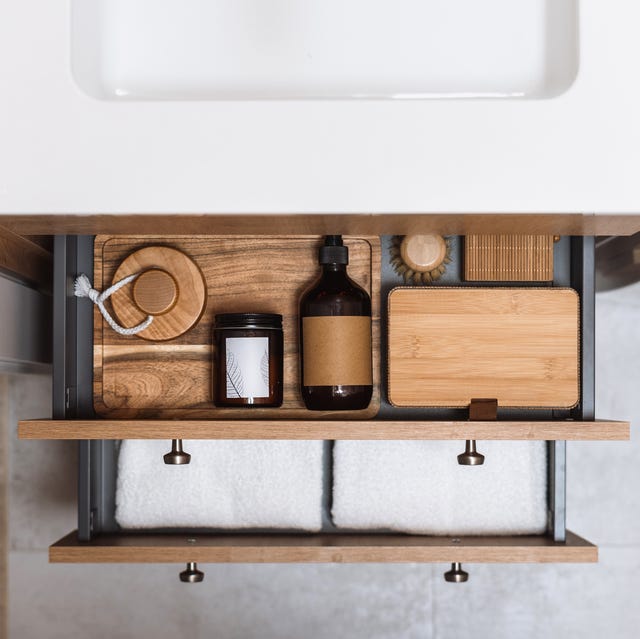
7 Bathroom Vanity Items Organizers Urge You to Throw out ASAP


5 things professional cleaners always notice in dirty bedrooms that are a ‘breeding ground’ for dirt
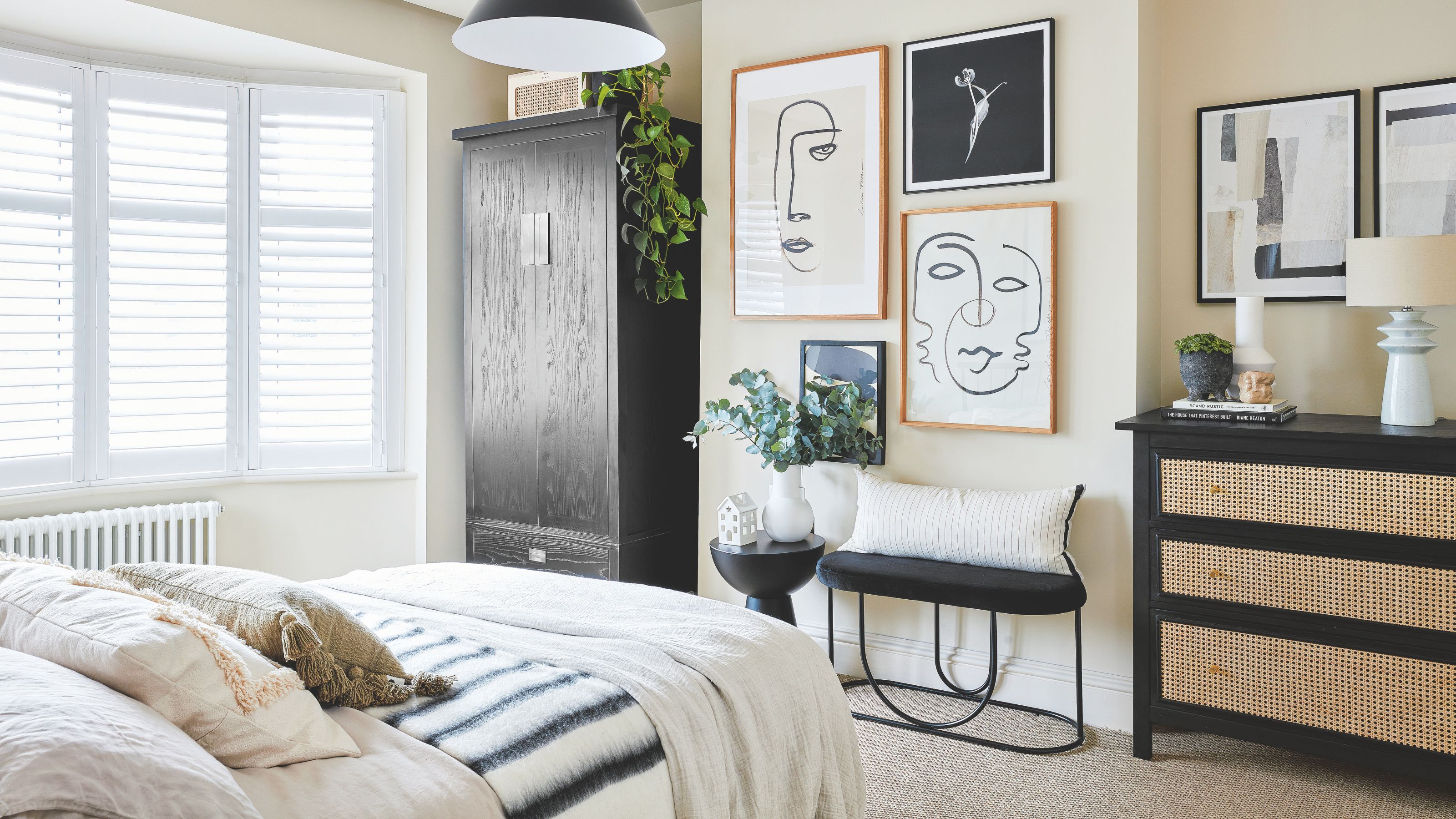
6 bedroom storage mistakes that could be causing mould – and what to do instead
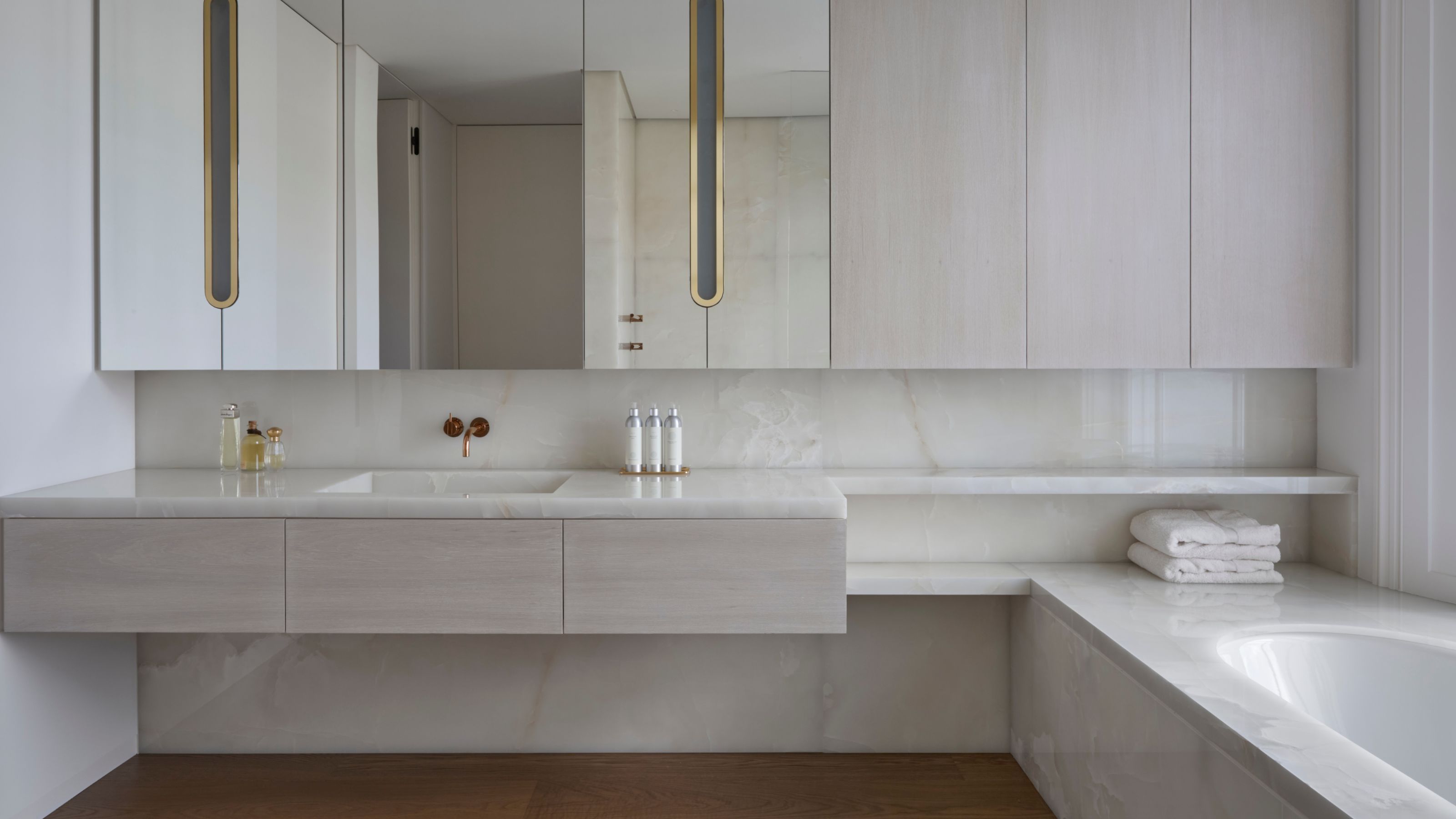
9 Bathroom Storage Mistakes You're Probably Making

6 Things That Are Making Your Bedroom Look Cluttered