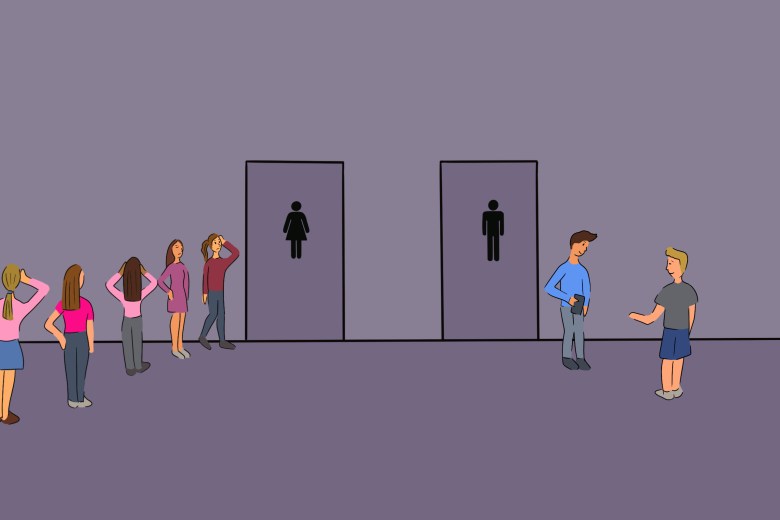
Bathroom lines and gender inequality
The article discusses the pervasive issue of long women's bathroom lines compared to men's, highlighting it as a subtle yet significant manifestation of gender inequality. The author observes this phenomenon in various public spaces, including a pub and a football stadium on the University of Michigan campus, where women consistently experience lengthy wait times while men's lines are minimal or non-existent. This disparity is attributed to several factors, including historical gender roles, physiological differences, and outdated plumbing codes.
Historically, women were largely confined to the home, leading to a lack of provision for women's restrooms in public buildings. As societal norms evolved and women entered public spaces in greater numbers, the existing infrastructure failed to adapt, resulting in an insufficient number of women's facilities. This historical neglect continues to impact contemporary public spaces, as many older buildings have not undergone the necessary architectural changes to accommodate modern gender demographics and needs. The article emphasizes that this issue is particularly noticeable in high-traffic areas like large sporting events and lecture halls, where demand for restrooms is high.
Physiological differences between men and women further exacerbate the problem. Women often require more time in restrooms due to menstruation, pregnancy, and the need to accompany young children. Studies cited in the article indicate that women's bathroom wait times can be significantly higher than men's, sometimes by as much as 34 times. Additionally, the design of men's restrooms, which typically include both urinals and stalls, allows for more efficient use of space and quicker throughput compared to women's restrooms that primarily feature stalls.
The discussion extends to the concept of "potty parity," which refers to advocacy and legislation aimed at achieving equitable restroom access. A notable instance mentioned is a federal complaint filed against the University of Michigan during the renovation of Hill Auditorium. The university's initial plan to increase male restroom facilities while keeping female facilities static sparked a lawsuit for illegal sex discrimination. This legal challenge ultimately led to the university adding more female restrooms, demonstrating a precedent for addressing such inequalities.
While the University of Michigan's Ann Arbor campus appears to have a relatively even distribution of men's and women's bathrooms in classroom buildings, the problem of long lines persists. This is partly attributed to the Michigan Plumbing Code, which, for many common facilities like nightclubs, restaurants, retail stores, and educational institutions, mandates the same ratio of toilets for both genders. Although some facilities, such as theaters and auditoriums, have codes that favor women, this is not universal. The article concludes by stressing the need for country-wide and facility-wide adjustments to building codes and bathroom policies to fully compensate for existing gender inequality in restroom access. Despite the ongoing challenges, there is hope for future progress in addressing this issue.
#GenderInequality #BathroomAccess #PottyParity #PublicSpaces #SocialCommentary #UniversityOfMichigan #PlumbingCodes #ArchitecturalDesign #GenderInequality #BathroomAccess #PottyParity #PublicSpaces #SocialCommentary #UniversityOfMichigan #PlumbingCodes #ArchitecturalDesign
0 comment in total
 No comments yet
You may also like

Bathrooms


How to design a bathroom: decor ideas and tips
Roundtable: merging spaces & the future of bathroom design
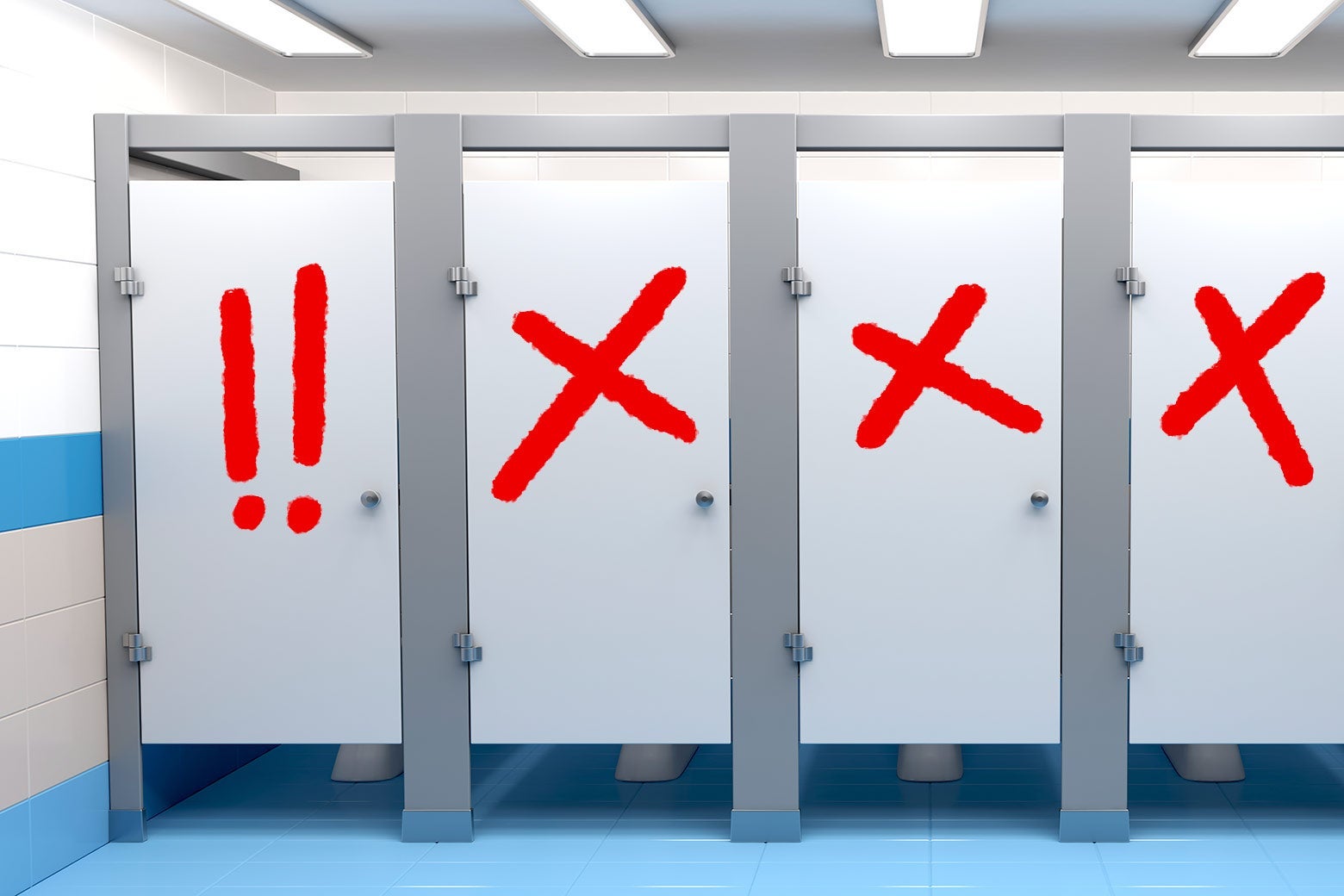
Which Bathroom Stall Is the Cleanest? These People Think They Have It Figured Out.
“Can’t Stand Rainfall Showers” — Woman Says Only a Man Would Renovate a Bathroom to Have One
Why Do So Many Millennial Women's Bathrooms Look The Same?

Dignity, Inclusivity and Walkability: How Public Bathrooms Help Cities Flourish
Battle of Old Vs. New in the Bathrooms
Bathroom Trends
An ode to the women’s bathroom
50 stylish bathroom ideas that designers always return to

Ten public toilets with unexpected floor plans that break the bounds of the cubicle

An ode to the women’s bathroom
The decorative schemes, layouts and materials to copy for your bathroom this year
Colorful bathrooms are on trend – but what do interior design experts think?
The 8 Must-Know Bathroom Trends for 2026 |

A Head to Head in the Bathroom Becomes a Game of Transparencies and Technologies

2019 Bathroom focus: international trends
5 Bathroom Layouts That Look Dated in 2025 and How to Fix Them
Which Bathroom Stall Is the Cleanest? These People Think They Have It Figured Out.