1/6
5 rules for organised corner cabinets in a small kitchen – expert-backed strategies to keep them tidy and functional
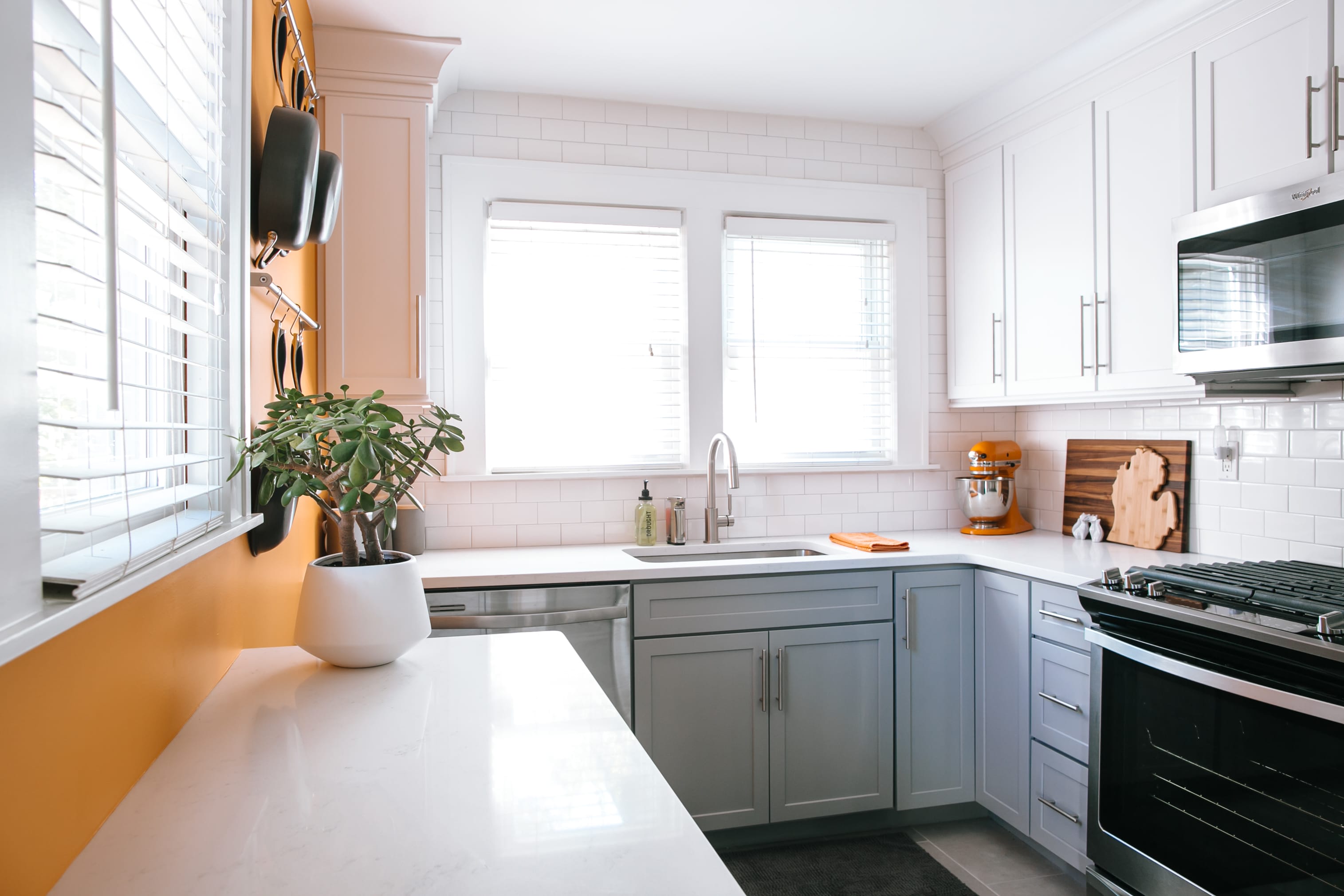
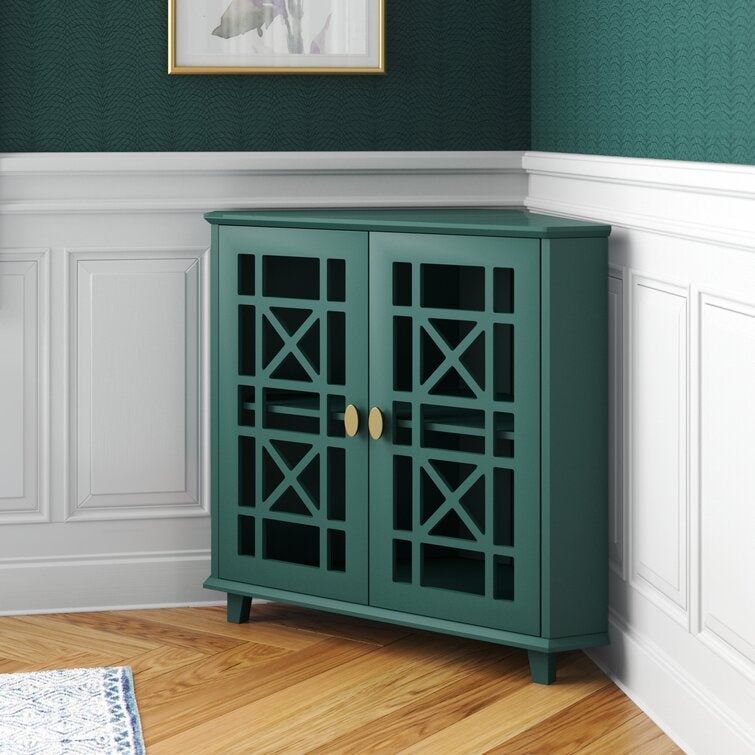
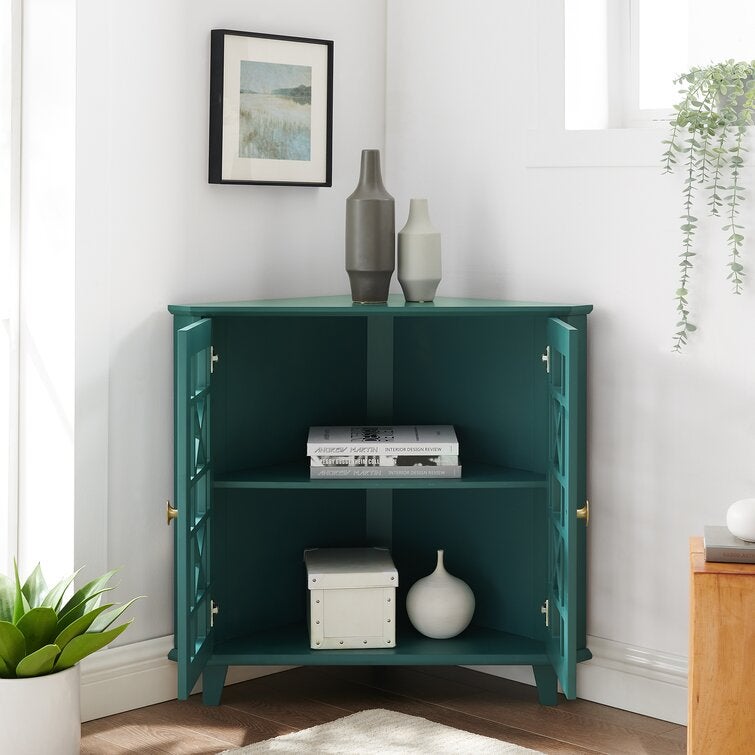
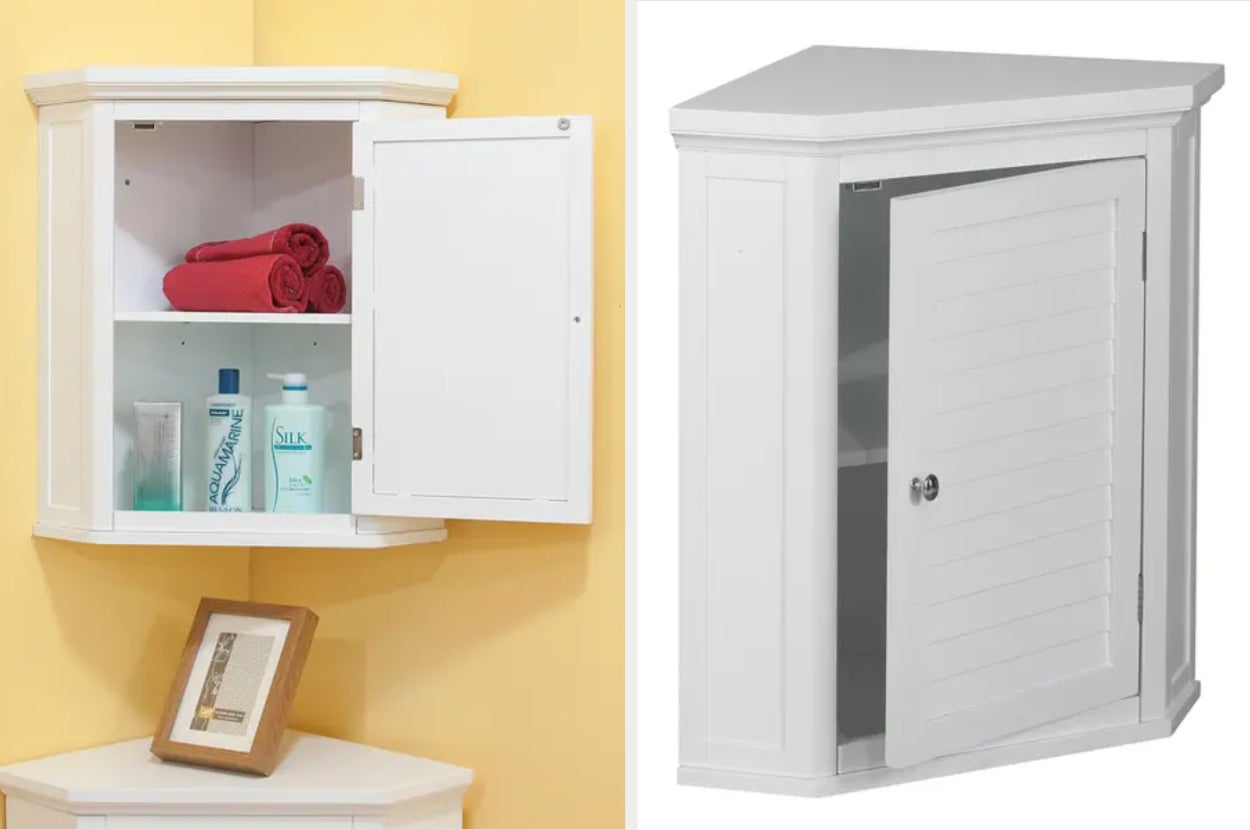
Organizing corner cabinets in small kitchens presents a significant challenge due to their awkward shape and depth, often leading to items being lost or forgotten. These cabinets are an inevitable feature in L-shaped and U-shaped kitchen layouts, providing essential storage that cannot be overlooked. Efficiently managing these spaces requires creative solutions, meticulous planning, and the right tools.
Experts emphasize the importance of accessibility and visibility within kitchen storage, especially for corner cabinets. The primary goal is to ensure that desired items are easily seen and retrieved. A key strategy is to avoid storing frequently used items in these challenging areas. Instead, they should be reserved for less-used essentials, and appropriate storage solutions should be implemented to enhance visibility and accessibility.
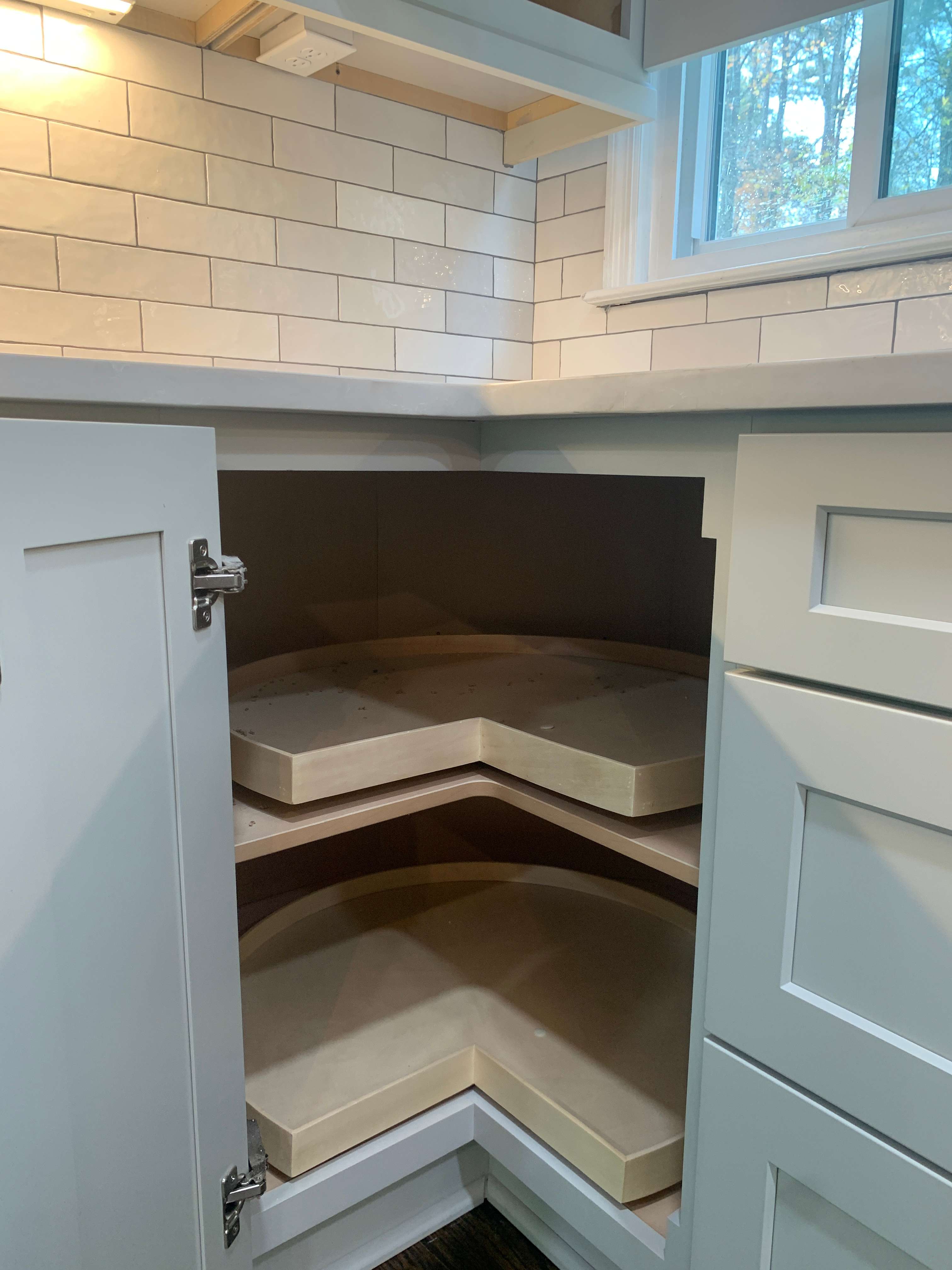
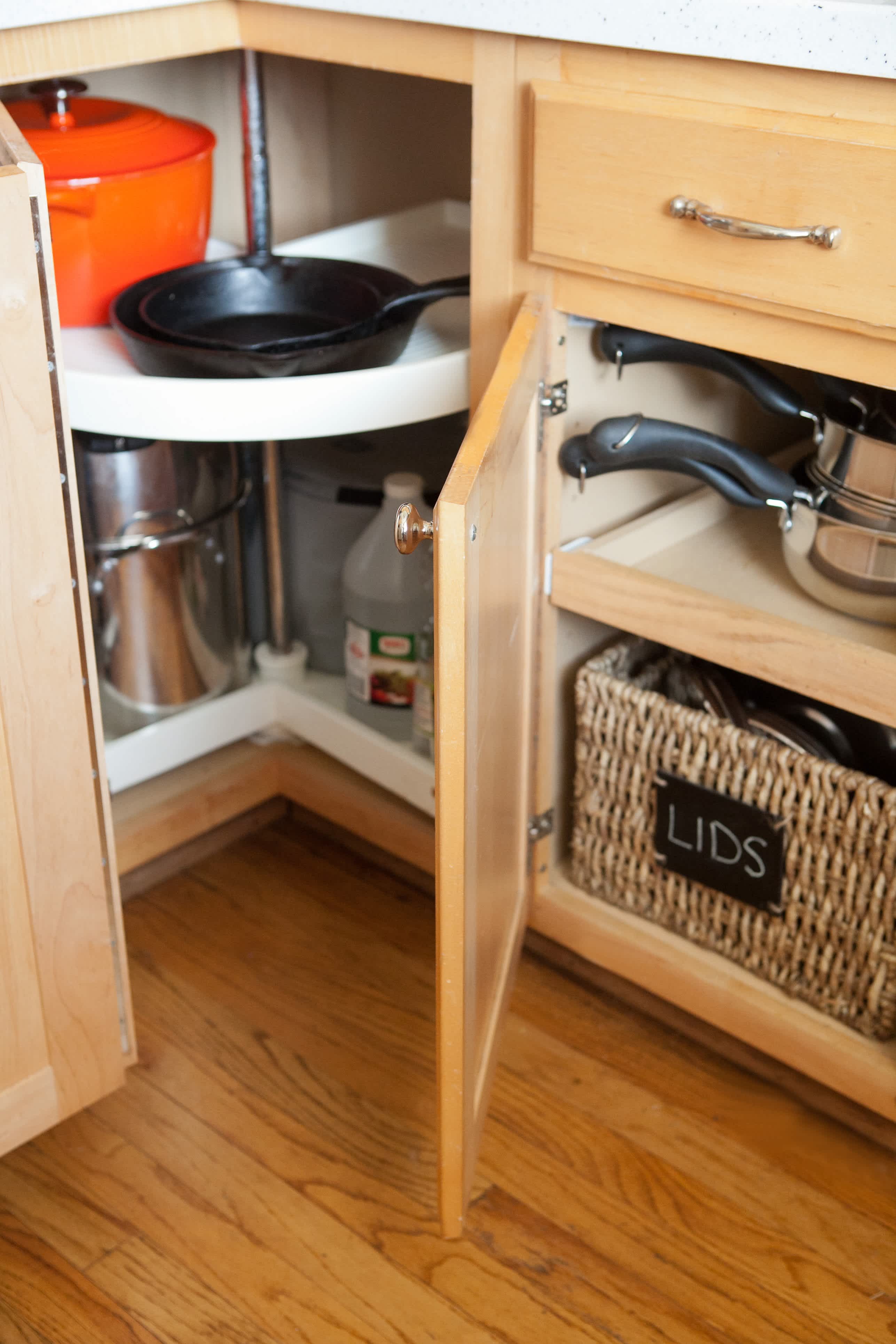
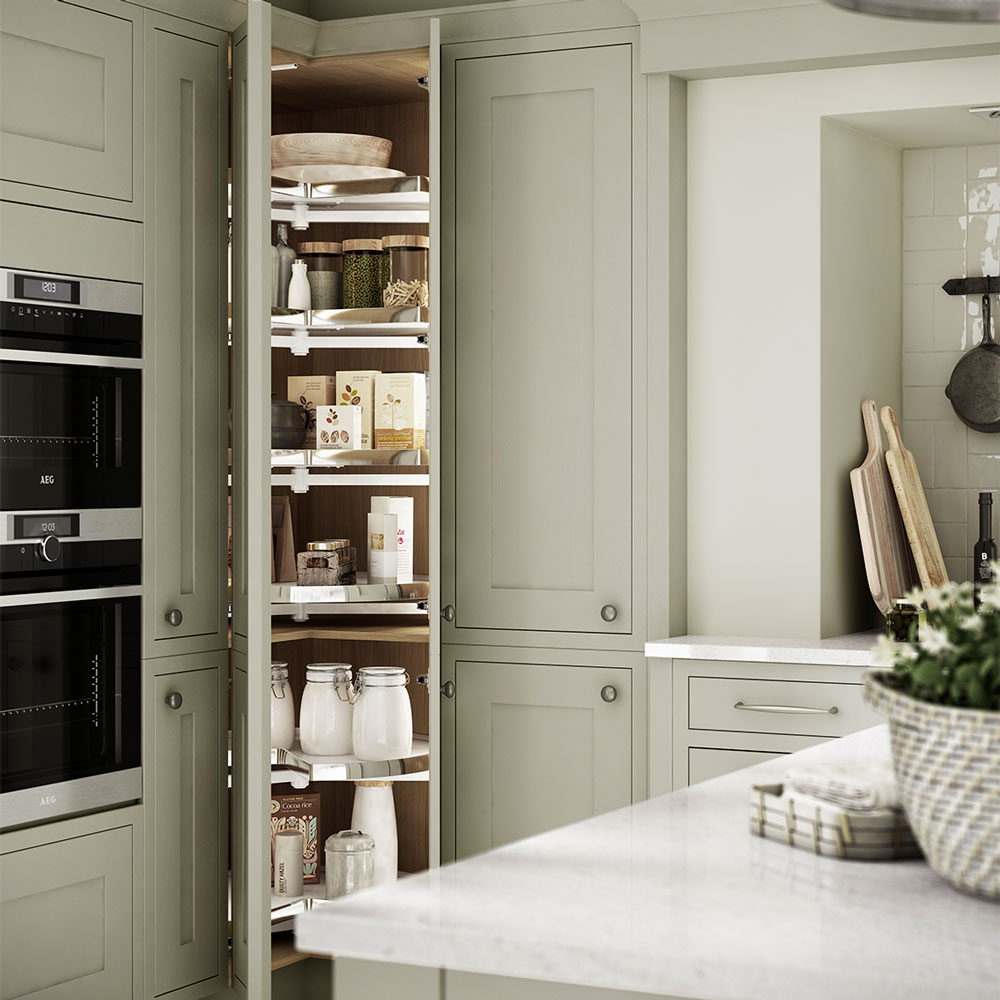
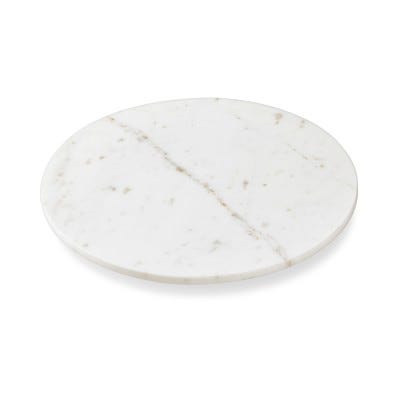
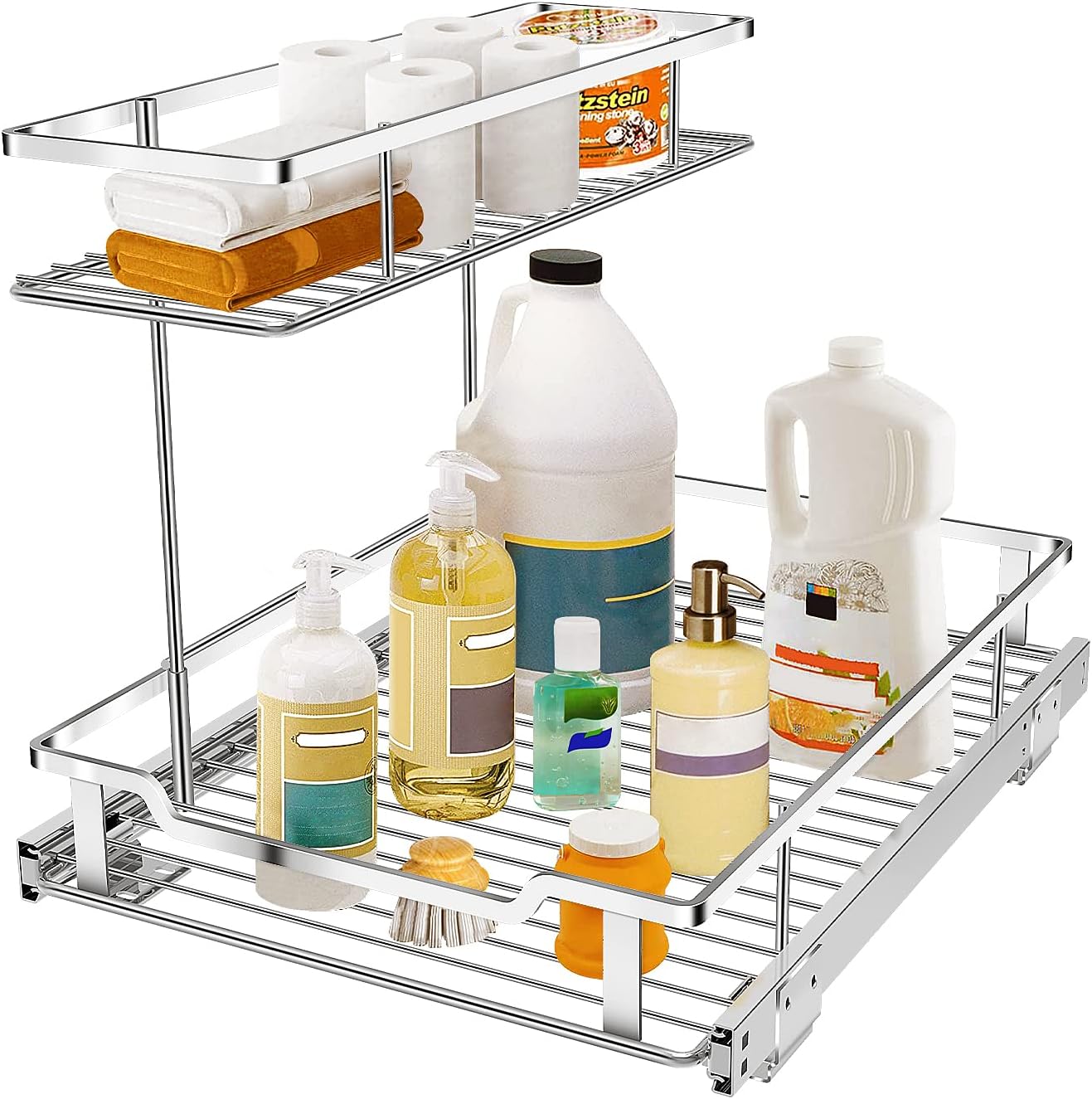
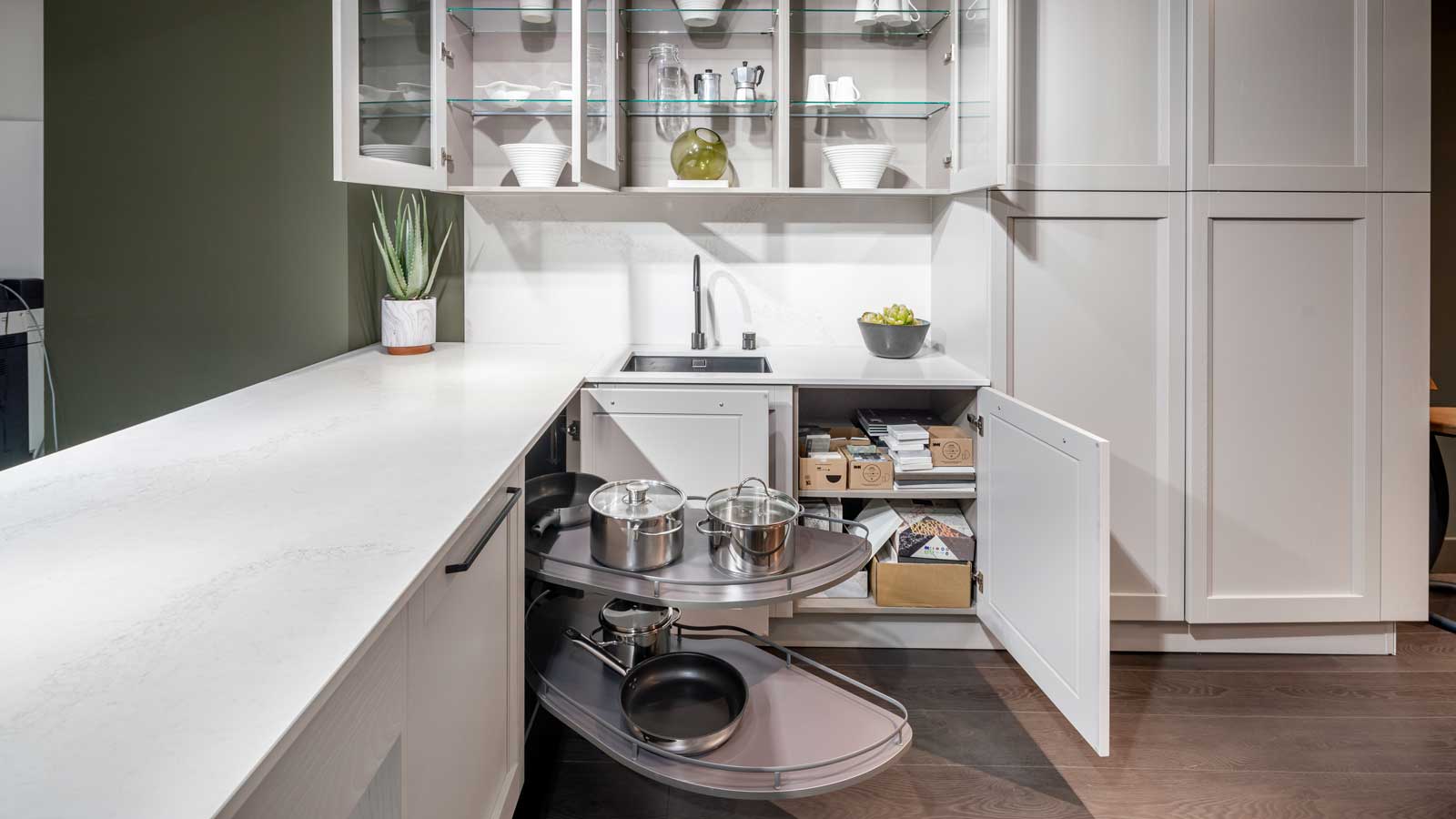
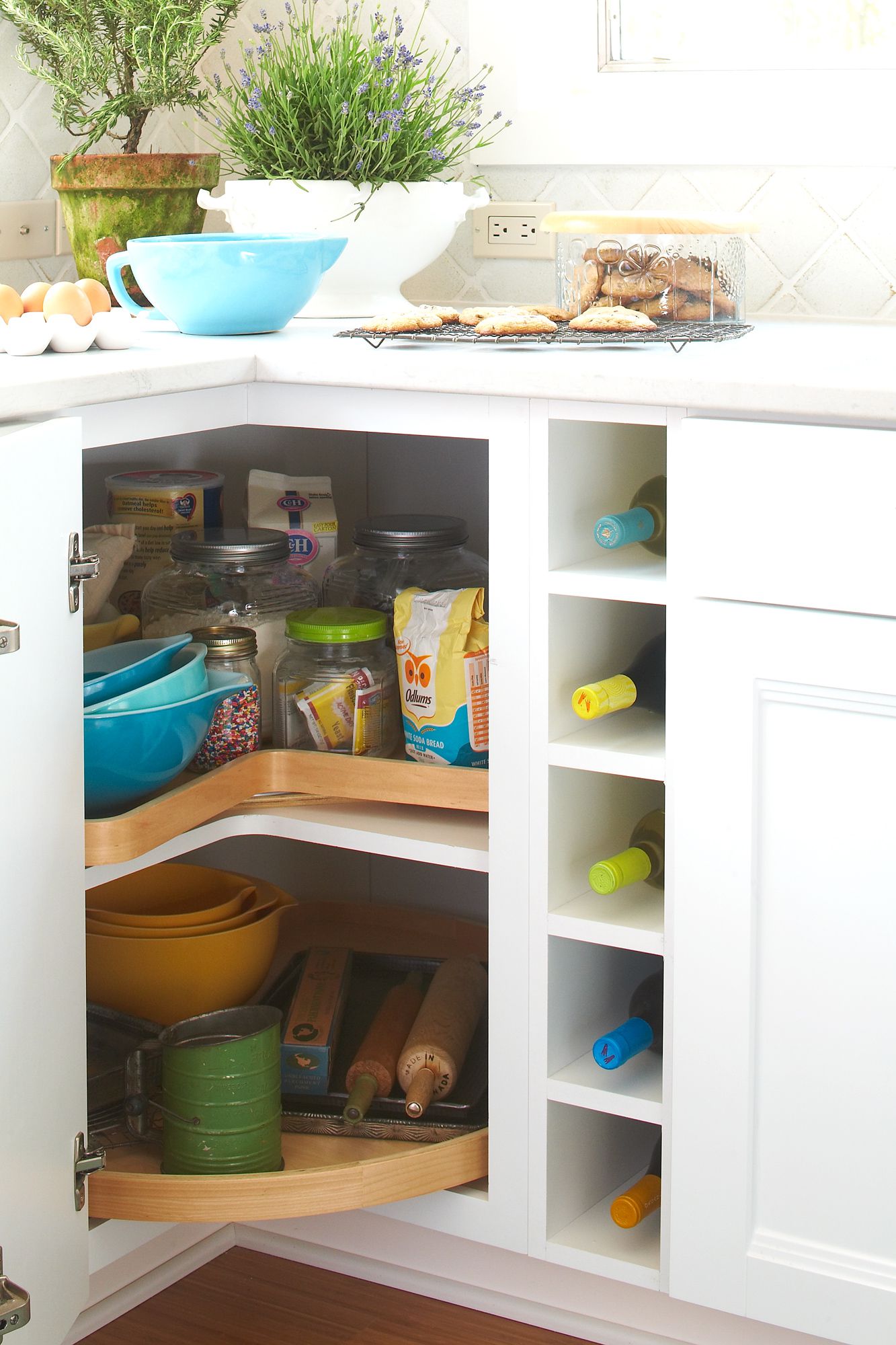
One highly recommended solution is the installation of carousel shelves. These rotating mechanisms allow users to easily access items that would otherwise be hidden at the back of the cabinet. Carousels come in various sizes, with some offering non-slip mats and two-tier systems to maximize space and prevent items from shifting. Careful measurement of the cabinet's width and depth is crucial before purchasing.
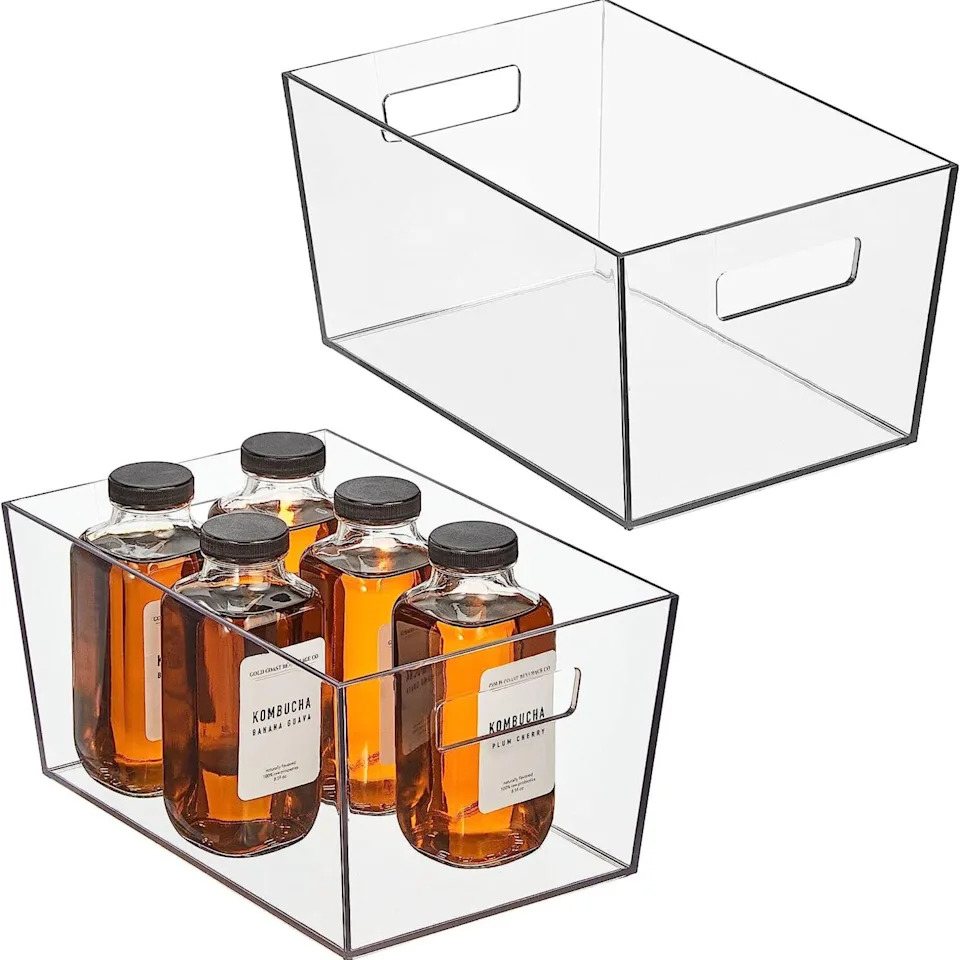
Another effective strategy involves pull-out shelving systems, such as the Le Mans unit or similar blind corner units. These systems feature kidney-shaped shelves that glide out independently, bringing the contents of deep corners into full view without requiring extensive bending or reaching. They can often be retrofitted into existing cabinets, provided there is adequate internal space. Alternatively, large, easily retrievable baskets or containers can be used to achieve a similar effect.
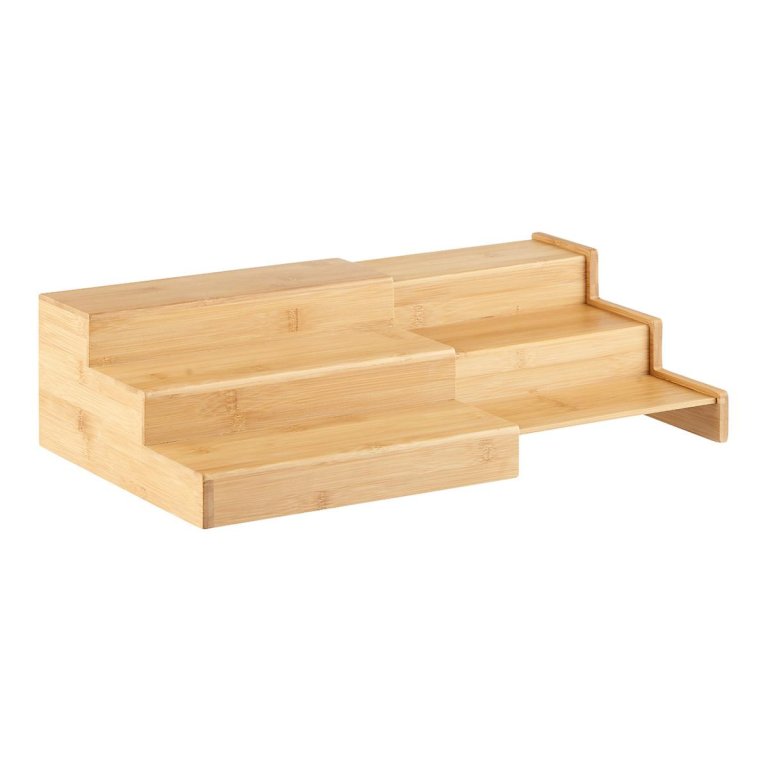
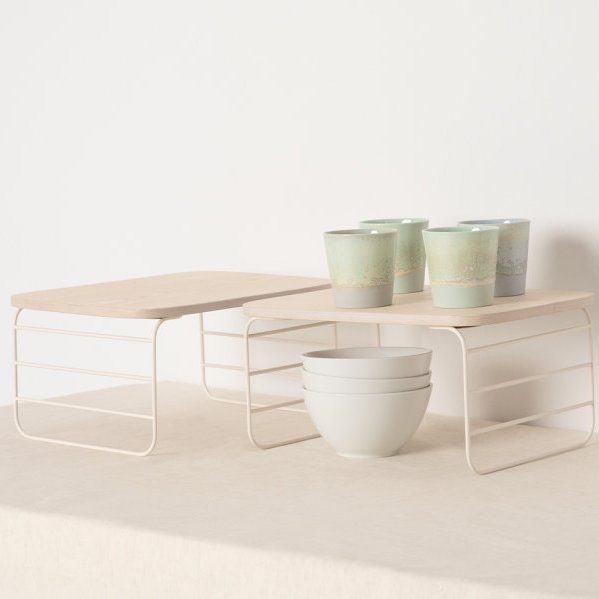
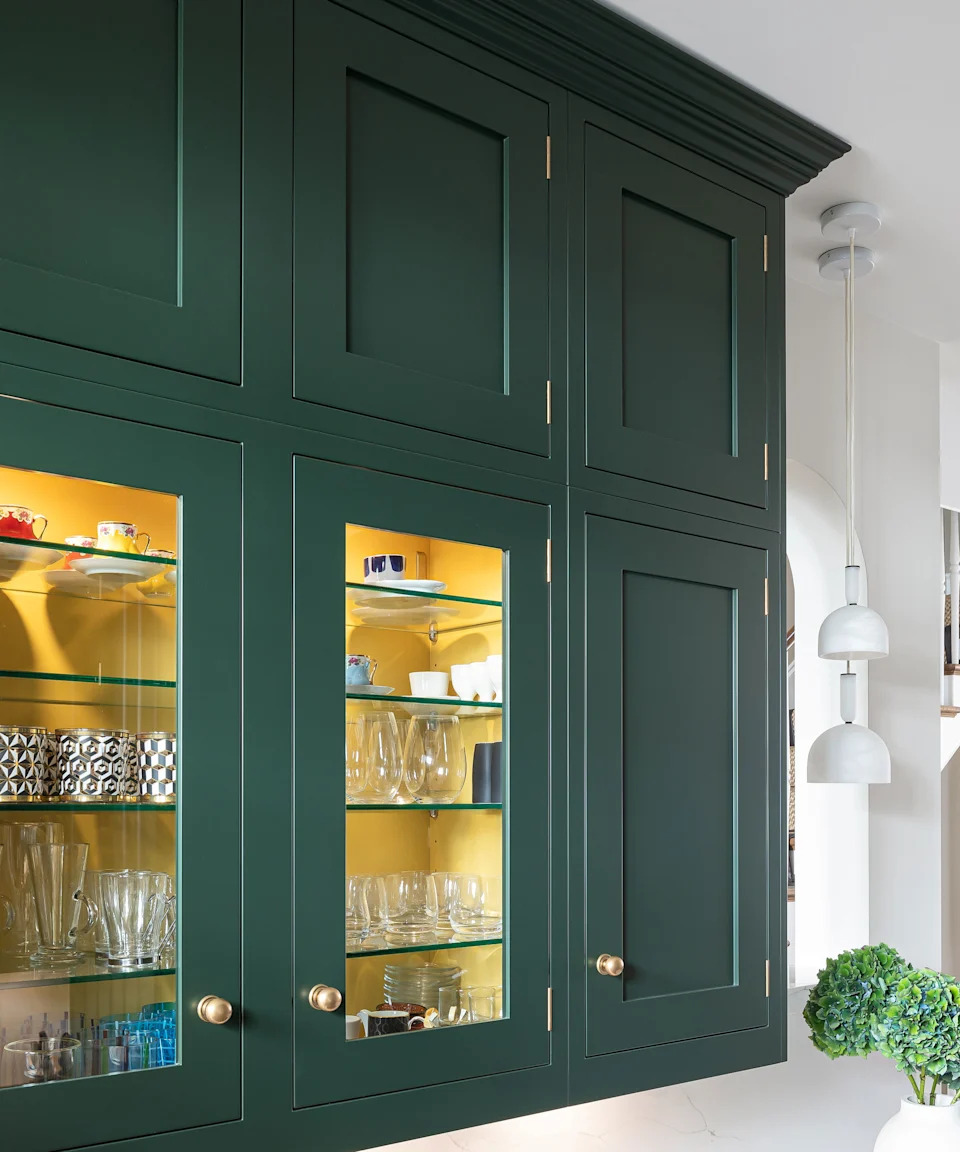
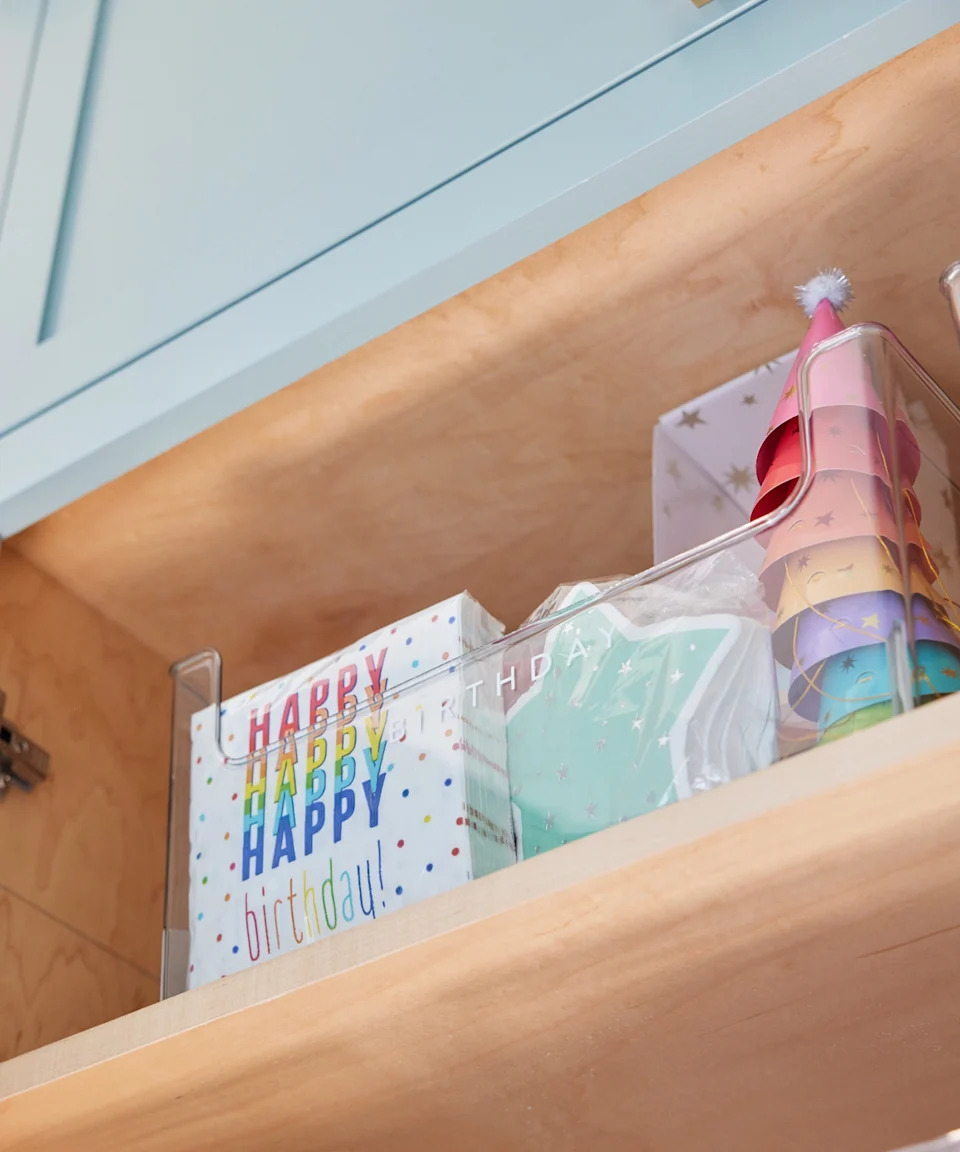
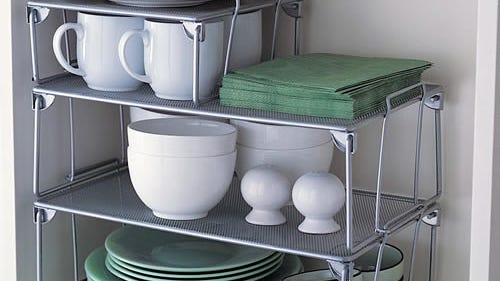
Maximizing vertical space is critical in small kitchens. Experts advise utilizing freestanding shelving that can be adapted to specific needs, especially for high-up corner cabinets where lighter items should be stored to prevent accidents. Vertical storage solutions promote decluttering by making all items visible, encouraging a more organized approach. Tiered or extendable shelving systems are particularly effective, allowing for stacked items and adjustable shelf levels to fit various cupboard sizes and contents.
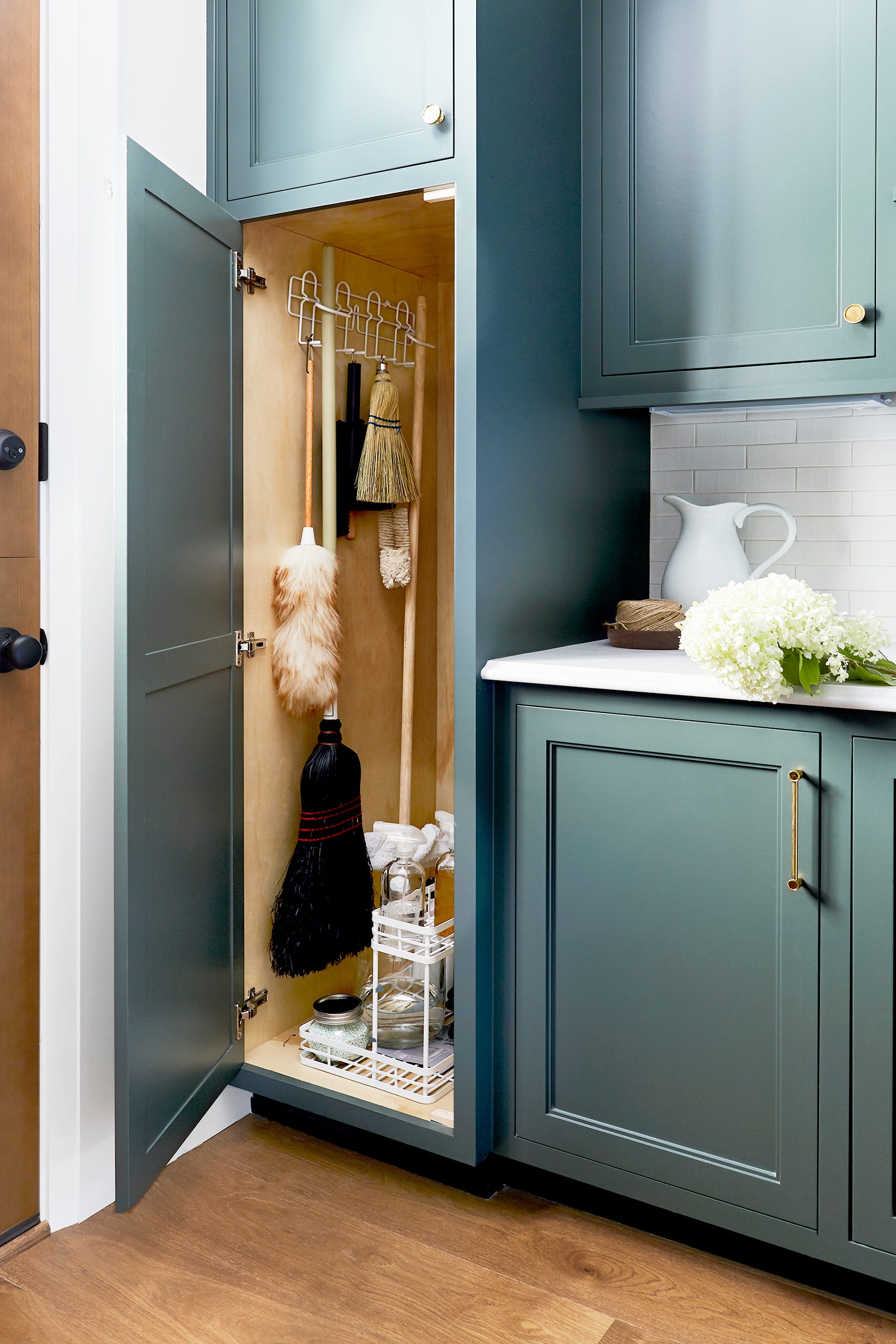
Door storage is an often-underestimated resource. Attaching racks or caddies to the inside of cabinet doors can free up valuable shelf space and provide convenient access to smaller, frequently used items like spices or cleaning supplies. Transparent caddy holders are particularly useful for visibility, and stick-and-go systems eliminate the need for drilling, although weight capacities should be considered.
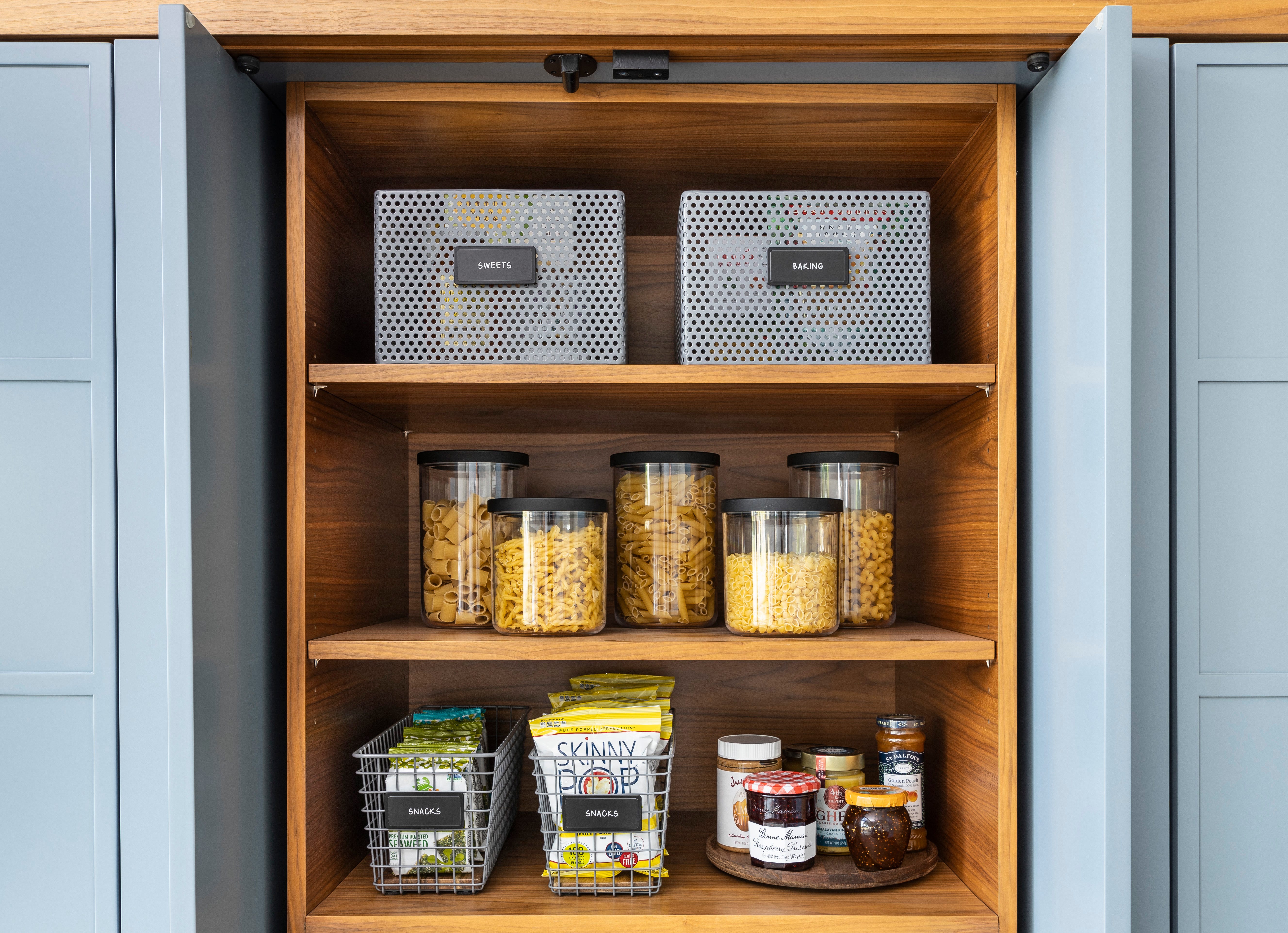
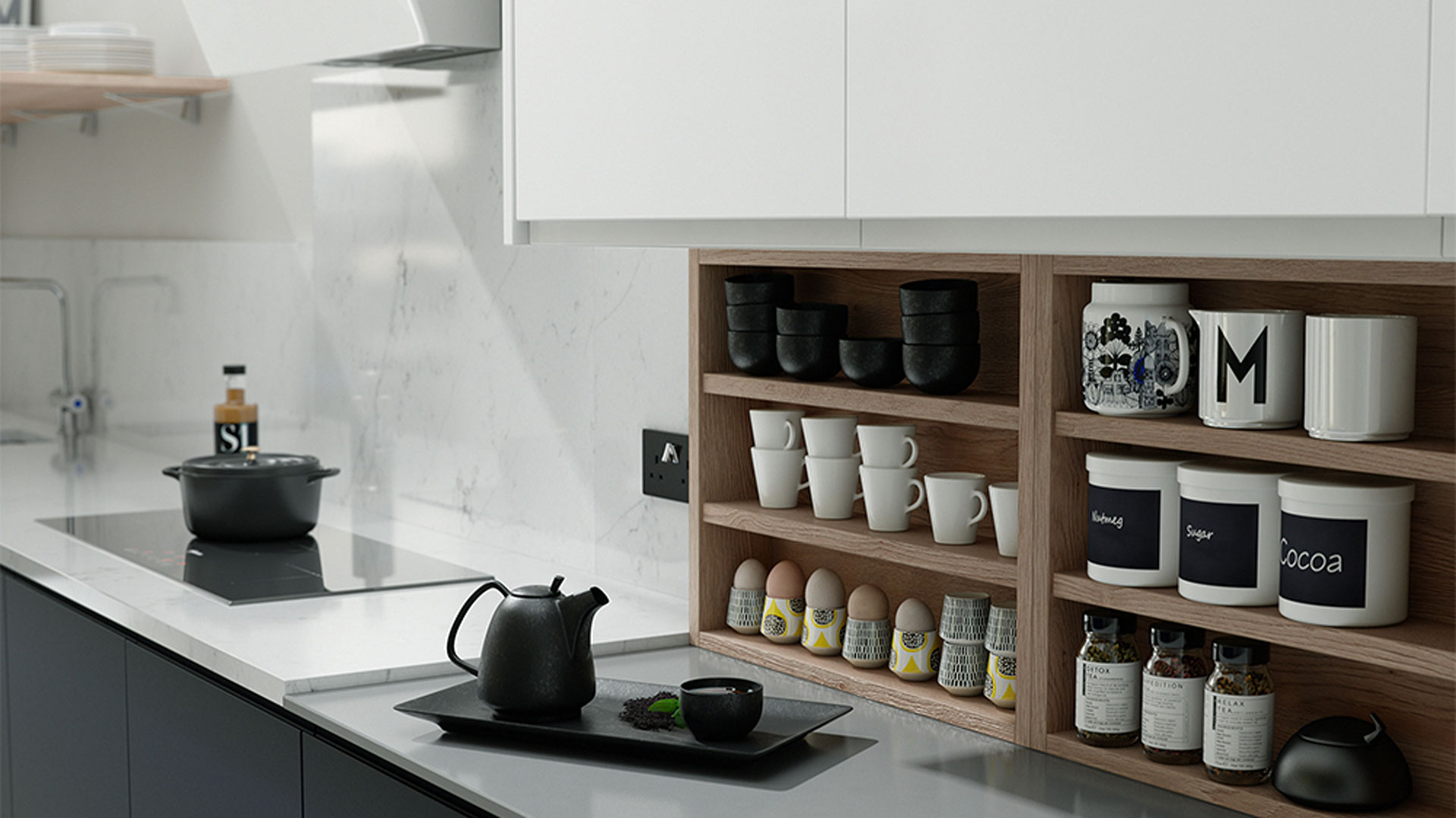
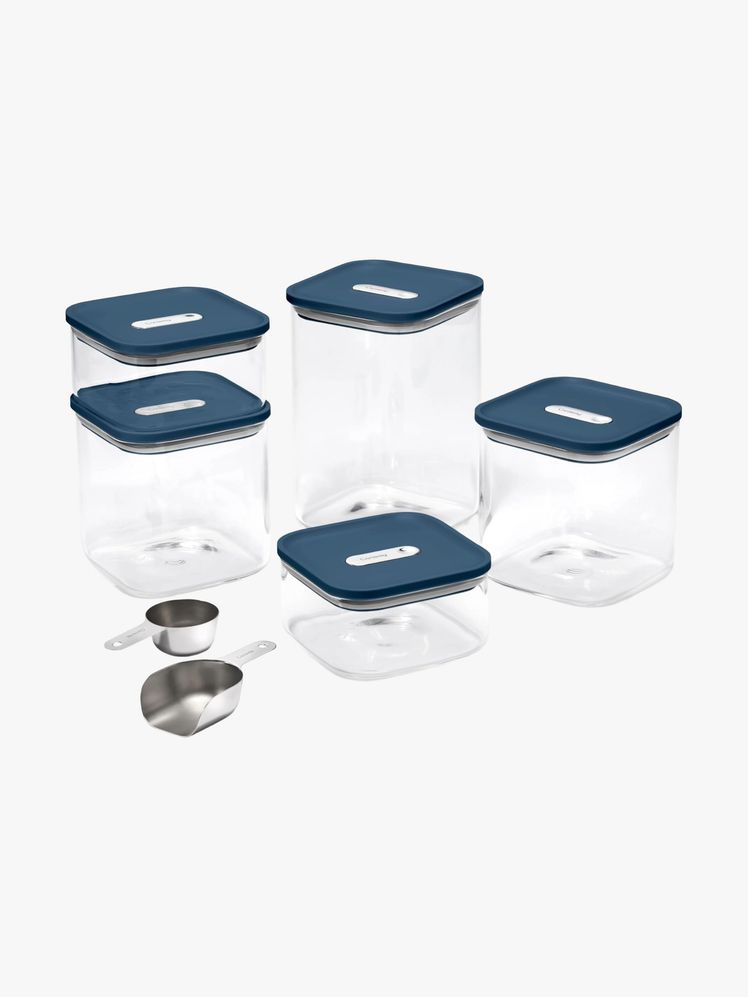
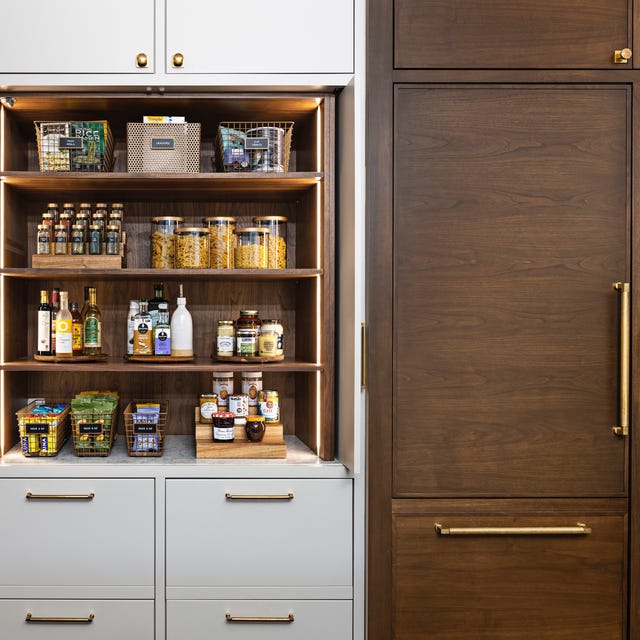
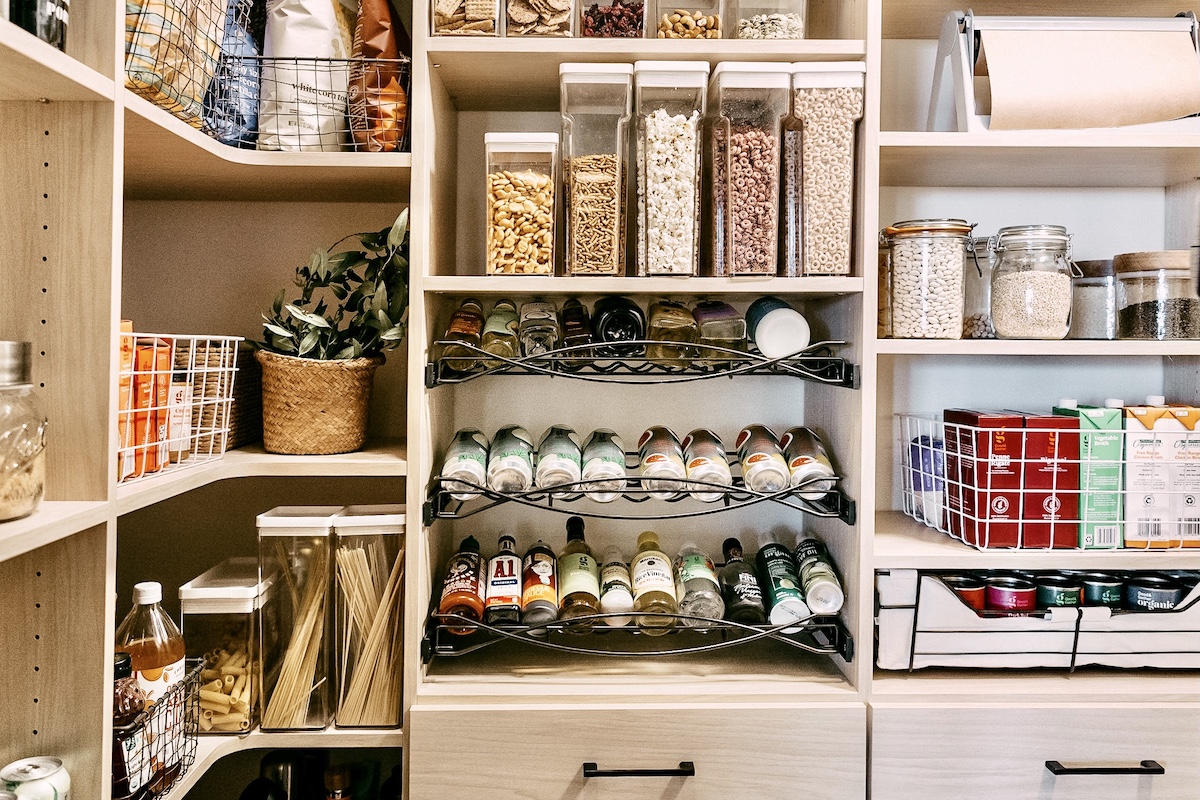
Finally, decanting dried goods into dedicated storage jars is a simple yet impactful organizational rule. This practice helps maintain order by eliminating the varied shapes and sizes of original packaging, making it easier to see inventory and avoid overbuying. Square jars are recommended for maximizing space, and labeling is essential to identify contents and track important information like portion sizes and allergens.
#KitchenOrganization #CornerCabinets #SmallKitchenSolutions #StorageIdeas #HomeDecor #DeclutteringTips #SpaceSaving #KitchenDesign #KitchenOrganization #CornerCabinets #SmallKitchenSolutions #StorageIdeas #HomeDecor #DeclutteringTips #SpaceSaving #KitchenDesign
0 comment in total
 No comments yet
You may also like
I Just Discovered the Smartest Trick for Organizing a Corner Cabinet in My Kitchen
5 outdated rules to ignore when designing a small kitchen – for a realistic yet organised space
18 Corner Cabinets That'll Maximize Your Minimal Space


How to Organize Your Kitchen Cabinets | Wirecutter
How to organise kitchen cupboards – 23 expert tricks to keep kitchen cabinets tidy
This Organization Hack Will Make Your Kitchen Cabinets Feel Like They're Twice the Size

Keep Your Kitchen Cabinets Organized With These 21 Tips From Experts
How to arrange furniture in a small kitchen — 8 top tips from pros

Kitchen corner cabinets – 10 stylish ideas to maximize your space

How to Organize a Corner Cabinet for Maximum Storage

Decluttering Experts Share Their Best Kitchen Cabinet Organization Ideas

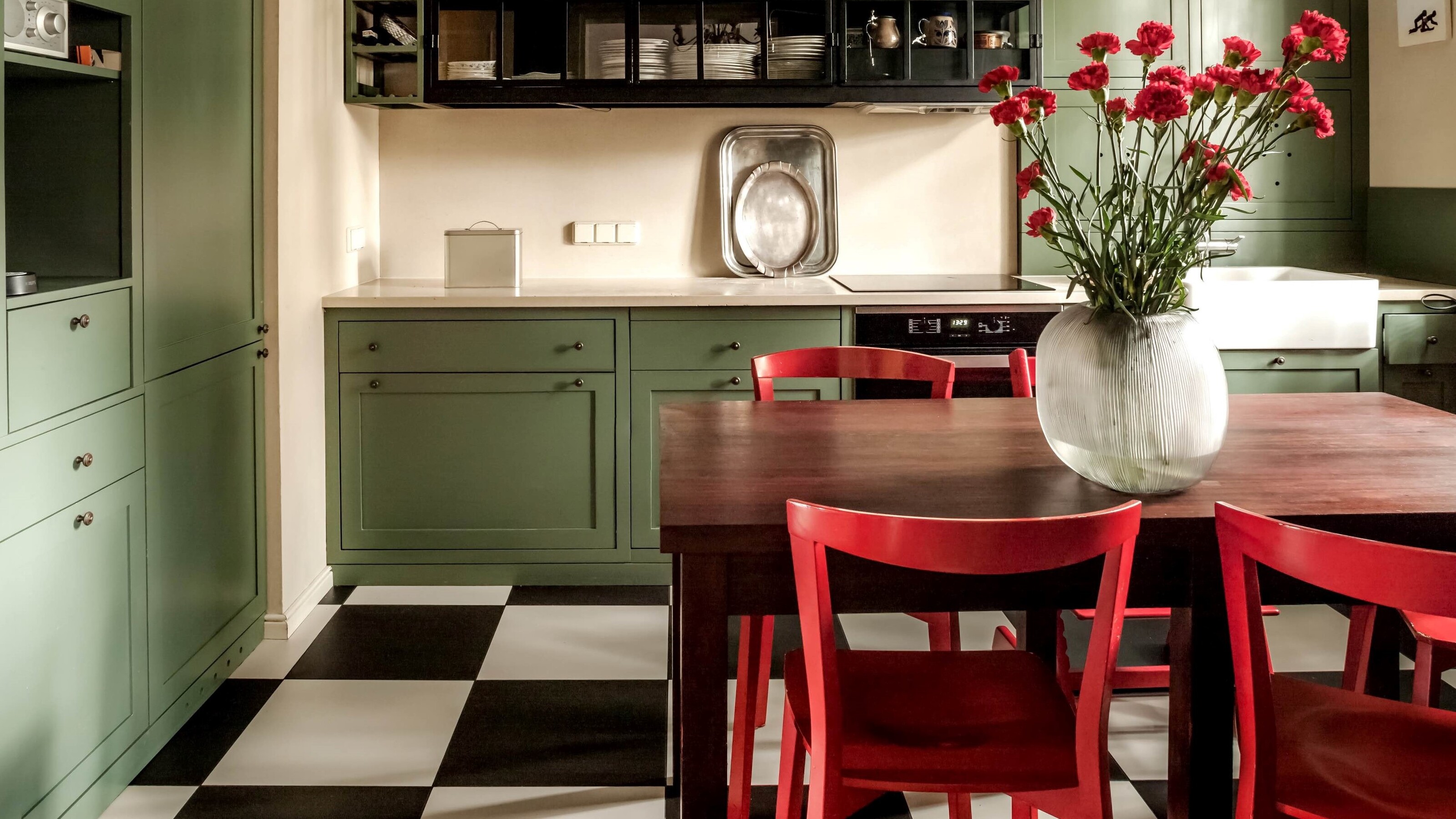
Professional organizers use low kitchen cabinets to store these items – it'll make your storage so much more convenient

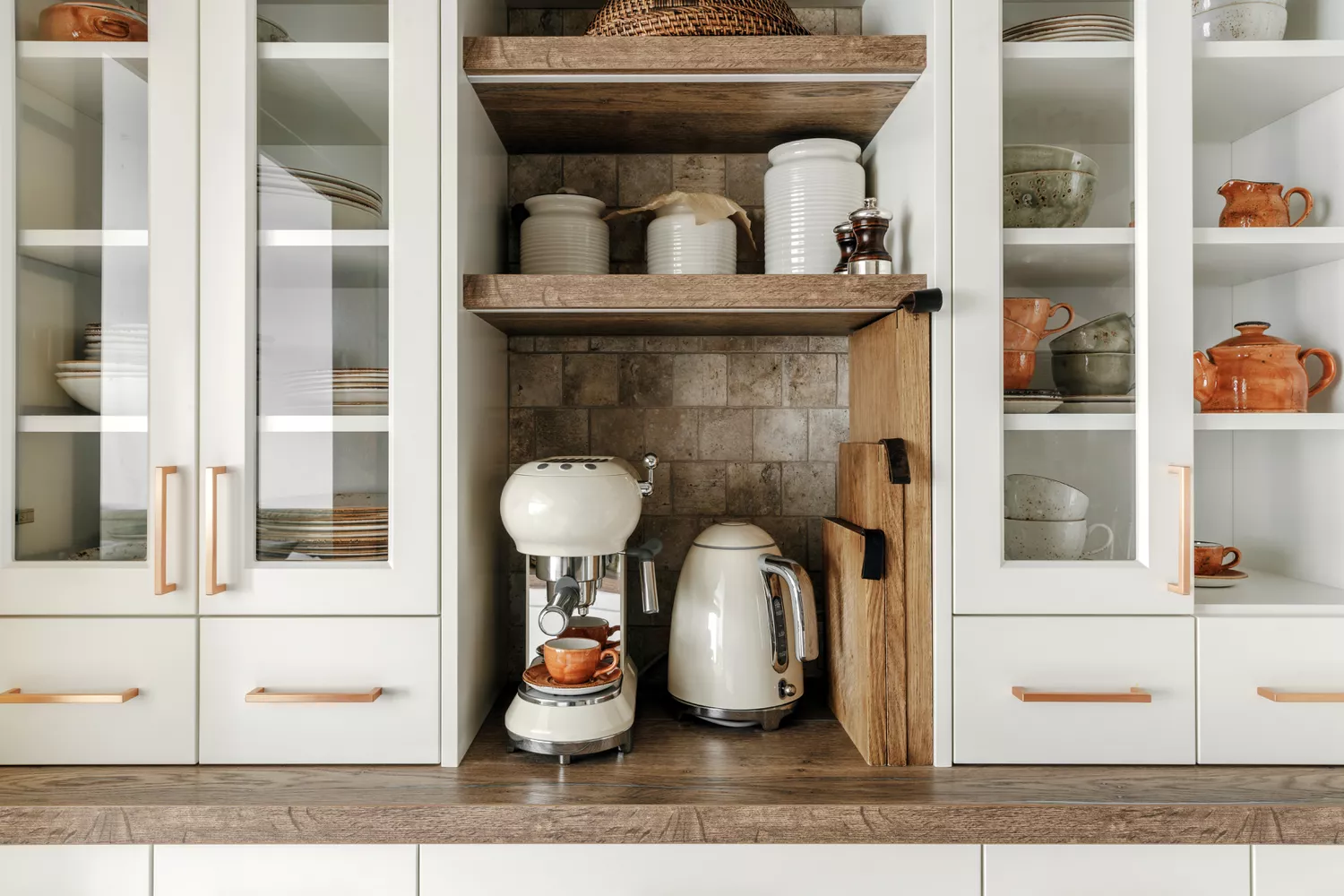
How to Organize Your Kitchen Cabinets—and Keep Them Organized—According to Pros

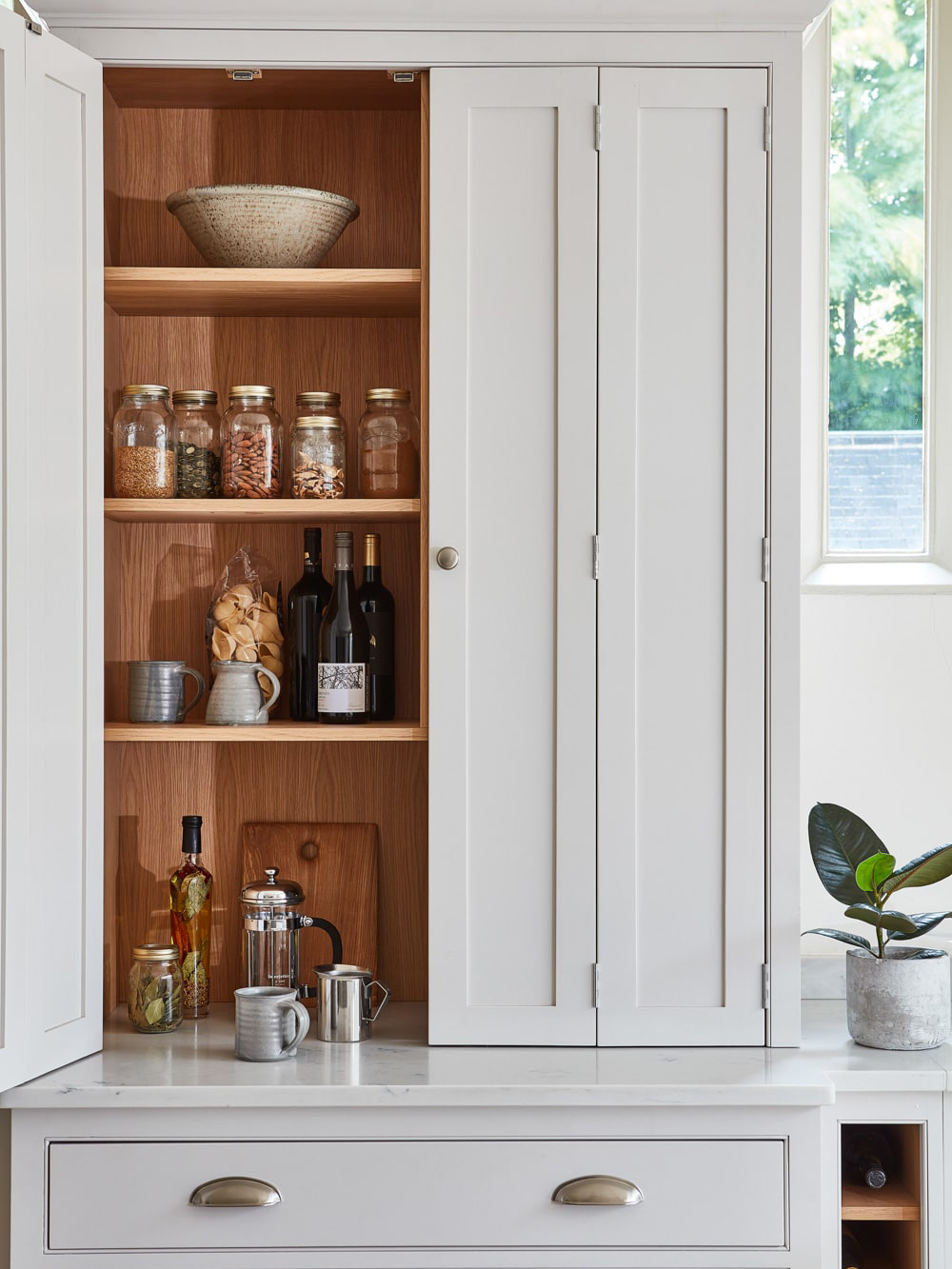
You’re 3 Steps Away from Your Most Organized Kitchen Cabinets Yet
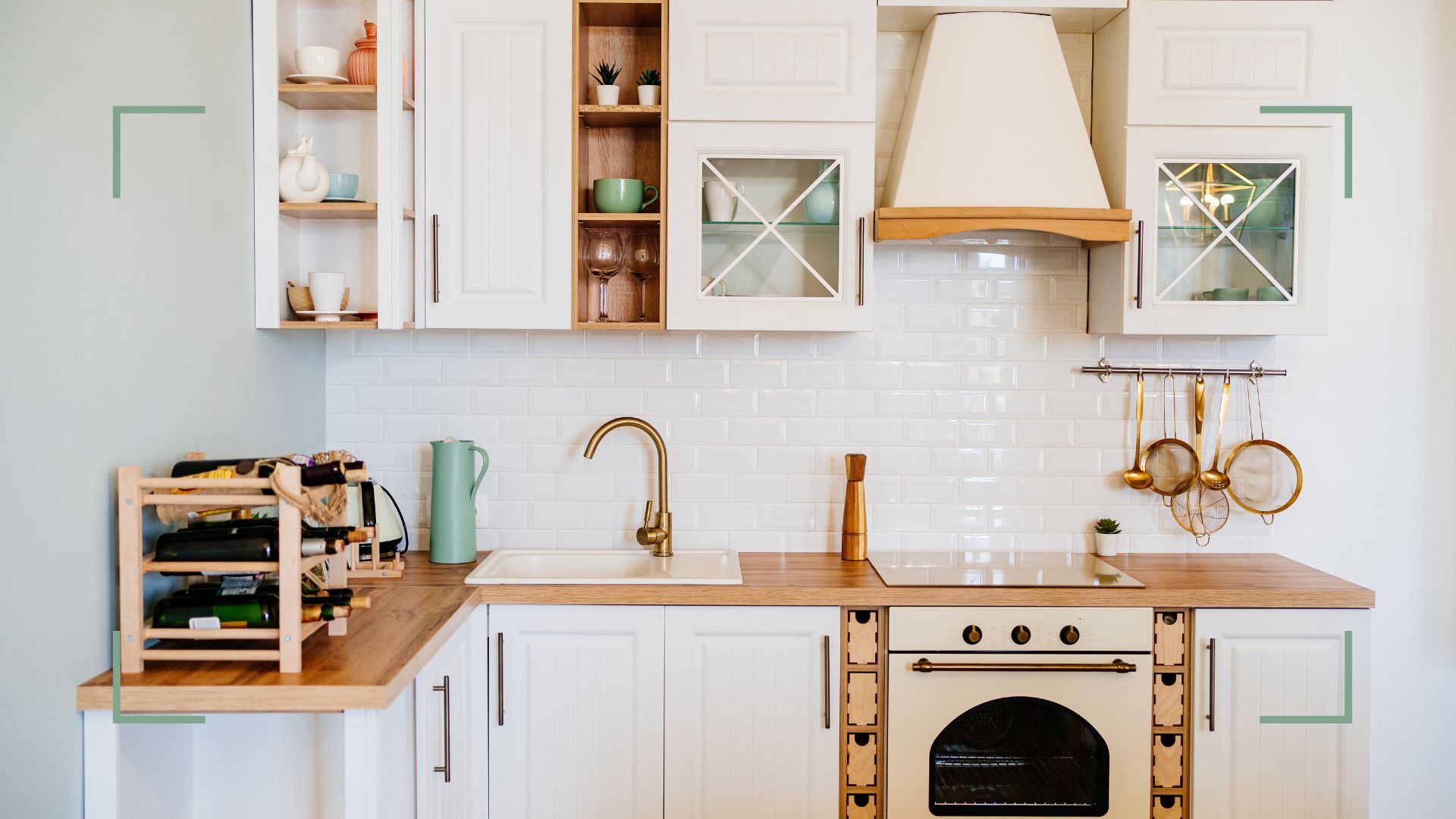
How to organize a small kitchen: 14 smart ways to maximize space

What to put in high kitchen cabinets –according to professional organizers and designers
Top-to-Bottom Kitchen Cabinet Storage Ideas Straight From an Expert Organizer
Finally, An Expert Guide on How to Organize Your Kitchen Cabinets

The 21 Best Kitchen Organization Ideas for Decluttering Countertops, Cabinets, and More

8 Small Kitchen Organization Rules the Pros Swear By