'Comfort decorating' is all about making your home a sanctuary : Life Kit
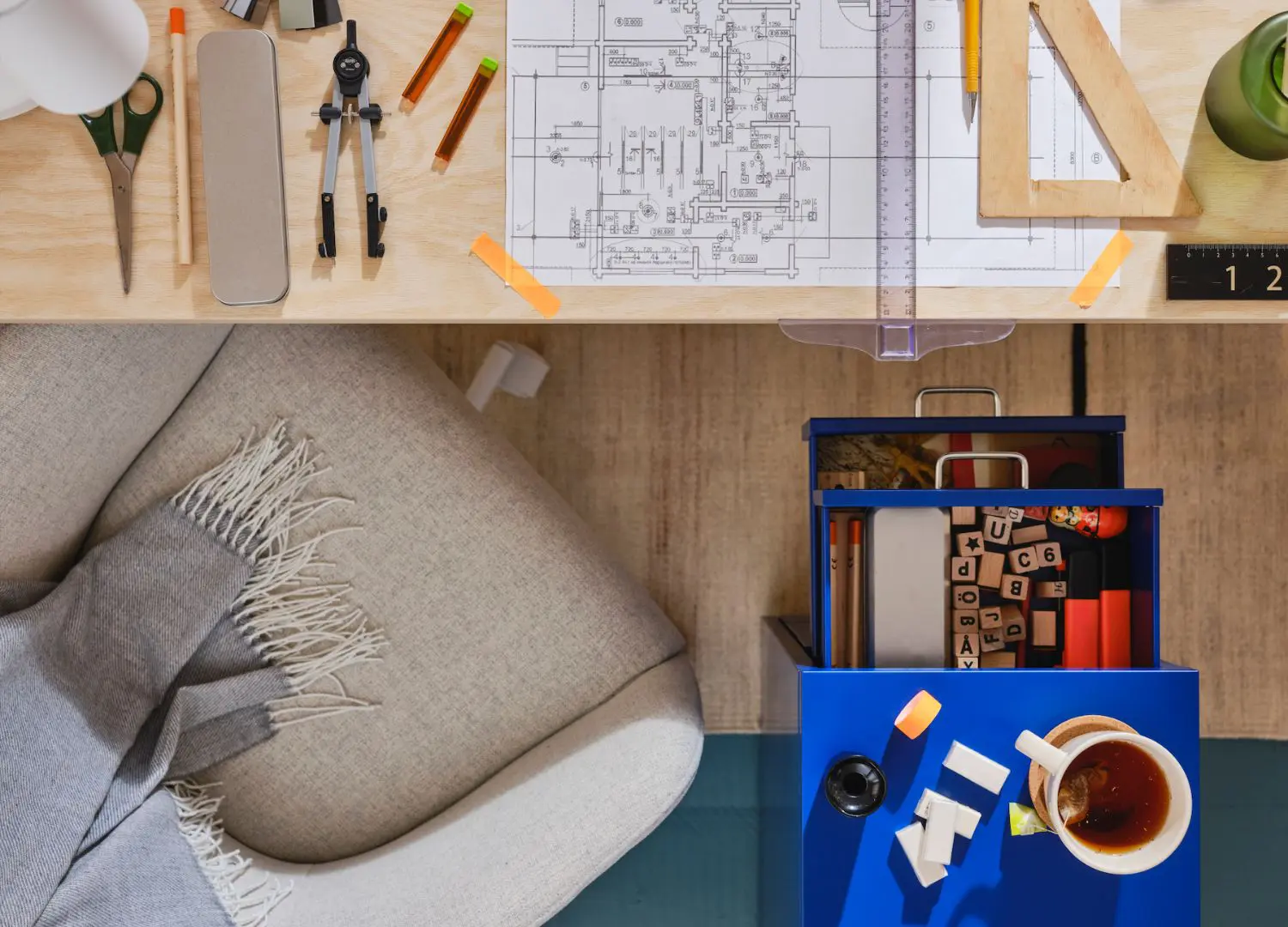
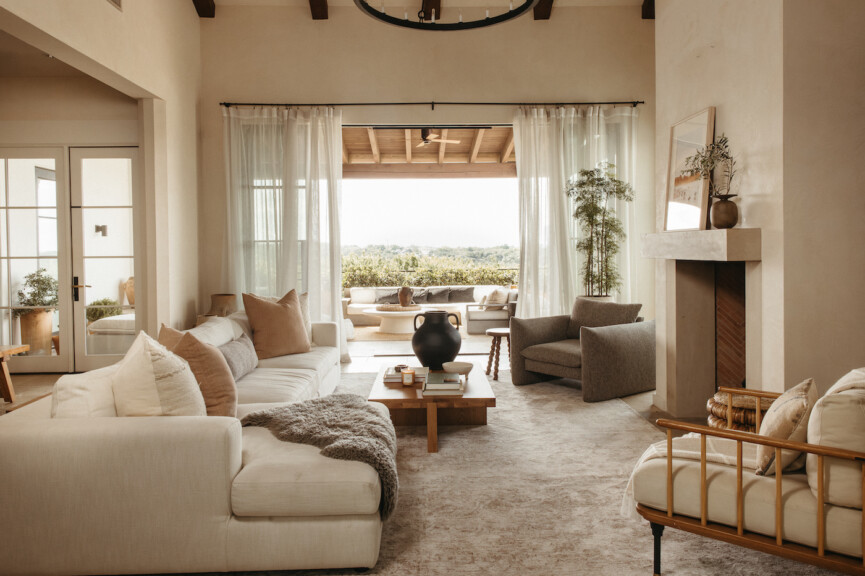
This article explores the concept of "comfort decorating," a practice focused on creating a home environment that fosters calm, rest, and stability, especially during times of change and uncertainty. The piece highlights how personal spaces significantly influence mindset and offers practical guidance on transforming living areas into sanctuaries. The discussion begins by emphasizing the importance of defining the desired function of a space. Interior designer Dabito stresses that a space's beauty is intertwined with its functionality, advocating for a clear understanding of how one intends to use each area. He suggests breaking down rooms into functional zones, even in small apartments, to effectively plan for practical needs, such as a dedicated workspace within a living room.
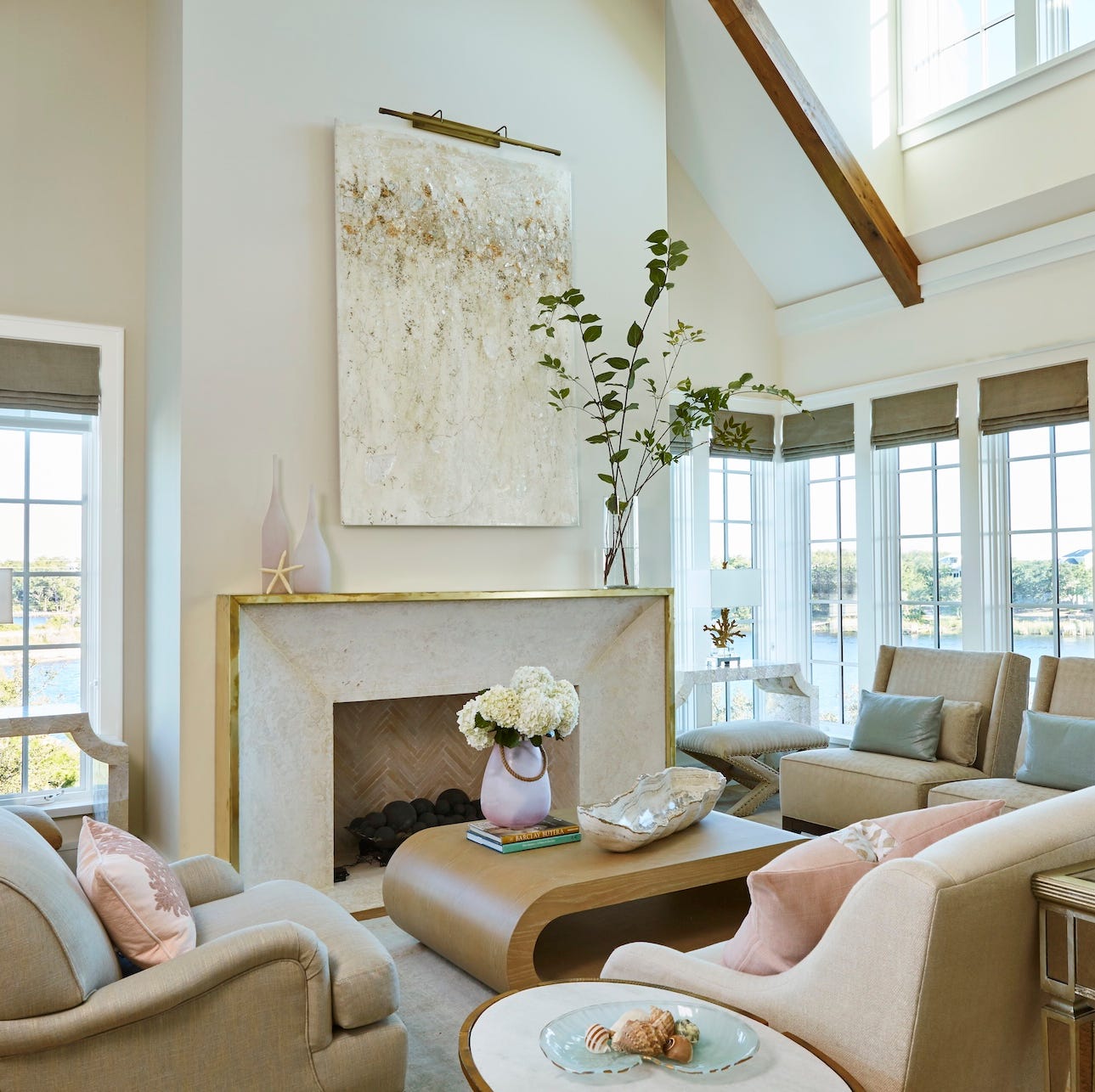
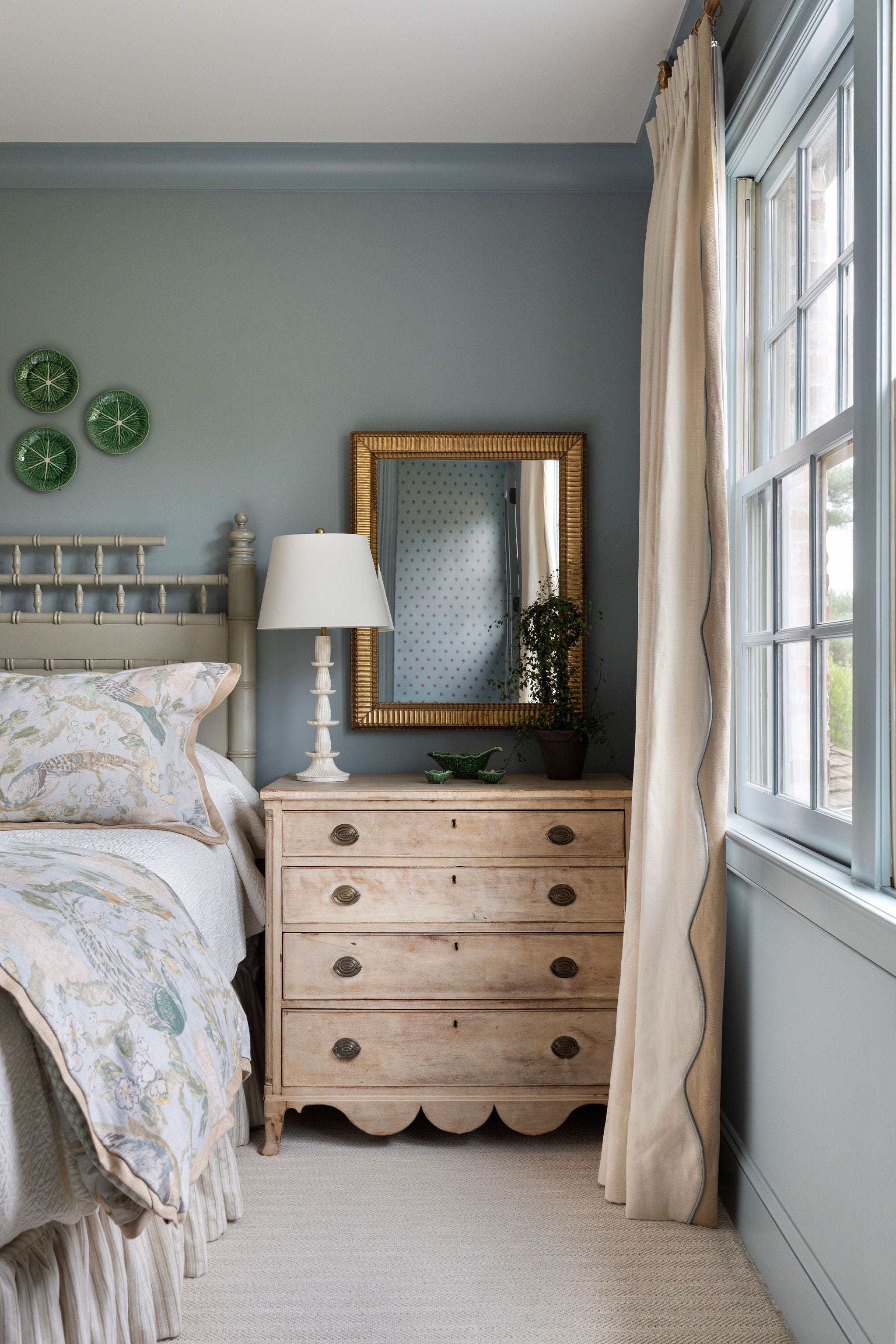
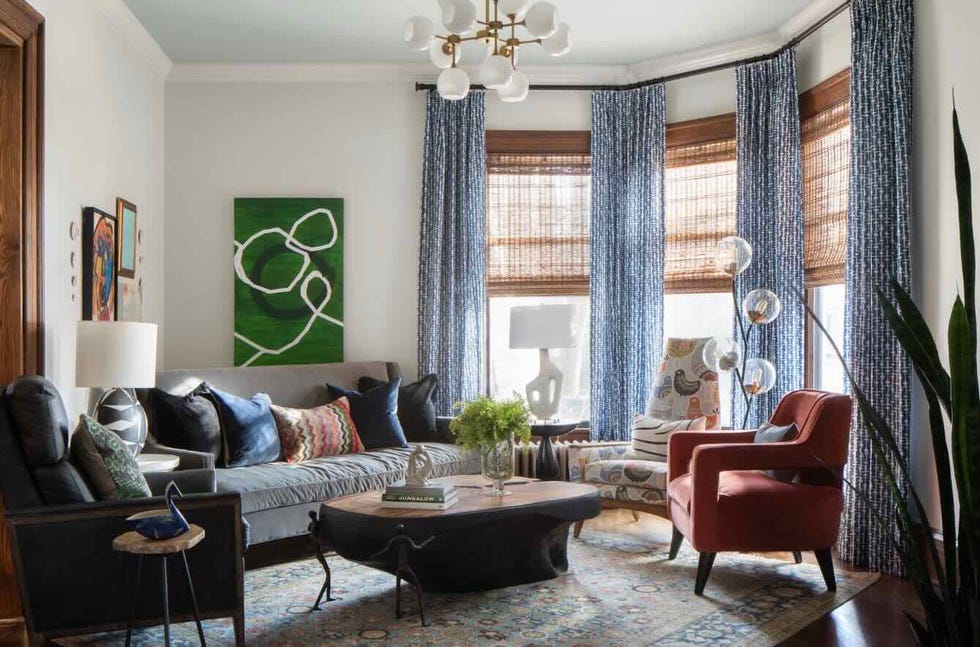
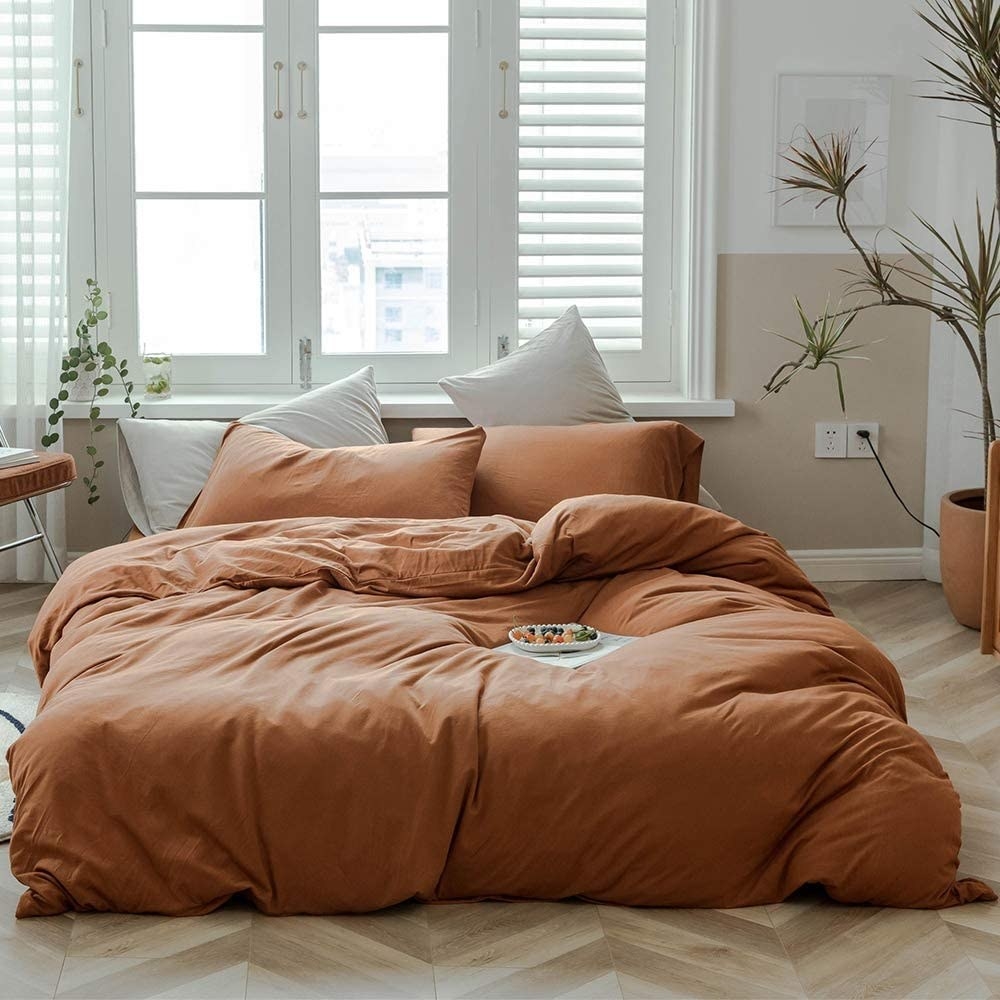
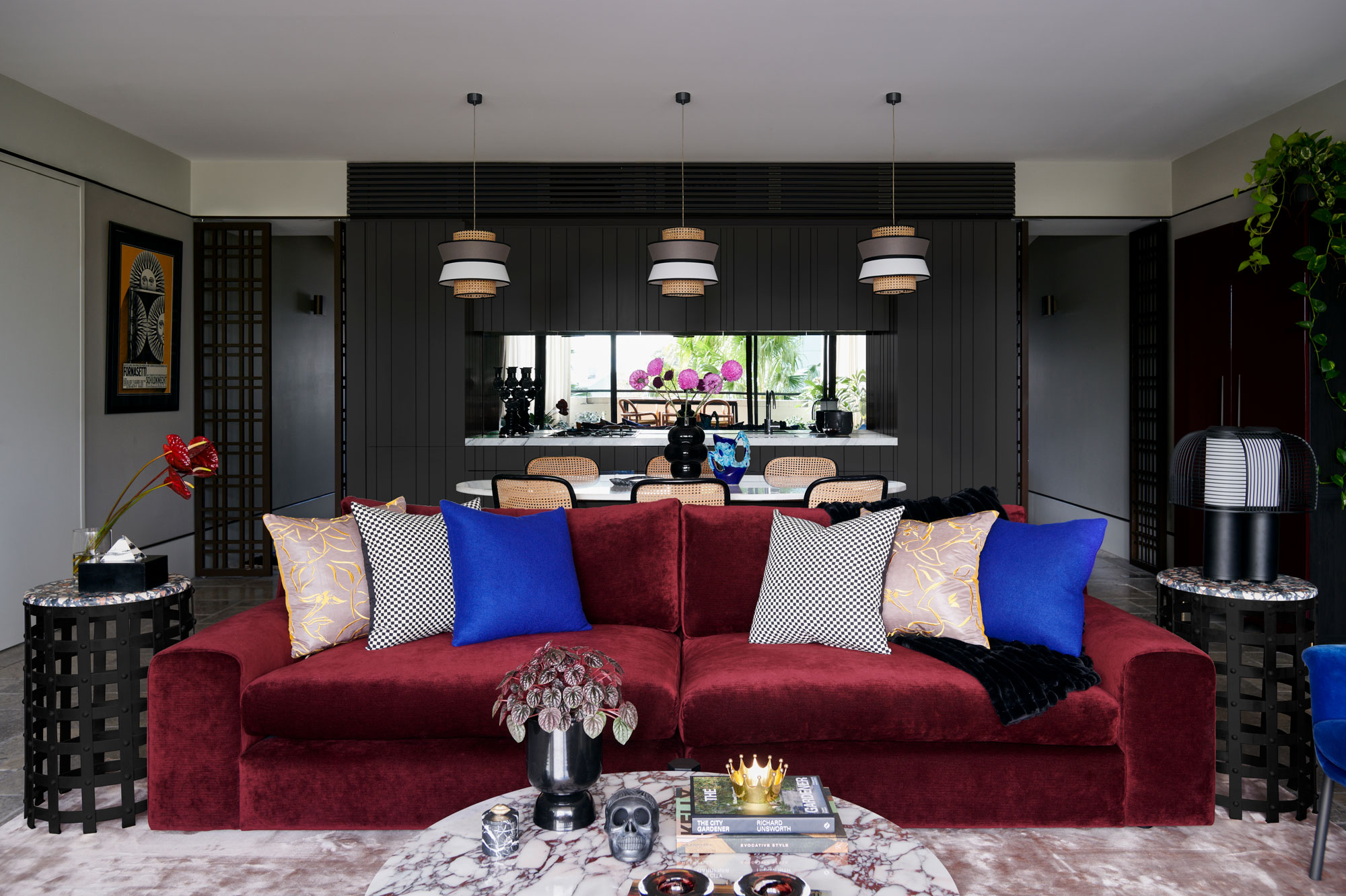
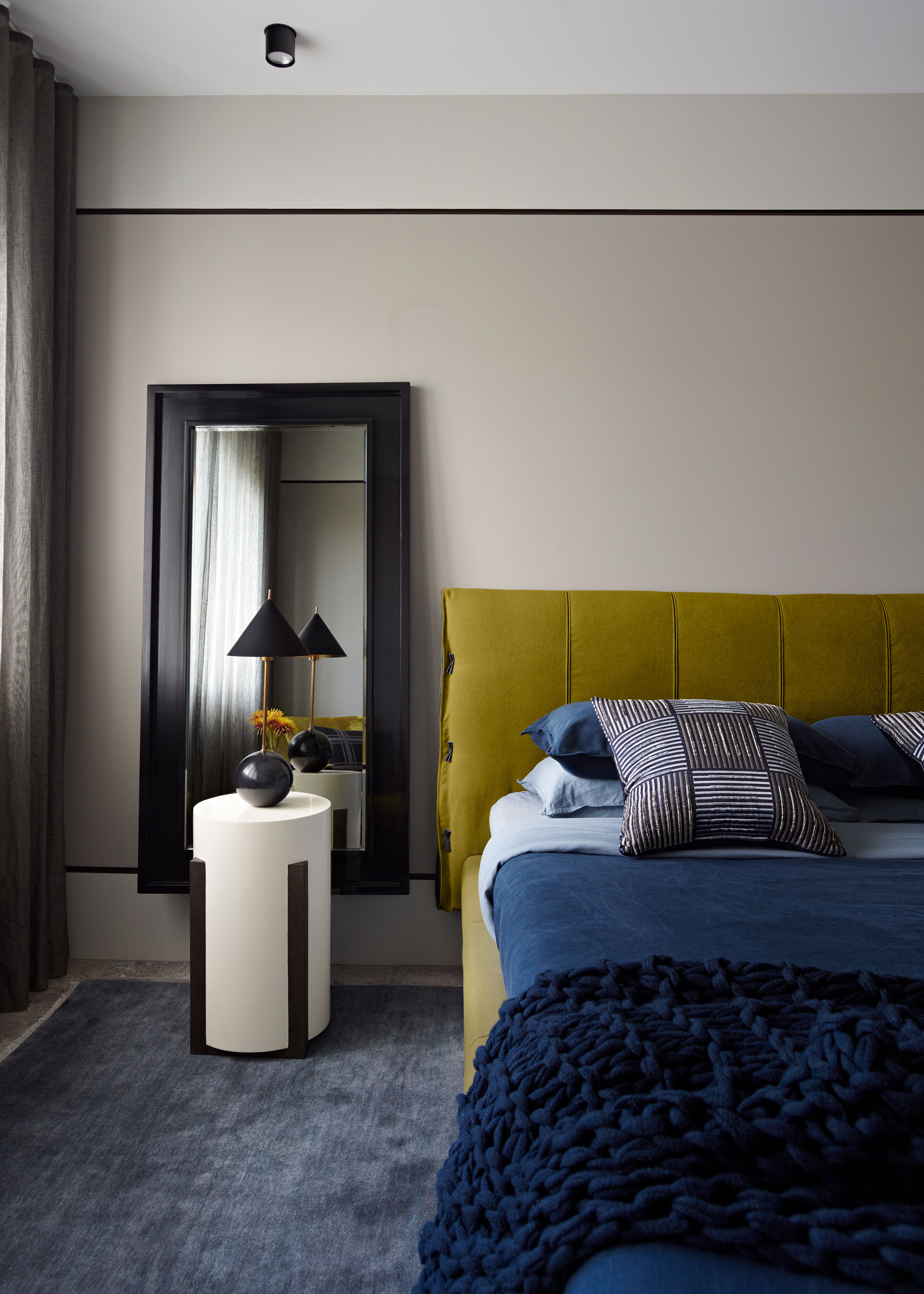
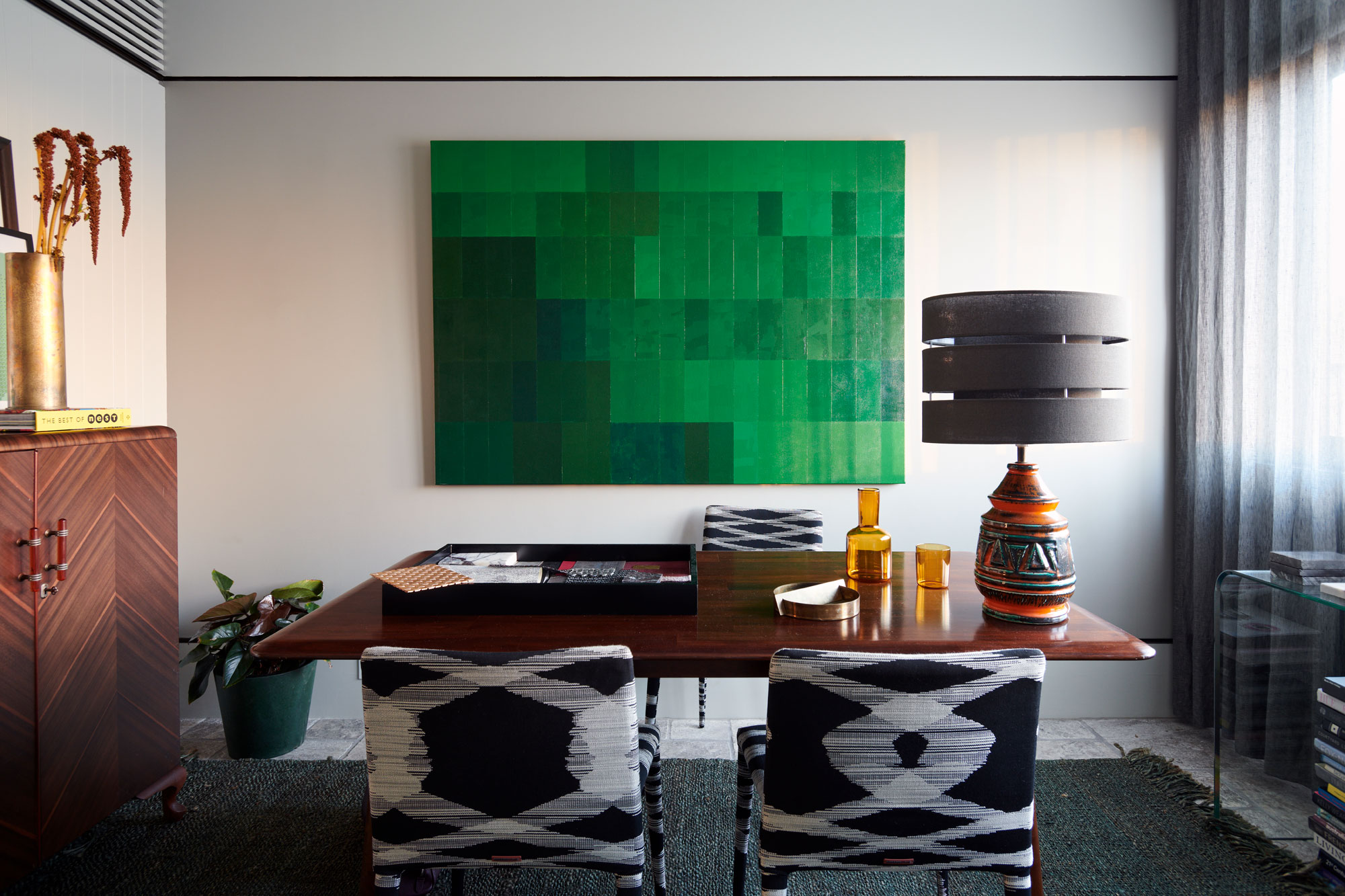
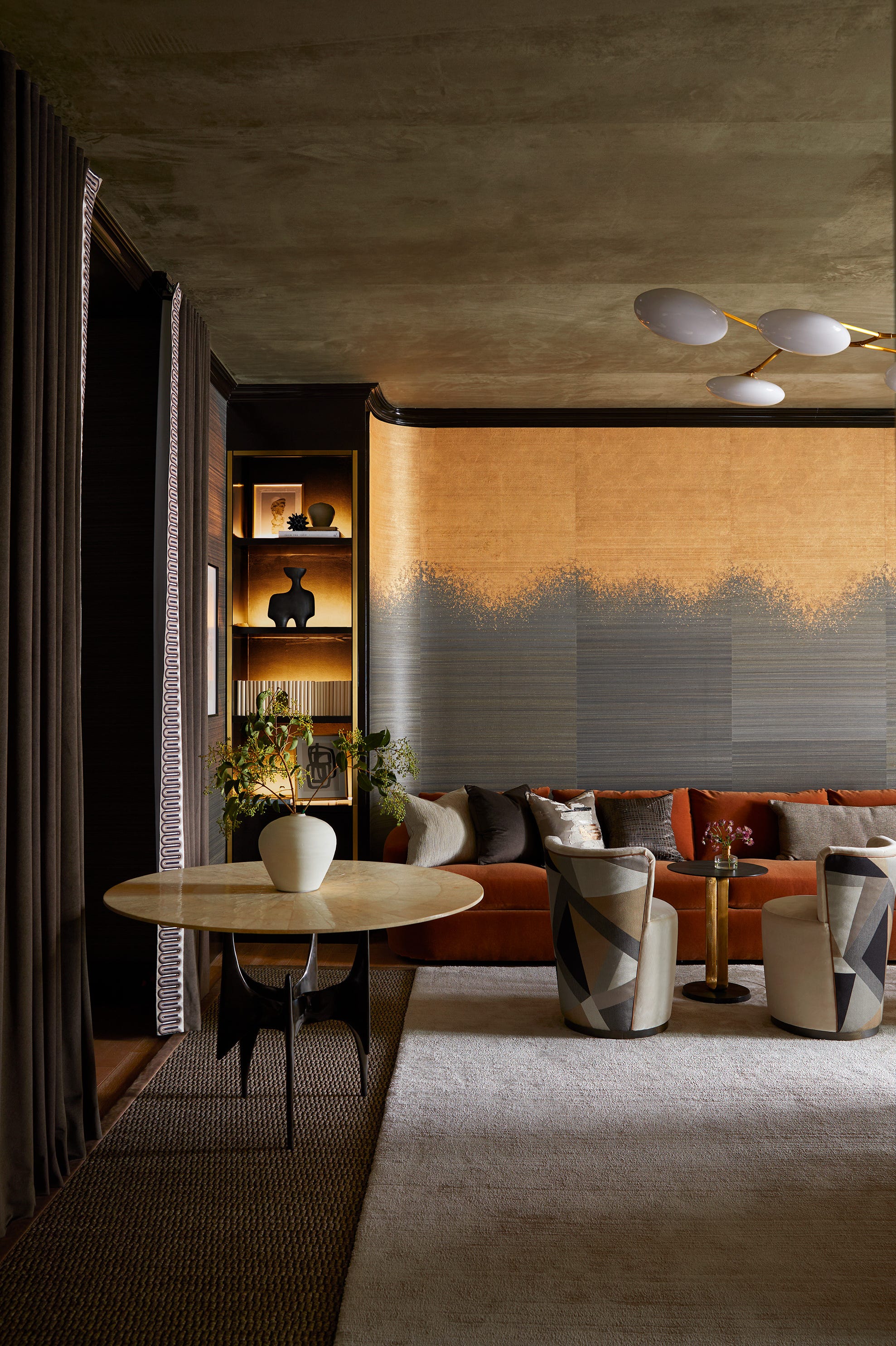
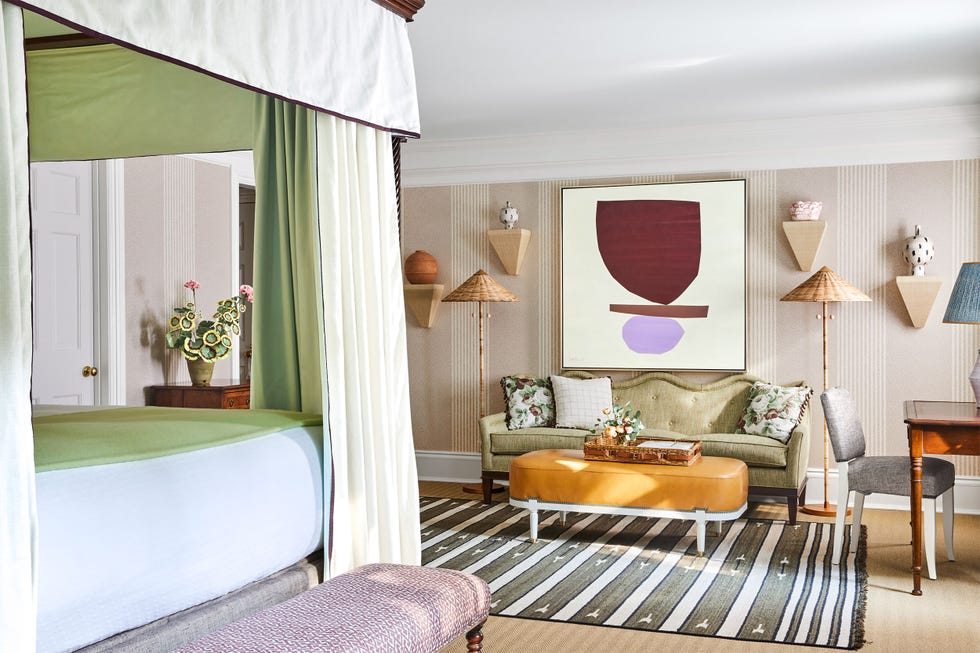
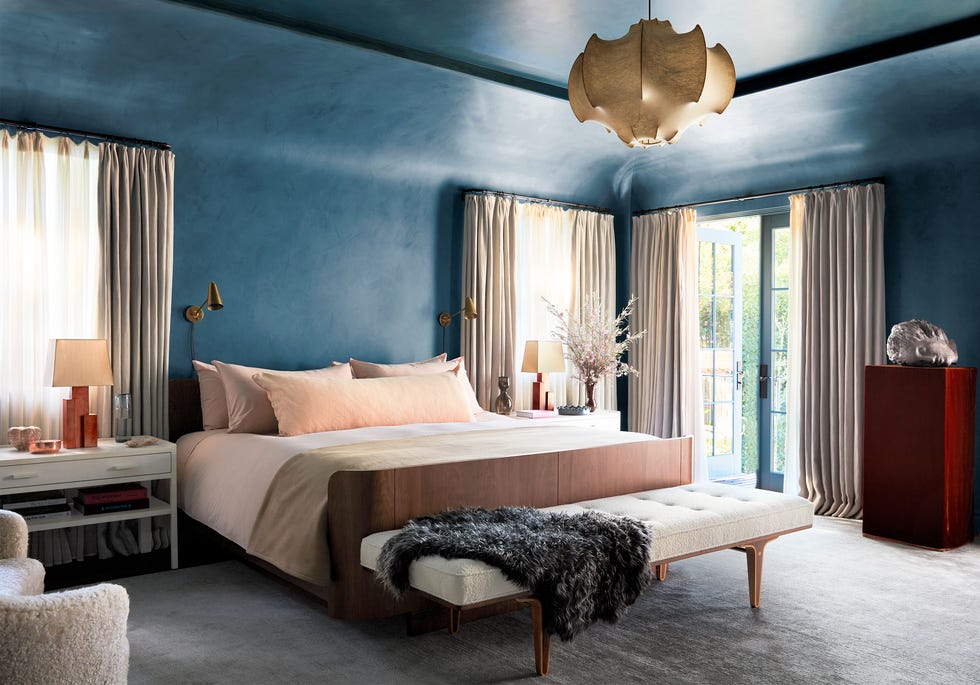
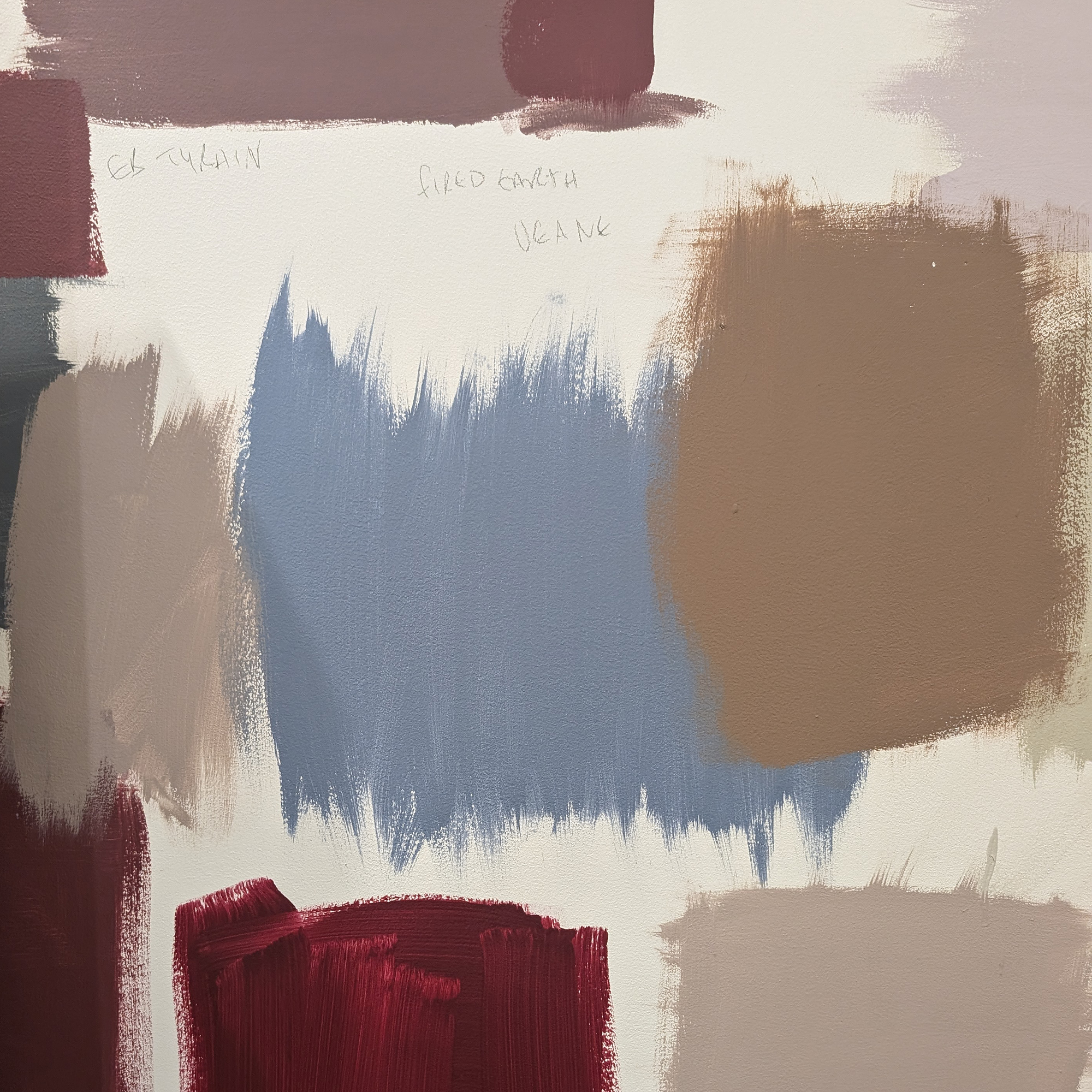
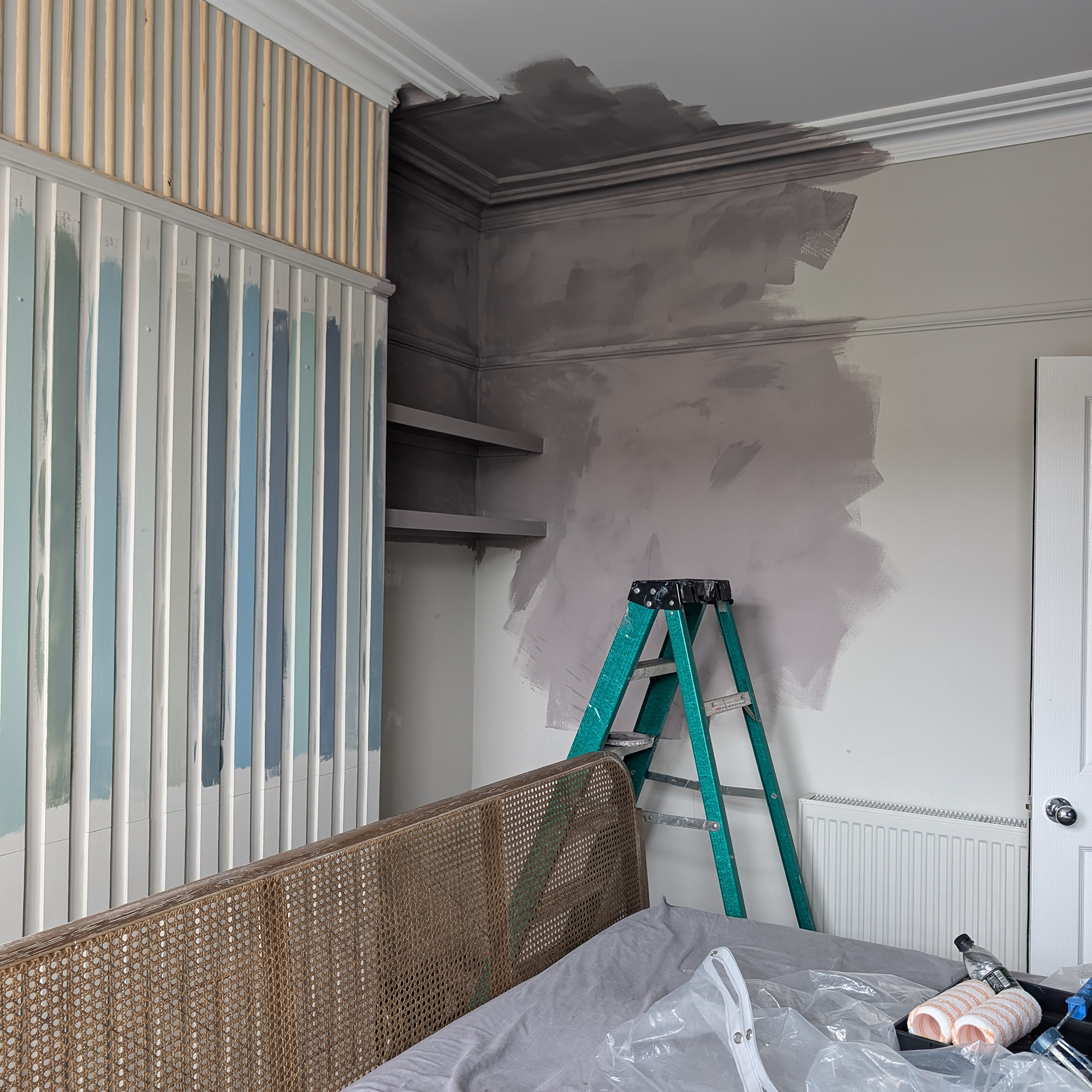
The article then delves into the psychological impact of color. Dabito encourages bold use of color, suggesting that even white walls can be vibrant through layering. His advice for incorporating color involves selecting a primary hue and then balancing it with complementary warm or cool tones, or by employing a monochromatic scheme with varying shades. Environmental psychologist Sally Augustin further elaborates on color psychology, explaining that specific colors elicit different behaviors and feelings. For instance, unsaturated but relatively bright colors promote comfort and decompression. Greens, particularly sage green, are linked to enhanced creative performance, possibly due to their ancient association with safety and abundance. Blue is identified as a calming color, ideal for bedrooms, and is culturally associated with trustworthiness and sleep. Red, conversely, is shown to degrade analytic performance and is best avoided in areas requiring focus.
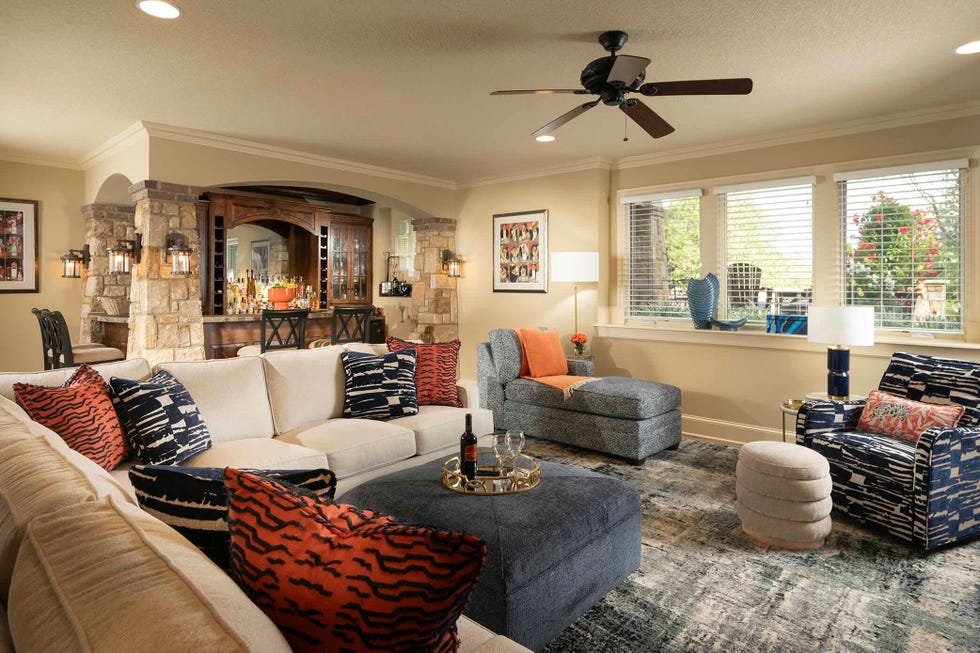
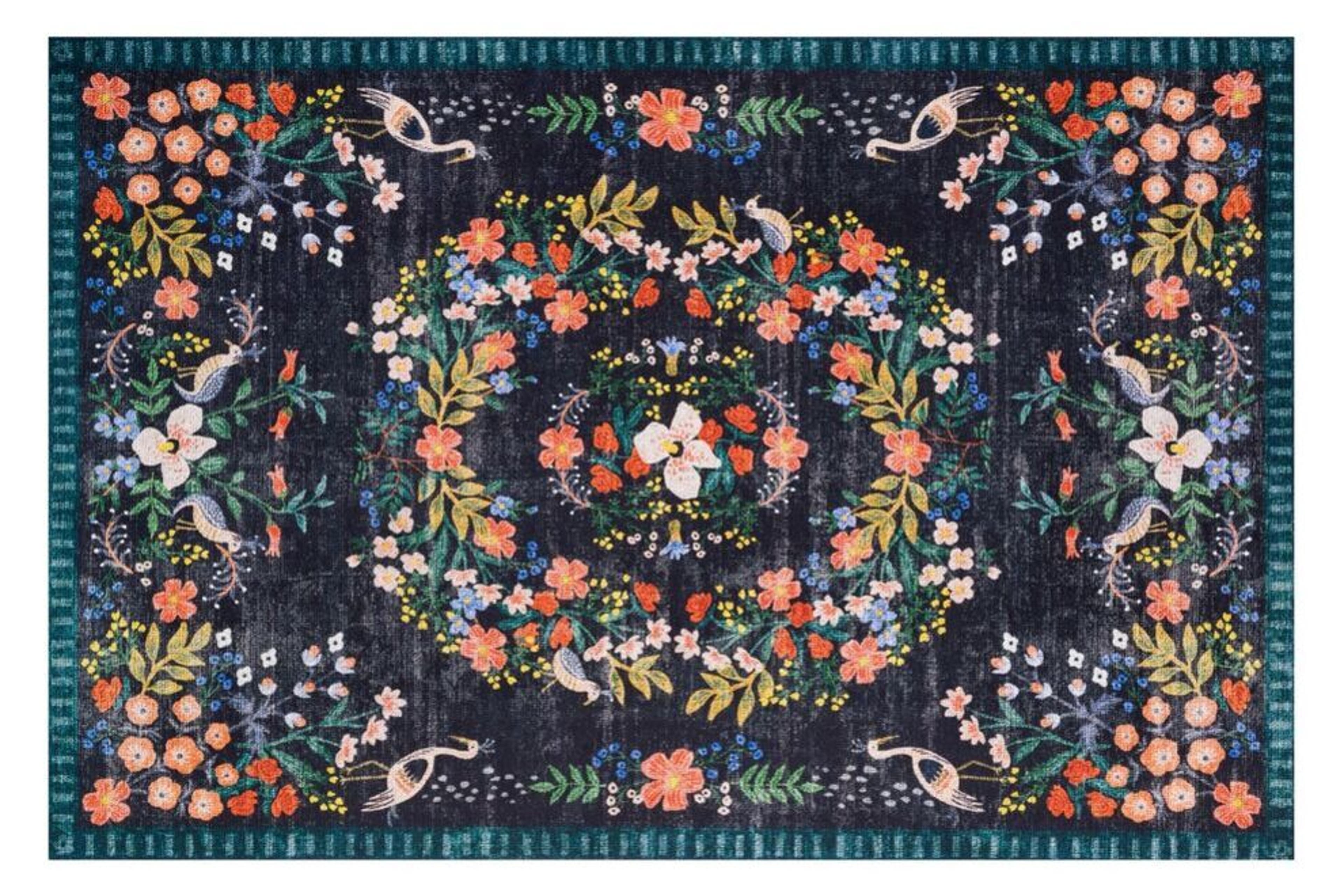
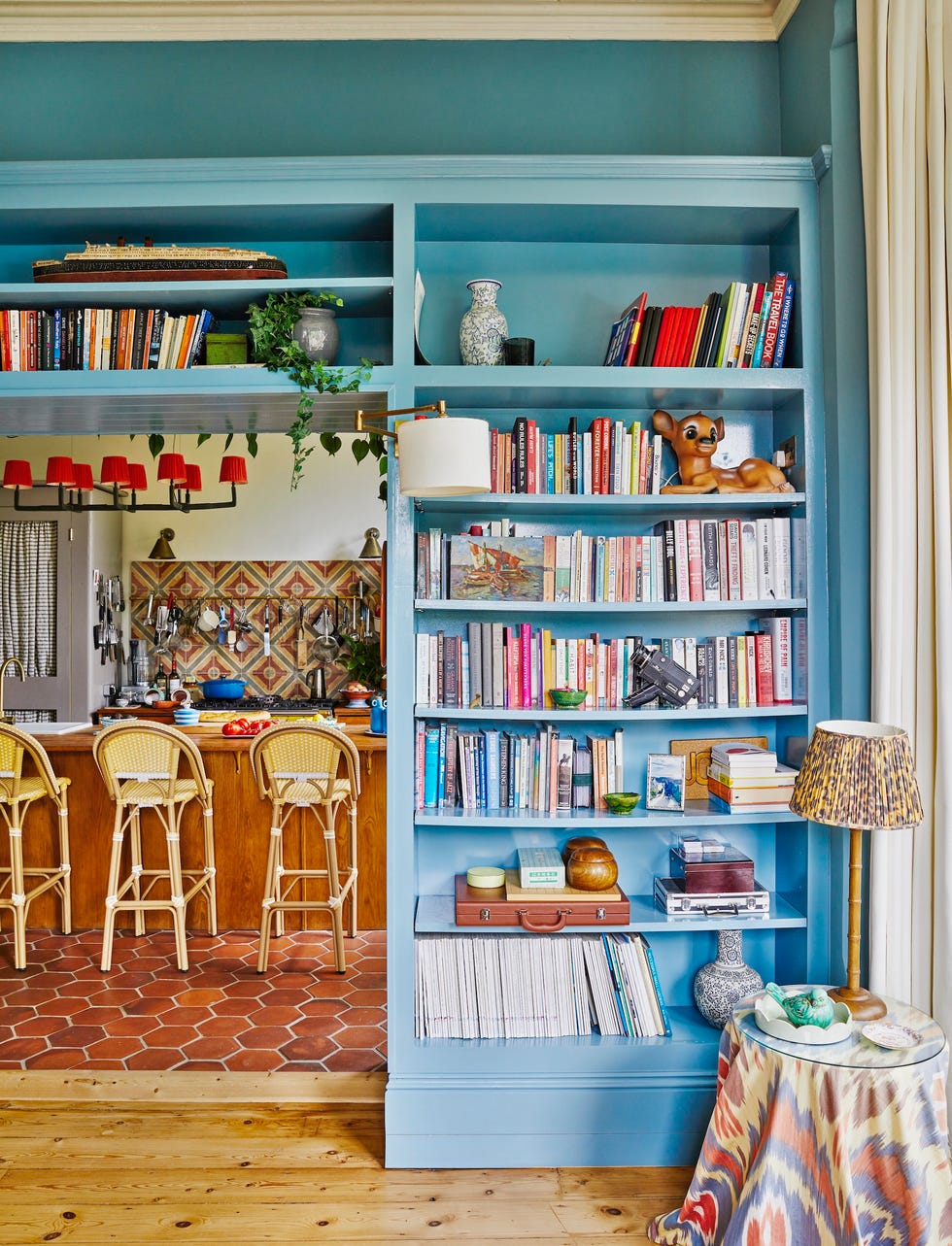
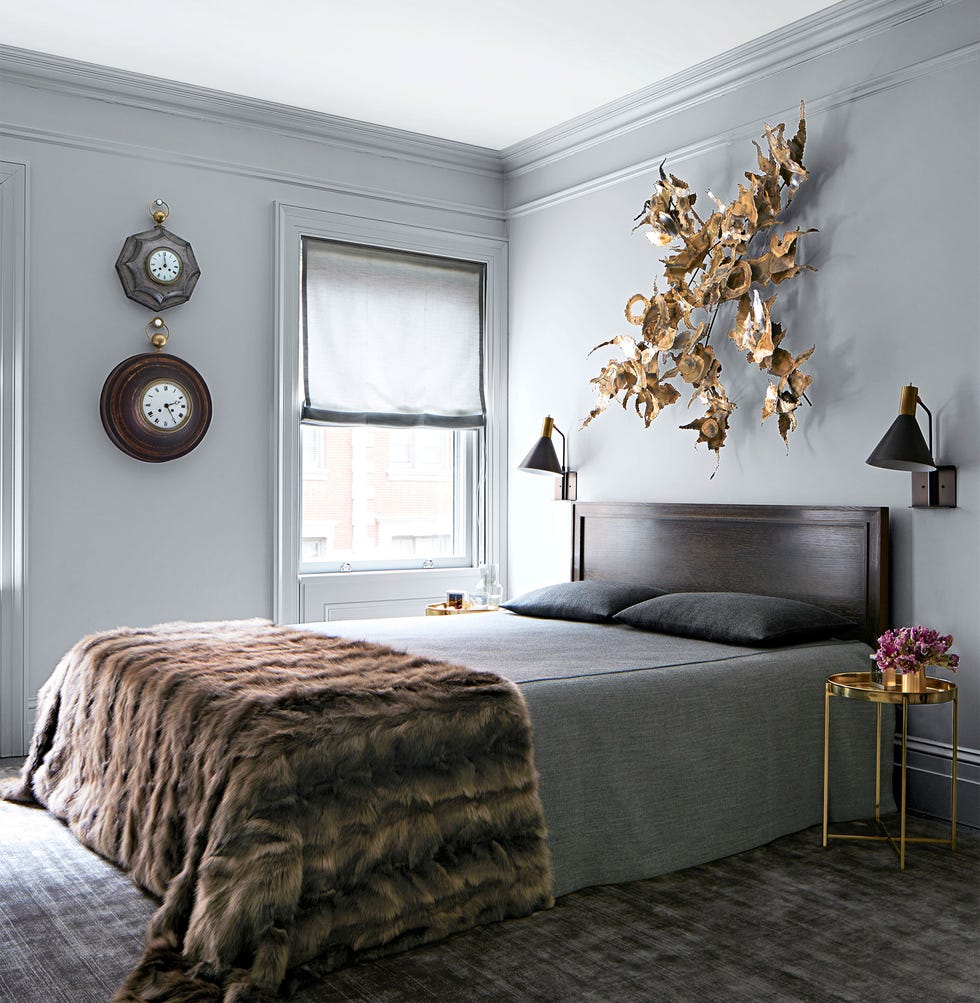
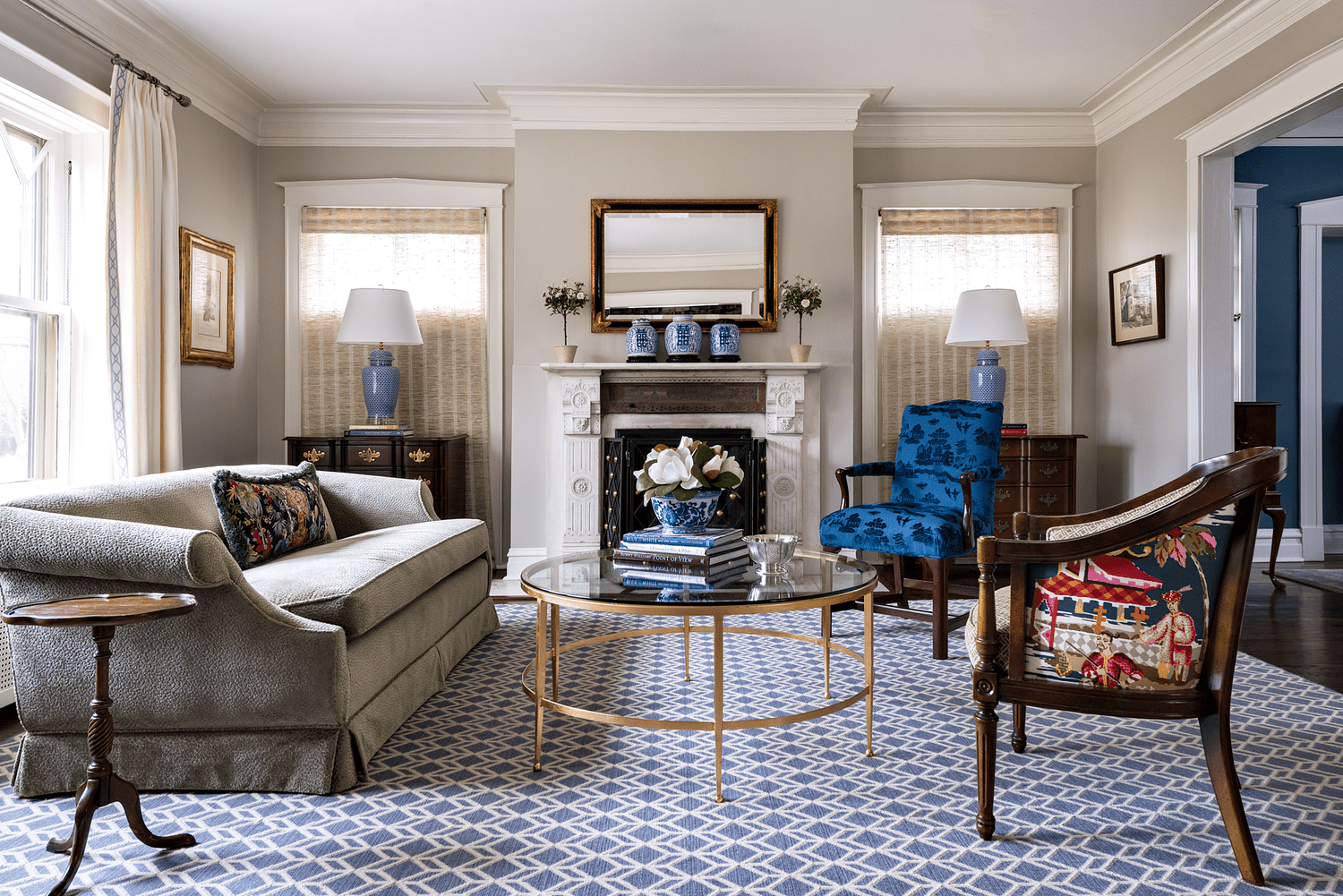
Beyond color, the article addresses the role of patterns and fabrics in creating a comfortable space. Augustin notes that patterns with curving lines contribute to a sense of comfort and relaxation, while straight lines are better suited for areas where brisk activity or efficiency is desired, like a laundry room. The concept of "visual complexity" is introduced, explaining that both excessively stark (low visual complexity) and overly cluttered (high visual complexity) environments can be stressful. The goal is to achieve a balanced visual environment, a "Goldilocks conundrum" where the space is neither too busy nor too stark.
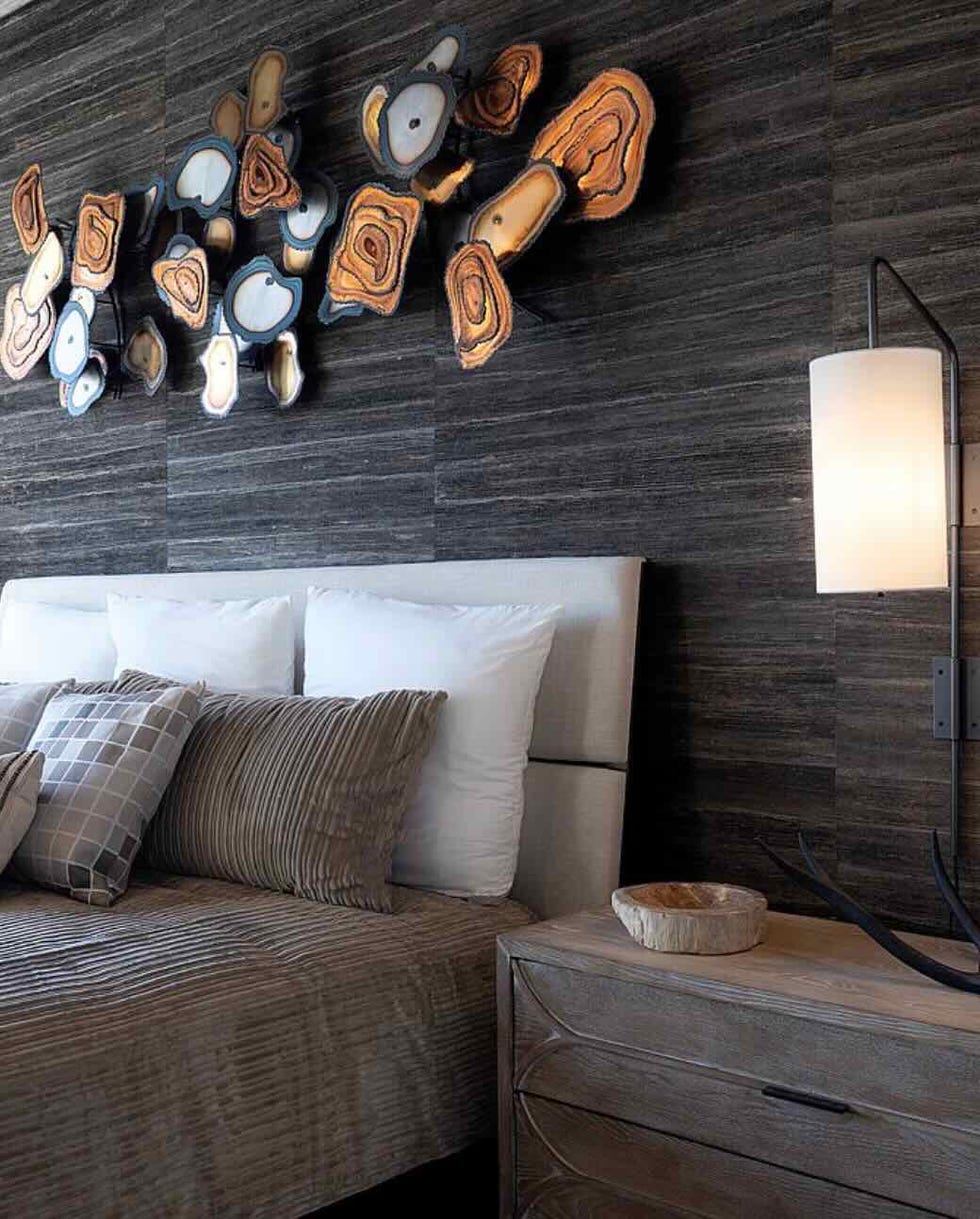
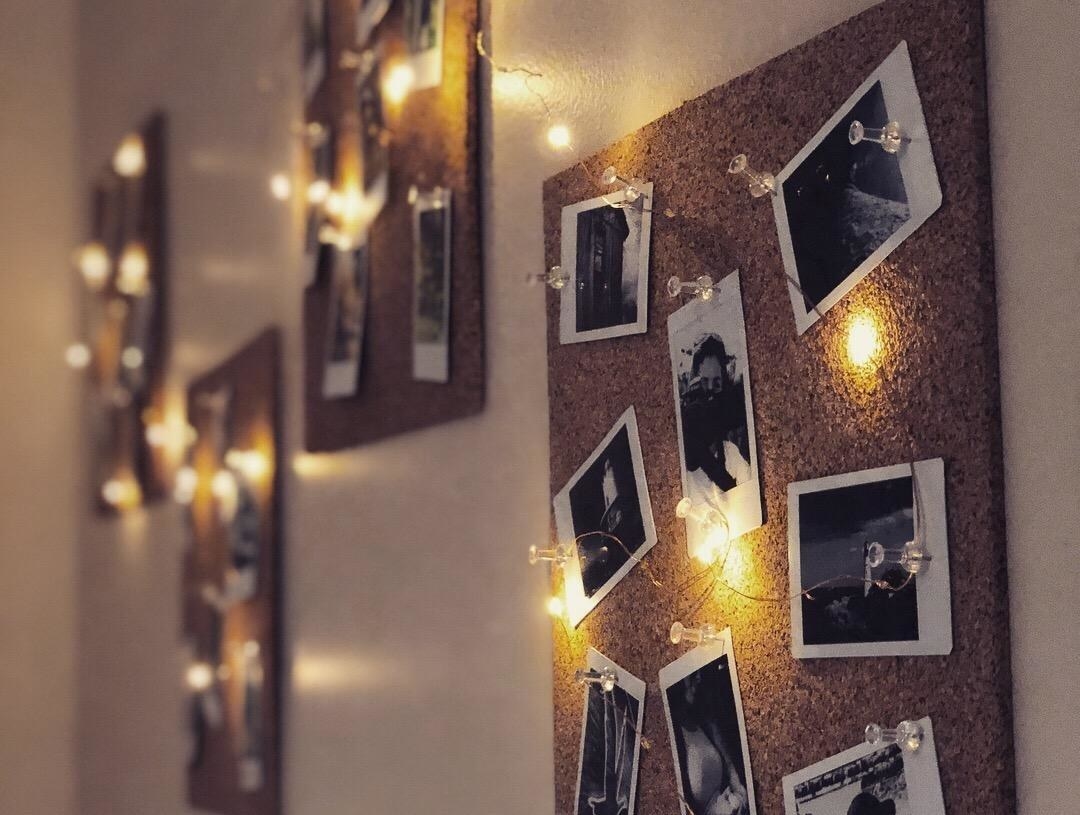
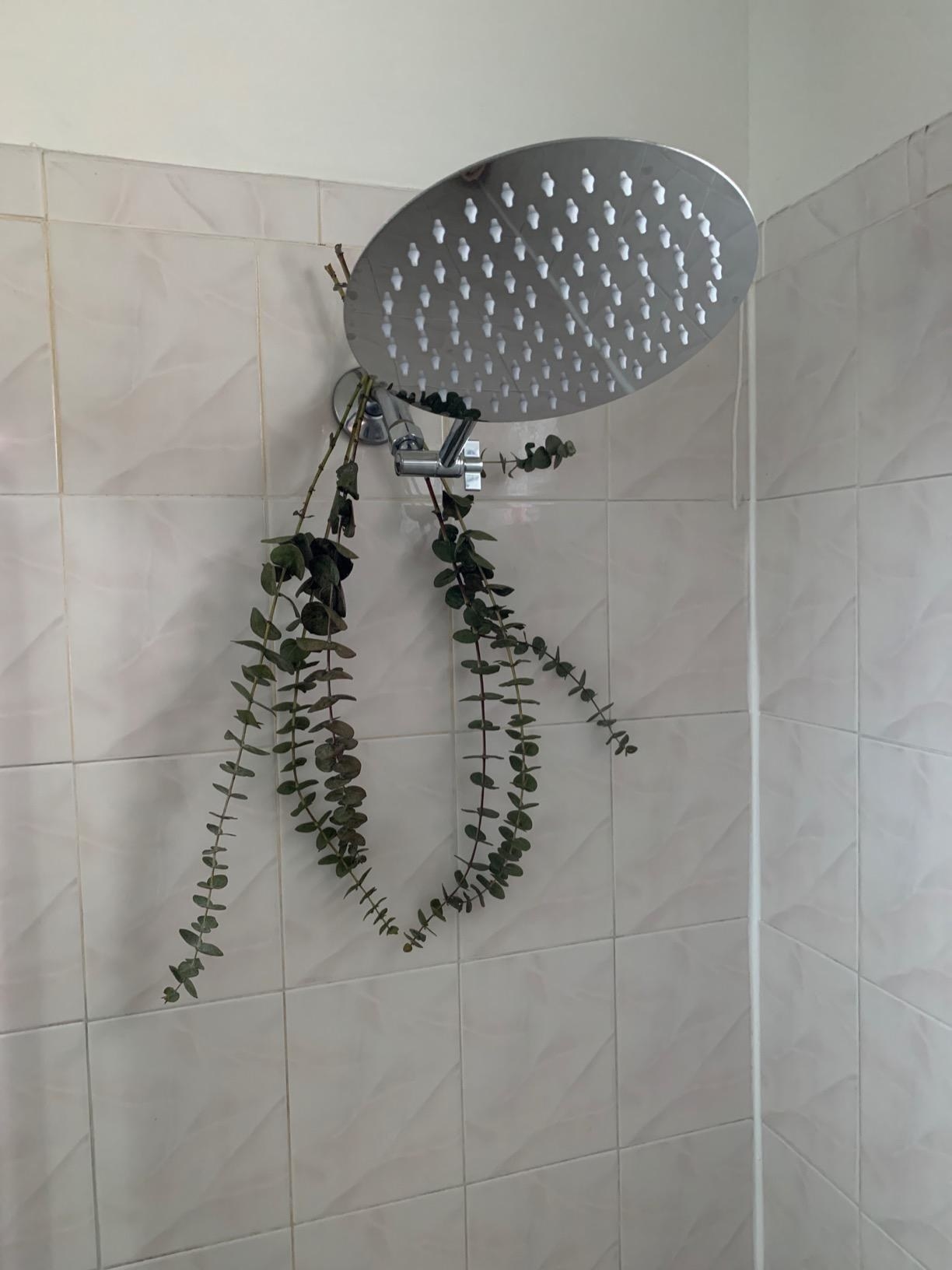
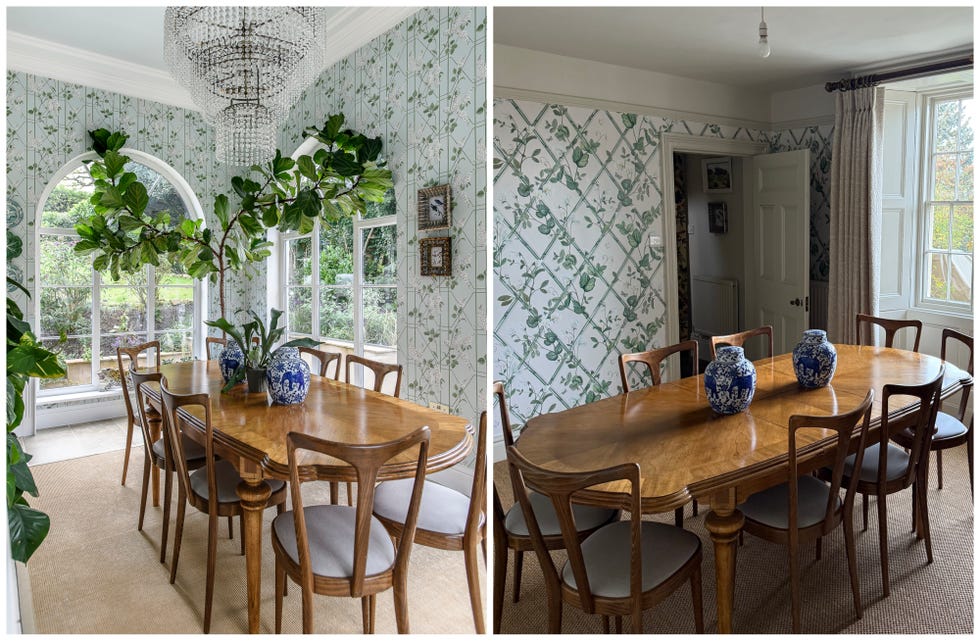
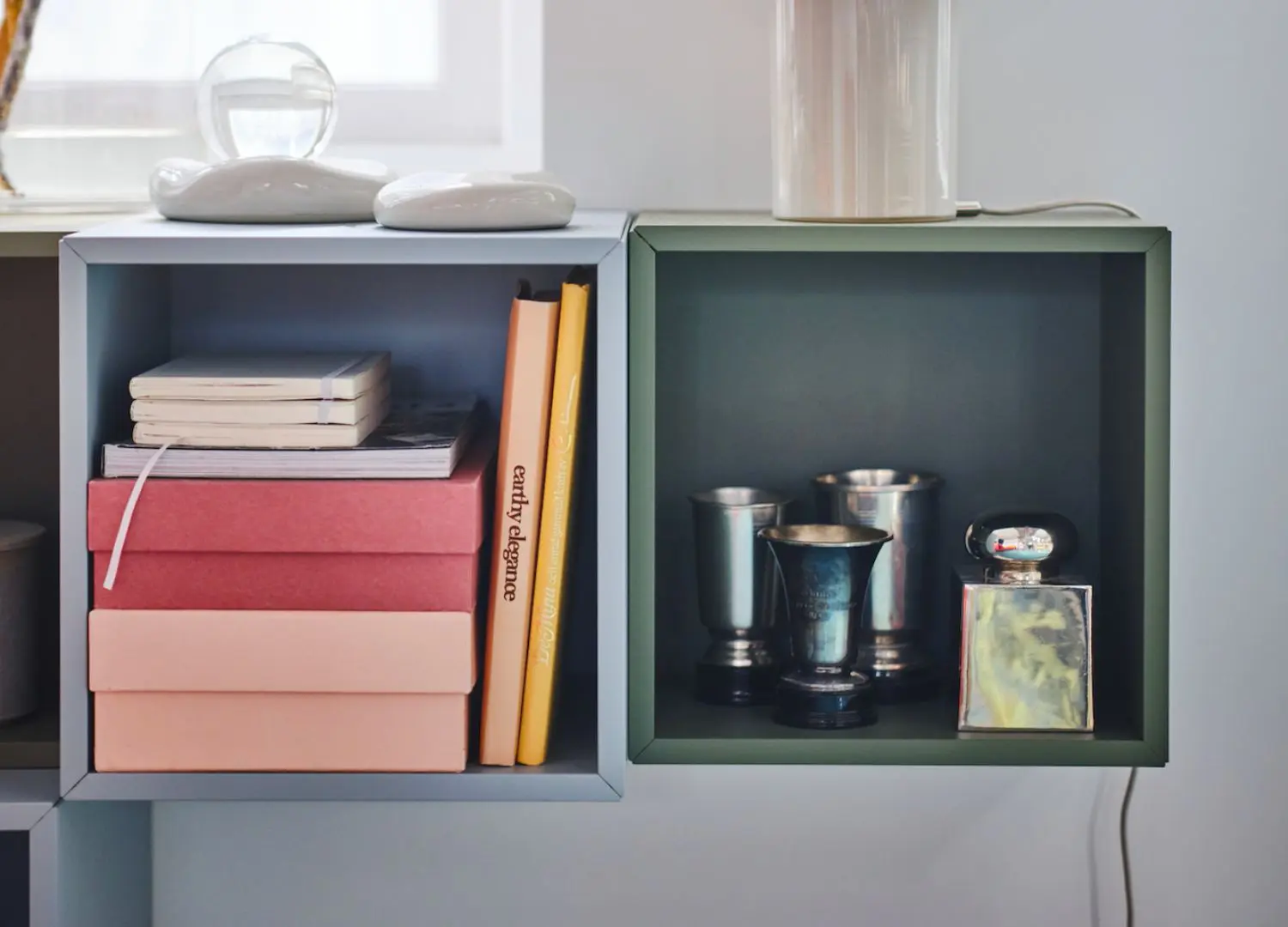
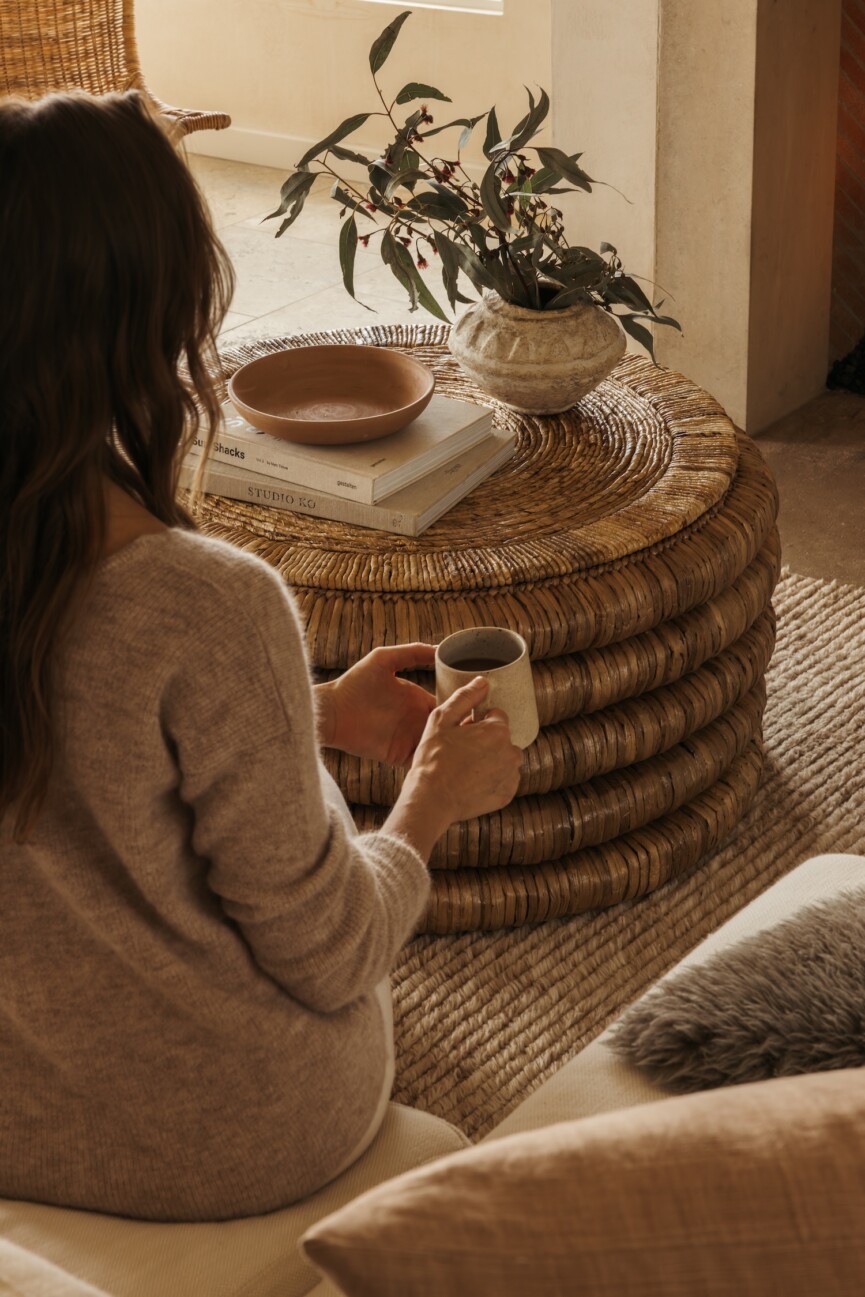
Nostalgia is highlighted as a powerful element in comfort decorating. Displaying personal items that evoke positive memories or hold sentimental value, such as family photos or unique trinkets, can provide a sense of safety and validate personal identity. Augustin suggests rotating these items to refresh the environment, manage visual complexity, and maintain a sense of control over one's surroundings, which can boost mood and problem-solving abilities. Finally, the article emphasizes the importance of incorporating nature into the home. This can range from real plants to faux plants, artwork depicting natural scenes, or nature-inspired wallpaper. Bringing the outdoors in serves as a reminder of the wider world, fostering a sense of connection and renewal, regardless of external living conditions. Ultimately, comfort decorating is presented as a highly personalized process aimed at creating an environment that supports daily needs, promotes well-being, and reflects individual preferences without needing external validation.
#ComfortDecorating #HomeSanctuary #InteriorDesign #ColorPsychology #EnvironmentalPsychology #FunctionalSpaces #Nostalgia #BiophilicDesign #ComfortDecorating #HomeSanctuary #InteriorDesign #ColorPsychology #EnvironmentalPsychology #FunctionalSpaces #Nostalgia #BiophilicDesign
0 comment in total
 No comments yet
You may also like
From clutter-free zen to cosy comfort: The mental health benefits of home decor | Hindustan Times


The Cabincore Decor That'll Give Your Home The Coziest Vibes
This Interior Designer's Own Apartment is Elegant and Luxurious — Yet Surprisingly "Life-Proof" Too

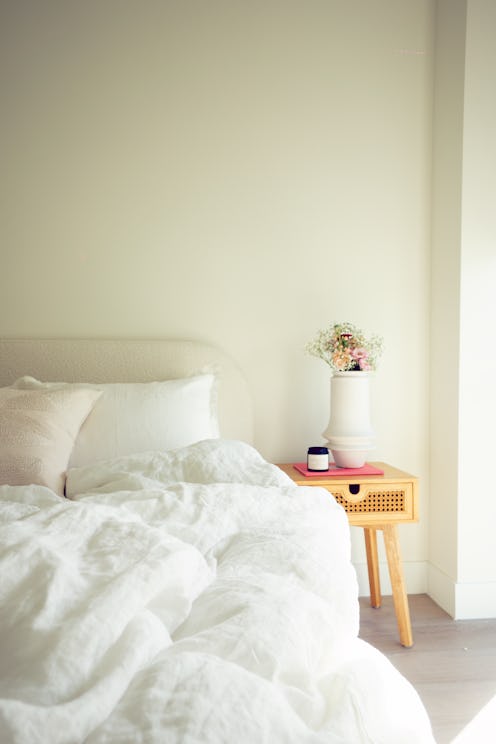
I Curated A Low-Cortisol Home — Here's How I Did It

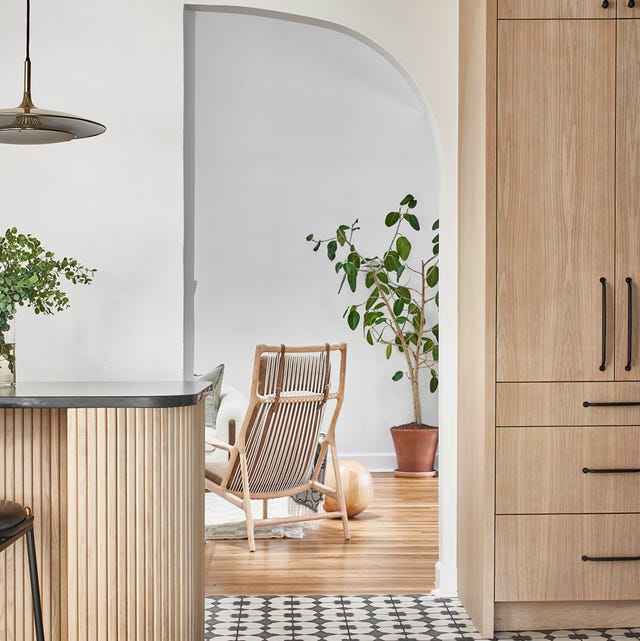
Interior Designer Says Adding This to Your Home Will "Bring a Sense of Calm"

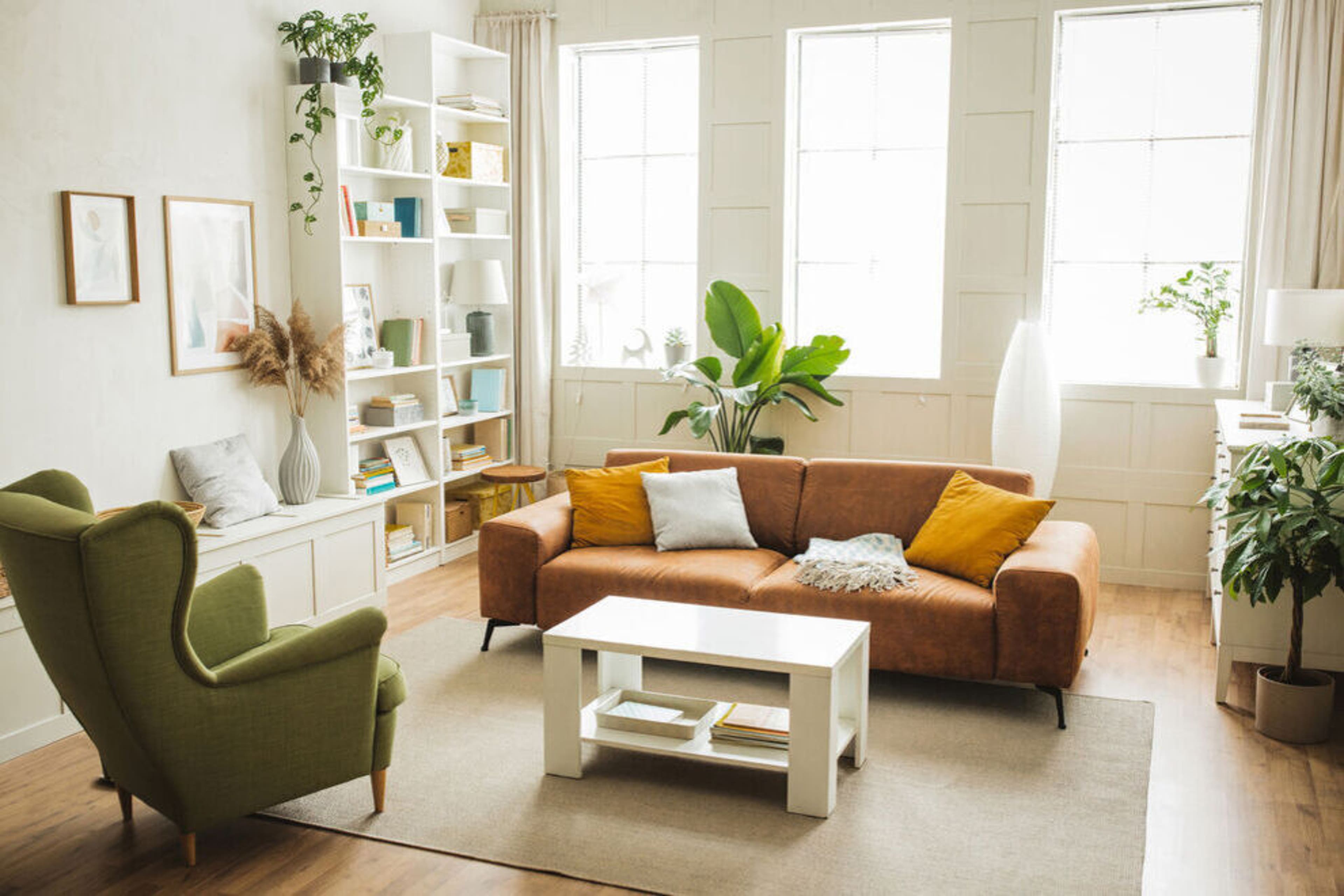
Create a cozy home in 10 easy, inexpensive steps

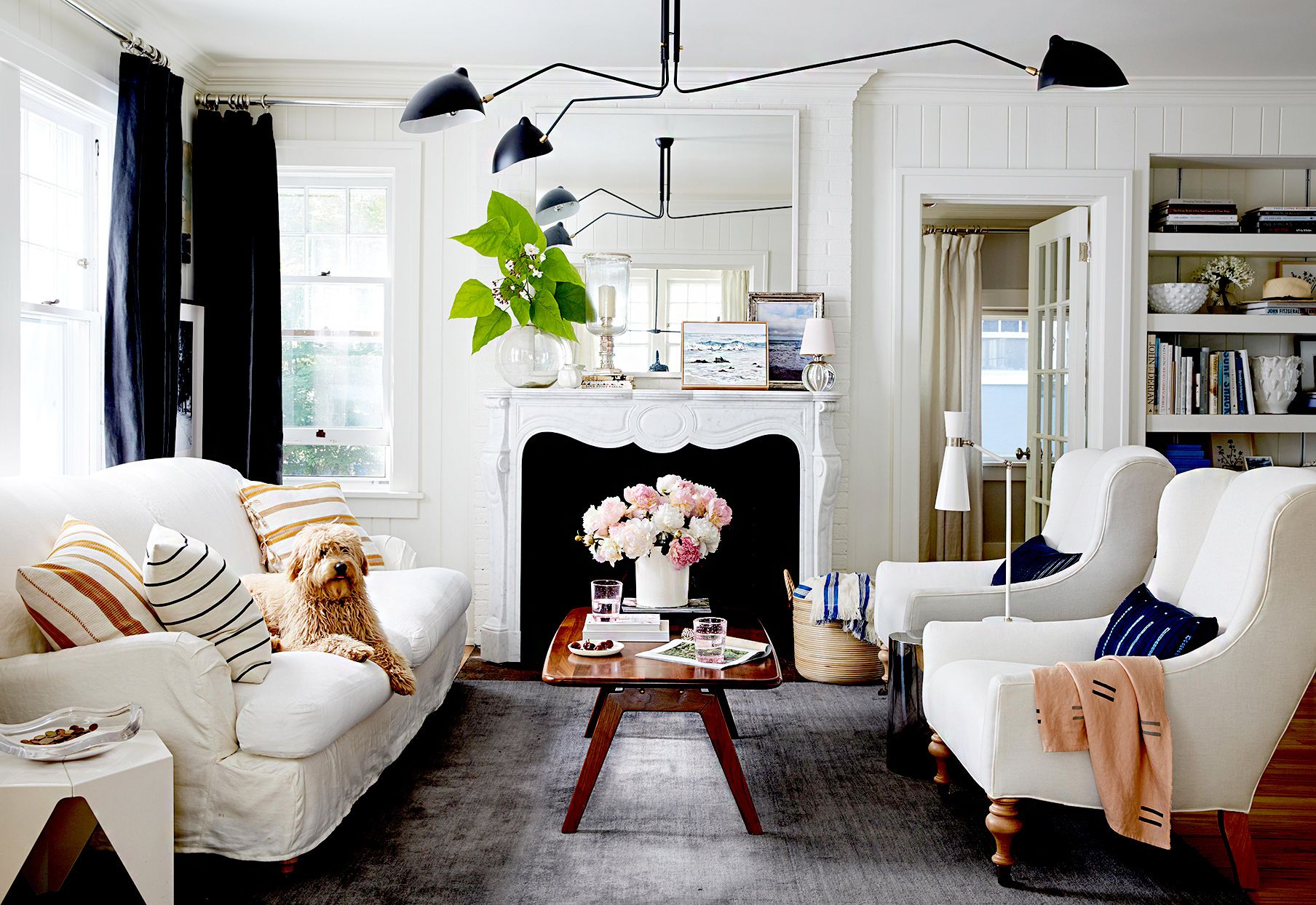
15 Soothing Decor Ideas to Help You Relax and Unwind at Home

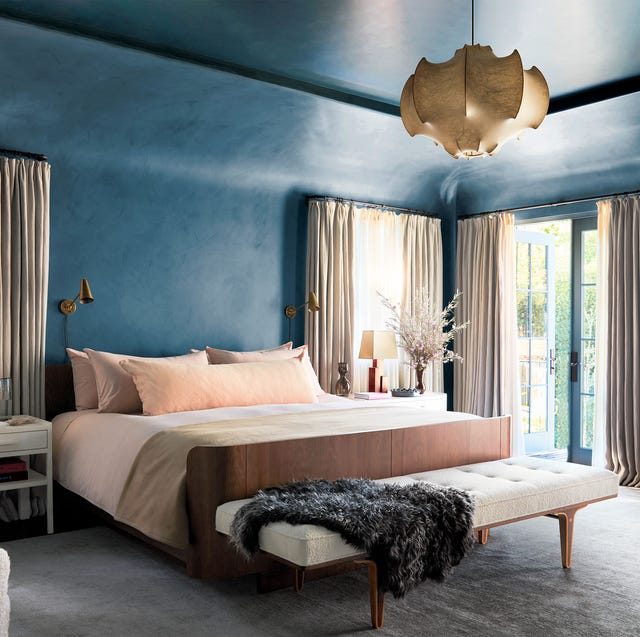
The Key Word for Bedroom Design This Year: Calm

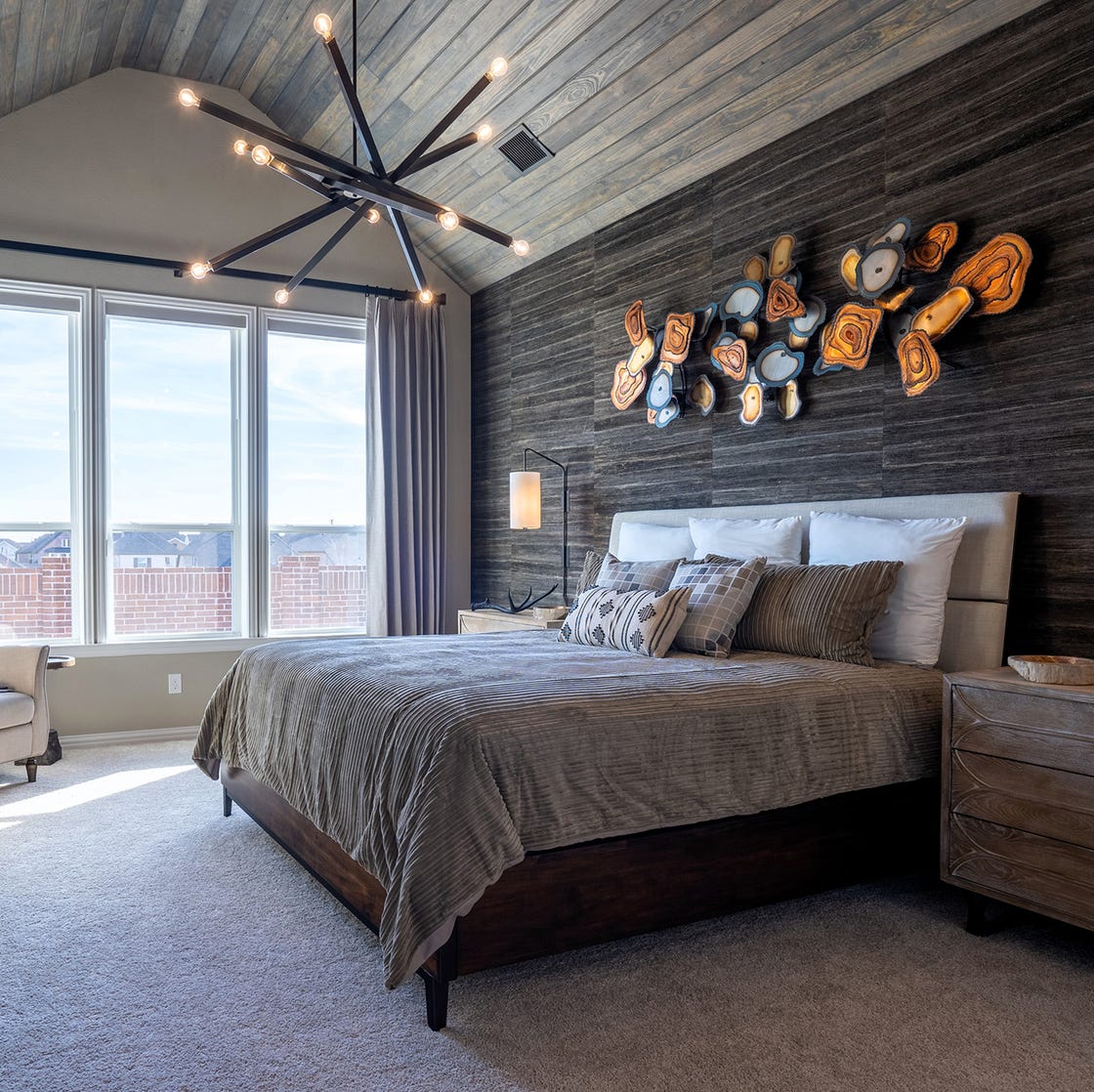
The Coziness Factor: Designers Share How They Create an Inviting Home
Transforming Home Comfort
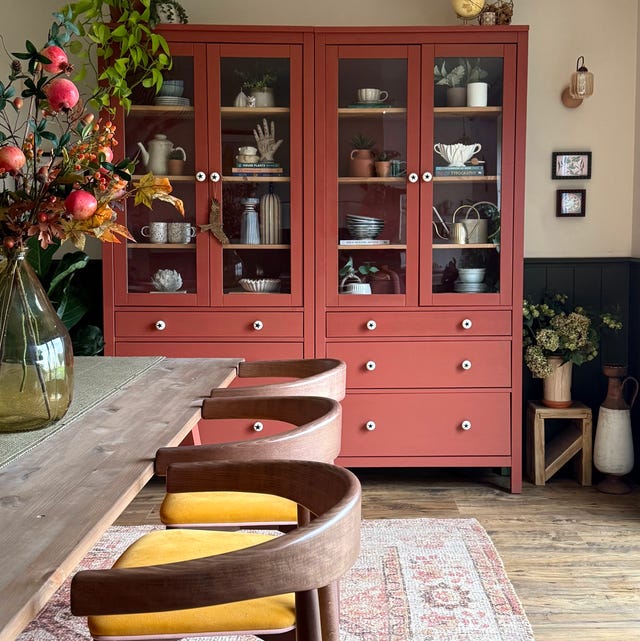
Copy-And-Paste Interiors: Repeating A Look Isn’t Lazy — It’s Clever
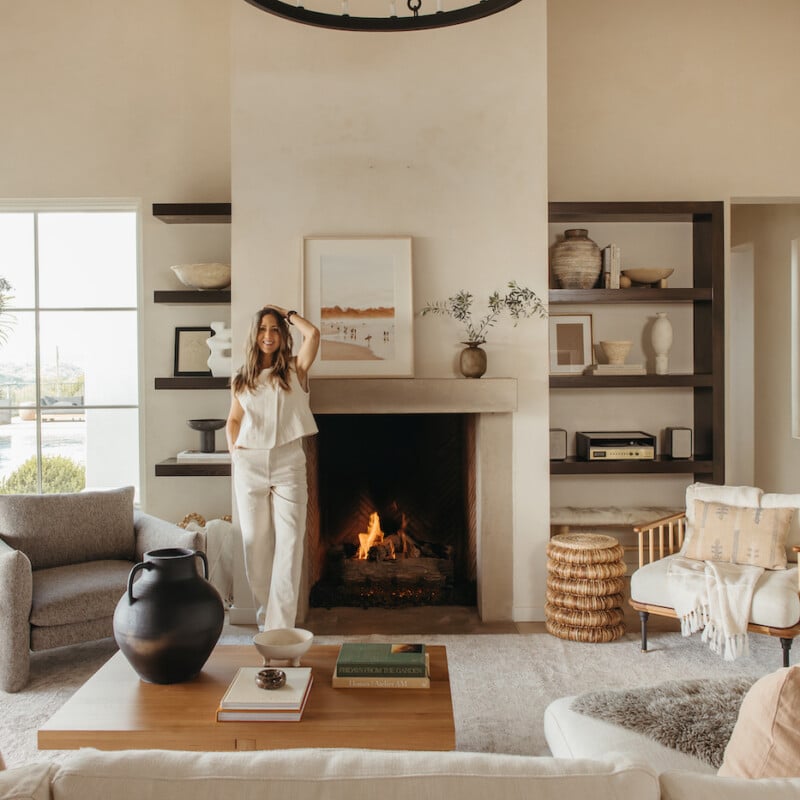
Your Living Room Needs a Vibe Check—These Are the Coziest Fixes

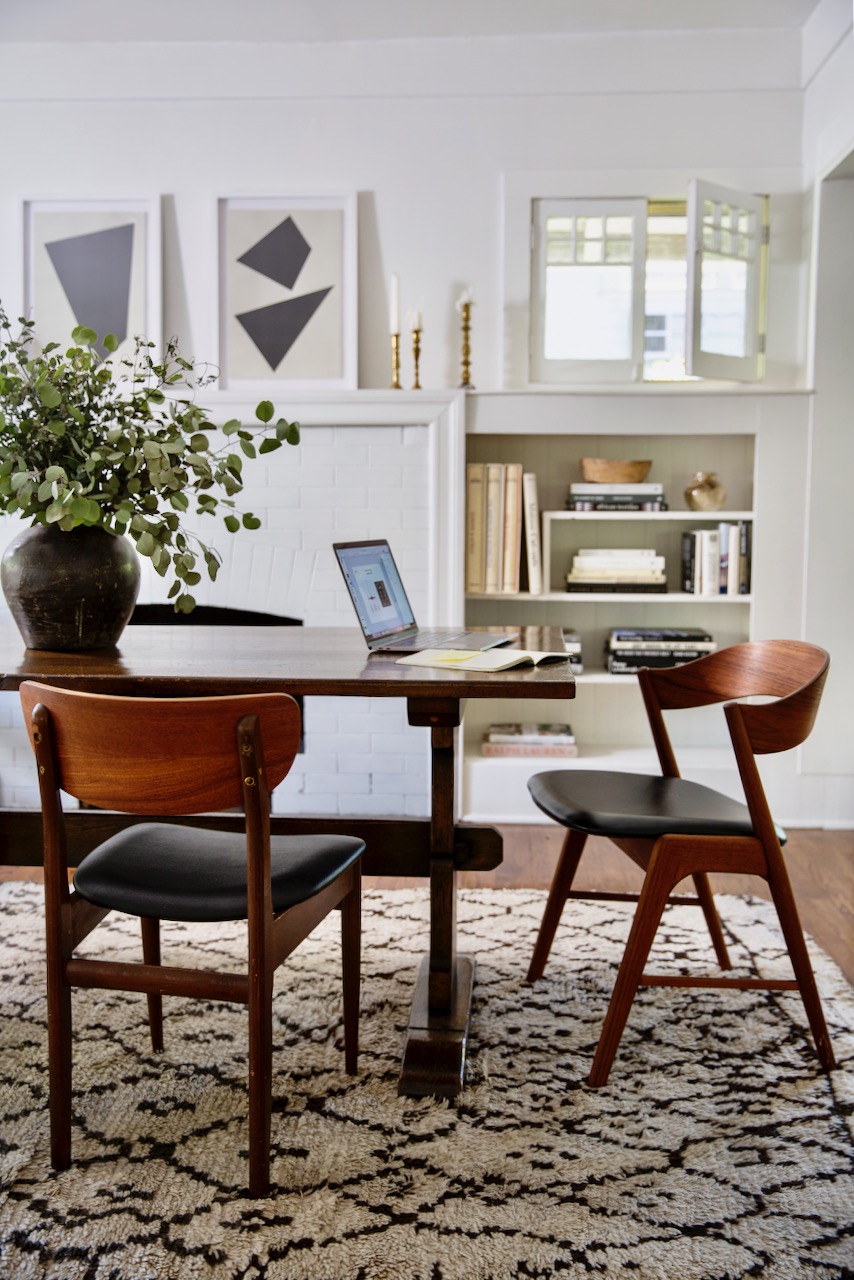
How These Interior Designers Are Staying Cozy (and Sane) at Home
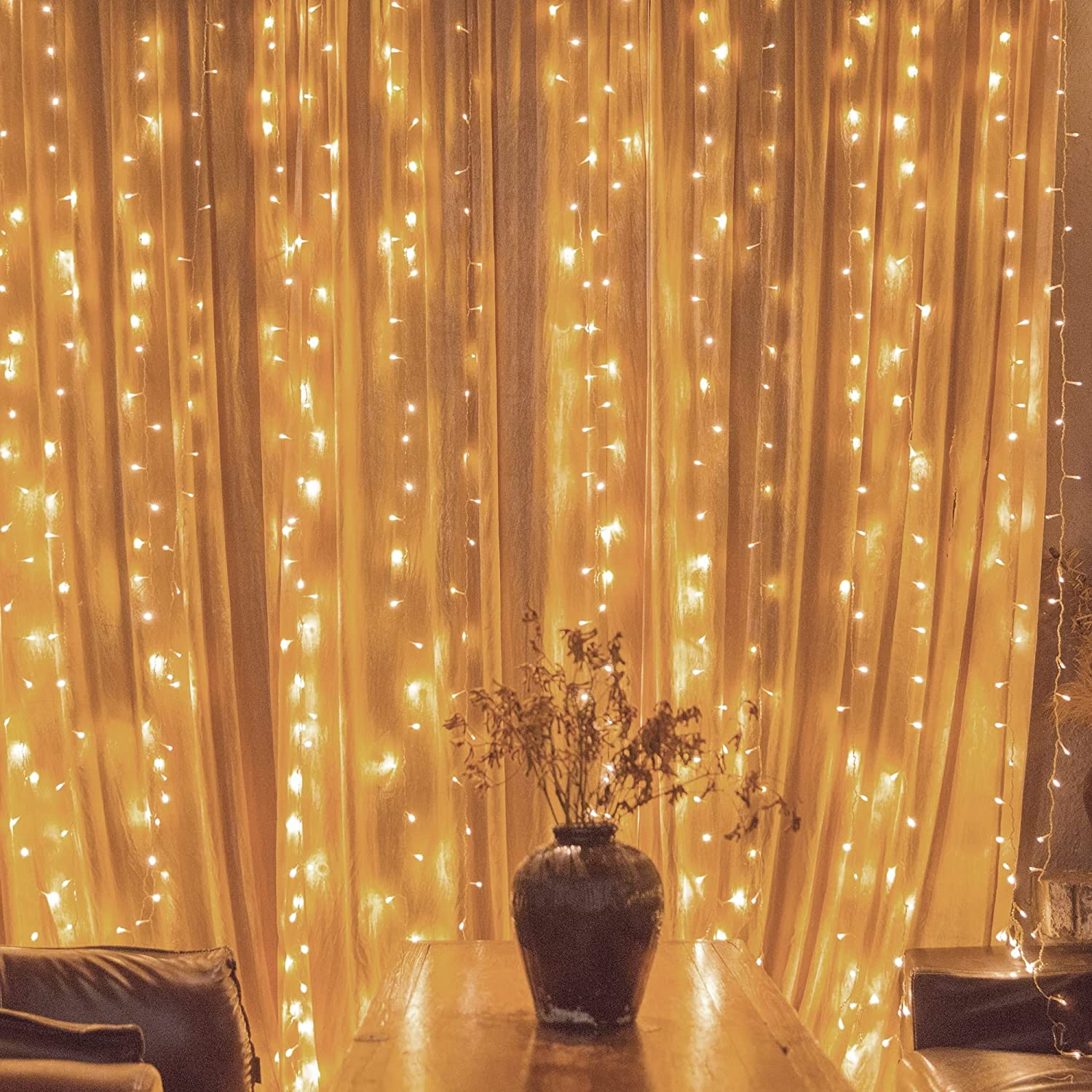
If You're Looking For Products That'll Make Your Home Cozier, Look No Further Than This List
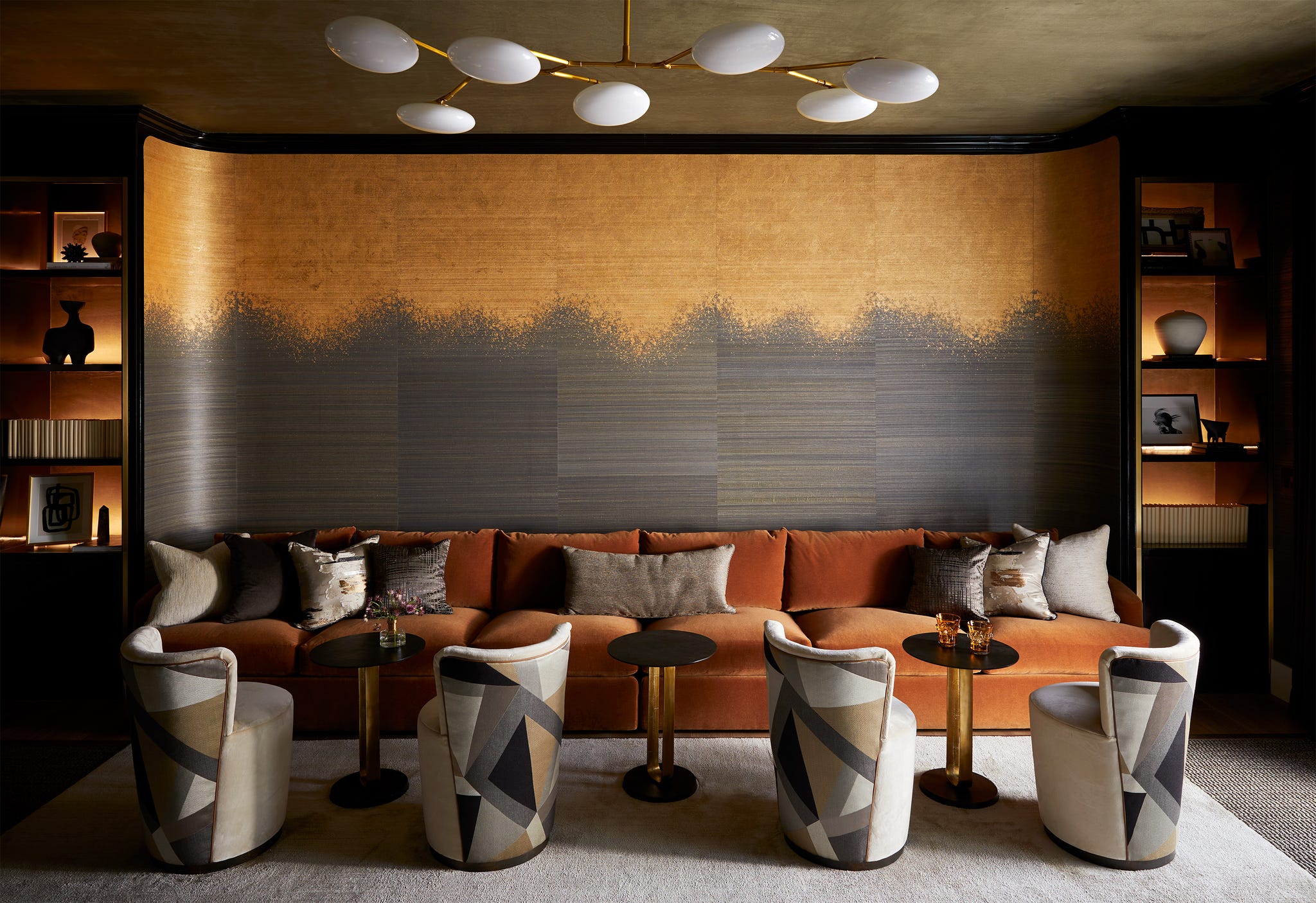
This At-Home Lounge Is Equal Parts Elevated and Family Friendly

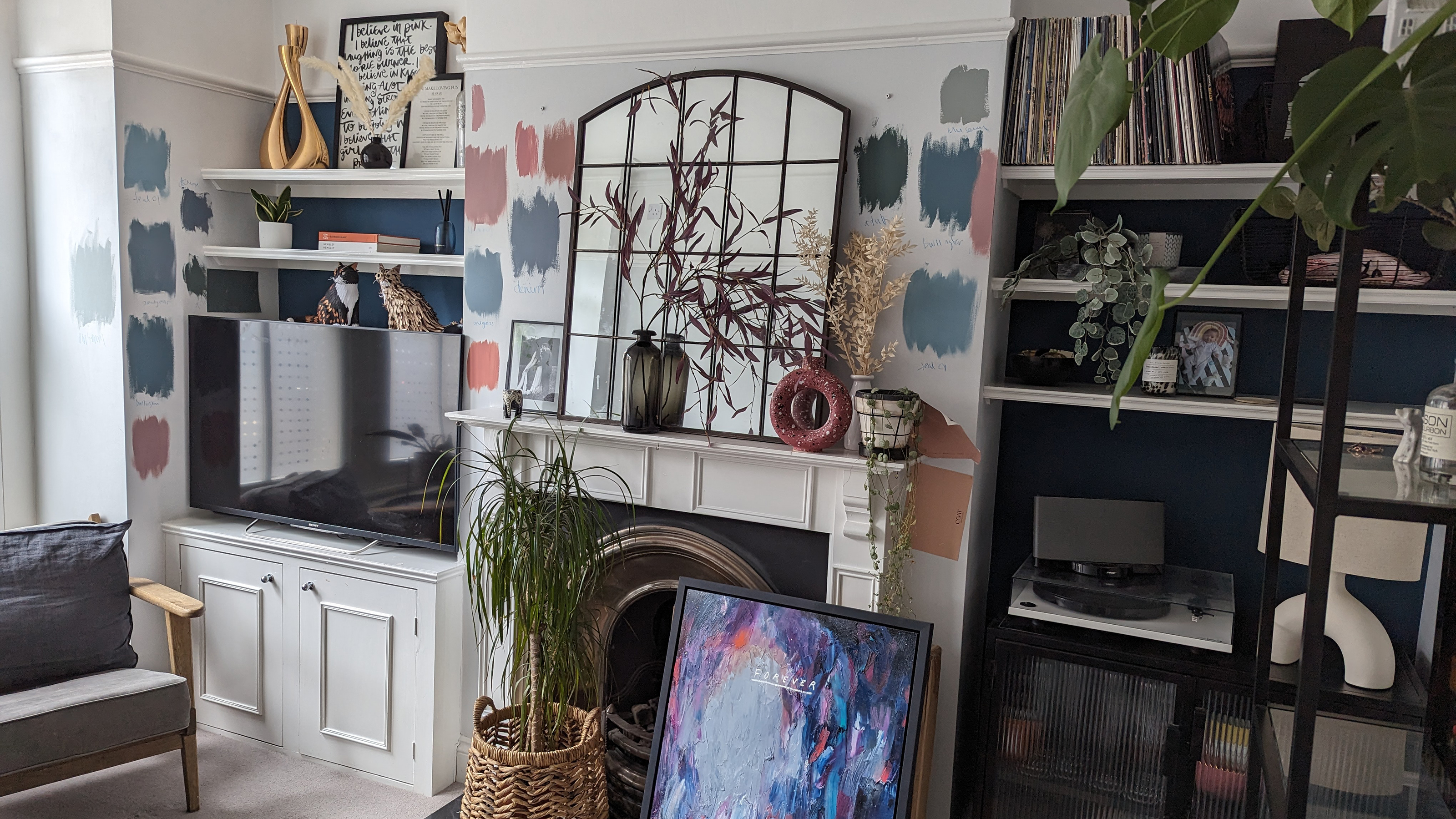
Unpopular Opinion: My house will never be finished, and neither will yours

Twelve creatives on the home essentials they can't do without
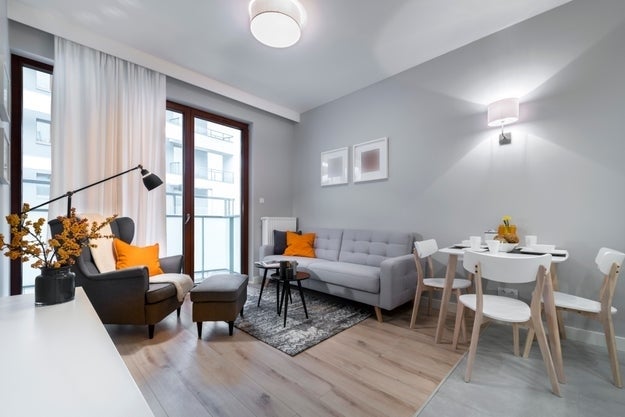
"It's Like I'm On An HGTV Acid Trip": People Are Denouncing The Worst Home Design Features


The environment in which we live and our mental health are intricately connected

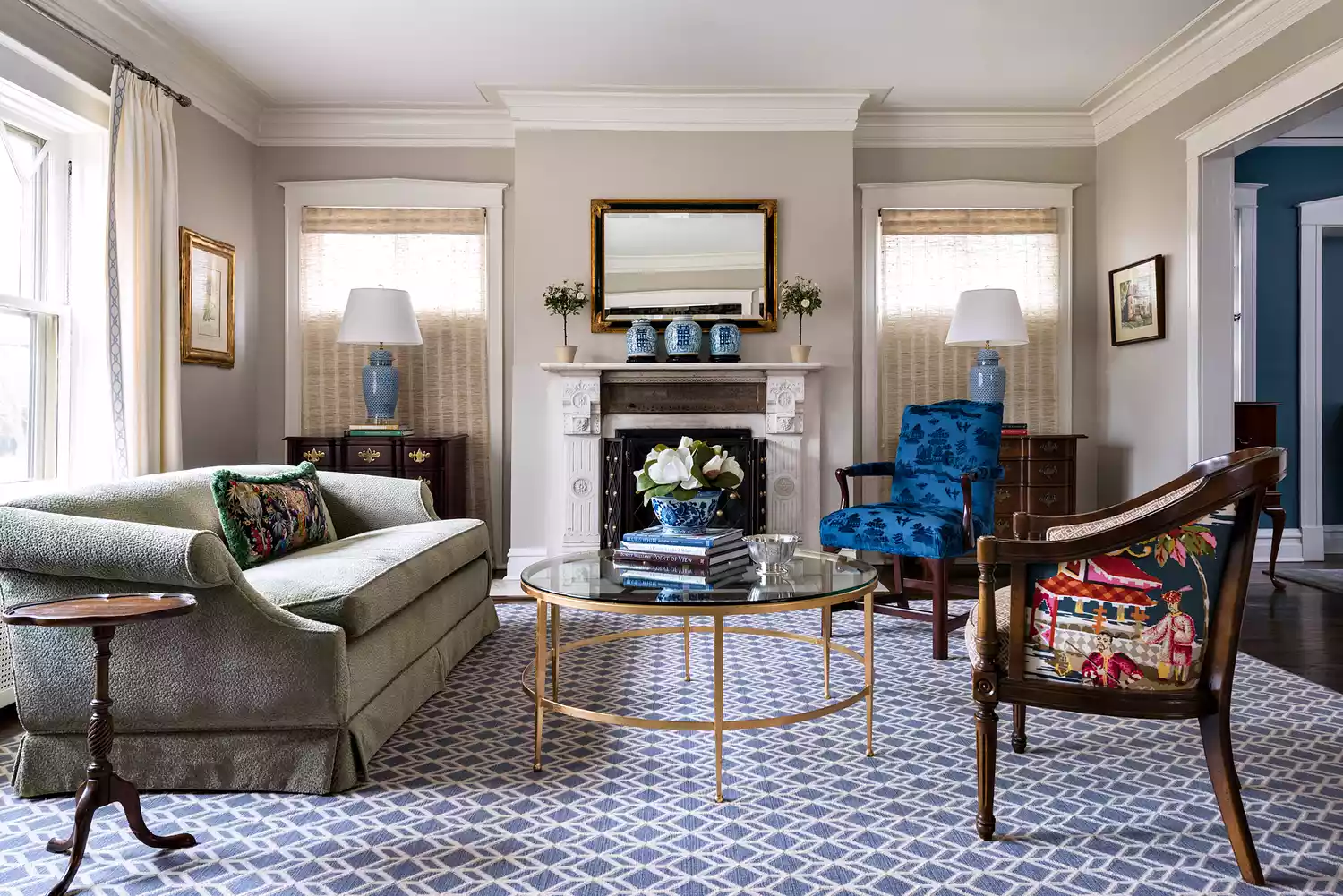
We Asked Designers How to Design a Home You'll Love into Retirement—And We Loved Their Advice