The Best Lure Colors for Fluke Fishing
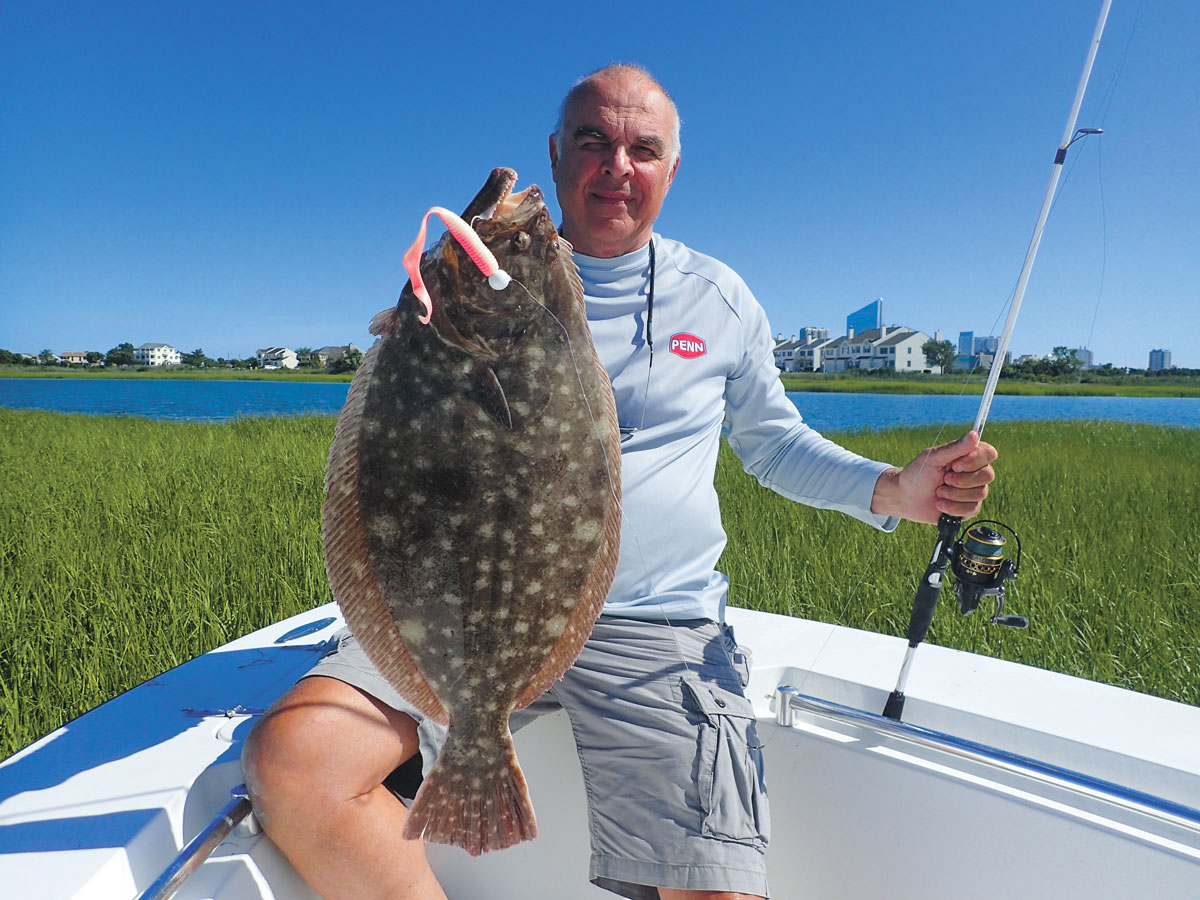
Choosing the right lure color is a crucial aspect of successful fluke fishing, influenced by factors such as water clarity, depth, and bottom composition. An experience shared by Captain Scott Newhall highlights this, where a sudden halt in fluke bites was resolved by switching from white bucktails to chartreuse jigs, indicating fluke can change their color preference. This suggests that color choice is not static and often requires anglers to adapt during a fishing trip.
Throughout decades, the debate over effective fluke lure colors has led to various theories and angler preferences. Historically, red-and-white bucktails were standard, but the 1990s and 2000s saw the emergence of innovative, brightly colored lures from companies like Berkley and SPRO. Popular colors like Berkley Gulp's "nuclear chicken" and "new penny," and SPRO's "Magic Bus" bucktail, gained significant demand in the Northeast for their effectiveness in attracting fluke.
Experienced captains emphasize the importance of specific color choices. Captain Jeff Viamari of Bad Influence Charters consistently uses pink, white, and chartreuse bucktails, often paired with Berkley Gulp grubs of the same color, especially when fishing in shifty ocean sands like the Nantucket Shoals. He advocates matching lure colors to local baitfish, such as pink for squid, white for sand eels, and blue for small scup, which are prevalent during the summer.
Mike Sisto of Jersey Key Charters, focusing on Raritan Bay and offshore structures, identifies white/glow, chartreuse, and surprisingly, orange, as his top three bucktail colors. He notes that orange, though uncommon, has proven highly effective for some clients. Captain Sisto is a strong proponent of white, using it with whole squid for large fluke in Ambrose Channel. For Shrewsbury Rocks, he combines white or glow bucktails with a contrasting pink Gulp Squid, finding this combination particularly successful.
Water conditions, particularly clarity, play a significant role in lure selection. In cloudy or off-colored water, often encountered during outgoing tides in spring or after storms, chartreuse is a go-to color. Captain Sisto recommends chartreuse bucktails with four-inch glow or chartreuse swimming mullets, or six-inch chartreuse grubs, often augmented with whole squid or large strip bait. Captain Viamari concurs, suggesting bright green, orange, or glow colors in dirty water, enhanced with soft plastics, rubber squid, or beads for increased visibility. Both captains underscore the value of natural colors and adding flash to bucktails, especially in shallow, stained backwaters where tinsel and holographic finishes can grab fluke's attention.
Bottom composition and the local prey species also guide color choices. Captain Viamari suggests matching colors to prevalent prey near structures. For instance, crab-colored teasers are effective near mussel or clam beds, while patterns mimicking sea robins or small fluke work well on sandy bottoms. Stan Gola, former owner of S & S Bucktails (now OG Jigs), confirms the success of sea robin patterns, particularly in sandy areas and for anglers fishing in backwaters during the early season, where white, chartreuse/white, and pink/white are popular. In cleaner waters, a spearing pattern is favored. Stan also notes that as water warms or during full moons, crab or shrimp patterns become more effective.
For deeper waters, glow bucktails are often preferred, but it's important to understand how colors appear at different depths. Stan Gola explains that chartreuse can appear yellow and pink can appear orange below 40 feet. This highlights the dynamic nature of color perception underwater and the need for continuous experimentation until the most effective color is found. The article strongly advocates for a trial-and-error approach, encouraging anglers to vary their lure colors, observe others' successes, and even consider custom lure creations to adapt to changing conditions and maximize their catch.
#Fluke #FlukeFishing #LureColors #FishingTips #SaltwaterFishing #BerkleyGulp #Bucktails #WaterClarity #BottomFishing #Fluke #FlukeFishing #LureColors #FishingTips #SaltwaterFishing #BerkleyGulp #Bucktails #WaterClarity #BottomFishing
 No comments yet
These 10 Farrow & Ball colors are their most popular paints – from earthy neutrals to deep and dark shades


The best paints for streak-free coverage, from Dulux to Farrow & Ball

Best Berkley Gulp Colors for Fluke Fishing
Dissecting Lure Colors for Striped Bass

The 10 Best Farrow & Ball Paint Colors of All Time