1/7
Decorating With Teal — I'm a Color Expert and Know How to Make It Work for Your Home
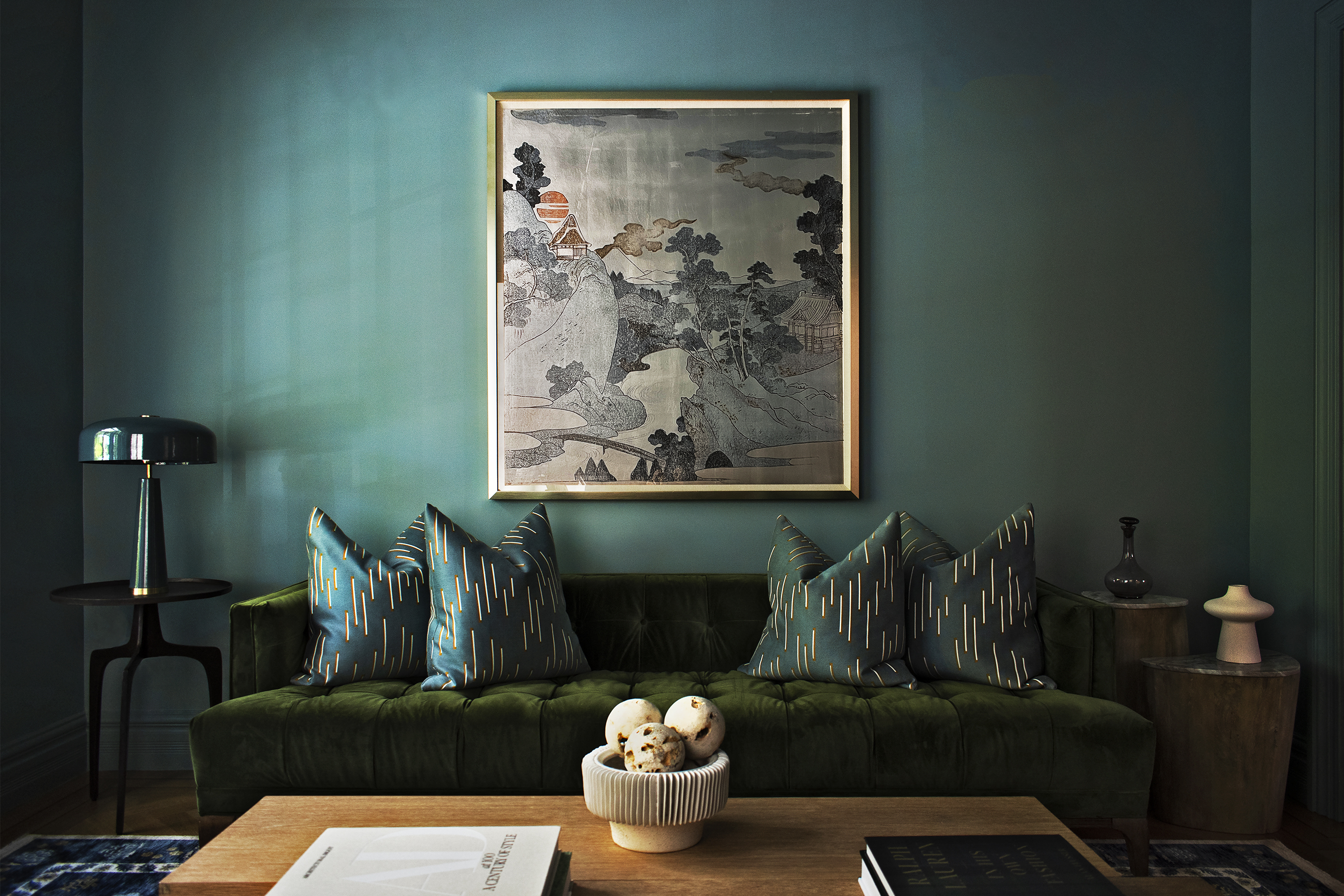
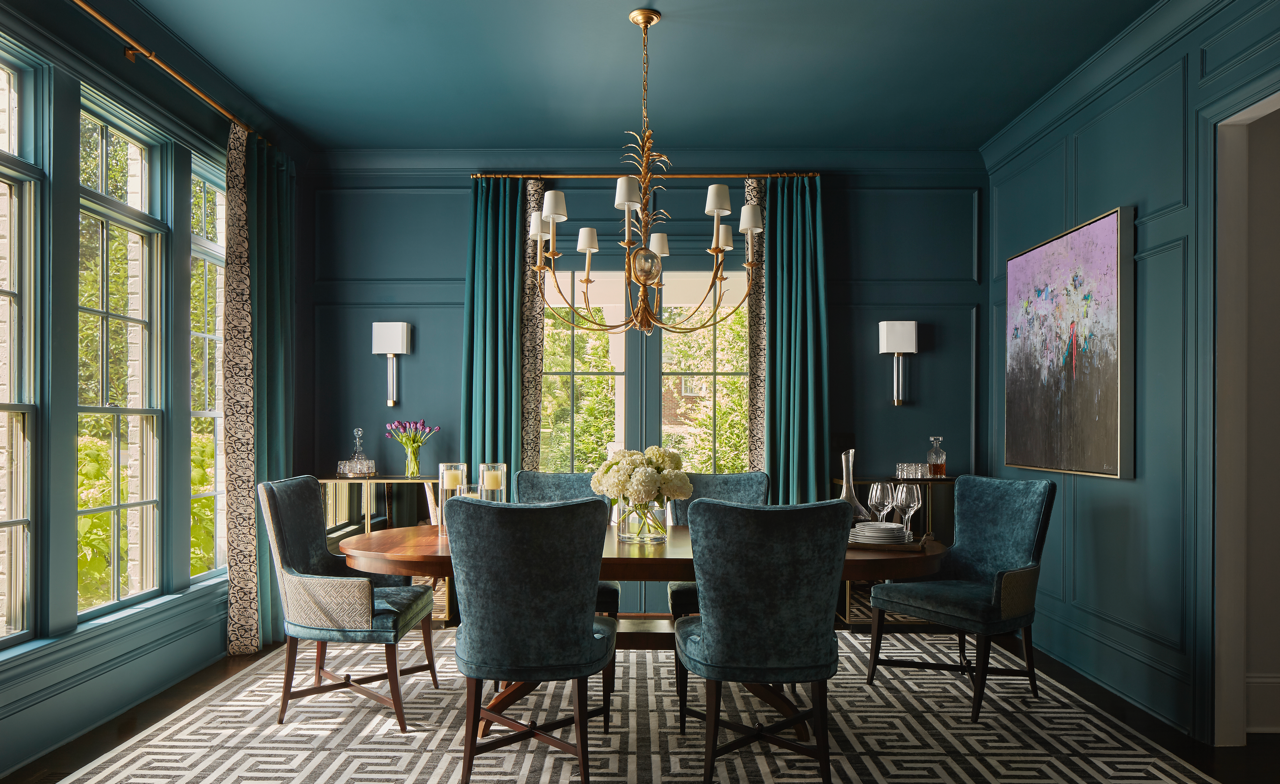
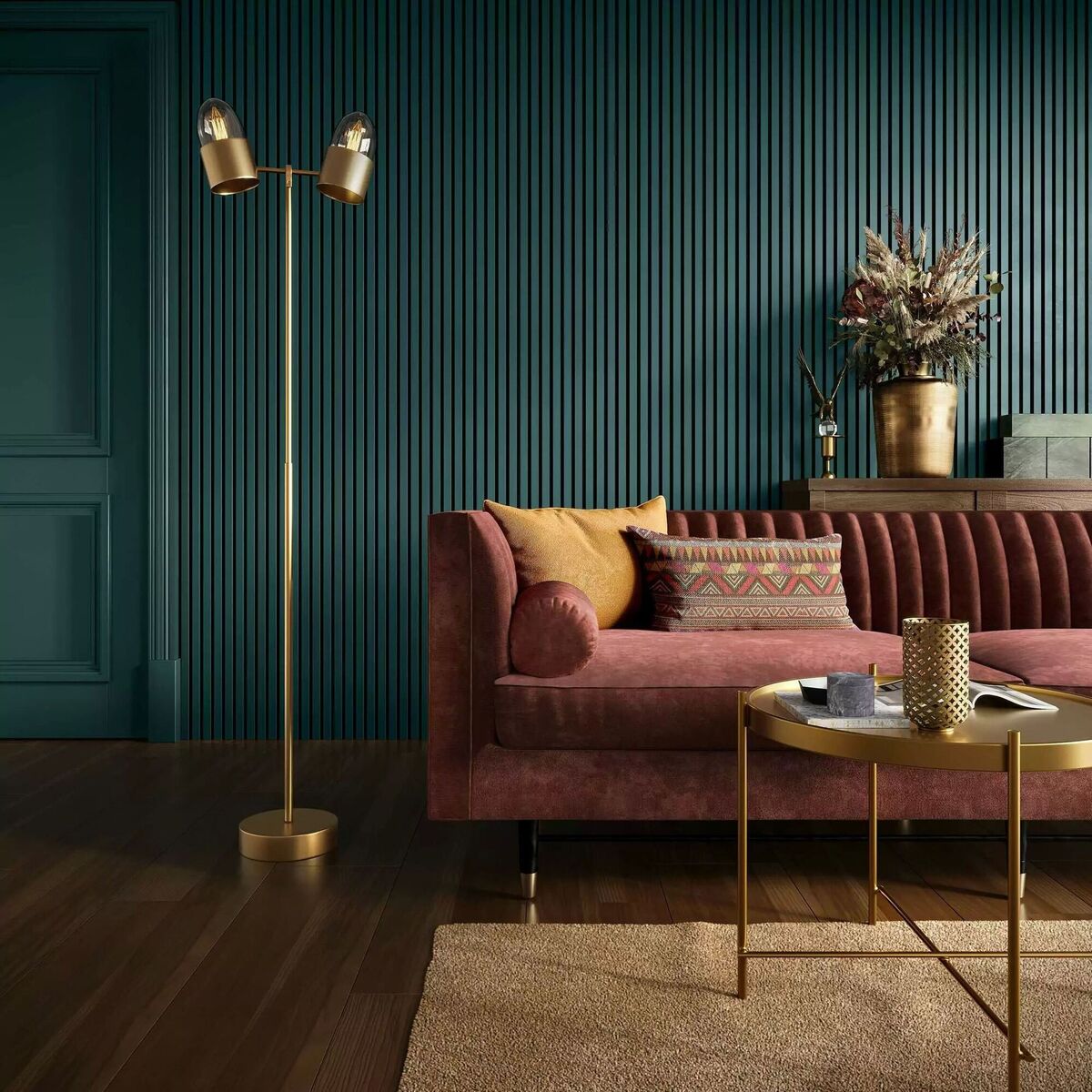
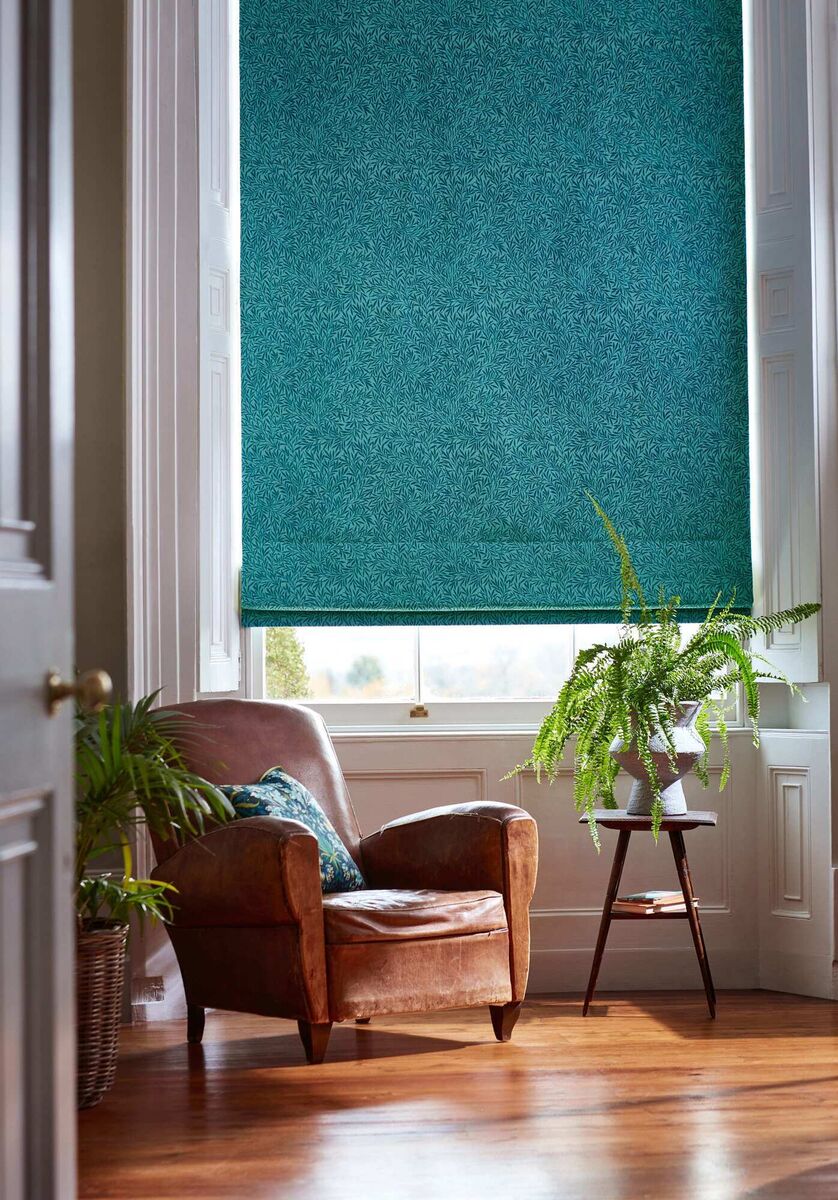
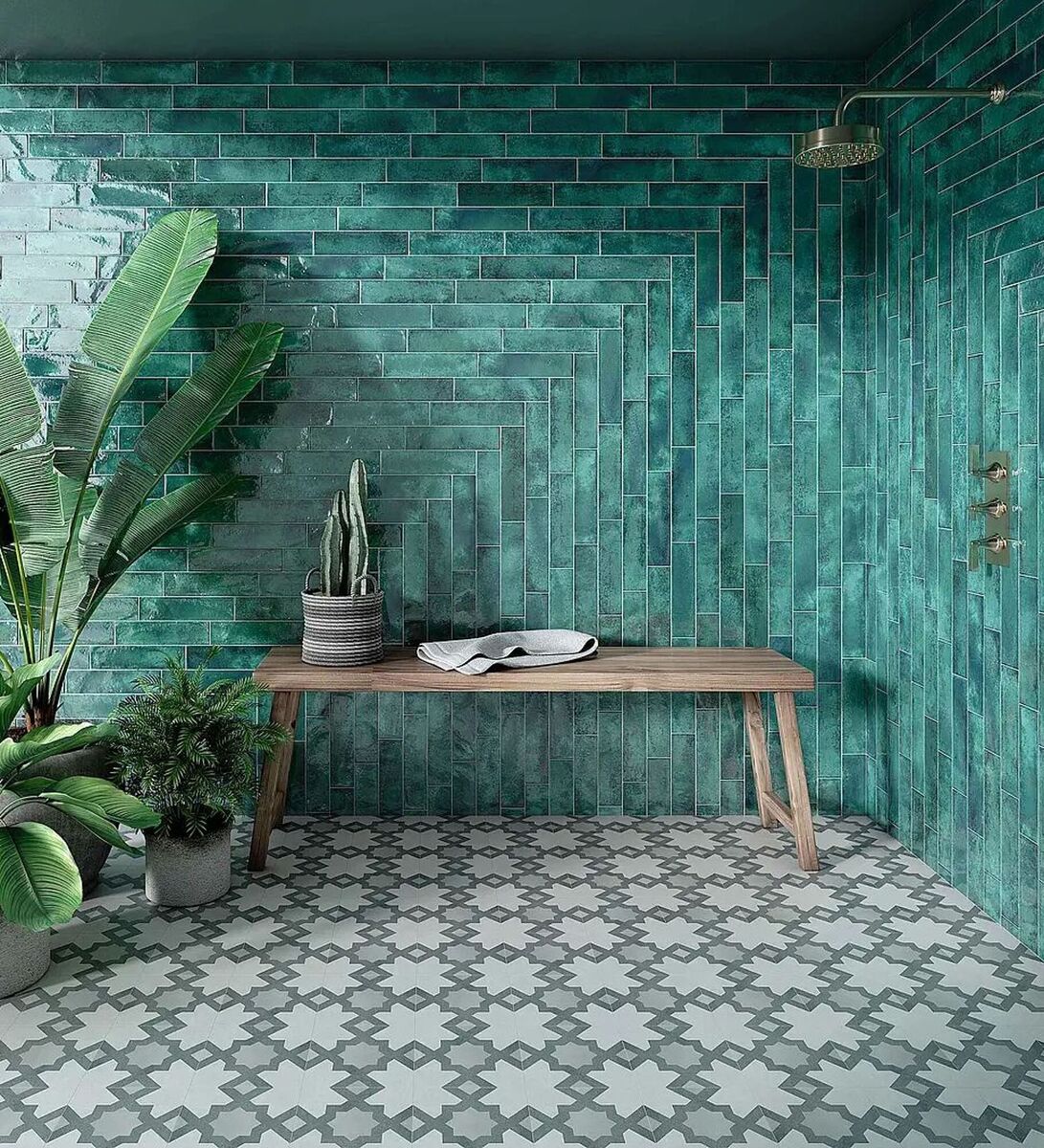
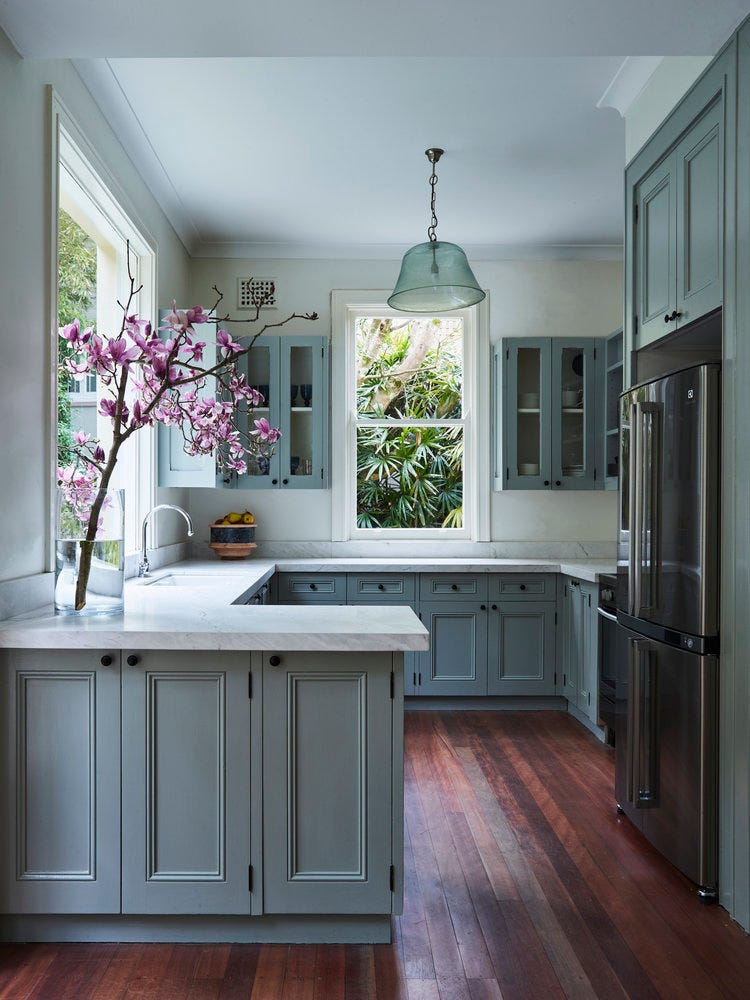
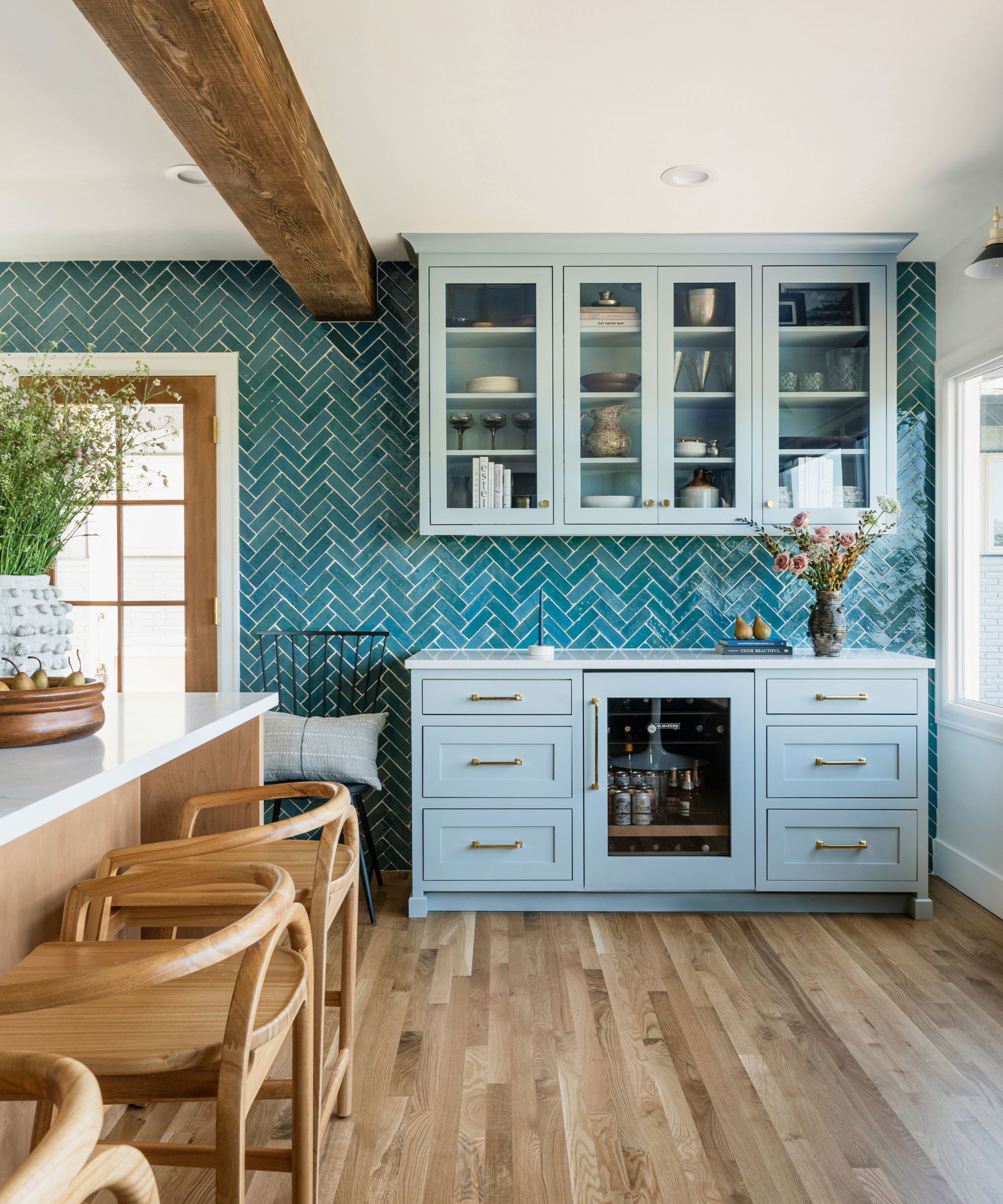
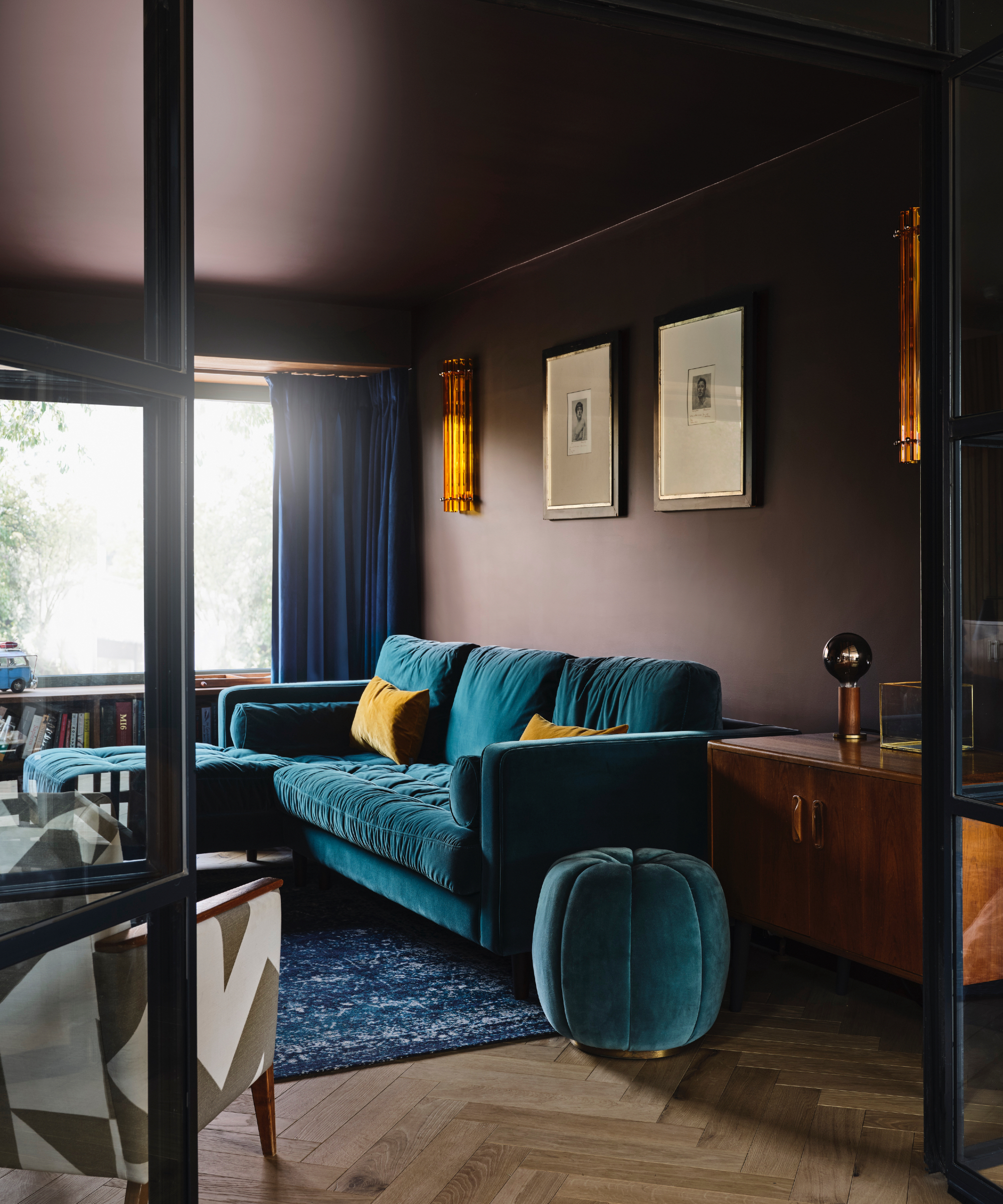
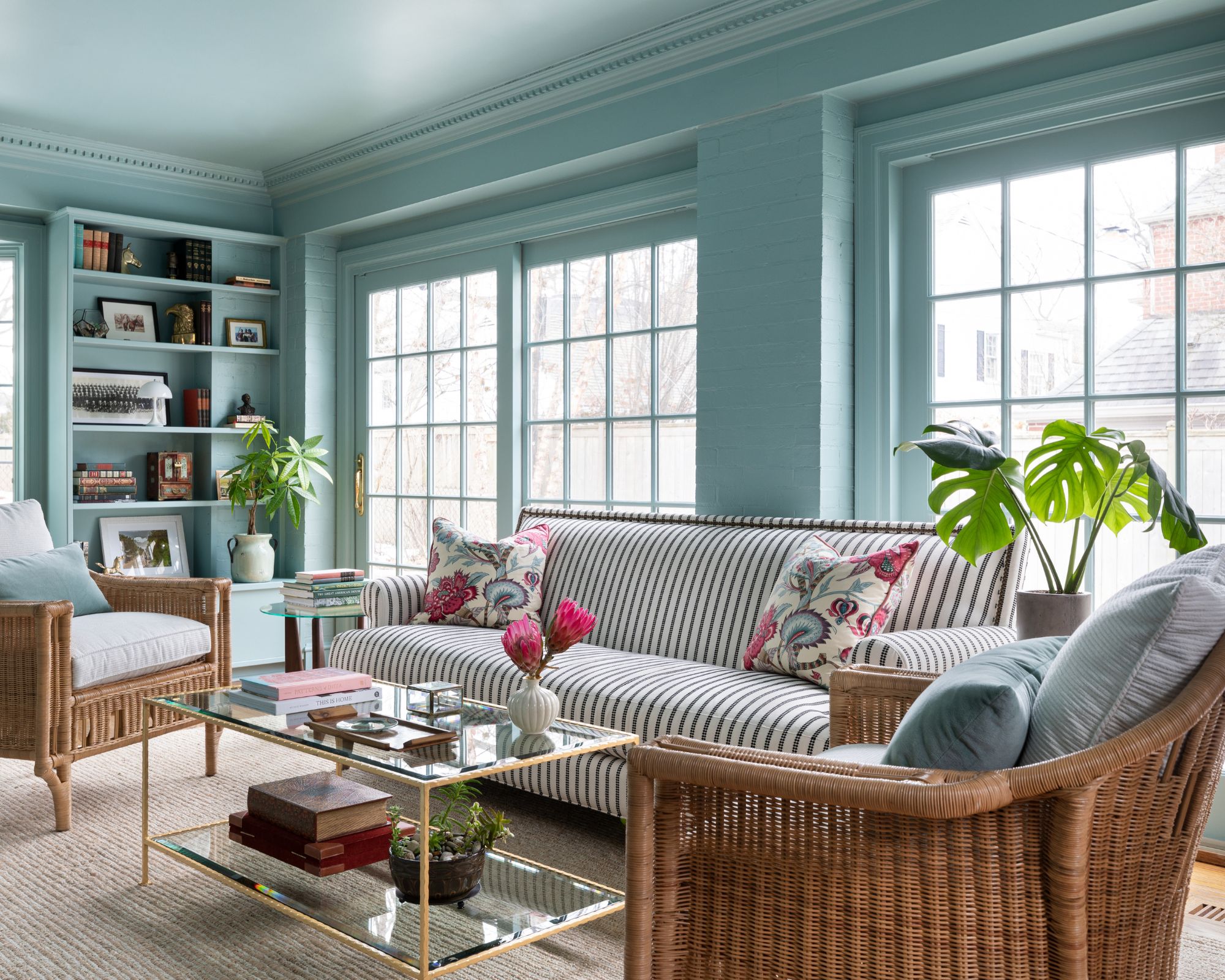
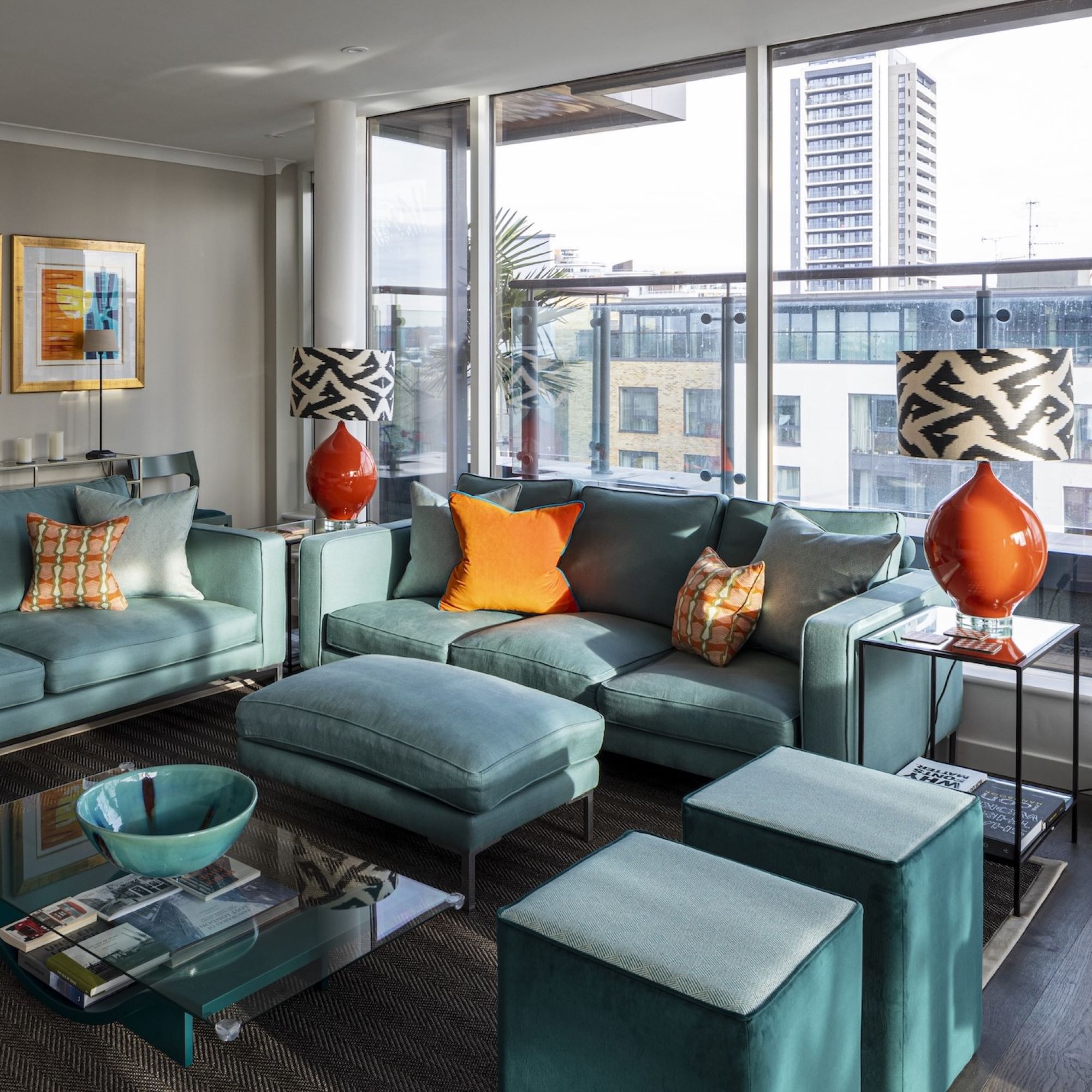
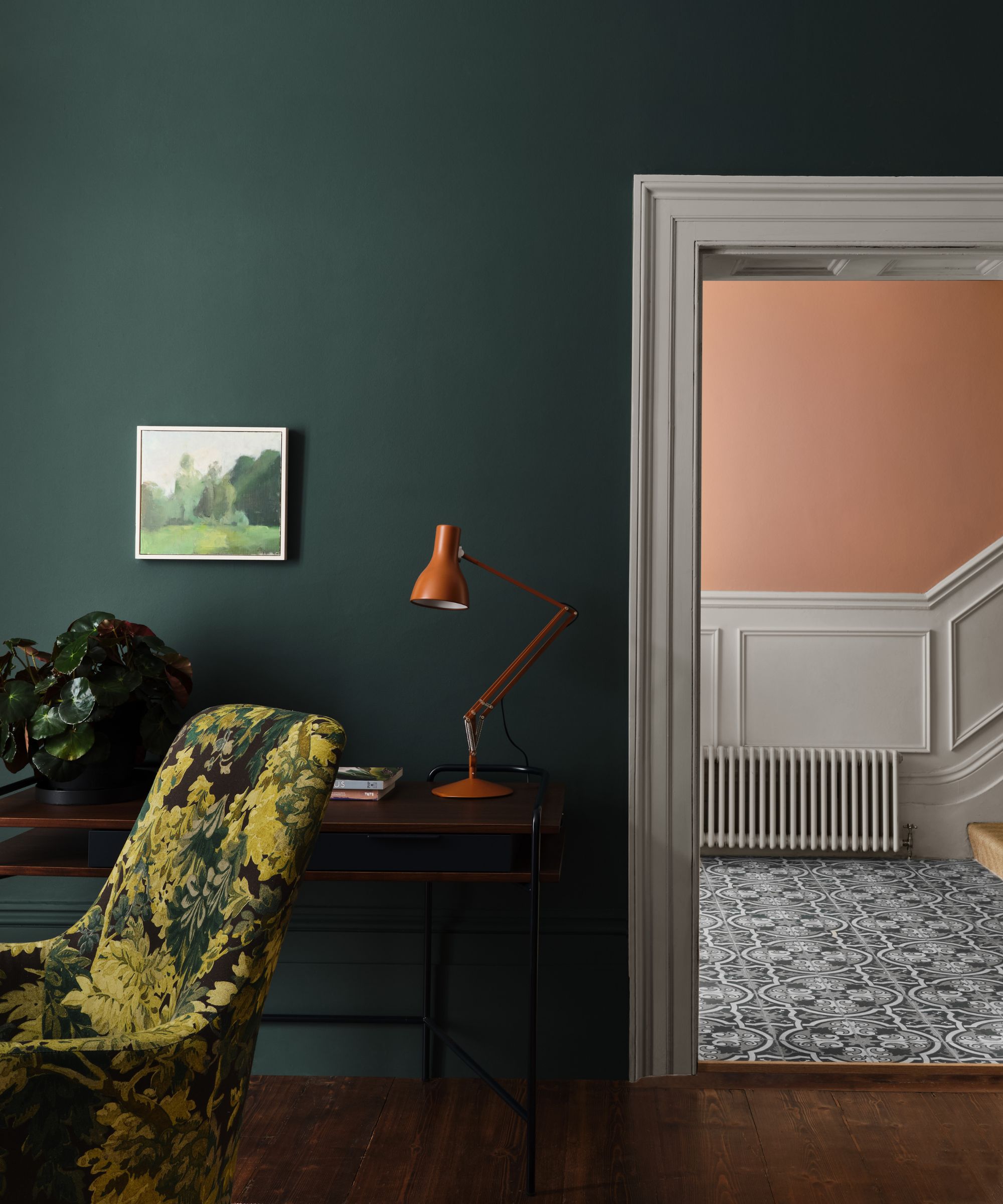
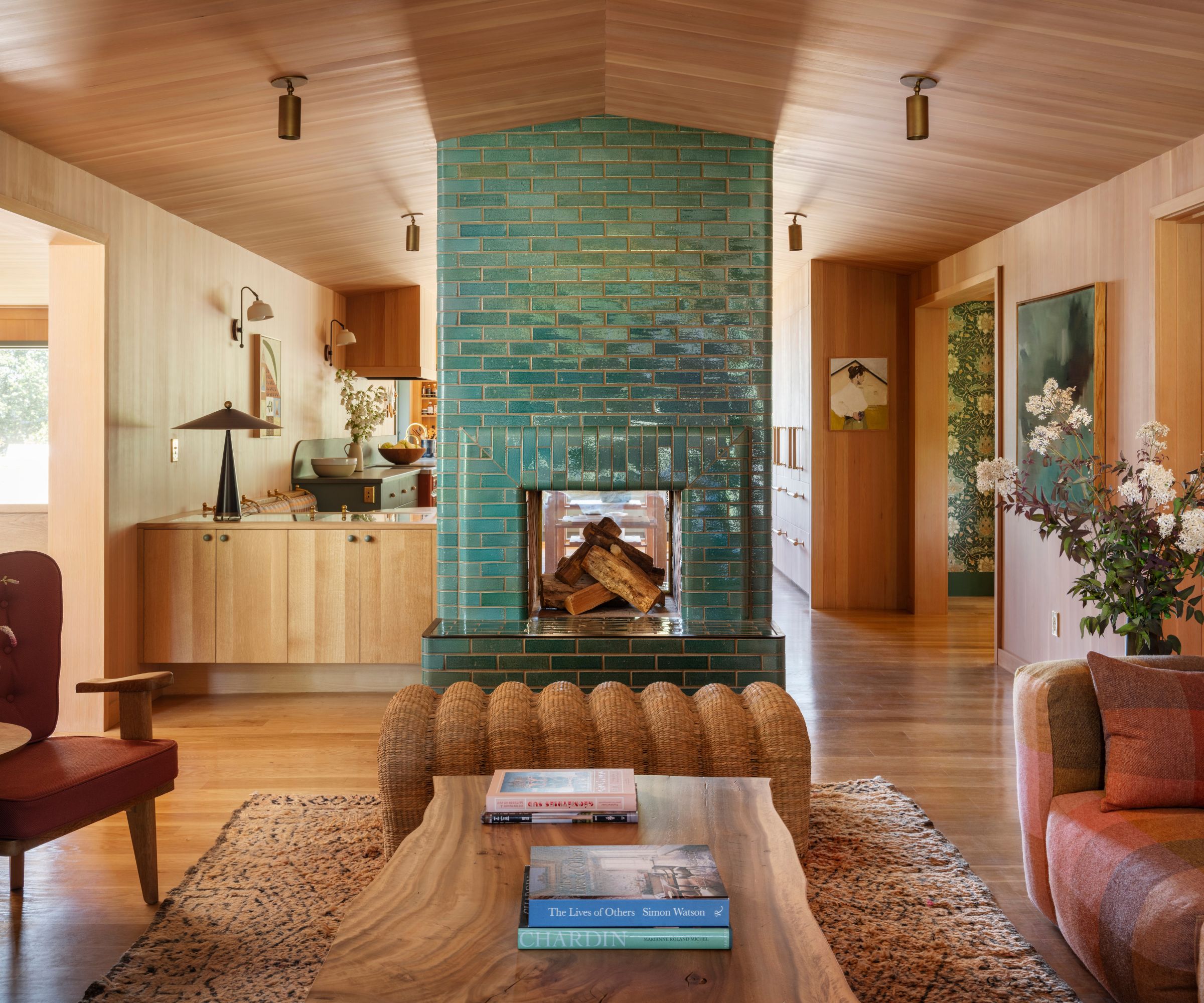
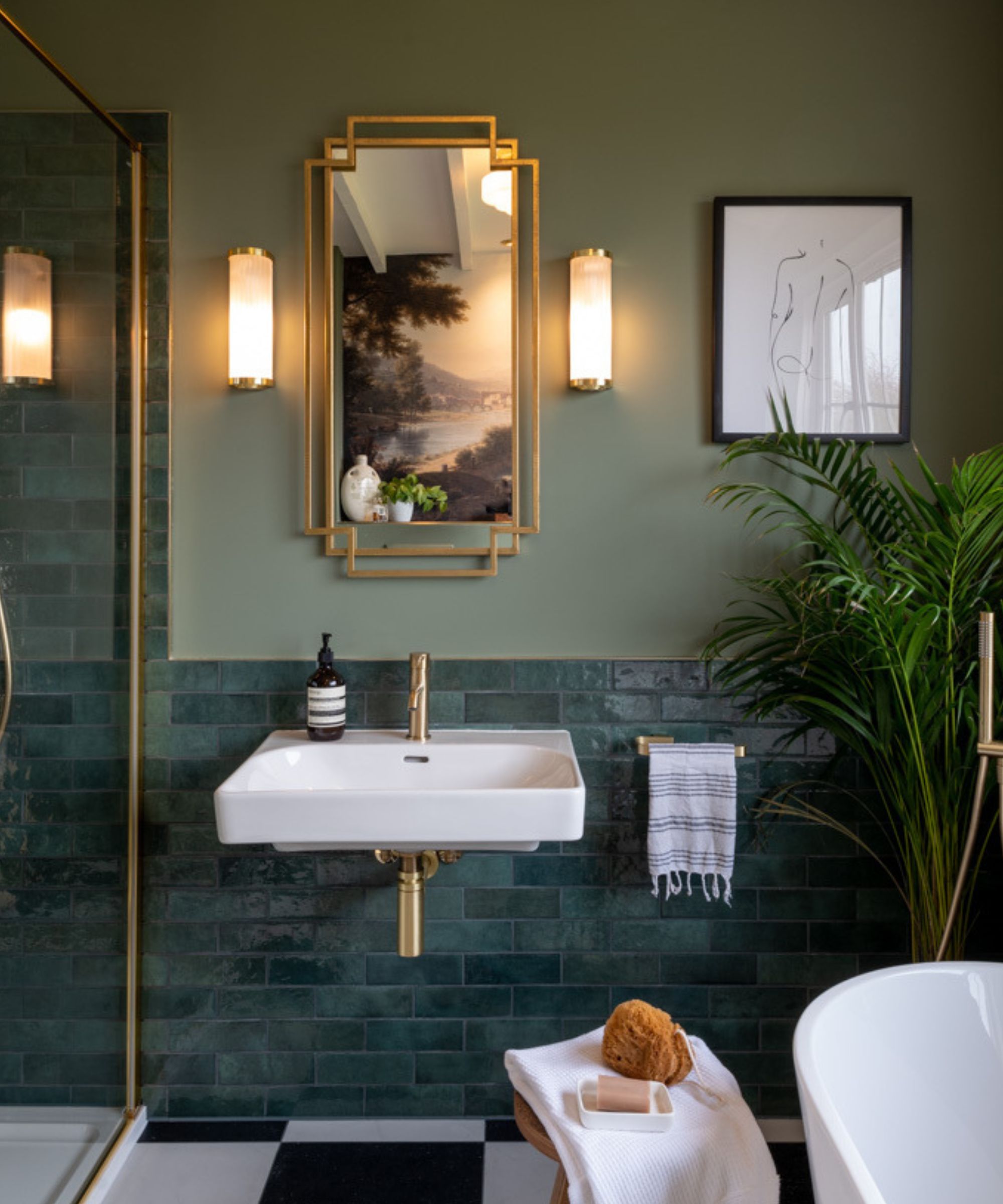
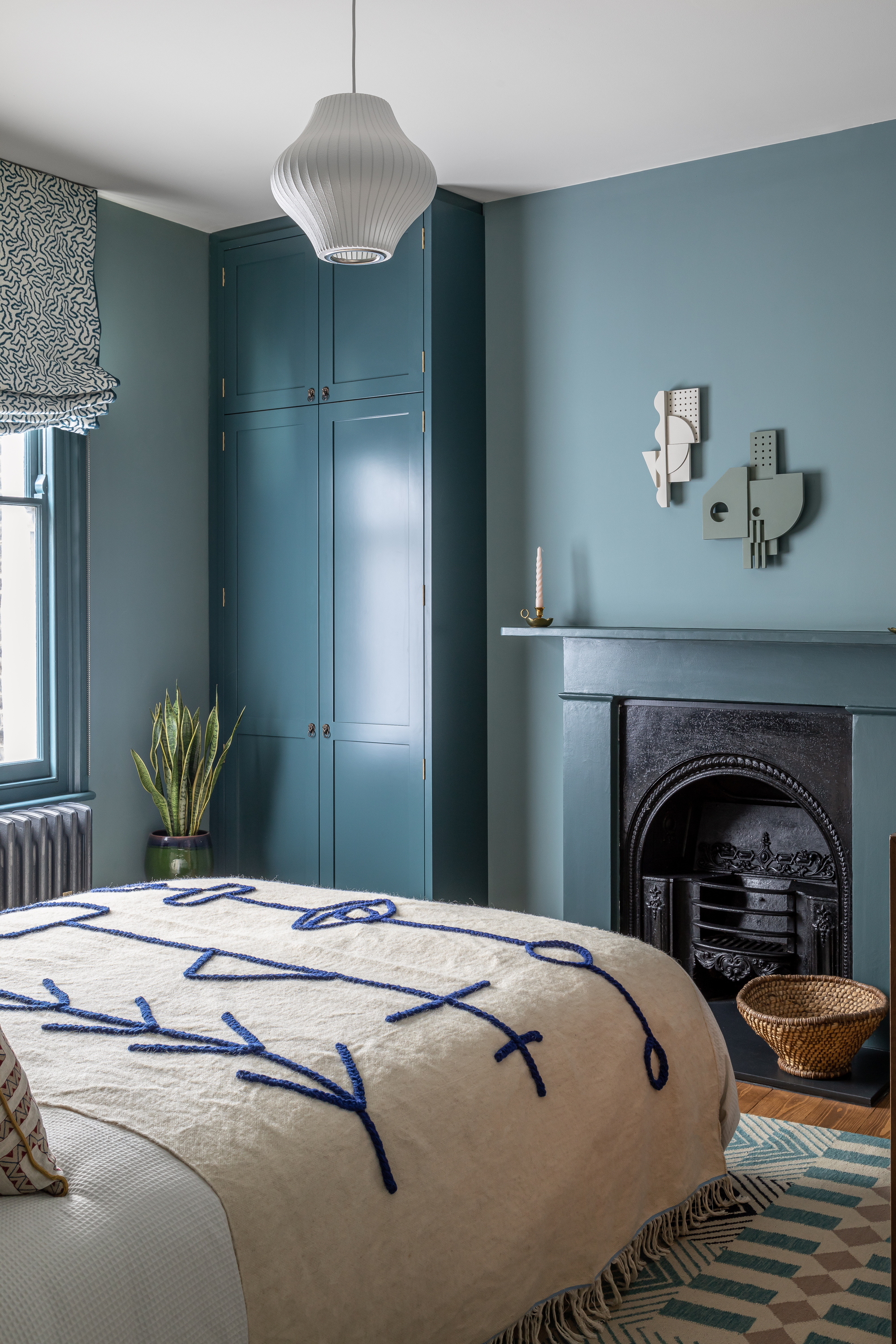
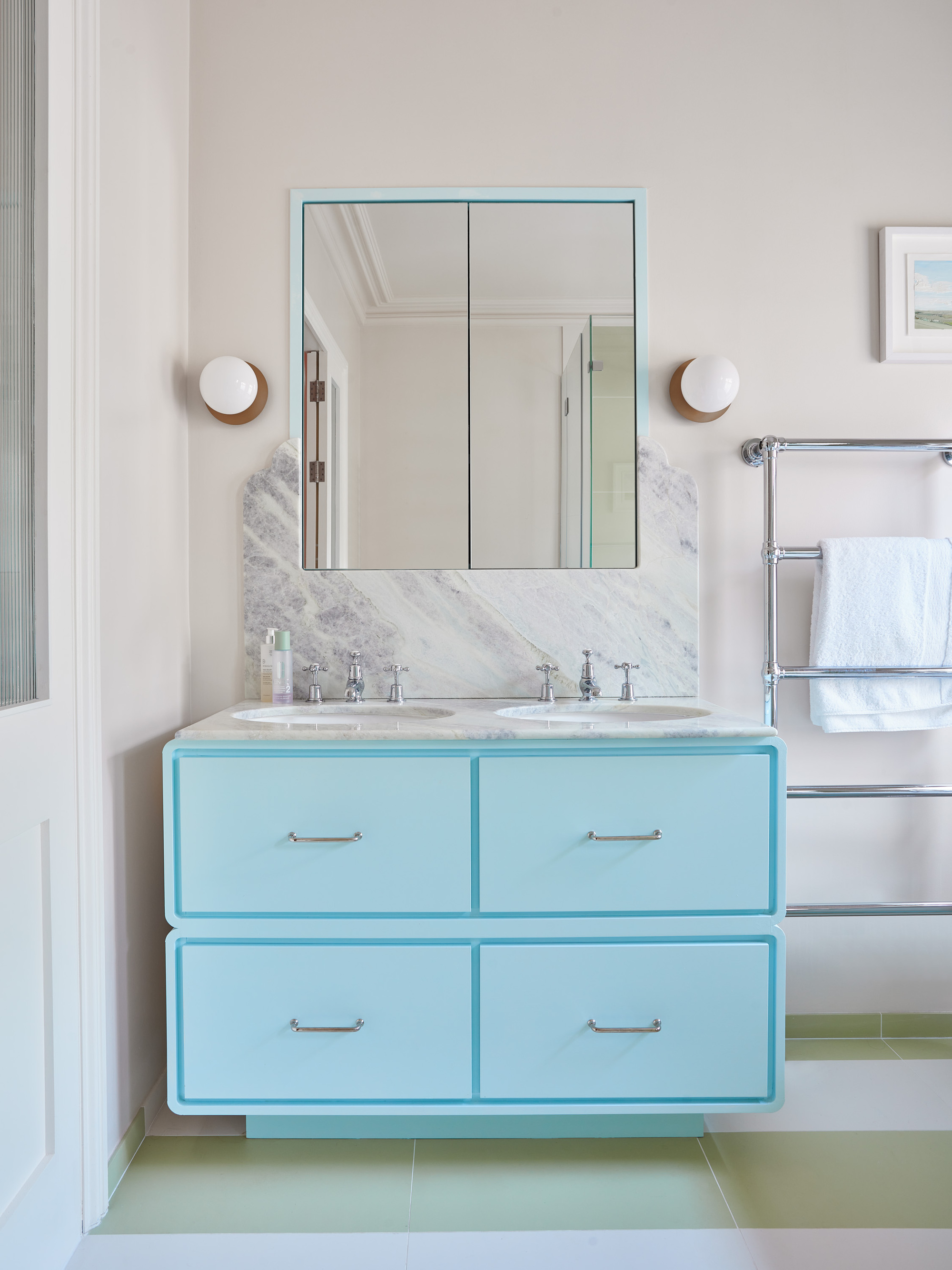
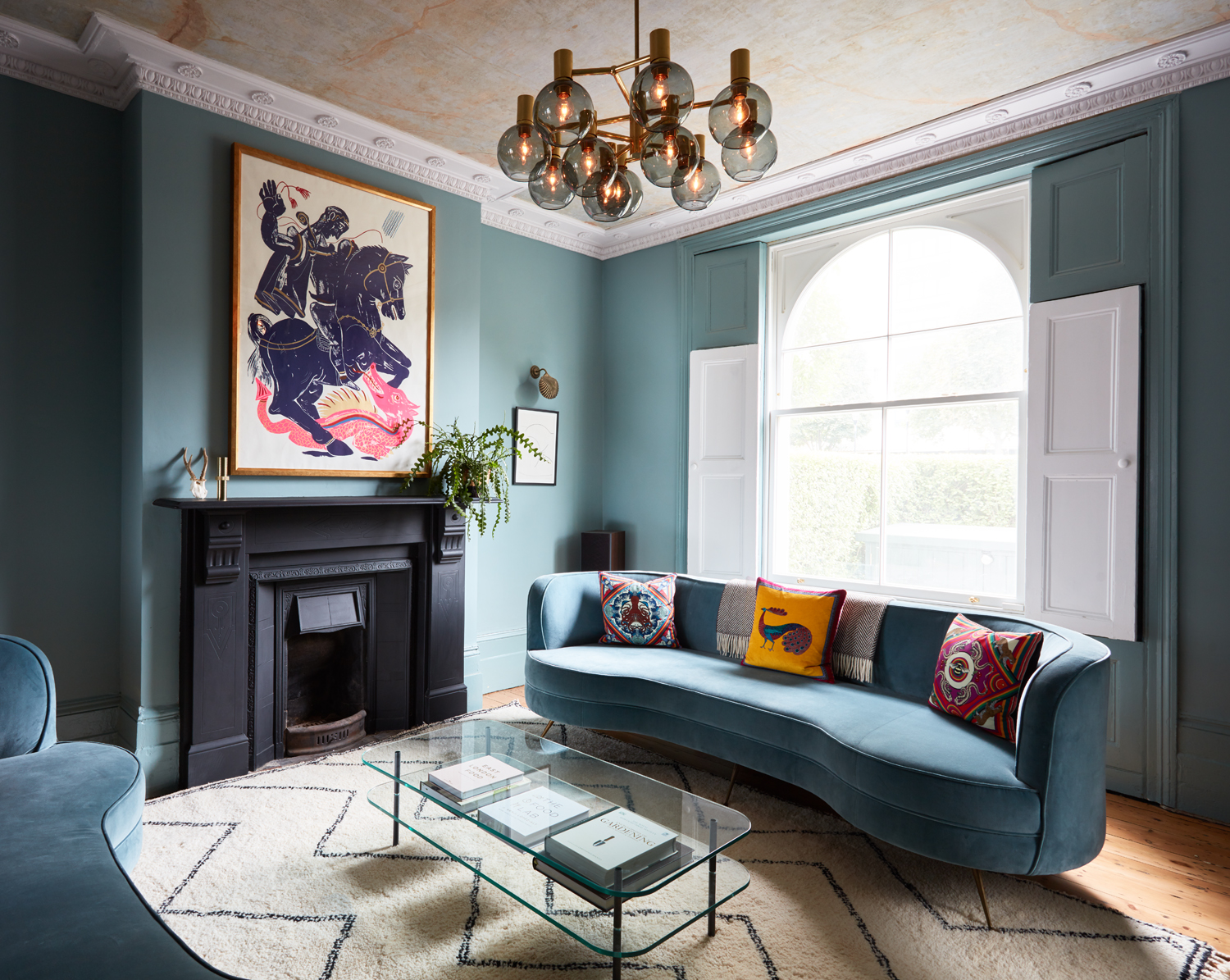
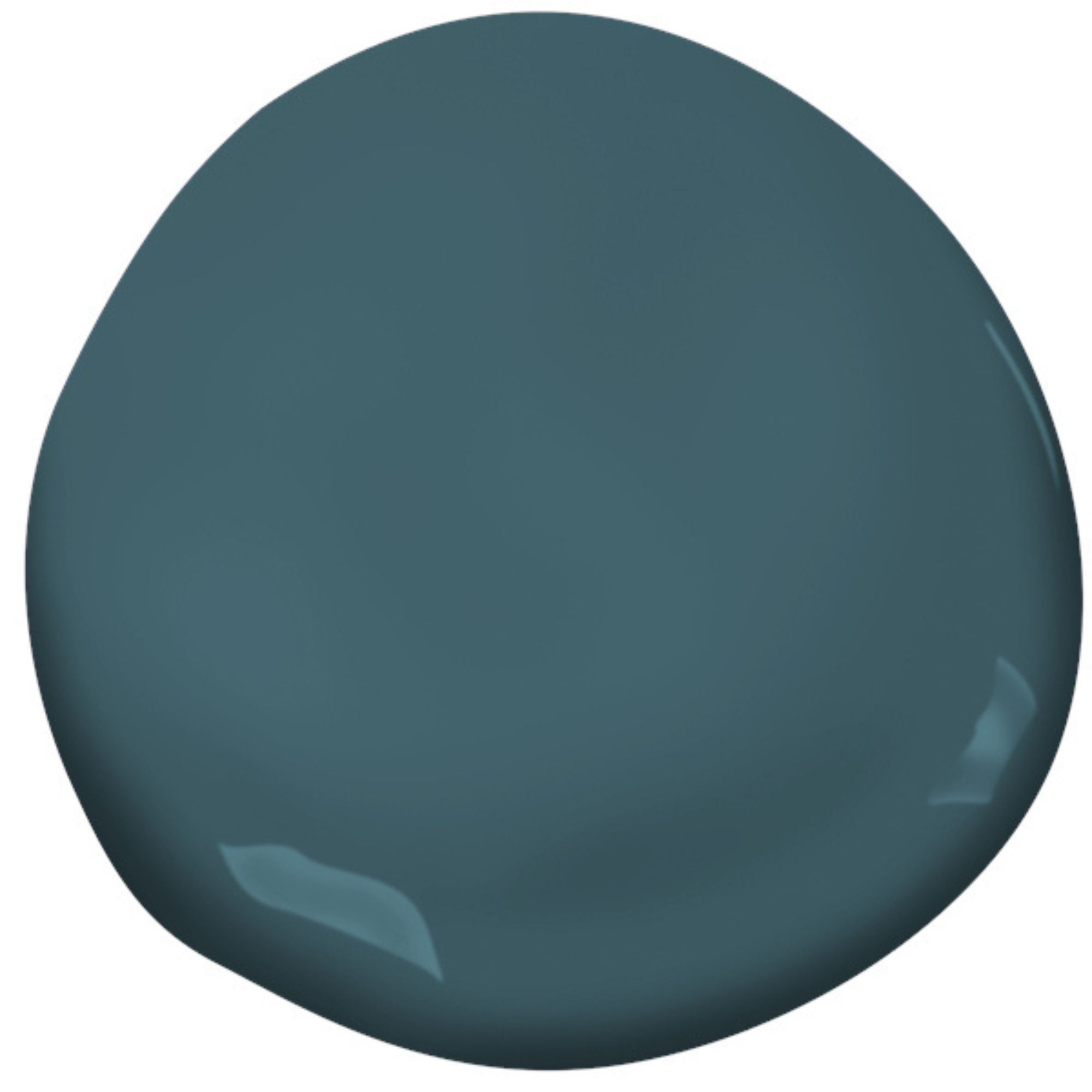
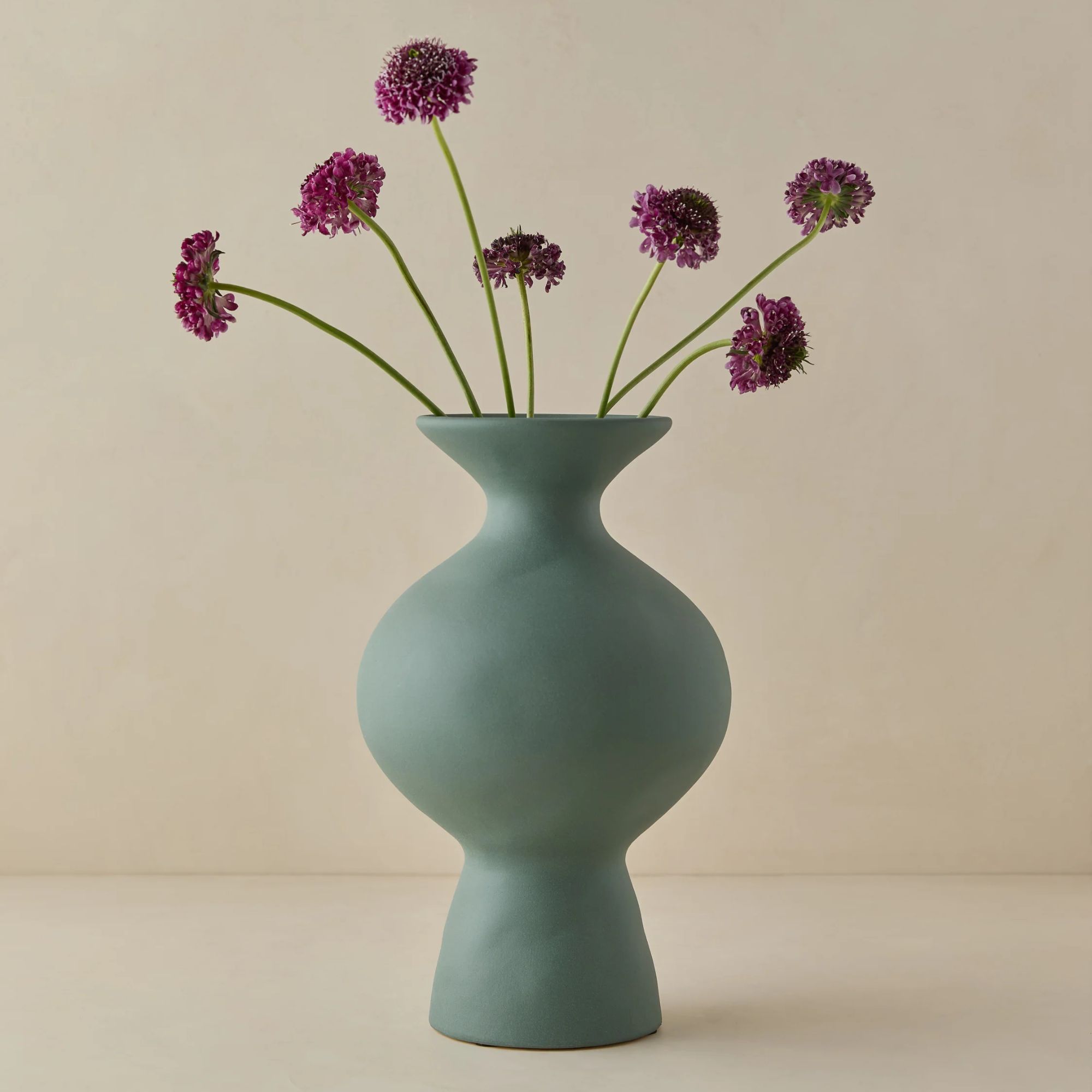
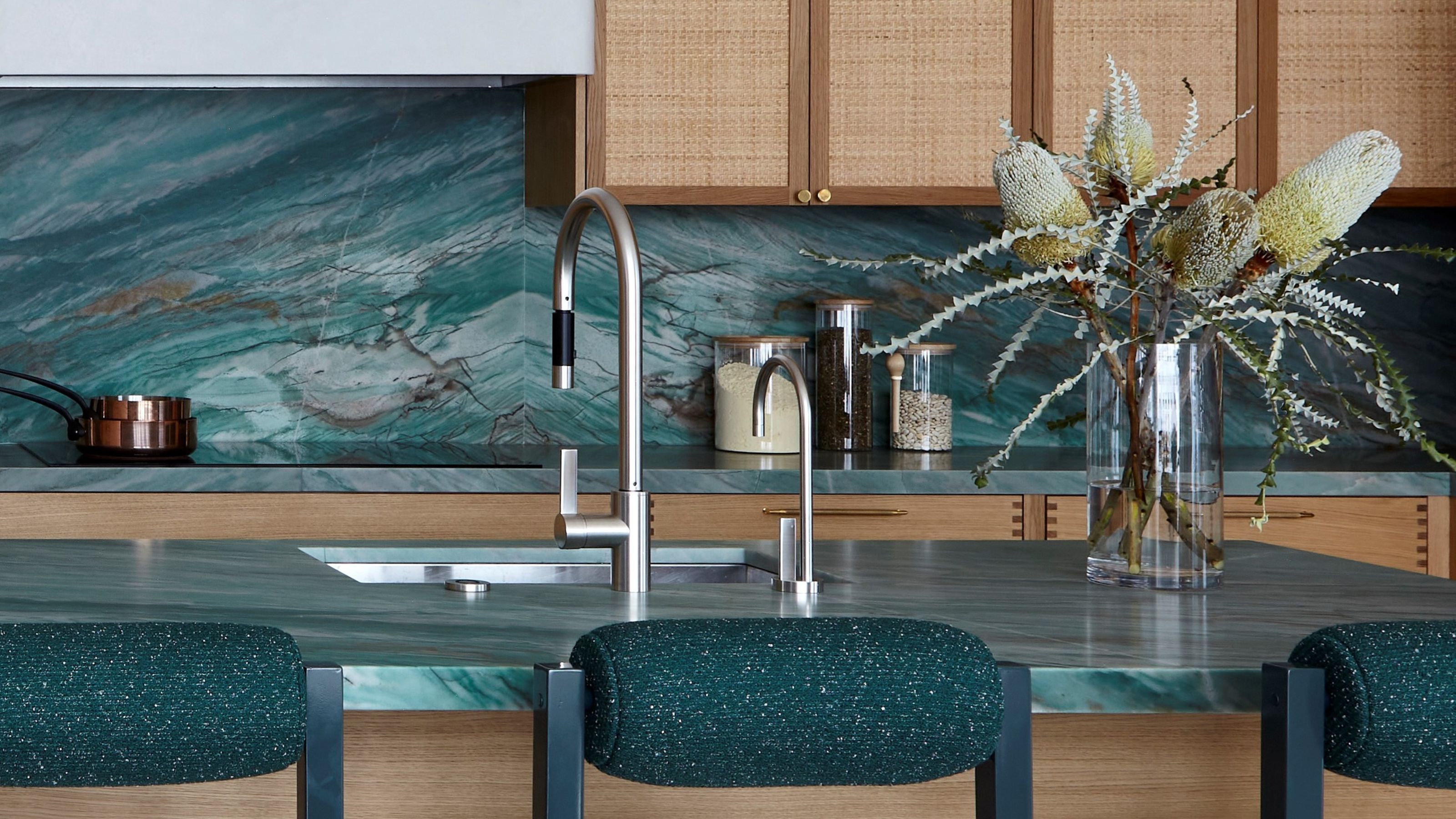
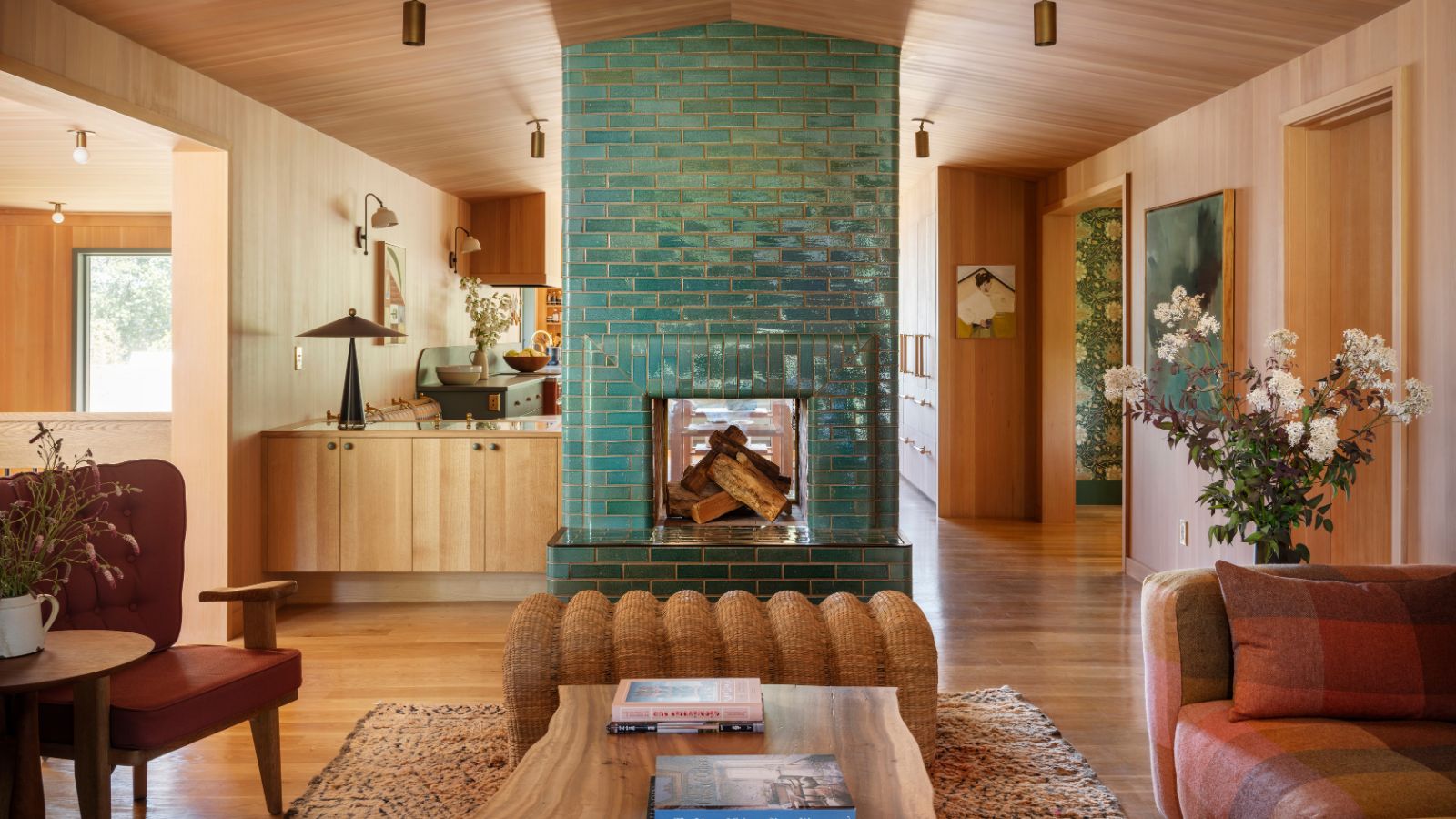
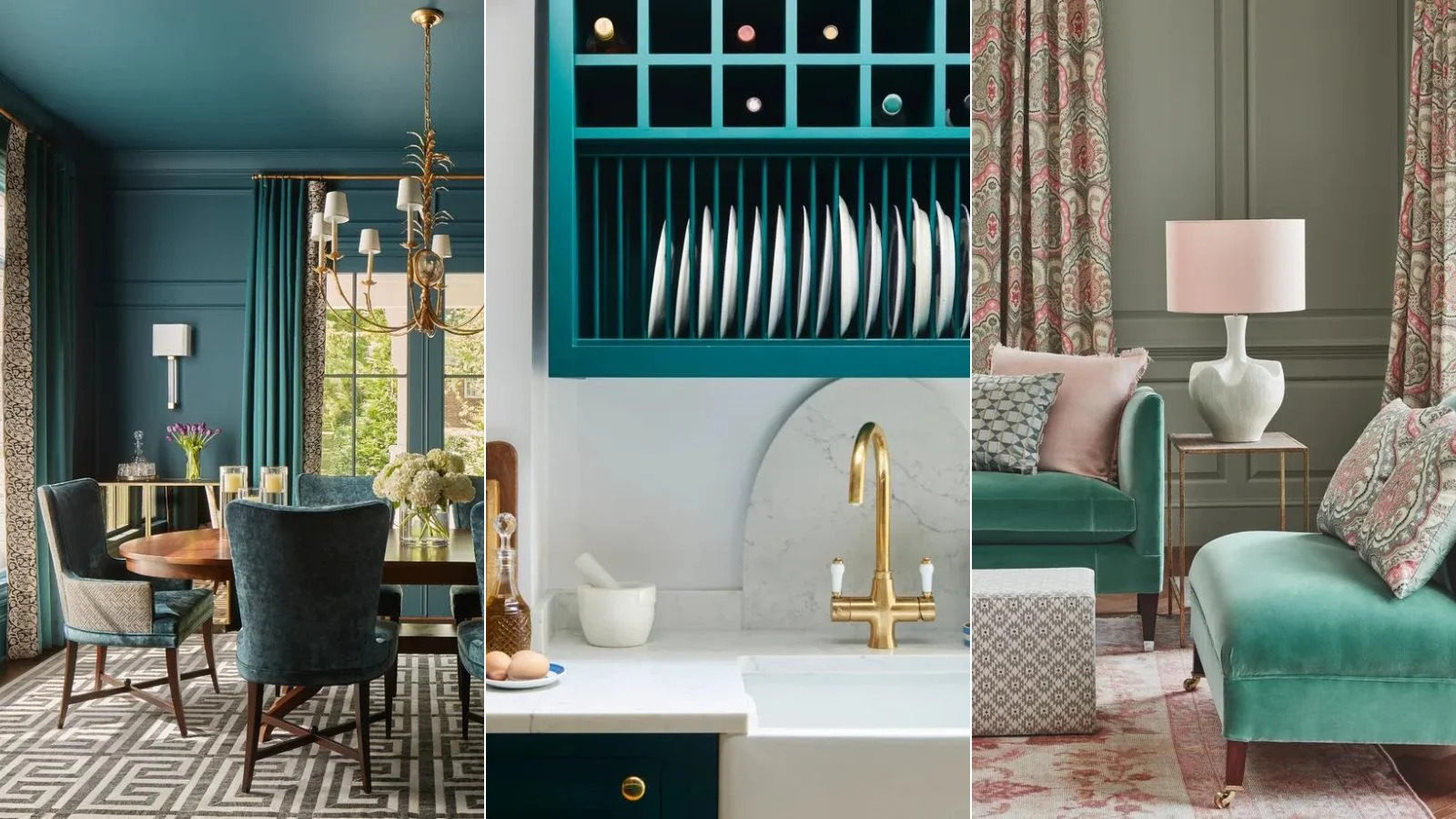
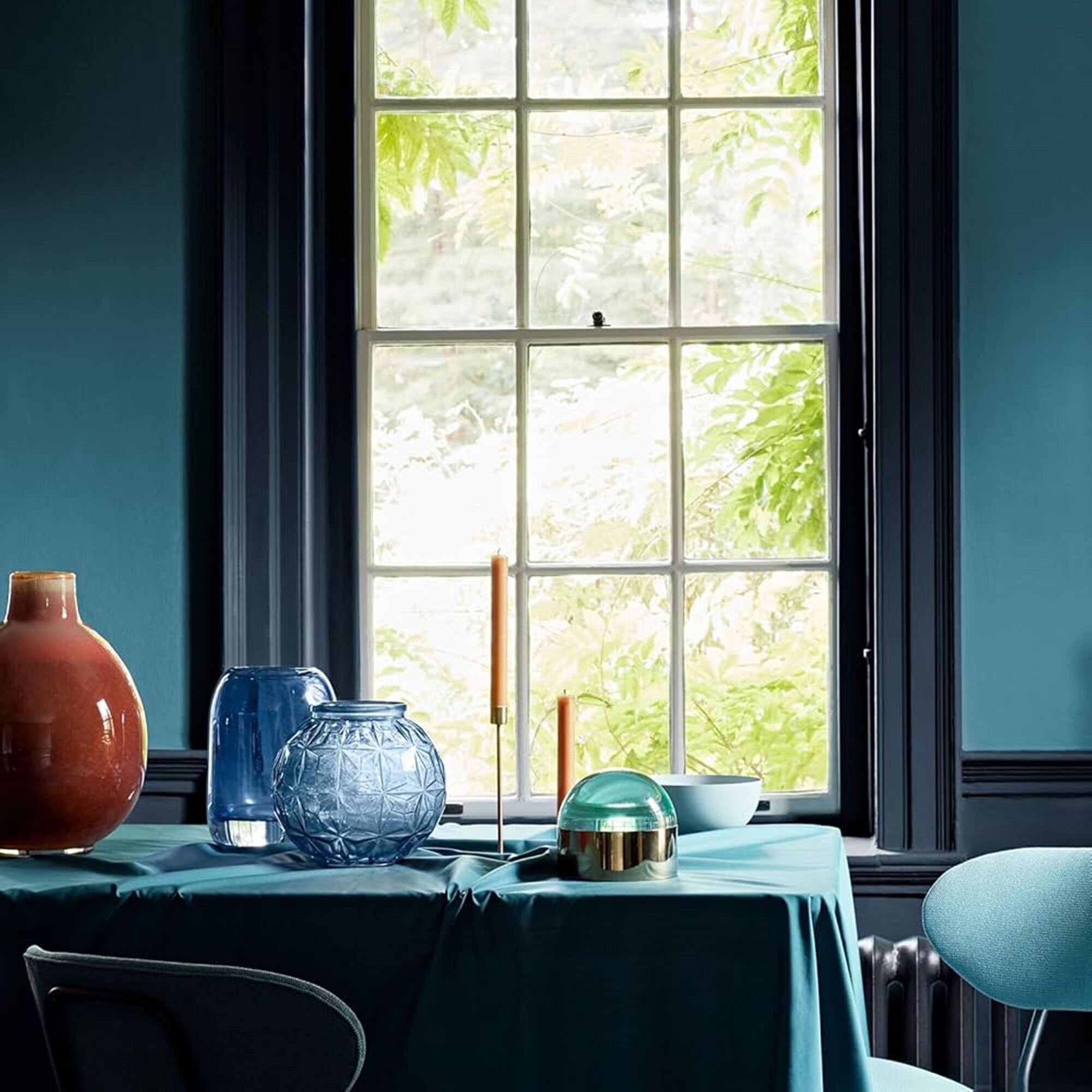
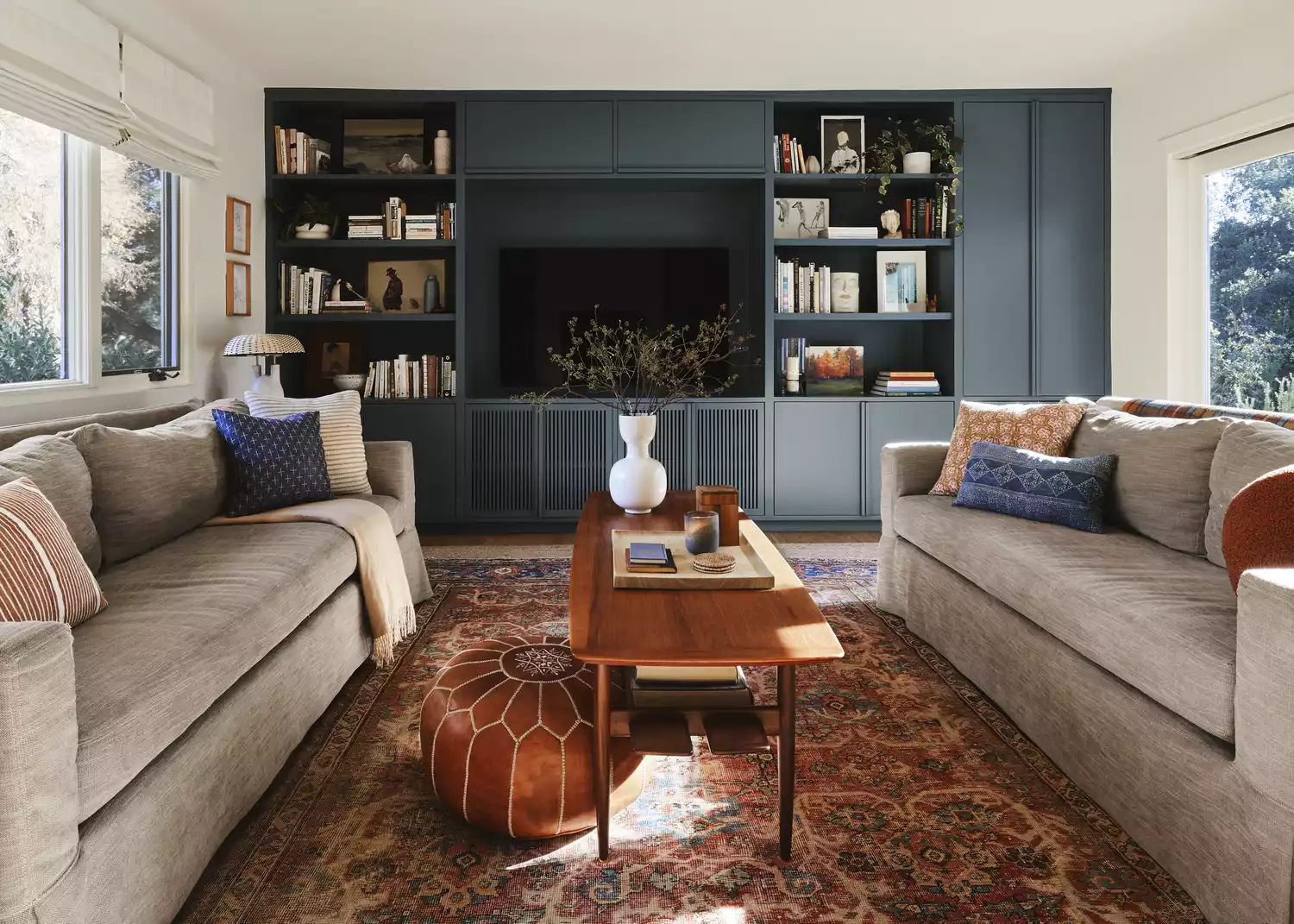
Teal, a versatile color blending blue and green, offers a unique aesthetic for interior design, moving beyond a simple compromise between its constituent hues. It is a shade that evokes sunlight and the vibrant feel of the Mediterranean or tropical oceans. To effectively incorporate teal into a home, it is suggested to pair it with texture-rich elements such as glazed ceramics and glossy finishes, which reflect light, and contrast them with tactile velvets and chunky fabrics. This interplay of textures and finishes helps to highlight teal's inherent depth and create an inviting atmosphere.
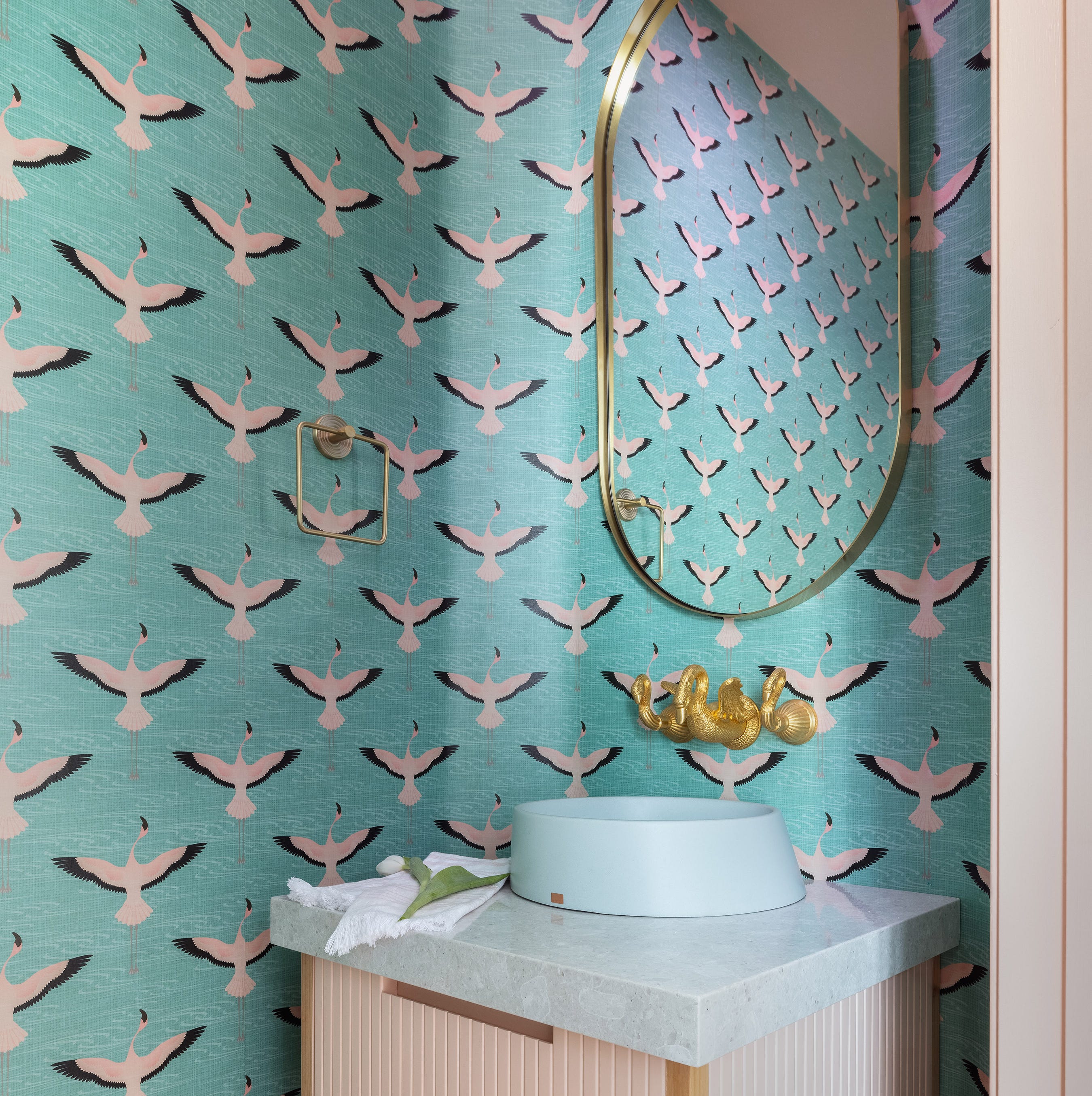
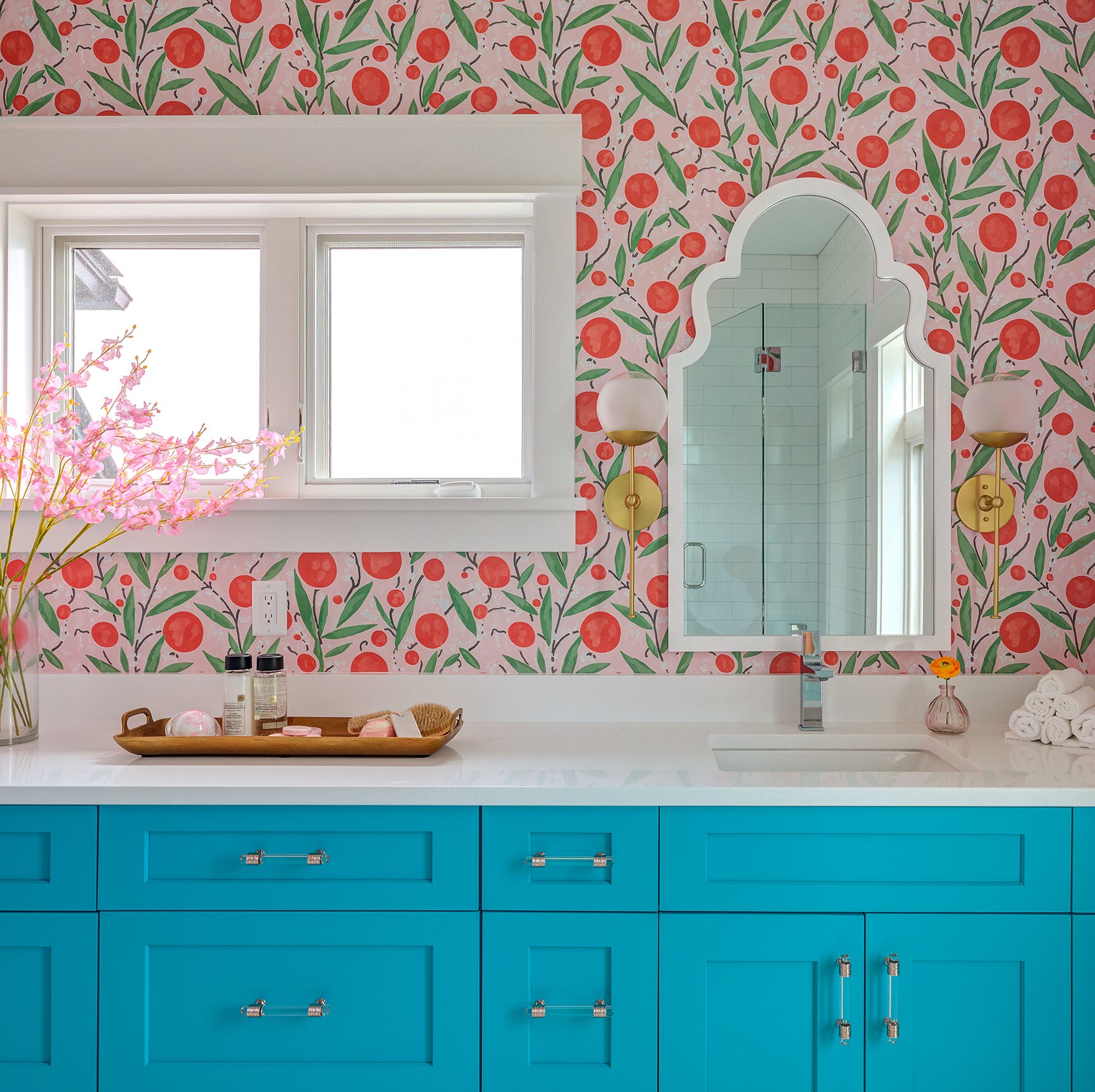
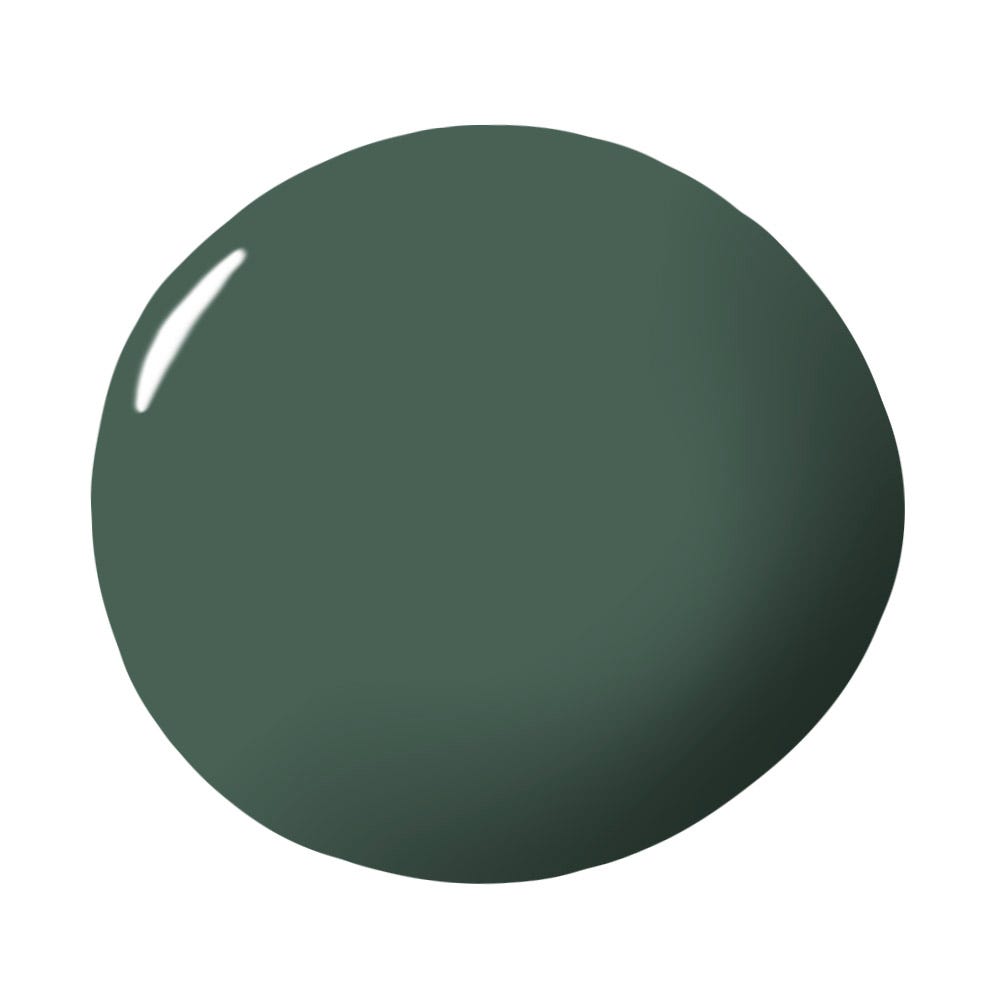
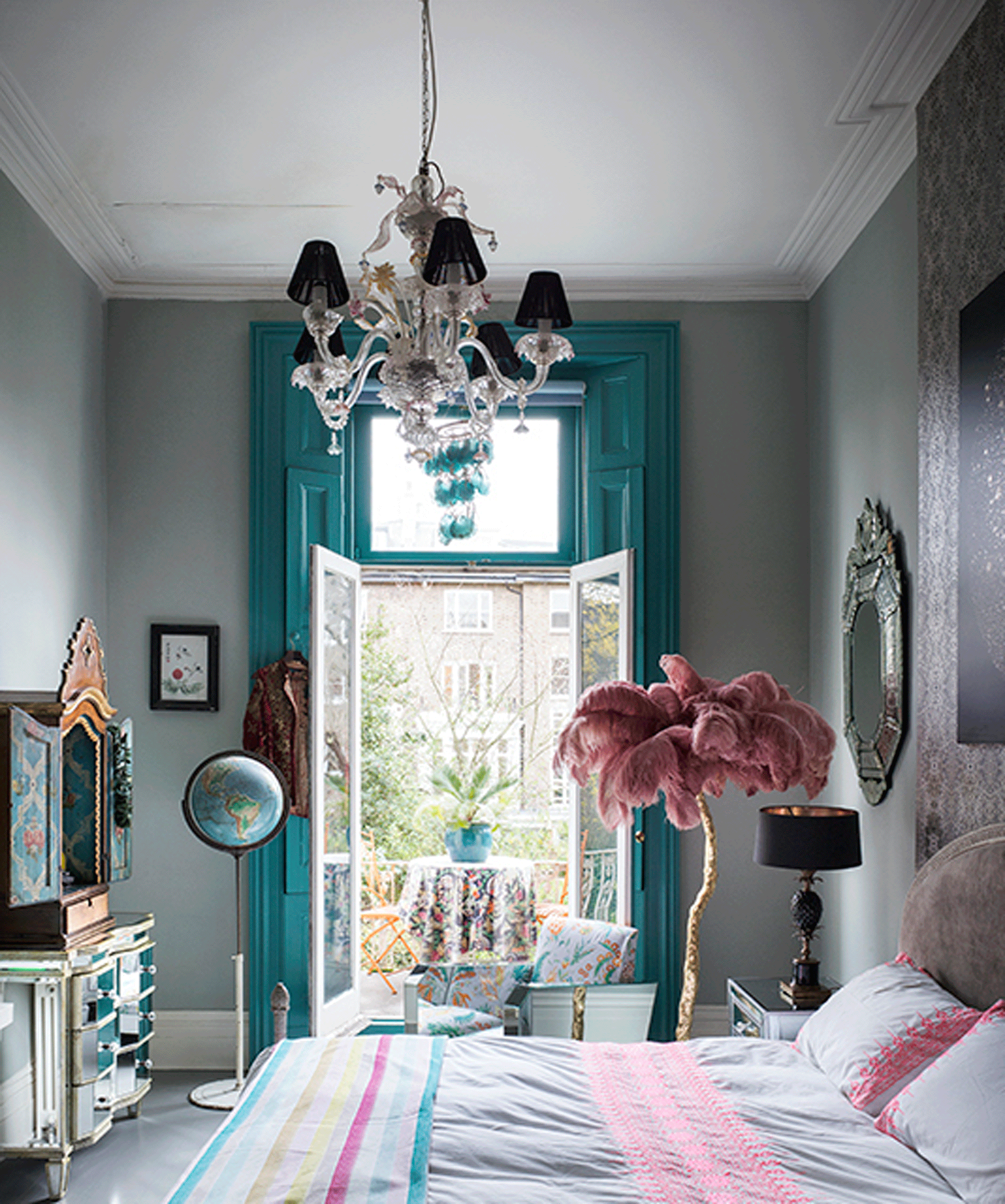
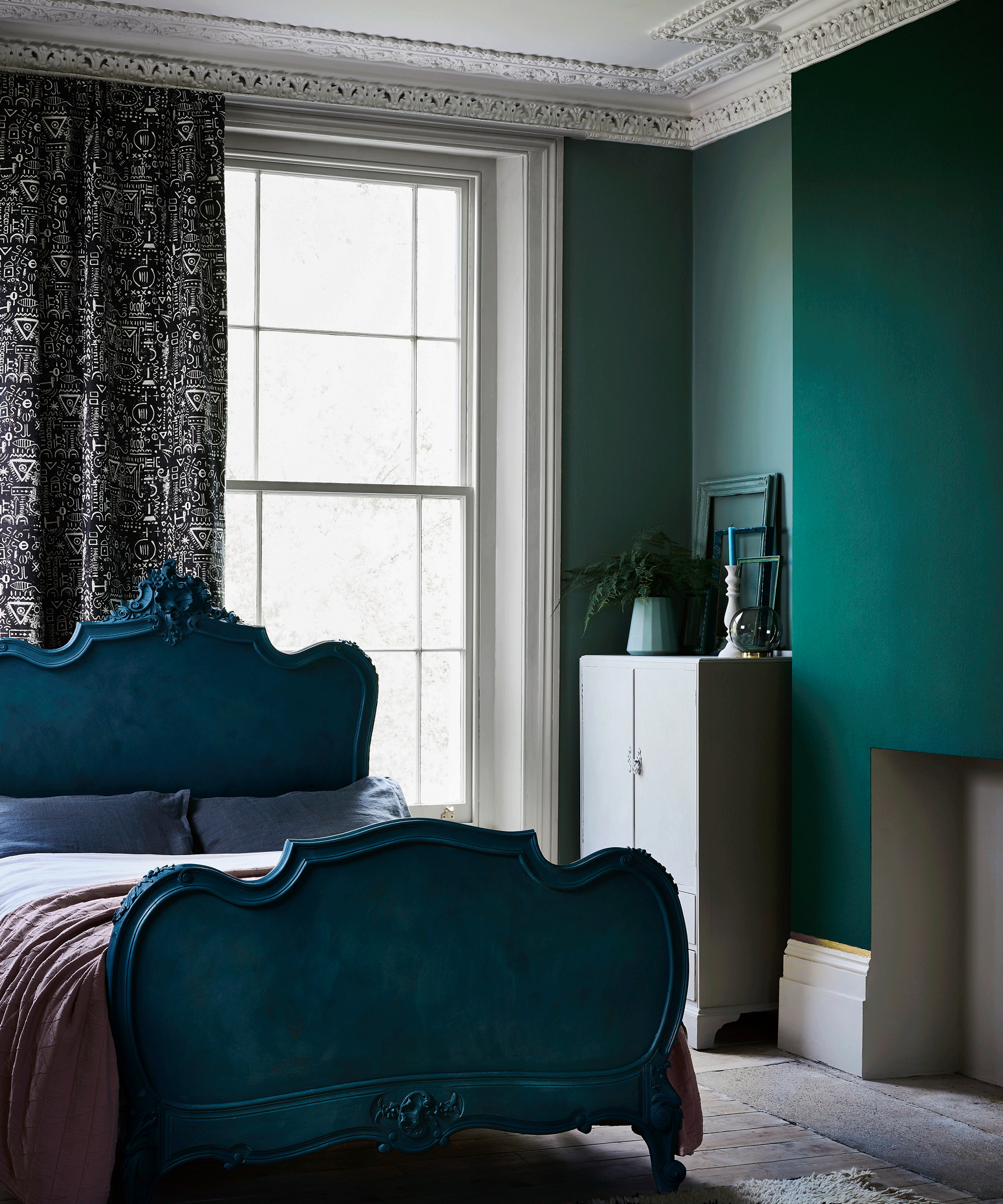
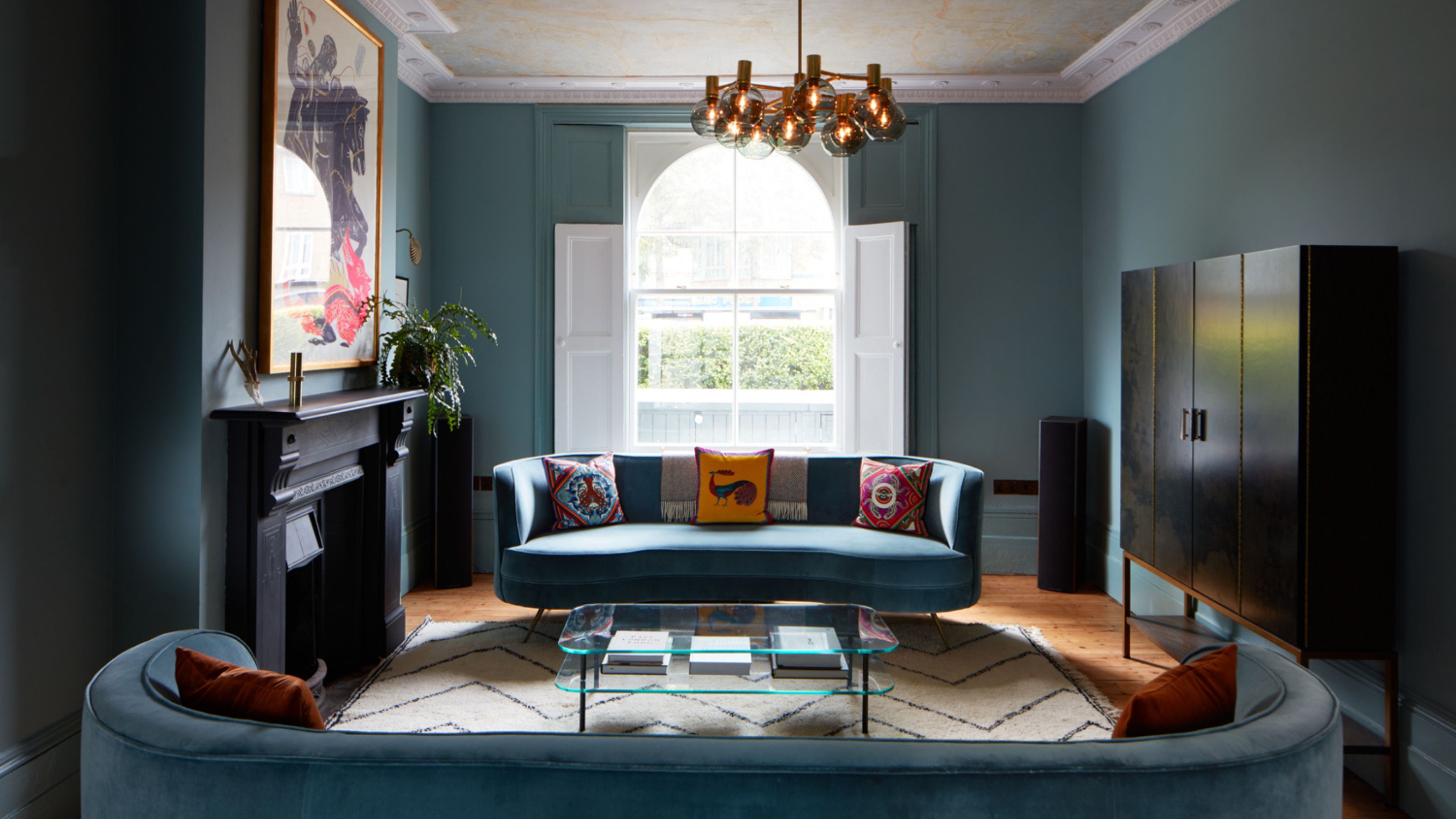
The dynamic nature of teal allows it to shift between various moods, ranging from deep forest teals to brighter, more turquoise tones. This duality makes it adaptable for different spaces and desired emotional responses. Designers note that teal serves as a good balance for those deliberating between blue and green, offering a cool yet dynamic presence that is warmer than many blues. Its ability to transition from a rich, moody backdrop to a clear, bright accent demonstrates its versatility in creating diverse interior schemes. This makes it suitable for both grounding a room with a sense of peace and injecting it with dazzling personality and warmth, providing a fresh and dynamic balance.
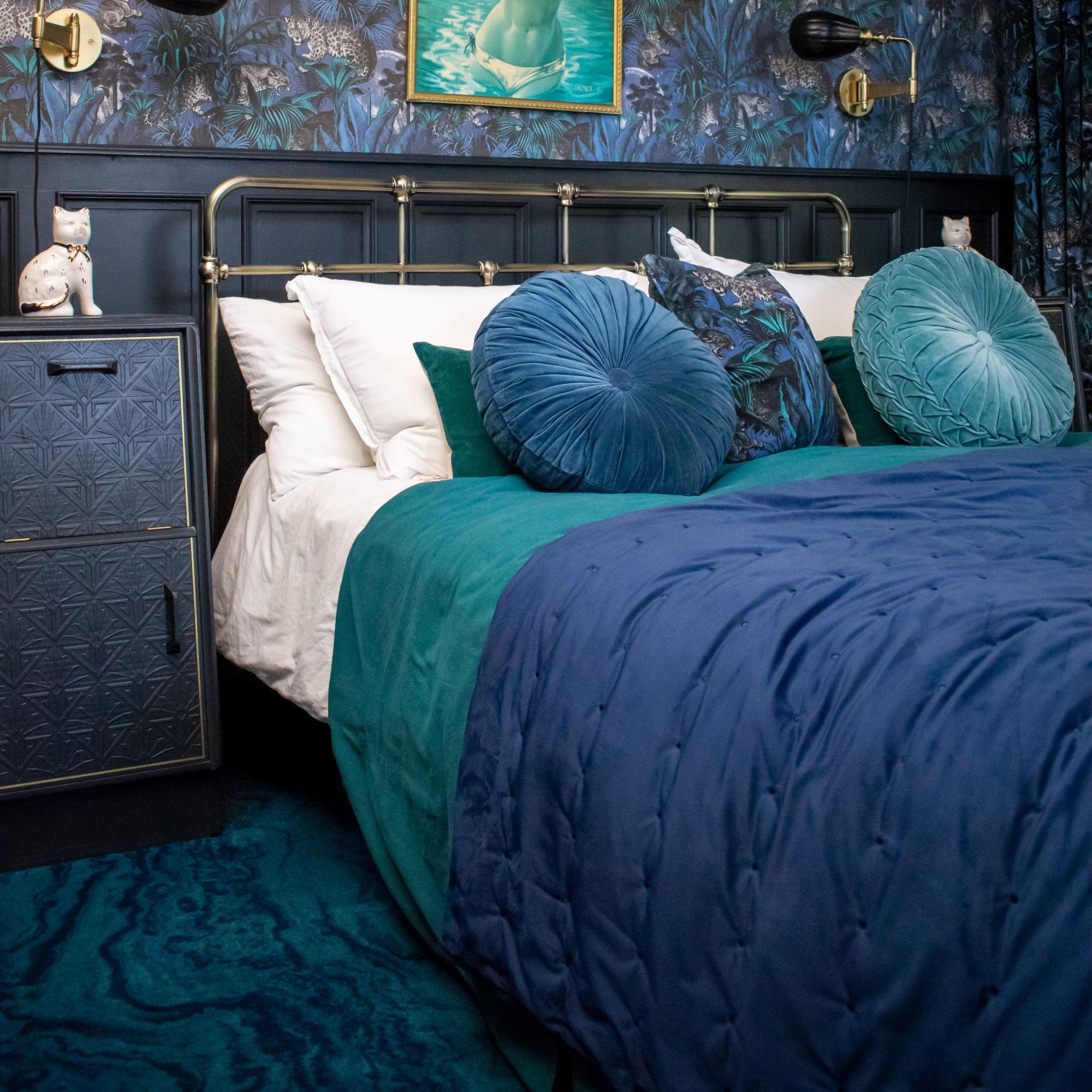
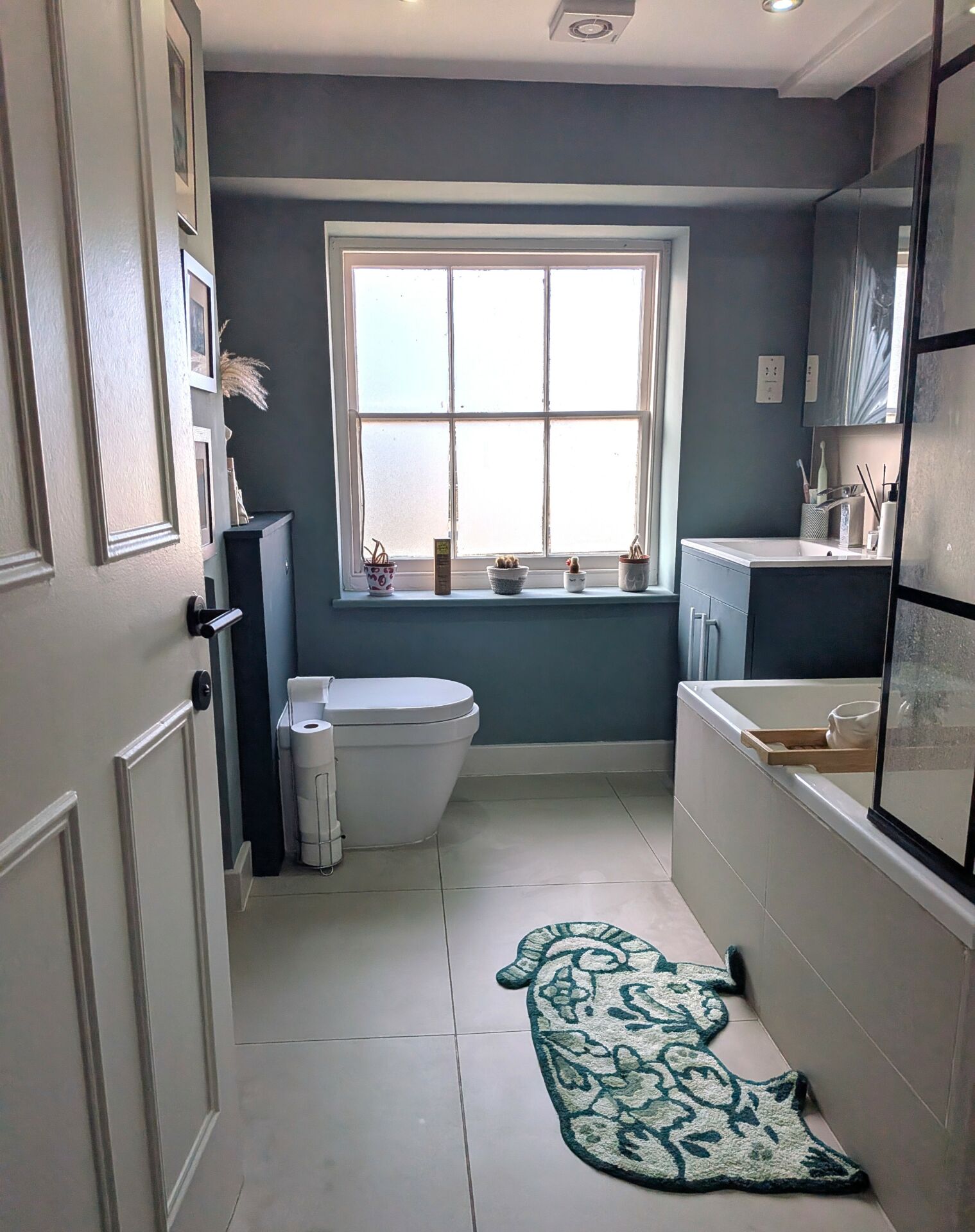
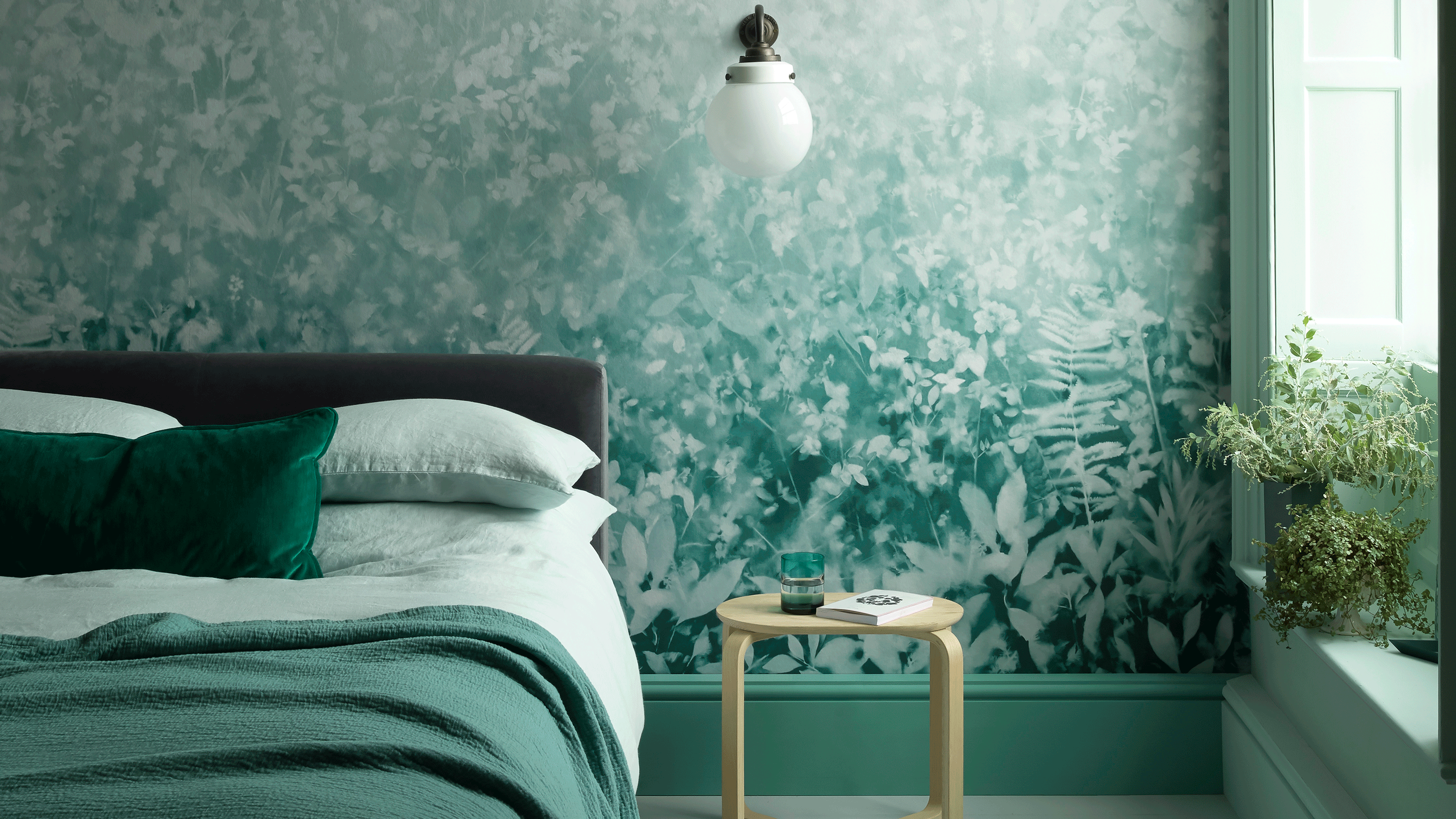
The emotional impact of color is crucial in home decoration, and teal excels in this regard by being both deep and comforting, radiant and jewel-like, while also being infused with softness and calm. Its alluring depth makes it ideal for spaces intended for retreat, such as bedrooms, bathrooms, or living rooms, where it promotes relaxation and tranquility without feeling heavy or dull. Conversely, the more vivid aspects of teal can inspire and energize, fostering creativity and enthusiasm in bustling kitchens, joyful living rooms, or welcoming entryways. Its pigment-saturated quality and dual personality contribute to its capacity to uplift and stimulate a space.
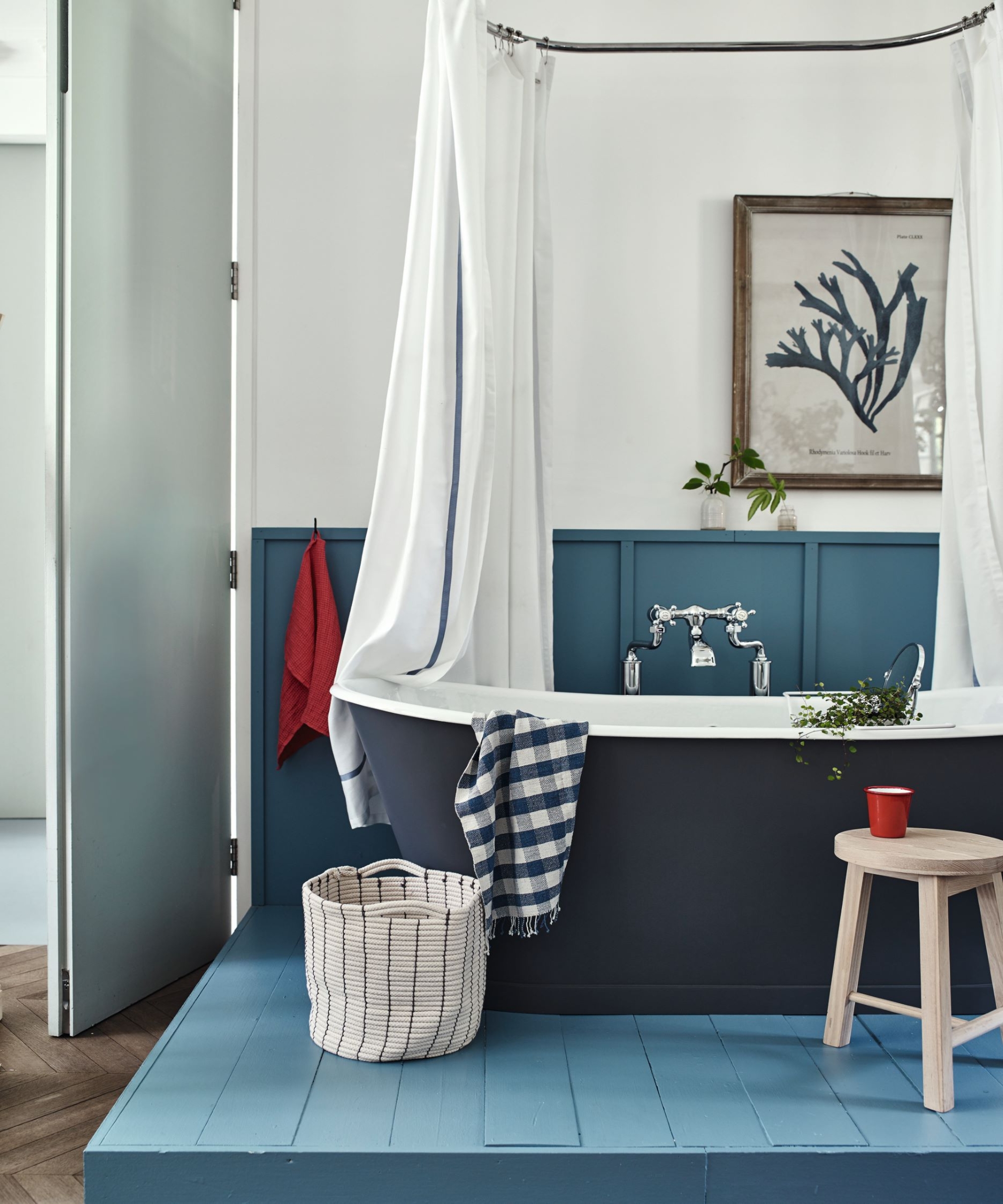
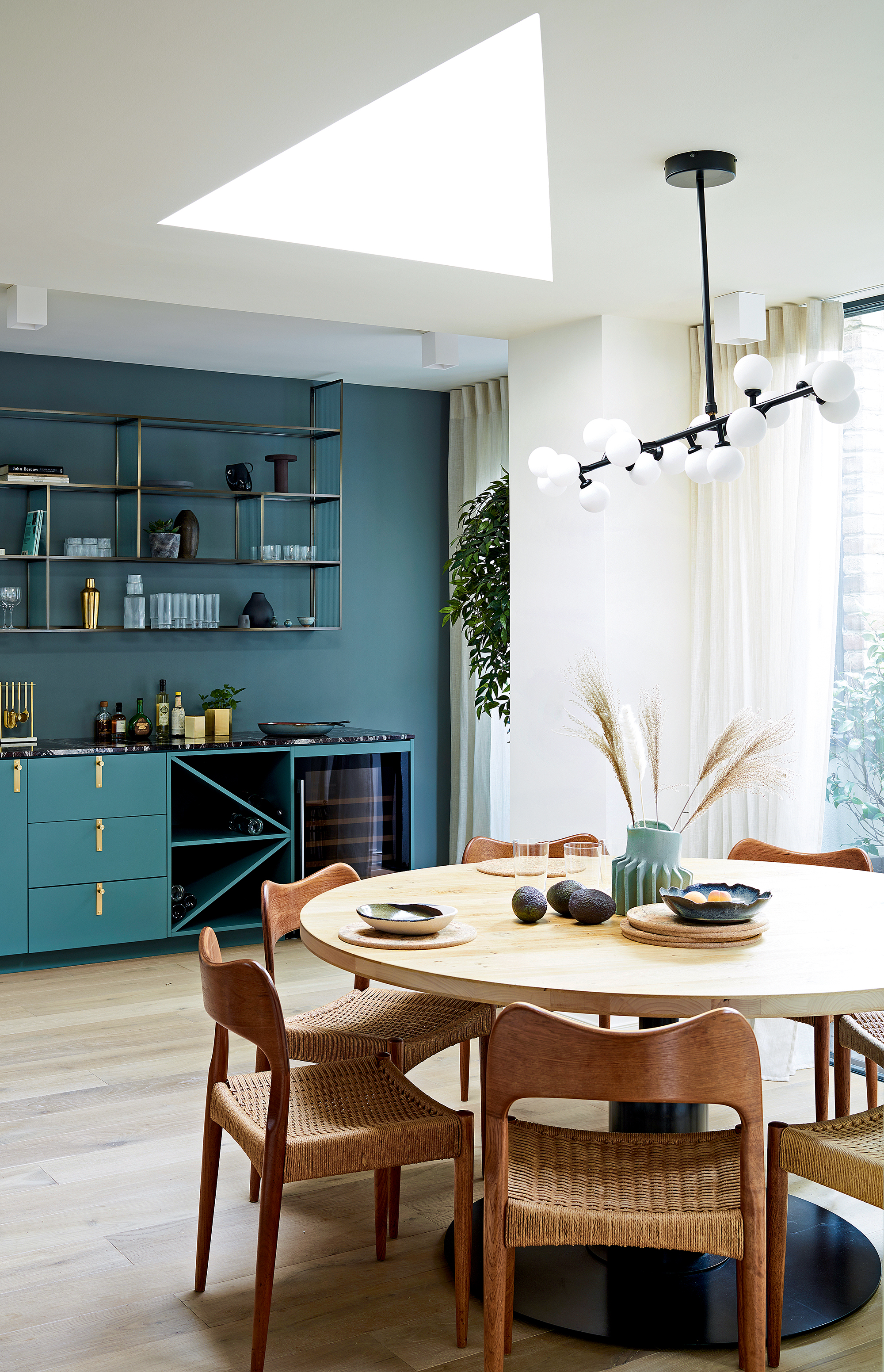
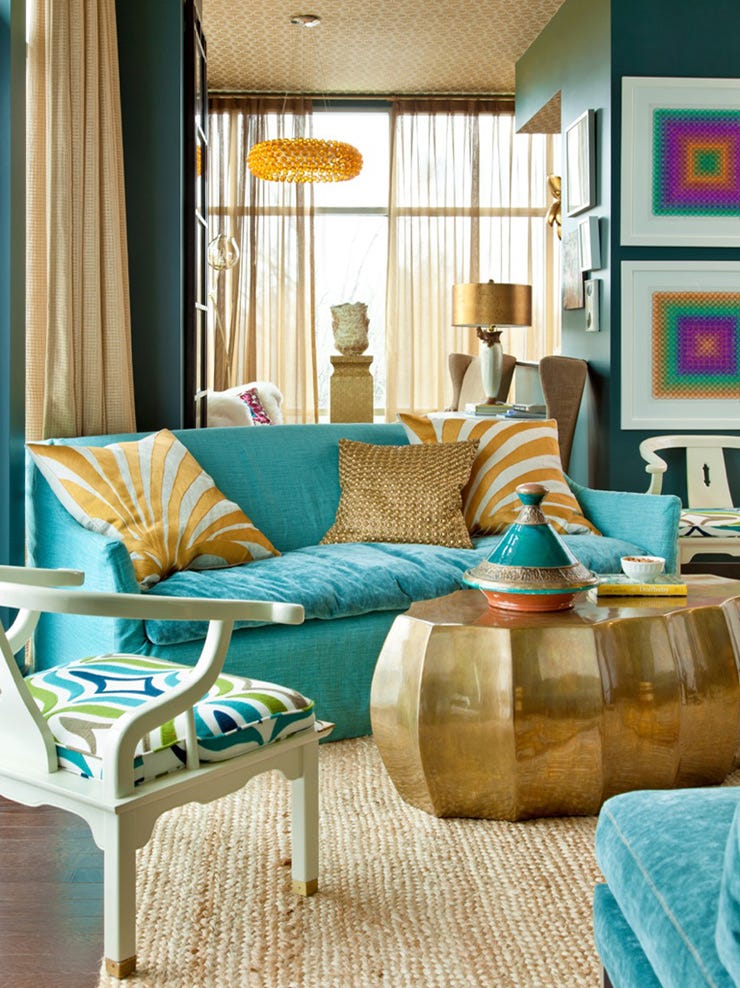
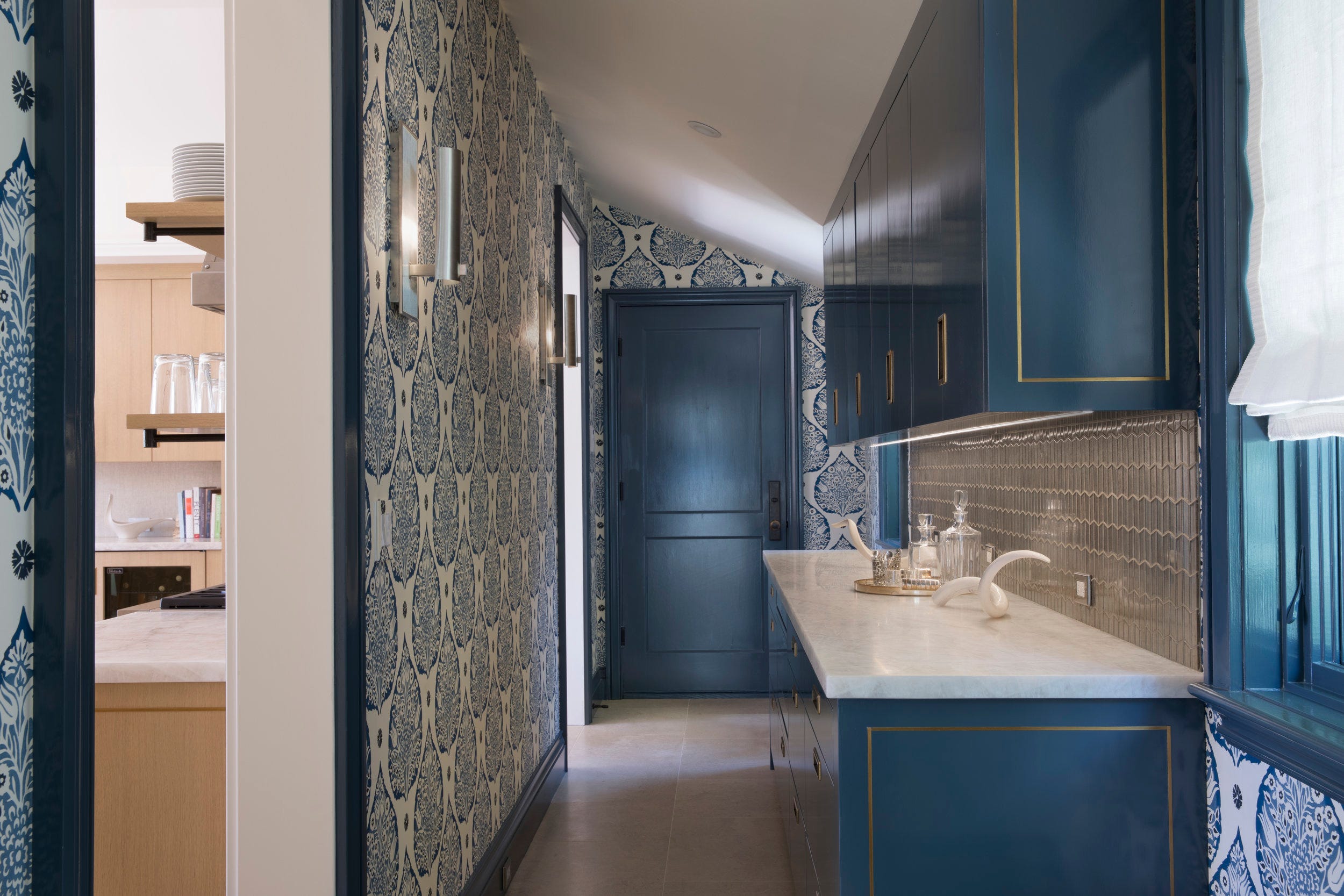
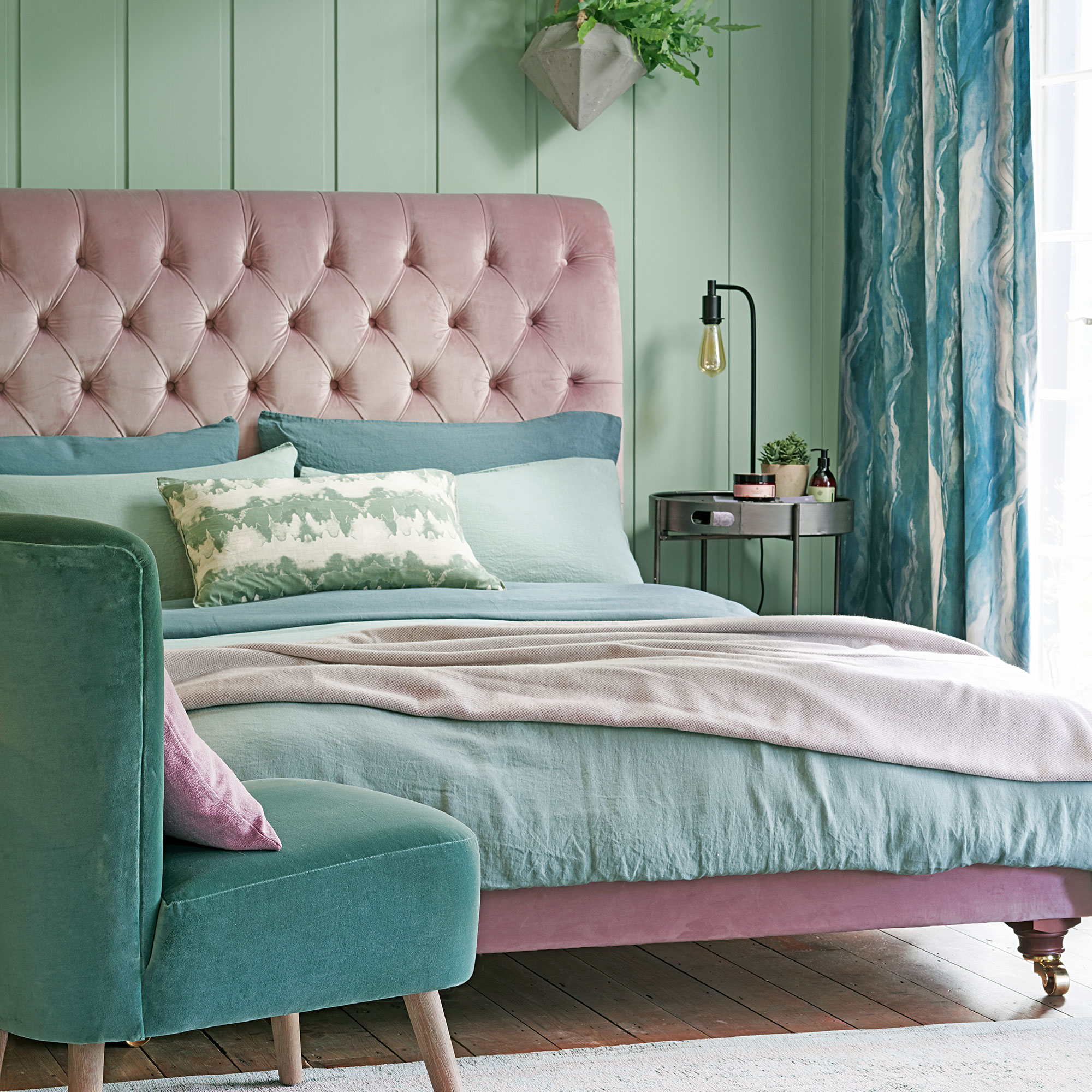
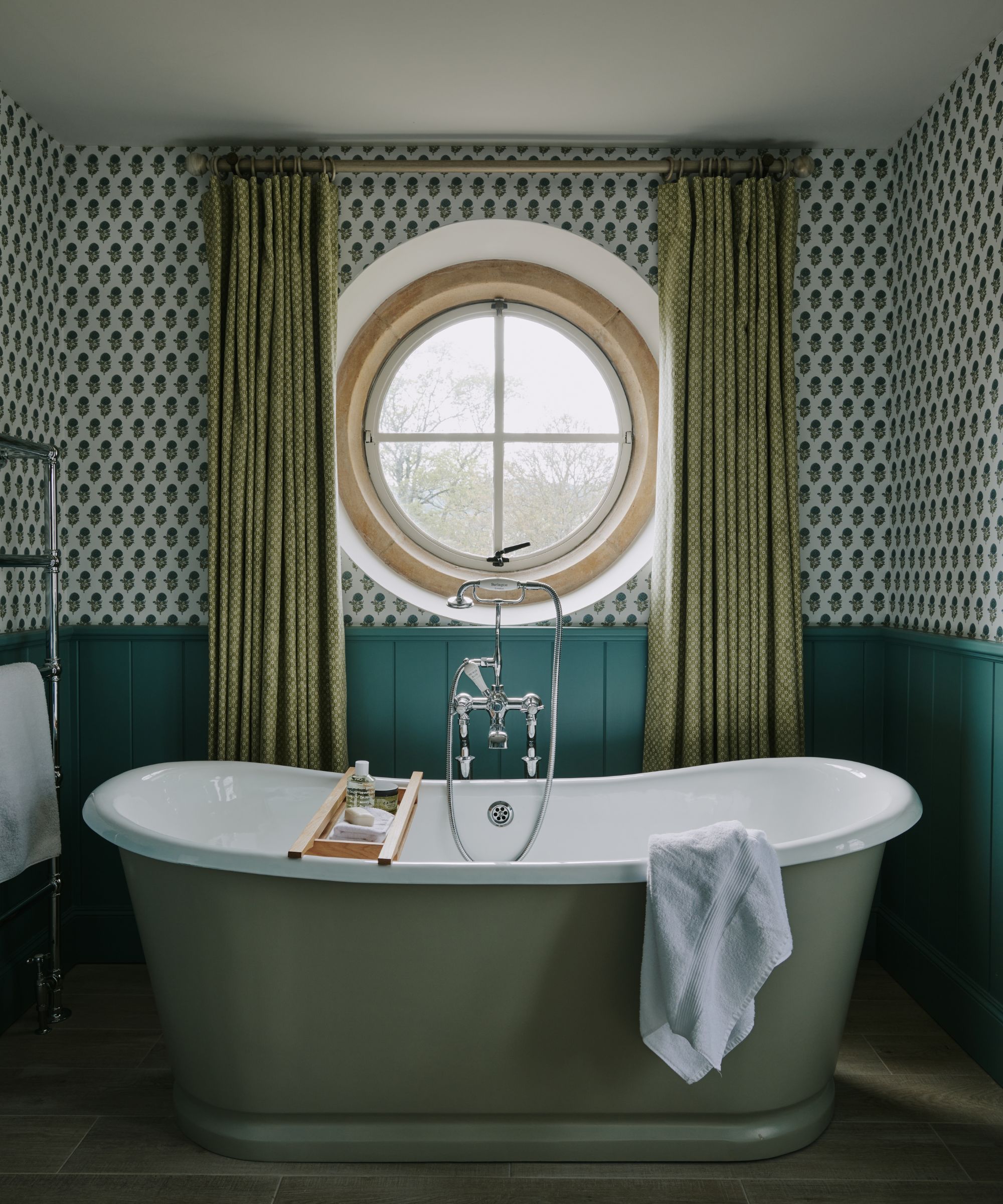
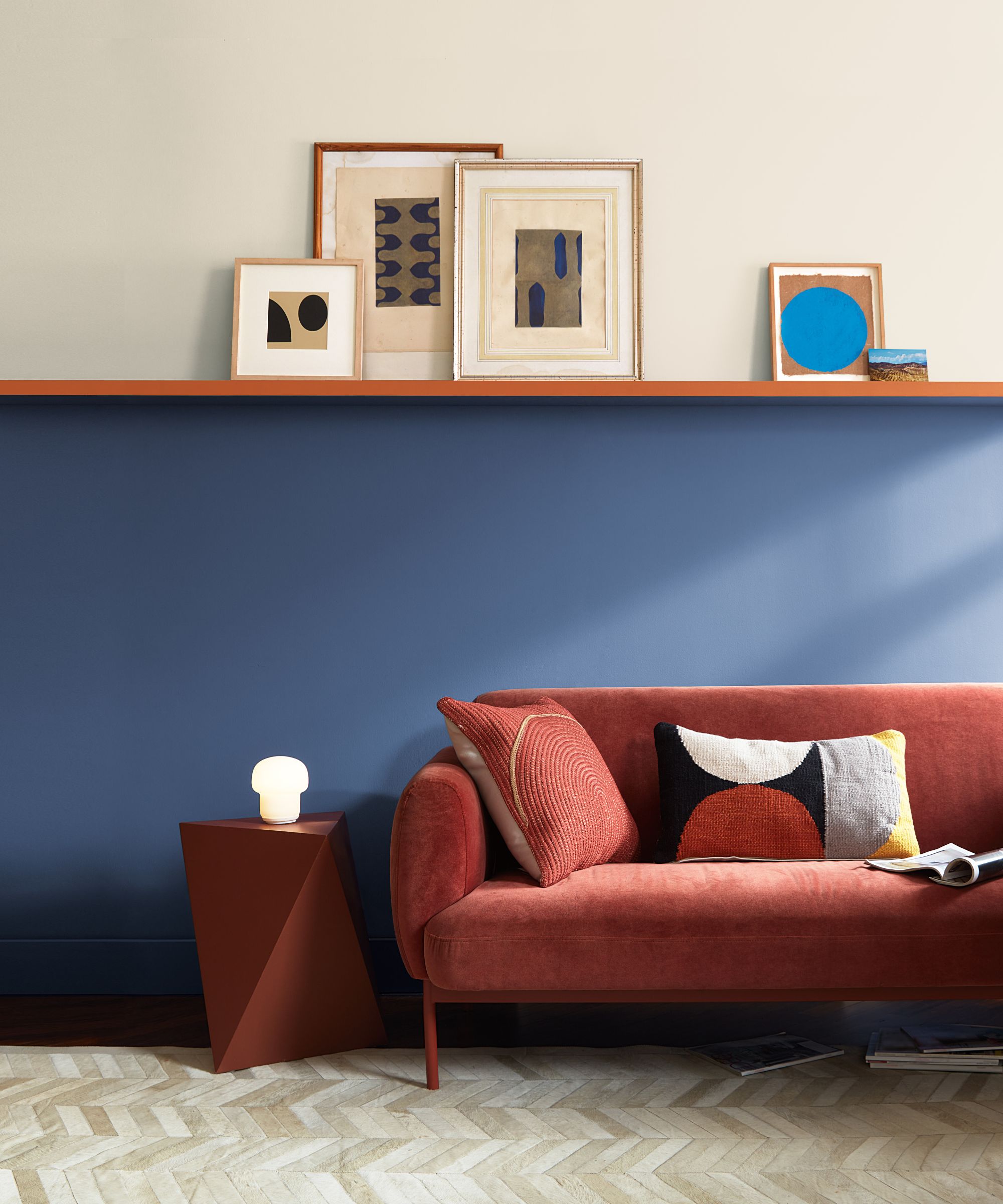
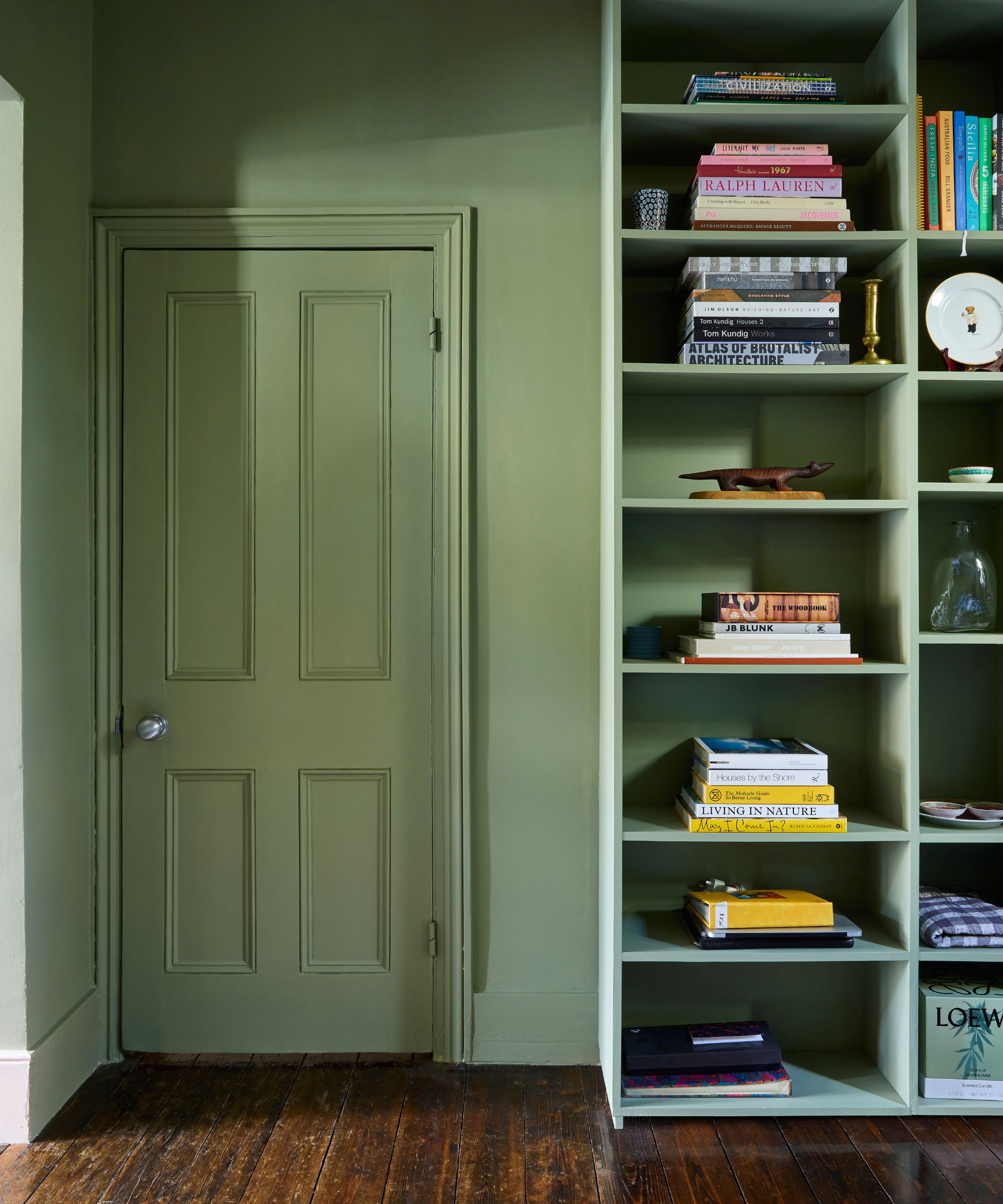
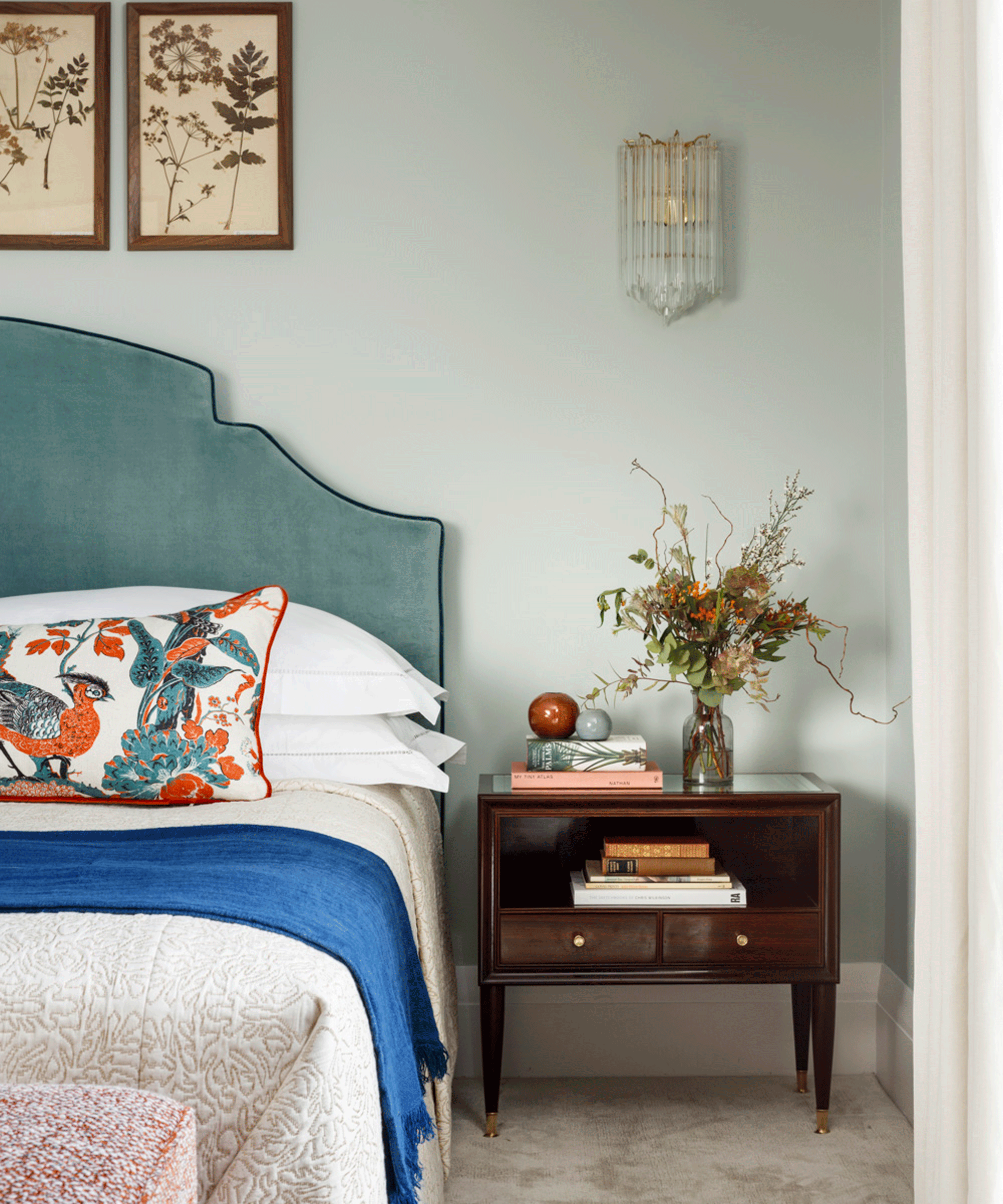
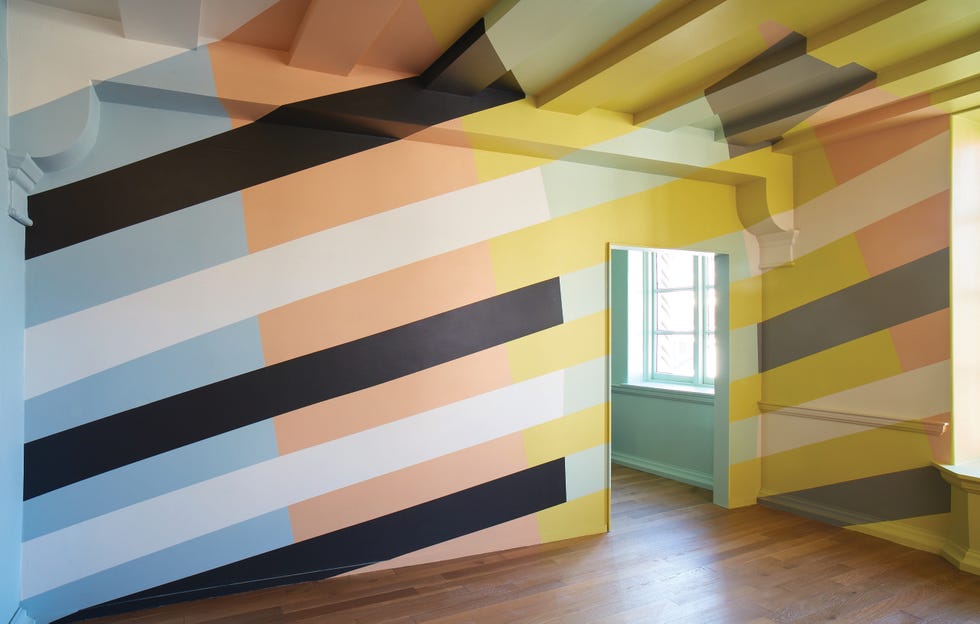
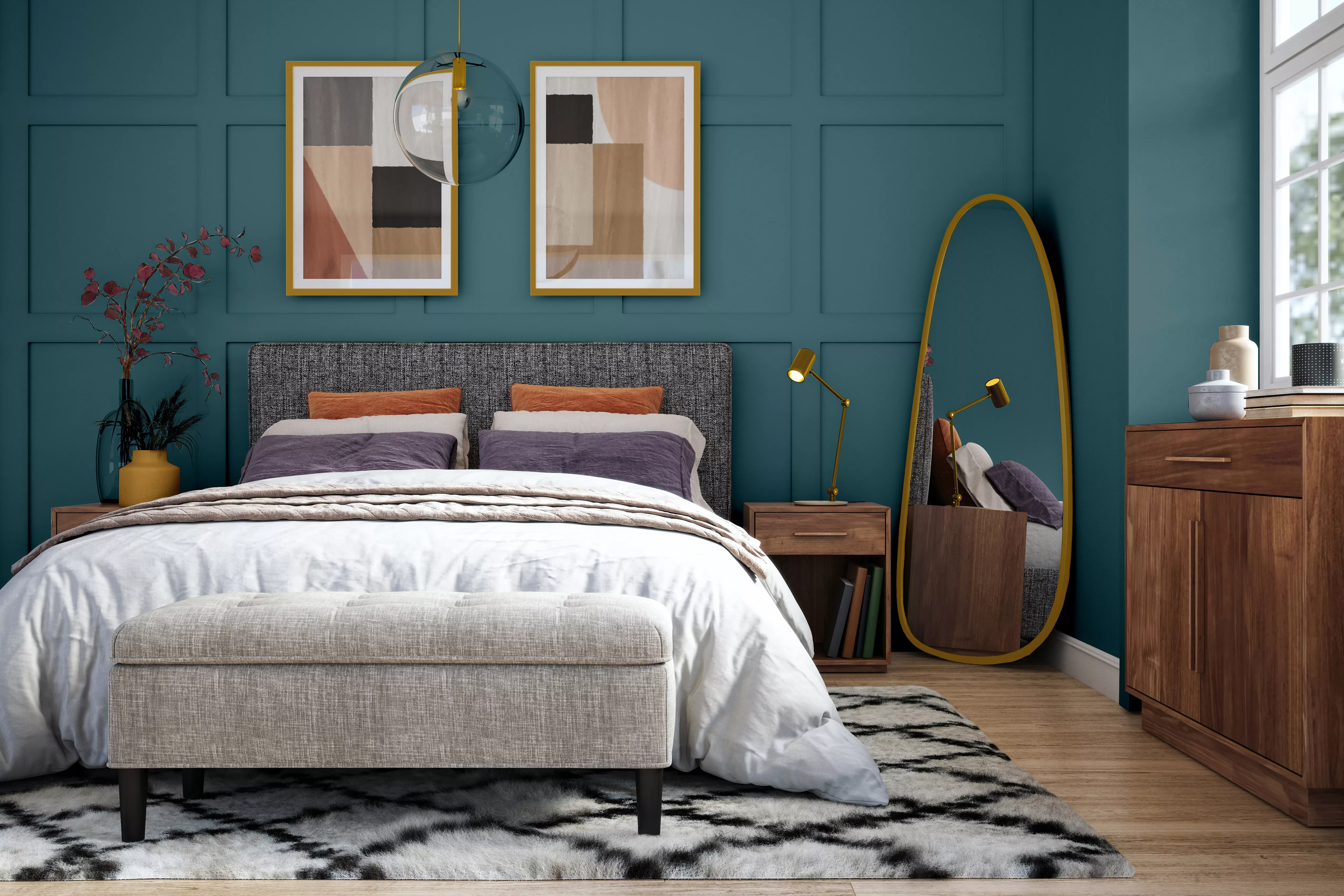
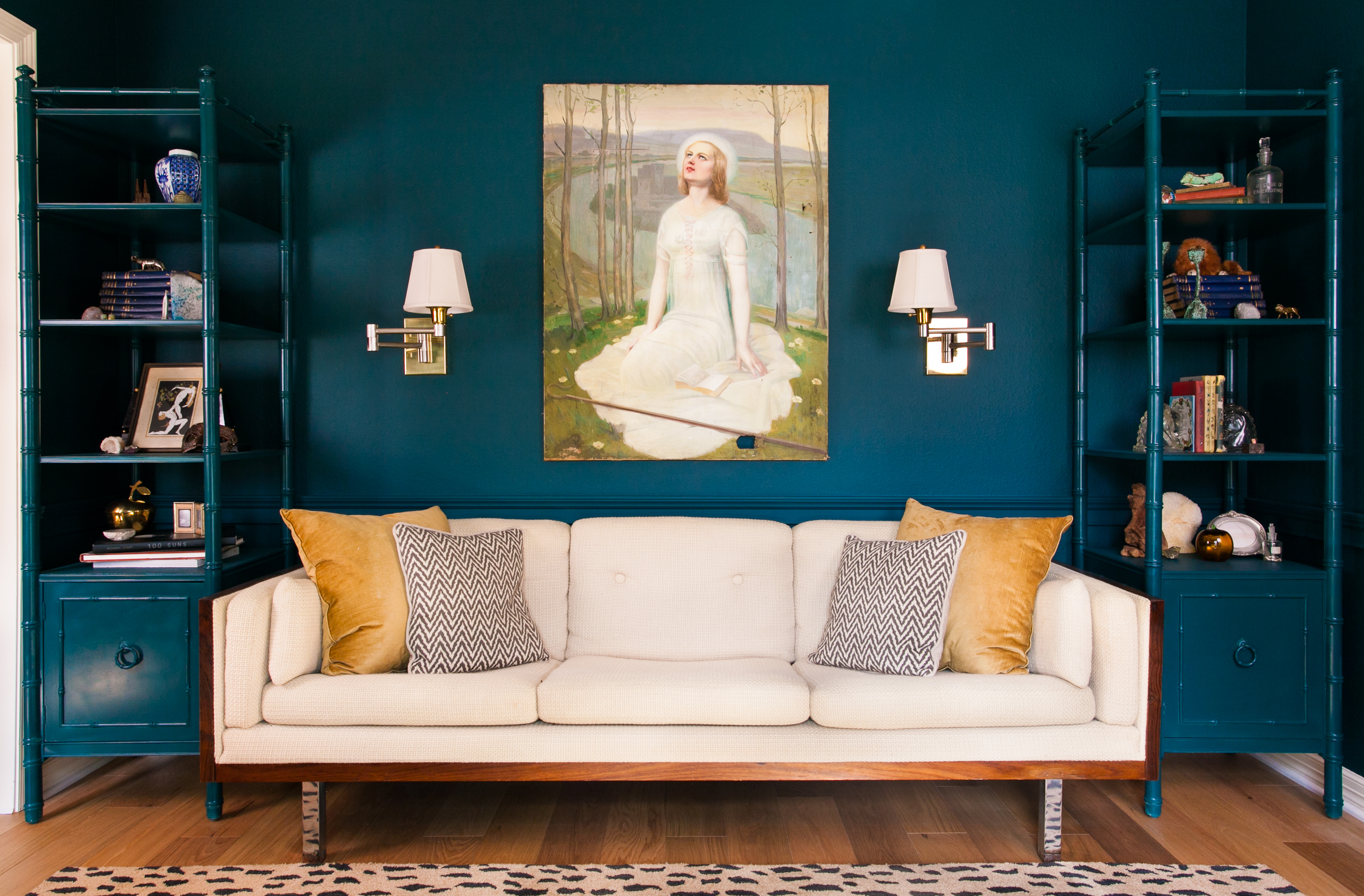
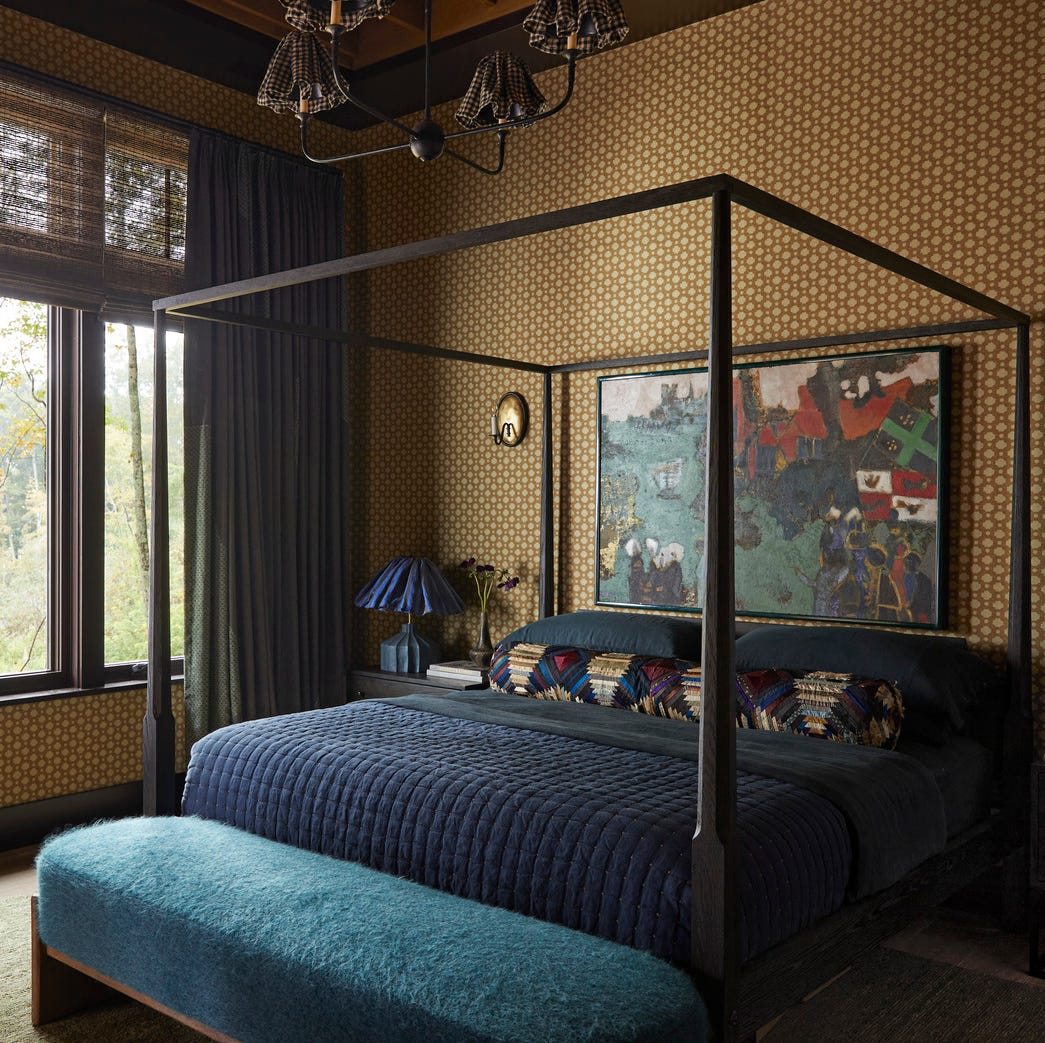
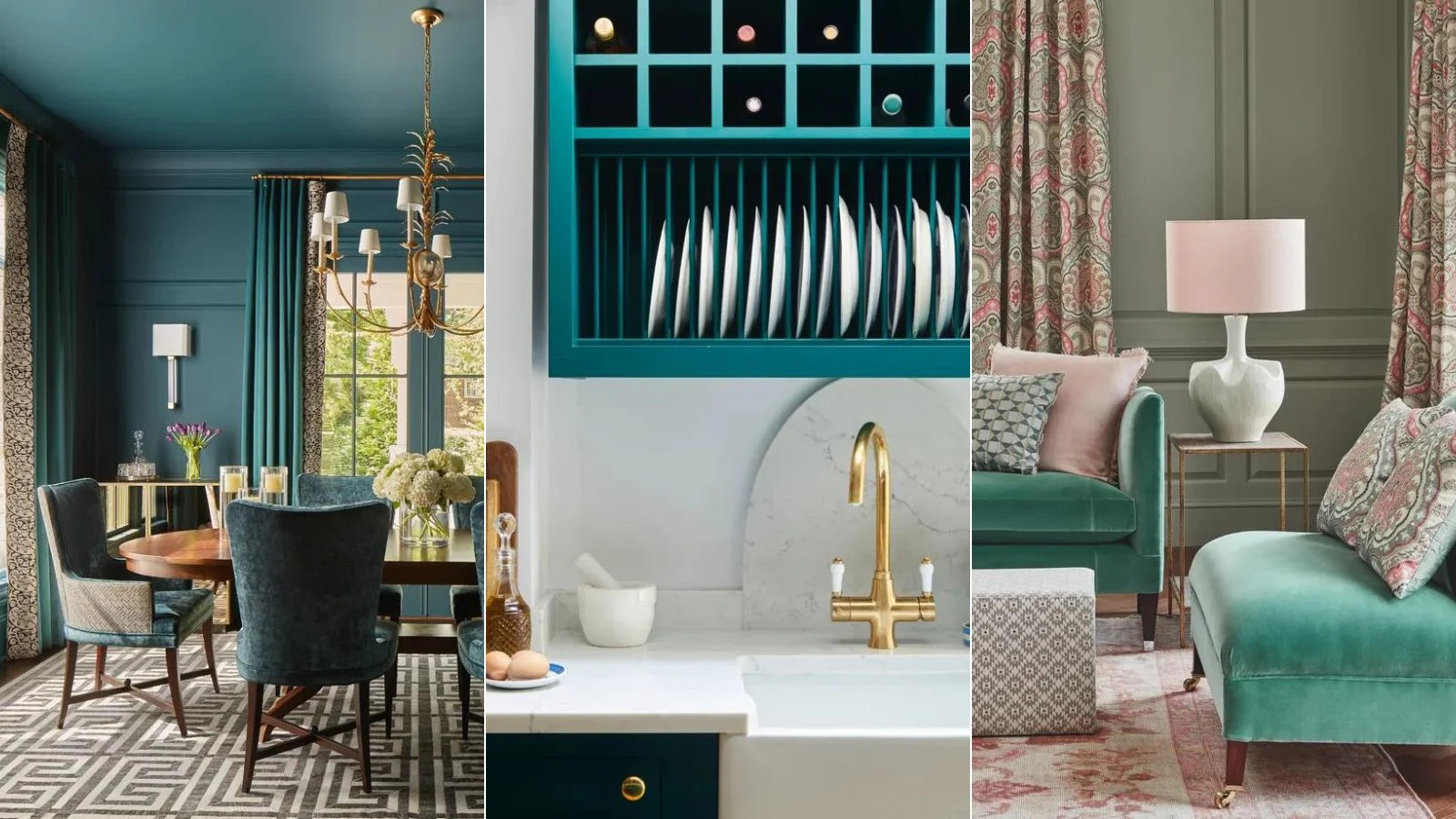
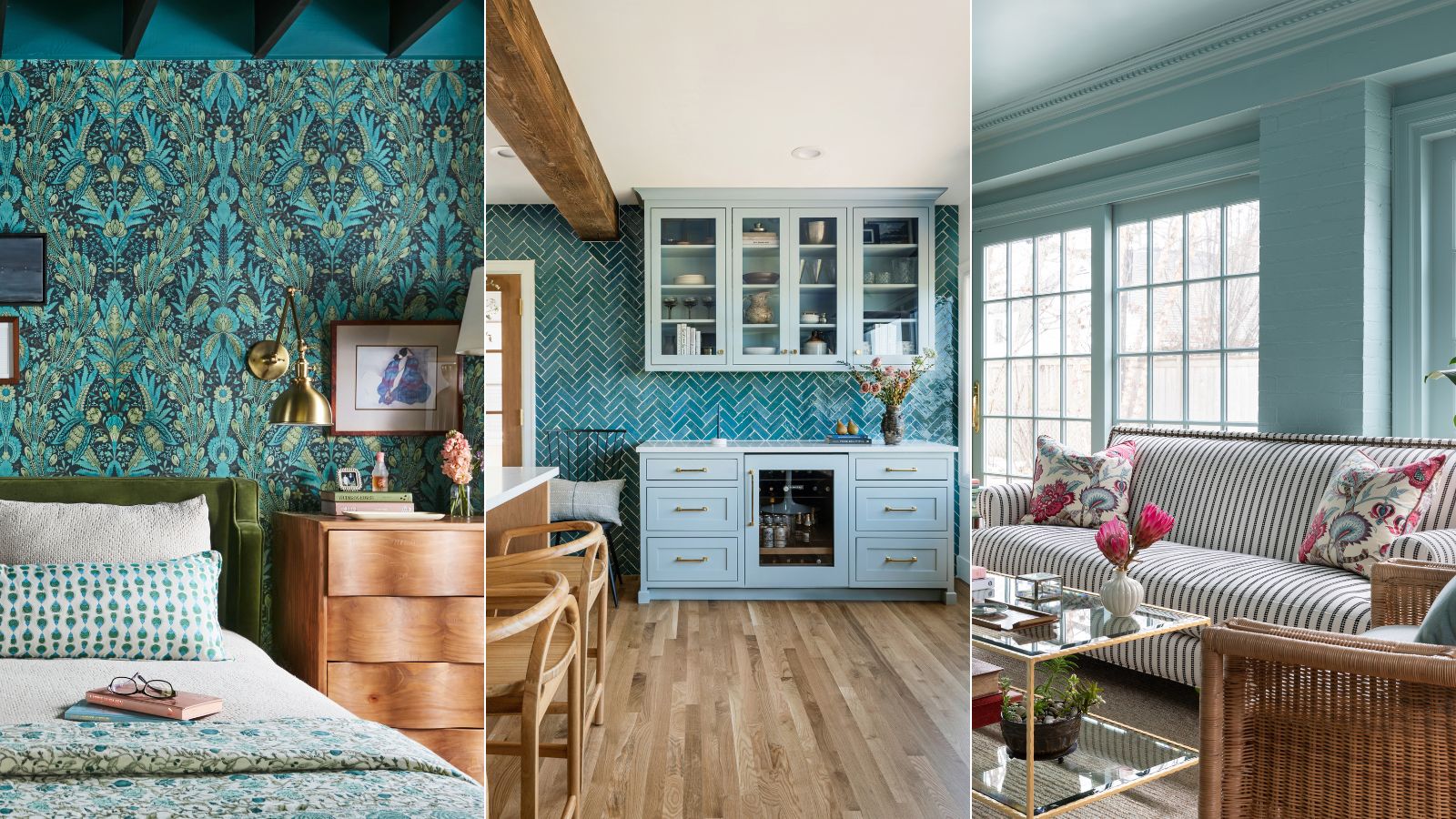
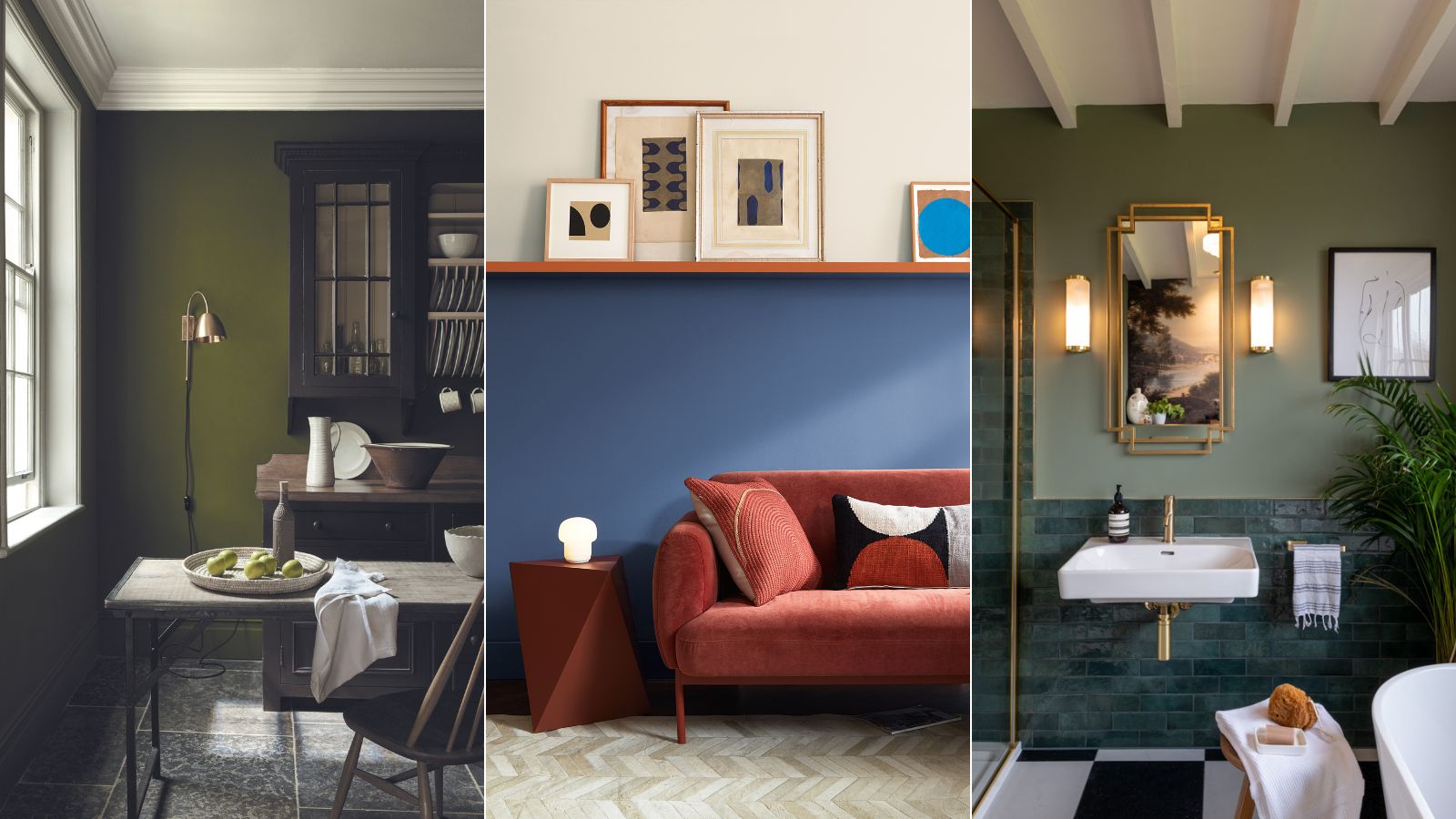
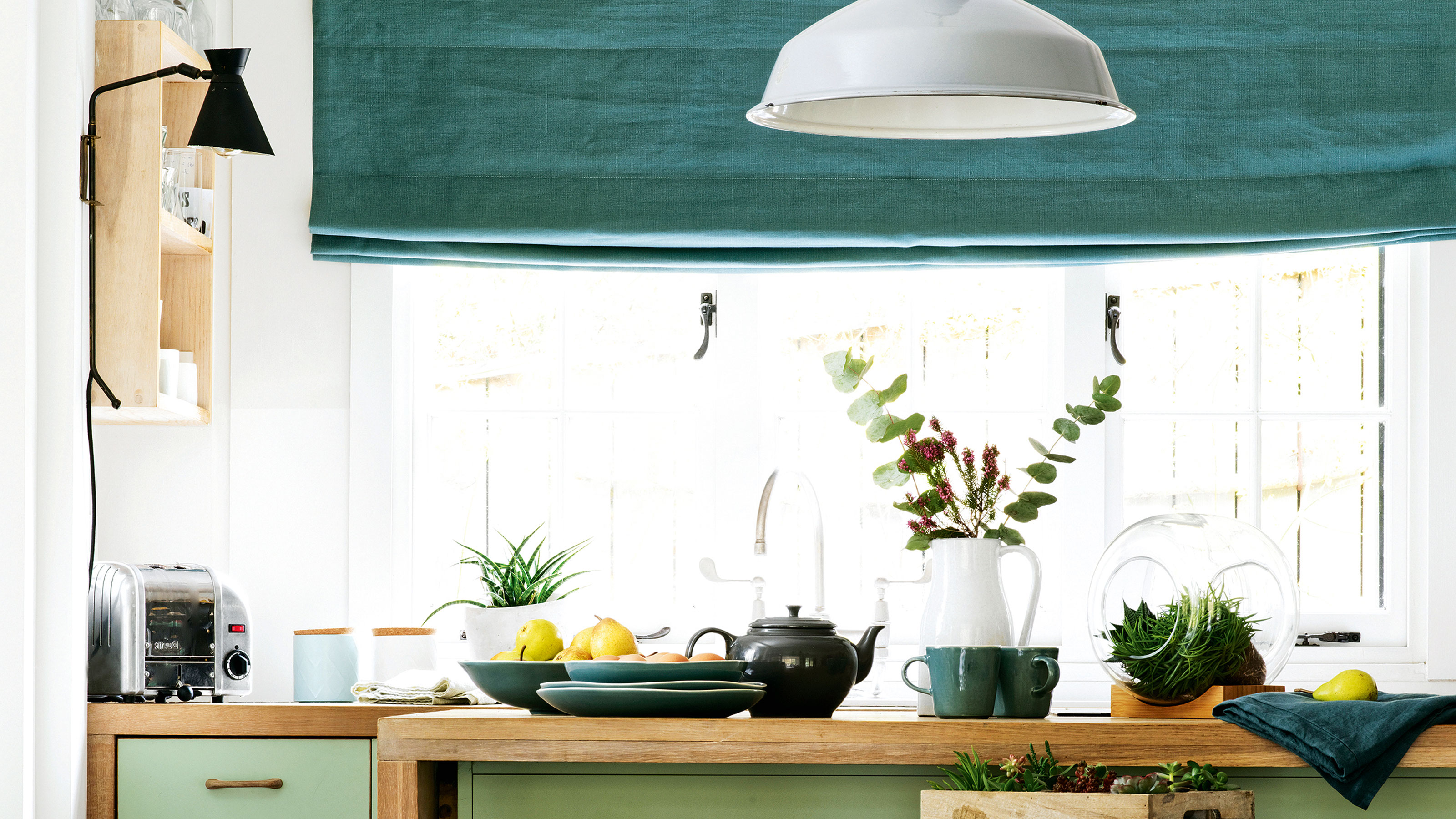
When considering complementary colors, teal's blend of blue and green allows it to harmonize with both. Warmer colors like rich buttery yellows or dirtier whites can soften teal, creating a gentler, more established look. Layering mustards, lavender, or minty greens can complement its cool undertones. Natural wood tones also effectively soften the shade. For a more vibrant and natural feel, teal pairs well with earthy tones, tans, and browns. Oceanic blues can intensify teal, while navy blue offers a calmer, more classic combination. Green shades such as olive, moss, and sage infuse a natural feel, and emerald green can create a dramatic, peacock-inspired effect. Bold accents like coral or fuchsia can provide a striking, avant-garde contrast.
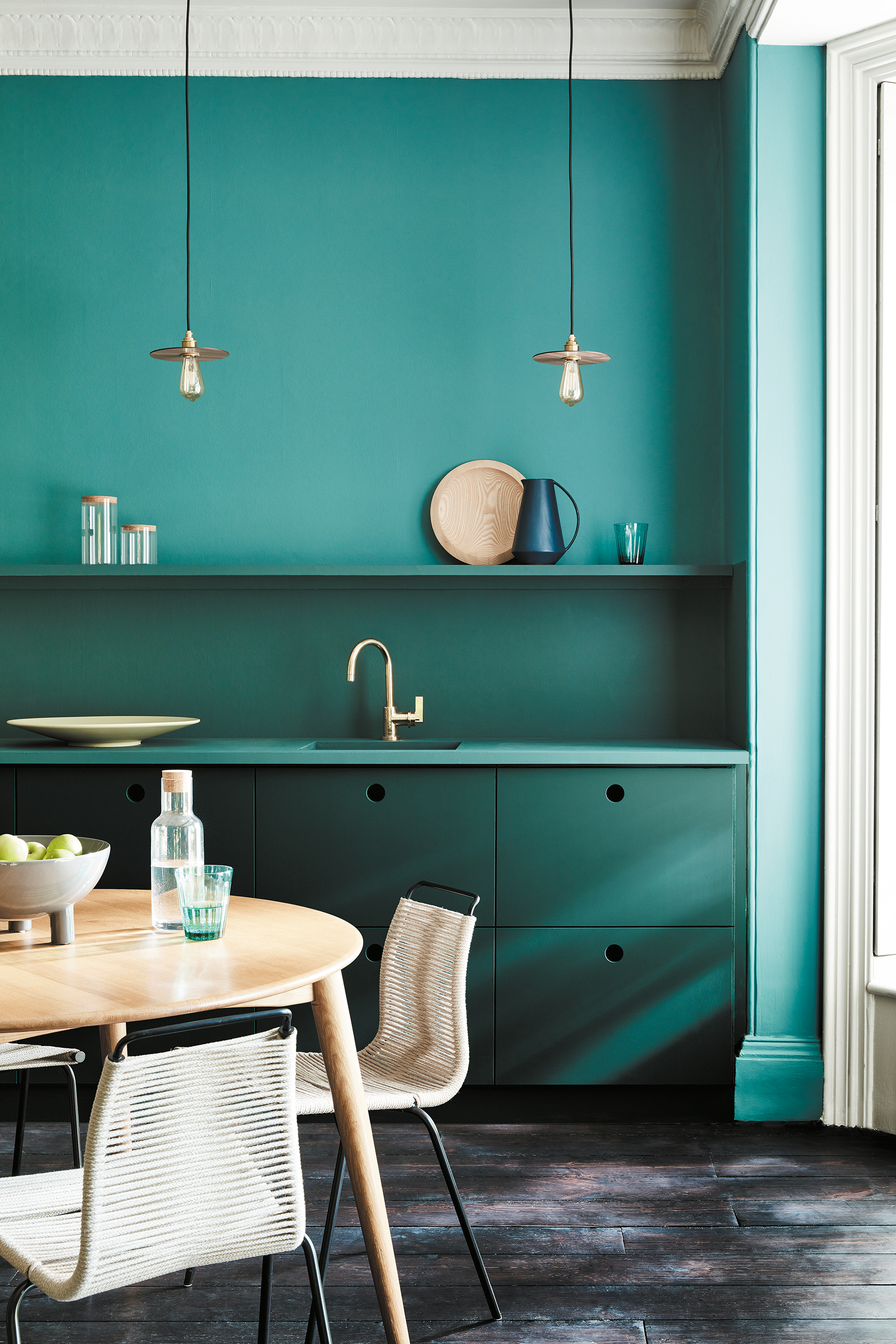
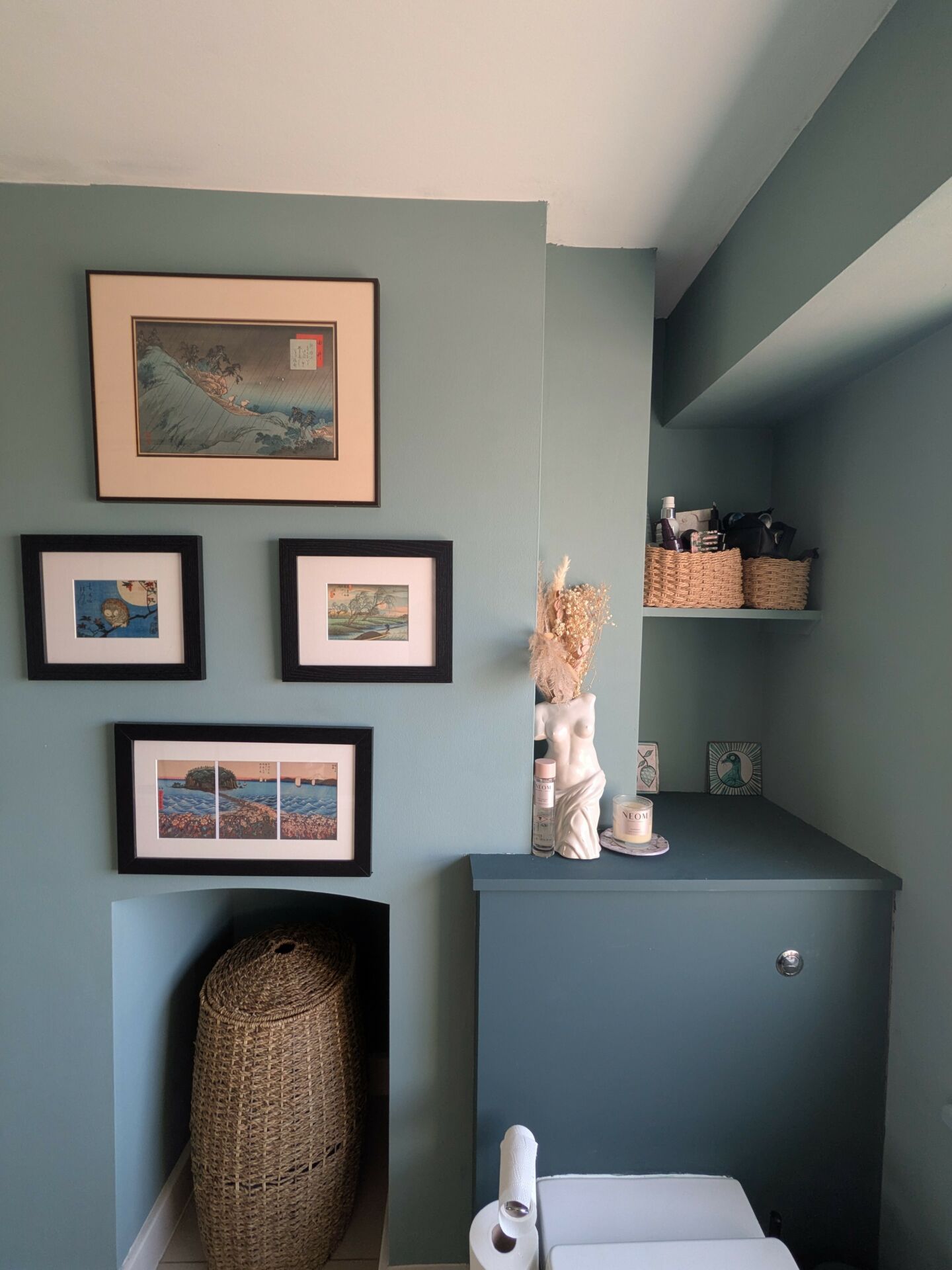
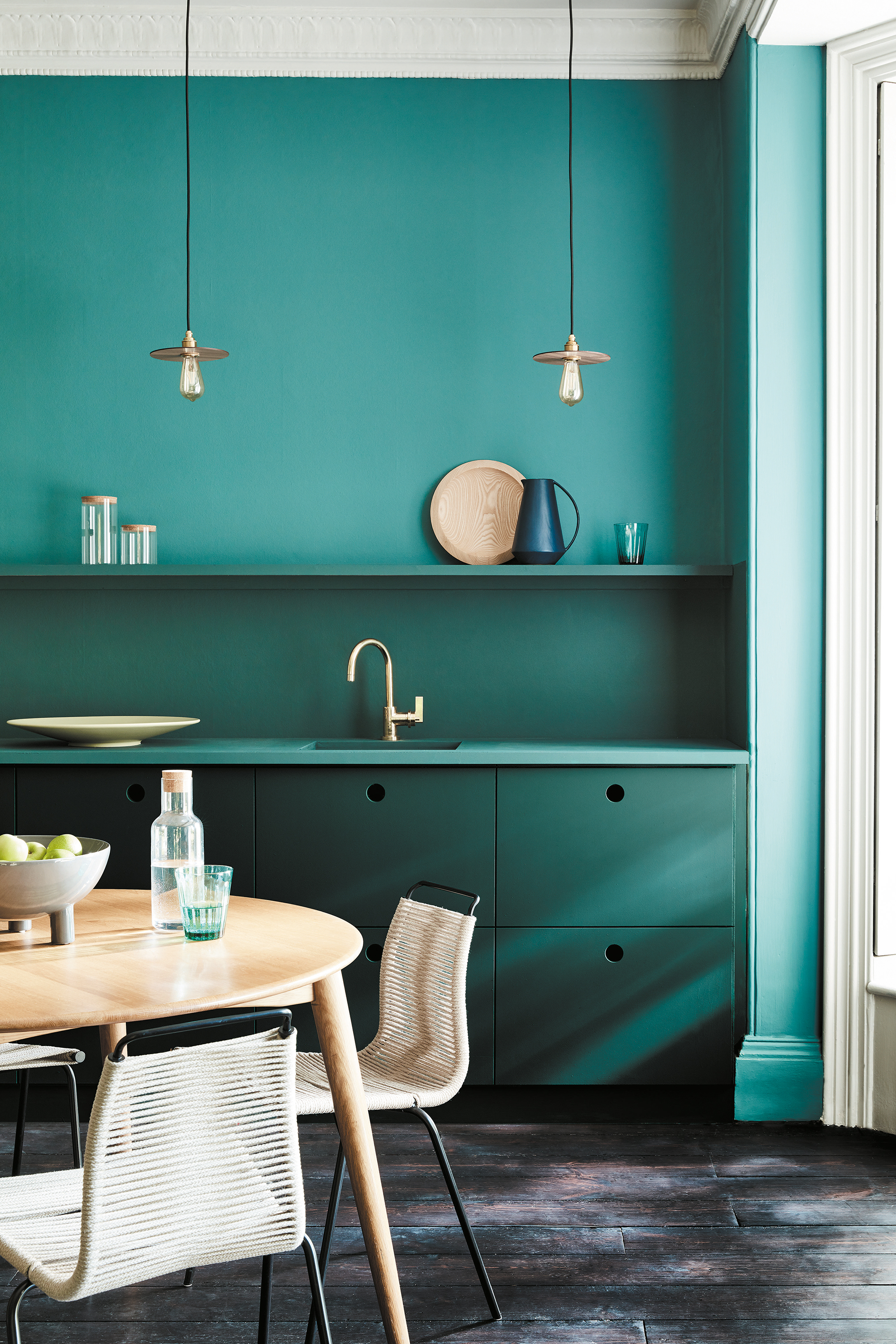
Teal's diverse personalities allow for its free application throughout a home. The key is to match the shade of teal to the desired mood of each area; deeper, richer teals for cozy spaces like bedrooms, and fresher, livelier teals for energetic rooms. Smaller accents like tiles, lighting, rugs, or accessories can also introduce teal, adding personality without overwhelming the space. The color's multifaceted nature also means it reacts differently to lighting conditions. In natural light, especially in north-facing rooms, it appears cool and serene, best complemented by tactile materials. In sun-drenched, south-facing rooms, teal becomes bold and impactful, benefiting from glossy finishes or heavy textures to manage its saturation. Even in poorly lit spaces, teal can create a cocooning effect. Testing color swatches in the actual space is recommended to understand how lighting will influence the chosen shade.
Teal's undertones, primarily green and blue, dictate its mood. A bluer undertone evokes oceanic freshness, promoting a cool, contemporary feel suitable for invigorating spaces like entryways or home offices. Green-infused teals, on the other hand, connect to nature, fostering relaxation in living rooms or tranquil bathrooms. A less common but equally impactful third option is teal with a yellow undertone, which introduces warmth and a vintage charm, ideal for classic, luxurious interiors. The secret to a well-decorated teal room lies in balancing its vibrancy with complementary tones and textures, considering both natural and artificial light, and strategically placing accents to either complement the overall palette or create bold focal points. This flexibility makes teal a dynamic and visually appealing choice for interior design.
#InteriorDesign #ColorTheory #DecoratingWithTeal #HomeDecor #PaintColors #ColorExpert #AccentColors #DesignIdeas #InteriorDesign #ColorTheory #DecoratingWithTeal #HomeDecor #PaintColors #ColorExpert #AccentColors #DesignIdeas
0 comment in total
 No comments yet
You may also like
Decorating with teal – expert advice for using this bold and beautiful shade

10 Rooms That Made Great Use of Teal Paint

Teal Is the Jewel Accent Color Designers Are Using This Fall
21 Best Teal Paint Colors for Any Room in Your Home

What Colors Go With Teal? 12 Designer-Approved Palettes That Feel Elegant, Ethereal, and Effortless
Top Designers are Swooning Over These Teal Paint Colors
10 colors that go with teal – it's time to embrace this bold shade

I'm a Color Expert — This Is How I Think You Should be Decorating with Blue
This Very "Controversial" Color Is About To Be Everywhere Again

10 colors that go with teal – it's time to embrace this bold shade

“I transformed my bathroom into a tranquil oasis using this trending paint colour”

2026's new neutral? We're pretty sure we just spotted the next must-have tone on Stanley Tucci's living room walls
10 colors that go with teal – it's time to embrace this bold shade
Colors that go with teal – 11 designer-favorite pairings for this bold blue-green
What color is replacing teal? 5 trending alternatives for this versatile shade
Kelly Wearstler Shares How to Create a Color Palette for Your Home

Transformative Teal: Why this calming blue-green is the key to embracing bold, personalised colour
8 colours that go with teal - the fool-proof colour pairings that will bring out the best in this vibrant shade
Teal bedroom ideas – experts show why this blue green is the perfect decorating hue
Give Your Walls a Boost With One of These Pro-Approved Teal Paint Colors