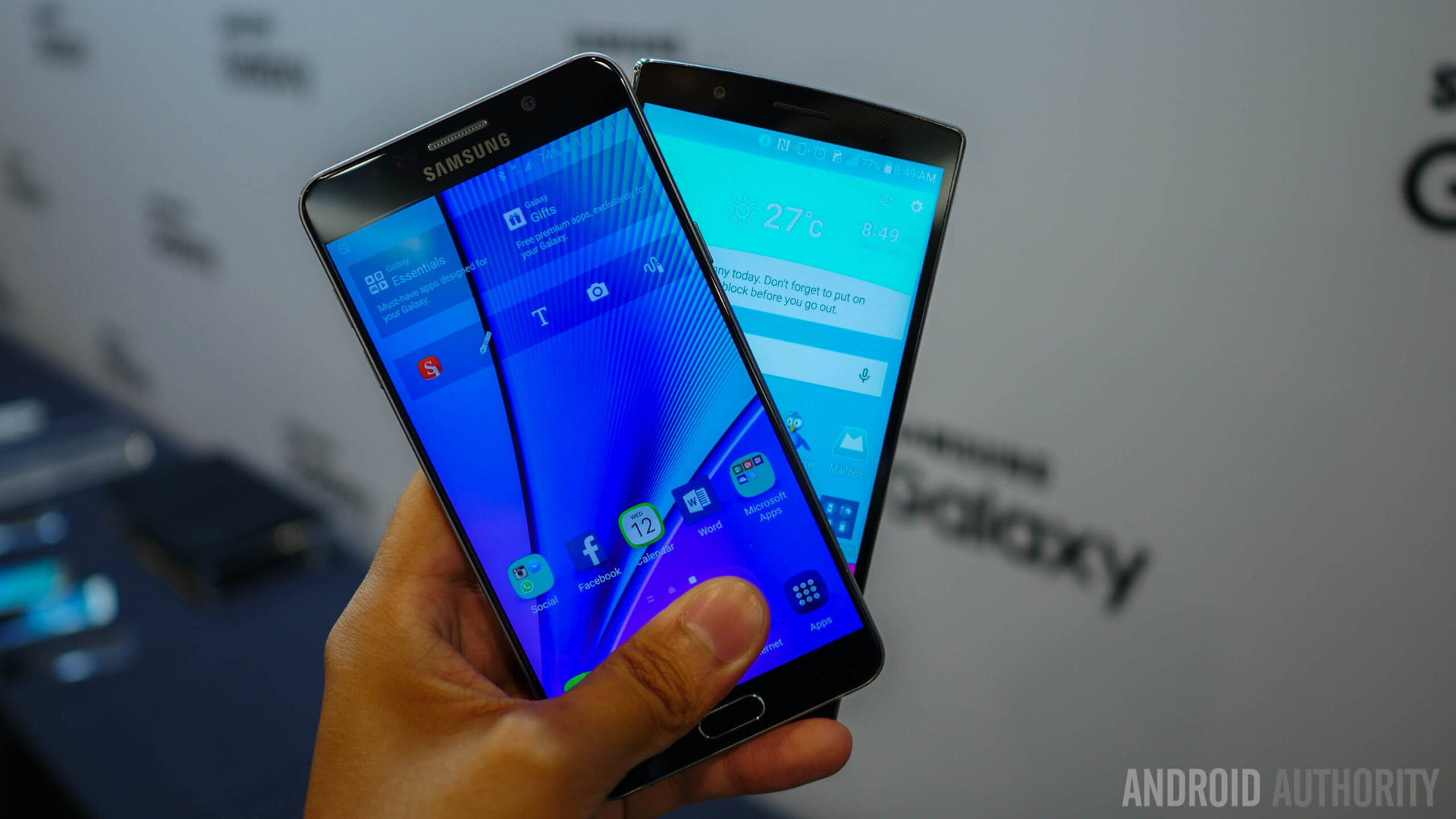
1/4
How black wallpaper can save your Android battery
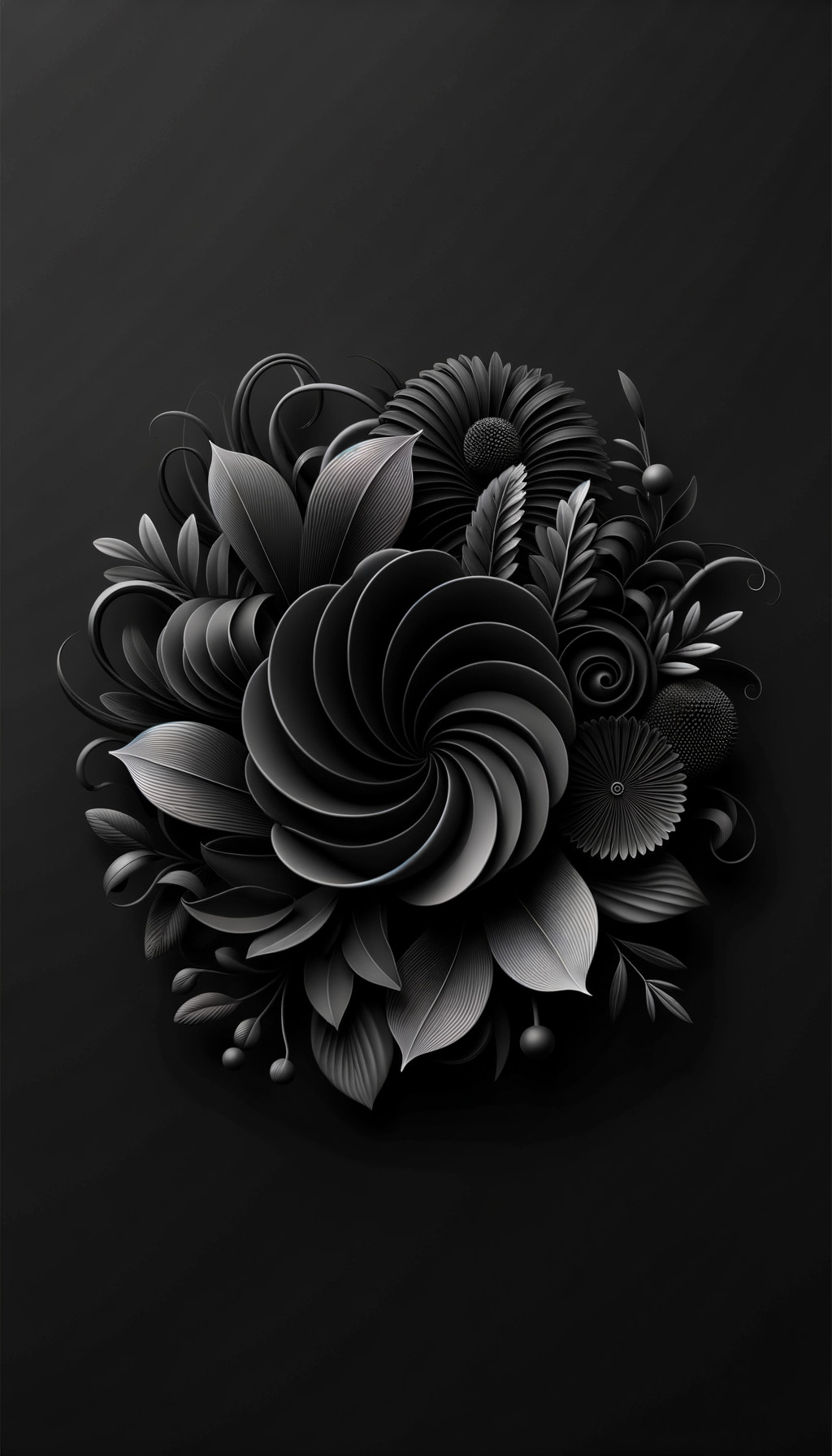
The article delves into the efficacy of using black wallpaper to conserve battery life on Android devices, differentiating its impact based on display technology. It explains that this common advice is true, but not universally applicable, as its effectiveness hinges on whether the device uses an AMOLED (Active Matrix Organic Light Emitting Diode) or LCD (Liquid Crystal Display) panel. AMOLED is highlighted as the newer and more efficient technology, where pixels generate their own light. When an AMOLED pixel displays black, it is entirely off, consuming no power. Conversely, to display any color, including white, the pixels must turn on and consume power. This characteristic makes AMOLED panels ideal for features like ambient displays, as only the necessary pixels are activated, leading to significant power savings when black backgrounds are used.
In contrast, LCD technology, which is more common and established, operates differently. LCD panels require a constant backlight (LED) to illuminate the pixels. This backlight remains on regardless of the color being displayed. Pixels in an LCD panel are composed of sub-pixels that filter light from this backlight through red, green, and blue components. The article details the intricate mechanism of LCDs, explaining that they consist of multiple layers, including polarizers and liquid crystals. These liquid crystals, when an electrical current is applied, untwist their natural helix structure to block light. To produce the color black, the liquid crystal must be completely untwisted, requiring the maximum amount of current and, consequently, the greatest power consumption. Therefore, brighter colors, such as white, are actually more power-efficient on LCD screens, though the difference in battery consumption is generally marginal compared to AMOLED.
The article emphasizes that while using black backgrounds can notably reduce power consumption on AMOLED displays, it does not offer the same benefit for LCDs. For LCD screens, white or brighter colors are marginally more efficient in terms of power usage. Overall, the key takeaway is that AMOLED displays inherently use less power than LCDs, particularly when displaying black. This understanding allows users to optimize their device's battery life by choosing appropriate display settings and themes based on their phone's screen technology. The explanation includes technical details on how each display type renders colors and consumes power, providing a comprehensive insight into the topic of display-related battery efficiency.
#AndroidBattery #AMOLEDDisplay #LCDDisplay #BatterySavingTips #MobileTechnology #SmartphoneOptimization #DisplayTechnology #AndroidBattery #AMOLEDDisplay #LCDDisplay #BatterySavingTips #MobileTechnology #SmartphoneOptimization #DisplayTechnology
 No comments yet
How To Use Two Different Wallpapers for ‘Light’ and ‘Dark’ Mode on Android

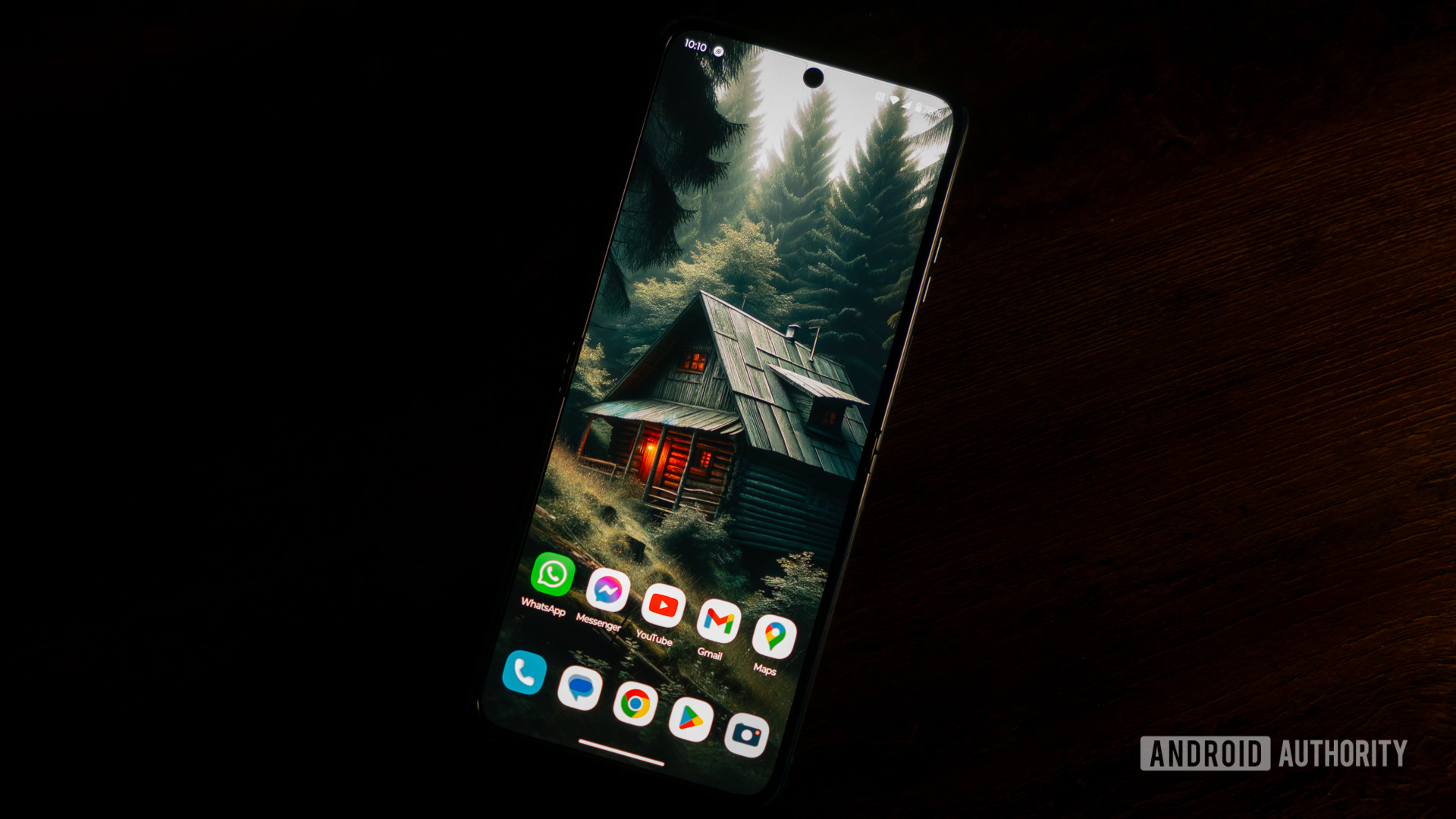
Download these dark wallpapers for your phone
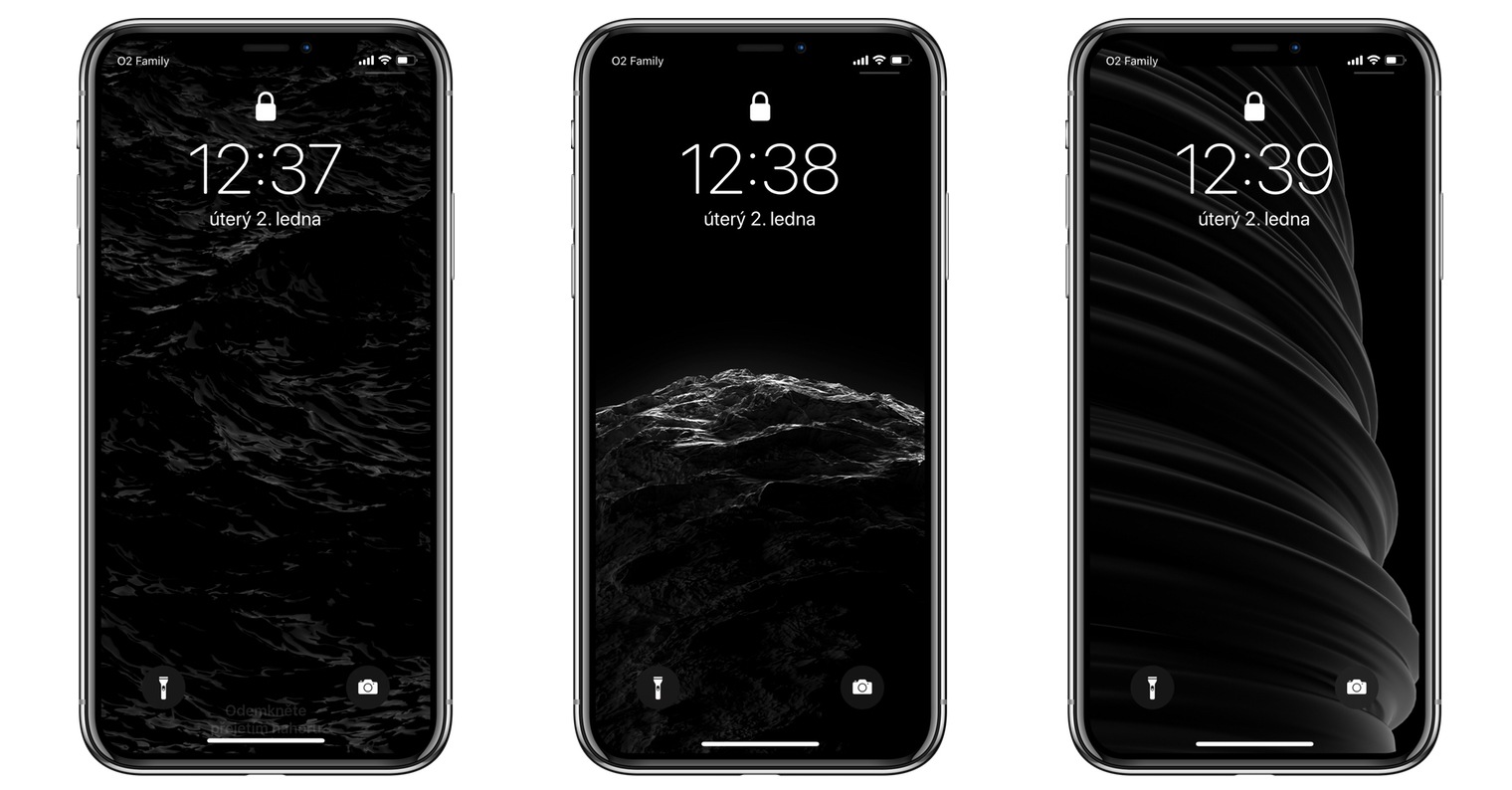
27 Black Wallpapers Perfect for OLED Display to Save iPhone X Battery
How to force Google Pixel’s ‘dark mode’ with any wallpaper w/ ‘LWP+’