1/8
‘Beyond the Bassline’: 500 years of Black music in Britain
The British Library in London is hosting a major social-history exhibition titled ‘Beyond the Bassline: 500 Years of Black British Music.’ This exhibition, curated by public historian Dr. Aleema Gray, explores the extensive cultural research encompassing half a millennium of Black British music. Despite initial questions about a library's role in presenting such a vibrant subject, the British Library’s extensive sound archive, holding over six million sounds, proved to be an ideal starting point. The exhibition aims to highlight that the British Library, typically a place of quiet, also serves as a repository of diverse human expression, including music.
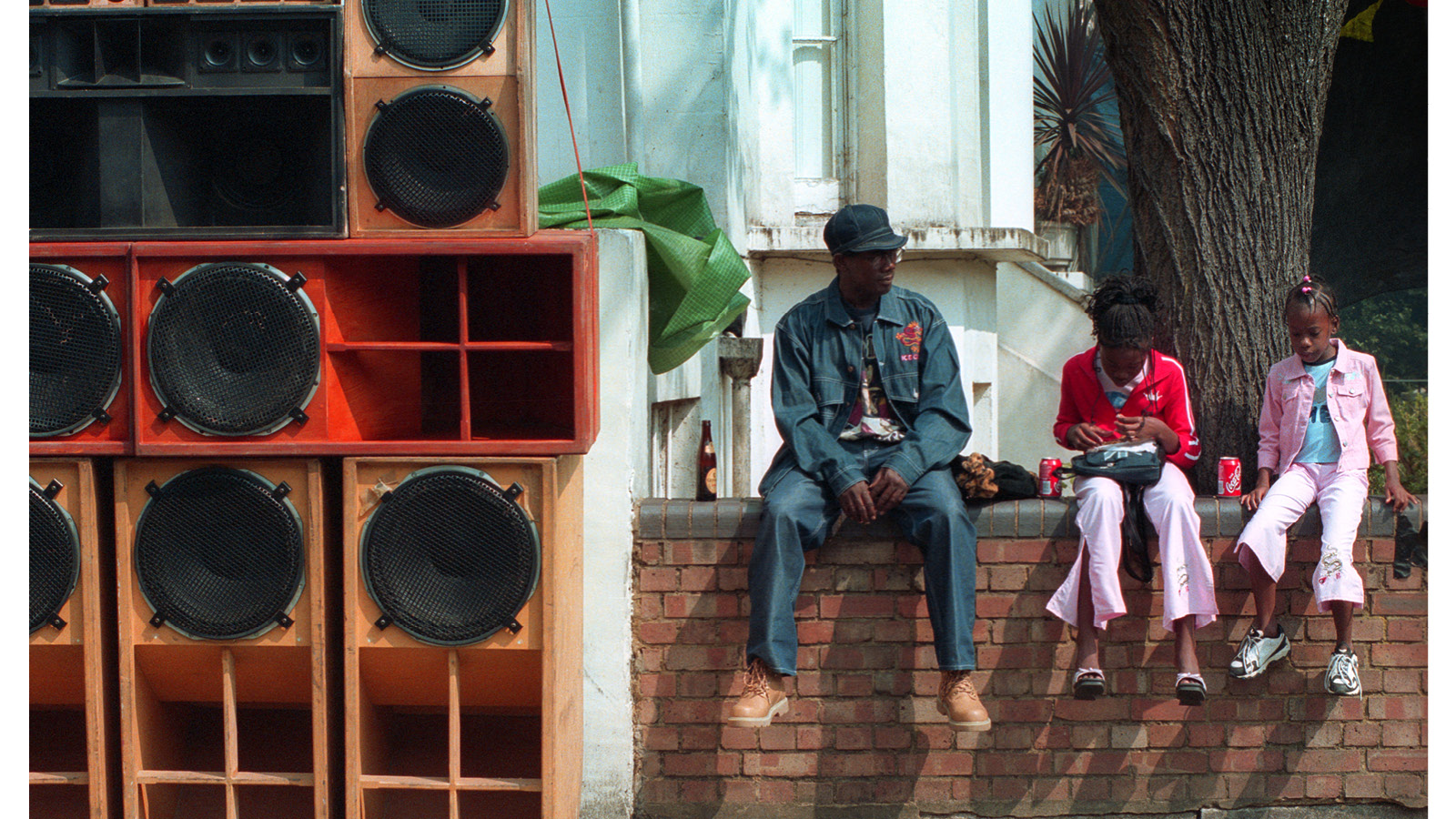
The exhibition is designed as a social history, with Black British music acting as the central theme that illuminates broader societal contexts. It features approximately 200 illustrations, including audio-visual elements, original manuscripts, stage costumes, sound systems, historical technology like Sony Walkmans, photographs, and even significant artifacts such as Beethoven’s tuning fork. The design, created by east London architects Freehaus in collaboration with the University of Westminster, takes visitors on a comprehensive journey through African and Caribbean music, creative individuals, and entrepreneurs across Britain, spanning from the 16th century to the present day.
The narrative begins with John Dee’s 1577 map, ‘Brytannicæ Republicæ Synopsis,’ presented to Queen Elizabeth I. This historical context establishes the exhibition’s connection to the broader transatlantic exchange influenced by colonialism and empire, which ultimately brought diverse populations and cultures to Britain. Dr. Gray emphasizes that while American Black music often dominates global popular culture, ‘Beyond the Bassline’ specifically traces the unique emergence of Black British music genres such as lovers’ rock, jungle, garage, and grime, which were developed and nurtured within Britain. This focus distinguishes the exhibition and provides a distinct historical perspective, complementing future initiatives like London’s V&A; East’s planned 2025 exhibition, ‘Music is Black: A British Story.’
While the exhibition includes celebrated figures like Bob Marley, Stormzy, Soul II Soul, Joan Armatrading, Shirley Bassey, and Samuel Coleridge-Taylor, it extends beyond well-known personalities and major cities. It delves into the social scenes that coalesced around music, showcasing cherished memorabilia from venues like Dundee’s 1970s Reggae Klub, Manchester’s Reno funk and soul club, and London’s jazz clubs. This approach underscores the exhibition's role as an homage to the communities, spaces, and musical genres that collectively shaped the landscape of Black British music.
Photography plays a significant role in the exhibition, subtly highlighting the development of a distinct British photographic style during the late 1970s and 1980s, a period when personal cameras became more accessible. This era saw a more informal, everyday approach to documentation emerge, often as a natural response rather than a purely artistic endeavor. The exhibition also displays club poster designs, T-shirts, and record-sleeve art, which collectively reveal a unique British aesthetic. Fashion is represented through items like Pauline Black’s trademark trilby from The Selecter, illustrating the interplay between music and style. Additionally, paintings by artists like Jamaica-born, British-based Errol Lloyd, and a specially commissioned short film and sound installation by Tayo Rapoport and Rohan Ayinde, in collaboration with Touching Bass, further enrich the visual experience.
The exhibition design by Freehaus, their inaugural project of this scale, effectively handles the challenge of presenting 500 years of history. It utilizes light, texture, color, and innovative viewpoints with a delicate touch that enhances the subject matter without overwhelming it. Dr. Gray commends Freehaus’s design for its flexibility, meaningfulness, sensitivity, and alignment with the curatorial vision. A notable artifact on display is Beethoven's tuning fork, which he lent to the violinist and composer George Bridgetower. Bridgetower's performances captivated King George IV, who subsequently sponsored his education. The exhibition also sheds light on historical figures like John Blanke, the African trumpeter in Henry VIII’s court. Dr. Gray concludes that ‘Beyond the Bassline’ challenges preconceived notions about Black music and musicians, demonstrating how music transcends boundaries and fosters activism, identity, fashion, and personal style.
#BlackBritishMusic #SocialHistory #BritishLibrary #ExhibitionDesign #CulturalHeritage #MusicHistory #LondonExhibitions #AfricanCaribbeanCulture #MusicalGenres #BlackBritishMusic #SocialHistory #BritishLibrary #ExhibitionDesign #CulturalHeritage #MusicHistory #LondonExhibitions #AfricanCaribbeanCulture #MusicalGenres
 No comments yet
Saxons to Stormzy: Nine radical moments that defined their era

‘In the Black Fantastic’: a beautiful yet deeply unsettling spotlight on Black culture