1/4
Artist Qualeasha Wood delves into the world of glitches
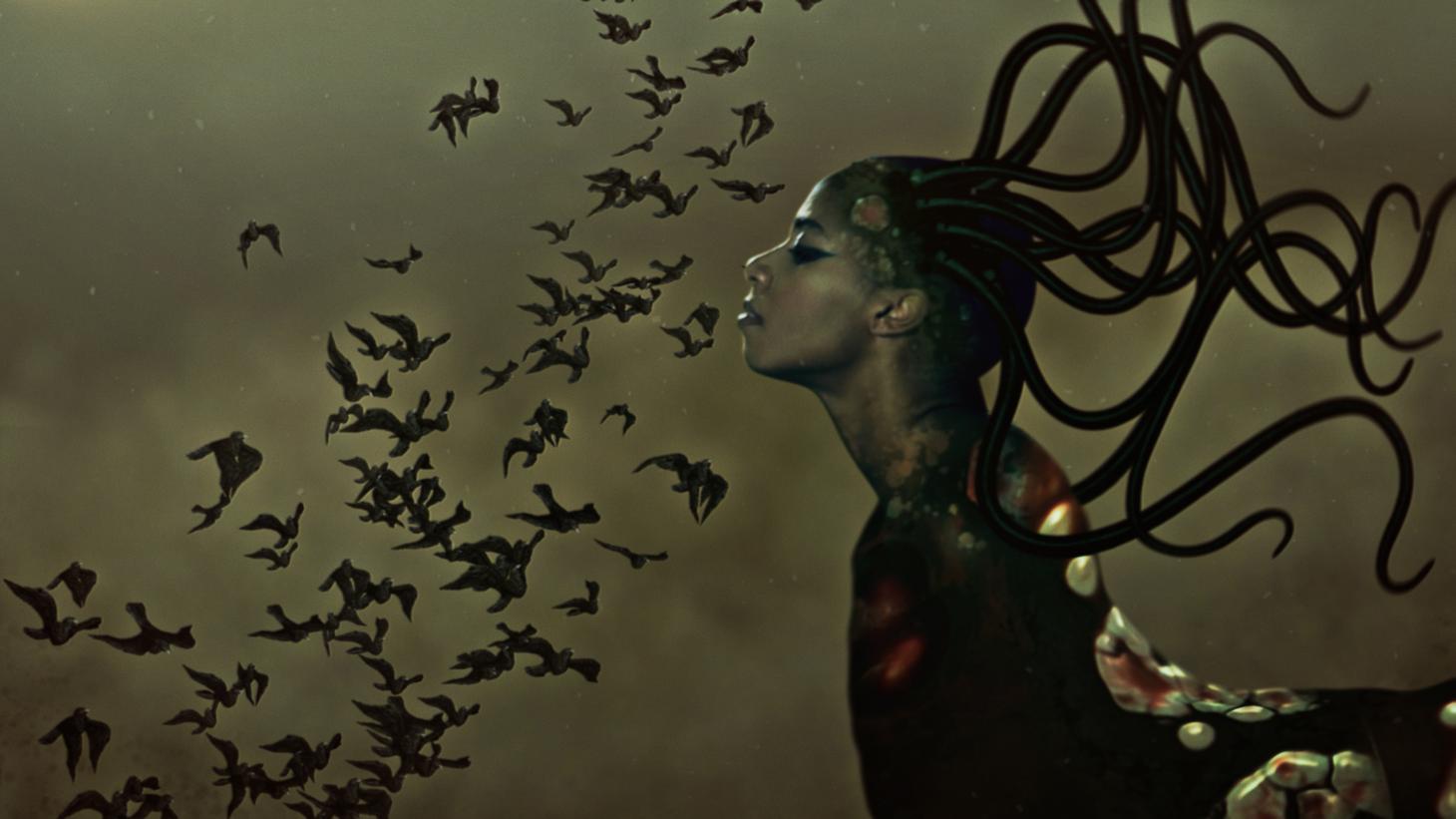
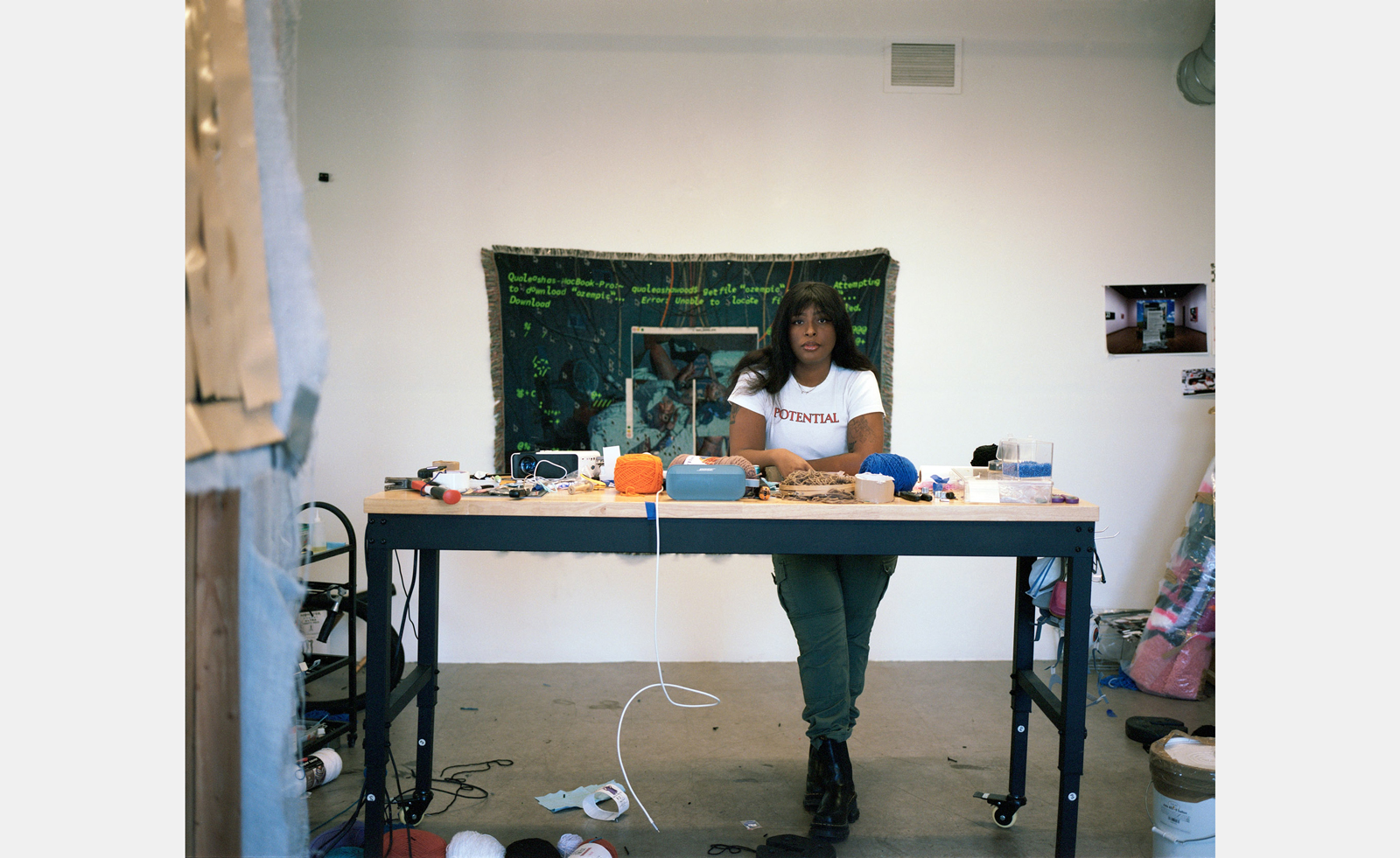
The exhibition 'Malware' at London's Pippy Houldsworth Gallery features artist Qualeasha Wood's tapestries, tuftings, and videos, which explore the concept of the digital glitch and its implications for the Black female experience. Wood, based in Philadelphia, focuses on internet malfunctions as a metaphor for vulnerability and change within systems. She merges contemporary digital culture with traditional crafts, translating digital pixels into stitches in her tapestries and creating intentional glitches in her video works through data compression. Wood notes that in the pursuit of authenticity, many fabricated images are produced, and her work aims to highlight imperfection and decomposition as more natural states. Her artistic process also involves incorporating strings of code into her images, shifting the focus from her physical body to its interaction within digital spaces.
Wood's work investigates the disruption caused by 'glitches,' interpreting them both as digital viruses and as the presence of the Black female body within established systems. Her webcam self-portraits, in particular, consider the body as a site for both exploitation and resistance. Her interest in these themes began during her studies at the Rhode Island School of Design, where she observed the pervasive influence of social media. She found that online platforms provided a space for conversations about her experiences as a Black woman, which then informed her art. This led to her first tapestry, 'Cult Following,' which likens social media to a cult or religion due to its ability to simultaneously exalt and scapegoat individuals, a duality Wood experienced as one of the few Black students on campus.
The artist's personal experiences with doxing, where her personal information was published online, further solidified her artistic direction. These incidents, occurring before she began creating her tapestries, motivated her to reclaim control of her narrative by weaving her own image into her artwork. Wood sees the digital and traditional realms not as opposing forces but as interconnected systems. Her childhood exposure to her great-grandmother's and great-aunt's crocheting sparked her interest in craft and textiles, recognizing their familiar and accessible nature. Similarly, she views computers as integral to her generation's experience, shaping pervasive relationships with technology. She identifies commonalities between traditional crafts and digital systems, both having inherent rules and offering opportunities for exploitation and creative manipulation.
Wood employs a computerized loom to create her artworks, which interprets digital files to produce woven replicas of images. This method was inspired by a tapestry depicting her brother and cousins, a gift that demonstrated how images could be woven without strict adherence to stylistic conventions, utilizing scanned and collaged digital images. The most labor-intensive part of her creative process involves sifting through an extensive collection of personal phone screenshots, numbering in the tens of thousands, to select images for recreation. The actual weaving process, conversely, is less hands-on and typically takes a few weeks, often resulting in unexpected outcomes. She describes this as a release of control, relying on prayer for the desired result.
As an avid consumer of digital content, with approximately 14 hours of screen time daily, Wood emphasizes the need for rapid artistic production to keep pace with the fast-evolving internet culture. Her use of pixels in her work deliberately moves beyond conventional beauty standards, embracing an aesthetic that is imperfect and raw. She views her tapestries as a 'double-edged sword,' allowing her to control the perception of her body while also being conscious of the voyeuristic gaze it might attract. The glitch, in this context, serves as a symbol of vulnerability, yet it also empowers her by subverting expectations of perfection and femininity, thereby creating a space for artistic expression and exploration. 'Malware' will be on display at Pippy Houldsworth Gallery in London until April 26.
#QualeashaWood #DigitalArt #TextileArt #LondonExhibition #PippyHouldsworthGallery #BlackFemaleExperience #SocialMediaImpact #DigitalCulture #QualeashaWood #DigitalArt #TextileArt #LondonExhibition #PippyHouldsworthGallery #BlackFemaleExperience #SocialMediaImpact #DigitalCulture
0 comment in total
 No comments yet
You may also like
Artist Spotlight: Miimi and Jiinda
Dark arts: Bec Brittain’s bewitching exhibition casts a spell on us

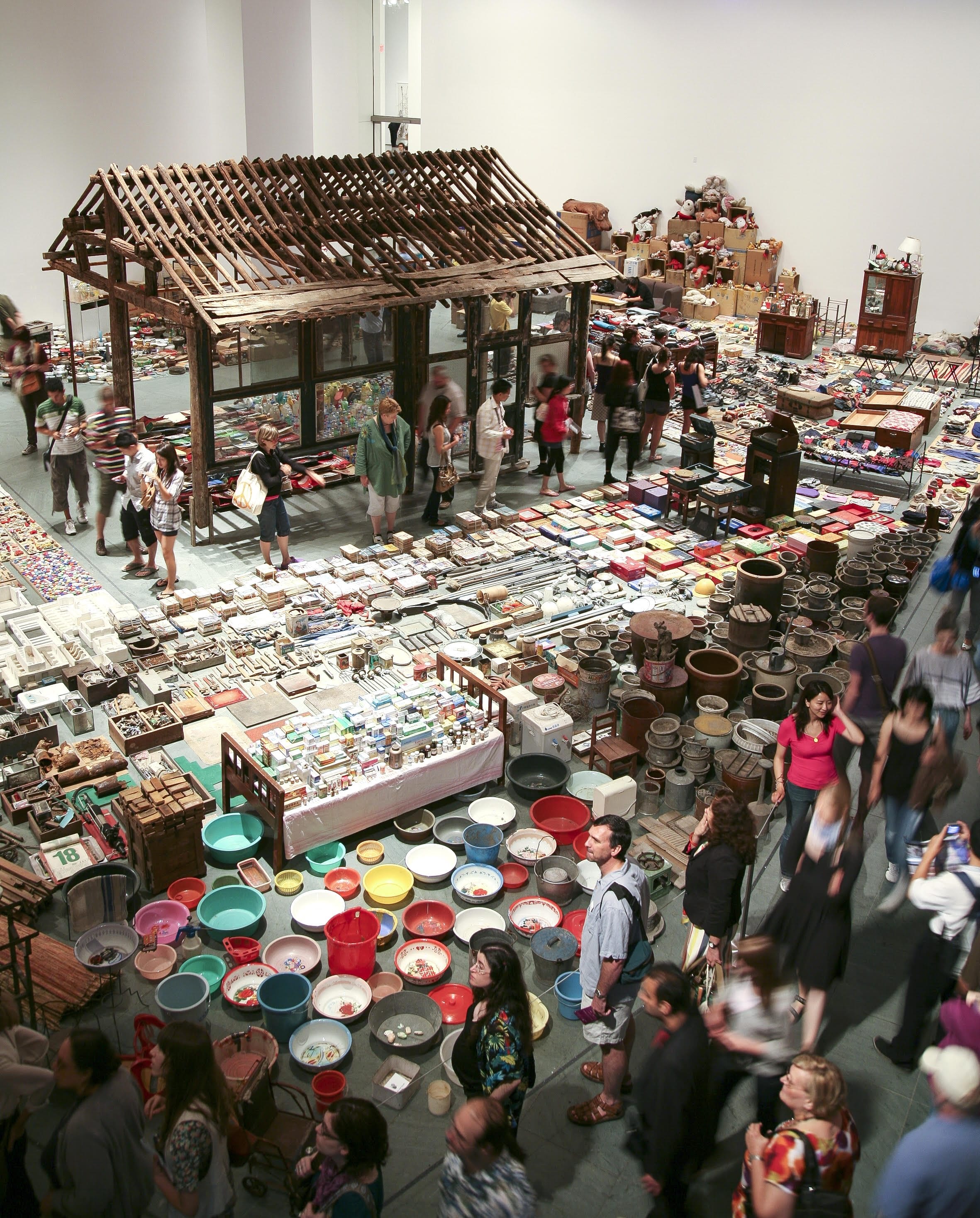
Song Dong’s Monumental Installations Mirror Memories, Globalization, and Impermanence

Bay View kiln-formed glass artist etches her niche with new StudioQ
New Immersive Sauna + Art Experience by teamLab Will Put You in a ‘Sauna Trance’

Dancing lights: Lindsey Adelman’s studio reveals music video and new collection at New York’s Wright gallery

A Work of Art

Artist Spotlight | Kylie Daniel

I’m at the hot tub. I’m at the art installation. I’m at the combination hot tub-art installation

Woodworking Magic
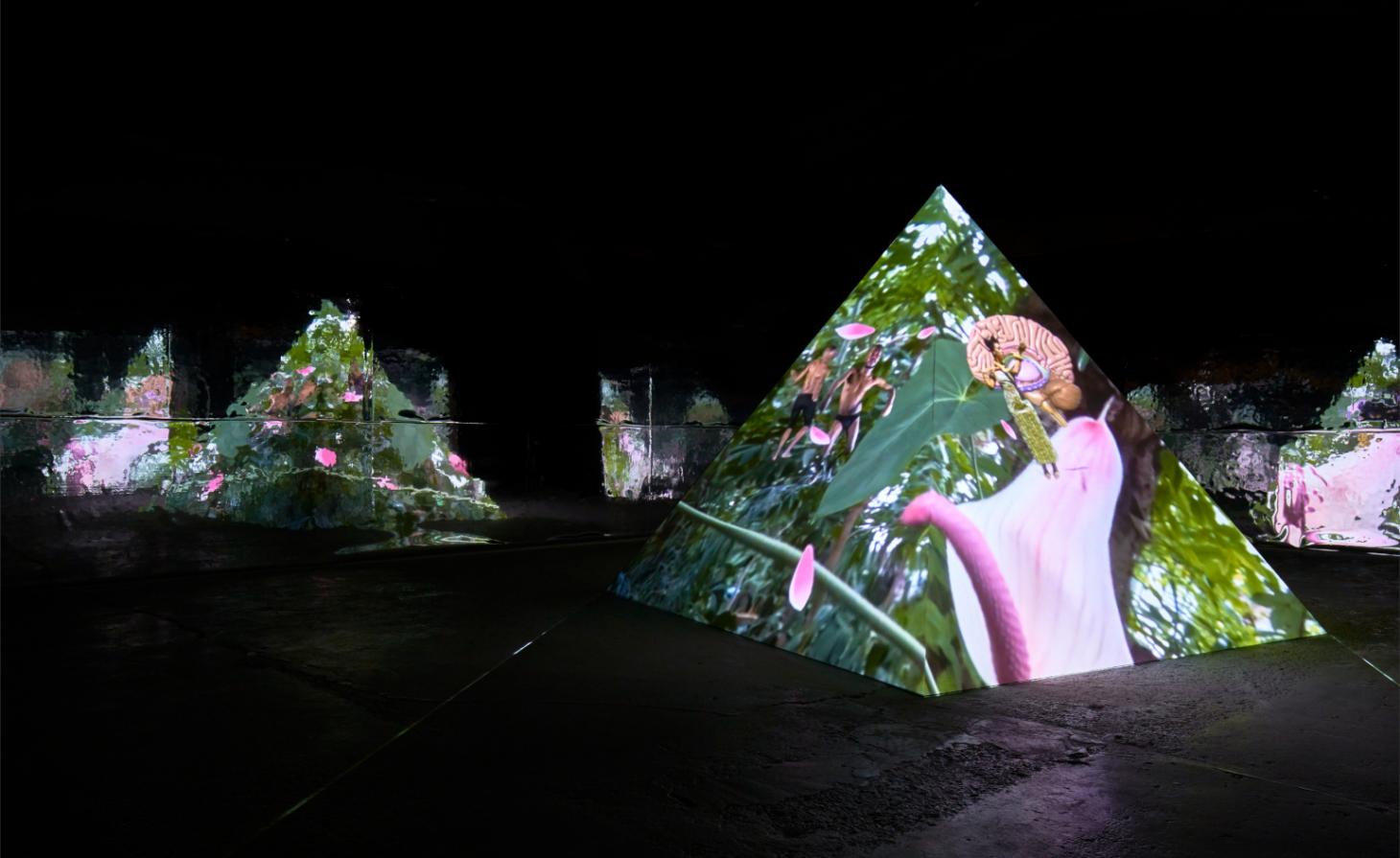
‘In the Black Fantastic’: a beautiful yet deeply unsettling spotlight on Black culture
Meet the Artist Turning Her Obsession With Postmodern Furniture Into Music

Mickalene Thomas Takeover: Why Everyone Wants Her Glittering Queens on Their Walls

Kit Kemp Talks How to Bring Color, Calm and Mythical Creatures into Your Room

Faye Toogood's "Lucid Dream" Blends Fine Art & Furniture With Hand Painted Works
Meet Inner Child, the Home Decor Brand Handcrafting Maximalist Magic

Home & Design | Art + Soul

Bru closes imagination gap with digital textiles rendered with AWS

Site-Specific Textiles by Rachel B. Hayes Radiate Within Vast Landscapes and Sunlit Interiors
Meet Nichole Blackburn Manthe: Fine Artist and Muralist