1/7
Why 'guava girl summer' is the juicy interior trend taking over right now
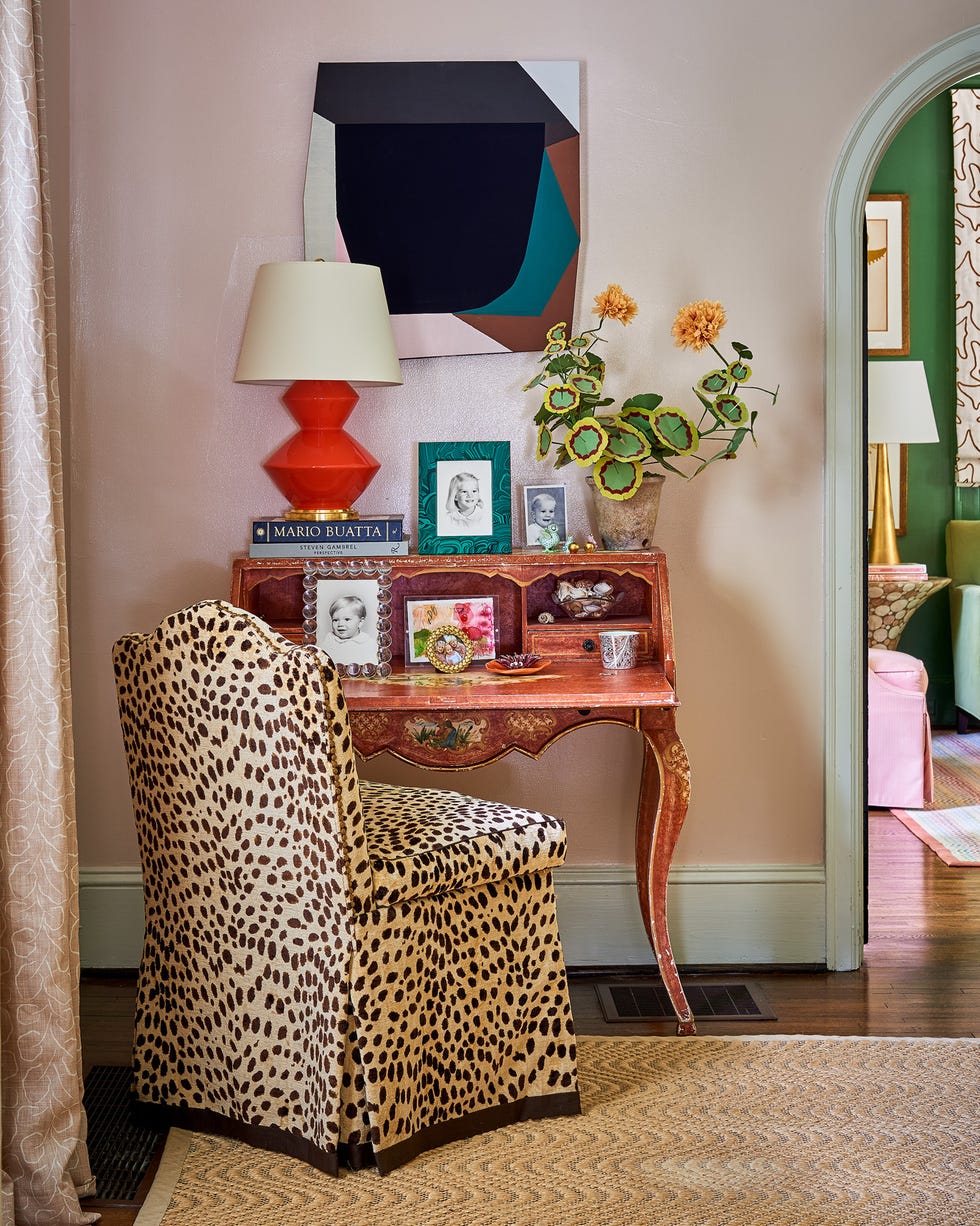
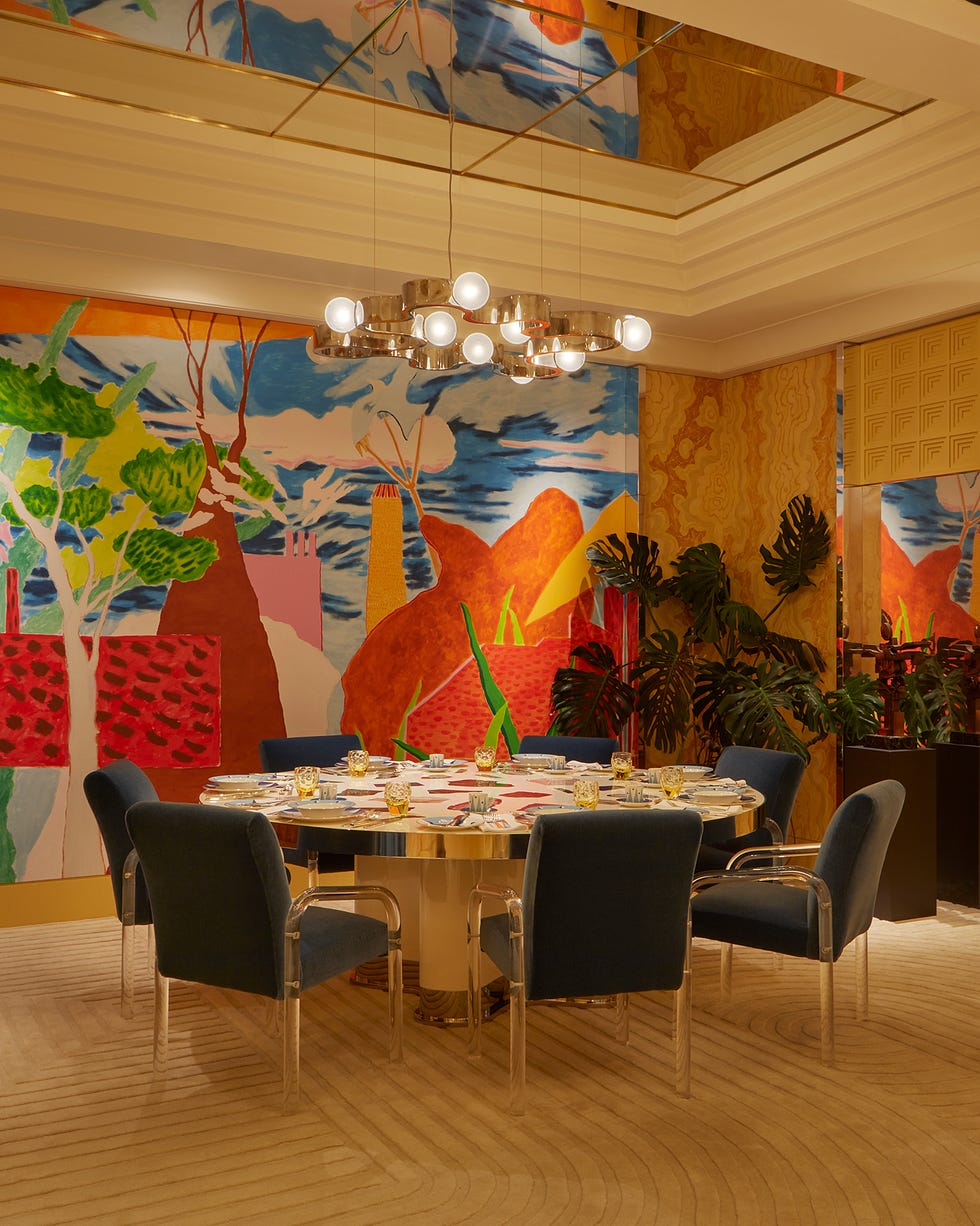
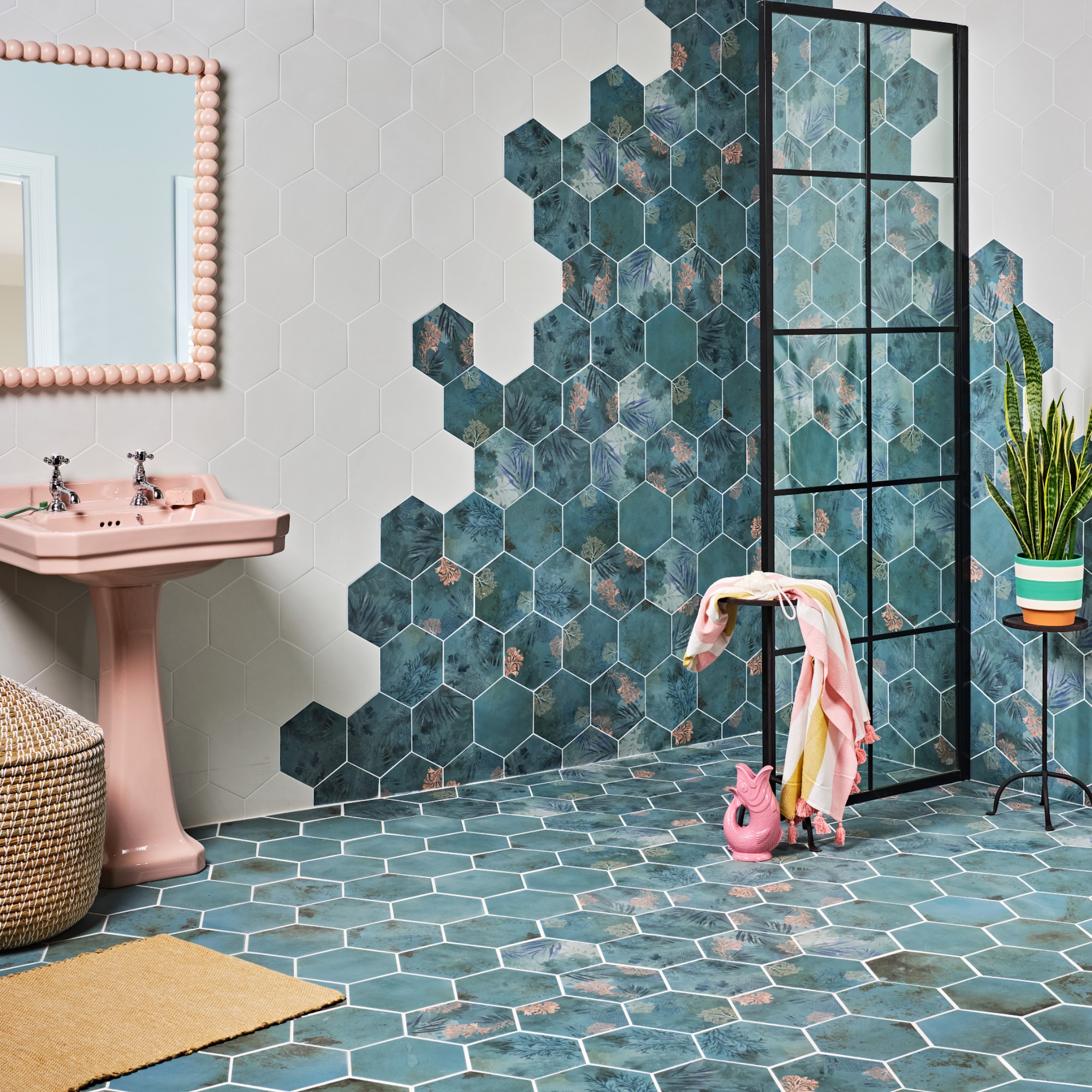
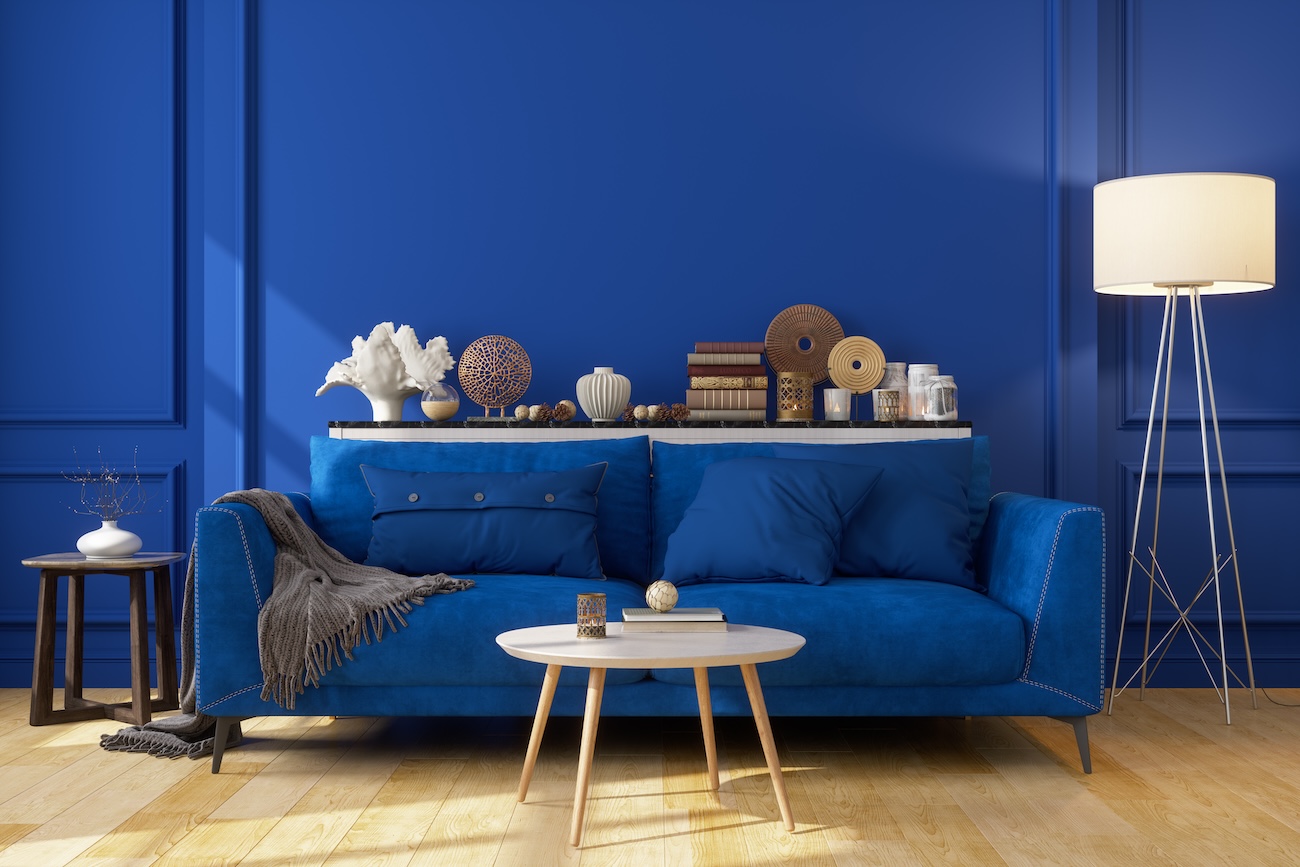
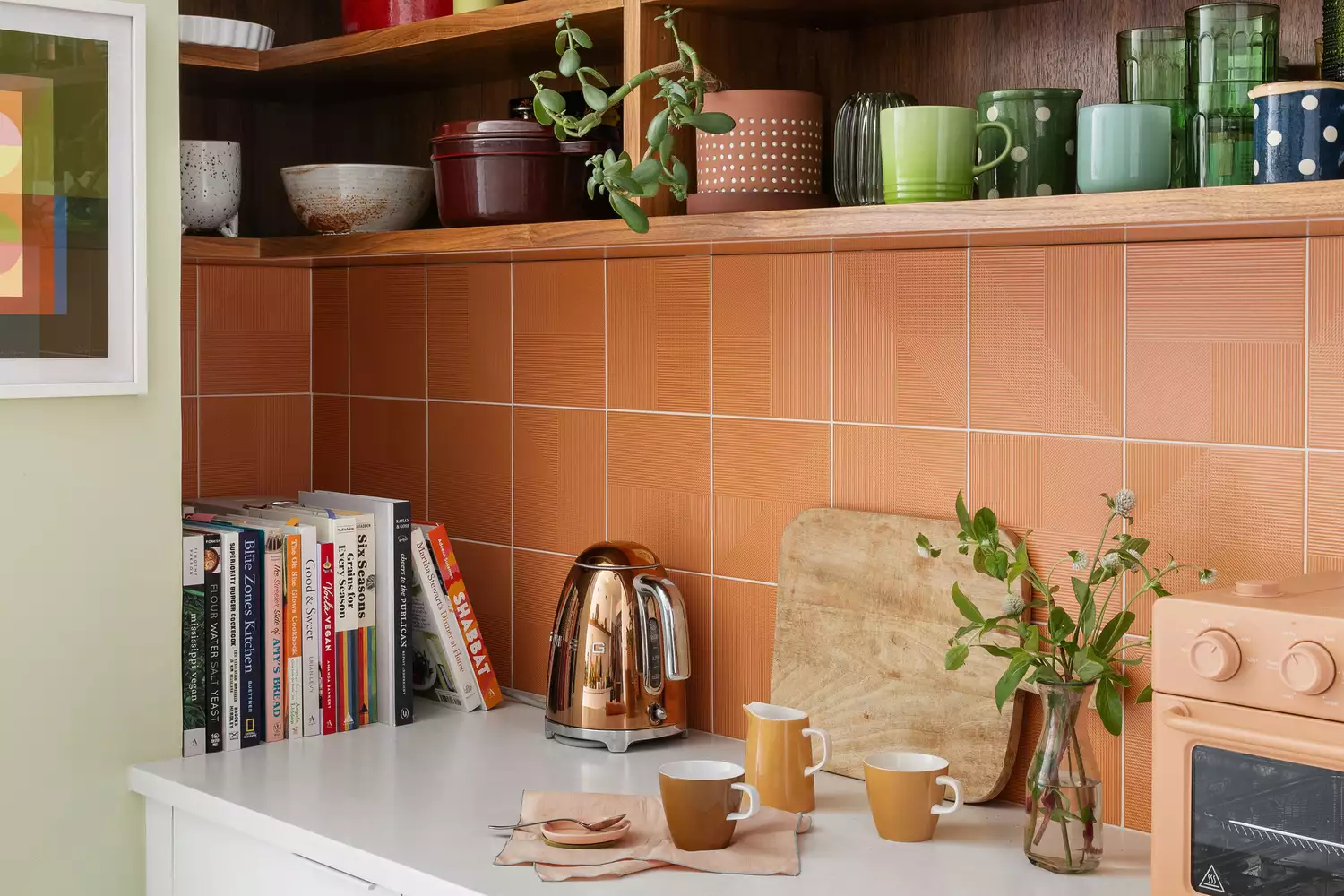
Guava, a tropical fruit, is emerging as a dominant trend in interior design, with its vibrant and optimistic tones experiencing a significant surge in popularity. Trend forecasting platforms, such as Spate, indicate a 1,000 percent increase in guava fragrance searches year-over-year, signifying its growing influence in home aesthetics. Designers highlight the versatility of guava, suggesting optimal pairings with shades of orange, peach, green, and pinky purples to maintain an elevated and cheerful ambiance, while cautioning against combinations with overly saturated dark blues or neon pinks that could lead to a less refined look.
This trend is not entirely new, with guava tones first appearing in the 1970s during the postmodernism movement, a period characterized by a shift from minimalist styles towards more expressive and playful designs. The current resurgence reflects a similar desire for personality and warmth in homes, moving away from years of neutral and all-white interiors. Guava offers a soft yet vibrant touch, making spaces feel fresh, fun, and more personalized.
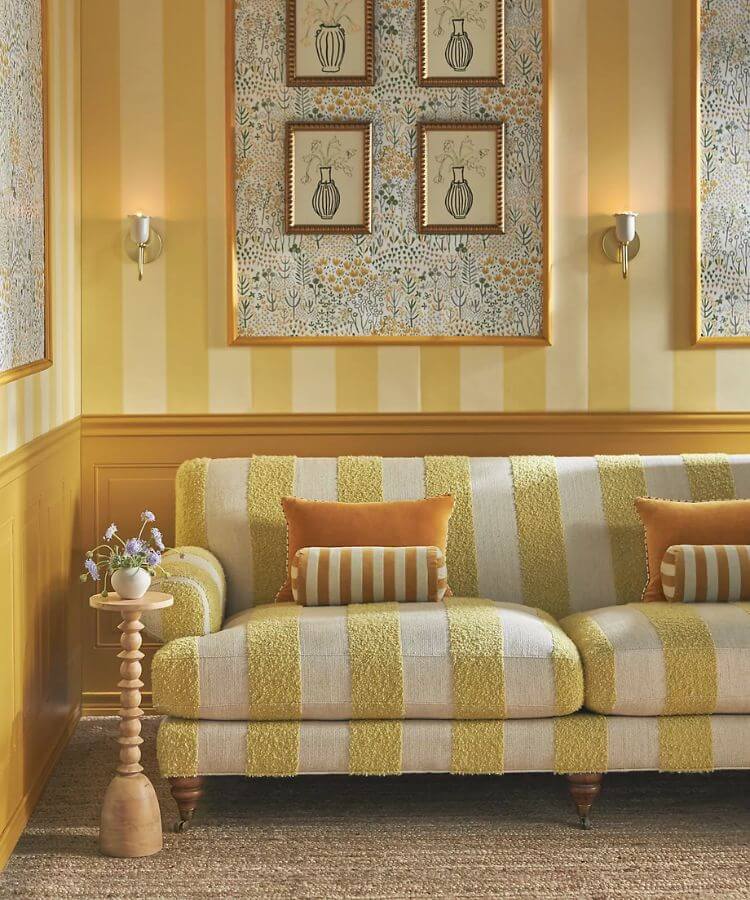
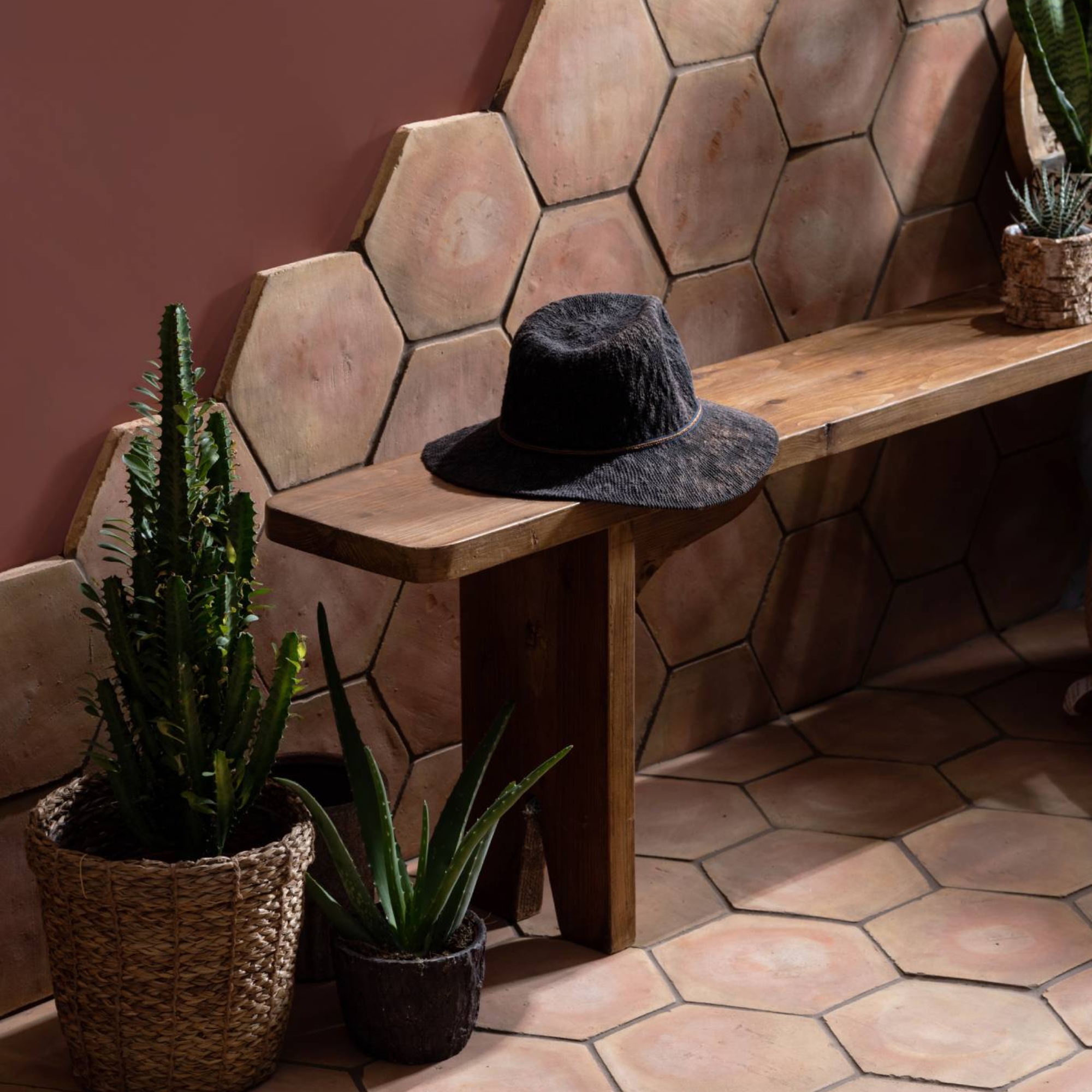
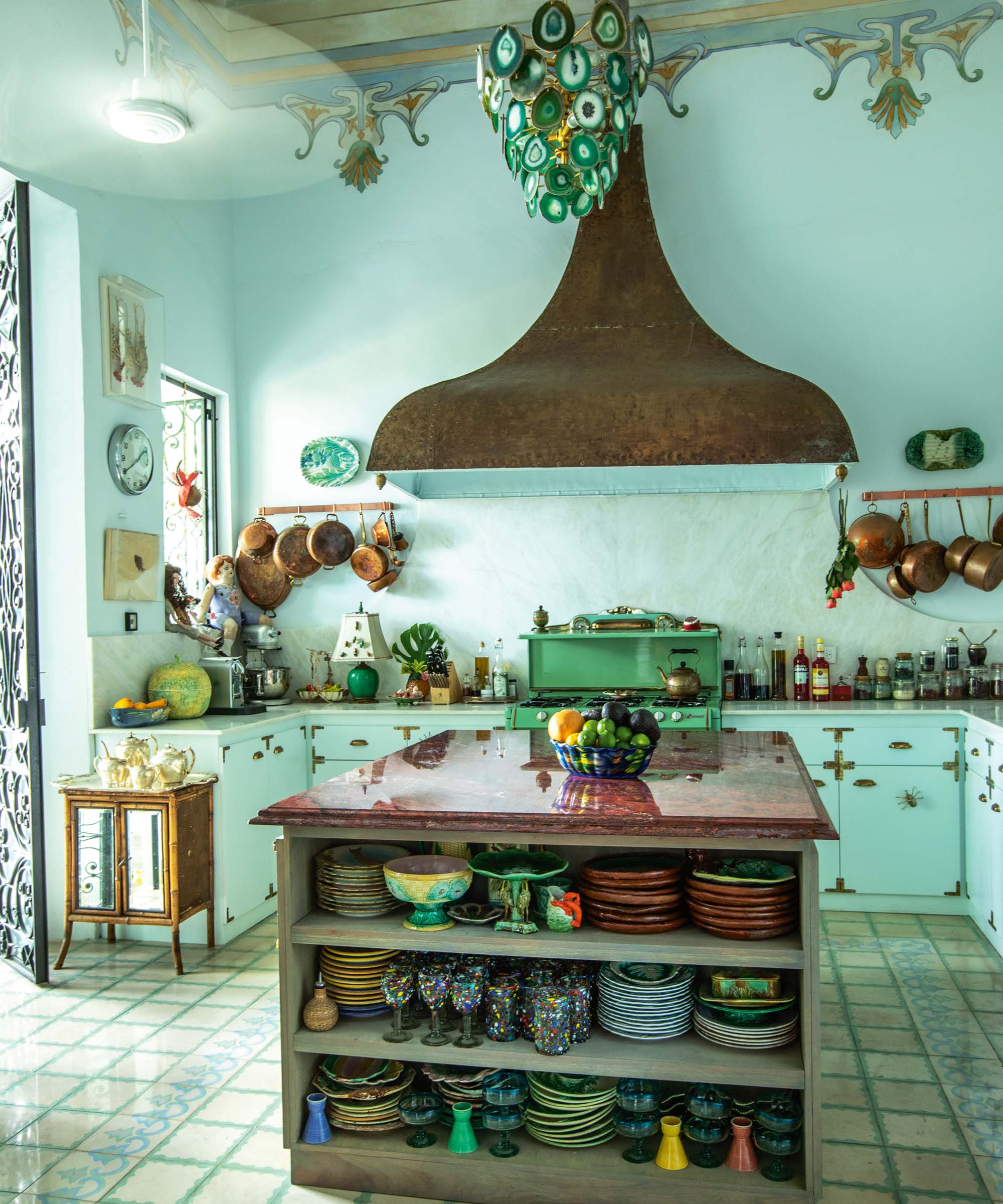
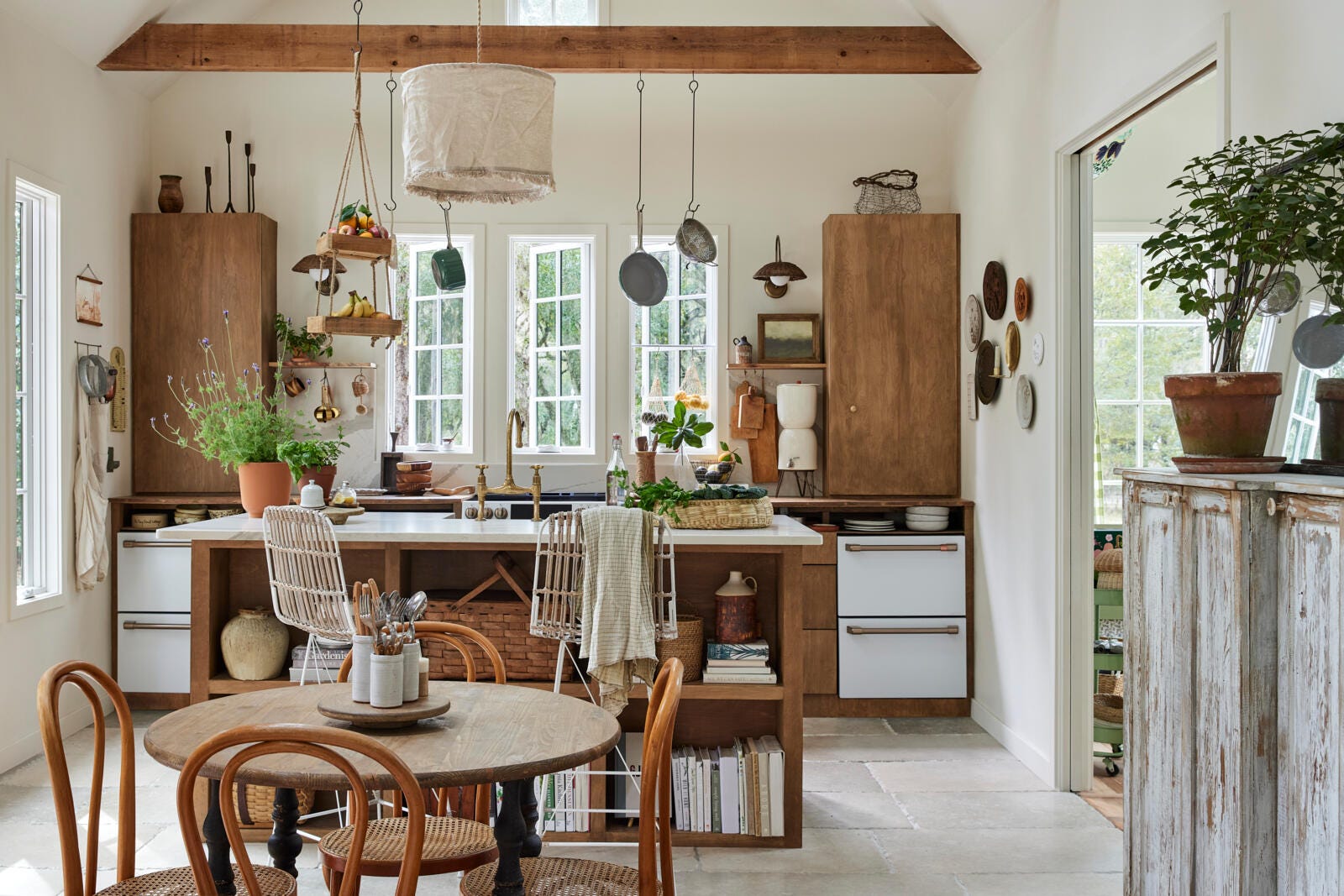
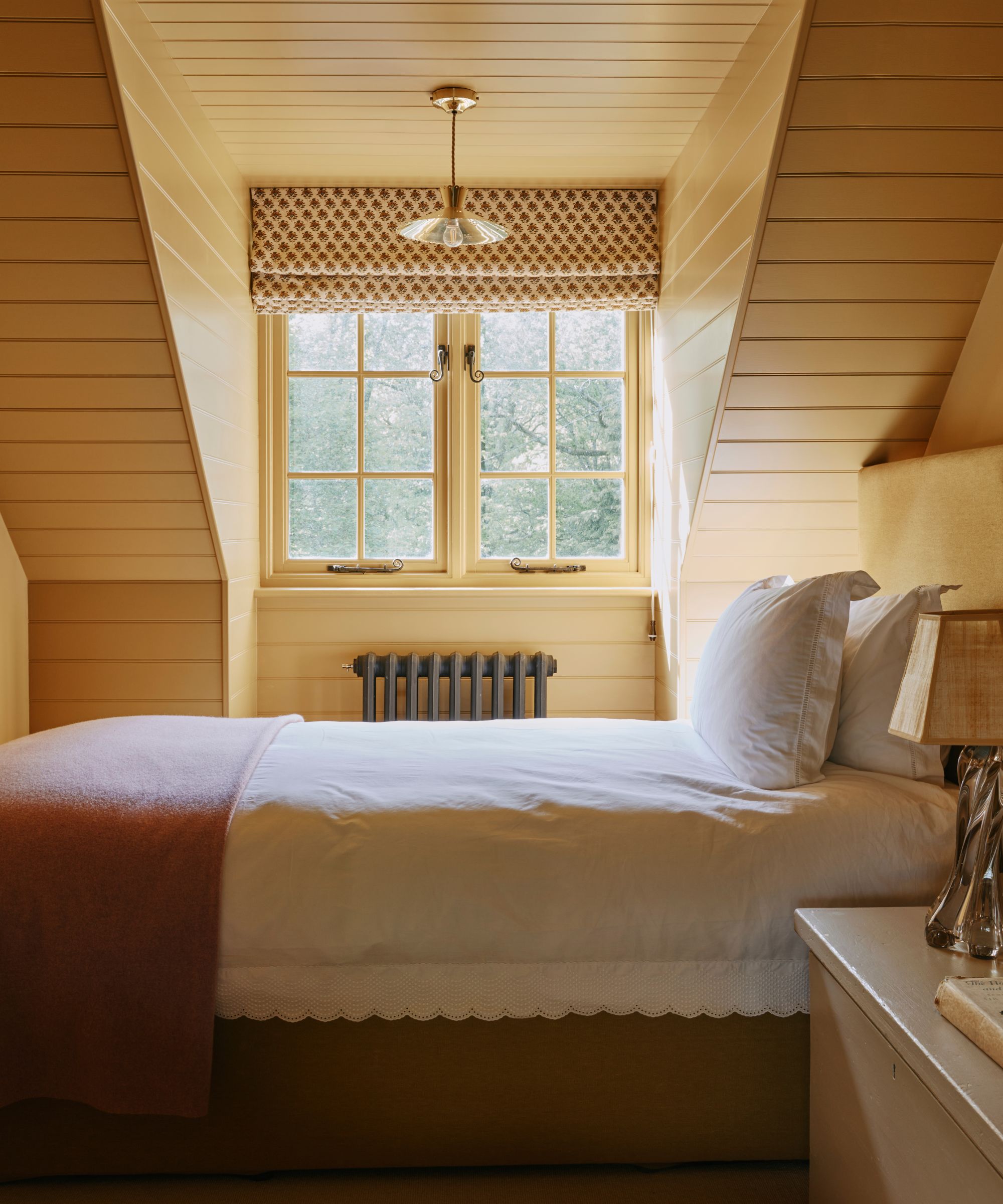
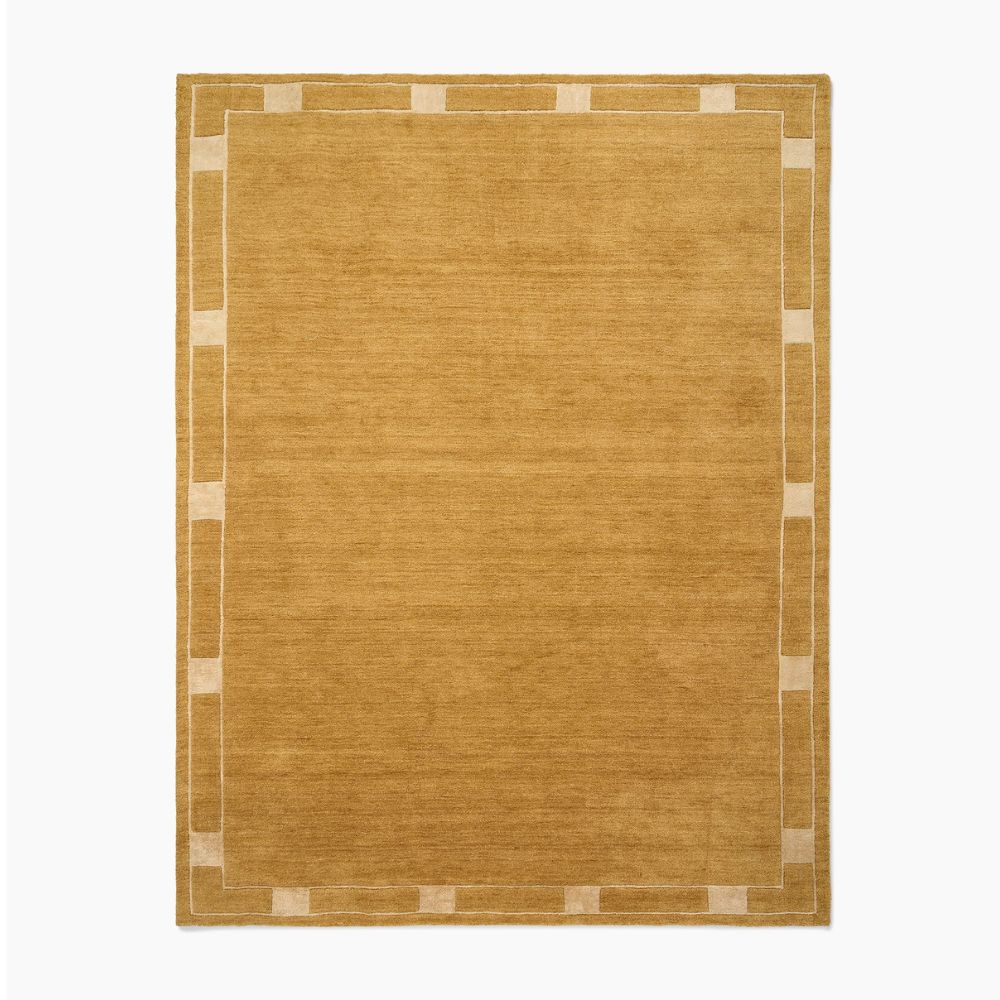
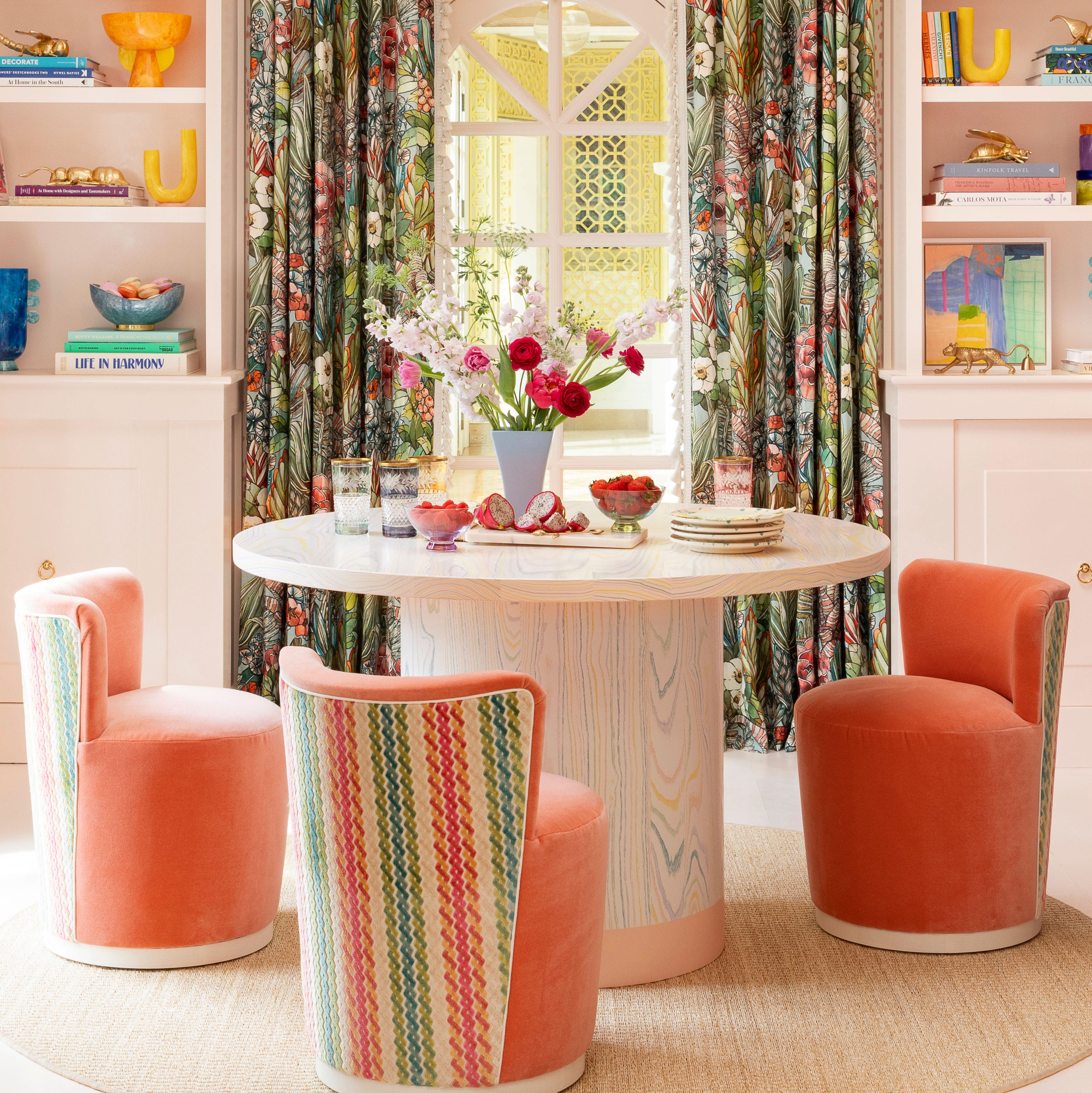
Several approaches exist for incorporating guava into home décor. One method involves making a bold statement through "colour drenching," where walls and coordinating furniture are painted in the same guava shade to create a maximum visual impact. This approach introduces a vibrant and joyful atmosphere, aligning with a departure from minimalist design and a craving for warm, personality-rich colors. Guava also harmonizes well with neutral tones and natural materials like rattan, linen, sisal, jute, or travertine, which help to soften its intensity.
For those with a penchant for DIY projects, guava can be integrated through painting walls or ceilings, offering a relatively inexpensive and low-risk way to introduce the color, as it can always be repainted. Wallpaper in guava shades, especially with patterns or added textures, can instantly elevate the mood of a room. Repurposing old furniture by painting it in bold guava offers a sustainable and impactful way to refresh a piece and add a playful element to spaces like guest rooms.
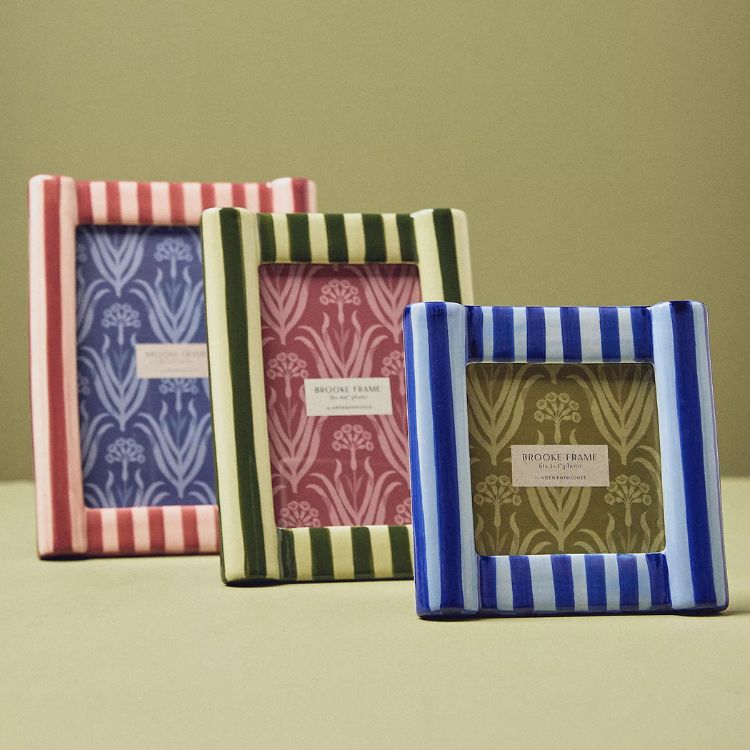
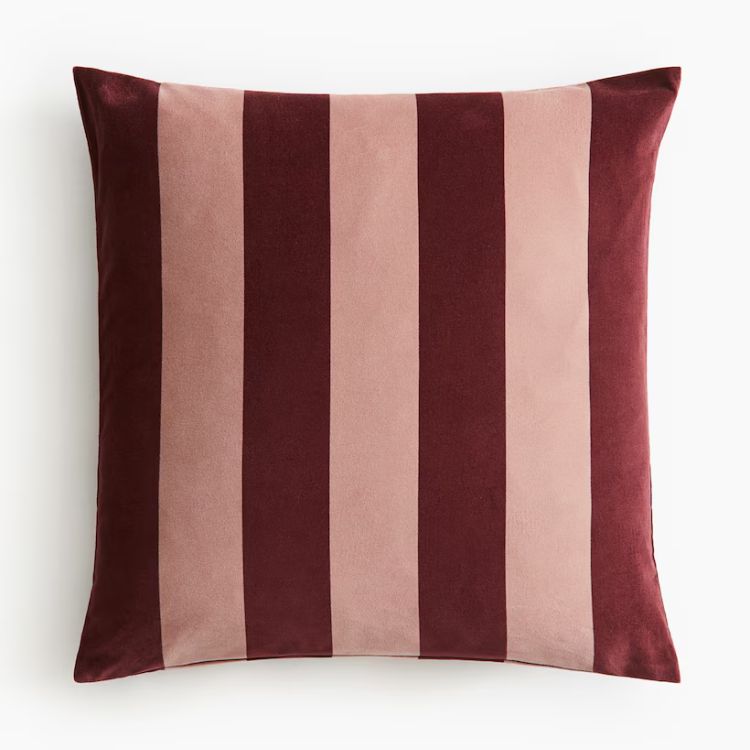
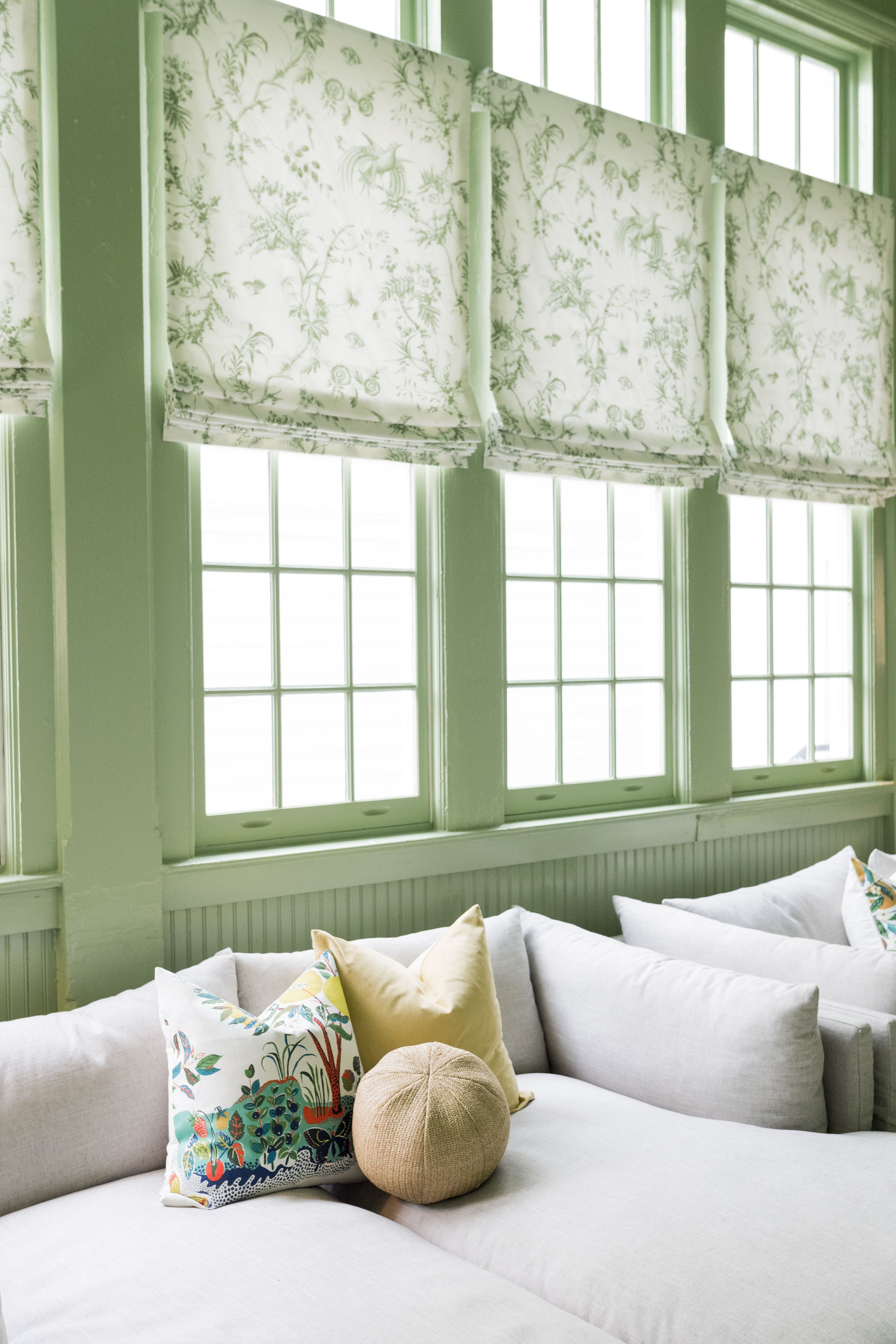
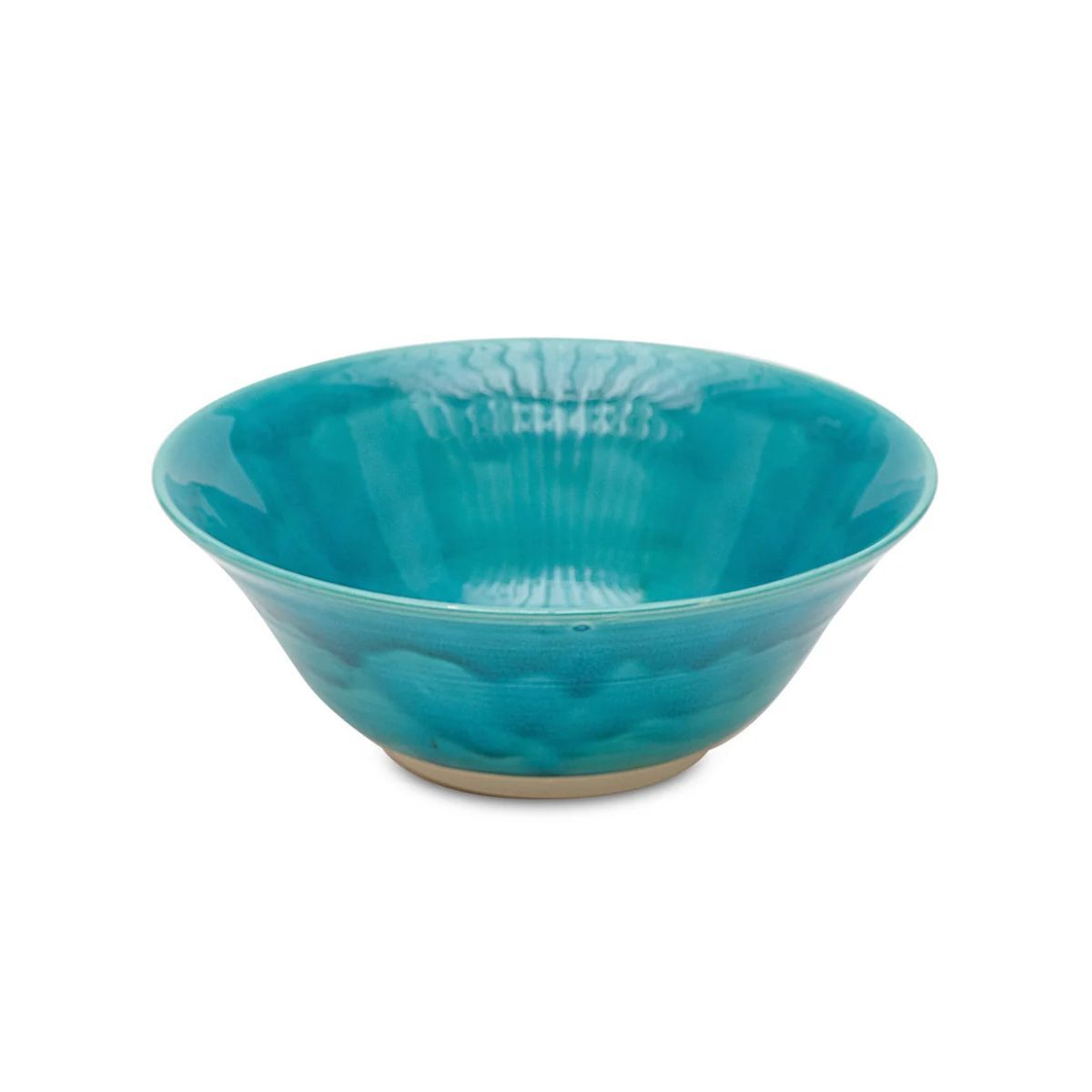
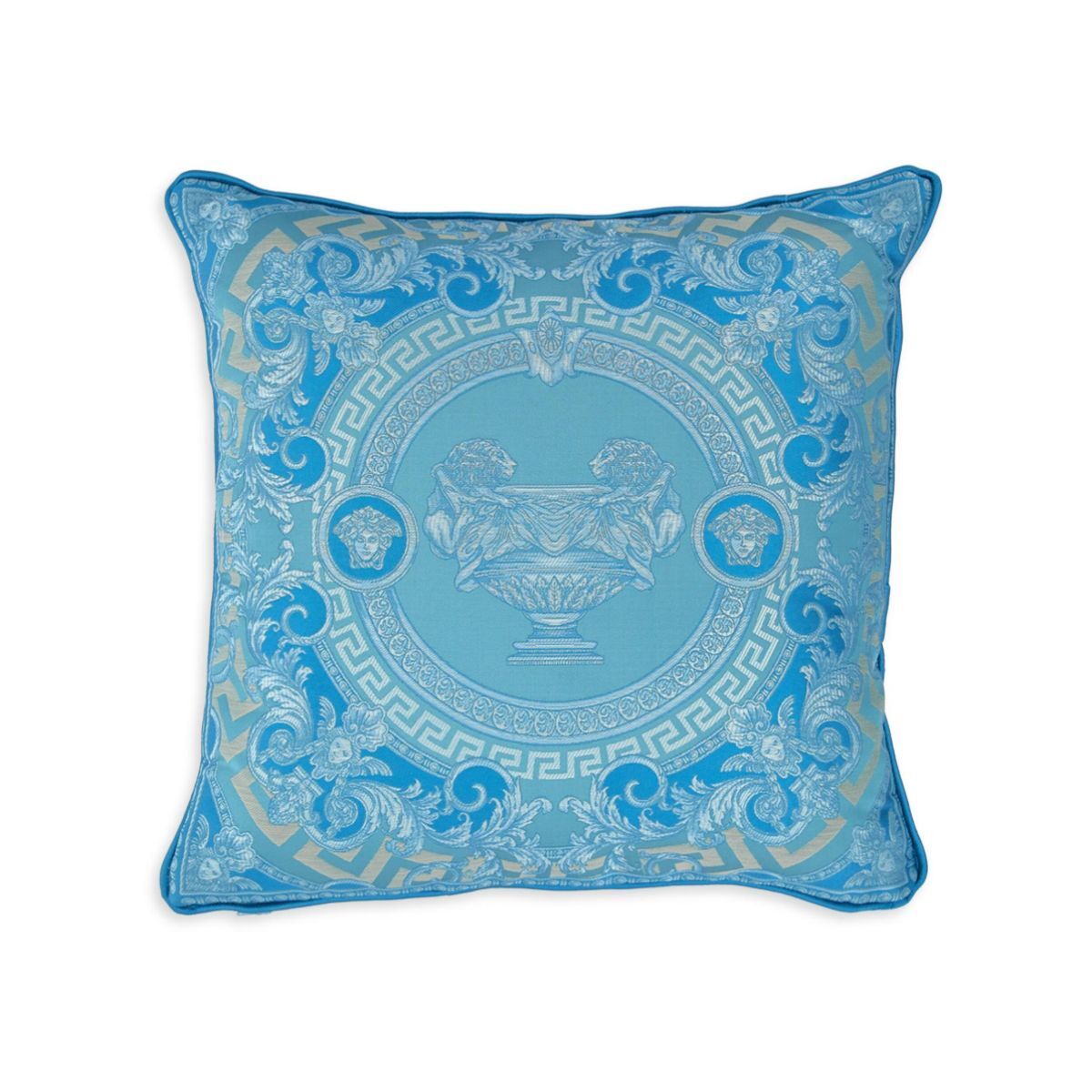
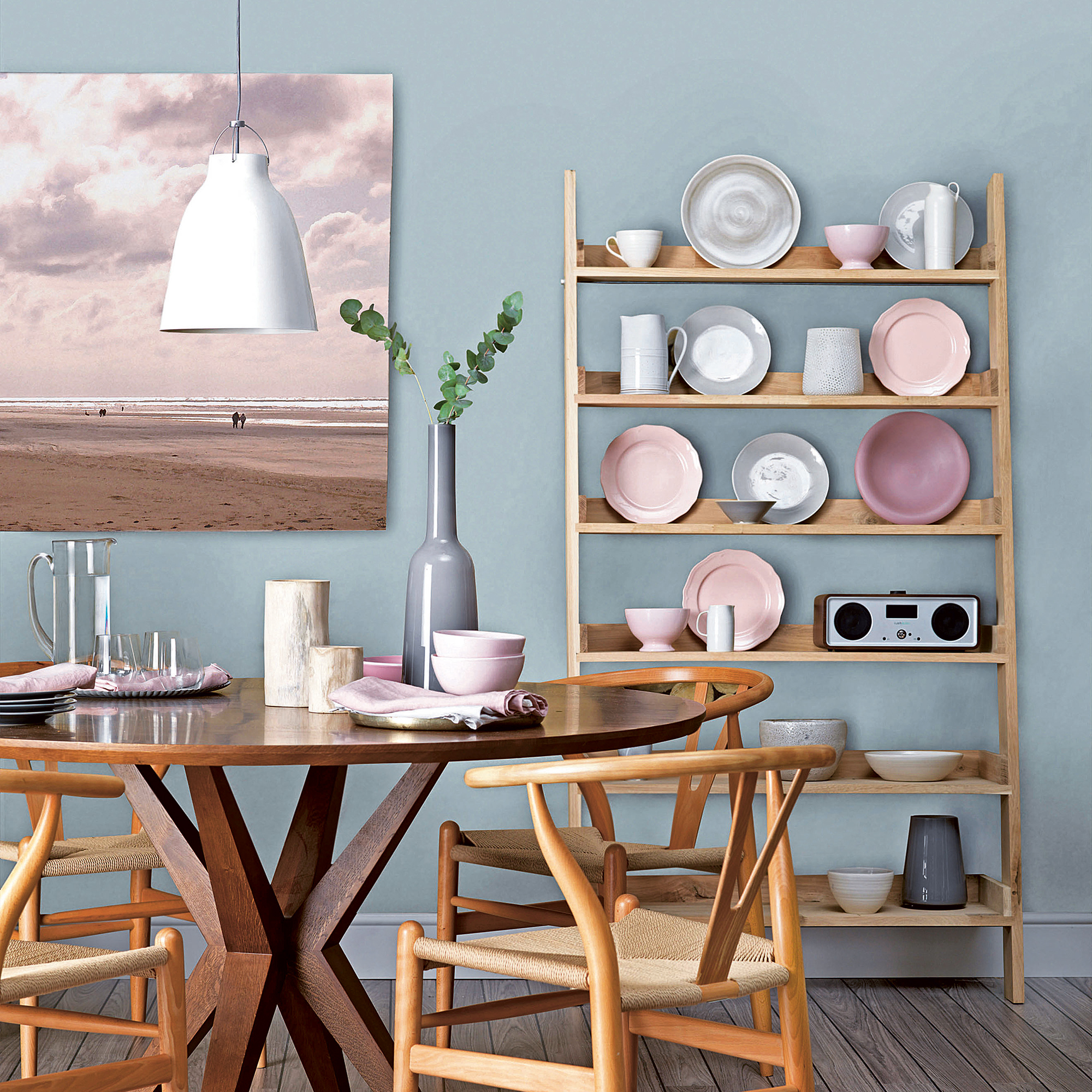
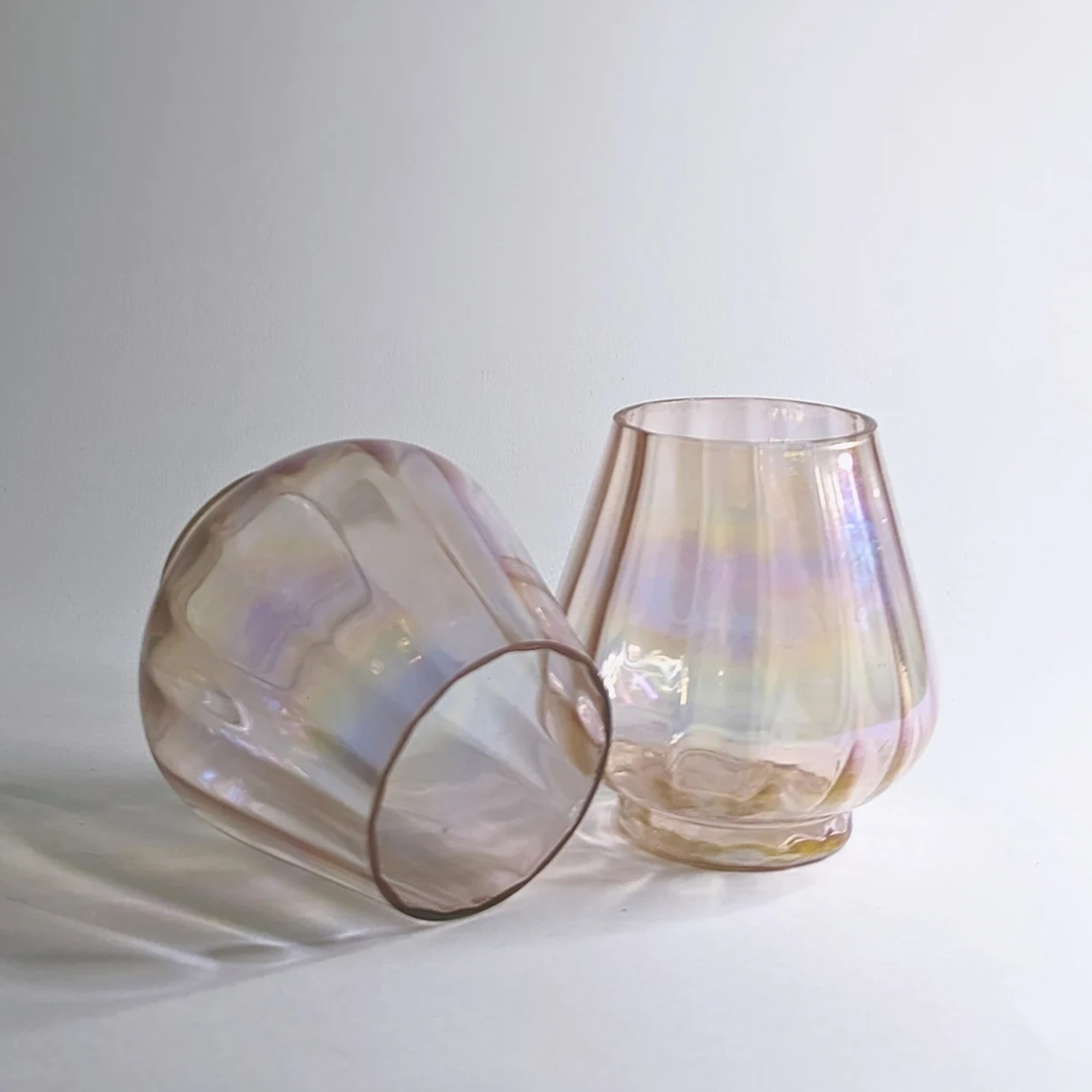
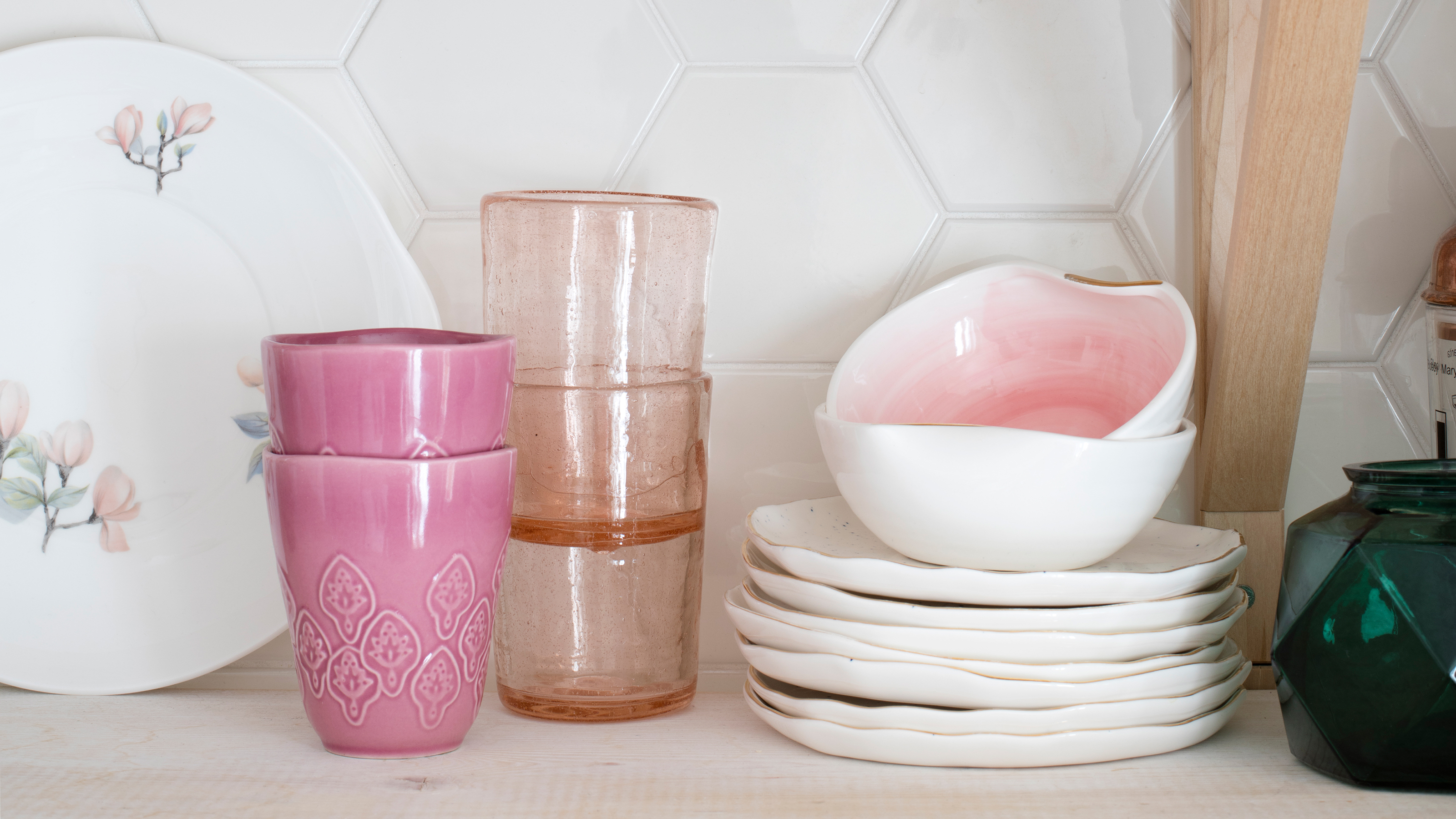
Alternatively, a less committal approach involves incorporating guava through accent pieces such as flatware, drinkware, pillows, books, or small upholstered items like ottomans, benches, and accent chairs. The use of textured fabrics like mohair or bouclé in dusty guava or rosy shades can enhance the luxurious and inviting feel of these accents. Guava also pairs effectively with jewel tones, allowing it to serve as a complementary accent rather than the primary color, particularly when combined with various shades of green, ranging from soft natural greens to rich olive or hunter greens, which provide grounding or contrasting effects.
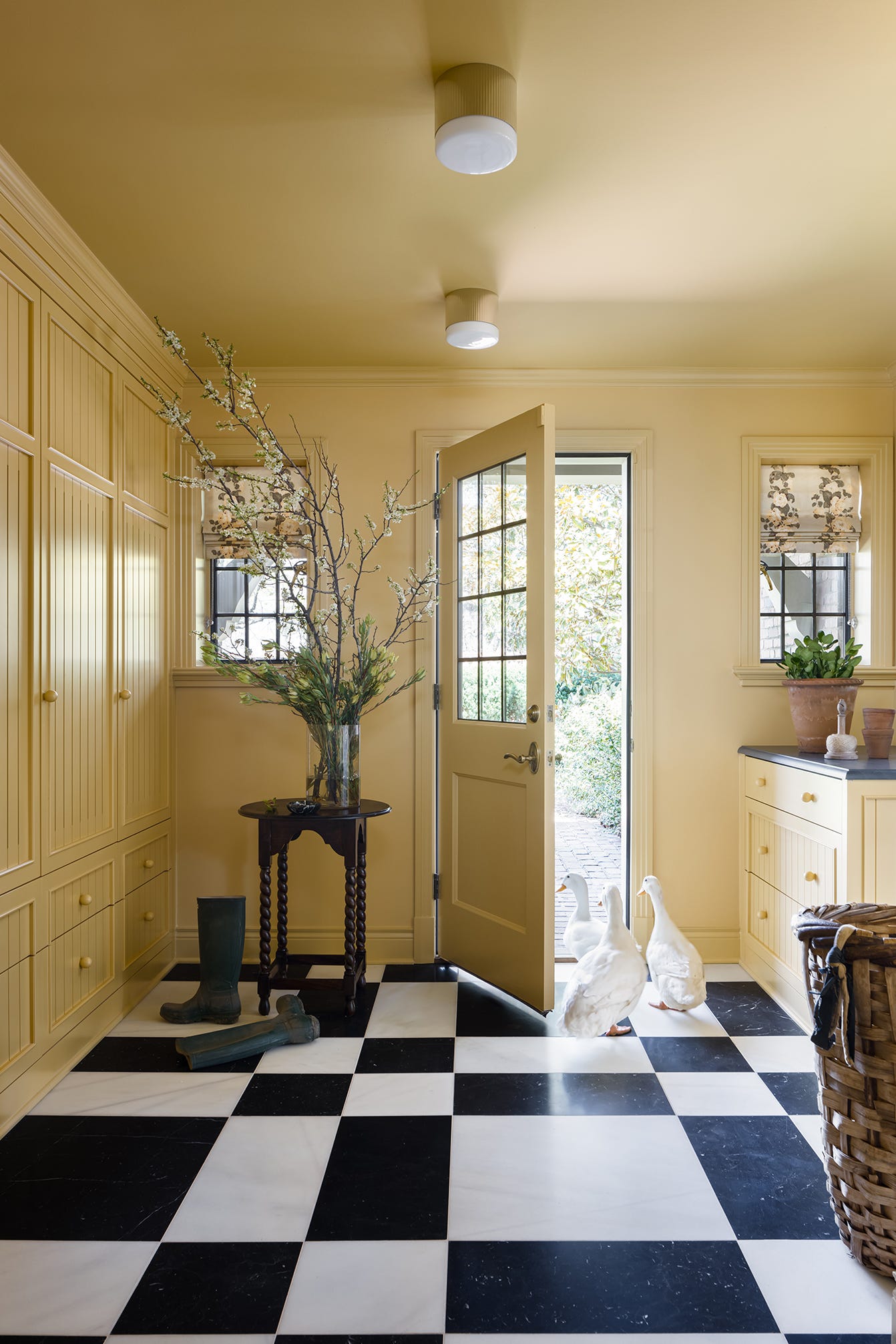
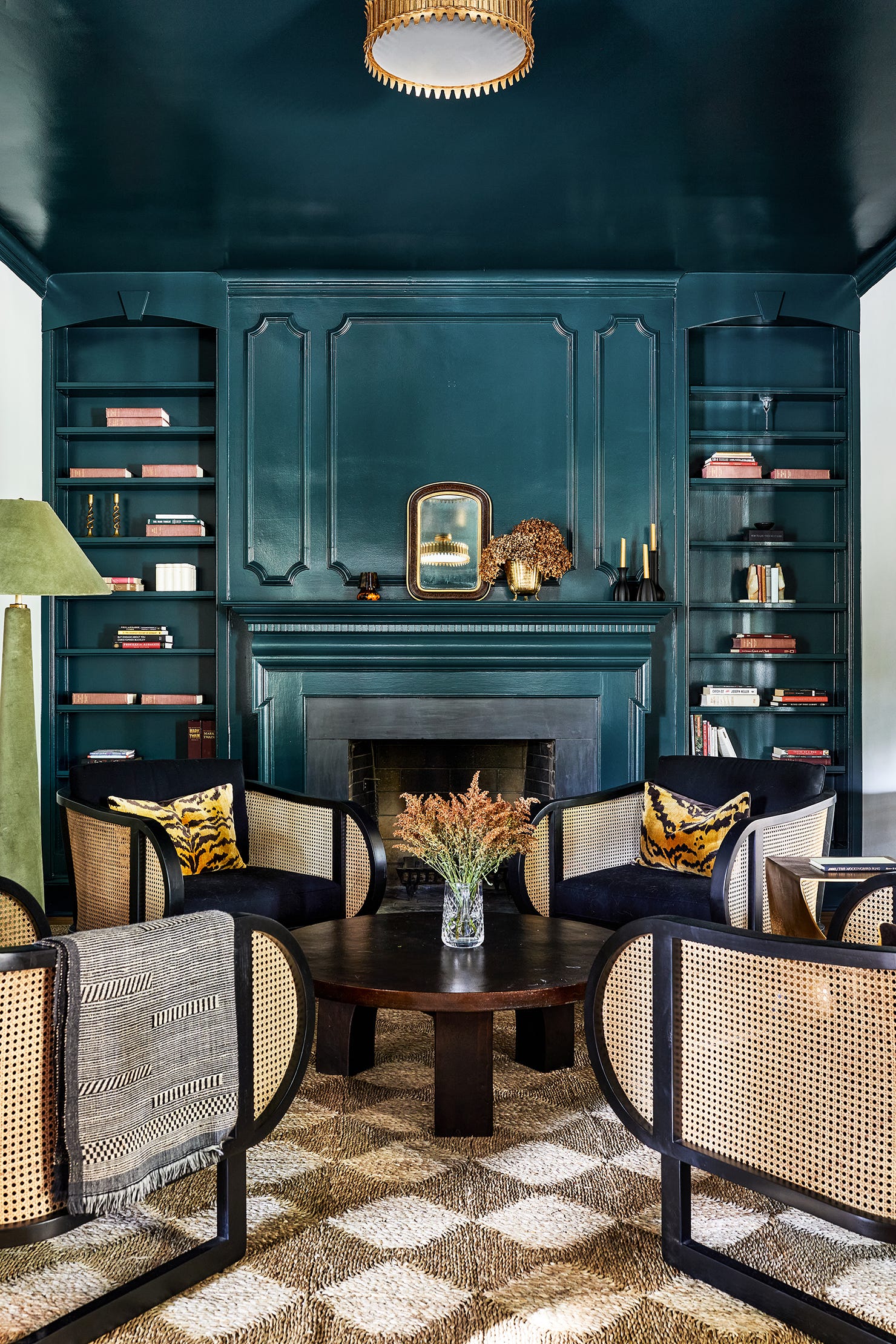
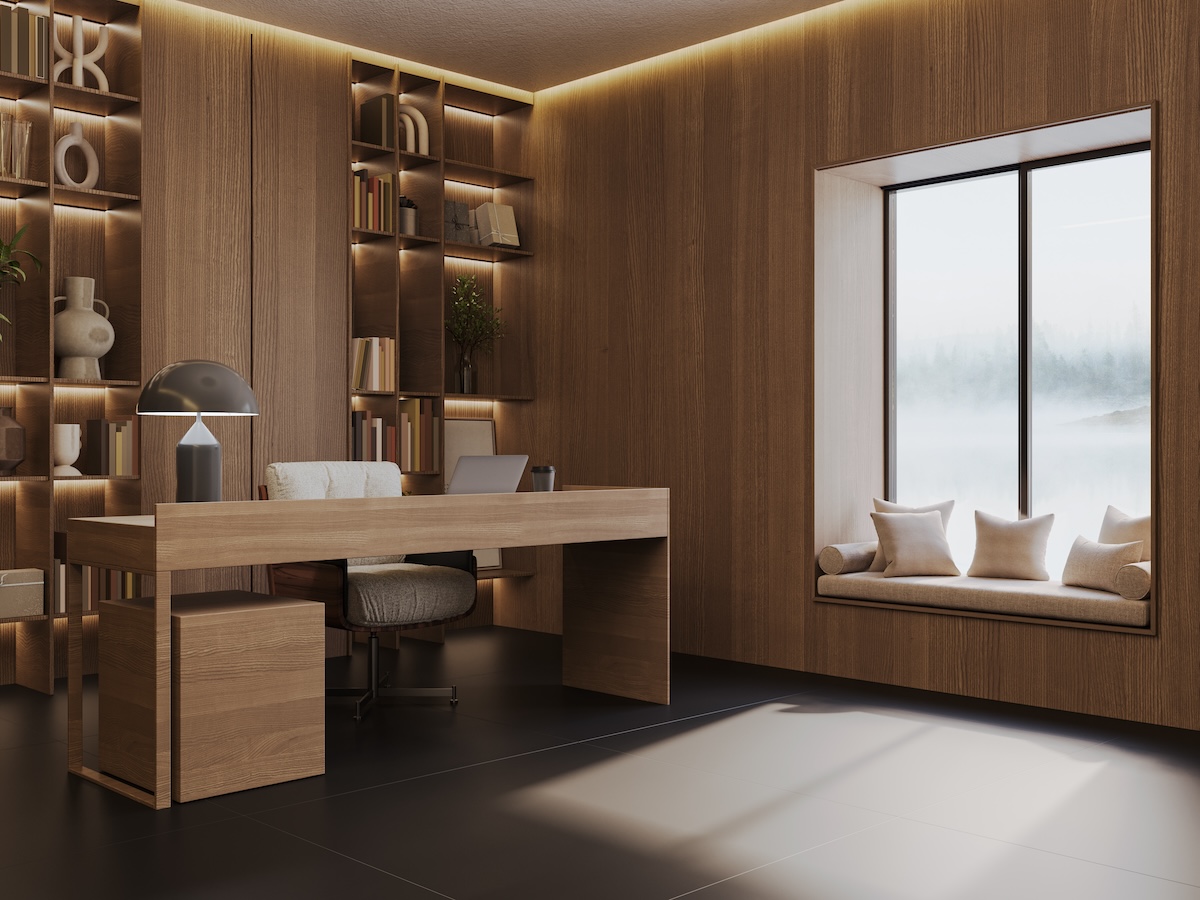
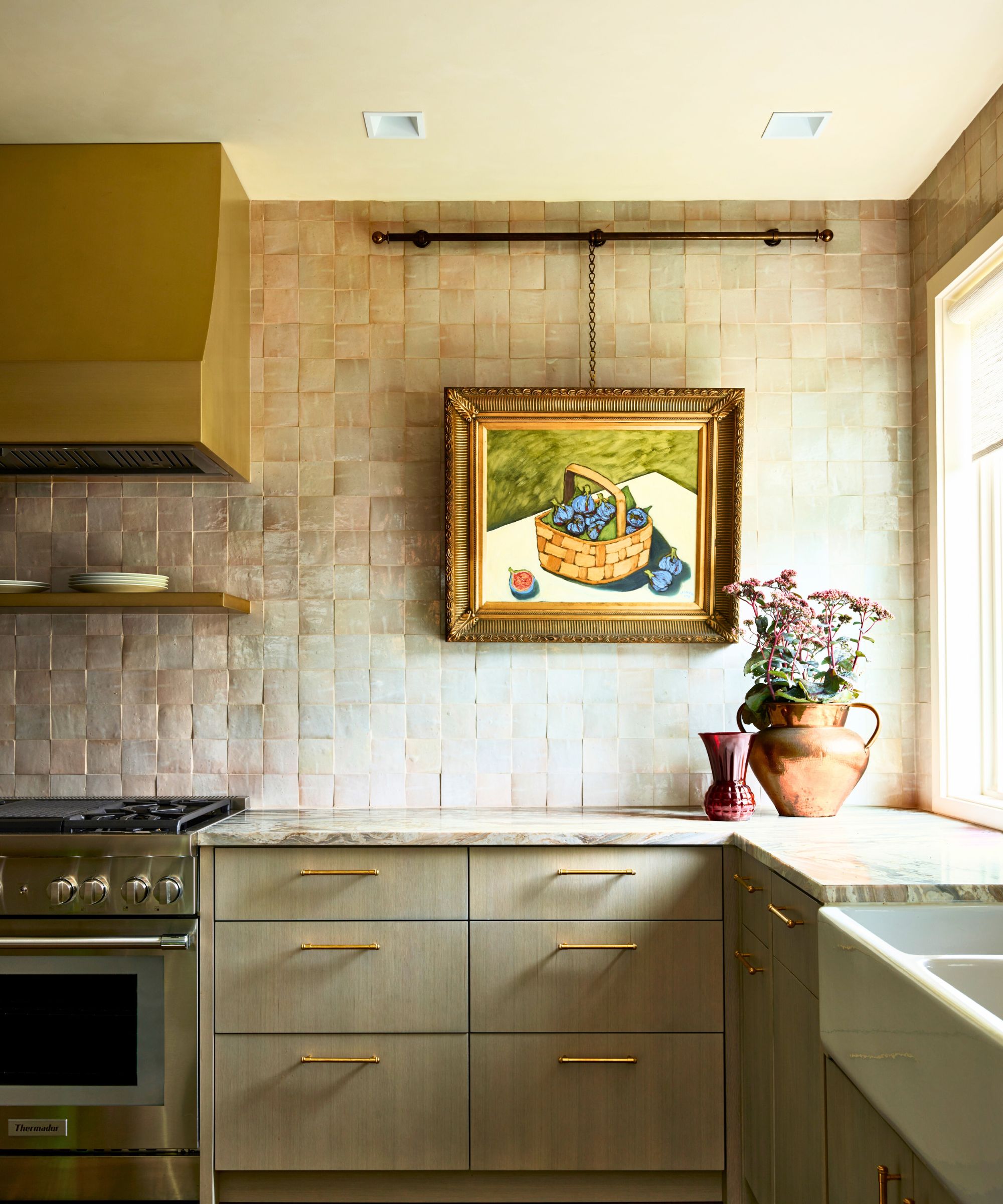
For individuals concerned about overwhelming their living space with intense colors, restraint is key. Applying guava to less frequently seen areas, such as laundry room cabinetry or the interior of bookshelves, can provide a subtle yet impactful pop of color. Balancing guava tones with rich, tactile materials like warm wood, honed stone, or textured wall finishes helps to create a balanced aesthetic and prevent visual overload, making guava an adaptable and appealing choice for contemporary interior design. A matt or velvet finish can also contribute to a grounded feel. The overall trend signifies a move towards more expressive and personalized home environments, embracing the energetic and tropical essence of guava.
#GuavaGirlSummer #InteriorDesignTrends #HomeDecor #ColorDrenching #DIYHome #AccentDecor #TropicalColors #PostmodernismInfluence #VibrantInteriors #GuavaGirlSummer #InteriorDesignTrends #HomeDecor #ColorDrenching #DIYHome #AccentDecor #TropicalColors #PostmodernismInfluence #VibrantInteriors
0 comment in total
 No comments yet
You may also like
Why the “Messy Girl” Aesthetic Is Taking Over Summer 2025
8 Summer Home Trends That Will Get Buyers Talking
Still holding onto summer? These are the 3 summer trends I am taking into fall – and how I am restyling them for the cozy season

We Asked 5 Interior Designers for Their Summer 2025 Trend Predictions—Here's What They Said

This Summer’s Hottest Decor Trend Will Never Go Out of Style
The colour trend taking over our gardens for summer holiday vibes all year round
Summer interior design trends 2024: 7 tips for infusing coastal vibes into your home décor | Hindustan Times

This Is the Coolest Design Feature You Could Have This Summer
We Combed Design Markets and Shows Around the World to Find the 11 Biggest Interior Trends Right Now

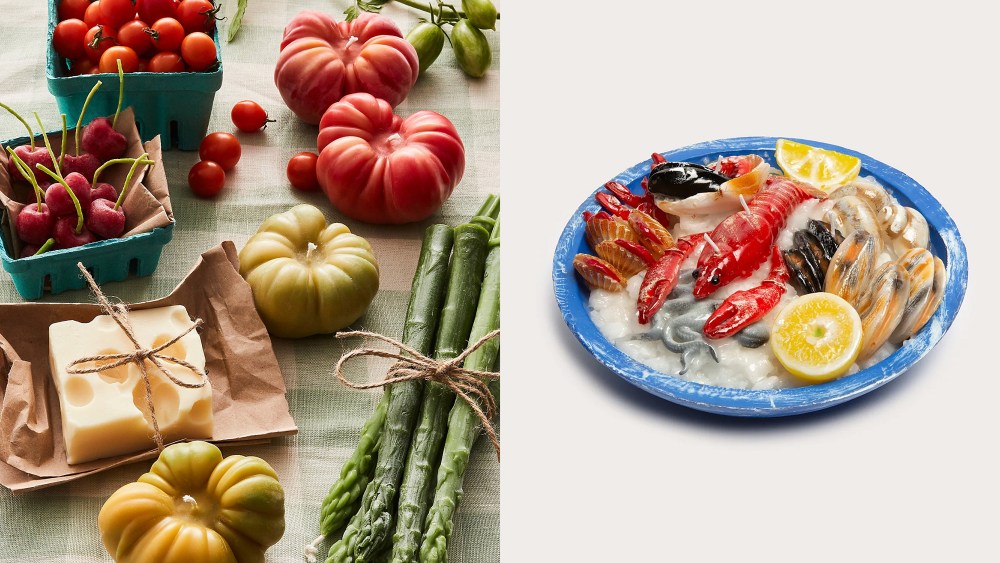
Design Experts Say Food Motifs Are Dominating Home Decor Trends for Summer 2025

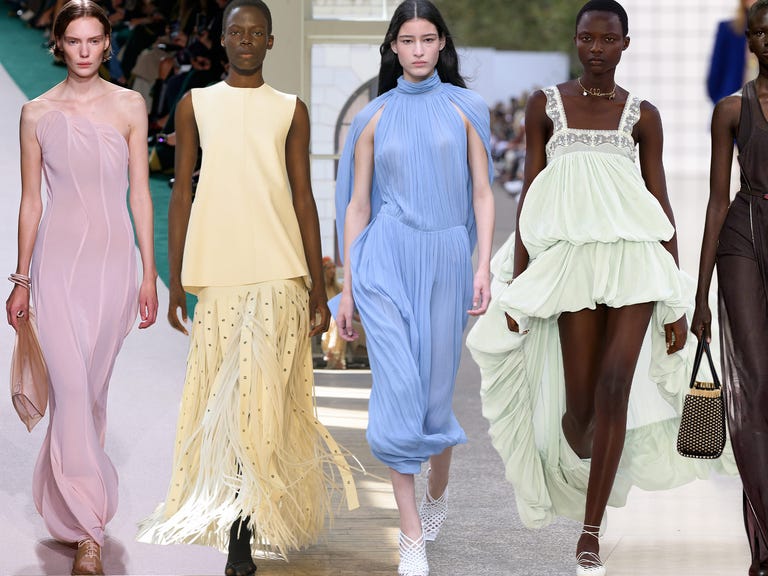
These Are the Top 6 Color Trends We’ll Be Sporting This Summer
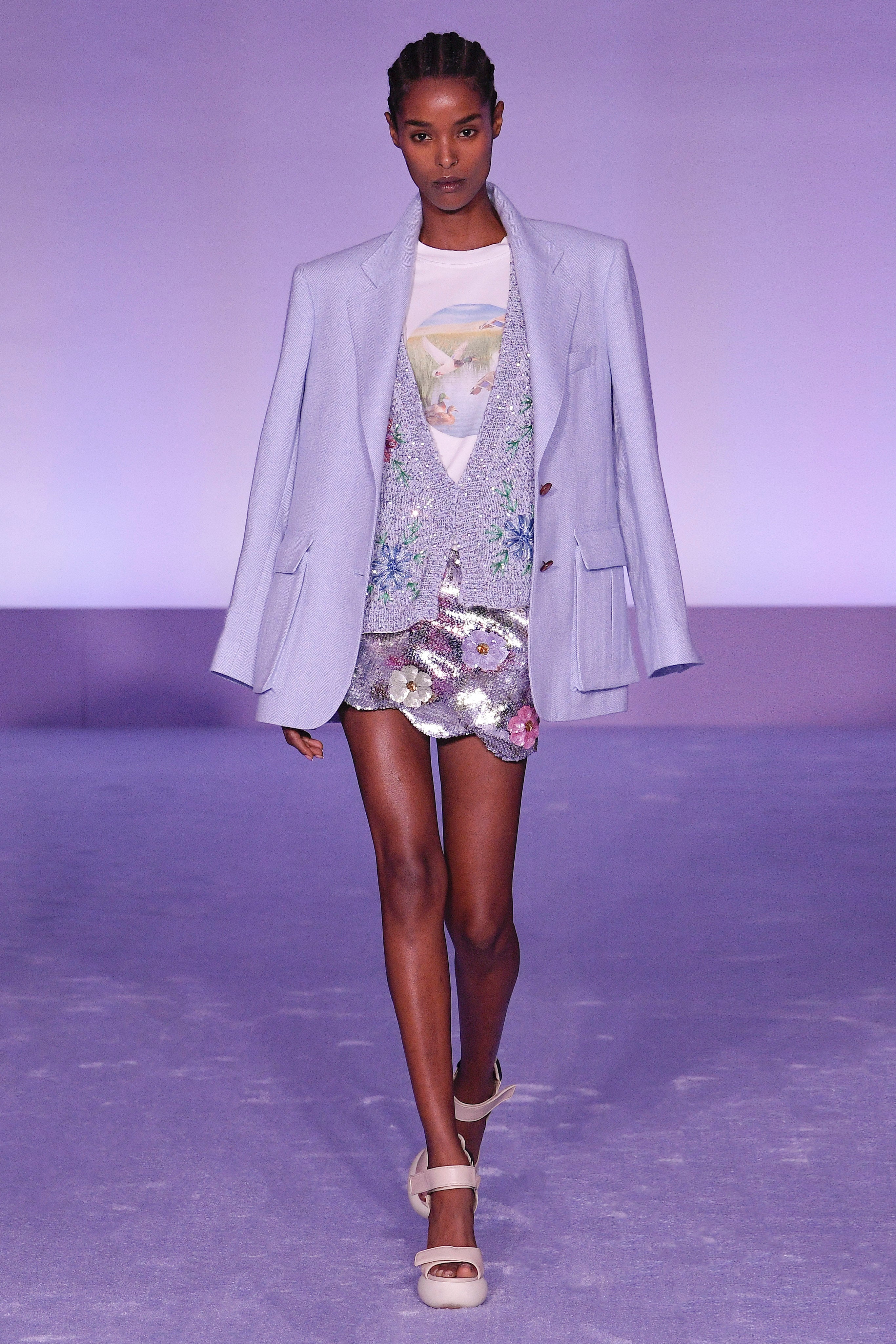
6 Fresh Color Trends To Inspire Your Summer 2023 Style

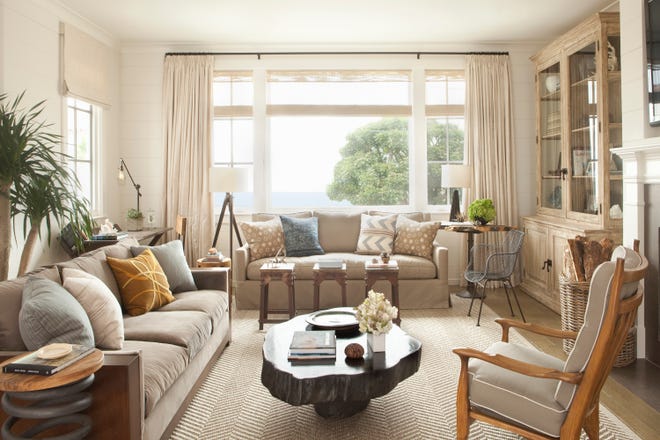
Summer can inspire decor all year
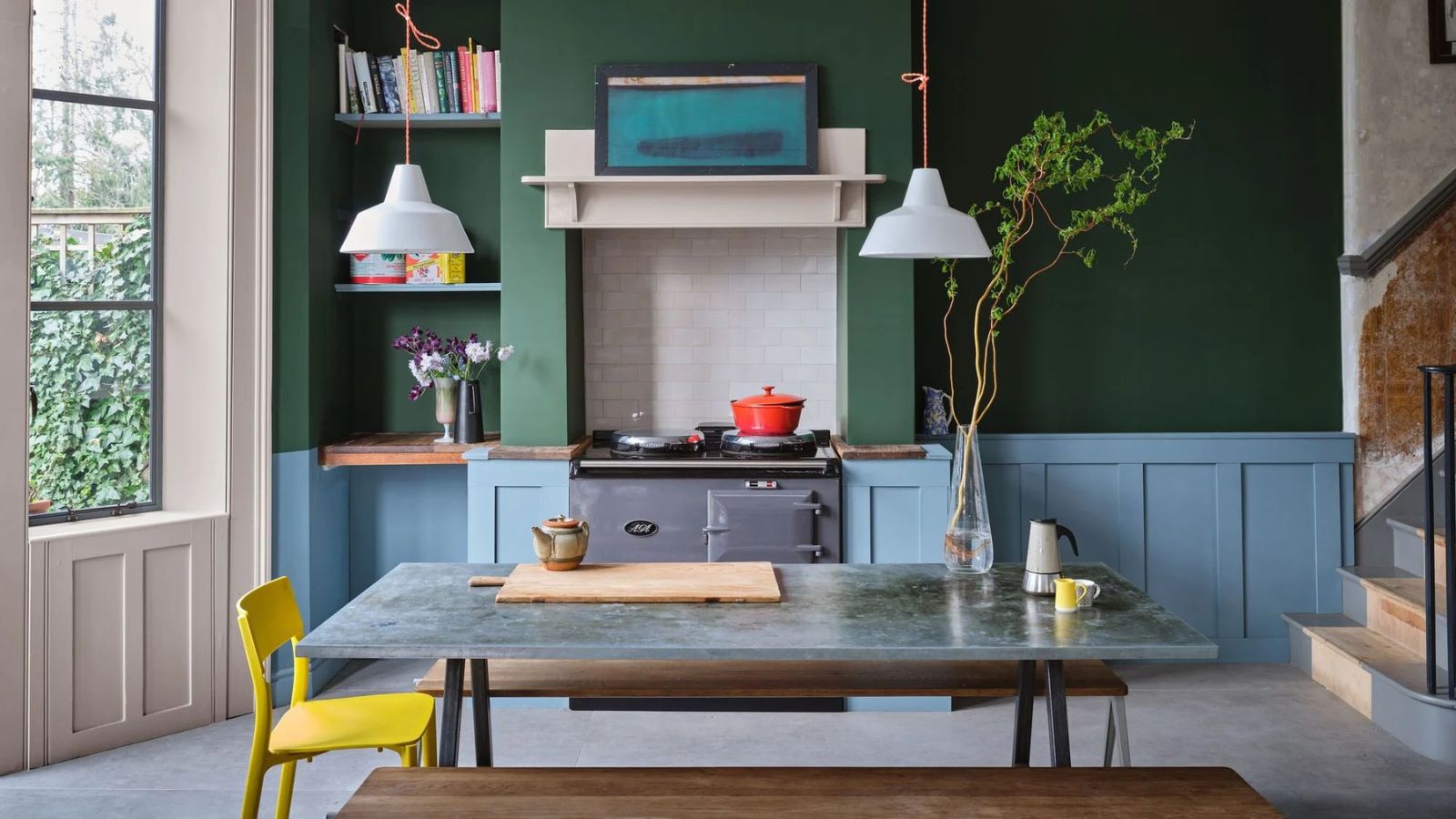
The 6 must-have colors to bring into your home this June
Vibrant Green Is The Color Trend That Comes Celeb Approved

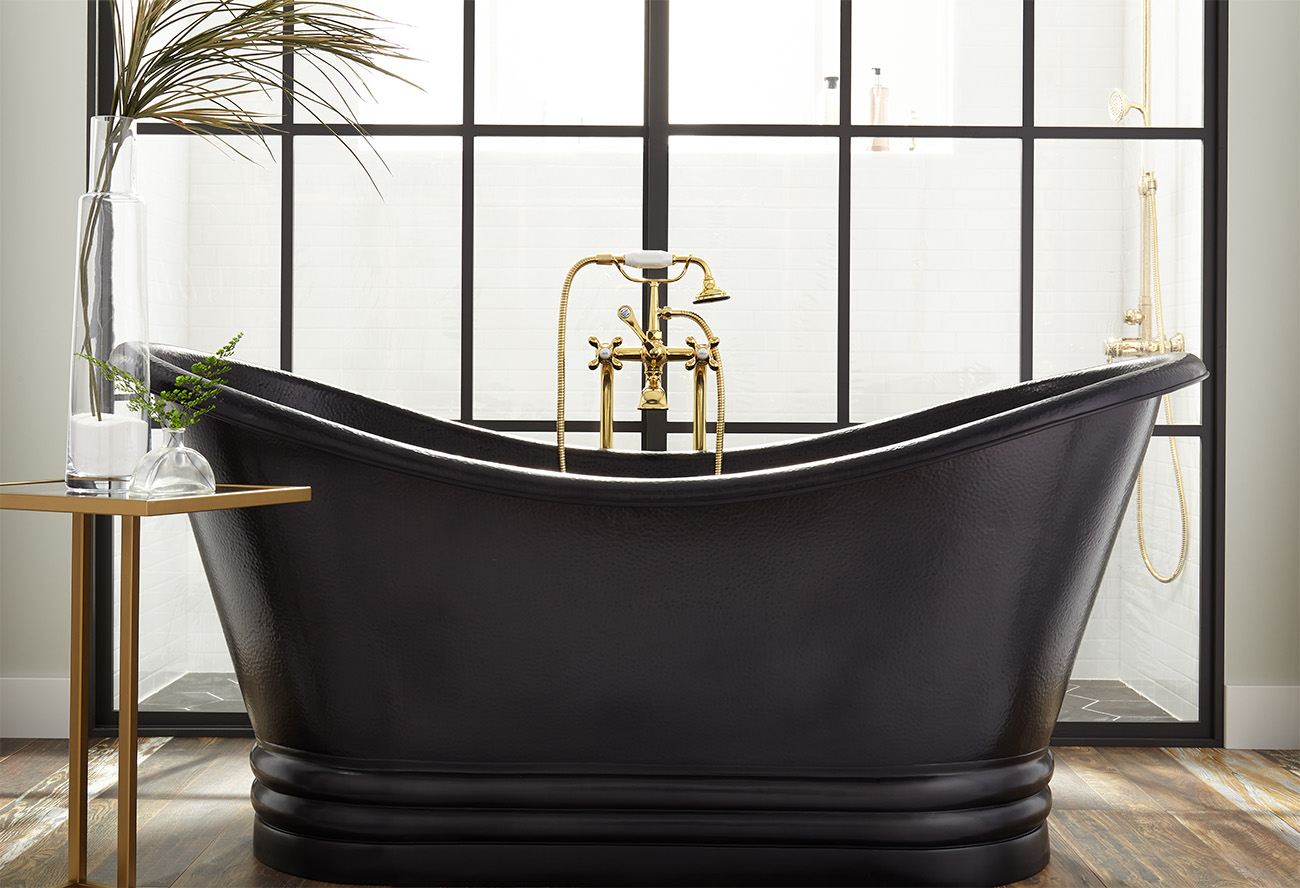
Hot Home Trend: Gothic Glam
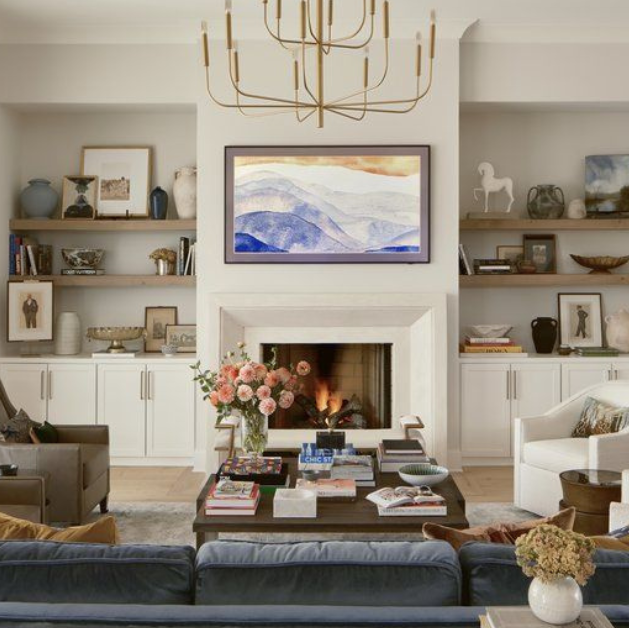
Designers Reveal the Surprising Home Trend That's Taking Over Right Now

The Coastal Cowgirl Trend Is Blowing Up TikTok

Why mermaidcore is the shiny new interiors trend we're all diving into
3 Summer Home Decor Trends You’re Probably Seeing Everywhere Right Now