
1/3
Forget About AC—The Best Ceiling Fans Are Chic and Cooling
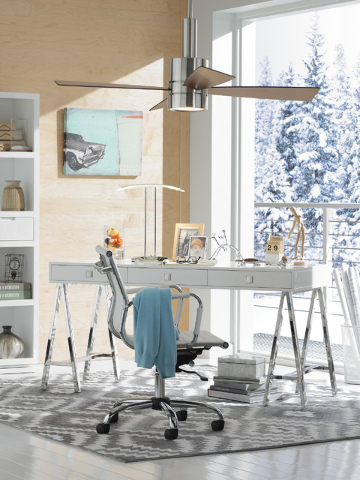
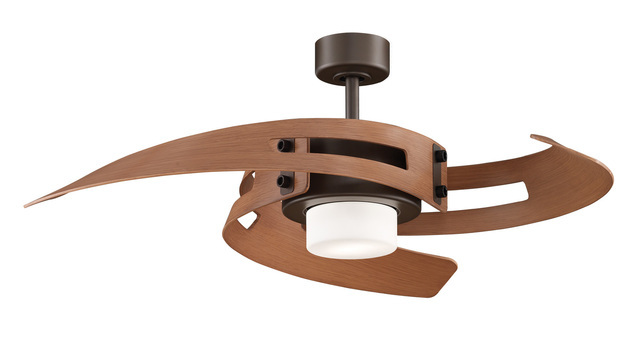
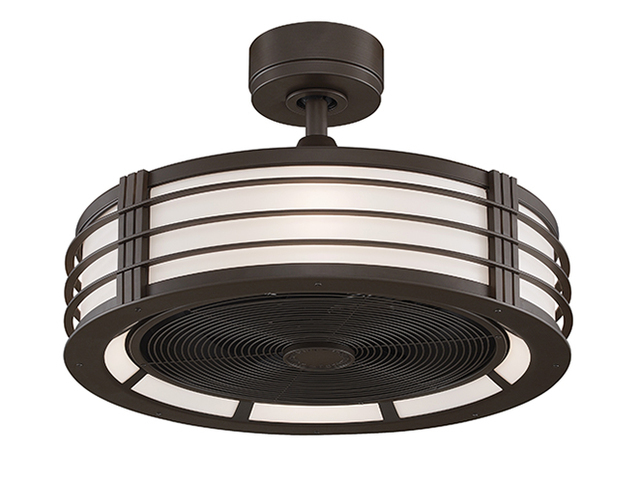
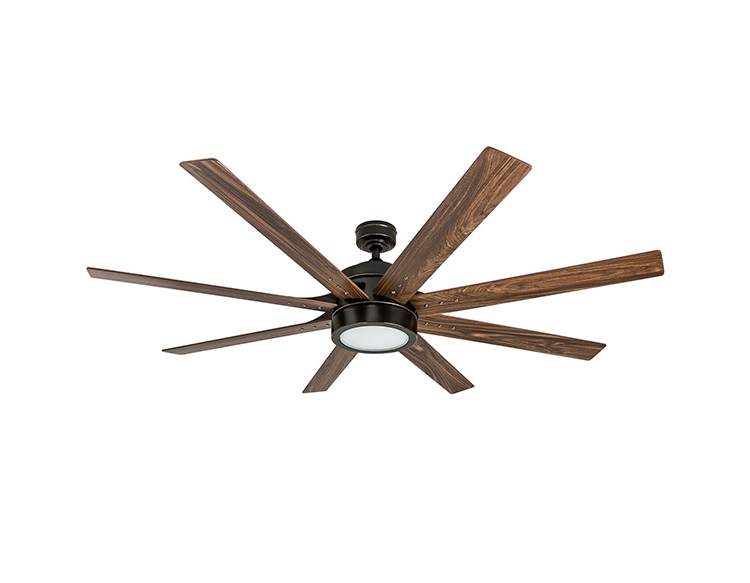
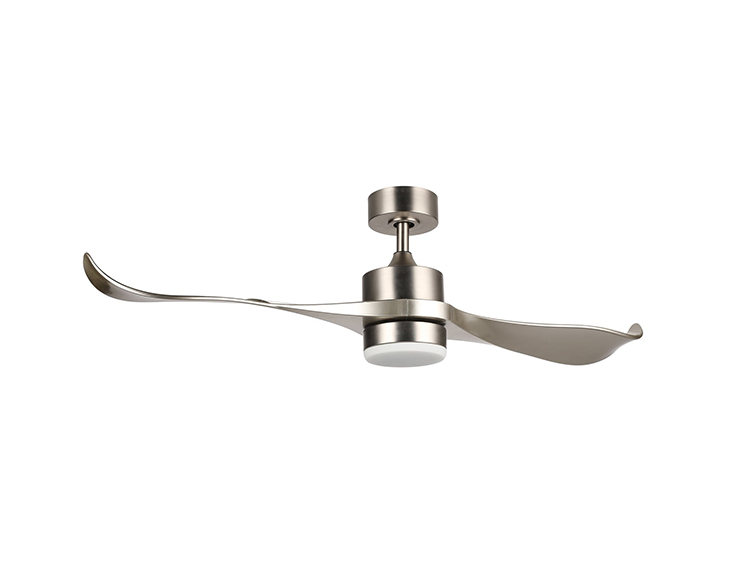
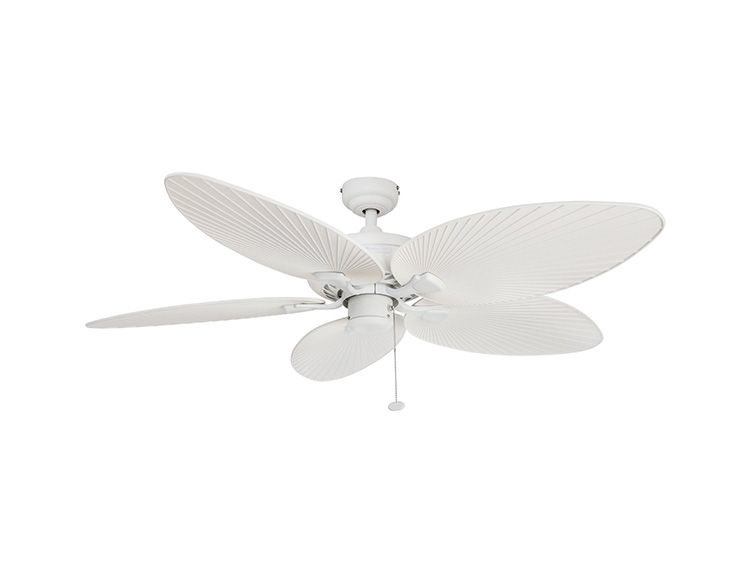
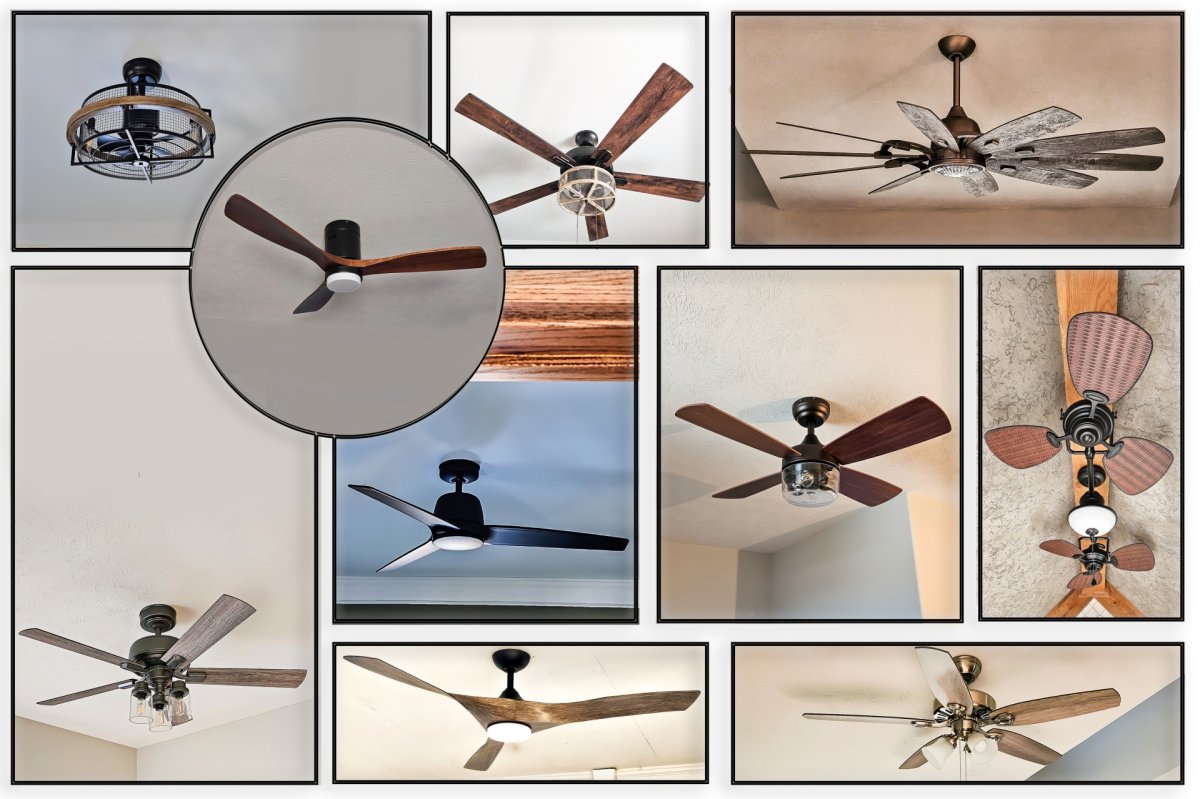
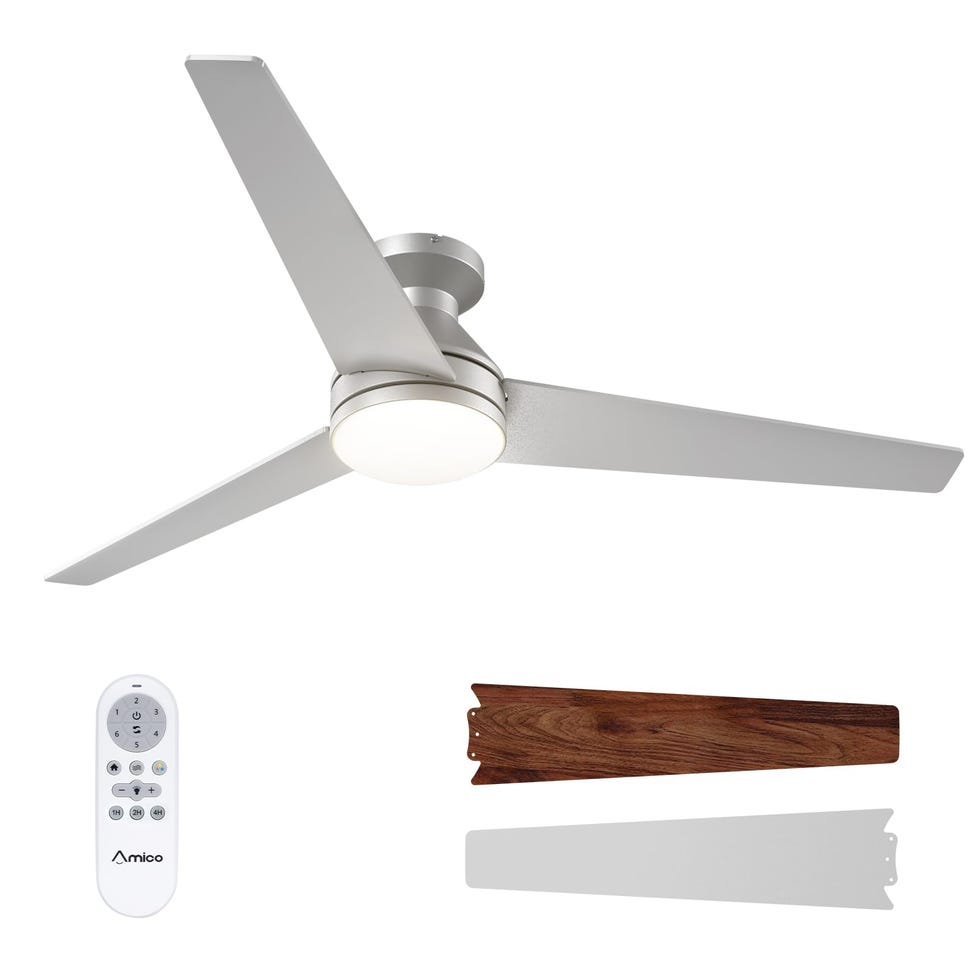
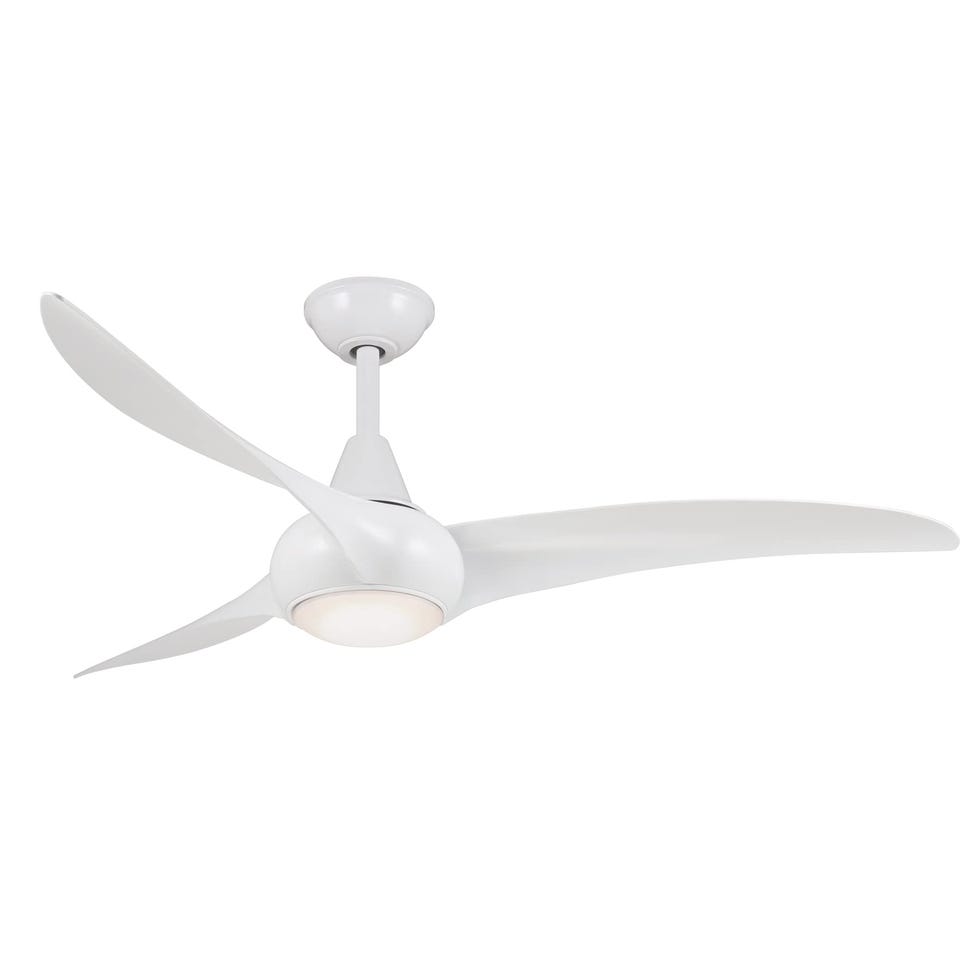
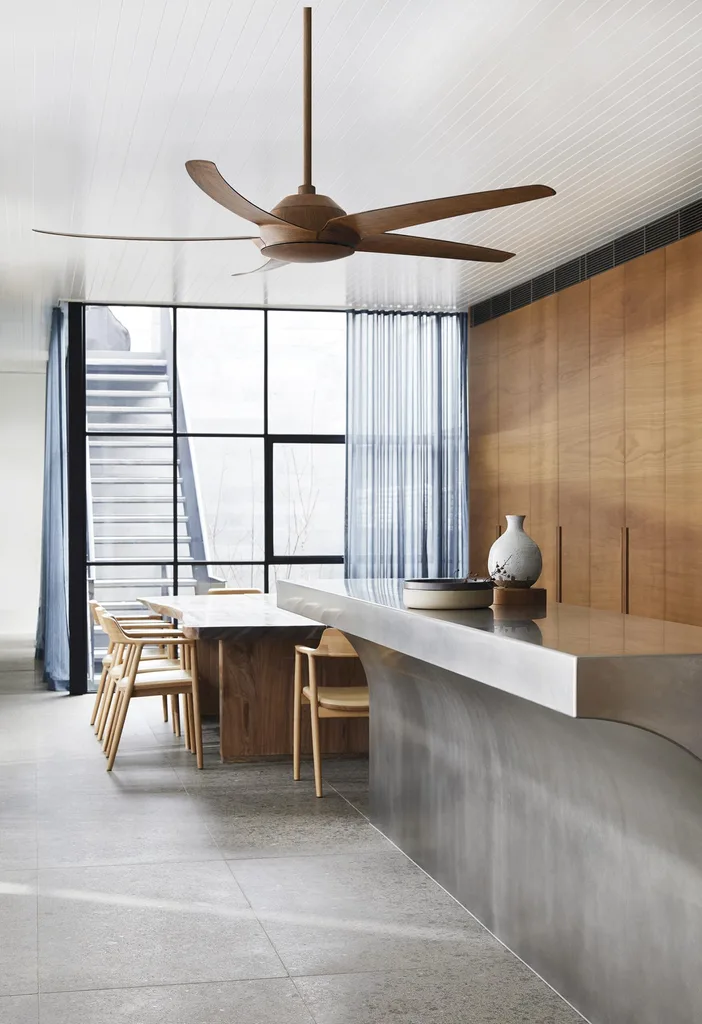
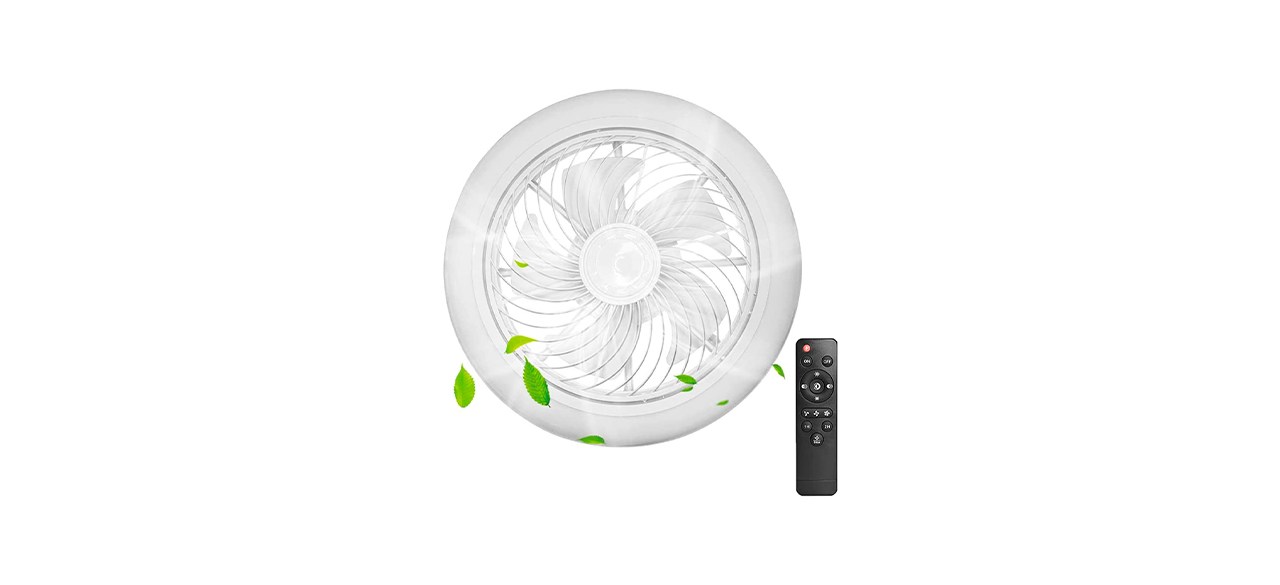
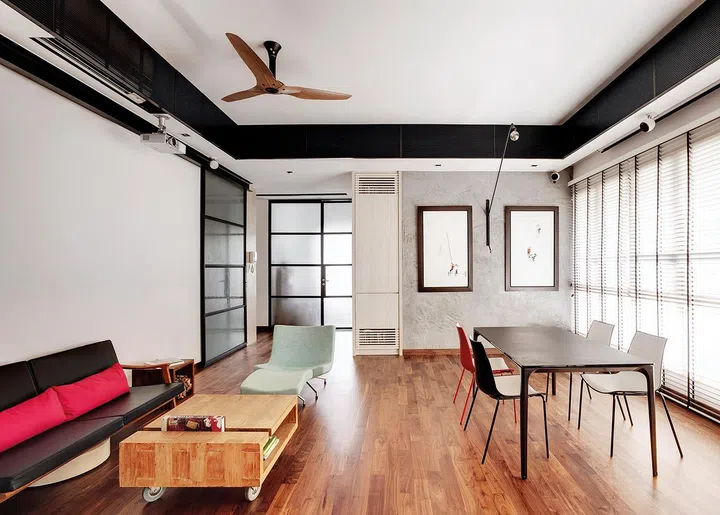
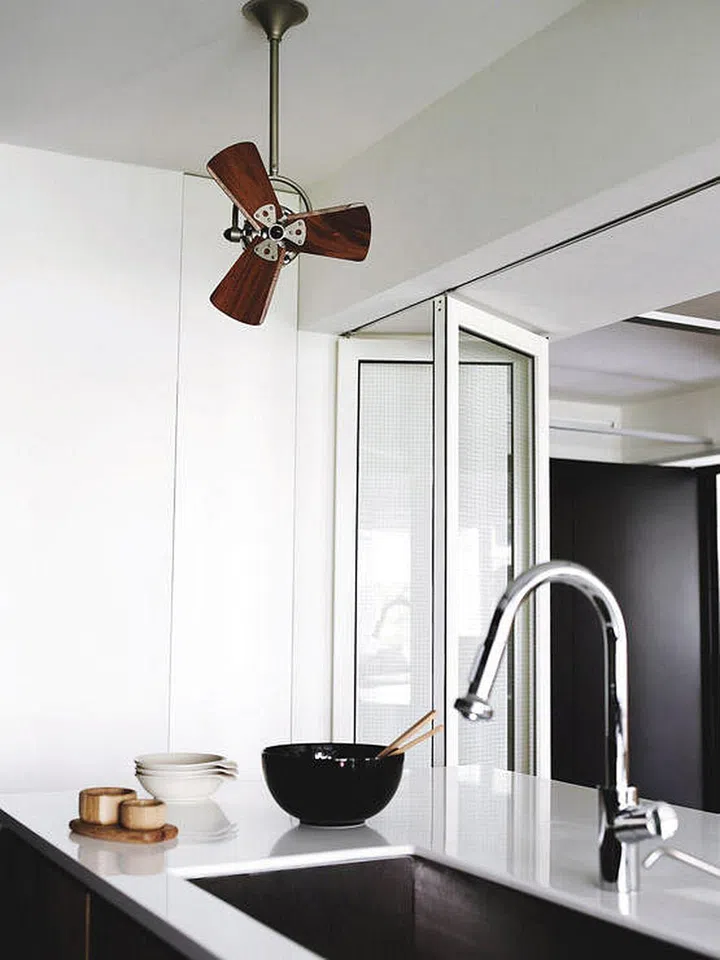
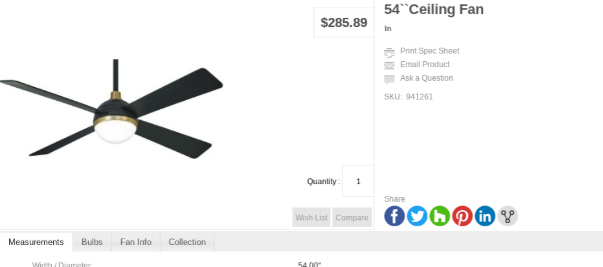
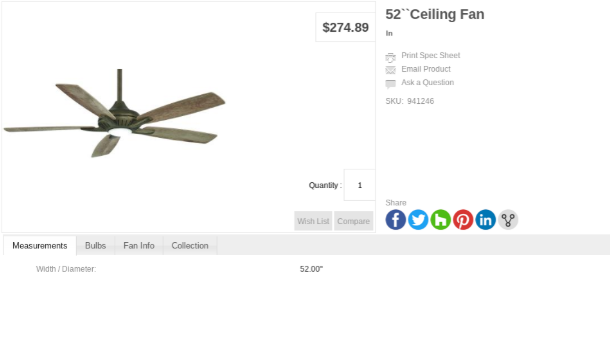
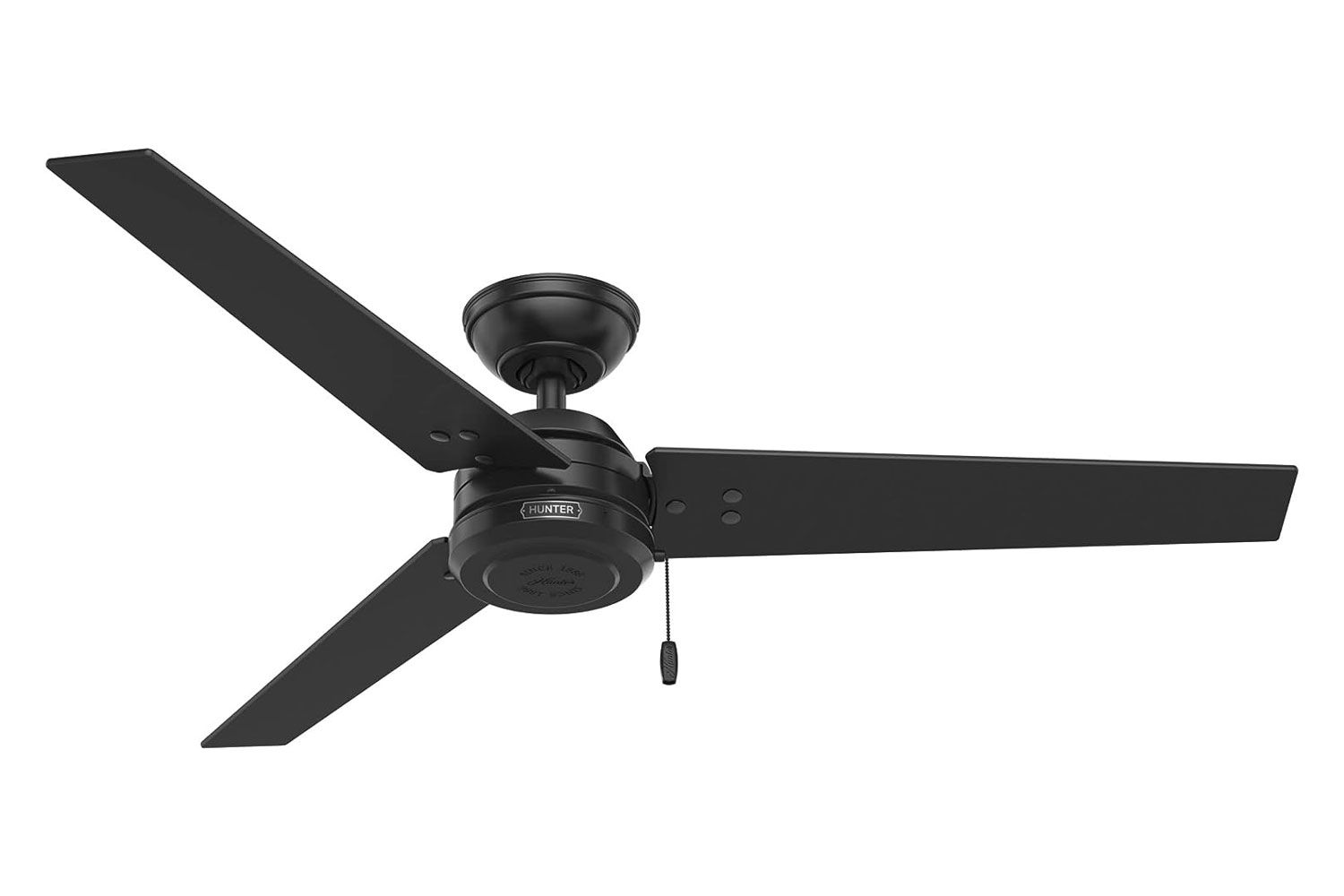
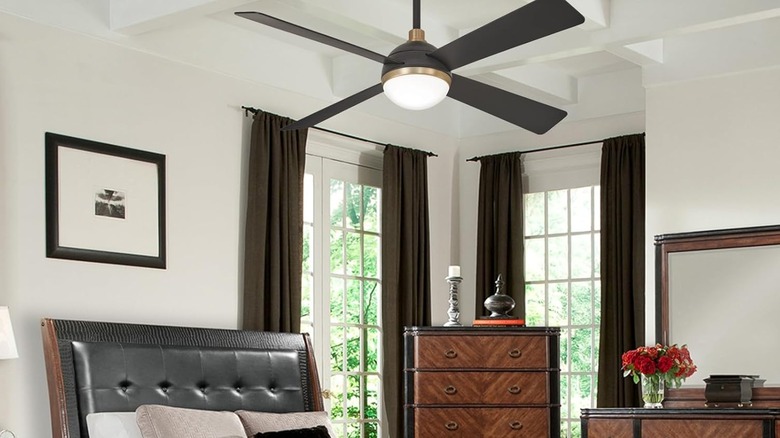
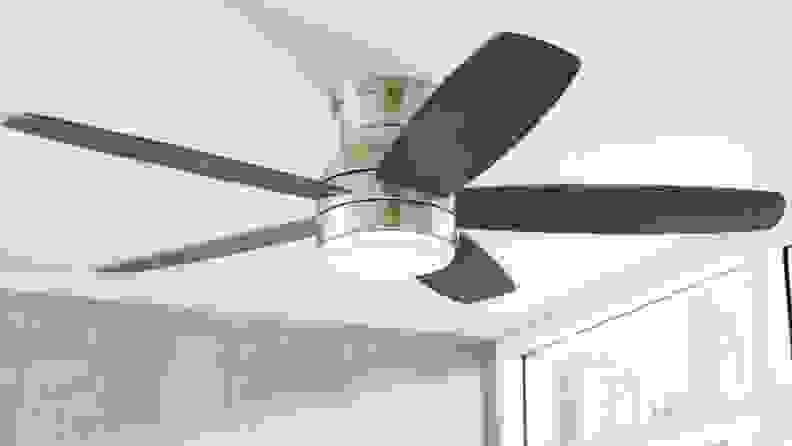
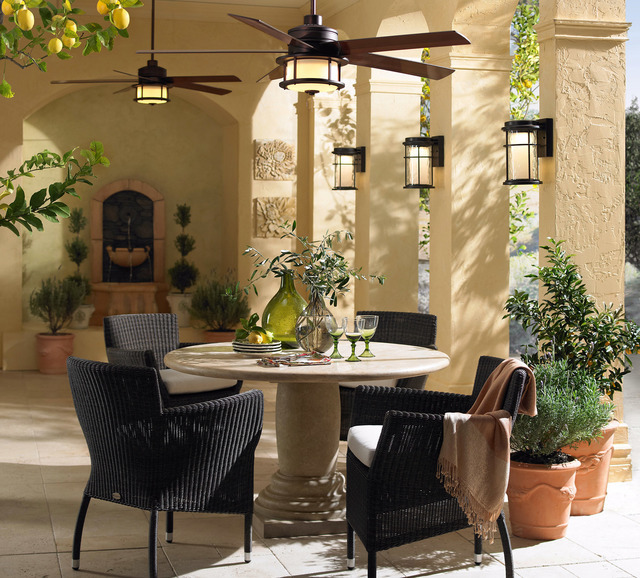
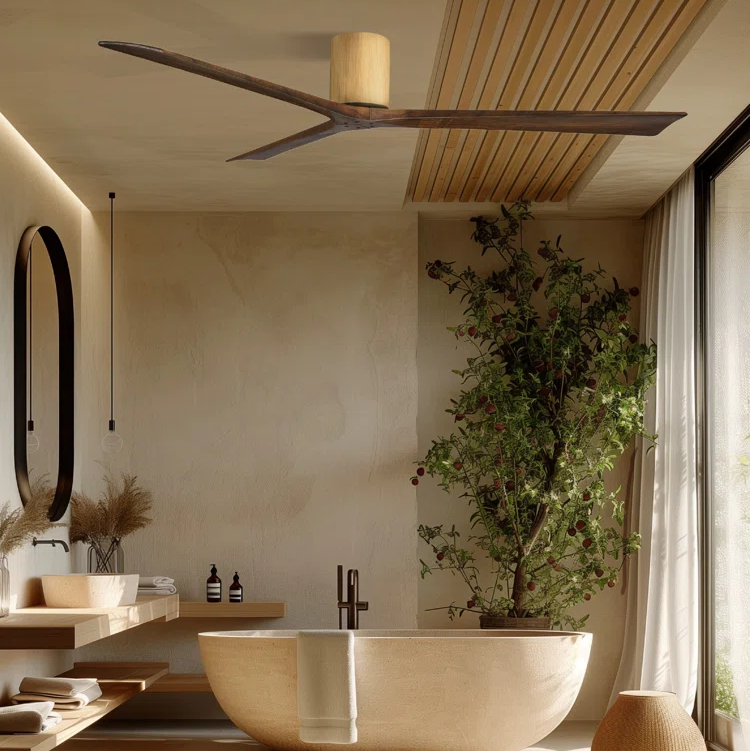
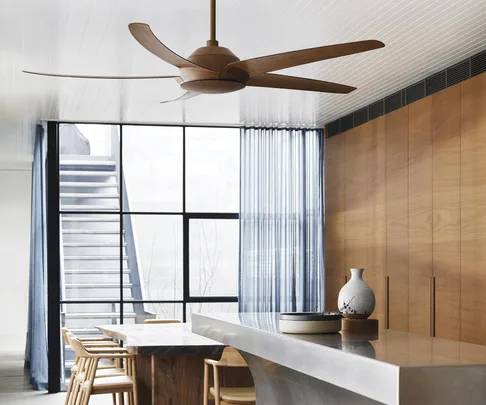
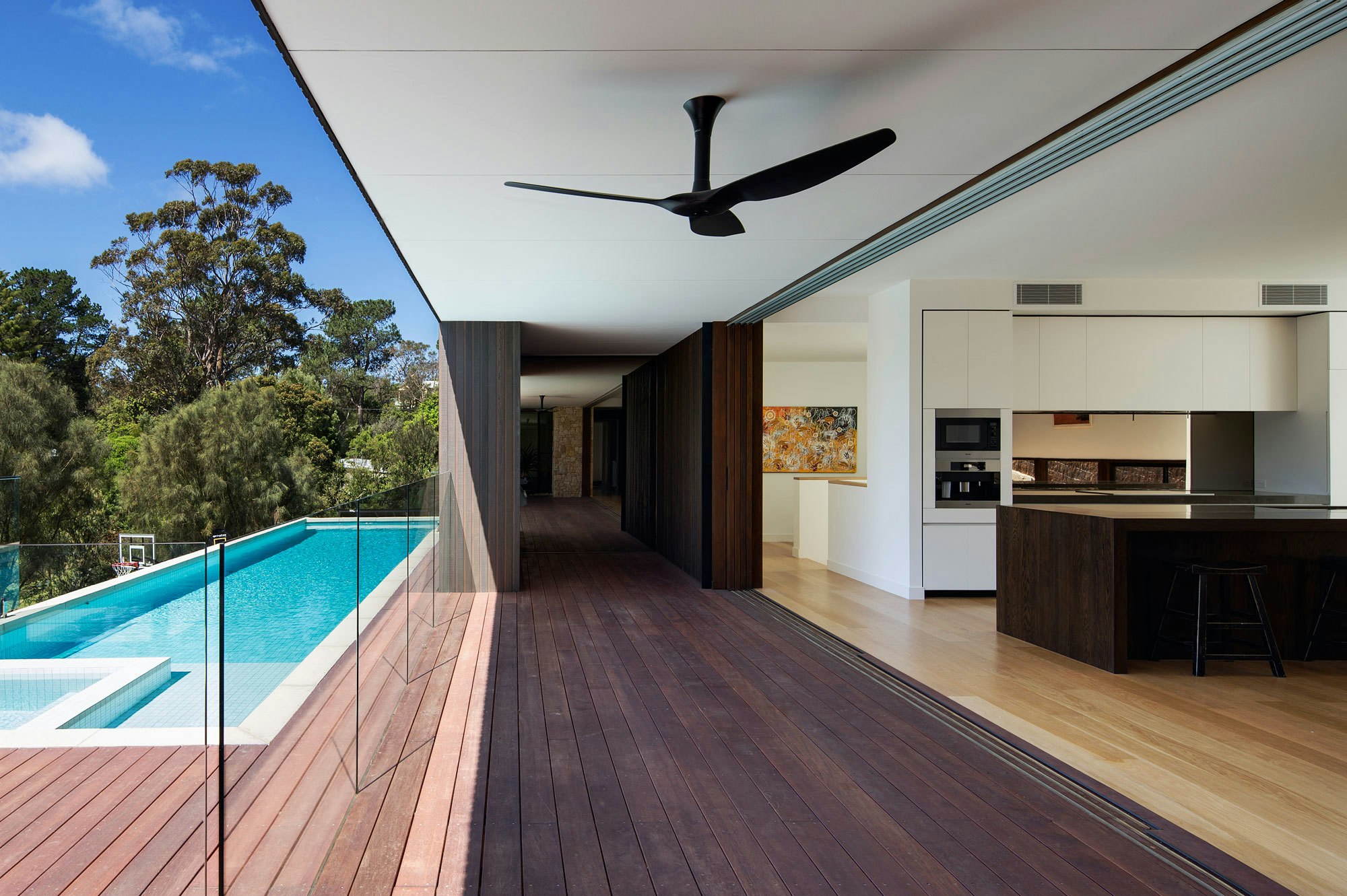
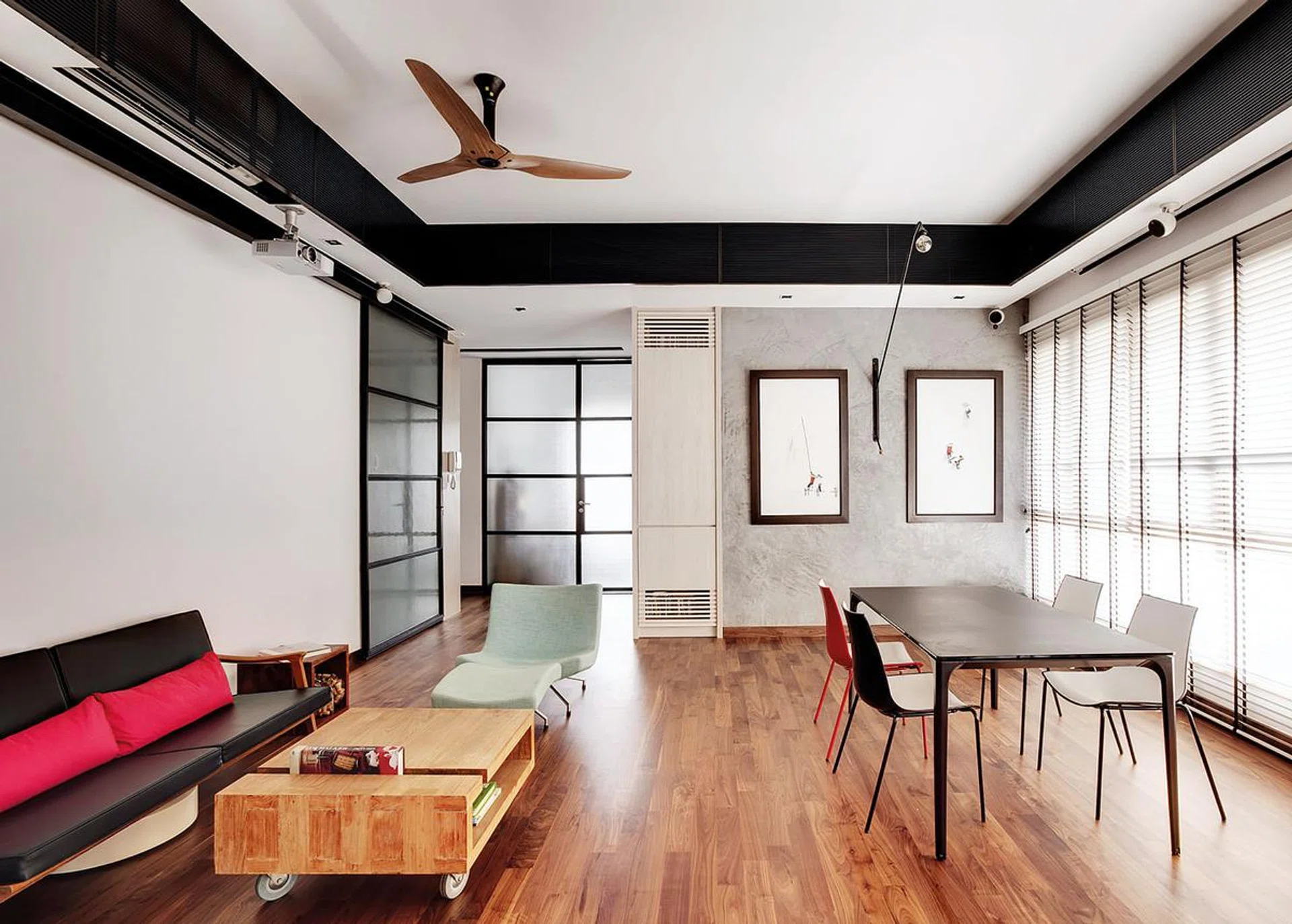
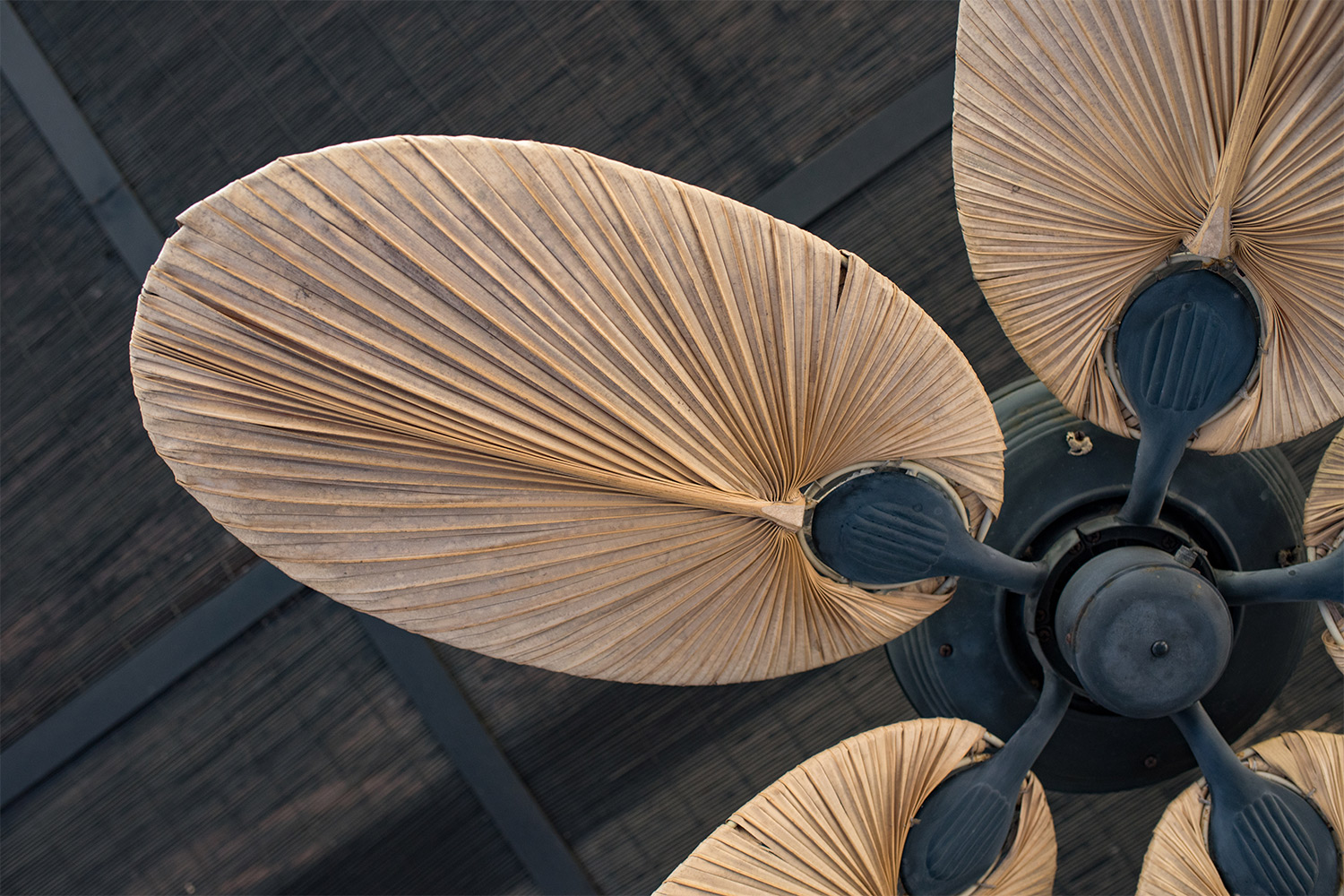
Modern ceiling fans have evolved significantly from their traditional counterparts, offering aesthetic appeal and improved functionality. No longer limited to basic designs, contemporary models cater to diverse decor styles, including farmhouse, modern, rustic, and contemporary. Beyond indoor use, specialized versions are available for covered patios, and wet-rated fans are designed to withstand direct exposure to rain.
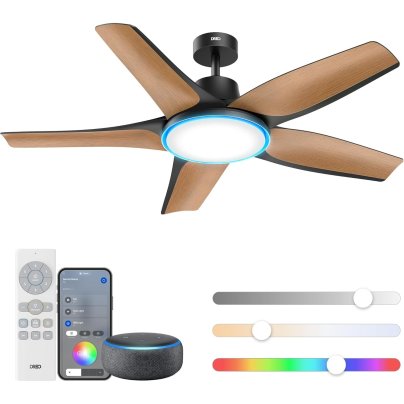
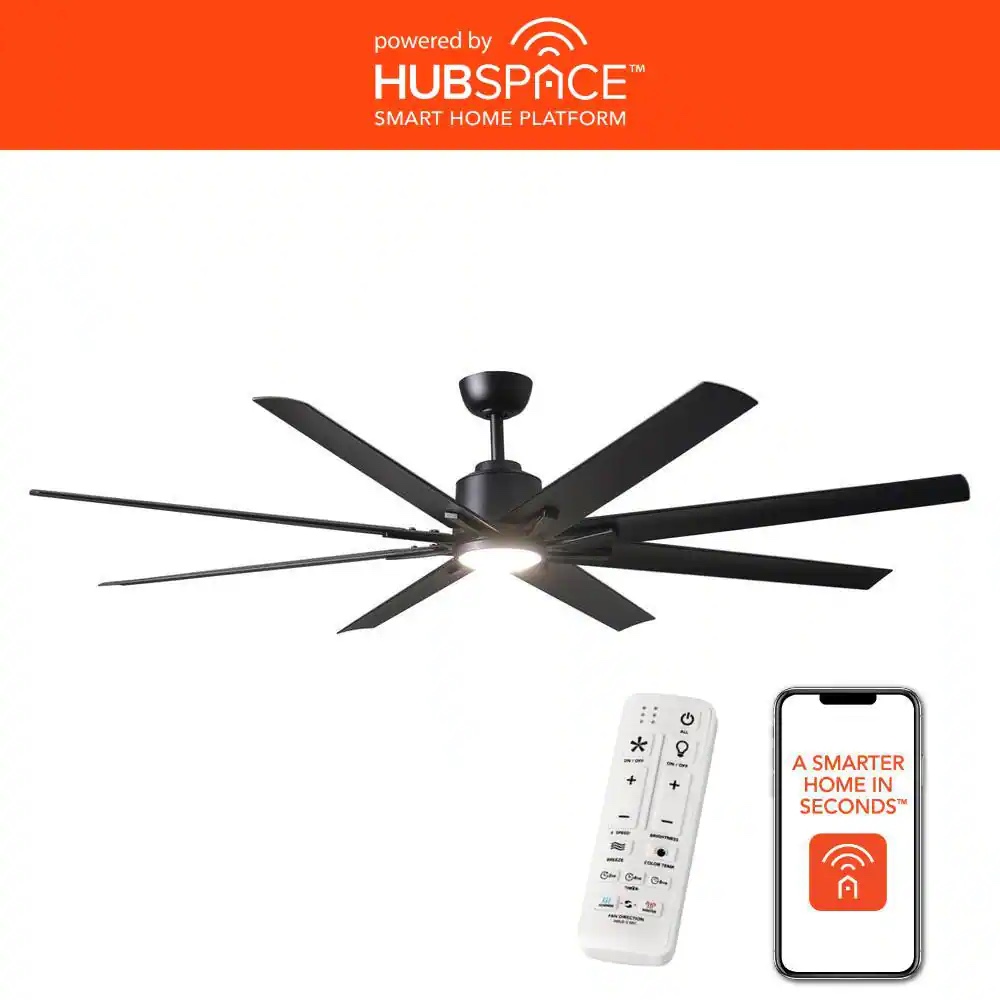
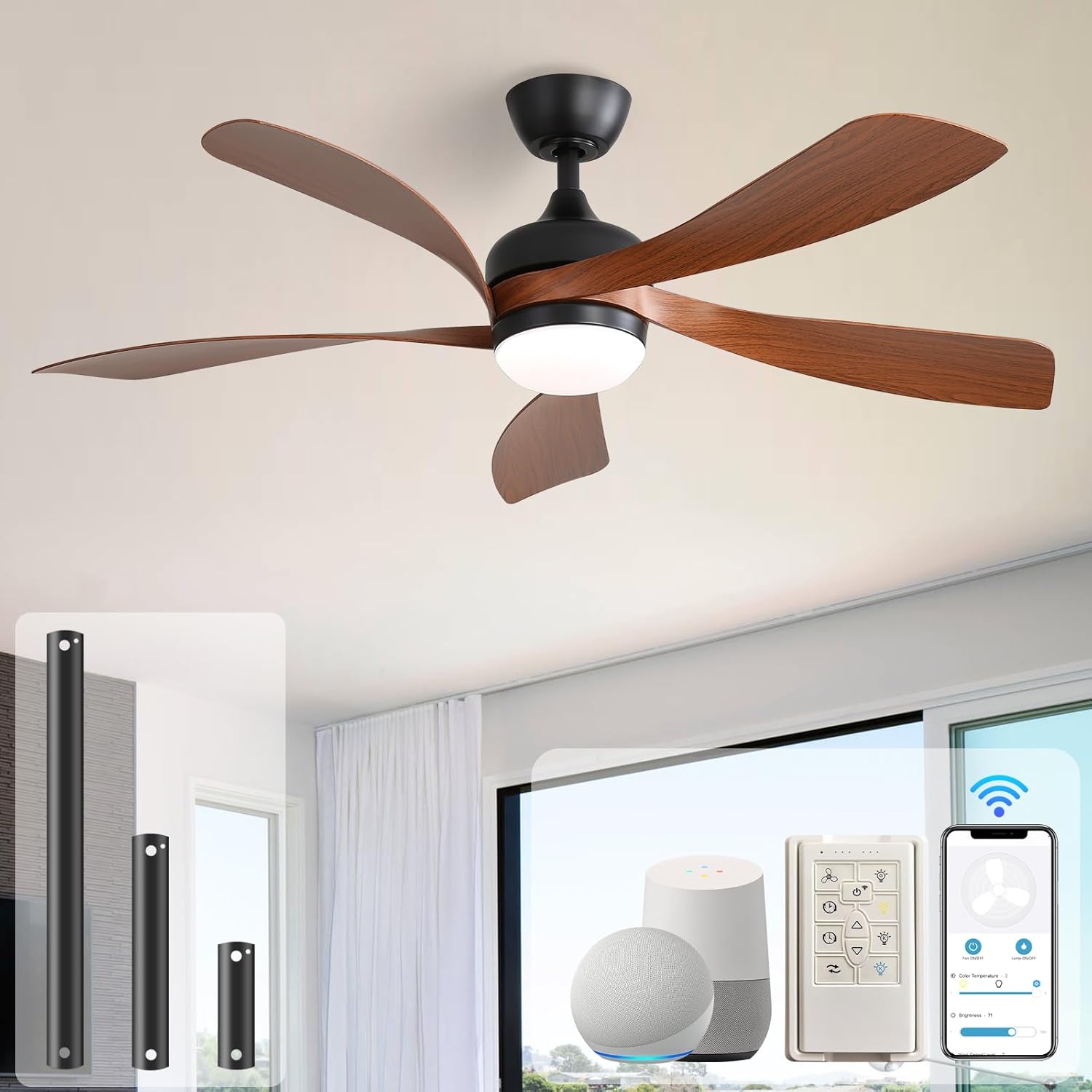
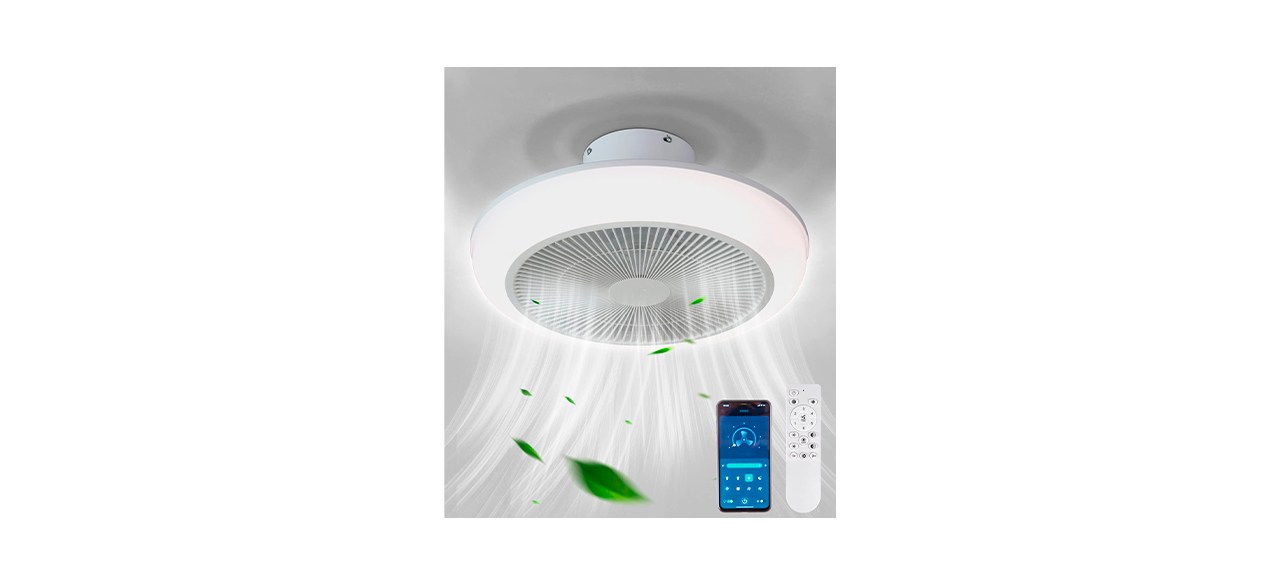
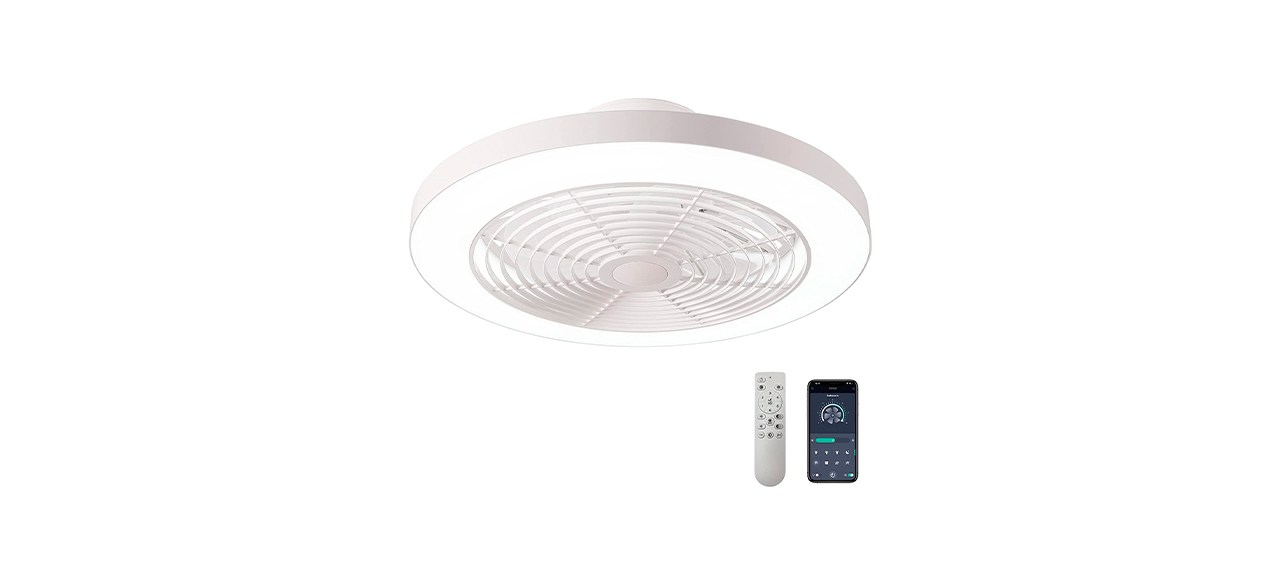
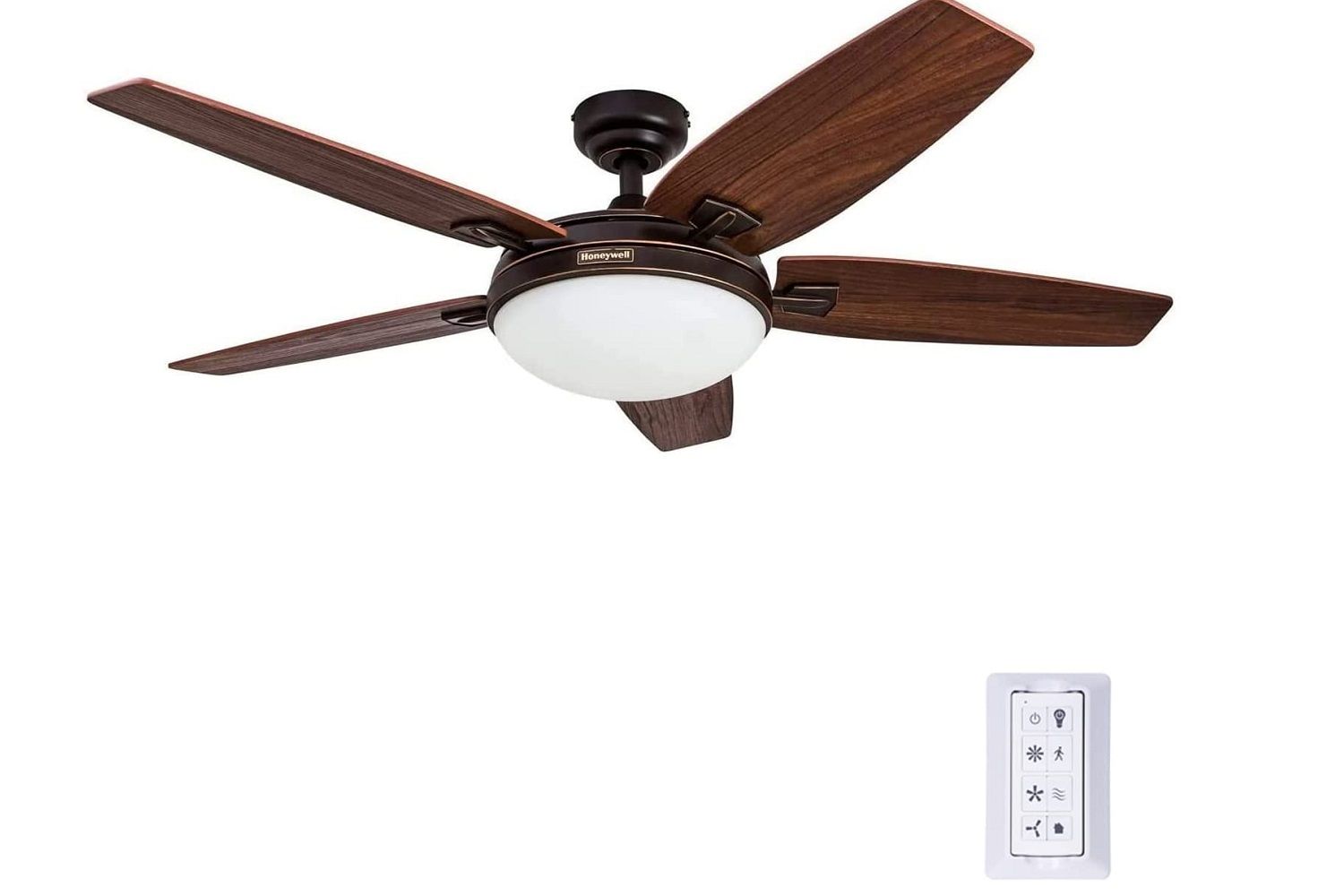
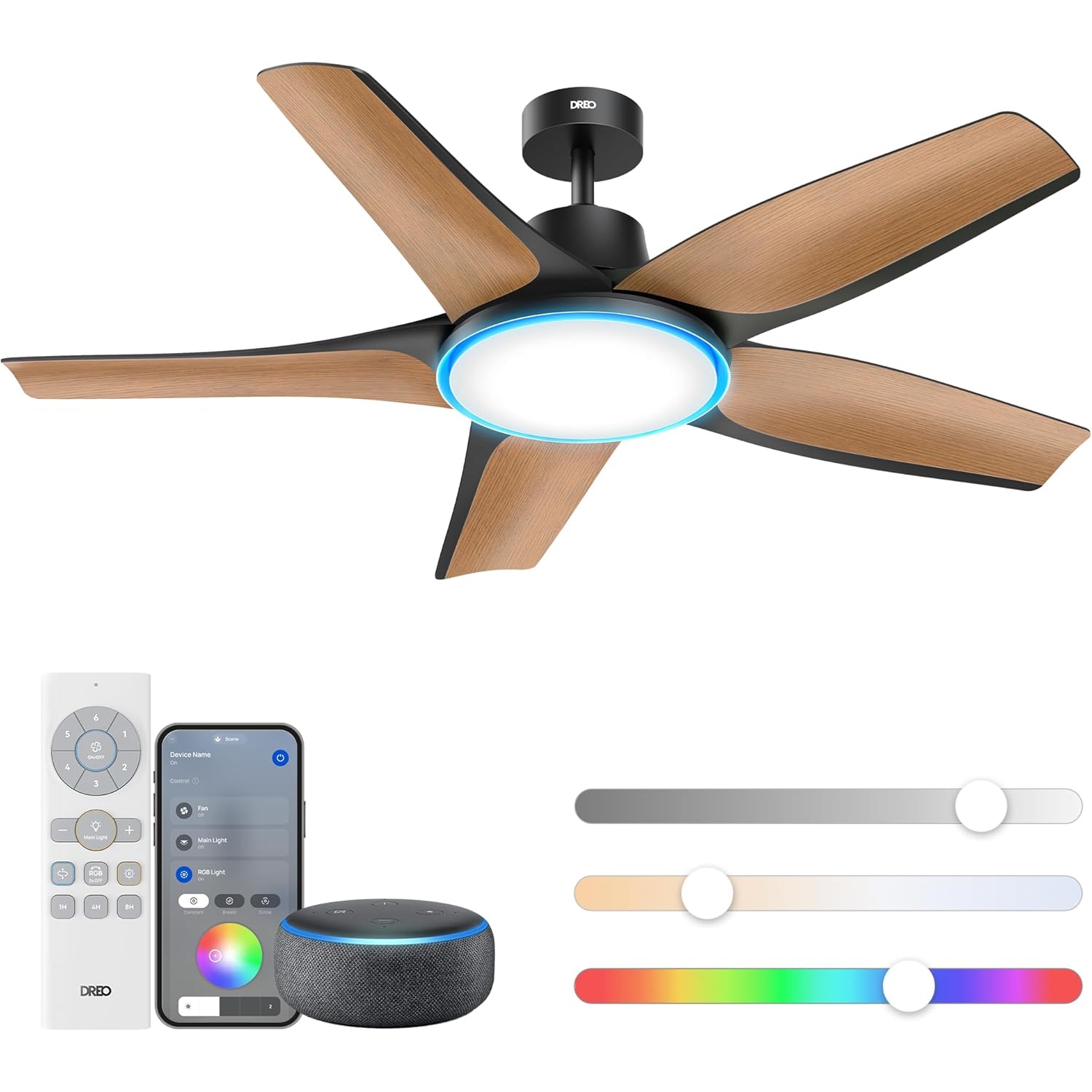
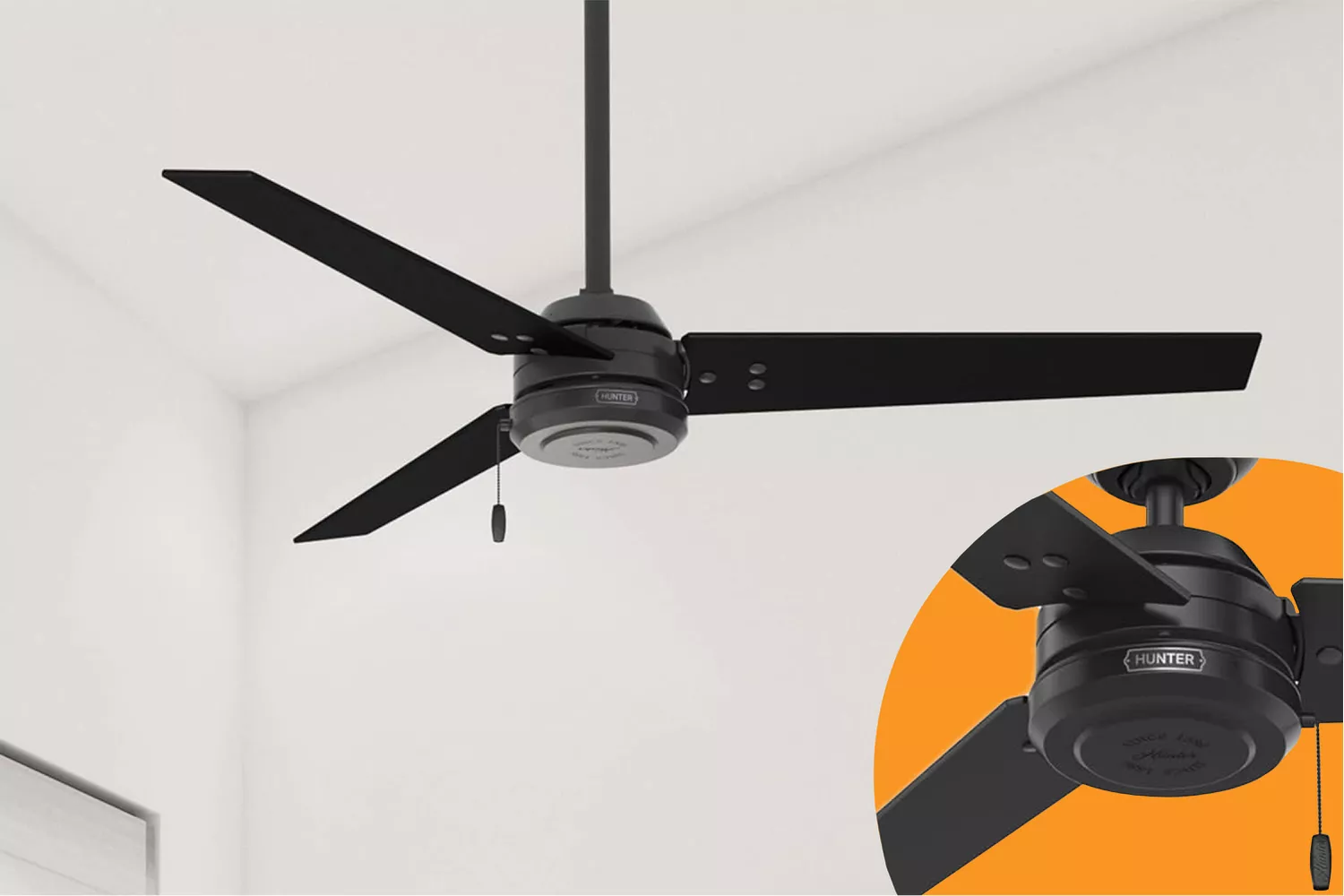
Key considerations for selecting a ceiling fan include control options, lighting capabilities, installation requirements, and sizing for optimal air circulation. Modern fans often feature easy-to-use touch-button controls, with many offering at least three speed settings for varied air movement. Control systems range from simple wall switches and pull chains to advanced wall controls, handheld remotes, and smart integrations. Brands like Hunter offer Wi-Fi enabled fans compatible with smart home systems such as Apple HomeKit, Google Assistant, and Amazon Alexa, allowing control via smartphone apps.
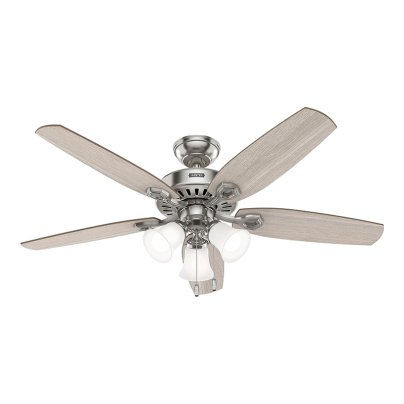
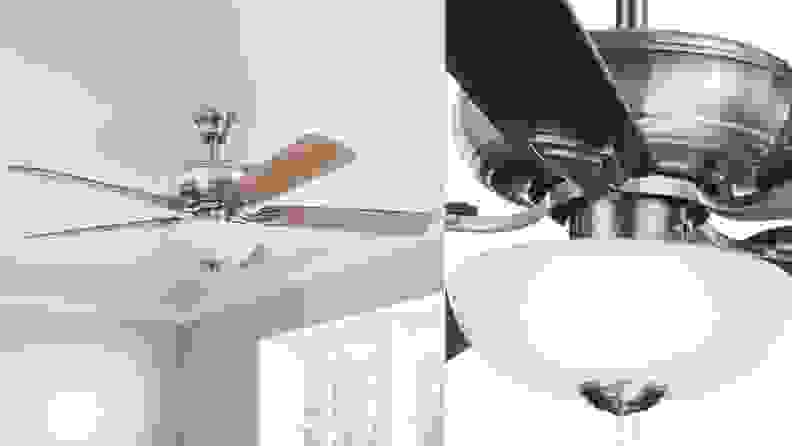
Ceiling fans can also provide illumination, with lighting options influencing a room's ambiance. Single-bowl light kits are suitable for areas requiring medium ambient lighting, such as bedrooms and kitchens. For spaces lacking other light sources, multi-arm lighting fixtures with three to four bulbs can brighten an entire room. Integrated downlight kits offer a clean, sophisticated look without overwhelming other decorative elements. Dimmable lights, controllable via wall switches or remotes, enhance mood setting and user convenience.
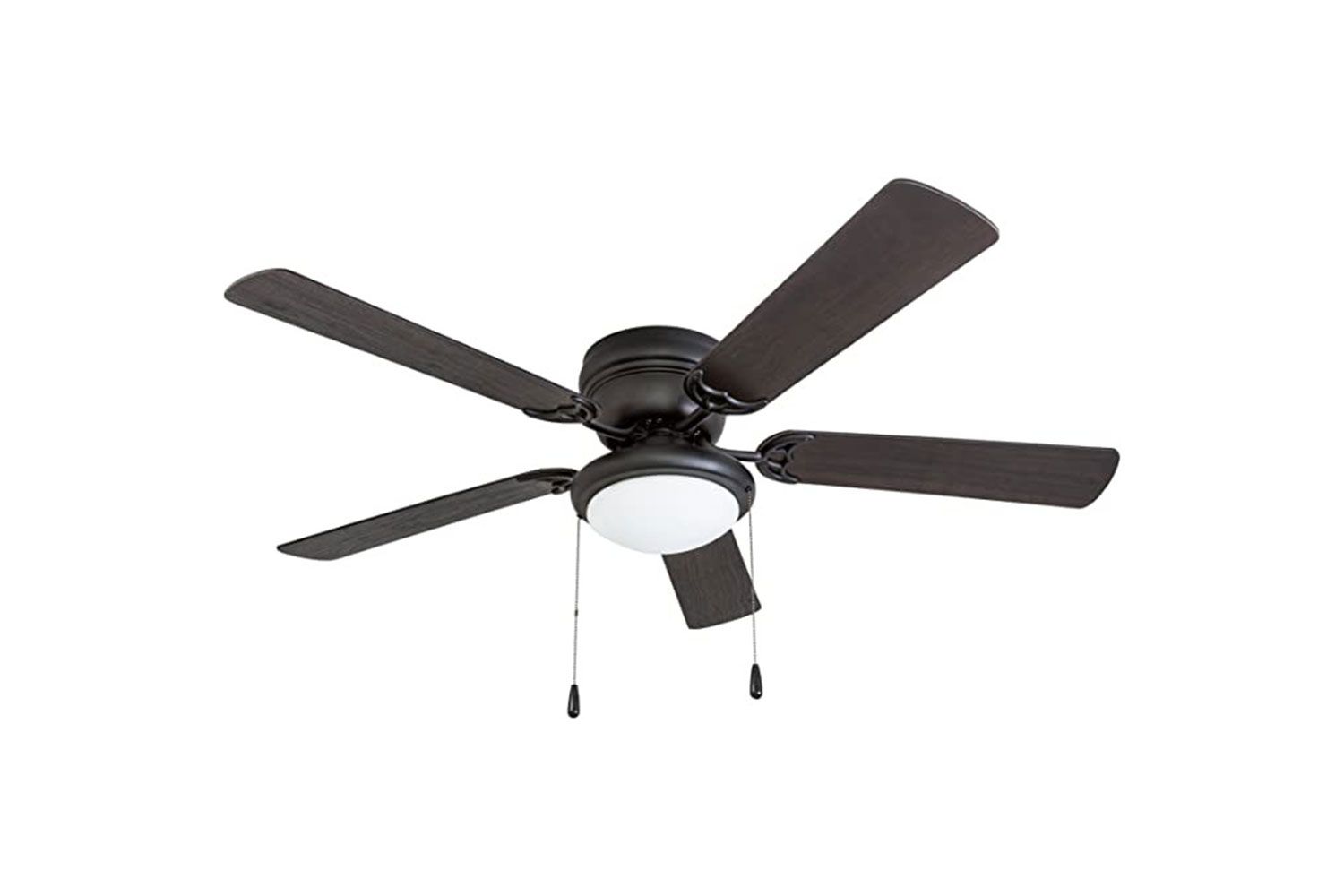
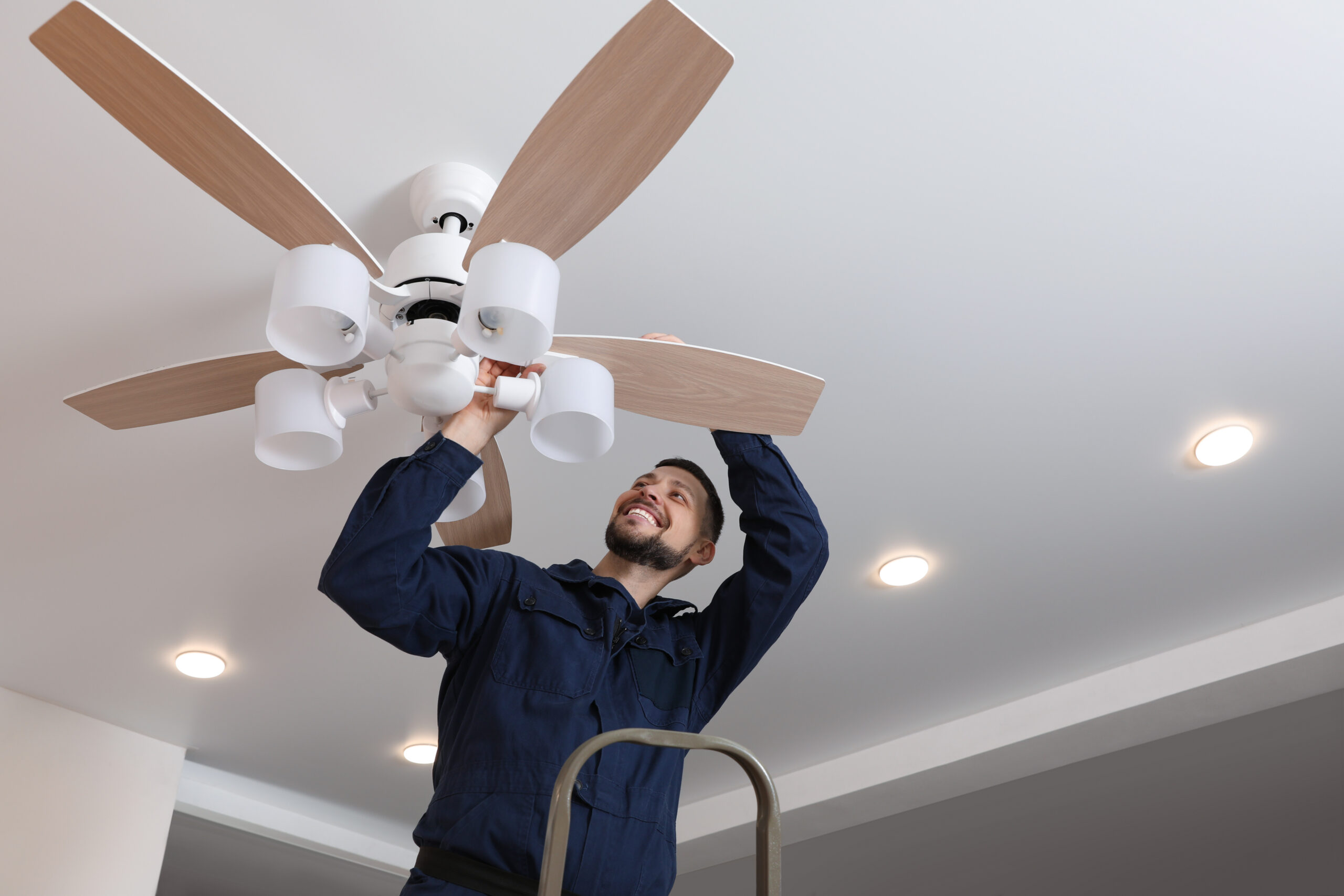
Proper installation and mounting are crucial for a ceiling fan's efficiency and safety. Fans should typically be mounted 7 feet from the floor to ensure optimal air circulation. Flush-mount fans are ideal for ceilings 8 feet or less, while standard fans, usually with a 6-inch downrod, suit ceilings between 8 and 9 feet. For sloped or vaulted ceilings exceeding 34 degrees, a sloped ceiling adapter kit is necessary to ensure correct installation.
The size of a ceiling fan, determined by its diameter, is critical for effective air circulation rather than the number of blades. For rooms under 100 square feet, such as laundry rooms or powder rooms, fans ranging from 30 to 48 inches are recommended. Bedrooms and kitchens under 400 square feet typically benefit from fans between 48 and 54 inches. Larger rooms, open-concept spaces, or lofts often require fans 56 inches or larger.
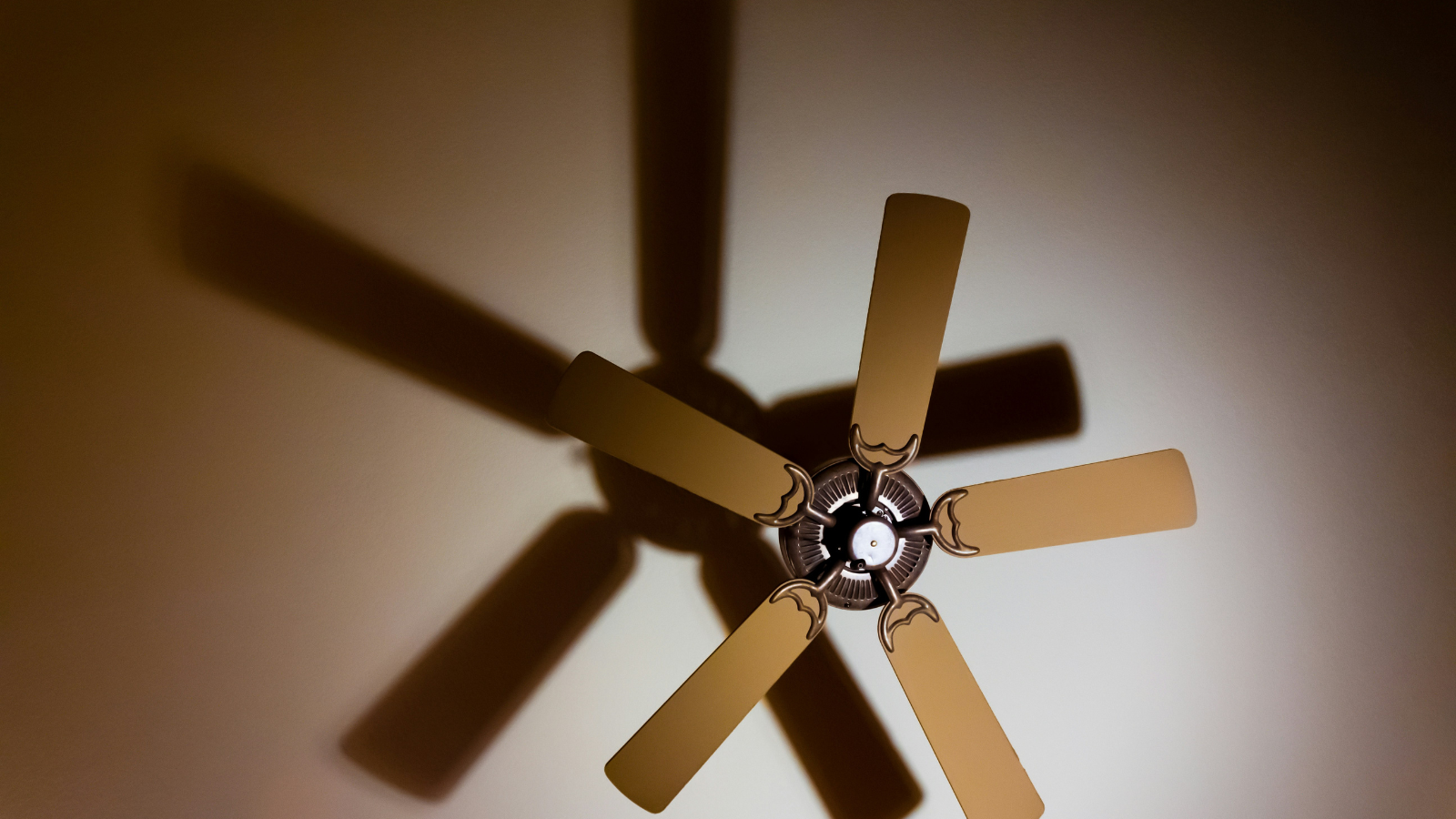
Ceiling fans are energy-efficient alternatives to air conditioning. They can make a room feel 6 to 8 degrees cooler, reducing reliance on AC units and potentially saving up to 47 percent on cooling costs. Experts highlight that if every household in America increased their AC temperature by just 4 degrees and used ceiling fans, it could save nearly $13 billion in energy costs annually. When purchasing, the Cubic Feet per Minute (CFM) measurement indicates how much air a fan moves, with higher CFM indicating more efficient airflow. Energy Star-rated fans are particularly efficient, moving air 20 percent more efficiently than standard models, offering significant environmental and financial benefits.
#CeilingFans #HomeDecor #SmartHome #EnergyEfficiency #InteriorDesign #Lighting #ProductReview #ShoppingGuide #CeilingFans #HomeDecor #SmartHome #EnergyEfficiency #InteriorDesign #Lighting #ProductReview #ShoppingGuide
0 comment in total
 No comments yet
You may also like
Ceiling fans: A new spin on cooling your home | Home and Garden | Life
There's a Cool Ceiling Fan for Every Vibe and Budget

Ceiling fans 101: a guide to choosing the right one

Stay cool this summer with ceiling fans


The Best Ceiling Fans to Keep You Cool All Year Round

Spin Smarter, Not Harder: Our Favorite Smart Ceiling Fans

Beat the Heat With These Svelte Ceiling Fans That Cost Less Than $250

We Spent 1,200 Hours Testing Which Ceiling Fans Are the Most Cooling — These Are Our Winners
The Best Ceiling Fans for a Breezy, Comfortable Home


Move Over Ceiling Fans—'Fandeliers' Are the New Favorite for Cooling in Style

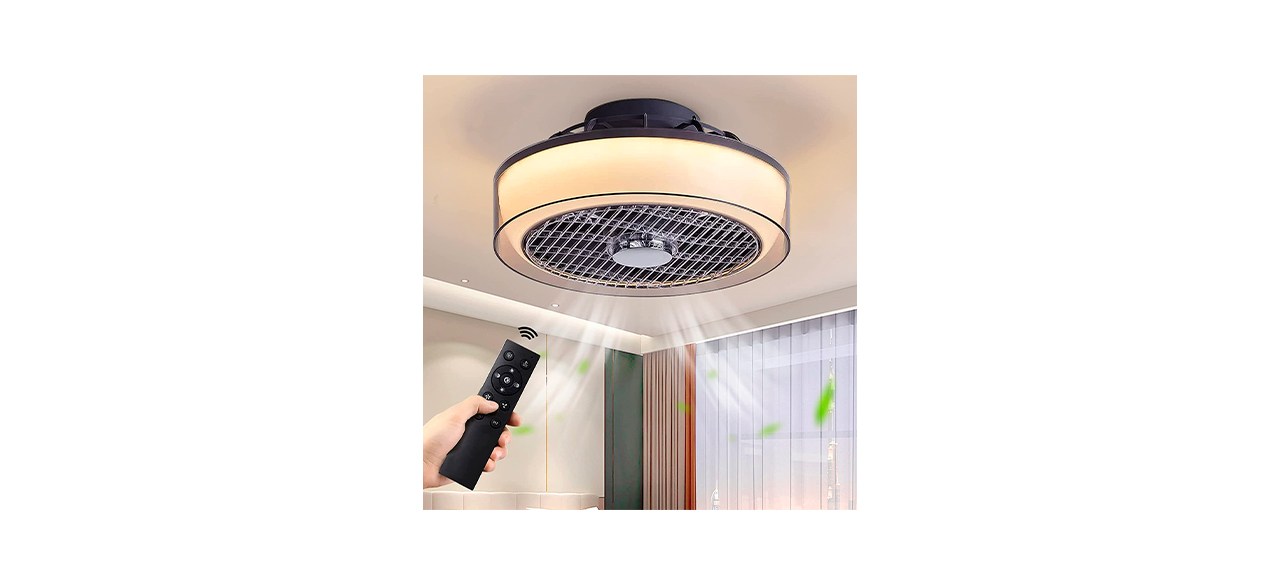
8 best bladeless ceiling fans
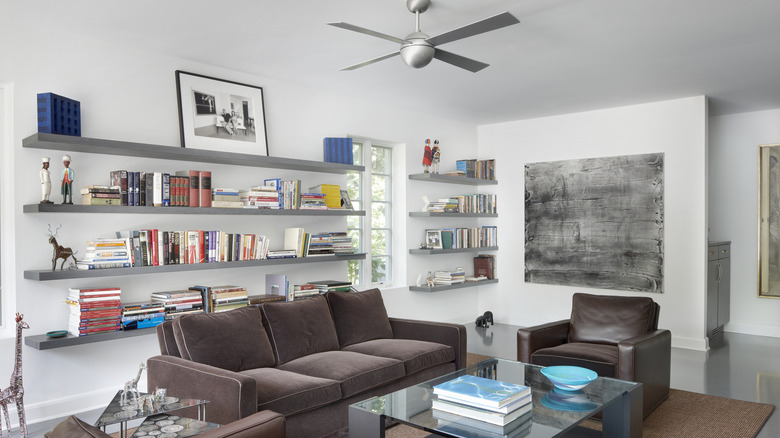
The Best Ceiling Fans For Each Room Of Your Home
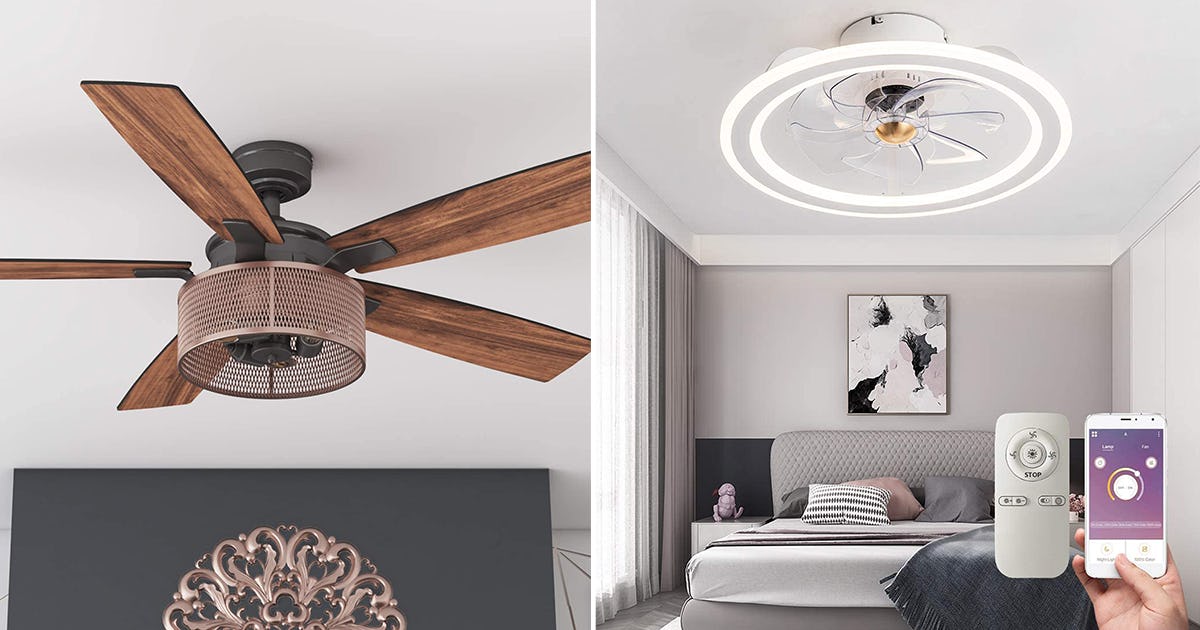
We’re A Fan! These Are The Best Ceiling Fans To Help Keep Your Home Cool

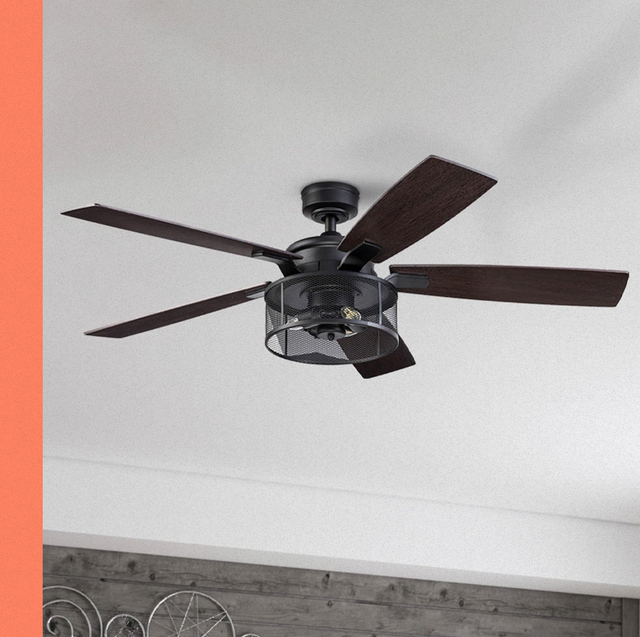
Our Editor Recommendations for Ceiling Fans Can Supplement or Even Replace an A/C
Stylish ceiling fans for modern spaces

15 top-rated Home Depot ceiling fans to keep your home cool

Ceiling Fans—A Stylish Way to (Literally) Beat the Heat


11 Ceiling Fans in Singapore with Lights, Smart Tech, Bladeless and Small Options (2025)
Not a Fan? Seven Ceiling Fan Options For All You Haters

Energy-efficient ceiling fans: Cutting cooling costs year-round