1/21
These Flowers Will Thrive in the Coldest Months of the Year
Many beautiful flowers are capable of blooming in winter, bringing much-needed color and cheer to snowy landscapes. Unlike traditional holiday plants like poinsettias and Norfolk pines, which are popular during Christmas, various other plants can unexpectedly brighten the winter scenery. Whether planted in garden beds or containers, these winter flowers offer a burst of vibrancy during the year's often gloomy months. When selecting perennials, shrubs, or trees for winter blooming, it is essential to ensure they are suitable for the local plant hardiness zone, as defined by the USDA. Gardeners should consult plant tags or descriptions to understand the specific light requirements for each species, with 'full sun' typically meaning at least six hours of direct sunlight daily and 'part sun' indicating about half that amount. Thoughtful placement is also crucial; plants should be positioned where they can be easily seen and enjoyed from inside the home. For optimal growth, winter flowers should be planted in the fall, approximately six weeks before the ground freezes, allowing them sufficient time to establish before the onset of cold weather. Local university cooperative extension services can provide information on freeze dates in specific areas.
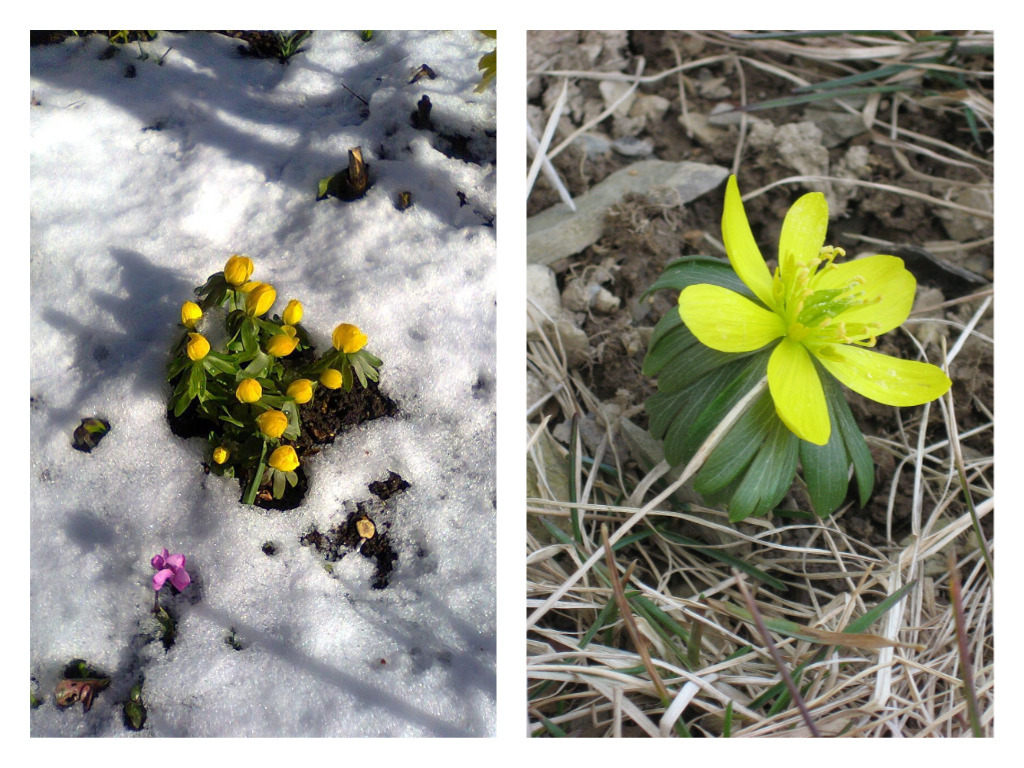
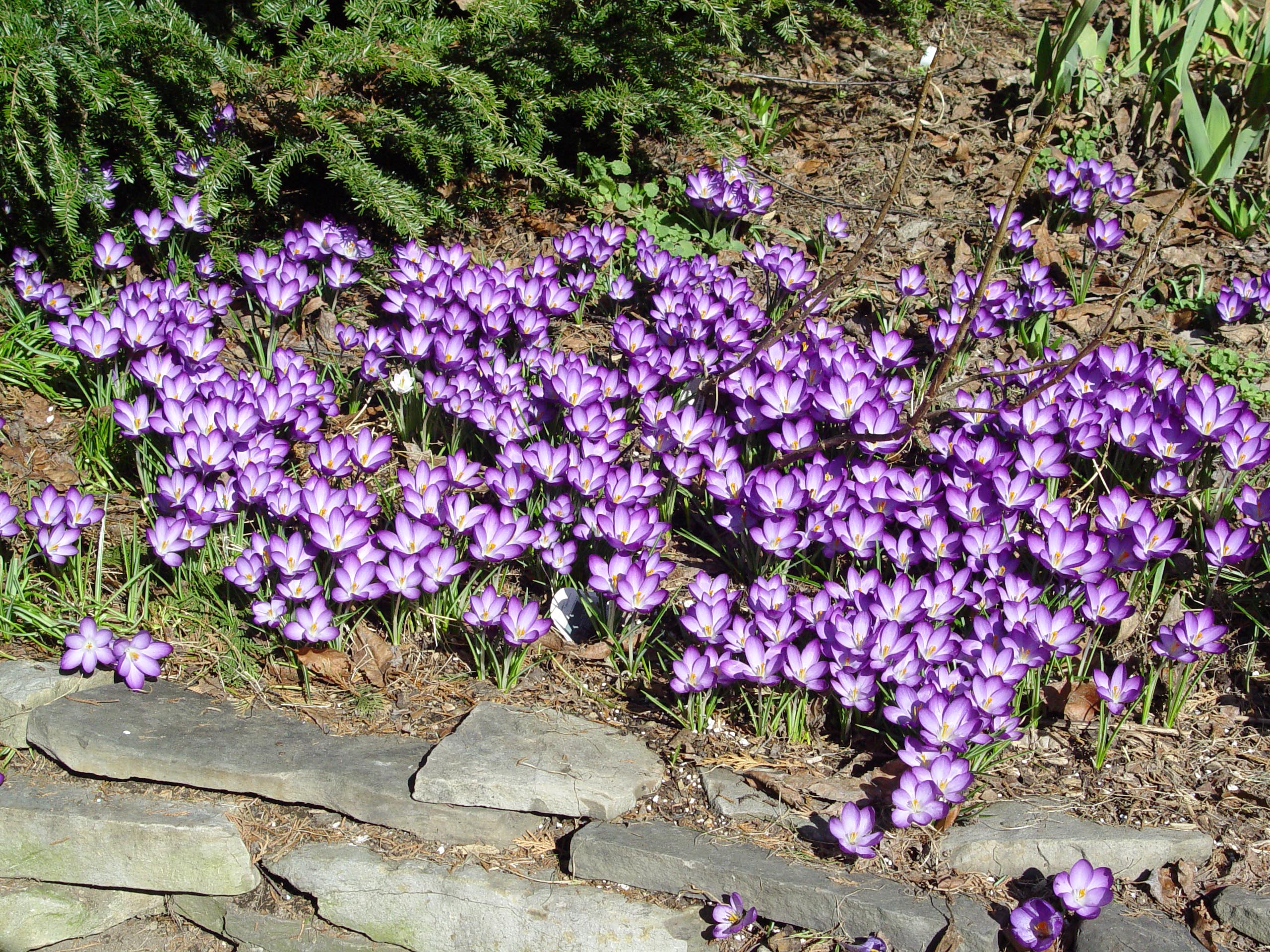
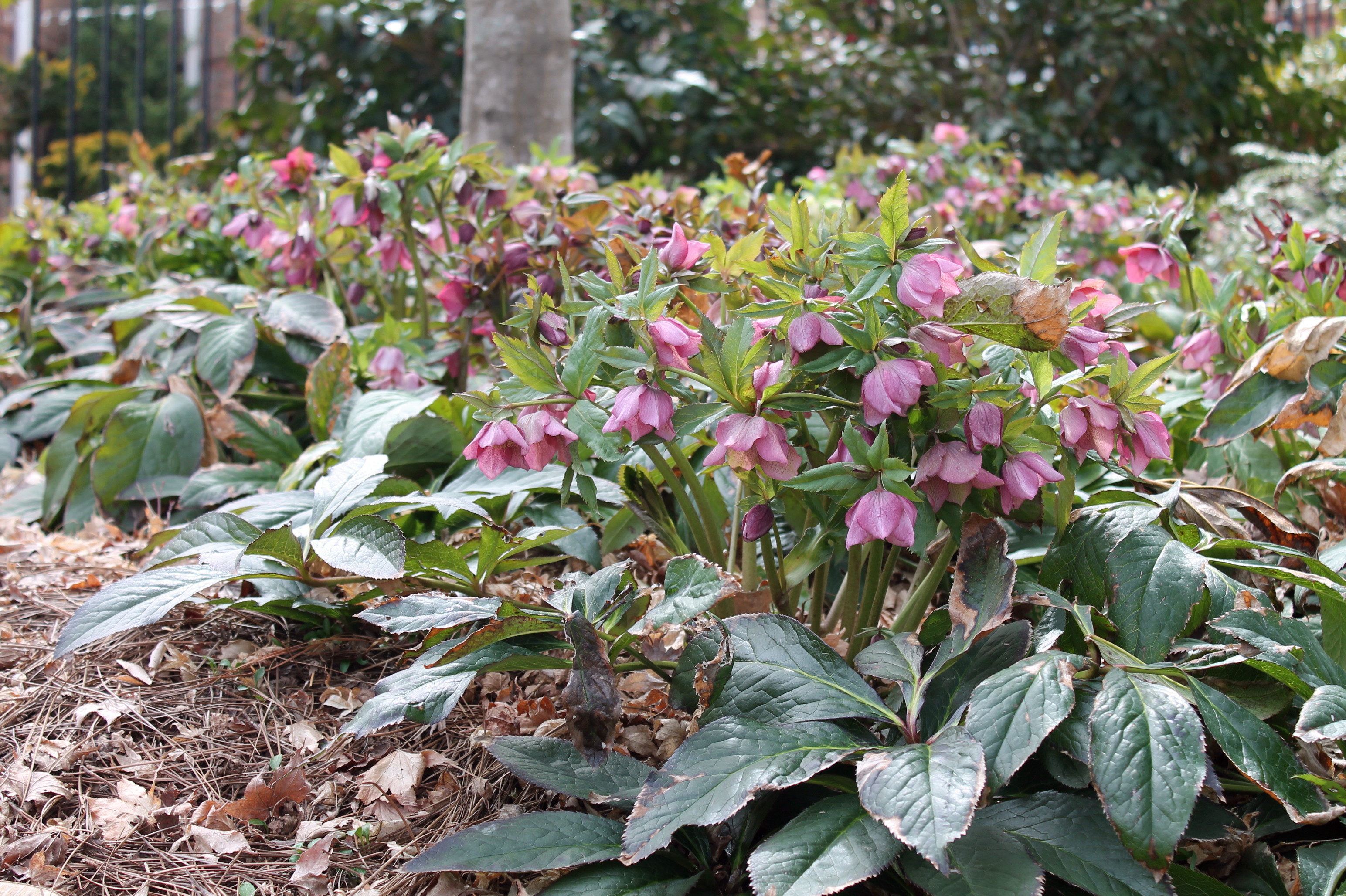
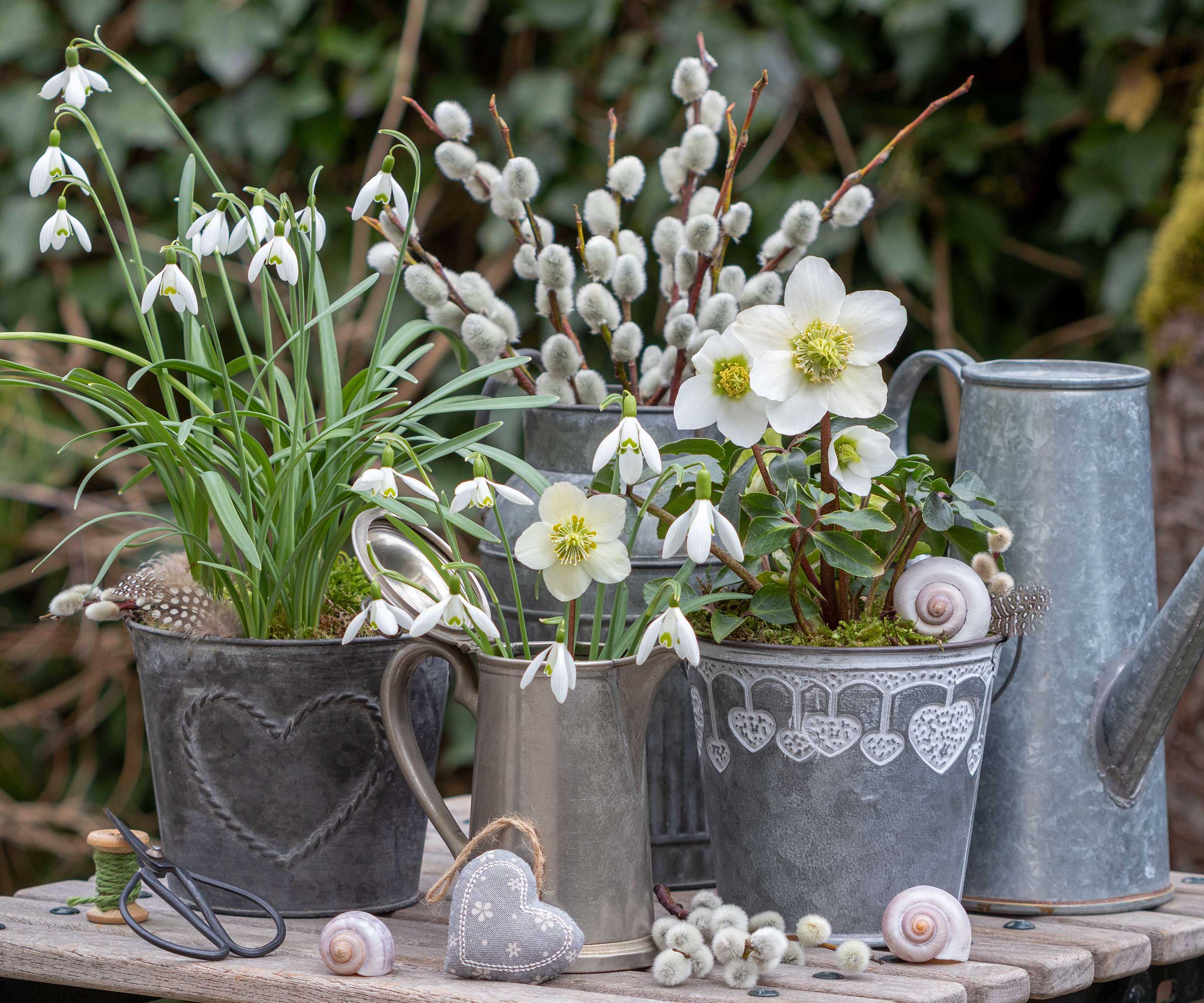
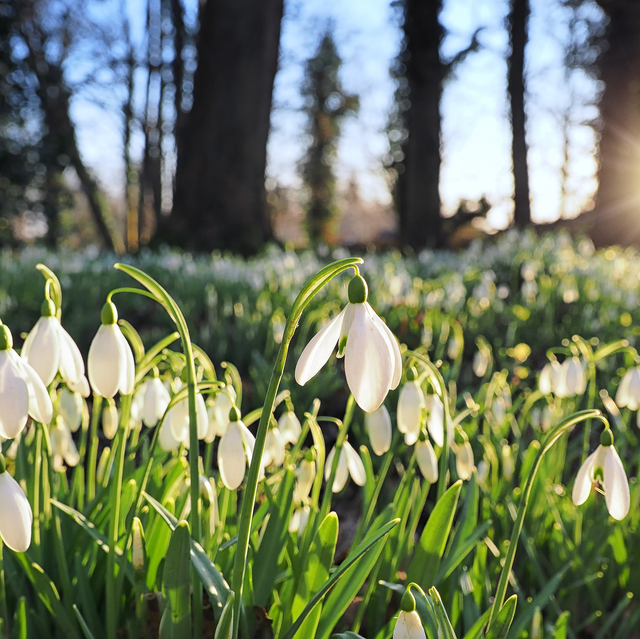
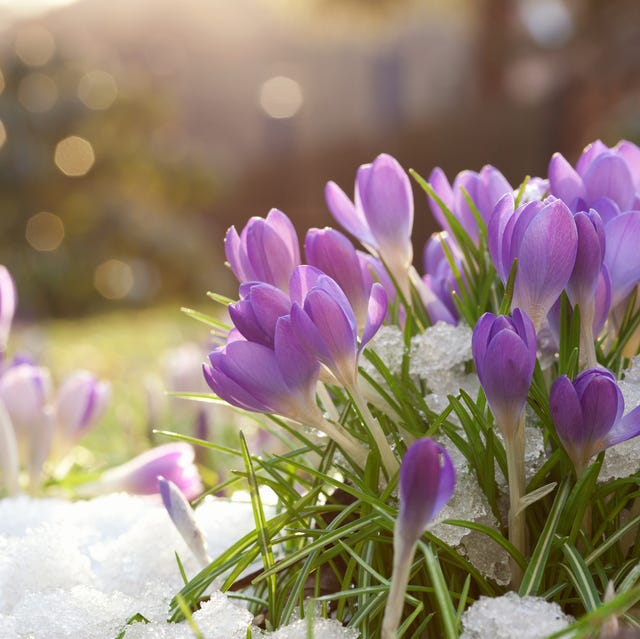
The article lists various winter-blooming flowers, each with unique characteristics and care requirements. Amaryllis, known for its large, trumpet-shaped blooms in shades of red, white, pink, and picotee, thrives in milder climates with full sun exposure. Algerian Iris produces fragrant purple flowers from late fall to early spring, requires low maintenance, and adapts to full sun or partial shade. Christmas Cactus, a popular holiday plant, blooms in pink, purple, red, and white, preferring partial sun in cold-hardy zones. Glory of the Snow, though typically a spring flower, emerges so early that it often blooms while snow is still present, is disease-resistant, and can grow in full or partial sun. Dutchman's Breeches, another early bloomer resembling small Bleeding Hearts, is low-maintenance and flourishes in half or full shade. Hellebore, or Lenten roses, appears in mid-to-late winter, offering lush petals and exquisite colors, and is highly cold-hardy. Snowdrops, despite their delicate appearance, are robust tiny flowers that emerge through snow, providing green and white blooms in late winter and early spring. Pansies and Violas, available in various colors, are resilient to cold and can last into early winter in many climates, even re-seeding in some regions. Camellias are evergreen shrubs with glossy leaves and stunning white, pink, and red flowers, ideal for Southern gardens in partial shade. Crocuses are hardy flowers that often bloom through snow, closing at night and reopening in morning sun, returning for many years when bulbs are planted in fall in full sun to partial shade. Pieris, an evergreen shrub, features tiny pink or white bell-shaped flowers in late winter, suitable for shady areas, but is toxic to pets. Primrose, a cold-hardy perennial, blooms in late winter or early spring in partial shade, with over 500 varieties available to suit different hardiness zones. Witch Hazel, a North American native shrub, displays whimsical wispy flowers in mid-winter before its foliage, thriving in mild climates with full sun and attracting pollinators and songbirds. Winter Heath is a low-maintenance evergreen groundcover with pink flowers blooming from winter to early spring in full or partial sun, also helping to suppress weeds. Mahonia, an evergreen shrub, produces bright yellow flowers from late fall to early winter, followed by blue-black berries, and thrives in partial sun while attracting birds. Ipheion, with its sweetly-scented, star-shaped pink, white, or blue flowers, blooms in late winter or early spring and prefers full sun to partial shade. Winter Jasmine showcases bright yellow flowers on arching branches in late winter, adding sunshine to the landscape and is suitable for slopes. Daphne, an evergreen shrub, offers delicate pink, white, or lavender blooms with a sweet, fruity fragrance in late winter to early spring, preferring full sun to partial shade. Winter Aconite is characterized by buttercup yellow blooms that appear through snow in late winter, suitable for rock gardens and flower beds. Lastly, Scilla, or Siberian squill, produces petite blue flowers and strap-like leaves, making it an excellent addition to rock gardens or borders, and is highly cold-hardy, multiplying quickly in full sun or partial shade. These plants collectively provide diverse options for maintaining a colorful garden throughout the colder months.
#WinterFlowers #ColdHardyPlants #GardeningTips #SeasonalGardening #FlowerCare #EvergreenShrubs #Perennials #WinterFlowers #ColdHardyPlants #GardeningTips #SeasonalGardening #FlowerCare #EvergreenShrubs #Perennials
0 comment in total
 No comments yet
You may also like
25 Colorful Winter Flowers That Actually Thrive in the Cold

21 Winter Flower Arrangements That Might Rival Your Tree This Year
Grow These Stunning Spring Flowers to Welcome in the Season
Tips for selecting an indoor plant
12 early-blooming plants and flowers that will chase the winter blues away

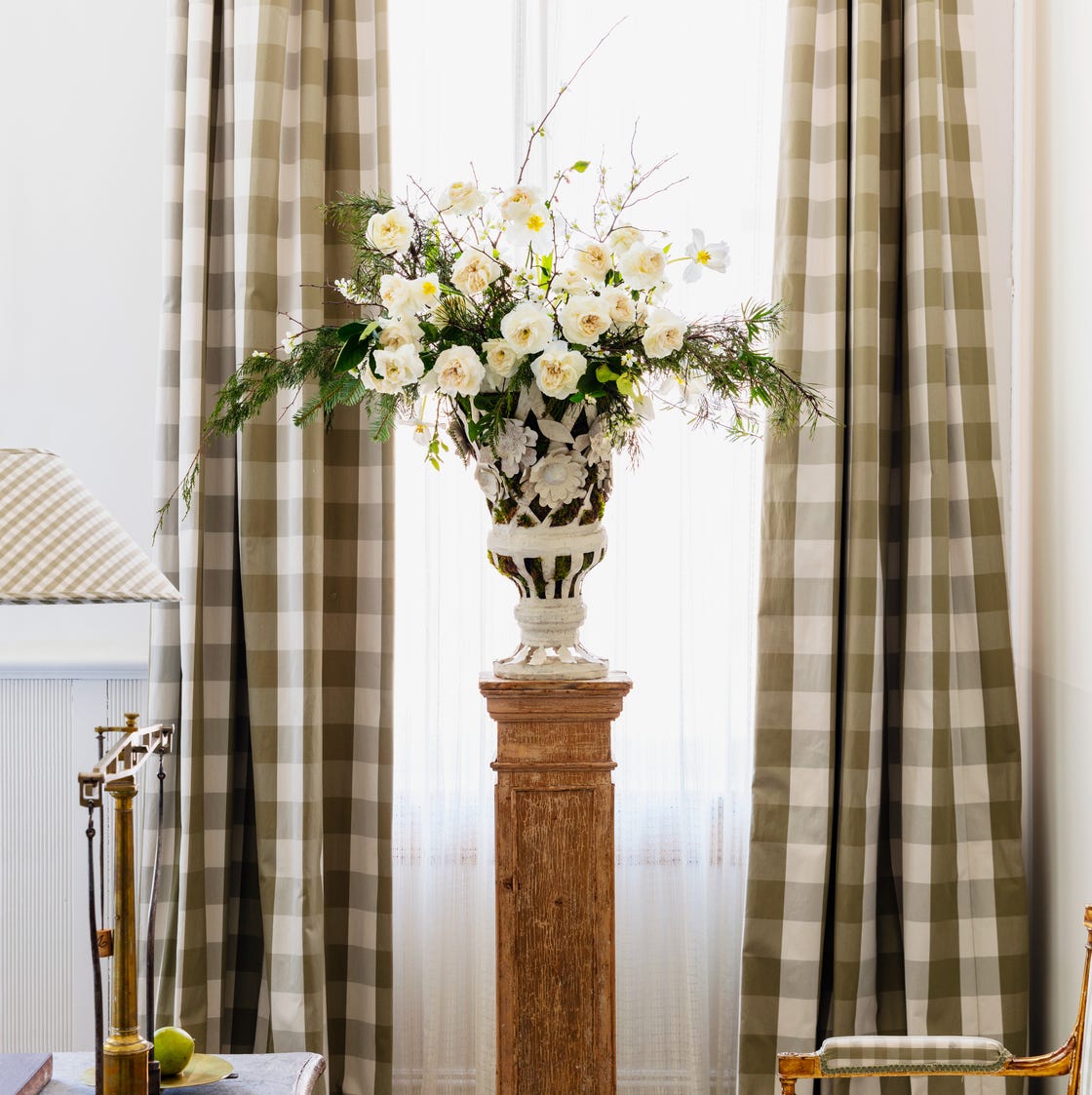
Brighten Your Home This Winter With These 30 Stunning Floral Arrangements

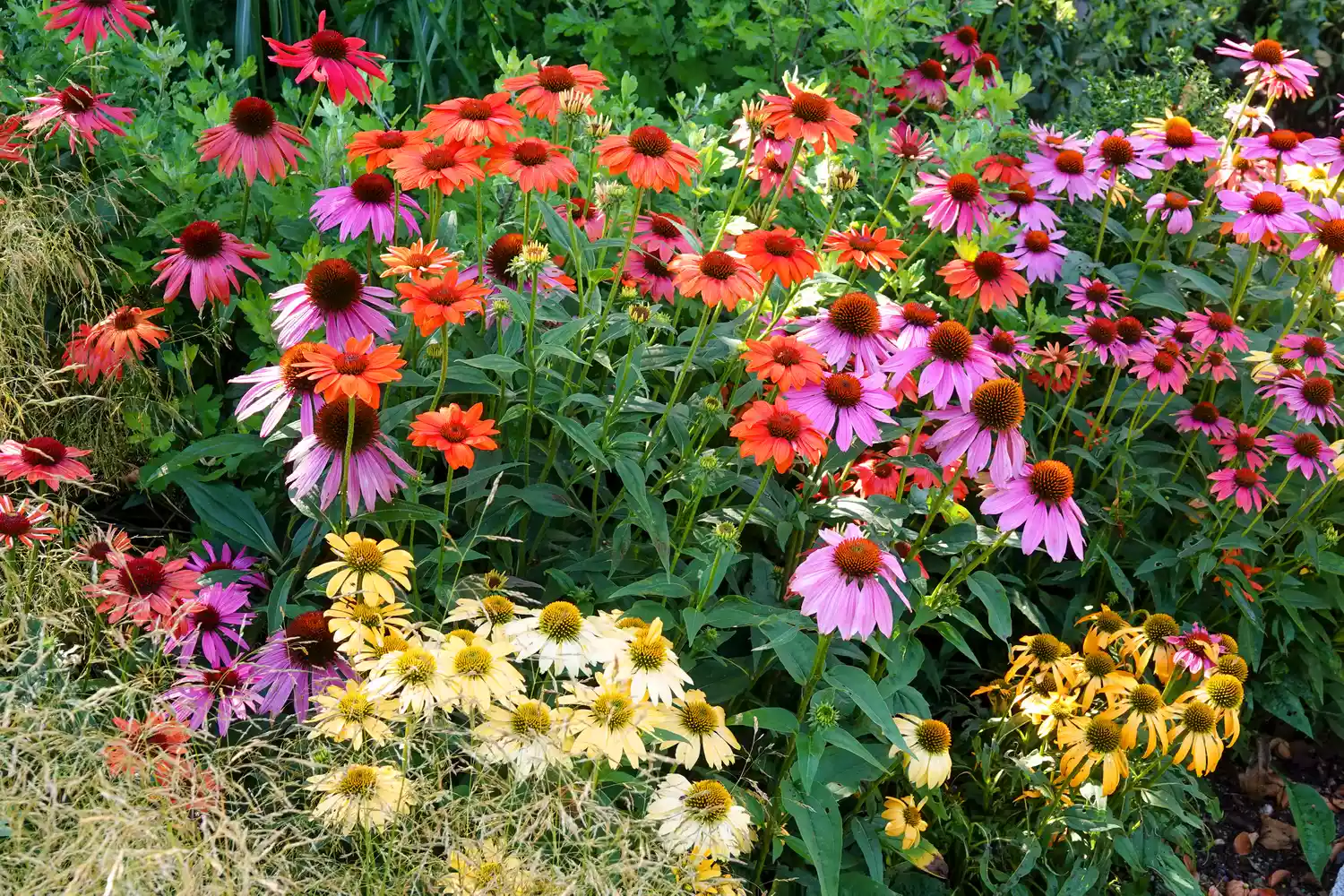
7 Flowers You Should Plant Right Now for Blooms That Will Last Until December (or Longer)


4 Floral Arrangements To Hold You Over Until Spring

5 Houseplants That Just Don't Like Winter — And How to Keep Them as Happy as Possible During the Colder Months

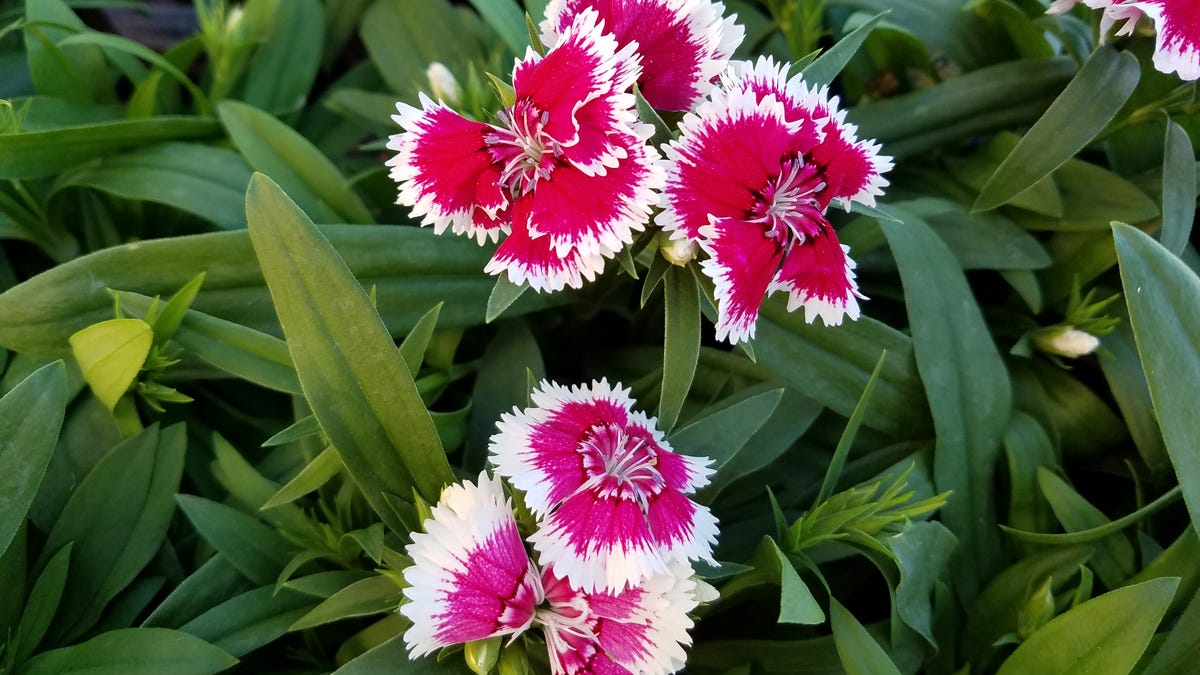
These winter flowers can take the cold in Central Florida | Sally Scalera
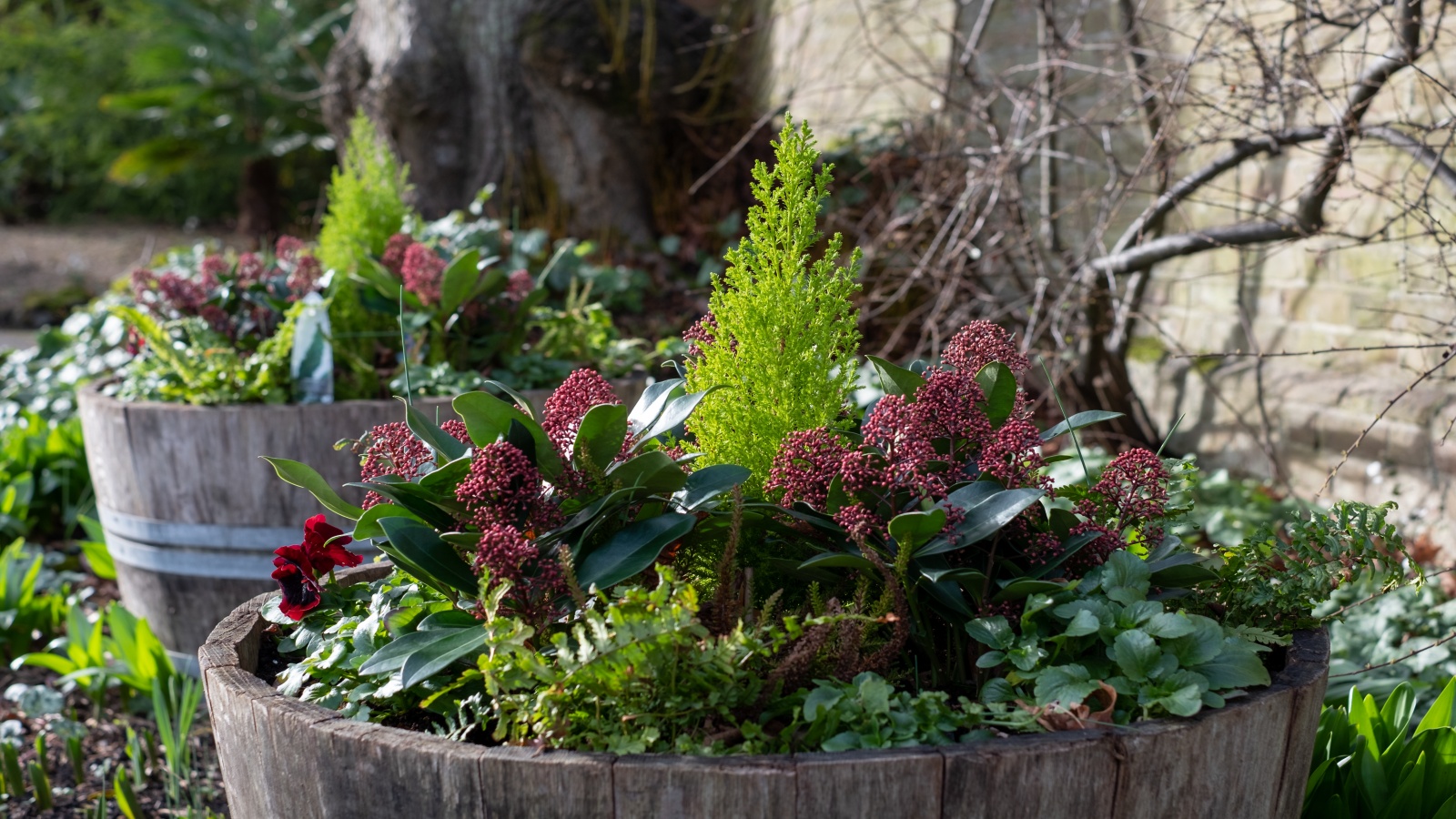
Garden Designers Share Simple Yet Stylish Ways to Spruce Winter Containers

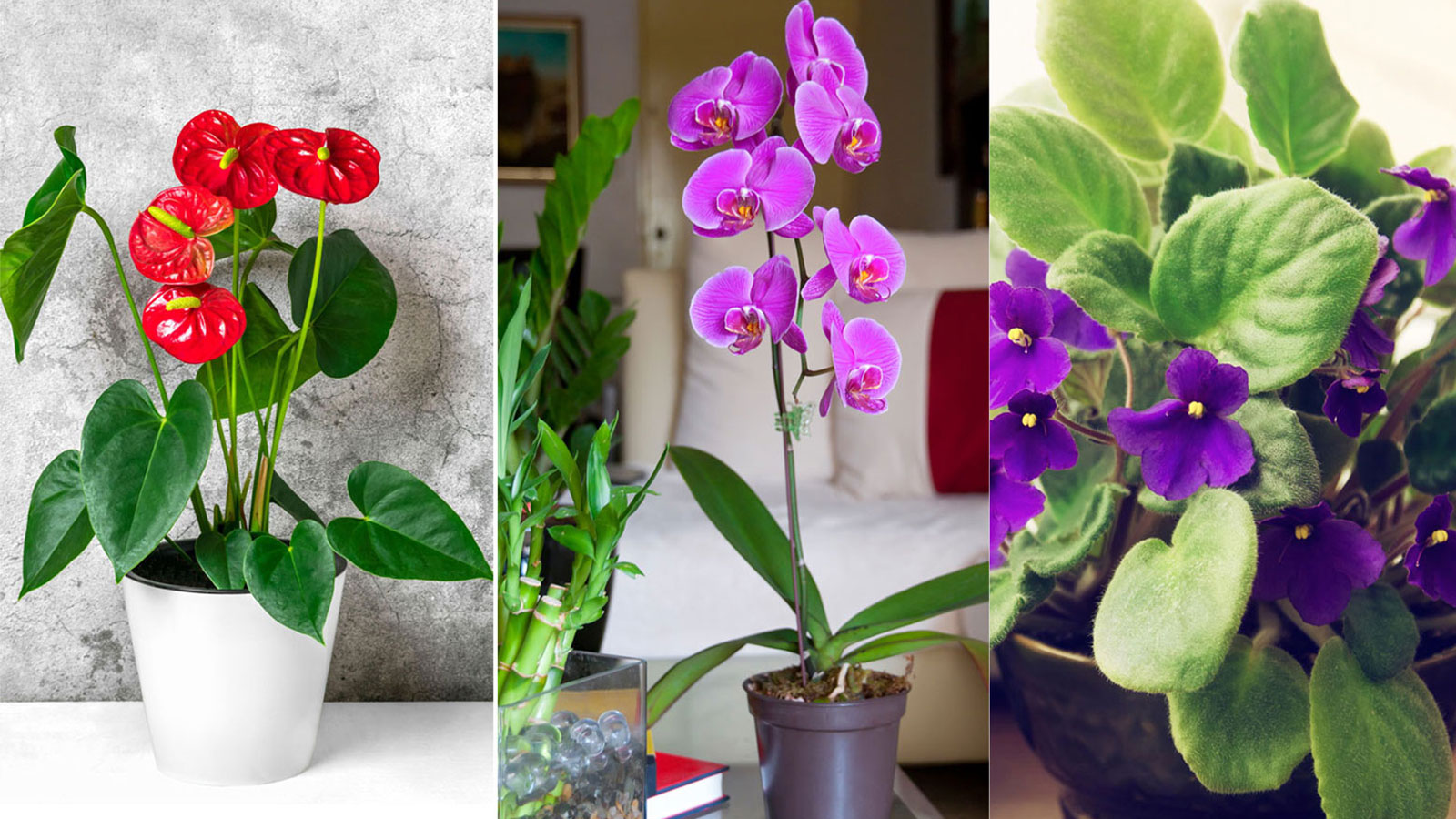
10 indoor plants that flower all year round – choose from our expert recommendations for non-stop blooms
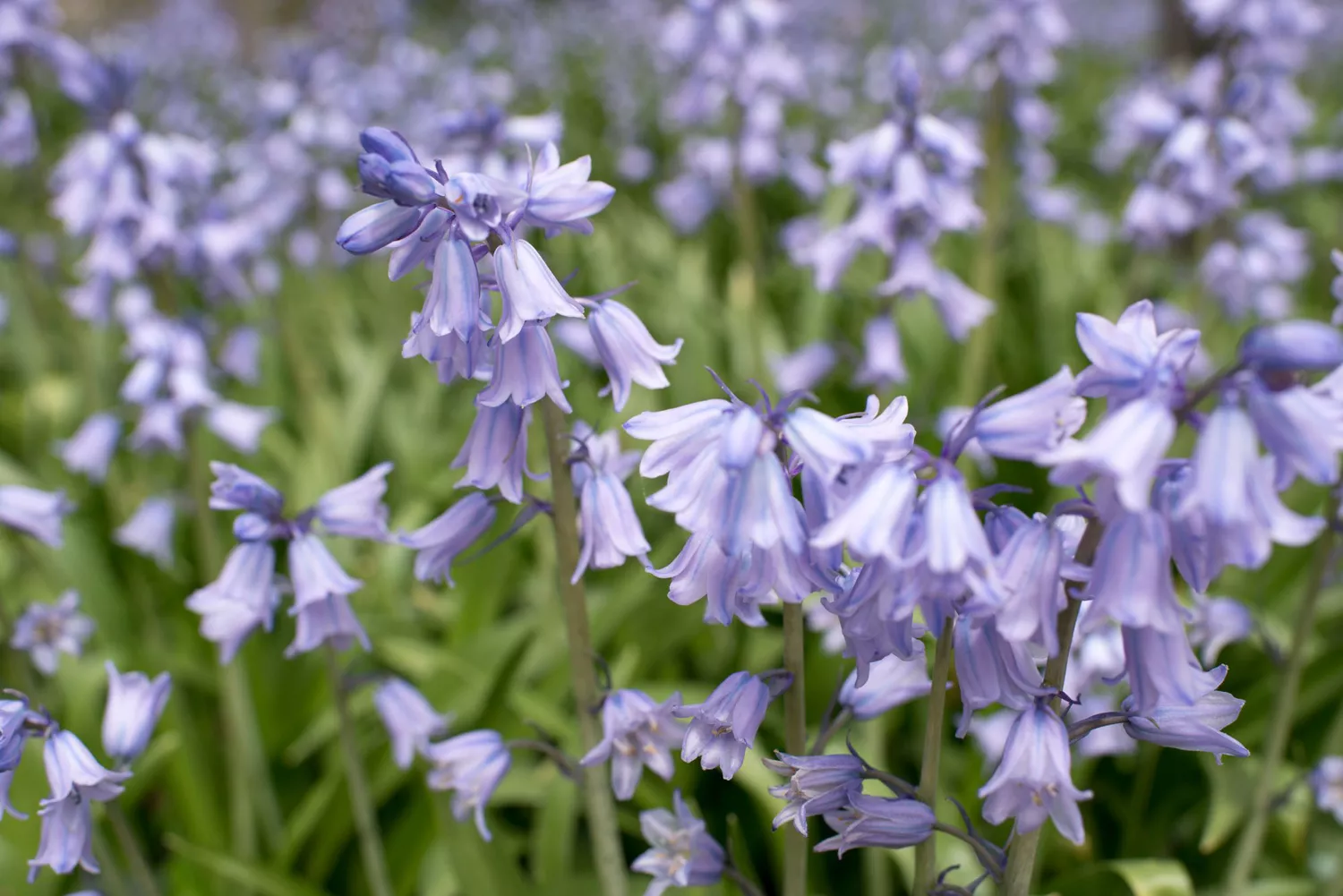
20 Flowers You Can Plant During The Winter
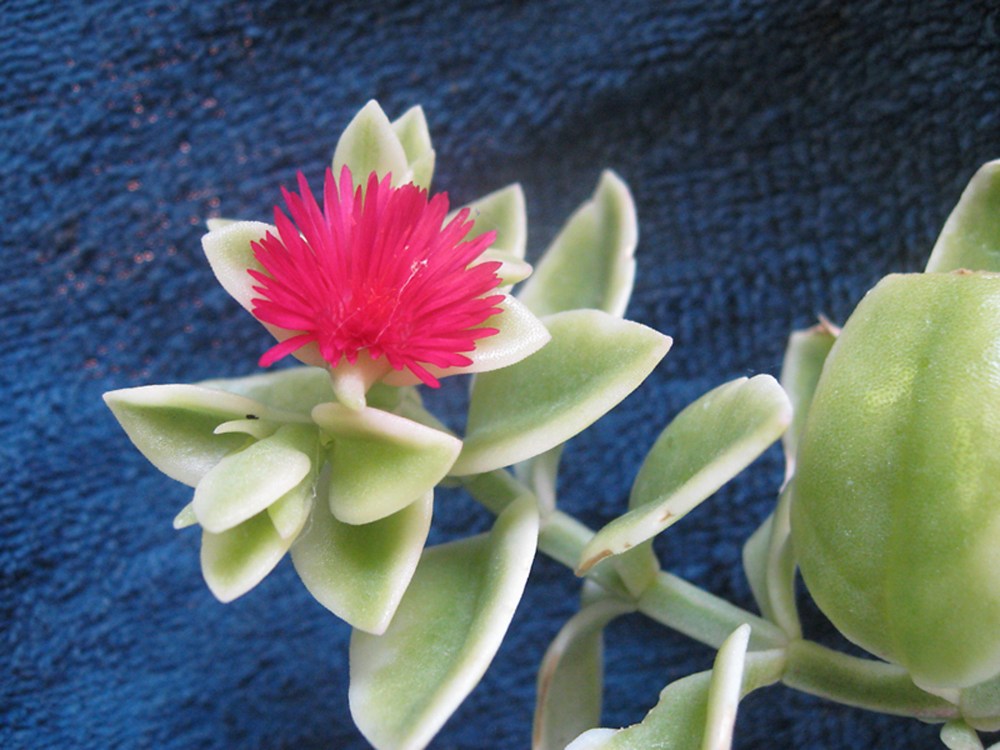
Nov 2017: Gone Gardenin' -- Ice plants can be enjoyed both indoors and outdoors
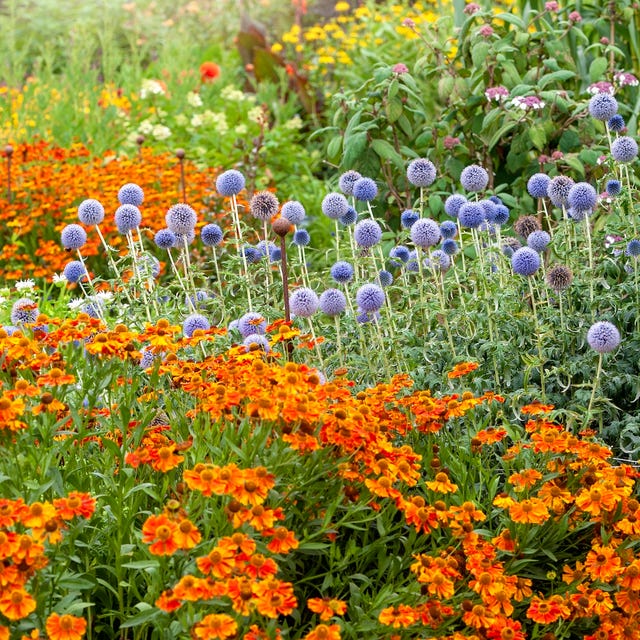
Gardeners, These Low-Maintenance Perennial Flowers Bloom Every Season

I Spoke to Pro Designers for Secrets to Styling a Porch in Freezing Winters
The Most Gorgeous Plants That Require ZERO Effort to Keep Alive All Winter Long

These Low-Maintenance Perennial Flowers Bloom Every Season
The best new annual flowers of 2025
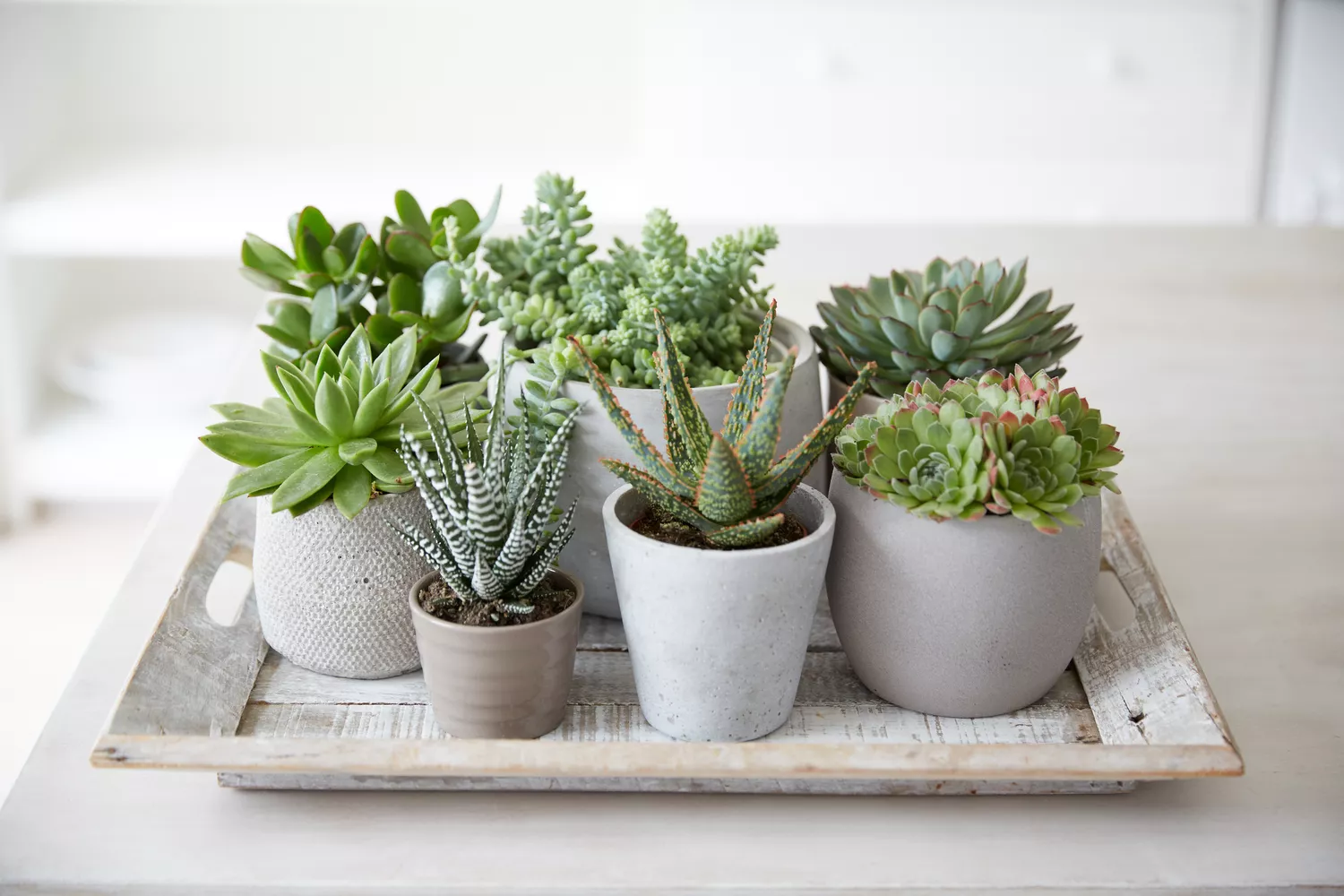
14 Succulents That Will Thrive Indoors All Year Round