Are America’s Favorite Countertops Going Away?
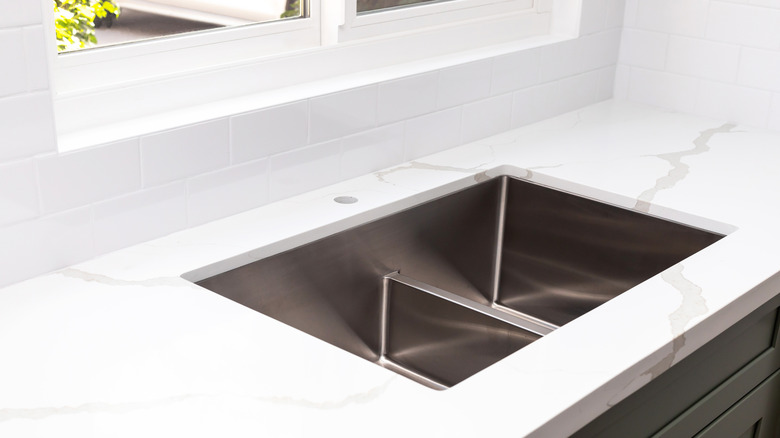
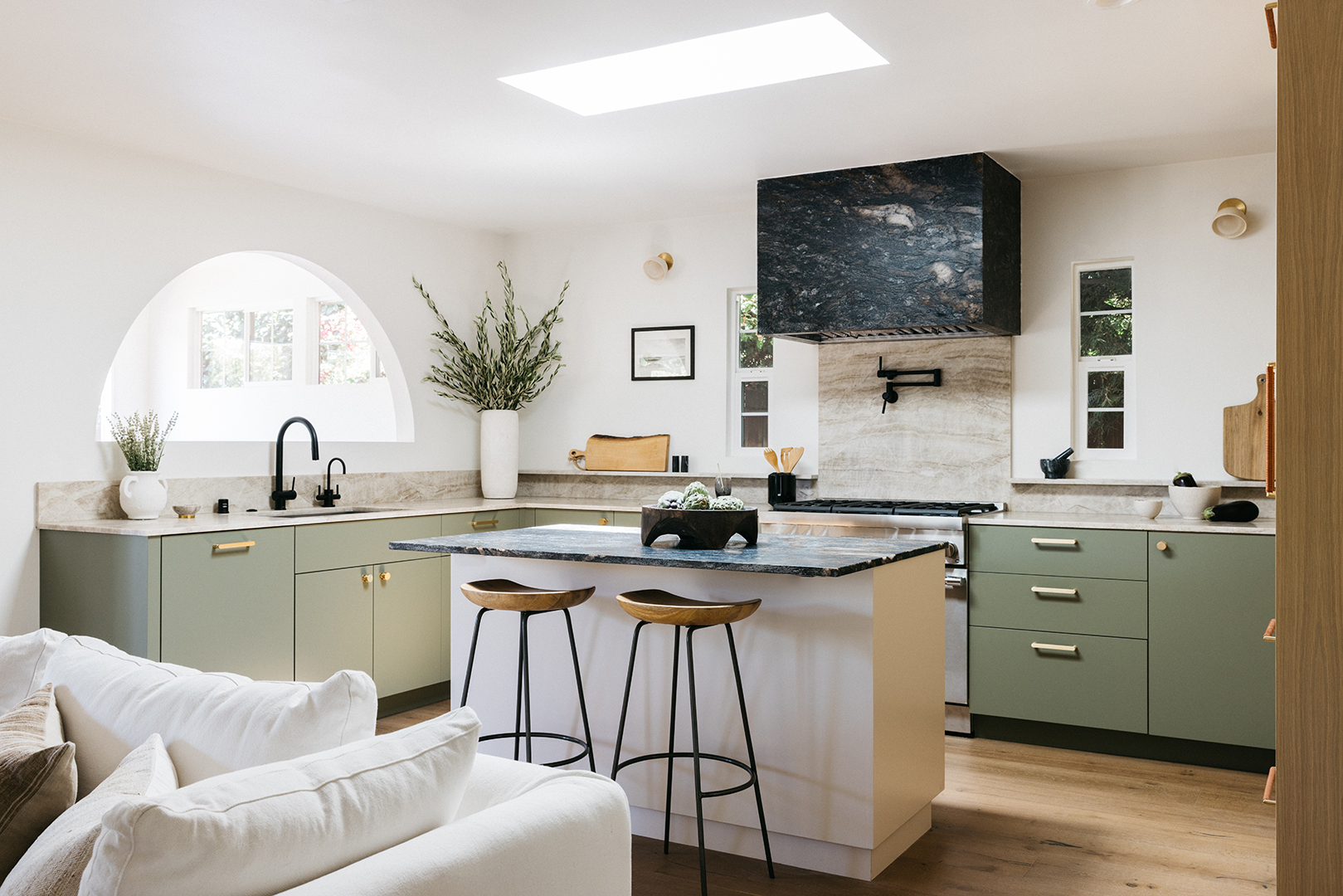
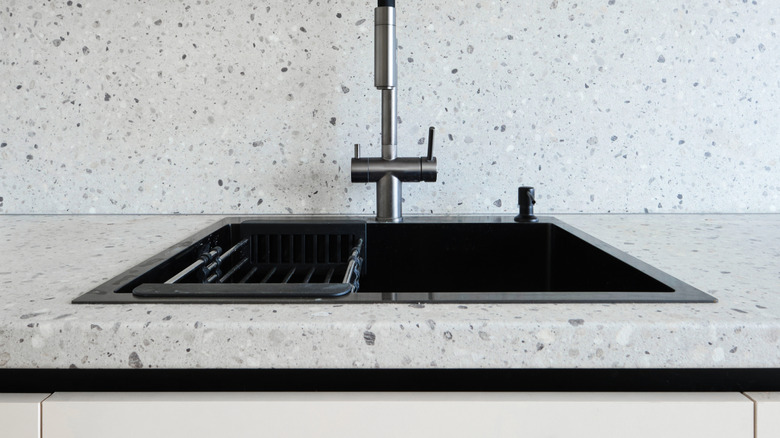
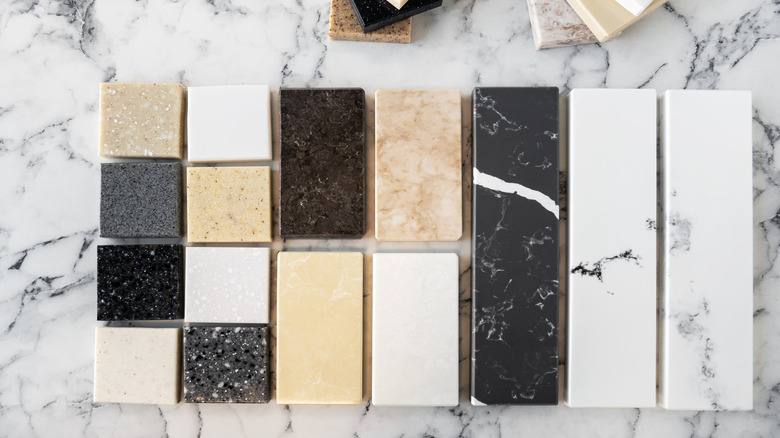
Engineered stone, often lauded for its durability, low maintenance, and aesthetic appeal, has become a popular choice for countertops in American kitchens and bathrooms. This material, which surpassed laminate as the most used U.S. countertop material in 2021, is favored by designers and homeowners alike for its scratch, stain, and heat resistance, as well as its nonporous nature and long-term warranties. However, the widespread use of engineered stone is now facing significant challenges due to health concerns associated with its fabrication.
The core issue lies in the high silica content of engineered stone, which can be over 90%, significantly higher than granite (less than 45%) or porcelain (less than 20%). During the fabrication process, particularly when cutting, grinding, or polishing, workers can inhale respirable crystalline silica dust. This exposure leads to silicosis, a severe and potentially fatal lung disease characterized by irreversible scarring of the lungs. The American Lung Association highlights that approximately 2.3 million U.S. workers, including 2 million in construction, are exposed to silica, with complications from silicosis ranging from tuberculosis and lung cancer to chronic bronchitis and autoimmune disorders.
Regulators globally and domestically are responding to this health crisis. Australia has adopted a stringent approach, announcing a ban on the use, supply, and manufacture of all engineered stone effective July 1, 2024. This decision was primarily driven by workplace health and safety concerns, recognizing the preventable nature of silicosis and the dangers posed to fabricators. The Australian ban aims to eliminate occupational exposure to high-silica engineered stone.
In the United States, California, a state known for its progressive home-related legislation, has taken a regulatory approach rather than an outright ban. Cal/OSHA, the state's occupational safety agency, implemented temporary rules in December 2023 to protect workers from silicosis risks during engineered stone fabrication. This move was prompted by 95 identified cases of silicosis among California workers since 2019, resulting in 10 deaths. The new guidelines aim to ensure safe fabrication practices, and Cal/OSHA is considering a prohibition on engineered stone if these measures prove insufficient after a six-month review period.
In response to these growing concerns and regulations, engineered stone manufacturers are innovating to provide safer alternatives. Companies like Cosentino, a major global producer, showcased new technologies at the 2024 Kitchen & Bath Industry Show (KBIS). Cosentino's HybriQ technology produces engineered stone with less than 40% silica, with nearly a third of its portfolio containing 10% or lower silica levels, marketed under the SilestoneXM brand. Caesarstone, another industry giant, is also promoting its new low-silica mineral collection. Both companies are also offering porcelain slab countertops as a viable alternative, which offers similar durability attributes like heat, scratch, and stain resistance, and can be used outdoors. The Green Building Council of Australia supports porcelain as a non-toxic alternative, alongside stainless steel and sustainably sourced natural stone and wood.
The situation underscores a growing awareness among designers, homeowners, and regulators about the human cost of certain materials and manufacturing processes. As consumer preferences shift towards more ethically and safely produced products, manufacturers are compelled to develop solutions that prioritize worker health without compromising on aesthetic or functional quality. This trend indicates a potential transformation in the countertop industry, moving towards products with lower silica content or alternative materials to mitigate health risks in the supply chain.
#EngineeredStoneCountertops #QuartzCountertops #MineralCountertops #KitchenDesign #BathroomDesign #SilicosisPrevention #WorkplaceSafety #AustraliaBan #CaliforniaRegulation #EngineeredStoneCountertops #QuartzCountertops #MineralCountertops #KitchenDesign #BathroomDesign #SilicosisPrevention #WorkplaceSafety #AustraliaBan #CaliforniaRegulation
0 comment in total
 No comments yet
You may also like
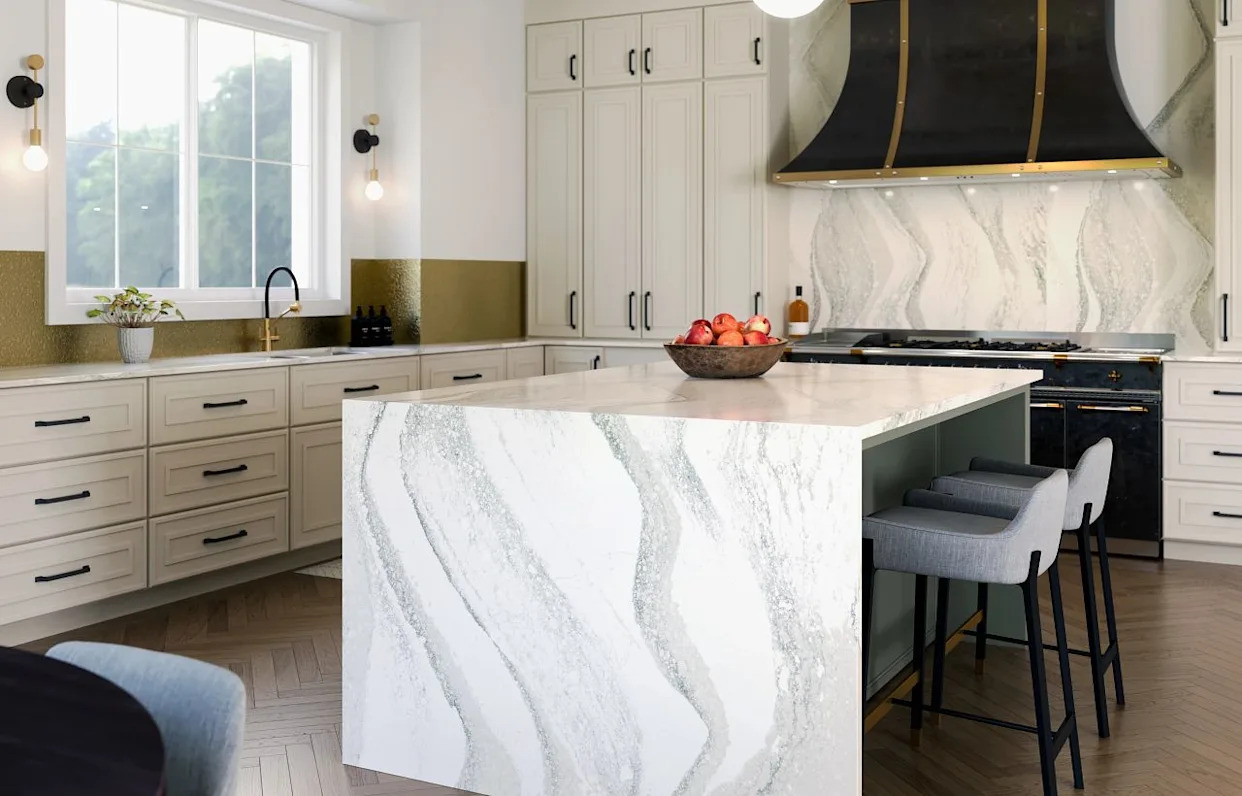
3 once-popular kitchen countertops that have fallen out of favor with designers, and what they're using now instead
5 Kitchen Countertop Trends on Their Way Out in 2025 (and What’s Replacing Them)
This Once-Taboo Kitchen Flooring Is Climbing the Ranks
These 6 Kitchen Countertop Trends Are Fading Fast—and Designers Say It's Time to Move On

The Countertop Material That We Loved 25 Years Ago Is Coming Back

5 Kitchen Countertop Trends on Their Way Out in 2025 (and What’s Replacing Them)
The Once-Favored Kitchen Countertop That's Officially Outdated
This Once-Popular Home Feature Is Falling Out of Favor

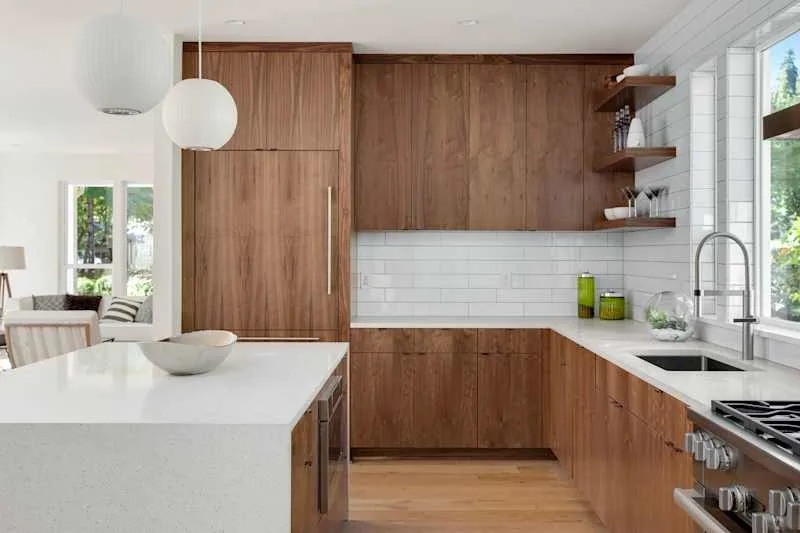
6 Kitchen Countertop Trends That Are on Their Way Out This Year (and What to Do Instead)
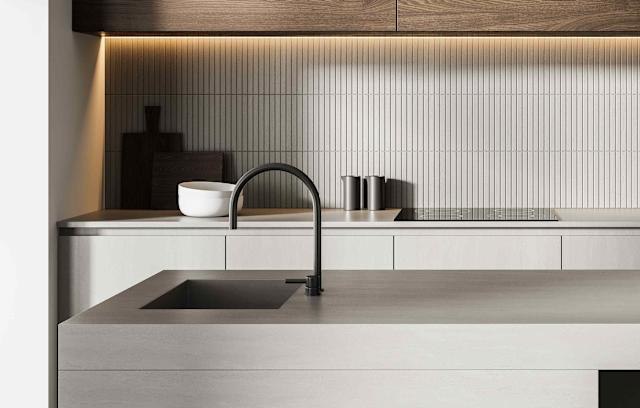
The 1 Kitchen Countertop Trend We Hope Never Comes Back

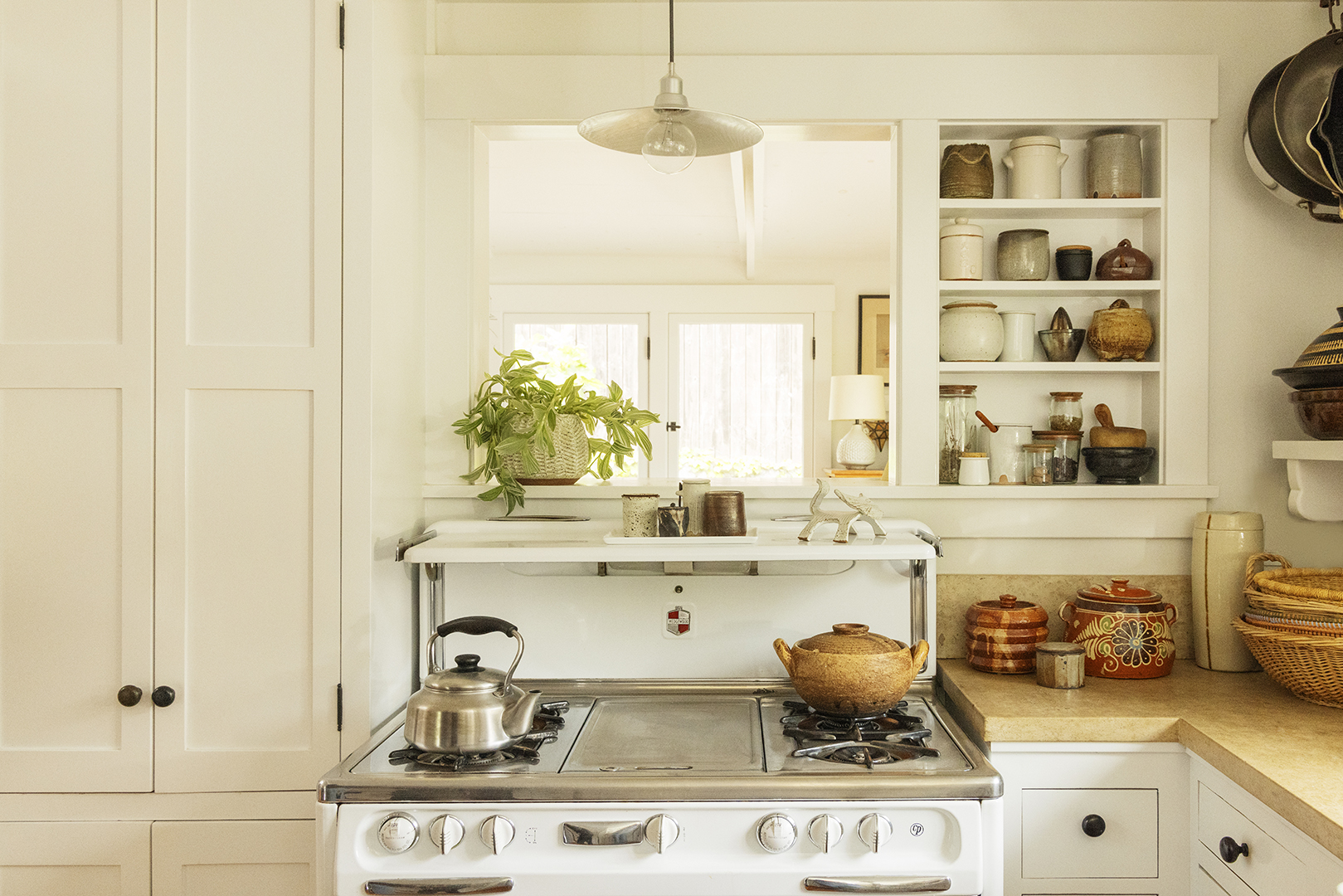
This Forgotten Kitchen Feature Is Popping Up More and More

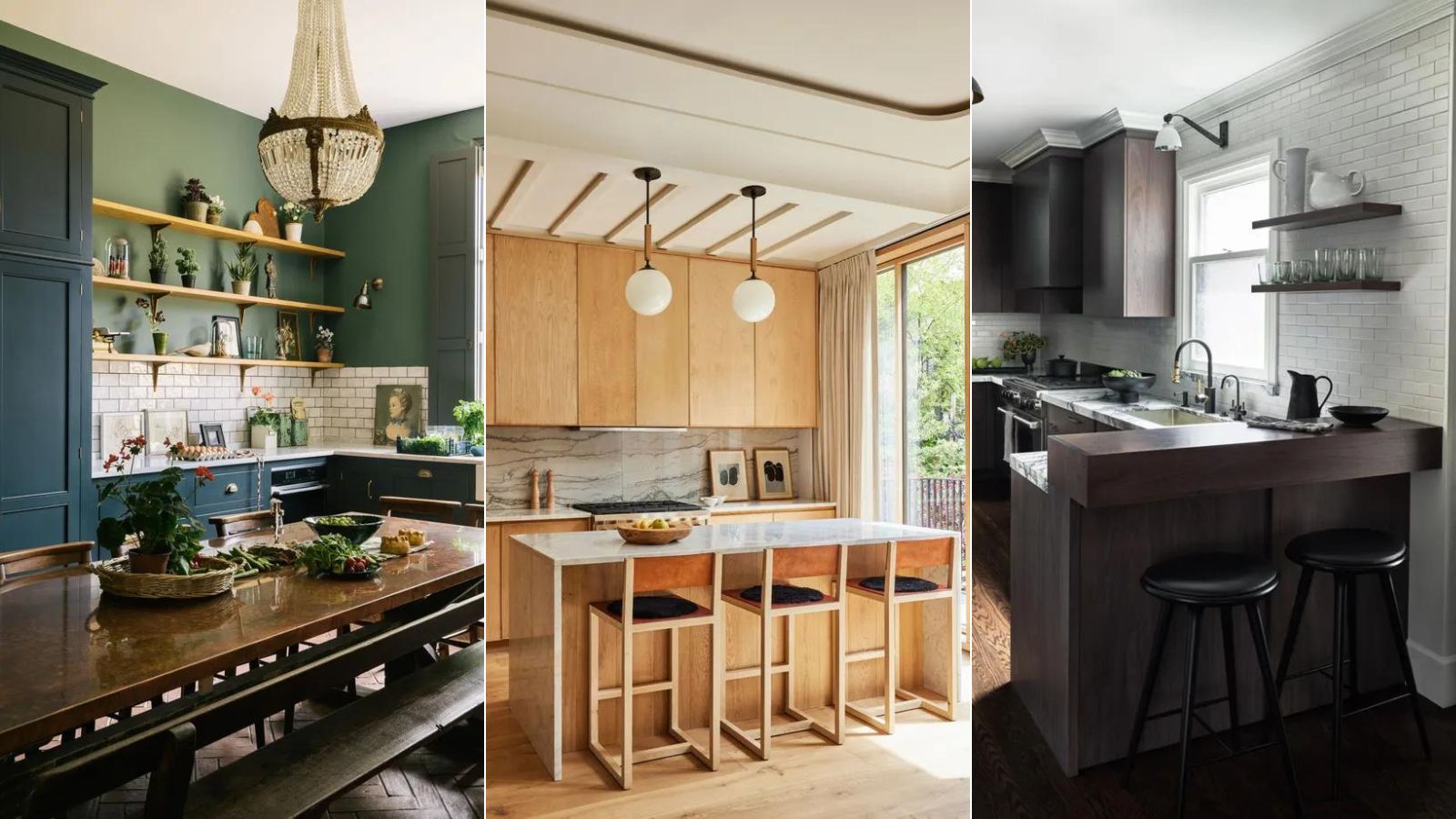
Are kitchen islands going out of style? Experts weigh in on whether it's time to ditch this beloved feature

The 1 Kitchen Countertop Trend We Hope Never Comes Back
12 Once-Popular Kitchen Trends That Won't Be Coming Back Anytime Soon
Are kitchen islands out? Kitchen experts agree that the prep table might be it's trendy replacement
10 Kitchen Trends On The Way Out In 2026

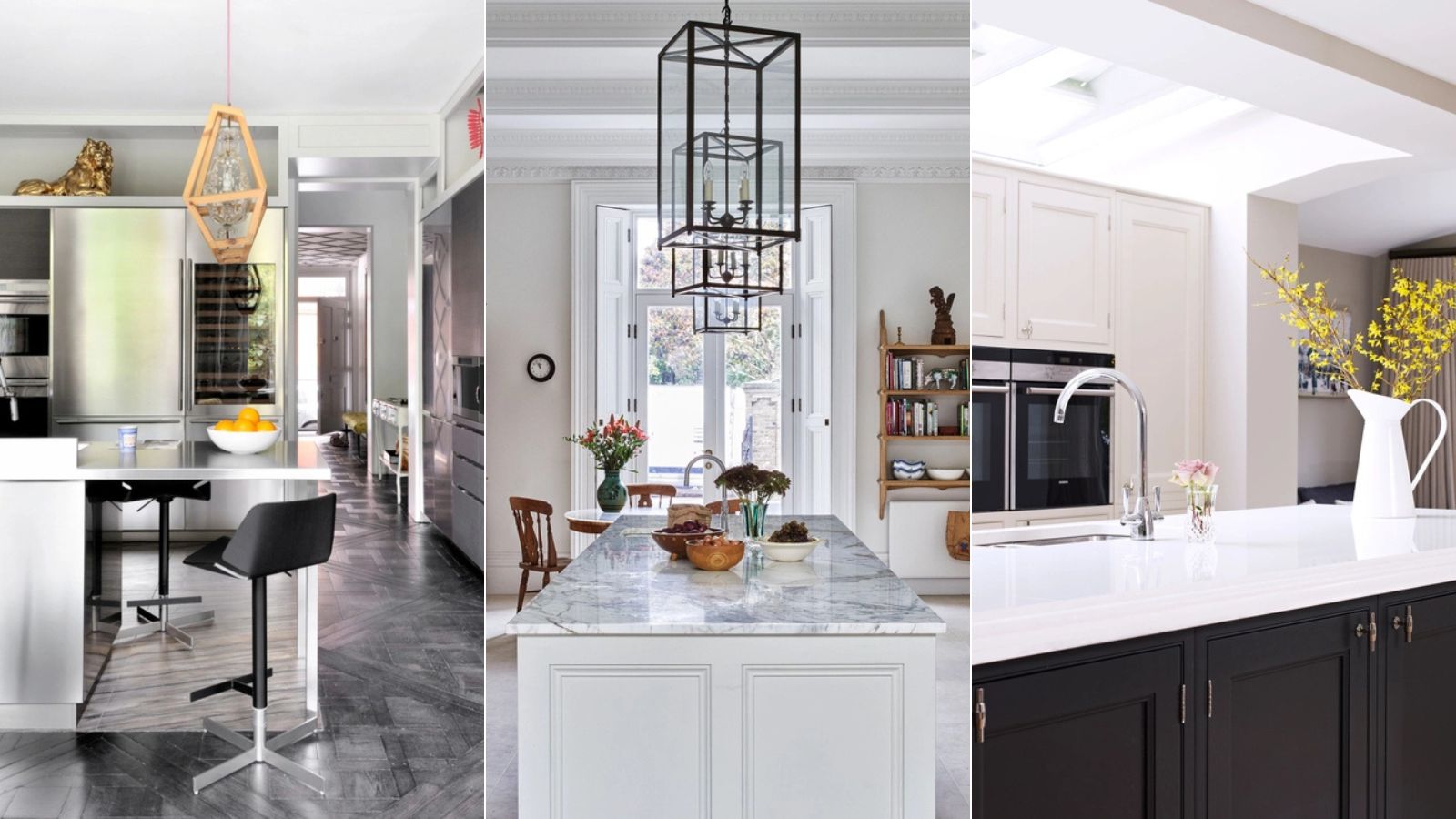
6 outdated kitchen countertop trends to leave behind in 2025
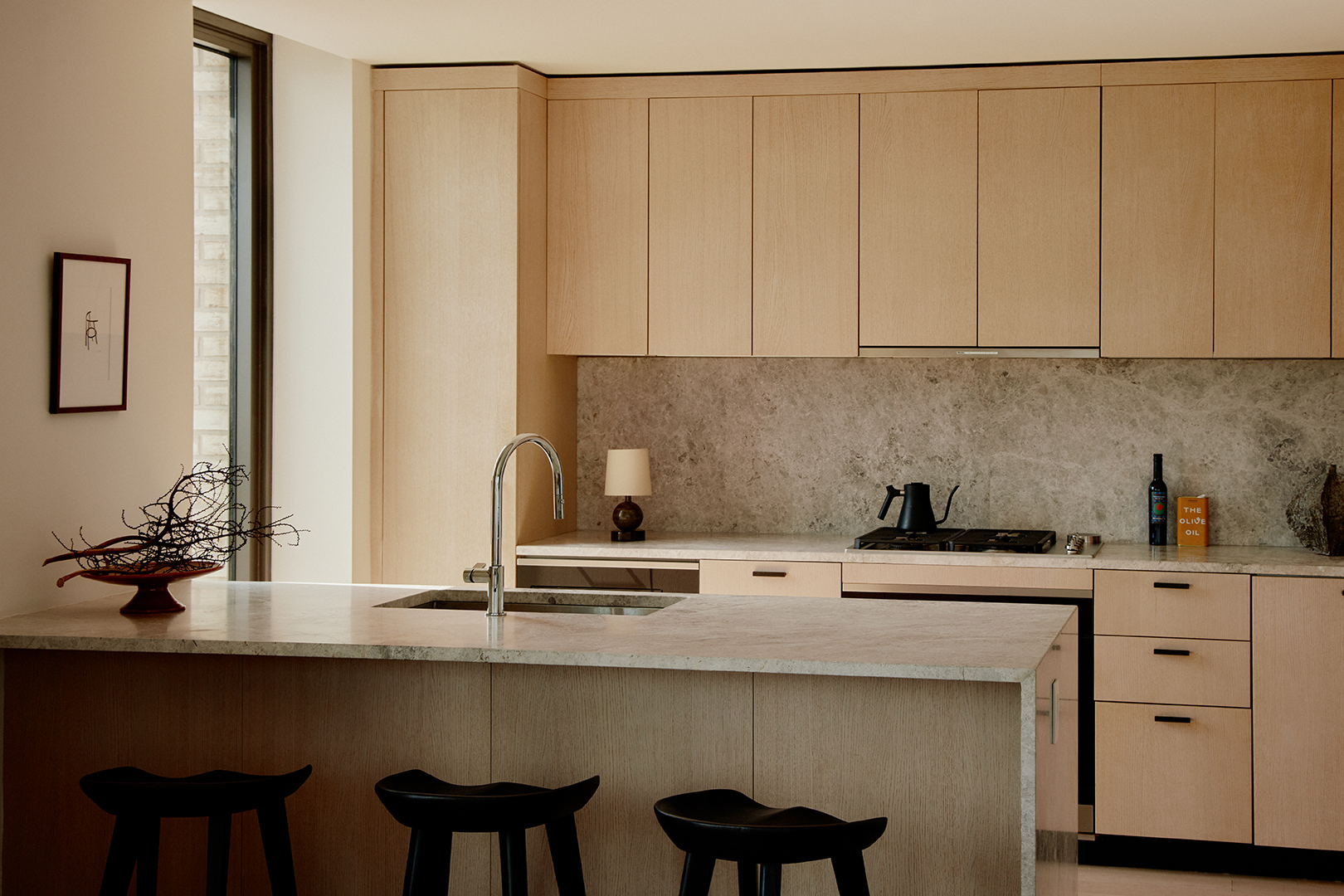
4 Kitchen Countertop Materials About to Make a Comeback

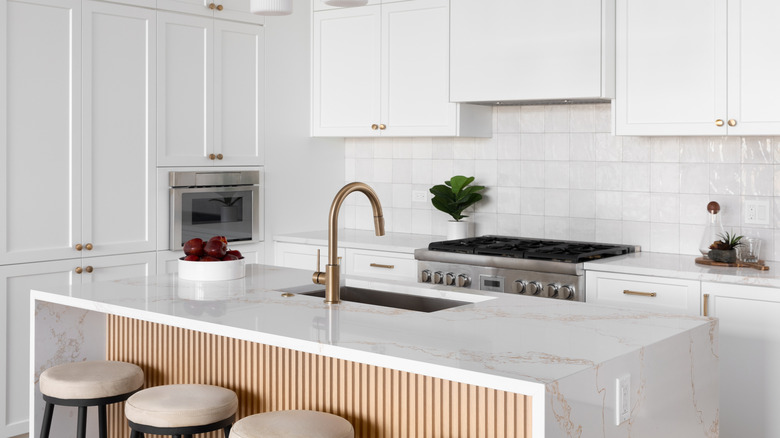
5 Outdated Countertop Trends To Avoid And 5 To Try Instead

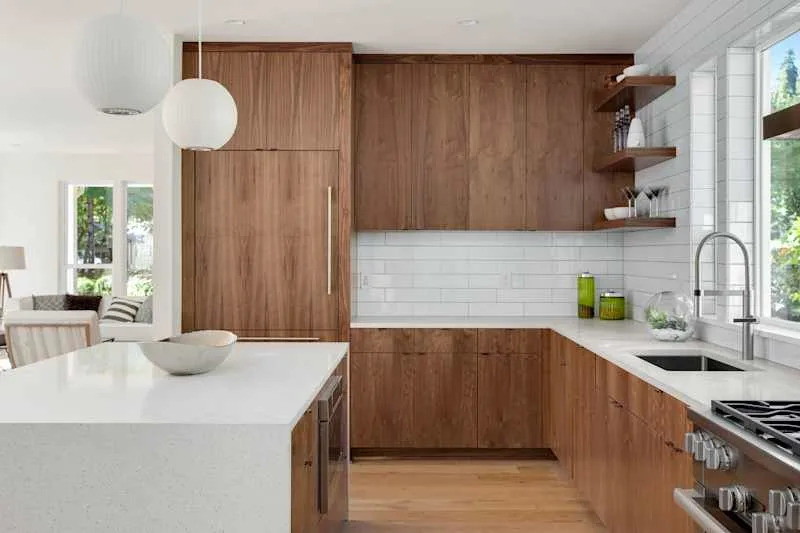
6 Kitchen Countertop Trends That Are on Their Way Out This Year (and What to Do Instead)