1/2
The Once-Favored Kitchen Countertop That's Officially Outdated
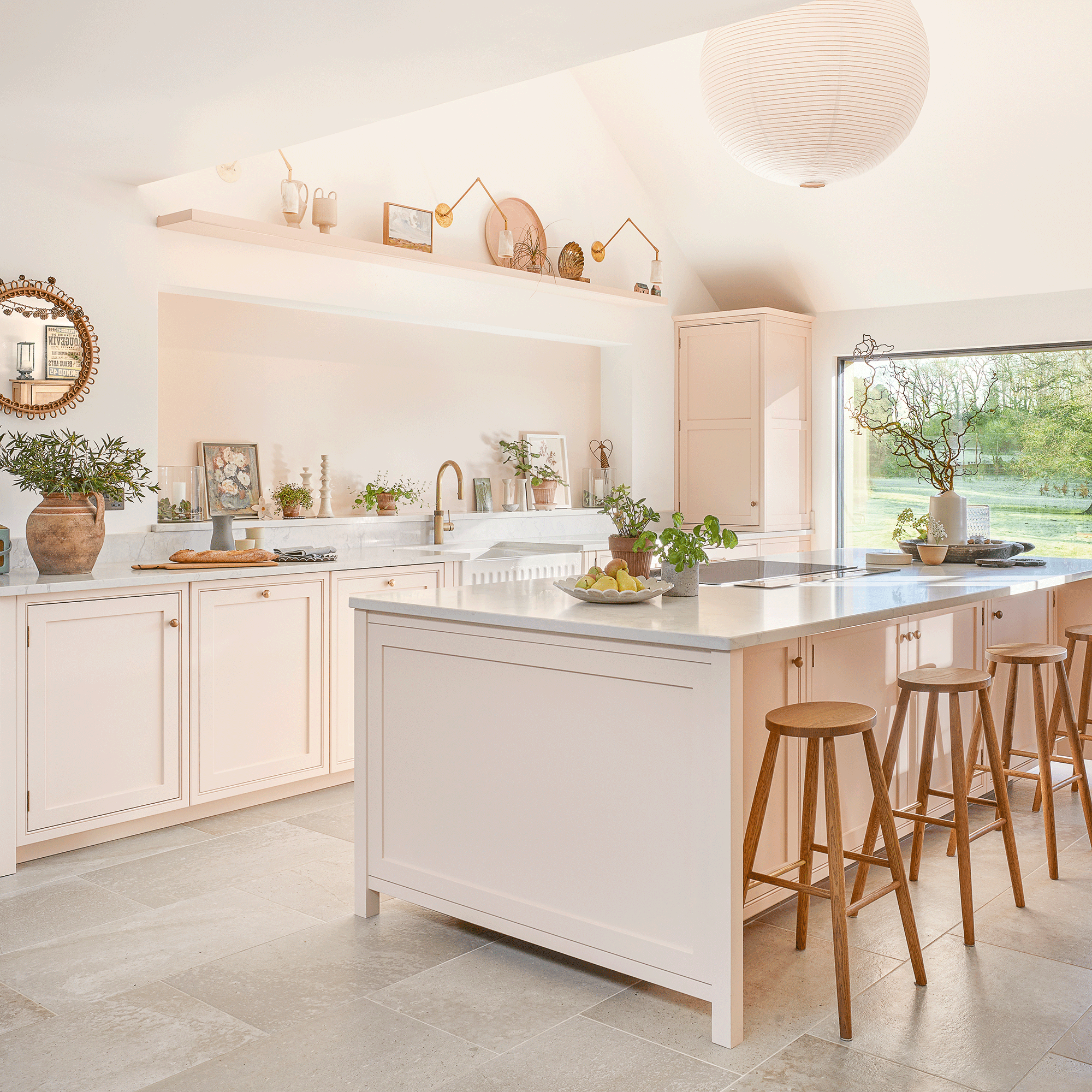
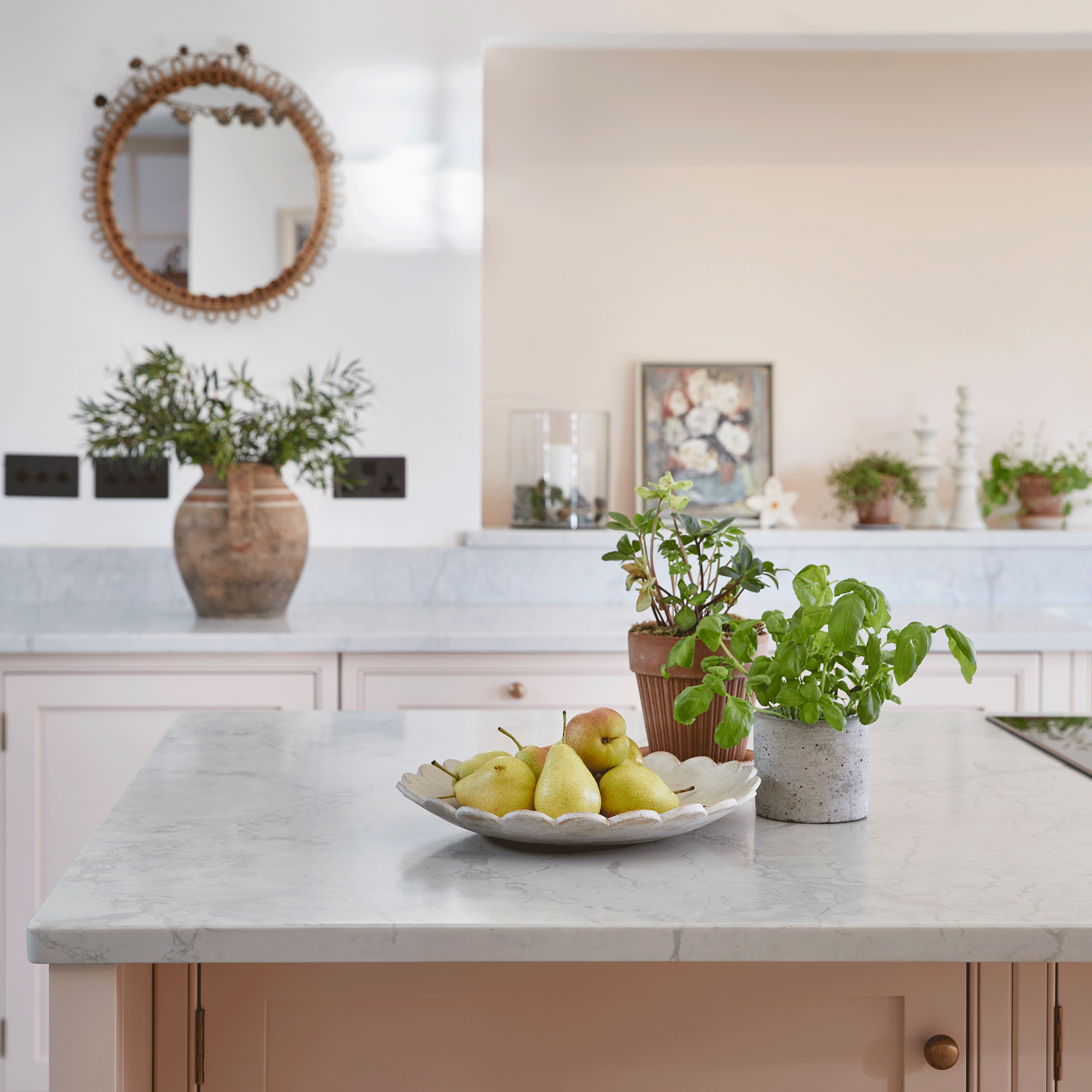
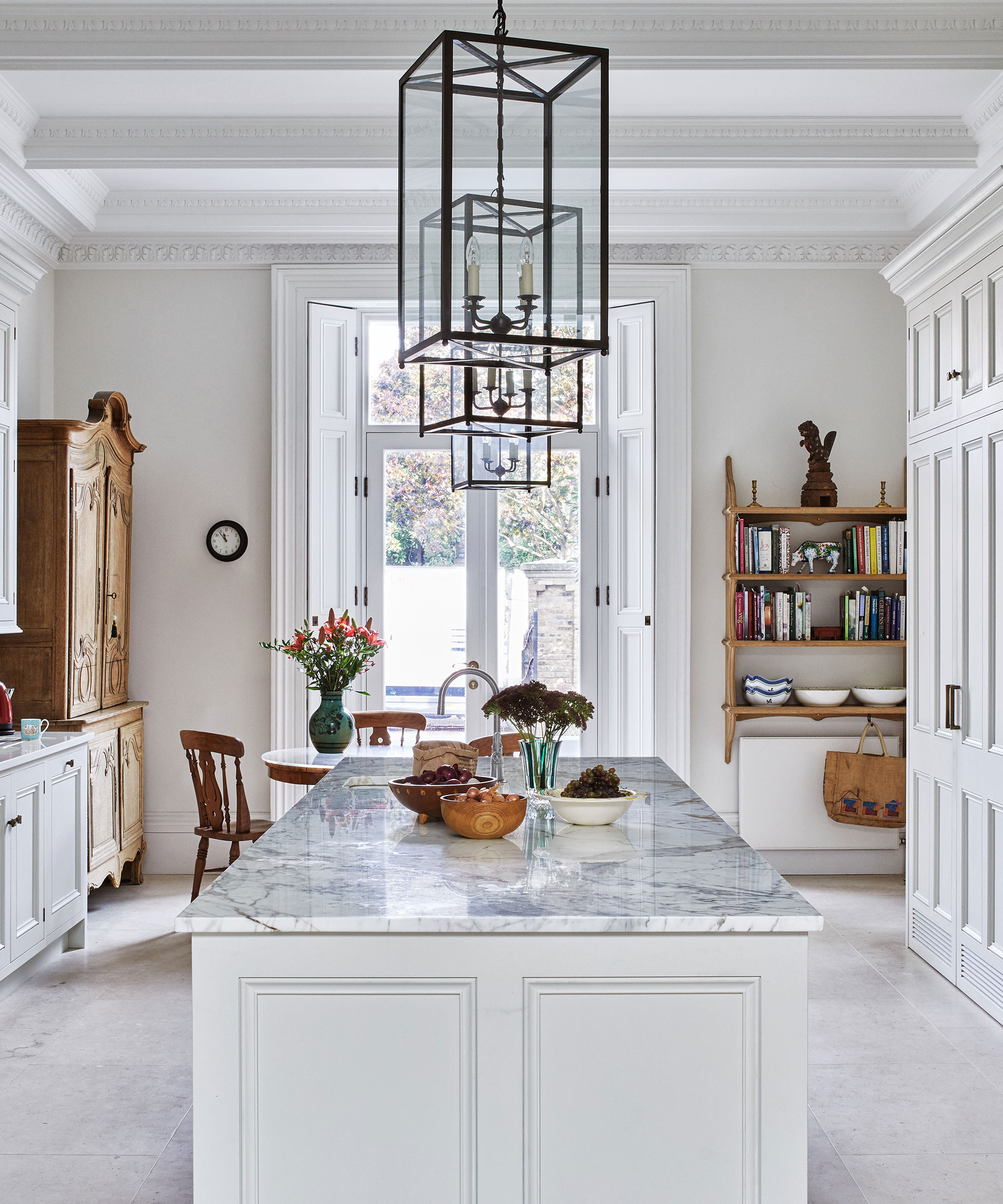
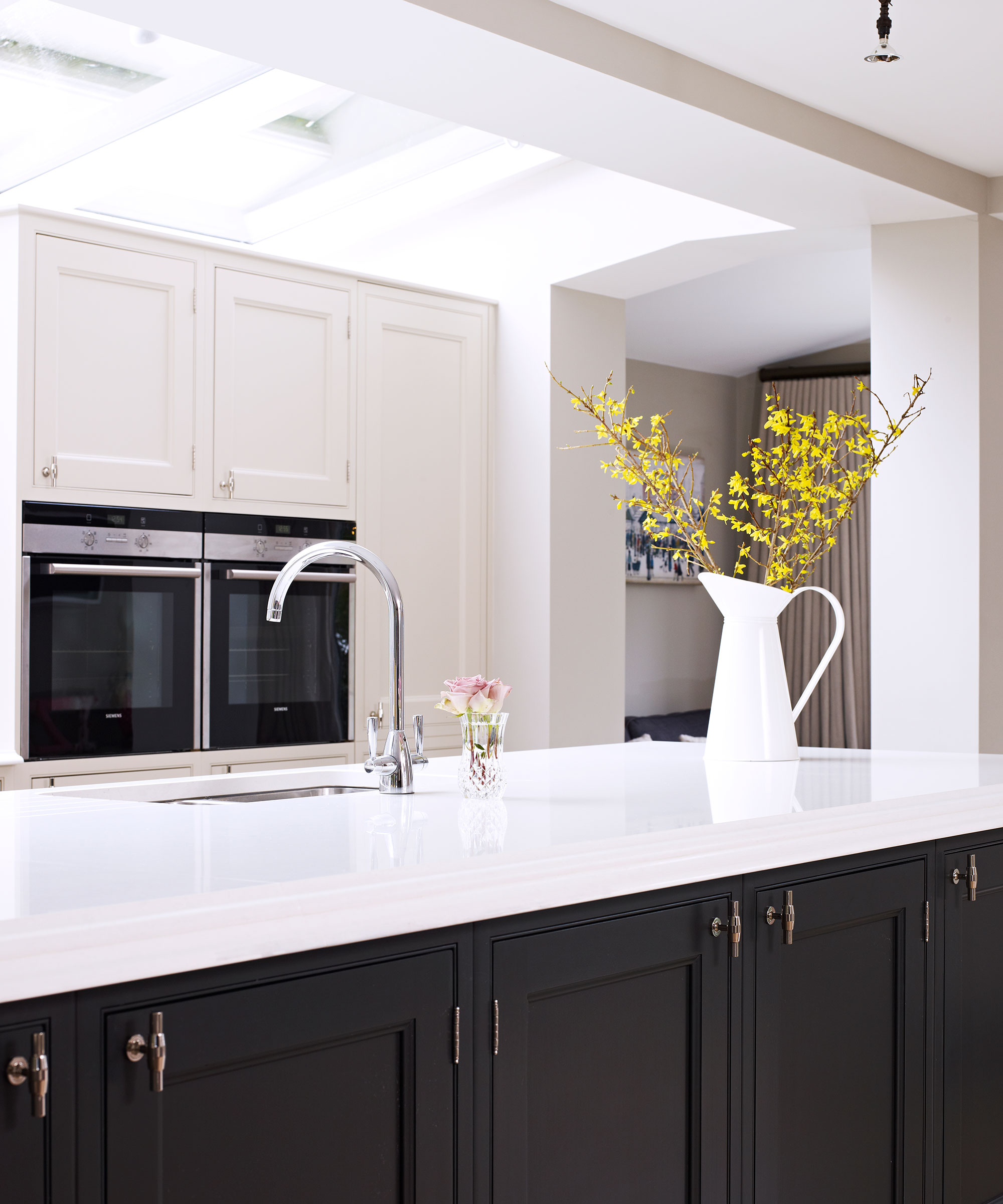
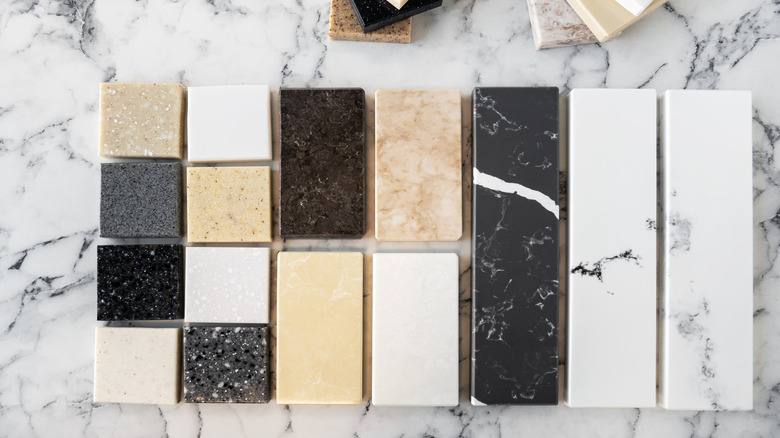
Choosing the right kitchen countertop material is a pivotal decision during a kitchen remodel, as it significantly impacts the space's aesthetic, determining whether it appears modern or dated. While budget constraints are a primary consideration, selecting a material that will quickly become obsolete can lead to further expenses. For this reason, homeowners are advised to reconsider man-made quartz, also known as engineered quartz, as it is increasingly viewed as an outdated option for kitchen countertops.
Engineered quartz differs from natural stone in its composition; it is manufactured, not quarried. This material typically consists of about 90% ground quartz, with the remaining 10% comprising synthetic pigments for color and resins that act as a sealant, providing protection against heat and spills. Its engineered nature has historically contributed to its popularity, offering a wide array of color choices and a more affordable alternative to natural stones like granite, all while maintaining durability. However, recent trends indicate a decline in its appeal among both designers and homeowners.
Several factors contribute to the diminished popularity of engineered quartz. A significant concern revolves around the manufacturing process and its ethical implications, particularly regarding worker health. A 2023 study published in JAMA Internal Medicine highlighted cases of silicosis, a severe lung disease caused by inhaling crystalline silica dust, among workers involved in fabricating engineered quartz. This health risk has led to significant regulatory actions, such as Australia's ban on engineered stone countertops effective July 2024.
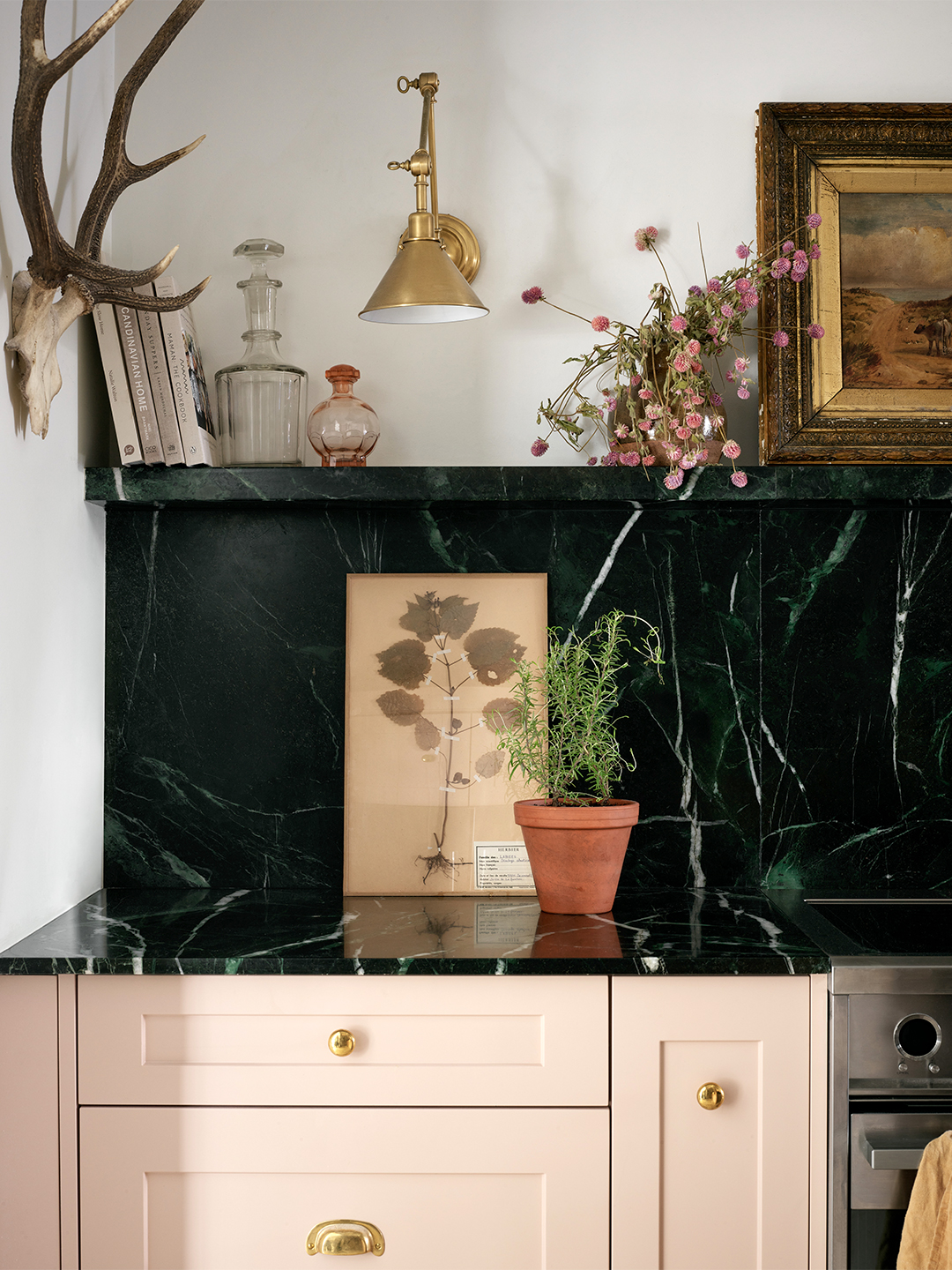
Beyond ethical considerations, practical drawbacks also contribute to its falling out of favor. Despite being nonporous and stain-resistant, engineered quartz is less durable than some other stone countertops and is particularly vulnerable to heat damage, a considerable disadvantage in a kitchen environment. Furthermore, its manufactured appearance often results in a uniform, less distinctive look, which some perceive as a 'cookie-cutter' aesthetic rather than a unique focal point for the kitchen.
For those still drawn to the idea of a quartz-like countertop but concerned about the crystalline silica content, alternatives with lower silica levels, such as porcelain or glass blends, are available. Consulting manufacturers about the silica content of their products is also recommended. Another viable option is to opt for natural stone materials like granite or quartzite, which offer both aesthetic appeal and inherent durability without the health and ethical concerns associated with engineered quartz production.
#KitchenRemodel #CountertopMaterials #EngineeredQuartz #InteriorDesignTrends #HomeImprovement #Silicosis #NaturalStone #KitchenDesign #KitchenRemodel #CountertopMaterials #EngineeredQuartz #InteriorDesignTrends #HomeImprovement #Silicosis #NaturalStone #KitchenDesign
0 comment in total
 No comments yet
You may also like
This Once-Taboo Kitchen Flooring Is Climbing the Ranks
Historic Kitchen Reimagined
Is it time to say goodbye to kitchen islands?
The 1 Kitchen Countertop Trend We Hope Never Comes Back
This Forgotten Kitchen Feature Is Popping Up More and More

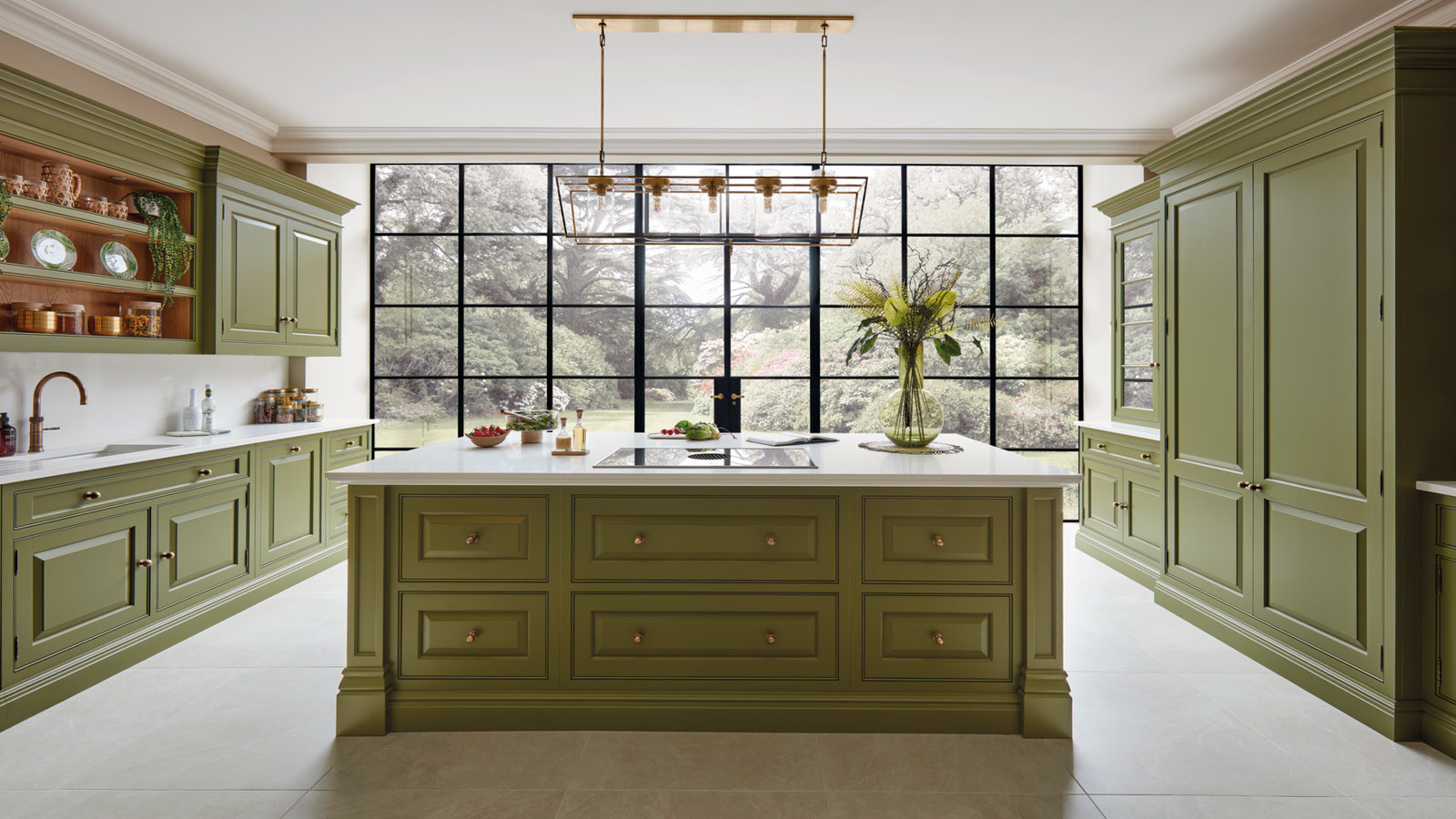
Say goodbye to the kitchen island, and hello to the prep table

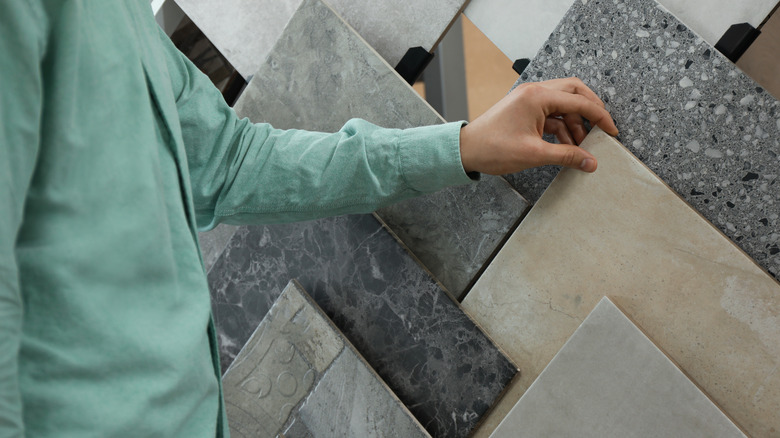
The Outdated Kitchen Floor That's Trendy Again
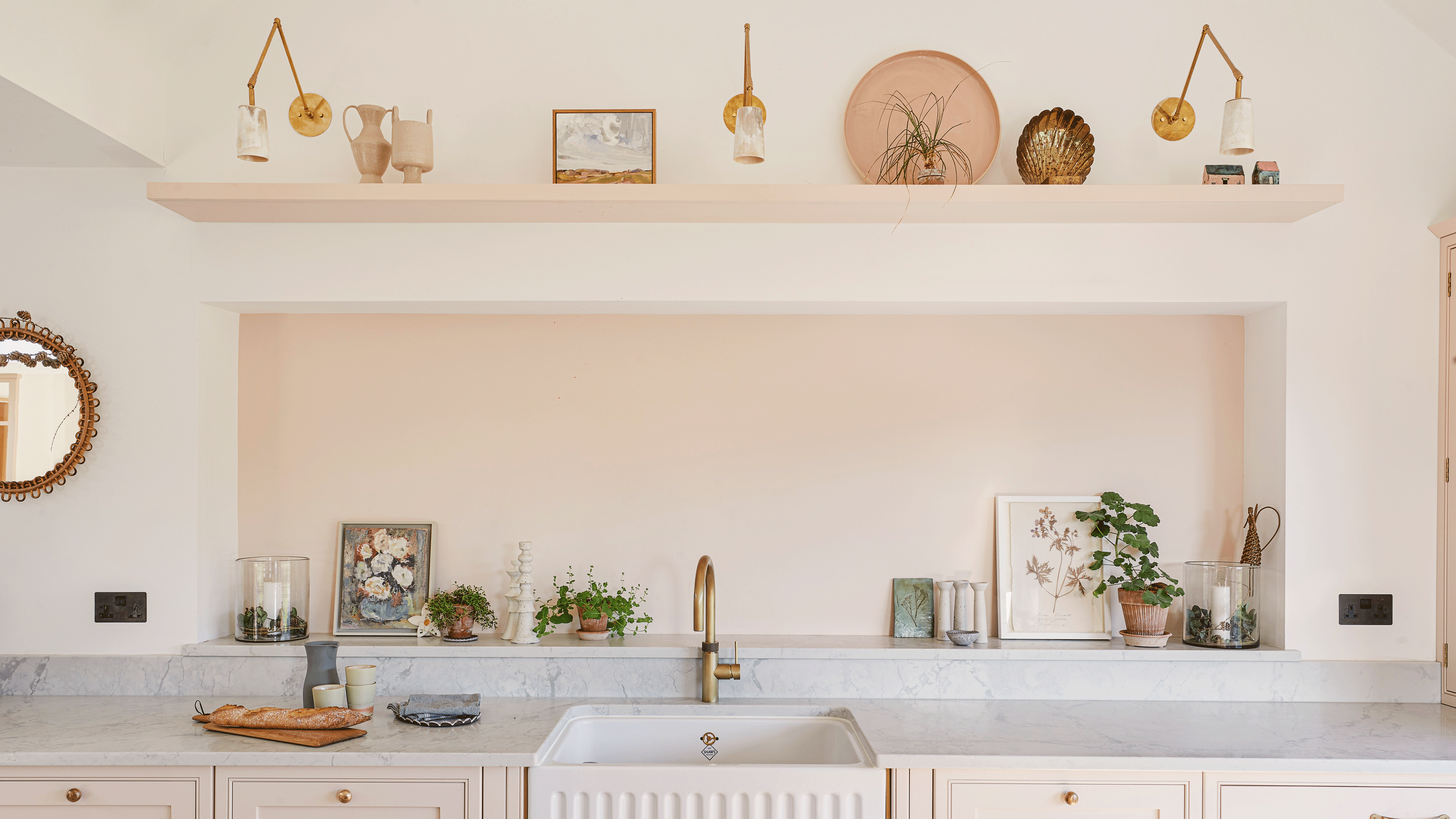
An outdated galley kitchen was jettisoned for a design in on-trend plaster pink to create a light-filled family hub
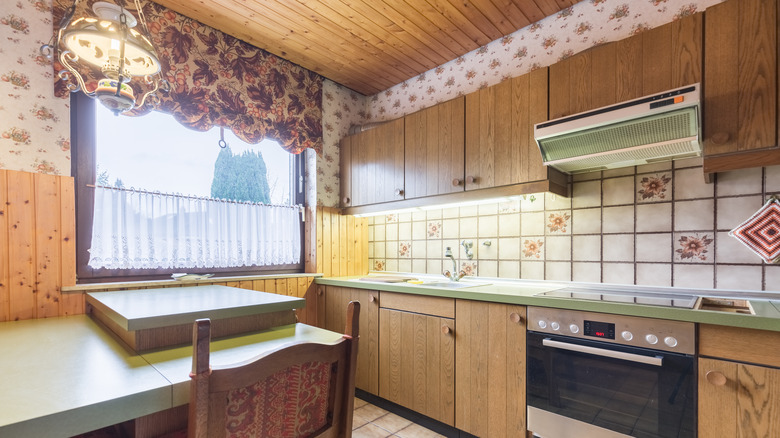
12 Once-Popular Kitchen Trends That Won't Be Coming Back Anytime Soon
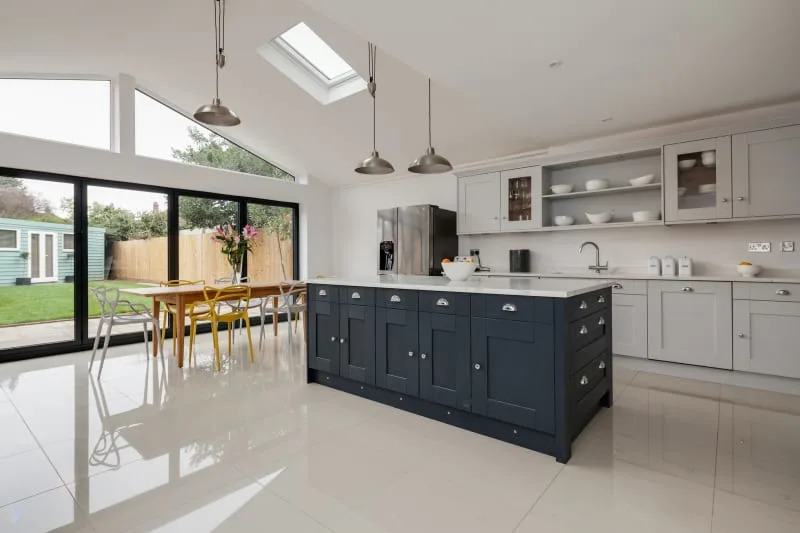
The Once-Popular Kitchen Counter Style Real Estate Pros Say Is Outdated
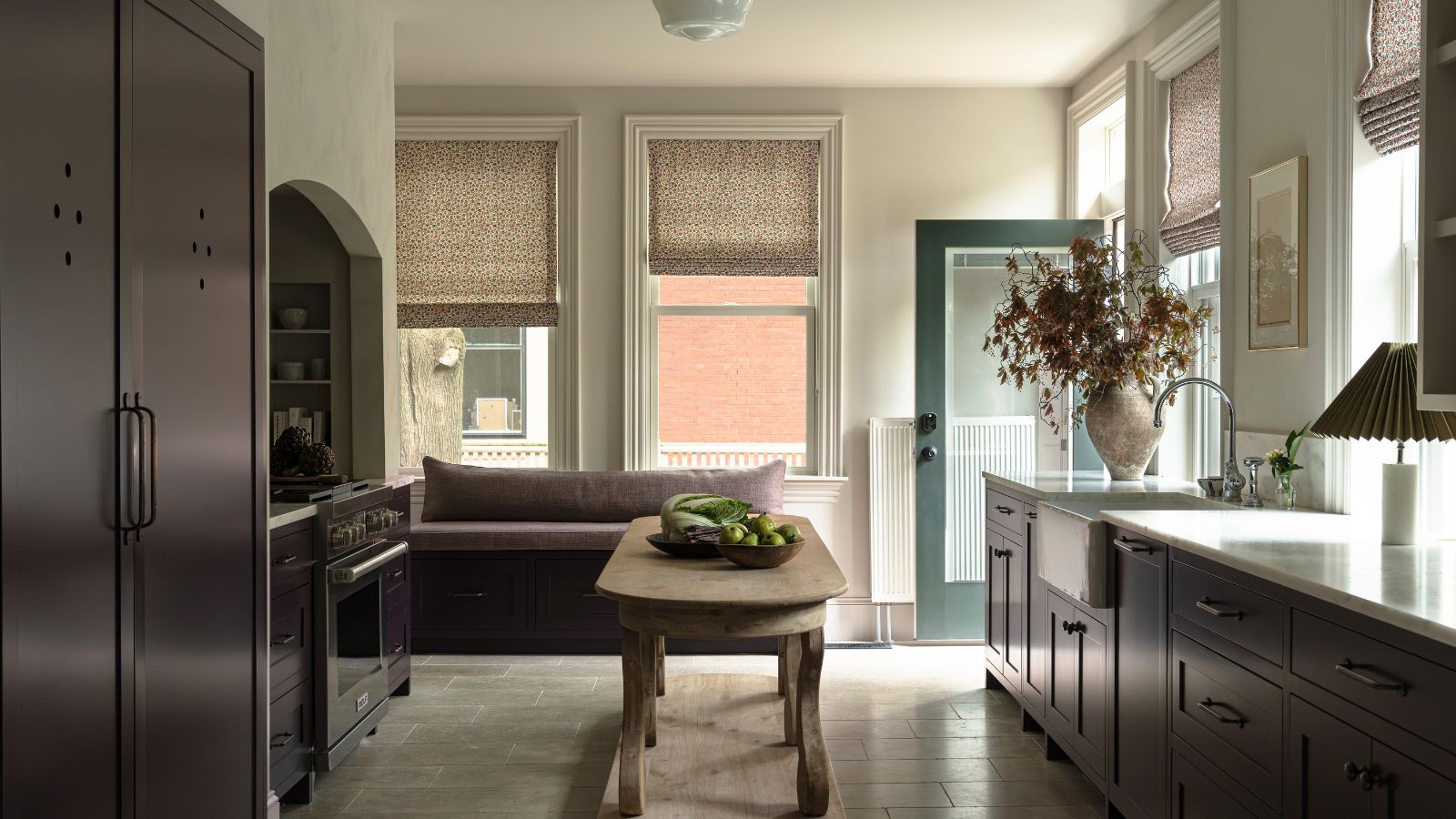
This Traditional Kitchen Detail is Making an Unexpected Comeback This Year

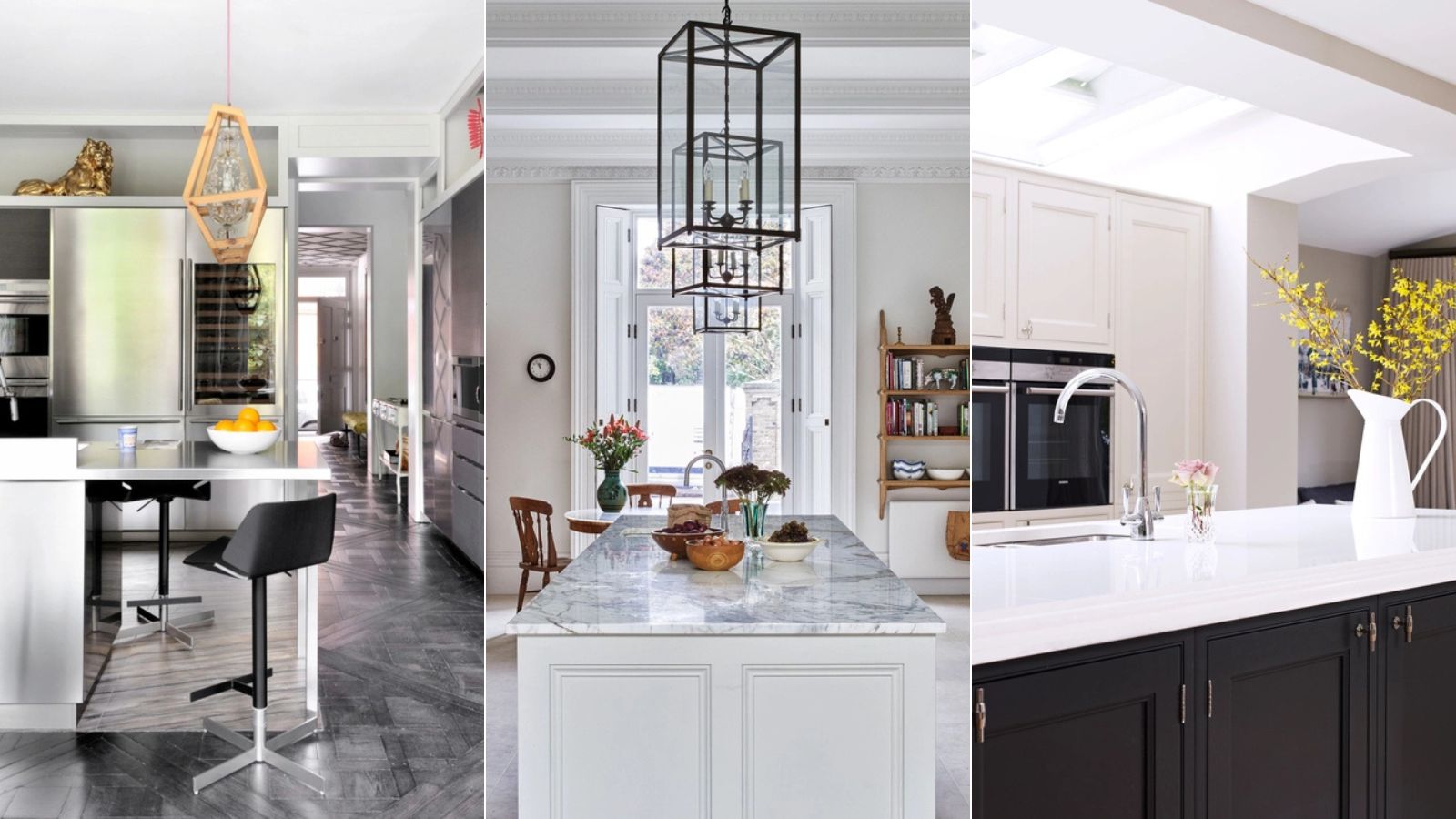
6 outdated kitchen countertop trends to leave behind in 2025
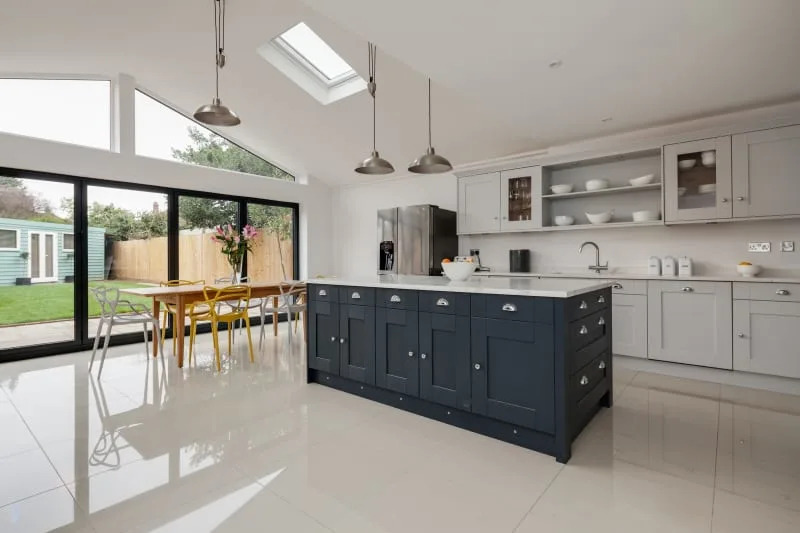
The Once-Popular Kitchen Counter Style Real Estate Pros Say Is Outdated
Have broken-plan kitchens replaced open-plan? This is how to get on board with the new trend
4 Kitchen Countertop Materials About to Make a Comeback

The Kitchen Flooring Your Grandparents Used Is Back In Style

A Vintage Pie Cabinet Replaced All The Uppers In This Canadian Kitchen
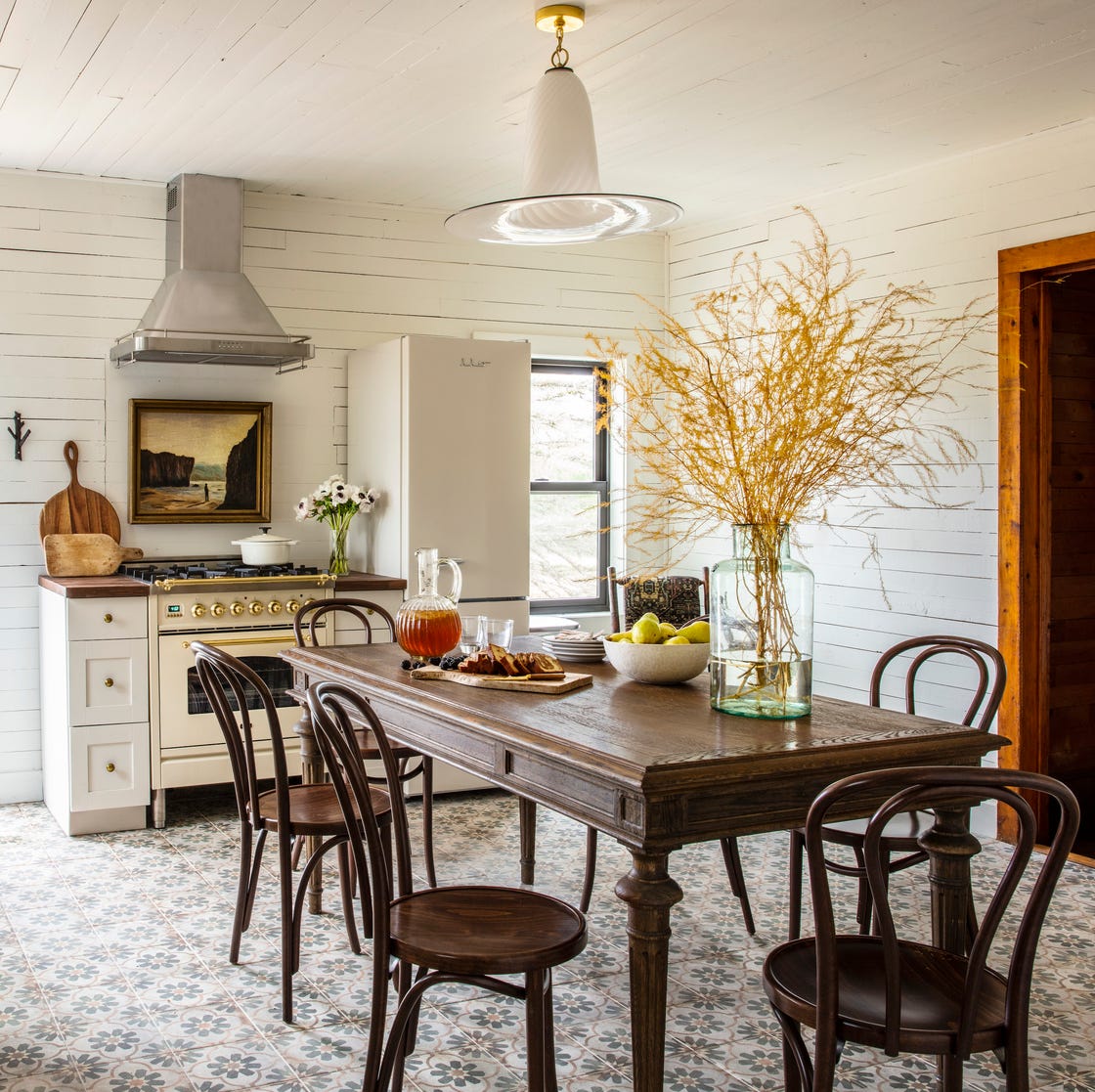
Is It Time to Say Goodbye to the Kitchen Island?
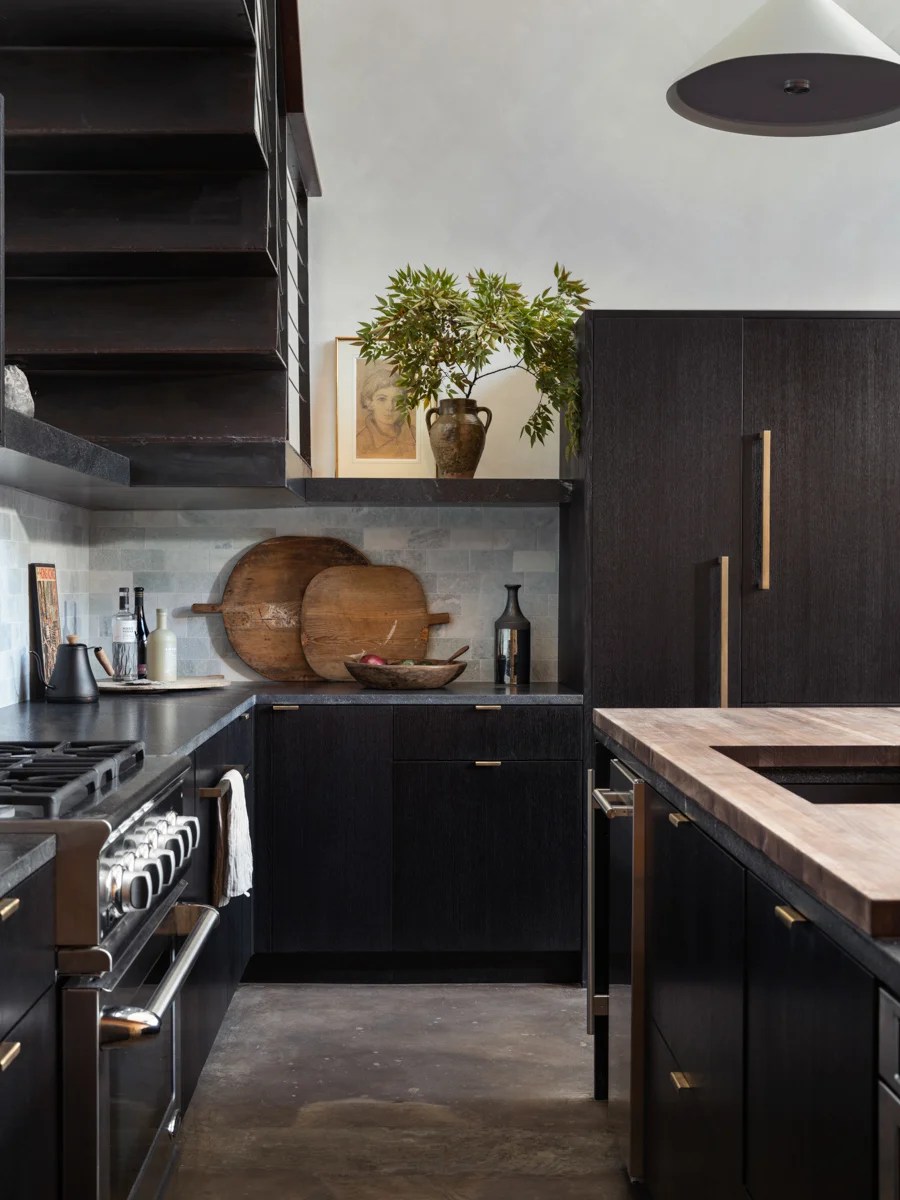
The Countertop Material That We Loved 25 Years Ago Is Coming Back

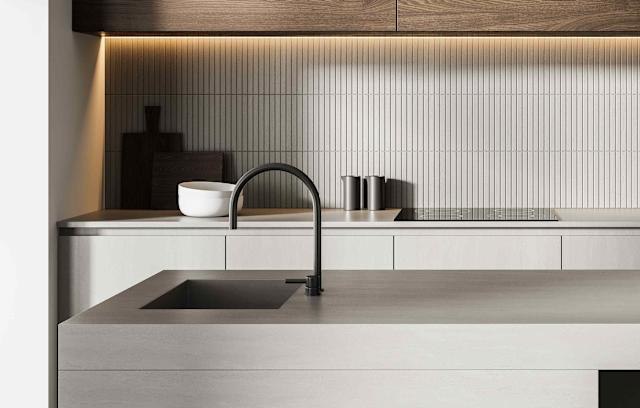
The 1 Kitchen Countertop Trend We Hope Never Comes Back