1/18
9 mistakes you're making with your studio apartment that are making it look smaller
Decorating a studio apartment presents unique challenges due to limited space. Many common decorating choices can inadvertently make these small living areas appear even smaller than they are. Insights from interior design experts reveal several key mistakes and offer practical solutions for optimizing studio apartment aesthetics and functionality.
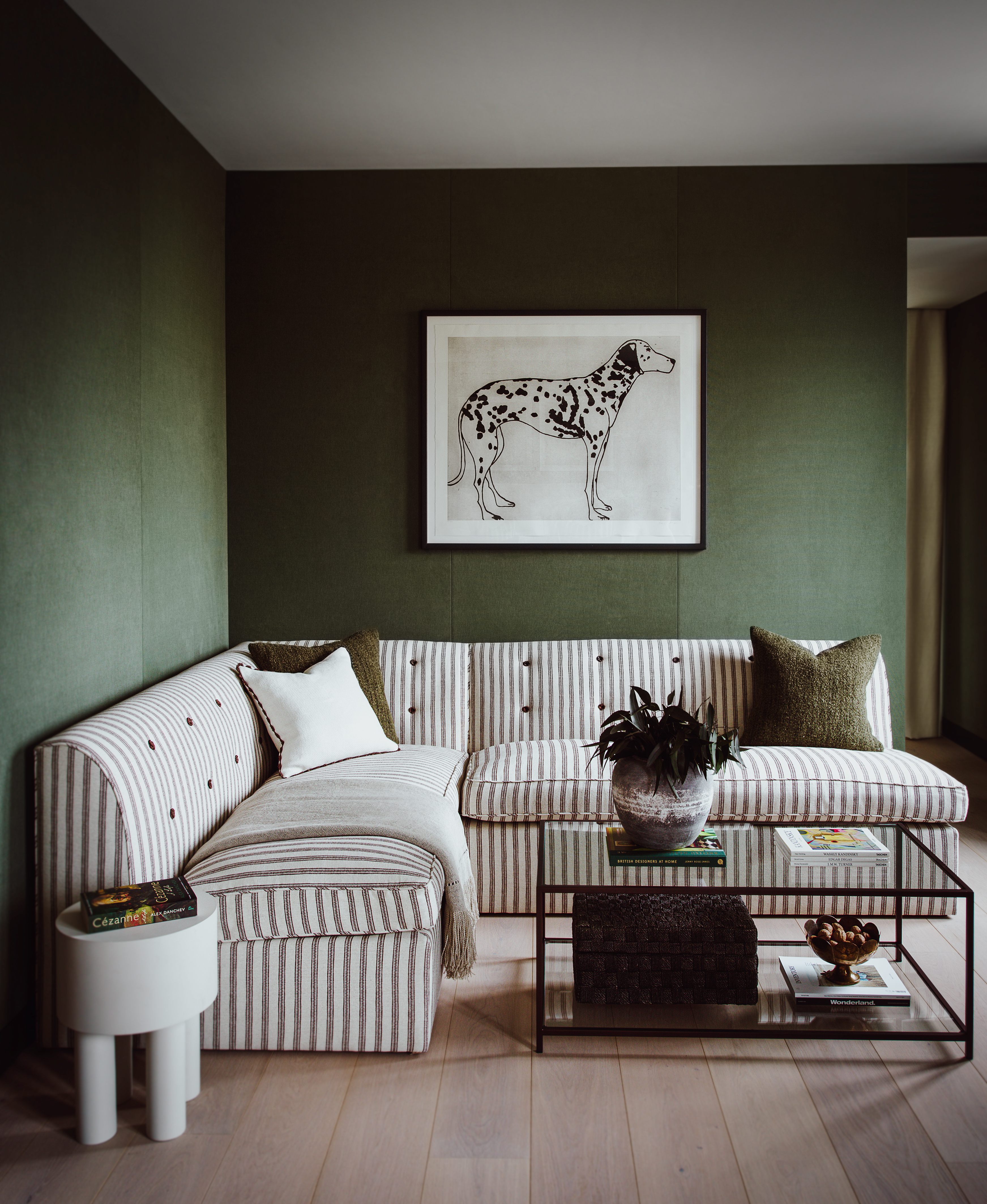
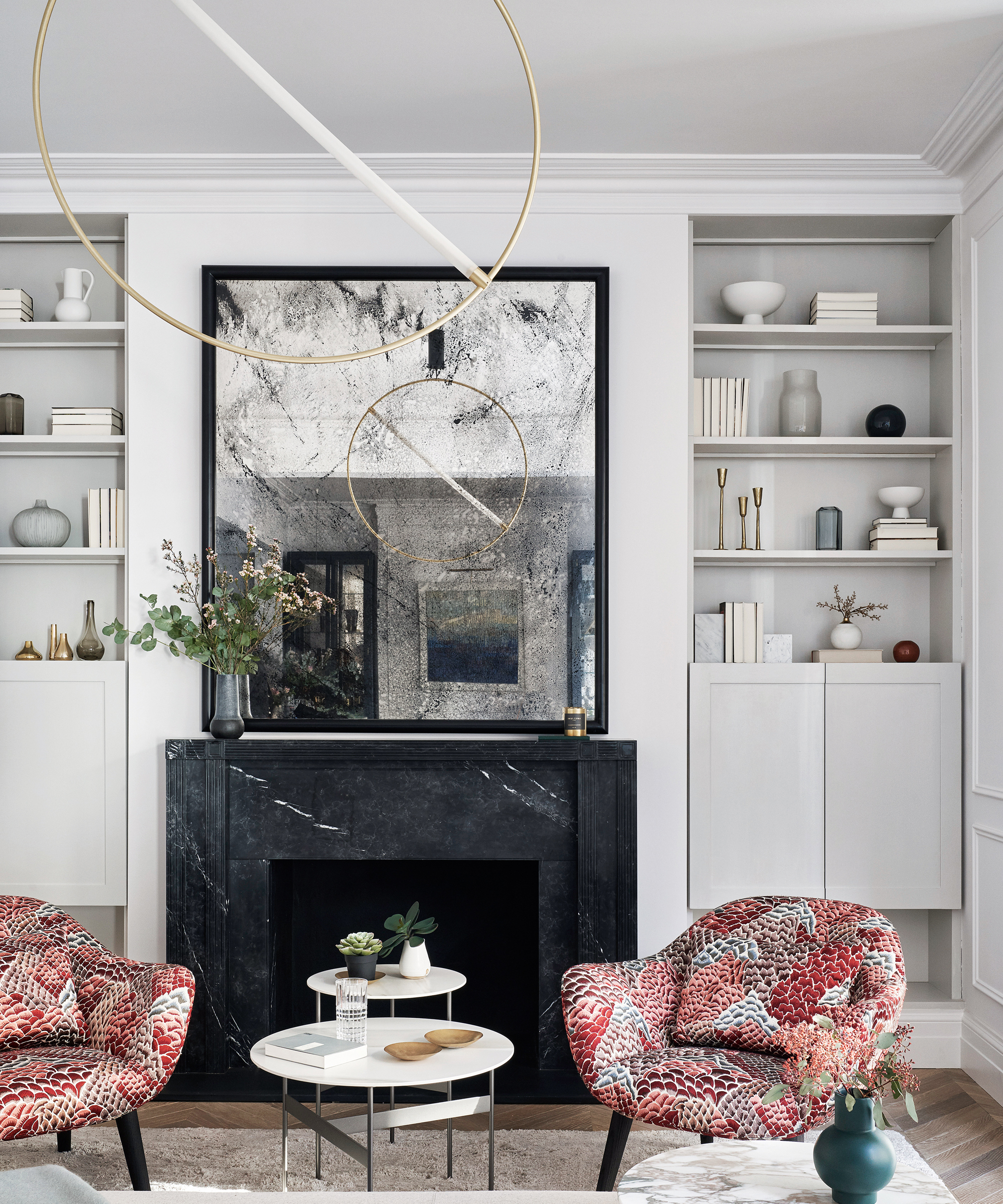
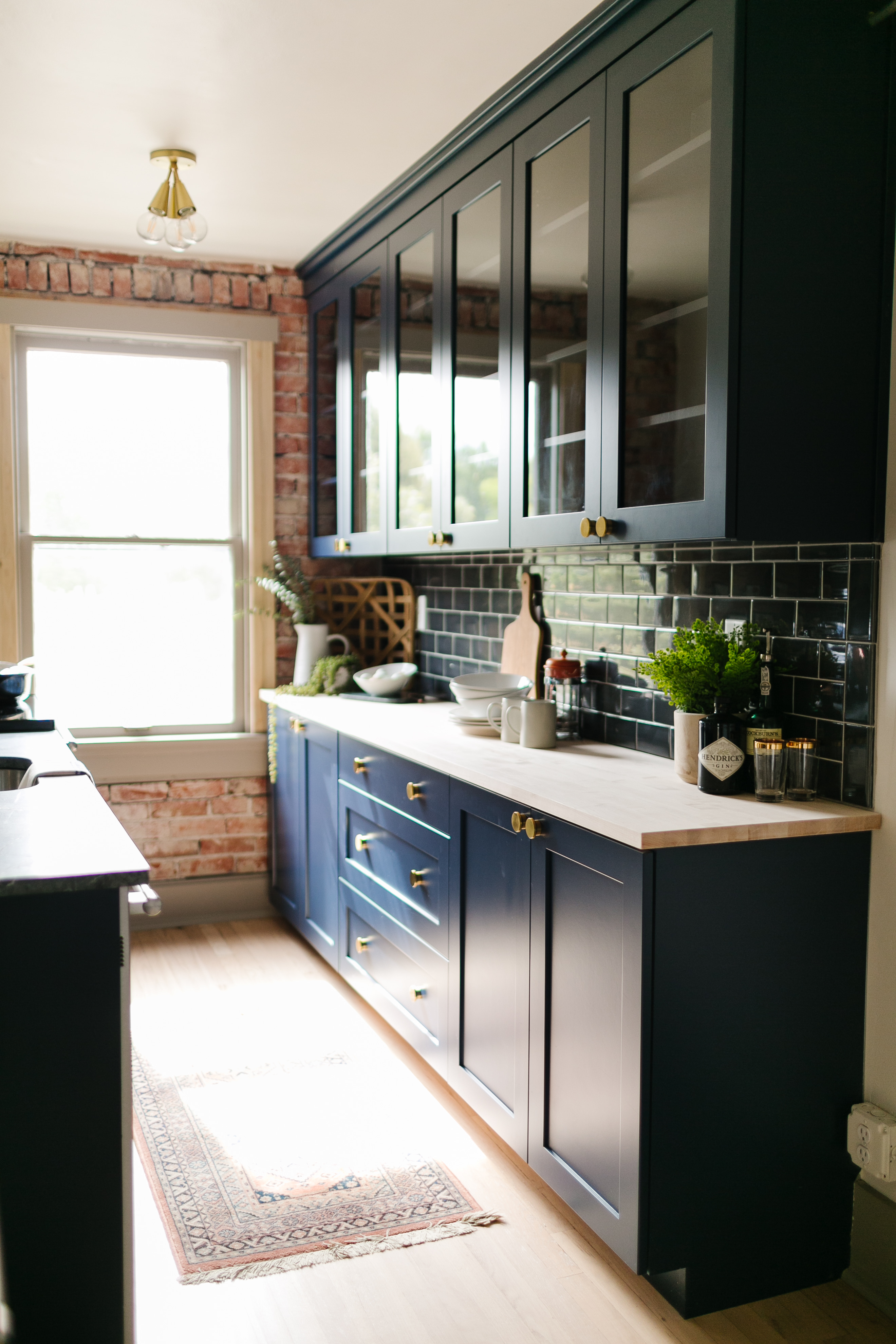
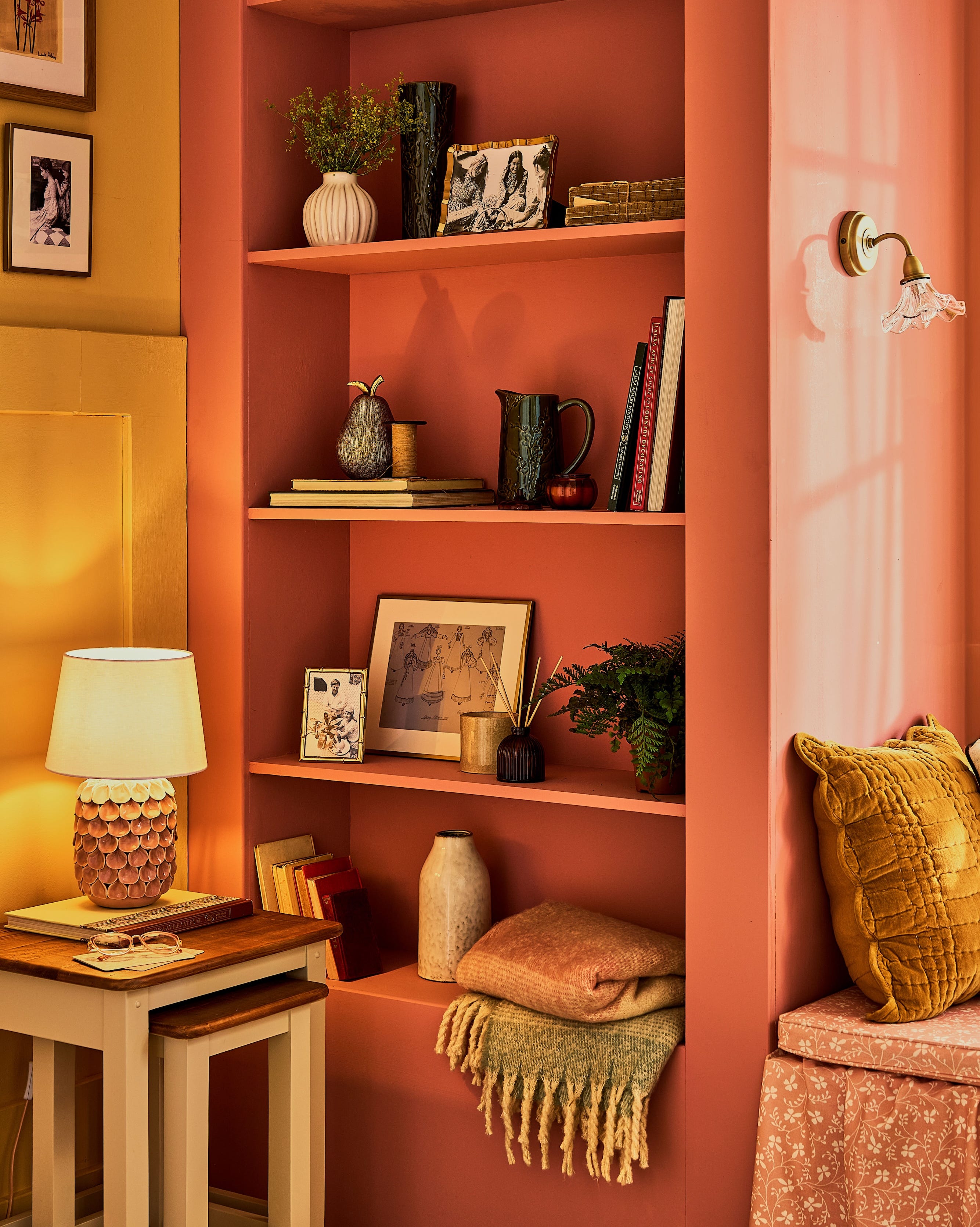
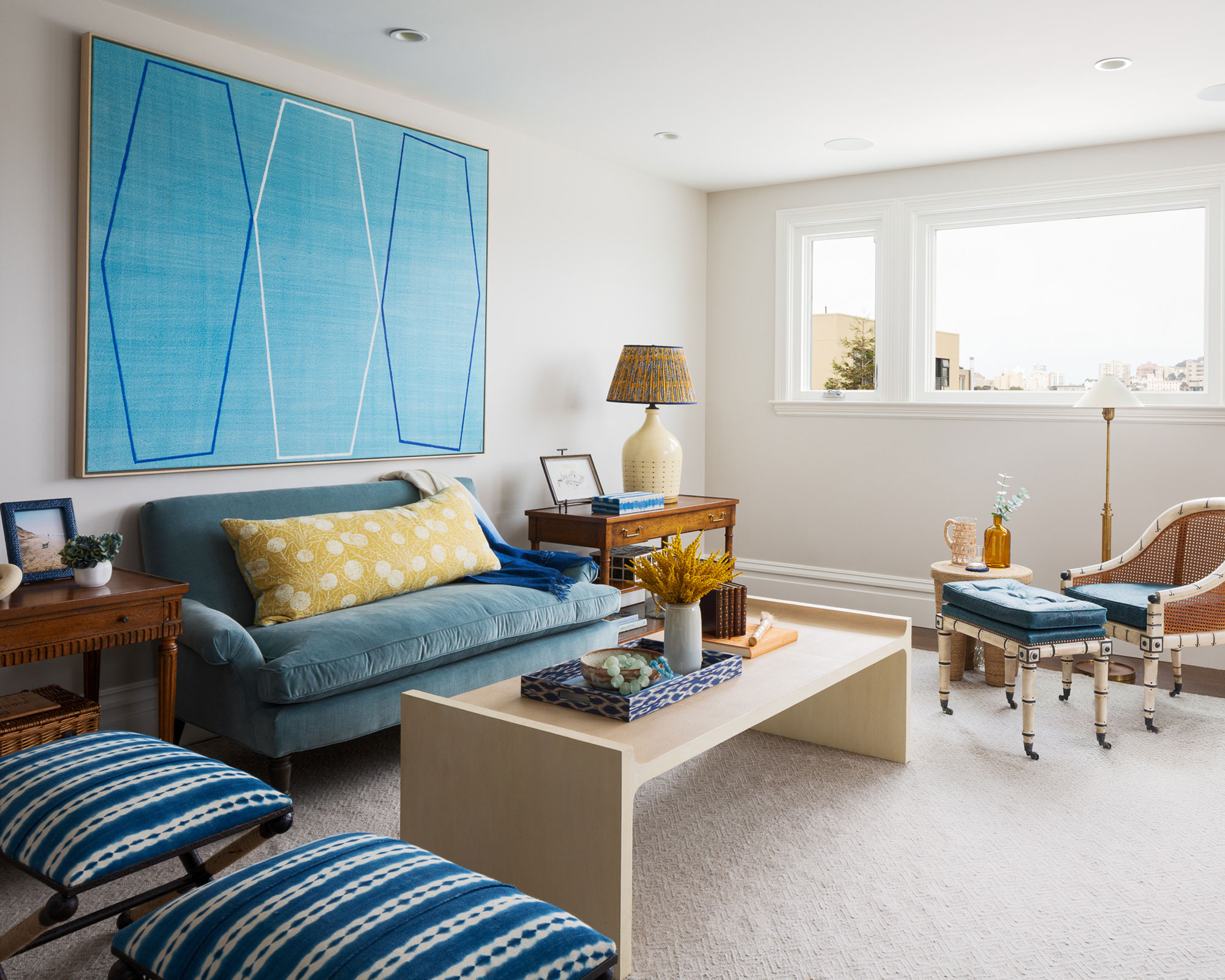
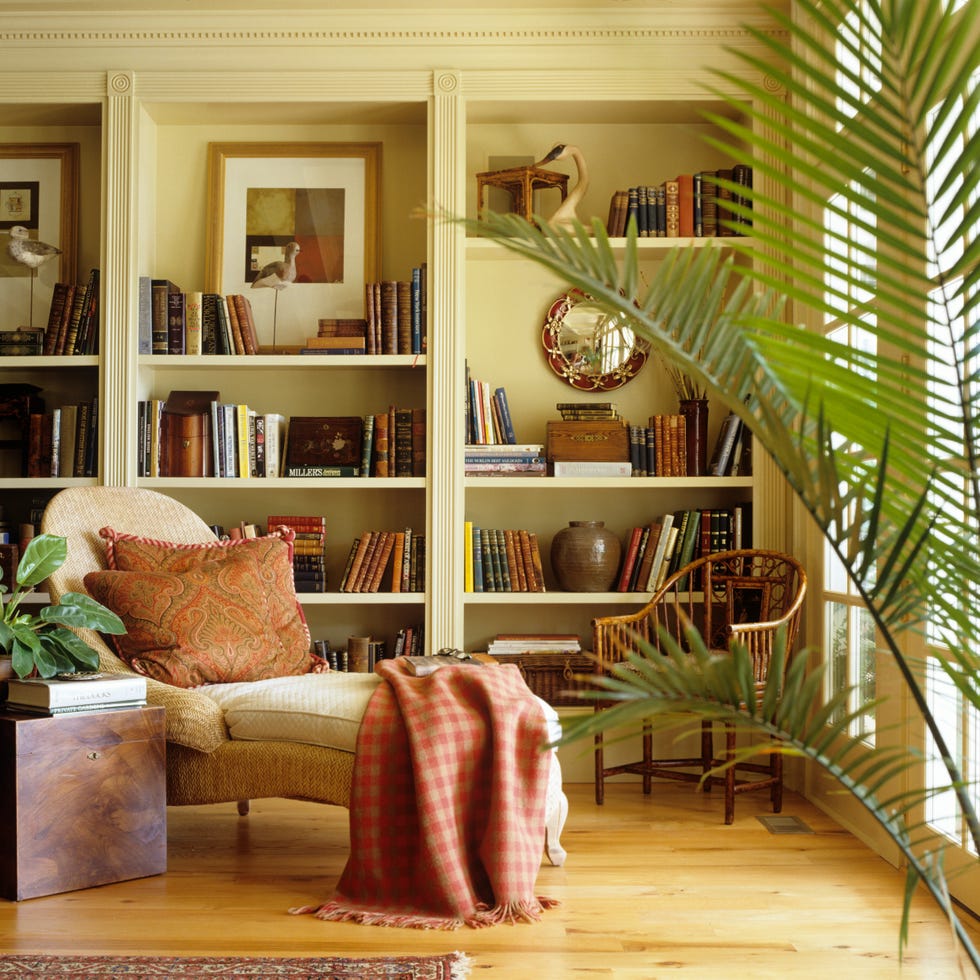
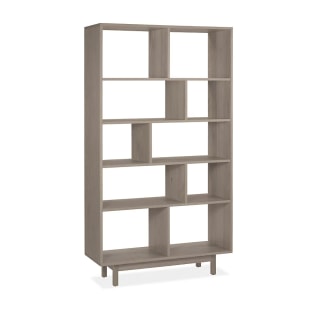
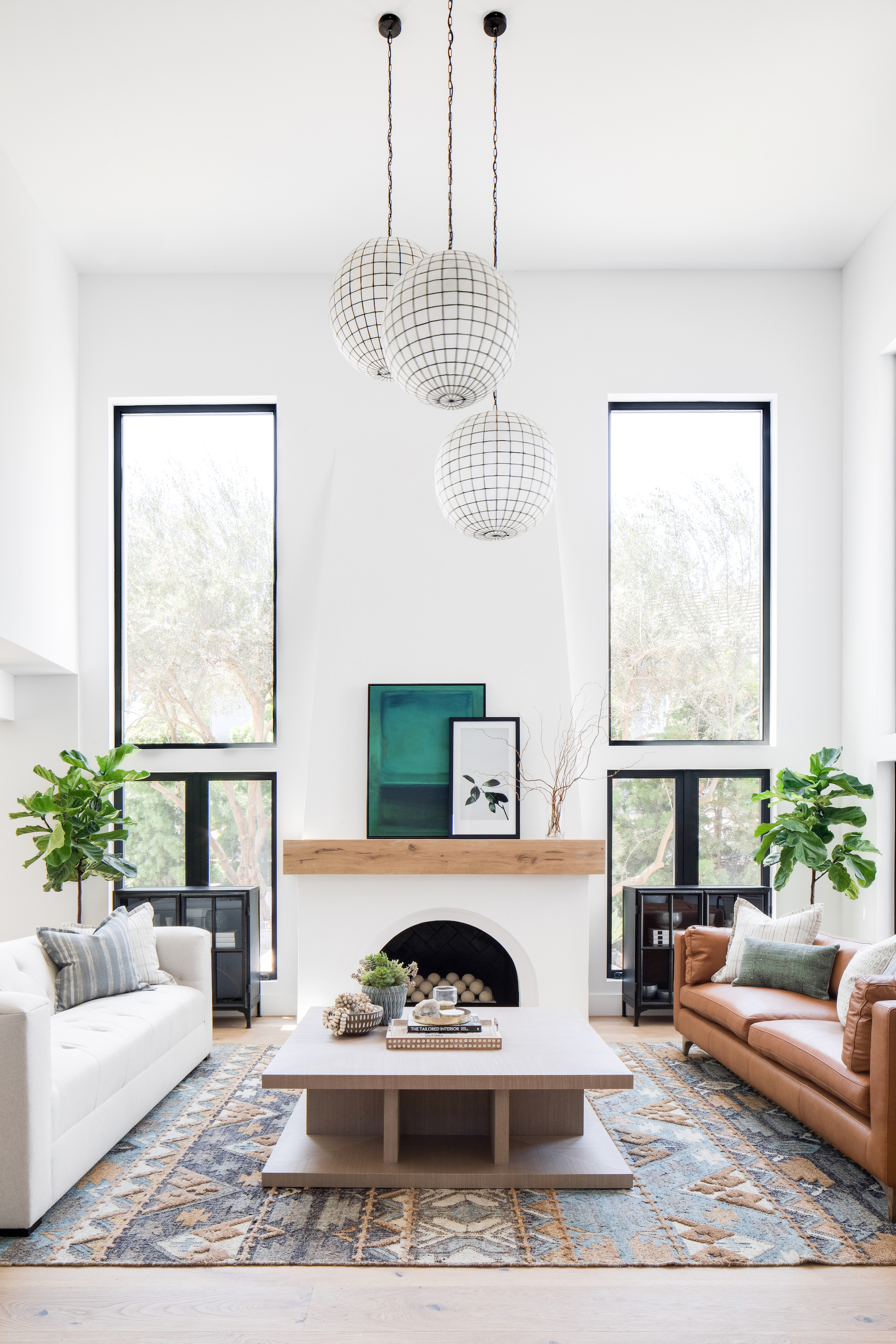
One significant oversight is failing to utilize vertical space effectively. While square footage might be limited, the height of a studio apartment offers opportunities for storage and decor. Experts suggest incorporating tall shelving units, such as bookcases, to maximize storage without encroaching on floor space. Similarly, large pieces of artwork can draw the eye upward, creating an illusion of grandeur. Removing cabinet doors in kitchens, as demonstrated by a winner in Apartment Therapy's Small/Cool Contest, can also make the space feel more open and inviting by showcasing contents rather than hiding them behind solid facades.
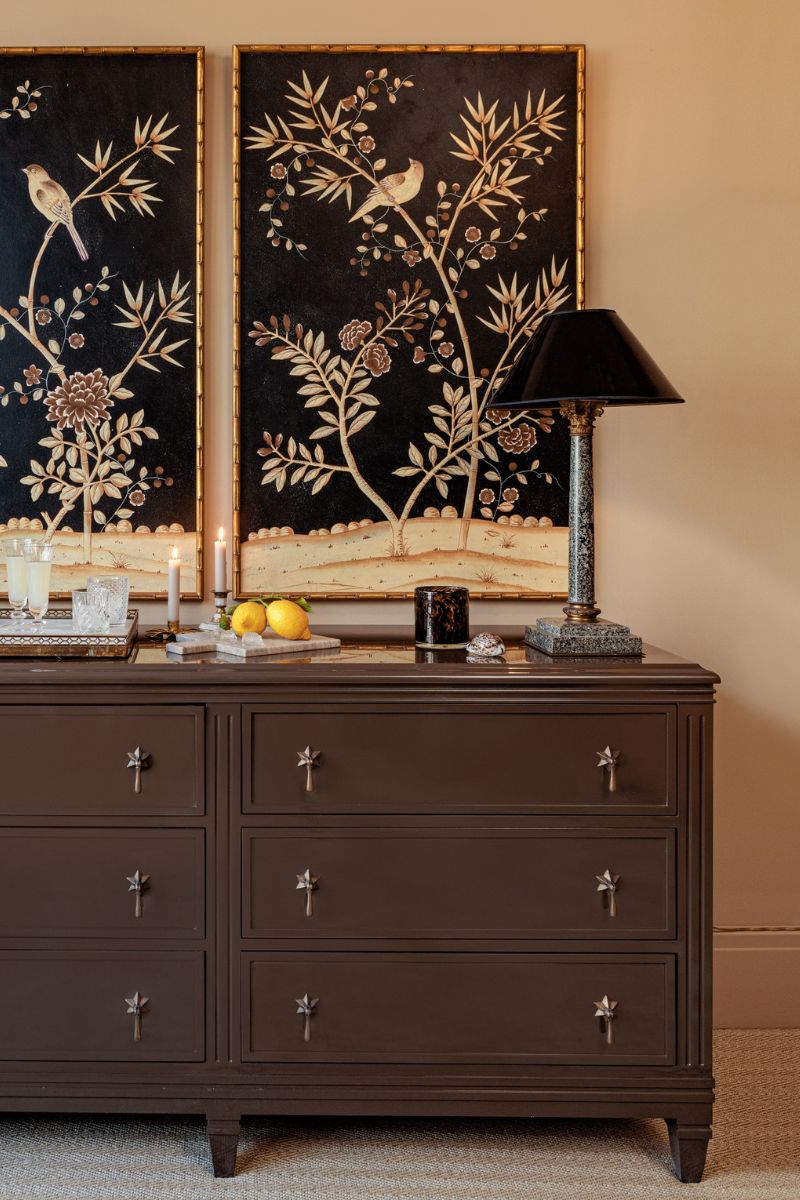
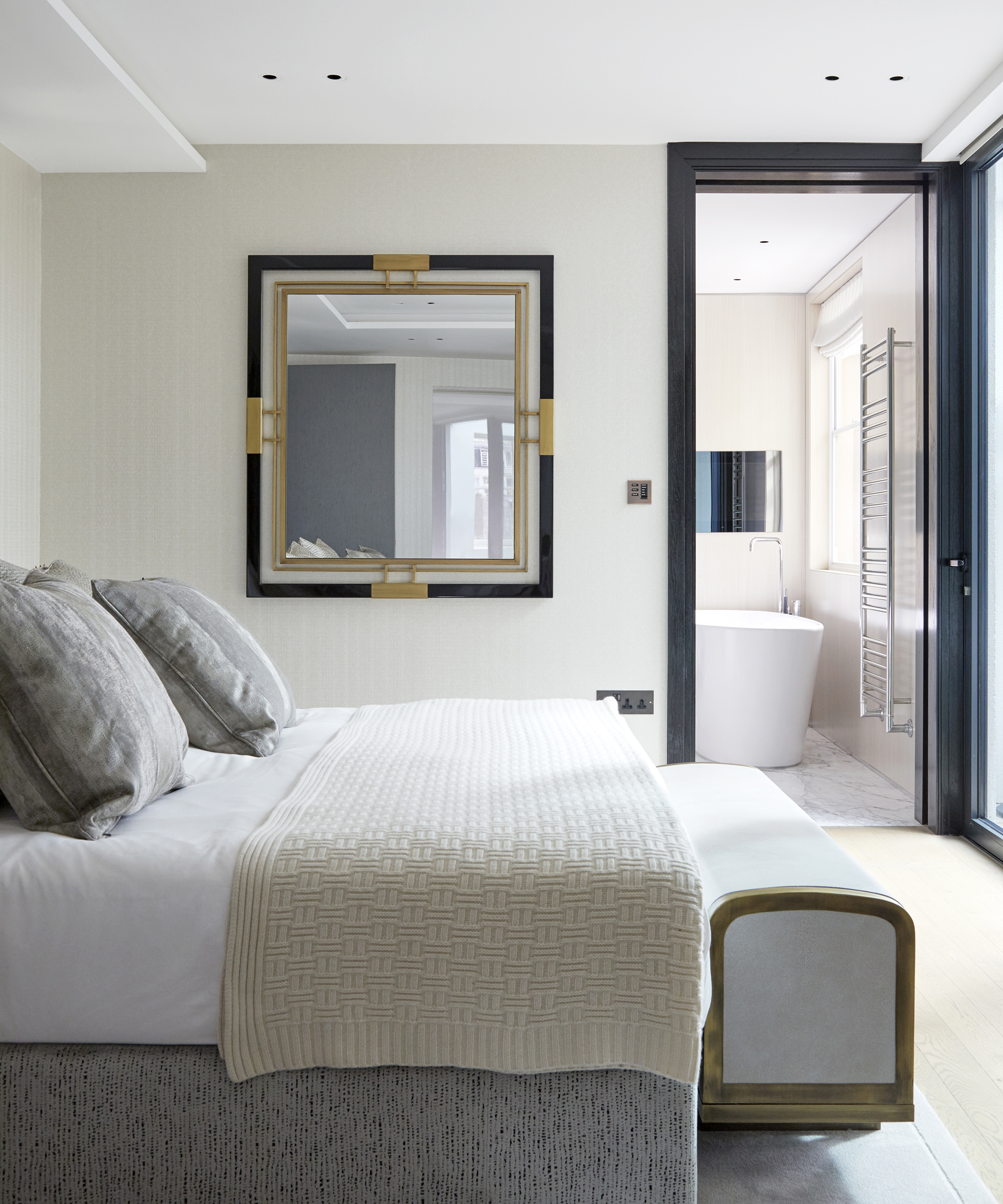
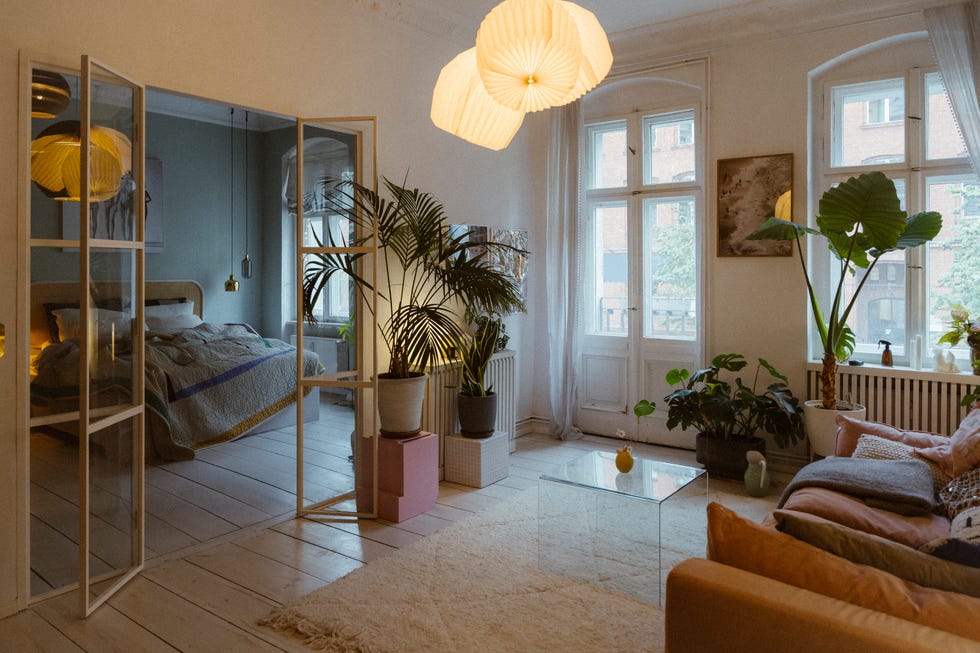
Another common error involves furniture selection. Counterintuitively, filling a studio with numerous small furniture pieces can make the space feel cluttered and cramped, rather than open. Designers recommend opting for a few larger, well-proportioned pieces that fill the space deliberately, creating a sense of cohesion and order. For example, one large sofa can feel less cluttered than multiple small armchairs. However, caution is advised against overly bulky furniture that is dark and heavy, which can visually weigh down the room. Instead, transparent furniture made of glass or acrylic is highly recommended as it allows light to pass through, creating an airy and expanded feel.
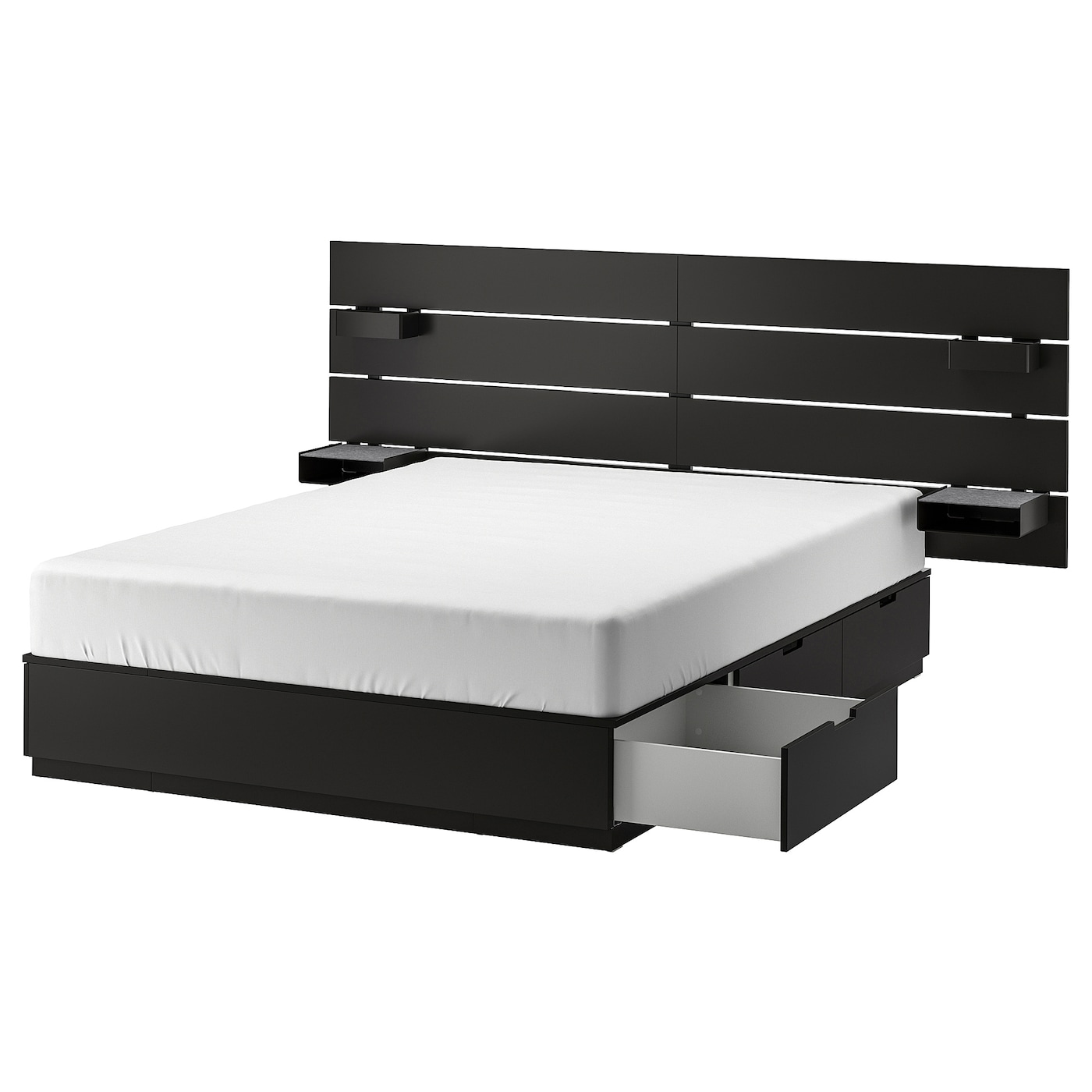
The choice of wall color also plays a crucial role. While white walls are often perceived as a go-to for small spaces, they are not the only option. Experts encourage residents to embrace color, using it strategically to define different 'zones' within the open-plan studio. Accent walls, though declining in popularity for larger homes, can be very effective in studios for delineating areas like a sleeping nook or dining space. Painting a portion of a wall behind the bed, for instance, can create the effect of a headboard without occupying physical space.
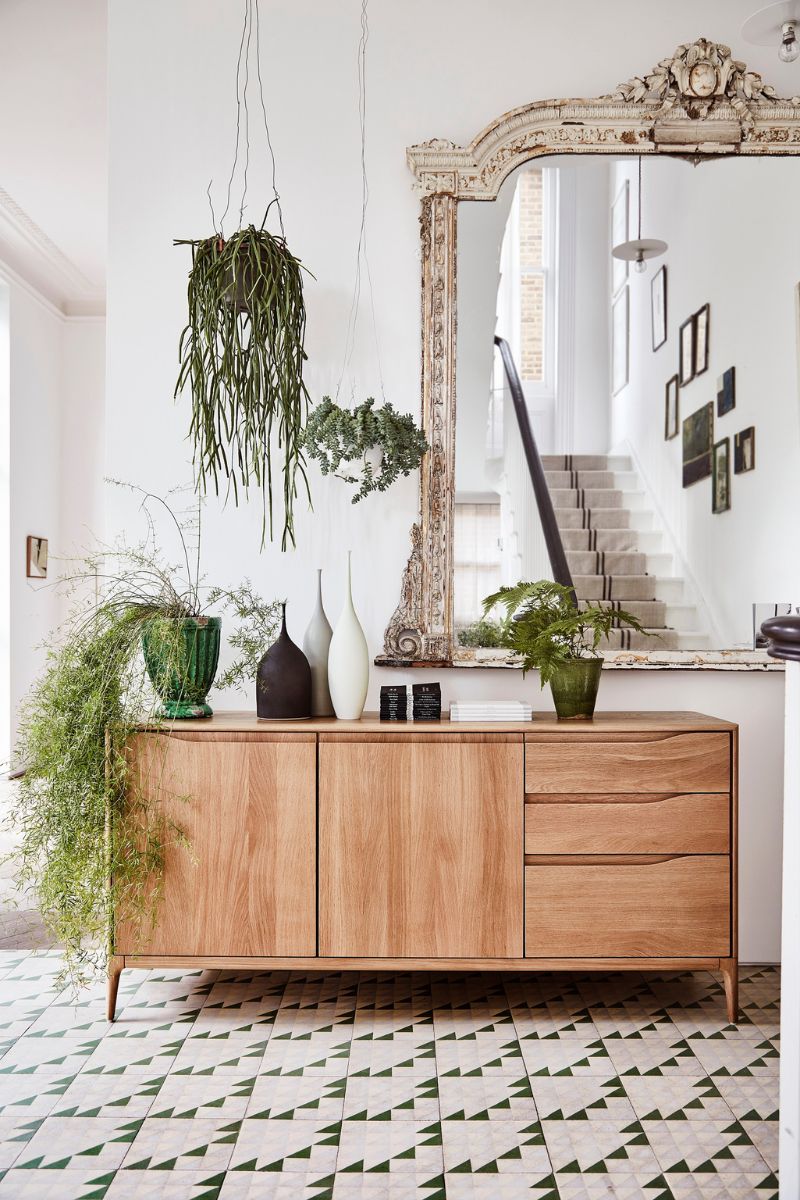
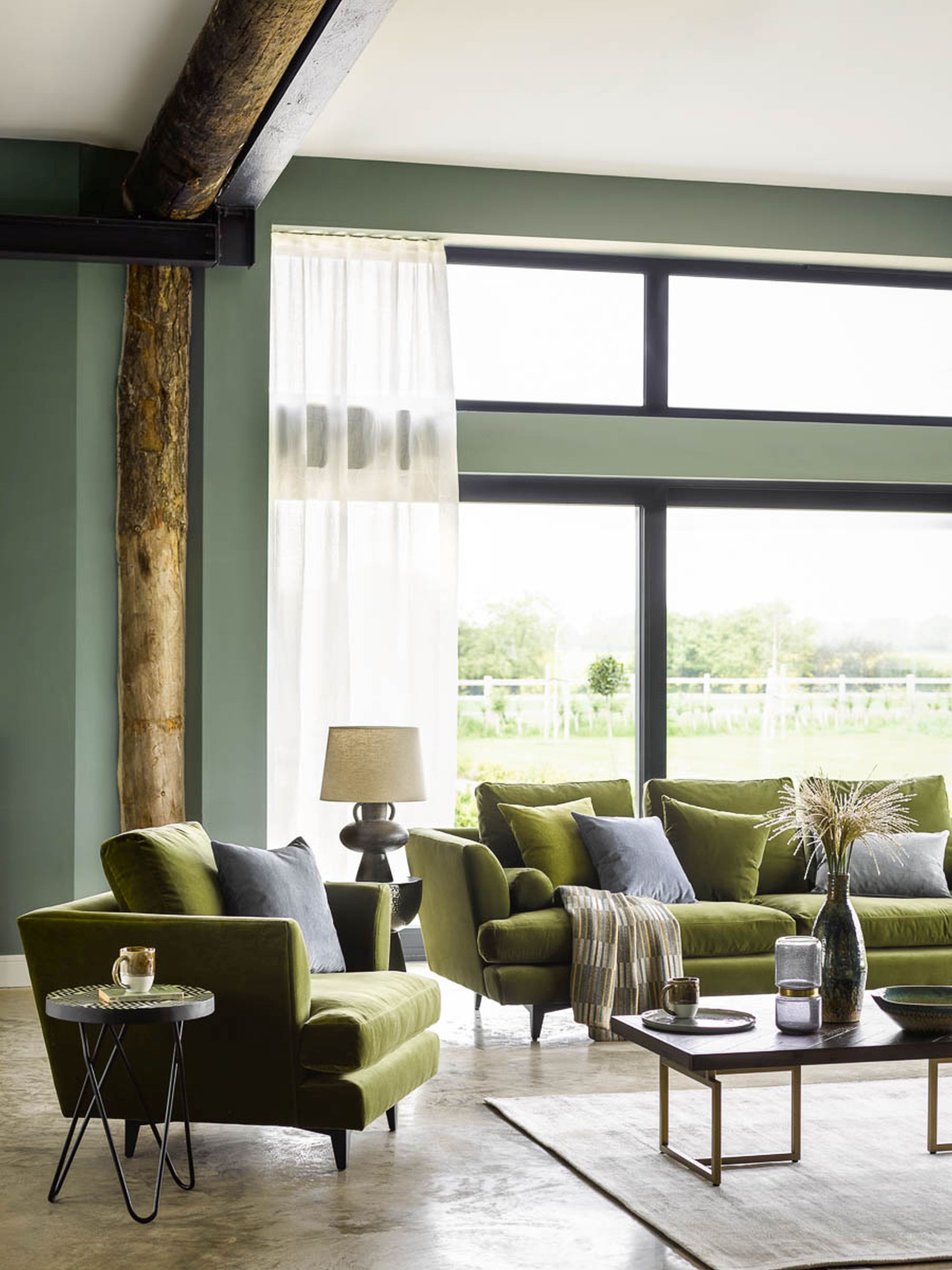
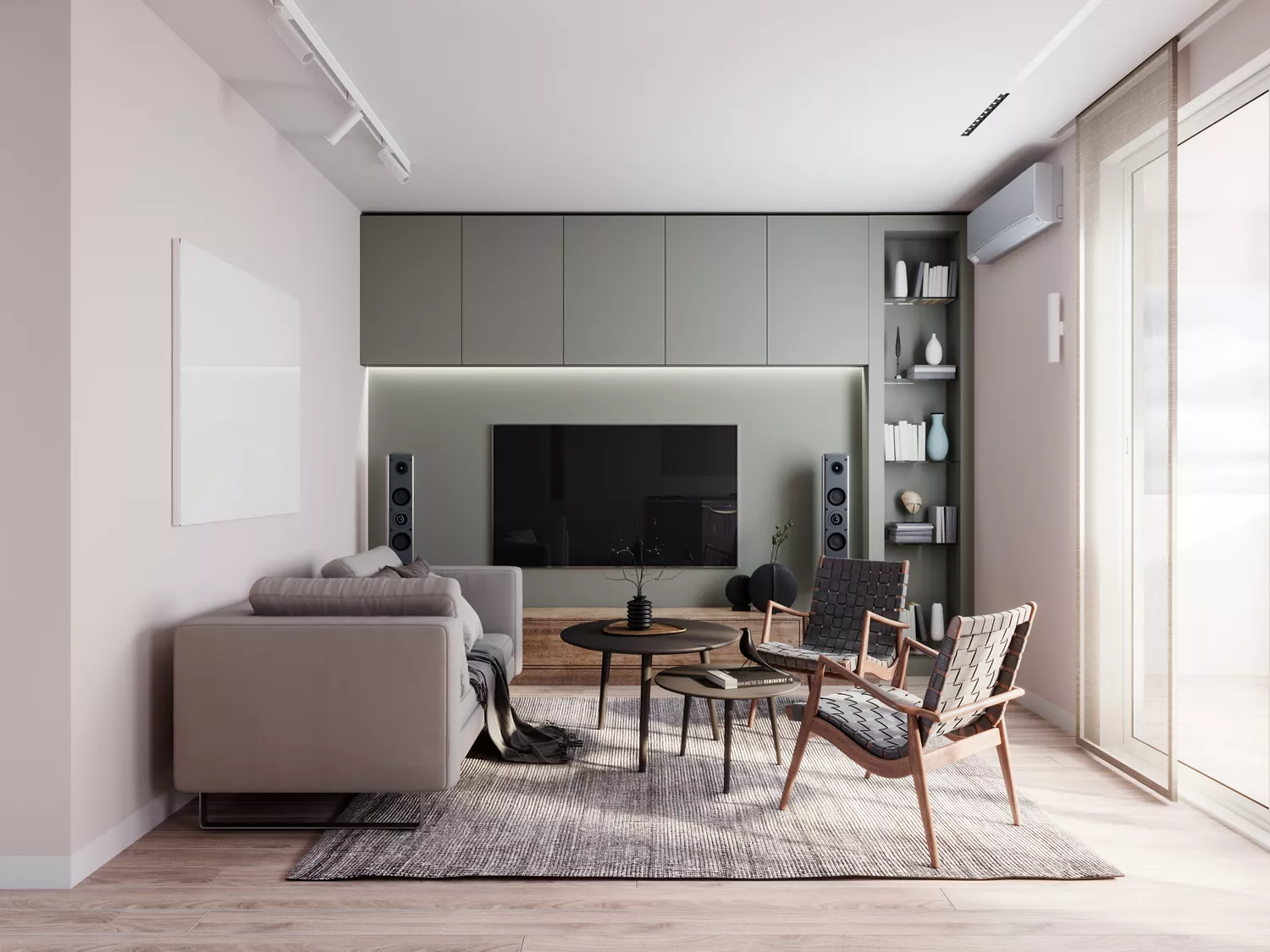
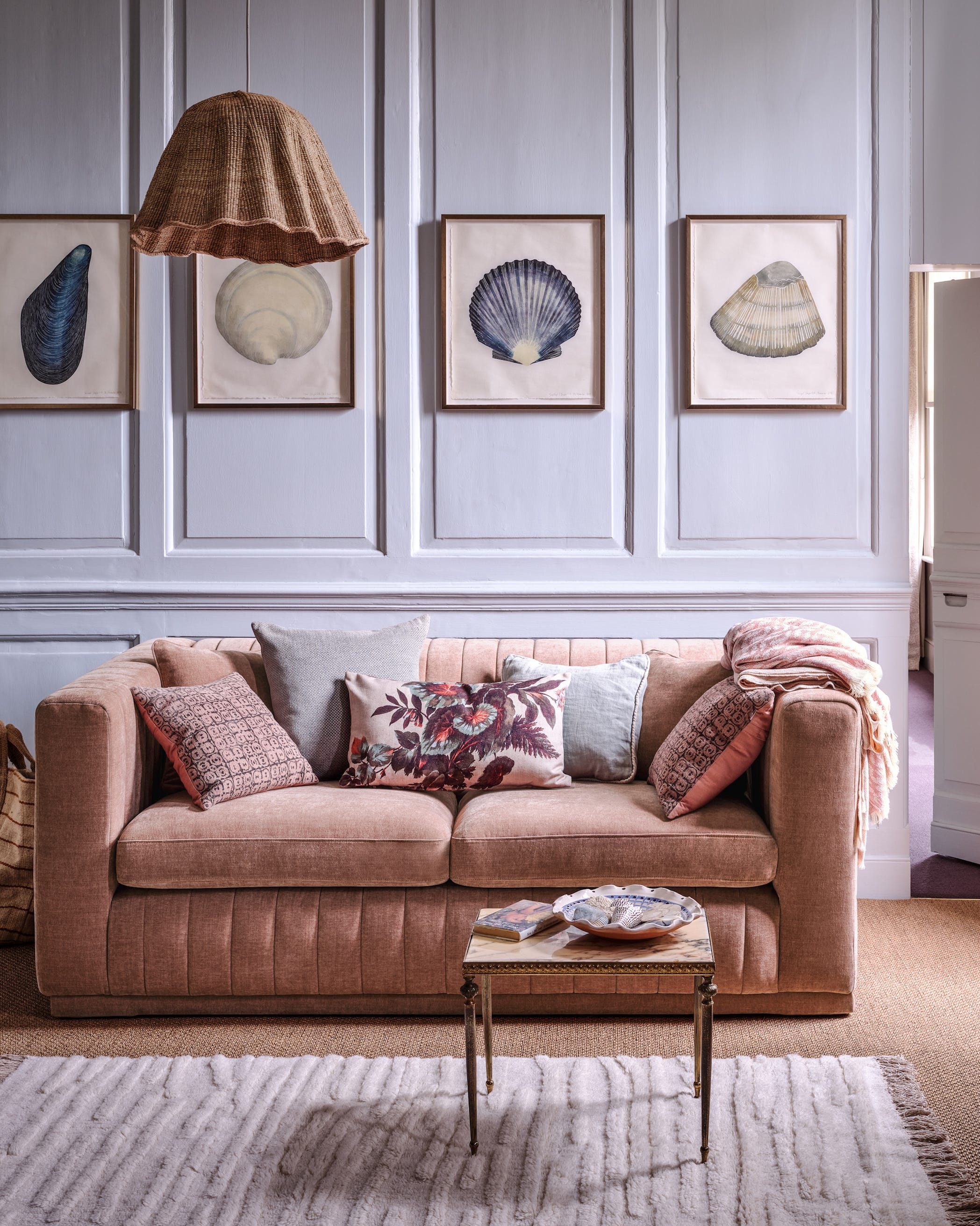
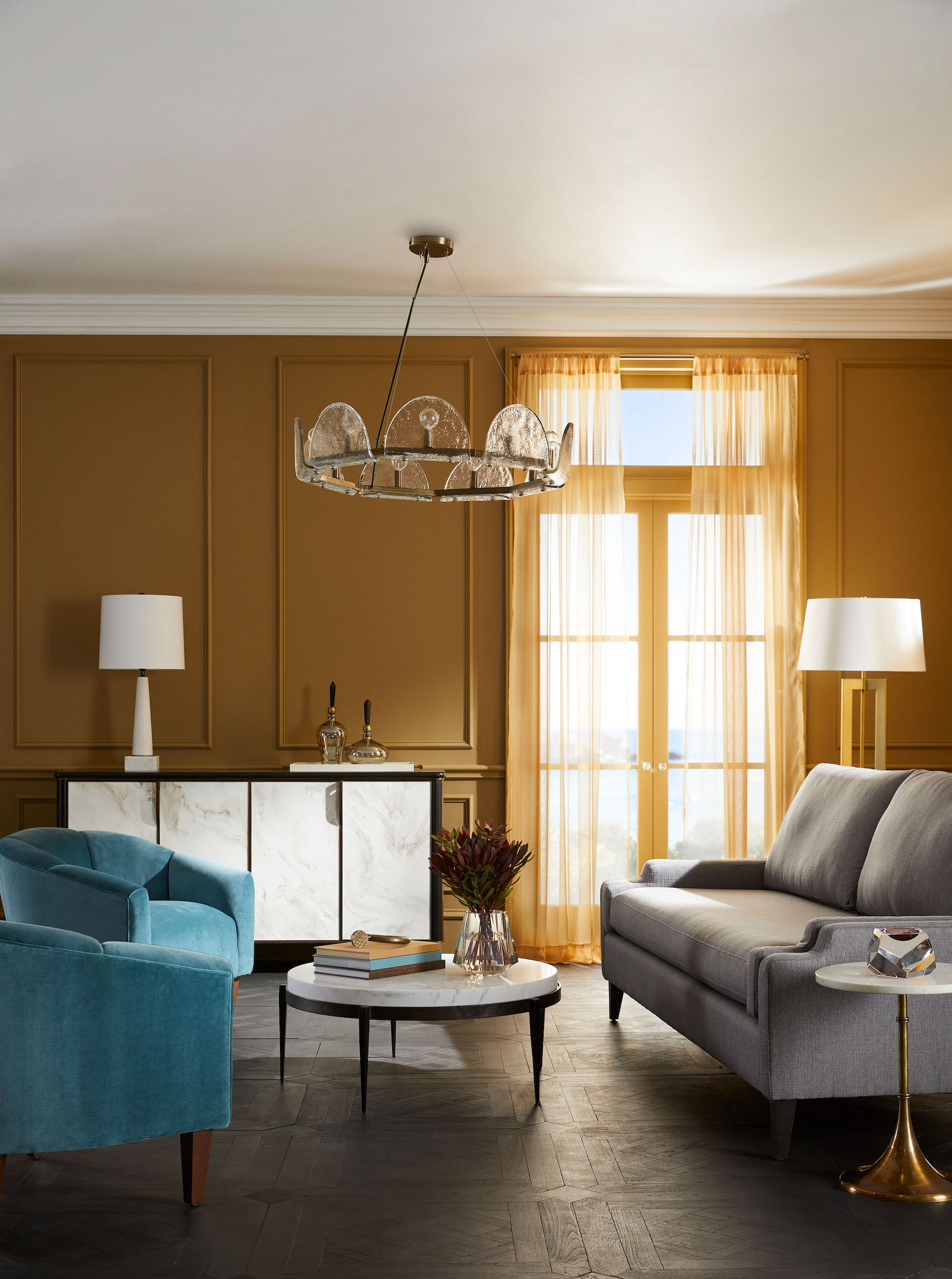
Furniture without legs, such as sofas that sit directly on the floor, can make a studio feel heavy and confined. Furniture with visible legs elevates items off the ground, creating an illusion of space underneath and an overall lighter, airier ambiance. Mid-century modern pieces, known for their tapered legs, are often ideal for this purpose. Even vintage furniture with skirts can be repurposed by removing the fabric to expose the legs.
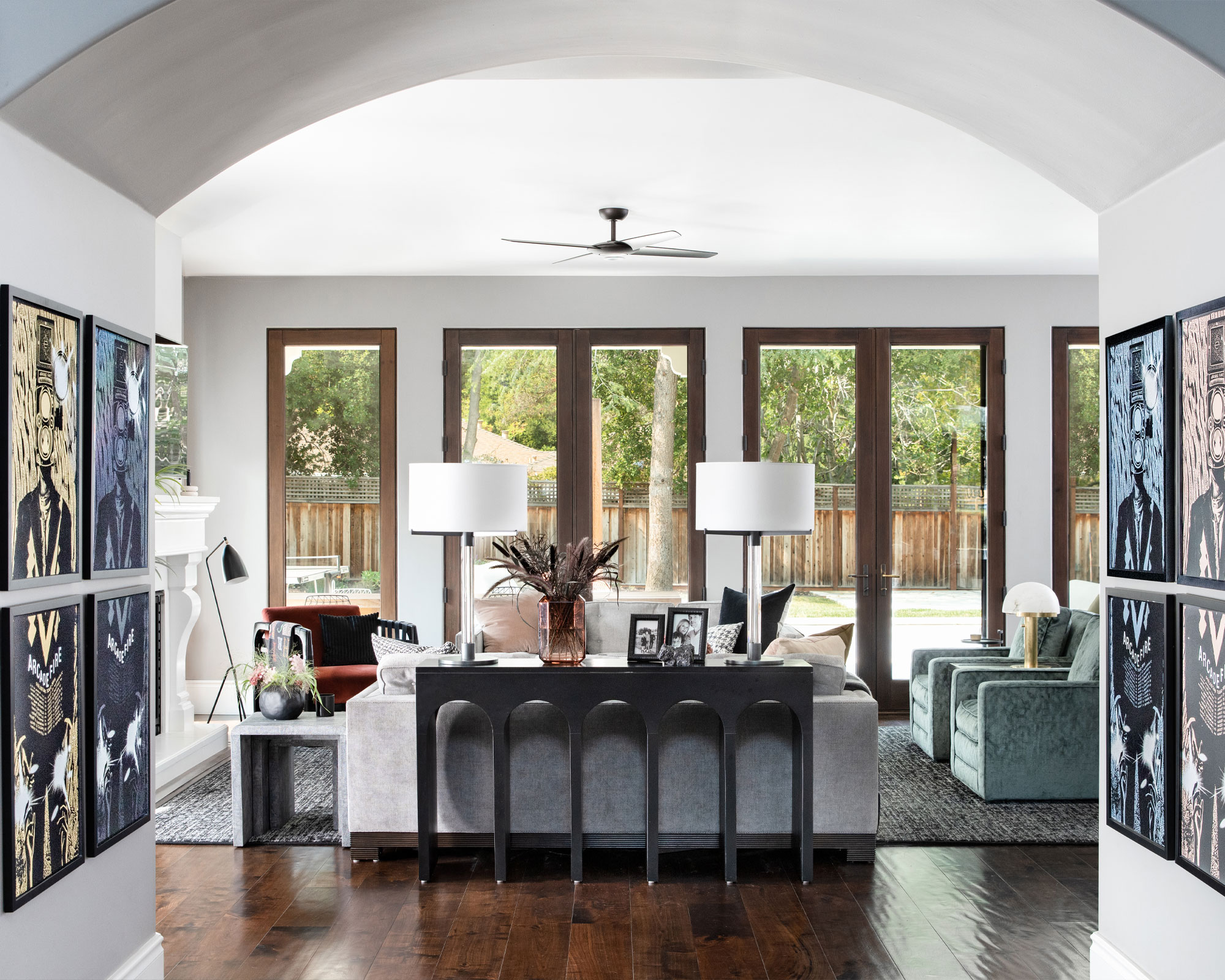
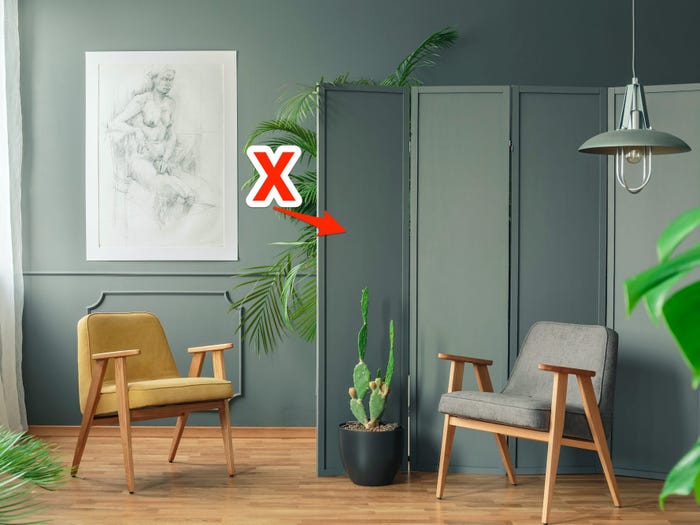
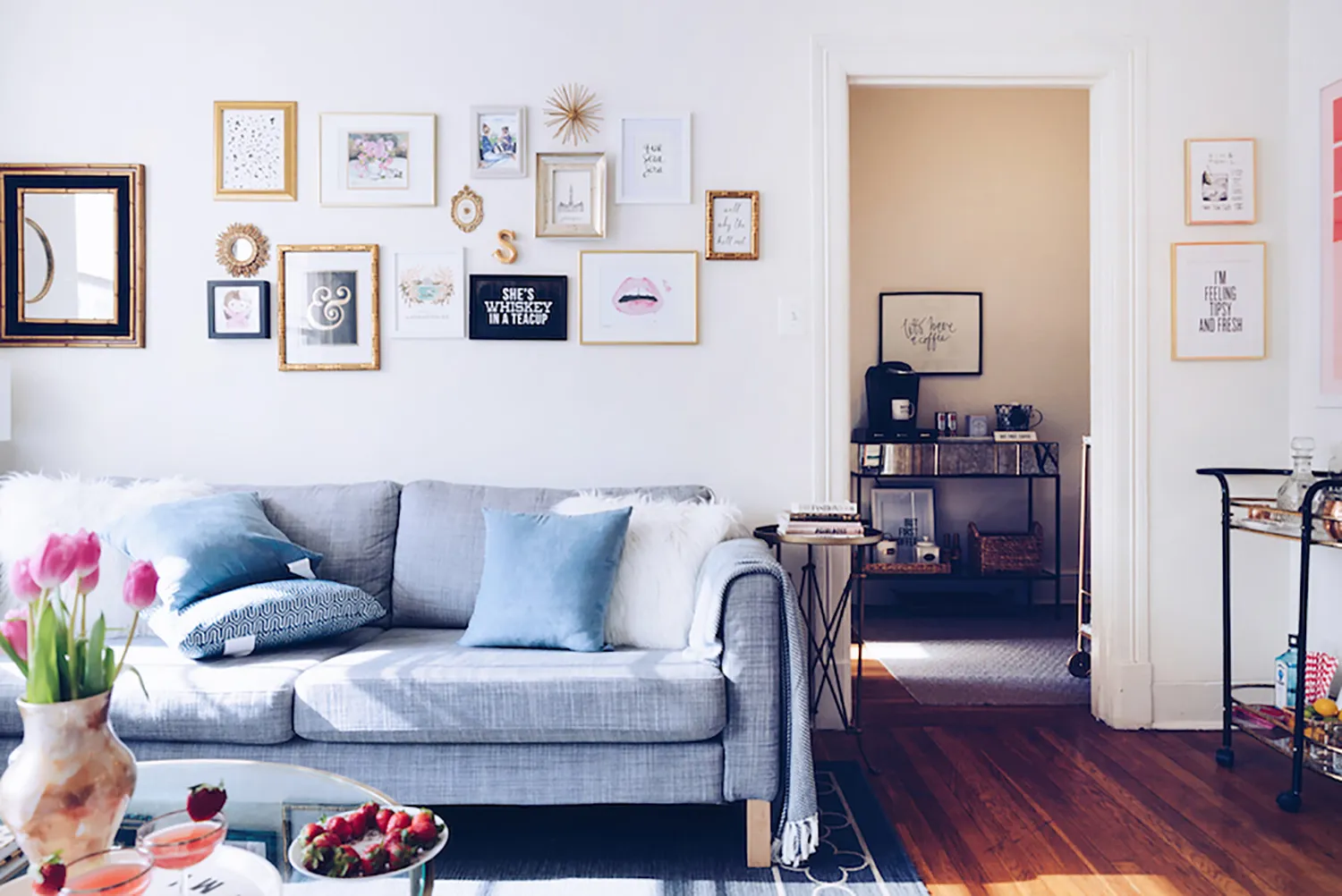
Over-decorating walls with too much artwork or decor can also lead to a cluttered appearance. It is important to consider negative space, allowing areas of the wall to remain clear to prevent visual overwhelm. Strategic placement of art, ensuring balance and flow, helps the eye navigate the room without feeling trapped. Similarly, while room dividers seem like a logical solution for sectioning off areas in a studio, they can often make the space feel smaller by physically blocking sightlines. Instead, furniture arrangement, such as angling a couch away from a bed, or the use of rugs to 'anchor' different areas, can achieve a similar divisional effect without the visual heaviness. If dividers are desired, translucent shelves that allow light to pass through are preferred.
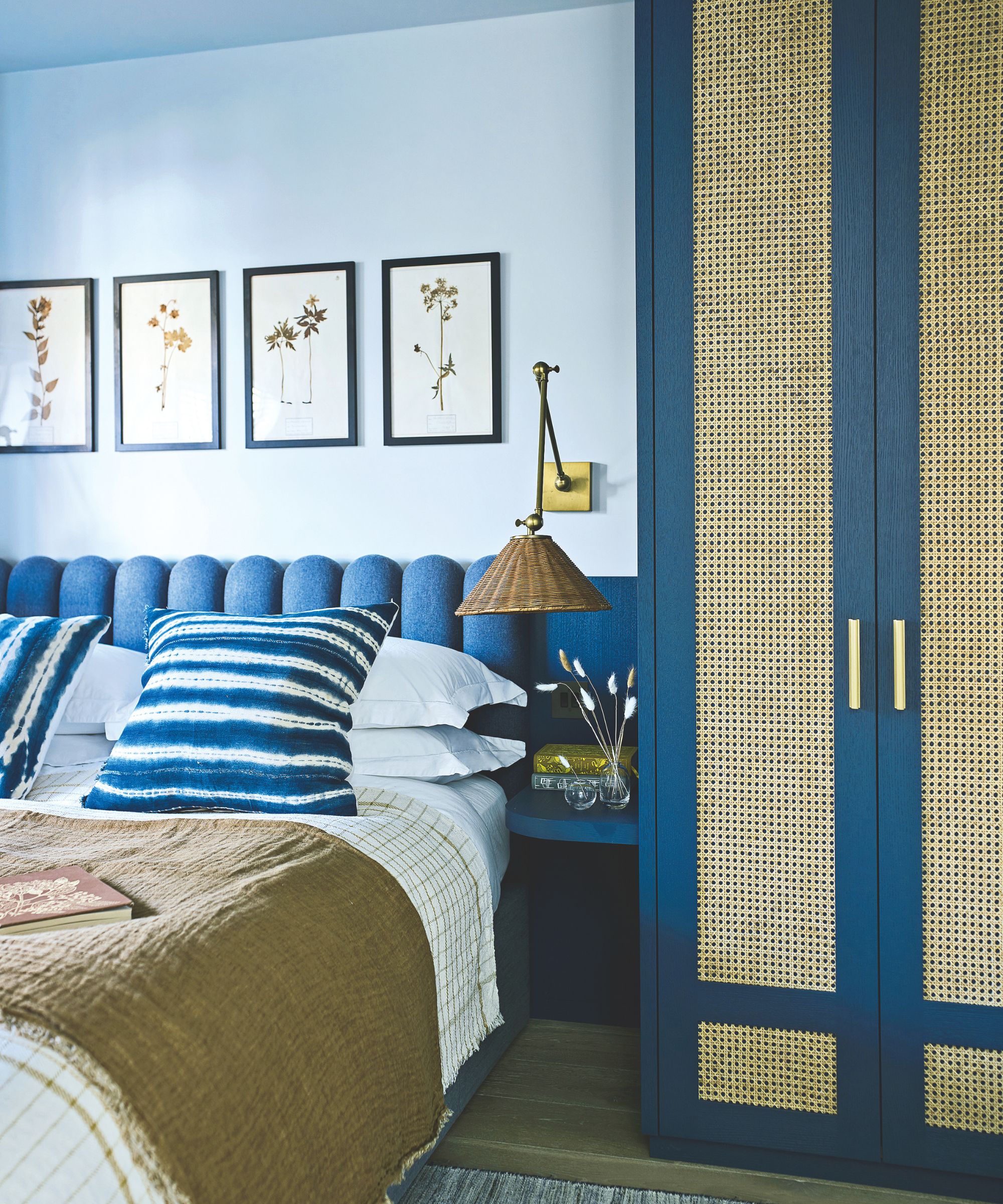
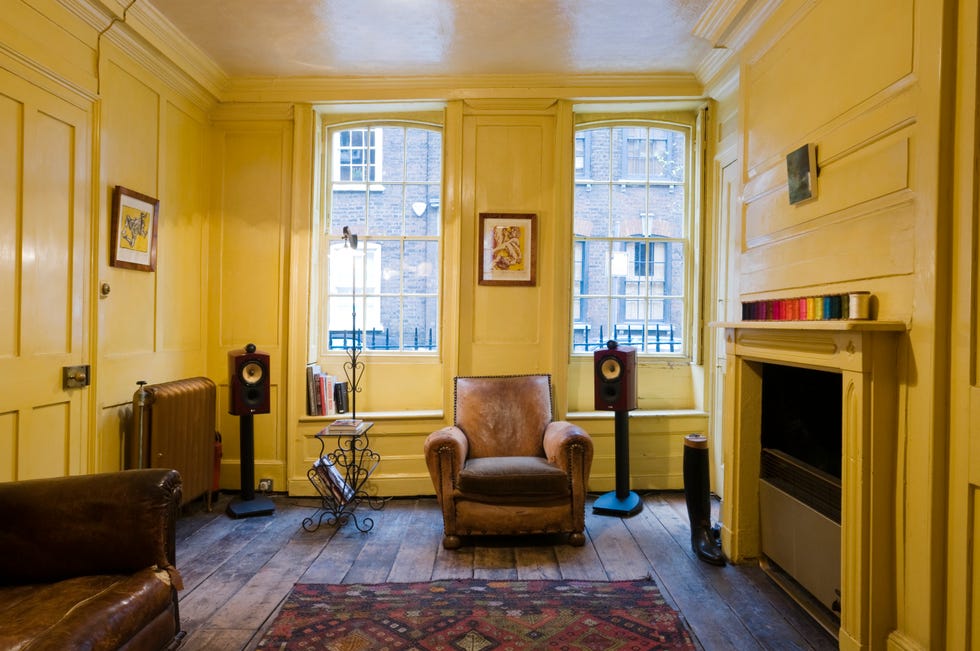
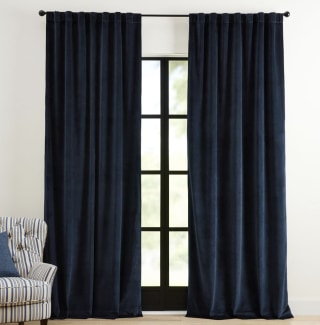
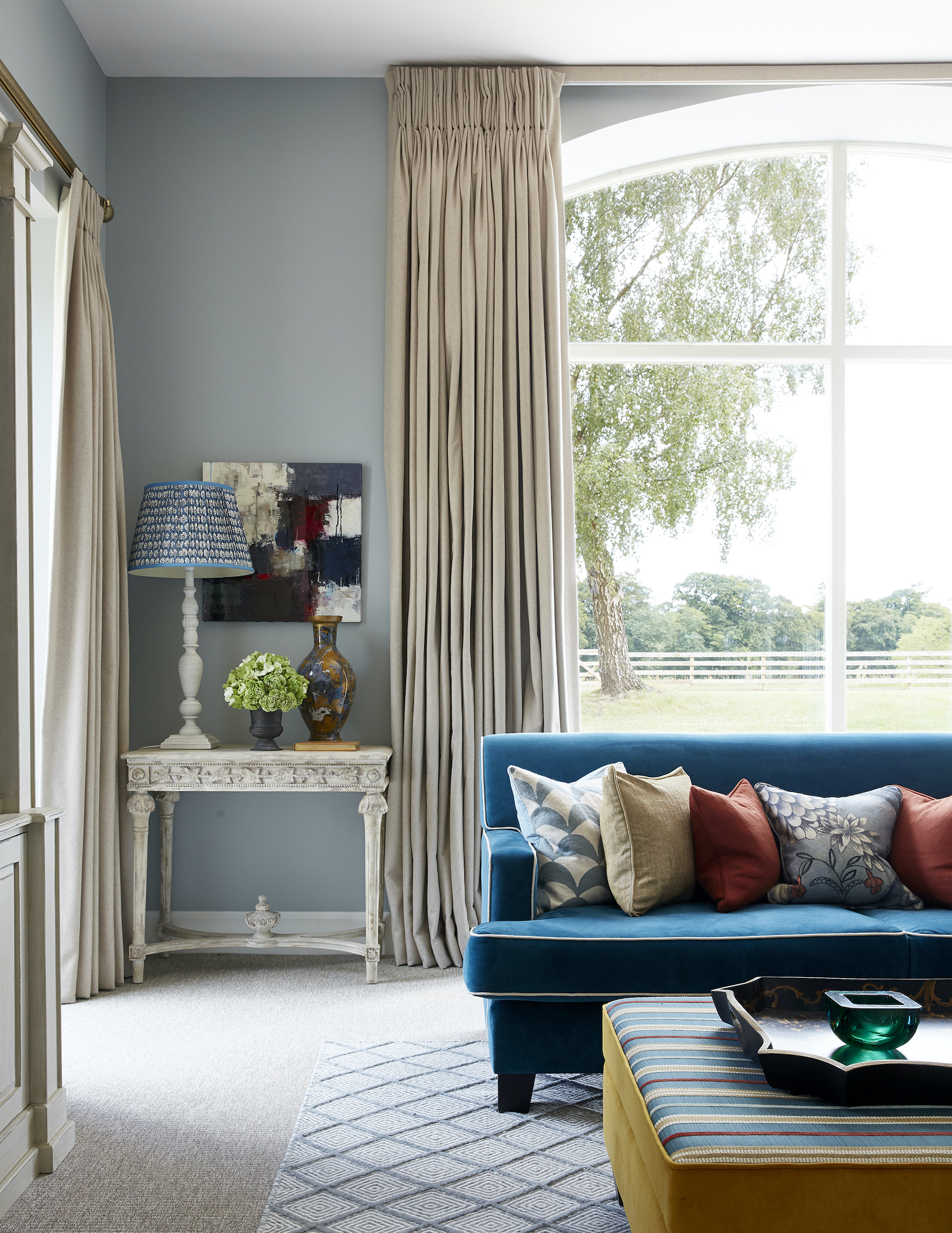
Lighting is another critical element. Dark studios appear smaller, but floor lamps and bulky table lamps consume valuable space. Wall sconces, which provide light without occupying floor or surface area, are recommended. Maximizing natural light by avoiding heavy window treatments and opting for sheer, light-filtering options is also crucial for making a studio feel bright and spacious. Finally, the common practice of pushing all furniture against the walls to maximize central space is often counterproductive. This creates a 'dead space' in the middle and can give the room a dormitory-like feel. Pulling furniture just a few inches away from the walls can make the space feel warmer, more inviting, and less confined, enhancing the overall perception of size and comfort within the studio apartment.
#StudioApartment #InteriorDesign #SmallSpaceLiving #HomeDecor #FurniturePlacement #SpaceOptimization #VerticalSpace #LightingDesign #Decluttering #StudioApartment #InteriorDesign #SmallSpaceLiving #HomeDecor #FurniturePlacement #SpaceOptimization #VerticalSpace #LightingDesign #Decluttering
0 comment in total
 No comments yet
You may also like
5 small living room mistakes – designers share the worst decorating disasters that we need to stop doing right now

11 kitchen layout mistakes – frustrating to live with, they make your space look smaller too
10 Small Kitchen Layout Mistakes Designers Will Always Urge You to Avoid for a Better Working Space

5 Mistakes Designers Say Are Making Your Bathroom Look Smaller
5 mistakes making your hallway look smaller and how to fix them, according to designers

15 Things That Make Their Tiny Apartments Feel Bigger
5 Mistakes That Are Making Your Bathroom Look Smaller, According to Designers

Bedroom layout mistakes – 9 errors experts warn against, and how to fix them
8 of the biggest small bedroom layout mistakes designers see time and time again
6 Small Living Room Layout Mistakes You Should Never Make, According to Designers

9 whole house layout mistakes – avoid these common floor plan flaws
10 living room lighting mistakes that make yours look uninviting, smaller and cold
5 Things That Make Your Living Room Look Small—and How to Fix Them
What should I avoid in a small bathroom? 8 mistakes that are ruining your space – and how to fix them
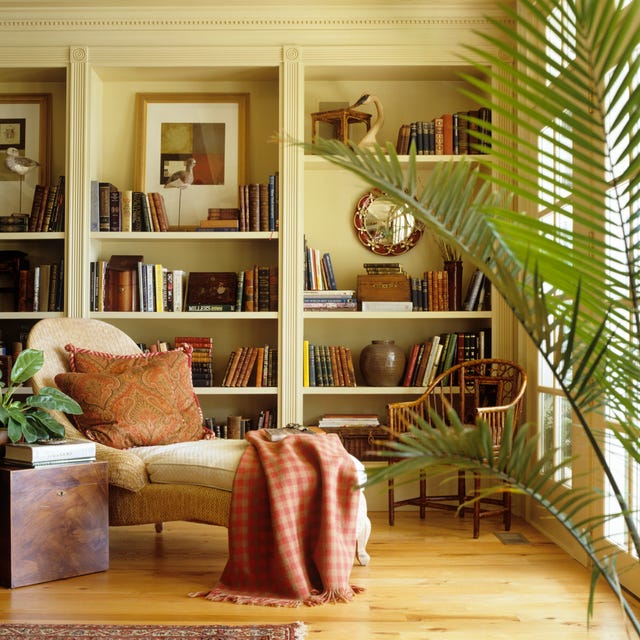
Designers Share 4 Common "Mistakes" You're Making in Your Living Room—and How to Correct Them

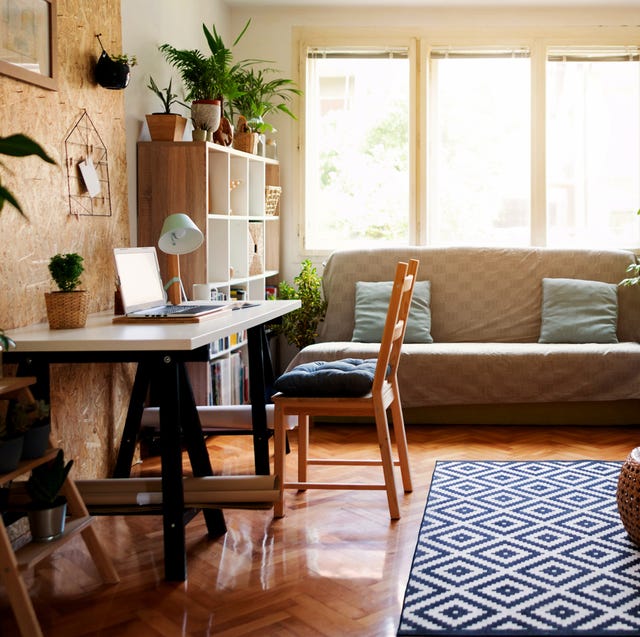
All the Best Furniture & Storage Hacks for Studio Apartments, According to an NYC Renter
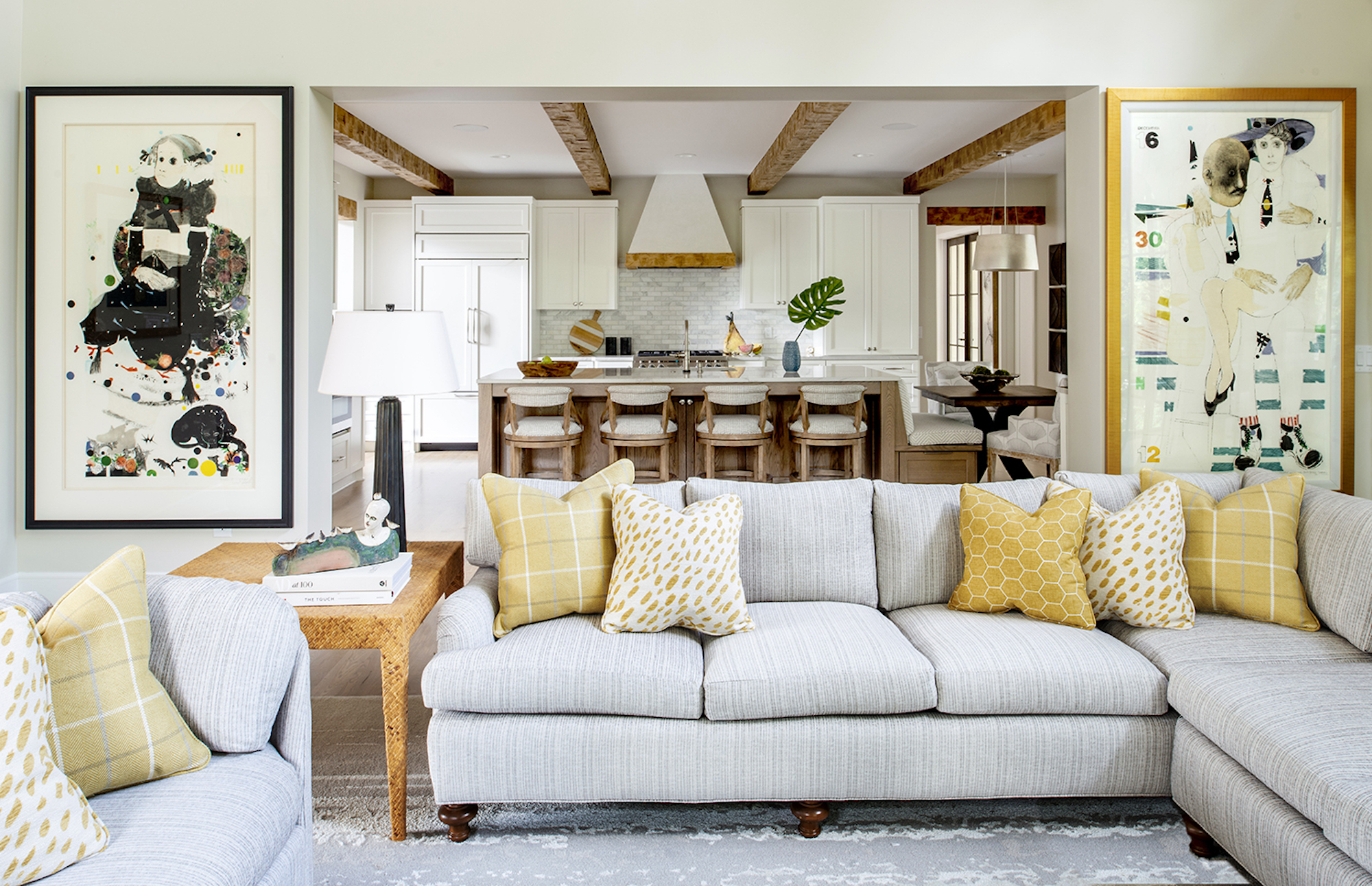
7 small living room layout mistakes design experts want you to avoid – and what to do instead
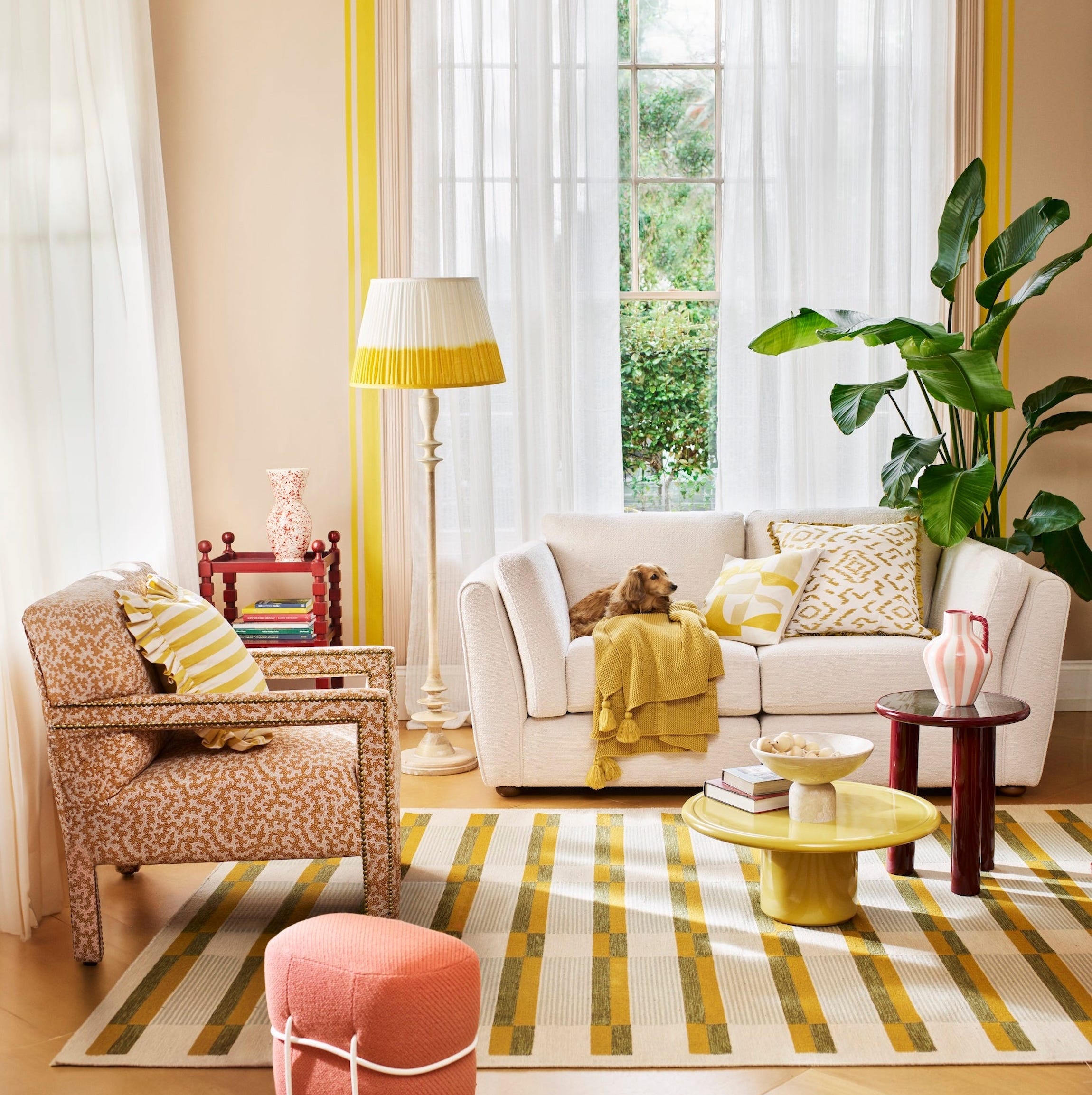
5 Living Room Design Mistakes You Didn't Know You Were Making
10+ small apartment living tips from design experts

6 Decor Mistakes That Were Making My Apartment Look Totally Outdated