1/9
How Installing the Right Contact Paper for Cabinets Can Basically Feel Like a Kitchen Reno
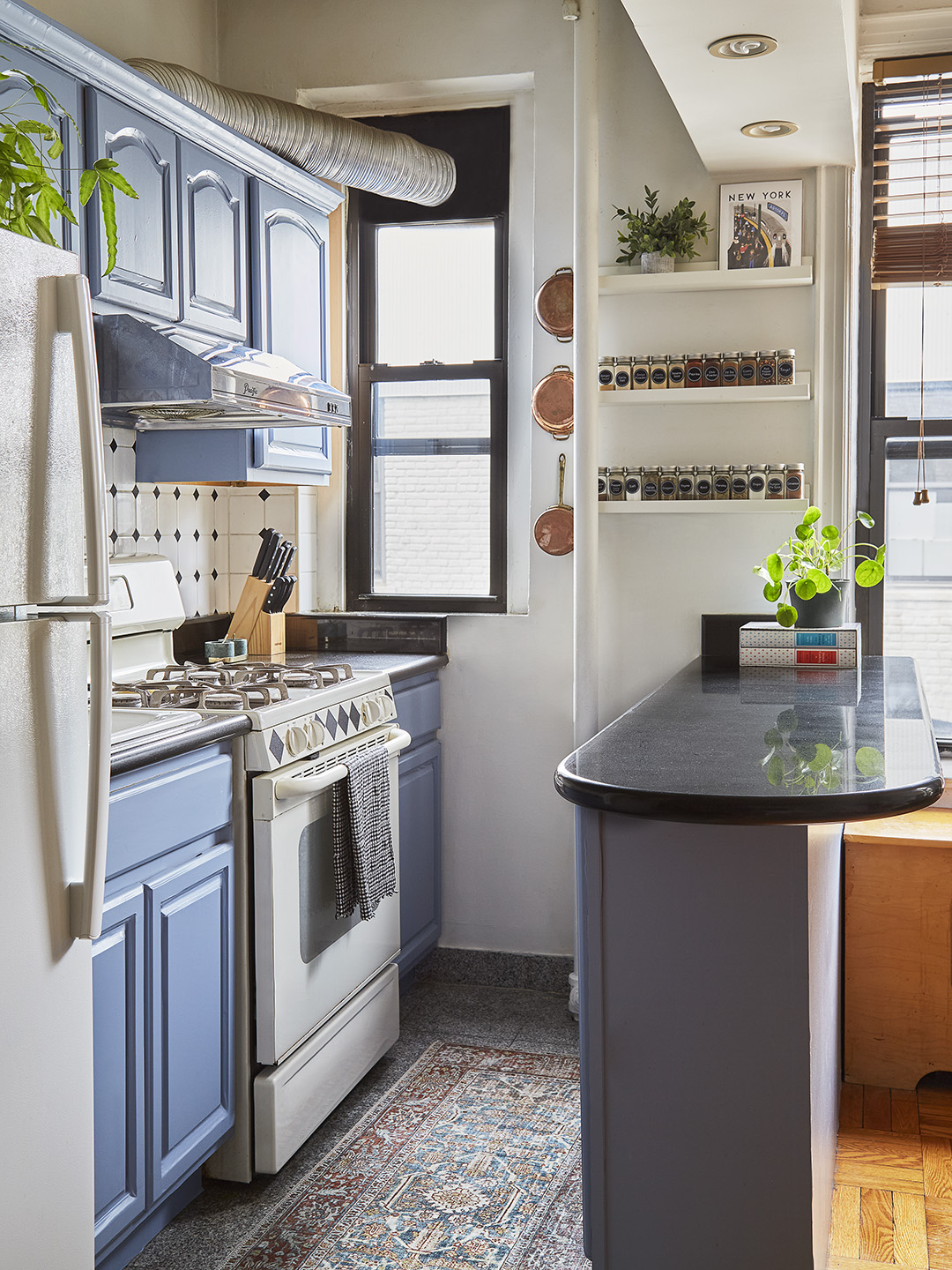
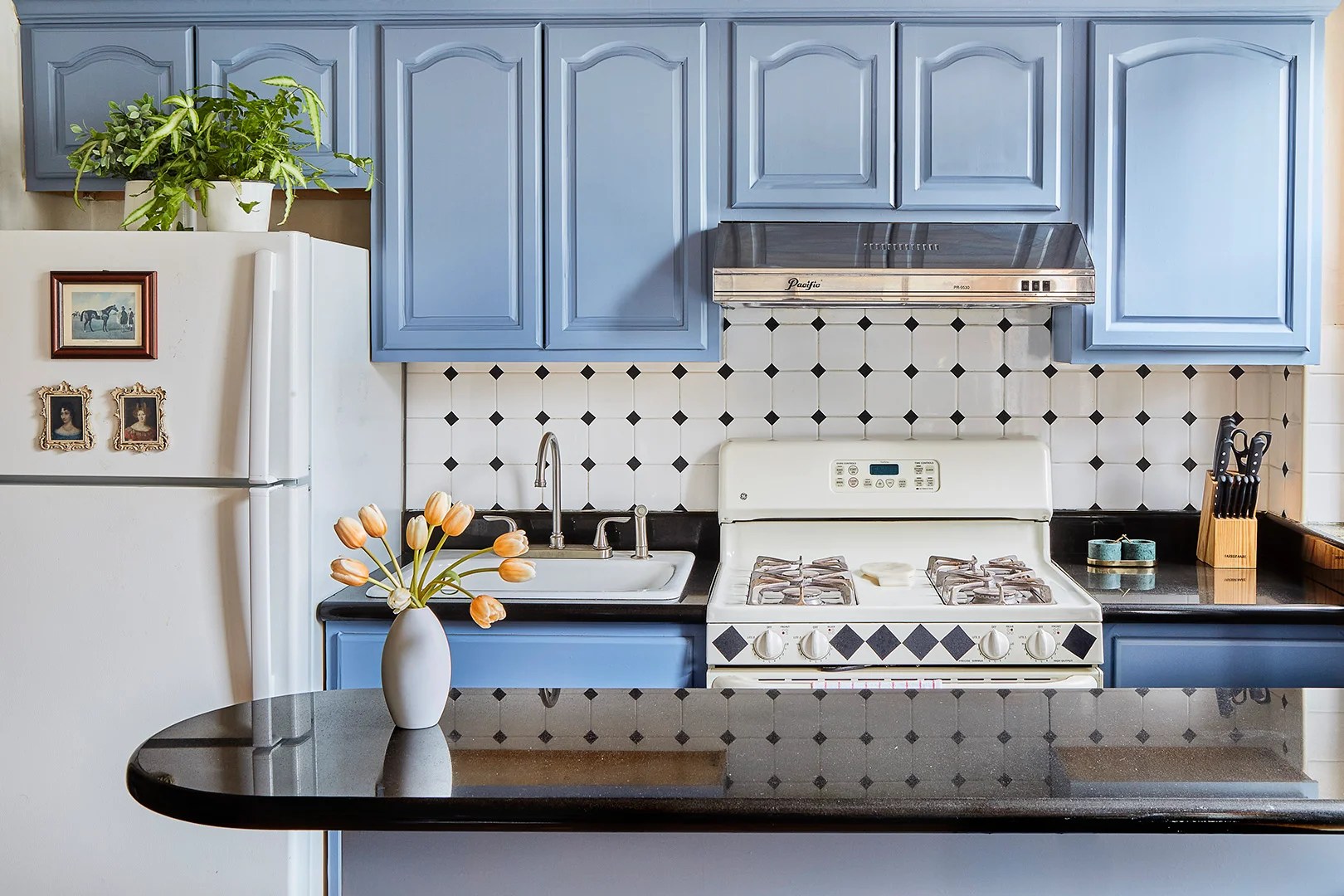
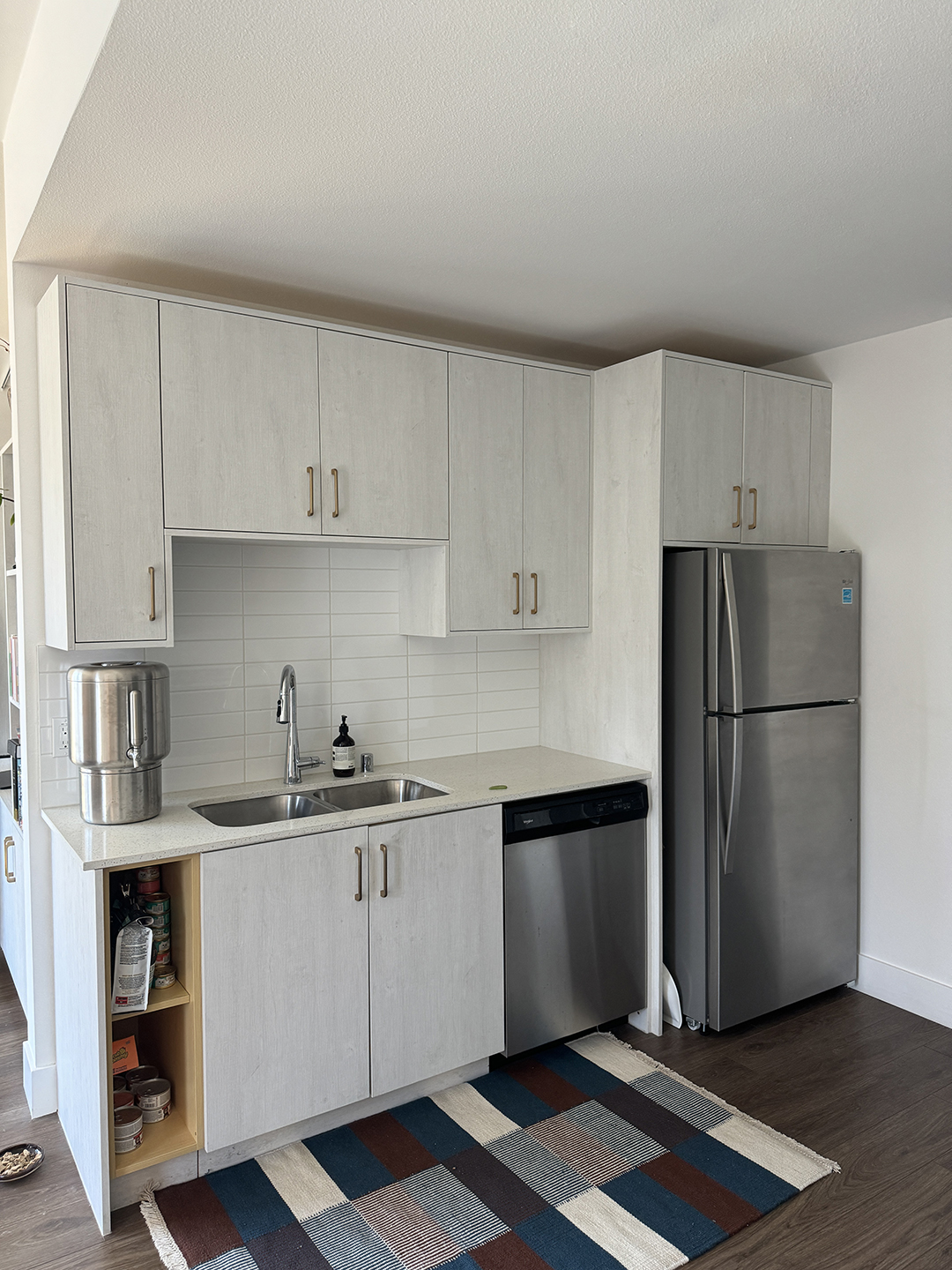
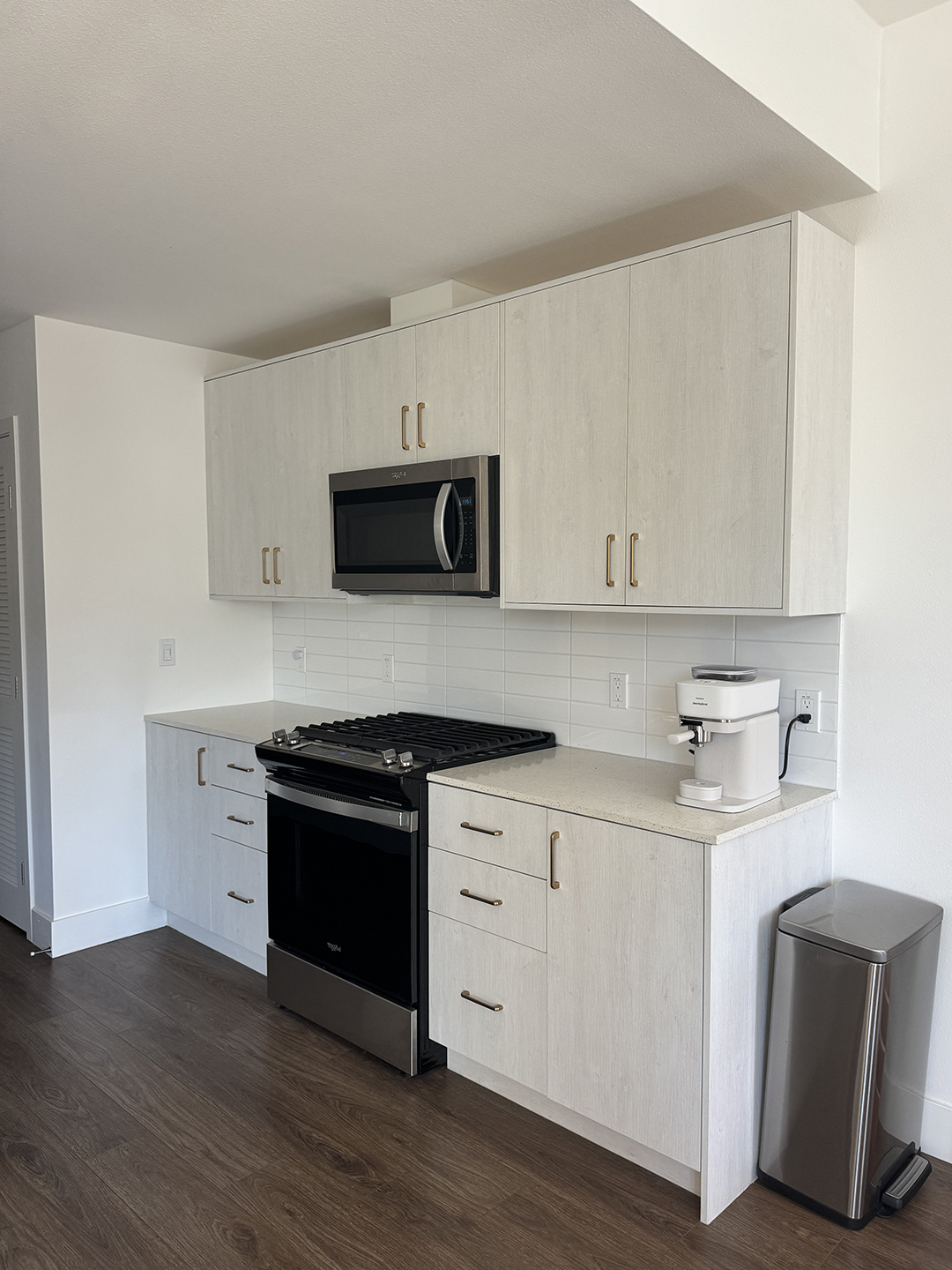
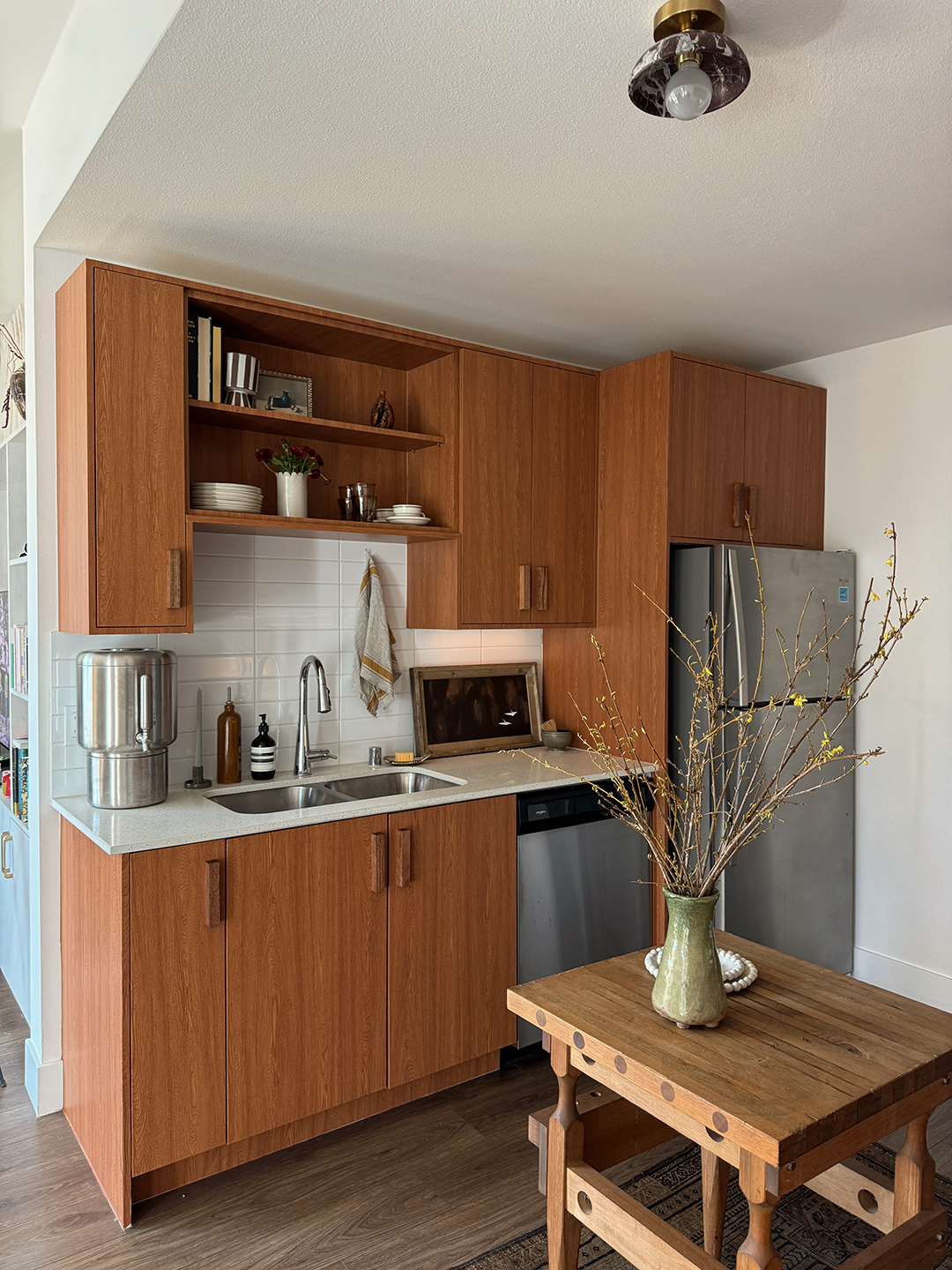
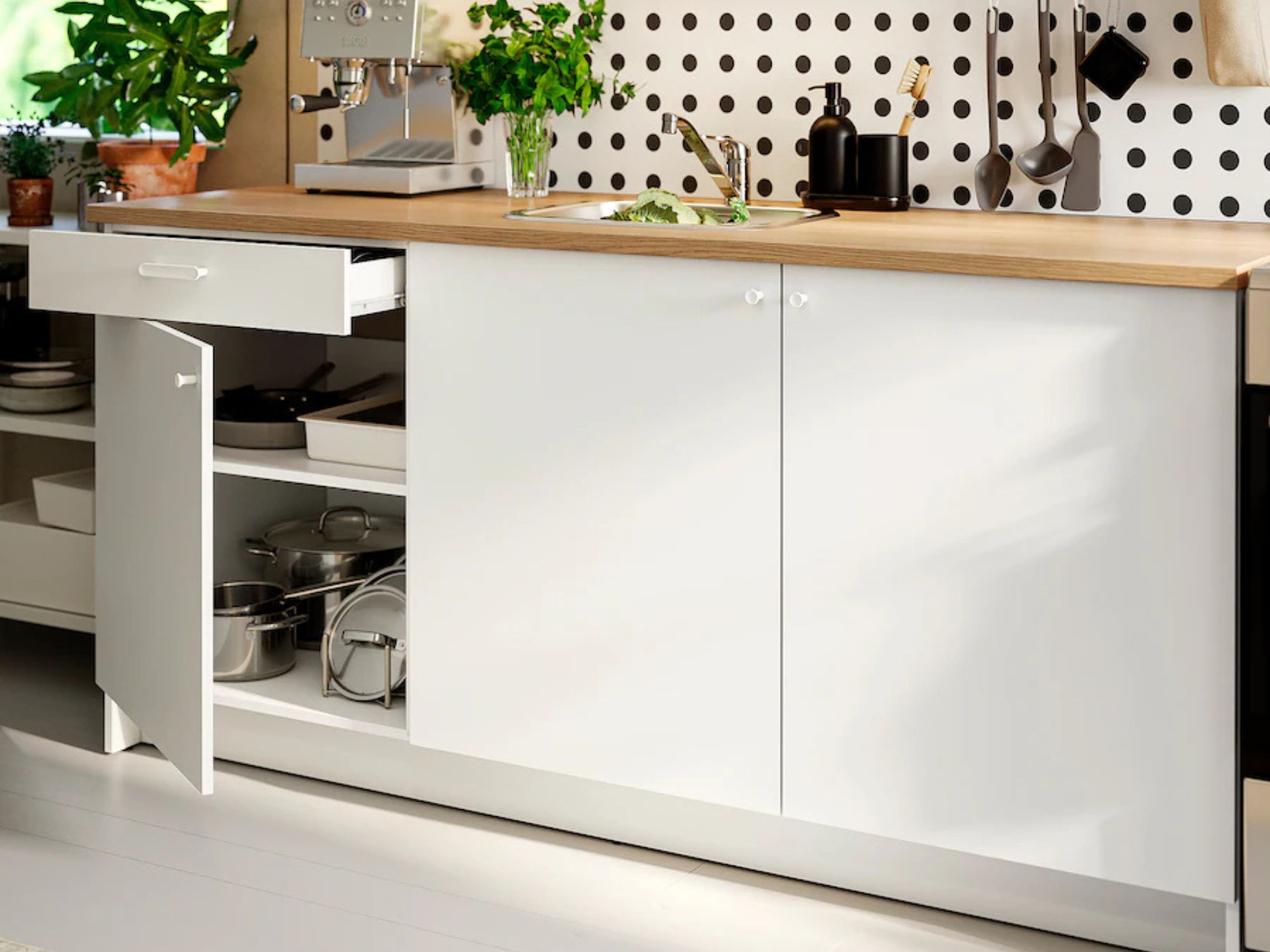
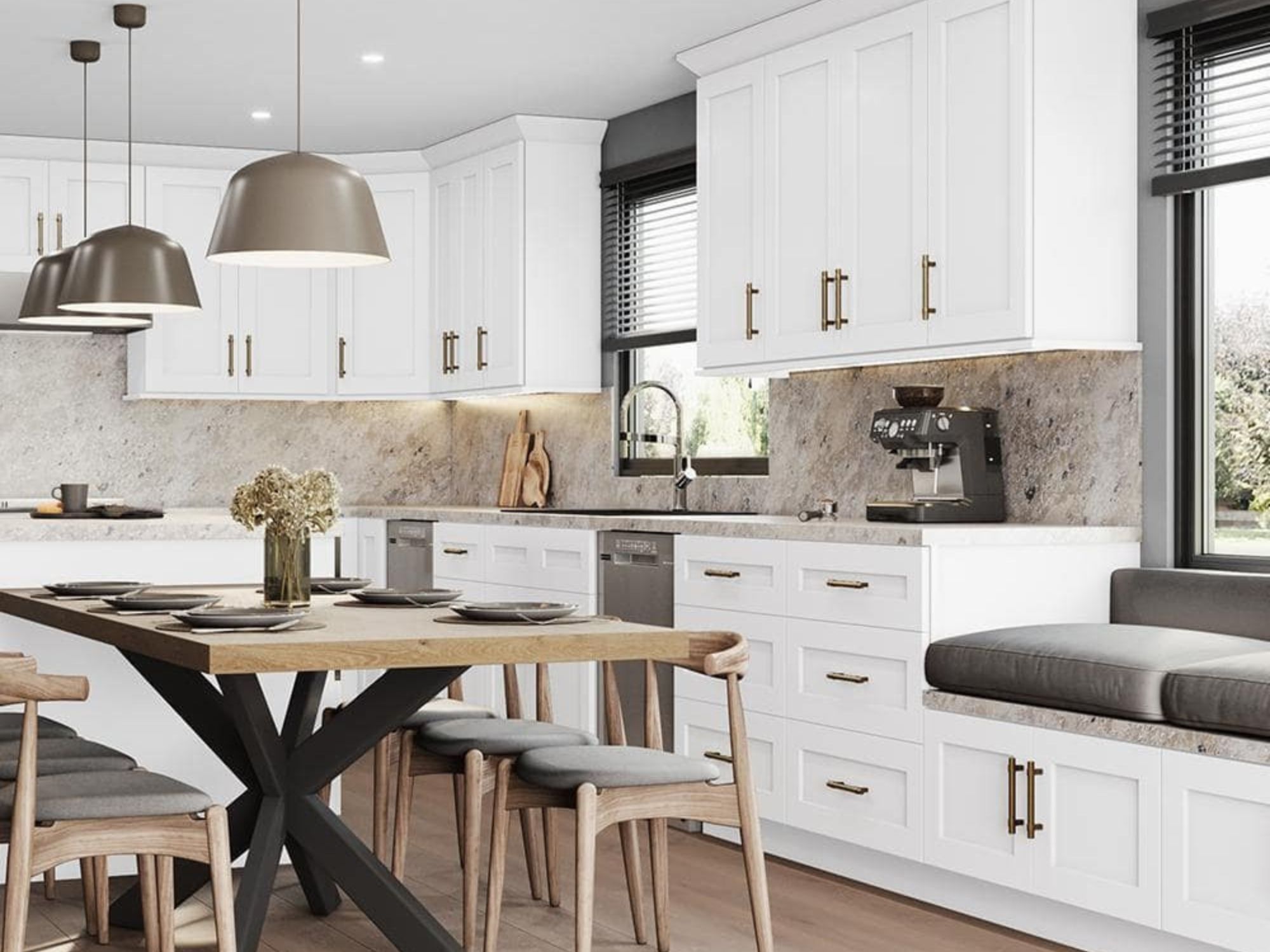
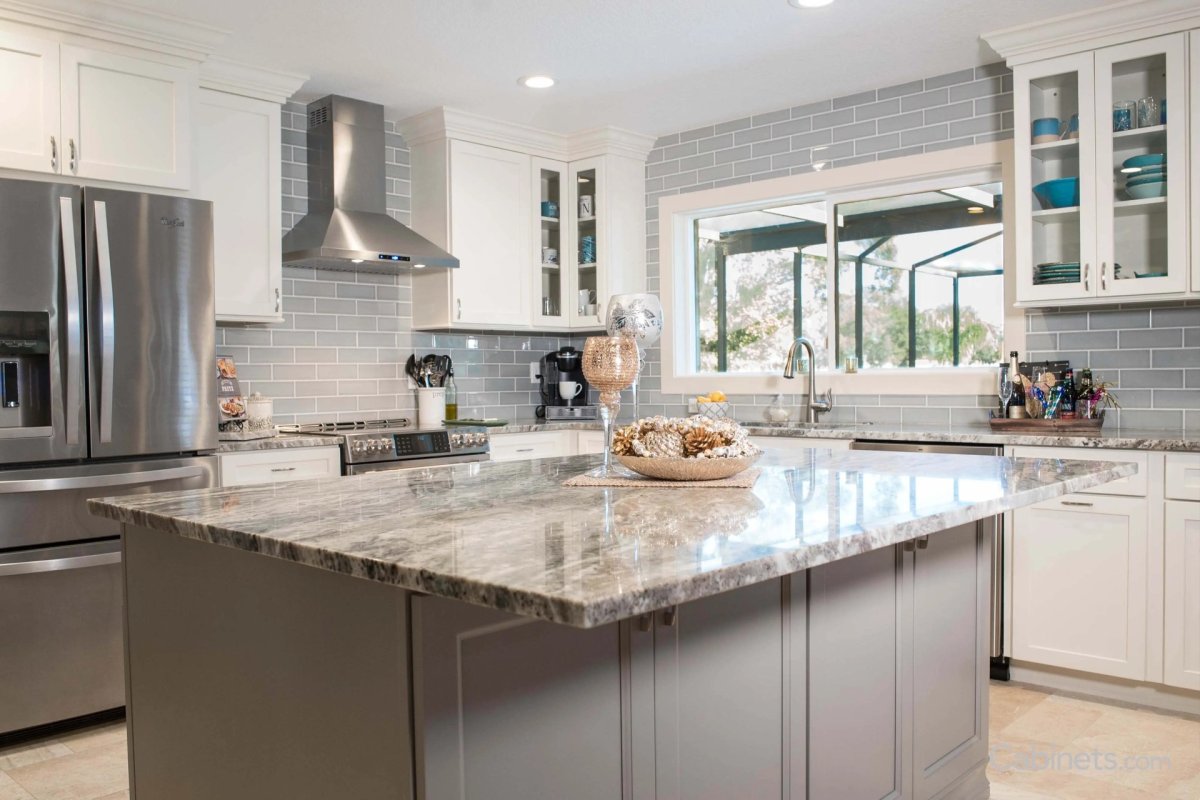
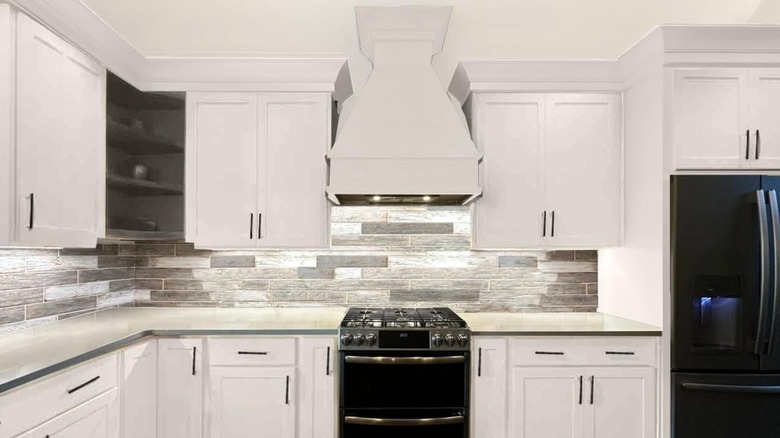
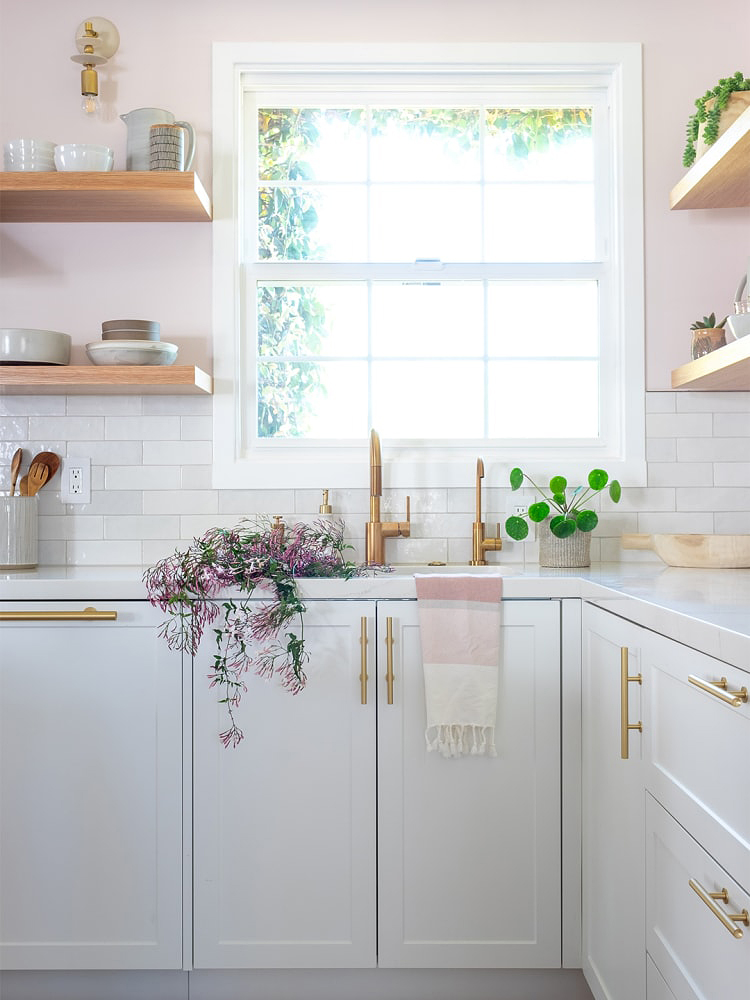
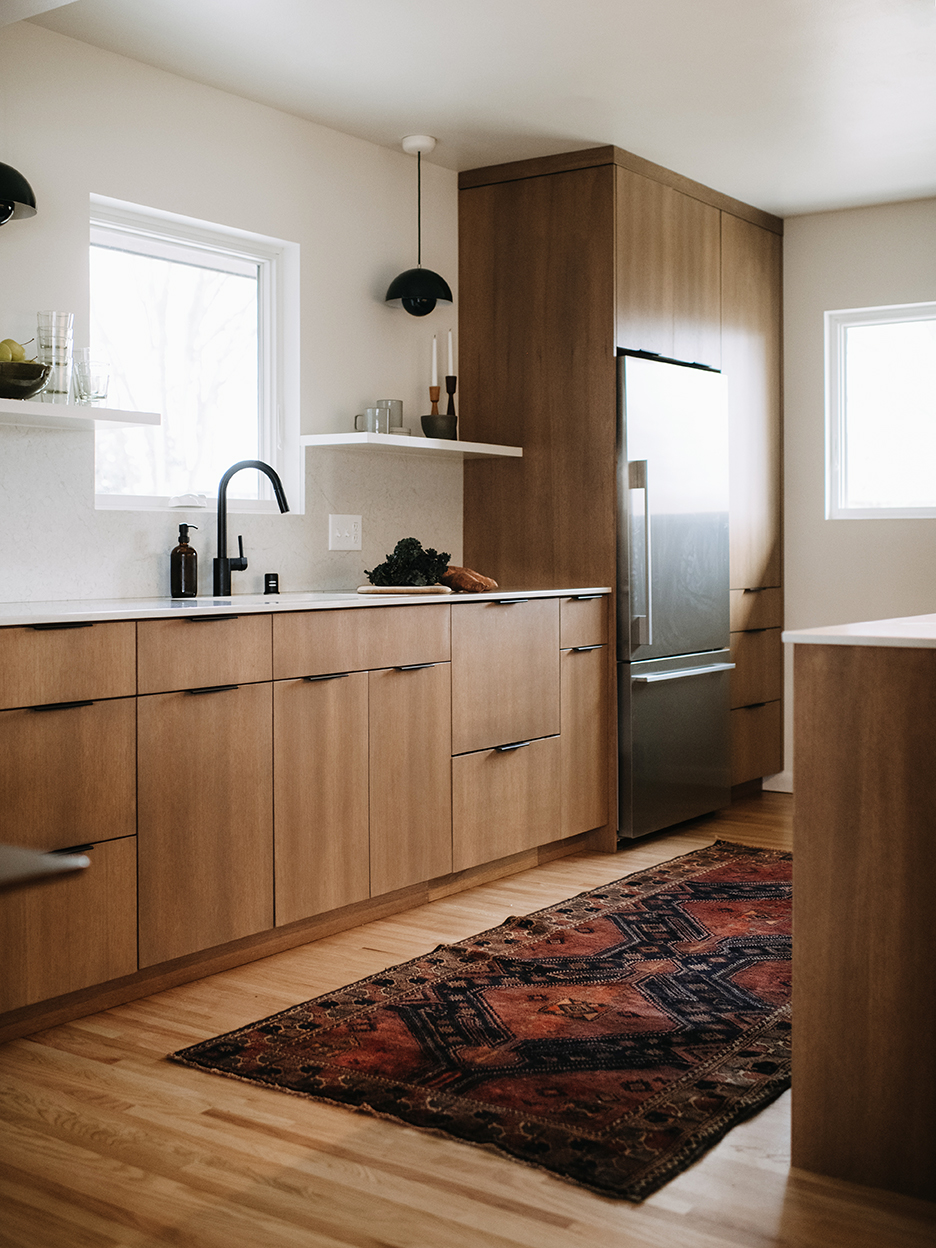
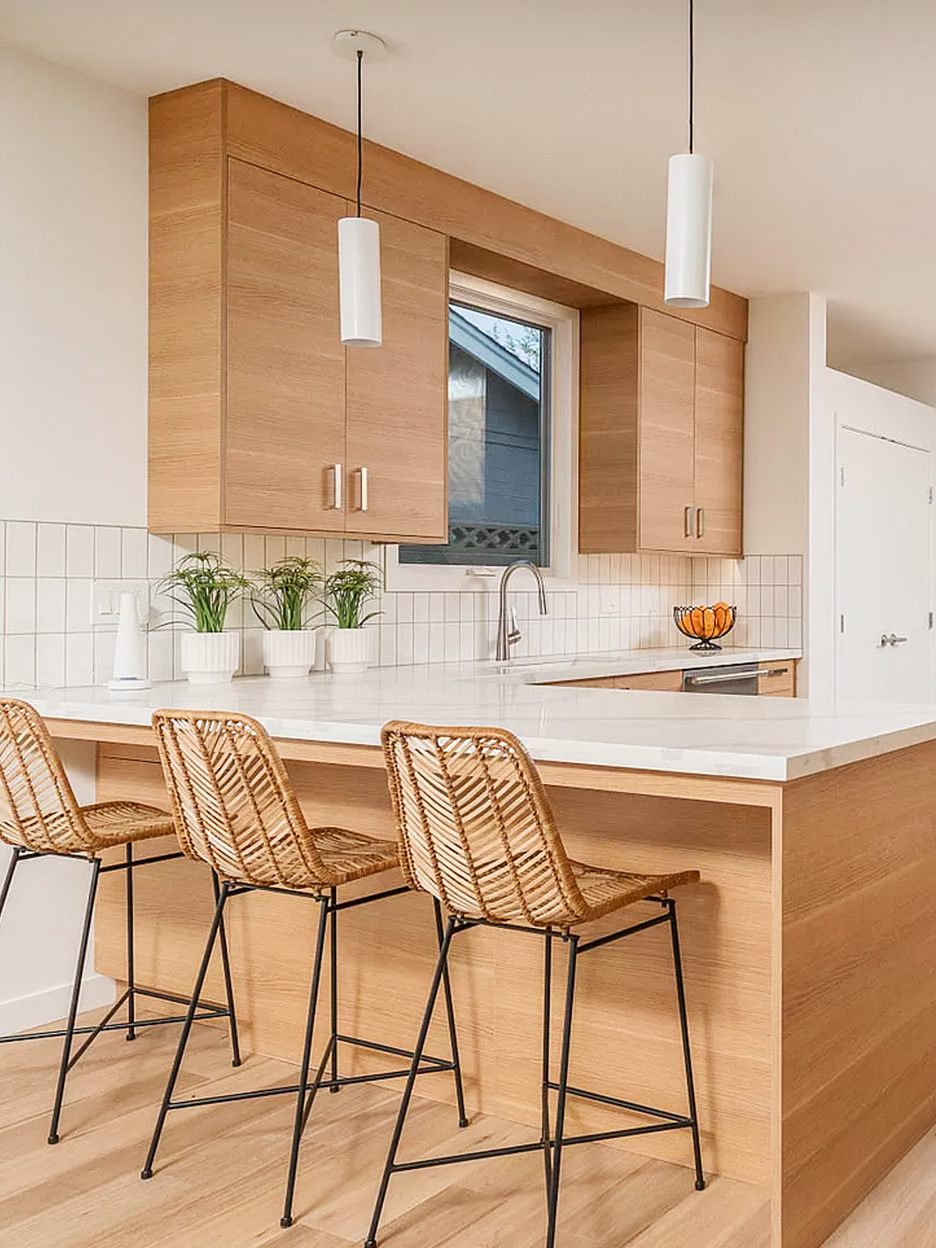
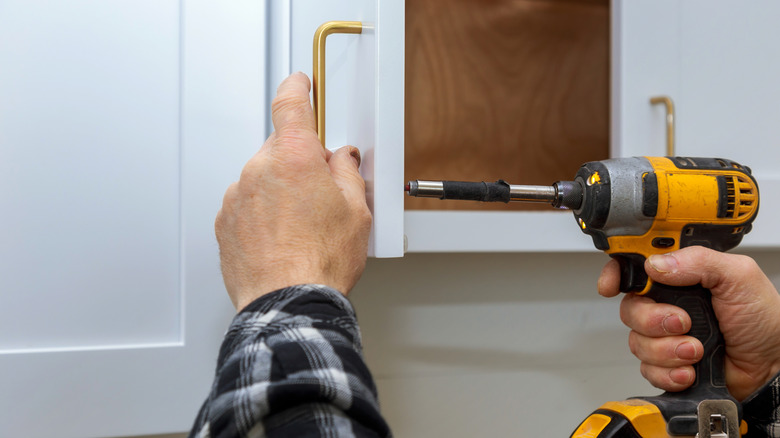
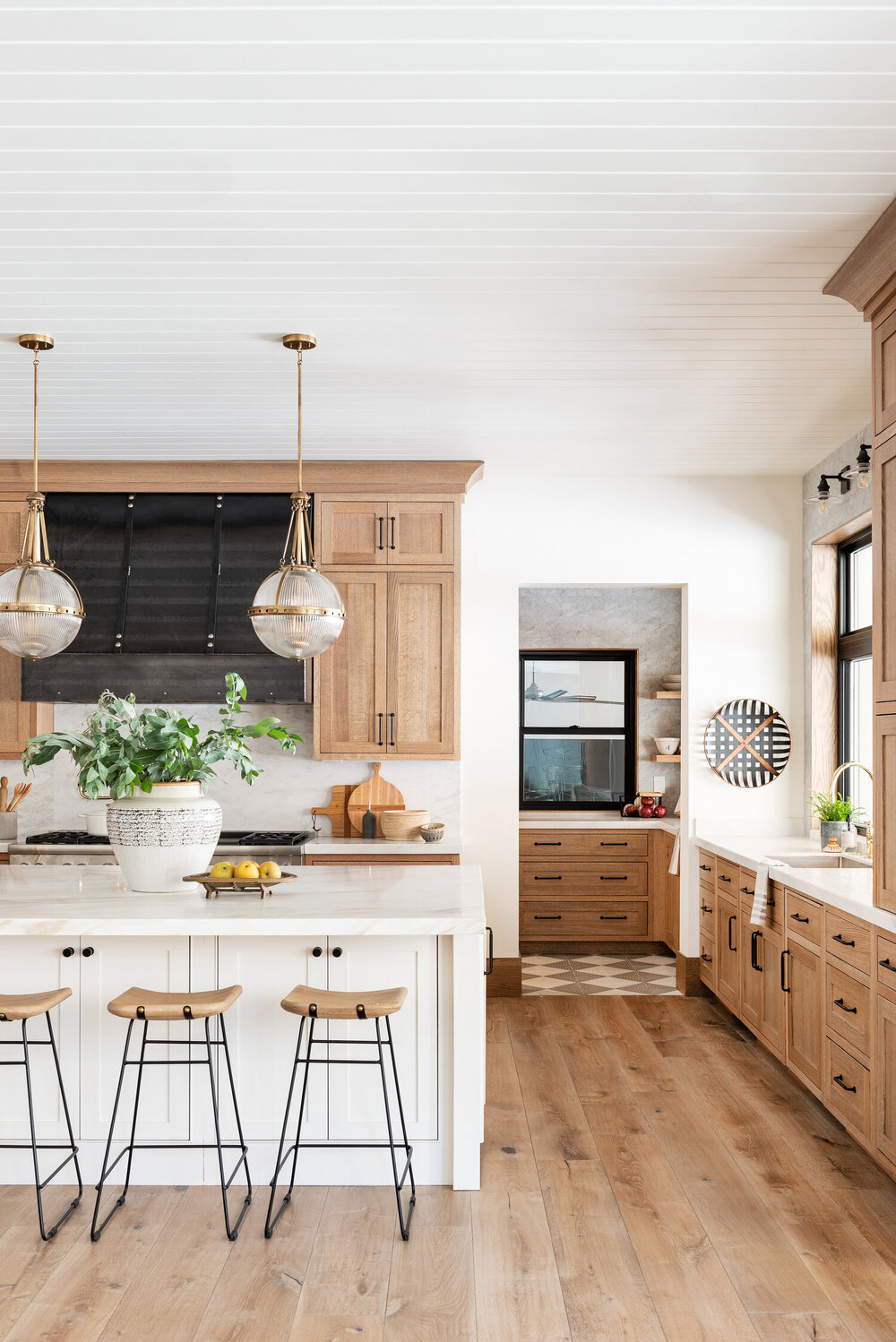
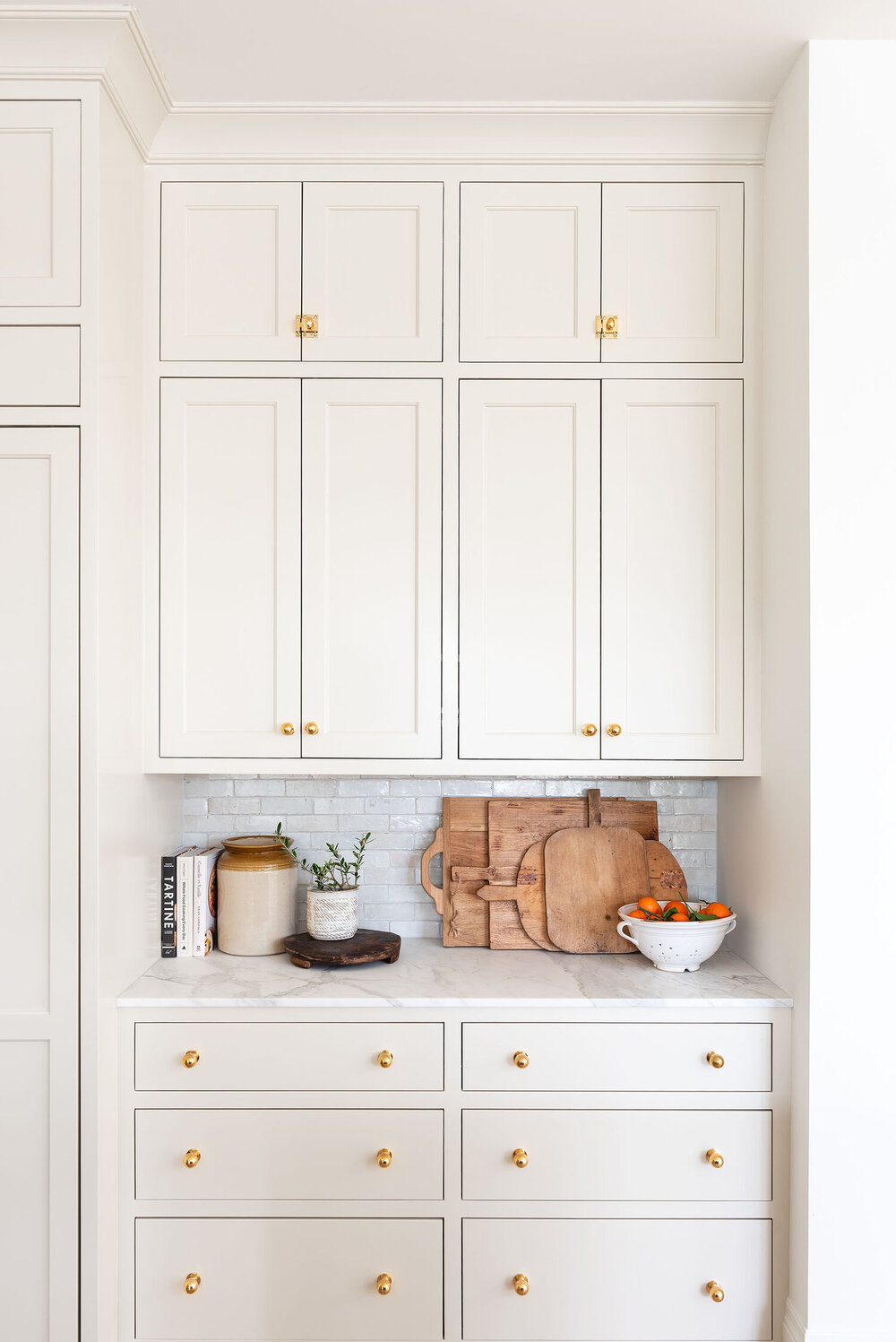
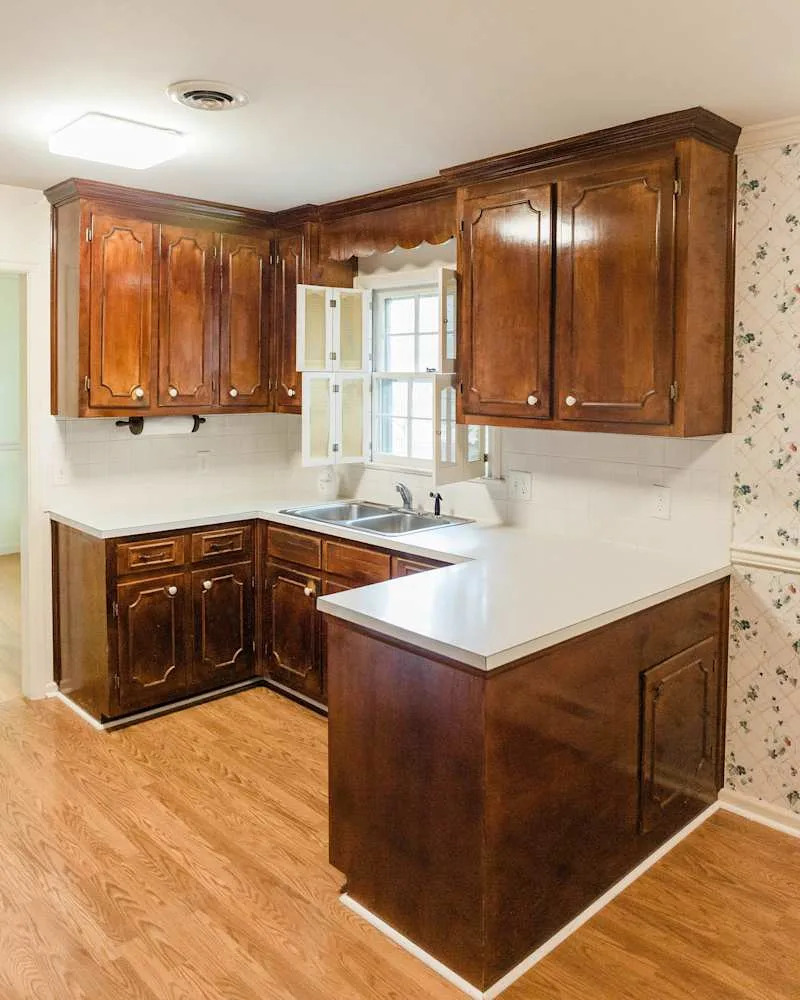
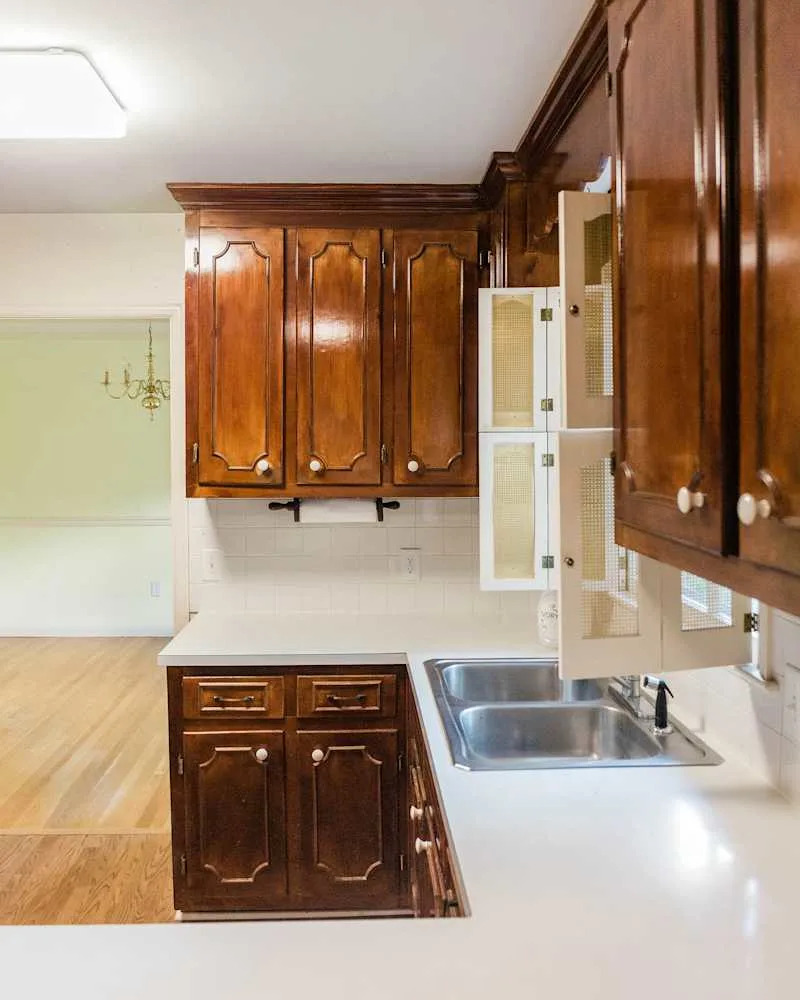
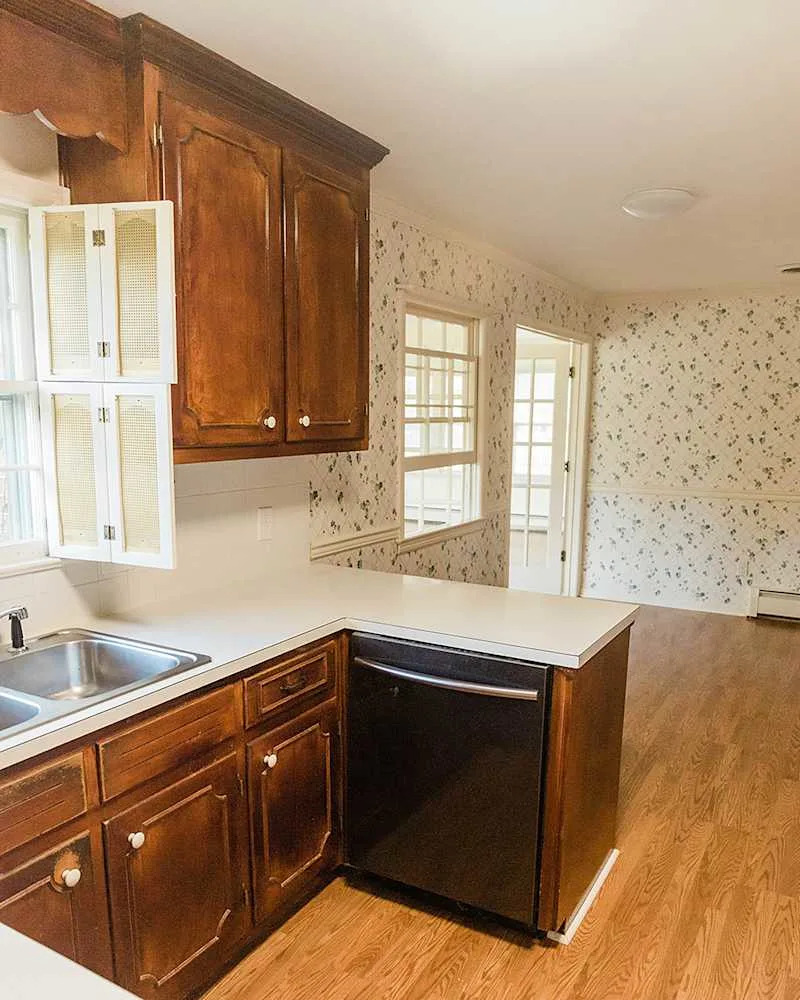
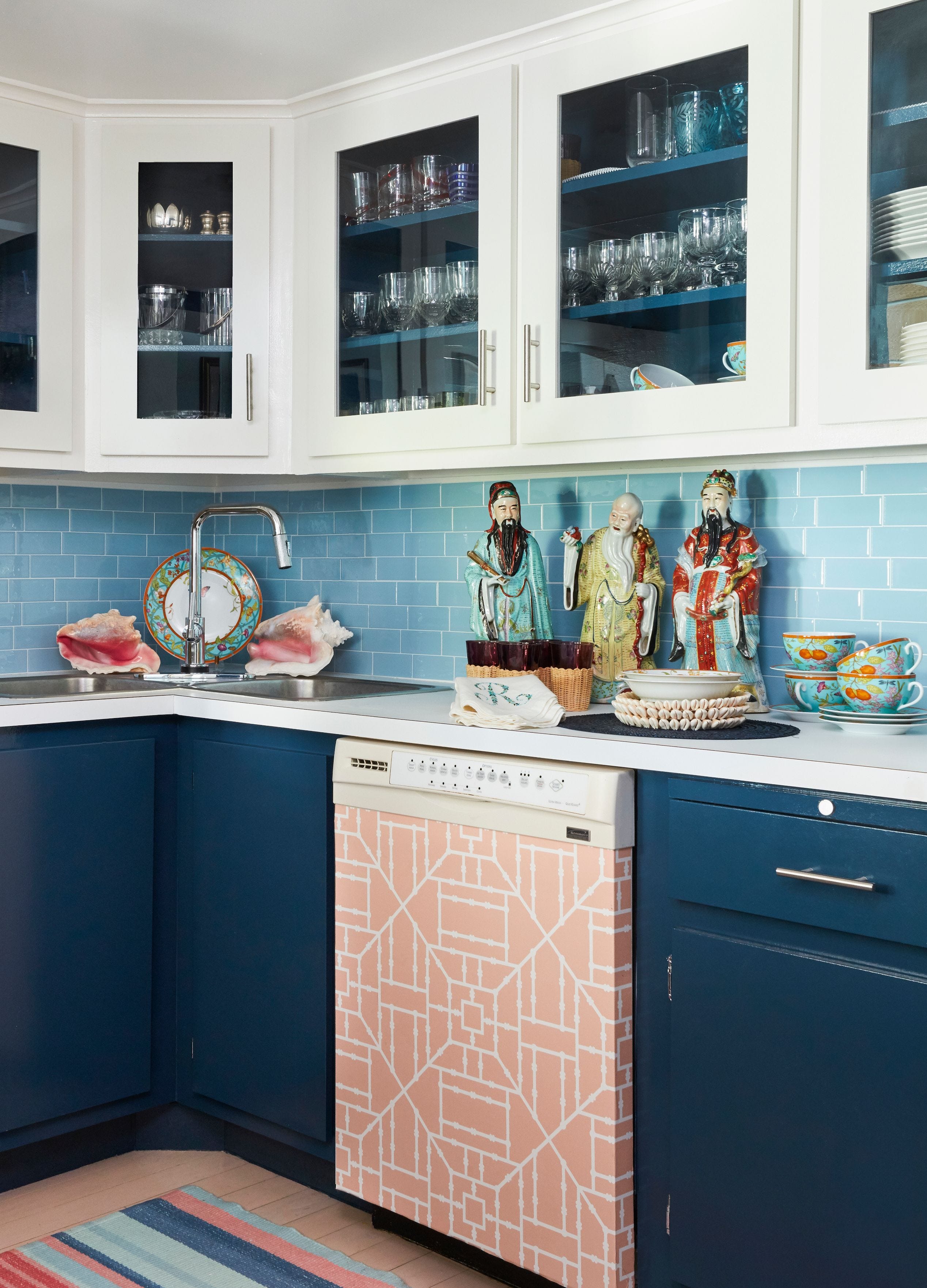
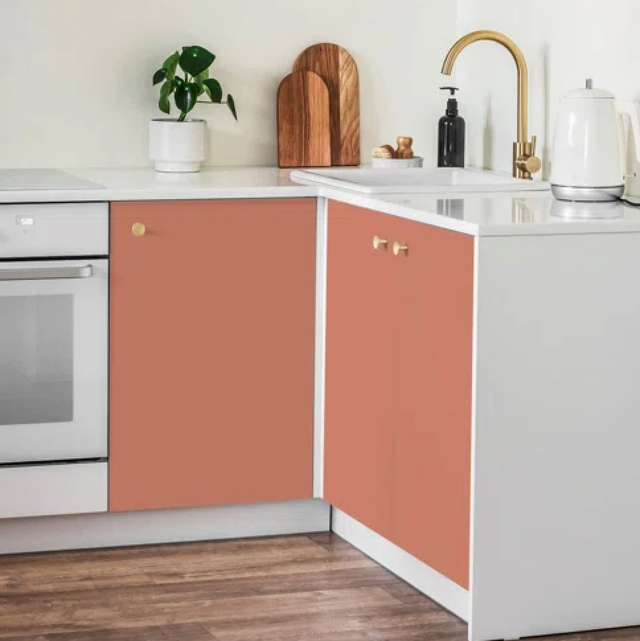
The article explores contact paper as an affordable and efficient solution for updating kitchen cabinets, offering a practical alternative to full kitchen renovations. It highlights that while many rooms in a house can embrace an older aesthetic, the kitchen often requires a more contemporary look. Traditional heavy, wooden cabinets and patterned linoleum floors are noted as elements that do not typically inspire culinary creativity. Contact paper, described as a super-thin adhesive available in various patterns and colors, provides a cost-effective method to refresh outdated or plain kitchen cabinets, drawers, and other flat surfaces.
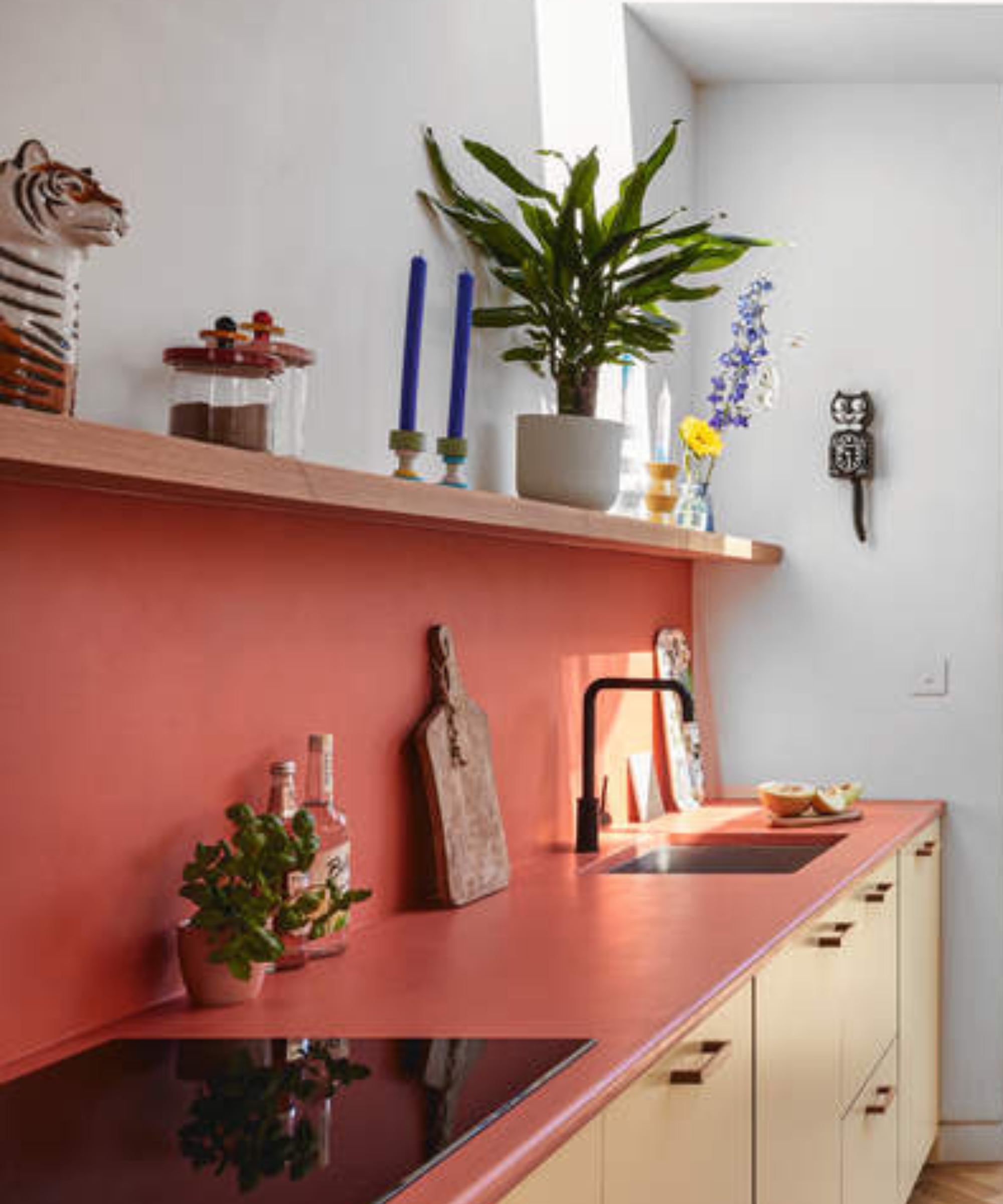
Contact paper primarily serves to decorate or protect the interior or exterior of kitchen cabinets and drawers. Its affordability, typically costing only a few dollars per roll, makes it a budget-friendly option for creating stylish countertops or modern backsplashes. Additionally, its waterproof properties contribute to maintaining cleanliness by protecting surfaces from dust, scratches, spills, and liquids. The article clarifies the distinction between contact paper and shelf liners, noting that contact paper has a sticky backing for more permanent adhesion, whereas shelf liners are usually non-adhesive and thicker, providing cushioning and ease of removal for cleaning.
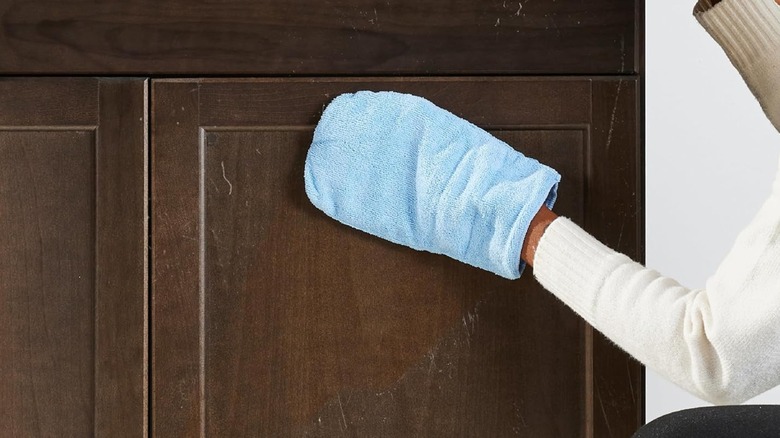
It also addresses the common misconception that contact paper and peel-and-stick wallpaper are identical. While they share similarities in their adhesive nature, contact paper is significantly thinner and designed for smaller surfaces like cabinets and drawers. In contrast, wallpaper is thicker and intended for larger areas such as walls and ceilings. The application process for contact paper is outlined, requiring tools such as a measuring tape, a smoothing tool (squeegee), and a utility knife or box cutter. The process involves cleaning the surface, carefully measuring and cutting the paper, peeling off the backing, and slowly applying it while smoothing out any bubbles. The article mentions that minor misalignments are generally unnoticeable.
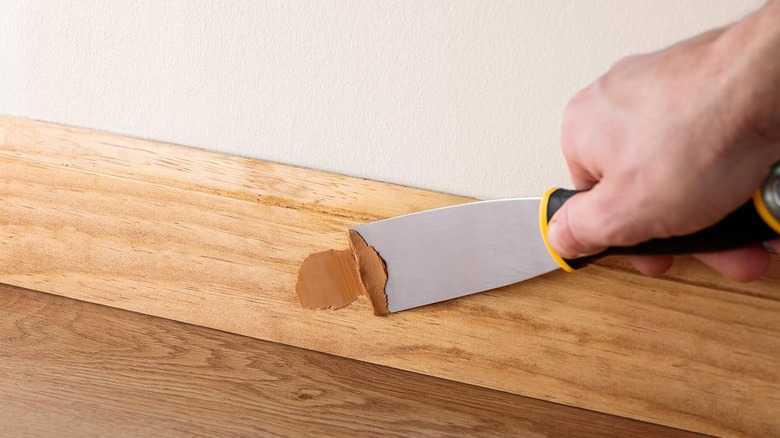
Key considerations for purchasing contact paper include accurately measuring the space to ensure adequate coverage and purchasing all rolls from the same batch to avoid color inconsistencies. It is also important to verify that the chosen contact paper is suitable for the specific surface type—smooth, textured, or uneven—to ensure optimal adhesion and a seamless finish. The article confirms that contact paper is generally easy to remove, often taking only a few minutes. For older installations, a blow dryer on a low setting can assist in loosening the adhesive, making removal simpler. Any remaining adhesive residue can be cleaned with a remover or rubbing alcohol. Finally, the article states that painting over contact paper is a viable option for temporary projects or for adding custom designs, recommending the use of a primer for better paint adhesion and a smoother finish.
#KitchenRenovation #DIYHomeDecor #ContactPaper #CabinetRefinishing #BudgetDecor #HomeImprovement #InteriorDesign #KitchenRenovation #DIYHomeDecor #ContactPaper #CabinetRefinishing #BudgetDecor #HomeImprovement #InteriorDesign
0 comment in total
 No comments yet
You may also like
When Your Landlord Says Paint Is Out of the Question, Try Contact Paper for Cabinets

The 'wallpaper' of the kitchen – why choosing the right kitchen backsplash can make or break a space

This Organization Hack Will Make Your Kitchen Cabinets Feel Like They're Twice the Size
The Overlooked Cabinet Fix That Boosts Your Kitchen's Style And Function (It's Not Washable Paint)

New Cabinet Hardware Updates a Kitchen Instantly — Designers Love These Retailers

Lone Fox Home Tested 5 Faux Wood Contact Papers—This $20 Roll Was MVP

How to Update Kitchen Countertops with Self-Adhesive Paper

What You Need To Know About Custom Cabinetry

Transform Your Kitchen with the Best Cabinet Hardware

How to refinish kitchen cabinets – for a fresh new look
The Best Places to Buy Cabinets in 2025
This 1960s Kitchen’s No-Demo Reno Is Completely Stunning (No More Brown Cabinets!)

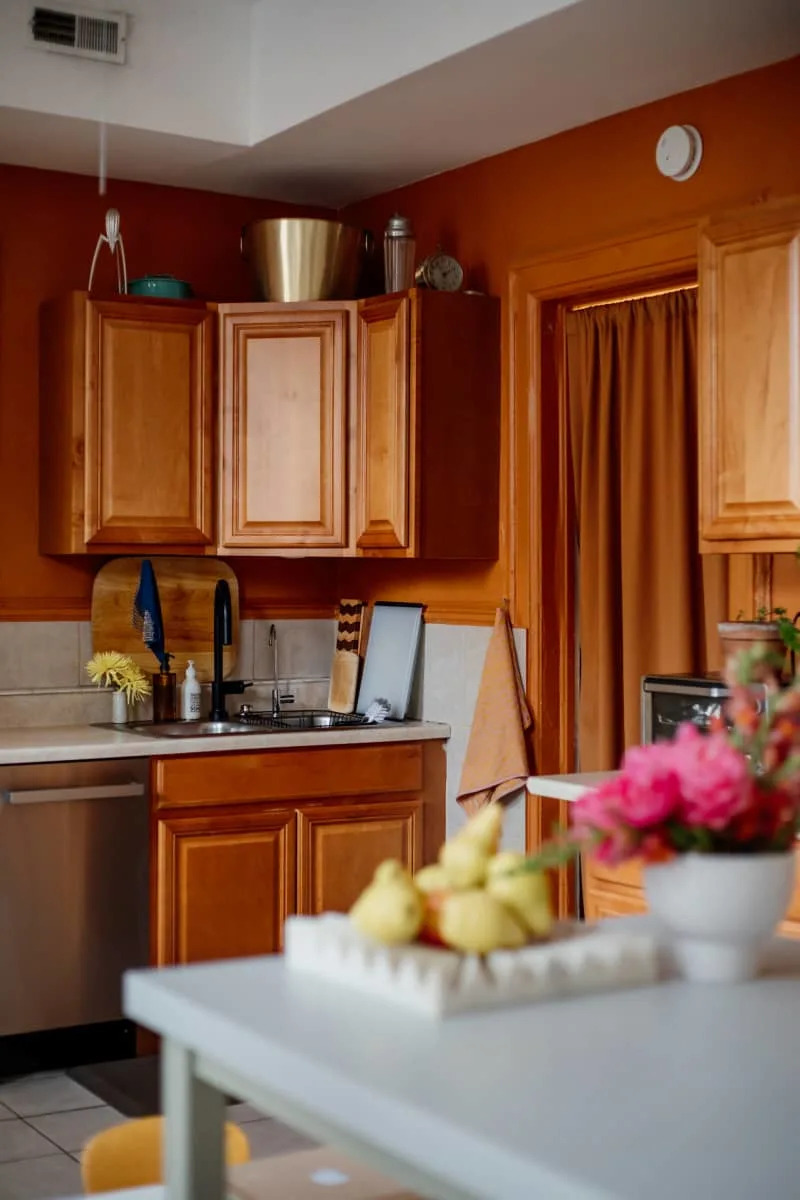
How a Renter Totally Disguised Her "Dated" Kitchen Cabinets — Without a Drop of Paint
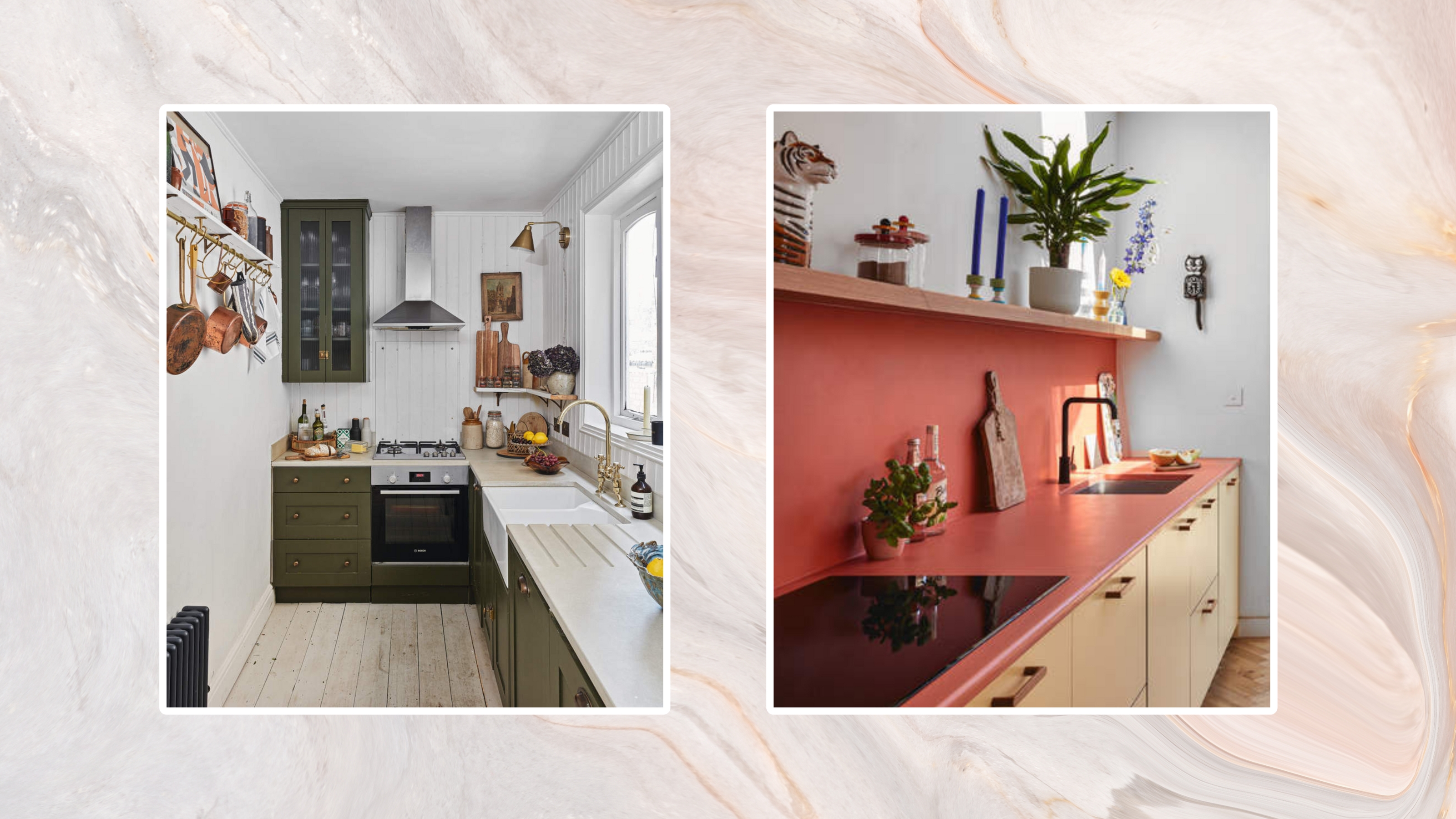
I found five ways to cover kitchen countertops because let's face it — rental worktops are gross

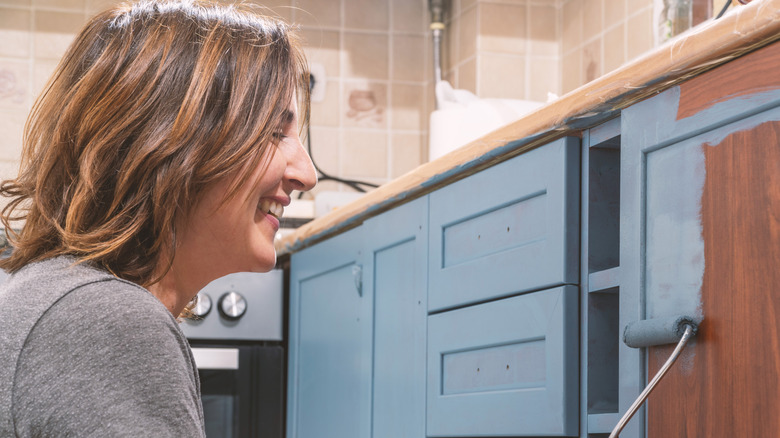
The 11 Best Affordable Products For Refreshing Dated Wood Cabinets
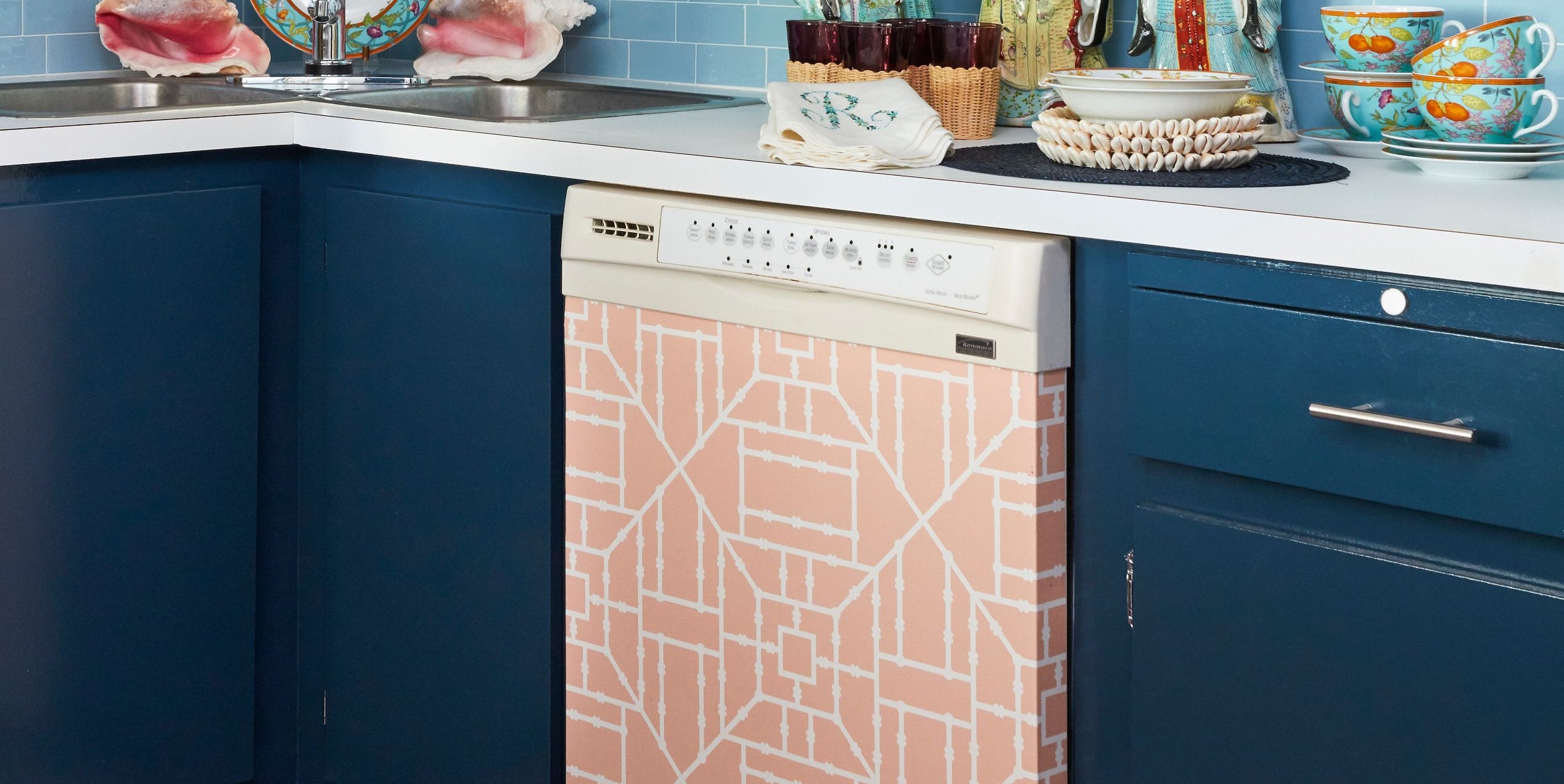
13 Creative Ways to Use Peel-and-Stick Wallpaper
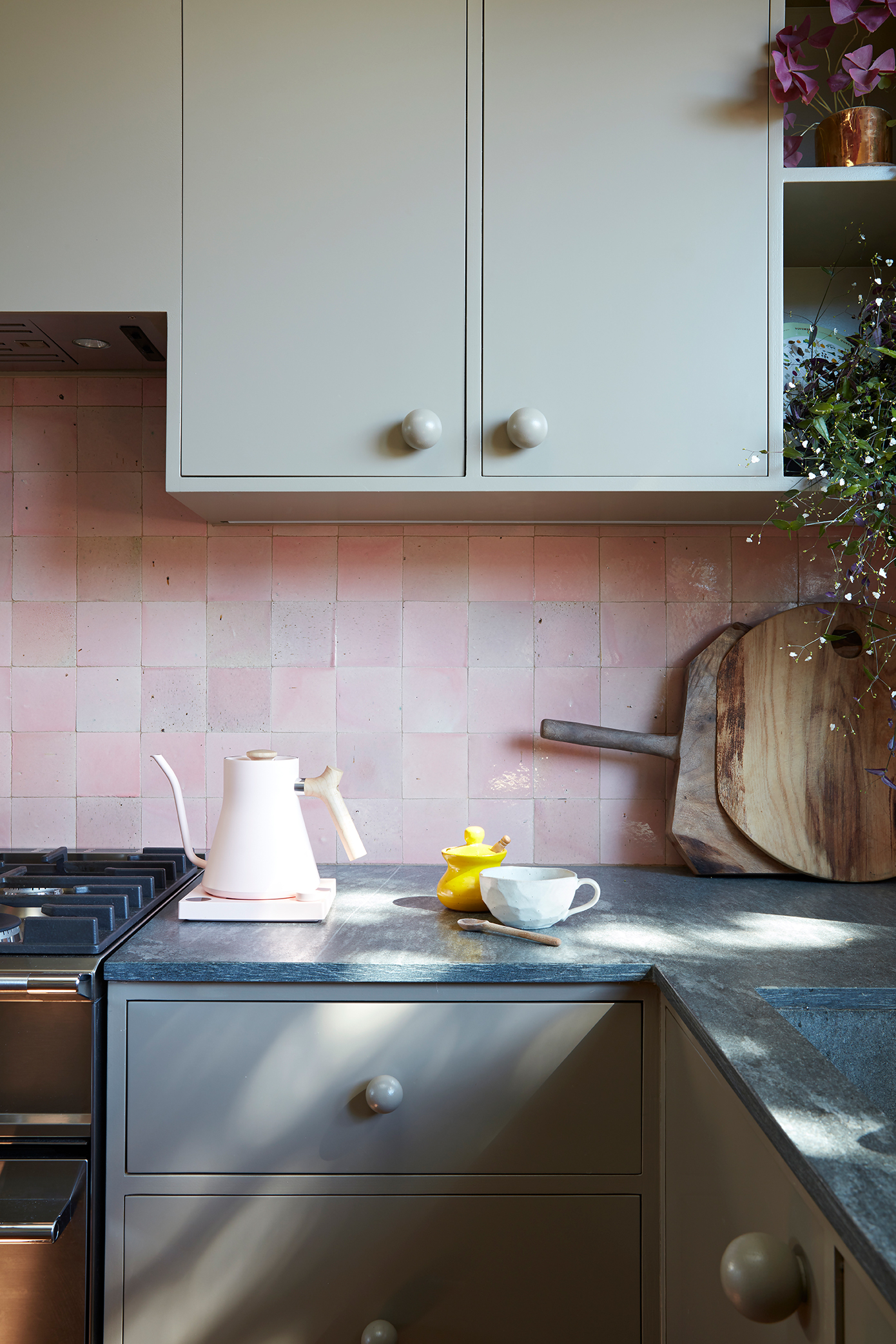
The Best Hardware for Every Kind of Kitchen Cabinet, Period
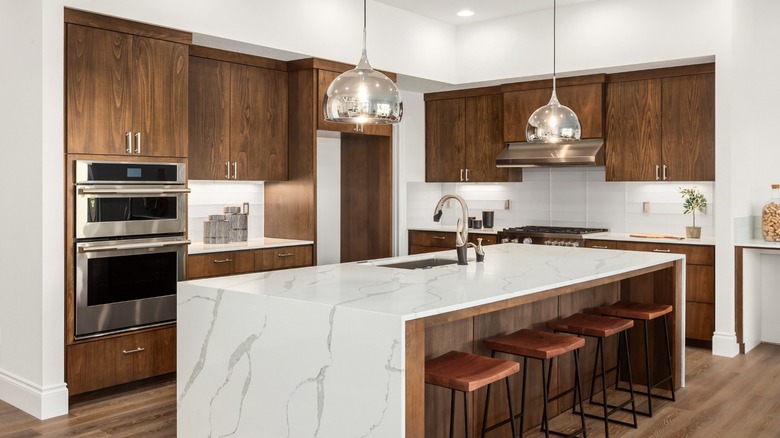
The Only Kitchen Cabinet Makers You Should Consider
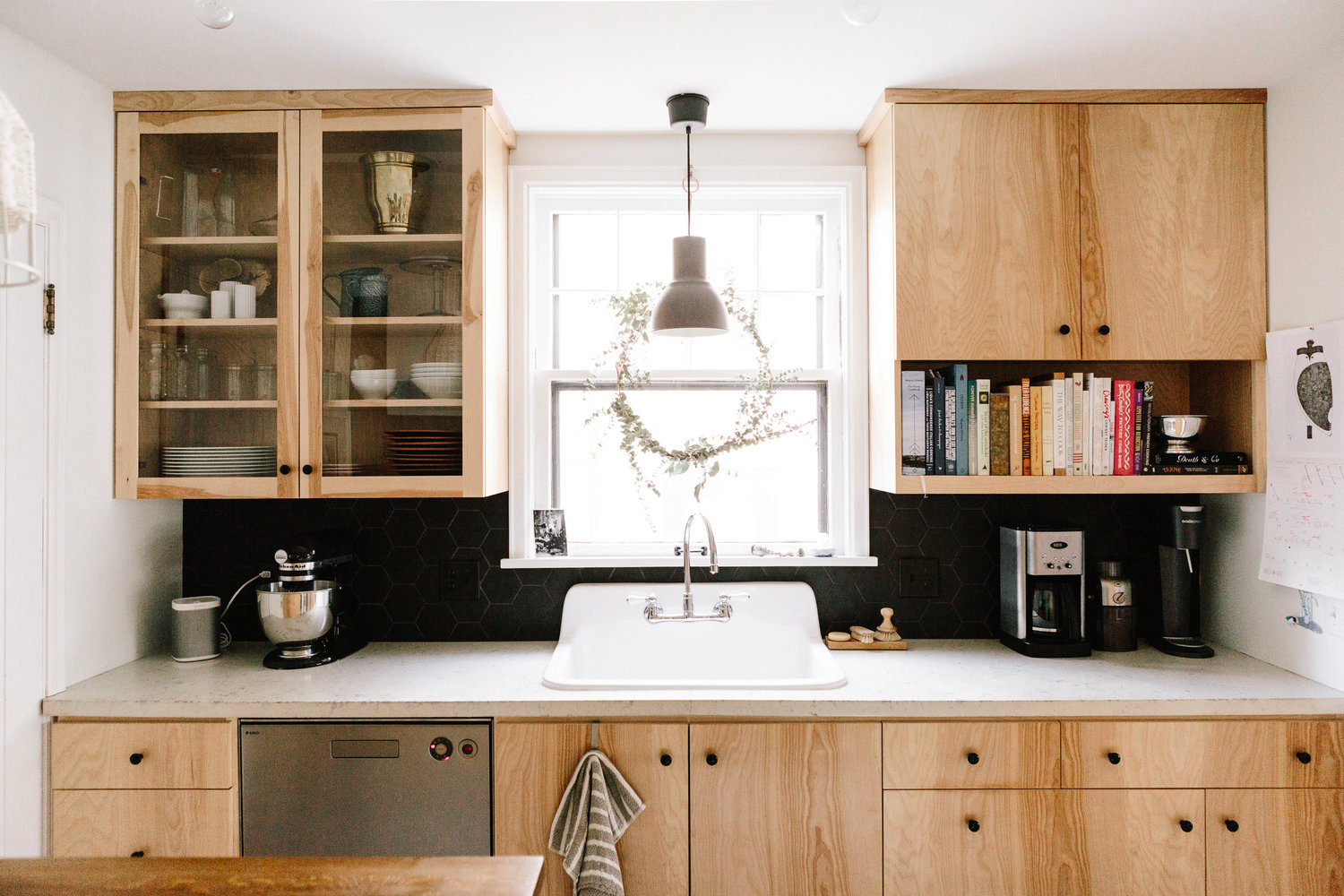
Kitchen Renovations Can Be Expensive, But Your Cabinets Don’t Have to Be
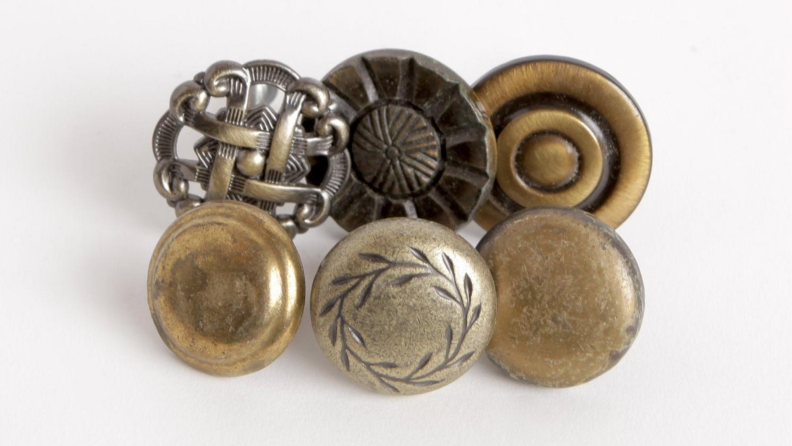
Upgrade your living space with new cabinet pulls and knobs