An Interview with Donna Karan in Her Urban Zen Space
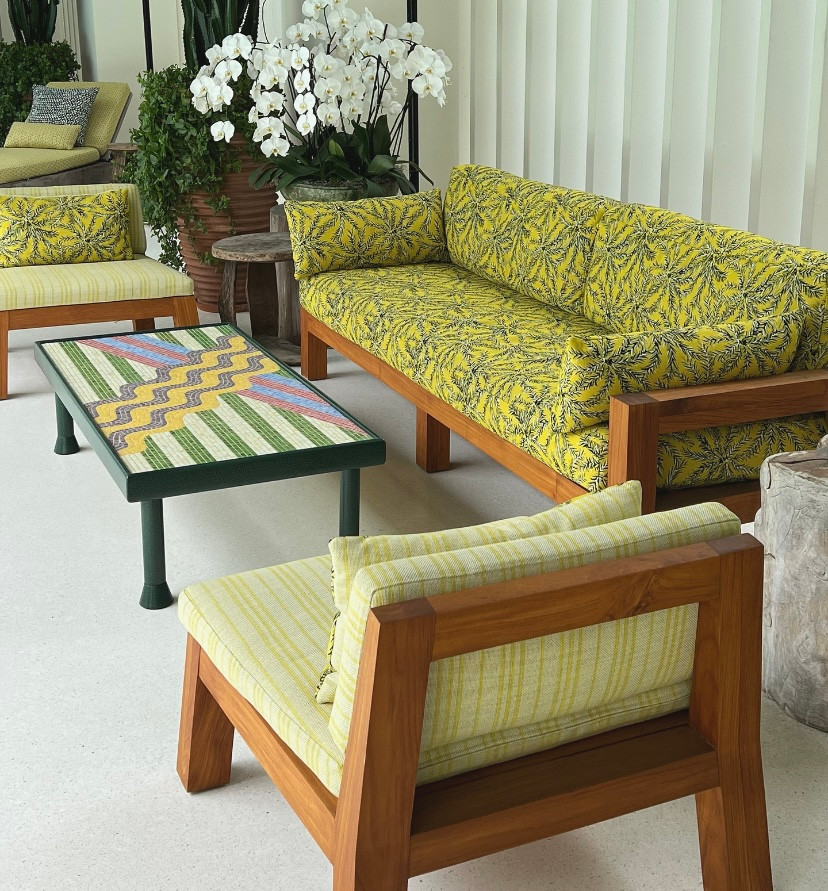
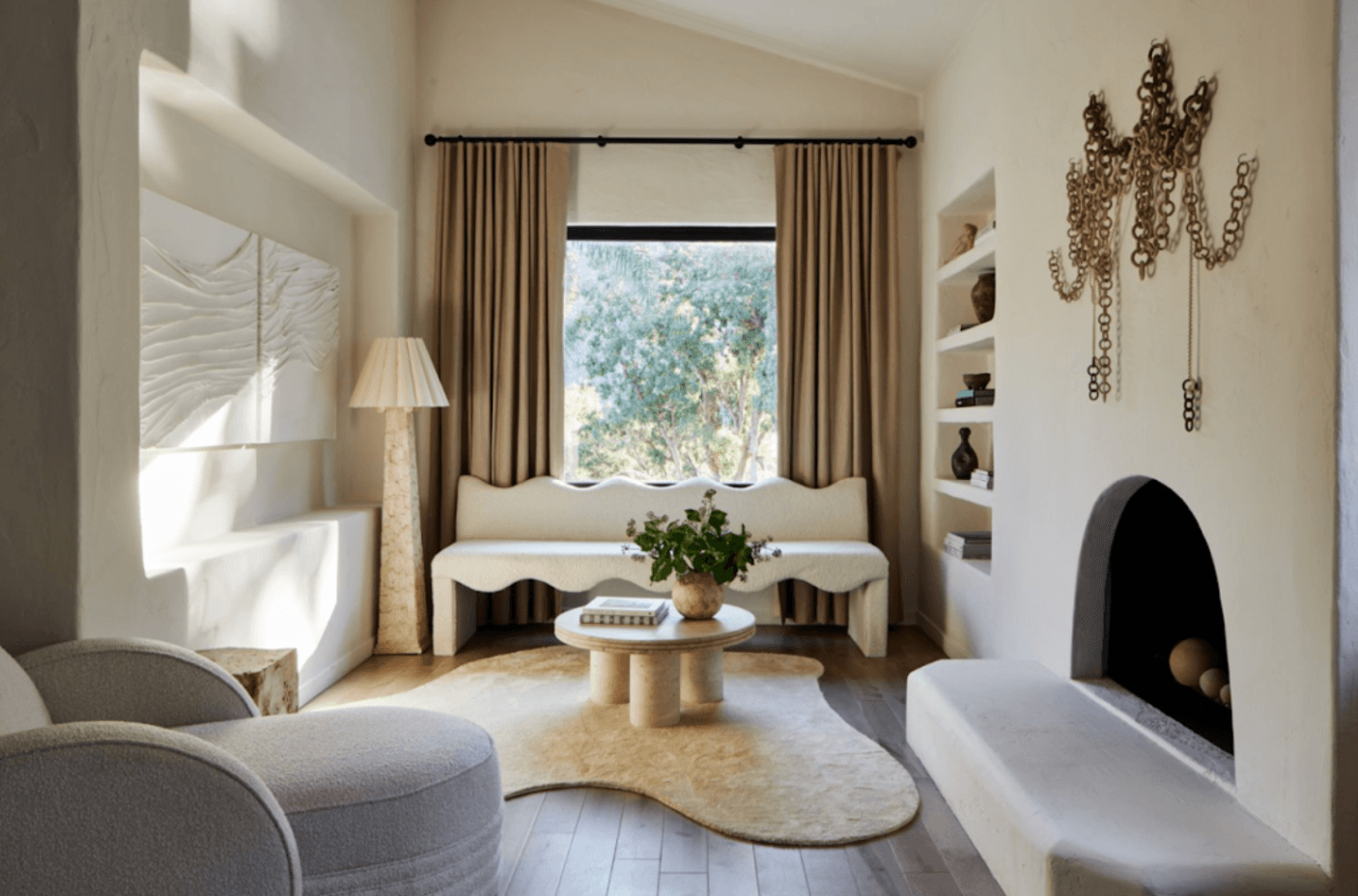
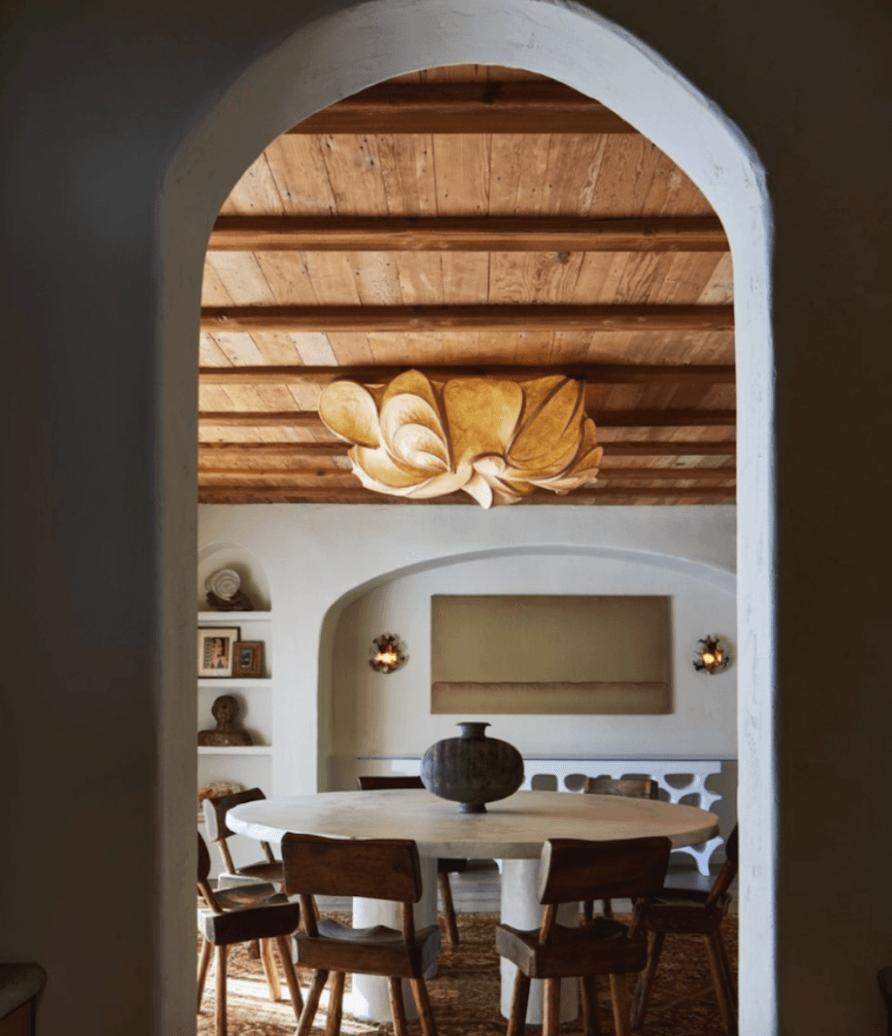
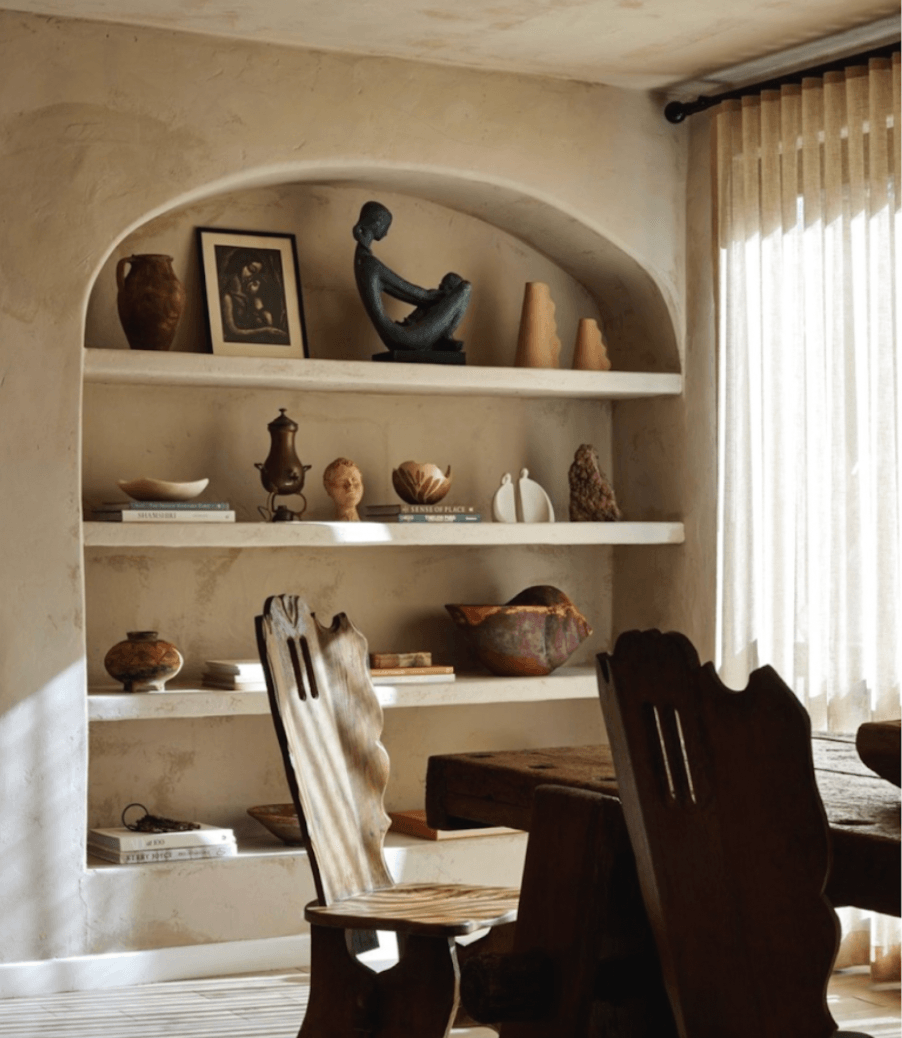
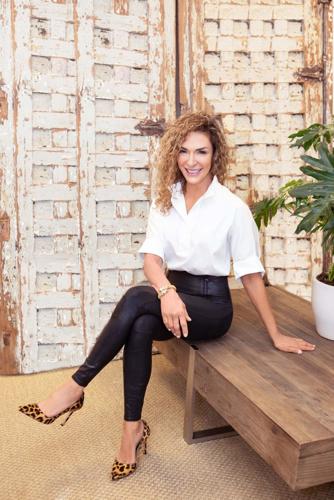
The article details an interview with fashion icon Donna Karan at her Urban Zen pop-up shop in Aspen, Colorado. The author, who has long admired Karan's work since the debut of her 'seven easy pieces' in 1985, describes the space as an "eclectic sanctuary" filled with Karan's Silver Snow collection, featuring luxurious materials like cashmere, suede, down, and shearling in a palette of pale gray, white, and indigo, alongside her signature black staples. The shop also showcases major art and furniture pieces sourced from Balinese and Israeli artists, as well as artisanal accessories from Haiti and Bali, reflecting Karan's global travels and philanthropic efforts, particularly her involvement with the Hope, Help & Rebuild Haiti foundation after the 2010 earthquake.
Karan explains that she chose Aspen for Urban Zen due to the area's natural beauty and its alignment with the brand's philosophy, which combines philanthropy and commerce. Urban Zen aims to "connect the dots of the past, present and future" by preserving culture, integrating care into healthcare, and promoting education through practices like yoga and meditation for overall well-being. She emphasizes that her vision extends beyond a mere retail space, striving to create a community hub that could eventually include a café and a yoga studio, fostering healing and a holistic experience for mind, body, and spirit.
A significant part of the interview delves into the Urban Zen Integrative Therapy Program (UZIT), which was initiated following the deaths of her husband and friends from cancer, revealing her concern that traditional healthcare often focuses solely on disease treatment rather than holistic patient care. The UZIT program trains integrated therapists to address the "whole person" through nutrition, yoga, Reiki, aromatherapy, and palliative end-of-life care. Karan mentions that while there are 400 trained therapists globally, her Aspen location currently has only one, prompting her to consider initiating a training program there.
The strong Balinese influence in Urban Zen is highlighted, with Karan citing Bali as one of her favorite places and a significant life event. The Aspen location also supports local artists, featuring jewelry designer Lisa Evans, who created the "Not One More" bracelet, and local painter and sculptor Kris Cox, alongside internationally recognized photographer Russell James. Karan's ultimate goal for Urban Zen is to create a community where people can relax and heal, aspiring to "delete the negative and play up the positive," a vision the author believes is a perfect fit for Aspen. The article concludes with the author's personal positive experience trying on Karan's designs, reinforcing the enduring appeal of her fashion, and notes Karan's current role as chief creative director for Donna Karan International, now owned by LVMH.
#DonnaKaran #UrbanZen #FashionDesign #HolisticWellness #Philanthropy #AspenLifestyle #IntegrativeTherapy #InteriorDesign #CulturalPreservation #DonnaKaran #UrbanZen #FashionDesign #HolisticWellness #Philanthropy #AspenLifestyle #IntegrativeTherapy #InteriorDesign #CulturalPreservation
0 comment in total
 No comments yet
You may also like
Meet Dana Esser | Interior Designer & Creative
Meet Vanessa Rome | Interior Designer
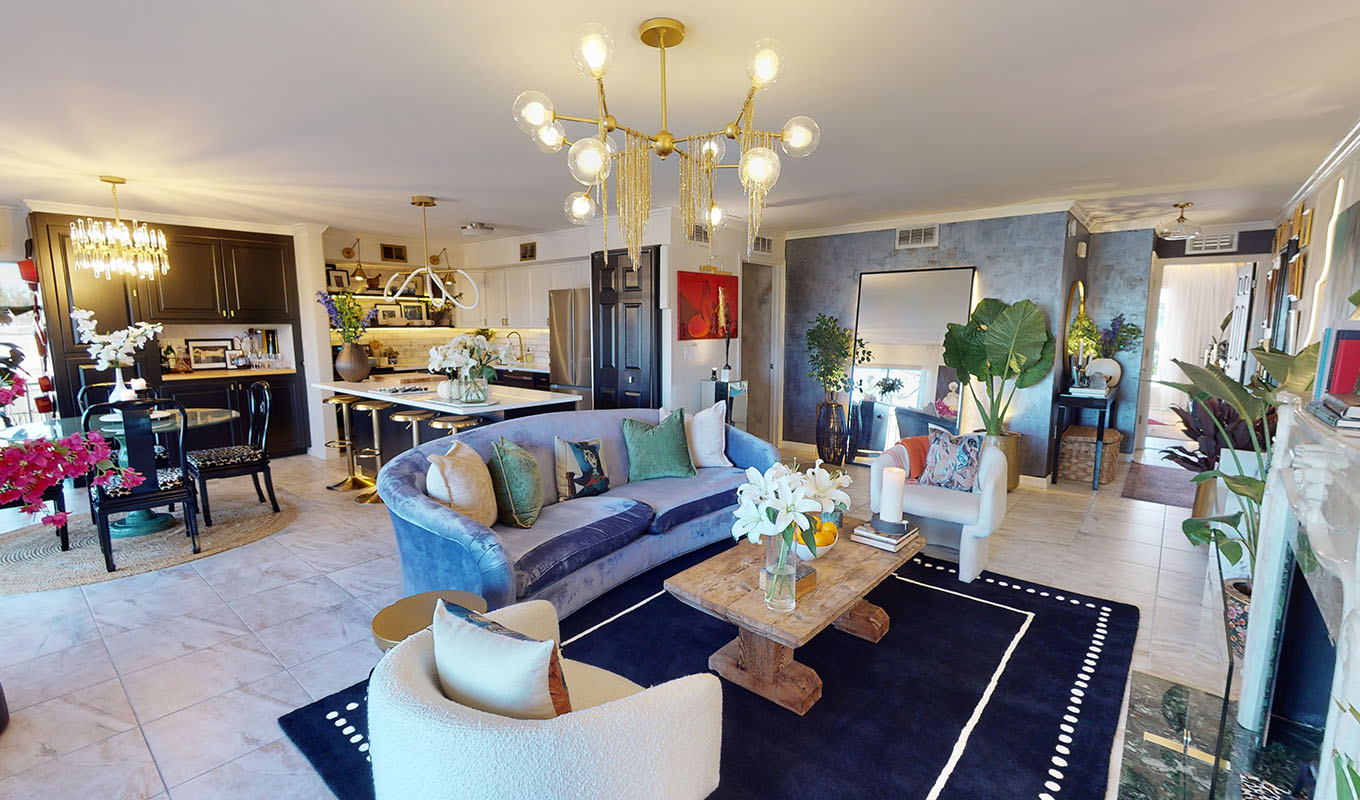
Take a (Virtual) Step Inside This Influencer’s Eclectic Condo and Shop Her Fashionable Finds

Dior Maison’s Creative Director Cordelia de Castellane Talks About Her New Book and Rustic French Style
Meet Karina Espinosa | Interior Designer
Meet Karin Breve | Architect & Interior Designer
Adored House’s Dana Dore Spills Her Home-Design Secrets
The Talk's Carrie Ann Inaba's home is a zen hideaway - photos
Meet Melinda Cardenas | Interior Designer and Creative Thinker

Q&A: Interior Designer Monica Duncan

Rita Konig Talks Career Highlights, Favourite Brands & More
5 minutes with interior designer Tali Roth

Meet Dominika Barnes: Owner- Coastal Chic Co & ModelCitizen Studio
Meet Anna Hackathorn | Interior Designer & Consultant at PLAN + ELEVATE
Meet Chencong Zhang | Interior Designer & Spatial Experience Designer

Meet Brittny Button | Interior Designer & Real Estate Investor
Meet Kristin Gray | Interior Designer
Meet Sabrina MacLean | Interior Designer
Meet Daphne Martino & Claudia Barroso | Interior Designer
DESIGNER Q&A - Emily Dunn