Japanese-inspired design turns this beach house into a Zen retreat
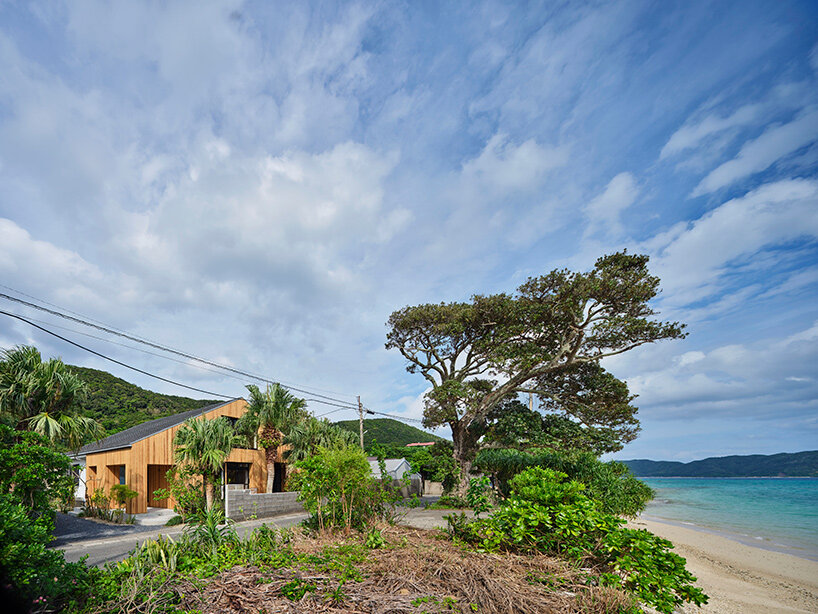
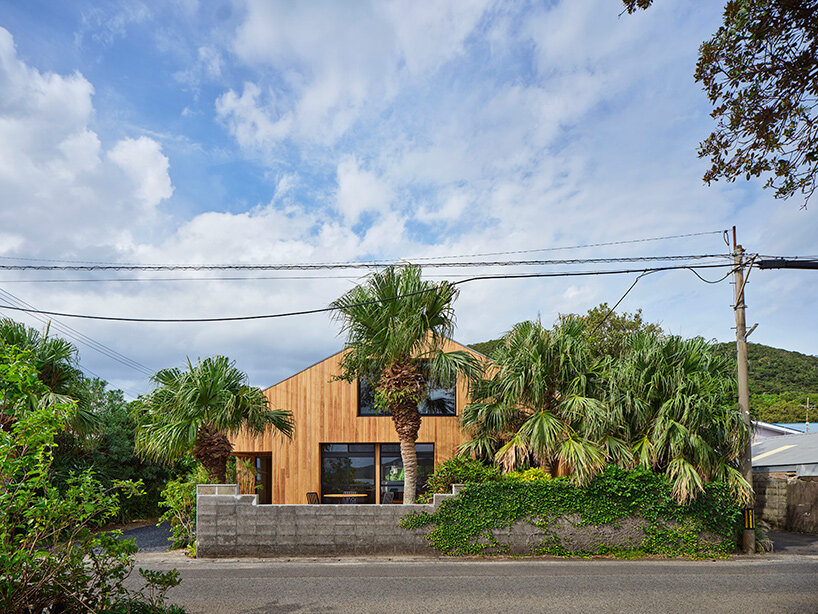
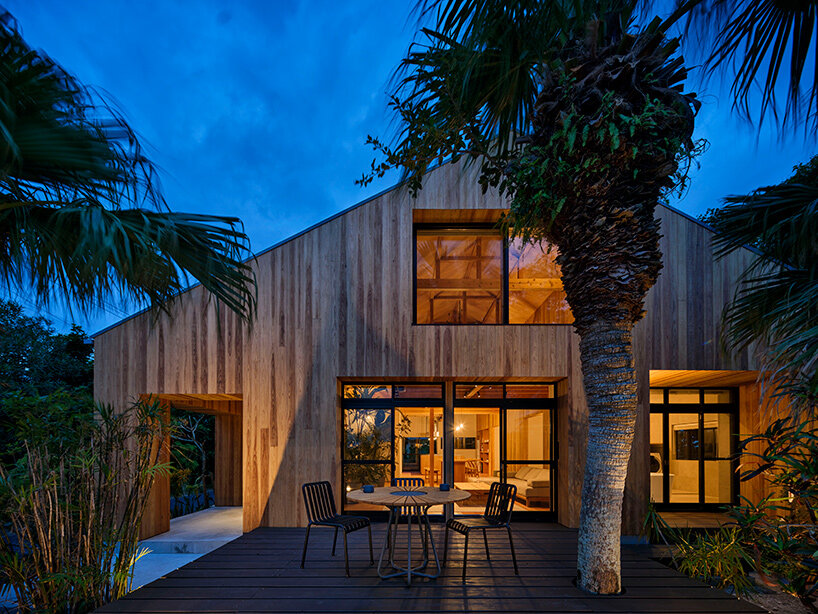
The "Dune Dweller House," designed by architect Jorge Hrdina, is a beach house on the NSW Central Coast that draws inspiration from Japanese architectural principles to create a serene retreat. The property, located on a sand dune 20 meters above the beach, presented unique challenges due to its exposed location, including harsh winds and salt-laden air. The owners, who had previously owned a weekender nearby, sought a "forever home" that would blend seamlessly with the headland, be invisible from the beach, and incorporate natural materials such as timber, off-form concrete, sandstone, and copper roofing.
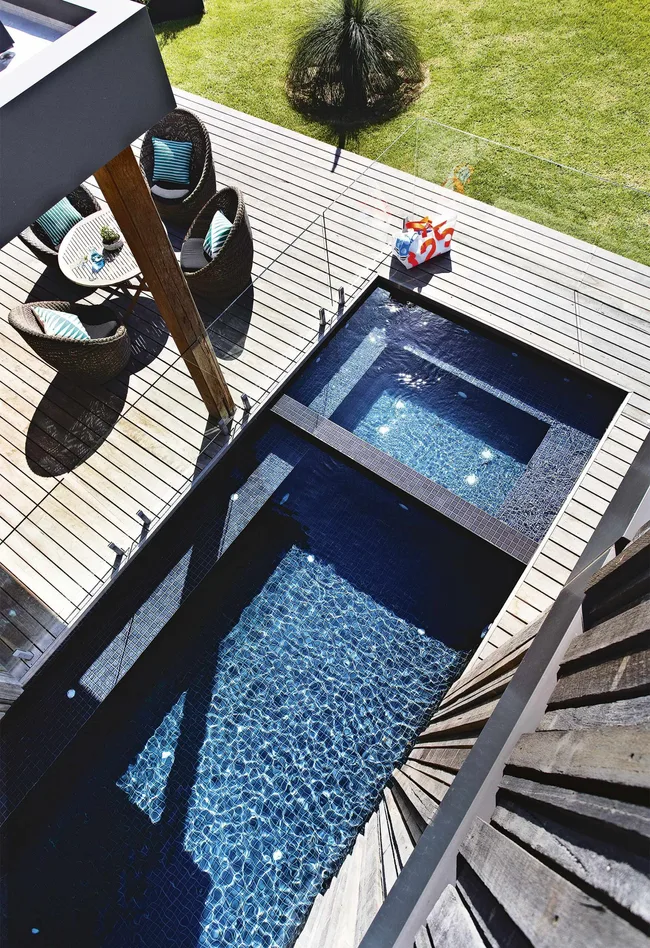
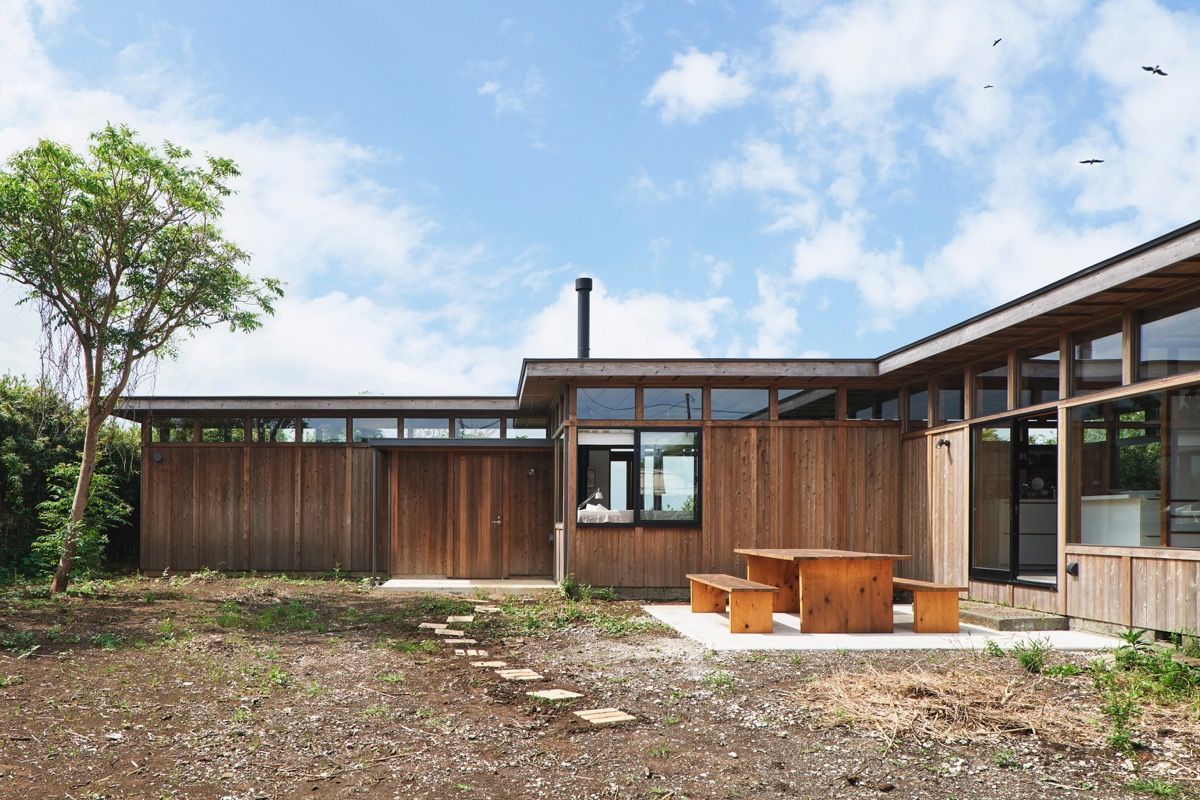
The design brief specified a new two-story, three-bedroom main house on the oceanfront and a separate two-bedroom cottage across a courtyard to the west. A key requirement was an indoor/outdoor feel, with the downstairs fully openable to the exterior, while also providing distinct spaces like a study and a media room. The west-facing side, looking towards the hinterland, was designed to offer shelter and views of sunsets. A crucial element was a courtyard providing protection from summer northeasterlies and access to winter sun, maintaining a modest profile that harmonizes with the dune and utilizing natural materials.
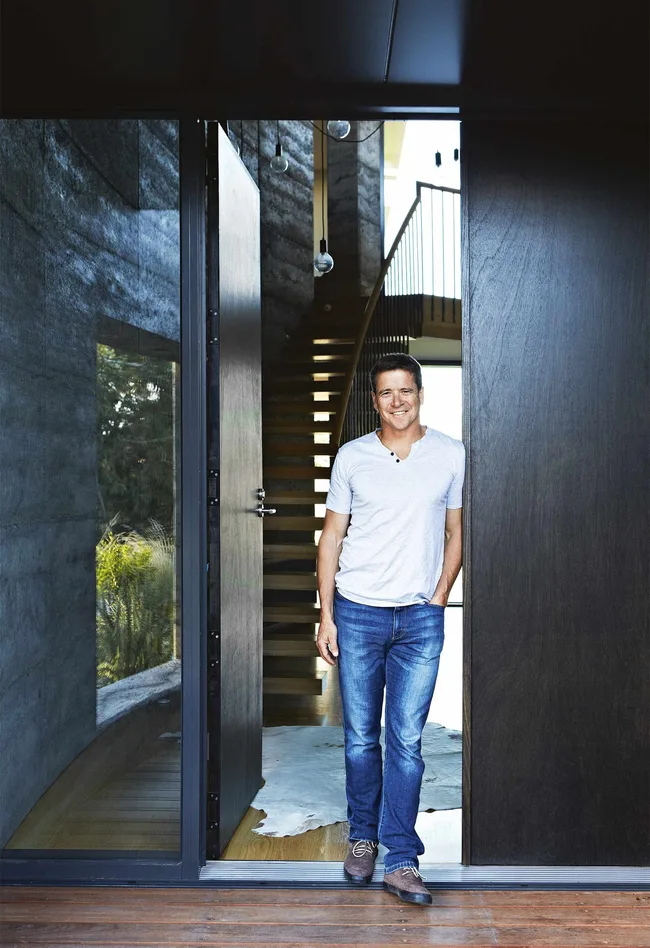
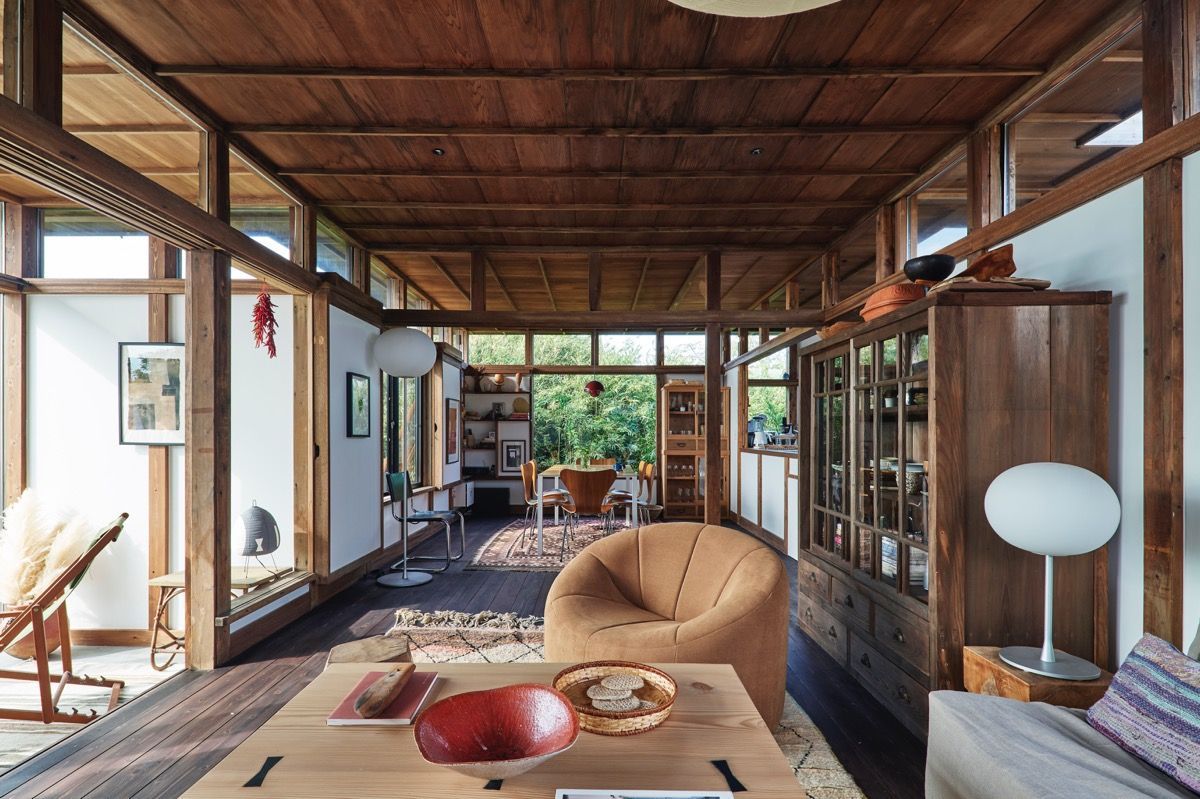
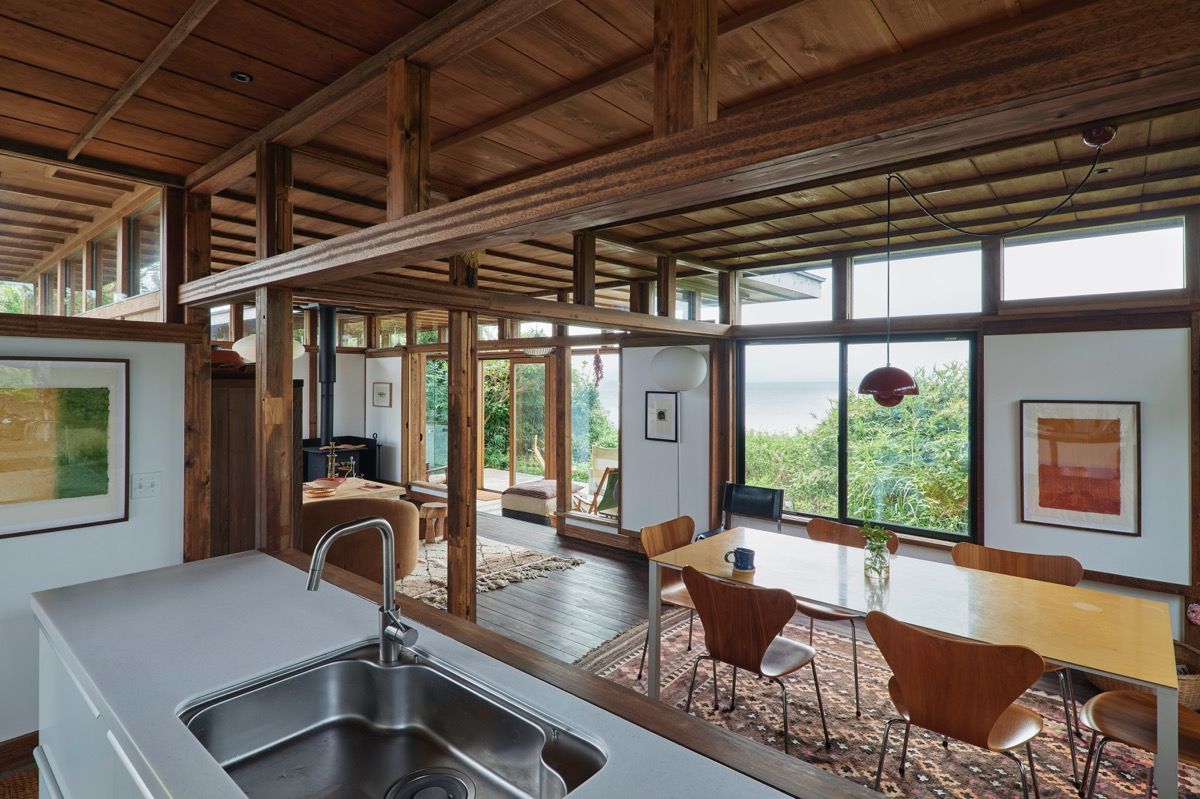
To address the erosion threat posed by the sandy site, Hrdina conceived a unique wharf-style structure. This involved utilizing the existing slab and embedding 15-meter posts five stories deep into the sand, expressed both internally and externally. This structural solution not only stabilized the house but also informed the aesthetic. The house features a central circulation spine, guiding occupants toward the ocean, mirroring the functionality of a wharf. Hrdina's appreciation for Japanese timber structures, known for their timeless aesthetic and longevity, influenced the choice of materials and construction techniques.
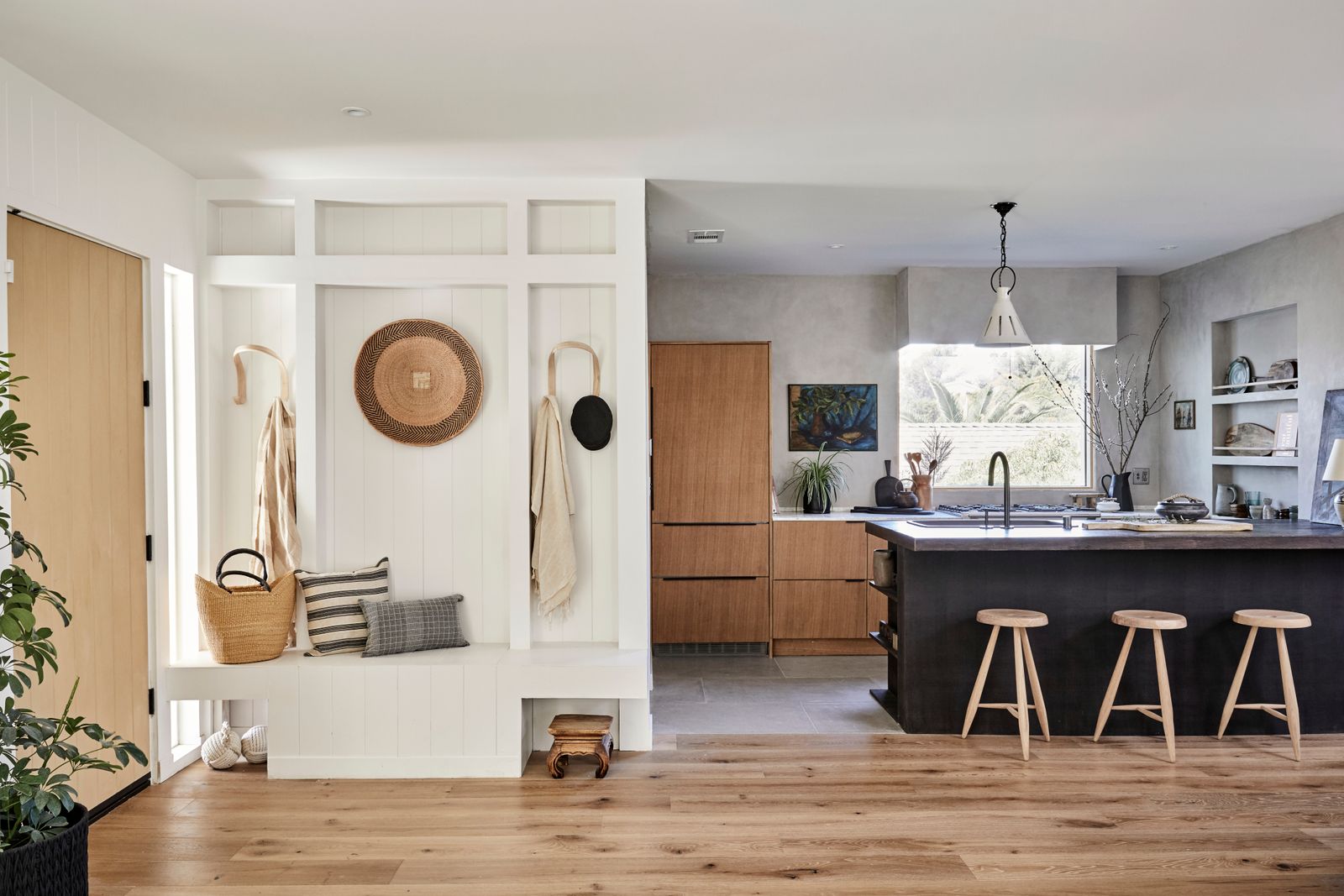
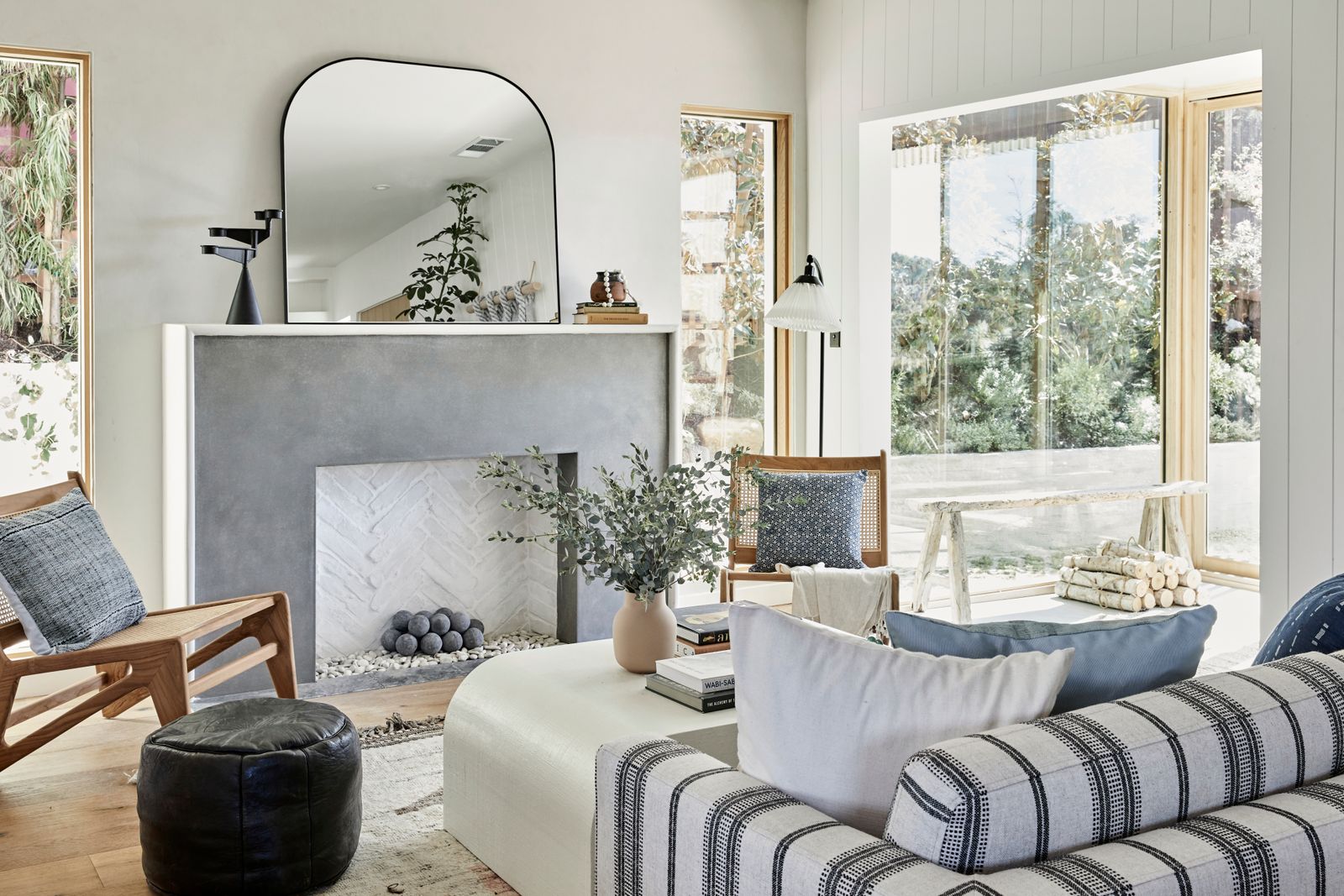
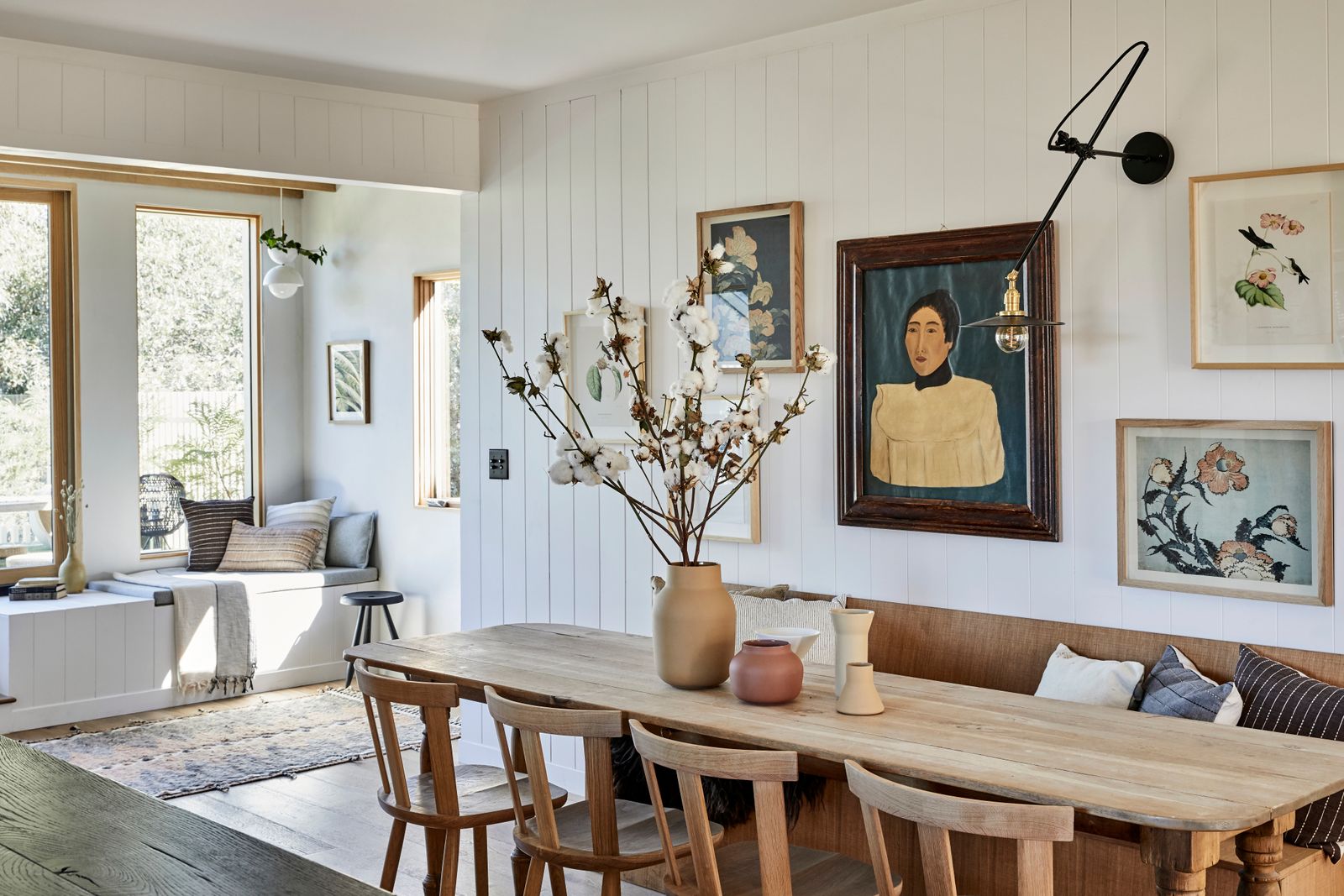
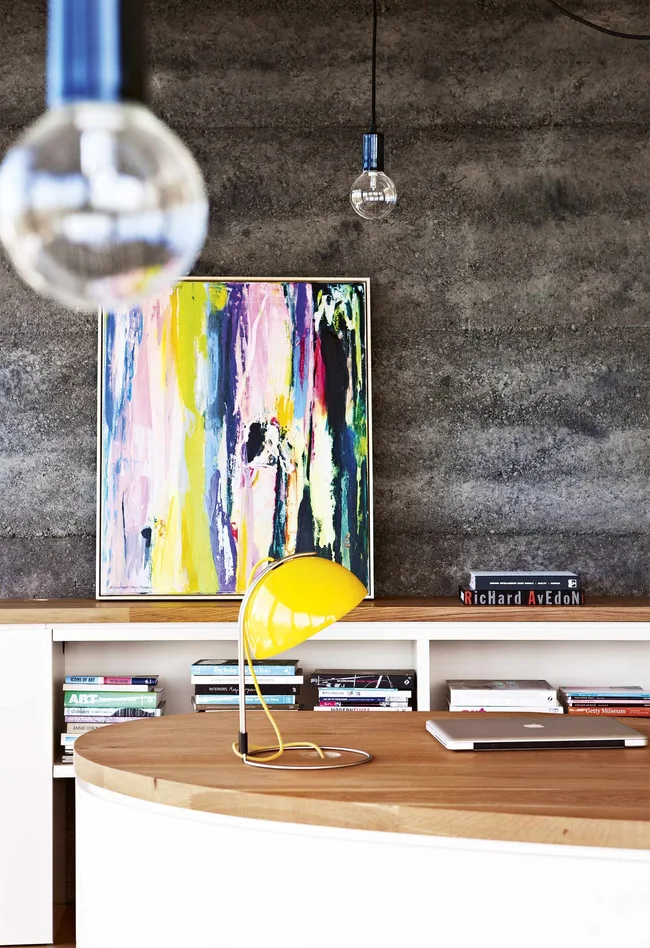
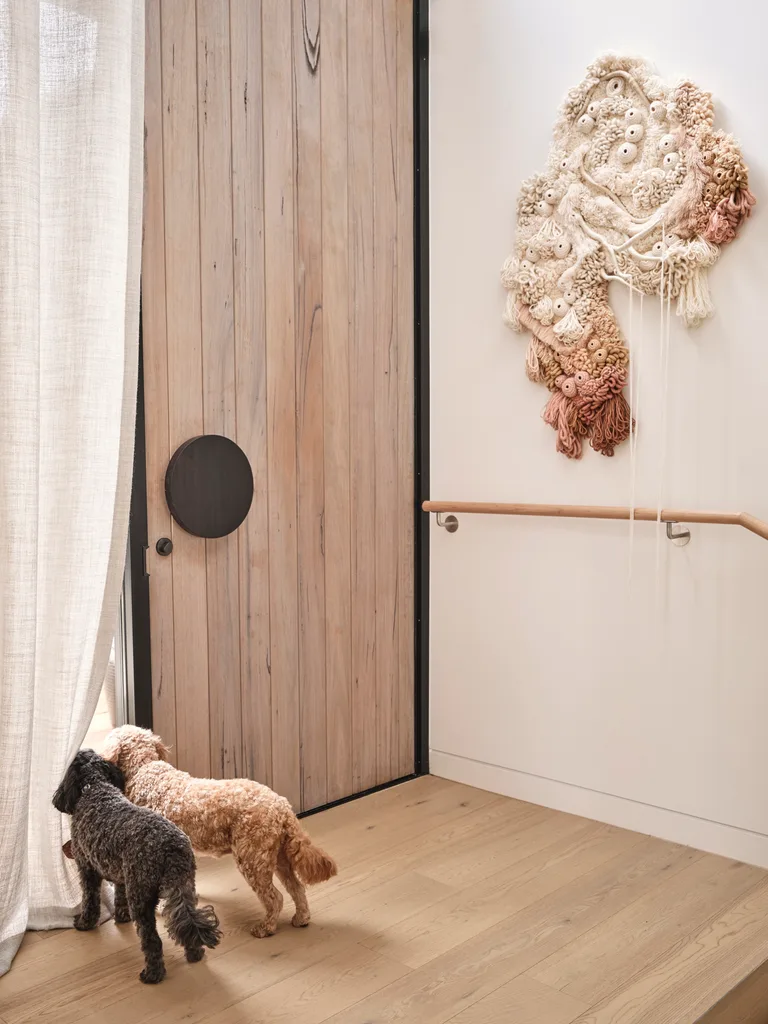
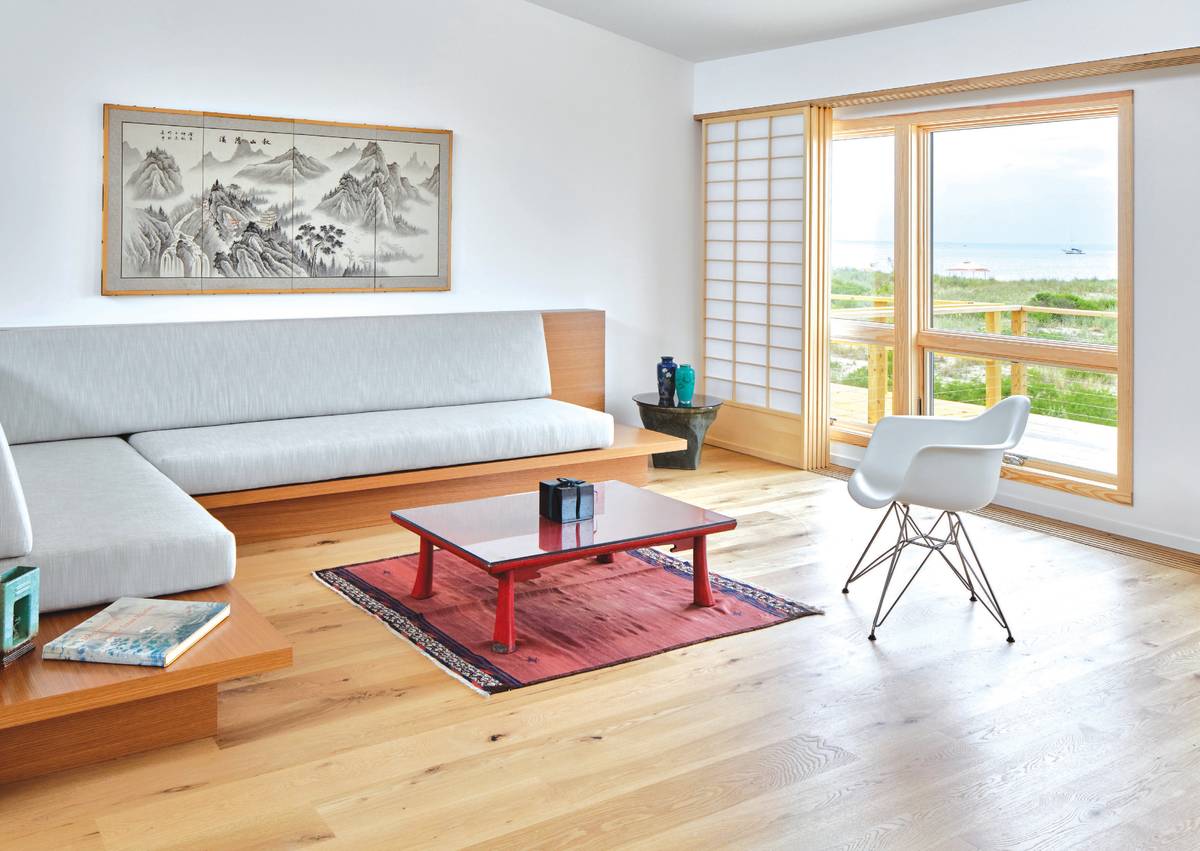
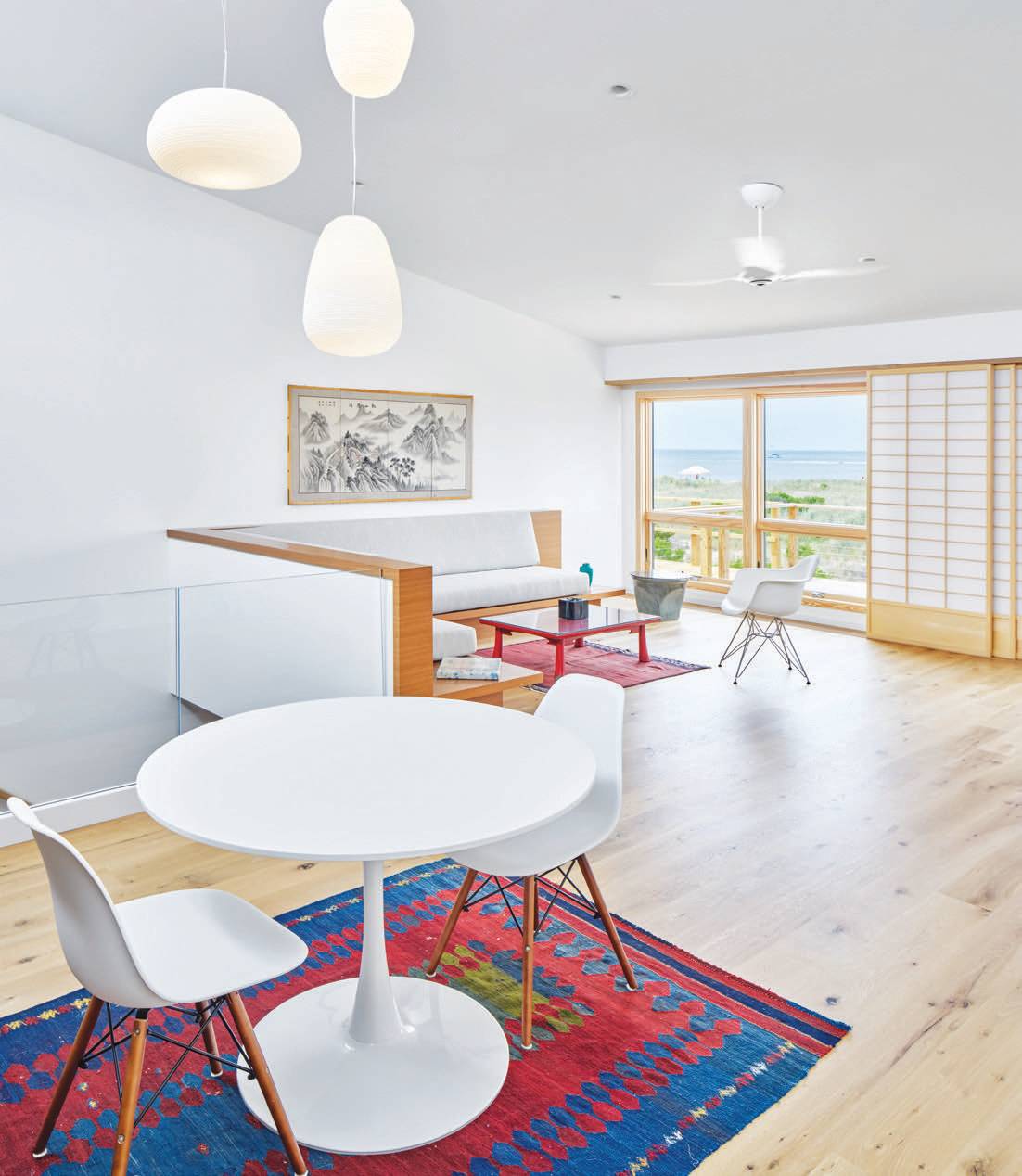
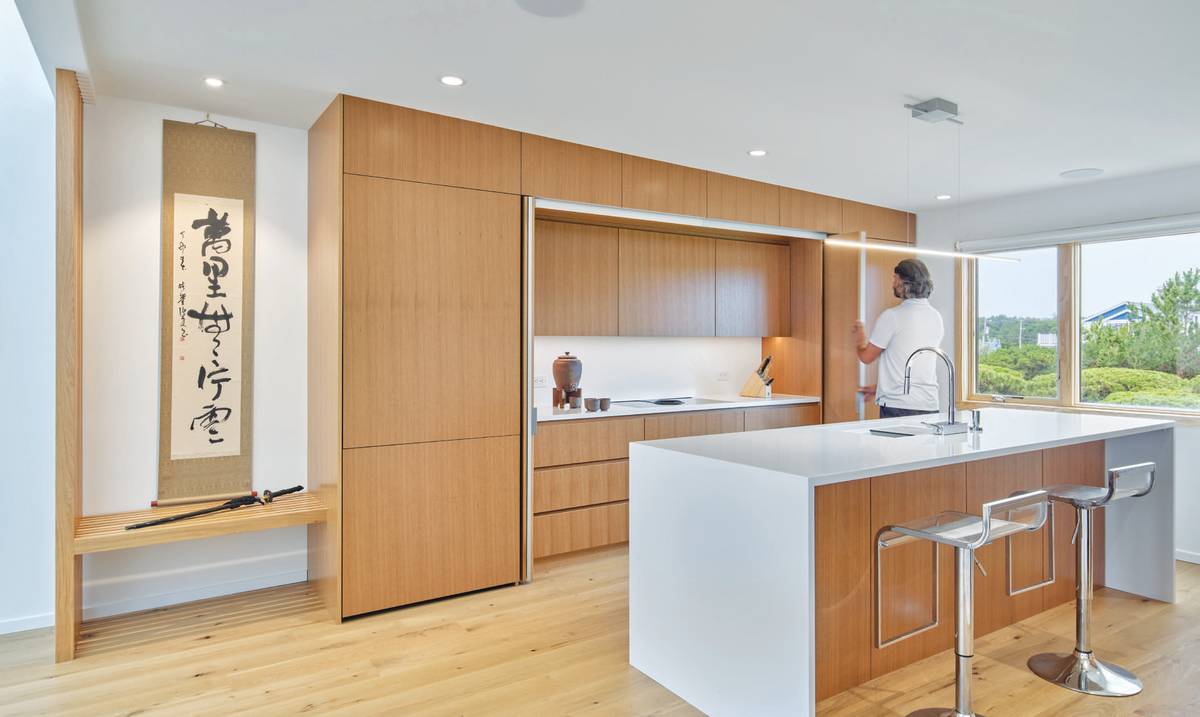
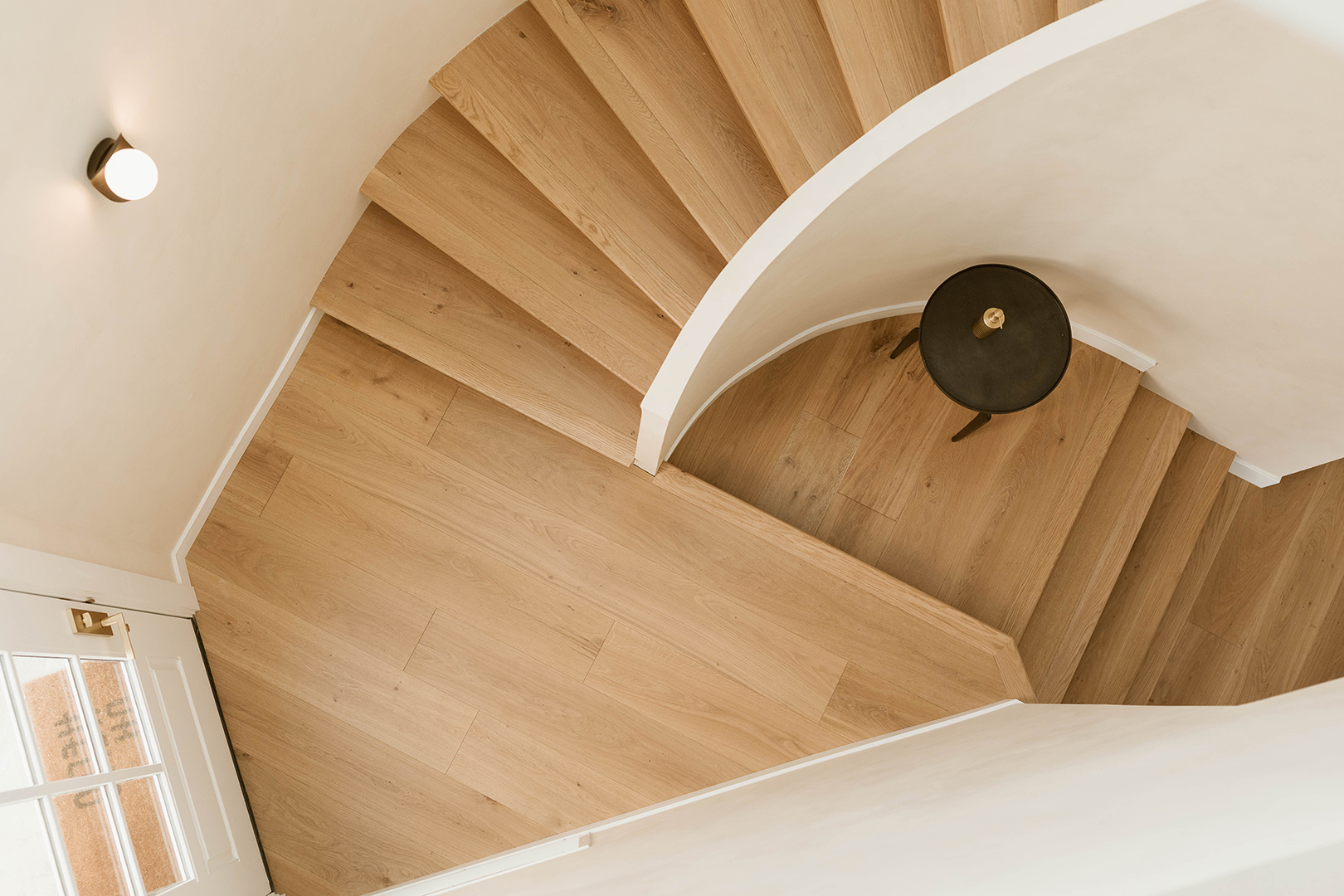
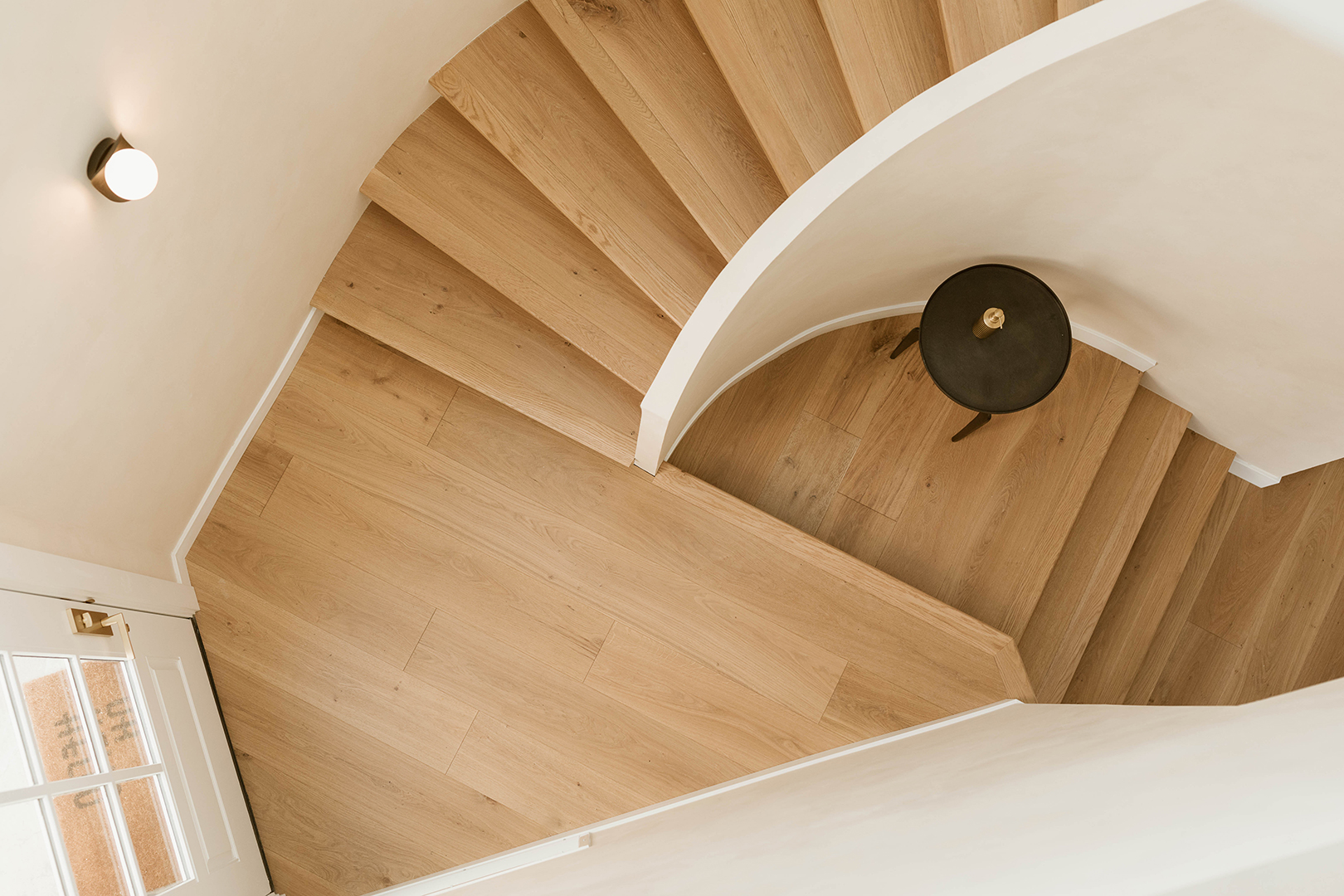
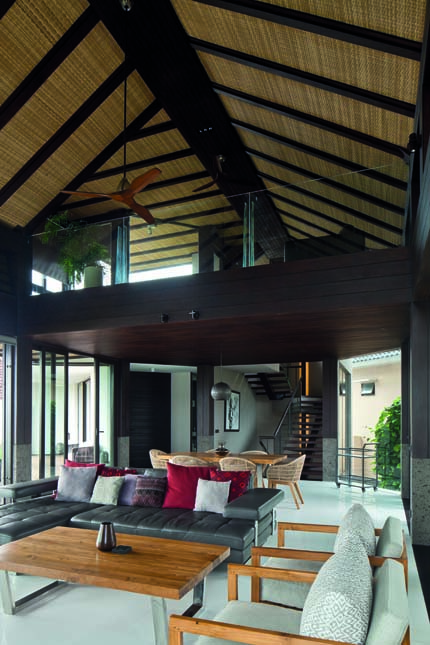
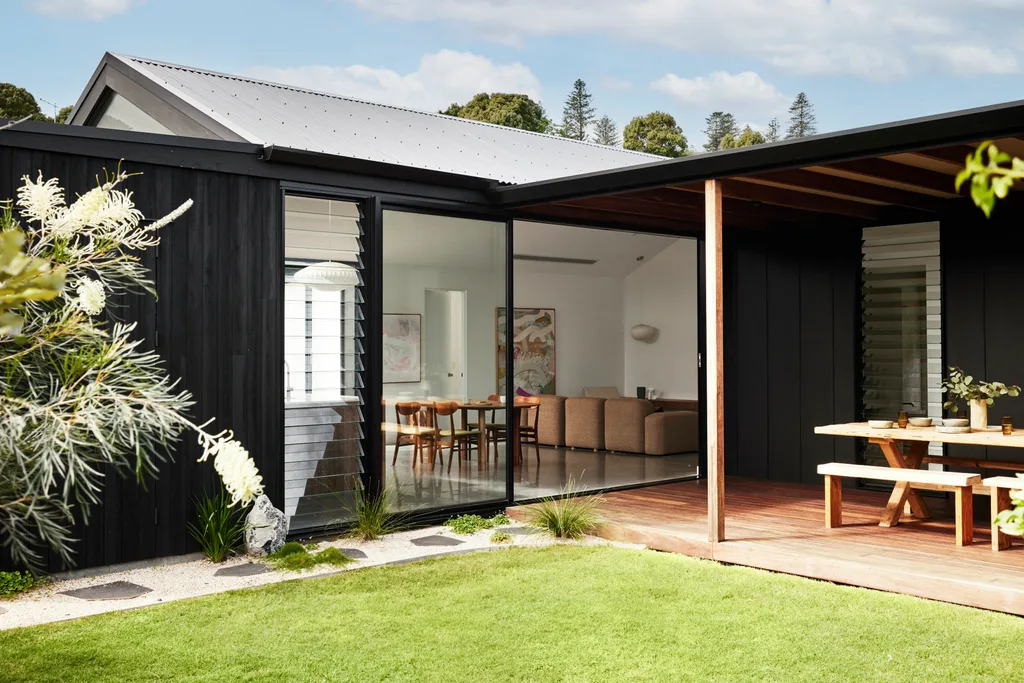
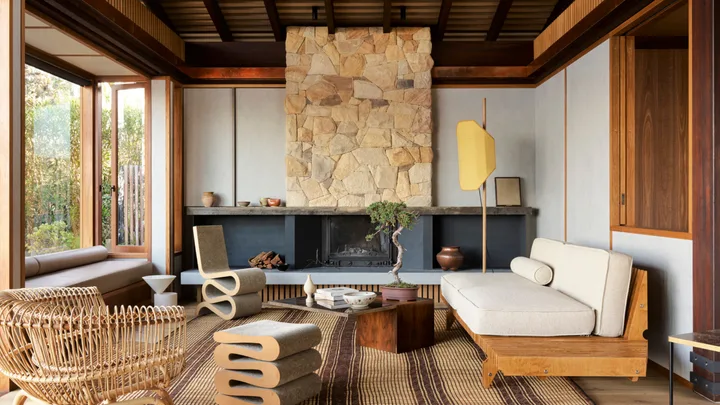
The house's decoration is inherent in its hand-crafted structure, with laminated Victorian ash posts and beams custom-made, secured with stainless-steel bolts and black steel straps. Rafters are thinned with black steel plates, contributing to a sleek wharf aesthetic. Instead of traditional plasterboard, light beech plywood veneer and raw cementitious wall panelling are used to add depth and texture, echoing Japanese building styles. A floating staircase, battens in screens, and sliding walls contribute to an airy and warm interior. The material selection prioritizes durability against the harsh seaside environment, with Victorian ash posts and blackbutt windows requiring minimal maintenance. Shou Sugi Ban charred timber cladding offers decades of durability, and copper roofing is chosen for its ability to patina attractively in salty air.
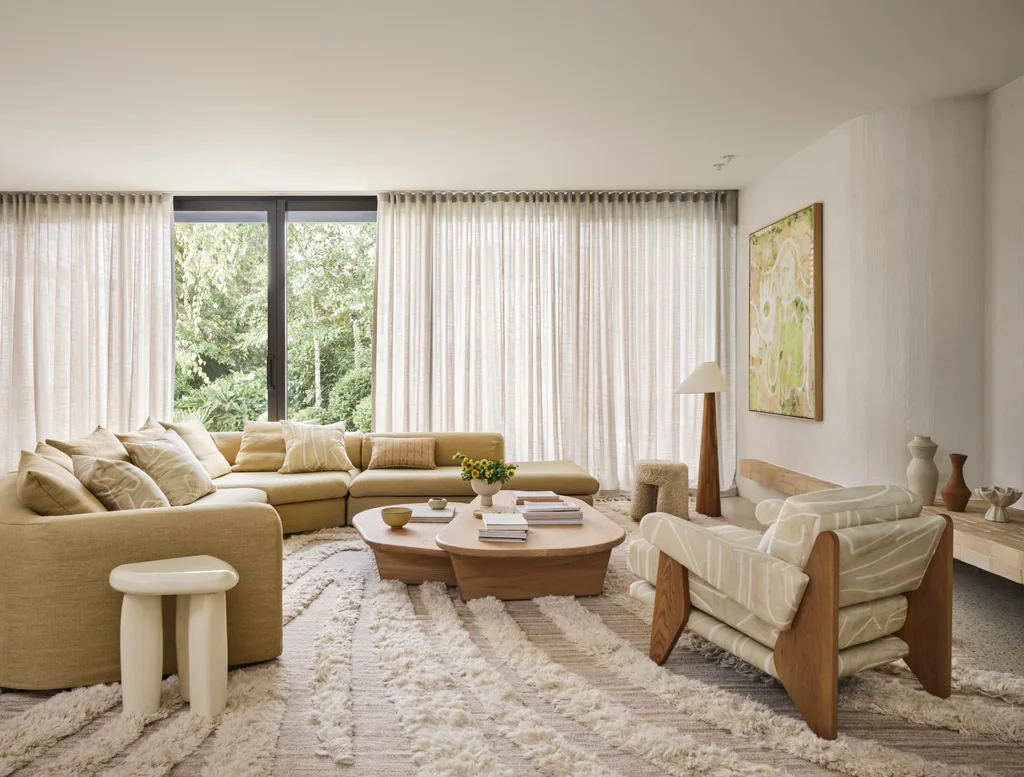
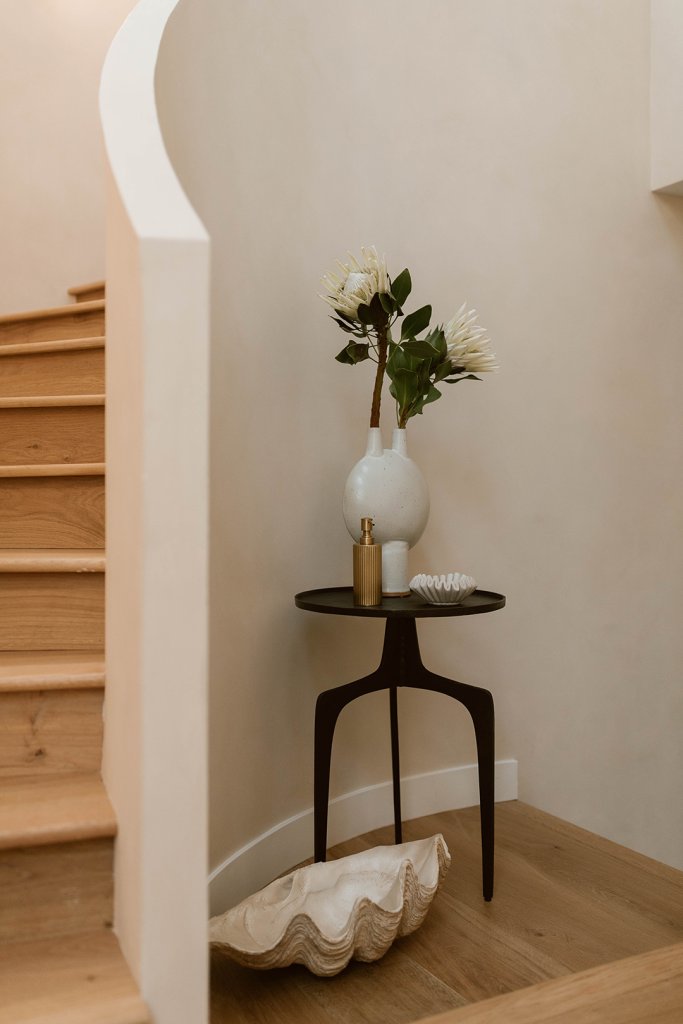
Accoya engineered-timber ceiling battens, in a light, beach-inspired color, further enhance durability. Wide French oak flooring with a distressed finish evokes the ruggedness of sand, allowing the natural environment to be the focal point. The owners describe the house as a "livable art piece" with exquisite finishes, emphasizing its comfort and practicality as a beachside home rather than a resort, designed to age gracefully and become more integrated with its surroundings over time.
#JapaneseInspiredDesign #BeachHouse #ZenRetreat #CoastalArchitecture #SustainableDesign #NaturalMaterials #WharfStructure #IndoorOutdoorLiving #ArchitecturalInnovation #JapaneseInspiredDesign #BeachHouse #ZenRetreat #CoastalArchitecture #SustainableDesign #NaturalMaterials #WharfStructure #IndoorOutdoorLiving #ArchitecturalInnovation
0 comment in total
 No comments yet
You may also like
A Japandi-Style Home Transforms Into a Zen Paradise

Inside a Dreamy Beach Bungalow
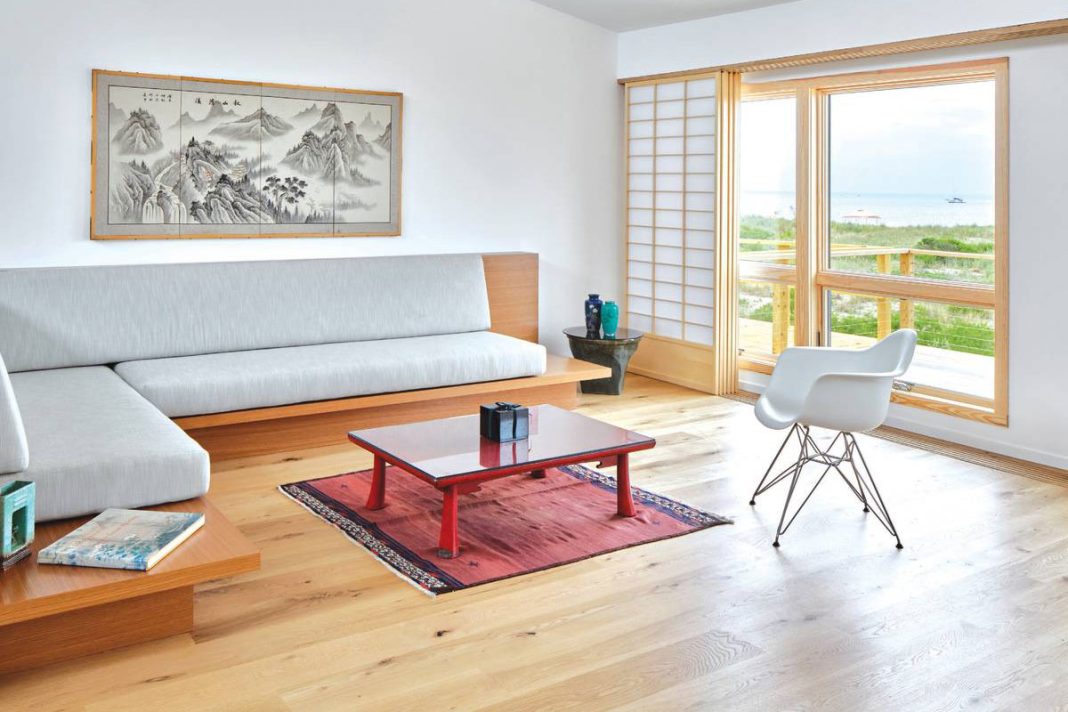
A Lewes Townhome Pays Homage to Japan’s Serenity
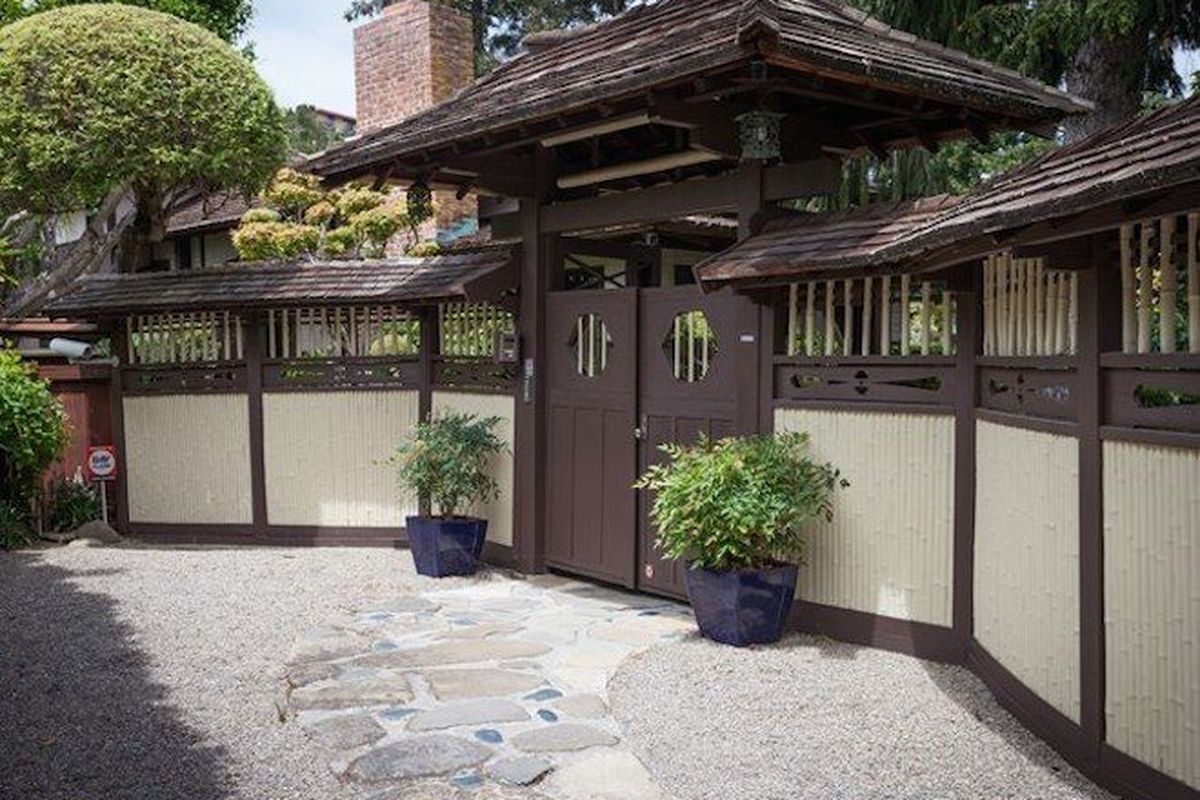
Find Your Zen at This $5M Estate with Authentic Japanese Teahouse and Gardens
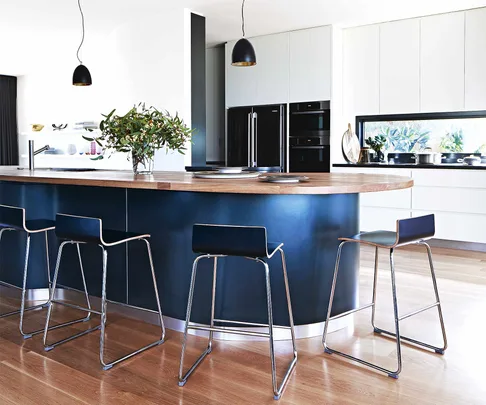
A modern rammed earth beach house retreat
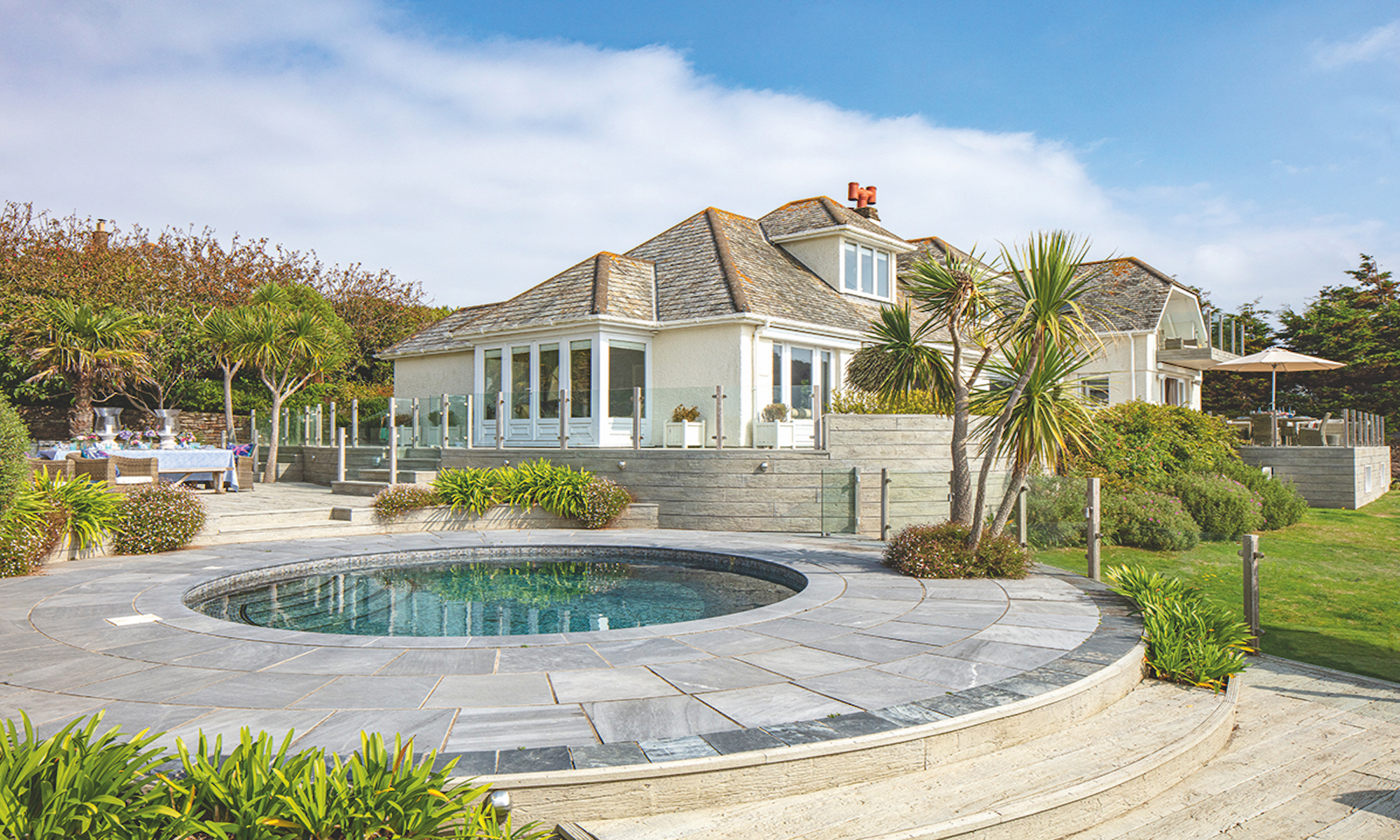
Beachside home with interiors every bit as special as the stunning coastal views
'Resortcore' Is the Tropical Aesthetic That Will Transform Your Home into a Getaway

A Resort-Style Home

furuya design reworks japanese island bungalow into nature-immersed SANU home
House Tour: A zen surf shack where Californian coastal vibe meets mid-century modern furniture
Swooping Curves Create a Sense of Movement in This Once “Clunky” Beach Home

Dual native-filled courtyards form the centrepiece of this new Japanese-style build
Zen-Like Micro-Apartment Renovation Is Inspired by Japanese Inns
A soft and grounded palette anchors this zen-inspired holiday home
Swooping Curves Create a Sense of Movement in This Once “Clunky” Beach Home

Make Myself at Home: Wooded Zen Sanctuary
A 75-Year-Old Japanese House Was Transformed Into a Zen Weekend Hideaway
A Contemporary Beach House With Modernist Allure

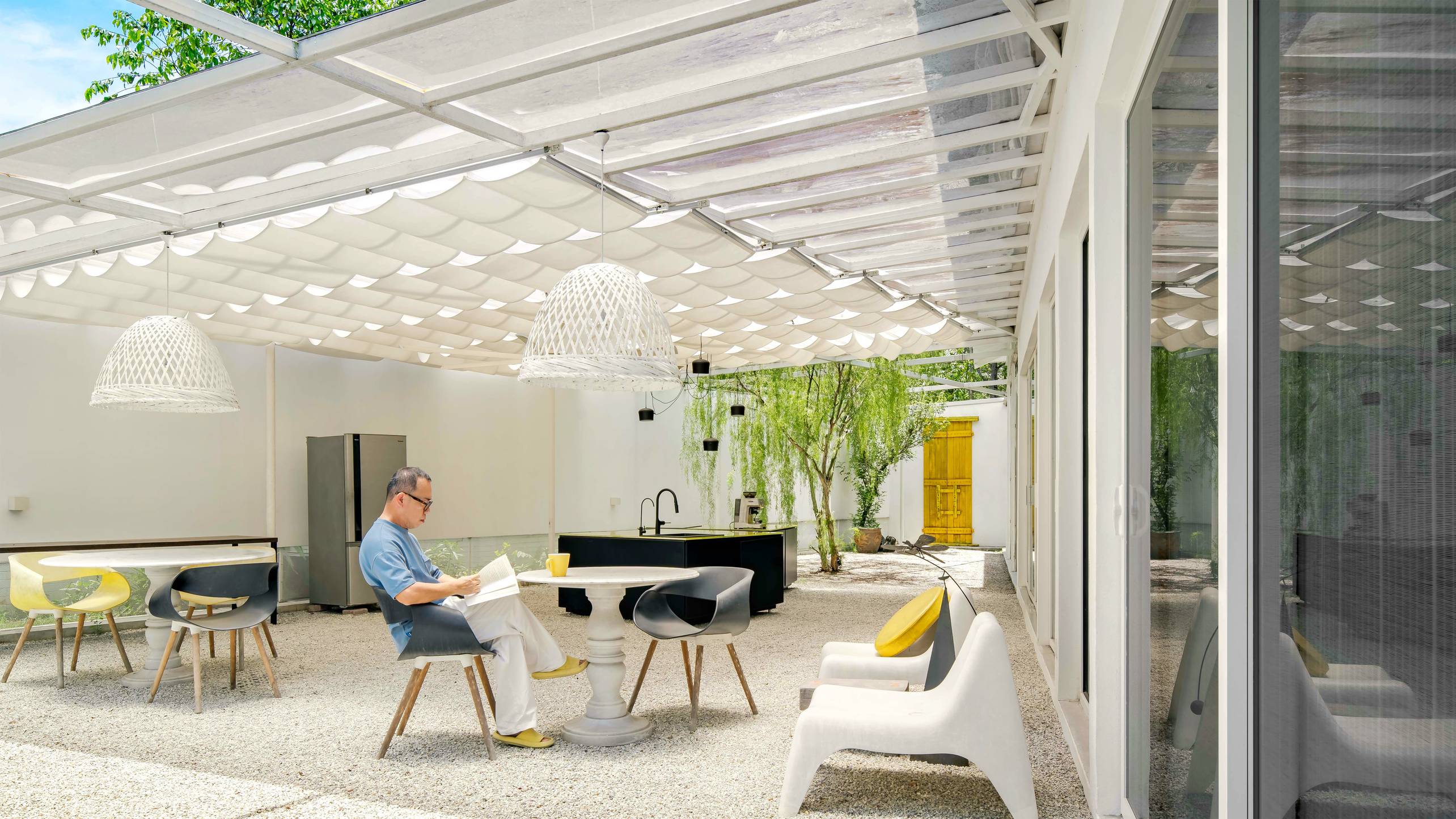
An Architect’s Hidden Tropical Sanctuary Inspired by Japanese Zen Gardens


This Mermaid Beach home is a sanctuary with a unique design