1/3
Japandi style: create a Zen living space at home
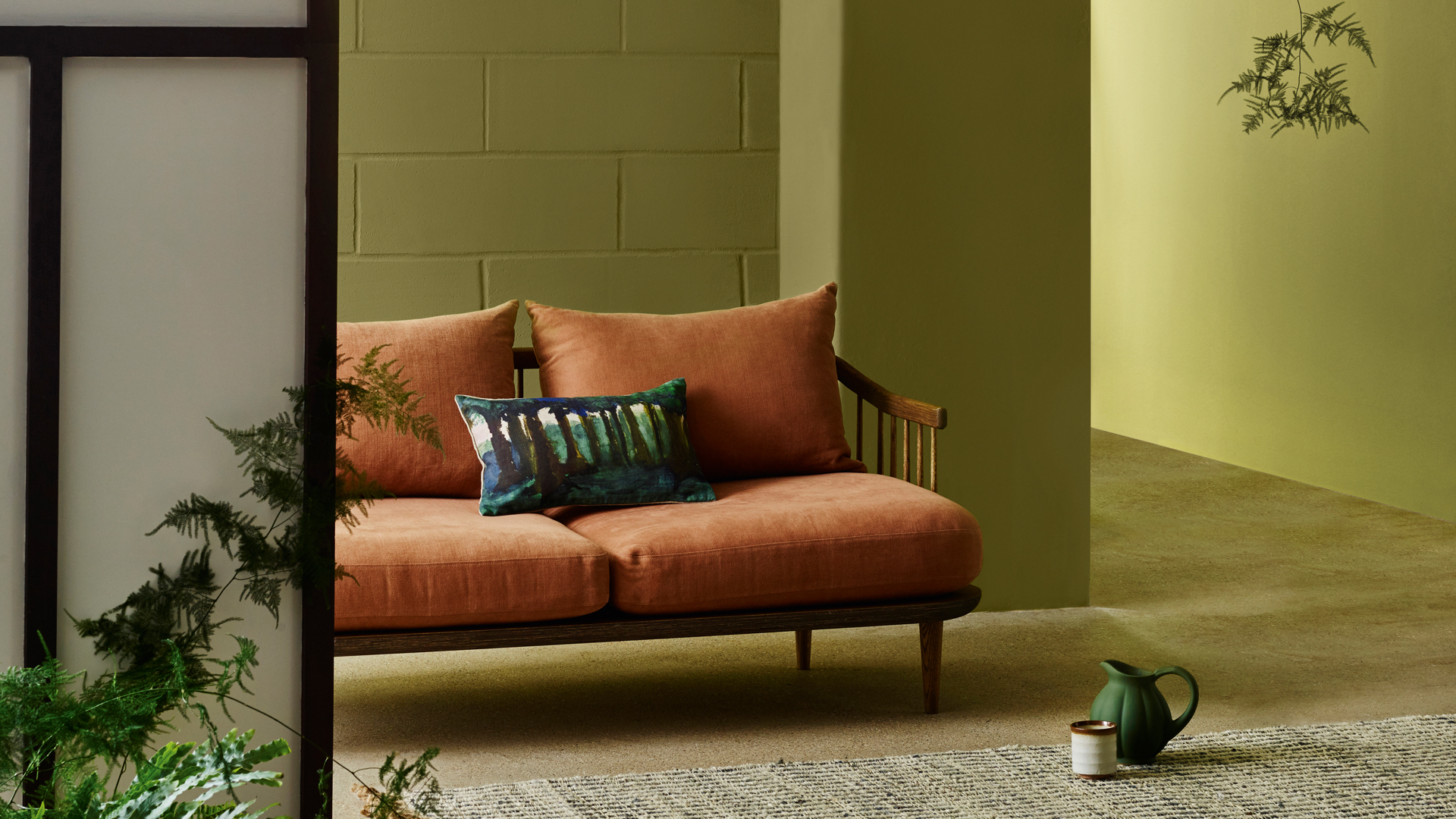
The increasing amount of time spent at home, influenced by shifts like remote work and homeschooling, has amplified the importance of personal living spaces. Homes are no longer solely for dwelling but have evolved into multifaceted environments for work, education, and relaxation. This transformation necessitates the creation of serene and balanced areas where individuals can decompress and recharge after daily activities. In response to this need, the Japandi interior design style has gained prominence, offering a solution for cultivating clean, calm, and harmonious indoor environments.
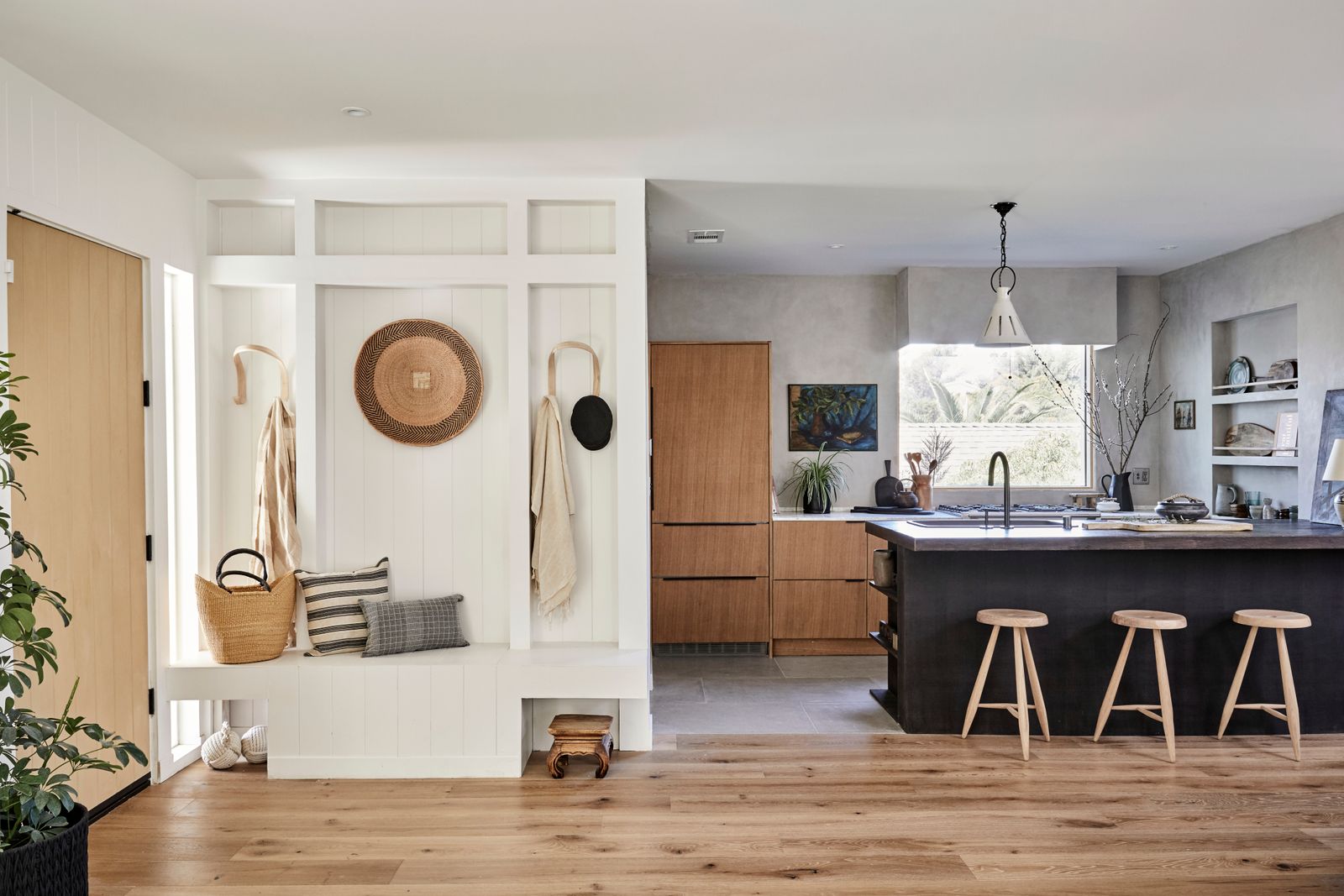
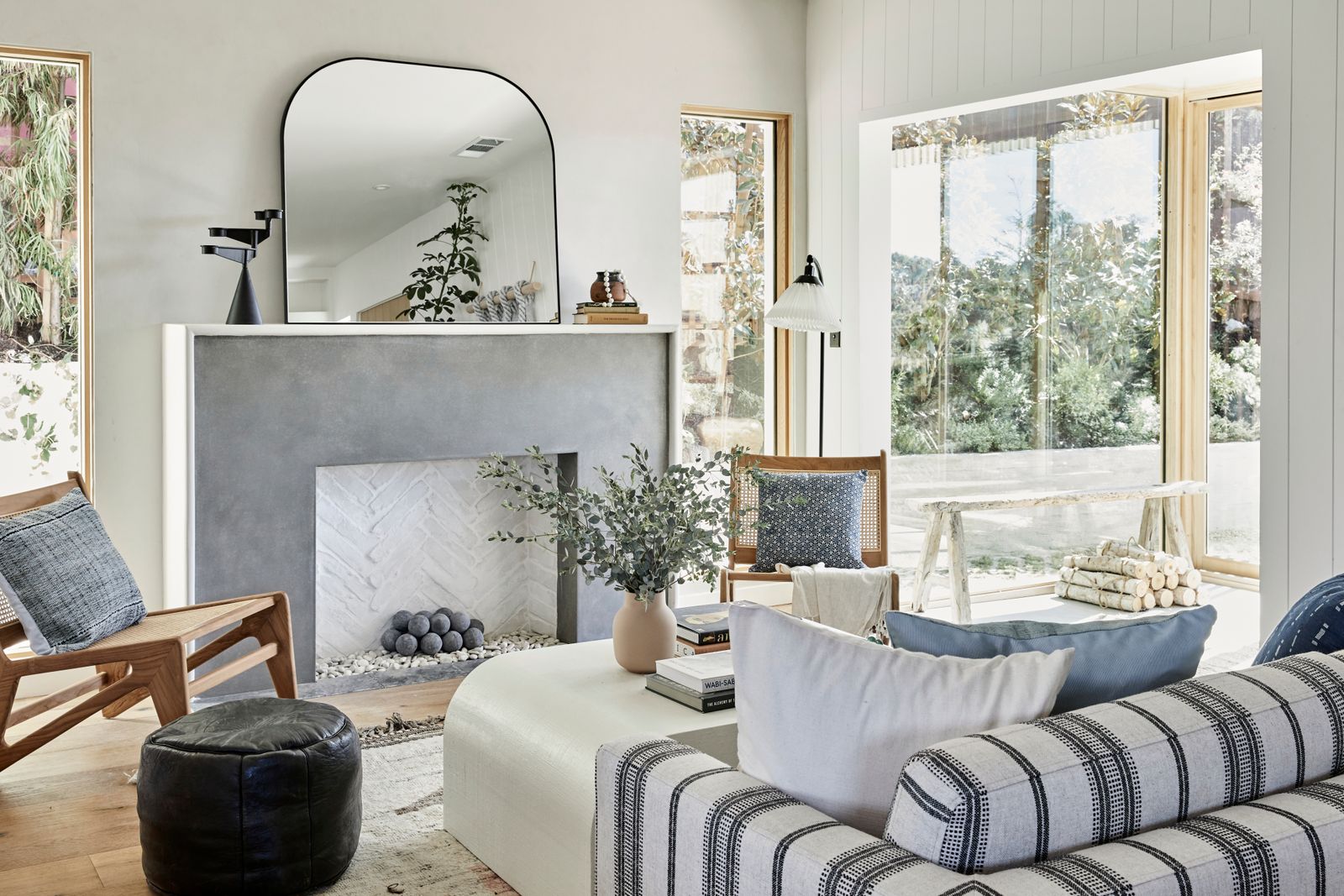
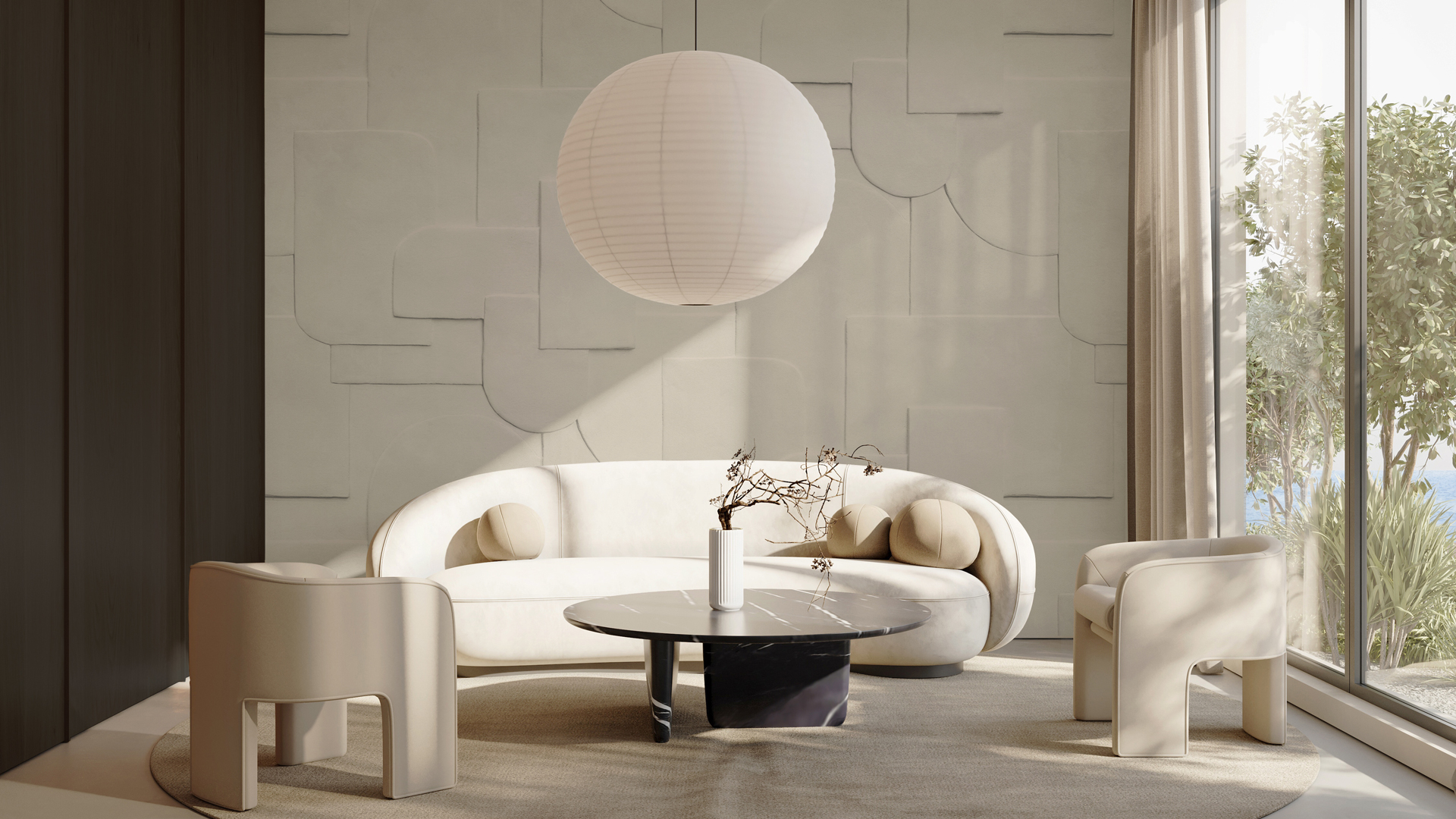
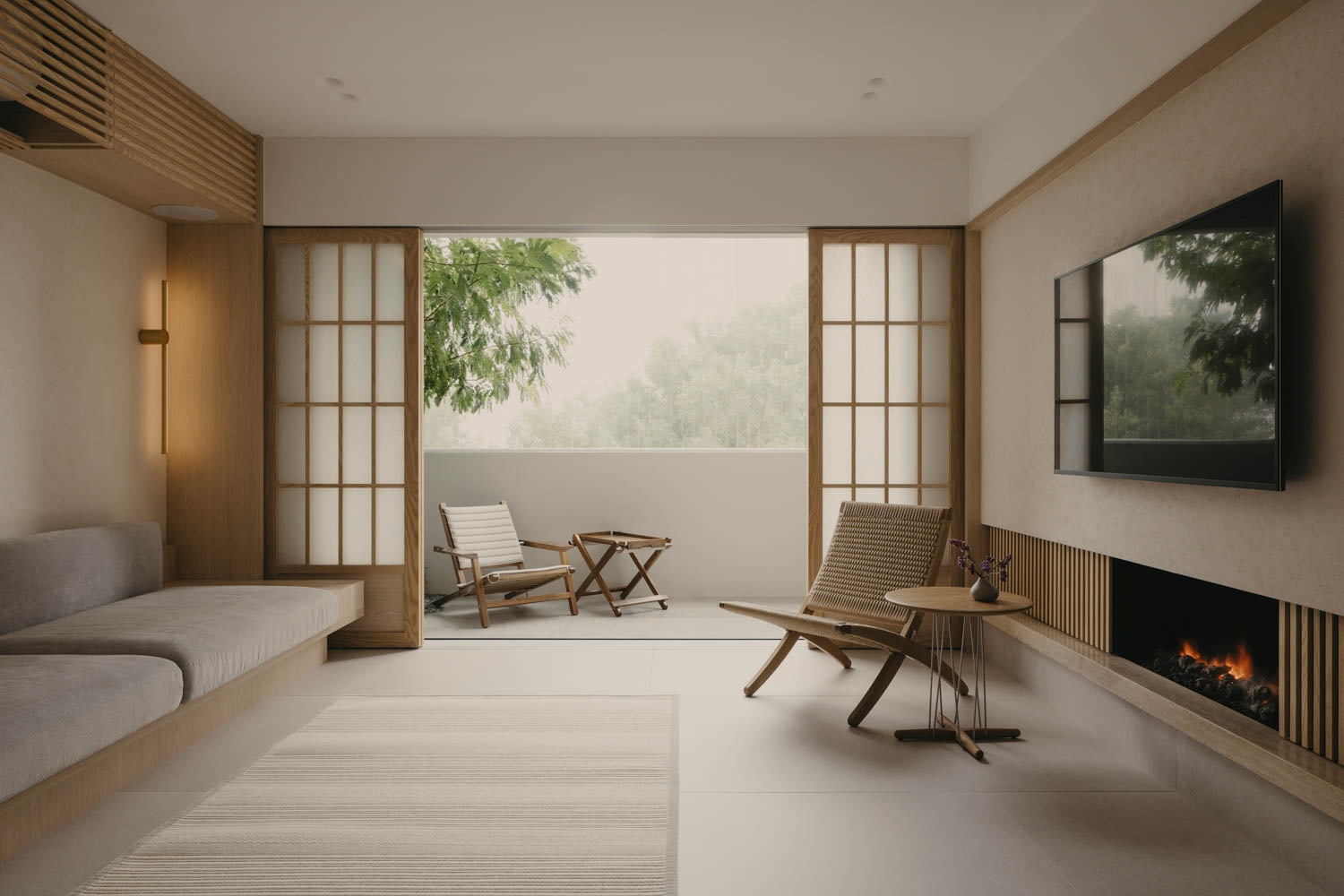
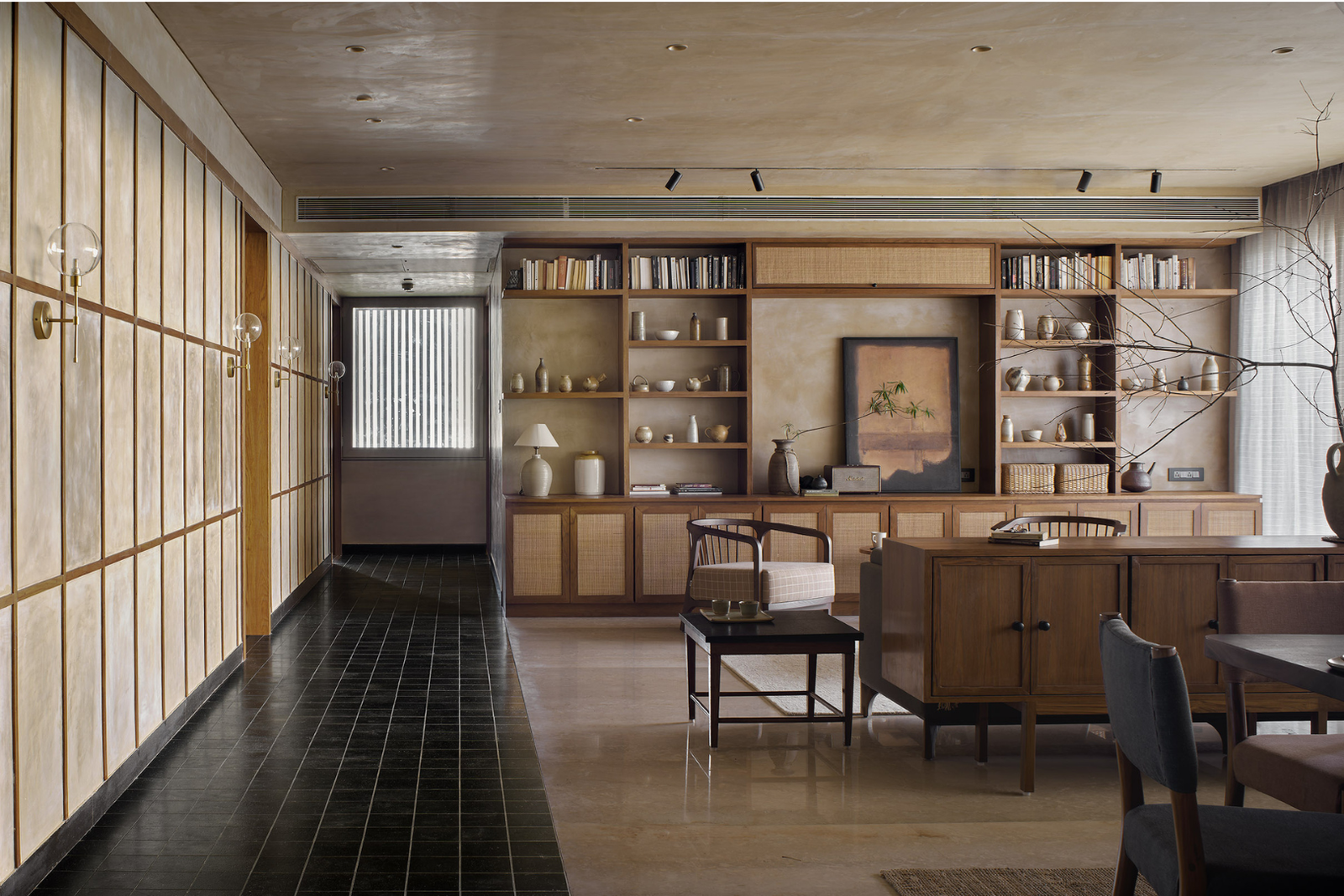
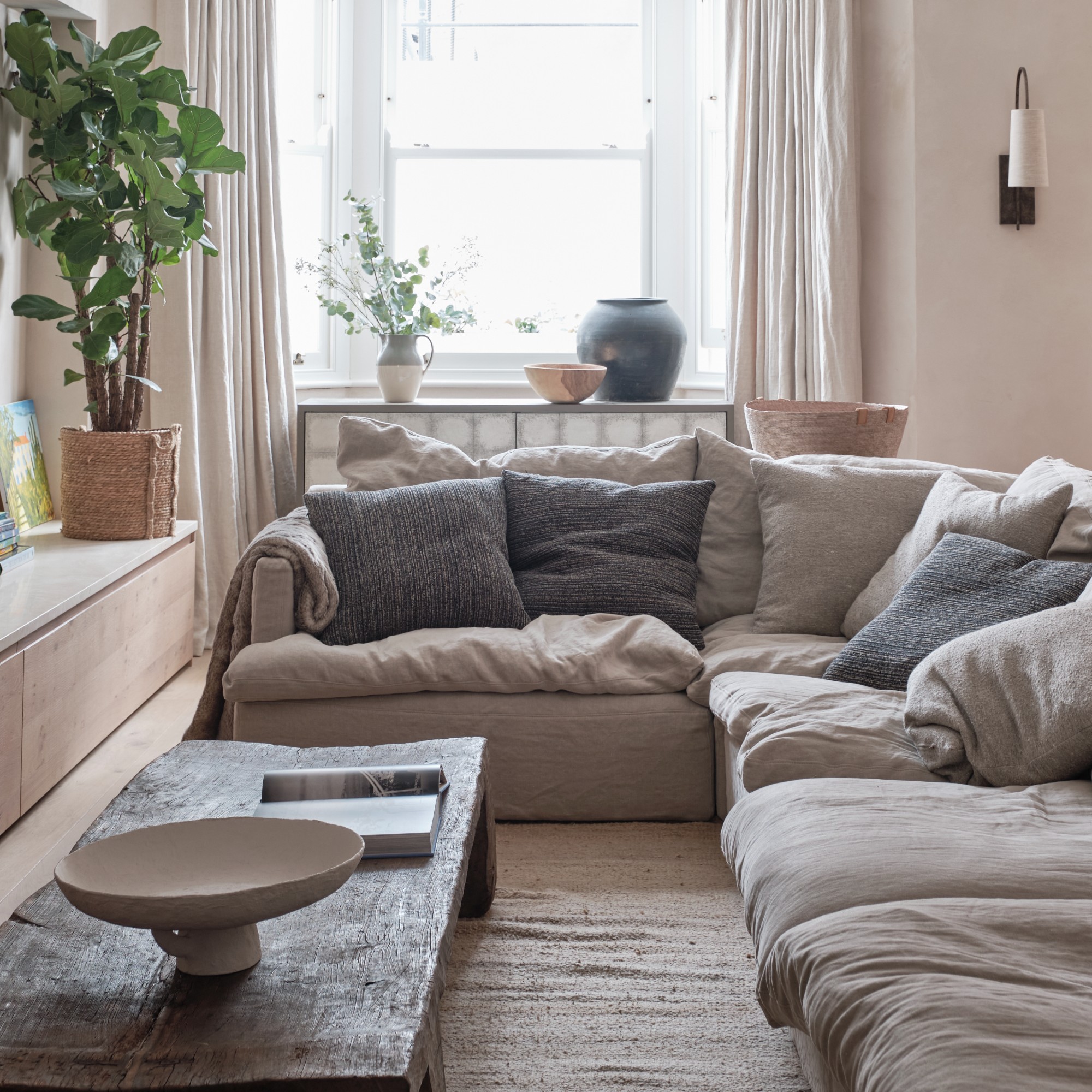
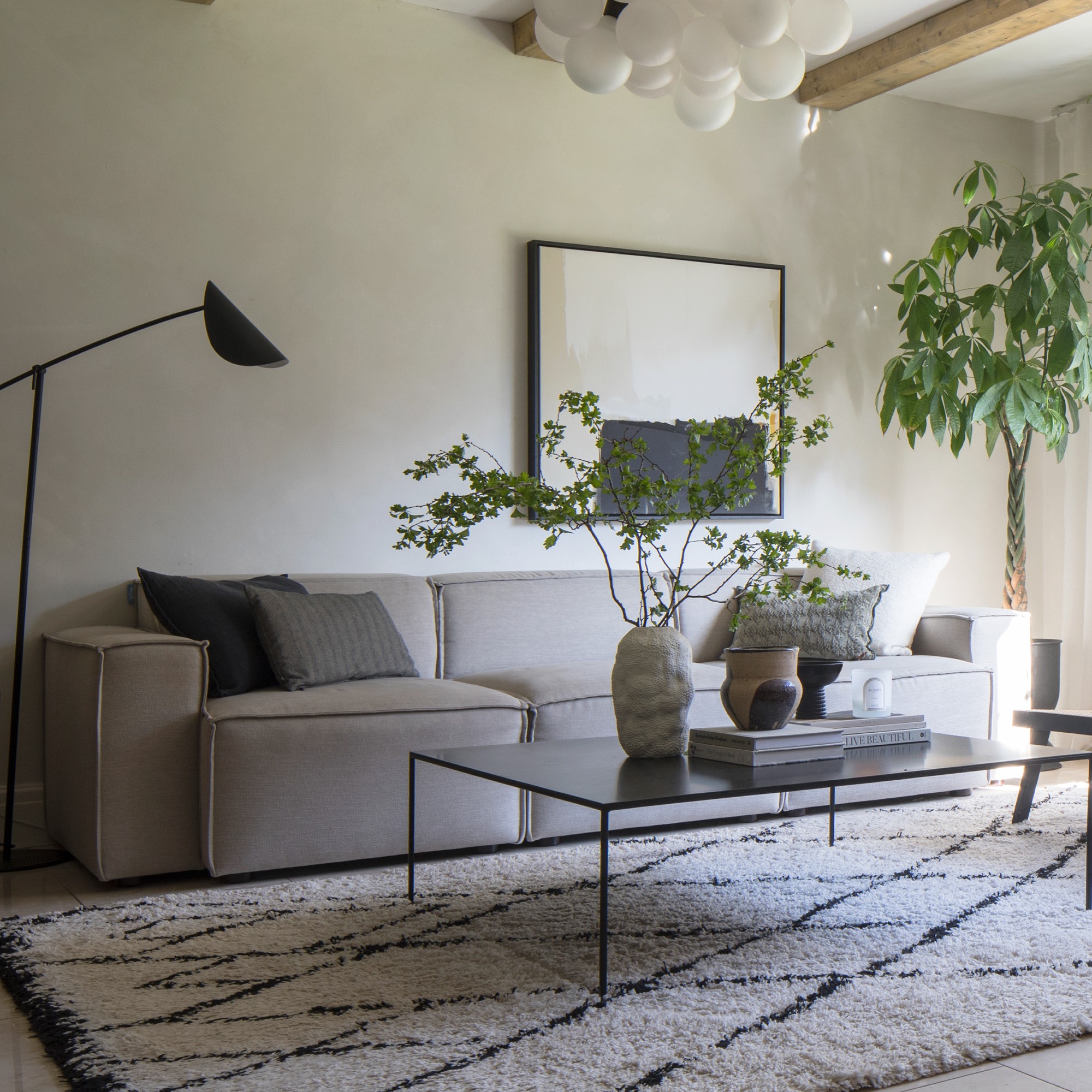
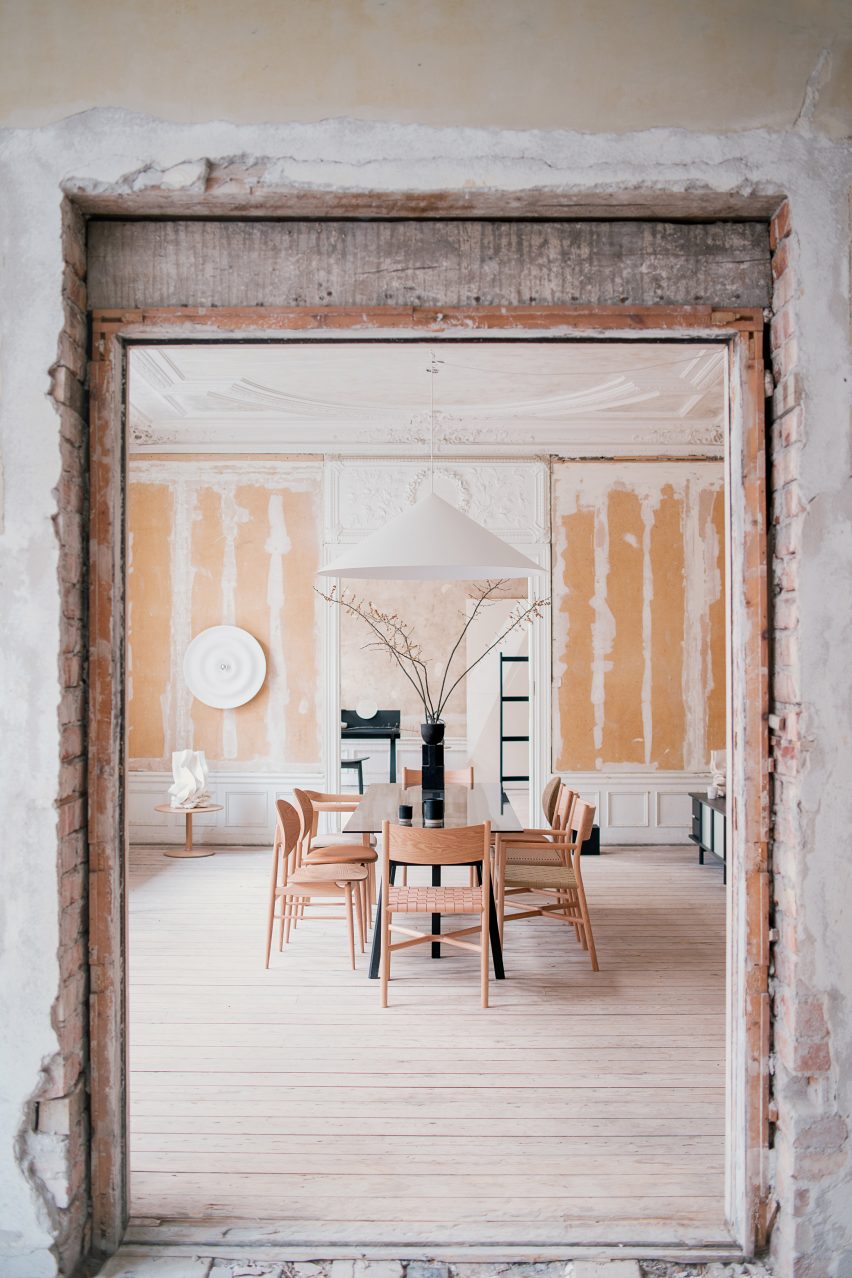
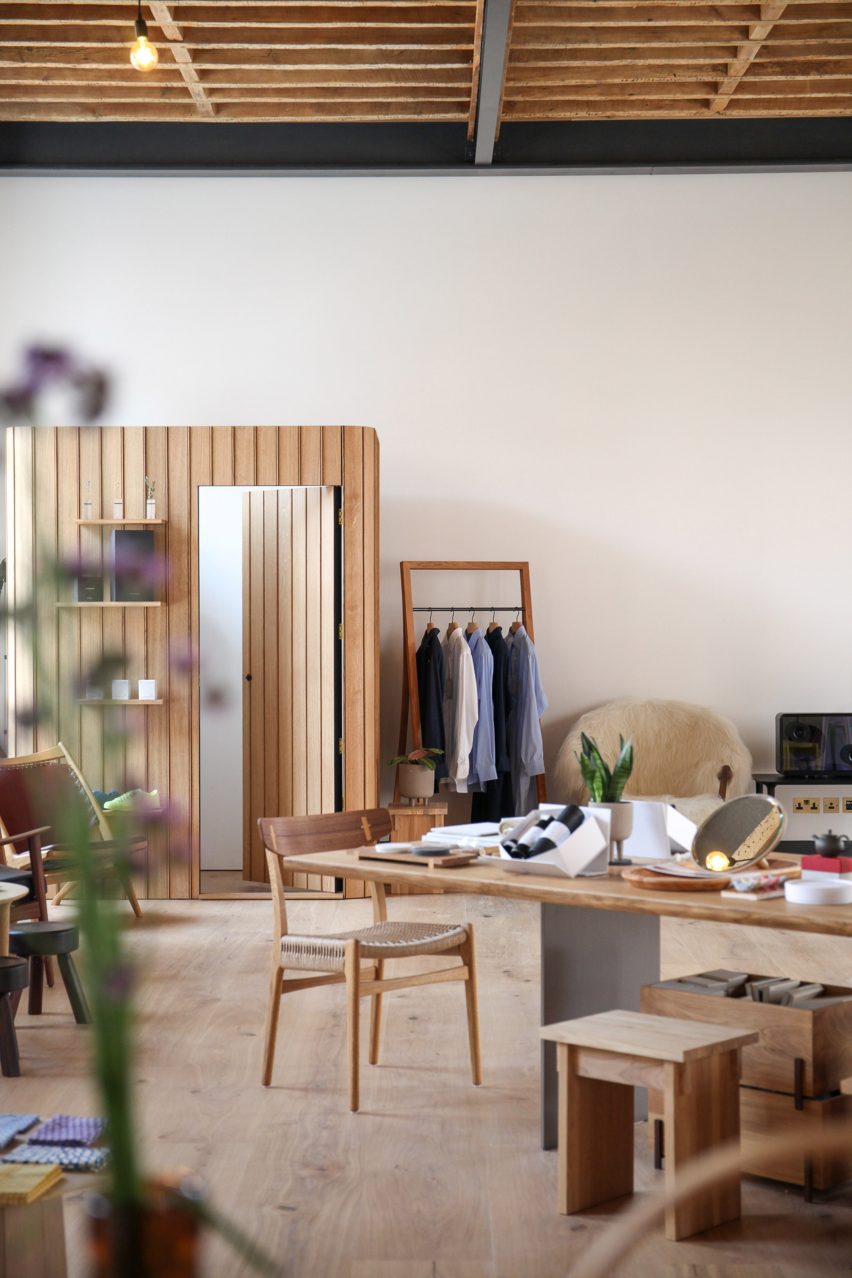
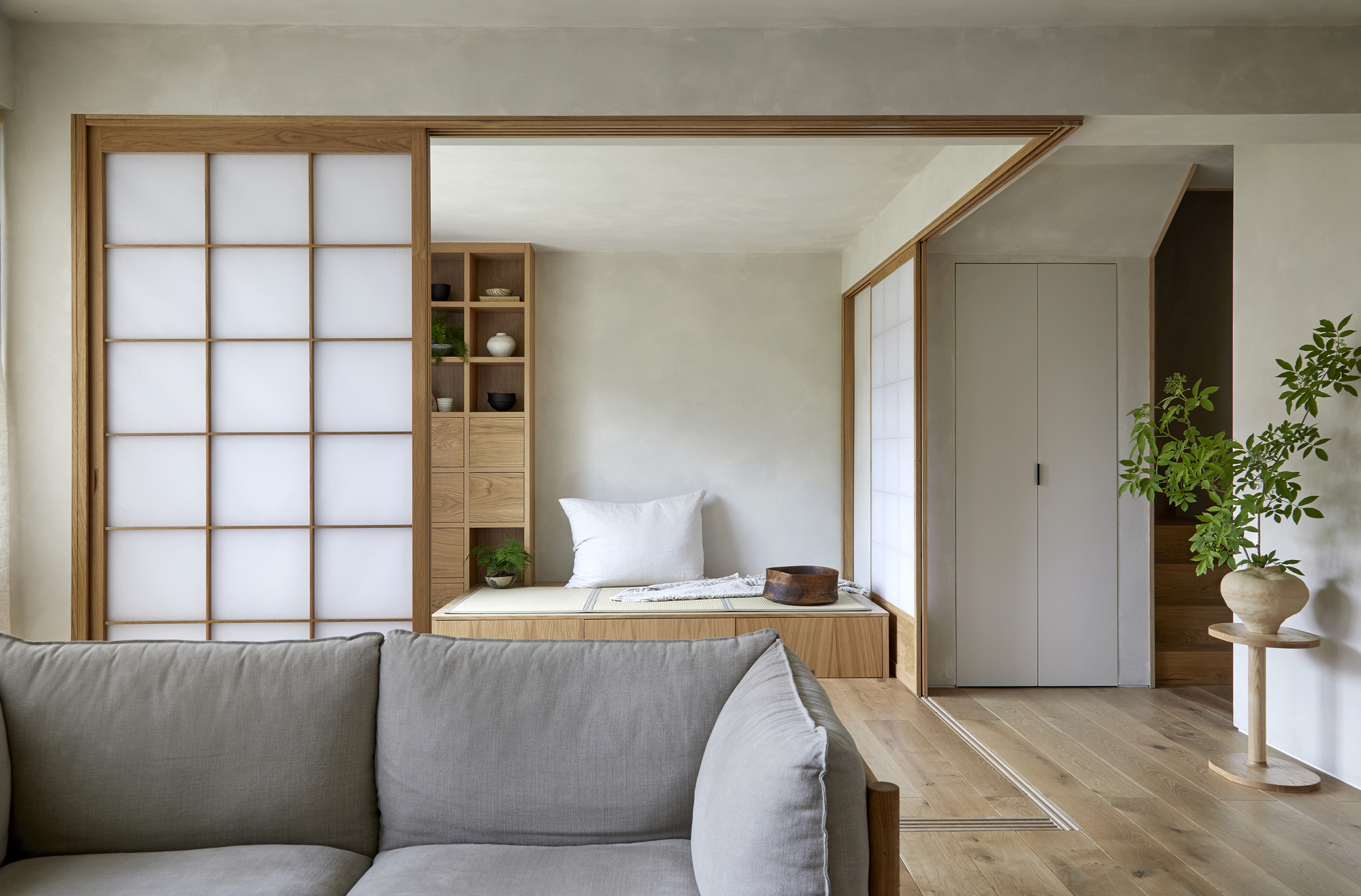
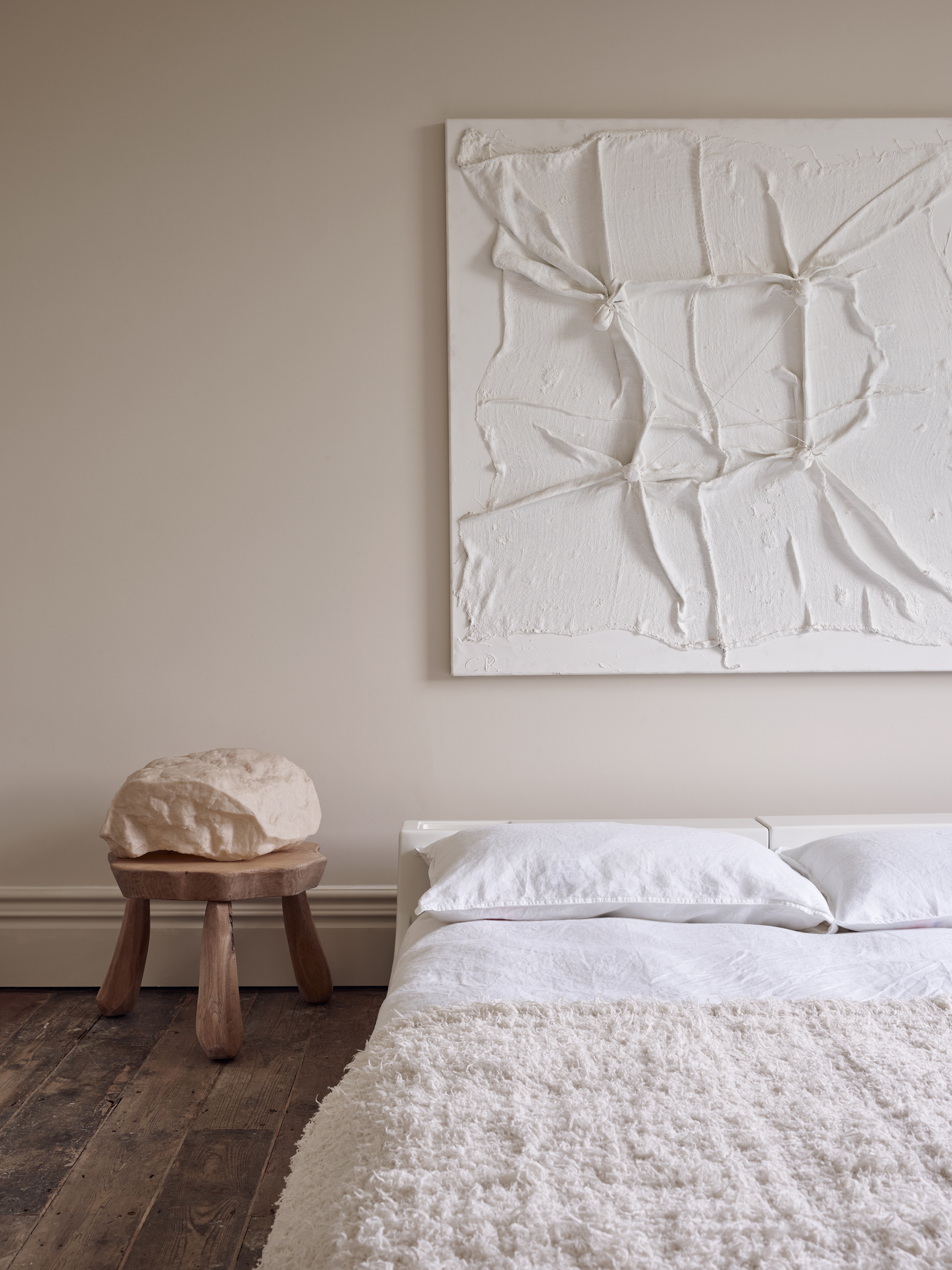
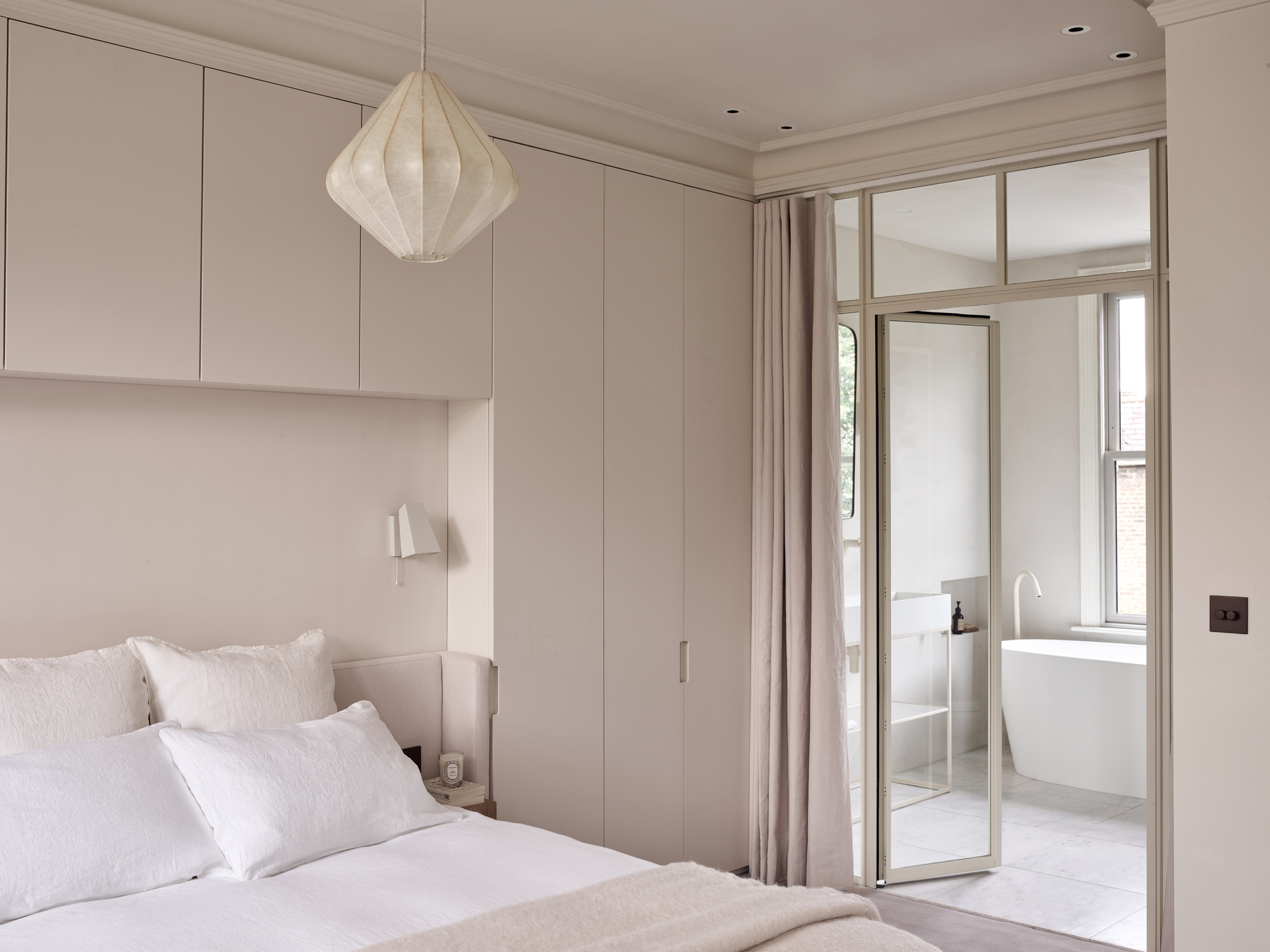
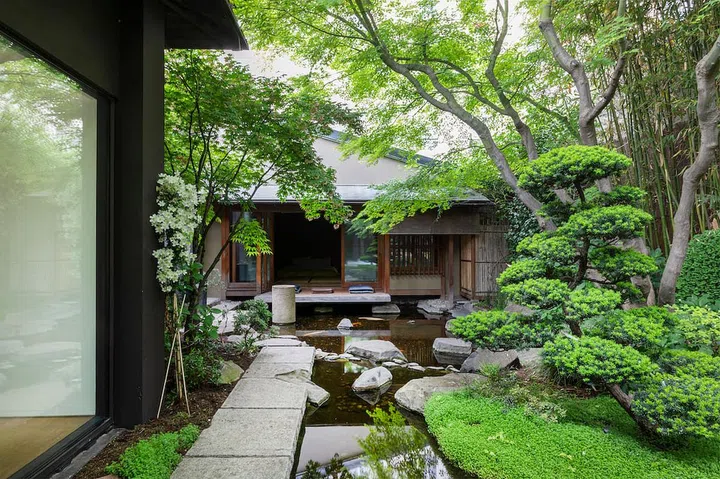
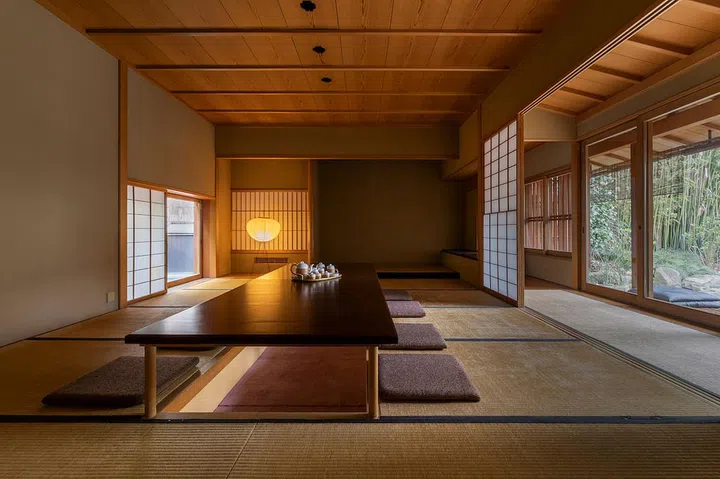
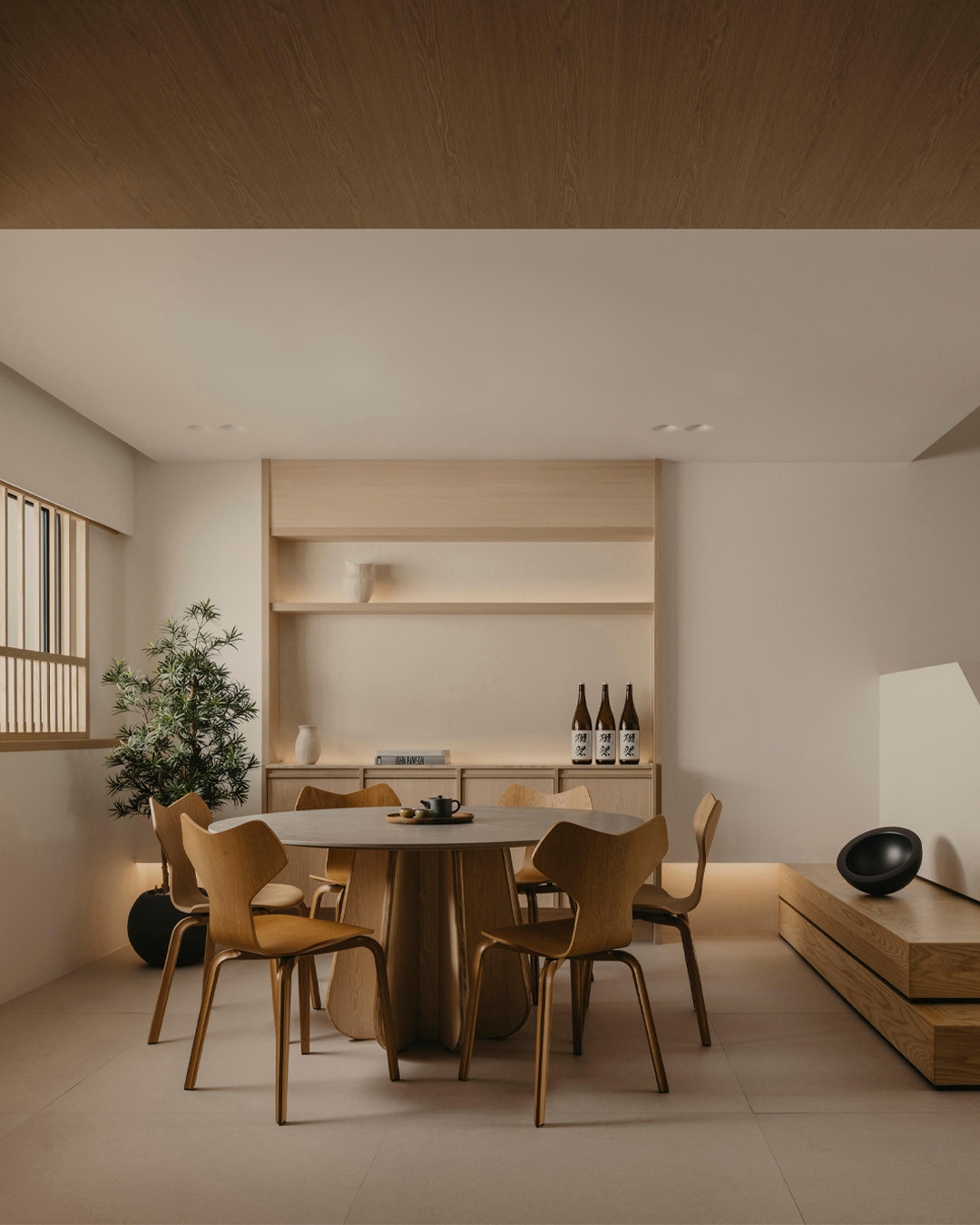
Japandi style represents a harmonious fusion of Japanese and Scandinavian design principles, both of which emphasize simplicity, functionality, and a connection to nature. This aesthetic prioritizes a "less is more" approach, focusing on essential elements that contribute to a peaceful atmosphere. A core philosophy embedded within Japandi design is the Zen concept, which promotes mindfulness and tranquility. This is reflected in the style's minimal, functional, warm, and calming characteristics, often incorporating touches of Wabi-Sabi, which embraces imperfection and transience.
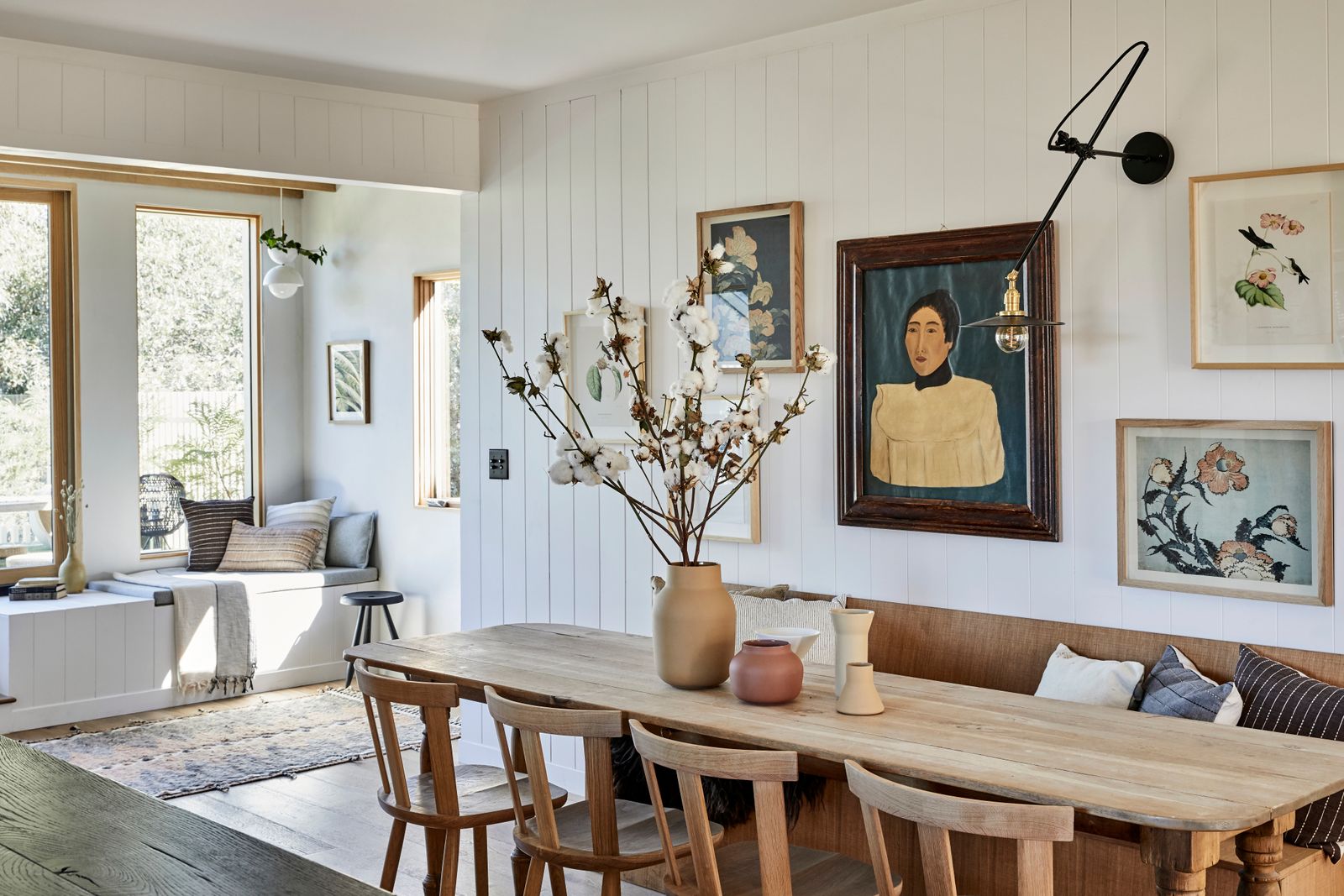
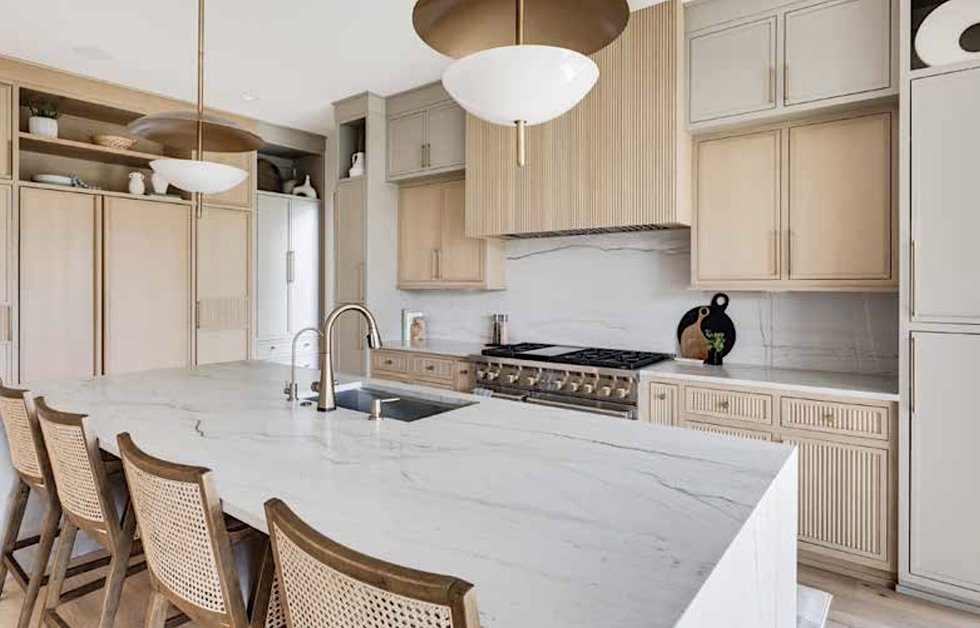
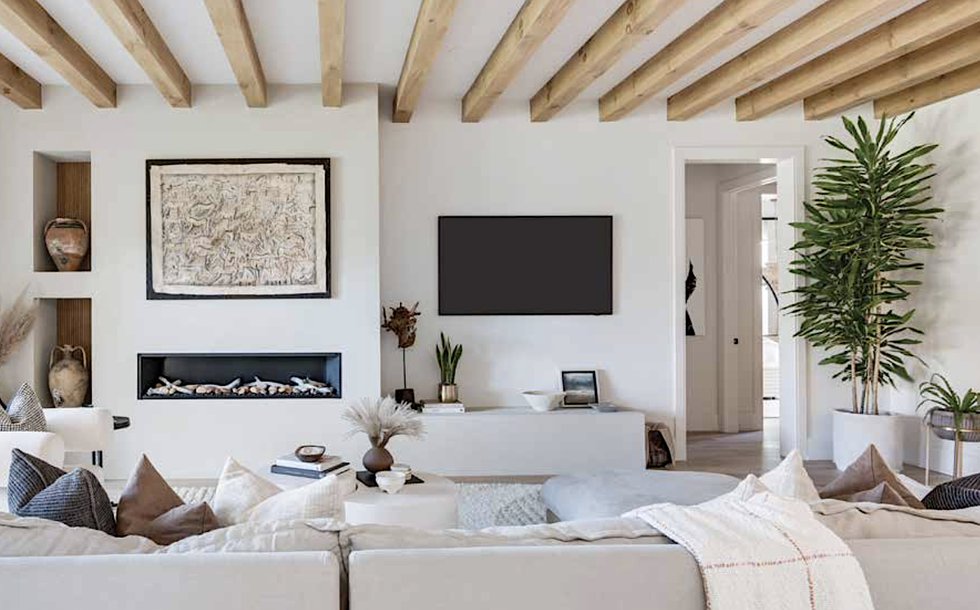
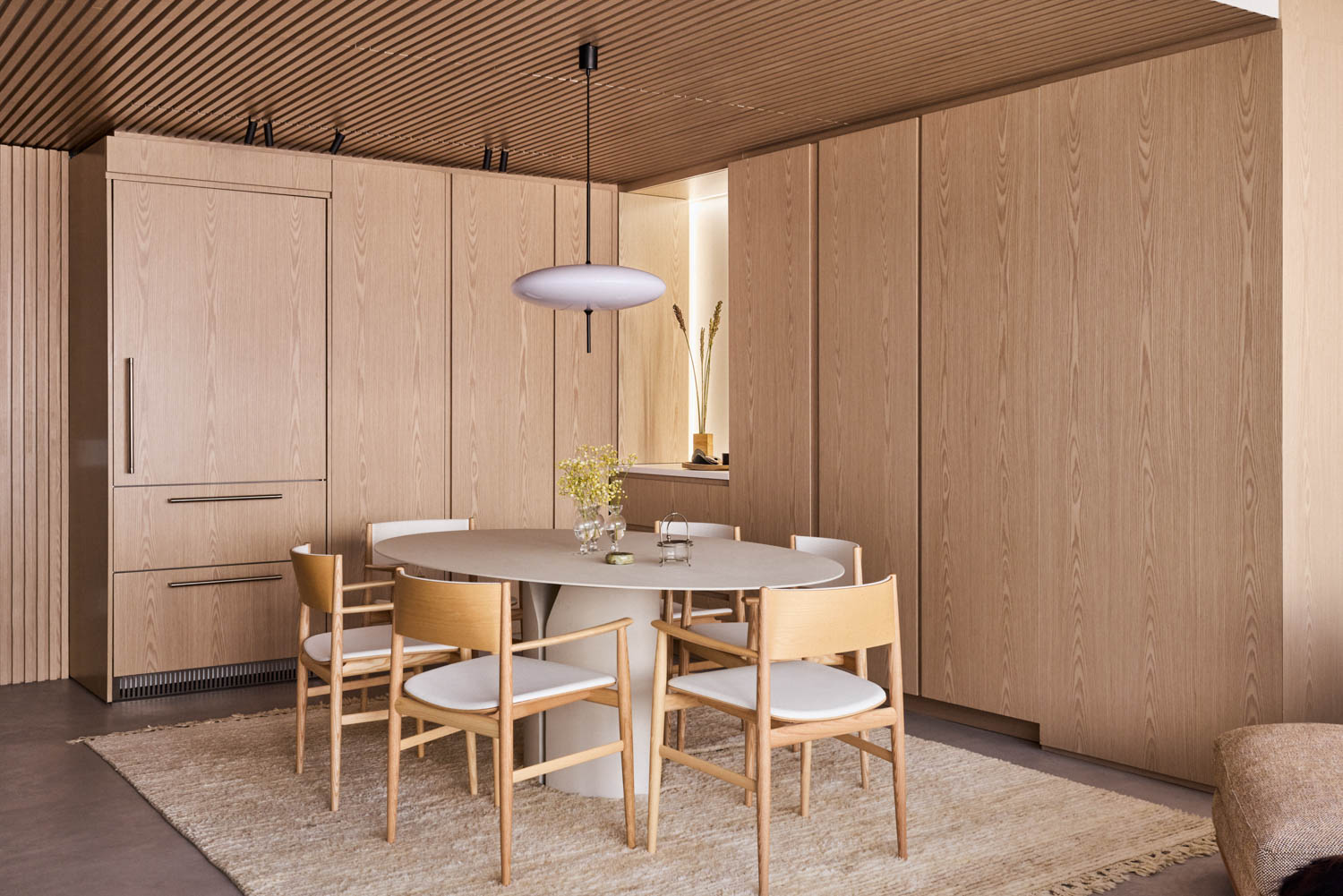
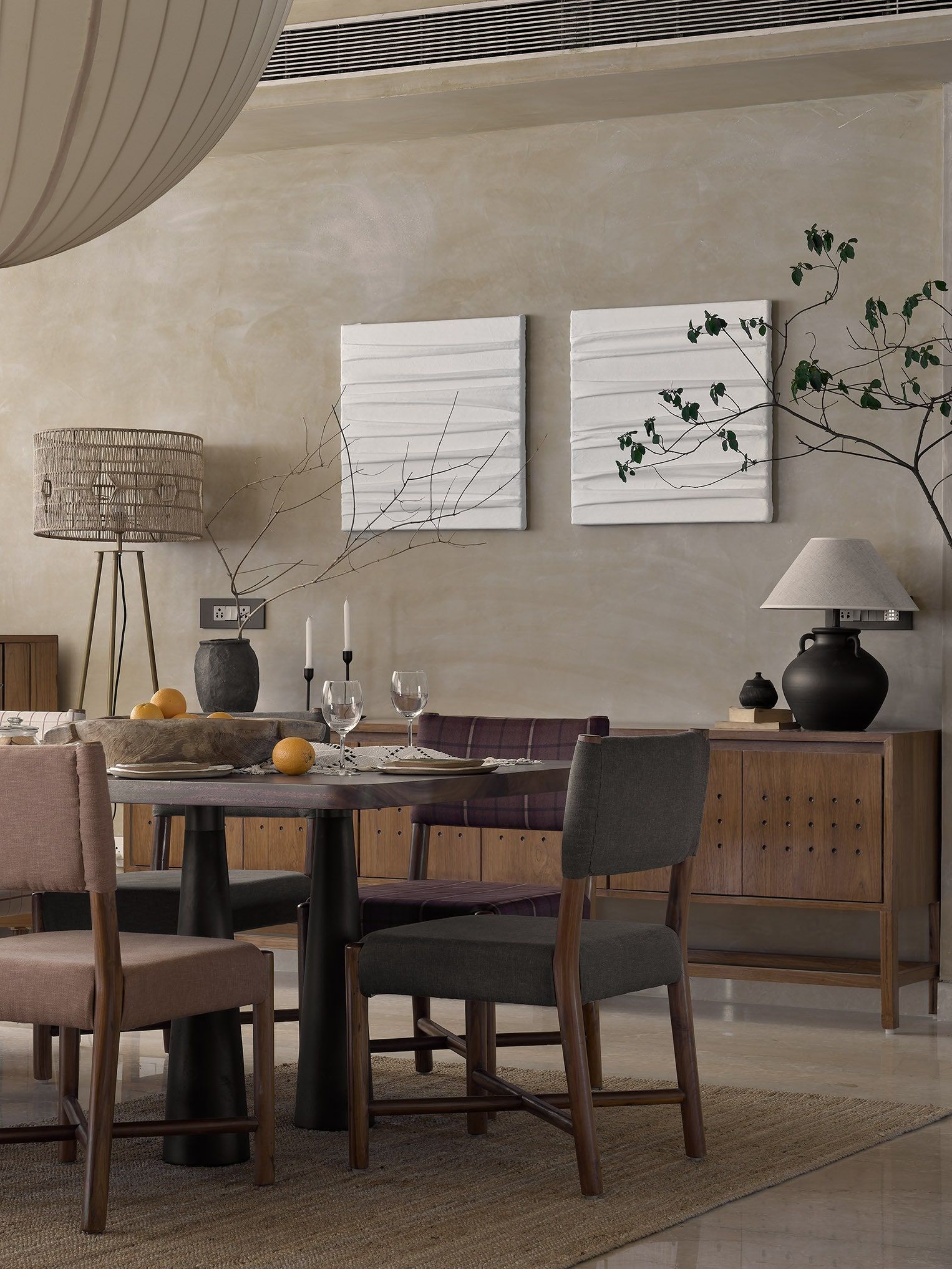
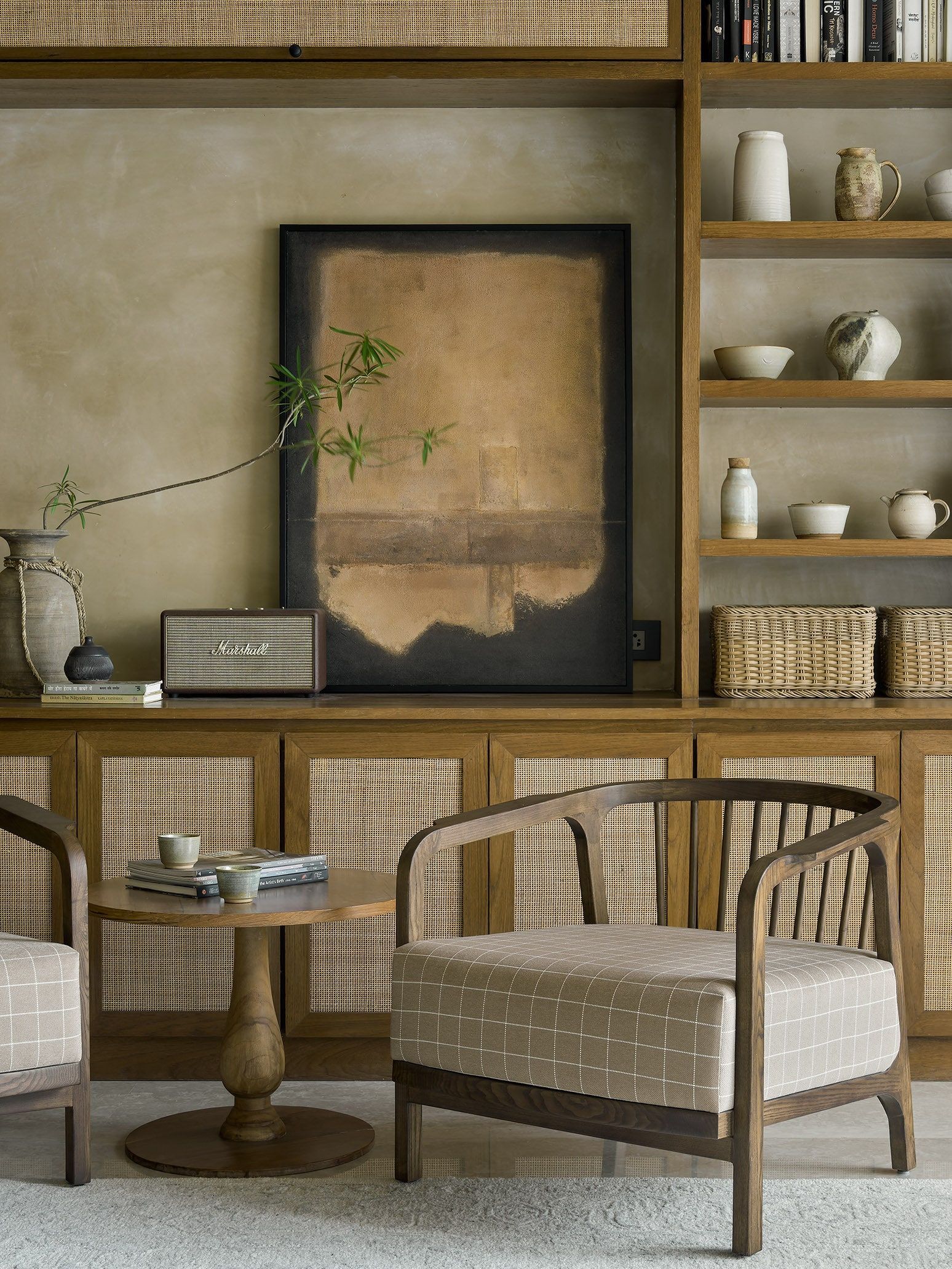
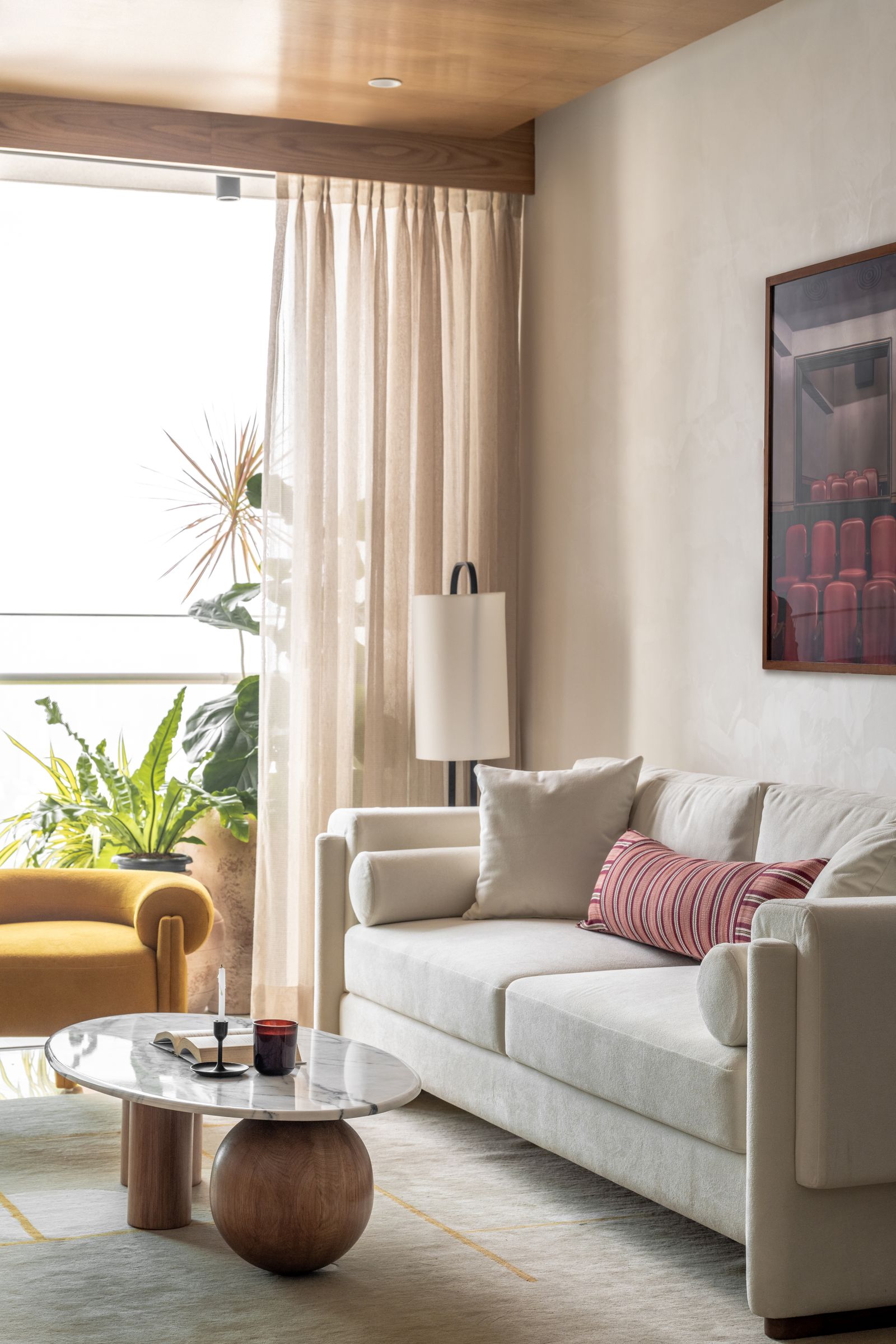
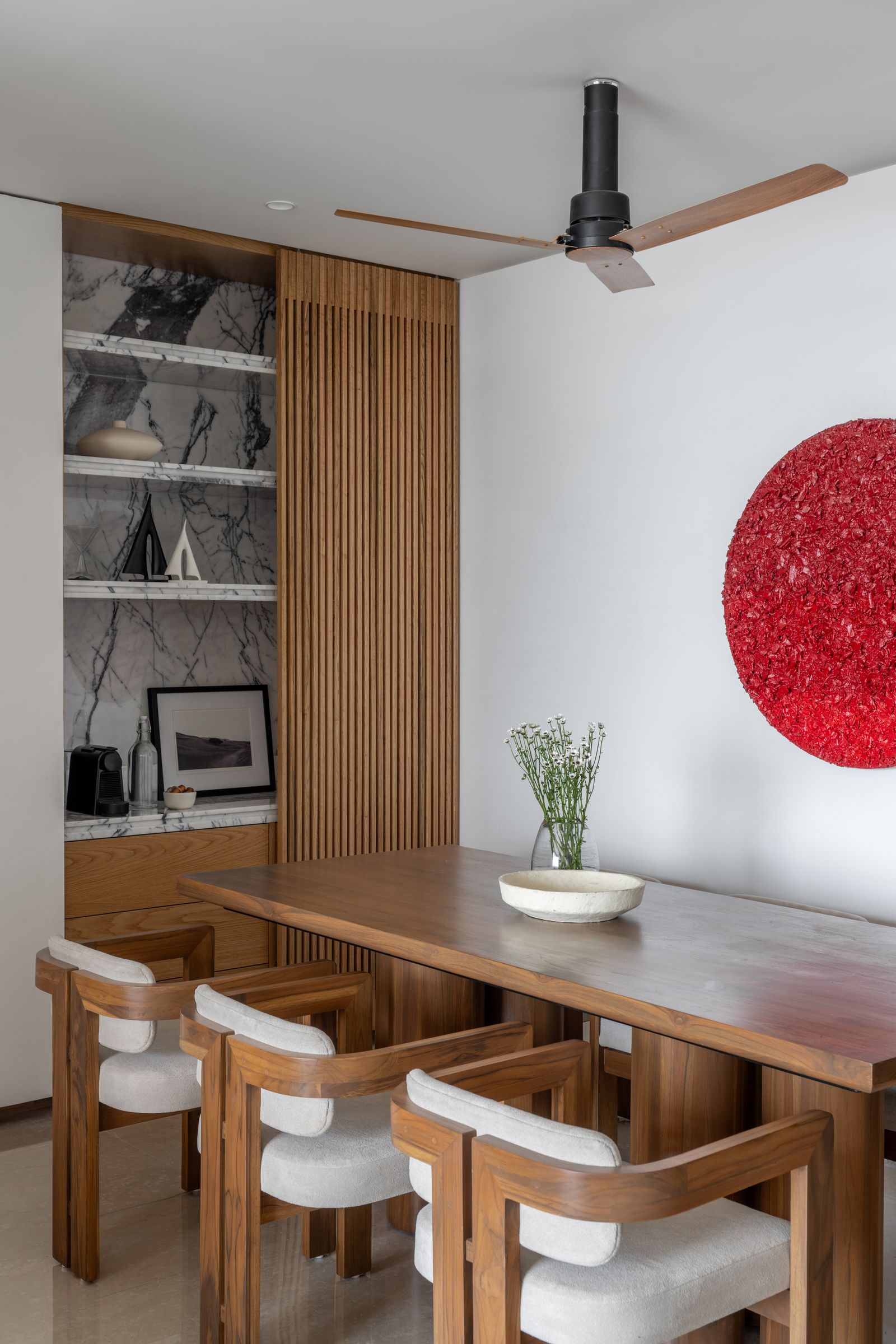
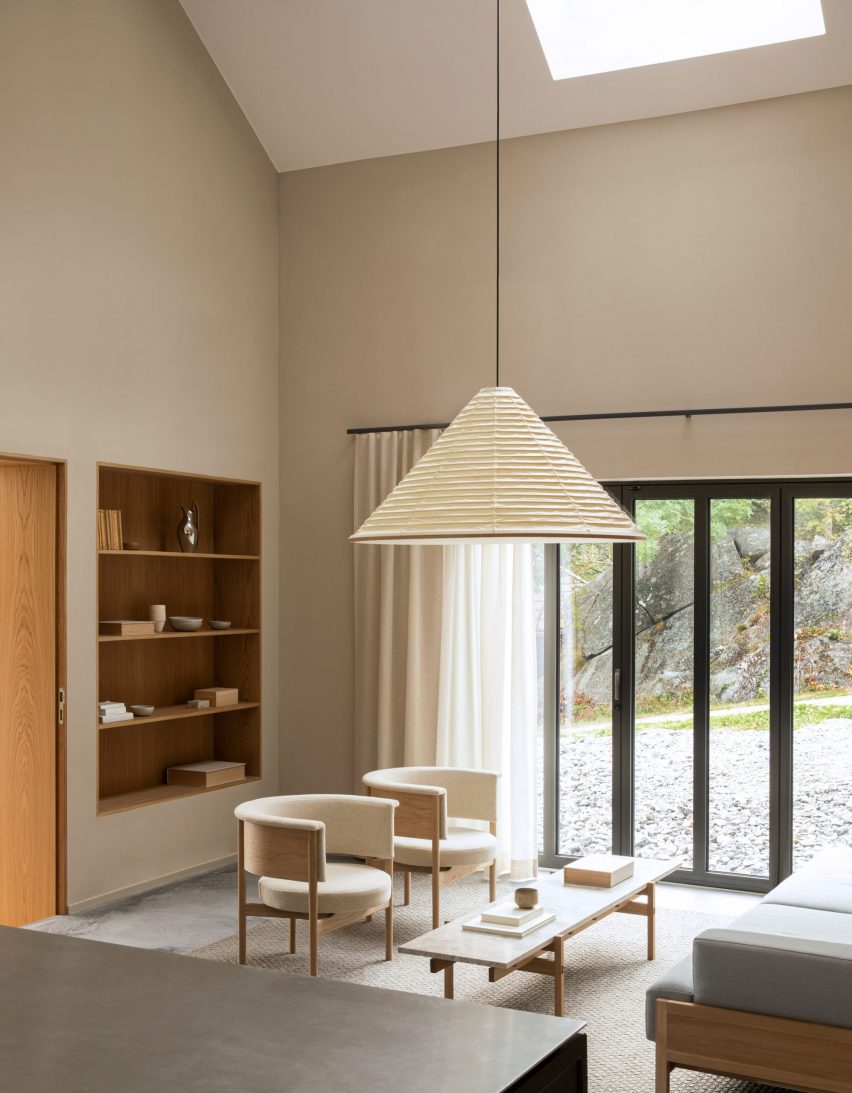
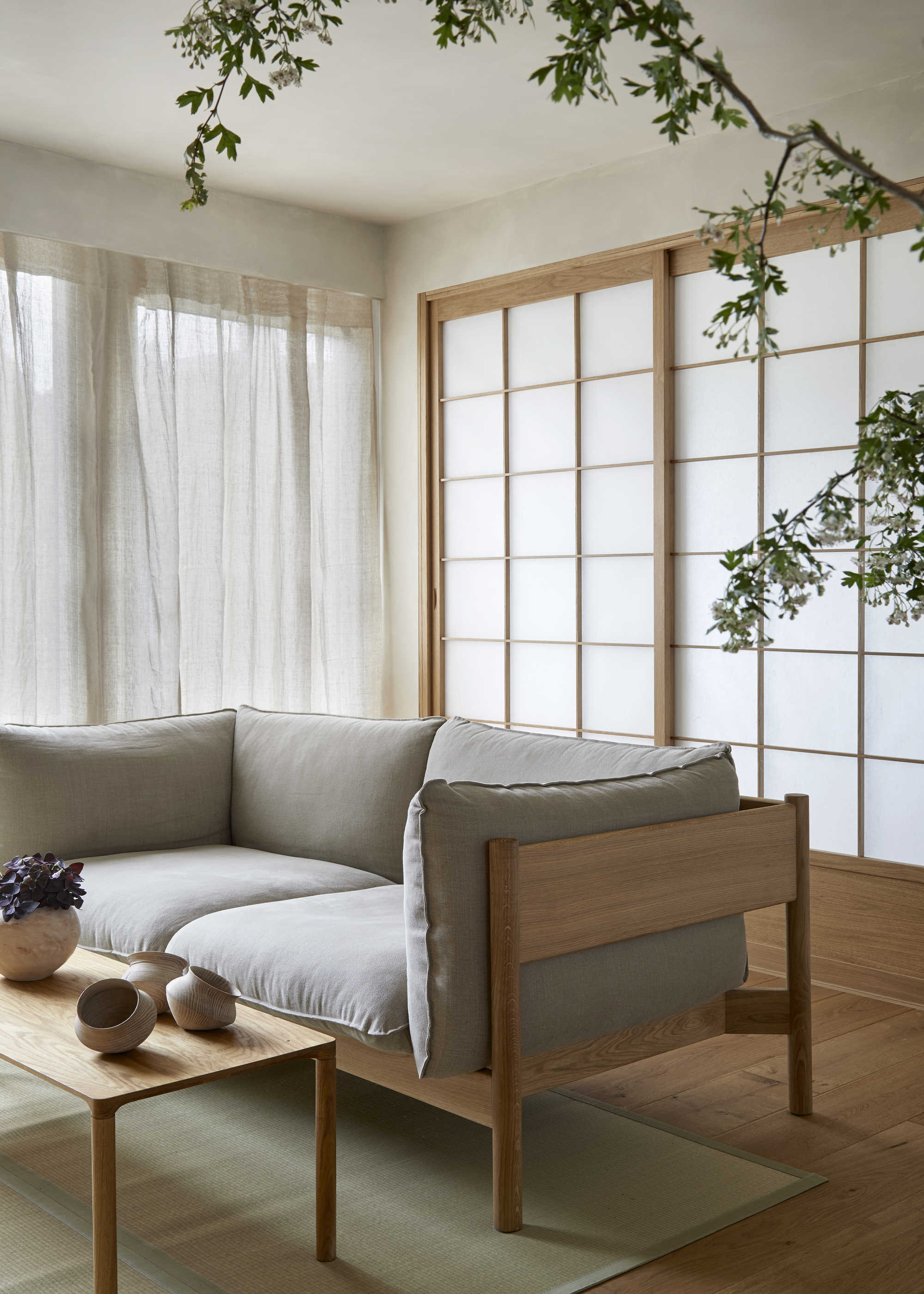
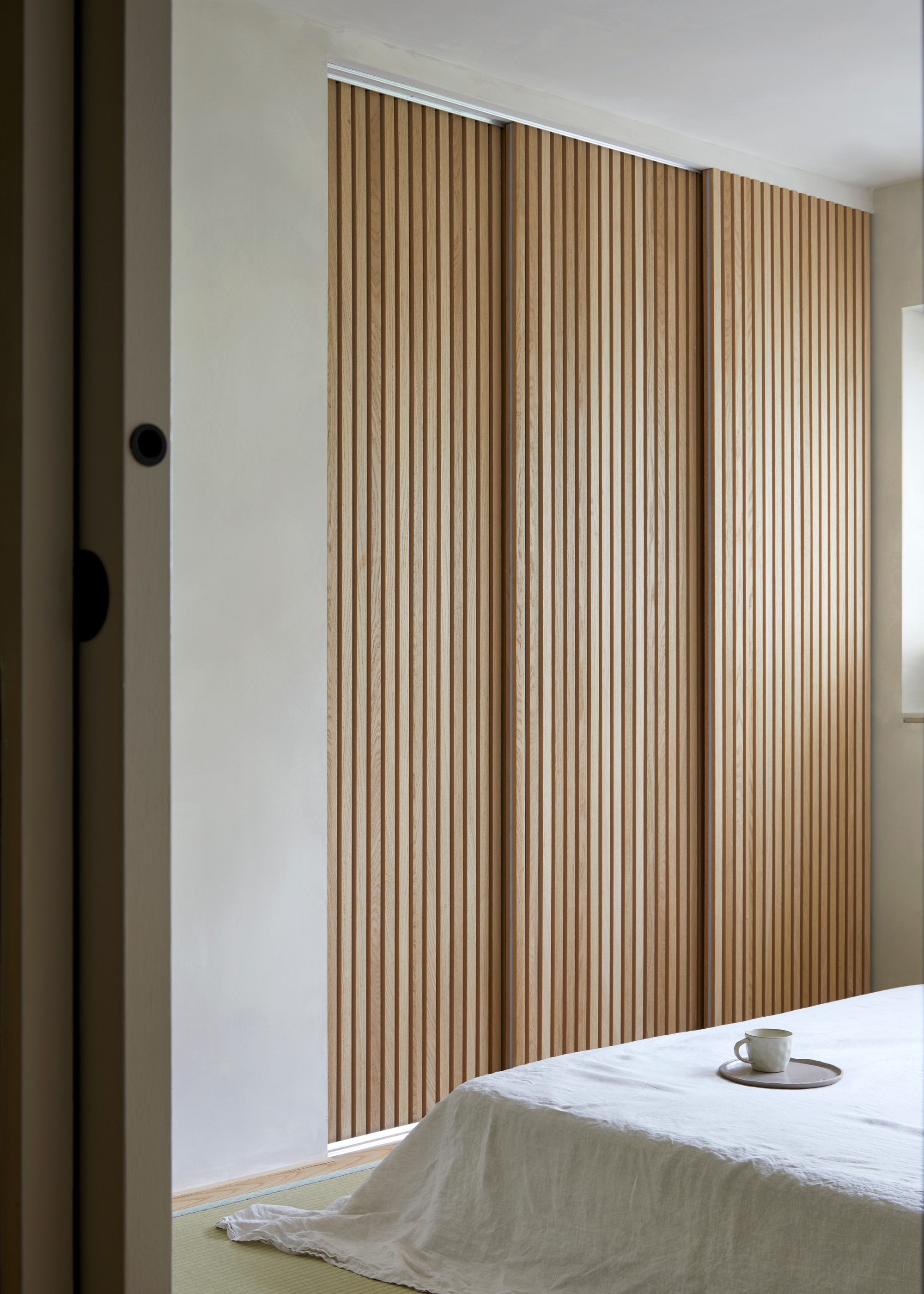
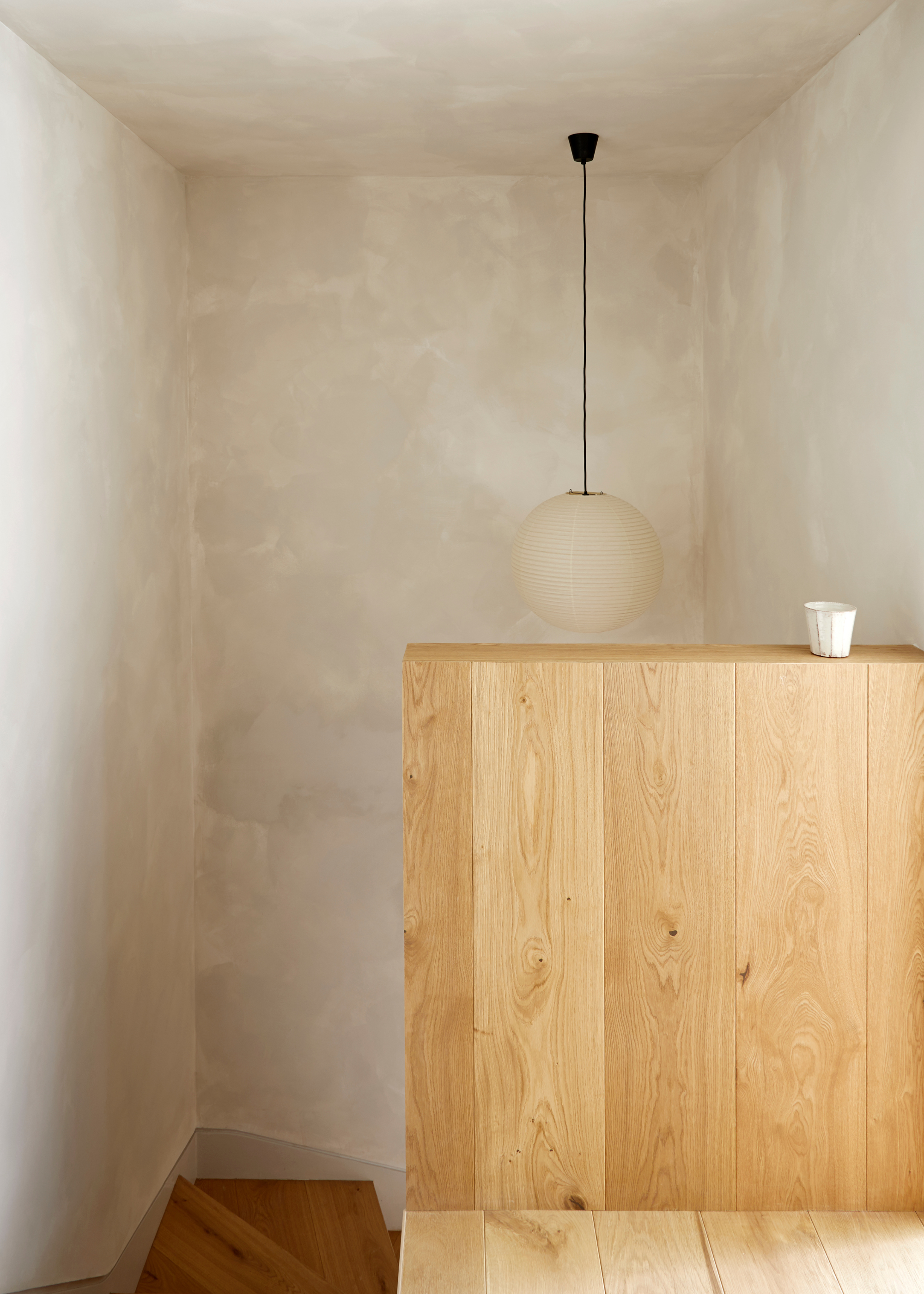
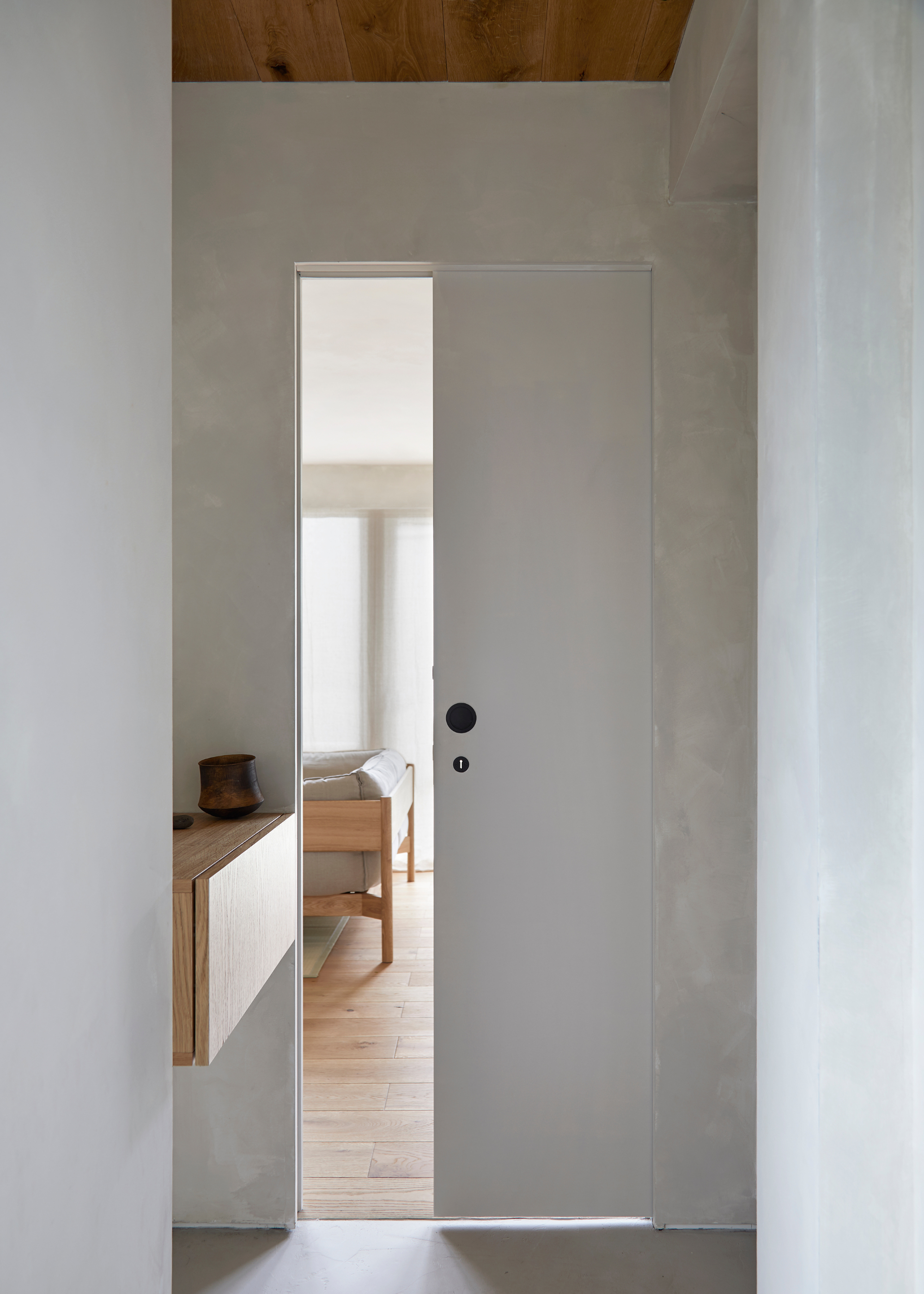
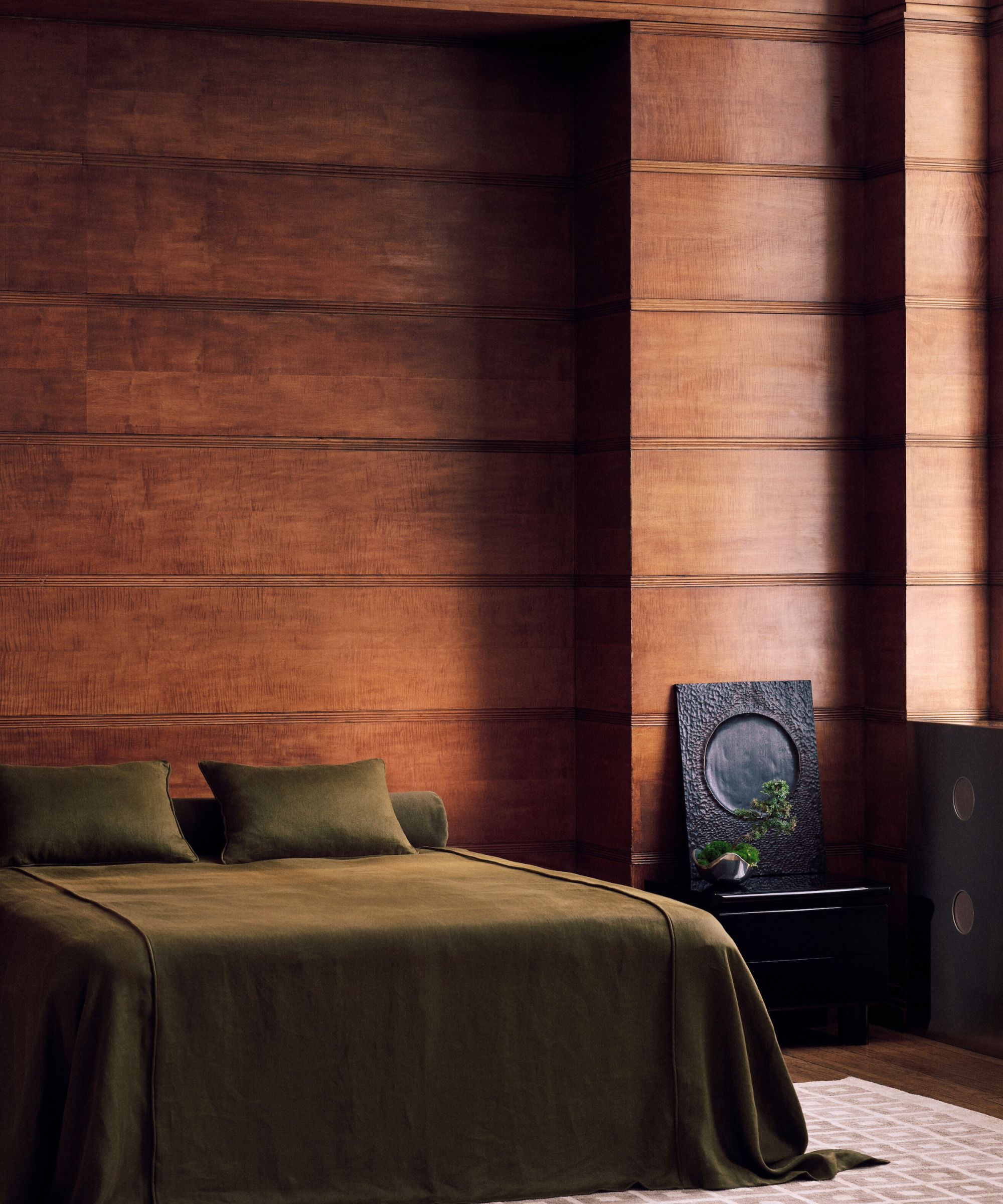
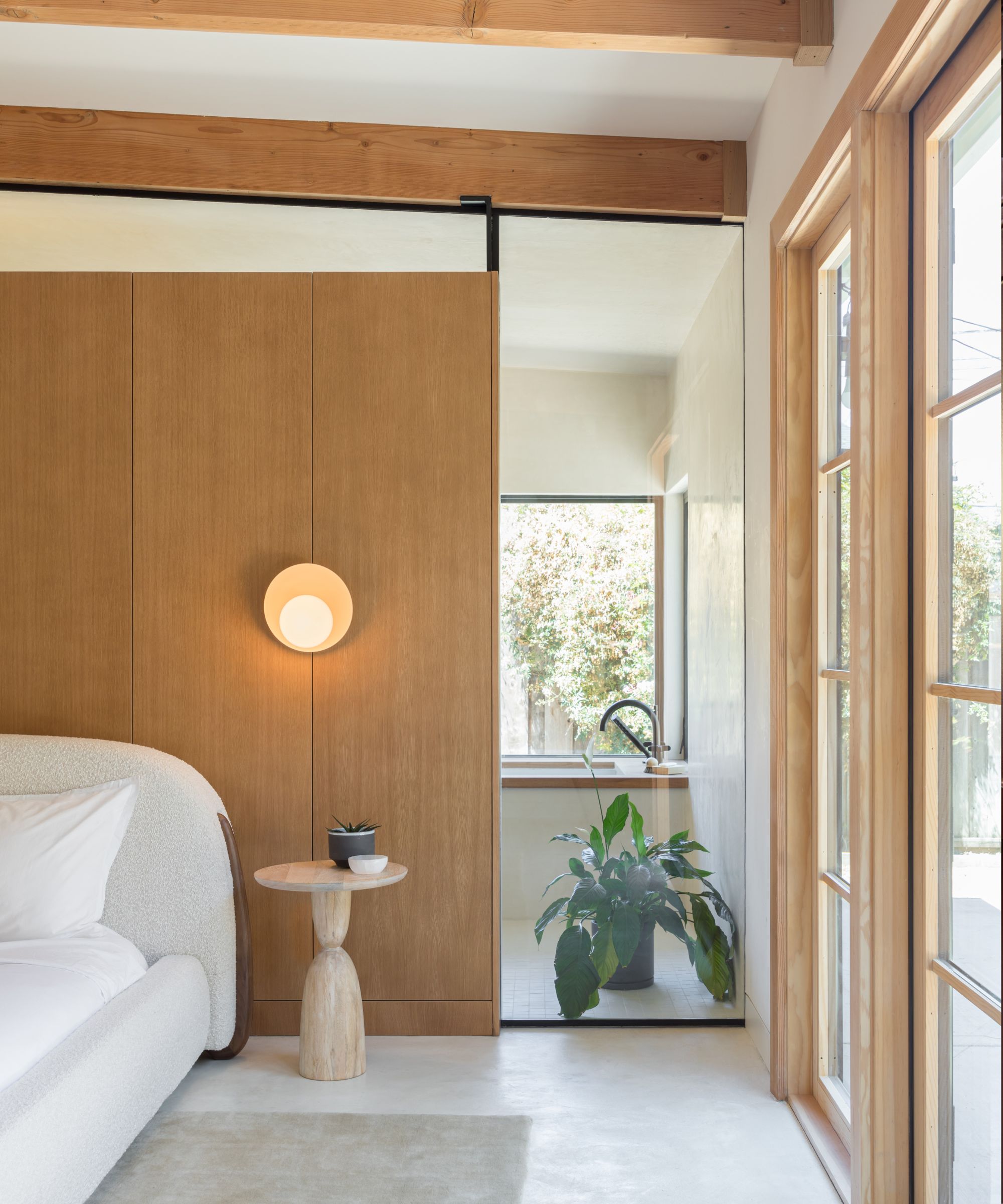
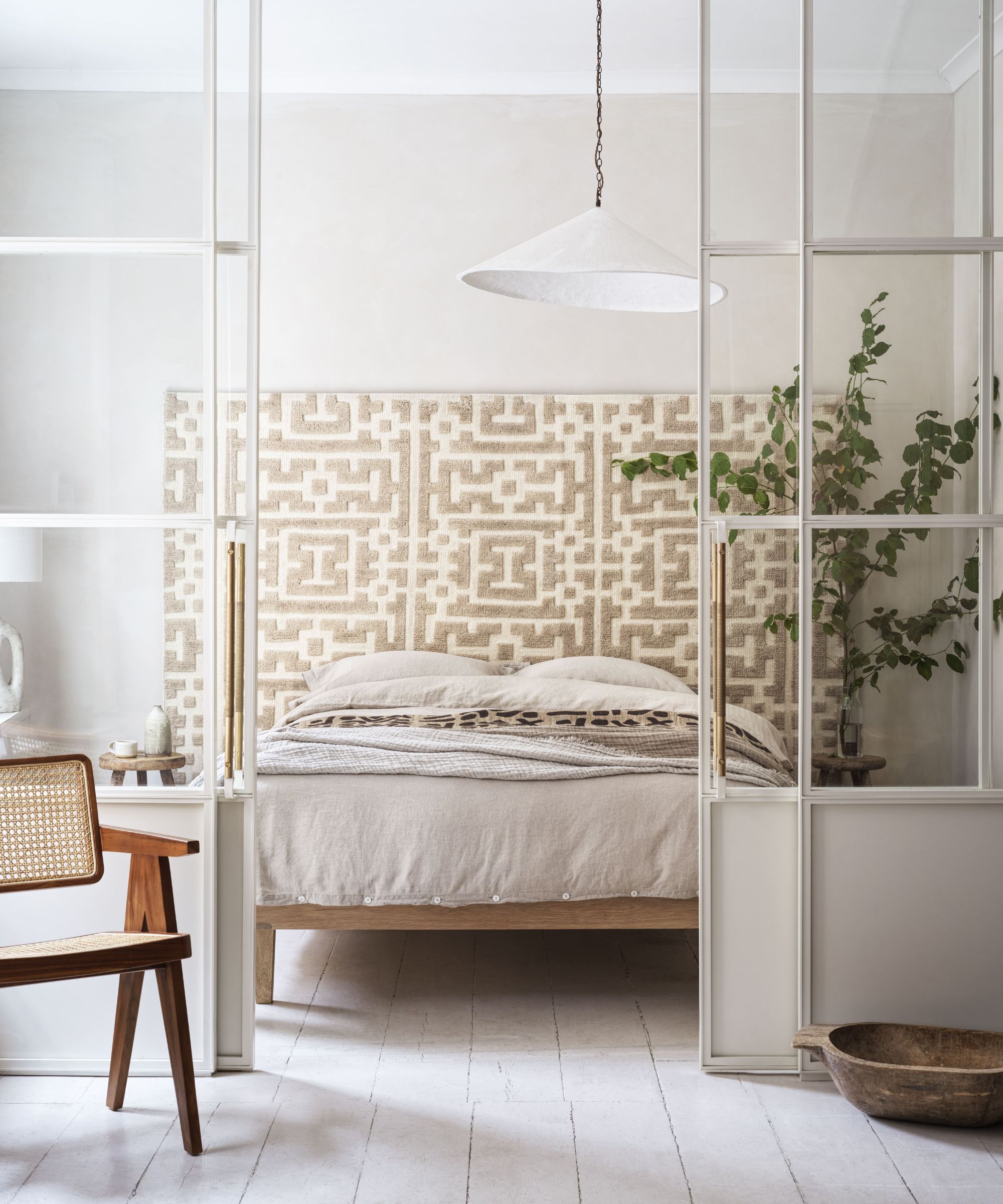
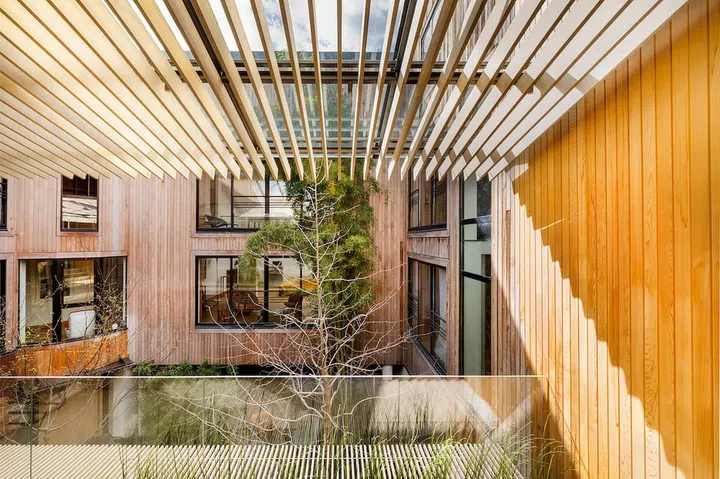
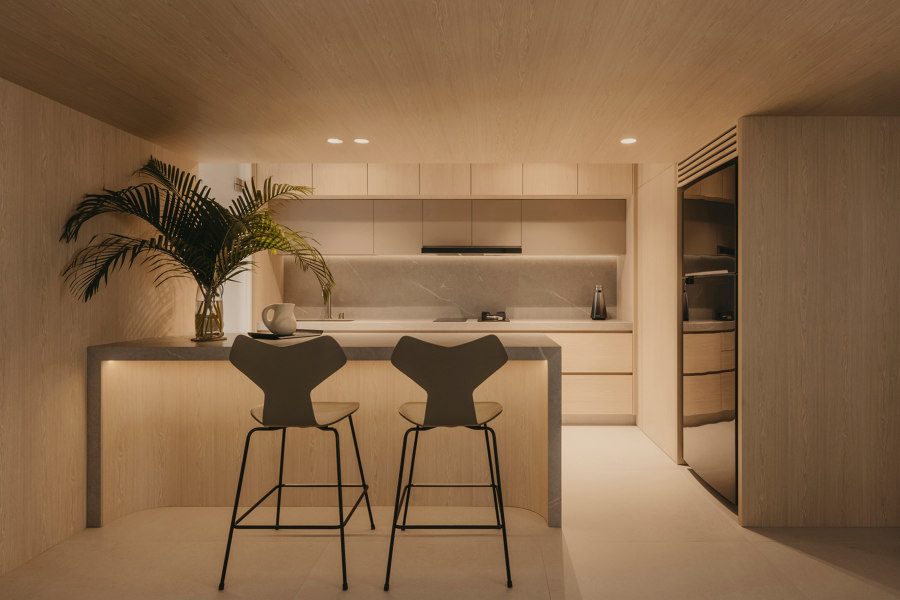
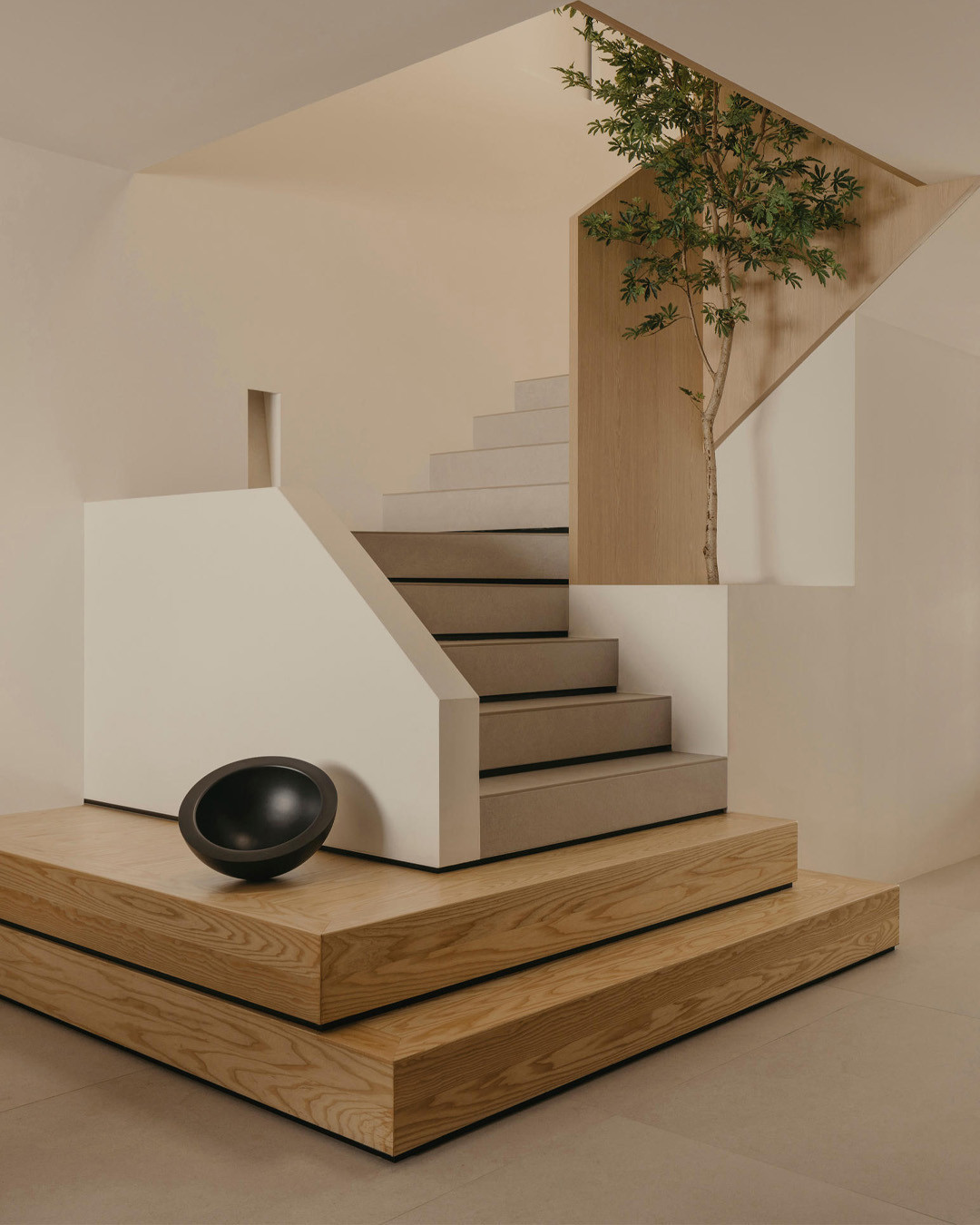
Key features of Japandi style include simple shapes and light color palettes that foster a sense of openness and airiness. Natural elements are paramount, with a strong emphasis on wood and plants to bring the outdoors in. To achieve the Japandi aesthetic, the design team at Pepper Sq recommends utilizing natural materials for structural components like walls, doors, screen grids, and frames. Specifically, light woods such as beech, ash, pine, and light oak are favored to maintain a bright and balanced color scheme. These woods contribute to a 'hygge' vibe, a Scandinavian term denoting coziness and contentment, while also providing warmth during colder periods.
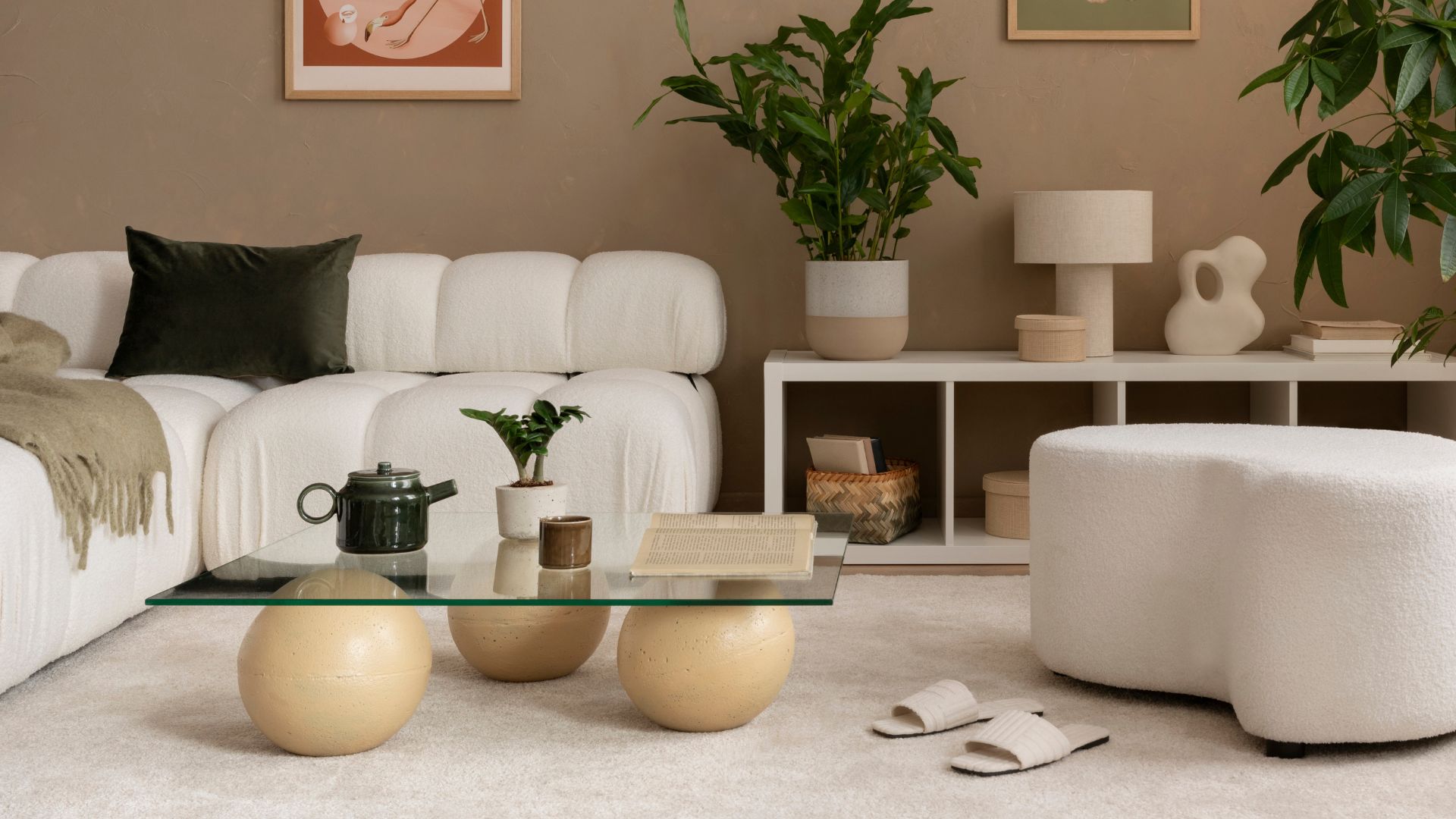
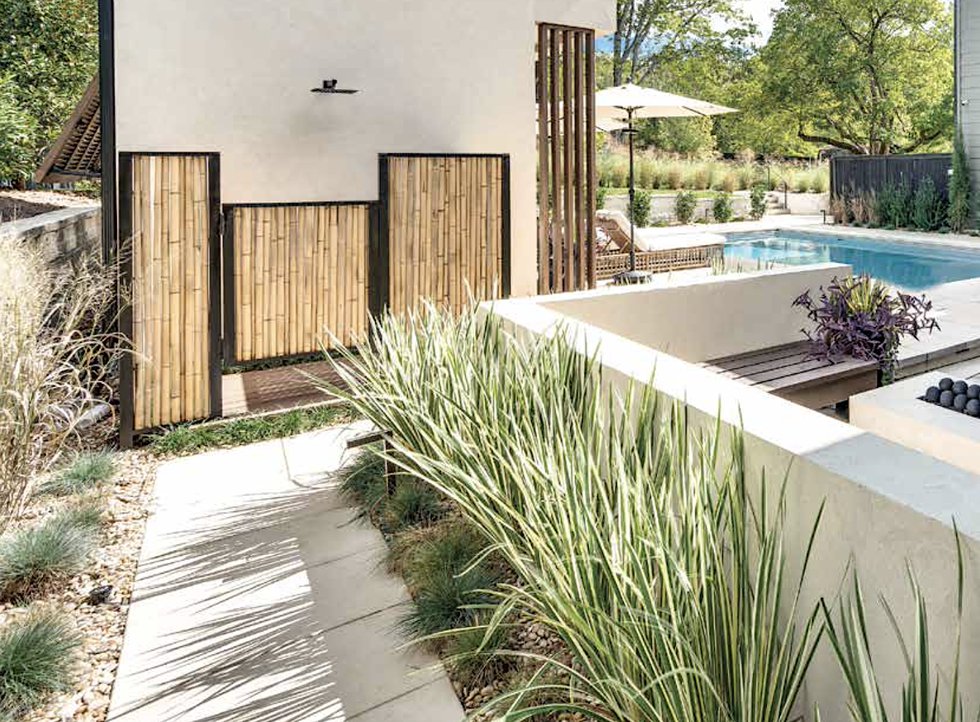
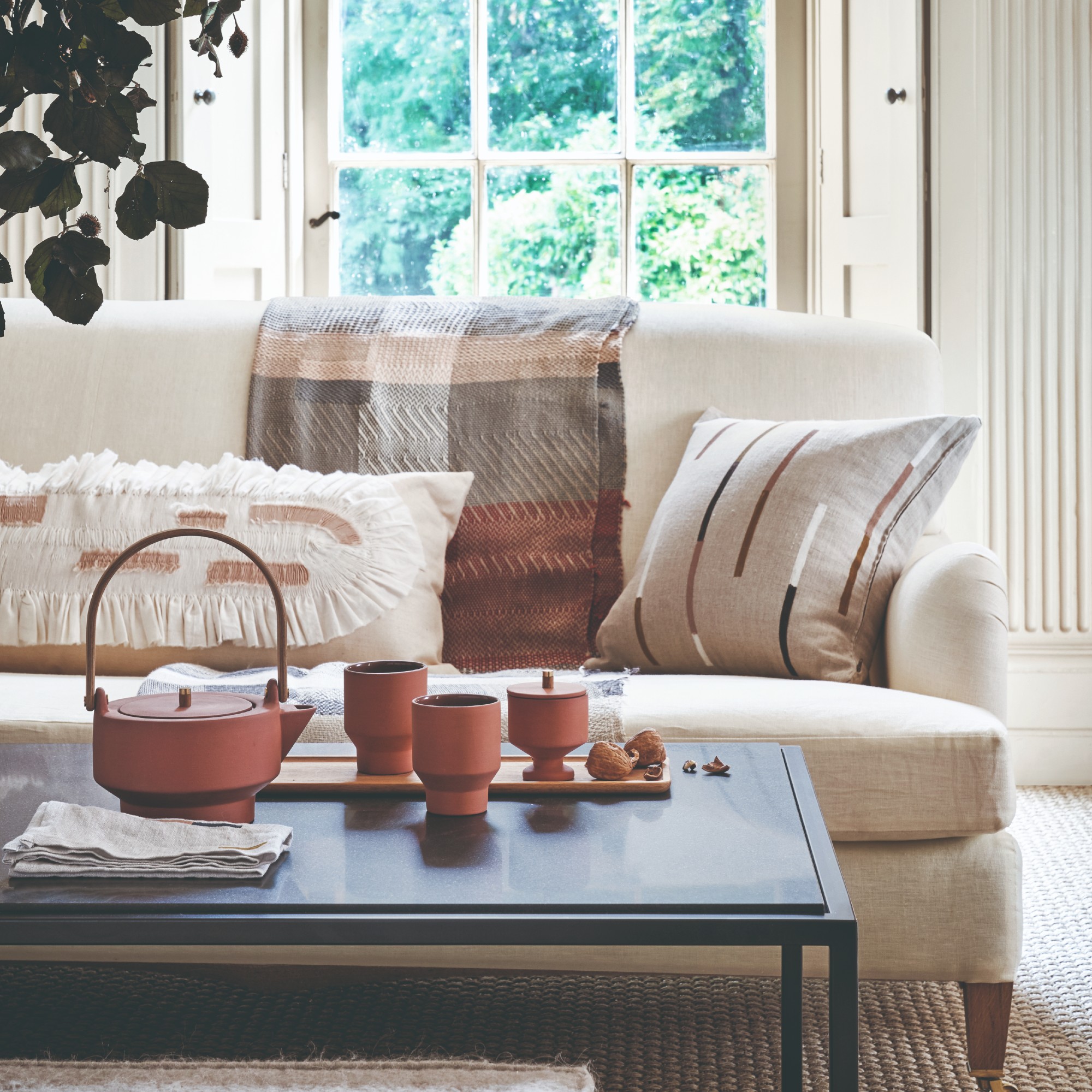
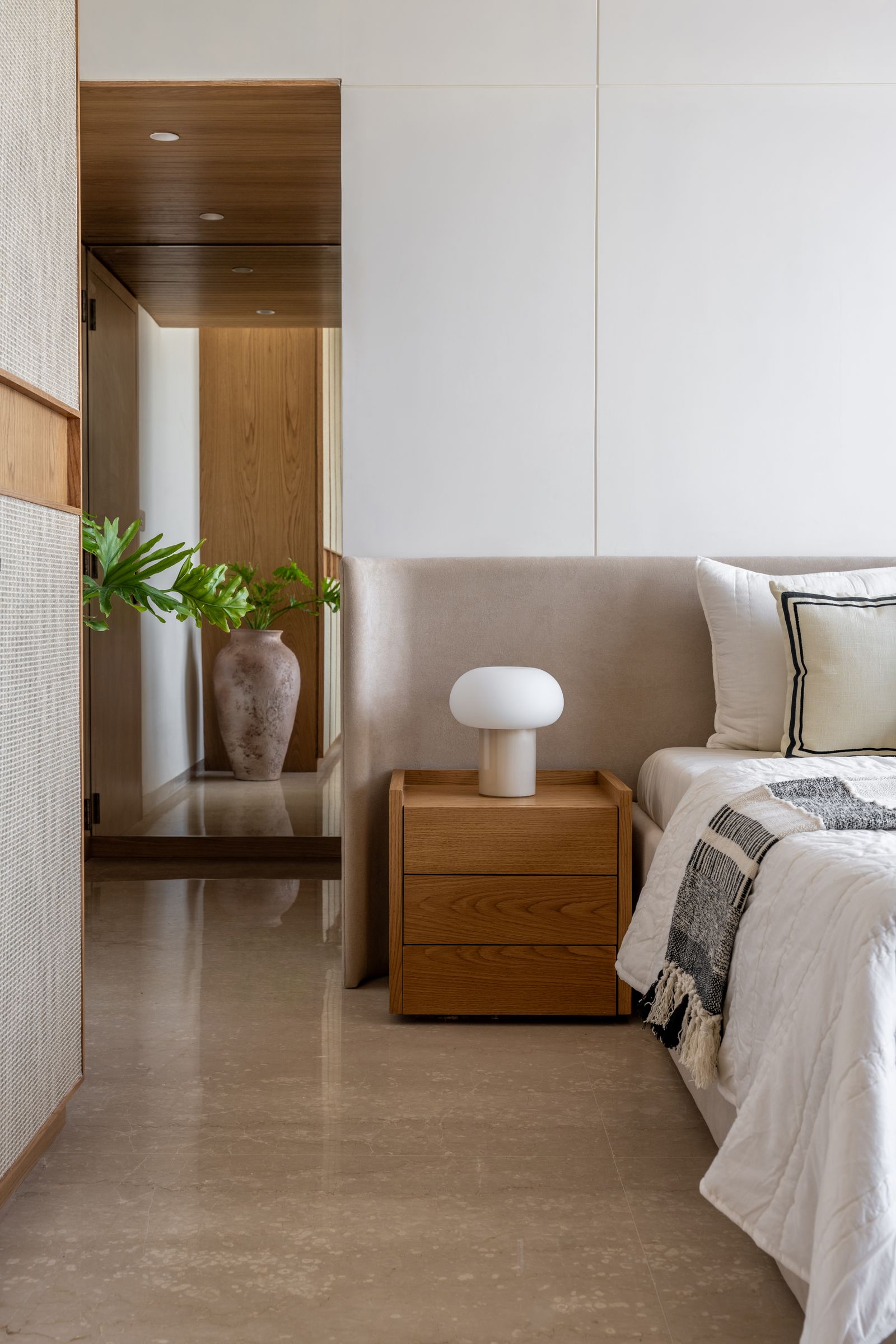
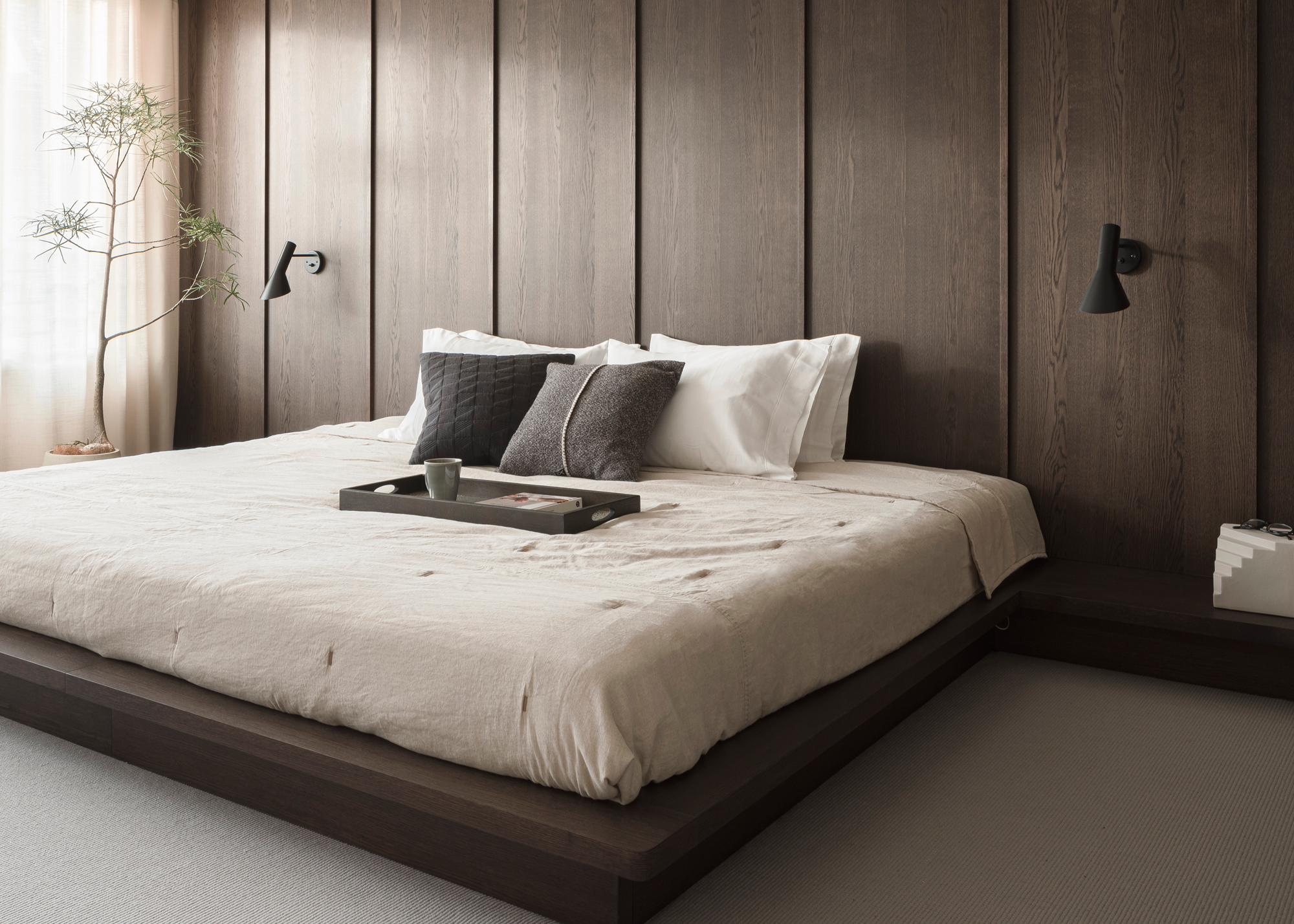
Further enhancing comfort and warmth, Japandi interiors incorporate natural fabrics like cotton and wool, which can be used for curtains, blankets, or decorative pillows. The style also champions the use of sustainable materials, with bamboo being a notable example. Bamboo furnishings are valued for their lightweight, durable, and compact qualities, allowing for the creation of elegant and unique shapes.
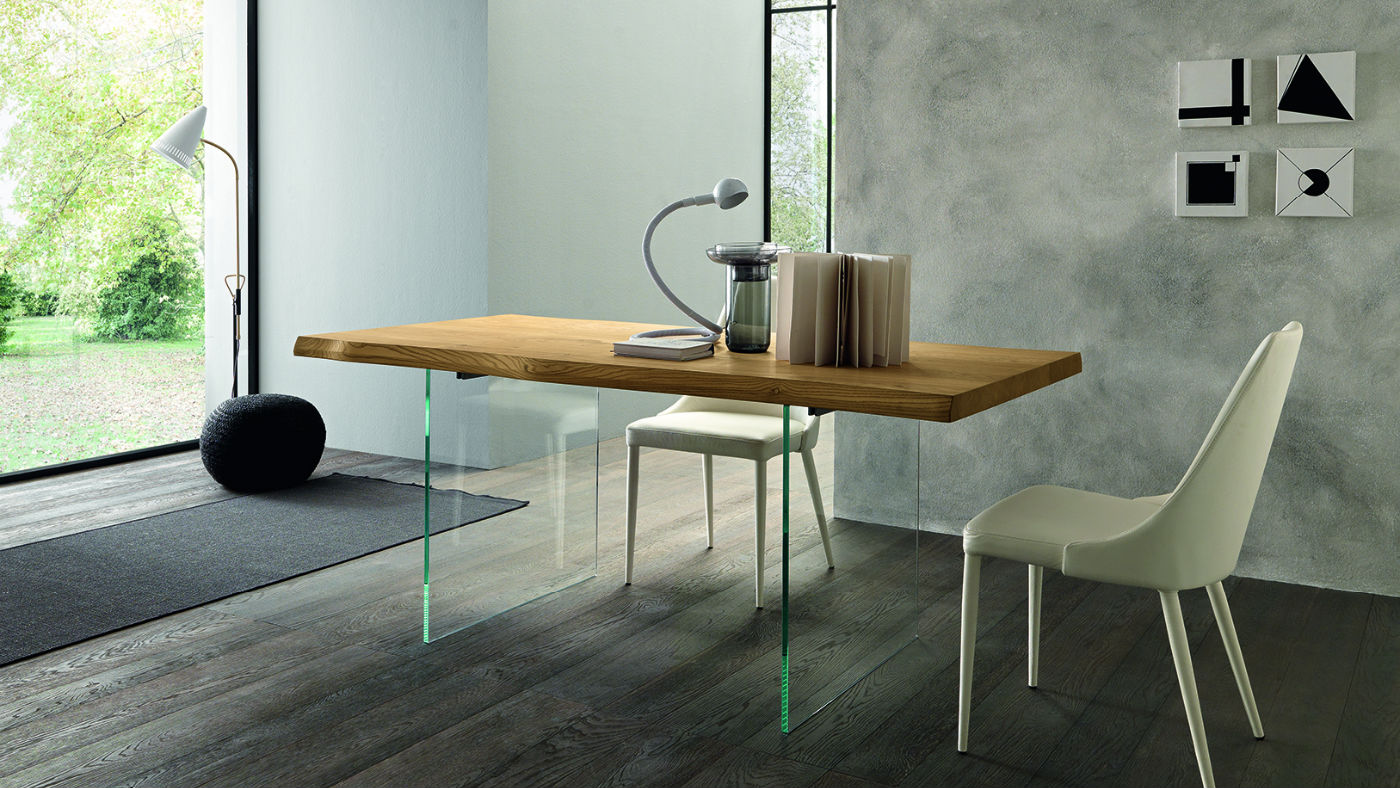
Practical applications for integrating Japandi style into a home include the use of sculptured wooden lamps, which can serve as both lighting fixtures and room dividers, particularly in bedrooms. Jute and Sisal rug collections are ideal for completing the look, adding texture and warmth without overwhelming the space. For functional areas, such as home offices, the Fraser Desk, crafted from sustainable bamboo, offers an elegant and functional solution for confined spaces. When paired with a well-designed Copen Folding chair, these pieces collectively create a comfortable and harmonious working environment, demonstrating how Japandi principles can be applied to enhance various aspects of home living.
#JapandiStyle #ZenLivingSpace #InteriorDesign #HomeDecor #ScandinavianDesign #JapaneseAesthetics #NaturalMaterials #SustainableDesign #HomeSanctuary #JapandiStyle #ZenLivingSpace #InteriorDesign #HomeDecor #ScandinavianDesign #JapaneseAesthetics #NaturalMaterials #SustainableDesign #HomeSanctuary
0 comment in total
 No comments yet
You may also like
A Japandi-Style Home Transforms Into a Zen Paradise

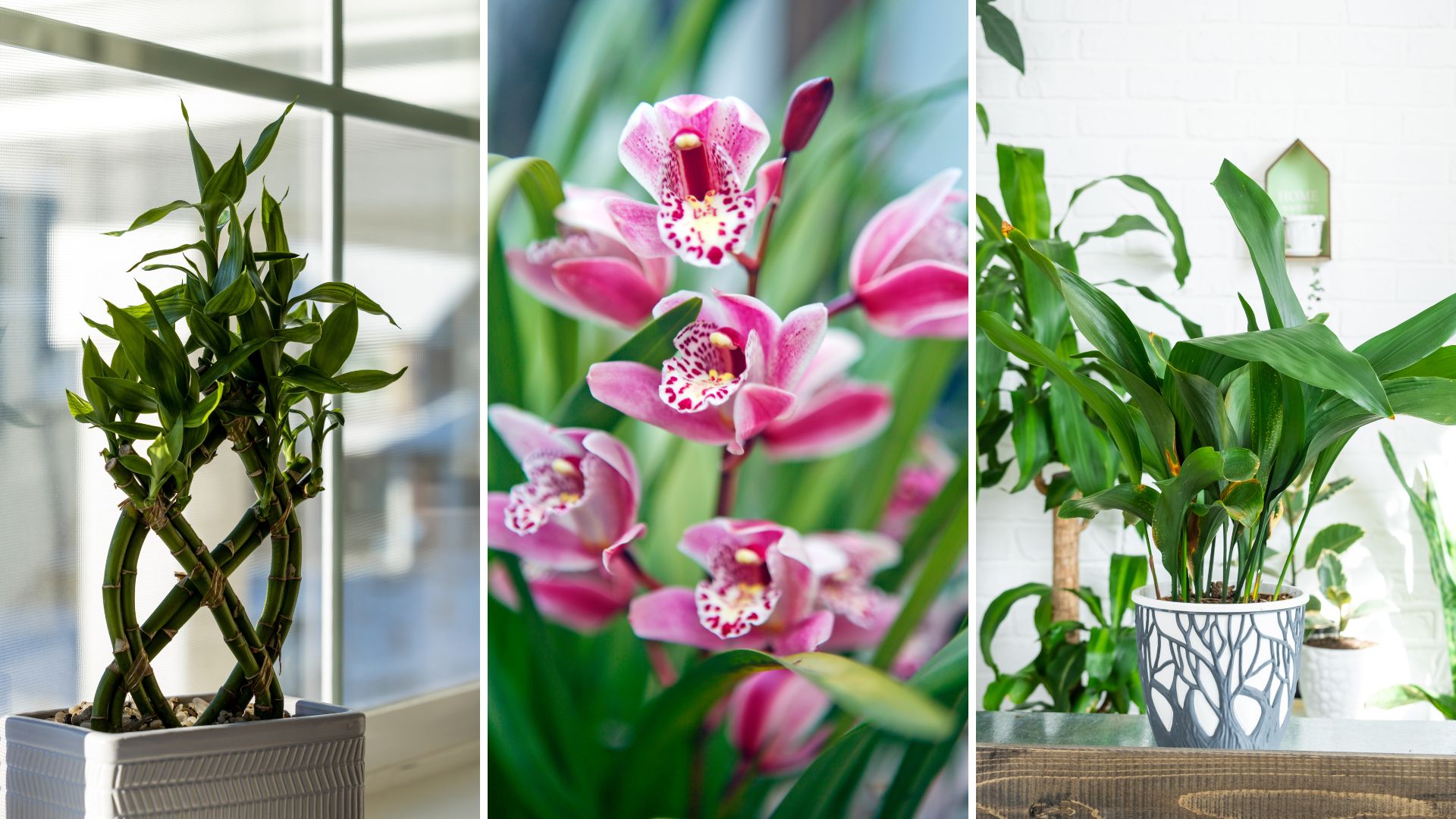
The best Japanese houseplants to create a zen, serene space in any room

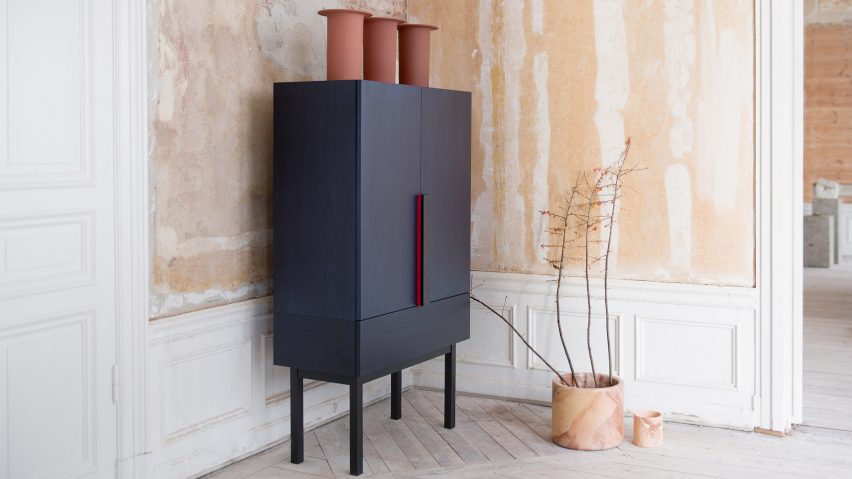
Seven "Japandi" interiors that blend Japanese and Scandinavian design

Japandi merges the comfort of hygge with zen minimalism

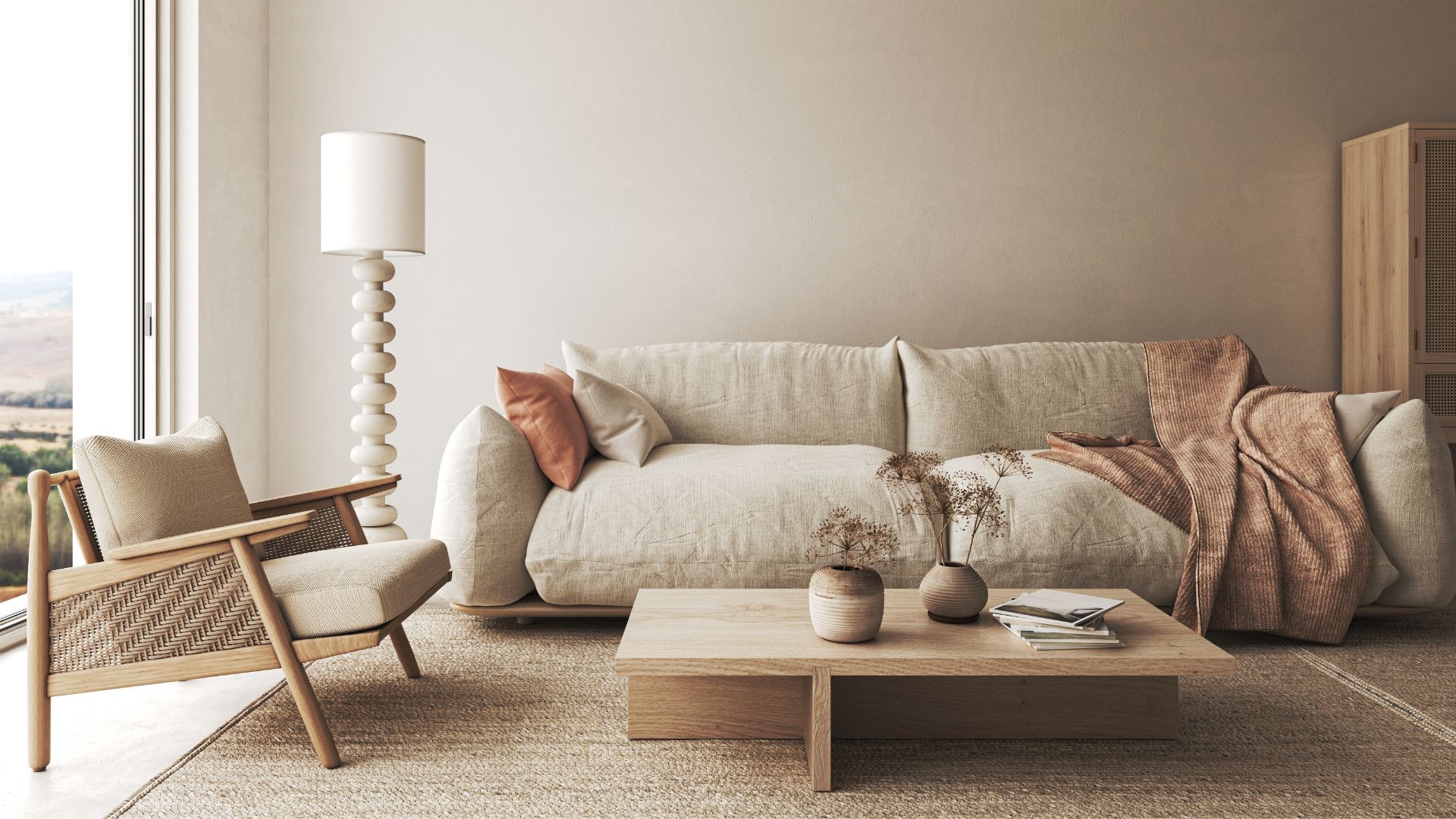
10 essential Japandi living room design tips to create a sense of calm and restfulness

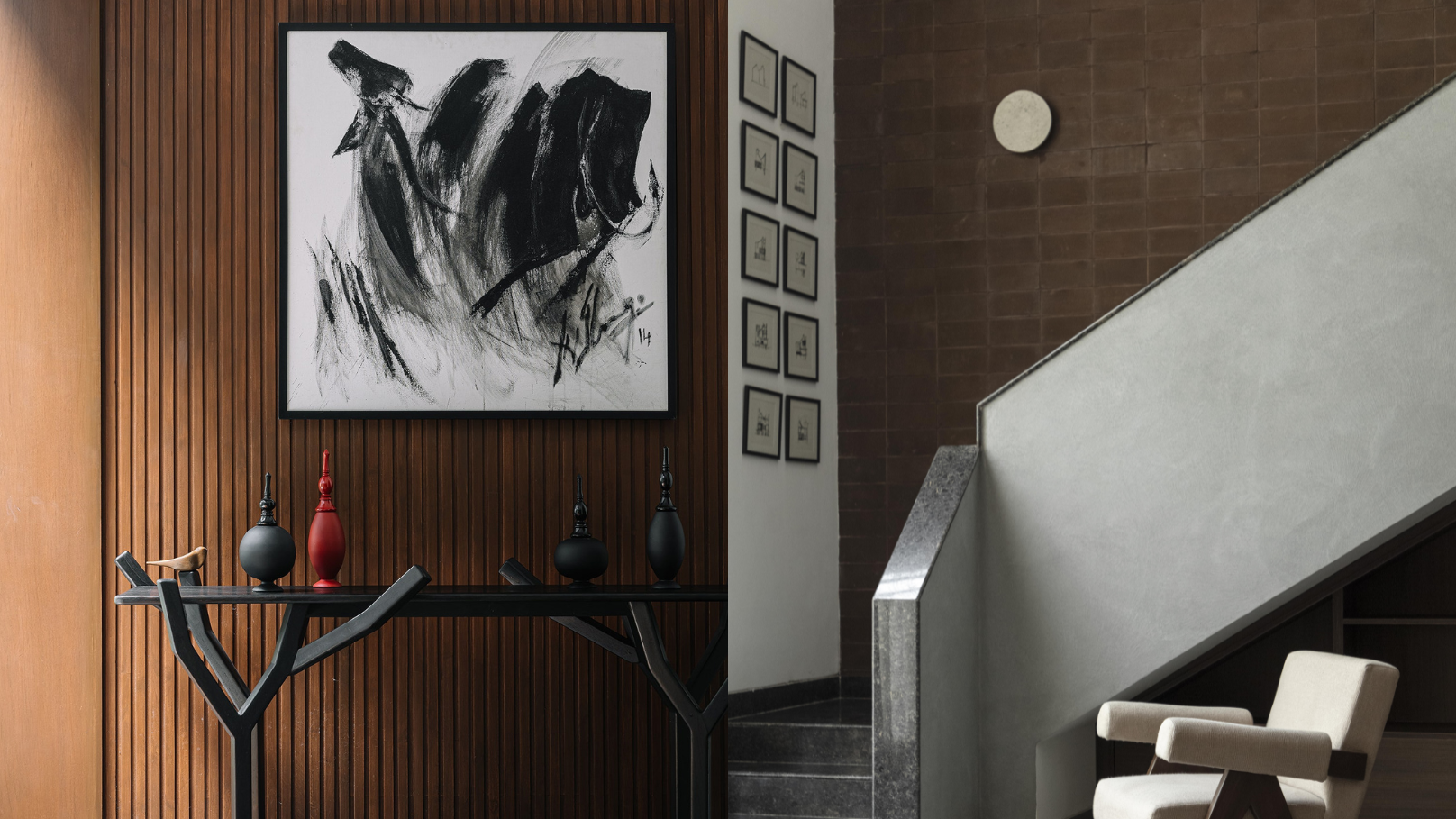
5 homes that bring serene Japanese-inspired design to life

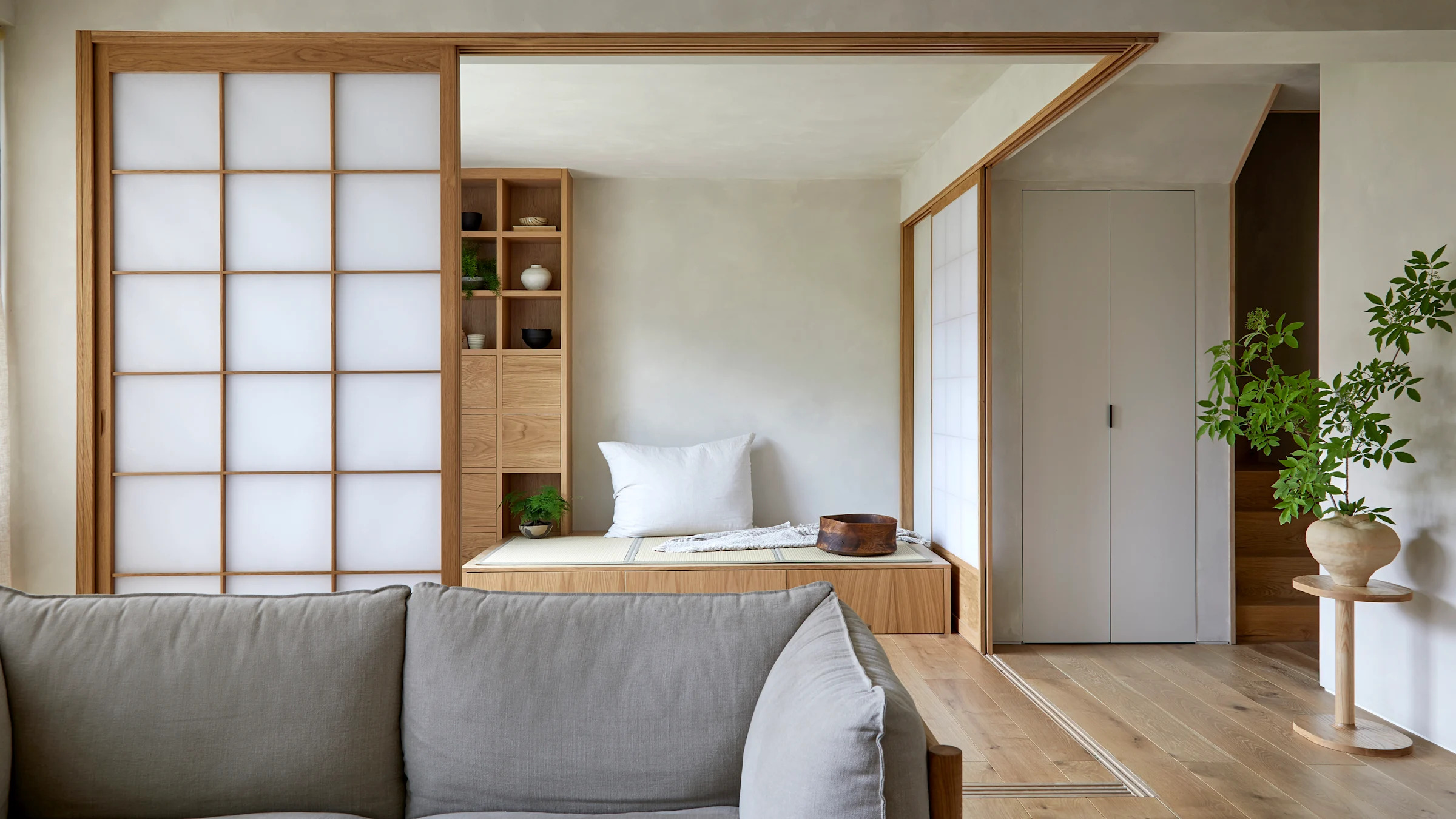
Muji Living Room Ideas — 5 Ways to Harness the Calming Qualities of This Japanese Design Style

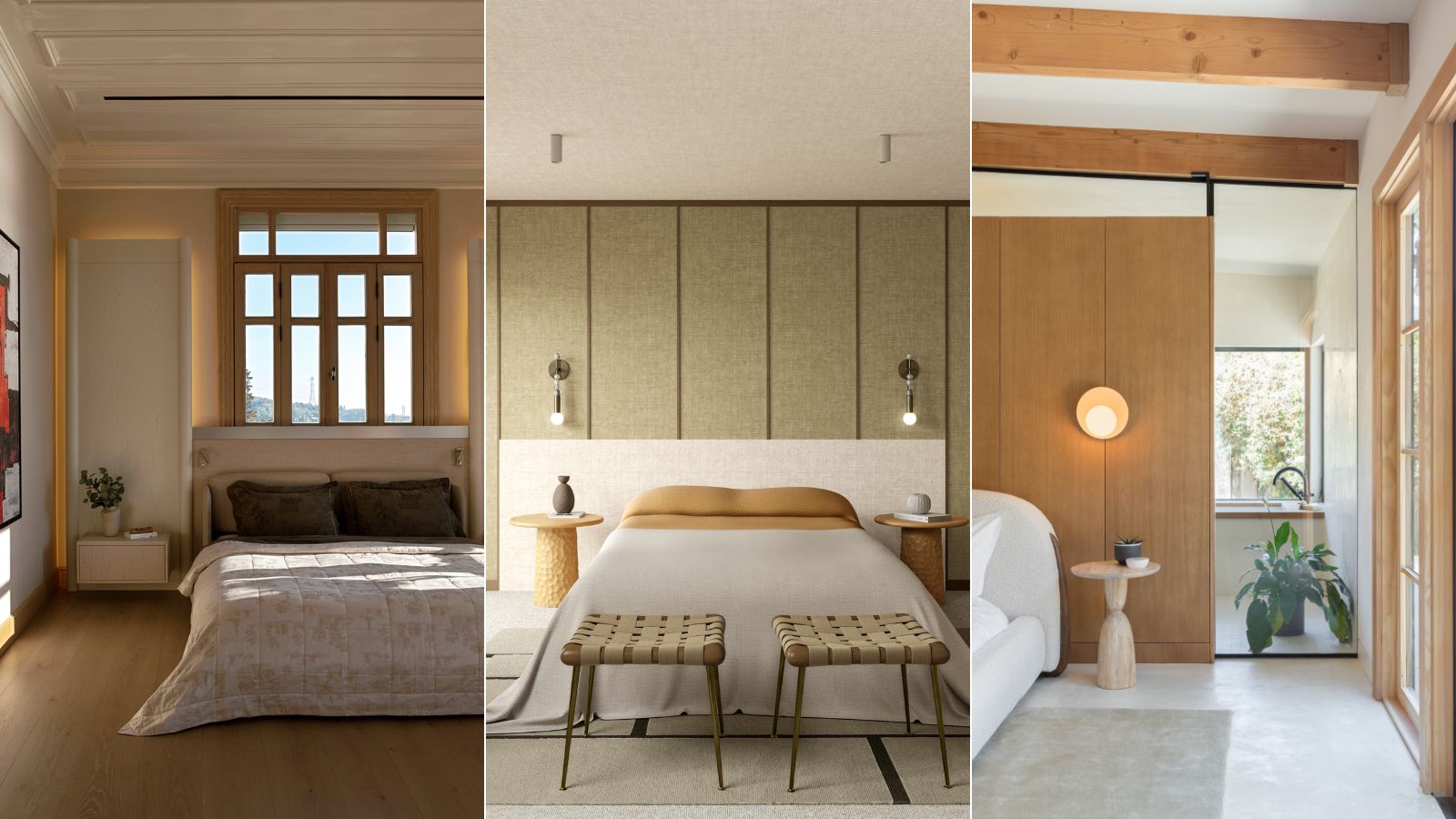
9 Japandi bedroom ideas to create a serene and stylish scheme
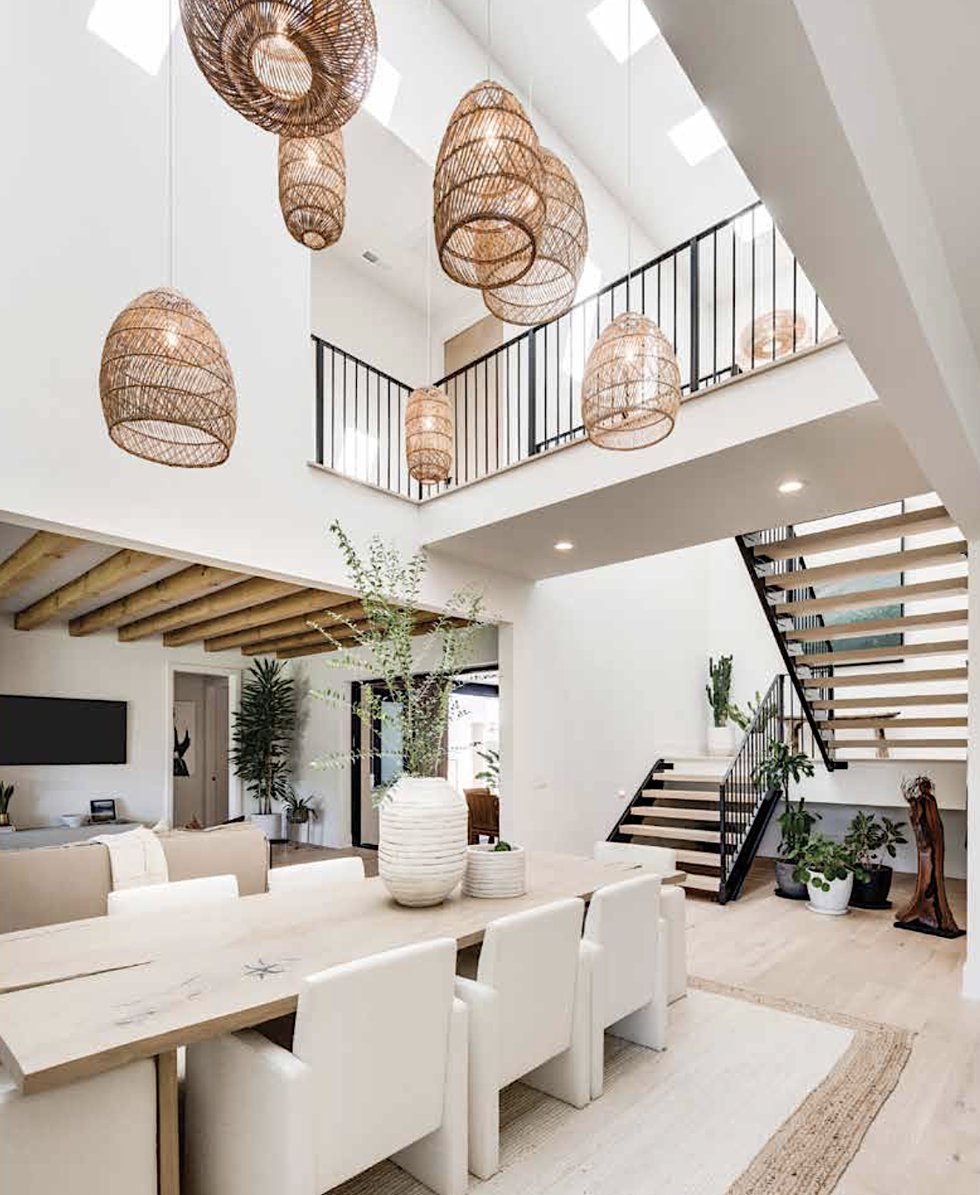
At Home: a Zen Abode

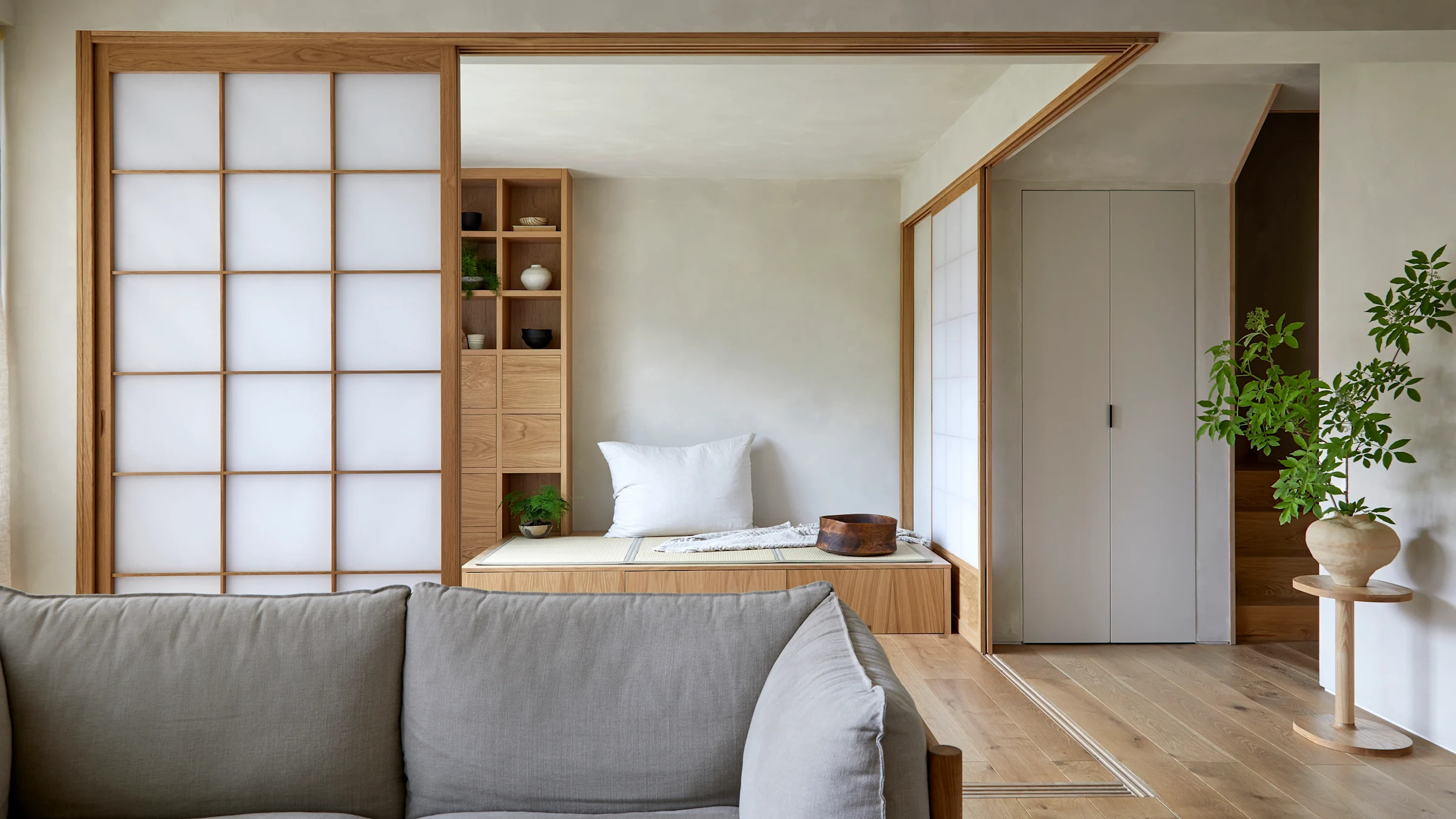
Muji Living Room Ideas — 5 Ways to Harness the Calming Qualities of This Japanese Design Style
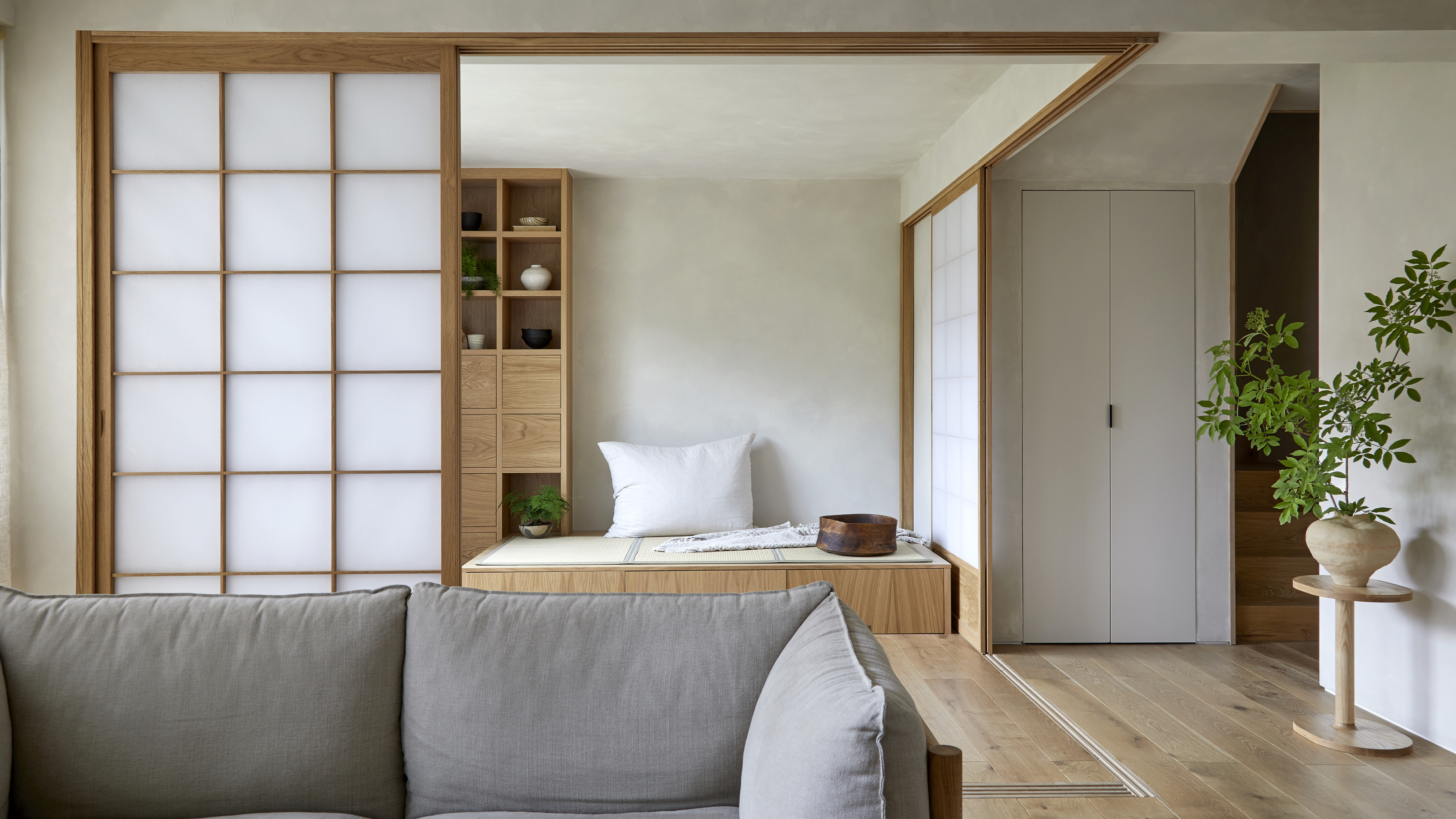
Muji Living Room Ideas — 5 Ways to Harness the Calming Qualities of This Japanese Design Style

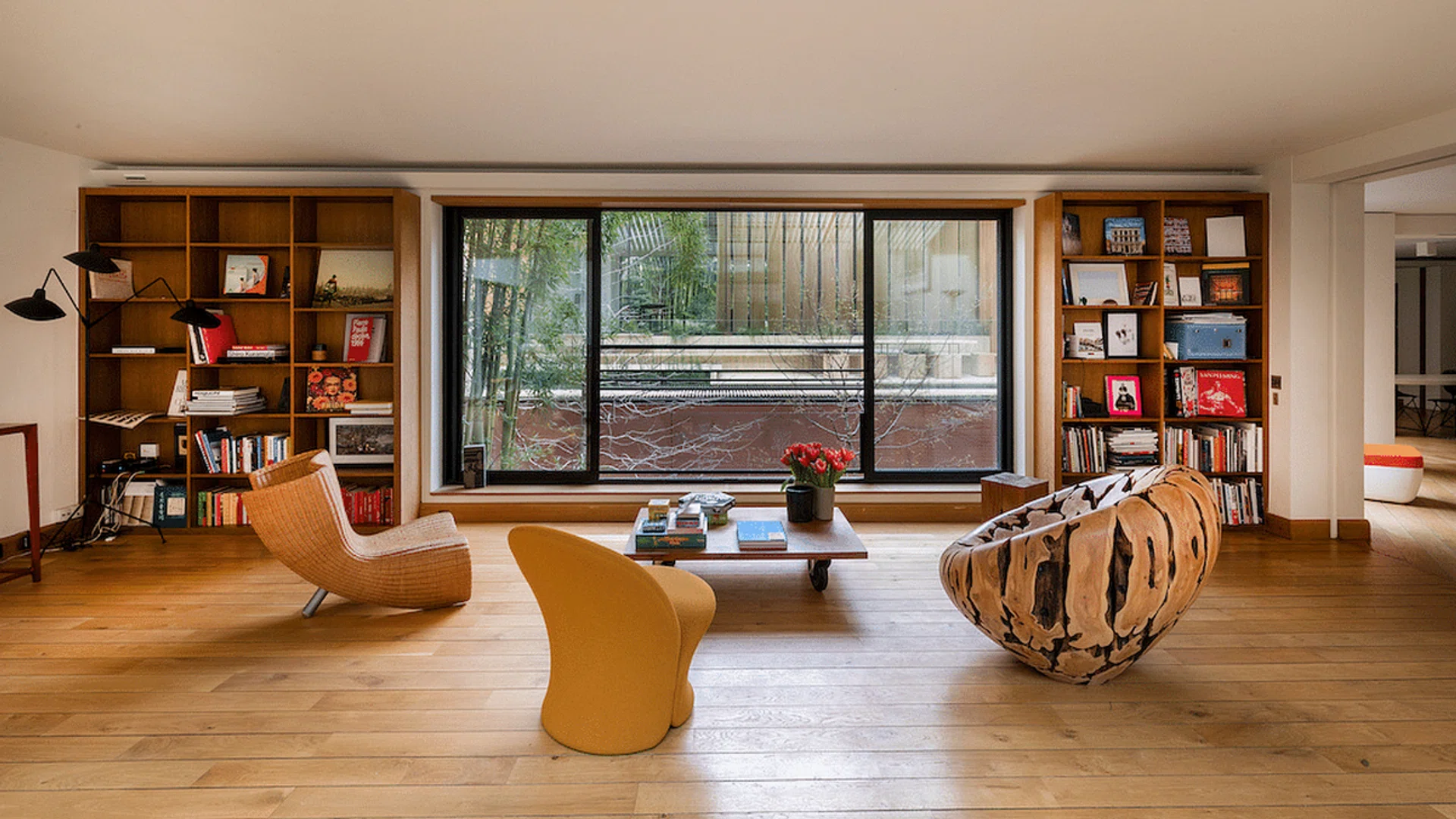
Late fashion designer, Kenzo Takada's personal Japanese home in the heart of Paris
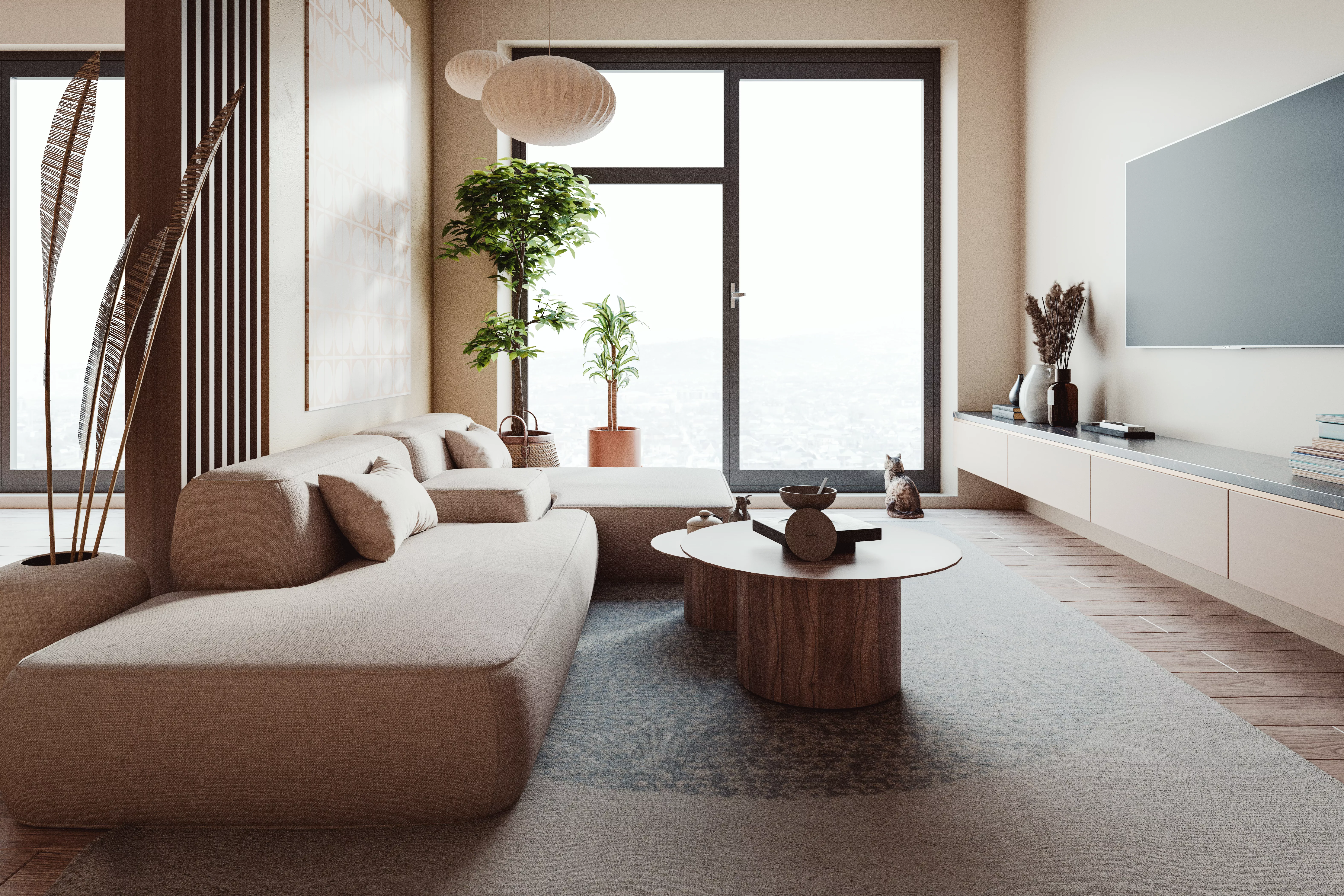
Japanese Living Room Design Is Trending—Here’s How to Achieve the Style

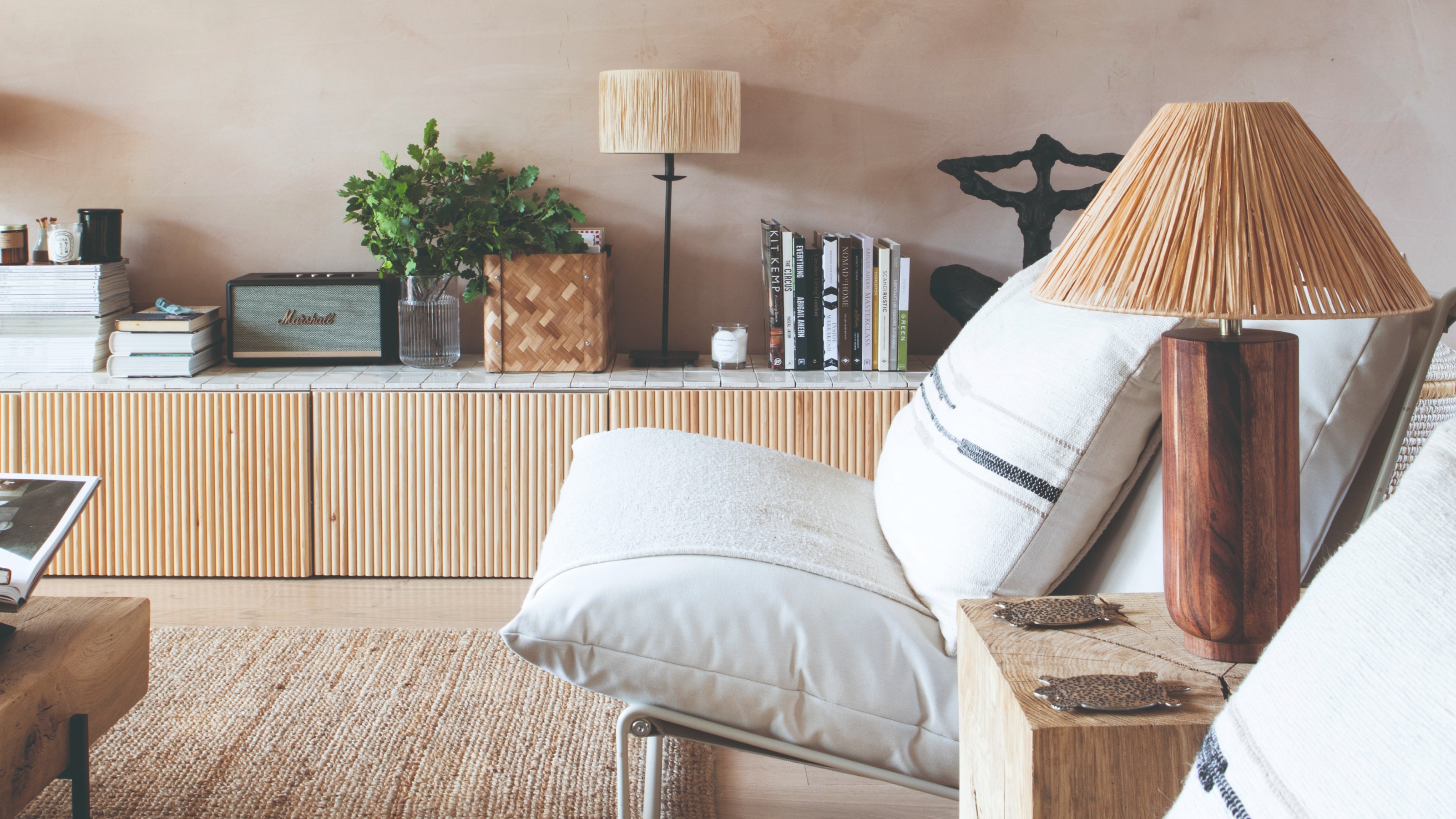
Will Japandi rule your living room in 2026? Interior experts weigh in
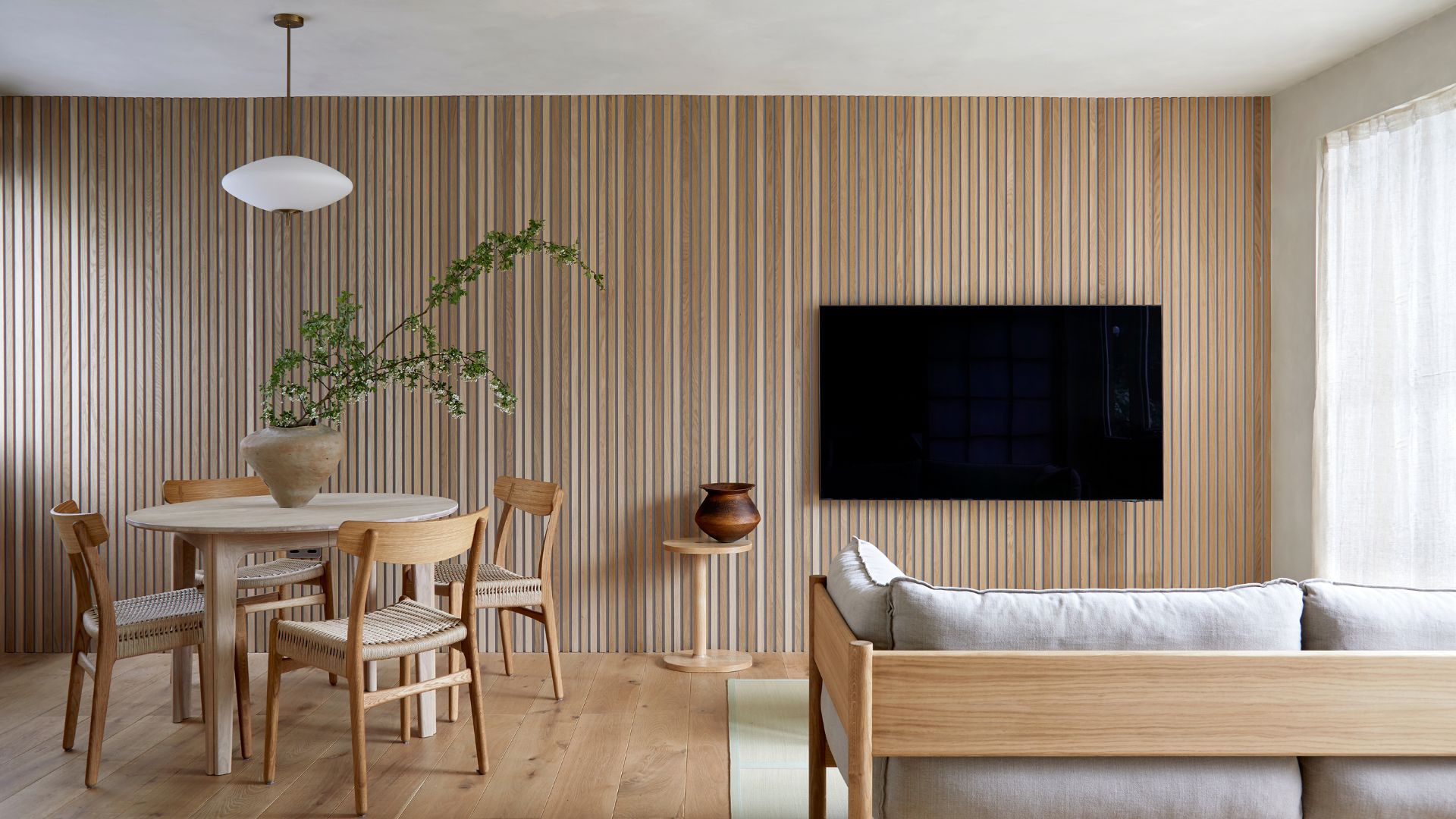
'Ma' (間) Is the Japanese Minimalist Aesthetic I Think Everyone Should Read About Before They Start Decorating
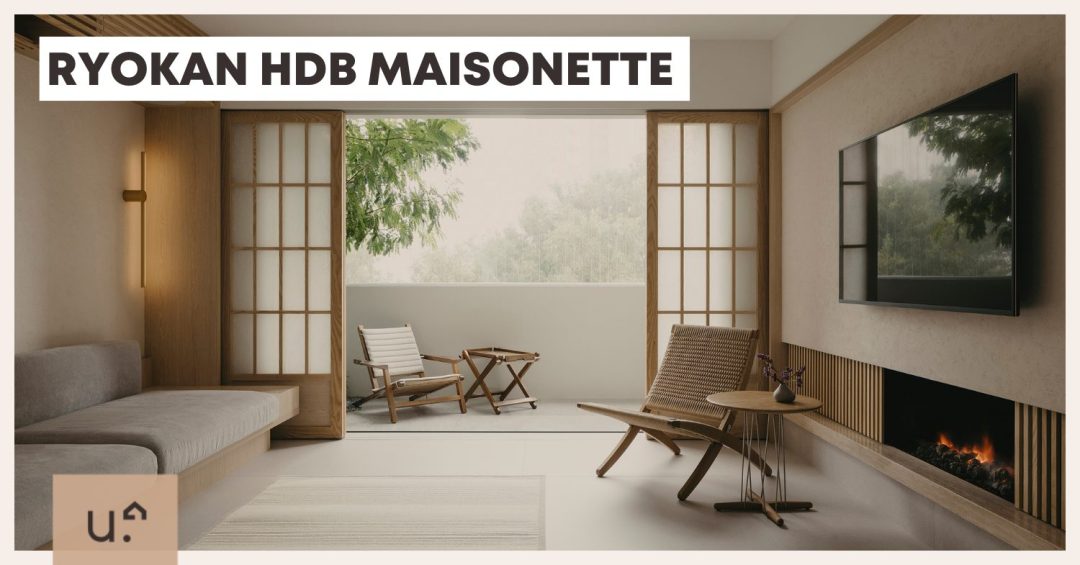
This HDB Maisonette Looks Like An Upper-Class Ryokan With A Zen Garden Balcony & Shoji Screens Everywhere

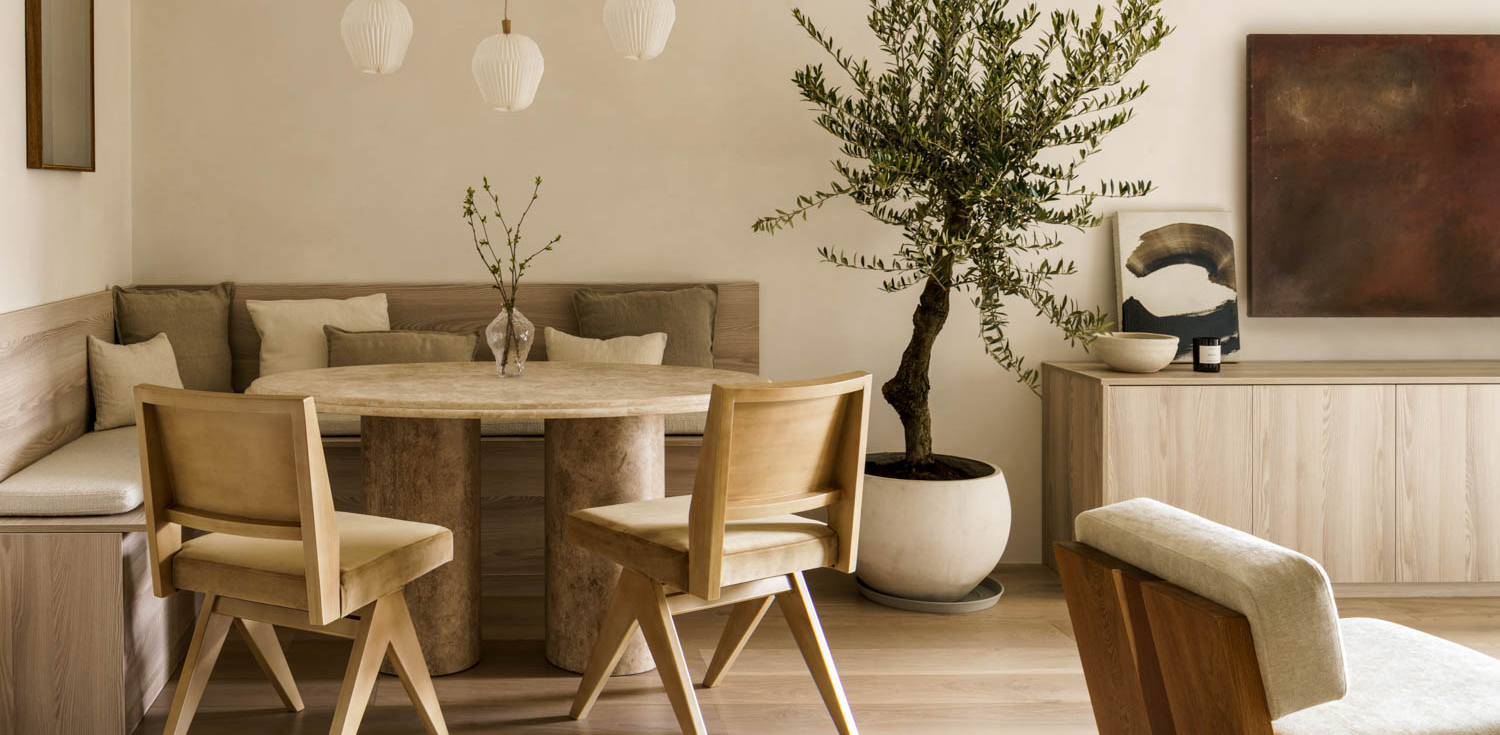
Elevate Your Space With These Inspiring Japandi Interiors

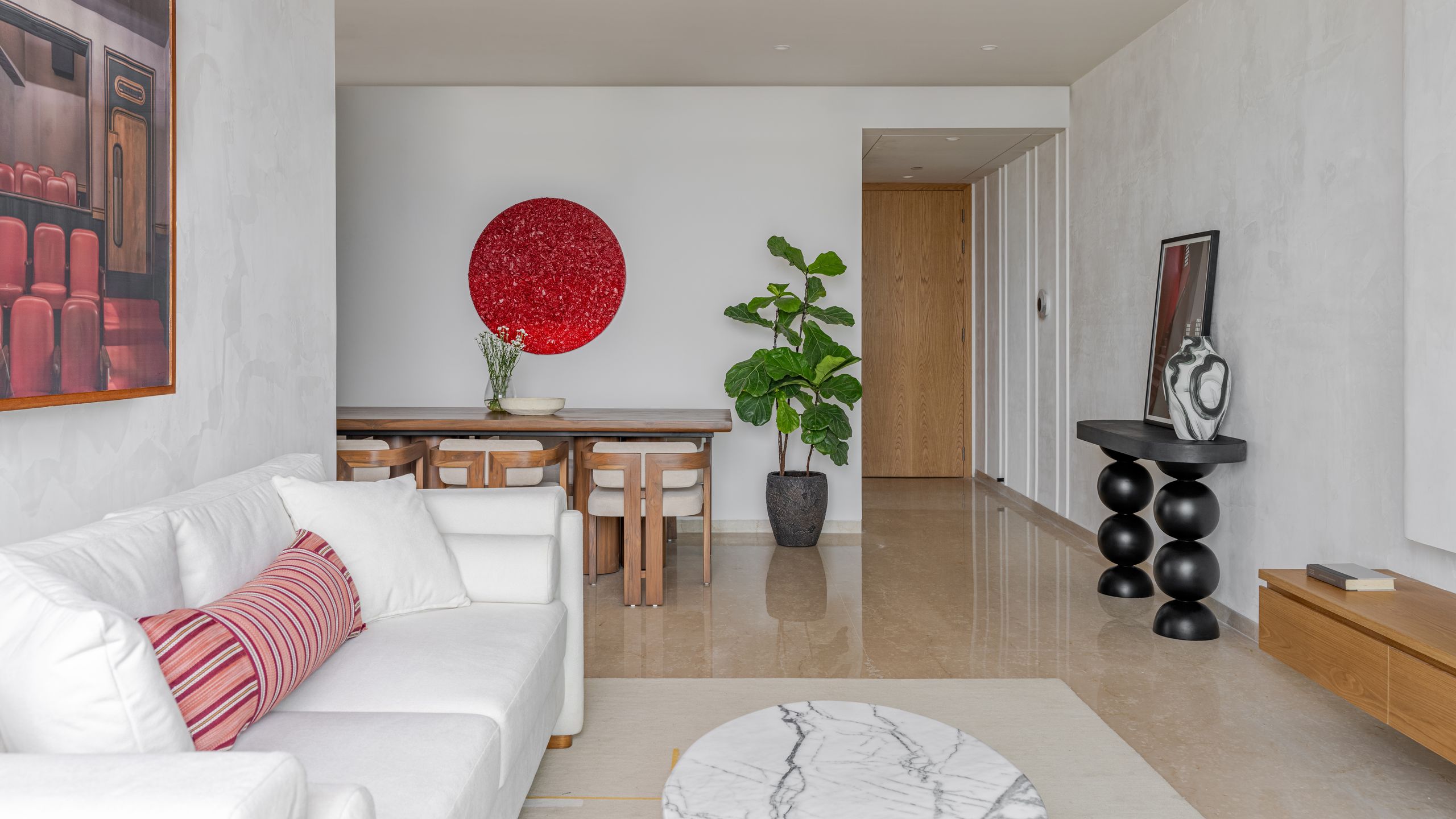
This 1,100-square-foot Mumbai home embodies a quiet stillness
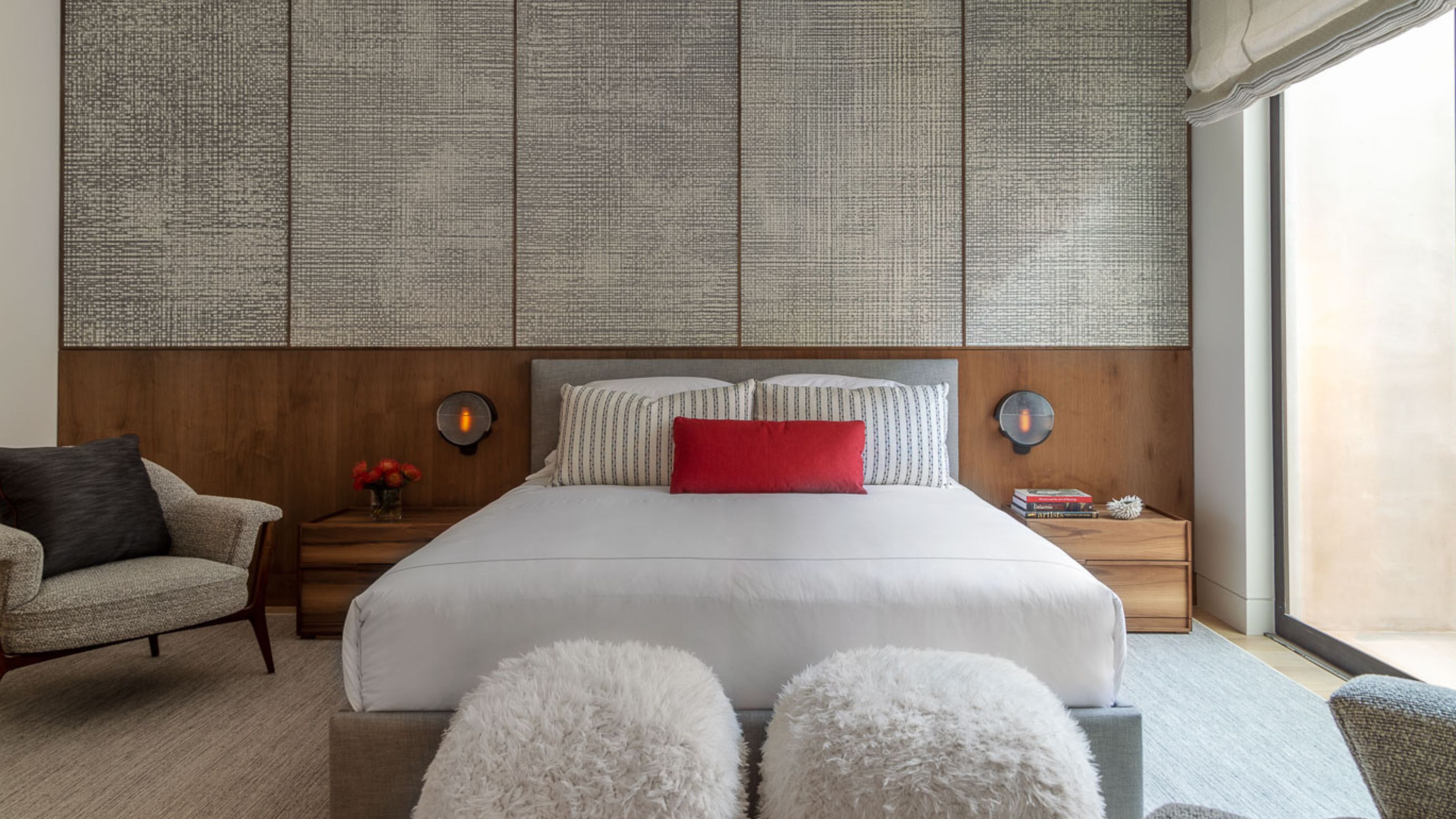
8 Japandi Bedrooms I Dream of Sleeping In — Minimalist and Cozy, They've Got to Be the Most Relaxing Spaces
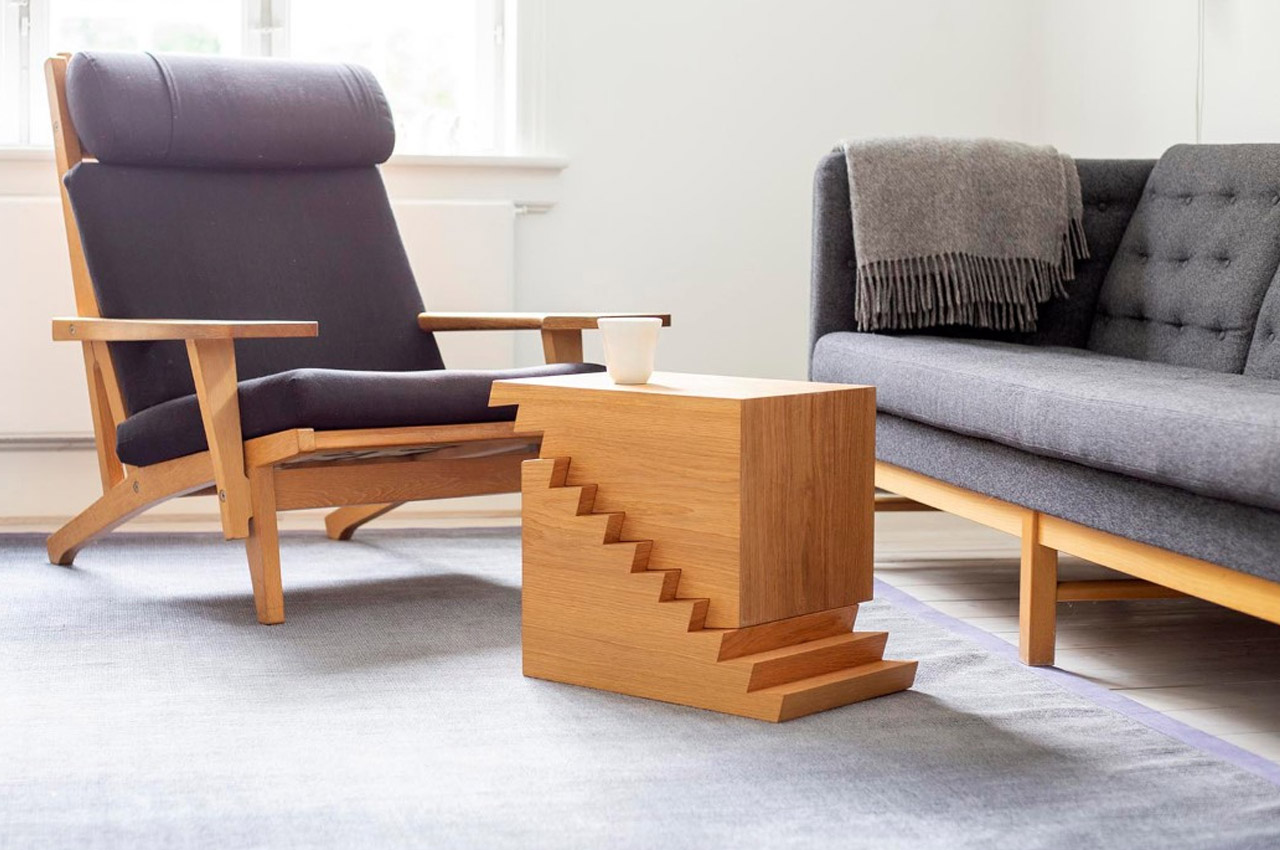
Wooden Furniture designed with Japandi aesthetics to incorporate zen-like minimalism into your home!