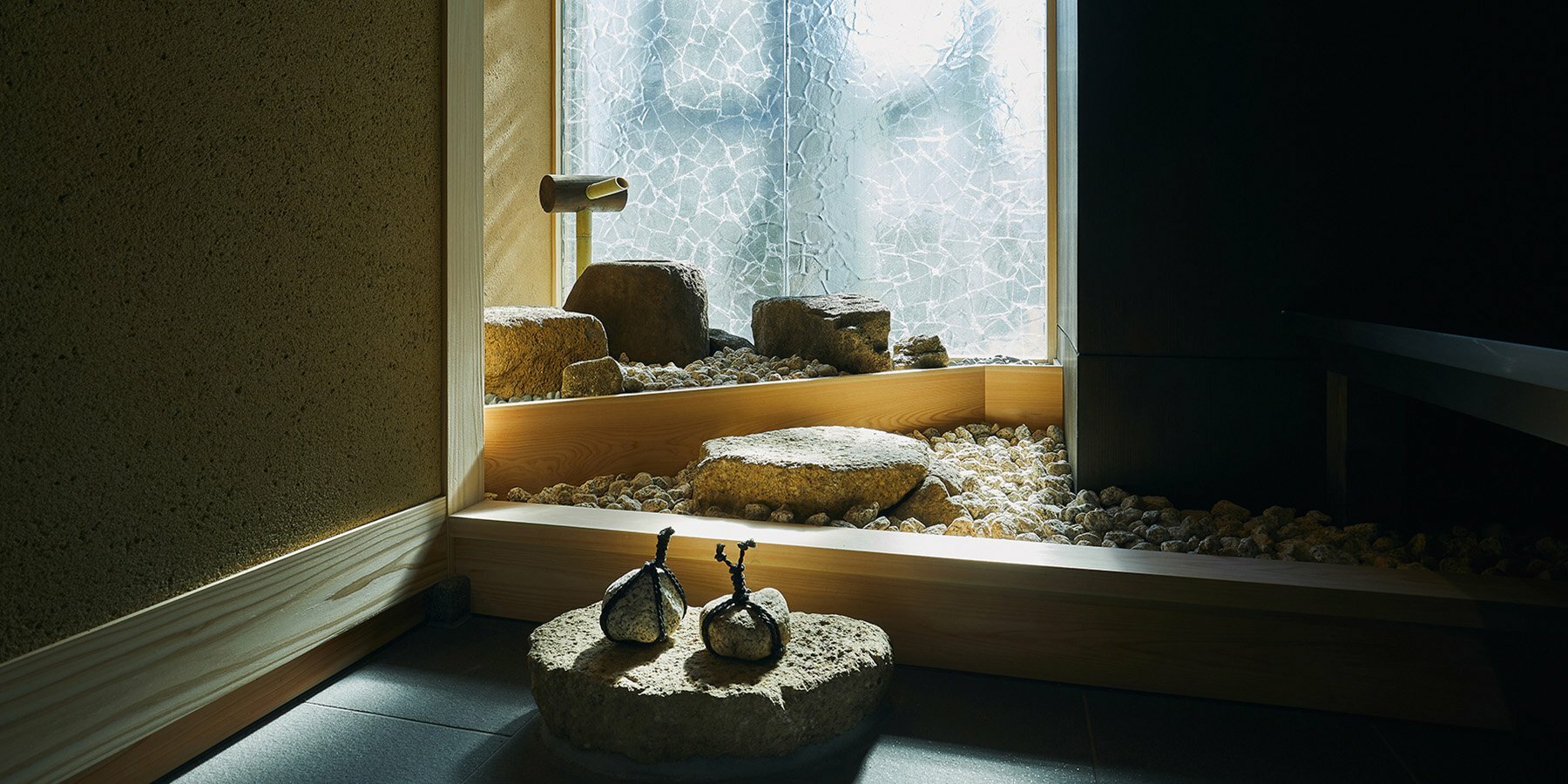
Where to Stay, and Where to Eat Tempura, in Kyoto (Published 2019)
In 794, Emperor Kanmu moved Japan’s Imperial Court to a river valley in the Yamashiro Basin, a region surrounded on three sides by mountains. The new capital's planning integrated Chinese expertise, with its siting determined by feng shui principles and its grid layout mirroring the Chinese capital. This metropolis, eventually named Kyoto, thrived as a political, religious, and cultural center for a millennium. By the early 11th century, at its peak, Kyoto inspired significant Japanese literary works like “The Pillow Book” and “The Tale of Genji,” both penned by ladies of the Imperial Court, offering insights into the era’s refined shoji-screened aesthetics.
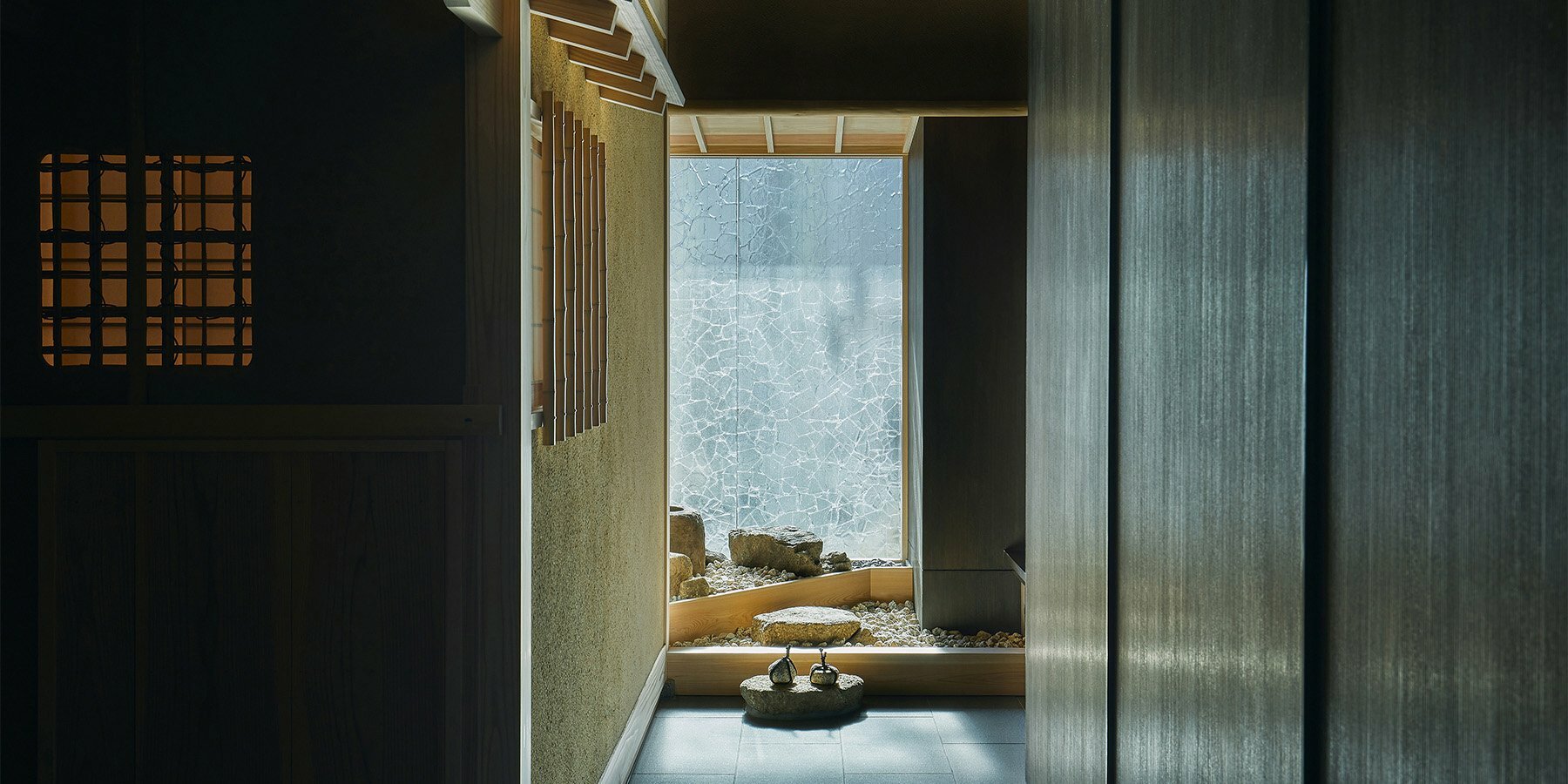
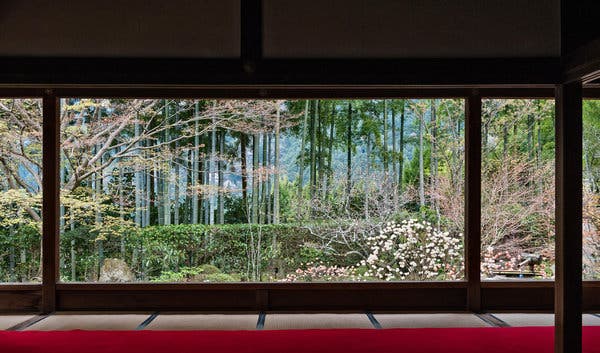
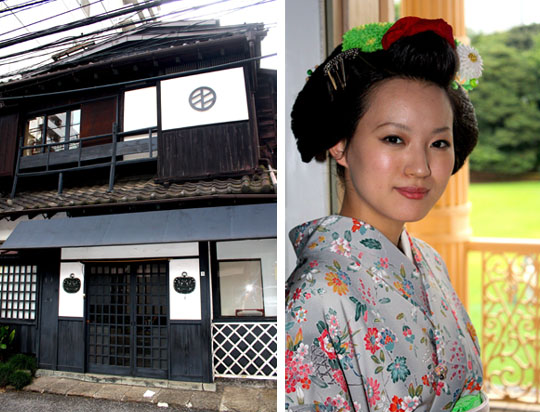
Modern-day Kyoto largely retains its historical character. Having been spared from bombing during World War II, the city preserves much of its original ordered layout and a graceful aesthetic. This is exemplified by its _machiyas_, traditional Japanese townhomes characterized by dark-wooded, lattice-fronted structures that once housed craftsmen and merchants. Many of these _machiyas_ are now undergoing meticulous restoration to serve as shops, restaurants, and inns. Kyoto's inhabitants are deeply committed to preserving its beauty, as evidenced by over 1,500 Shinto shrines and Buddhist temples, alongside numerous raked gravel Zen gardens, ponds, and meticulously maintained terraces. More than a thousand years after the influence of the Silk Road brought Chinese marvels, Kyoto continues to be Japan’s cultural heart, with artisans upholding traditional crafts such as kimono design and woodblock printing, and chefs elevating food preparation to an art form.
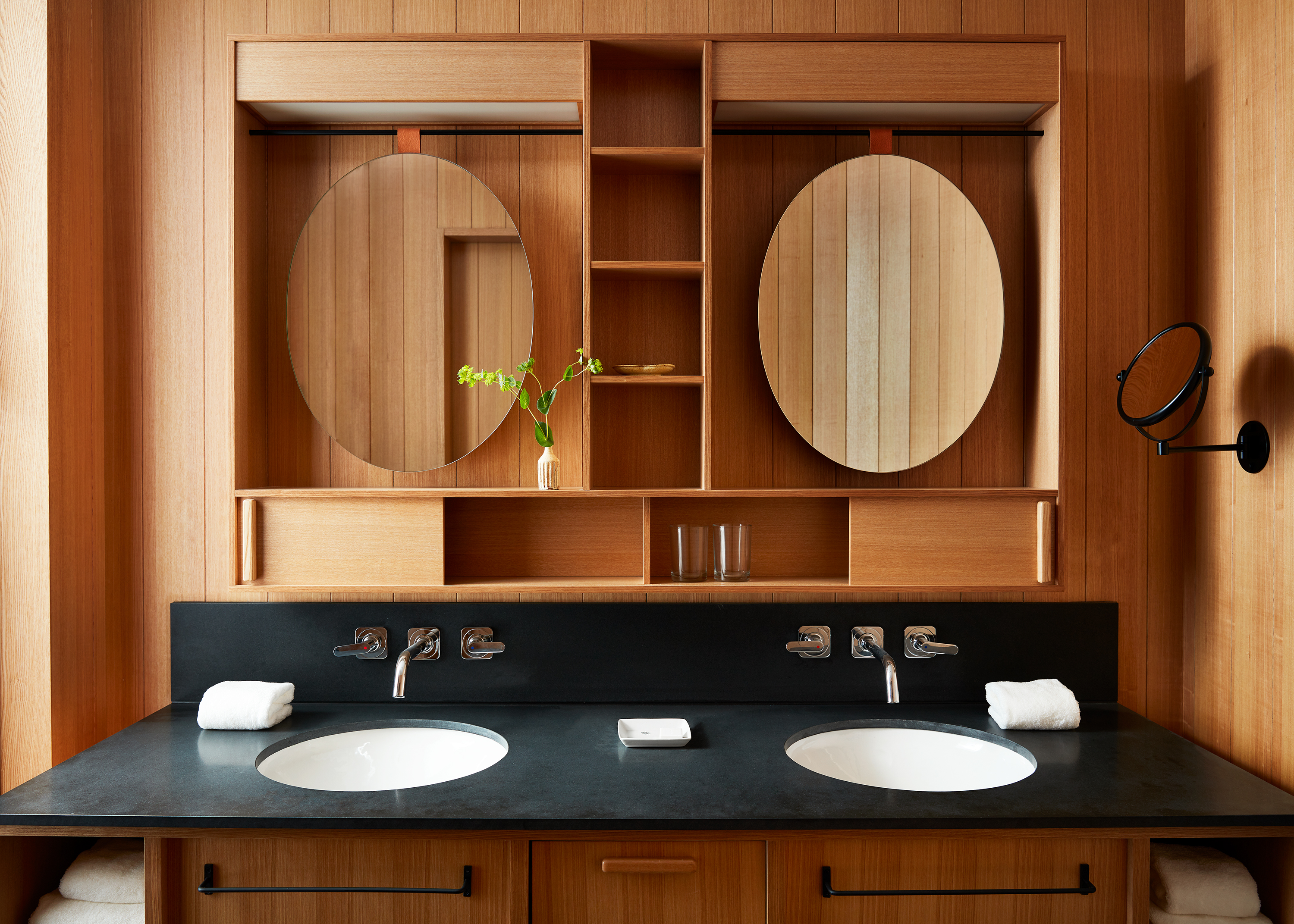
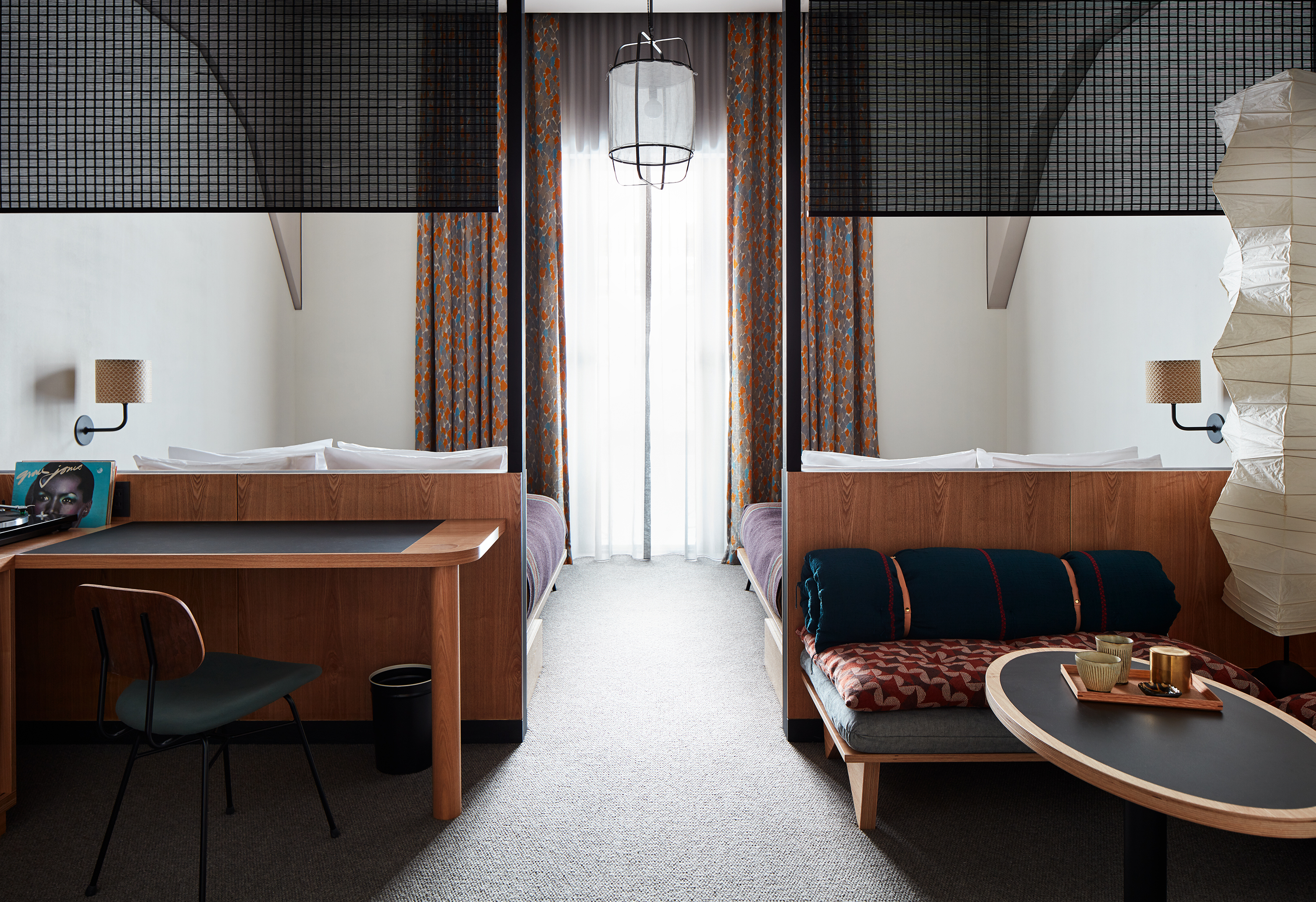
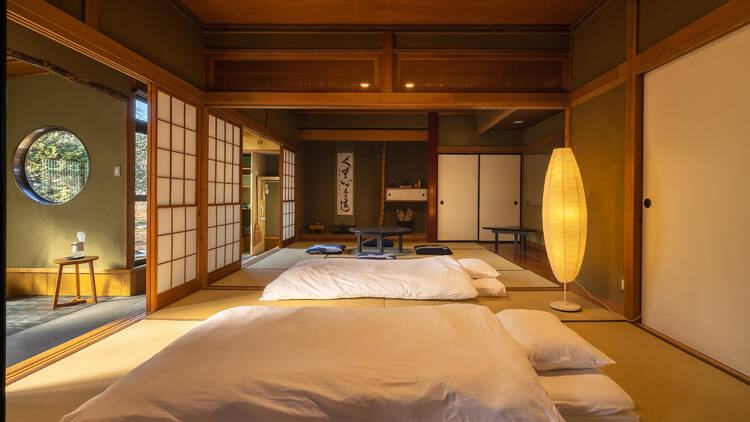
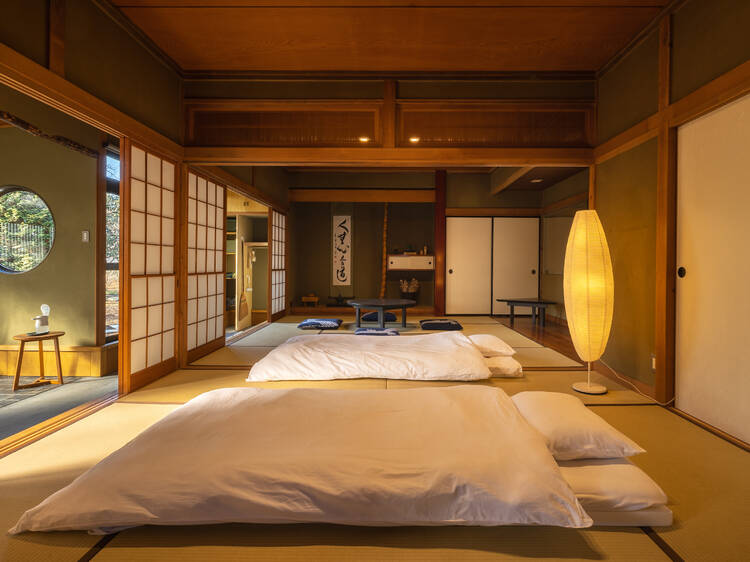
The article also provides specific recommendations for accommodations, highlighting the Aman Kyoto. This newly established hotel offers a secluded experience within a 79-acre cypress forest, yet remains conveniently close to central Kyoto and within walking distance of the Kinkaku-ji Temple. The hotel comprises low-slung slate pavilions housing 26 rooms, designed to emulate traditional Japanese inns with tatami floors, cedar bathtubs, and sliding blond wood wall panels. The property includes a landscaped garden, predating the hotel by four centuries, featuring expansive lawns, moss-covered pathways, and granite boulders. This garden was historically owned by the founders of the Edo-era Rinpa school of painting, known for reviving indigenous Japanese artistic techniques.
#KyotoTravel #JapaneseCulture #TraditionalArchitecture #LuxuryHotels #HistoricalCities #GardenDesign #CulturalHeritage #JapaneseArtisans #KyotoTravel #JapaneseCulture #TraditionalArchitecture #LuxuryHotels #HistoricalCities #GardenDesign #CulturalHeritage #JapaneseArtisans
0 comment in total
 No comments yet
You may also like
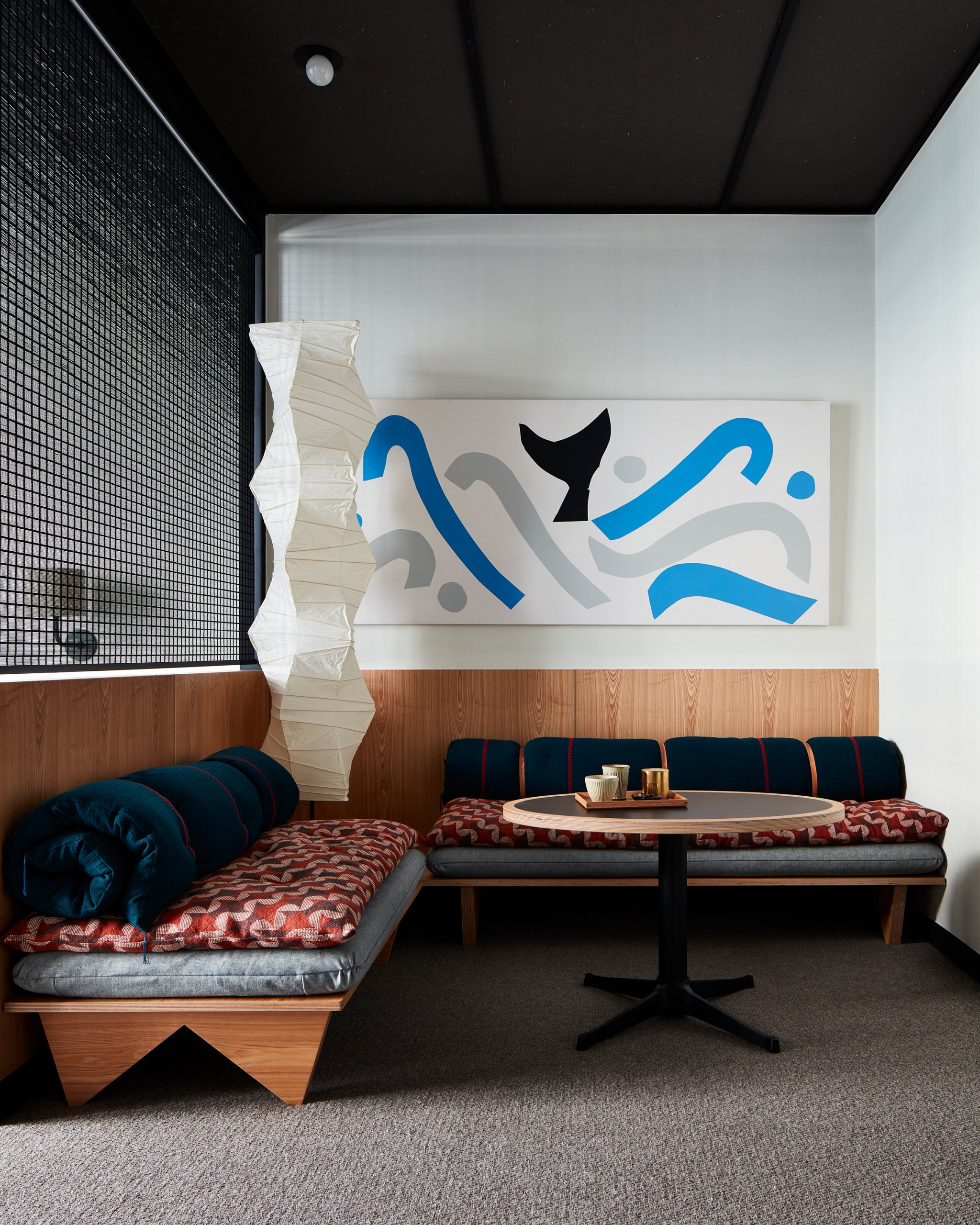
Ace Hotel Kyoto Already Won Us Over With Its Extra-Zen Bathrooms

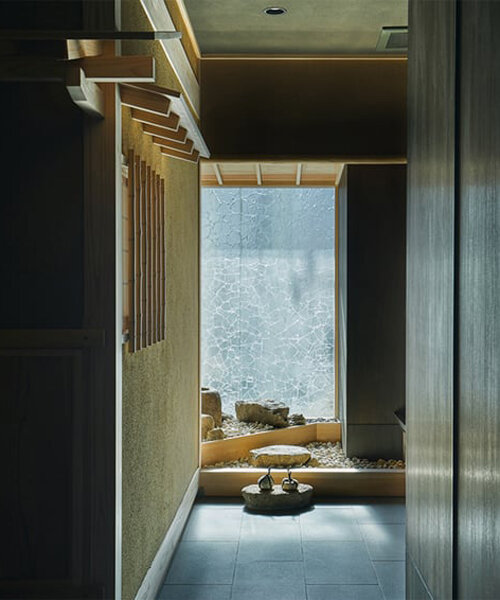
sunaba's zen, nature-infused japanese tearoom fosters sense of spirituality in urban tokyo

MESM Tokyo serves waterfront views in luxe surrounds

The haunting beauty that is Yushima
7 coolest Airbnbs in Japan that you should book

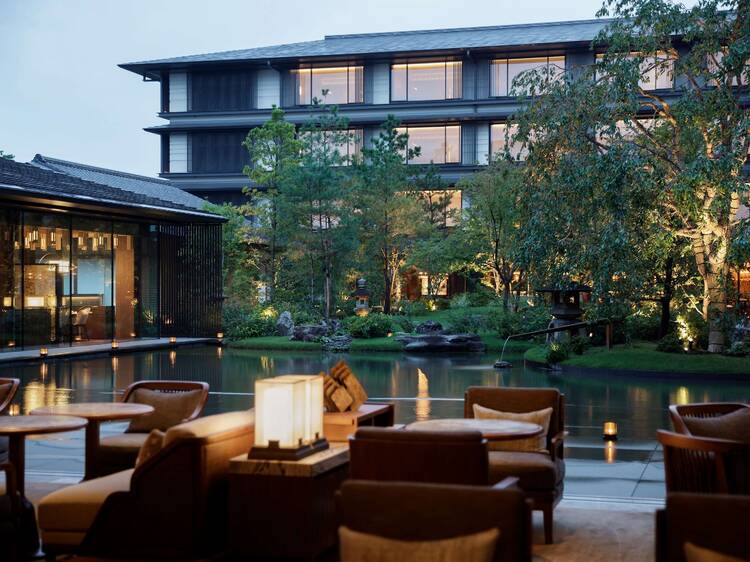
Hotel The Mitsui Kyoto offers Zen stays and exclusive access to rare cultural experiences
Office in the Breeze / Furumori Koichi architectural design studio+Daiju Kuwahara