The haunting beauty that is Yushima
The article describes a visit to Yushima, a neighborhood in Tokyo's Bunkyo Ward, focusing on the historical and cultural experiences it offers. The journey begins on a gloomy October morning as the author exits Yushima Station and navigates the back streets to reach Kyu-Iwasaki-tei. This Western-style residence was commissioned by Baron Hisaya Iwasaki, the third president of Mitsubishi, and is now open to the public. The house, an uninhabited 19th-century mansion, possesses an eerie atmosphere, enhanced by ornate arches, pilasters, and fish-scale shingles. A chilly wind rustles the branches of a Himalayan cedar in the grounds, adding to the haunting ambiance.
Upon entering the Kyu-Iwasaki-tei, the author pays a ¥400 entrance fee and explores the creaking parquet floors shoeless. The experience is immediately enhanced by melancholic music, specifically Yoshinao Nakada's "Chiisai Aki Mitsuketa" ("Hints of Autumn Found"), sung by a soprano from a distant part of the high-ceilinged hall. This musical encounter reveals that the author has inadvertently stumbled upon one of the free seasonal concerts hosted at the residence, adding an unexpected layer of cultural immersion to the visit.
The article hints at Yushima's deeper historical and cultural significance, inviting readers to explore beyond the immediate experience. It suggests that the area, with its blend of preserved historical architecture and cultural events like the seasonal concerts, offers a unique glimpse into Japan's past. The specific details of the architecture—the pilasters, ornate arches, and fish-scale shingles—underscore the building's historical design and its visual appeal, reflecting the Meiji Era's embrace of Western influences while retaining a distinct Japanese character. The narrative style evokes a sense of discovery and appreciation for the subtle beauty and historical weight of the location, positioning Yushima as a place where the past lingers vibrantly.
The description of the visit emphasizes sensory details, such as the chilly wind, the creaking floors, and the haunting music, creating a vivid picture of the atmosphere. This focus on immediate experiences allows the reader to connect with the author's journey of discovery. The setting of the Kyu-Iwasaki-tei as a public space, despite its private origins, highlights efforts to preserve and share historical sites, making them accessible for cultural appreciation and educational purposes. The mention of the founder of Mitsubishi ties the residence to a significant period of Japan's industrial and economic development, adding historical context to the architectural marvel. The unexpected concert enriches the cultural aspect of the visit, demonstrating how historical venues can be dynamically used to host contemporary cultural events.
Overall, the article portrays Yushima as a compelling destination for those interested in history, architecture, and culture, offering a unique blend of melancholic beauty and historical intrigue. The visit to Kyu-Iwasaki-tei serves as a central point, embodying the area's rich heritage and its capacity to evoke strong emotional responses through its preserved environment and cultural offerings. The narrative serves as an invitation to experience the tangible and intangible heritage that resides in Tokyo's less-traveled back streets.
#Yushima #TokyoTravel #KyuIwasakitei #JapaneseArchitecture #MeijiEra #HistoricalHomes #CulturalExperience #MitsubishiHistory #Yushima #TokyoTravel #KyuIwasakitei #JapaneseArchitecture #MeijiEra #HistoricalHomes #CulturalExperience #MitsubishiHistory
 No comments yet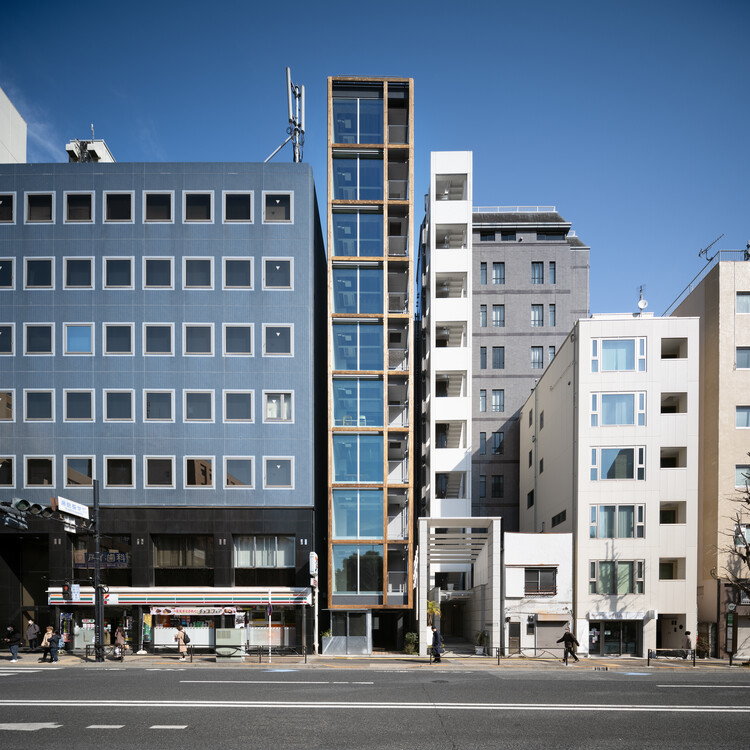
Yushima Building / Tenhachi Architect & Interior Design

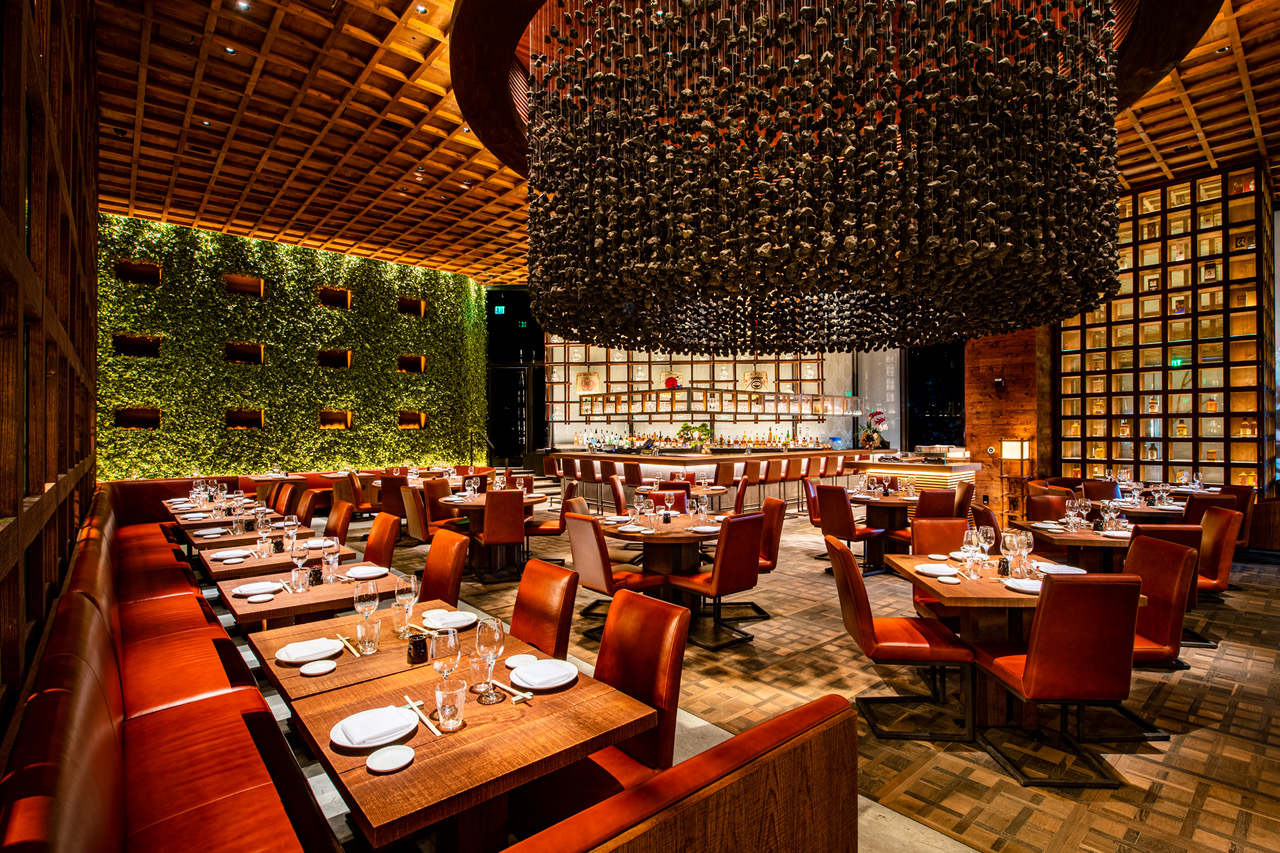
Inside Shōtō, a Zen Japanese Masterpiece Rising Downtown Tonight
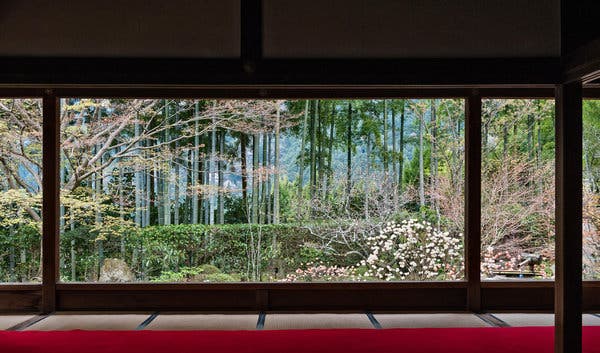
Where to Stay, and Where to Eat Tempura, in Kyoto (Published 2019)

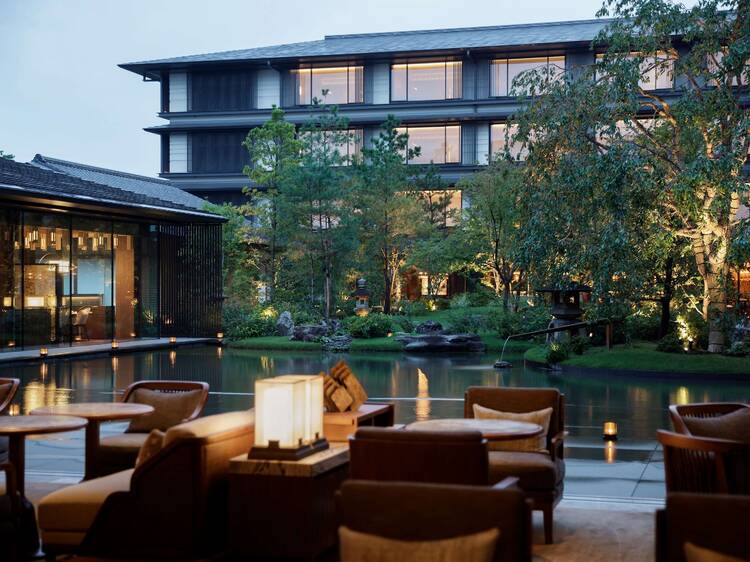
Hotel The Mitsui Kyoto offers Zen stays and exclusive access to rare cultural experiences