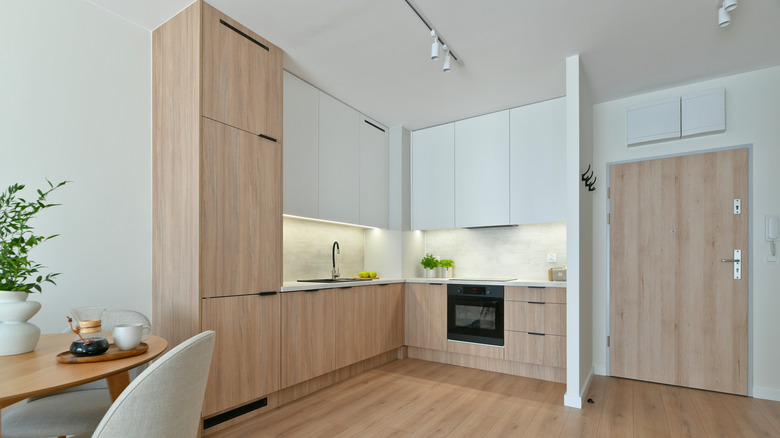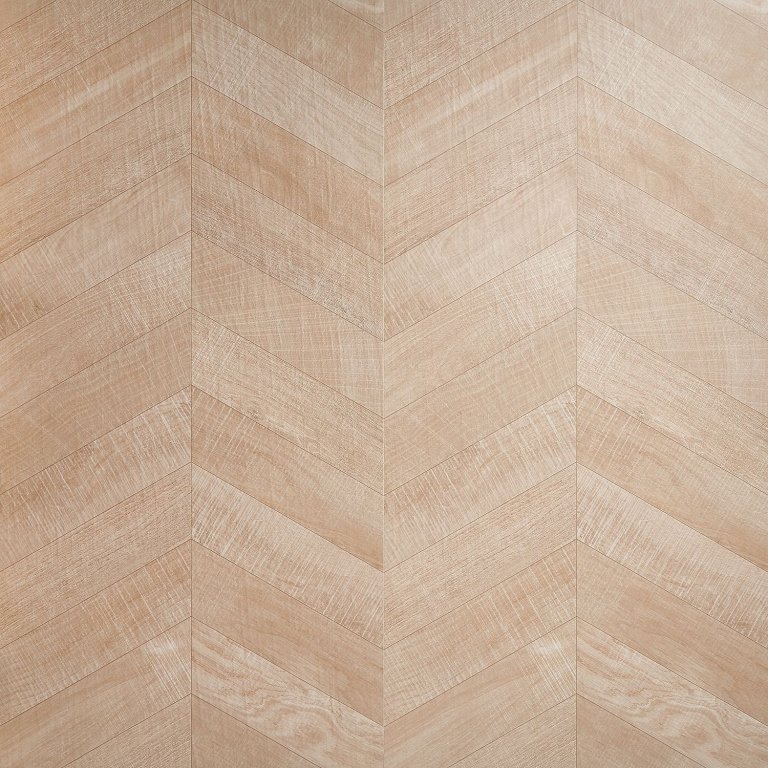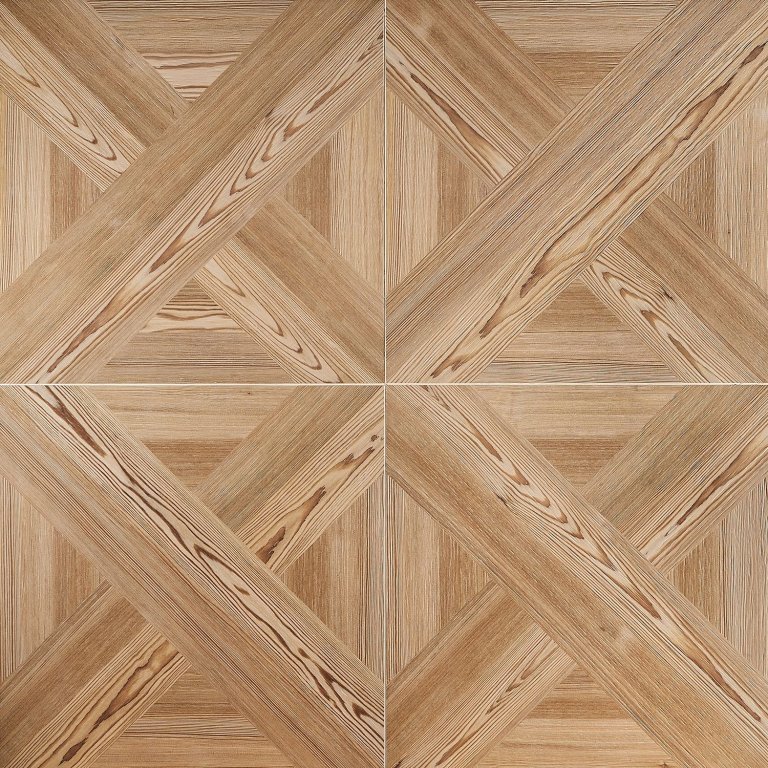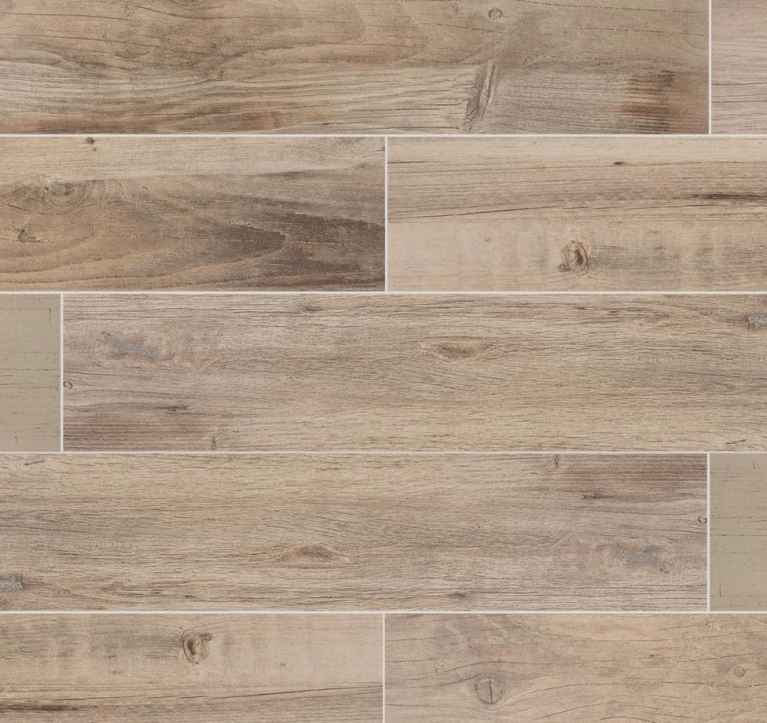
The Reason European White Oak Hardwood Floors Are A Fast Growing Trend
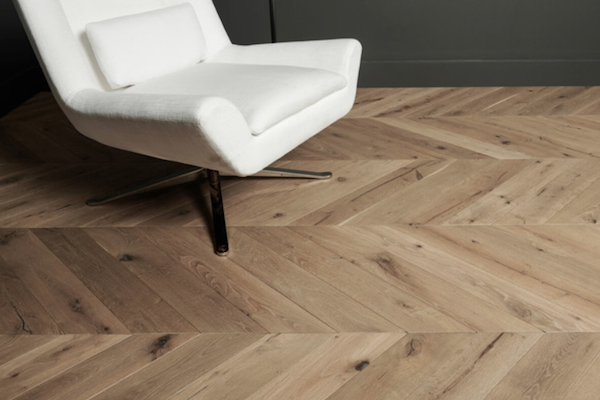
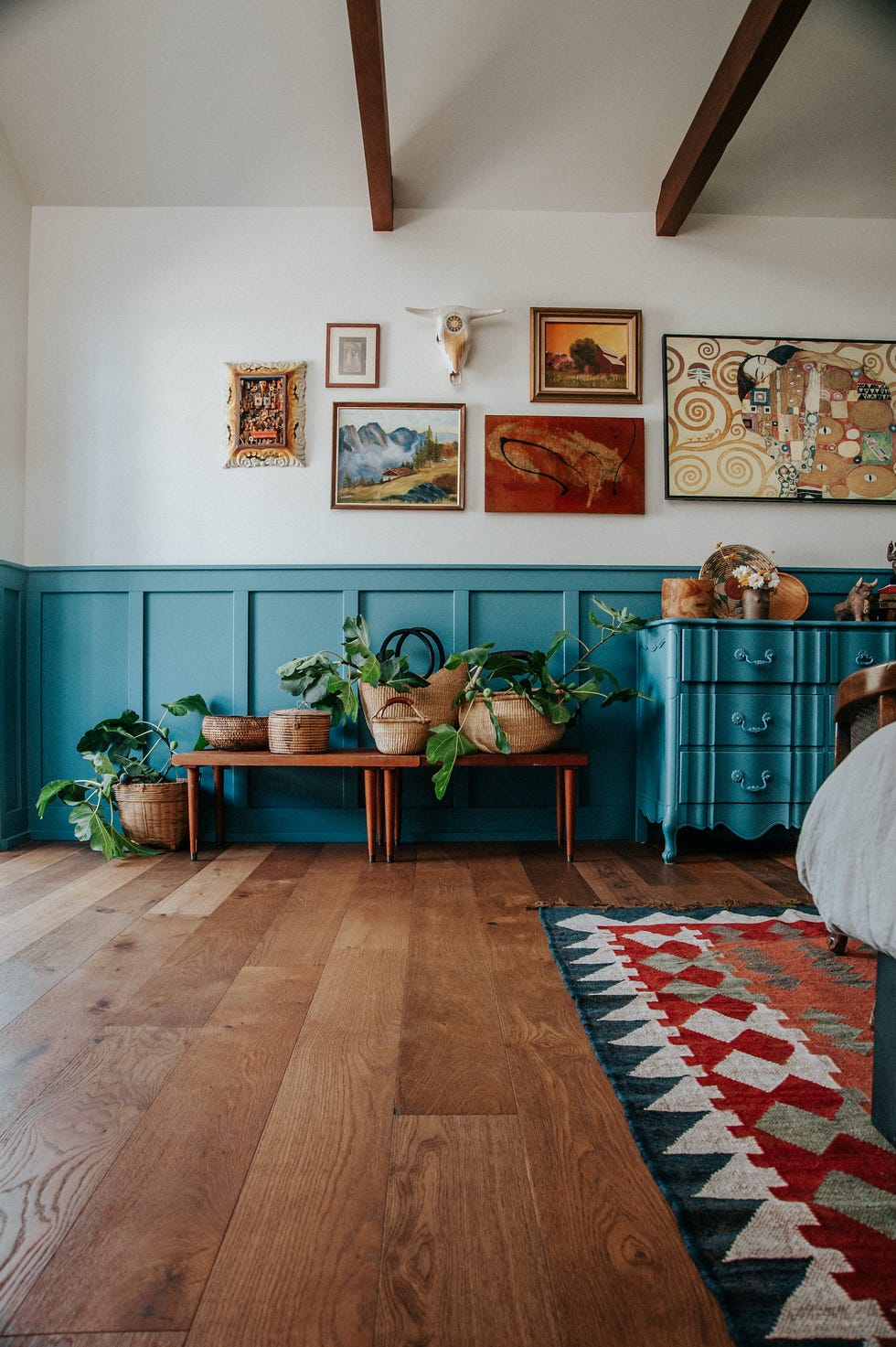
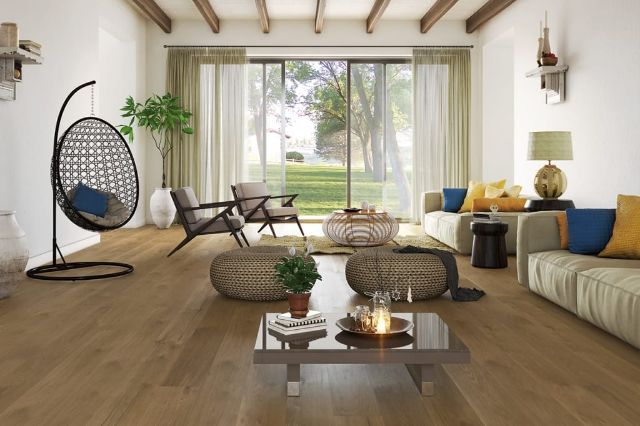
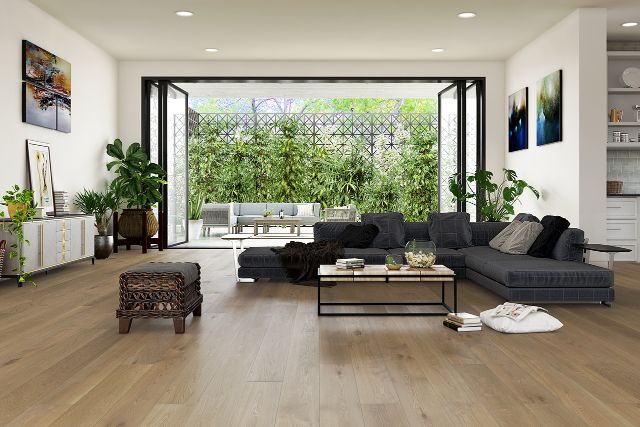
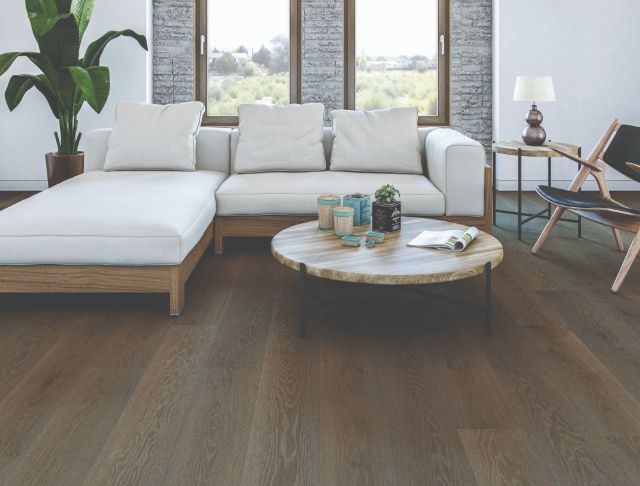
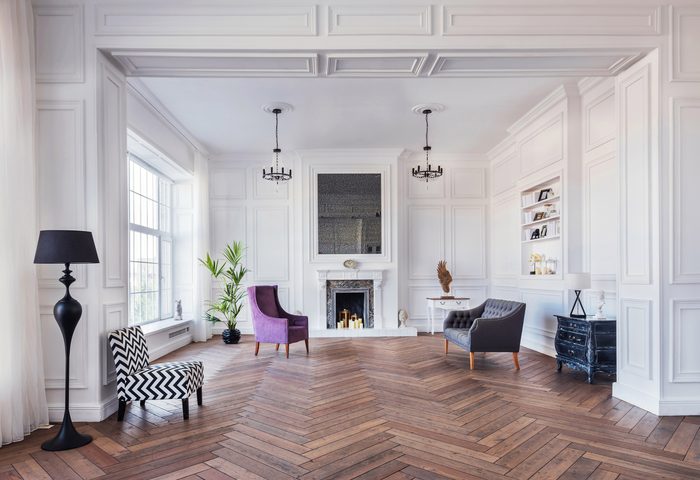
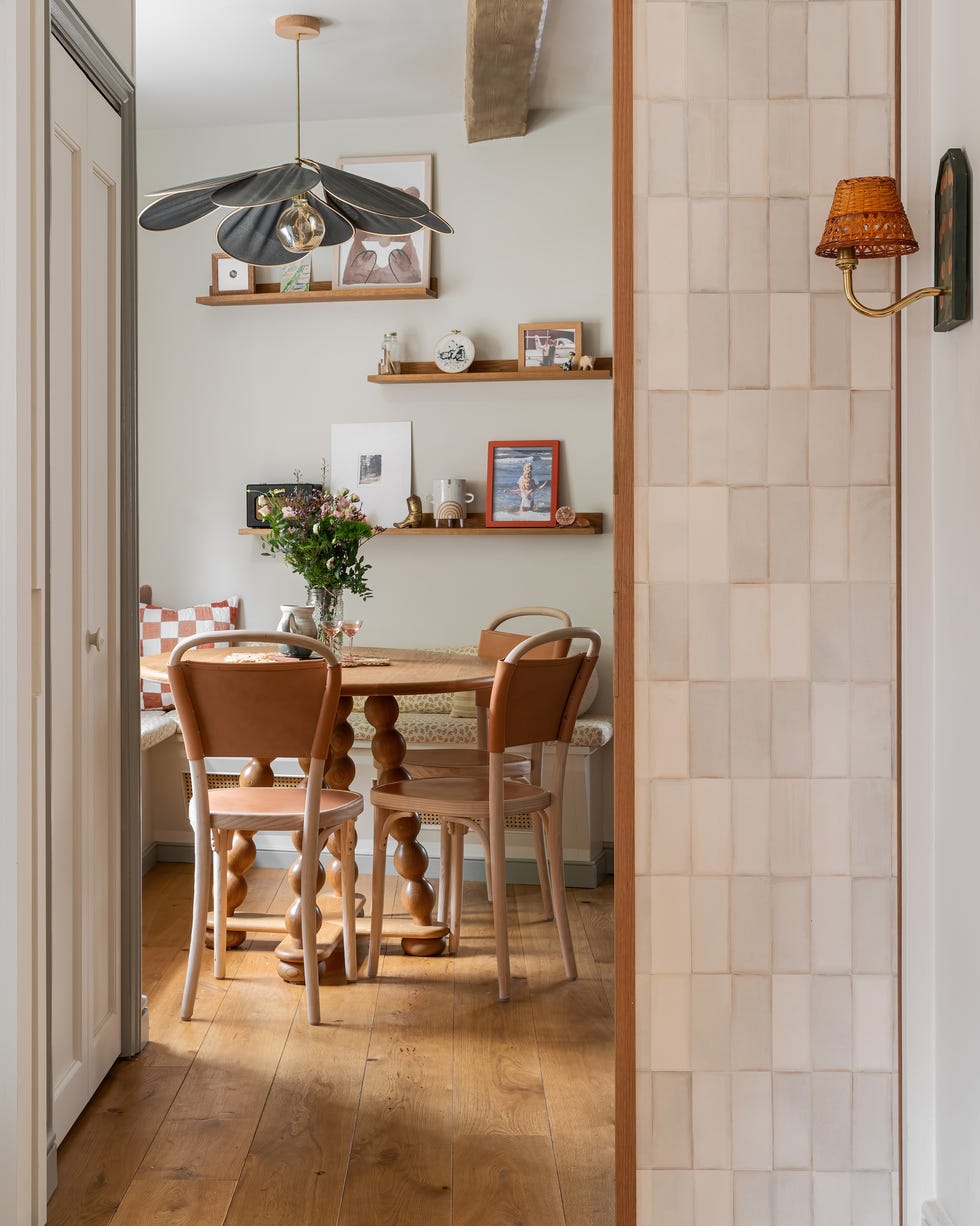
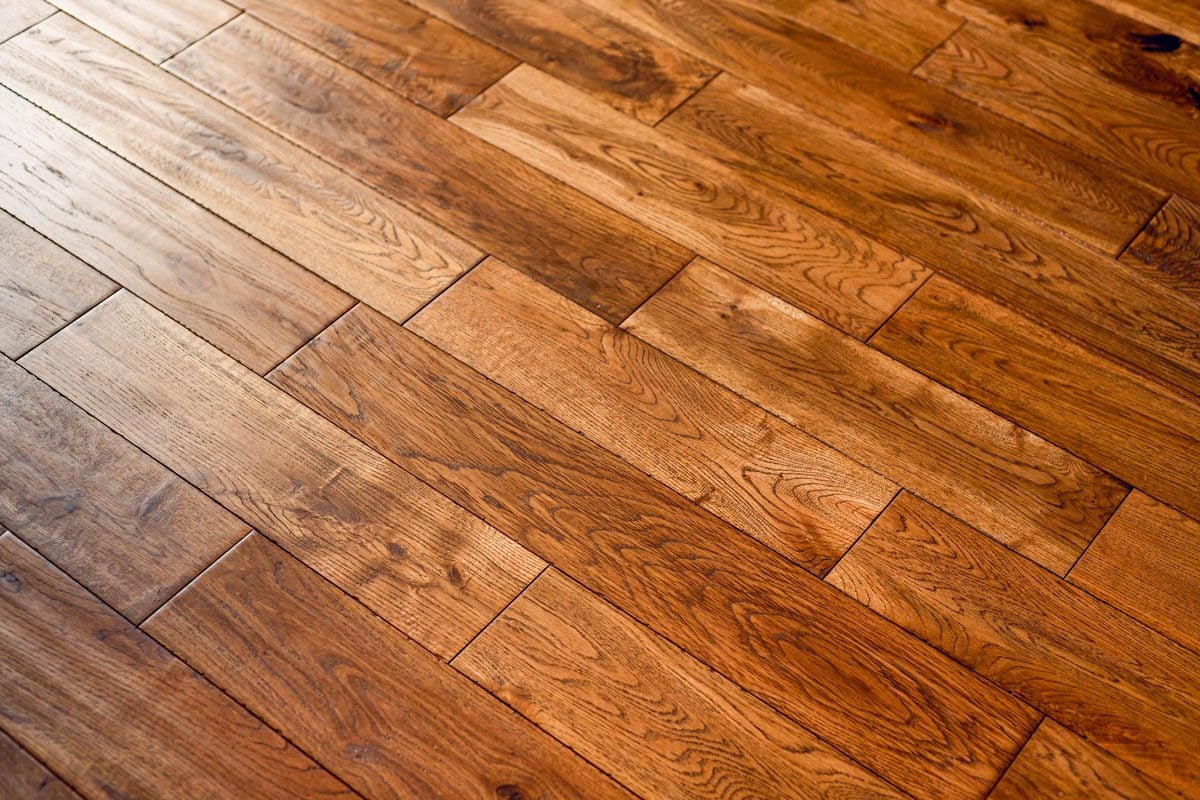
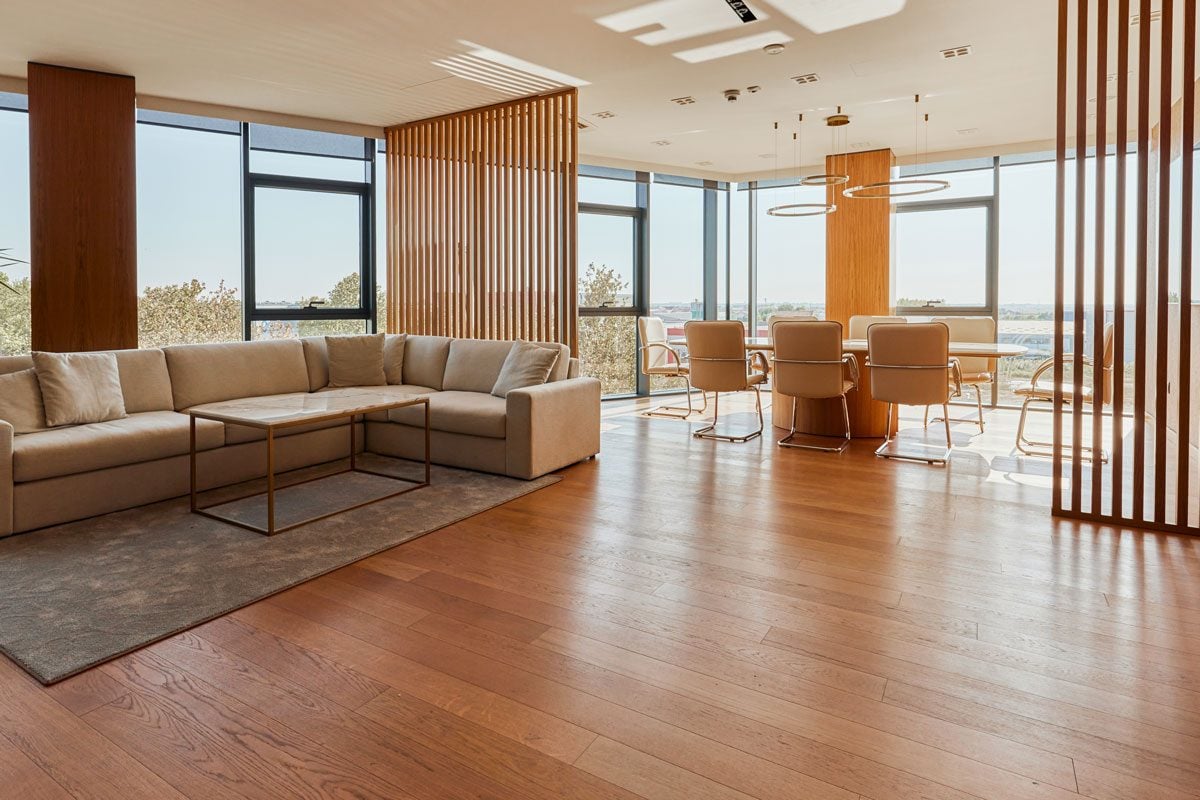
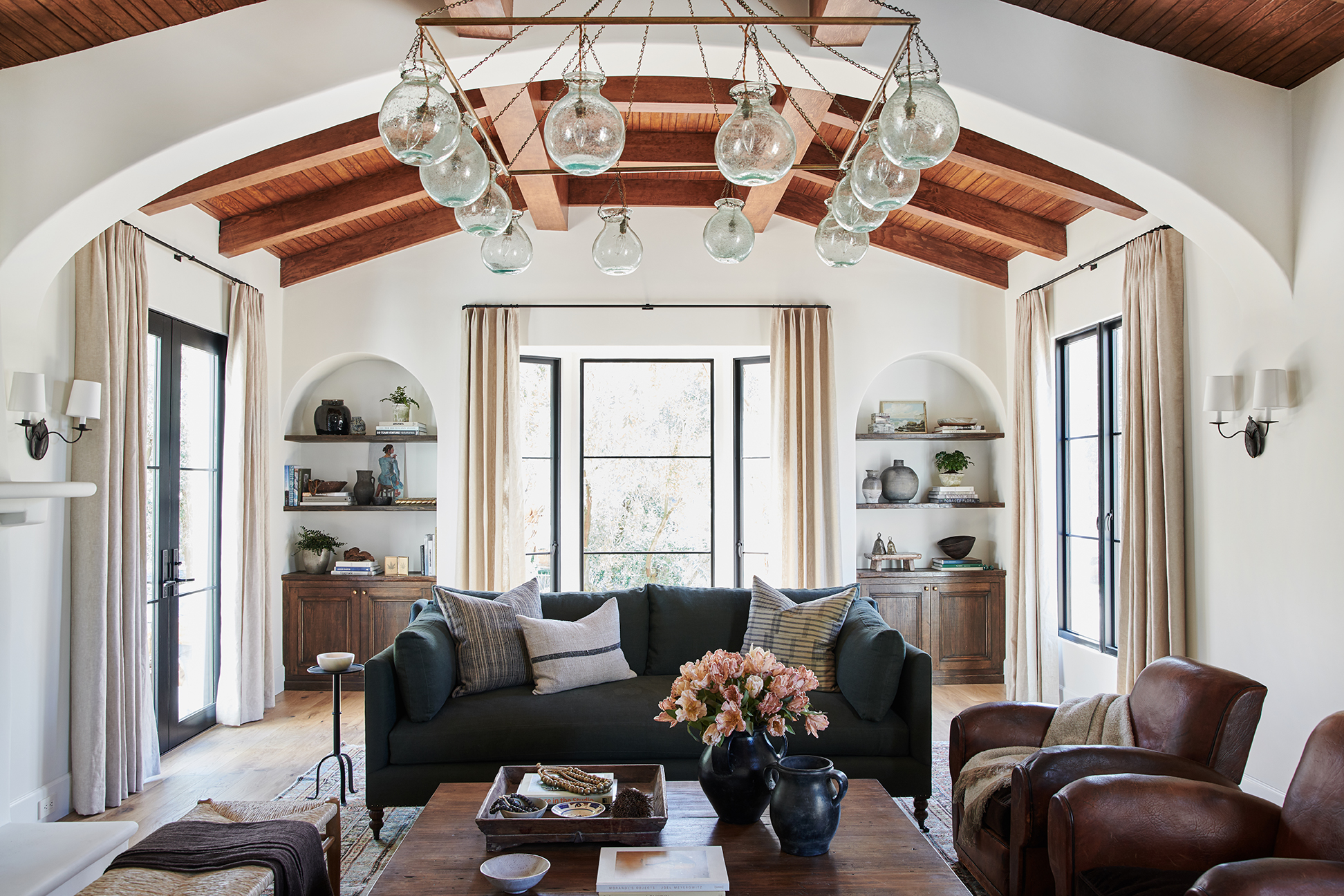
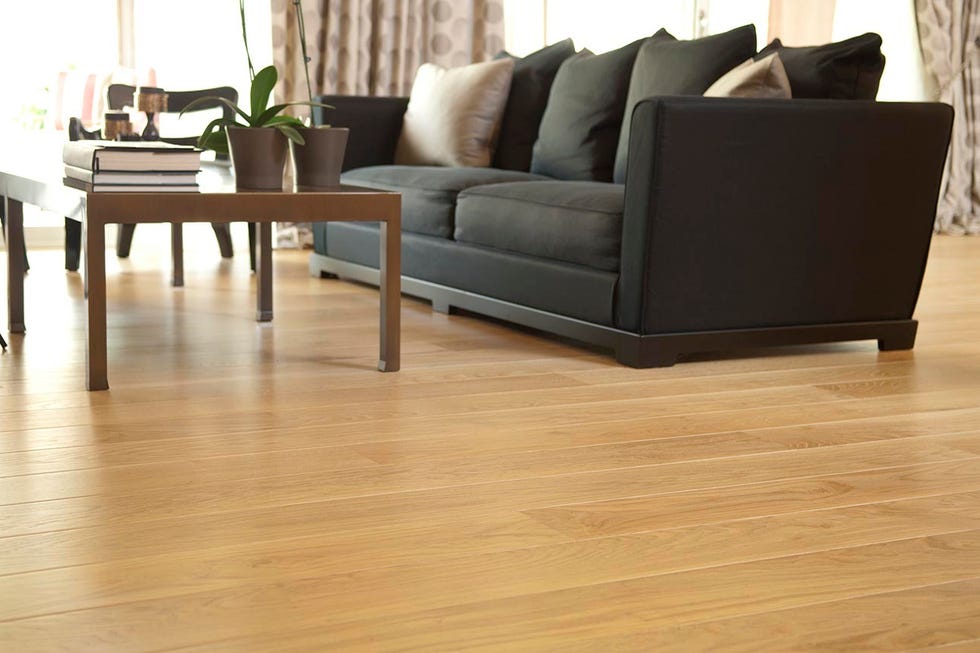
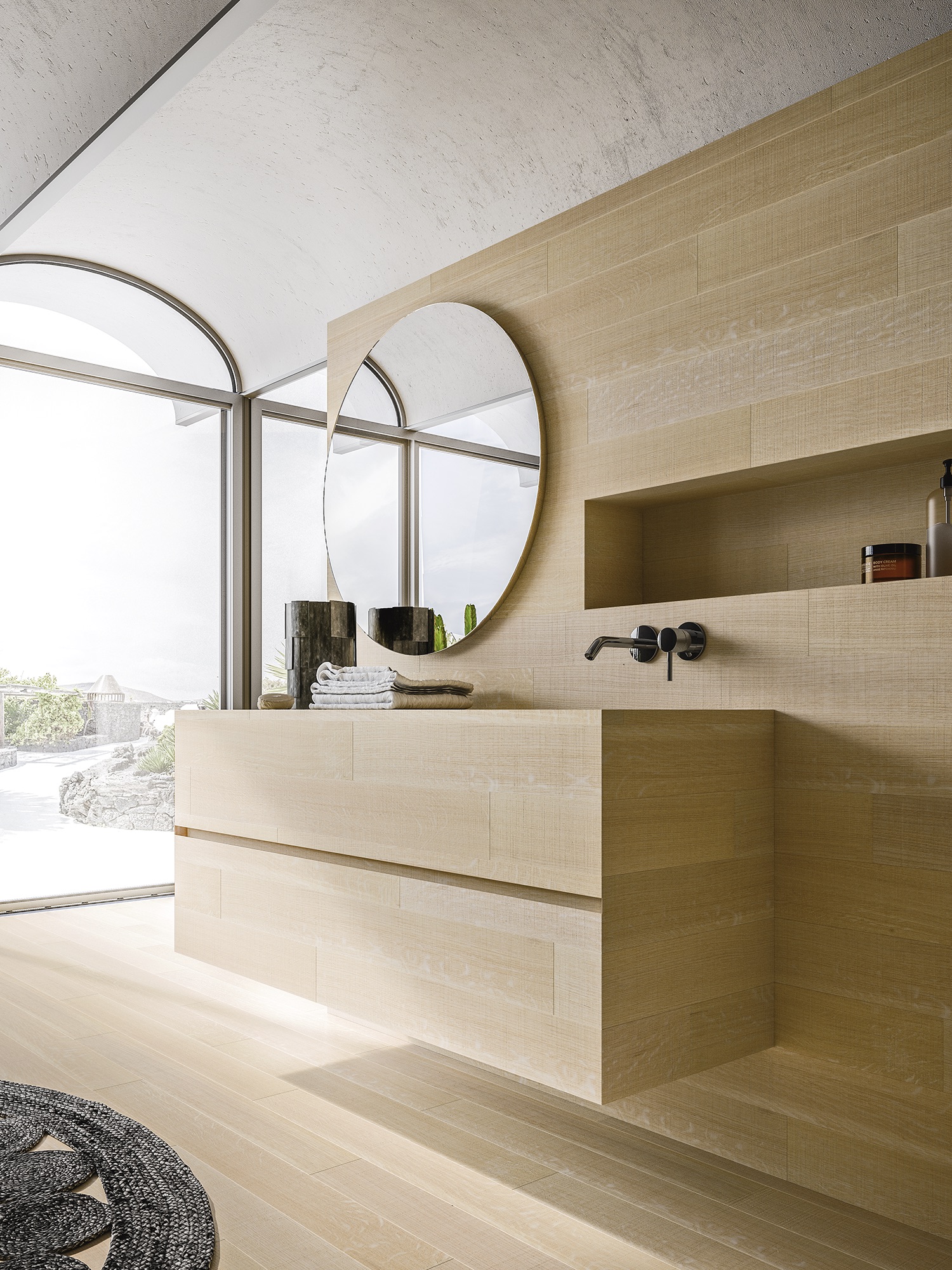
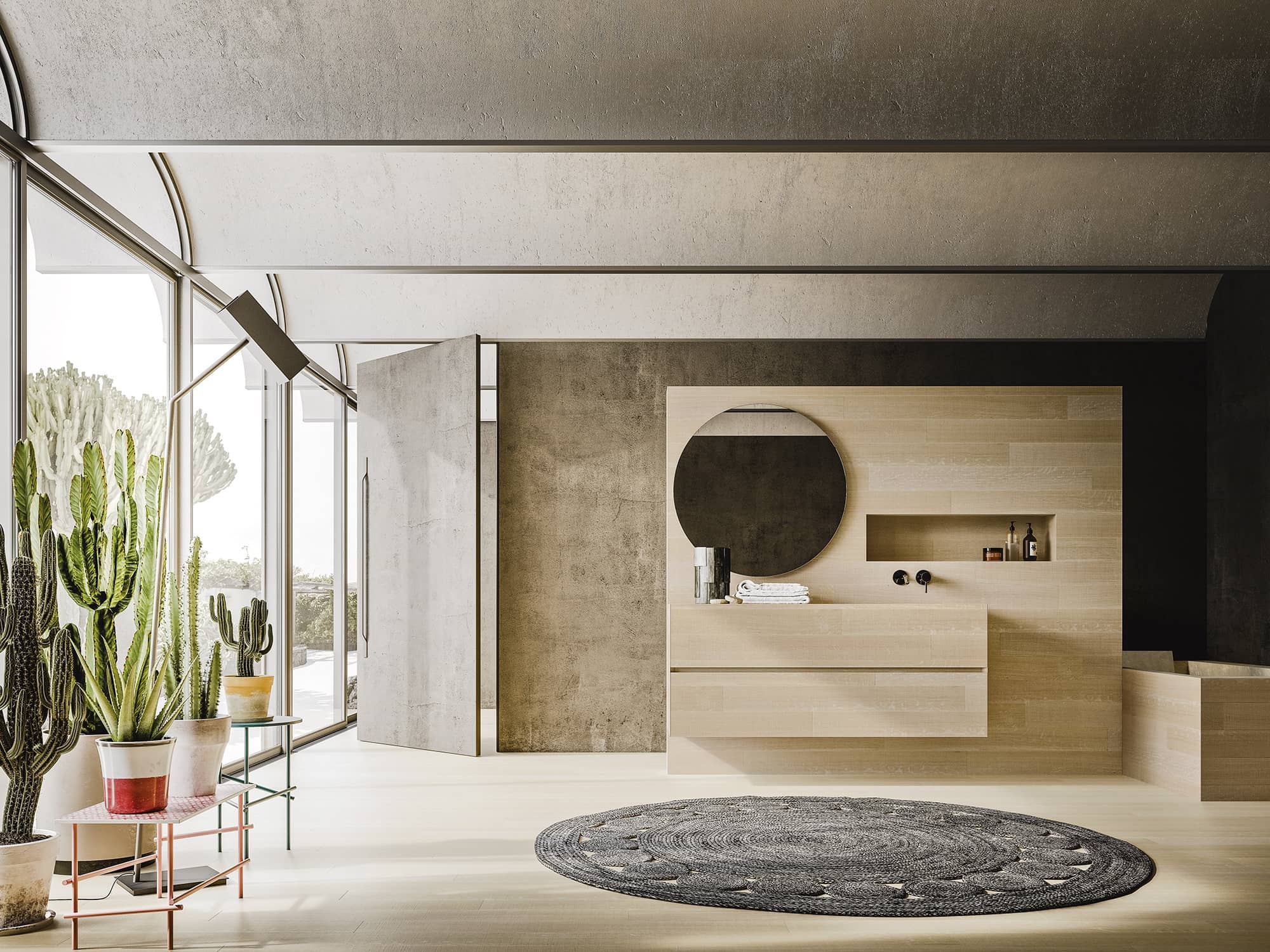
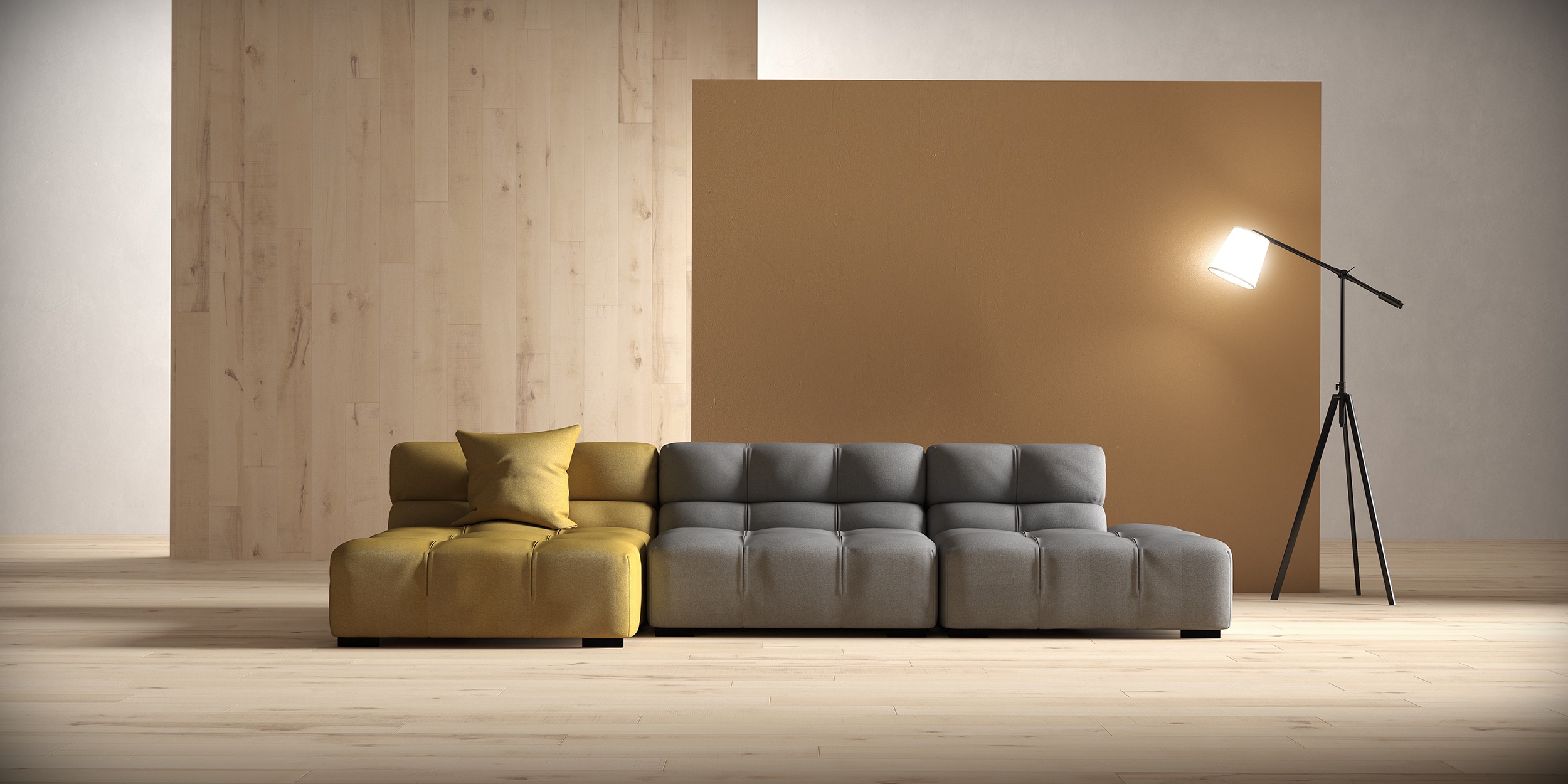
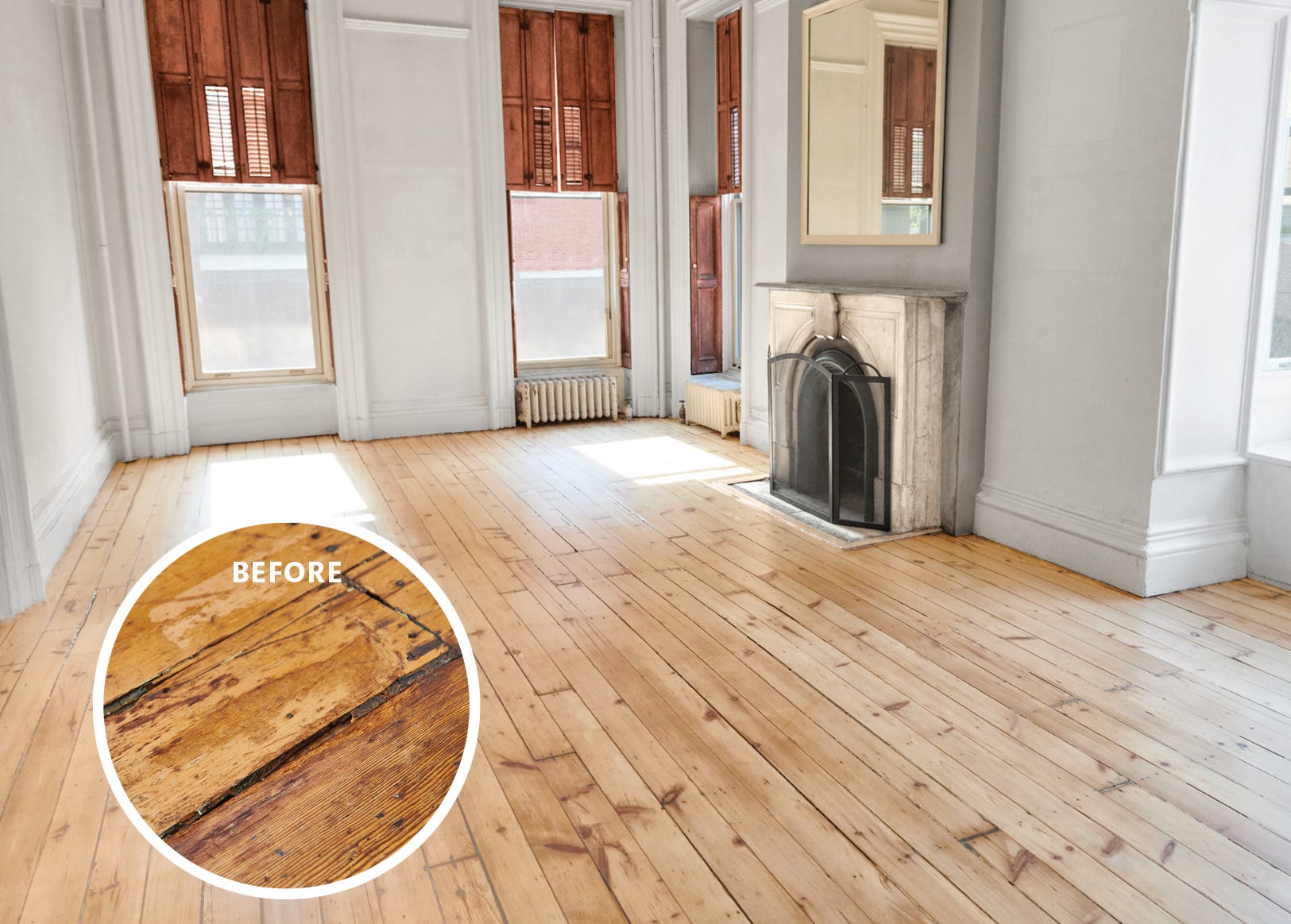
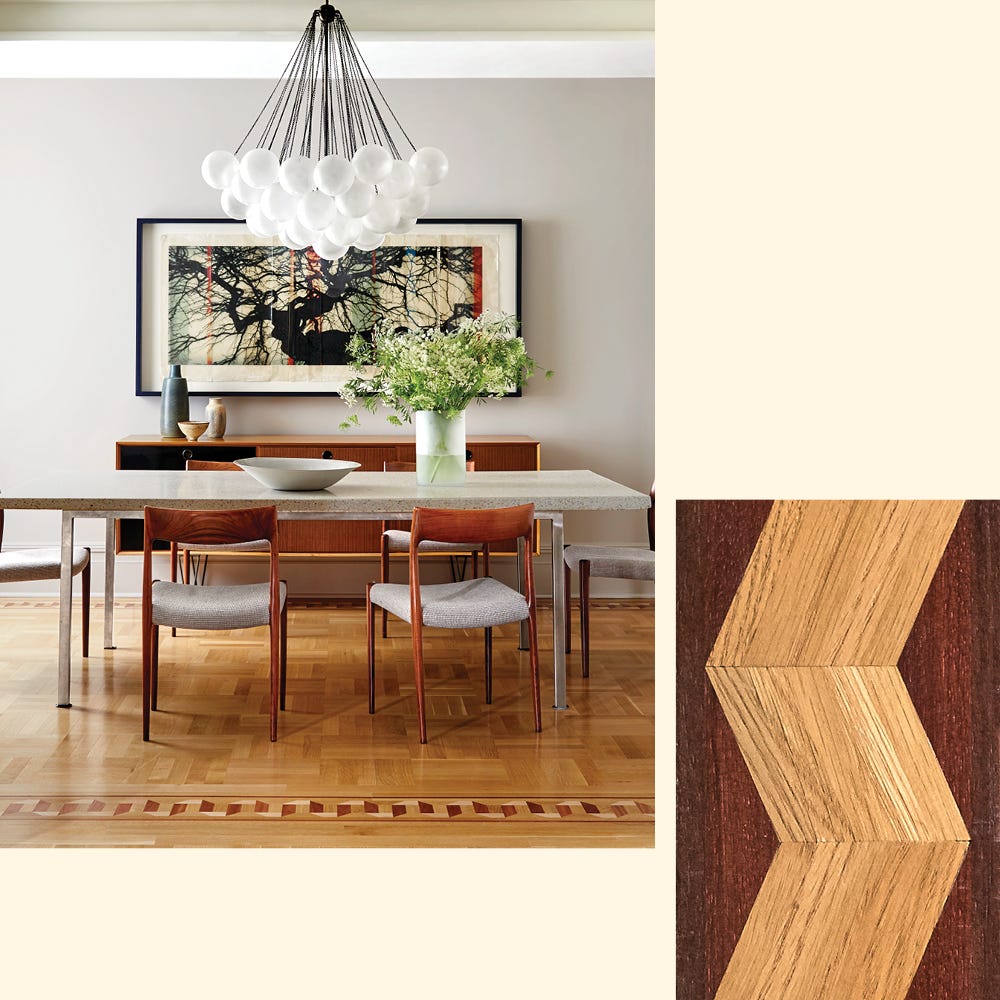
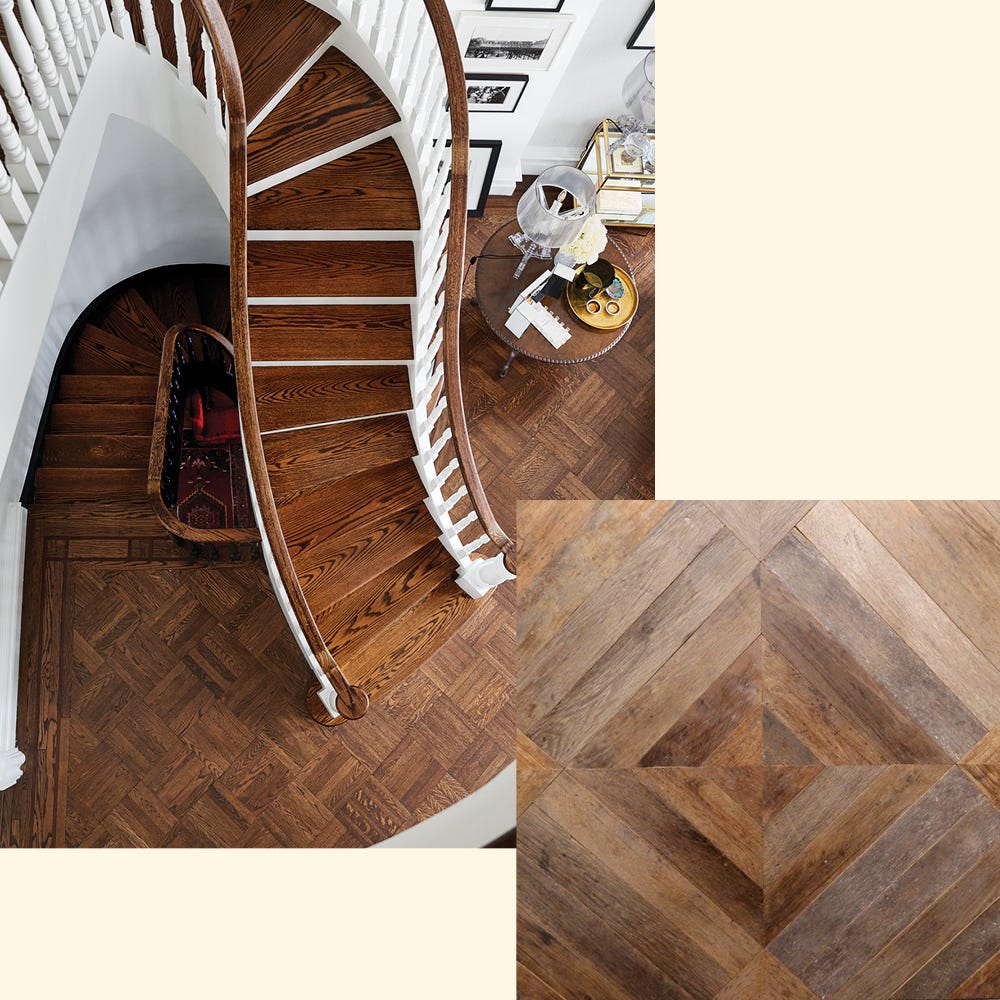
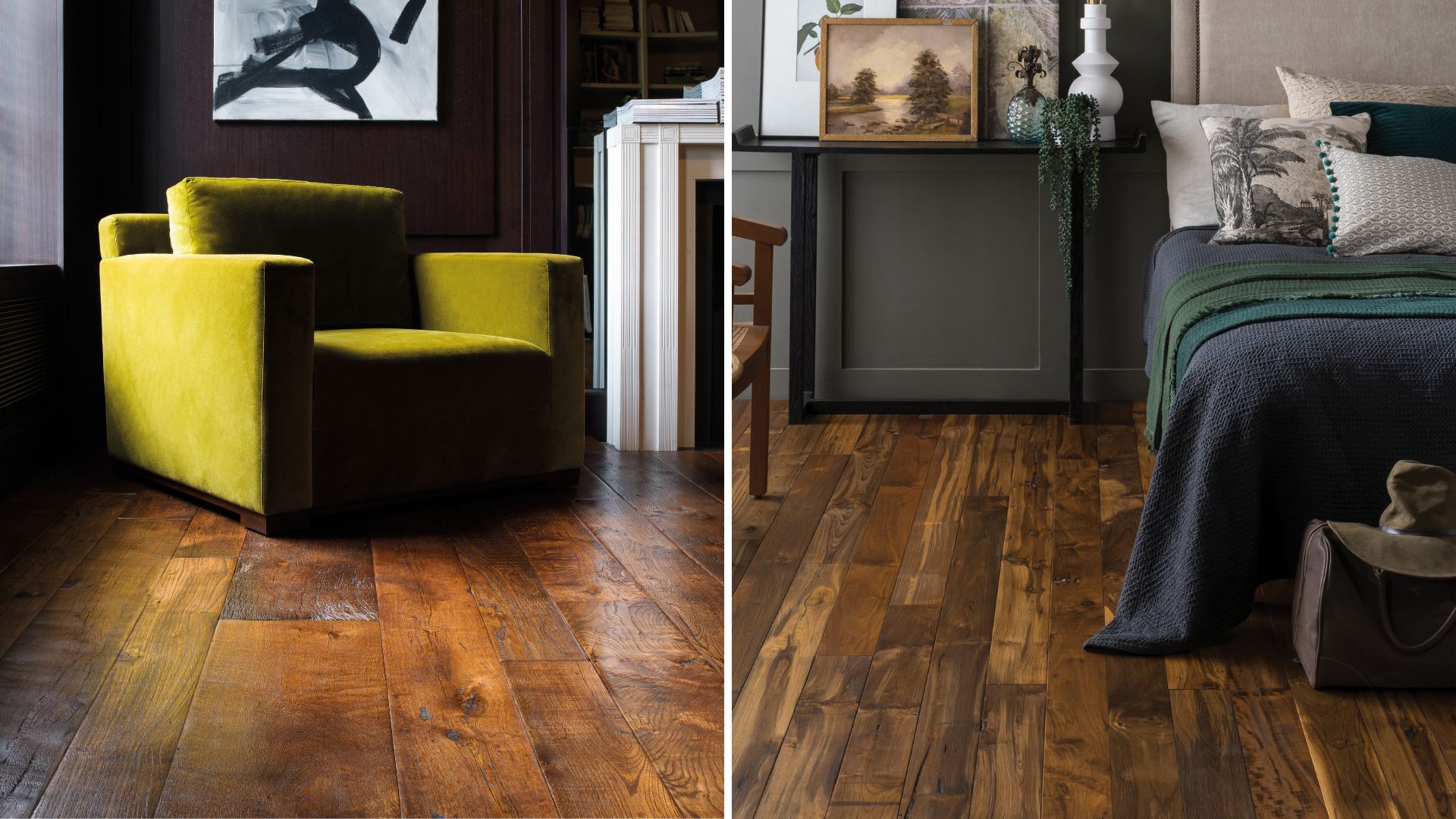
When selecting hardwood flooring, the abundance of options can be daunting, especially given that solid hardwood floors can last up to a century. Oak has traditionally been a popular choice in the United States due to its aesthetic appeal and cost-effectiveness. However, European white oak floors are emerging as a compelling option for those seeking a blend of classic and contemporary styles. The two primary types of oak flooring are red and white oak. European white oak's increasing popularity can be attributed to its cool, sleek color, superior durability, and uniform appearance. Despite its name, white oak is generally darker and browner than red oak. While red oak often exhibits pinkish undertones, white oak tends to develop a golden hue over time. European white oak's higher tannin content allows it to accept stains more effectively, particularly lighter shades. Furthermore, its finer grain pattern, compared to red oak, contributes to a more consistent and uniform floor aesthetic.
Beyond their visual differences, red and white oak also vary in durability. Although oak in general is renowned for its strength, white oak surpasses red oak in this regard. On the Janka Hardness rating, which measures wood density and resistance to indentation, European white oak scores 1,360, while red oak registers 1,290. A key factor in white oak's enhanced durability is its naturally less porous nature, attributed to the presence of tyloses. These tyloses result in a harder wood that offers greater resistance to heavy foot traffic, dents, and scratches. Moreover, tyloses provide white oak with rot resistance, making it a suitable choice for outdoor applications as well.
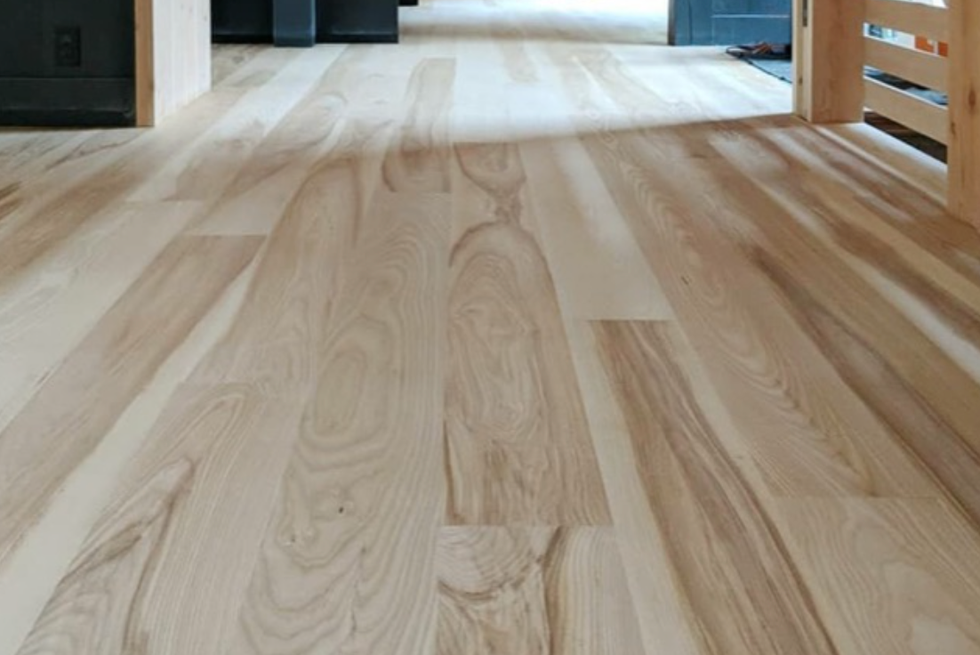
Prospective buyers should note that the term "white oak" in the wood industry does not exclusively refer to European white oak; it also encompasses American varieties. While European and American white oaks share many similarities, subtle distinctions exist. American white oak typically features warmer, redder undertones and boasts a comparable Janka rating of 1,360. In contrast, European oak is characterized by a tighter, wavier grain pattern, cooler tones, and a more uniform color across planks. Its growth habit, which results in taller trees, allows for wider and longer planks. Before installing hardwood floors, budget considerations are crucial. Hardwood is one of the more expensive flooring options, with prices varying significantly between types. The affordability of European white oak largely depends on geographic location. For instance, in the United States, it is generally more expensive than its American red or white oak counterparts due to import costs. Nevertheless, this investment may be justified for those seeking a floor that stains easily and offers a refined aesthetic. Consulting design experts for recommendations on the best hardwood floor colors can help maximize the value of this purchase. Given the substantial investment in hardwood flooring, proper maintenance is essential for longevity. To preserve the appearance of wood flooring, it is advised to avoid abrasive cleaners and instead use a pH-neutral hardwood floor cleaner. Additionally, preventive measures such as utilizing protective rugs and mats and attaching felt pads to furniture legs can help prevent dents and scratches.
#EuropeanWhiteOak #HardwoodFlooring #HomeImprovement #InteriorDesign #FlooringTrends #WoodDurability #DesignTrends #HomeRenovation #EuropeanWhiteOak #HardwoodFlooring #HomeImprovement #InteriorDesign #FlooringTrends #WoodDurability #DesignTrends #HomeRenovation
0 comment in total
 No comments yet
You may also like
12 color trends for hardwood floors

How Hardwood Flooring is Made at Advantage Lumber

Future of Flooring: Home Pros Talk Through the Latest and Greatest Flooring Trends

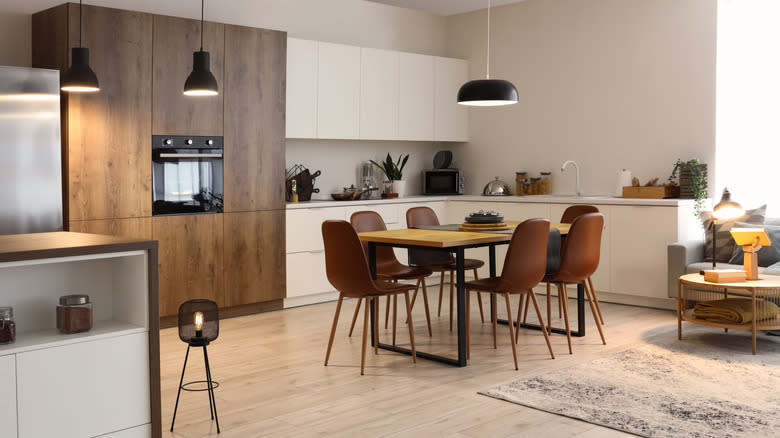
The Cabinet And Flooring Material That's Starting To Make Your Space Look Dated

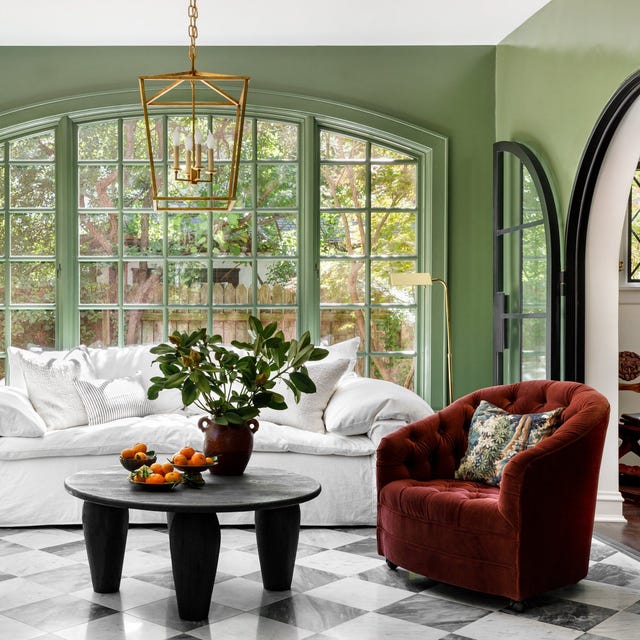
8 Flooring Trends You Should Know for 2022

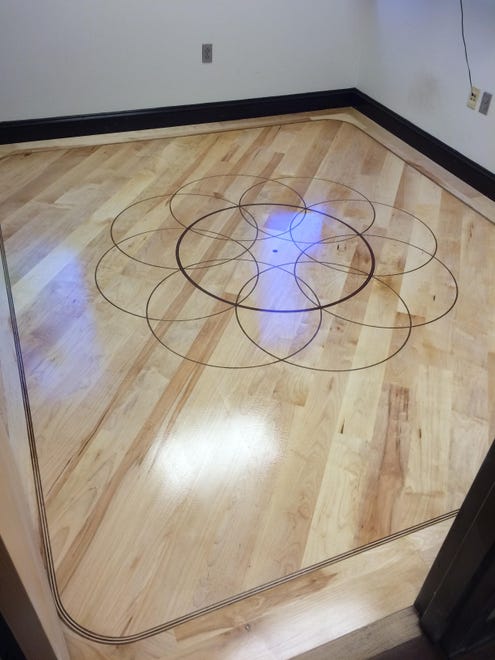
Beauty of hardwood flooring
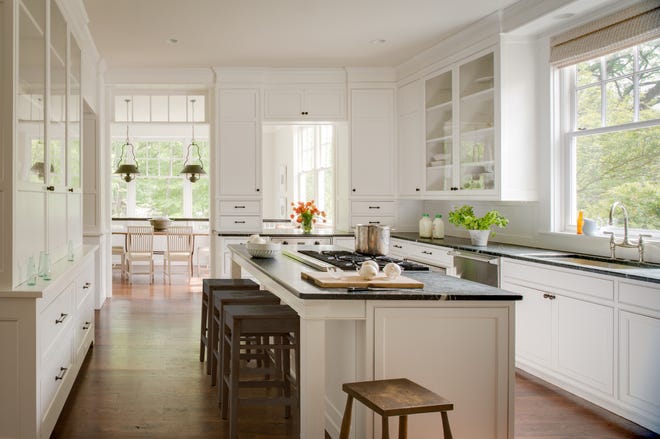
Why wood floors are design of the moment
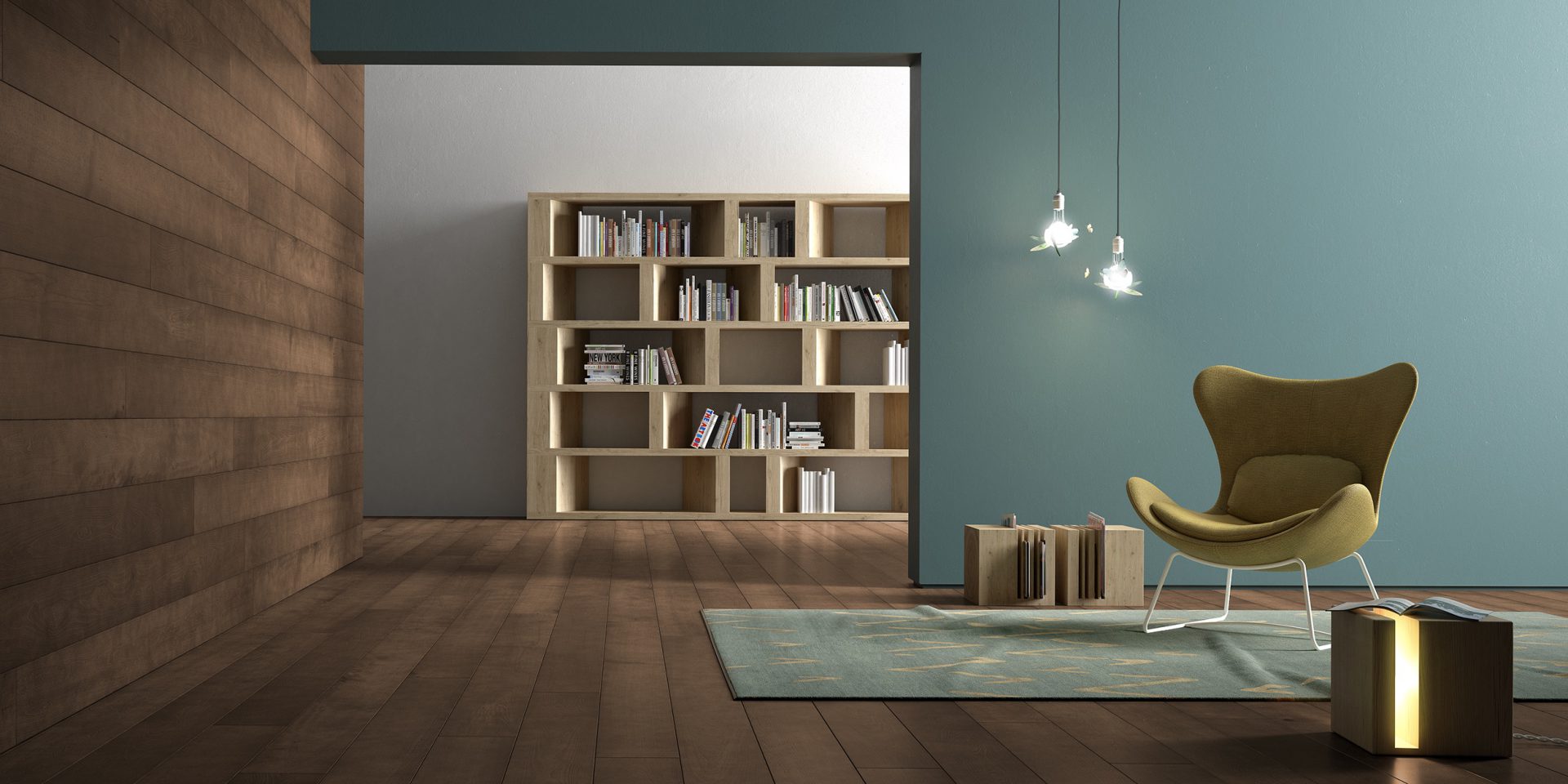
Wood flooring was just a start, introducing Italian hardwood excellence ITLAS

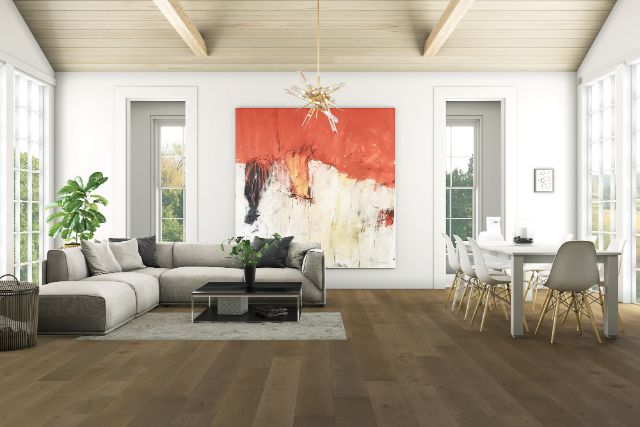
Use White Oak Floors for a Tranquil Home | Carlisle Wide Plank Floors

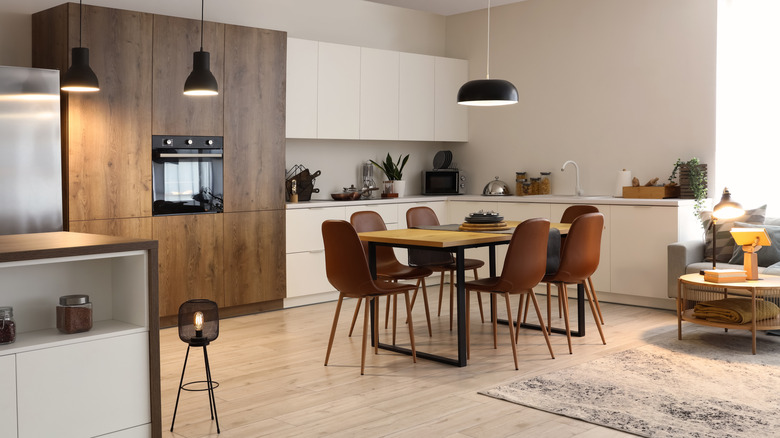
The Cabinet And Flooring Material That's Starting To Make Your Space Look Dated
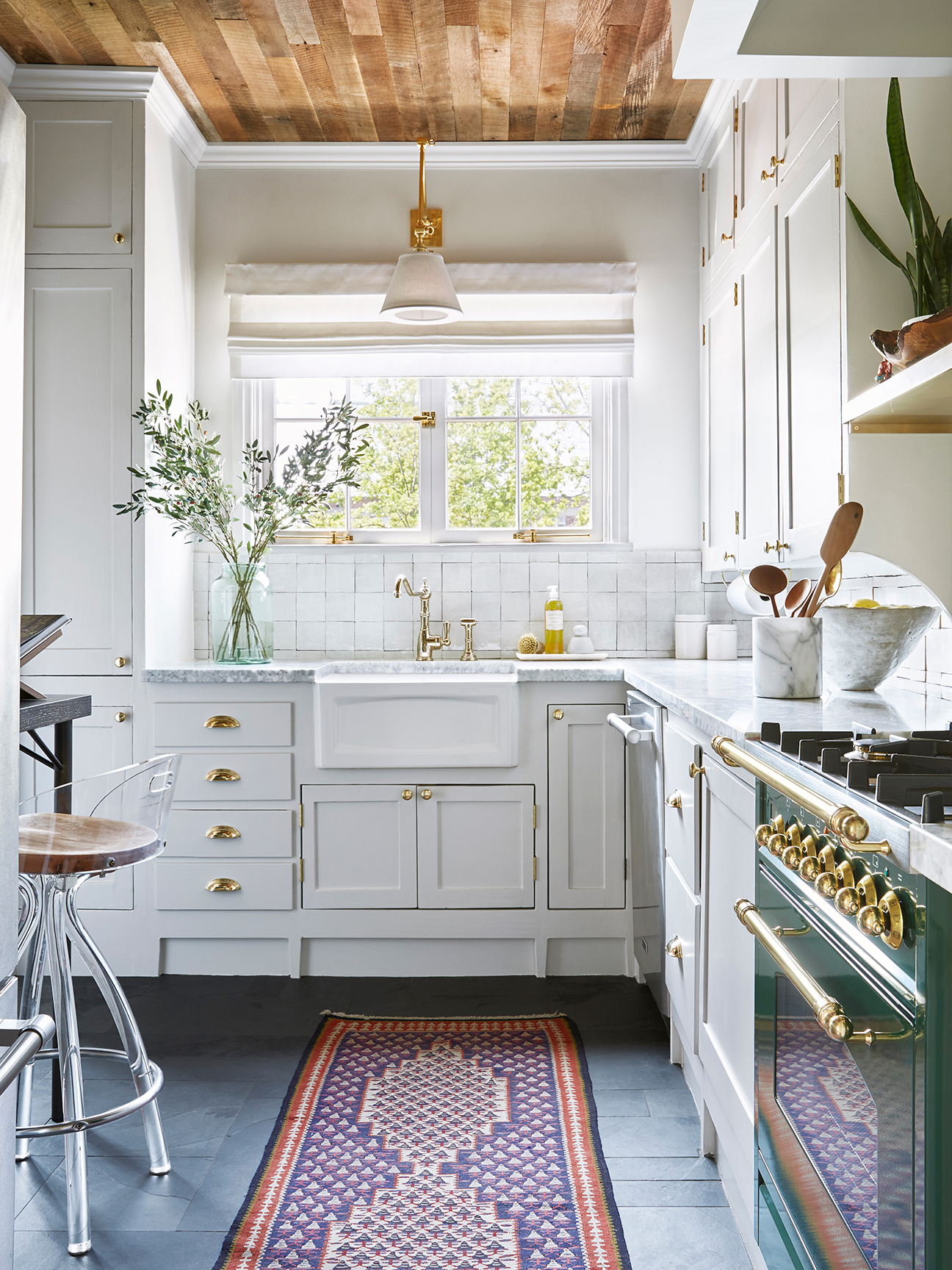
Hardwood Isn’t Just for Your Floors Anymore
Here's Everything You Need to Know About Wood Flooring
The #1 Flooring Trend To Know, According to Designers

More and More People Are Skipping Pricey Wood Floors for This Alternative
How to Get the High-End Flooring Look You See in LUXURY Homes
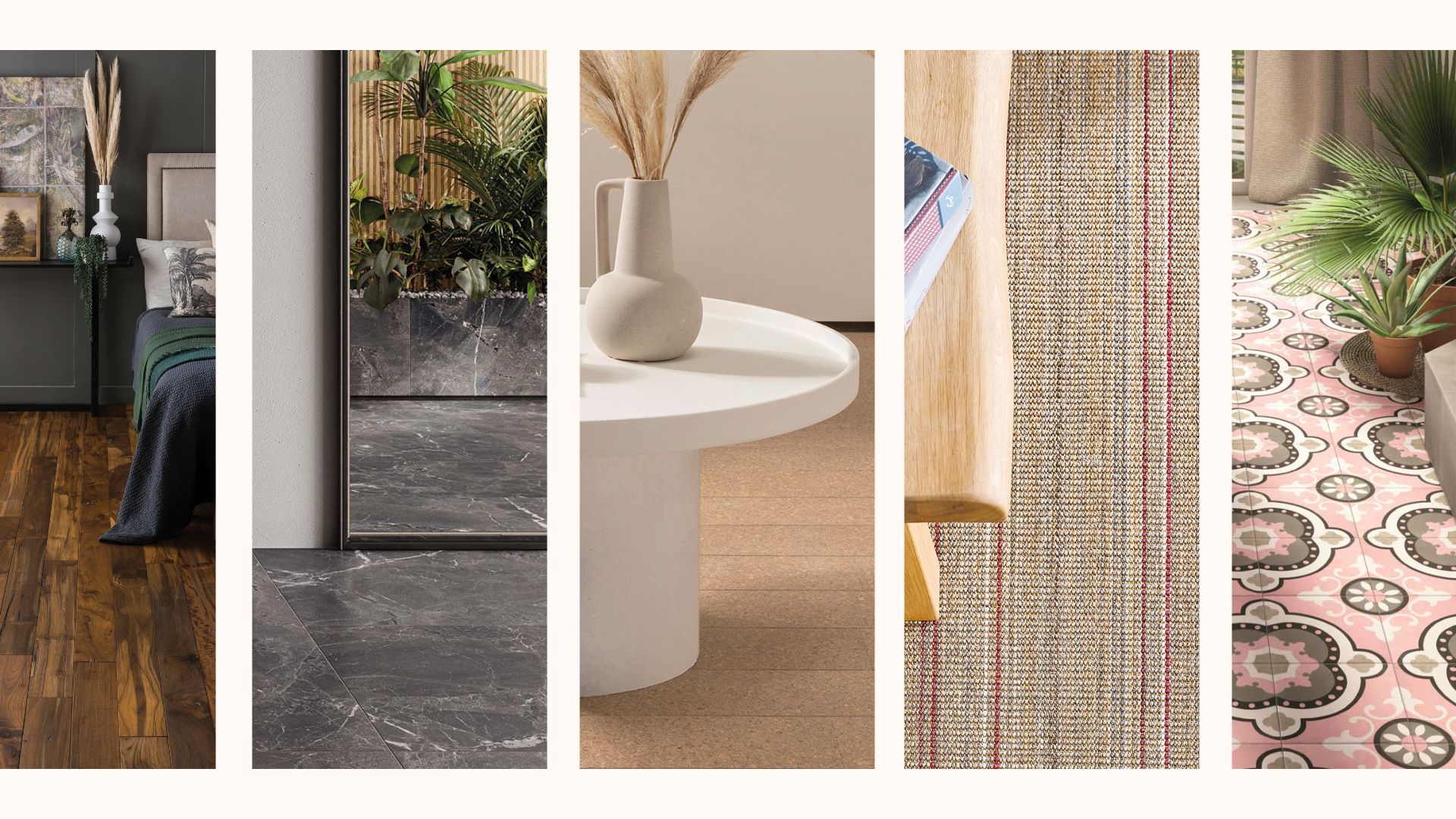
Flooring trends 2023: 18 popular design choices for stylish floors

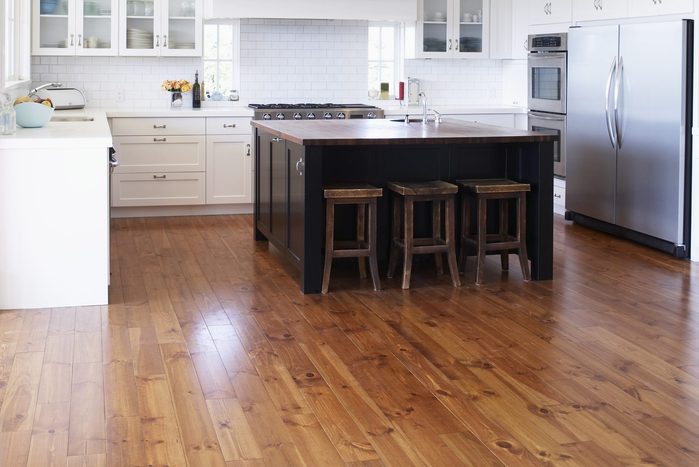
The Top 10 Flooring Trends for 2022
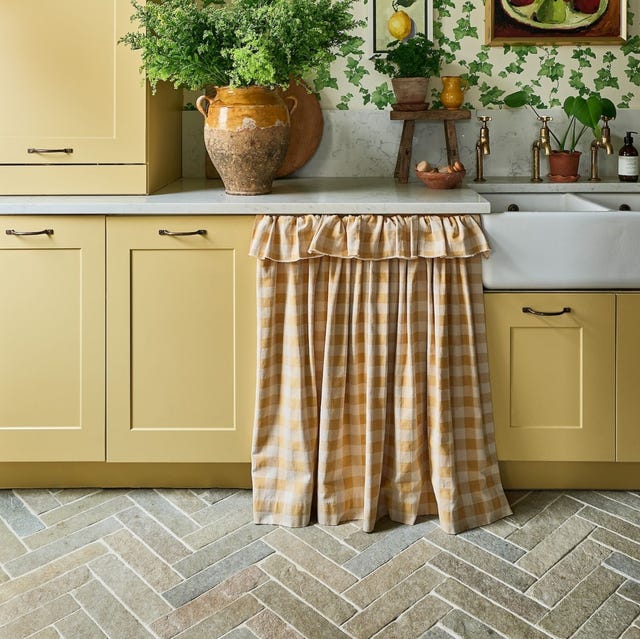
7 flooring trends you're about to see everywhere
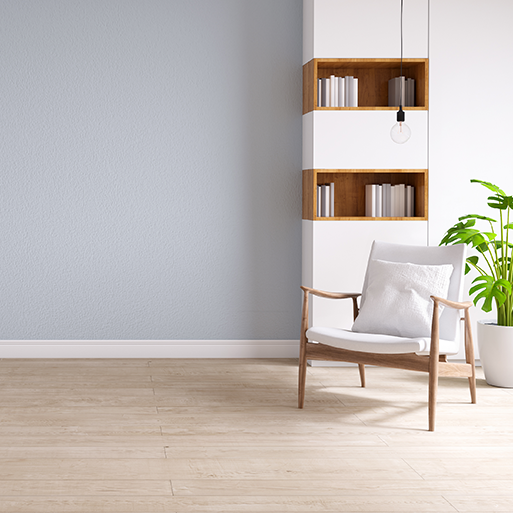
A Home Improvement Expert Reveal the Best Hardwood Flooring

Wood Floors Make (Another) Comeback