1/7
Breaking the vase
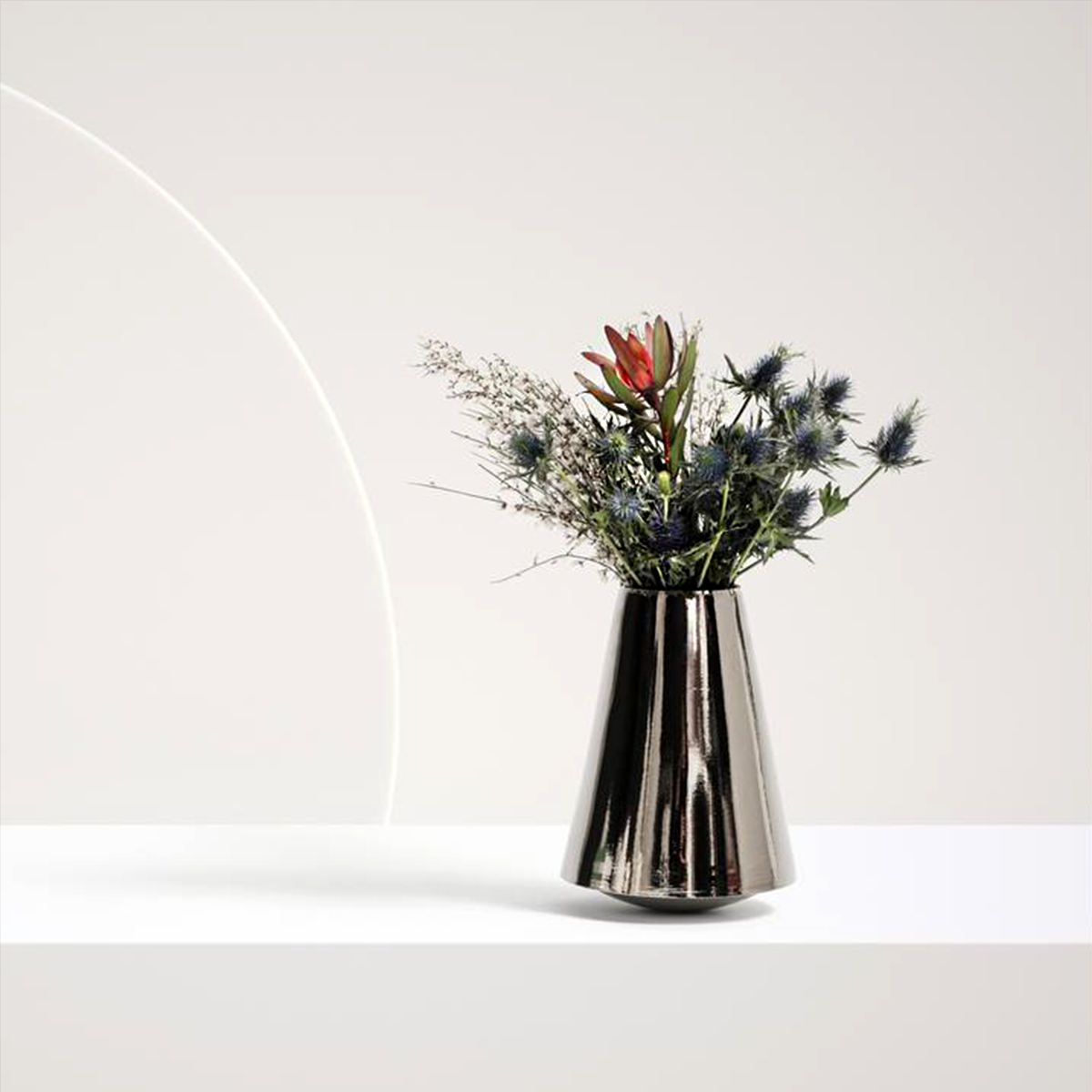
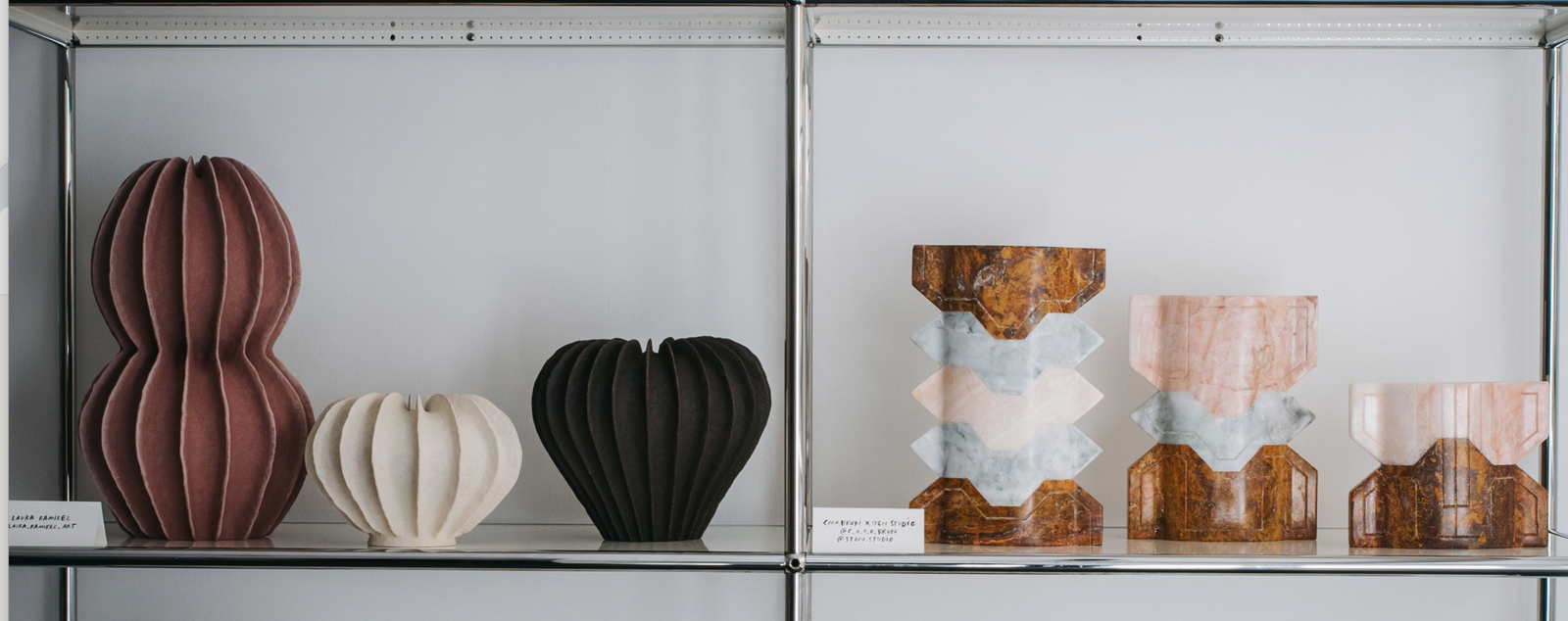
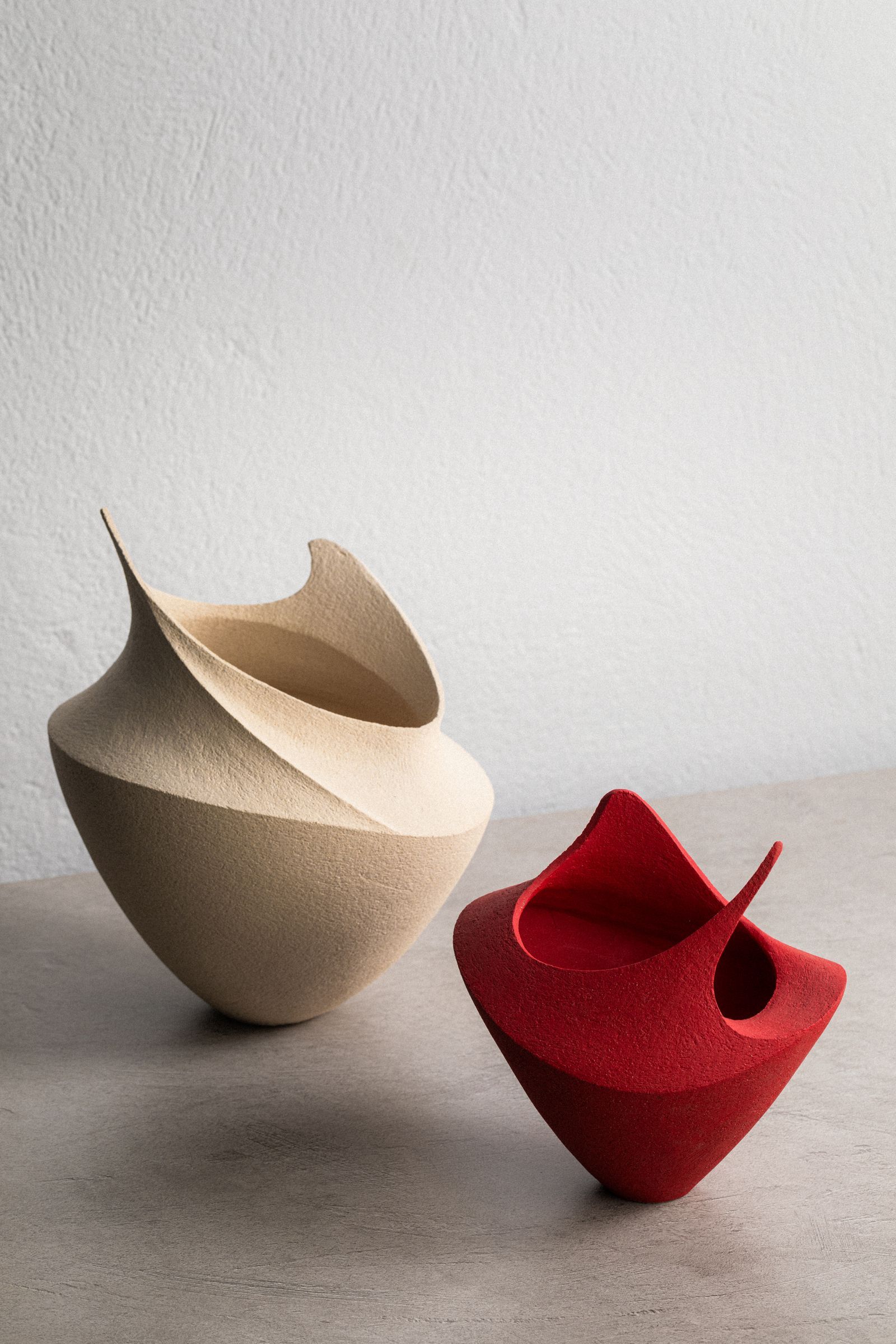
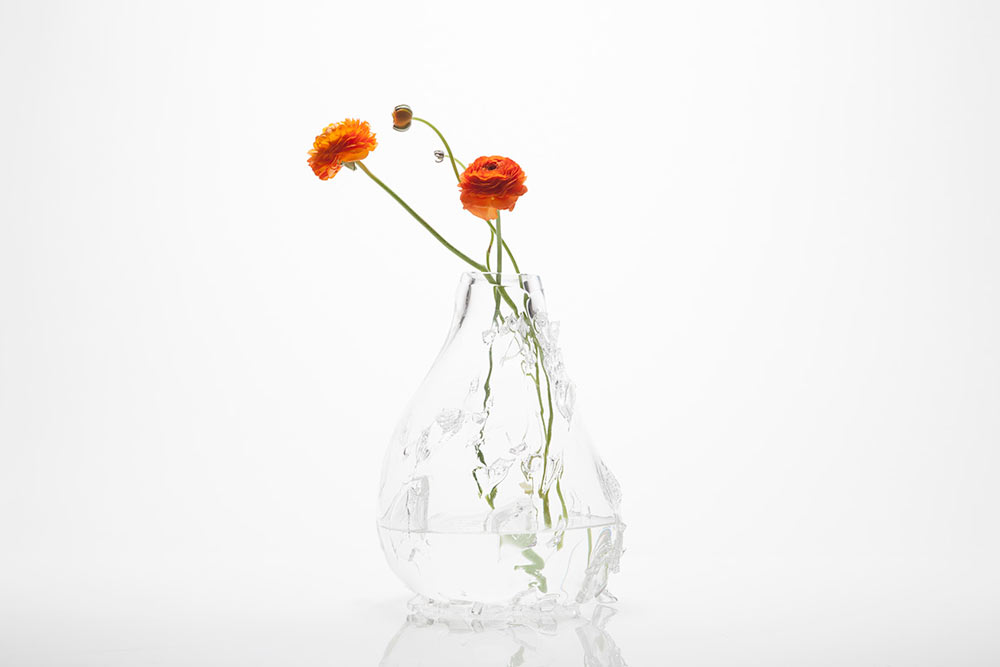
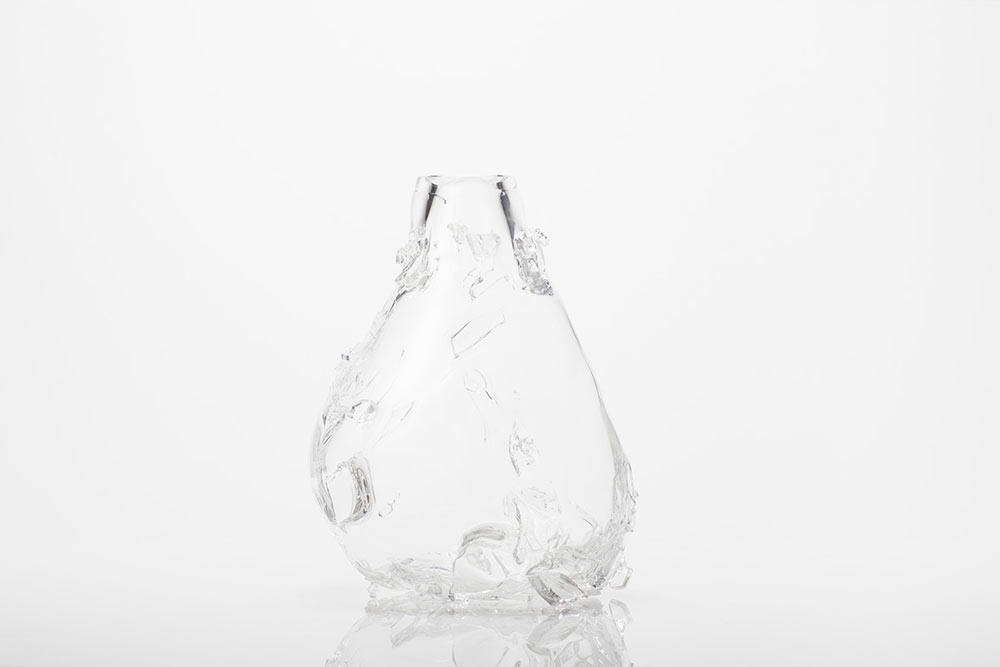
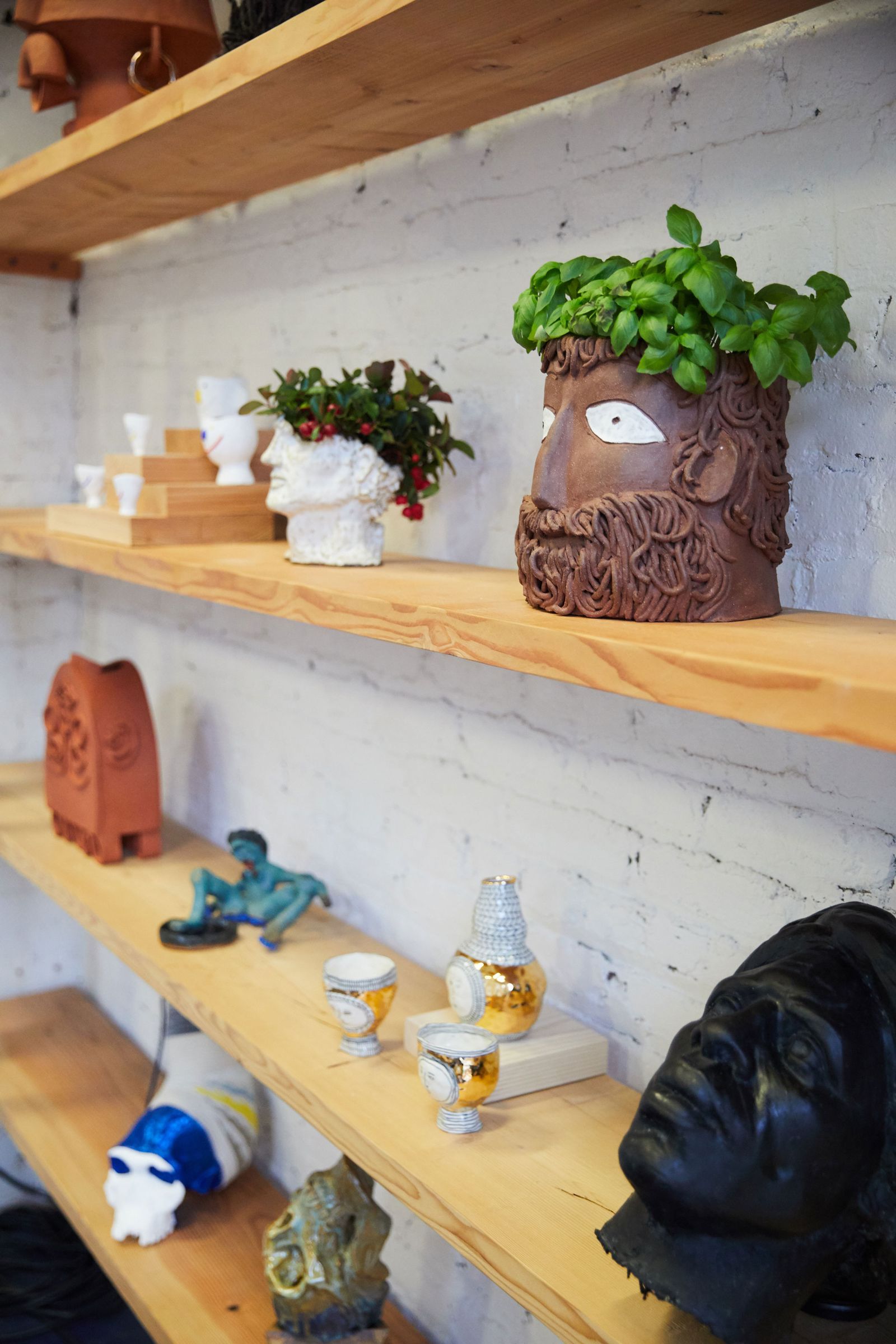
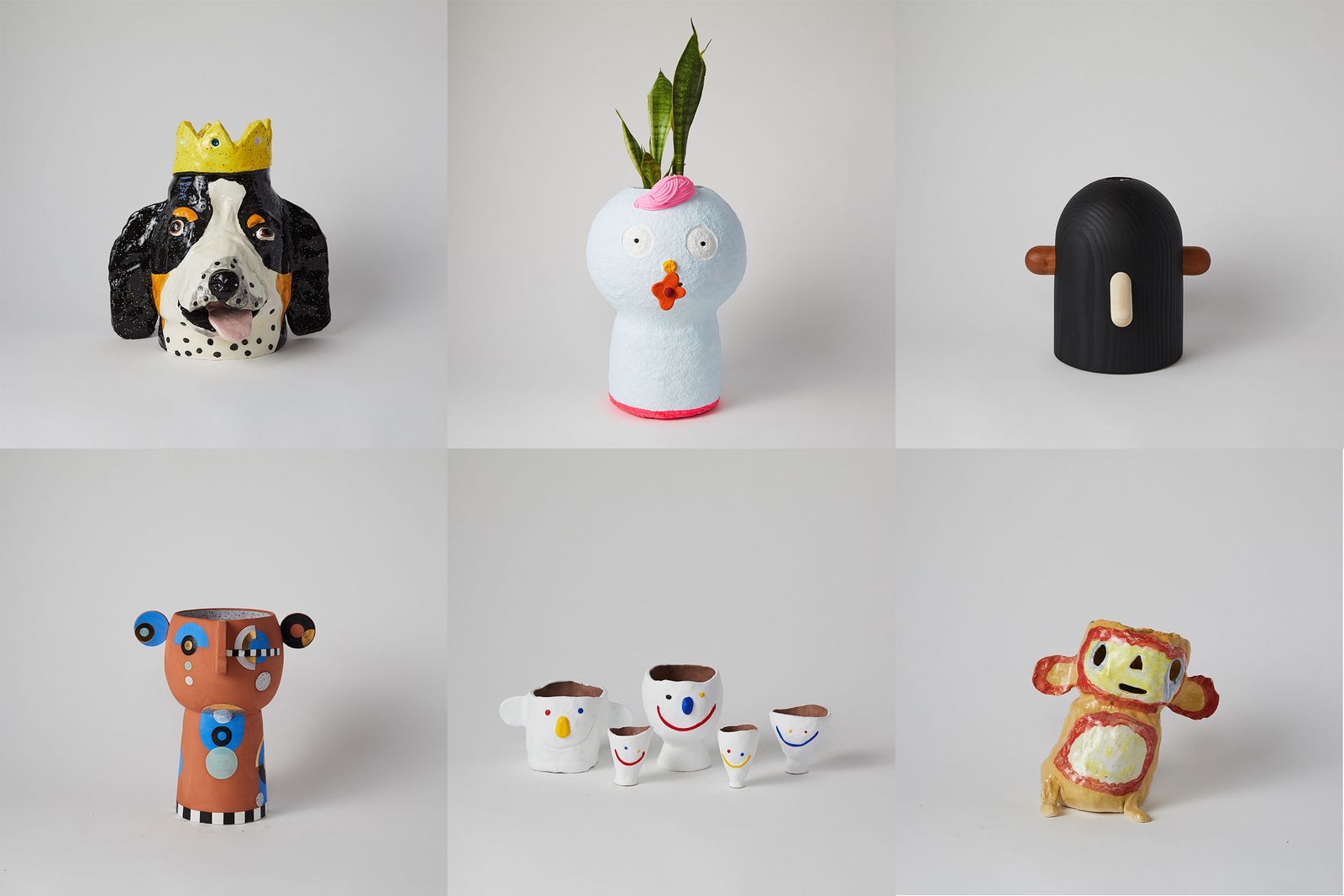
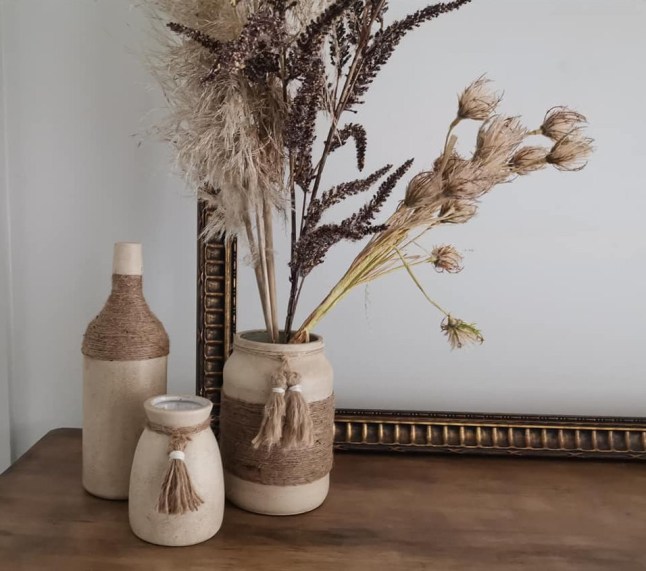
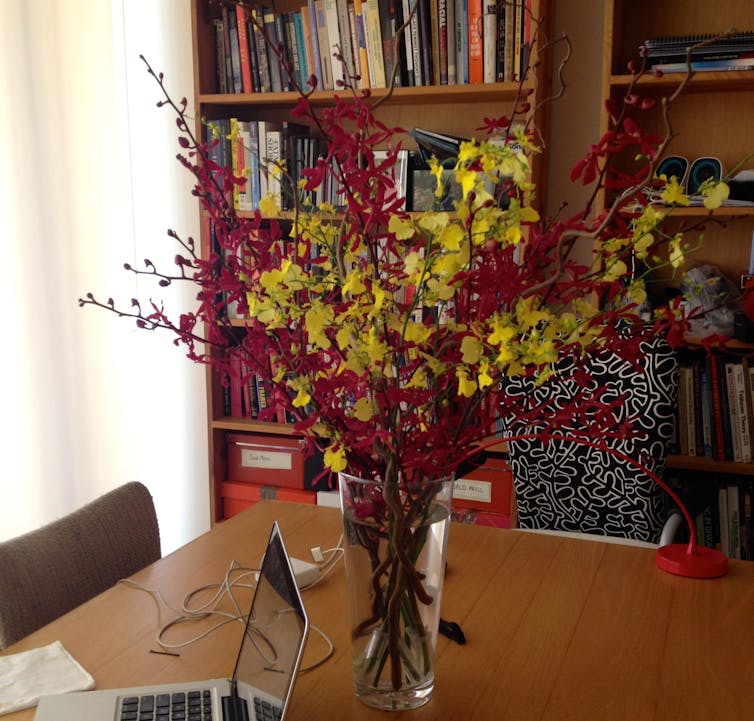
The author examines the social value of flower vases through the frameworks of the Triad of Limitations and the Triad of Well-Being. This analysis stems from a personal reflection on the author's increased use of flower arrangements after moving from a garden-equipped flat to a mid-rise apartment in Melbourne, highlighting a common urban living experience.
The Triad of Limitations, conceptualized by designer Victor Papanek, assesses a design's social value based on its ability to help humans overcome biological, habitat, or mortality limitations. Initially, the author finds that vases do not address biological limitations; in fact, the bacteria that can grow in vase water could pose health risks, though later studies indicate these risks in hospital settings are low. However, vases do address the limitation of habitat, particularly for those without gardens or in urban environments, as exemplified by Ming Dynasty scholar Yuan Hongdao's historical account of using vases due to limited space. Historically, the earliest use of vases for flower arranging, dating back to 2,500 B.C.E. with the ancient Egyptians and later with Japanese Ikebana, was tied to religious practices and the overcoming of mortality limitations through offerings to the dead. Yet, the author notes that as vases became more widespread, their purpose shifted from spiritual piety to a reflection of conspicuous consumption, diminishing their role in addressing mortality today. The vase receives 1.5 out of three checks in this triad.
Next, the Triad of Well-Being, a framework developed by the author, evaluates how a design contributes to belonging, recognition, and self-determination. The act of giving flowers fosters belonging, but the vase itself, often given as an impersonal gift, does not inherently contribute to this sense. Recognition, however, is significantly boosted by expensive or collectible vases, such as Alvar Aalto's Savoy Vase or antique Ming Dynasty pieces, which allow owners to display social and economic status. Self-determination, defined as the power to make decisions without external influence, is not directly enhanced by a vase; while one can decorate a vase to express identity, the object itself does not bestow or strengthen this ability. The vase scores one out of three in this triad.
Based on these evaluations, the flower vase fails to meet the benchmark of contributing to at least four of the six social value criteria. The author suggests that society should critically consider whether to continue designing new flower vases, especially given concerns about sustainability and over-consumption. While existing vases can be used and inventory cleared, the article encourages exploring alternative flower arrangement traditions that do not require additional manufactured products, such as garlands and wreaths. The article concludes by challenging readers to re-evaluate consumption patterns for objects with limited social value, positing that breaking the habit of designing and purchasing new flower vases is one such opportunity.
#DesignAnthropology #SocialValue #FlowerVases #Sustainability #ConsumptionPatterns #TriadOfLimitations #TriadOfWellBeing #UrbanLiving #HomeDecoration #DesignAnthropology #SocialValue #FlowerVases #Sustainability #ConsumptionPatterns #TriadOfLimitations #TriadOfWellBeing #UrbanLiving #HomeDecoration
0 comment in total
 No comments yet
You may also like
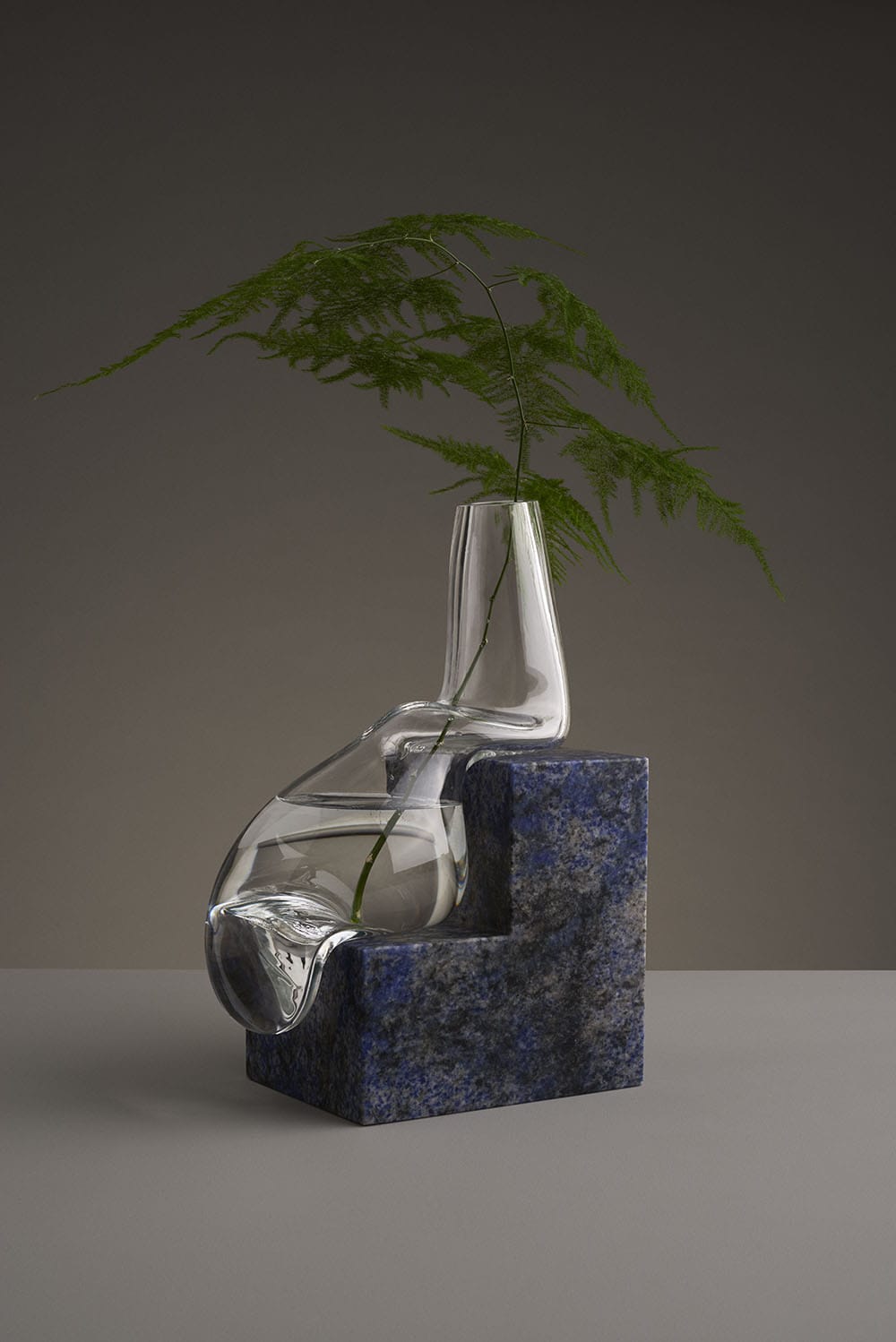
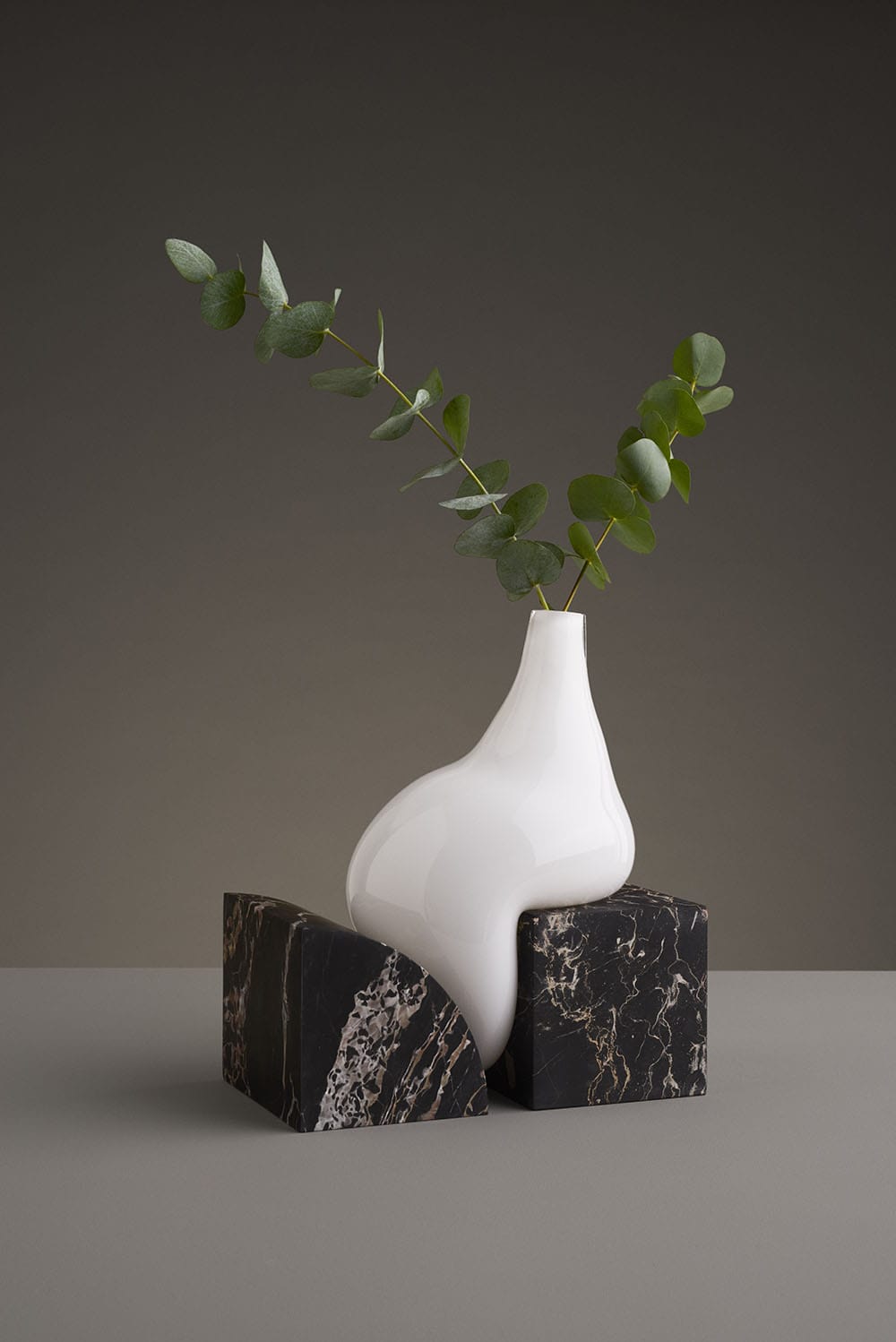
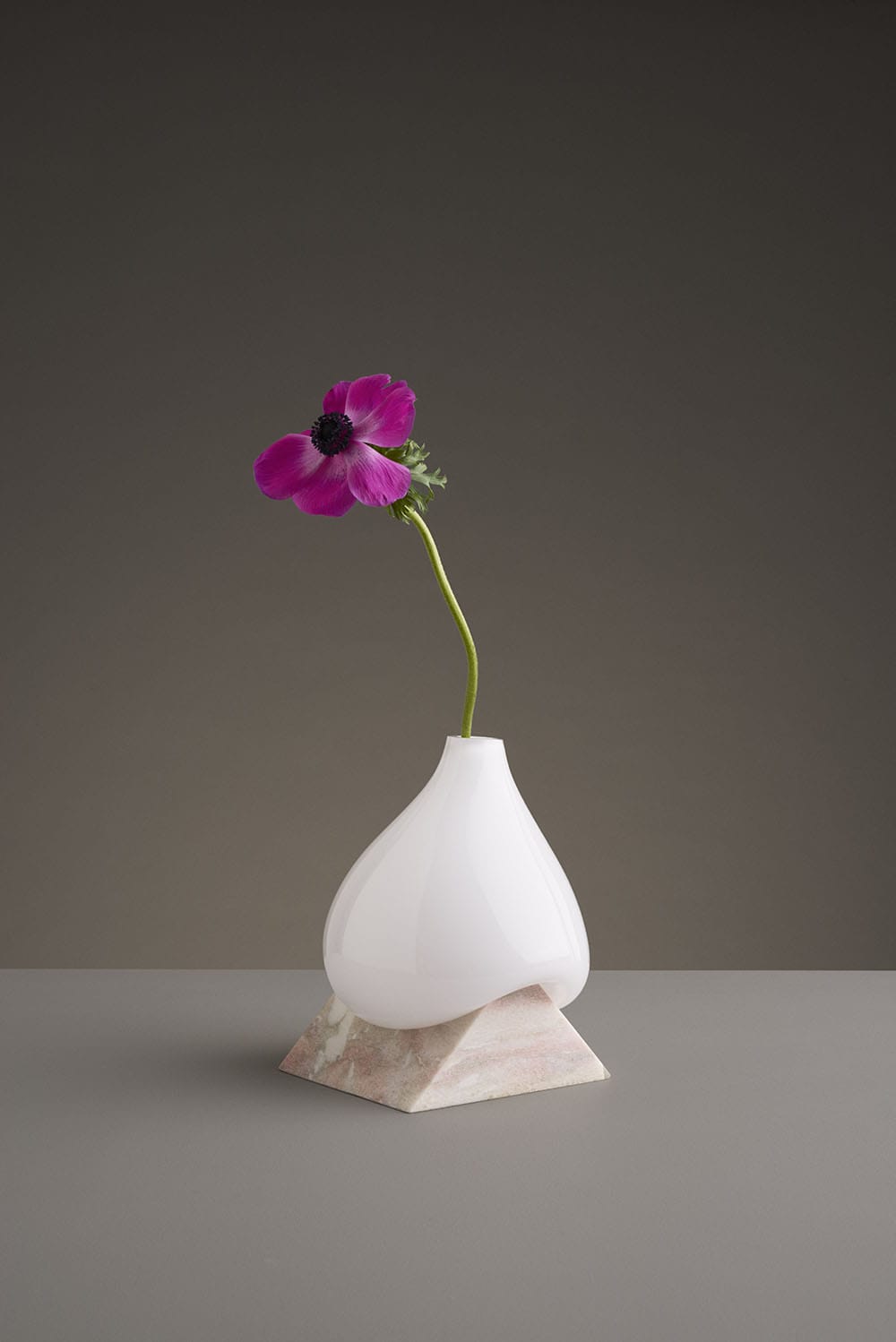
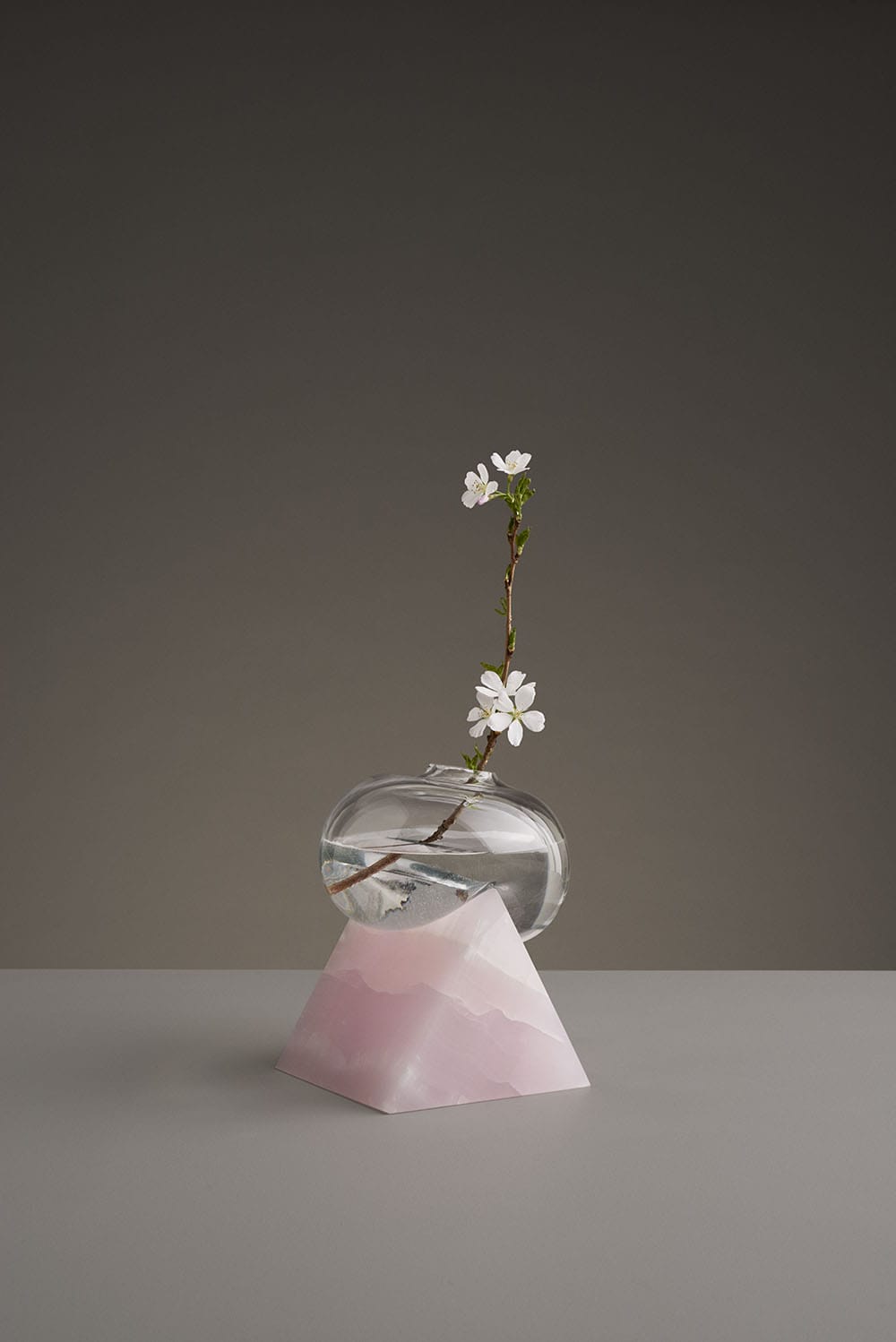
Misshapen Glass Vases by Studio E.O Appear to Melt Atop Angular Stone Platforms

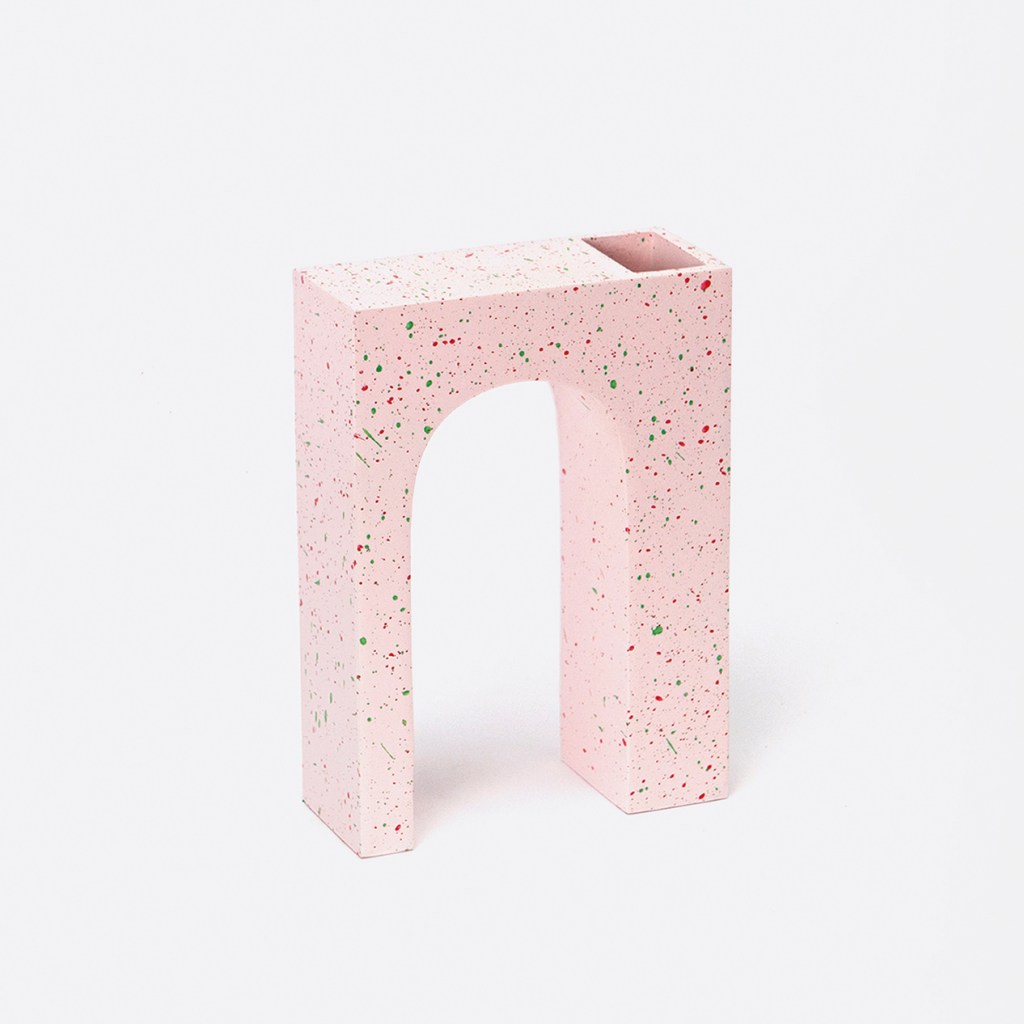
Acquedotto Vase
'Scary' moment woman's bathroom vanity sink top shatters after cleaning
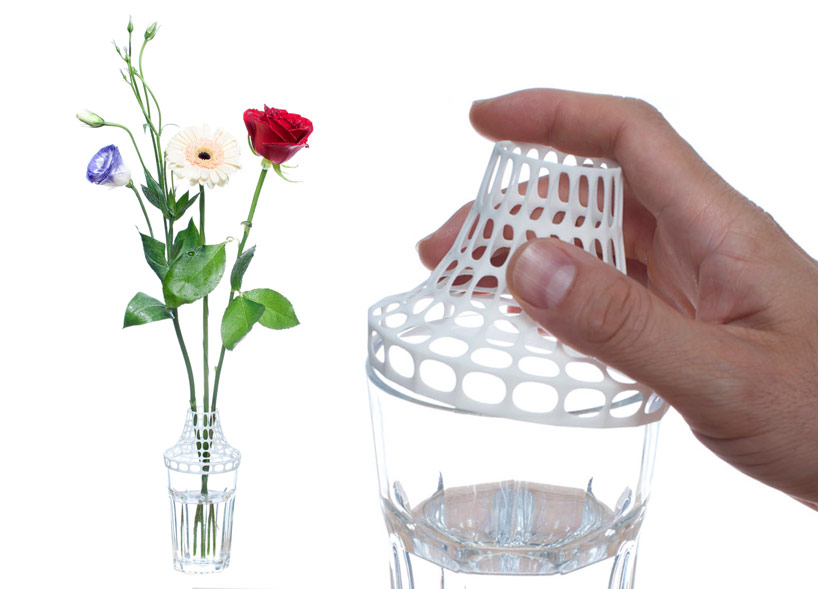
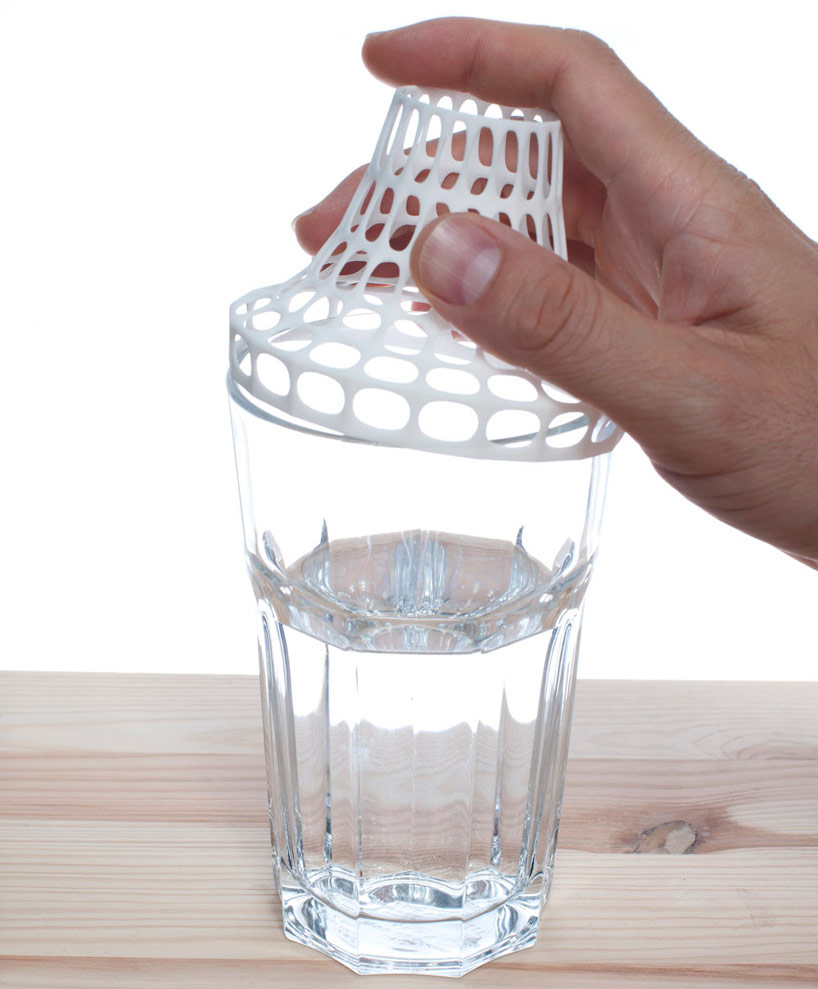
3D printed clip on vase modifies drinking glass
8 Beautiful Vases That Are True Works of Art, and Are Just As Investment-Worthy
A Work of Art

Raili Keiv Lets Her Vases Dance

An Art Deco treasure is diminished

Carving a Niche

martín azúa warps ceramic vases with raw stones
Glass Vases That Look Like They're Growing Ice Crystals

Upcycle jars into stunning vases with this woman's DIY hack

A Tale of Two Materials: Innesti Vases
An Ode to Vases with Faces