1/11
5 Rules for Identifying Antique and Vintage Ceramics—Plus the Types That Are Most Valuable
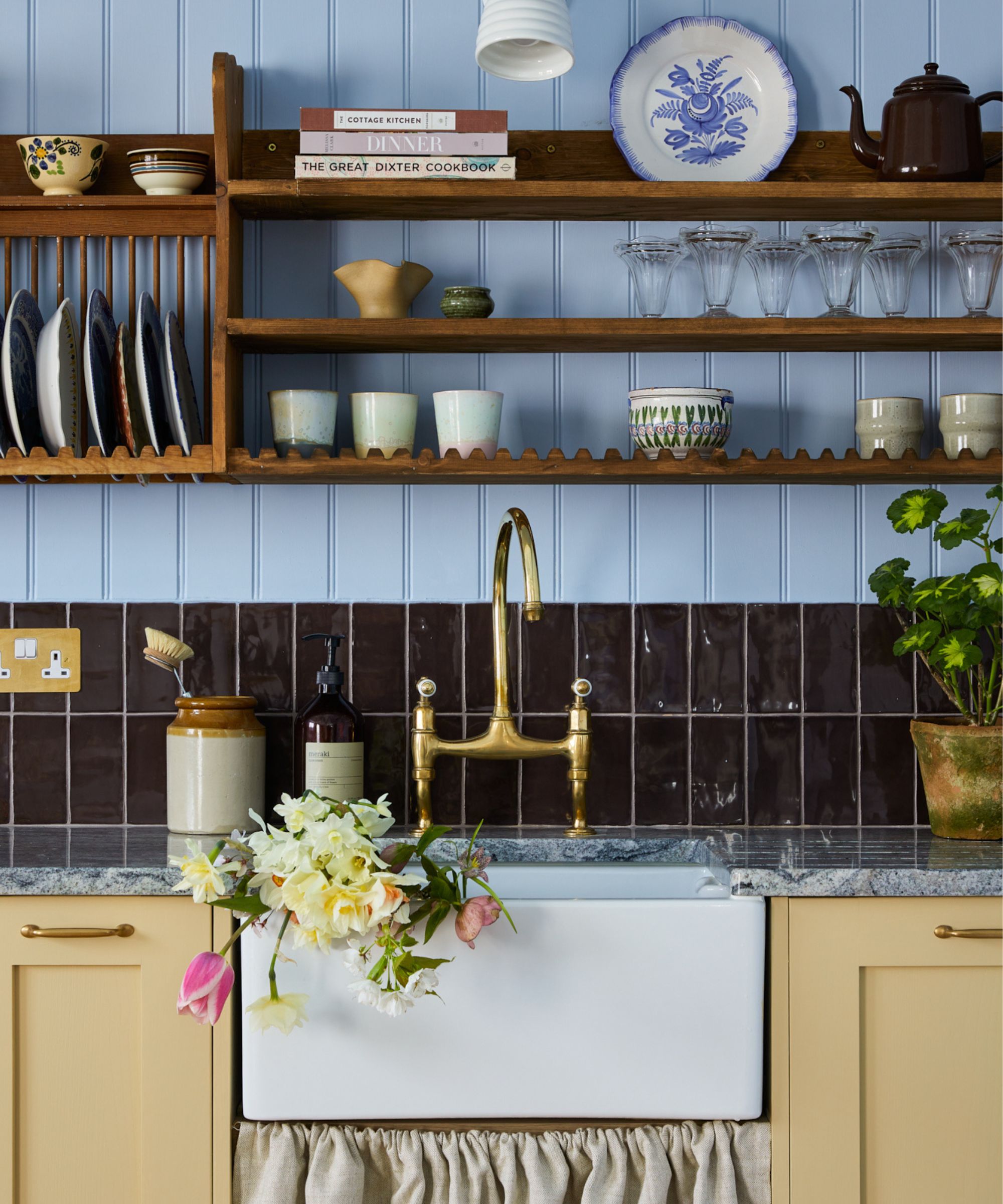
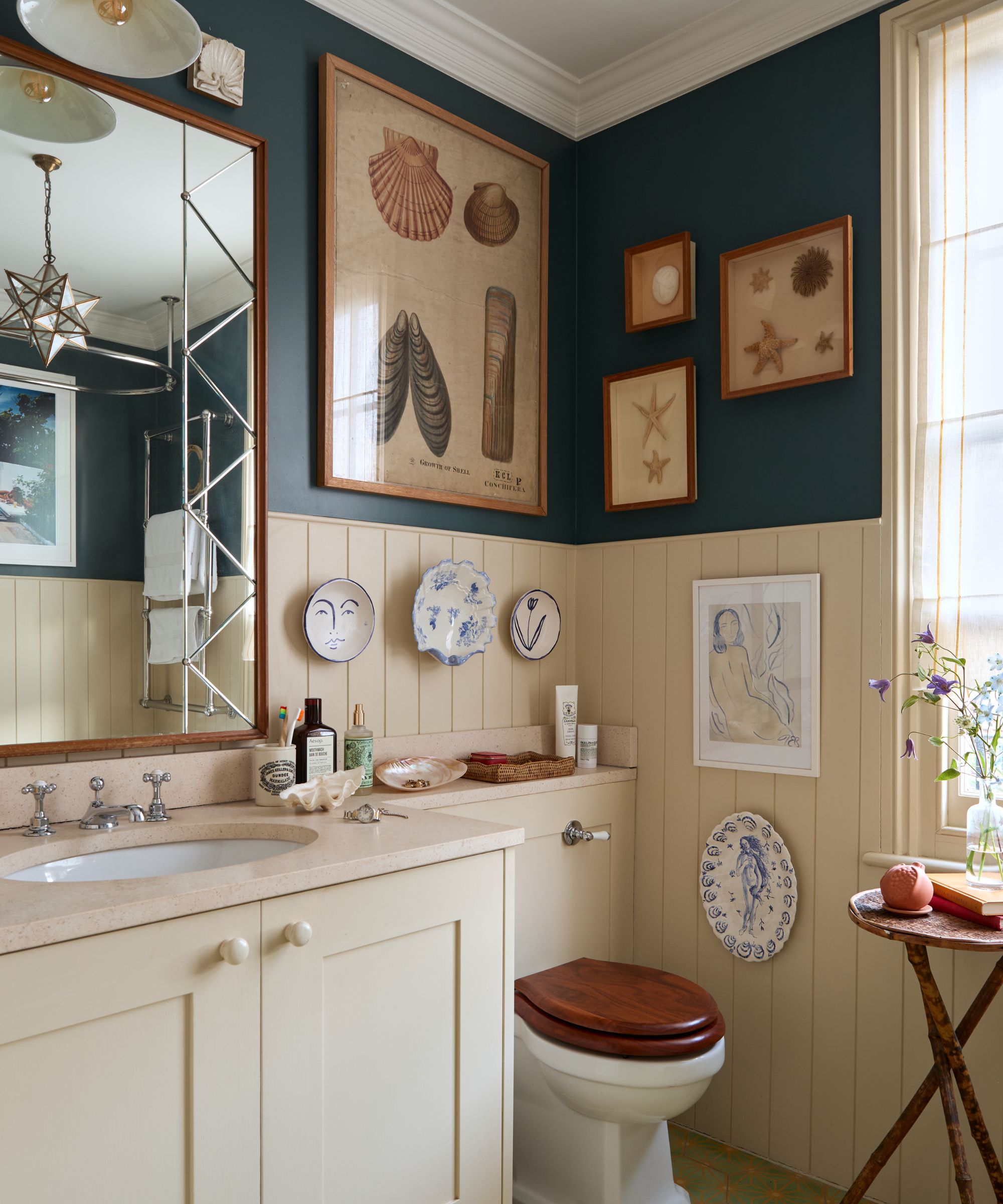
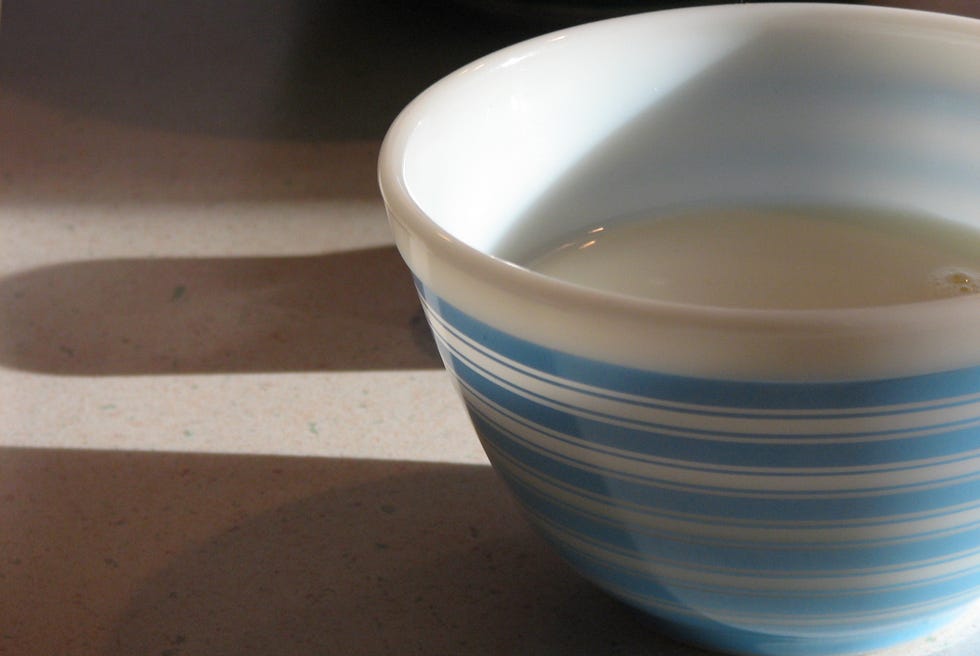
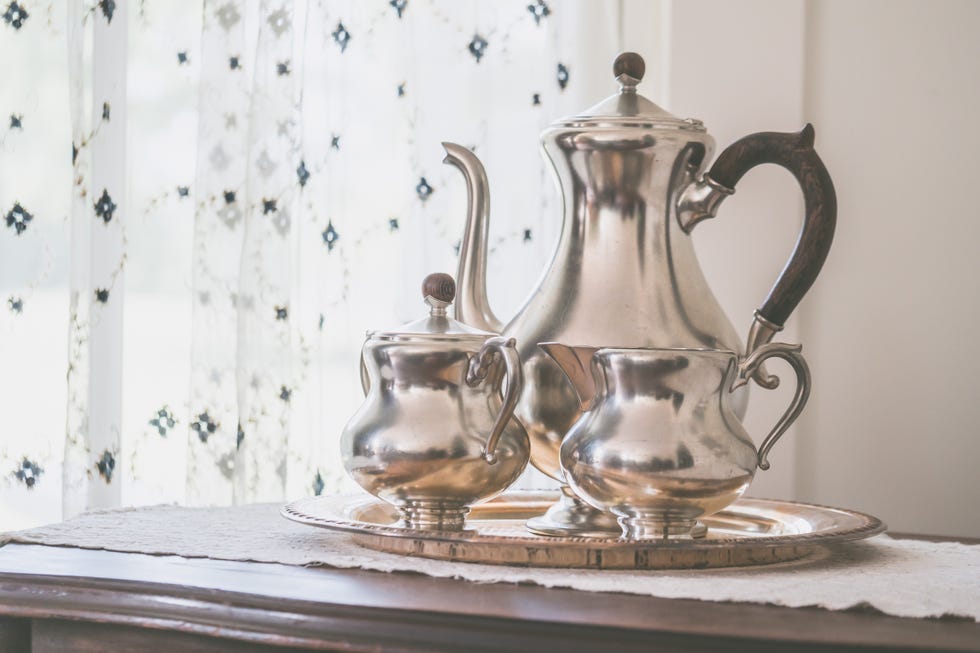
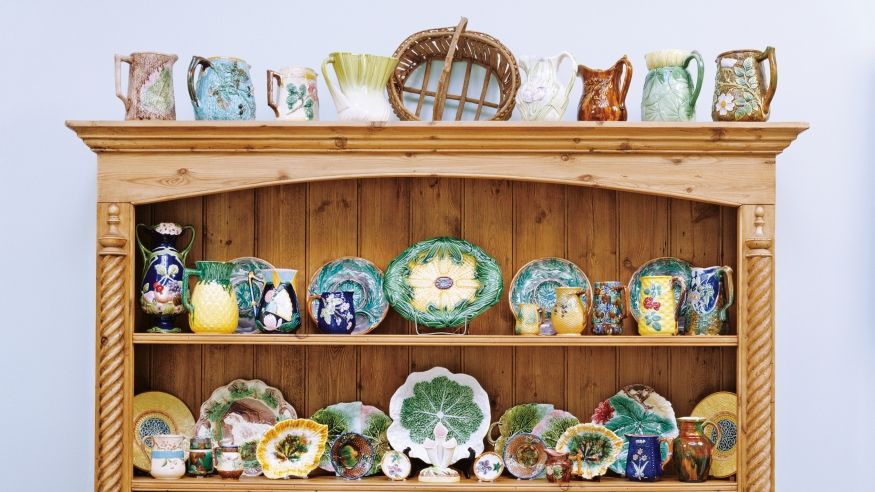
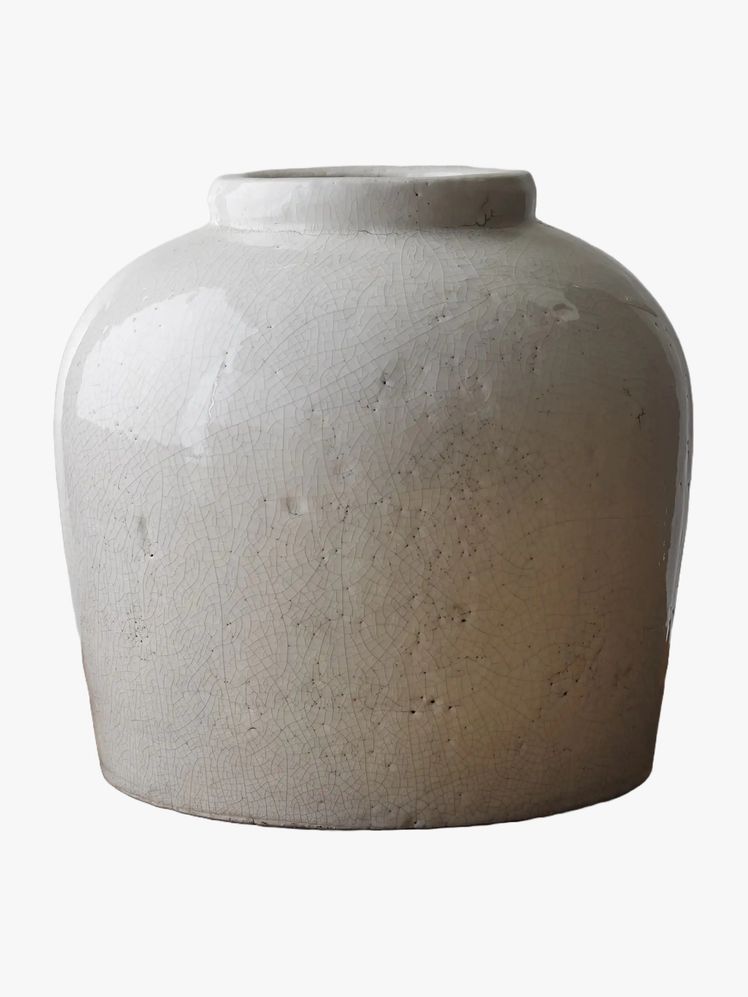
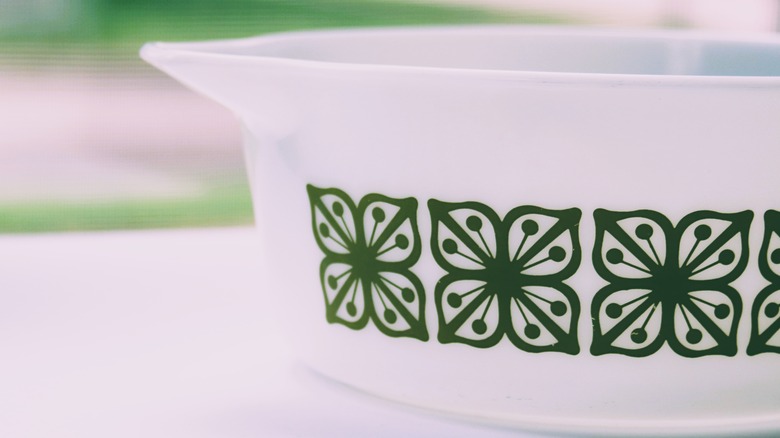
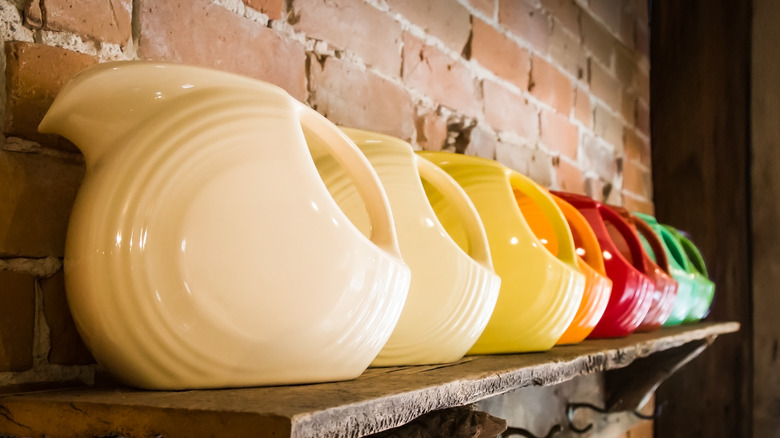
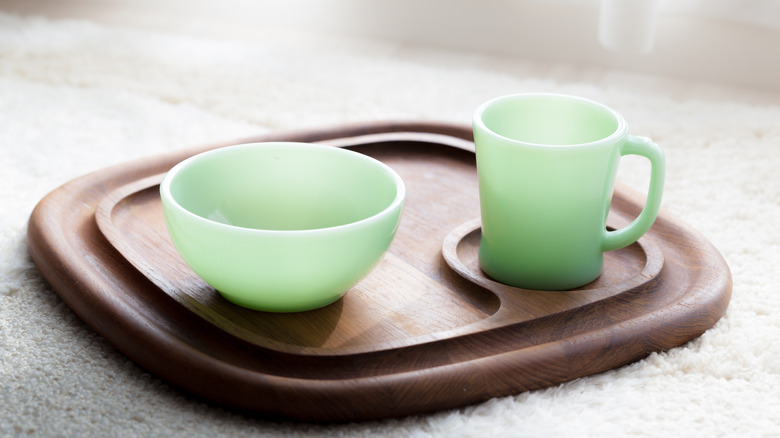
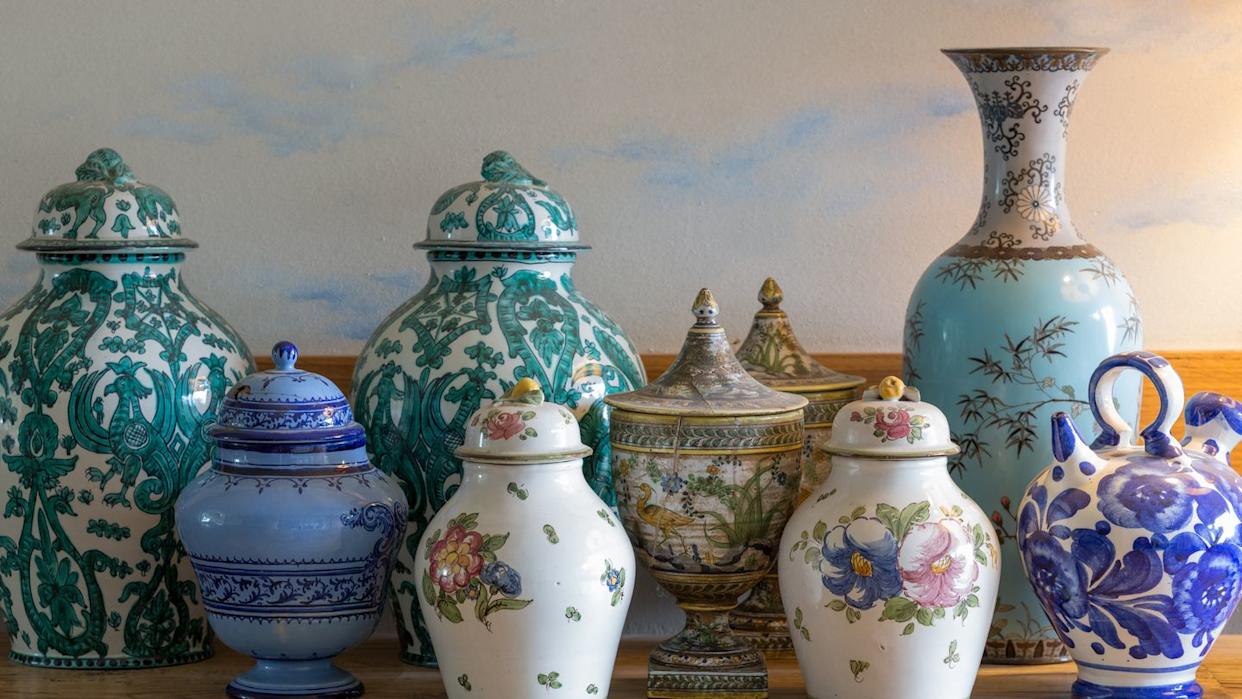
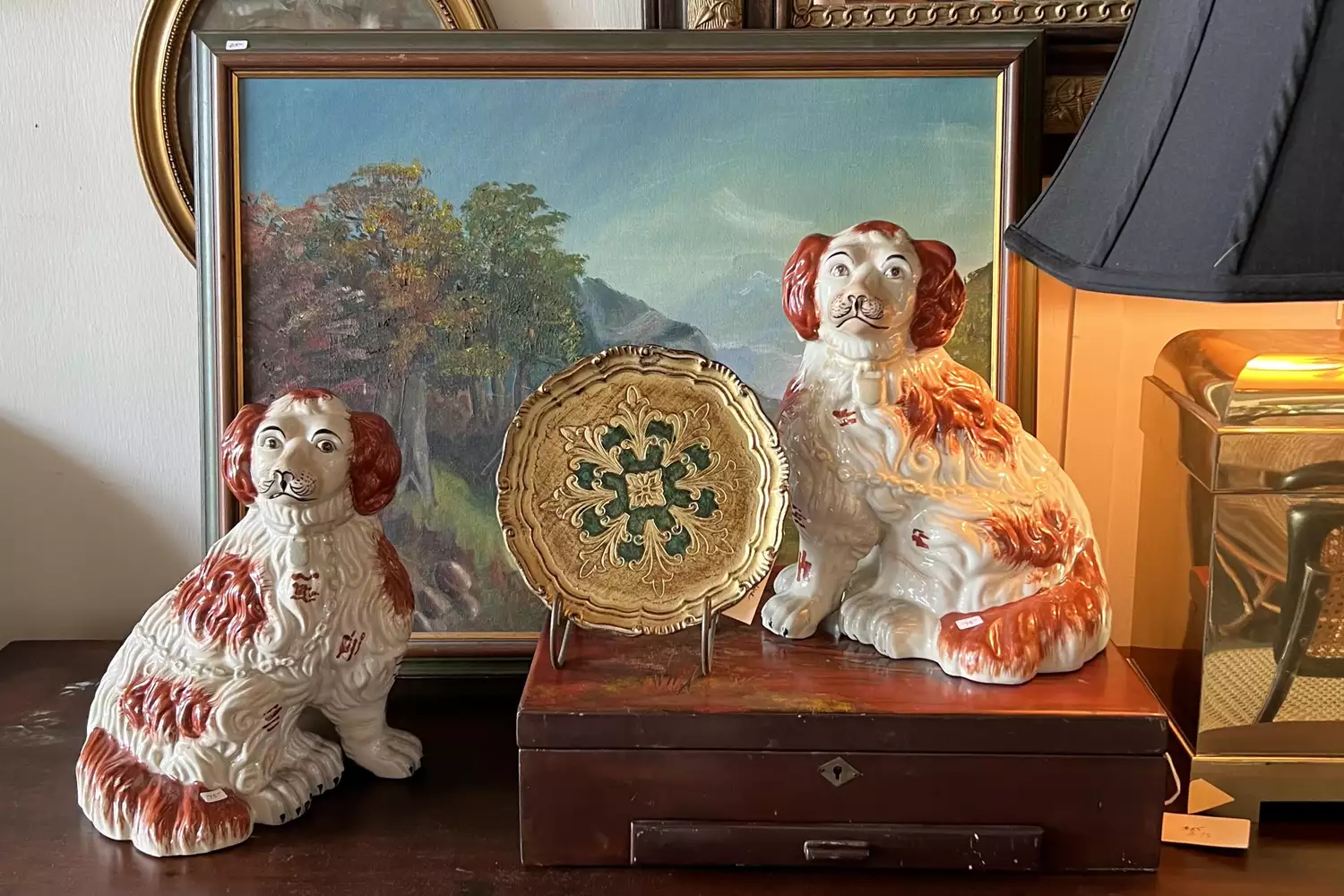
Antique and vintage ceramics are versatile decorative items that can add personality, warmth, texture, color, and charm to any home. Unlike mass-produced items, antique ceramics often show the touch of the human hand, making them unique. These pieces can be strategically placed on mantles, tabletops, or shelves to create visually interesting displays. Their relatively affordable price points and manageable sizes allow enthusiasts to build substantial collections over time. Understanding how to identify these pieces is crucial for distinguishing between genuine antiques and modern reproductions, and for recognizing items with significant value.
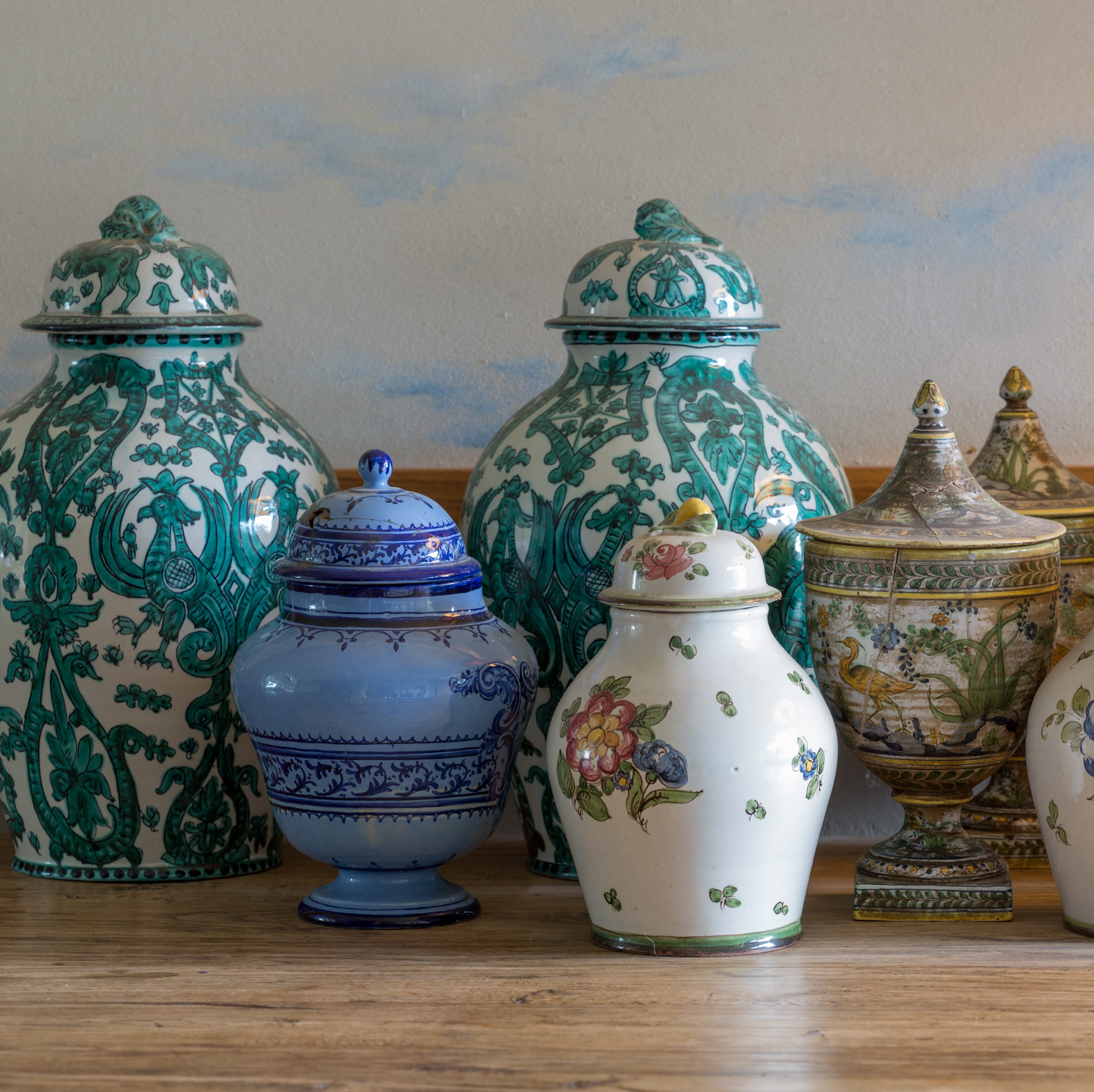
Identifying antique and vintage ceramics involves several key observations. Firstly, examining markings is essential. While some antique ceramics may lack discernible marks, researching auction catalogs, books, and exhibits can help correlate specific markings with particular historical periods and styles. Secondly, understanding historical palettes and glazes can provide clues to a ceramic's origin. For instance, antique Asian ceramics from the Kangxi Dynasty are known for their shiny underglaze, whereas mid-century modern pieces feature more muted colors. These unique glazes are rarely found in contemporary ceramics. Thirdly, the weight and translucency of a piece can be indicative of its age; older ceramics are generally sturdier and heavier than newer, mass-produced items. However, this is not a universal rule, so it should be considered alongside other characteristics.
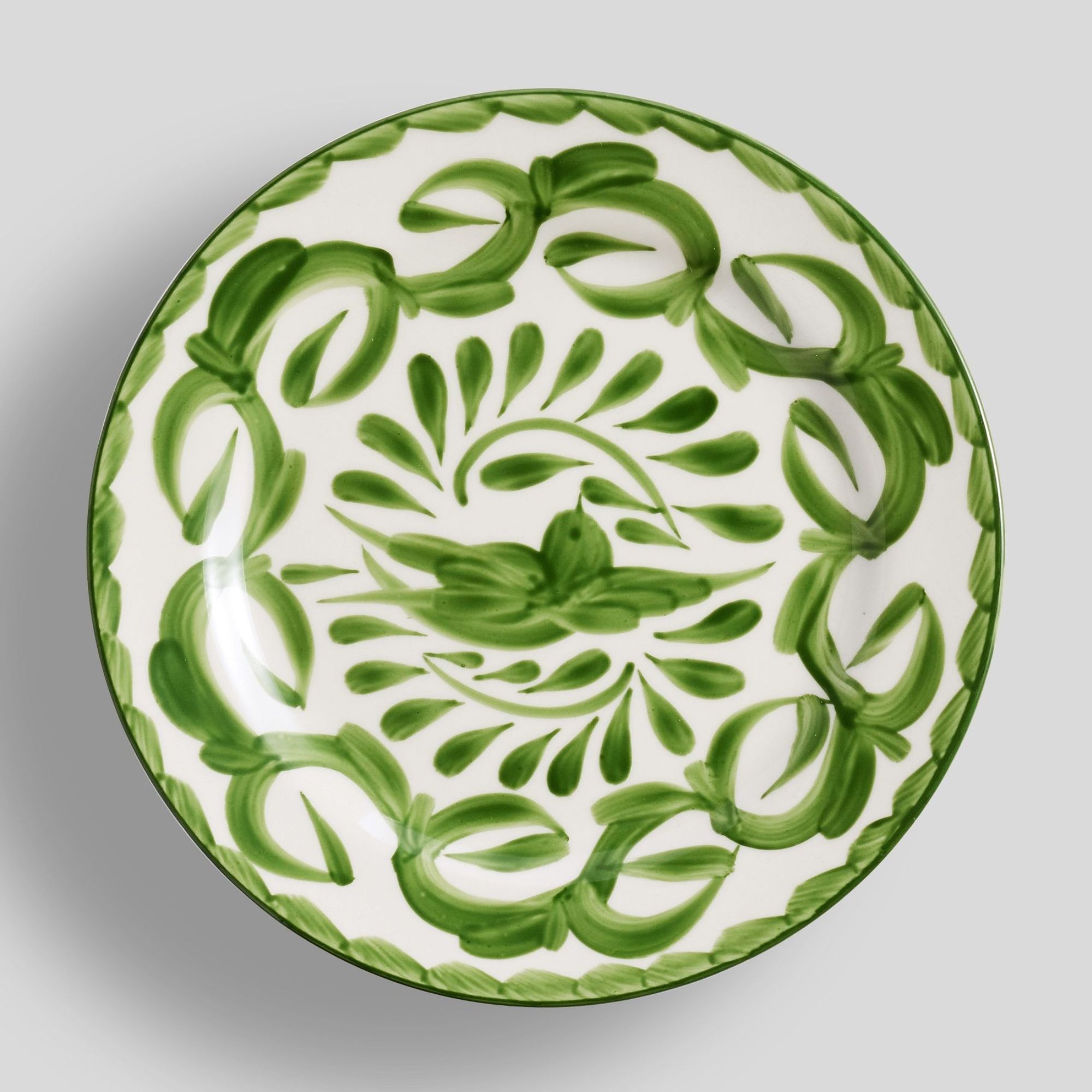
Fourthly, handcrafted qualities, such as uneven sides or variations in painting, are strong indicators of age. Modern ceramics produced in factories tend to be uniform, lacking the subtle imperfections that come from manual creation. Finally, observing small chips or cracks, as well as general signs of wear and tear like scratches and discoloration, can suggest an item's age and prolonged exposure to elements. These signs of natural aging are often absent in newer pieces.
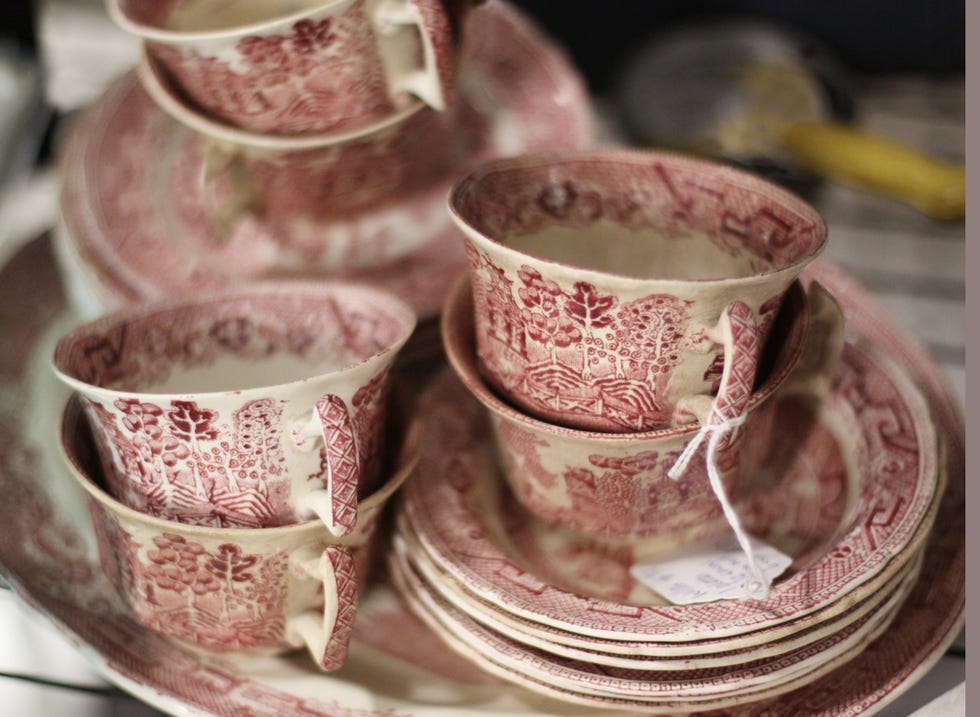
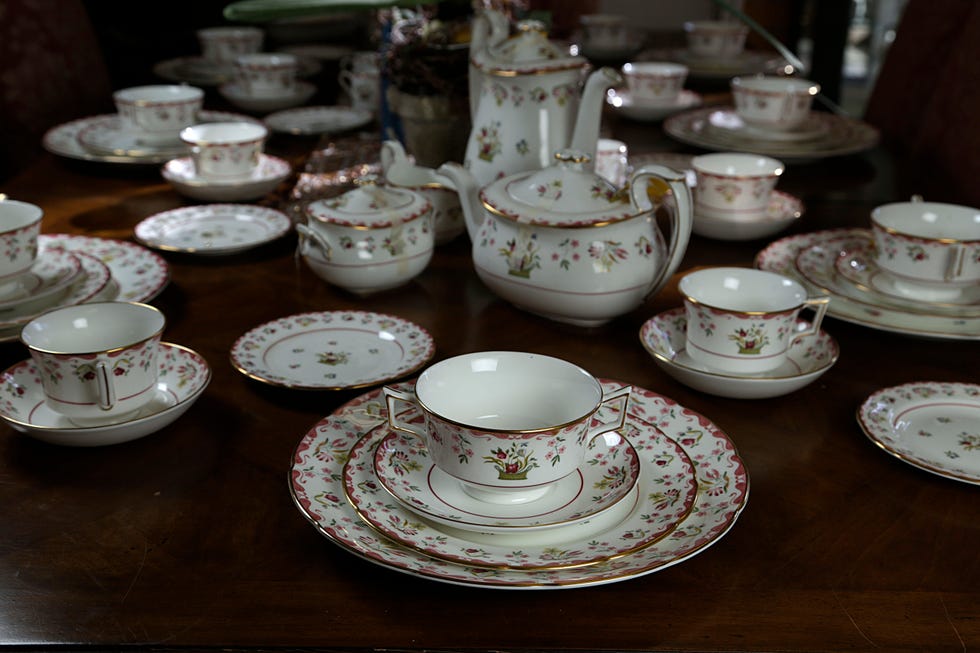
Certain types of ceramics hold greater value than others. British ceramics, popular in the 18th and 19th centuries, are notable for their soft, translucent porcelain, a result of relying on local raw materials due to high shipping costs. Examples include Wedgwood, known for classical motifs and creamy white glazes; Derby, which focused on unglazed white ‘biscuit’ porcelain sculptures depicting contemporary British life; Chelsea, characterized by whimsical nature-inspired designs; Worcester, famous for its blue-and-white transfer-printed wares; and Cliff, recognized for its vibrant, exuberant designs.
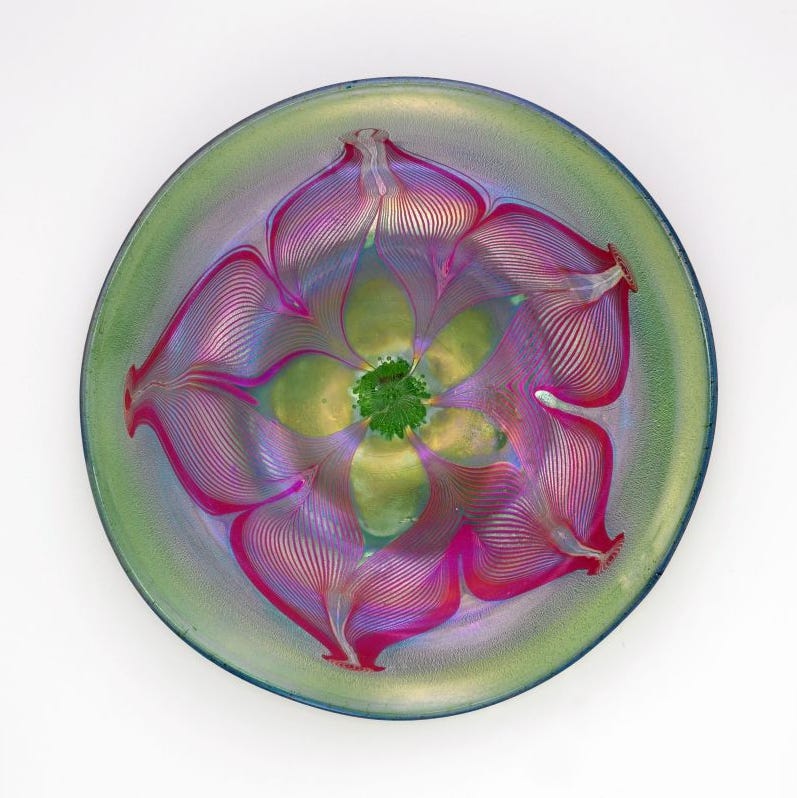
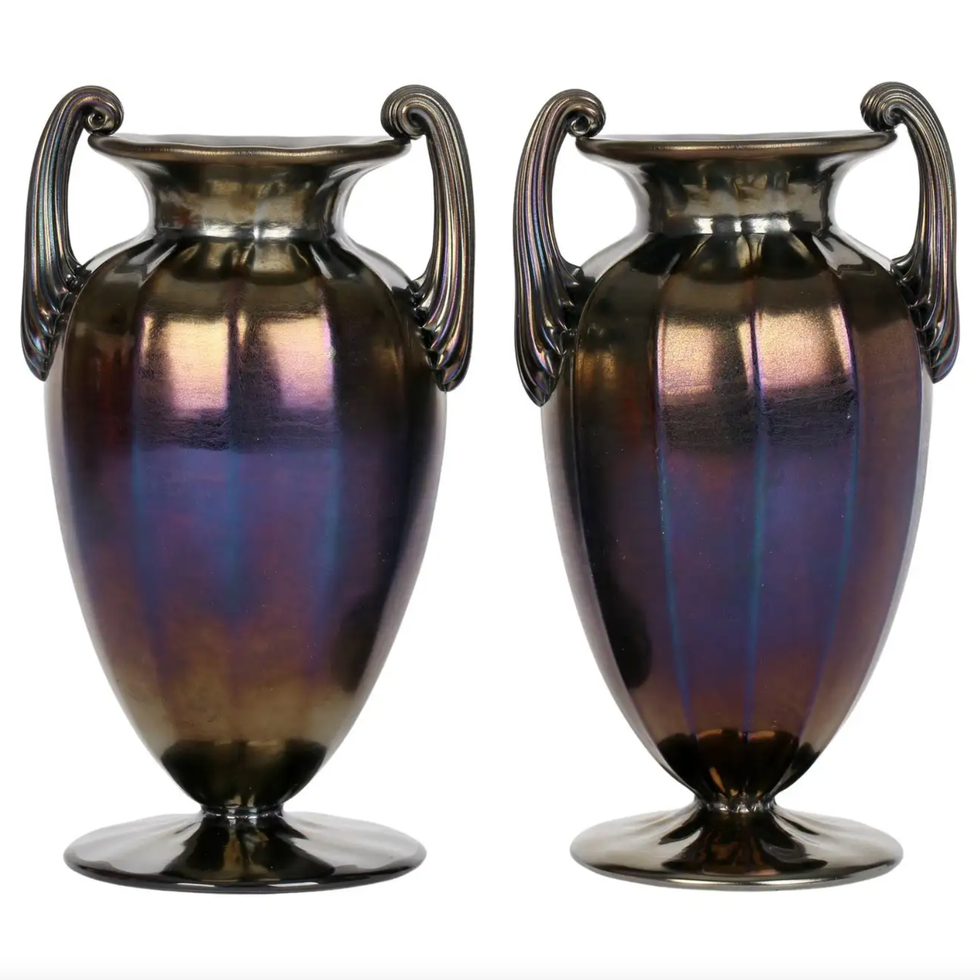
Asian ceramics, particularly those from the Ming, Song, and Kangxi dynasties, are prized for their delicate, intricate hand-painted designs. Ming ceramics are renowned for classic blue and white porcelain, Song ceramics for subtle, monochrome glazes and flowing lines, and Kangxi ceramics for an iridescent underglaze and bright, watercolor-like patterns. Art Deco and Art Nouveau ceramics are also highly collectible. Art Deco pieces feature stylized geometric patterns with a modern appeal, while Art Nouveau ceramics emphasize romance and escapism through whimsical, playful designs, rounded shapes, and floral motifs. Mid-century modern German ceramics are valued for their clean lines, muted color palettes, and emphasis on texture, often displaying interesting variations in color like ombre and striations.
#AntiqueCeramics #VintageCeramics #CeramicIdentification #HomeDecor #CollectingAntiques #CeramicValue #BritishCeramics #AsianCeramics #ArtDeco #ArtNouveau #AntiqueCeramics #VintageCeramics #CeramicIdentification #HomeDecor #CollectingAntiques #CeramicValue #BritishCeramics #AsianCeramics #ArtDeco #ArtNouveau
0 comment in total
 No comments yet
You may also like
5 Rules for Identifying Antique and Vintage Ceramics—Plus the Types That Are Most Valuable

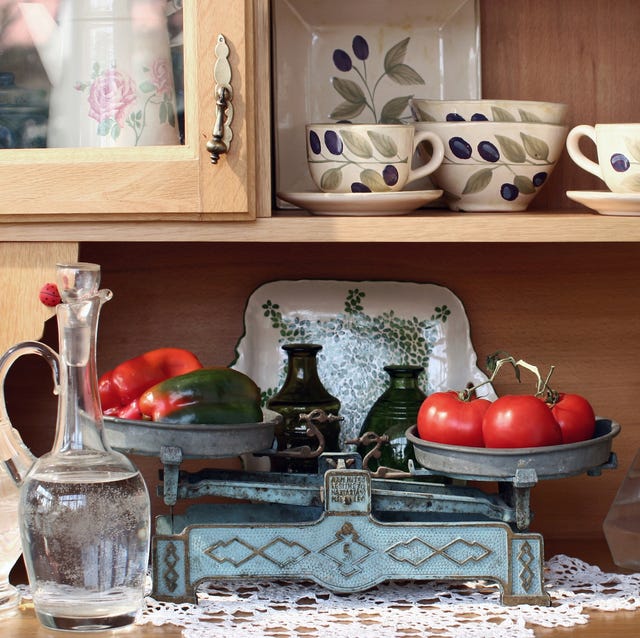
These Vintage Items Hiding in Grandma's Kitchen Could Be Worth a Fortune

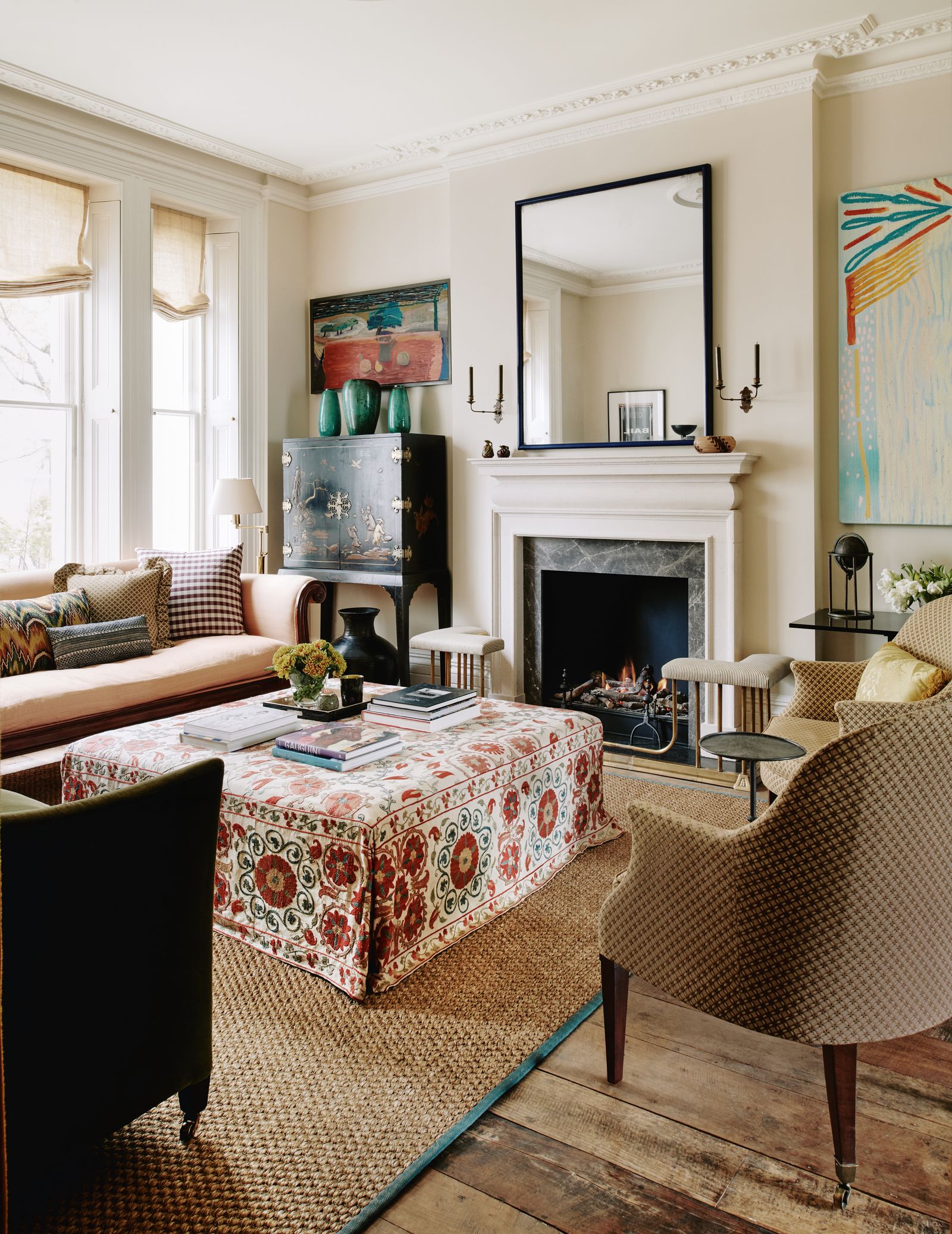
How to use antique furniture in a contemporary scheme
What You Need To Know Before Buying A Vintage Light Fixture For Your Home
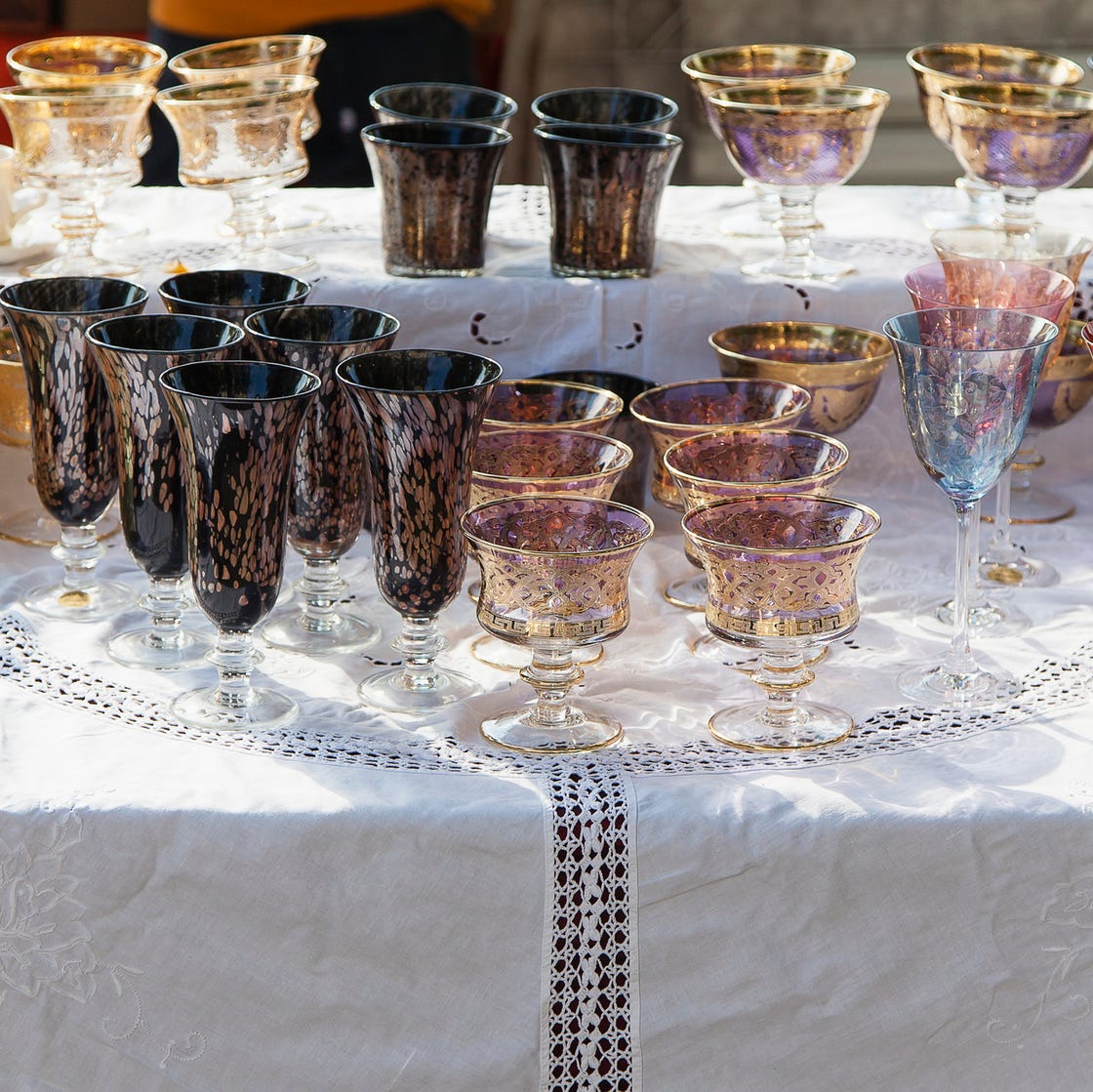
Experts Say These Rare Antique Glassware Finds Are Always Worth Buying at Vintage Stores

AD’s Guide to the Best Ceramic Brands and Online Pottery Shops

7 Tips to Know When Shopping for Vintage Light Fixtures


Candle buying guide: 5 types of candle, how to use them and make them last longer
How to decorate with vintage ceramics – 6 ways to proudly display preloved pottery as suggested by interior designers

Vintage vs. Antique vs. Retro: What’s the Difference?

10 farmhouse antiques experts say will only increase in value over time
10 Vintage Tile Brands That Will Make A Big Statement In Your Kitchen Or Bathroom

How To Clean And Care For Antiques, According To An Expert
5 vintage pieces every kitchen should have, according to designers
9 Vintage Dishware Brands To Bring Your Kitchen Retro Charm
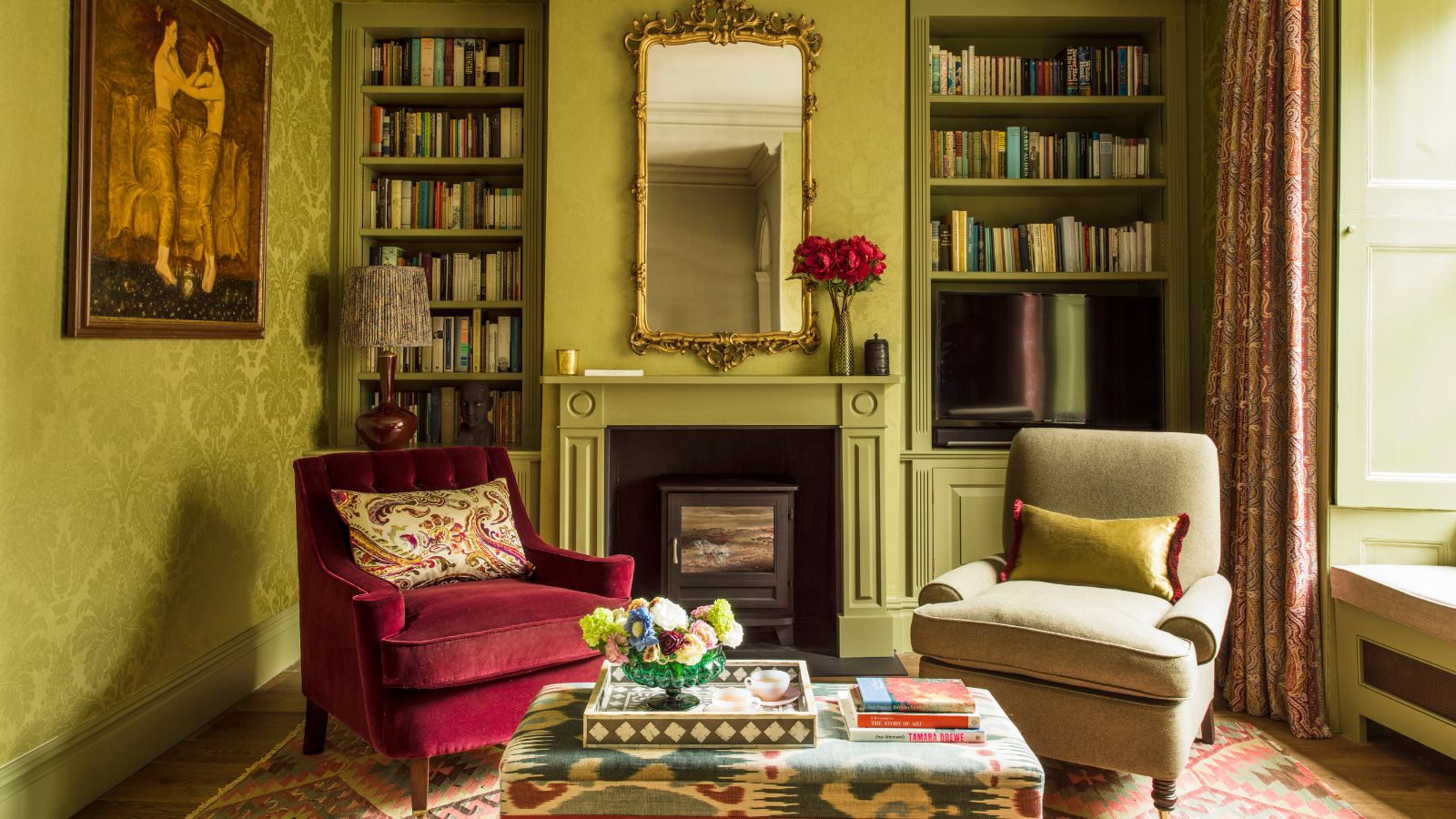
Decorating with antiques – 8 designer tips to channel the past in the chicest way
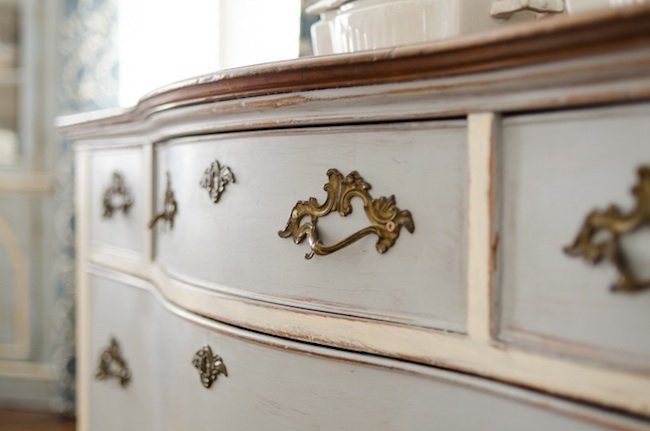
Antiquing vs. Distressing: 8 Tips on Creating the Look and Patina of a Genuine Antique

8 most expensive antiques in the world

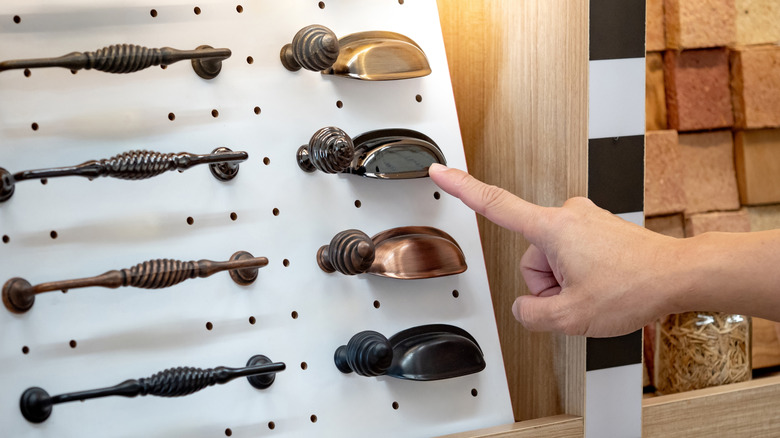
Give Your Kitchen A Historical Touch With 5 Vintage Hardware Styles
6 Expert Tips On How To Haggle On Antiques (Plus, When You Shouldn't!)