6 Tulipiere Vases That Will Help You Recreate Some of Martha's Most Beautiful Arrangements
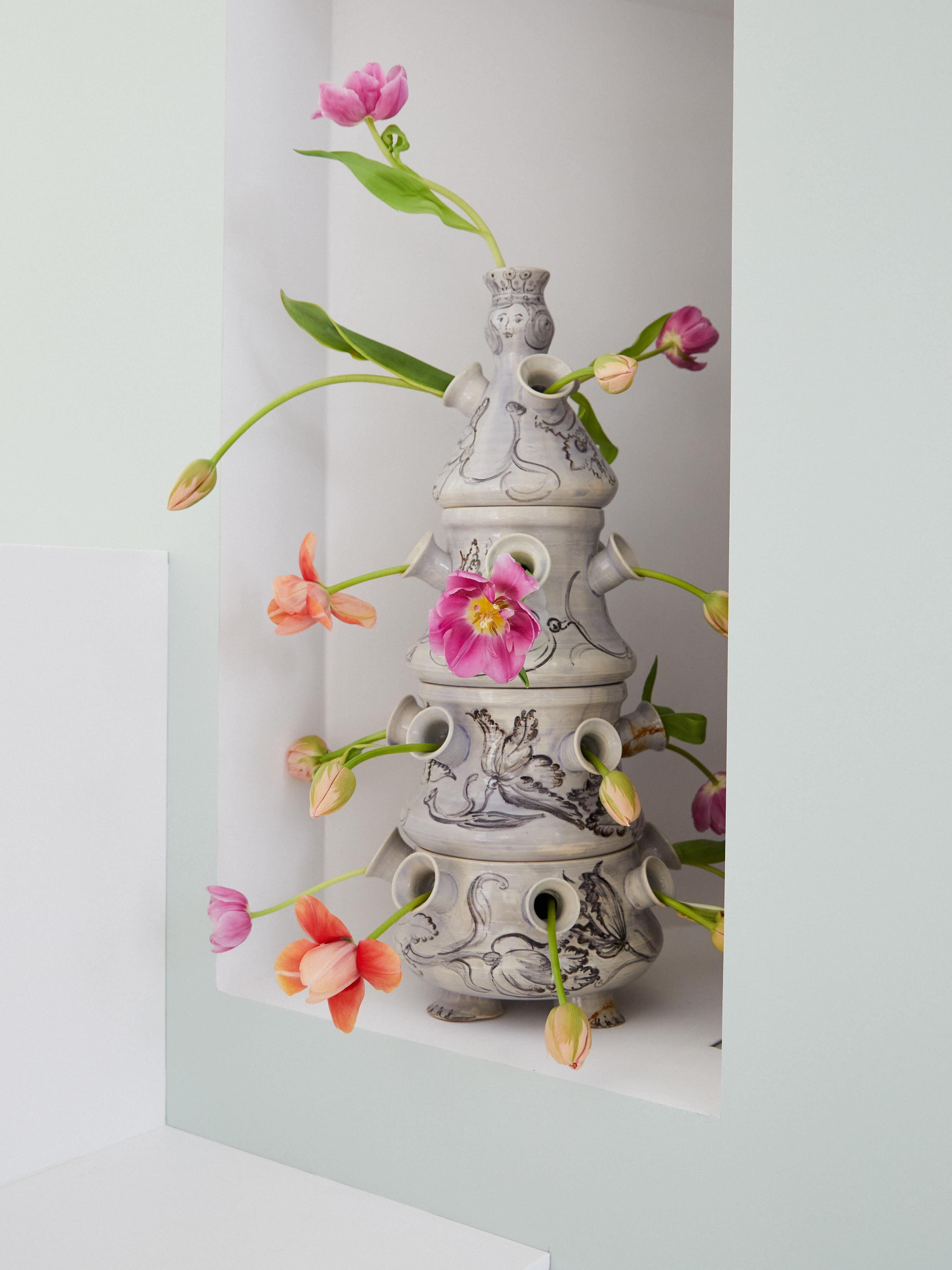
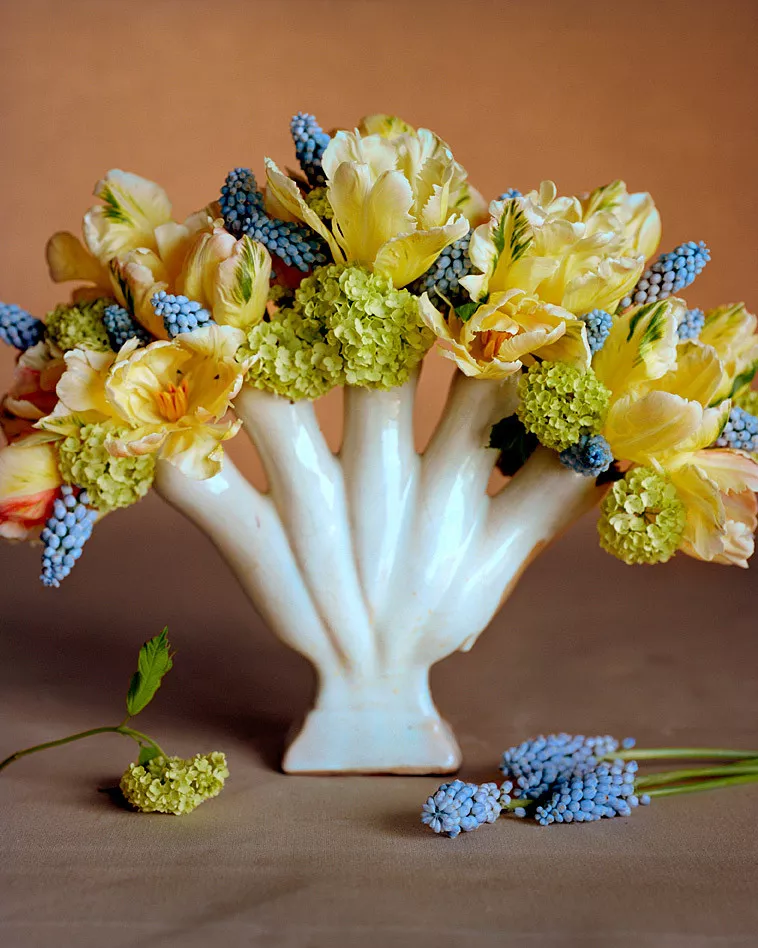
Tulipiere vases, also known as tulip bowls, are intricate ceramic vessels featuring multiple spouts designed to hold individual flower blooms, typically tulips, while sharing a common water reservoir. These unique pieces are experiencing renewed popularity, partly due to Martha Stewart showcasing them in her floral arrangements. The design of these vases allows each stem to be prominently displayed, creating a distinctive aesthetic that elevates any floral arrangement.
The history of tulipiere vases dates back to 17th-century London, coinciding with the peak of 'tulip mania.' Initially, these vases were designed to cultivate tulips, with bulbs placed in each spout to allow a single bloom to emerge. Over time, their function evolved, and they are now predominantly used for displaying cut flowers. An interesting historical aspect of their design is the intent to create the illusion of flowers growing in branches. By distributing stems across multiple spouts, the arrangement gives the impression of flower clusters emerging from twigs, a sophisticated visual effect that was particularly valued in their heyday. Some historical tulipiere vases boasted as many as 18 spouts, enhancing this 'branching' illusion.
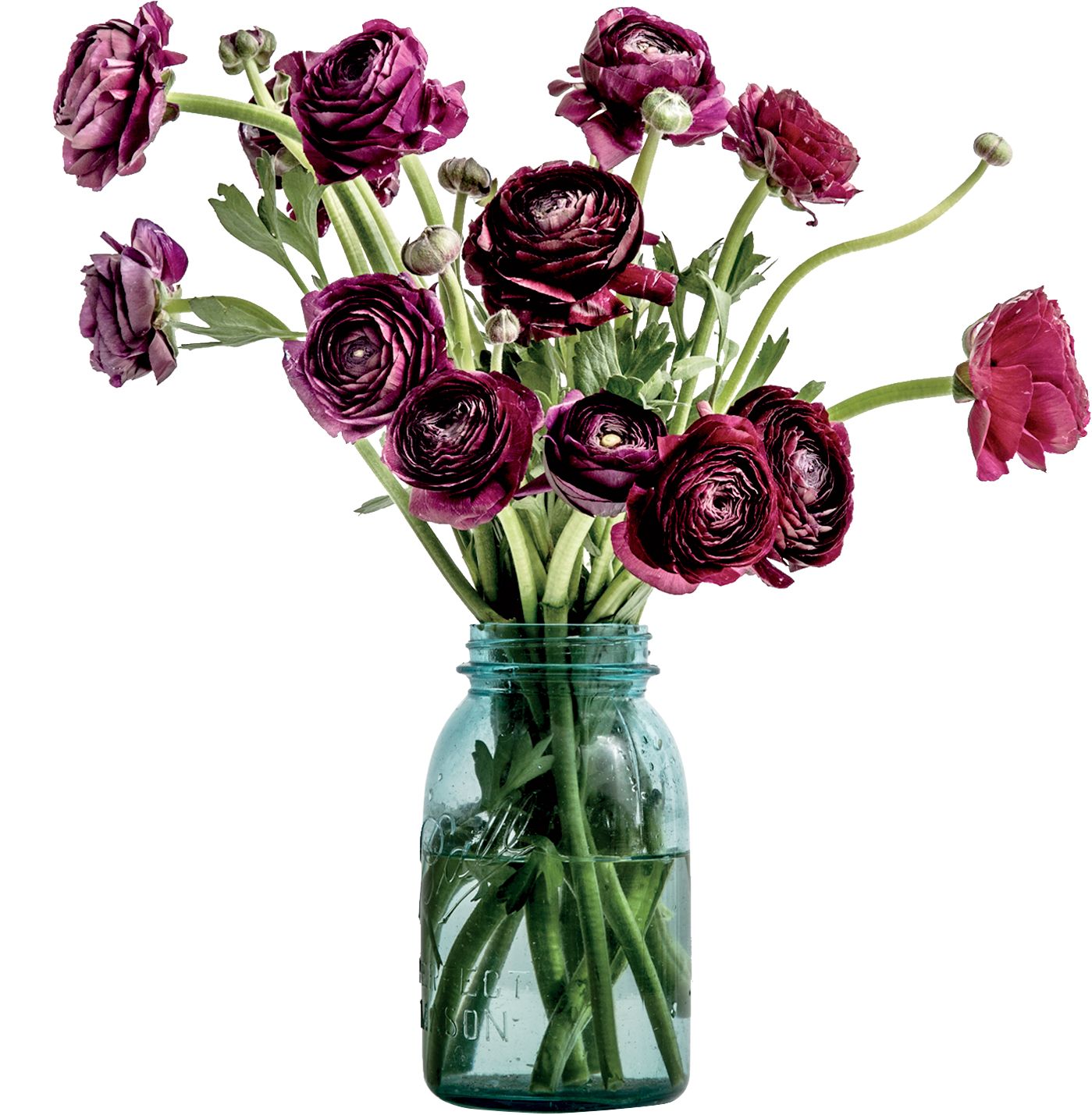
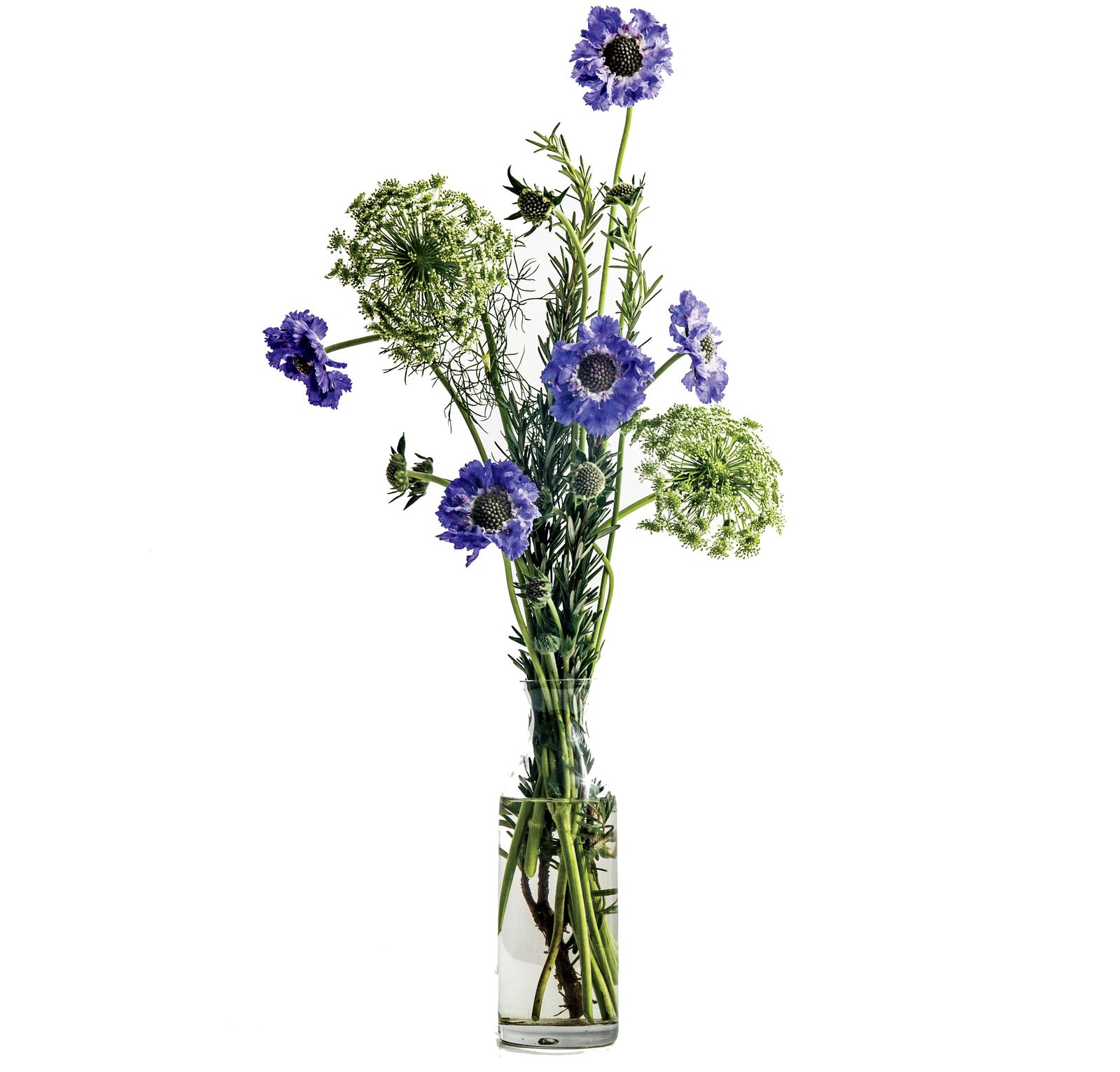
While tulips remain the classic choice for these vases, florists suggest a variety of other blooms can be effectively arranged. Flowers such as Queen Anne's lace, sweet peas, garden roses, and cosmos are recommended for their ability to contribute movement and structural lines to an arrangement. Martha Stewart herself has demonstrated combinations, such as tulips with viburnum and muscari, illustrating the versatility of these vessels. Ranunculus are also highly favored for their numerous petals and diverse color palette, offering many styling possibilities. When using tulips, incorporating different varieties like Parrot or double-frilled tulips can add visual interest. A common arranging technique involves placing the tallest and most robust blooms in the central spouts to ensure balance and prevent smaller flowers from being overshadowed.
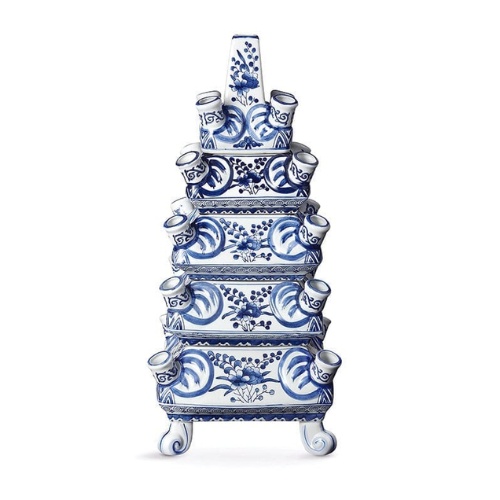
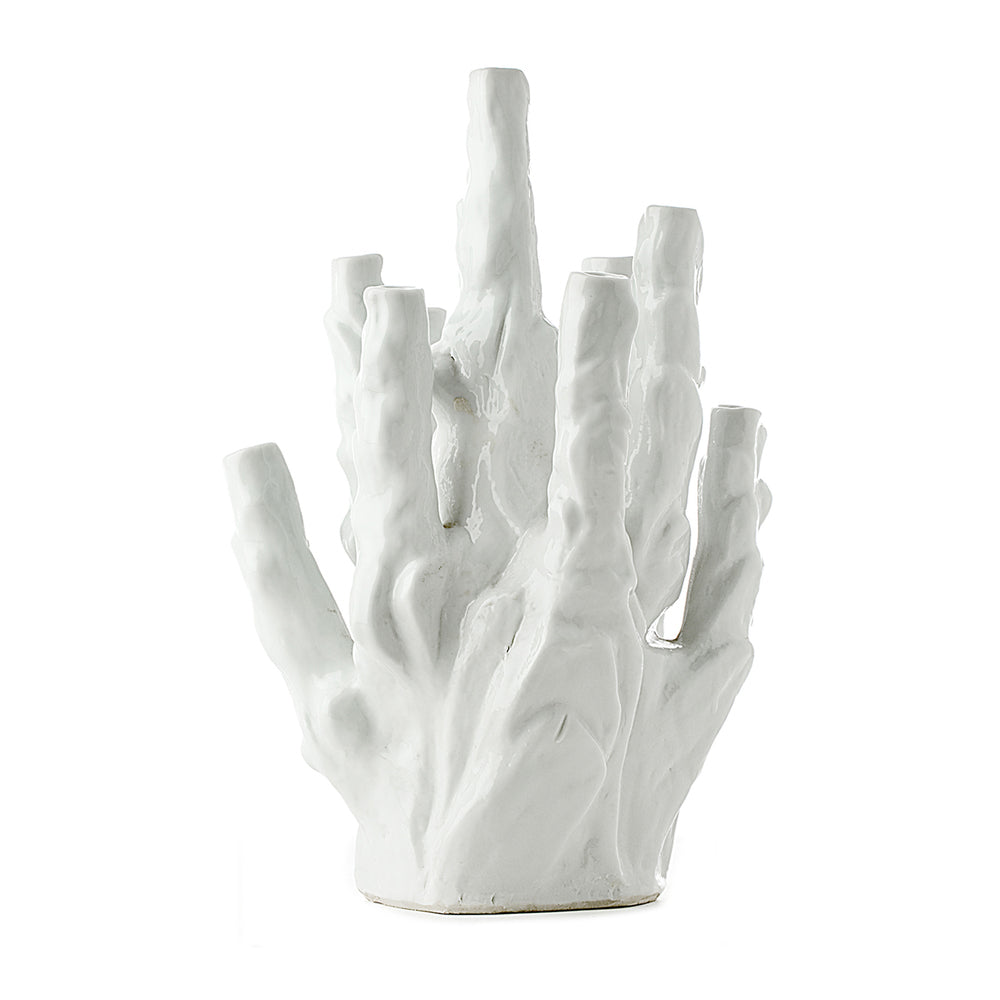
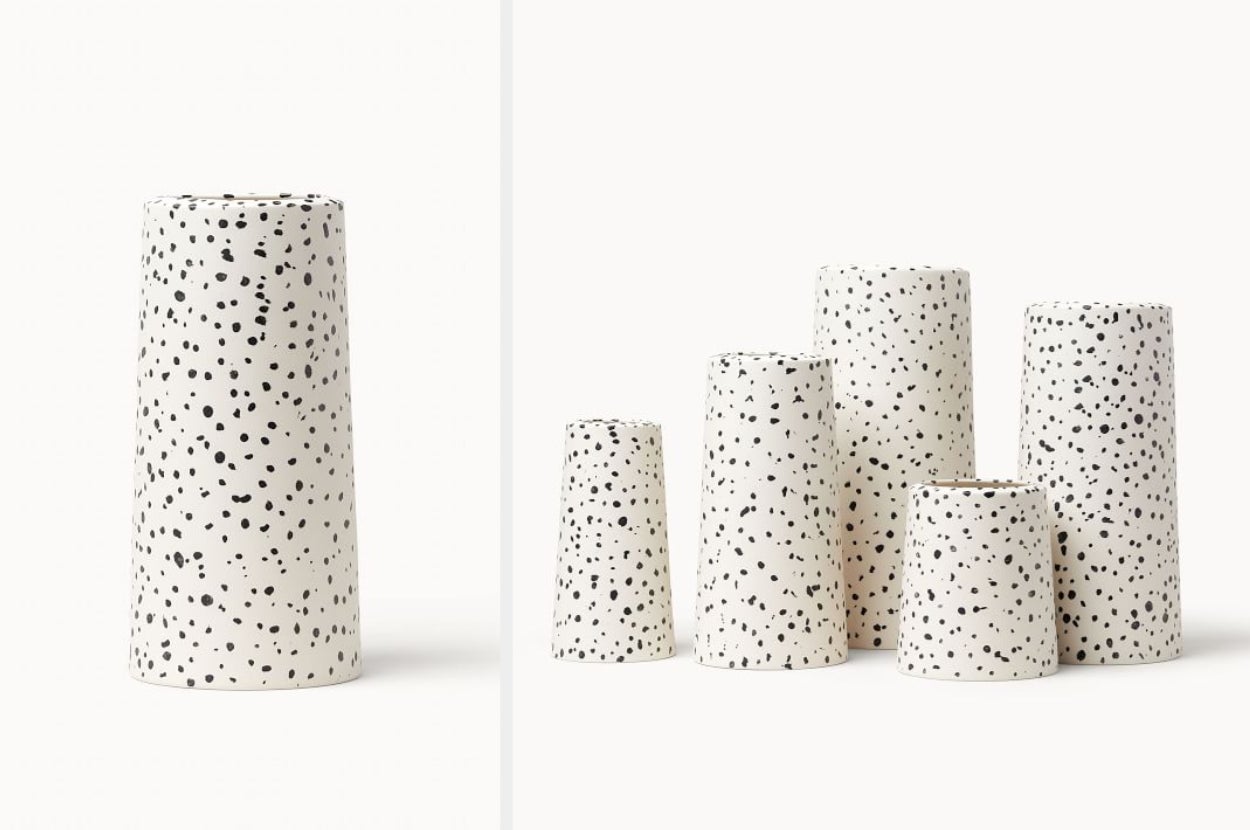
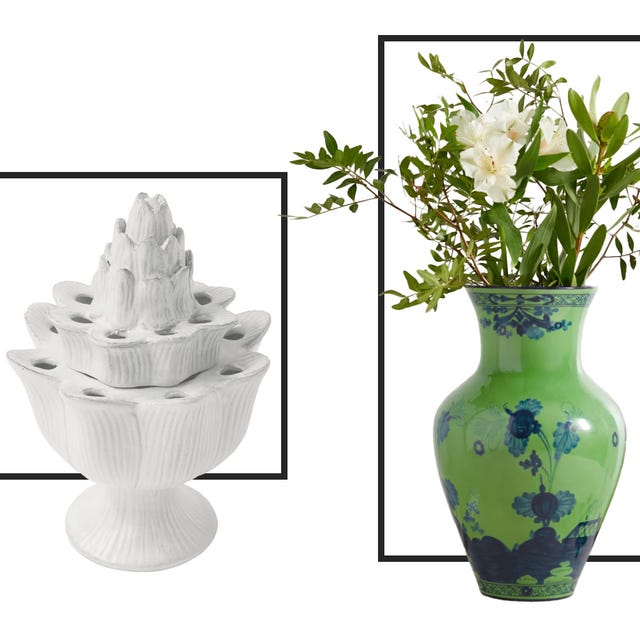
Tulipiere vases can be sourced from various places, including antique stores, where traditional Delftware pieces, often blue and white and shaped like pagodas, can be found. Delftware was historically a more affordable alternative to porcelain. Modern interpretations of these vases are also available online, catering to contemporary tastes with different shapes, colors, and materials like glass. Examples include the Heinen Delfts Blauw Green Matte Tulip Vase, the Abigails Yellow 10'' Ceramic Table Vase, and the Abigails White 12.5'' Ceramic Table Vase, which features a removable top for easy cleaning. The Three Rivers Handmade Ceramic Tulipiere offers five different-sized spouts, and each piece is unique due to its hand-sculpted and wheel-thrown creation. The Heinen Delfts Blauw Royal Delft Blue Porcelain Vase provides a contemporary take on Delftware, shaped like a dahlia. Another option is the Heinen Delfts Blauw Tripartite Tulip Vase, a multi-tiered design with a traditional blue-and-white pattern on a modern geometric form, allowing for separate sections for cleaning and water changes, and often adorned with playful illustrations like monkeys.
These vases not only serve as functional objects for flower display but also as decorative elements that reflect historical artistry and evolving design sensibilities. Their unique structure allows for creative floral arrangements that can enhance home décor, whether one prefers a vintage aesthetic or a modern touch.
#TulipiereVases #FloralArrangement #HomeDecor #FlowerVases #HistoricalVases #Delftware #FlowerDisplay #MarthaStewart #TulipiereVases #FloralArrangement #HomeDecor #FlowerVases #HistoricalVases #Delftware #FlowerDisplay #MarthaStewart
0 comment in total
 No comments yet
You may also like
The six vases you need for every kind of flower arrangement
Everyone's Buying This 17th-Century Idea That Helps Your Cut Flowers Look Perfect Every Time You Use It


RS Recommends: The Coolest Flower Vases for Every Studio Space

Floral Inspiration From The Studio McGee Archives
30 Funky/Statement Vases To Elevate Your Home
26 Floor Vases That Will Really Make Your Favorite Plants Stand Out In Your Home
8 Highly Giftable Vases | Reviews by Wirecutter

Steal These Florists' Tips to Create Better Bouquets at Home
22 Unique Vases to Spruce Up Your Home This Spring
Shopping for Vases (Published 2017)

Ina Garten uses this classic bloom to make a seasonal statement on her kitchen countertops

These Chic, Affordable Vases Are Delivering All the Vibes
14 Flower Arranging Secrets That Will Help You Build a Better Bouquet

Mocha Mousse planters and vases: 12 beautiful picks
8 Beautiful Vases That Are True Works of Art, and Are Just As Investment-Worthy
Rustic Vases Perfect For Displaying Fall Flowers
Elevate your living space this spring with these designer vases

14 Affordable Vases for Your Next Install

34 Flower Vases That Are Ready To Make Your Room Bloom
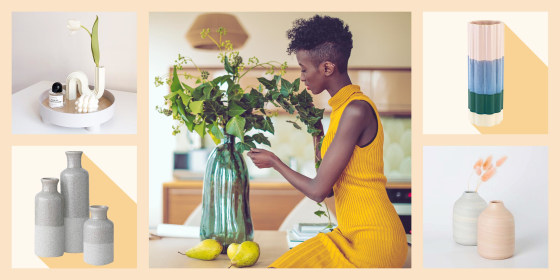
These affordable vases are the perfect way to display spring blooms