1/8
Ikebana – 2023's biggest floral trend –challenges everything we thought we knew about flower arranging. Here's why
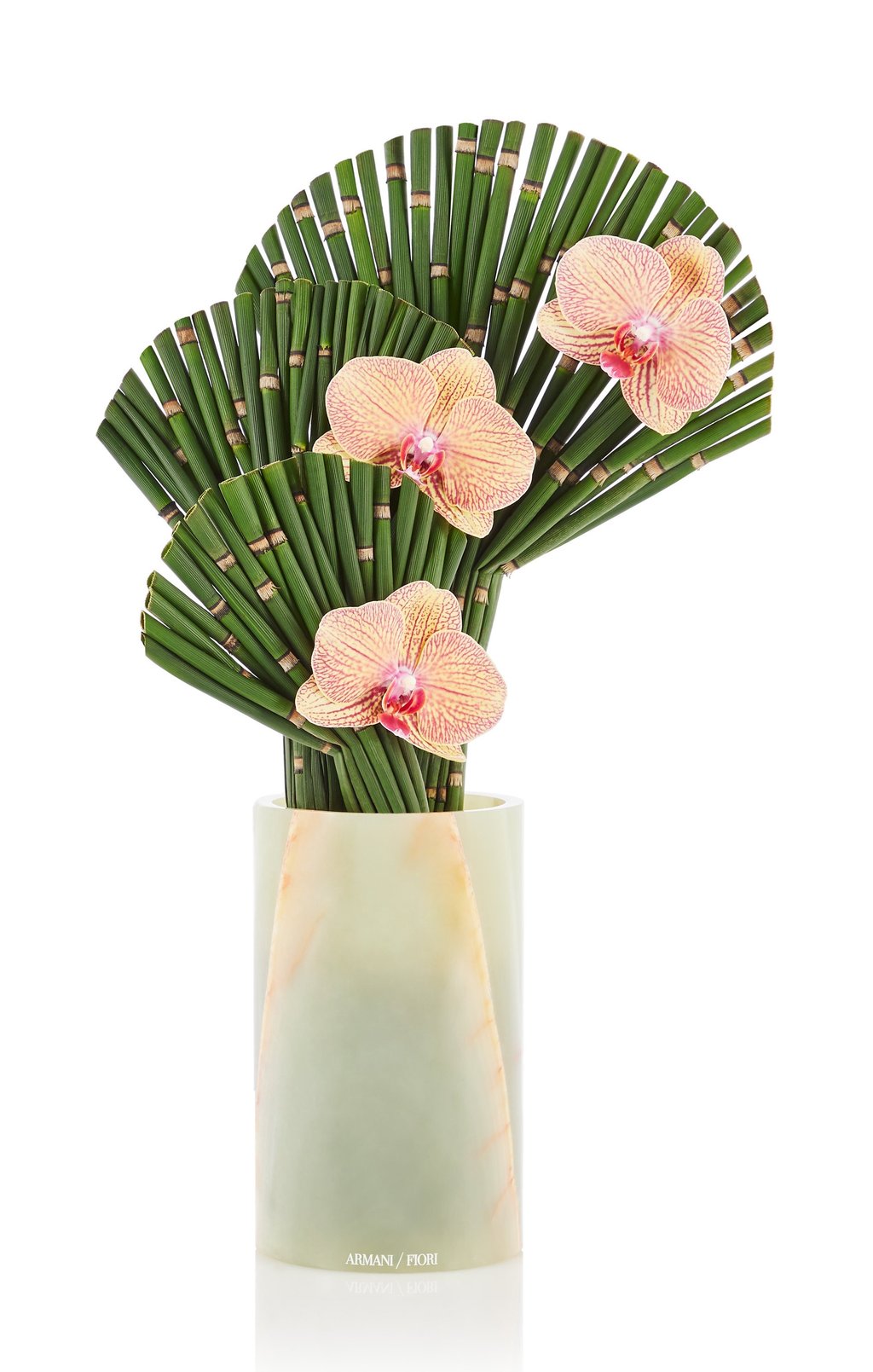
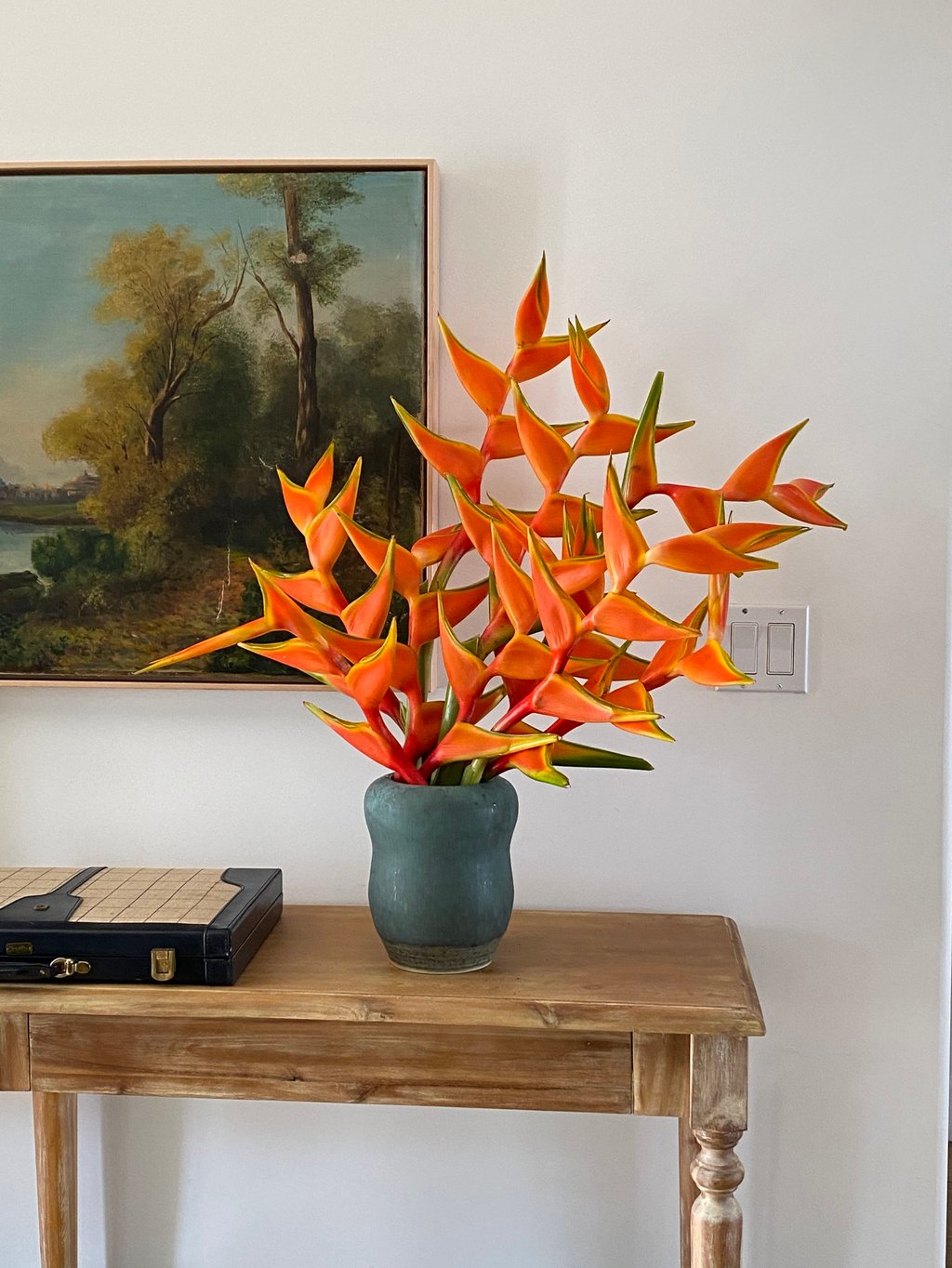
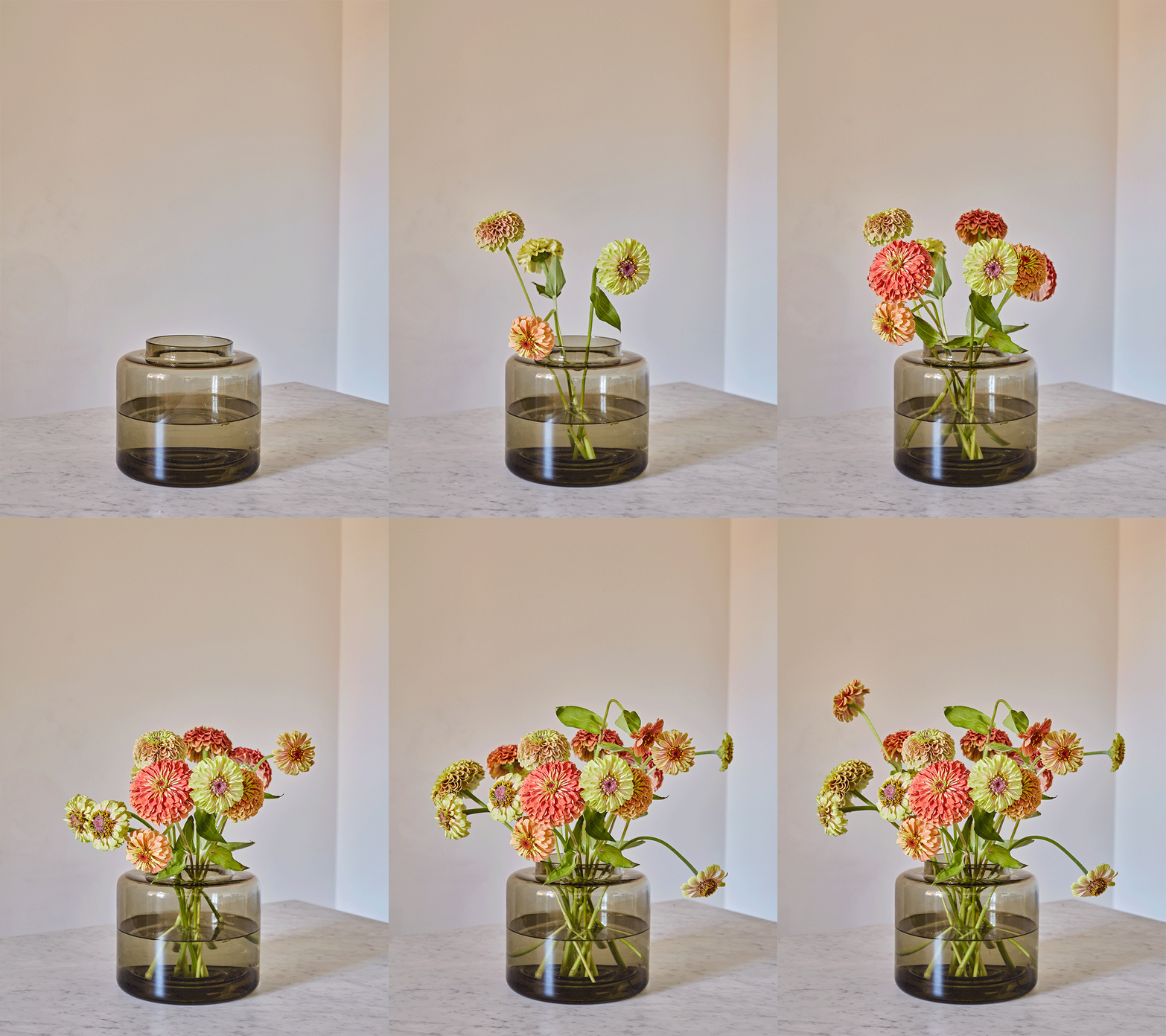
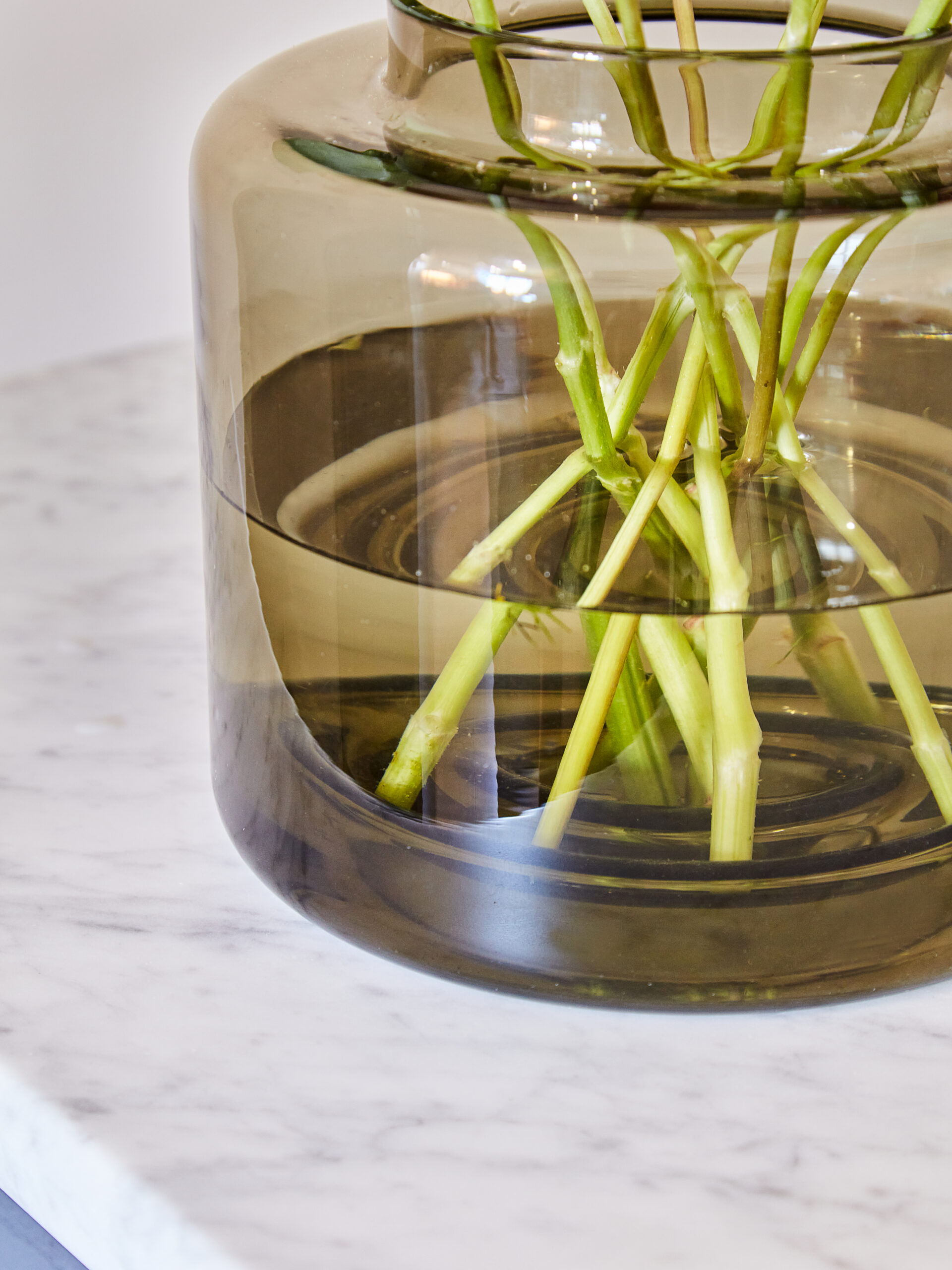
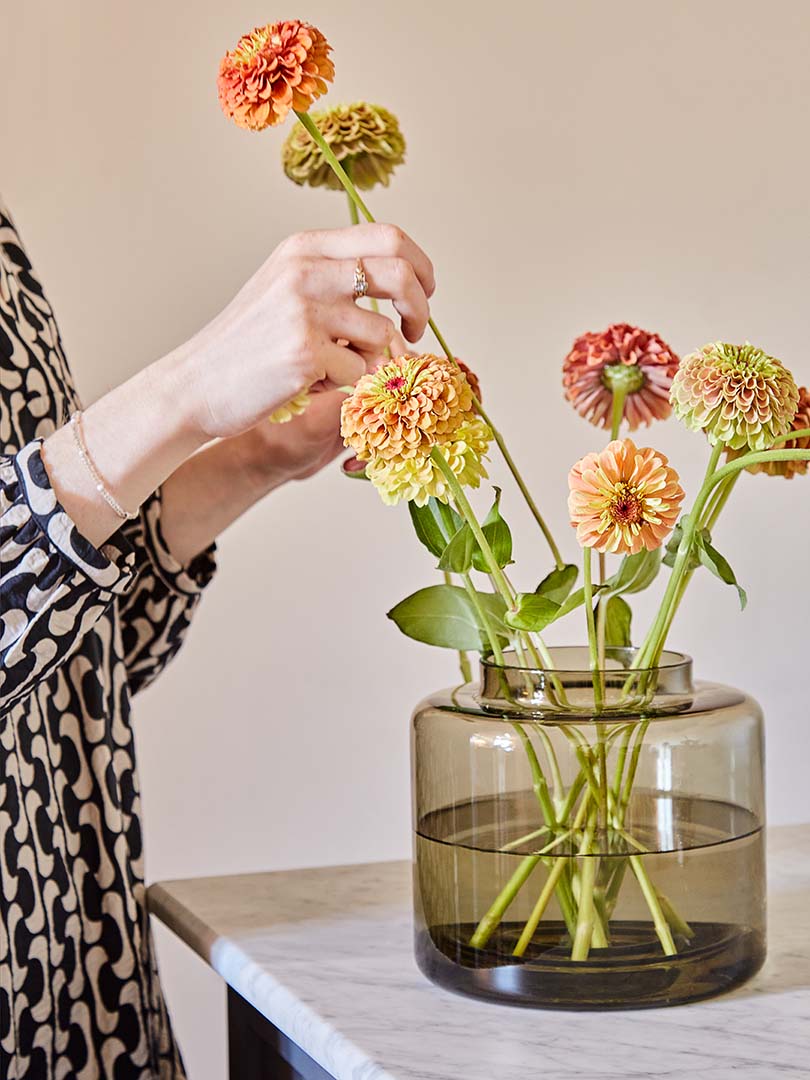
Ikebana, a traditional Japanese floral arrangement style also known as kado, is presented as 2023's significant floral trend, redefining Western approaches to flower arranging. Originating from sixth-century Buddhist temple offerings, as explained by Ikenobo, the oldest school of floral art in Japan, ikebana has evolved into a global practice. Maryam Ghani of Haute Florist highlights its sculptural nature, often featuring a single flower, with meticulous attention to shape, form, and line, contrasting with the more informal Western arrangements. This art form is not merely decorative but also a meditative practice, fostering a connection with nature and encouraging mindfulness. Ghani emphasizes that while Western flower arranging focuses on the end product, ikebana celebrates the process, serving as a creative outlet and a way to slow down. For individuals with cut flower gardens, ikebana offers an elegant method to display prized blooms individually rather than in large bouquets.
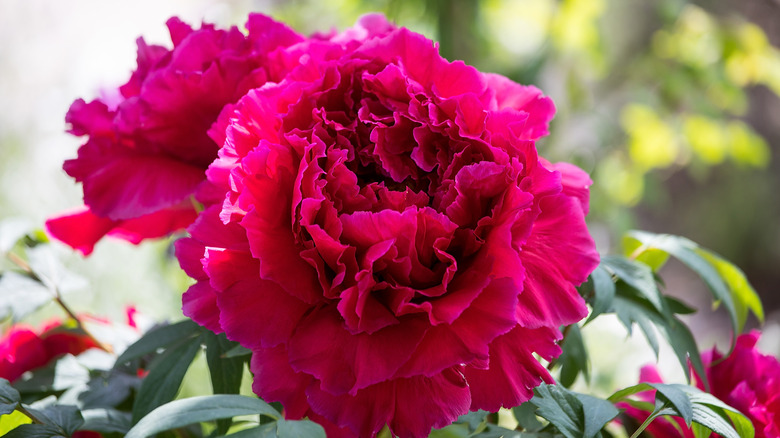
The article outlines suitable flowers for ikebana, many of which carry deep cultural and symbolic meanings. Common choices include Chrysanthemum, symbolizing the sun and natural perfection; Iris, representing heroism; Camellia, associated with rejuvenation, longevity, happiness, love, and victory; and Peony, signifying wealth and prosperity. While a wide variety of plant materials can be used to express creativity, these flowers are frequently chosen for their established symbolism within ikebana.
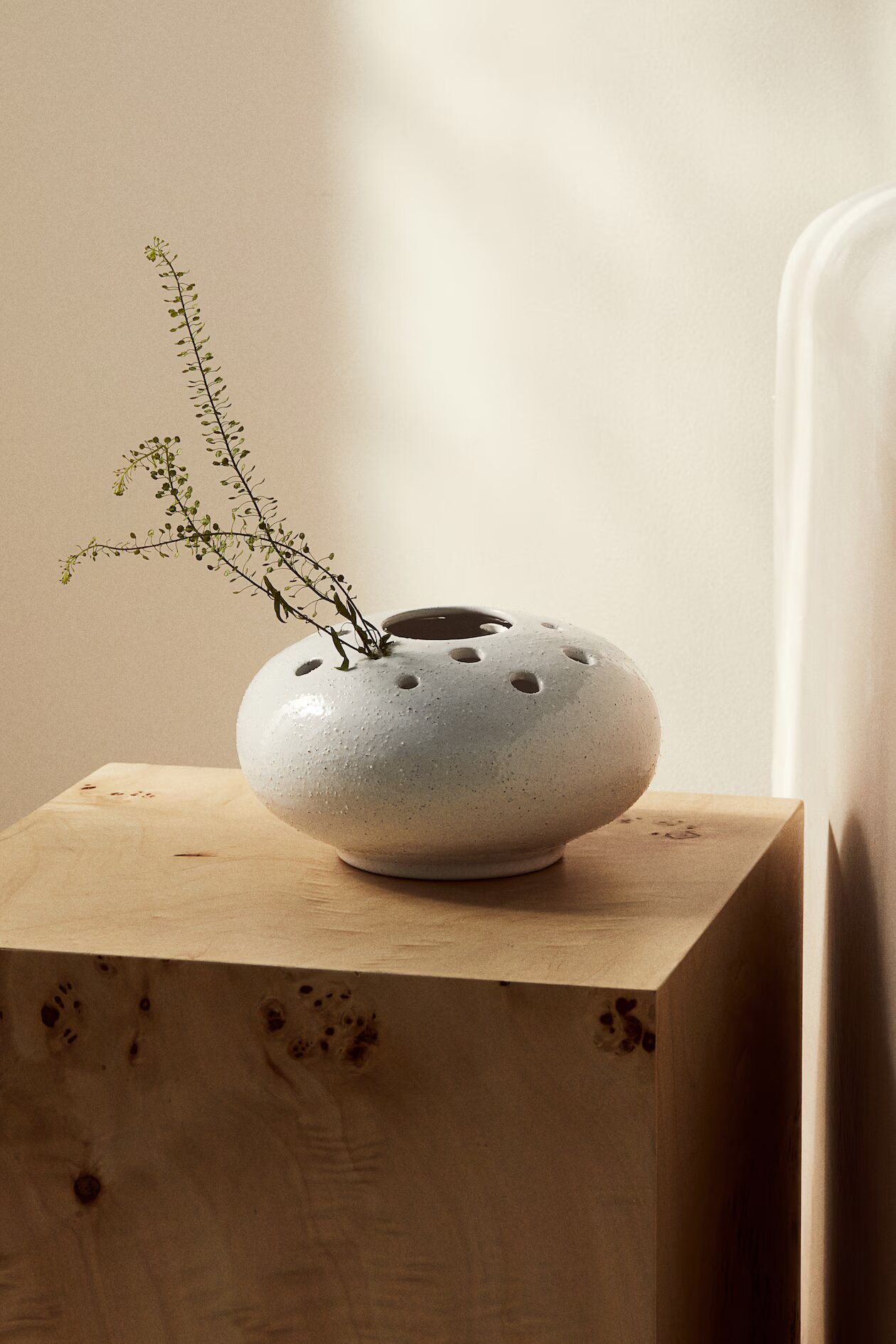
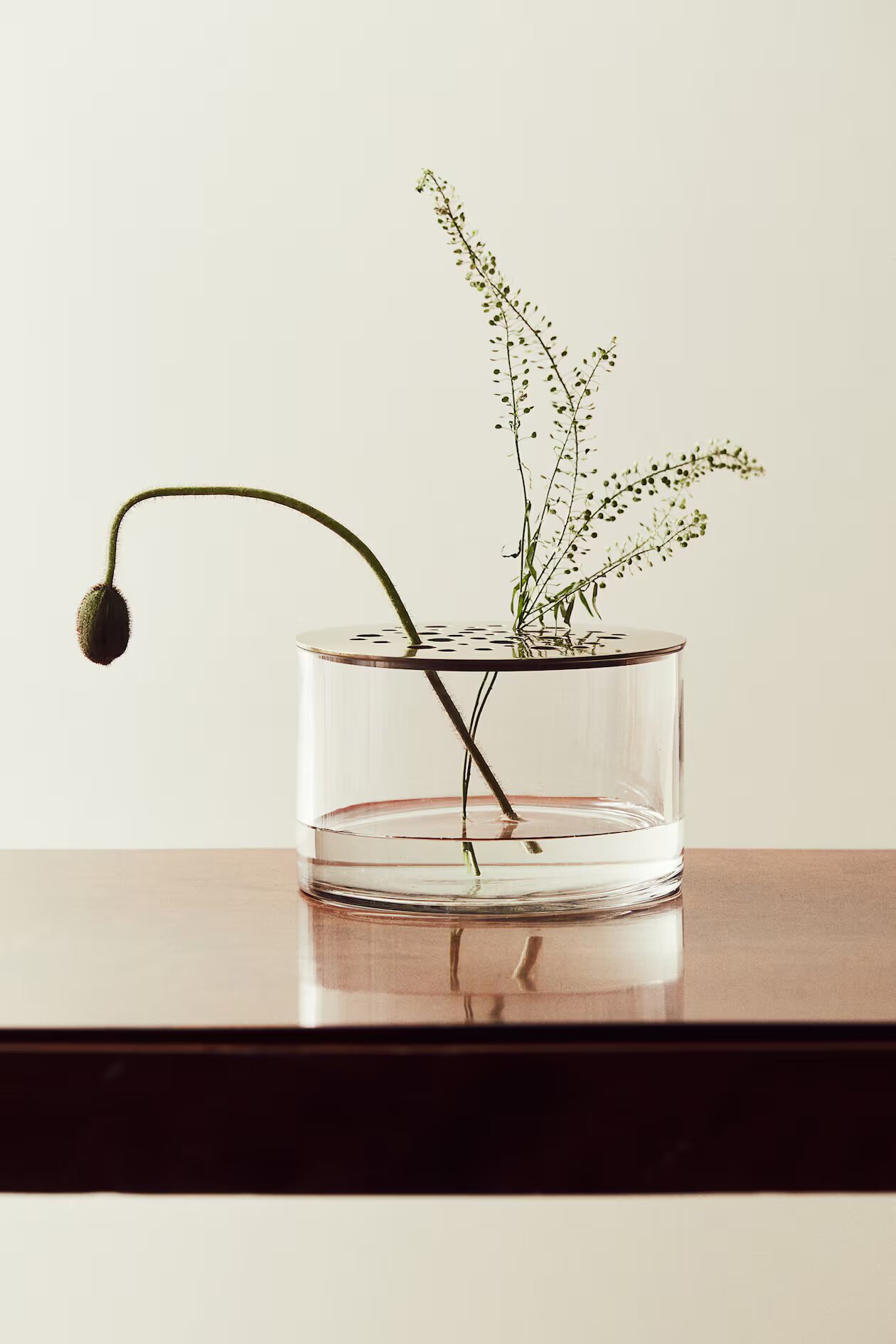
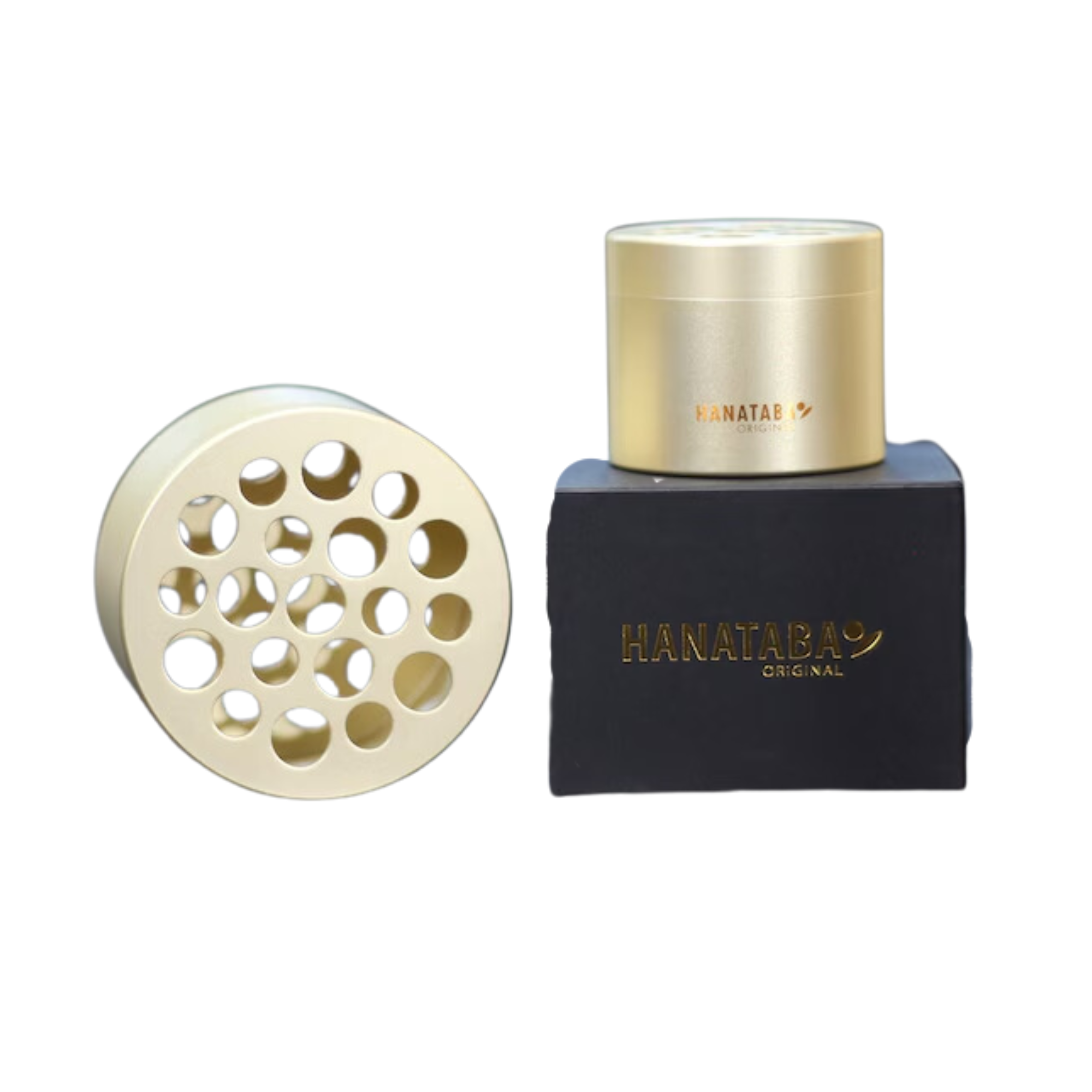
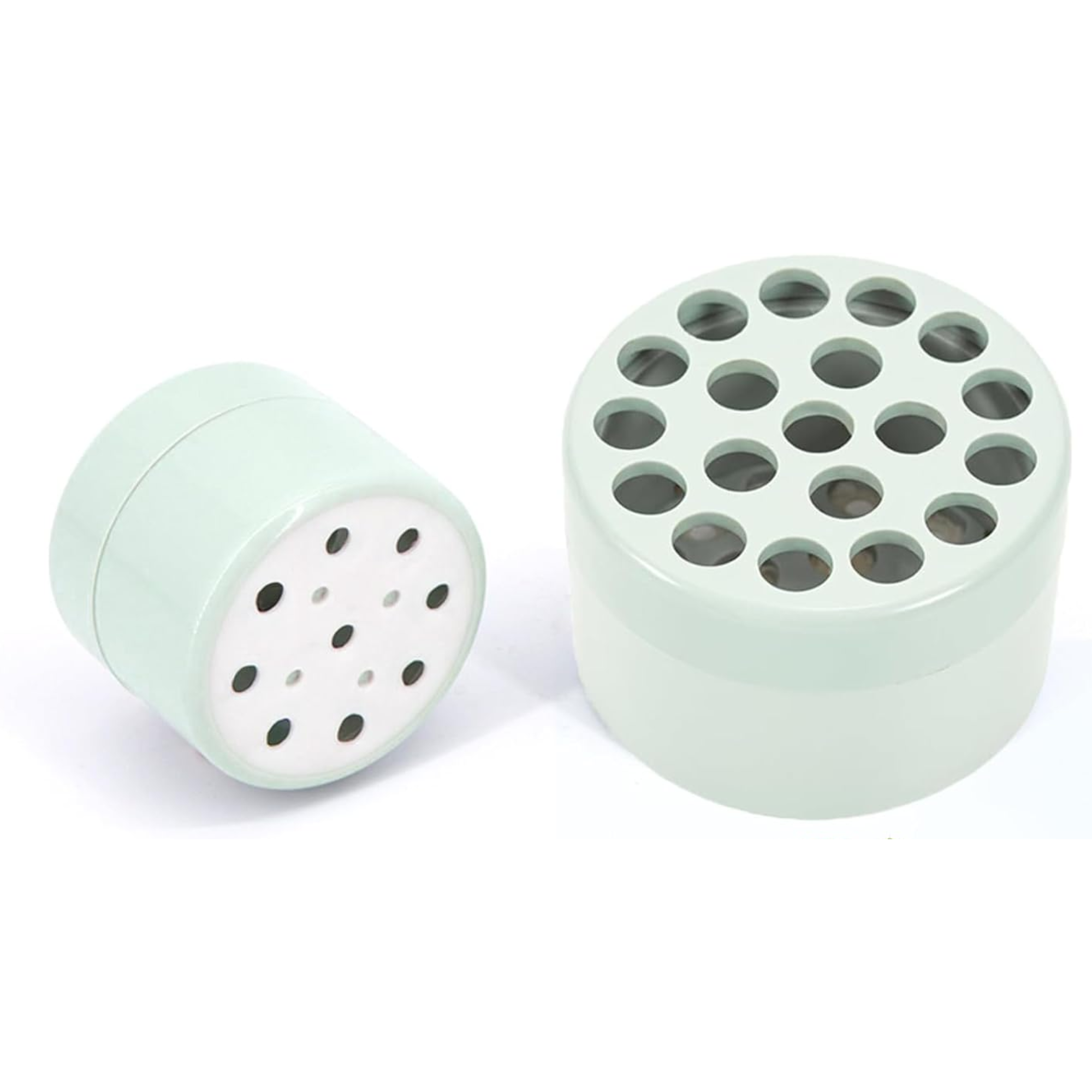
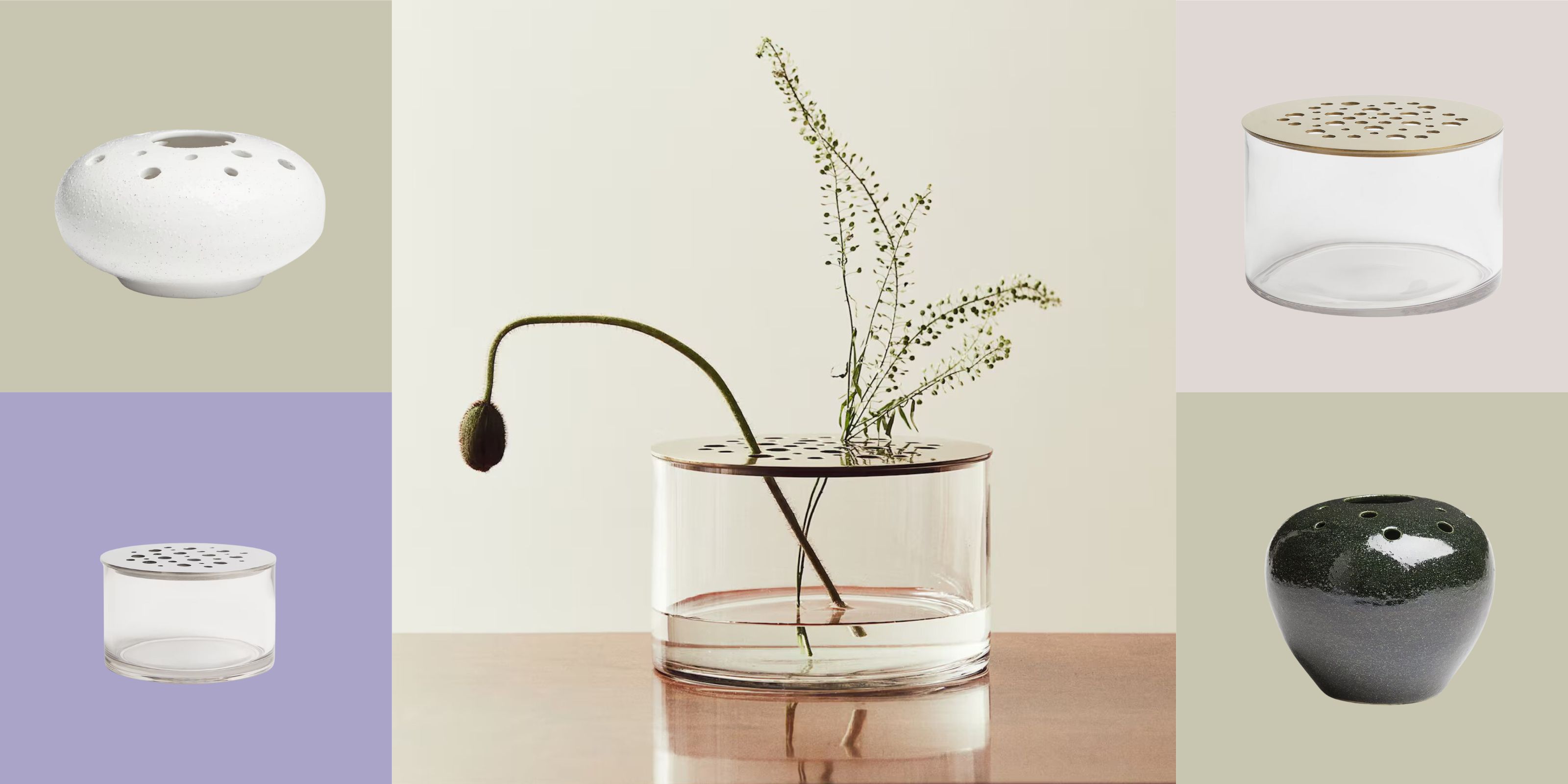
To begin practicing ikebana, several essential tools are required. These include ikebana flower scissors for clean cuts that promote longer flower freshness, kenzan flower frogs to secure stems in place within a vase, and a Japanese ikebana vase, particularly recommended for the moribana style which uses kenzan to create naturalistic landscapes. Additional necessary items include floral wire for binding stems, bamboo sticks to support weaker stems, and floral tape for extra support. The increasing popularity of Japanese practices like Kintsugi has made these materials more accessible online.
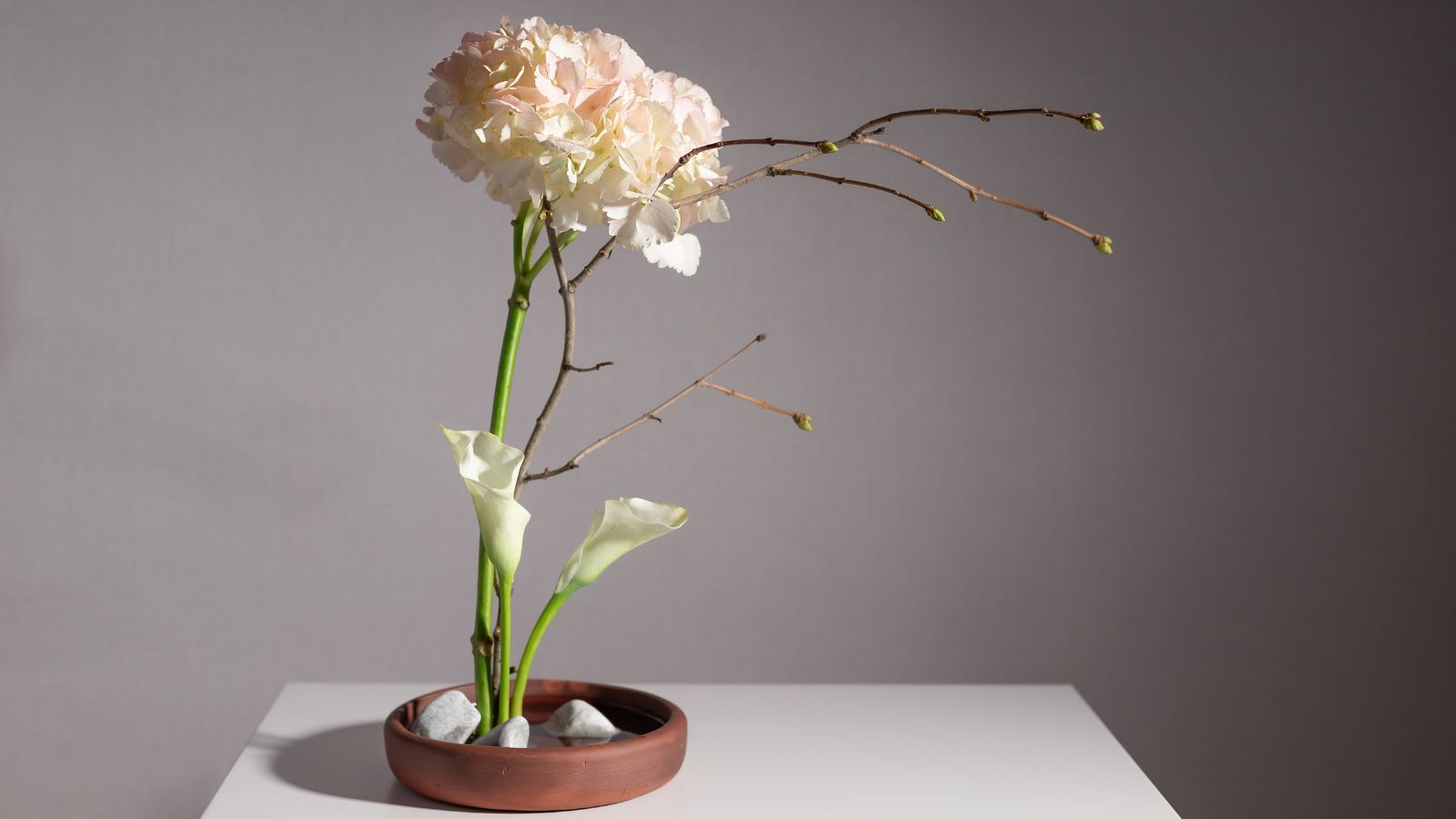
Authentic ikebana creation involves a structured approach. The process begins with assembling the necessary tools and choosing a shallow vase. The arrangement typically features three core elements symbolizing heaven, earth, and mankind. The tallest element, called the 'Shin', is usually a sturdy branch or woody-stemmed flower, positioned in the center and typically twice the diameter of the water vessel. The 'Soe', the second element, should be two-thirds the size of the Shin, and the 'Hikae', the third element, should be half the size of the Shin. Precise angles are crucial: the Shin is inserted straight and tilted about 15 degrees to the left, the Soe tilted 45 degrees to the left, and the Hikae tilted 75 degrees to the right for balance. Smaller filler flowers or moss can be added sparingly. The meditative aspect of the practice is underscored, emphasizing the importance of taking time and connecting with the flowers.
The article also details the seven harmonious principles of ikebana, designed to cultivate a peaceful and mindful activity. These include silence, to focus the mind; minimalism, and shape and line, preferring simplistic silhouettes over voluminous Western bouquets; form, allowing flowers to appear natural; humanity, guiding choices with emotion; aesthetics, ensuring the arrangement reflects both Japanese aesthetics and the current season; and structure, creating a triangular shape symbolizing Ten (heaven), Chi (earth), and Jin (man). The primary purpose of ikebana is to enhance the inherent beauty of individual flowers and plants, rather than grouping them indiscriminately. Finally, it is noted that ikebana vases require a minimal amount of water, just enough to cover the kenzan, to keep flowers fresh without causing stem rot.
#Ikebana #FloralArrangement #JapaneseCulture #InteriorDesign #MeditativePractice #FlowerSymbolism #HomeDecor #DIYFlowers #Minimalism #Ikebana #FloralArrangement #JapaneseCulture #InteriorDesign #MeditativePractice #FlowerSymbolism #HomeDecor #DIYFlowers #Minimalism
0 comment in total
 No comments yet
You may also like
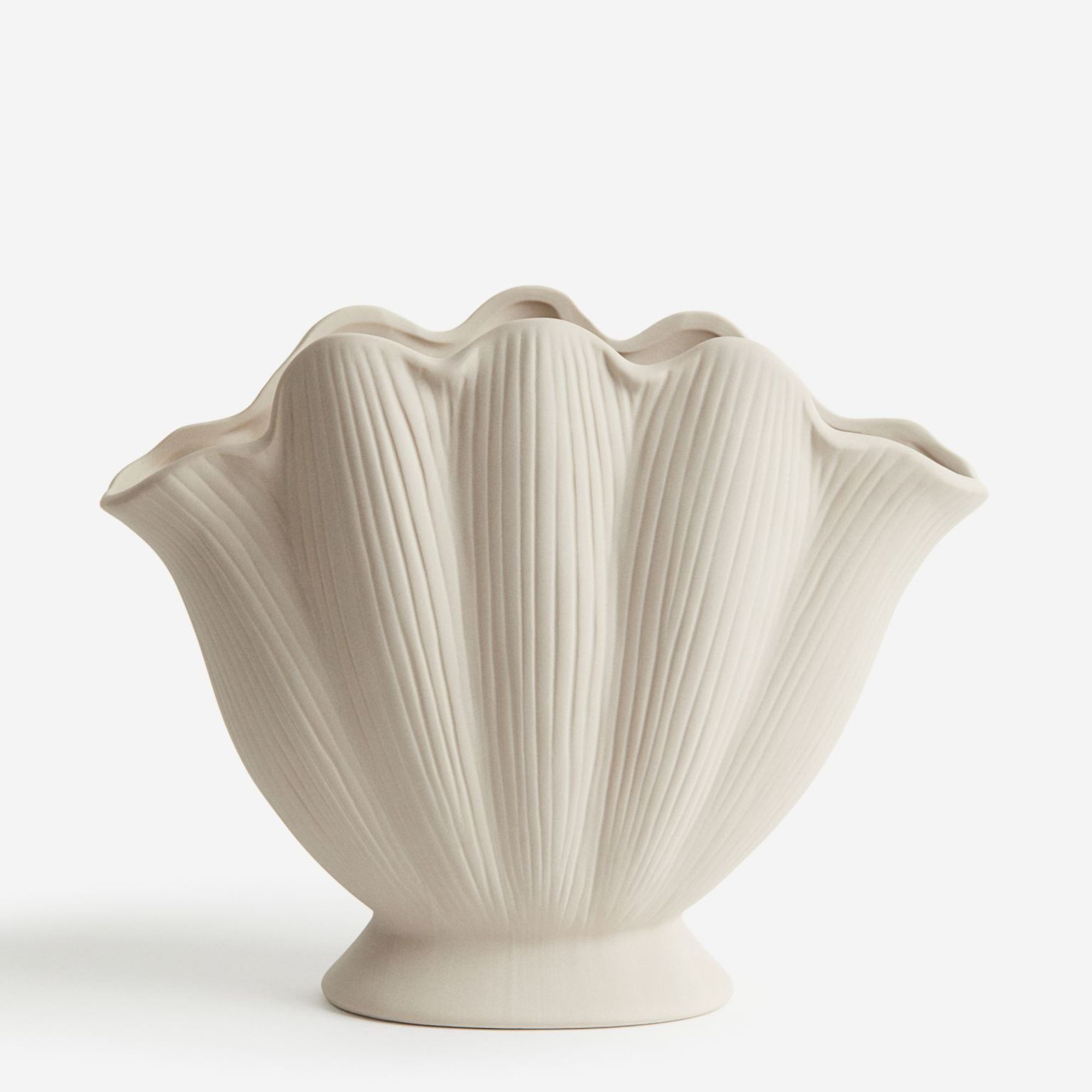
H&M's Ikebana Vases Are the Only Way I'm Going to Arrange Flowers From Now on

'A flower grown from seed is the perfect metaphor for our individual creativity' – why 2025 floral trends are about stepping back and letting nature ground us
9 Houseplants You’ll See Everywhere in 2024, According to Influencers
Florists Take to the Floor (Published 2023)

How to make your home bloom, plus 5 tips for the perfect floral display

4 Floral Arrangements To Hold You Over Until Spring
Step Aside, Florals—Shells Are the "It" Decor Motif of This Spring

3form’s Ivory Flora Collection Launches a Fresh Take on Biophilia
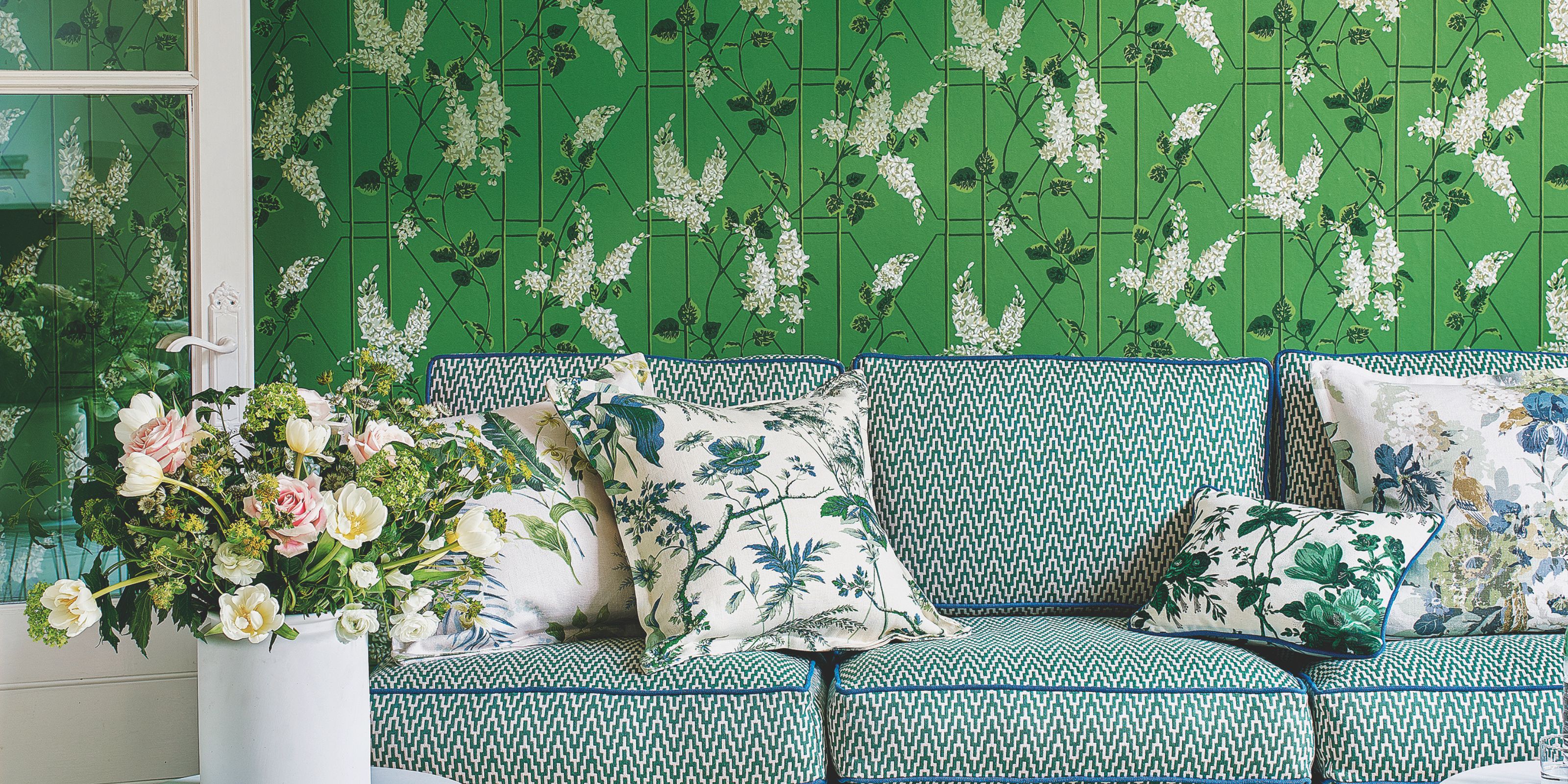
Sorry florals, botanical patterns are trending for 2025
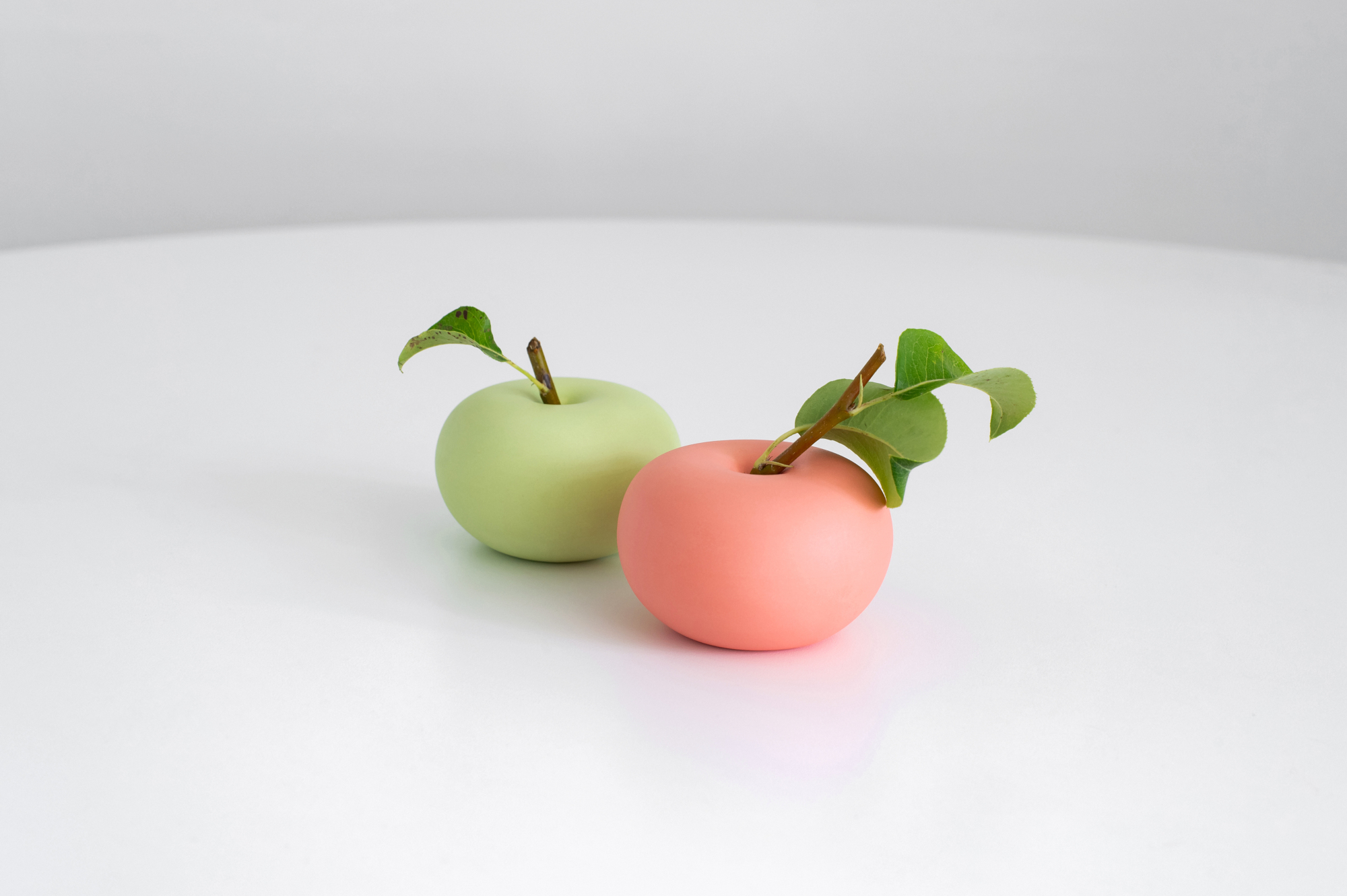
Enhancing the power of a flower
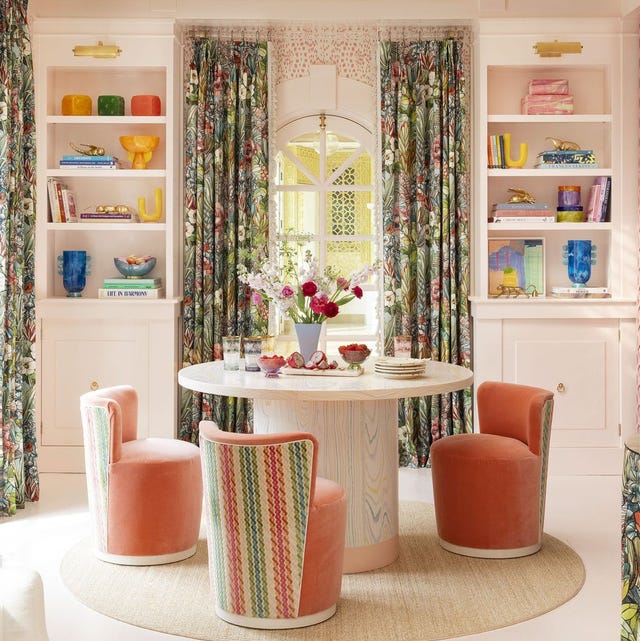
These Are the New Floral Prints Designers Are Loving

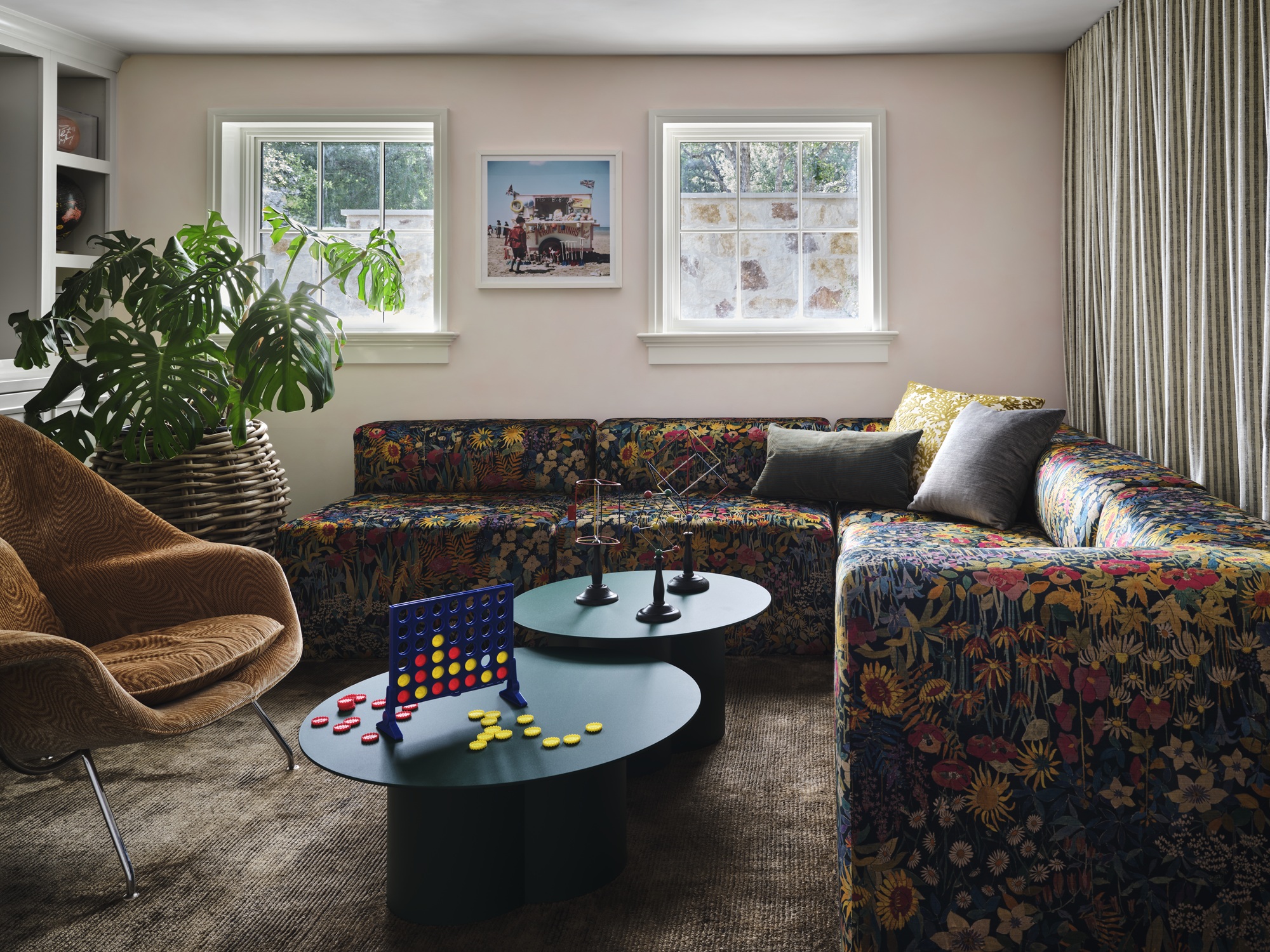
I'd Written-Off Floral Patterns as 'Too Twee', but How Designers Are Using Them in 2025 Has Me Reconsidering

Flower Arrangements Are Reaching New Heights (Published 2024)
The best new annual flowers of 2025

Brighten Up Your Flower Garden Palette With 2023's Color Of The Year

Petals & Roots: How To Create a Symbolic Floral Arrangement – and Welcome in the New Year with Intention
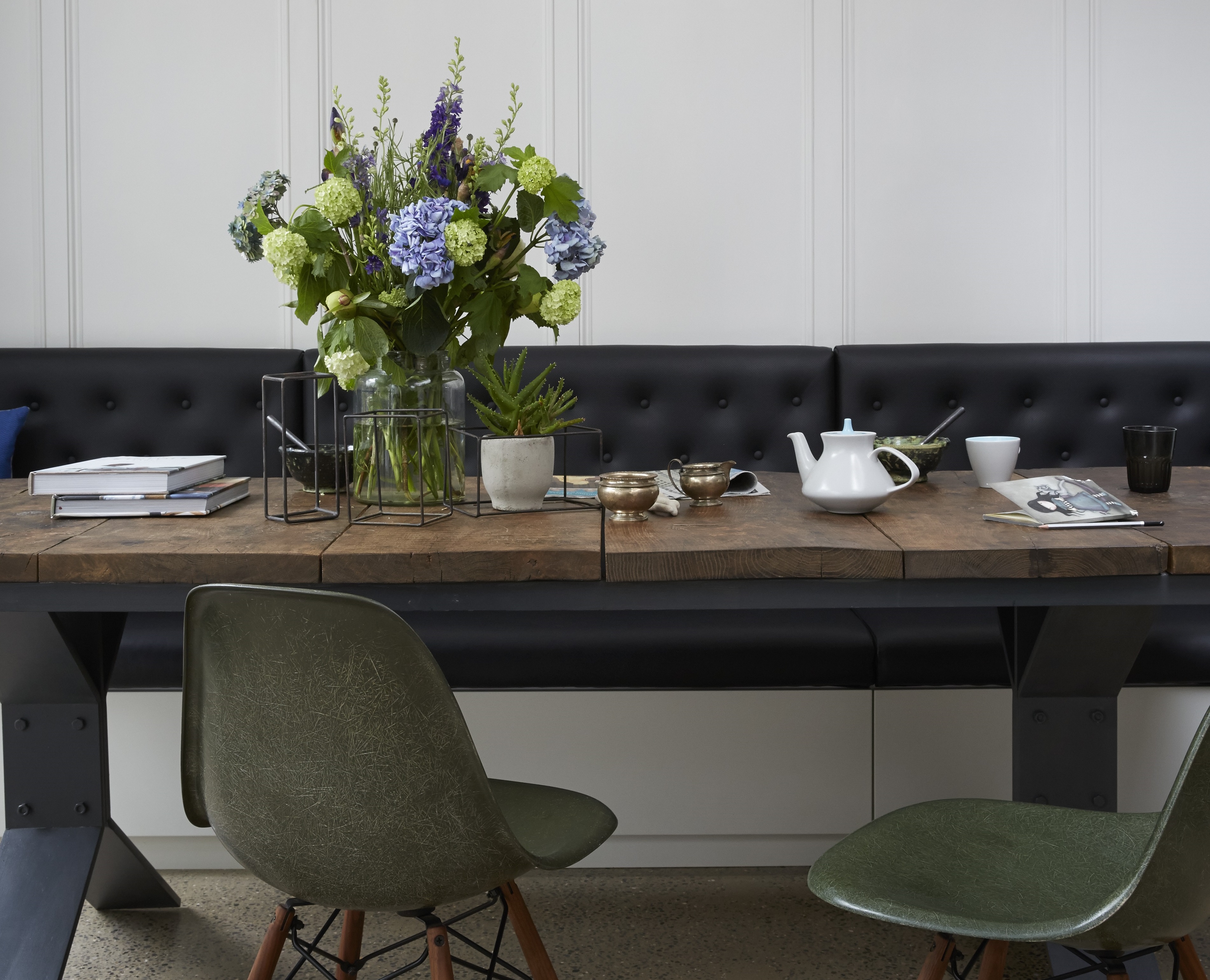
This Viral "Japanese-Inspired" Flower Arranging Gadget Makes it Easy to Achieve the Perfect Vase of Blooms
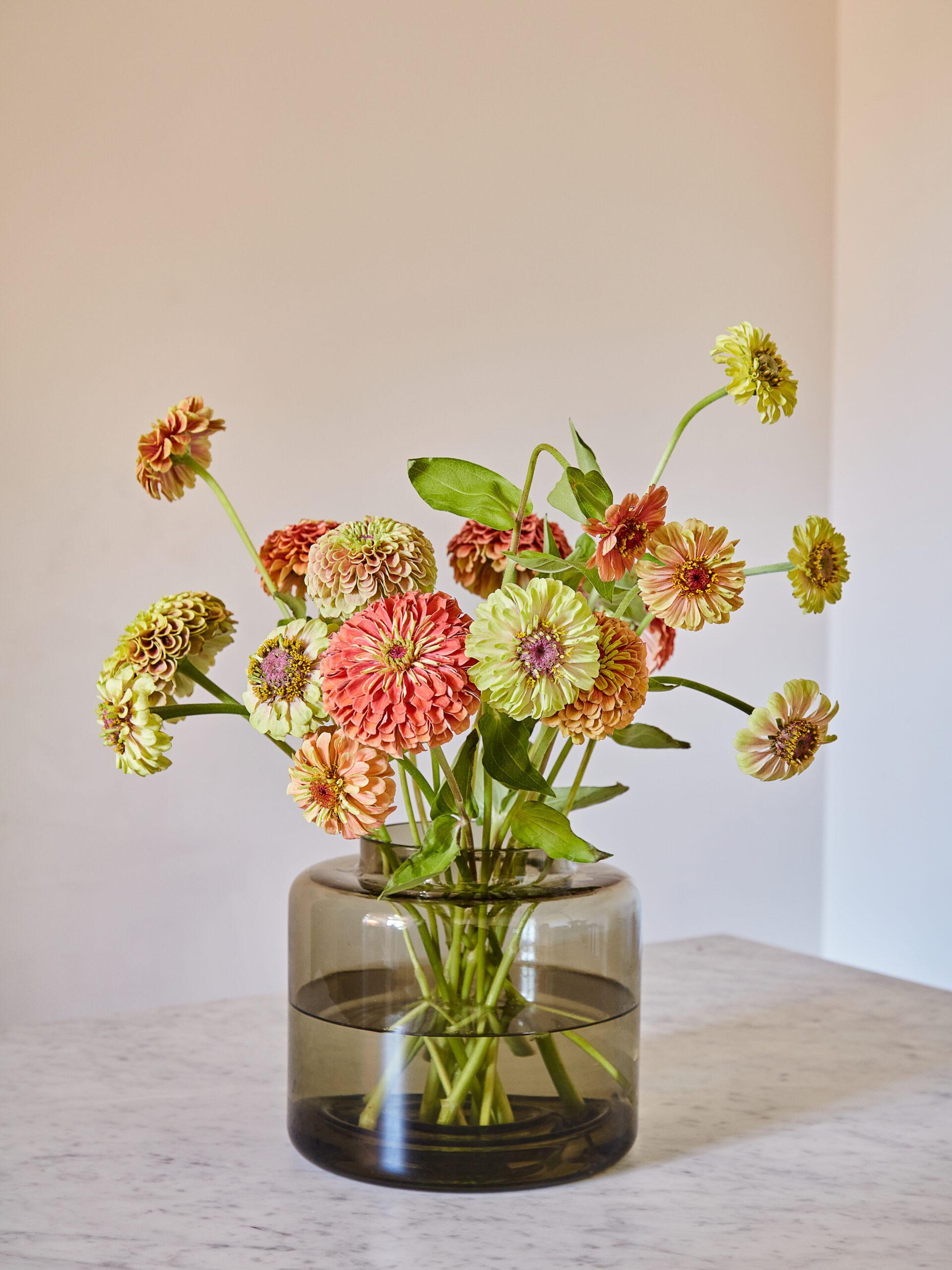
IKEA’s New Vase Has a Hidden Feature That Makes Every Arrangement Look Professional

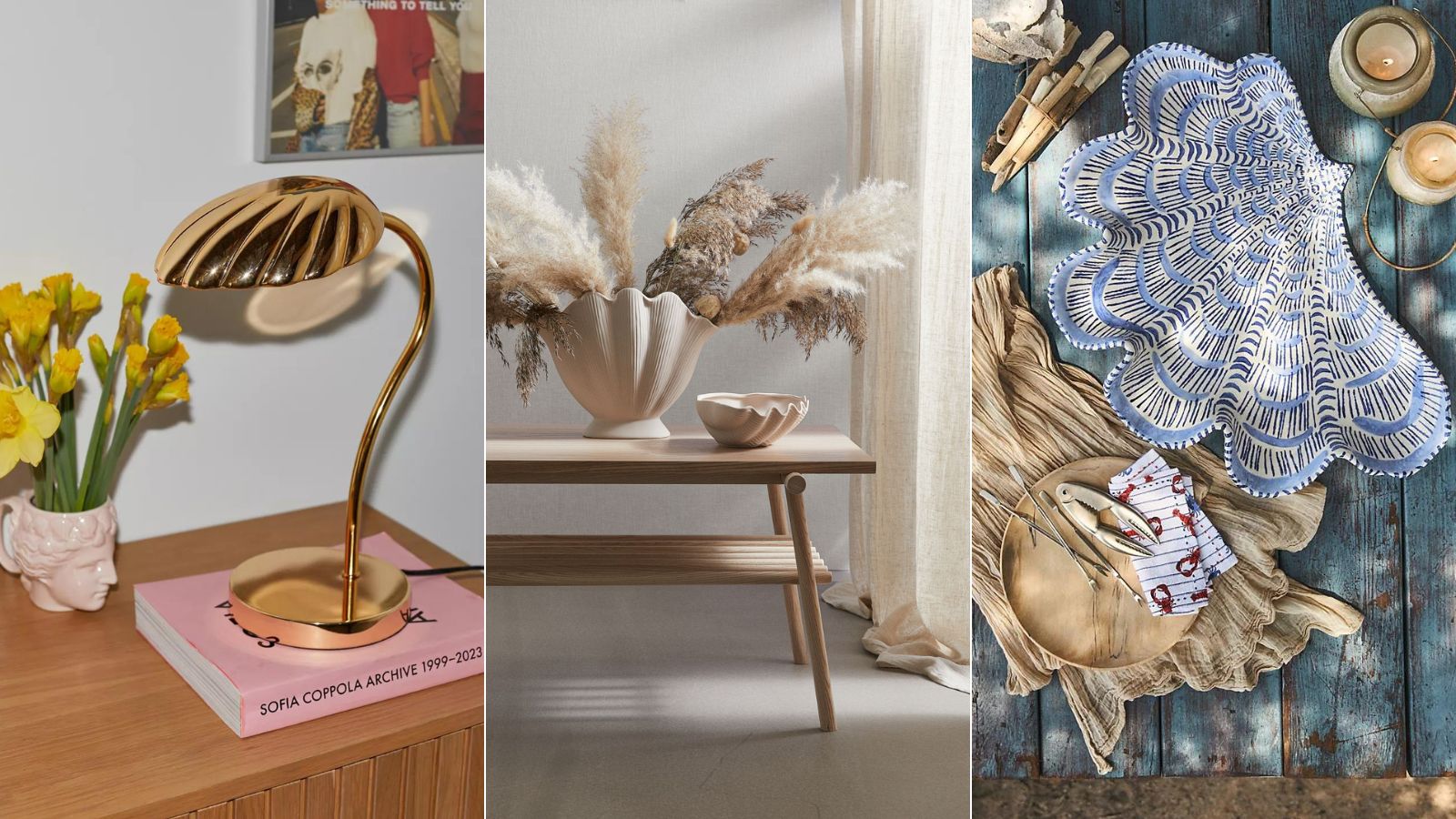
Florals for spring? It's all about shell decor for 2024 – these are our top picks
The Latest Decor Trend Might Replace The Indoor Plant Craze